
2026 Kyoto Shopping Guide: Must-Visit Shopping Districts Around Nishijin
Kyoto’s best shopping is concentrated around Shijo-Kawaramachi, Kyoto Station and Nishijin, covering department stores, shopping streets and artisan shops.
Around Shijo-dori, Karasuma-dori and Kawaramachi: Kyoto’s Densest Department Store District
The area from Shijo-Kawaramachi to Shijo-Karasuma is the liveliest shopping core in Kyoto and the district most often recommended when people ask where to shop in Kyoto. It has two major department stores, Daimaru and Takashimaya (the long-established Fujii Daimaru main building closed for reconstruction on May 6, 2026), plus fashion malls such as OPA and Kyoto BAL, with luxury brands, beauty and lifestyle goods all in one place. The area has been a commercial hub since the Edo period, and century-old shops and traditional craft stores can still be seen today, showing how Kyoto’s commercial culture has evolved.
We suggest setting aside half a day to a full day. Weekday mornings are quiet and good for leisurely shopping; weekend afternoons are packed, so go in the first hour after the shops open to avoid the crowds. Most shops stay open until around 8 p.m., and shopping before dinner goes most smoothly.
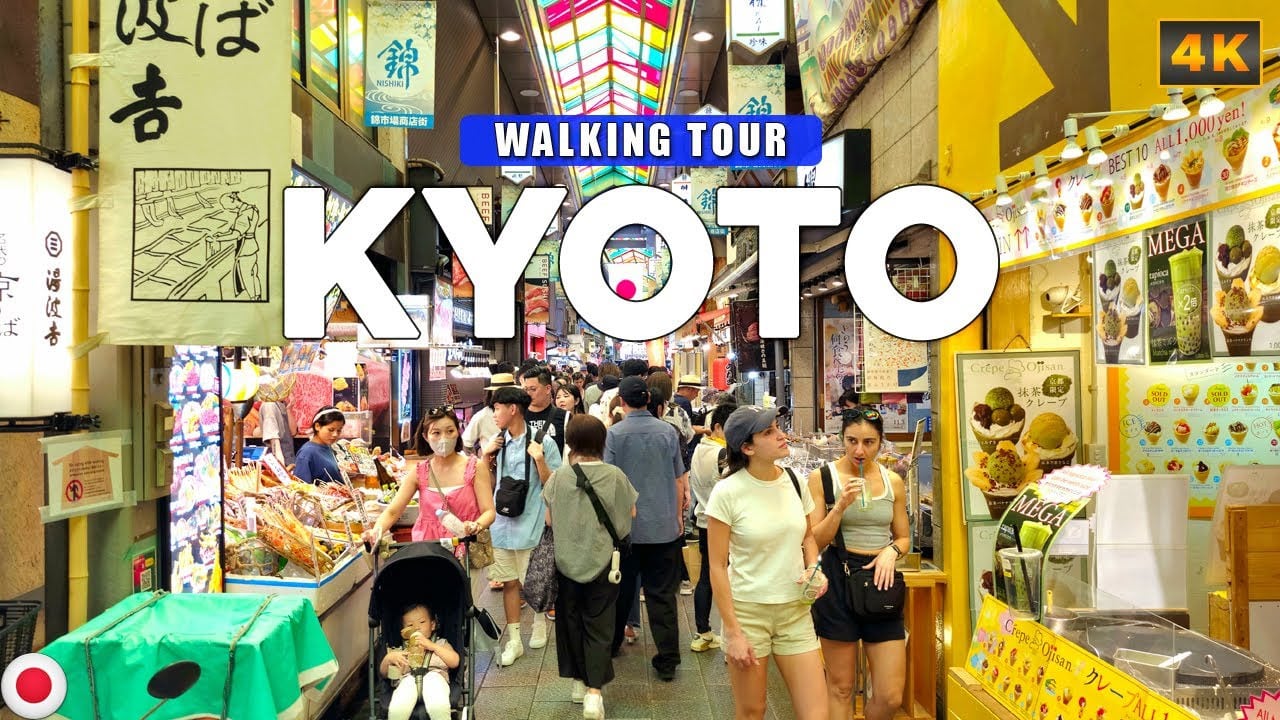
Around Kyoto Station: Transport and Shopping in One Place
Kyoto Station is more than a transport hub; the Porta underground mall, The Cube and the Isetan department store inside let travelers finish their souvenir shopping between connections. It combines Shinkansen, JR, Kintetsu and city bus transfers, and the layout is especially friendly to travelers with luggage.
Because it is close to Kyoto Tower and Higashi Honganji, you can also visit nearby sights in between shopping. Opening hours are mostly 10 a.m. to 8 p.m., with some restaurant floors staying open until 10 p.m., making it a good place to shop on the last day of your trip.
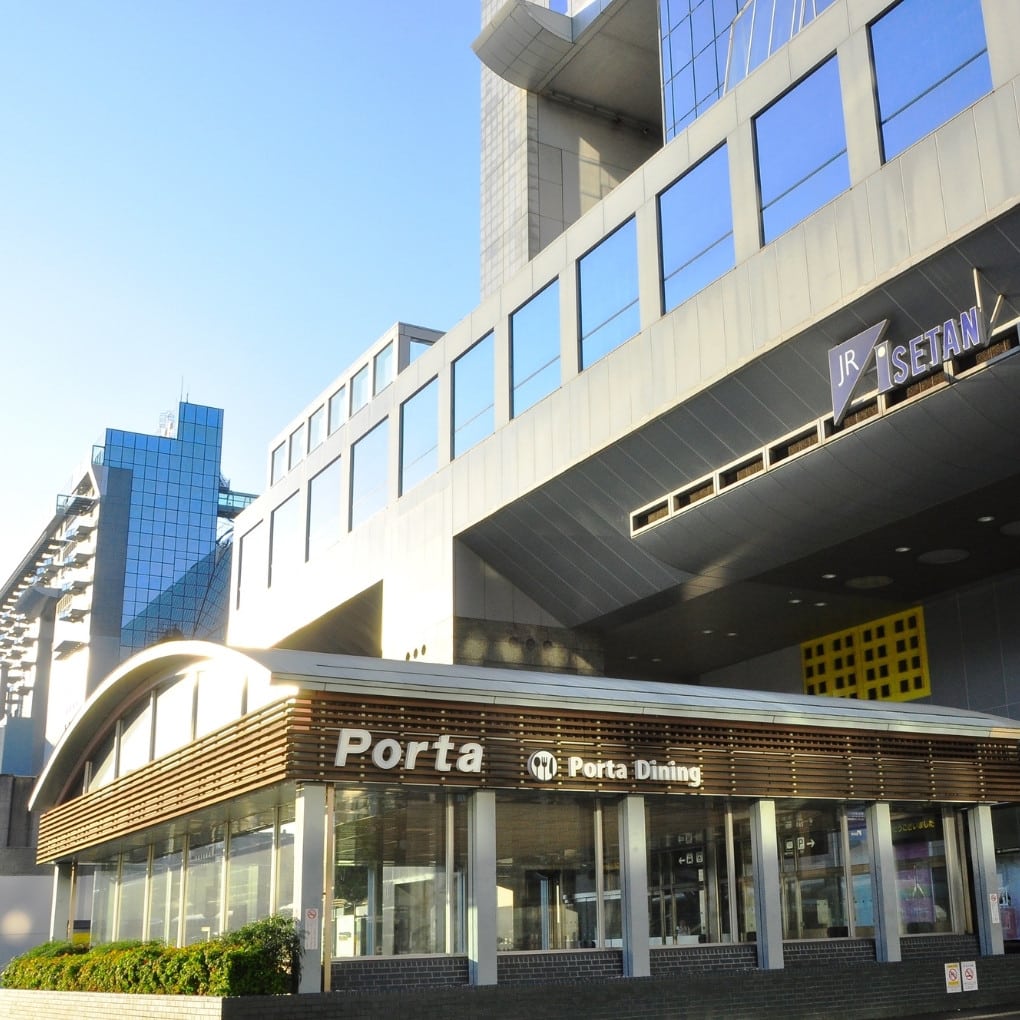
Gion-Shijo Area: A Cultural Shopping District Where Tradition Meets Shopping
Gion-Shijo combines the traditional charm of Hanamikoji with the modern department stores Daimaru and Takashimaya, and is the district where you can best experience Kyoto’s blend of old and new. Along the Kamo River, noryo-yuka (riverside dining platforms) are set up every year from May to September, so you can enjoy the riverside night view while shopping.
Shops here mostly sell traditional crafts such as Kyo-yuzen and Kiyomizu-yaki, and there are also many famous shops specializing in matcha sweets. We suggest going around dusk: shop by day and enjoy the view in the evening, which makes the smoothest itinerary.
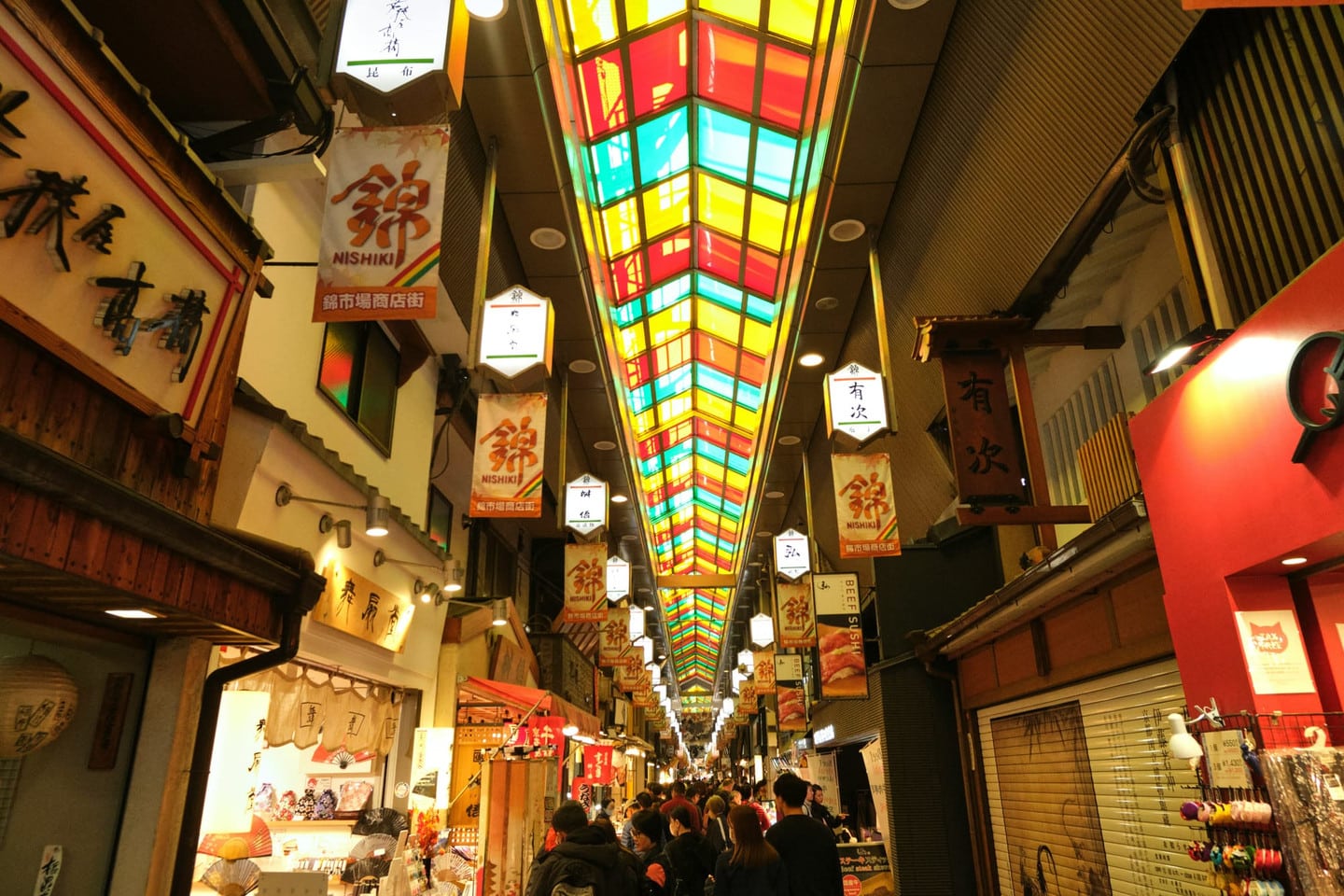
Teramachi-dori and Shinkyogoku Shopping Street: Japan’s Second-Oldest Shopping Street
Shinkyogoku Shopping Street opened in 1872 and has more than 150 years of history, famous for youth fashion, affordable general goods and all kinds of snacks. Teramachi-dori has more of an antiques-and-stationery feel, and Kyukyodo, founded in 1663, is right here, selling traditional incense and washi paper products.
The two shopping streets are right next to each other, and 2-3 hours is a good amount of time to wander. Opening hours are about 10 a.m. to 8 p.m., and some shops close on Wednesdays, so we suggest checking before you go.
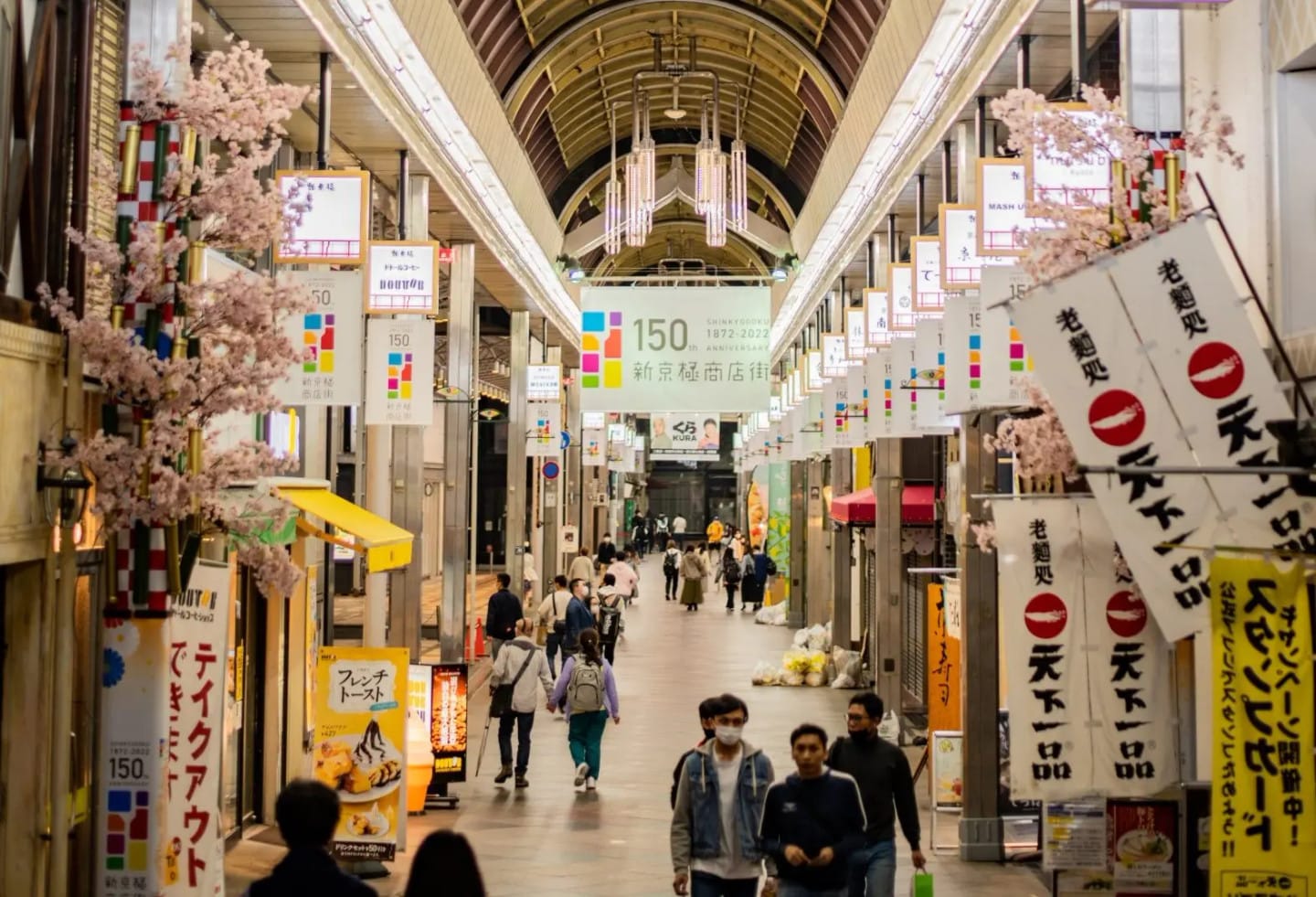
Nishiki Market: Kyoto’s Kitchen
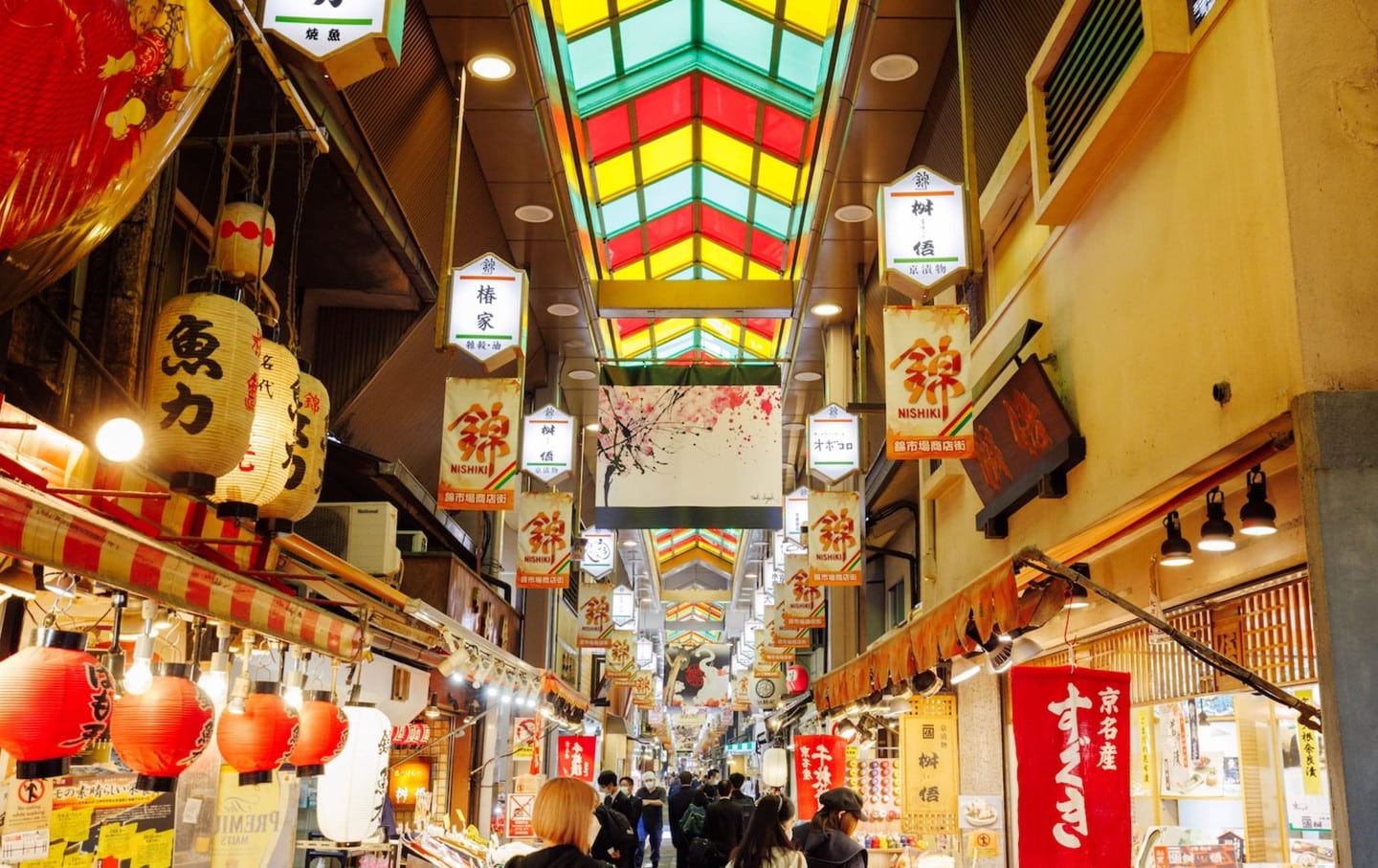
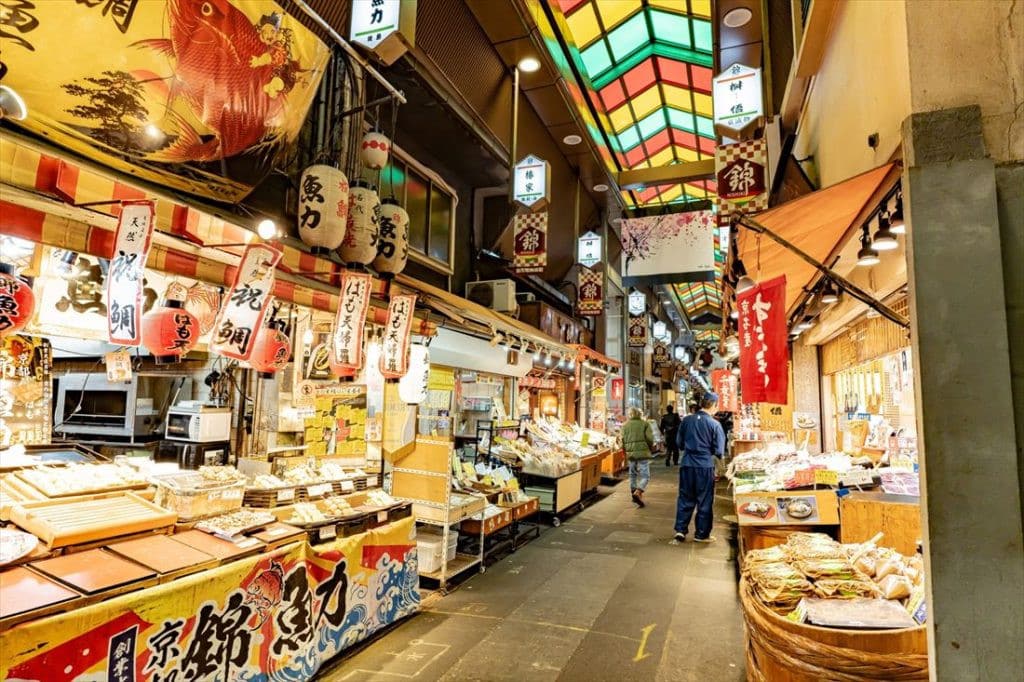
Nishiki Market’s official website lists its length as 390 meters, with nearly 130 shops on both sides selling Kyoto pickles, dried goods, fresh produce and street snacks, and it is called “Kyoto’s Kitchen.” It has been Kyoto’s wholesale food center since the Edo period, and many century-old shops remain.
With the increase in tourists in recent years, the market has explicitly banned eating while walking, and we suggest eating in the designated rest areas. Opening hours are mostly 9 a.m. to 6 p.m.; we suggest going in the morning, when you get the freshest ingredients and the fewest people at the same time.

Nishijin Area: Traditional Textiles and Artisan Alleys
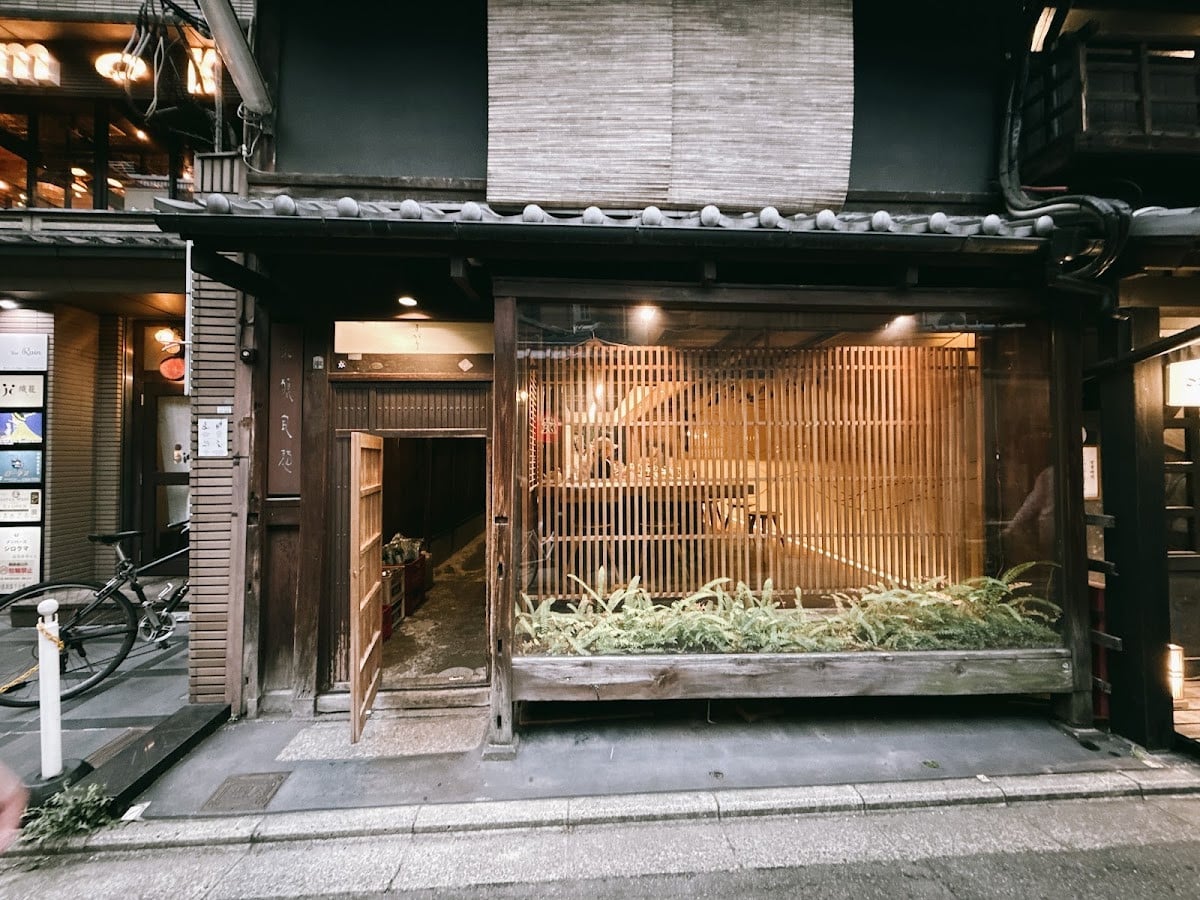
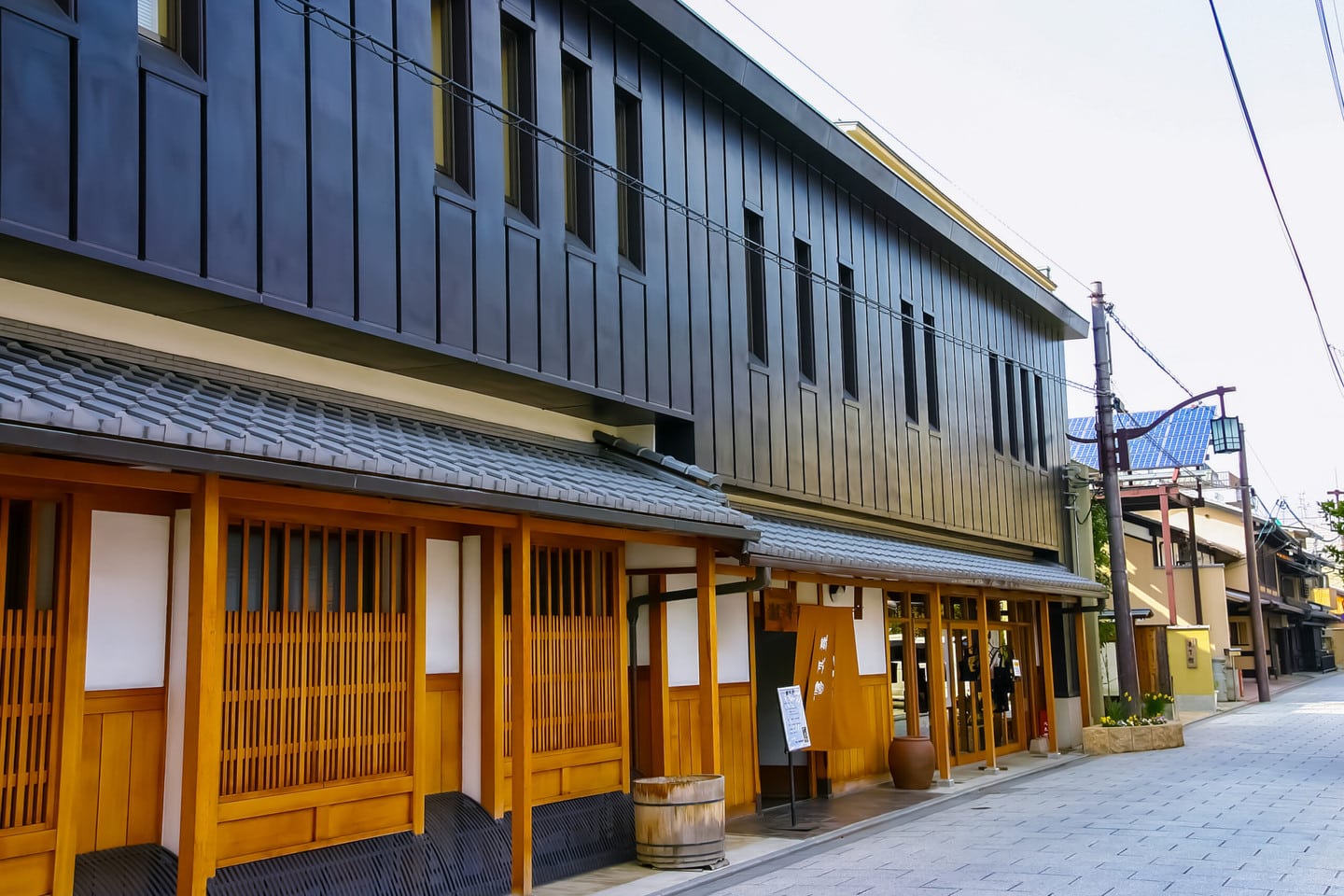
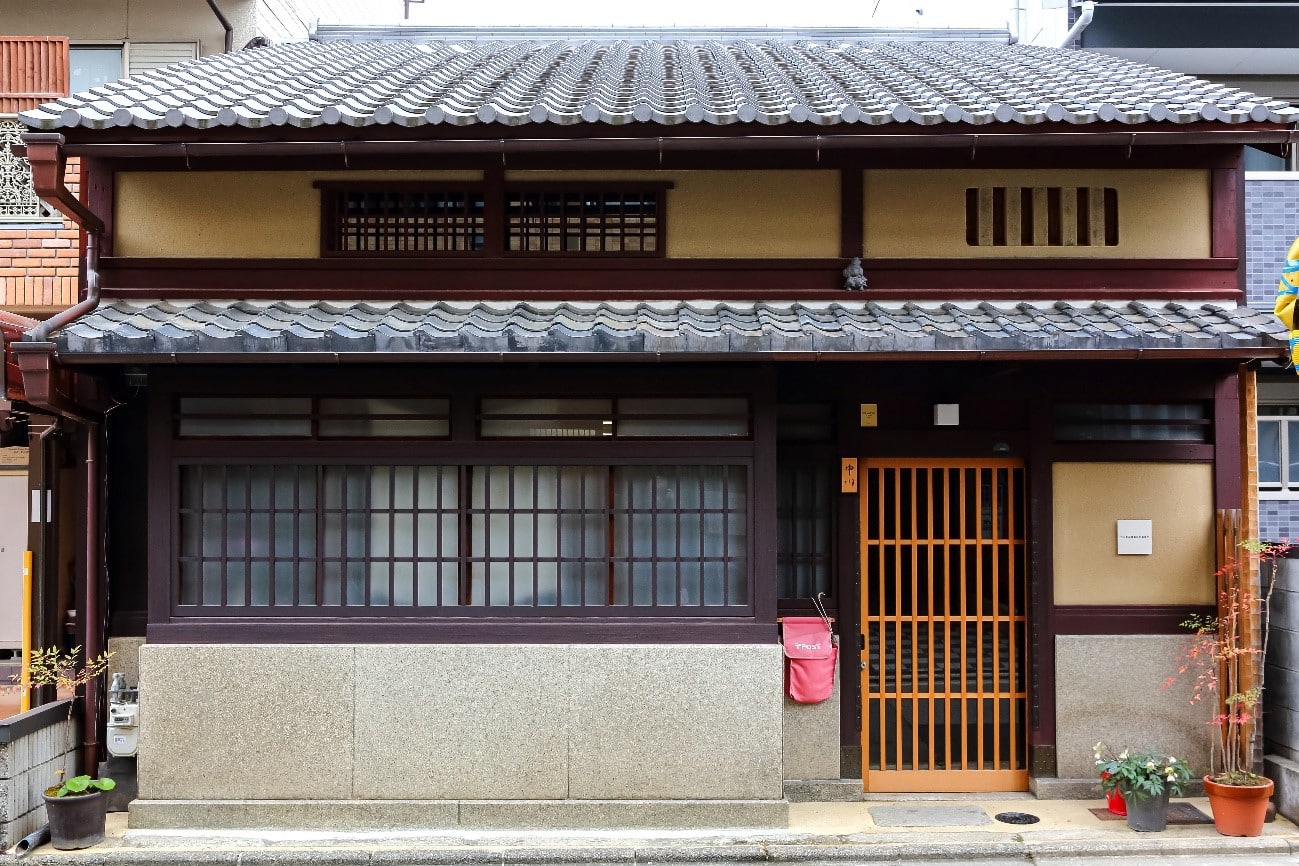
Nishijin is the birthplace of Kyoto’s traditional textile industry and is world-famous for Nishijin-ori; the area keeps many machiya-townhouse select shops and craft workshops. There are no large department stores here, but the artisan shops and vintage stores in the alleys give a better feel of local life.
The Nishijin Textile Center offers kimono experiences and exhibits, a good choice for a deep half-day visit.
Shopping at the Nishijin Textile Center: Neckties, Small Woven Goods and Traditional Crafts
For Nishijin shopping, we most recommend heading straight to the Nishijin Textile Center (south of Imadegawa on Horikawa-dori, free admission). According to the Nishijin Textile Industry Association’s website, the building sells Nishijin-ori neckties, bags made of Nishijin fabric, original wallets, card cases and drawstring pouches made by the center, Kyoto-limited charms, and interior decorations such as table runners and framed weaving; the website’s shopping page also lists “Traditional Crafts Aoyama Square Kyoto Nishijin,” which gathers traditional crafts from all over Japan.
How to Get to the Nishijin Textile Center: City Bus Routes and Walking Time
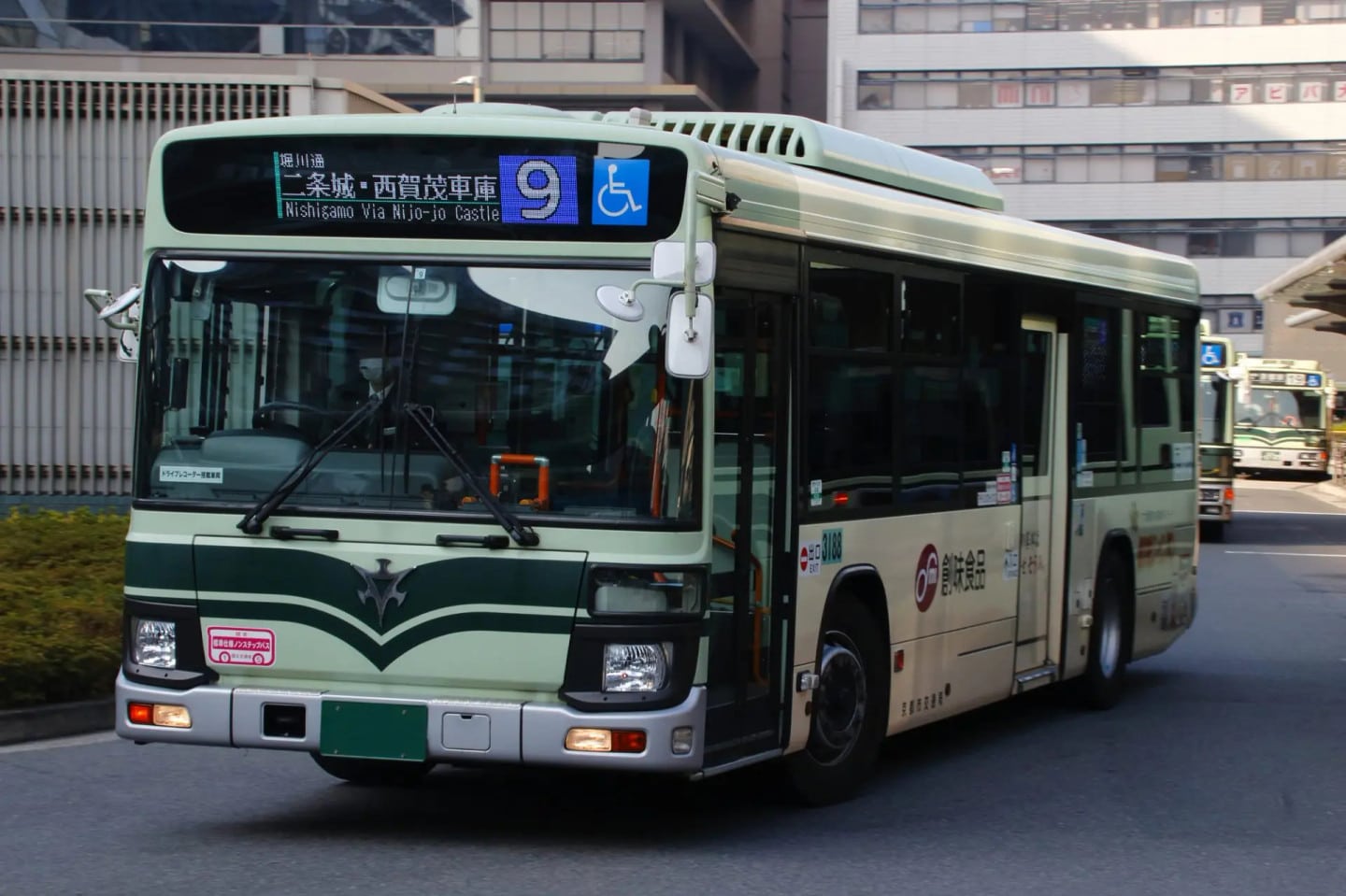
From Shijo-Kawaramachi or Shijo-Karasuma, take city bus No. 12 for about 20 minutes, or from Kyoto Station take No. 9 for about 30 minutes, and get off at “Horikawa Imadegawa,” a 1-2 minute walk. Since it is a bit far from Shijo-Kawaramachi, we suggest planning a separate half day to avoid overlapping with your downtown shopping itinerary.
Shijo-dori: Kyoto’s Department Store and Brand Boulevard
Shijo-dori is Kyoto’s most representative shopping boulevard, with Daimaru Kyoto on the Karasuma side and Takashimaya Kyoto on the Kawaramachi side, and Japanese and international brand stores along the way. The street is wide and easy to walk, good for a luxury shopping itinerary.
Transport here is convenient, right next to Hankyu Karasuma Station and Shijo Station on the subway, so after shopping you can transfer directly to other attractions, an excellent starting point for planning a one-day shopping itinerary.
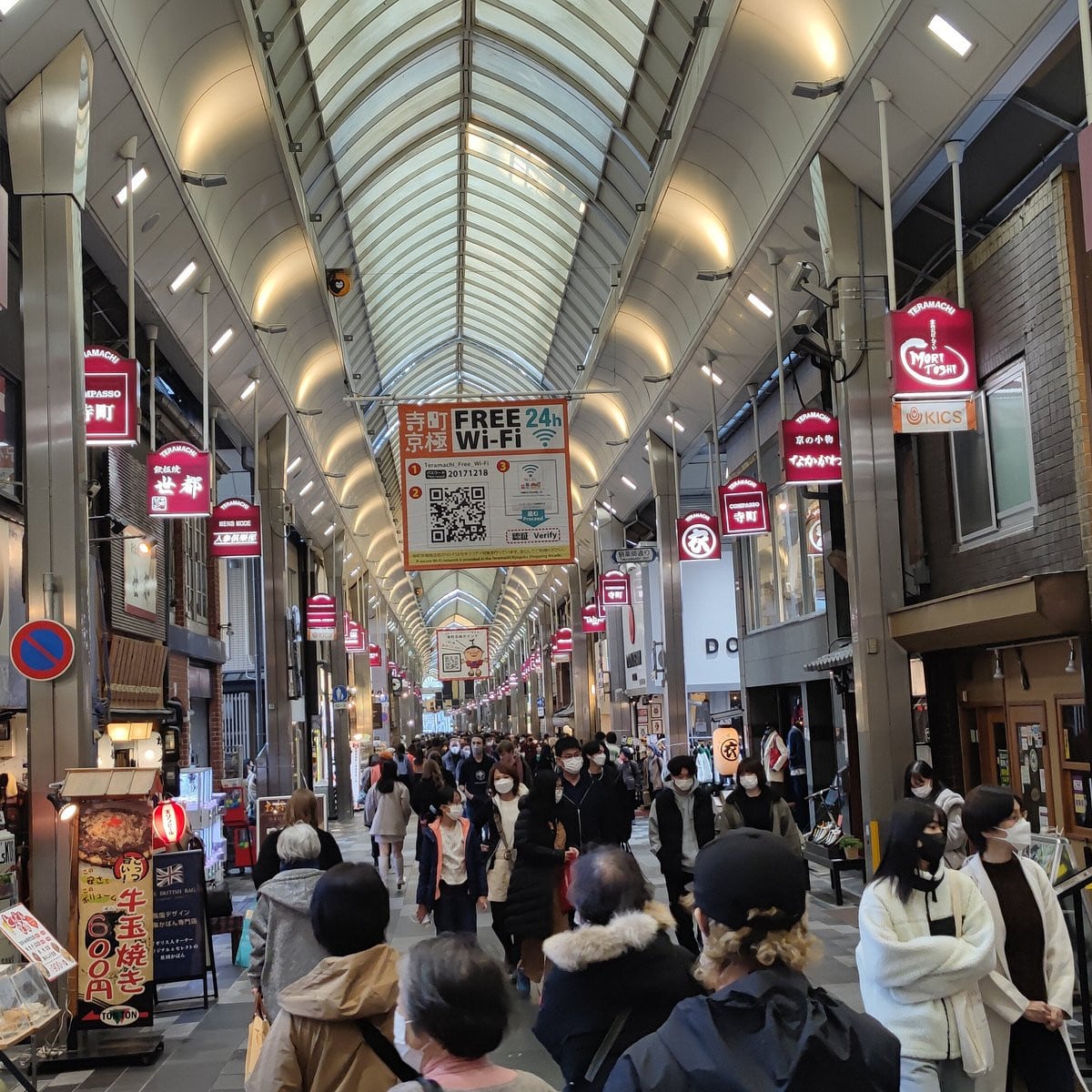
Shijo-Karasuma Shopping: Daimaru Kyoto, COCON KARASUMA and the Underground Connections
If you are staying around Shijo-Karasuma, or want to spend less time outdoors on a rainy day, Shijo-Karasuma is a convenient place to start shopping. Daimaru Kyoto (west of Takakura on Shijo-dori) has underground passages directly connecting to Hankyu Kyoto Line “Karasuma Station” and Subway Karasuma Line “Shijo Station”; it is a 1-2 minute walk from the station exit to the department store, and the basement floors have the widest selection of sweets and Kyoto souvenirs.
South of the Shijo-Karasuma intersection, “COCON KARASUMA” (south of Shijo on Karasuma-dori) is a smaller, more relaxed mall; the 1st floor has the incense brand lisn, Rakobo, OIL&VINEGAR and other shops, and the B1 floor is mostly restaurants, a good place to add some selection shopping after Daimaru. From Shijo-Karasuma, walking east along Shijo-dori to Shijo-Kawaramachi is about 1 km, and along the way you can shop all the way to Takashimaya, Kawaramachi OPA and Shinkyogoku; if you do not want to walk, it is only one stop on the Hankyu Kyoto Line from Karasuma Station to Kyoto-Kawaramachi Station.
Sanjo Meitengai: A Shopping Street of Characterful Small Shops
Sanjo Meitengai is quieter than Shijo-dori, with many characterful select shops, second-hand luxury stores and cafes, a must-visit for travelers who like treasure hunting. There is no pressure of big chain brands here, and the pace is relaxed.
We suggest going after shopping on Shijo; the two are only about a 5-minute walk apart, and it works as a transition point in your itinerary, letting you feel the shift in Kyoto shopping from lively to quiet.
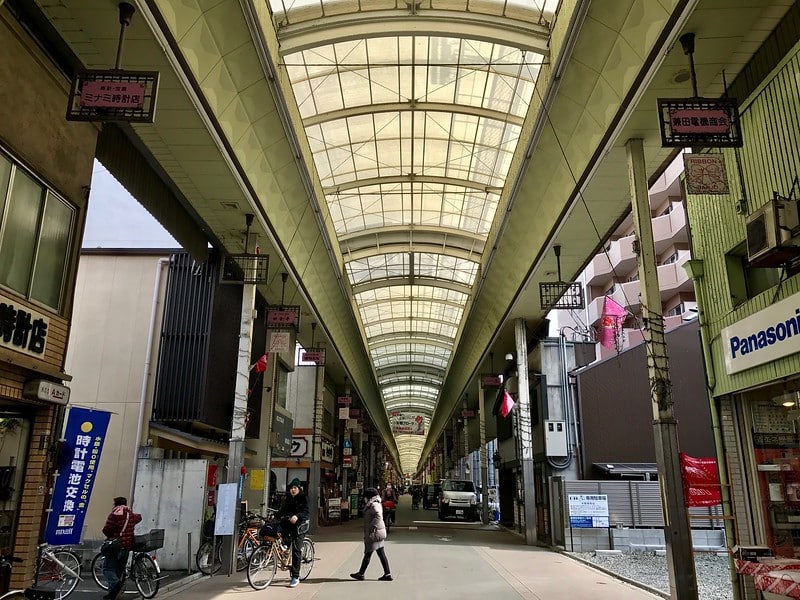
How to Get to Nishijin? A Full Guide to Transport and Costs
Nishijin sits at the border of Kamigyo and Kita wards in Kyoto and is not a core sightseeing area served directly by the Kyoto subway, so the transport options are fairly varied: buses, subway transfers, taxis and bicycle rental are all common choices.
How to Get to Nishijin? Transport at a Glance
🚌 Kyoto City Bus: Nos. 9, 12, 101 and others, about 30-40 minutes, fare ¥230; the ¥700 city-bus-only one-day pass was discontinued at the end of March 2024, and now you would buy the “Subway and Bus One-Day Pass” for ¥1,100, which pays for itself after about 5 rides.
🚇 Subway Karasuma Line transfer: to Imadegawa Station is about ¥210-260, then transfer to city bus No. 59 or walk 15 minutes to the heart of Nishijin.
🚕 Taxi: about 20-25 minutes from Kyoto Station, fare about ¥2,200-2,800, suitable for luggage, older travelers or rainy days.
🚲 Bicycle rental: about ¥1,000-1,500 per day, a 25-35 minute ride to get into the alleys, suitable for free exploration.
Kyoto’s Popular Department Stores and Malls: Must-Visit Spots Around Shijo-Kawaramachi and Kyoto Station
From long-established department stores to anime select shops, here are the most worthwhile popular shops in each Kyoto shopping district.
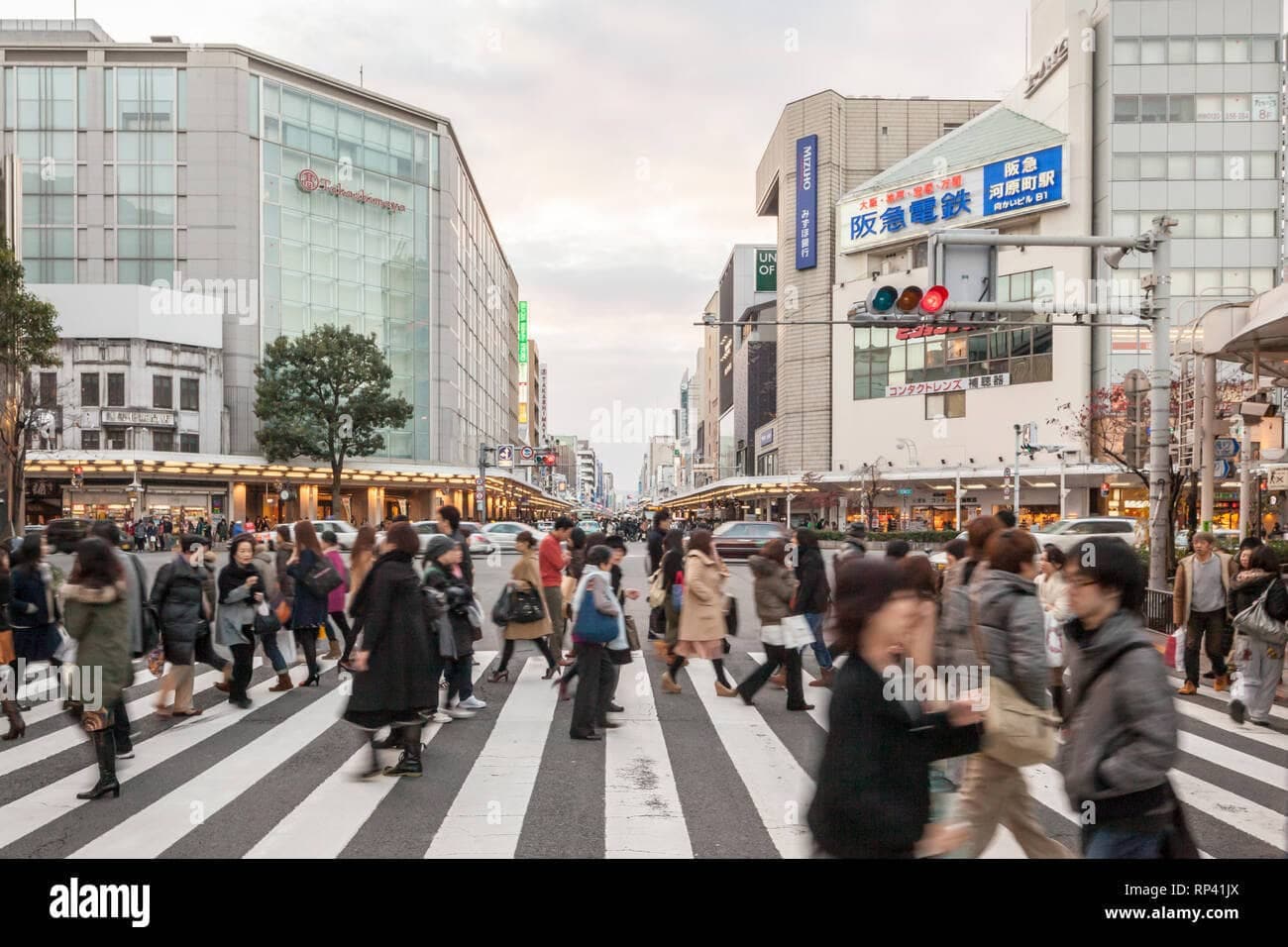
Daimaru Kyoto: Basement Food Halls and Traditional Crafts Side by Side
Daimaru Kyoto is on Shijo-dori and is one of the oldest department stores in Kansai; the B1 and B2 fresh food and prepared-food floors have a rich selection, with frequent discounts after 7 p.m. The 8th floor has a food-themed “Manga Wall,” where you can freely browse manga about food.
We suggest allowing 1-2 hours, and especially recommend visiting the basement food floors around dusk, when you can buy that day’s fresh prepared food and wagashi at discounted prices. According to the official site, hours vary by floor: B2-2F 10:00-20:00, 3F-7F 10:00-19:00, 8F restaurants 11:00-22:00, open year-round except January 1 and 2.
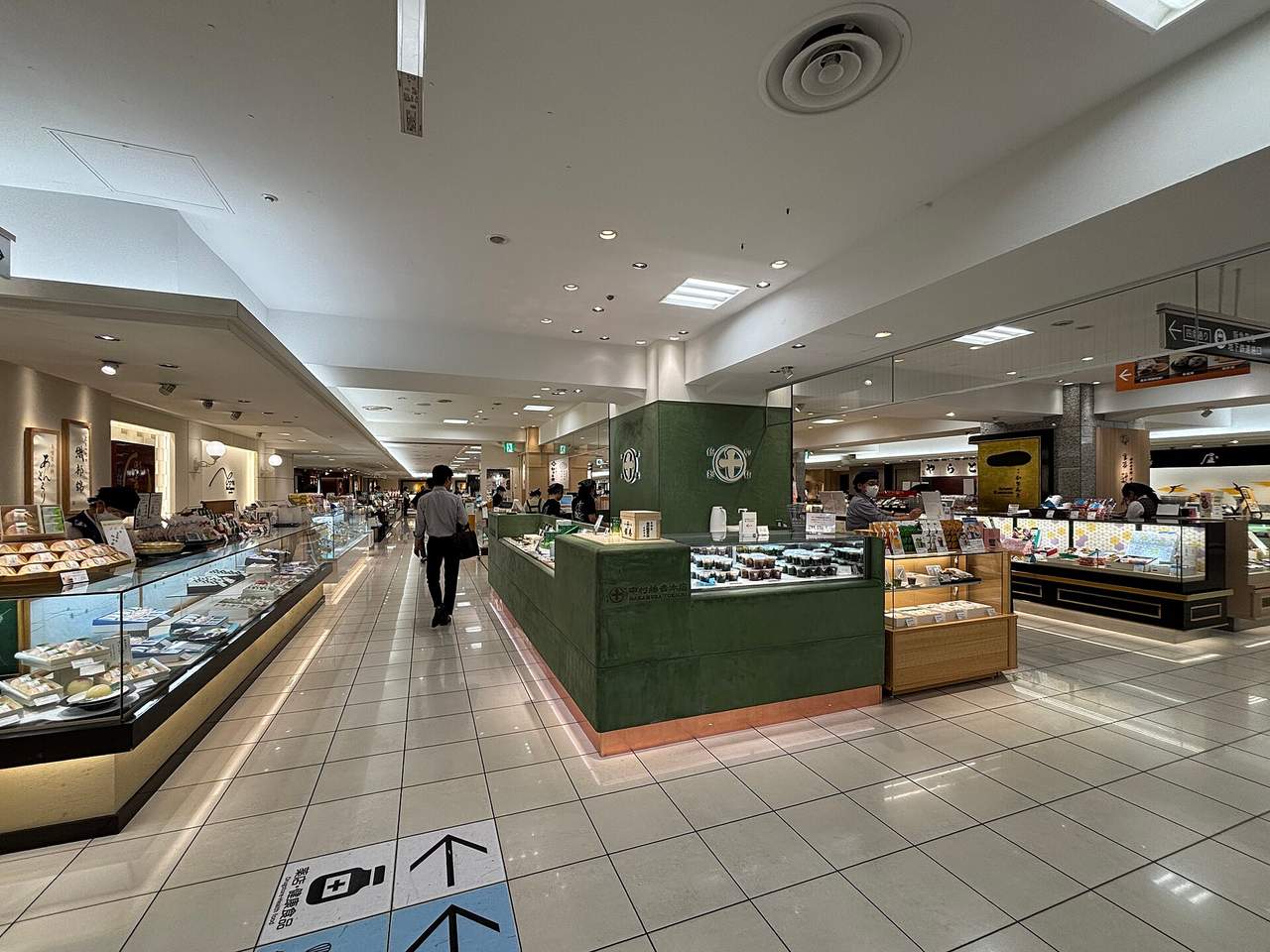

Takashimaya Kyoto: A Long-Established Department Store Connected to Hankyu Kawaramachi Station
Takashimaya Kyoto connects directly to Hankyu Kawaramachi Station, with floors covering luxury goods, beauty and souvenirs, and the summer rooftop beer garden is a summer tradition for Kyoto locals.
Foreign visitors with a passport can apply for a “Hello Kitty Takashimaya Shopping Card” at the 1st-floor service desk or the 7th-floor tax-free counter and get 5% off (some items excluded), which can be combined with the tax-free benefit. Opening hours are 10:30 a.m. to 8 p.m. (from August 1, 2026, opening time changes from 10:00 to 10:30); the tax-free counter is on the 7th floor, and the process takes about 10 minutes.
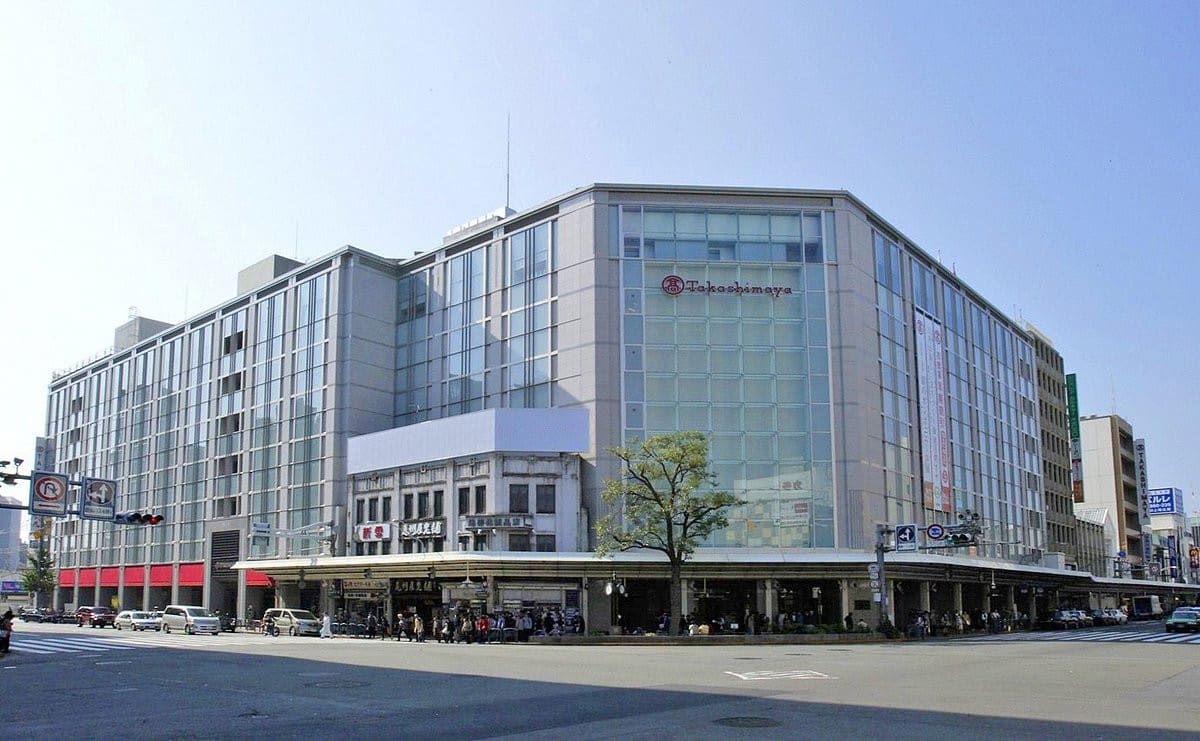
Fujii Daimaru: A Fashion Benchmark for the Younger Generation
Fujii Daimaru is at the corner of Shijo and Teramachi and was founded in 1870; it has long targeted younger customers, with a brand mix leaning toward Japanese trend fashion and lifestyle goods. One important note: according to Fujii Daimaru’s official announcement, the main building has been closed entirely for reconstruction since May 6, 2026, with a target of reopening in fiscal 2030, so you currently will not see the original department store at Shijo-Teramachi.
During the closure, some brands operate from locations around Teramachi-dori such as “FUJII DAIMARU SOUTH 1” and “FUJII DAIMARU WEST 2” (for example THE NORTH FACE and JOURNAL STANDARD), and the “FUJII DAIMARU POP UP SPACE” holds pop-ups and sales at irregular intervals; hours are mostly 11:00-20:00, so we suggest checking the official website for the current month’s locations and events before you go.
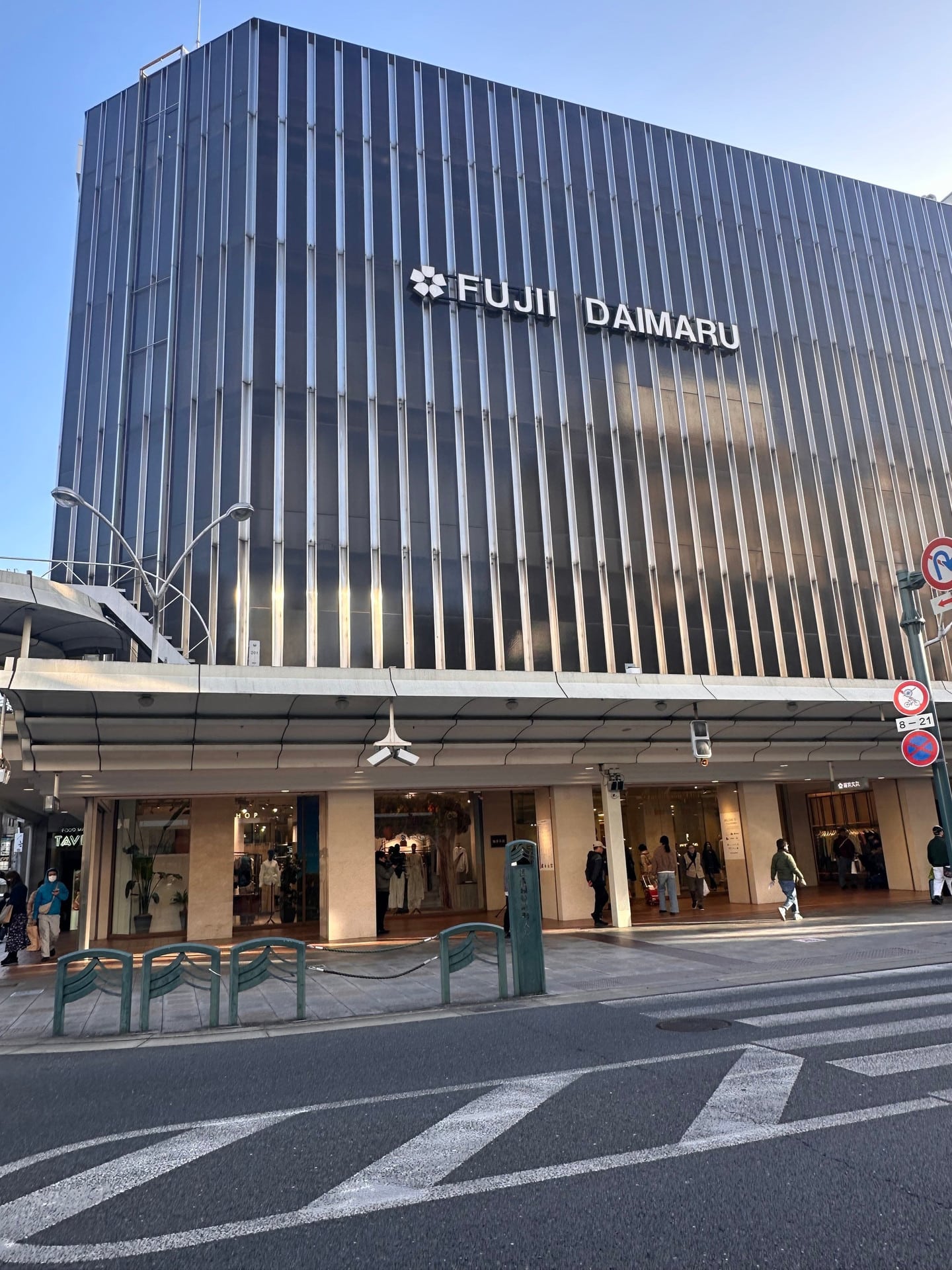
Kyoto Isetan: A Shopping Landmark Inside Kyoto Station
JR Kyoto Isetan is on the 2nd to 11th floors of Kyoto Station and is known for its rich selection of Kyoto souvenirs; the B1 food floor sells local-limited items such as matcha sweets and pickles, the best place to buy souvenirs before leaving Kyoto.
Opening hours are 10 a.m. to 8 p.m., right next to the Shinkansen ticket gates, ideal for last-minute shopping before your train. The 11th-floor Ramen Koji gathers famous ramen shops from all over Japan, so you can also eat there when you are tired.
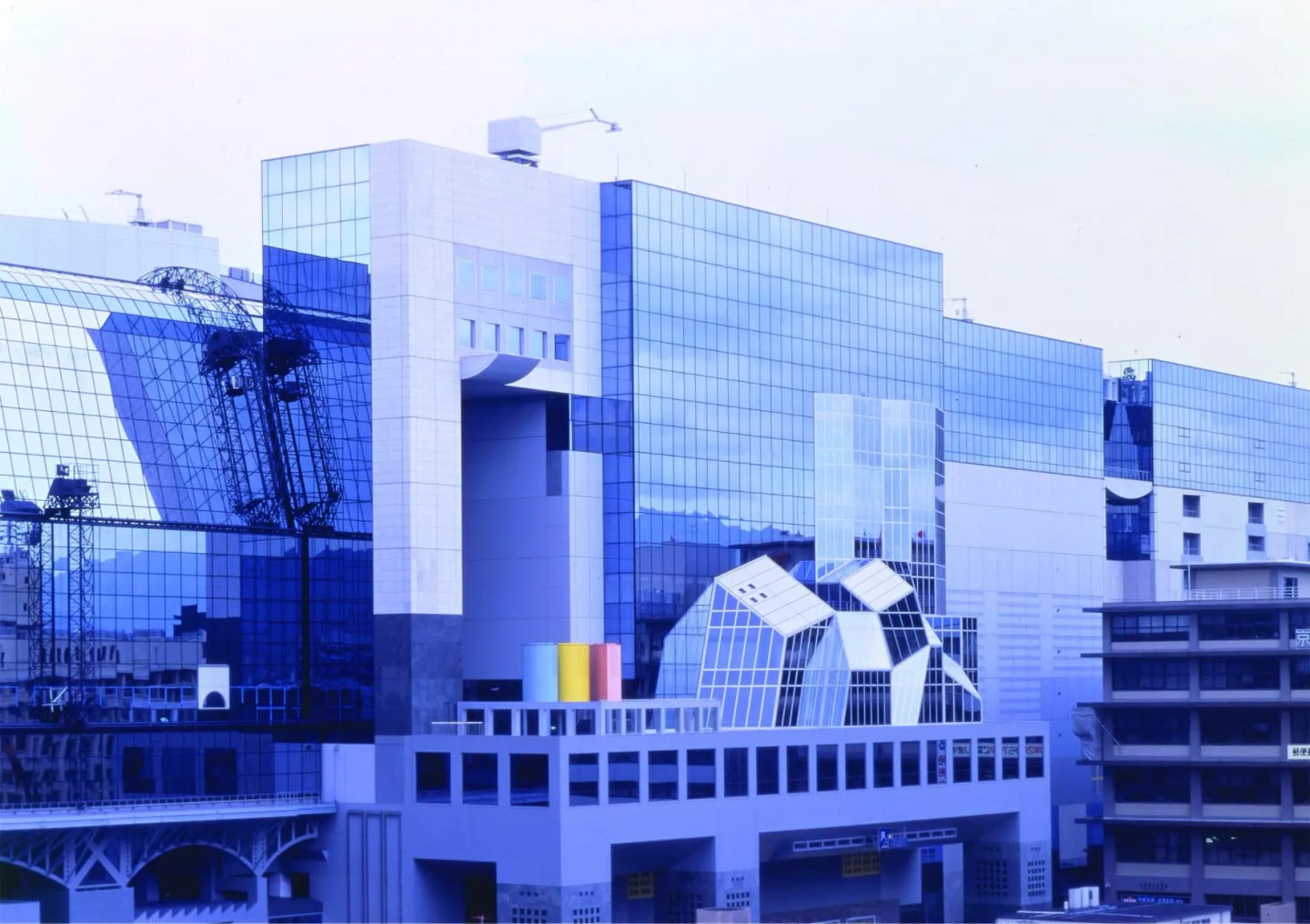
Kyoto BAL: A Select-Shop Department Store with a Strong Art Flavor
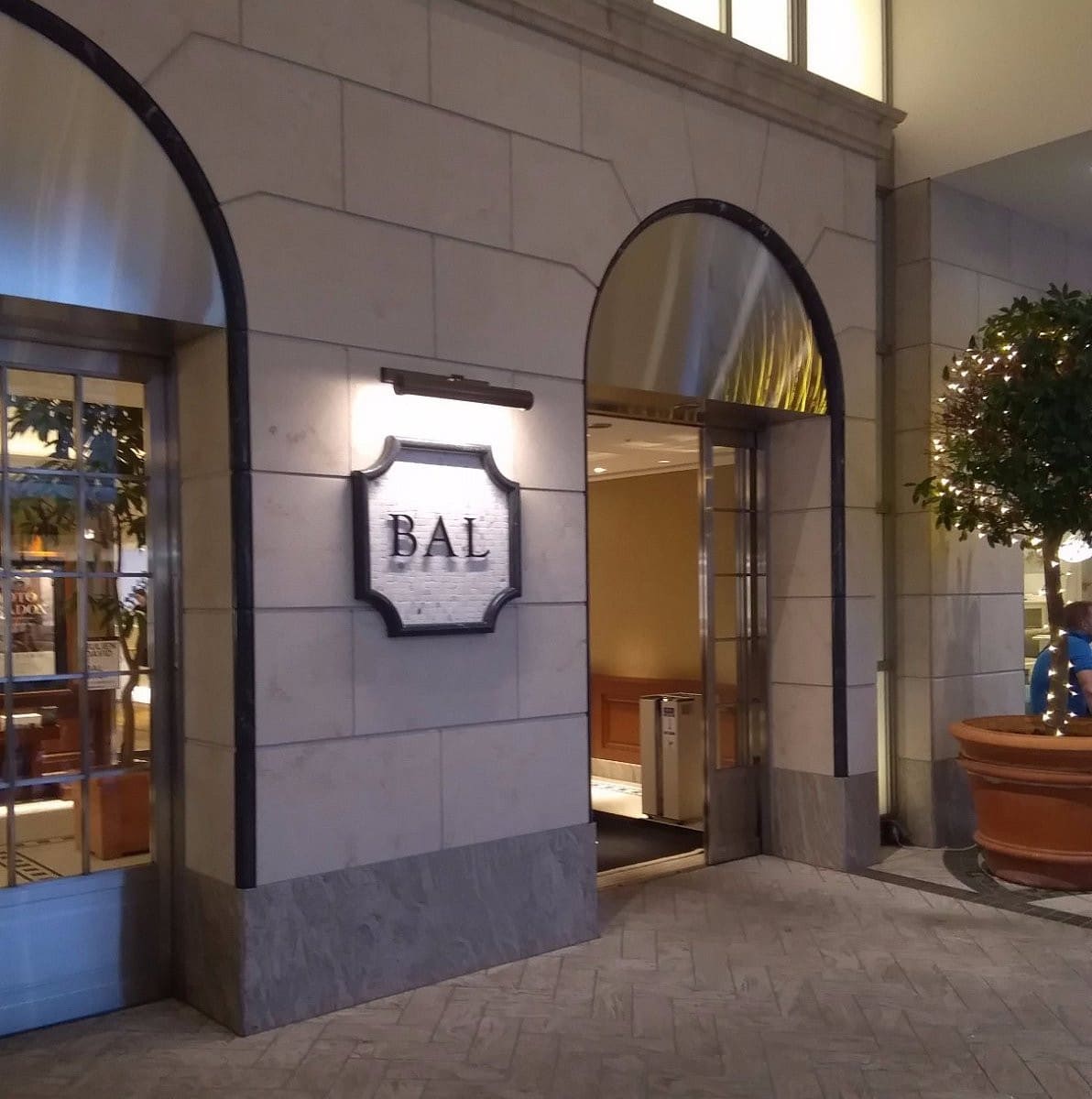
After its renovation, Kyoto BAL takes a refined arts-and-culture approach; the 3rd floor houses “Starbucks Cafe & Art Gallery Kyoto BAL,” displaying about 70 contemporary artworks by local young artists that can be purchased, combining the coffee and gallery experience, good for a short rest after shopping. The floor brands are mainly lifestyle select shops and designer brands.
We suggest about an hour for a visit, especially recommending the select shops on the 2nd and 3rd floors, where you can find many limited-edition items from independent designers, a hidden highlight for travelers who love art and design.
Kawaramachi OPA: A Shopping Mecca for Young Trends
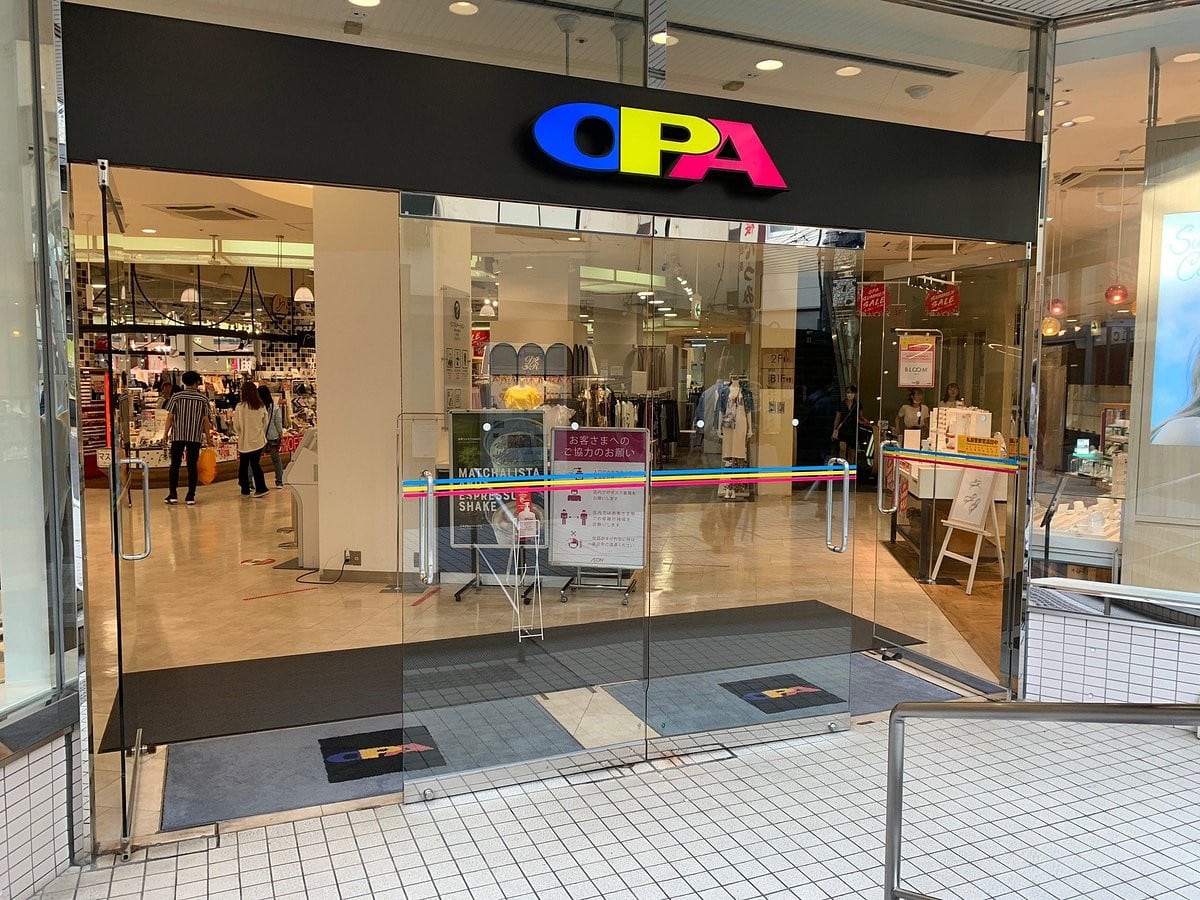
Kawaramachi OPA’s floors are mainly young fashion, beauty and lifestyle goods, and the all-you-can-eat SWEETS PARADISE on B1 is popular with travelers, a good dessert refueling stop in the middle of shopping.
Opening hours are 11 a.m. to 9 p.m., later than other department stores, good for shopping near the end of your itinerary, with time for a relaxed dinner afterward.
Kyoto Kawaramachi OPA Floor Guide (Official Website, September 2026)
Kawaramachi OPA is north of Shijo on Kawaramachi-dori, a 1-minute walk from Exit 3 of Hankyu “Kyoto-Kawaramachi Station,” and the building has no parking lot. Below are the highlights of each floor from the official store list (some shops have hours different from the whole building, for example the B1 Starbucks 7:00-22:00):
- B1F:STARBUCKS, SWEETS PARADISE all-you-can-eat desserts, JINS eyewear, capsule toy shops, GiGO collaboration cafe stand
- 1F:Onitsuka Tiger, RANDA shoes, contact lenses; renovated in autumn 2026, with SHEL’TTER and SAMANTHAVEGA from September 19, and the first Kyoto “@cosme STORE” opening on October 23
- 2F:Women’s fashion and loungewear such as GYDA, MAJESTIC LEGON, OLIVE des OLIVE and PEACH JOHN, plus the accessories and goods shop Lattice
- 3F:Women’s fashion and lingerie such as EMODA, LUPIS, BABY, THE STARS SHINE BRIGHT and aimerfeel
- 4F:WEGO, coca, SEONGSU., and the Italian restaurant Capricciosa
- 5F:3COINS+plus, TOWER VINYL records, fan-support goods shop Ossi, nail and eyelash salons
- 6F:NITORI DECO HOME, munit
- 7F:GiGO game center, Seria 100-yen shop
- 8F:BOOK OFF PLUS second-hand books and goods
- 9F:TOWER RECORDS, mimi standard photo booths
How to Choose a Kyoto Department Store? Daimaru, Takashimaya and Kawaramachi OPA Hours Compared
Kyoto department store hours differ slightly: Daimaru Kyoto is 10:00-20:00 on B2-2F, 10:00-19:00 on 3F-7F and 11:00-22:00 for the 8th-floor restaurants; Kyoto Takashimaya opens at 10:30 and closes at 20:00 from August 1, 2026; Kawaramachi OPA is 11:00-21:00, the latest to close of the three.
To cover everything in one day, you can enter Daimaru at Shijo-Karasuma when it opens, then move to Takashimaya and Kawaramachi OPA at Shijo-Kawaramachi in the afternoon. Each store’s hours may change, so please follow the official announcements.
Porta Underground Mall: A Women’s Shopping Paradise
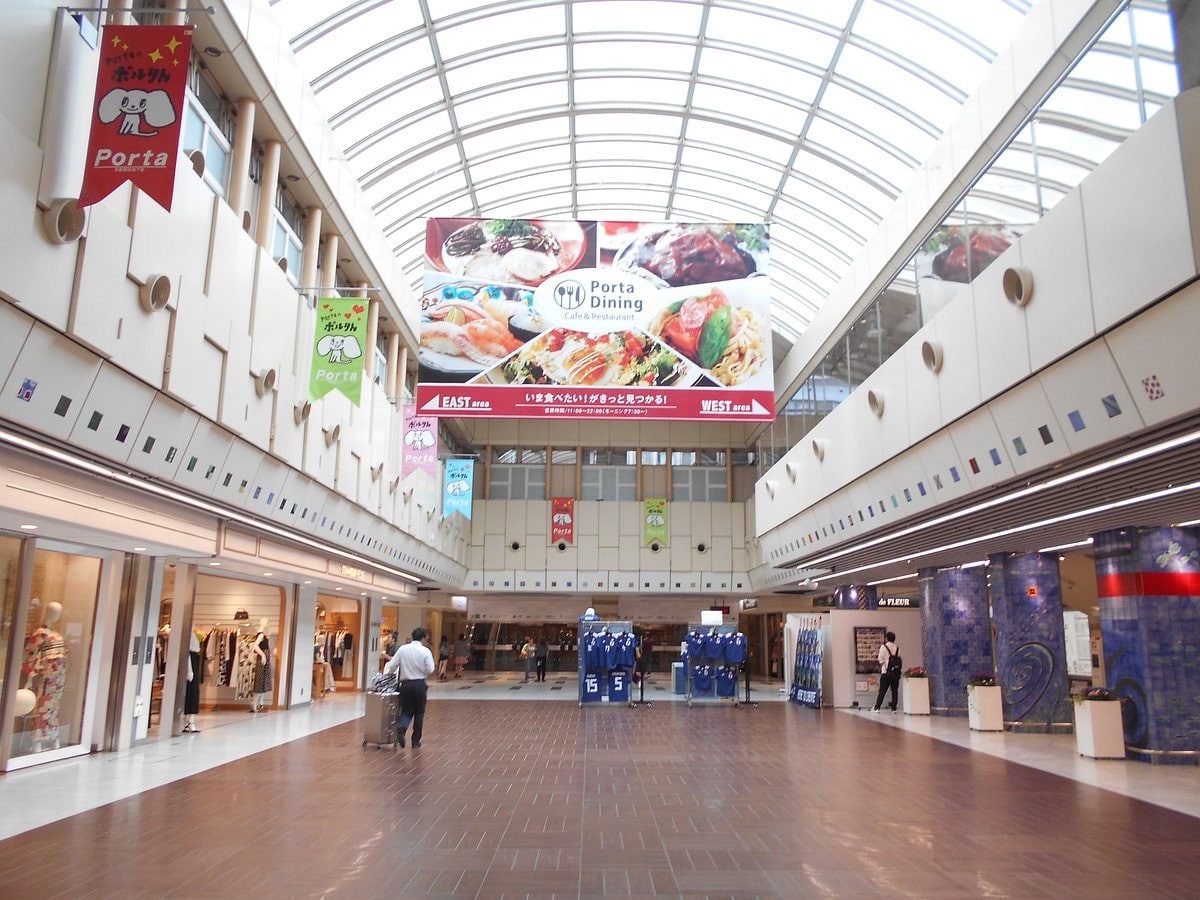
Porta underground mall is right next to Kyoto Station and is known as a “women’s shopping paradise,” focusing on fashion and accessories, with a flat, easy-to-walk layout that is especially suited to travelers with large luggage.
The mall also has several souvenir specialty shops and a food court, so while shopping you can buy all the must-have Kyoto sweets at once; opening hours are 10 a.m. to 9 p.m.
Kyoto AVANTI: A Tourist Paradise Anchored by Don Quijote
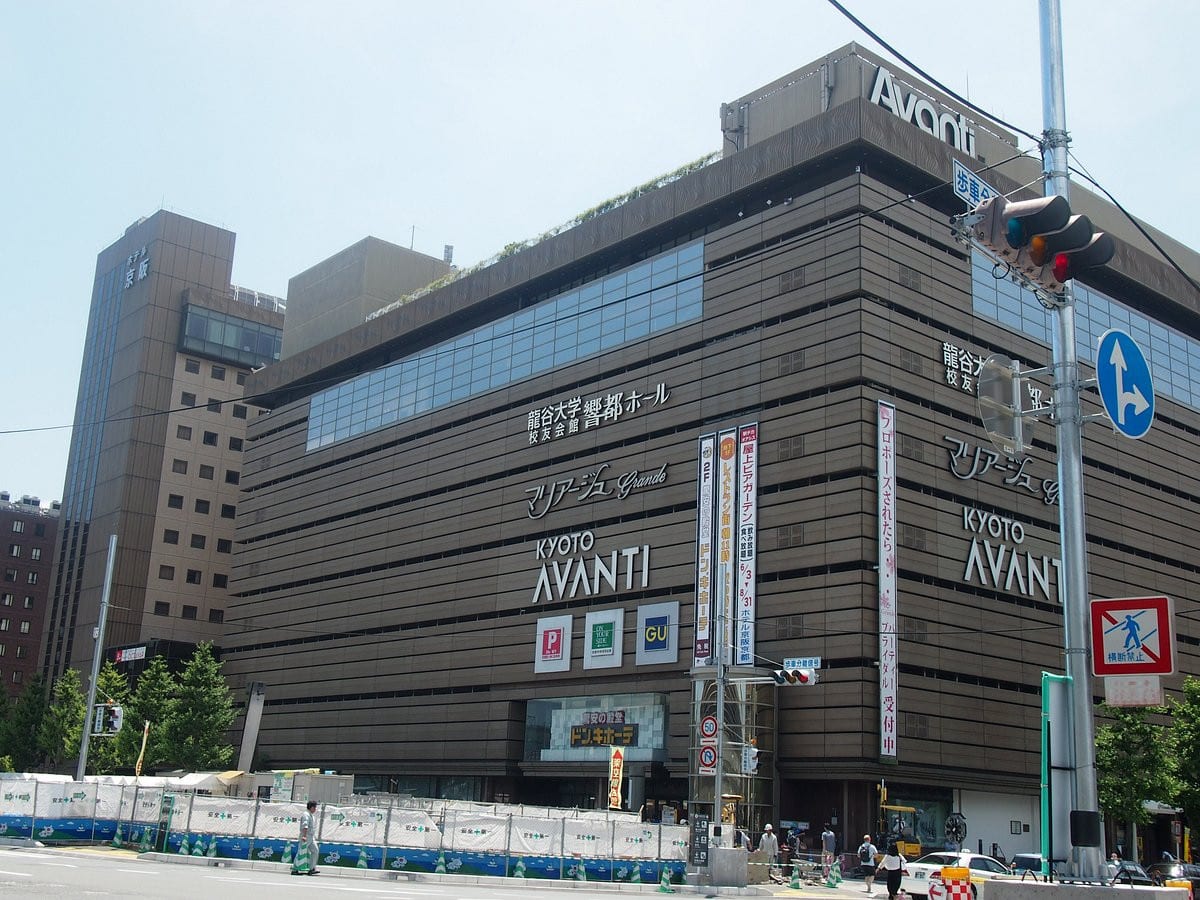
Kyoto AVANTI is near the south side of Kyoto Station, and the 2nd-floor Don Quijote is known for low prices, with hours of about 9:00 to 24:00, a good choice for stocking up in the evening. The building also houses brands such as GU and Animate, suited to travelers who love anime goods.
Since it is right next to the Hachijo exit of Kyoto Station, we suggest dropping by on the day you leave; Don Quijote offers tax refunds for purchases of ¥5,000 or more, and the process takes about 15 minutes.
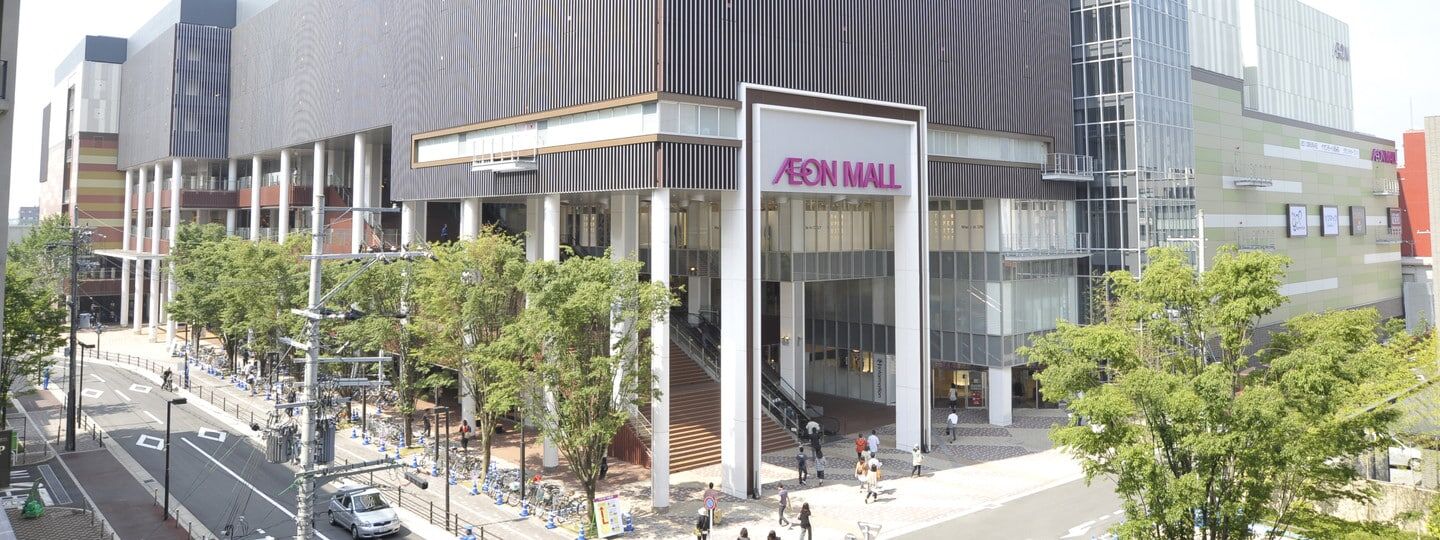
AEON Mall Kyoto: A Complex of Big Chains and Family Entertainment
AEON Mall Kyoto is huge, with a large capsule toy machine zone and a GUNDAM BASE SATELLITE specialty store, plus chains such as UNIQLO, MUJI and DAISO, meeting the whole family’s shopping needs in one go.
We suggest 2-3 hours; the food court has many choices and suits lunch or dinner. It is about a 5-minute walk from the Hachijo exit of Kyoto Station, which is also convenient when you have a lot of luggage.
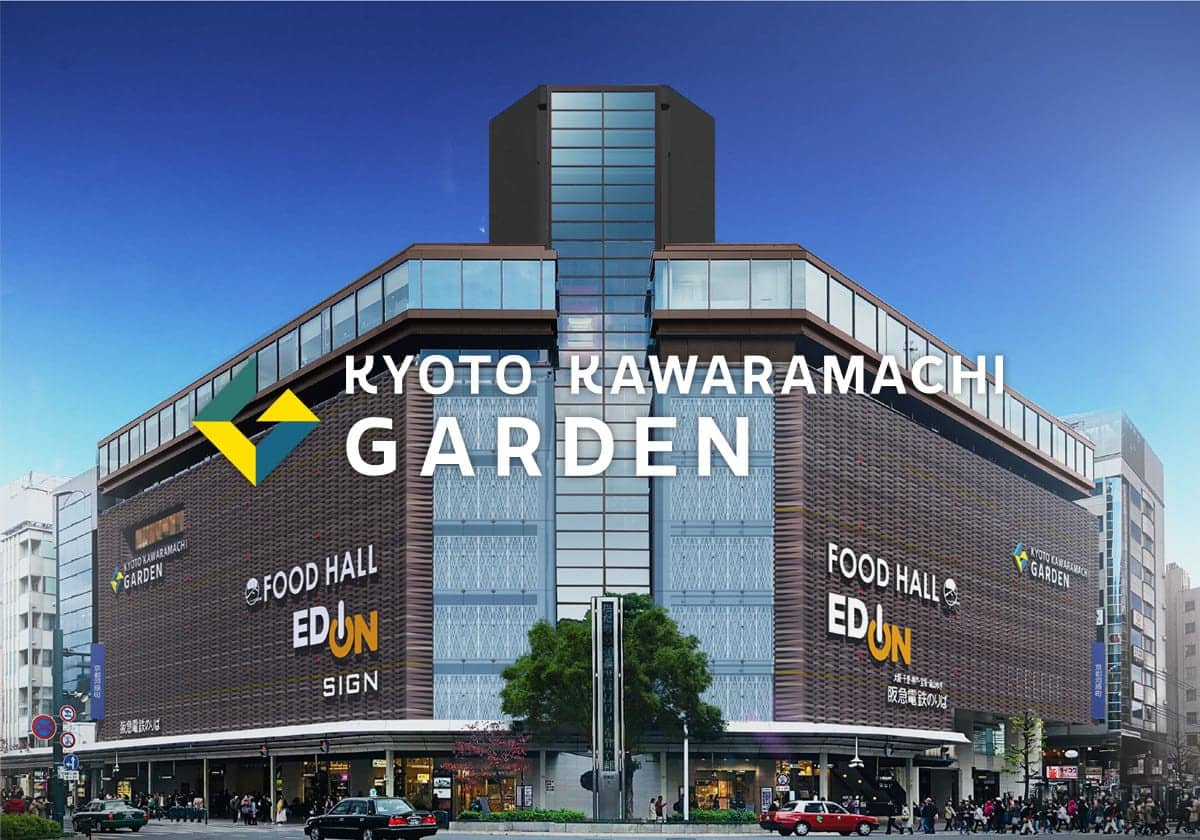
Kyoto Kawaramachi GARDEN: An Emerging Complex Mall
Kyoto Kawaramachi GARDEN is at Shijo-Kawaramachi, directly connected to Hankyu Kyoto-Kawaramachi Station, and opened in April 2021; B1 to 6F are mainly the EDION electronics retailer, and there is a tailor-made suit shop ONLY on the 1st floor.
The 7th and 8th floors are restaurant floors, with yakiniku, conveyor-belt sushi, unagi rice and Kyoto kaiseki shops, where you can eat after shopping; each shop’s hours differ, see the official website.
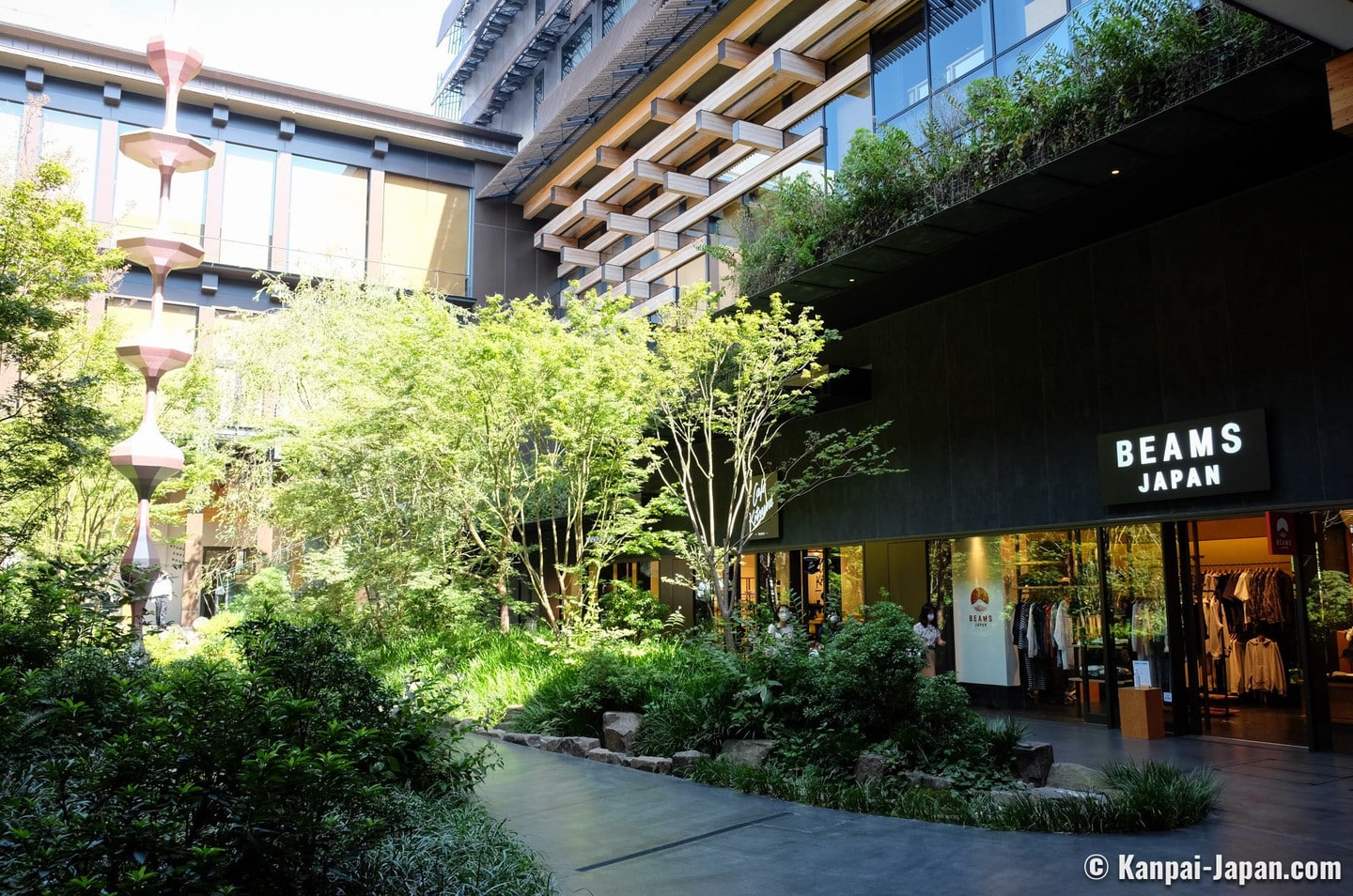
Shinpuukan: A Hip Mall in an Old Building
Shinpuukan was formerly the old Kyoto Central Telephone Office, completed in 1926, converted while keeping the historic building’s exterior; inside are the art cinema UPLINK Kyoto and several designer select shops, with a hip and distinctive atmosphere.
We suggest an hour to take it in; the courtyard garden in the building is also a good spot for resting and photos, suited to travelers who love architecture and art.
Must-Buy Kyoto Souvenirs and Experiences: Tickets, Passes and Artisan Workshops
Nishijin is not just a shopping district but a treasure trove for experiencing Kyoto’s artisan culture. Besides shopping in stores, you may want to arrange a few experiences that give you a deeper understanding of Nishijin-ori, Kyo-yuzen and traditional crafts, making the shopping trip more meaningful. Below are a few recommended itineraries combining tickets, experiences and souvenir shopping, suited to visiting around Nishijin; we suggest booking in advance through KKday or Klook, as spots are often hard to get in peak season.
Nishijin Textile Center Kimono Experience: Stroll Along Senbon-dori in a Gorgeous Kimono
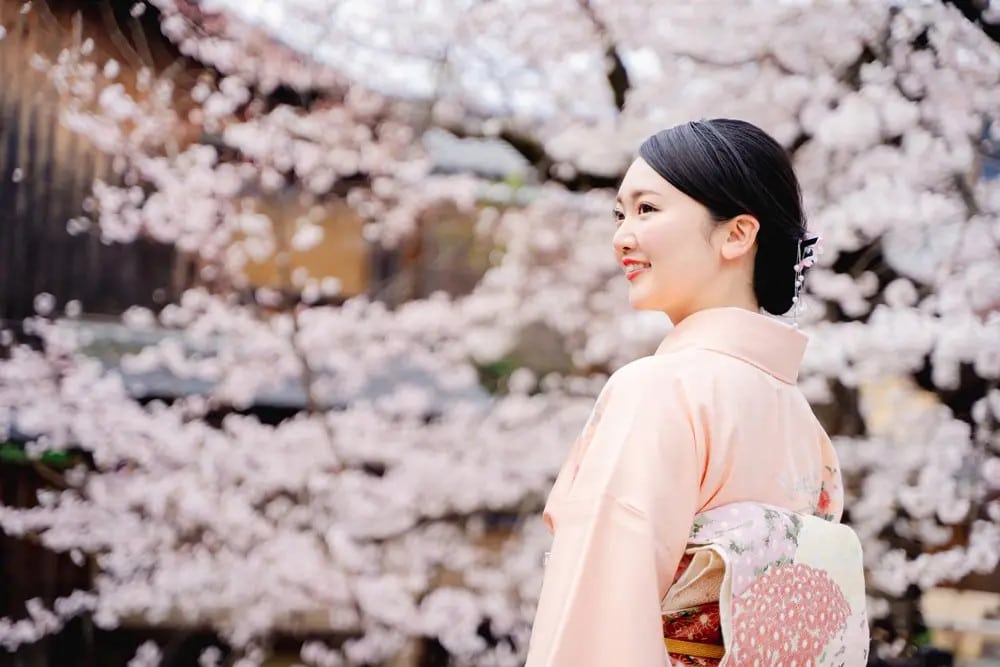
The Nishijin Textile Center (Horikawa Imadegawa) is the classic place to learn about Nishijin-ori. It offers kimono rental, with a komon kimono for a day out at ¥4,950 (reservation required the day before), dressing takes about 30 minutes, and you can tour Seimei Shrine, Horikawa-dori and other places in a kimono for the day. The building displays gorgeous hand-woven obi sashes, folding screens and other Nishijin craft pieces (the official site notes there is currently no kimono show scheduled). The shop sells Nishijin small goods from ¥1,500 (goshuin books, card cases, neckties and so on) as souvenirs. We suggest going in the morning to avoid tour groups and returning the kimono in the evening, to fully enjoy wandering the old Nishijin streets.
- 🕘 Opening hours: April-September 10:00-17:00 / October-March 10:00-16:00
- 🎫 Admission: Free entry
- 📅 Closed: Every Monday (the next day if Monday is a national holiday) and December 29-January 3
- 🔗 Nishijin Textile Center official website
-Klook.jpg)
Kyo-Yuzen Hand-Painting Workshop: Paint Your Own Kimono Fabric
Around Nishijin, several yuzen workshops open to visitors for hand-painted Kyo-yuzen experiences, for example hand-painting traditional yuzen patterns on small items such as silk scarves, fans or coasters; actual prices, experience times and reservation methods follow each workshop’s announcements, and artisans are on hand to teach basic techniques and color concepts.
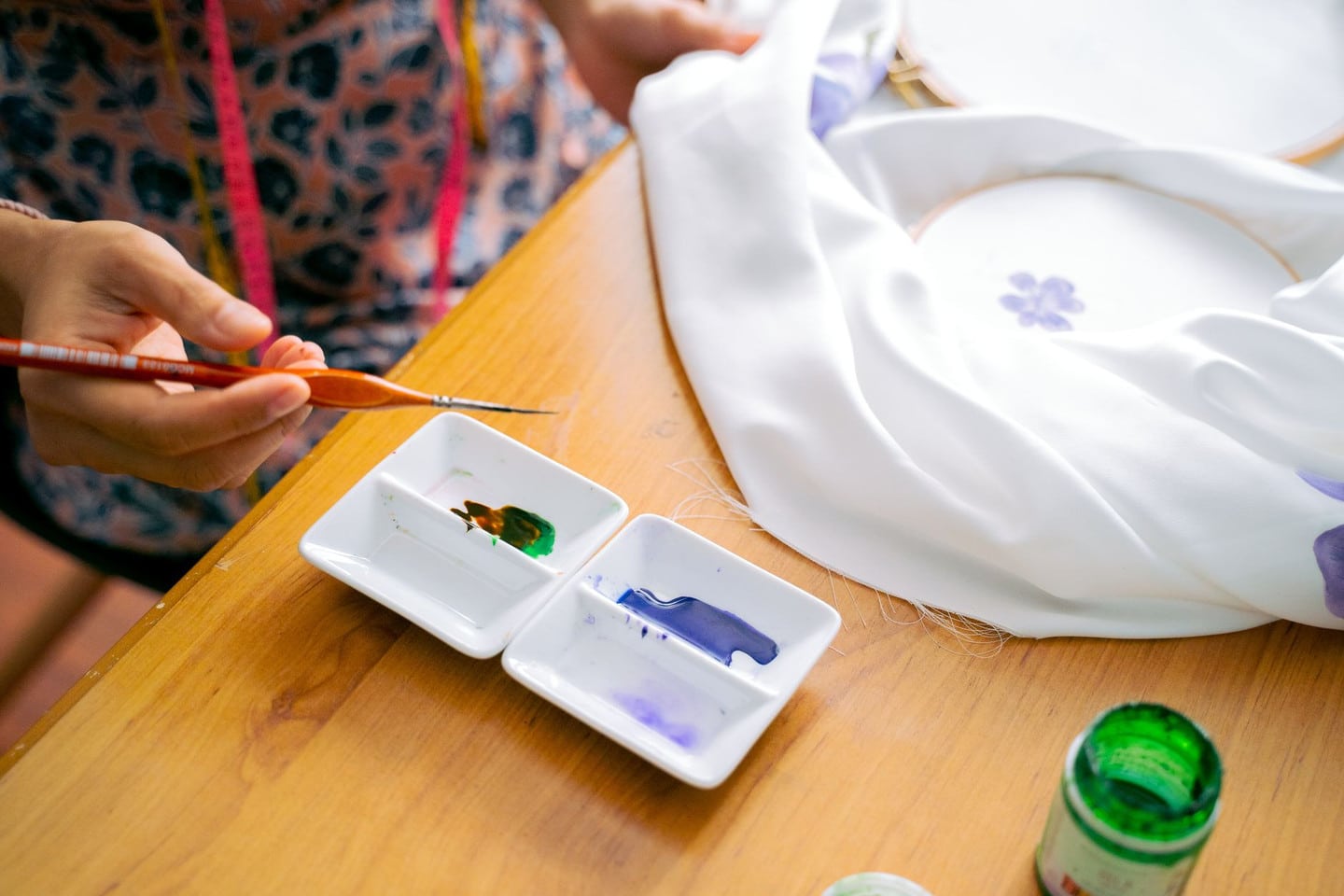
Your finished piece can be taken away immediately, becoming a one-of-a-kind souvenir that is more meaningful than finished goods sold in shops. The workshop also displays many yuzen-dyed fabrics and garments, priced from several thousand to several tens of thousands of yen, suited to visitors who want to understand the beauty of Kyo-yuzen craft more deeply.

Seimei Shrine Area Walking Package: Shrine Visit Combined with a Tour of Nearby Old Shops
Seimei Shrine does not require an admission ticket, but many travel agencies offer half-day packages combining a Seimei Shrine visit, a tour of old Nishijin shops and a matcha dessert experience; the contents and prices vary by agency plan and usually include a guide and wagashi or matcha. The tour takes about 2-3 hours, with a guide leading you to Seimei Shrine and Ichijo Modoribashi Bridge and telling the history of the century-old shops nearby.
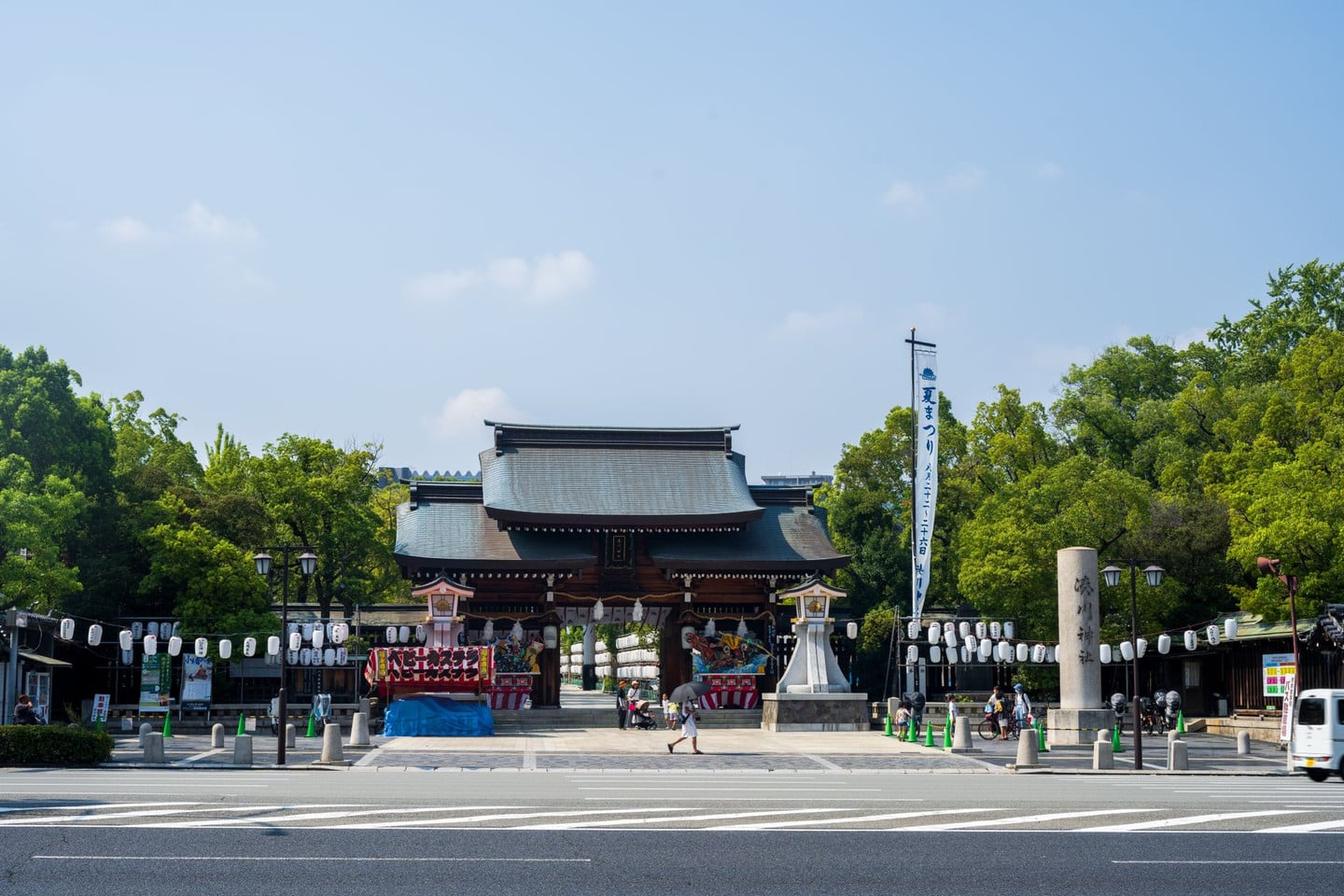
The advantage of such packages is hearing the little-known artisan stories behind the shops, such as the inherited history of a wagashi shop or the family origins of an old Nishijin-ori shop; compared with wandering on your own, you gain a deeper understanding of Nishijin’s cultural foundations, especially suited to travelers interested in history and culture.
Kyoto One-Day Pass: A Transport Tool Linking Nishijin and the City’s Major Sights
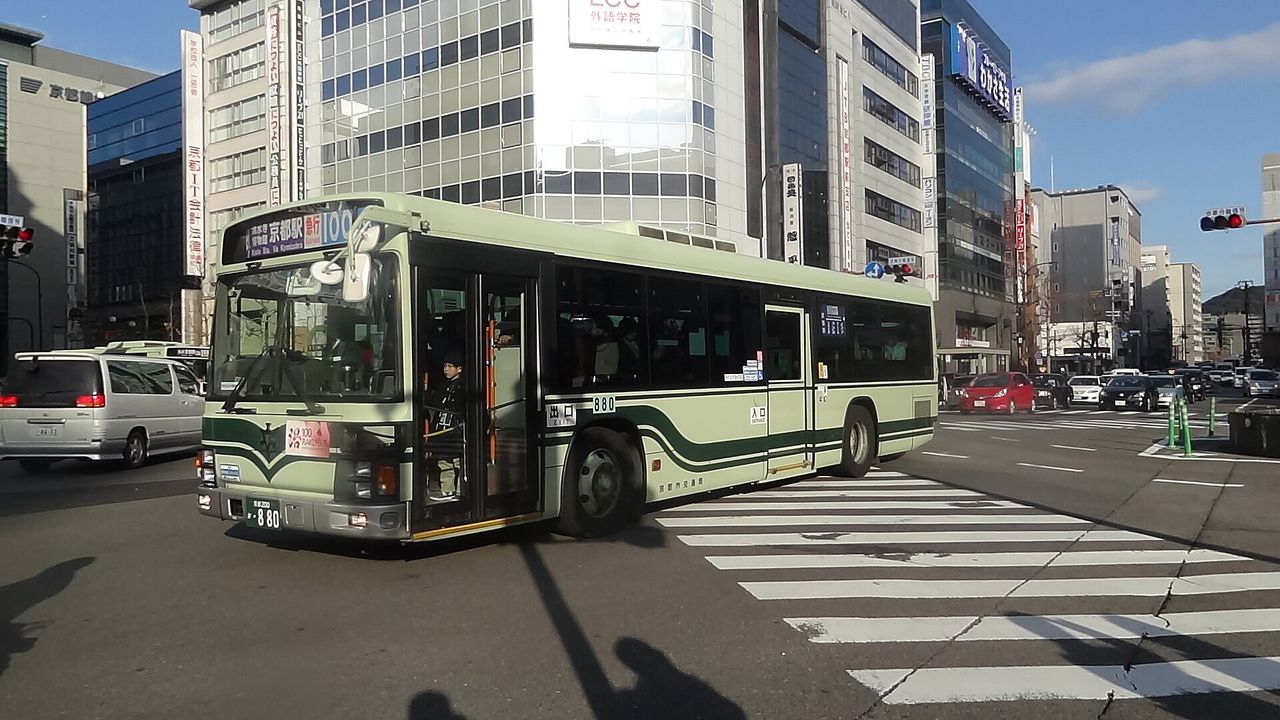
If you plan to visit Kinkaku-ji, Nijo Castle and other sights, we suggest buying the Kyoto City Transportation Bureau’s “Subway and Bus One-Day Pass,” ¥1,100 for adults and ¥550 for children, with unlimited rides on the city buses and the whole subway network, saving on transport costs. The pass can be bought and redeemed at subway station counters, the city bus and subway information offices, or online through Klook.
The pass covers the subway Karasuma Line, Tozai Line and all city buses, and some Kyoto Bus and Keihan Bus routes can also be used (some routes excepted); bus stops are dense in the Nishijin area, linking Senbon Shakado, Seimei Shrine, Kitano Tenmangu and other sights.
Where to Stay Nearby
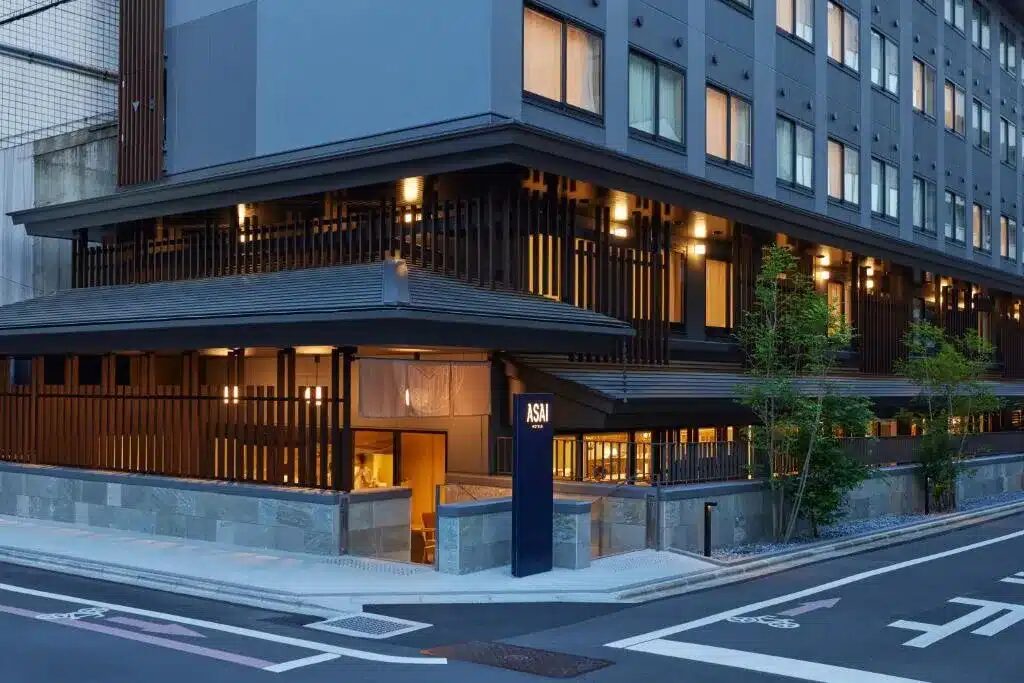
Kyoto’s department stores and shopping areas are concentrated between Shijo-Karasuma and Kawaramachi; staying around Shijo-Kawaramachi, Karasuma or Kyoto Station lets you link Nishijin, Nishiki Market and the major department stores on foot or by subway, and it is also convenient for catching trains at Kyoto Station.

FAQ
Q: Which shopping district in Kyoto is the most recommended?
The Shijo-Kawaramachi district is the most recommended, with department stores such as Daimaru and Takashimaya and many brand stores, convenient transport and a wide walkable area. If you are looking for Kyoto’s must-visit department stores, we recommend Daimaru Kyoto at Shijo-Karasuma (underground connection to Hankyu Karasuma Station and Subway Shijo Station), Takashimaya Kyoto at Shijo-Kawaramachi, and JR Kyoto Isetan inside Kyoto Station; if you like young trend brands, add Kawaramachi OPA and Kyoto BAL. The Fujii Daimaru main building has been closed for reconstruction since May 6, 2026 and is expected to reopen in fiscal 2030.
Q: How much time does shopping in the Nishijin area take?
We suggest half a day, about 3-4 hours, covering the Nishijin Textile Center and the nearby artisan shops and vintage stores.
Q: What time do Kyoto department stores open?
Most department stores stay open until 8 p.m.; Takashimaya Kyoto opens at 10:30 from August 1, 2026, and Daimaru Kyoto’s 3rd-7th floors close at 7 p.m.; Kawaramachi OPA is 11:00-21:00.
Q: How do tax refunds work for shopping in Kyoto?
Bring your passport to the tax refund counter; spending ¥5,000 or more (before tax) at the same store on the same day qualifies for a refund. From November 1, 2026, the system changes to paying tax first and getting a refund after leaving the country, so please check the store’s procedure first.
Q: When is the best season for shopping in Kyoto?
Spring (March-April) and autumn (November) are best, with pleasant weather and cherry blossoms or autumn leaves to see along the way, though note that crowds are larger.
Q: Can you eat while walking in Nishiki Market?
No. Nishiki Market has explicitly banned eating while walking, and food must be eaten in the designated rest areas provided by the shops.
Q: How long does it take from Kyoto Station to Nishijin?
Taking the subway Karasuma Line to Imadegawa Station takes about 15 minutes, then about 15 minutes’ walk to the Nishijin Textile Center.