
What Kind of Temple Is Chion-in? A Visit to the Head Temple of Jodo-shu
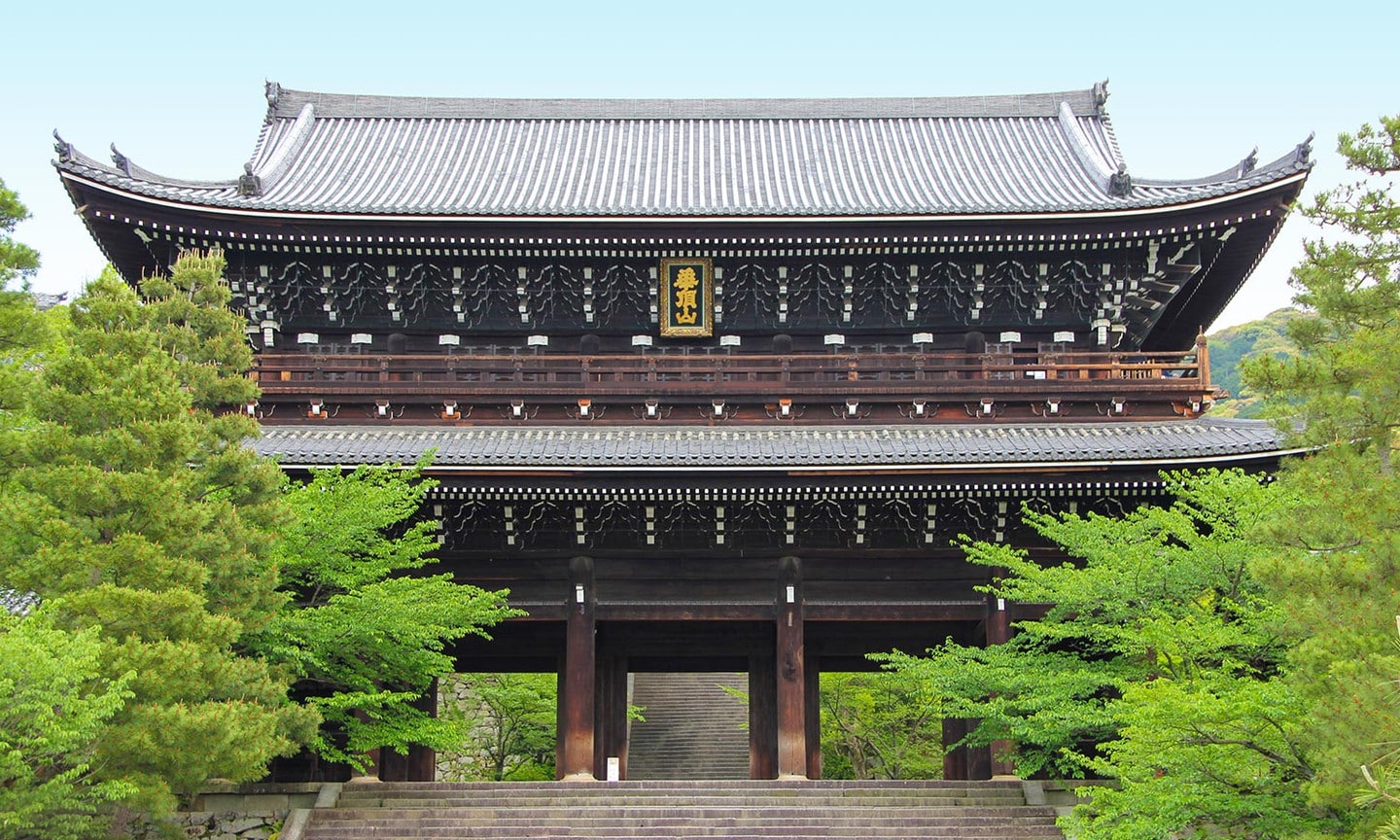
Chion-in is the head temple of the Jodo sect in Kyoto’s Higashiyama district. With Japan’s largest wooden gate and a 70-ton bell, it is one of the biggest and most imposing temples in Kyoto.
Chion-in: Origins and Standing as the Head Temple of Jodo-shu
Chion-in, officially named Kacho-zan Chion Kyoin Otani-dera, was founded in the late Heian period by Honen, the founder of the Jodo sect. Honen spent his later years teaching here, and after his death his disciples built a memorial temple that gradually grew into today’s vast complex. It is the spiritual center for Jodo followers across Japan and oversees about 7,000 Jodo temples nationwide.
The temple sits at the foot of Kyoto’s Higashiyama hills, next to Maruyama Park, and is one of the largest temples in the city. Its grounds hold national treasures and Important Cultural Properties, including the Sanmon gate, Miei-do Hall, the great bell tower and the Hojo garden, and draw large numbers of Japanese and overseas worshippers and sightseers every year.

Sanmon: Japan’s Largest Surviving Two-Story Wooden Gate
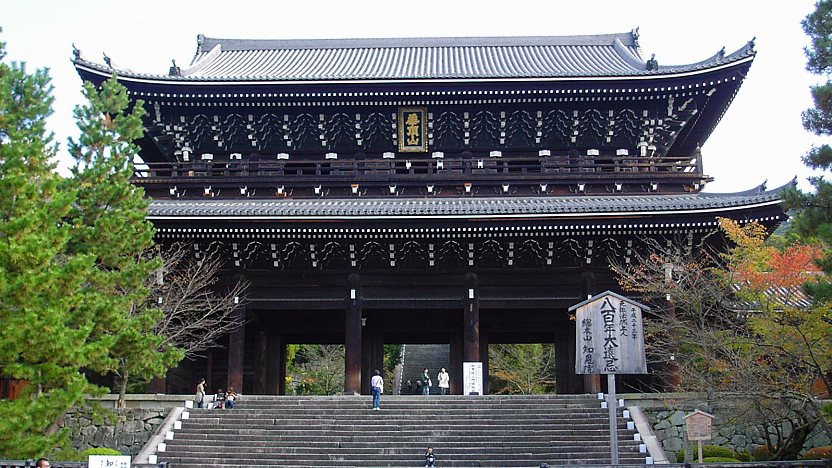
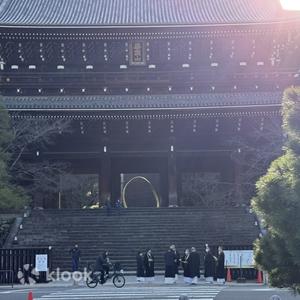
The national treasure Sanmon was built in 1621 (Genna 7) on the order of Tokugawa Hidetada, the second Edo shogun. It stands 24 meters tall and 50 meters wide and uses about 70,000 roof tiles, making it the largest wooden two-story gate still standing in Japan. Inside the upper floor are a statue of the crowned Shakyamuni Buddha and the Sixteen Arhats, along with brightly colored ceiling paintings. The upper floor is normally closed and opens only during the spring and autumn “special openings,” usually for an extra fee, and the queue for it is a popular part of Kyoto’s cherry blossom and autumn leaf seasons each year.
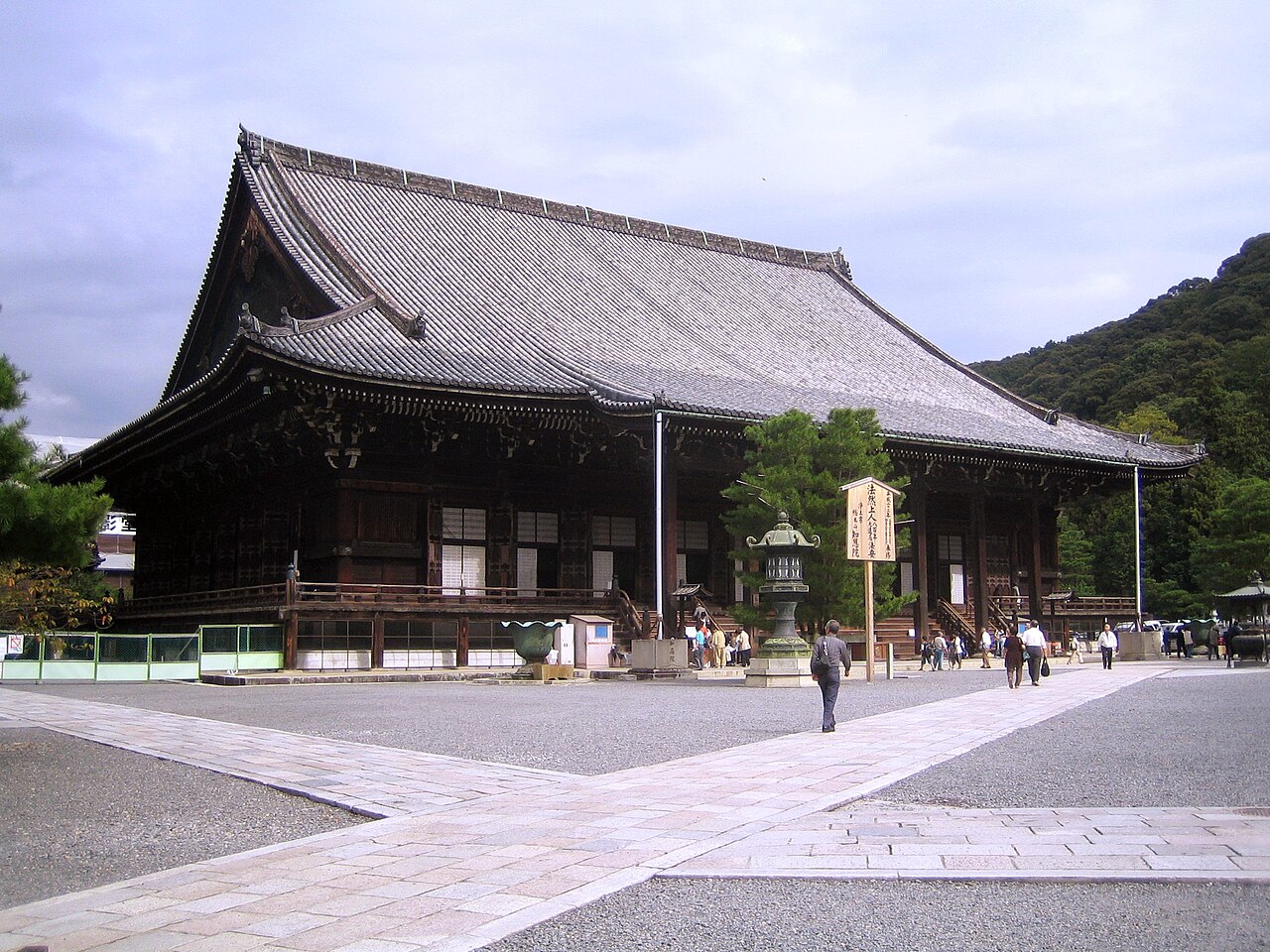
Miei-do Hall: The National Treasure Main Hall Honoring Honen
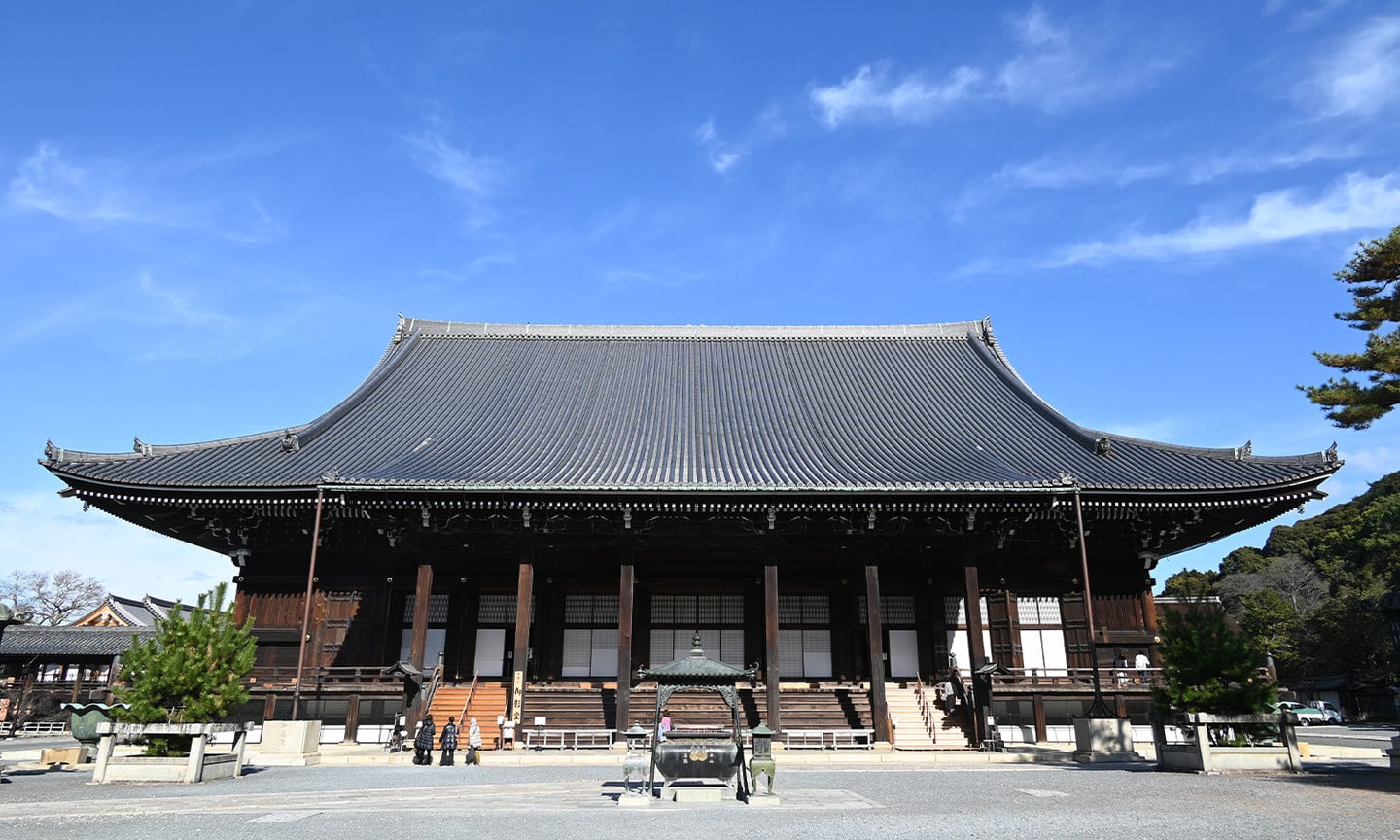
Miei-do is a national treasure like the Sanmon and is the central building of Chion-in. It houses a seated wooden statue of Honen and is the core place of worship for followers. The hall is grand in scale, and the finely carved beams and pillars show the peak of early Edo temple craftsmanship. The open courtyard in front is a great spot for photos that frame the Sanmon and Miei-do together, and it is also home to the “Forgotten Umbrella” of the Seven Wonders of Chion-in, said to have been left under the eaves by the master carpenter Hidari Jingoro to protect the building from fire.
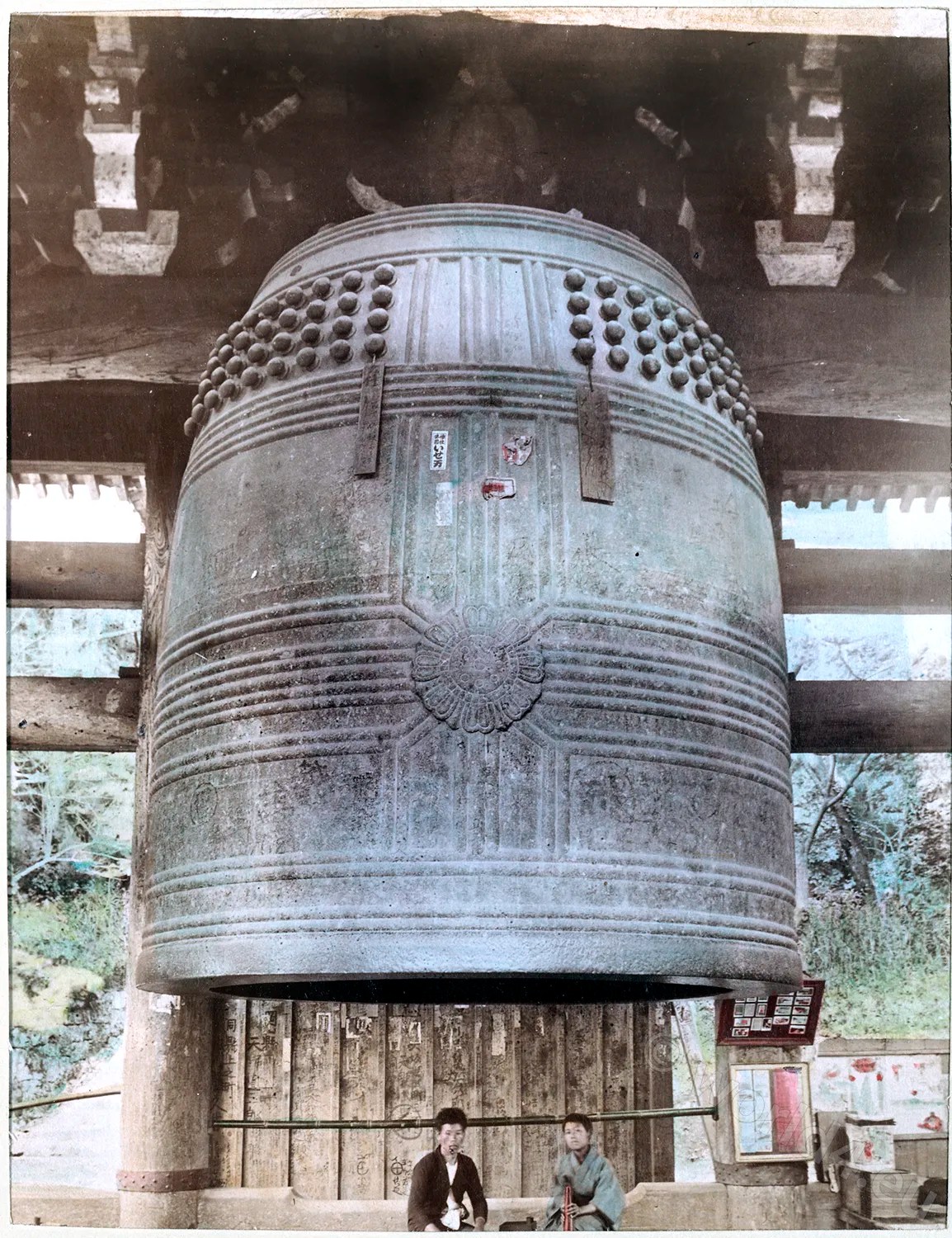
Great Bell Tower and Bell: One of Japan’s Three Great Bells
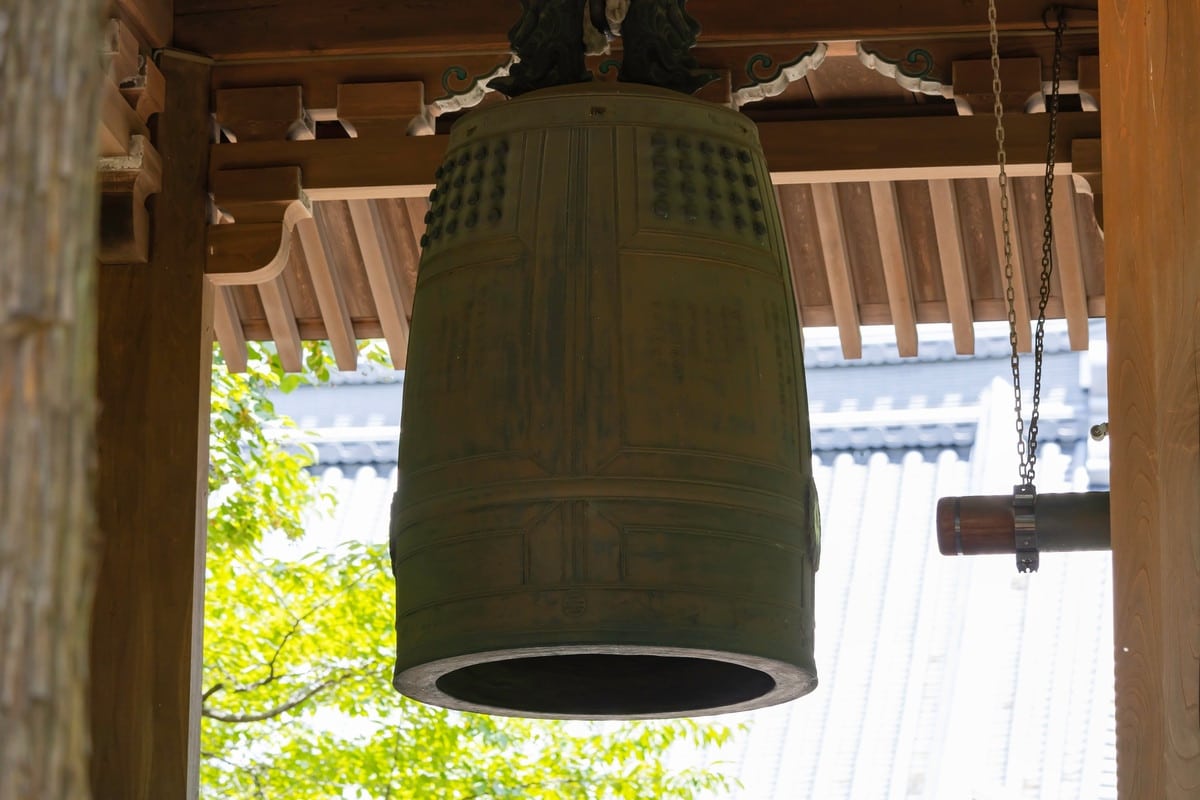
The bell tower was built in 1678, and the bell hanging inside was cast in 1636. It is 3.3 meters tall, 2.8 meters in diameter and weighs 70 tons, and it is counted as one of “Japan’s Three Great Bells” (alongside the bells of Todai-ji in Nara and Hoko-ji in Kyoto). The bell tower area is free to enter, and you can see its imposing form and fine casting patterns up close, but on ordinary days visitors cannot ring the bell.
Every New Year’s Eve, Chion-in holds its signature “Joya no Kane” ceremony here, in which 17 monks work together to swing a huge striking log and ring the bell 108 times. It is a defining winter scene of Kyoto’s New Year countdown.
Hojo Garden and Yuzen-en: Celebrated Gardens with Borrowed Scenery
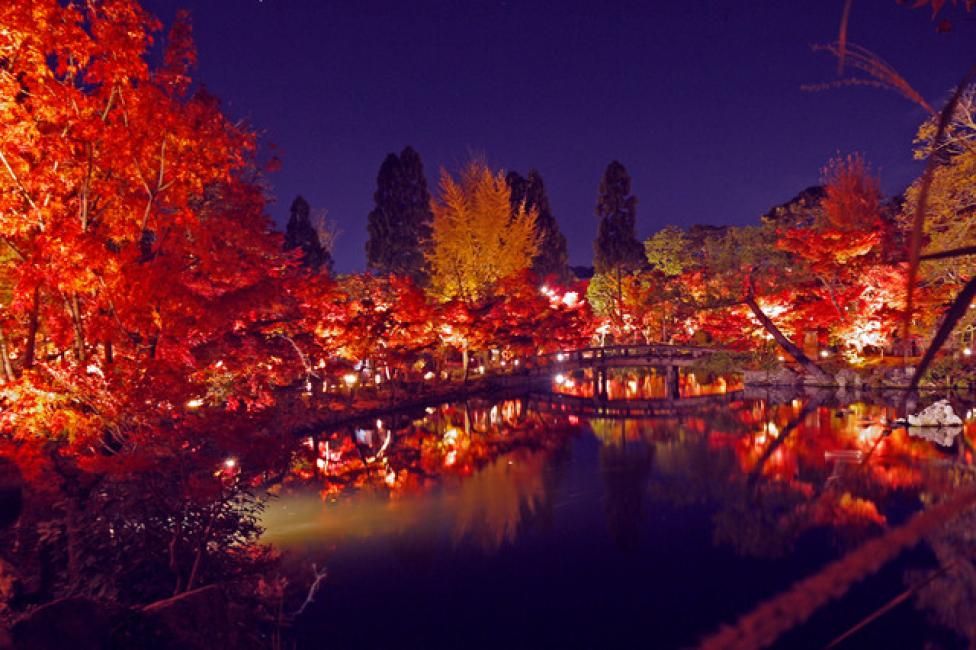
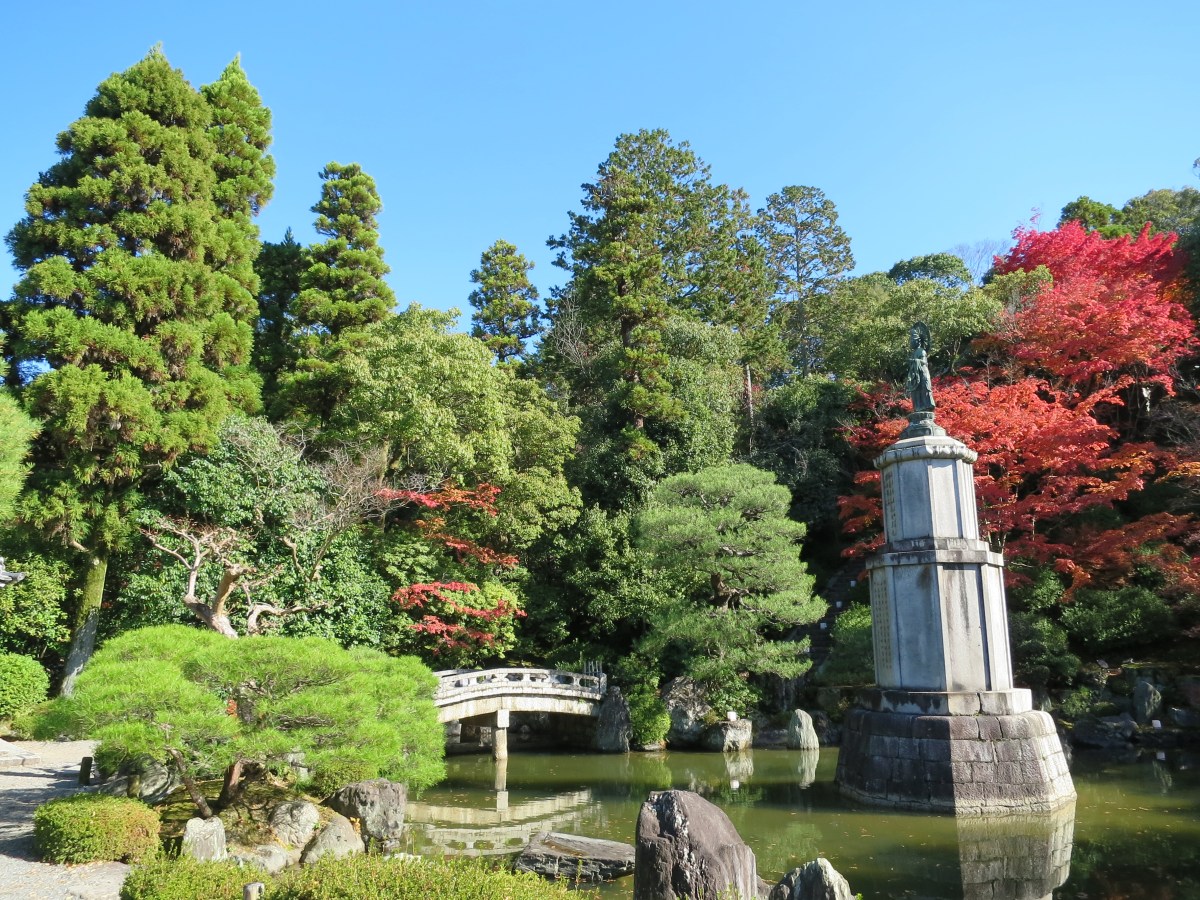
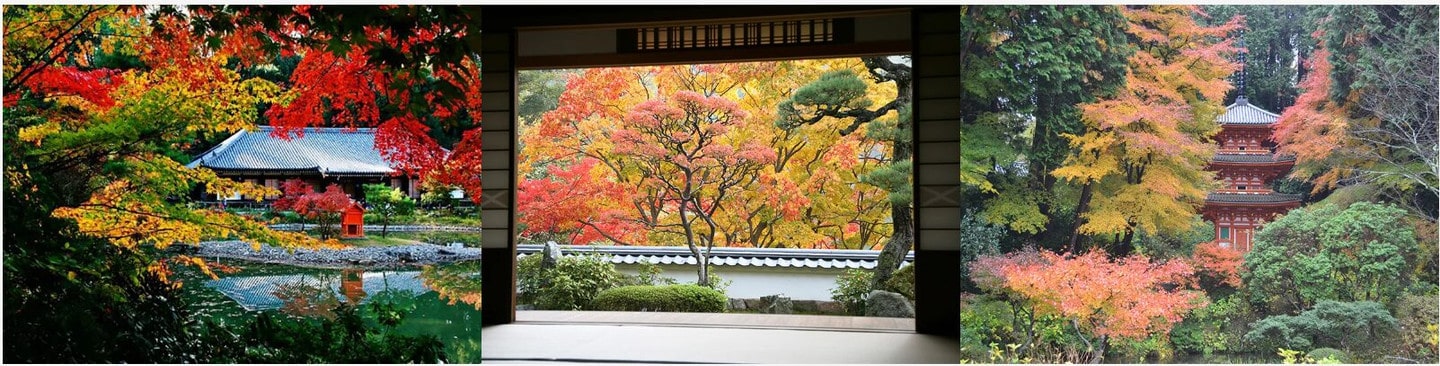
The Hojo garden was built facing the Ohojo and Kohojo halls. It is Chion-in’s most representative dry landscape and pond garden, with a different charm in every season and especially lovely in the fresh green and autumn leaf periods. Yuzen-en is named after Miyazaki Yuzensai, the founder of Edo-period Yuzen dyeing. It combines a dry landscape rock garden with a pond strolling garden and has a statue of Yuzensai, making it a favorite hidden spot for photographers. Both gardens require separate tickets; see the ticket section later in this article for prices.
The Seven Wonders of Chion-in: Fun Legends Along Your Visit
Chion-in is known for its “Seven Wonders,” fun legends that include the “Forgotten Umbrella” under the eaves of Miei-do, the “Nightingale Corridor” that echoes like birdsong, the “Nuke-suzume” painting whose sparrows seem to have flown out of the picture, the “Cat Glaring in Three Directions” that seems to stare at you from every angle, and the huge “Great Rice Ladle.” Most of these tales relate to the ingenuity of the temple’s craftsmen or to historical anecdotes. They are the most popular topics on guided tours and add a good deal of fun and conversation to a visit.
Latest News for 2026: Gyoten Lecture Series and Chion-in’s Limited-Edition Sweet
Chion-in has recently drawn younger visitors by tying in with current events. The 60th “Gyoten Lecture Series” was held from July 17 to 19, 2026 and has finished. It was held every morning from 7:00 to 8:00 in Miei-do, with free seating and no advance application required. Also, the on-site “Taiheitei” (9:00 to 16:00) sells Chion-in’s limited-edition homemade ice cream, a popular small treat during a visit.
How to Get to Chion-in: Bus, Subway and Keihan Routes and Fares
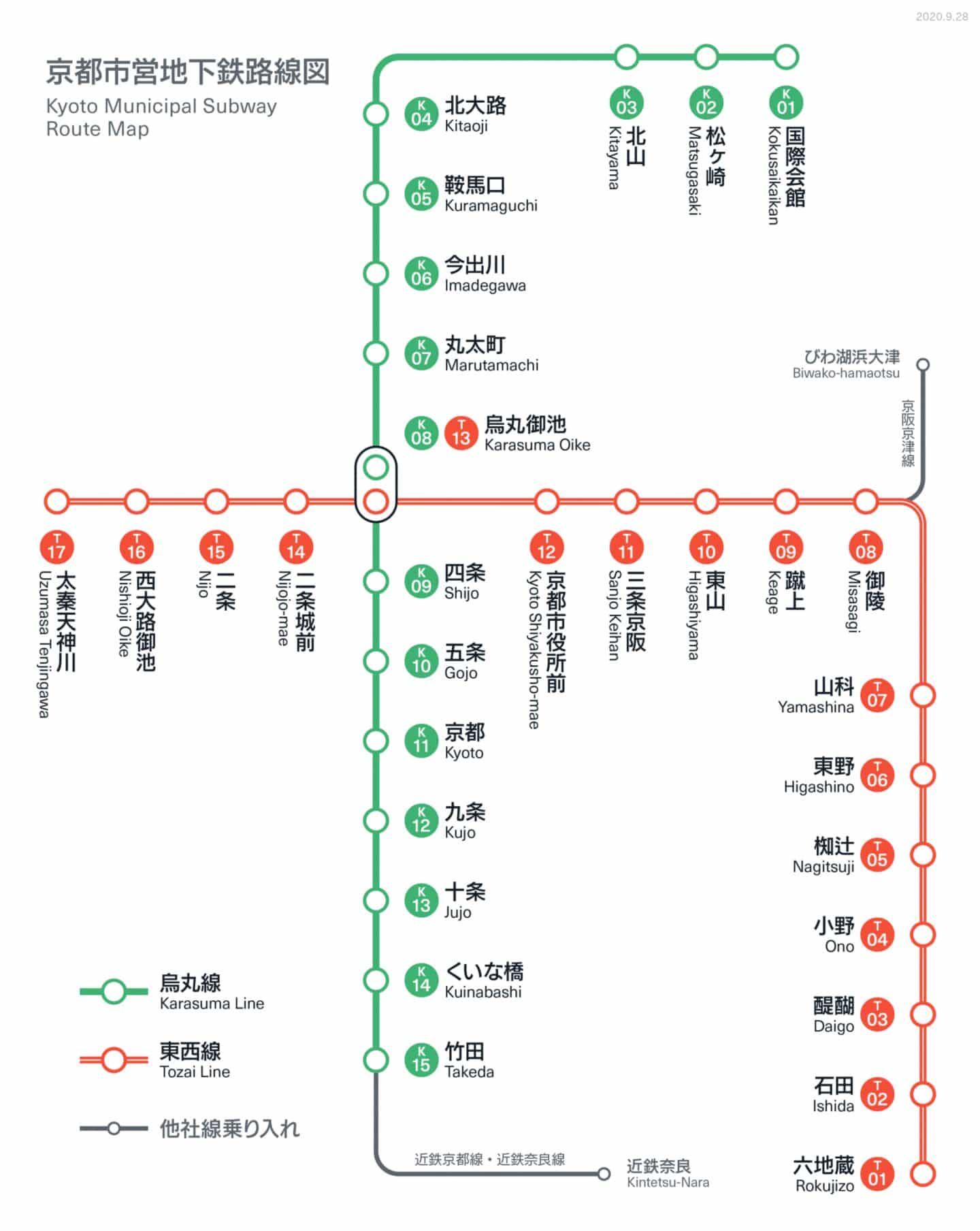
The most direct way to reach Chion-in is to take Kyoto City Bus route 206 from Kyoto Station to the “Chion-in-mae” stop (about 23 minutes), then walk about 5 minutes to the main gate. You can also take the Keihan line to Gion-Shijo Station and walk about 10 minutes. Fares start at about ¥230 depending on the route, and IC cards such as ICOCA and Suica work at the gates.
What Are the Must-See Spots at Chion-in? Highlights Within the Grounds and Nearby Temples and Shrines
Chion-in is located at 400 Hayashishita-cho, Higashiyama Ward, Kyoto. It is the head temple of the Jodo sect and the largest temple complex in Kyoto’s Higashiyama area. The whole temple is built up the hillside, and the route climbs clearly from the main gate to Miei-do and the bell tower, which suits a half-day to full-day plan. Below, eight must-see spots are introduced by area to take you through the best of Chion-in and its neighboring temples and shrines.
Sanmon (National Treasure): Japan’s Largest Surviving Wooden Temple Gate
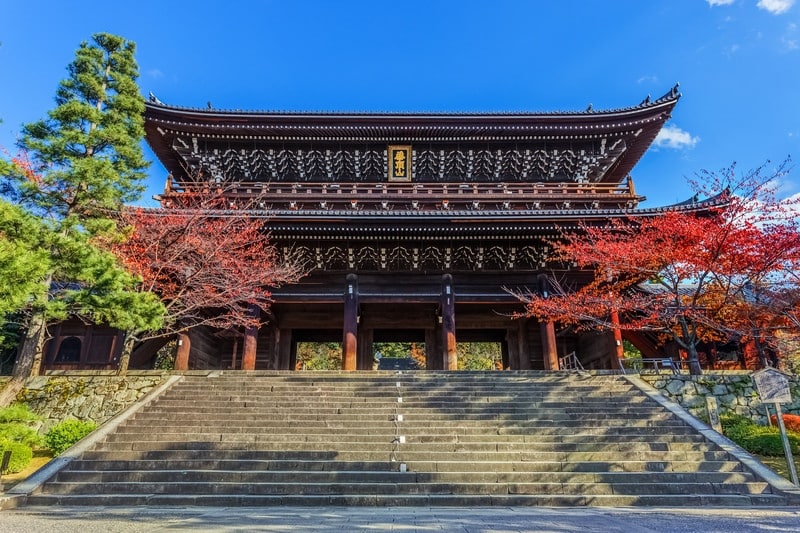
Chion-in’s Sanmon was built in 1621 and stands 24 meters tall and 50 meters wide. A representative early Edo building, it is the largest temple gate in existence and is a national treasure. Built as a five-bay, three-door, two-story gate with a tiled roof, it is the landmark of Chion-in.
You can look up at its huge timber structure and bracketing work. Statues of Shakyamuni Buddha and the Sixteen Arhats are enshrined upstairs, which can be visited only during special opening periods and require a separate ticket. The actual fee varies by year, so please check the current announcement on the Chion-in website or the Kyoto City Tourism Association.
Plan on 20 to 30 minutes. Photos are best in the early morning when the sun hits at a low angle and crowds are thinner. Viewing the Sanmon from outside is free.

Miei-do Hall (National Treasure): The Spiritual Center of Chion-in
Miei-do was rebuilt in 1639 and is the main hall housing the statue of the founder Honen, as well as the main venue for Chion-in’s memorial services. It has reopened after extensive restoration, and the solemn painted beams and ceiling inside are worth a close look.
Here you can buy omamori charms for relationships, studies and traffic safety for about ¥500 to ¥800, or request a goshuin stamp (¥500). Bringing your own goshuincho stamp book is recommended.
Plan on 30 to 40 minutes. Visiting after the 9:00 opening means fewer crowds. Miei-do is connected to the Assembly Hall and the Ohojo, so you can see them together.
Great Bell Tower: One of Japan’s Three Great Bells and the Joya no Kane Event
Chion-in’s bell was cast in 1636 and weighs about 70 tons, making it one of Japan’s three great bells. Every year on New Year’s Eve, December 31, 17 monks work together to ring it, drawing many visitors and photographers. The inside of the bell tower is not open normally, so you can only view it from outside. The Joya no Kane has switched to an advance reservation system (see the ticket section), and you must secure a reservation to attend. On the night of the event, plan on 2 to 3 hours (including waiting and viewing); on ordinary days, viewing the exterior takes about 10 to 15 minutes. Viewing is free all year.
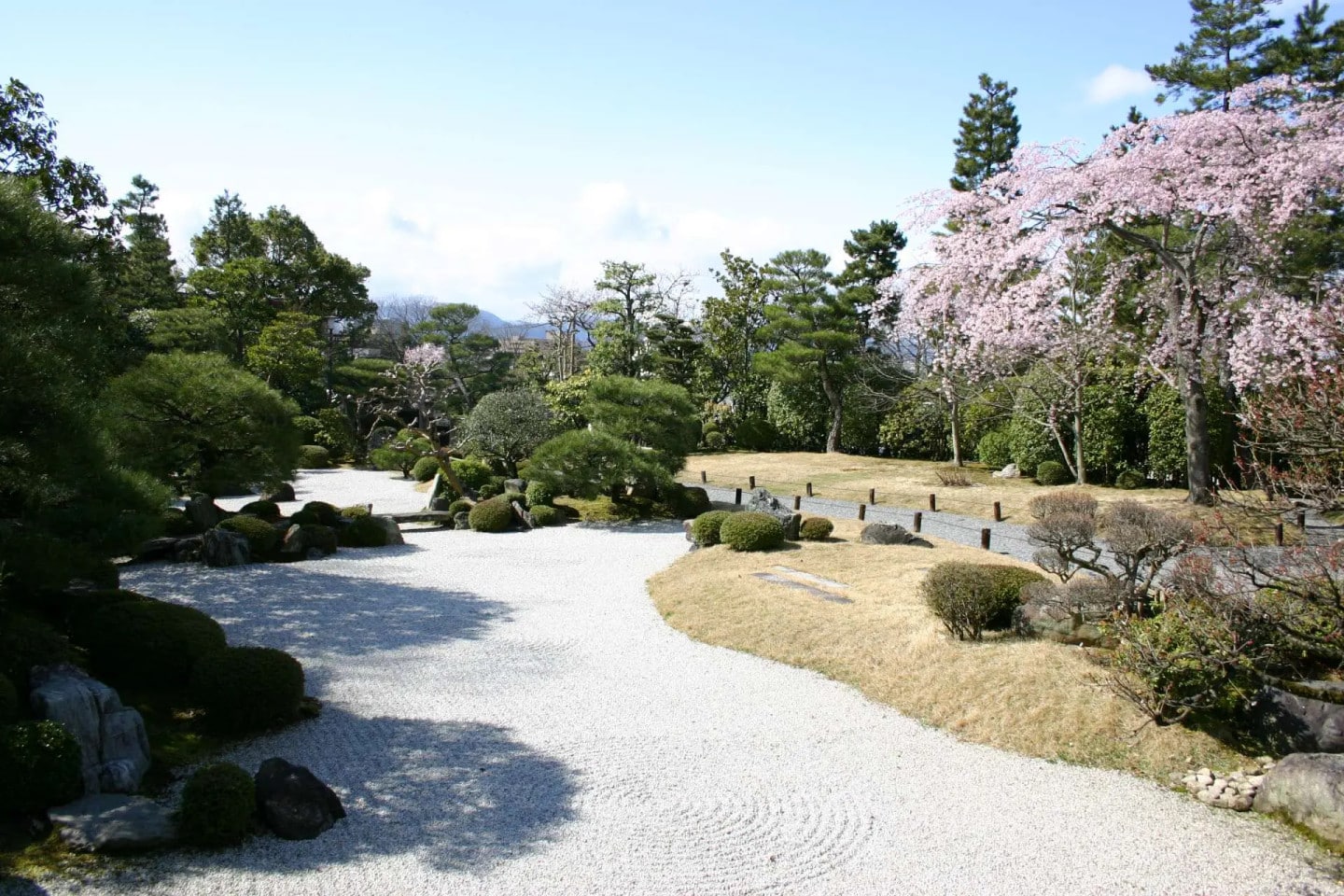
Yuzen-en: A Four-Season Garden and a Quiet Corner of Chion-in
Yuzen-en is a strolling garden built in memory of Miyazaki Yuzensai, the founder of Kyo-Yuzen dyeing. It lies south of Chion-in’s main gate and has both a dry landscape garden and a pond garden. Cherry blossoms in spring and autumn leaves in fall are the popular times.
The garden has a teahouse, “Karokuan,” where you can rest and enjoy the beauty of traditional Kyoto garden design. The grounds are not large, but the winding paths are secluded and invite slow, careful appreciation of the stone lanterns and water features.
Admission is ¥300 (¥500 for a combined ticket with the Hojo Garden). Plan on 30 to 45 minutes. Opening hours are 9:00 to 16:00.
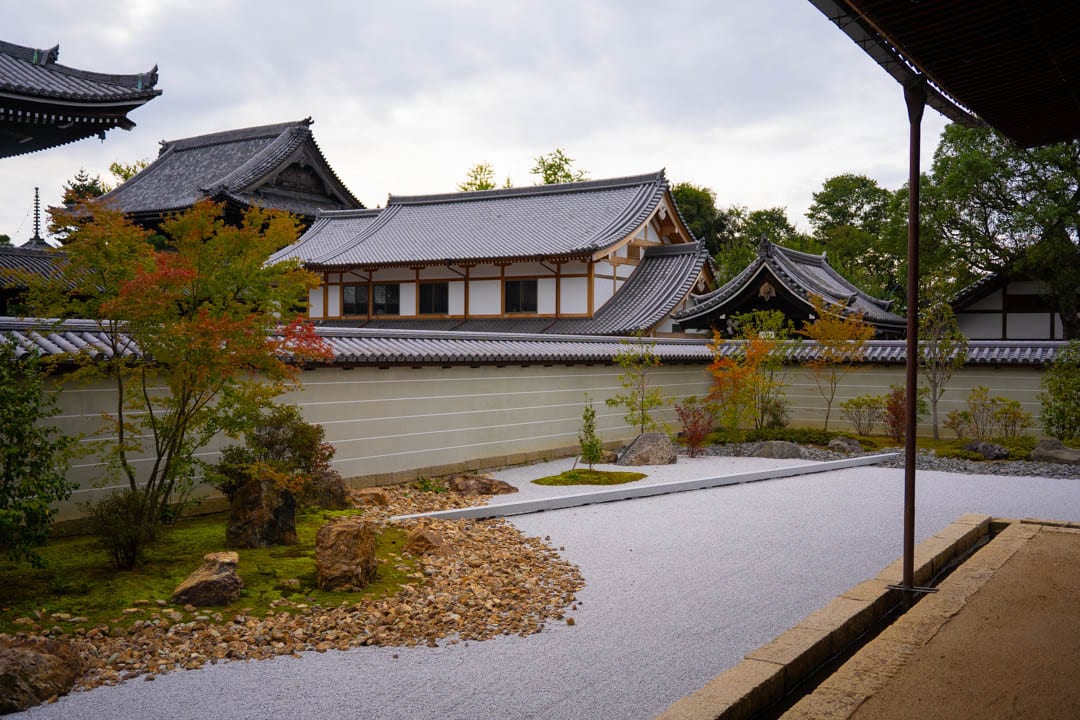
Hojo Garden: A Kobori Enshu-Style Dry Landscape Masterpiece
The Hojo garden is divided into the Ohojo garden and the Kohojo garden. Parts of the landscaping are said to be the work of the famed Edo-period garden designer Kobori Enshu. The garden expresses a landscape in the dry-garden style, with white sand and unusual rocks paired with neatly pruned pine trees, showing Zen aesthetics.
Because the abbot’s quarters stand right next to the garden, you can sit quietly on the veranda inside and take in the whole garden, an excellent place to experience the relationship between Japanese architecture and garden. In the autumn leaf season, the red leaves reflected on the white sand are especially moving.
Plan on 20 to 30 minutes. Admission is included in the Yuzen-en combined ticket (¥500), and tickets are accepted from 9:00 to 15:50.
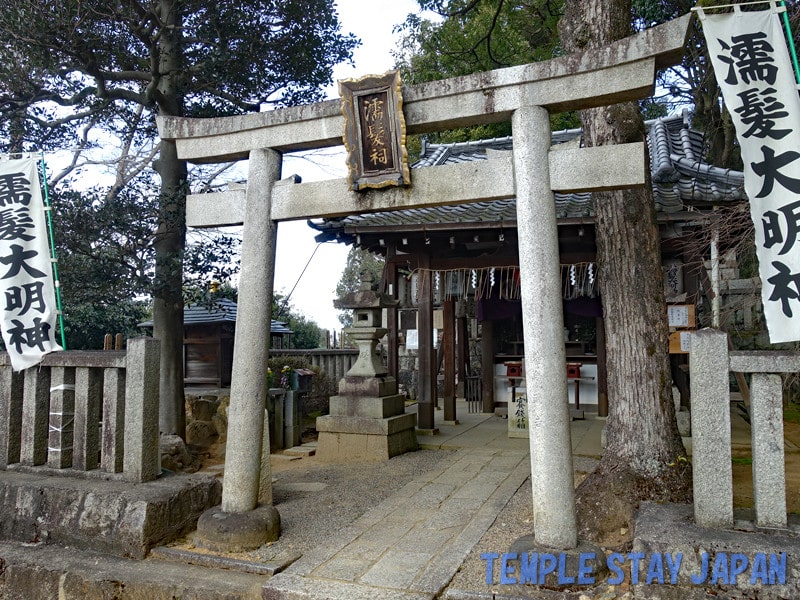
Nuregami Daimyojin: A Small Wishing Shrine in the Grounds
Nuregami Daimyojin is a small shrine deep in Chion-in’s cemetery that enshrines a fox spirit. It is said to honor a fox that lost its home when Miei-do was built. Originally a guardian against fire, it is now also regarded as a place to pray for good relationships.
Although small, the stone torii and shrine are tucked into the surrounding greenery, and it is one of the few places in the grounds where you can take photos with a traditional Japanese atmosphere. Many visitors stop here to pray and make wishes.
Plan on 10 to 15 minutes. It is open all year and free to visit, and you can stop by on your way up through the cemetery area.
Kacho-zan Chion-in Cemetery and Seisei-kaku: A Place to Remember Historical Figures
The hillside behind Chion-in holds the graves of historical figures and followers through the ages. The area around Seisei-kaku has wide views over the whole temple compound and out to the Higashiyama range, and suits history and photography enthusiasts.
Climbing the steps beside Miei-do, you pass old stone lanterns and dense trees, and from the top you can look back over the roofs of the Sanmon and Miei-do in a stunning view, especially beautiful in the autumn leaf season.
Combine it with the mountain trail and plan on 40 to 60 minutes. Some sections have steep steps, so wear comfortable shoes. Open all year and free to visit.
Maruyama Park and Yasaka Shrine: Easy Add-On Stops Near Chion-in
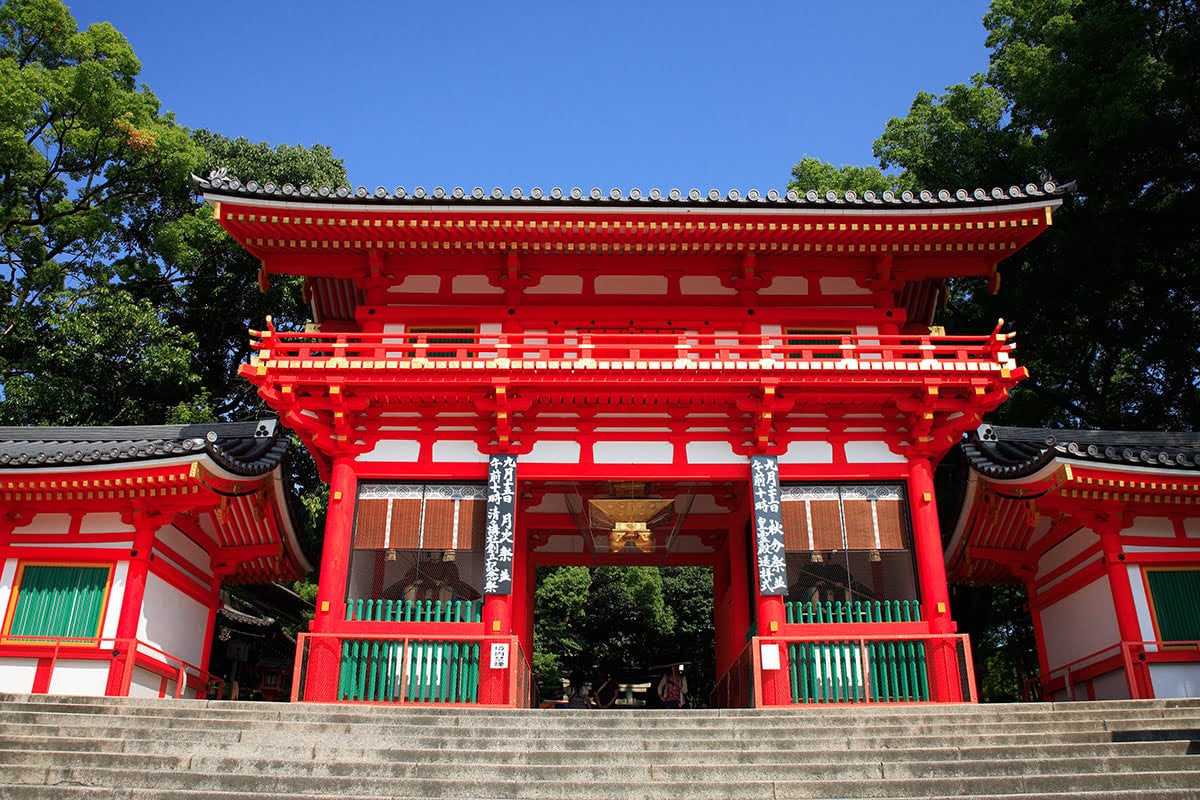
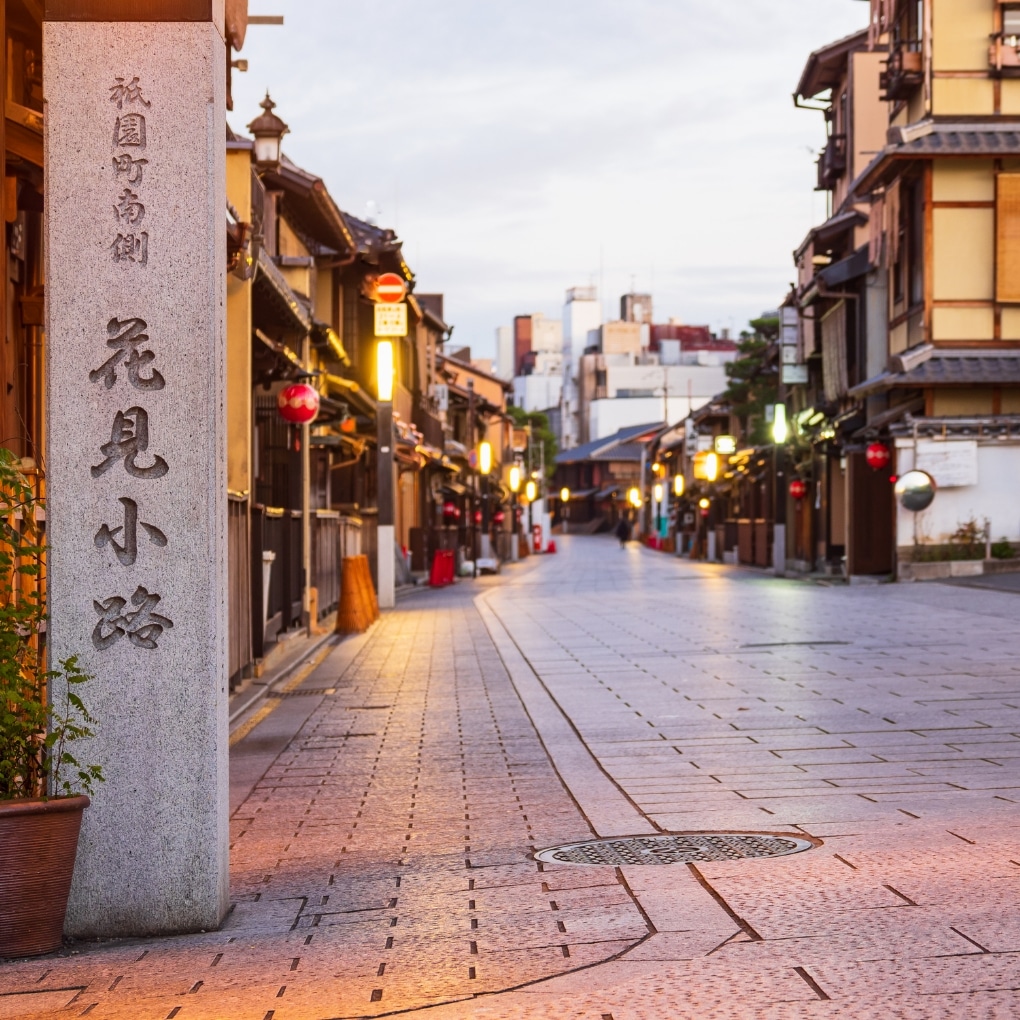
From Chion-in, Maruyama Park is a 5 to 10 minute walk. It is a famous cherry blossom spot, known for its weeping cherry, the “Gion Shidare-zakura.” Another 5 minutes west is Yasaka Shrine, the center of Gion worship, which enshrines Susanoo-no-Mikoto and is visited to pray for protection from misfortune and business prosperity. Yasaka Shrine is open all year and free to enter. Omamori charms (including beauty water and business prosperity charms) cost about ¥500 to ¥1,000, and a goshuin stamp is ¥300. The shrine is close to Gion’s Hanamikoji Street, so Chion-in, Maruyama Park and Yasaka Shrine fit nicely into a one-day outing.
Plan on 1.5 to 2 hours for the two combined. In the evening, when the lanterns are lit, the atmosphere is lovely, and it is a hot spot for Kyoto night photos.
![[Classic Kyoto Deep Dive] Kinkaku-ji, Kiyomizu-dera, Ninenzaka, Gion Hanamikoji, Yasaka Shrine and Fushimi Inari Taisha: Slow-Travel Day Tour (from Osaka/Kyoto)](https://res.klook.com/images/w_300,h_300,c_fill,q_75/w_80,x_15,y_15,g_south_west,l_Klook_water_br_trans_yhcmh3/activities/spqfe6yhv087ha5pj8vr/【京都經典深度遊】金閣寺清水寺二年坂祗園·花見小路八坂神社伏見稻荷大社深度慢旅行一日遊(大阪京都出發)-Klook.jpg)

How Much Is Admission to Chion-in? Visiting Tickets, Special Openings and Joya no Kane Fees
Chion-in is located at 400 Hayashishita-cho, Higashiyama Ward, Kyoto. It is the head temple of the Jodo sect and one of the largest temple complexes in Kyoto’s Higashiyama area. The grounds are extensive, and the fees differ for each visit and experience, from the national treasure Sanmon to the Hojo garden and Yuzen-en, and the Joya no Kane rung every New Year’s Eve, so it is best to know them before you go to plan an efficient and fulfilling trip. Below are the four most common ticket and experience options, covering basic admission, garden viewing, special opening tours and the New Year’s Eve Joya no Kane event, so travelers can choose by budget and interest.
Yuzen-en and Hojo Garden Combined Ticket: The Most Basic and Best-Value Choice
The Hojo garden and Yuzen-en at Chion-in are a dry landscape garden and a pond strolling garden. According to the official website, Yuzen-en costs ¥300 for adults and ¥150 for children (elementary and junior high students); the Hojo garden costs ¥400 for adults and ¥200 for children; and the combined ticket for both gardens is ¥500 for adults and ¥250 for children, with free entry for holders of a disability certificate. Reception hours differ: Yuzen-en 9:00 to 16:00 and the Hojo garden 9:00 to 15:50, while the combined ticket is sold only until 15:20, so be sure to arrive early if you want it. The gardens look different in every season, with weeping cherries and fresh green in spring and evening illumination in the autumn leaf season.
This ticket is the basic admission for visiting Chion-in. The main buildings such as the Sanmon, Miei-do and Assembly Hall are free to visit, and only the gardens need a ticket, so it suits those on a tight budget and is good value.
Buy it on site at the ticket office in the grounds; no reservation is needed and there is no queue. A visit takes about 30 to 45 minutes.
National Treasure Sanmon Special Opening Tour: Climb Japan’s Largest Temple Gate
The upper floor of the Sanmon is open only during special opening periods, when tickets are sold to climb up (it was designated a national treasure in 2002). The schedule and fees are announced separately each year, so please check the current announcement on the Chion-in website or the Kyoto City Tourism Association. Climbing up lets you see the Shakyamuni statue, the Sixteen Arhats, and the Kano-school ceiling paintings of paradise and flying apsaras, which are not usually shown. Capacity is limited, so arrive early in peak season.
The upper floor of the Sanmon was opened during the 2026 spring night special viewing (now ended). The 2026 autumn “Kyoto Non-Public Cultural Properties Special Opening” (October 30 to December 6) has been announced, and the Chion-in Sanmon upper floor will be open from October 31 to November 13. The fee is ¥1,000 for adults and ¥500 for junior and senior high students at each site, and reception hours follow the announcement of the Kyoto Ancient Culture Preservation Association.
Kyoto Cultural Properties Special Opening Pass: One Ticket for Many Temples Around Higashiyama
Every spring and autumn, the Kyoto Ancient Culture Preservation Association holds the “Kyoto Non-Public Cultural Properties Special Opening,” and the Chion-in Sanmon has been included on the list several times (October 31 to November 13 in autumn 2026). In principle, tickets are sold separately at each site. In autumn 2026 (October 30 to December 6) the fee is ¥1,000 for adults at each site (¥1,200 for To-ji), and it is not a fixed combined pass that always includes the Chion-in Sanmon. The temples and dates opened also differ each time.
Because tickets are sold separately for each site, if you want to see several in one trip, first check the current list and link Chion-in with whichever Higashiyama temples happen to be open into one route, then combine it with Maruyama Park, Yasaka Shrine and Kiyomizu-dera for a one-day Higashiyama itinerary.
When planning, first confirm the exact dates of that year’s special opening (watch for announcements on the Kyoto Ancient Culture Preservation Association site or the Kyoto City Tourism Association site), and leave half a day to a full day so you can walk the whole route at ease.
Joya no Kane (New Year’s Eve Bell Ringing): Chion-in’s Biggest Reservation-Only Year-End Experience
Chion-in’s Joya no Kane is a signature year-end tradition in Kyoto. The huge 70-ton bell, one of Japan’s three great bells, is rung 108 times late on December 31 by seventeen monks working together, symbolizing the dispelling of 108 worldly desires and the welcoming of the new year. That night, the service inside the bell tower starts at about 22:20, the bell begins to ring at about 22:40 and the event ends at about 24:35.
Because the Joya no Kane draws huge crowds, transport and lodging around Higashiyama fill up early on New Year’s Eve. Confirm your transport at least one to two months ahead, and consider pairing it with the Okera Festival at Yasaka Shrine.
Joya no Kane Reservations: Time Slots, Fees and How to Apply
Taking the December 31, 2025 event as an example, Chion-in used an “advance reservation system” with 4 time slots of 500 people each, 2,000 in total, accepted on a first-come, first-served basis through an online form. The fee was ¥3,000 per person (free for elementary school children and younger), and applications were accepted only through the form, not by phone or email. Applications opened at 14:00 on December 1. For the December 31, 2026 event, please check the Chion-in website for the latest slots, capacity and fees.
Chion-in Spring Night Special Viewing 2026: Dates, Hours and Fees
Every spring, Chion-in holds a special night viewing (illumination) timed to the cherry blossom season, the liveliest time of year for this usually quiet head temple. According to the Chion-in website, the spring 2026 (Reiwa 8) night special viewing ran from March 25 (Wed) to April 5 (Sun), with hours of 17:45 to 21:30, last entry at 21:00. It has ended, and the information below is for reference for next year.
The fee is ¥800 for adults and ¥400 for junior high students and younger, separate from the daytime garden tickets. The opened area includes the area around the national treasure Sanmon, Yuzen-en, Onna-zaka, and the national treasure Miei-do and Amida-do (Amida-do exterior only). The Sanmon lit up at night feels even more dramatic than by day and is the time most worth planning a special trip for. 2026 marked the 60th anniversary of the “Otetsugi Movement,” and this period specially opened the Sanmon’s upper-floor veranda, normally closed to the public (now ended).
Autumn also has a night viewing in the leaf season. In 2025, for example, it ran from November 19 to December 7, 17:30 to 21:30, with ¥800 for adults and ¥400 for children. Because the dates change every year, please check the Chion-in website again before you go.
Chion-in Goshuin: 4 Types and Where to Get Them
Chion-in has 4 kinds of goshuin: Honen, the Goeika hymn, Amida Nyorai and Seishi Bosatsu, and they are issued at the stamp office beside Amida-do. According to the official website, a hand-written one and a pre-written one are both ¥500, a hanging scroll is ¥700, a white pilgrim’s robe is ¥500 and an overlapping stamp is ¥500. Note that Chion-in does not accept requests by mail; you must come in person.
Photography Rules and Temple Etiquette
The FAQ on the Chion-in website sets out clear rules: photography is prohibited inside the halls but allowed freely outdoors. Monopods, tripods and drones are banned throughout the grounds, as are pre-wedding photo shoots, cosplay photography and model photography. If you are driving, note that parking in the mountain area is severely limited, and the temple recommends public transport. If you must drive, please use the “Chion-in Shinmon Minami Parking Lot.”
Where to Stay Nearby
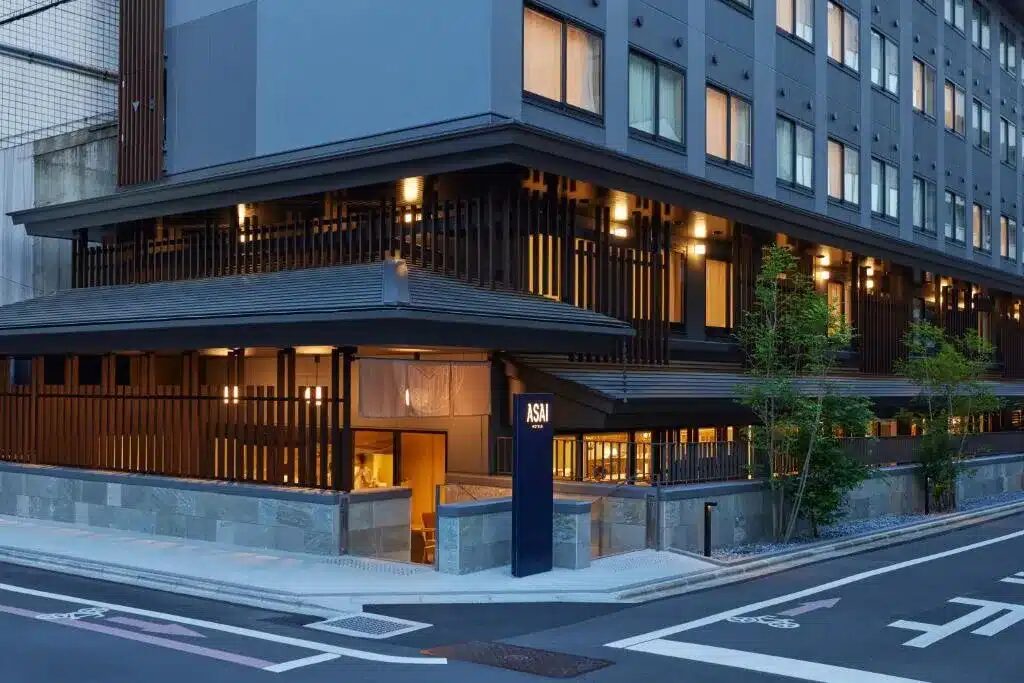
To make an early-morning visit to Chion-in, stay in the Gion or Higashiyama area. The grounds have an official temple lodging, “Wajun Kaikan,” and most other hotels cluster around Gion-Shijo and Kawaramachi, reachable by Keihan train or on foot (about 10 minutes’ walk from Gion-Shijo Station). Below you can search hotels in the Gion area by date; for detailed comparisons, see this site’s lodging guides.

FAQ
Q: How much is admission to Chion-in?
Visiting the grounds is free. Yuzen-en is ¥300, the Hojo garden ¥400 and the combined ticket for both gardens ¥500 (adults). Night illumination viewing is charged separately (¥800 for adults in spring 2026, now ended).
Q: What is the easiest way to get to Chion-in?
From Kyoto Station, take Kyoto City Bus route 206 to “Chion-in-mae.” You can also take the Tozai subway line to Higashiyama Station and walk about 8 minutes, or take the Keihan line to Gion-Shijo Station and walk about 10 minutes.
Q: What are Chion-in’s opening hours?
According to the Chion-in website, the grounds are open from 6:00 to 16:00, and visiting the grounds is free. Yuzen-en accepts visitors 9:00 to 16:00 and the Hojo garden 9:00 to 15:50, with the combined ticket sold until 15:20.
Q: When can I join the Joya no Kane?
The Joya no Kane is held late on December 31 and has switched to an advance reservation system. In 2025, for example, there were 4 time slots at ¥3,000 per person, and general visitors could only watch, not ring the bell. For 2026, please check the official announcement.
Q: Can I go inside the Sanmon normally?
No. The inside of the Sanmon is not open normally, and you can climb up only during special opening periods with a separate ticket. The autumn 2026 special opening runs October 31 to November 13, at ¥1,000 for adults and ¥500 for junior and senior high students at each site.
Q: Does Chion-in have wheelchair rental?
Yes. The official website says wheelchairs are available to borrow; just ask a staff member on site. The steps from the Sanmon up to Miei-do are split into the steeper “Otoko-zaka” and the gentler “Onna-zaka,” and visitors with limited mobility or strollers are advised to take Onna-zaka.
Q: What is the best season to visit Chion-in?
Cherry blossoms from late March to early April and autumn leaves from mid to late November are the most recommended, and the scenery is especially moving during the night illumination periods.
Q: Can I stay near Chion-in?
Yes. The grounds have an official temple lodging, “Wajun Kaikan” (opened in 2011, directly facing the Sanmon). Double rooms start at about ¥21,780. Check the official website (wajun-kaikan.jp) for room types and availability.