
Ninna-ji Temple Guide 2026: Omuro Cherry Blossoms and the Five-Story Pagoda, Kyoto’s Most Moving Spring Scenery
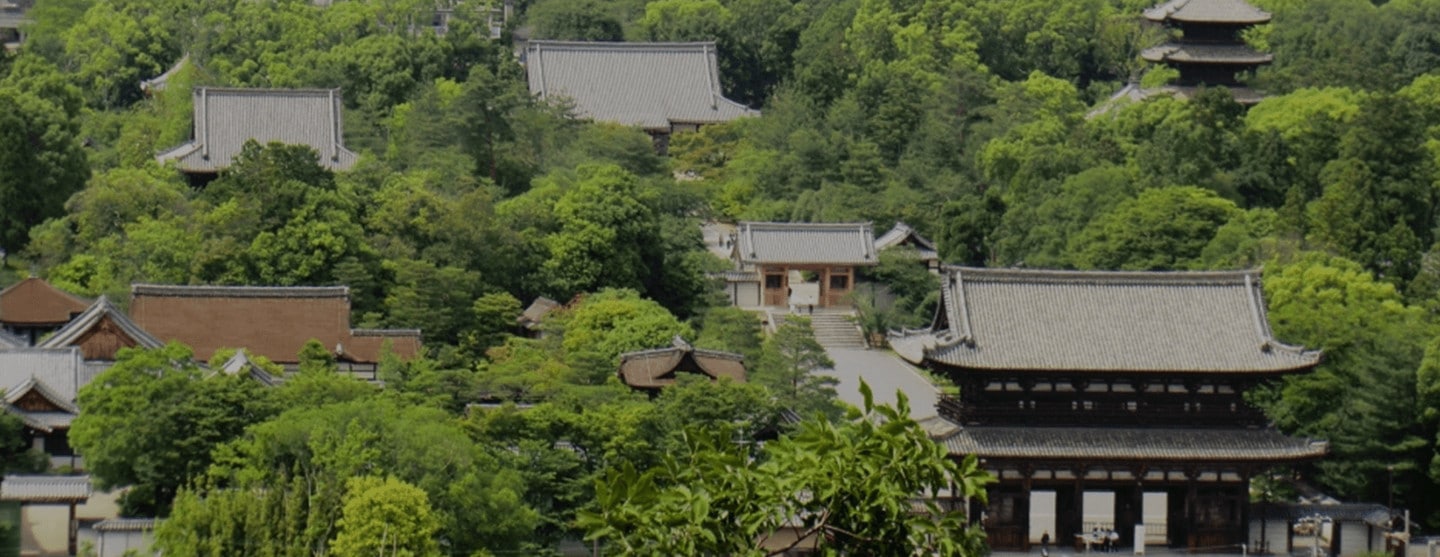
Ninna-ji is the head temple of the Omuro school of Shingon Buddhism and one of the components of the World Heritage Site “Historic Monuments of Ancient Kyoto.” Known for its late-blooming Omuro cherry trees and an Edo-period five-story pagoda, it is hailed as Kyoto’s most moving spring scenery and the grand finale of Kyoto’s cherry blossom season.
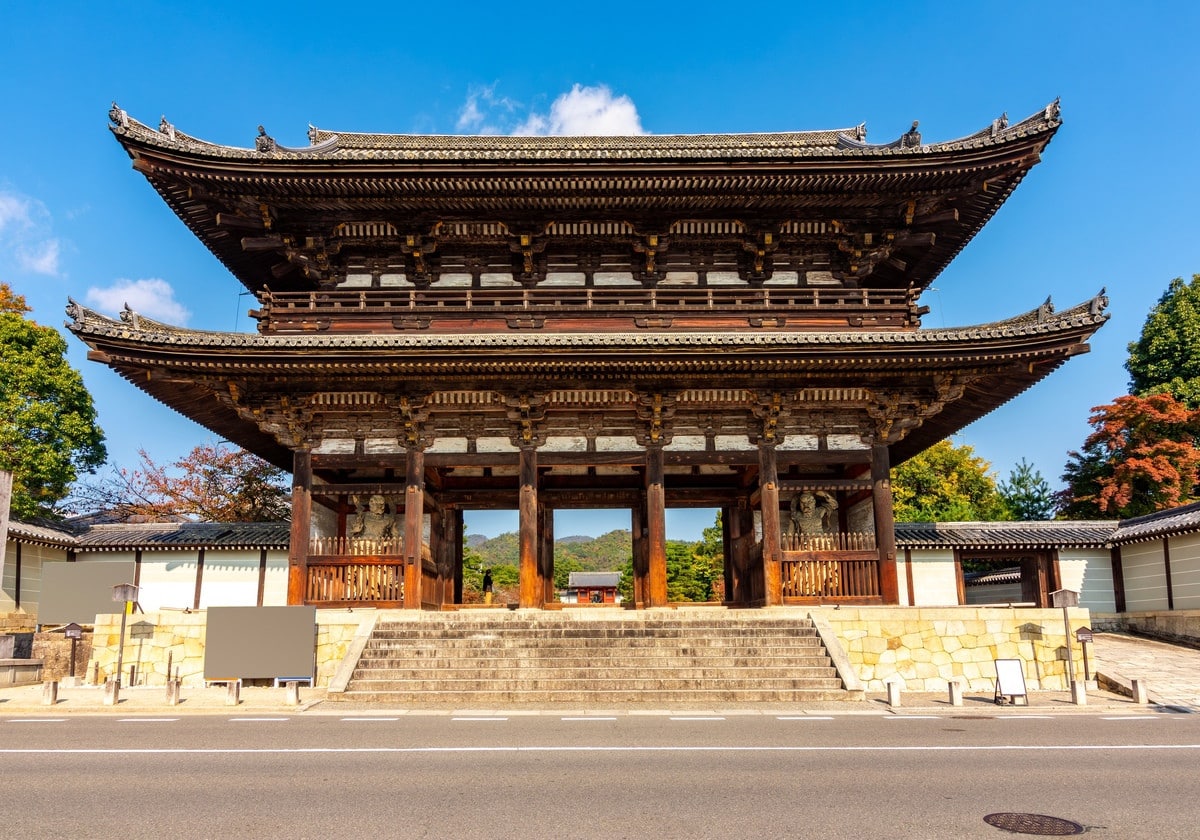
Ninna-ji (Omuro Palace): A Monzeki Temple with Deep Imperial Roots
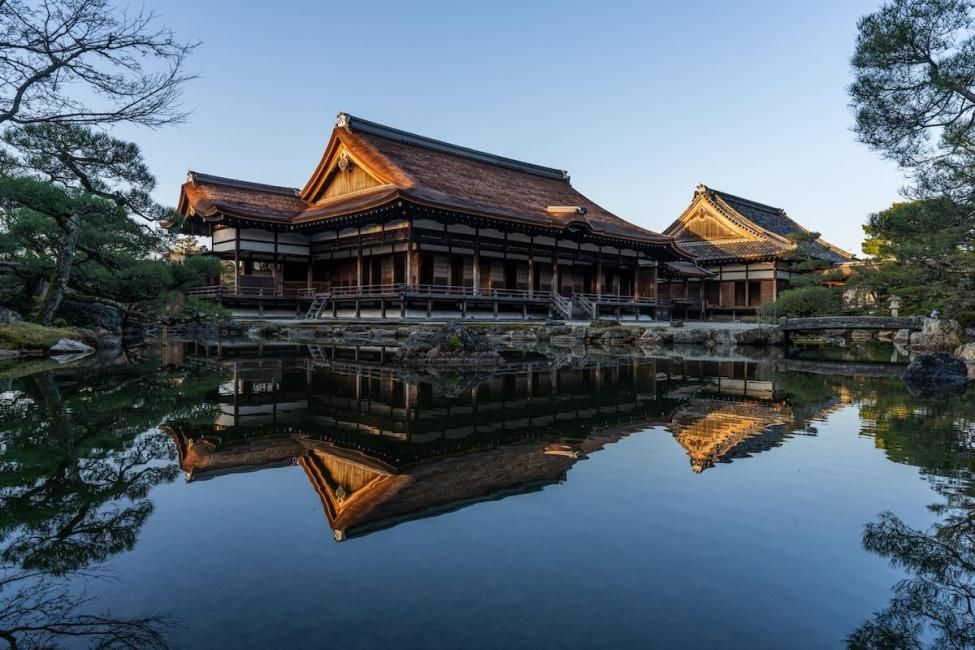
Ninna-ji was founded in the 4th year of Ninna (888) at the wish of Emperor Uda. After its completion the emperor took Buddhist vows and moved in, establishing the “Omuro Palace.” Members of the imperial family served as head priests for many generations, making it Kyoto’s most imperial “monzeki temple.” The palace garden on the grounds preserves the refined atmosphere of the former imperial residence, with dry landscape and pond-strolling garden designs that show traces of court aesthetics.
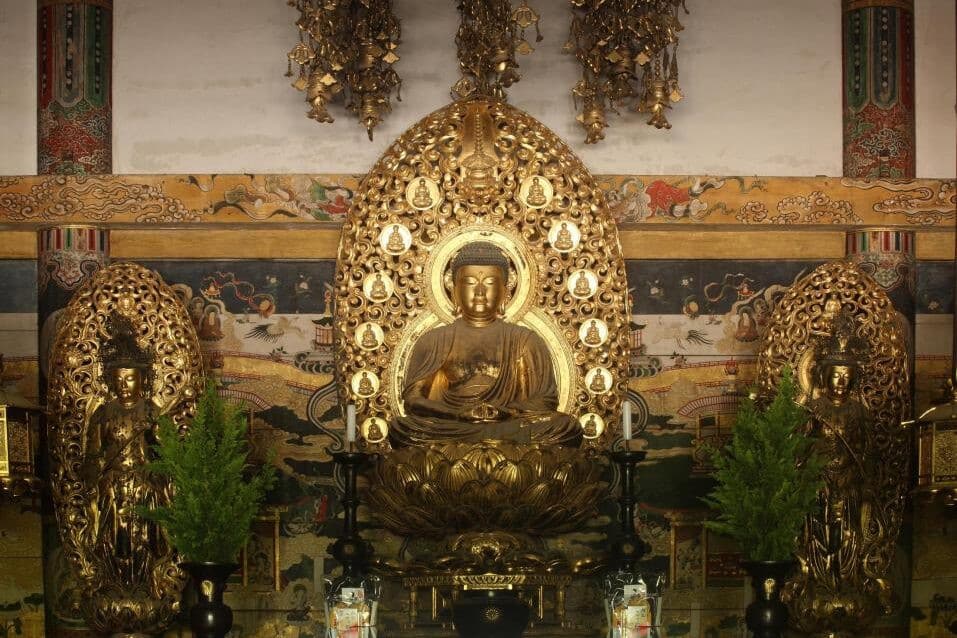
During the “Kyo no Fuyu no Tabi” (Kyoto Winter Journey) program, the Kannon Hall was once opened to the public for the first time in 21 years. The richly colored paintings inside and the 33 Buddhist statues, including the Thousand-Armed Kannon, are striking, a rare chance to get to know the core of Ninna-ji’s faith.


Omuro Cherry: The Late-Blooming Grand Finale of Kyoto’s Cherry Blossom Season
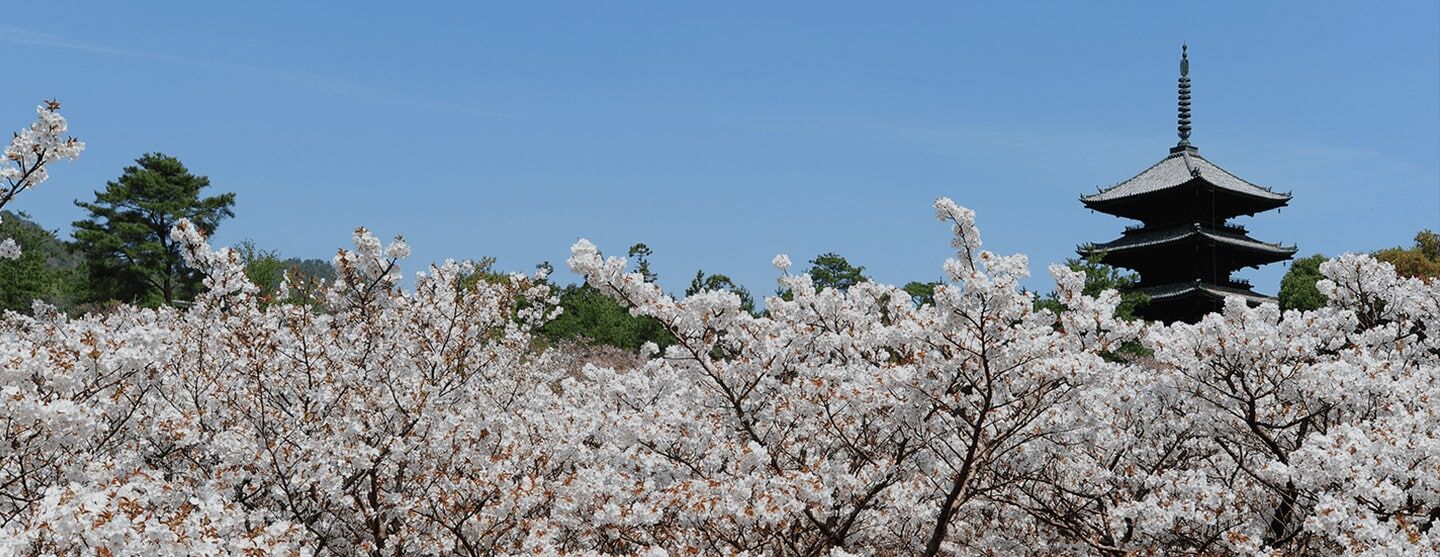
The Omuro cherry was designated a Place of Scenic Beauty of Japan in 1924. It is Kyoto’s most famous late-blooming variety, flowering about 10 days after the Somei Yoshino and usually peaking in mid-April, making it the last chance to chase cherry blossoms in Kyoto. Because the local clay soil restricts the roots, the trees grow only about 2 meters tall, so visitors can view the blossoms up close at eye level.
The flowers open from the base of the trunk to the treetop, forming a sea of snow-white and pink like a cloud. The viewing area can only be toured along the designated route, and you cannot wander freely among the trees to take photos.
How to Get to Ninna-ji: Access and Cost Guide
Ninna-ji is at 33 Omuro-Ouchi, Ukyo-ku, Kyoto, near the Arashiyama area. It is a World Heritage Site that draws crowds in cherry blossom season, and the surrounding roads are narrow with little parking during the season, so public transport is recommended.
How to Get to Ninna-ji: Transport Options at a Glance
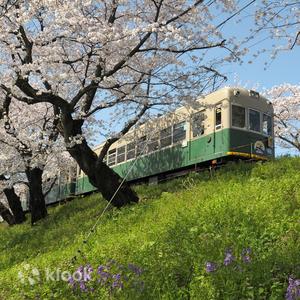
🚃 Randen (Keifuku) to Omuro-Ninnaji Station via Katabira-no-Tsuji: 25 to 30 minutes, ¥250, then 3 minutes on foot to the main gate. Trains run frequently.
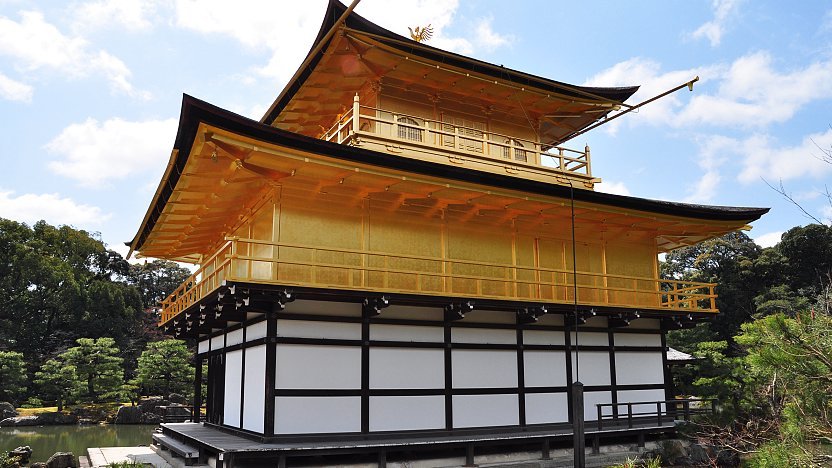
🚌 Bus No. 26 to the Omuro-Ninnaji stop: 40 to 50 minutes, ¥230, suited to a Kinkaku-ji, Ninna-ji, Arashiyama route.
🚄 JR Sagano Line to Hanazono Station, then 15 to 20 minutes on foot, suited to JR Pass holders who also want to visit Myoshin-ji.
🚕 Taxi: about 20 to 25 minutes from Kyoto Station. Fares depend on the taxi company’s quote, and the trip takes longer when roads are congested in cherry blossom season.


Must-See Sights at Ninna-ji: A Guide to Each Area’s Highlights
Ninna-ji has plenty to see, from National Treasure buildings to the imperial gardens. Here are the must-visit highlights.
Goten Garden: A Dry Landscape Garden of Imperial Grandeur
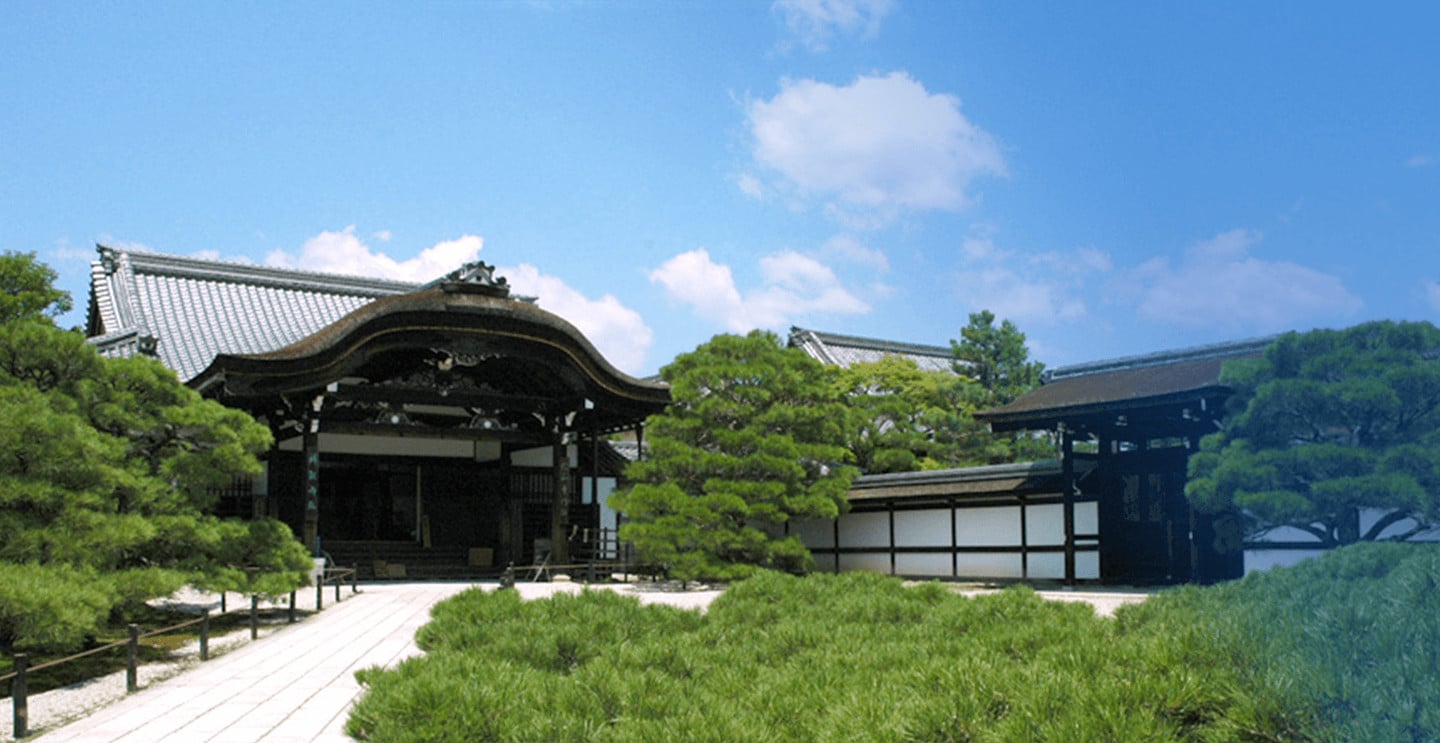
The Goten Garden lies on the west side of Ninna-ji and was once the core of the “Omuro Palace,” with the Shiro Shoin, Kuro Shoin and Shinden halls. The South Garden has white sand and planted pines with a solemn imperial air; the North Garden is a pond-strolling design where you can see the five-story pagoda reflected in the water. Admission is ¥800, open 9:00 to 17:00 (until 16:30 from December to February), and the snow scenery in winter is especially lovely.
Plan on 40 to 60 minutes. You must remove your shoes indoors, so wear tidy socks. It is also a good place to visit in the rain, when the wooden corridors reflect the water and the Zen mood deepens; this is where you feel Ninna-ji’s imperial aesthetic.
Omuro Cherry Grove: A Low, Cloud-Like Finale for Cherry Blossom Viewing
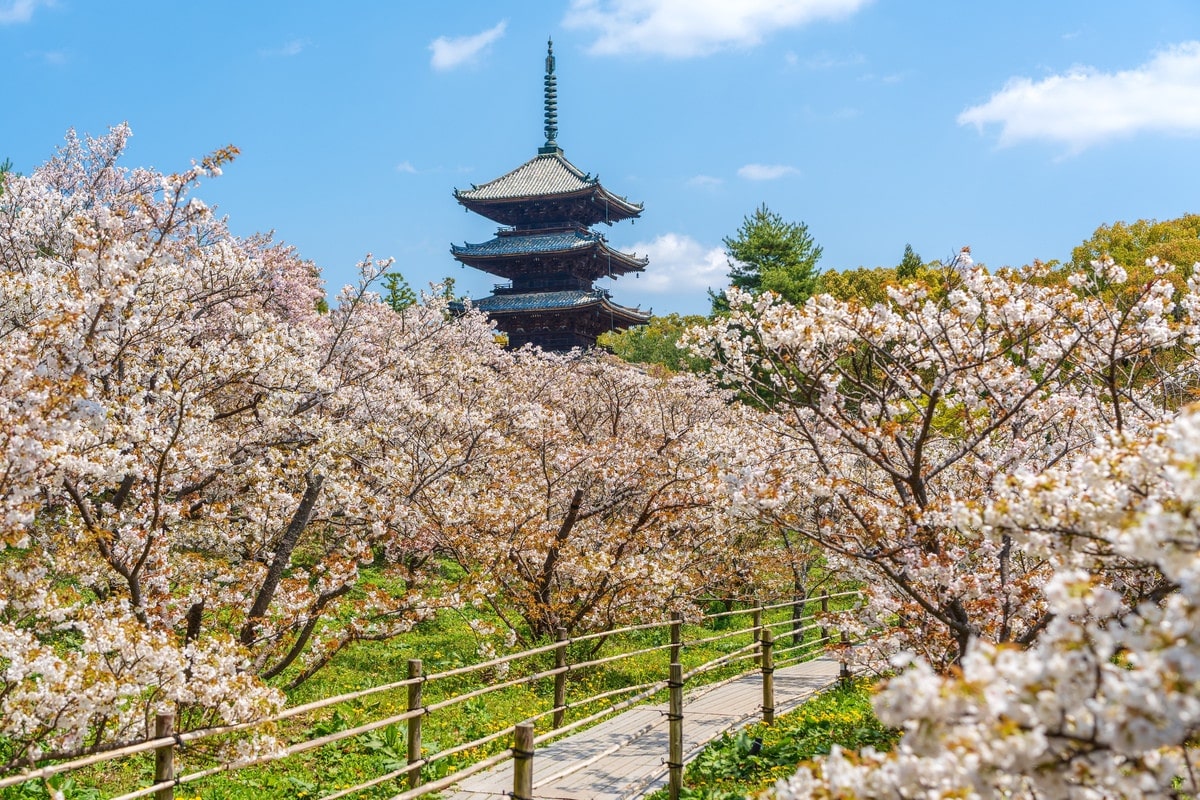
Past the Middle Gate is the Omuro cherry area, where a stone marker introduces this Place of Scenic Beauty. The Omuro cherry blooms mainly in mid to late April, about 10 days later than the Somei Yoshino in the city, making it the finale of Kyoto’s cherry blossom season. The grounds hold about 20 varieties and more than 200 trees; because of the clay soil, the trees are only about 2 meters tall and can be viewed at eye level, forming a unique “low sea of clouds.”
A designated path is set up for viewing, so please follow the planned route. Avoid the weekend morning crowds if you can; going on a weekday or toward evening gives you more room for photos and better light.
Omuro Flower Festival 2026: Dates, Entry Fee and the New Viewing Platform
The 2026 “Omuro Flower Festival” runs from March 27 to May 6. During this period an additional entry fee applies to the grounds: ¥800 for adults, free for high school students and younger, and a combined ticket with the Goten Garden is ¥1,400. In March Ninna-ji also installed a new viewing platform and explanatory signboard for the Place of Scenic Beauty “Omuro cherry,” where you can look out over the blossoms from a fixed spot and learn about the varieties and history.
Five-Story Pagoda: A Representative Edo-Period To-ji-Style Pagoda
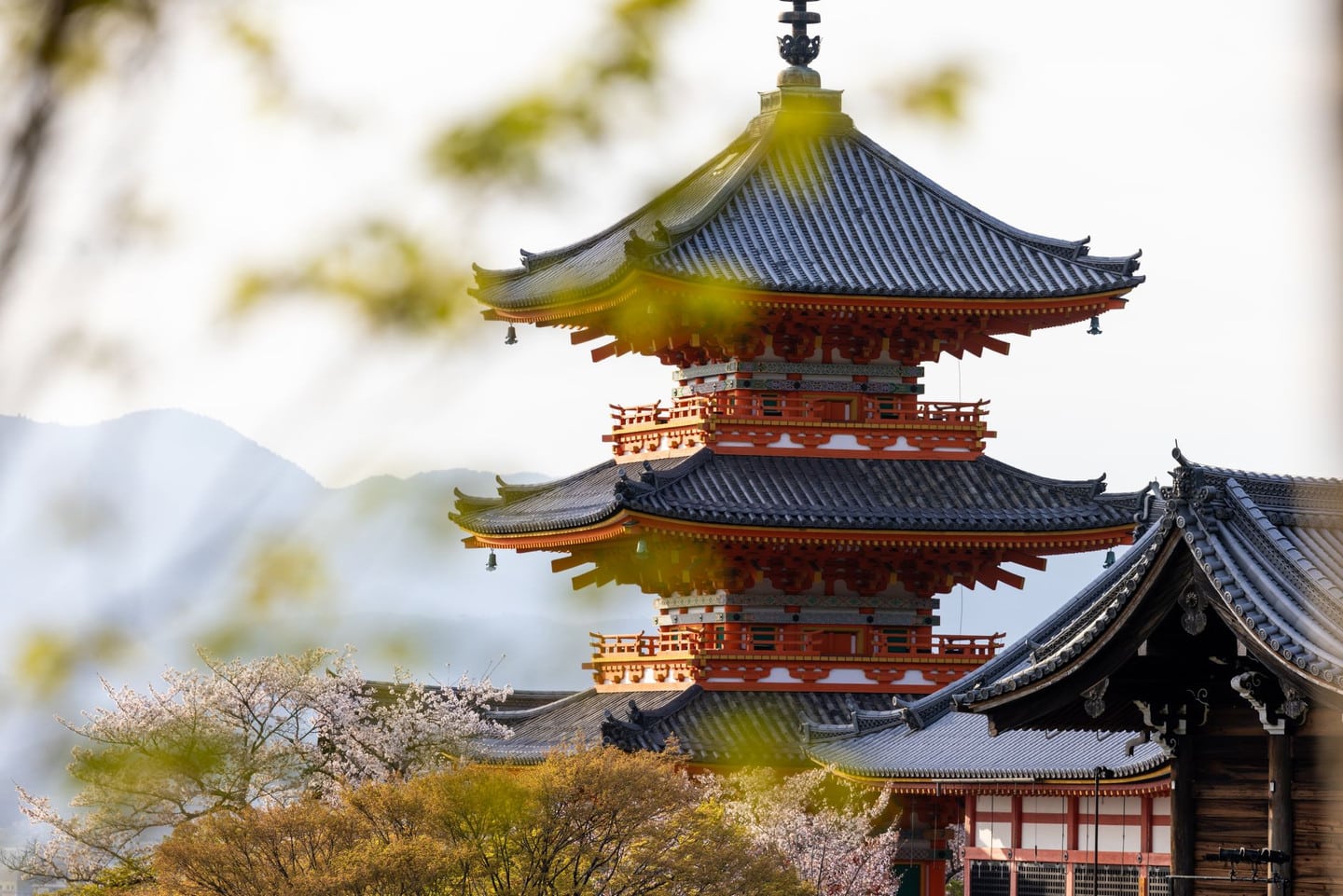
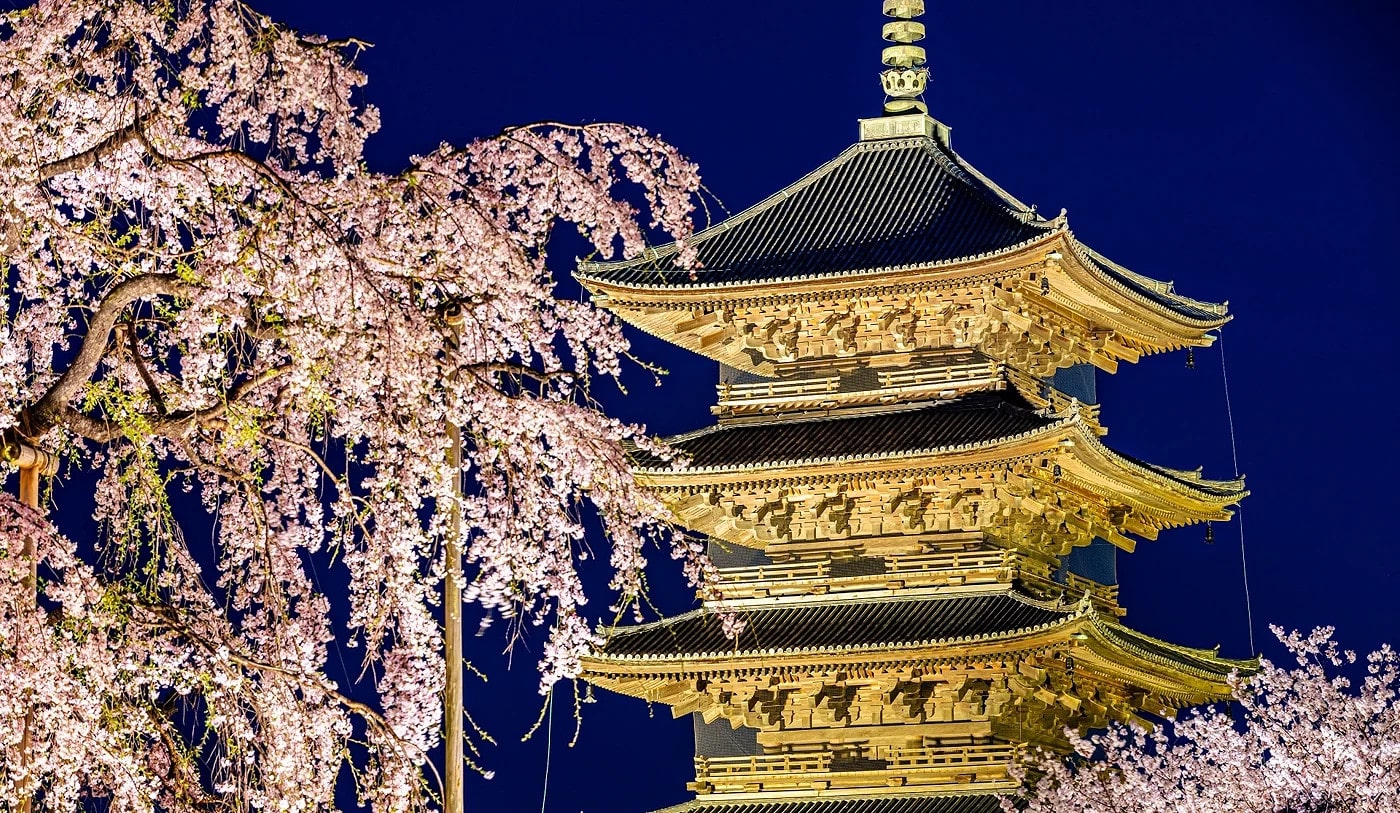
Ninna-ji’s five-story pagoda was built in the 21st year of Kan’ei (1644), stands 32.70 meters tall and is a nationally designated Important Cultural Property, a prominent landmark within the temple. It follows the early Edo “To-ji-style” design in which the roofs of each tier are roughly the same size, unlike the tiers that shrink level by level at other Kyoto temples, and it represents the architectural art of the Edo period.
Looking east from the middle of the Omuro cherry grove, the five-story pagoda and the cherry blossoms weave together into a classic scene, Ninna-ji’s signature postcard composition and one of the backdrops photographers recommend for cherry blossom viewing.
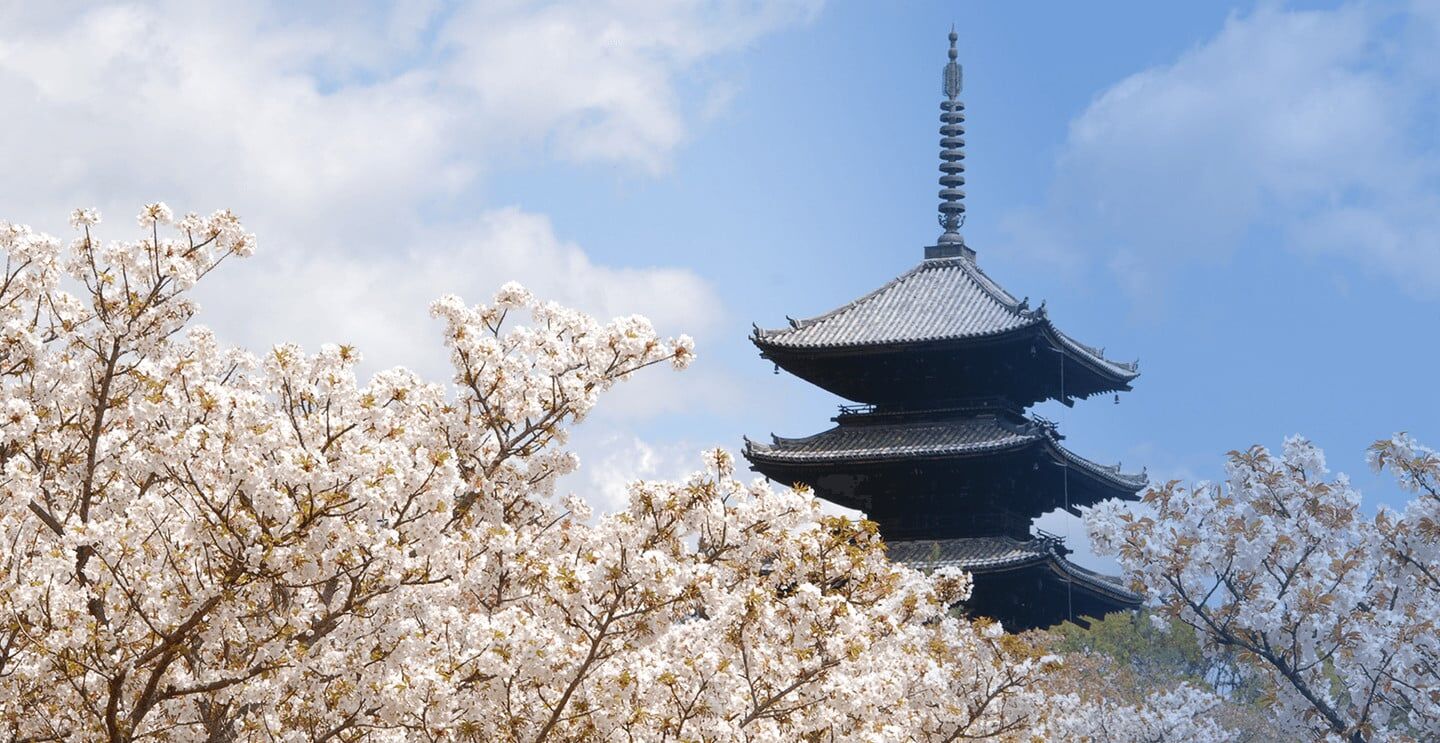
Kondo: A National Treasure Main Hall Moved from the Shishinden
The Kondo was moved from the Shishinden of the Kyoto Imperial Palace during the Kan’ei era. It is the oldest surviving Shishinden structure, a National Treasure of Japan, and enshrines the Amida Triad as its principal image. The building keeps the graceful curves and cypress-bark roof of Heian-era palaces and is a valuable example of imperial architecture converted to temple use. The interior is normally closed to the public and can be entered only during special openings.
Plan to stay about 15 to 20 minutes. From outside you can take in the roof curves and timber craftsmanship, and feel the solemn atmosphere of a thousand years of imperial and Buddhist culture meeting; it is the corner of the grounds with the most historical depth.
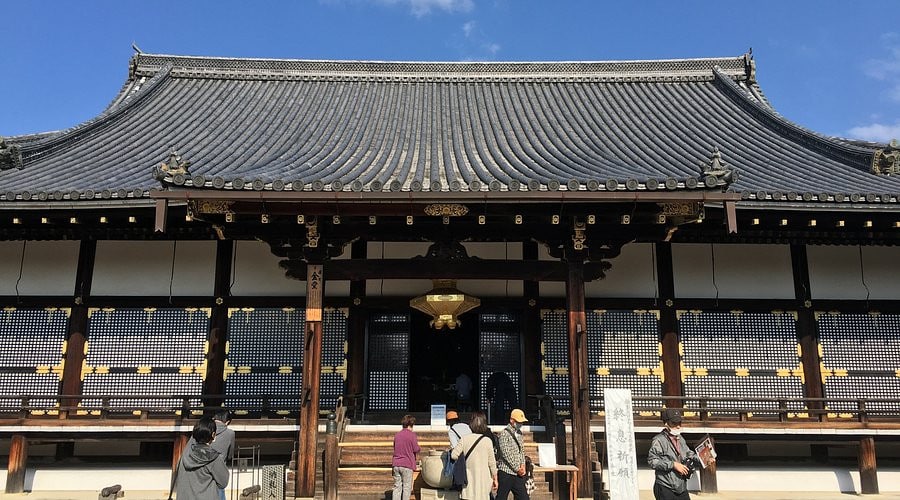
Niomon Gate: A Landmark Gate and One of Kyoto’s Three Great Gates
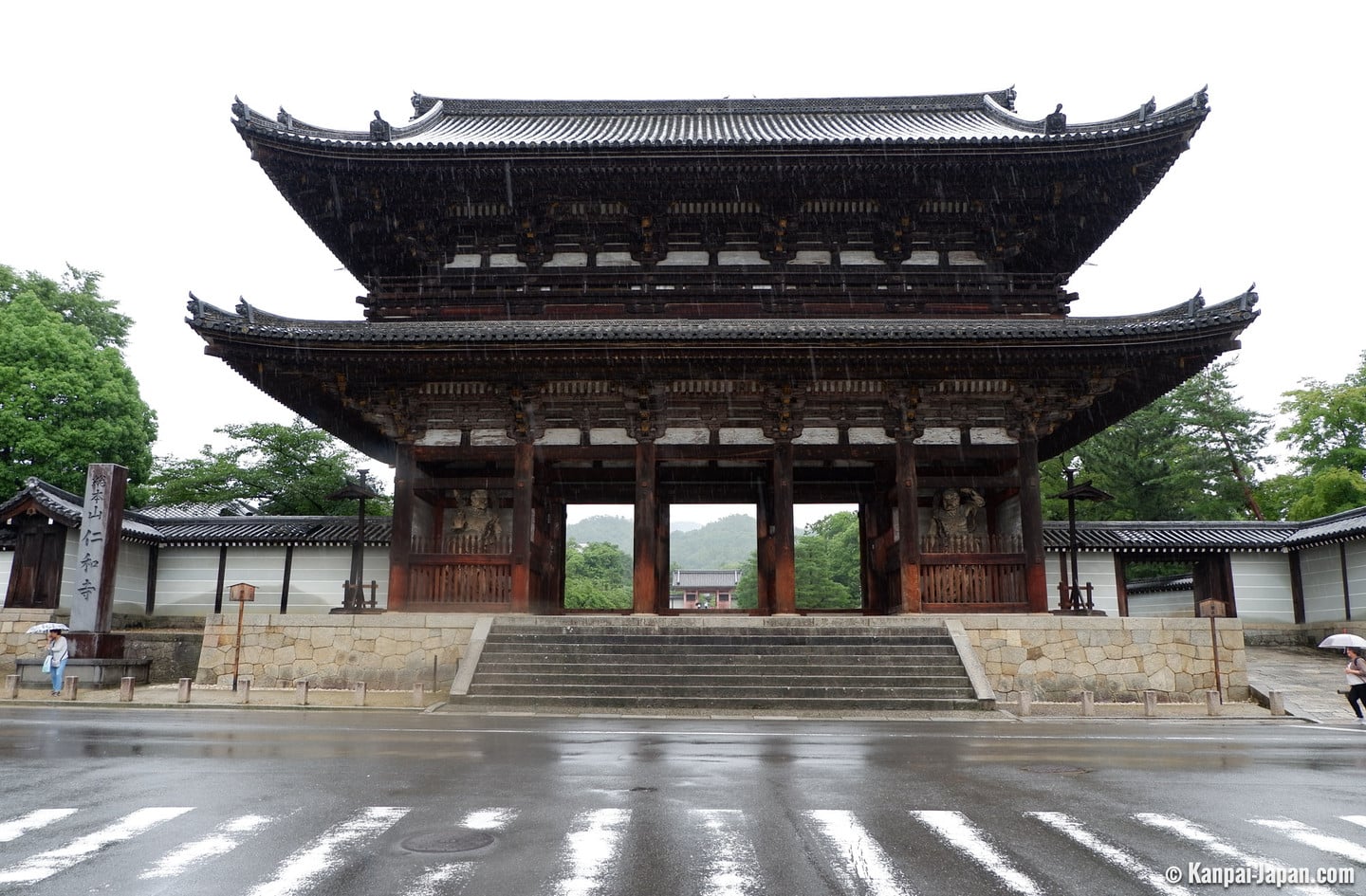
The Niomon is Ninna-ji’s main gate and ranks alongside the Sanmon of Chion-in and the Sanmon of Nanzen-ji as one of Kyoto’s three great gates. Kongo Rikishi guardian statues stand on both sides to protect the grounds, and the gate tower is in the wayo style with calm, grand roof lines. It is the first stop on the visiting route and a classic photo landmark, and the wide plaza in front makes it easy for groups and families to take pictures together.
We suggest starting a clockwise route here: first the Niomon, then the Middle Gate and the Omuro cherry grove, and finally the five-story pagoda and the Kondo, which lets you cover the whole site at a full pace in about 1.5 to 2 hours.
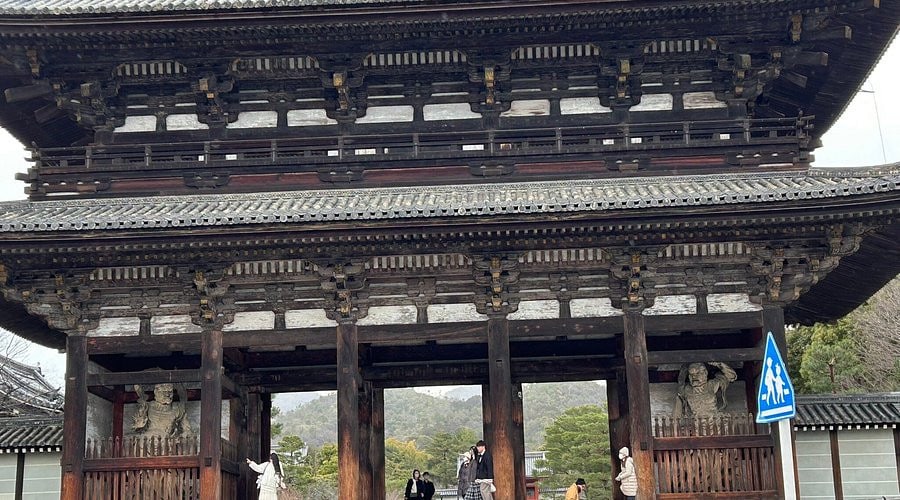
Kannon Hall: A Richly Colored Buddhist Hall Opened for the First Time in 21 Years
The Kannon Hall was originally a place for monks’ training and is normally closed to the public. In recent years, during the “Kyo no Fuyu no Tabi” program, it was opened for the first time in 21 years. Inside, richly colored murals stand alongside 33 Buddhist statues including the Thousand-Armed Kannon, with dazzling color and grand presence, one of the most visually striking spaces in Ninna-ji.
Because it opens only for limited periods, check that year’s “Kyo no Fuyu no Tabi” schedule before you go and take the rare chance to go in, seeing the core of the faith and the craftsmanship that are usually out of sight.
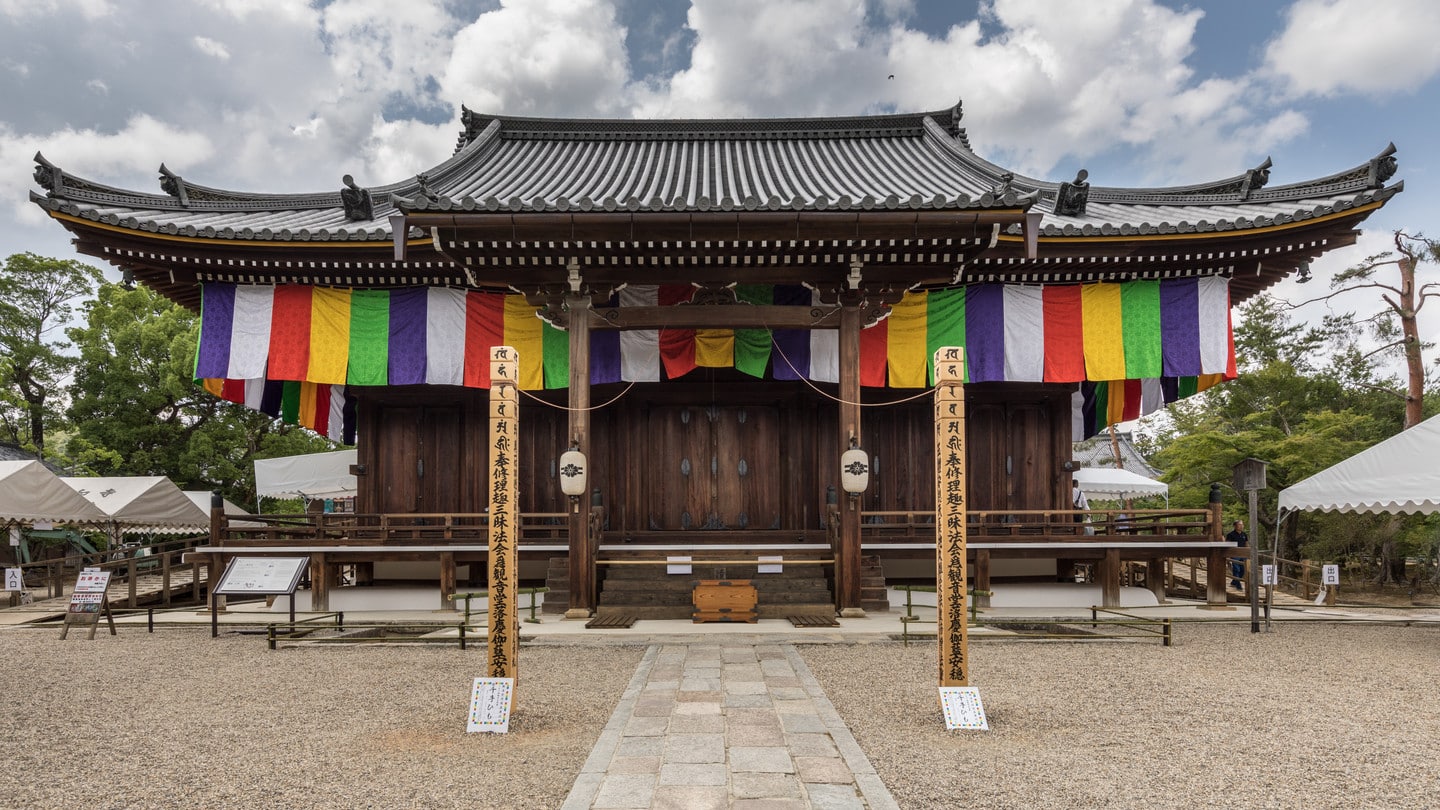
Miedo Hall and Middle Gate: Important Cultural Properties Linking the Halls
The Miedo enshrines the statue of Kukai (Kobo Daishi), founder of Shingon Buddhism. The building is also an Important Cultural Property, with a calm, restrained roof form, and is an important place for worshippers to pray and practice. The Middle Gate is the key passage linking the Niomon with the Omuro cherry grove and the five-story pagoda area, with statues of the Four Heavenly Kings standing guard on either side inside the gate.
Once you pass through the Middle Gate the view opens up, and you can see the Omuro cherry trees and the five-story pagoda together at once. It is an important link in the route and a popular spot for panoramic photos.
Reiho-kan: A Museum of Temple Treasures and Buddhist Statues
The Reiho-kan holds precious items handed down at Ninna-ji, including Buddhist statues, paintings and crafts. It is open for display only during certain periods. Admission is ¥500, and buying a combined ticket with the Goten Garden is better value. The exhibits change themes regularly and include Heian-period Buddhist sculpture and documents related to the imperial family, suiting visitors interested in Buddhist art and historical artifacts.
Plan on about 20 to 30 minutes. The quiet exhibition space is a good place to escape the outdoor crowds and settle your mind, and to better understand Ninna-ji’s cultural depth as a monzeki temple.
Dry Landscape Garden: A Zen Space of White Sand and Pines
The dry landscape garden in the South Garden of the Goten is paved with white sand and set with sculpted pines and rock groupings, presenting a minimal, solemn Zen aesthetic and one of the representative forms of Japanese garden art. The design makes use of borrowed scenery, drawing the distant five-story pagoda and surrounding trees naturally into view for a layered composition.
Sit on the veranda of the Shiro Shoin and quietly take in the whole garden, noticing the subtle differences as light and shadow change on the white sand over time. It is one of the best corners of Ninna-ji for slowing down and savoring the scene.
Ninna-ji Limited-Edition Goshuin: Cut-Paper Designs That Change with the Season
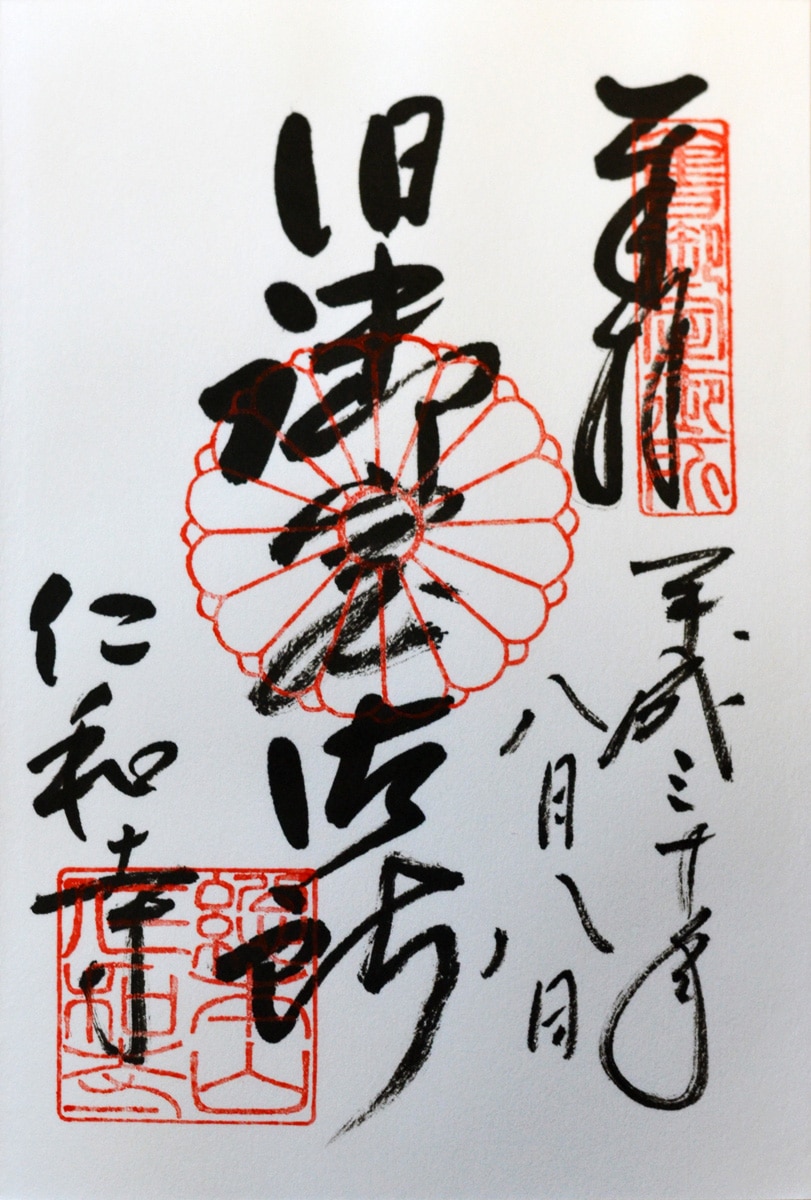
Ninna-ji offers limited-edition goshuin with cut-paper (kirie) designs that change with the season, such as “Autumn Leaves and the Five-Story Pagoda.” The 2026 summer edition, “Summer, Cooling Off at Ninna-ji” (夏、仁和寺に涼む), is available from June 1.
Limited editions change with the season and quantities are limited. Bring cash and apply during the goshuin office’s opening hours; please check the official website for the designs.
How Much Does a Ninna-ji Visit Cost? Tickets and Guided Tours
Ninna-ji is at 33 Omuro-Ouchi, Ukyo-ku, Kyoto. Its most famous attraction, the Omuro cherry, is a late-blooming dwarf variety that usually flowers from mid to late April, nearly two weeks later than other cherry blossom spots in central Kyoto, which makes it the best place to go at the end of the season. Ninna-ji is also a World Heritage Site, and its five-story pagoda, Kondo and Niomon are all Important Cultural Properties. To explore in depth while saving money, first understand the ticket system and the differences between the guided tours, then choose the best-value option for your time and budget.
Ninna-ji Goten and Omuro Cherry Garden Combined Ticket: Cultural Property Architecture and Cherry Blossoms in One
Ninna-ji tickets come in two kinds: “Goten visit” and the cherry-season-only “Omuro Cherry Garden.” The Goten visit is ¥800 for adults and the Omuro Cherry Garden entry is ¥800; buying both on a combined ticket for ¥1,400 is better value. High school students and younger are free.
Ticket prices and opening hours follow the announcements on Ninna-ji’s official website (ninnaji.jp). The 2026 Omuro Flower Festival runs from March 27 to May 6.
Opening hours are 9:00 to 17:00 from March to November (last admission 16:30), and the gates close at 16:30 from December to February. We suggest going in the morning.
Kyoto Arashiyama and Ninna-ji Cherry Blossom Day Tour: Transfers and Chinese-Language Guide Make It Easy
If you are not familiar with Kyoto’s bus routes, you can choose a half-day or full-day tour from KKday or Klook that combines Kinkaku-ji, Arashiyama, the Sagano bamboo grove and Ninna-ji. Cost and meeting points vary by product, so please check the booking page. Most use a minibus or private car for transfers, saving you the trouble of changing transport.
The tours include Chinese- and Japanese-speaking guides, who explain that Ninna-ji is a monzeki temple founded in the Heian period by Emperor Uda, with members of the imperial family serving as head priests through the ages, hence the name “Omuro Palace,” and who explain the architecture and history in front of the Goten and the five-story pagoda.
Half-day to full-day tours link Tenryu-ji and the Bamboo Grove path, and suit first-time visitors to Kyoto with limited time; they are especially recommended for older travelers and families with children.
Ninna-ji Palace Garden Night Illumination: Limited Night Views in Early Summer and Autumn Leaf Season
The Omuro cherry trees themselves are not lit up at night. The Ninna-ji palace garden holds separate night illuminations in early summer (May 22 to June 28 in 2026) and in the autumn leaf season (October 24 to December 13 in 2026, 18:30 to 21:00). Entry to the “Autumn Leaves Sea of Clouds” illumination alone is about ¥2,800, free for high school students and younger.
Illumination dates and prices are adjusted every year, so please check Ninna-ji’s official website before you go. Night bus service is limited, so leave time for the return trip or take the Randen instead.
Omuro-Ninnaji Station Area Bus Day Pass Package: A Practical Way to Save on Transport
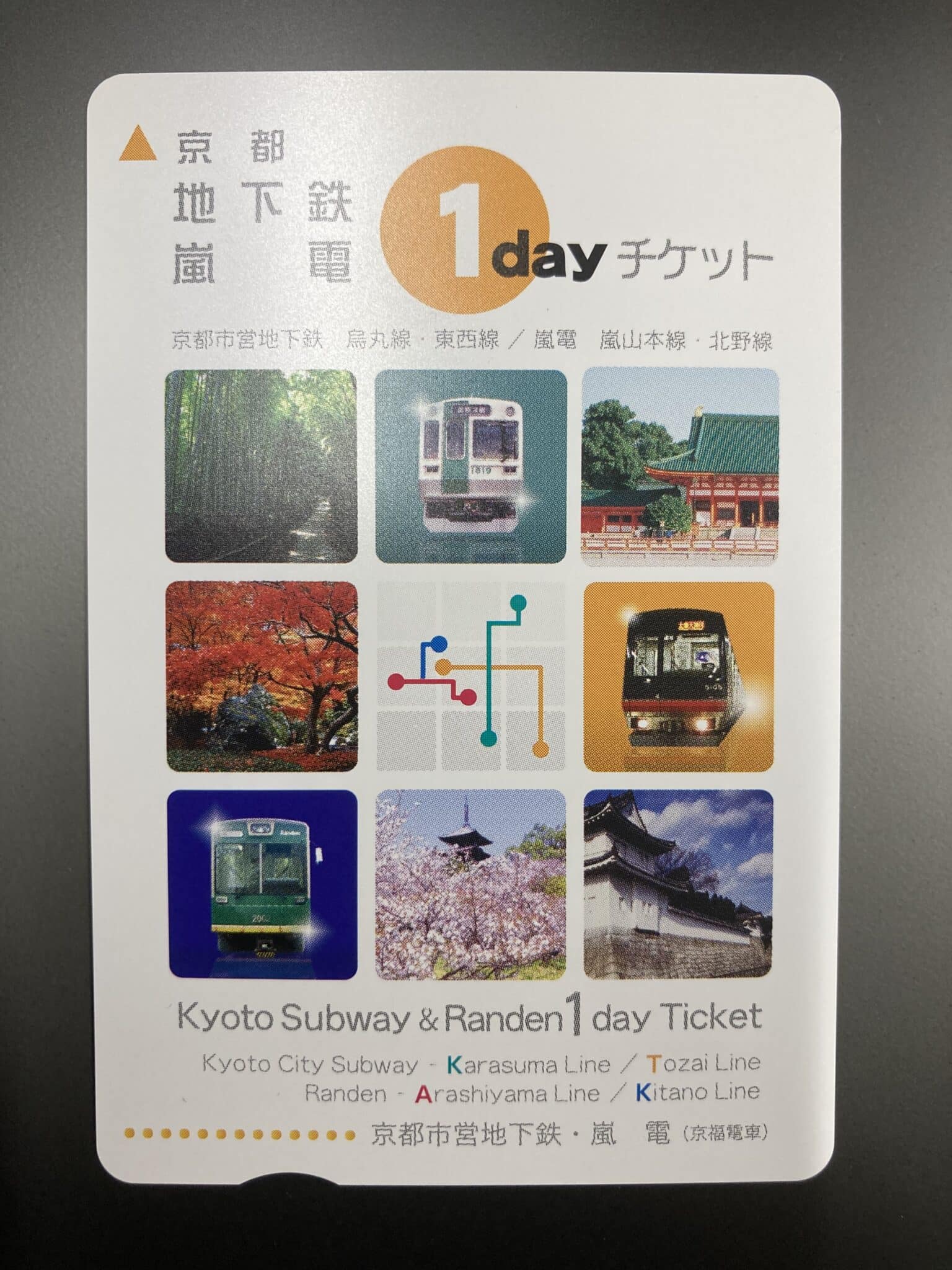
To visit World Heritage Sites such as Ninna-ji, Ryoan-ji and Kinkaku-ji, you can buy the Kyoto City Bus and Subway One-Day Pass, ¥1,100 for adults, with unlimited rides on city buses and the subway for one day. It is sold at the Kyoto Station bus information center or at subway stations.
To reach Ninna-ji, take the Randen Kitano Line to “Omuro-Ninnaji” Station and walk 3 minutes to the Niomon, or take city bus No. 10 or 59, about 40 to 50 minutes. With a day pass you can link Kinkaku-ji, Ryoan-ji and Ninna-ji into a cherry blossom and World Heritage route, which suits visitors who know Kyoto and like to plan things on their own.
Where to Stay Nearby
Ninna-ji is in northwest Kyoto. From Omuro-Ninnaji Station, take the Randen Kitano Line and change to the Arashiyama Main Line at Katabira-no-Tsuji to reach Arashiyama. Staying in the Arashiyama area lets you link Ninna-ji and Sagano into one day. There are hot spring ryokan around Togetsukyo Bridge, as well as business-style hotels next to JR Saga-Arashiyama Station.

FAQ
Q: How much is admission to Ninna-ji?
The grounds are normally free. The Goten Garden is ¥800 and the Reiho-kan is ¥500; in cherry blossom season the entry fee is ¥800 (¥1,400 for a combined ticket with the Goten). High school students and younger are free.
Q: What are Ninna-ji’s opening hours?
Regular hours are 9:00 to 17:00, shortened to a 16:30 closing from December to February. Last admission is usually 30 minutes earlier.
Q: What is the easiest way to get to Ninna-ji?
Take the Randen Kitano Line to “Omuro-Ninnaji” Station and walk about 3 minutes to the Niomon. This is the fastest and most convenient way.
When is the best time to see the Omuro cherry in 2026?
The Omuro cherry usually blooms from mid to late April, about 10 days later than the Somei Yoshino in the city, making it Kyoto’s last chance to see cherry blossoms. We suggest aiming for mid-April.
Q: What should I keep in mind when visiting Ninna-ji?
You must remove your shoes to enter indoor buildings such as the Goten, so wear tidy socks. Bring cash for omamori charms and goshuin, as some areas do not accept cards.
Q: How is the Omuro cherry different from the usual Somei Yoshino?
The Omuro cherry grows only about 2 meters tall, blooms later and has dense, low-hanging flowers, so you can view the blossoms at eye level, a cherry blossom experience unique to Kyoto.
Q: What other sights can I link with Ninna-ji?
You can walk the “Kinugake no Michi” path to link Ryoan-ji, Kinkaku-ji and Kitano Tenmangu for a deep day of culture and cherry blossoms. All are within walking distance or a short bus ride.