
Kiyomizu-dera: Kyoto’s World Heritage Site and Cultural Treasure
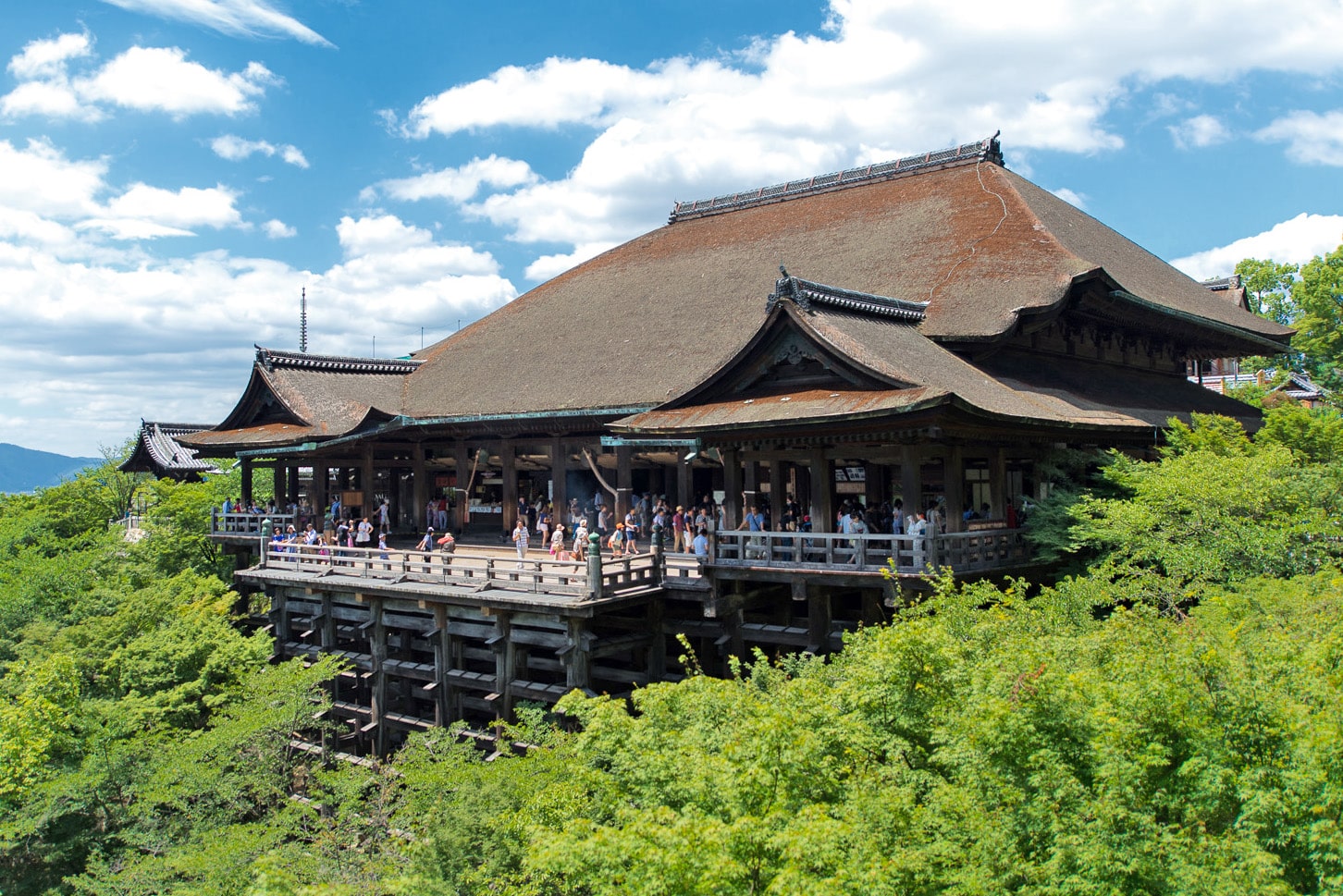
Kiyomizu-dera is one of the most representative World Heritage sites in Kyoto and also a sacred Buddhist site in Japan. This ancient temple is famous for its spectacular Kiyomizu Stage and draws millions of pilgrims and visitors every year. This article offers an up-to-date 2026 Kiyomizu-dera travel guide, including must-see sights, transport, cherry blossom and autumn foliage season information, and kimono experiences.
Introduction to Kiyomizu-dera
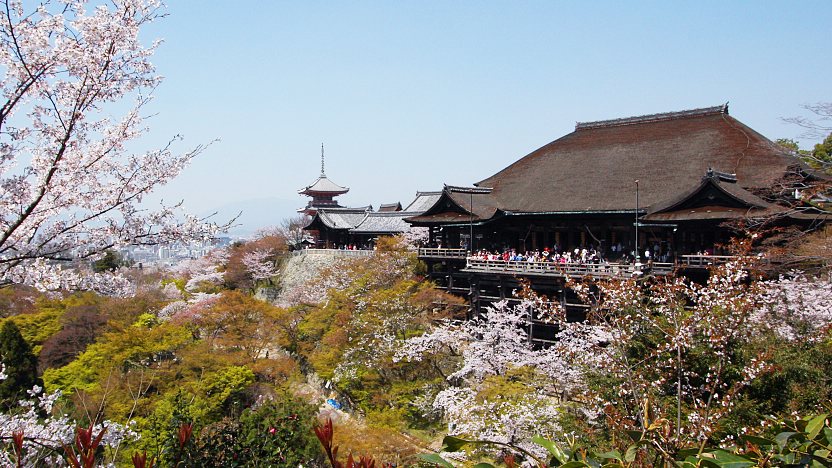
Kiyomizu-dera’s formal name is Otowasan Kiyomizu-dera, and it was founded in 778 as an important temple of Japanese Buddhism. Its most famous feature, the Kiyomizu Stage, is part of the Main Hall (a National Treasure of Japan); Kiyomizu-dera is also one of the component properties of the World Heritage site “Historic Monuments of Ancient Kyoto” inscribed in 1994.
Kiyomizu-dera is not only a religious sanctuary but also one of the best places to see Kyoto’s four seasons: cherry blossoms in spring, lush green in summer, red leaves in autumn and snow scenes in winter will make you want to linger.
What Are the Must-See Sights at Kiyomizu-dera in 2026? A Complete Guide to Each Area’s Highlights
The grounds of Kiyomizu-dera are divided into several areas. Below we introduce the must-see sights in turn: the Kiyomizu Stage, the Main Hall, Jishu Shrine, Niomon Gate and the Three-Story Pagoda.
Kiyomizu Stage
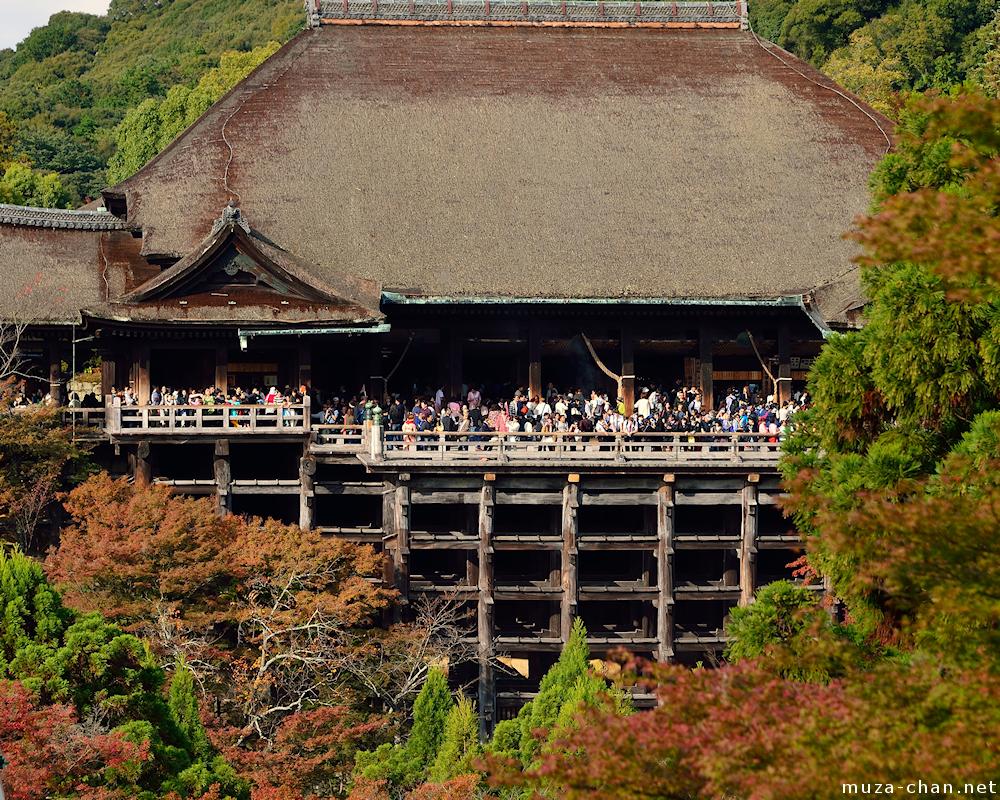

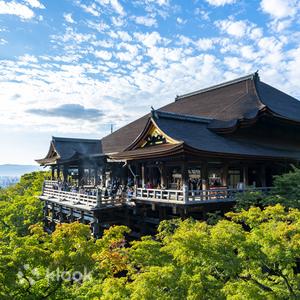
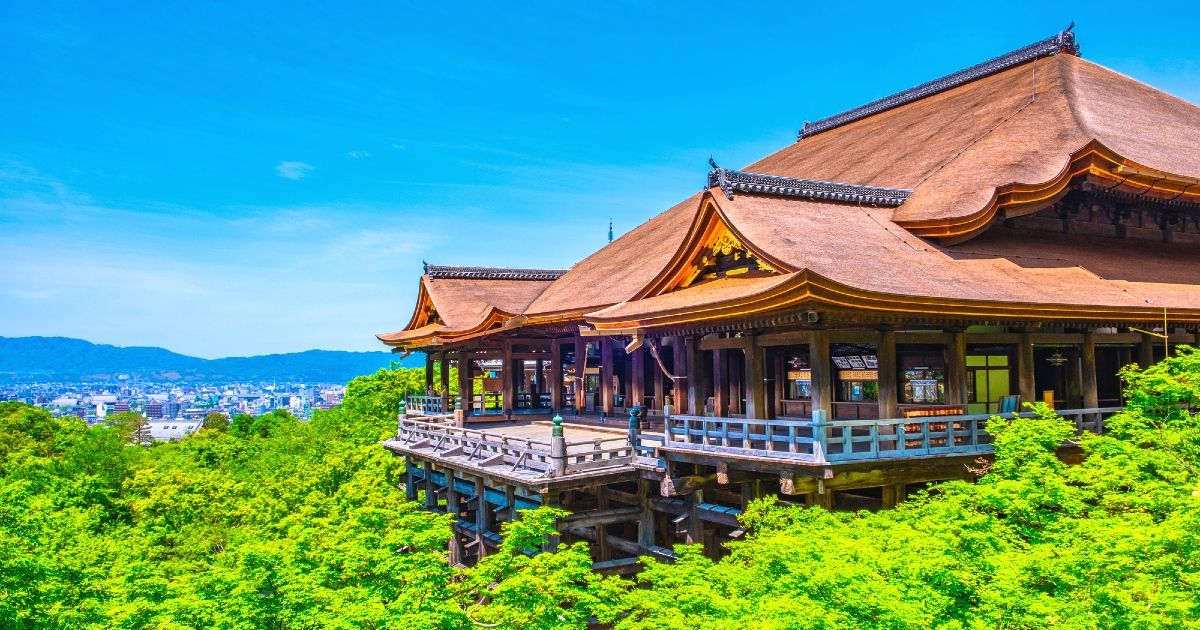
The Kiyomizu Stage is one of Kiyomizu-dera’s most famous sights, known for its imposing architecture projecting out over a mountain cliff. Kiyomizu-dera was founded in 778, and the existing stage was rebuilt in 1633 on the order of Tokugawa Iemitsu after a fire in 1629, giving it a history of nearly 400 years; it is a National Treasure-class building. From the stage you can enjoy magnificent views of Kyoto city, especially in autumn when the red leaves spread across the hills and the scenery is even more beautiful.
The Kiyomizu Stage is not only an architectural marvel but also the symbol of Kiyomizu-dera. Visitors can get a close look at its superb craftsmanship and historical value. The stage is built with the “kakezukuri” method, using no nails, with interlocking wooden pillars supporting it, the most distinctive structure at Kiyomizu-dera.
We suggest visiting the Kiyomizu Stage in the morning or late afternoon, when crowds are smaller and the view can be better enjoyed. Allow 1 to 2 hours for the stage; the Kiyomizu-dera admission fee is ¥500 for adults and ¥200 for elementary and junior high school students.


Main Hall
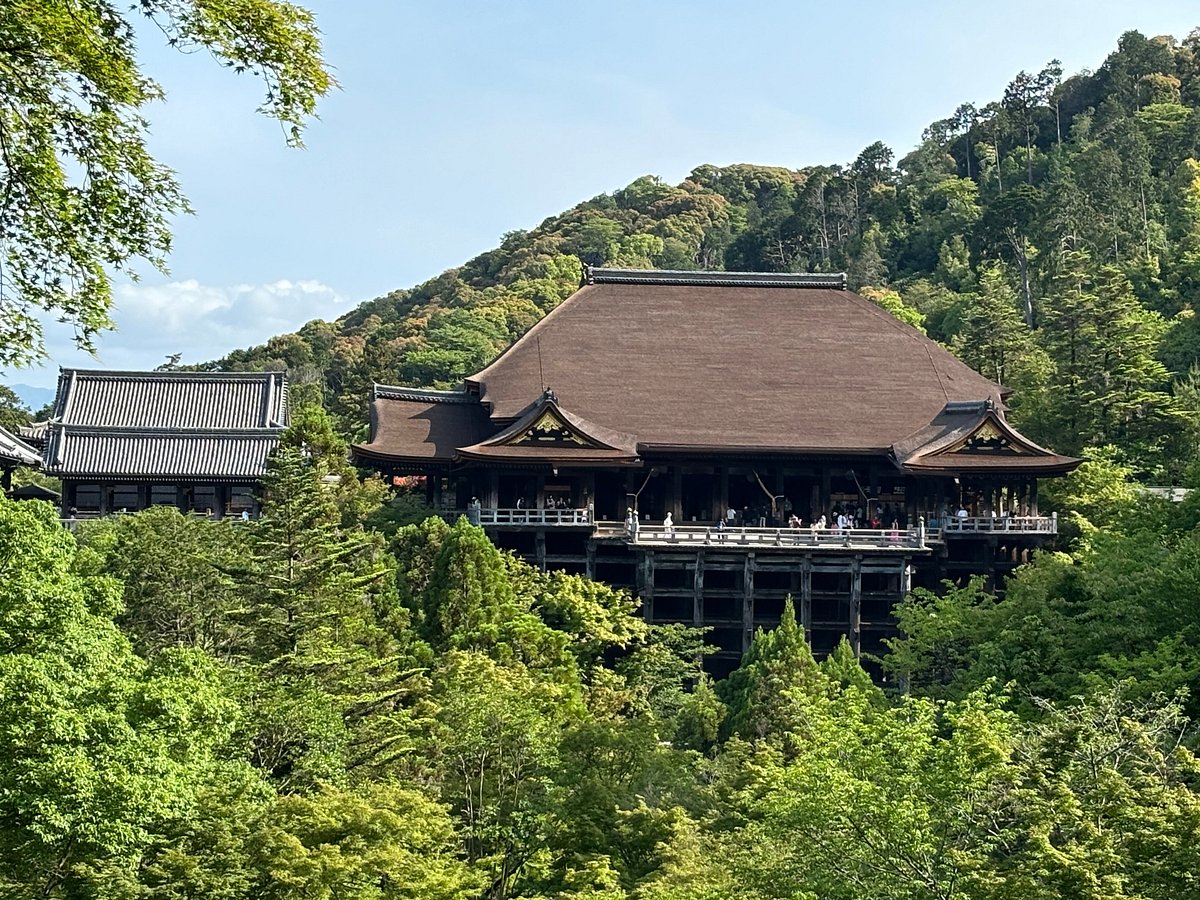
The Main Hall of Kiyomizu-dera is the temple’s principal building and enshrines a Thousand-Armed Kannon statue. The interior is beautifully decorated, with fine carvings and paintings on the walls and ceiling. The principal image is a hidden Buddha not normally open to the public, but you can still feel the deep Buddhist atmosphere here.
The history of the Main Hall goes back to 778 and is closely tied to the founding of Kiyomizu-dera. As you visit, you can learn about the temple’s history and cultural background. Photography is prohibited inside the Main Hall, and visitors should stay quiet and respectful.
Allow 30 minutes to 1 hour for the Main Hall; the admission price is included in the overall Kiyomizu-dera ticket. Omamori charms and goshuin (temple seals) can be bought on the grounds, with prices varying by item. Kiyomizu-dera offers a rich variety of omamori, commonly including the Otowa Waterfall water charm, yakuyoke (warding off bad luck) charm, academic success charm, health and longevity charm and traffic safety charm, so you can choose according to your wish.
Kiyomizu-dera Jishu Shrine
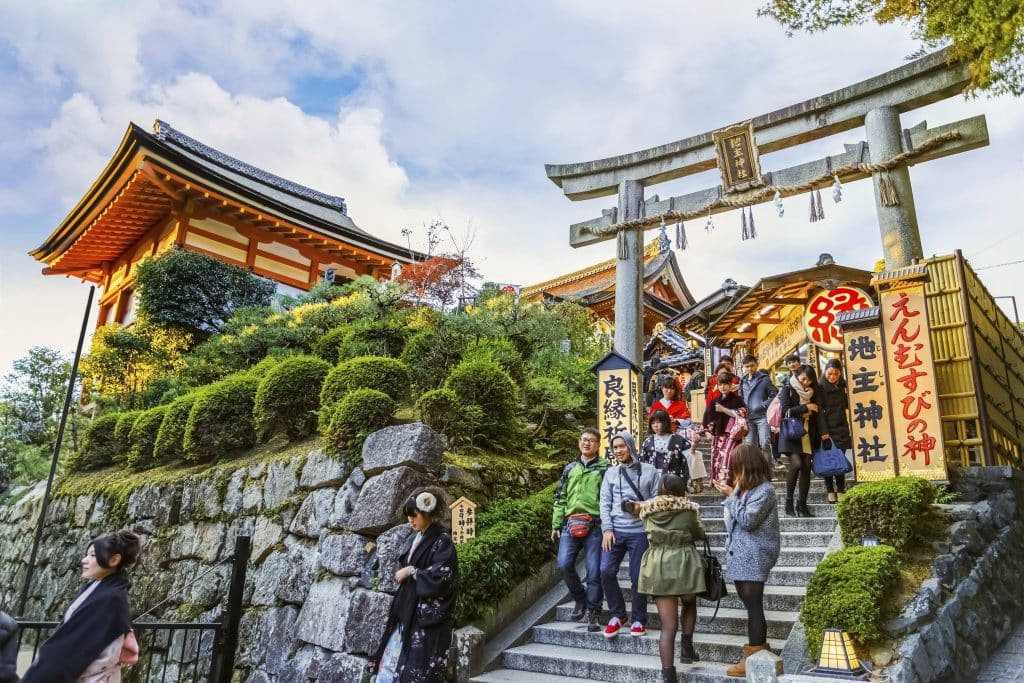
⚠️ Current closure notice:Jishu Shrine has been closed to worship since August 19, 2022 for restoration work on its buildings, with the work expected to take about 5 to 6 years. Before you go, be sure to check the official Kiyomizu-dera website or Jishu Shrine announcements for the latest status so you don’t make a wasted trip.
Jishu Shrine is within the Kiyomizu-dera grounds and enshrines deities associated with love and good matches. Famous for its distinctive love theme, it has long drawn many couples and singles who come to worship and pray for a good match.
Jishu Shrine has a long history closely bound up with that of Kiyomizu-dera. While open, the shrine sells many love-related charms and omamori, and its tranquil setting is an ideal place to relax and pray; during the closure, we suggest praying at the Kiyomizu-dera Main Hall and Otowa Waterfall instead.
Kiyomizu-dera Niomon Gate
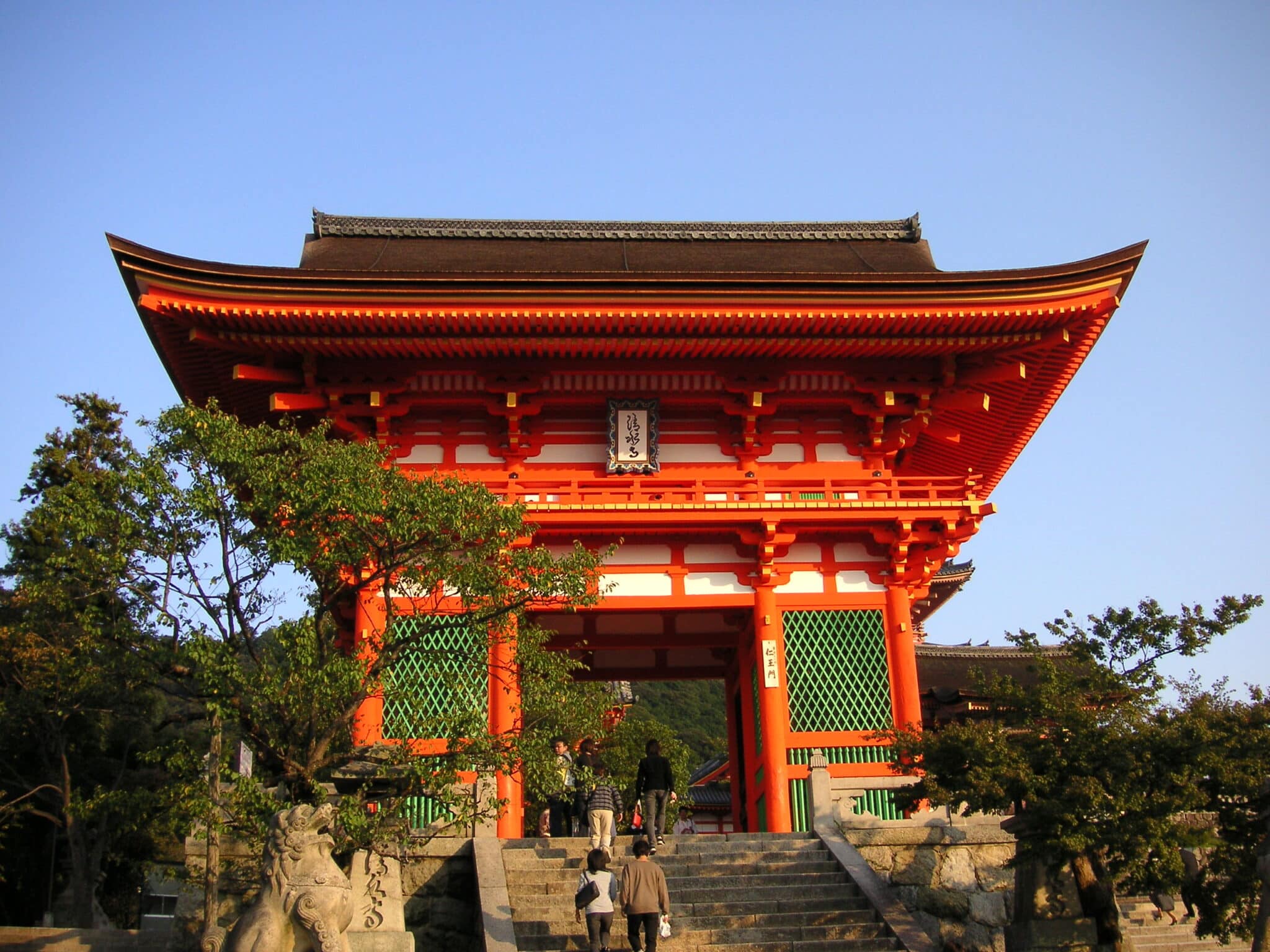
Niomon Gate is the entrance to Kiyomizu-dera, with two majestic Nio guardian statues protecting the temple gate. The gate has a distinctive architectural style with a strong Buddhist character. Before entering Kiyomizu-dera, visitors can take a commemorative photo in front of the Niomon Gate.
The existing Niomon Gate is an Important Cultural Property and the main gate of Kiyomizu-dera. The two lifelike Nio statues show the superb skill of ancient craftsmen. Visitors can feel the deep Buddhist atmosphere here.
Allow 10 to 30 minutes at Niomon Gate; entry is free, and it is the first stop on the approach to Kiyomizu-dera.
Kiyomizu-dera Three-Story Pagoda
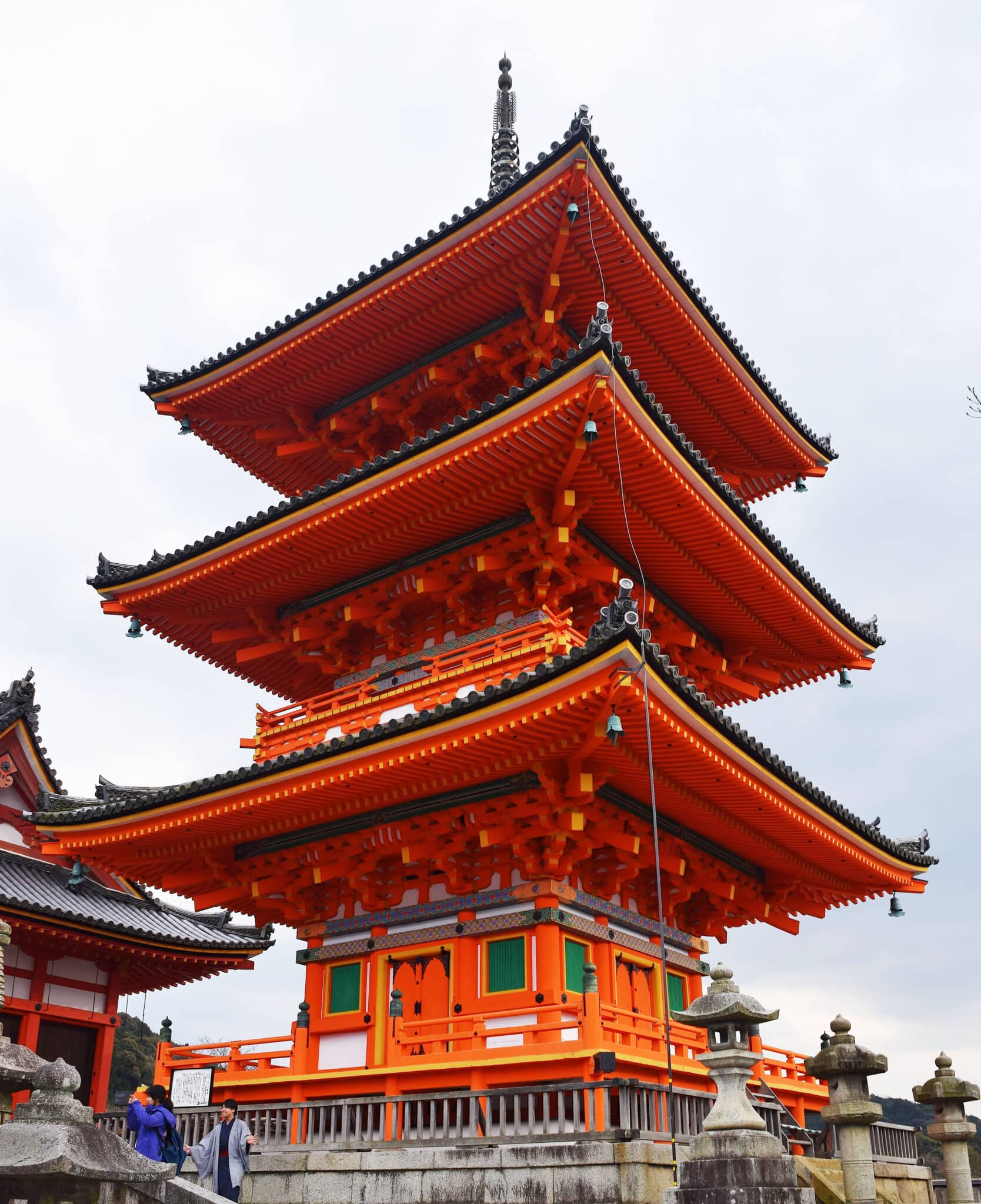
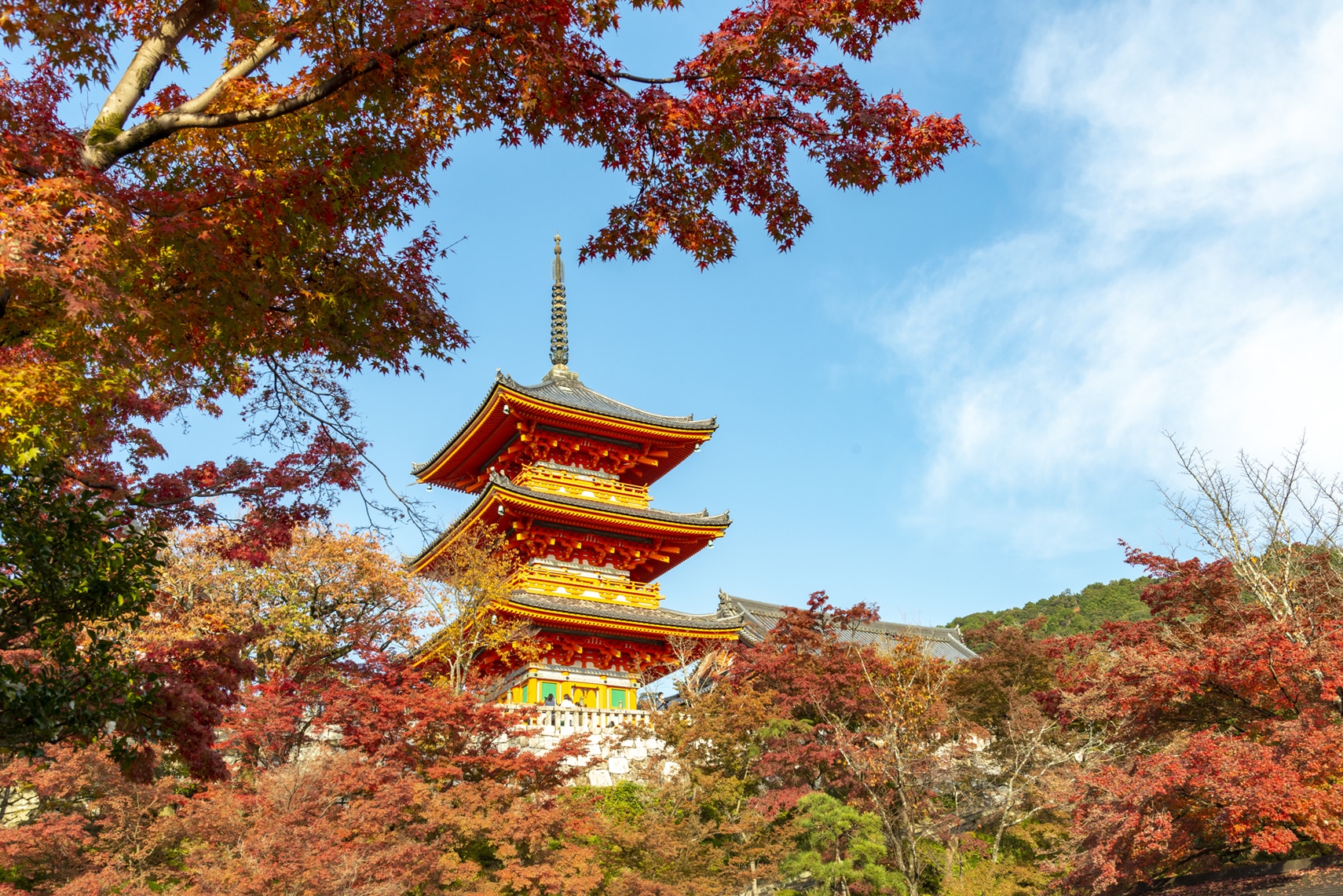
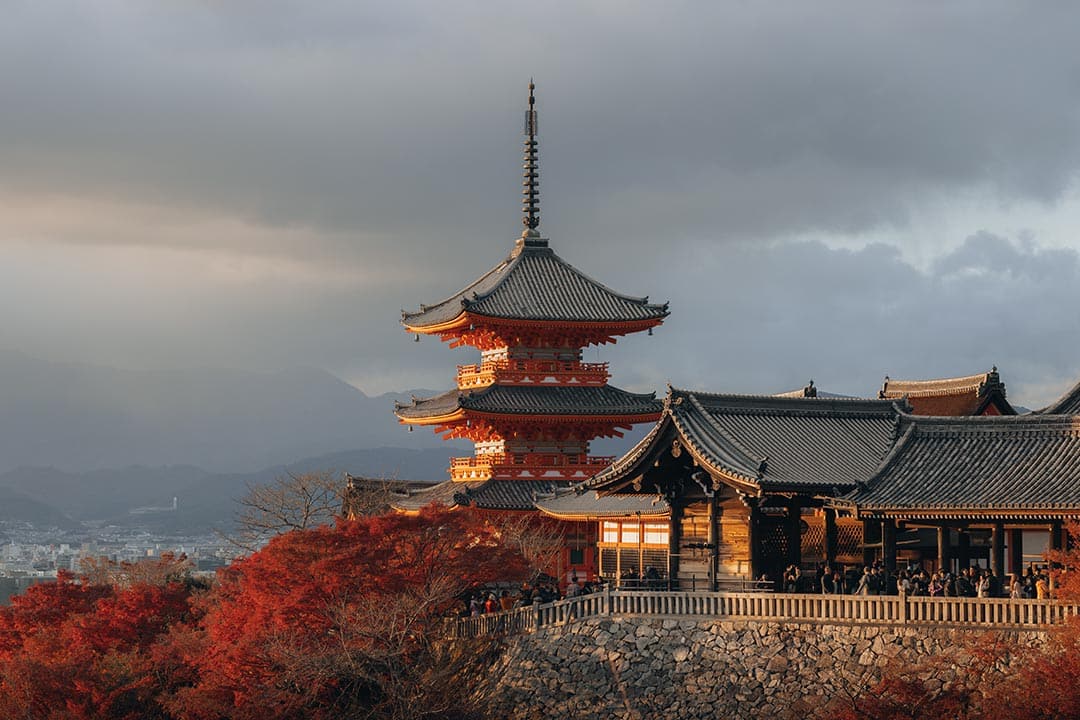
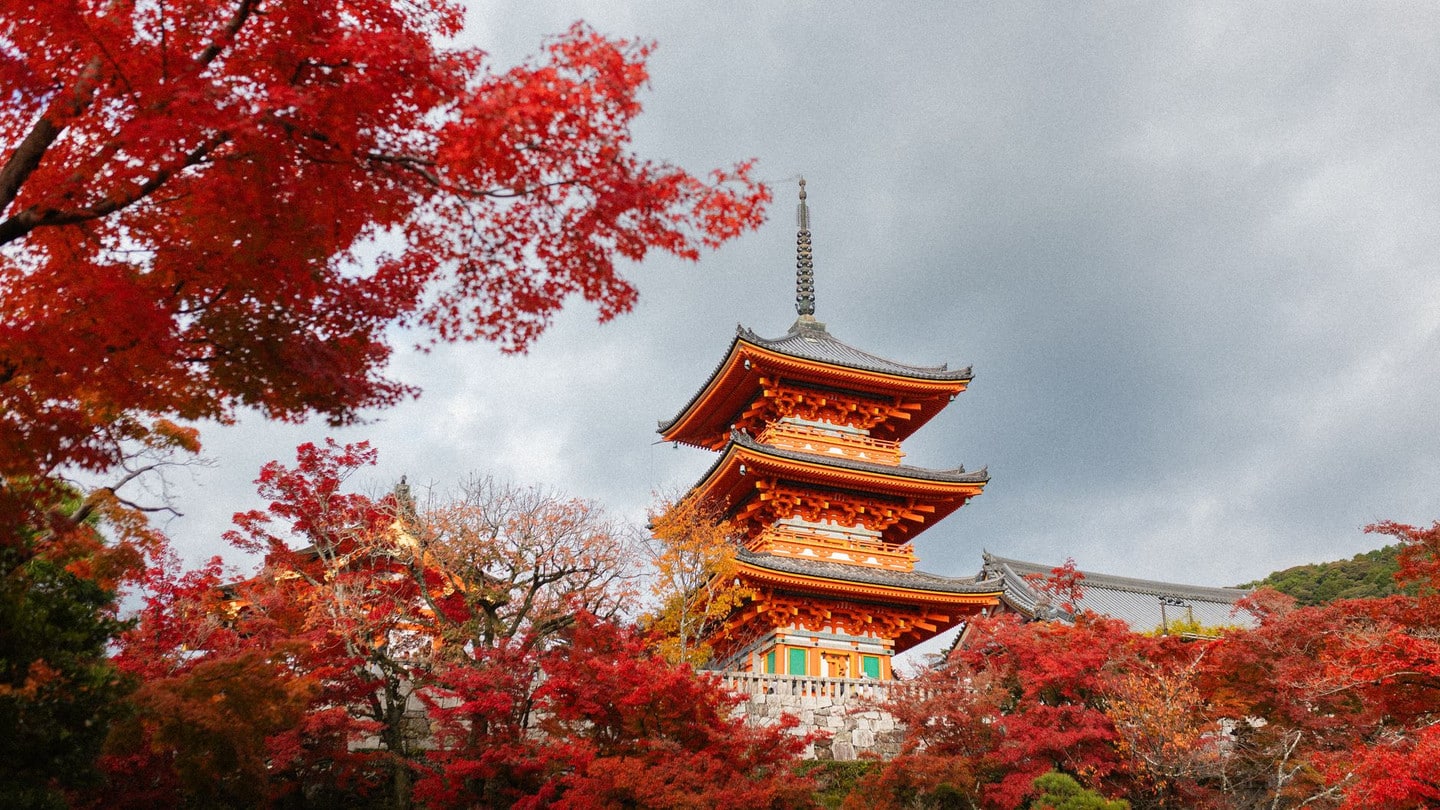
The Three-Story Pagoda of Kiyomizu-dera is an important building in the temple with a distinctive architectural style. It has three levels, each with its own special meaning and cultural significance. Visitors can appreciate superb architectural craftsmanship and historical value here.
The Three-Story Pagoda has a long history closely tied to the development of Kiyomizu-dera. Visitors can learn about Buddhist culture and historical background here. The pagoda is also an important photo spot within Kiyomizu-dera.
Allow 30 minutes to 1 hour for the Three-Story Pagoda; the admission price is included in the Kiyomizu-dera admission fee.
Around Kiyomizu-dera
:伏見稻荷大社嵐山清水寺-Klook.jpg)
There are many other sights and activities around Kiyomizu-dera, such as traditional Japanese tea houses and local craft shops. Here you can taste authentic Japanese tea culture and buy unique souvenirs.
The streets around Kiyomizu-dera preserve many traditional Japanese buildings and much of the culture, giving a strong traditional atmosphere. You can also visit other nearby temples and shrines to learn more about Japanese culture and history.
Allow 1 to 2 hours to explore the area around Kiyomizu-dera; costs depend on what you spend.
2026 Kiyomizu-dera Tickets and Tours: How to Buy Tickets and Book Guided Tours
Kiyomizu-dera admission tickets are bought on site; below is information on tickets, guided tours and the special night openings.
Buying Kiyomizu-dera Tickets
Kiyomizu-dera admission tickets are bought at the ticket office on site. Opening hours are generally 6:00 to 18:00, with slight seasonal adjustments. Peak seasons and holidays are crowded, so arrive early.
Kyoto day tours and guided tours on travel platforms mostly include Kiyomizu-dera; itinerary content and whether the admission fee is included vary by product, so check before booking.
The official Kiyomizu-dera website (kiyomizudera.or.jp) announces admission hours and the night special opening schedule; check it before you go.
How Much Are Kiyomizu-dera Tickets in Japan? Admission Fees and Opening Hours
Kiyomizu-dera’s admission fee is ¥500 for adults and ¥200 for elementary and junior high school students, bought at the ticket office on site, and covers the Main Hall and the Kiyomizu Stage. Opening hours are generally 6:00 to 18:00 with slight seasonal adjustments; the night special opening schedules for spring, summer and autumn are announced separately, so check the official Kiyomizu-dera website (kiyomizudera.or.jp) before you go.
Kiyomizu-dera Guided Tours
Visits to Kiyomizu-dera are mostly self-guided strolls, and travel platforms offer guided tours and Kyoto day trips that include Kiyomizu-dera, which you can choose by budget and trip length.
Tours led by a guide offer more in-depth historical commentary; language and whether the admission fee is included vary by product, so check the product page.
Guided tours fill up more easily in peak season, so book early.
-Klook.jpg)
Kiyomizu-dera Night Special Opening
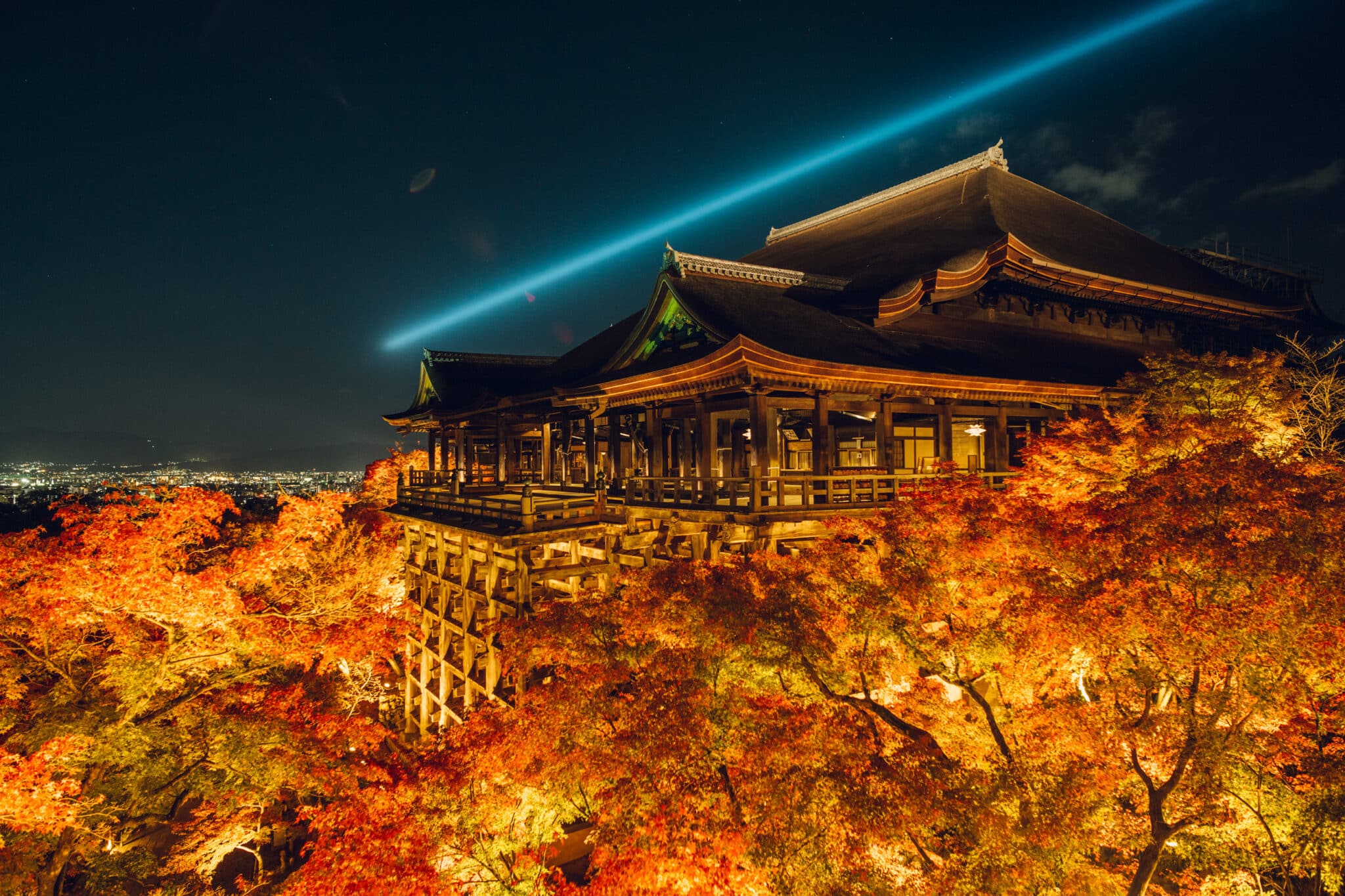
Kiyomizu-dera holds night special openings in spring, summer and autumn, when you can enjoy the Main Hall and the illuminated night views of cherry blossoms and autumn leaves. Spring 2026 runs from March 27 to April 5, 18:30 to 21:30 (last entry 21:00); the admission fee is as announced on the official website.
Summer is the Sennichi-mairi on August 14 to 16, 2026, and autumn usually falls from late November to early December; the dates are adjusted every year, so please follow the official announcement.
Before you go, check the official Kiyomizu-dera website for that year’s dates and times.
Connecting the Sights Around Kiyomizu-dera
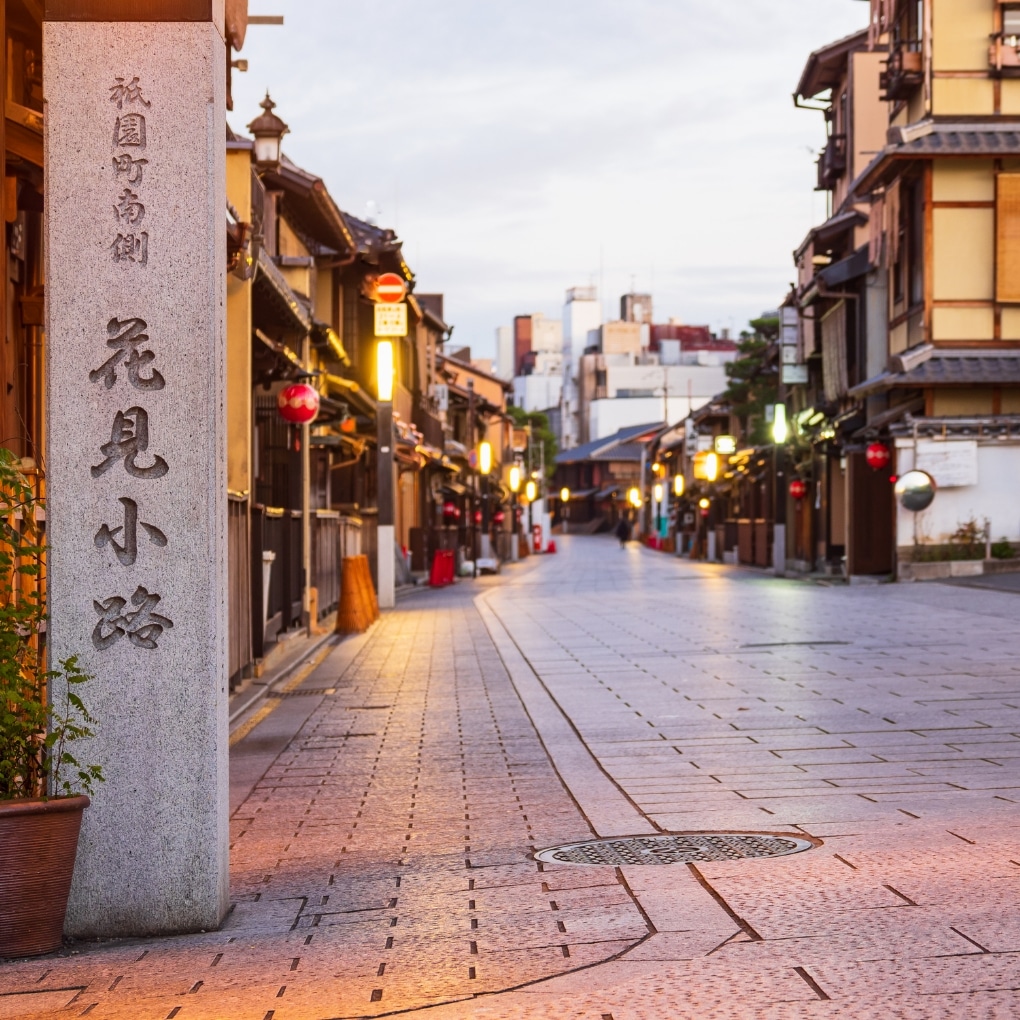
Around Kiyomizu-dera are sights such as the Yasaka Pagoda (Hokan-ji) and the Gion district, which you can link on a stroll from Sannenzaka and Ninenzaka, taking about half a day.
Admission fees for each sight must be bought separately; check fees and opening hours on each site’s official website, and in peak season leave more time for getting around.
In the evening you can follow on to the night special opening for a more complete itinerary.
2026 Kiyomizu-dera Transport Guide: What Is the Easiest Way from Kyoto Station and Kiyomizu-Gojo Station?
Kiyomizu-dera is on the slopes of Kyoto’s Higashiyama and has no direct subway or JR station. Here are the three most common ways to get there, so you can reach Kiyomizu-dera without getting lost.
How to Get to Kiyomizu-dera? Transport at a Glance
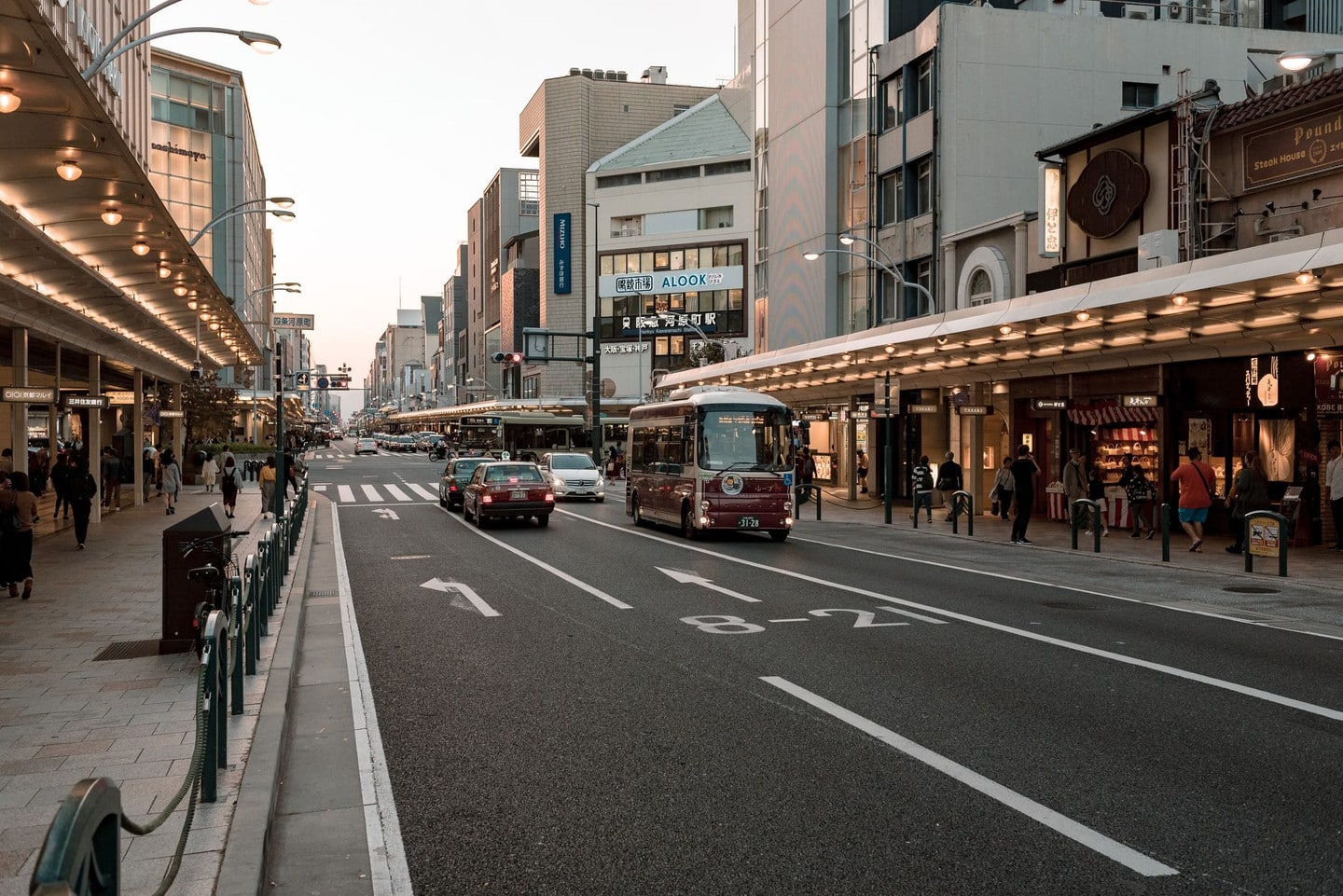
🚌 Bus from Kyoto Station: take bus No. 100 or 206 for about 15 to 20 minutes to the “Gojozaka” stop, then walk about 10 minutes; the fare is 230 yen. Buses are crowded at peak times (9:00-16:00), so go early.
🚃 On foot from Kiyomizu-Gojo Station: take the Keihan train to “Kiyomizu-Gojo Station” and walk about 25 minutes. Along the way you can browse the pottery street of “Gojozaka,” or take a taxi for about 5 minutes.
🚗 Driving and parking: Kiyomizu-dera has no dedicated parking lot. In peak seasons (cherry blossoms, autumn leaves) parking nearby is hard to find; we suggest parking at Kyoto Station or in the Higashiyama area and then taking a bus.
Sannenzaka, Ninenzaka and Ichinenzaka: A Stroll Through the Old Streets of the Kiyomizu-dera Approach
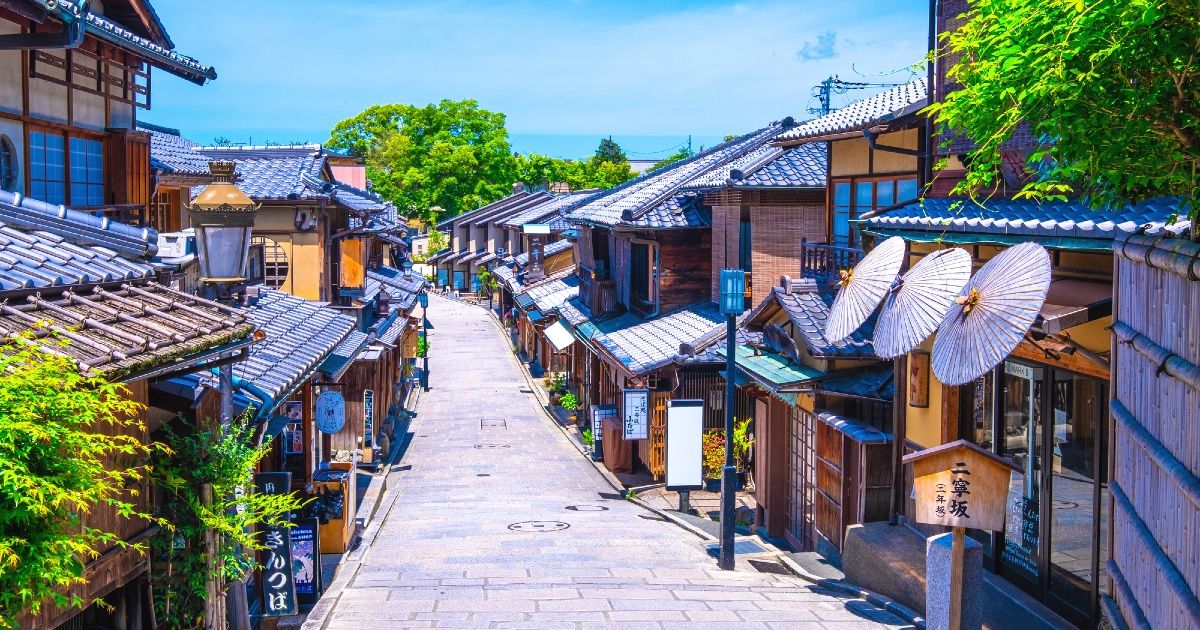
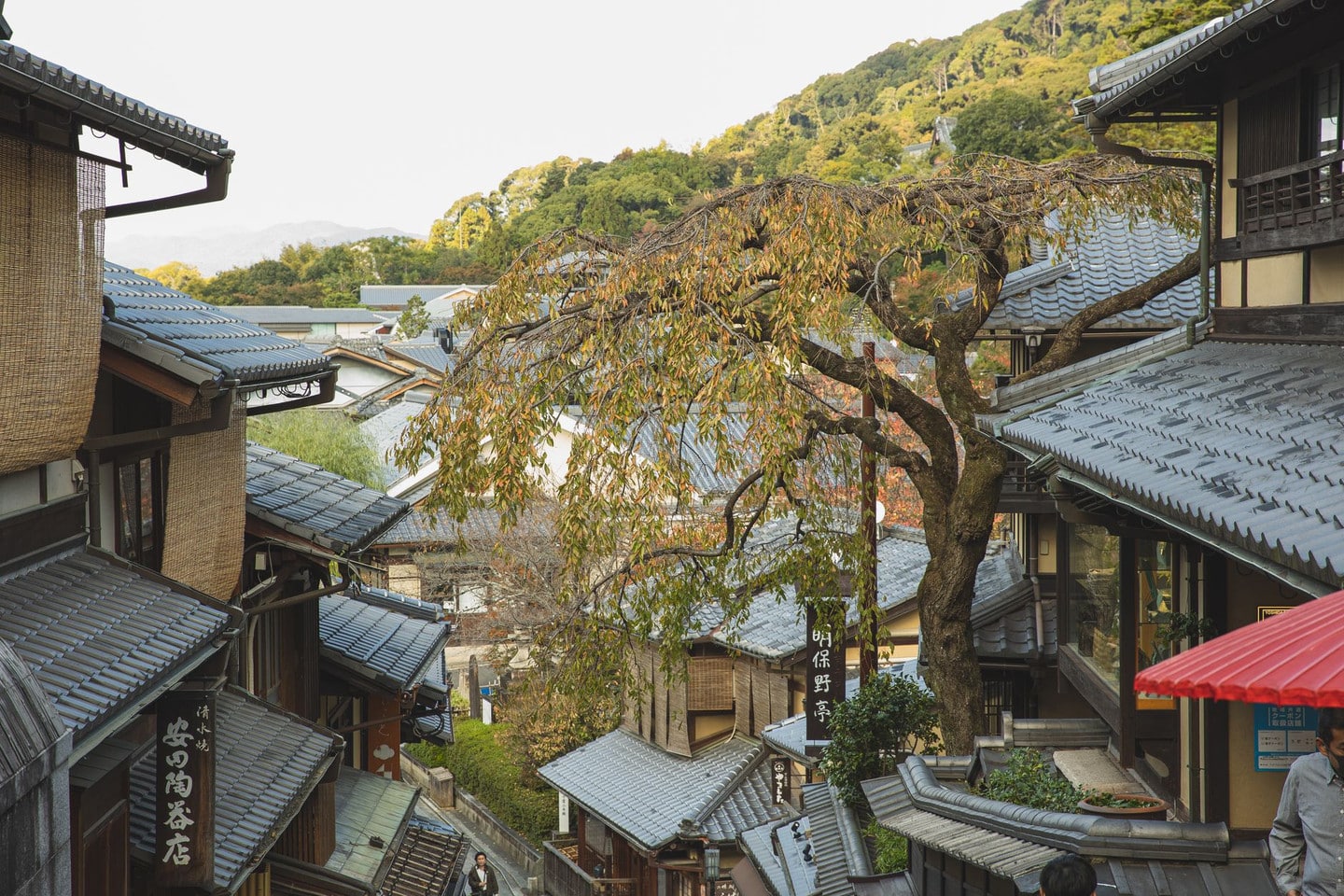
The approach running down from Kiyomizu-dera’s Niomon Gate is made up of three slopes, Sannenzaka (Sanneizaka), Ninenzaka (Ninenzaka) and Ichinenzaka, and is the first district in Kyoto designated a “Preservation District for Groups of Traditional Buildings,” the stroll you cannot miss when planning a Kiyomizu-dera visit.
The Origin of the Name Sanneizaka
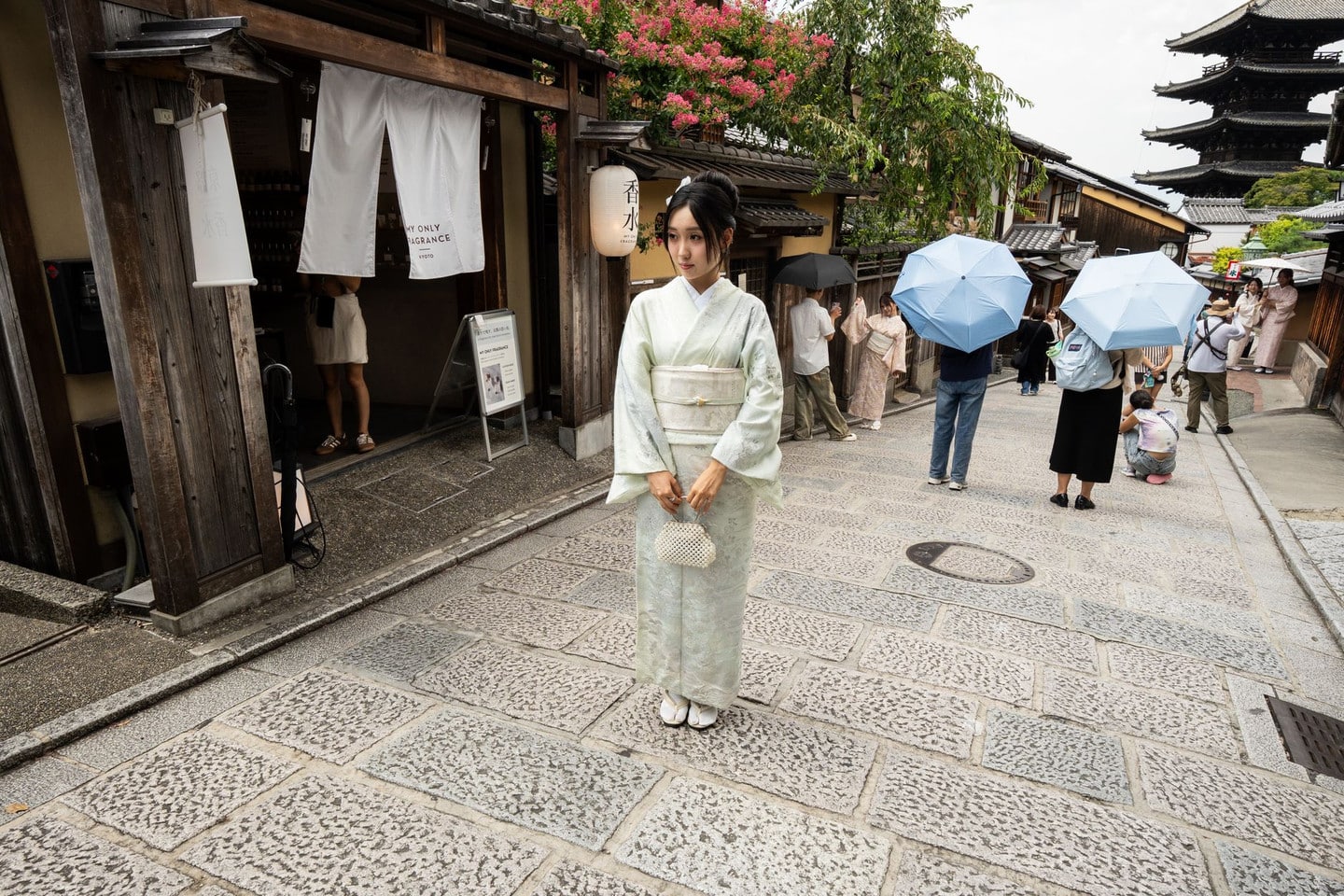
There are many theories about the name Sanneizaka; one says the slope leads to the Koyasu Pagoda of Kiyomizu-dera (the Koyasu Kannon for safe childbirth), where travelers prayed for “san” (childbirth) and “nei” (safety), giving it its name. The slope is paved with stone steps and flagstones, flanked by many Kyo-machiya from the Edo to Taisho periods, with mushikomado lattice windows and sukiya-style wooden houses everywhere, one of the most popular backdrops for kimono photos.
Shops and Food Worth Visiting
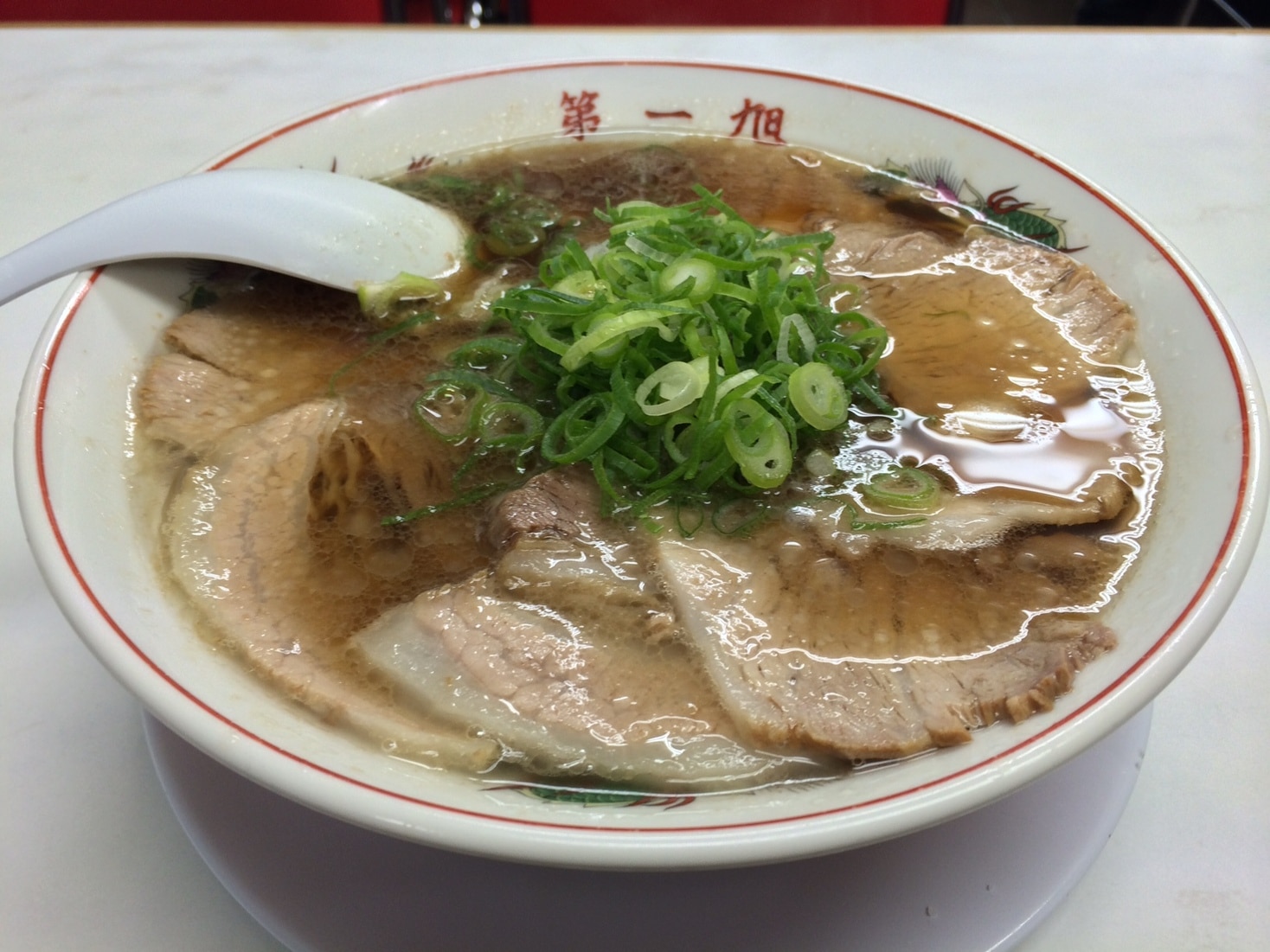
Along the way are many shops selling Kyoto traditional crafts, Kiyomizu-yaki pottery, matcha sweets and old-established yatsuhashi confectioners, such as long-established wagashi shops famous for yatsuhashi, Kiyomizu-yaki ceramics specialists, and many stalls selling matcha soft serve and dango to eat as you walk. Allow 30 to 45 minutes for a leisurely browse, and note that some shops start closing around 5 p.m.
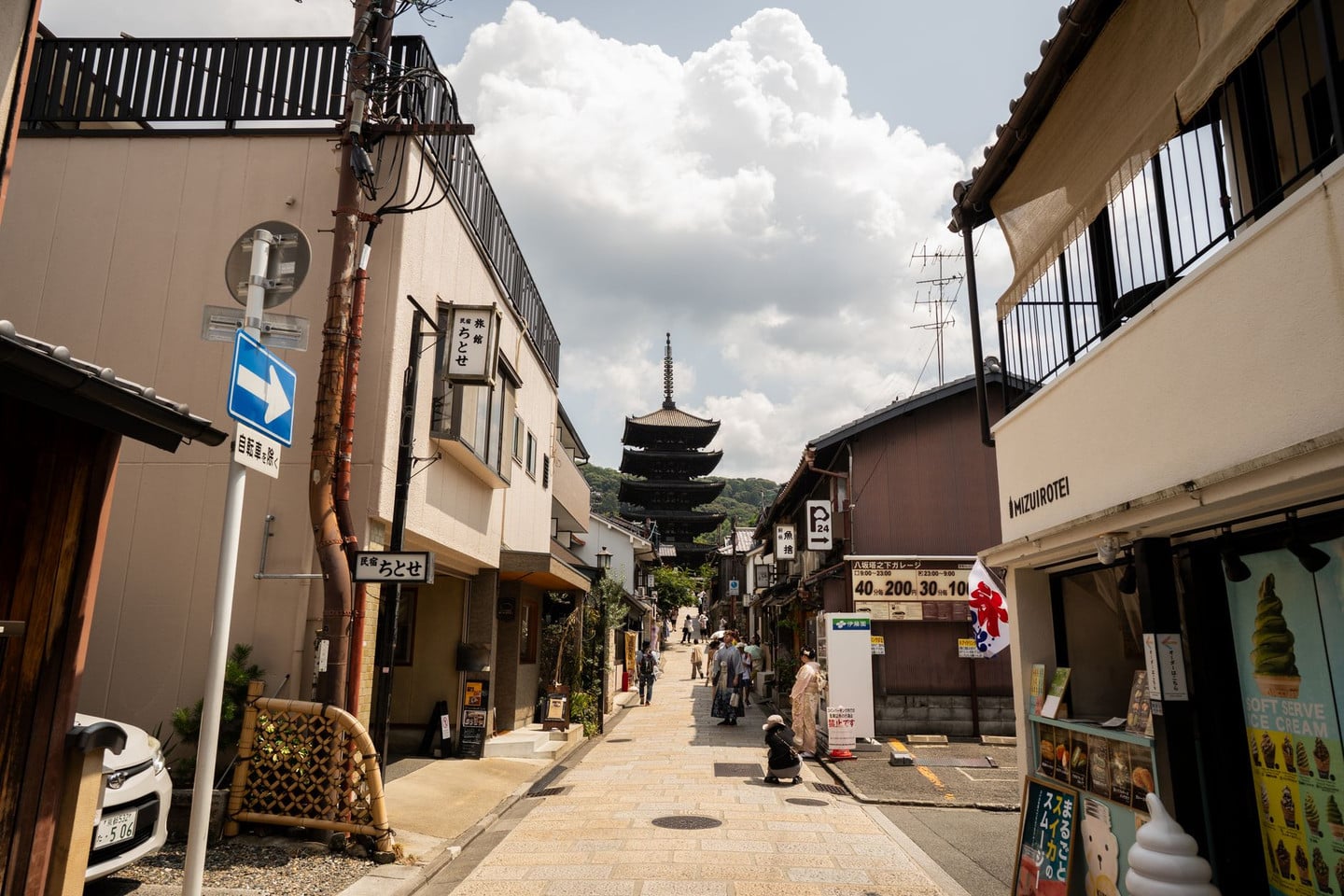
Photo and Crowd Tips
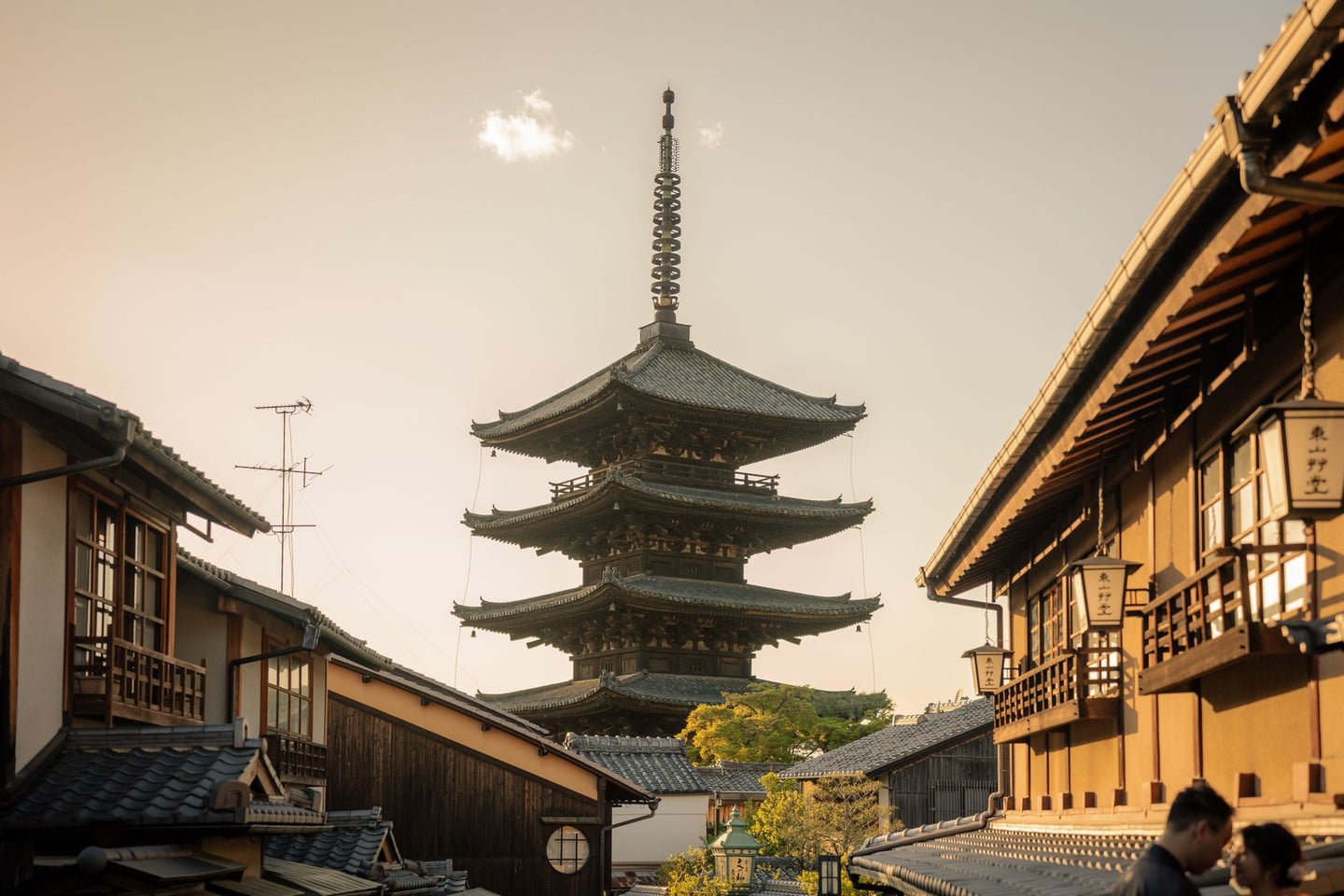
The slopes of Sanneizaka and Ninenzaka framed with the five-story pagoda (Yasaka Pagoda of Hokan-ji) are the classic photo angle, especially before 8 a.m. or in the evening when crowds are thinner and the light is softer. On peak-season weekends avoid the most crowded midday window from 12:00 to 15:00, and take care as the narrow slopes and stone steps are slippery when wet; walk slowly if wearing a kimono or geta.
2026 Kiyomizu-dera Kimono Experience Guide: Rental Shops, Prices and Tips
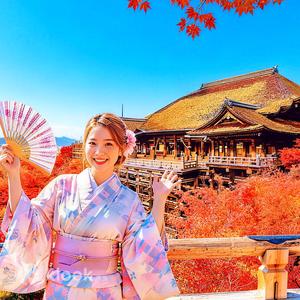
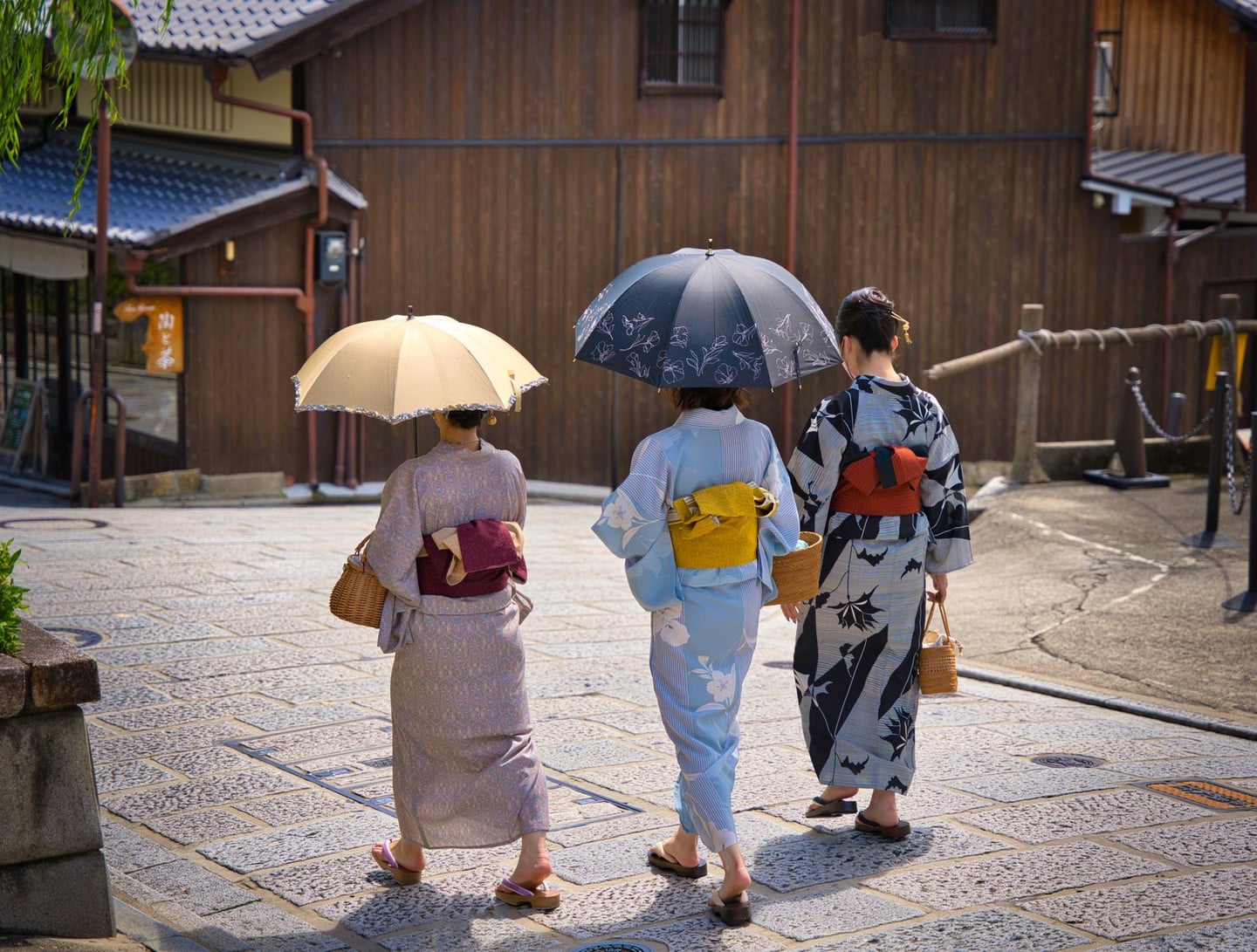
Strolling Kiyomizu-dera and Sanneizaka in a kimono is a must-do experience for many visitors to Kyoto. Many well-known kimono rental shops cluster along the Kiyomizu-dera approach; from choosing in the shop and dressing to professional hairstyling, the whole process takes about 30 to 60 minutes, and the rental period can usually be used for a whole day.
Popular Kimono Rental Shops Around Kiyomizu-dera
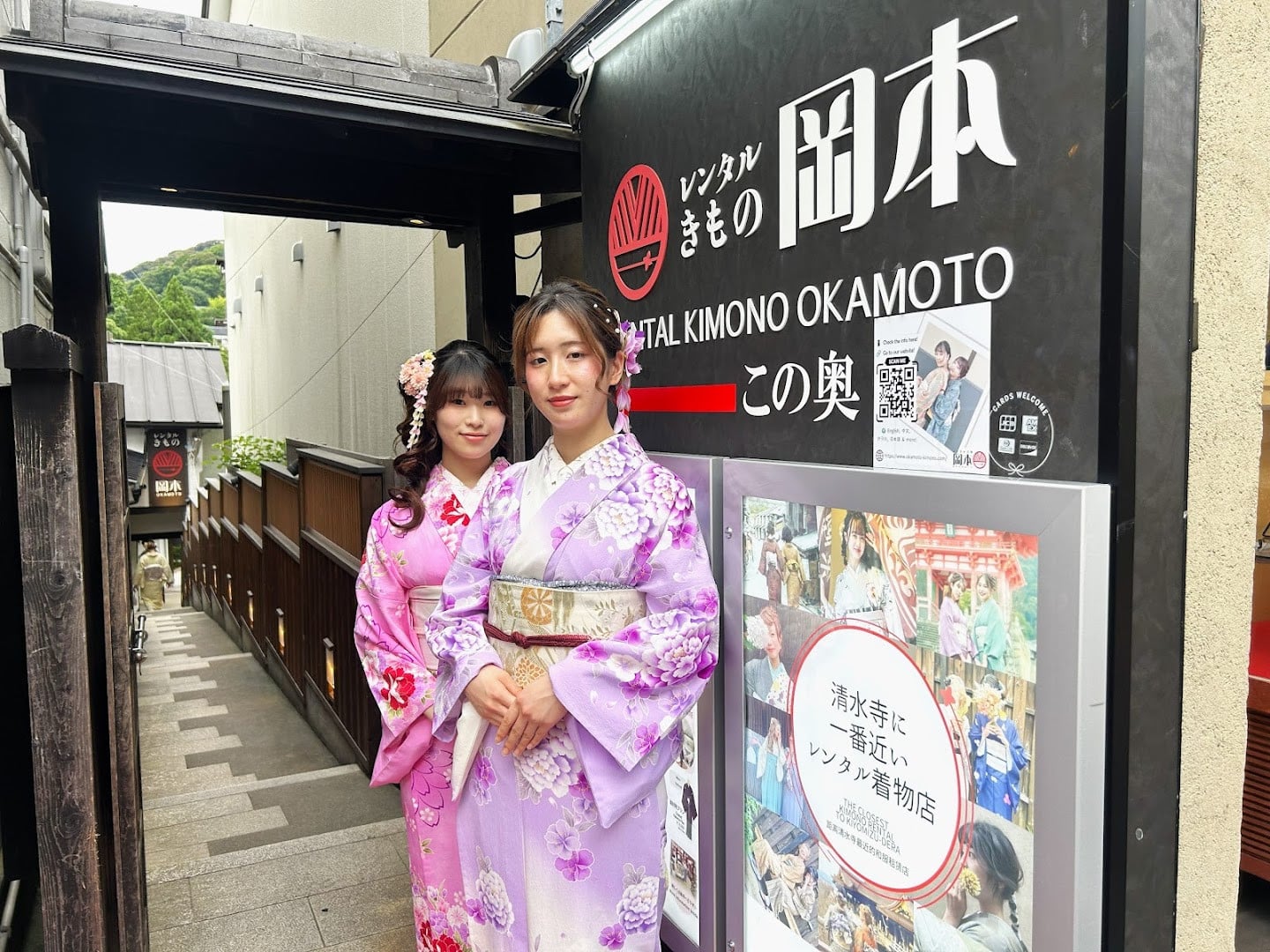
Rental Kimono Okamoto (レンタルきもの岡本), founded about 180 years ago, has a Kiyomizu shop near Kiyomizu-dera with about 150 kimono to choose from; it is about a 10-minute walk from Keihan Kiyomizu-Gojo Station and about a 5-minute walk from the Gojozaka city bus stop. There are several other kimono rental shops around Kiyomizu-dera, so compare plans and budgets.
Rental Process and Cost Reference
Basic kimono plans usually include the kimono, obi and zori sandals, with prices varying by plan and season; for example, the basic set at Rental Kimono Okamoto Kiyomizu Shop starts at about ¥3,278 (tax included). Hairstyling is an extra charge; book ahead via the official website or platforms such as KKday and Klook, as holiday dates in peak season often sell out early.

Kimono Tips
Return times for kimono vary by shop and plan; if you plan to photograph the Kiyomizu-dera night special opening, choose a shop with an extended return service or confirm its hours in advance. When wearing a kimono, wear non-slip tabi socks and zori, and note that stone-step sections such as Sanneizaka and Kiyomizu-zaka are slippery when wet, so walk slowly and carefully in the rain.
Kiyomizu-dera Cherry Blossom, Autumn Foliage and Night Opening Timetable
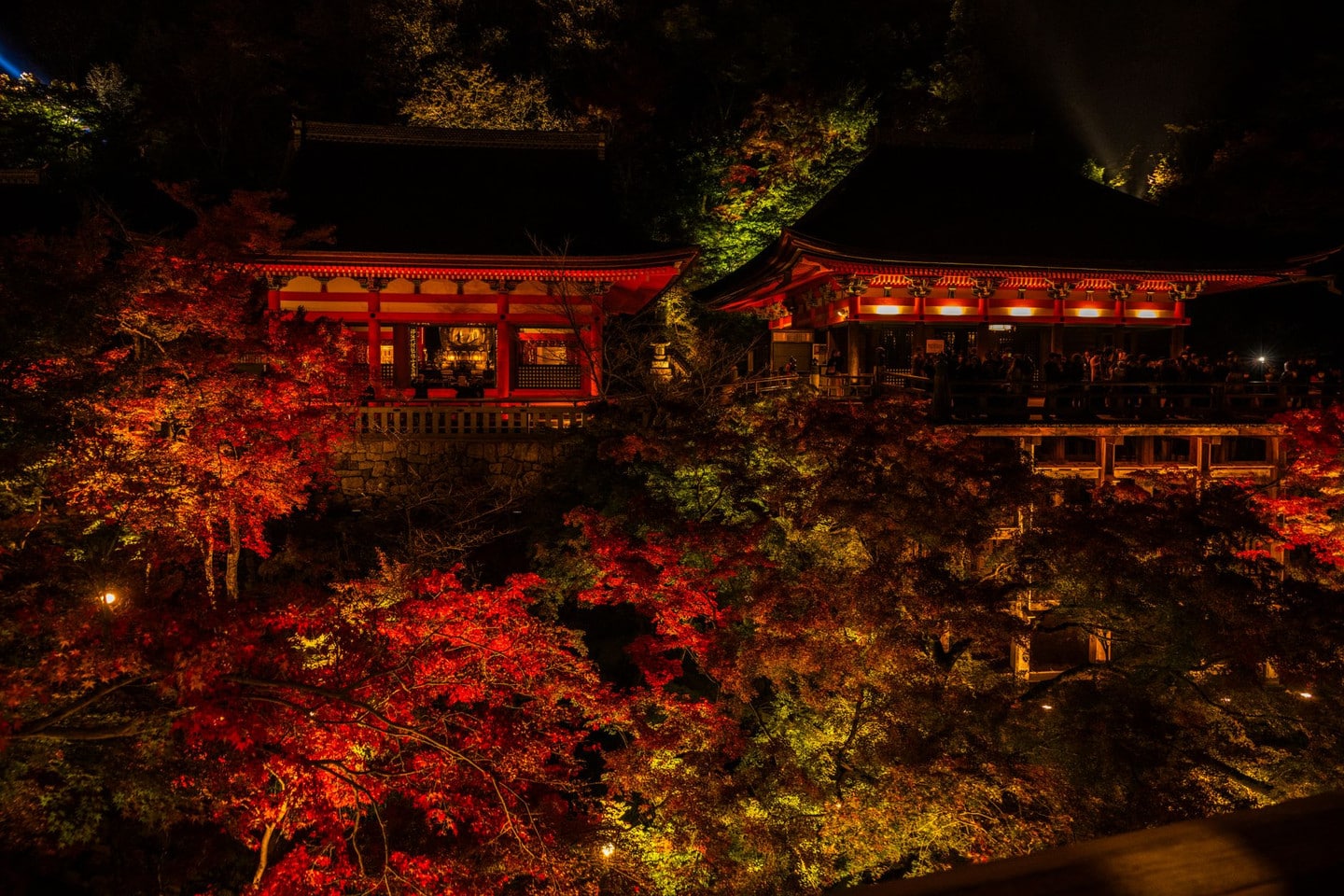
Kiyomizu-dera holds night special openings only in three seasons, spring, summer and autumn, a limited experience of night maples and night cherry blossoms lit with the “Seiryu” (Blue Dragon) light beam, so be sure to know the exact dates before planning your trip.
Night Special Opening Dates
The spring night special opening is held around late March to early April (cherry blossom season), summer is the Sennichi-mairi on August 14 to 16, and autumn is held in late November to early December (foliage season), with the night hours extended to a 21:30 closing (last entry 21:00). Exact dates are adjusted slightly each year, so check the official Kiyomizu-dera website for that year’s announcement before you go.
Best Times for Autumn Leaves and Cherry Blossoms
The maples at Kiyomizu-dera are concentrated around the Main Hall, Okunoin and the Koyasu Pagoda, with the best viewing usually from mid-November to early December; for cherry blossoms, the Somei-Yoshino trees around the Kiyomizu Stage and in front of Niomon Gate are the main ones, with peak bloom around late March to early April. During the day, avoid the midday peak and go instead in the early morning from 6 to 8 a.m. after the gates open, or during the night special opening, balancing photography and crowd control.
Where to Stay Nearby
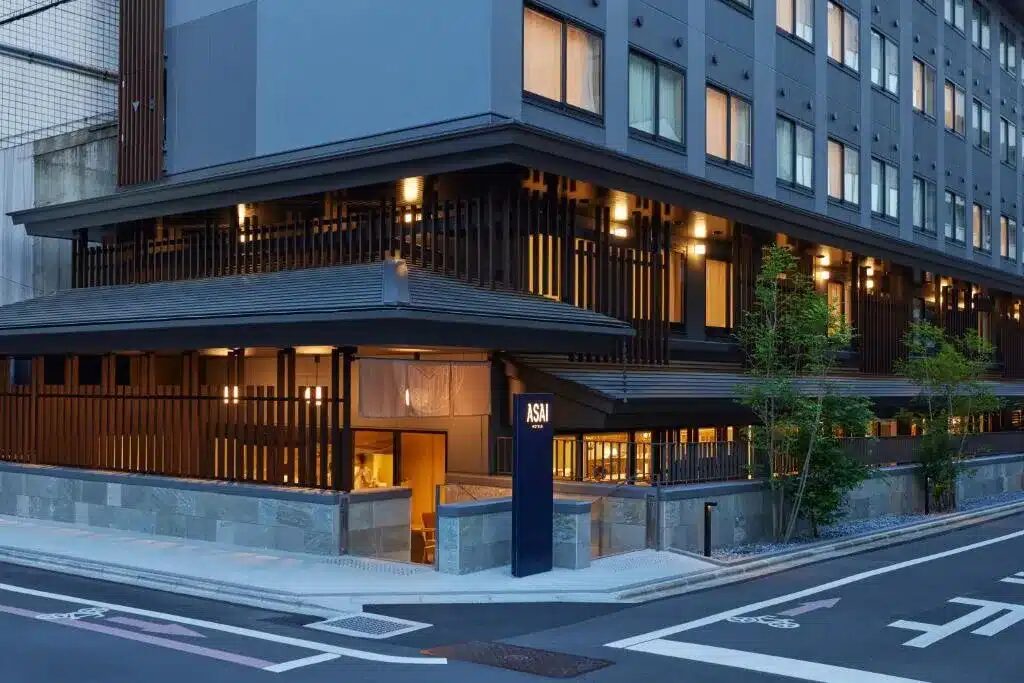
Kiyomizu-dera is in Kyoto’s Higashiyama, and nearby Gion and Kawaramachi have many lodging options, not far from either Kiyomizu-dera or Sanneizaka. Kiyomizu-dera opens at 6:00, and staying around Higashiyama lets you visit before the crowds arrive; travelers who need JR or the Shinkansen can also choose the area around Kyoto Station, about 15 to 20 minutes by bus to Gojozaka.