
Ohara Sanzen-in Guide: A Thousand-Year-Old Monzeki Temple in Kyoto’s Northern Hills
Ohara’s Sanzen-in sits in the mountains of northern Kyoto, about an hour by bus from the city, and is one of Kyoto’s classic half-day to full-day outings.
Sanzen-in is one of the five Tendai-sect monzeki temples and the spiritual center of the Ohara area. Its charm lies not in scale but in quiet: a garden carpeted with moss, an old hall holding a National Treasure Buddha, the smiling Warabe Jizo hiding among the moss, and maple leaves that turn red about a week earlier than in Kyoto city. Because of its remote location, it keeps a rare calm even in peak season, ideal for travelers who have already seen Kiyomizu-dera and Kinkaku-ji and want a day away from the crowds. We suggest combining it with nearby Hosen-in, Jikko-in, Shorin-in and Jakko-in for a full day exploring Ohara.
Ojo Gokuraku-in: The Spiritual Core Housing the National Treasure Amida Triad
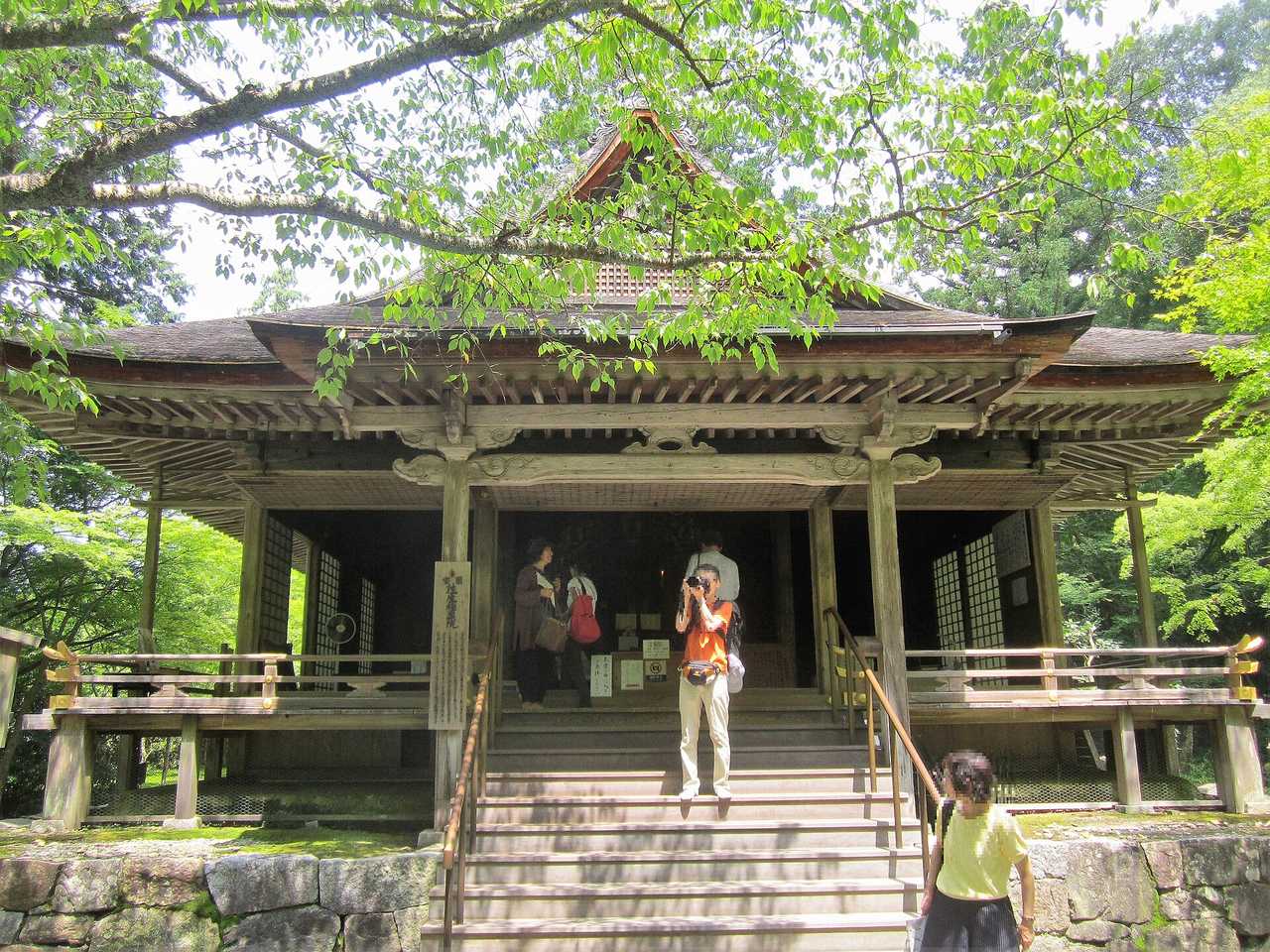
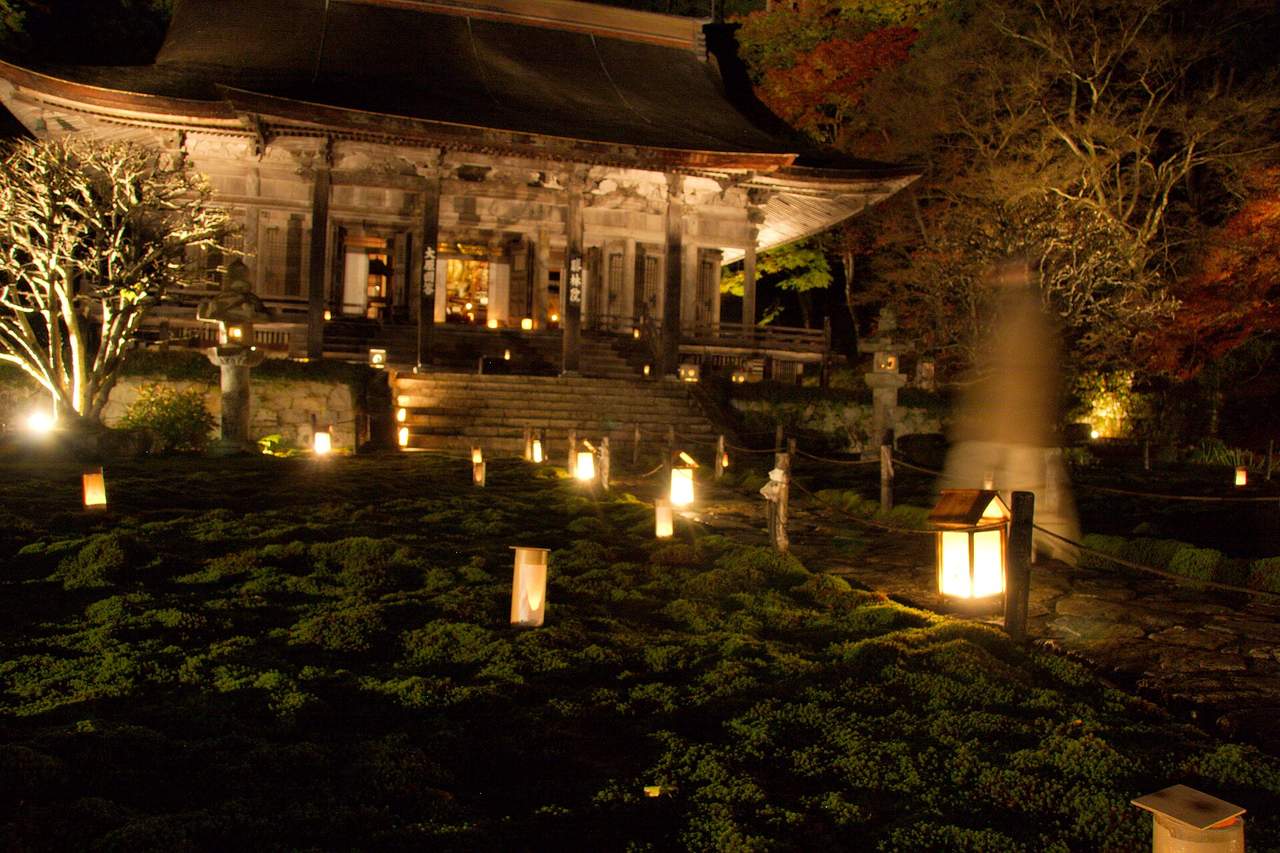
Sanzen-in’s most important hall, Ojo Gokuraku-in, stands above the moss of Yusei-en garden and enshrines the National Treasure “Amida Triad,” with Amida Nyorai in the center and Kannon and Seishi Bodhisattvas on either side in the forward-leaning kneeling posture known as “Yamato-za,” as if about to rise and welcome the souls of the departed. To fit the tall statues, the building has a boat-bottom-shaped ceiling, the “funazoko tenjo,” painted with murals of heavenly beings of the Pure Land. Photography is prohibited inside and the atmosphere is solemn; we suggest sitting quietly for a moment, and scheduling it in the middle of your stroll through Yusei-en to look at it carefully.

Yusei-en and Warabe Jizo: Smiling Child Jizo on a Carpet of Moss
Yusei-en is a pond-strolling garden carpeted with moss, where towering old cedars and emerald moss form a deeply Zen picture, the most representative scenery at Sanzen-in.
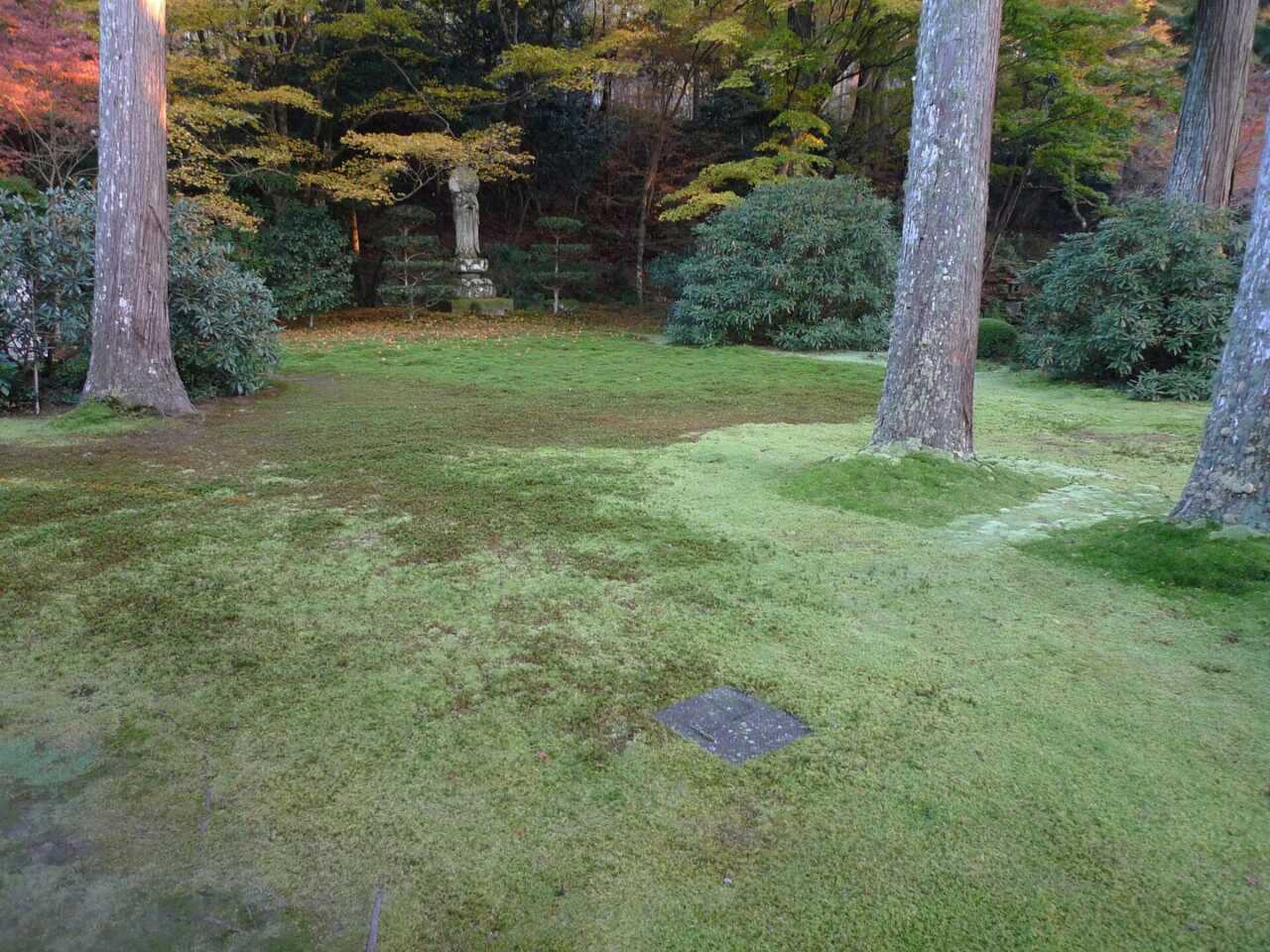
Among the moss south of Ojo Gokuraku-in are scattered several “Warabe Jizo” (child Jizo) carved by the master stone sculptor Takashi Sugimura. Lying on their stomachs, reclining or with palms pressed together, they wear warm, innocent smiles and are the most heartwarming photo spot at Sanzen-in. When shooting, please do not step on the moss; just crouch low along the stone path to frame your shot.
Every Jizo has a different expression, and finding them all slowly is a pleasure for repeat visitors and the easiest part to get children interested in a temple. Come after rain and both the color of the moss and the Jizo’s expressions look more three-dimensional.
Shuhekien: A Pond-Viewing Garden Where You Can Sip Matcha on the Engawa
Past the Gotenmon Gate, Shuhekien is the pond-viewing garden in front of the shoin hall, said to be linked to the Edo-period tea master Kanamori Sowa, with an artificial hill and pond that look like a painting from the engawa veranda.
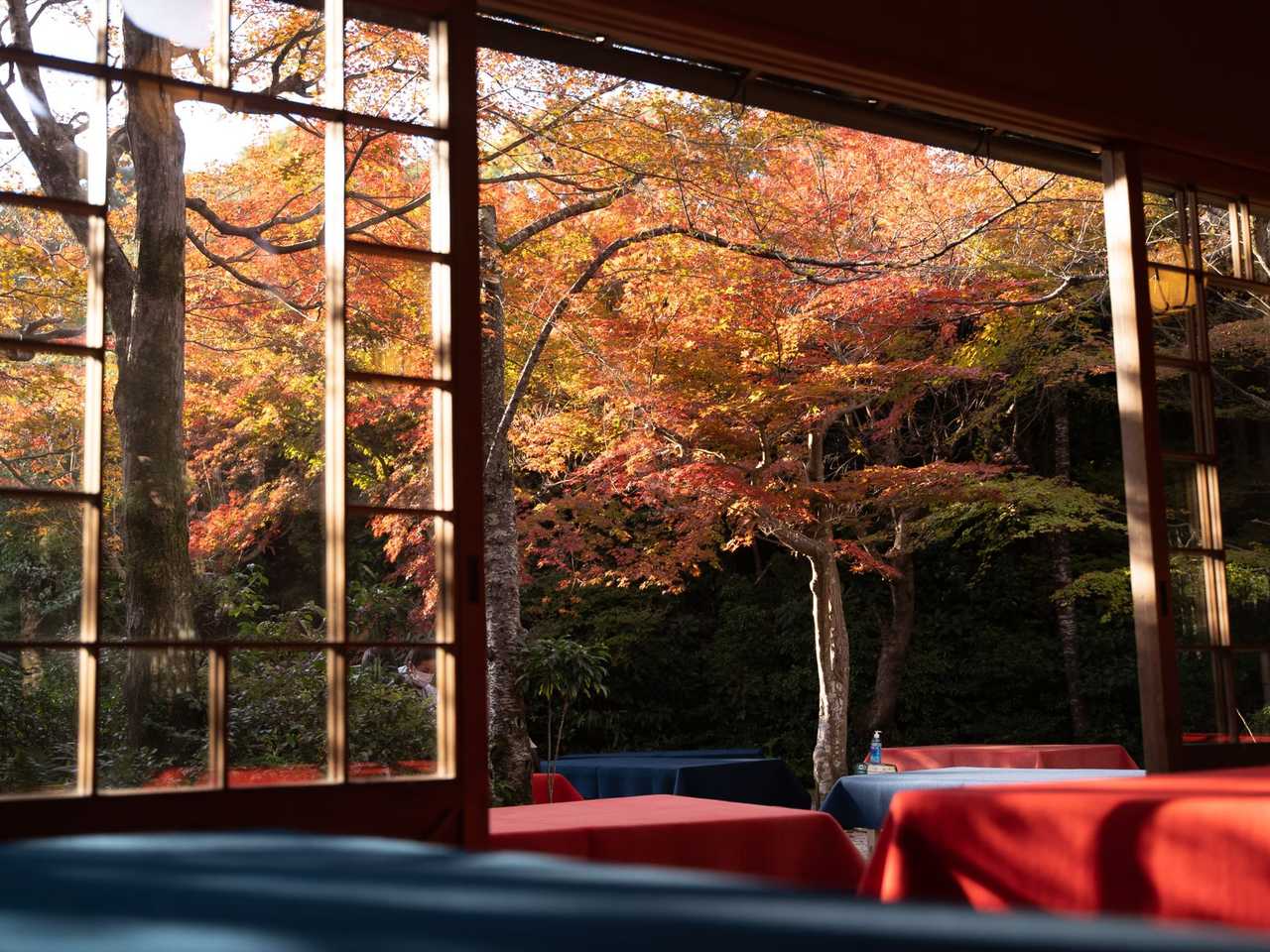
Visitors can order freshly whisked hot matcha and Japanese sweets for a fee on the engawa of the Kyakuden hall and sit on tatami to view the garden, the most luxurious way to rest at Sanzen-in. Seats are limited in peak season, so we suggest coming here first as soon as you enter.
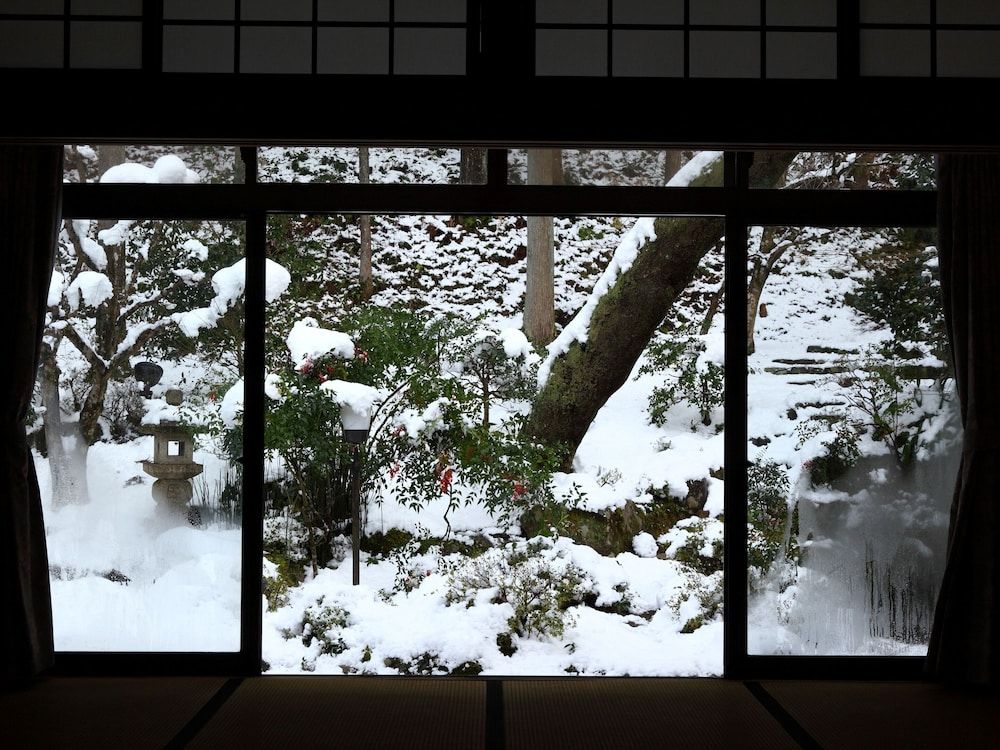
The garden shows a different face in each season, with fans of fresh green in spring, moss in summer, red maples in autumn and snow in winter, and repeat visits never get dull. Matcha serving hours and fees follow on-site announcements.
How to Get to Ohara Sanzen-in? Comparing Bus and Subway Routes from Kyoto Station
Ohara has no direct rail service, so you must always transfer to a Kyoto Bus; in peak season we suggest taking the subway-transfer route to avoid traffic jams.
| Route | Travel time | One-way fare |
|---|---|---|
| Kyoto Station → Kyoto Bus No. 17 → Ohara | About 60-70 minutes | About ¥630 |
| Kyoto Station → Karasuma Line subway → Kokusaikaikan → Kyoto Bus No. 19 → Ohara | About 40-45 minutes | Subway fare + ¥400 |
| Demachiyanagi → Kyoto Bus No. 17 → Ohara | About 45 minutes | ¥490 |
| Ohara Bus Stop → Sanzen-in Gotenmon Gate (on foot) | About 10-15 minutes | Free |
Kyoto Bus No. 17 Direct from Kyoto Station to Ohara (Easiest)
Board Kyoto Bus No. 17 (brown bus body) at the C3 bus stop in front of Kyoto Station and ride direct to the terminus “Ohara” stop; do not board a Kyoto City Bus by mistake.
The ride takes about 60 to 70 minutes, and fares follow the Kyoto Bus fare table; IC cards can be used. Outside leaf-viewing season it is the easiest with little traffic, but in the November peak the city sections are prone to severe jams, so if you are rushing we suggest taking the subway-transfer route instead.
Buses run about every 20 to 30 minutes, and the last bus back leaves early, so if you plan a hot spring stop, be sure to confirm the day’s last departure time first.


Karasuma Line Subway to Kyoto Bus No. 19 (Fastest in Peak Leaf Season)
In peak season we recommend first taking the Kyoto Municipal Subway Karasuma Line to the terminus “Kokusaikaikan” Station, about 20 minutes, entirely underground and unaffected by road traffic.
After exiting, transfer at bus stop No. 3 to Kyoto Bus No. 19, reaching “Ohara” stop in about 20 minutes (fares follow the Kyoto Bus fare table). This skips the jam-prone city section, giving more stable arrival times in November, and we suggest returning the same way.
The transfer bus stop is right beside the subway exit with clear signs, so it is hard to go wrong even without Japanese, making it the most reassuring route for a first trip to Ohara.
Alternative Routes from Shijo Kawaramachi and Demachiyanagi
If you are staying around Kawaramachi, Gion or Demachiyanagi, you do not need to circle back to Kyoto Station: take Kyoto Bus No. 17 directly to Ohara from in front of Shijo Kawaramachi or Demachiyanagi Station. From Demachiyanagi the ride is about 45 minutes, about 20 minutes shorter than from Kyoto Station, suiting travelers east of the Kamo River, with buses about every 20 to 30 minutes; actual times and fares follow the Kyoto Bus website. However, this route has many stops in the city, and travel time may lengthen at the evening rush hour, so if you are in a hurry we suggest the subway route.
From Ohara Bus Stop to the Gotenmon Gate: A 10-Minute Walk Along Ohara-me no Komichi
After getting off at “Ohara” stop, you still need to walk uphill along the approach “Ohara-me no Komichi” for about 10 to 15 minutes to reach Sanzen-in’s Gotenmon Gate, along a gently rising stone path lined with souvenir shops and pickle shops.
The path is slightly slippery in rain or leaf-fall season, so wear comfortable shoes; high heels and suitcases are not suitable. For Jakko-in to the west, the direction is the opposite: walk west from the bus stop for about 15 to 20 minutes, passing the Takano River and the rural scenery of Kusao-cho on the way.
The approach has toilets and rest areas, but convenience stores are very scarce in the mountains, so we suggest preparing drinking water and cash in the city before coming up. There are also a few small bridges and streams along the way that are good for photos.

Must-See Spots at Ohara Sanzen-in: Halls, Gardens and the Ohara Area
Sanzen-in’s highlights are concentrated in its gardens and halls, and beyond the gate there are famous temples such as Hosen-in and Jakko-in, plus hot springs.
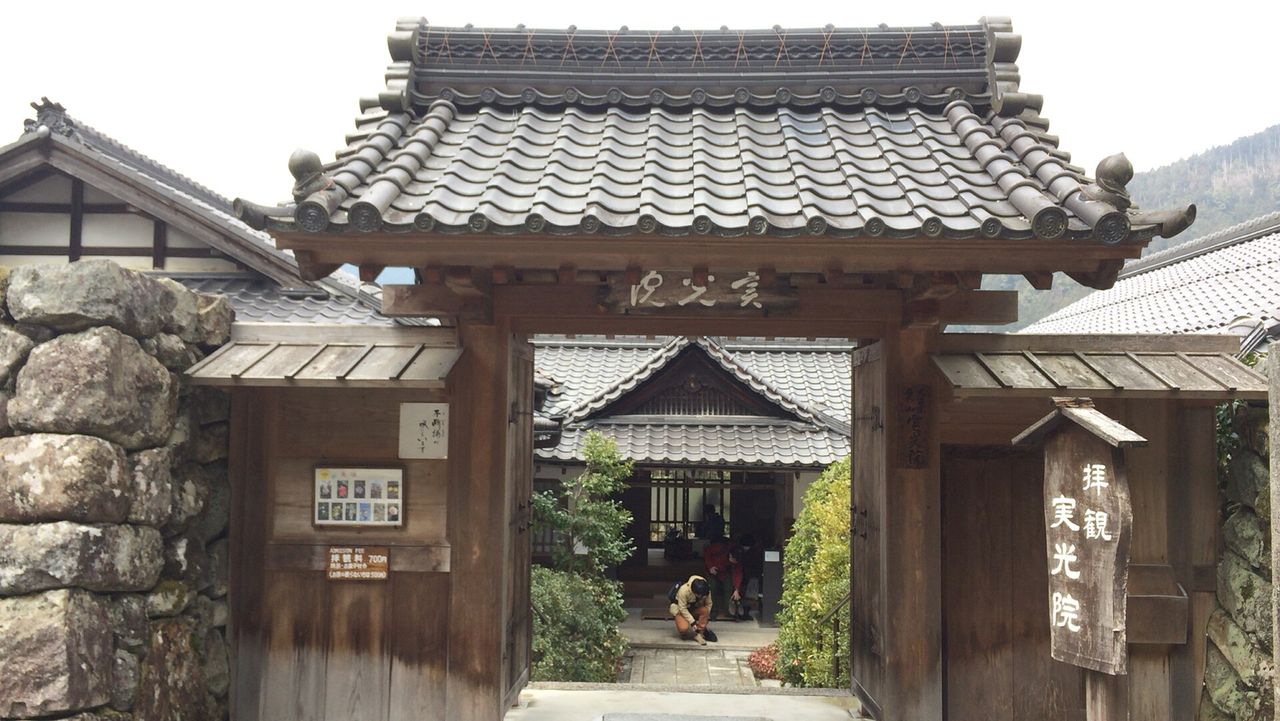
Sanzen-in’s Gotenmon Gate: A Stone-Walled Gate Like a Castle
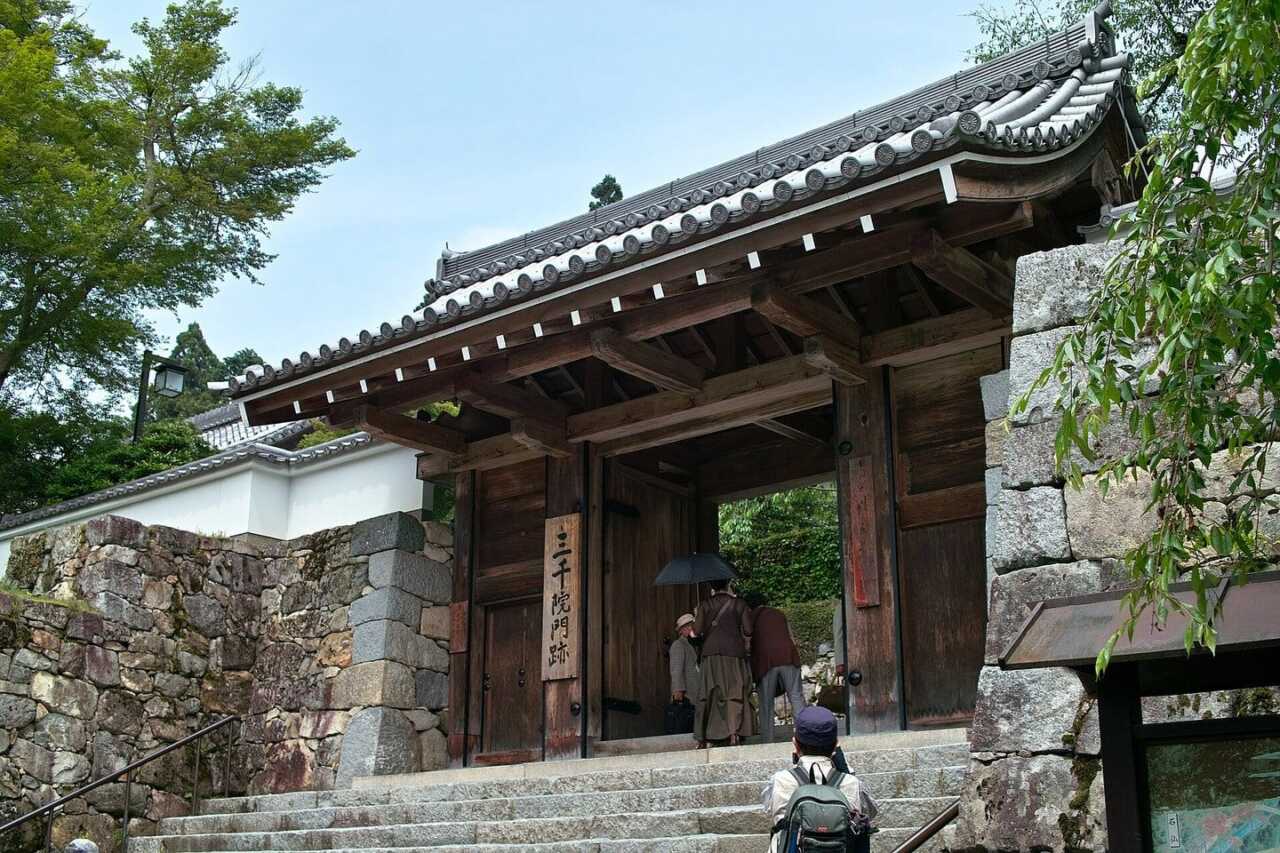
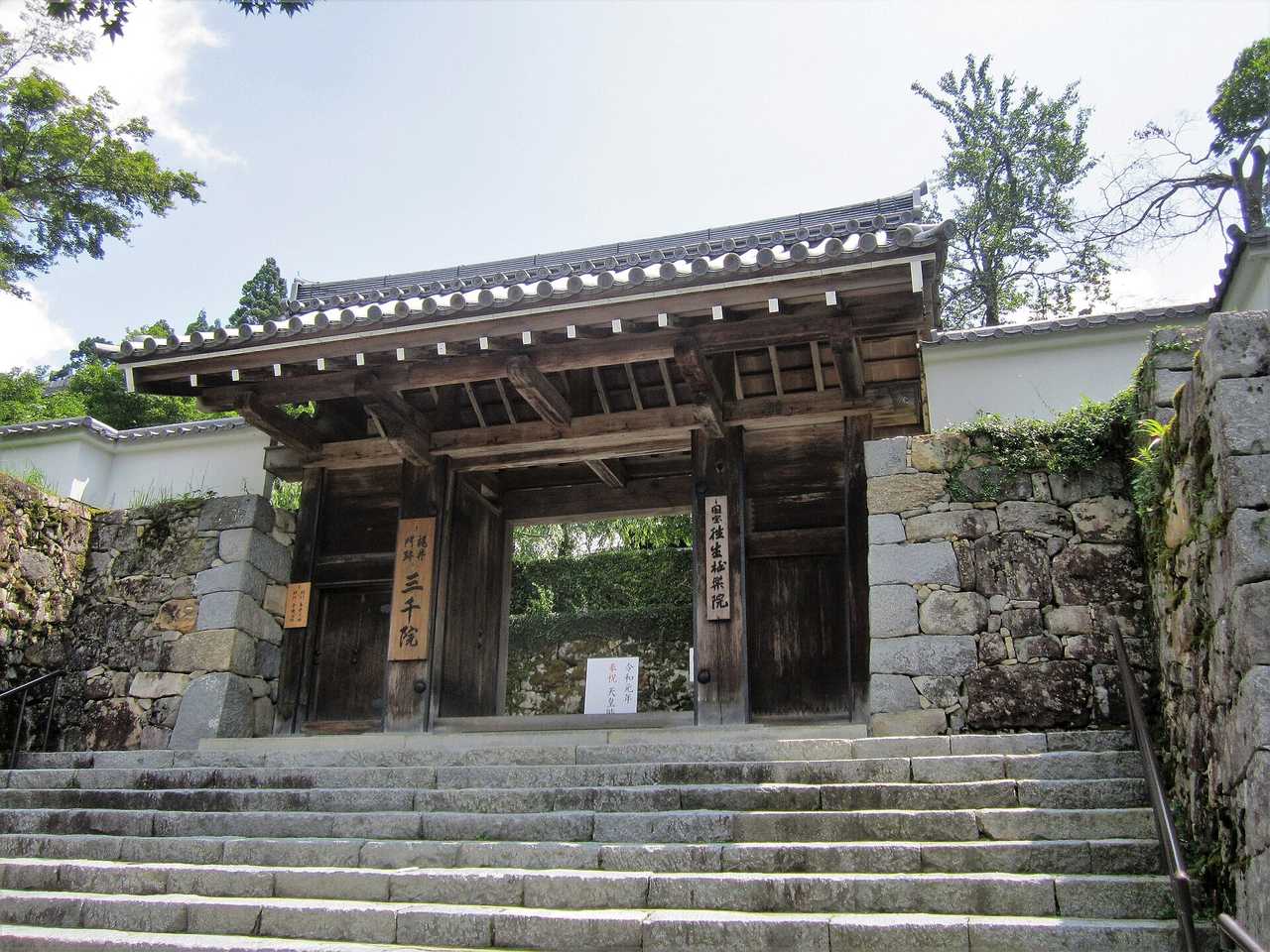
Sanzen-in’s entrance, the Gotenmon Gate, is built on a thick stone wall and looks like a castle rather than an ordinary temple gate, a feature left from its relocation to Ohara in the Meiji era and a landmark at the end of the approach. Once through, you first pass the Kyakuden hall, which displays calligraphy, paintings and artifacts of successive monzeki abbots, and the end of the corridor faces Shuhekien. The visit route is one-way, from the Kyakuden and Shinden to Yusei-en and Ojo Gokuraku-in, and going around the whole temple takes about 60 to 90 minutes. The ticket office is next to the Gotenmon Gate and often has a queue before opening in peak season; to photograph an empty garden, arrive 10 minutes before opening, and the stone wall in front of the gate is also a popular photo spot.
Shinden: The Ceremony Hall of a Monzeki Temple and the Winter Daikon-Taki
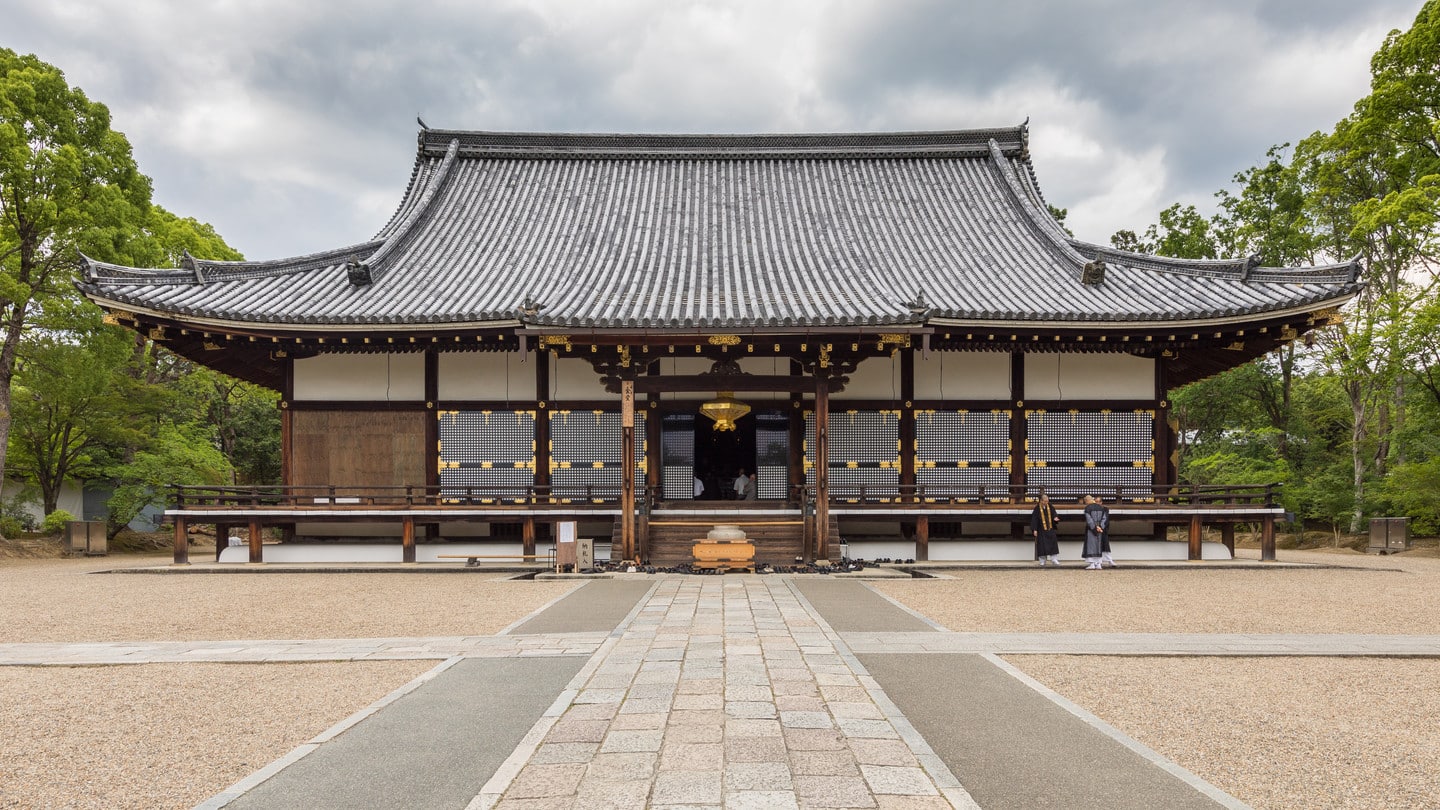
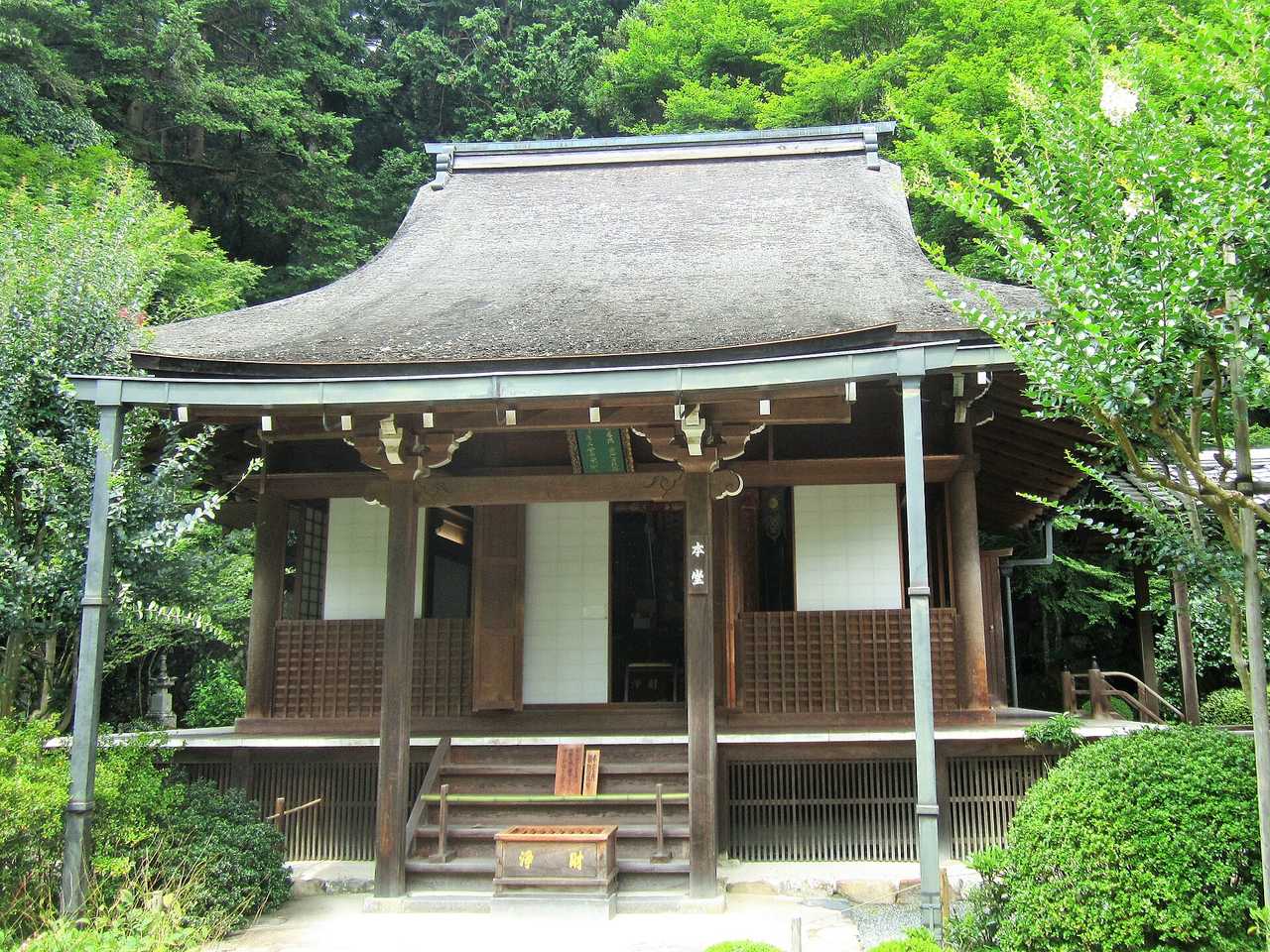
The Shinden is the building where Sanzen-in holds important Buddhist services. It enshrines Yakushi Nyorai, and its layout is modeled on the Shishinden of the Kyoto Imperial Palace, direct proof of its status as a “monzeki temple.”
The “Hatsuuma Daikon-Taki” each February is Sanzen-in’s most heartwarming annual event, in which the temple simmers locally grown Ohara daikon radish and hands it out to worshippers, warming both stomach and heart. The date varies slightly each year, so please follow the official website’s announcement before you go.
The Shinden and Kyakuden are connected by corridors, and the wooden floors are quite cold in winter, with shoes removed to enter, so we suggest wearing socks that are easy to take off and warm, and keeping your luggage light. The courtyard in front of the hall has weeping cherry trees in bloom in spring, another little-known seasonal highlight.
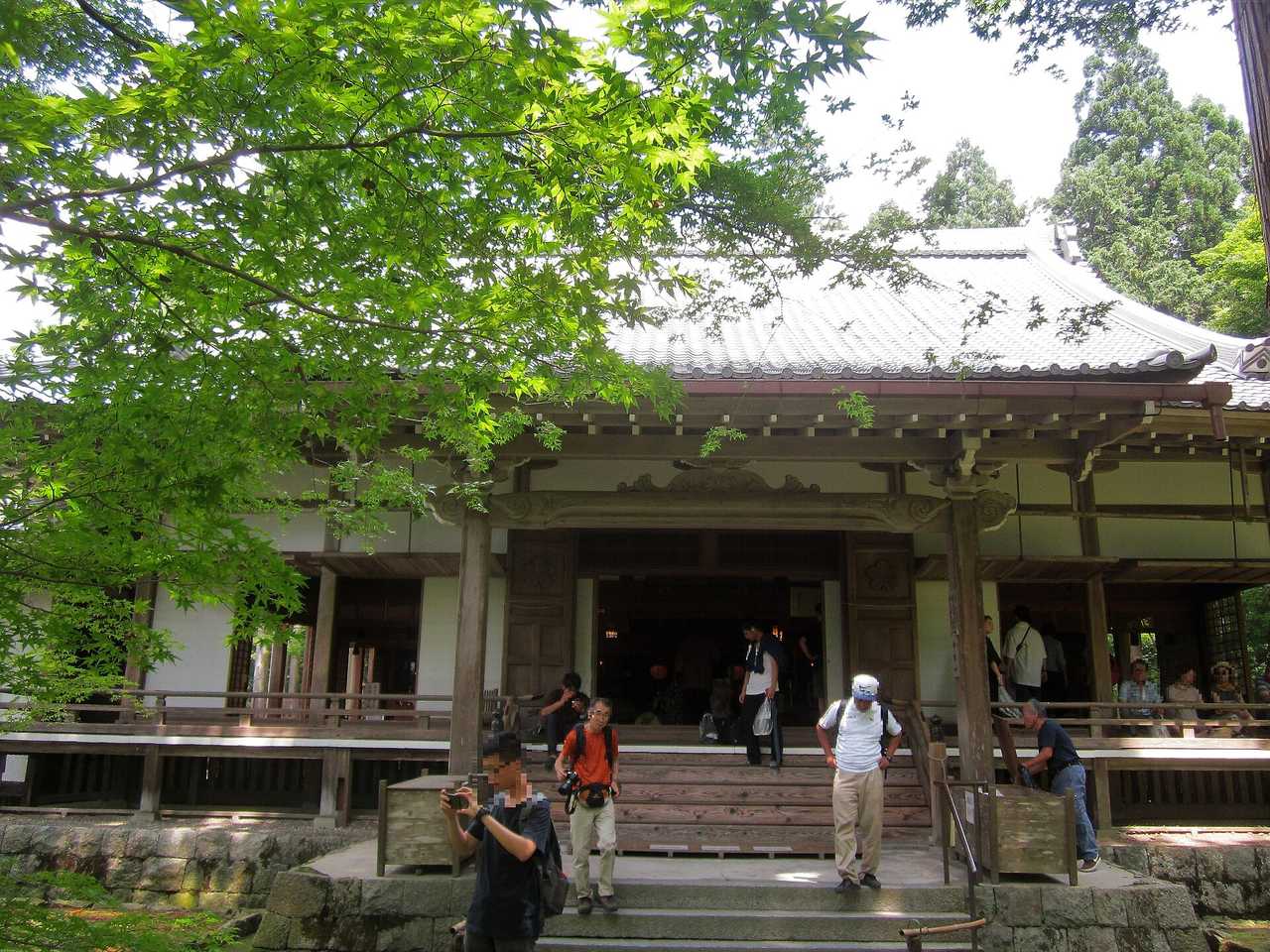
Ojo Gokuraku-in: The National Treasure Amida Triad and the Boat-Bottom Ceiling
Ojo Gokuraku-in is the spiritual core of Sanzen-in, a small hall standing quietly above the moss of Yusei-en. It enshrines the National Treasure “Amida Triad,” with Kannon and Seishi Bodhisattvas on either side shown in the forward-leaning kneeling “Yamato-za” posture, a pose rather rare among Japanese Buddhist statues.
Because the statues are tall and the roof is limited, the building has a “funazoko tenjo” ceiling shaped like a boat bottom, once painted all over with murals of heavenly beings of the Pure Land. Photography is prohibited inside and please keep quiet when worshipping; the best time to visit is the first hour after opening.
Looking from the path in Yusei-en, the hall surrounded by cedars and moss is a picture in itself, so remember to look back once before you leave.
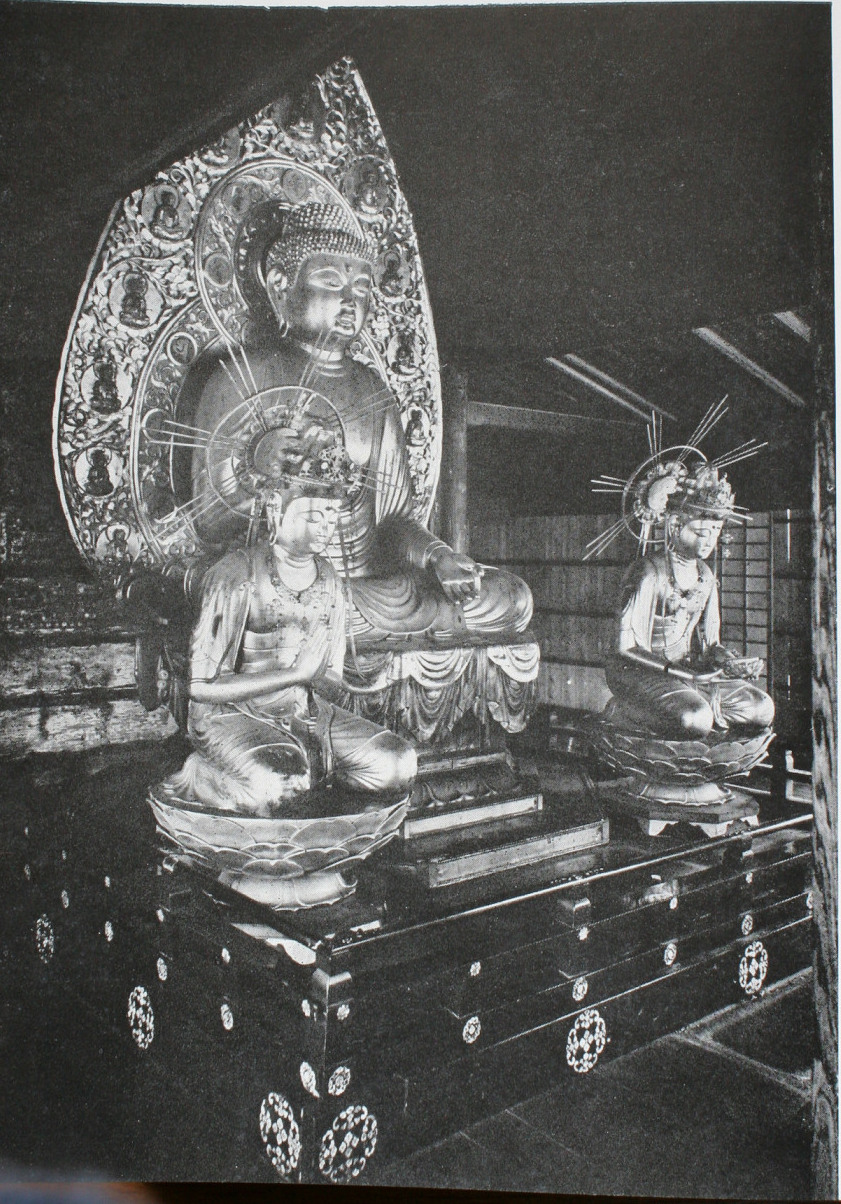
Yusei-en: A Pond-Strolling Garden of Old Cedars Interwoven with Moss
Yusei-en is the famous moss garden around Ojo Gokuraku-in, named from a line of Chinese poetry, a pond-strolling garden where towering cedars and emerald moss set each other off, even more beautiful on overcast days and after rain.
Moss is fullest in the rainy season and early summer; in late November, maple leaves fall on the moss and spread a dreamy carpet of red leaves. In the garden you can only walk along the stone path, so do not step on the moss; one loop takes about 20 minutes.
When photographing the layers of moss, the diffuse light of overcast days or after rain beats harsh sunlight, and strong midday light makes the green look washed out, which is why Sanzen-in is called a “famous place for rainy days.”
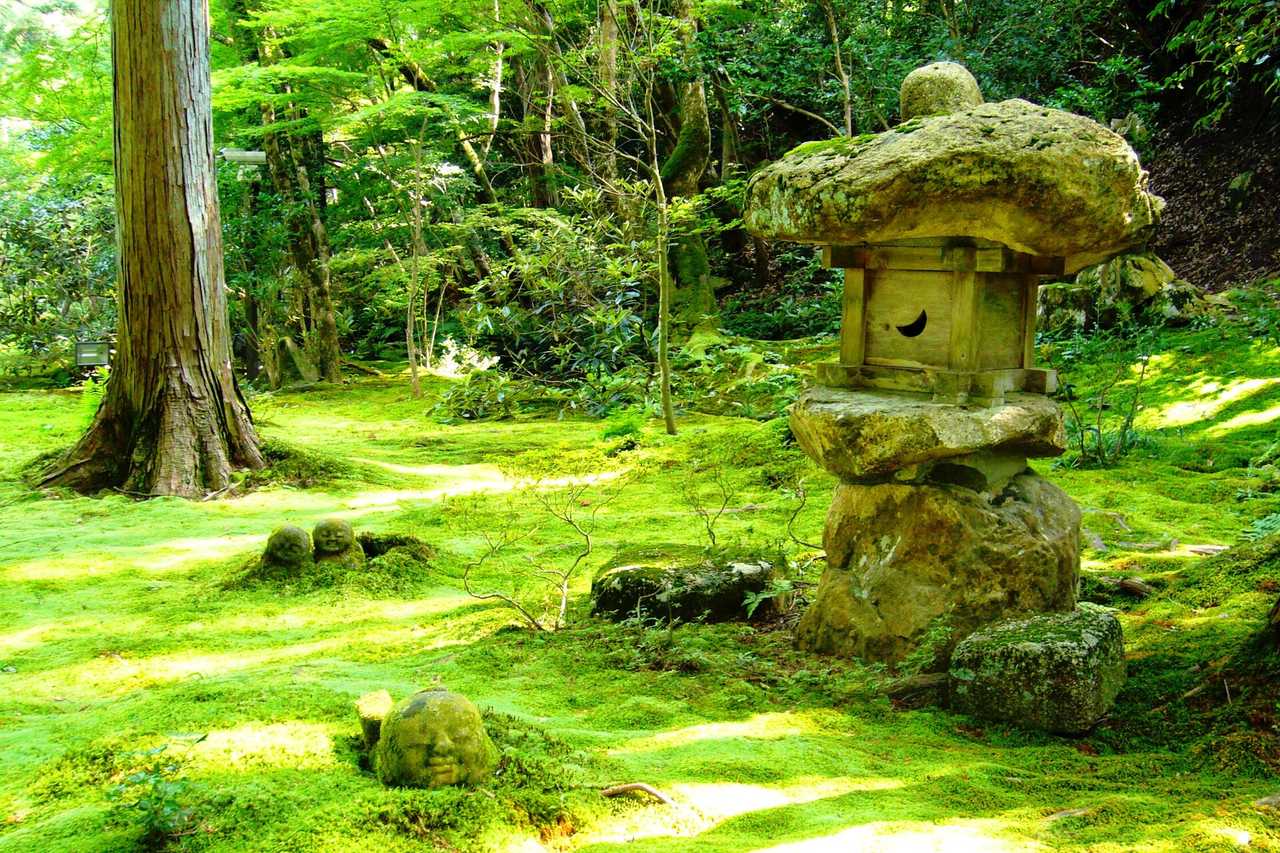
Warabe Jizo: Smiling Child Jizo Hiding in the Moss
The Warabe Jizo (child Jizo) scattered among the moss south of Ojo Gokuraku-in are the work of the master stone sculptor Takashi Sugimura. Propping their faces on their hands, lying on their sides or with palms pressed together, with honest, innocent smiles, they are described by many travelers as the most healing scenery at Sanzen-in.
The Jizo are small and the same color as the moss, so on a first visit it is easy to walk past them; slow down and look low. When shooting, stay on the path and avoid flash; after rain the moss is greenest and the Jizo photograph best.
The temple surroundings also sell omamori and small goods themed on the child Jizo, the most popular souvenirs at Sanzen-in, so if you want to collect one, don’t forget to stop at the amulet office before leaving. The number and positions of the Jizo are occasionally adjusted as the temple tidies the grounds.
Shuhekien: A Picture-Frame Garden to Enjoy with Matcha on the Kyakuden Engawa
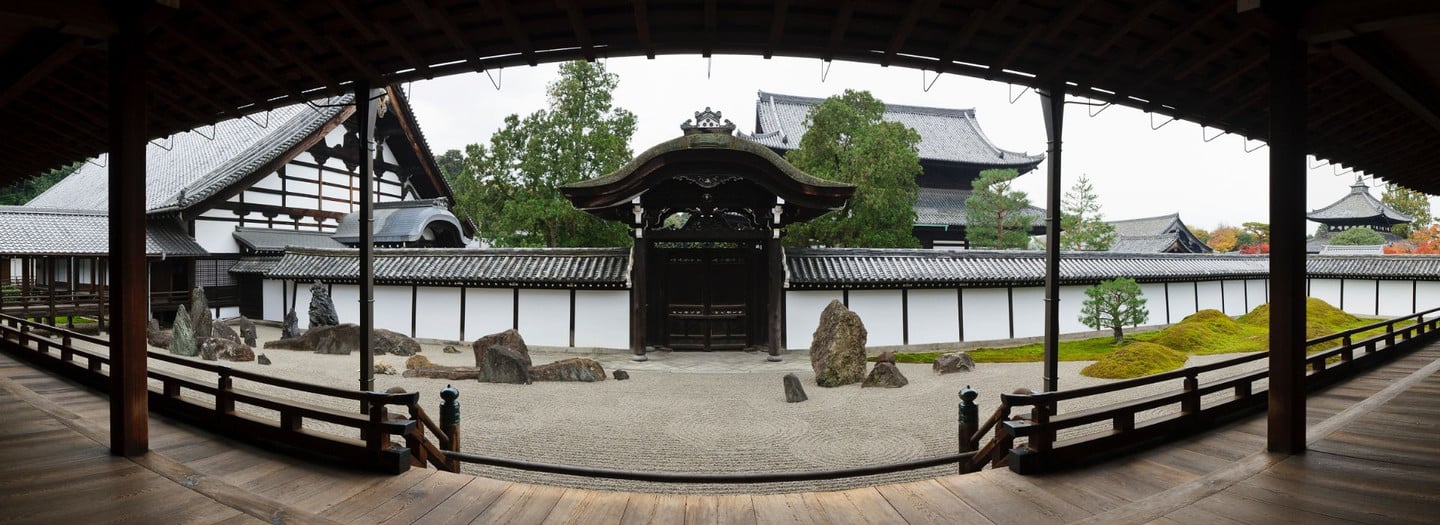
Shuhekien is the pond-viewing garden in front of the shoin hall, the type you “sit and look at” rather than “walk into.” Looking out from the Kyakuden engawa, the artificial hill, pond and neatly trimmed plantings stack layer upon layer, framed by the veranda pillars like a painting.
Here you can order freshly whisked matcha and Japanese sweets for a fee and finish them slowly on the tatami before moving on. Engawa seats are few in peak season, so we suggest coming here first after entering the temple and circling back to Yusei-en before you leave. Actual serving hours and fees follow on-site announcements.
The engawa is also the only place along the whole visit route where you can properly sit down, and resting here after the mountain path makes the later climb to the Kannon-do hall much easier. Before sitting, remember to check how to order at the entrance.
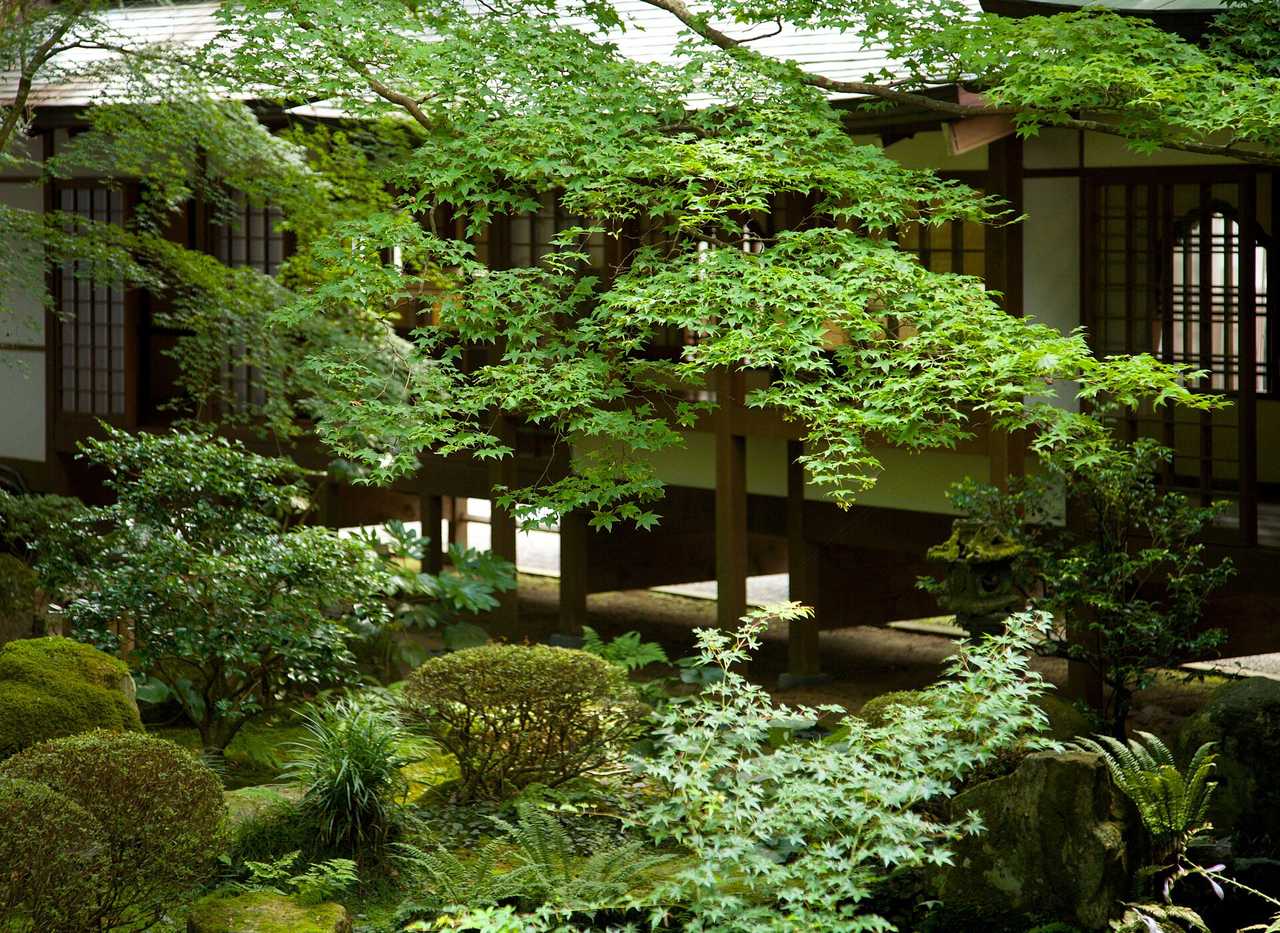
Konjiki Fudo-do and Kannon-do: A Secret Buddha and a Great Kannon Deep Along the Path
Past Yusei-en, going up leads to Konjiki Fudo-do, which enshrines the secret Buddha Konjiki Fudo Myoo, shown only during specific periods; see the official website’s announcements for dates.
Further up is the Kannon-do hall, with a tall Kannon statue and many small stone Kannon, an open view, a steeper slope but few people, suited to avoiding tour groups, about 20 minutes round trip.
Next to Konjiki Fudo-do are a rest area and a shop selling blessed drinks and sweets, where you can also get a goshuin stamp; the maple density is higher in this area, which is especially rewarding in leaf-viewing season.
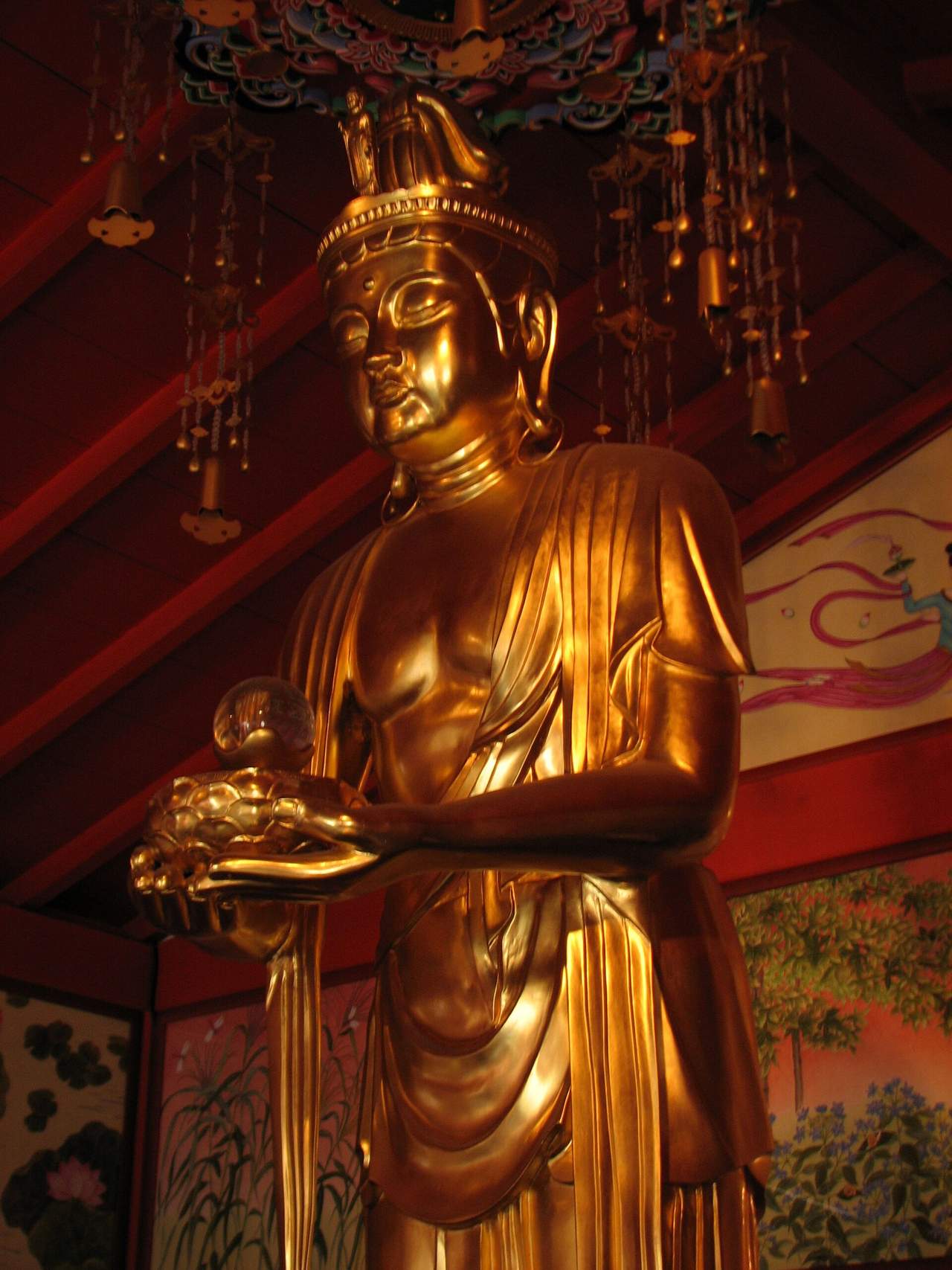
Sanzen-in’s Autumn Leaves: Mountain Maples a Week Ahead of Kyoto City
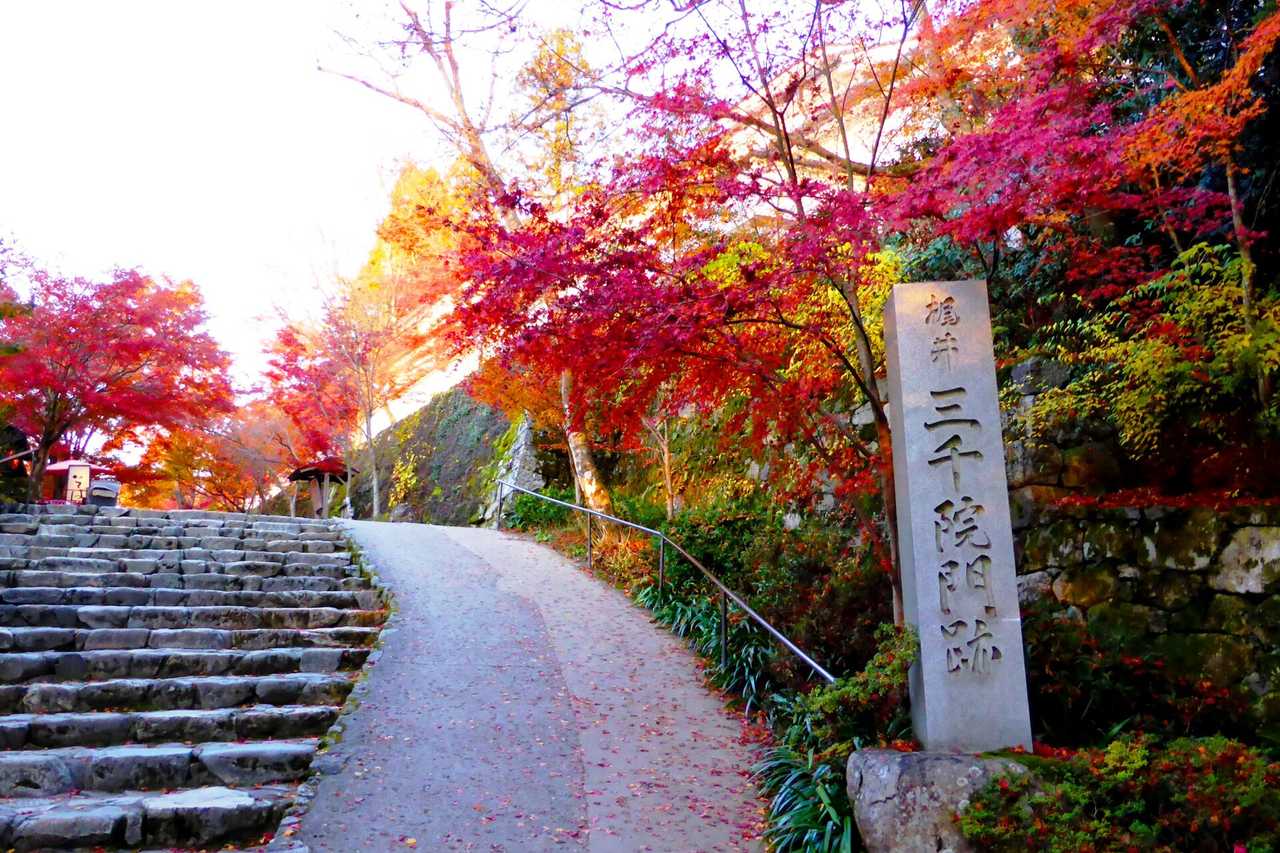
Ohara sits in a mountain basin with a large day-night temperature difference, so the maple colors are especially vivid, and peak color usually falls from mid to late November, about a week earlier than city sites such as Kiyomizu-dera and Tofuku-ji, the best opening act of a Kyoto leaf-viewing itinerary.
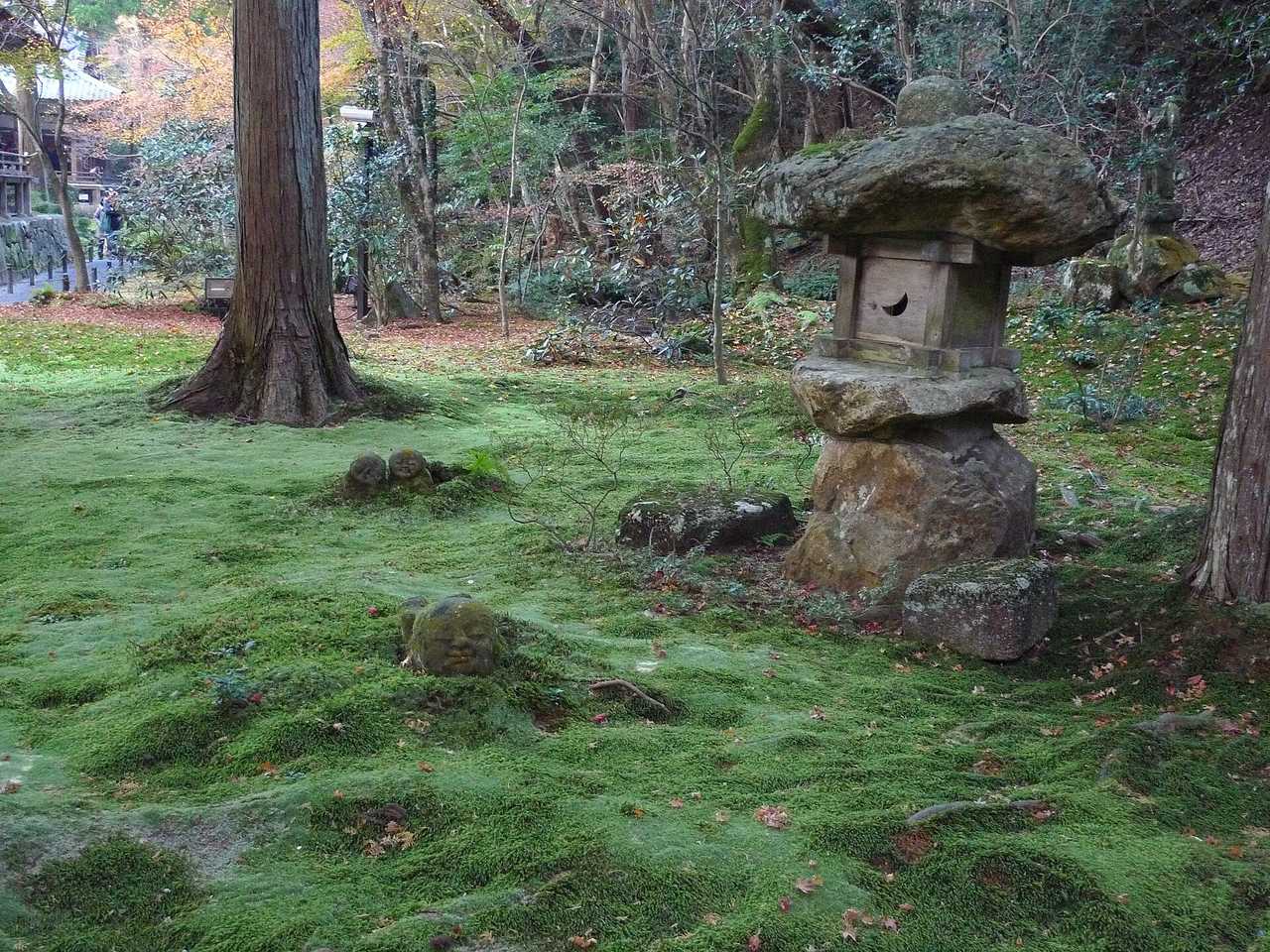
The most classic scene is the strong contrast of “fiery red maples and deep green moss” in Yusei-en. After the leaves fall in late November, a carpet of red leaves covers the moss, and even the heads of the child Jizo collect fallen leaves. During leaf-viewing season the opening time moves earlier, so please follow the official website’s announcement.
During leaf-viewing season a bus seat is often hard to get, so we suggest queuing early in the city to board, or switching to the subway-transfer route, and on the return trip try to avoid the peak after 4 p.m.
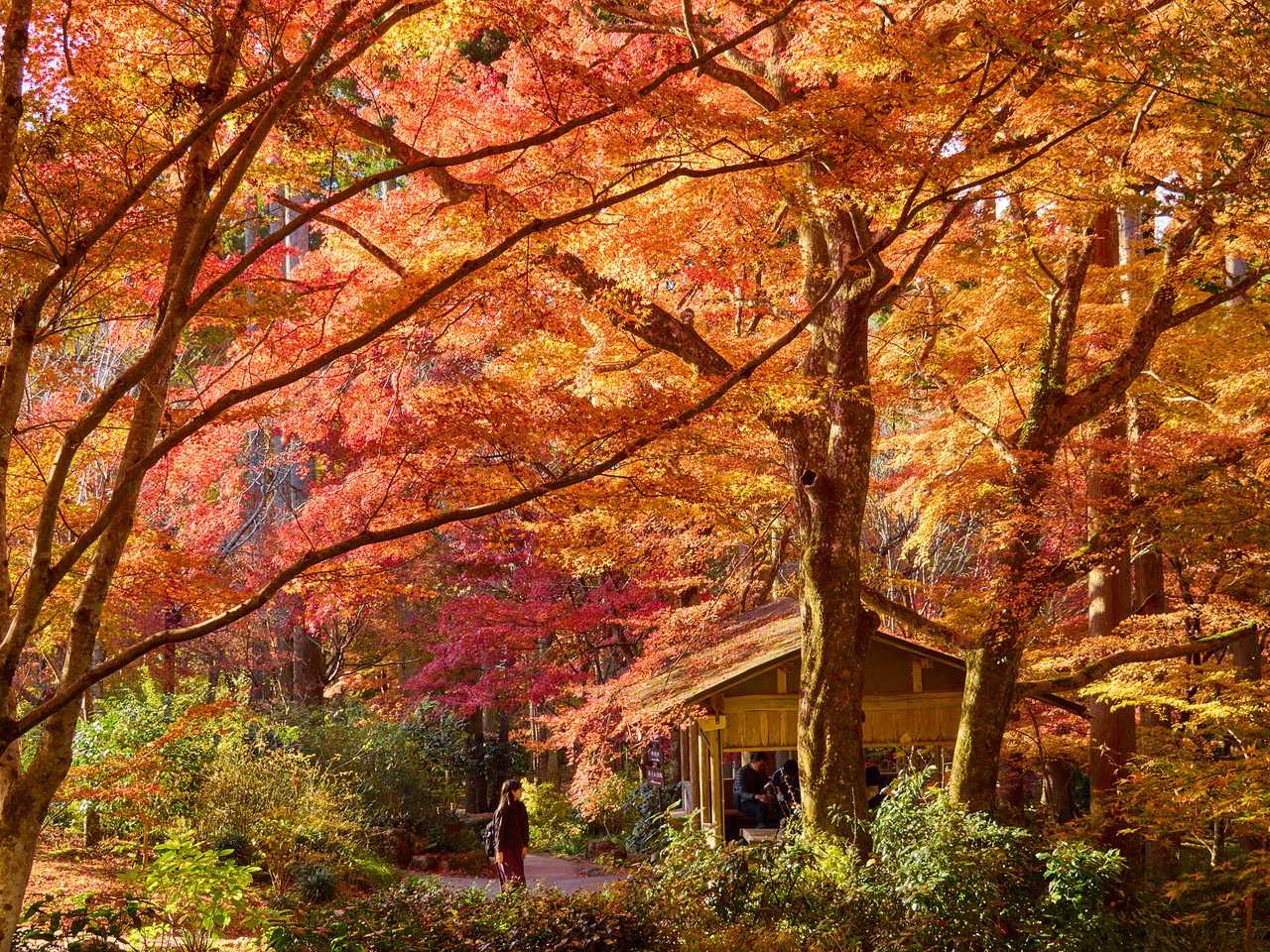
Sanzen-in’s Hydrangea Garden: A Sea of Blue-Purple Flowers Only in the Rainy Season
Sanzen-in’s grounds have a hydrangea garden planted with several thousand hydrangeas, blooming from about mid-June to mid-July, one of Ohara’s few summer highlights. Although the rainy season brings rain easily, the rain brings the moss and the hydrangeas to their most saturated state together.
Visitors at this time are far fewer than in autumn, so you can stroll slowly through an almost empty garden. Bloom conditions vary each year with the weather, so we suggest checking the official website or social media for bloom reports before you go, and bring light rain gear.
The approach’s stone paving is slippery in the rainy season, so choose your shoes carefully; but Sanzen-in in the rain has very few visitors, the best chance of the year for those who want to photograph in quiet. The garden has diverse varieties from deep blue to pink-purple, with colors shifting with the soil.
Hosen-in: A 700-Year-Old Five-Needle Pine in a Picture-Frame Garden and the Blood Ceiling
Hosen-in is only a few minutes’ walk from Sanzen-in and is many people’s number one in Ohara. The shoin’s “picture-frame garden (Banko-en)” uses pillars and beams to frame a five-needle pine about 700 years old like a huge landscape painting, so beautiful you hate to get up.
The admission fee already includes matcha and Japanese sweets, which you can enjoy slowly on the tatami. Looking up, you can also see the “blood ceiling” (chi-tenjo), taken from remains of Fushimi Castle and carrying a tragic history. Fees and viewing hours follow the official website’s announcements.
In autumn, special evening viewings with illumination are held, and the picture-frame garden looks even more dramatic under the lights; the dates and whether a separate ticket is needed follow the official website’s announcements.
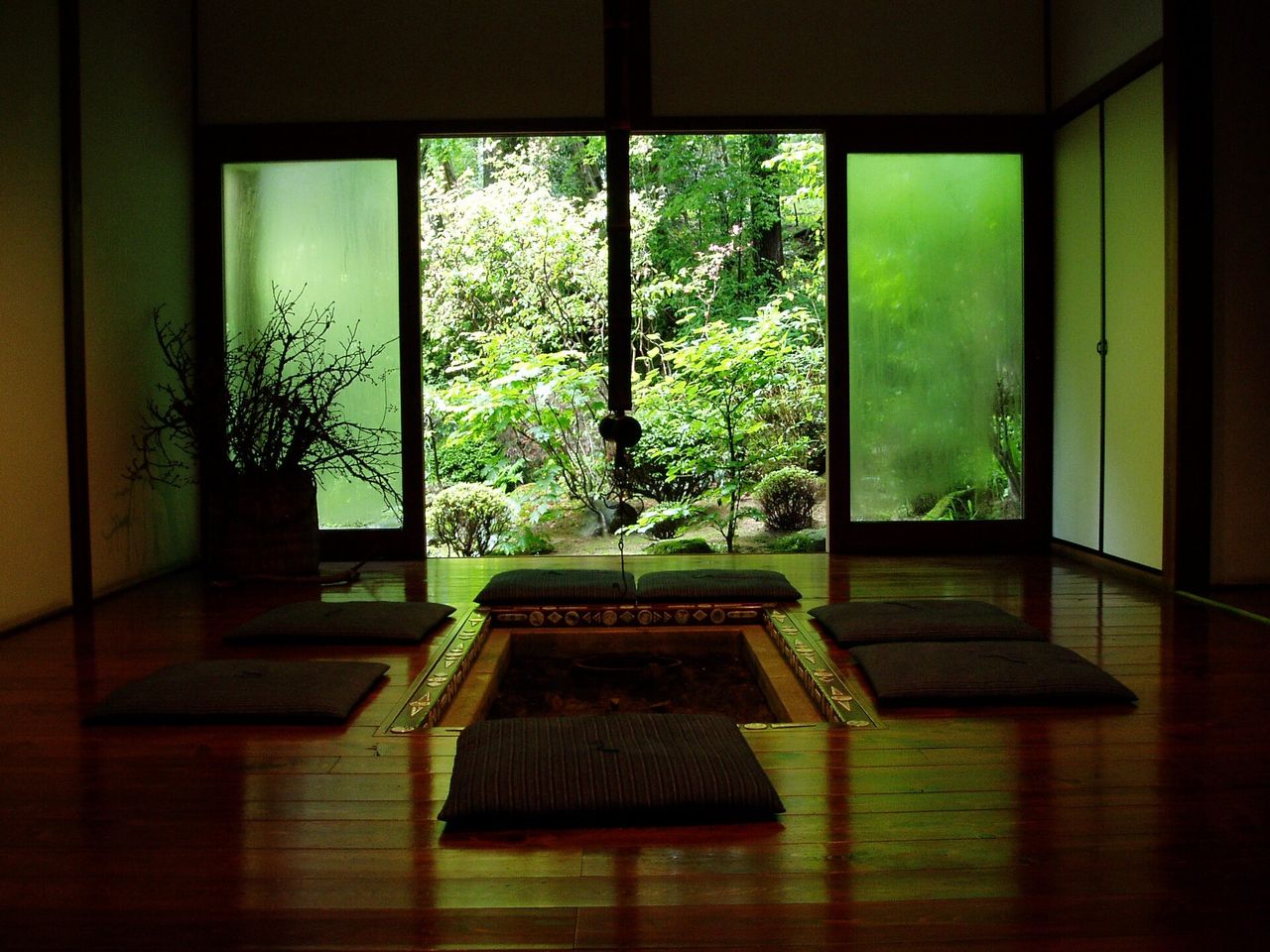
Jikko-in: Keishin-en and the Four-Season Cherry That Blooms from Autumn to Spring
Jikko-in is next to Hosen-in and, like it, is a sub-temple of Shorin-in. Its main garden, “Keishin-en,” is a pond-viewing garden, and there is also a strolling garden you can walk around, small in layout but rich in layers.
Its greatest feature is the “four-season cherry” planted in the garden, which blooms from late autumn all the way to the following spring, and with luck you can see the rare sight of cherry blossoms and red leaves in the same frame. Admission fees, tea and sweets plans and viewing hours follow the official website’s announcements.
Because it is less famous than neighboring Hosen-in, it stays relatively quiet even in peak season, and if you want a place where you can truly sit down, sip tea and daydream, it is actually the better value.
Shorin-in: The Stage of the Ohara Debate and the Five-Color Strings
Shorin-in is the birthplace of the Tendai-sect shomyo chant “Gyozan Ohara-ryu” and the actual stage of the famous religious debate of the late Heian period, the “Ohara Mondo,” its historical weight far greater than its plain appearance.
Five-color strings extend from the hand of the Amida Nyorai enshrined in the main hall, and worshippers can hold the strings to form a bond with the Buddha, a rare experience. Admission and viewing hours follow the official website’s announcements; please confirm on site whether a combined ticket with Hosen-in is available.
The main hall is spacious with especially good acoustics, and if you happen to catch a shomyo service, you can hear Tendai-sect vocal music continuing for a thousand years with your own ears, a rare experience.
Jakko-in: The Nunnery Where Kenreimon-in Lived in Seclusion in the Tale of the Heike
Jakko-in is on the west side of Ohara, separated from Sanzen-in by the Takano River, a quiet nunnery. According to The Tale of the Heike, after the fall of the Taira clan, Kenreimon-in Tokuko spent the rest of her life here, which gives the temple a faint air of sorrow.
The main hall was once rebuilt after a fire, but the moss, the “sennen himesara” tree and the four-season garden remain exquisite. Viewing hours change with the season, it is a 15 to 20 minute walk from the bus stop, and fees and hours follow the official website’s announcements.
Because it lies across the river, most tour groups do not come, and its quiet beats Sanzen-in, suited to scheduling in the afternoon as a closer.
Ohara-me no Komichi: An Approach Accompanied by the Scent of Pickles
The gently sloping approach from Ohara Bus Stop to Sanzen-in’s Gotenmon Gate is called “Ohara-me no Komichi,” named for the Ohara women who once carried firewood on their heads into the city to sell, with souvenir shops, teahouses and pickle shops on both sides where you can sample as you go.
Ohara is a well-known producer of red shiso in Japan, and shibazuke pickles are the signature souvenir, with most shops offering samples; we suggest shopping on the way back, and the walk takes about 10 to 15 minutes one way.
Along the way some shops also sell freshly grilled dango and amazake to warm you up in winter. Most shops close before 5 p.m., so don’t shop too late, and some shops offer tax refunds, so ask before you pay.
OHARA River side café KIRIN (Rairin): A Famous Ohara Vegetable Buffet
Rairin is a famous Ohara spot with queues, serving a self-serve lunch using local Kyoto vegetables, where you can freely combine small rice balls and miso soup, popular with vegetable lovers.
Prices are about ¥2,000 to ¥3,000, the seats face the Takano River with countryside scenery outside the window, and seats are limited and often full, so we suggest arriving early; closing days and meal hours follow the official social media announcements.
The buffet format lets you control the pace of your meal, suited to resting after visiting temples, and even non-vegetarians can taste rare Kyoto vegetable dishes.
Uenae Soba: Ohara-me Soba with Red Shiso Kneaded into the Dough
Uenae Soba, hidden in the garden of an old house, is one of the few handmade soba shops in Ohara. The signature “Ohara-me soba” kneads the juice of local red shiso into the buckwheat dough, arriving at the table with an elegant purple-red tint.
Eaten with grated daikon it is especially refreshing and appetizing, at about ¥1,000 to ¥2,000. The shop has few seats, so in peak leaf-viewing season we suggest avoiding the lunch peak. Opening hours and closing days follow on-site or official announcements.
The garden seating is especially pleasant in spring and autumn, letting you eat noodles while looking at greenery. To avoid queues, we suggest moving lunch earlier to around 11:30. Closing as soon as the soba is sold out is common.
Ohara Onsen (Ikihe Onsen): A Weakly Alkaline Simple Spring After a Full Day
Ohara Onsen was formerly called “Ikihe Onsen,” with weakly alkaline simple spring water said to help relieve muscle fatigue, joint aches and cold hands and feet.
The area has one facility each in the east and west offering day-trip bathing for non-staying guests; we suggest going after 3:30 p.m. and then taking the bus back to the city, which avoids the peak and relieves the fatigue of climbing.
Ohara’s day-trip bathing facilities are few and have fixed reception hours, unlike city public baths where you can drop in anytime, so be sure to confirm the day’s opening status before your trip.
Ohara Sanso: An Open-Air Bath and Foot Bath Cafe Next to Jakko-in
Ohara Sanso (Yumoto Onsen Ohara Sanso) is right next door, less than a three-minute walk from Jakko-in on the west side, so scheduling it after Jakko-in is the smoothest. Besides a day-trip open-air onsen, it also offers the traditional goemon-gama iron-pot bath experience.
Outside the building is a dedicated foot bath cafe (Footbath Cafe), where you can sit outdoors soaking your feet and viewing the mountains with just a drink order, very suitable for travelers who don’t want a full-body bath or who are carrying luggage. Day-trip reception hours and fees follow the official website’s announcements.
The foot bath area is semi-outdoor in design, and in winter soaking with the snowy scenery is especially atmospheric; if you don’t plan a full bath that day, it costs only the price of a drink, a very good-value choice.
Serio Ryokan: A Kaiseki Restaurant and Open-Air Bath Next to Sanzen-in’s Main Gate
Serio is on the east side next to Sanzen-in’s main gate, a long-established upscale restaurant-ryokan in Ohara that specializes in refined kaiseki lunches, where you can look out over a stream and garden while dining.
The ryokan also opens its indoor bath and an open-air Ohara onsen surrounded by a garden to outside guests, suited to an itinerary of visiting Sanzen-in first, having lunch and then going straight into the bath. Kaiseki lunches usually require advance reservations, and day-trip bathing reception hours and fees follow the official website’s announcements.
Because it is right beside Sanzen-in’s exit, it is the least effortless bathing spot for the east-side itinerary; travelers who don’t want kaiseki can also choose only the bath plan, but check beforehand whether reservations are required. The garden turns entirely red in autumn, making the view while bathing especially luxurious.
How Much Does It Cost to Visit Ohara Sanzen-in? Admission, Combined Tickets and Hot Spring Fees
General admission to Sanzen-in is ¥700, and with nearby temples and transport a day costs about ¥3,000 to ¥5,000.
| Temple | Admission (yen, for reference) | Highlights |
|---|---|---|
| Sanzen-in | 700 (bring cash) | Ojo Gokuraku-in, Yusei-en, Warabe Jizo |
| Hosen-in | 1,000 (includes matcha and Japanese sweets) | 700-year-old five-needle pine picture-frame garden, blood ceiling |
| Jikko-in | 700 (includes tea and sweets) | Keishin-en, four-season cherry |
| Shorin-in | 300-400 (combined tickets often available) | Ohara Debate stage, five-color strings |
| Jakko-in | 600 | Where Kenreimon-in of The Tale of the Heike lived in seclusion |
Sanzen-in Admission: ¥700 Entry Ticket, Bring Cash
Sanzen-in admission tickets (entry tickets) are bought on site: adults ¥700, junior and senior high school students ¥400, elementary school students ¥150. There is no electronic payment per the official website and no ATM on the mountain, so we suggest bringing yen cash.
Viewing hours change with the season: March to October 09:00-17:00, November 08:45-16:45, December to February 09:00-16:30, open year-round; groups of 30 or more get a ¥600 discount rate, with no discount for individual tickets.
Goshuin stamps and omamori are mostly cash transactions, so bring plenty of small change.
Hosen-in + Shorin-in Combined Ticket: See Two Famous Temples in One Go
Hosen-in and Shorin-in often offer a combined ticket, which is better value than buying separately, suited to travelers who want to see the temple cluster on Ohara’s east side in one go. Hosen-in’s admission includes matcha and Japanese sweets, while Shorin-in’s admission is lower; please follow on-site announcements for both amounts.
We suggest entering Hosen-in first to sit and drink matcha while viewing the picture-frame garden, then walking to Shorin-in to hold the five-color strings, the two being only a few minutes apart. Whether the combined ticket is sold varies by season, so please follow the notice at the on-site ticket office for actual contents and amounts.
If time is limited and you can only choose one, most people recommend Hosen-in, because the ticket already includes matcha and Japanese sweets, which means you have bought the rest time as well. Both temples require removing shoes to enter.
Kyoto Subway and Bus One-Day Pass: The Money-Saving Key for an Ohara Trip
The route taking the Karasuma Line subway to Kokusaikaikan and transferring to Kyoto Bus No. 19 is usually best value with the Kyoto Subway and Bus One-Day Pass.
You can buy it at the subway service counter at Kyoto Station and at some ticket machines; before buying, confirm the valid sections on routes No. 19 and No. 17.
The Kyoto Subway and Bus One-Day Pass is ¥1,100 for adults and ¥550 for children, and the Kyoto Bus coverage extends as far as “Ohara.” A round trip from Kyoto Station to Ohara costs more than the one-day pass price, and even a simple round trip to Ohara is mostly better value than buying single tickets.
Ohara Onsen Day-Trip Bathing: Open-Air Baths You Can Use Without Staying
Both Ohara Sanso and Serio Ryokan offer day-trip bathing for non-staying guests, with weakly alkaline simple spring water that feels especially good after a day of mountain walking. Ohara Sanso is on the west side next to Jakko-in and Serio is on the east side next to Sanzen-in’s main gate, so choose one by the direction of your itinerary.
Day-trip bathing often has fixed reception hours (commonly afternoon to evening), and in peak season opening hours may be shortened because of more staying guests. Towels usually must be rented or bought separately, and we suggest phoning or checking the website for that day’s opening status before you go.
Taking the bus straight back to the city after bathing takes about an hour, so allow travel time and avoid cutting the last bus too close. Rules for people with tattoos differ by facility, so we also suggest confirming that beforehand.
Ohara Countryside Day Tour: Leave the Buses to a Guide
There are Ohara day tours departing from central Kyoto in which a guide leads you through Sanzen-in and the surrounding countryside, with a vegetarian lunch or pickle-making experience on the way, lasting about 6 to 8 hours.
This tour saves the time of queuing for buses in peak season and suits traveling with elders; whether attractions, tickets and lunch are included varies by organizer, so read the description carefully before booking.
On a group tour the stay time is fixed, so it may not be enough if you want to linger in the gardens; for flexibility we suggest taking the bus yourself. Most tours gather at Kyoto Station or a city hotel, with fairly early departure times.
Where to Stay Near Ohara Sanzen-in? Accommodation Tips

To have Sanzen-in to yourself in the empty early morning, staying in Ohara or northern Kyoto is the most effective approach.

Where to Stay Near Ohara Sanzen-in? Ohara Onsen Ryokan and Northern Kyoto Accommodation Tips
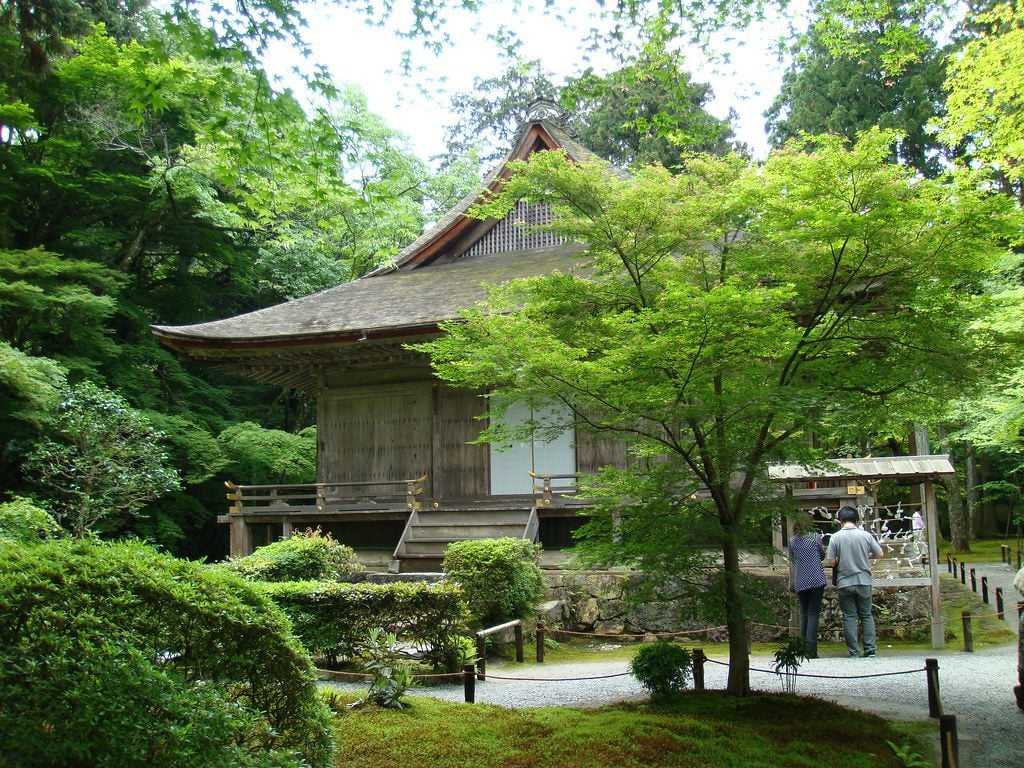
Ohara itself has few accommodation options, but that is exactly what makes it special: the mountain onsen ryokan and guesthouses are limited in number, you hear almost no human voices at night, and in the morning you can have the empty approach to yourself before visitors come up, the most direct way to experience “rural Kyoto.”
For convenient transport, you can stay along the Karasuma Line subway around Kitaoji and Kokusaikaikan, from where transferring to a bus the next morning takes only 20 minutes to reach the mountain. If your itinerary also includes city sights, staying around Kyoto Station or Shijo Kawaramachi is still the most flexible choice.
One reminder: most restaurants in Ohara close in the early evening, so if you choose to stay in the mountains, it is safer to book the ryokan’s two-meal plan for dinner.
Ohara Sanzen-in FAQ
Below are the questions travelers most often search about Ohara’s Sanzen-in.
Q: How much is admission to Sanzen-in? Can I pay by card?
The official website announces ¥700 for general admission, ¥400 for junior and senior high school students and ¥150 for elementary school students. The website does not state which electronic payment methods are accepted, so be sure to bring yen cash before you go.
Q: How long does it take to get from Kyoto Station to Ohara Sanzen-in?
Kyoto Bus No. 17 direct takes about 60 to 70 minutes; taking the Karasuma Line subway to Kokusaikaikan and transferring to Kyoto Bus No. 19 takes about 55 minutes (including the transfer) and is more reliable in peak season. After getting off you still need to walk 10 to 15 minutes. Fares follow the Kyoto Bus fare table.
Q: When is the autumn leaf season at Ohara Sanzen-in?
Peak color is from about mid to late November each year, about a week earlier than city sites such as Kiyomizu-dera and Tofuku-ji. In late November, maple leaves falling on the moss form a carpet of red leaves with a special flavor.
Q: How long does Sanzen-in take, and what can I add nearby?
Sanzen-in itself takes about 60 to 90 minutes. On the east side you can add Hosen-in, Jikko-in and Shorin-in, and on the west side Jakko-in and Ohara Onsen, and doing them all makes a full day’s itinerary.
Q: Can I take photos at Ojo Gokuraku-in?
Photography is prohibited throughout the hall, and please do not touch the statues or the structure. In the garden areas you may photograph freely, but please stay on the stone path and do not step on the moss to frame a shot.
Q: Do Sanzen-in’s opening hours change?
They change with the season: March to October 09:00-17:00, 08:45-16:45 in the November leaf season and December to February 09:00-16:30. Please follow the official website for actual times.
Q: Is Sanzen-in worth visiting in the rain?
Very much so. After rain the moss is at its fullest color, Yusei-en and the child Jizo photograph even better, and there are noticeably fewer visitors. Just note the approach’s stone paving is slippery, so wear non-slip, comfortable shoes and bring rain gear.