
2026 Ine Funaya Guide: Strolling the Boat Houses and Sightseeing Cruises, the Venice of Japan on the Sea
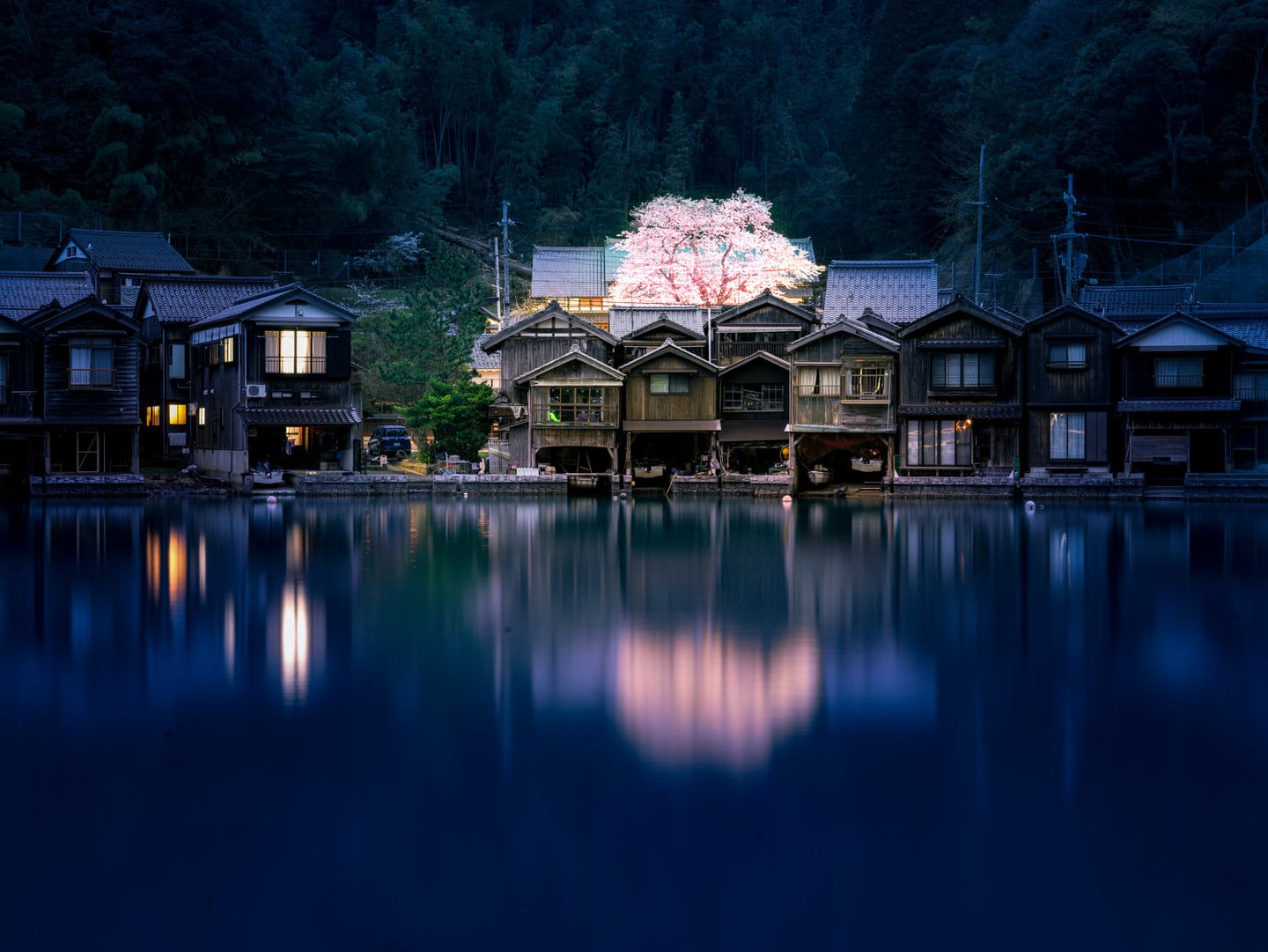
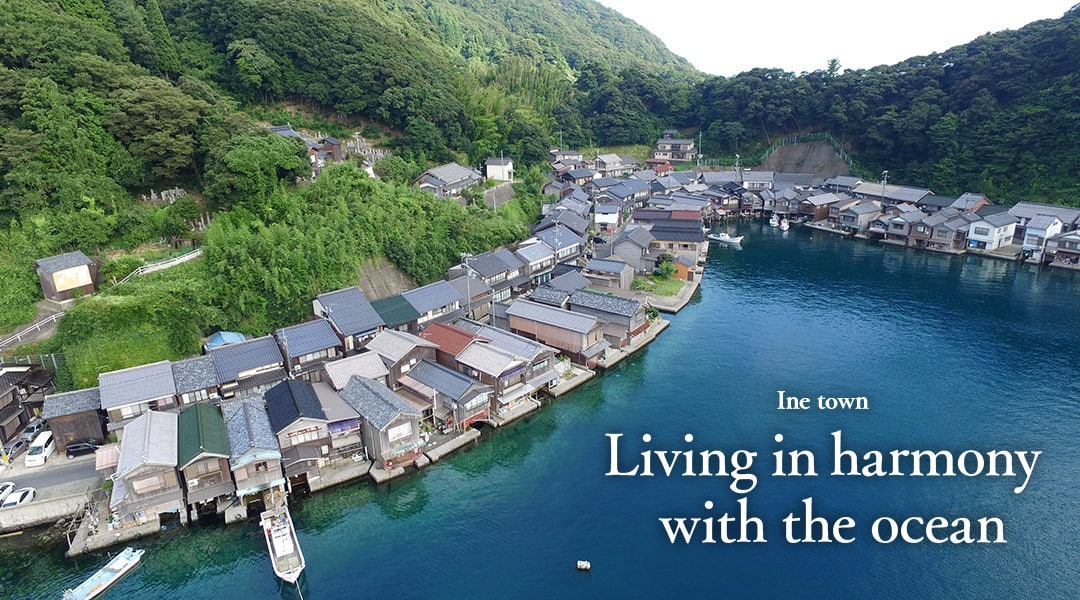
The Ine funaya are about 230 wooden buildings in Ine Town, Yosa District, Kyoto Prefecture, with boats moored on the ground floor and homes above. Known as the “Venice of Japan” and “Kyoto by the Sea,” they are worth a half-day to a full-day visit.
The Ine Funaya: A Seaside Community of 230 Edo-Period Boat Houses
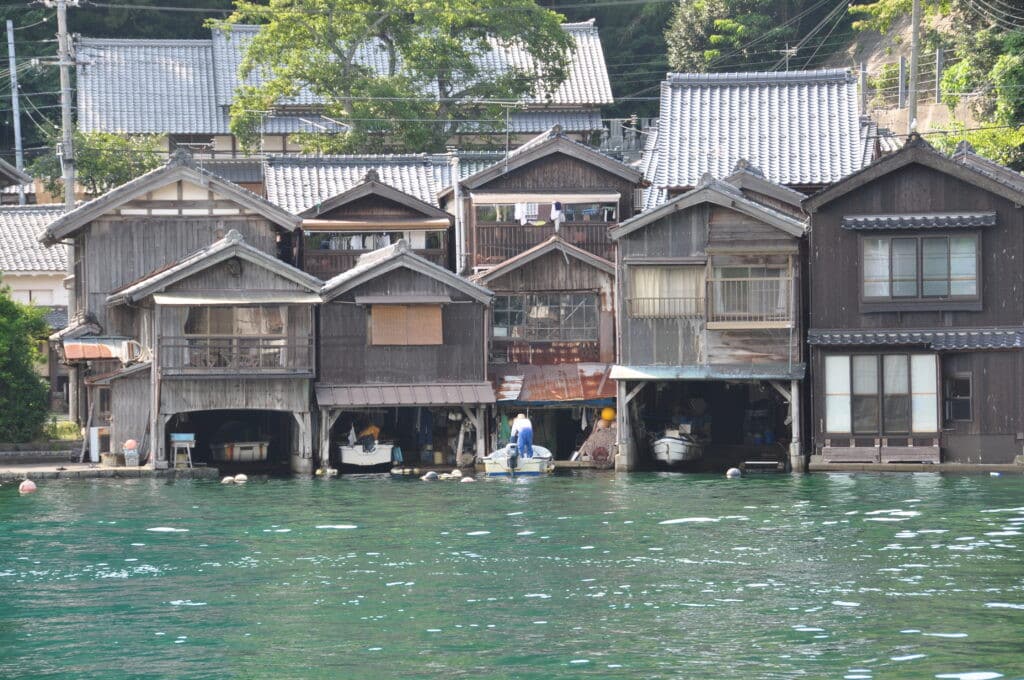
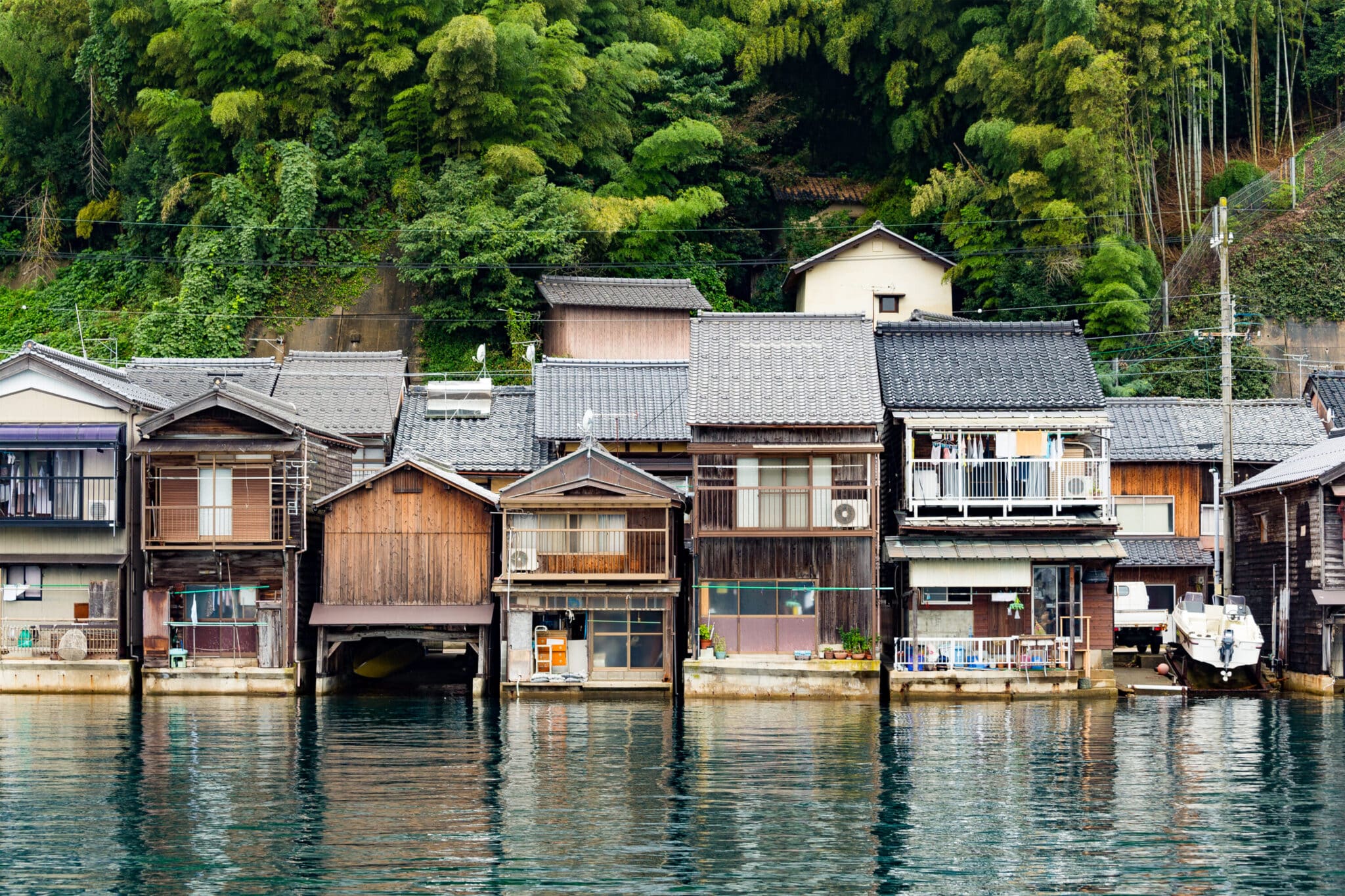
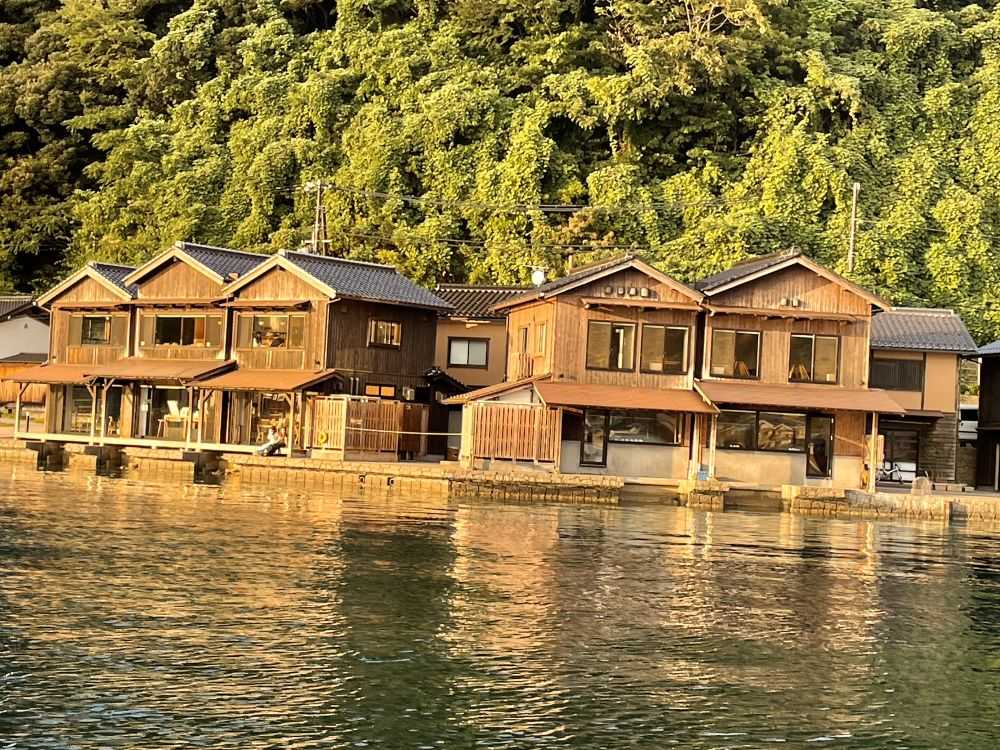
The Ine funaya curve along Ine Bay, about 230 in all, forming Japan’s largest and best-preserved boat house community, designated a National Important Preservation District for Groups of Traditional Buildings in 2005. The ground floor faces the sea for mooring fishing boats, storing gear and drying fish, while the upper floor is living space, a “people and boats under one roof” form rare in all of Japan.
Ine Bay has calm waters and a tiny tidal range, so the funaya could be built right against the water. Stroll the Funaya-dori street to enjoy the wooden buildings and sea views. Please keep quiet, do not wander into private areas, and respect local life.
History of Ine Town: From Fishing Village to National Important Preservation District
Ine’s funaya architecture dates from the late Edo period, and these two-story buildings let fishermen stow boats and handle their catch. For more than two hundred years the funaya have kept their original function and appearance, a living textbook on traditional Japanese fishing-village culture.
The area is also tied to the legend of Xu Fu crossing the sea and the tale of Urashima Taro, and Urashima Shrine enshrines the figure said to be the origin of Urashima Taro, adding a touch of mystery to the town. In recent years the Ine funaya have been covered by international media for their unique scenery, drawing many foreign visitors to this “Kyoto on the sea.”
Ine Bay Geography: A Natural Barrier Makes a Calm Bay
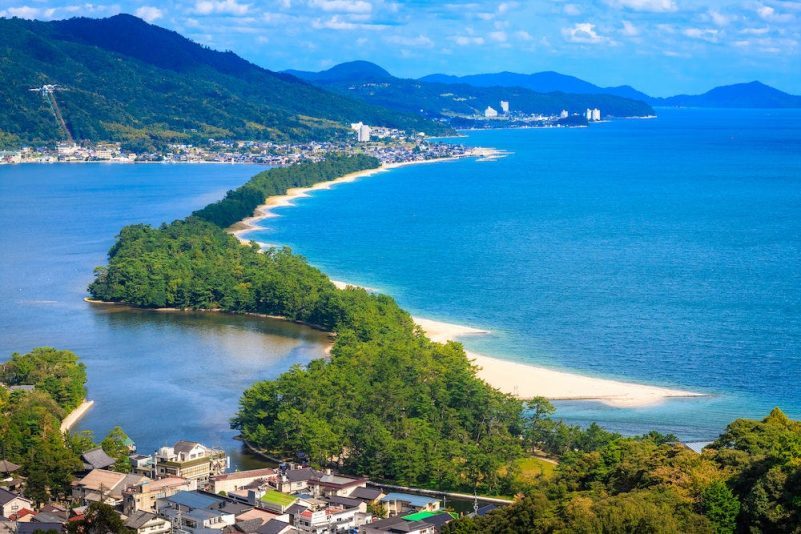
Ine Bay is shaped like a gourd, narrow at the mouth and wide inside. Aoshima island offshore acts as a natural breakwater, and with the narrow bay mouth the water inside stays calm all year, with a tidal range of barely a few dozen centimeters. This favorable geography is the key reason the funaya could be built right against the water and still stand after two hundred years.
The terrain also supports rich fishery resources, with yellowtail, rock oysters and crab among the well-known seafood, and it shaped Ine’s traditional way of life of living from the sea. Many residents still fish for a living, giving visitors a glimpse of a real traditional Japanese fishing village.
How to Get to the Ine Funaya: Transport Options and Costs
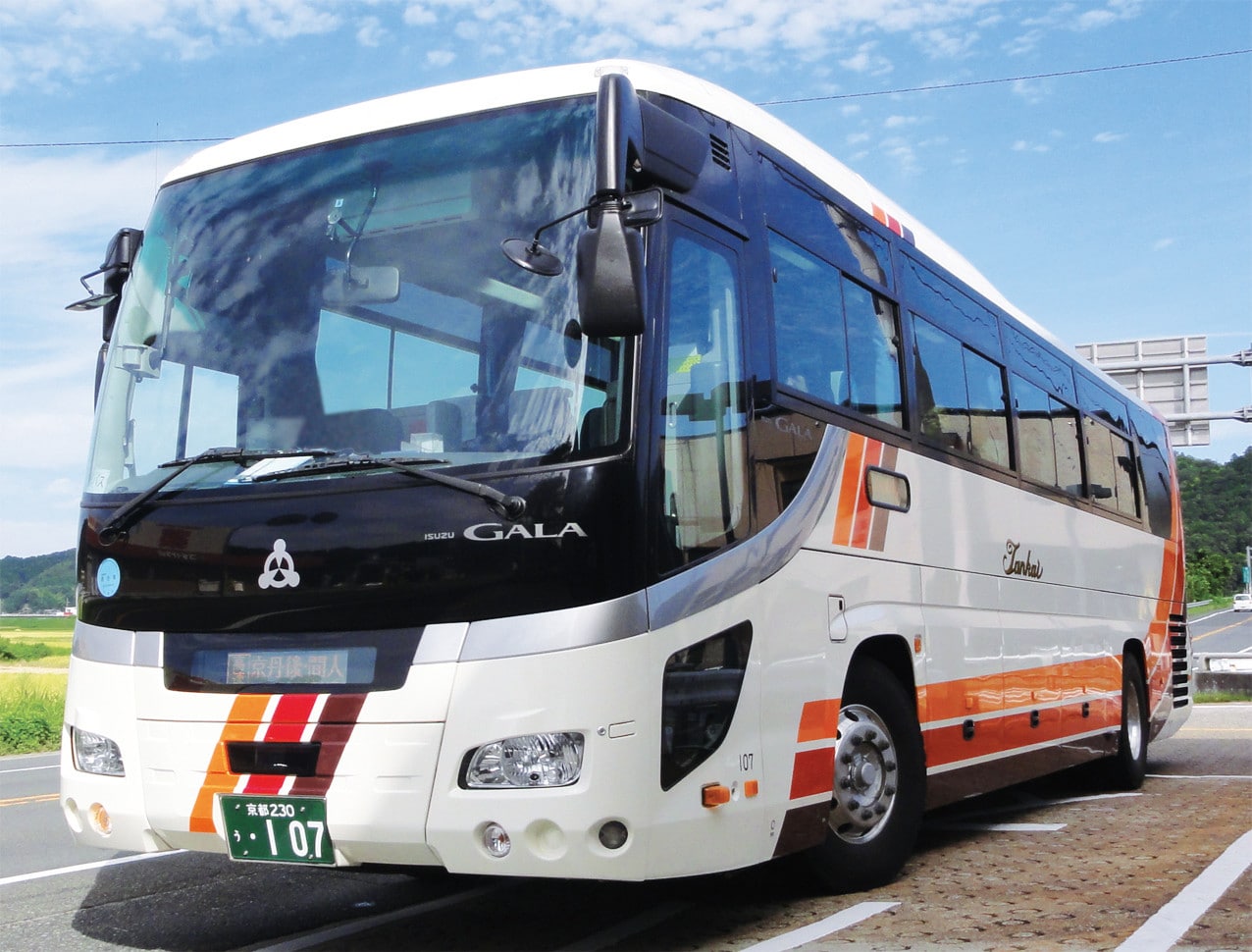
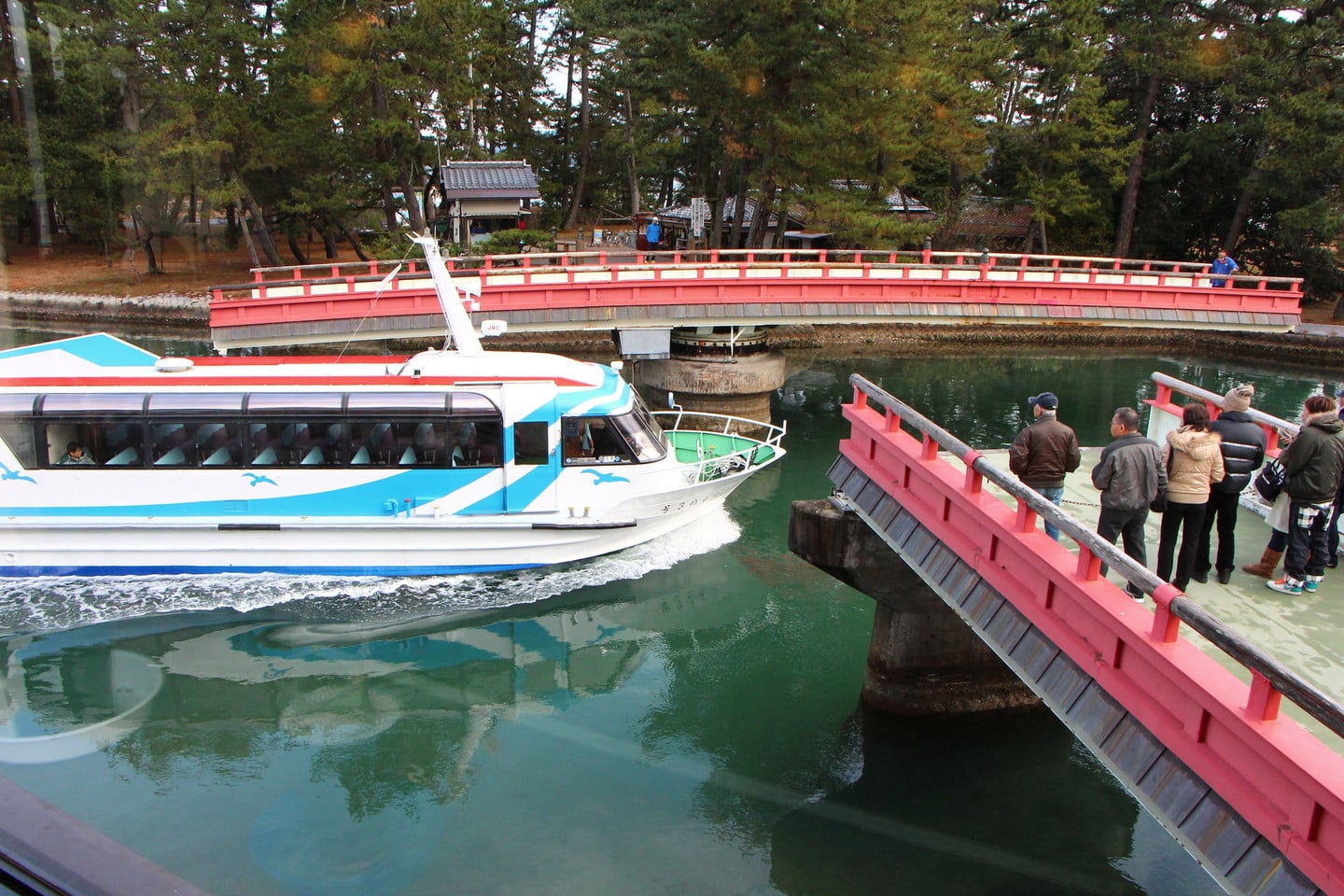
The main way to reach the Ine funaya is by bus via Amanohashidate, and driving and bus passes are also common choices.
How to Get to the Ine Funaya: Transport at a Glance
🚌 Tango Kairiku Kotsu bus: About 50 to 60 minutes from Amanohashidate Station to Ine; check the official site for the timetable.
🚍 From Kyoto or Osaka: Take JR or an expressway bus to Amanohashidate or Miyazu first, then transfer to a Tango Kairiku Kotsu bus.
🚗 Driving: About 2 to 3 hours from Kyoto. Ine’s lanes are narrow, so give way to others and watch where you park.
⛴️ Sightseeing boat: Adults ¥1,200, elementary school students ¥600, about 25 minutes, viewing the funaya from the sea.
🎫 Tango Amanohashidate Ine Free Ride Ticket: Covers route buses, the Amanohashidate sightseeing boat and the Ine Bay cruise; see the Tango Kairiku Kotsu official site for details.
🚲 Free community bicycles: Explore the lanes, but go slowly and watch for pedestrians.


Must-See Spots for the 2026 Ine Funaya: Highlights and Experiences by Area
The Ine funaya’s must-sees include the funaya sea stroll, viewpoints, a shrine and the different looks of each season, and a half-day to a full day lets you take it in properly.
Funaya Sea Stroll: Wooden Buildings Up Close from the Water
Taking an Ine Bay sightseeing cruise or a sea taxi lets you see the funaya from near the water, an experience a walk on land cannot replace. The boat follows the coastline, and you can see the boat garages on the ground floor and the living space above; the wooden walls turn dark brown in the sea wind, in sharp contrast to the deep blue water.
Besides the sightseeing boat, you can also take a sea taxi such as Kameshima Maru. The captains are mostly local fishermen who explain the history and character of the funaya along the way, and you can also feed the seagulls; check booking details with the tourist information office.
Feeding Seagulls and Black Kites: A Surprise Interaction on the Sightseeing Boat
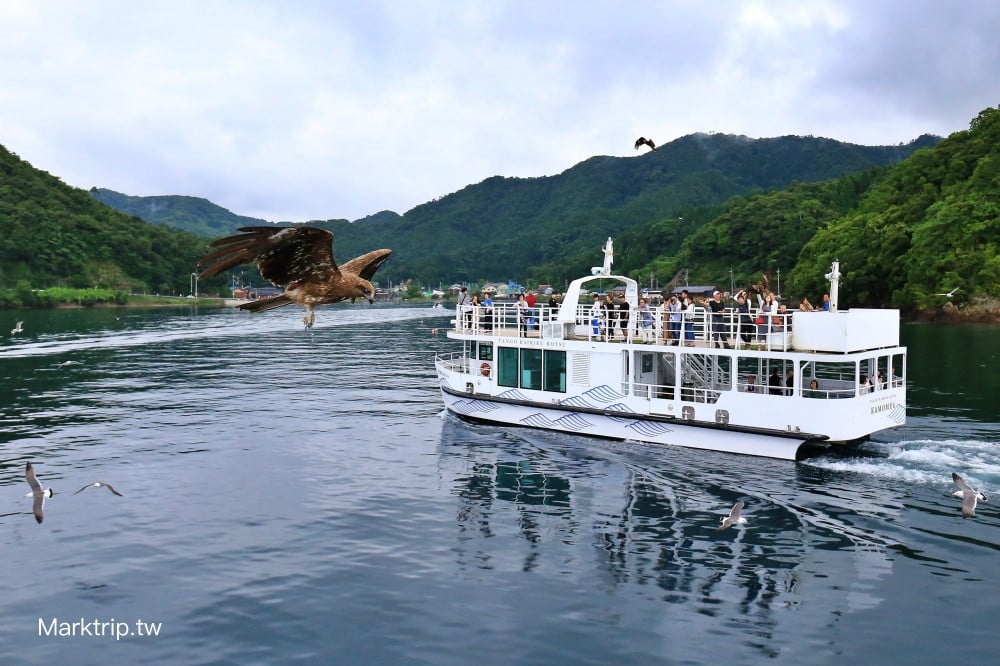
On the Ine Bay sightseeing cruise you can buy shrimp crackers separately to feed the seagulls that follow the boat. They catch the food precisely in midair, a favorite with families. The crew reminds you to throw food into the air over the water to avoid hitting other passengers.
Sometimes black kites join in to compete for the food. They are larger with sharp talons, so keep a safe distance and feed by throwing; never hold food in your hand for a kite to approach, or you may be scratched. Many travelers say this interaction was more memorable than the funaya themselves.
Funaya no Sato Park Observation Deck: The Best Angle over the Whole Funaya Bay
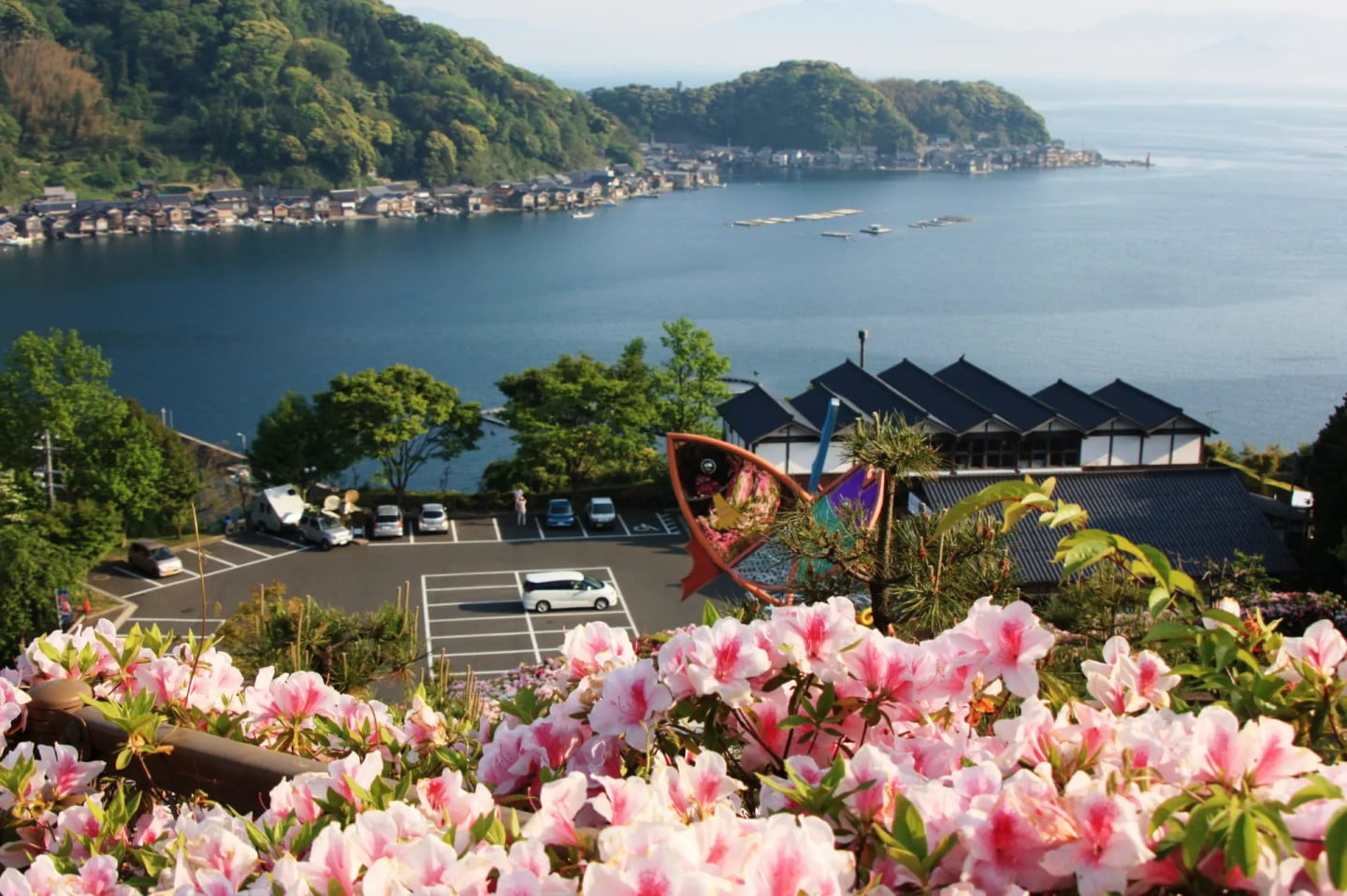
The Roadside Station Funaya no Sato Park sits halfway up the hill and has a free observation deck overlooking the whole Ine Bay funaya community. It is widely regarded as the best spot to photograph the funaya, especially moving in the soft light of early morning and dusk.
The park has a souvenir shop, a restaurant and free parking, where you can buy local specialties. Drivers and bus travelers are advised to make this their first stop, taking in the whole view before exploring the funaya up close.

The Shore in Front of the Ine Information Center: Everyday Funaya Life Up Close
The shore in front of the Ine Town Tourist Information Center is the main base for gathering, renting bicycles and boarding sightseeing boats, and one of the easiest vantage points for the funaya. From here you can walk the coastal path and see residents drying fishing nets and tidying gear, getting the most authentic feel of a fishing village.
The information center offers maps and sightseeing information in Chinese and English, and staff can help with questions about transport and itinerary planning, so first-time visitors to Ine are advised to check in here first. There are also several souvenir shops and snack stalls nearby, good for browsing while you wait for a boat.
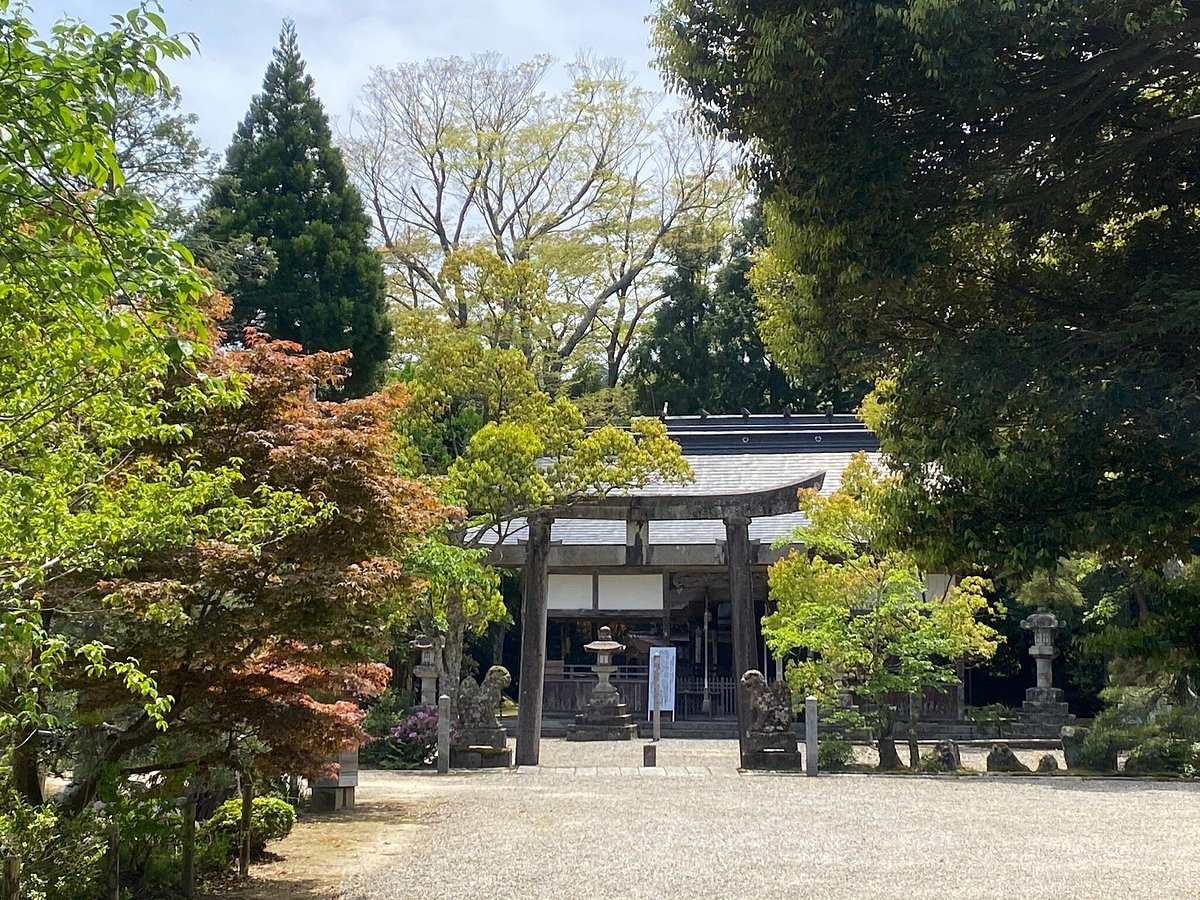
Urashima Shrine: Birthplace of the Urashima Taro Legend
Urashima Shrine enshrines “Urashima no Ko,” the figure behind the Urashima Taro legend known to every Japanese. This is said to be where Urashima Taro set off on the sea turtle for the Dragon Palace, and the shrine still keeps artifacts and paintings related to the legend. The main deity is Tsutsukawa Daimyojin, and its amulets are known for longevity and matchmaking and are revered by local residents.
The shrine grounds are small, and a visit takes about 15 to 20 minutes. There is an amulet office where you can buy charms and goshuin stamps, and visitors interested in Japanese myths and legends can stop by to feel the rich culture and mythic color of this seaside town.
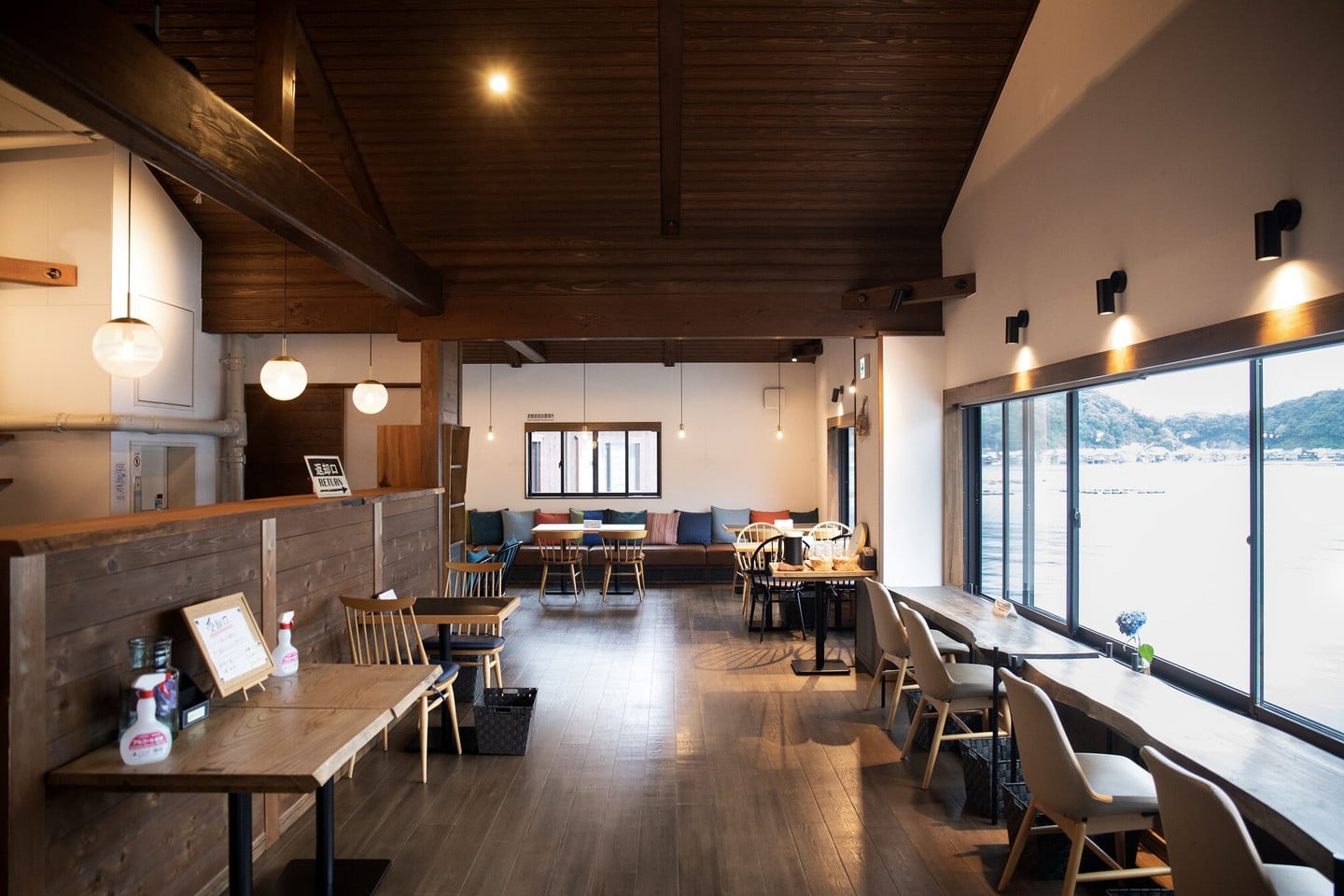
Funaya Biyori: A Popular Cafe for Coffee with a View of the Funaya Sea
Funaya Biyori (INE CAFE) is on the shore of Ine Bay, a visitor exchange facility converted from a funaya, with a cafe and a sushi kappo restaurant, where you can enjoy the view of the funaya and the bay, a popular photo spot. Address: 593-1 Hirata, Ine-cho, Yosa-gun, Kyoto Prefecture.
INE CAFE is open 10:30 to 17:00 on weekdays and 10:30 to 17:30 on weekends and holidays, closed Wednesdays (with irregular closures too). Hours may change with crowds, and in peak season avoid the midday lunch rush.
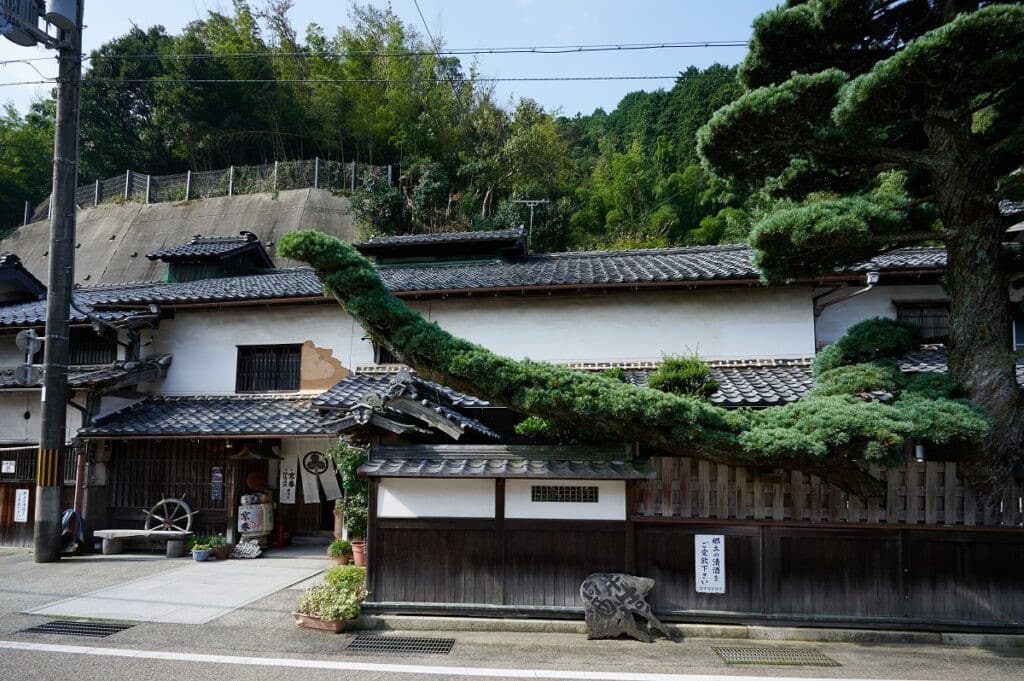
Mukai Shuzo: A Centuries-Old Brewery Led by Kyoto Prefecture’s First Female Master Brewer
Mukai Shuzo was founded in 1754 (Edo period) and is one of Ine’s oldest breweries. Kyoto Prefecture’s first female toji (master brewer), Kuniko Mukai, has led it since 1999. Its signature sake “Ine Mankai” is brewed with red koji (ancient rice) and is a rare pink color, with a sweet-sour, refreshing taste.
The brewery has a retail space where you can buy sake such as Ine Mankai as a souvenir.
Cherry Blossoms at the Ine Funaya in Spring: A Romantic Season of Pink Petals Along the Bay
From late March to mid-April, the Somei Yoshino cherry trees along Ine’s coast and around Funaya no Sato Park bloom in turn, and pink-white petals, wooden funaya and the blue bay make a picture-perfect spring scene, one of the seasons photographers recommend most. Spring temperatures average about 10 to 18 degrees Celsius, with a large gap between morning and evening.
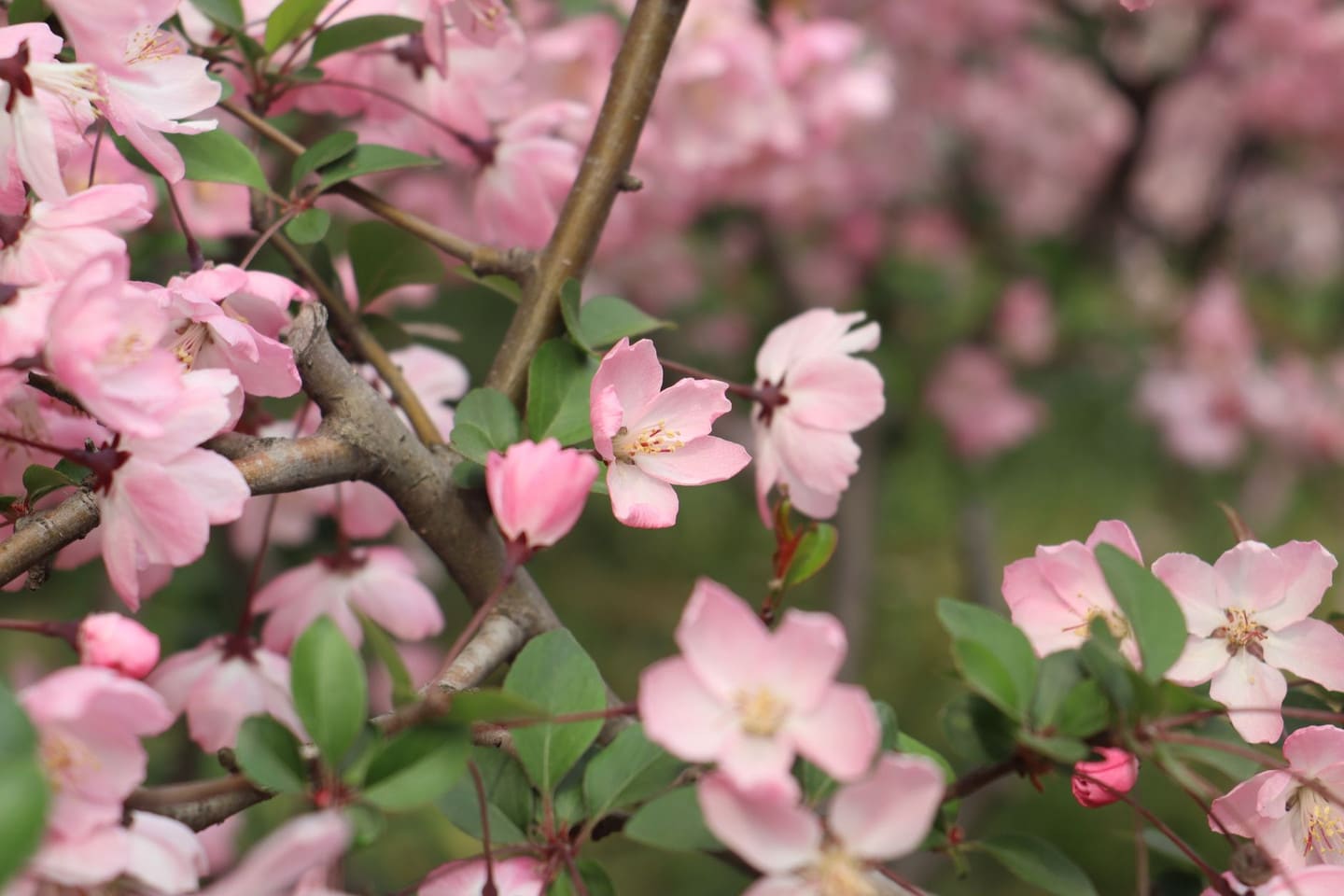
Wear a light jacket over long sleeves so you can adjust as temperatures change. Visitors have not yet reached the peak season, so transport and accommodation are relatively easy to book, and travelers who like a relaxed pace for flower viewing can plan a two-day, one-night trip.
The Ine Funaya in Summer: A Lively Fishing Village Under Blue Sea and Sky
From June to August the Ine funaya enter summer, with the sea at its deepest blue in sharp contrast to the dark brown wooden walls, the season with the most saturated colors for seascape photos. Summer temperatures average about 24 to 31 degrees Celsius, with high humidity and strong UV.
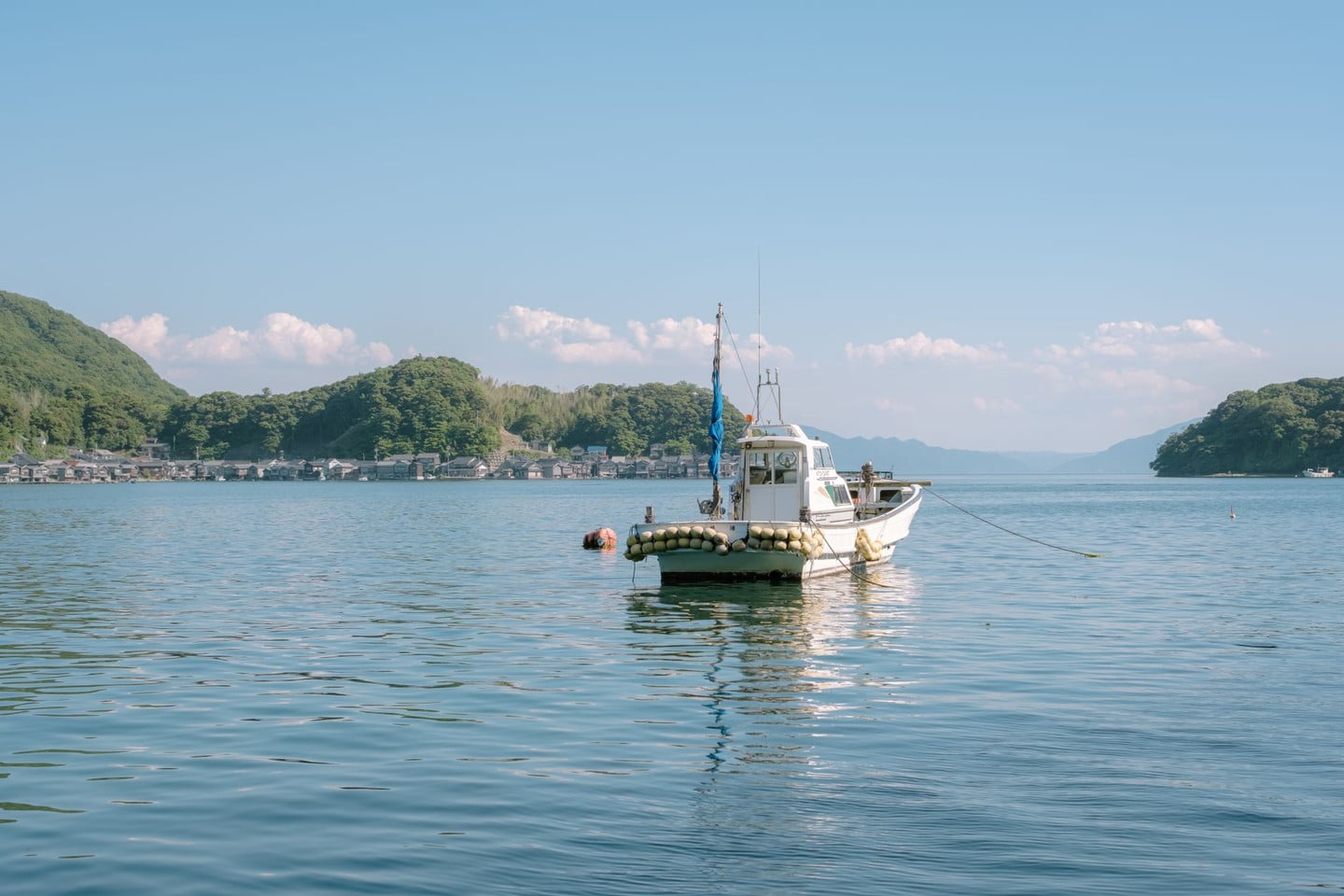
Wear breathable, sweat-wicking short sleeves, and bring a hat, sunglasses and sun protection. The Ine Fireworks Festival, held on the last Saturday of August each year, is the summer highlight, with fireworks and the funaya night view complementing each other, drawing crowds of visitors and photographers on pilgrimage, so plan accommodation and transport ahead.
The Ine Funaya in Autumn: Harvest Colors Where Mountains Meet the Sea
From mid to late November the mountains around Ine turn red, and the Funaya no Sato Park observation deck lets you enjoy red hills and the blue bay together. It is also the harvest season for seafood such as yellowtail, an ideal time for both eating and scenery. Autumn temperatures average about 13 to 21 degrees Celsius.
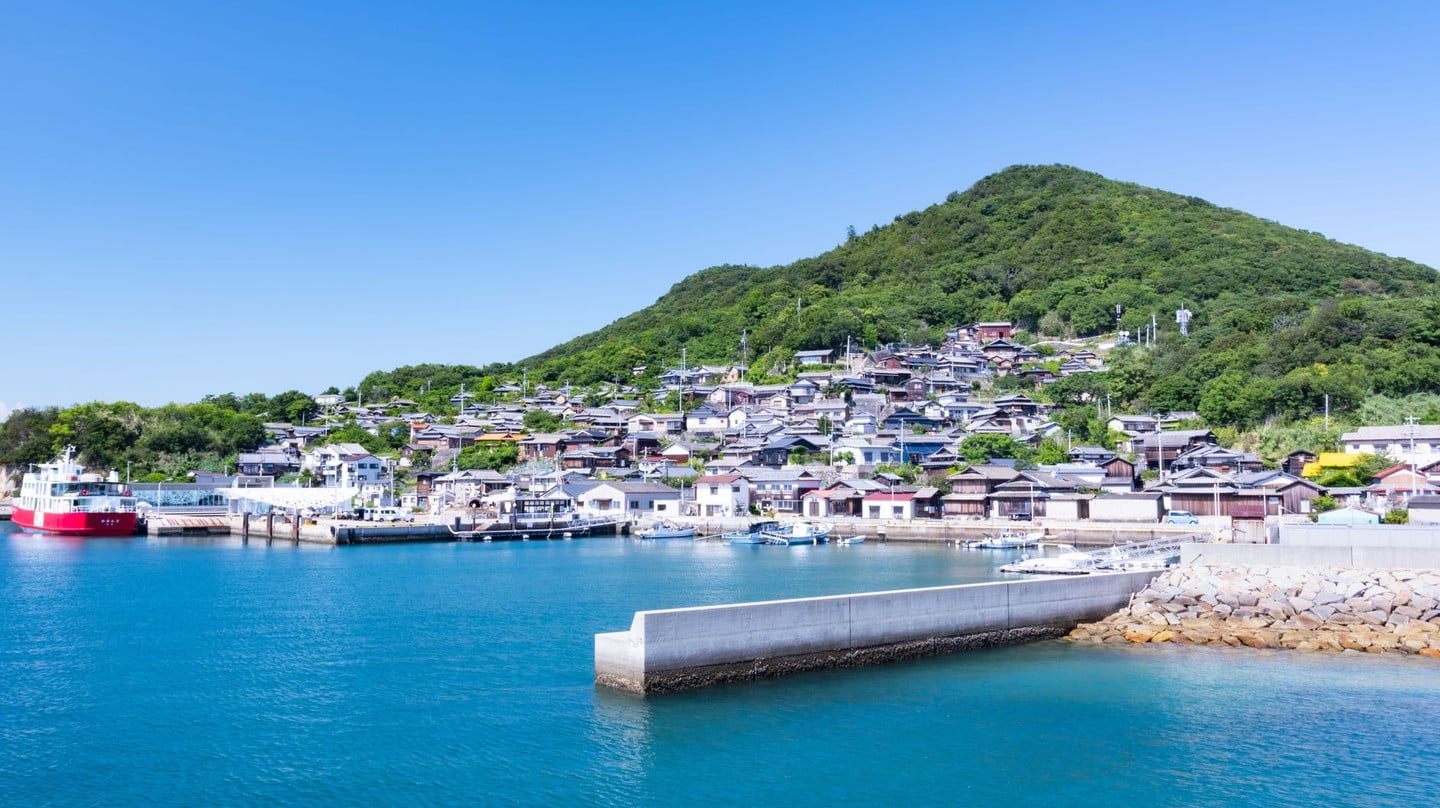
Wear a light jacket or cardigan; mornings and evenings are cooler, so keep warm. Autumn has relatively few visitors, making photography and leisurely walks more relaxed, and it is also an ideal season for drivers to avoid summer’s congested traffic.
The Ine Funaya in Winter: A Rare, Quiet Silver-White Scene
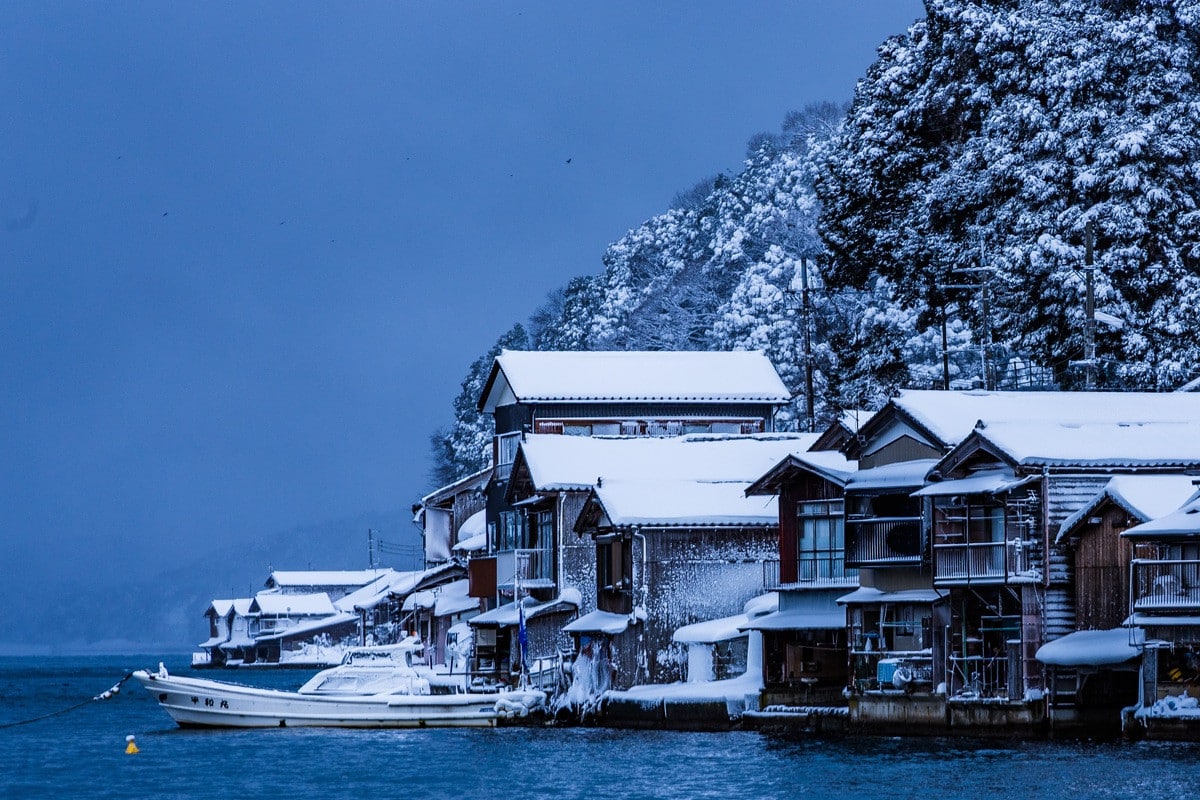
From December to February Ine occasionally gets a light snowfall, and the sight of white snow covering funaya roofs and boats is rare and dreamlike, drawing photographers who wait specially to capture this uncommon scene. Winter temperatures average about 2 to 9 degrees Celsius, and strong sea winds make it feel colder.
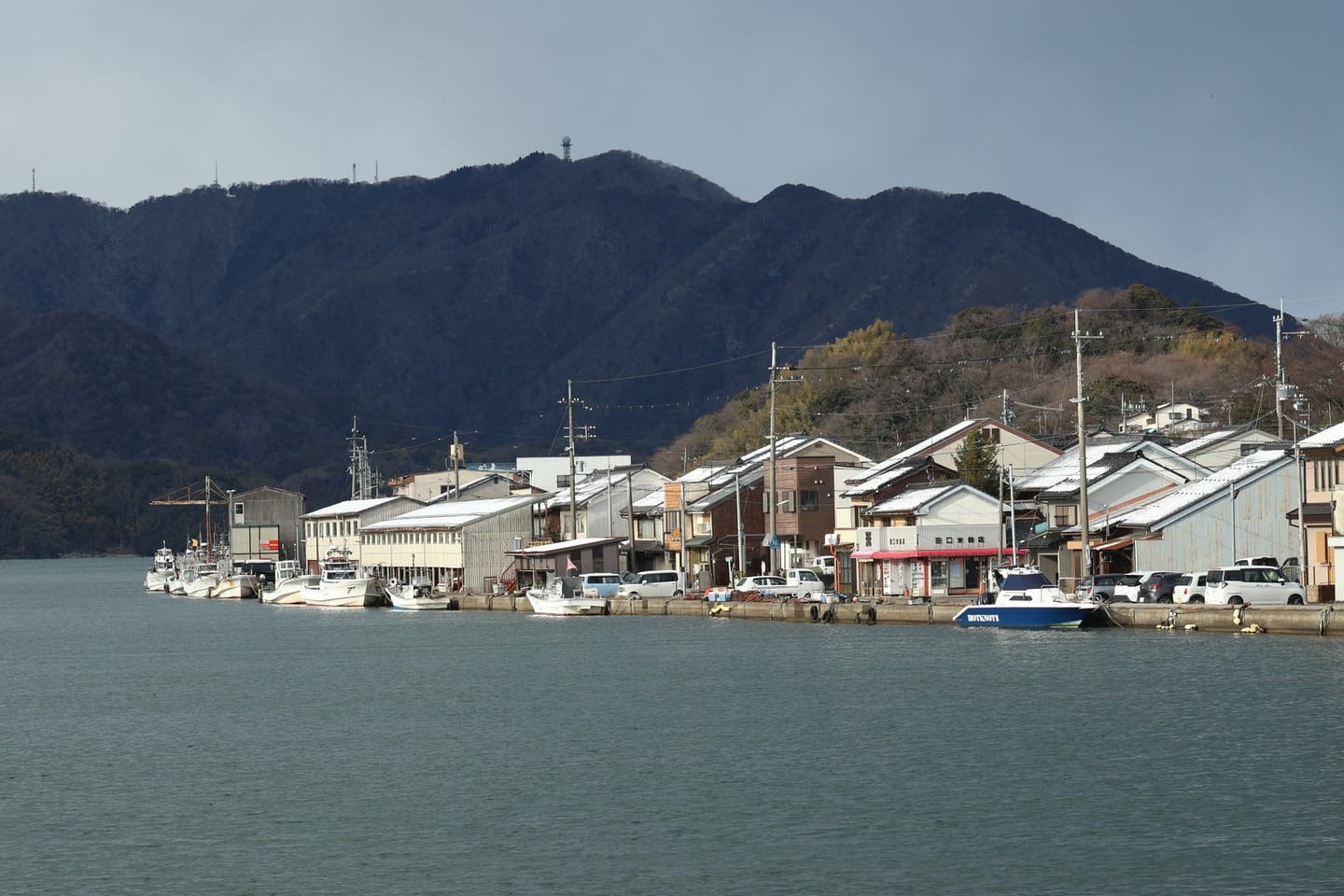
Wear a heavy windproof coat, scarf and gloves to keep warm. Winter is also the best season for in-season seafood such as yellowtail, and has the fewest visitors, suiting travelers who like a quiet atmosphere and do not fear the cold for a deeper visit; just note that sightseeing boats may stop temporarily in strong wind or snow.
2026 Ine Funaya Guide: Tickets and Experience Tours for Strolling the Boat Houses and Sightseeing Cruises
The Ine funaya are the most representative fishing-village landscape of the Tango Peninsula in northern Kyoto Prefecture, with more than 230 funaya in a row along Ine Bay, a unique form of building with boats moored on the ground floor and homes above, known as the “Venice of Japan.” To experience this seascape in depth, besides driving around yourself, a sightseeing cruise, a small boat rental or a local experience tour can make your trip richer and more three-dimensional. Below are the most popular ways to enjoy the Ine funaya, from sightseeing boats to sea kayaks, to suit different travel paces and budgets.
Ine Bay Meguri Sightseeing Cruise: The Classic Sea Cruise Experience
The sightseeing boat run by Ine Bay Cruise Co. is a popular way to see the Ine funaya. It leaves from the Ine Bay boarding point, takes about 25 minutes, and lets you see the funaya up close with seagulls flying alongside.
Fares are about ¥1,200 for adults and ¥600 for children (go by the on-site announcement), with departures every 30 minutes. It runs all year but with fewer sailings in winter, and you can feed seagulls on board, a popular family activity.
The boarding point is near the tourist information center and souvenir shops, so a half-day plan lets you see more and feel the fishing-village atmosphere.
Ine Town Bus: Getting Around by Land Without Driving
Travelers who do not drive can use the Ine Town bus. On weekdays it runs as a reservation-based on-demand service on a fixed route, about 9:30 to 16:00, up to 7 round trips; on weekends and holidays it runs on a fixed route, about 10:35 to 15:35, with 8 round trips. Check before riding whether it runs that day and whether a reservation is required.
The standard fare is ¥500 for adults and ¥200 for children. Departures and reservation methods may change, so confirm with the Ine Town Tourist Information Center before you go; from Amanohashidate Station, take the Tango Kairiku Kotsu bus to Ine.
Sea Kayak Experience: A Private View of the Funaya Close to the Water
If you want to get closer to the water and feel Ine Bay’s calm in the most primal way, a sea kayak experience is the top choice. Several local operators offer kayak rental and lessons on Ine Bay, with tour length and cost varying by operator, mostly including equipment rental and basic paddling instruction; confirm the operator’s details before booking.
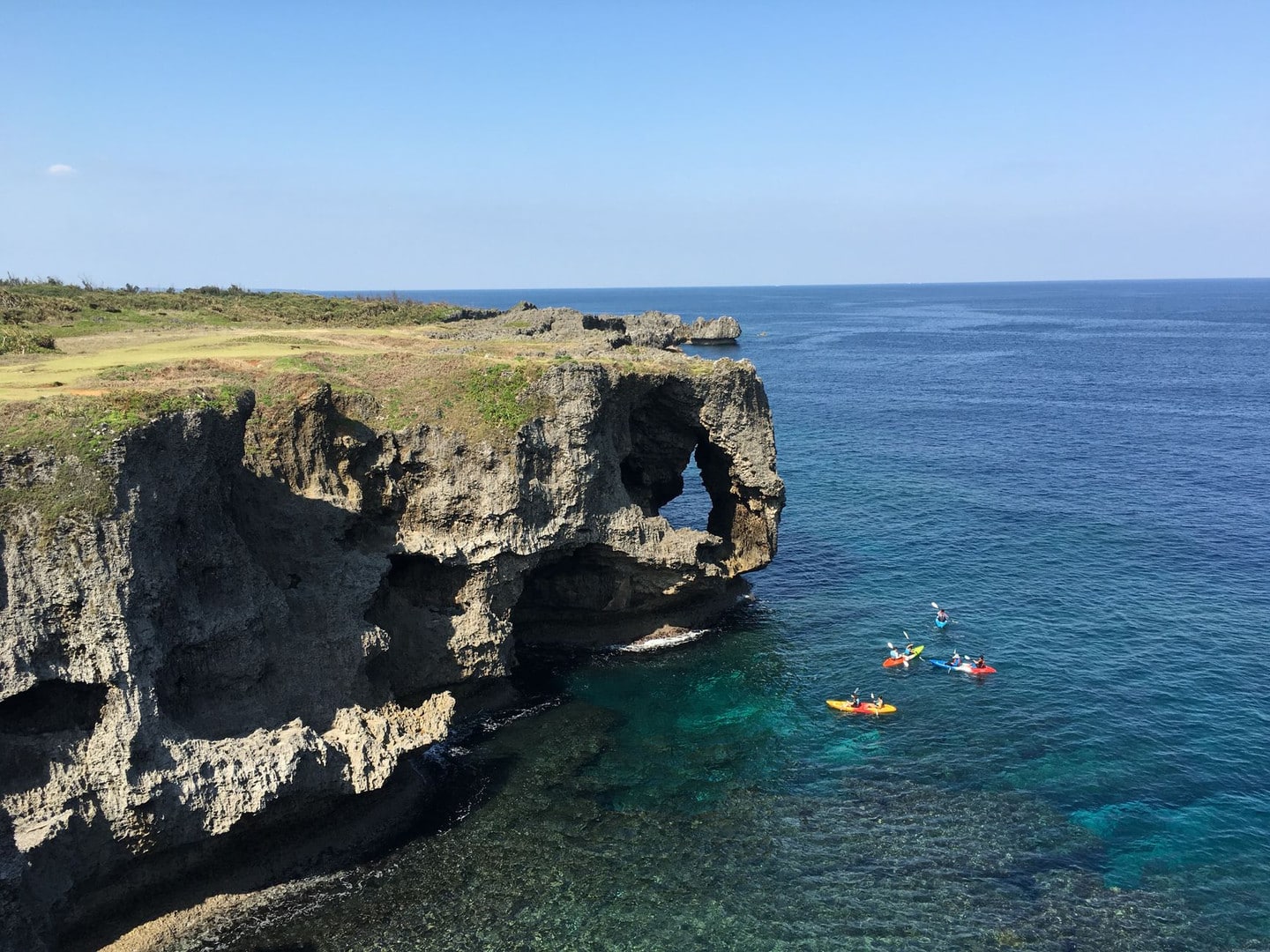
Paddling a kayak between the funaya lets you see low-angle scenes you cannot photograph from the sightseeing boat, and the boat houses reflected on the calm water are especially dreamlike.
Join in the morning or late afternoon, when the sea breeze is gentler and the soft light is better for photos.
Roadside Station Funaya no Sato Ine Observation Deck, Food and Shopping: The Best Place to See the Whole Funaya Community
Roadside Station Funaya no Sato Ine, on high ground across Ine Bay, is a superb vantage point over all 230 funaya. The observation deck is free, taking in the whole curved shoreline of Ine Bay and the tiers of funaya, a must for photographers.
The building has a restaurant and a souvenir shop, where you can try specialties such as seafood rice bowls made with fresh local catch and Ine yellowtail dishes.
Pair this with a cruise: take in the whole view from the observation deck first, then board a boat to see the funaya up close, for a fuller understanding of the scale and way of life of the Ine funaya community.
Where to Stay Nearby
Accommodation in Ine is mainly funaya-converted guesthouses and sea-view inns, limited in number, so book early for peak weekends such as the fireworks festival. If your trip links with Amanohashidate, you can also stay in Amanohashidate or Miyazu and take the Tango Kairiku Kotsu bus to Ine.

FAQ
Q: How much does it cost to visit the Ine funaya?
The funaya themselves are free to see. The main cost is the Ine Bay sightseeing cruise ticket, ¥1,200 for adults and ¥600 for elementary school students; the Funaya no Sato Park observation deck is free.
Q: How do I get to the Ine funaya from Kyoto or Osaka?
Take JR to Amanohashidate Station first, then a Tango Kairiku Kotsu bus for about 50 to 60 minutes; you can also take an expressway bus or drive directly, about 2 to 3 hours.
Q: What time are the Ine funaya open to visit?
The funaya area is an open neighborhood you can visit freely all day, but sightseeing boats run roughly 9 a.m. to 4 p.m., adjusted slightly by season.
The funaya are residents’ living quarters, so please keep quiet when visiting.
Q: When is the best season to visit the Ine funaya?
Cherry blossoms in spring (March-April) and autumn leaves in November are the most beautiful, summer has the bluest sea, and winter occasionally has snow, with each of the four seasons having its own character.
The autumn leaves season is roughly mid to late November.
Q: What should I know about the Ine Bay sightseeing boat?
Boats may stop temporarily in strong wind, heavy rain and other weather, so check the official announcement before you go, and avoid feeding black kites by hand.
Q: How much time should I plan for an Ine funaya day trip?
Strolling the funaya plus a sightseeing boat ride calls for at least half a day to a full day; if you want to dig deeper into food and nearby sights, plan a two-day, one-night trip so you are not rushed.
-Klook.jpg)
Q: Is parking easy if I drive to the Ine funaya?
Parking spaces are limited and often hard to find on holidays, so arrive before 9 a.m. or go on a weekday, and use designated car parks such as Roadside Station Funaya no Sato Park.