
Kyoto Nishijin Guide 2026: Weaver-House Machiya Cafes and Nishijin-ori Textile Culture, the Quiet Scenery of Orikiya-Style Townhouses and a Thousand-Year Textile District
Nishijin is a traditional textile center in Kita Ward, Kyoto, famous for its high-end silk fabric, Nishijin-ori. It preserves many cafes and workshops converted from orikiya-style machiya townhouses, and is worth a half-day to a full day of in-depth wandering.
The Origins of Nishijin-ori and Its Rebuilding in the Muromachi Period
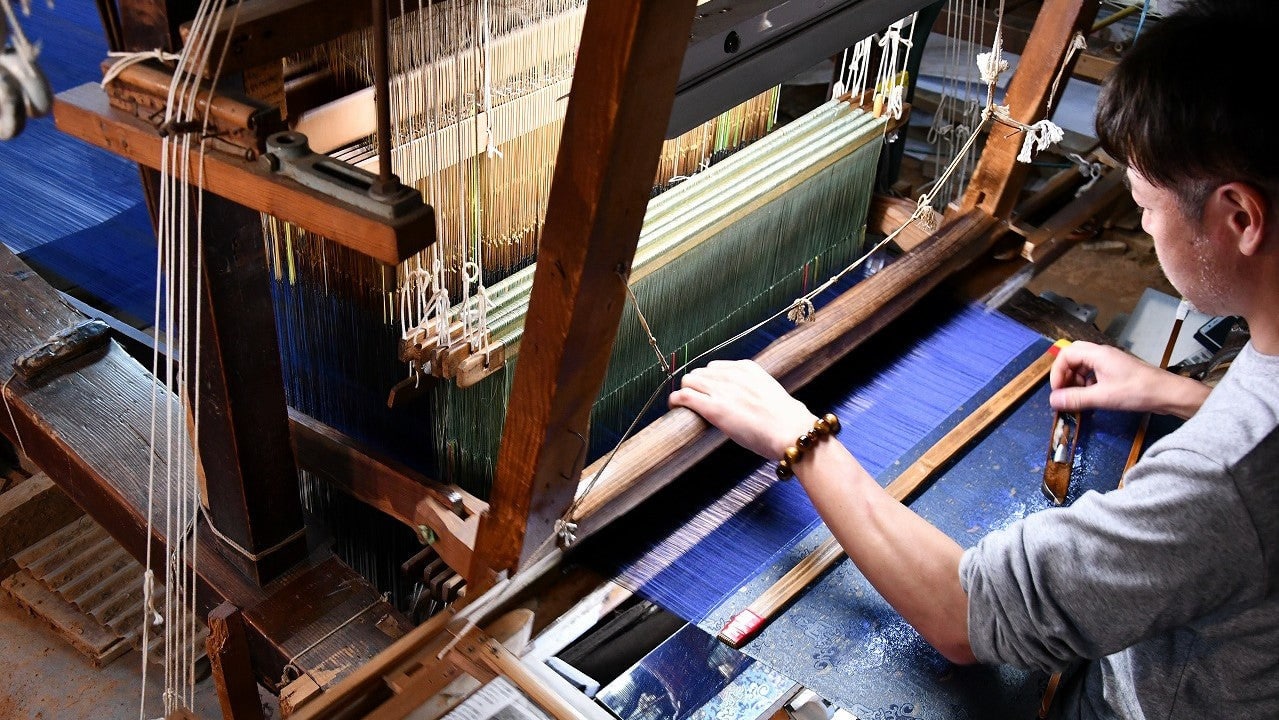
Nishijin-ori takes its name from the western army’s camp (nishi-jin) during the Onin War (1467-1477). Afterward, weavers from various regions rebuilt the weaving techniques, and Nishijin became Japan’s representative producer of high-grade silk. Its “pre-dyed weaving” technique can produce complex, gorgeous patterns, often used for kimono obi sashes, Buddhist priests’ robes and interior decoration. Nishijin-ori is now a Japanese traditional craft; some artisans insist on handwork, but mechanized production is also widespread, balancing tradition with modernization. Walking through the Nishijin district, you can still hear the sound of looms, and it is one of the few areas in Kyoto that keeps a “living industrial streetscape.”
Architectural Features of Orikiya-Style Machiya
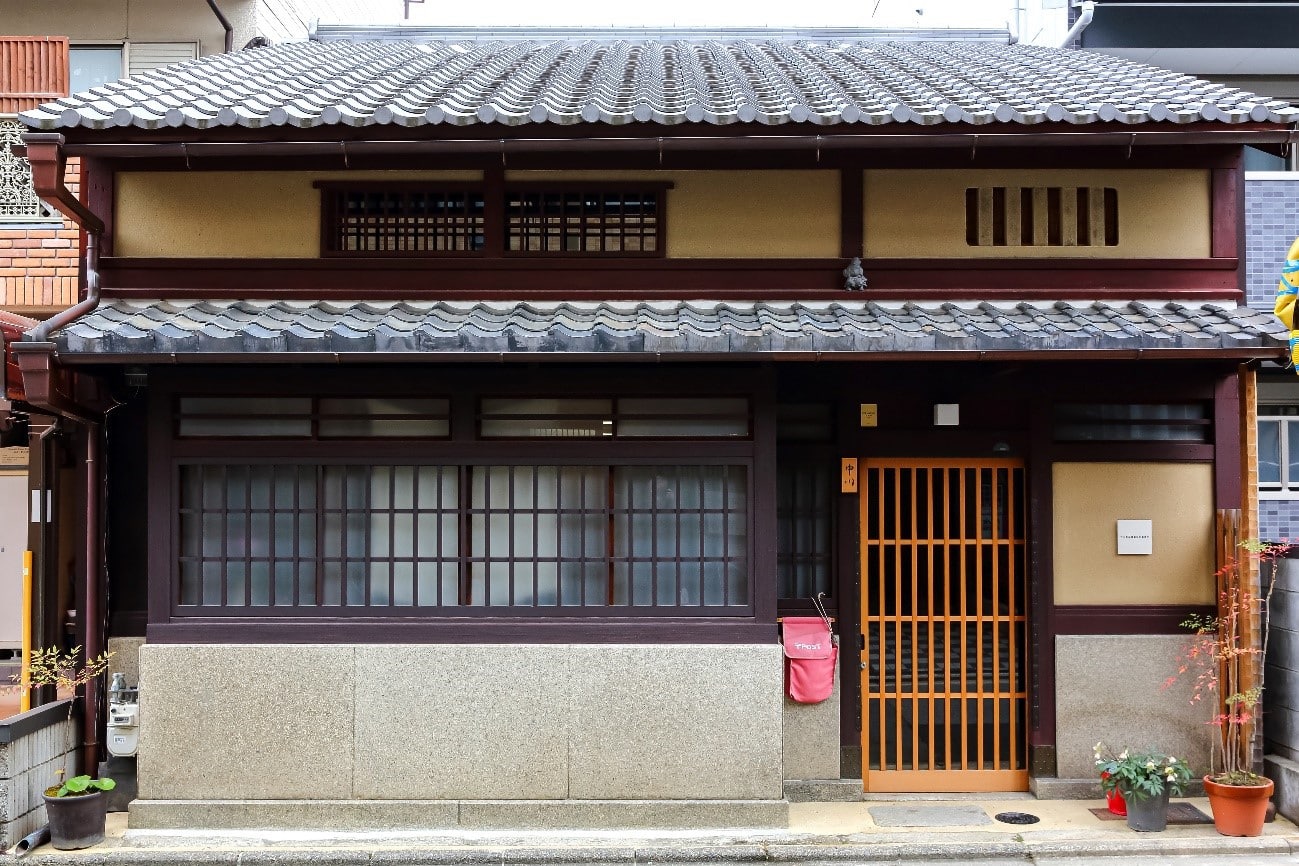
The orikiya style unique to Nishijin is a machiya townhouse designed to hold large looms, characterized by an extremely long depth, high ceilings and a bright “loom room” (hata-no-ma). The layout resembles Kyoto’s “eel’s bed” townhouses, but to suit weaving needs the interior is more open and the pillars and beams sturdier.
Many orikiya machiya have now been converted into cafes, galleries or lodgings, keeping their high ceilings, courtyard gardens (tsuboniwa) and wooden lattice doors so travelers can feel the living and working spaces of the artisans of the past. This is a highlight of Nishijin travel in 2026.
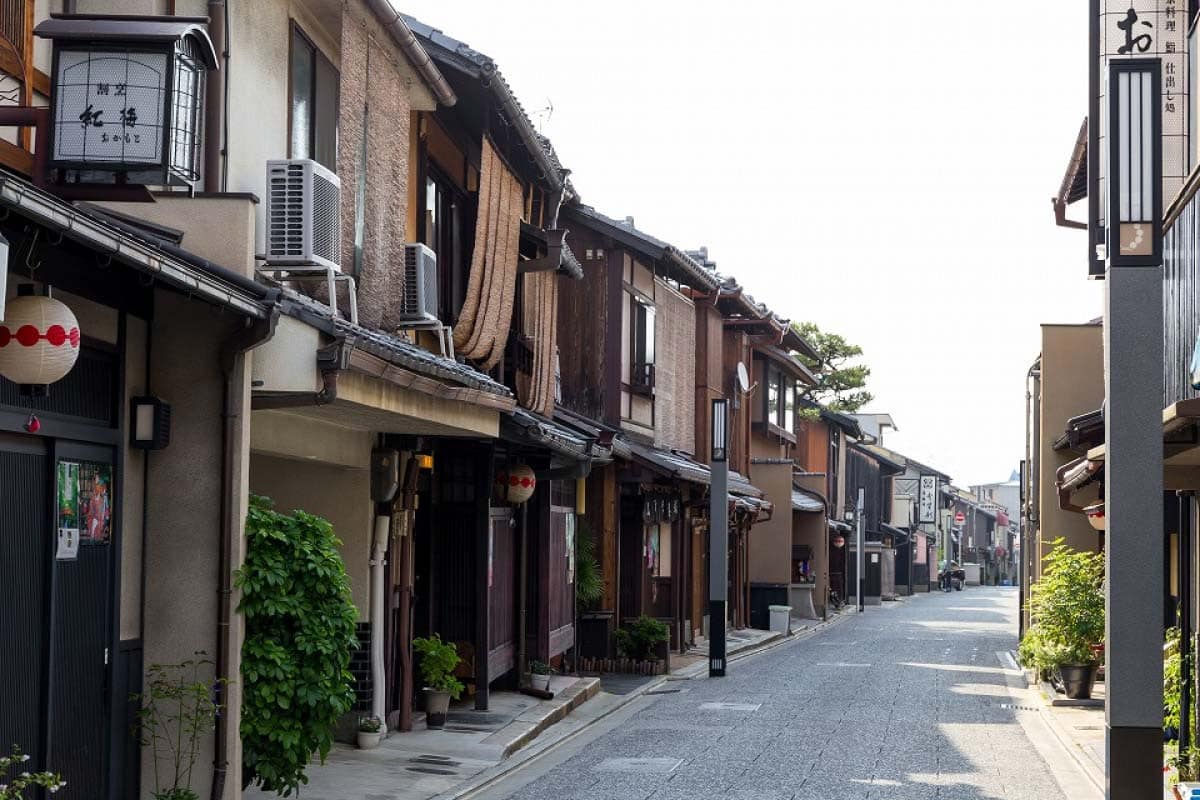
Nostalgic Streetscapes Around the Cobblestone Lanes of Daikokucho and Jofukuji-dori
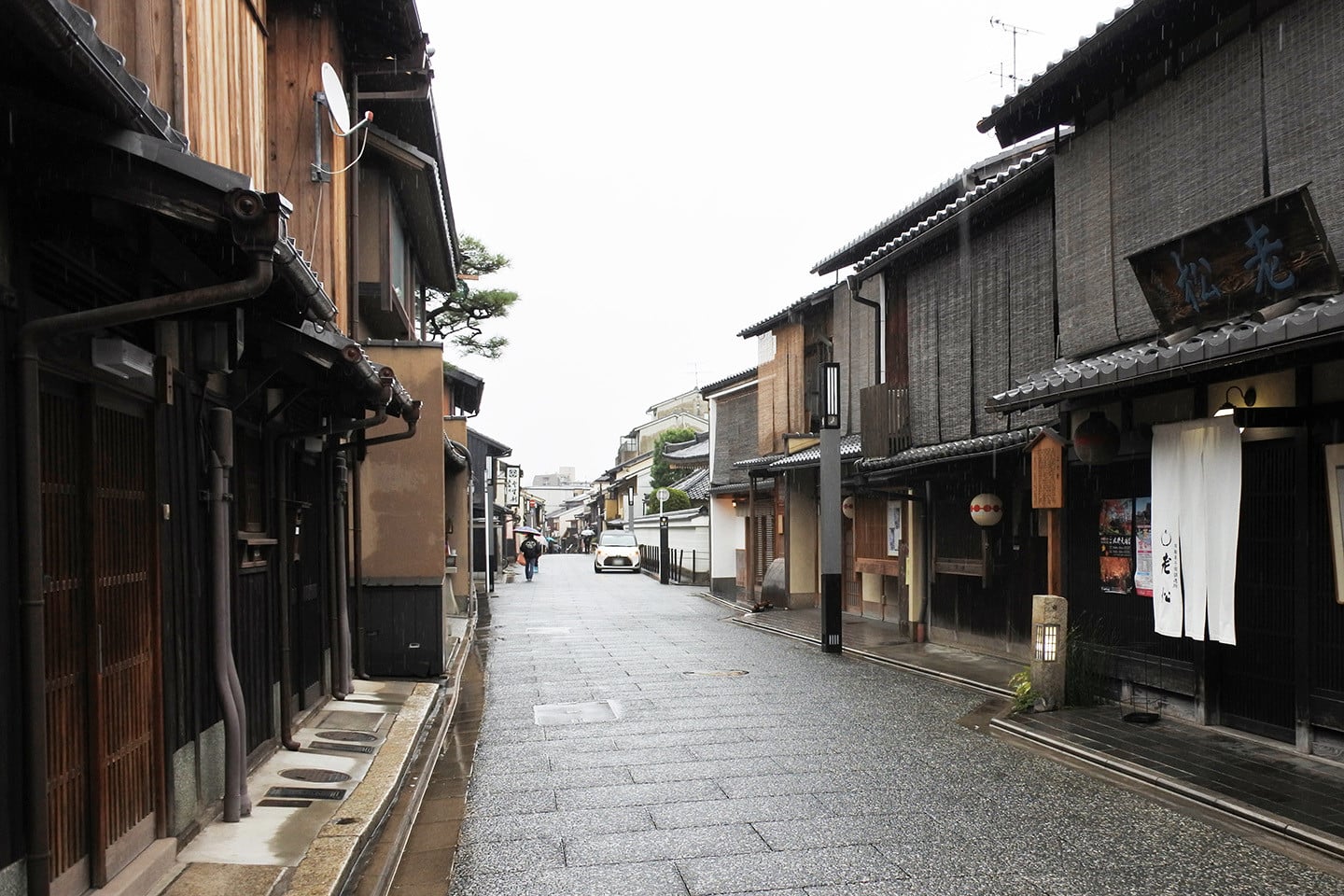
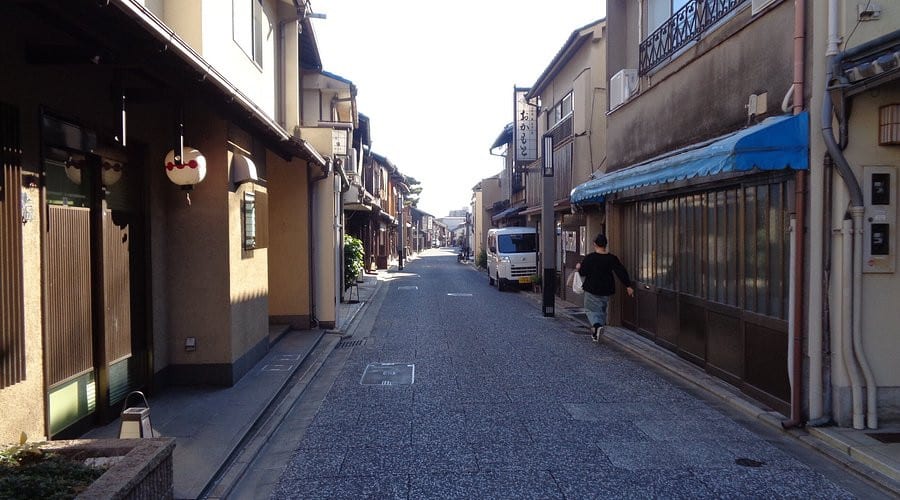
The Daikokucho area keeps cobblestone lanes rarely seen in Kyoto, lined on both sides with low traditional machiya whose weathered walls carry the charm of age, a hidden favorite location for photography lovers. The blocks around Jofukuji-dori and Daikokucho have preserved the outlines of Meiji- and Taisho-era townhouses intact, with few tourist crowds, suitable for slow exploration on foot.
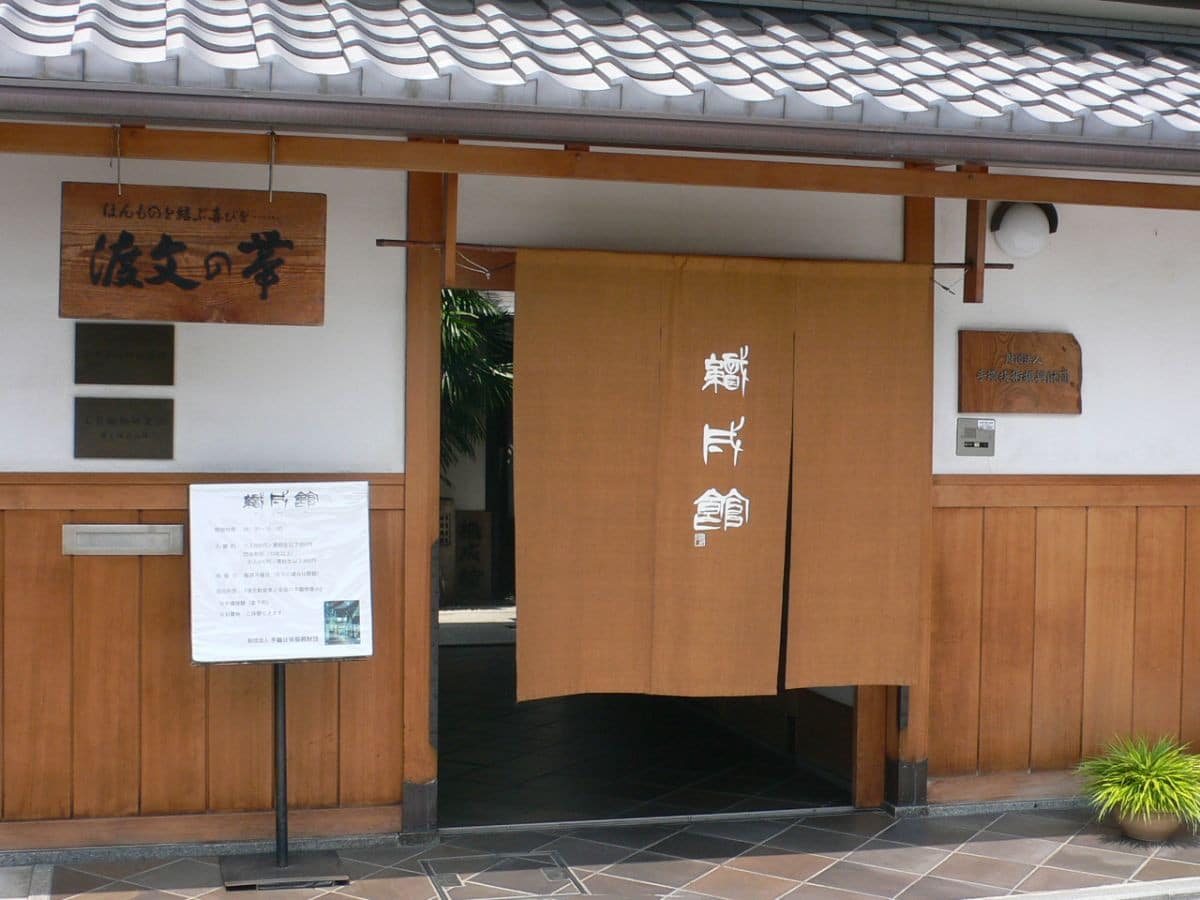
This area is also home to distinctive places such as Orinasukan. We suggest setting aside 30 minutes to 1 hour of walking time to take in the plants at the alley corners and the old shop signs, and feel the most authentic atmosphere of old Kyoto life.
The Everyday Life of Horikawa Shopping Street
Horikawa Shopping Street is the neighborhood street where Nishijin residents buy daily necessities, with greengrocers, long-established Kyo-tsukemono pickle shops and snack stalls along the way. Prices are friendly and the mood is plain, with none of the commercial feel of a tourist district. There is no fancy decor here, but it lets travelers truly feel the daily rhythm of Kyoto residents, and it is a good place to pick up souvenirs or a snack on your walk.
We suggest going in the late afternoon, when you can see shopkeepers chatting with neighbors, a heartwarming scene. It is an excellent window onto “non-touristy Kyoto” and echoes the quiet, understated character of the whole Nishijin area.
Kamishichiken: Kyoto’s Oldest Geisha District
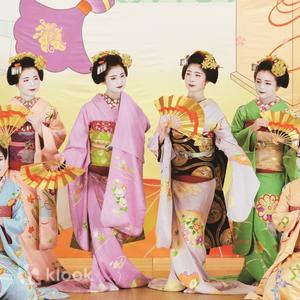
Kamishichiken is the oldest of Kyoto’s five hanamachi geisha districts, tracing its origin to the seven teahouses built during the Muromachi-period repairs of Kitano Tenmangu Shrine, hence its name. Teahouse buildings hung with red lanterns line both sides of the stone-paved streets, and at dusk you may occasionally glimpse a geisha or maiko hurrying past. The atmosphere is elegant and quiet, a sharp contrast to the bustle of Gion.
Every year from late March to early April, Kamishichiken holds the “Kitano Odori” dance performances, showcasing the refined craft of the local geisha culture. Travelers who love traditional Japanese performing arts may want to plan around the performance dates.

How to Get to Nishijin in Kyoto in 2026: A Complete Guide to Routes and Costs
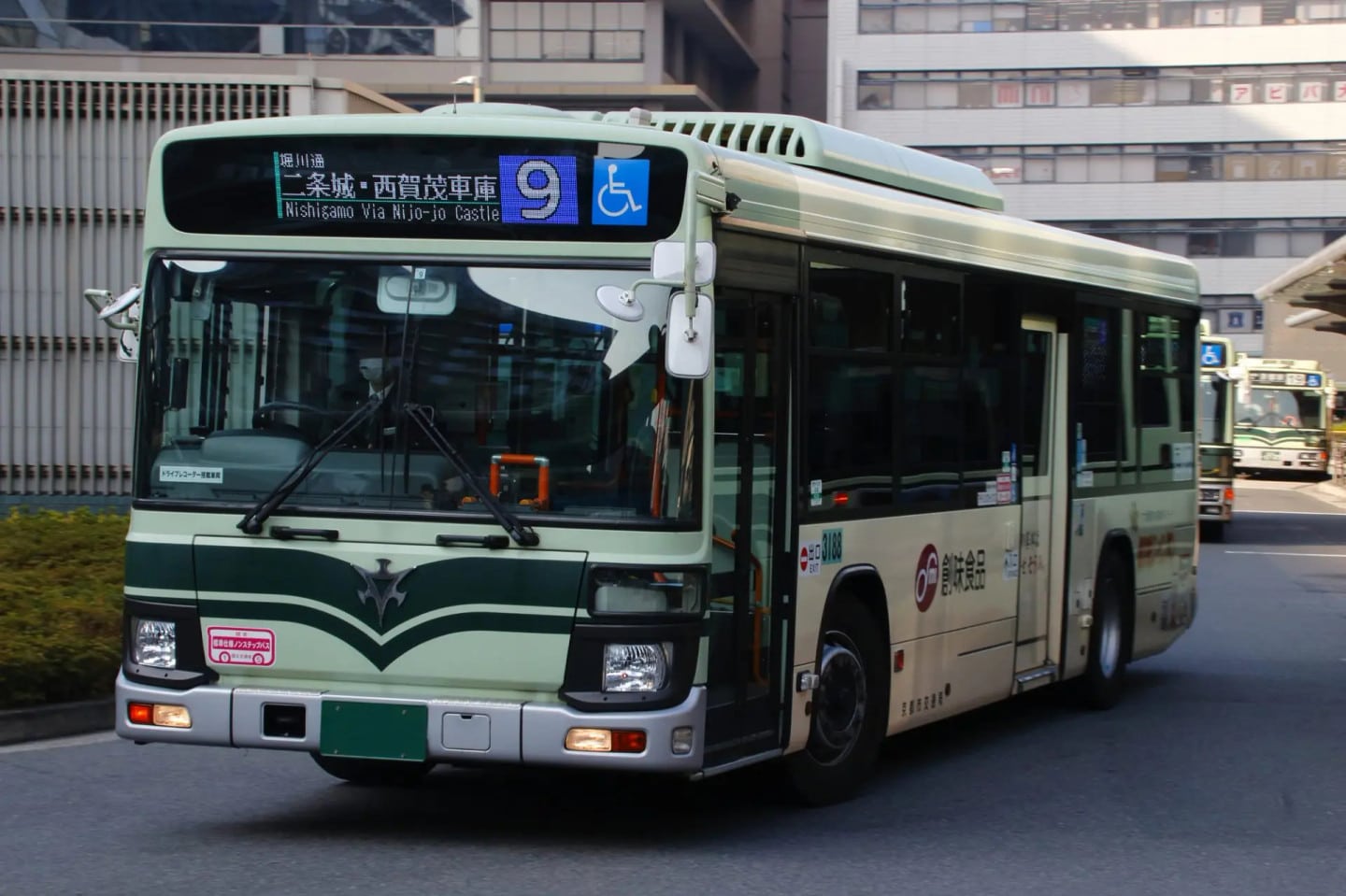
The Nishijin area lies at the border of Kamigyo Ward and Kita Ward in Kyoto and is close to subway and city bus routes. Take Kyoto City Bus routes such as 9, 12 and 50 and get off at the “Horikawa Imadegawa” stop to reach the area around the Nishijin Textile Center. You can also take the Karasuma Line subway to Imadegawa Station and walk along Imadegawa-dori for about 20 minutes.
Must-See Sights in Nishijin, Kyoto 2026: Highlights of Each Area
Nishijin brings together shrines, museums and cafes converted from weaver houses. Here are the must-visit sights and experiences.
Kitano Tenmangu: A Thousand-Year-Old Shrine to the God of Learning
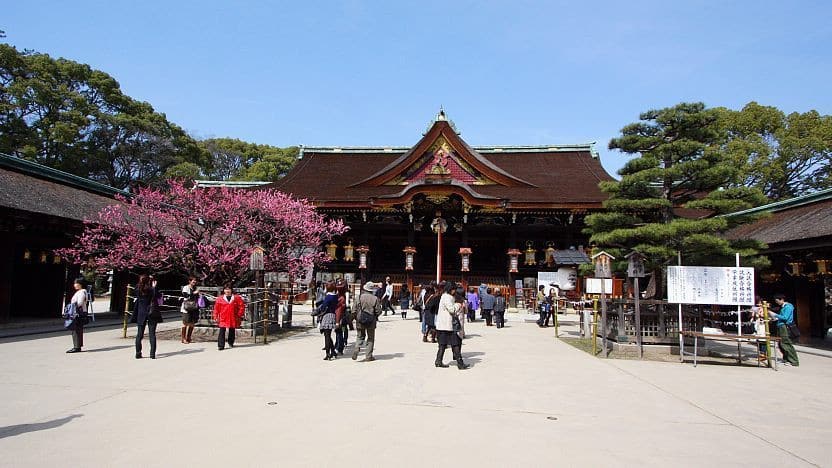
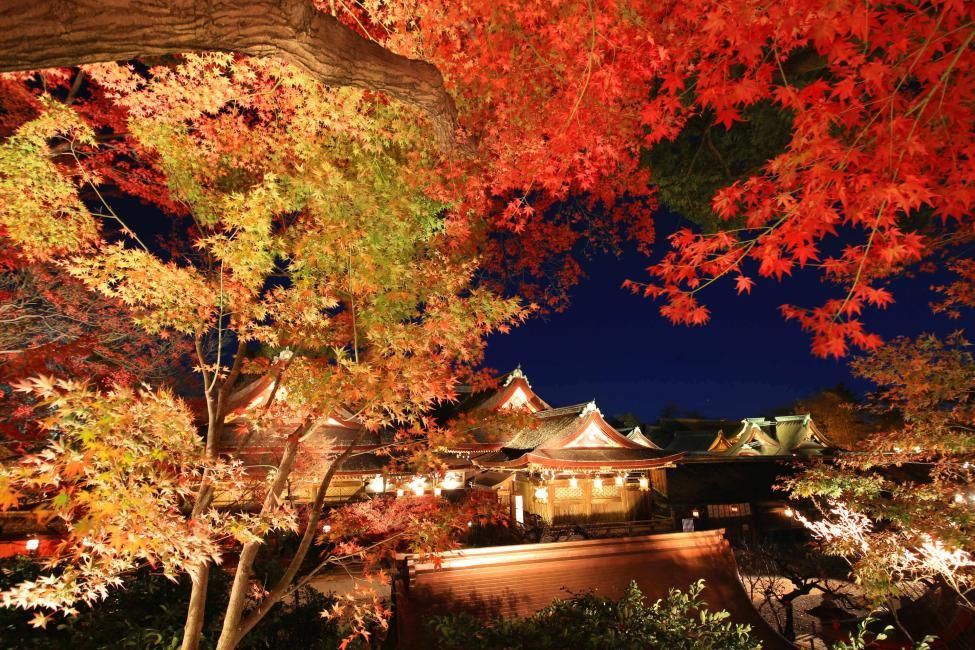
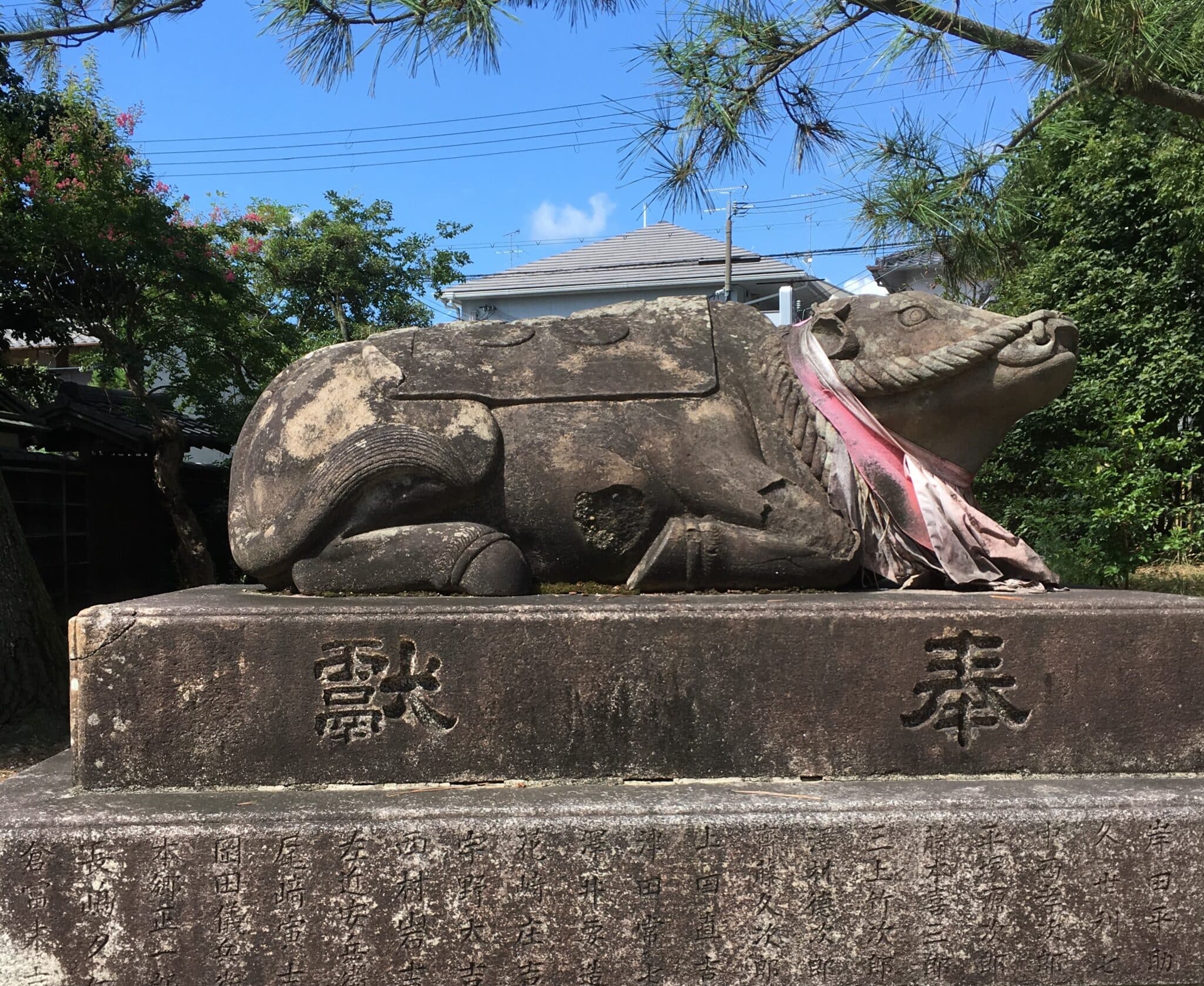
Kitano Tenmangu is the head shrine of Sugawara no Michizane, the god of learning, founded in 947, and the head shrine of Tenmangu shrines across Japan. During exam season it draws many students praying for success. The grounds have about 1,500 plum trees, with the plum viewing period running from mid-February to March, and the shrine is famous for its plum blossoms. The National Treasure main hall, built in the “hachiyo-zukuri” style, reflects Azuchi-Momoyama-period architecture. The shrine office sells academic-success omamori charms (from about ¥800) and limited-edition goshuin stamps. The “Tenjin-ichi” market on the 25th of each month brings together antiques, kimono and snacks and gives a feel for local life. We suggest allowing 1 to 1.5 hours for a visit.


Seimei Shrine: The Sacred Site of Abe no Seimei and Onmyodo
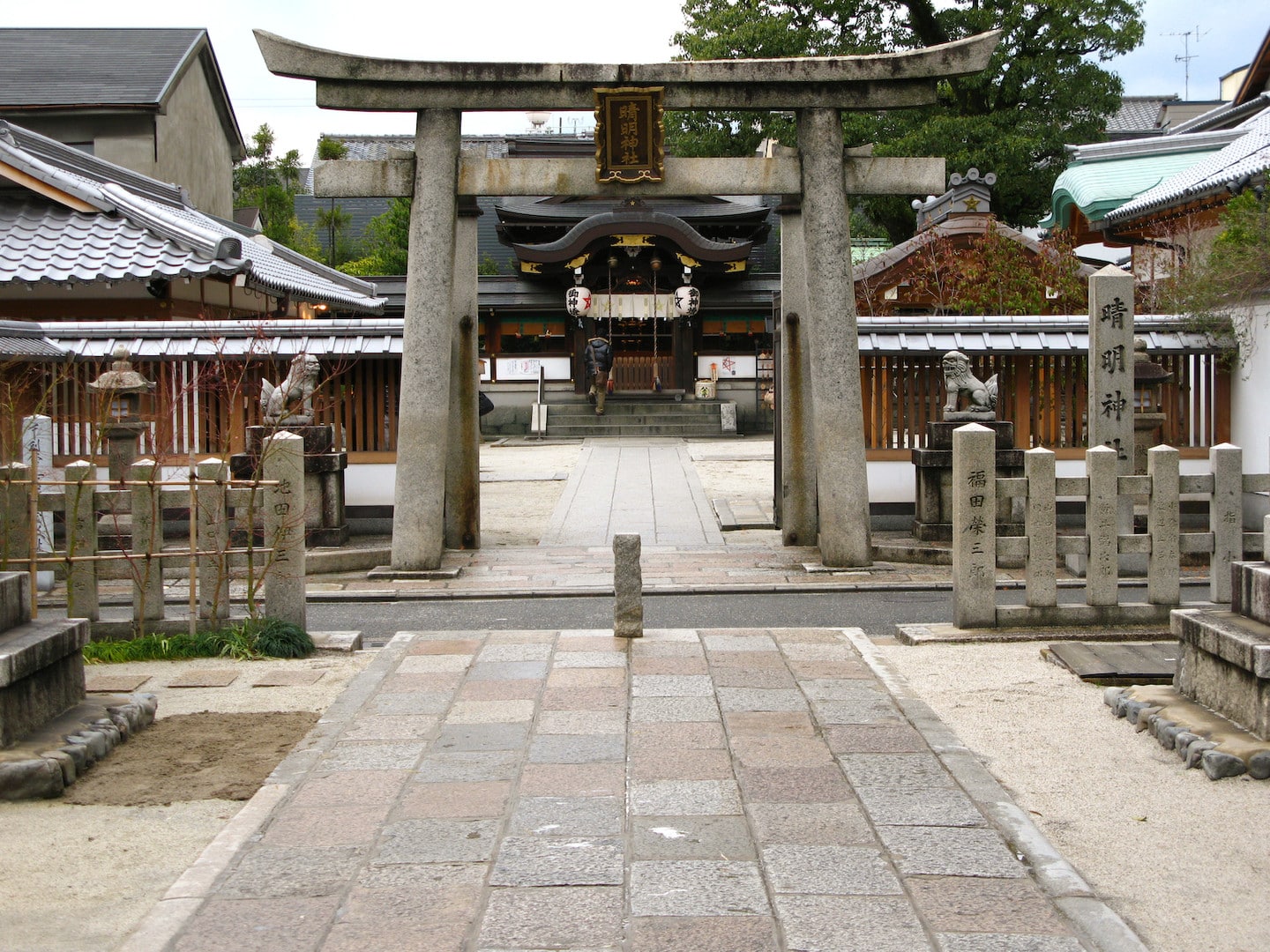
Seimei Shrine honors the Heian-period onmyoji Abe no Seimei and was founded in 1007. The grounds are covered with the pentagram (Seimei’s bellflower crest) motif that symbolizes him, seen on the torii gate, lanterns and omamori charms, and loved by fans of Onmyodo culture and the Onmyoji stories.
The shrine is small, and a visit takes about 20-30 minutes. Pentagram-shaped omamori charms and goshuin stamps are popular, priced at about ¥500-1,000. There is also the “Seimei Well,” said to have been made to flow by Abe no Seimei’s spiritual power, whose water outlet turns each year at the start of spring (risshun) to face that year’s lucky direction (ehou), a blessing spot on a Nishijin walk.
Nishijin Textile Center: A One-Stop Experience of Nishijin-ori Culture
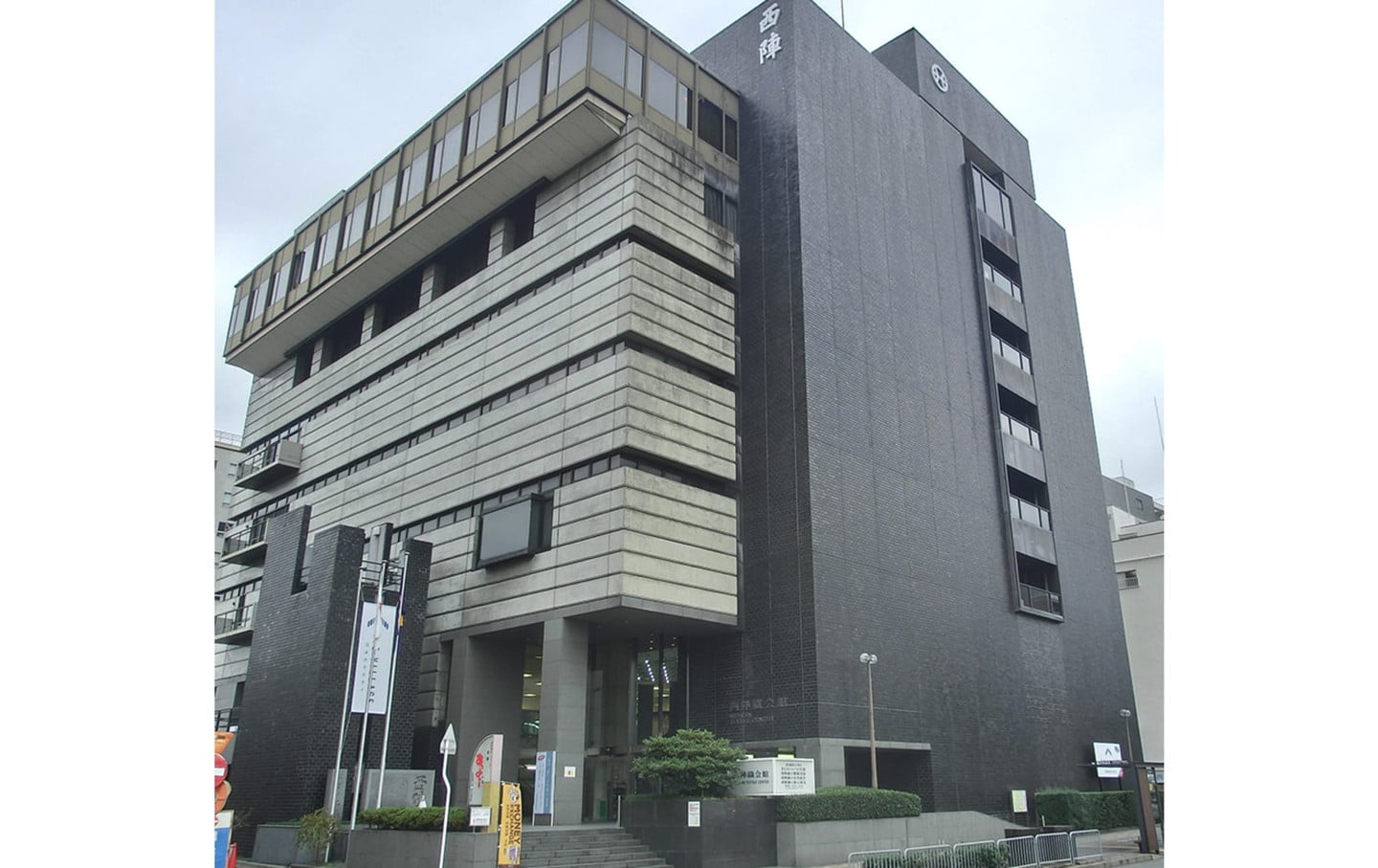
The Nishijin Textile Center is the best place to experience Nishijin-ori culture. It exhibits the history and techniques and regularly stages kimono shows displaying gorgeous obi sashes and fabrics. Here you can enjoy the rich story of Nishijin-ori, stroll the courtyard, or try on a kimono.
The center has a kimono experience area and a shop selling everything from table mats and pouches to neckties, a high-quality choice for souvenirs. It is open 10:00-16:00 and closed on Mondays (the next day if Monday is a holiday). Admission is free, though some experience activities require a separate paid reservation; see the official website nishijin.or.jp for details.
Orinasukan: A Living Lesson in Handweaving
Orinasukan is a handweaving museum converted from a long-established Nishijin-ori shop. It shows how traditional handlooms work and holds Nishijin-ori antiques and pattern materials, letting you watch artisans weave gorgeous fabrics up close. The museum holds handweaving classes from time to time.
Opening hours, closed days and admission follow the official announcements. The building’s high ceilings and earthen-floor (doma) layout are also part of the visit, and we suggest allowing 40 minutes to 1 hour.
Tondaya, the Museum of Everyday Life: A Glimpse into a Nishijin Merchant’s Life
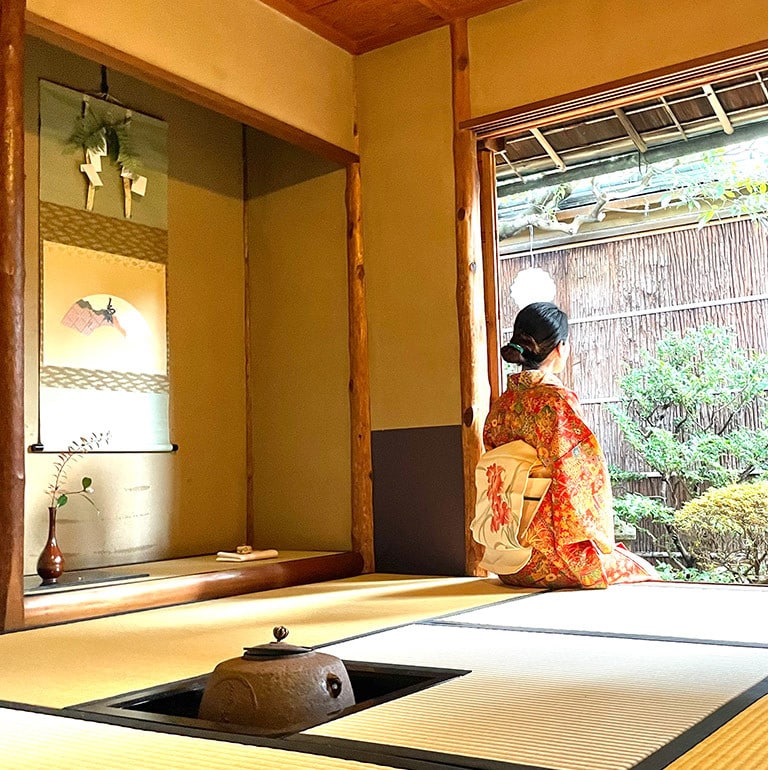
Tondaya is a well-preserved townhouse of a wealthy Nishijin merchant, known as the “Museum of Everyday Life.” It presents, in a lived-in way, the residential and hospitality culture of the Nishijin-ori merchant families of the past, including a courtyard garden, tatami rooms and antique furniture. Visits are by reserved guided tour, with a guide explaining machiya construction methods and the wisdom of merchant life.
Tour contents and fees vary by plan. We suggest reserving through the official website (tondaya.co.jp) or by phone at 075-432-6701. It is a recommended spot for understanding Nishijin merchant culture in depth.
Ekoji Temple: A Quiet Old Temple Deep in the Alleys
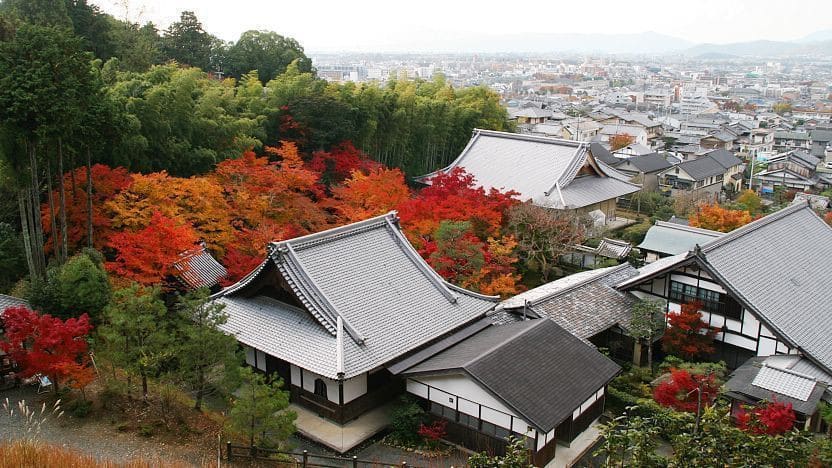
Ekoji Temple is tucked into an alley in Nishijin’s residential area, close to machiya cafes such as cafe origi. Although the temple does not advertise itself, its tranquil atmosphere and plain wooden architecture make it a peaceful corner where locals pray daily and travelers stumble upon by chance. Machiya line both sides of the stone-paved path in front of the temple, a representative taste of Nishijin’s “non-touristy” quiet. The grounds are small and a visit takes about 10-15 minutes. We suggest including it on a walking route that visits cafe origi or other machiya cafes, as a quiet stop to feel the real life of Kyoto’s alleys.
Senryogatsuji and the Jofukuji-dori Daikokucho Area: The Heart of the Nishijin Walking Route
Senryogatsuji is Nishijin’s representative walking starting point, named for the prosperous Nishijin-ori trade of the past. Nearby you can also visit Tondaya, the Museum of Everyday Life. The Jofukuji-dori Daikokucho area is known for its cobblestone lanes and traditional machiya. The two areas are not far apart and suit a half-day walking route.
We suggest starting at Senryogatsuji and walking along Jofukuji-dori to Daikokucho, about 30 minutes to 1 hour in all. Along the way you can explore orikiya machiya and artisan workshops and feel the authentic texture of the Nishijin district.
Kamishichiken and Horikawa Shopping Street: Geisha-District Elegance Versus Everyday Life
Kamishichiken, as Kyoto’s oldest geisha district, keeps its traditional teahouse buildings and geisha culture, while nearby Horikawa Shopping Street shows a completely different, everyday side. The two form a sharp contrast and suit a single day’s itinerary, visited one after the other, to experience Nishijin’s dual face of the refined and the ordinary.
We suggest visiting Horikawa Shopping Street during the day to feel the local pace of life, then heading to Kamishichiken in the evening to enjoy the geisha district as the lights come on. The two are about a 15-20 minute walk apart, an itinerary not to be missed on an in-depth Nishijin day trip.
knot café: A Popular Cafe Next to Kitano Tenmangu
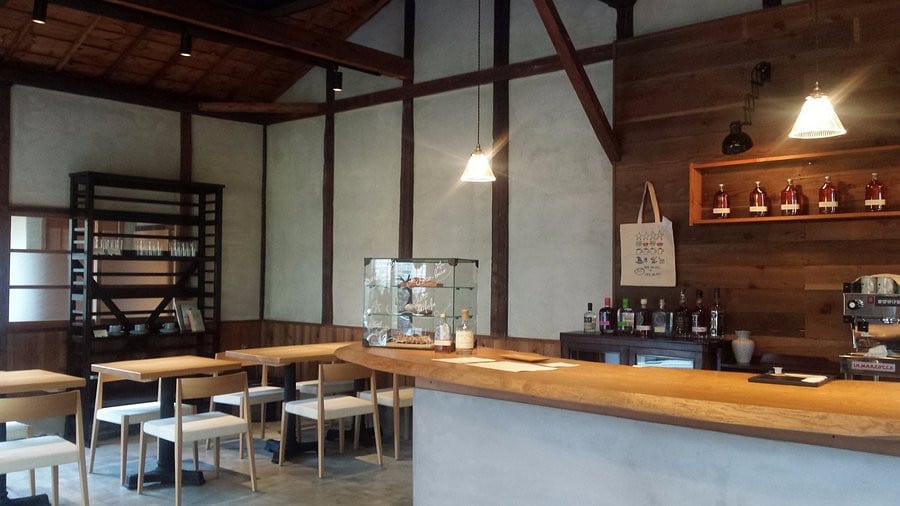
knot café is in Higashiimakoji-cho, Kamigyo Ward. Its high ceiling and concrete walls create a minimalist atmosphere, and its signature items are the anko butter sandwich (あんバターサンド) and the dashimaki egg sandwich (だし巻きサンド). It is open 10:00 to 18:00, closed on Tuesdays (open if the 25th falls on a Tuesday, closed the next day). Close to Kitano Tenmangu and Kamishichiken, it is a popular cafe around Kitano Tenmangu.
Cafe Frosch: A Famous Handmade Bakery in the Alleys of Old Nishijin
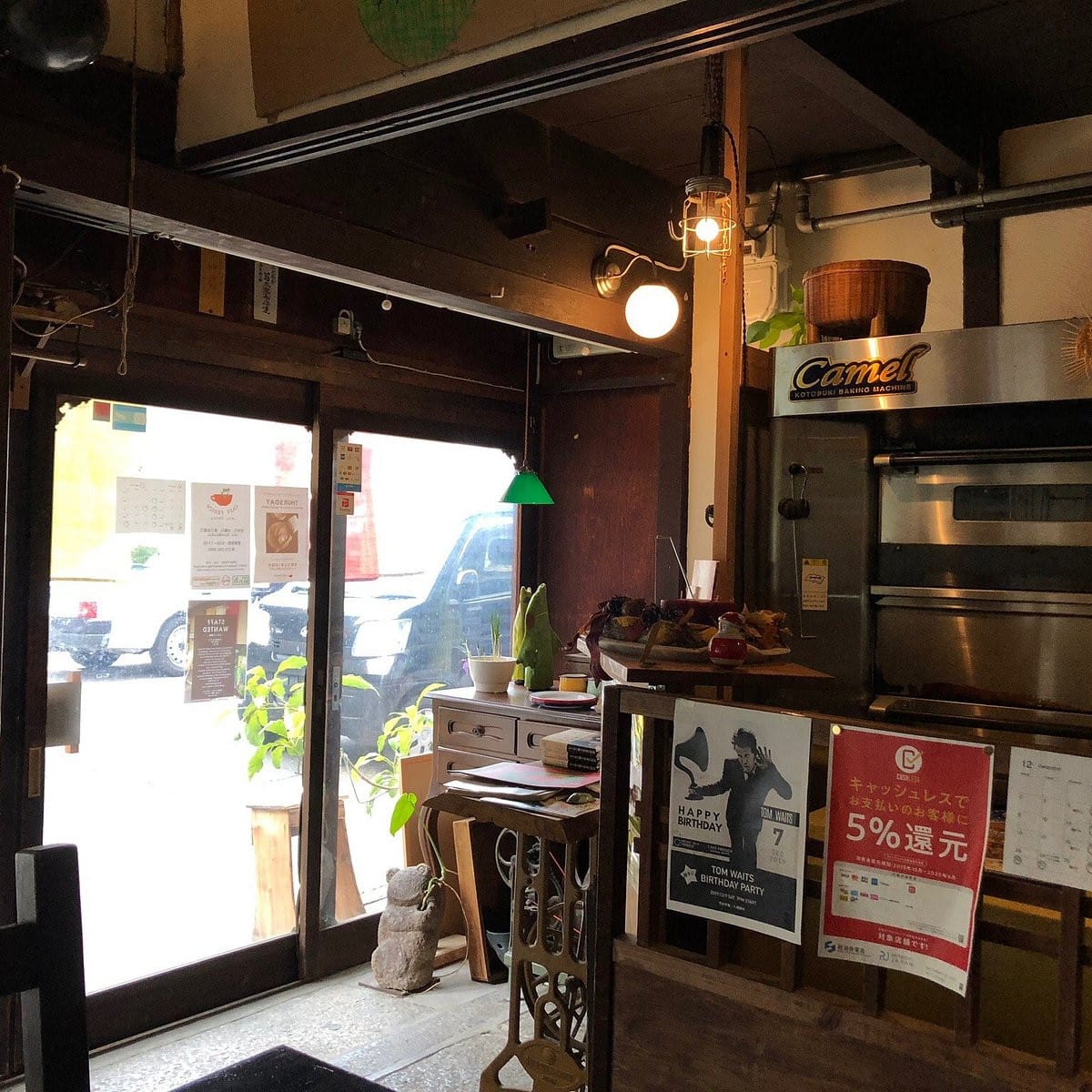
Cafe Frosch hides in a Nishijin alley. Its name means frog in German, and it is known for handmade bread and vegan dishes, with a menu that uses no animal ingredients, eggs or honey. It is a local and traveler favorite, “food tucked inside the alleys.”
Address: 557-7 Higashiyanagi-cho, Kamigyo Ward, Kyoto. Open 9:00 to 17:00, closed Thursdays and the second Friday of each month. Bread is sold only on Wednesday and Sunday afternoons, so check the official website before you go.
SARASA Nishijin: A Mosaic-Tile Cafe in a Former Public Bath
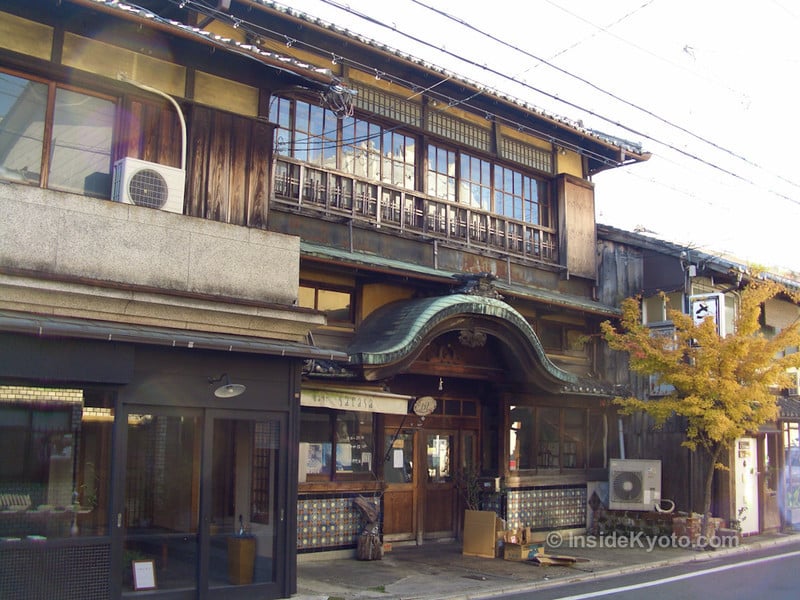
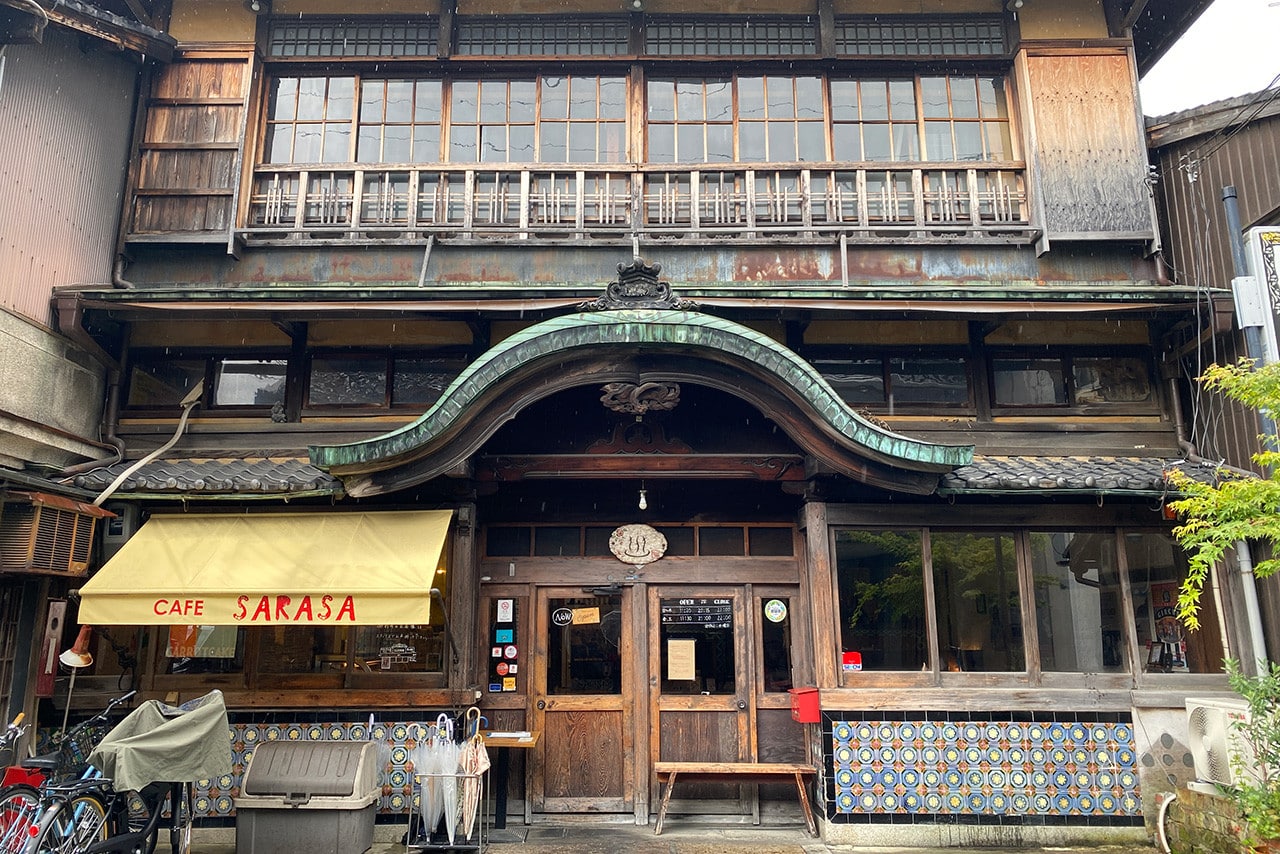
SARASA Nishijin was converted from an old public bathhouse (the former Fujimori Onsen), keeping its mosaic tile walls and karahafu gabled roof. It is at 11-1 Murasakino Higashifujinomori-cho, Kita Ward, Kyoto. Open 11:30-21:00 (until 22:00 on Fridays and Saturdays), closed on Wednesdays, phone 075-432-5075.
Close to Kitano Tenmangu and Kinkaku-ji, it suits a weekday afternoon visit to feel the atmosphere of an old bathhouse turned cafe.
How Much Does a Trip to Nishijin in Kyoto Cost in 2026? Admission and Experience Fees
Nishijin has no clear ticketing system like Kiyomizu-dera or Fushimi Inari. The spending logic here is different: most of the appeal comes from “experiences” rather than “sights,” including the minimum order at machiya cafes, handweaving classes at the Nishijin Textile Center, visits to traditional looms and kimono rental. Below are the four most representative cost items in the Nishijin area for 2026, so you can set your budget and plan an in-depth Nishijin trip with no missteps.
Nishijin Textile Center: Kimono Show and Handweaving Experience, a Gateway to Thousand-Year Textile Culture
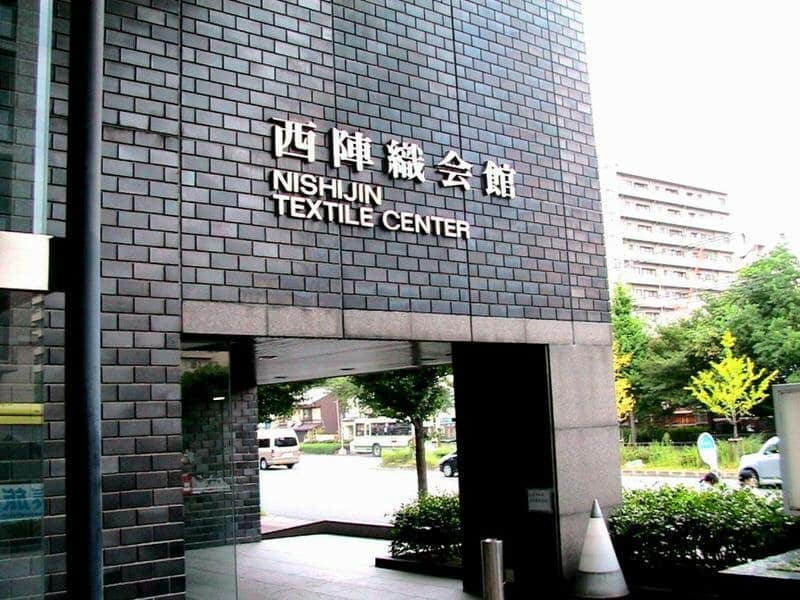
The Nishijin Textile Center, at Horikawa Imadegawa (Motoseigan-ji-cho, south of Imadegawa on Horikawa-dori, Kamigyo Ward, Kyoto), is the most convenient first stop for getting to know Nishijin-ori. The permanent exhibition area is free to visit, and the first-floor kimono show runs about once every hour with completely free admission, the first choice for travelers on a tight budget.
For a deeper experience, the center has a handweaving classroom where you weave a table mat on a mini handloom. Reservation is required in advance, the regular price is ¥2,200 (tax included), it is open to ages from fifth grade of elementary school up, and the session takes about 40 minutes, suitable for families and couples.
It also offers paid experiences in komon kimono, maiko, geiko and junihitoe, which must be reserved by the day before; check the official website for fees. You can stroll and take photos in a kimono among Nishijin’s machiya cafes and old alleys, and for many it is a combined itinerary that “covers exhibits, crafts and dress-up in one go.”
Tondaya (Nishijin Kurashi no Bijutsukan): A Real Nishijin Machiya Visit and Stories of a Century-Old Weaver House
The century-old Nishijin machiya Tondaya uses reserved guided tours, with times and fees varying by plan; see the official website tondaya.co.jp for details. The tour covers machiya architecture, the courtyard garden and Nishijin-ori related displays, offering an in-depth experience of Kyoto’s textile culture.
Places are limited, so we suggest reserving in advance through the official website or by phone.
Machiya Cafes in Nishijin: One Cup of Coffee Buys a Quiet Moment in a Century-Old Building
Cafes converted from old Nishijin machiya, such as Sarasa Nishijin, a former bathhouse that still has its tiles, can be entered just by ordering at the cafe, with no admission fee.
“Kyo-Nishijin Kashisho Sozen” (京西陣 菓匠 宗禅) is in a machiya about 130 years old. Its tea room is open only on Saturdays, Sundays and holidays, from 11:30 to 18:00 (last order 17:30); please check the official website before you go.
In the evening the machiya cafes glow with warm light and the interplay of light and shadow is lovely, good for photography and an economical way to experience everyday life.
Where to Stay Nearby
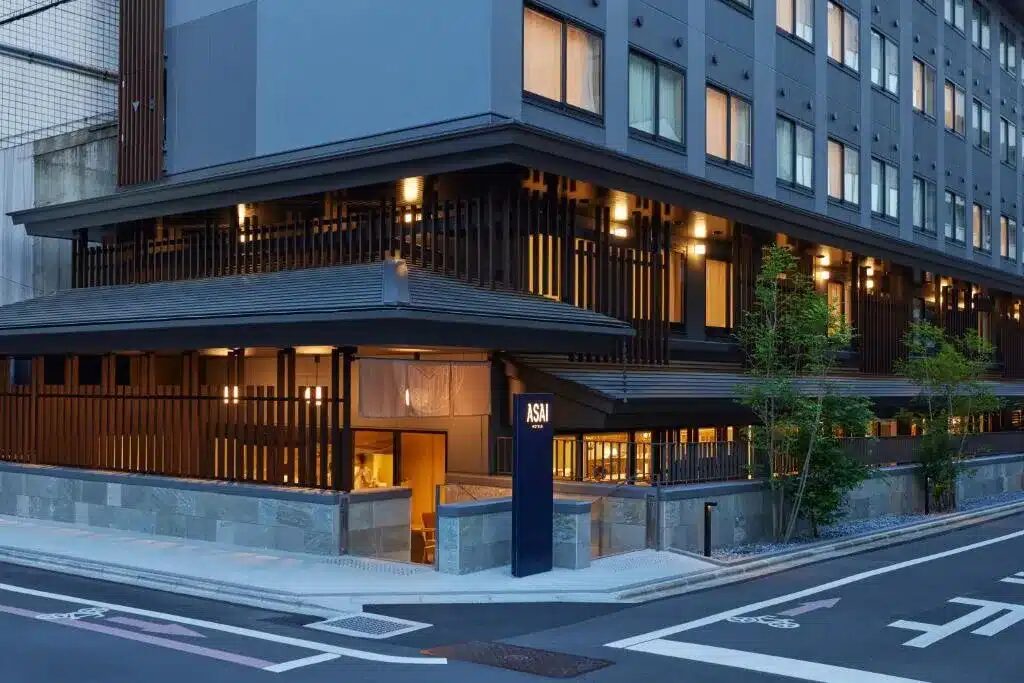
Nishijin lies at the border of Kamigyo Ward and Kita Ward in Kyoto. Take the Karasuma Line subway to Imadegawa Station, or take a city bus to Horikawa Imadegawa or Kitano Tenmangu-mae, and you will be there, close to Kinkaku-ji and Kitano Tenmangu. If you want to browse machiya cafes and Nishijin-ori workshops slowly, staying around Imadegawa, Karasuma or Kitano Tenmangu cuts travel time.

FAQ
The questions travelers ask most often about visiting Nishijin.
Q: How much time should I allow for the main sights in Nishijin?
If you include main sights such as Kitano Tenmangu, the orikiya-converted cafes and the cobblestone lanes of Daikokucho, we suggest half a day to a full day. If you rent a bicycle to explore the alleys in more depth, about 4-6 hours in all is comfortable, leaving room for both pace and photo time.
Q: How much is admission to the Nishijin Textile Center?
Entry is free. Only add-on activities such as kimono experiences and handweaving classes cost extra (regular handweaving price ¥2,200, reservation required). Please check the official website for details.
Q: What is the fastest way to get to Nishijin from Kyoto Station?
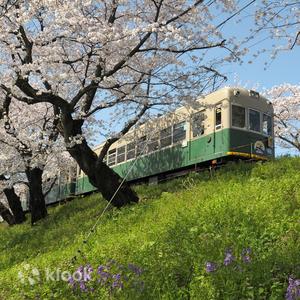
Taking Kyoto City Bus route 50 or 101 to the “Kitano Tenmangu-mae” stop is most direct, about 25-30 minutes for ¥230. If you want to try a nostalgic tram, you can also take the Randen Kitano Line to Kitano-Hakubaicho Station.
Q: What is the best season to visit Nishijin?
From mid-February to early March the plum blossoms at Kitano Tenmangu are in full bloom, with pleasant weather and fewer visitors. In November you can also visit nearby Kinkaku-ji for autumn leaves. Both are excellent seasons for photography and walking.
Q: What should I be aware of when visiting Nishijin’s roji lanes and residential alleys?
People still live in Nishijin’s roji lanes and residential alleys, so please keep your voice down, avoid entering private entryways to take photos, and walk quietly out of respect for residents’ daily lives.
Q: What are the opening hours and closed days of SARASA Nishijin?
SARASA Nishijin is open Sunday to Thursday 11:30 to 21:00 (last order 20:30) and Friday and Saturday until 22:00 (last order 21:30), closed every Wednesday. It is at 11-1 Murasakino Higashifujinomori-cho, Kita Ward, Kyoto, phone 075-432-5075. We suggest going on a weekday afternoon to avoid the crowds.
Q: Which famous Kyoto sights can I combine with Nishijin?
Nishijin is close to Kinkaku-ji (about 10 minutes by car) and Arashiyama (about 20-25 minutes by car). You can plan a half day in Nishijin and a half day at Kinkaku-ji or Arashiyama. Transport links are convenient, suiting a one-day in-depth trip through northern Kyoto.