

2026 Kyoto Spring Travel Guide: Cherry Blossom Timing and What to Wear: Bloom Records and Tips for Big Day-Night Temperature Swings
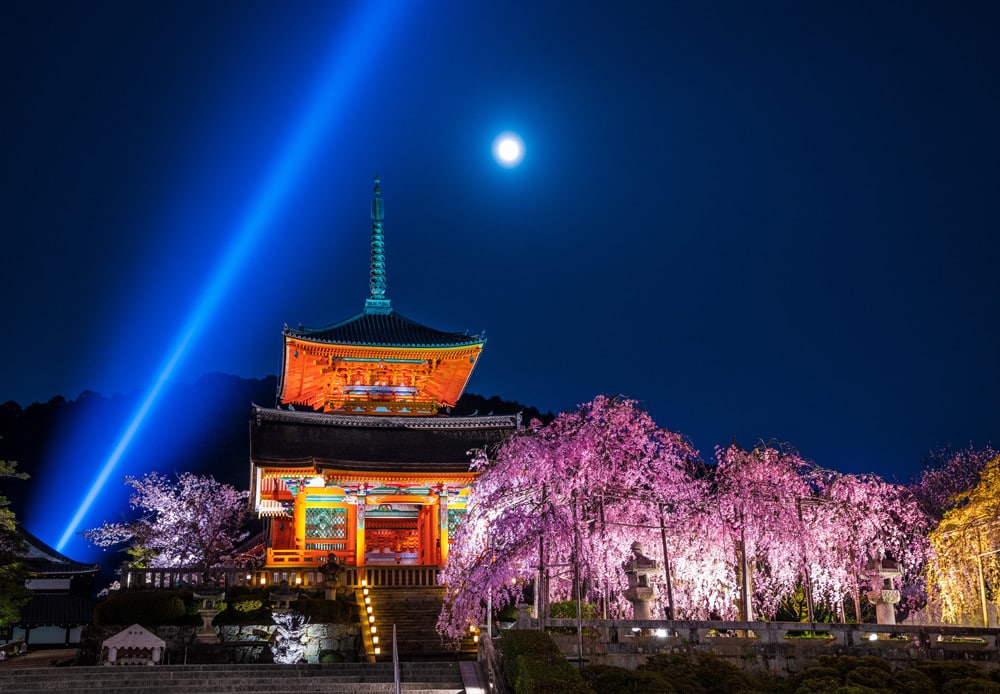
In 2026, Kyoto’s cherry blossoms began blooming on March 23 and reached full bloom on March 30 (as observed by the Kyoto Local Meteorological Observatory). With big swings between morning and evening temperatures, dress in layers.
2026 Kyoto Cherry Blossom Record: Start of Bloom, Full Bloom and Best Viewing Period
In 2026, Kyoto’s cherry blossoms actually began blooming on March 23 and reached full bloom on March 30 (as observed by the Kyoto Local Meteorological Observatory), with the best viewing period from about March 30 to April 7. Bloom timing differs every year, so check the latest forecast for the year before you plan. The Kyoto Basin warms up quickly, so blossoms come slightly earlier than in Tokyo and later than in Osaka.
We suggest planning around each spot’s bloom status: Kyoto Gyoen and Daigoji open first, around March 20-25; the main trees at Kiyomizu-dera, Gion Shirakawa and the Keage Incline peak from late March to early April; and the Omuro cherries at Ninna-ji and Sanzen-in come into bloom in mid-April. You can build a “blossom-chasing” route in that order.
Kyoto Spring Weather and Layered Outfit Advice
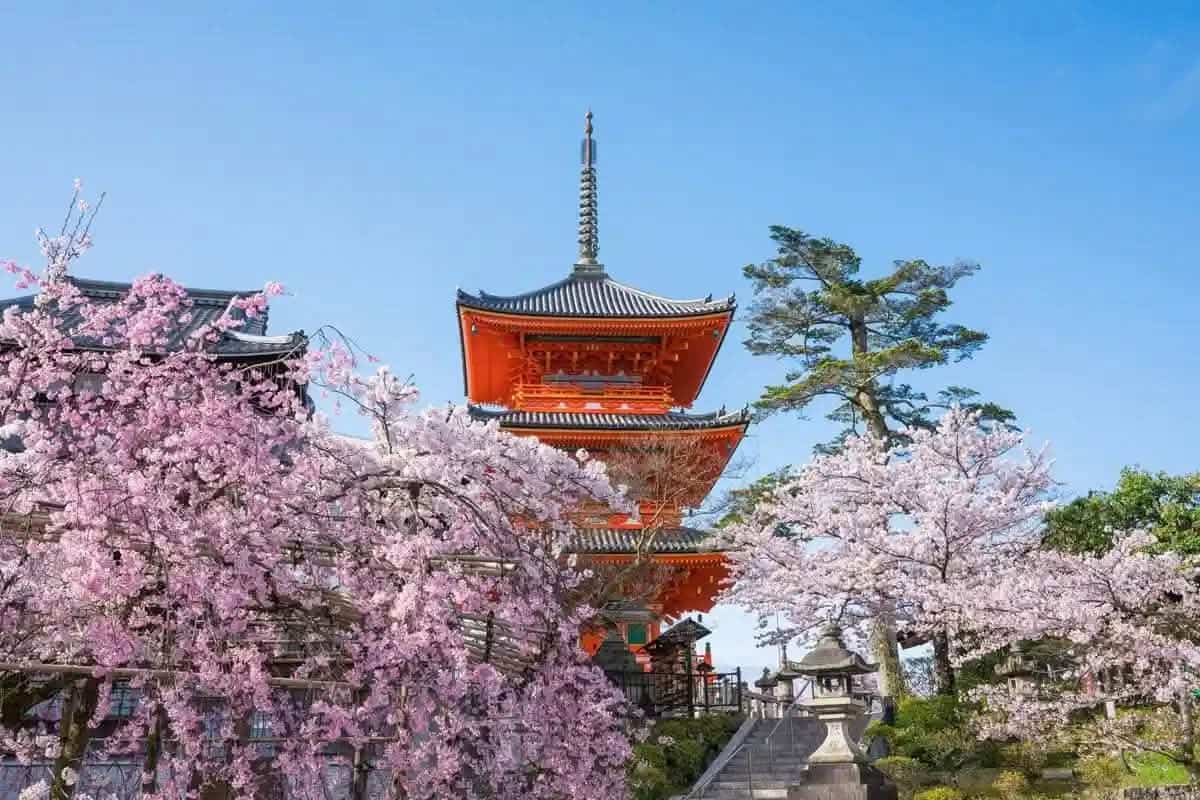
Kyoto’s spring humidity is on the high side. In March the average temperature is 8-14°C, so wear a thick coat, thermal underwear and a sweater. In April it averages 10-19°C and the “sakura chill” often appears, with day-night swings of more than 10°C, so dress in layers: a long-sleeve shirt or sweatshirt by day, and a windproof, warm jacket whenever you go out. In May the average is 15-24°C and the fresh-green season is the most comfortable, when thin long sleeves or short sleeves with a light jacket will do.
Spring sometimes brings drizzle and strong wind, so carry light rain gear and a foldable windproof jacket, and choose breathable, water-resistant shoes suited to long walks under the blossoms and changing weather.
Kyoto Compared With Other Parts of Japan
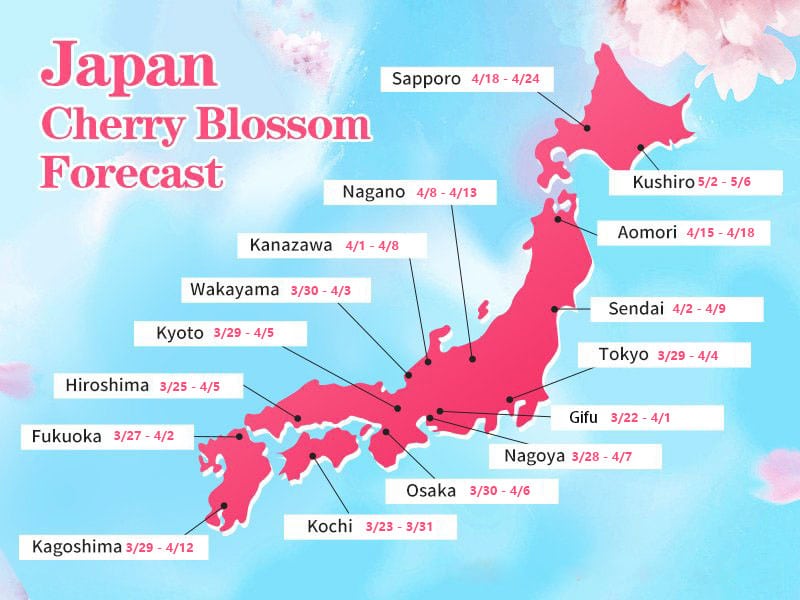
In the Kanto region around Tokyo, bloom falls around March 20-28, and the Chubu region around Nagoya is similar. Kansai, where Kyoto sits, mostly reaches full bloom around March 27 to April 1, slightly later than Tokyo but earlier than early April in Tohoku and late April to mid-May in Hokkaido. If Tokyo’s bloom has passed, you can still chase blossoms in Kyoto and Osaka, or go further north to Tohoku and Hokkaido to extend your viewing trip, a “bloom relay” strategy that is the key reason Japan’s cherry blossom season can stretch for more than a month.
Dealing With the Kyoto Basin Climate and Pre-Trip Preparation
Kyoto is ringed by mountains in a basin, so summers are hot, winters are cold and spring day-night temperature swings are especially sharp. With high humidity as well, the felt temperature is often colder or stuffier than the actual one. Before you go, closely follow the latest weather forecast, prepare a layered clothing set, and leave room in your luggage for clothes you add or remove on the spot. If there are several rainy days in a row, adjust your itinerary to put indoor sights first (such as the Ninomaru Palace at Nijo Castle and the Kyoto National Museum), and head to outdoor blossom spots once the weather clears so you do not miss the best bloom.
How to Get to Kyoto’s Cherry Blossom Spots? 2026 Kyoto Spring Travel Guide: Transport Passes and a Two-City Stay Strategy
To reach Kyoto’s major cherry blossom spots, we suggest using a rail pass and a city bus day pass, and taking a two-city stay approach of Kyoto and Osaka.
How to Get to Kyoto’s Cherry Blossom Spots: All the Transport Options at a Glance
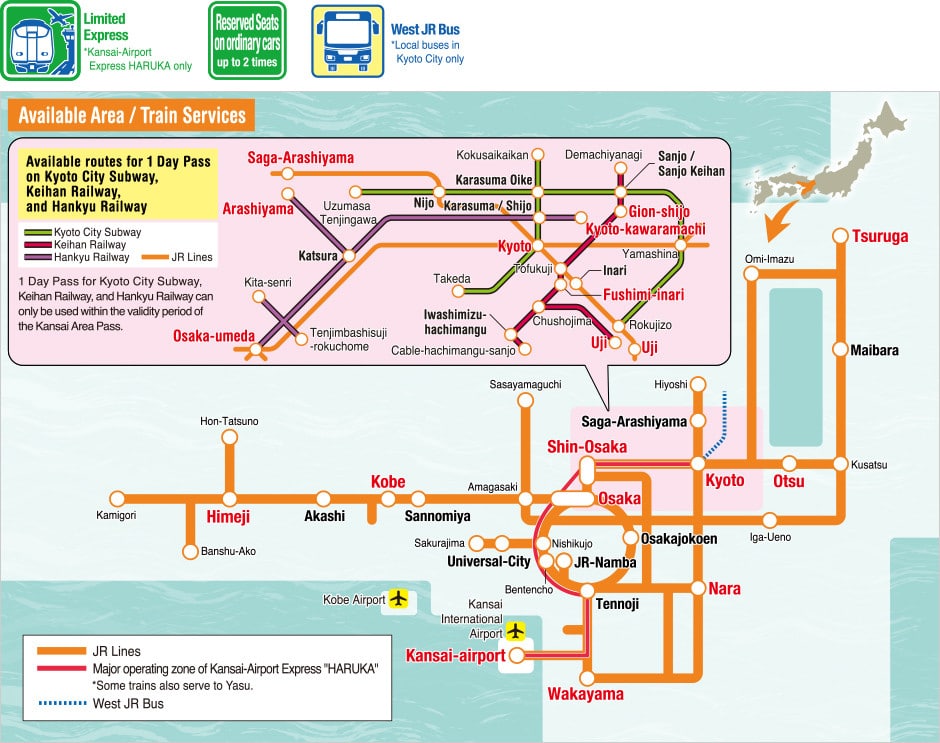
🚄 JR West Kansai Area Pass: from ¥2,800 for 1 day, covering the entire Special Rapid Service line, the best value for moving between Kyoto, Osaka and Nara.
🚌 Kyoto City Bus and Subway One-Day Pass: ¥1,100, with unlimited rides in the city to blossom hot spots such as Kiyomizu-dera and Heian Shrine.
🚃 Keihan Railway Keihan Main Line: ¥180–470, direct to Gion, Fushimi Inari and Uji, with frequent departures.
🚋 Hankyu Railway Arashiyama Line: ¥220–310, direct to the hidden blossom spot at Togetsukyo Bridge; going early in the morning helps you avoid the crowds.
🚇 Kyoto Municipal Subway Karasuma Line: ¥220–350, running from Kyoto Station to Gyoen and unaffected by road traffic, the most reliable option.
🏨 Stay strategy: hotel rates soar in cherry blossom season, so we suggest a “stay in Osaka, play in Kyoto” two-city strategy, with a 30-40 minute ride direct to the blossom spots.


2026 Kyoto Spring Travel Guide: Cherry Blossom Timing and What to Wear. Which Blossom Spots Are Must-Sees? The Complete Guide to Classics, Hidden Gems and Night Sakura
From Kiyomizu-dera to Sanzen-in in Ohara, here are Kyoto’s best cherry blossom spots, grouped by bloom timing and crowd levels.
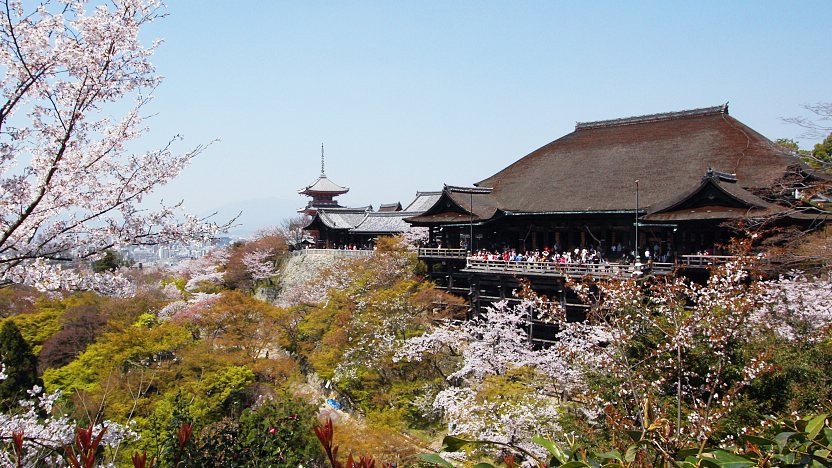
Kiyomizu-dera: Dreamlike Night Sakura at Kyoto’s Oldest Wooden Stage
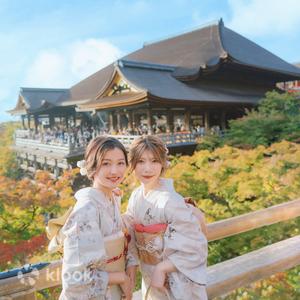
Kiyomizu-dera was founded in 778 and is a Kyoto World Heritage site, enshrining the eleven-faced thousand-armed Kannon. The cantilevered wooden “Kiyomizu Stage” is built without a single nail. In spring, cherry blossoms surround the stage, making it Kyoto’s signature spot for blossom viewing and evening illumination.
During cherry blossom season, night visits run about 18:00-21:30, and the main hall and three-story pagoda glow golden under the lights and blossoms. Day and night admission are bought separately: adult day admission is ¥500, and the special night viewing costs another ¥500. We suggest entering at dusk to catch both day and night views, and you can pick up omamori charms and goshuin stamps.

Arashiyama Togetsukyo Bridge: Pink Reflections Along the Katsura River
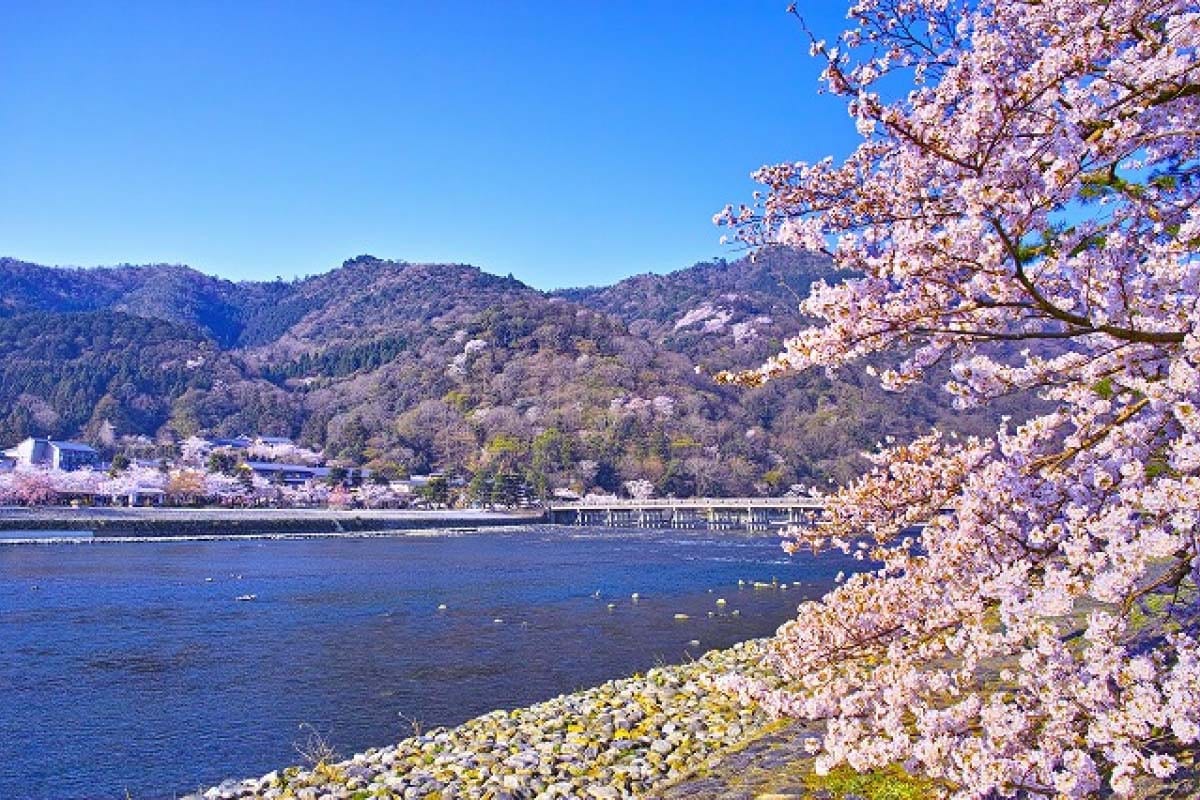
Togetsukyo Bridge spans the Katsura River and is a landmark of Arashiyama. The bridge is simple and elegant, with the Arashiyama peaks behind it. In spring, when Somei Yoshino cherries bloom on both banks, the pink sea of blossoms, the bridge, the distant mountains and the river make a layered classic scene, and since the Heian period it has been a place where the imperial family and nobles came to enjoy blossoms and outings.
Beside the bridge, Nakanoshima Park in Arashiyama has paths and benches along the river, suited to picnics under the blossoms, and at dusk you can enjoy the sunset mixing with night sakura. Nearby Tenryu-ji and the Bamboo Grove Path can be added on the way. We suggest setting aside half a day, avoiding the weekend morning crowd peak, and going early in the morning or just before dusk to shoot empty scenes.
![[Kyoto World Heritage and Popular Sights One-Day Tour] Nijo Castle & Kinkaku-ji & Fushimi Inari Taisha Senbon Torii & Arashiyama Togetsukyo Bridge & Kimono Forest & Bamboo Grove Path (from Osaka or Kyoto)](https://res.klook.com/images/w_300,h_300,c_fill,q_75/w_80,x_15,y_15,g_south_west,l_Klook_water_br_trans_yhcmh3/activities/oxdc25t2yjctqe1ciedq/【京都世界遺產與人氣景點一日遊】二條城金閣寺伏見稻荷大社千本鳥居嵐山渡月橋和服森林竹林小徑(大阪或京都出發)-Klook.jpg)
Philosopher’s Path: Two Kilometers of Somei Yoshino for Quiet Reflection
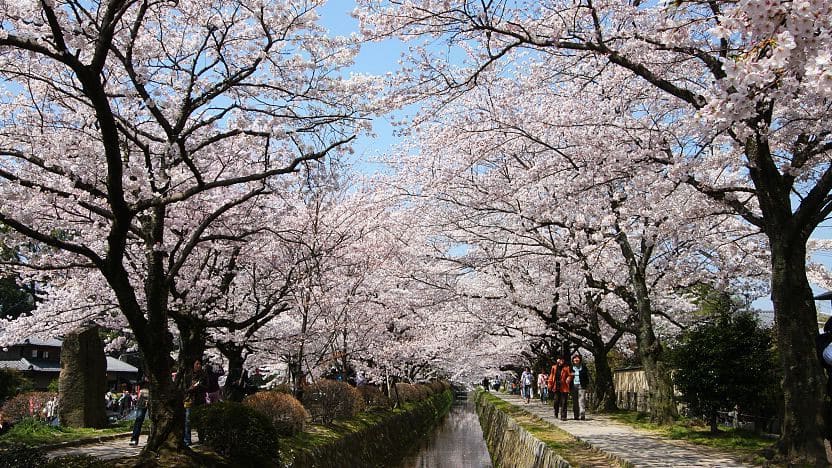
The Philosopher’s Path runs along the Lake Biwa Canal and is named after the philosopher Nishida Kitaro, who often walked and meditated here. About 2 km long, it is lined with nearly 500 Somei Yoshino cherry trees, which form a continuous tunnel of blossoms at full bloom, making it one of Kyoto’s most poetic cherry blossom walks.
The path runs from Ginkaku-ji in the north to Nanzen-ji in the south, and along the way you can stop by quiet spots such as Honen-in and Nyakuoji Shrine, with several cafes and dessert shops for a rest. Because the path is long and narrow with limited shade, wear comfortable non-slip shoes and bring a warm jacket. Walking in the evening breeze has its own charm, and it is a secret photo spot well known among photography fans.
Keage Incline: The Stunning Stretch of an Abandoned Railway and Blossom Tunnel
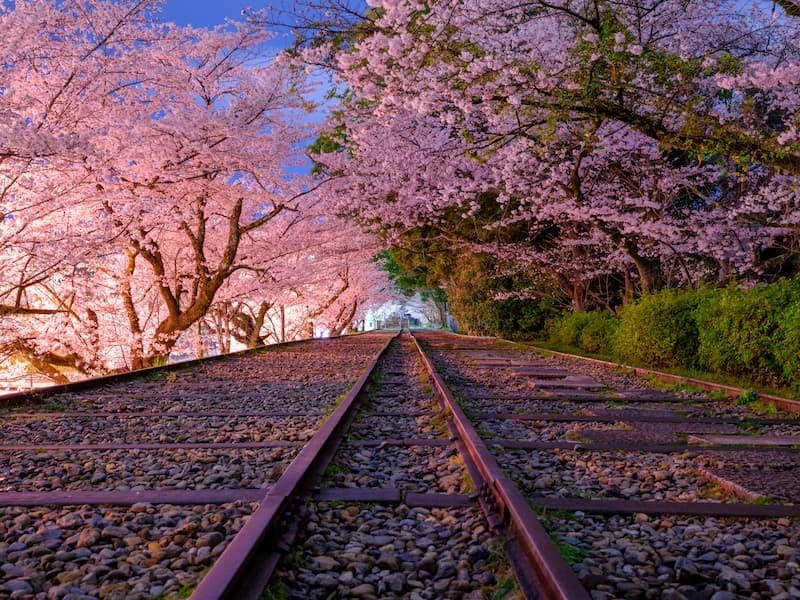
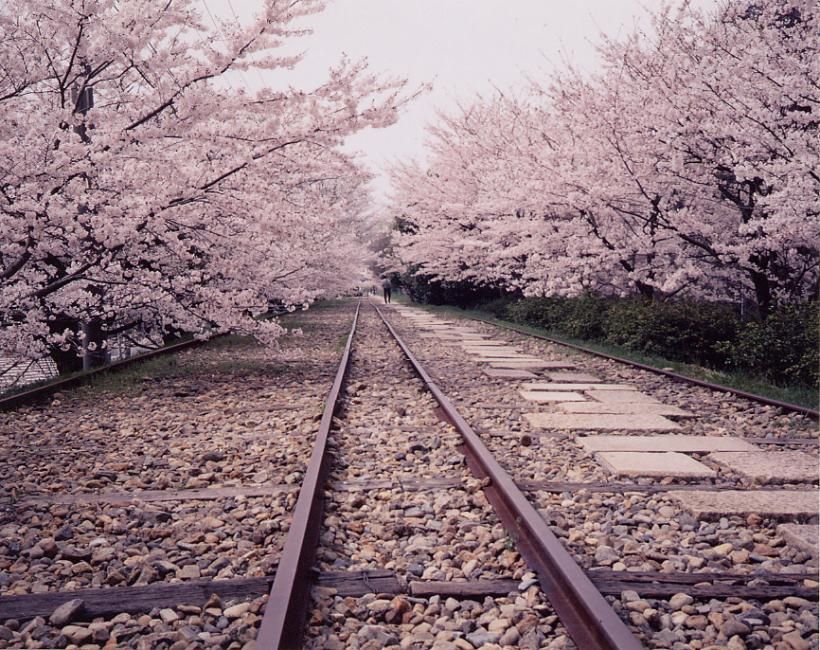
The Keage Incline was built in the Meiji era to carry boats along the Lake Biwa Canal and is about 582 meters long. Now out of use, its preserved rails and sleepers are lined on both sides with Somei Yoshino cherries, which form a magnificent tunnel of blossoms in season, and the railway lines stretching into the distance are a popular spot for photography fans.
We suggest visiting at 6-7 a.m. to avoid the many daytime visitors and ensure good photos. The two ends of the incline are near Nanzen-ji and subway Keage Station, so you can also visit Nanzen-ji’s Sanmon gate and the Suirokaku aqueduct, enjoying historic sites and natural scenery together.
![[Kyoto Spring Cherry Blossom Journey] Daigo-ji, Uji Byodo-in and the Keage Incline | One-Day Tour With Private Transfers](https://travel.williamlion.tw/wp-content/uploads/sites/7/2026/07/image-1857.jpg)
Gion Shirakawa: Old-Capital Atmosphere of Stone Paths and Night Sakura by the Stream
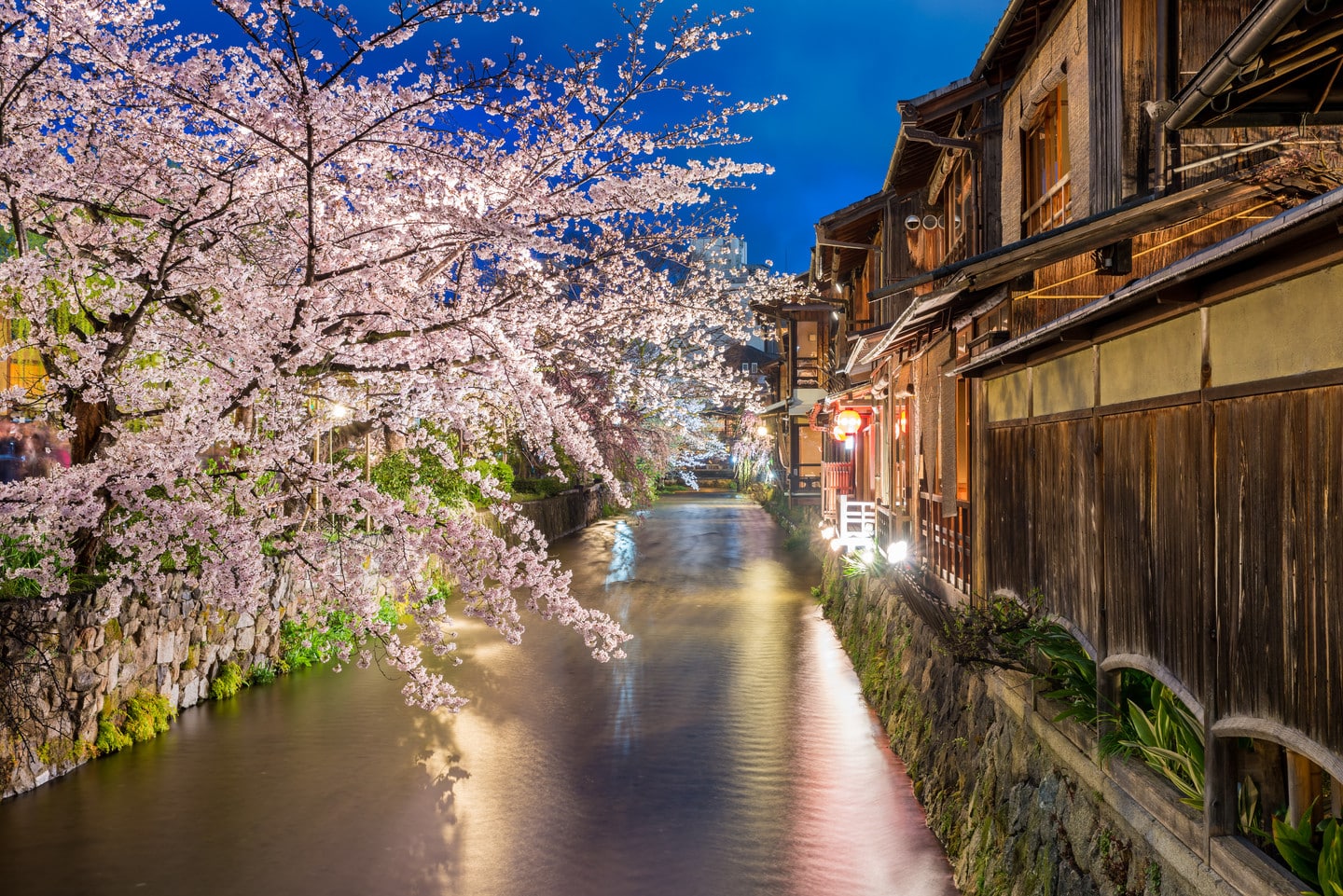
Gion Shirakawa stands along the Shirakawa stream, where old-fashioned stone paths, wooden machiya townhouses and weeping willows intertwine, one of Kyoto’s most classic geisha-district views. In spring, cherry blossoms hang over the stream, and when the lights come on at night, lantern light reflects on the water; the romantic atmosphere makes it a leading night-sakura spot in Kyoto.
By day the area has a quiet old-Kyoto feel, and after dusk it turns into a popular night-sakura illumination photo spot, where you often see visitors in kimono walking through. Because the lanes are narrow, avoid the peak holiday-evening crowds, and respect the pace of life of local residents and geiko and maiko: please do not follow them for photos or block the way.
Nijo Castle: A World Heritage Castle and Night Sakura by the Moat
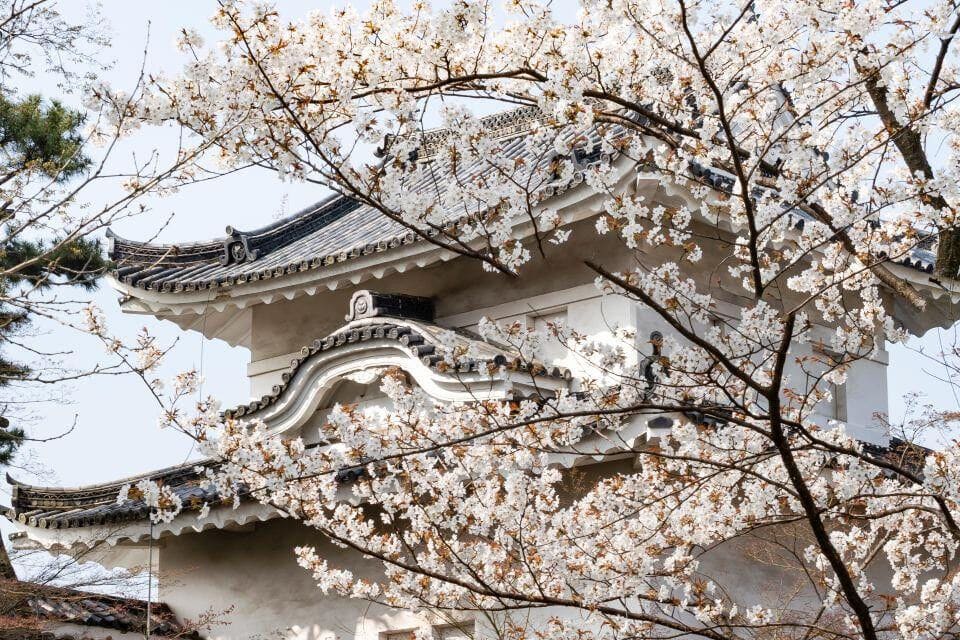
Nijo Castle was built in 1603 as the Kyoto residence of the Tokugawa shoguns. The Ninomaru Palace preserves shoin-style architecture and Kano school wall paintings, and the castle was registered as a World Cultural Heritage site in 1994. The grounds have more than 400 cherry trees with a long bloom period, and weeping cherries by the moat set against the castle walls combine history with blossom viewing.
The Nijo Castle Cherry Blossom Festival (March 19 to April 19 in 2026) has evening illumination, with night admission from about 18:00 to 21:00 (closing at 22:00) and a separate night ticket required. Castle admission is ¥1,300 for adults (including the Ninomaru Palace), and we suggest allowing 1.5 to 2 hours.
Maruyama Park: Kyoto’s Night Sakura Icon and Top Picnic Spot
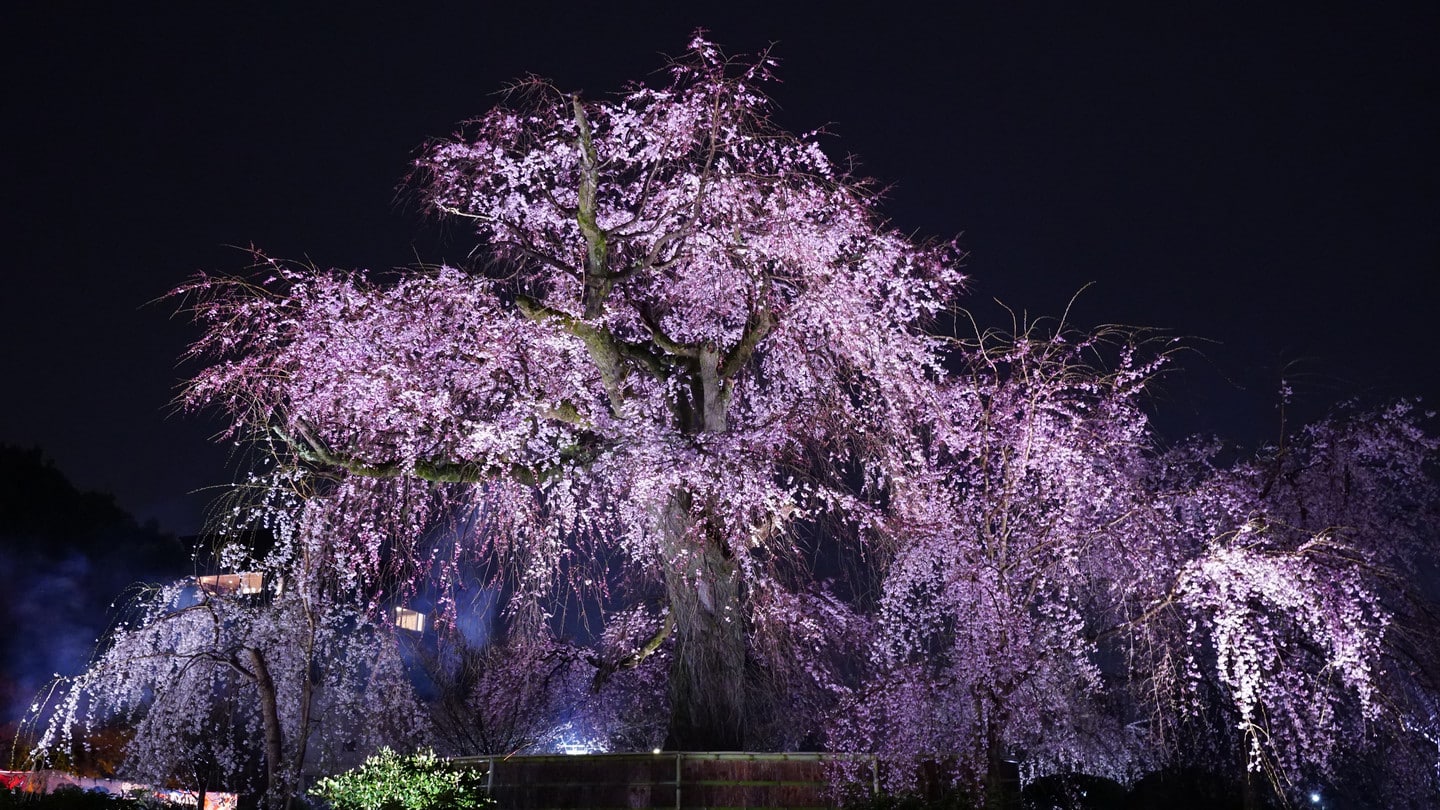
Maruyama Park is Kyoto’s oldest public park, next to Yasaka Shrine and Chion-in. The tall weeping cherry at the center of the park, the “Gion Shidare-zakura,” is the symbol of Kyoto’s night sakura. During the illumination in cherry blossom season, its drooping branches shower pink petals like a waterfall, drawing crowds of photography fans who wait for the shot.
The park is spacious, with lawns and a stone plaza suited to spreading out a picnic mat, and nearby stalls sell seasonal foods such as oden and grilled dango, making it a popular choice for families and friends gathering to see the blossoms. Since it is right next to Yasaka Shrine and Hanamikoji, we suggest coming at dusk to combine a shrine visit with an evening stroll in Gion.
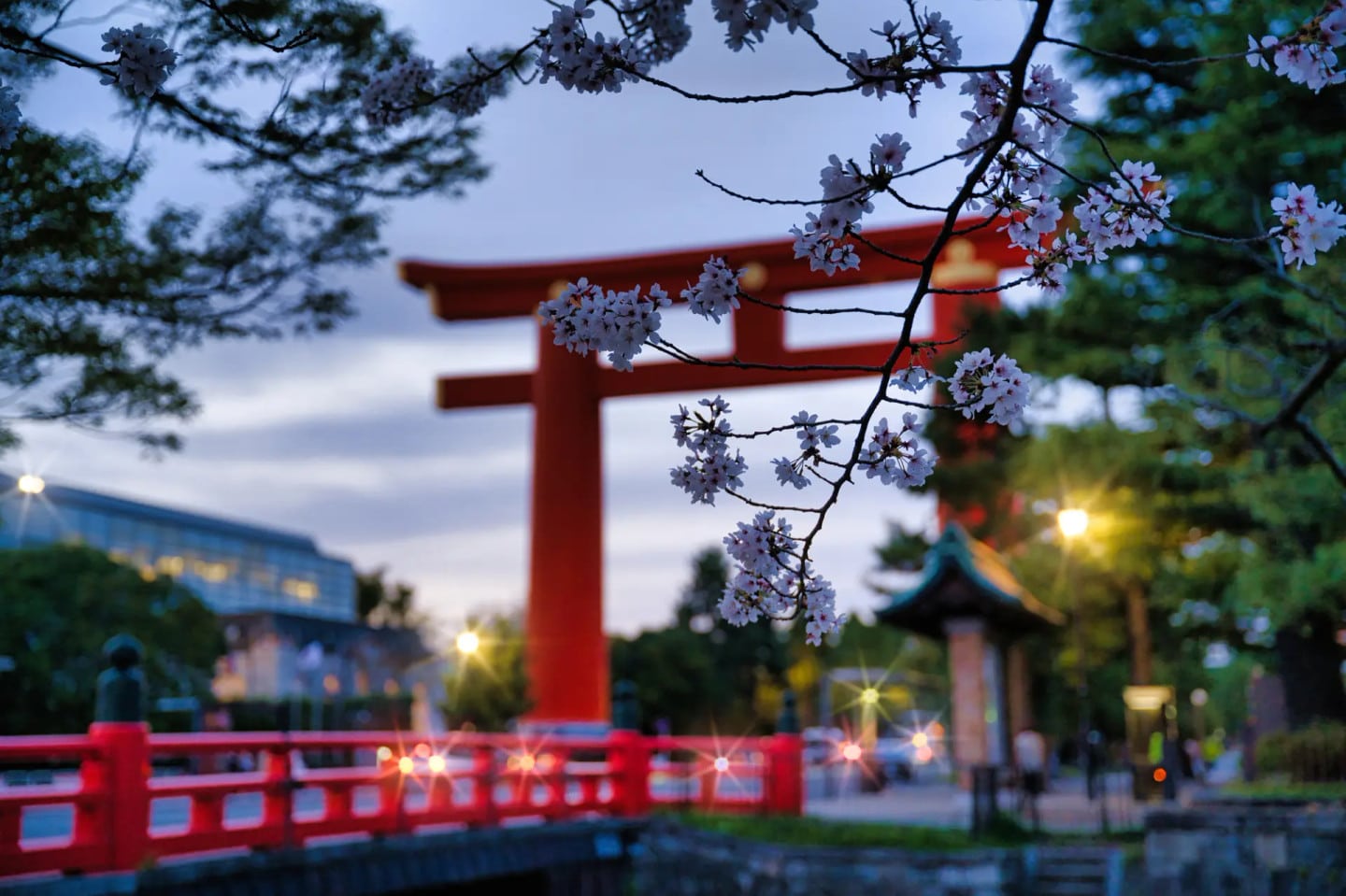
Heian Shrine: Vermilion Torii and Beni-shidare Weeping Cherries in the Shinen Garden
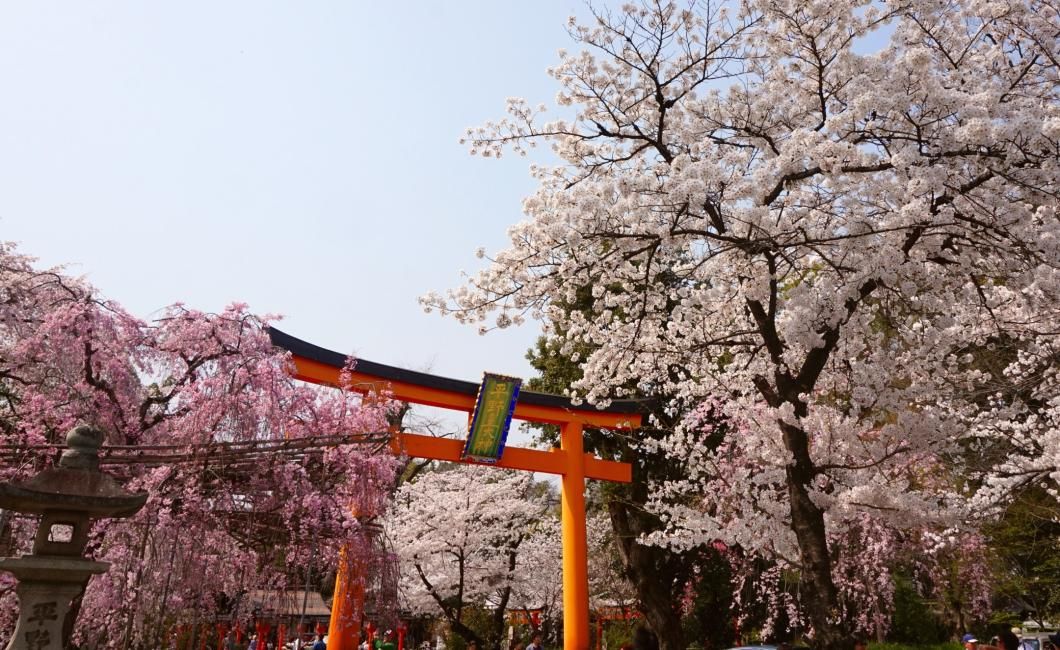
Heian Shrine was completed in 1895 to mark the 1,100th anniversary of the founding of Heian-kyo, and enshrines Emperor Kanmu and Emperor Komei. Its vermilion great torii is a landmark of the Okazaki area. The Shinen garden is planted with many red weeping cherries, whose cascades of blossoms hang between the ponds and corridors, and it has been praised as the “ultimate in cherry blossoms.”
Shinen garden admission is ¥600 for adults, with opening hours of about 8:30-17:30 (adjusted by season), and we suggest an hour to see the south, west and east strolling pond gardens. Visiting the shrine itself is free, and omamori and goshuin are available, making it a spot that combines shrine culture with beautiful blossoms.
Fushimi Jukkoku-bune: A Nostalgic Canal Boat Ride Among the Blossoms
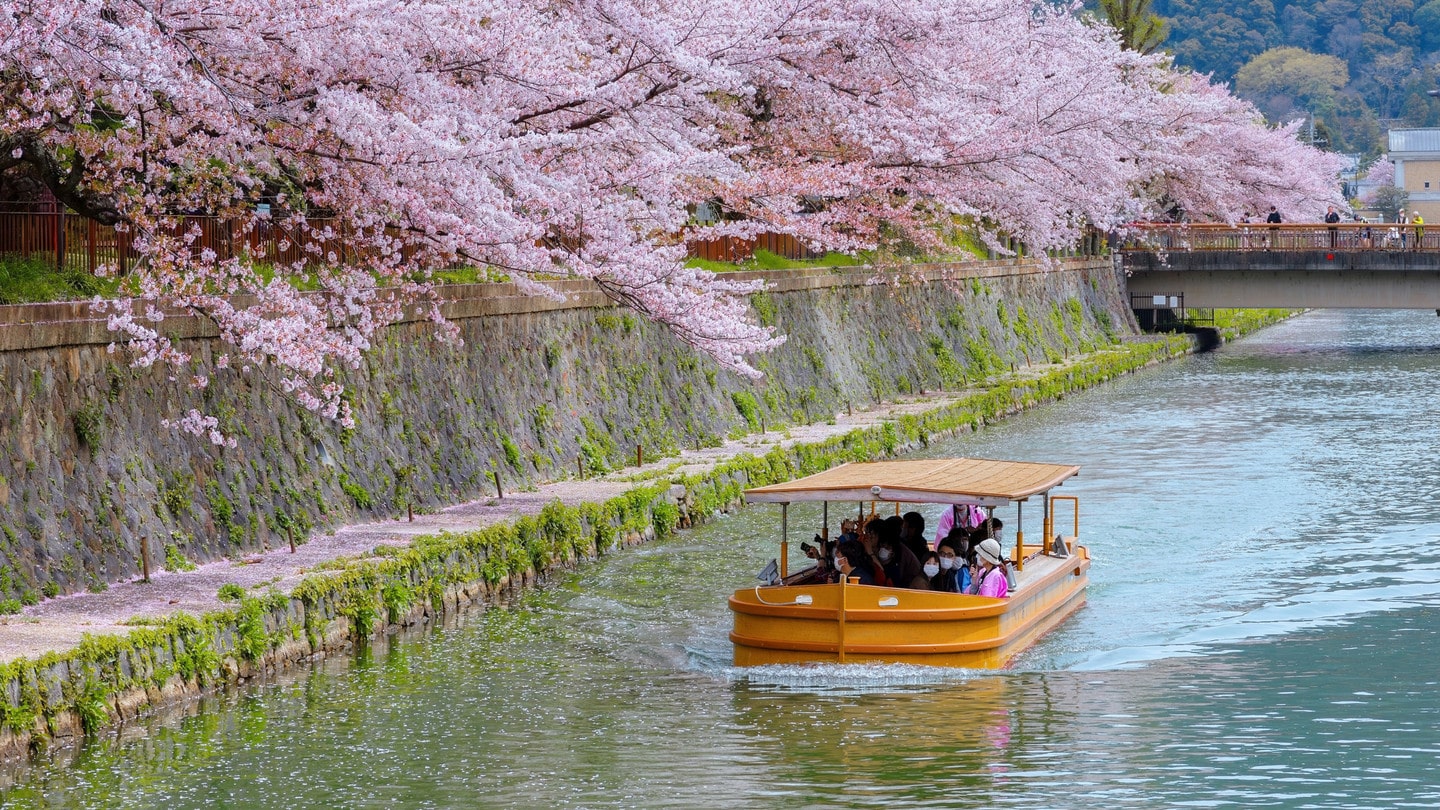
The Fushimi Jukkoku-bune is a wooden boat recreating the cargo boats of the Edo period, sailing between the Fushimi Moat River and the Uji River branch. In spring, weeping willows and Somei Yoshino cherries bloom on both banks, and enjoying the waterside scenery from a boat is a distinctive way to see Kyoto’s blossoms that locals recommend.
The trip takes about 50 minutes and tickets cost about ¥1,200 for adults. It runs from late March to the first Sunday of December (closed Mondays), and we suggest booking on the Fushimi tourism association website at least 2 days before your ride. The boarding point is near the Gekkeikan Okura Sake Museum and the Fushimi sake brewery district, so you can plan a half day combining sake tasting and canal blossom viewing, a relaxed view different from viewing blossoms on land.
Daigo-ji: The Early-Blooming Weeping Cherries of Sanpoin and Kenshin Rinen
Daigo-ji was founded in 874 and is the head temple of the Daigo school of Shingon Buddhism, registered as a World Cultural Heritage site in 1994. Toyotomi Hideyoshi held his “Daigo no Hanami” blossom-viewing banquet here, establishing its standing as a sacred place for cherry blossoms. The weeping cherries in the Sanpoin garden and Kenshin Rinen bloom early, opening in late March, making it the first choice for chasing early blossoms.
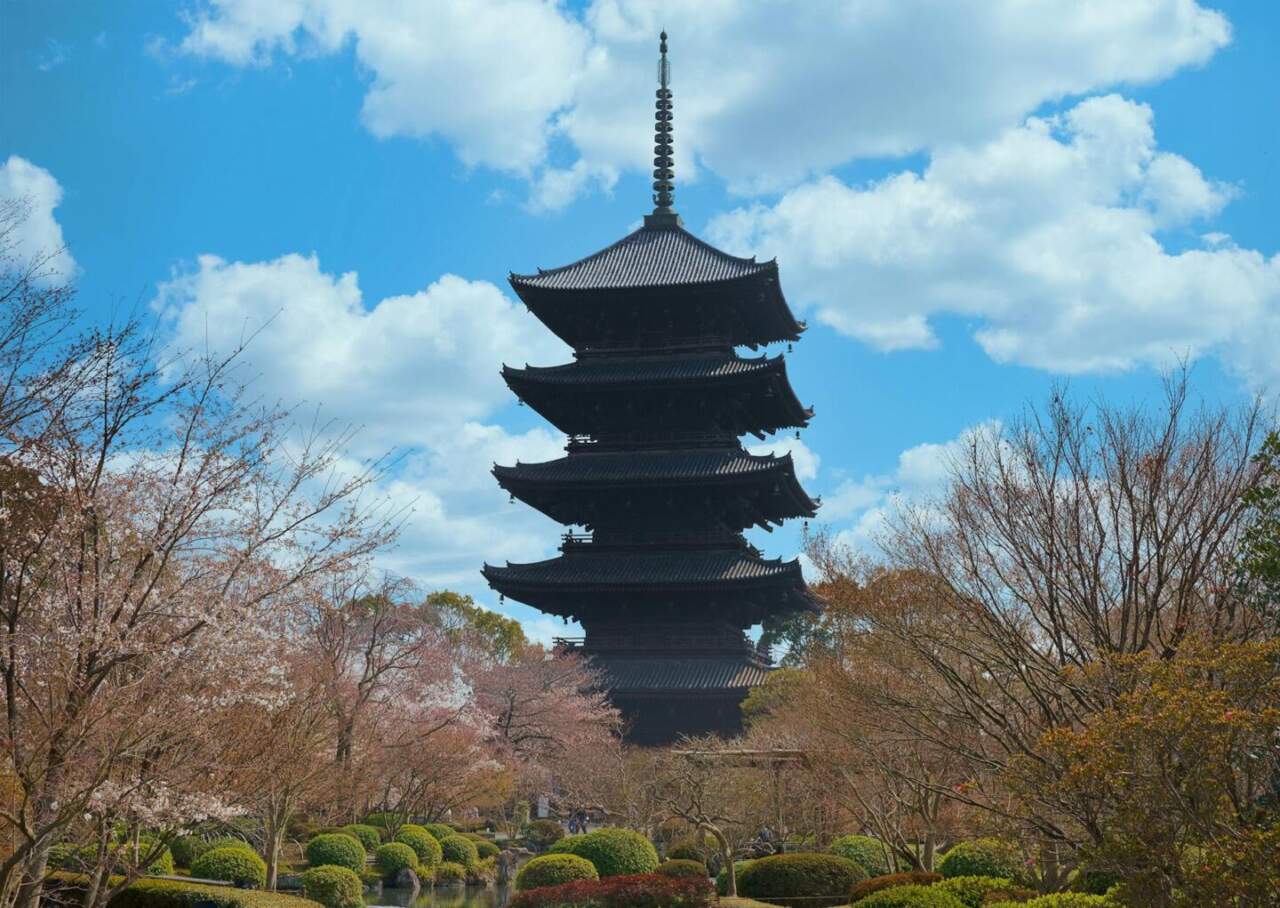
The five-story pagoda is the oldest surviving wooden structure in Kyoto and forms a classic scene with the blossoms, especially solemn and dreamlike when lit at night. In spring (March 20 to the third Sunday of April), the combined ticket for three areas is ¥1,800 for adults, and we suggest allowing 2 hours to see Sanpoin, Reihokan and the main temple precinct.
Hirano Shrine: The Shrine With the Richest Variety of Cherry Trees
Hirano Shrine was founded in the early Heian period and mainly enshrines four deities including Imaki no Kami. Its grounds are planted with about 60 varieties and more than 400 cherry trees, with bloom ranging from early-blooming winter cherries to late-blooming Fugenzo over more than a month. It has the longest bloom period and richest variety of any blossom spot in Kyoto, which is why it is known as the “Shrine of Flowers.”
Every year on April 10 the shrine holds its “Cherry Blossom Festival,” recreating the Heian-period Shinko-sai procession, and the grounds are also illuminated at night, when the weeping cherries look especially dreamlike under the lights. Because there are relatively few tourists, it suits travelers who want to avoid the crowds at Kiyomizu-dera and Arashiyama and enjoy a relaxed blossom-viewing mood, and cherry-blossom-shaped omamori are sold in the grounds.
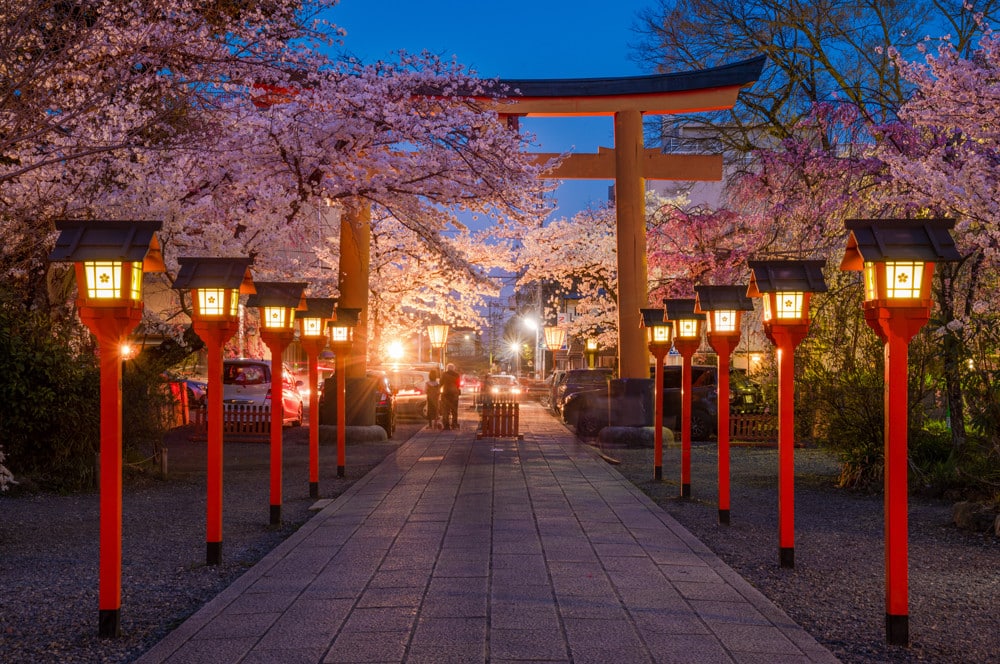
Takase River: A Hidden Cherry Blossom Walk Along the Canal
The Takase River is a canal dug in the Edo period that flows along Kiyamachi-dori to the Gojo area. Dense Somei Yoshino cherries line both banks, and the narrow, shallow channel carries pinkish-white petals drifting on the water, giving a real sense of everyday Kyoto life, a hidden blossom walk recommended by many locals.
Along Kiyamachi-dori by the river are many izakaya and cafes converted from machiya townhouses. You can stroll and enjoy blossoms by day, and experience Kyoto nightlife and machiya dining in the evening. Being close to the busy Kawaramachi shopping area, it is very convenient and suits a relaxed half-hour to one-hour blossom walk between shopping stops.
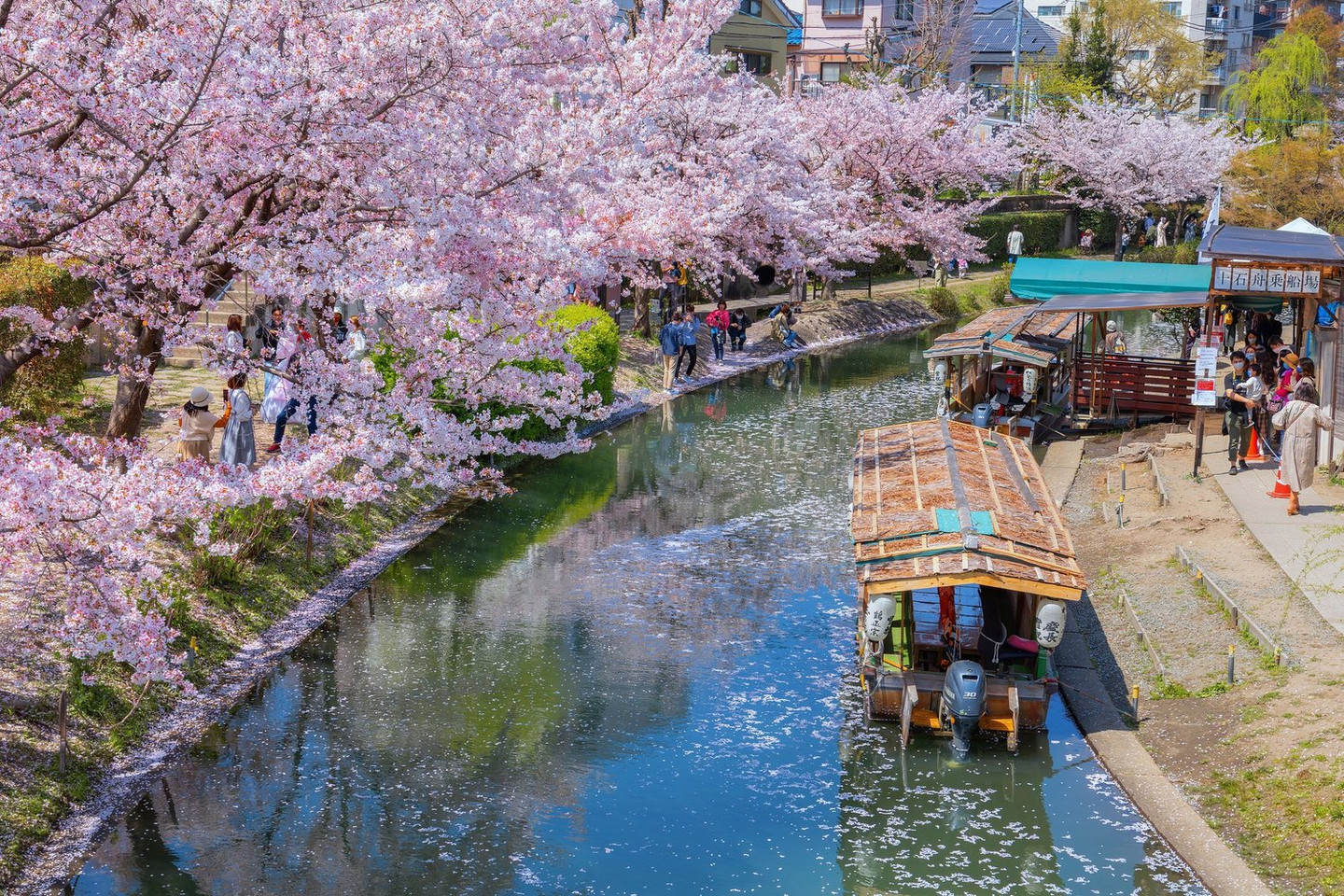
Kyoto Gyoen: Early-Blooming Weeping Cherries and Imperial History
Kyoto Gyoen is the site of the old Kyoto Imperial Palace and covers about 65 hectares. Early-blooming weeping varieties such as Omi cherries and Ito-zakura usually open first around March 20-25, making it one of the earliest places in Kyoto to see blossoms, and its large grounds mean crowds are relatively spread out.
Gyoen is free to enter, with broad lawns and gravel paths suited to family picnics and leisurely walks, and the weeping cherries at the former Konoe residence site are especially magnificent. Because the grounds are large, we suggest allowing 1.5 to 2 hours to wander, and you can also visit the Kyoto Imperial Palace (open to the public free all year without application, closed Mondays) to feel the imperial culture of the Heian period.
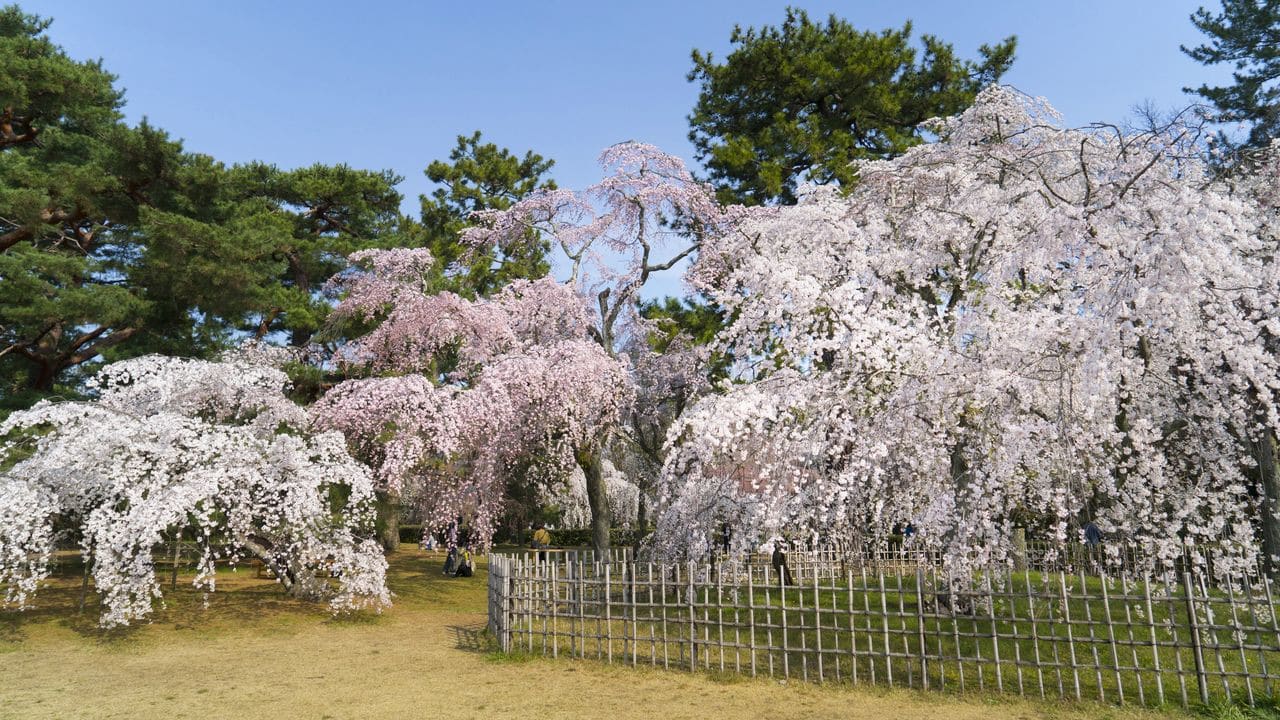
Ninna-ji: Omuro Cherries and the Five-Story Pagoda, the Late-Bloom Finale
Ninna-ji was built in 888 and is the head temple of the Omuro school of Shingon Buddhism, registered as a World Cultural Heritage site in 1994. The temple is known for its dwarf “Omuro cherries,” about 2-3 meters tall, with blossoms near eye level. They bloom late, at their fullest in mid-April, the last cherries to flower in central Kyoto and the finale of the spring blossom season. The Omuro cherry grove and the five-story pagoda make a classic scene, and the grounds hold national-treasure-class buildings such as the Kondo and Goten. During the Omuro Flower Festival (March 27 to May 6 in 2026), admission is ¥800 for adults. We suggest allowing 1.5 hours, and you can pick up omamori and goshuin and enjoy late blossoms with World Heritage scenery.
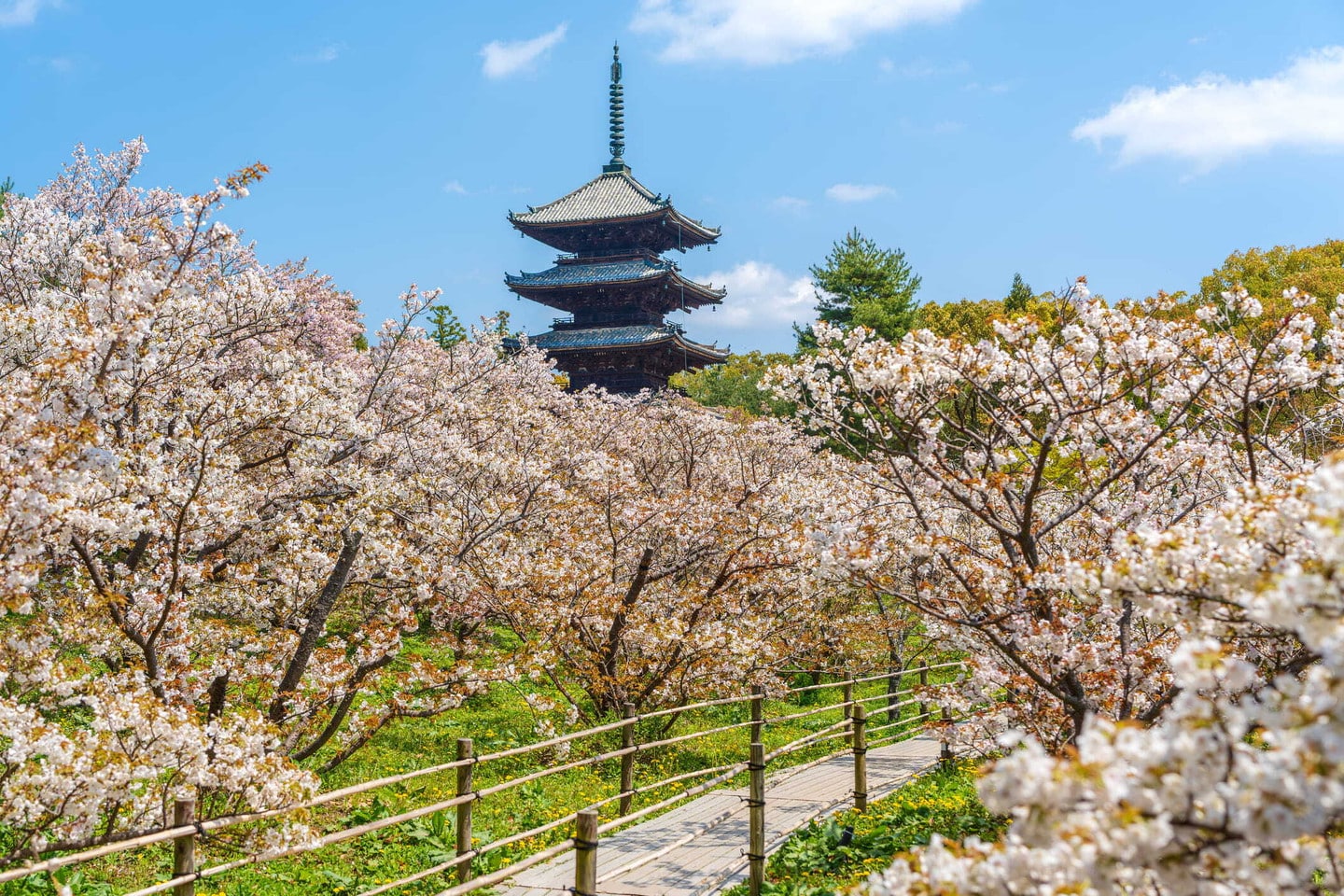
Sanzen-in in Ohara: A Quiet Mountain Hideaway Away From the Crowds
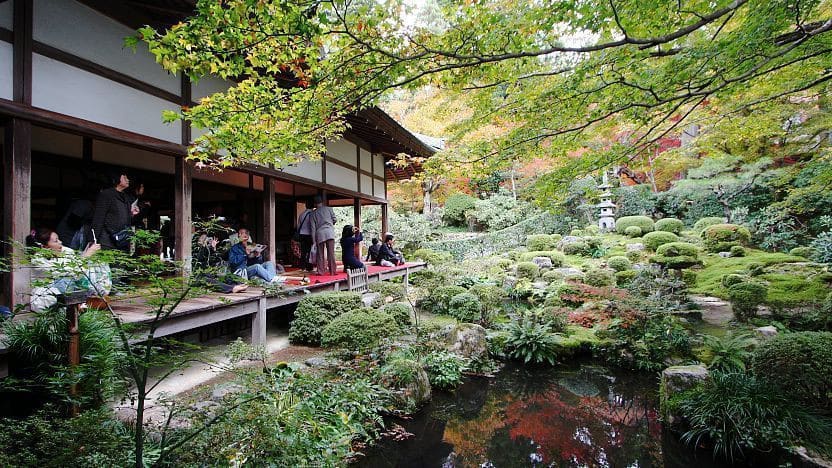
Sanzen-in is in Ohara, in northern Kyoto. At a higher elevation, its cherries bloom about 1-2 weeks later than in the city center, making it a hidden blossom spot away from the crowds. Founded in the Heian period and one of the five Tendai monzeki temples, its garden “Yusei-en” is known for moss and cedar forest, and the Ojo Gokuraku-in enshrines the Amida Triad. You can take a Kyoto Bus from Kyoto Station, about 1 hour, and we suggest setting aside half a day.
How Much Does 2026 Kyoto Spring Travel Cost? Admission, Boat Rides and Experience Tours
Kyoto’s 2026 spring blossom peak (estimated late March to mid-April) is the most expensive time of year for lodging and transport, but also the golden time to experience Kyoto’s beauty. Beyond flights and hotels, adding a few classic paid experiences and tickets makes the whole trip richer. Below are several high-value tours and tickets that best represent Kyoto’s spring, including the special night viewing at Kiyomizu-dera, the Hozugawa river boat ride in Arashiyama, a kimono experience near Fushimi Inari Taisha, and blossom-stroll tickets for the Kyoto Imperial Palace and Nijo Castle, so you can plan your budget in advance and arrange the spring Kyoto itinerary that suits you best.
Kiyomizu-dera Special Night Viewing: A Stunning Meeting of Kyoto Night Sakura and a Thousand-Year-Old Temple
Kiyomizu-dera’s spring special night viewing (about late March to early April, 18:00-21:30) lights up the Kiyomizu Stage, night sakura and Kyoto’s cityscape for a striking view. Adult admission is ¥500, and we suggest arriving before 17:30 to avoid crowds. Access: about a 25-minute walk from Keihan Railway’s Kiyomizu-Gojo Station; or take bus 206 or 100 to Gojozaka or Kiyomizu-michi stops, then walk about 10 minutes. During the night viewing, shops on Ninenzaka and Sannenzaka stay open later. Famous for the classic scene of the Kiyomizu Stage and night sakura, it is a first choice for photographers and couples, and we suggest scheduling it at the end of a blossom-viewing day trip.
Arashiyama Hozugawa River Boat Ride: Float Through the Gorge and Take In Spring’s Pink on Both Banks
The Hozugawa river boat ride runs downstream from Kameoka to Arashiyama’s Togetsukyo Bridge, about 16 km in all, with a ride of about 2 hours. It is a classic way to enjoy Arashiyama’s spring blossoms and gorge scenery, with boatmen steering the wooden boat by hand.
Fares: about ¥6,000 for adults and about ¥4,500 for elementary school children and under. Boarding point: 2 Nakajima, Hozucho, Kameoka City, Kyoto Prefecture (about an 8-minute walk from Kameoka Station on the JR Sagano Line). Boats run about 9:00 to 15:00, and cherry blossom season is busy, so we suggest booking ahead.
After arriving at the end point, you can also visit the Sagano Bamboo Grove Path and Tenryu-ji, making a half-day Arashiyama trip.
Gion Kimono Experience: Nostalgic Time Walking Hanamikoji in a Spring Cherry Kimono
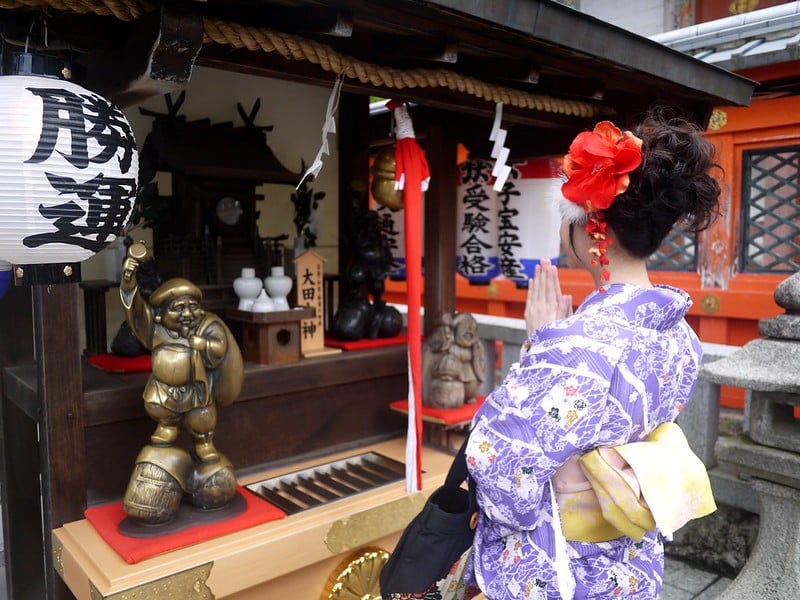
There are many kimono rental shops around Gion and Kiyomizu-dera in Kyoto, and booking is recommended in cherry blossom season. The basic plan (kimono, obi, geta sandals and a simple hairstyle) for about 6-8 hours starts at ¥3,980. Hair accessories and a premium kimono cost about ¥8,000-15,000 extra.
Shops cluster on Hanamikoji-dori, Kiyomizu-zaka and Ninenzaka, near Gion-Shijo-dori, making it easy to reach Yasaka Shrine and Maruyama Park for blossoms. We suggest arriving before 9-10 a.m. to avoid crowds and take photos. The weeping cherry at Maruyama Park is lit at night, so the day and night views differ.
Wearing a kimono to see the blossoms is a classic way to experience Kyoto’s old-capital atmosphere.
Kyoto Imperial Palace and Nijo Castle Blossom Stroll Tickets: Step Into Imperial Gardens and Feel Classical Spring
Nijo Castle is a World Cultural Heritage site with nearly 50 varieties and about 400 cherry trees, blooming from late-March Somei Yoshino to mid-April Yae-beni-shidare. Castle admission is ¥1,300 (including the Ninomaru Palace), with an optional Honmaru Palace ticket for ¥1,000. It is open 8:45-16:00 (castle closes at 17:00), every day of the year except December 29-31. Address: 541 Nijojo-cho, Nakagyo Ward, Kyoto; take the subway Tozai Line to Nijojo-mae Station and you are there.
The Kyoto Imperial Palace is free to visit, and Omi cherries and Ito-zakura make a good same-day stop.
FAQ
Q: When do Kyoto’s cherry blossoms start blooming and reach full bloom in 2026?
In 2026 they began blooming on March 23 and reached full bloom on March 30, with the best viewing period from about March 30 to April 7. Bloom timing differs every year, so please check the forecast for the year.
Q: Where can I see night-sakura illumination in Kyoto?
Kiyomizu-dera, Nijo Castle, Kodai-ji, Maruyama Park, Gion Shirakawa and Arashiyama all have night-sakura illumination, mostly from dusk until around 21:00, with dates varying by site announcement.
Q: How should I prepare my outfit for Kyoto in spring?
Dress in layers. With big day-night temperature swings, bring a windproof jacket, wear long sleeves by day, watch for the “sakura chill,” and pack light rain gear.
Q: Which transport passes should I buy for Kyoto cherry blossom viewing?
We suggest combining the JR West Kansai Area Pass with the Kyoto City Bus and Subway One-Day Pass to flexibly link the blossom spots.
Q: Where is the best-value place to stay during Kyoto’s cherry blossom season?
Hotel rates in central Kyoto rise sharply in cherry blossom season. You can use the two-city strategy: stay in Osaka’s Umeda or Namba, then take the train into Kyoto, where rates are cheaper than in the city and transport is convenient.
Q: How can I avoid the cherry blossom crowds?
We suggest going to popular spots such as the Keage Incline and Arashiyama at 6-7 a.m. or before dusk. You can also choose larger-grounds spots such as Kyoto Gyoen and Hirano Shrine, and visiting on weekdays reduces crowds further.
Q: What lesser-known hidden blossom spots are there in Kyoto?
Sanzen-in in Ohara, Hirano Shrine and the Takase River see fewer crowds and suit travelers who want to avoid the bustle and enjoy the blossoms at leisure; Sanzen-in blooms about 1-2 weeks later than the city, so it can serve as a backup at the end of the season.
