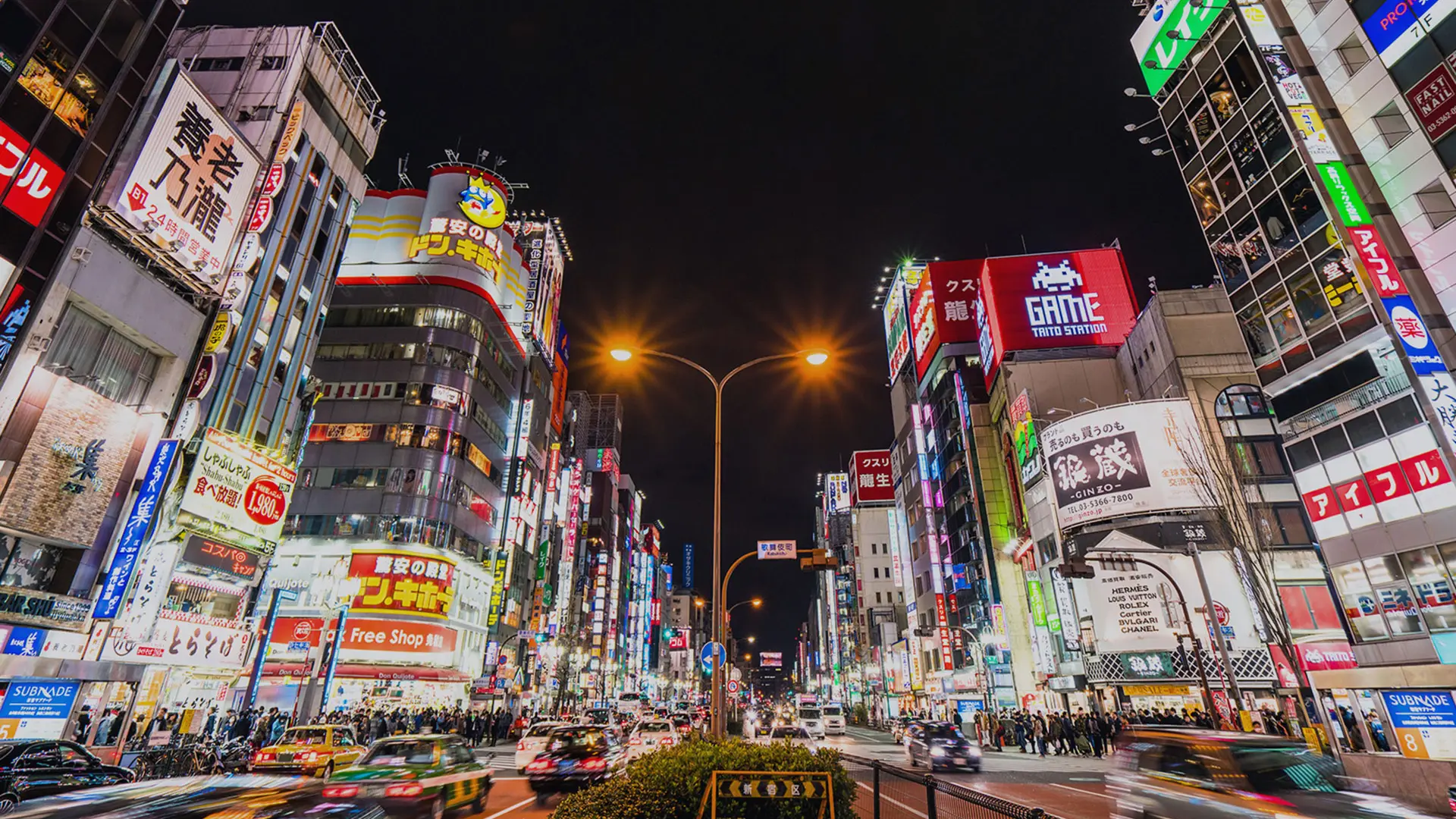

Tokyo Shinagawa: The Transport Hub and City of the Future in the Capital Region
Shinagawa is a name that shines with a character all its own on the Tokyo map. It is not only the great artery linking northern and southern Japan, but also a meeting point of business, technology and culture. From the busy Shinagawa Station to the high-tech business districts and the historic Shinagawa-juku on the old Tokaido road, Shinagawa Ward shows a diverse and energetic side of Tokyo. This guide looks closely at Shinagawa’s geographic advantages, transport convenience, business development, everyday amenities and future outlook, giving you a full picture of this ever-evolving core area of Tokyo.
Shinagawa Ward is known for its outstanding transport convenience and is the first-choice base for many business travelers and tourists. Multiple JR lines, the Shinkansen, the Keikyu Line and more meet here, making it extremely easy to reach Haneda or Narita Airport as well as other major cities in Japan. Shinagawa is also an important business district in Tokyo, home to the headquarters of many international companies, forming a vibrant economic ecosystem. In recent years, with large-scale developments such as Takanawa Gateway City moving forward, Shinagawa is gradually transforming into a city of the future that combines modern urban functions with a green, livable environment, and its potential should not be underestimated.
Shinagawa Ward’s Location and Importance
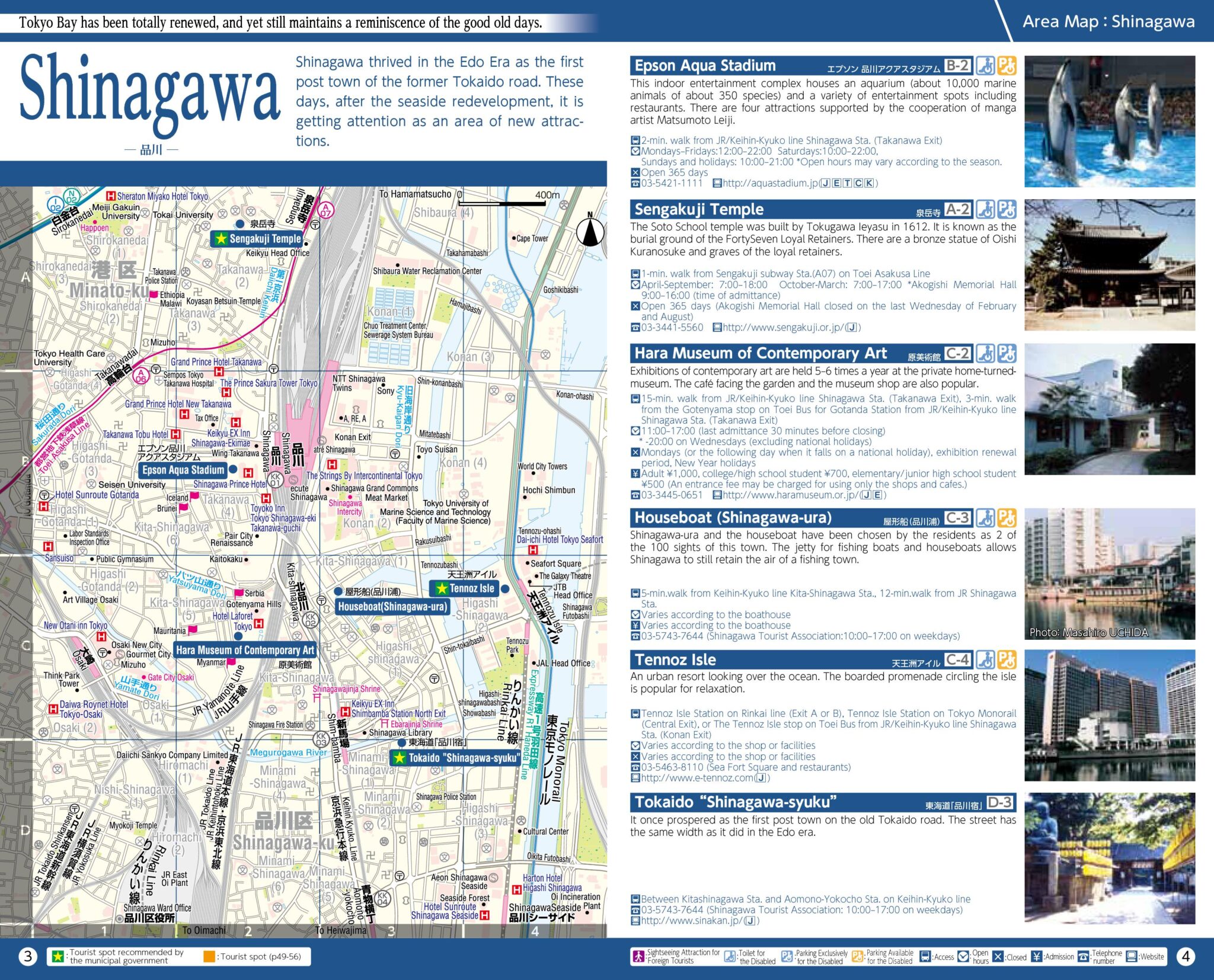
Shinagawa Ward lies in the southeast of Tokyo’s 23 wards, bordering Tokyo Bay to the east, Meguro Ward to the west, Minato Ward to the north and Ota Ward to the south. Its excellent location makes it an important gateway connecting Tokyo with the rest of Japan.
Shinagawa Ward has not only the Tokyo Bay coastline but also natural scenery such as the Meguro River, combining urban bustle with natural beauty. As the meeting point of many rail lines, Shinagawa Station handles hundreds of thousands of commuters and visitors every day, and its strategic role is vital to the functioning of the entire capital region.
Shinagawa Station: Tokyo’s Gateway and Transport Heart
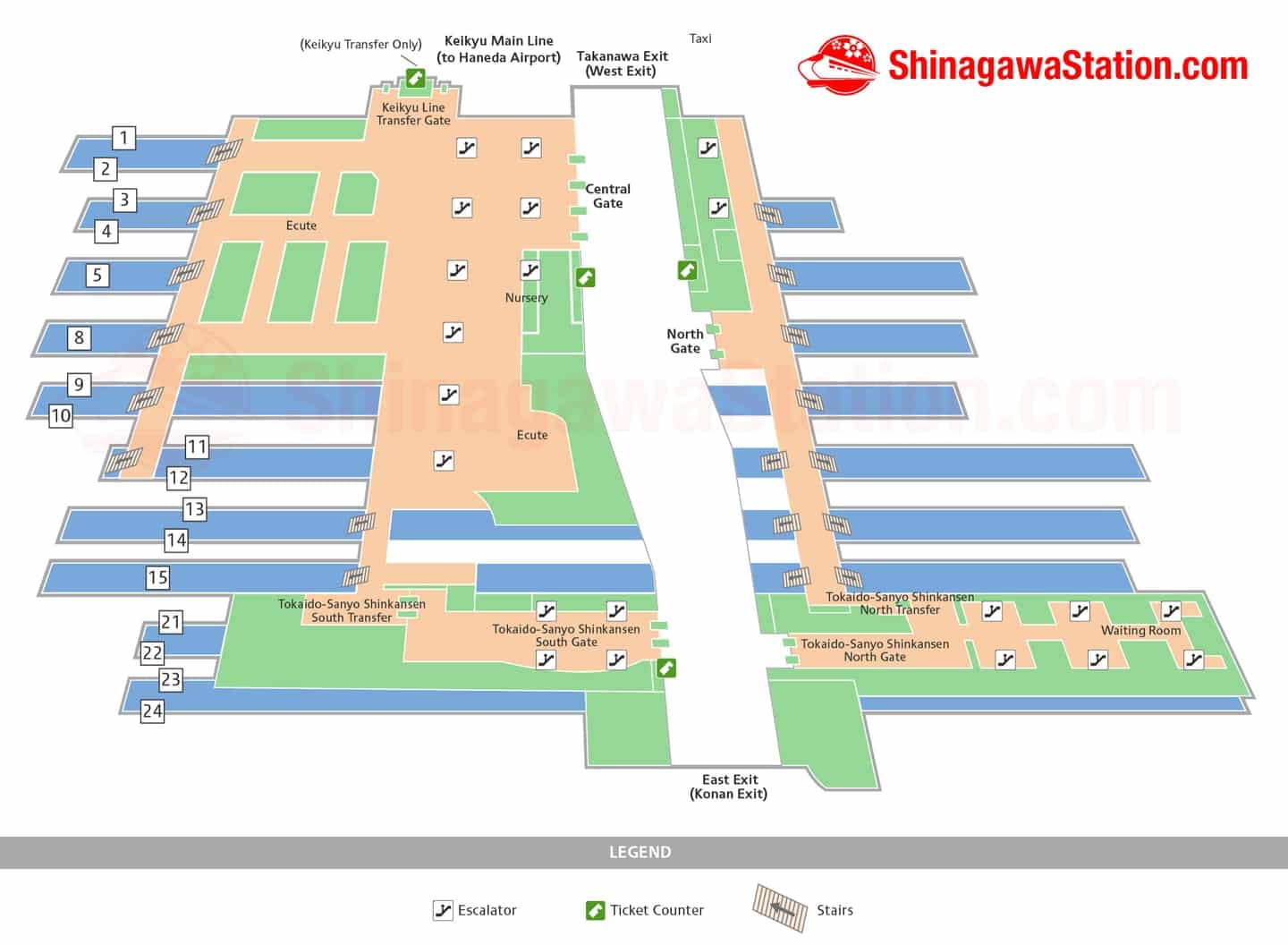
Shinagawa Station is not only one of Tokyo’s busiest stations but also a major transport hub connecting Japan with the world. It brings together multiple JR lines, the Shinkansen and the Keikyu Line, offering unmatched convenience. For business travelers, the area around Shinagawa Station has plenty of business facilities and hotels; for tourists, it is an ideal starting point for reaching Tokyo’s sights and the airports. Understanding the station layout and what each line does is the key to getting around Tokyo and Japan.
Shinagawa Station is designed to handle huge passenger volumes, with well-equipped facilities including shopping malls, restaurants and luggage lockers to meet travelers’ various needs. The station’s two main exits, the Takanawa Exit (west) and the Konan Exit (east), lead to areas with different characters. The Takanawa side is a long-established upscale hotel district, while the Konan side is a newer business and office district. Whichever way you leave the station, you can feel Shinagawa’s distinctive urban atmosphere.
Where the Shinkansen and JR Lines Meet
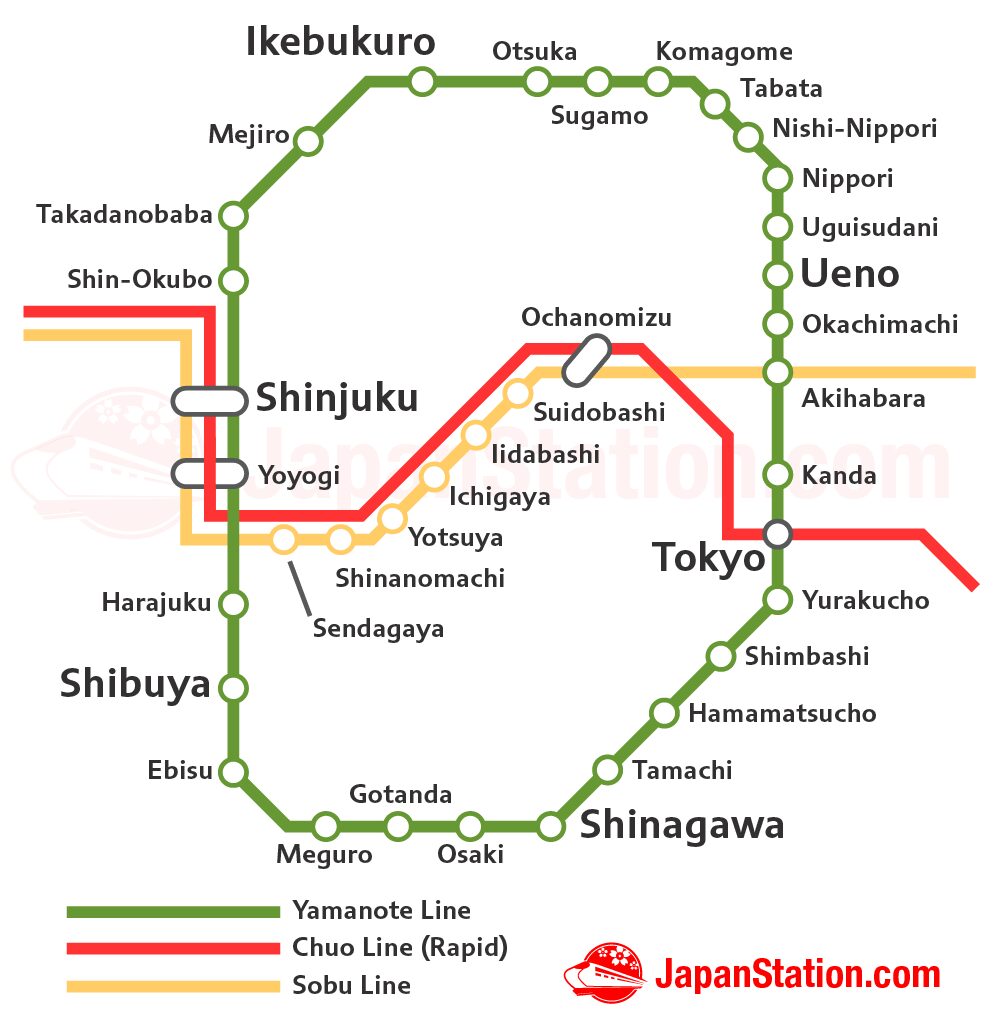
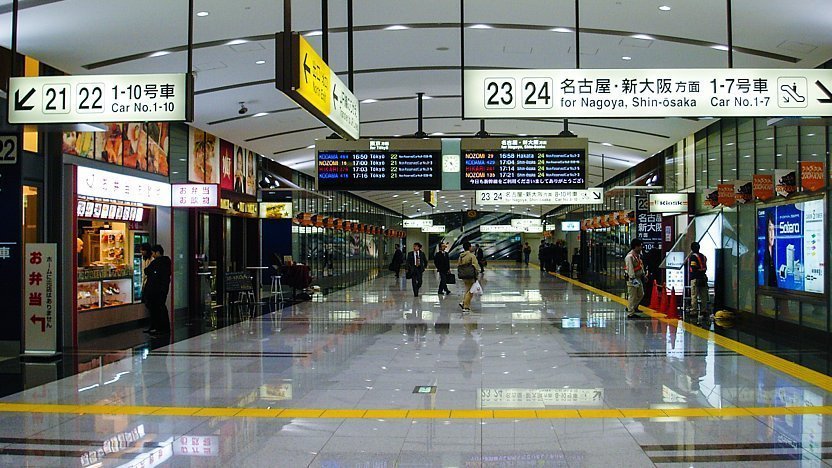
Shinagawa Station is an important stop on the Tokaido Shinkansen, linking major cities such as Tokyo, Nagoya, Kyoto and Osaka, which is extremely convenient for long-distance travelers. Many JR lines, including the Yamanote Line, Keihin-Tohoku Line, Yokosuka Line, Tokaido Line and Ueno-Tokyo Line, also meet here, making Shinagawa a key node for getting around Tokyo.
Whether you are heading to busy commercial areas such as Shinjuku and Shibuya, or to cultural sights such as Ueno and Asakusa, transfers are easy.
Direct Airport Access: Easy Routes to Haneda and Narita
Shinagawa Station is one of the most convenient stations for reaching Haneda Airport and Narita Airport. The Keikyu Line takes about 14 minutes direct to Haneda Airport with frequent departures, making it the first choice of many international travelers.
To reach Narita Airport, you can take the JR Narita Express in about 65 to 80 minutes with no transfers, which is very hassle-free. The Keikyu Line’s direct service to Haneda Airport, especially the “Kaitoku” (Express) trains, is the top choice for travel to and from Haneda thanks to its speed and high frequency.


Station Exits and Nearby Facilities
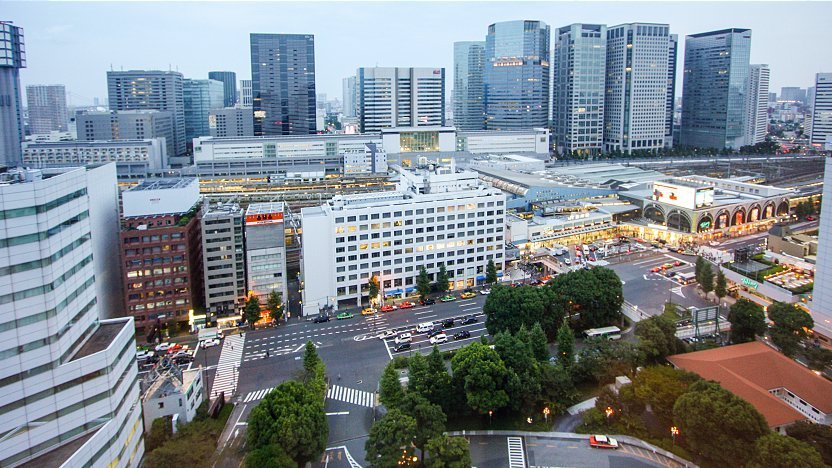
Shinagawa Station is divided mainly into the Takanawa Exit (west) and the Konan Exit (east). The Takanawa side is a long-established upscale hotel district, with hotels such as Shinagawa Prince Hotel and Grand Prince Hotel Shin Takanawa, as well as many traditional Japanese gardens and historic sites.
The Konan side is a business and office district that has grown quickly in recent years, such as Shinagawa Season Terrace, which brings together many corporate headquarters as well as modern shopping malls and restaurants.
Shinagawa’s Business and Tech Growth: Tokyo’s Innovation Engine
Shinagawa is not only a transport crossroads but also an important center of business and technological innovation in Tokyo. Skyscrapers line the Konan Exit area, and many well-known domestic and international companies have their headquarters here, forming a vibrant business district. In recent years, as large urban redevelopment plans have advanced, Shinagawa’s business footprint has kept expanding, attracting more talent and investment and becoming an important engine of Tokyo’s economic growth.
Shinagawa’s commercial development is not limited to traditional office buildings; it also incorporates modern retail, dining and entertainment facilities, making life easier for those who work and live here. From large department stores to distinctive shopping streets, and from fine dining to street snacks, Shinagawa’s commercial ecosystem is diverse and rich. Shinagawa also actively embraces technological innovation, with many tech companies and startups gathering here and driving technological progress in Tokyo and across Japan.
Major Corporate Headquarters and Business Parks
Shinagawa Ward is home to the headquarters of many large Japanese and international companies, such as Sony, Canon and Japan Airlines (JAL). The presence of these companies has made Shinagawa an important business center in Tokyo, attracting a large number of highly skilled professionals.
Large business parks around the Konan Exit of Shinagawa Station, such as “Shinagawa Season Terrace” and “Shinagawa Grand Commons,” offer modern office space and well-developed supporting facilities.
Takanawa Gateway City: A New Landmark of the Future City
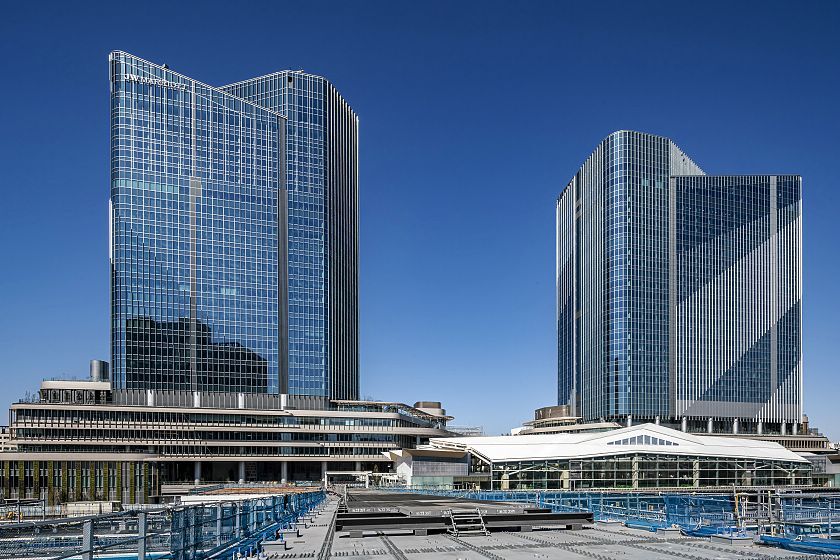
“Takanawa Gateway City” is a large urban redevelopment project underway around Shinagawa Station, and it fully opened (machibiraki) on March 28, 2026. The project aims to create a mixed-use urban space combining commerce, housing, culture, hotels and conference facilities, and it will become a new landmark for Shinagawa and Tokyo.
Among its elements, the new JR Yamanote Line station “Takanawa Gateway Station” opened in 2020, bringing fresh energy to the area’s development.
Tech Innovation and the Startup Ecosystem
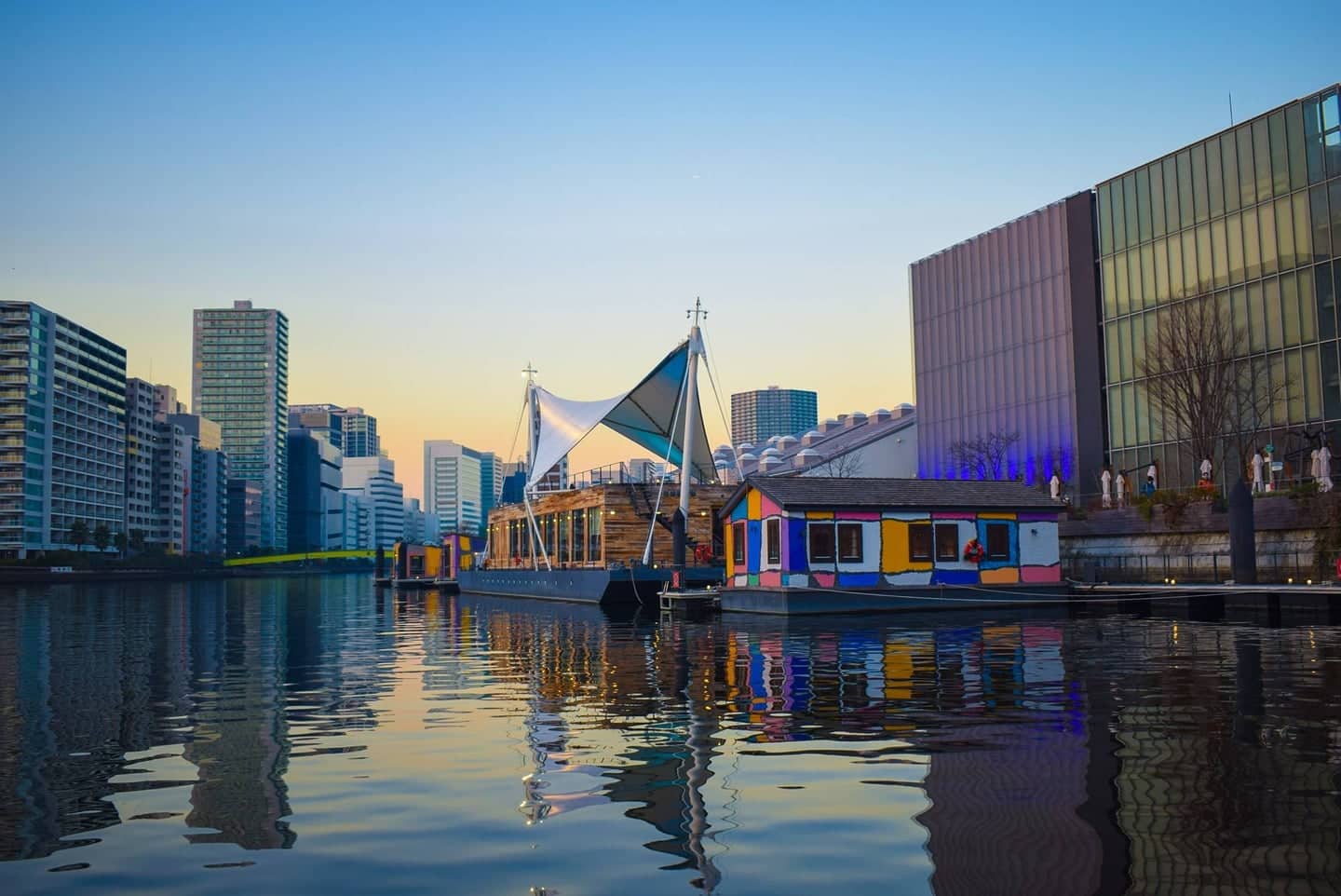
Besides large corporations, Shinagawa Ward is gradually becoming a gathering place for tech innovation and startups. Near areas such as Gotanda and Osaki, several startup incubators and coworking spaces have formed, attracting many young tech companies and entrepreneurs.
Shinagawa’s geographic advantages and solid infrastructure provide a good environment for these startups. Its tech-innovation atmosphere benefits from the many nearby universities and research institutions and from convenient transport networks, which let talent and information flow efficiently.
Everyday Life in Shinagawa: Shopping, Food and Culture
Shinagawa is not only a business hub; its excellent everyday amenities also make it an ideal place to live in Tokyo. From shopping malls in and around the station to friendly neighborhood shopping streets, and from international cuisine to authentic Japanese dishes, Shinagawa offers rich and varied choices. The ward also has many cultural facilities and green parks, giving residents and visitors places to relax even in busy city life.
Shinagawa’s amenities combine modern urban convenience with the warmth of a traditional neighborhood. Daily shopping, leisure and entertainment, and cultural enrichment are all easy to find within the ward. This diverse way of living is an important reason more and more people settle down here. Next, we look at what makes Shinagawa special for shopping, food and culture.
A Shopping Paradise In and Around the Station
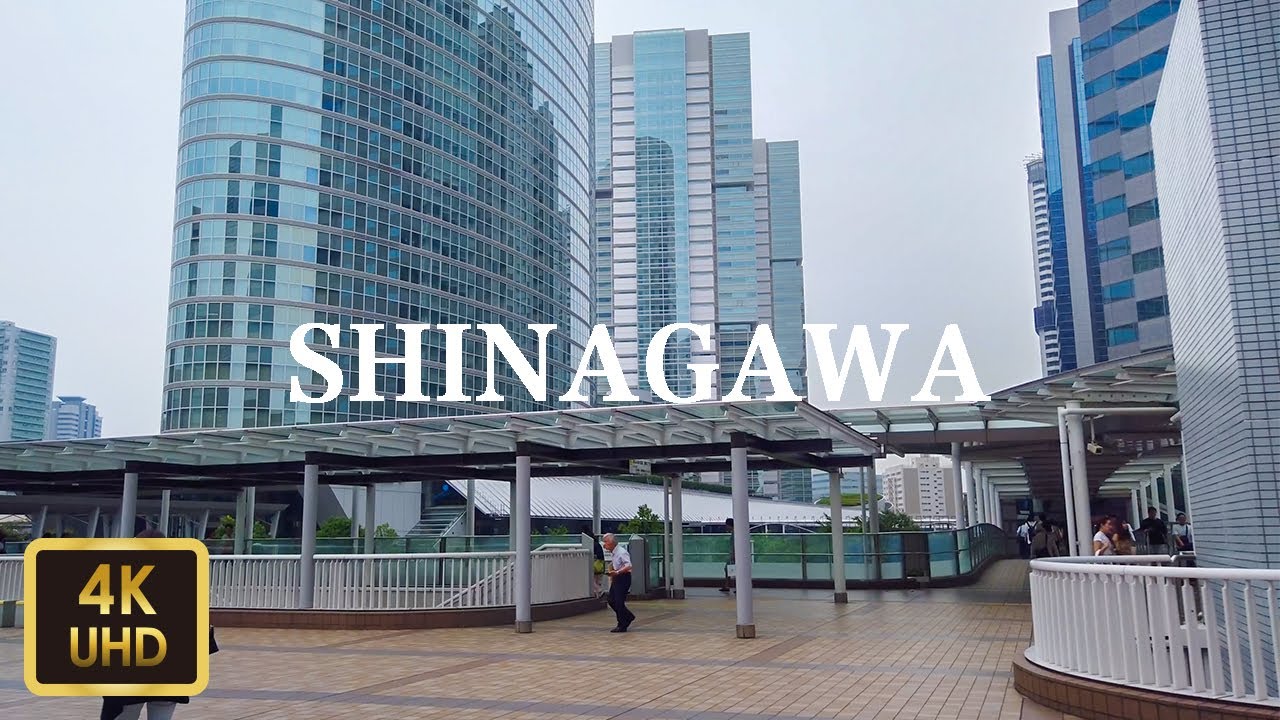
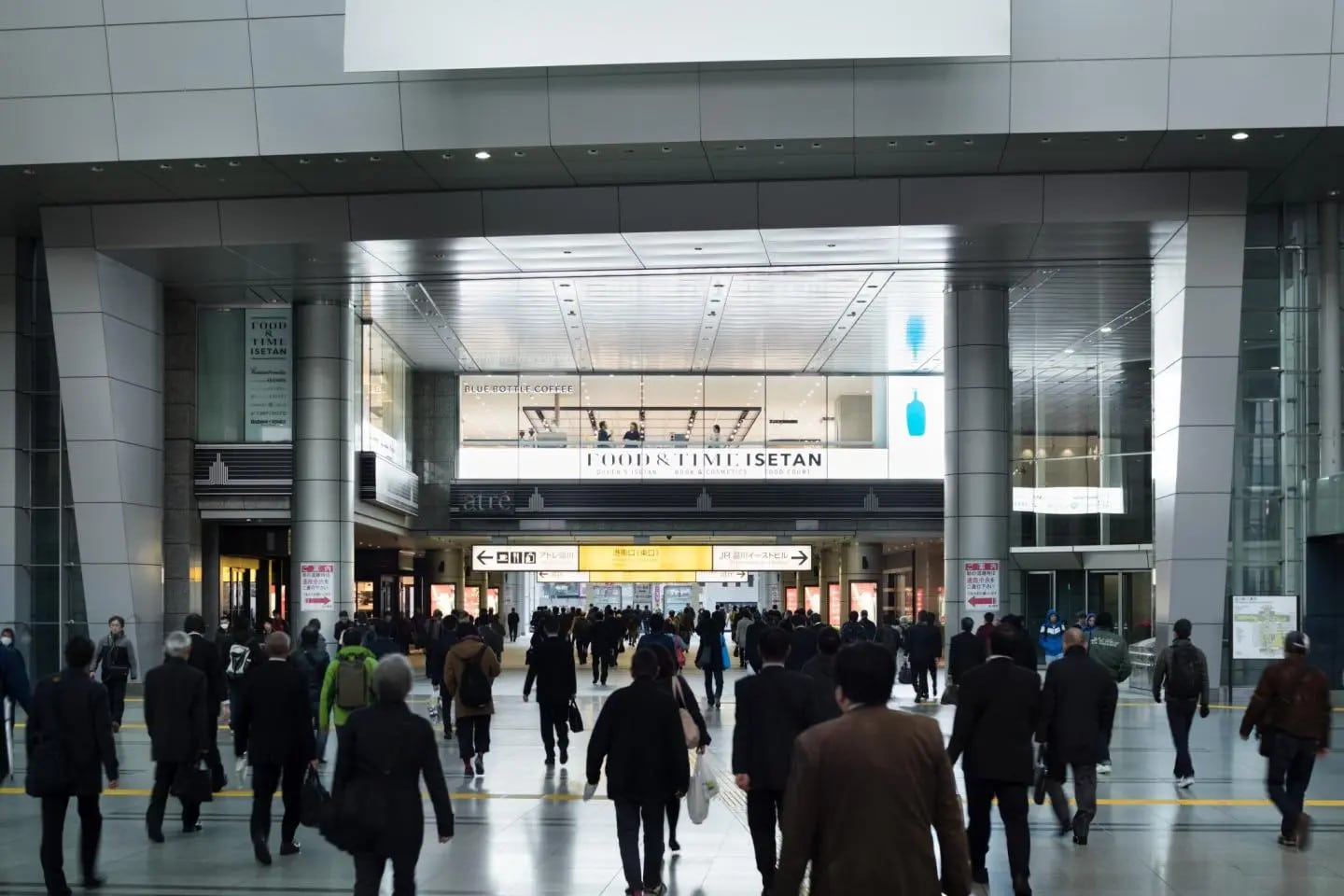
Shinagawa Station is itself a shopping center. “ecute Shinagawa” and “atre Shinagawa” inside the station offer a wide range of choices, from fashion and lifestyle goods to refined souvenirs.
ecute Shinagawa is known for its distinctive design and high-quality products, and many limited-edition items can only be found here. atre Shinagawa covers a wider range of brands, including bookstores, cafes and all kinds of restaurants, to suit different shoppers.
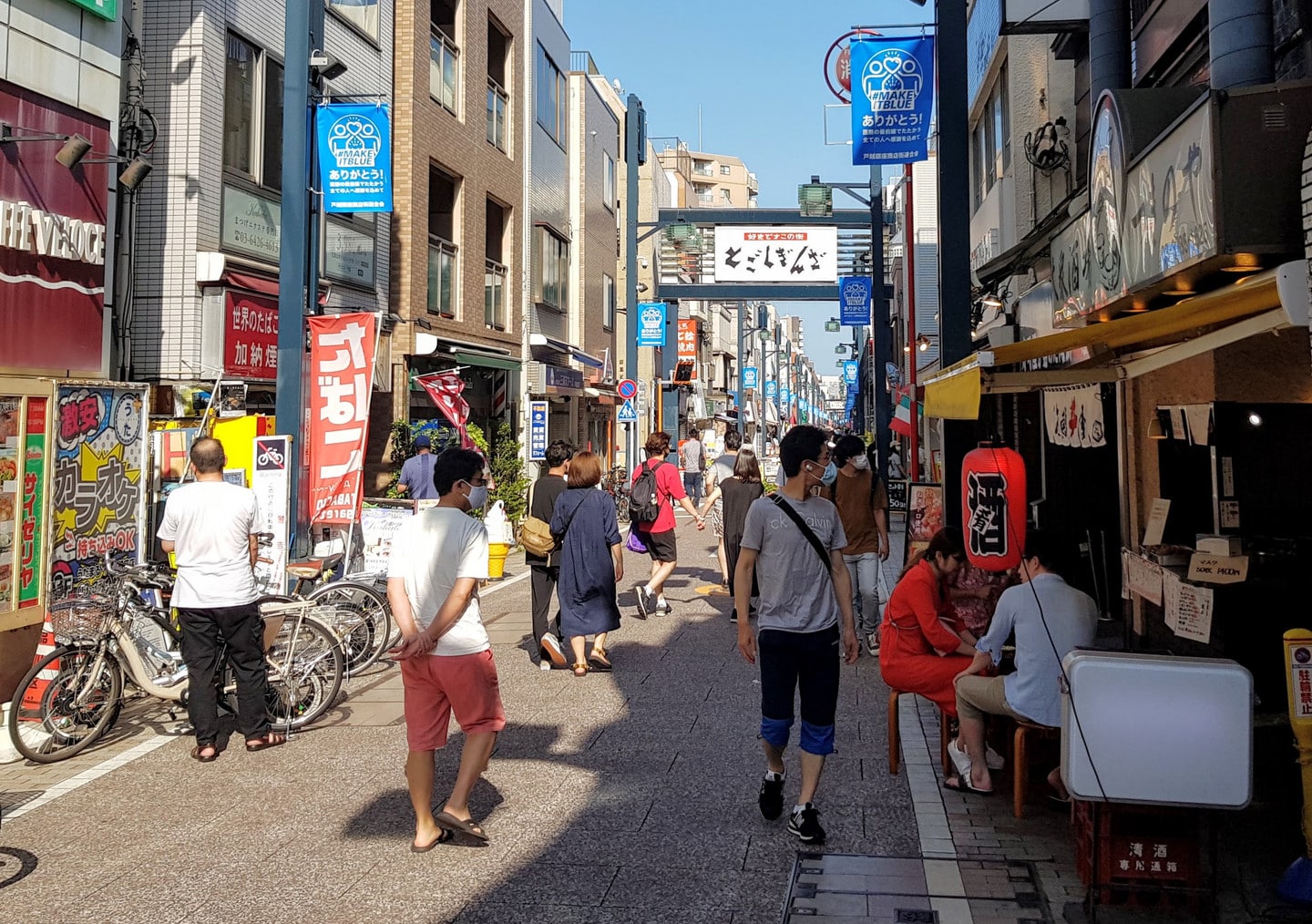
A Food Tour of Shinagawa: From International Cuisine to Local Snacks
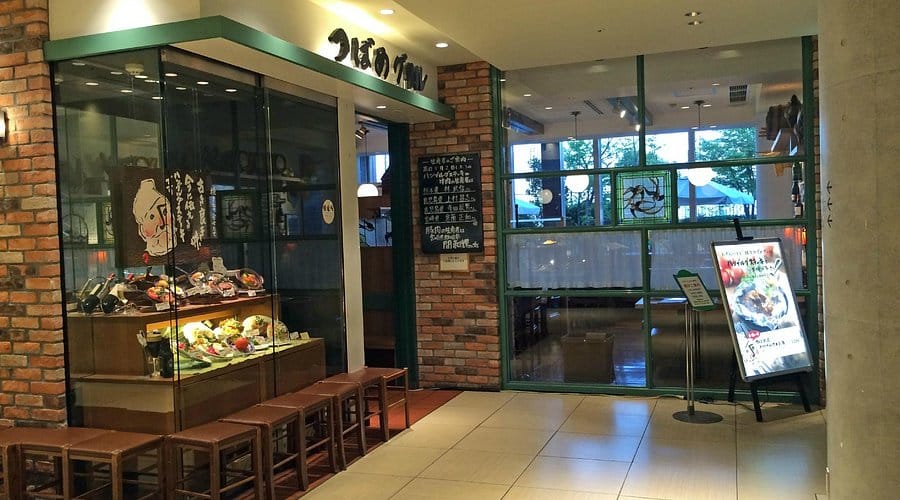
Shinagawa has rich and varied food choices, from upscale international cuisine to authentic Japanese street snacks. In and around Shinagawa Station you can find many well-known restaurants, such as Kaisen Sushi Triton (海鮮寿司トリトン), which serves sushi made with Hokkaido ingredients (4th floor of atre Shinagawa).
For coffee lovers, Blue Bottle Coffee on the 3rd floor of atre Shinagawa is a good choice. For food with more local flavor, head to Togoshi Ginza Shopping Street or Musashi-Koyama Shopping Street.
Where Culture and History Meet: The Charm of Shinagawa
Shinagawa has not only modern commercial facilities but also a rich historical and cultural heritage. Sengakuji (泉岳寺), near the Takanawa Exit, is the resting place of the Forty-Seven Ronin and draws many history lovers every year.
Shinagawa Shrine (品川神社) is known for its distinctive “twin-dragon torii” and the “Ichiryu Mambai Spring,” a good place to pray for wealth. Tennozu Isle shows Shinagawa’s artistic and innovative side, with a number of galleries and cafes converted from warehouses, along with the WHAT MUSEUM contemporary art museum.
In addition, the stretch from Keikyu Kita-Shinagawa Station to Aomono-Yokocho Station is the site of Shinagawa-juku, the first post town on the Edo-period “Fifty-Three Stations of the Tokaido.” The old road still has traditional shops and temples and shrines, perfect for travelers who enjoy a stroll through old-Tokyo atmosphere.
A Must-Visit for Families: Maxell Aqua Park Shinagawa
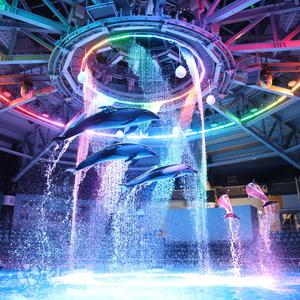
About a 2-minute walk from the Takanawa Exit of Shinagawa Station is “Maxell Aqua Park Shinagawa,” which combines an aquarium with light-and-sound entertainment and is one of the most popular family attractions in Shinagawa. It is known for its “Dolphin Performance” and a dreamlike illuminated jellyfish zone, and it is open all year round.
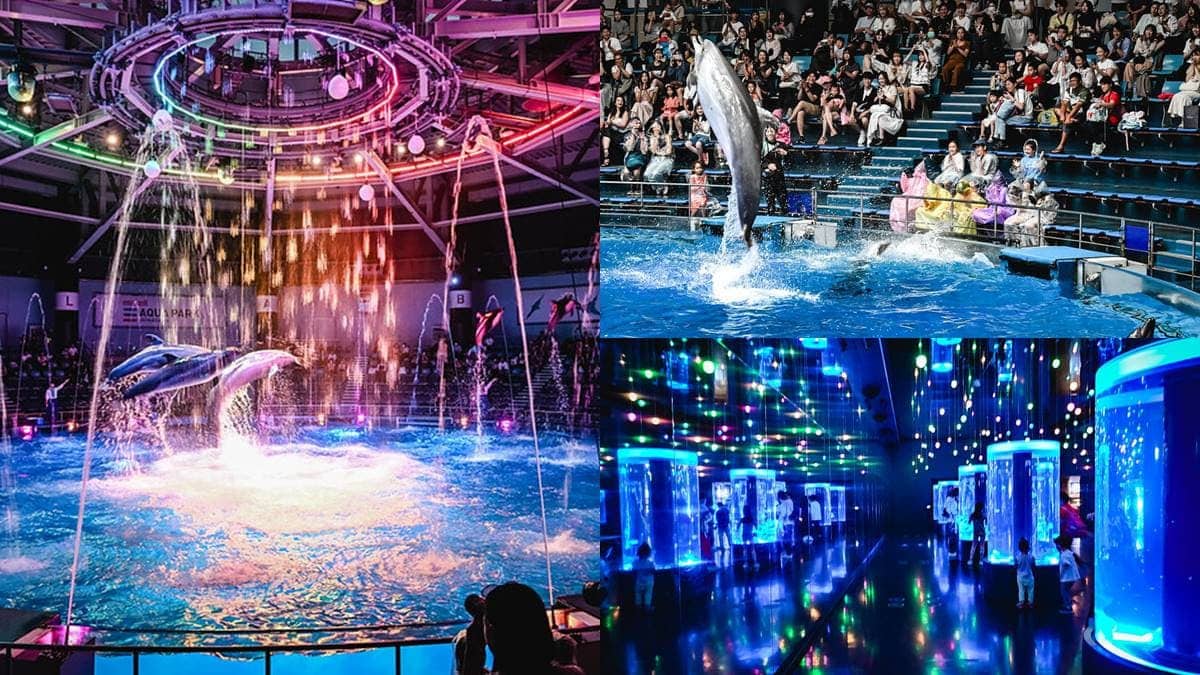
Opening hours are about 10:00 to 20:00 (last entry 19:00) and may be extended in peak season. Tickets are about ¥2,500 to ¥2,800 for high school students and older, ¥1,300 for elementary to junior high school students, and ¥800 for ages 4 and up. Please check the official website (aqua-park.jp) for the latest prices.
Shinagawa’s Future Outlook: Urban Redevelopment and Better Livability
Shinagawa’s development never stops, and several large urban redevelopment projects are in full swing, aiming to turn Shinagawa into a more internationally competitive, smarter and more livable city of the future. These projects focus not only on upgrading commercial and transport facilities but also on expanding green space and improving community life. Shinagawa’s future will be a model that blends cutting-edge technology with human care.
With the full completion of Takanawa Gateway City in 2026, Shinagawa will take on a whole new look. The area will be not only a business center for Tokyo but also a diverse community that brings together culture, art and daily life. These developments will draw more talent and families to move in, further raising Shinagawa’s vitality and appeal. Shinagawa’s outlook is full of promise, and it will continue to lead Tokyo’s urban development trends.
The Full Impact of Takanawa Gateway City
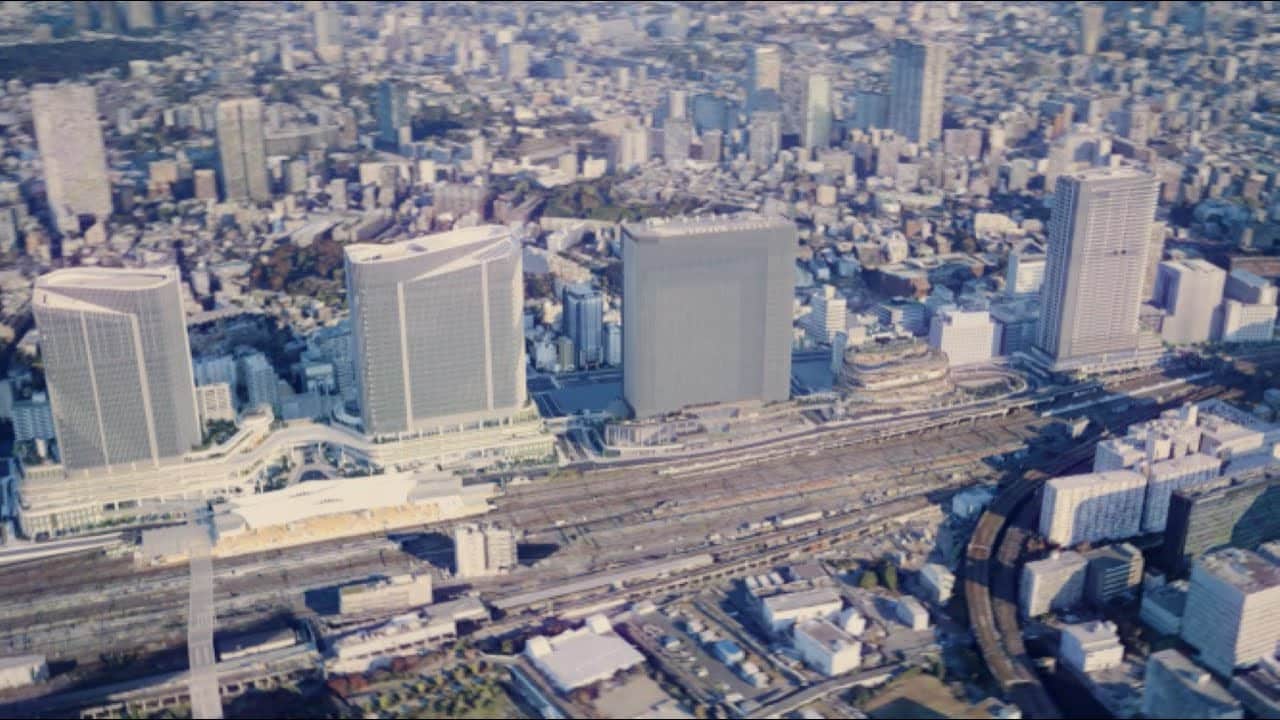
As the largest redevelopment project around Shinagawa Station, the full completion of Takanawa Gateway City will have a far-reaching impact on Shinagawa. The project provides a large amount of office space to attract more companies, and has also brought in the international-class hotel “JW Marriott Hotel Tokyo” (opened October 2025) and the cultural facility “MoN Takanawa” museum (an exhibition space blending traditional performing arts with technology), greatly raising Shinagawa’s international image and cultural appeal.
In addition, “NEWoMan Takanawa,” the largest commercial facility run by JR East, opened first in September 2025, offering a fresh shopping and entertainment experience; the whole Takanawa Gateway City mixed-use development officially opened on March 28, 2026, with facilities such as MoN Takanawa starting operation at the same time.
Regional Synergy Between Oimachi and Gotanda
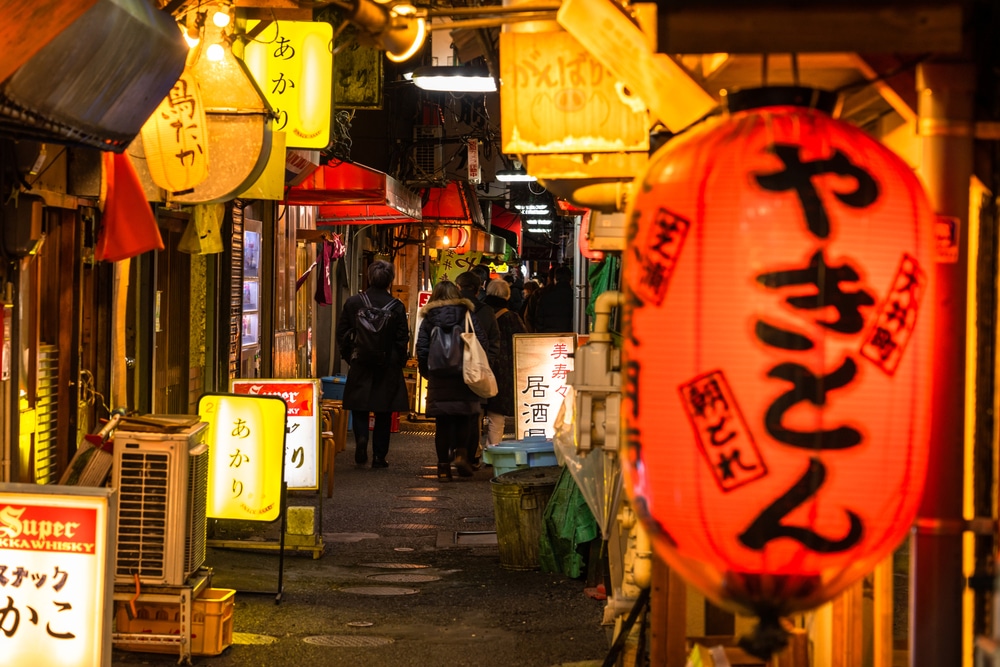
Shinagawa Ward’s development is not limited to the area around Shinagawa Station; areas such as Oimachi and Gotanda also play important roles and create synergy with Shinagawa Station. Oimachi, with convenient transport (JR Keihin-Tohoku Line, Tokyu Oimachi Line and Rinkai Line) and relatively affordable prices, is the first choice of many families and young people looking for a place to live.
It has large department stores, shopping streets and plenty of dining choices, with well-developed everyday amenities. Gotanda is known as a hub of startups and diverse dining culture, and has been called “Gotanda Valley.”
More Green Space and a More Livable Environment
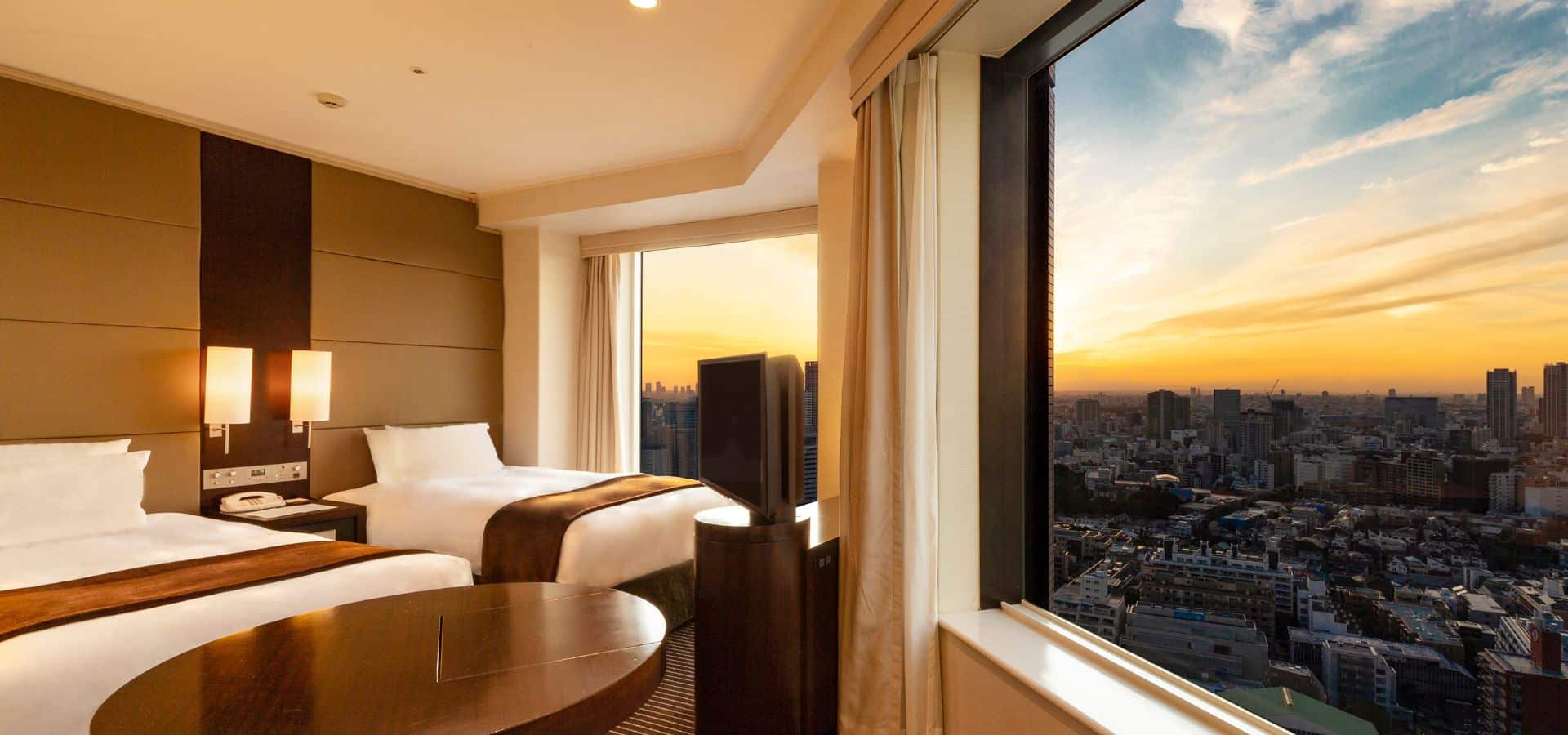
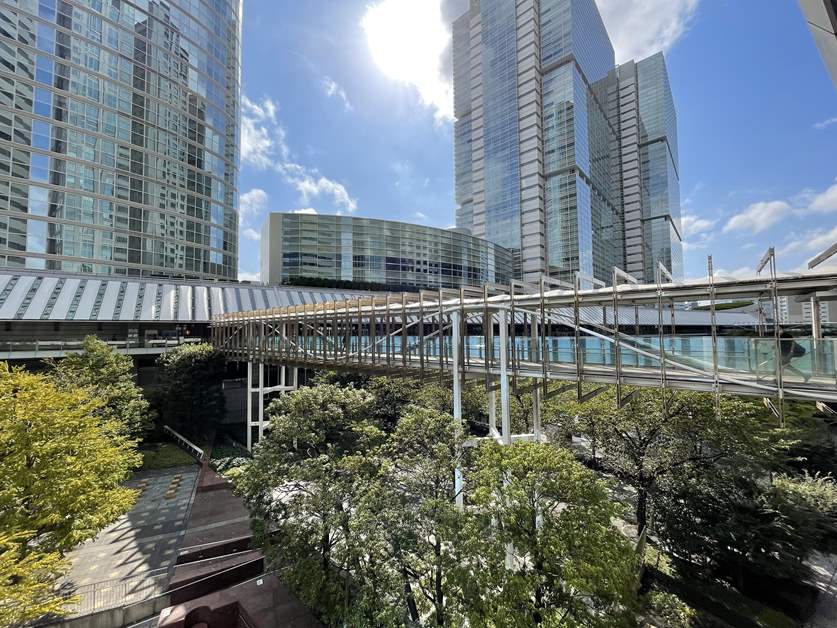
As redevelopment advances, Shinagawa Ward is placing more and more emphasis on building green space and improving livability. For example, Shinagawa Season Terrace has not only modern office buildings but also a spacious green park, making it a good place for residents to relax.
Takanawa Gateway City also plans to introduce extensive greenery, creating an urban space that lives in harmony with nature. The ward also has several long-established gardens, such as Goten-yama Garden and Ikedayama Park, which offer quiet oases in the city.
Practical Tips for Living and Working in Shinagawa
Living or working in Shinagawa, Tokyo goes more smoothly and pleasantly if you know a few practical tips. From choosing transport passes to finding suitable accommodation, and finding your own place to rest in a busy city, these small tricks can help you settle into Shinagawa’s rhythm. Convenience is Shinagawa’s greatest strength, and these tips help you make the most of it.
Whether you are a newcomer or a business traveler who comes and goes often, understanding Shinagawa’s local character and resources makes life more efficient. For example, using the rich facilities around the station can save commuting time, and exploring neighborhood shopping streets lets you experience more authentic Tokyo life. These practical tips are meant to help you find the lifestyle that suits you best in this lively area.
Make Good Use of Multi-Purpose Transport Passes
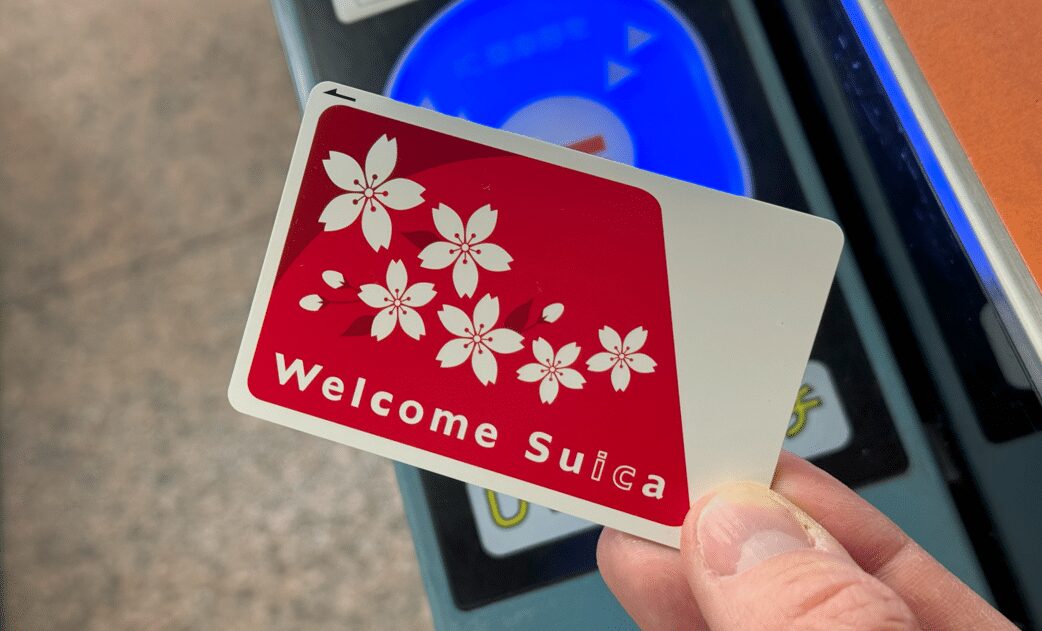
As a transport hub, Shinagawa is a place where using multi-purpose transport passes well is the key to saving time and money. Short-term tourists can consider “Welcome Suica” or the “TOURIST PASMO” launched in May 2026. Both are prepaid IC cards exclusively for foreign visitors, usable on JR, subways, private railways and buses, and for purchases at convenience stores, which is very handy.
Long-term residents and commuters can get a registered Suica or Pasmo card instead.
![Tokyo - [Essential for Tokyo Trips] Suica Card | The Most Convenient Transport Card](https://res.klook.com/images/w_300,h_300,c_fill,q_75/w_80,x_15,y_15,g_south_west,l_Klook_water_br_trans_yhcmh3/activities/umbkzsnq3ftwmq5zcdrx/【東京旅遊必備】Suica西瓜卡|最便利的交通卡-Klook.jpg)
Guide to Choosing Where to Stay in Shinagawa
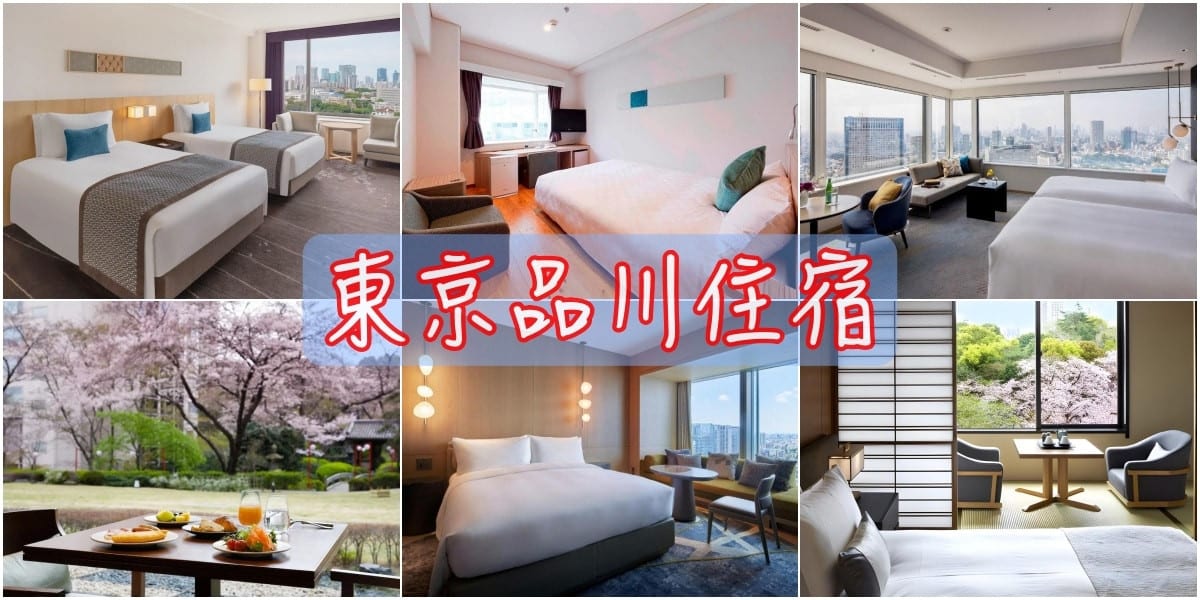
Shinagawa Ward has a very rich choice of accommodation, from luxury hotels to business hotels. The Takanawa Exit area of Shinagawa Station has several upscale hotels such as “Shinagawa Prince Hotel” and “Grand Prince Hotel Shin Takanawa,” while the Konan Exit has “InterContinental Tokyo Bay”; these hotels generally offer comprehensive facilities and quality service, suiting business travelers or tourists seeking comfort.
On a tighter budget, consider lodging around stations such as Osaki, Gotanda or Oimachi in Shinagawa Ward.
Exploring Shinagawa’s Local Neighborhoods and Green Spaces
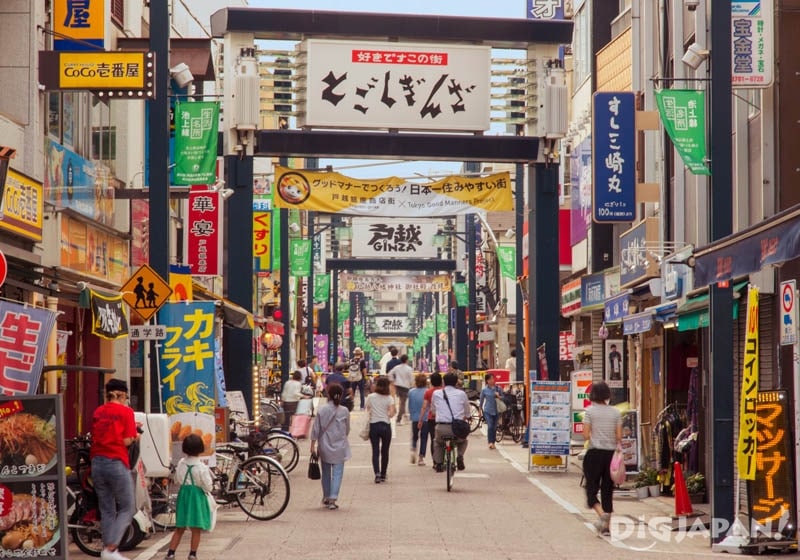
Beyond the busy station area, Shinagawa Ward has many local neighborhoods and green spaces worth exploring, letting you see a more authentic and relaxed side of Tokyo.
For example, Togoshi Ginza Shopping Street and Musashi-Koyama Shopping Street are great places to experience Tokyo’s shitamachi (old downtown) character, with many traditional snack shops, general stores and local businesses full of warmth. In city life, finding green space to rest is also very important.
Shinagawa: A Vibrant District Linking Past and Future
Shinagawa, Tokyo’s transport hub and business center, is known not only for its outstanding transport convenience but also for its ever-evolving cityscape and diverse everyday amenities, drawing global attention. From the busy Shinagawa Station to the high-tech business parks, and from the historic old Tokaido to the artistic Tennozu Isle, Shinagawa shows Tokyo’s unique charm.
As large urban redevelopment projects such as Takanawa Gateway City are gradually completed, Shinagawa is moving toward a smarter, greener and more livable city of the future. It is an ideal choice for business travelers, an excellent starting point for tourists exploring Tokyo, and a dream place to live for many. Whether you come to work, travel or live, Shinagawa offers rich and varied experiences and will be an essential stop on your Tokyo trip.

Where to Stay Nearby
Shinagawa Station is a hub for the Shinkansen, Keikyu and JR lines, about 14 minutes from Haneda Airport, with direct trains toward Narita as well. Staying in the Shinagawa, Takanawa or Konan Exit area makes morning and evening travel easy. For a quieter stay, choose a hotel on the Takanawa side; shopping and dining are concentrated around the Konan Exit and Shinagawa Season Terrace.