
Kyoto Kawaramachi Food Guide 2026: Pontocho Wagyu Steak, Historic Coffee Shops and Izakaya Alleys, Kyoto’s Most Concentrated Dining District
The Shijo-Kawaramachi dining zone is arguably the densest in all of Kyoto. From wagyu steak and historic coffee shops to izakaya alleys, Kawaramachi and Pontocho are all within walking distance, worth a whole day of eating.
Pontocho: Kyoto’s Most Classic Geisha-District Alley
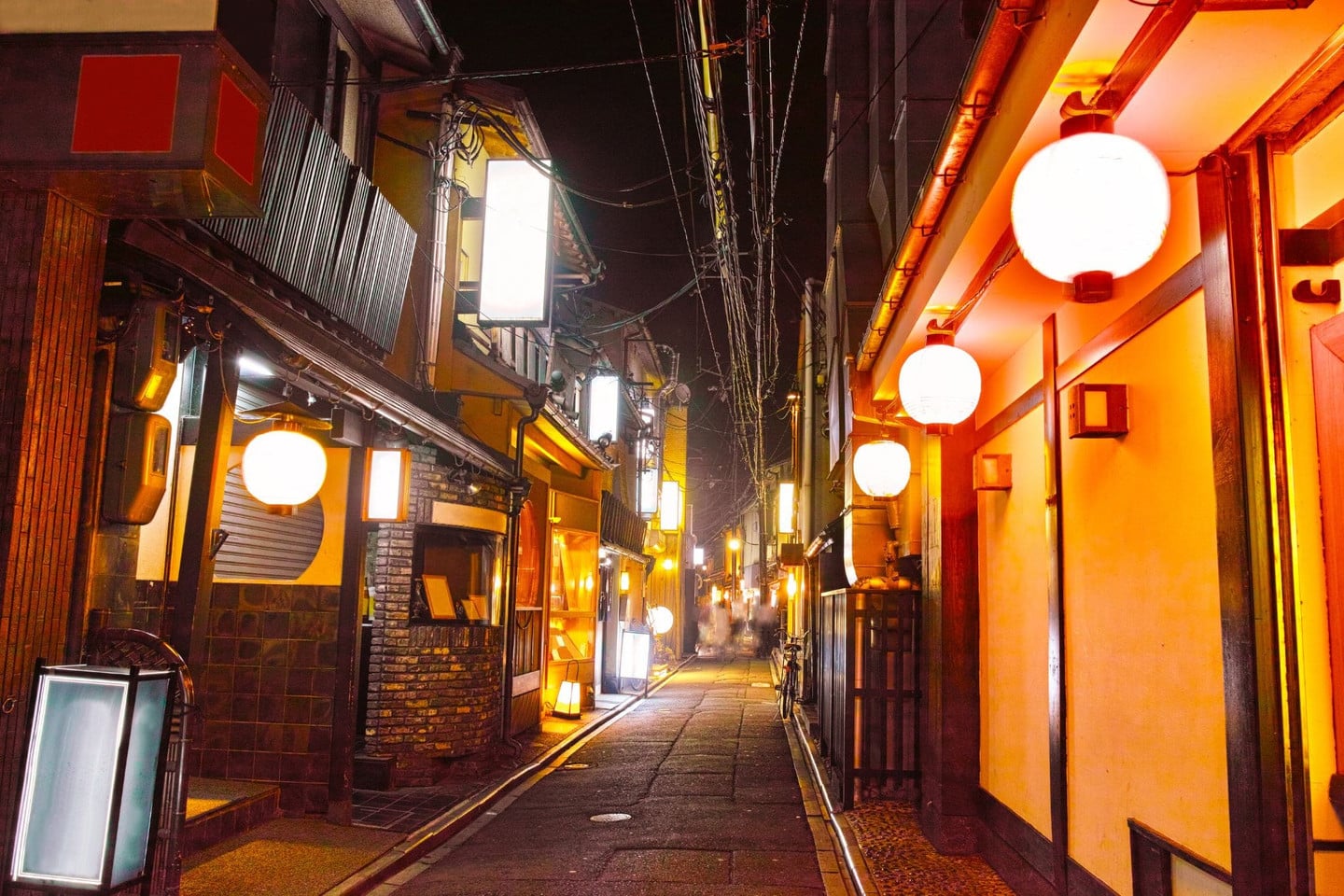
If you are looking for food in Kyoto’s Pontocho, this roughly 500-meter stone-paved lane beside the Kamo River is the answer. Both sides are lined with restaurants and izakaya converted from Kyoto machiya townhouses, and the atmosphere is enchanting when the red lanterns light up at night. As one of Kyoto’s five geisha districts, you can still spot geiko and maiko here, and the offerings range from budget food to reservation-only premium wagyu, breaking the stereotype that “Pontocho means expensive.”
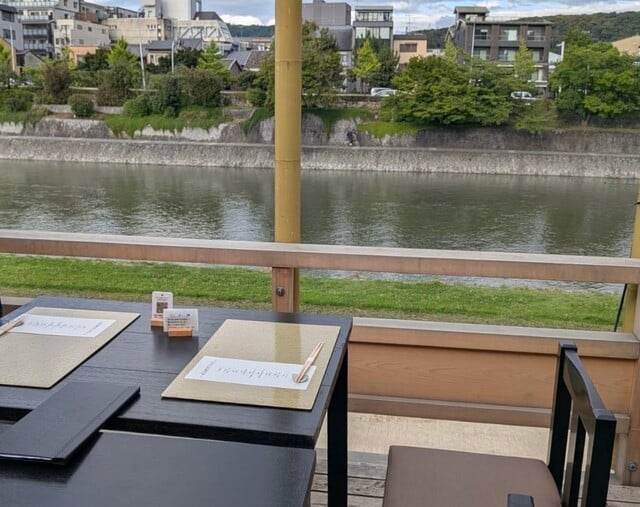
From May to September, restaurants along the Kamo River set up “noryo-yuka” outdoor terrace seating, a summer-only luxury of dining to the sound of water. We suggest booking at least a week ahead.


Nishiki Market: Kyoto’s Kitchen and the Starting Point of a Kawaramachi Food Tour
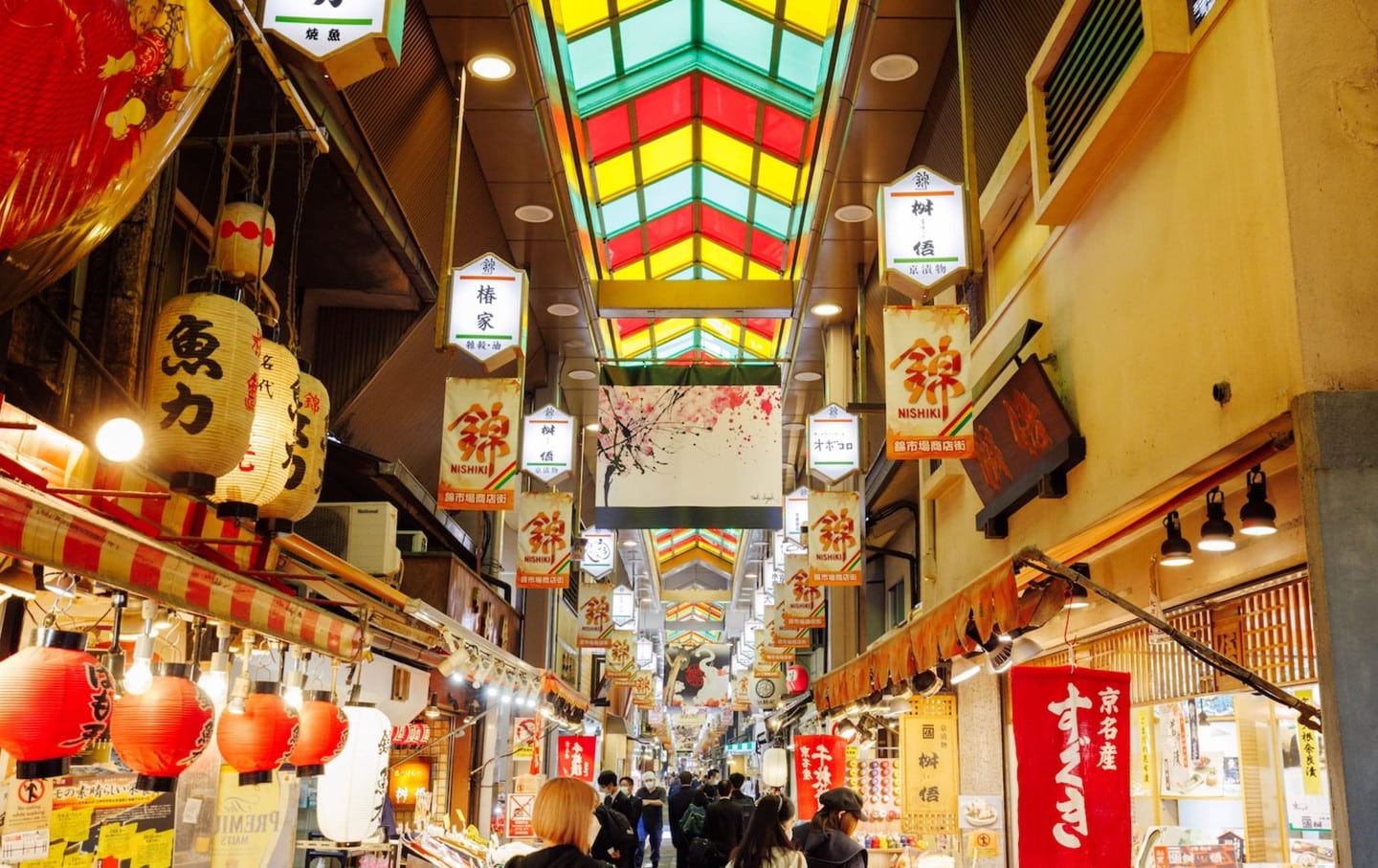
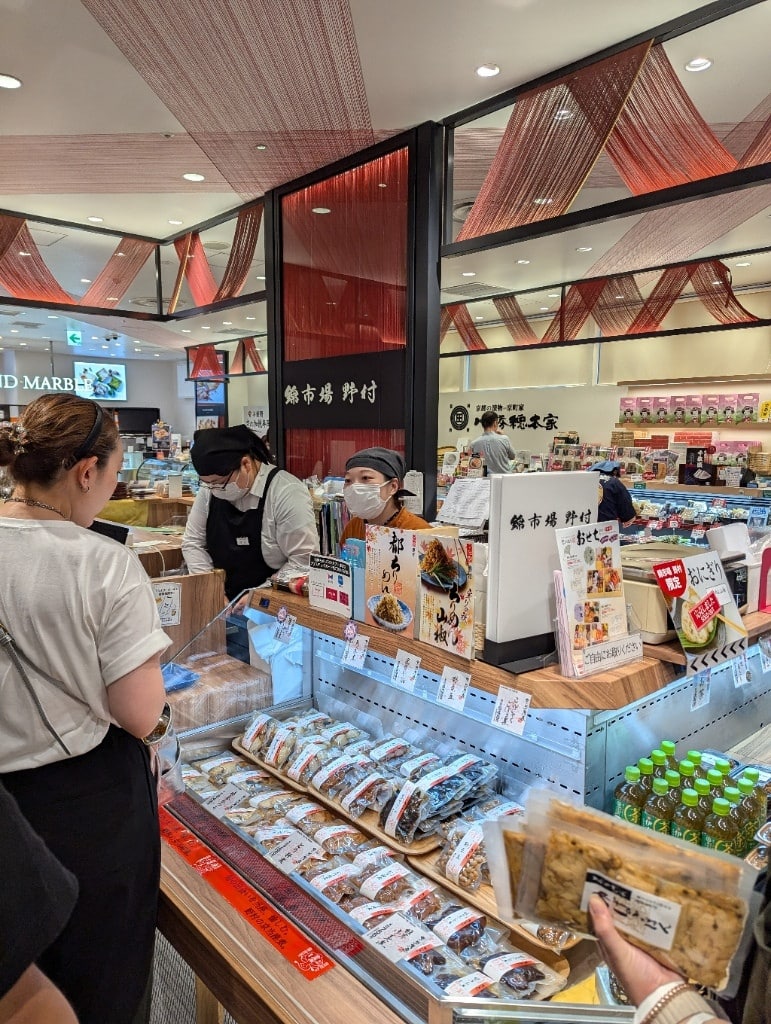
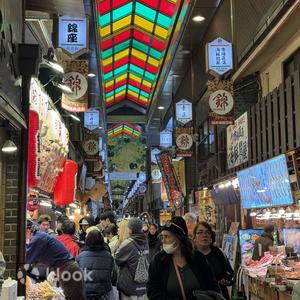
Nishiki Market is about 400 meters long, connecting Kawaramachi and Shijo-Karasuma, with over a hundred shops selling Kyoto pickles, dried goods, tamagoyaki, raw fish nigiri, takoyaki, fried tofu, matcha sweets and more. It is a shortcut to Kyoto’s food culture.
Most shops are open 9:00-18:00, and some close on Wednesdays. Single items cost about ¥300-800, good for sampling small portions of many things, so go hungry. Avoid weekend lunchtime crowds and go on a weekday morning or late afternoon. You can finish in 1-1.5 hours, and it makes a good warm-up before a Kawaramachi food tour, or a place to pick up souvenirs such as shichimi spice and pickles.
Kiyamachi: The Riverside Late-Night Diner Street
Kiyamachi-dori, running parallel to Pontocho along the Takase River, gathers many izakaya, bars and ramen shops and is another main axis of Kyoto nightlife. Prices are friendlier than Pontocho, and it suits second rounds and late-night drinks.
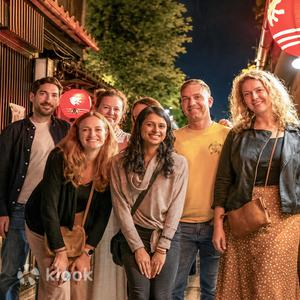
How to Explore Shijo-Kawaramachi Food: Picking Between Pontocho and Kiyamachi, the “Izakaya Streets”
“Shijo-Kawaramachi” refers to the area around the intersection of Shijo-dori and Kawaramachi-dori, the core of what many people search for as “Shijo-Kawaramachi food.” Hankyu’s Kyoto-Kawaramachi Station is right under the intersection, and across Shijo Ohashi Bridge is Keihan’s Gion-Shijo Station, making this the most food-dense area in central Kyoto. Centered on the intersection, to the west are Nishiki Market and the Shinkyogoku and Teramachi-dori shopping streets, and a minute or two east are Pontocho beside the Kamo River and Kiyamachi-dori along the Takase River. Lunch, shopping and evening second rounds can all be linked on foot.
The “Kyoto izakaya street” often mentioned online usually refers to these two parallel nightlife streets, but their styles differ greatly, so choose by budget and mood:
- 🏮 Pontocho: One of the geisha districts, running from Shijo-dori in the south to around Sanjo-dori in the north, a stone-paved lane about 500 meters long and only about 2 meters wide, with ochaya, ryotei, kappo and izakaya crowded along both sides. Prices are mid to high, suiting dinner of kyo-ryori or seats with a Kamo River view. At the north end, the Pontocho Kaburenjo theater holds the “Kamogawa Odori” every May.
- 🍻 Kiyamachi: Extending along the Takase River, with izakaya, bars and ramen shops packed together, a more relaxed mood and friendlier prices, good for second rounds after dinner or a solo drink.
- 🍡 Nishiki Market and Shinkyogoku area: mainly daytime snacks, old-style diners and sweets, good for lunch or eating on the move. Most shops are closed by night.
If you want to sit on a Kamo River noryo-yuka in Pontocho, note that the platforms are only set up from May 1 to September 30 each year, and the midday “hiru-yuka” runs only in May and September. From June to August, to prevent food poisoning, only evening platform seating is offered. In other months you sit indoors. If it’s your first time, check the menu and prices at the entrance at the mouth of a Kiyamachi or Pontocho alley before going in, and be prepared for the otoshi (table charge appetizer) common at Japanese izakaya.
Must-Eat Wagyu Steak and Yakiniku Recommendations
The Kawaramachi and Pontocho area has long been a gathering place for Kyoto food lovers, and narrow stone-paved lanes hide all kinds of wagyu specialty shops, from teppanyaki to seared nigiri. If you want to eat Kyoto’s top wagyu in one go, these shops are a must-visit list, with mid to high prices that suit travelers of different budgets for a luxurious food tour.
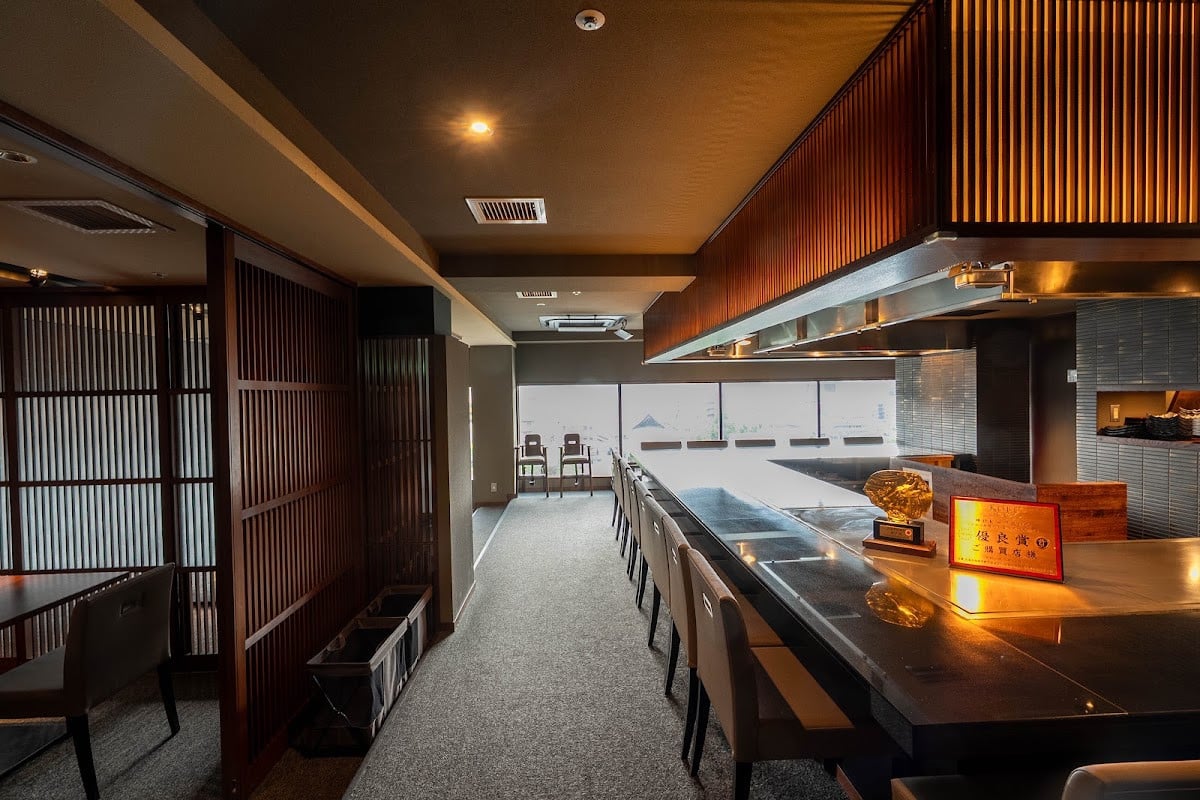
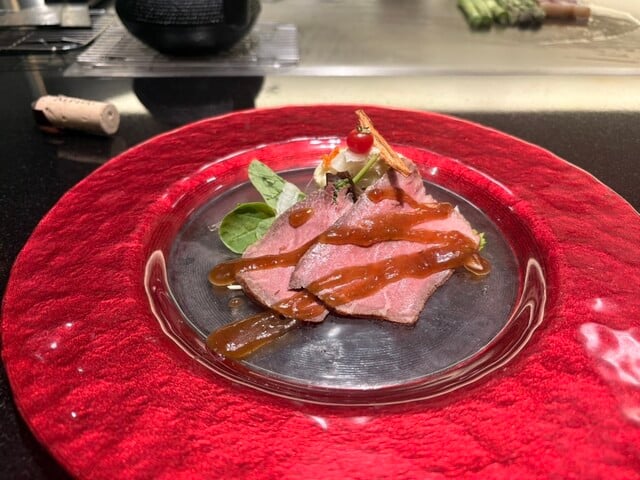
Teppanyaki Wagyu: Kyoto Teppanyaki grow
“Kyoto Teppanyaki grow” is around Kiyamachi and specializes in teppanyaki sets of carefully selected Japanese black wagyu. The chef cooks in front of guests, from searing to seasoning in one flow, with an irresistible aroma. The shop has private room seating and a calm atmosphere, suiting travelers who want to quietly enjoy teppanyaki wagyu.
Set prices depend on the cut and weight, and evening sets fall in the mid to high price range. We suggest reserving ahead through HotPepper or by phone, as seats are hard to get on holidays.
With counter and private room seating together, it suits couples or small families who want to watch the chef’s skill up close, one way to experience the ritual of teppanyaki wagyu.
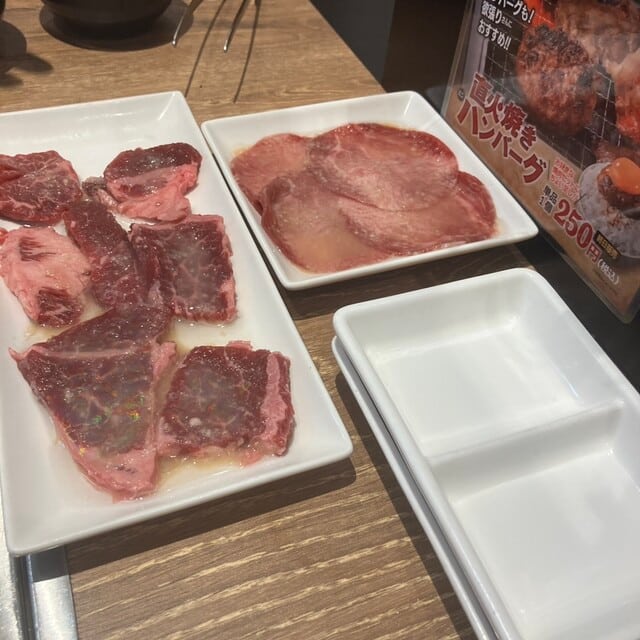
Charcoal Yakiniku: Yakiniku Like Kyoto Kawaramachi
Yakiniku Like offers solo yakiniku, featuring single-person seats and small-portion sets, with a rich charcoal aroma.
Solo sets are about ¥1,200-¥2,500, and adding rice and side dishes costs only a few hundred yen. Address: Shijo-dori Kawaramachi Nishi-iru, Shimogyo-ku, Kyoto. Open 11:00-23:00 every day, suitable for lunch and dinner.
A translation menu is available, suitable for travelers on a limited budget.
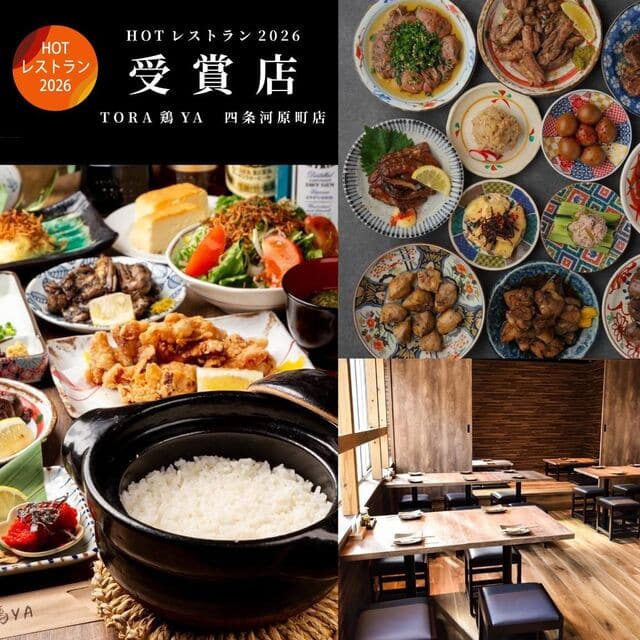
Premium Wagyu Yakiniku: Kyo Yakiniku Arata Pontocho Branch
“Kyo Yakiniku Arata Pontocho Branch” selects Omi beef and Japanese black wagyu, serves strictly graded yakiniku, and has Kamo River noryo-yuka view seating. Address: Pontocho, Nakagyo-ku, Kyoto. Online reservations are available through TableCheck. The shop’s Kamo River noryo-yuka is set up from May 1 to October 15, with a ¥700 per person surcharge for evening platform seats.
Must-Visit Shops: A Complete Guide to Restaurants and Coffee Shops
The Kawaramachi area is Kyoto’s liveliest dining battleground, from the stone-paved lanes of Pontocho beside the Kamo River, to the izakaya alleys where Teramachi-dori and Kiyamachi-dori intersect, plus long-established kissaten hidden deep in the alleys. Within a short walk you can eat nearly the best of Kyoto. Here are seven hand-picked must-visit shops covering wagyu steak, traditional kissaten and authentic izakaya, to help you plan a food route through Kawaramachi.
Pontocho Nikudokoro Danro: A Wagyu Yakiniku Shop Worth the Queue in the Alley
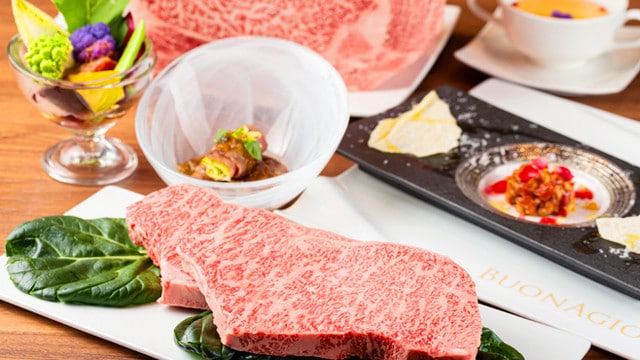
“Pontocho Nikudokoro Danro Kyoto” is in the middle of Pontocho-dori and serves A5-grade Japanese black wagyu yakiniku sets, with chef-selected wagyu of fine quality and rich aroma. The shop has counter and private room seating with an intimate atmosphere, suiting travelers who want to taste premium wagyu.
Sets start at ¥5,200, depending on cut and weight. For the evening we suggest reserving through the official website or by phone. Allow 1-1.5 hours for the meal. The private rooms are private and comfortable, one of Pontocho’s representative wagyu experiences.
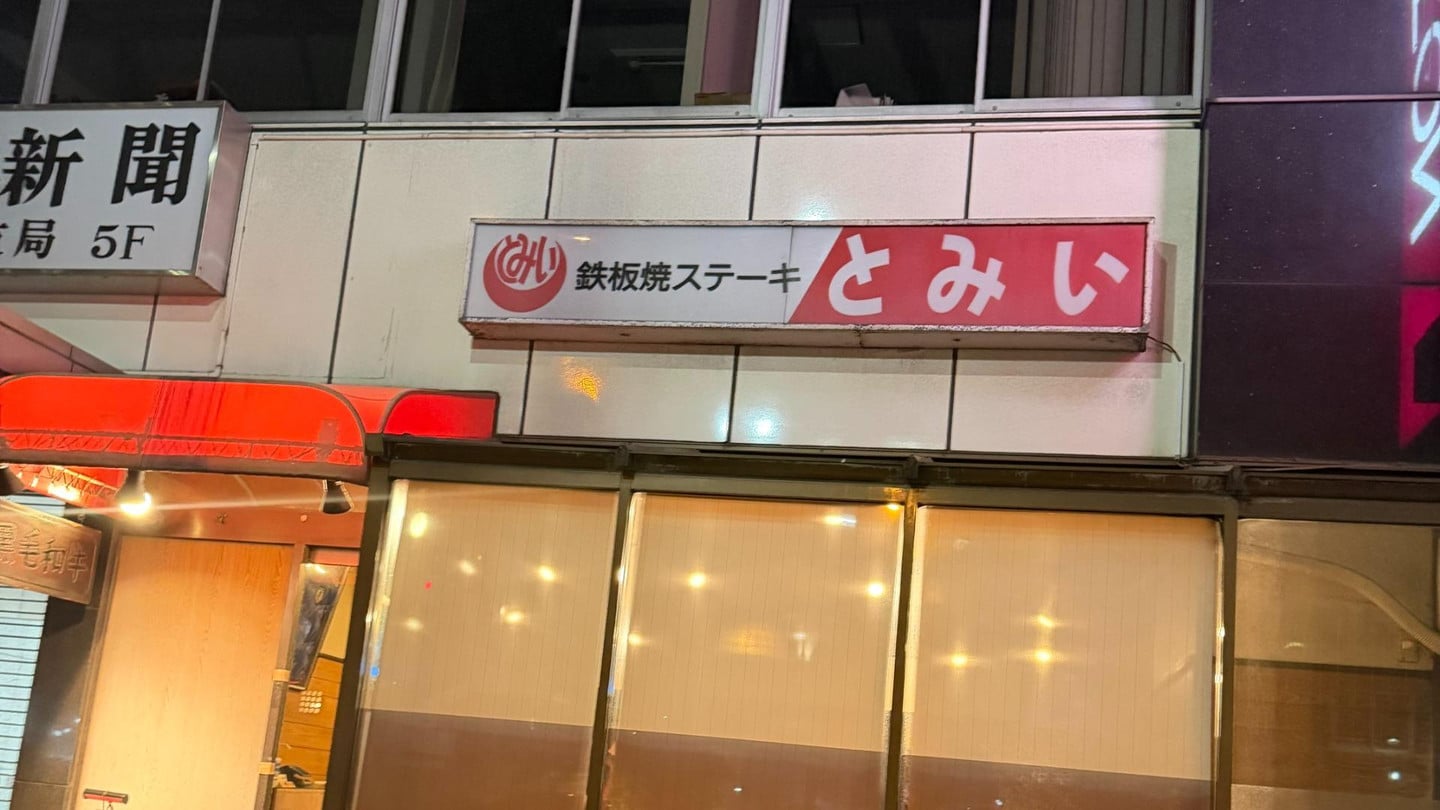
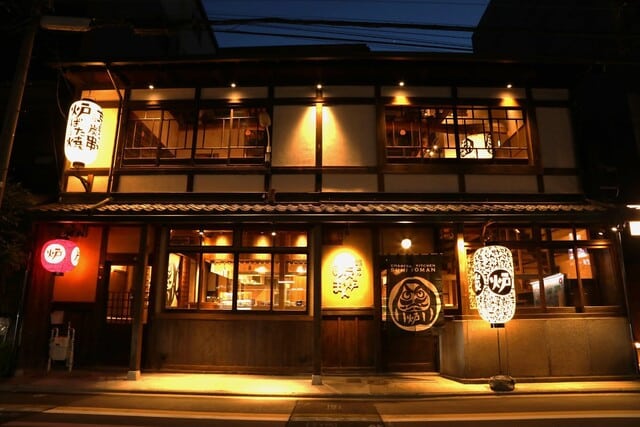
Pontocho Izakaya “Ponto”: Kamo River Views and Local Sake Deep in the Alley
Walking south along Pontocho’s stone-paved lane, you will find this Japanese-style izakaya “Ponto” overlooking the Kamo River. It serves home-style dishes made with local Kyoto ingredients, paired with the owner’s carefully chosen Kyoto local sake, an excellent choice for late-night tipsiness.
Hours are about 16:00 to 22:00, with dinner at about ¥3,500 per person, a mid-priced izakaya. There are few seats, so we suggest reserving by phone in advance, especially on Friday and Saturday nights, when a seat is hard to find.
We suggest staying 1.5-2 hours, sitting at a seat overlooking the Kamo River while enjoying local sake and home-style dishes, one of the most authentic ways to feel Kyoto izakaya culture.
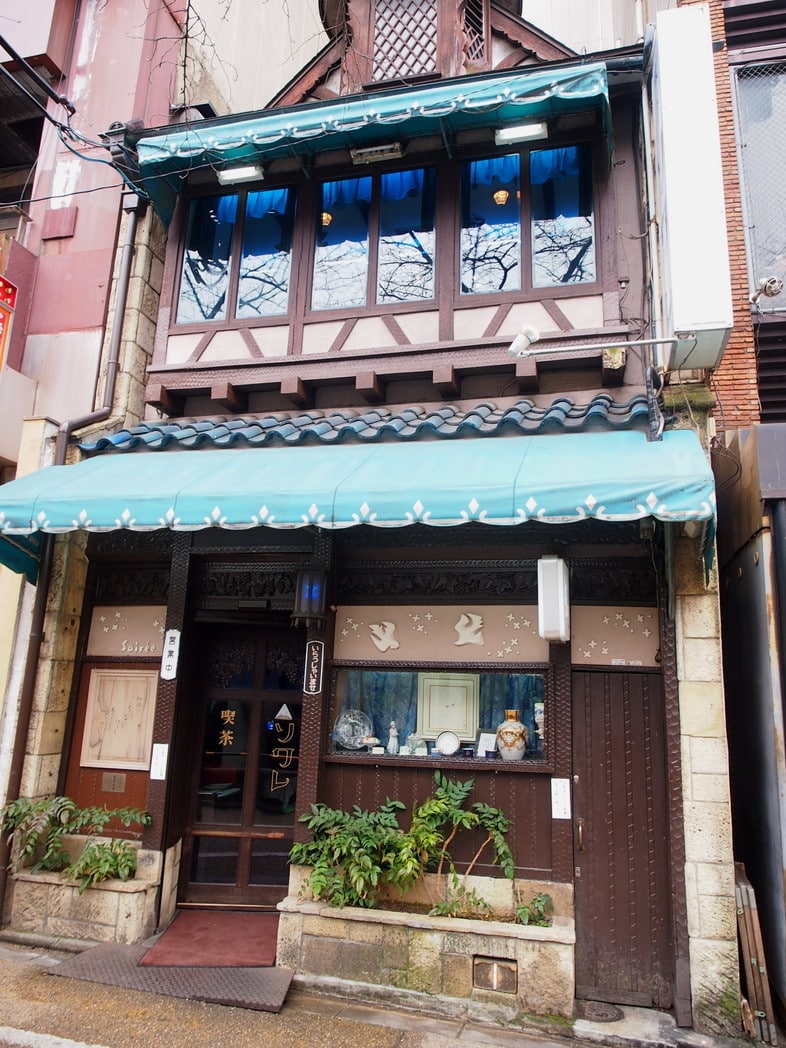
Kissa Soiree: Kawaramachi’s Most Showa-Style Historic Jelly Drink Shop
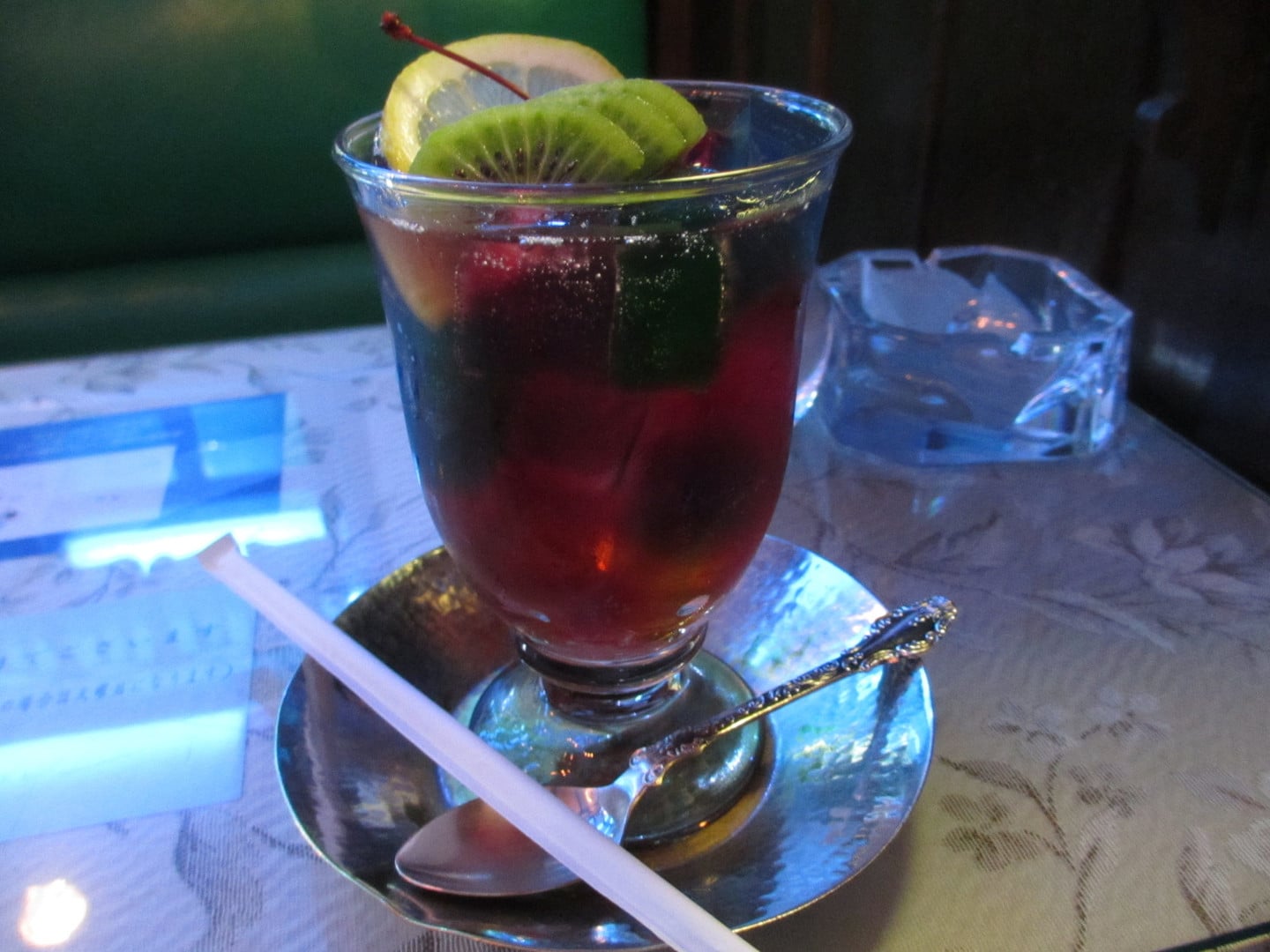
Founded in 1948, “Kissa Soiree” is near the intersection of Kawaramachi-dori and Shijo-dori and is one of the few old-style kissaten in Kyoto to preserve its Showa-era decor, with deep red velvet sofas and stained glass windows creating a nostalgic mood. The signature colorful jelly punch (zeri ponchi) is about ¥900 and is a popular Instagram item.
Hours are 13:00-19:00 on weekdays (last order 18:00), extended to 19:30 on weekends and holidays (last order 18:30), closed every Monday. Only drinks may be photographed in the shop, so mind the rules.
We suggest staying 30-45 minutes, a nostalgic afternoon tea during shopping that shows another side of Kyoto’s coffee culture.
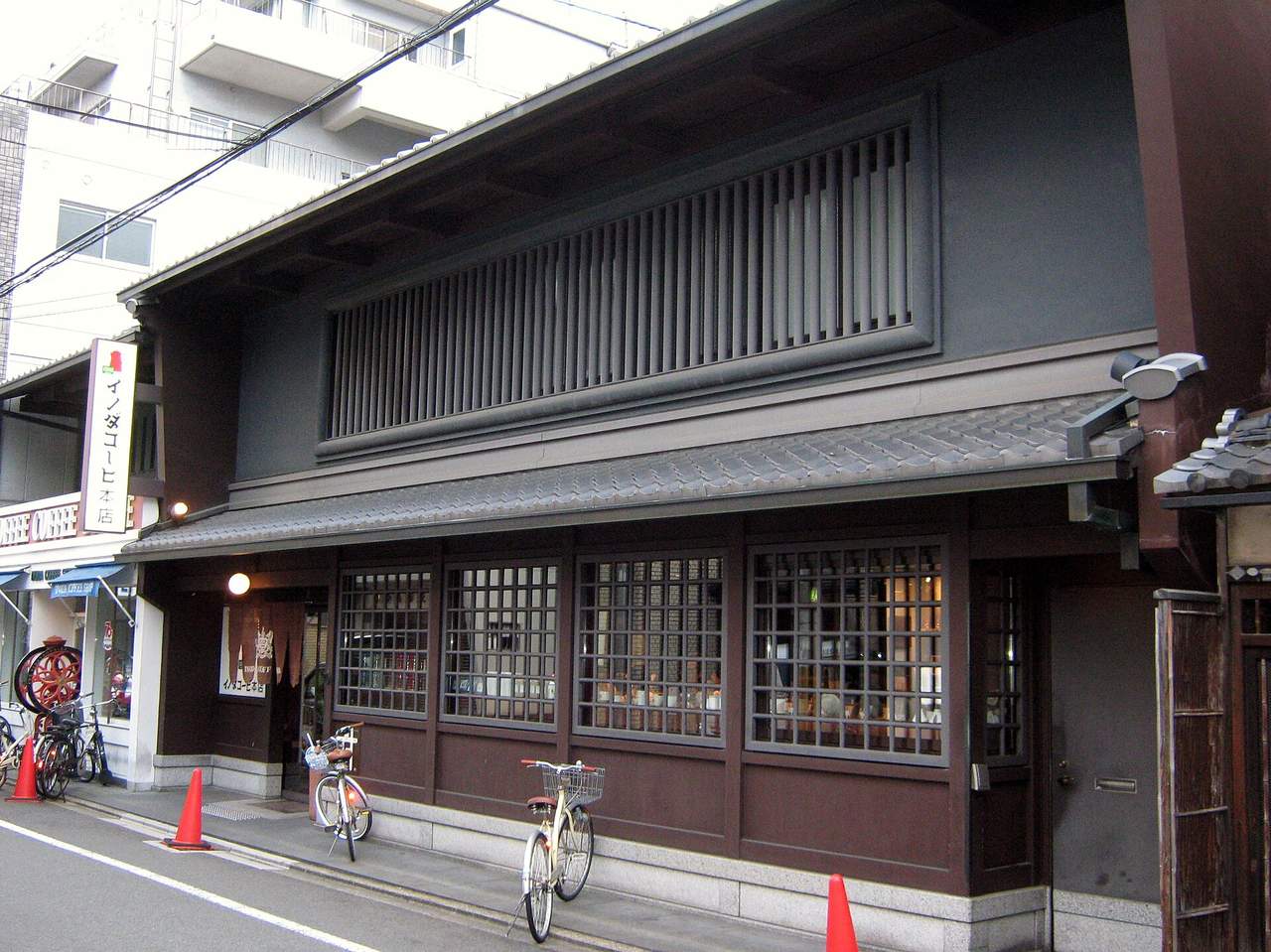
INODA COFFEE Main Store: A Historic Kissaten for Kyoto’s Morning Ritual
Founded in 1940, the “Inoda Coffee” main store (Sanjo-Sakaimachi-dori, near Kawaramachi) is one of Kyoto’s oldest kissaten. Inside the machiya building, a high-ceilinged courtyard and rosewood decor create a calm, nostalgic atmosphere, and Kyotoites say “a Kyoto morning begins with the aroma of INODA coffee.”
The signature “Arabia no Shinju (Arabian Pearl)” coffee traditionally comes with cream and sugar already added. To drink it plain, say “coffee only” (“koohii dake”). Paired with the popular breakfast “Kyo no Chosyoku (Kyoto Breakfast),” it is the best way to experience Kyoto’s old-style coffee culture. We suggest going on a weekday morning to avoid queues.
Kyogoku Kaneyo: A Century-Old Eel Shop’s Craftsmanship
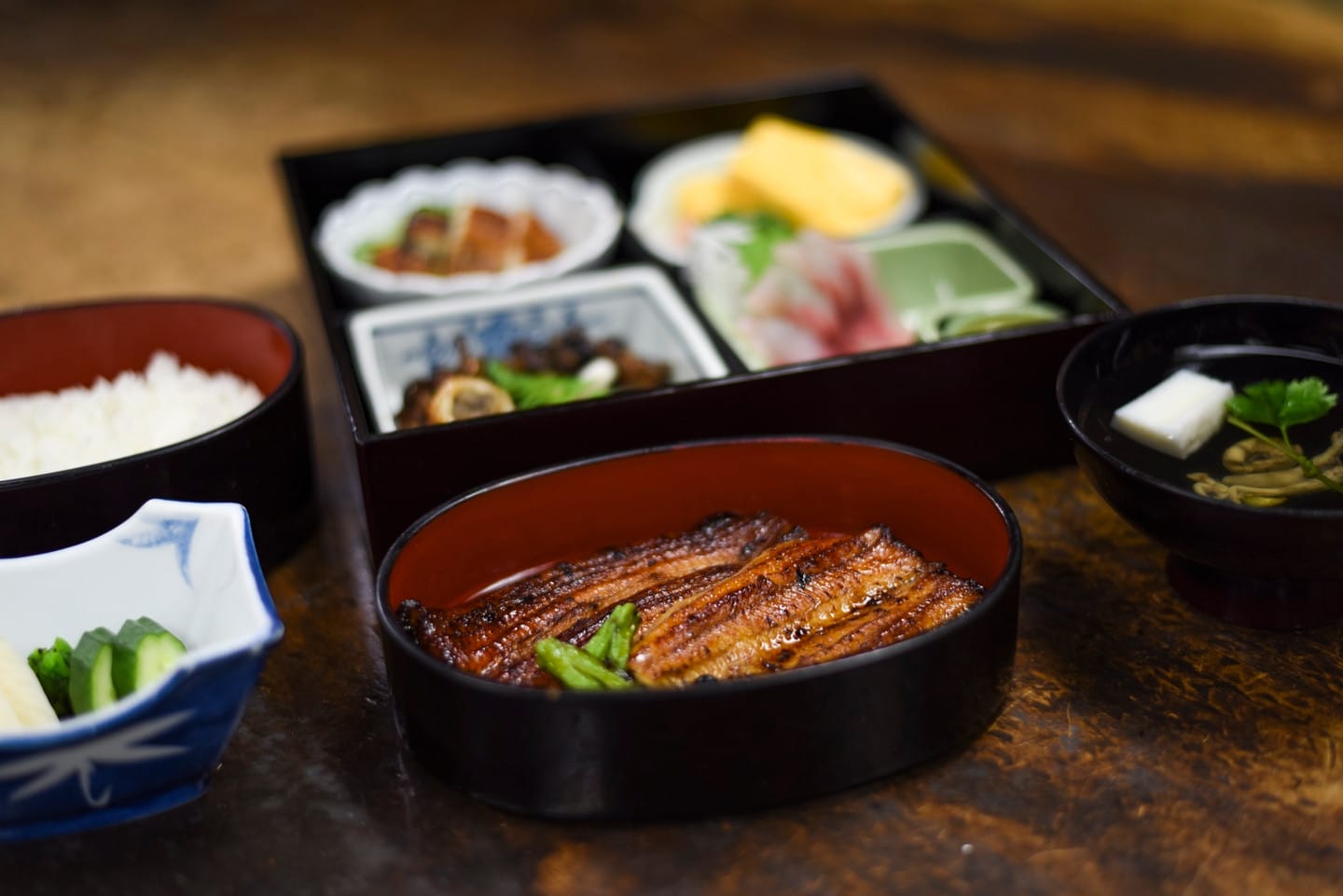
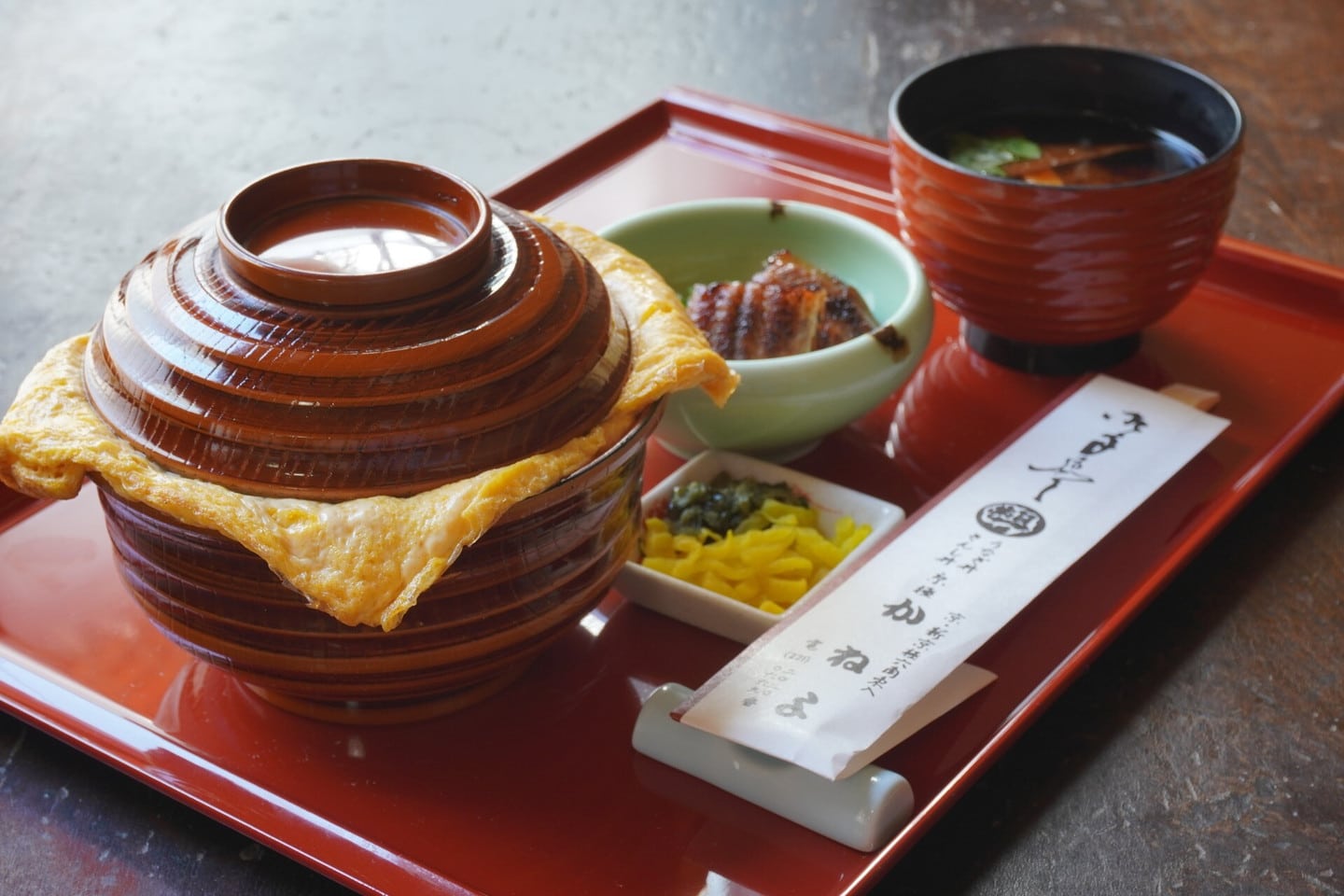
The century-old eel shop “Kyogoku Kaneyo” is on Shinkyogoku-dori. Its signature “kinshi-don” tops binchotan-charcoal-grilled eel with thin strips of egg, with a rich, secret sauce that is not overly salty.
Hours are 11:30-15:30 and 17:00-20:30 (closed Tuesday evenings); closing days follow the shop’s announcements. Kinshi-don is about ¥2,000-2,500 and an eel jubako set from about ¥3,500. The shop is a traditional machiya building with tatami seating on the second floor and a rustic atmosphere.
We suggest avoiding the 12:00-13:00 peak and staying about 1 hour.
Oryori Katsuno: A Small Kyo-Ryori Kappo Hidden in an Alley
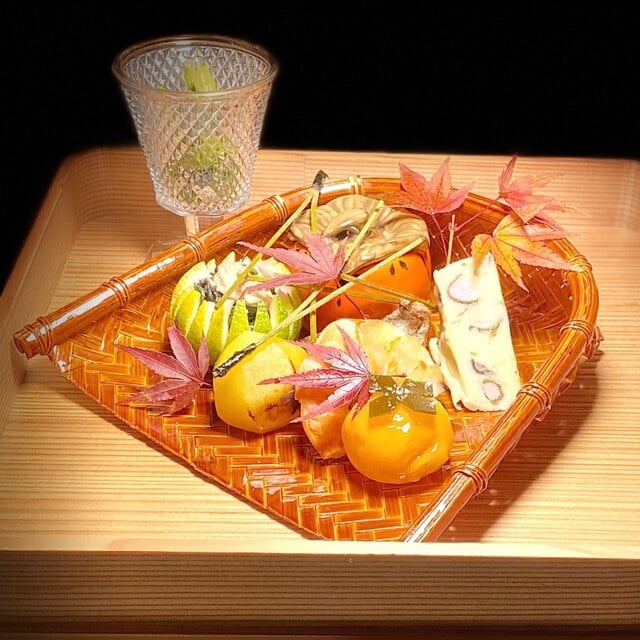
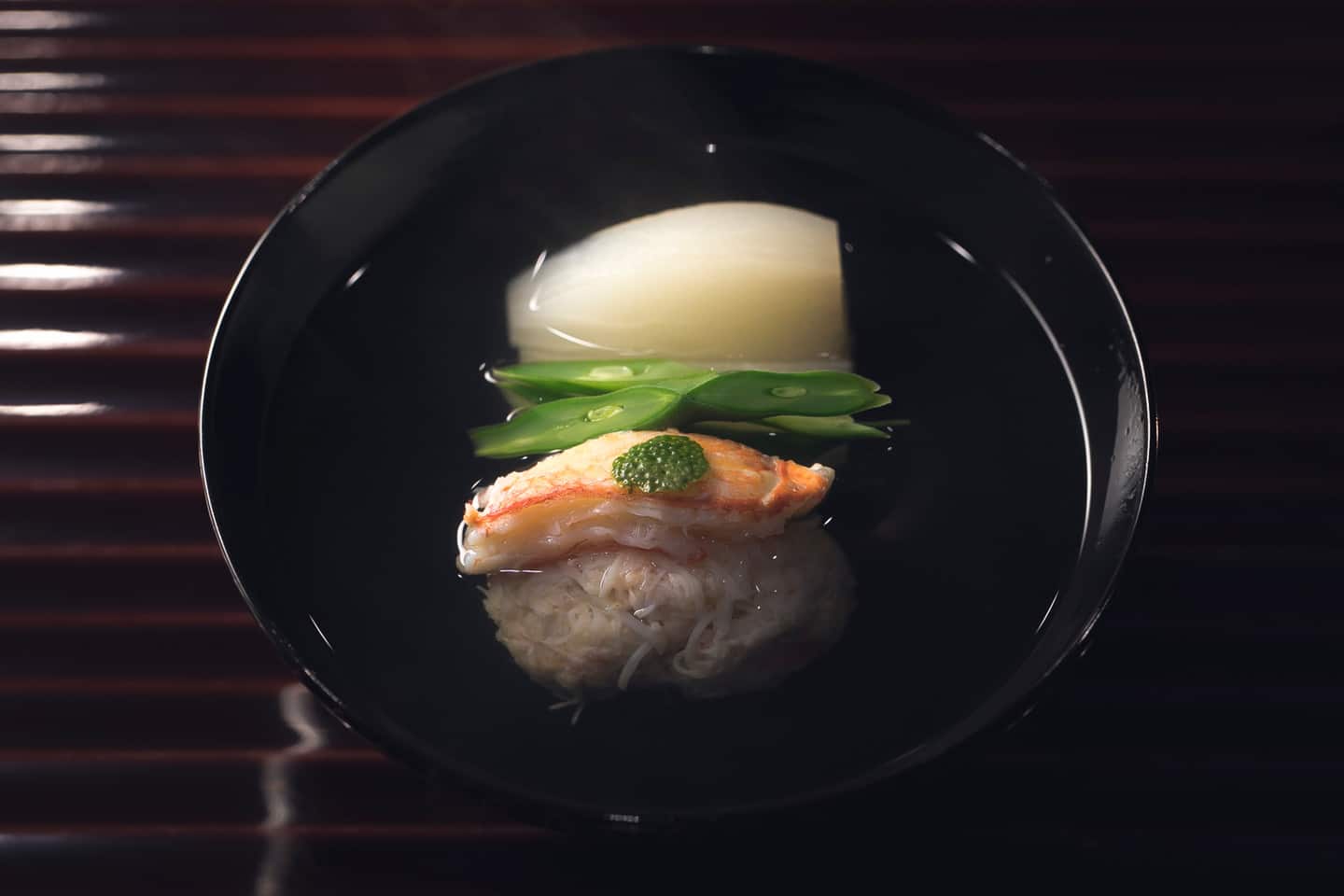
This kappo restaurant is hidden in an unremarkable alley in Pontocho. The chef adjusts the menu daily according to market catches and Kyoto vegetables and serves kyo-ryori kaiseki sets, with presentation as refined as art, a hidden gem passed along by word of mouth among connoisseurs.
The evening kaiseki set is a high-priced but good-value choice, and we strongly recommend reserving by phone at least a few days in advance.
We suggest staying over 2 hours to savor the chef’s handmade seasonal cuisine, a fitting finale dinner for a Kawaramachi food tour.
Casual Western-Style Diner: Kyogoku Stand
Kyogoku Stand was founded in 1927 beside the Shinkyogoku shopping street. It is an early-Showa casual diner, good for a meal and a drink after shopping.
It serves about 60 kinds of obanzai and Western-style dishes. We recommend the homemade croquette (crisp outside, soft inside) and kizushi (vinegared mackerel) as drinking snacks, with single items about ¥300-800.
- 🍽️ Recommended: Homemade croquette, kizushi (vinegared mackerel)
- 💰 Price: single items about ¥300-800
- 🚉 Access: about 3 minutes on foot from Hankyu Kyoto-Kawaramachi Station, on Shinkyogoku-dori
What Else Is Good Nearby? Soba, Sushi and Eel Recommendations
Soba: Kyoto Duck Soba Ta
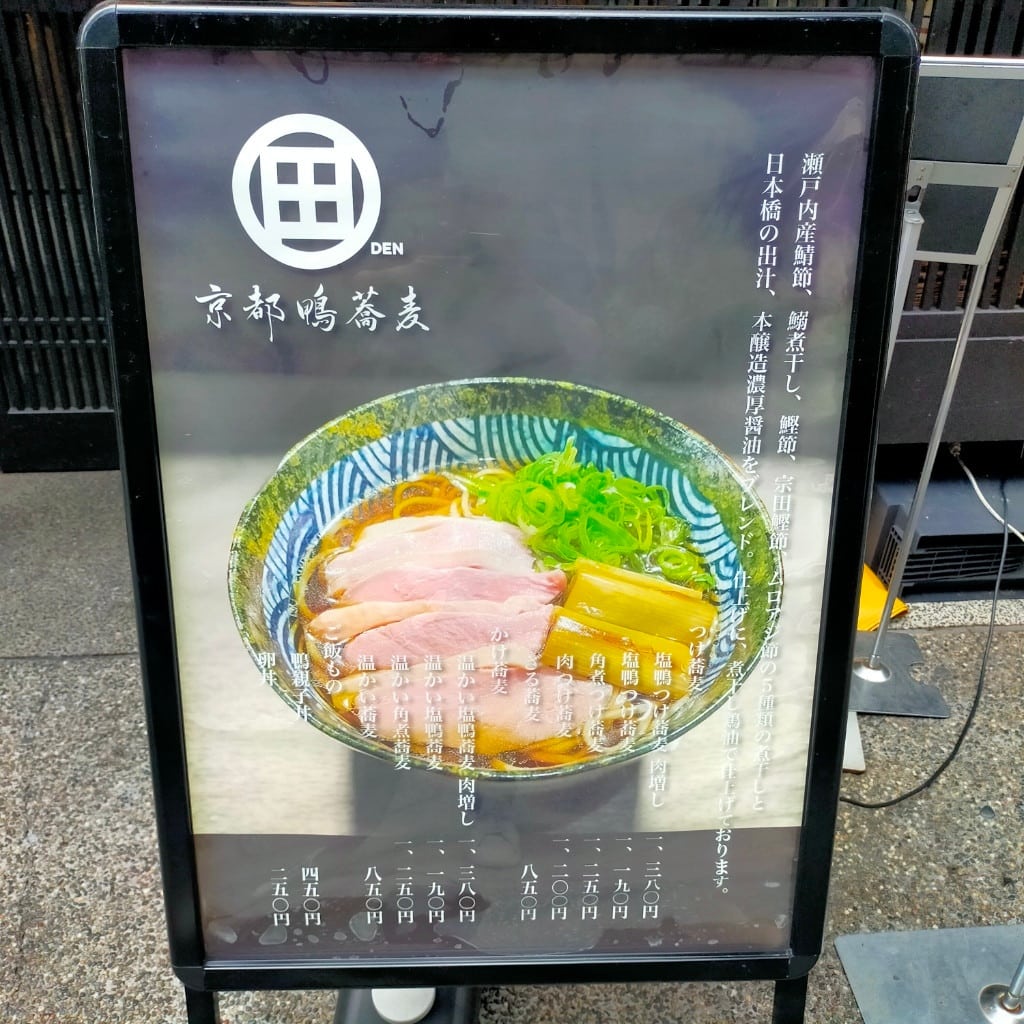
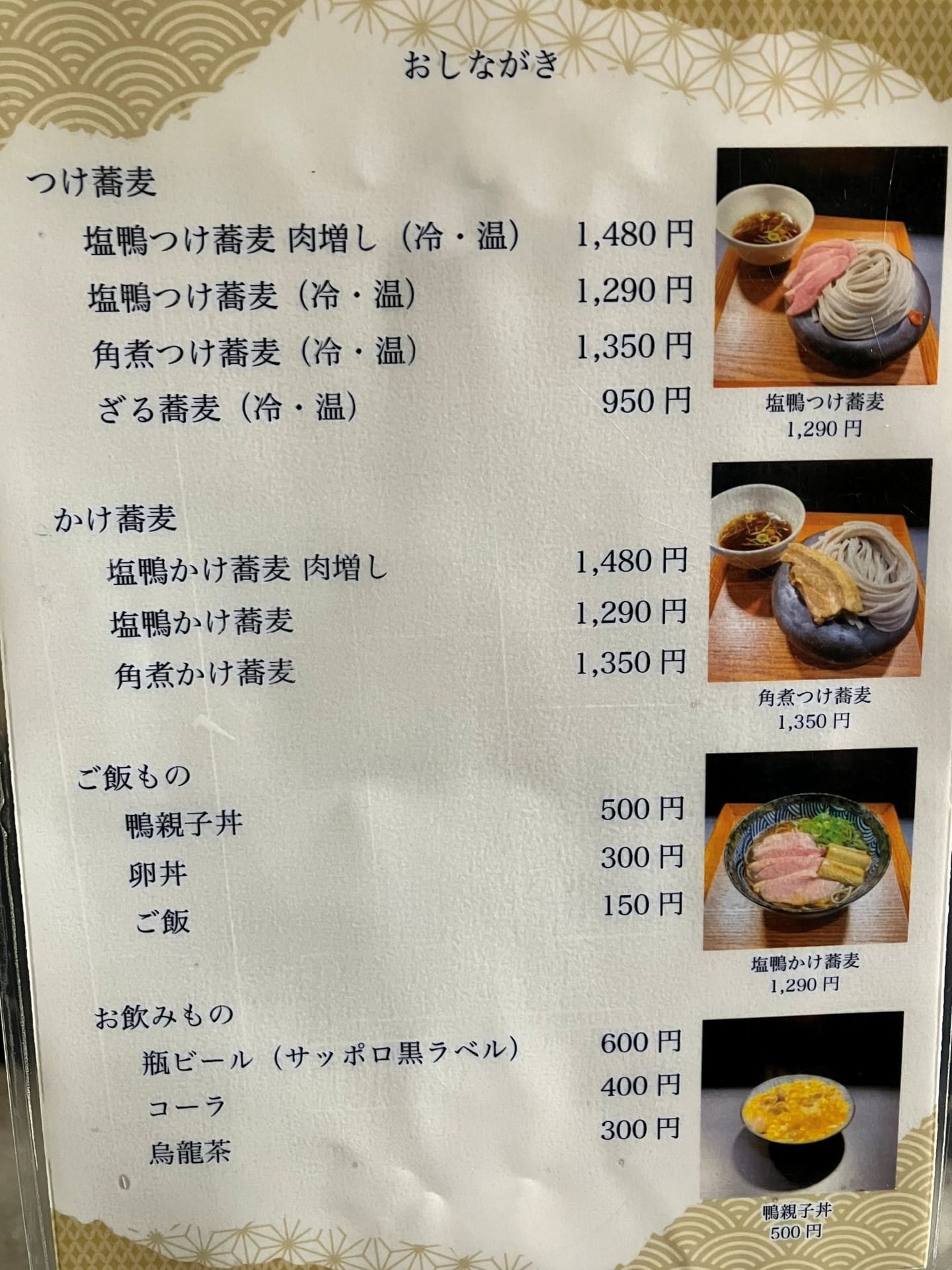
The signature is duck soba and duck oyakodon, with a broth slowly simmered from duck bones, rich but not greasy. It is one of Kyoto’s queue-worthy shops, and the shop even offers a paid “fast pass” service to shorten waits. A bowl is from about ¥1,200.
We suggest avoiding the lunch peak, or arriving before opening to queue, to shorten the wait.
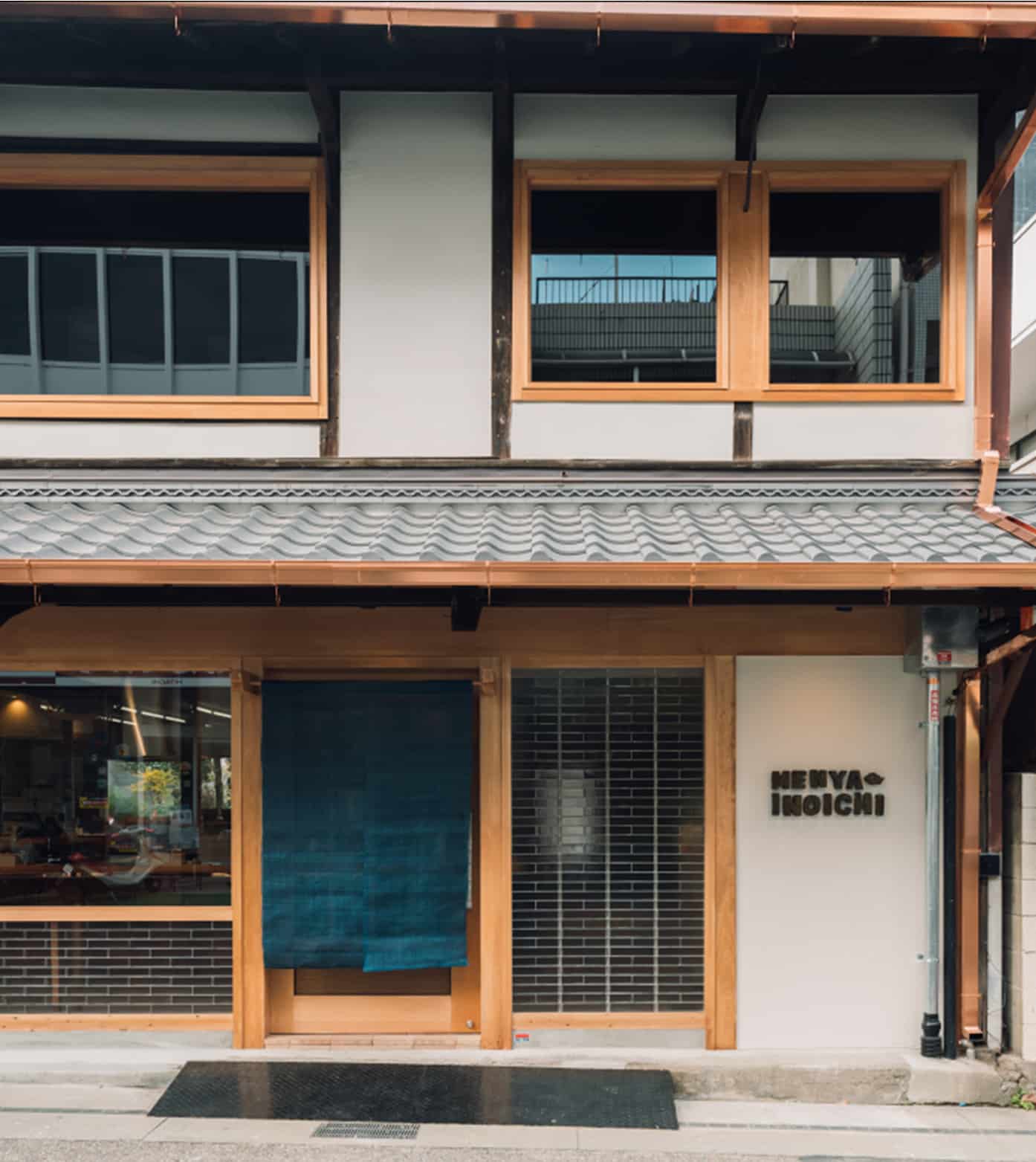
Ramen: Menya Inoichi
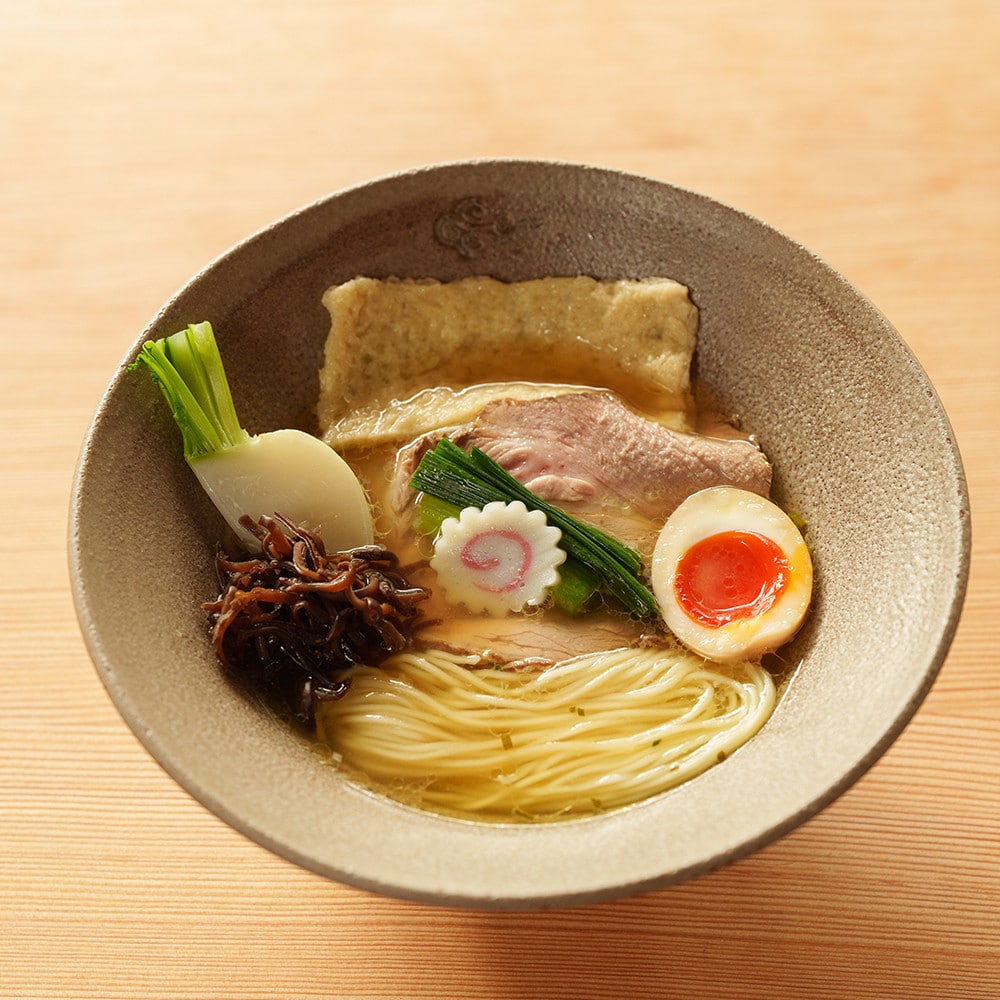
A Michelin-recommended ramen shop in Kyoto, with signature tonkotsu-white-broth ramen and tsukemen. The broth is rich and creamy, the noodles are house-made whole-grain noodles, and queues often exceed 30 minutes. A bowl is about ¥1,000-1,300.
Ramen: Ichiran Ramen
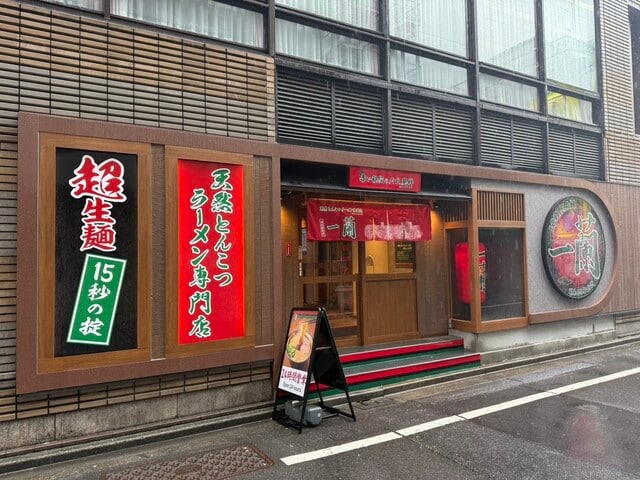
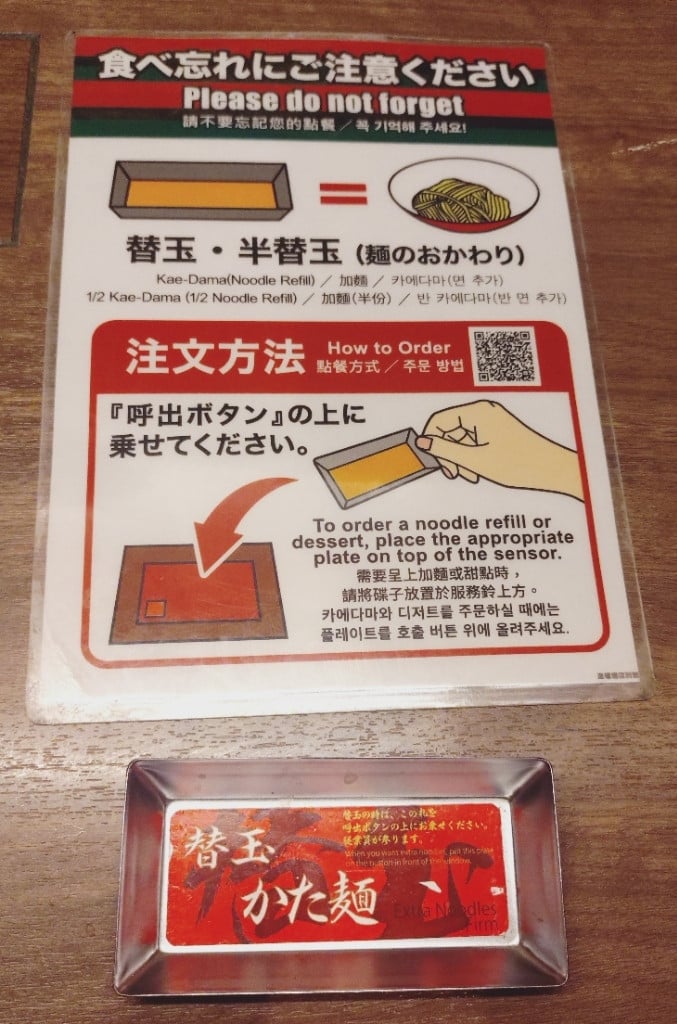
A famous tonkotsu ramen chain. The Kawaramachi branch is not open 24 hours all year: Saturday is 24 hours, Sunday is open until 22:00 (Saturday’s all-nighter carries over), weekdays (Monday to Thursday) are 9:00-22:00, and Friday is open until 24:00. Check the weekly schedule before going late at night. The individual seat design suits solo diners, and you can adjust broth richness, spiciness and noodle firmness to taste.
Sushi: Sushizanmai Kyoto Kawaramachi
A famous sushi chain featuring bluefin tuna bought daily from Toyosu and elsewhere, ordered by the piece. It is about 3 minutes on foot from Hankyu Kyoto-Kawaramachi Station, suiting travelers who want Edomae sushi while shopping.
Sushi: Nouka Yasai Futagoya
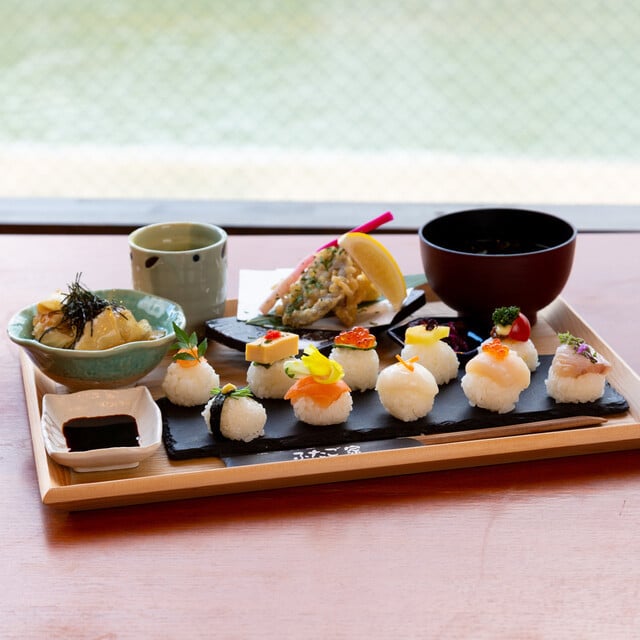
Known for temari sushi and tempura lunch sets, it works seasonal Kyoto vegetables into sushi and fried dishes, in refined portions suited to women, with soup and dessert in the set, a rare vegetable-style sushi shop around Kawaramachi.
Beef Bowl: Red Rock Kyoto Rokkaku-dori
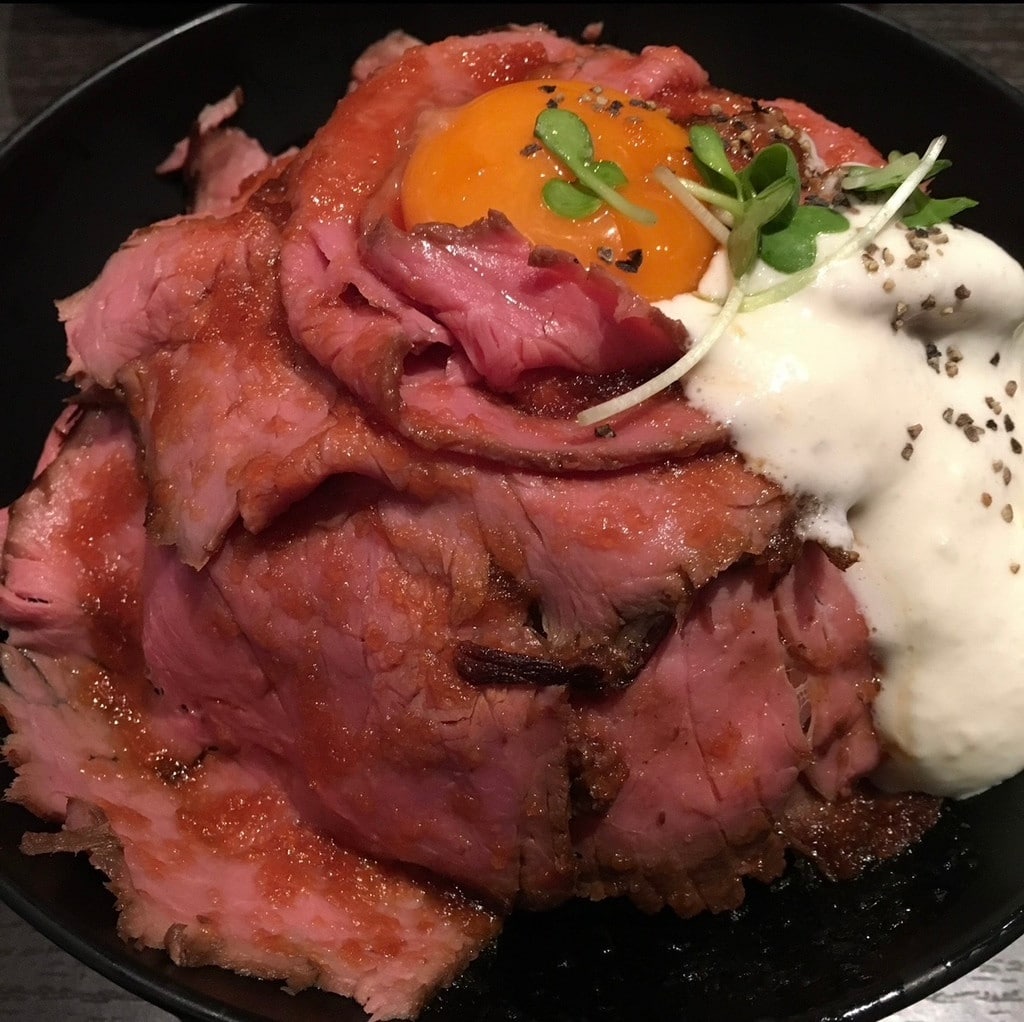
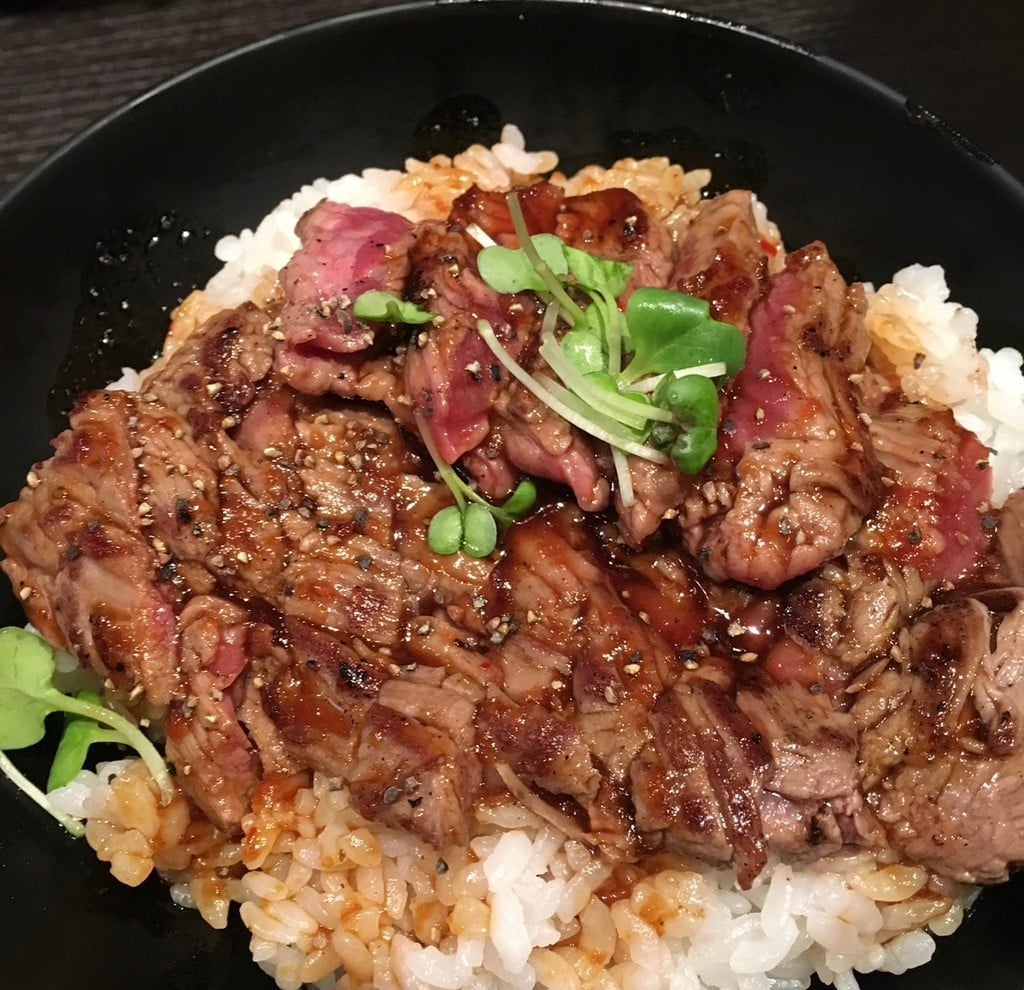
A Japanese roast beef bowl chain whose signature pink steak bowl and beef bowl look striking, and with raw egg yolk added it looks tempting like an erupting volcano. A bowl is from about ¥850, a popular choice for filling up quickly while shopping.
Eel: Unagi Mankichi
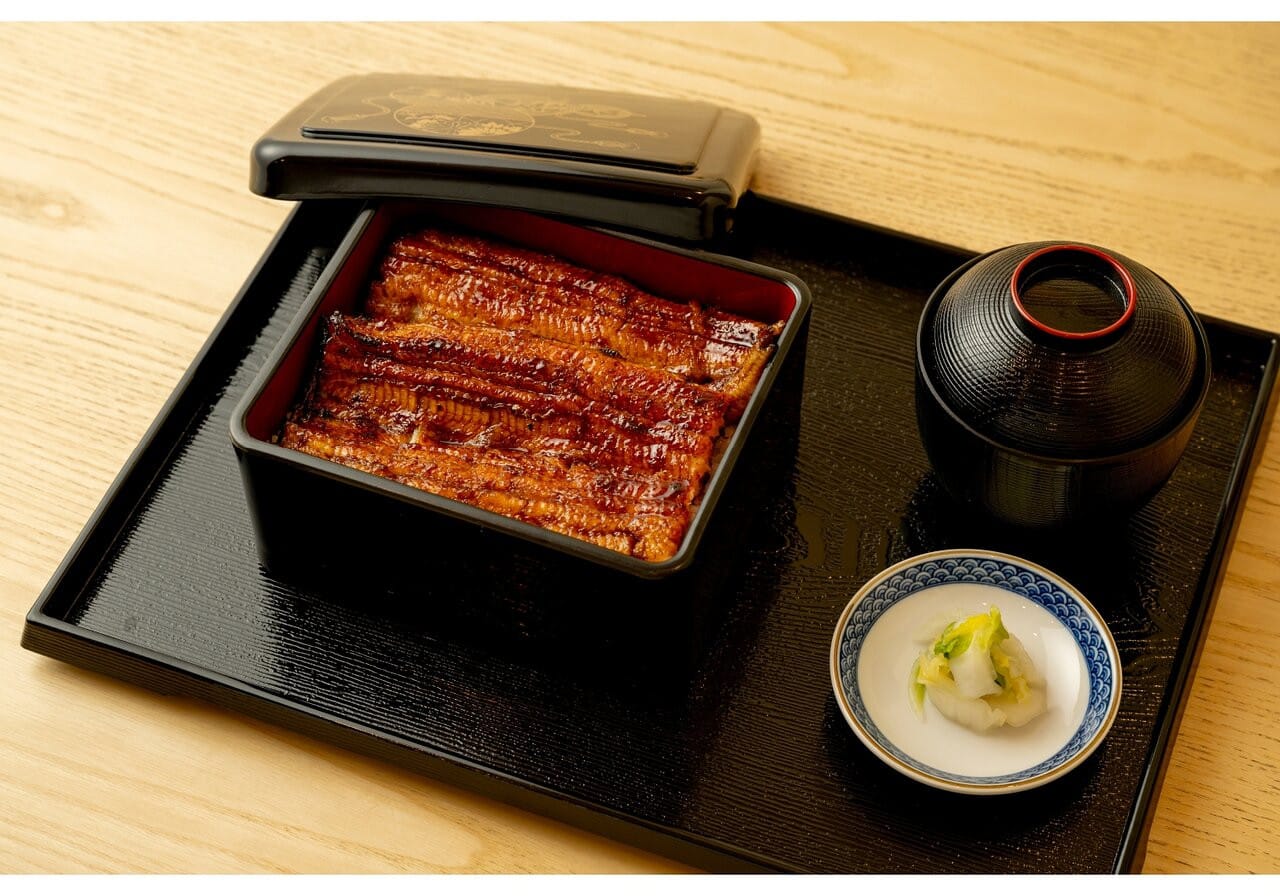
An eel specialty shop near the Fujii Daimaru area in Kawaramachi that opened at the end of 2024. It grills Kagoshima eel directly over charcoal, and its signature unagi bowl is from about ¥2,000, friendlier in price than most long-established eel shops and suited to travelers who want to enjoy eel casually.
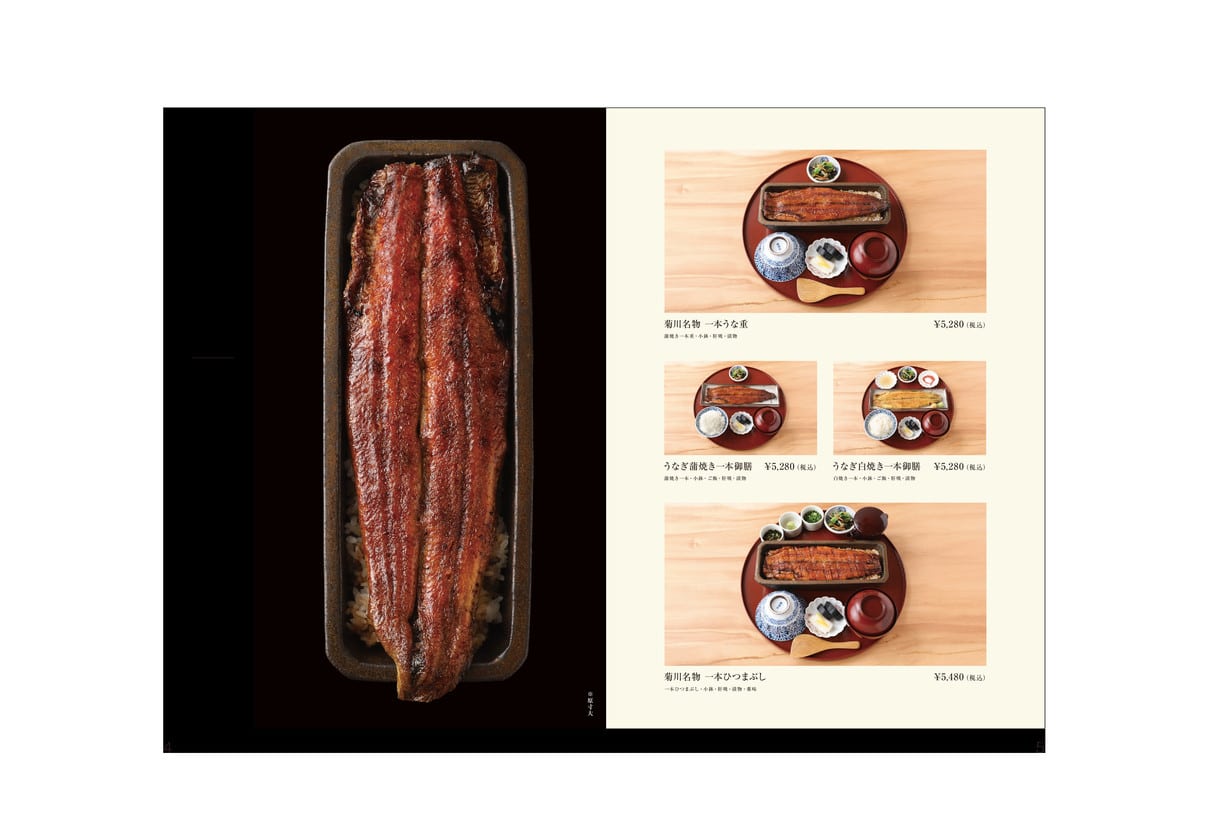
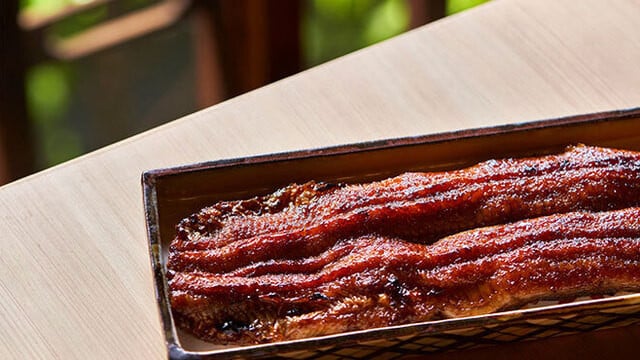
Eel: Kyoto Gion Unagi Yondaime Kikukawa
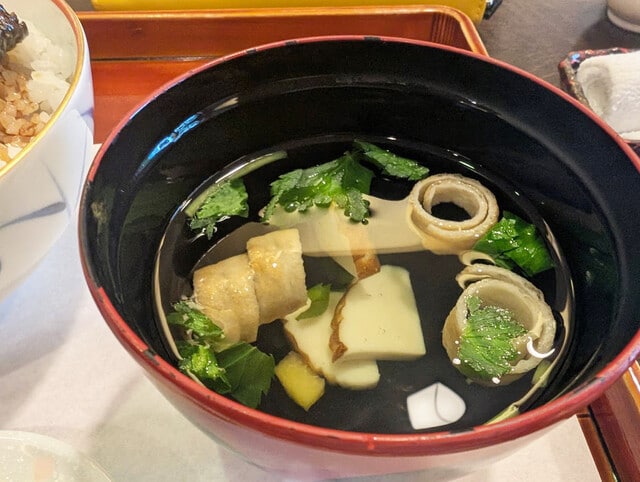
A fourth-generation eel restaurant that insists on binchotan charcoal grilling, with a sauce recipe passed down for a century. The eel is soft and melts in the mouth, a must-visit for Kyoto eel lovers. We suggest reserving ahead.
What to Watch Out For: Dining Etiquette and Practical Tips
Knowing the following details will make your Kawaramachi and Pontocho food trip smoother and help you avoid disappointments or wasted trips.
Payment: Some Old Shops Take Cash Only
Many izakaya and long-established small shops in the Pontocho alleys still accept only cash, especially dessert shops and family-run small eateries. Carry enough yen in cash so you don’t find out at the counter that cards aren’t accepted.
Chains and mid to high-priced restaurants such as yakiniku and teppanyaki generally accept credit cards and mobile payments. Check the payment information on the shop’s website or Google Maps before you go.
Reservation Tips: Book Popular Shops in Advance
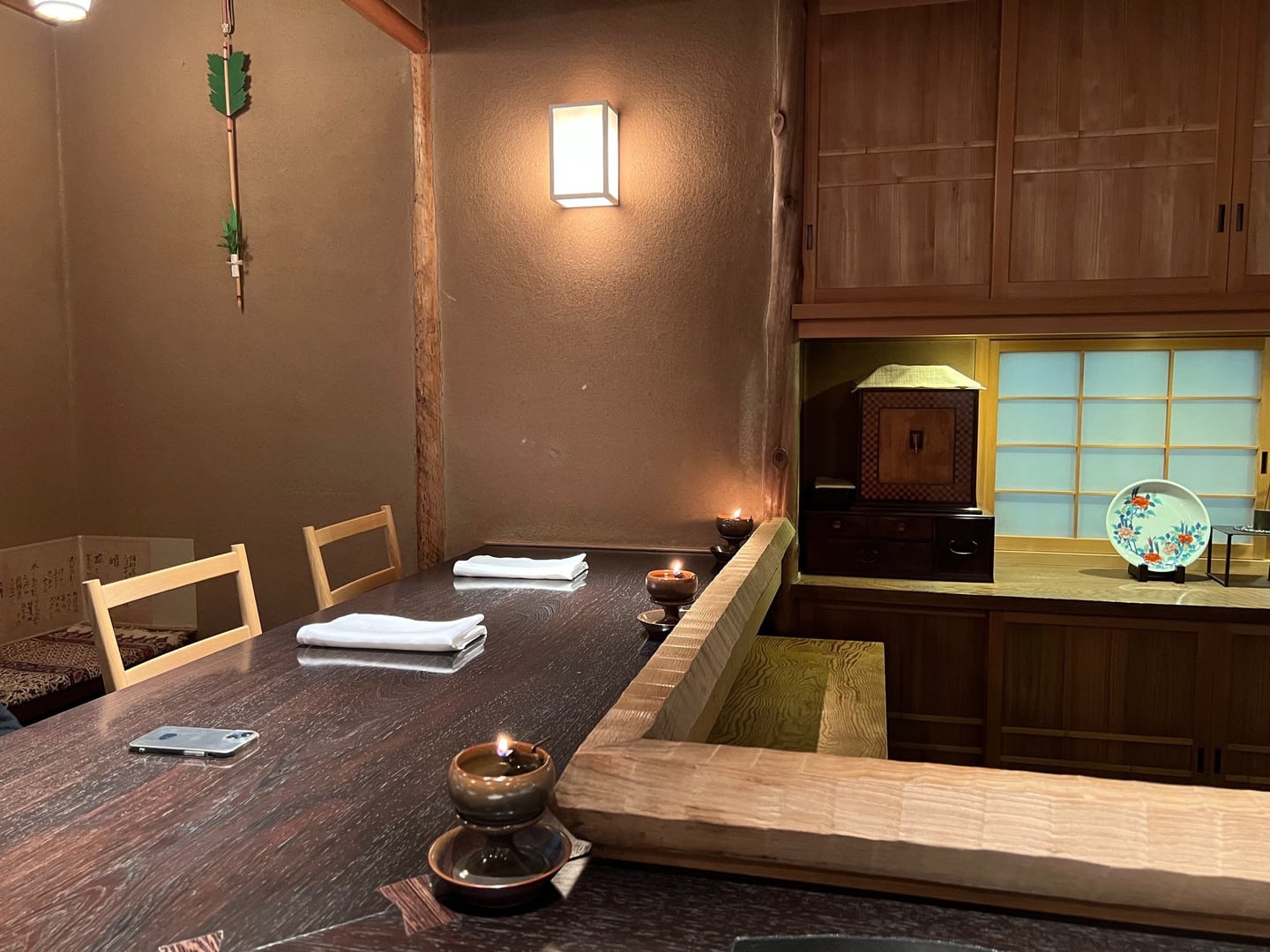
For popular shops such as Kyoto Teppanyaki grow, Pontocho Nikudokoro Danro and Menya Inoichi, we suggest booking one to two weeks ahead through the official website, phone or a reservation platform, especially for weekend dinner, when queuing on site often takes over an hour.
Some shops, such as Kyoto Duck Soba Ta, offer a paid fast-pass service, which you can consider adding if time is limited to shorten the wait.
Summer Only: Make the Most of Noryo-Yuka Dining
The noryo-yuka seating set up by restaurants along the Kamo River from May to September is a summer-only Kyoto experience. Outdoor seats are limited, so book at least a week ahead, and note that some shops add a platform seating charge.
Language and Service: Most Shops Offer English or Picture Menus
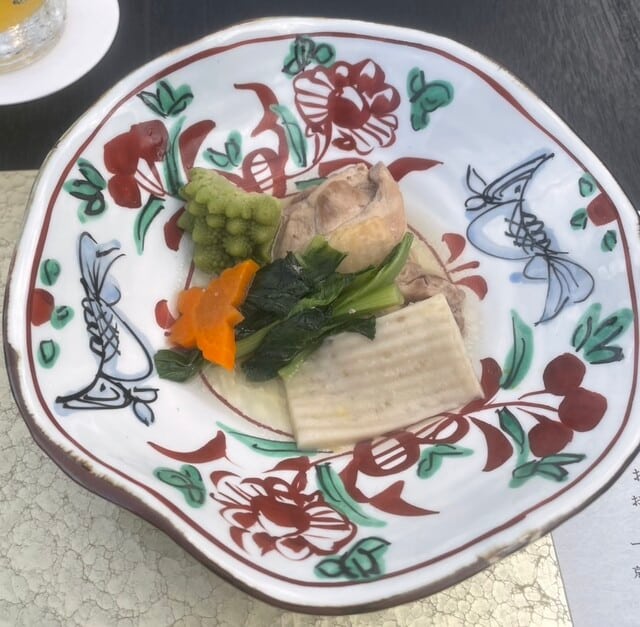
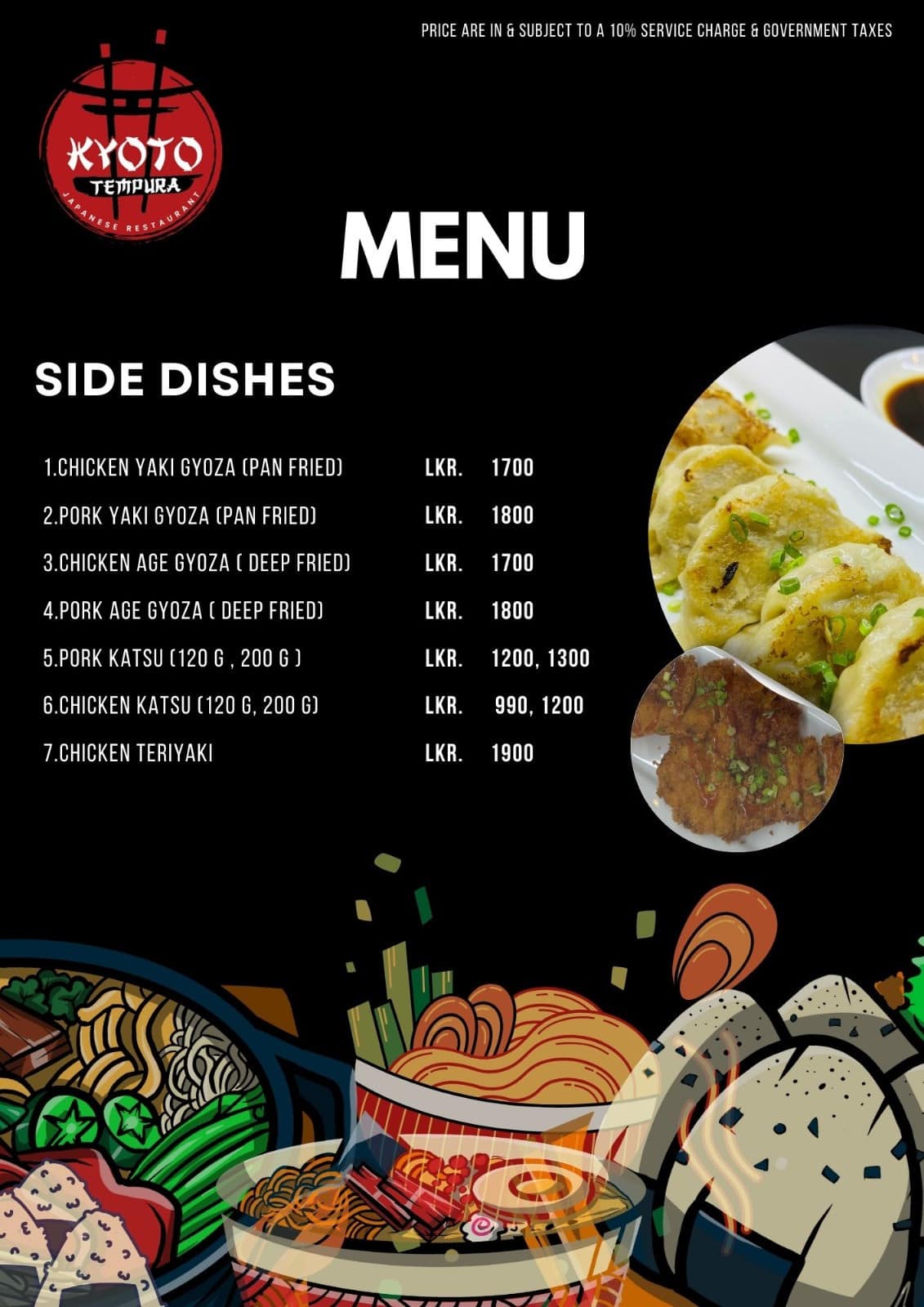
The Kawaramachi area has many tourists, and most chains and well-known shops have English or picture menus, so you can order easily without Japanese. Small shops in the izakaya alleys have more limited language support, so use a translation app.
Best Time to Visit: Weekday Early Evening Is Least Crowded
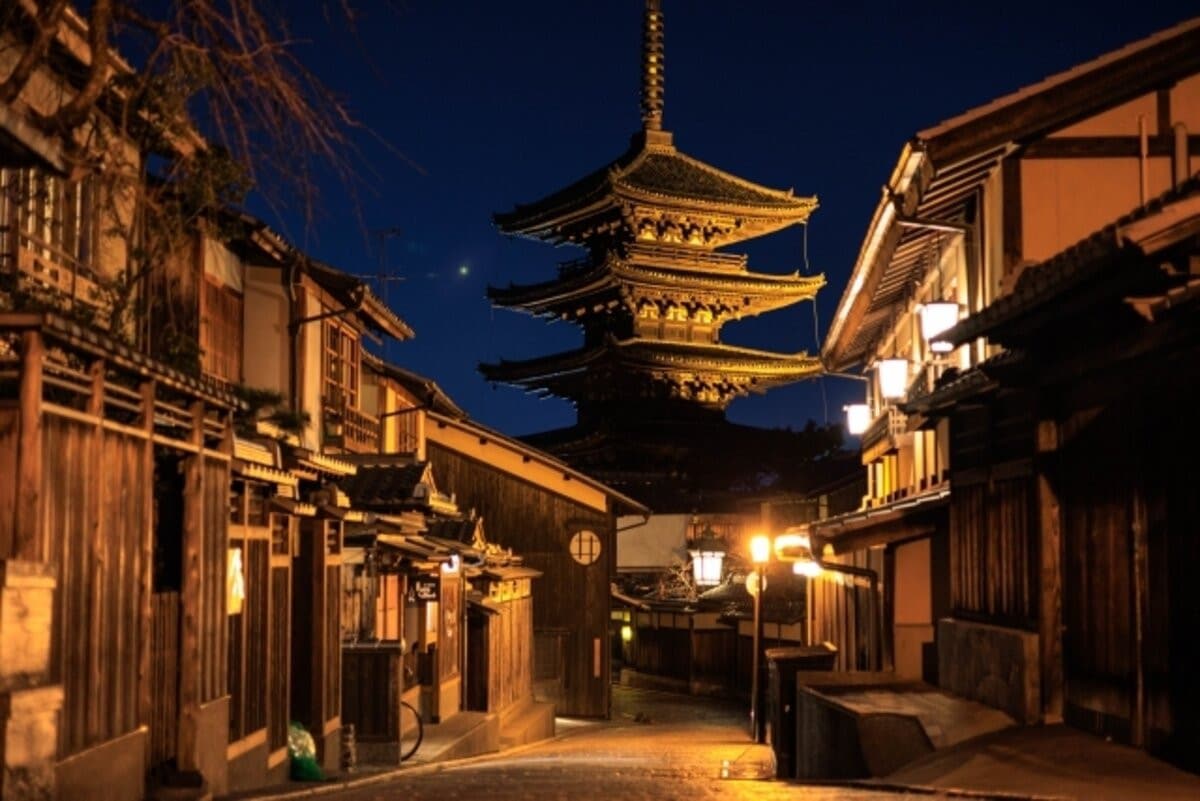
To avoid crowds, visit Nishiki Market and Pontocho on a weekday in the late afternoon before 5 p.m., when shops are starting to open but tour groups haven’t arrived, so you can eat while strolling at ease.
Food Tours and Experience Recommendations
The alleys of Kawaramachi and Pontocho crisscross and food density is very high, but with so much choice many travelers don’t know where to start and even stumble into tourist-trap shops. Rather than explore alone, a food experience led by a local expert lets you zero in on authentic, good-value shops and saves time spent queuing and getting disappointed. Below is a recommended Pontocho wagyu teppanyaki dinner experience for travelers who want to eat Kyoto wagyu in one go.
Pontocho Wagyu Teppanyaki Dinner Experience: A Luxurious Evening with Kyoto Night Views and Premium Wagyu
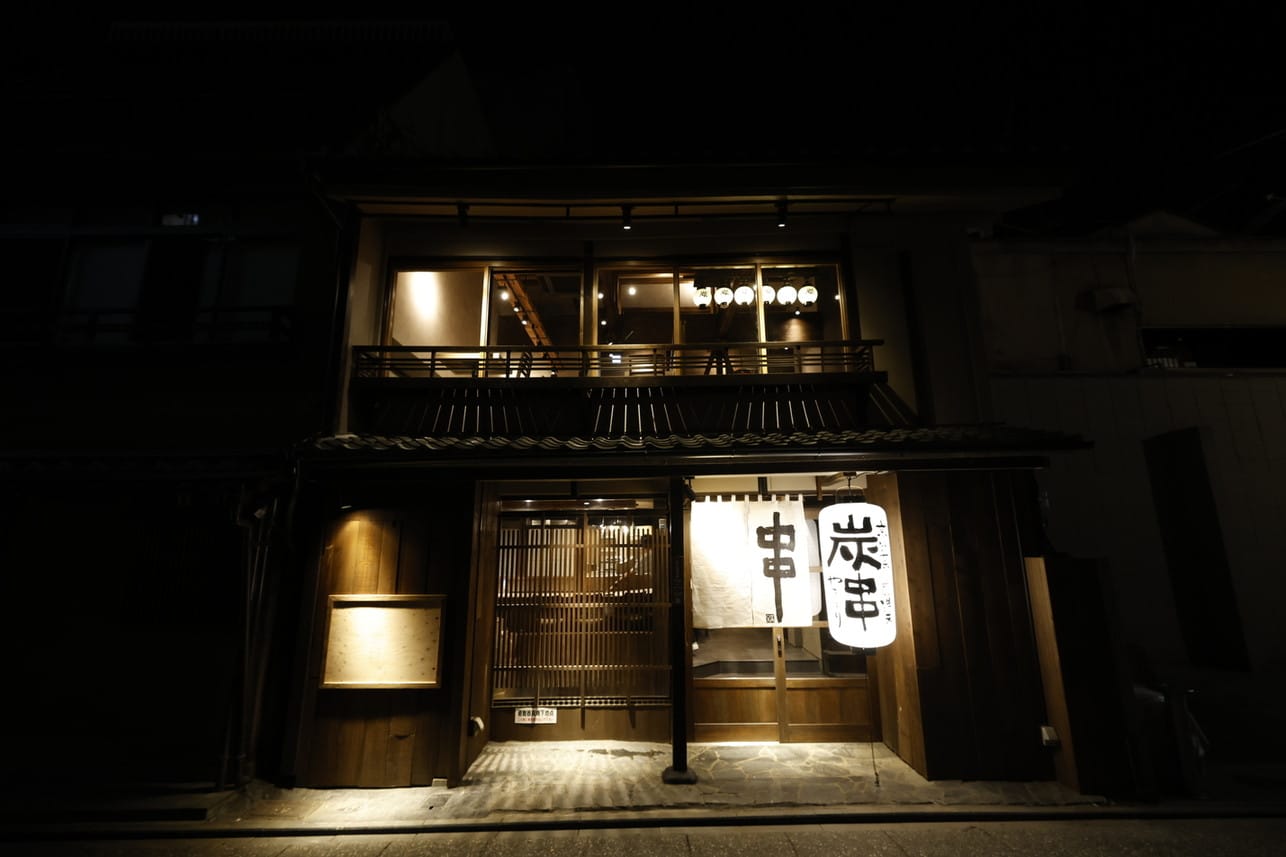
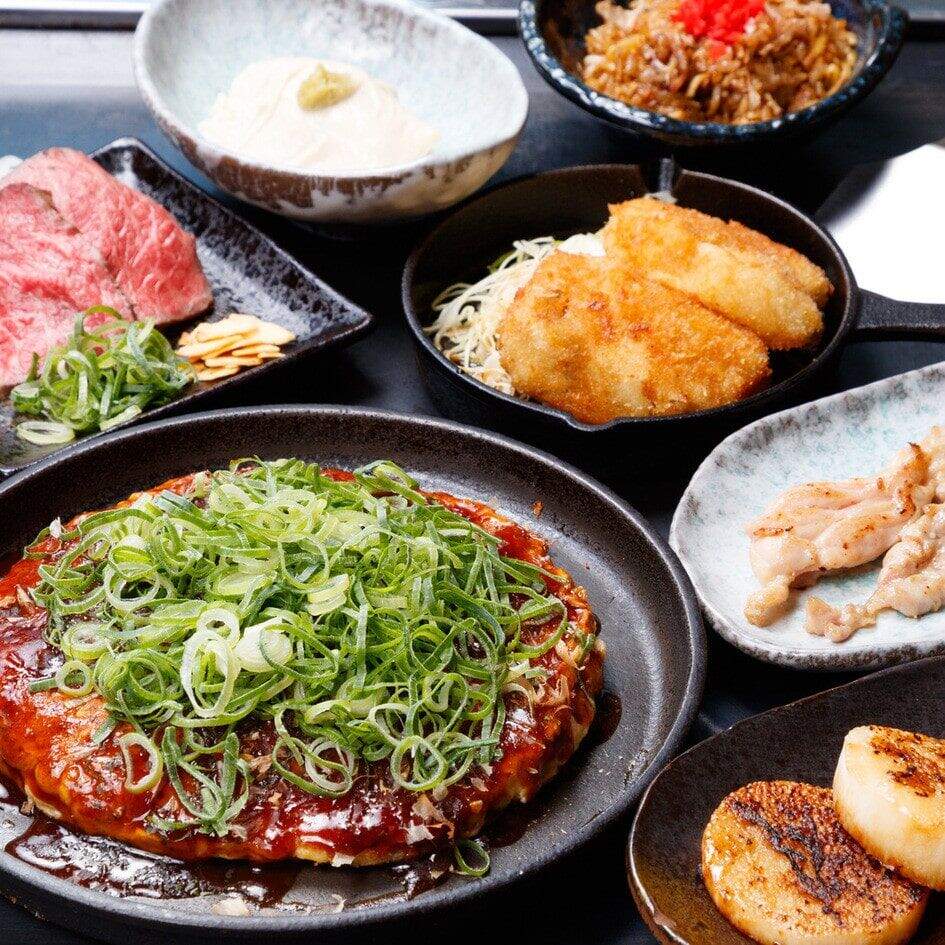
The Pontocho stone-paved lane is lined with ryotei and teppanyaki shops, and wagyu teppanyaki dinner is the most popular with overseas travelers. Several teppanyaki shops around Pontocho offer wagyu dinner sets with chefs cooking on the spot, most requiring advance reservations, with prices varying by shop and cut.
You can search KKday for Kyoto wagyu teppanyaki tours; actual contents and prices follow the booking page.
A meal takes about 90 to 120 minutes, suitable for couples or family celebrations.

Where to Stay: Hand-Picked Hotel Recommendations
There are many places to stay around Kawaramachi and Pontocho. The following are grouped by price so you can walk back to your room after eating and drinking.
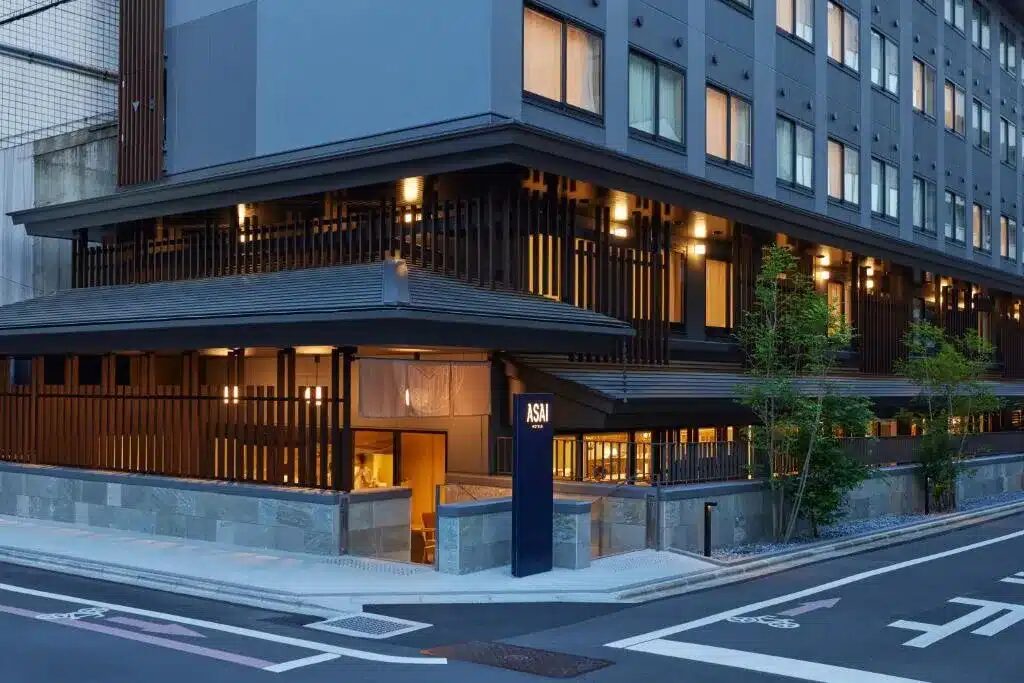
Upscale Kyoto Hotel Recommendation: Hotel Solaria Nishitetsu Kyoto Premier
Located beside Sanjo Ohashi Bridge and the Takase River, it is a 2-minute walk to Kyoto-Shiyakusho-mae Station, with the Kamo River and Pontocho close at hand. It has a large public bath and is a rare upscale hotel choice in the Kawaramachi area.
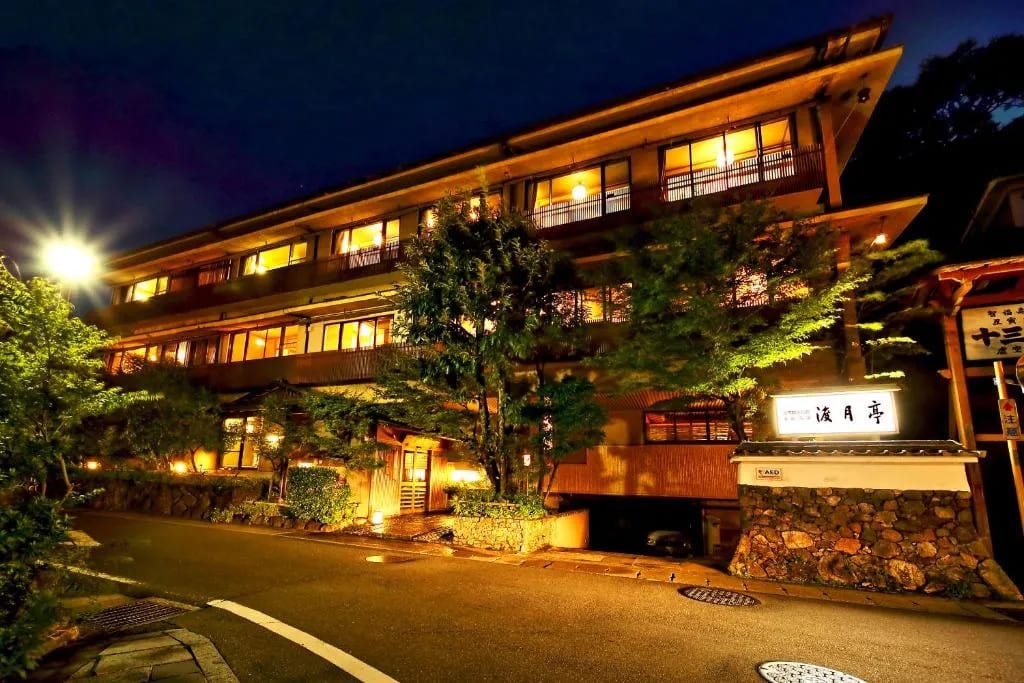
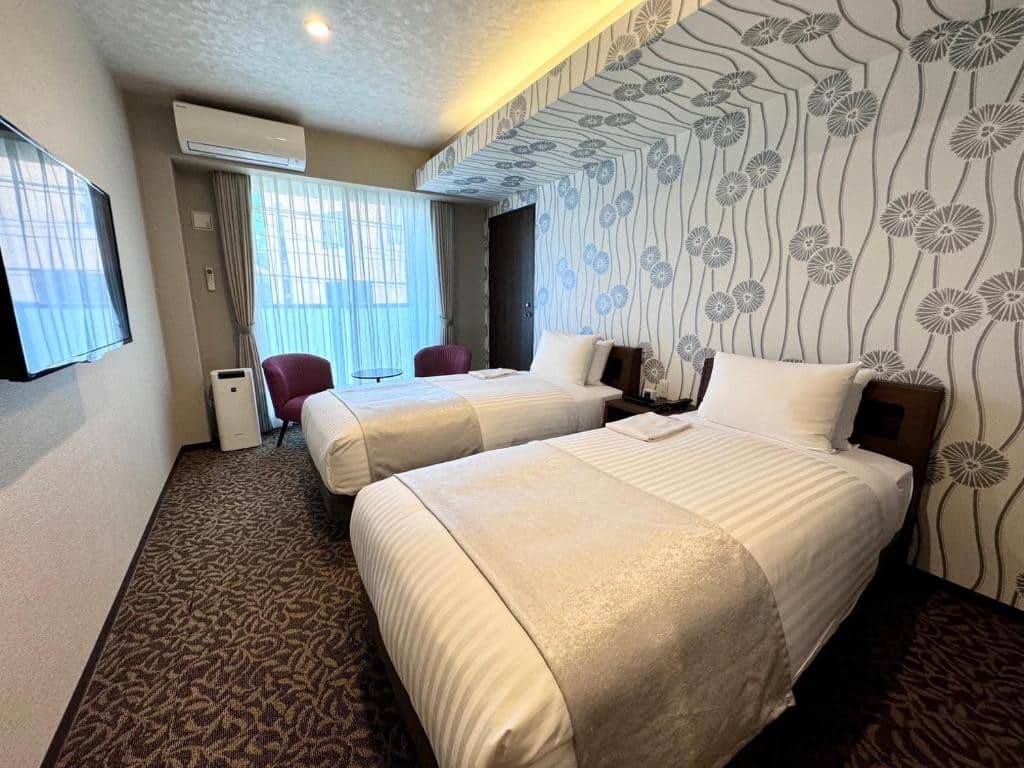

- Access: 2-minute walk from Kyoto-Shiyakusho-mae Station, near Sanjo Ohashi Bridge and the Kamo River
- Highlights: artificial hot spring public bath, Takase River views
- Best for: couples
Mid to High-Priced Kyoto Hotel Recommendation: Hotel New Hankyu Kyoto
Right next to Kyoto Station and the Kawaramachi area, with a convenient transport hub location, suiting travelers planning a food tour.
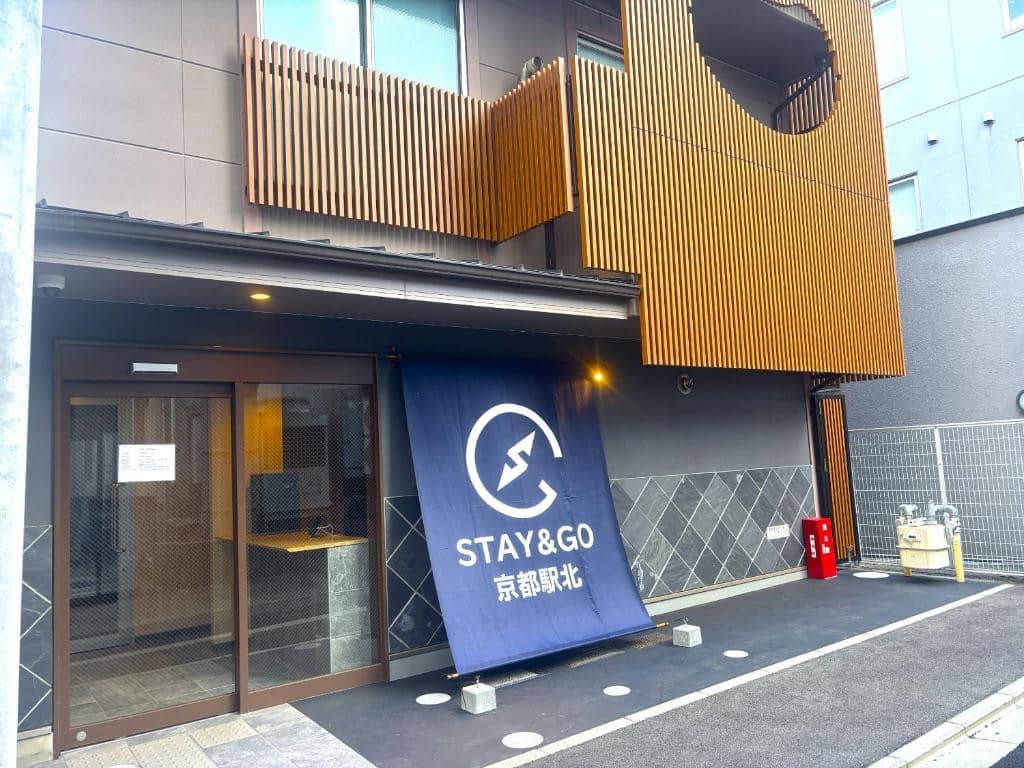
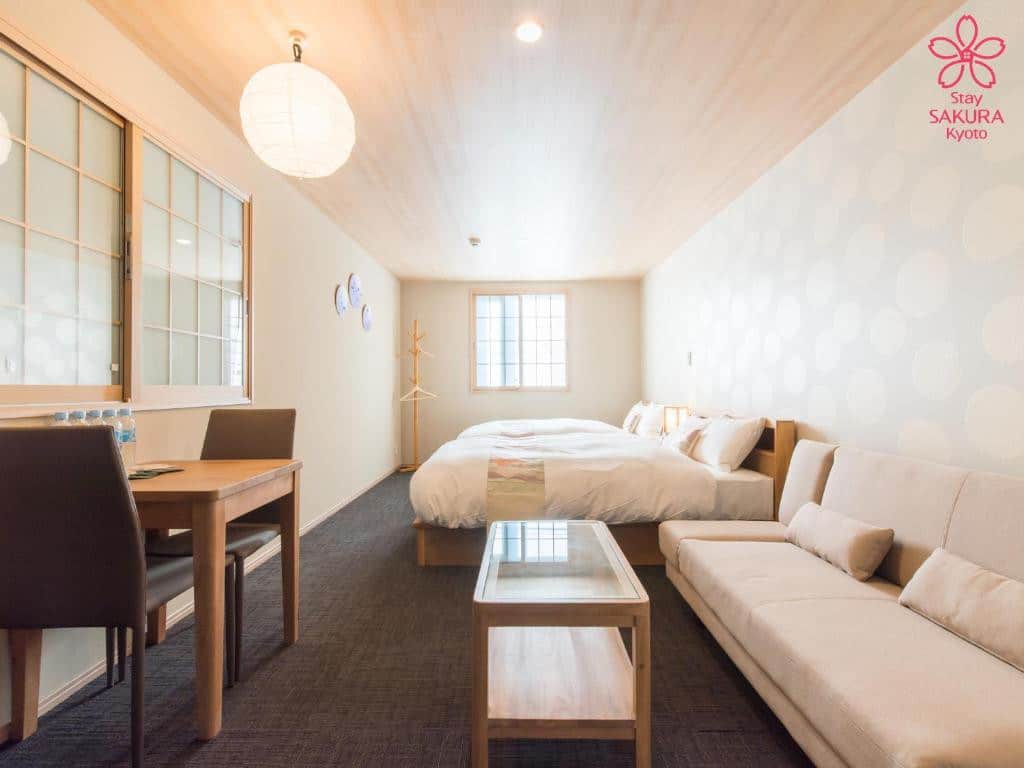
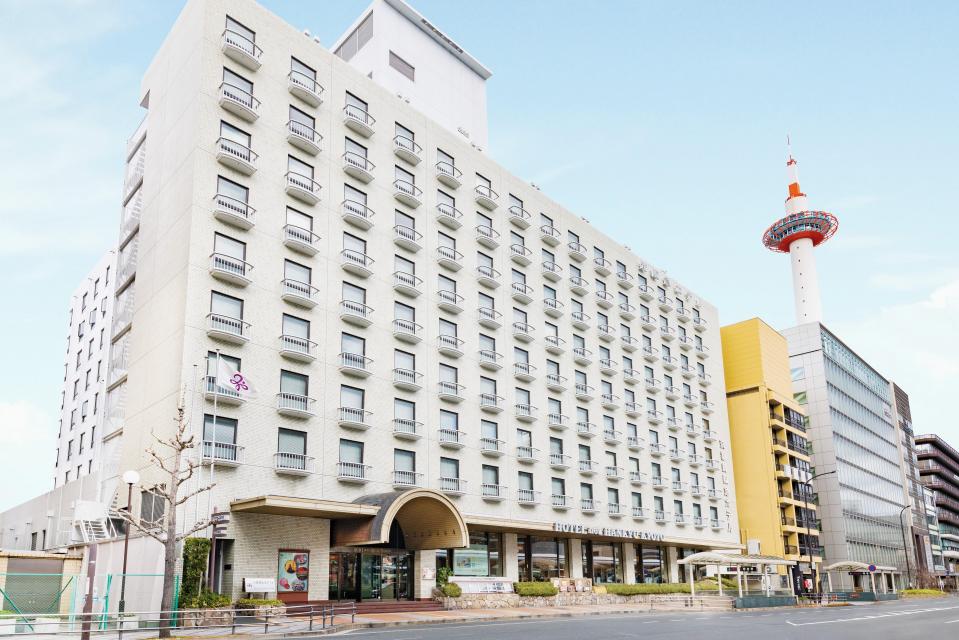
- Access: 1-minute walk from Kyoto Station
- Highlights: multiple restaurants, large public bath, luggage storage
- Best for: business travelers
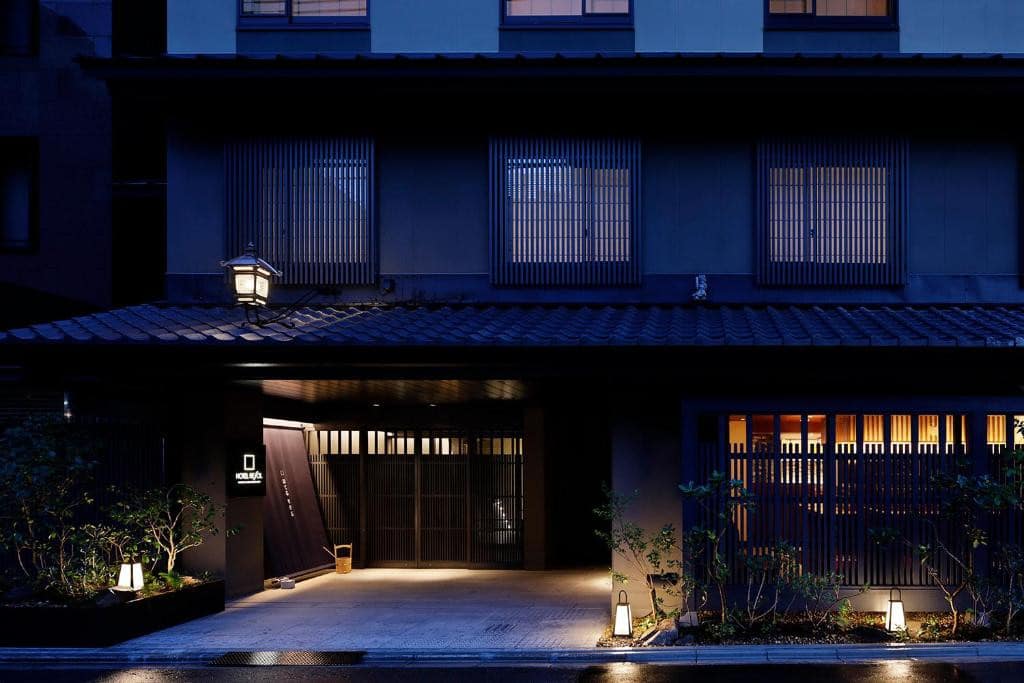
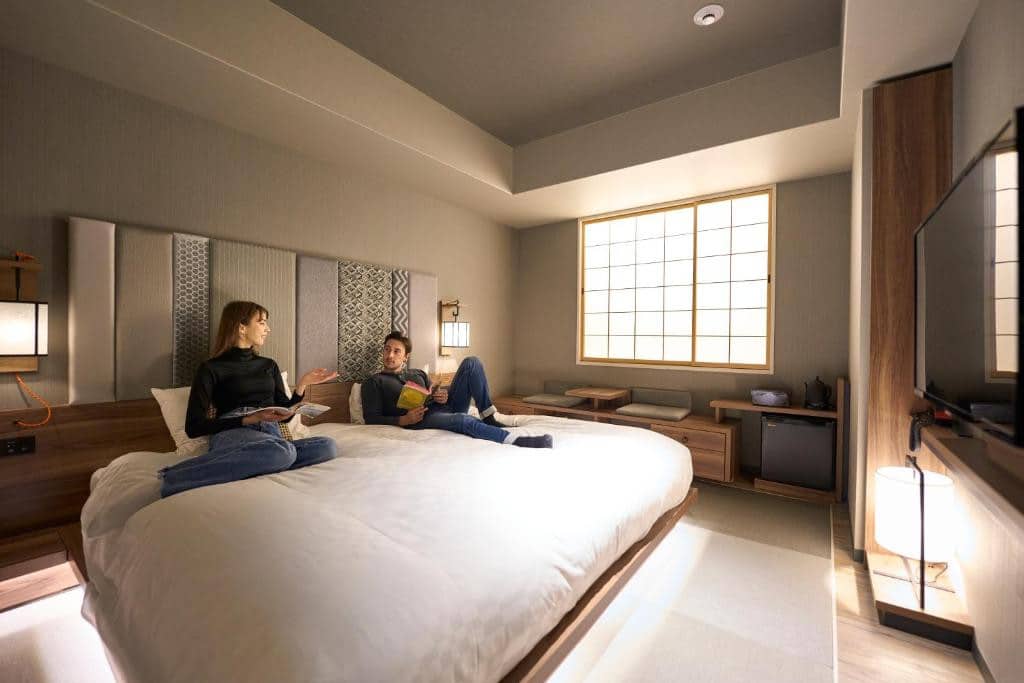
Mid-Priced Kyoto Hotel Recommendation: VIA INN Kyoto Shijo Muromachi
Near Pontocho and Shijo-Kawaramachi, the food alleys are within walking distance, and its simple comfort is the first choice for travelers returning late at night.
- Access: 5-minute walk from Shijo Station
- Highlights: free breakfast, large public bath, laundry facilities
- Best for: backpackers
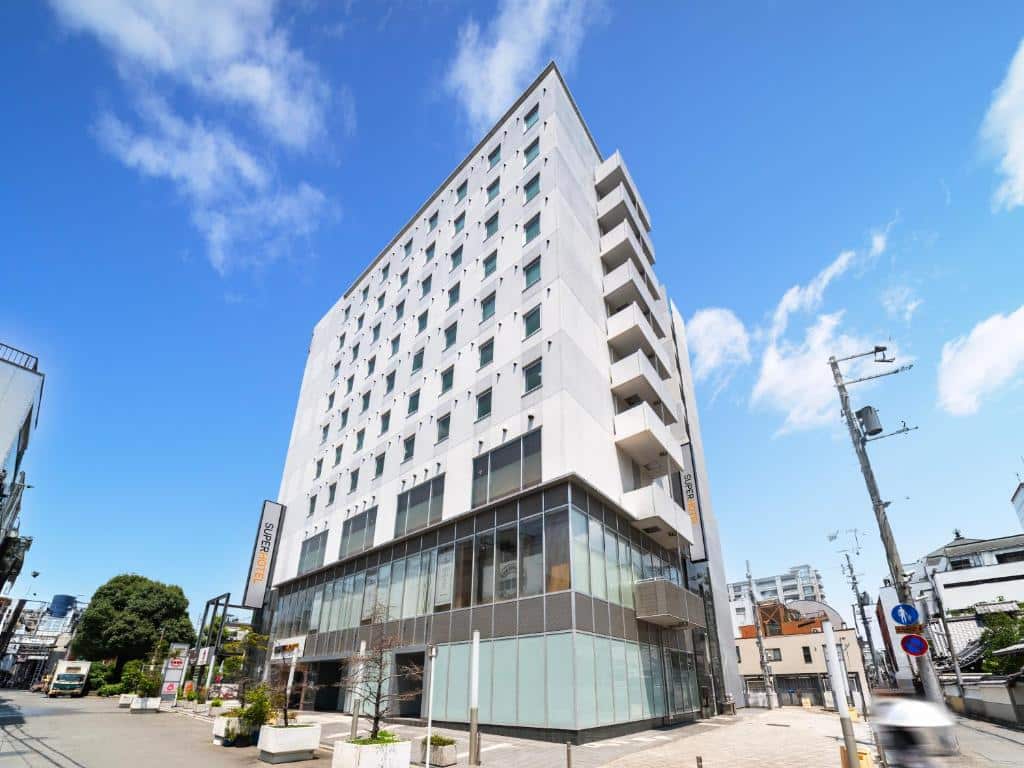
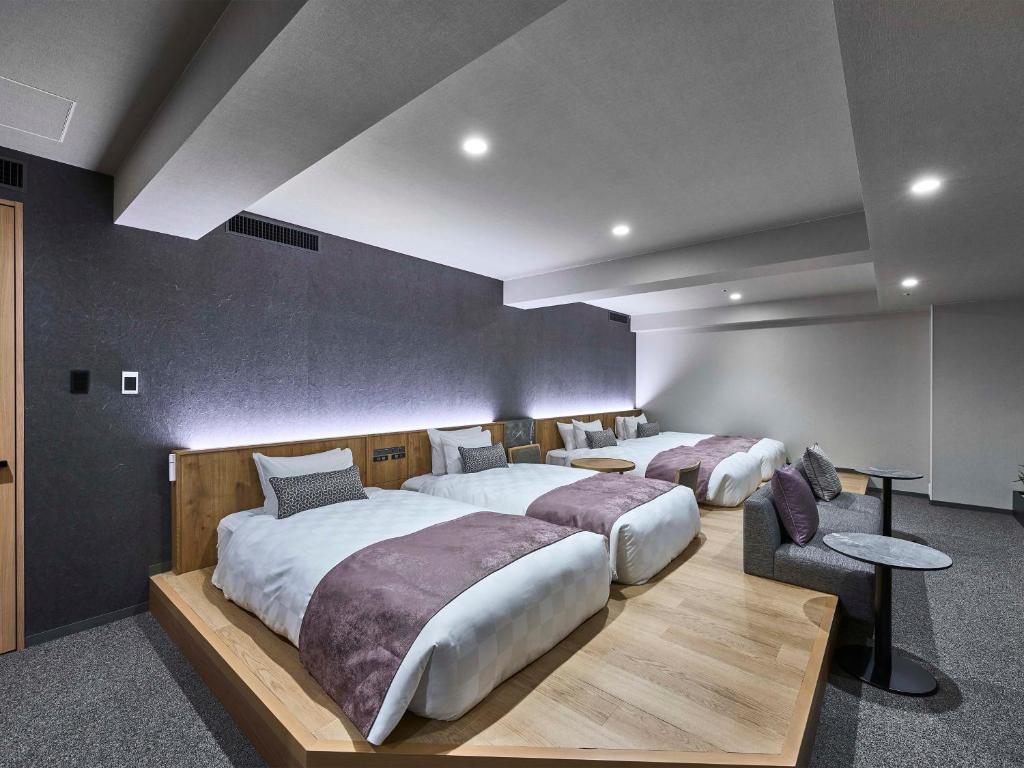
Budget Kyoto Hotel Recommendation: Hokke Club Hotel
The budget-friendly first choice, near the busy Kawaramachi district, with fully equipped rooms, a rich breakfast and great value.
- Access: 7-minute walk from Kawaramachi Station
- Highlights: buffet breakfast, large public bath, free Wi-Fi
- Best for: business travelers
Airbnb Unique Stay Recommendation: Pontocho Machiya Conversion Guesthouse
A century-old machiya conversion with a wooden layout that keeps old-capital charm, leading straight into the Pontocho alleys, very convenient for late-night food hunting.
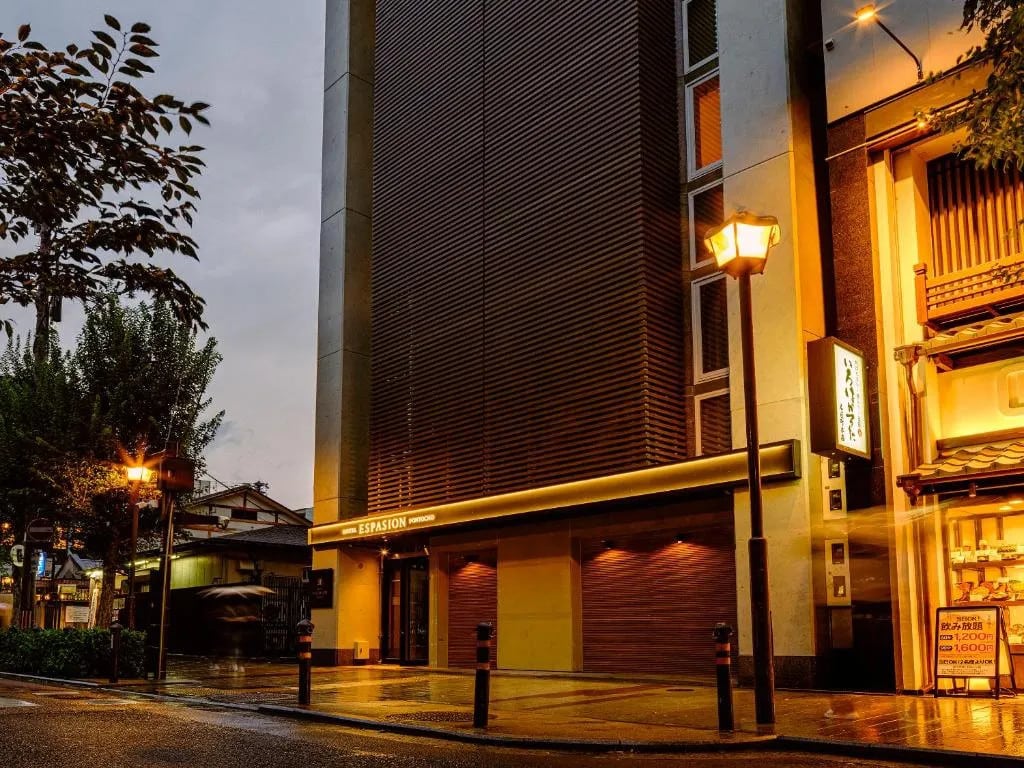
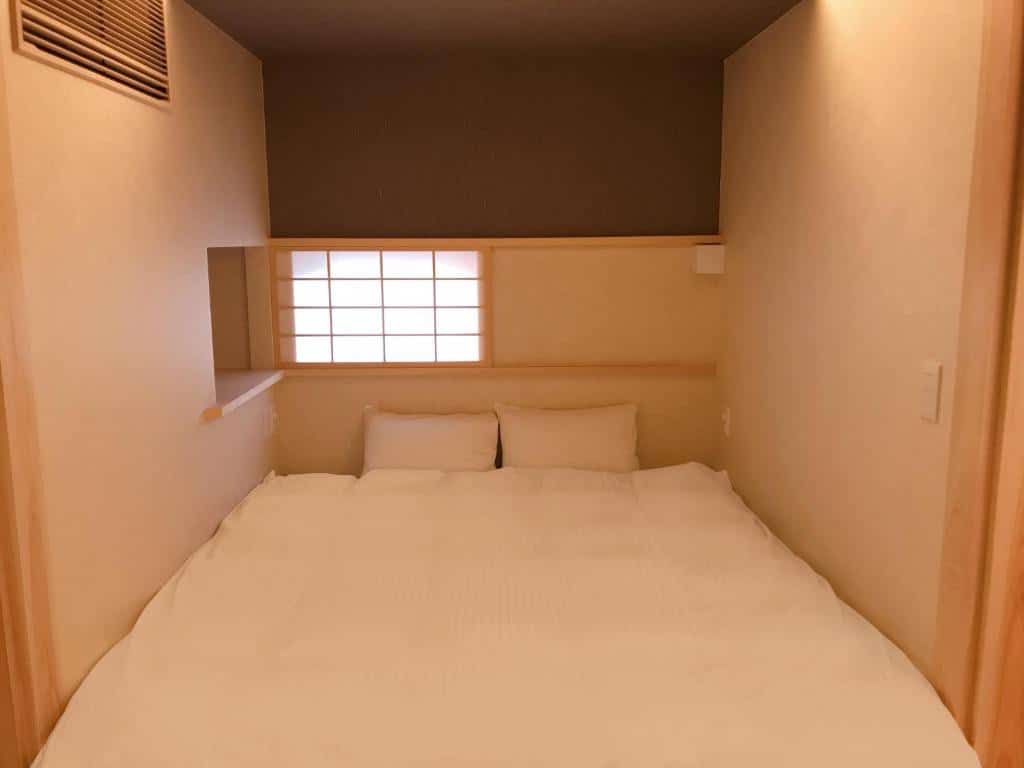
- Access: 1-minute walk from Pontocho
- Highlights: private kitchen, tatami room, machiya garden
- Best for: couples
Let’s Eat! Kawaramachi and Pontocho Are Waiting for You
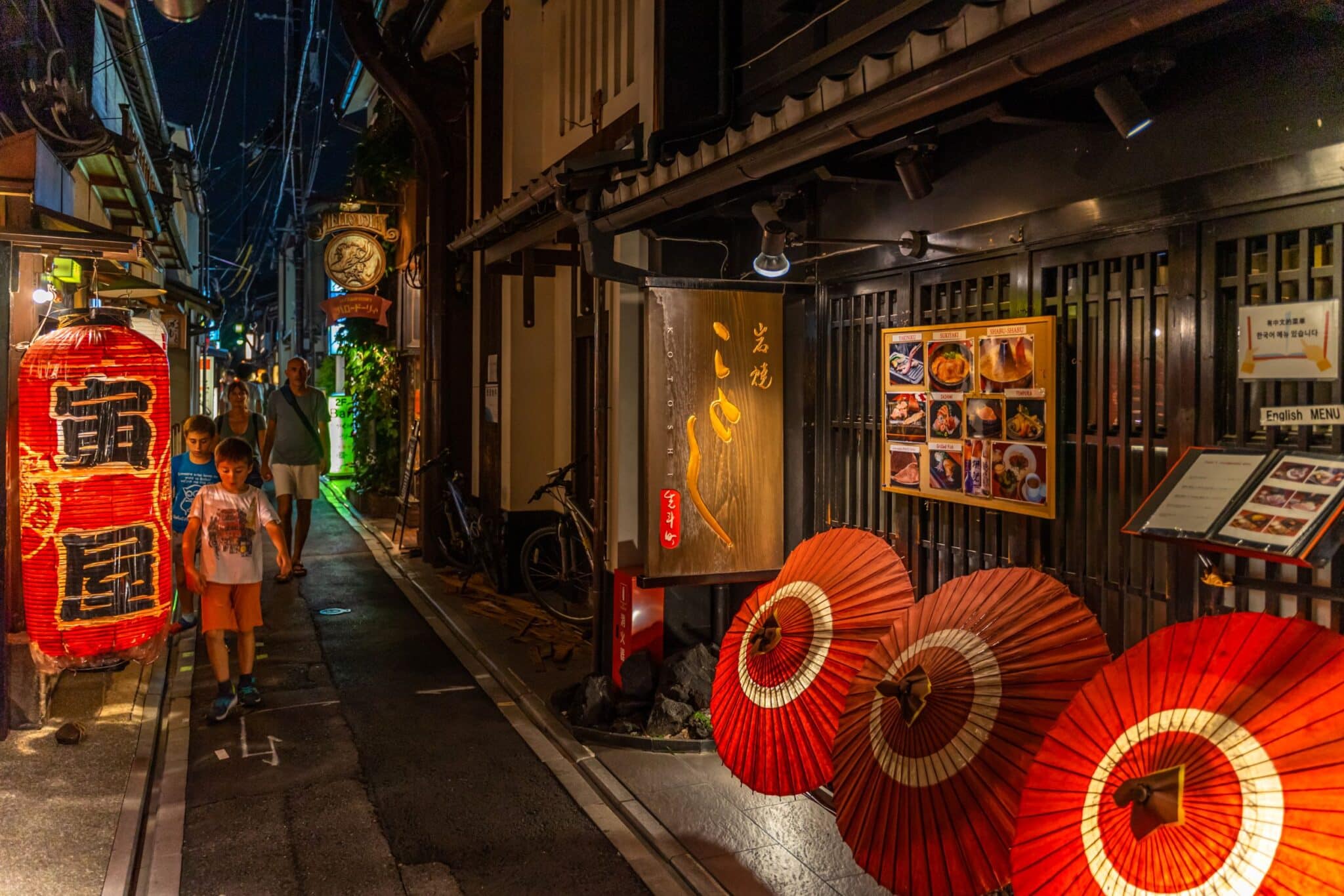
From wagyu steak and izakaya drinks in the Pontocho alleys, to Kyoto home-style flavors eaten on the move at Nishiki Market, to the Showa nostalgia of INODA’s historic coffee, the Kawaramachi area satisfies travelers of every budget and taste.
We suggest planning at least a full day, or even two nights, to savor it slowly: Nishiki Market and Teramachi shopping street by day, Pontocho in the evening for noryo-yuka or wagyu teppanyaki, and Kiyamachi late at night for second-round drinks. That rhythm best shows the layers of Kyoto’s food.
Don’t forget to reserve popular shops in advance, carry cash for some old shops, and slip through the alleys on weekday evenings when crowds are lighter, so you can eat at ease and to your heart’s content. Start planning your 2026 Kyoto Kawaramachi food tour now!