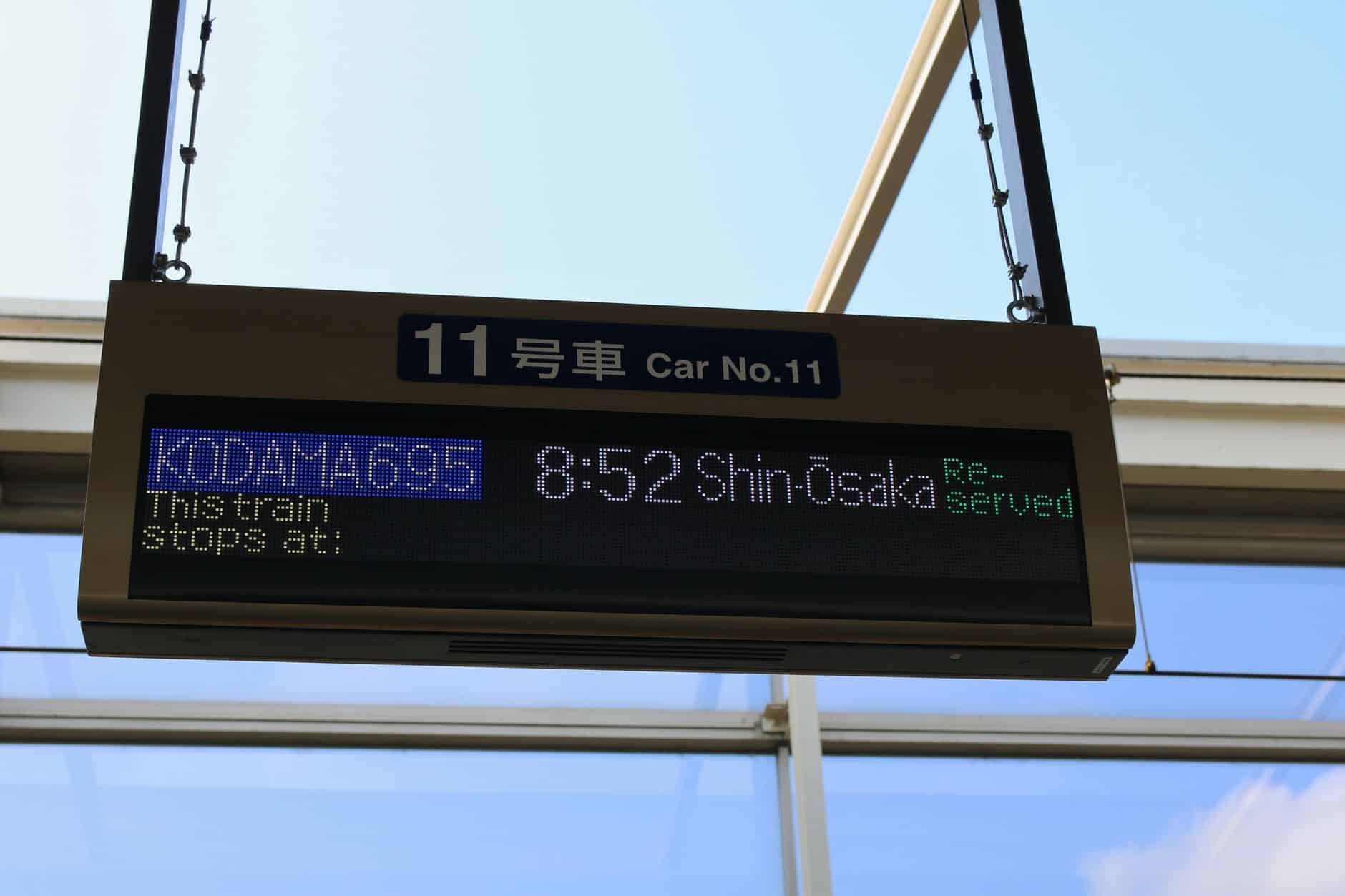

Self-Driving in Kyushu: Why a Car Beats the Train Here
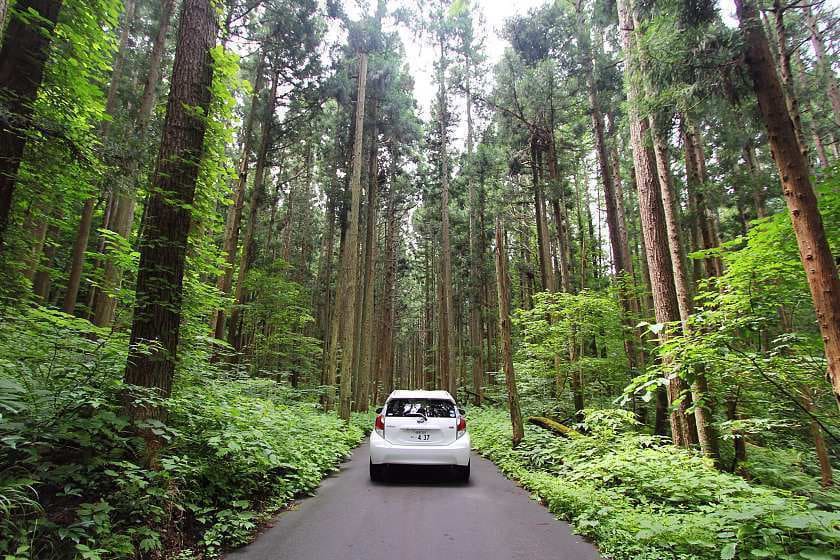
Kyushu is one of the best regions in Japan for a road trip. The highlights of its seven prefectures are scattered among volcanoes, gorges and coastline, and many places are simply out of reach by rail. Even where you can get there, you may wait at a small station for an hourly bus. Rent a car and the flexibility of your trip changes completely.
But driving is not a cure-all: city parking is expensive, mountain roads are winding and tolls are steep. Below we first lay out the pros, cons and cost structure of driving, then move on to documents, car rental and routes. All costs in this article are reference figures checked in August 2026, so please rely on the rental company and official same-day notices for actual amounts.
Why Kyushu Is Easy to Drive: A Complete Expressway Network and Winding but Well-Kept Mountain Roads
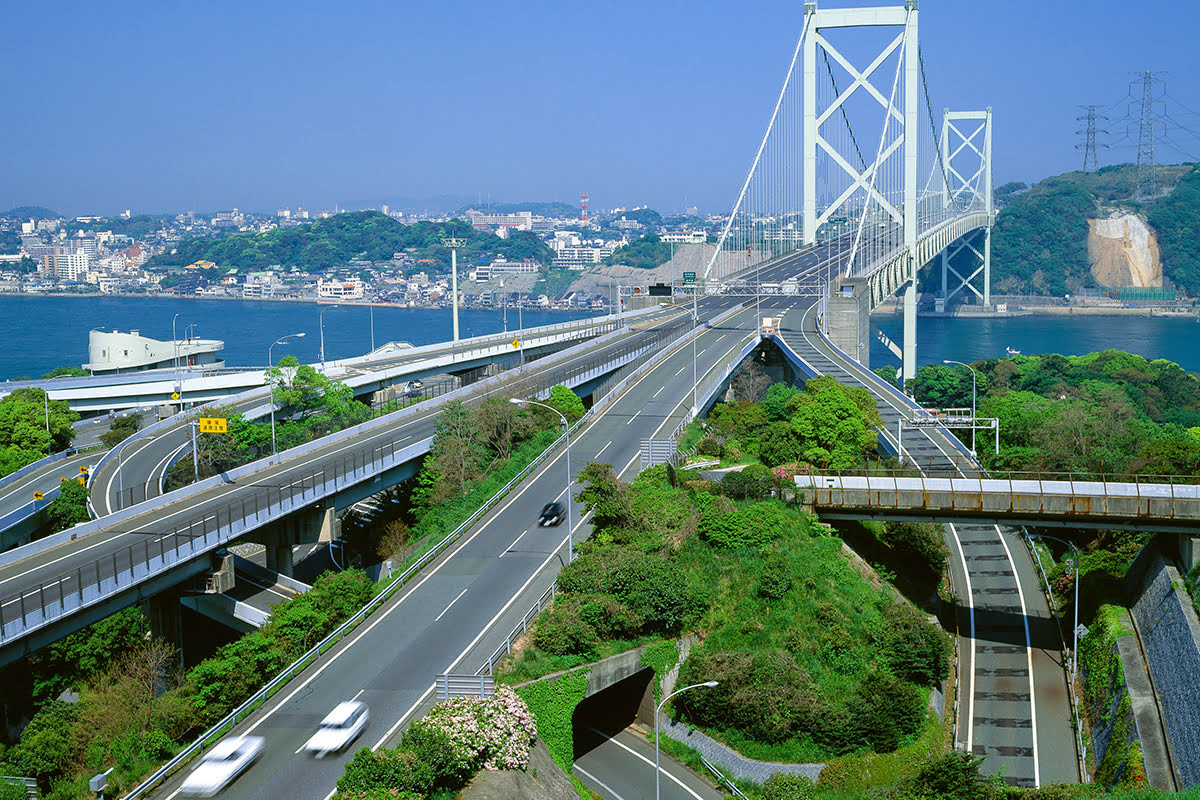
The Kyushu Expressway runs all the way from Fukuoka to Kagoshima, and the Higashi-Kyushu and Oita Expressways link Oita and Miyazaki, so the expressway network is more complete than you might expect. Roads are well maintained, markings are clear, and most interchange signs include kanji that Taiwanese drivers can read.
Mountain sections (Yufuin toward Kurokawa, around Aso, and the Takachiho area) are full of curves and steep slopes, but almost all are paved two-lane roads, without the extremely narrow lanes where passing is difficult, as in Shikoku’s mountains. What really needs attention is winter: Aso and Kuju are at higher elevations and may have snow and ice from December to March, so ask proactively whether your rental has snow tires.
The Real Value of Driving: Connecting Places Rail Cannot Reach
There is no rail line directly to Takachiho Gorge, Kurokawa Onsen has no train station, the entire Itoshima coastline depends on a car, and the Aso crater and Kusasenri require a bus from Aso Station. These are Kyushu’s most representative views, and they all happen to lie outside the rail network.
In practice, if you want to do Lake Kinrin, the Kokonoe Yume Otsurihashi bridge and Kurokawa Onsen in a single day, driving can do it in about three hours, while it is almost impossible by public transport in one day. If your list has two or more places away from stations, driving already pays for itself. If you only want to visit the three cities of Fukuoka, Kumamoto and Kagoshima, rail is actually easier.
When Not to Drive: City Parking and Long-Distance Fatigue
Parking in Fukuoka’s Tenjin and Hakata areas is not cheap, and hotel parking often costs extra and is limited. If you spend two or three days entirely in the city shopping and eating, the car just sits there burning money.
Another often underestimated factor is fatigue. Fukuoka to Kagoshima is more than three hours one way, and with stops at sights you spend a long time at the wheel each day. A practical approach is a hybrid: use rail and the subway in the city, and rent a car only for the days you cover mountains and coast. Many rental companies support one-way drop-off (an extra fee may apply), so consider arrangements like picking up in Fukuoka and returning in Kumamoto.
Where the Money Goes: Rental, Fuel, Tolls and Parking
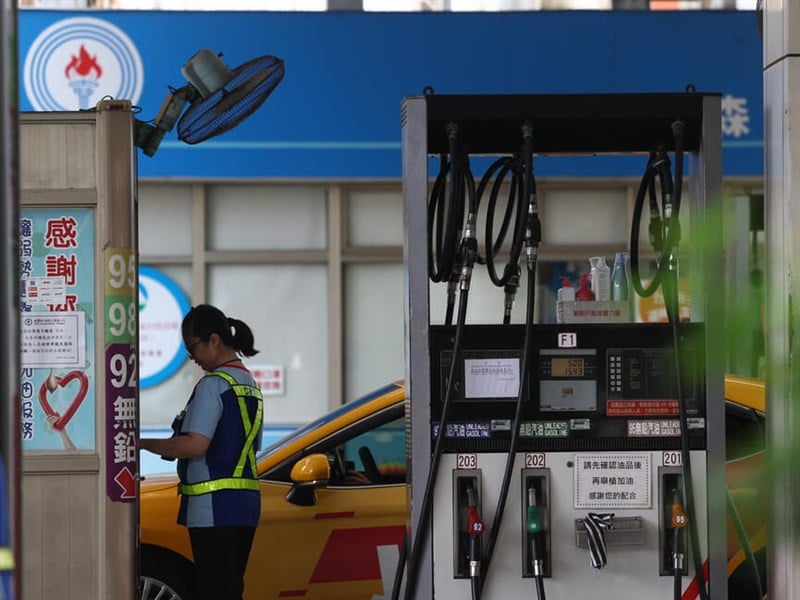
Driving costs include the rental (with insurance), fuel, tolls and parking. Taiwanese travelers most often underestimate tolls: Kyushu expressway tolls are expensive, and a round trip from Fukuoka to Kagoshima can eat a large part of the budget, which is why the “KEP expressway pass” is especially important in Kyushu (see below). Fuel prices in Japan fluctuate a lot, and you must fill up before returning the car. Self-service pumps have a Japanese interface, so beginners should choose a full-service station with attendants.
What to Prepare for Self-Driving in Kyushu: Taiwan Driver’s License, Japanese Translation and the Full Rental Process
This is the part of a Kyushu road trip you cannot get wrong. If any document is missing, you cannot rent a car at the counter and your itinerary is ruined. Below we explain documents, how to apply for the translation, booking, pick-up and return in order.
Important: To drive in Japan with a Taiwan license you need a “Japanese translation,” not an International Driving Permit. This is what Taiwanese travelers most often get wrong.
The Three Documents: Original License, Japanese Translation and Passport
Taiwanese drivers do not need an International Driving Permit in Japan. Under the reciprocal arrangement between Taiwan and Japan, bring three things: your original Taiwan driver’s license, the Japanese translation of that license, and the driver’s own passport. All three are required, and the rental counter checks them one by one.
There are two common mistakes: first, bringing only an International Driving Permit (not valid in Japan), and second, bringing the translation but forgetting the original license. The translation is valid only when shown together with the original. Also, if the expiry date on your license has passed, get a new license at the motor vehicles office before departure and then apply for the translation, or you may well be refused a rental on the spot.
How to Get the Japanese Translation: Motor Vehicles Office Counter and Fee
The Japanese translation can be obtained in person at motor vehicles offices (station offices) across Taiwan. Bring your ID card and original license; the fee is about US$3, and it can often be collected on the spot. You can also apply online and receive it by mail, but it takes longer, so if you are short on time apply in person.
Under the Taiwan-Japan license reciprocity rules, you must carry the original license and the Japanese translation together, and you may drive within one year of entering Japan. After you renew your license the old translation becomes invalid and you must apply again. Fees and locations follow the notices of the Highway Bureau, MOTC (thb.gov.tw). Keep the translation and license together in your passport holder so they are not left in the hotel.
Where to Book: Chinese-Language Comparison Sites vs. Large Chains
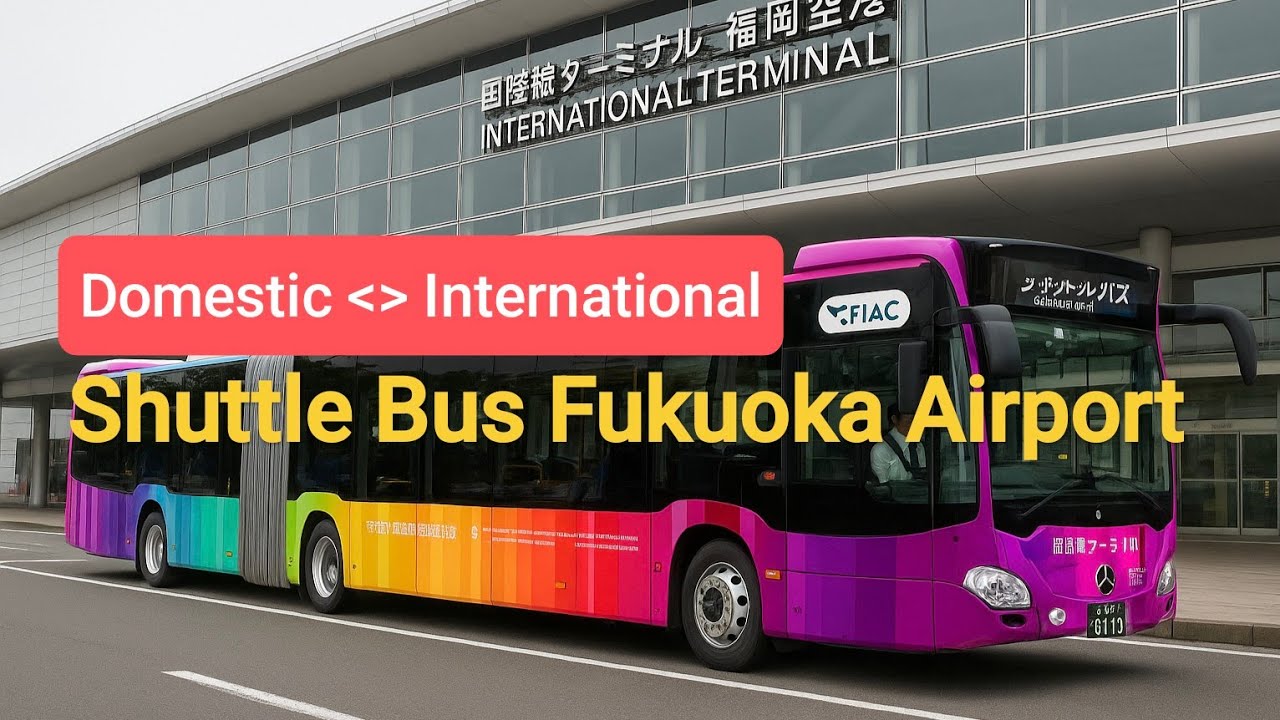
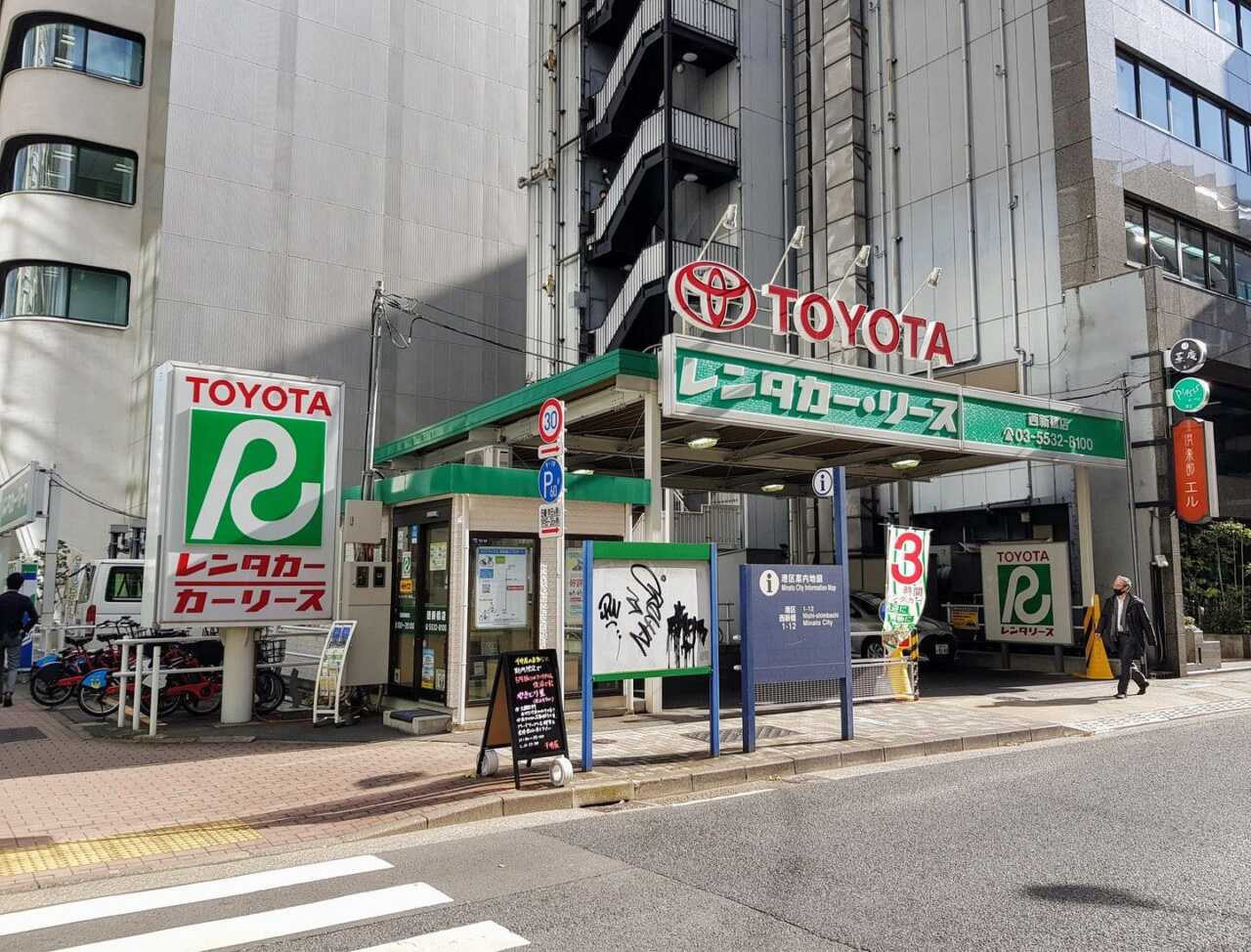
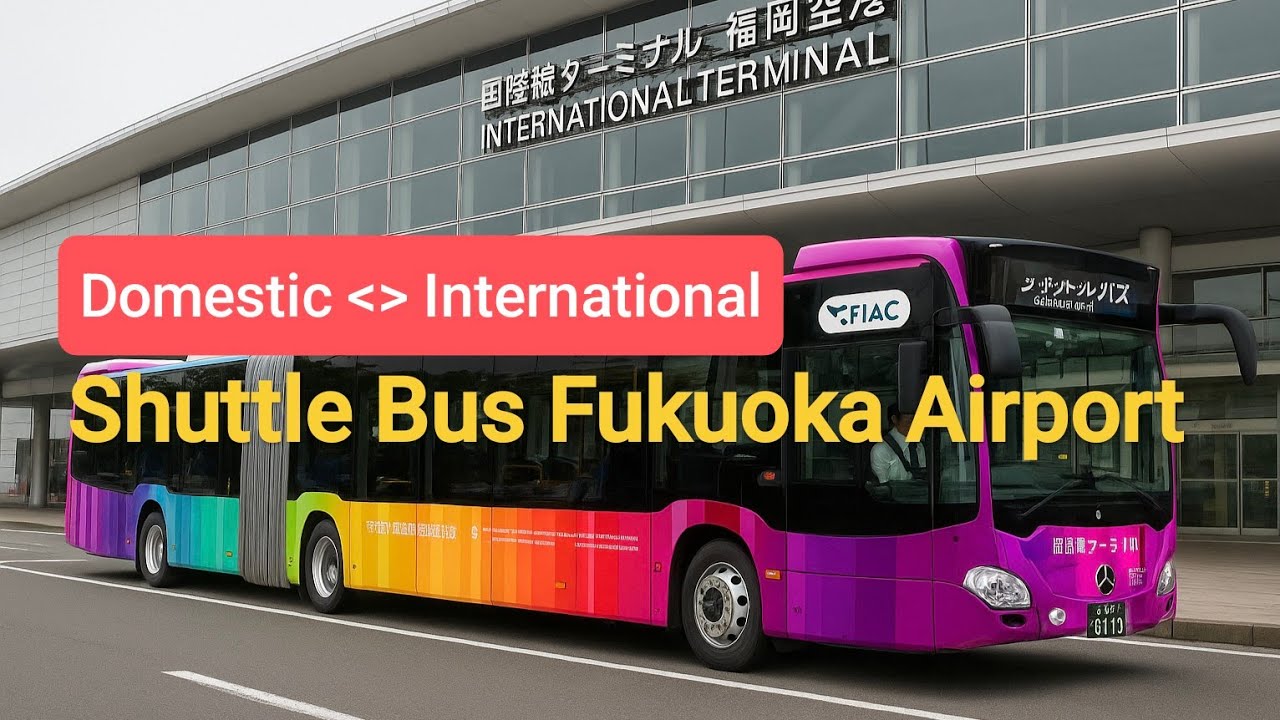
You can book through comparison sites with Chinese interfaces such as Tabirai and ToCoo!, which make it easy to compare prices and terms, or book directly with large chains such as TOYOTA Rent a Car, ORIX and Times Car Rental, where vehicle condition and locations are more reliable. Besides the daily rate, watch three things: location (the domestic and international terminal rental counters at Fukuoka Airport are on different sides), whether one-way drop-off is supported, and the insurance coverage. In peak season and long weekends popular models sell out early, and for cars seating six or more book at least a month ahead.
At Pick-Up: Ten Minutes to Inspect the Car and Check the Fuel
After arriving at the rental office, you show the three documents, sign the contract and confirm any insurance add-ons. A staff member walks around the car with you to check its exterior and explains the controls and navigation, then hands over the key. The whole process takes about 20 to 30 minutes, longer with queues in peak season, so allow plenty of time.
Do not skip the walk-around: photograph all four sides of the car, the wheels and the windshield, have staff note existing scratches in the contract, and confirm the fuel gauge, wipers, headlight controls and navigation language. The in-car GPS can search for destinations by MapCode or phone number, and it is best to cross-check with a phone map.
Before Returning: Return with a Full Tank and the Japanese Gas Station Hurdle
Japanese rentals follow a “full tank out, full tank back” rule. Before returning, fill up at a nearby gas station and keep the receipt, otherwise the rental company will refuel at a higher rate. Fill up at the station before the last one rather than waiting to look near the airport.
Gas stations are either self-service (セルフ) or full-service. Regular cars use “レギュラー” (regular gasoline, red nozzle), and diesel is “軽油” (green); never mix them up. If unsure, ask staff and say “レギュラー、満タン” (regular, full). When you return the car, staff will inspect it and settle ETC and other charges.

Which Kyushu Road Trip Routes Are a Must? The Classic 5-Day and 7-Day Routes Explained
There are two main Kyushu road trip styles: a 5-day loop through the hot spring mountains of northern Kyushu, and a 7-day grand loop from Fukuoka down to Kagoshima. The former is short with a high density of scenery and suits first-time drivers in Japan, while the latter involves a lot of driving and suits experienced travelers with long vacations.
Below we first introduce the two full routes, then break down each stretch along the way that deserves an extra half day. All drive times are estimates without traffic, so please use the navigation on the day you depart.
Route A: A 5-Day Loop Through Fukuoka, Yufuin, Kurokawa, Aso and Kumamoto
This route is best for first-time drivers, covering Fukuoka, Oita and Kumamoto with about two hours of driving per day. Day 1: pick up the car in Fukuoka, visit Dazaifu Tenmangu and stay at a Yufuin hot spring inn. Day 2: Lake Kinrin and the Kokonoe Yume Otsurihashi bridge, then stay at Kurokawa Onsen. Day 3: pass through Aso to see Daikanbo and Kusasenri, and stay in downtown Kumamoto.
Day 4: Kumamoto Castle and Sakura-no-baba Johsaien, then a boat ride and steamed eel rice in Yanagawa in the afternoon, back to Fukuoka in the evening. Day 5: shop in the city and return the car. Most of the route uses expressways and prefectural roads, with many roadside stations (michi-no-eki) for supplies, and it pairs well with the KEP.
Route B: A 7-Day Drive from Fukuoka All the Way to Kagoshima
The 7-day route covers volcanoes, gorges and coast. Day 1: pick up the car in Fukuoka, pass through Karatsu and the Yobuko morning market to Nagasaki for the night view. Day 2: Huis Ten Bosch or Unzen Jigoku, then the Shimabara ferry to Kumamoto. Day 3: Aso and Takachiho Gorge. Day 4: south along the Nichinan coast to Miyazaki.
Day 5: via Kirishima Jingu to Kagoshima. Day 6: south to Ibusuki for a sand bath, then back north. Day 7: return to Fukuoka and return the car. Note: Takachiho to Nichinan and Miyazaki to Kagoshima are each about three hours by car, so do not cram in more sights or you will rush the whole trip.
Near Fukuoka: A Half-Day Drive Loop to Dazaifu and Itoshima
If you rent a car for just one day, Itoshima near Fukuoka is the most efficient choice. From Hakata you reach the coastline in about 40 minutes, with a white torii gate, seaside cafes and sunset spots along the way. This whole route is almost impossible by bus, which makes it the clearest case for driving.
Dazaifu Tenmangu is in the opposite direction, about 30 minutes by car, and most travelers schedule it on the pick-up day as a warm-up. Note that parking lots around the Dazaifu approach fill up easily on holidays, so park at a municipal lot a bit farther away and walk in. Popular seaside parking spots in Itoshima also have queues on summer weekends, so leaving in the morning goes much more smoothly.

Oita Mountains: From Lake Kinrin in Yufuin to the Kokonoe Yume Otsurihashi Bridge
Yufuin is a famous Kyushu hot spring town, with the morning mist on Lake Kinrin its signature view. With a car you can stay at a quiet inn on the edge of town and avoid the crowds on Yunotsubo Street. However, parking is scarce in town and daytime lots are mostly paid, while inns usually have parking, so confirm this when booking.
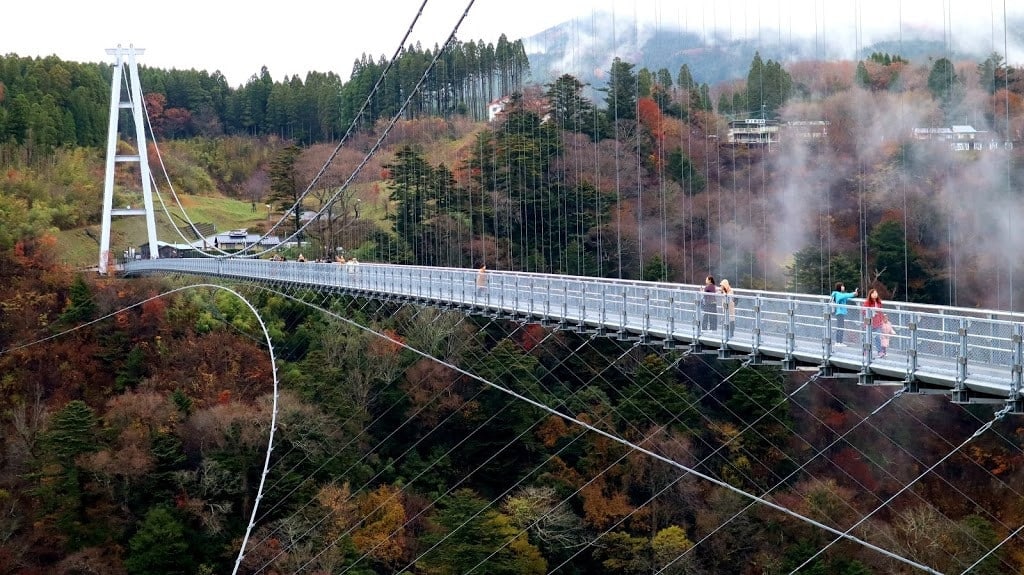
From Yufuin toward Kuju you join a highland road with wide views. The Kokonoe Yume Otsurihashi is one of Japan’s highest pedestrian suspension bridges, with a view of the Shindo Falls. Admission and opening hours change by season, so follow on-site notices. The mountain road has many curves but is wide enough, and it ices over easily in winter, so check road conditions before departing.
Kurokawa Onsen: The Mountain Road That Tests Beginners Most
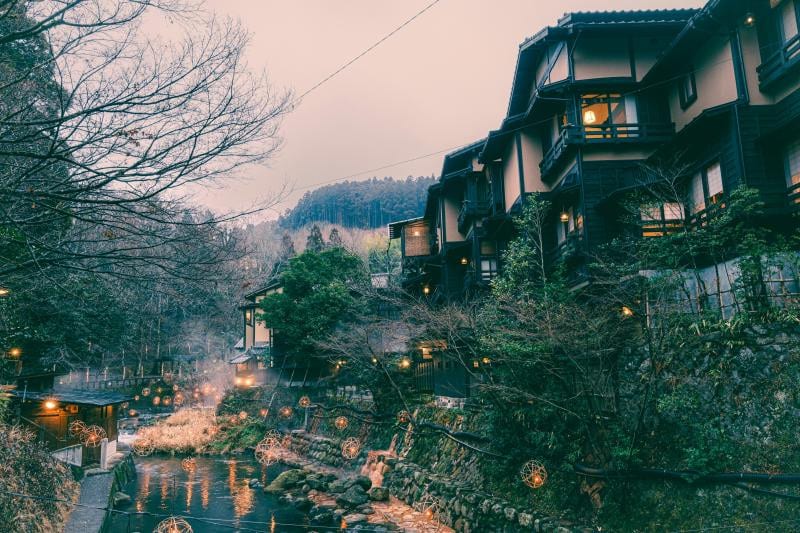
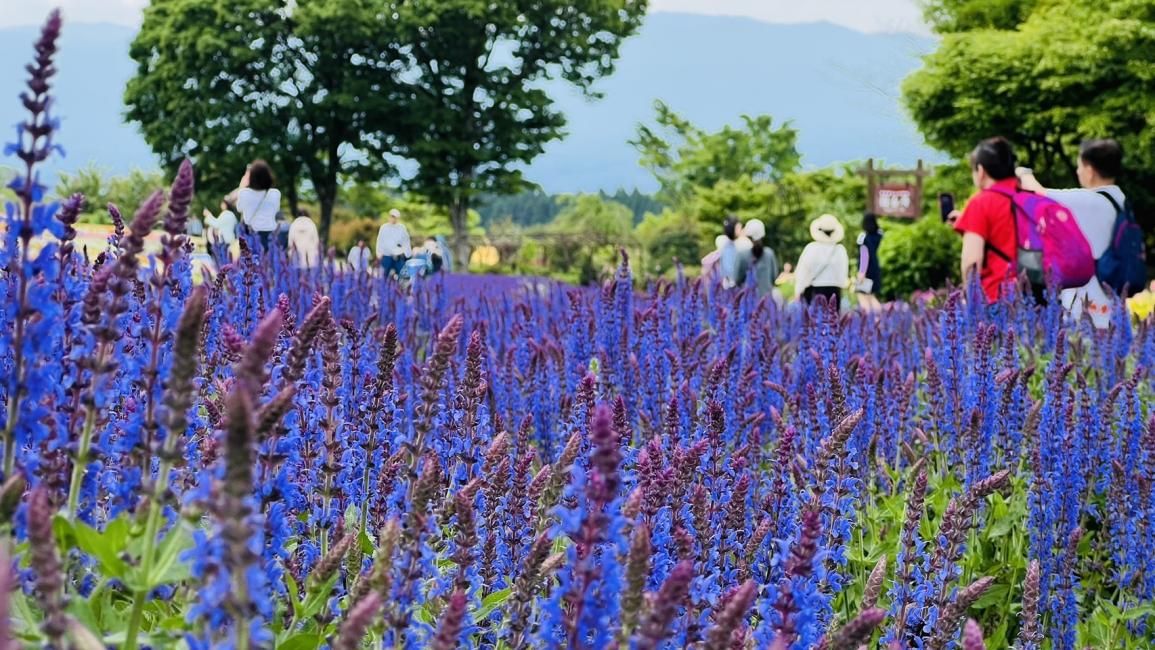
Kurokawa Onsen lies in a valley north of Aso, with no railway and few buses, so driving is the main way to arrive at ease. The hot spring street is a pedestrian zone, so cars must park at public lots on the outskirts, and most inns provide a shuttle or designated spaces. The roads to and from Yufuin and Kuju have notable elevation changes and real snow is common in winter, so from December to March confirm whether your rental has snow tires or chains, and watch for ice on mountain roads after sunset. The price of the bathing pass (nyuto tegata) and the participating inns are changed from time to time, so follow on-site notices.

Aso: The Volcano Road to Daikanbo and Kusasenri
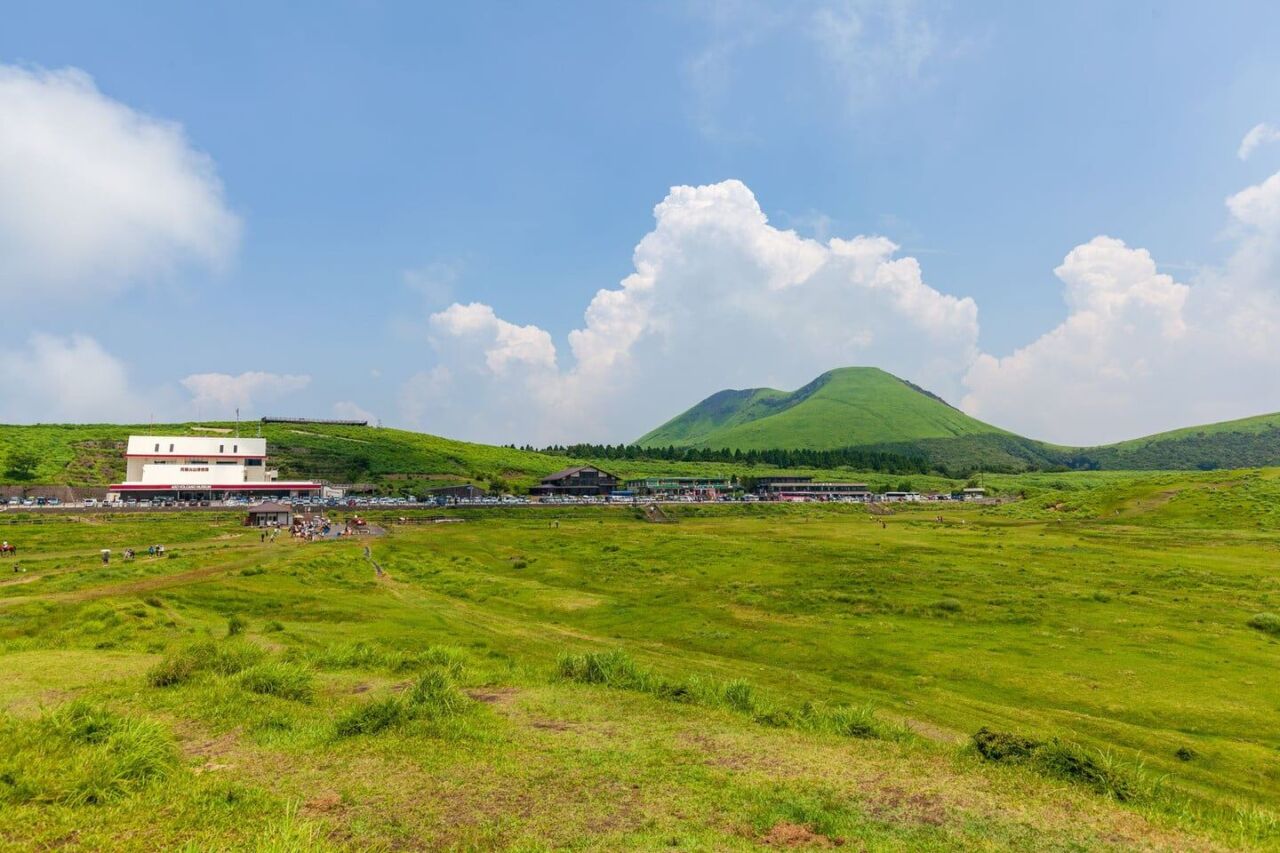
Aso is the very best stretch of a Kyushu road trip. The Daikanbo lookout overlooks the whole Aso valley and the outer rim, and Kusasenri is a grassland beneath the crater where you can see grazing horses in good weather. It is about 20 minutes by car between the two, and the road itself is part of the scenery.
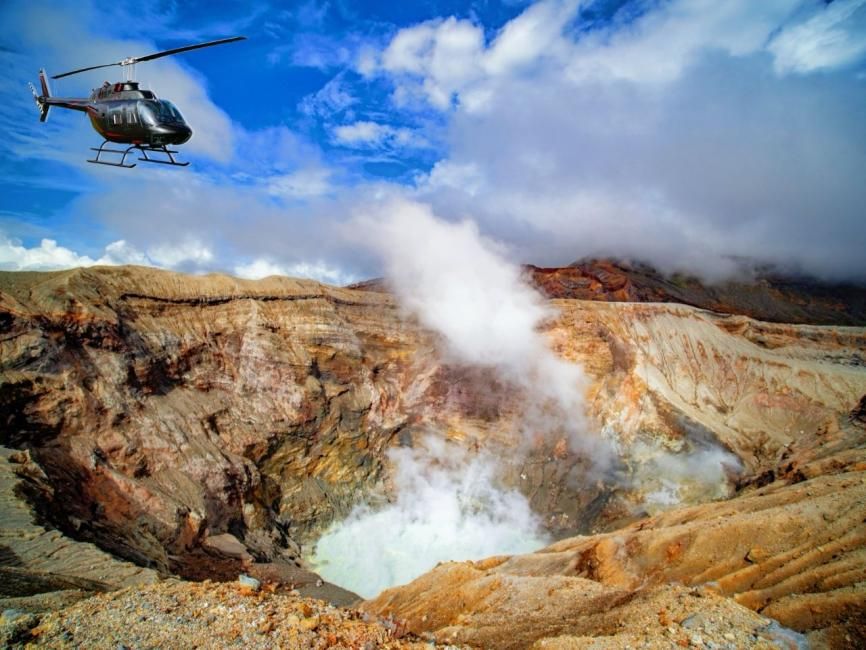
The key practical point: whether you can approach the Nakadake crater depends on current volcanic activity and gas concentration, and restrictions can be issued at any time, so always check the latest Aso volcano disaster-prevention notices before departing. Also, some parking lots around Aso have become paid in recent years, and old online articles saying parking is free may no longer apply, so follow on-site notices.
Takachiho Gorge: A Gorge You Can Only Reach by Car
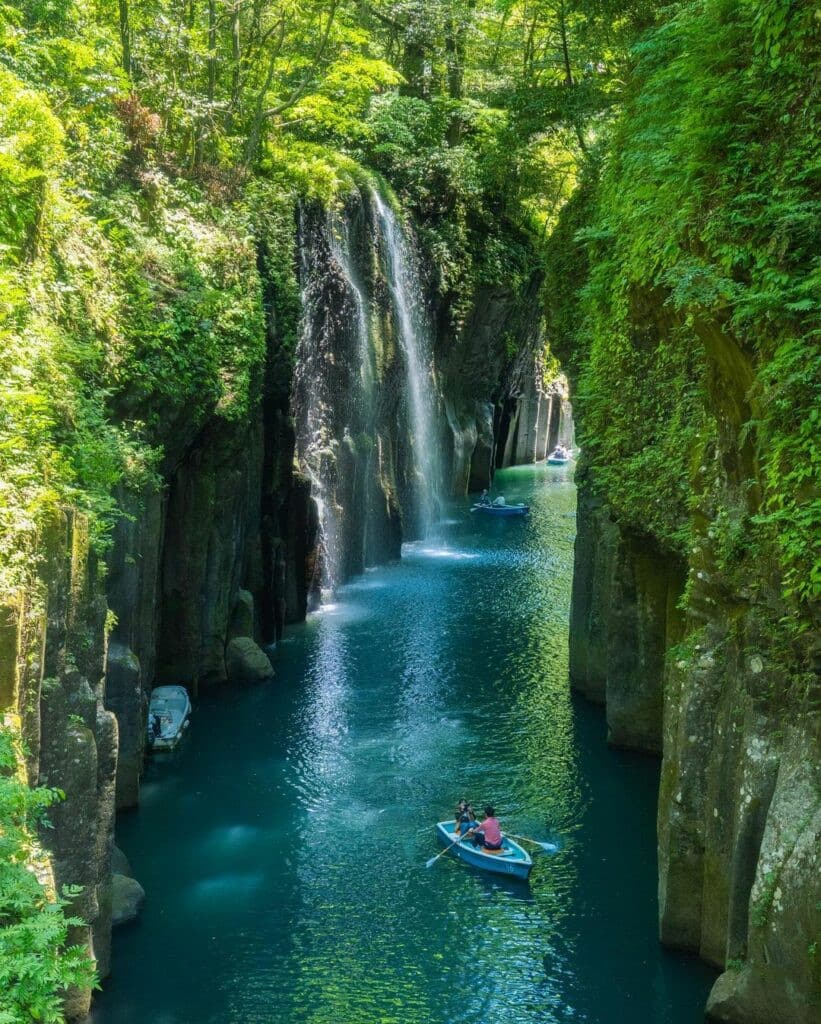
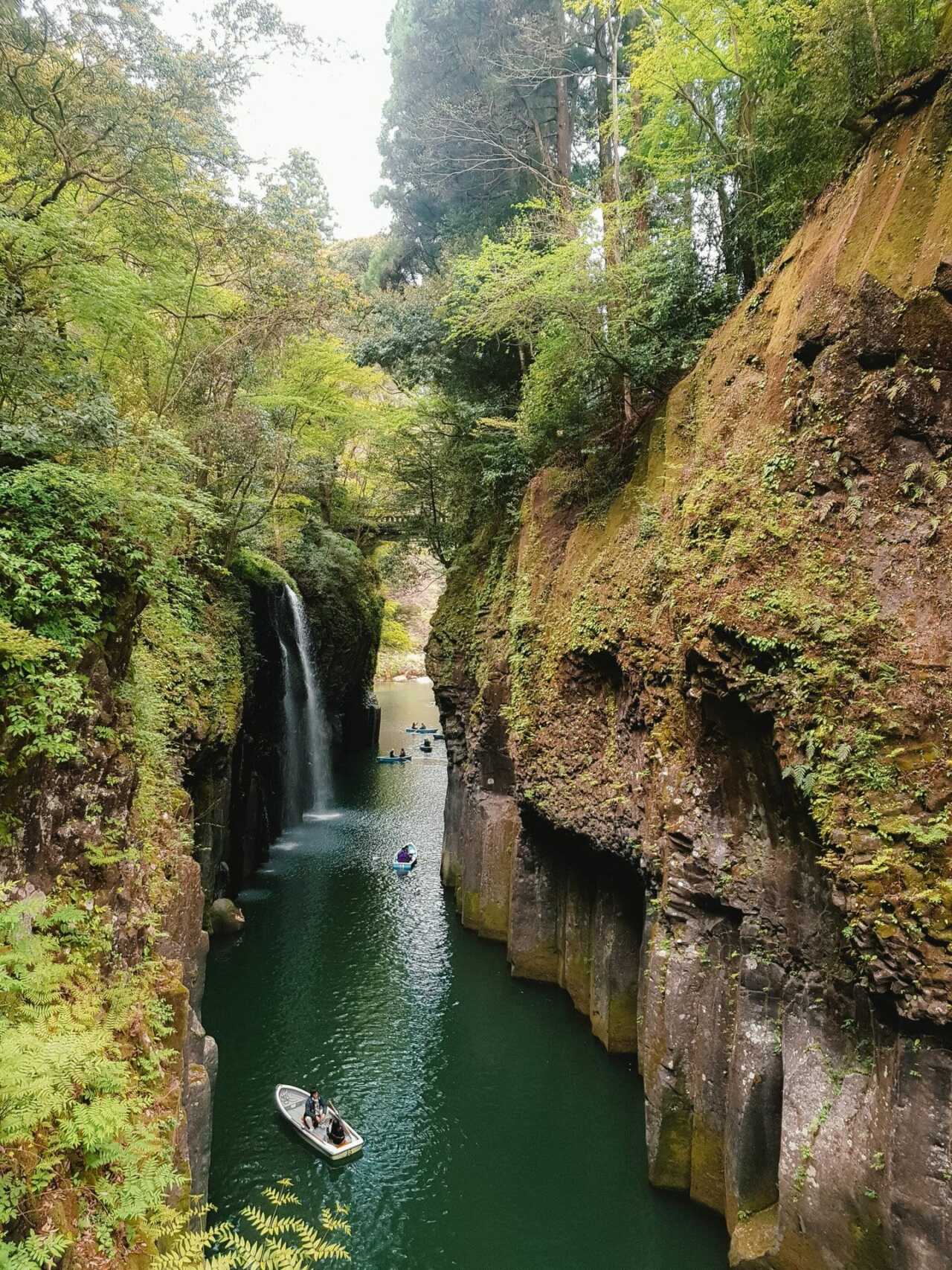
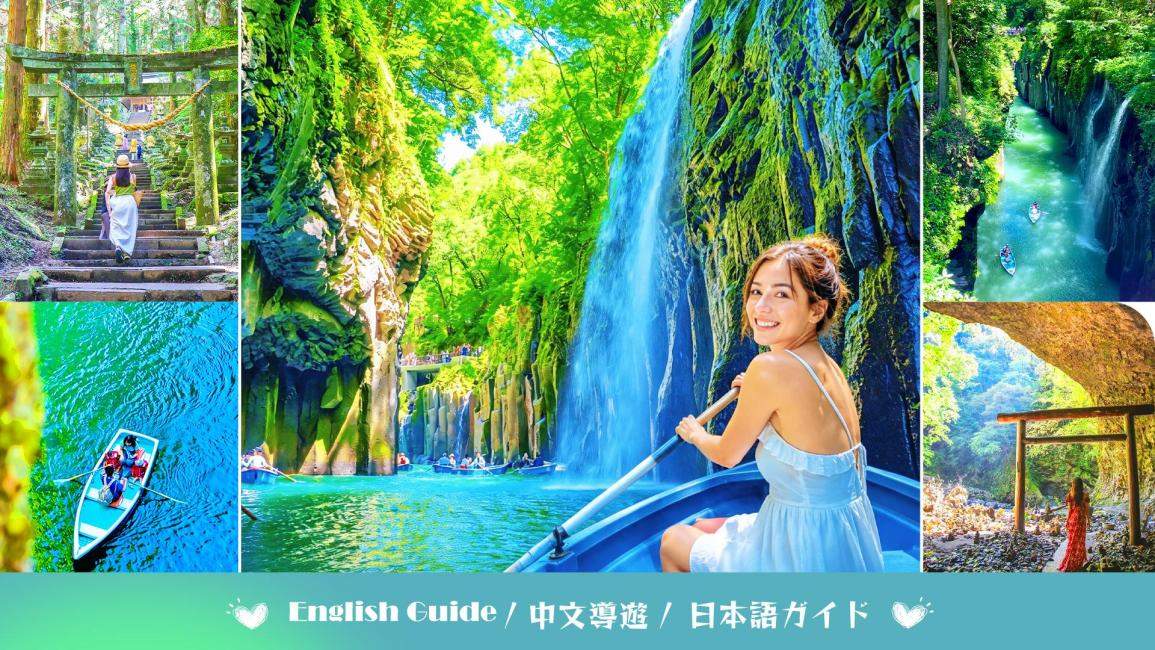
Takachiho Gorge is a gorge of columnar joints, and rowing a small boat close to Manai Falls is its most famous experience. There is no railway here, and from Kumamoto or Nobeoka it takes more than two hours on mountain roads, so driving (or joining a bus tour) is almost the only option.
Boat rental is ¥4,100 to ¥5,100 per boat for 30 minutes (varies by date), for up to 3 people, open 8:30 to 17:00 (last acceptance 16:30), and suspended when the water is high. Queues are common in peak season, and most nearby parking is paid, so check the latest notice from the Takachiho Town tourist association before departing.
Shimabara Ferry: Drive Onto the Boat and Save a Three-Hour Detour
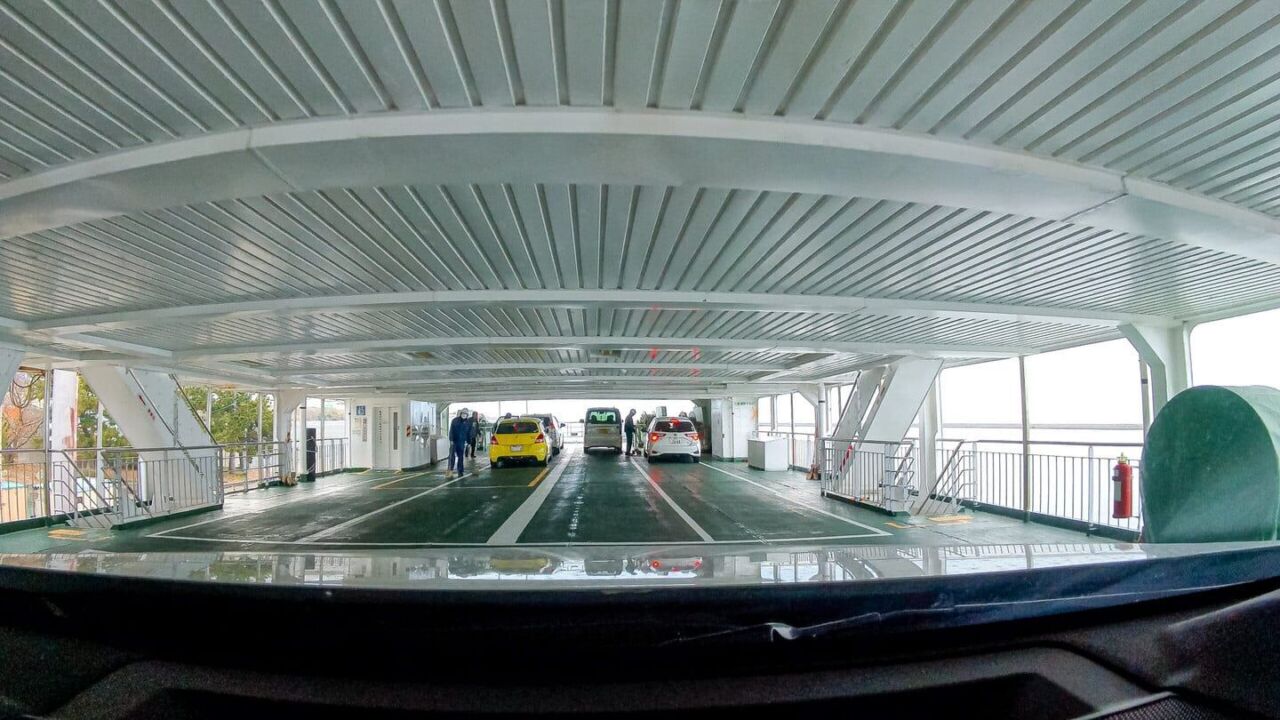
From Nagasaki to Kumamoto, going around the Ariake Sea by land takes a long time. Instead, take the ferry from Shimabara Port across to Kumamoto Port, with your car driving straight onto the boat. The crossing takes about 30 minutes to an hour (depending on the operator), saving a lot of time, and it is the best-value trick for driving in Kyushu.
Several operators run the ferries with different routes and schedules. Vehicle fares are priced by car length, with driver and passengers charged separately. In peak season and long weekends, reserve a vehicle space in advance, since waiting on site may not get you the sailing you want. Please follow the shipping company’s same-day notices for schedules and fares.
Miyazaki Nichinan Coast: The Most Pleasant Seaside Road in South Kyushu
The Nichinan Coast south of Miyazaki follows the Pacific, with good roads, little traffic and open views, one of the most relaxing stretches of a Kyushu road trip. Along the way you can see Sun Messe Nichinan (with its Easter Island moai replicas) and Udo Jingu, set in a sea cave.
The main hall of Udo Jingu sits in a cave below a cliff, and there are steps from the parking lot, so wear comfortable shoes. Local buses are very infrequent, so driving is the main way to get around. If time allows, set aside half a day to a full day for the Nichinan Coast, rather than squeezing it into the Miyazaki to Kagoshima travel day. Visiting hours and admission for each facility follow on-site notices.
Southern Kagoshima: Finishing with Ibusuki Sand Baths and Kirishima Jingu
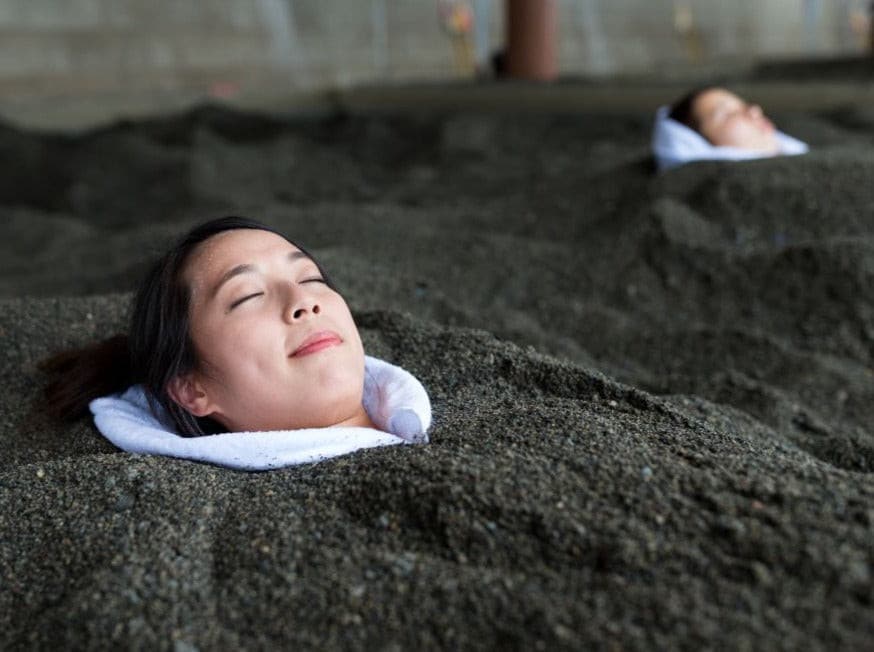
The two signature stops in Kagoshima lie to the south and north: Ibusuki in the south is famous for its natural sand baths, where you are buried in black sand warmed by geothermal heat, a rare experience, while Kirishima Jingu in the north is surrounded by tall cedars with a solemn atmosphere, about an hour’s drive up.
The two are more than 100 km apart, with downtown Kagoshima and Kinko Bay in between, so do not schedule them on the same day. A smoother plan is to do Kirishima on the day you arrive in Kagoshima, go south to Ibusuki the next day, and then return north from Ibusuki along the road in the direction of the Ibusuki Makurazaki Line. Parking and fee rules around the sand baths and the shrine follow on-site notices, and in peak season the sand baths involve queuing.
How Much Does a Kyushu Road Trip Cost? KEP, ETC and Insurance Explained
The rental fee is only half of the driving budget. What really inflates the bill is tolls and insurance, and both happen to have optimizations you can arrange in advance.
All amounts below are reference figures checked in August 2026. They vary by rental company and plan, so please rely on the quote at booking and official notices for actual amounts.
KEP: The All-You-Can-Drive Expressway Pass for Foreign Visitors
The KEP (Kyushu Expressway Pass) is a flat-rate Kyushu expressway plan for foreign visitors. The official NEXCO West Japan price for a standard car starts at ¥6,200 for two days, with ¥2,200 added for each extra day, and ¥23,800 for ten days. For the operating period and latest prices see the official site global.w-nexco.co.jp/en/kep/.
There are two limits: the KEP can only be bought for consecutive days and a registered usage period, and the Fukuoka and Kitakyushu urban expressways are not covered, with charges added when you return the car. On a north-to-south route, tolls easily exceed ¥10,000, so buying the KEP almost always pays off.
ETC Card: Always Rent One, but It Is Not the Same as the KEP
The KEP must be linked to the rental company’s ETC card to be used. The two work together and one does not replace the other. The ETC card must be rented separately from the rental company, with fees set by each operator, so check the booking page or pick-up quote for details.
Without an ETC card you can use the cash lanes, but some Kyushu interchanges have become ETC-only, and taking the wrong lane can cause trouble. At pick-up ask staff to show you where to insert the card and confirm the beep, and check the card is inserted before getting on the expressway. Tolls are settled together at return, so check the statement carefully and watch for any wrongly charged urban expressway fees.
How to Buy Insurance: Add CDW and NOC Together
Japanese rentals include mandatory insurance in the basic fee, but a deductible remains, and you should add two items: the Collision Damage Waiver (CDW) reduces your out-of-pocket amount for accidents to zero, and the Non-Operation Charge (NOC) covers lost business income while the car is in repair. A common gap is buying only CDW and not NOC: repair costs are waived, but you may still be charged tens of thousands of yen for lost income. Most operators bundle the two into a “peace of mind / full coverage” plan, with fees varying by operator and car type, so follow the booking quote. Also note that insurance is void if the driver is drunk, unlicensed or not registered on the contract.
How to Compare Prices Without Getting Burned: Same Price, Very Different Cars
When comparing, besides the daily rate check each item: car class and seating, luggage space, whether the Collision Damage Waiver (CDW) and Non-Operation Charge (NOC) are included, the ETC card rental fee, one-way drop-off fees, and the opening hours of the pick-up and return locations. The same daily rate can hide big differences in car class and insurance coverage, so list these items in a table before booking.
When You Can’t Drive: Chartered Cars and Driver-Guides
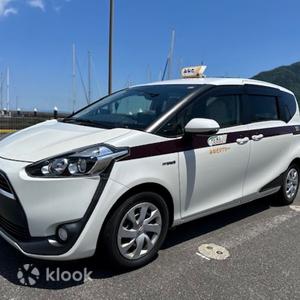
If you travel with older relatives or young children, or only one person in the group can drive, driving the whole way is a heavy burden. In that case, replace the one or two most tiring stretches with a chartered car. For example, on days like Aso and Takachiho with long mountain roads and scattered stops, hand it over to a driver who knows the roads.
Charters are generally priced by vehicle and hours, and split among many people they are not necessarily more expensive than the rental plus fuel and tolls, and you do not worry about parking. A compromise is to drive yourself in the city and nearby areas and charter for long-distance mountain trips, mixing the two. When booking, state the number of people, bags and whether you need a child seat, and confirm whether tolls and parking are included.
What to Watch Out for When Driving in Kyushu: Lodging, Parking and Pre-Trip Reminders
Once your documents and car are sorted, what really affects the experience is often the details: parking spaces, snow season, gas station hours and differences in traffic rules.

Check the Parking Lot First: City Hotels Mostly Charge Extra
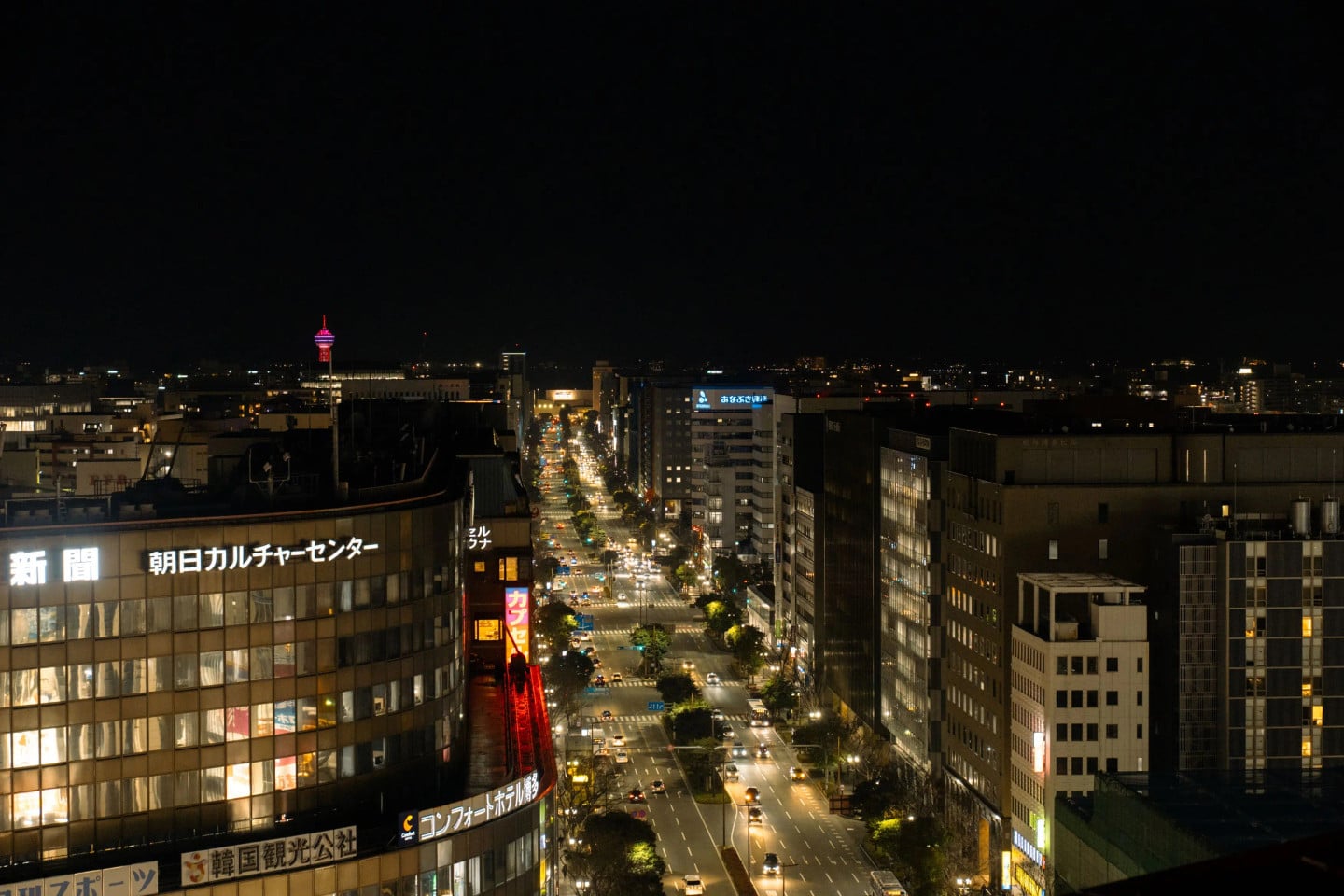
Booking logic is different when you drive, and the first consideration is parking. Business hotels in central Fukuoka, Kumamoto and Kagoshima mostly have parking lots, but spaces are limited and often cost extra per night, first come first served with no reservations.
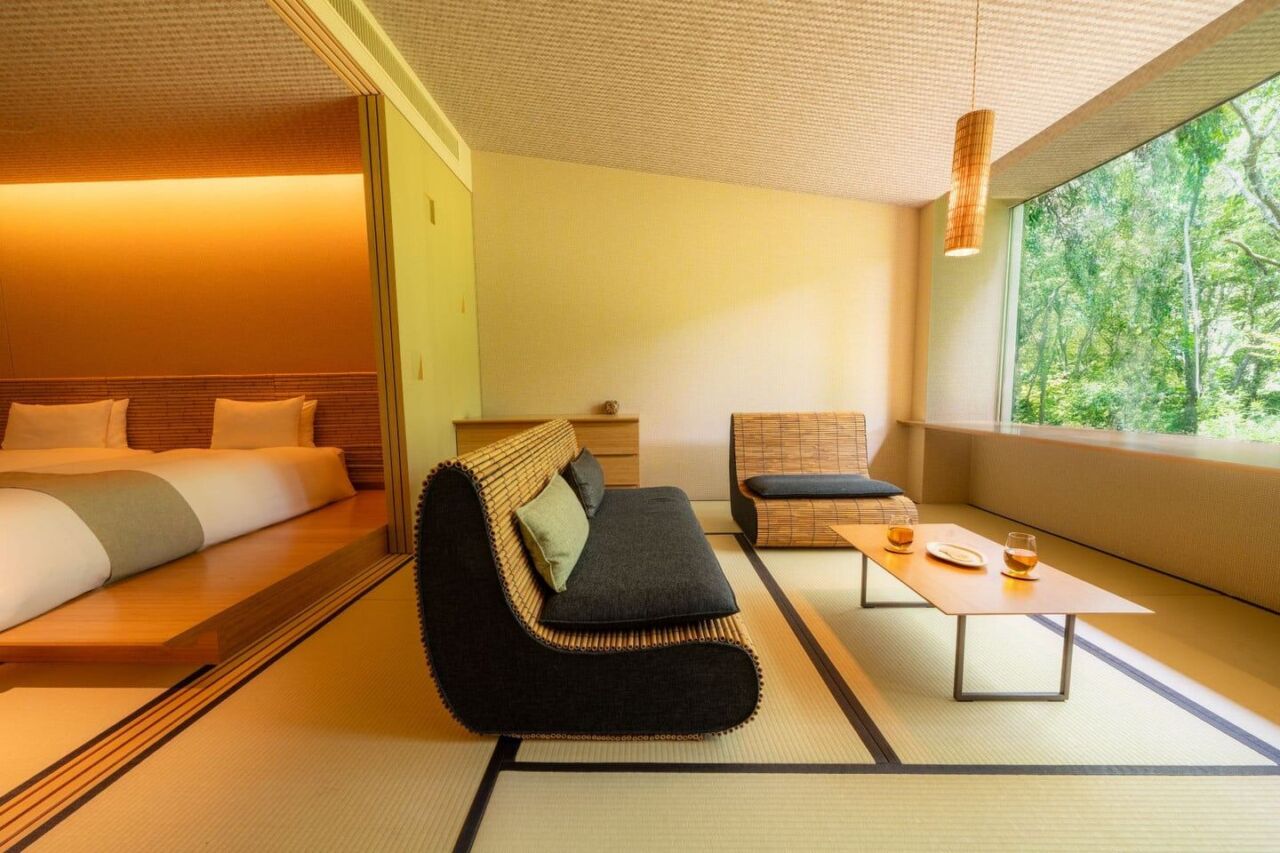
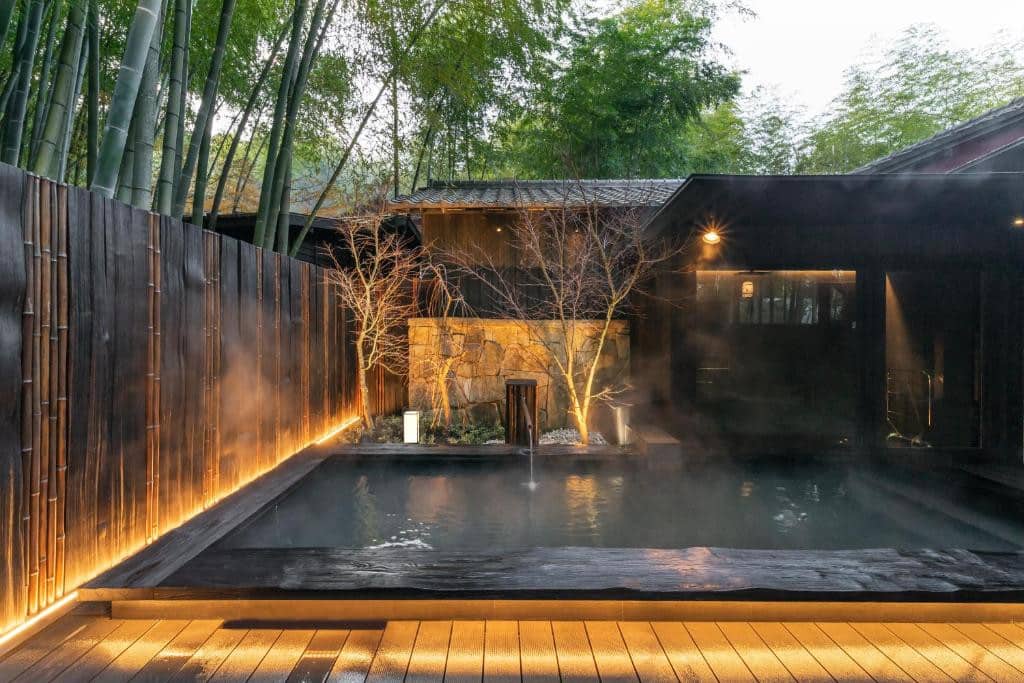
By contrast, inns in hot spring areas such as Yufuin, Kurokawa and Ibusuki mostly have free parking, which is less worry. When booking, always check whether the “parking” field says free, paid or reservation required, and watch height limits, as some mechanical multi-level spaces cannot take SUVs or minivans. If there is no space, nearby coin parking (コインパーキング) can be a backup, but overnight fees can be high.
Mountain Roads and Snow Season: Ask About Snow Tires for Aso and Kuju in Winter
Although Kyushu has a southern image, the Aso, Kuju and Kurokawa areas are high in elevation, and from December to March roads are often icy or snowy and sometimes closed. Taiwanese drivers lack snow driving experience, so take the risk seriously.
How to handle it: when booking, request winter tires (スタッドレスタイヤ, usually an extra charge); check road closures on the day you depart and take alternate routes if mountain roads are closed; schedule mountain driving in the morning to avoid icy hours after sunset. If you are not confident driving on snow, in winter it is safer to take rail plus bus or a chartered car to Aso and Kurokawa.
Gas Stations and Roadside Stations: They Close Earlier Than You Think
Rural gas stations in Kyushu are not open 24 hours everywhere as in Taiwan, and stations in mountain and coastal areas may close in the evening, with many closed on Sundays. The rule is to refuel when the gauge reaches half, rather than waiting until a quarter is left while still in the mountains.
Roadside stations (道の駅) along the way are good companions for drivers, with restrooms, local produce and hot food, plus a caffeine top-up. The quality is generally good and many are worth a half-hour stop. Expressway service and parking areas (SA/PA) mostly have convenience stores and food courts, and stopping every two hours is a practical way to avoid fatigued driving.
Rule Differences: Left-Hand Traffic, Stop Lines and Zero Tolerance for Drunk Driving
Japan drives on the left with the steering wheel on the right, and Taiwanese drivers easily choose the wrong lane when starting off or turning, so drive a couple of laps in a parking lot before departing. The wiper and turn signal controls are also the opposite of Taiwan, and are easy to hit by mistake when nervous.
Two rules must be strictly followed: at a red “止まれ” (stop) sign you must come to a complete stop, not just slow down, and intersection cameras and police enforcement are active. There is zero tolerance for drunk driving, and drinking the night before may still put you over the limit the next day, with passengers in the car also liable. Parking violations are strictly enforced, and parking anywhere on the roadside easily gets you a ticket, which the rental company will bill directly to you.
Kyushu Self-Drive FAQ
Below are the questions Taiwanese travelers ask most before renting a car in Kyushu.
Q: Can a Taiwan International Driving Permit be used in Japan?
No. A Taiwan license in Japan must be accompanied by the “Japanese translation,” so bring three things: the original license, the Japanese translation and your passport. The translation can be obtained in person at motor vehicles offices for a fee of about US$3.
Q: Do I have to buy the KEP? How do I tell if it is worth it?
It depends on whether you drive long distances north to south: tolls from Fukuoka to Kumamoto and Kagoshima easily exceed ¥10,000, so the KEP almost always pays off, while it is not necessarily needed if you only drive around Fukuoka. The KEP must be bought for consecutive days, excludes urban expressways, and the operating period follows the official site.
Q: Can I skip the ETC card and use cash lanes?
You can, but it is not recommended: some interchanges have become ETC-only, and the KEP must be linked to an ETC card to be used. ETC card rental fees are set by each rental operator, so follow the booking quote.
Q: Can I still drive in Kyushu in winter?
On flat ground it is fine, but Aso, Kuju and Kurokawa may have snow and ice from December to March. Request winter tires when booking, check road closures before departing, schedule mountain trips for daytime, and if you have no snow experience take a bus or chartered car instead.
Q: How many sights can I fit in a day of driving in Kyushu?
We suggest two to three main sights, with total driving time kept within three hours. Kumamoto Castle to Aso alone takes over an hour, so add about 30 percent to the navigation’s travel time between sights.
Q: Can I pick up in Fukuoka and return in Kagoshima?
Most large rental companies support this, usually with a one-way drop-off fee that rises with distance, and some small operators do not offer it. Specify the return location when booking, since changes at the last minute may not be accepted.
Q: What should I do if I have a collision in Japan?
Always call the police first and notify the rental company, and get an accident certificate, since without a police record the insurance may not pay out. Take photos at the scene, do not settle privately, and we suggest adding CDW and NOC together.