
JR Kyushu Rail Pass Overview: The Kyushu Transport Trump Card Only Overseas Visitors Can Buy
Kyushu’s rail network is run end to end by a single company, JR Kyushu, linking Hakata with Kagoshima-Chuo, Nagasaki, Miyazaki and Oita, which is rare elsewhere in Japan. Because the network is concentrated in one operator’s hands, the rail pass JR Kyushu offers (commonly called the Kyushu JR Pass) is so useful: one ticket covers the Shinkansen, limited express trains and sightseeing trains all at once.
But this pass has clear eligibility requirements and usage rules, and its prices, validity periods and seat-reservation limits have all been revised before. Below we first clear up the four points most easily misunderstood, then move on to the version comparison and the purchase process. All amounts in this article are public information as of the time of research (August 2026); for actual prices and rules, please rely on JR Kyushu’s official announcements on the day.
Who Can Buy It? “Temporary Visitor” Status Is the Only Ticket In
Like JR Passes elsewhere in Japan, the JR Kyushu Rail Pass is sold only to foreign visitors holding a non-Japanese passport who entered Japan under “temporary visitor” status. In other words, holders of work visas, student visas or permanent residency cannot use it, and neither can travelers with Japanese nationality.
The practical checkpoint comes when you exchange for the physical pass: the counter requires the original passport, and the passport must carry the landing-permission stamp or an equivalent electronic entry record for this trip. Visitors from places that enter visa-free for a stay of a week or two, such as Taiwan and Hong Kong, have no eligibility problem at all, but be sure to bring the original passport, as photocopies and photos are not accepted.
How Validity Is Counted: Consecutive Calendar Days, Not Days of Use
All versions of the pass work on a “consecutive days” basis. A 3-day pass means three consecutive calendar days from the activation date, not three days you can pick freely. Even if you stay in your hotel all day without riding a train, that day still counts.
More importantly, calendar days end at midnight: if you activate the pass at 3 p.m., that day still counts as a full first day. So when planning, it is best to put long-distance travel days at the beginning and end, and leave the middle for city exploring, so you do not waste validity. You must specify the activation date at the time of exchange, and once set it usually cannot be changed, so think carefully before speaking at the exchange window.
Coverage: JR Kyushu’s Own Lines, Not Private Railways or Subways
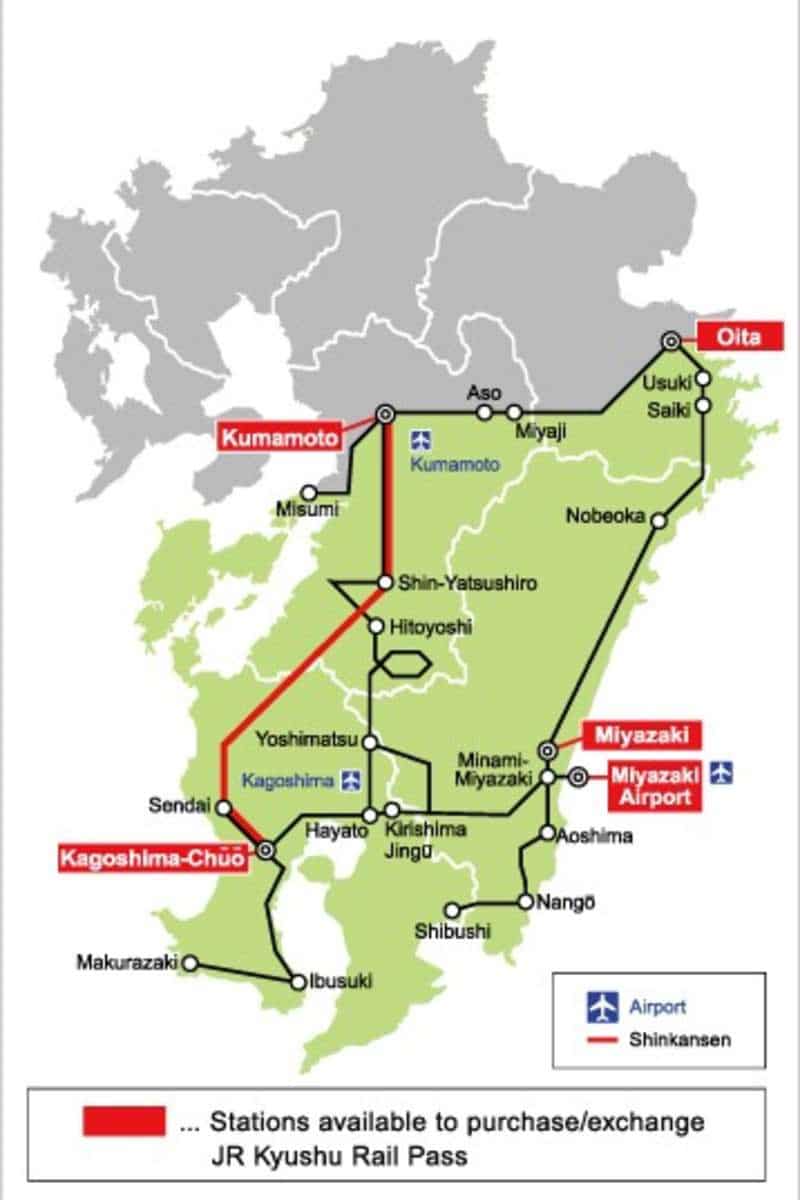
The pass covers the Shinkansen, limited express, rapid and local trains operated by JR Kyushu. Both the Kyushu Shinkansen (Hakata to Kagoshima-Chuo) and the Nishi-Kyushu Shinkansen (Takeo-Onsen to Nagasaki) are included, which is the most valuable part of the pass.
What is not covered is just as important to remember: private railways and streetcars such as the Fukuoka City Subway, Nishitetsu trains and buses, the Kumamoto City Tram, the Kagoshima City Tram and the Nagasaki Electric Tramway all cost extra. That means riding JR from Hakata Station to Kumamoto Station is free, but taking the city tram from Kumamoto Station to Kumamoto Castle comes out of your own pocket. When planning, budget the “last mile from station to attraction” separately so you do not misjudge costs.
Prices Change: The Current Situation After the Increase and How to Check Prices
The JR Kyushu Rail Pass has been raised in recent years, with increases of roughly ¥1,000 to ¥3,000 depending on the version, and many articles online still use the old prices. If you see figures that differ from this article, always go by the fares page on JR Kyushu’s official website.
The recommended way to check prices is: first confirm the current yen list price on the pass page of the JR Kyushu official website, then compare local-currency prices and exchange rates on platforms such as Klook and KKday, and finally factor in the fact that “buying on site costs extra.” All amounts listed in this article are the results of research in August 2026, so be sure to confirm again yourself before departure.
How to Buy the JR Kyushu Rail Pass: A Full Comparison of Online Pre-Purchase, the Official Site and Buying On Site
The same pass costs different amounts depending on the channel, and also differs in whether you can reserve seats in advance. Each of the three main ways suits a different kind of traveler: if you want to save money, pre-purchase through a travel agency; if you want a seat on a popular sightseeing train, use the official Online Booking; and if it is a last-minute decision, you can only buy on site and accept the surcharge.
What you receive also differs: what you buy online is usually an electronic voucher (MCO) that must be exchanged for a physical pass in Japan before you can enter the stations. Below we take the purchase, exchange and the points where people get stuck in order.
Pre-Purchase via a Travel Agency: You Get an Electronic Voucher, Not a Ticket
Buying through authorized travel agencies such as Klook and KKday is the choice of most overseas travelers. Prices are usually the most attractive and often come with exchange-rate benefits or discount codes. After payment you receive an electronic voucher (commonly called an MCO) that carries an exchange code and an expiration date.
Keep two things in mind: first, the voucher itself has an expiration date, and usually must be exchanged within several months of the purchase date, not valid indefinitely; second, the English name you enter when ordering must match your passport exactly, and fixing a misspelling is a hassle. In addition, this route usually does not let you reserve seats online for free before departure, so for popular sightseeing trains you would have to try your luck on site in Japan, or pay a fee to reserve as instructed by the platform.

Official Online Booking: Lock In Your Seats Before You Leave
JR KYUSHU RAIL PASS Online Booking is the official ticketing system. Prices differ from other channels, so please check on the order page, but it has one benefit no other channel can give: you can reserve reserved seats in the system before departure, including hard-to-get D&S trains such as Yufuin no Mori.
For travelers whose itinerary is already fixed and who must ride a particular sightseeing train, this feature is especially valuable. To use it, first register an account, choose your activation date and exchange station, and after payment you likewise receive a voucher, which you exchange for the physical pass after arriving in Japan. The system interface is available in Chinese, but train names are mostly in Japanese and English, so it is a good idea to write down the departures you want before you start.
Buying On Site in Japan: Most Flexible, with Prices as Posted at the Window
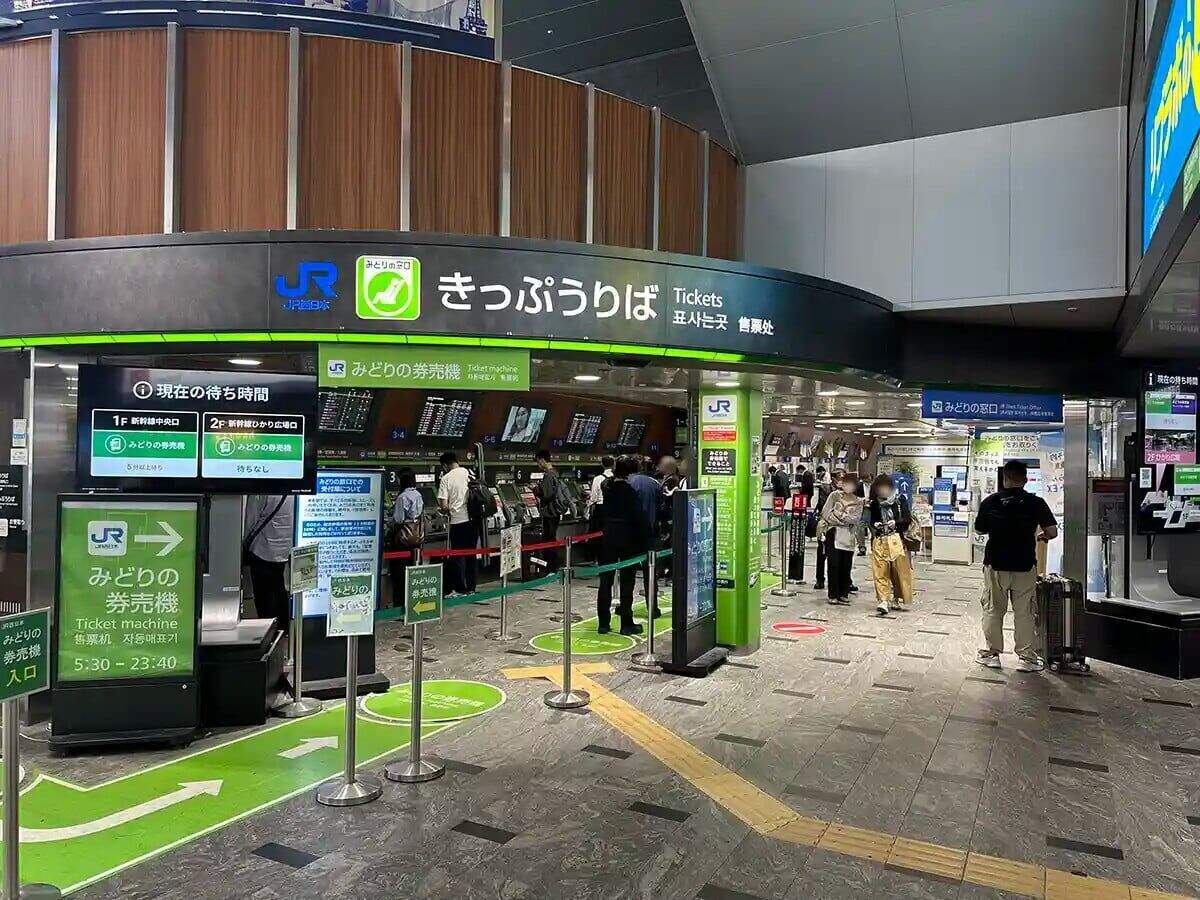
If you decide to buy only after arriving in Kyushu, you can also purchase directly at the JR Kyushu ticket offices (green windows) at major stations such as Hakata, Kumamoto and Kagoshima-Chuo. The downside is that the price is whatever is posted at the window, and with several people the difference can be considerable, so compare with the online price before departure.
The advantage is maximum flexibility: you can explore for two days first, and buy once you are sure you will really be moving around a lot, and station staff can help confirm on the spot which version is the better deal for your itinerary. In peak season the green windows often have long queues, so if you plan to buy on site, avoid the morning commute hours and the rush before Shinkansen departures.
Exchanging for the Physical Pass: Passport, Stamp and Main Exchange Stations
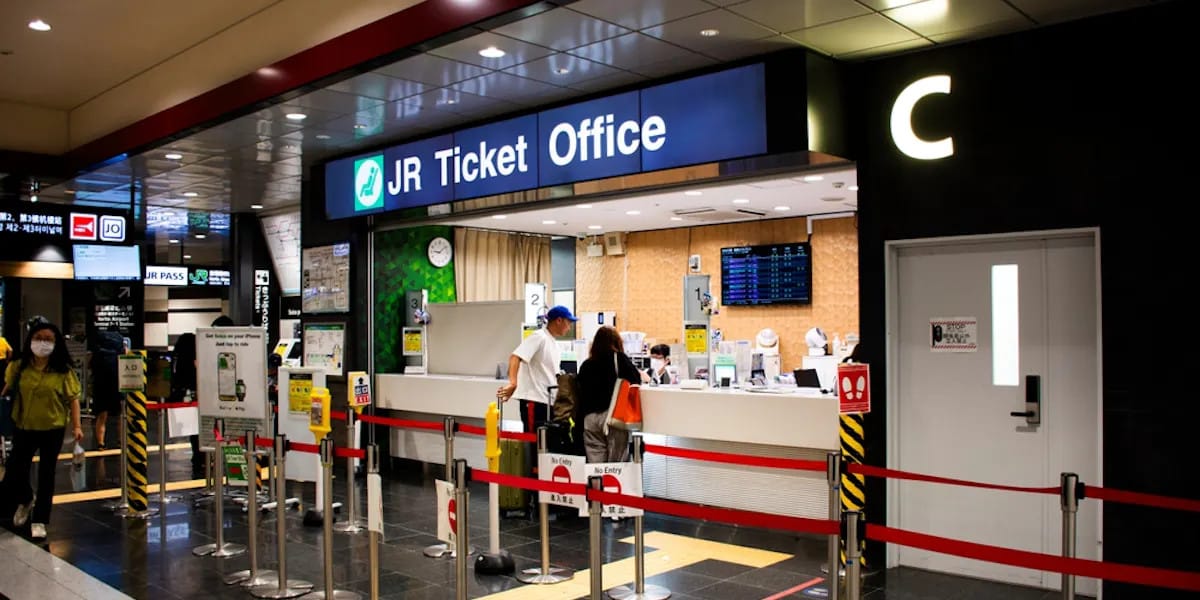
After arriving in Japan, bring your original passport and the paper or electronic voucher to the green window at a designated JR Kyushu station to exchange it; at some stations you can also exchange it yourself at a reserved-seat ticket machine equipped with a passport reader, which is much faster.
🚉 Officially announced exchange points (open every day of the year) include:
- Hakata Station
- Fukuoka Airport International Terminal, 1st floor (9:00-17:00; only for those who bought a voucher in advance through a travel agency or Online Booking to exchange and collect tickets; reservation changes and refunds are not handled)
- Kokura Station, Mojiko Station
- Saga Station, Nagasaki Station, Sasebo Station
- Beppu Station, Oita Station
- Kumamoto Station
- Kagoshima-Chuo Station
- Miyazaki Station, Miyazaki Airport
The exchange counter at Fukuoka Airport has been operating in the arrivals hall since December 3, 2024. Please rely on official announcements for each station’s hours and any temporary changes. At exchange you must specify the activation date, and the staff will hand you the physical card together with a receipt. If all goes smoothly, the whole process takes under five minutes, but queues of over half an hour are normal in peak season, so it is best to exchange on the day you arrive.
Exchange Trouble Spots: Voucher Validity, Name Spelling and Queue Time
The three most common trouble spots: first, an expired voucher, since travel-agency vouchers have an exchange deadline, and trips that cross a calendar year are especially likely to run into it. Second, a name spelling mismatch, where the English spelling on your passport differs from what you entered when ordering, and station staff have the right to refuse the exchange.
Third is poor timing. If you plan to take the Shinkansen south straight after landing and then meet a long queue at the window, your whole itinerary gets dragged down. A safer approach is to schedule the exchange after your city itinerary on the day of arrival, or use the self-service machines to spread the load. Also, a lost physical card is never reissued or refunded, so look after it like a passport once you have it.

What Versions of the JR Kyushu Rail Pass Are There? The Three Regional Passes and Related Tickets Explained
By coverage area the pass comes in three main versions: All Kyushu, North Kyushu and South Kyushu. There is also the mobile Fukuoka Wide version, and cross-region passes extending from Kansai and the San’in-San’yo area. Choosing the wrong version does not just cost extra; you may even be unable to ride for part of your trip.
Below we break down each version’s number of days, coverage and the style of trip it suits, and finally cover two rules common to all versions but most often overlooked: the Hakata-Kokura Shinkansen trap and the reservation rules for D&S sightseeing trains. All prices are as researched in August 2026; please rely on the official announcement on the day.
All Kyushu 3-Day: An Intense Trip for Covering Long Distances in Few Days
The All Kyushu version covers all of Fukuoka, Saga, Nagasaki, Kumamoto, Oita, Miyazaki and Kagoshima, and is valid on the Kyushu Shinkansen, the Nishi-Kyushu Shinkansen and all limited express, rapid and local trains in the area. Reserved seats can be booked free of charge an unlimited number of times, which the official site states as “Unlimited”; only the North and South Kyushu versions are subject to the six-reservation limit. The 3-day adult pass is ¥22,000 at station windows; the official Online Booking has a different price, so please check on the order page.
Covering all of Kyushu in three days is actually tight, and the more sensible use is to pick one long axis: for example, enter at Hakata, head south all the way to Kagoshima-Chuo, and stop for a night in Kumamoto. It suits people who have been to Kyushu before and only want to fill in the southern half this time. If your trip mainly circles between Fukuoka and Nagasaki, the All Kyushu 3-day pass is actually poor value, and the North Kyushu version is the right answer.
All Kyushu 5-Day: The Most Popular Baseline for a Loop Around Kyushu
The 5-day pass is the most requested of the All Kyushu versions, priced at ¥24,000 at station windows, with a different price on the official Online Booking. Five days is just enough for the classic loop of “Fukuoka – Nagasaki – Kumamoto – Kagoshima – Yufuin/Beppu – Fukuoka,” with a night’s stay at each stop rather than day trips.
Its sweet spot is this: if your itinerary includes two or more long Shinkansen trips plus two or three limited express rides, it usually pays for itself. Combined with unlimited free reservations, every long leg can be a reserved seat, so you do not have to fight for unreserved seats in peak season. For first-time visitors who want to see all the main cities in one trip, it is the choice with the fewest doubts.
All Kyushu 7-Day: The Complete Version That Brings Miyazaki In
The 7-day pass is ¥26,000 at station windows, with a different price on the official Online Booking; it is only about ¥2,000 more than the 5-day pass, so the marginal cost of the extra two days is quite low. Its real use is Miyazaki: rail travel time on Kyushu’s southeast side is long, and squeezing it into five days would leave every day rushing for trains.
A more relaxed route is: leave Hakata heading south to Kagoshima, then go north along the Nichinan Line to Miyazaki, and return to Fukuoka via Oita, Beppu and Yufuin. This route uses quite a few limited express trains, and the intervals are sparse, so the value of unlimited reservations is especially clear. If your vacation is nine days or more and you want to avoid repeating sections, the 7-day pass offers better value than the 5-day pass.
North Kyushu 3-Day: The Golden Combination for Trips In and Out of Fukuoka
The North Kyushu version covers Fukuoka, Saga, Nagasaki, Oita and northern Kumamoto (roughly bounded by the Kumamoto-Misumi and Oita line), and is valid on the Hakata-Kumamoto section of the Kyushu Shinkansen, the Takeo-Onsen-Nagasaki section of the Nishi-Kyushu Shinkansen, and limited express and local trains in the area. The 3-day pass is ¥15,000 at station windows, with a different price on the official Online Booking.
Its most typical use is “in and out of Fukuoka, covering Nagasaki and Yufuin”: day one from Hakata to Nagasaki, day two back from Nagasaki toward Beppu or Yufuin, and day three back to Fukuoka. Note that the North and South Kyushu versions allow at most six free reserved-seat reservations, after which you must pay separately, and every reserved seat on your itinerary counts toward these six.
North Kyushu 5-Day: A Relaxed Pace with Kumamoto and Saga Added
The 5-day pass is ¥17,000 at station windows, about ¥2,000 more than the 3-day; the official Online Booking has a different price. The extra two days are usually used to add Kumamoto city and Saga (Karatsu, Arita, Ureshino Onsen), or to stay one more night in Yufuin or Beppu to soak in the onsen.
For travelers who do not plan to go south to Kagoshima, the North Kyushu 5-day pass often saves about ¥7,000 compared with the All Kyushu 5-day pass, while still covering plenty of cities. The rule of thumb is simple: if the southernmost point of your trip is Kumamoto, choose the North Kyushu version; once you want to go to Kagoshima or Miyazaki, you must upgrade to All Kyushu, and paying the difference midway is not a good deal.
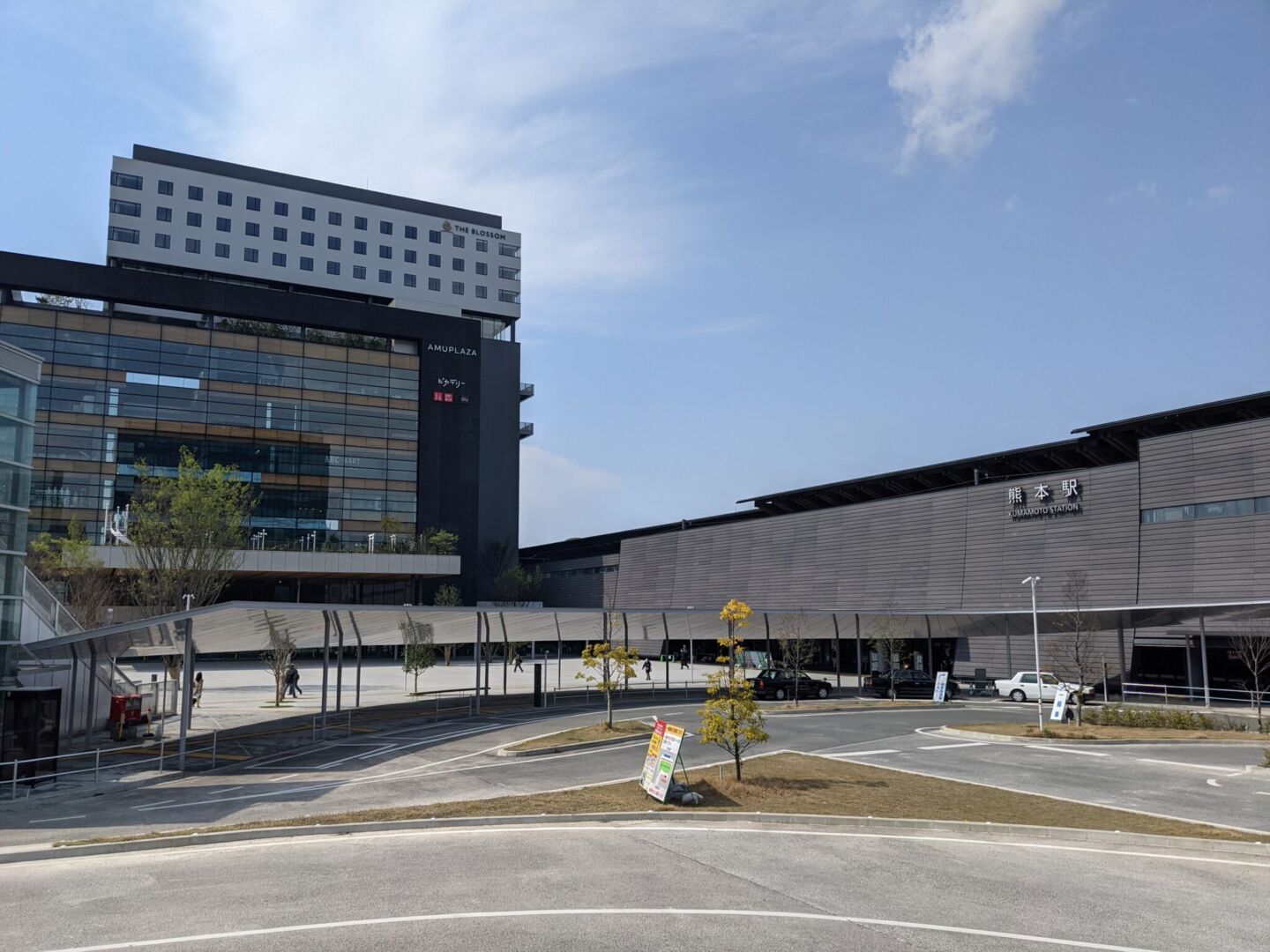
South Kyushu 3-Day: A Dedicated Pass for South of Kumamoto
The South Kyushu version covers the area south of Kumamoto-Misumi and Oita, that is, southern Kumamoto, Miyazaki and Kagoshima, and is valid on the Kumamoto-Kagoshima-Chuo section of the Kyushu Shinkansen and limited express and local trains in the South Kyushu area. Currently only a 3-day pass is offered, at ¥12,000 at station windows, with a different price on the official Online Booking.
The positioning of this ticket is clear: it is for travelers who fly in and out of Kagoshima Airport or Miyazaki Airport and do not touch Fukuoka. South Kyushu D&S trains such as Ibusuki no Tamatebako and Umisachi Yamasachi are within its range. It is likewise subject to the six free reservations limit. Note that it does not reach Hakata, so if you fly home from Fukuoka, you must buy the last leg separately.
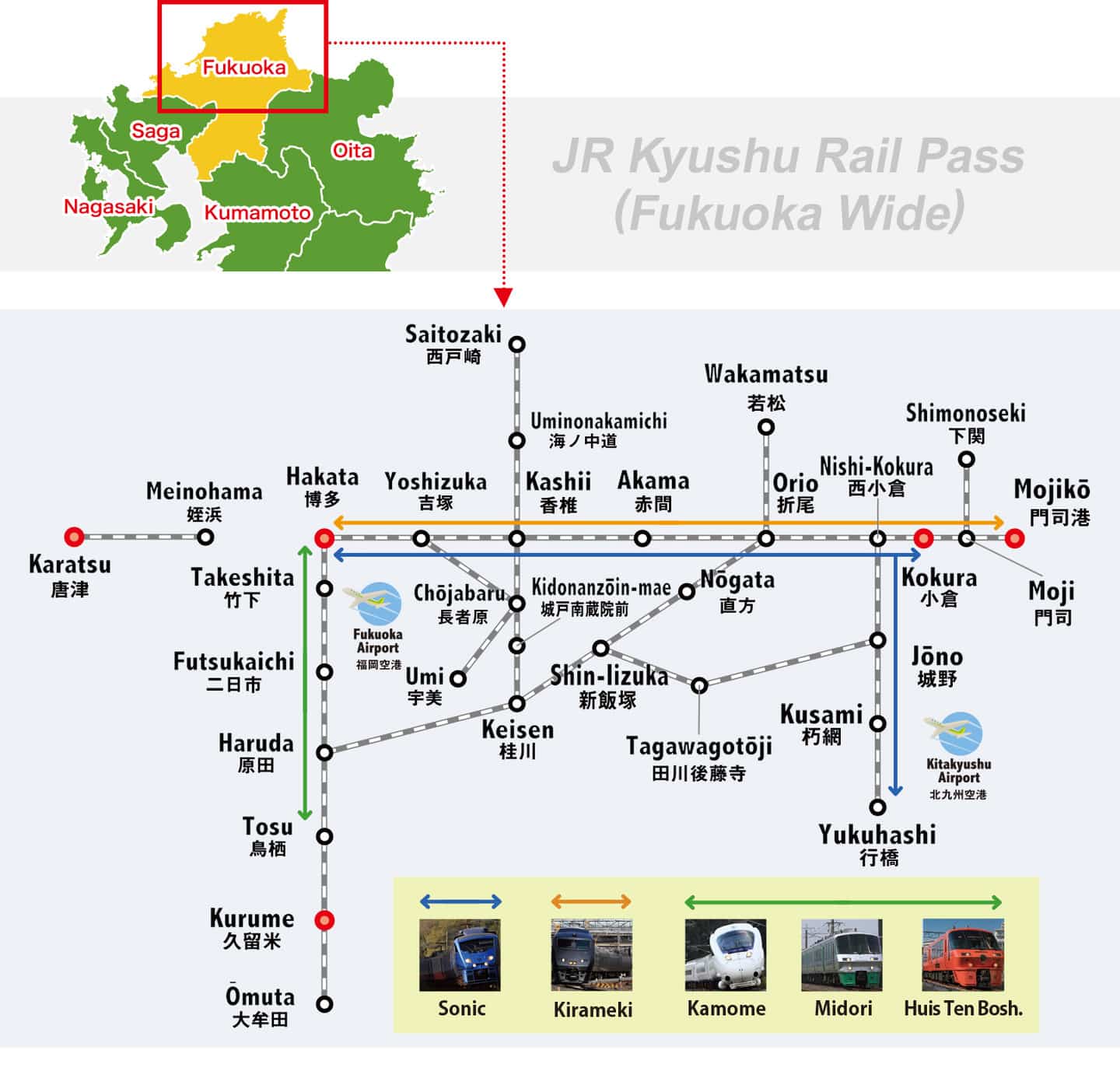
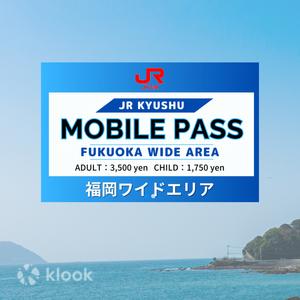
Fukuoka Wide 2-Day: A Mobile Electronic Pass, but No Shinkansen
The official name of the Fukuoka Wide version is “JR KYUSHU MOBILE PASS (Fukuoka Wide),” a mobile electronic pass made specifically for use around Fukuoka, valid for two consecutive days, with a reference price of about ¥3,500 for adults and about ¥1,750 for children. It does not require exchange for a physical card and is shown directly on your phone, which is quite convenient for short-trip travelers who only move around the Fukuoka suburbs.
But it has two hard restrictions. First, it cannot be used on the Shinkansen (neither the Kyushu Shinkansen Hakata-Kurume section nor the Sanyo Shinkansen Hakata-Kokura section is valid); second, it is valid only for unreserved seats, and neither limited express nor rapid trains include reserved seats. It suits Fukuoka city plus a day trip to nearby places such as Dazaifu, Mojiko and Yanagawa, not long-distance travel across prefectures.
The rumor that “the Fukuoka Wide pass has been discontinued” actually comes from confusion between two tickets: the JR Kyushu website announced that the old “JR KYUSHU RAIL PASS (FUKUOKA WIDE)” (adult ¥3,060 at the time) ceased sales after March 31, 2024; what the website currently still lists is the Fukuoka Wide area of the mobile electronic “JR KYUSHU MOBILE PASS,” with prices adjusted from April 1, 2024 to ¥3,500 for adults and ¥1,750 for children, with a range that includes Mojiko. Before buying, please confirm the latest sales channels in the official announcements.
Cross-Region Option: Another Ticket That Extends into Kyushu from Kansai or Hiroshima
If your trip is not just Kyushu but also links Osaka, Hiroshima or San’in, the “Sanyo-San’in-Northern Kyushu Area Pass” issued by JR West is more suitable than JR Kyushu’s own pass. It draws a fair amount of search interest, which suggests that many people treat Kyushu as an extension of a Kansai trip.
Passes of this cross-region type are issued by a different company, and their prices, number of days and coverage all differ from the three versions described here, and reserved-seat reservation rules are also separate. The rule of choice is: if your trip centers on Kyushu, buy the JR Kyushu pass; if it centers on Honshu and you only go to northern Fukuoka in Kyushu, consider a cross-region pass; do not buy both.
The Most Common Trap: The Hakata-Kokura Shinkansen Cannot Be Used
This is the rule common to all JR Kyushu passes and the one most people trip over: the Shinkansen between Hakata and Kokura is the Sanyo Shinkansen under JR West’s jurisdiction and is not covered by any version of the JR Kyushu Rail Pass. If you board with a pass anyway, you will be asked to pay the full fare at Kokura Station.
The correct route is to take JR Kyushu’s own limited express “Sonic,” which takes a little over an hour from Hakata to Kokura, with frequent departures. If your trip goes from Fukuoka toward Mojiko or Shimonoseki, remember to allow more time for this stretch rather than scheduling it by the dozen-odd minutes of the Shinkansen. This rule does not change even if you bought the most expensive All Kyushu version.
D&S Sightseeing Trains: You Can Ride Them, But You Must Reserve First
Kyushu’s most famous sightseeing specialty trains, the D&S trains such as Yufuin no Mori, Aso Boy!, Ibusuki no Tamatebako and Futatsuboshi 4047, can all be ridden with the pass without buying a separate ticket. This is the most tempting thing about the Kyushu pass.
But these trains are almost entirely reserved-seat, with no unreserved cars where you can stand and board, so you must first complete a reservation and obtain a reserved-seat ticket before entering the car. Seats in peak season and on weekends are often swept up on the very day reservations open. If you want a specific departure, reserving before departure via the official Online Booking is the safest approach, but be aware that this is a JR Kyushu charge (KRP Option Ticket): about ¥1,500 per seat for D&S sightseeing trains, about ¥1,000 per seat for the Shinkansen and ordinary limited express and rapid trains, and half price for children. Reserving at the counter after arriving in Kyushu costs nothing extra within the free quota of each version; conversely, seats reserved in advance via Online Booking do not use up the six-reservation quota of the North/South versions. Please rely on official announcements for the actual rules.
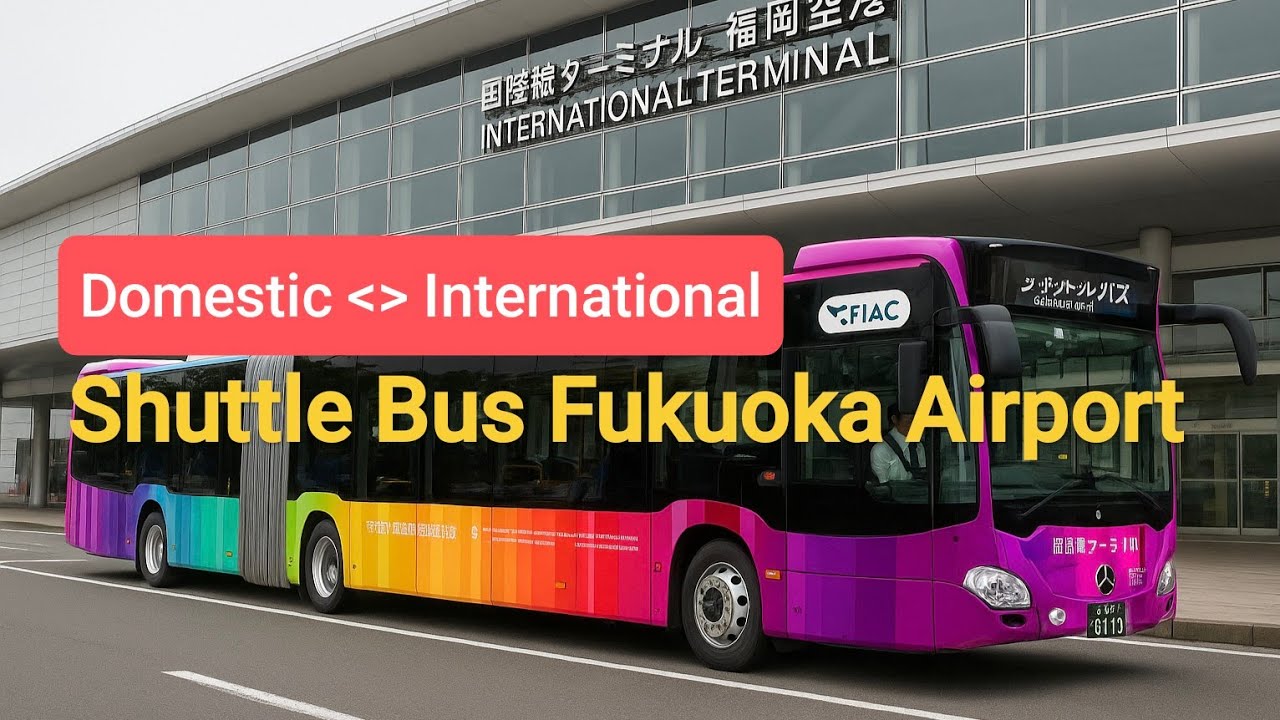
Yufuin no Mori No. 1 vs. No. 3: Timetable, Rolling Stock and Fares
The difference between Yufuin no Mori No. 1 and No. 3 is mainly in timetable and rolling stock. According to the official JR Kyushu train pages, No. 1 leaves Hakata at 9:17 and arrives at Yufuin at 11:31; No. 3 leaves Hakata at 10:11 and arrives at Yufuin at 12:32. No. 1 uses a 5-car Series III set, and No. 3 uses a 4-car Series I set, with all cars reserved-seat. The regular adult fare from Hakata to Yufuin is ¥6,130, and even with a rail pass you must reserve first. Please rely on official announcements for actual timetables and operating days.
Is the JR Kyushu Rail Pass Worth It? Cost Calculations and Add-On Itinerary Suggestions
A pass does not always save money just because you bought it. Its value depends on whether you will really make long-distance trips and whether you will use up your reserved-seat reservations. This section first covers how to work out the break-even point, then how to fill in the places the pass cannot reach.
The one-way fares and itinerary costs mentioned below vary with the season and operators and are only for estimation; for actual amounts, please rely on the official or platform announcements on the day you check.
How to Tell if It Is Worth It: Work Back from One-Way Fares
The simplest calculation is to add up the regular fare for each leg of your itinerary (basic fare plus limited express or Shinkansen reserved-seat charge) and compare it with the pass price. One-way fares on Kyushu’s long main lines are not cheap: the Shinkansen reserved seat from Hakata to Kagoshima-Chuo, and the Hakata-Nagasaki combination using the Nishi-Kyushu Shinkansen with a transfer, both run to well over ¥10,000.
A rule of thumb: if your itinerary includes two or more long trips between prefectures, the pass usually starts to pay off; with three or more it is almost a sure win. Conversely, if you are only moving around Fukuoka city plus nearby places like Dazaifu, buying a pass is actually a waste. Before calculating, make sure your legs will really be on JR rather than private railways or buses.
The Hidden Value of Reservation Counts: How the Six-Reservation Limit Can Trap Your Itinerary
With the All Kyushu version, reserved seats can be booked free an unlimited number of times, while the North and South Kyushu versions allow at most six free reservations. This difference is easy to overlook when comparing prices, but it has a large practical effect.
Try the math: on a five-day trip, if you need a reserved seat on one outbound and one return trip each day, the six-reservation quota is used up in two and a half days. After that, every reservation requires paying the reserved-seat fee yourself, or switching to unreserved seats and taking your chances. In particular, D&S sightseeing trains always use up quota, so scheduling two sightseeing trains means two are deducted up front. If your itinerary has many sightseeing trains and you want a reserved seat on every leg, the unlimited reservations of the All Kyushu version may be better value than the sticker price difference suggests.
Turning the Pass into a Themed Trip: Rail Route Proposals
If riding the train is the point itself, Kyushu is one of the best places in Japan for a rail-themed trip. The wooden cars of Yufuin no Mori, the half-black, half-white livery of Ibusuki no Tamatebako, and the seaside stretch of Futatsuboshi 4047 running along the Ariake Sea and Omura Bay are all experiences well worth arranging a day around.
The way to plan is to first pick two or three D&S trains you want to ride, check their operating days (most run only on weekends and certain days), and then fit city stays around them, rather than planning attractions first and forcing the trains in. This style gives the highest use of the pass and squeezes the most value out of unlimited reservations. Related rail itineraries and packages can be compared on travel platforms.

Where the Pass Does Not Reach: Filling the Gaps with Charter Cars and Transfers
Quite a few popular spots in Kyushu are far from stations and out of reach of the railway. The Itoshima coastline, Saga’s kiln villages and Oita’s deep-mountain hot springs can often only be visited one per day by transferring between buses, with sparse service and early last buses.
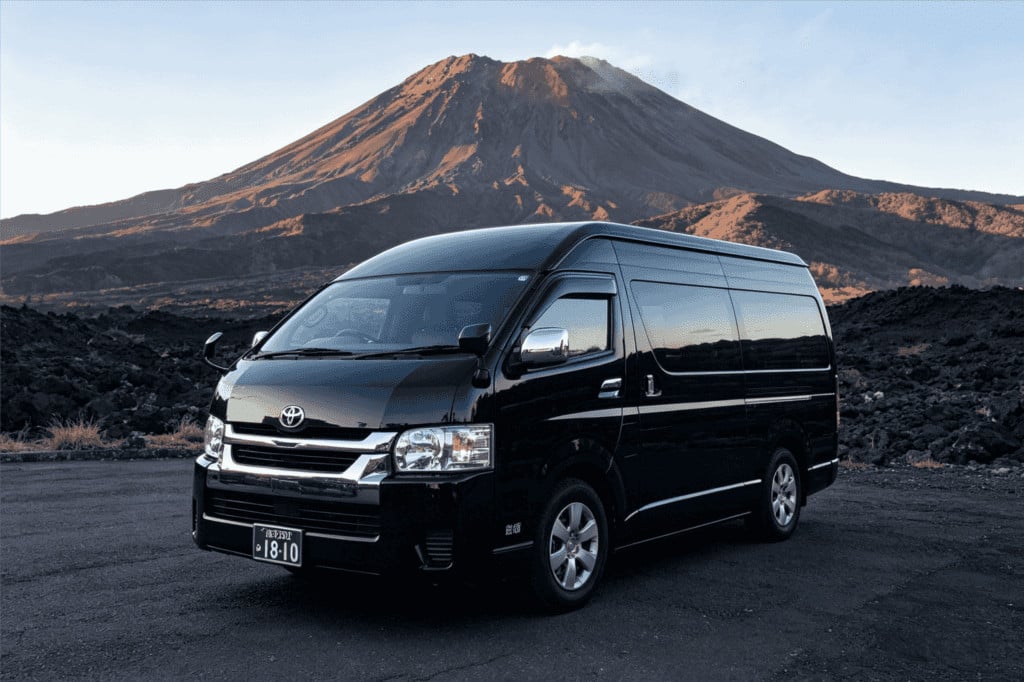
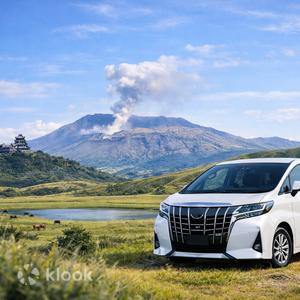
A more efficient fix is to group these spots on one day and use a chartered car or transfer service instead. The advantage is that your luggage can stay in the car, you control your time completely, and you do not have to leave early to catch the last bus. Fees are usually based on vehicle and hours, and shared among a larger group they are not necessarily more than buying a day pass. Let the pass handle the long-distance backbone between cities and the charter car handle the last mile; the combination is far more practical than insisting on covering every spot by rail.
熊本包車一日遊|熊本城,水前寺成趣園,熊本熊廣場,阿蘇火山,草千里,上色見熊野座神社,阿蘇神社,白川水源,大觀峰|私人定製團-Klook.jpg)
Aso and Takachiho: Buses Fill the Gaps in the Rail Network
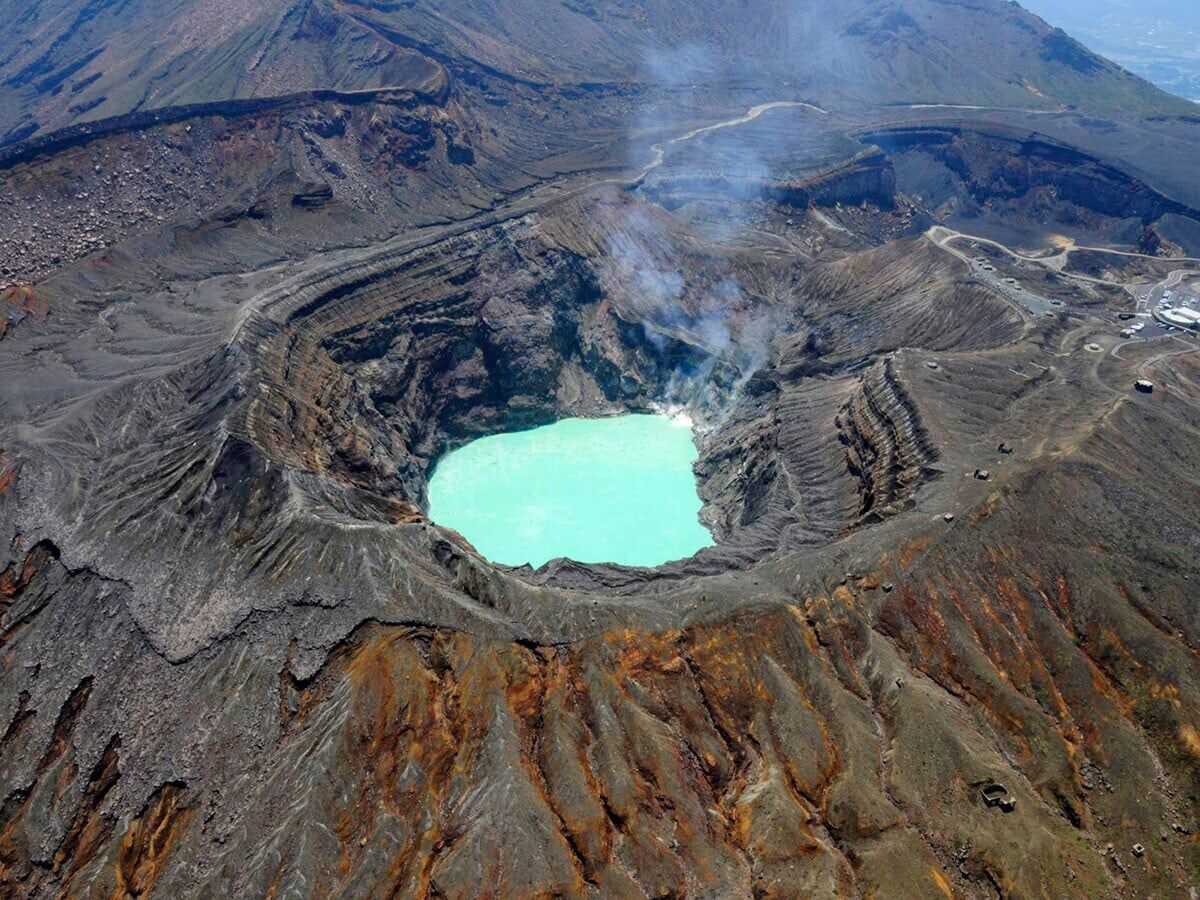
Aso is one of Kyushu’s most popular destinations, but it is also where the rail network’s gaps are most obvious. From Aso Station to places you actually want to reach, such as the crater and Kusasenri, you need another bus, and Takachiho Gorge has no direct railway at all and must be reached by long-distance bus from Kumamoto or Nobeoka.
If you only have one day to see both Aso and Takachiho, doing it by your own transfers is nearly impossible, and joining a day tour from Kumamoto is much more realistic. Note that parking and some facility fee rules around Takachiho have been adjusted in recent years, so please check the latest local announcements before going on your own. The pass’s role on this trip is to carry you from Fukuoka to Kumamoto, after which you hand over to the bus.

What to Watch Out for When Using the JR Kyushu Rail Pass: Accommodation and Pre-Trip Reminders
Even if you bought the right ticket, your trip can still get stuck by staying in the wrong place or reserving seats too late. This section covers the four things that most often go wrong in actual use, all of which can be dealt with before departure.

Where to Stay to Minimize Travel Time: The Three-Point Method
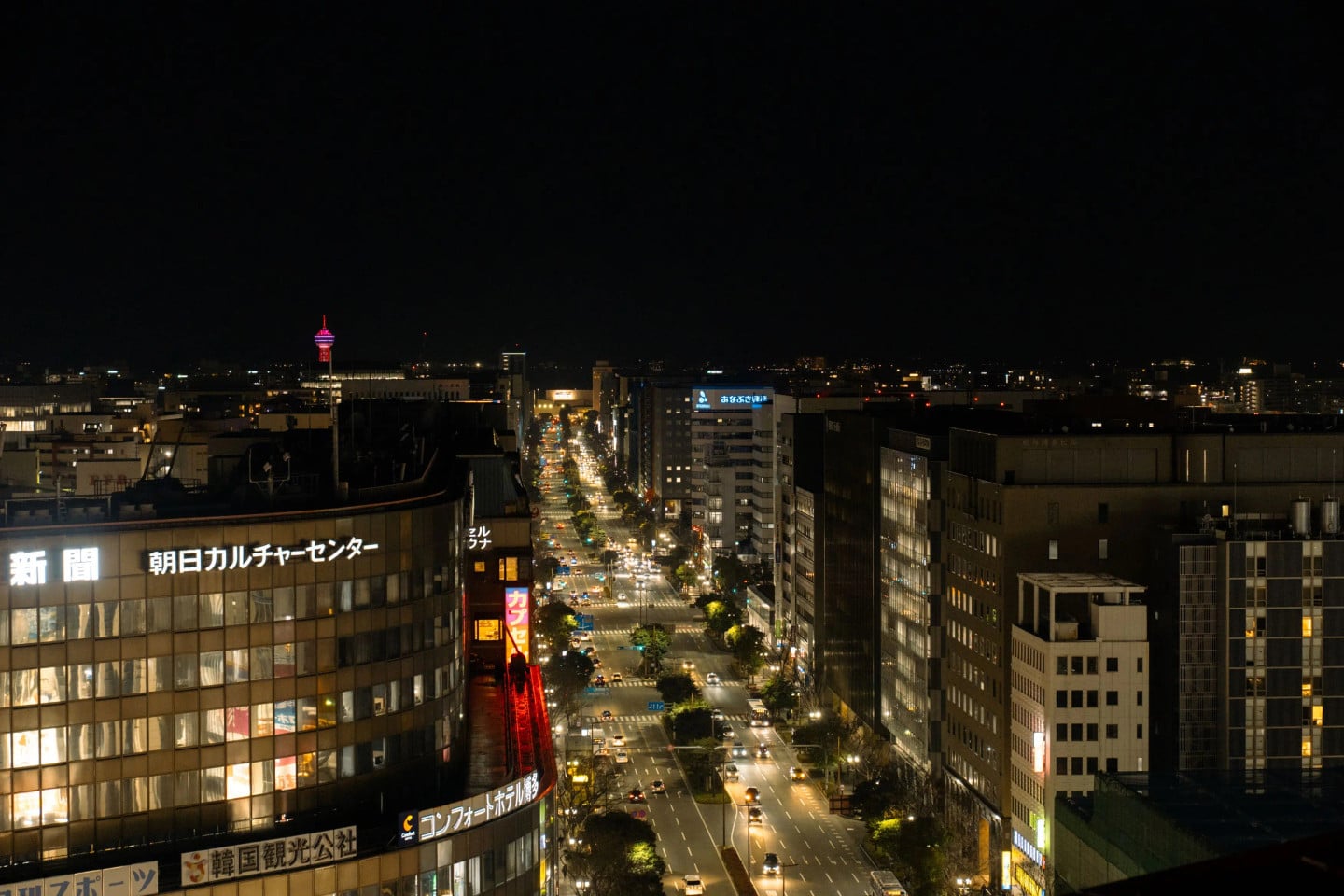
On a trip with a rail pass, lodging should follow the stations rather than the attractions. The least tiring arrangement is the “three-point” method: Fukuoka (around Hakata Station), Kumamoto or Nagasaki (the middle), and around Kagoshima-Chuo Station (the south), staying two nights at each, linked by the Shinkansen and limited express.
The advantage of this arrangement is that you can set out straight from the station every morning, without first spending twenty minutes on a city tram or bus to reach the station. If your trip includes Yufuin or Beppu, these two places are worth making an exception for and staying in a non-station area for the onsen ryokan, but remember that Yufuin no Mori runs few departures, so check-out time has to fit the train schedule. When booking, prioritize options within a five- to ten-minute walk of a JR station.
Peak-Season Reservations: A Schedule for Grabbing Seats Before Long Weekends
In Japan, reserved seats generally open for booking at 10 a.m. on the same date one month before the travel date. Popular departures during Golden Week, Obon, the year-end and New Year holidays and the autumn foliage season, especially D&S sightseeing trains, often sell out within a very short time of opening.
If your trip falls on these days, relying on on-site reservations is almost a matter of luck. The practical approach: for departures you must ride, lock them in before departure via the official Online Booking, and handle the other ordinary Shinkansen and limited express trains with the green ticket machines in Japan. Also, make your first stop after arriving in Japan to reserve seats for the next two or three days rather than reserving on site each day; this habit saves a lot of anxiety.
Large Luggage: Oversized Bags on the Shinkansen Need Advance Reservation
Japan’s Shinkansen has rules for “oversized baggage”: luggage whose three sides add up to more than a set size must be reserved with a seat that has an oversized-baggage area, and bringing it aboard without a reservation may incur a fee. This rule hits travelers dragging large suitcases around Kyushu.
In practice there are two solutions: one is to tell the station staff about your large luggage when reserving so they can arrange a suitable seat; the other is to make good use of station coin lockers or luggage-forwarding services between hotels, sending large bags ahead to the next station’s hotel while you travel light. The rules on limited express trains differ from the Shinkansen, so please rely on the official announcement on the day of travel for the actual size threshold and fees.
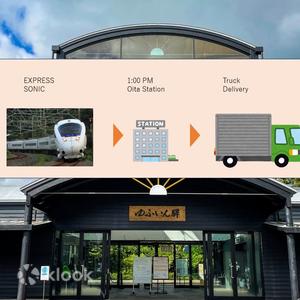
Other Costs: City Trams, Subways and Surcharge Sections
To budget accurately, remember that there are a few fixed expenses beyond the pass. City transport is the biggest: the Fukuoka City Subway, Kumamoto City Tram, Kagoshima City Tram and Nagasaki Electric Tramway are all outside coverage, and these are exactly the tools you must use to get from stations to attractions.
Next are reserved-seat fees beyond the free quota (for the North and South Kyushu versions), and the reservation fees that may arise when reserving some sightseeing trains in advance through unofficial channels. In addition, city transport fares in Nagasaki and Kagoshima have both been adjusted in recent years and there is a lot of outdated information online, so after arriving it is best to read the current fares directly from the stop signs or announcements on board and not estimate from old articles.
JR Kyushu Rail Pass FAQ
Below are the questions overseas travelers most often ask when buying and using the JR Kyushu Rail Pass.
Q: Can I buy it if I live in Japan on a work or student visa?
No. The JR Kyushu Rail Pass is limited to travelers holding a non-Japanese passport who entered under “temporary visitor” status, and the passport and entry stamp are checked at exchange. Holders of work, student, dependent or permanent-resident status do not qualify. Within Japan there are separate discount tickets aimed at residents, so look in that direction.
Q: Can I pick three separate days to use a 3-day pass?
No. All versions run on consecutive calendar days. Counting from the activation date, three consecutive days are used up, even a day in the middle on which you do not ride. The activation date must be specified at exchange and usually cannot be changed afterward. When planning, concentrate your long-distance travel on those days and leave slow city-exploring days outside the validity period to save money.
Q: Can I take the Shinkansen from Hakata to Kokura?
No. That section is part of JR West’s Sanyo Shinkansen, and no version of the JR Kyushu Rail Pass covers it. Take the limited express “Sonic” instead, which takes a little over an hour and runs frequently. This is the rule most people trip over, and boarding anyway will get you asked to pay the full fare.
Q: Do sightseeing trains such as Yufuin no Mori require a reservation?
Yes. D&S sightseeing trains are almost entirely reserved-seat, with no unreserved cars, and you must reserve first and obtain a reserved-seat ticket before boarding. In peak season they often sell out as soon as reservations open. To be sure of a specific departure, reserve before departure via the official Online Booking; for those who bought through a travel agency, reserving online in advance may cost an extra fee.
Q: How are children’s tickets handled?
Children aged 6 to 11 qualify for the child fare, about half the adult price; children under 6 are usually free if they do not occupy a seat, but if they occupy a reserved seat a child ticket is required. Age is counted on the day of travel, and you may need to show a passport as proof of age at exchange. Please rely on official announcements for the actual rules and amounts.
Q: Can I get a replacement if I lose the physical pass?
No replacement or refund is possible, so look after it like a passport. As for refunds, an unexchanged electronic voucher can usually be refunded under the purchasing platform’s rules with a handling fee; once exchanged for a physical pass or after use has begun, it cannot be refunded in principle. Please rely on the terms of your purchase channel for details.
Q: Should I buy the All Kyushu or North Kyushu version?
The deciding factor is how far south you go. If your southernmost point is Kumamoto, the North Kyushu version is enough and saves several thousand yen; if you will go to Kagoshima or Miyazaki, you must use the All Kyushu version. Also, if your itinerary includes two or more D&S sightseeing trains and you want a reserved seat on every leg, the unlimited reservations of the All Kyushu version will offset part of the price difference.