
2026 Osaka Nakanoshima Guide: Museum Architecture and Riverside Night Views, the Charm of a Waterfront Art Oasis
Nakanoshima is a long, narrow sandbar between the Dojima River and the Tosabori River, where century-old buildings meet avant-garde museums, making it Osaka’s most elegant place for an art-and-culture stroll.
Nakanoshima Museum of Art, Osaka: A Futuristic Black-Cube Landmark
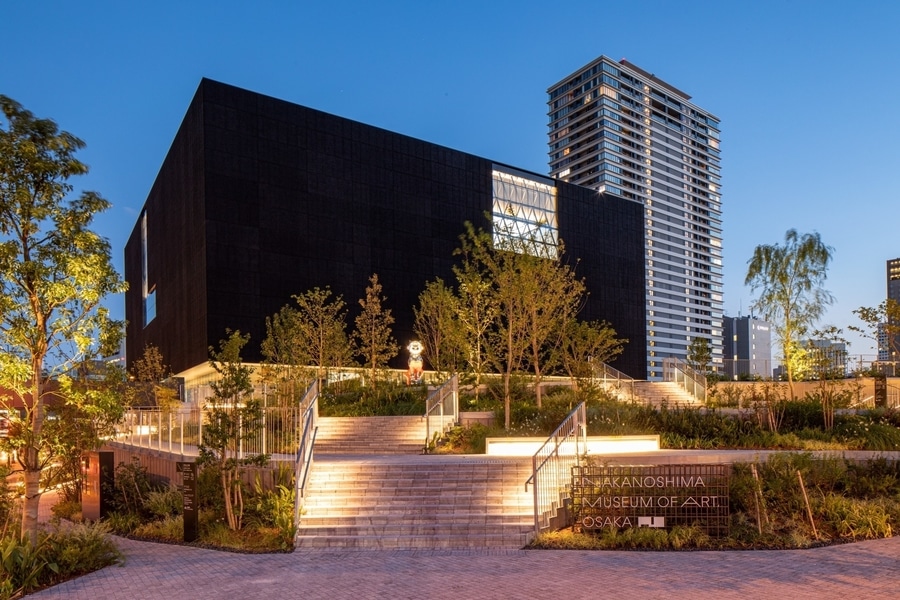
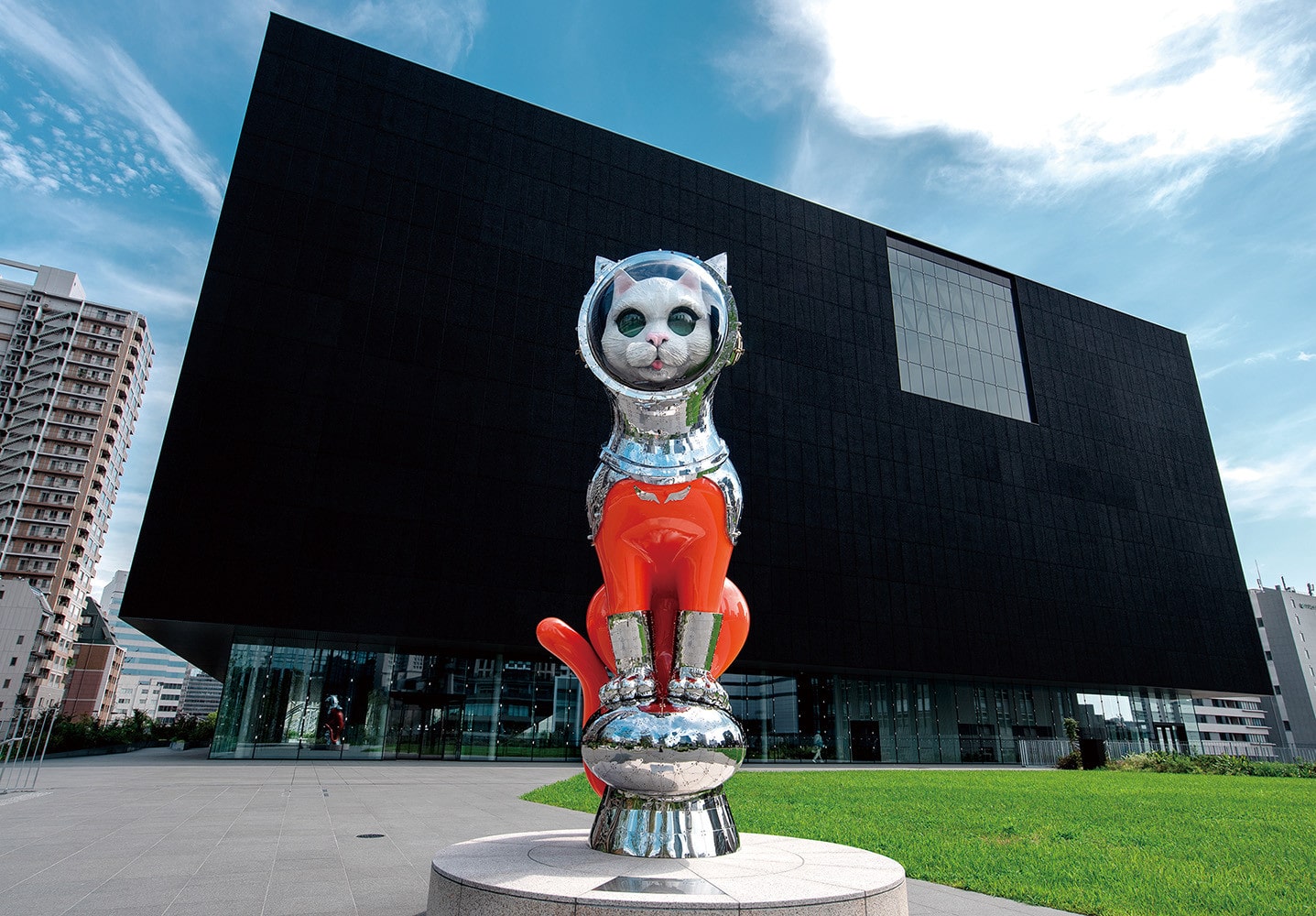
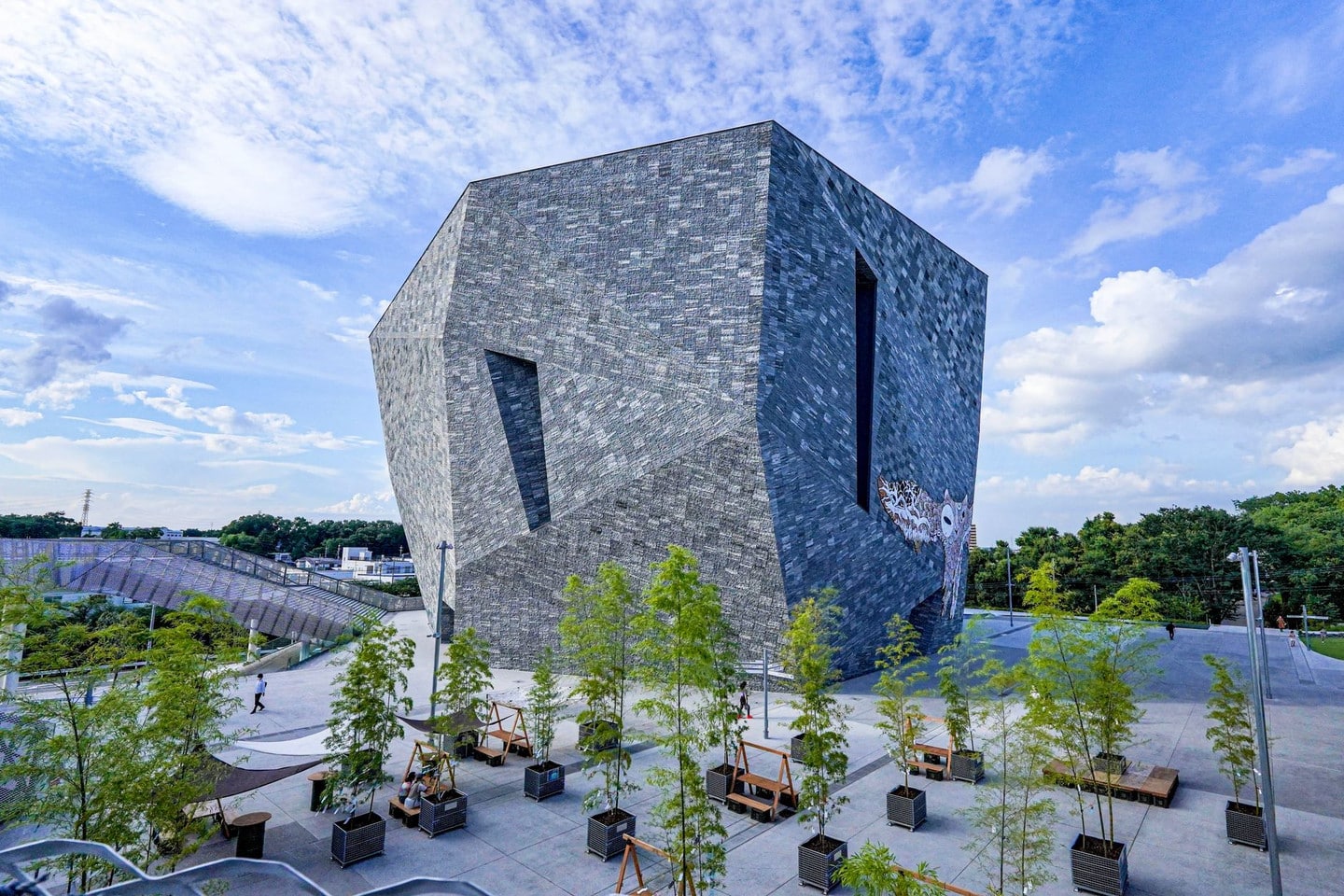
The Nakanoshima Museum of Art, Osaka, which opened in 2022, is known for its black-cube exterior and a soaring, suspended atrium; its collection focuses on modern art and design from the late 19th century to today. Architect Katsuhiko Endo designed the building as a “passage” linking the east and west sides of Nakanoshima, creating a space where light and circulation interweave. The outdoor plaza’s cat sculpture, “SHIP’S CAT,” is a free photo spot.
Closed Mondays (the next day if Monday is a holiday). Ticket prices vary by exhibition (see each exhibition page on the official website). Allow 1.5 to 2 hours for a visit.

Was the Nakanoshima Museum Designed by Tadao Ando? The Architect and Ando’s Nearby Work
The Nakanoshima Museum of Art, Osaka was designed by Endo Katsuhiko Architects, not Tadao Ando. The design was chosen through a design competition, and the museum opened in February 2022. Inside is a five-story-high “passage” hall; floors 1 and 2 are open to the public, while floors 3 to 5 form the concentrated cube volume.
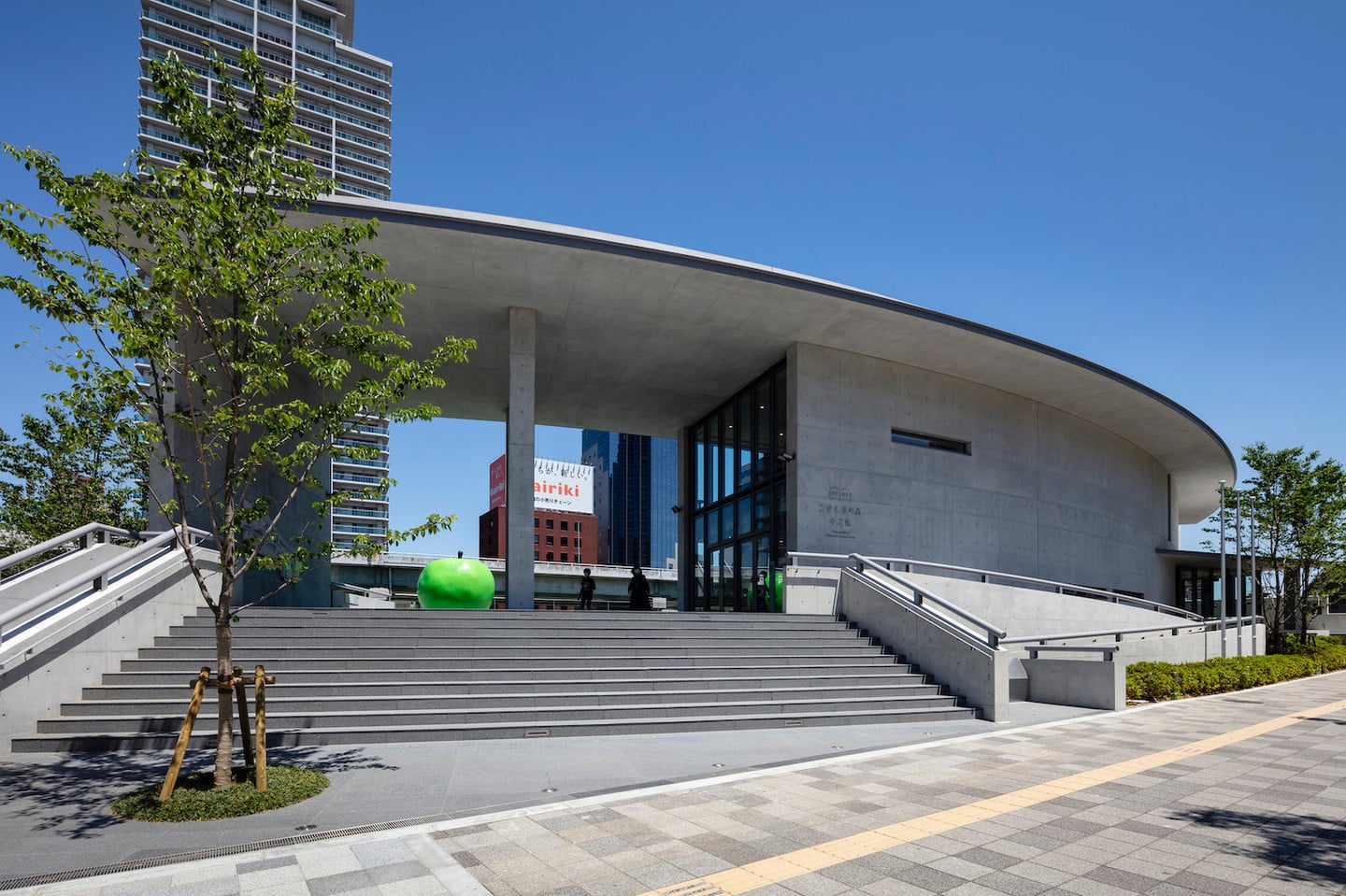
Tadao Ando’s work is the Kodomo Hon no Mori Nakanoshima (Children’s Book Forest), also in Nakanoshima, which Ando designed and donated to the city of Osaka. The two buildings can be fitted into the same walk.
The National Museum of Art, Osaka: A Rare Underground Museum
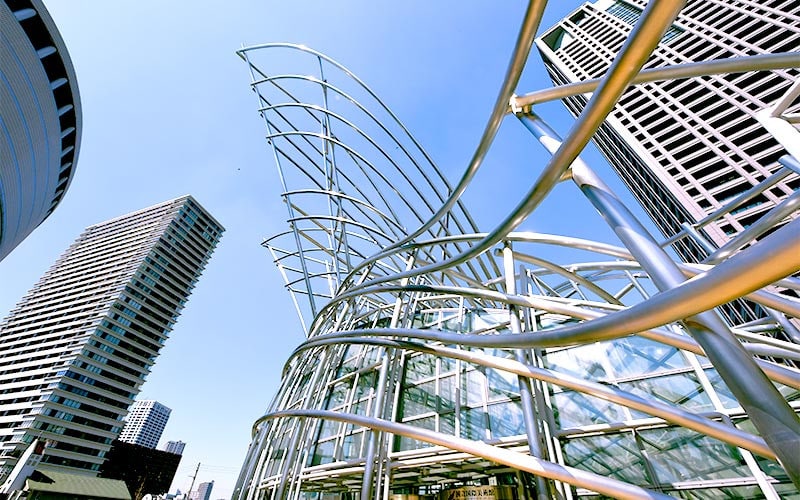
Designed by architect Cesar Pelli, it shows only a silver metal-tube structure above ground that looks like a growing bamboo grove, with the entire museum built underground. Its collection exceeds 8,200 contemporary artworks, making it one of the few underground museums in the world. Closed Mondays; open until 8:00 p.m. on Fridays (last entry 7:30 p.m.), so it suits an early-evening visit combined with nearby museums. From Exit 2 of Watanabebashi Station on the Keihan Nakanoshima Line, it is about a 5-minute walk southwest.
Osaka City Central Public Hall: A Century-Old Red-Brick Landmark
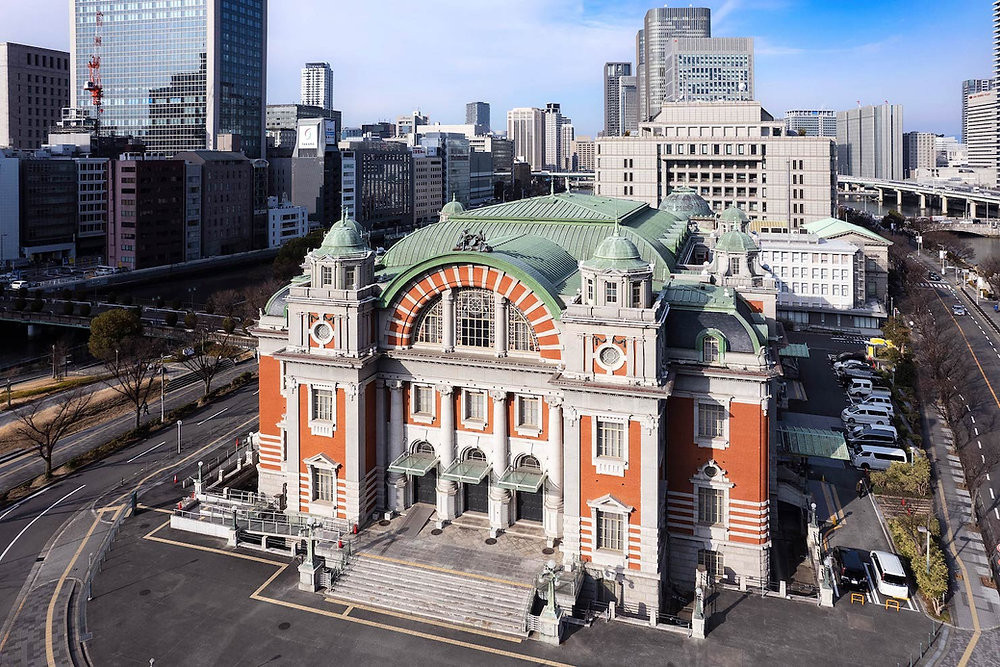
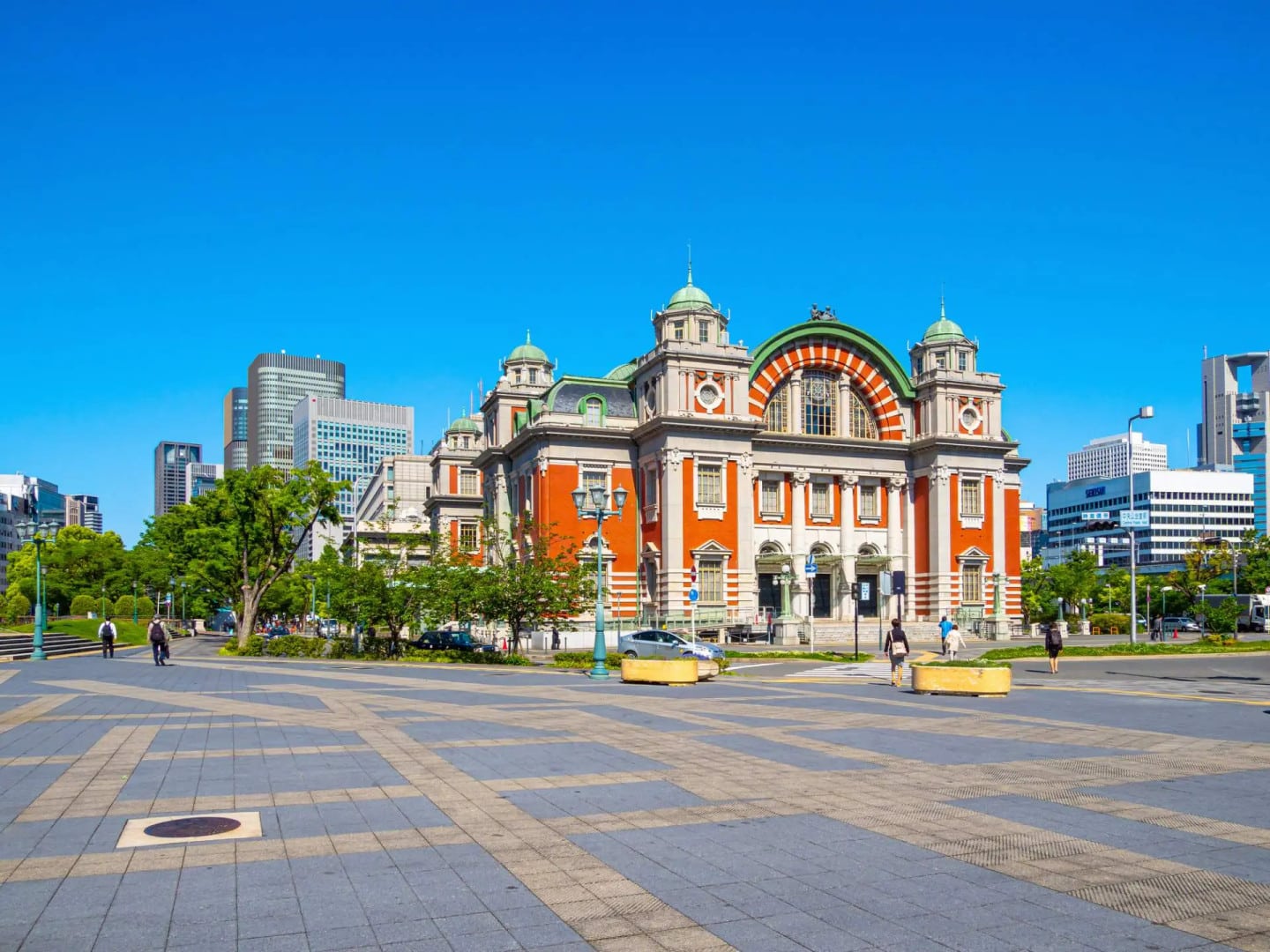
Built in 1918 and designated an Important Cultural Property, it has red-brick walls with a bronze dome in the neoclassical style. It looks elegant and dignified by day and turns a romantic golden color once lit at night, making it one of Nakanoshima’s most representative historic buildings and a must-photograph spot that countless travel guides mention again and again. The hall is open 9:30 a.m. to 9:30 p.m.; it is closed on the 4th Tuesday of each month (the following day if that Tuesday is a holiday) and over the New Year period (December 28 to January 4). It is right at Exit 1 of Naniwabashi Station (なにわ橋駅) on the Keihan Nakanoshima Line.
Osaka Prefectural Nakanoshima Library: A Greek-Temple Hall of Knowledge
Built in 1904, its giant stone columns and stone walls on the front look like a Greek temple, and the central domed hall inside is Baroque in style, with a strong literary atmosphere. It is a historic building you can enter free of charge and an Important Cultural Property. Opening and closed days follow the calendar on the Osaka Prefectural Library website. It is also a popular spot for photographers shooting architectural details.

Museum of Oriental Ceramics, Osaka: A World-Class Collection of East Asian Ceramics
The collection is known for ancient ceramics from China, Korea and Japan, and in particular holds several National Treasure-class Goryeo celadon pieces and Chinese Song-dynasty ceramics. The exhibition space uses natural light to show off the delicate texture of the ceramics. It is an off-the-beaten-path museum that ceramics lovers should not miss, and it is usually less crowded, so it suits quiet, careful appreciation.
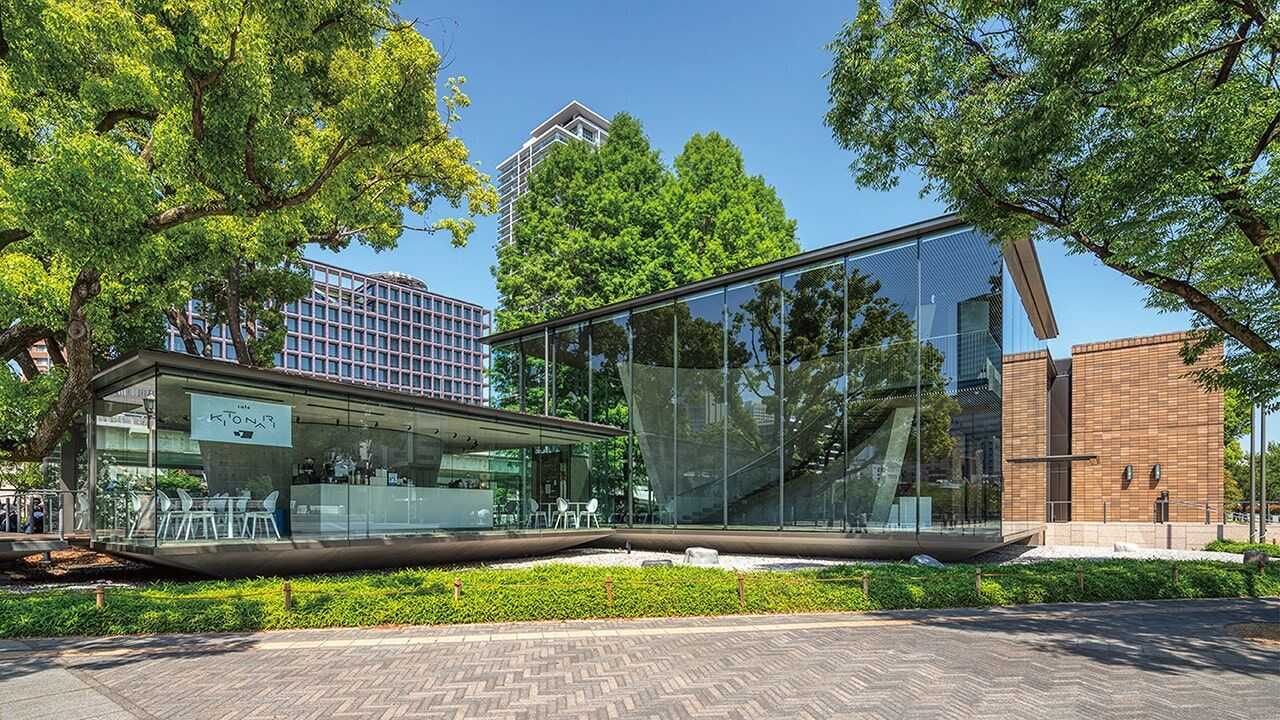
Please check before you visit: The museum is currently closed for a long period for renovation work. The official website announces that it will remain closed until around April 2027; during this time the galleries cannot be visited and the annual pass “MOCO PASSPORT” is also not on sale, while café KITONARI on the grounds remains open as usual. If you plan a Nakanoshima itinerary during the closure, we suggest focusing on the Nakanoshima Museum of Art, the National Museum of Art and the Central Public Hall, and checking the latest notice on the official website before you leave.
Kodomo Hon no Mori Nakanoshima: A Picture-Book Palace Designed by Tadao Ando
Designed and donated by architect Tadao Ando, it has book walls that rise to the ceiling and holds a large collection of picture books and children’s books. Admission is free and by timed reservation; every Wednesday from 3:30 to 5:00 p.m. is a no-reservation open-entry period (first 150 people only). It is open 9:30 a.m. to 5:00 p.m., and closed Mondays (if Monday is a holiday it opens and closes the next weekday). Inside you can see Tadao Ando’s own hand-drawn sketches on display, an attraction that appeals to both family travelers and architecture fans.
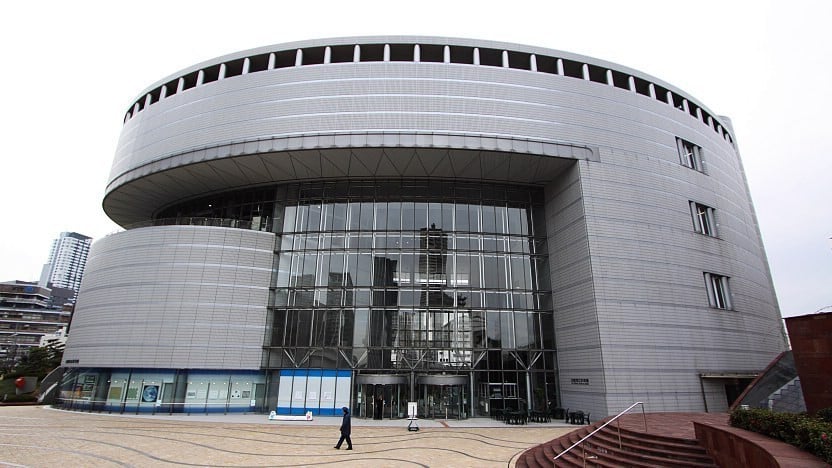
Osaka Science Museum: An Interactive Space for Science Exploration
It has a planetarium and multi-floor interactive exhibits, suitable for a half-day outing for families with children. The regularly scheduled planetarium shows are a popular experience, and we recommend reserving seats in advance, on site or online.
Opening hours are 9:30 a.m. to 5:00 p.m., with entry to the exhibition halls until 4:30 p.m.; each planetarium show runs about 45 minutes with seats turned over between shows, and web tickets can be bought on the official website (sales close 1 hour before showtime).
Nakanoshima Park: A Riverside Green Space Beautiful in Every Season
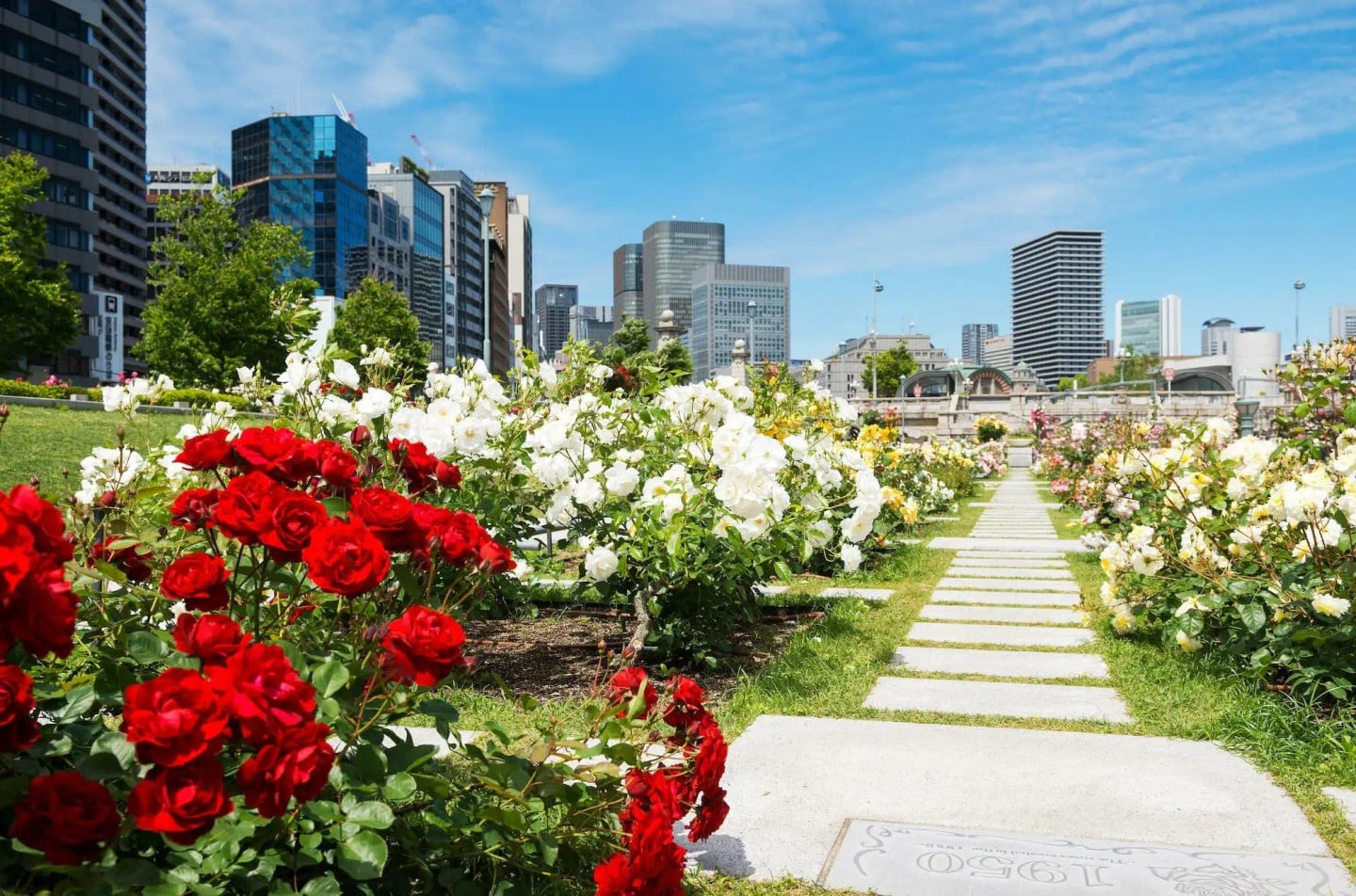
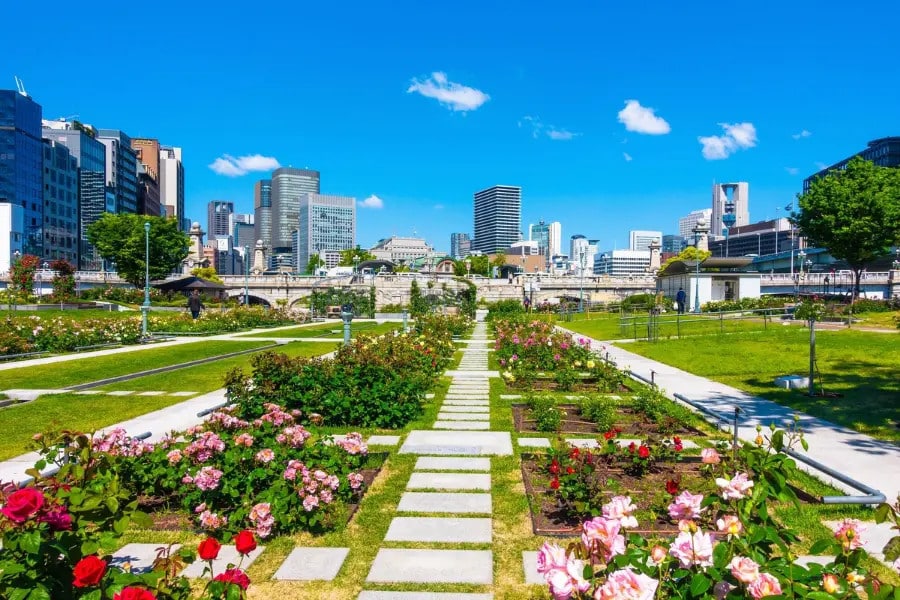
Nakanoshima Park spans the whole eastern side of Nakanoshima and is one of Osaka’s oldest parks. Its rose garden blooms in May and October, with about 310 varieties and more than 3,700 rose bushes, a rare large rose garden in the city center. Located between the Dojima River and the Tosabori River, it covers about 13,000 square meters, and the garden has a “Rose Path” for strolling along the water. In autumn in November the zelkova (ケヤキ) avenue turns yellow-brown and the riverside promenade is covered with fallen leaves; both are popular photo seasons.
How to Get to Nakanoshima: Routes and Fares
The fastest way to reach Nakanoshima is to take the Keihan Nakanoshima Line to Watanabebashi Station and walk about 5 minutes southwest from Exit 2 to the Nakanoshima Museum of Art, Osaka and the National Museum of Art. If you are coming from Umeda or Namba, you can also take the Osaka Metro Midosuji Line to Yodoyabashi Station and walk about 8 to 10 minutes into the core of Nakanoshima. Both accept ICOCA, Suica and other IC cards at the ticket gates, so getting around is very simple.


What Are the Must-See Spots and Photo Angles in Nakanoshima?
From architectural details to riverside night views, every corner of Nakanoshima hides photo and experience highlights worth lingering over.
SHIP’S CAT Sculpture: A Free Photo Landmark in Front of the Museum
The giant cat sculpture “SHIP’S CAT” (designed by artist Kenji Yanobe) on the outdoor plaza of the Nakanoshima Museum of Art, Osaka is free to see, with no ticket needed. It is huge and makes for fun shots from any angle, and its outline is especially crisp on sunny days. Allow 10 to 15 minutes for photos; the light is soft in the early evening, which suits portraits and group photos. It has become a must-visit for many travelers and is worth a special trip even if you do not go into the museum.
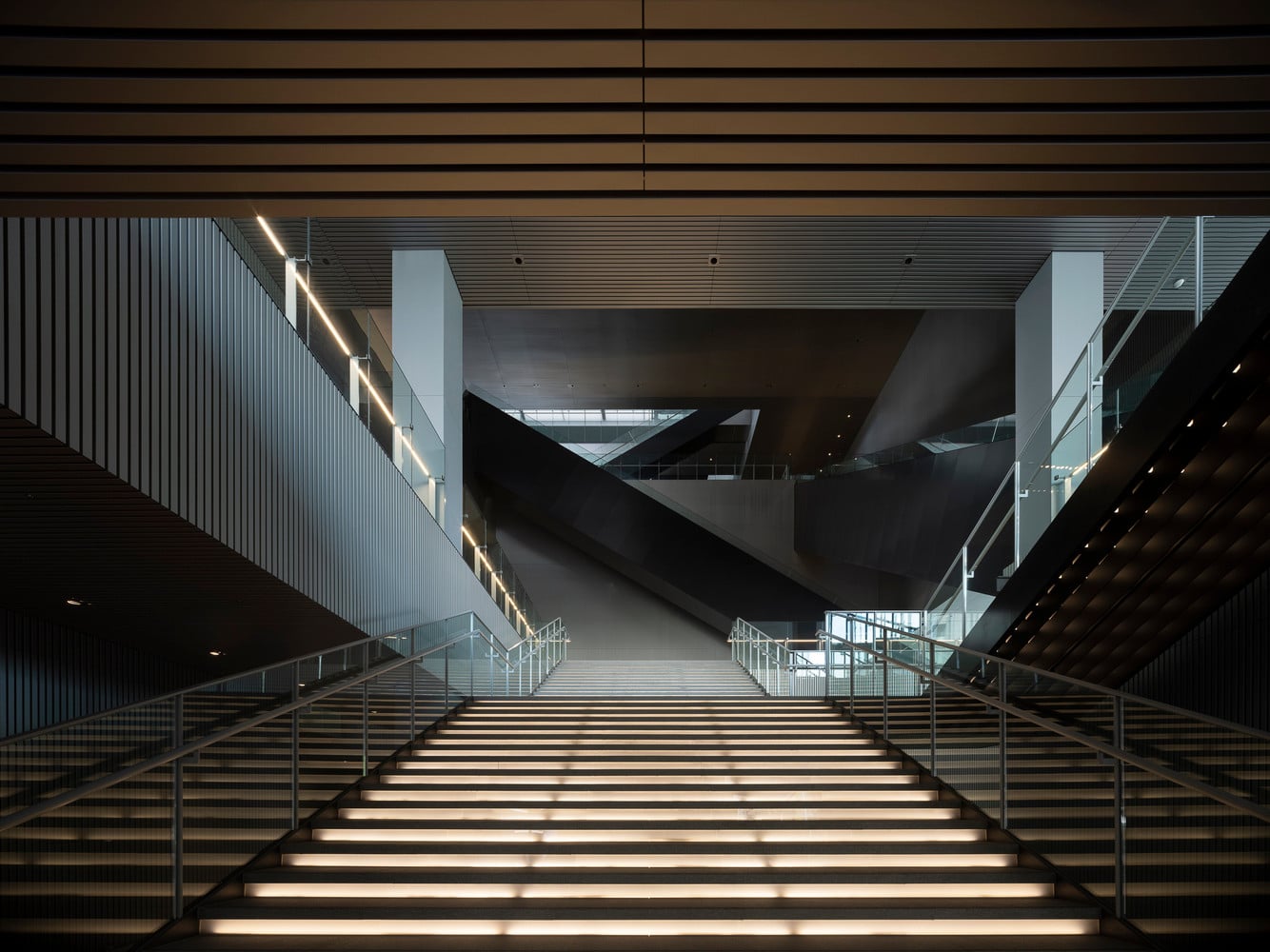
Museum Atrium and Staircase: An Architectural View of Interwoven Light and Shadow
The soaring atrium runs from the 1st to the 5th floor, and the black steel staircase and large windows create superb changes of light and shadow, making it one of Osaka’s best indoor spaces to photograph. Shooting up at the staircase and ceiling from below captures both the building’s vertical lines and the drama of the atrium, a popular angle on social media.
We suggest visiting on a weekday afternoon or in the last hour before closing, avoiding weekend-morning crowds. General photography (without flash or tripods) is usually unrestricted; for special-exhibition areas, follow the notices at the on-site service desk.
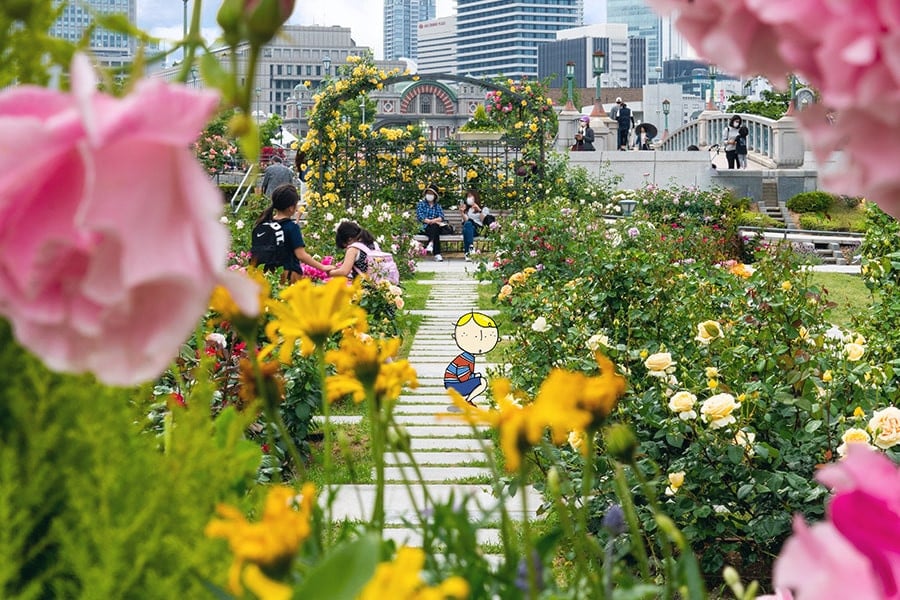
Nakanoshima Park Rose Garden: A Romantic Sea of 310 Varieties
The Nakanoshima Park Rose Garden grows more than 310 varieties and over 3,700 rose bushes, and reaches two peak bloom periods each year: around mid-May and from late October to mid-November. In bloom, the whole garden is covered in pink, orange-red and pure white flowers, and with the dome of the Osaka City Central Public Hall behind them they form the classic postcard view of Nakanoshima.
The rose garden is free and open all year. We suggest going on a weekday morning when the light is soft, with fewer crowds and easier framing; during the flower season, you can also follow it with an evening illumination visit, collecting two very different moods, day and night, in one trip.
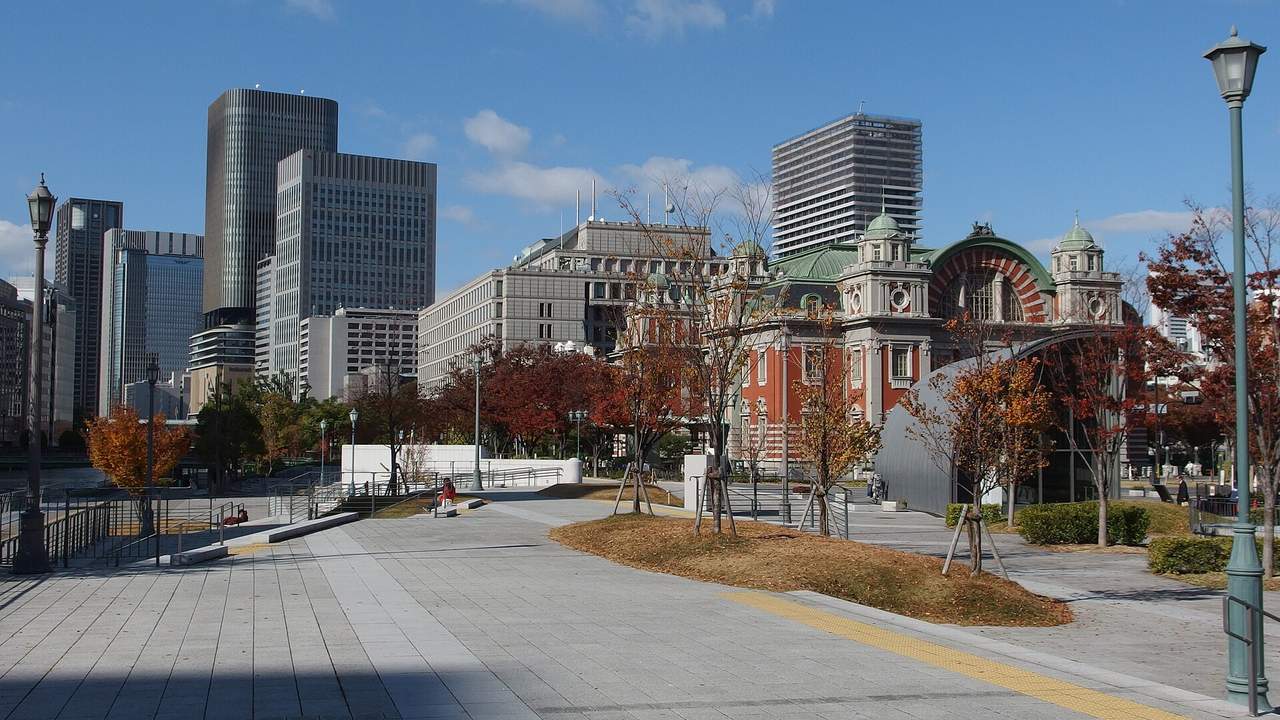
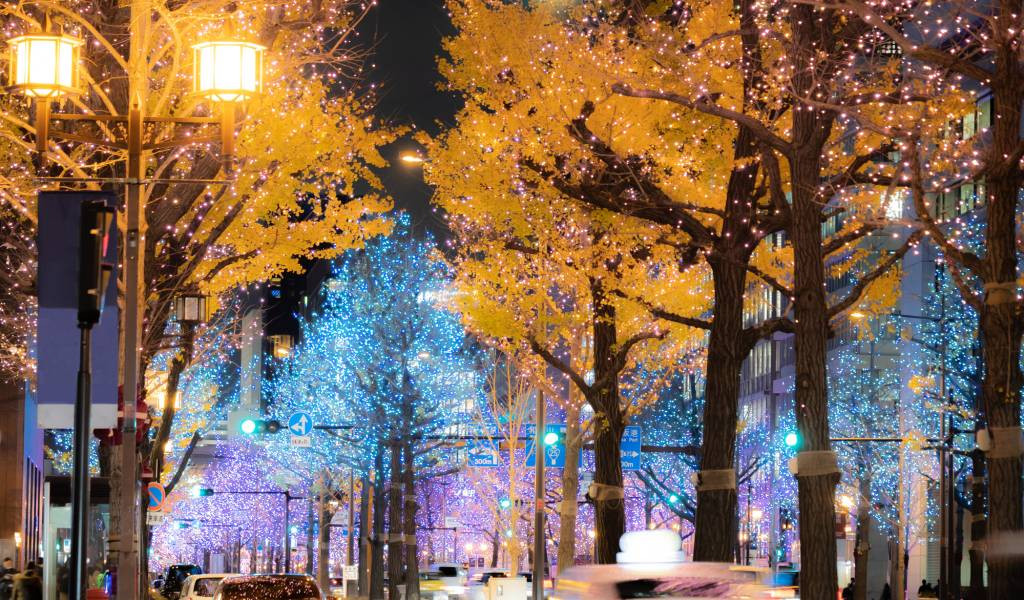
Nakanoshima Park Zelkova Avenue: A Riverside Autumn-Leaf Promenade, November Only
First, a detail that is often written wrongly: the street trees along the Nakanoshima Park promenade are zelkova (ケヤキ), not ginkgo. The Osaka City official street-tree guide lists zelkova on the promenades of Nakanoshima Park and Utsubo Park. From mid to late November, the zelkova turn from yellow to reddish brown and the riverside promenade is covered in fallen leaves, one of the few free autumn-leaf spots in central Osaka where you can enjoy river views and fall colors at the same time.
If what you are looking for is a whole tunnel of golden ginkgo, the right place is the ginkgo avenue on Midosuji (which the Osaka City official site calls a symbol of Osaka), which you can reach in about a 10-minute walk south from Nakanoshima and which fits well into the same afternoon. The timing of the color change shifts slightly with each year’s weather, so check the Osaka City official announcement before you go; on a weekday afternoon, light enters the tree-lined avenue from the side, which is best for silhouettes and dappled light.
Dojima River Night Lighting: A Sparkling Urban Night View
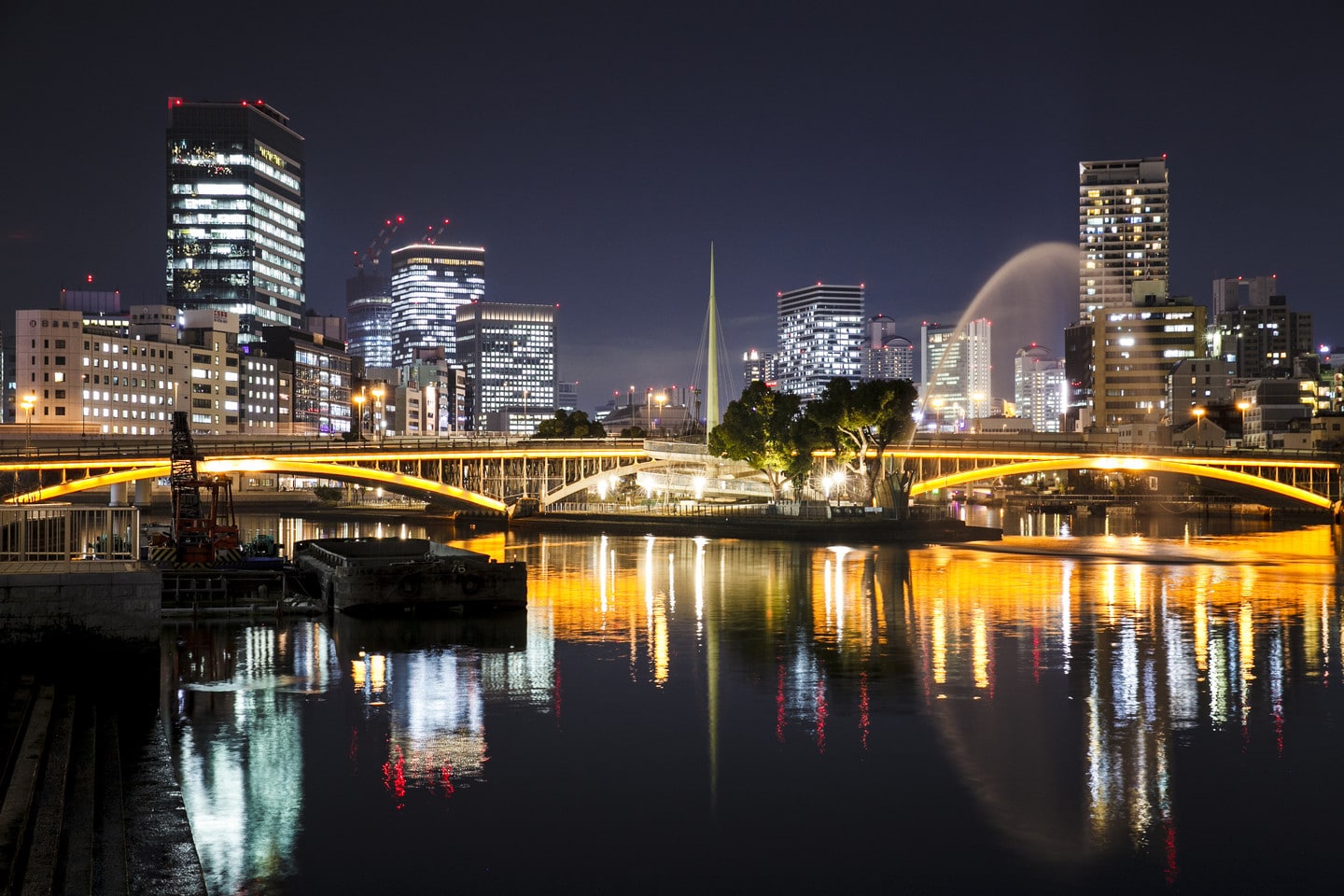
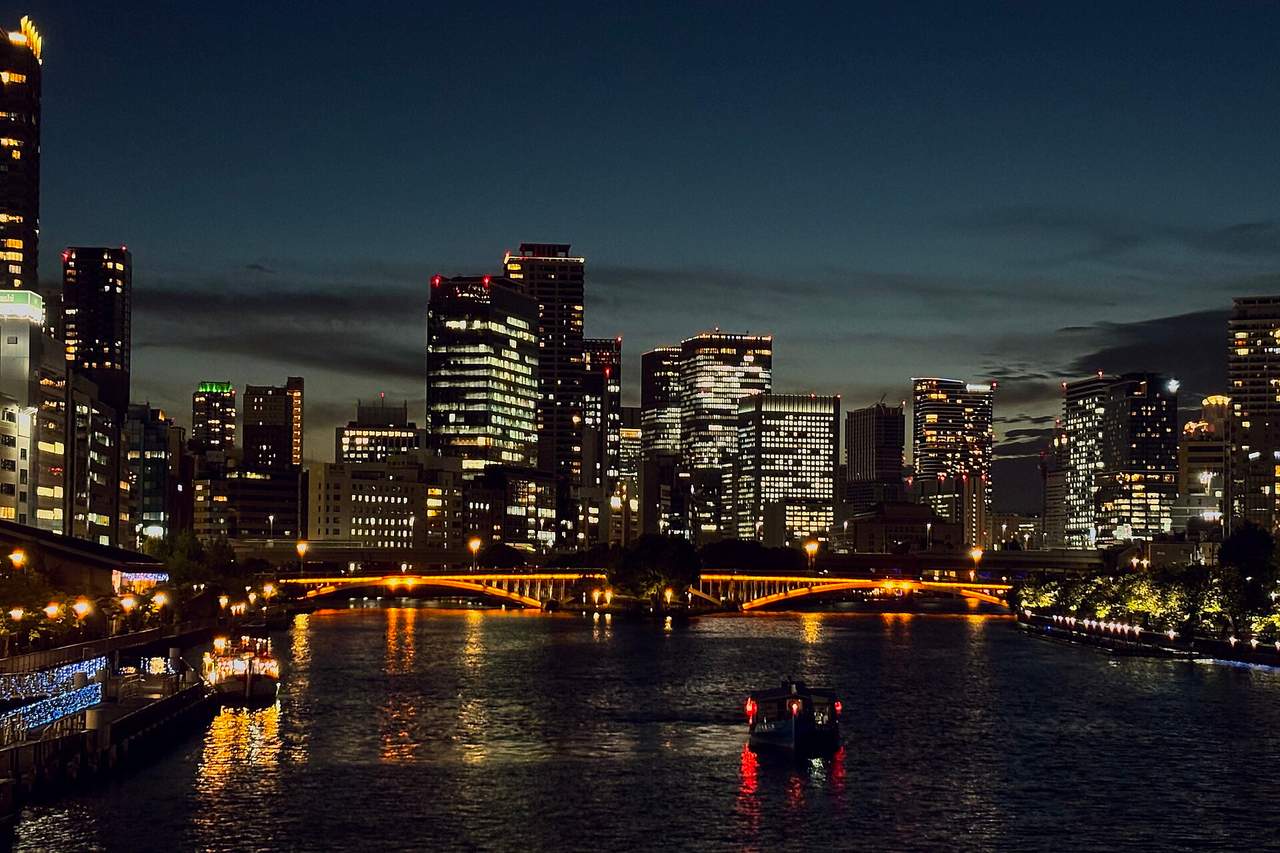
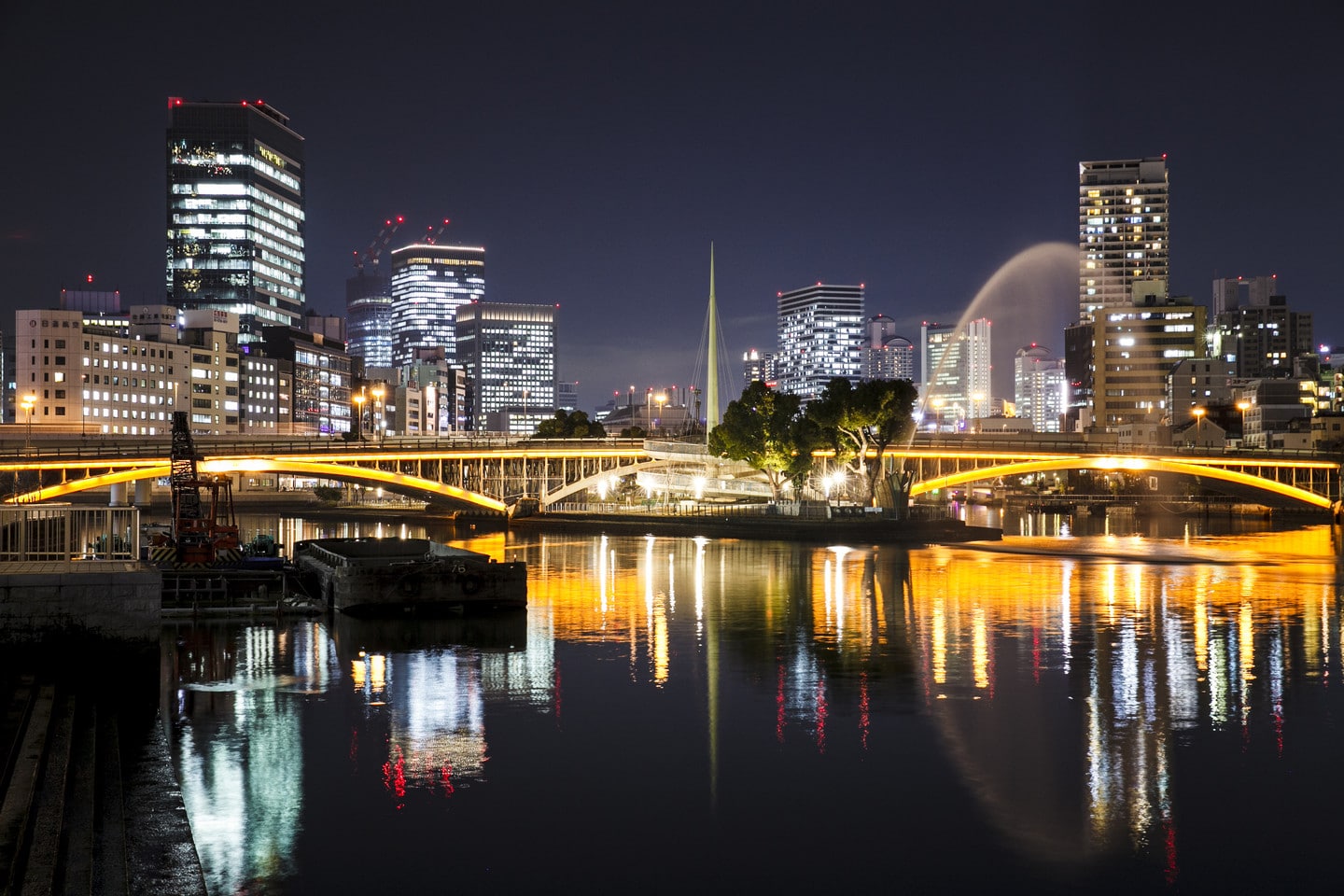
After dark along the Dojima River, the lights of the tall buildings on both sides and the warm yellow spotlights on the historic buildings reflect together on the water, forming Nakanoshima’s most classic night scene. Strolling along the riverside promenade from west to east, you can take in the museum building’s night silhouette, the Public Hall’s golden dome and the sea of lights from the modern office towers across the river, a strong contrast of stillness and movement.
We suggest bringing a tripod to shoot long-exposure reflection photos near Dojimaohashi Bridge or Suishobashi Bridge. Between 7:00 and 9:00 p.m. is the golden window when the lights are at their fullest and the crowds are not too large; in winter, there is less moisture over the river and the air is clear, making it the season with the sharpest night views of the year.
If you are coming specifically for the Nakanoshima Park night view, the key is the Osaka City Central Public Hall on the west side of the park. According to the Osaka City official announcement, the hall’s exterior is lit every night: 19:00-23:00 in March-April, 19:30-23:00 in May-August, 18:30-23:00 in September-October and 18:00-23:00 in November-February (times may change without notice). From the riverside promenade in Nakanoshima Park or around Naniwabashi Bridge, you can frame the red-brick building together with its reflection in the Dojima and Tosabori rivers, and enjoying the night view needs no ticket.
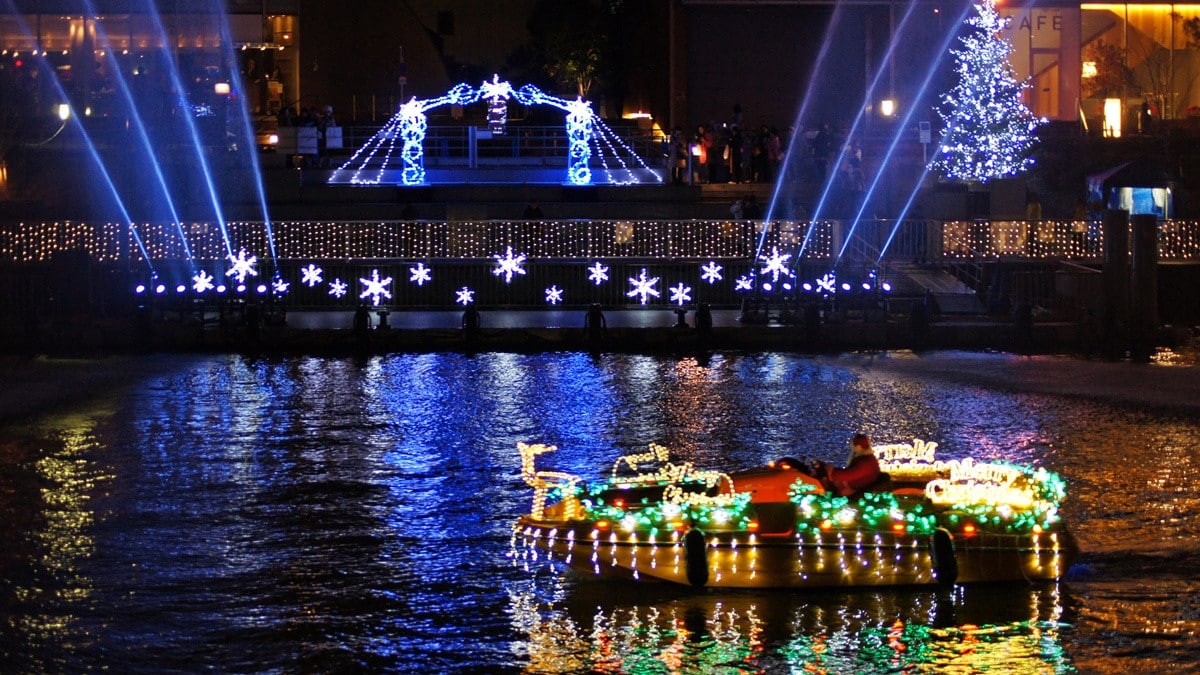
Christmas Illumination: A Winter-Only Romantic Mood
Every December, winter illumination events are held around Nakanoshima. Seasonal lights decorate the area around the Public Hall and the library, and the riverside promenade is dotted with warm-colored light strings, adding a festive atmosphere to the classical buildings. It is one of the most popular winter attractions in Osaka.
The illuminations usually start around 5:00 p.m., so we suggest arriving early to claim a spot, and you can combine them with the rose garden and zelkova autumn-leaf avenue above to plan an autumn-to-winter Nakanoshima stroll. The actual lighting dates and areas change slightly each year, so check the Osaka City official announcement for that year before you go.
In 2025, for example, the event was called “OSAKA Hikari no Renaissance” (OSAKA光のルネサンス) and ran from December 14 to 25, 2025, from around Osaka City Hall to Nakanoshima Park. It included light-and-projection mapping on the Central Public Hall’s walls and a roughly 150-meter tunnel of lights along the zelkova avenue, with most programs running from 17:00 to 22:00. In 2026 it is scheduled for December 11 to 25 (some content from November 3); please go by the official announcement for details.
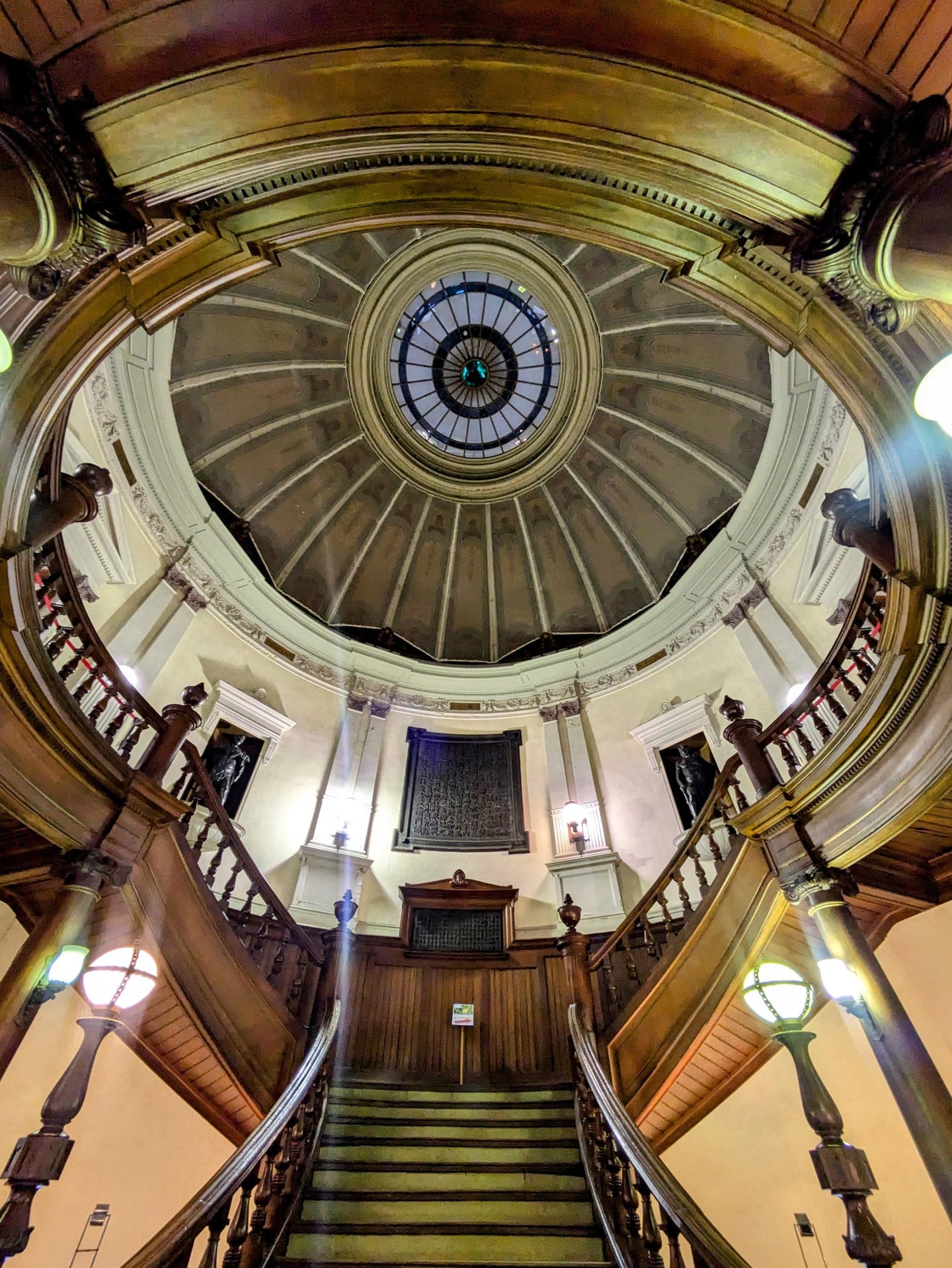
Nakanoshima Library Dome Hall: A Baroque Hall of Knowledge
The Osaka Prefectural Nakanoshima Library was built in 1904, and its central dome hall is Baroque in design, with a high ceiling and delicate carved decoration. It forms a strongly classical contrast with the giant stone columns of the Greek-temple-style exterior, and is the corner of the library most loved by photography enthusiasts.
The dome hall is still open to the public as a reading space, so please keep quiet and avoid flash photography. We suggest fitting it in between your visits to the Central Public Hall and the museum; all three buildings are within a 5-minute walk of each other, so they fit neatly on one walking route.
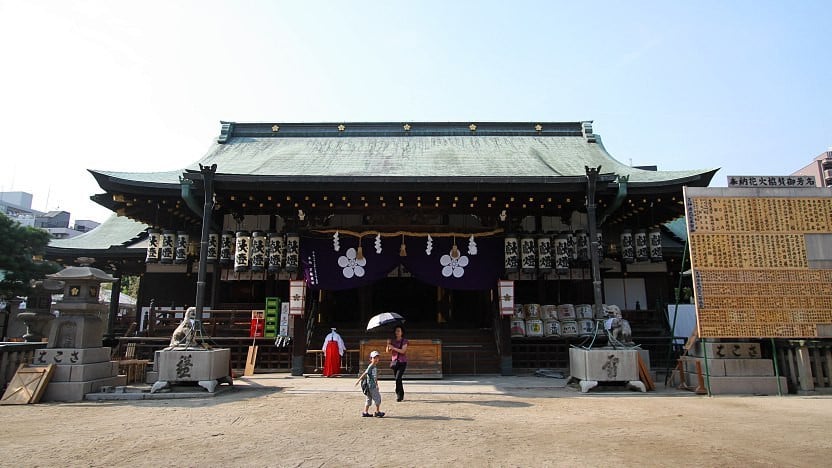
Osaka Tenmangu: An Ancient Shrine for Academic Success and Romance
Osaka Tenmangu enshrines Sugawara no Michizane, the god of learning, and is a long-established shrine in the Kansai region. Its Tenjin Festival every July is one of Japan’s three great festivals, drawing many visitors and photography fans. The grounds offer omamori charms and goshuin stamps, with the academic-success charm the most popular. It is about a 15- to 20-minute walk from the east side of Nakanoshima, or a few minutes’ walk from Minamimorimachi Station on the Tanimachi Line. We suggest fitting it in after Tenmabashi and Nakanoshima Park as an extension of a half-day cultural stroll, to feel how the times have changed.
Riverside Picnic in Nakanoshima Park: A Relaxed Time Locals Love
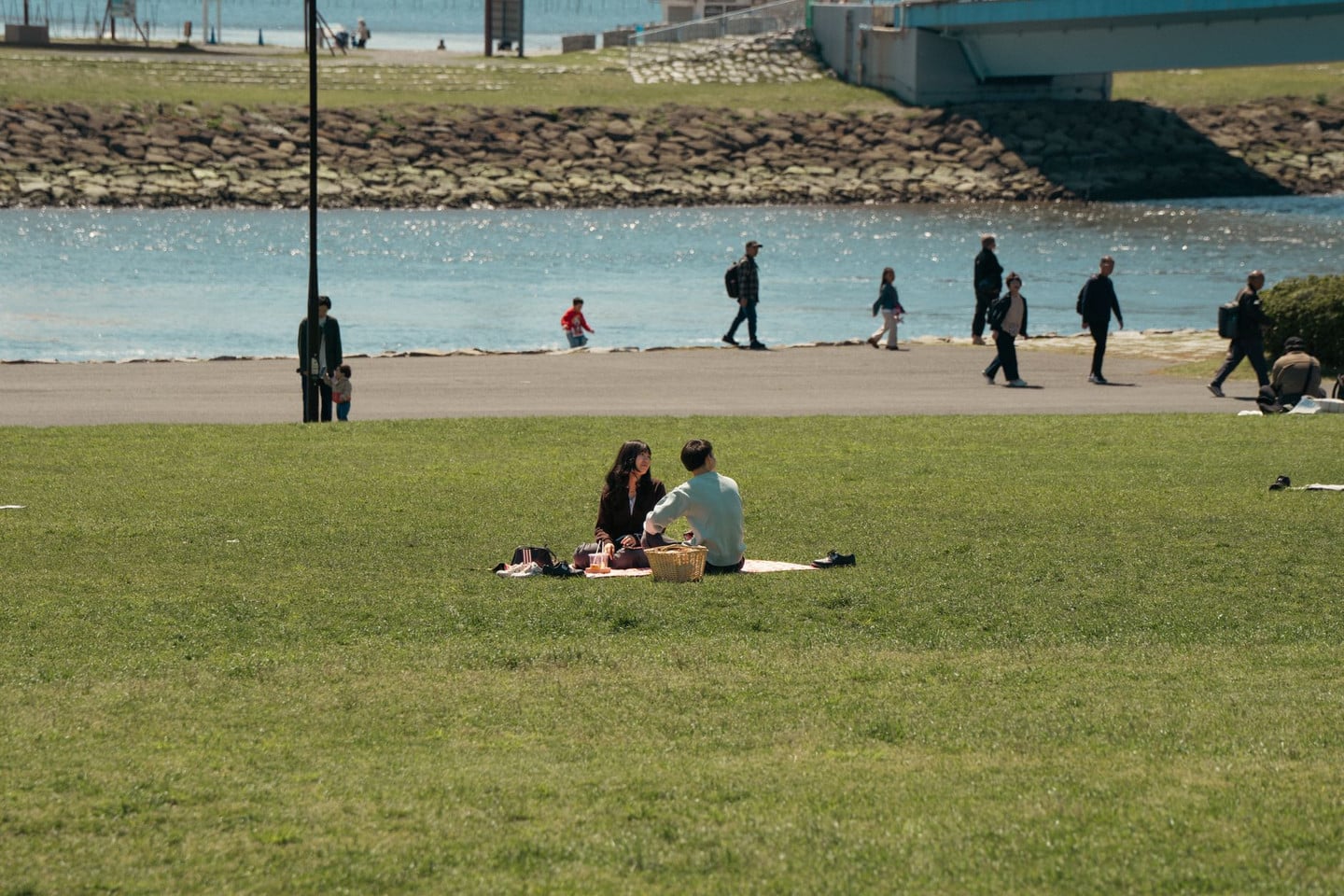
You can first buy prepared foods and desserts from the basement food halls of Hankyu and Hanshin department stores in Umeda, then picnic on the riverside lawn of Nakanoshima Park, a way to feel everyday life in Osaka.
The park’s lawn area is open all year and free to use. The river breeze and wide views make a picnic especially pleasant, and on sunny weekends you often see whole families or couples sitting on the grass. It is a way to enjoy Nakanoshima that traditional attraction guides rarely mention but locals love dearly.
2026 Osaka Nakanoshima Guide: Recommended Tickets and Guided Experiences
Nakanoshima is Osaka’s most artistic river island, lying between the Dojima and Tosabori rivers and home to major cultural facilities such as the Museum of Oriental Ceramics, Osaka, the Nakanoshima Museum of Art, Osaka and the National Museum of Art, Osaka. Together with the retro red-brick Central Public Hall and the lit-up waterfront promenade at night, it is a place for exhibitions by day and for strolling and photos at dusk. Below are four tickets and guided experiences worth planning ahead for, covering museum tickets, a Public Hall tour, a river cruise and a night-photography walking route, to help you arrange a day in Nakanoshima as efficiently as possible.
Nakanoshima Museum of Art, Osaka Permanent and Special Exhibition Tickets: A Modern-Art Treasure House in a Black Box
The Nakanoshima Museum of Art, Osaka opened in 2022. Its exterior is a huge windowless black box by architect Katsuhiko Endo, and inside it holds nearly 6,000 works of modern and contemporary art, including those by Yuzo Saeki and Modigliani, making it one of Osaka’s most closely watched new landmarks in recent years. It is at 4-3-1 Nakanoshima, Kita-ku, Osaka, near Watanabebashi Station. Opening hours are 10:00 a.m. to 5:00 p.m., closed Mondays.
Ticket prices vary by exhibition; each exhibition page on the official website lists prices and discount eligibility. Groups of 20 or more have a separate group rate that must be applied for in advance. During popular exhibitions, we suggest arriving early and checking the entry notes on the official website first.
The reason to recommend it is that the museum building is itself a major highlight. The long escalator leading up to the exhibition floor on the fifth floor contrasts strongly with the black volume, and many photographers come specifically to shoot it. With Nakanoshima Park nearby, you can plan a half-day art walk, which is ideal for in-depth travelers who love architecture and art.
Central Public Hall Architecture Tour: Inside a Taisho-Era Red-Brick Building
The Osaka City Central Public Hall (built in 1918) is a symbol of Taisho romanticism, with red-brick walls and a green dome, and retains stained glass and a high-ceilinged assembly hall; it is an Important Cultural Property of Japan. Address: 1-1-27 Nakanoshima, Kita-ku, Osaka, near Kitahama and Yodoyabashi stations. Reservation-only tours are held from time to time, with dates and places as announced on the official website (the January 2026 sessions were by lottery, ¥2,000 per person including a souvenir, up to 4 people per group), and you can see the Large Assembly Room and the Special Room. The tour suits those interested in modern architectural history, letting you enjoy the high ceilings and stained glass and learn about Osaka’s modernization.
Dojima River and Tosabori River Cruise: A Riverside Night Cruise Through the Water City of Osaka
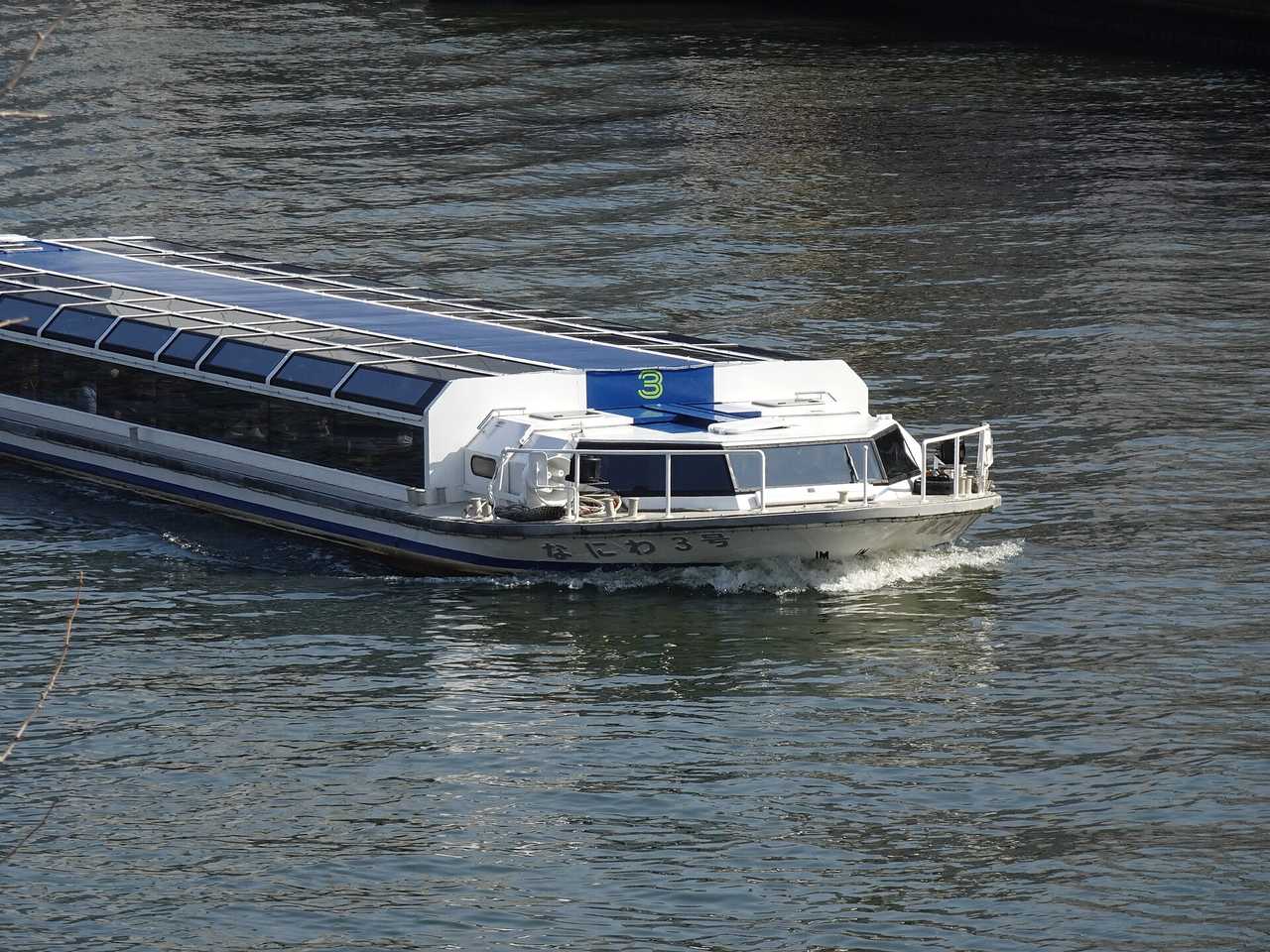
Taking a cruise is the best way to see Nakanoshima’s cluster of buildings. The Osaka Water Bus Aqualiner’s circular route takes about 55 minutes and costs ¥2,000 for adults and ¥1,000 for elementary-school children; you can board at Hakkenyahama Pier or Yodoyabashi Port. From Hakkenyahama, boats depart at 30 minutes past each hour from 10:30 to 16:30, and actual times follow the official website.
Aqualiner also offers a point-to-point ride between Osaka Castle Port and Hakkenyahama Pier, about 25 minutes and ¥1,500 for adults.
We recommend the early evening, when the setting sun lights up the river and the museum, followed by the lit-up walls of the Public Hall and the museum, a superb angle for shooting Osaka’s waterfront night view, also popular with couples and photography fans.

Nakanoshima Night-View Photo Walk: A Self-Planned Riverside Route
The Nakanoshima night view suits a self-planned photo walk: starting from Naniwabashi Station after 5:00 p.m., visit the Central Public Hall, Nakanoshima Park and the area around the Nakanoshima Museum of Art, Osaka in turn, about 2 to 3 hours in total.
The Central Public Hall’s exterior is lit every night, from 18:00 in November to February and from 18:30 in September and October. We suggest bringing a tripod to shoot from the riverbank or a bridge (times follow the Osaka City official announcement and may change without notice).
Long exposures smooth out the reflections on the river, which suits travelers who want to capture the Public Hall, the river view and the night scene around the museum in one go.
Where to Stay Nearby
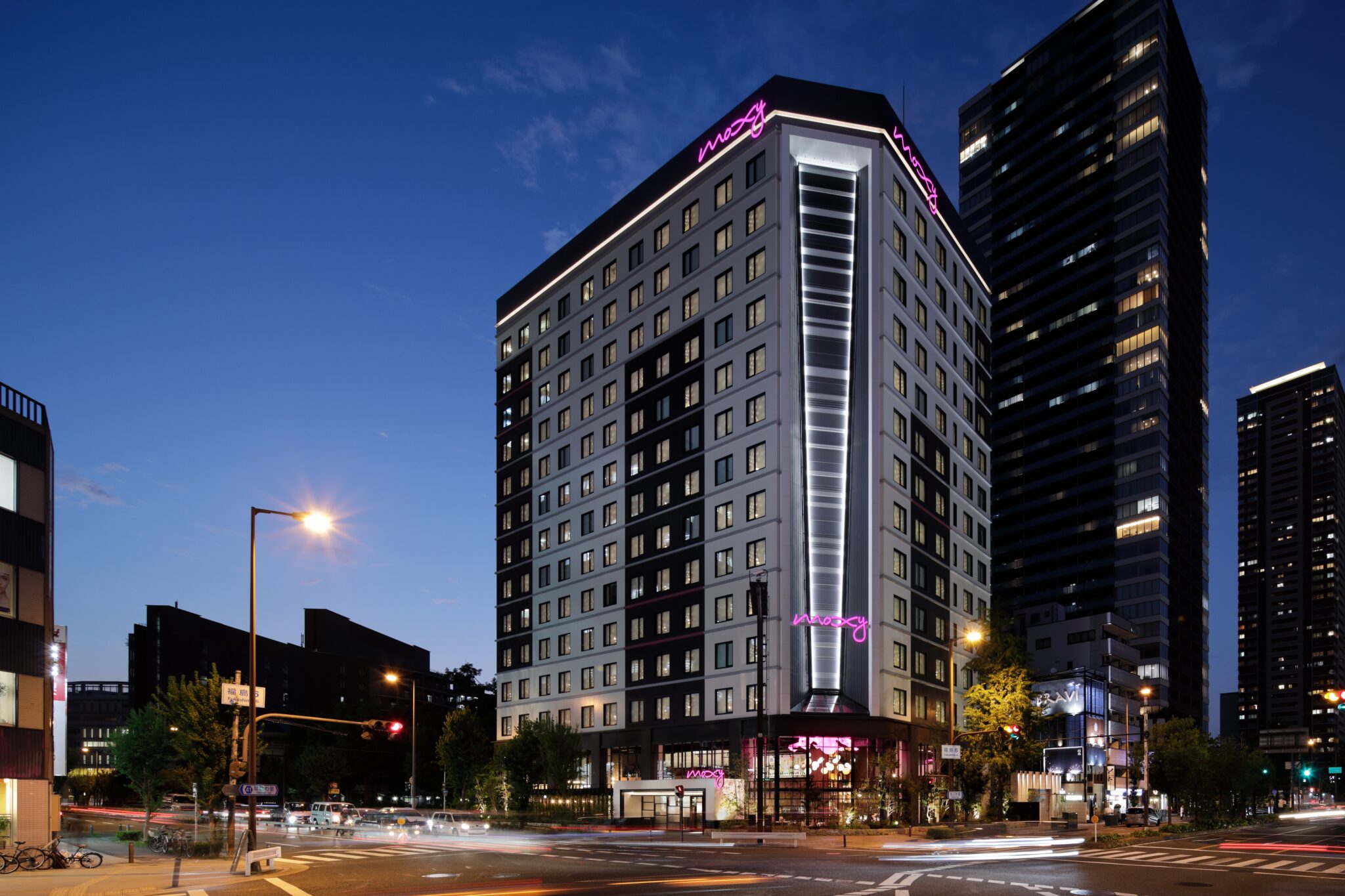
Nakanoshima lies between the Keihan Nakanoshima Line and the Midosuji subway line. The museums and riverside promenade are within walking distance of Watanabebashi and Higobashi stations, so staying around Nakanoshima, Kitahama or Yodoyabashi is the most convenient for returning to your hotel after a night-view stroll along the river.

FAQ
Q: How much are tickets to the Nakanoshima Museum of Art, Osaka?
Ticket prices at the Nakanoshima Museum of Art, Osaka vary by exhibition. Each exhibition page on the official website shows the general price and discount eligibility, so check the current exhibition before you go; groups of 20 or more have a separate group rate that must be applied for in advance.
Q: What is the easiest way to get to Nakanoshima?
Take the Keihan Nakanoshima Line to Watanabebashi Station and walk about 5 minutes southwest from Exit 2 to the Nakanoshima Museum of Art, Osaka and the National Museum of Art, Osaka; the Central Public Hall is right at Exit 1 of Naniwabashi Station.
Q: What time does the Nakanoshima Museum of Art, Osaka open?
It is open from 10:00 to 17:00, with last entry at 16:30, and closed Mondays (if Monday is a holiday it opens and closes the next weekday). Temporary closures during exhibitions follow the official website’s notices.
Q: When is the best time to visit Nakanoshima?
Cherry blossoms from late March to early April, roses around mid-May and from late October to mid-November, zelkova autumn leaves in November, and the Hikari no Renaissance illumination in December (scheduled for December 11 to 25 in 2026).
Q: Does the Nakanoshima Park rose garden require a ticket?
The rose garden is inside Nakanoshima Park, with about 310 varieties and 3,700 bushes. It is free to enter, and the flower seasons are around mid-May and from late October to mid-November.
Q: What should I know before visiting Nakanoshima?
We suggest avoiding the rainy season (June to July). Some museums are closed on Mondays; the Museum of Oriental Ceramics is closed for renovation until around April 2027; Kodomo Hon no Mori requires an online reservation in advance, with a no-reservation entry period from 3:30 p.m. on Wednesdays.
Q: Can I see Nakanoshima in half a day?
Yes. We suggest visiting the museum in the morning and strolling along the river in the early evening to the Public Hall and the library to see the lighting; half a day is enough. The Public Hall’s exterior is lit every night, from 18:00 in November to February and from 18:30 in September and October.