
2026 Osaka Food Guide: A Tour of the Food Culture of the “Eat Till You Drop” City
Osaka has long been called “the nation’s kitchen” and the “city of eat till you drop,” where everyday food is cheap and generous, a food paradise for any Kansai trip. This 2026 Osaka food guide gathers Dotonbori must-eat dishes and popular restaurants, from takoyaki and okonomiyaki to kushikatsu, all in one place.
The Origins of Osaka’s Food Culture
Since the Edo period, Osaka has been Japan’s hub of logistics and commerce, with ingredients from all over the country gathering here, earning its reputation as “the nation’s kitchen.” Locals value good value and big portions, and developed flour-based everyday dishes such as takoyaki, okonomiyaki and kushikatsu, forming a distinctive street food culture.
The word “kuidaore” (くいだおれ) describes the Osaka spirit of spending lavishly on food, even to the point of bankruptcy, and this generous attitude is still deeply rooted in the dining atmosphere of Dotonbori today.
Dotonbori: Where Food and Signboards Come Together
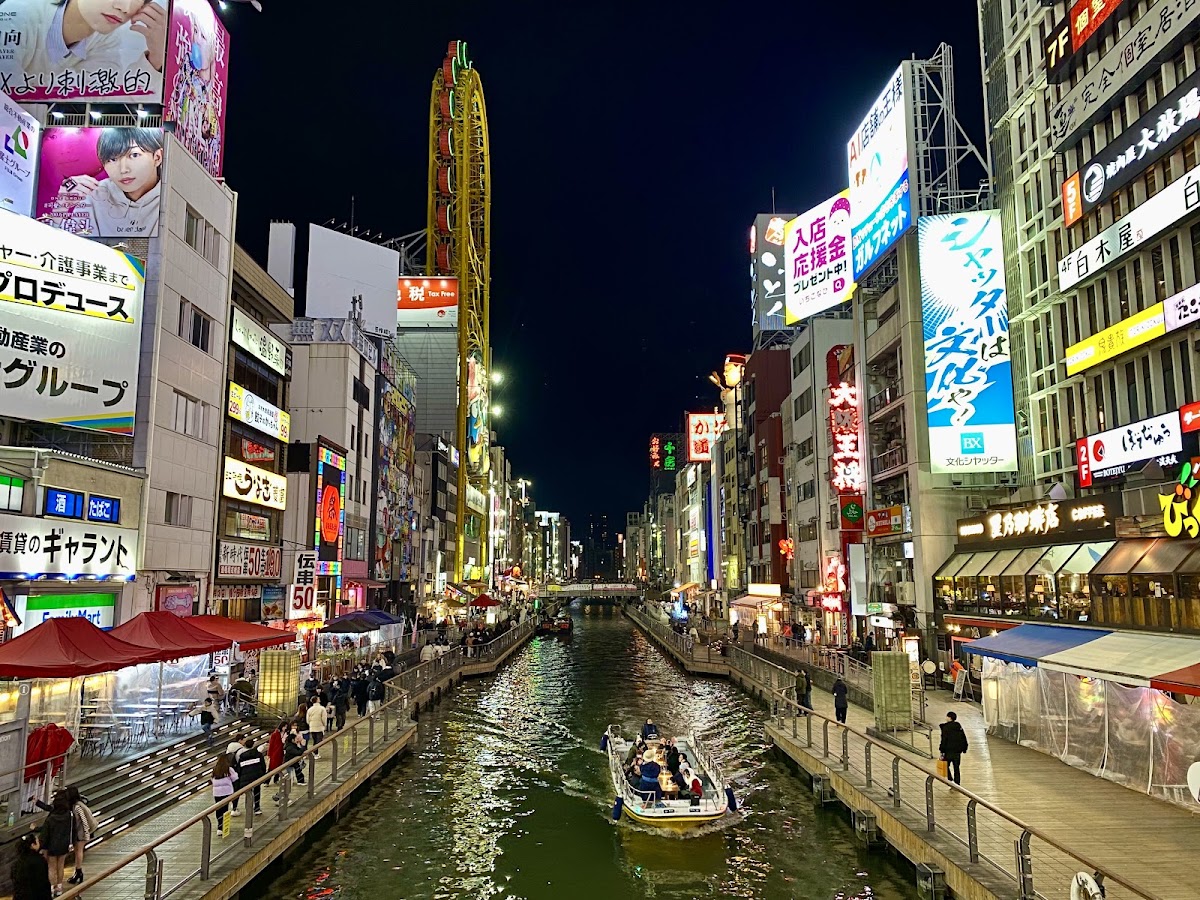
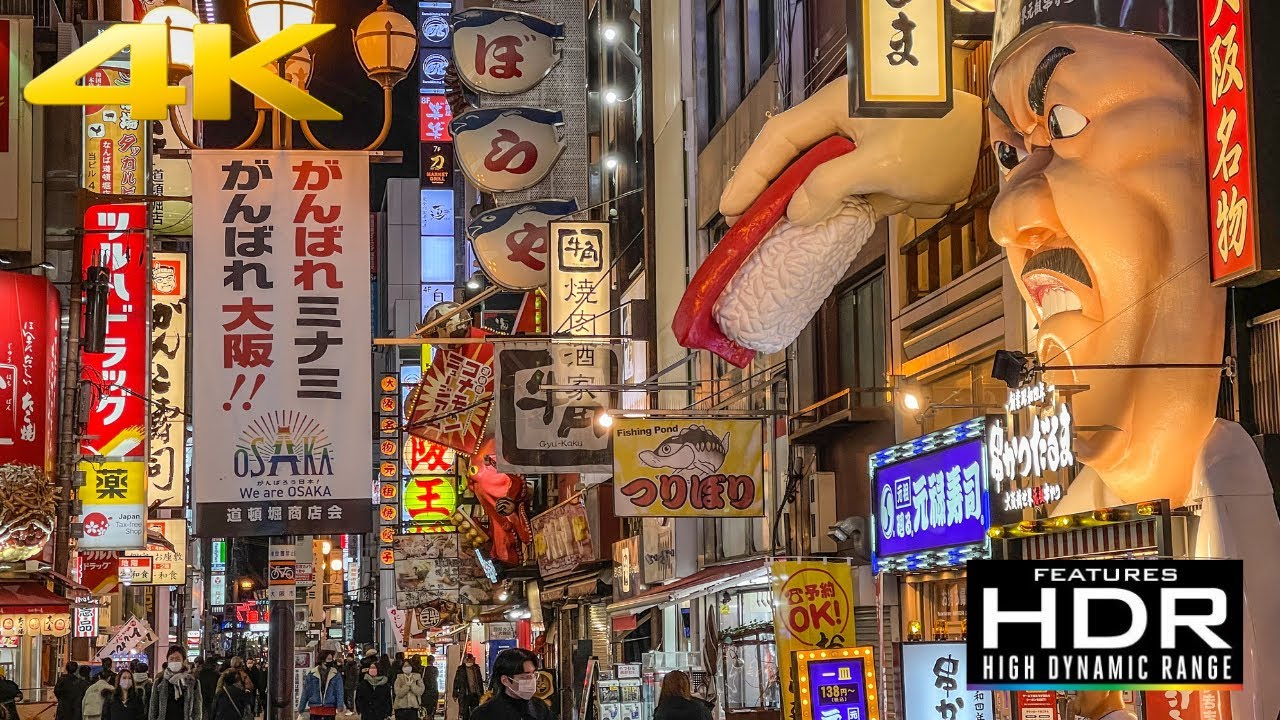
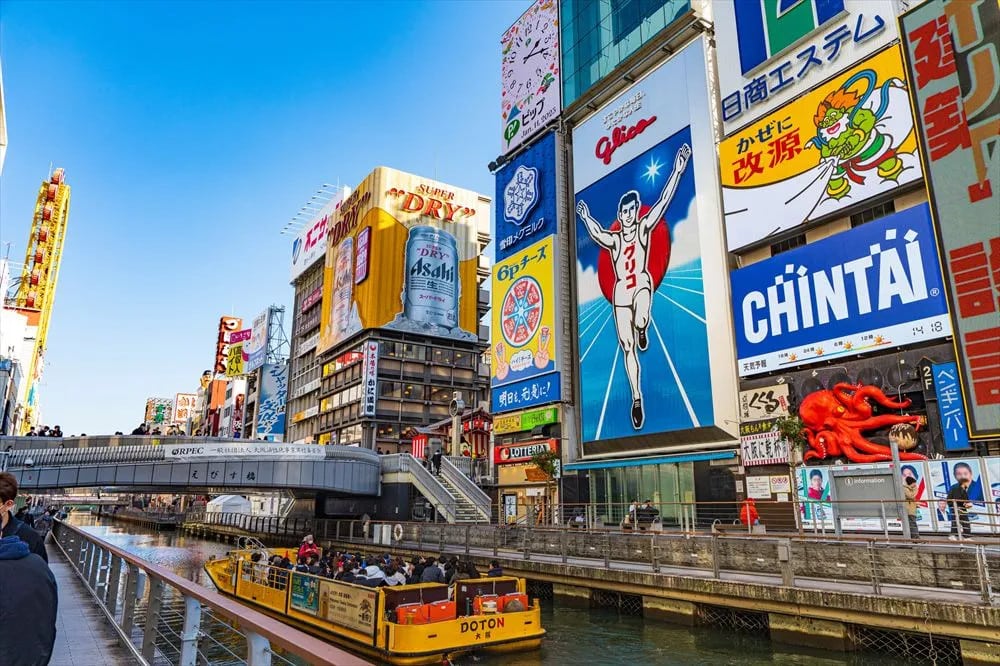
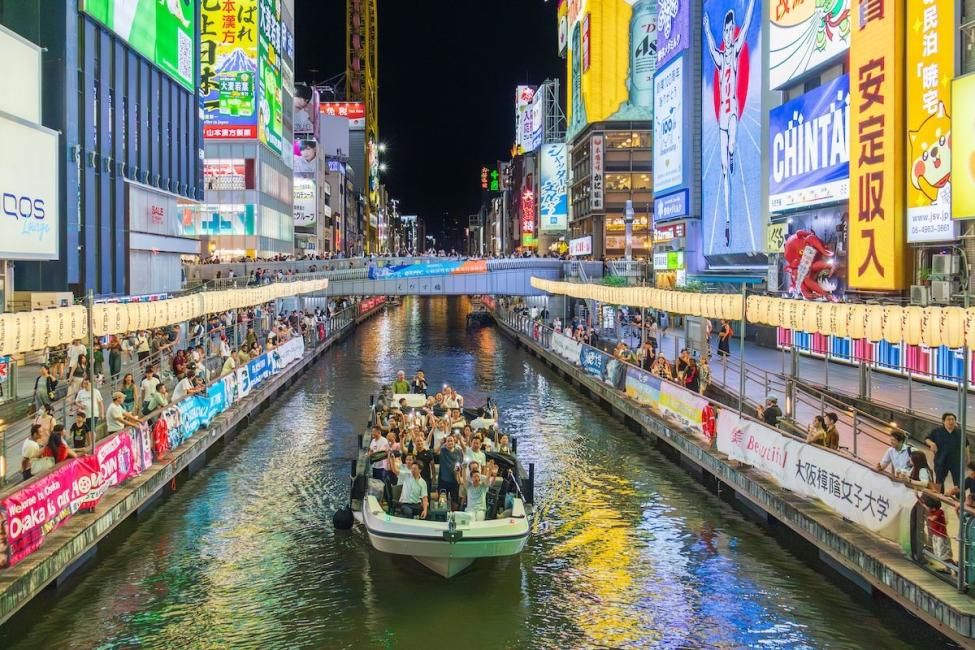
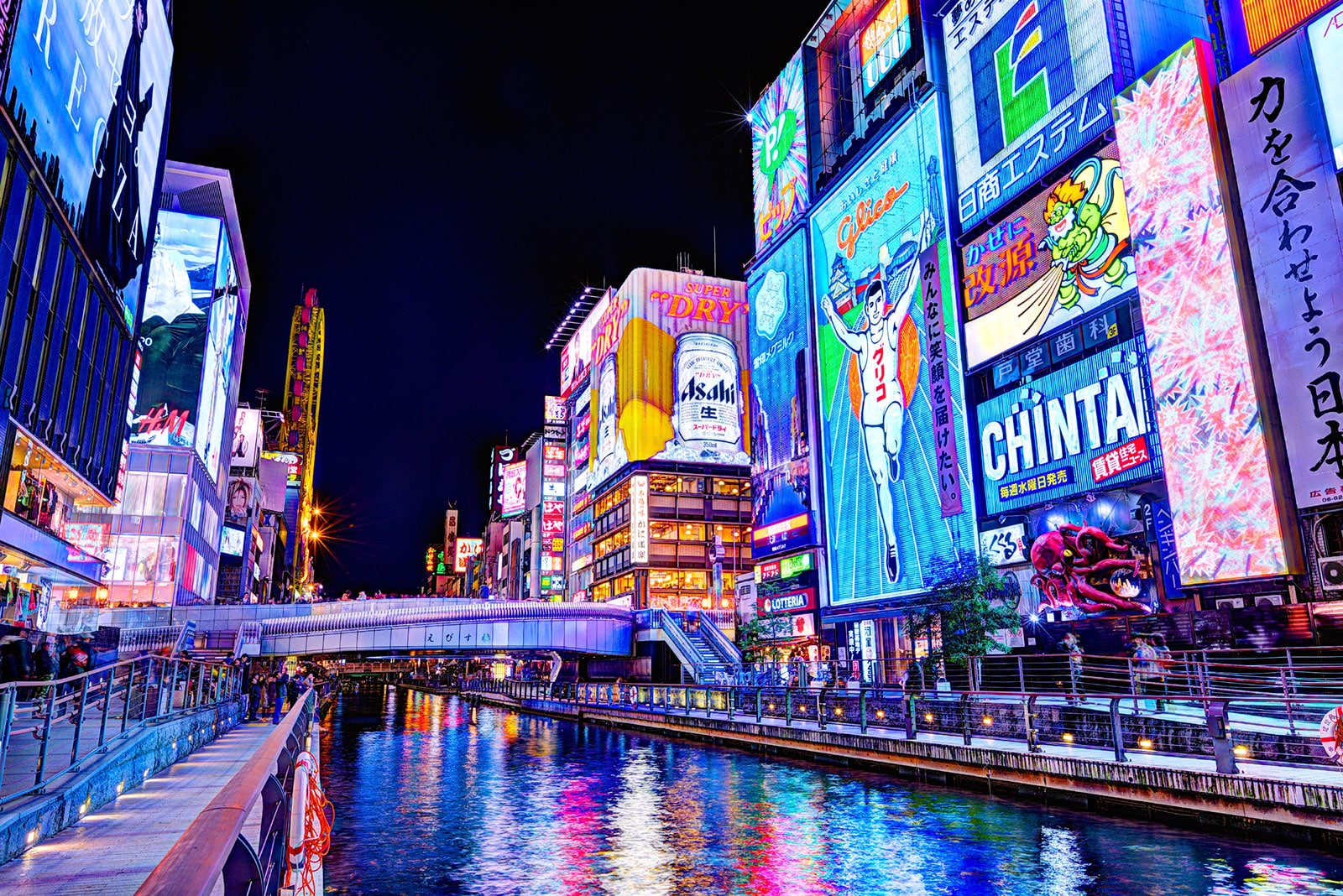
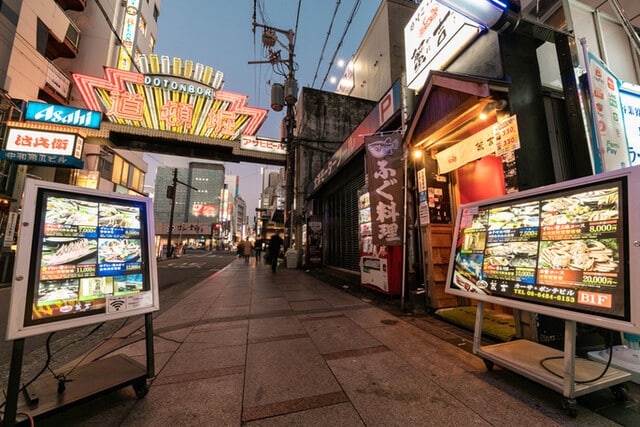
Dotonbori is the core battleground of Osaka food, with exaggerated three-dimensional signs lining both banks of the canal, from the Glico Running Man to the giant crab and the pufferfish lantern, the best place for photos and hunting for food.
It is within walking distance of Exit 14 of Namba Station on the subway, busy from daytime to late at night, the first stop on any independent traveler’s food route and the main area covered in this guide.


Flour-Based Dishes: The Soul of Osaka Food
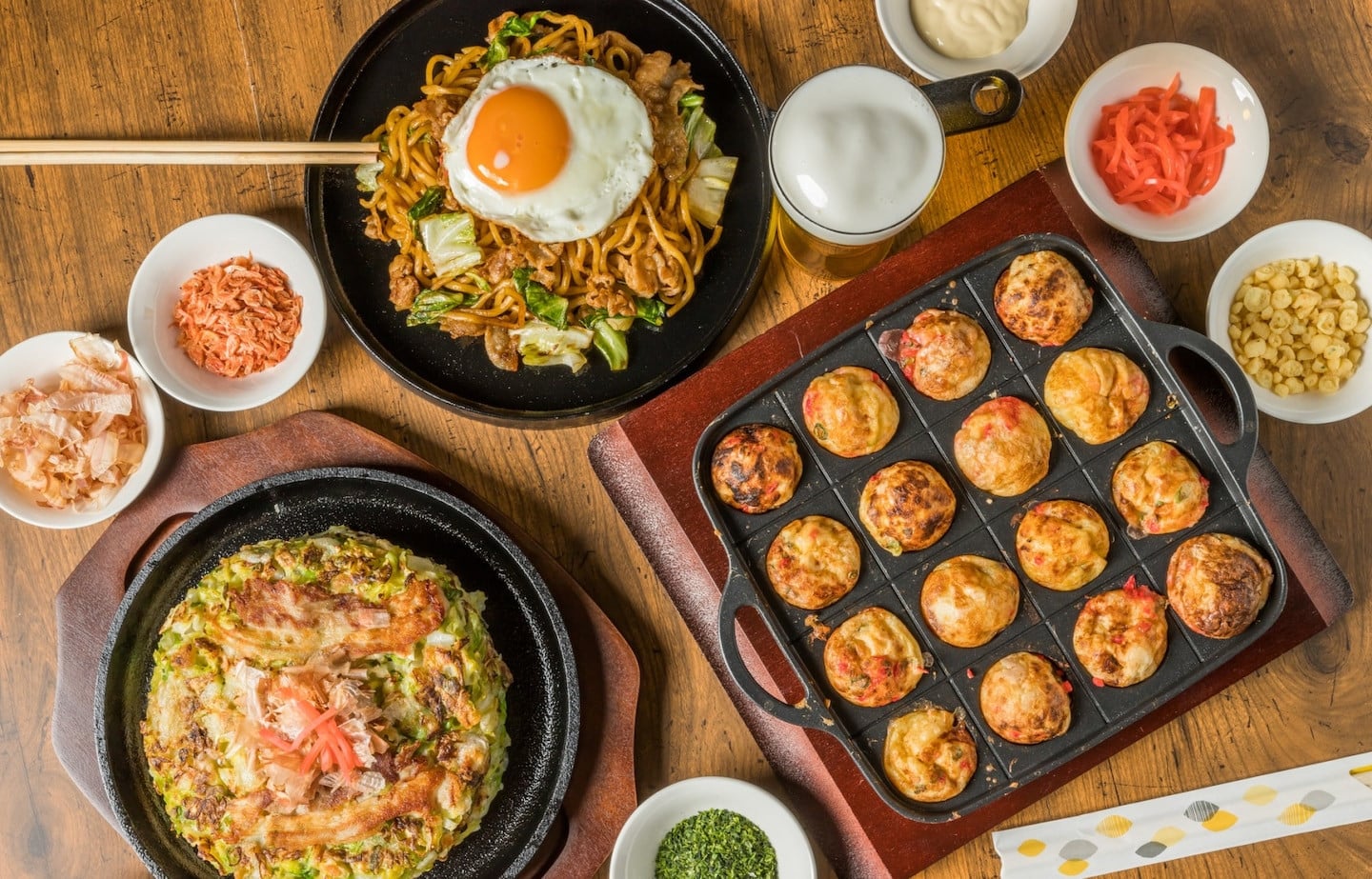
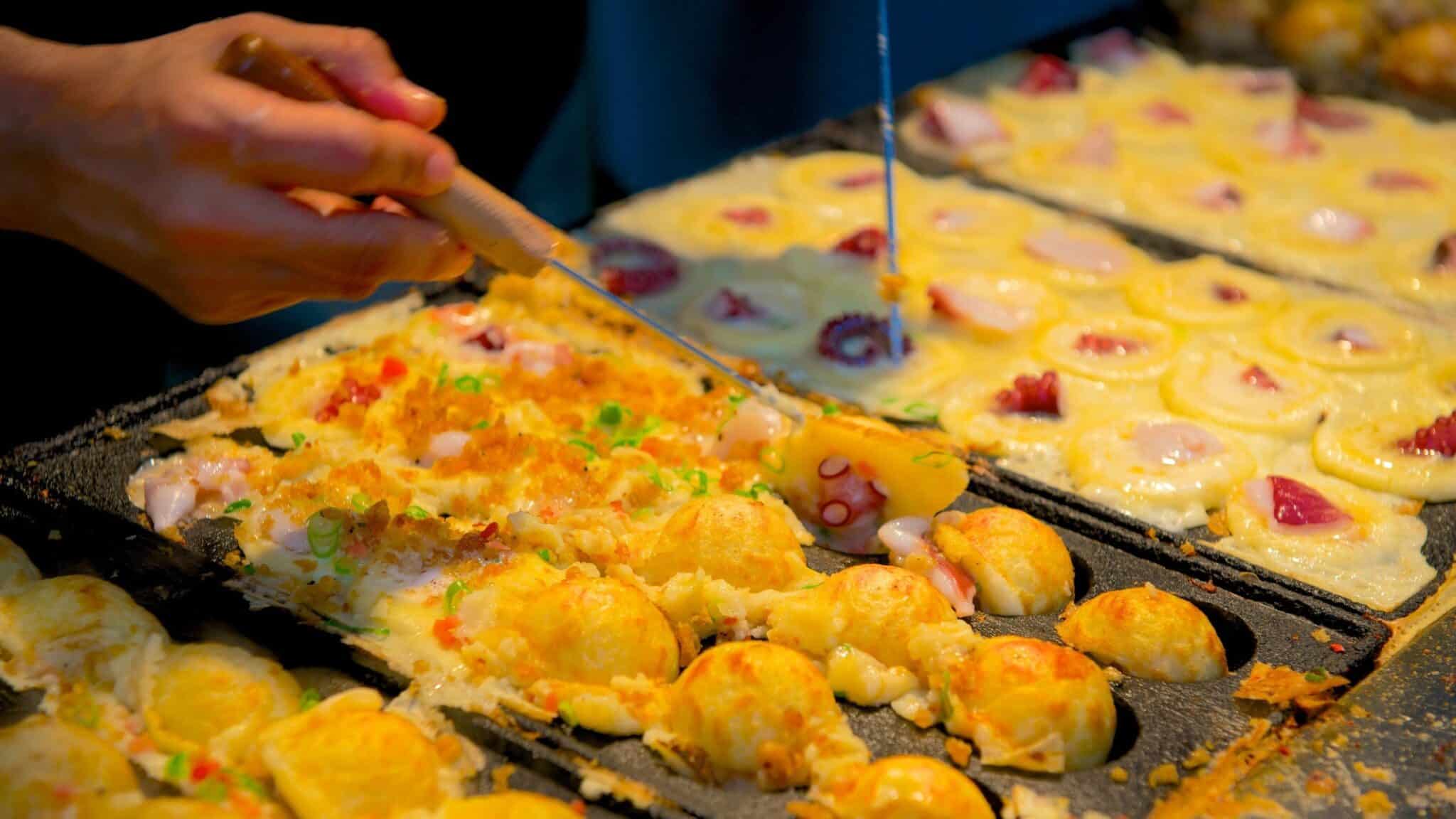
Takoyaki, okonomiyaki and kushikatsu are known as Osaka’s three great flour-based foods, all developed from a flour base, affordable and varied in flavor, classic tastes every traveler to Osaka must try.
These dishes are not just street snacks but carry the warm, direct character of Osakans. Next we introduce the must-eat dishes and popular restaurants one by one.
What Are Osaka’s Must-Eat Local Foods? Signature Dishes and Famous Restaurants
Osaka is known as “the nation’s kitchen” and is regarded by Japanese people as the capital of food, where you can enjoy unforgettable flavors from street snacks to high-end ryotei restaurants. Below are six representative must-try restaurants covering takoyaki, okonomiyaki, kushikatsu, pufferfish, unagi rice and sukiyaki, each with decades of craftsmanship. Don’t miss them when you visit Osaka.
2026 Osaka Must-Eat Food List: Get to Know These 8 Signature Foods First
If it is your first time in Osaka and you don’t know where to start eating, put the must-eat list below in your pocket first, then pick matching restaurants for your itinerary. The first three have recommended shops later in this article, and the rest are Osaka specialties many people overlook:
- 🐙 Takoyaki (たこ焼き): The representative flour dish of Osaka. Aizuya in Nishinari has sold it since Showa 10 (1935) and is regarded as the originator of takoyaki, while the Dotonbori area has several stalls with long lines.
- 🥞 Okonomiyaki (お好み焼き): Batter with cabbage and toppings is cooked on a griddle, then brushed with sauce and mayonnaise. Chibo in Dotonbori is a long-established example.
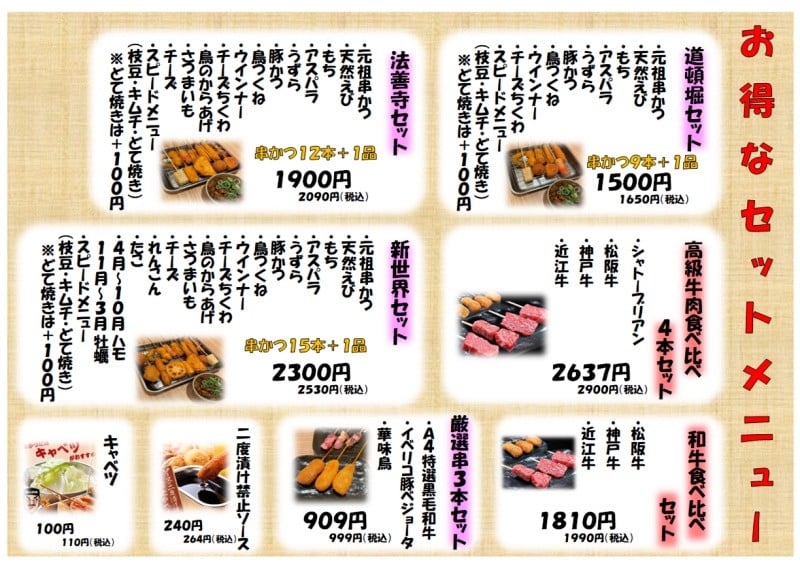
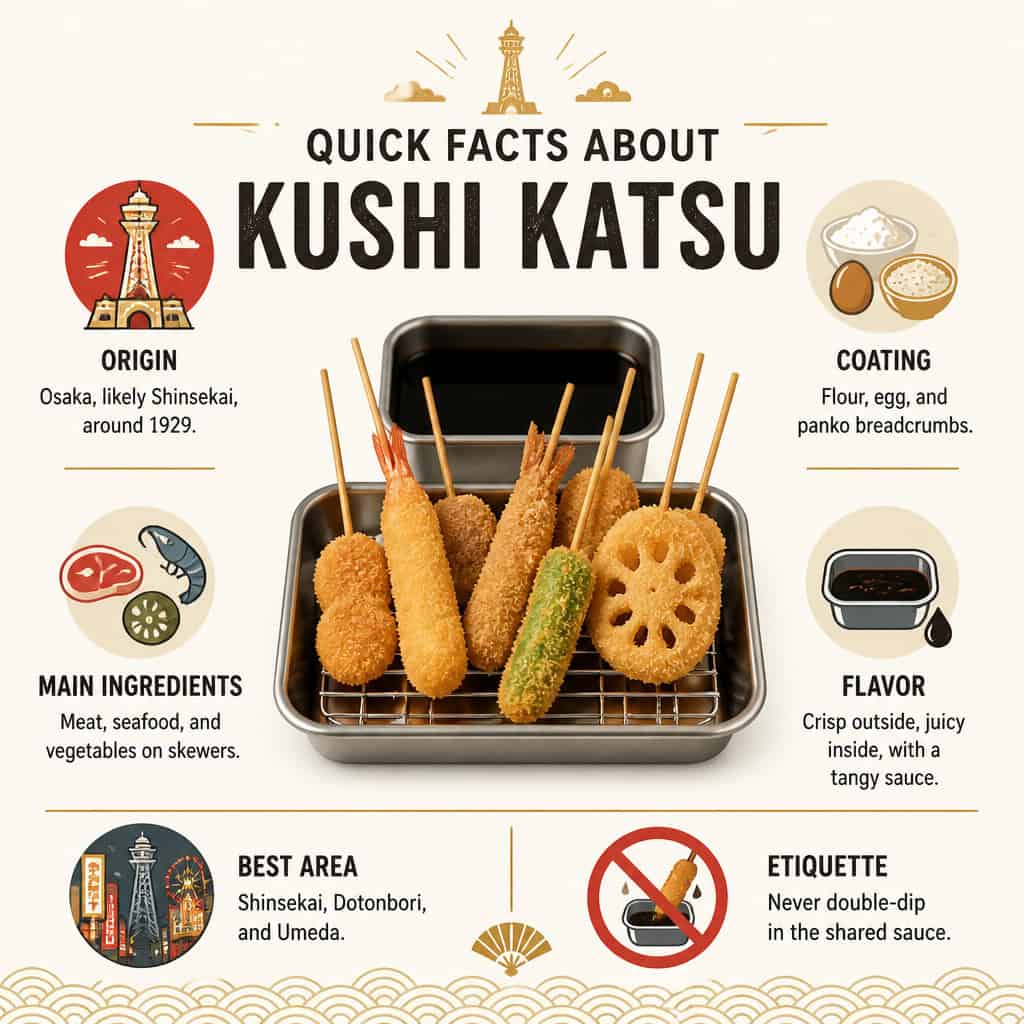
- 🍢 Kushikatsu (串カツ): Shinsekai is its birthplace, and the rule of “no double dipping” in the shared sauce is a must-know.
- 🧅 Negiyaki (ねぎ焼): A variation of okonomiyaki that uses plenty of green onions in place of cabbage. It originated at “Negiyaki Yamamoto,” which opened in Juso in Showa 40 (1965), and is said to have been a staff meal the proprietress made for the children who helped mind the shop.
- 🍜 Kitsune udon (きつねうどん): “Usamitei Matsubaya” (Minamisemba, Chuo Ward), founded in Meiji 26 (1893), is regarded as the birthplace. Back then a customer put the sweet and savory fried tofu served with inari sushi directly into the udon, which later became its signature way of eating.
- 🥟 551 Horai Butaman: The pork buns Osakans always buy as a souvenir when returning home or on business trips. The Ebisubashi-suji main store is on the Namba shopping street, often with long lines at the front.
- 🧀 Rikuro Ojisan’s Freshly Baked Cheesecake (りくろーおじさん焼きたてチーズケーキ): A freshly baked, souffle-textured cheesecake. The Namba main store is on the Ebisubashi-suji shopping street, with a cafe on the 2nd and 3rd floors.
- 🐡 Pufferfish hot pot (てっちり) and sukiyaki: Osaka has a deep pufferfish-eating culture, with long-established specialty shops in Shinsekai and Dotonbori, suitable for a proper dinner.
For planning, takoyaki, 551 Butaman and cheesecake are concentrated in Namba and Dotonbori, kushikatsu is in Shinsekai, the negiyaki main store is in Juso (one stop from Umeda on the Hankyu line), and kitsune udon is in Semba north of Shinsaibashi, so it flows better to eat by area on different days.
Original Takoyaki: Aizuya Main Store
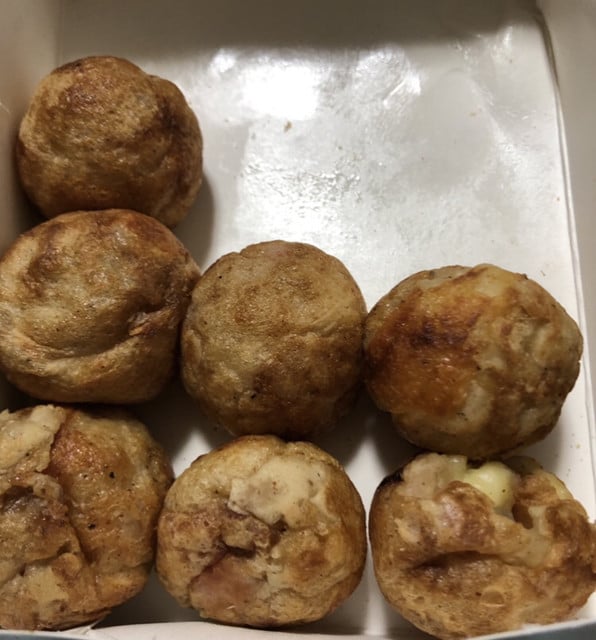
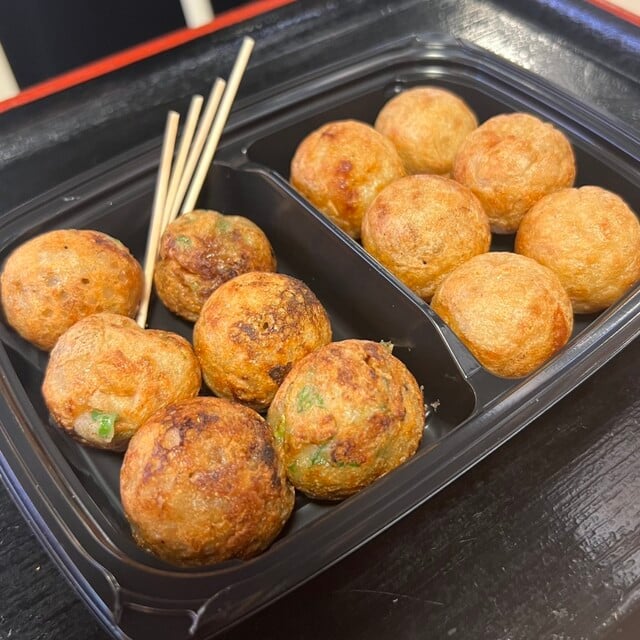
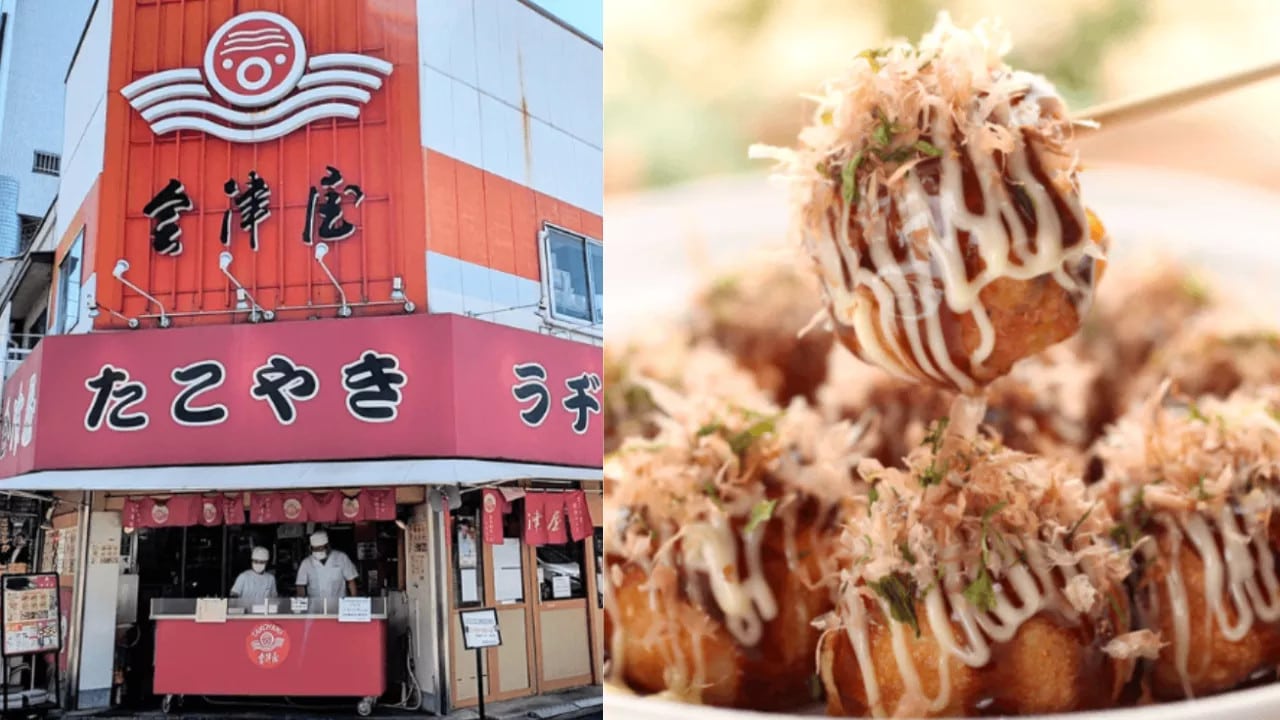
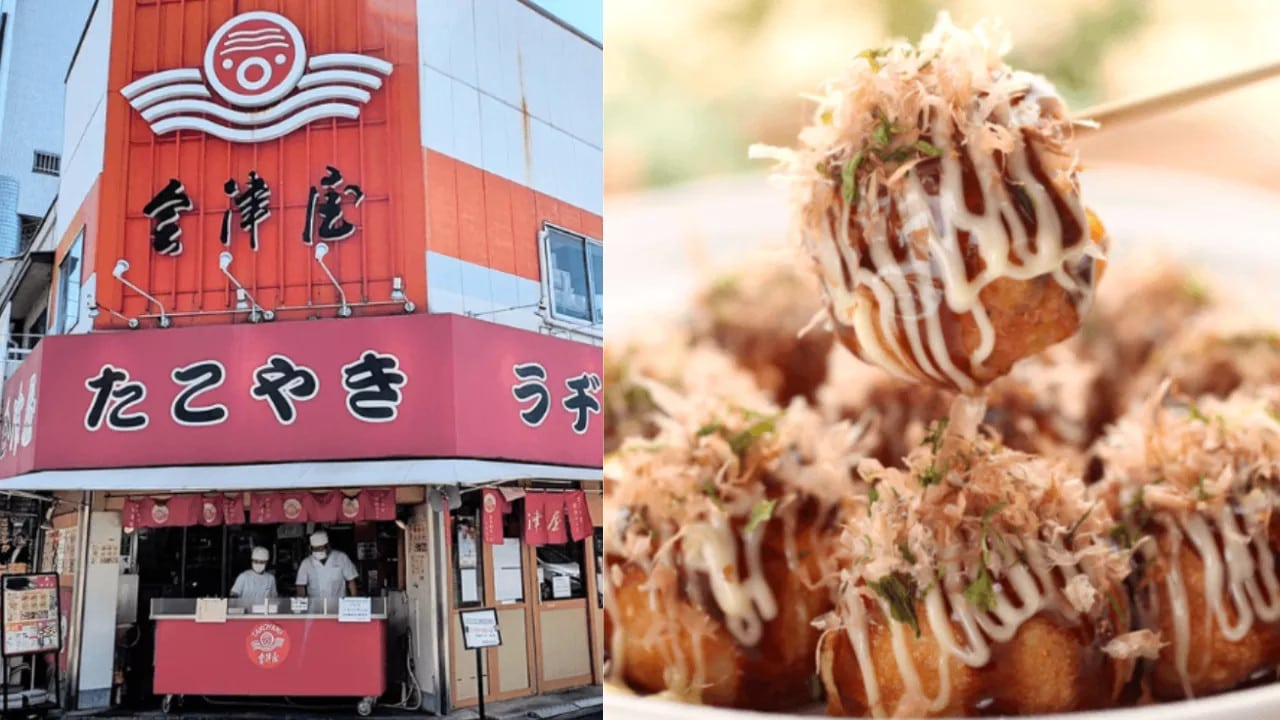
Aizuya, honored as the birthplace of takoyaki, has sold it since Showa 10 (1935), keeping an old-fashioned recipe with batter seasoned only with soy sauce and no cabbage or mayonnaise, purely showing the sweetness of the octopus. It is at 2-3-1 Tamade-nishi, Nishinari Ward, open 11:00 to 21:00 (last order 20:30), with an 8-piece serving about ¥450, very affordable. Unlike the takoyaki commonly seen today, Aizuya’s original takoyaki is crisp outside and soft inside, with large, springy pieces of octopus, a must-visit to learn the history of takoyaki. We suggest eating it hot for the most original Osaka everyday flavor.
Famous Okonomiyaki: Chibo Dotonbori Main Store
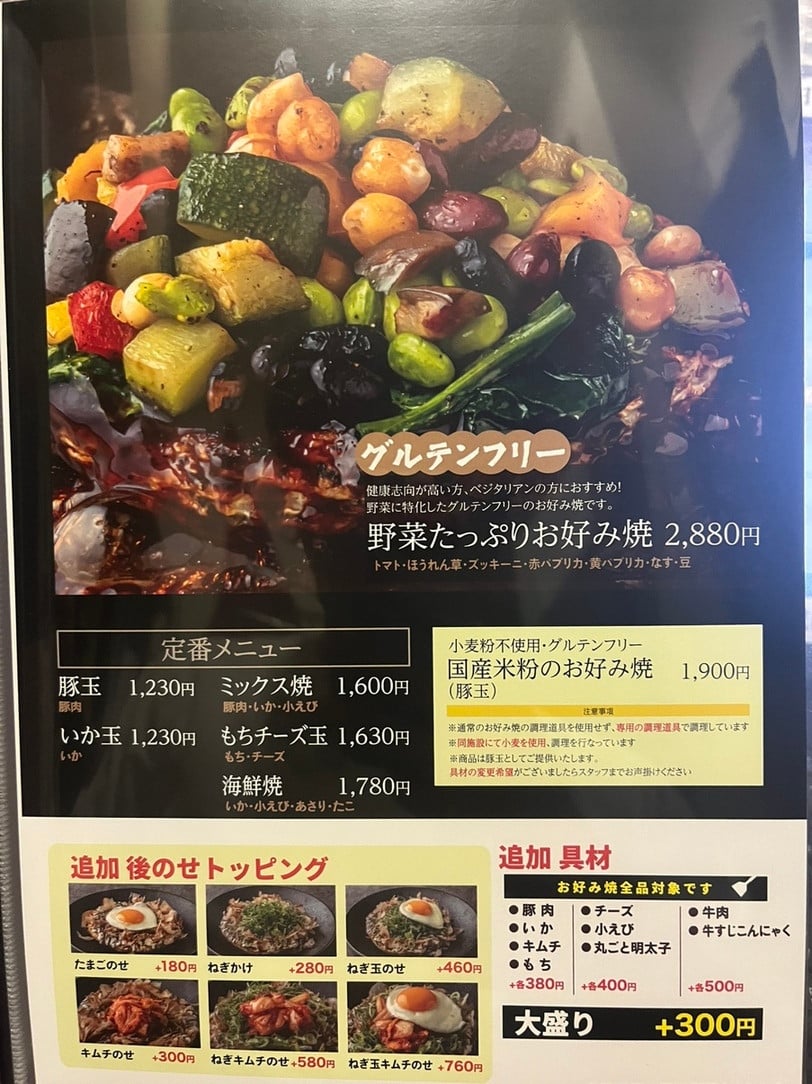
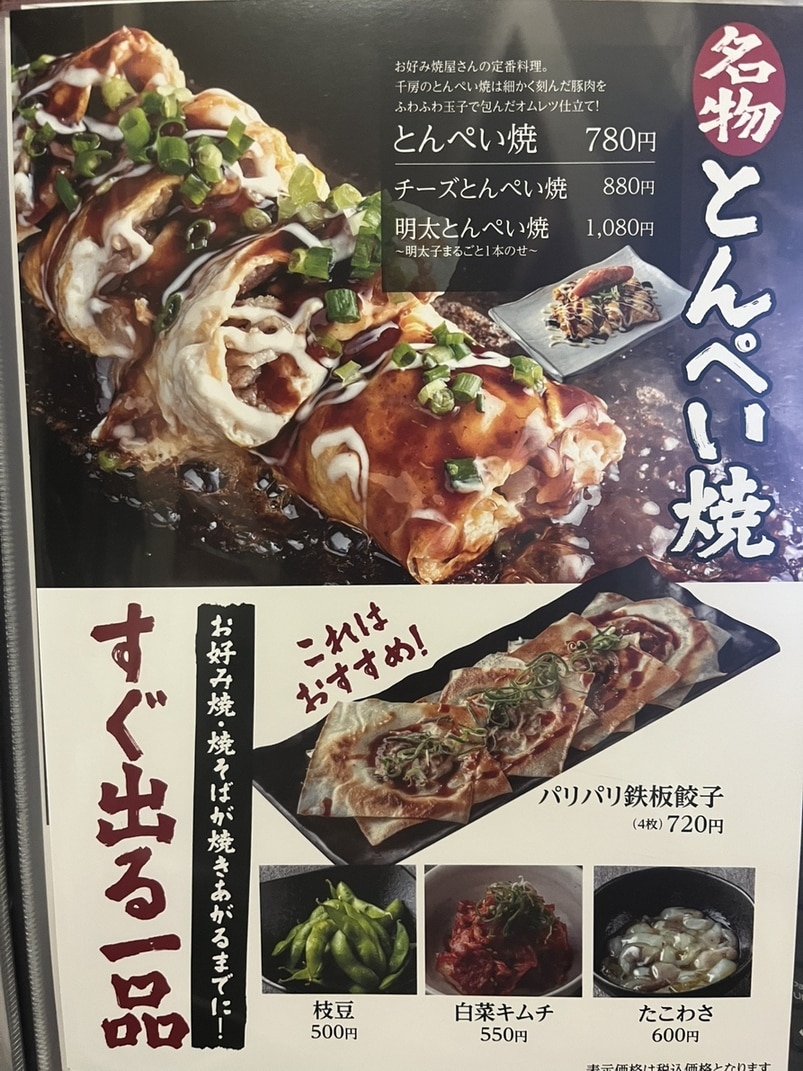
Chibo was founded in 1973 and is one of the most representative brands among okonomiyaki chains. The Dotonbori main store is at 1-5-5 Dotonbori, Chuo Ward, open from 11 a.m. to 1 a.m. the next day, so you can enjoy it late at night. The signature “Chibo-yaki” contains pork, shrimp and squid, priced at about ¥1,300 to ¥1,800.
The shop has semi-open griddle seating, where the chef cooks in front of customers, drizzles on the special sauce and mayonnaise and sprinkles on bonito flakes, with a wonderful aroma. Chibo also provides multilingual menus, very friendly to foreign travelers, the top choice for experiencing authentic Osaka okonomiyaki culture.
Kushikatsu Pioneer: Daruma Shinsekai Main Store
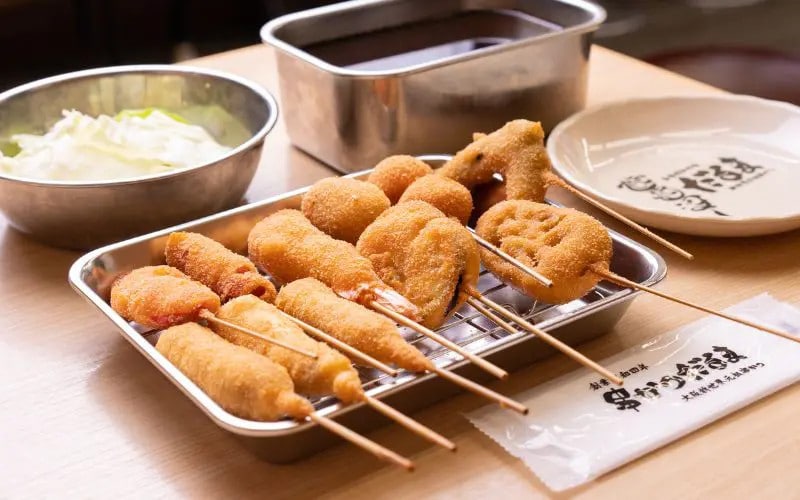
Daruma kushikatsu was founded in 1929, with its birthplace right in Shinsekai, and keeps the rule of “one dip per skewer,” never dipping in the sauce twice, which has become a classic rule of Osaka food culture. The main store is at 2-3-9 Ebisu-higashi, Naniwa Ward, open from 11 a.m. to 10:30 p.m., with skewers about ¥120 to ¥200 each.
Signature items include beef skewers, lotus root skewers and tiger prawn skewers, with a thin, crisp coating that is not greasy, paired with a special thick sauce and shredded cabbage to cut the richness. The shop is lively and nostalgic, with Daruma-logo lanterns hanging on the walls, the best place to feel the everyday atmosphere of the Showa era.
Pufferfish Cuisine: Fugumasa Shinsekai Branch
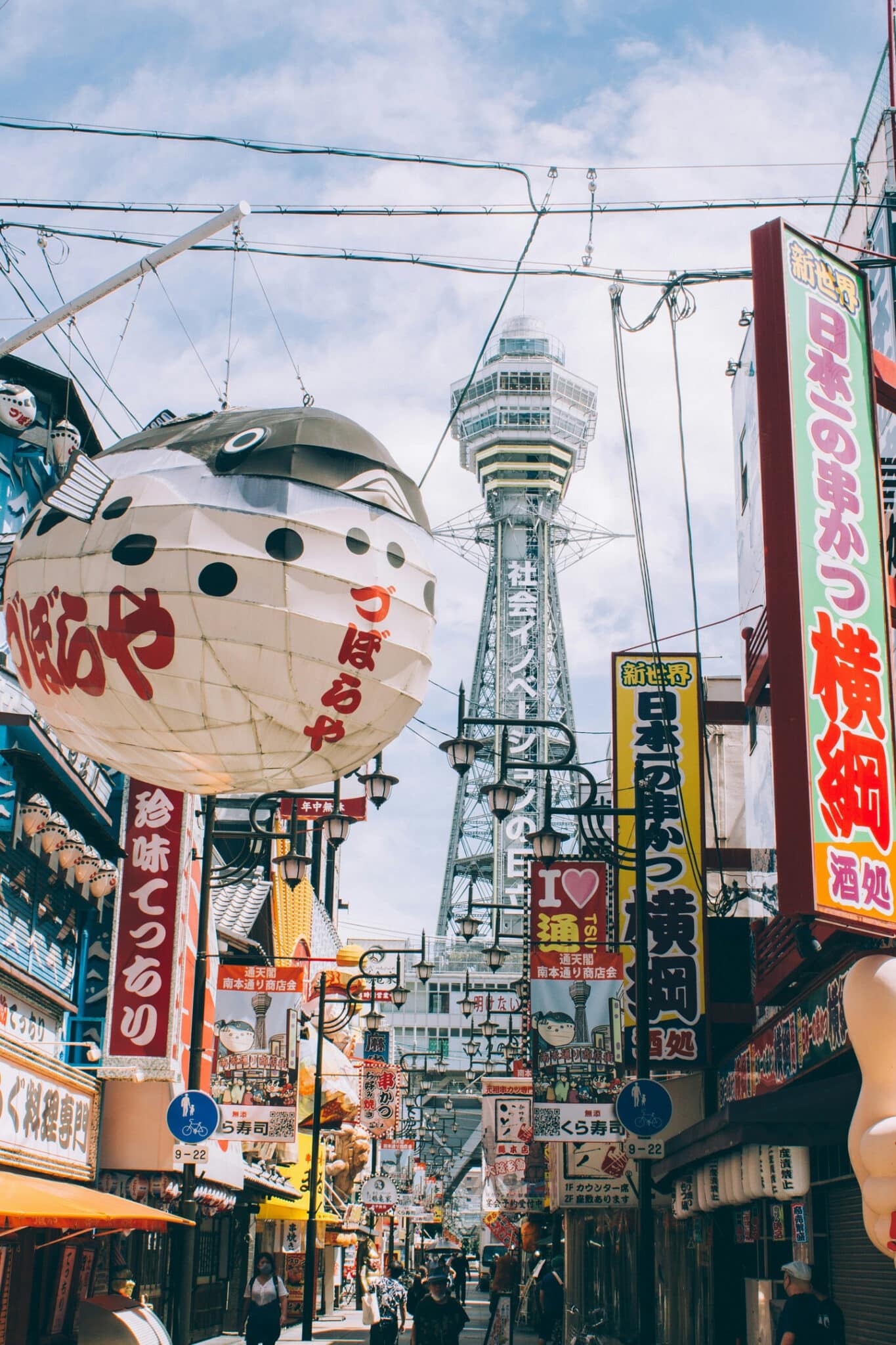
The long-established shop “Zuboraya,” once famous in Shinsekai for its giant pufferfish lantern sign, closed on September 15, 2020 for business reasons, and both the Tsutenkaku branch and the Dotonbori branch became history. If you now want pufferfish near Tsutenkaku, you can go to “Fugumasa Shinsekai Branch” instead, at 1-16-9 Ebisu-higashi, Naniwa Ward, near Tsutenkaku, about a 4-minute walk from Dobutsuen-mae Station on the Osaka subway or the Tsutenkaku exit of JR Shin-Imamiya Station, open from 11 a.m. to 10 p.m.
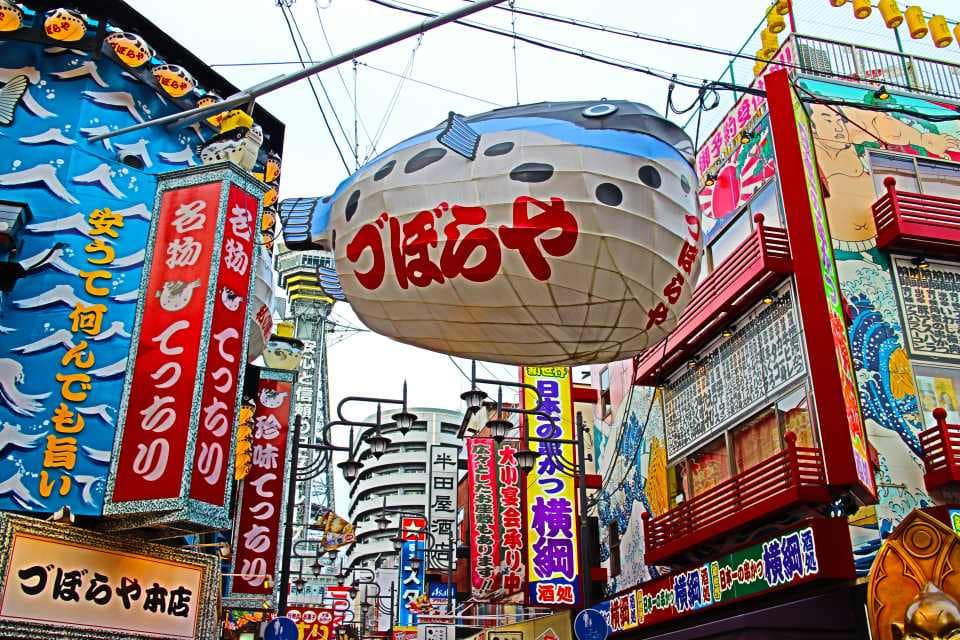
The shop offers several pufferfish course meals, including classic ways to eat it such as pufferfish sashimi, pufferfish hot pot (tecchiri) and fried pufferfish, with sweet, springy flesh, so travelers can continue the traditional flavors of Osaka pufferfish cuisine amid Shinsekai’s nostalgic atmosphere.
Old Unagi Rice Shop: Honke Shibato
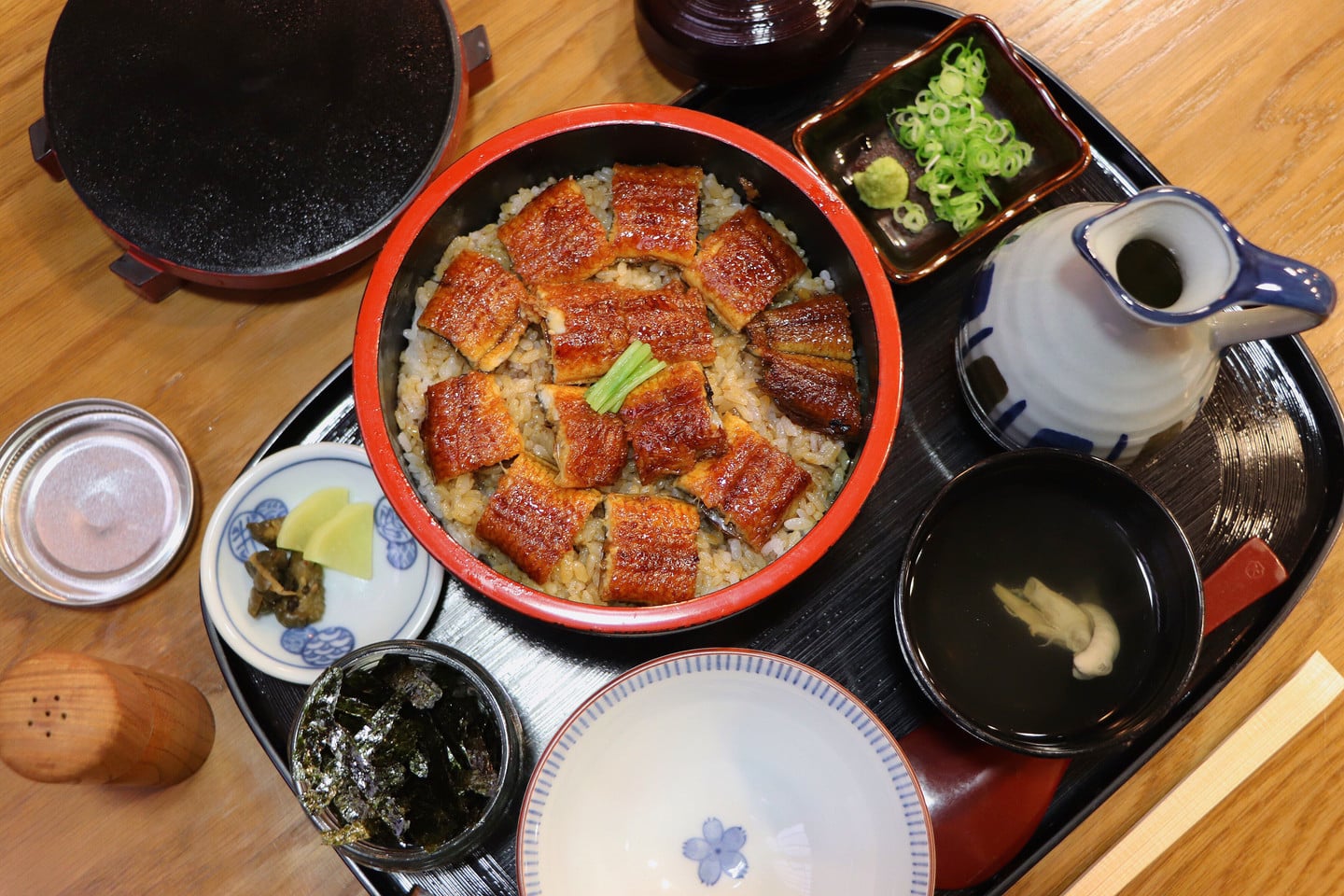
Honke Shibato was founded in the Kyoho era (about 1716-1736) and is one of Osaka’s oldest unagi rice specialty shops, with about 300 years of history. The main store is at 2-5-2 Koraibashi, Chuo Ward, open 11 a.m. to 2:30 p.m. and 5 p.m. to 9 p.m. (closed Sundays, Mondays and public holidays), and a line often forms at lunch. The signature unagi rice “mamushi” is slowly grilled over binchotan charcoal, about ¥3,200 to ¥4,500 per serving.
The eel skin is grilled fragrant and crisp, with soft, juicy flesh inside, drizzled with a secret sauce passed down for a hundred years, fragrant but not too heavy. The rice is high-quality local Osaka white rice with distinct grains, regarded by connoisseurs as a classic choice for unagi rice.
Famous Sukiyaki: Harijyu Dotonbori Main Store
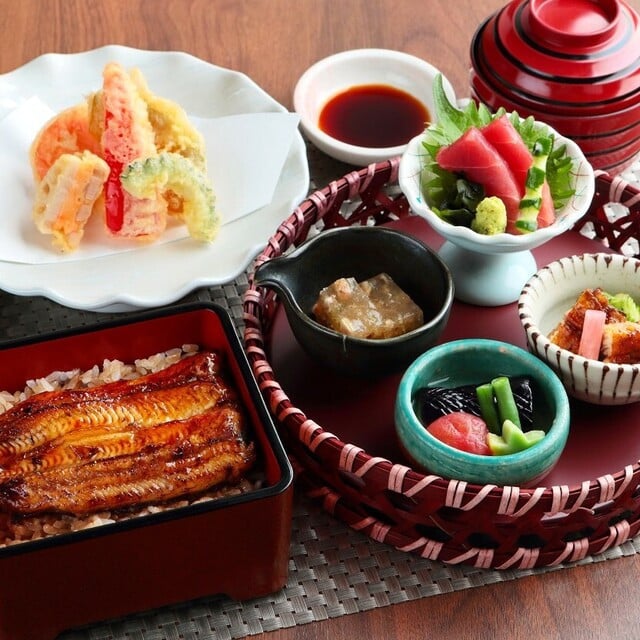
Osaka’s sukiyaki culture is also not to be missed. Harijyu (はり重), a long-established specialist in Kuroge Wagyu founded in Taisho 8 (1919) at the entrance to Dotonbori, is a famous sukiyaki and shabu-shabu restaurant known to nearly everyone in Kansai, with more than a hundred years of history. It is at 1-9-17 Dotonbori, Chuo Ward, about a 2-minute walk from Exit 14 of Namba Station on the Midosuji subway line, open 11:30 to 9 p.m. (last order 20:00), closed Tuesdays, with set meals priced at about ¥5,000 to ¥10,000.
The shop insists on cooking selected Kuroge Wagyu in an iron pot at the table, with staff helping control the heat and seasoning so the fat and aroma of the Wagyu are fully released, and dipping it in raw egg adds a smoother texture. The dining area keeps purely Japanese-style architecture and seating, suited to travelers who want to experience authentic Kansai sukiyaki culture.
What Are the Must-See Dotonbori Attractions in 2026? A Full Guide to Each Area’s Highlights
In Osaka, Dotonbori is certainly the core area every visitor goes to. It has not only dazzling signs and a lively canal night view but also many distinctive attractions nearby, from long-established shrines to modern landmarks. Below are the eight must-see attractions in and around Dotonbori, to help you plan an Osaka trip rich in both food and culture.
Dotonbori Glico Running Man Sign (グリコサイン)
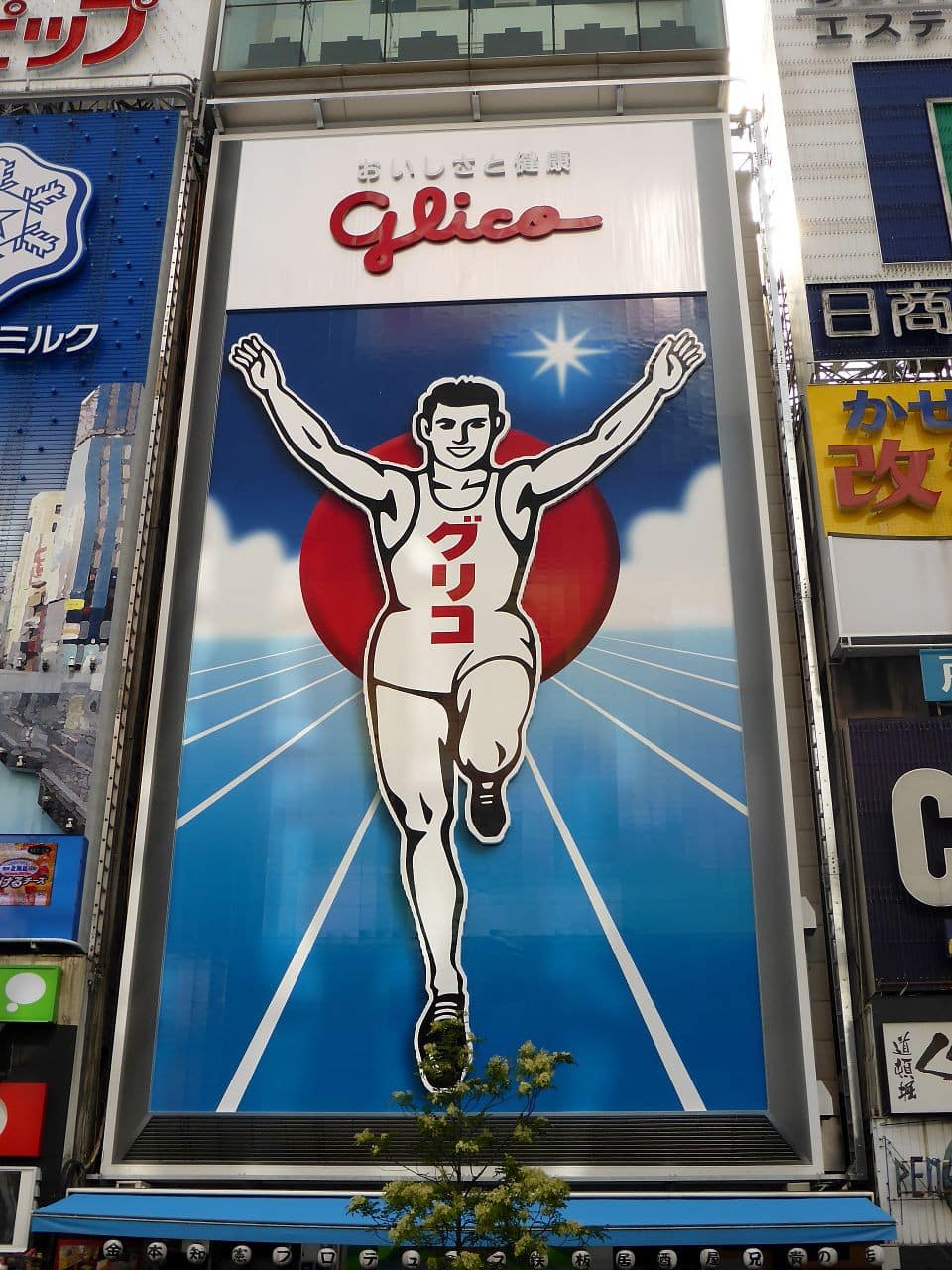
Since the Glico Running Man sign was first installed in 1935, it has been redesigned many times and is now one of Osaka’s most representative landmarks, with almost every visitor taking a photo here. The sign is beside Ebisubashi Bridge, and at night its lights illuminate both banks of the canal, the best backdrop for enjoying the Dotonbori night view.
We suggest going after 6 p.m., when the sky is darkening and the sign’s lights are most striking, for the best photos. The area is crowded, so for a clear group photo we suggest waiting patiently or asking a passerby for help.
This attraction is free to visit. We suggest staying 20-30 minutes, and you can also visit the nearby Glico shop to buy limited-edition merchandise.
Dotonbori River Cruise (とんぼりリバークルーズ)
To enjoy Dotonbori from a different angle, the Dotonbori River Cruise is an excellent choice. The boat departs from a pier near Taizaemon Bridge and moves slowly along the canal, letting you see the signs and buildings on both banks up close, with the captain humorously telling the history of the banks.
The cruise takes about 20 minutes, with adult tickets at ¥2,000. Daily from 11:00 to 21:00, there is a departure on the hour and at half past, and we suggest reserving first on the official website. Night sailings let you enjoy the romantic scene of lights reflected on the water, suited to couples and families.
We suggest allowing 1 hour (including waiting time), and on peak-season weekends arriving 30 minutes early to line up for tickets.

Hozenji Yokocho and Mizukake Fudo Myoo
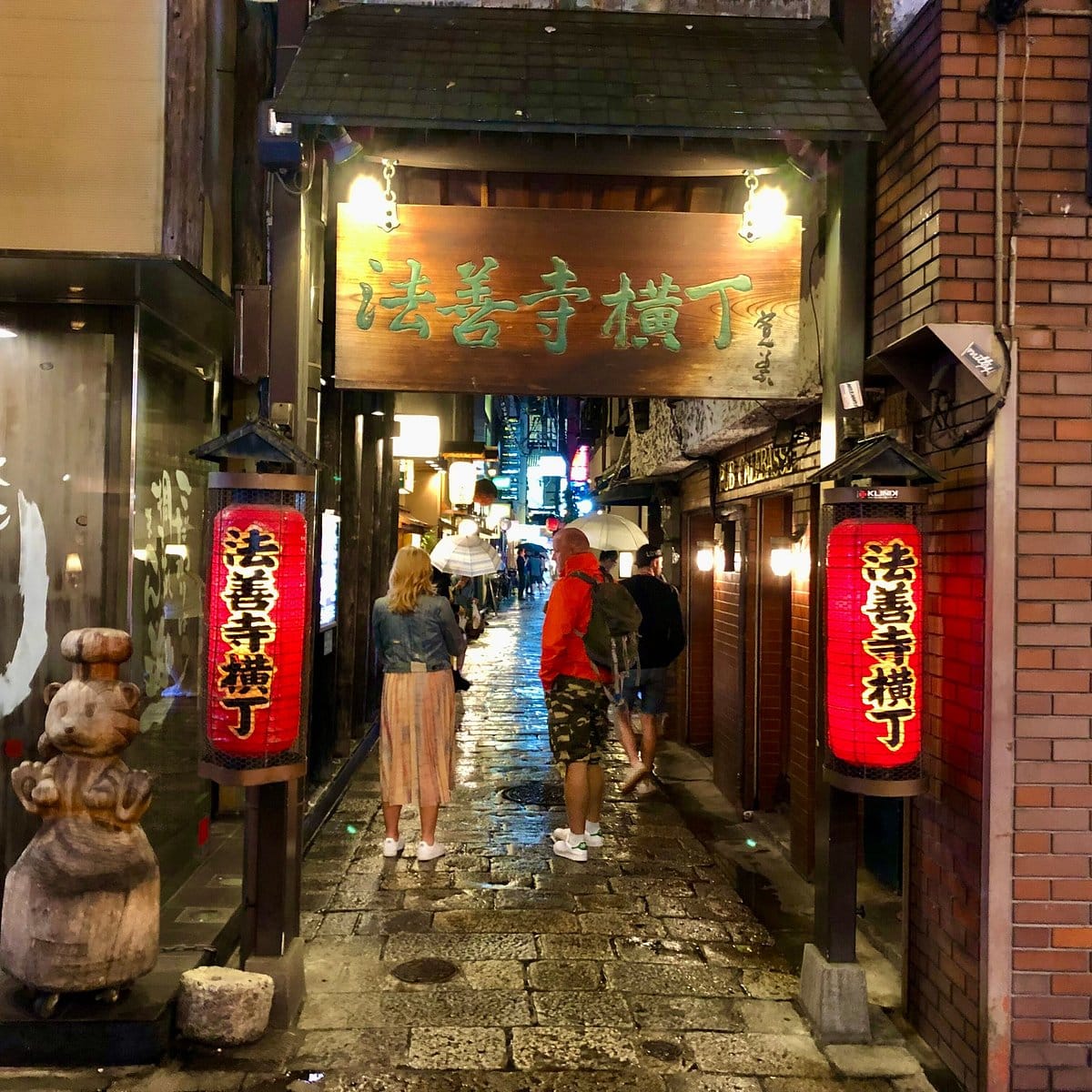
Hozenji Yokocho is a nostalgic stone-paved alley with “Ganso Kushikatsu Daruma Hozenji Branch,” founded in Showa 4, and the century-old sweets shop “Meoto Zenzai,” made famous by the novel “Meoto Zenzai.” At night lanterns hang high and the charming atmosphere makes it a great place to experience Osaka everyday culture.
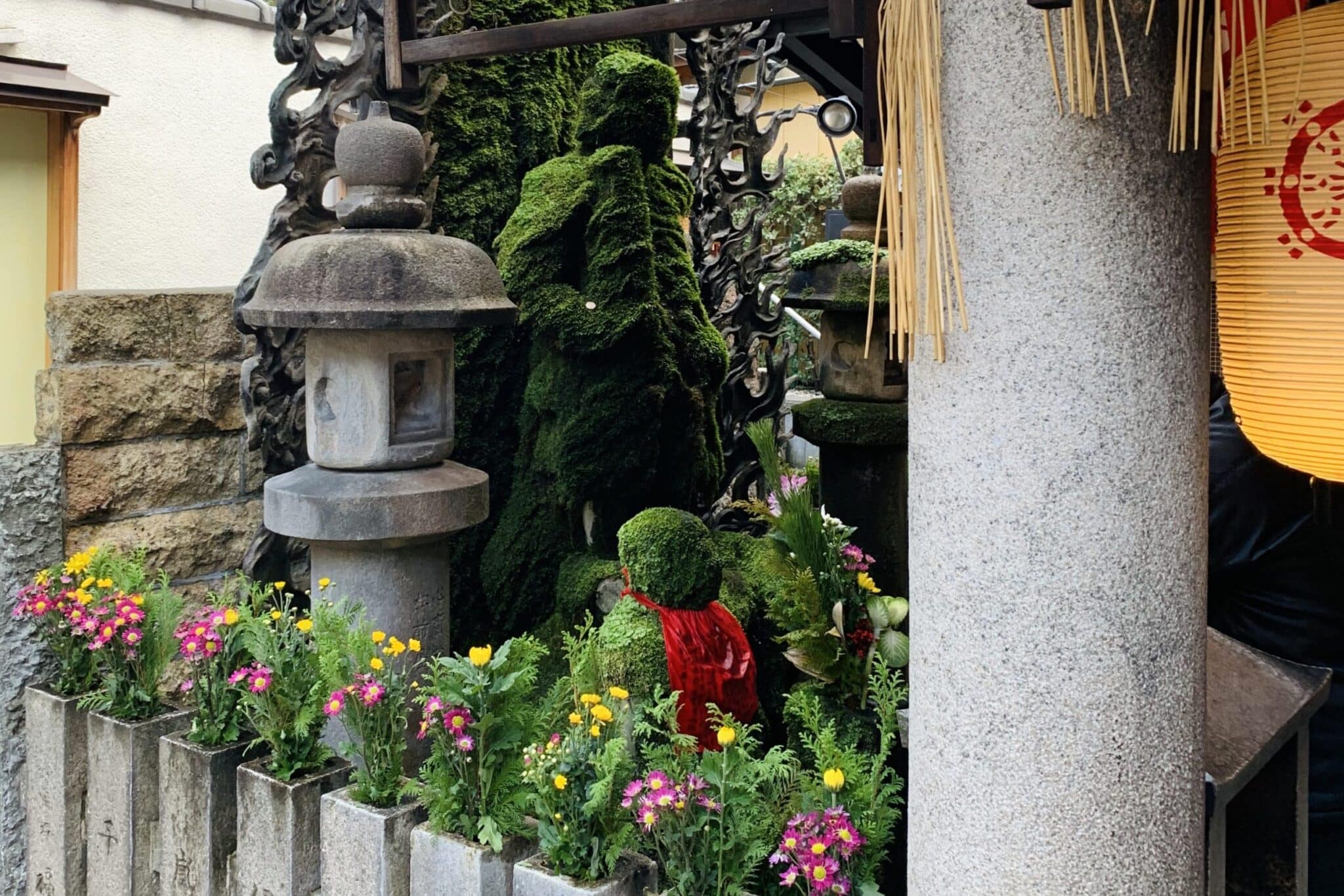
Hozenji Temple in the alley enshrines Mizukake Fudo Myoo, where worshippers pour clean water over the statue to make wishes, so its surface is covered in moss, forming a distinctive mottled look, a must-photograph spot for visitors.
Visiting is free, and the temple’s omamori office sells charms for traffic safety, business prosperity and more, priced at about ¥500-800. We suggest staying 30-45 minutes, and during the day there are fewer crowds, suited to strolling and photos.
Please check business hours, as lines often form at peak times, so avoid them or reserve. Some shops may not accept credit cards, so prepare cash.
Imamiya Ebisu Shrine
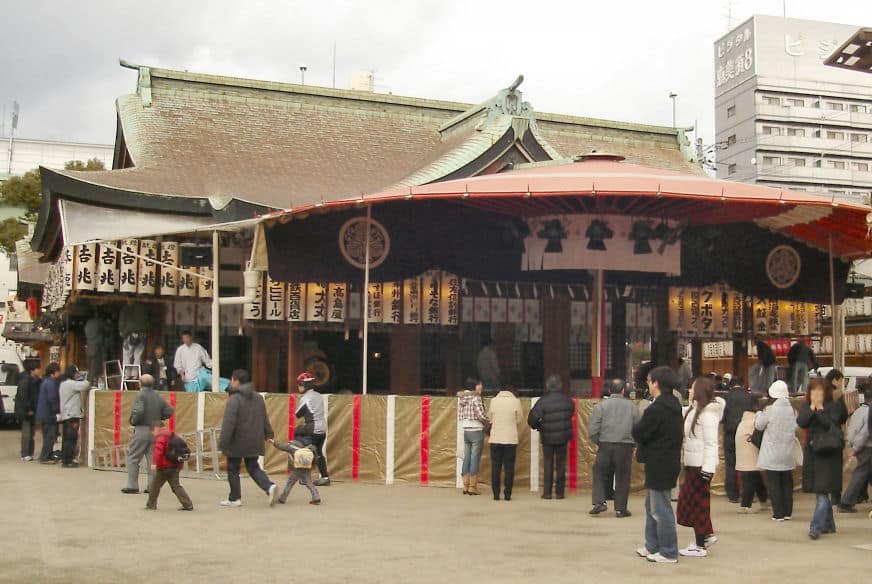
Imamiya Ebisu Shrine, with a history of more than 1,400 years, mainly enshrines “Ebisu,” the god of Osaka merchants’ faith. The “Toka Ebisu” festival from January 9 to 11 each year draws large crowds, and on ordinary days it is a good place to experience local faith. The shrine office sells goshuin stamps (¥300-500) and business-prosperity omamori. Address: 1-6-10 Ebisu-nishi, Naniwa Ward, Osaka. Open 6:00-17:00, free to visit. We suggest staying 40 minutes to 1 hour. You can walk from Dotonbori or take the subway (10-15 minutes).
Osaka Castle Main Keep
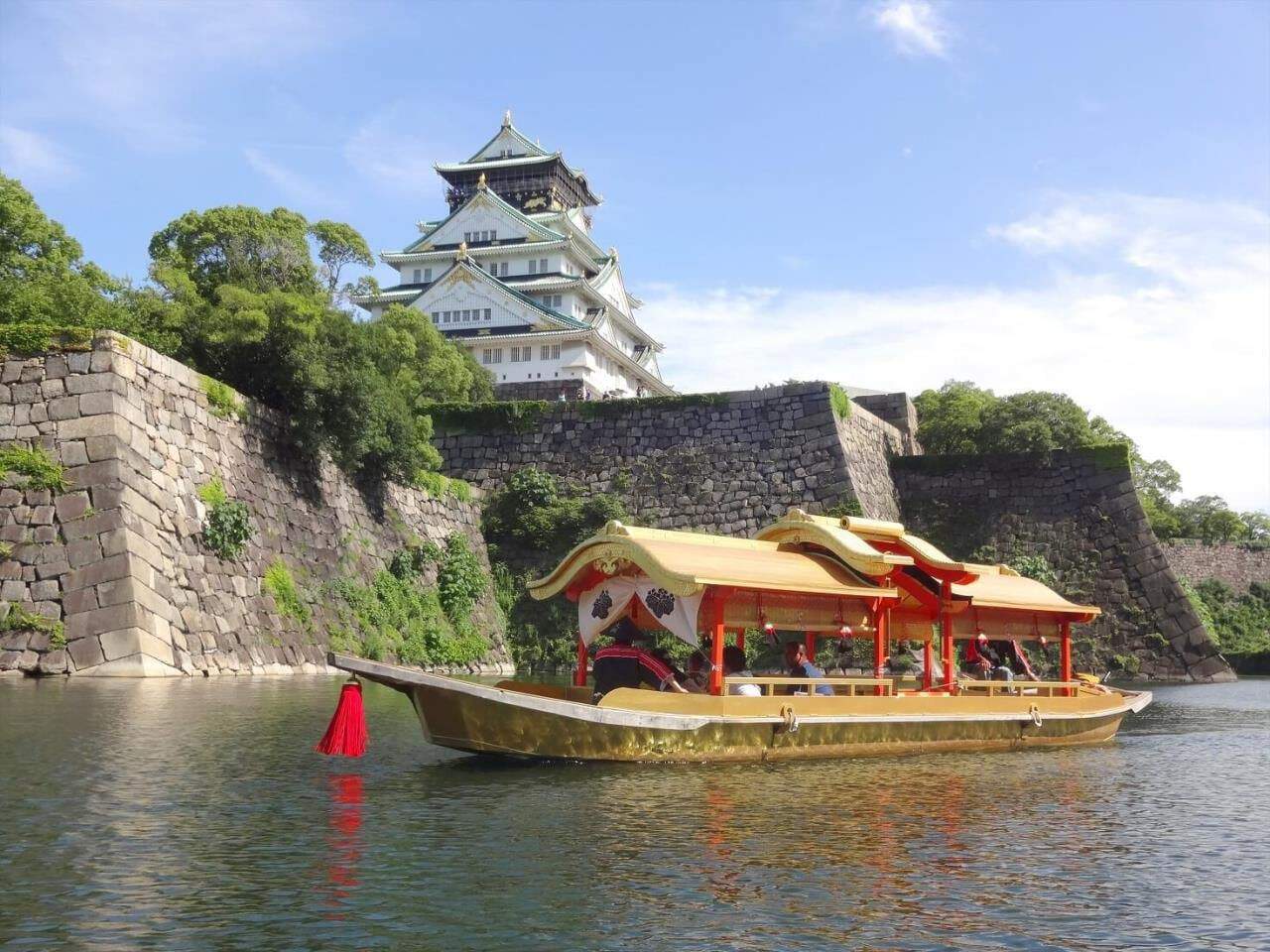
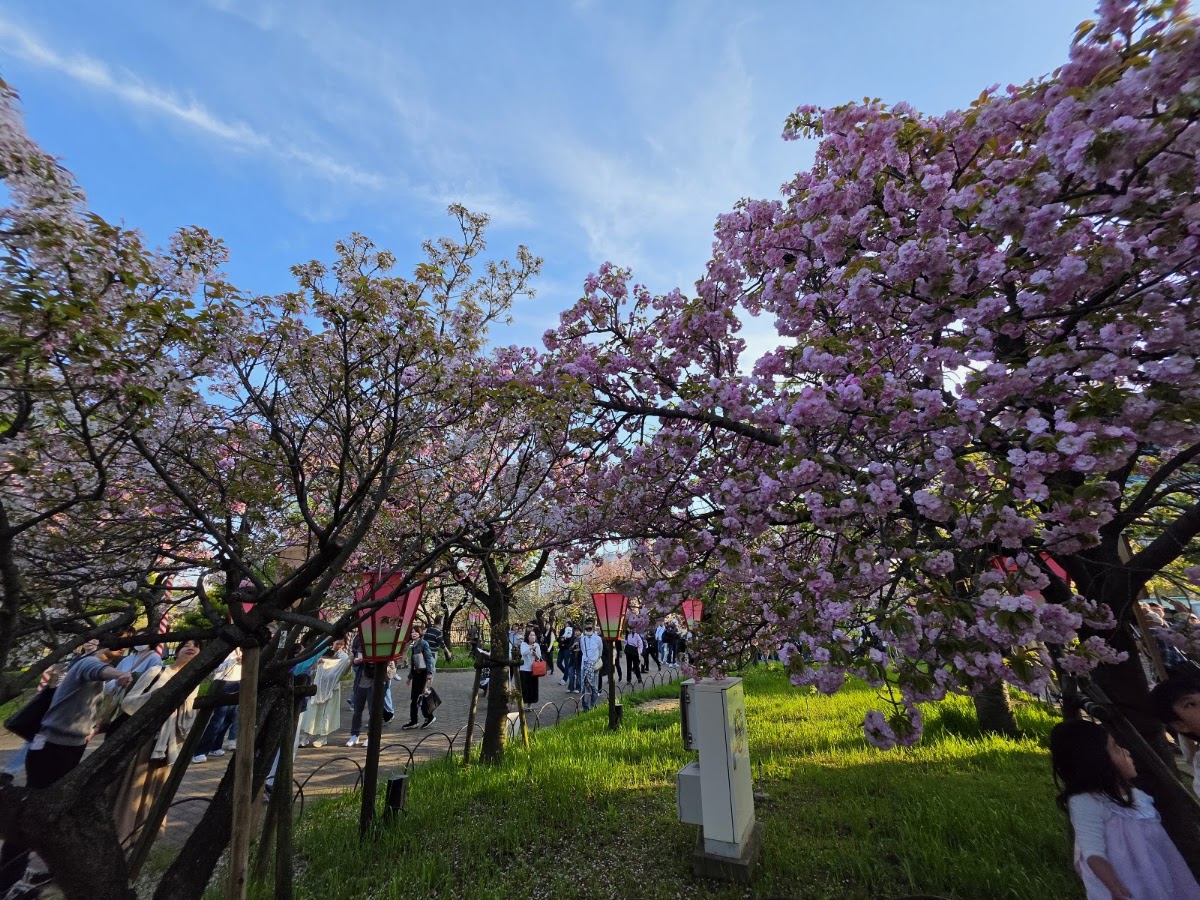
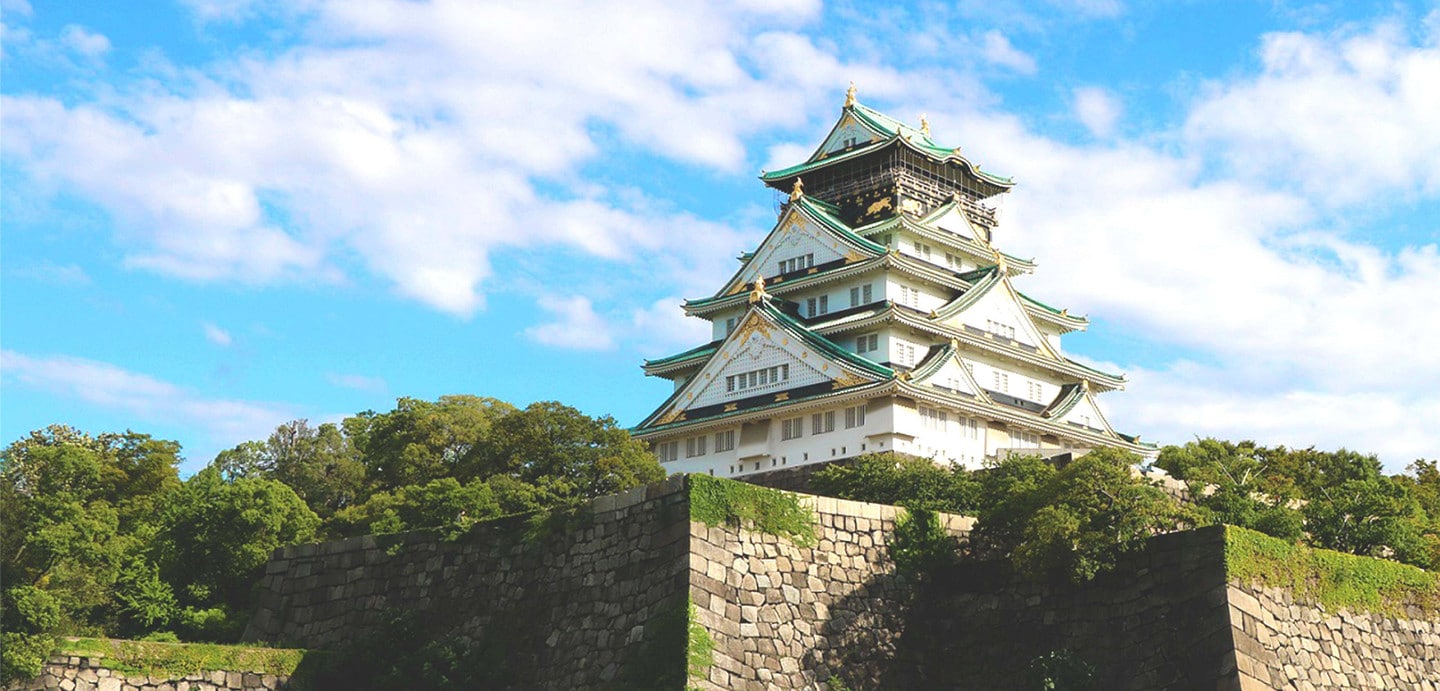
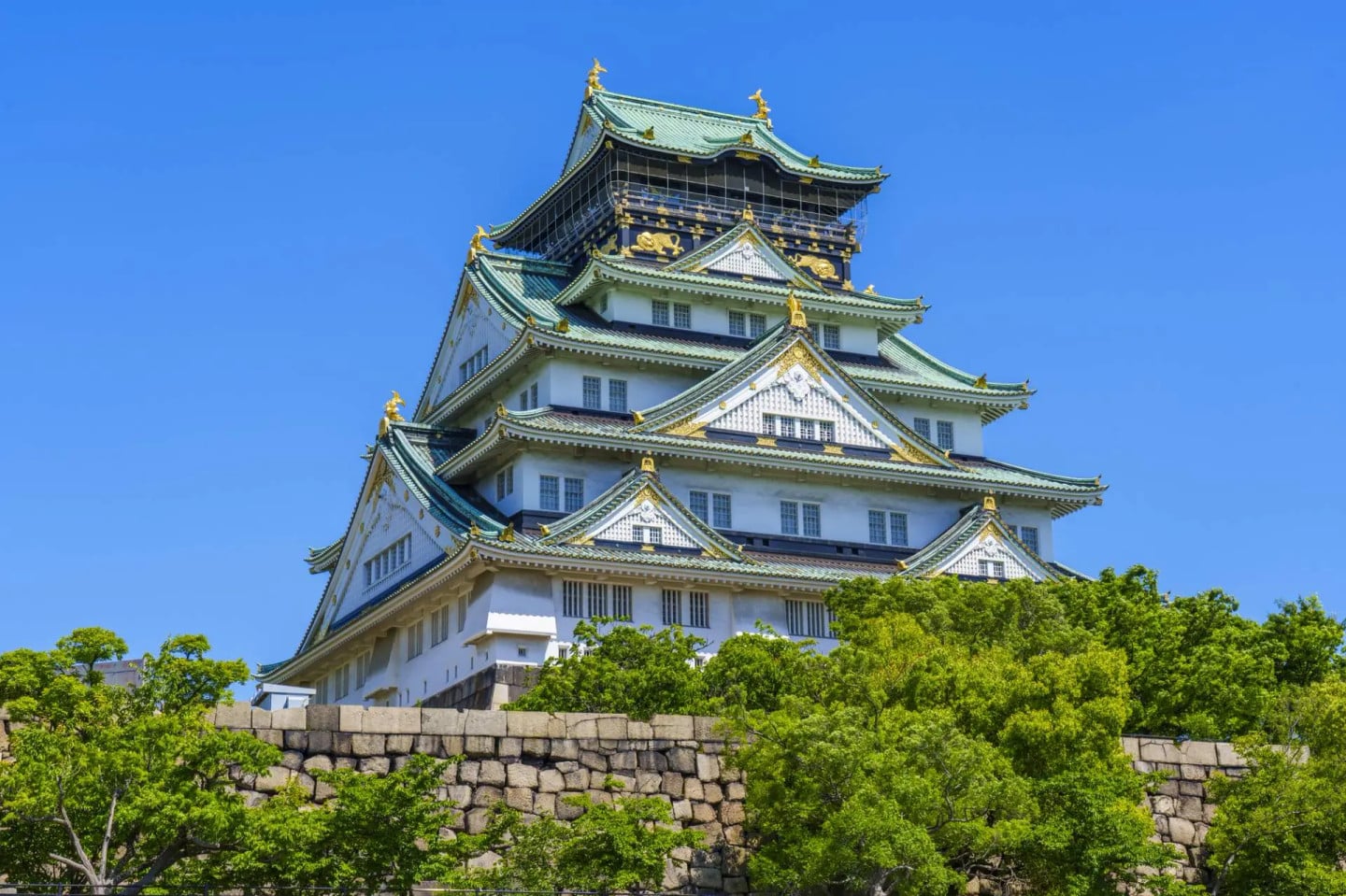
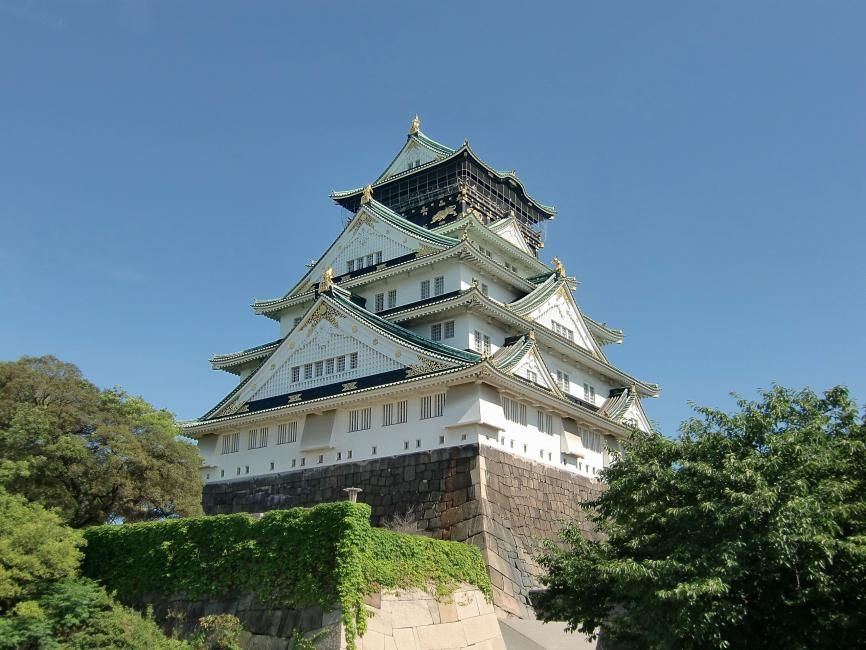
Osaka Castle was built by Toyotomi Hideyoshi in 1583 and is one of Japan’s three great castles. It is now a history museum displaying Toyotomi Hideyoshi’s artifacts and castle models, and the top floor gives a 360-degree view over Osaka and the moat. When the cherry blossoms bloom in spring, the park is a famous viewing spot, and the Nishinomaru Garden is good for picnics under the blossoms. At night the keep is solemnly lit.
Admission is ¥600 for adults, open 9:00-17:00 (last entry 16:30), and we suggest staying 1.5-2 hours. It takes about 20 minutes by subway from Dotonbori, suited to a half-day trip.
Tsutenkaku
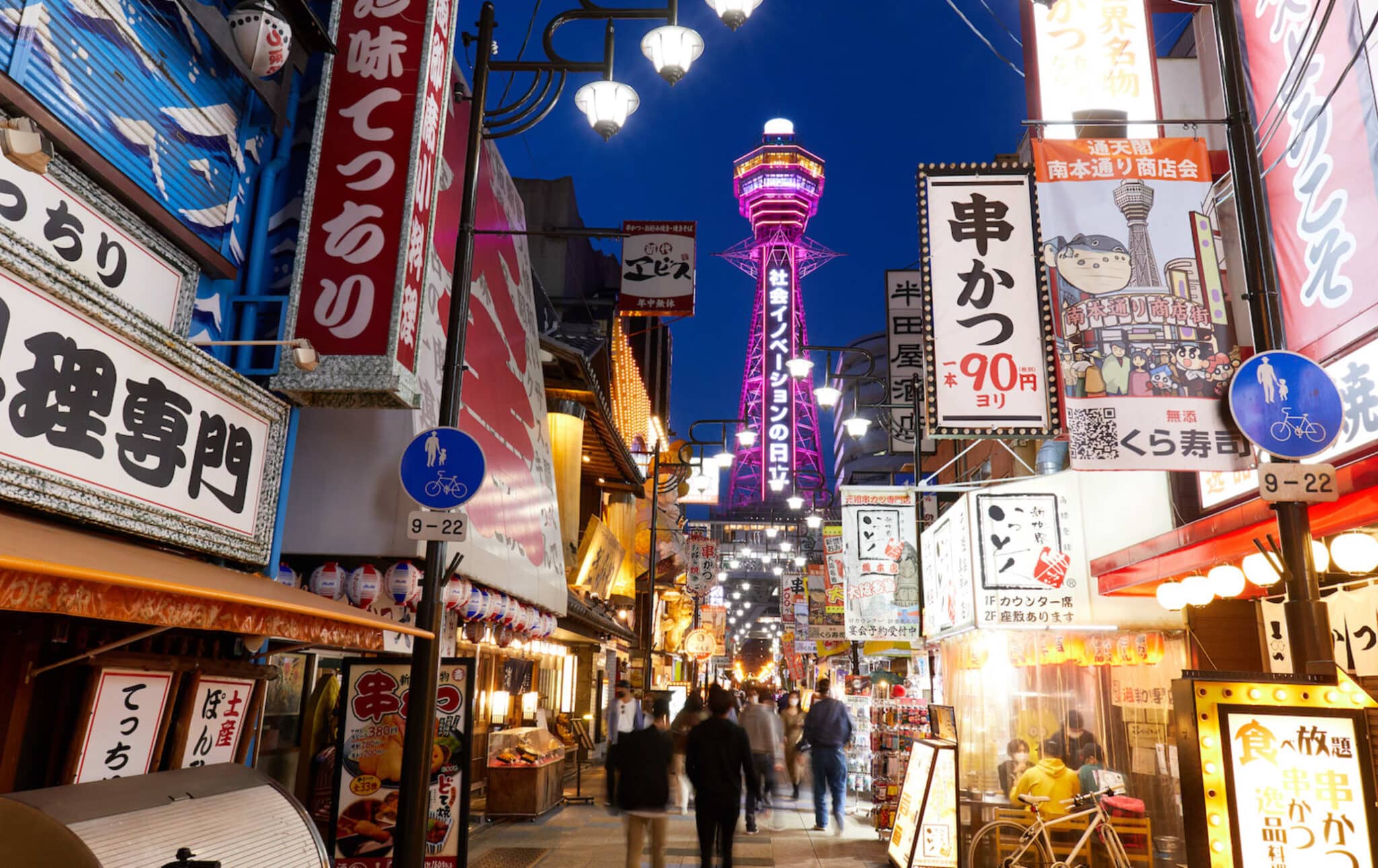
Tsutenkaku, the landmark of Osaka’s Shinsekai, is about 103 meters tall, built in 1912, and the current structure is the 1956 reconstruction. The observation deck inside overlooks the Shinsekai streets, and there is a statue of the god of good luck, “Billiken,” whose soles are said to bring luck when rubbed.
The surrounding Shinsekai shopping streets are famous for kushikatsu, so you can taste local food after your visit.
The observation deck costs ¥1,500 for adults (from April 2026) and opens at 9:00 (from March 2026). We suggest staying 1-1.5 hours. It takes about 15 minutes by subway from Dotonbori.

Shinsaibashi-suji Shopping Street
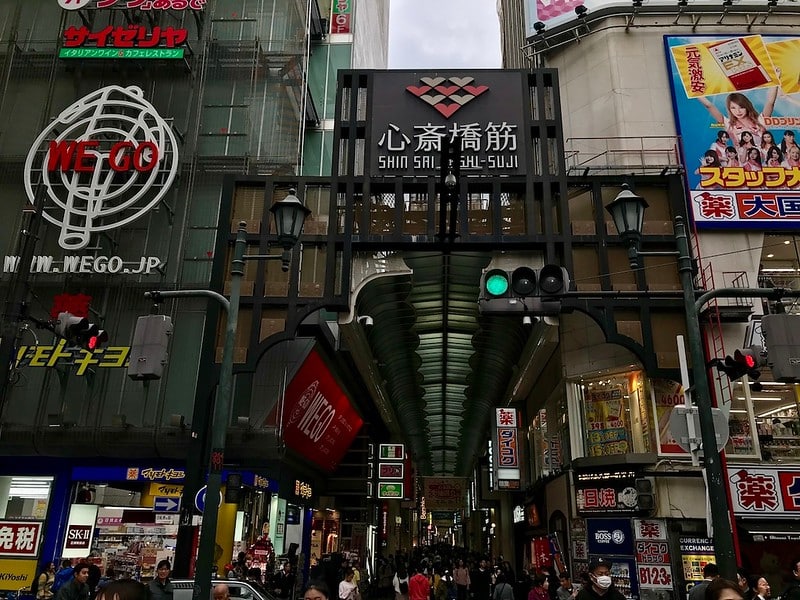
Shinsaibashi-suji Shopping Street is right next to Dotonbori. This covered shopping street about 600 meters long gathers international luxury brands, drugstores, clothing and souvenir shops, good in sun or rain. Along the street are takoyaki, crepes and other foods with lines, and cafes where you can rest. At night it is brightly lit and crowded, a good place to experience Osaka’s urban energy.
Free to enter. We suggest staying 2-3 hours, suited to browsing and shopping before or after dinner in Dotonbori. We suggest checking business hours ahead, as lines often form at peak mealtimes, so avoid them or reserve, and prepare cash in case shops do not accept credit cards.
Shitennoji Temple
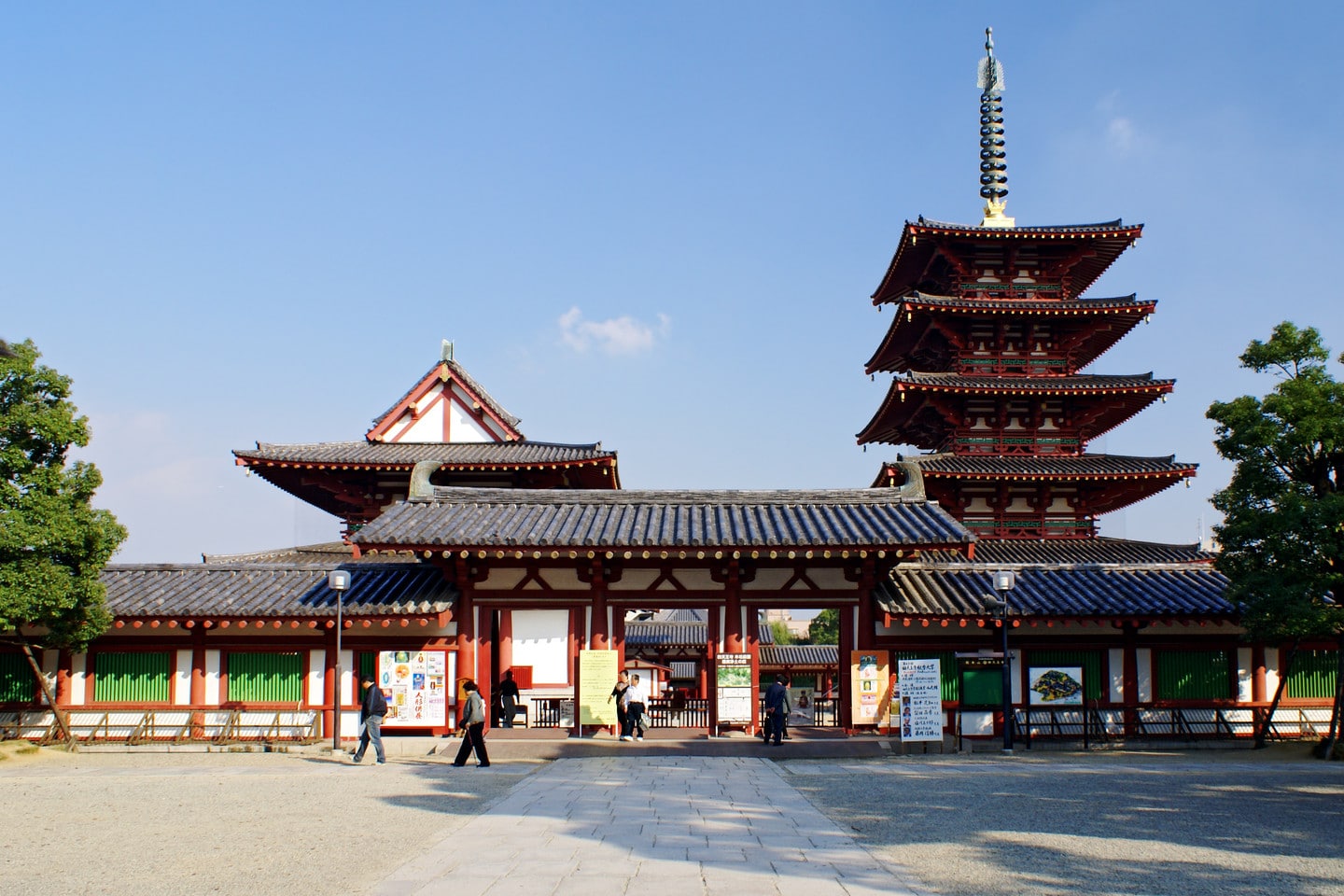
Shitennoji Temple was founded in 593 by Prince Shotoku, one of Japan’s oldest government-sponsored temples, now more than 1,400 years old. The central compound is built in the Asuka-period architectural style, and the five-story pagoda, Golden Hall and Lecture Hall have a solemn, archaic layout.
The goshuin office offers exclusive goshuin stamps and omamori for traffic safety and health, each about ¥500-800, suited to goshuin collectors.
Admission to the central compound is ¥300, open 8:30-16:30 (adjusted by season), and we suggest staying 1-1.5 hours. It takes about 20-25 minutes by subway from Dotonbori, suited to visiting after Osaka Castle.
What to Eat Near Osaka’s Street Snacks and Markets? Must-Visit Shop Recommendations
Osaka has long been called “the nation’s kitchen,” and street snacks and traditional markets are the most direct way to experience local food culture. From the fresh seafood of Kuromon Market and the takoyaki and kushikatsu of Dotonbori to long-established ramen shops full of everyday character, every bite shows Osakans’ passion and care for food. Below are six must-visit shops to help you eat Osaka’s most authentic street food.
Takoyaki: Kogaryu Main Store
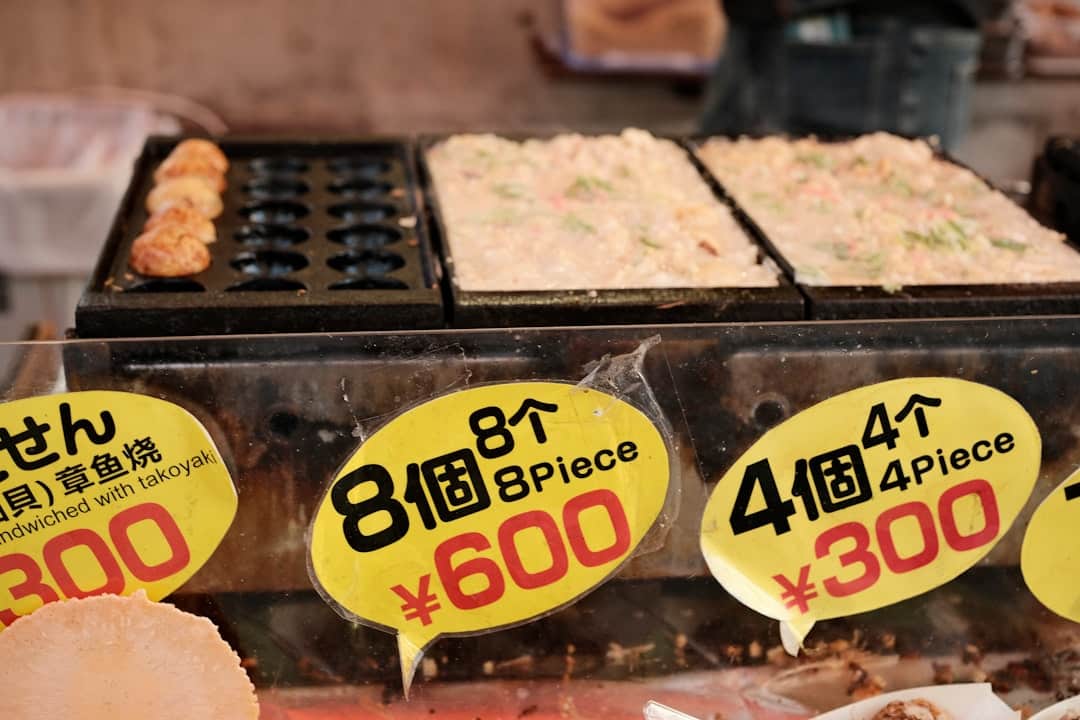
Kogaryu, a popular takoyaki shop founded in 1974 in Amerikamura, is known for its “thick and creamy” takoyaki, crisp outside and soft inside. It is at 1F Kogaryu Building, 2-18-4 Nishi-Shinsaibashi, Chuo Ward, Osaka, facing Triangle Park and near the Shinsaibashi-suji shopping street, from about ¥500 per serving.
Open 10:30-20:30 (until 21:30 on Saturdays and the day before holidays), and in the evening it suits a visit to Amerikamura’s vintage and streetwear shops. At the core of the Amerikamura district, it is loved by young visitors and local students and has been featured in the Michelin Guide.
Kushikatsu: Kushikatsu Daruma Dotonbori Main Store
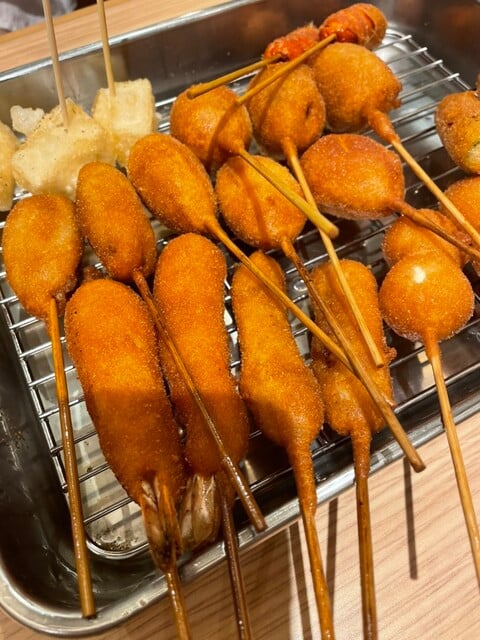
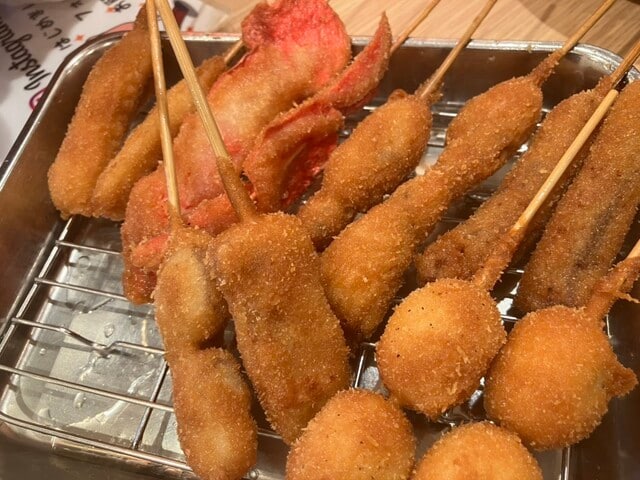
Kushikatsu Daruma, a representative Osaka kushikatsu brand, has a Dotonbori main store famous for its giant Daruma doll sign, a popular photo spot. The signature kushikatsu platter includes beef, shrimp, lotus root, cheese and more, battered and deep-fried to be crisp outside and tender inside, paired with a special sauce that is savory and fragrant.
The main store is at 1-6-8 Dotonbori, Chuo Ward, Osaka, near the Dotonbori canal and easy to reach. Each skewer is about ¥100-250, and about ¥1,000-2,000 fills you up, great value. Open 11:00 to 22:30, no closing days, so you can enjoy it late at night too.
The shop’s “no double dipping” rule is a fun part of experiencing Osaka food culture, so please follow it.
Pufferfish Cuisine: Dotonbori Jihei
Zuboraya Dotonbori, once a Dotonbori landmark, also closed on September 15, 2020. If you now want pufferfish in Dotonbori, we recommend the long-established pufferfish specialist “Dotonbori Jihei,” at 1-5-7 Dotonbori, Chuo Ward, Osaka, near the Dotonbori canal, about a 2-minute walk from Exit 25 of Namba Station on the subway, open 17:00 to 22:30 (last order 22:00), closed Mondays.
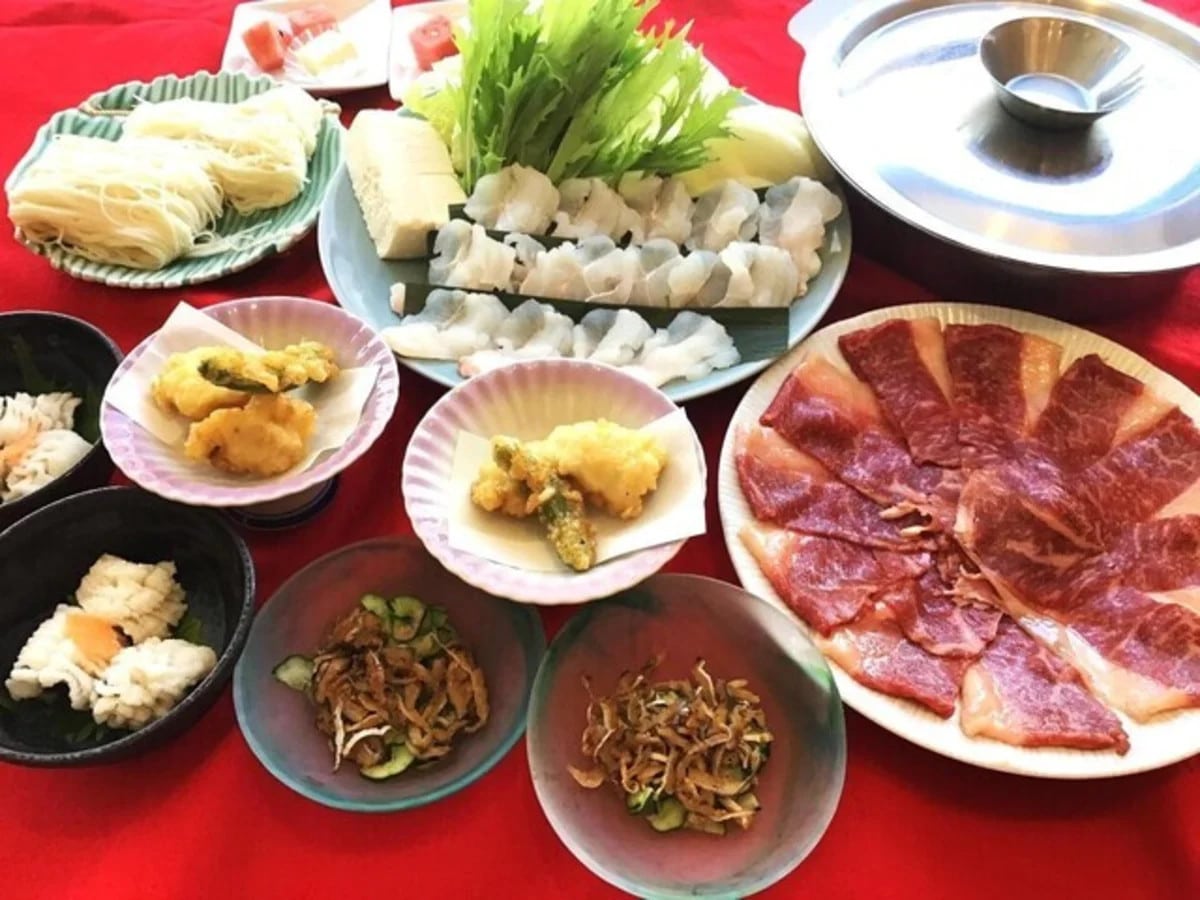
The shop offers several pufferfish course meals, including the “Dotonbori Fugu Course” (5 dishes, about ¥4,912 per person) and the “Special Nanpu-Tomari Fugu Course” (9 dishes, about ¥13,200 per person), and has several private rooms, suited to small families through groups, letting you savor the sweetness of pufferfish sashimi and hot pot.
Although the price is higher than ordinary street snacks, for travelers who want to deeply experience Osaka’s traditional pufferfish cuisine culture, Jihei is certainly worth a meal.
Fresh Seafood: Kuromon Sanpei Kuromon Market Main Store
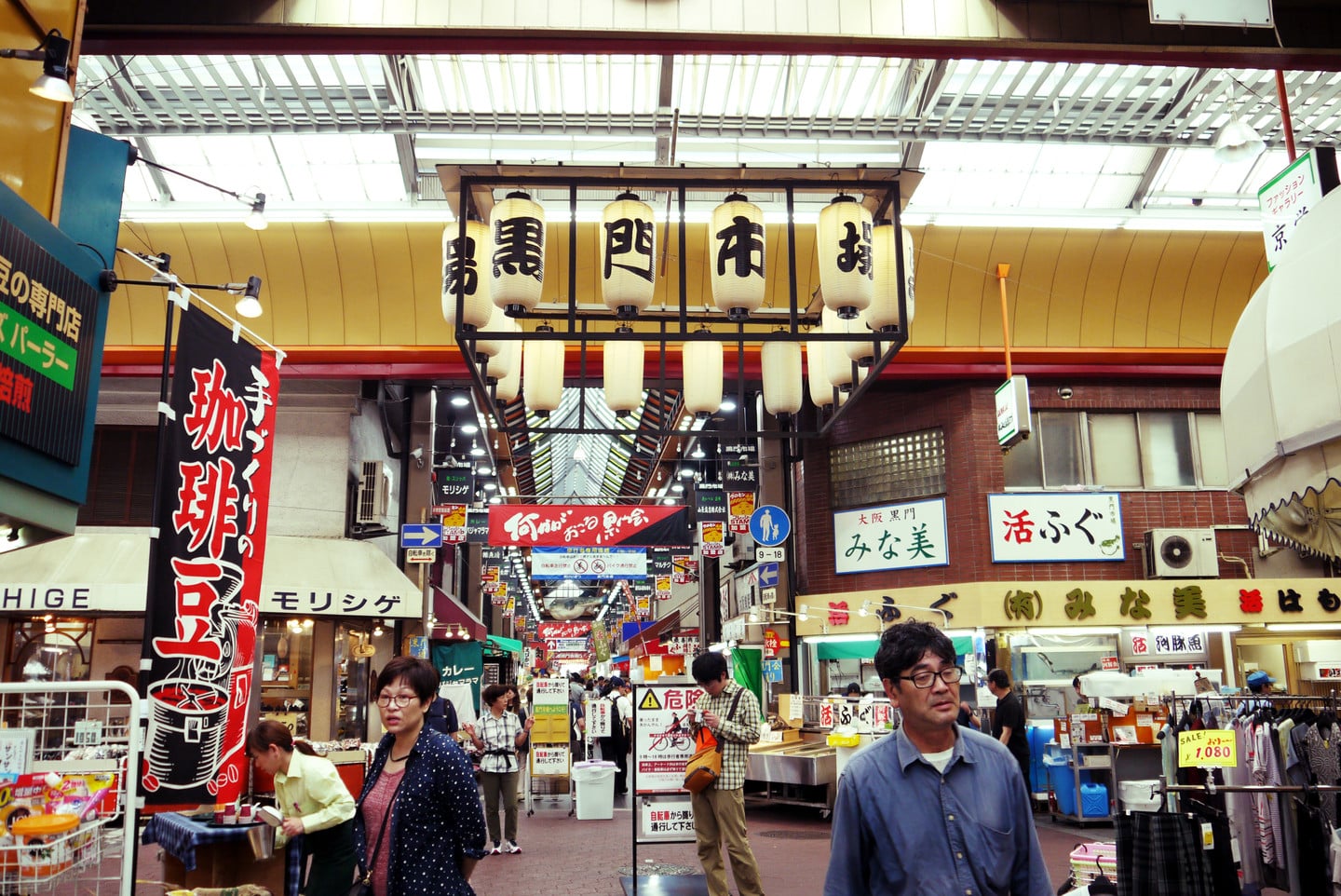
Kuromon Sanpei is inside Kuromon Market, “Osaka’s Kitchen,” a popular seafood specialty shop in the market. It offers freshly grilled oysters, scallops, abalone and various nigiri sushi, with ingredients delivered fresh and grilled to order, attracting visitors to taste.
Address: Inside Kuromon Market, 2-4-1 Nipponbashi, Chuo Ward, Osaka. Single items cost about ¥300-1,500, and about ¥1,500 typically lets you taste a variety of seafood. Hours: 9:00-17:00. We suggest going in the morning, when the selection is complete and crowds are smaller.
The market is full of energy, and Kuromon Sanpei also offers boxed sushi for takeout.
Crab Cuisine: Kani Doraku Dotonbori Main Store
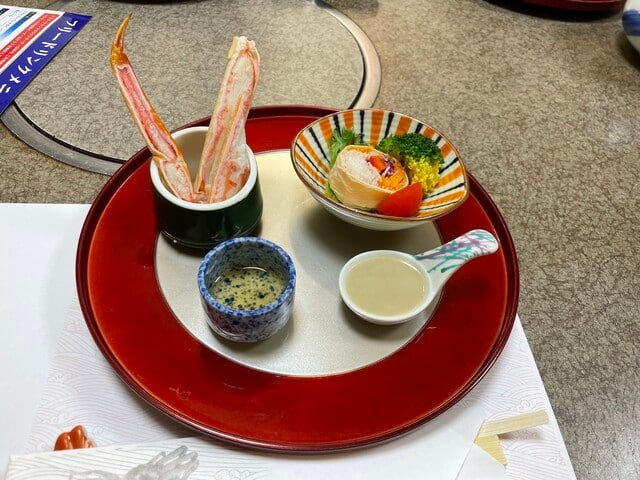
Kani Doraku’s giant moving crab sign sculpture is one of Dotonbori’s most representative landmarks. The shop specializes in crab dishes delivered directly from Hokkaido and the Sea of Japan, including crab sashimi, crab chawanmushi, grilled crab legs and crab hot pot, each bringing out the sweetness and firm texture of the crab.
Address: 1-6-18 Dotonbori, Chuo Ward, Osaka. Set meal prices vary widely, with lunch sets from about ¥3,000 and dinner kaiseki at about ¥6,000-10,000, suited to a hearty feast. Open 11:00 to 22:00, no closing days.
The interior is elegant and the service attentive, suited to family meals or business entertaining. After eating, don’t forget to take a souvenir photo in front of the crab sign outside.
Ramen: Kinryu Ramen Dotonbori Branch
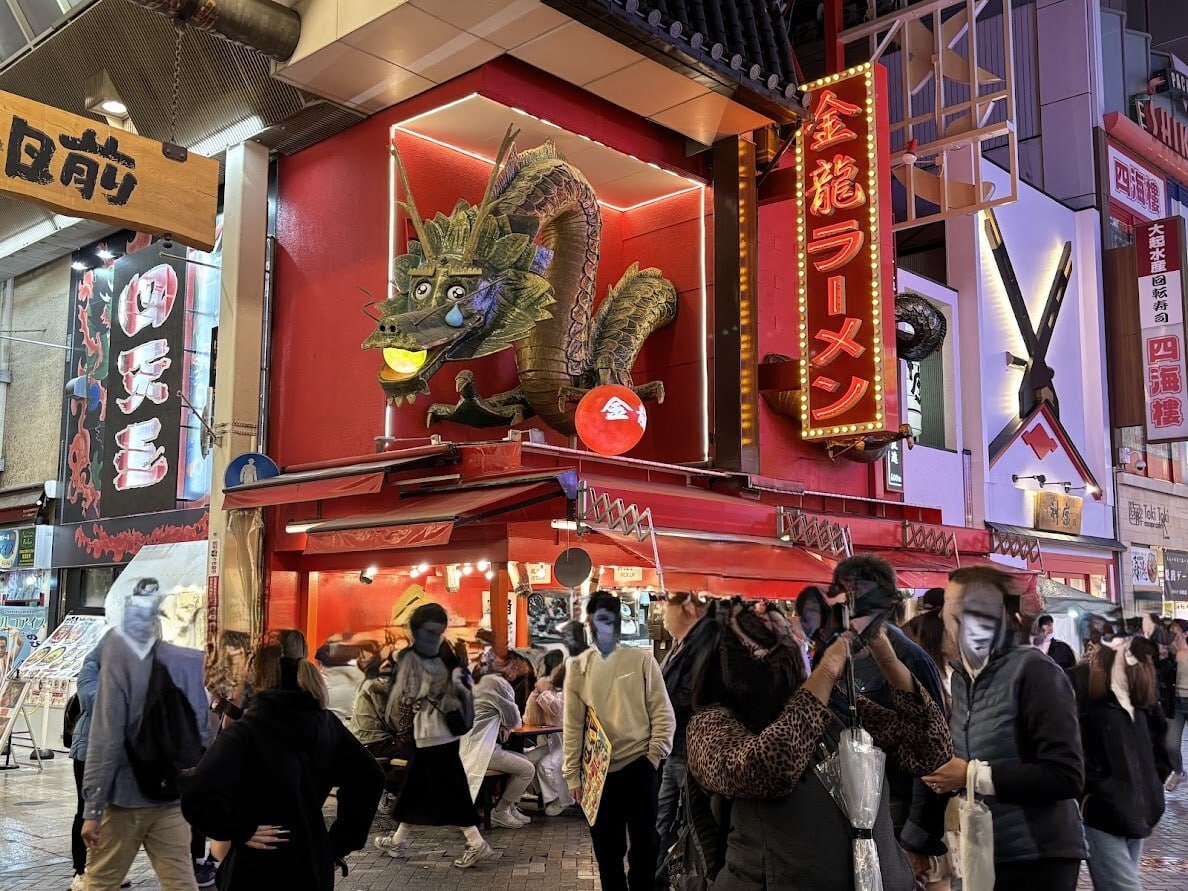
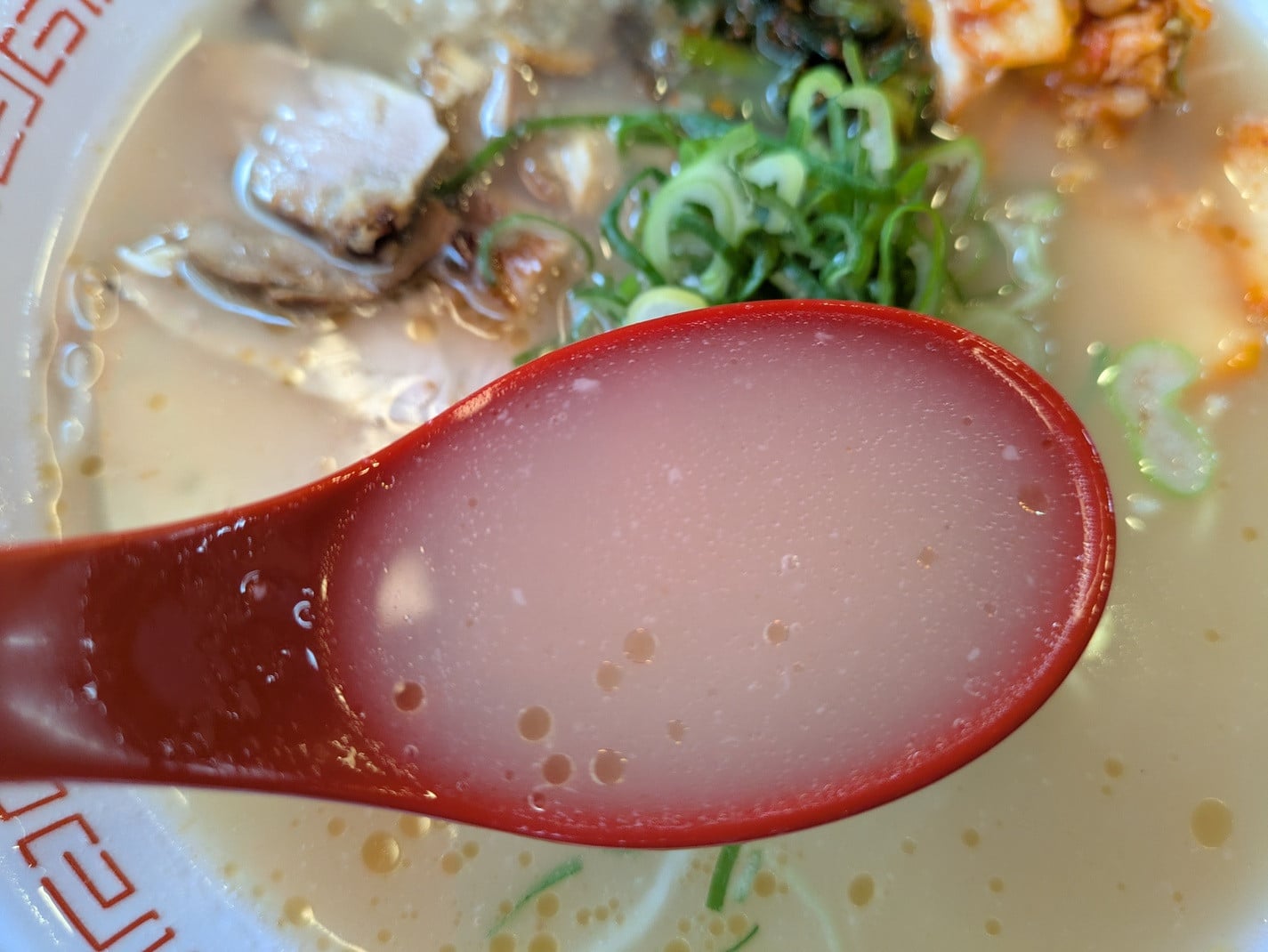
Kinryu Ramen, a representative of Osaka’s late-night eateries, serves signature tonkotsu ramen with a rich broth, noodles that soak up the soup, and free chives, garlic and kimchi to adjust the flavor to taste, loved by locals and visitors alike.
Address: 1-7-26 Dotonbori, Chuo Ward, Osaka, near the Dotonbori canal and the Glico sign. Priced at about ¥600-900, open 24 hours, a good choice for a late-night meal or to sober up.
The shop has long low tables where you take off your shoes and sit on the floor, full of everyday character, a good chance to experience Osaka’s late-night street culture.
Where to Find Osaka Yakiniku and All-You-Can-Eat Ramen? Popular Local Chains
Besides flour dishes and snacks, Osaka is also a paradise for yakiniku and ramen lovers, and especially around Dotonbori and Shinsaibashi there are several chain restaurants loved by locals and visitors, reasonably priced with generous portions, perfect for a hearty dinner.
Travelers who do not eat beef should check the menu before entering. Yakiniku shops are often beef-centered, but many also offer pork belly (豚バラ) and chicken thigh (鶏もも).
You can say directly: 「牛肉は食べられません。豚肉と鶏肉のメニューはありますか?」, which means “I can’t eat beef. Do you have a pork and chicken menu?”
Offal (ホルモン) may be beef or pork intestine, so ask again before ordering: 「これは牛ですか?」 (Is this beef?). All-you-can-eat plans mostly include beef, so first confirm whether you can order only pork and chicken.
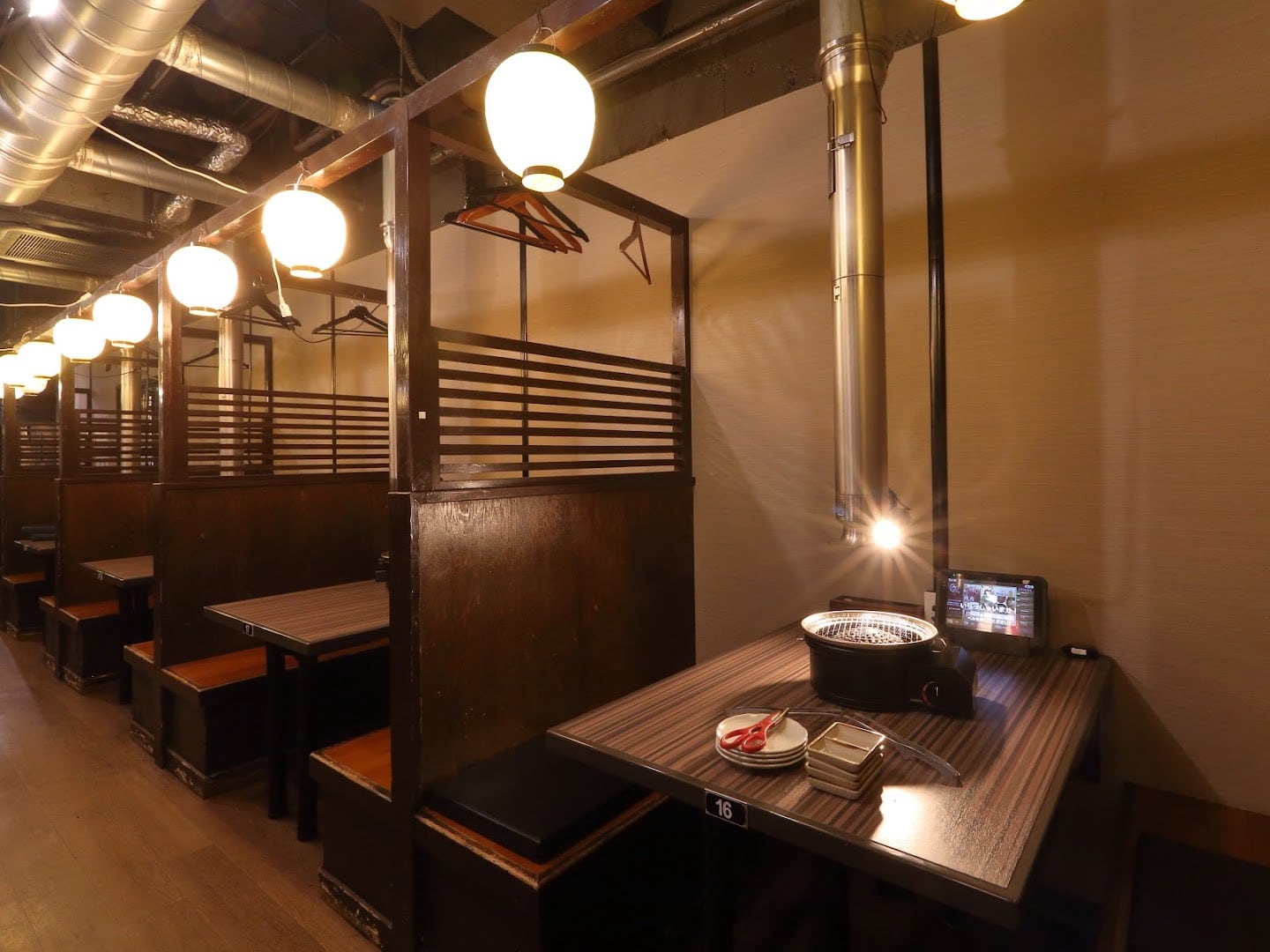
Yakiniku: Yakiniku Rikimaru Namba Sennichimae Branch
The popular Osaka yakiniku chain “Yakiniku Rikimaru” is known for selected quality meat, hand-cut by craftsmen and great value, and insists on not using processed meat. Its signature side dish, spicy bean sprout salad, is also recommended. The Namba Sennichimae branch is on the 2nd floor of the Sennichimae Amza building, near Dotonbori and Kuromon Market, convenient and suited to group dinners and drinks.
The shop offers all-you-can-eat yakiniku plans from ¥2,980 to ¥4,480 with a rich choice of meats, including classic cuts such as beef belly, beef tongue and offal, the best choice for travelers who want Wagyu yakiniku on a budget.
Ramen: Ichiran Namba Midosuji Branch
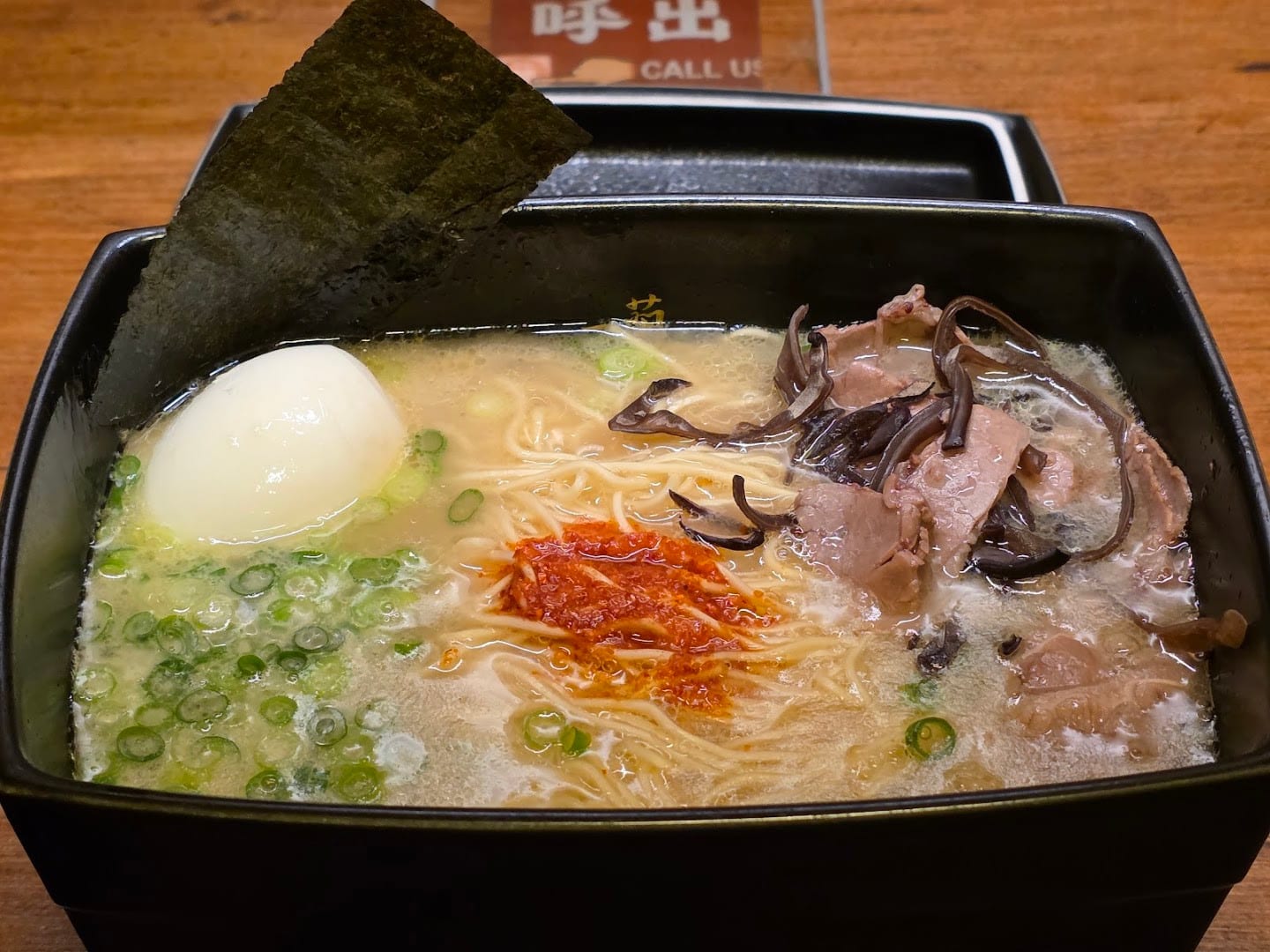
Ichiran is a world-famous Hakata tonkotsu ramen shop, known for its original “Aji-shuchu Counter” single-person partitioned seating that lets customers focus on the rich tonkotsu broth. The Namba Midosuji branch is at 2-4-2 Shinsaibashi-suji, Chuo Ward, near the Dotonbori and Shinsaibashi areas, one of the branches most visited by travelers.
Before ordering you can customize details such as broth richness, noodle firmness and the amount of scallions and chashu. A bowl of ramen starts from about ¥900, and hours are about 10:00 to 22:00, so please rely on the official announcement before you go.
What to Know When Eating in Osaka? Dining Etiquette and Practical Tips
Master the following dining etiquette and timing tips to make your Osaka food trip smoother.
No Double Dipping in Kushikatsu Sauce
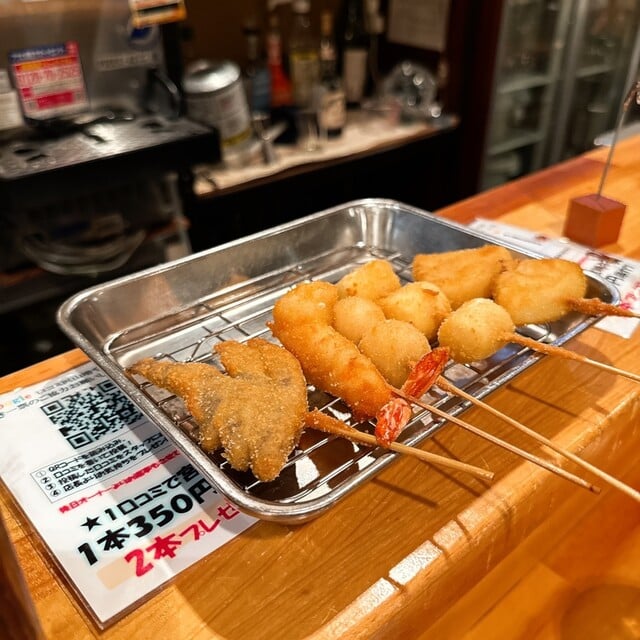
At kushikatsu shops, the sauce is mostly in a shared container, and a skewer you have bitten into must never be dipped in the sauce pot again, an important hygiene rule.
If you want more sauce, ask the staff for a small separate dish, to avoid awkwardness or a reminder from the shop. This is etiquette every first-time visitor to Osaka should know.
Avoid Peak Mealtimes
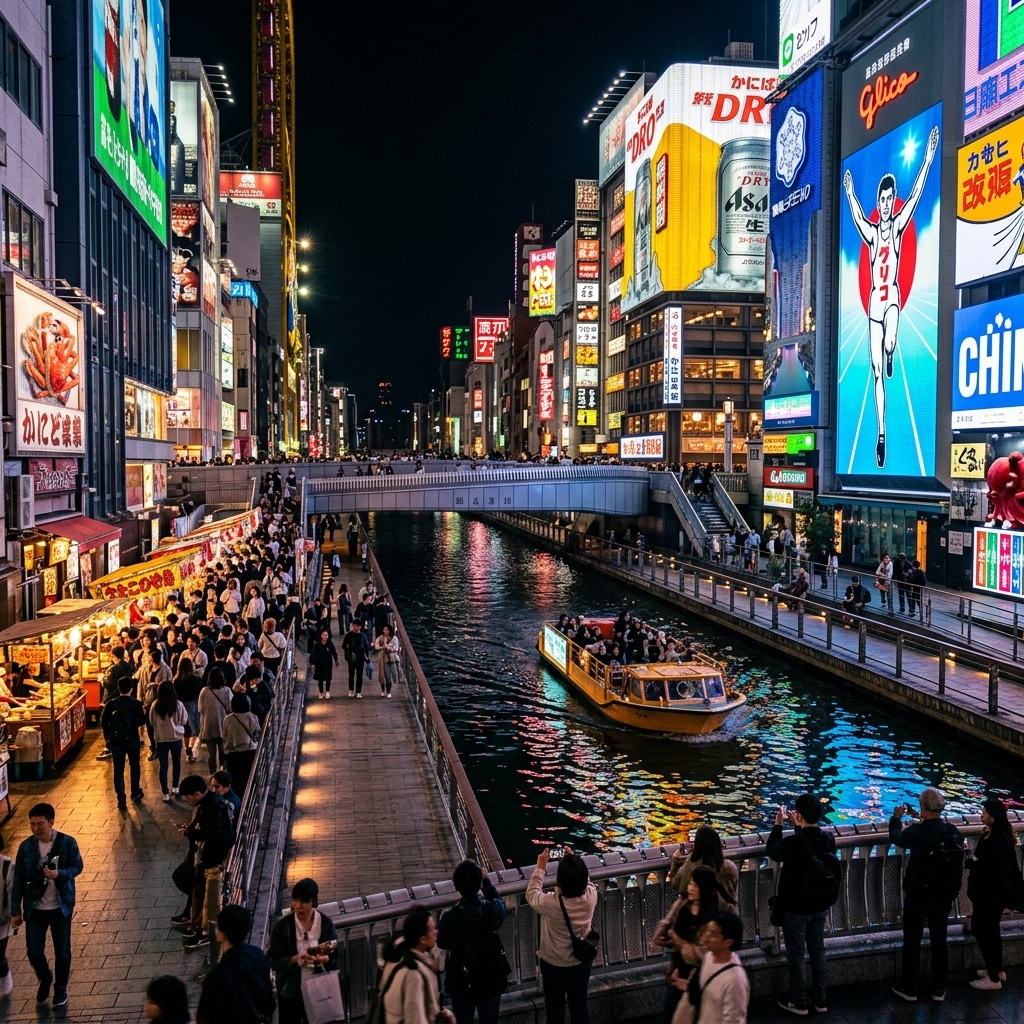
Popular Dotonbori shops often have lines of 30 minutes or more from 12 noon to 1 p.m. and 6 p.m. to 8 p.m.
We suggest eating before 11 a.m. or during the off-peak 2 p.m. to 4 p.m., which saves a lot of queuing time and makes the experience more relaxed.
Using Cash and Transit Cards Together Is More Convenient
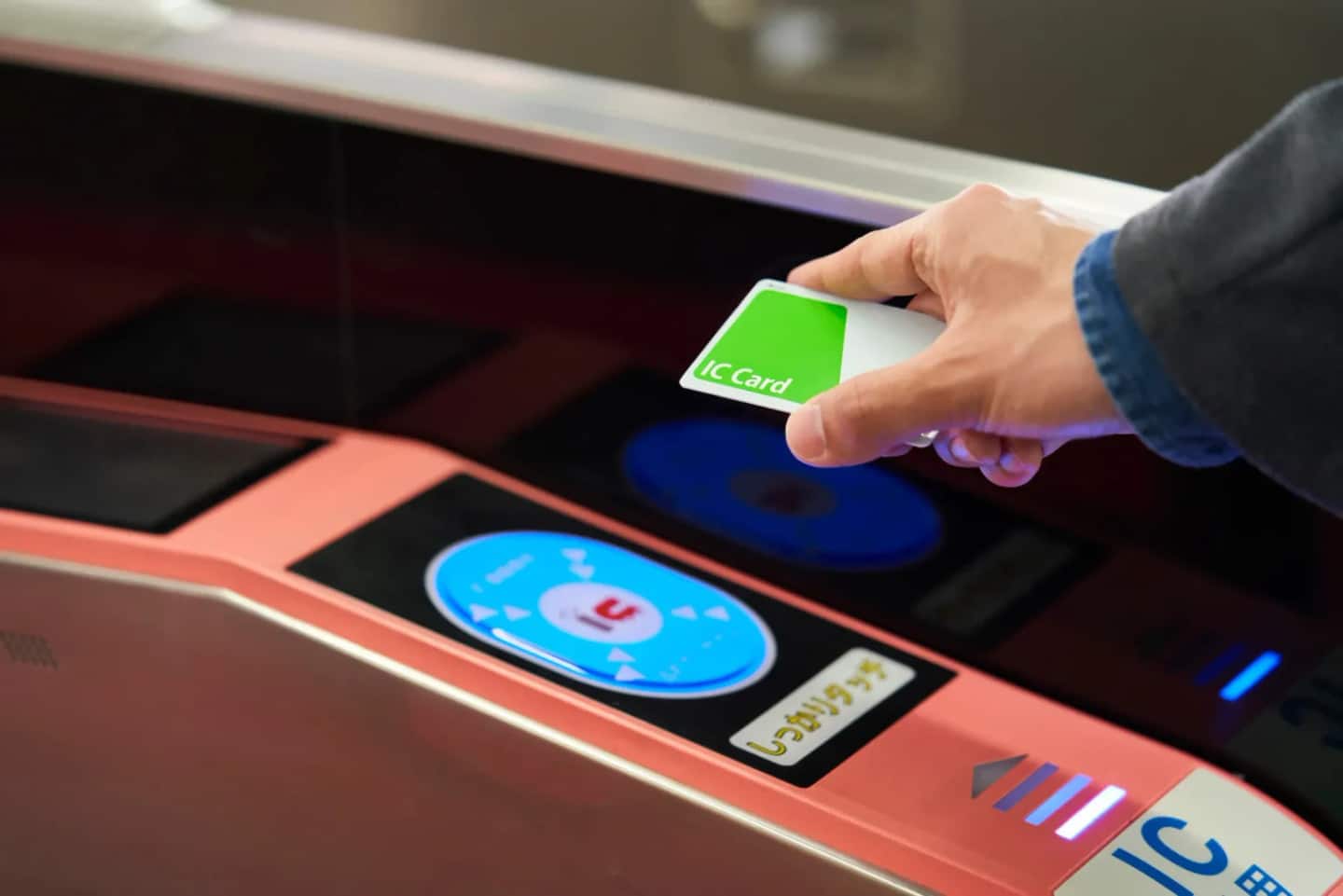
Although most chain restaurants accept cards or transit cards such as ICOCA and Suica, roadside snack stalls mostly accept only cash.
We suggest carrying enough coins and ¥1,000 bills, especially at small vendors in Kuromon Market and Shinsekai, where cash transactions are needed.

Mind Shop Rules on Eating While Walking
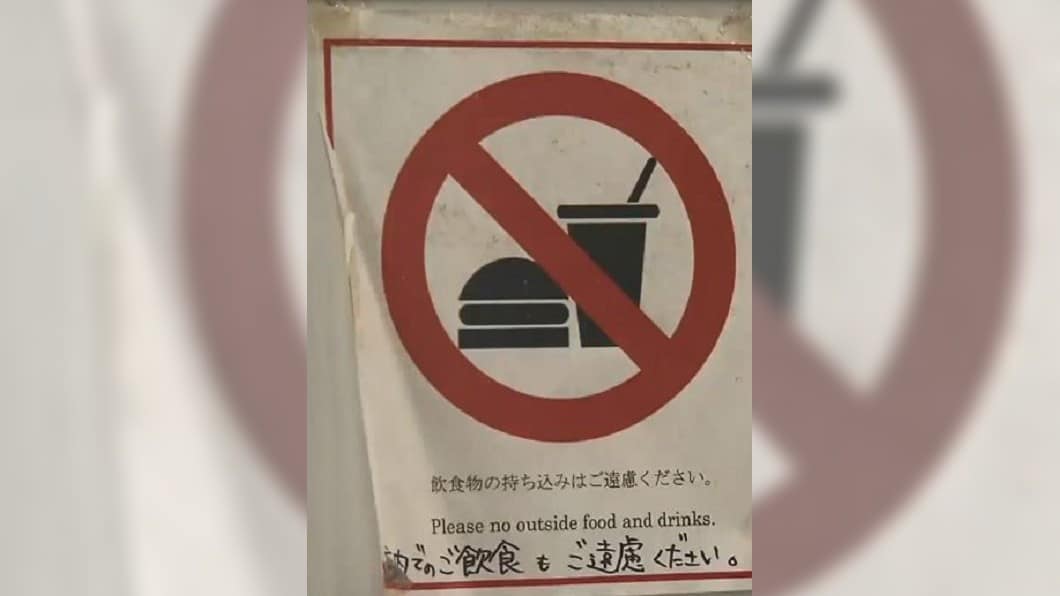
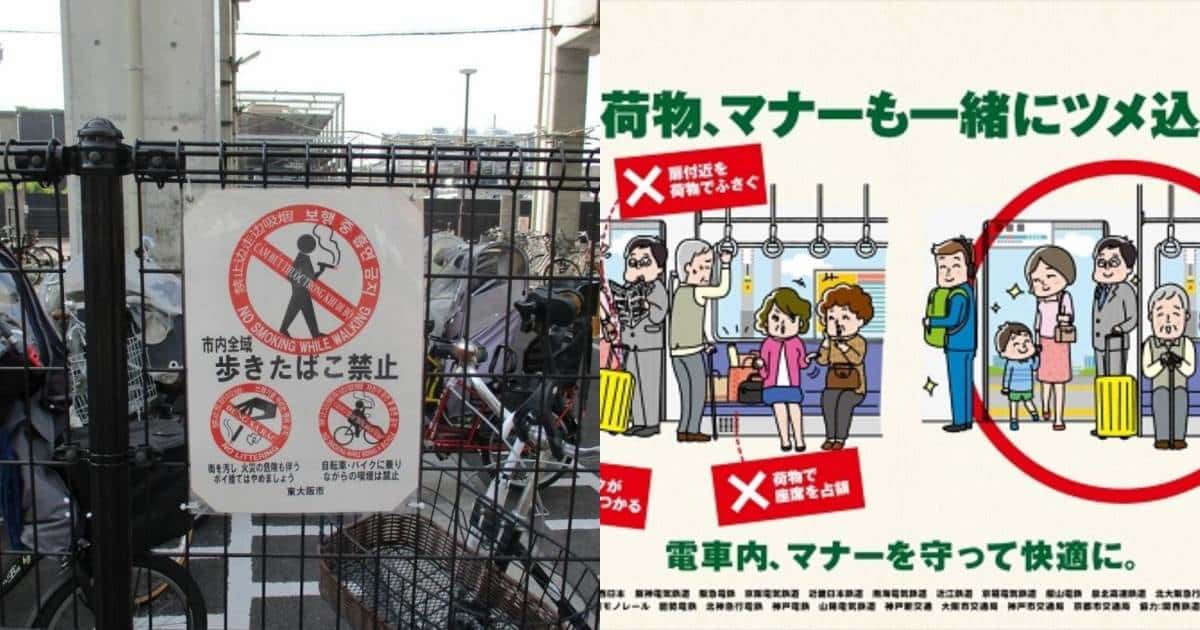
Some shops in Kuromon Market and Dotonbori prohibit eating while walking, and after buying you need to eat in a designated area, and violations may draw a warning from the shop.
We suggest asking 「立ち食いできますか」 (Can I eat standing?) before buying, respecting local dining rules and cleanliness.
Tell Staff About Vegetarian Needs and Allergens in Advance
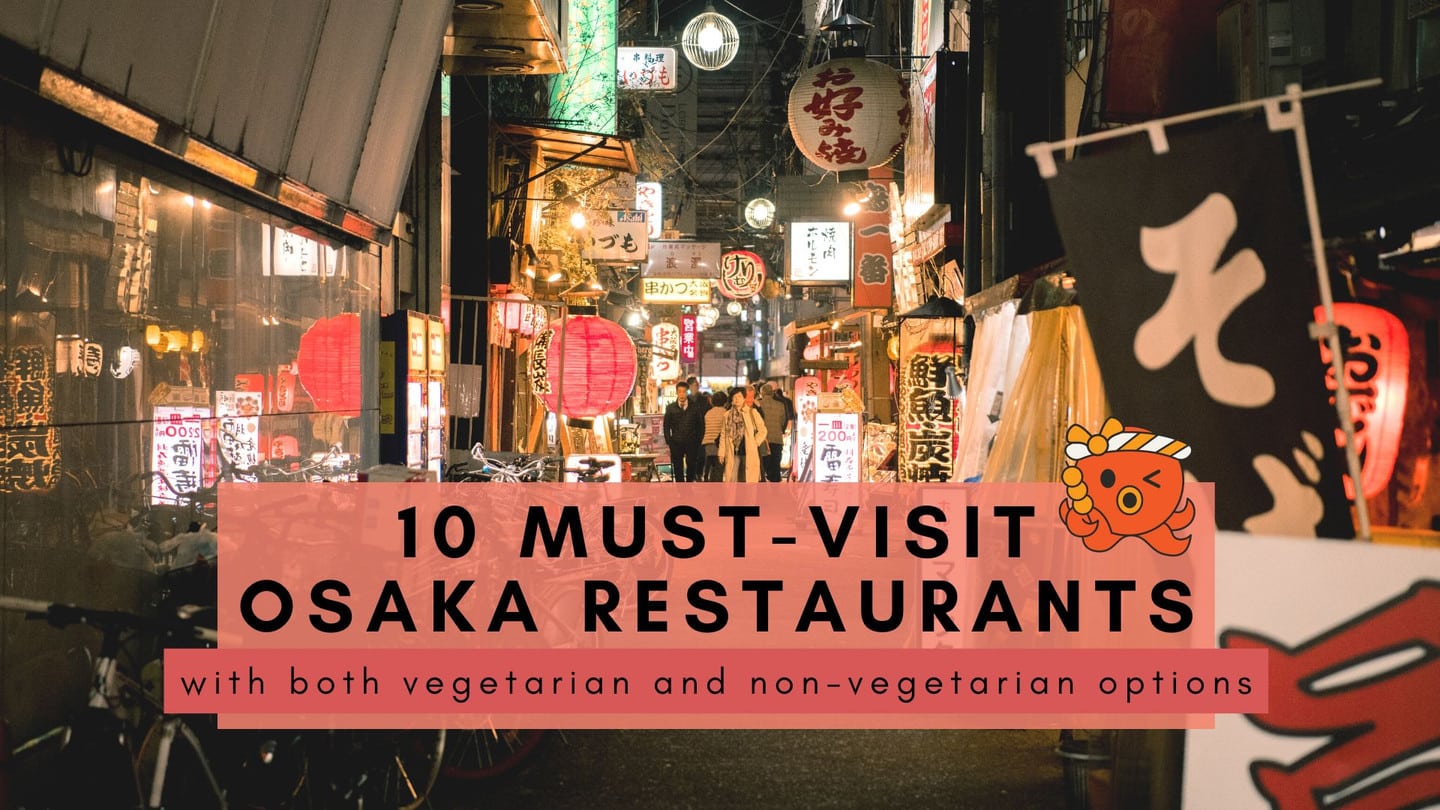
Most traditional Osaka dishes contain bonito stock or seafood, so vegan or allergic travelers are advised to check restaurant menus before departing.
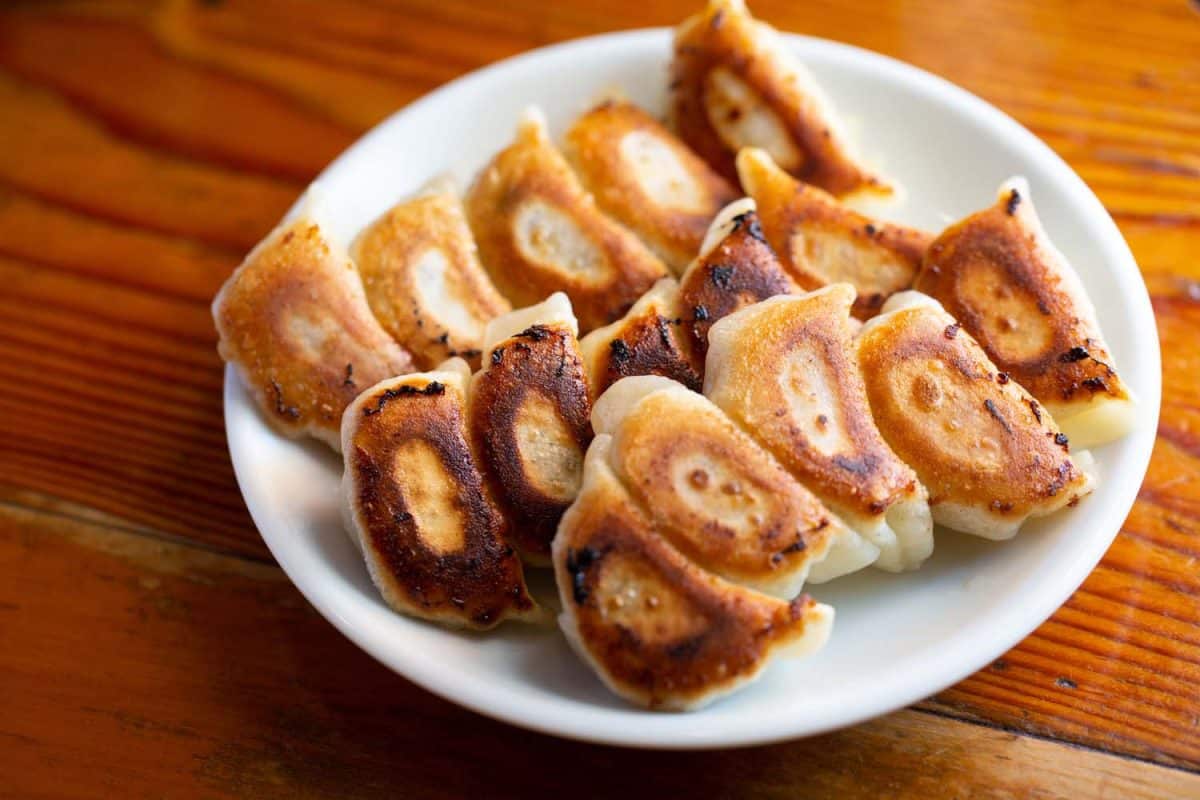
Some chains such as Chibo and Gyozaoh offer vegetarian options, and when ordering you can proactively tell staff about allergens to avoid eating something by mistake.

Osaka Food Tours and Cooking Class Recommendations
To savor Osaka’s food culture in depth, besides finding restaurants on your own by map, joining a professional food tour or cooking class is also a great choice. These tours are usually led by local guides or chefs, so besides eating insider alley food you can learn the historical background of Osaka’s food culture and even learn to make classics like takoyaki and okonomiyaki yourself, great for food lovers and travelers seeking a deeper trip. Below are several well-reviewed, substantial food tours and cooking classes. We suggest booking on KKday or Klook before you go to secure a seat.
Dotonbori and Shinsekai Late-Night Food Exploration Tour
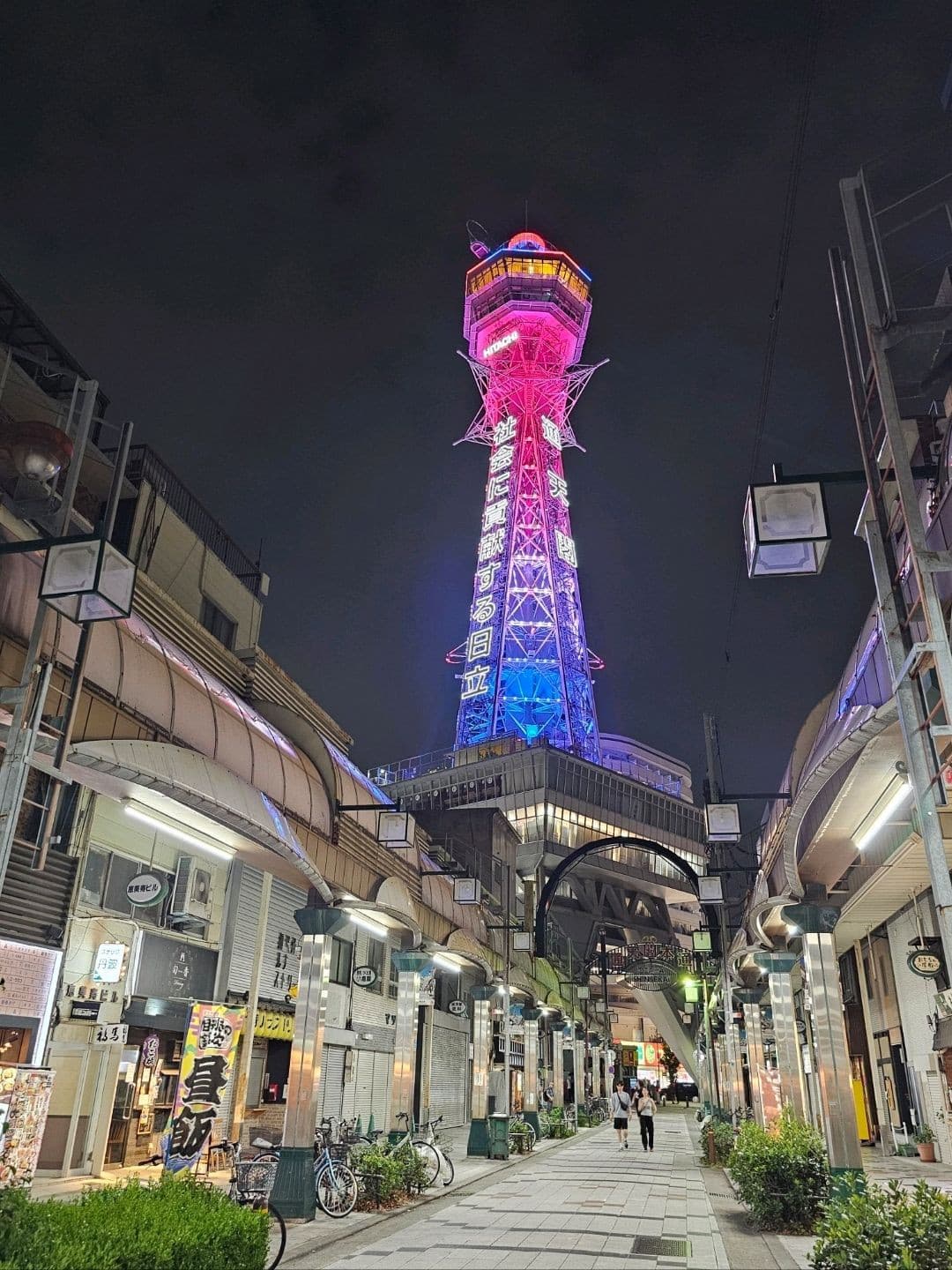
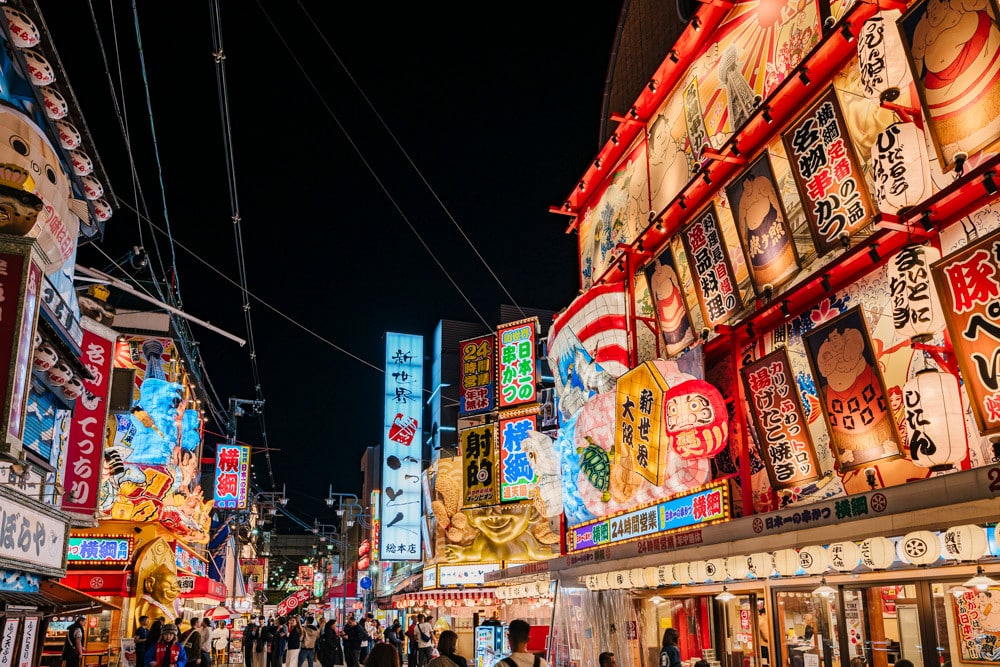
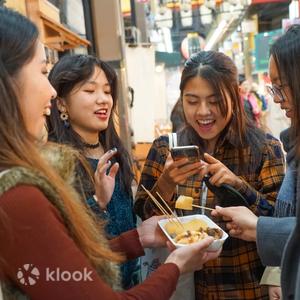
The tour starts from Namba Station, led by a Chinese- or English-speaking guide, and takes about 3.5 hours to visit Dotonbori, Hozenji Yokocho and Shinsekai’s Tsutenkaku, tasting 5-6 local snacks such as kushikatsu, takoyaki and okonomiyaki, at about ¥8,000-9,500 per person. The guide shares the signboard culture of Dotonbori, the history of the Glico Running Man and the changes in Shinsekai’s development, so you learn about Osaka’s “nation’s kitchen” food culture as you eat. The tour’s biggest feature is skipping the lines and going directly to long-established shops locals know, such as kushikatsu shops more than 50 years old near Tsutenkaku, an insider’s pocket list hard to find as an independent traveler.
Okonomiyaki and Takoyaki Hands-On Cooking Class
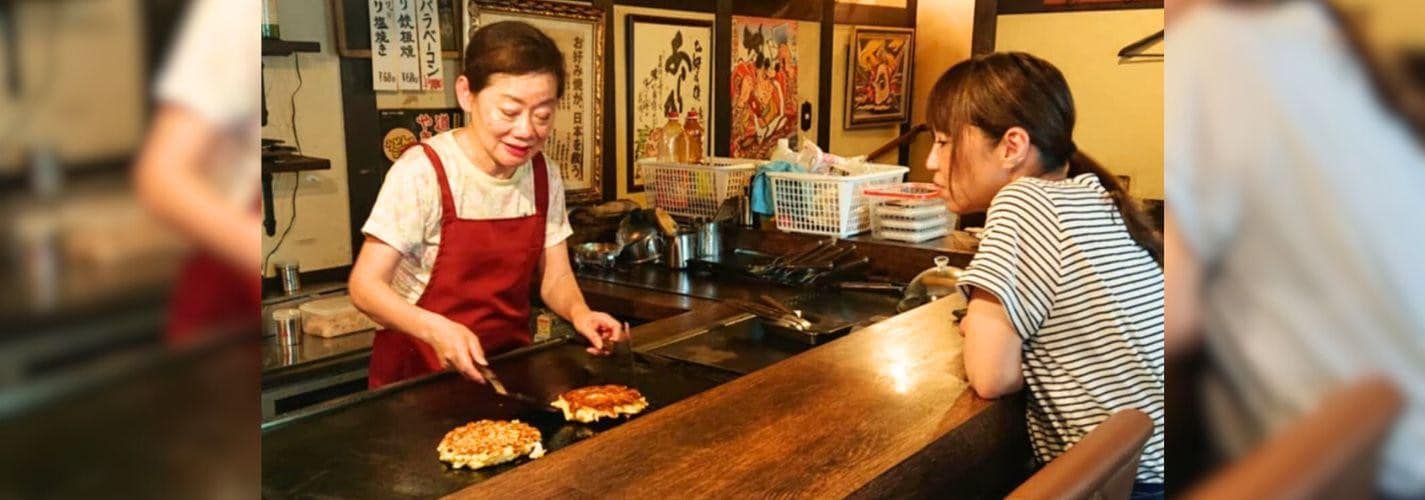
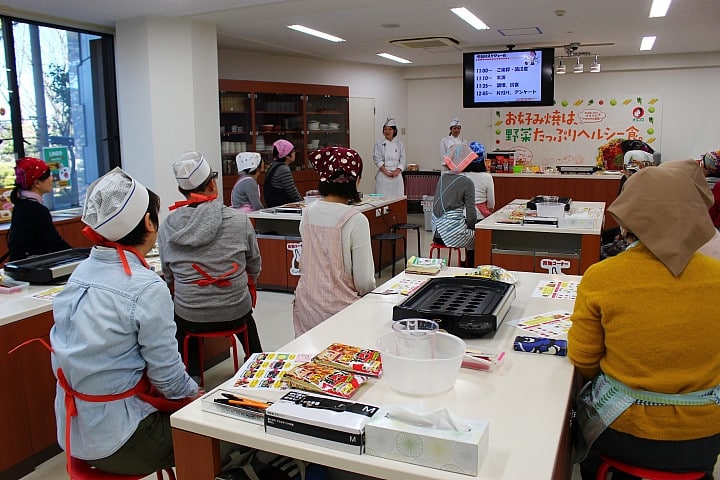
Cooking classes around Shinsaibashi and Dotonbori offer 1.5-2 hour hands-on okonomiyaki and takoyaki lessons, about ¥4,500-6,000 per person, including ingredients, instruction and tasting. Some classes such as “Hatchan” offer English and Chinese service.
The class includes batter preparation and a demonstration of heat control, and students can cook it themselves, enjoying the fun of flipping like a pro and eating the piping hot result.
This activity suits families and couples, is great for photos, and lets you take the skill home, with souvenir value. Classes are mostly within a 5-10 minute walk of Namba or Shinsaibashi Station, convenient to reach.
Kuromon Market Local Food Guided Tour
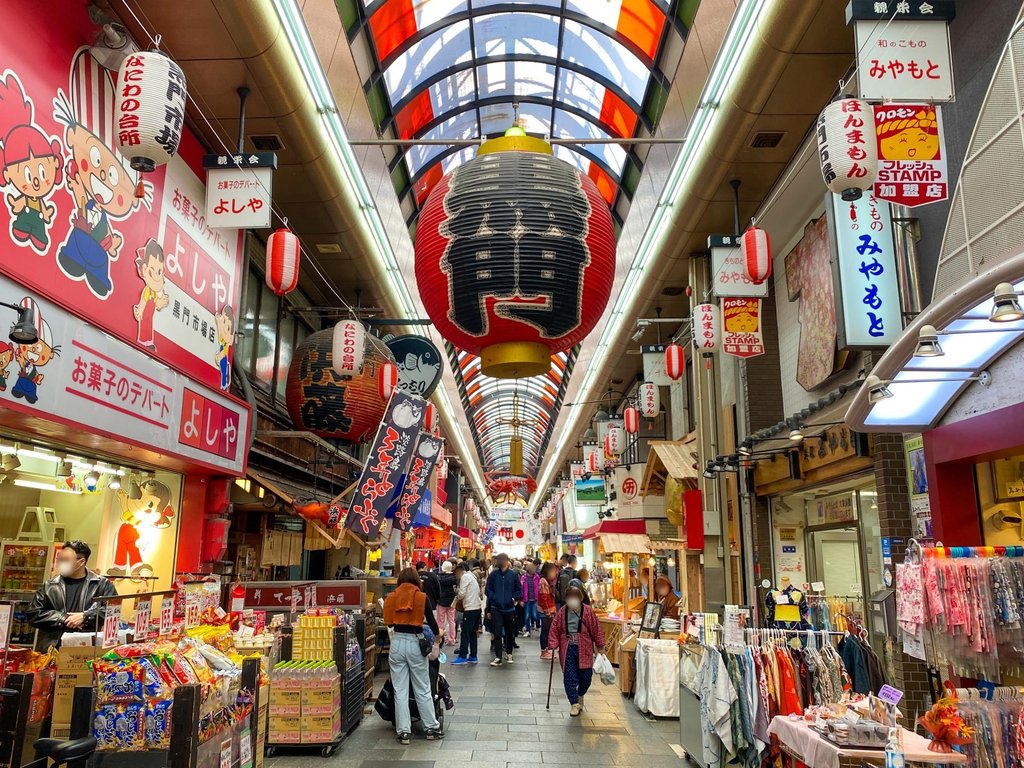
Kuromon Market is known as “Osaka’s Kitchen.” This guided tour of about 2 hours meets at Nipponbashi Station, and the guide leads you through nearly 180 shops in the market to pick seasonal fresh seafood, Wagyu, fruit and other food to eat on the spot, at about ¥7,000 to ¥9,000 per person, including 5 to 8 tastings.
The tour specially arranges tastings of high-priced ingredients such as freshly grilled Kuroge Wagyu skewers, sashimi-grade sea urchin and live abalone, which visitors usually have to compare prices for on their own. With a tour you directly get the shops’ recommended fresh items, avoiding mistakes or overpaying.
Because Kuromon Market is busier in the morning and some shops close early in the afternoon, we suggest choosing a session leaving around 10 a.m., for a more complete experience and to avoid the afternoon tourist crowds.
Japanese Sake and Izakaya Food Tasting Tour
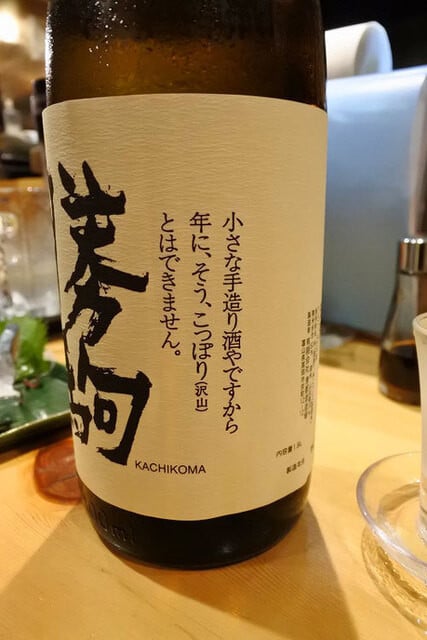
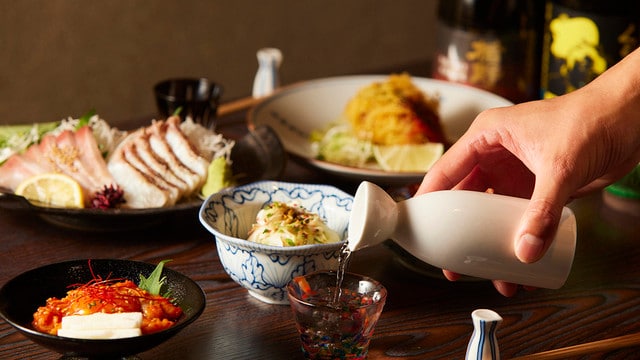
This 3-hour sake tasting tour targets travelers who want to learn more about Japanese sake culture, held at a long-established izakaya in Umeda or Kitashinchi. A professional sake sommelier introduces 3 to 5 sakes from different regions, paired with yakitori, simmered dishes, sashimi and other small plates, at about ¥10,000 to ¥13,000 per person. The tour covers brewing methods, how rice polishing ratio affects taste, and principles of choosing sake to match food, so even beginners can quickly build basic knowledge. It suits adult travelers and those who want to experience Osaka nightlife, with small groups (6 to 10 people) and a relaxed, authentic atmosphere.

Where to Stay in 2026 for Osaka Food Lovers? Selected Accommodation Recommendations
Choosing accommodation near Dotonbori saves transit time, and you can easily walk back after a late-night snack.
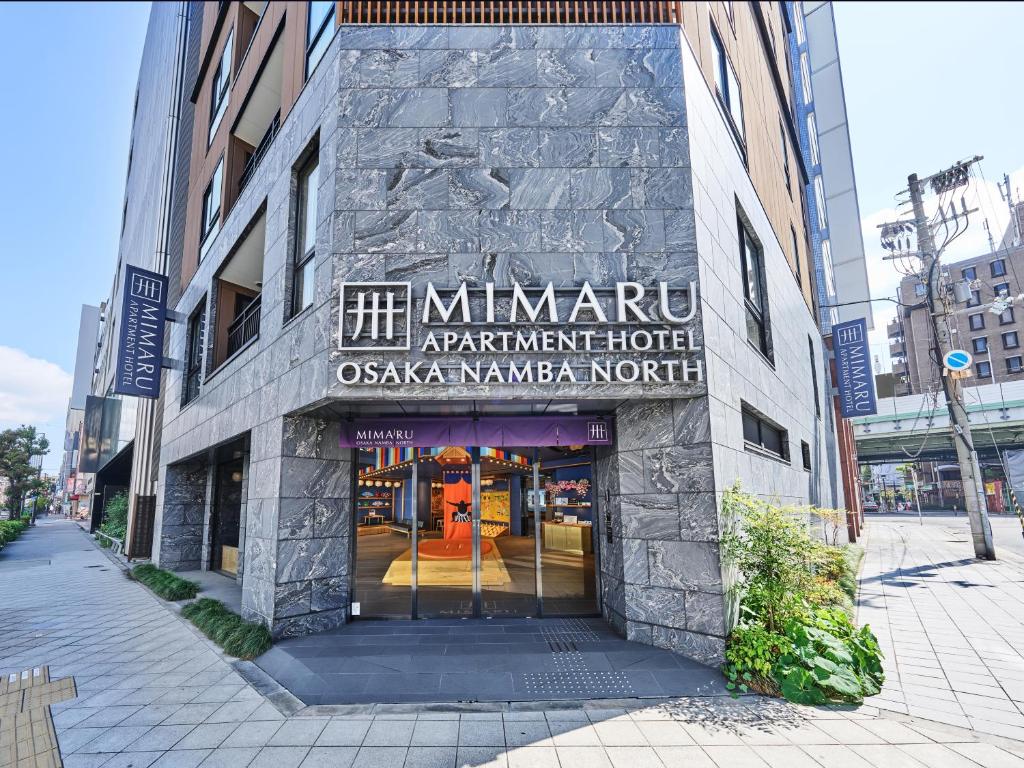
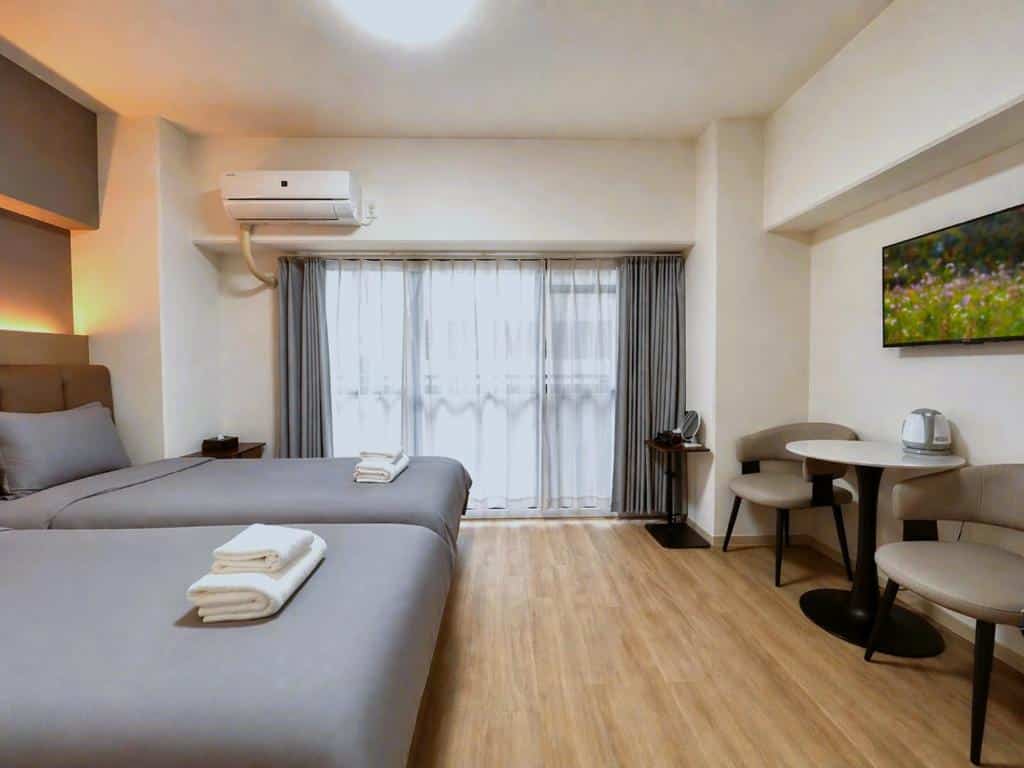
High-End Osaka Hotel: Swissotel Nankai Osaka
Directly connected to Nankai Namba Station and at the heart of the Dotonbori food district, the top choice for distinguished business travelers.

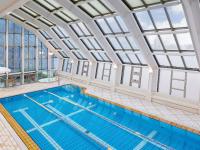

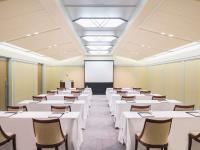
- Access: Directly connected to Nankai Namba Station, 1-minute walk
- Highlights: High-floor view rooms, international restaurants, gym
- Best for: Business travelers / couples
Upper-Mid-Range Osaka Hotel: Hotel Nikko Osaka
Directly connected to Shinsaibashi Station and in the prime Midosuji area, near Dotonbori and the Shinsaibashi-suji shopping street, convenient for both transportation and shopping.
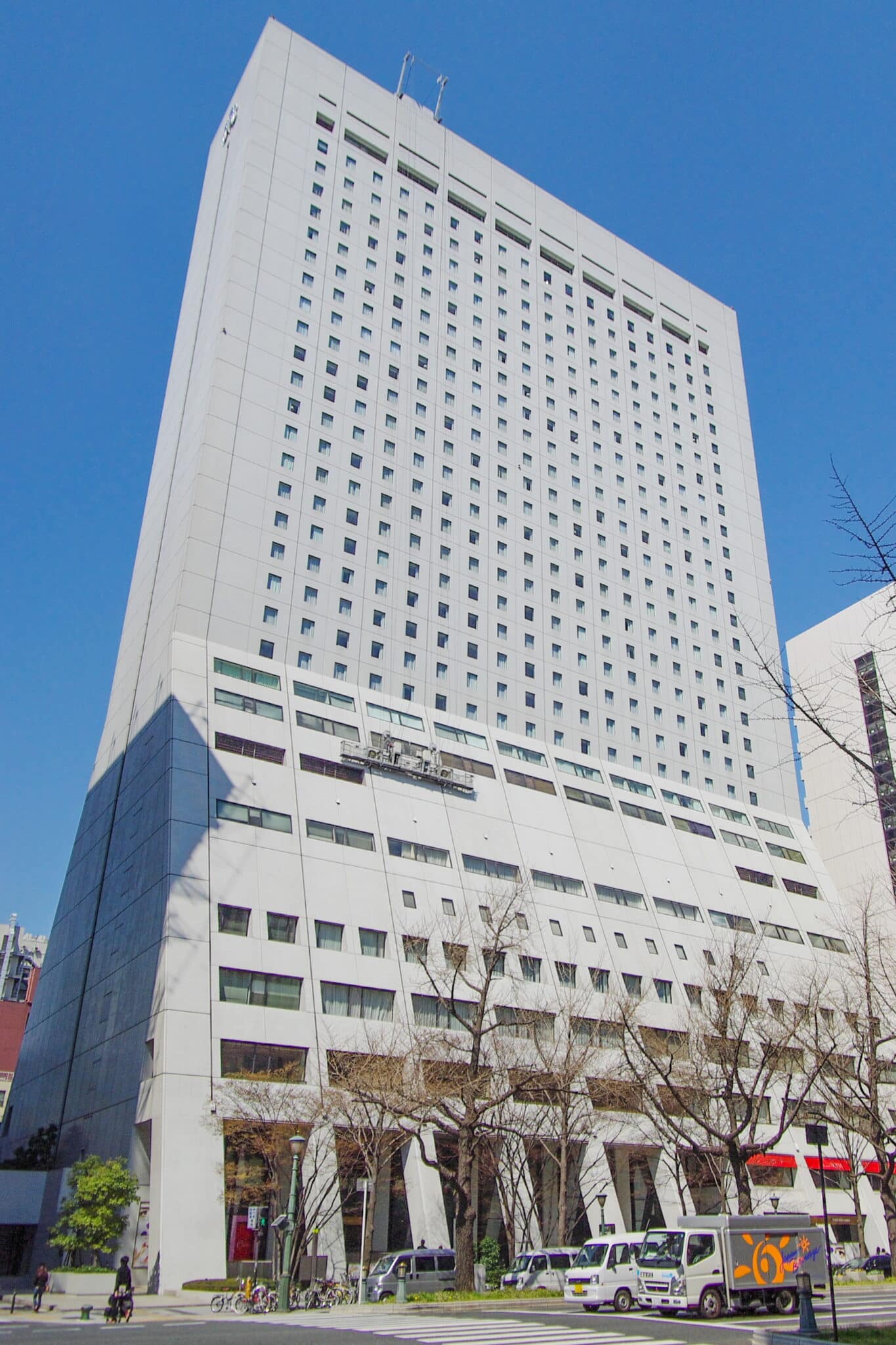
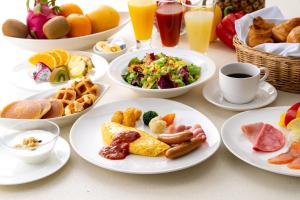
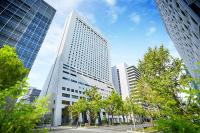

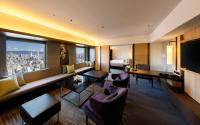
- Access: Directly connected to Shinsaibashi Station (1-minute walk), about 10 minutes from Namba
- Highlights: International restaurants, near Daimaru Department Store, Midosuji view rooms
- Best for: Business travelers / couples
Mid-Range Osaka Hotel: Hotel Monterey Grasmere Osaka
European-style elegant decor gives a resort atmosphere, in a convenient location, a good-value mid-range choice.
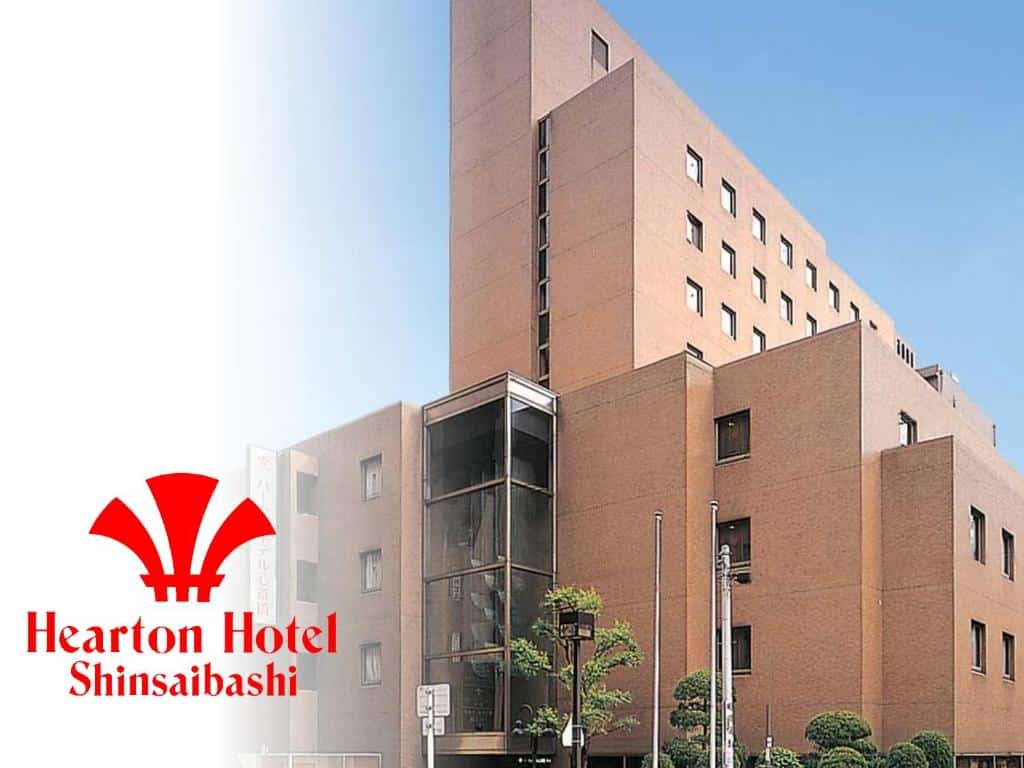
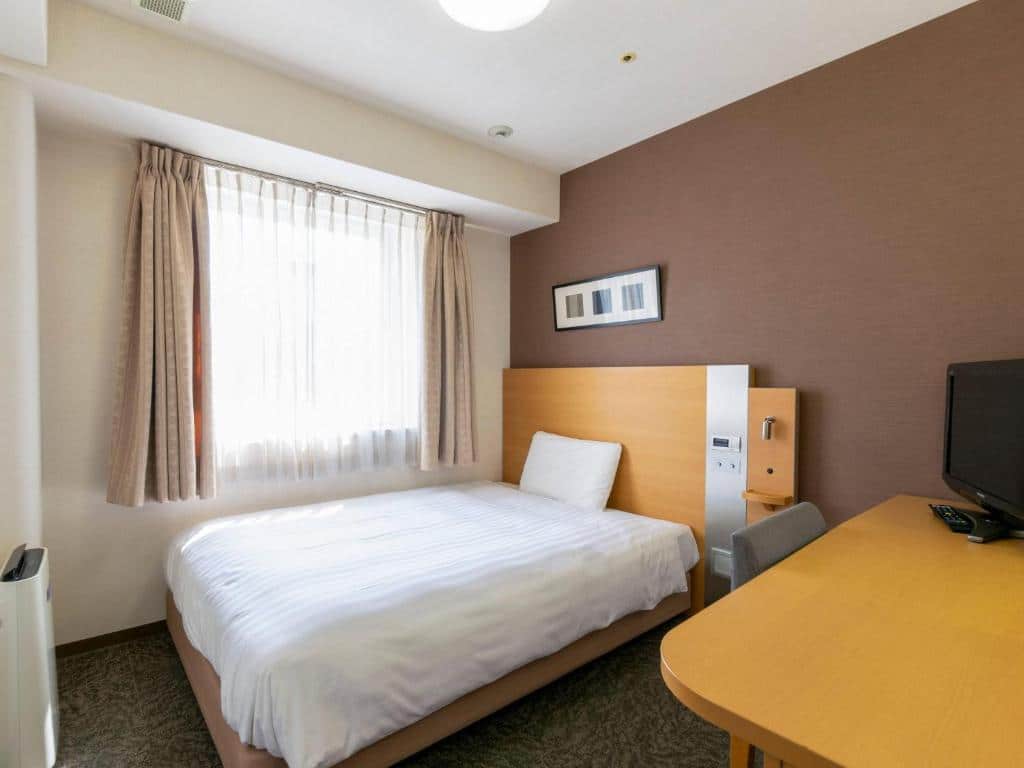



- Access: 5-minute walk from Namba Station
- Highlights: European classic lobby, buffet breakfast, comfortable bedding
- Best for: Couples / families
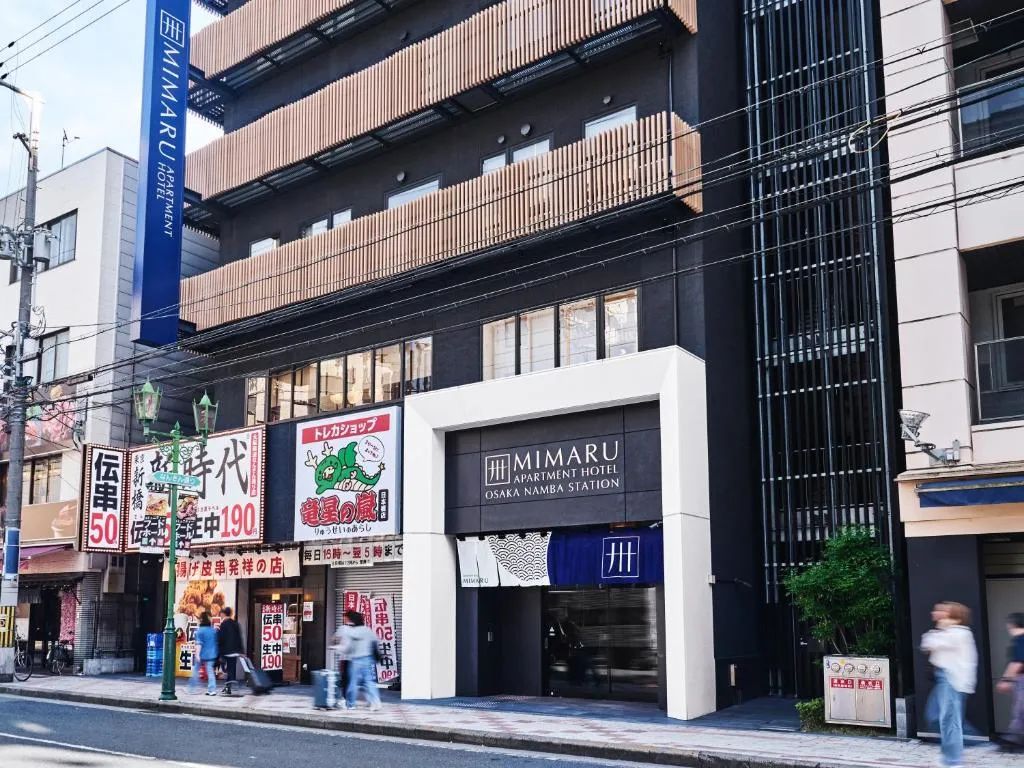
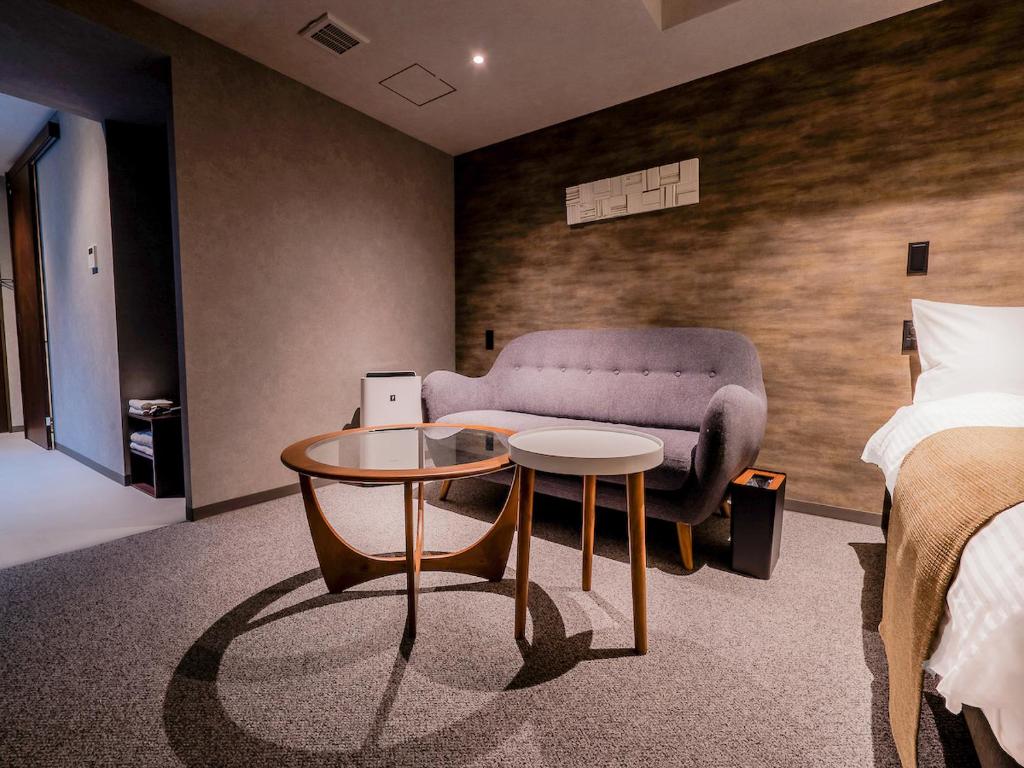
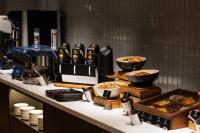
Budget Osaka Hotel: Namba Oriental Hotel
Simple and comfortable budget accommodation near the Dotonbori entertainment district, suited to budget-minded food travelers.

- Access: 7-minute walk from Namba Station
- Highlights: Clean, simple rooms, convenience store nearby, free Wi-Fi
- Best for: Backpackers / couples
Let’s Eat! The 2026 Osaka Food Trip Awaits
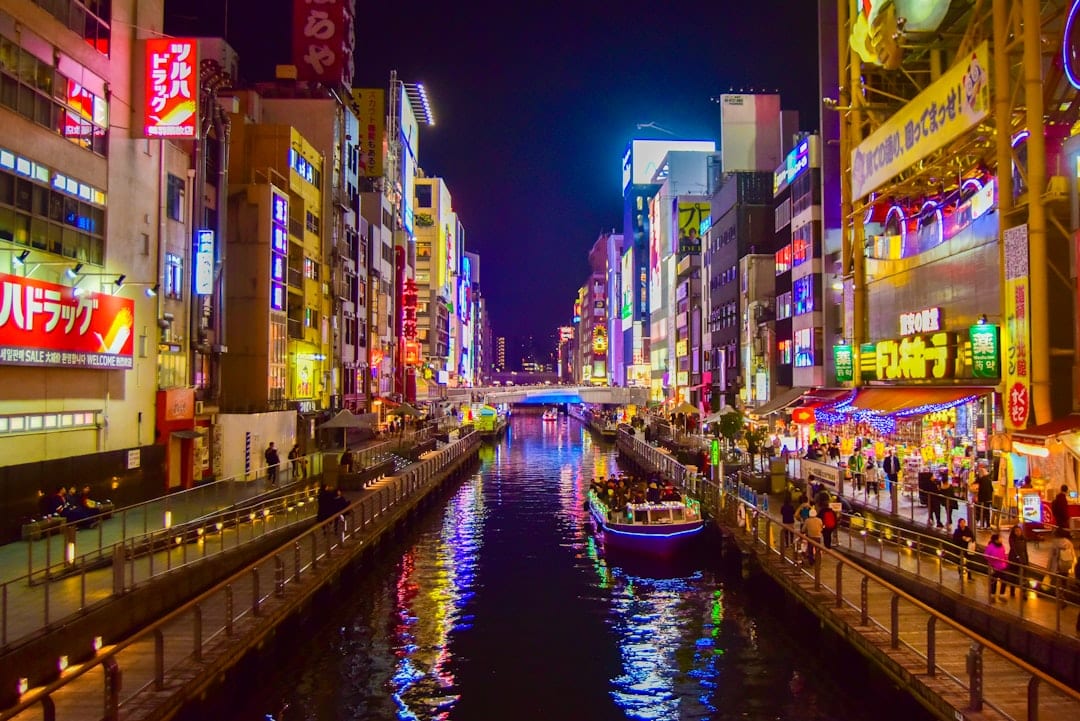
Osaka, “the nation’s kitchen,” from takoyaki and okonomiyaki to kushikatsu and omurice, makes every bite a concentrated essence of everyday culture.
With Dotonbori as the core of food, linking Shinsaibashi, Amerikamura, Kuromon Market and Shinsekai, within just a few days you can eat many classic flavors and experience the generosity and warmth of the Osakan “kuidaore” spirit.
When planning, leave flexible mealtimes, avoid peak lines, and remember to follow local etiquette such as not double dipping kushikatsu sauce, to make the whole food trip smoother and more enjoyable.
Pack your bags now, and with this 2026 Osaka food guide, set out from Dotonbori on a taste adventure of your own!