
Osaka Winter Travel Guide 2026: Weather, What to Wear and Illuminations in a Season of Dry Cold and Dazzling Lights
Osaka in winter (December to February) is dry and cold with little snow and spectacular light displays, which makes it one of the best-value seasons to visit.
Does it snow in Osaka in winter? Yes, but rarely. Osaka sees only occasional, brief flurries in December and January and almost no snow accumulates. According to the Japan Meteorological Agency’s climate normals, the average temperature in January is about 6.2°C, with early-morning lows of around 3°C.
How should you plan a winter itinerary in Osaka? Catch the Midosuji illuminations in the evening, and spend the daytime at Osaka Castle, Kaiyukan aquarium or an onsen. December events include the Midosuji Illumination (November 3 to December 31, 2026) and the Hikari no Renaissance (December 11 to 25).
Key points first:
- 🌡️ Winter temperatures in Osaka run from about 3 to 12°C, and January is the coldest month (normal average 6.2°C).
- ❄️ Snow is rare in Osaka in winter. The city sees occasional brief flurries but almost no accumulation.
- ✨ “Osaka Hikari no Kyoen” (Osaka Festival of Lights) 2026 starts on November 3, and the Midosuji Illumination stays lit through December 31.
Osaka Winter Weather and Temperatures: Dry, Cold, and Light on Rain and Snow
Osaka winters are dry and cold, but milder than in the Tohoku region or Hokkaido. According to the 1991–2020 normals from the Japan Meteorological Agency’s Osaka observatory:
- 🌡️ Average temperatures: 8.7°C in December, 6.2°C in January and 6.6°C in February.
- 🥶 January is the coldest month of the year, with average early-morning lows of about 3°C, and in windy spots it can feel closer to 0°C.
- 🌊 Waterfront areas (Kaiyukan, Universal Studios Japan) are windy and can feel 2–3°C colder than the actual temperature.
The chance of rain is not high, but northeast winds sometimes bring damp cold.
Snow rarely settles in central Osaka. Winter snowfall is mostly brief flurries concentrated in January and February, and the normal snow depth is 0 cm, so it almost never builds up. Non-slip sneakers or leather shoes are generally enough for city sightseeing; if you head to northern Kyoto or the mountains of Shiga to see snow, pack waterproof shoes.
Osaka Winter Temperatures and Rainfall by Month
The table below summarizes the Japan Meteorological Agency’s normals for Osaka from December to February (1991–2020 statistics), including average temperature, average high and low, monthly precipitation and snow days, so you can adjust your packing and plans month by month. Check the forecast for the week you travel before deciding how many layers to bring, which is the safest approach.
| Month | Average temp. | Average high / low | Monthly precipitation | Snow days | What it feels like |
|---|---|---|---|---|---|
| December | 8.7°C | 12.3°C / 5.3°C | 55.5mm | about 1.8 days | Chilly mornings and evenings; Christmas illumination season begins |
| January | 6.2°C | 9.7°C / 3.0°C | 47.0mm | about 4.7 days | Coldest of the year, with occasional brief flurries |
| February | 6.6°C | 10.5°C / 3.2°C | 60.5mm | about 5.5 days | Dry and windy, with occasional flurries |
Osaka Weather in January 2026: Does It Snow in January? January Events
January weather in Osaka is mostly clear, dry and cold, with normal monthly precipitation of only about 47mm, which makes it a good month for sightseeing. Here are the most recent measurements, from January 2026 (Japan Meteorological Agency, Osaka station):
- 🌡️ Average temperature 6.2°C, average high 10.2°C, average low 2.7°C, with a minimum that dropped to −0.3°C.
- ☀️ Total precipitation for the whole month was only 1.5mm, and there were 194 hours of sunshine, making it drier and sunnier than usual.
Does it snow in Osaka in January? There are flurries, but snow rarely settles.
- ❄️ The Osaka station recorded snowfall on 8 days in January 2026 (mostly brief flurries), and no snow cover was observed that month.
- 📊 The normal number of snow days in January is about 4.7, and the normal snow depth is 0 cm.
- 👟 You don’t need snow boots in the city; sneakers, a warm coat, a scarf and gloves are enough.
- 🏔️ To see snowy scenery, head to mountain areas such as northern Kyoto, Shiga or northern Hyogo.
Here are some ideas for January events in Osaka:
- 🎍 New Year’s first shrine visit and USJ countdown: Universal Studios Japan has announced “NO LIMIT! Countdown 2027” from 19:00 on December 31, 2026 to 21:00 on January 1, 2027. Entry requires a dedicated “Party Pass,” priced from ¥16,900 including tax, with advance sales starting October 7 and general sales starting at 21:00 on November 4.
- 🎋 Imamiya Ebisu Shrine “Toka Ebisu”: held every year on January 9 (Yoi-Ebisu), 10 (Hon-Ebisu) and 11 (Nokori-Fuku). In 2026, the fuku-zasa (lucky bamboo branch) distribution ran from 7:00 until 1:00 the next day, and the shrine could be visited around the clock during that period.
- 🏃♀️ Osaka International Women’s Marathon: held in late January in recent years (the 45th edition took place on January 25, 2026). Please check the official event website for the 2027 date.
- ✨ Note on illuminations: In 2026, the Midosuji Illumination and the Nakanoshima Illumination Street end on December 31, and the main programs of “Osaka Hikari no Renaissance” run from December 11 to 25. The full “Osaka Hikari no Kyoen” period extends to January 31, 2027, but only some area programs remain in January, so you basically can’t see these two major illuminations if you visit Osaka in January.
Osaka in November and December: Temperatures and Whether It Snows
Based on the 1991–2020 normals from the Japan Meteorological Agency’s Osaka station:
- 🍂 November: average 13.8°C, average high 17.8°C, low 10.2°C, with 0 snow days, so it basically doesn’t snow.
- 🎄 December: average 8.7°C, average high 12.3°C, low 5.3°C, with about 1.8 snow days. Brief flurries are possible, but snow doesn’t accumulate.
- ✨ December is illumination season: the Midosuji Illumination runs from November 3 to December 31, and OSAKA Hikari no Renaissance from December 11 to 25.
Why Winter 2026 Is a Great Time to Visit Osaka
Osaka’s winter in 2026 continues its familiar character of dry cold, little snow and spectacular illuminations.
- 💰 Winter is the low season for travel in Japan, so airfares and hotel rates are relatively friendly.
- 🚶 Crowds are also much smaller than in cherry blossom and autumn foliage seasons, which suits travelers who prefer a leisurely pace.
How to Get Around Osaka’s Winter Attractions: A Complete Guide to Transport and Passes
The best thing about winter travel in Osaka is that a dense network of trains and buses connects everything, from Kansai Airport to Osaka Castle, Dotonbori and Universal Studios Japan, and even the illumination and snow spots in Kyoto, Kobe and Nara. Because winter days are short and temperatures are low, choosing the right transport not only saves money but also cuts the time you spend shivering outdoors while waiting for a ride.
Winter Attraction Transport at a Glance
💳 ICOCA card: priced at ¥2,000 (including a ¥500 deposit), usable on JR, subways, Hankyu and other Kansai railways, and it can be set up with Apple Pay.
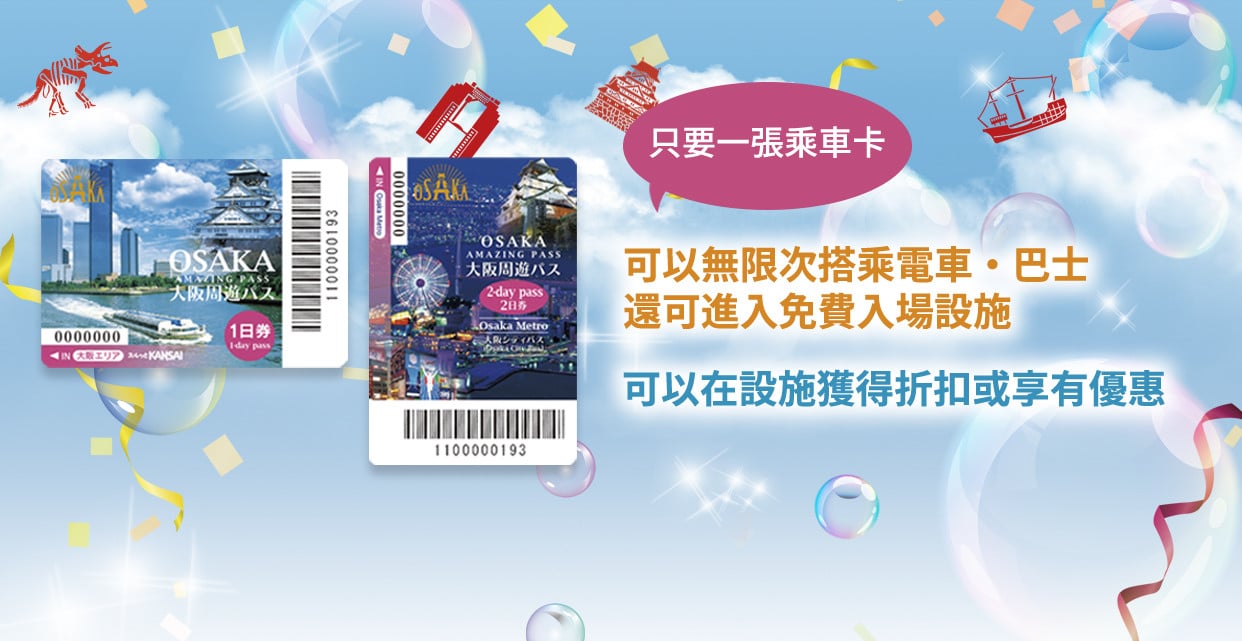
🎫 Osaka Amazing Pass 1-day ticket: ¥3,500 (current official price; the 2026 version is a mobile QR e-ticket). It covers subways and city buses and free admission to more than 40 attractions, and we recommend going up the Umeda Sky Building for the night view.
🚃 Hankyu Railway one-day pass: Hankyu offers several one-day tickets (prices and sales periods are announced each year), valid on the Kyoto, Kobe and Takarazuka lines, and suitable for travel between cities.
🚄 Nankai Rapi:t / Limousine Bus: to and from Kansai Airport. Rapi:t requires a “fare plus limited express ticket” (a Regular Seat limited express ticket is ¥700 for adults) and runs directly to Namba; the bus starts from around ¥1,600 and goes directly to hotels, which suits travelers with lots of luggage.


What Are the Must-See Highlights of Osaka in Winter? A Complete Guide to Illuminations and Attractions
The charm of winter Osaka lies in smart layering and the dazzling lights stretching across the whole city. We take a closer look at each below.
What to Do in Osaka in Winter? Choosing Winter Attractions by Month
Winter attractions in Osaka fall roughly into two groups: “illuminations at night” and “indoor spots or hot springs by day.” Choosing by the month you travel will give you better results:
- 🎄 November to December: head to Midosuji and Nakanoshima in the evening for “Osaka Hikari no Kyoen” (starting November 3, 2026; generally free, though programs in some areas charge admission). In December you can also visit the Christmas market on the first-floor plaza of the Umeda Sky Building (November 14 to December 25 in 2025).
- 🎍 January: the first shrine visit of the year and Toka Ebisu at Imamiya Ebisu Shrine (January 9 to 11) are the most distinctly Osaka winter festivals. By day, you can visit Osaka Castle’s main keep (9:00–18:00, closed December 28 to January 1), where the observation deck offers far-reaching views on clear days.
- ♨️ All winter long: cold days suit indoor attractions best, and neither Kaiyukan nor Solaniwa Onsen is affected by weather. Soaking in an onsen after seeing the illuminations at night is a classic way many people enjoy winter in Osaka.
Mid and Outer Layers: The Core Gear Against Outdoor Cold
For the mid layer, choose a fleece, a wool sweater or a lightweight down vest, aiming for both warmth and ease of movement. For the outer layer, bring a down jacket or a wool coat. Temperatures can drop below 5°C in the evening at outdoor illumination spots such as Osaka Castle and Umeda, so a warm coat is absolutely essential.
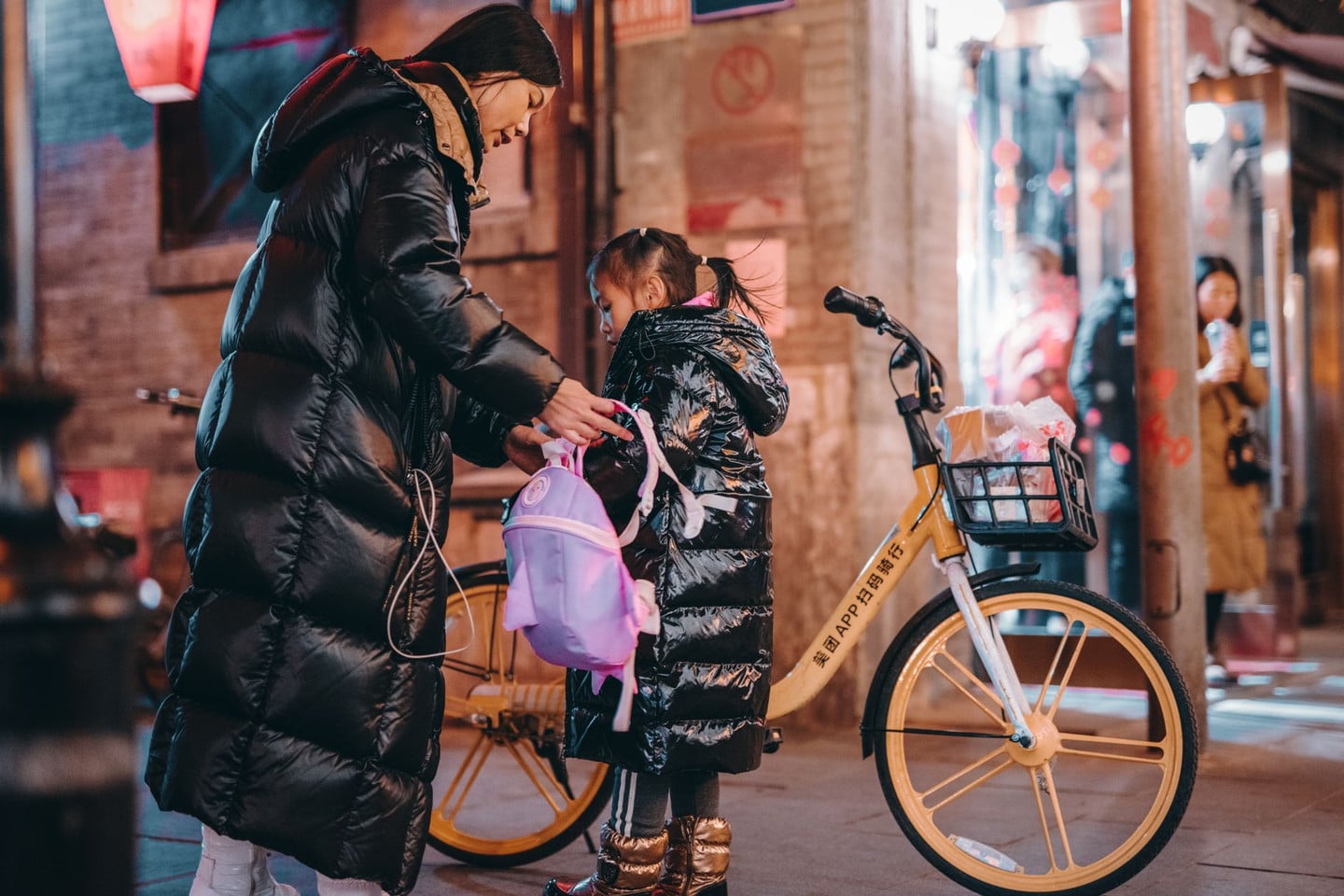
When buying a coat, choose a windproof material, because winter winds in Osaka are noticeable, and in waterfront areas such as Kaiyukan and Universal Studios Japan the felt temperature can be much lower than in the city. If your plans include a long time outdoors viewing illuminations or a New Year’s Eve countdown, add a windproof vest over your outer layer for extra warmth.
Cold-Weather Accessories and Hand Warmers: Japan’s Smart Winter Travel Essentials
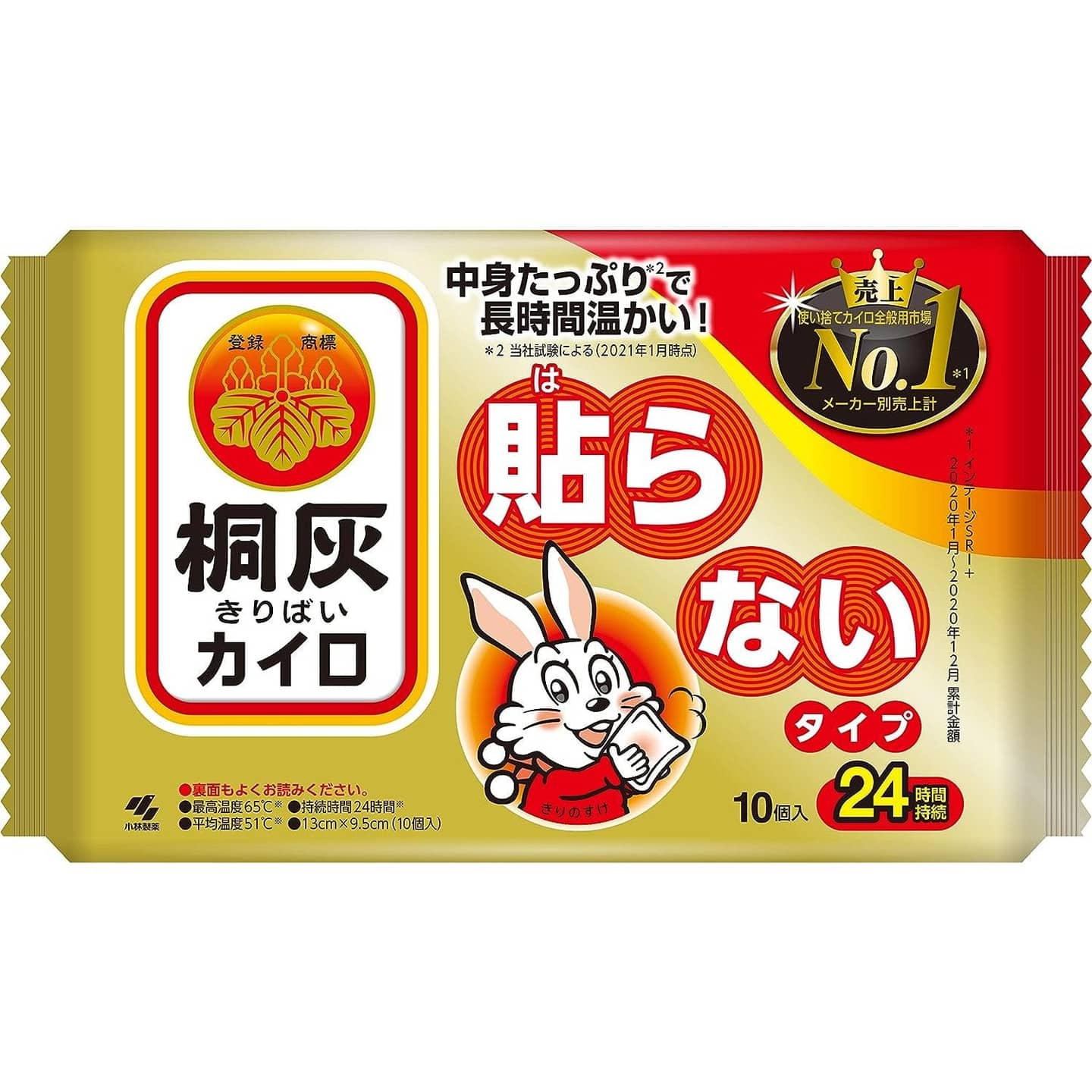
A scarf, gloves, a knit hat and warm socks are must-have accessories for winter travel in Osaka, especially when the felt temperature is low during evening illumination viewing, as these small items greatly improve comfort. Convenience stores and drugstores in Japan commonly sell disposable hand warmers (Hokkairo) for about ¥30–50 each. Stick one inside your coat or hold it in your hand; it is a staple for locals going out in winter, and we highly recommend buying a few as soon as you arrive.
In addition, because Osaka’s winter air is dry, we recommend carrying lotion, lip balm and a mask to avoid chapped skin and a sore throat. If you feel cold while out shopping, you can also make use of the hot-drink vending machines found everywhere and buy a hot coffee or hot green tea to warm your hands and stomach, one of the small pleasures of winter travel in Japan.
Osaka Hikari no Kyoen (Festival of Lights): The Annual Winter Event Spanning the City Center
The largest illumination event of the Osaka winter, it consists of two core programs: the “Midosuji Illumination” and “OSAKA Hikari no Renaissance” on Nakanoshima.
- 🗓 Full 2026 run: November 3 to January 31, 2027 (from January 2027 only some area programs remain).
- 🌳 Midosuji Illumination: November 3 to December 31, about 17:00 to 25:00 (1:00 a.m.) daily.
- 🎇 Hikari no Renaissance: main programs December 11 to 25.
- 🕔 We recommend going after 17:00, once it is fully dark, and walking from Umeda to Nakanoshima, enjoying the Midosuji Illumination along the way.
- 💰 Most of it takes place in free, open outdoor spaces, with only a few exhibits requiring tickets, so it makes a good last stop of a city-center itinerary.
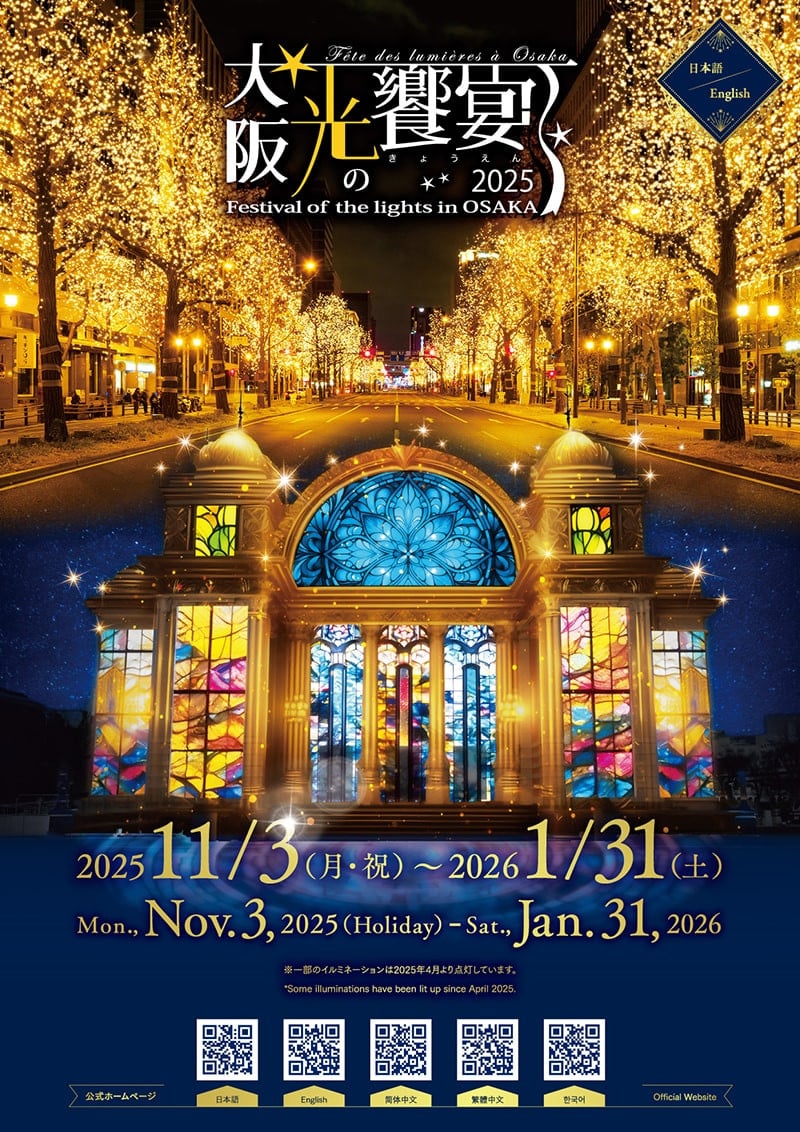


- 🗓 Osaka Hikari no Kyoen 2026: November 3, 2026 to January 31, 2027 (only some area programs from January 2027)
- 💡 Midosuji Illumination: November 3 to December 31, 2026, about 17:00–25:00 (1:00 a.m.) daily
- 🎇 OSAKA Hikari no Renaissance: main programs December 11 to December 25, 2026; Public Hall projection show 17:30–21:30; Nakanoshima Illumination Street and City Hall facade lighting November 3 to December 31, 17:00–25:00 (1:00 a.m.)
- 🔗 Osaka City official website (Osaka Hikari no Kyoen 2026)
Midosuji Illumination: A Ginkgo Avenue Turned Golden Corridor of Light
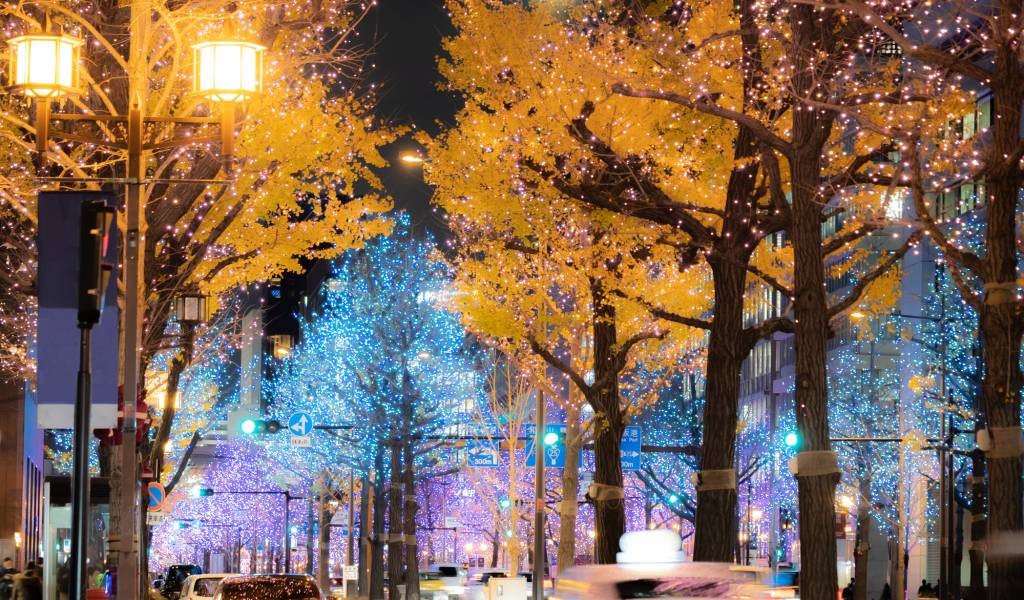
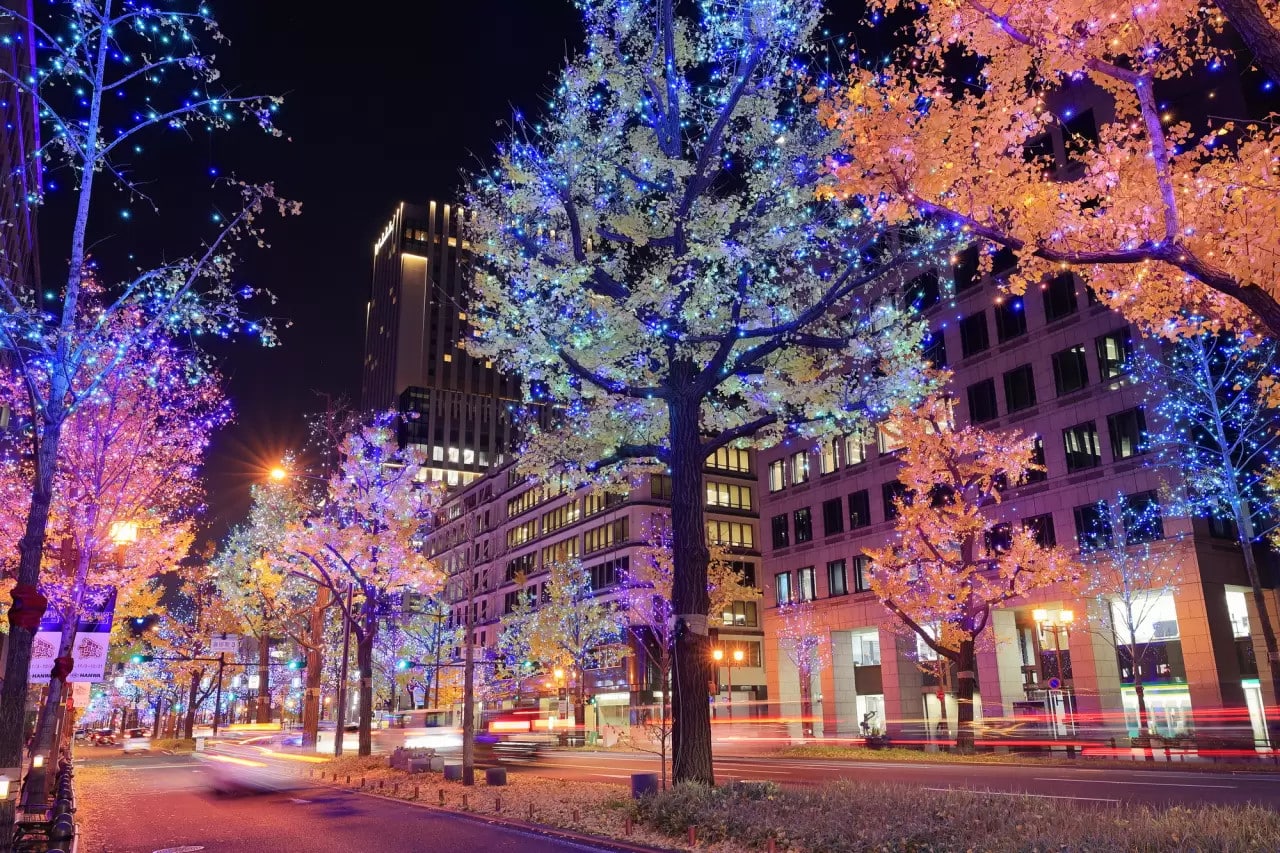
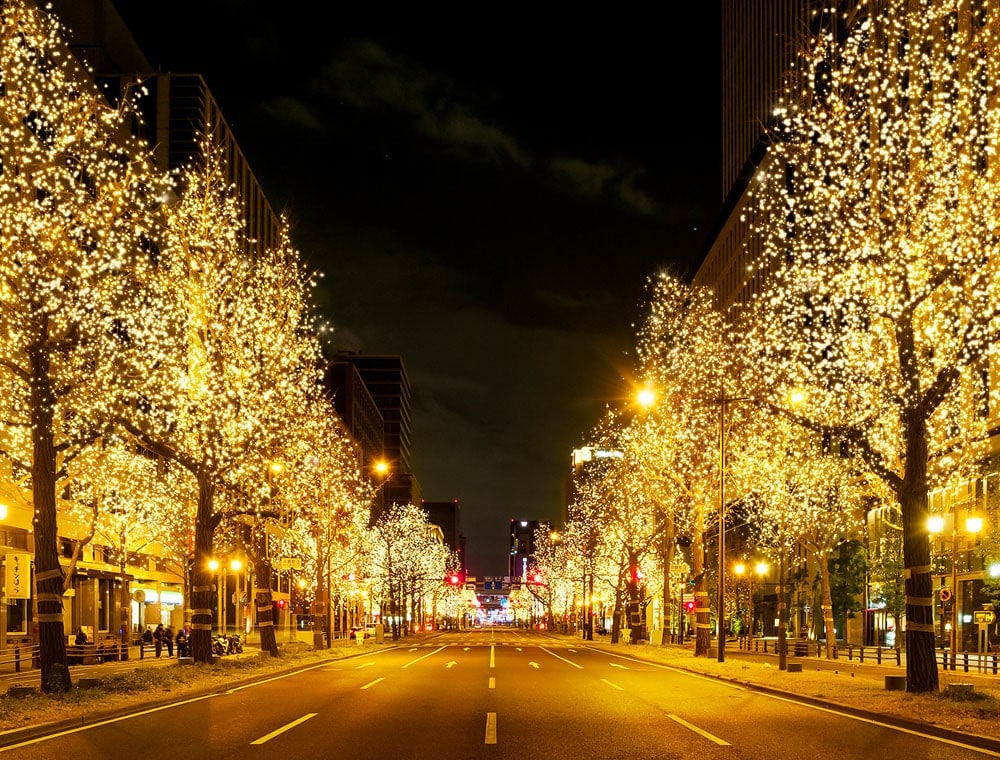
The Midosuji Illumination is a nighttime landscape created by wrapping lights around the ginkgo trees lining both sides of Midosuji, Osaka’s main boulevard. It stretches about 4 kilometers from Umeda to Namba and is one of the most representative streetscape illuminations of the Osaka winter. 2026 marks the 90th anniversary of the opening of Midosuji, and the 4-kilometer route is divided into 5 zones that present the lighting of different eras from the 1940s to the present, while Kita-Midō has interactive digital art that responds to the flow of visitors.
In 2026 the Midosuji Illumination is lit from November 3 to December 31, about 17:00 to 25:00 each day (that is, 1:00 a.m. the following day).
It is free along the entire route and right next to the stations of the Midosuji subway line, so it is perfect for a slow walk; we suggest strolling after dinner.
Osaka Hikari no Renaissance: A Waterfront Light Show in Nakanoshima Park
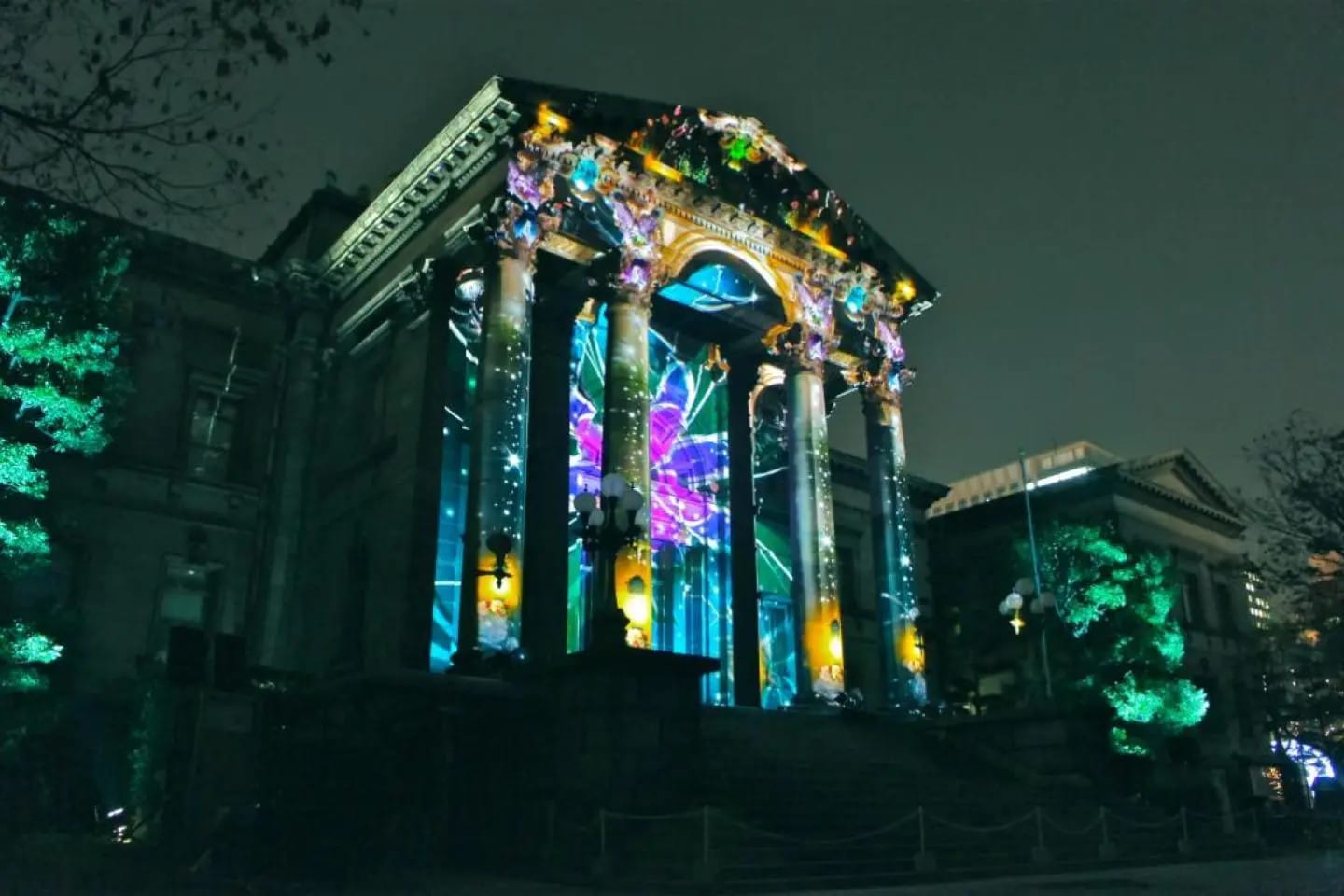
Osaka Hikari no Renaissance is one of the core areas of Osaka Hikari no Kyoen. Held in Nakanoshima Park, it combines projection mapping, waterfront reflections and musical performances to create a dreamlike, immersive light experience. It is the largest and most visually rich area of the whole festival, and a popular choice for couples on dates and families with children.
In 2026 the Public Hall projection show runs from December 11 to 25, from 17:30 to 21:30, in cycles of about 10 minutes every 12 minutes.
We recommend arriving early in the evening to claim a spot, since popular time slots get crowded; if you want photos with fewer people, try to arrive before 19:00 on a weekday evening.
The organizers say it is generally free, with some area programs requiring a separate ticket, so please check the official announcements before you go.
Christmas Illuminations Around the Umeda Sky Building: A Romantic Night View from the Floating Garden
The Umeda Sky Building and the surrounding commercial district stage large Christmas illuminations and a Christmas market in winter (the former “German Christmas Market Osaka” has been discontinued, and in 2025 it was replaced by “Wonder Christmas Marche” on the first-floor plaza, November 14 to December 25). Combined with the 360-degree night view from the Floating Garden Observatory, it is a popular spot for couples and families in Osaka’s winter. Lights are layered from the ground-level plaza all the way up to the rooftop observatory, creating a rich festive atmosphere.
Observatory tickets cost about ¥2,000 for adults, and it is open until 22:30 (last entry 22:00). We recommend going in before sunset so you can watch the sunset give way to the night view. The nearby Christmas market sells seasonal treats such as German-style mulled wine and grilled sausages, so you can refuel on the spot when you get tired, which makes it a great fit for an early-evening itinerary.
Dotonbori and Shinsaibashi Countdown Atmosphere: The City’s Pulse Under Neon Signs
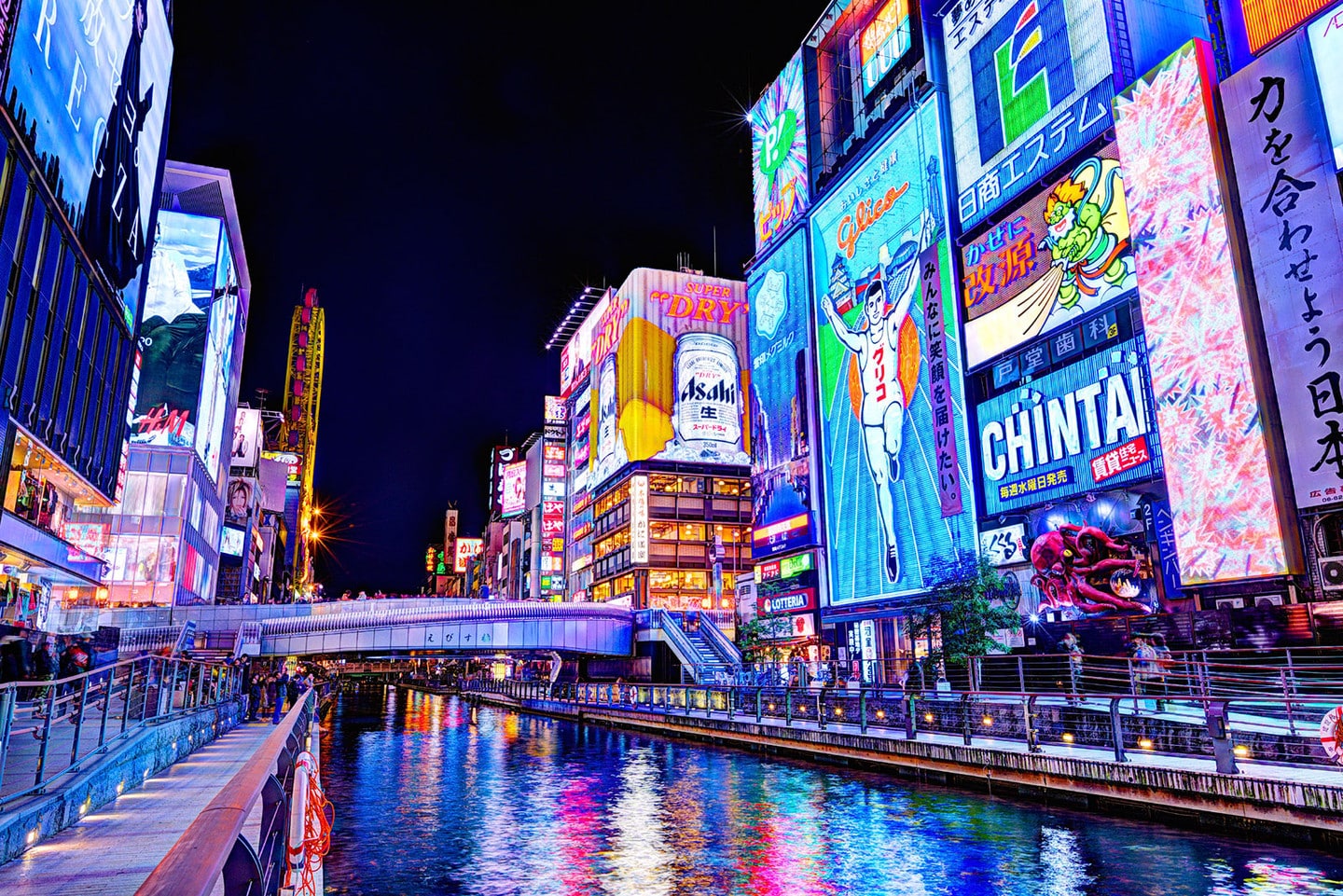
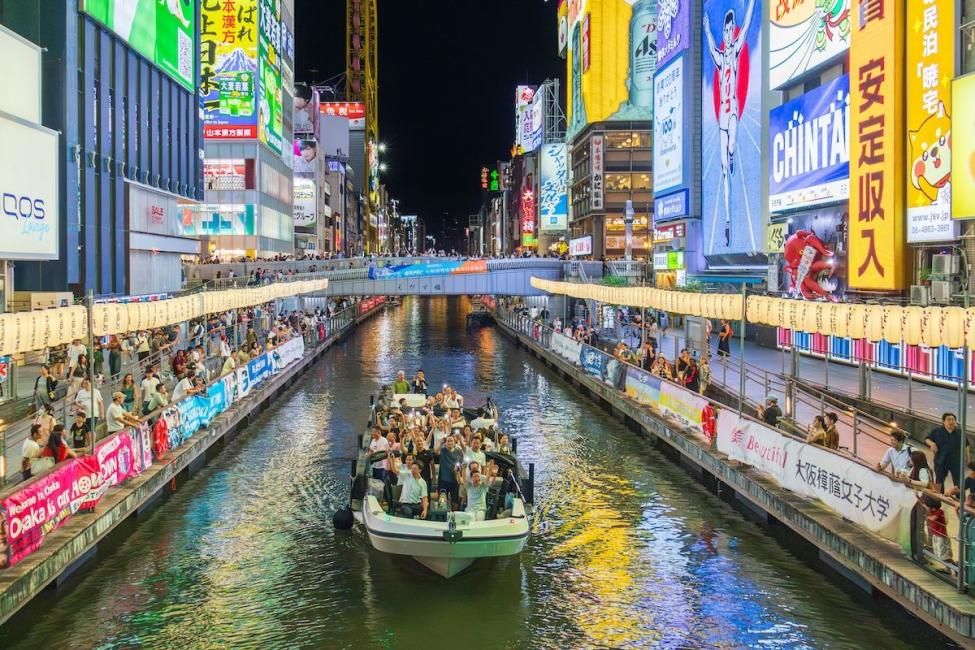
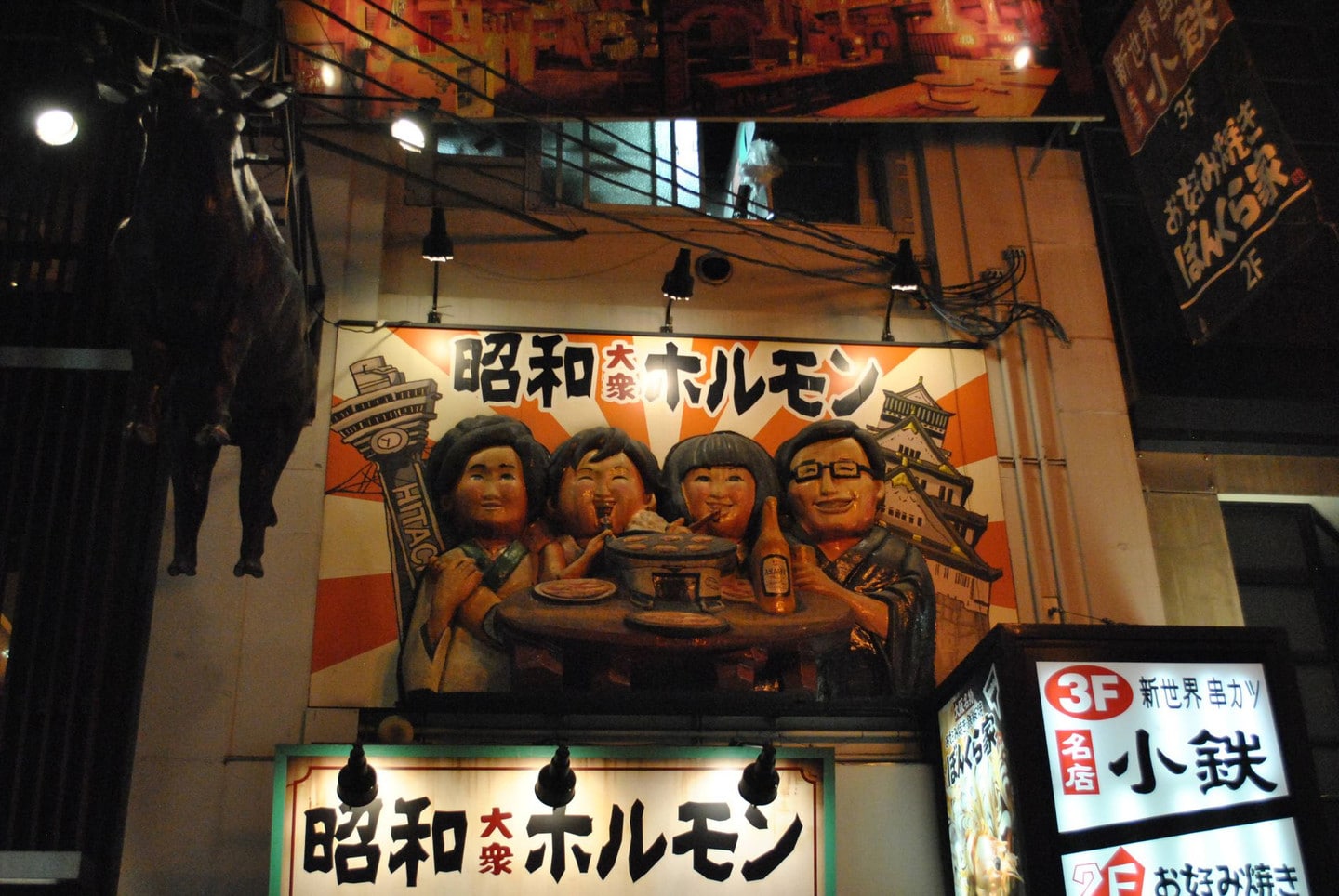
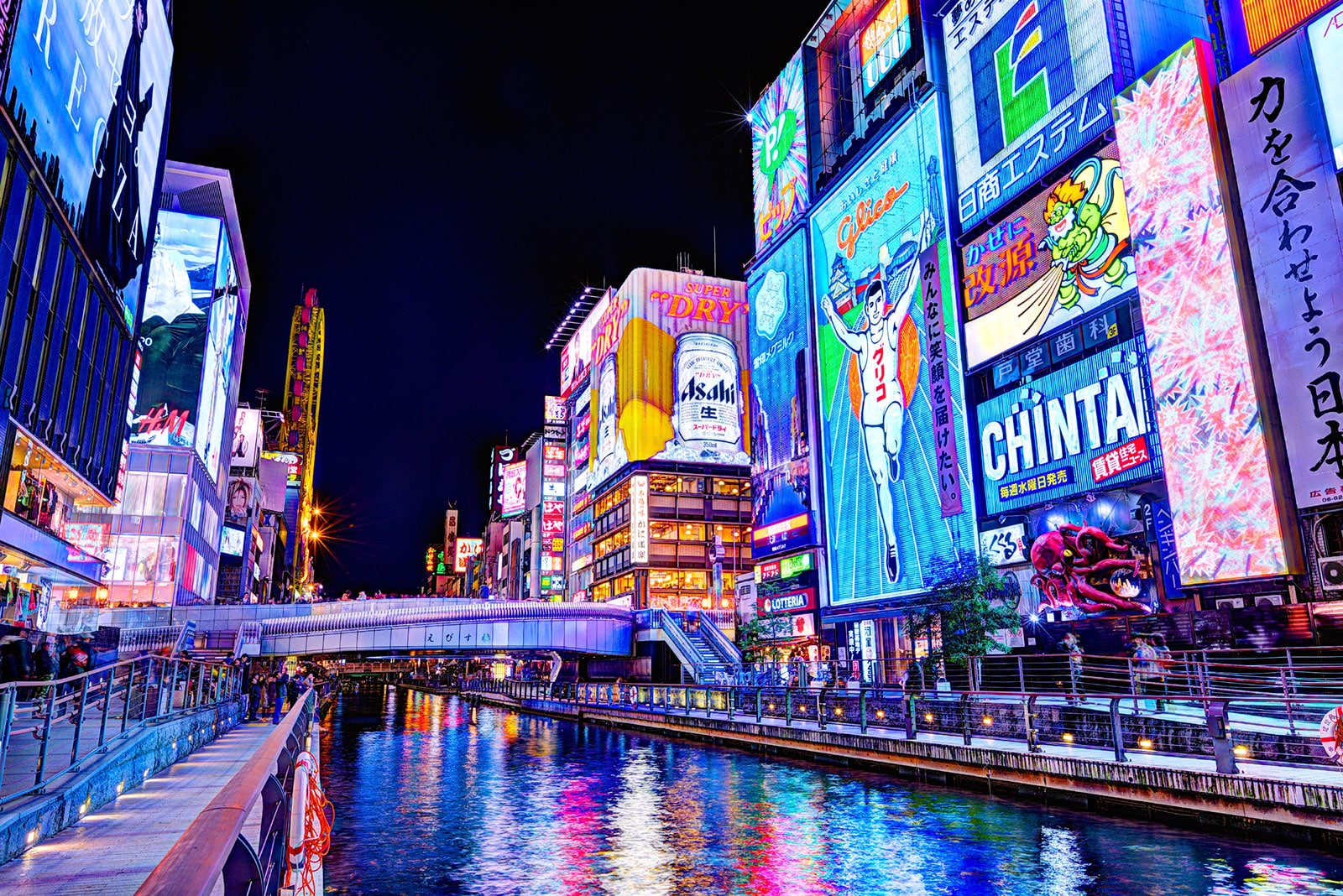
Around Dotonbori and Shinsaibashi, seasonal lights go up for Christmas and New Year’s Eve. Together with the classic neon night view of the Glico Running Man sign, it is a popular photo landmark in winter. The canal banks and shopping arcades are brightly lit at night, so even if you don’t plan an illumination outing, a stroll through will give you a strong sense of the festive mood.
On New Year’s Eve, the crowds around Dotonbori increase noticeably, and many shops and restaurants extend their hours. It suits the final stage of a city itinerary, letting you experience the liveliest New Year’s Eve atmosphere in Osaka. We suggest eating dinner early, avoiding the crush around midnight, and keeping an eye on your belongings.
New Year Shrine Visits and Countdown Events: Experiencing Japan’s Traditional Welcome to the New Year
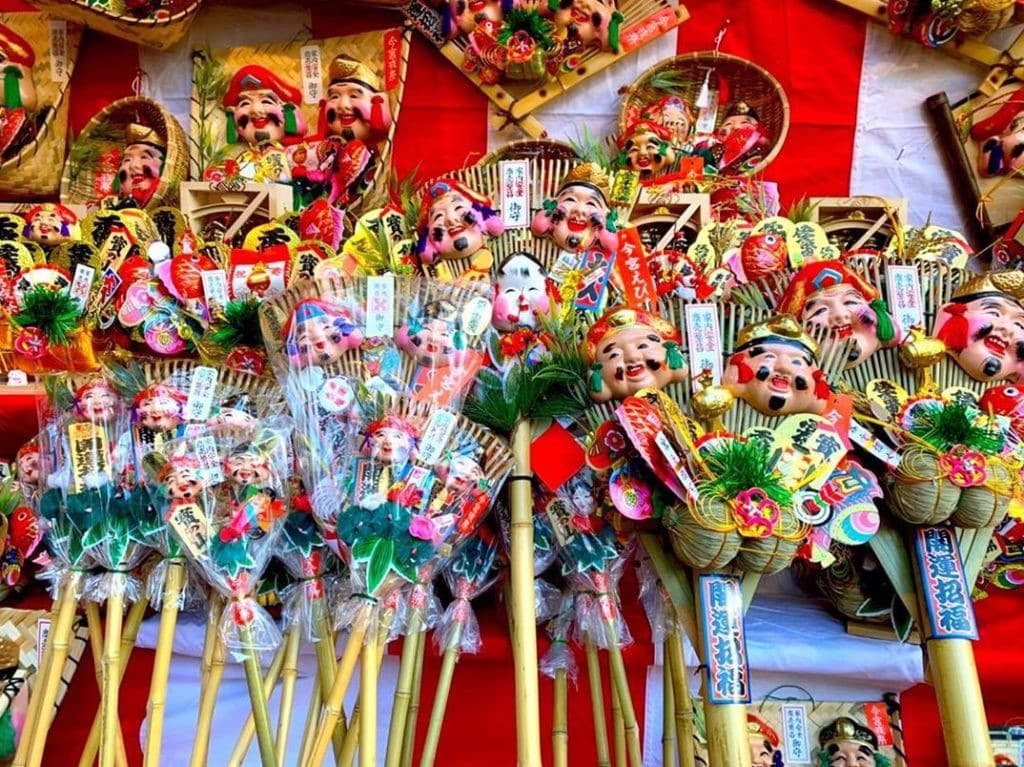
Many shrines in Osaka hold “hatsumode” (first shrine visit) events over the New Year period. Among them, the “Toka Ebisu Festival” at Imamiya Ebisu Shrine (January 9 to 11 each year) is one of the grandest business-prosperity prayer events in the Kansai region. It draws large numbers of merchants and locals praying for thriving business, and the lively scene features “fuku-zasa” bamboo branch decorations sold as lucky charms.
In addition, Universal Studios Japan (USJ) is holding “NO LIMIT! Countdown 2027” (a countdown event of up to 26 hours) from December 31, 2026 to January 1, 2027 (a dedicated “Party Pass” must be purchased separately for entry), letting visitors ride attractions through the night and welcome the new year. It is an alternative New Year’s Eve for travelers who love a lively atmosphere, and a sharp contrast with traditional shrine visits; both capture the festive charm unique to Osaka’s winter.
Osaka Castle Park Winter Illumination: Historic Atmosphere Meets Nighttime Lights
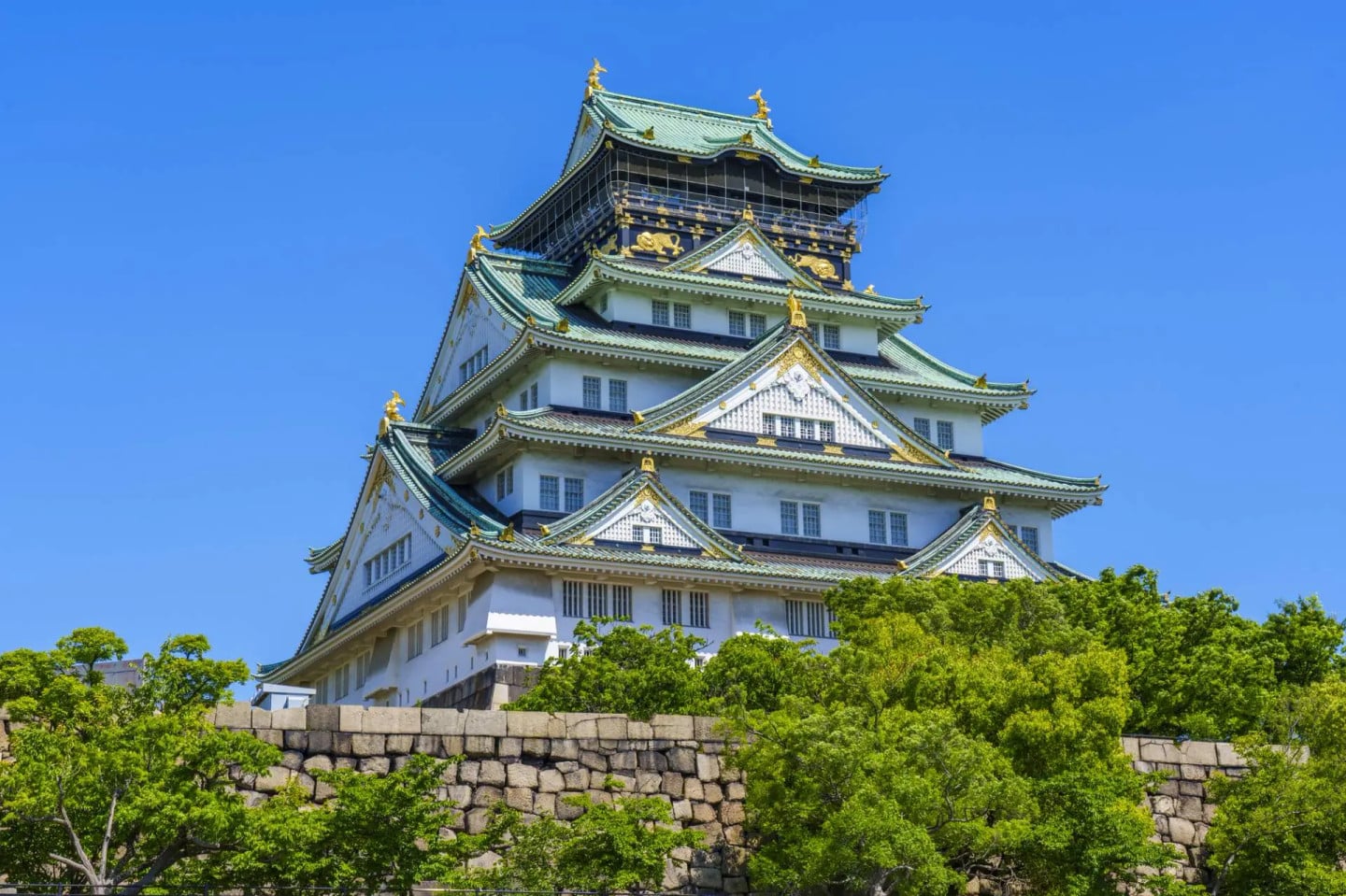
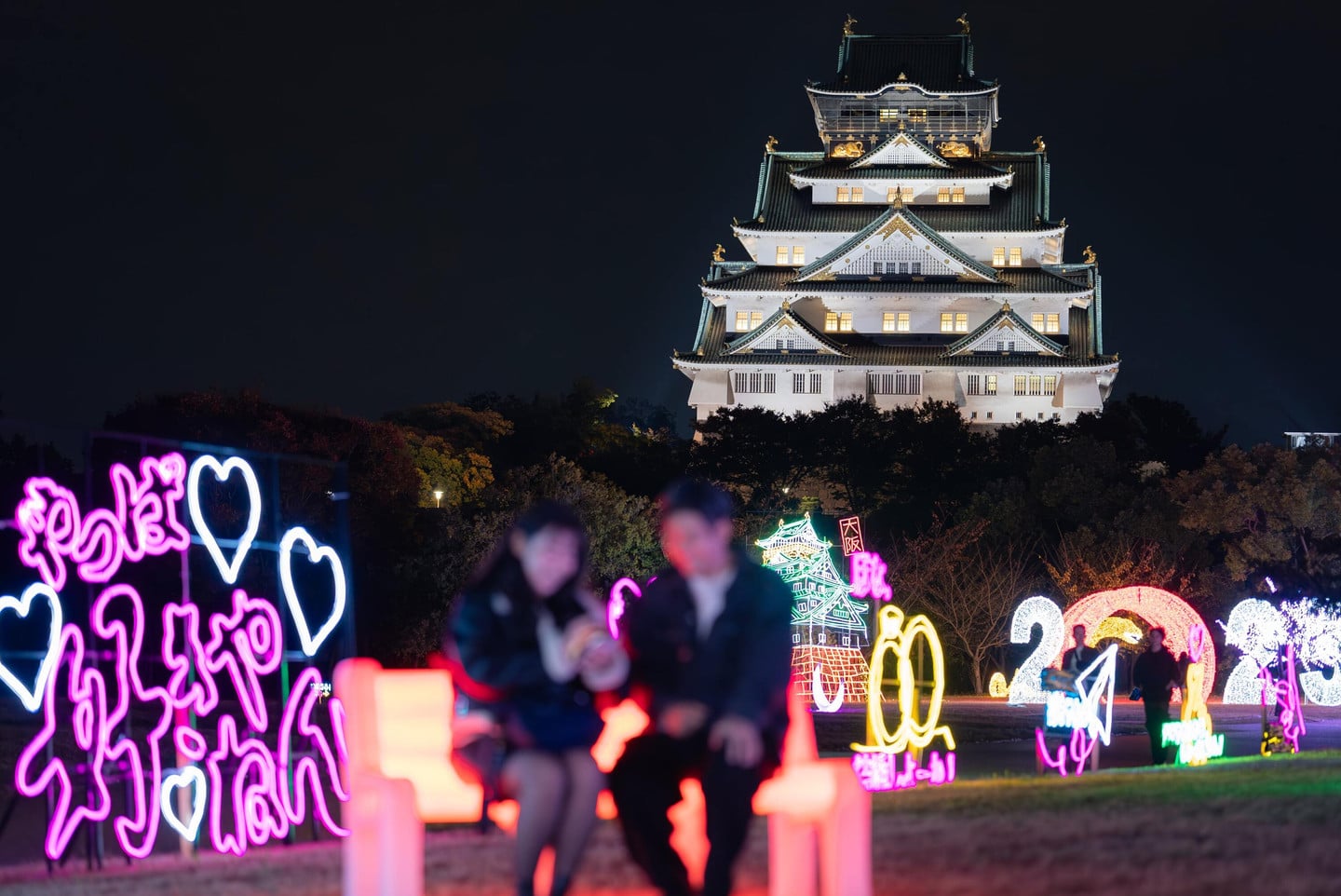
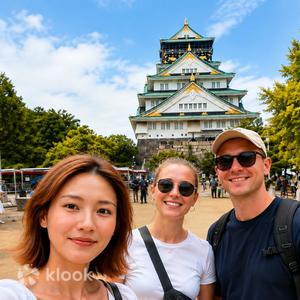
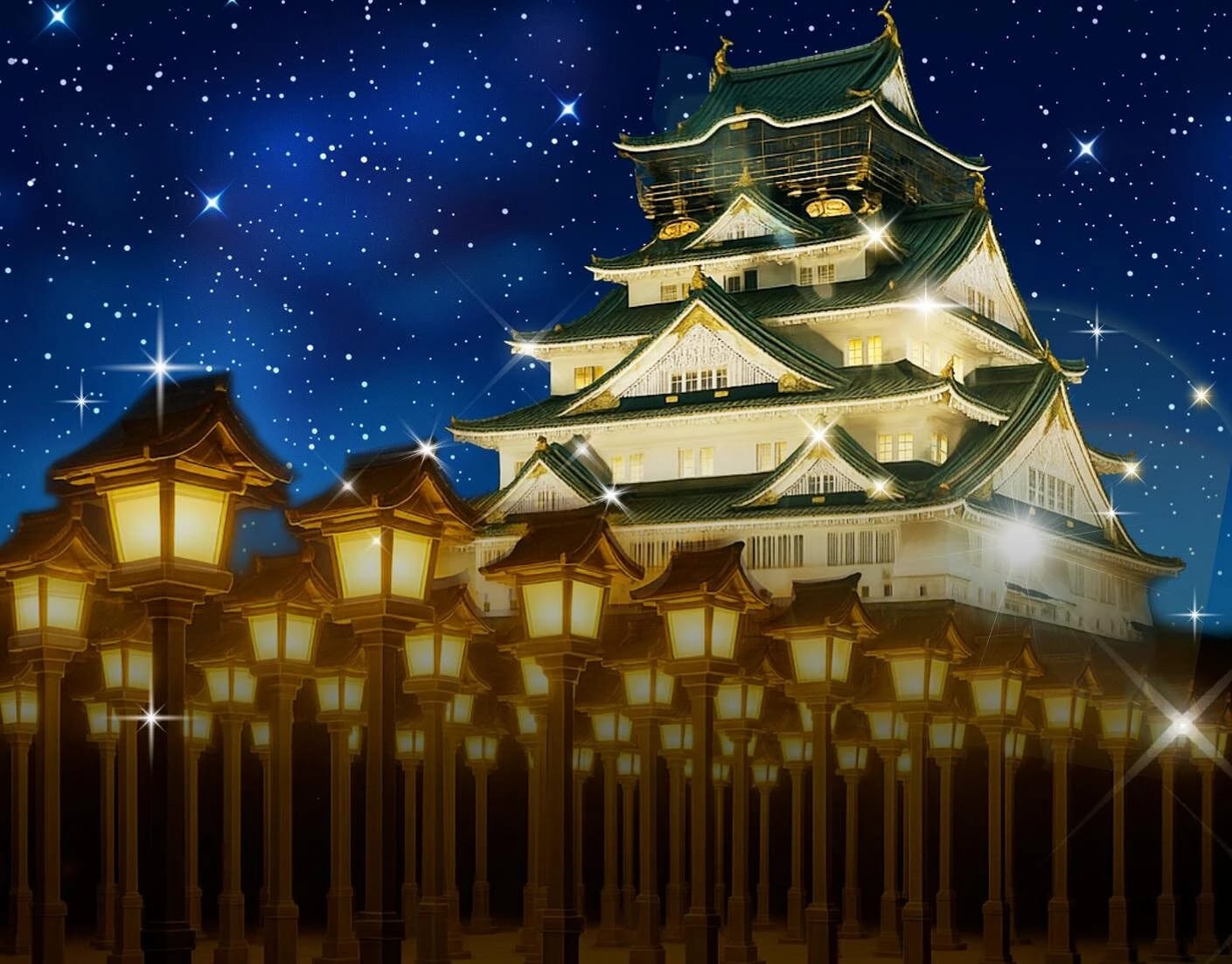
Every winter the Nishinomaru Garden of Osaka Castle holds a paid nighttime illumination event, “Osaka Castle Illuminage.” The 2025–26 edition was themed around lights recreating the armor of Sengoku warlords, creating a nighttime light experience steeped in history, and it is a must-visit for travelers who love history and culture. The main keep is also lit at night, and together with its reflection in the surrounding moat it forms a distinctive nighttime landmark scene of Osaka’s winter.
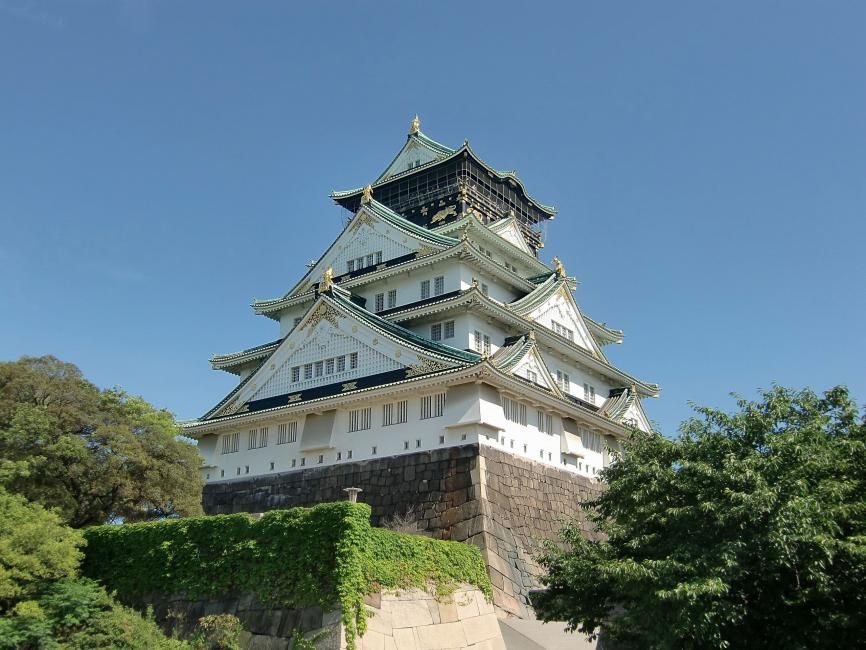
The Osaka Castle main keep is open from 9:00 to 18:00 (last entry 17:30). Admission is ¥1,200 for adults, ¥600 for university and high school students (ID required) and free for junior high school students and younger. Most outdoor areas of the park are free to enter, so it works well to visit the main keep in the late afternoon and stay after dark for the illumination. Osaka Castle Illuminage for 2025–26 ran from November 1, 2025 to February 1, 2026, from 17:00 to 21:30, with adult admission of ¥2,000; please check the official announcements for the 2026–27 dates and prices.
-Klook.jpg)
- 🕘 Opening hours: 9:00–18:00 (last entry 17:30)
- 🎫 Admission: adults ¥1,200 / university and high school students ¥600 (ID required) / junior high school students and younger free
- 📅 Closed: December 28 to January 1
- 🔗 Osaka Castle Main Keep official website
Universal Studios Japan (USJ): A Dreamy Park with Limited-Time Christmas and Countdown Events
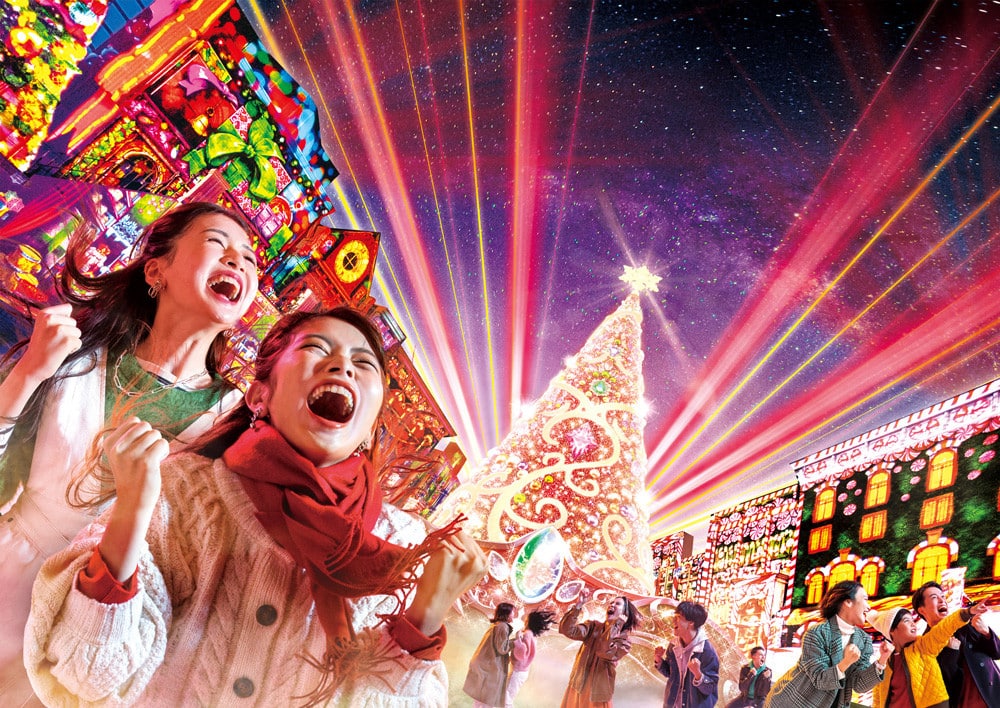
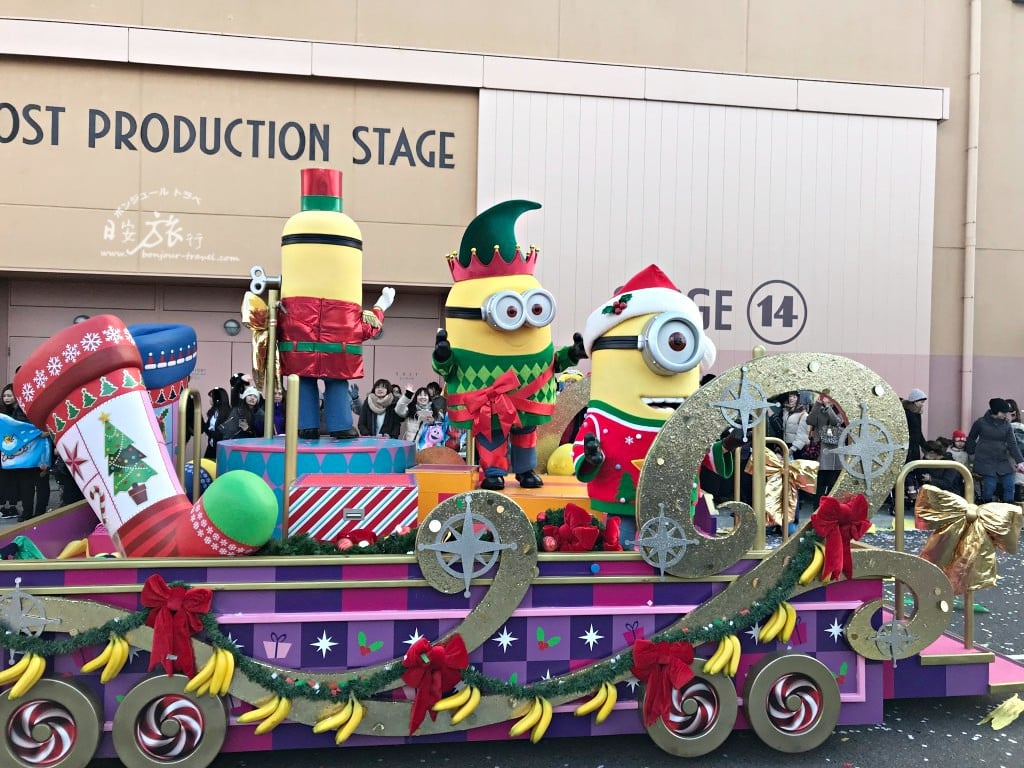
In winter, Universal Studios Japan stages a Christmas-themed parade and limited-edition decorations, with Christmas lights and seasonal musical performances throughout the park, making visitors feel as if they have stepped into a European or American Christmas town. A countdown event of up to 26 hours is also held on New Year’s Eve (the 2026→2027 edition is “NO LIMIT! Countdown 2027,” which requires a separately purchased dedicated “Party Pass”), and it is one of the popular reasons many travelers choose to ring in the new year in Osaka, with a lively and thrilling atmosphere.
Admission prices vary by season and date. A one-day ticket for adults starts from about ¥8,400 (from September 2026, prices go up to around ¥11,900 at most), and we recommend checking the official website for the ticket price on your day and for Express Pass options. Because winter temperatures are low, bring a warm coat and make use of indoor attractions and restaurants within the park to break up your day, so you avoid standing in outdoor lines in the cold for long stretches.

Osaka Aquarium Kaiyukan: A Soothing Aquarium for Families
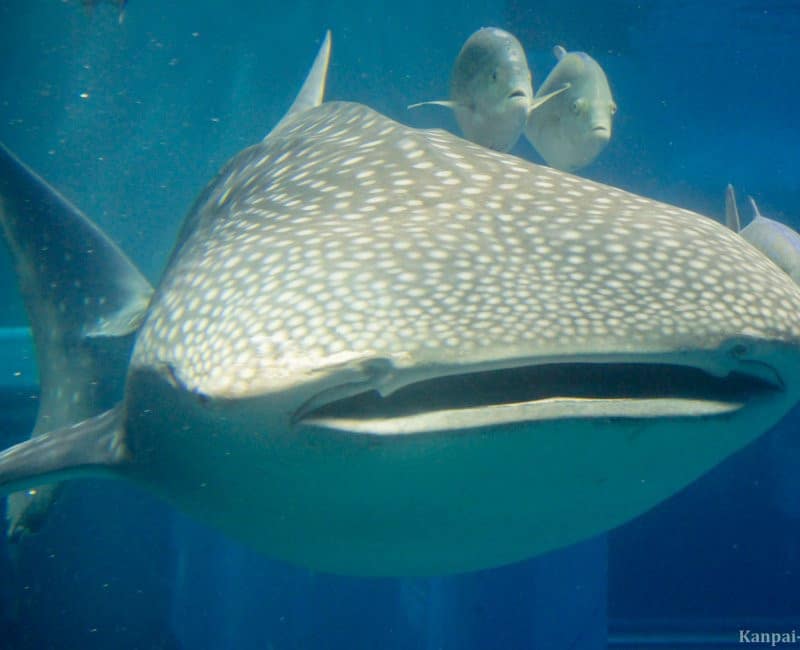
Osaka Aquarium Kaiyukan is one of the largest aquariums in the world. Themed around the Pacific Ring of Fire, it lets you see a variety of marine ecosystems along a spiral route, including popular species such as whale sharks, otters and penguins. In winter evenings it also combines lighting and music to create a romantic atmosphere, making it ideal for couples and families.
Opening hours vary by date (usually opening at 9:30 or 10:30 and closing at 20:00). Tickets use variable pricing, from about ¥2,700 for ages 16 and up, up to ¥3,500 on peak days, and we suggest allowing about 2–3 hours for a visit. Most of the space inside is indoors, so cold winter weather doesn’t affect a visit, making it one of the ideal choices when planning an itinerary of “indoors by day, outdoor illuminations in the evening.”
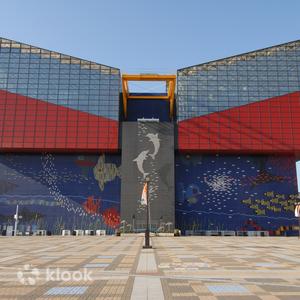
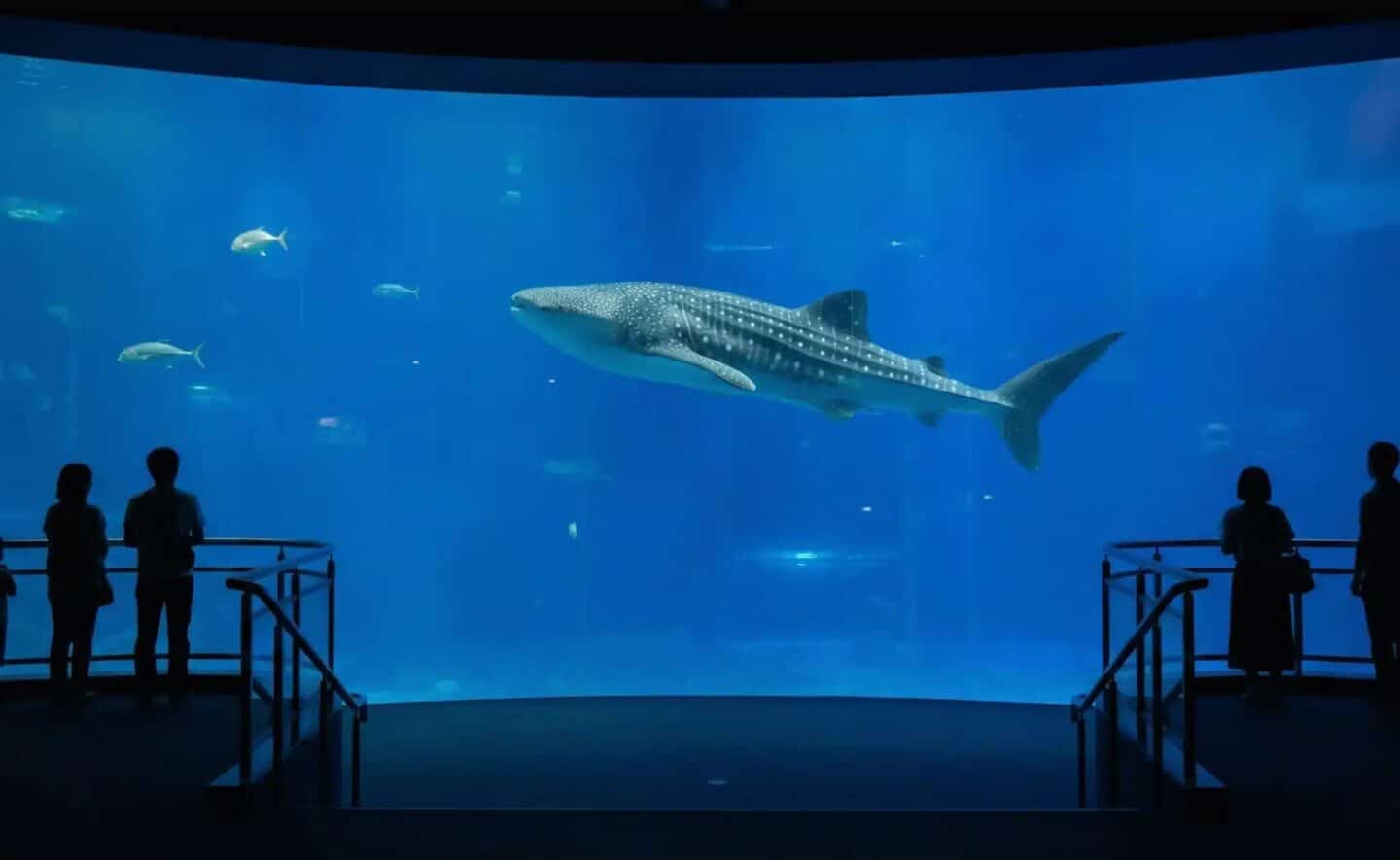
- 🕘 Opening hours: varies by date (usually opening at 9:30 or 10:30 and closing at 20:00)
- 🎫 Admission: variable pricing, from ¥2,700 for ages 16 and up (up to ¥3,500 on peak days) / elementary and junior high school students from ¥1,400 / ages 3 to preschool from ¥700 / ages 2 and under free
- 🔗 Kaiyukan official website (admission fees)
Imamiya Ebisu Shrine: The Toka Ebisu Festival for Prosperous Business
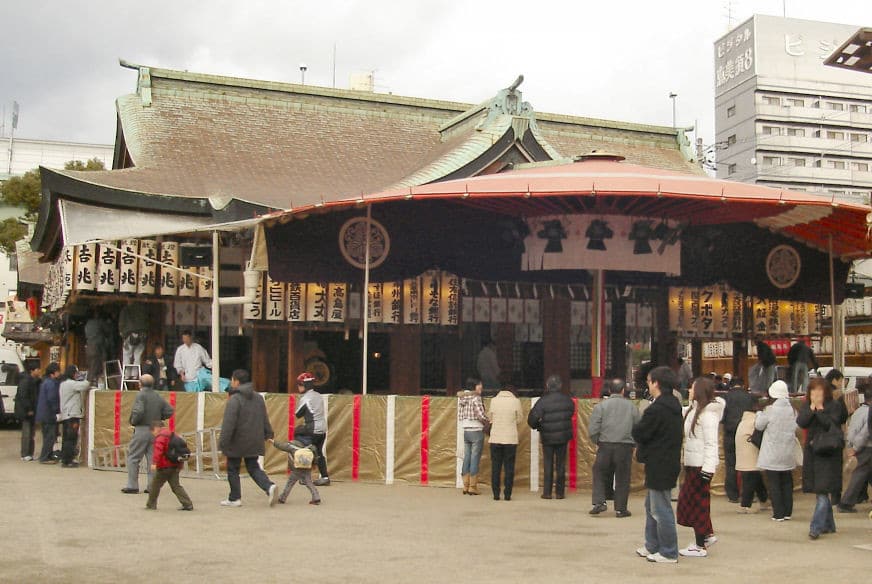
Imamiya Ebisu Shrine enshrines the deity Ebisu and is the spiritual center for Kansai merchants praying for thriving business. Its official shrine rank is that of a god of commercial prosperity, and the “Toka Ebisu Festival” held every year from January 9 to 11 is one of Kansai’s grandest traditional winter festivals, with a constant stream of lively crowds. During the festival you can buy the auspicious “fuku-zasa” and ema (votive plaques) to pray for good fortune, and also obtain omamori charms and goshuin (shrine stamps) as keepsakes.
On ordinary days the shrine opens from 6:00 to 17:00 (the south side gate until 22:00), and admission is free. It is right by Imamiyaebisu Station on the Nankai Koya Line, and about an 8-minute walk from Ebisucho Station on the Osaka Metro Sakaisuji Line, so access is convenient. If you can’t visit during the festival, an ordinary visit still lets you feel the local culture of faith, and it is an excellent window into Osaka’s commercial spirit.
Solaniwa Onsen: A Winter Hot Spring Theme Park to Soothe Body and Mind
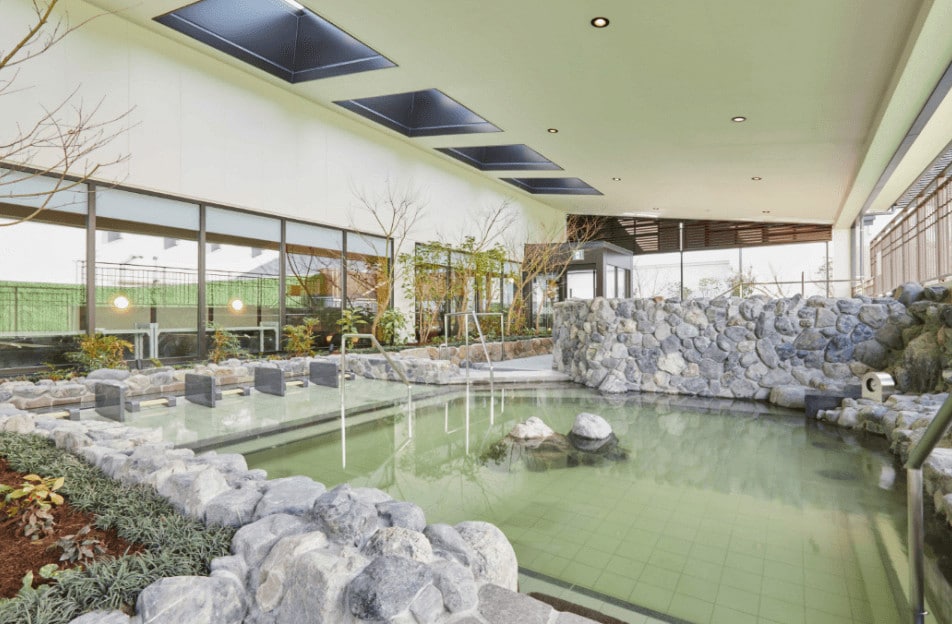
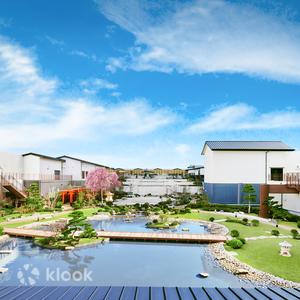
Solaniwa Onsen is a rare large-scale hot spring theme facility within Osaka city, combining Japanese garden landscaping with a variety of baths, including open-air baths, bedrock saunas (ganbanyoku) and a food court. It is like a small hot spring theme park and one of the most popular places to unwind in the cold of winter.
According to the official website, business hours are 11:00 to 23:00 (last entry 22:00), with a separate morning bath session from 6:00 to 9:30. Adult admission is divided into five price tiers, A to E, depending on the date, at about ¥2,310 to ¥3,630, and there is also a discounted evening rate for entry after 17:00. Yukata robes and lockers are provided, and it is ideal after an outdoor illumination outing, letting you soak away a whole day’s fatigue and enjoy Japan’s uniquely winter hot spring culture.
How Much Does a Winter Trip to Osaka Cost? Tickets and Experience Tours at a Glance
Beyond flights and accommodation, the easiest cost to overlook, yet one that takes up a sizable share of the budget, is tickets for the various illumination events, experience tours and transport passes. Below are the four experiences most worth booking for a winter 2026 trip to Osaka, covering price ranges, time needed and highlights, to help you pin down your budget and plan ahead so you don’t end up queuing on the spot or unable to get tickets.
Osaka Hikari no Kyoen (Festival of Lights): Kansai’s Largest Annual Light Festival
Held every winter around Nakanoshima Park and Midosuji, it is the largest winter illumination event in Kansai (starting November 3, 2026, with the Midosuji Illumination running to December 31 and the main Nakanoshima Hikari no Renaissance programs from December 11 to 25). The main area features a projection mapping show against the backdrop of the Osaka City Central Public Hall, and the organizers say it is generally free, with only some area programs requiring a separate fee. We recommend going after 5 p.m., first walking along the Midosuji ginkgo avenue to enjoy a sea of LED lights about 4 kilometers long, then walking to the core Nakanoshima area. Pairing it with the Osaka Metro one-day pass (¥820 on weekdays, ¥620 on weekends and holidays) saves on transport and offers excellent value.
USJ Winter Events: Universal Holiday Wonders
Universal Studios Japan (USJ)’s limited-time winter event runs every year from November to January of the following year. The 2026 winter event, “Universal Holiday Wonders,” runs from November 13 to January 17, 2027, and during the same period the Wizarding World of Harry Potter has the night show “Hogwarts Magical Night.” One-day ticket prices range from about ¥8,400 to ¥11,900 depending on the date, and we recommend booking Express Pass on the official website or KKday; prices vary by date and package.
The New York area’s night show “Joy of Lights” returns after 9 years (November 25 to January 11, 2027), and during the same period there is also a Christmas show, “Light Up the Night.” We recommend visiting on a weekday and arriving 30 minutes early to cut down on queuing.
Express Pass can shorten the wait for popular attractions such as Flying Dinosaur and Spider-Man. Package contents and prices differ by date, so please check the official website for that day’s information before buying; it suits visitors on a one-day trip.
Osaka Castle Park and Main Keep: Climbing the Castle on a Clear Winter Day
Osaka’s winter air is dry and clear days are plentiful, making it a good time to climb the Osaka Castle main keep for a view of the city. The main keep is closed from December 28 to January 1, so be especially careful when visiting around the turn of the year.
Because winter sunsets come early, it flows better to visit the main keep in the afternoon and then move to the city center for illuminations in the evening. The last entry to the main keep is 17:30, so we suggest arriving by 16:30 at the latest.
The park is vast, so allow 1.5 to 2 hours to explore. To skip the queues, you can book a guided tour with skip-the-line entry through Klook.
Namba, Dotonbori and Shinsaibashi: Winter Night Strolls
The streets around the Shinsaibashi-suji shopping arcade and Dotonbori are lively in winter and perfect for an evening walk and night photos. Note that the “German Christmas Market Osaka” formerly held at the Umeda Sky Building has been discontinued. In 2025 it was replaced by “Wonder Christmas Marche” on the first-floor plaza of the Umeda Sky Building (November 14 to December 25, 12:00–22:00), with stalls offering mulled wine, German sausages and more; please watch the official announcements for whether it will be held in 2026.
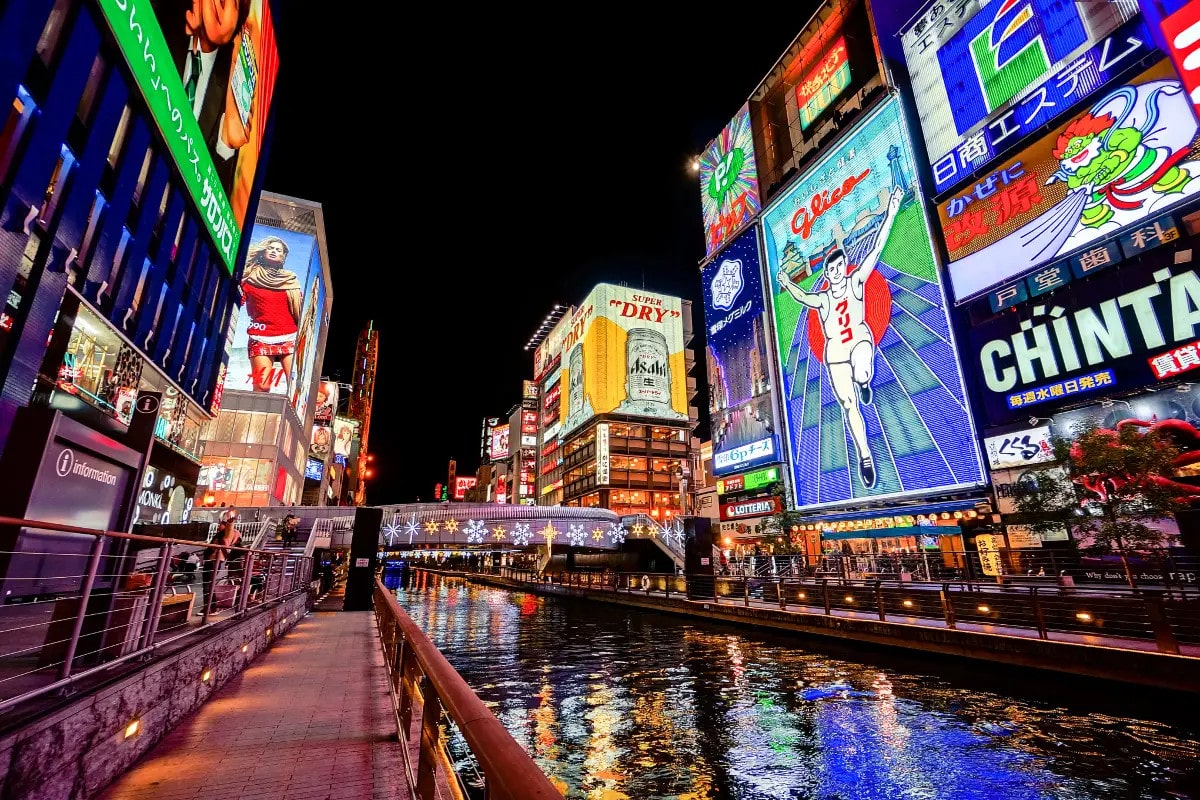
We suggest going after 7 p.m., when the Dotonbori Running Man and Glico sign, combined with the Christmas lights and the crowds on Ebisubashi Bridge, make up the most iconic winter night scene of Osaka. If you’d like to get to know the surrounding area more systematically, search KKday or Klook for food or night-view guided tours in Namba and Dotonbori, and before booking, check the language, meeting point and price.
Such walking tours are especially suited to first-time visitors to Osaka, those unfamiliar with the routes, or those who want to save time comparing shops. With a local guide, you can eat good food, browse the markets and capture the illumination night photos you want more efficiently in limited time.
FAQ
Q: Does it snow in Osaka in winter?
The chance of snow settling in central Osaka is very low. There are occasional brief flurries from January to February (the Japan Meteorological Agency’s normal for January is about 4.7 snow days), but it almost never accumulates, and no snow cover was observed in January 2026, so you don’t need heavy snow boots.
Q: How cold is Osaka in winter?
According to the Japan Meteorological Agency’s normals, the average is 8.7°C in December, 6.2°C in January and 6.6°C in February; the average January low is about 3°C, and at night or in windy spots it can feel close to 0°C.
Q: What should I keep in mind when dressing for Osaka in winter?
We suggest layering in “onion style” or “corn-husk style”: a heat-generating base layer plus a mid-layer sweater, topped with a windproof down jacket, and bring a scarf and gloves to handle the difference between indoor and outdoor temperatures.
Q: What time do the Osaka Hikari no Kyoen lights come on, and is it free?
In 2026 the Midosuji Illumination runs from November 3 to December 31, about 17:00 to 25:00 (1:00 a.m.) daily; the Public Hall projection show runs from December 11 to 25, 17:30 to 21:30. It is generally free, and only some area programs charge admission.
Q: Is USJ open on New Year’s Eve?
Yes. USJ is holding a countdown event of up to 26 hours from 19:00 on December 31, 2026 to 21:00 on January 1, 2027. A dedicated Party Pass must be purchased separately (from ¥16,900, with general sales on November 4).
Q: Which transport pass do you most recommend for winter attractions in Osaka?
For getting around the city we recommend the Osaka Metro one-day pass, and for illumination viewing across several cities we suggest the Kansai Area Pass (rail pass); both can effectively save on transport costs.
Q: Is winter the off-season for Osaka travel? Are flights and hotels cheaper?
Yes, winter is one of Japan’s low travel seasons, so airfares and hotel rates are relatively affordable, and crowds are smaller than in cherry blossom and autumn foliage seasons, which is good for a leisurely schedule.