
Takachiho Gorge Attractions: A Mythic Hidden Gem Carved by the Gokase River
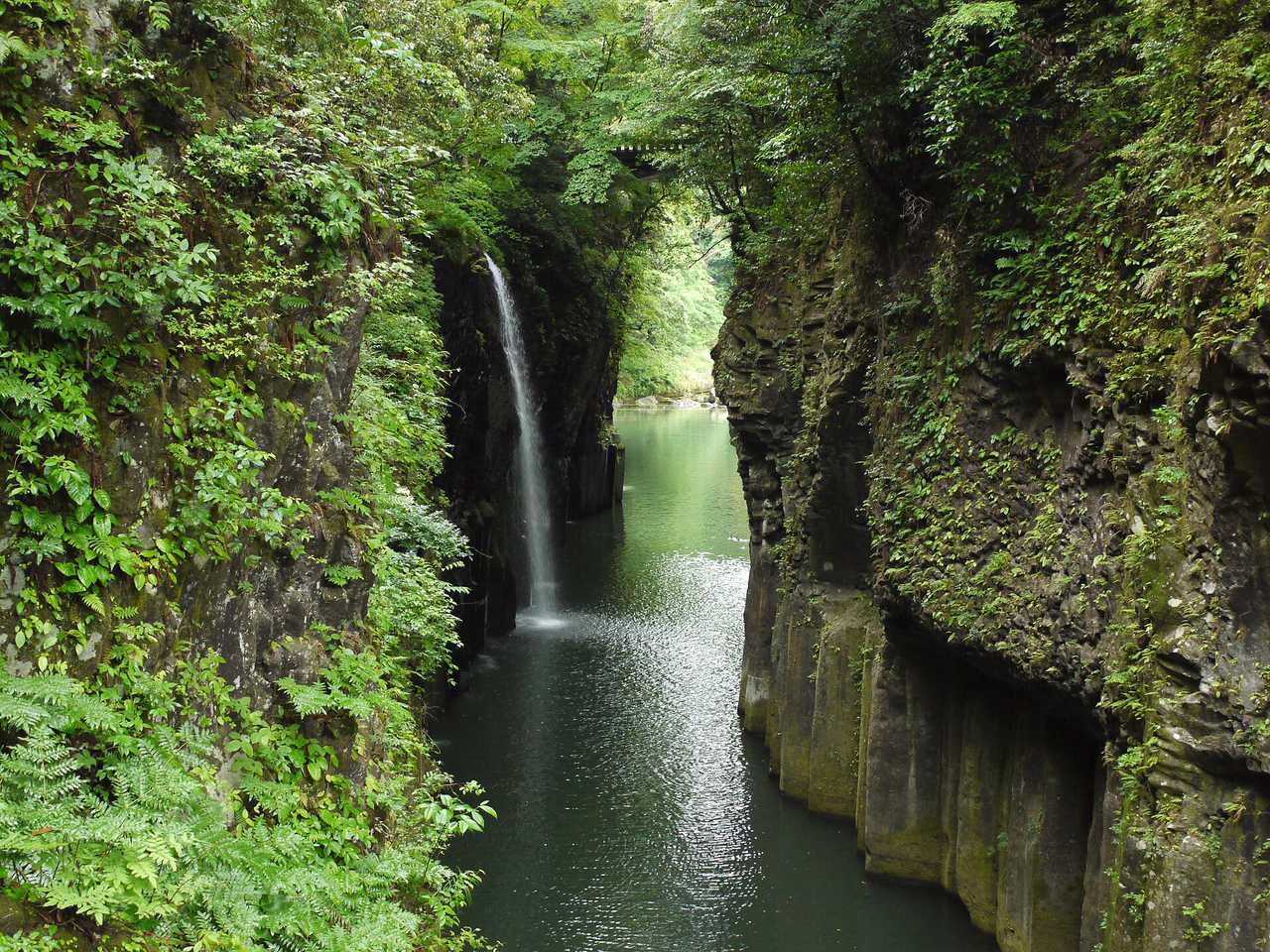
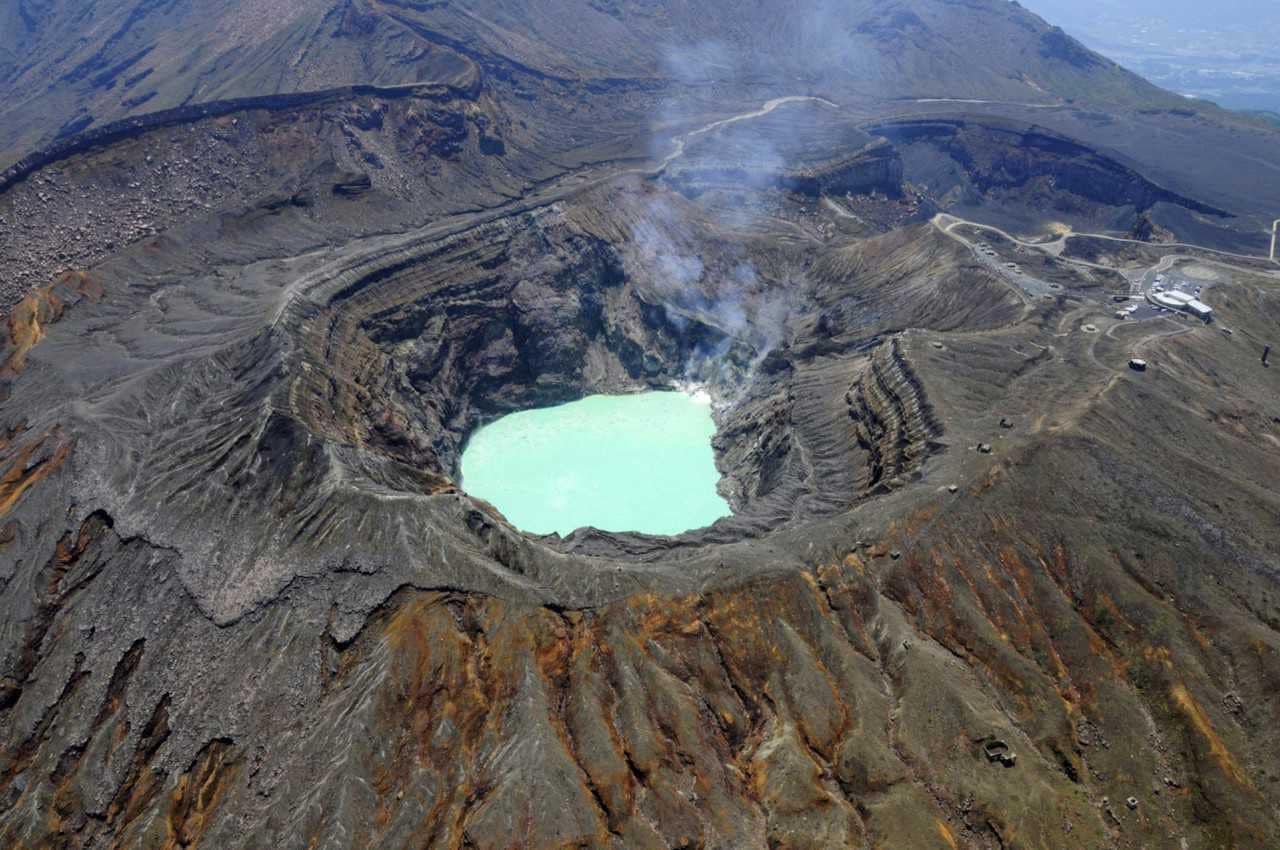
Takachiho Gorge lies in the town of Takachiho in the northwest corner of Miyazaki Prefecture. It was formed when pyroclastic flows from Mount Aso’s eruptions settled along the Gokase River and were then eroded by the stream over the ages. Towering walls of columnar jointed rock rise on both sides, and at its narrowest the gorge is only a few meters wide. Look up from a small rowboat on the water and you feel hemmed in by the cliffs. The gorge is also one of the settings of the Japanese myth of the “descent of the heavenly grandson” (Tenson Korin), and the town has a string of mythical and scenic spots beyond the gorge itself, including Takachiho Shrine, Amano Iwato Shrine and Kunimigaoka. Note that Takachiho has no direct rail service, so your itinerary is shaped almost entirely by boat time slots and bus schedules. This guide covers transportation and reservations first, then goes through the sights one by one.
|高千穗峽遊船+高千穗小火車+熊本城+大觀峰展望臺-Klook.jpg)

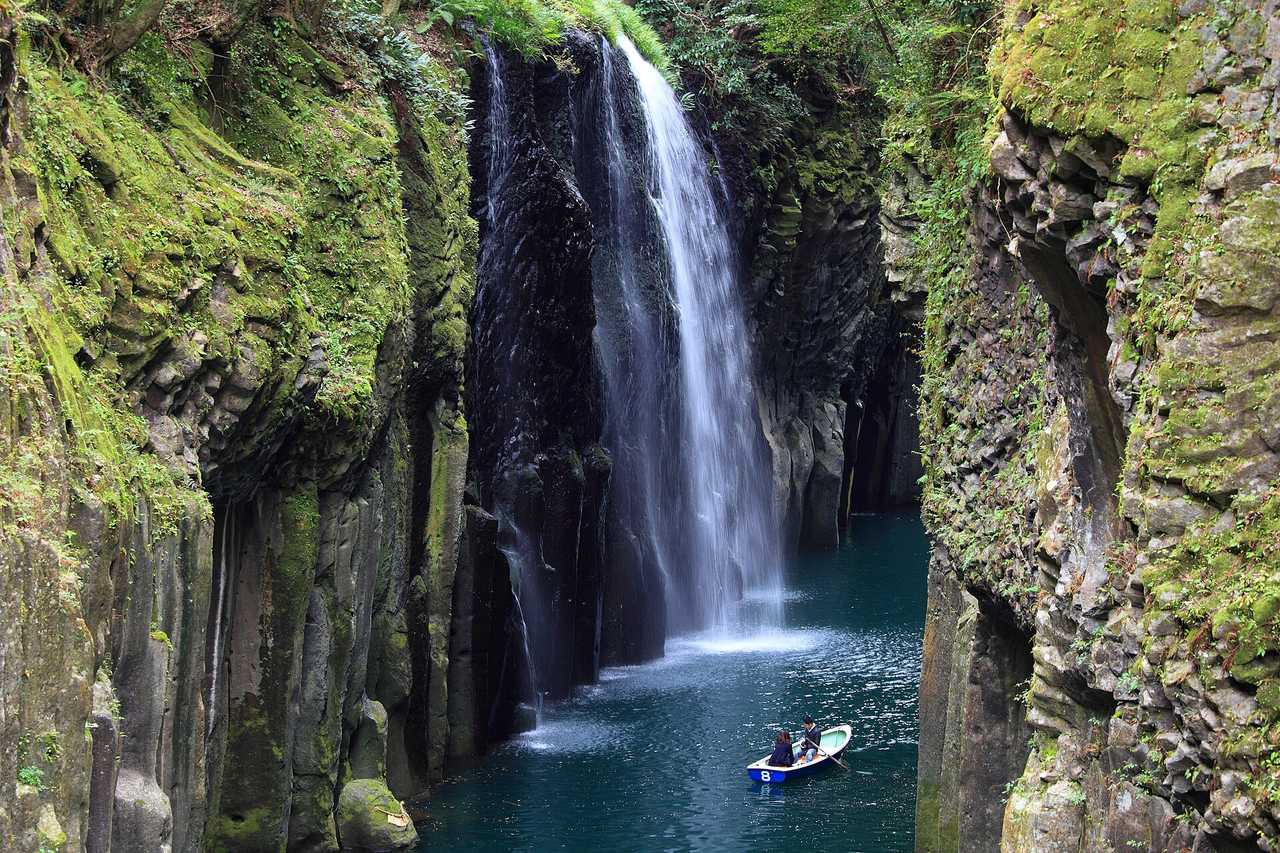
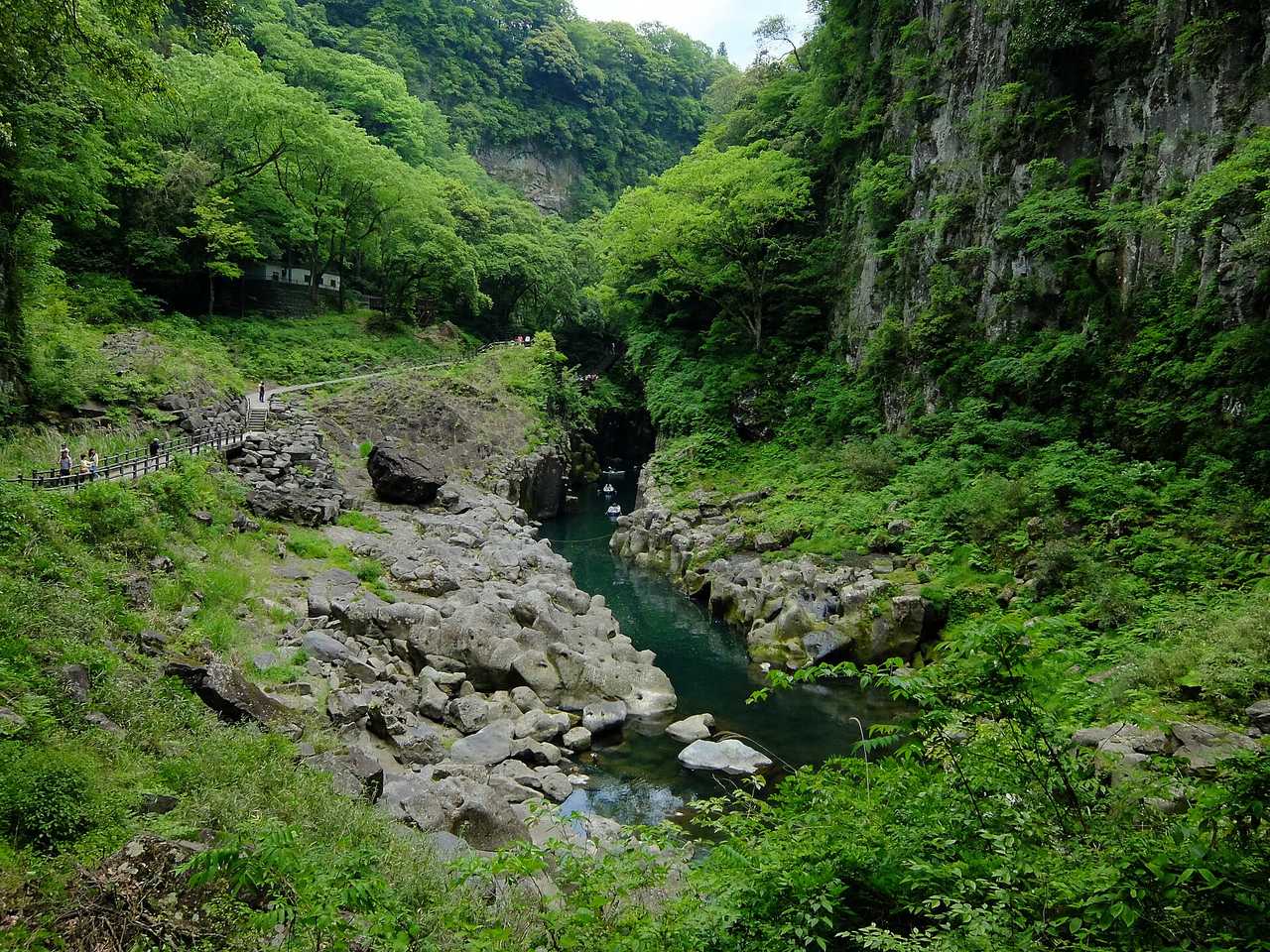
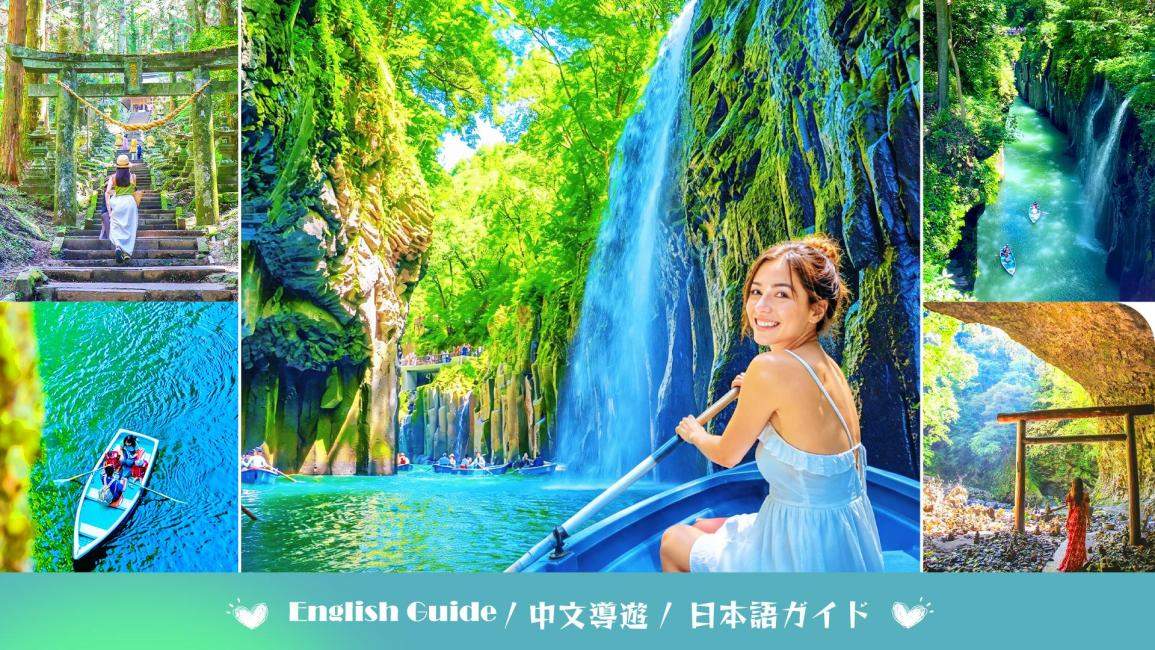
Manai Falls: The Face of Takachiho Gorge
Manai Falls is about 17 meters high and drops straight from the woods above the gorge into the Gokase River. It is one of Japan’s 100 Best Waterfalls and the star of nearly every photo of Takachiho Gorge. Legend says there was no water in this area when the heavenly grandson descended, so Ame-no-Murakumo-no-Mikoto brought a seed of water here, and this spring welled up.
There are two ways to see the falls. One is from the observation deck along the walking trail, which looks down on the falls, is free and can be visited any time. The other is to rent a boat and row right up beneath the falls to look up at them, an angle you can only photograph from a boat. If you want the classic shot, the boat is almost a must.
-Klook.jpg)

Takachiho Gorge Walking Trail: A Roughly 1 km Canyon Stroll
If you are not taking a boat, there is no need to be disappointed. The walking trail built along the gorge is about 1 km long and takes about 30 to 40 minutes one way. All along the route you look down on the columnar jointed cliffs and the emerald stream, passing the Manai Falls observation deck and several viewing platforms.
The trail has elevation changes and steps, so wear comfortable shoes. The stone steps are slippery in the rain or just after it, and during typhoon season parts of the trail may close because of falling rocks or fallen trees, so it is safest to check announcements from the Takachiho Town Tourism Association before you go.
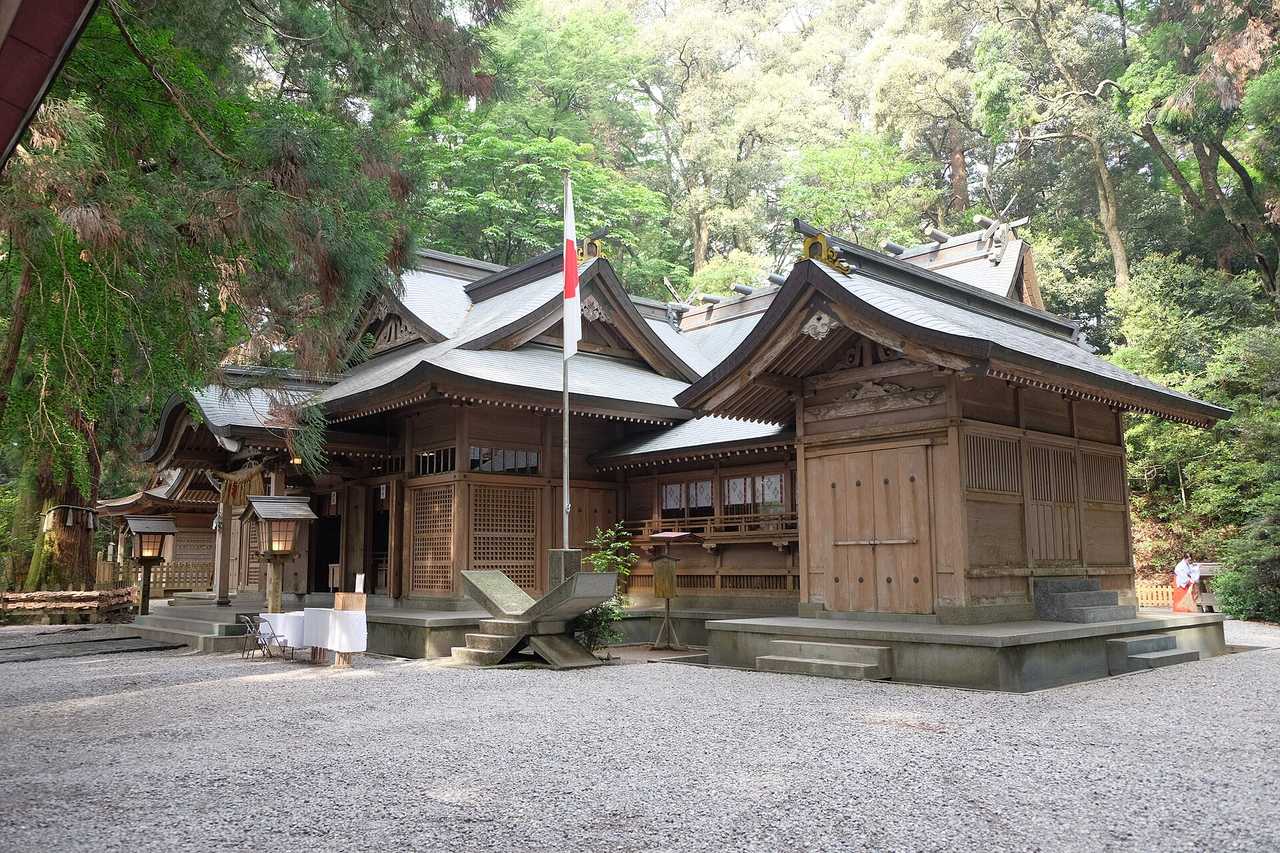
Takachiho Shrine: Night Kagura and the Heart of the Mythic Town
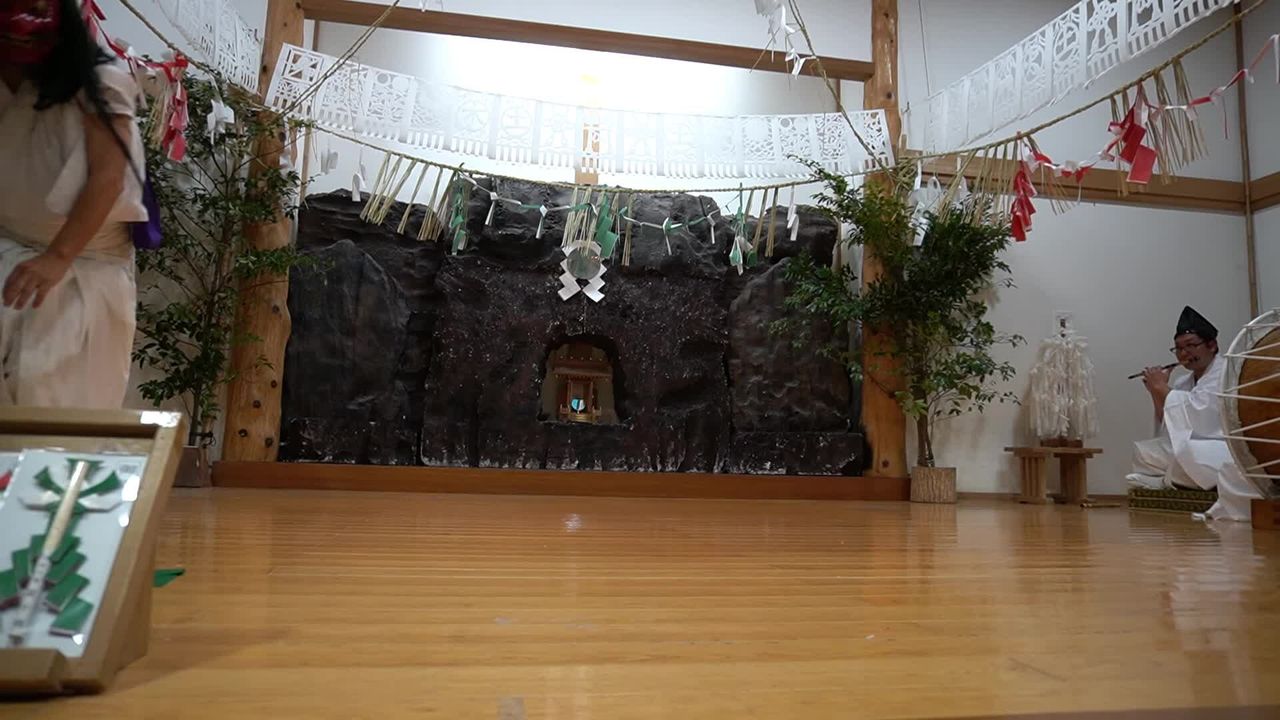
Takachiho Shrine is about 1.5 km from the gorge and is the center of faith in the area. Its grounds hold Chichibu cedars that are several hundred years old, and the atmosphere is calm. The highlight worth staying for is the “Takachiho Kagura” performance held every evening at 8 p.m. in the kagura hall, which condenses the four most representative pieces from the 33 kagura dances into one hour.
Visiting the shrine itself is free, but the kagura requires a separate admission fee. Because most people leave after spending the day at the gorge, the night kagura is the Takachiho experience most easily missed, so we recommend booking your lodging in town.
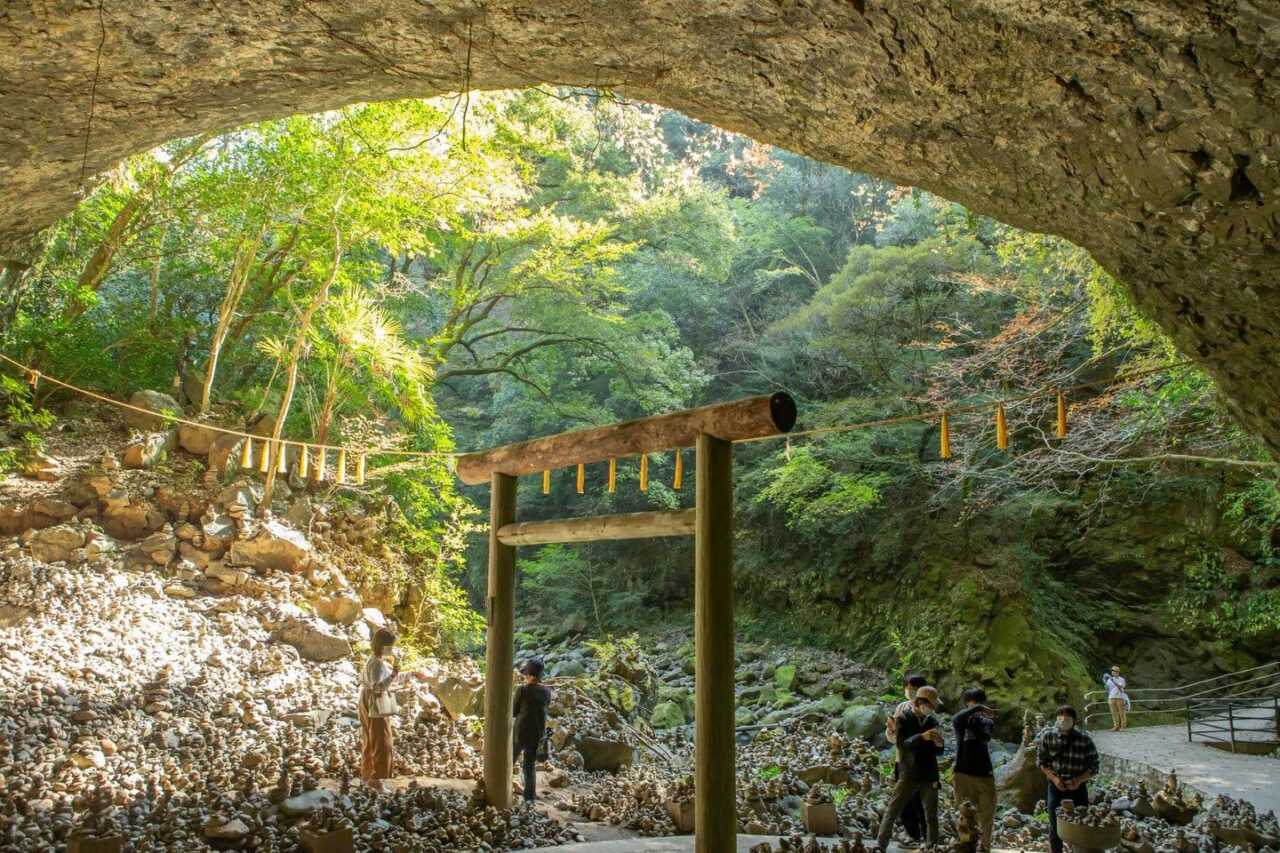
Amano Iwato Shrine and Amano Yasugawara: Where the Myth of Amaterasu Happened
Amano Iwato Shrine is on the other side of Takachiho town, a drive from the gorge. It is divided into the Nishi Hongu (West Shrine) and the Higashi Hongu (East Shrine), and its sacred object is the Amano Iwato cave where Amaterasu Omikami hid herself, the setting of the Amano Iwato myth in the Kojiki and the Nihon Shoki.
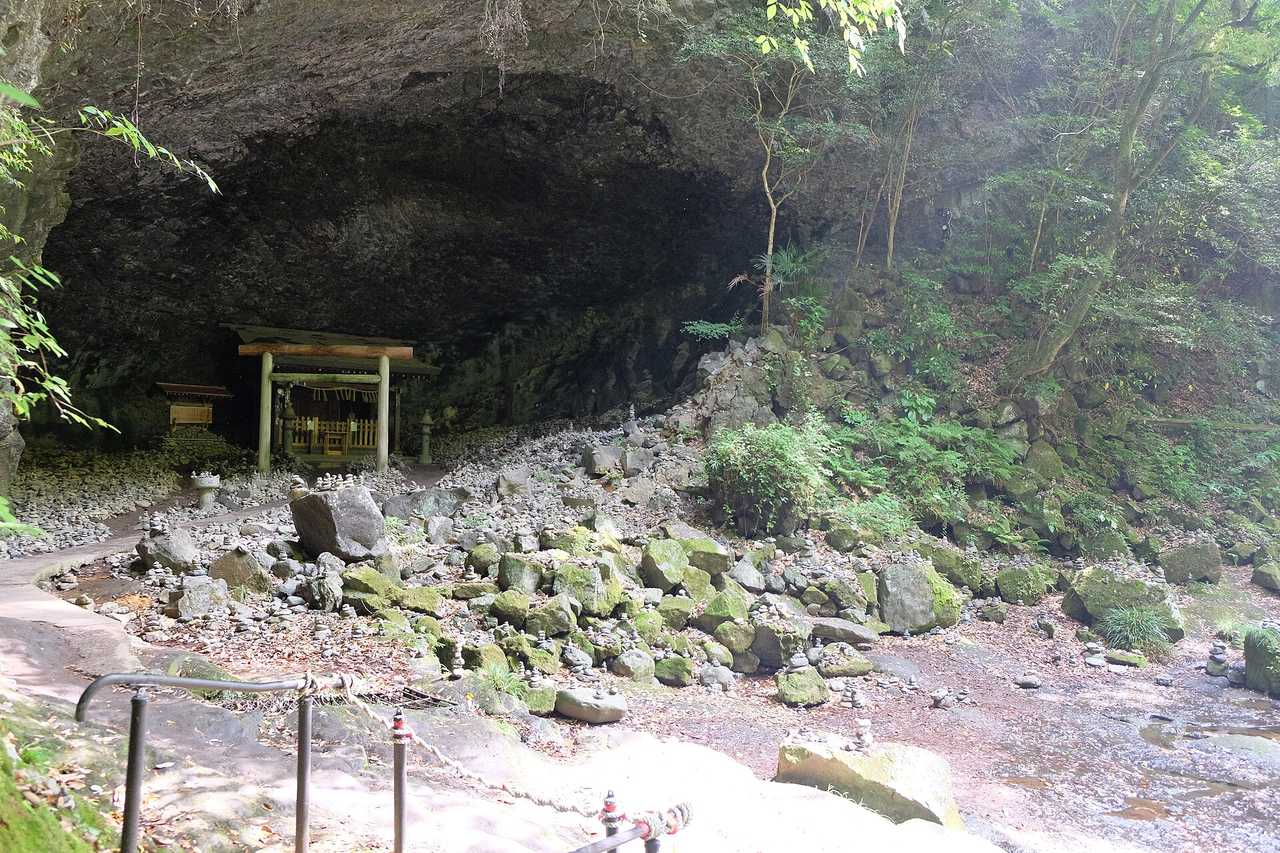
From the shrine, follow the trail beside the Iwato River upstream for about 500 meters to reach Amano Yasugawara, where the eight million gods are said to have gathered to discuss how to coax Amaterasu out of the cave. The front of the cave is piled with stone stacks that travelers have built as prayers, one of the most distinctive sights in Takachiho.
(可選宮崎特色午餐或伴手禮)-Klook.jpg)
How to Get to Takachiho Gorge: Highway Bus, Driving and Parking Compared
The most important point first: Takachiho has no railway. The Takachiho Railway stopped running after typhoon damage in 2005 and was never restored, so there are only three ways to get there: highway bus, driving, or transferring at Nobeoka.
From Kumamoto: The Limited Express Takachiho-go Is the Most Direct
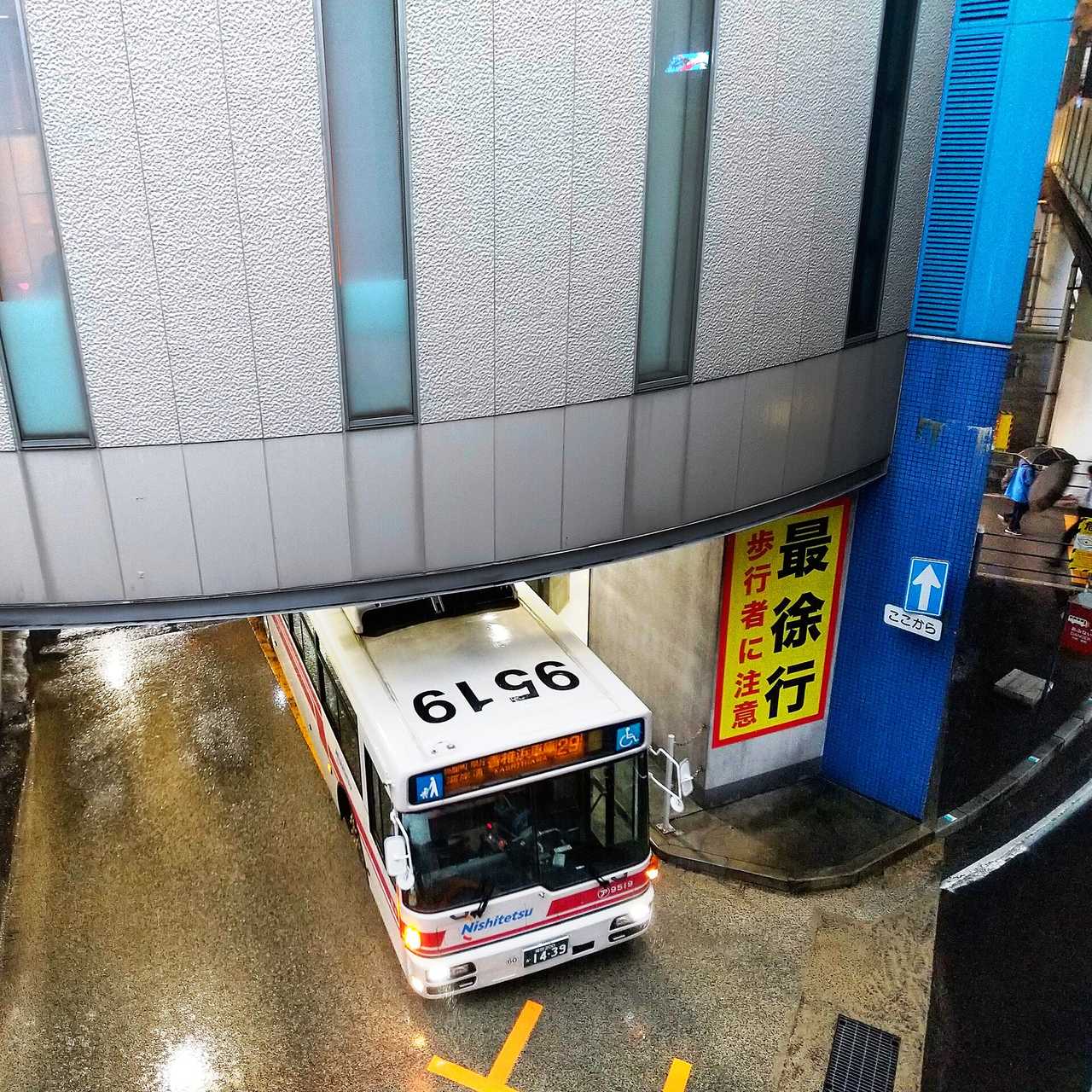
If you are coming from the Kumamoto side, the smoothest option is the highway bus “Limited Express Takachiho-go” (特急たかちほ号) from the Kumamoto Sakuramachi Bus Terminal. The ride takes about 3 hours, a one-way fare is about ¥2,700 (fares are scheduled to change from November 2026, so check the official website), and the bus terminates at the Takachiho Bus Center. It runs 2 round trips a day, all seats are reserved, and you need to book in advance.
The biggest advantage of this route is that there is no transfer, and you can put luggage in the cargo hold. If you plan to enter Kumamoto and make a day trip to Takachiho, be sure to confirm the last return bus first. If you miss it there is almost no alternative that day, and you would have to find lodging in town on short notice. The route passes mountain roads around Aso, so if you are prone to motion sickness, bring medication.
![[Local Bus Tour] Kyushu Takachiho Gorge Bus Day Trip | Takachiho and Natural Gorge Walk (from Kumamoto)](https://travel.williamlion.tw/wp-content/uploads/sites/7/2026/08/image-3467.jpg)

From Fukuoka: The Gokase Bus from Hakata Bus Terminal
From Fukuoka, take the “Gokase” bus (ごかせ号) from the Hakata Bus Terminal directly to Takachiho. It takes about 3.5 hours one way, runs 4 round trips a day, has all reserved seats, and must be booked early. Because the ride is long, pick the earliest departure so you have the full daytime left for the gorge.
You also need to reserve your return seat. If you plan to stay for the night kagura in the evening, a same-day round trip from Fukuoka is basically not feasible, so it is best to stay one night in Takachiho or switch to a Kumamoto round trip. The ride takes about 3.5 hours with few rest stops, so it is much more comfortable to use the restroom before departure and bring drinking water and charging equipment. Also check beforehand whether the bus is suspended that day.
的線上預約-Klook.jpg)
From Miyazaki or Beppu: Transfer at Nobeoka to a Local Bus
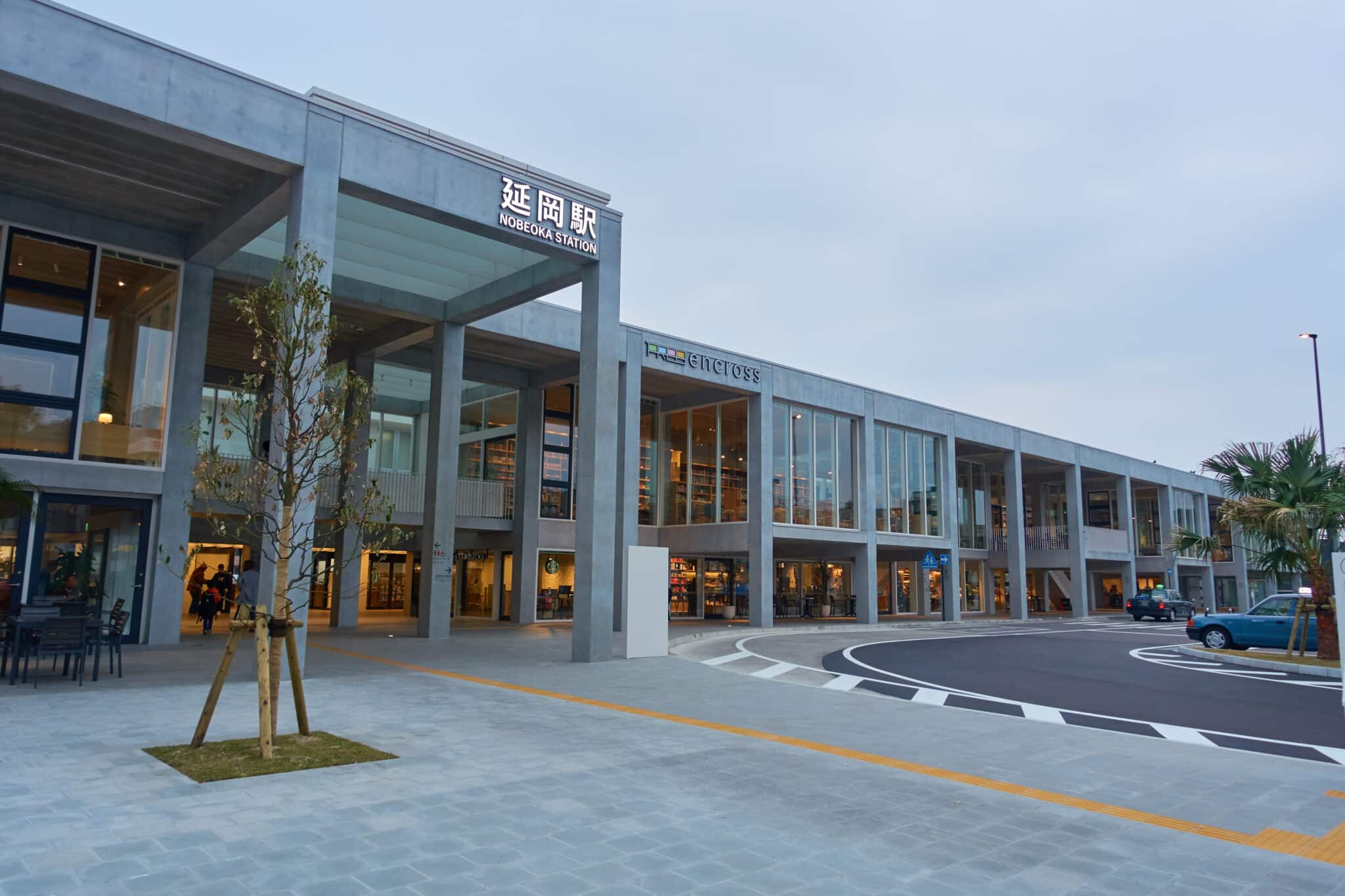
If you are coming from Miyazaki City or the Beppu direction, first take the JR Nippo Main Line to Nobeoka Station, then transfer to a Miyazaki Kotsu local bus for Takachiho. The ride takes about 1.5 hours. Transfer waits on this route can be long, so it is important to check the timetable in advance.
If your whole trip stays within Miyazaki Prefecture, you can pair it with the “Miyazaki Kotsu All-Line 1-Day Pass” to save on fares. Actual fares and the area covered follow the operator’s announcements, so check once before buying. This route has fewer departures than the Kumamoto line, and buses are especially likely to run out after the evening, so schedule your return time into the itinerary in advance rather than looking it up on the day. There are also car rental outlets in front of Nobeoka Station, and for two or more people, sharing the cost is not necessarily more expensive than the bus.
Driving and Parking: Fees and Walking Distances of the Five Parking Lots Compared
Driving is the most flexible option. It takes about 3 hours from Hakata to Takachiho and about 2 hours from central Kumamoto. There are five town-run parking lots around the gorge, and from April 2026, Lots 1 through 4 all charge fees. Lot 1 (Oshioi) is about ¥1,000, is closest to the boat dock and Manai Falls, and usually fills up before 9 a.m. Lot 2 (Araragi) is about ¥1,000, about a 10 to 15 minute walk to the falls. Lot 3 (Ohashi) is about ¥800 and Lot 4 (Oshikata) about ¥500, and both are free for the first 60 minutes after entry, with fees charged from 8:00 to 17:00 and free overnight. The farthest, Lot 5 (Taguchino), is free (but the official website recently showed it as temporarily closed, so check the tourism association’s real-time announcements). The Takachiho Shrine parking lot is also free, and it is about a 15 minute walk down the nature trail to the gorge.
During Golden Week, the summer holidays and the autumn foliage season, traffic control is put in place around the area, and paid shuttle buses run to and from each parking lot. Parking fees and traffic control methods may change each year, so follow the Takachiho Town Tourism Association and on-site instructions.

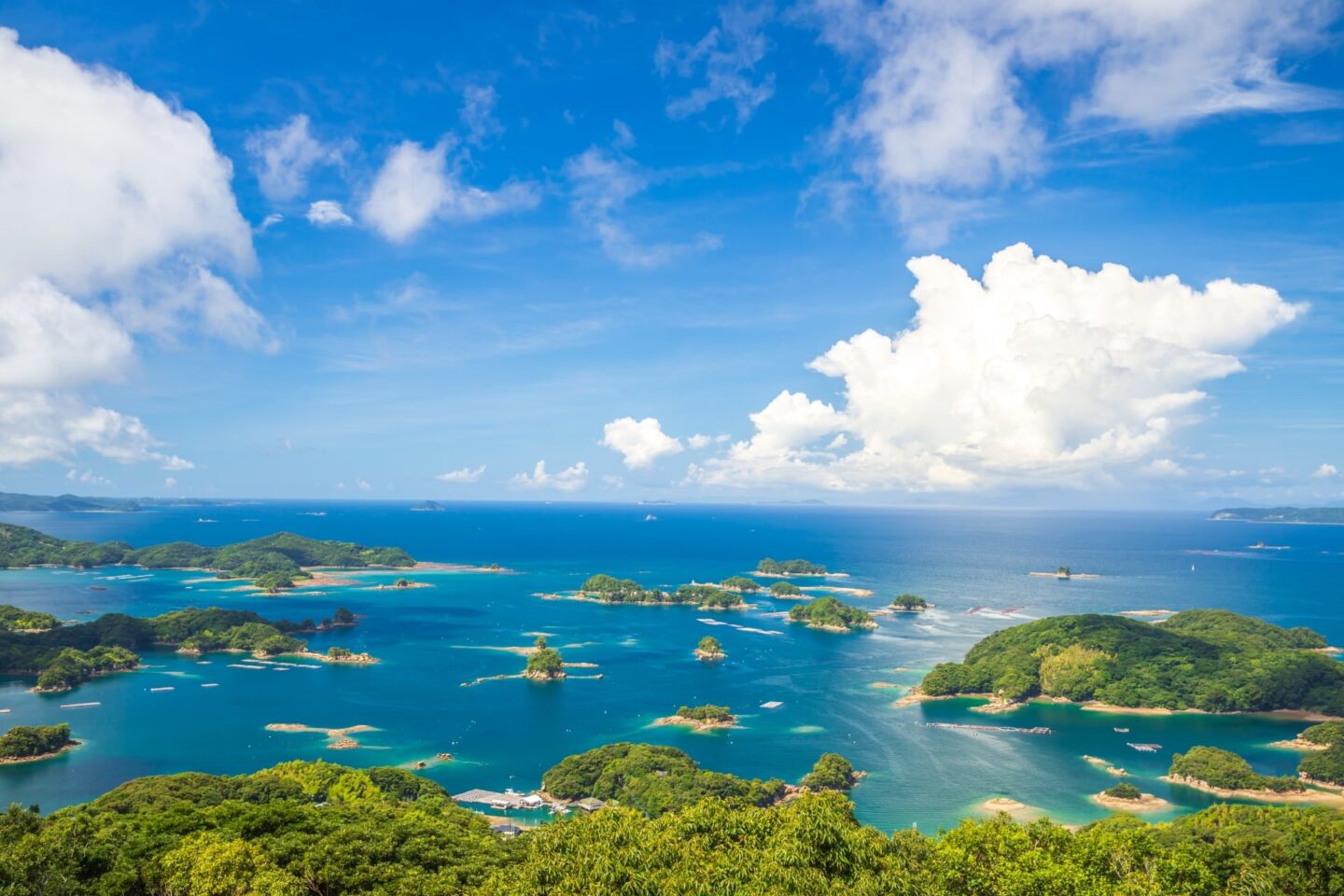
Must-See Sights in Takachiho: The Gorge, Shrines and Sea of Clouds Explained
The sights below are arranged in the order “gorge → shrines → outlying scenery” so you can plan a day’s route by geography.
Takachiho Gorge Boat Rental: Row Right Beneath Manai Falls
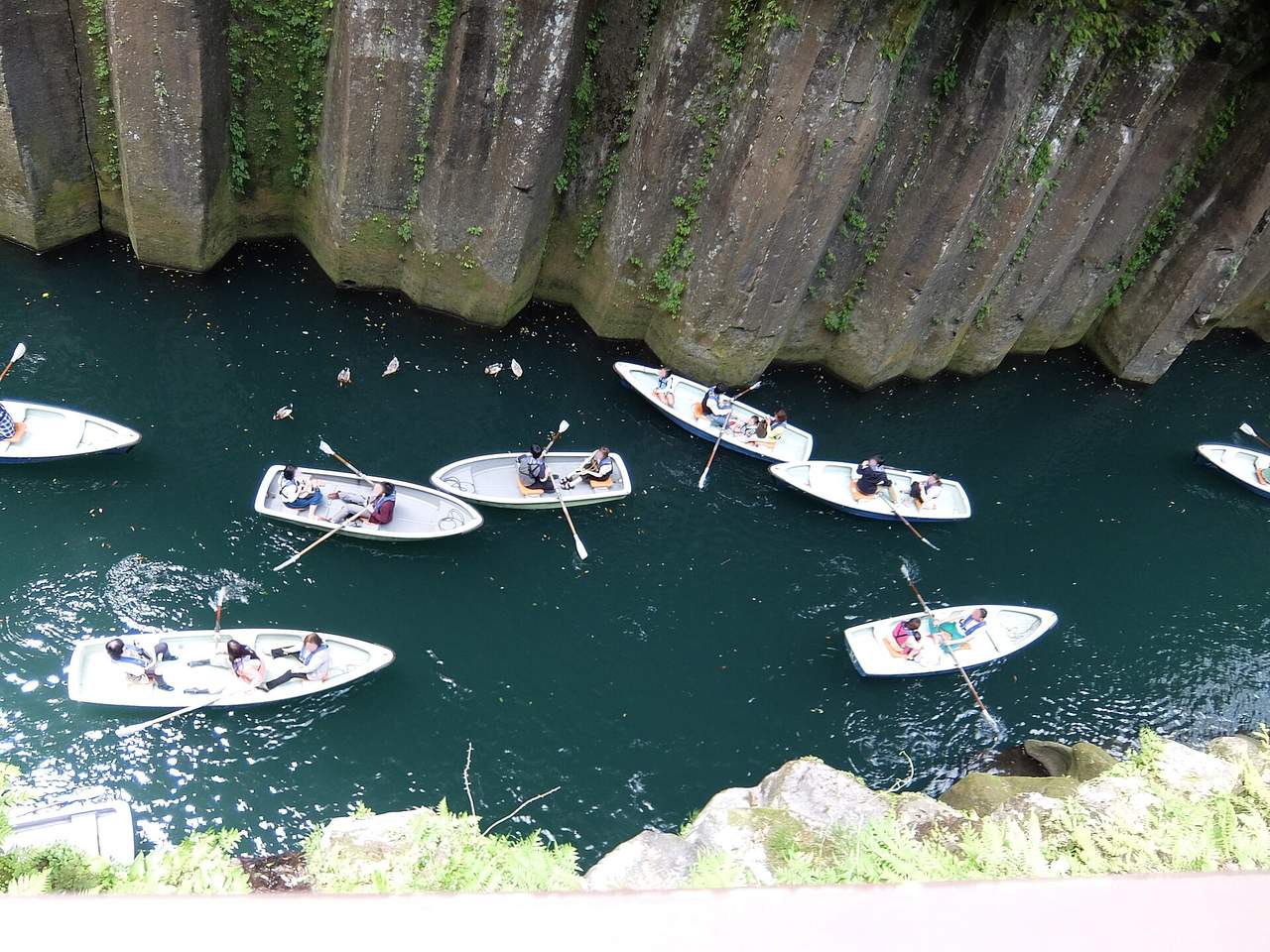
Boating is the signature experience at Takachiho Gorge. Each boat carries a maximum of 3 people (including elementary school children), the ride lasts 30 minutes, and overtime costs ¥1,000 more per 10 minutes. There is a daily limit on the number of boats, and it is hard to get tickets on site in peak season, so please book online on the official reservation website (opens at 9:00 a.m. 2 weeks before your departure date).
When you row right beneath Manai Falls, spray splashes into the boat, so bring a waterproof bag if you are worried about your camera getting wet. Note in particular that boating is heavily affected by upstream water levels. After heavy rain, boats may be suspended entirely because the water level exceeds the limit even if the day itself is sunny, so check the operating status on the official website on the morning of your trip and have a backup plan ready for a suspension so you do not make a wasted trip. Rowing against the current takes effort, so it is best if one person in your group is strong enough to do the rowing.
How to Book a Takachiho Gorge Boat: Step by Step from the Official Site to Picking Up Your Ticket
Takachiho Gorge boat reservations are accepted only on the official reservation website (linked from the Takachiho Town Tourism Association website), and phone reservations are not accepted. Booking window: opens at 9:00 a.m. 2 weeks before the departure date and closes at 9:00 a.m. 2 days before the departure date. Weekends and holidays often sell out soon after the window opens, so set a reminder first.
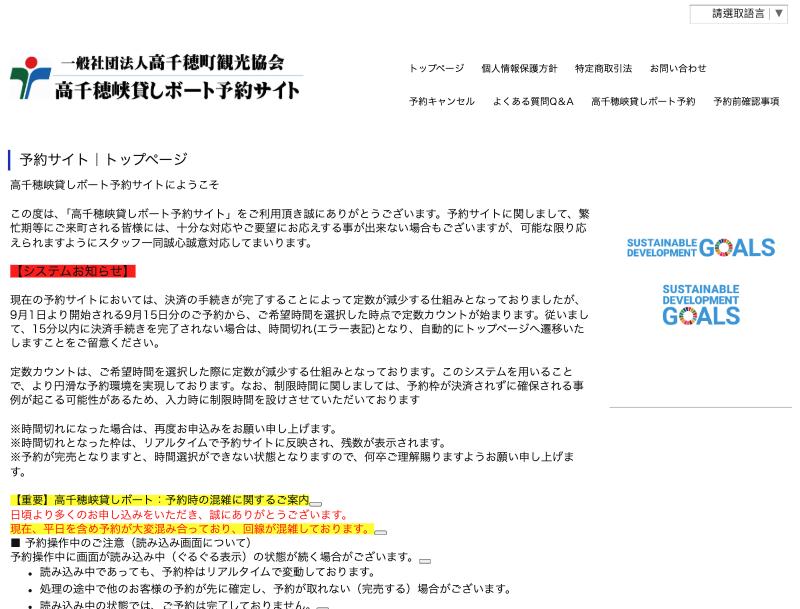
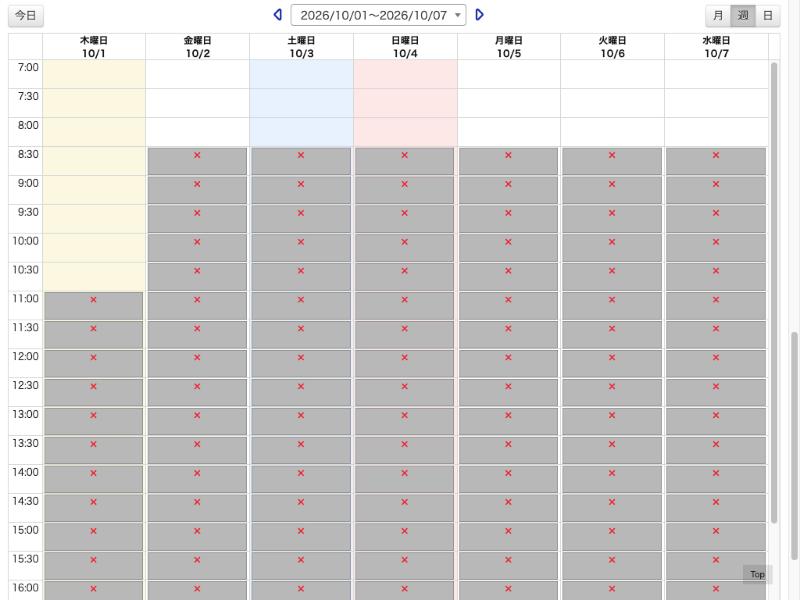
Booking steps: choose a date and time slot, enter your name, phone number and email (the confirmation email is sent to this address), then pay by credit card within 15 minutes and pass 3D Secure verification; only credit cards are accepted. You can book only one boat at a time, so groups of two or more boats must apply separately. The booking is successful only when a reservation number (予約番号) appears and you receive the completion email, so keep that email.
Takachiho Gorge Boat Reservation | Takachiho Town Tourism Association Official Website
Official online reservations and same-day remaining ticket check; only online reservations made from 2 weeks to 2 days before departure at 9:00 a.m. are accepted, and phone reservations are not accepted.
What If You Can’t Get a Takachiho Gorge Boat Reservation? Same-Day Tickets, Cancellations and Rain Rules
If you lose out in the online booking, you can buy a same-day ticket at the boat rental counter next to Parking Lot 1 (Oshioi). It is cash only, the number of tickets depends on what is left from the online sales, and it is posted on the official website after online booking closes. On weekends and holidays in September and October and every day in November, the system is fully reservation-based, so once the online tickets sell out there are no same-day tickets. You can cancel yourself until 8:59 a.m. 2 days before the boarding date; after that, 100% is charged, and to change the date you must first cancel and rebook. Boats run as usual in the rain as long as the river is not swollen, and rain ponchos cost ¥200. If everything falls through, go to the Manai Falls observation deck instead.
Manai Falls Observation Deck: A Classic Angle You Can Get Without a Boat
If you could not book a boat, or boats happen to be suspended that day, the observation deck on the walking trail is the best alternative. Looking down from above, you can see the falls, the gorge walls and the boats on the water all at once, and the composition is actually more complete than from a boat.
The observation deck area is the most crowded spot along the whole trail. It is quieter right after opening in the morning and in the late afternoon, so you need to get up early if you want a shot with no people in it. It is free and has no time limit, so if boats are suspended, spend your time on the trail and the shrines. By the way, directly above the falls are the Takachiho Three Bridges, and you can take in both sights in a single walk, so an hour is plenty. There are several benches along the trail where you can sit when you get tired and watch the color of the water change at leisure.
Takachiho Shrine: Highlights of the Chichibu Cedar and the Meoto Cedars
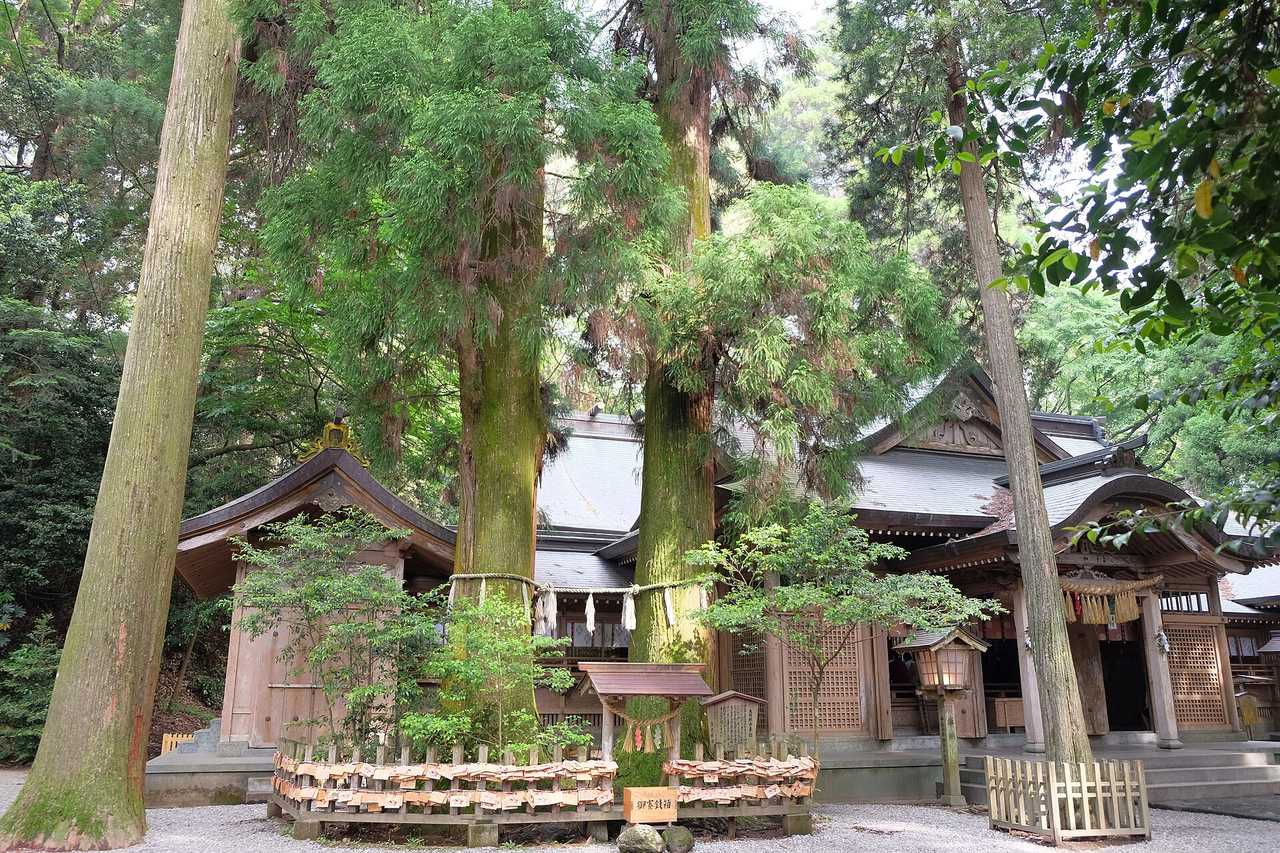
Takachiho Shrine is said to have been founded more than a thousand years ago and is the head shrine of the 88 shrines of Takachiho. The Chichibu cedar in its grounds is said to be about 800 years old, with a trunk so thick that several people are needed to circle it with their arms. There are also two cedars whose roots are joined, called the “Meoto cedars” (married couple cedars), and walking around them three times is said to bring a good match and a harmonious family.
Visiting the grounds is free, and the amulet office (授与所) sells amulets and shrine stamps (goshuin). The shrine is not far from the Takachiho Bus Center and can be reached on foot, making it the easiest stop to arrange for travelers without a car. If you plan to see the night kagura, visit once in the daytime to get familiar with the route and the location of the kagura hall, so you will not be flustered walking over in the dark at night. Opening hours and festival schedules follow the shrine’s announcements on the day.
Takachiho Kagura: A One-Hour Performance Every Night at 8 p.m.
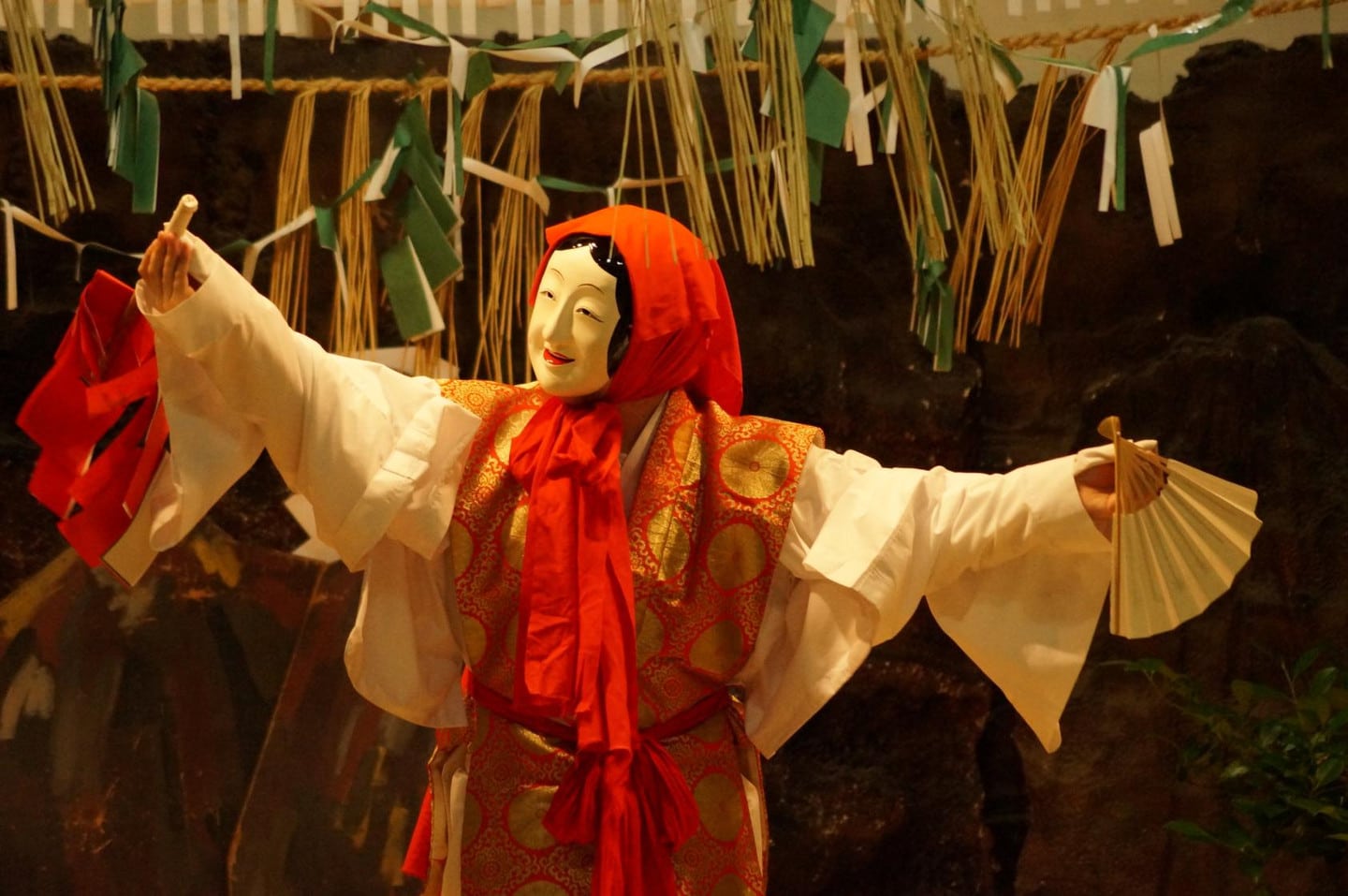
Takachiho Kagura is performed in the kagura hall within the Takachiho Shrine grounds every night at 8 p.m. and lasts about one hour. Four pieces are chosen from the 33 kagura dances: the Tajikarao dance, the Uzume dance, the Tonori dance and the Goshintai dance. The admission fee is 1,000 yen.
Online reservations open 30 days before the performance date and run until 5 p.m. on the day, and only online credit card payment is accepted; same-day spots are handled on site at the kagura hall from 7:30 p.m. It often sells out in peak season, so if you want to see it, we recommend booking online directly and booking your lodging in Takachiho town.
Amano Iwato Shrine Nishi Hongu: Worshipping the Sacred Object Across the Iwato River
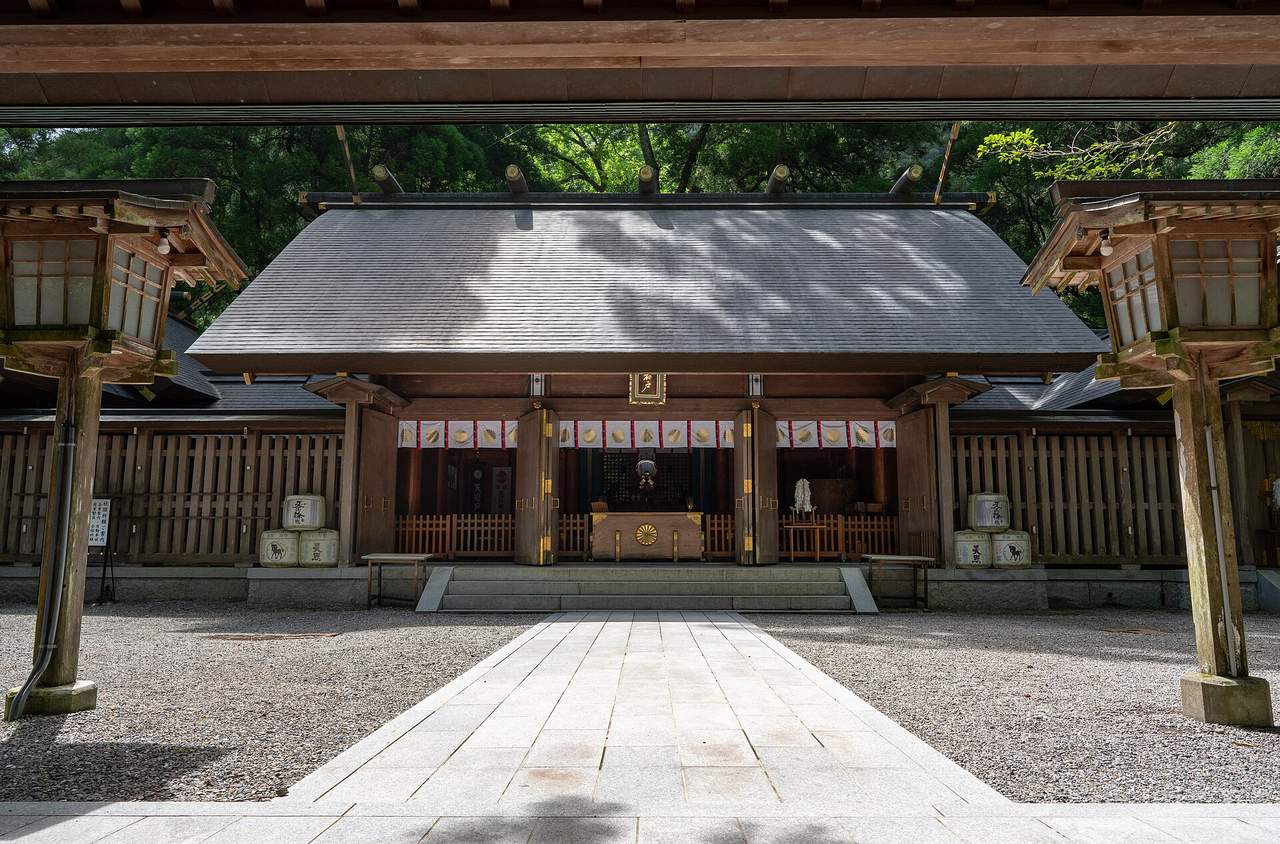
The Nishi Hongu of Amano Iwato Shrine enshrines Amaterasu Omikami, and its sacred object is the Amano Iwato cave itself on the opposite bank. Because it is a sacred object, visitors generally cannot enter directly and are guided by a priest to the worship area to view it. Timing and procedure follow the shrine’s arrangements on the day.
The grounds are solemn, and there are also a bronze statue of Ame-no-Uzume-no-Mikoto and a kagura hall. The Nishi Hongu and the Higashi Hongu face each other across the Iwato River, and it takes about an hour to walk both. In front of the Nishi Hongu are a tourist information desk and shops, and it is also the starting point of the trail to Amano Yasugawara, so we recommend treating it as the entrance to your Amano Iwato area itinerary. The worship hours depend on the arrangements for the day, so the safest approach is to ask at the shrine office (社務所) on arrival.
Amano Yasugawara: The Cave Where the Eight Million Gods Held Council
From the Amano Iwato Shrine Nishi Hongu, follow the trail beside the Iwato River upstream for about 500 meters to reach Amano Yasugawara. Legend says that after Amaterasu Omikami hid in the Amano Iwato cave, the eight million gods gathered here to discuss how to bring her out.
The cave is called Gyobo-iwaya, and its front is piled with stone stacks that travelers have built one stone at a time, so many that the sight is quite striking. Allow about 40 minutes for the round trip including time spent there. There is no lighting by the river, so be sure to leave once it gets dark and do not push to stay.
If you are driving to Amano Yasugawara, note this carefully: Amano Yasugawara itself has no parking lot. Park at the Amano Iwato Shrine parking lot and walk over along the trail from the Nishi Hongu. The first parking lot in front of the Nishi Hongu costs ¥500 per entry, and the second and third lots on the Higashi Hongu side are free. Set your navigation directly to Amano Iwato Shrine so that you are not taken to a shop that has no steps down to the riverbed.
Kunimigaoka: A Famous Sea of Clouds Spot on Autumn and Winter Mornings
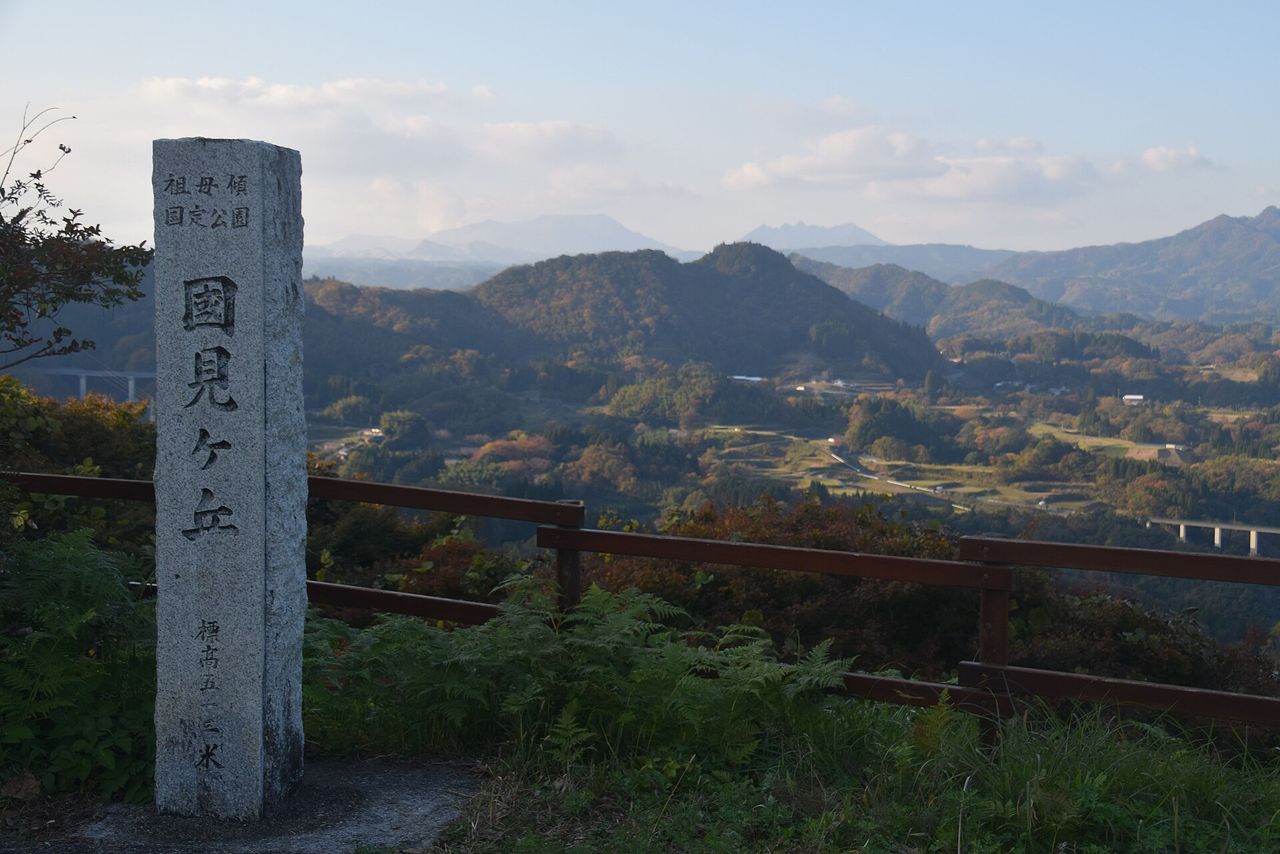
Kunimigaoka stands at about 513 meters and is Takachiho’s most famous sea of clouds viewpoint. The sea of clouds usually appears on calm, early mornings from autumn to early winter when the day-night temperature difference is large, concentrated around sunrise, and if you miss it you have to wait another day.
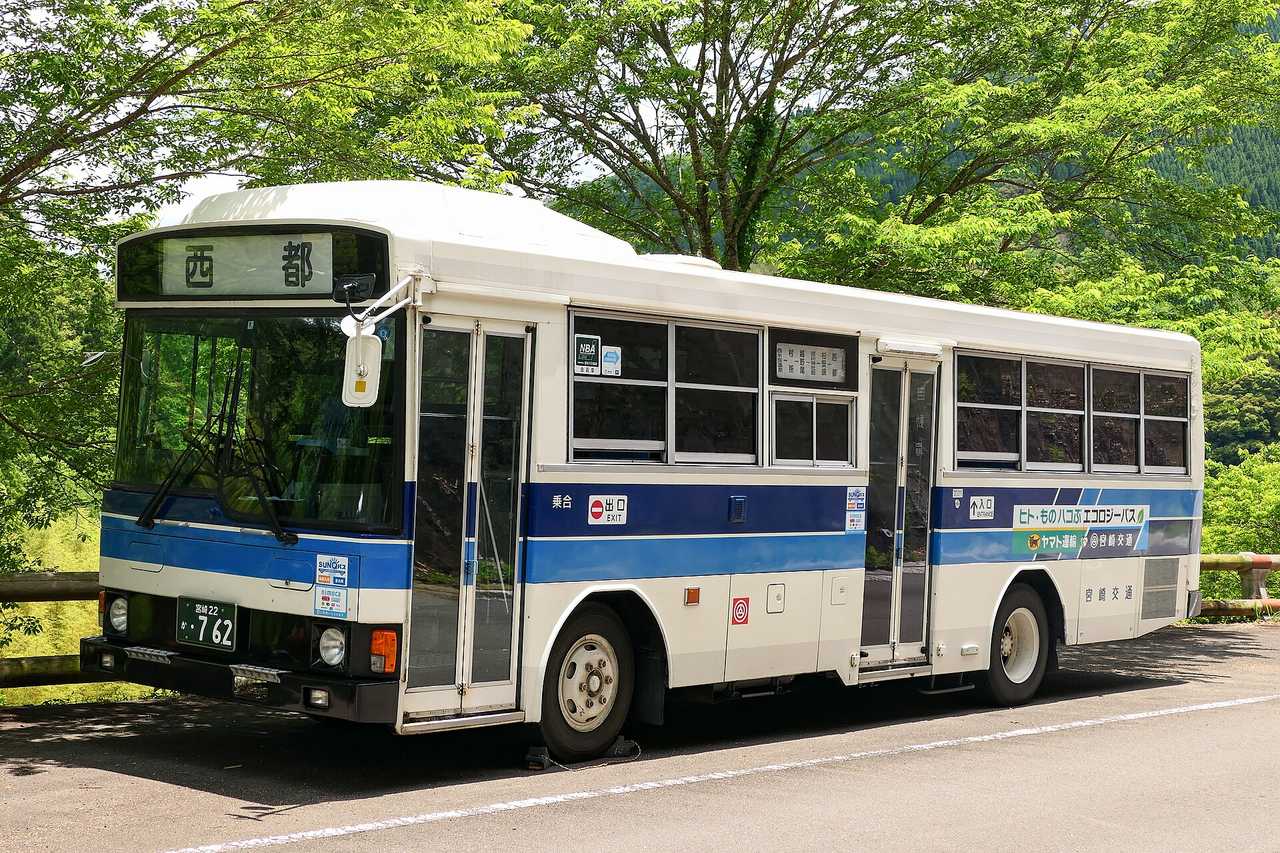
Public transportation is quite inconvenient: it is about a 15 minute drive from the Takachiho Bus Center. Town-run buses have limited service, so check the operating days and times with the Takachiho Town Tourism Association first; in practice you will still mostly need to drive or take a taxi. The sea of clouds is a natural phenomenon and cannot be guaranteed, and it is very cold on the mountain in the early morning, so bring a warm jacket and a flashlight. There is a parking lot and restroom beside the viewing deck, so you do not have to stay in the car while waiting for sunrise.
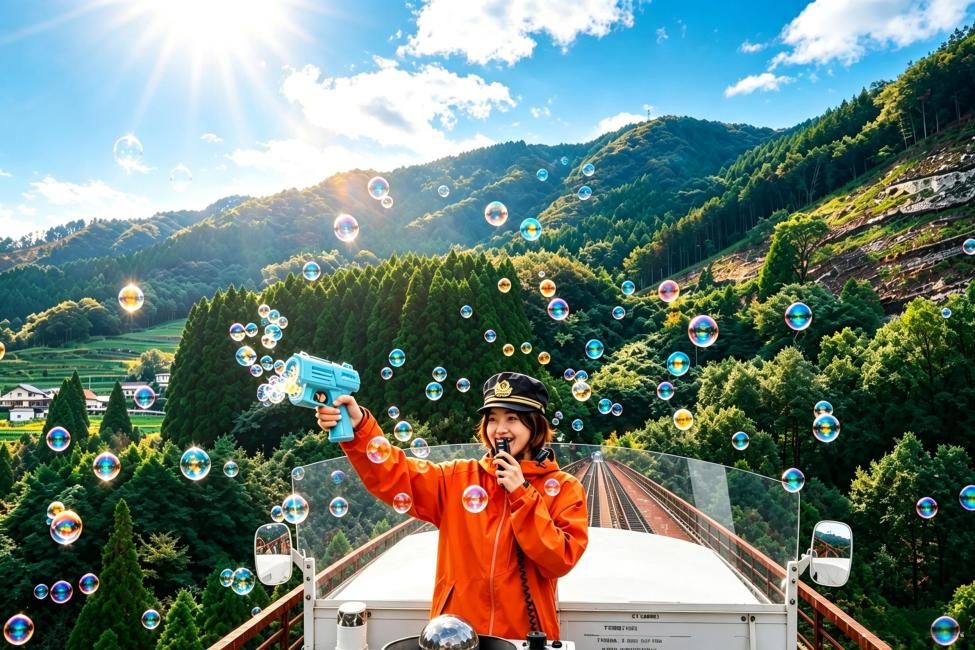
Takachiho Amaterasu Railway: A Sightseeing Cart Running on an Iron Bridge
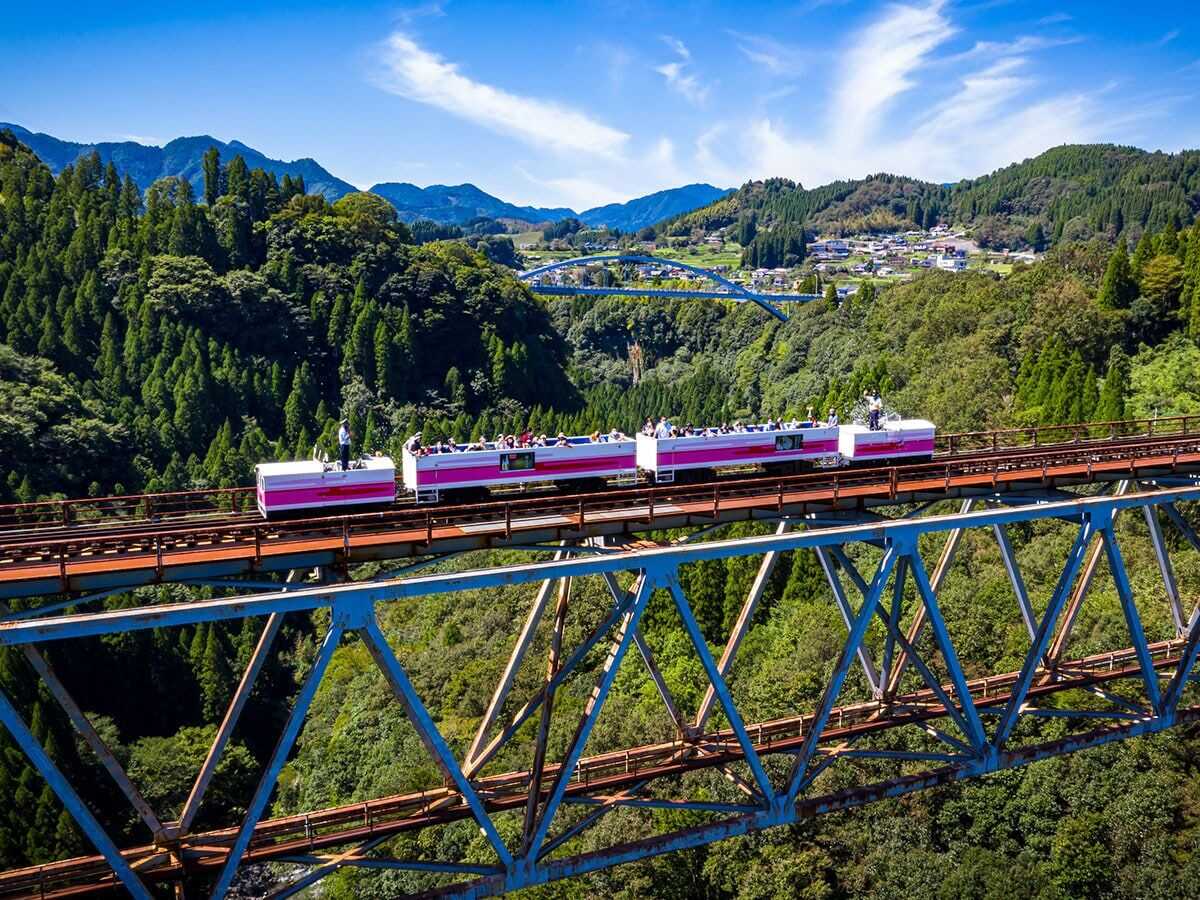
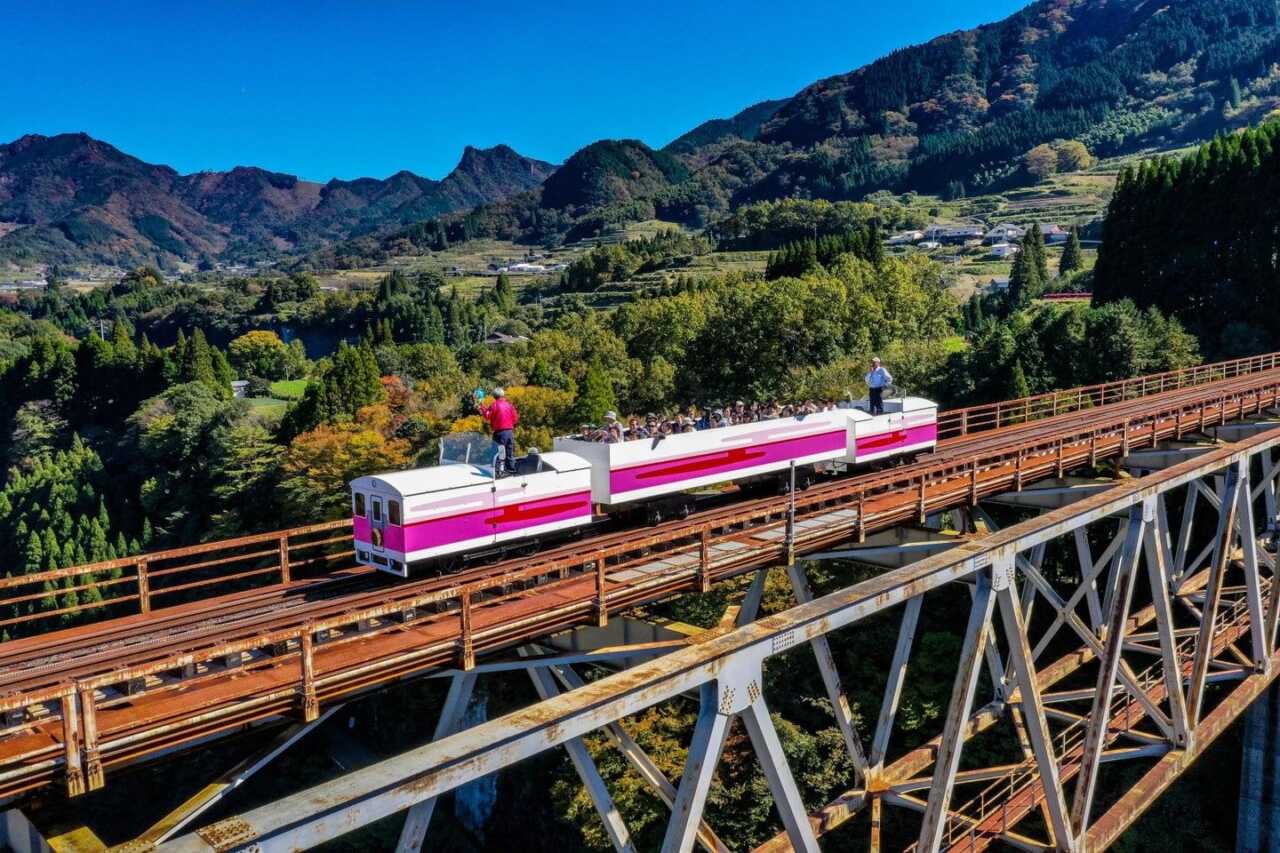
After the former Takachiho Railway stopped running, part of the line is now operated by the sightseeing “Takachiho Amaterasu Railway,” which runs Super Carts. They go out onto the Takachiho Railway Bridge, dozens of meters above the valley, and stop midway so passengers can take photos. It is an experience rather than a means of transport.
The carts have an open-air design and are suspended in rain or strong wind; schedules and fares follow the operating company’s announcements. The whole ride takes about 30 minutes and is a good fit after the boat ride, when you have a short gap left. The boarding point is at the former Takachiho Station, where the original platform and station signs are preserved, so it photographs well even if you do not ride, making it a stop railway fans will like, and there is a souvenir shop at the entrance. Seating in the cars is limited, so if you want the seats with the best views, arrive half an hour early.
-Klook.jpg)
-Klook.jpg)
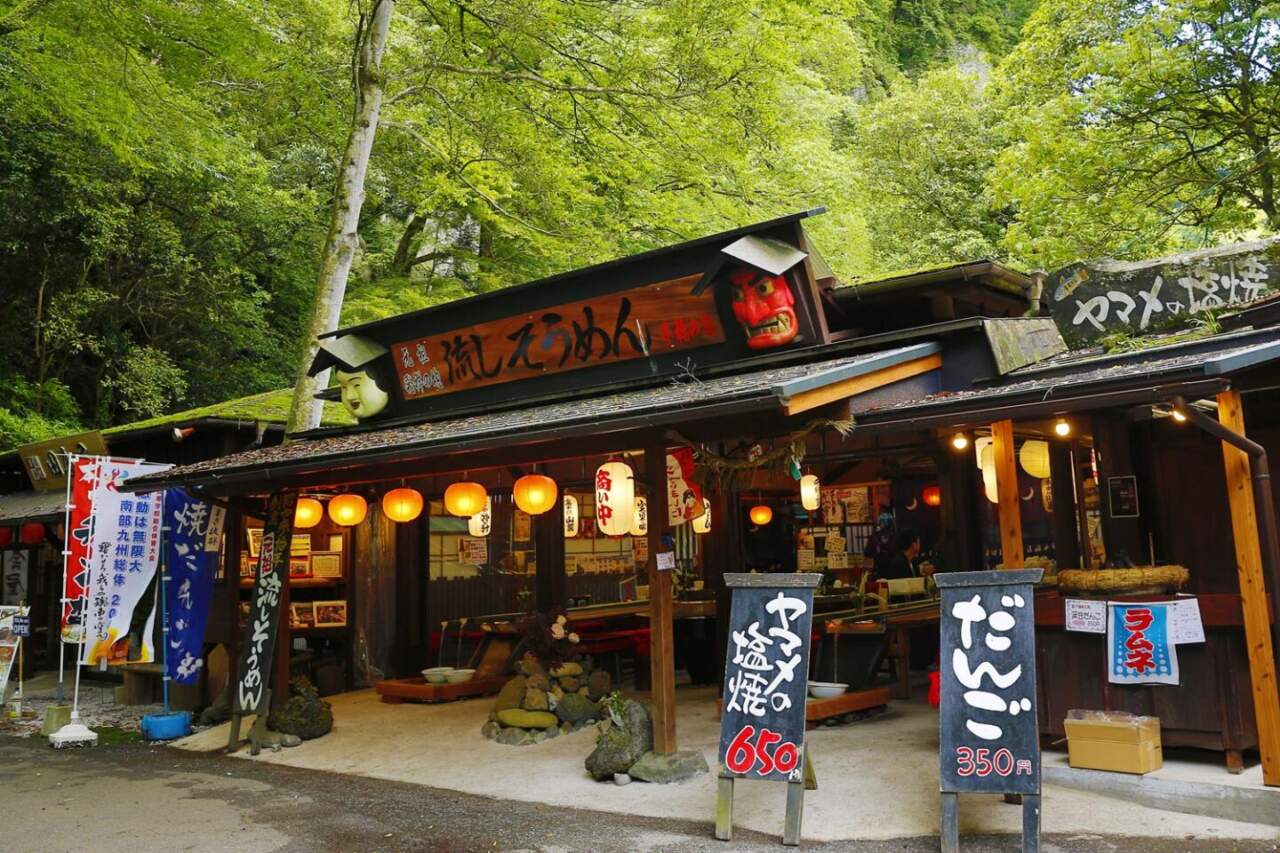
Chiho no Ie: The Original Nagashi Somen Restaurant of Japan
Chiho no Ie (千穂の家) is near Takachiho Gorge and is the birthplace restaurant of Japan’s “original nagashi somen” (flowing noodles). Noodles are rinsed in the gorge’s clear spring water, which is especially cooling in summer, and it stays open in winter too.
Besides flowing somen, it also serves skewers and set meals of Takachiho beef (Miyazaki wagyu), making it the most convenient choice for lunch. It is crowded at peak mealtimes, and coming straight over after the boat ride usually lands you right in the rush, so check the waiting situation before deciding. Dining options around the gorge are limited, so if you plan to eat lunch here, schedule it before 11 a.m. or after 1 p.m. to make things go much more smoothly and avoid the lunch rush of whole tour buses. The restaurant sits on high ground beside the gorge trail, so there is a short uphill walk from the boat dock.
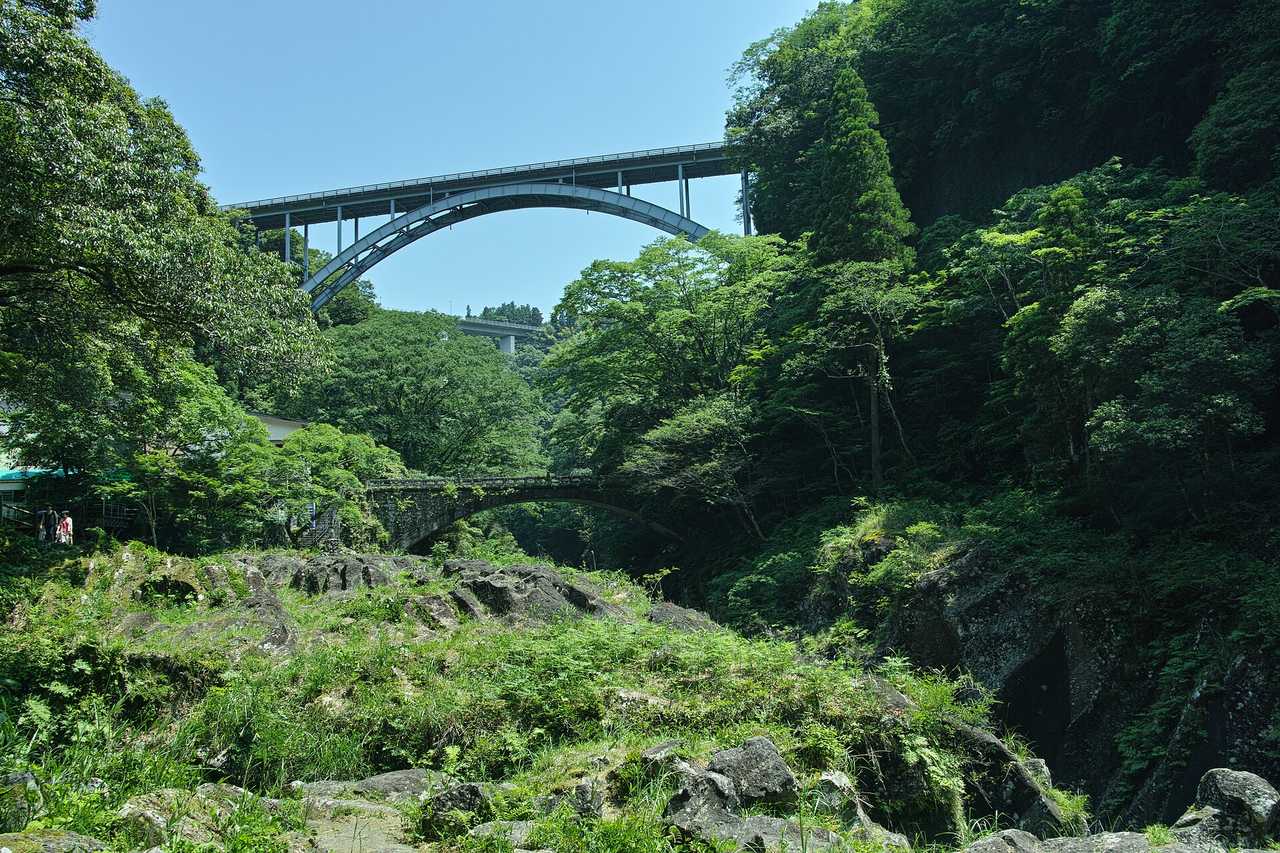
Takachiho Three Bridges: Three Generations of Bridges in One Frame
Three arch bridges built in different eras span Takachiho Gorge. Looking from the viewpoint, the three bridges appear layered one over another, a composition many people come specifically to photograph, and it is even more spectacular when the sightseeing cart crosses.
The three bridges are Shinkyo Bridge, Takachiho Ohashi Bridge and Shinto Takachiho Ohashi Bridge. They cross the same stretch of valley but belong to different eras of construction technique, and the sense of layers when seen side by side is what makes this composition so appealing. The viewpoint is in the direction going up the walking trail, so you do not need to drive separately; it is best photographed in the late afternoon with the light behind you, and it is about ten minutes’ walk on the way after finishing the gorge trail. There is a lot of traffic on the bridges, so when taking photos, stand on the inner side of the sidewalk and do not climb over the railing to frame a shot.
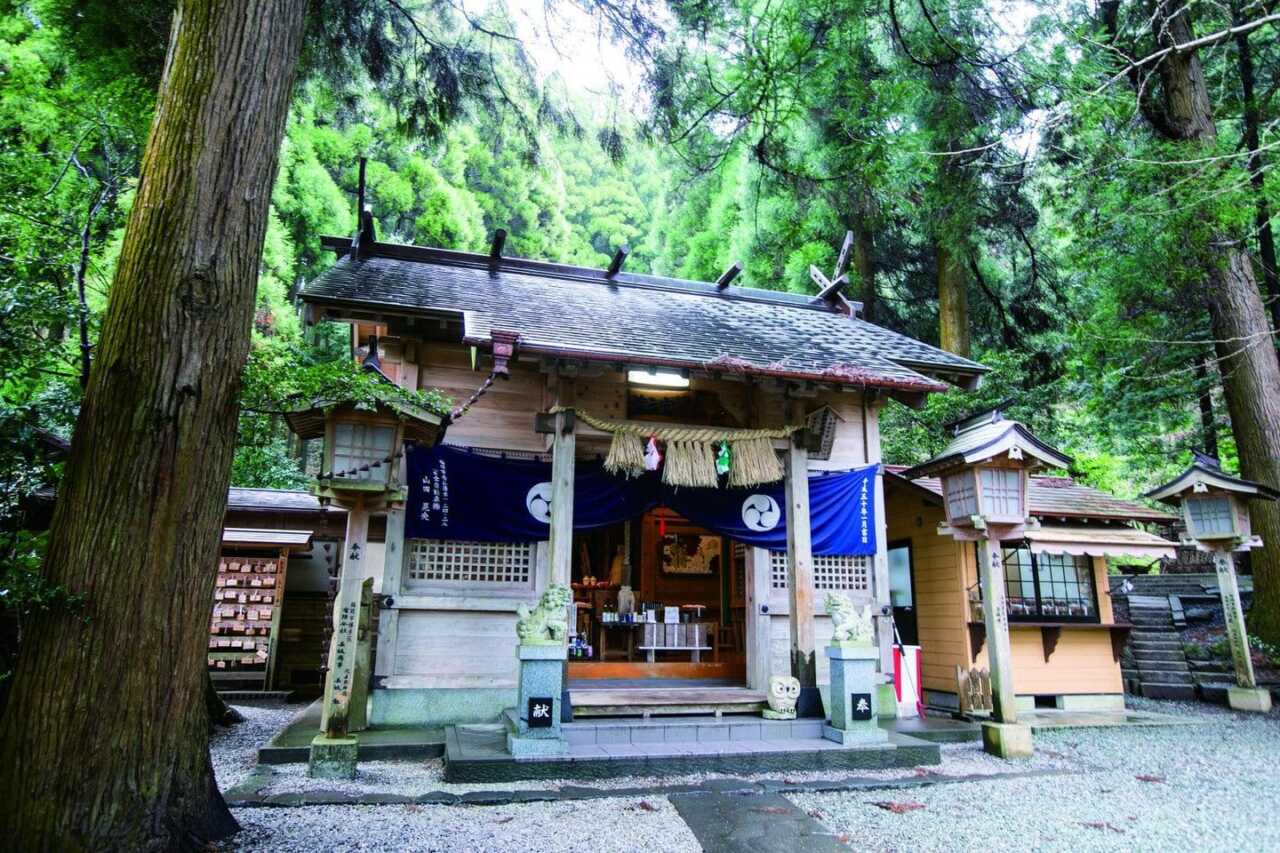
Aratate Shrine: A Small Shrine Associated with Good Matches and the Performing Arts
Aratate Shrine enshrines the married couple of gods Sarutahiko-no-Mikoto and Ame-no-Uzume-no-Mikoto. Because Ame-no-Uzume is regarded as the god of the performing arts, the shrine has long drawn performers and musicians to worship, and it is also known for matchmaking.
The shrine is small, and its grounds have a few wooden boards that are said to bring good luck if struck seven times, along with many name plates and ema left by entertainers. The atmosphere is relaxed and friendly, a completely different style from the solemnity of Takachiho Shrine. It is on the road toward Amano Iwato Shrine, so if you are driving it is easy to stop by on the way, and 15 minutes is plenty. There are not many parking spaces, and the amulet office hours also follow the shrine’s announcements on the day. There is no large parking lot on the grounds, so in peak season we recommend parking farther away and walking in.
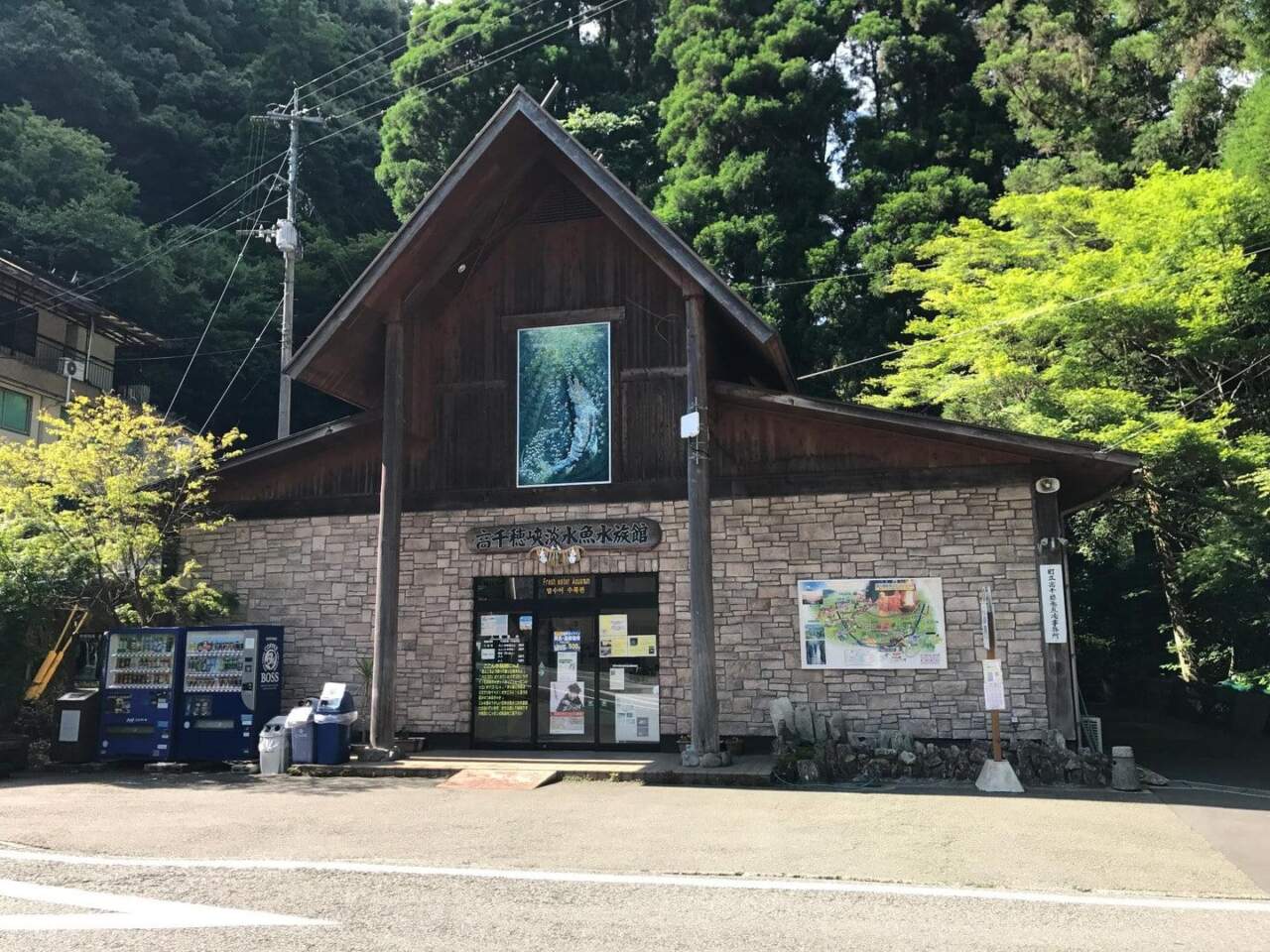
Takachiho Gorge Freshwater Aquarium: A Small but Excellent Stream Ecology Exhibit
The Takachiho Gorge Freshwater Aquarium is right beside the gorge and exhibits freshwater fish from the Gokase River and nearby streams. It is small but very good for children, and it is also one of the stops for the peak-season shuttle bus.
The aquarium focuses on native fish of the Gokase River basin, letting you see forms that are hard to observe in the stream itself, and the information boards also clearly explain how the gorge’s terrain formed, so visiting the gorge afterward is more meaningful. If the boat wait is too long, you can spend half an hour here first, and it is especially useful as a shelter from the rain. Opening hours and admission follow the aquarium’s announcements on the day, and in winter hours may be shortened or the aquarium may close. The space is small, and you can finish in about 20 to 30 minutes, making it a good buffer between stops on the itinerary.
How Much Does Takachiho Gorge Cost? Boat Reservations, Admission and Experience Fees
Costs in Takachiho are concentrated almost entirely on boating and parking, while the other sights are mostly free or low in cost.
Takachiho Gorge Boat: Booking Schedule and Prices Explained
Boat fees come in two types depending on the date: about ¥4,100 per boat on weekdays, and about ¥5,100 per boat on weekends, national holidays and other peak days; the actual amount follows what the official website’s reservation calendar shows. Operating hours are usually 8:30 to 17:00 (last admission 16:30), extended in August to 18:00 (last admission 17:30). Each boat carries a maximum of 3 people (including elementary school children) for 30 minutes, with overtime charged at about ¥1,000 per 10 minutes.
Online reservations are accepted on the Takachiho Town Tourism Association website. The booking window is “2 weeks to 2 days before departure,” with credit card reservations opening at 9 a.m. each day. Same-day tickets often sell out early in the morning in peak season. Every January, April, July and October is a regular safety inspection month with full-day closures (closed on October 14, 2026); rules may change, so check the official website’s operating calendar before booking.
![Nishiusuki - [Departing from JR Aso Station] Takachiho Day Trip | Takachiho Gorge + Takachiho Beef Teppanyaki Lunch](https://res.klook.com/images/w_300,h_300,c_fill,q_75/w_80,x_15,y_15,g_south_west,l_Klook_water_br_trans_yhcmh3/activities/a2wbfah2zwvxjikjhai3/【JR阿蘇站出發】高千穗一日遊|高千穗峽+高千穗牛鐵板燒午餐-Klook.jpg)
Takachiho Kagura Admission: A One-Hour Mythic Theater for 1,000 Yen
The admission fee for the night kagura at Takachiho Shrine is 1,000 yen, and the performance starts at 8 p.m. every night and lasts about one hour. Online reservations are accepted from 30 days before the performance date until 5 p.m. on the day, with online credit card payment only; same-day tickets are issued on site at the kagura hall from 7:30 p.m.
This is the best-value experience in Takachiho. Each of the four kagura pieces is dramatic, and you can follow along even if you do not understand Japanese. In peak season, we recommend reserving online in advance and confirming that the performance is going ahead as usual that day.
Parking Fees and Peak-Season Shuttle: About ¥500 to ¥1,000 a Day
Parking lots around the gorge range from ¥1,000 (Lot 1 Oshioi, Lot 2 Araragi) and ¥800 (Lot 3 Ohashi) to ¥500 (Lot 4 Oshikata), and Lots 3 and 4 are free for the first 60 minutes after entry; Lot 5 Taguchino and the Takachiho Shrine parking lot are free (for the former, follow the official website). If you want to park at the closest Lot 1 Oshioi, in practice you must arrive before 9 a.m.
During Golden Week, the summer holidays and the autumn foliage season, traffic control is in effect and paid shuttle buses run to and from the parking lots and the aquarium area, at about ¥300 per ride. The controlled area and shuttle arrangements change each year, so follow on-site instructions and official announcements.
Takachiho Amaterasu Railway Cart: Using the Iron Bridge as a Viewing Platform
The Takachiho Amaterasu Railway’s Super Cart runs along the original railway route and stops on the Takachiho Railway Bridge so passengers can take photos, for about 30 minutes in total. Because the cars are open-air, it is suspended in rain or strong wind.
Fares and schedules follow the operating company’s announcements, and in peak season we recommend arriving early to queue. If time is limited, you can skip this depending on the situation and save your budget for the boat and the night kagura.
Transport Passes: Highway Bus and the Miyazaki Kotsu 1-Day Pass
From the Kumamoto Sakuramachi Bus Terminal, the “Limited Express Takachiho-go” costs about ¥2,700 one way; the “Gokase” from the Hakata Bus Terminal has all reserved seats and must be booked in advance. For both routes we recommend booking the return trip together.
If your whole trip stays within Miyazaki Prefecture, consider the “Miyazaki Kotsu All-Line 1-Day Pass,” which is better value combined with the Nobeoka transfer route. Fares, schedules and area covered follow the operator’s announcements.
Where to Stay and Pre-Trip Tips for Visiting Takachiho Gorge
The last two things directly decide how smoothly your Takachiho trip goes: where you stay, and how you handle the weather.
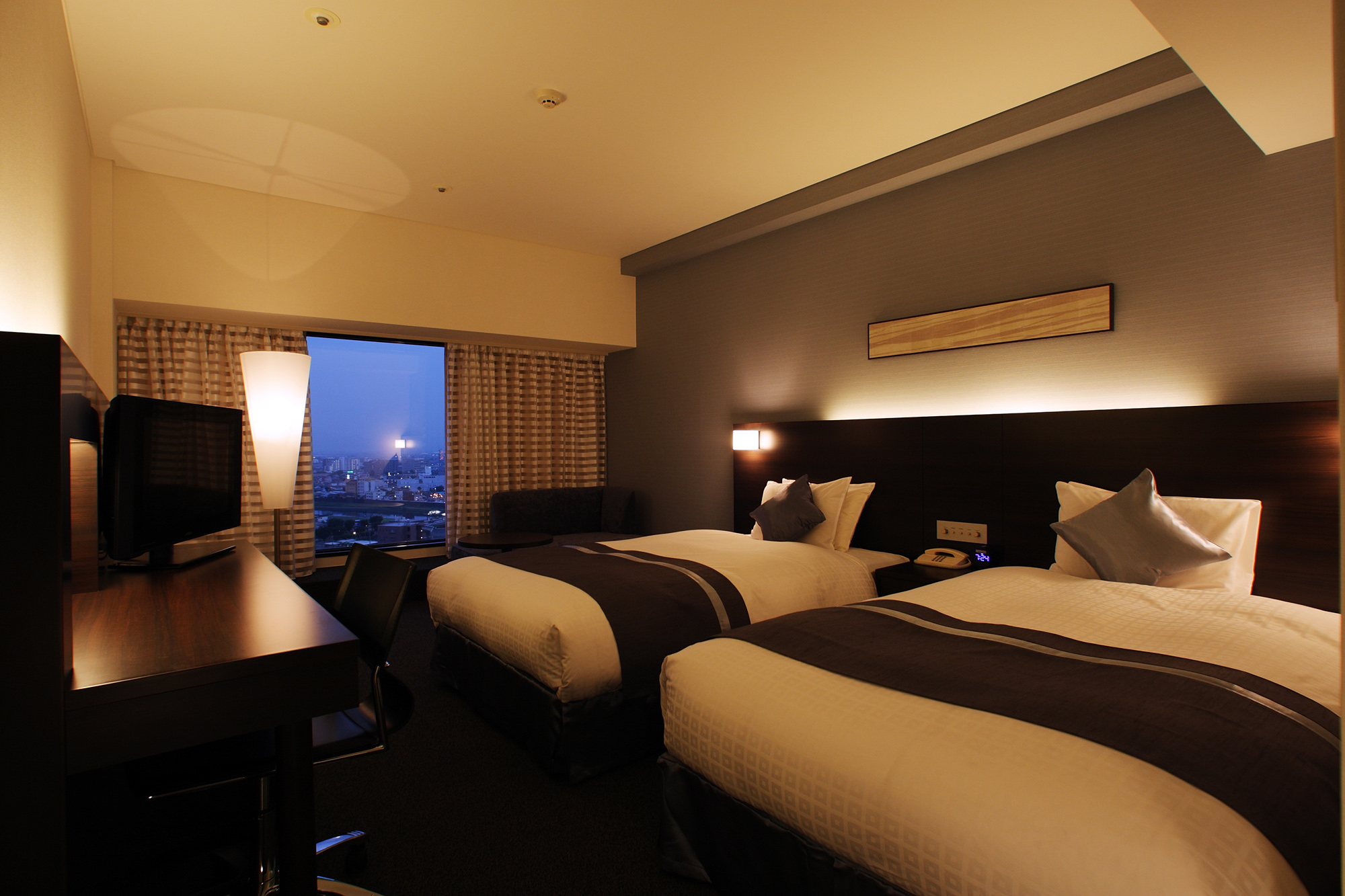
Stay in Takachiho Town, Nobeoka or Kumamoto? Lodging Recommendations for Your Trip
If you want to see the night kagura at 8 p.m. every night, you basically have to stay in Takachiho town. The town has mostly small and mid-sized inns and guesthouses with few rooms, and they fill up quickly on weekends and in peak season, so we recommend booking a room as soon as your plans are set. The advantage of staying in town is that you can walk to Takachiho Shrine, and the next morning you can get into the gorge ahead of the crowds.
If your itinerary is centered on Kumamoto or Fukuoka and you only treat Takachiho as a day-trip destination, put your lodging in central Kumamoto; taking the “Limited Express Takachiho-go” there and back in one day is the simplest, but you will have to give up the night kagura and the early-morning sea of clouds at Kunimigaoka. If you are coming from the Miyazaki side, you can also consider staying in Nobeoka and taking a local bus up the mountains the next day.
Three Things to Check Before You Go: Water Level, Weather and Peak-Season Controls
The first is the boat operating status. Boating is heavily affected by upstream water levels, and after heavy rain boats may be suspended entirely even if the day is sunny, so on the morning of your trip be sure to check the Takachiho Town Tourism Association website first and have a backup plan ready for a suspension, such as spending the time on the walking trail, the shrines and Amano Iwato Shrine.
The second is weather and clothing. It is humid inside the gorge and cooler than in the city, and it is noticeably colder on autumn and winter mornings when watching the sea of clouds, so bring an extra jacket; the trail and the route to Amano Yasugawara are slippery after rain, so wear comfortable shoes. The third is peak-season controls: during Golden Week, the summer holidays and the autumn foliage season, traffic control is in effect around the area and shuttle buses are used instead, so if you are driving, allow extra travel time and follow on-site instructions.
Takachiho Gorge FAQ
Q: How do I book a boat at Takachiho Gorge? How much does it cost?
You can only book online on the official reservation website, and phone reservations are not accepted. Booking opens at 9 a.m. 2 weeks before departure and closes at 9 a.m. 2 days before, with credit card only. The cost is about ¥4,100 to ¥5,100 per boat depending on the date, with a maximum of 3 people per boat and 30 minutes. Same-day tickets often sell out early in the morning in peak season.
Q: Are boats suspended because of weather? What if they are?
Yes. Boating is heavily affected by upstream water levels, and after heavy rain boats may be suspended entirely because the water level exceeds the limit even if the day is sunny, so check the operating status on the official website on the morning of your trip. When boats are suspended, you can walk the trail and look down on Manai Falls from the observation deck, and spend your time at Takachiho Shrine, Amano Iwato Shrine and Amano Yasugawara.
Q: How do I get to Takachiho Gorge without a car?
Takachiho has no railway. Without a car you mainly rely on highway buses: about 3 hours and about ¥2,700 one way on the “Limited Express Takachiho-go” from the Kumamoto Sakuramachi Bus Terminal, or about 3.5 hours on the “Gokase” from the Hakata Bus Terminal. After arriving at the Takachiho Bus Center, the gorge is still 1 to 2 km away and the return is uphill, so we recommend switching to a taxi.
Q: Are Takachiho Gorge, Takachiho Shrine and Amano Iwato Shrine the same place?
No, they are three different locations. Takachiho Gorge is a valley attraction; Takachiho Shrine is about 1.5 km north of the gorge and has night kagura every evening at 8 p.m.; Amano Iwato Shrine is on the other side of the town and requires a separate drive or bus ride, and Amano Yasugawara is about a 500 meter walk from Amano Iwato Shrine.
Q: Do I need a reservation for the night kagura at Takachiho Shrine?
Reservations are recommended. The performance starts every night at 8 p.m. and lasts about one hour, with an admission fee of 1,000 yen. Online reservations are accepted from 30 days before the performance date until 5 p.m. on the day, with online credit card payment only; same-day spots are handled on site at the kagura hall from 7:30 p.m., and it often sells out in peak season.
Q: When can you see the sea of clouds at Kunimigaoka?
The sea of clouds usually appears on calm, early mornings from autumn to early winter when the day-night temperature difference is large, concentrated around sunrise. It is a natural phenomenon and cannot be guaranteed. Public transportation is very inconvenient, town-run buses have limited service, and in practice you mostly need to drive or take a taxi (about a 15 minute drive).
Q: Can you finish Takachiho Gorge in one day? Should you stay a night?
If you only do the gorge and Takachiho Shrine, half a day to one day is enough. But if you also want to add Amano Iwato Shrine, Amano Yasugawara, the Kunimigaoka sea of clouds and the night kagura in the evening, you must stay one night in Takachiho town. Lodging in town is limited, so in peak season and on weekends we recommend booking a room early.