
Namba Shopping Guide 2026: Must-Visit Districts and Popular Stores
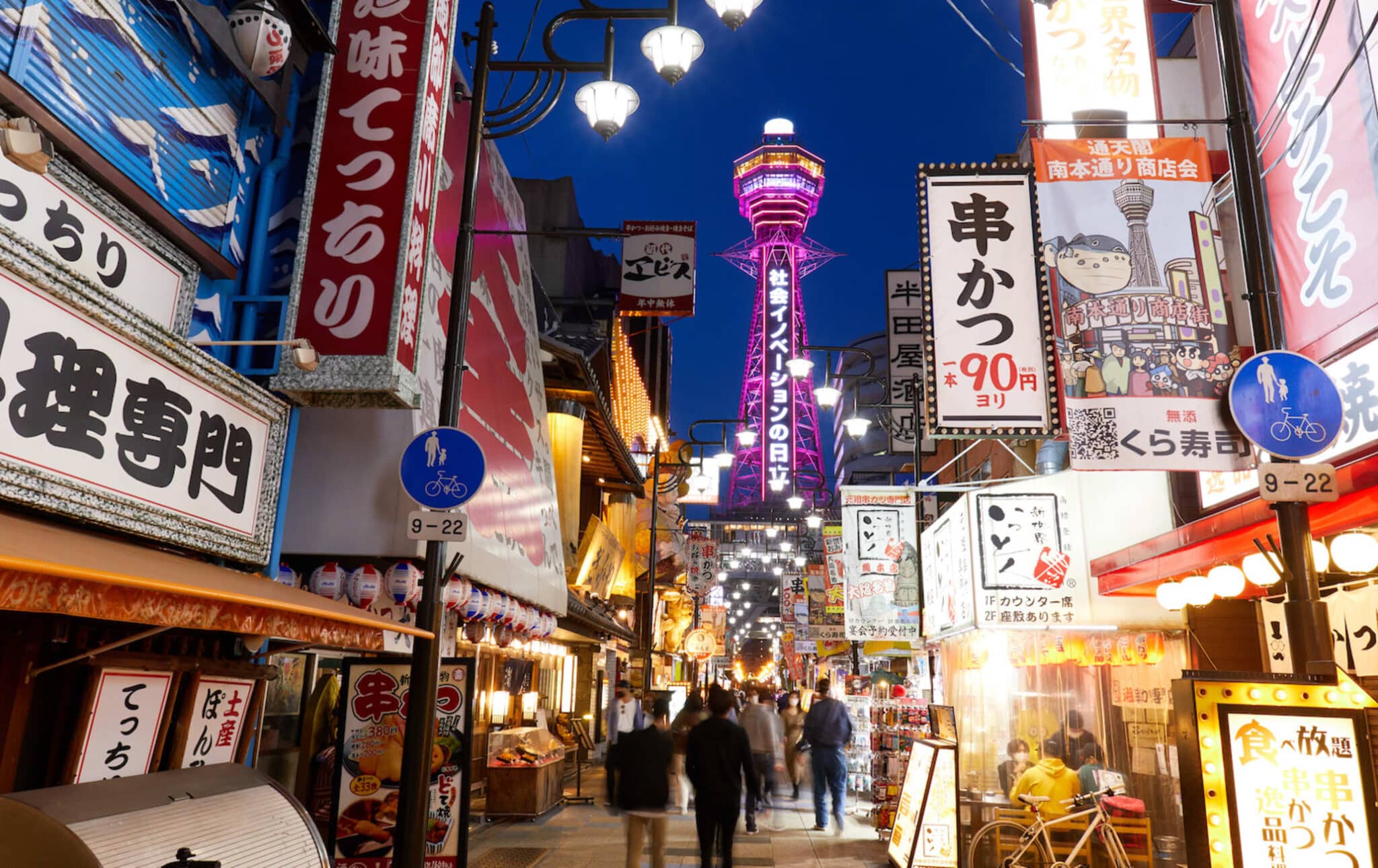
Namba is the liveliest shopping district in southern Osaka, bringing together Dotonbori, Shinsaibashi, Amerikamura and other distinctive neighborhoods for shopping, food and nightlife in one place. “Namba” as a shopping area generally means the walkable zone with Nankai Namba Station and Namba Metro Station at its southern end, running north through Ebisubashi-suji and Dotonbori to Shinsaibashi, west to Amerikamura and Horie, and east to the Nipponbashi electronics district, with each area linked by a 10 to 15 minute walk.
Dotonbori: A Sea of Neon and Osaka’s Food Battleground
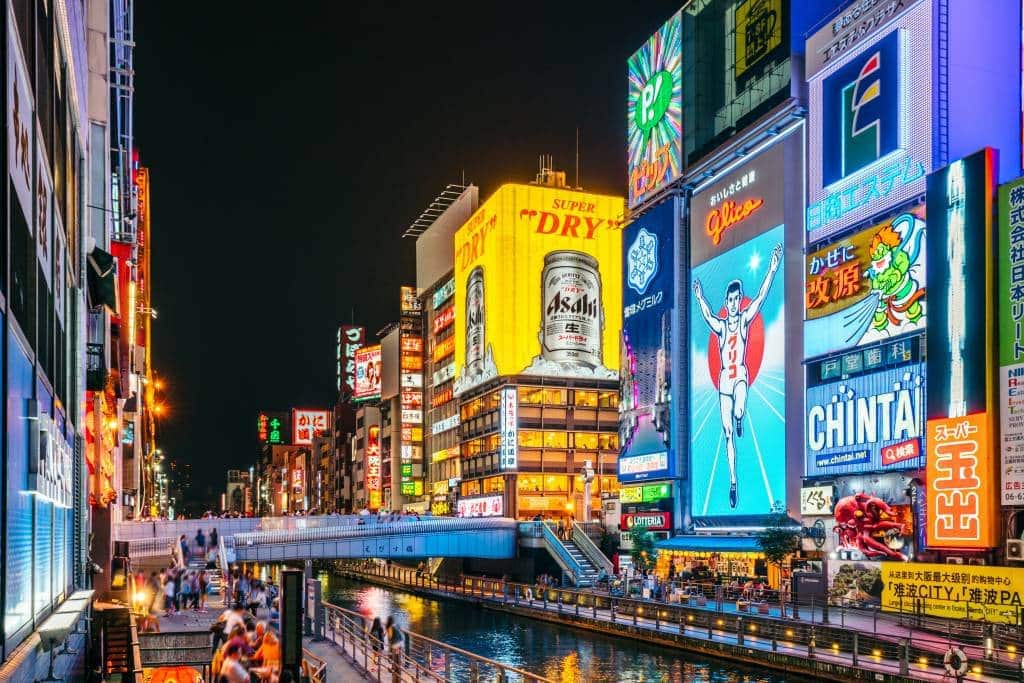
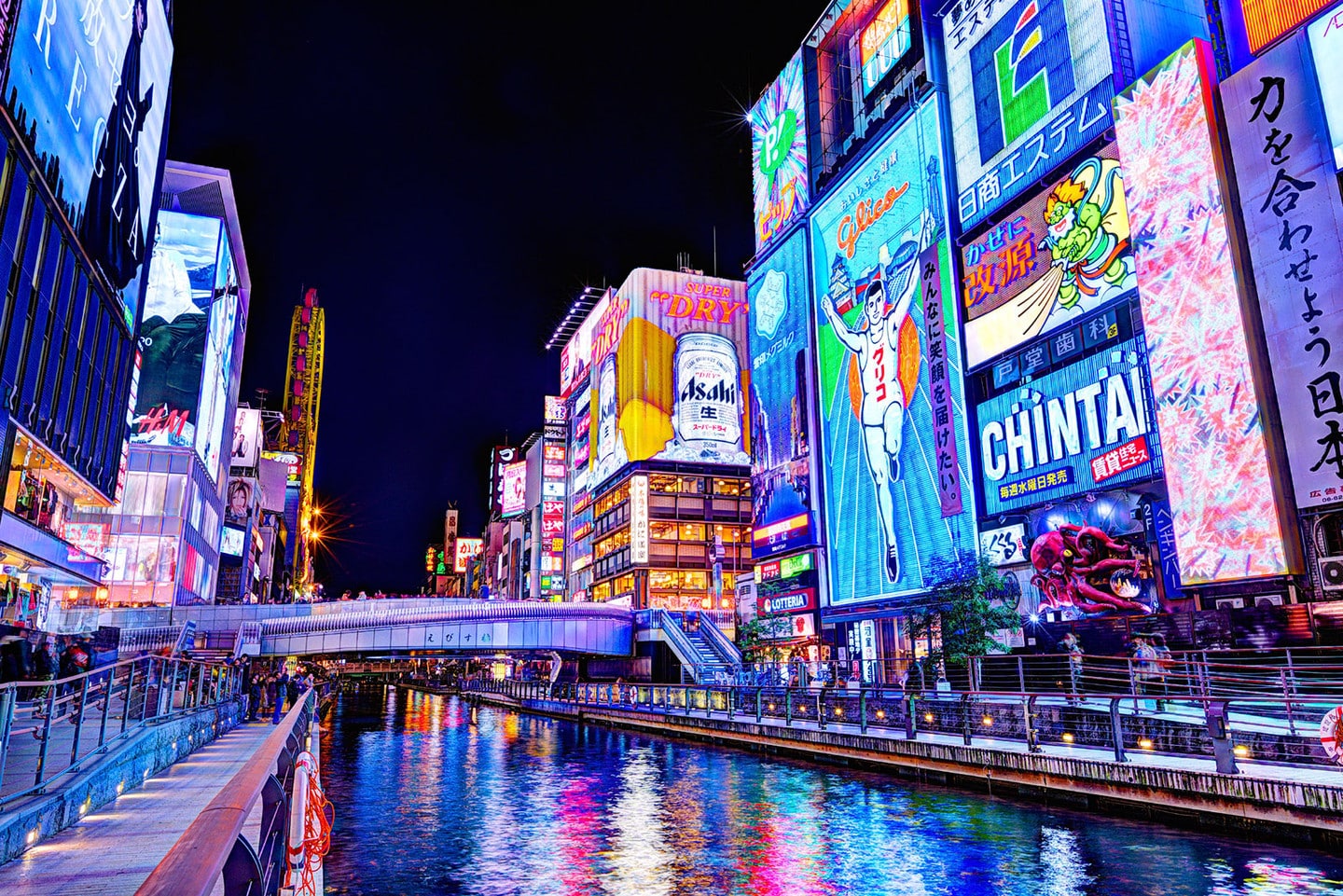
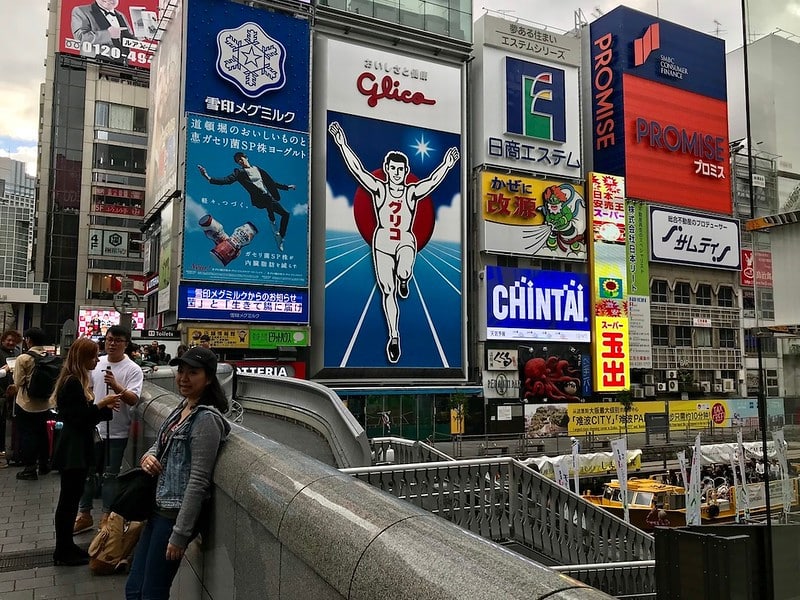
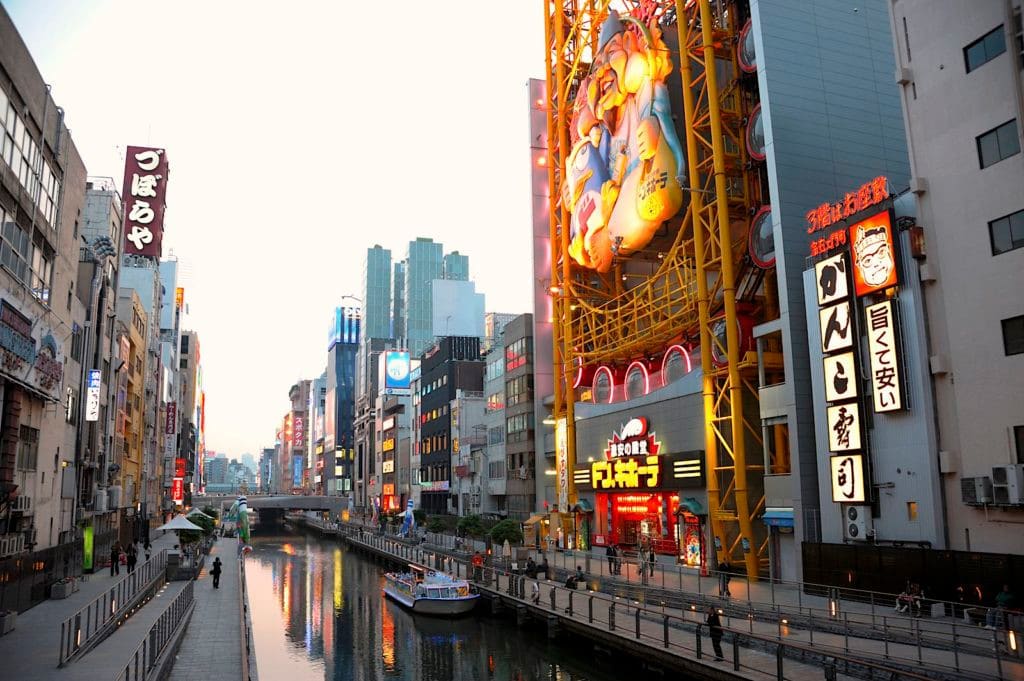
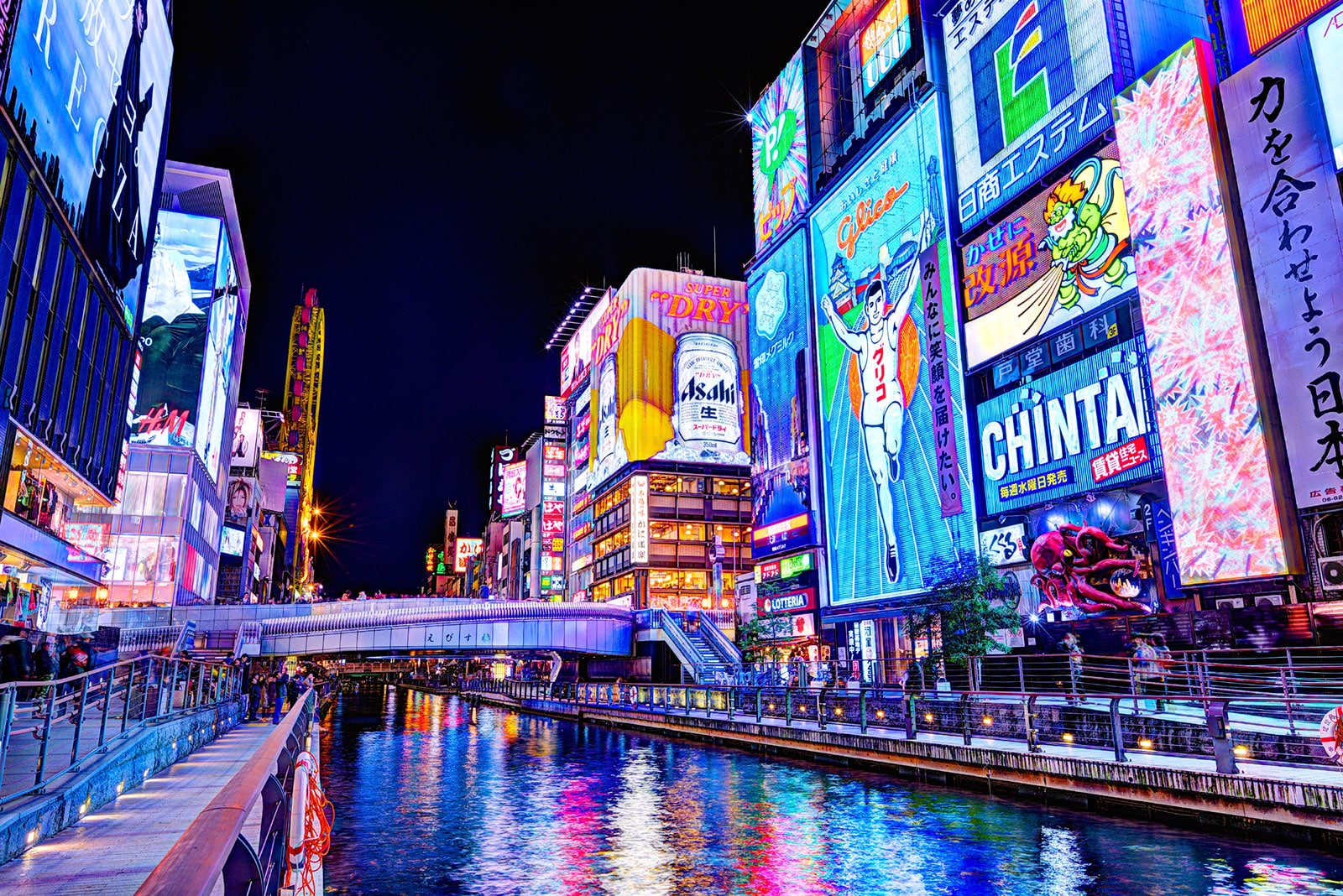
Dotonbori stretches along both banks of the Dotonbori River, and its giant signs and neon lights are Namba’s signature view. The mood is completely different by day and by night, and the lights reflected on the water after dark make a classic photo spot. Crowds of takoyaki, okonomiyaki and ramen shops gather here, making it the best place to experience Osaka’s “kuidaore” (eat until you drop) culture.
Go around dusk to catch the sunset giving way to the neon, then stroll along the river to Ebisubashi and stop by the Glico Running Man sign. It is open year-round and free, and is one of the must-do stops on any Namba itinerary.

Shinsaibashi: Osaka’s Classic Shopping District
The Shinsaibashi-suji shopping street runs about 600 meters, lined on both sides with landmark stores such as UNIQLO, GU and Daimaru department store, and is the core of Namba shopping. Its covered arcade keeps you comfortable in any weather, so you can shop in comfort all year round.
Set aside half a day to browse at a relaxed pace, and extend the route to Shinsaibashi PARCO and Amerikamura to make a full shopping circuit. Most shops are open from around 10 a.m. to 8 p.m., and weekends are busier, so go early.
Amerikamura: Shopping for Youth Trends
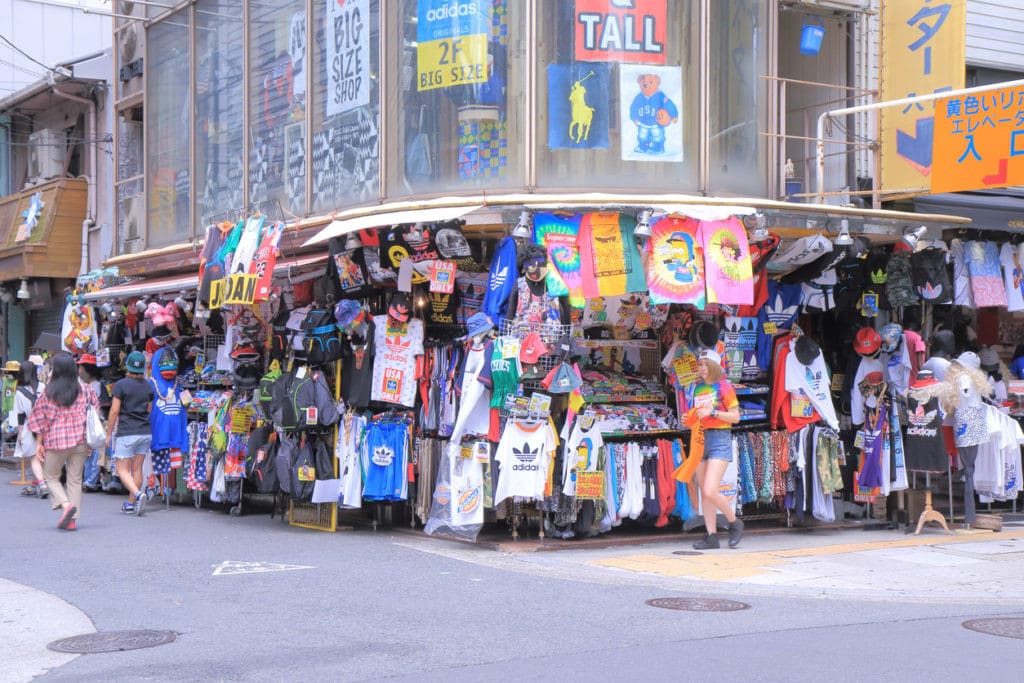
Amerikamura is known for secondhand vintage clothing, trendy fashion and street culture, and it is where young Osaka people gather. The shops are bold and avant-garde, in sharp contrast to Shinsaibashi’s upscale feel. Triangle Park is the landmark where visitors meet and rest.
Browse select shops such as Village Vanguard and WEGO for treasures at friendly prices and unique styles. Go in the afternoon; in the evening there are also plenty of characterful bars and live houses nearby if you want to extend the outing.
Orange Street: Horie’s Cafe-Lined Backstreets
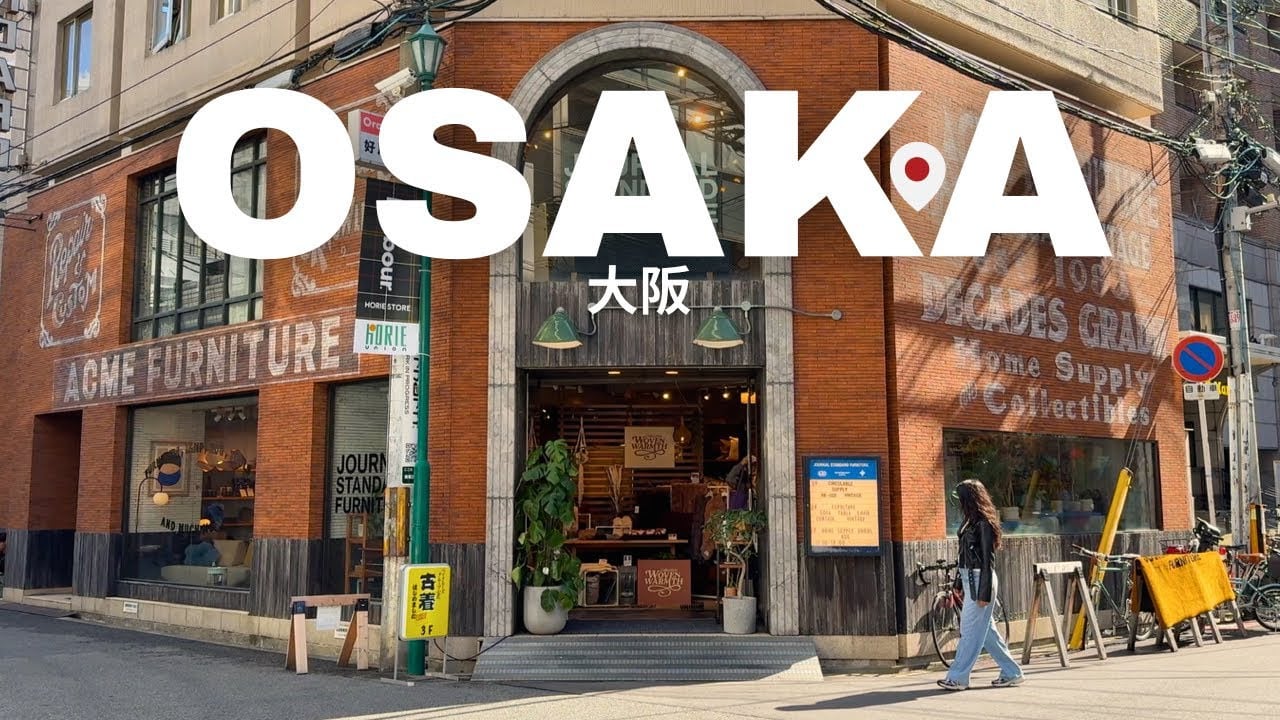
Walking west from Amerikamura brings you to Horie, roughly the area between Yotsubashi, Nishi-Ohashi and Nishi-Nagahori subway stations and Tachibana-dori. Tachibana-dori is also known as Orange Street and is a hub for furniture select shops and artsy cafes.
The pace here is clearly more relaxed than in Shinsaibashi, which makes it a good place to end a shopping day with a coffee. Most shops are independently run and keep late hours, opening one by one after noon.
Nipponbashi Den Den Town: Osaka’s Akihabara
Nipponbashi, also called “Den Den Town,” is packed with electronics stores, secondhand game shops and anime merchandise specialists. It is a paradise for anime fans and gadget lovers, and it is noticeably less crowded than Tokyo’s Akihabara.
Browse Surugaya and K-BOOKS for out-of-print finds, which are often much cheaper than new items. Allow about 2 hours to explore the hidden little shops in the alleys, and there are several maid cafes nearby to try.
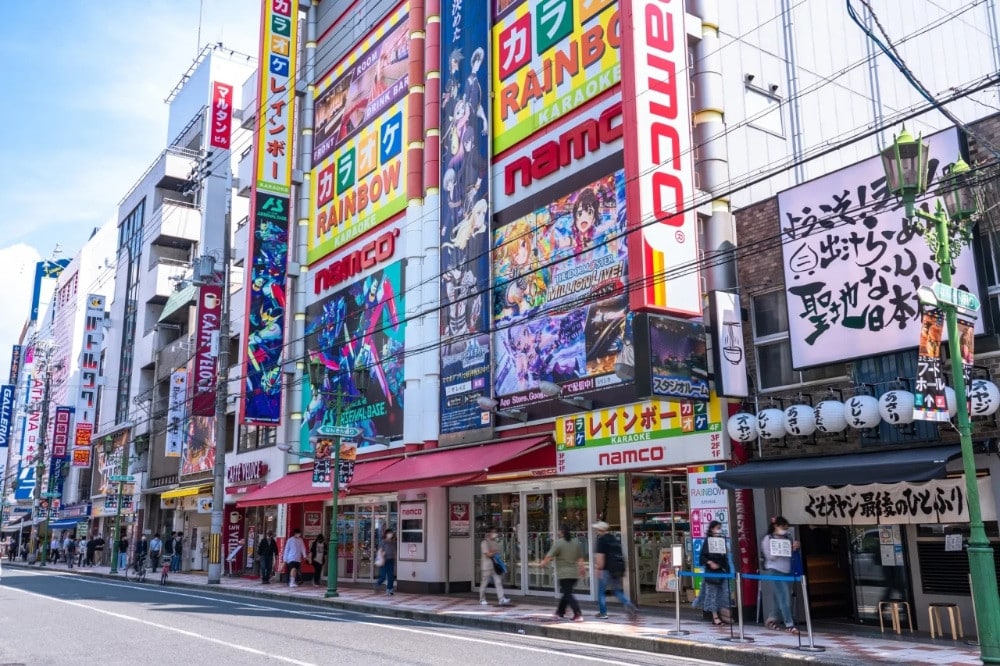
Ebisubashi-suji Shopping Street: The Shopping Corridor to Dotonbori
Ebisubashi-suji Shopping Street sits right next to Ebisubashi and is the main shopping corridor linking Nankai Namba Station and Dotonbori. The shops on both sides focus on drugstores, souvenirs and budget fashion, which makes it a good place to buy gifts at the end of your trip.
The crowds last from daytime into the late night and are liveliest in the evening. Go around dusk and combine it with the Dotonbori night view, so you can finish your shopping and photos in one outing, with convenient access too.
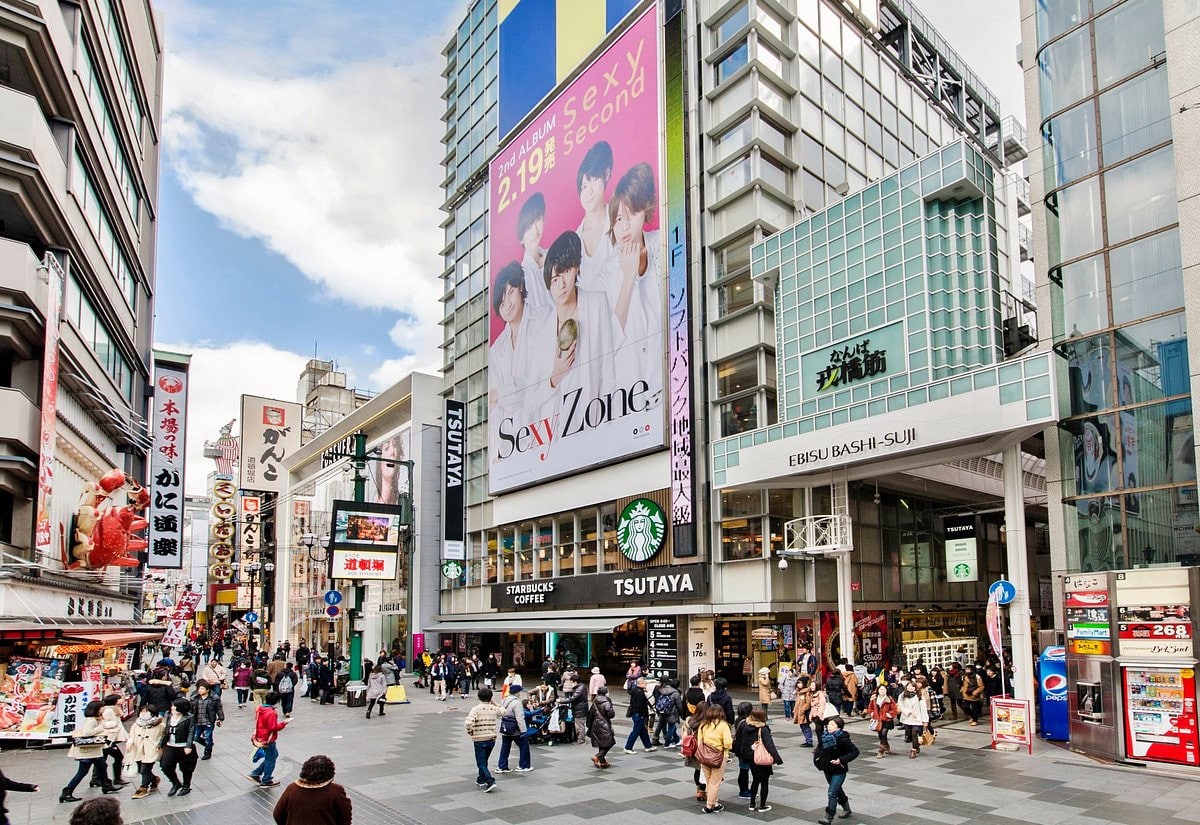
Namba Walk: Namba’s Underground Mall for Rainy Days
Namba Walk is an underground shopping street linking Namba Station and Nippon-bashi Station. It runs about 715 meters east to west, divided into two north-south passages and three zones, with roughly 200 shops covering fashion, general goods, food and cafes. Regular shops are open 10:00 to 21:00 and restaurants until 22:00, so you can keep walking and shopping underground even in the rain.
Sennichimae Doguyasuji Shopping Street: The Pro Kitchenware Street
Sennichimae Doguyasuji Shopping Street specializes in kitchen tools and restaurant equipment, from knives and food replicas to restaurant signs. It offers a unique angle on Osaka’s food culture and attracts many chefs from overseas who come specifically to shop.
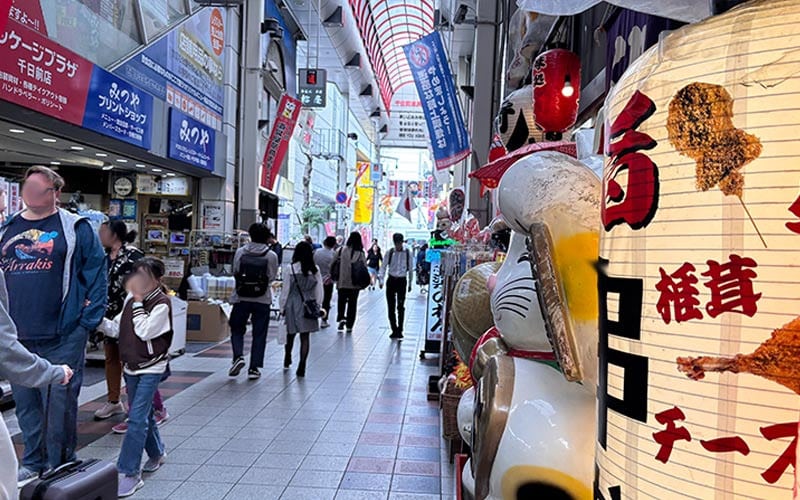
Try the “DIY food replica workshop,” where you make a lifelike takoyaki or tempura replica as a souvenir, from about ¥2,980. It is a rare hands-on experience to pair with your Namba shopping.
Namba’s Must-Visit Department Stores and Shopping Centers: Takashimaya, Namba CITY and Namba Parks
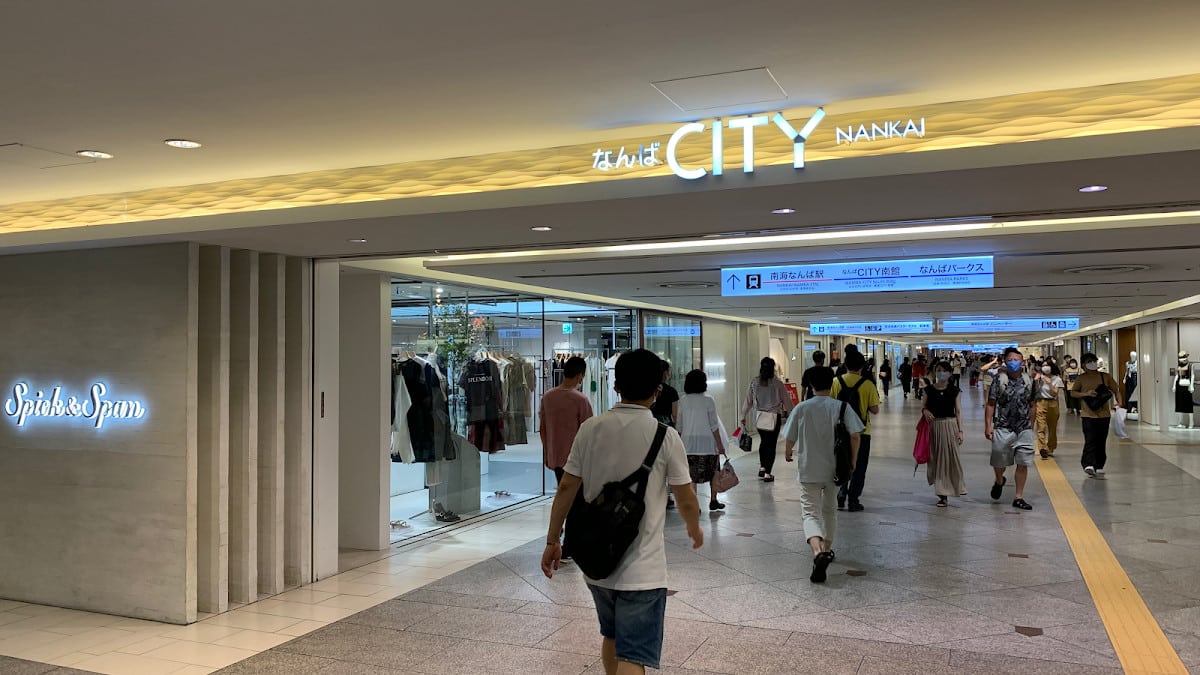
On a first shopping trip to Namba, treat the department stores and shopping centers around the station as your starting point, then head north into the shopping streets. Around Nankai Namba Station there are three large hubs: Takashimaya Osaka Store right next to the station, with luxury goods, cosmetics and a basement food hall full of gift sweets; Namba CITY, directly connected to the station, focused on fashion, general goods and restaurants and easy to browse in the rain; and Namba Parks to the south, combining shopping, restaurants and a cinema, with a rooftop garden called Parks Garden.
How to Shop Namba: Plan Your Route by Need and Flow
- 🛍️ For luxury goods, cosmetics and premium gifts: Takashimaya Osaka Store, and Daimaru Shinsaibashi to the north
- 👕 For budget fashion, drugstore items and daily necessities: Namba CITY, Ebisubashi-suji and Shinsaibashi-suji shopping streets
- 🧥 For vintage clothing and trendy select shops: Amerikamura and Horie’s Orange Street
- 🎮 For anime, games and electronics: Nipponbashi Den Den Town
- 🍳 For kitchen tools and food replicas: Sennichimae Doguyasuji Shopping Street
If you are short on time, start from Nankai Namba Station and walk north in this order: Takashimaya / Namba CITY, Ebisubashi-suji, Dotonbori, Shinsaibashi-suji, Amerikamura, then leave from Shinsaibashi Station on the Midosuji Line.
How to Get to Namba for Shopping: Transport and Costs
Namba is one of the most important transport hubs in southern Osaka, with many options whether you come from Kansai Airport, elsewhere in Osaka, or even Kyoto or Kobe. Here are the most practical routes and fares to help first-time visitors get oriented quickly.
How to Get to Namba: Transport at a Glance
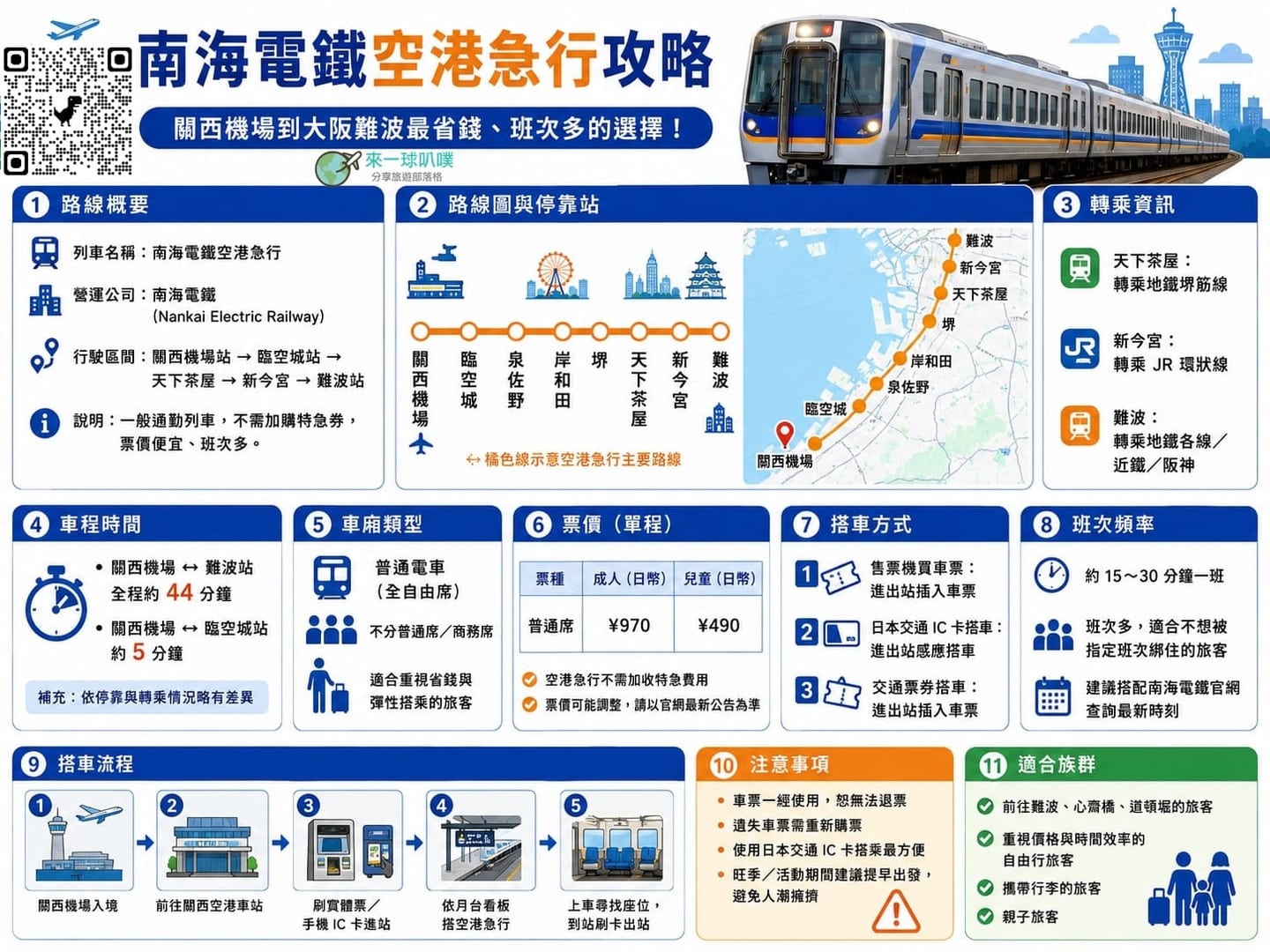
🚄 Nankai Rapi:t / Airport Express: Direct from Kansai Airport to Namba. The Rapi:t takes about 38 minutes for ¥1,490 and the Airport Express about 44 minutes for ¥970, and you arrive right at the Shinsaibashi-suji shopping street.
🚇 Osaka Metro Midosuji Line: The most convenient from Umeda or Shinsaibashi in the city. Umeda to Namba takes about 8 minutes for ¥240, with frequent trains.
🚃 Kintetsu / Hanshin: From Nara, Kintetsu takes about 40 minutes for ¥680, and from Kobe Sannomiya, the Hanshin through limited express takes about 35 to 40 minutes for ¥410. Both run directly to Namba Station.
🎫 Osaka Amazing Pass / Subway One-Day Pass: The Amazing Pass 1-day ticket is ¥3,500 and includes attraction admission. The subway one-day pass is ¥820 on weekdays (¥620 on weekends and national holidays) for unlimited rides, suited to itineraries across several districts.


What Are the Must-See Sights and Experiences in Namba? Highlights by Area
Besides shopping, Namba has many classic photo spots, shrines and temples nearby.
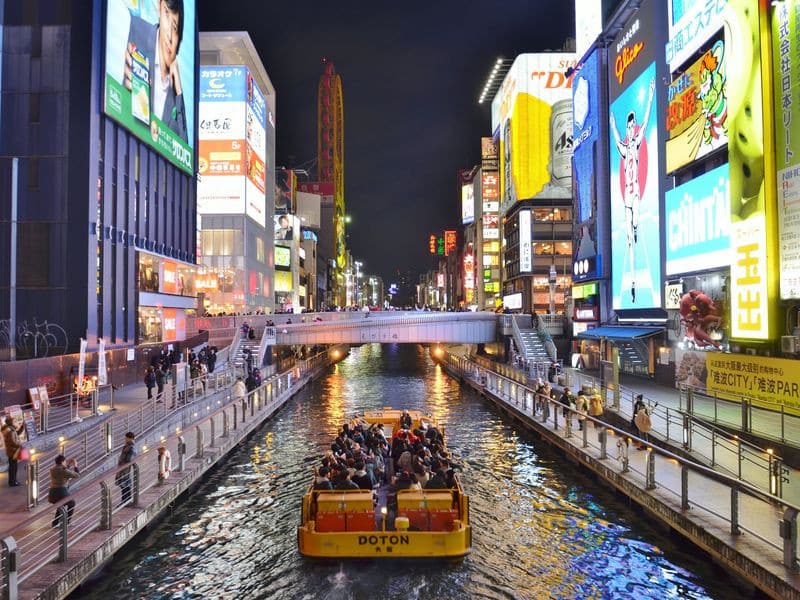
Dotonbori Sightseeing Boat: Namba’s Panorama from the Water
The Dotonbori sightseeing boat offers a short cruise of about 20 minutes, passing classic street scenes such as the Glico sign and the Kani Doraku crab sign up close, and giving you a different angle on Dotonbori.
Fares are about ¥2,000 for adults, ¥1,000 for students and ¥500 for children. Pick an evening departure to see the lights change from day to night for the best photos. The boarding point is near Taizaemon Bridge in Dotonbori. According to the official Tombori River Cruise website, boats depart at :00 and :30 every hour from 11:00 to 21:00, and online booking is recommended in peak season.

Glico Running Man Sign: Osaka’s Most Famous Landmark
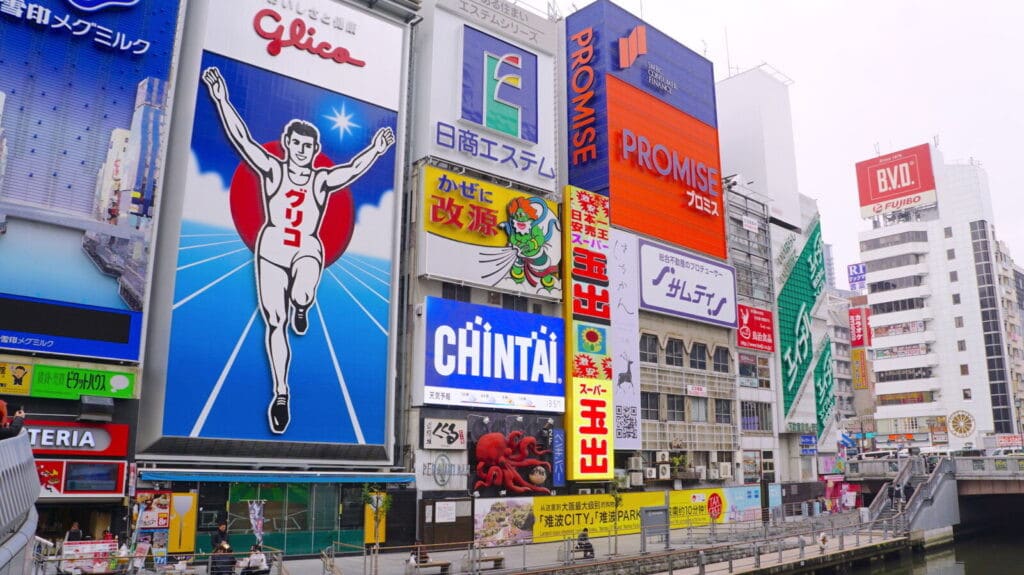
Since it was first put up in 1935, the Glico Running Man sign has been redesigned several times and is now a signature landmark of Osaka and of Japan. Almost every visitor to Dotonbori stops here for a photo.
The sign stands beside Ebisubashi and is most striking when lit at night. Go early in the morning or on a weekday, when it is less crowded, to avoid lines for photos. Visitors often strike the same pose as the sign, making it the most iconic Osaka souvenir photo.
Don Quijote Ferris Wheel: The World’s First Oval Ferris Wheel
The Ferris wheel on the roof of the Dotonbori Don Quijote store is the world’s first oval-shaped Ferris wheel. One rotation takes about 15 minutes, and the cabins overlook the whole Dotonbori district and the night view toward Osaka Castle in the distance.
The fare is ¥1,000, and on Tuesdays it only starts running after 13:00 because of maintenance. Ride in the evening to take in the sea of neon. Don Quijote itself is open 24 hours, so you can shop and ride the Ferris wheel at the same stop, which saves time.
Kuidaore Building (Nakaza): Home of Kuidaore Taro
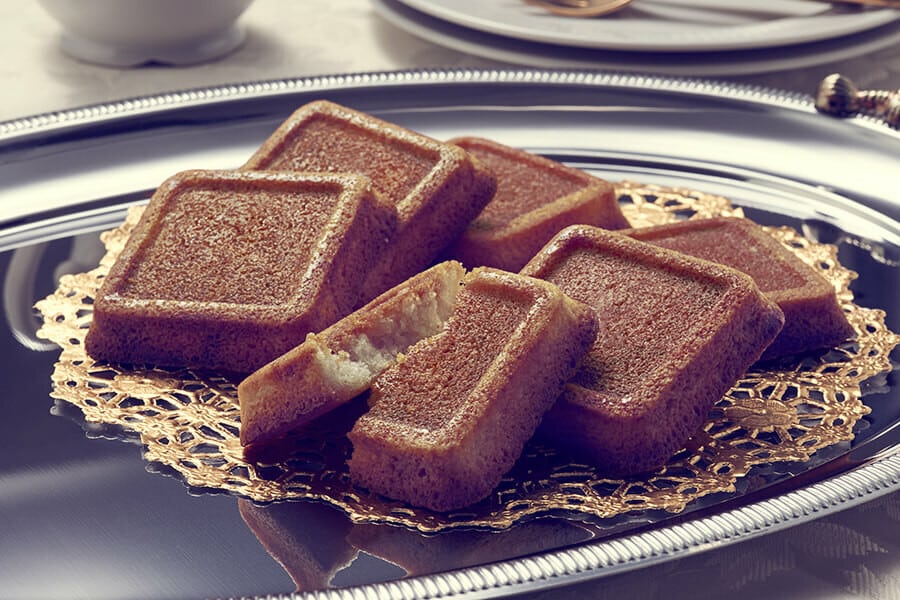
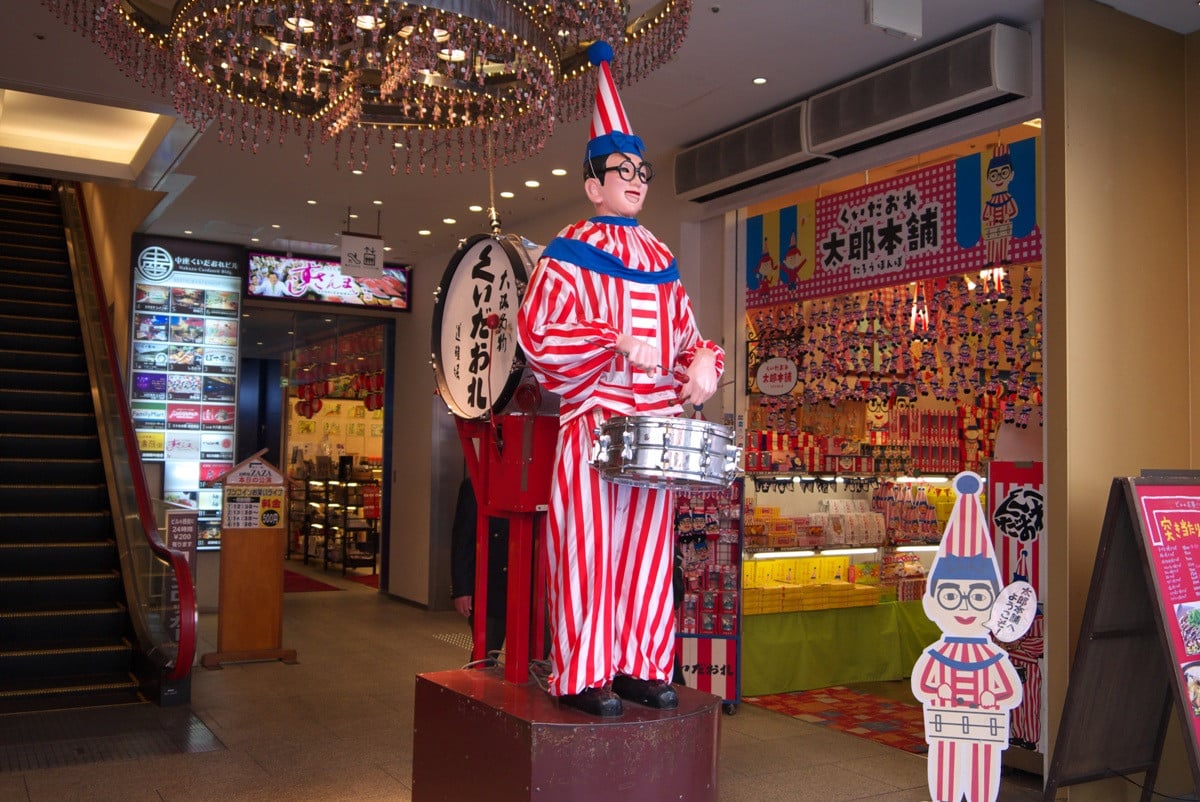
In front of the Nakaza Kuidaore Building stands Namba’s famous mascot “Kuidaore Taro.” This drum-beating figure has been Dotonbori’s living signboard since the 1950s, loved by adults and children alike and a popular photo subject.
The building houses several souvenir shops and a food court, where you can buy limited-edition Kuidaore Taro goods including pudding and cookies, among Namba’s must-buy souvenirs. Go during the day, when it is less crowded, so you can photograph the whole figure.
Dotonbori Konamon Museum: Make Your Own Takoyaki
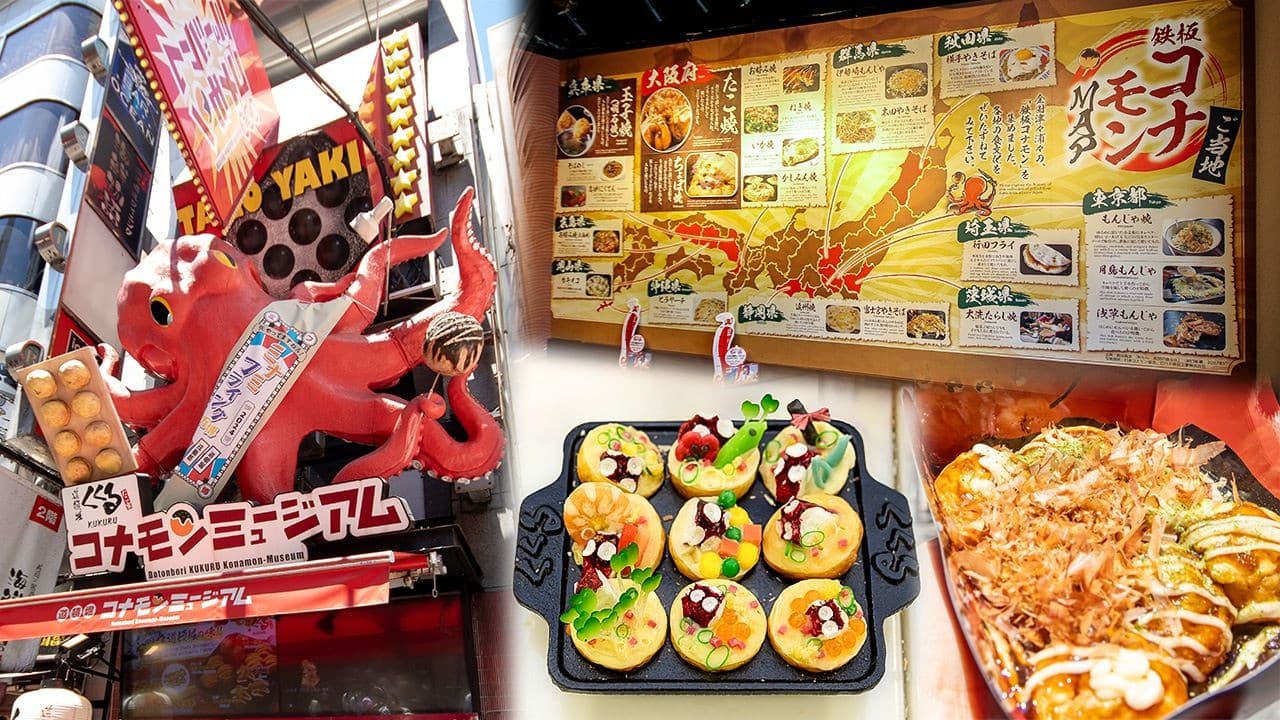
The Dotonbori Konamon Museum is free to enter and shows the history of Osaka’s flour-based food culture, including the origins and evolution of takoyaki and okonomiyaki. It suits families who want to learn about the local food culture.
The museum also offers paid hands-on classes where you make takoyaki yourself and eat it on the spot. Prices range from about ¥3,500 to ¥7,500 depending on the plan (tax included). Reserve a time slot in advance so you don’t arrive to find it full.
Hozenji Yokocho: The Nostalgic Alley of Mizukake Fudo
Hozenji Yokocho is a nostalgic stone-paved alley tucked beside the busy Dotonbori district. It enshrines the moss-covered Mizukake Fudo Myoo statue, and worshippers scoop water and pour it over the statue as they make a wish, creating a unique scene. The lanterns lit at night add an old-world atmosphere.
The alley is lined with long-established izakaya and small restaurants, a sharp contrast to the noisy Dotonbori outside. Go around dusk, pray for good fortune first, then try the traditional food in the alley and experience the most human corner of Osaka.
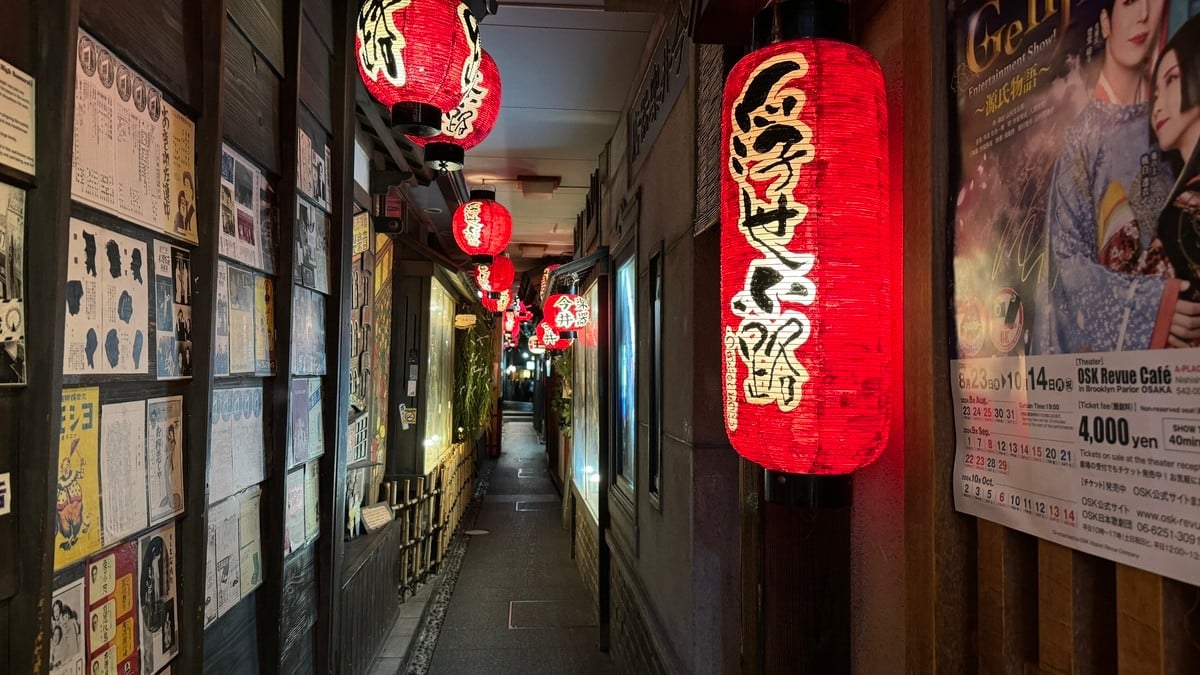
Ukiyo Koji: A Hidden Quiet Alley
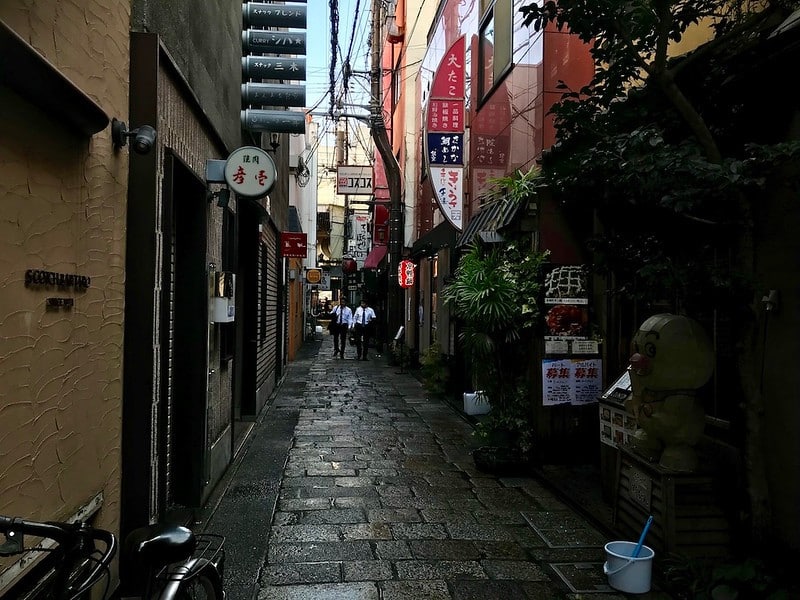
Ukiyo Koji is right next to Hozenji Yokocho, a smaller and less visited hidden alley that keeps a Showa-era nostalgia. Brick walls and stone paving give the feeling of stepping back in time, and it suits travelers who like to explore hidden corners.
Most of the shops in the alley are small bars familiar to locals and keep late hours. Visit during the day for quiet photos, or at night to feel the authentic Osaka nightlife. Combine it with Hozenji Yokocho in the same stretch of your itinerary.
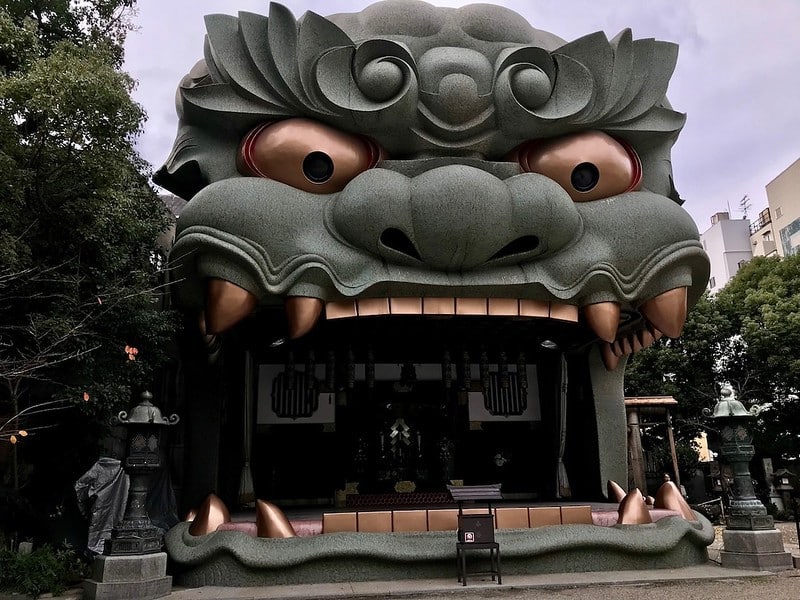
Namba Yasaka Shrine: A Power Spot with a Giant Lion-Head Stage
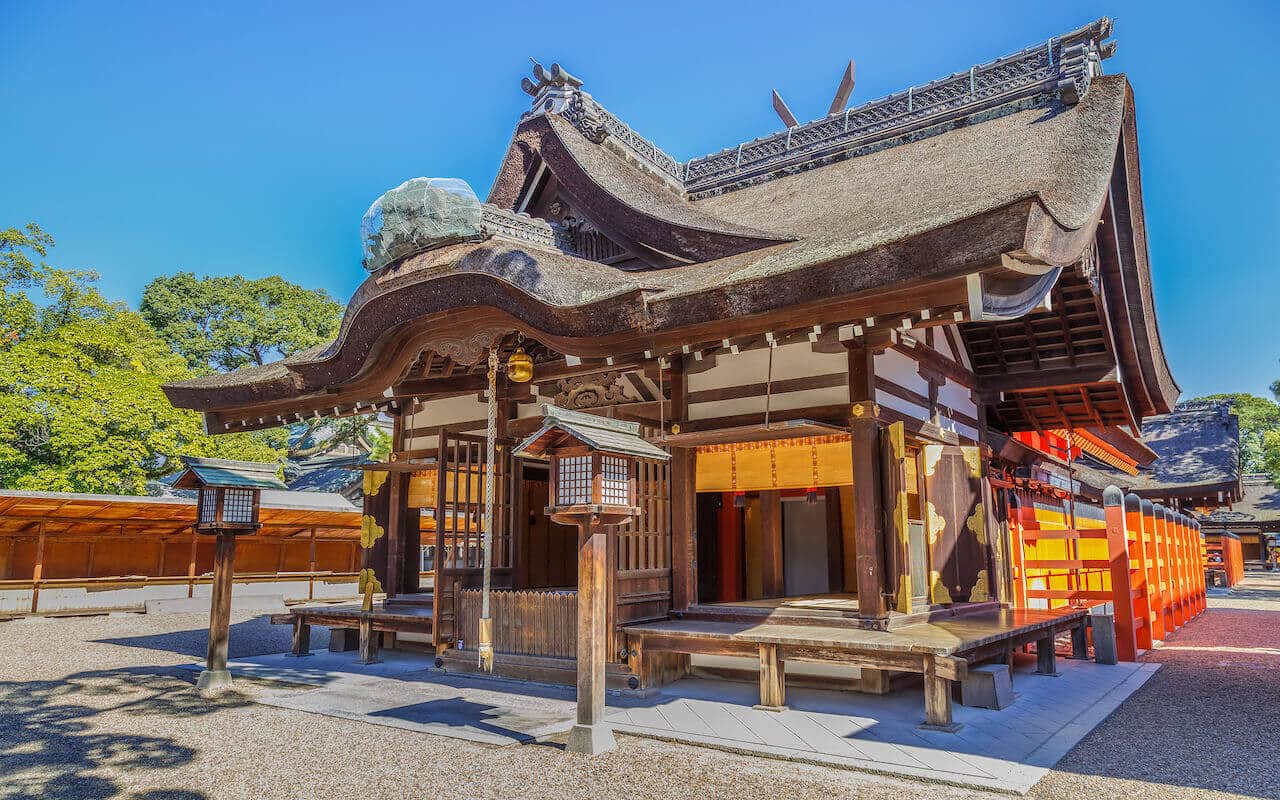
Namba Yasaka Shrine is most famous for its 12-meter-tall stage built in the form of a giant lion’s head. Its open mouth looks as if it is swallowing misfortune, symbolizing the warding off of evil and the welcoming of good luck. It is a rare distinctive shrine setting in Namba and a popular Instagram landmark.
The shrine’s main deity is Susanoo-no-Mikoto, and visitors pray for protection from disaster and business prosperity. The grounds sell lion-shaped omamori charms and goshuin stamps, which make meaningful keepsakes. It is open year-round with free entry, so allow 20 to 30 minutes for a stop, and it is about a 10 minute walk from Namba Station.
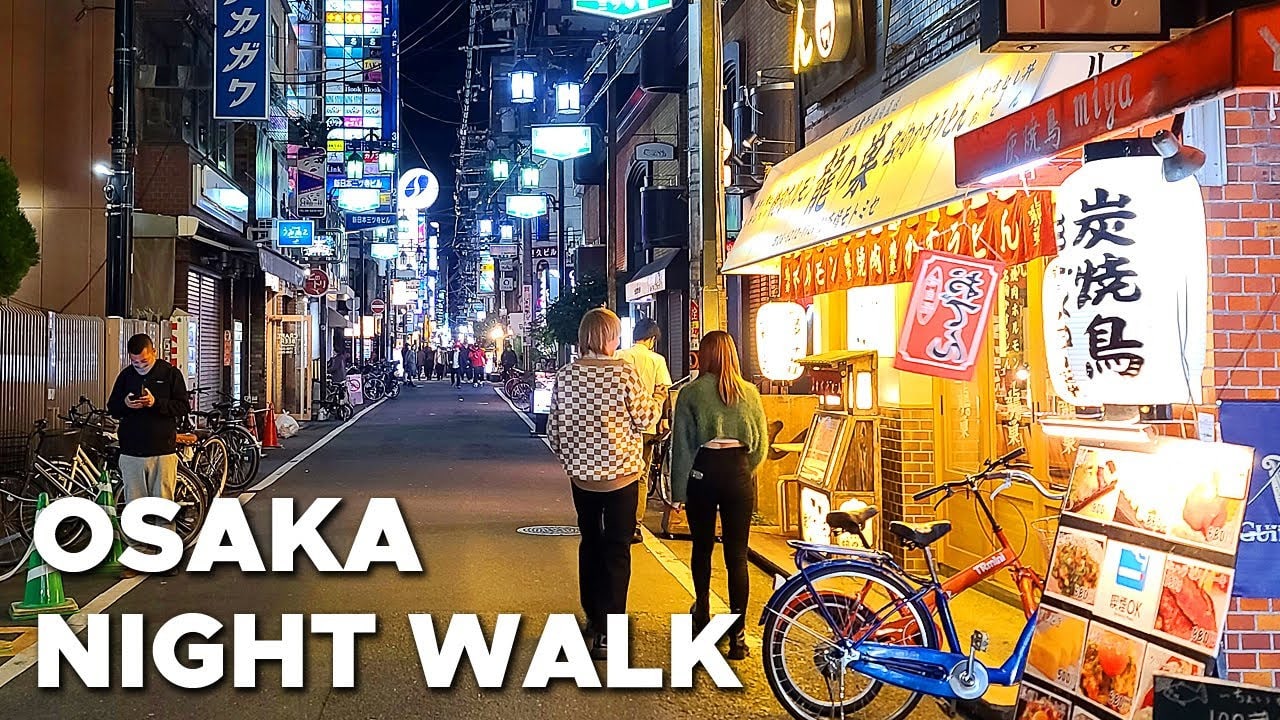
Soemon-cho: The Entertainment Quarter Beside Dotonbori
Soemon-cho lies right on the north bank of Dotonbori and has been a famous entertainment district since the Edo period. It has since turned into a nightlife area lined with upscale restaurants and bars, quiet by day and a very different place after dark.
There is a unique mix of traditional ryotei restaurants and stylish bars, good for a proper dinner or an after-dinner drink. Note that some places are expensive and touts are active, so women traveling alone should stay alert and choose reputable venues.
Extending to Umeda and Tennoji: Linking North and South Osaka
If you have time, extend your Namba shopping to Umeda (Hankyu Department Store, HEP FIVE, LUCUA) or Tennoji-Abeno (Q’s Mall, Abeno Harukas). The three areas are linked by the Midosuji and Tanimachi Lines, with rides all under 20 minutes.

Umeda leans toward modern luxury and electronics stores, while Tennoji combines an observation deck with family facilities, contrasting sharply with Namba’s down-to-earth local feel. Plan two days to experience these two very different sides of Osaka shopping.
Recommended Tickets and Experiences for Namba Shopping
When shopping in Namba, besides walking through the stores of Dotonbori and Shinsaibashi, you can add a few popular tickets and experiences to enrich your Osaka trip. From transport passes to a Dotonbori canal cruise, late-night food tours and kimono dress-up photos, these save you queuing and planning time and show you Namba, a lively district, from different angles. Here are some well-reviewed, good-value tickets and experiences. Book on KKday or Klook before you go to secure a spot and get discounted prices.
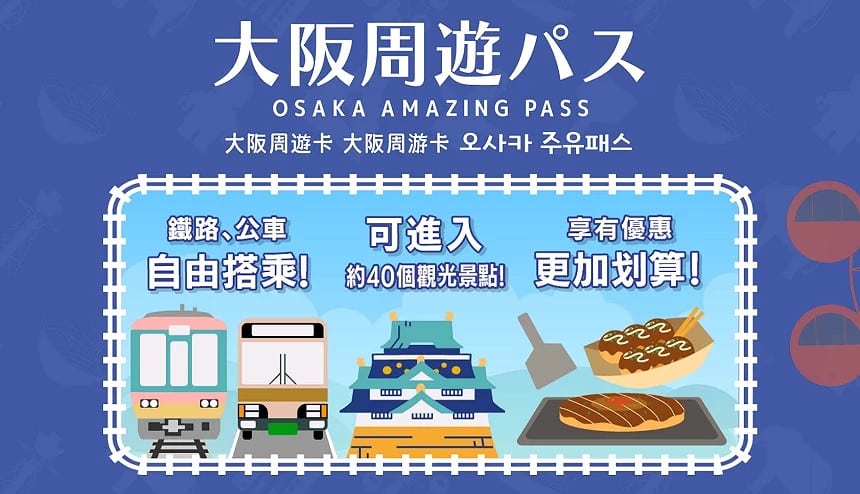
Osaka Amazing Pass: The All-in-One Card for Attractions and Transport Savings
The Osaka Amazing Pass is one of the most useful tickets for visiting Namba and the rest of Osaka. It covers unlimited rides on the subway and city buses and free entry to about 40 popular attractions, including Osaka Castle’s main keep, the Dotonbori water bus and the Umeda observation deck. Showing the card also gets discounts at some restaurants and souvenir shops. It offers good value for travelers on a one- or two-day Osaka itinerary who want to shop and sightsee at the same time.
The pass comes as a 1-day (about ¥3,500) or 2-day (about ¥5,000) version. It is a mobile QR code ticket that you can use right after buying it on an online platform, and JR lines are not covered. Slot one or two free attractions into your shopping gaps, for example taking the subway from Namba to Osaka Castle and returning to the Shinsaibashi shopping street when you are tired, so transport and admission are handled together and you skip the ticket-window line.
Namba Food Tour: Taste Authentic Takoyaki, Okonomiyaki and Kushikatsu with a Local Guide
Namba is packed with snack shops, and a food tour is a good way to experience the local food. A guide takes you to long-established spots around Hozenji Yokocho, Dotonbori and Sennichimae to taste classics such as takoyaki, okonomiyaki, kushikatsu and wagyu nigiri sushi, and explains the food culture. Tours last about 2.5 to 3 hours and cost about ¥6,000 to ¥9,000, usually including 4 to 6 tastings, with no risk of waiting in line. It suits first-time visitors to Osaka who want to get the best of the local food quickly before heading off to shop.
Kimono Dress-Up: Stroll Dotonbori in Traditional Dress for Unique Japanese Memories
Around Namba and Shinsaibashi there are many kimono rental shops offering one-stop service from choosing a design to dressing and hairstyling. You can wear an elegant kimono or yukata and take photos while strolling streets that blend old and new, such as Dotonbori, Shinsaibashi-suji and Hozenji Yokocho, and feel a Japanese atmosphere different from ordinary shopping.
Basic plans cost about ¥3,500 to ¥6,000 and include the kimono, obi sash, geta sandals and basic hairstyling. Some shops offer flexible same-day rental with return at 7 or 8 p.m., so you can wear it all day for shopping and photos. Reserve your preferred design and time slot in advance on Klook or KKday, especially since kimono shops are often full on holidays, and booking ahead saves waiting time and keeps your plans smooth.
Where to Stay Nearby
Namba Station is served by Nankai, Kintetsu, the Midosuji Line and the Sennichimae Line, so staying around Namba makes it easy to reach Kansai Airport, Nara and Kyoto, with shopping and late-night food within walking distance.

Namba Shopping FAQ
Q: How much does transport cost for shopping in Namba?
From Kansai Airport to Namba on Nankai starts at about ¥970, and a single subway ride in the city is about ¥190 to ¥280. If you are moving between several places in a day, a one-day pass is better value.
Q: What time do Namba department stores open and close?
Most department stores such as Takashimaya and Namba CITY are open from 10 a.m. to 8 or 9 p.m. Shops on the shopping streets vary, and some select shops open only in the evening, so check ahead.
Q: Can you finish Namba shopping in a day?
Covering just the core of Dotonbori and Shinsaibashi takes about half a day. Adding Amerikamura, Horie and Nipponbashi calls for a full day, and people on a tight schedule often walk over 20,000 steps.
Q: What should I know about tax-free shopping in Namba?
Consumables (cosmetics, snacks) must be sealed in packaging and kept unopened until you leave Japan within 30 days of purchase. General goods (clothing, electronics) need no sealing, and you just show your passport at checkout. This is the current system until October 31, 2026. According to the National Tax Agency, from November 1, 2026 it changes to a “refund” method: you pay the tax-inclusive price at the tax-free shop, then show your passport to customs at the airport when leaving within 90 days of purchase (before checking in baggage), and the shop then refunds the consumption tax. The new system also removes the distinction between general goods and consumables, the ¥500,000 purchase limit on consumables and the sealed-packaging requirement. The purchase threshold remains ¥5,000 or more before tax at the same store on the same day.
Q: When is the best season for shopping in Namba?
Spring (March to April) cherry blossoms and autumn (November) foliage bring pleasant weather that suits shopping. Summer is hot and humid and winter is cold, but the covered arcade shopping streets are comfortable year-round regardless of weather.
Q: Is Dotonbori safe at night?
Dotonbori’s main streets are crowded and brightly lit, and overall they are safe. However, alleys such as those in Soemon-cho have touts at night, so avoid entering unfamiliar side streets alone.
Q: Are Namba and Shinsaibashi the same place?
Namba and Shinsaibashi are adjacent but separate shopping districts. Namba centers on Nankai Station and Dotonbori, while Shinsaibashi lies to its north, and the two are linked by a 10 to 15 minute walk.