
Dotonbori Food Guide 2026: Must-Eat Dishes and Popular Districts in Japan’s Kitchen of “Kuidaore”
Dotonbori is Osaka’s most iconic food district, packed with everyday favorites like takoyaki, okonomiyaki, kushikatsu and ramen that embody the “kuidaore” (eat until you drop) spirit. It deserves a top spot on your itinerary.
Dotonbori Canal and the Glico Sign: The Landmark Starting Point of the Food Street
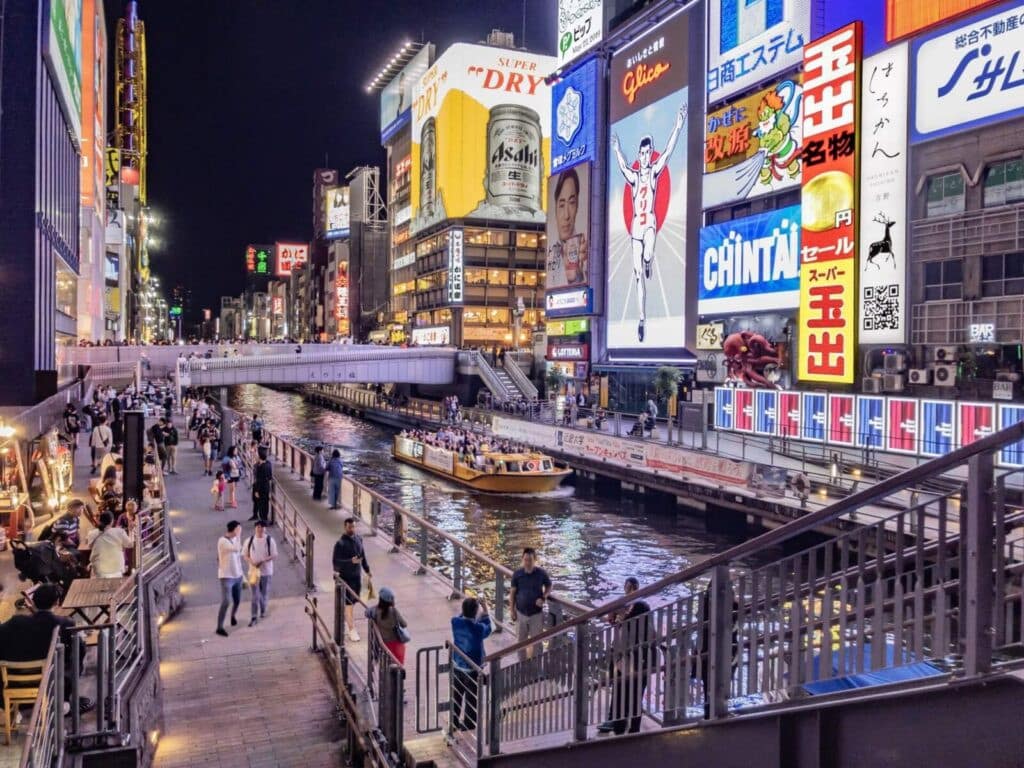
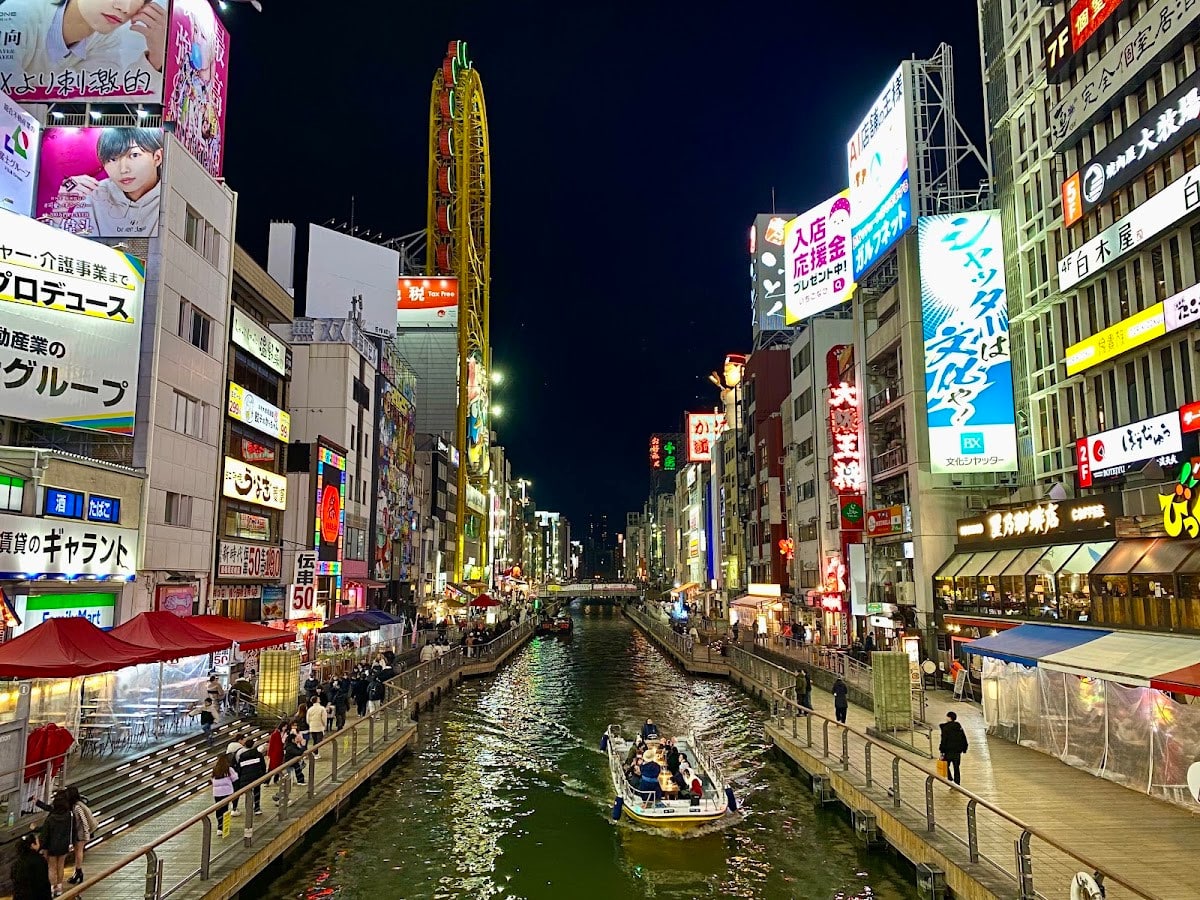
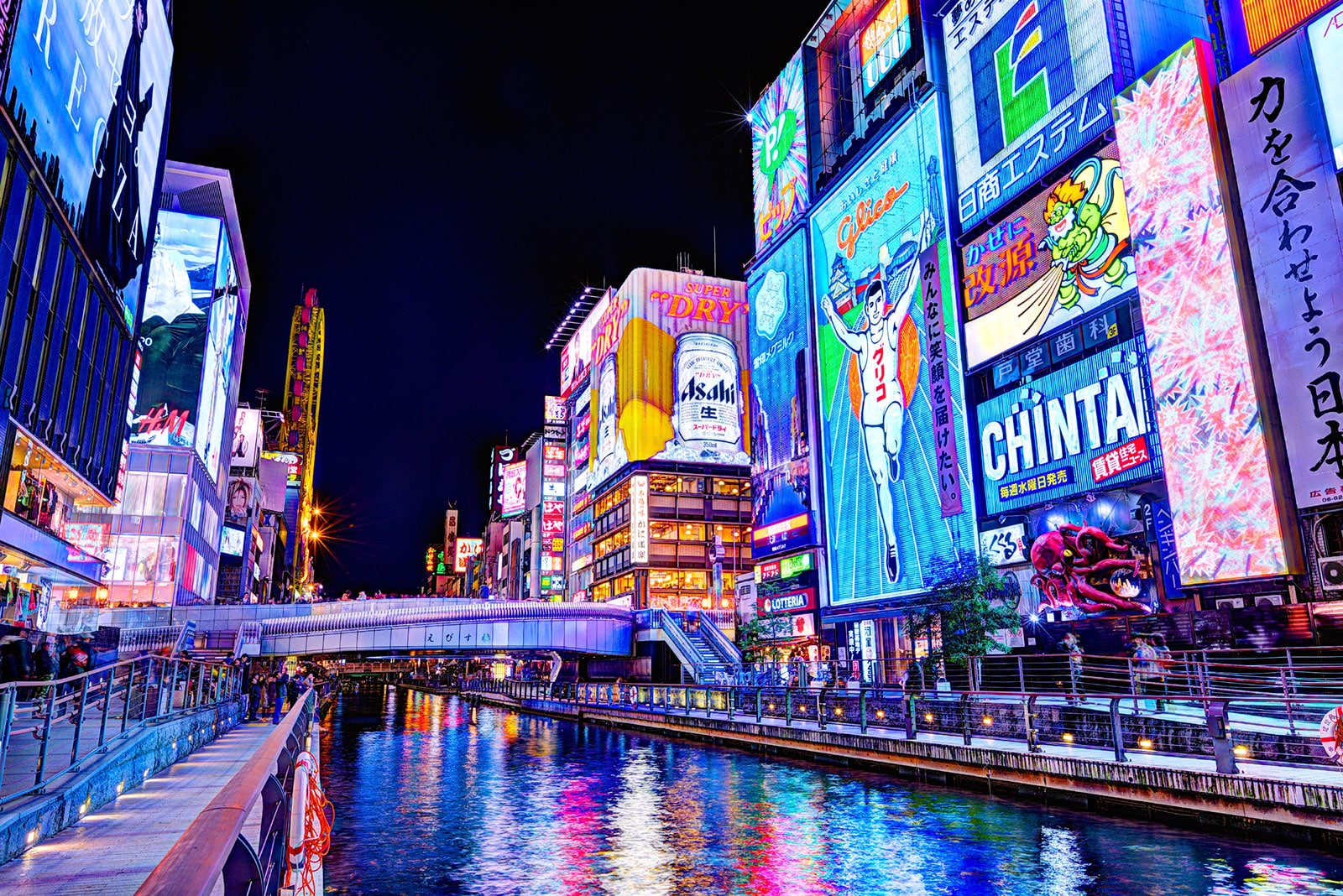
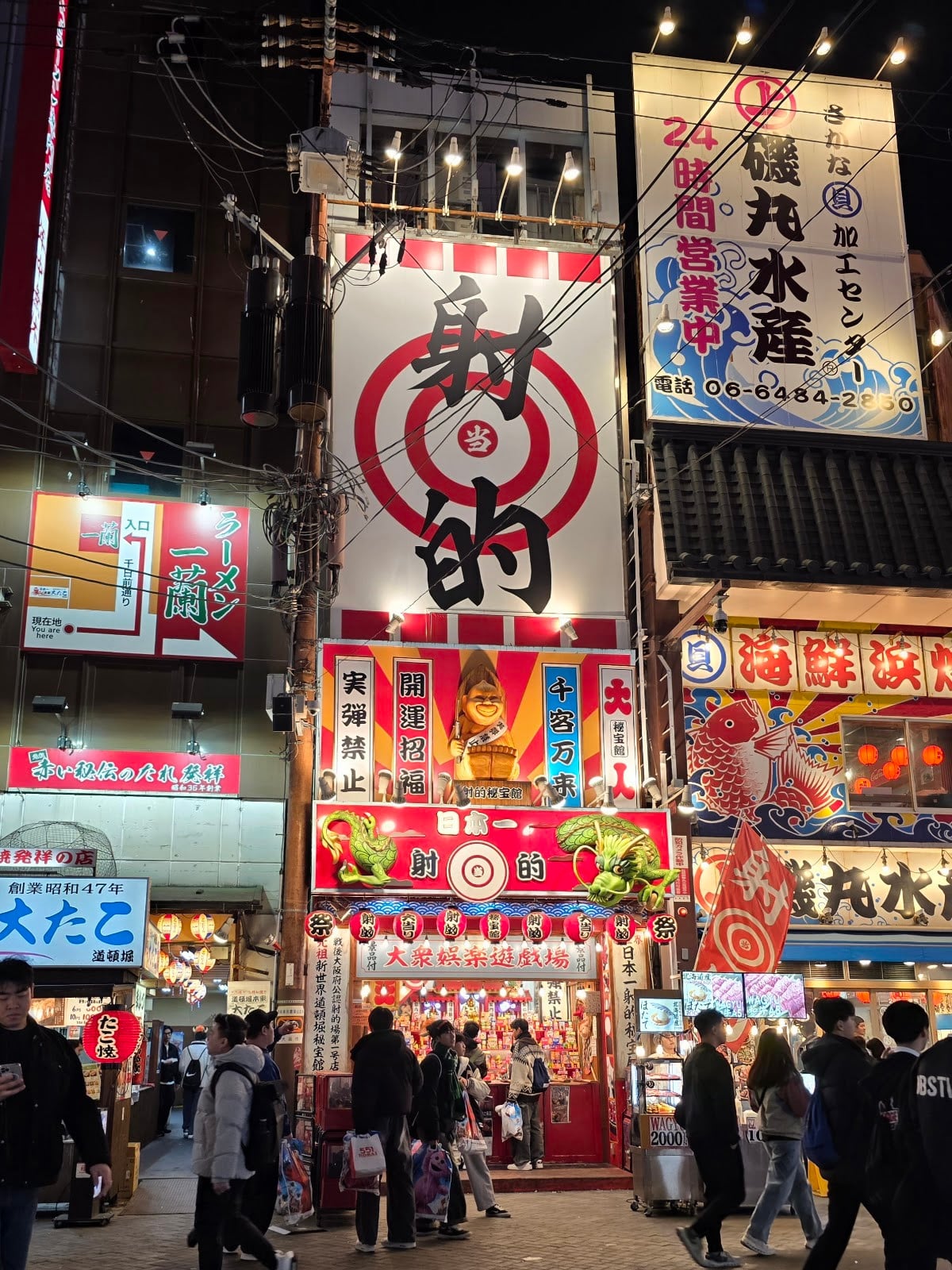
Both banks of the Dotonbori River have been a hub of theaters and eateries since the Edo period. The Glico Running Man sign is the visual focal point, with takoyaki, okonomiyaki and ramen shops lining both banks and spectacular neon signs at night, making it the starting point for photos and a food crawl. The promenade is open all year, and the Glico sign lights up about 30 minutes after sunset, when the atmosphere is liveliest. Arrive in the evening, take photos along the river first, then look for food along the shopping streets; plan about two to three hours for a full experience.


Konamon Culture: The Soul of Okonomiyaki and Takoyaki
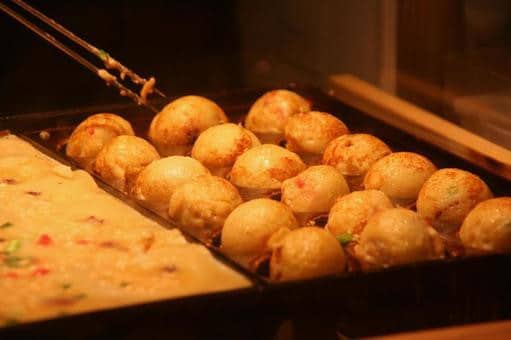
Okonomiyaki and takoyaki are together called “konamon” (flour-based dishes) and are at the heart of Osaka’s food culture. They are affordable and come in many styles, from long-established shops to innovative newcomers, making them the essential first dishes for first-time visitors. At most shops you can choose the sauce strength and toppings, reflecting Osaka people’s care and pride in everyday food.
These dishes typically cost about ¥500 to ¥1,500, so budget travelers can sample them easily, and it is the most direct way to experience local food culture.
Shinsaibashi and Namba: The Food Zone Around Dotonbori
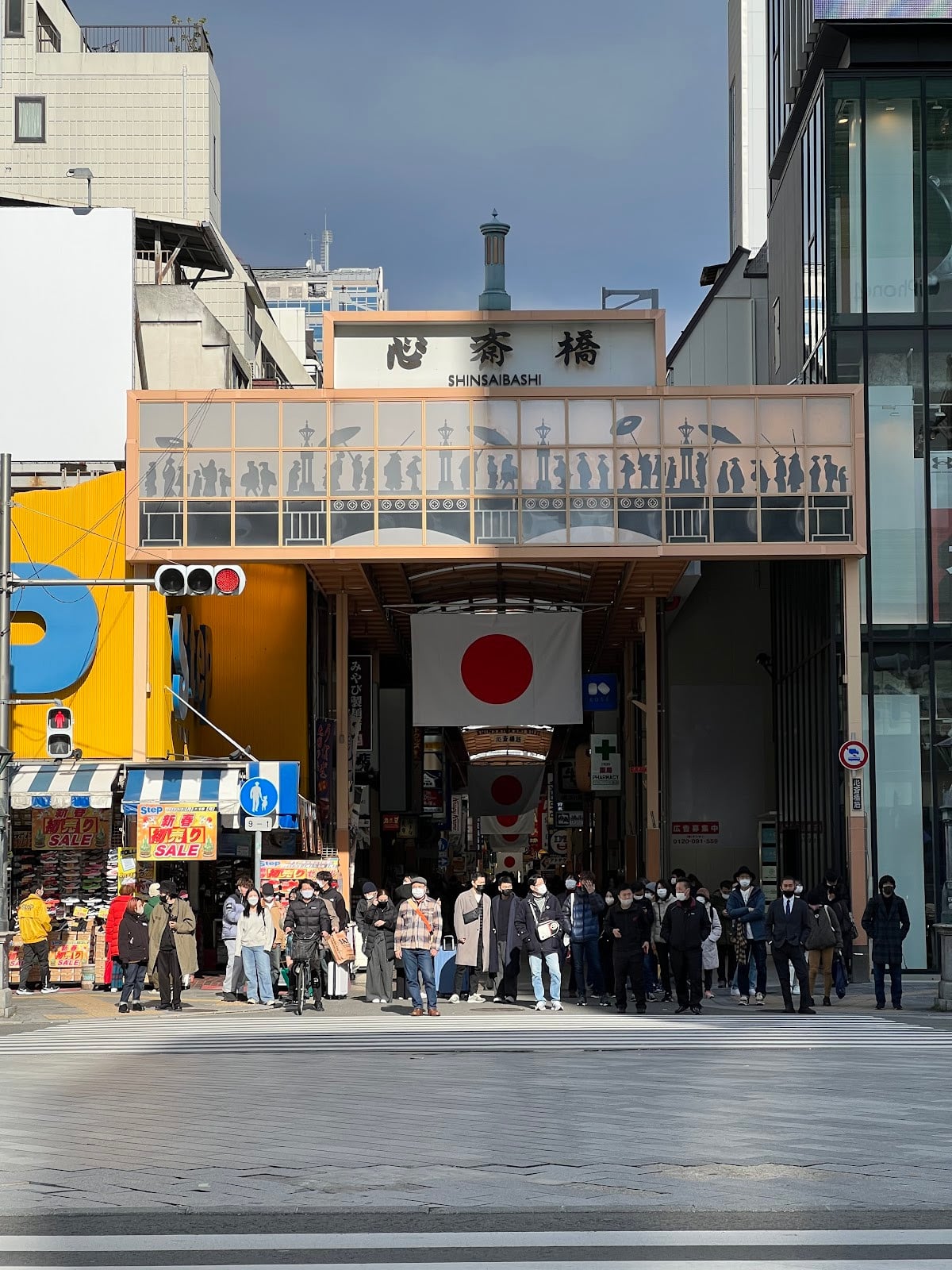
Shinsaibashi-suji Shopping Street sits just north of Dotonbori with famous dessert shops and trendy restaurants, while Namba is known for department stores and underground-mall dining. Both can be reached on foot from Dotonbori, forming a complete one-day food route, suited to half a day to a full day of exploring.
Walk Dotonbori’s main street first, then continue to Shinsaibashi for shopping and meals, and finally take a train home from Namba. The route flows smoothly without backtracking.
Michelin and Tabelog Ratings: Practical Guides for Choosing a Restaurant
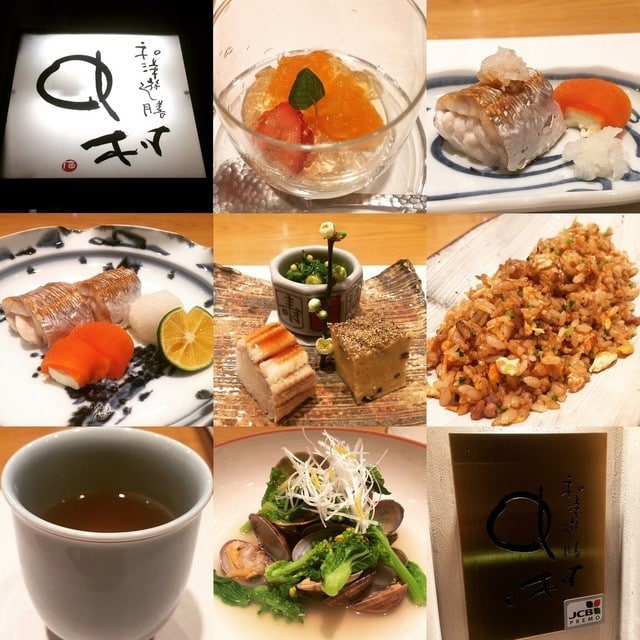
Mizuno Okonomiyaki in Dotonbori has been recommended by the Michelin Guide’s Bib Gourmand for many years in a row. Scores and reviews on rating platforms such as Tabelog are also a practical reference for judging whether a popular, queue-heavy restaurant is worth the wait. The restaurants selected here are all long-established or long-queued favorites in the Dotonbori area; check the latest reviews again before you go.
Check live ratings and queue lengths before you go and avoid peak meal times to save a lot of waiting.
How to Get to Dotonbori: Complete Guide to Transport Options and Costs
Dotonbori is in the Namba area of central Osaka, a hub where several Osaka Metro, Nankai, Kintetsu and JR lines meet, so it is easy to reach from Kansai Airport, Shin-Osaka Station or other Osaka sights. Here are the four most practical ways to get there, with fares, how to buy tickets and travel times, to help you choose the best route for your itinerary and budget.
How to Get to Dotonbori: Transport at a Glance
html🚇 Midosuji Line: 3 minutes on foot from Namba Station Exit 14 to the Glico sign; 8 minutes from Umeda, ¥240.
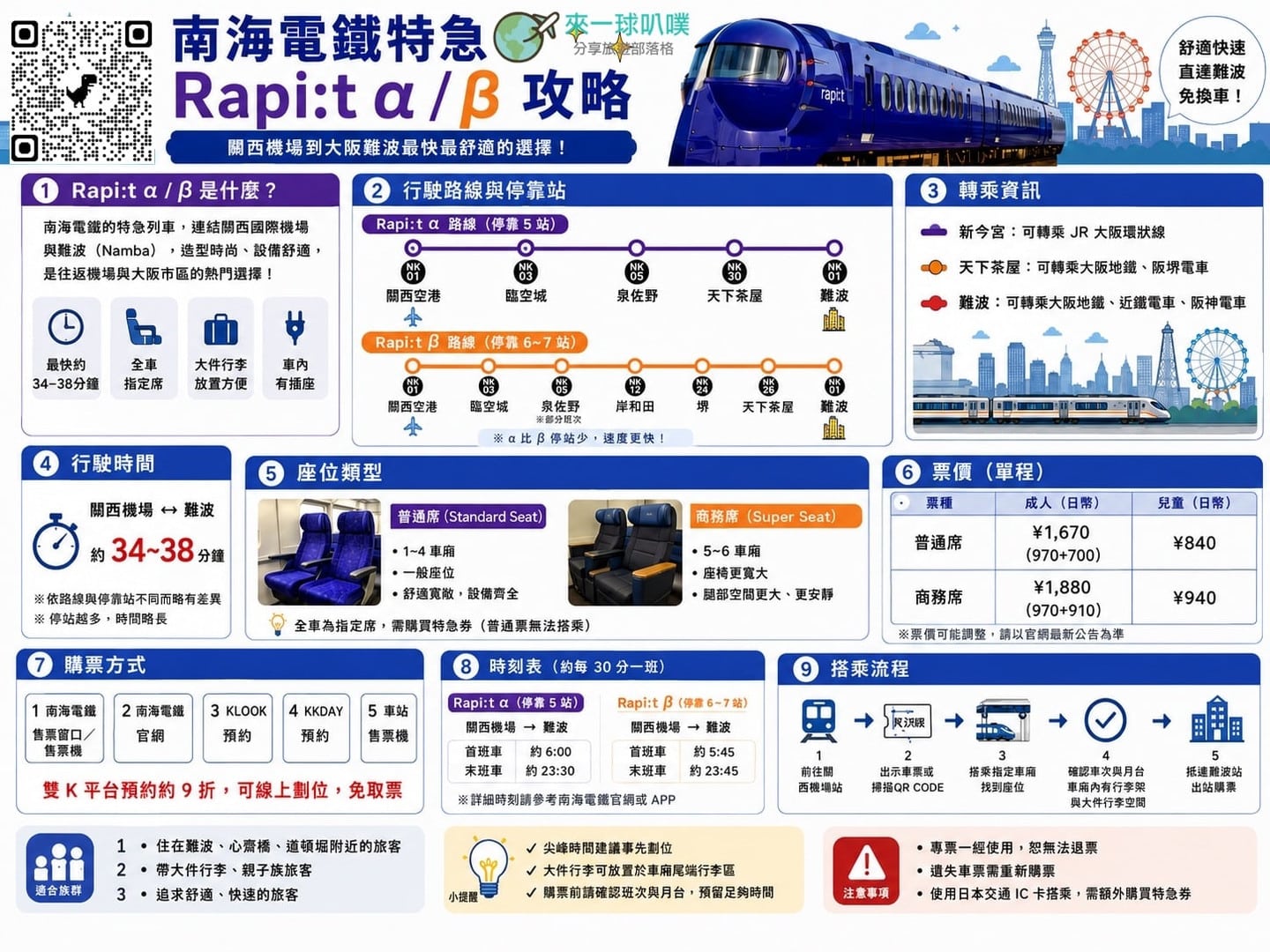
🚃 Nankai Railway (from Kansai Airport): the Rapi:t limited express takes about 35-40 minutes and the Airport Express about 45 minutes. Limited express surcharges change from April 2026, so check the Nankai website for fares; it is a 7-10 minute walk to Dotonbori.
🚆 From Shin-Osaka: transfer to the Midosuji Line, about 17 minutes, ¥290, or ride the Loop Line to JR Namba Station with a JR Pass.
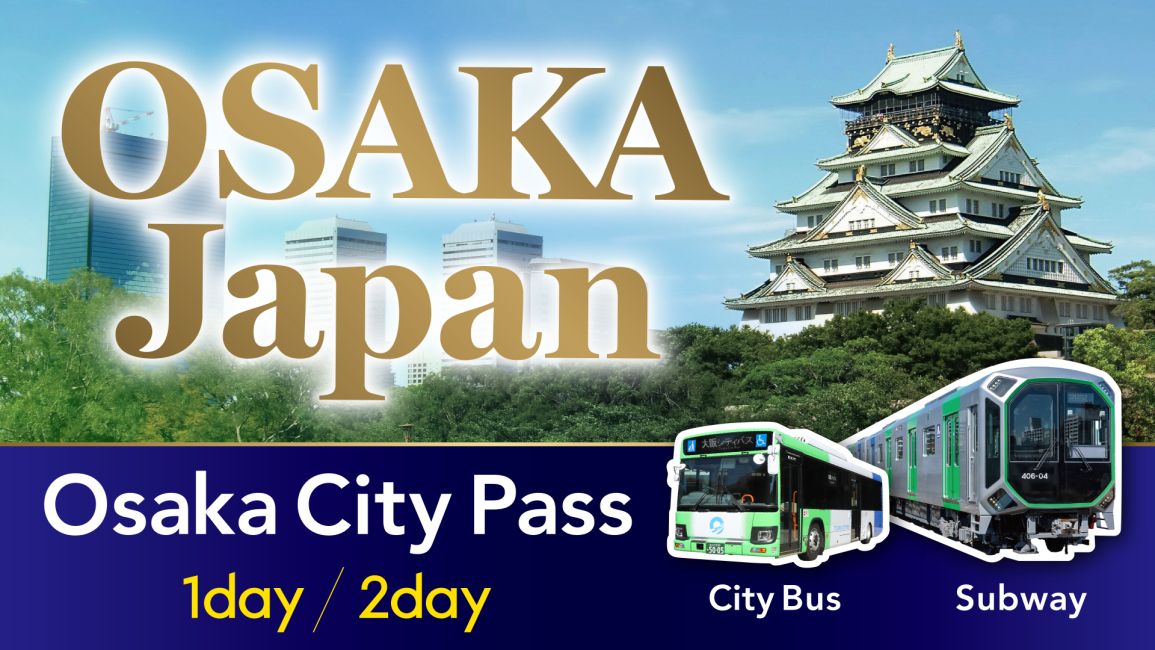
🎫 Osaka Amazing Pass: the 1-day and 2-day passes give unlimited rides on subways and buses plus free entry to about 40 attractions; check the official website for prices and how to buy.


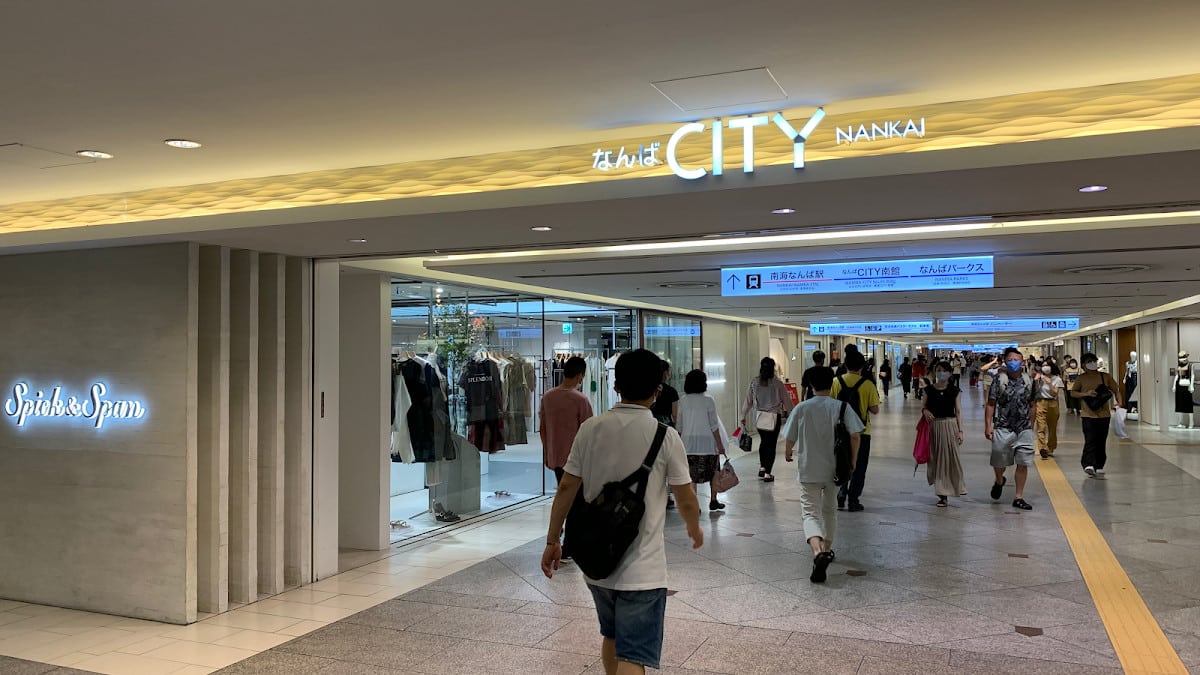
Which Dotonbori Restaurants Are Must-Eats? Popular Local Spots Explained
Dotonbori has more than ten restaurants with long queues, from kushikatsu and takoyaki to ramen and crab dishes. Here are the most representative must-eat restaurants.
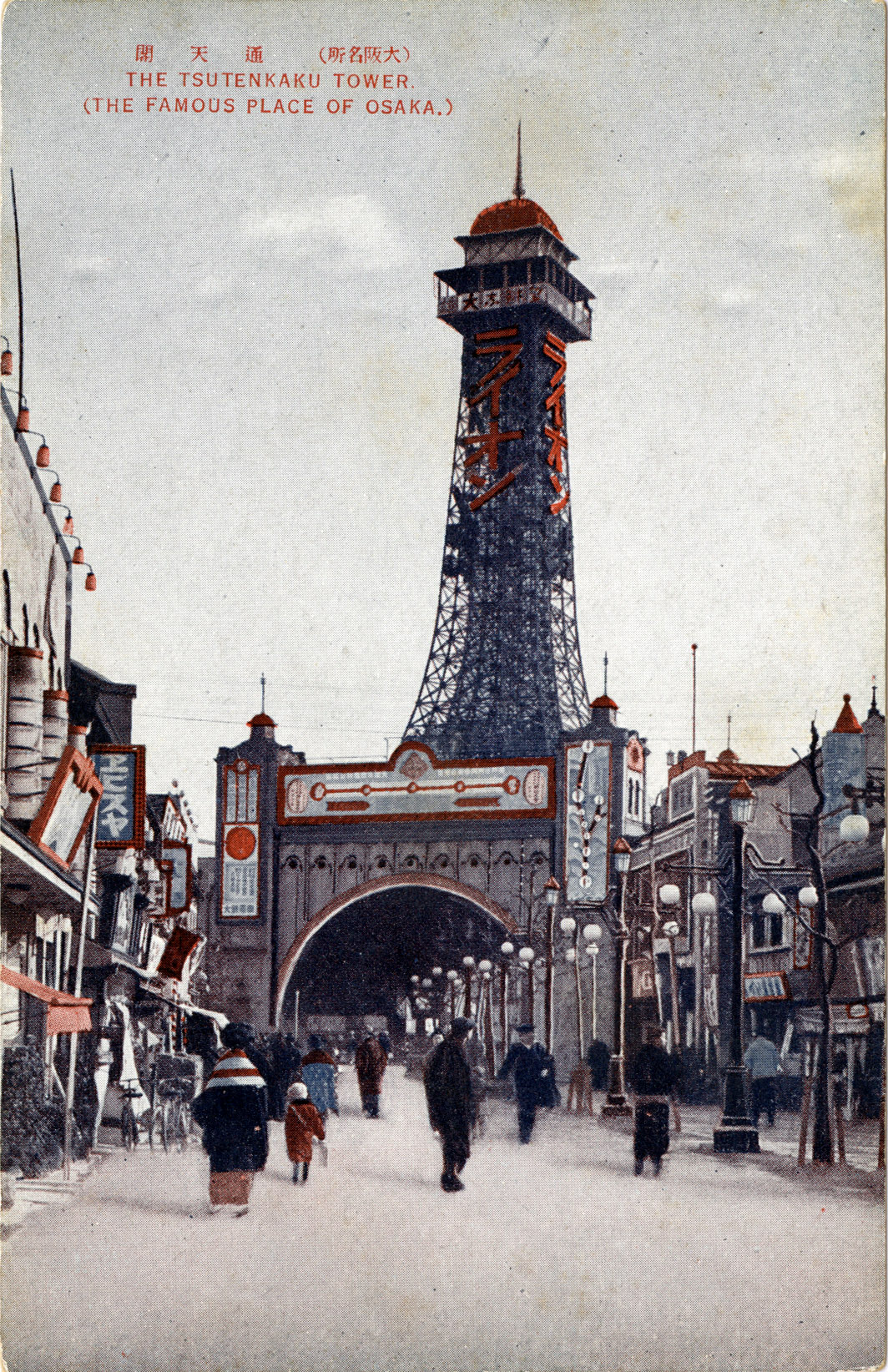
Daruma Kushikatsu: The Pioneer of Fried Skewers and the “No Double-Dipping” Rule
The famous Osaka kushikatsu shop Daruma was founded in 1929 in Shinsekai, and its signature glaring-man logo stands out. The skewers are fried in Daruma’s special light oil, so the coating is crisp and not greasy. Prices per skewer follow the in-store menu.
The shop’s rule is “no double-dipping”: the shared sauce bucket may be dipped into only once, and if you want more sauce you must scoop it with cabbage. This unique etiquette is part of experiencing Osaka food culture. The Dotonbori shop opens at 11:00 on weekdays and 10:30 on weekends and holidays, closes at 22:30, is open every day of the year, and often has a queue at peak times.
- 🍢 Must-order: beef, lotus root and shrimp skewers
- 💰 Price: per-skewer prices follow the in-store menu
- 🚉 Access: in the Dotonbori area, about 5-8 minutes on foot from Namba or Shinsaibashi subway stations
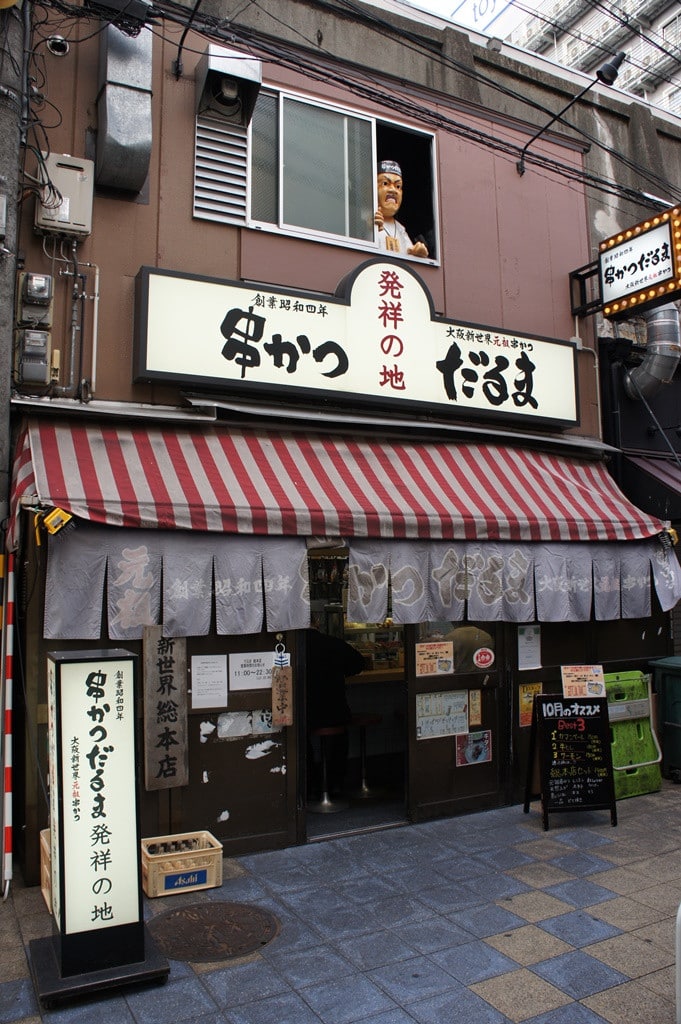
Ganso Takoyaki Acchichi Honpo: Craftsman-Made Takoyaki, Crisp Outside and Creamy Inside
Acchichi Honpo (あっちち本舗) specializes in takoyaki made fresh by craftsmen, with a lightly charred crisp shell and a thick, half-cooked filling, topped with big pieces of octopus and bonito flakes, a popular Dotonbori shop. Prices are reasonable; eat them hot to enjoy the crisp-outside, bursting-inside texture. It gets a queue at busy times; check in store for the latest prices and seating.
- 🐙 Must-order: craftsman-made takoyaki
- 💰 Price: follows the in-store menu
- 🚉 Access: in the Dotonbori area, about 5-8 minutes on foot from Namba or Shinsaibashi stations on the Midosuji subway line
Kinryu Ramen: The 24-Hour Late-Night Soul Ramen
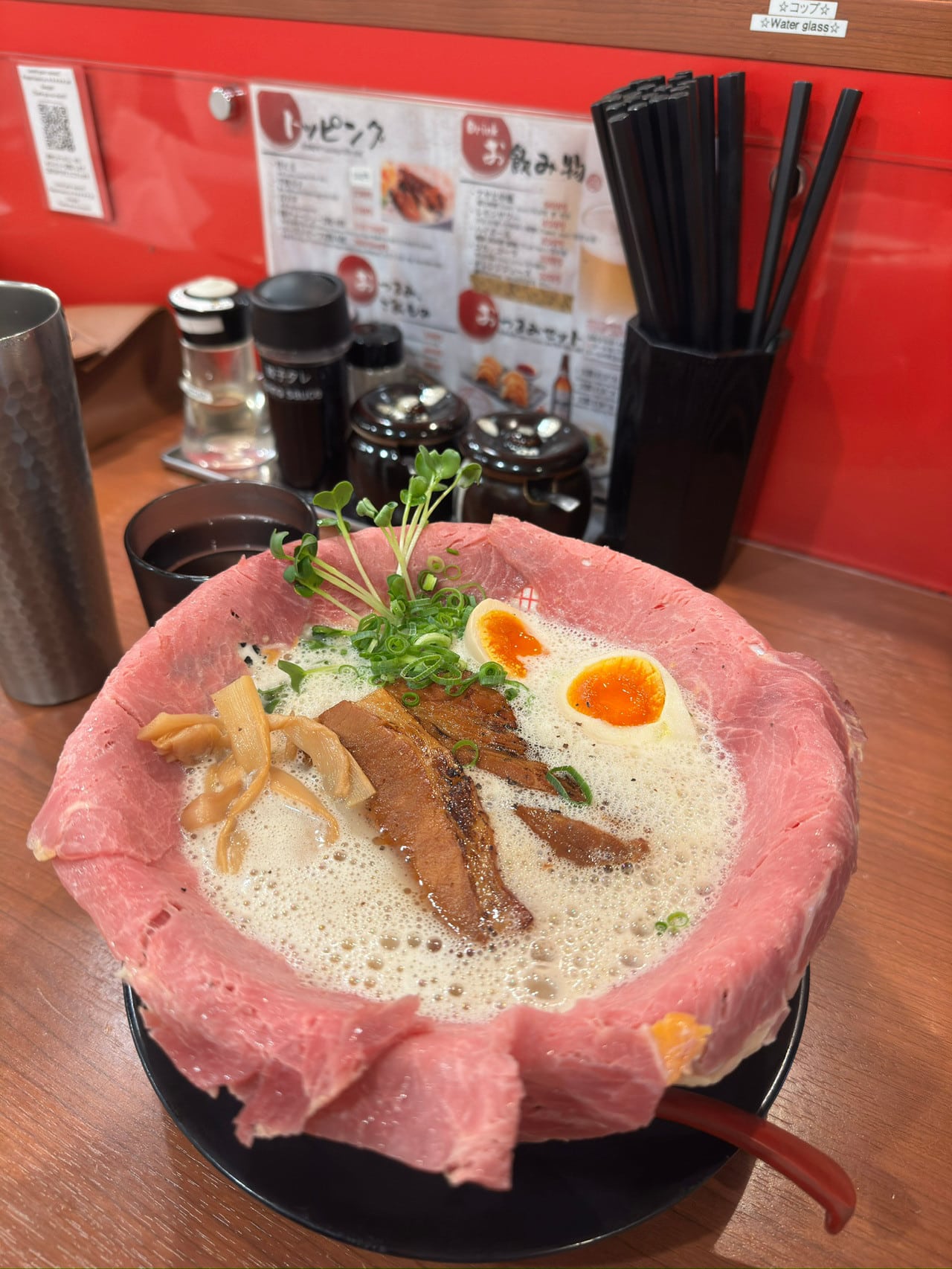
Kinryu Ramen is known for its rich tonkotsu broth, springy noodles and free refills of green onions, chives and kimchi at the table. Prices are about ¥600 to ¥900 (ramen starts at ¥600), and it is a favorite of students and night owls.
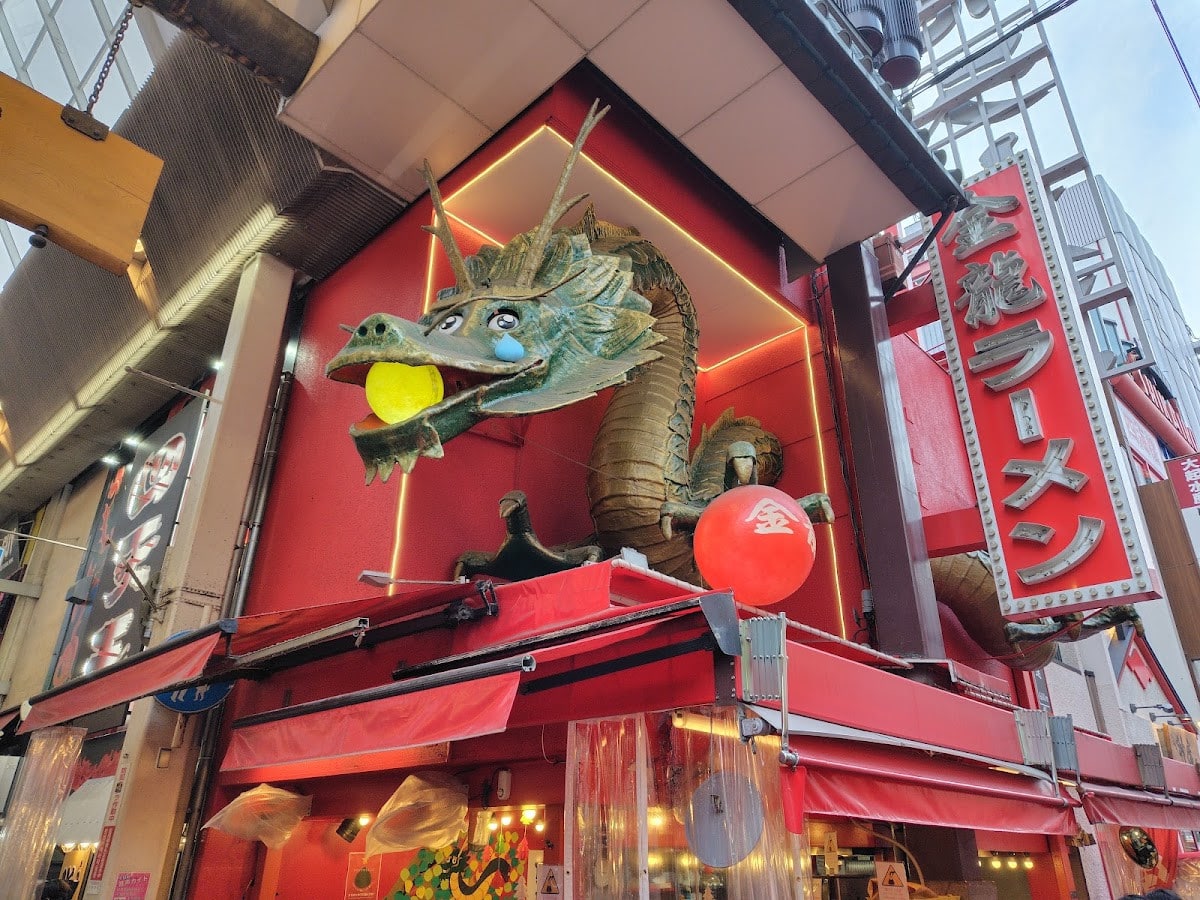
The Dotonbori main shop is open 24 hours all year, and business stays brisk late at night with a casual canteen feel. The eye-catching golden dragon sign is an easy-to-spot Dotonbori landmark.
- 🍜 Must-order: signature tonkotsu ramen
- 💰 Price: about ¥600-900
- 🚉 Access: near Namba or Shinsaibashi stations on the Midosuji subway line, about 5-8 minutes on foot
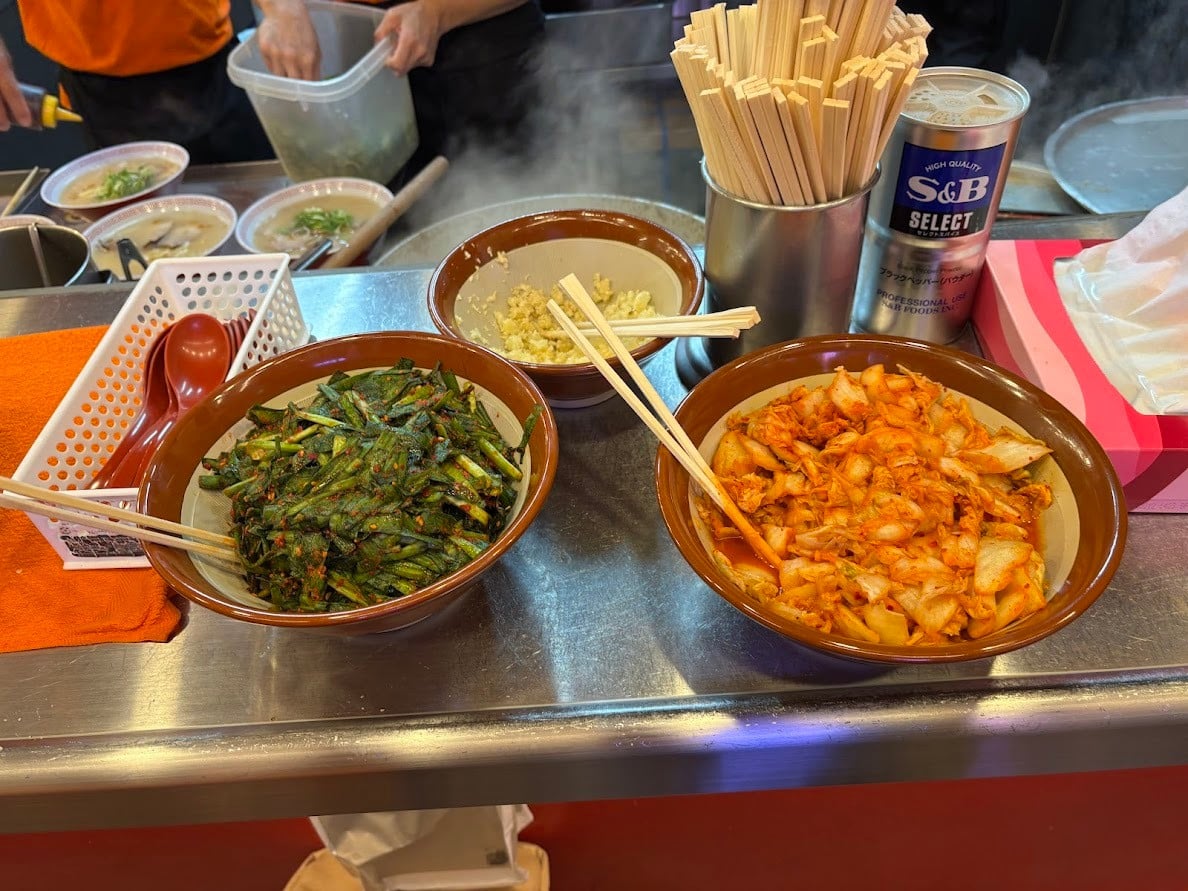
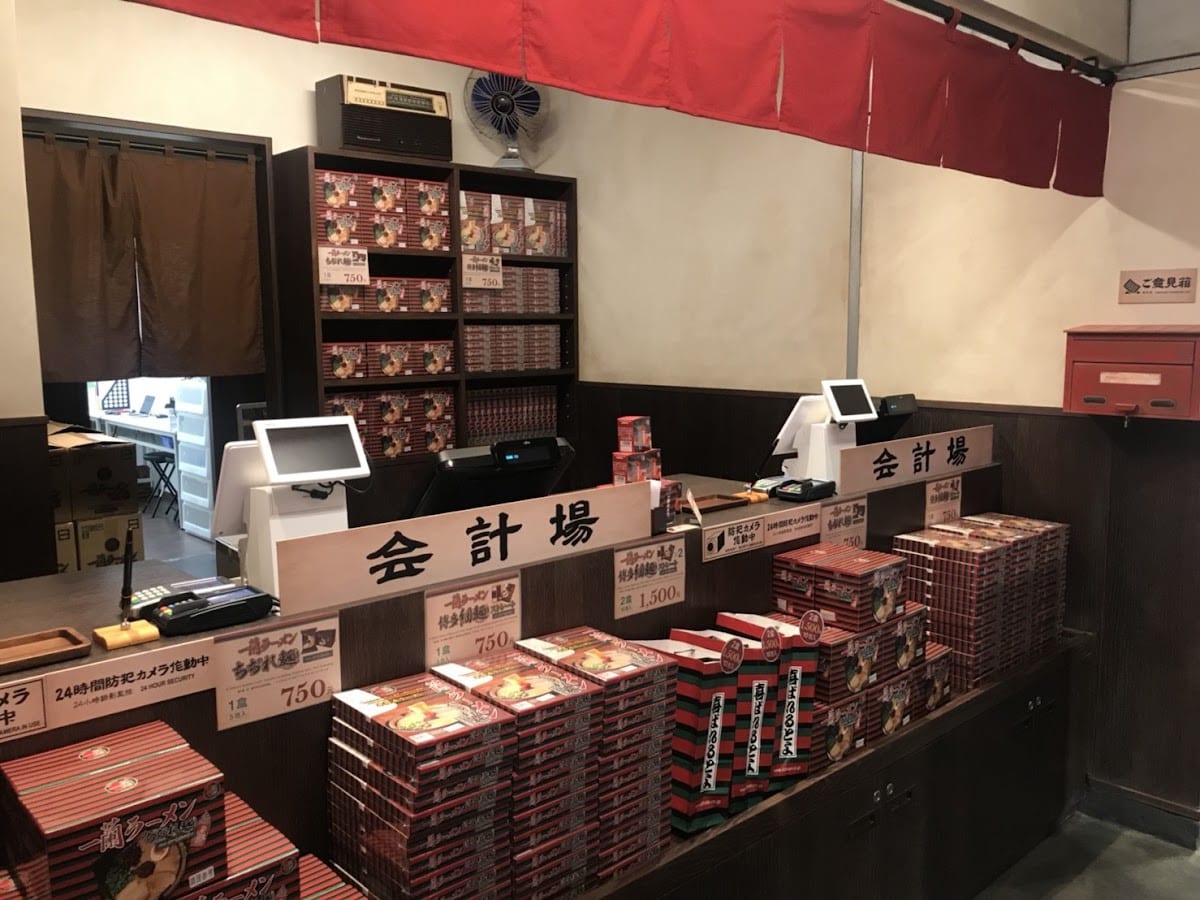
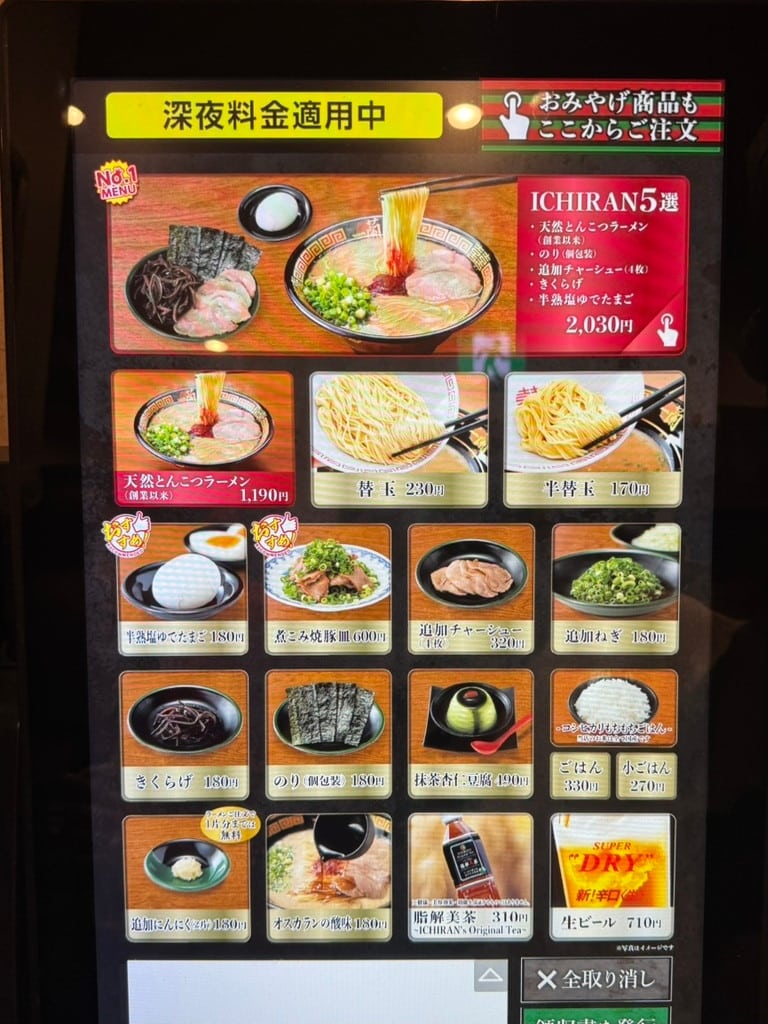
Ichiran Ramen: A Private Space to Savor Tonkotsu Broth in Your Own Booth
Ichiran Ramen is known for its “flavor concentration counter” (味集中カウンター) with individual solo booths, where you customize noodle firmness, broth richness and spice level on an order sheet. The signature is natural tonkotsu ramen with a rich yet not heavy broth.
The flavor concentration counter seats at the Dotonbori Annex are open 24 hours (table seats 8:00-23:00), so you can enjoy hot soup late at night, ideal for solo travelers. A ticket machine and questionnaire make ordering easy even if you do not speak Japanese.
- 🍜 Must-order: natural tonkotsu ramen
- 💰 Price: as shown on the ticket machine
- 🚉 Access: in the Dotonbori area, about 5-8 minutes on foot from Namba or Shinsaibashi subway stations
Kani Doraku: The Giant Crab Sign and a Luxurious Crab Course Meal
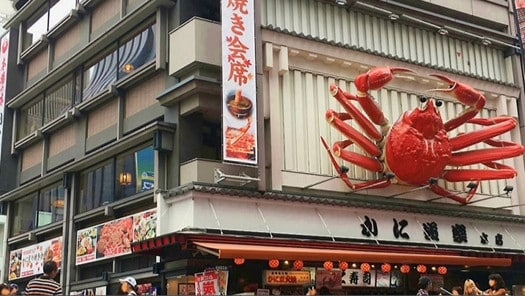
The Kani Doraku Dotonbori main shop is known for its giant moving crab sign, a Dotonbori landmark. It specializes in king crab and snow crab course meals; officially published courses run about ¥7,500 to ¥12,000 (tax included, varying by season and plan), good for a luxurious dinner.
The Dotonbori main shop is open 11:00 to 22:00 every day of the year, and you can reserve through the official website’s reservation page or by phone, a good place for the whole family to enjoy high-end crab dishes.
- 🦀 Must-order: king crab and snow crab course meals
- 💰 Price: courses about ¥7,500-12,000
- 🚉 Access: in the Dotonbori area, about 5-8 minutes on foot from Namba or Shinsaibashi subway stations
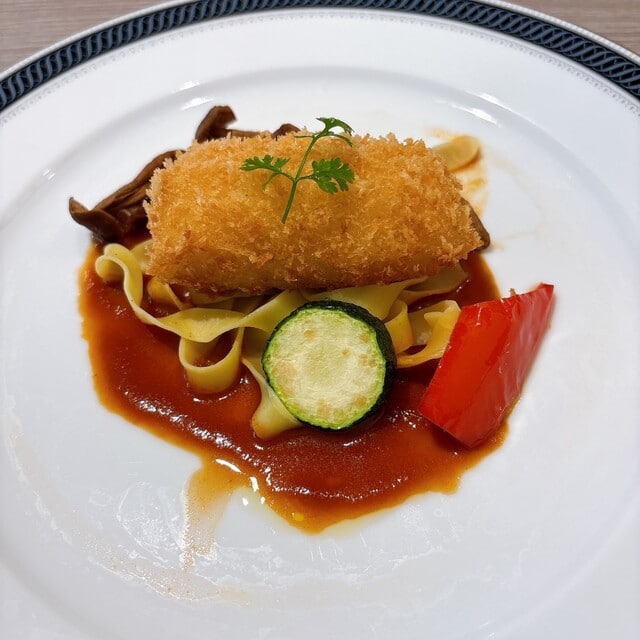
Chibo Okonomiyaki: Signature Freshly Grilled Dotonbori-yaki at the Dotonbori Building Shop
Chibo was founded in 1973 and is a famous okonomiyaki restaurant; the Dotonbori main shop cooks on a teppan griddle. The signature “Dotonbori-yaki” is fluffy, and there are specialties such as the shrimp-focused “Chibo-yaki”; prices follow the in-store menu. There is a wide choice of sauces: okonomiyaki sauce, salt or ponzu. The shop is spacious and good for group meals, with English and Chinese menus that are friendly to foreign visitors.
- 🥞 Must-order: signature Dotonbori-yaki
- 💰 Price: follows the in-store menu
- 🚉 Access: near Namba or Shinsaibashi subway stations, about 5-8 minutes on foot
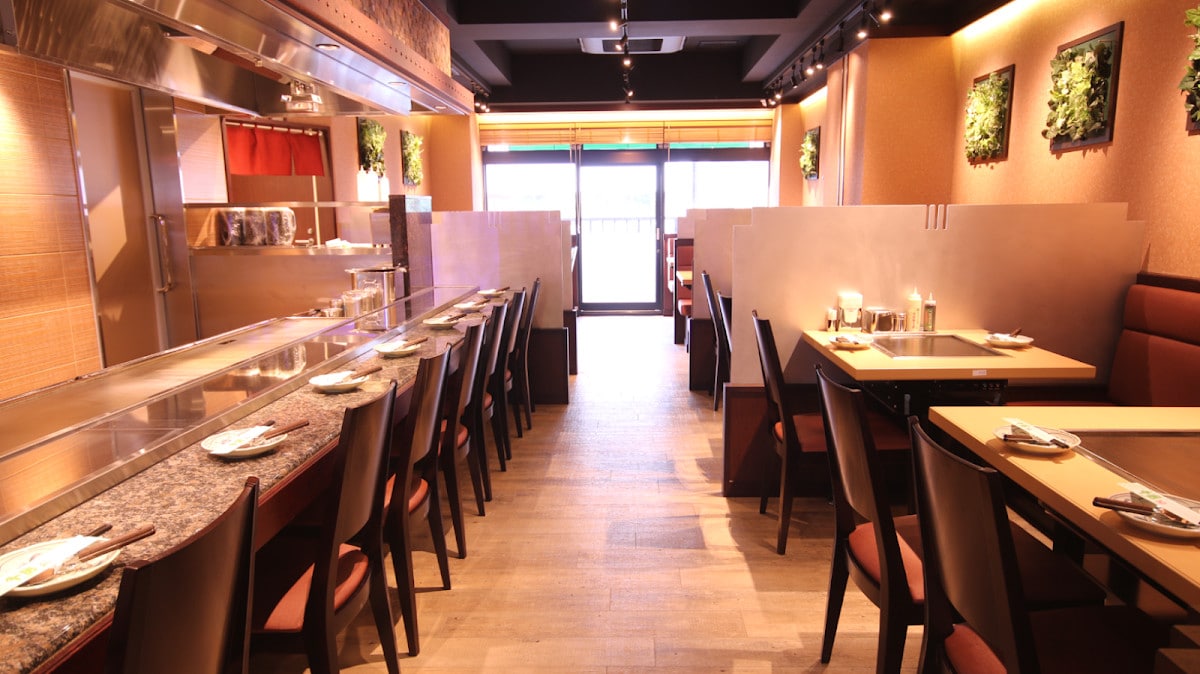
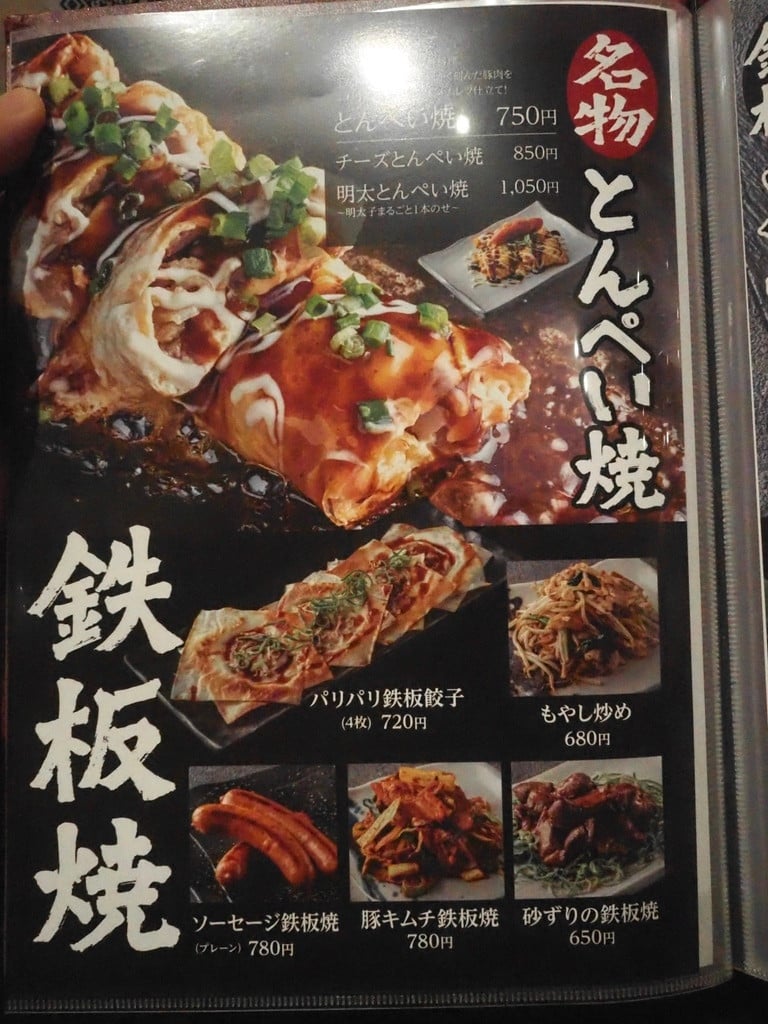
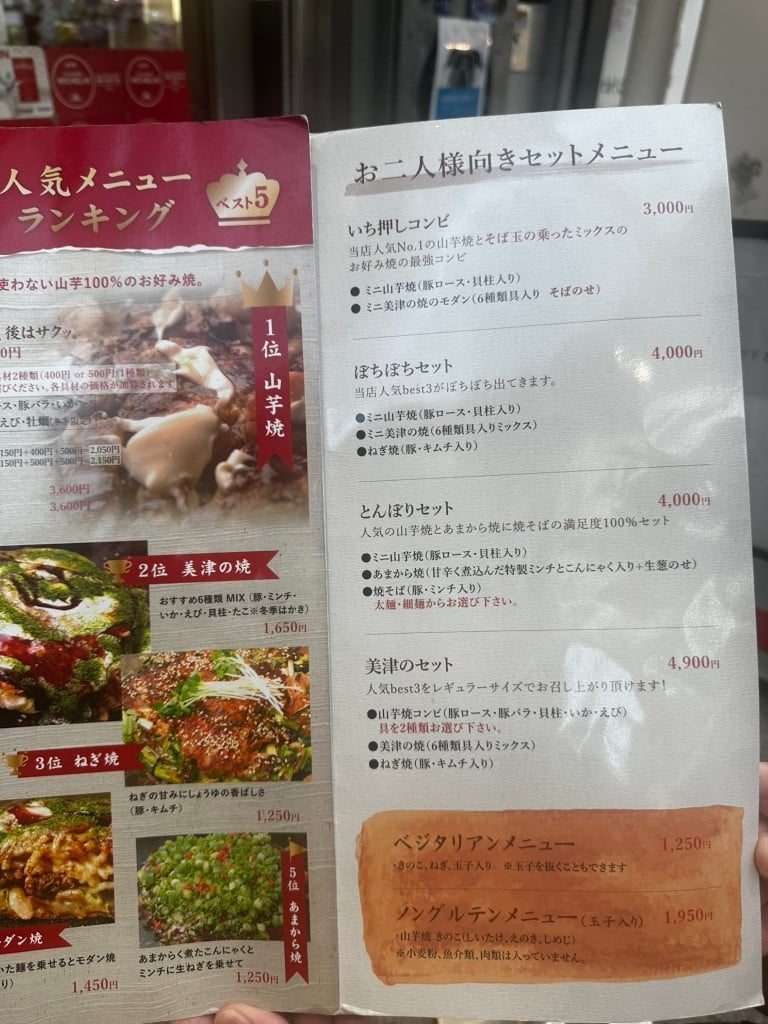
Mizuno Okonomiyaki: A Yamaimo-yaki Favorite with Queues for Over 70 Years
Mizuno Okonomiyaki (美津の) was founded in 1945 and is known for its signature “yamaimo-yaki” (mountain yam okonomiyaki), with a soft, light texture. It is one of Dotonbori’s queue-heavy favorites and has been recommended by the Michelin Guide’s Bib Gourmand for many years in a row.
There are often queues at peak meal times, so avoid weekend lunch hours. The Modern-yaki combines the textures of fried noodles and okonomiyaki, with a hearty portion good for two people to share.
- 🥞 Must-order: yamaimo-yaki and Modern-yaki (okonomiyaki with fried noodles)
- 💰 Price: follows the in-store menu
- 🚉 Access: in the Dotonbori area, about 5-8 minutes on foot from Namba or Shinsaibashi stations on the Midosuji subway line
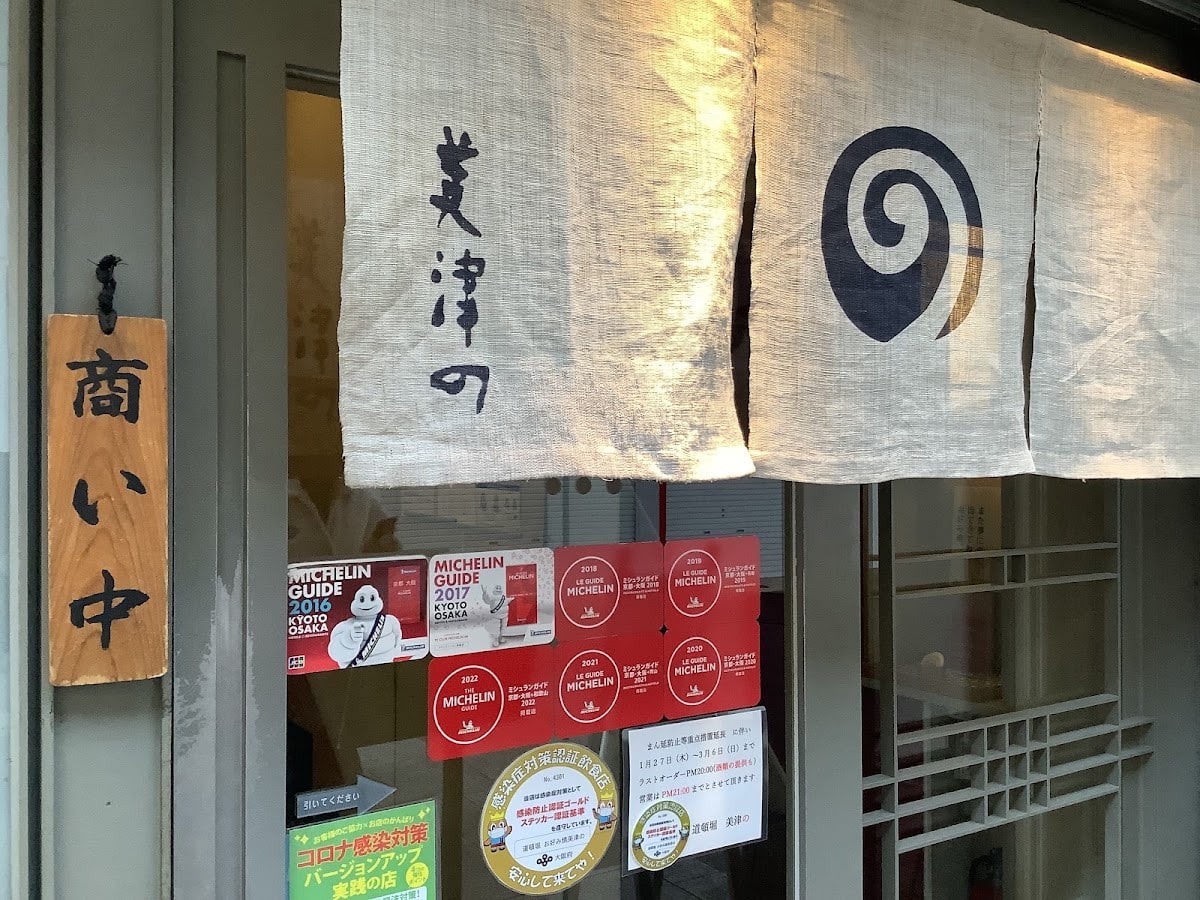
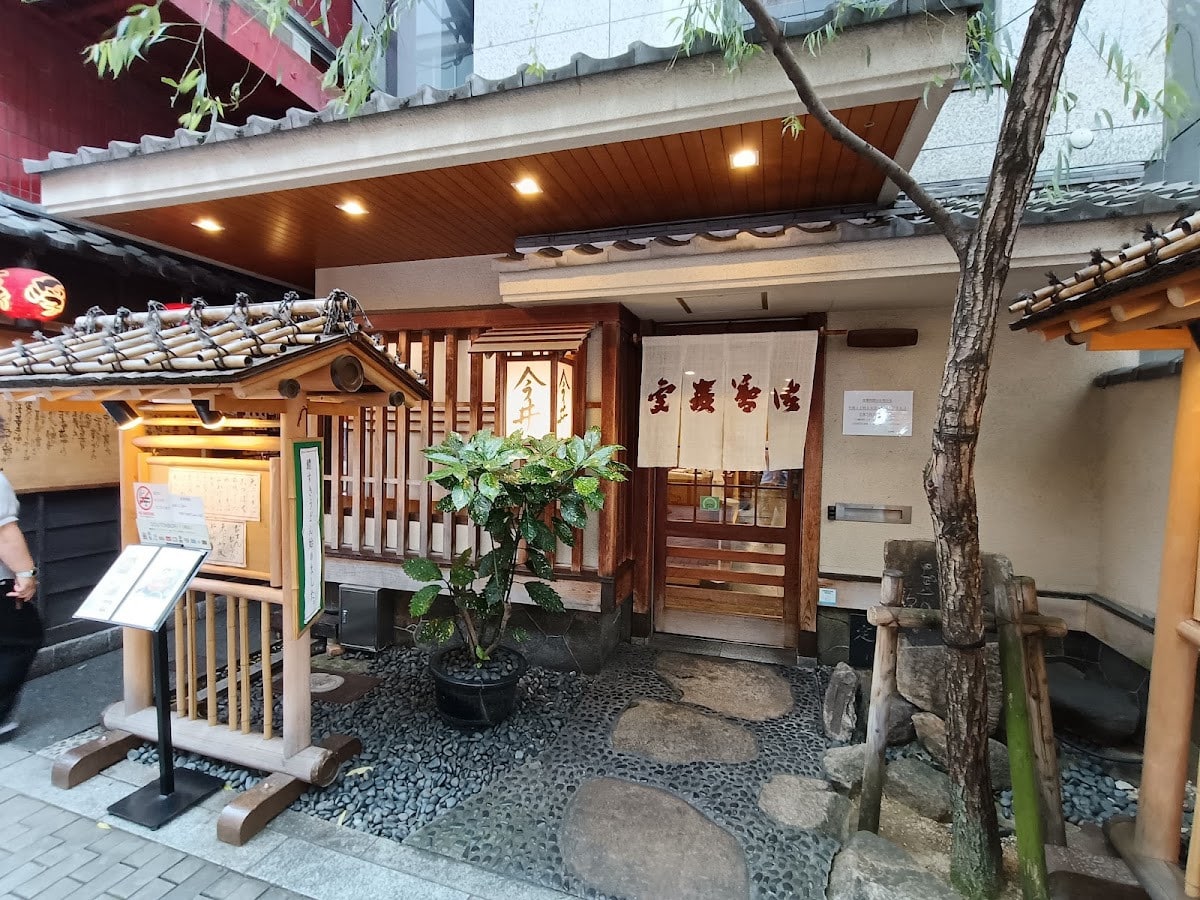
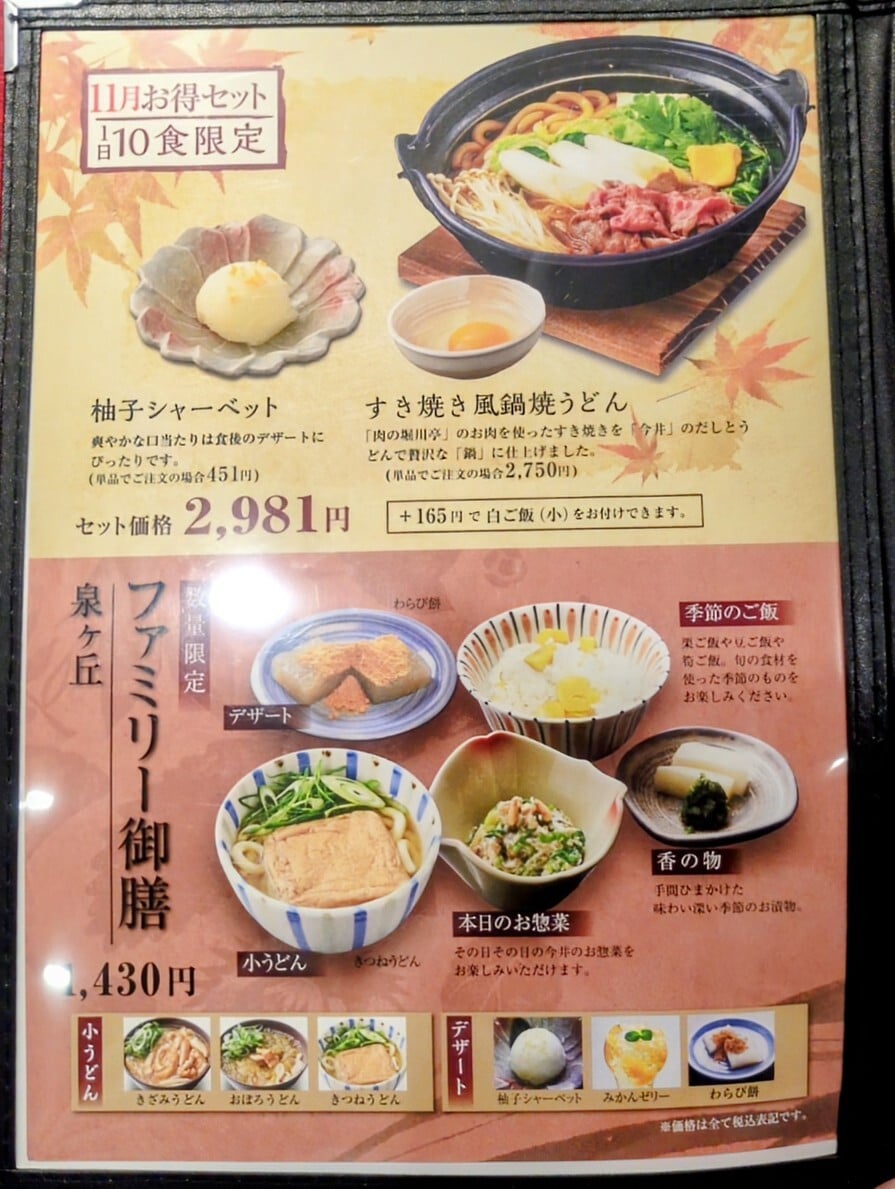
Imai Udon: A Long-Established Shop’s Gentle Flavors with Bonito and Kelp Broth
🍥 Must-order: Imai Udon was founded in 1946; the signature is kitsune udon (きつねうどん), with a clear, sweet broth that is not too salty and soft, silky noodles
💰 Price: about ¥900; the shop has a tatami seating area with a quiet atmosphere, good for a rest away from Dotonbori’s bustle
🚉 Access: in the Dotonbori area, about 5-8 minutes on foot from Namba or Shinsaibashi stations on the Midosuji subway line; hours about 11:30 to 20:30, closed Wednesdays (open if it falls on a holiday); avoid the midday peak
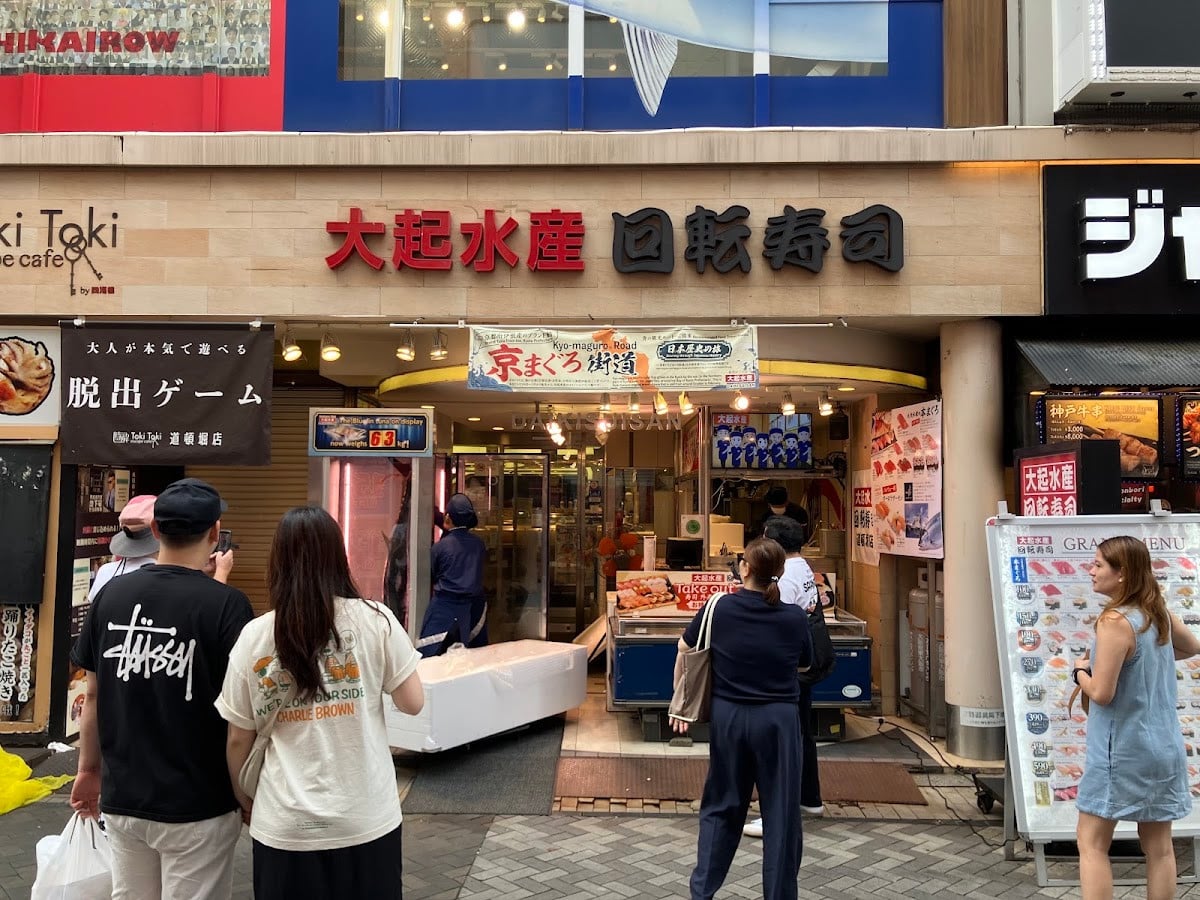
Daiki Suisan Conveyor-Belt Sushi: Fresh Nigiri Straight from the Source
The Daiki Suisan conveyor-belt sushi shop in Dotonbori specializes in fresh seafood, a choice for travelers who want to sample casually without spending much time in a queue. Plate prices and hours follow in-store notices.
Conveyor-belt seats turn over quickly, so it fits well into a gap between shopping. The Dotonbori shop has also held events such as sushi-making experiences; check the official website for event details.
- 🍣 Must-order: fresh nigiri sushi
- 💰 Price: follows in-store notices
- 🚉 Access: in the Dotonbori area, about 5-8 minutes on foot from Namba or Shinsaibashi stations on the Midosuji subway line
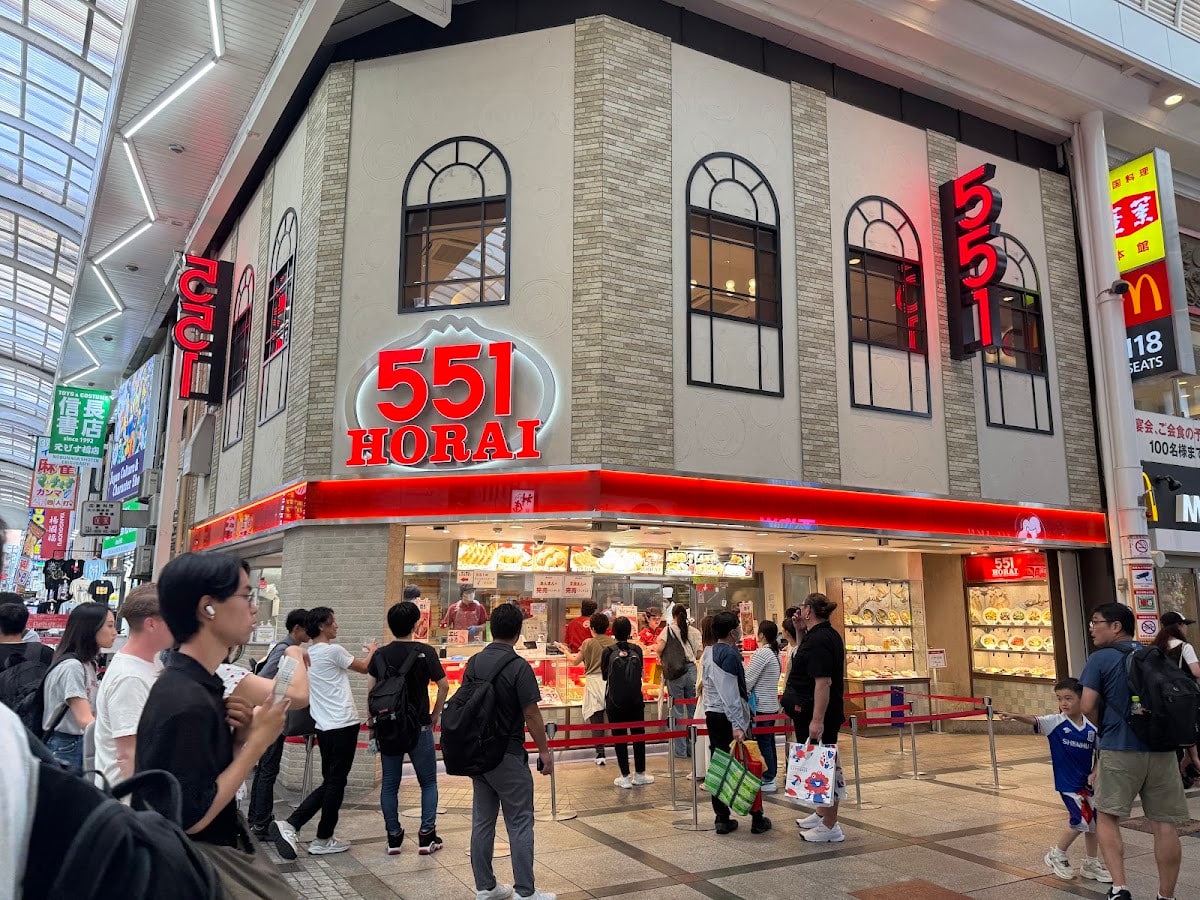
551 Horai: The Queue-Worthy Pork Buns Every Osakan Carries Home
551 Horai was founded in 1945, and its signature pork bun (butaman) is a well-known queue-worthy food in Osaka. Official data show an average of about 170,000 pork buns sold per day, with a juicy, generous filling in a thin skin.
The Dotonbori shop always has a queue; take your buns away and eat them by the river for the most authentic experience. Pork buns are best eaten hot, when you can best taste the thin skin and generous filling, so eat them soon.
- 🥟 Must-order: signature pork bun (butaman)
- 💰 Price: follows in-store notices
- 🚉 Access: in the Dotonbori area, about 5-8 minutes on foot from Namba or Shinsaibashi stations on the Midosuji subway line
Dotonbori Food Experiences and Tour Recommendations
Dotonbori is more than a place to snap photos in passing. To dig into Osaka’s food culture, join a food tour or class designed for visitors, from street-stall crawls to craftsman cooking classes, so your taste buds and knowledge level up together. Here are some of the most popular food experiences around Dotonbori, suited to travelers with different trip lengths and budgets.
Dotonbori Food Walking Tour: Eat Your Way Through Hidden Gems with a Local Guide
These walking tours are led by a guide who takes you to several local shops around Dotonbori and Sennichimae to taste dishes such as takoyaki, okonomiyaki and kushikatsu; meeting point, duration and language vary by plan.
Prices and tasting portions vary by plan. It suits first-time visitors to Osaka who do not know how to choose a restaurant, saving the time of queuing and picking duds.
Book ahead through KKday or Klook, and check each session’s meeting time and group size limits.
Tombori River Cruise: See Dotonbori from the Water in 20 Minutes
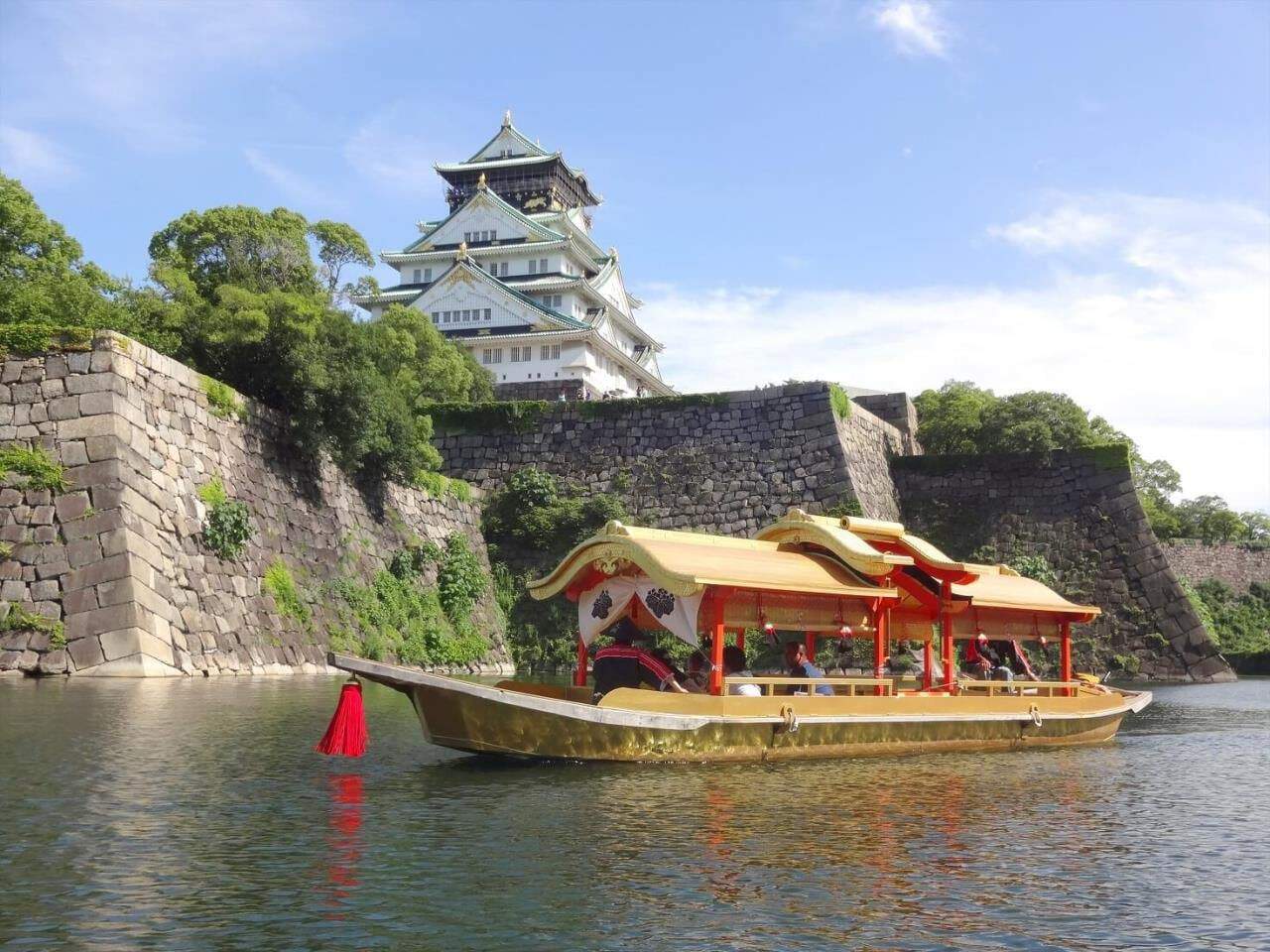
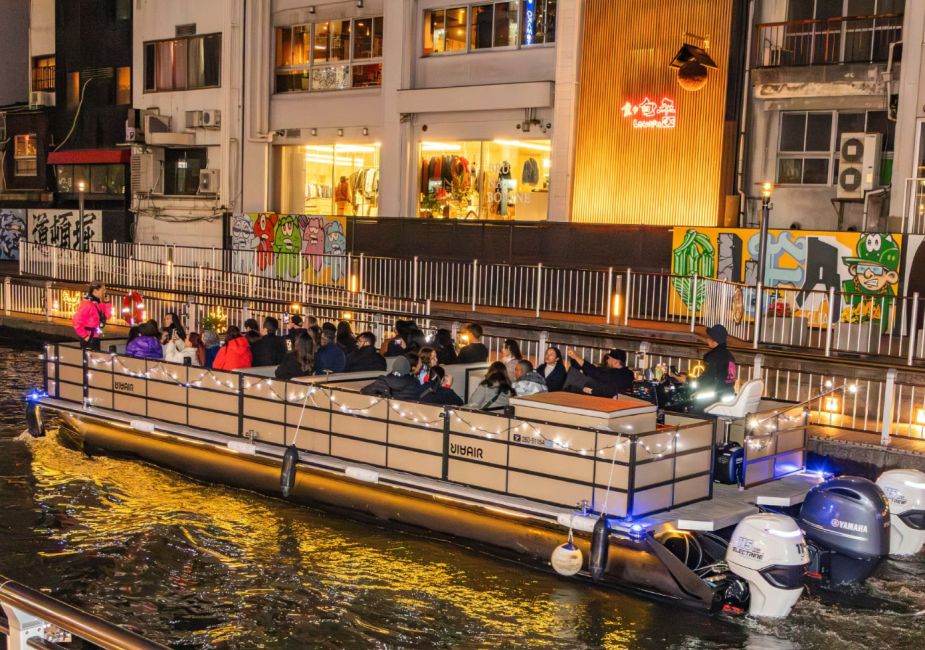
The Tombori River Cruise (Dotonbori River sightseeing boat) takes about 20 minutes and departs at 00 and 30 minutes past every hour between 11:00 and 21:00. The boarding point is the Taizaemon Bridge landing, and the ticket counter is on the 1st floor of Don Quijote Dotonbori. Tickets are ¥2,000 for adults, ¥1,000 for students from junior high school up, and ¥500 for elementary school children; preschoolers are free. Online reservations can be bought until 10 minutes before departure, and time-specified same-day tickets are also sold on site.
Where to Stay Along the Way
Dotonbori is in the Namba area, about a 3-minute walk from Exit 14 of Namba Station on the Osaka Metro Midosuji Line. If you stay around Namba or Shinsaibashi, you can walk back after an evening on the food street, and it is also convenient for Nankai trains to and from Kansai Airport. If you plan a two-day, one-night Osaka food trip, choose accommodation around Namba and Shinsaibashi.

Dotonbori FAQ
Q: What is the most convenient way to get to Dotonbori?
Take the Osaka Metro Midosuji Line or the Nankai Railway to Namba Station, then walk about 5 to 10 minutes to Dotonbori’s main street and the Glico sign.
Q: How much does food in Dotonbori cost on average?
Street snacks such as takoyaki and udon are about ¥500 to ¥1,000, ramen starts at about ¥600, and crab course meals run about ¥7,000 and up, so budgets are flexible.
Q: Which Dotonbori restaurants are open 24 hours?
The Kinryu Ramen Dotonbori shop is open 24 hours all year, and the Ichiran Dotonbori Annex’s flavor concentration counter seats are also open 24 hours, so you can easily find hot food for a late-night snack.
Q: When are Dotonbori’s peak hours?
Weekend noon to 2 p.m. and 6 to 8 p.m. are the busiest, so avoid those two windows to shorten your wait.
Q: When is the best season to visit Dotonbori?
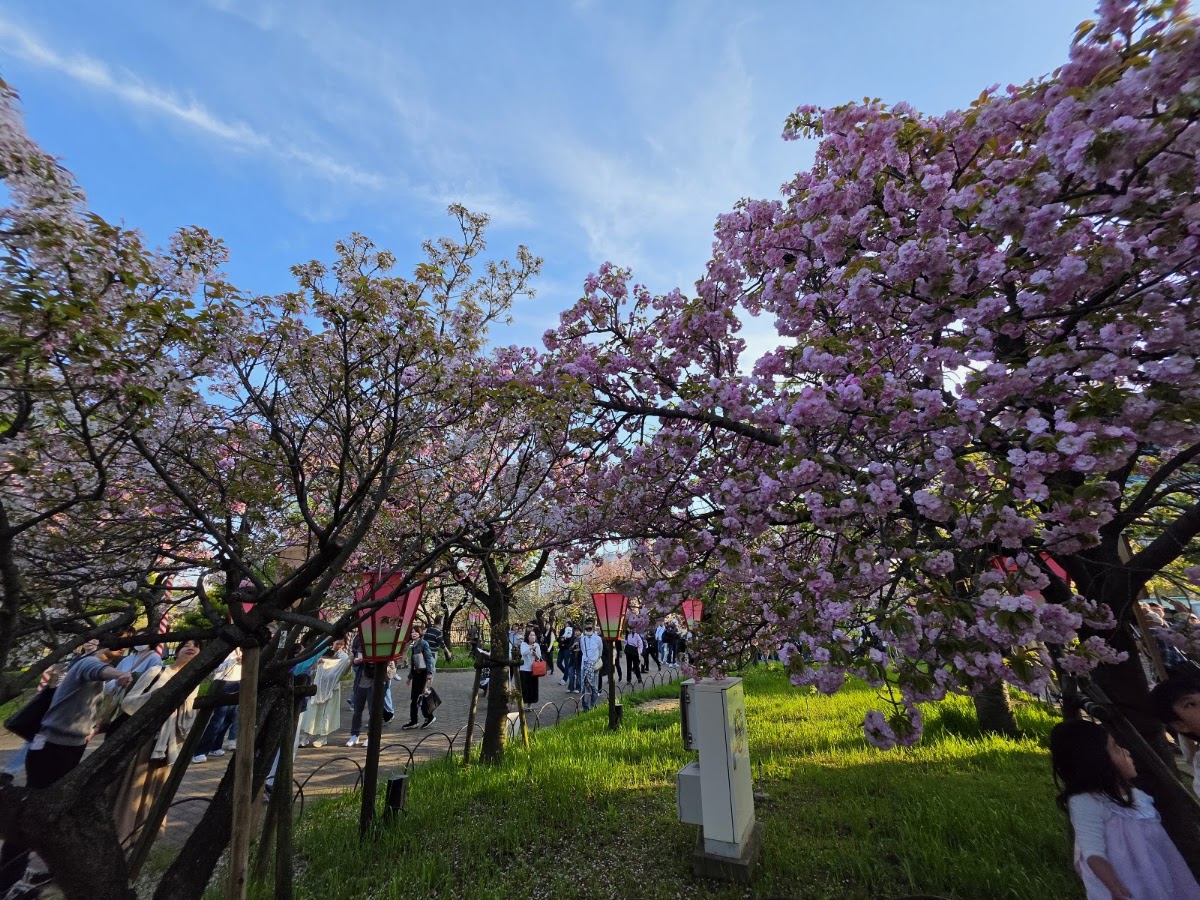
It is good all year. Crowds are bigger during spring cherry blossoms and summer festivals, while autumn and winter are cool and comfortable, better for a leisurely meal.
Q: How long should I plan to stay in Dotonbori?
Plan at least half a day to a full day. If you want to try more than ten shops and fit in shopping in Shinsaibashi, a full day is more comfortable.
Q: What are the rules for dipping kushikatsu in sauce?
The shared sauce bucket may be dipped into only once; double-dipping is forbidden, and if you want more you must scoop it with cabbage. This is the dining etiquette explained by Daruma Kushikatsu itself.