
Osaka Castle Area Restaurant Guide 2026: Popular Local Spots Around the Main Keep and the Castle Town
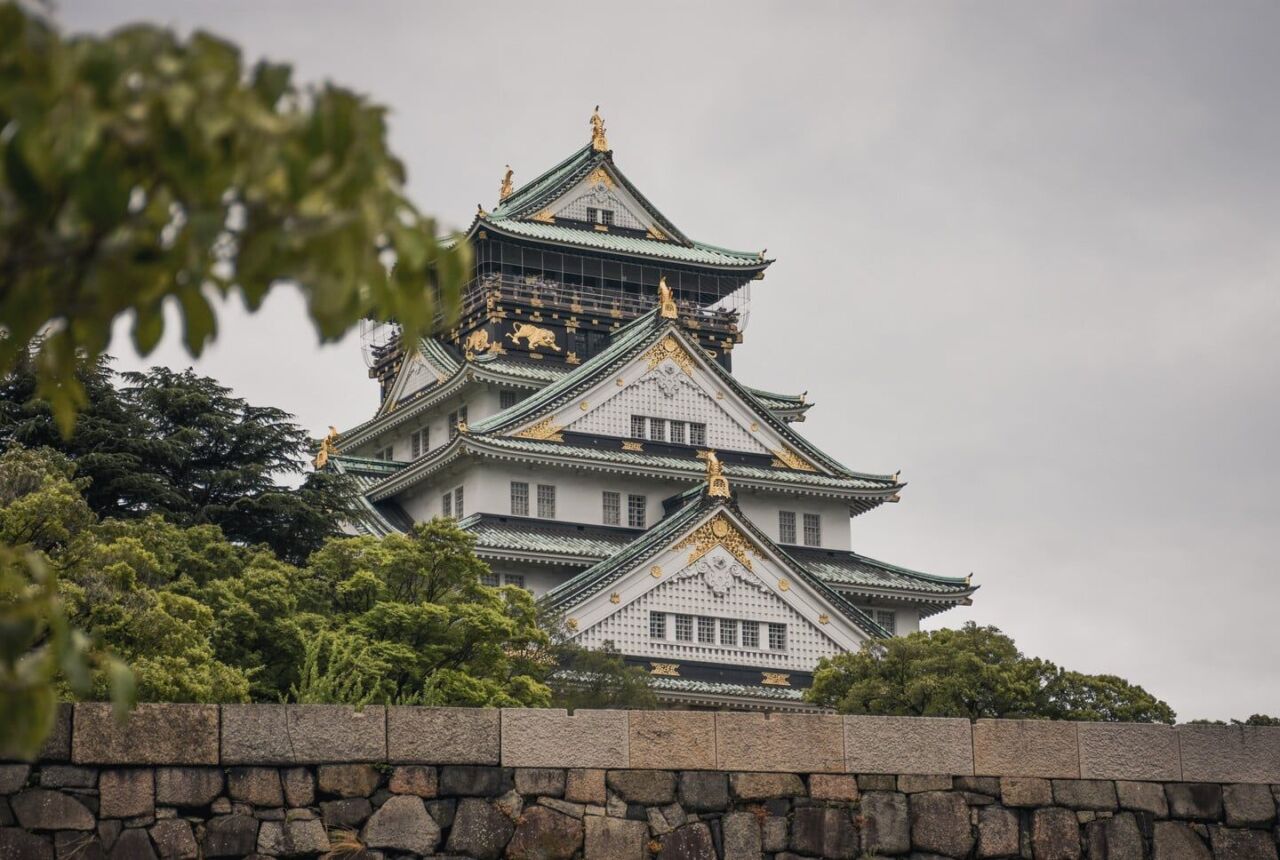
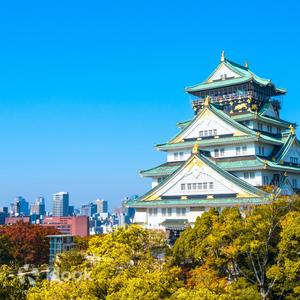
Osaka Castle, built by Toyotomi Hideyoshi in 1583, is one of Japan’s three great castles. The main keep, the moats and the castle town together make a complete historical walking route, and the commercial facilities and park surroundings inside and outside the castle grounds hide several restaurants, cafes and snack spots worth a special visit.
Rooftop BBQ with a View: MIRAIZA OSAKA-JO
“MIRAIZA OSAKA-JO”, converted from the former Army 4th Division headquarters building, houses restaurants and cafes. From spring to autumn, the rooftop “BLUE BIRDS ROOF TOP TERRACE” serves BBQ and small bites with a view of the main keep, and it is closed in rain; lunch 11:00 to 17:00, dinner 17:00 to 22:00 (last entry 20:00). The nearby main keep (rebuilt in 1931) is open 9:00 to 18:00, last entry 17:30, adults ¥1,200, so you can visit and then dine nearby.

Matcha and Japanese Sweets Teahouse: Hosho-an
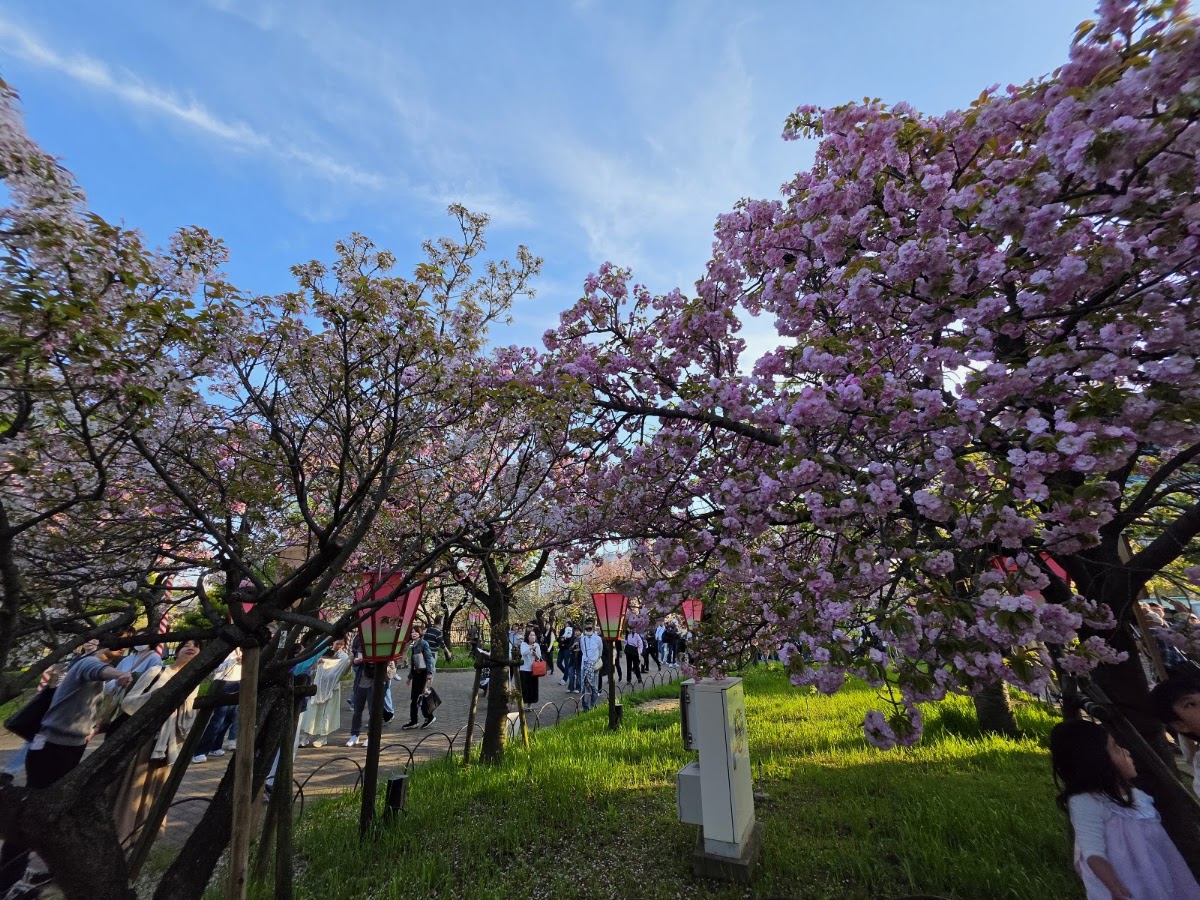
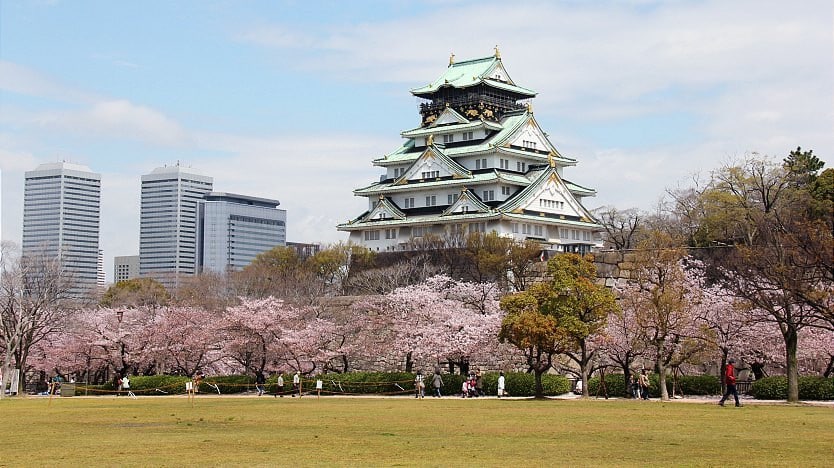
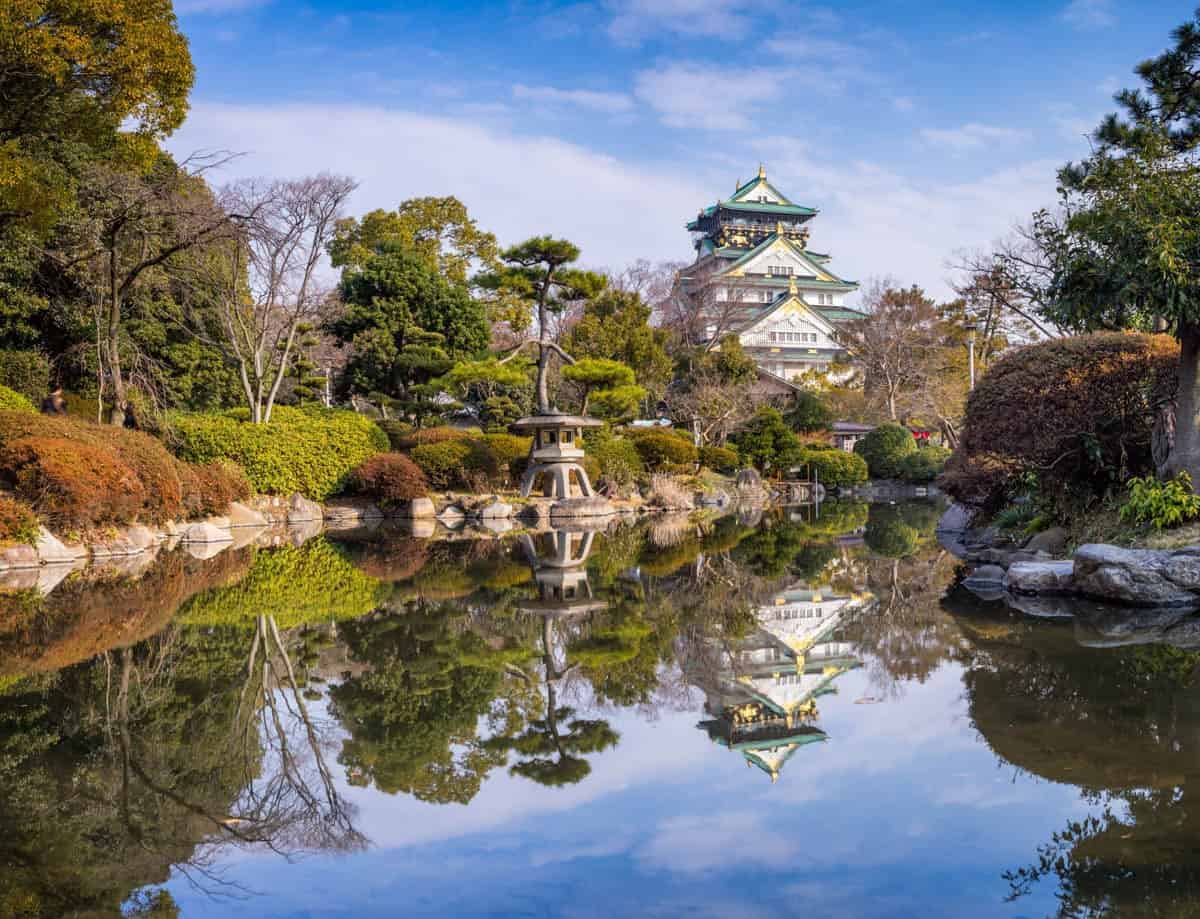
The teahouse “Hosho-an” stands at the northeast corner of Nishinomaru Garden, a Japanese-style resting spot whether you are viewing cherry blossoms or just strolling. The garden opened in 1965, covers about 6.5 hectares and has about 300 cherry trees, making it a Kansai cherry blossom spot from late March to early April each year. The garden is open 9:00 to 17:00 (until 16:30 from November to February) and closed on Mondays; admission is ¥200 for adults. During the cherry blossom night-viewing period (観桜ナイター) it stays open until 21:00 (last entry 20:30), with adult admission at ¥350. We suggest taking a break here after viewing the night blossoms to enjoy a Japanese-style tea experience in the castle town.
Pancakes, Wagyu Burgers and Rooftop Grill: JO-TERRACE OSAKA Food Mall
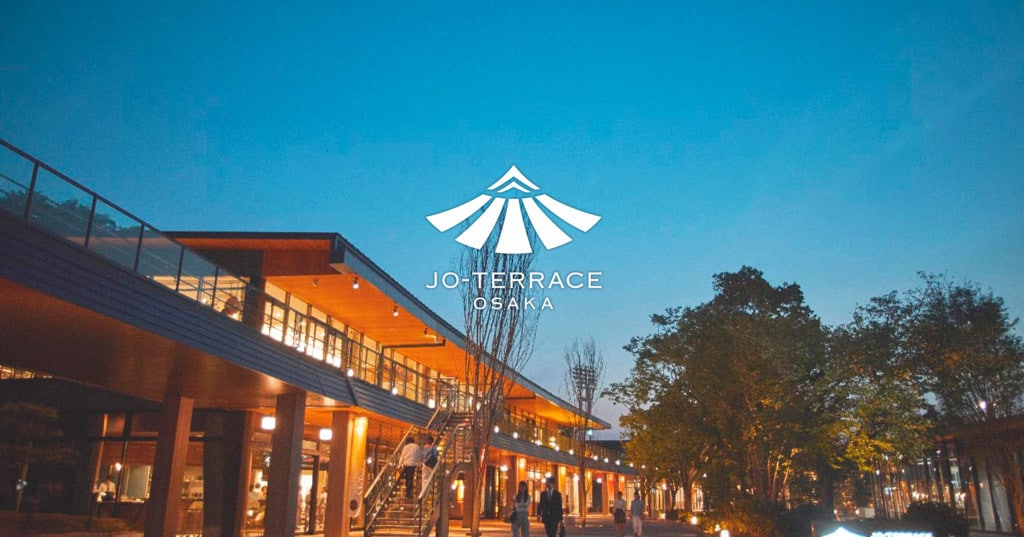
“JO-TERRACE OSAKA”, beside JR Osakajo-koen Station, is a dining and shopping facility with about 23 shops, including the pancake favorite “gram”, the wagyu burger cafe “55+”, the grill terrace restaurant “good spoon” and the Italian restaurant “NATURA”. Opening hours vary by shop.
The facility lies within Osaka Castle Park, which covers about 105.6 hectares, and on the Morinomiya side of the park there are also a Starbucks and “R Baker”. We suggest entering through Otemon Gate or the Kyobashi entrance, strolling along the moat to the main keep, and then dining here.
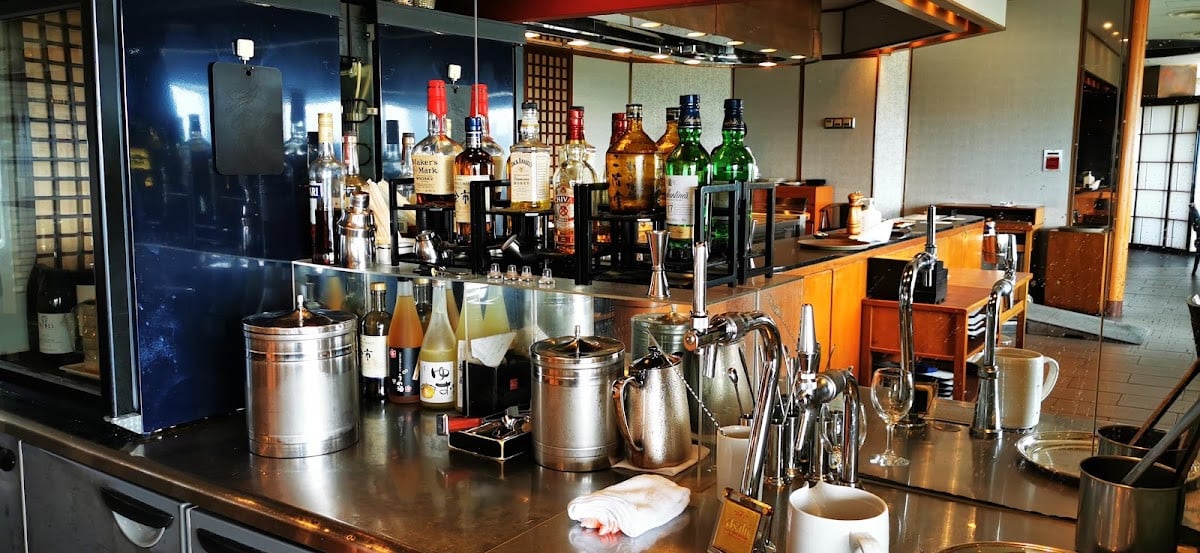
Teppanyaki: Keyaki (Hotel New Otani Osaka)
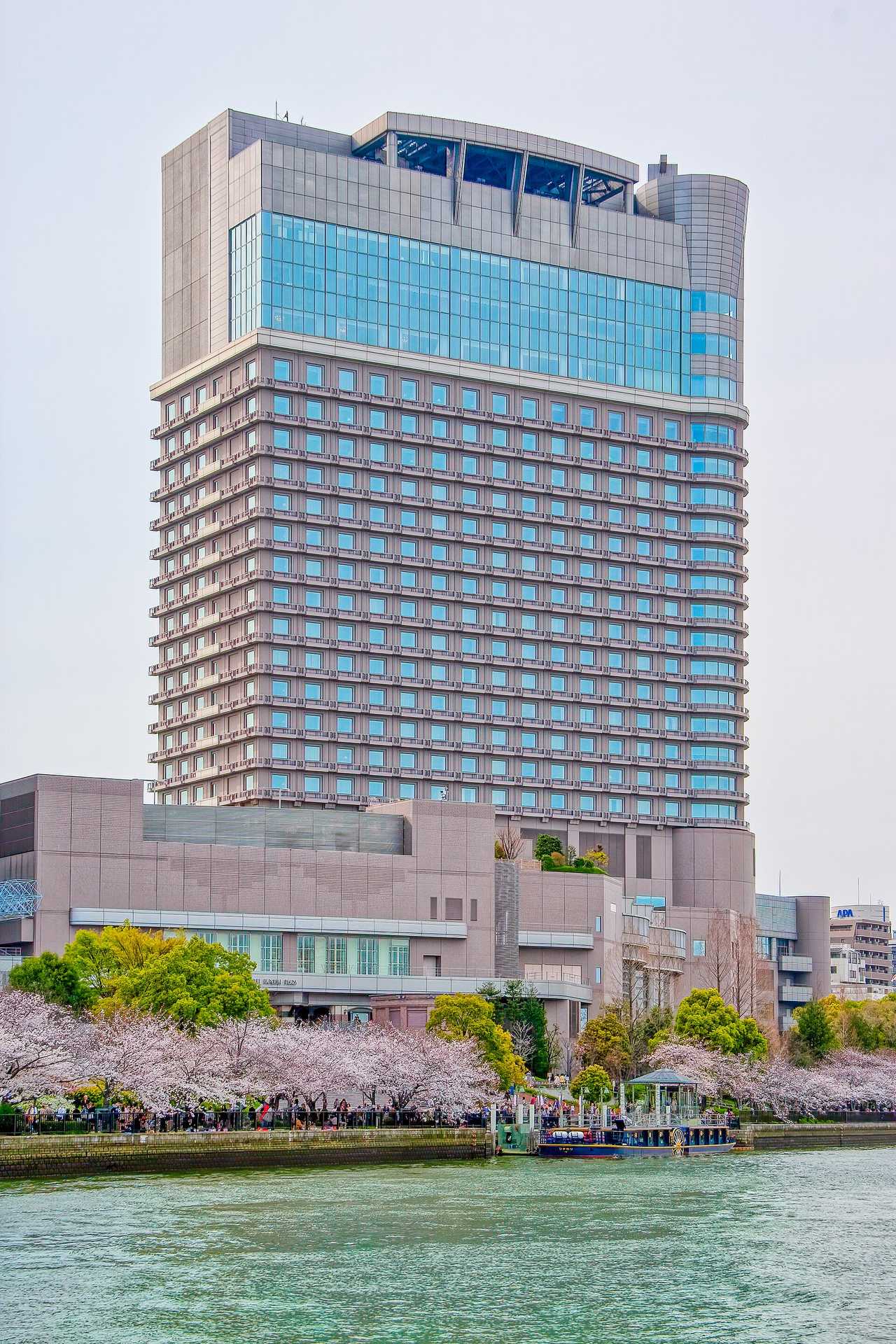
“Keyaki” is the teppanyaki restaurant on the top floor of Hotel New Otani Osaka. While looking out over the illuminated Osaka Castle and the park at night, you can enjoy premium wagyu teppanyaki cooked by the chef at your table, blending Western elegance, Japanese delicacy and the bold spirit of teppanyaki.
It suits anniversaries and important dinners. We recommend reserving a window seat in advance. It is about a 3-minute walk from JR Osakajo-koen Station, and can be fitted in after a visit to Osaka Castle.
- 🍽️ Must-order: premium wagyu teppanyaki set
- 💰 Price: please check the hotel website or confirm when booking
- 🚉 Access: about a 3-minute walk from Osakajo-koen Station on the JR Osaka Loop Line, on the top floor of Hotel New Otani Osaka
French Cuisine: SAKURA (Hotel New Otani Osaka)
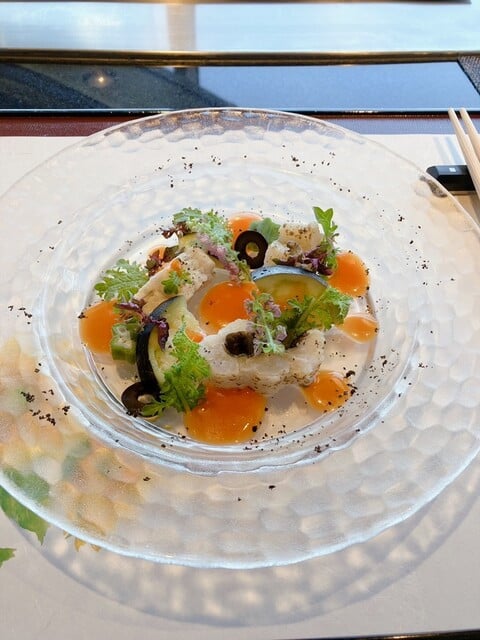
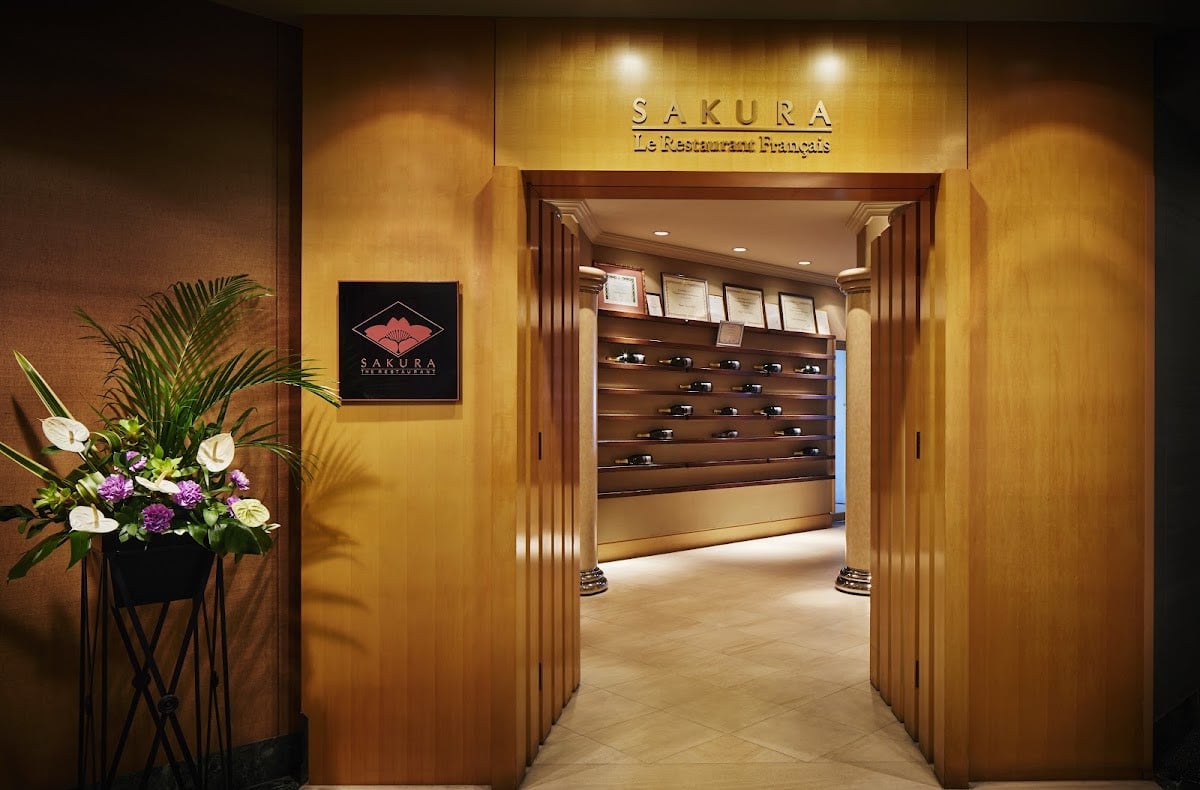
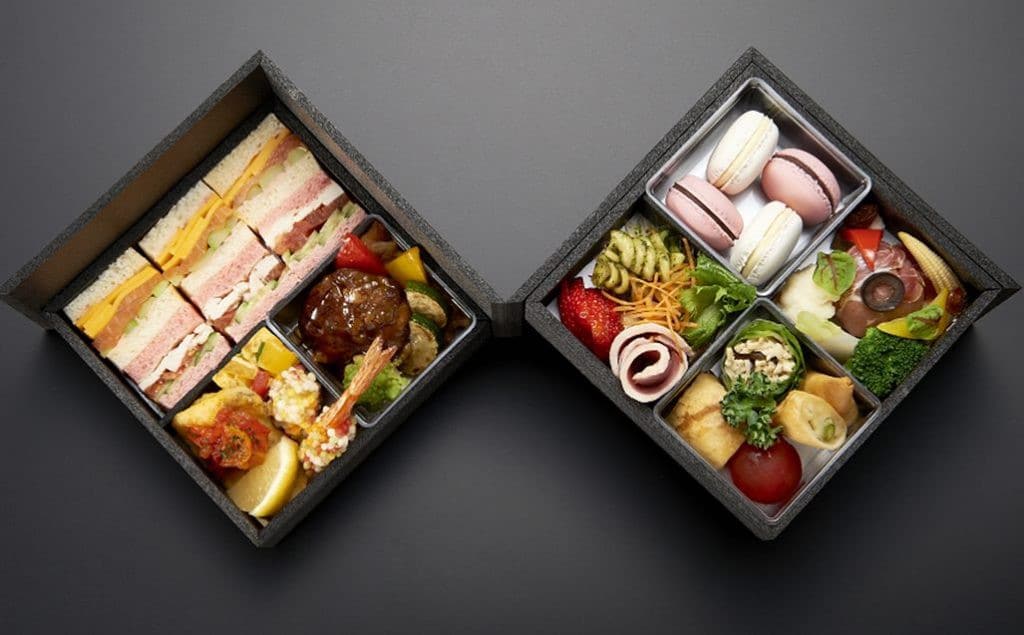
“SAKURA” is on an upper floor of Hotel New Otani Osaka. The chef selects ingredients carefully and presents local Japanese ingredients using French techniques, with wines paired by a sommelier, for an elegant dining experience.
It suits business dinners and special occasions and requires a reservation in advance. You can choose it or “Keyaki” as part of a castle-town dining plan around Osaka Castle.
- 🍽️ Must-order: chef’s selection French course
- 💰 Price: please check the hotel website or confirm when booking
- 🚉 Access: about a 3-minute walk from Osakajo-koen Station on the JR Osaka Loop Line or Osaka Business Park Station on the Osaka Metro, on the top floor of Hotel New Otani Osaka
How to Get to Osaka Castle: A Complete Guide to Transport and Costs
Osaka Castle is in the city center and can be reached on foot from several subway and JR lines.
How to Get to Osaka Castle: Transport Options at a Glance
🚇 Osaka Metro: Tanimachi 4-chome Station or Morinomiya Station, about an 8 to 12-minute walk.
🚆 JR Osaka Loop Line: Morinomiya Station or Osakajo-koen Station, right at the exit (JR is not included in the pass).
🎫 Pass: 1-day ¥3,500 / 2-day ¥5,000 (mobile QR code e-ticket, adults only), includes main keep admission and subways, private railways and buses, with about 40 attractions free.
🚤 Moat Gozabune boat ride about 20 minutes, adults ¥1,800, 10:00 to 16:30 (last departure).
🚕 Taxi: about 15 to 20 minutes from Namba or Shinsaibashi; the fare varies with traffic.


Must-Eat Local Food: Signature Dishes of the Osaka Castle Town
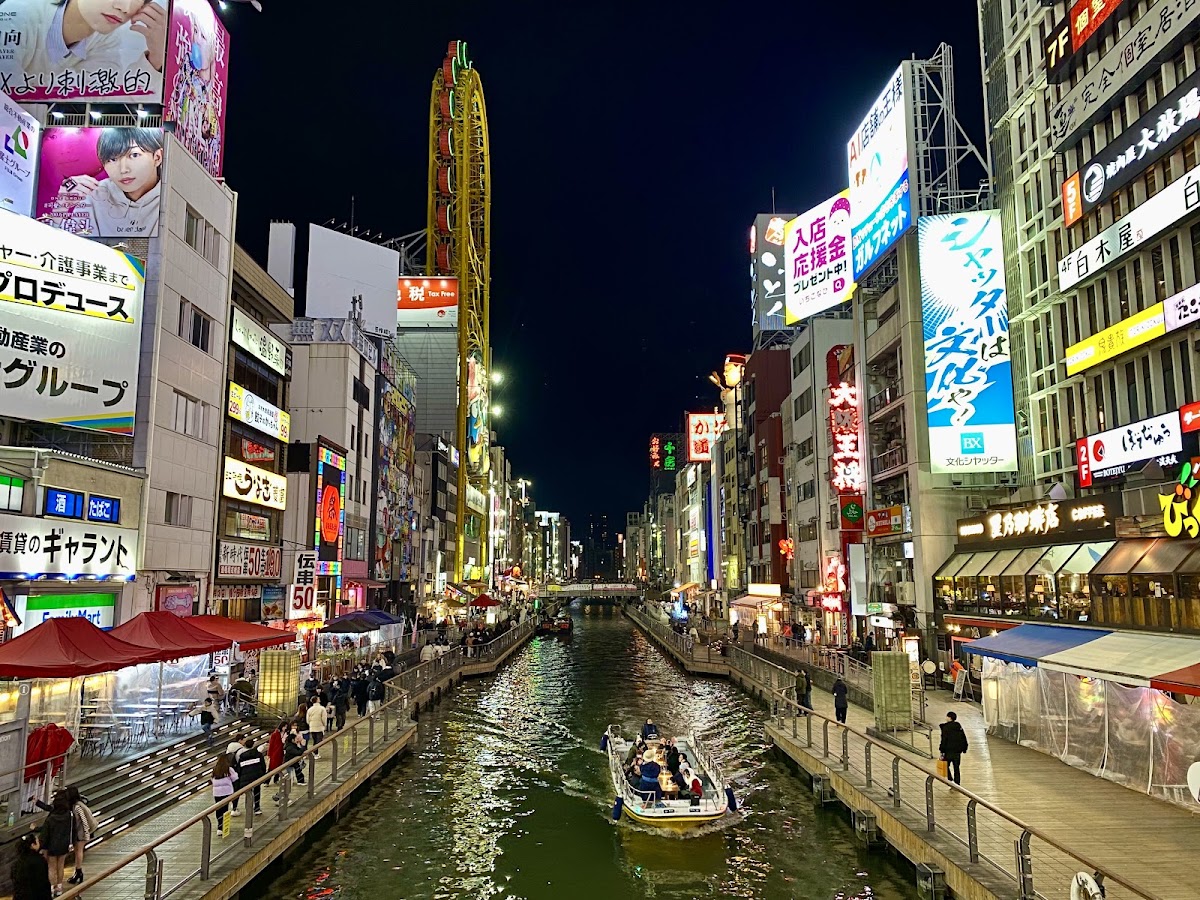
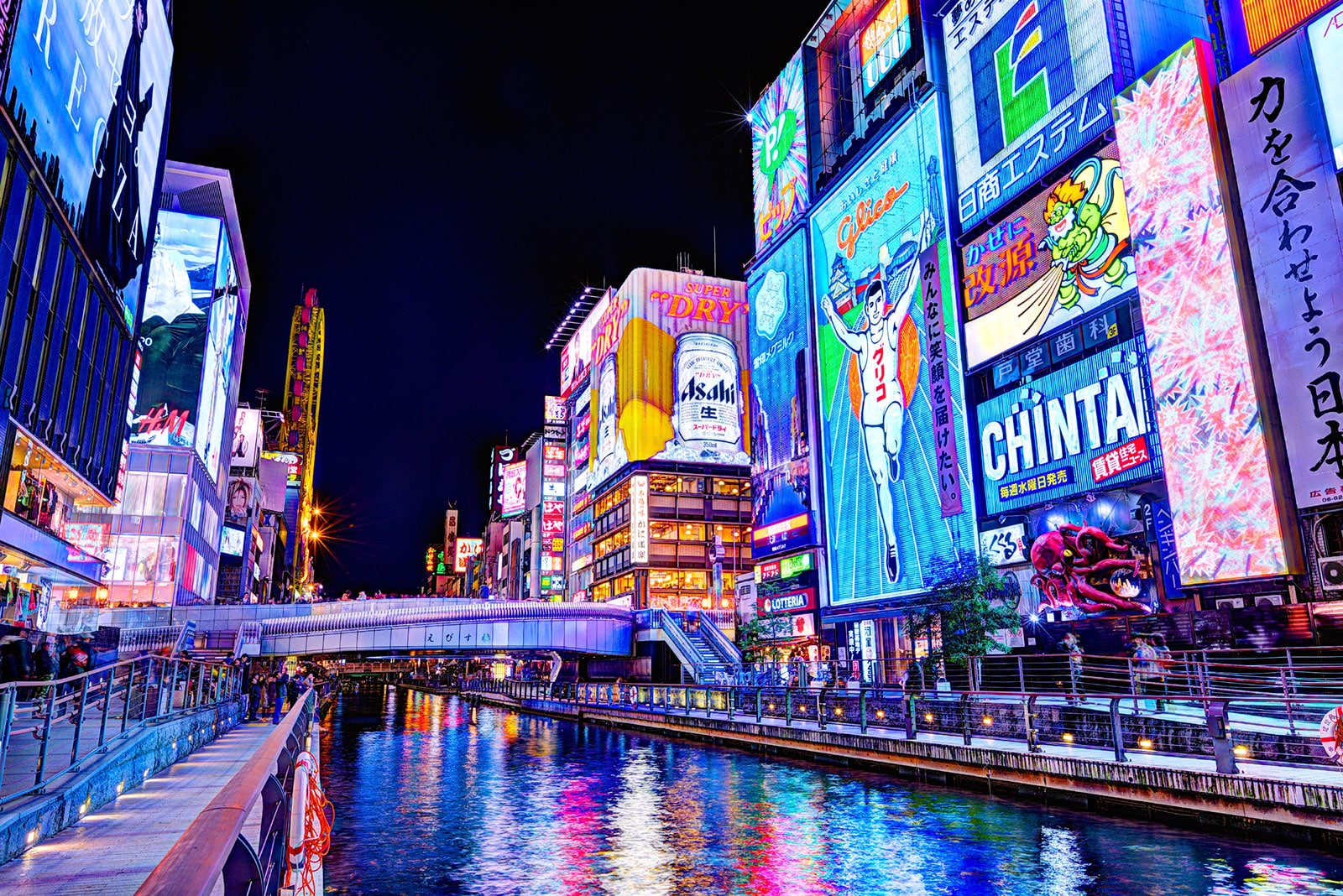
From the Osaka Castle town to Dotonbori, these 9 dishes are the most representative soul foods of Osaka, from the original takoyaki to the birthplace of conveyor-belt sushi, all in one go.
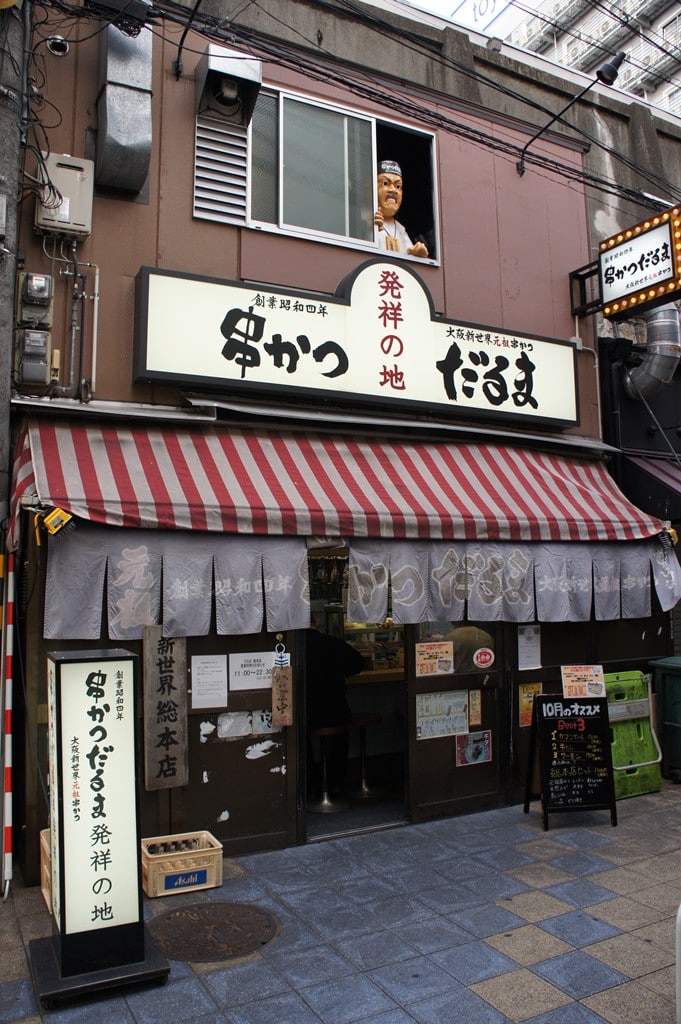
The Original Osaka Kushikatsu: Daruma Kushikatsu
Daruma (だるま), founded in 1929, is the representative kushikatsu shop of Osaka. Its signature “no double-dipping” rule means each skewer is dipped in the sauce only once before eating, reflecting the Osaka people’s care for thrift and hygiene. Signature items include beef skewers, lotus root, quail eggs and mentaiko cheese, with a crispy, not greasy coating, at about ¥140-¥250 per skewer.
The Daruma old-man sign with his pointing finger at the Dotonbori main shop entrance is a must-photograph landmark. At peak times the queue is 20-30 minutes, so avoid weekend lunchtime or choose a branch such as the one on Shinsaibashi-suji to cut the wait.
Namba’s Original Takoyaki: Aizuya
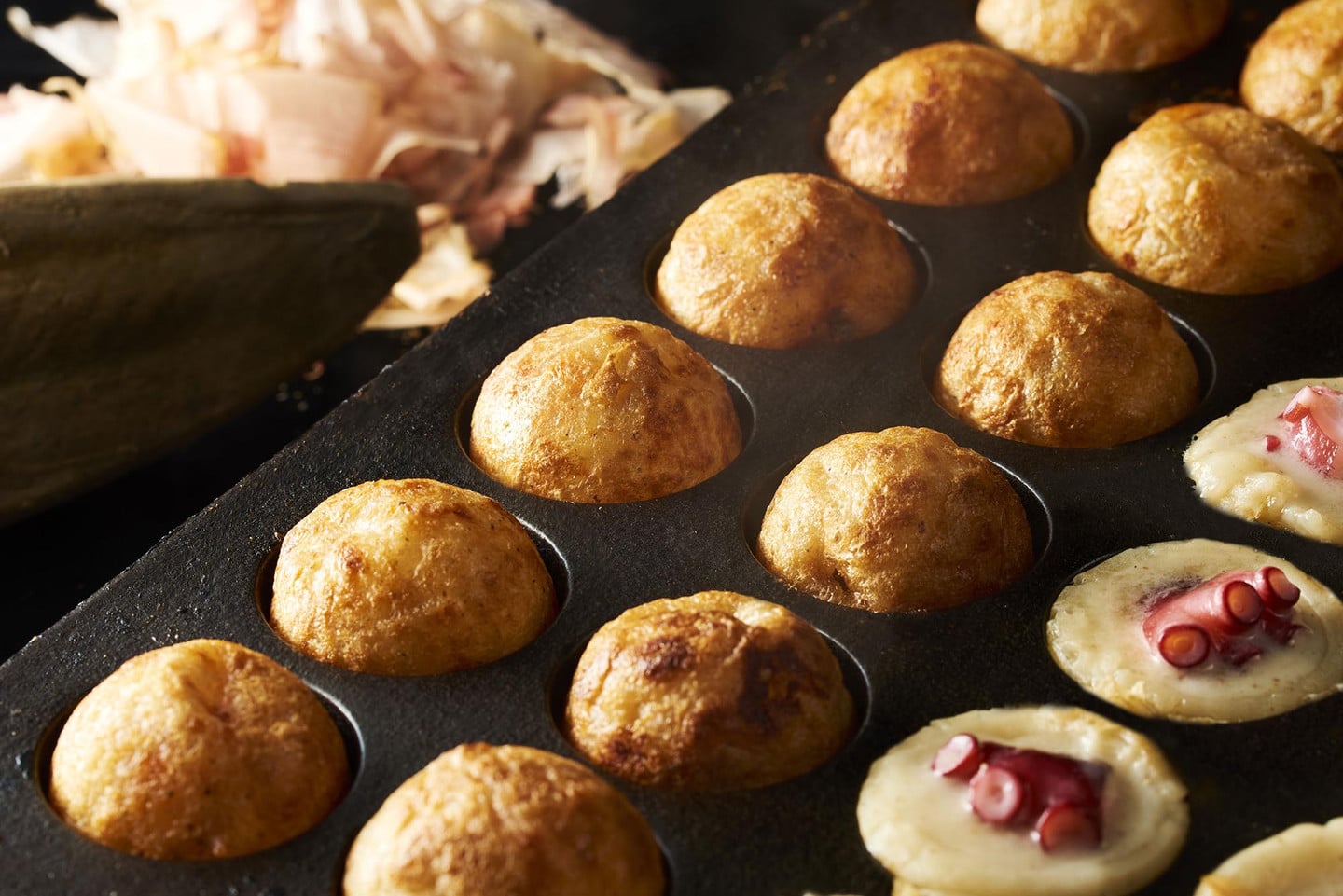
Aizuya, founded in 1935, is generally regarded as the inventor of takoyaki. The main shop is in Tamade, Nishinari Ward, with a branch in Namba’s “Nan Nan” underground mall, making it an easy introduction to Osaka’s soul food snacks.
Dotonbori shopping street also has several well-known takoyaki shops where you can compare flavors, such as Takoya Dotonbori Kukuru and Kogaryu. We suggest buying small portions from several shops and comparing them to taste the differences in batter softness and sauce blending.
24-Hour Rich Tonkotsu Ramen: Kinryu Ramen
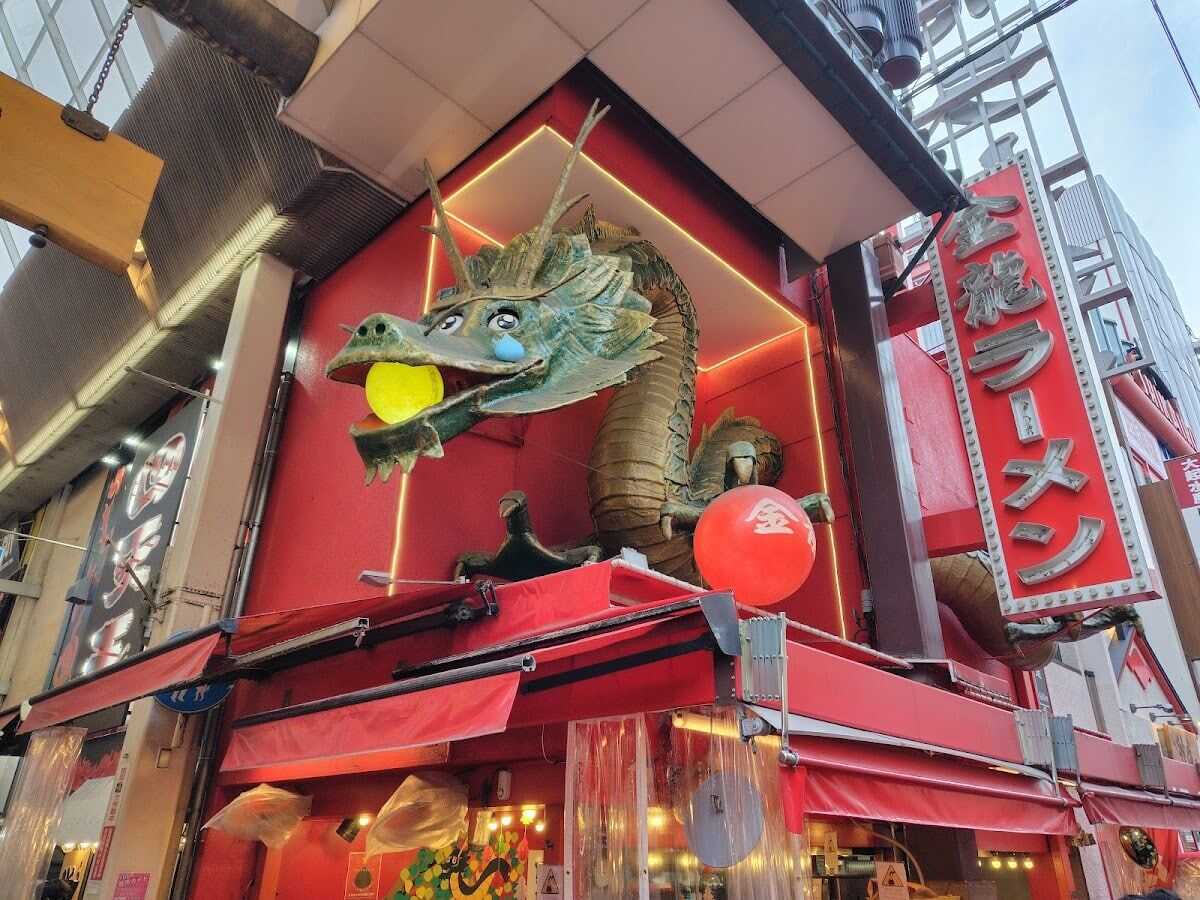
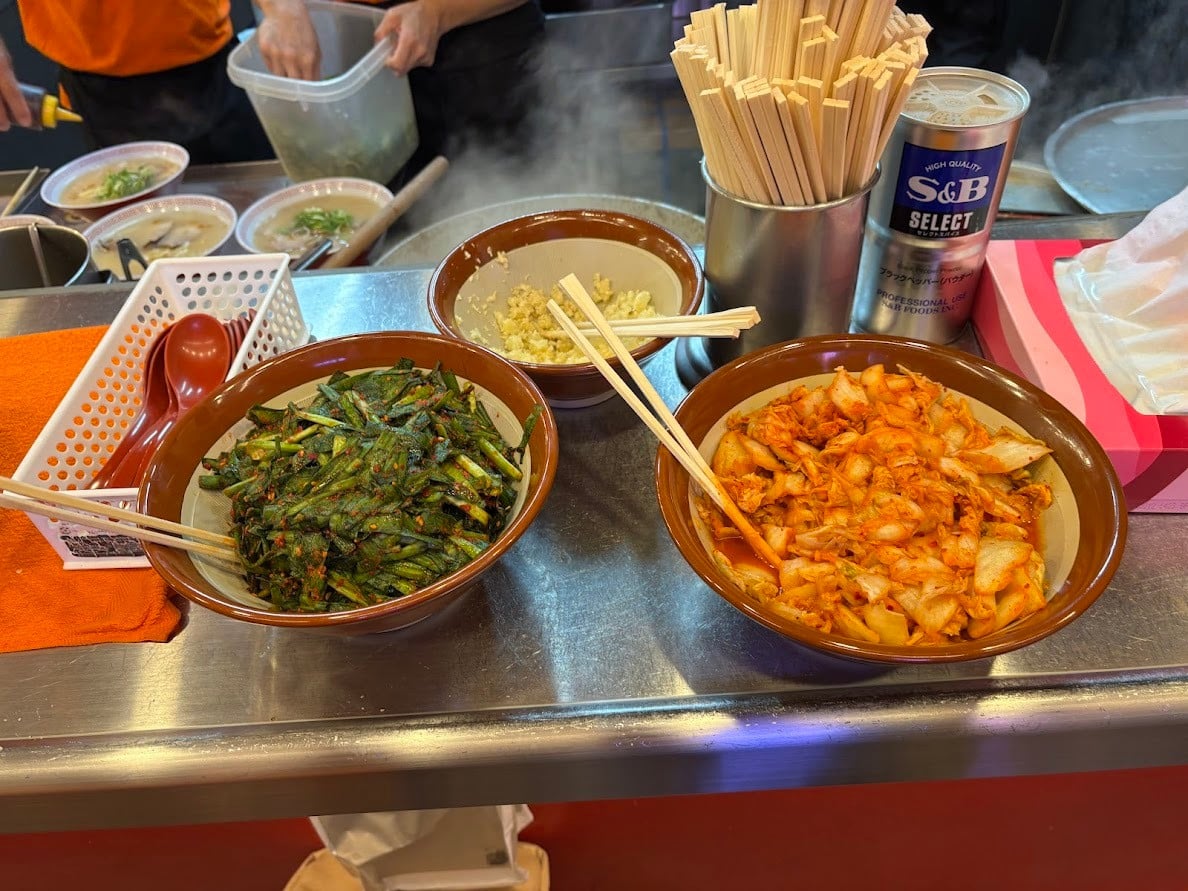
Kinryu Ramen is known for its golden dragon sign and 24-hour opening. Its tonkotsu broth is rich, and you can help yourself to chives, kimchi and garlic to taste. A basic bowl of ramen starts at about ¥700, and late-night diners keep coming. The shop has Japanese-style low tables with floor seating and a casual canteen atmosphere. The Dotonbori main shop is open every day of the year, ideal for a late-night meal after exploring Dotonbori, and a representative place to experience Osaka’s late-night food culture.
Tonkotsu Ramen in Private Booths: Ichiran Ramen
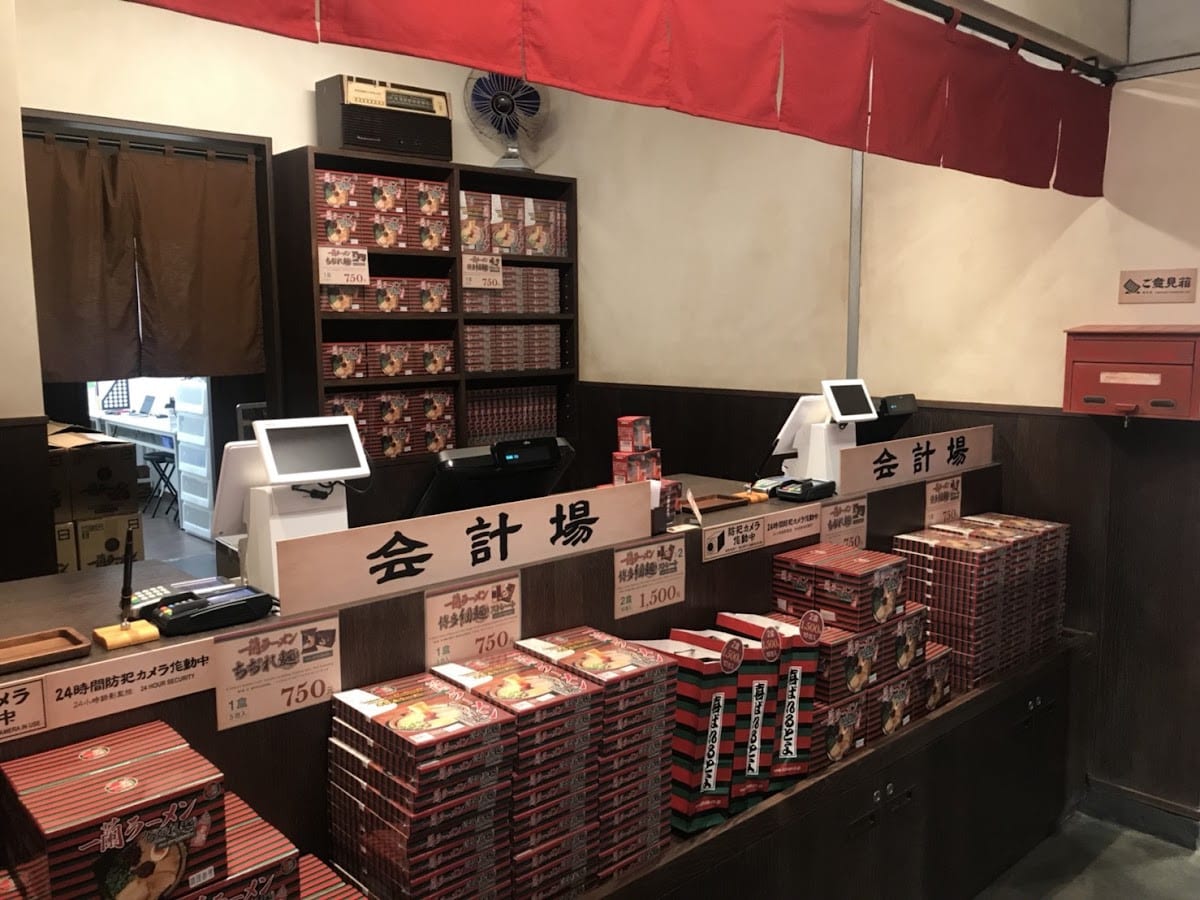
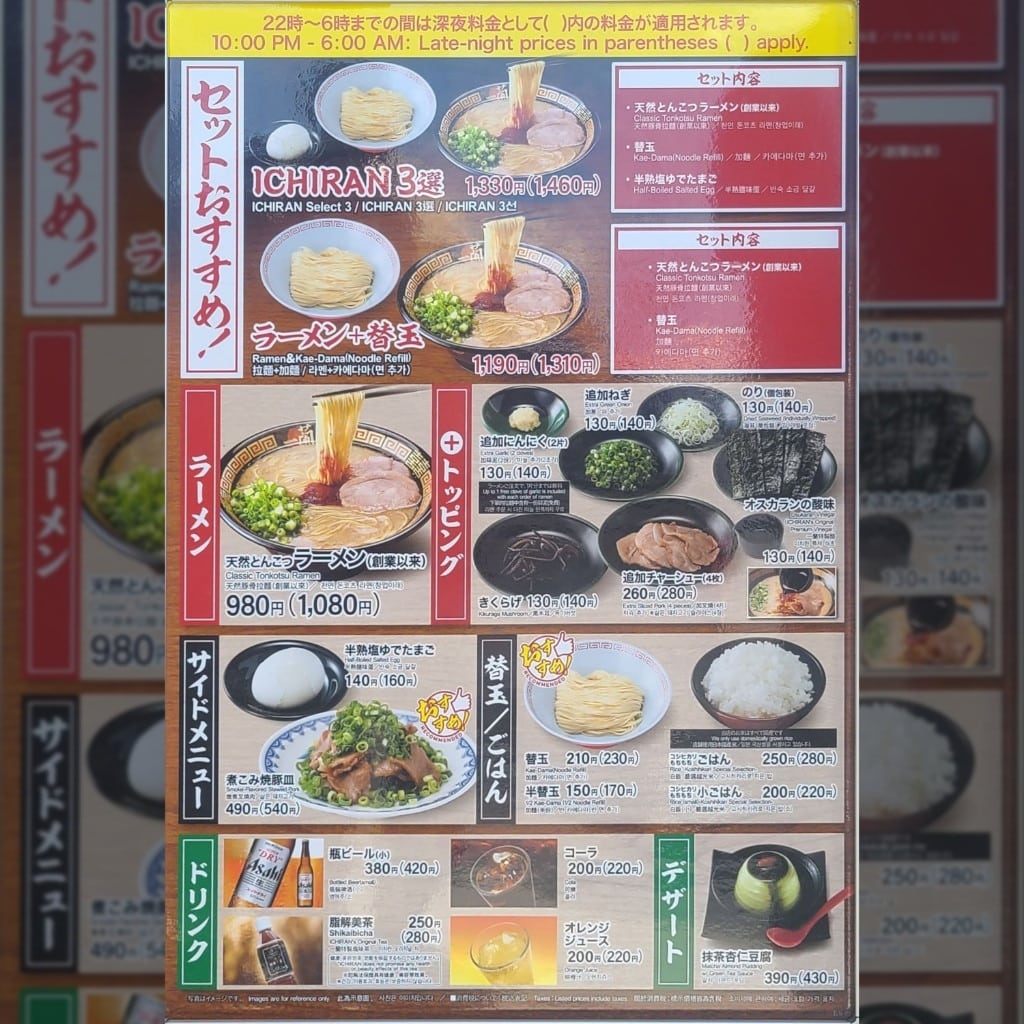
Ichiran Ramen is known for its “flavor concentration counter” private booth seating. Guests use an order form to adjust the noodle firmness, broth richness, spiciness and amount of scallions to build their own tonkotsu ramen, with a basic set starting at about ¥980.
The Namba branch is near Dotonbori and is open every day of the year, mostly 24 hours. The queues are long but tables turn over quickly, so it suits solo diners and travelers who prefer not to talk with strangers, and it is also a popular first stop for foreign visitors discovering Japanese ramen culture.
Osaka-Style Bonito Broth Udon: Imai Udon
Imai Udon, founded in 1946, is known for its clear broth simmered from kombu and bonito. The flavor is mild and not overly salty, and the signature kitsune udon is topped with sweet simmered fried tofu in a delicately sweet broth, starting at about ¥900 a bowl. It is a representative of traditional Osaka-style udon.
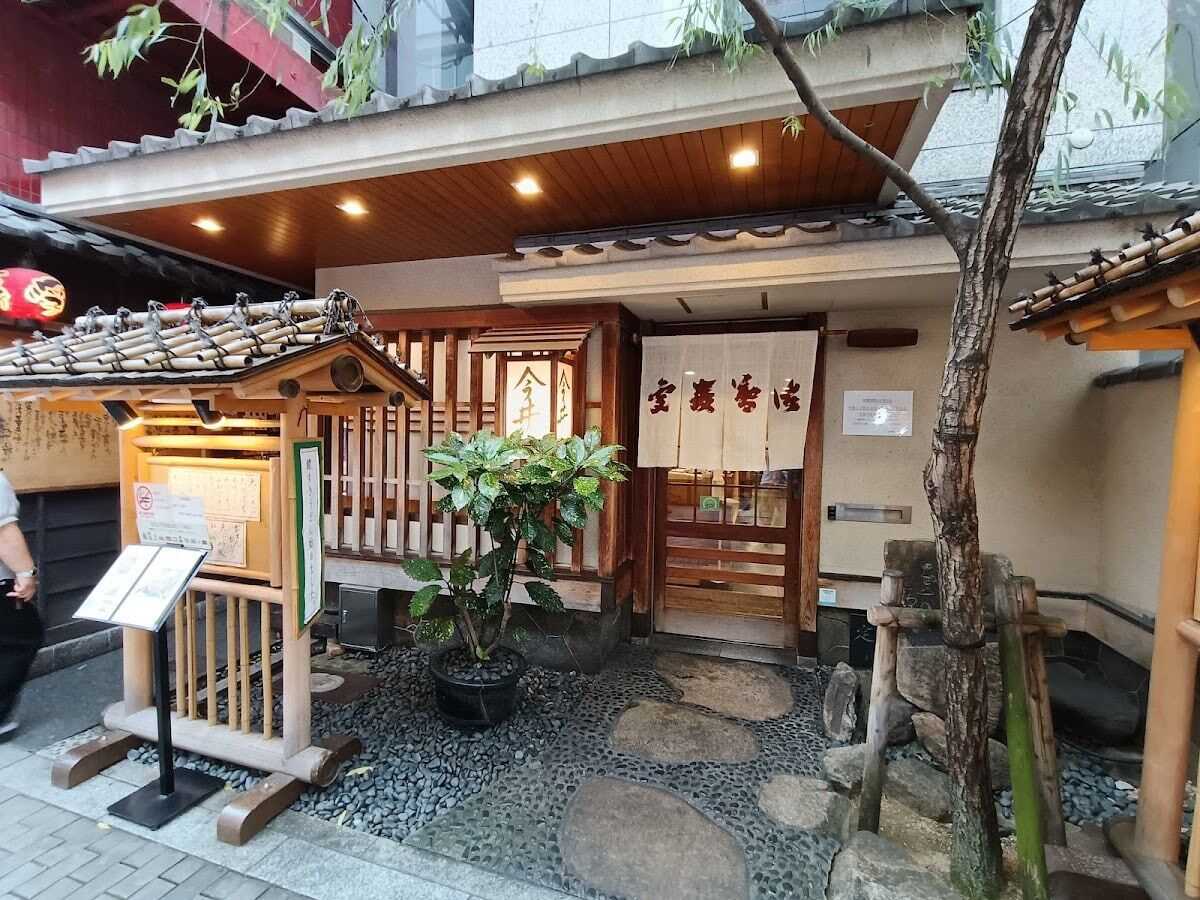
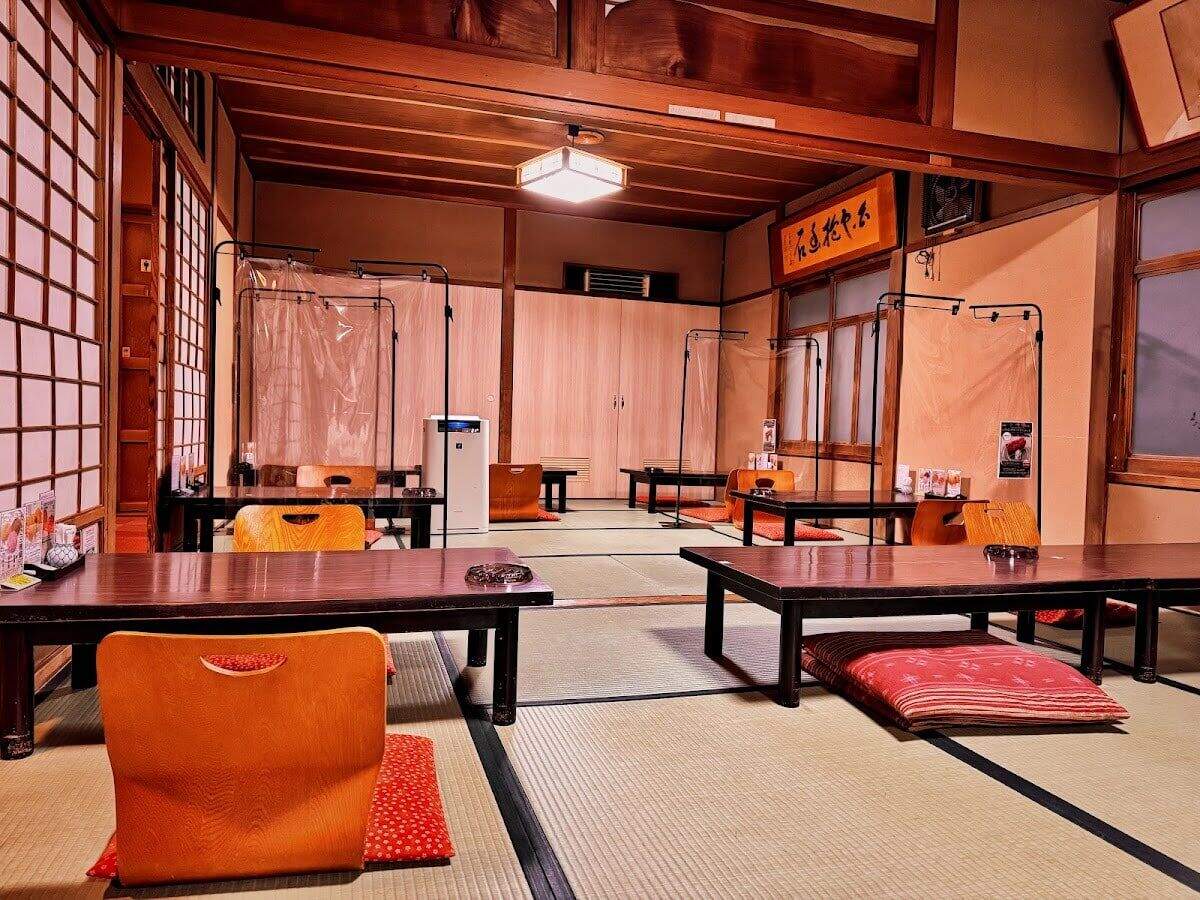
The Dotonbori main shop keeps its traditional Japanese-style exterior and tatami dining area. The quiet setting contrasts with the bustling shopping street around it, making it a good place to find a calm corner after shopping. At lunchtime we suggest arriving 15 minutes early to wait for a table.
Birthplace of Japanese-Style Omurice: Hokkyokusei
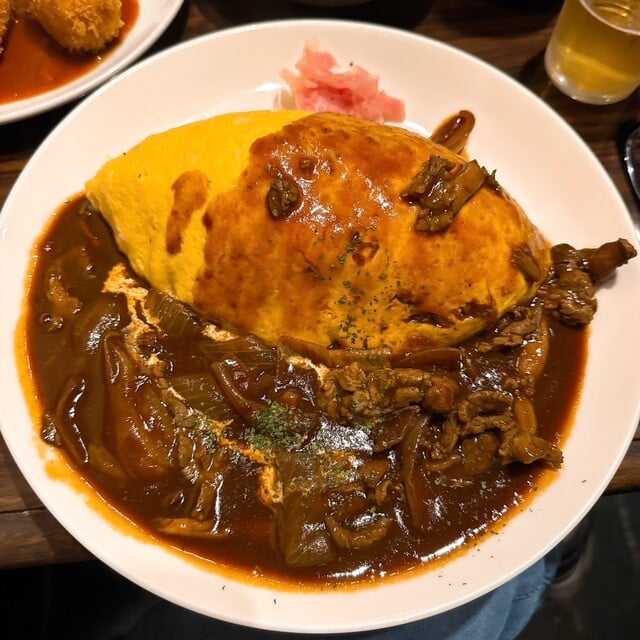
Hokkyokusei, founded in 1922, is regarded as the birthplace of Japanese-style omurice. Its signature dish wraps tomato-ketchup fried rice in a silky, half-cooked egg, a classic, nostalgic presentation. The plain omurice starts at about ¥1,200, with options for toppings such as beef and shrimp. The Shinsaibashi main shop keeps its retro Showa-era decor, with wooden tables and chairs and old-style pendant lamps creating a nostalgic mood. It is a childhood comfort food for Osaka locals, and we suggest avoiding the weekend lunch peak from 12:00 to 13:00.
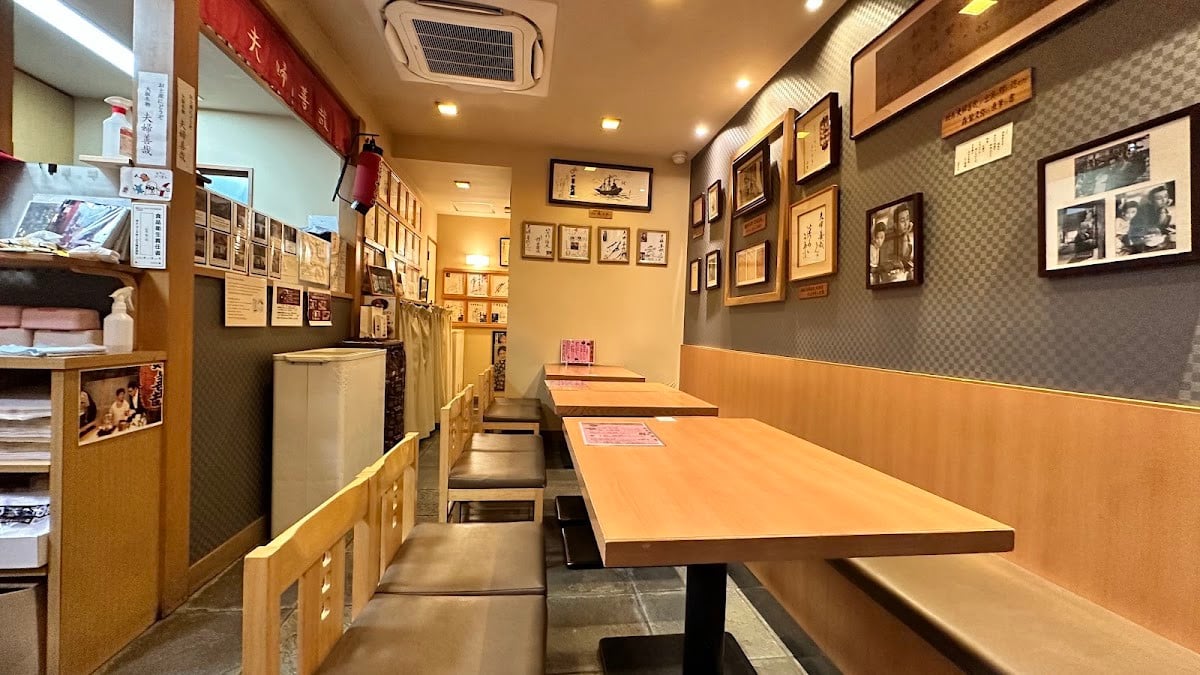
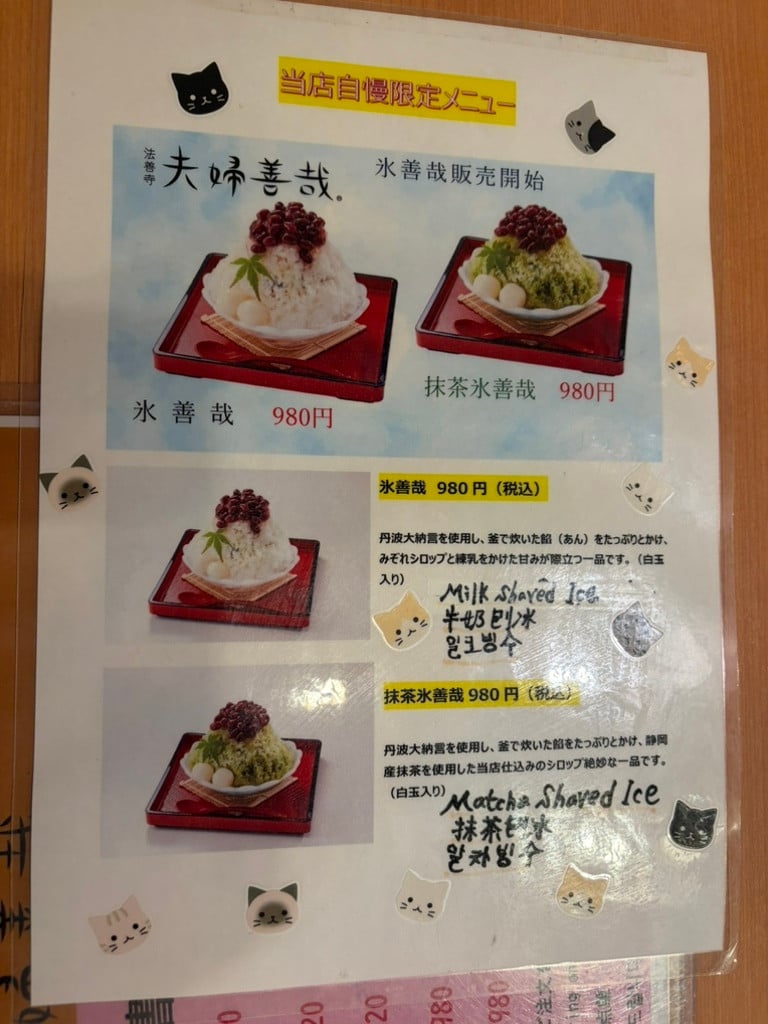
A Tradition of Two Bowls of Sweet Red Bean Soup: Meoto Zenzai
Meoto Zenzai, founded in 1883, is known for serving one order as two bowls of sweet red bean soup with rice cakes, symbolizing a married couple sharing joys and hardships and a harmonious marriage. The red beans are simmered until smooth and not overly sweet, served with grilled mochi, and one order starts at about ¥800.
The shop is inside Hozenji Yokocho, near Mizukake Fudo Myoo. Before eating you can first pay your respects and make a wish. The dessert shop has a rustic interior with historical photos on the walls, and it is a must-visit for experiencing Osaka’s traditional dessert culture and the atmosphere of the yokocho alleys.
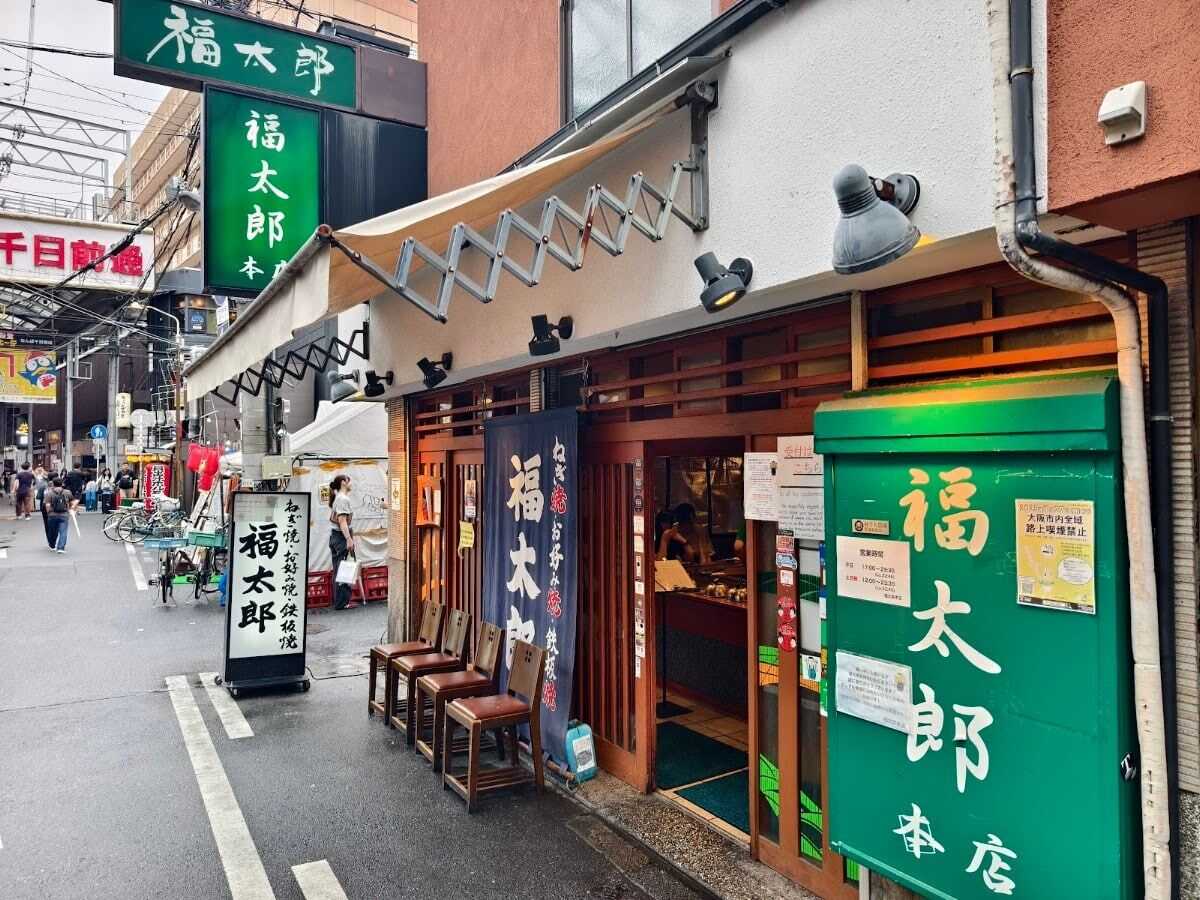
Sennichimae Negiyaki Favorite: Fukutaro
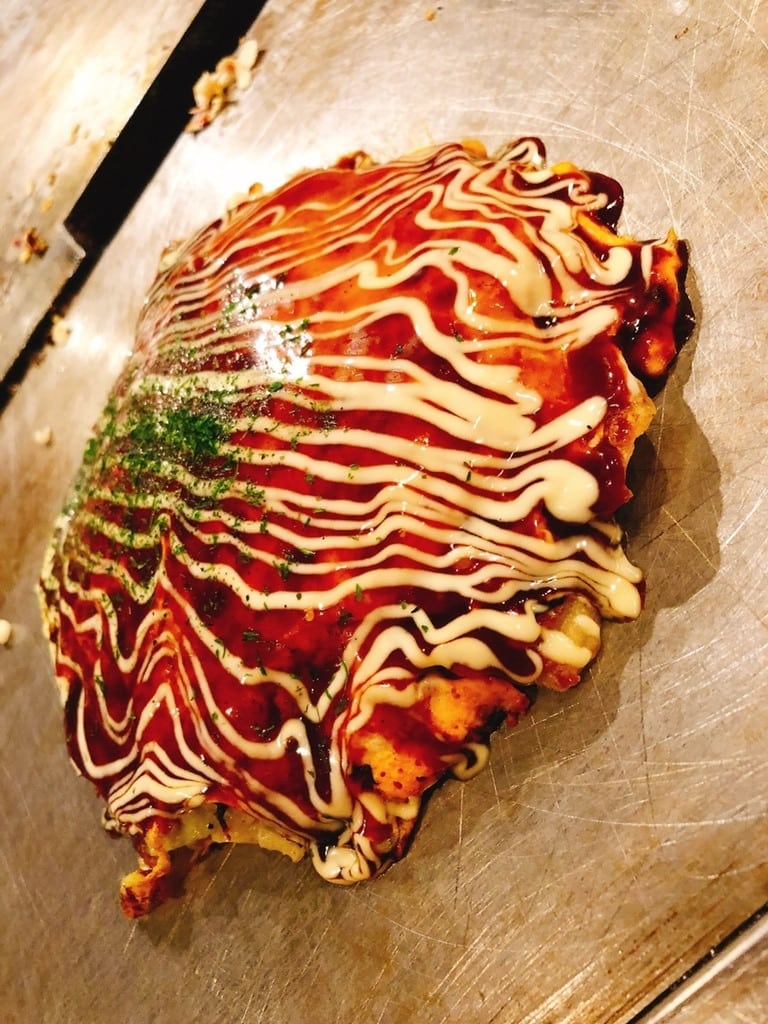
The Fukutaro main shop is in Sennichimae, about a 5-minute walk from Namba Station. Its signature is negiyaki (ねぎ焼) made with pork from Kagoshima, pan-fried until crispy outside and fluffy inside, then topped with special sauce and mayonnaise.
The shop cooks on a teppan griddle and you eat it fresh. The chef cooks right in front of guests on the griddle, and the fragrant process is itself part of the dining experience. At popular times there is often a queue, so we suggest avoiding the meal-time peak.
The Original Conveyor-Belt Sushi Shop: Genroku Sushi
Genroku Sushi was Japan’s first conveyor-belt sushi restaurant, founded in 1958 by Yoshiaki Shiraishi in Higashiosaka, inspired by the conveyor belts in beer factories, and it pioneered serving food on a rotating conveyor. After its appearance at the 1970 Osaka Expo, conveyor-belt sushi spread across Japan.
It suits travelers who want to learn the history of conveyor-belt sushi or let children enjoy the fun of it. Please check the official website for branch information.
Recommended Restaurants: From Thick-Cut Wagyu to High-End Kappo
If you want to sit down for a proper meal, these restaurants range from thick-cut wagyu yakiniku to high-end kappo cuisine, covering different budgets and occasions.
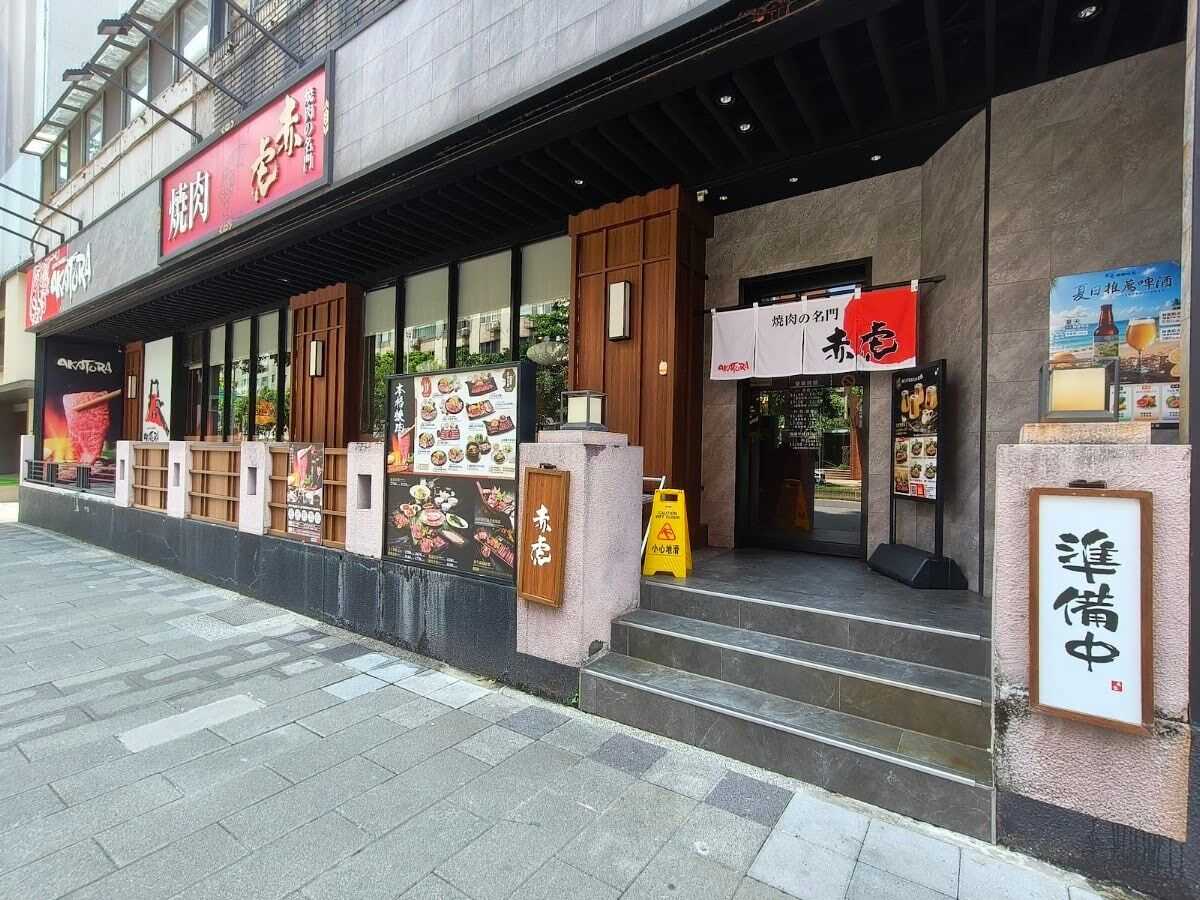
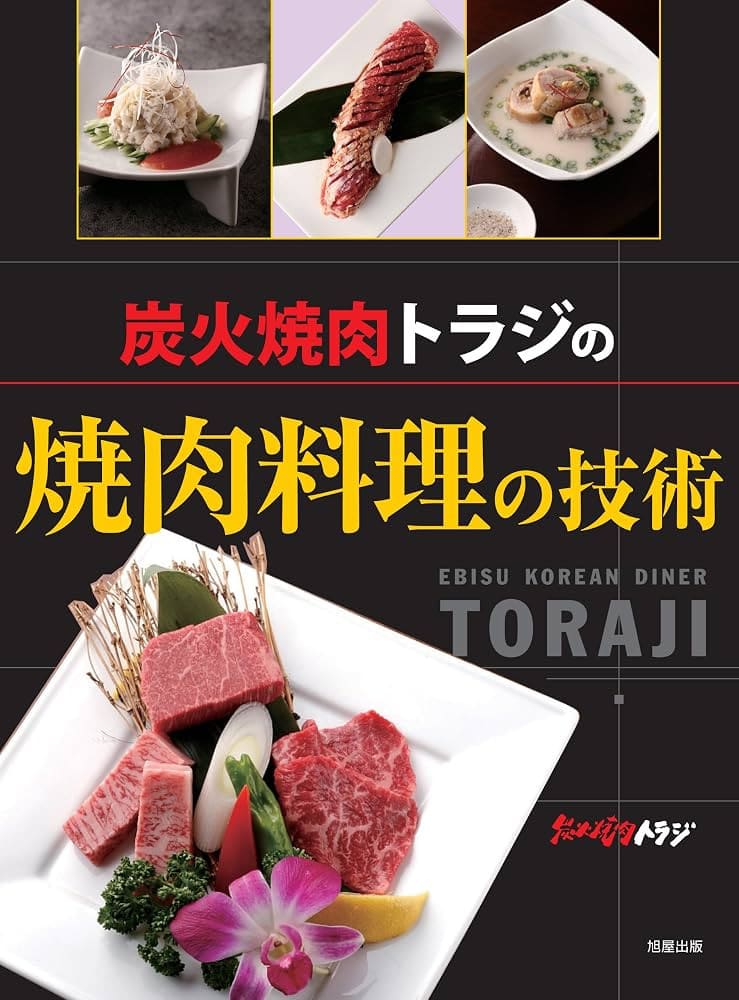
Thick-Cut Wagyu Yakiniku: Yakiniku TORAJI
Yakiniku TORAJI is known for thick-cut beef tongue and wagyu marinated in rich special sauce. The meat is tender and juicy, eaten wrapped in lettuce with its signature dipping sauce. Lunch sets start at about ¥2,500, and dinner a la carte and sets mostly fall between ¥5,000 and ¥10,000.
The restaurant has private partitioned rooms, suitable for family gatherings or business entertaining, and staff will grill for you so the meat arrives at the ideal doneness. There are branches in Umeda and Shinsaibashi, and we recommend booking in advance.
Fugu Specialty Restaurant: Genpin Fugu
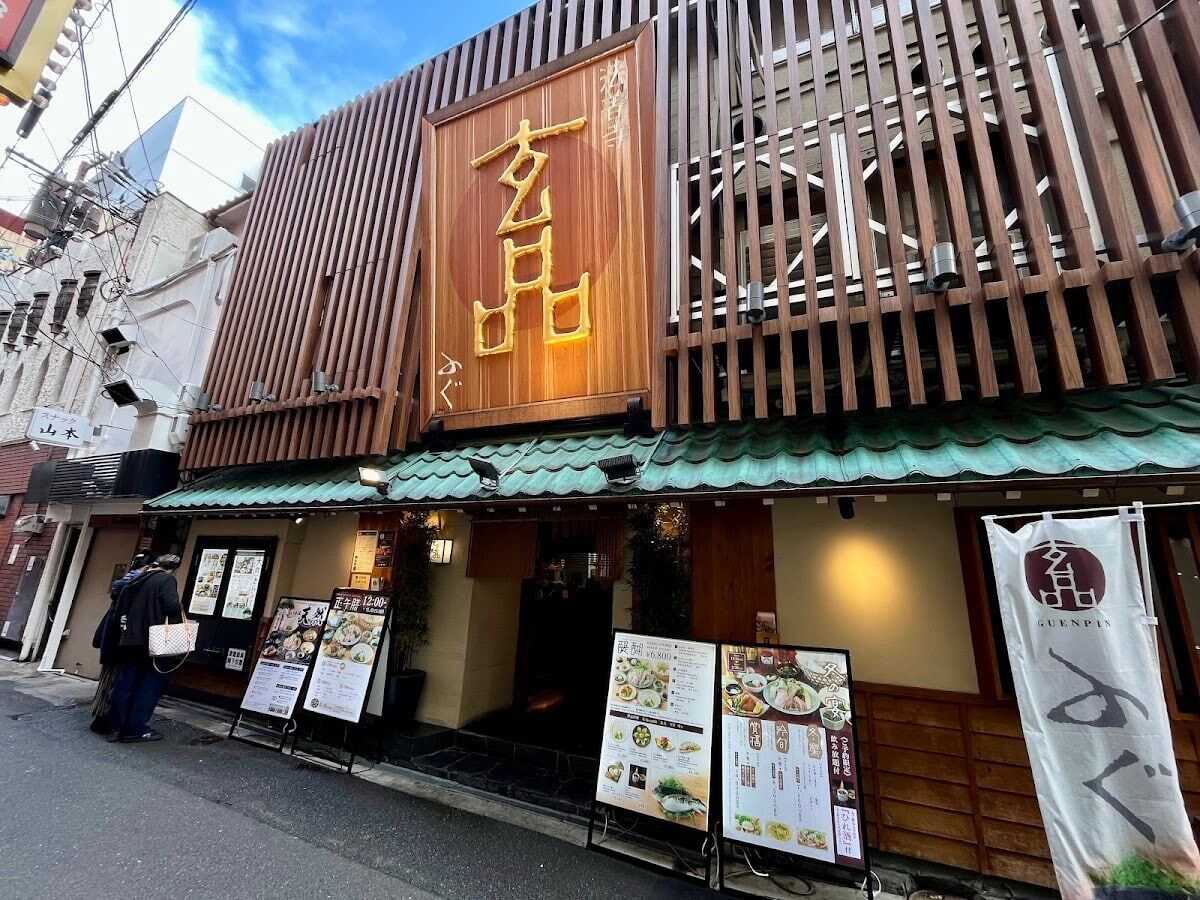
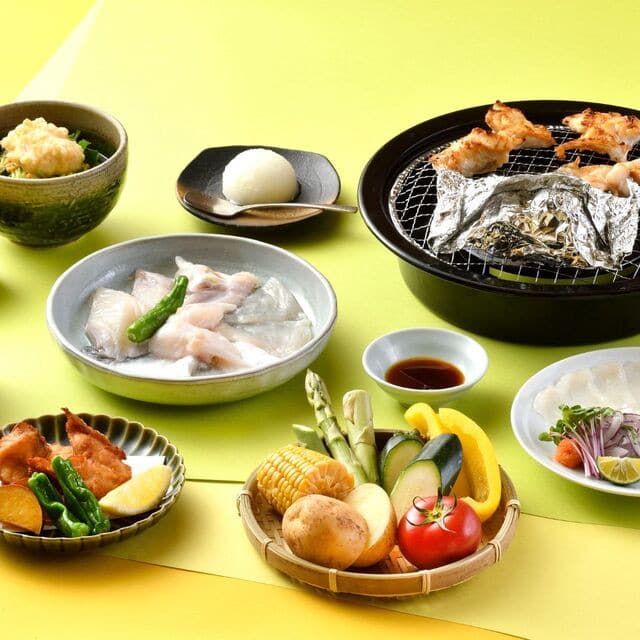
Genpin Fugu is a well-known Japanese fugu restaurant chain with its own fugu farming and exclusive detoxification technique. It offers full-course sets including sashimi, fugu hot pot (tecchiri) and fried fugu, priced at about ¥5,000 to ¥10,000. The fugu is sweet and springy, the sashimi is sliced thin and arranged in a chrysanthemum shape, and the hot pot broth concentrates the flavor as it simmers, ideal for sharing. It is one of the representative choices for experiencing Osaka’s upscale Japanese cuisine.
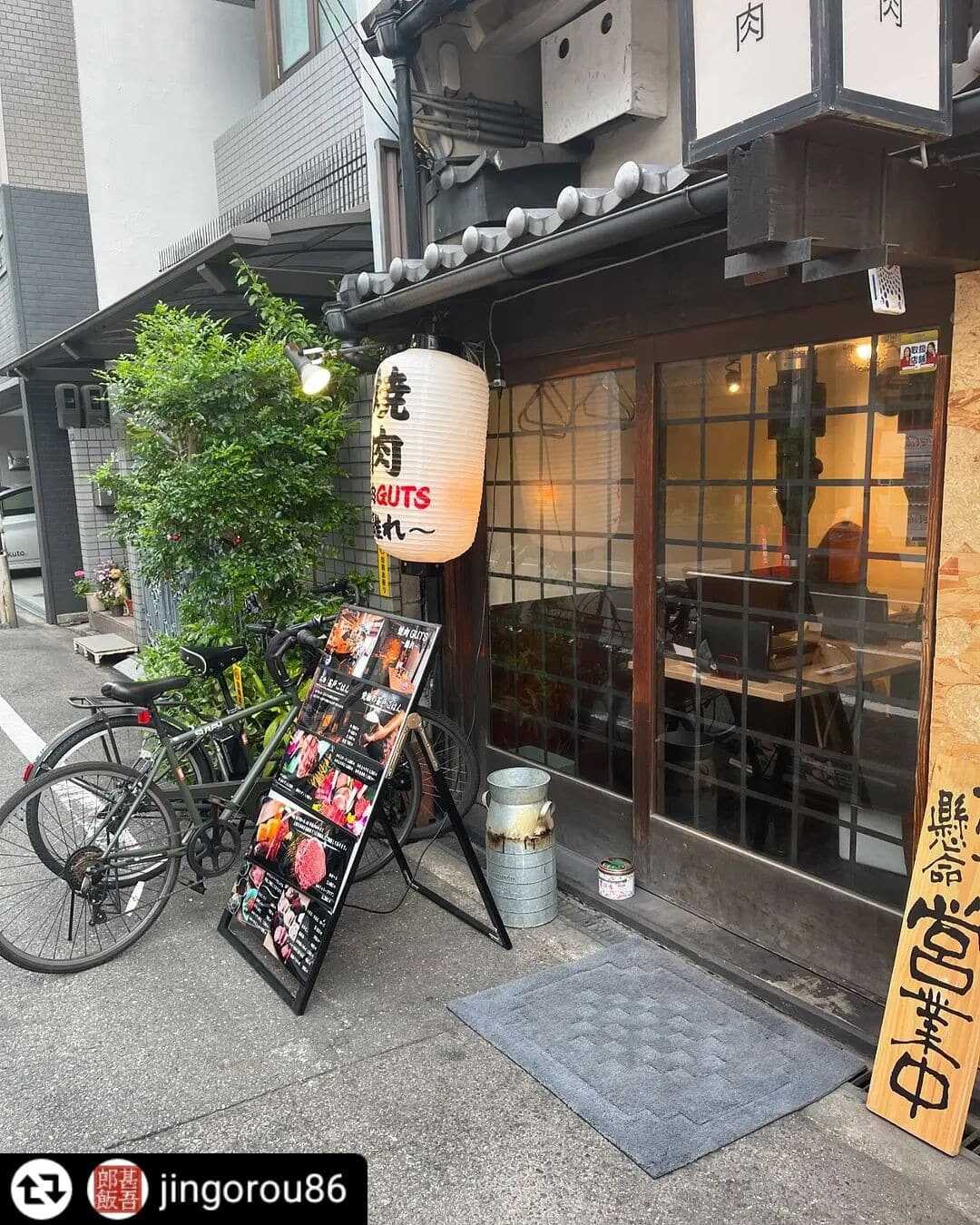
Old Farmhouse Atmosphere Yakiniku: Yakiniku GUTS Hanare
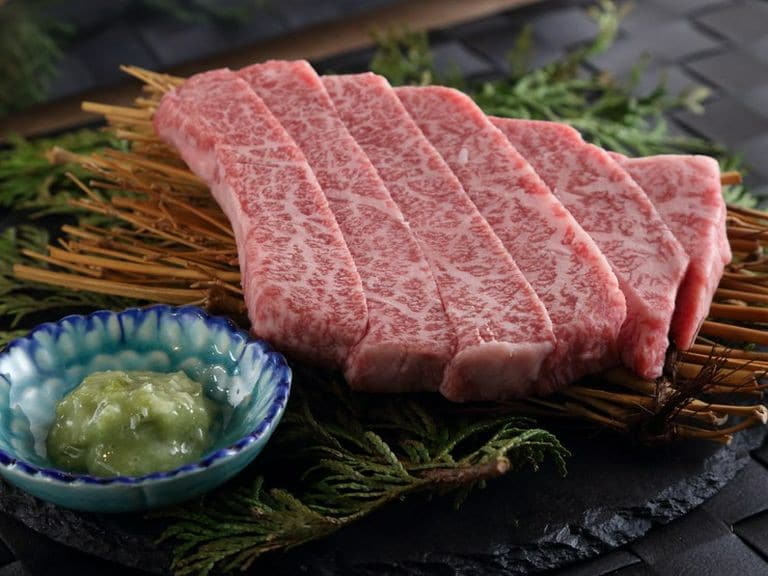
Yakiniku GUTS Hanare (離れ) is about a 2-minute walk from Exit 3 of Tanimachi 6-chome Station. The interior has an old farmhouse atmosphere, spread over the 1st floor and the basement. Its signatures are the “four types of wagyu of the day” platter and kamameshi cooked over a wood-fired stove. It suits group meals, and we recommend booking ahead (restaurant phone 06-6764-7729).
Restaurant Pick: Tenmabashi “Fujikawa” Kappo Cuisine
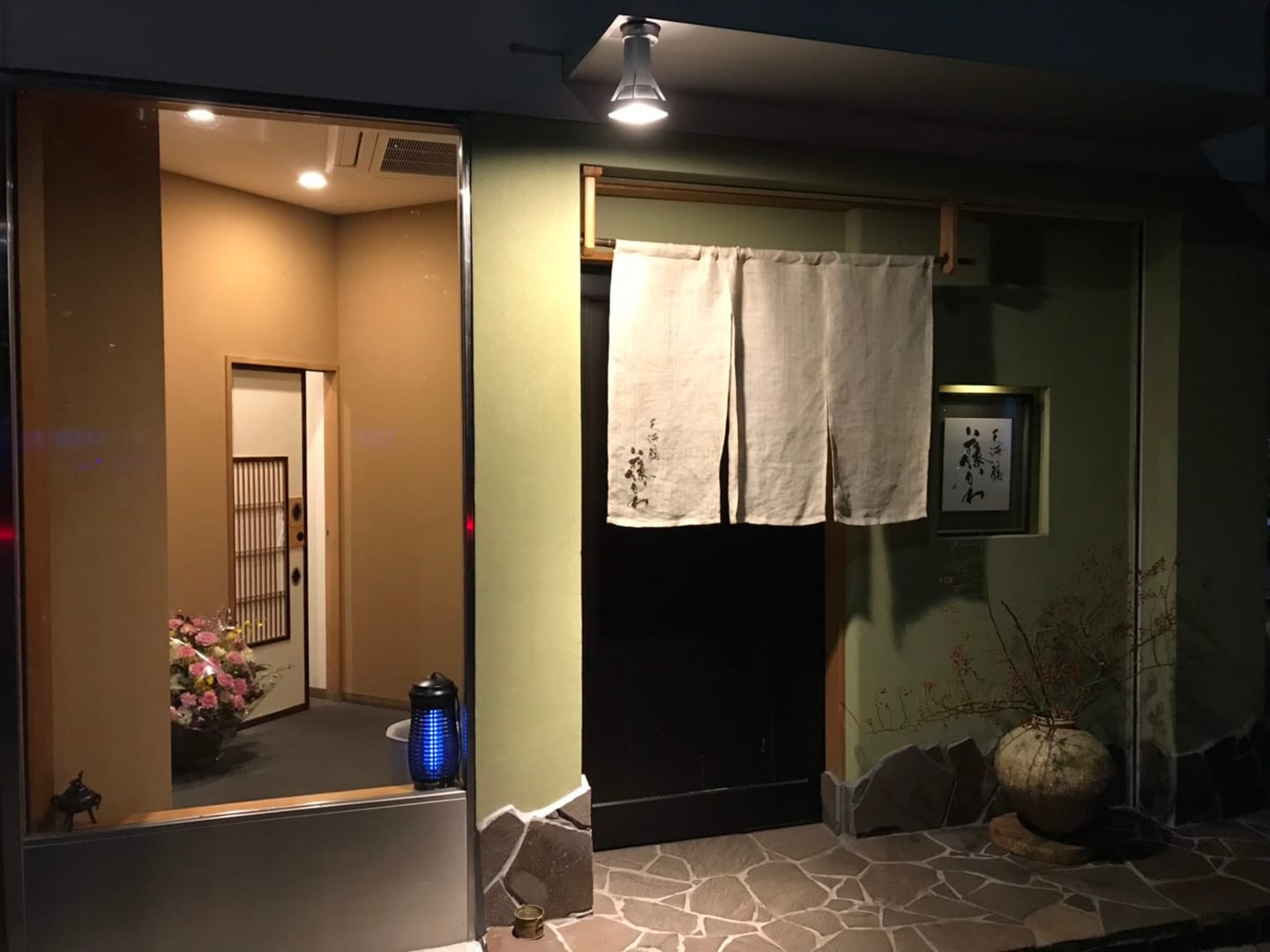
Tenmabashi Fujikawa, in Tenma, Kita Ward, is a Japanese cuisine and tempura restaurant listed in the Michelin Guide. Its Yoshino cedar counter seating in a tatami room has a distinctive character, and in the middle of the kaiseki meal tempura is fried fresh one piece at a time. Lunch opens with hassun, while dinner adds dishes and focuses on the ingredients.
We recommend booking in advance. It suits travelers who value refined Japanese dining and want to get away from tourist crowds.
Restaurant Pick: Imperial Hotel Osaka “Ginza Kyubey” Edomae Sushi
Ginza Kyubey, founded in 1935, is a famous sushi restaurant in Tokyo’s Ginza. Its Osaka branch is on the 24th floor of Imperial Hotel Osaka and serves Edomae nigiri sushi. Imperial Hotel Osaka is in Tenmabashi, about a 5-minute walk from the west exit of JR Sakuranomiya Station.
We recommend booking in advance through the hotel reservation system or by phone. It is a rare chance to experience the craft of Edomae sushi.
Street Food and Markets: Casual Eats Around the Park
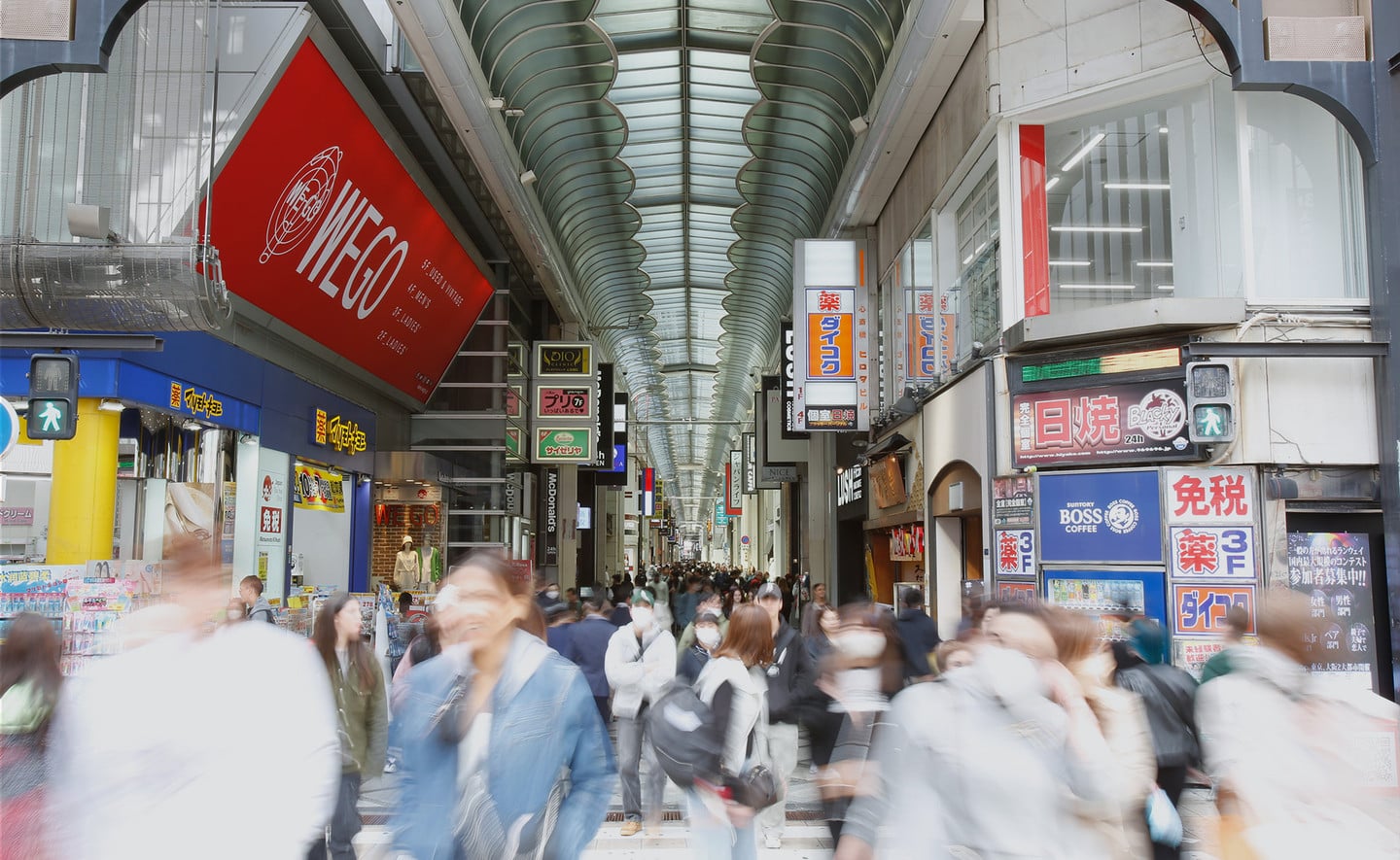
Around Osaka Castle Park there are also food malls, seasonal yatai villages and affordable local eateries, suitable for a relaxed, informal day of eating as you walk.
A Tour of the Food Mall: JO-TERRACE OSAKA
JO-TERRACE OSAKA is right next to JR Osakajo-koen Station and is the largest dining and shopping facility in the park, with about 23 shops, from the pancake favorite “gram” and the wagyu burger “55+” to the grill terrace “good spoon” and Italian restaurant “NATURA”. Opening hours vary by shop.
After exploring Osaka Castle Park you can walk straight over, satisfying many different tastes at once, which makes it the easiest dining choice for families or larger groups.
Seasonal Yatai Village: Osaka Castle Park Hanami and Summer Cooling Gourmet Villages
Every cherry blossom season and summer, Osaka Castle Park hosts the “Spring Gourmet Village” (春のグルメ村) and “Summer Cooling Gourmet Village” (納涼グルメ村) yatai events in the south castle area (between the South Outer Moat and Chuo-dori) and around Morinomiya Plaza, bringing together classic Japanese festival snacks such as takoyaki, kushikatsu, castella and fried potatoes.
Most yatai are open seasonally. During the cherry blossom season you often also find craft beer and hanami-themed menus. We recommend checking official event announcements for opening dates. The evening is the busiest and liveliest time.
Morinomiya Budget Food Alleys: Kyo-ro-chan Yakiniku and Nearby Eateries
The area around Morinomiya Station is a budget food neighborhood well known to locals. The charcoal yakiniku shop “Kyo-ro-chan” is a familiar local charcoal yakiniku place, and there are also options such as a curry udon specialty shop.
Because few tourists come, prices are much more reasonable than around Dotonbori. It suits travelers who want everyday local food without the crowds, and it is about a 10-15 minute walk from Osaka Castle Park.
How Much Does It Cost to Visit Osaka Castle? Tickets, Tours and Experiences at a Glance
Osaka Castle is not just a main keep but a huge historical area that includes Nishinomaru Garden, Osaka Castle Park and Toyokuni Shrine, so the ticketing is layered, and depending on whether you want a guide, a kimono experience or a boat ride, prices can range from a few hundred yen to over ten thousand yen. Below are several common ways to visit and tour combinations, so first-time planners can quickly grasp the budget.
Osaka Castle Main Keep Admission: The Basic Ticket for Rising Above the City Skyline
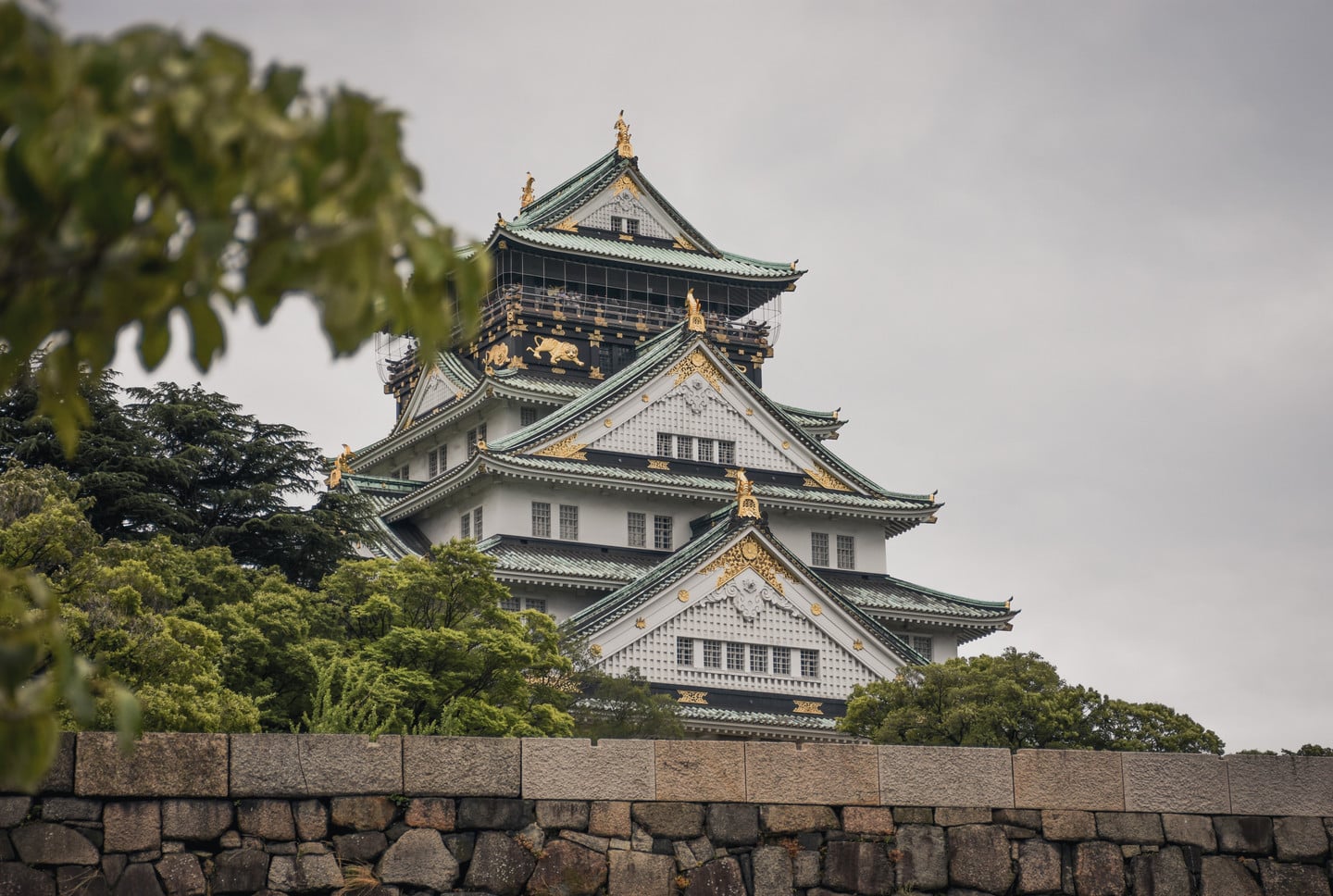
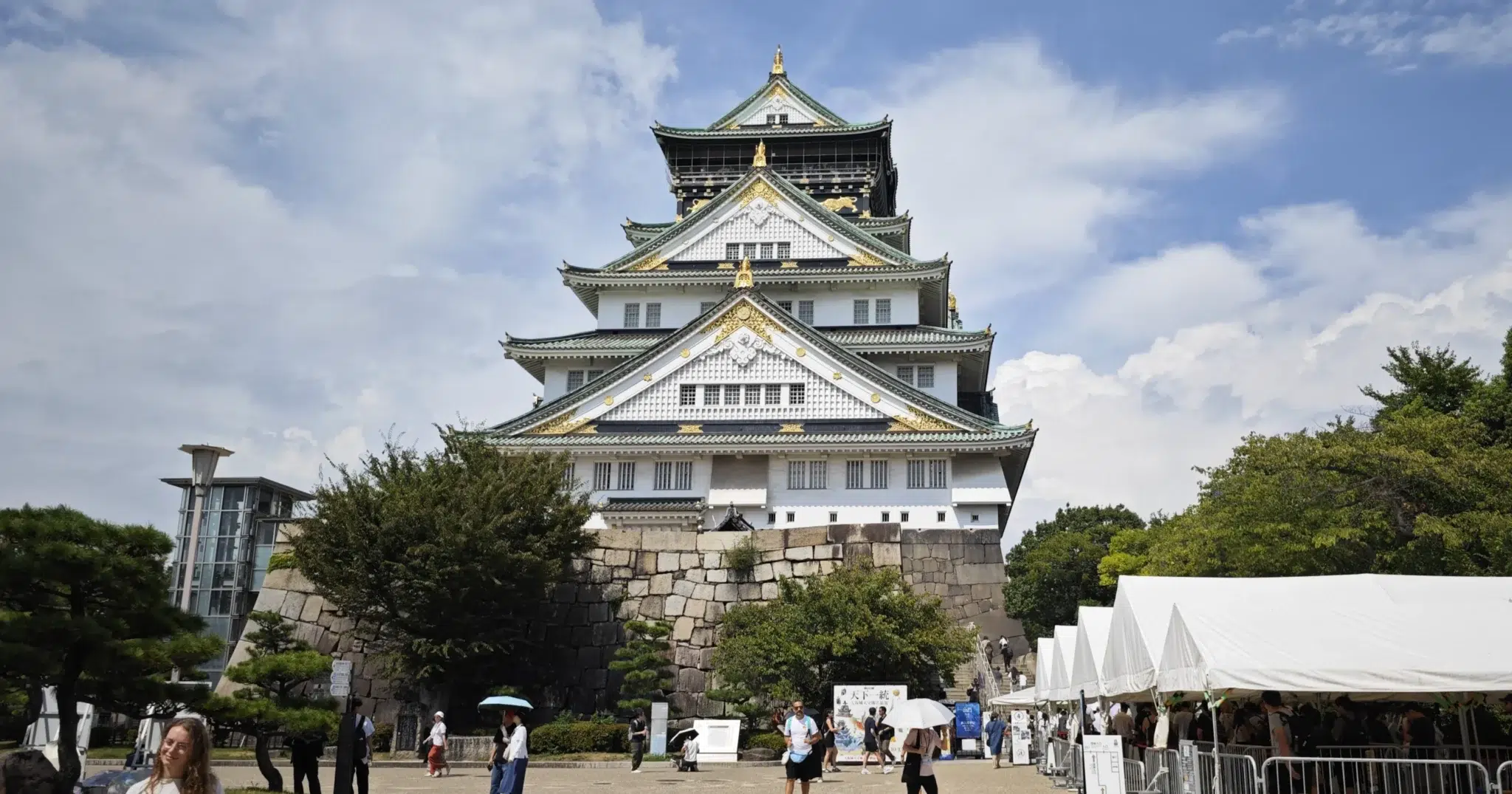
The Osaka Castle main keep is the core attraction. Adult admission is ¥1,200 (¥600 for high school and university students, free for junior high students and younger), open 09:00-18:00 (last entry 17:30), closed December 28 to January 1. Floors 1-7 are a history museum and floor 8 is a 360-degree observation deck with views across the city.
The Osaka Amazing Pass gives free entry and includes subways and many attractions, suiting a one- or two-day trip.
The main keep was rebuilt in 1931 and its exterior imitates Toyotomi and Tokugawa styles. The sunsets here are distinctive, making it a popular photo spot.
Nishinomaru Garden Night Cherry Blossom Ticket: A Romantic Spring-Only Add-On
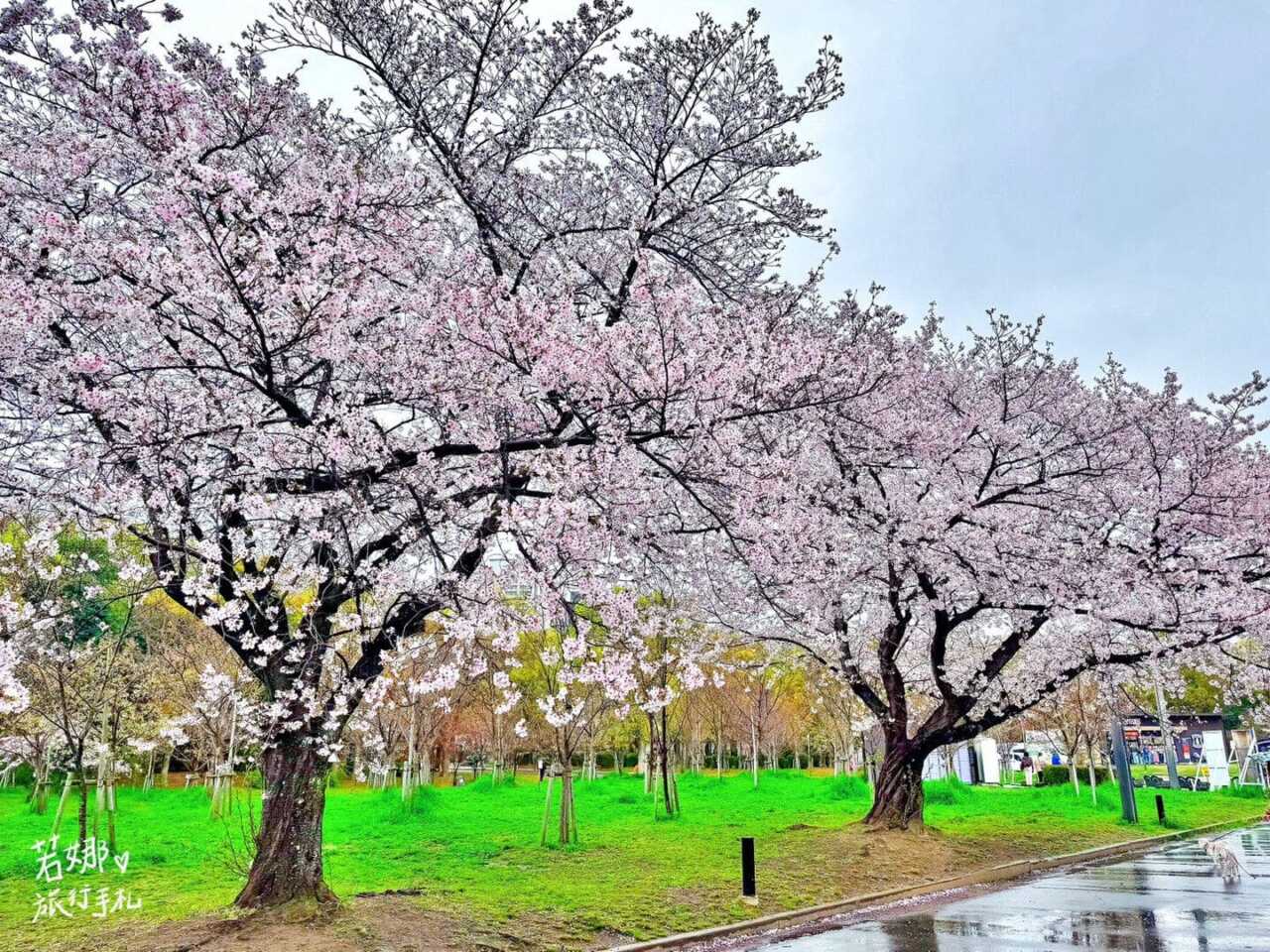
Adult admission to Osaka Castle Nishinomaru Garden is ¥200 (closed Mondays). During the “Osaka Castle Nishinomaru Garden Night Cherry Blossoms” event in late March to early April each year, admission is ¥350 for high school students and above, open until 9 p.m. (last entry 20:30). The garden has about 300 cherry trees, and together with the night lighting of the main keep it is a popular cherry blossom spot.
The night blossom season is crowded, so you can buy e-tickets in advance on KKday or Klook to save time buying tickets on site. During the day it is also a good place to bring a picnic mat, as the lawn is open for sitting, and it is a popular weekend outing for Osaka locals.
Osaka Castle Gozabune (Boat Ride): A Unique View of the Castle from the Moat
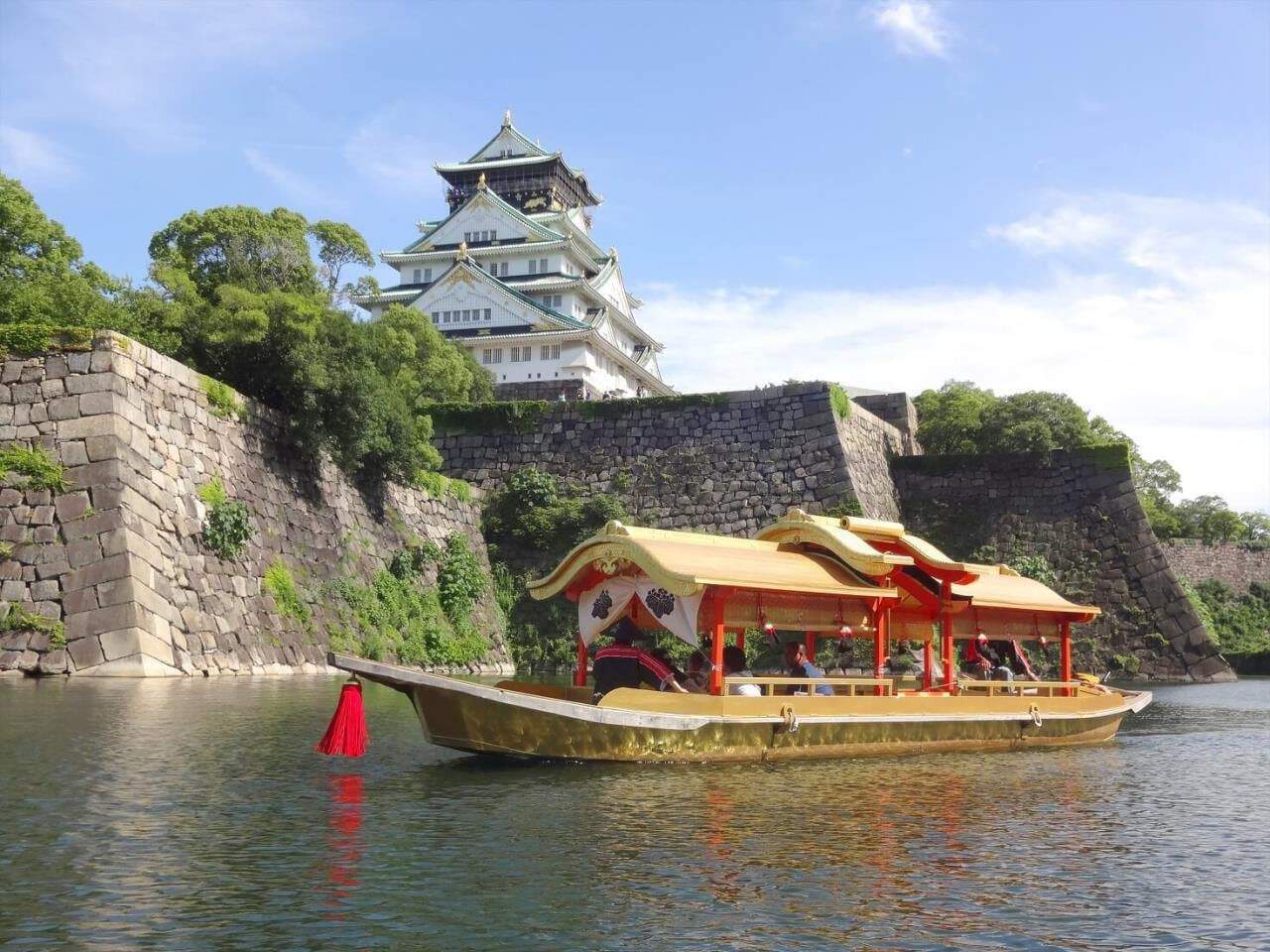
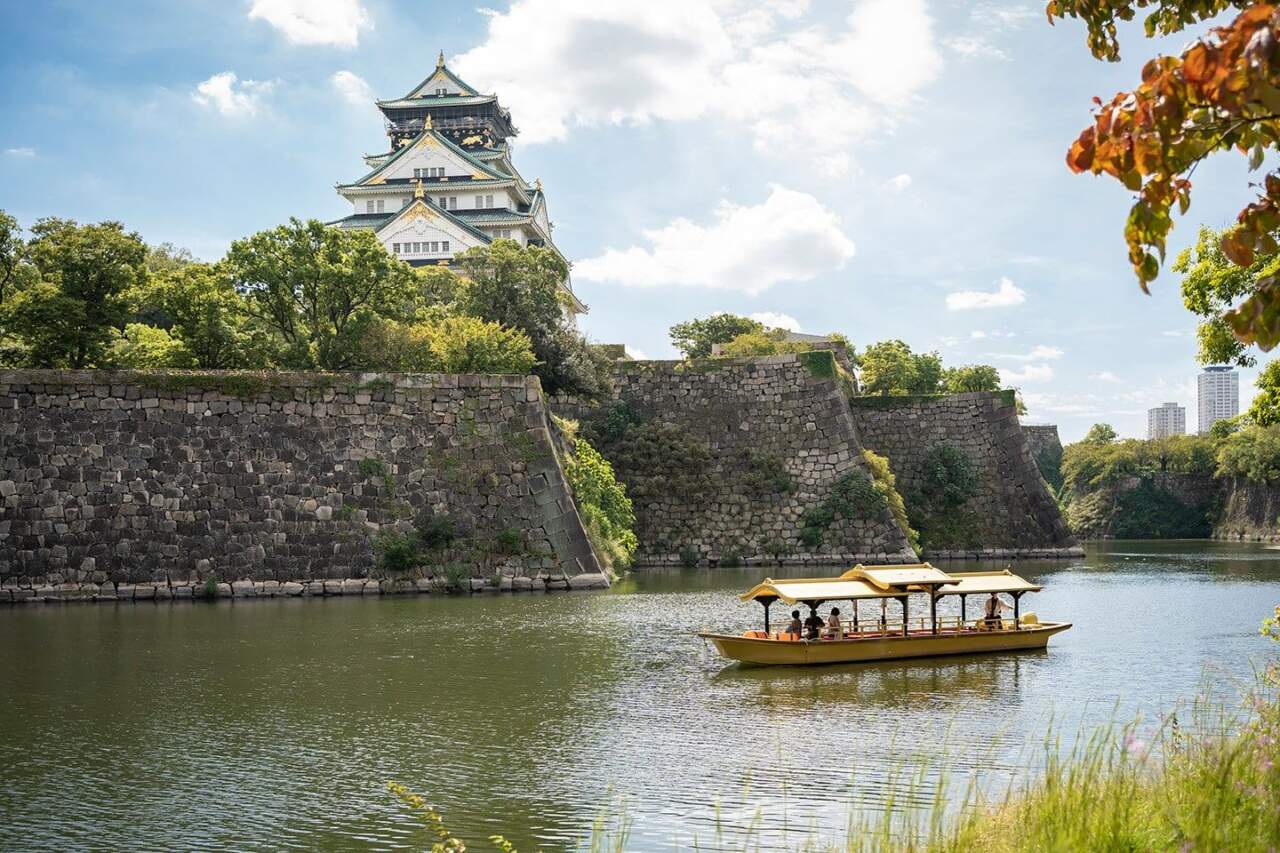
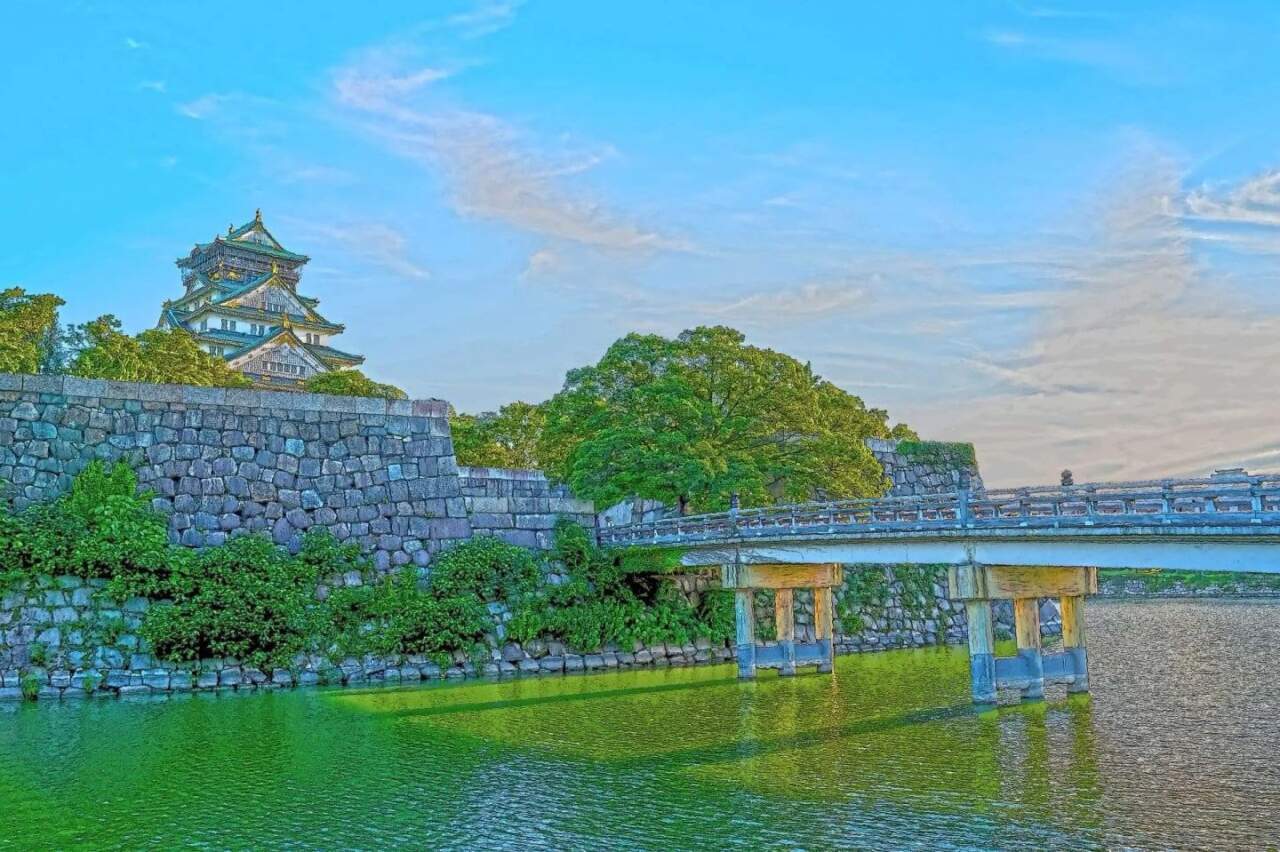
The Osaka Castle Gozabune is modeled on Toyotomi Hideyoshi’s royal boat and sails in the castle’s inner moat. Adult (age 16 and over) tickets are ¥1,800, and the ride takes about 20 minutes around the inner moat. It may be suspended in bad weather, so please check in advance. It runs from 10:00 to 16:30 (last departure), with a departure about every 10 to 15 minutes.
There are no stairs to climb on this boat ride, and from the water you can see the main keep and the grand stone walls on the east side of the main enclosure, built of huge stones more than 20 meters high, from a unique viewpoint. The ticket office is the boarding ticket sales point on the north side of the main keep, west of Gokuraku Bridge.
Osaka Castle Park In-Depth Guided Tour: A Local Japanese-Speaking Guide Helps You Understand the Historical Details
To learn more about Osaka Castle’s history, you can join an “Osaka Castle Park walking tour” or “Osaka history walk” on KKday or Klook. They are usually led by a Chinese or English-speaking guide, last 2-3 hours, and cover spots such as Otemon Gate, Senganyagura Turret, Toyokuni Shrine and the Engraved Stones Plaza. Prices are about ¥2,000-4,000, and some include main keep admission. Guides explain the history of Toyotomi Hideyoshi building the castle, the Summer Siege of Osaka and the Tokugawa shogunate’s reconstruction. These tours are best booked for groups of 2-3 or as a private group, reserved 3-7 days ahead, and we recommend a morning session to avoid crowds and heat.

Where to Stay Nearby
If you want to fit Osaka Castle and nearby food into the same day, choose accommodation around Osaka Castle Park. Hotel New Otani Osaka is next to Osaka Castle Park, about a 3-minute walk from Osakajo-koen Station on the JR Osaka Loop Line and Osaka Business Park Station on the Osaka Metro, and about 8 minutes on foot from Kyobashi Station. Its top floors have a teppanyaki restaurant and a French restaurant.

Osaka Castle Food and Transportation FAQ
Q: How much is admission to the Osaka Castle main keep?
Adult admission is ¥1,200, ¥600 for high school and university students, and free for junior high students and younger. It is open 9:00 to 18:00 (last entry 17:30).
Q: How long does it take to get to Osaka Castle by subway from Namba?
From Namba on the Osaka Metro you need to transfer, and it takes about 17 minutes to reach Tanimachi 4-chome Station, then about an 8-minute walk from the exit to Osaka Castle Park, about 25 minutes in total.
Q: What time does Osaka Castle Park open?
Osaka Castle Park is open 24 hours all year with free entry, while the main keep is open 9:00 to 18:00 (last entry 17:30) and closed December 28 to January 1.
Q: When is the best time to see cherry blossoms at Osaka Castle?
The cherry blossoms in Nishinomaru Garden bloom around late March to early April, making it a Kansai cherry blossom spot. We recommend going on a weekday morning to avoid crowds.
Q: Is the Osaka Amazing Pass worth buying?
The 1-day pass at ¥3,500 includes free entry to about 40 attractions including the main keep, plus subway rides. If your attraction tickets and transport for the day add up to more than ¥3,500, the pass is better value.
Q: Can you double-dip the sauce at Daruma Kushikatsu?
No. The shop rule is that each skewer may be dipped in the sauce only once. For a second bite, use cabbage to scoop up the remaining sauce instead. This is a shared etiquette at Osaka kushikatsu shops.
Q: Is the Osaka Castle Gozabune suspended in bad weather?
Yes, it may be suspended in bad weather (operating hours 10:00 to 16:30, last departure), so we recommend checking the official operating announcement for the day before you set out.