
Kyoto Tower Guide: A 131-Meter Landmark Right Across from Kyoto Station
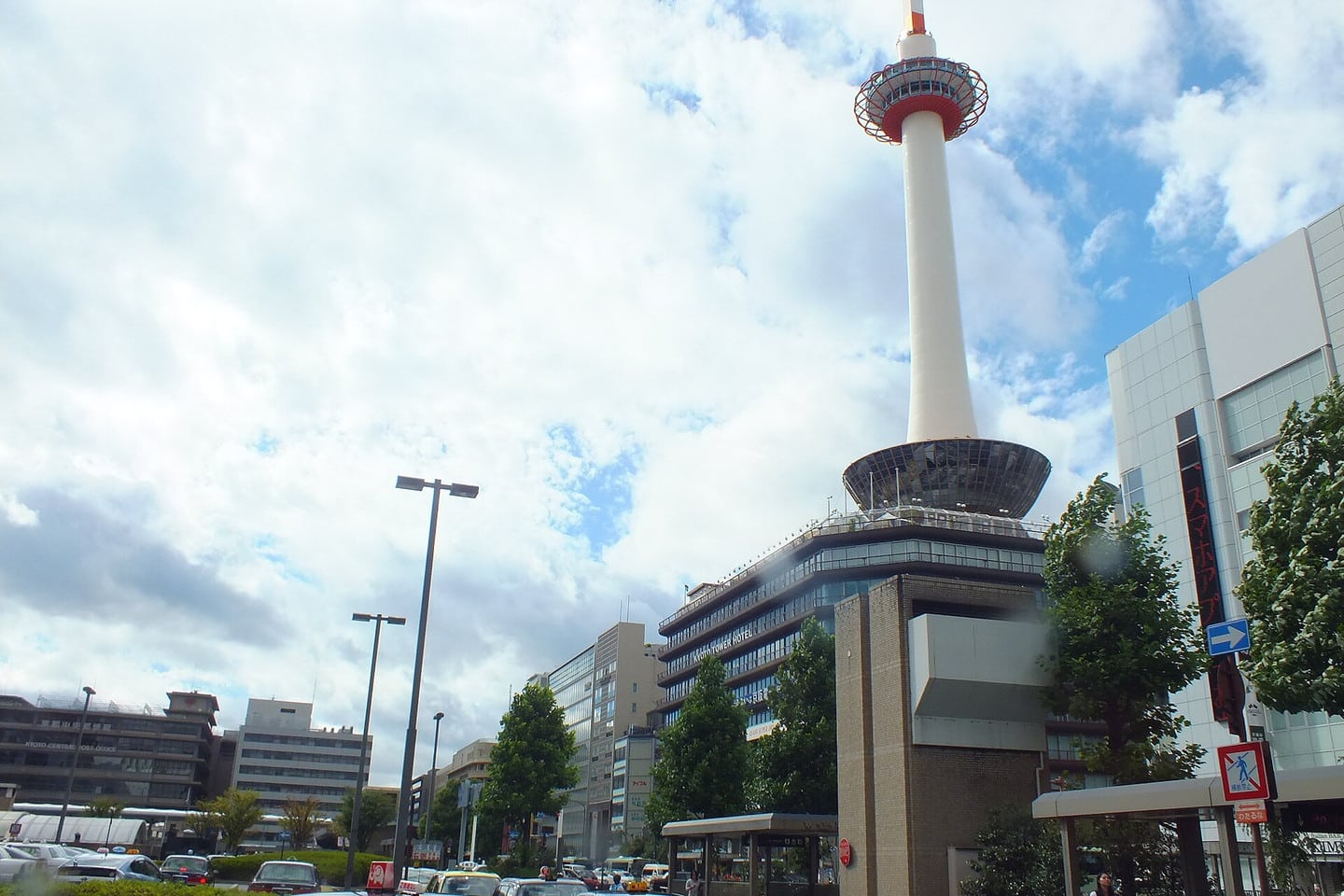
Kyoto Tower is the tallest building in Kyoto city, right across from JR Kyoto Station, about a 2-minute walk from the exit.
It is a complex combining an observation deck, a hotel and a shopping mall, and works well as the first or last stop of a Kyoto trip: go up in the daytime to get your bearings on the landmarks, come back in the evening for the night view, and use the time in between to shop for souvenirs in the mall at the base. Whether you are a first-time visitor who wants to get oriented quickly, or a traveler passing through with big luggage and only half a day to spare, you can easily fill your time here. We recommend going up around sunset to catch both the sunset and the night view in one visit.
Kyoto Tower Observation Deck: A 360-Degree View of the Old Capital from 100 Meters
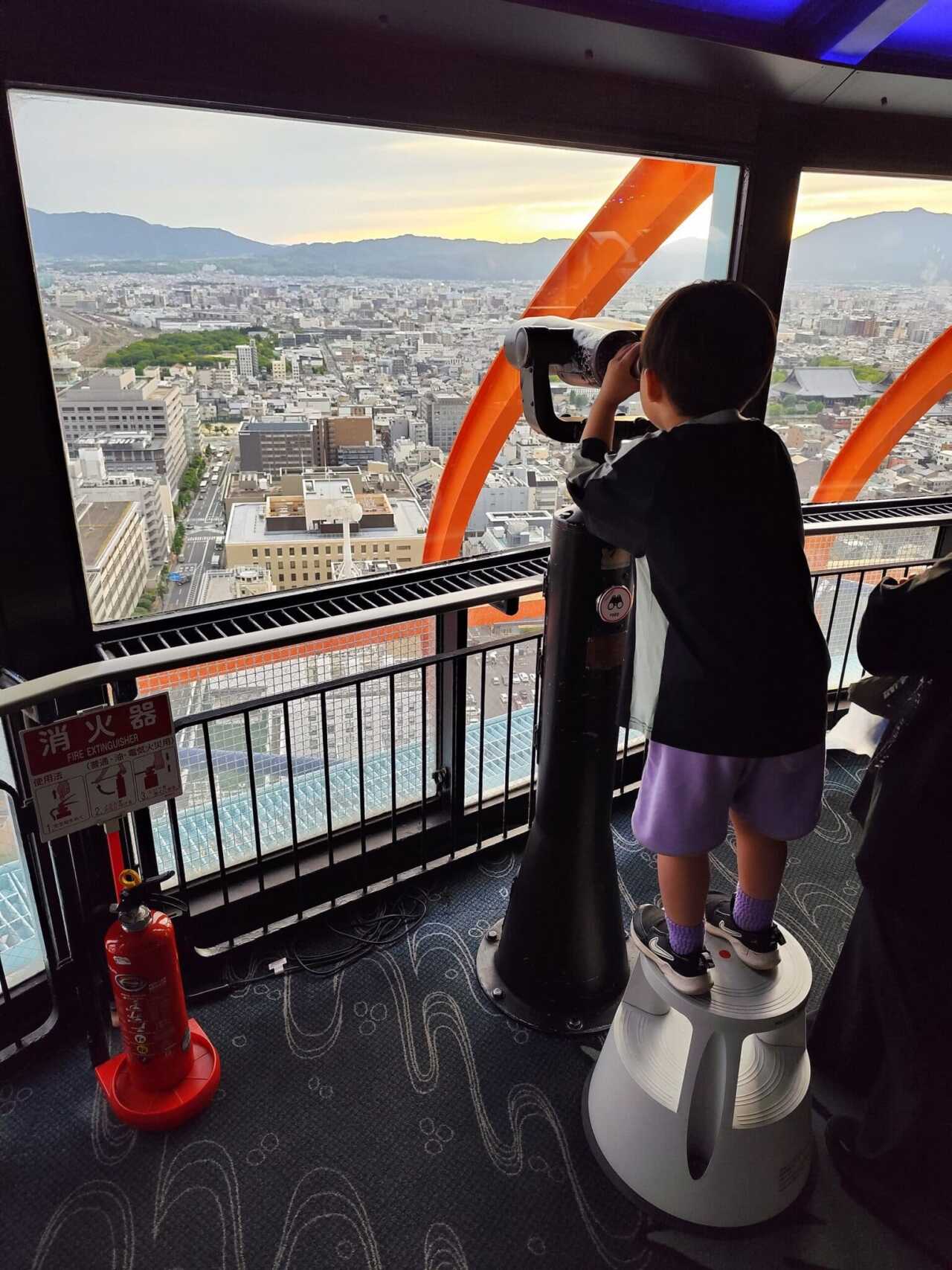
The Kyoto Tower observation deck is 100 meters above the ground and offers the most unobstructed view in Kyoto city. Because Kyoto has strict building height limits, there are almost no other tall buildings around to block the view. To the east you can see Kiyomizu-dera and the Higashiyama mountain range, and to the south you can spot the outline of the five-story pagoda of To-ji.
The deck is circular and takes about ten minutes to walk around. There are several free high-magnification telescopes and touchscreen guides, where a light tap shows the history of the landmark in front of you. Most visitors find 1 to 1.5 hours the most relaxed length of stay.

KYOTO TOWER SANDO: A Mall at the Base for Eating, Drinking, Shopping and Play
The basement level to the 2nd floor of the Kyoto Tower base building is the KYOTO TOWER SANDO complex, organized into three levels: food (B1), souvenirs (1F) and experiences (2F). It connects directly to Kyoto Station through an underground passage, so you do not get wet on rainy days.
The B1 food hall has about 450 seats and lets you order across shops; 1F gathers top Kyoto names such as Tsujiri and Kitayama Cha no Ka; on 2F you can sign up for paid hands-on classes such as making wagashi, the most convenient place to pass time after leaving your luggage.
Kyoto Tower Night View: The Golden 90 Minutes from Sunset to Illumination
The most enchanting time at Kyoto Tower is from half an hour before sunset to an hour after dark. As the sky turns from deep blue to purple-red, you can capture the afterglow of the sunset and the city lights gradually coming on together, a scene many photographers queue up for.
After dark, Kyoto Tower itself is lit up, usually in white and changing colors with the seasons and for charity campaigns. To photograph the tower itself, the grand staircase at the station and the station forecourt are both free and have excellent views.
Sunset comes earlier in winter, so you can catch the night view in the early evening.
How to Get to Kyoto Tower: Transport Options and the Shortest Walking Route
Leave JR Kyoto Station through the Karasuma Central Exit and cross the road, and you reach Kyoto Tower in about 2 minutes on foot.
| Transport | Station / Exit | Walking time |
|---|---|---|
| JR / Shinkansen / Kintetsu | Kyoto Station, Karasuma Central Exit | About 2 minutes |
| Karasuma Subway Line | Kyoto Station, Exit K11 | About 2 minutes (direct underground) |
| Kyoto City Bus | “Kyoto Station” stop | About 2 minutes |
| Taxi | In front of the Kyoto Tower building | 0 minutes |
How to Get to Kyoto Tower: Transport Options at a Glance
Kyoto Tower is right across from JR Kyoto Station and is one of the easiest sights to find in Kyoto. If you arrive by JR, Shinkansen or Kintetsu, leave through the Karasuma Central Exit (north exit) and cross the road, about 2 minutes. If you take the Kyoto Municipal Subway Karasuma Line, take Exit K11 and go through the underground passage straight to the basement of the Kyoto Tower building, with no umbrella needed in the rain. For Kyoto City Buses, most routes (such as Nos. 4, 5, 9, 26, 28, 205, 206 and 208) stop at “Kyoto Station,” and you cross the road after getting off.


![[Transport Ticket] Kyoto - Osaka Sightseeing 1-Day / 2-Day Pass](https://res.klook.com/images/w_300,h_300,c_fill,q_75/w_80,x_15,y_15,g_south_west,l_Klook_water_br_trans_yhcmh3/activities/nfvdy9glv3pjnadlduur/【交通票券】京都-大阪觀光一日券/二日券-Klook.jpg)
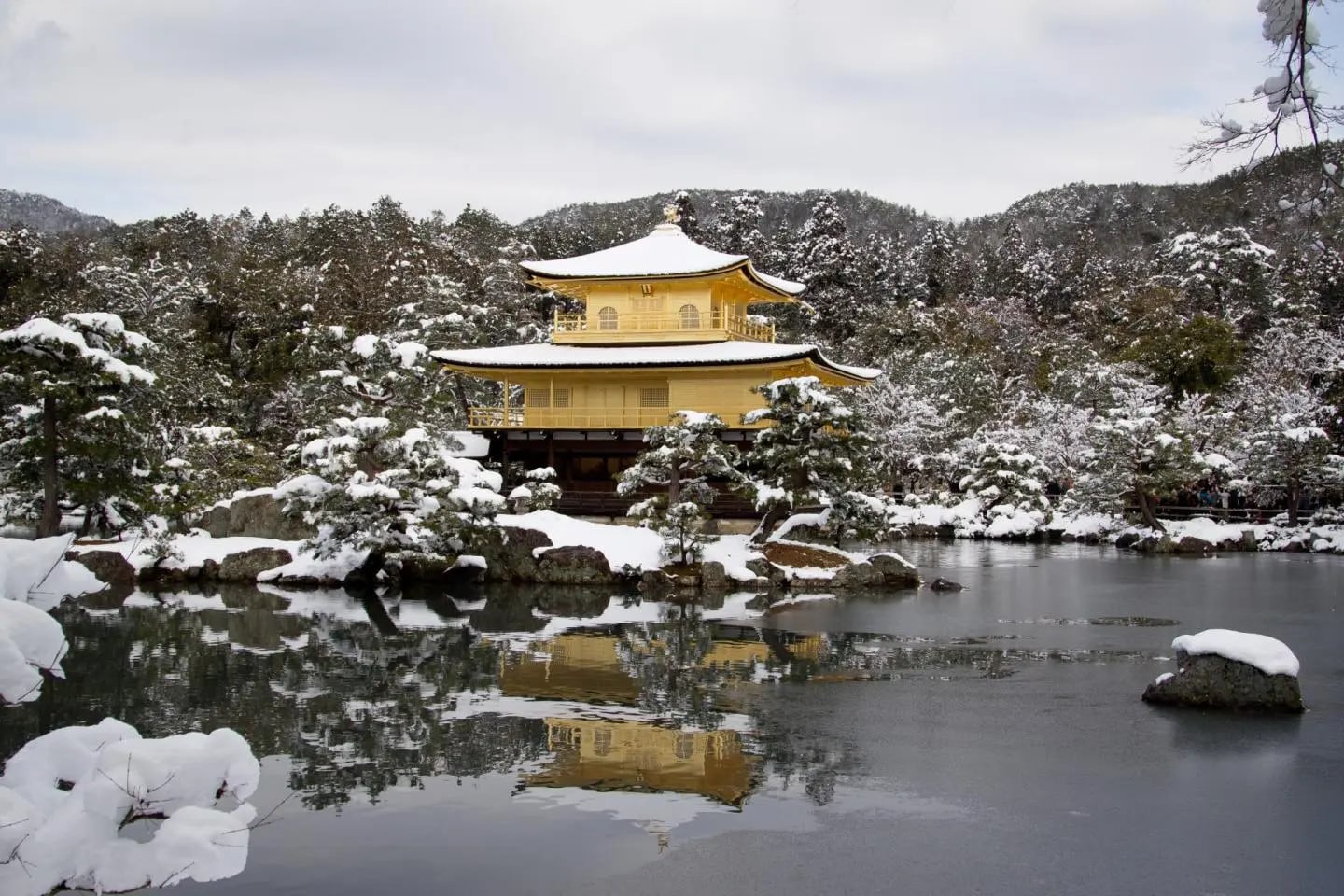
What Are Kyoto Tower’s Must-See Sights? The Observation Deck, SANDO and Nearby Highlights
Kyoto Tower’s highlights fall into three circles: the view from the tower, the mall at its base, and the old temples within walking distance of the station.
Nidec Kyoto Tower Observation Deck: Kyoto’s Only Unobstructed 360-Degree Panorama
The observation deck is 100 meters above the ground, and the ticket office is on the 1st floor of the Kyoto Tower building. After buying a ticket you take a dedicated elevator up. It is open 10:00 to 21:00, last entry 20:30, every day of the year (in case of temporary closures, follow the official website announcement).
The circular space takes in the whole Kyoto basin, and on a clear day you can see the Osaka skyscrapers in the distance. Free telescopes and touchscreen guides make it easy to find Kiyomizu-dera, the five-story pagoda of To-ji and Chion-in. We suggest staying 1 to 1.5 hours.
Sky Lounge “Kuu” -KUU-: A Glass-Walled Night View Bar 45 Meters Up
“Kuu” -KUU-, on the 3rd floor of the Kyoto Tower building about 45 meters above the ground, is a 360-degree glass-walled lounge and bar where you can sit down with a cocktail or a matcha dessert and watch the night view, in a more relaxed atmosphere than the observation deck.
Seating is limited and the early evening is the busiest time, so if you want a window seat, go up early to claim one. It is also a popular finale for couples; please check the official website for opening hours and menu.
Because it is lower than the observation deck, it is better for pressing your camera against the glass to shoot the sea of city lights, and one drink gets you a seat to enjoy the night view slowly.
Kyoto Tower Night Illumination: The Secrets of White Candlelight and Charity Colors
After dark, Kyoto Tower is lit in white as its base color, symbolizing “a beacon lighting the thousand-year-old capital,” and on certain dates it changes to red, pink, green, purple and other colors to match different causes.
On the 16th of each month, Kyoto’s “DO YOU KYOTO?” eco day, the tower is not lit; the official side accepts paid lighting color requests (with different prices for individuals, groups and companies), and the actual lighting calendar follows the official website announcement.
We suggest first photographing the lit tower from outside, at the station plaza or the grand staircase, and then going up to enjoy the city’s night view, collecting two different angles in one trip.
Kyoto Station Grand Staircase and Skyway: The Best Free Spots for Photographing Kyoto Tower
To frame the whole of Kyoto Tower, the best free spots are the giant steel-framed grand staircase of the Kyoto Station building and the Skyway on the 10th floor. Through the glass curtain wall and steel beams, the white tower blends with modern geometric structures, creating a very sci-fi picture.
The grand staircase has a light show in winter, and the Skyway lets you walk all the way to the other end of the station. Both are free to enter, with opening hours following the Kyoto Station building announcement, and they are the best places to spend time while waiting for a train.
Kyoto Station Plaza: A Low-Angle Night Shot of the Water Show Together with Kyoto Tower
The plaza in front of the Karasuma Central Exit of Kyoto Station has a fountain, with a light show at night, and is one of the few spots where you can fit all of Kyoto Tower in the frame. Lower the camera close to the water and use a wide-angle lens to capture the leaping water jets and the lit tower together.
The crowd here moves quickly, so you can get a clear shot without a long wait, and it is completely free.
Right beside the plaza are the bus terminal and the taxi stand, so after shooting you can go straight to your next stop.
KYOTO TOWER SANDO B1 Food Hall: Eating Across Shops with 450 Seats
The Food Hall on the basement level is a food court with shared seating and cross-shop ordering, with about 450 seats. Sake from Fushimi breweries, conveyor-belt sushi from Daiki Suisan, yakiniku from Kyo no Yakiniku-dokoro Hiro, and Nishiki Market-style snacks can all be enjoyed at the same table.
The area also has SANDO Bar & Craft Beer, and drinks bought there can be taken straight to the food hall seats. It is open until late (about 23:00; follow on-site notices for actual hours), which makes it a very good closing dinner for a Kyoto trip.
KYOTO TOWER SANDO 1F Souvenir Market: One Stop for Kyoto Specialties
The 1st-floor market gathers brands representing Kyoto specialties. Tsujiri Tea House, a must for matcha fans, Kitayama Cha no Ka, Kuda-mono Ito-ken Cafe and famous yatsuhashi shops are all here, plus coffee and freshly made sweets to enjoy as you browse.
For travelers with limited time, the biggest value here is saving the time of rushing around the city to shop, so you can pick everything up across from the station before heading home. Please follow the official website for opening hours and tenants.
If you plan to buy all your souvenirs here, we suggest doing it at the end of your trip to avoid carrying heavy items all day; some shops offer tax-free service, so remember to have your passport ready at checkout.
KYOTO TOWER SANDO 2F Experience Workshops: Making Wagashi and Japanese Crafts
The 2nd floor is the experience level, where you can sign up for paid classes such as making traditional wagashi, Japanese dough-sculpting figures and painting fox masks, and kimono rental is also available at some times. Most classes take about 30 to 60 minutes and suit families and couples.
Popular time slots fill up easily, so we suggest checking class times on the official website and booking in advance; you can also sign up on site if there are spaces that day. Class content and fees change with the season, so please follow the official website announcement.
Because your creation needs time to set, allow time for waiting and packaging after the class when you sign up, and check whether it can be taken on a plane; if you bring small children, we also suggest choosing a painting class with simpler steps.
Tower Terrace: A Mostly Japanese Dining Option Inside the Tower
The Kyoto Tower building has a Tower Terrace dining floor focused on Japanese food, with a buffet-style choice at breakfast. It is the most convenient place to eat for guests of the Kyoto Tower Hotel, and non-guests can use it too.
Compared with the food hall downstairs, the seating here is roomy and the atmosphere quiet, suiting travelers with elders or those who want to sit down properly for a meal. Serving hours and dishes change with the season, so please follow the official website announcement.
For travelers catching an early Shinkansen or arriving in Kyoto late at night, the biggest advantage of dining in the tower is not having to move again; after eating you go downstairs and cross the road to the station, so it is easy to manage your time.
Kansai Tourist Information Center Kyoto: A Multilingual Support Station for Foreign Visitors
The Kyoto Tower building has the Kansai Tourist Information Center Kyoto, offering multilingual consultation, ticket purchases and itinerary advice, a rescue station when you suddenly want to add stops or are unsure about transport.
The center also helps with the exchange of some passes and event tickets. The building also has coin lockers and free Wi-Fi, so travelers with luggage can leave it first and then go up the tower; fees vary by locker size.
Tawawa-chan Shrine: Common in Older Guides, Check the Official Site for Current Status
Many older guides mention a small shrine inside the observation deck themed around the mascot “Tawawa-chan” (たわわちゃん), billed as the highest shrine in Kyoto and once a photo hotspot.
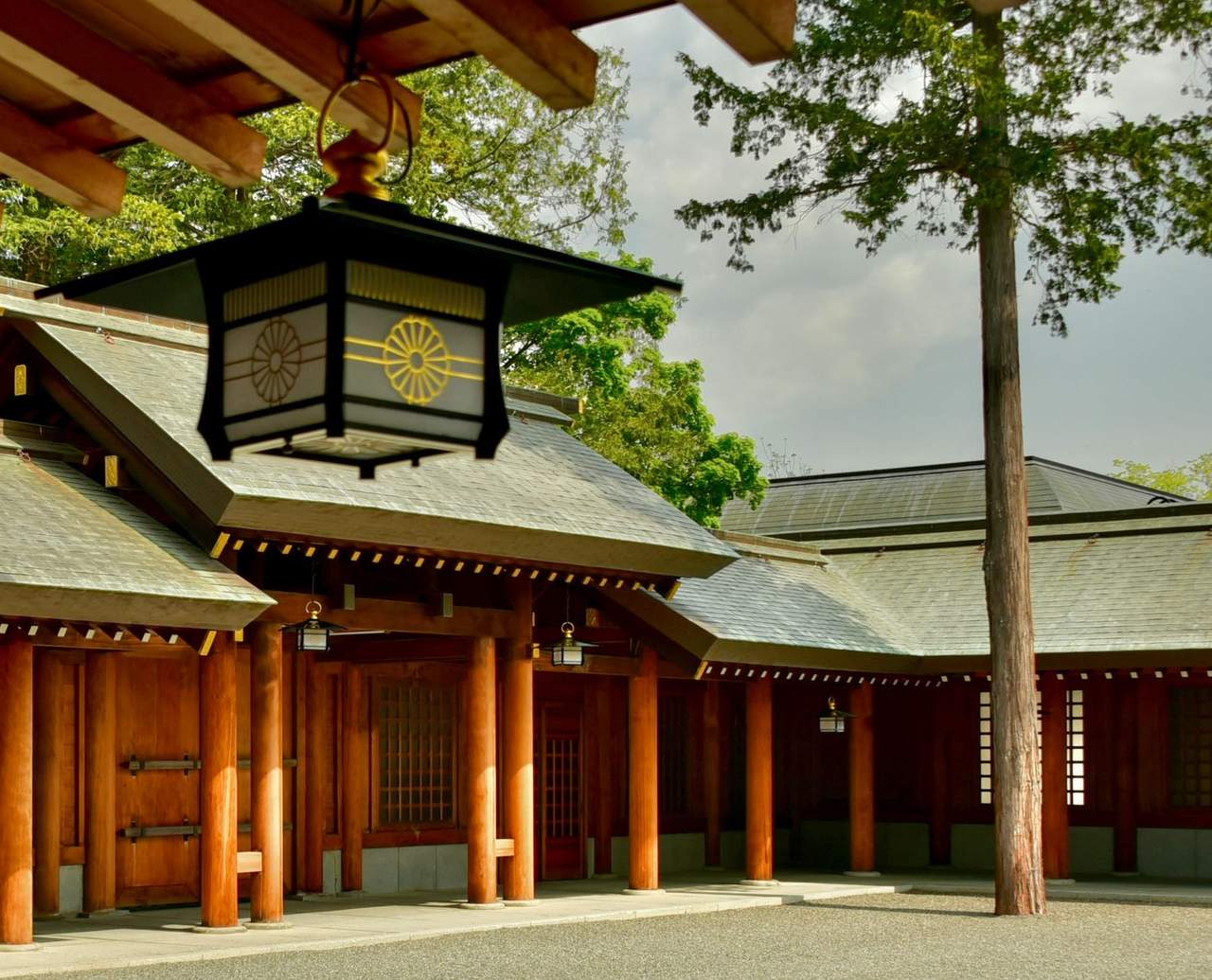
However, such limited-time collaboration projects change from time to time, and the current floor guide on the official website does not list this facility. Before you go, check what is currently on at the observation deck rather than following articles from several years ago. If you want to collect omamori and goshuin, we suggest going to Higashi Hongan-ji or To-ji, within walking distance.
Many guides online are also several years out of date; please always follow the official website for the public bath, ticket prices and floor layout.
Higashi Hongan-ji: A Huge Wooden Complex 5 Minutes on Foot Away
Walk north from the central exit of Kyoto Station for about 5 minutes to reach Higashi Hongan-ji. The Goei-do Hall is one of Japan’s finest wooden buildings, with a soaring interior and enormous eaves that are striking up close, and entry for worship is free.
The ginkgo trees in the grounds and around turn golden in autumn, a rare free autumn-foliage spot near the station. Opening times change with the season, roughly early morning to evening; please follow the official website announcement.
Because it lies directly north of the station, it suits a quick visit after check-out and before your train; the grounds have a rest area and restrooms, so travelers with luggage can stay comfortably.
Shosei-en: Higashi Hongan-ji’s Hidden Pond-Strolling Garden
Shosei-en is the villa garden of Higashi Hongan-ji, just a few minutes’ walk east of the temple, and is a pond-strolling garden. Walking by the pond you can see the Japanese garden framed together with Kyoto Tower in the distance, a dramatic contrast of old and new.
Because it is less famous than the Kiyomizu-dera area, it is relatively quiet even in peak season, and a loop takes about 40 minutes. Entry is by a garden maintenance donation (with a garden guide booklet); please follow the official website for the amount and opening hours.
The garden has several tea houses and pond bridges and pavilions, each season with a different look: cherry blossoms in spring, irises in early summer, red leaves in autumn. To photograph the garden with Kyoto Tower in the frame, we suggest going to the south bank of Ingetsu-chi Pond.
To-ji: Japan’s Tallest Surviving Wooden Five-Story Pagoda
To-ji is about a 15-minute walk from Kyoto Station and is a World Heritage Site. The five-story pagoda in its grounds is about 55 meters tall, the tallest surviving wooden pagoda in Japan and one of the most recognizable skylines in Kyoto.
During the cherry blossom season in spring and the maple season in autumn there are special night openings and illuminations, and the pagoda reflected in the pond is a Kyoto classic. The three-dimensional mandala of Buddha statues in the Kondo and Kodo halls is also worth a close look. Admission varies by period, so please follow the official website announcement.
On the 21st of each month, the “Kobo-ichi” flea market brings thousands of stalls into the grounds, with vintage clothes, antiques and street food. If the date happens to match, it is well worth building into your itinerary.
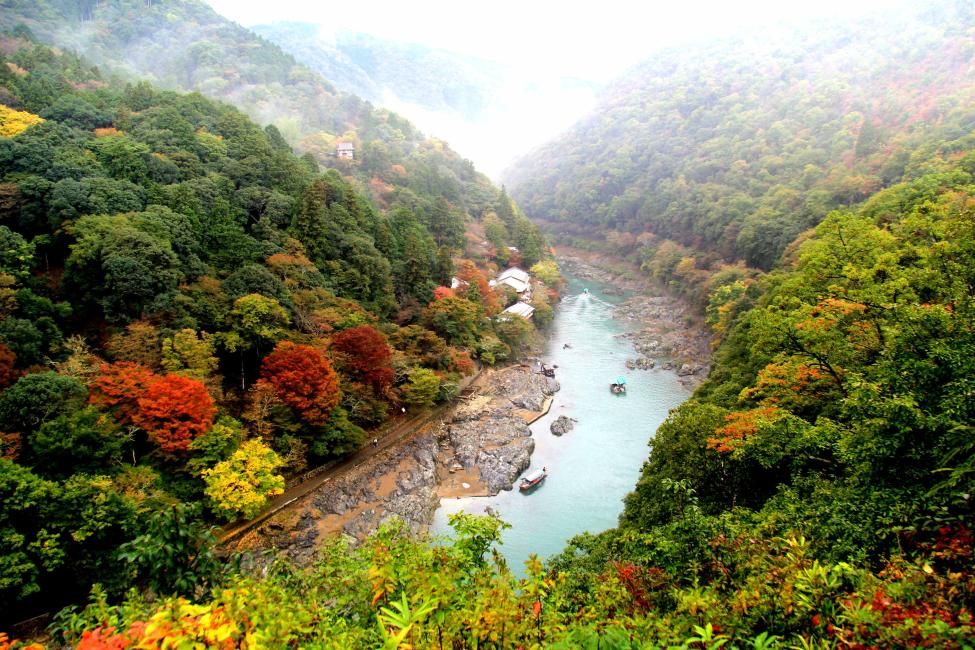
Fushimi Inari Taisha: The Orange-Red Path of the Thousand Torii Gates
From Kyoto Station, the JR Nara Line takes only about 5 minutes to Inari Station, and Fushimi Inari Taisha is right outside the exit. The whole of Mt. Inari is covered with an unbroken line of orange-red torii gates, voted the number one popular attraction in Japan by foreign visitors.
The grounds are open 24 hours and free to visit. To photograph the gates without people, be sure to arrive before 8 a.m. Walking the whole mountain and back takes about 2 to 3 hours, and going only as far as the “Yotsutsuji” viewpoint takes about 45 minutes.
Halfway up the mountain, “Yotsutsuji” has an open platform overlooking Kyoto city with a distant view of Kyoto Tower, and is where many people choose to turn back. Stalls and teahouses along the way mostly close in the early evening, so if you want snacks, go in the daytime.
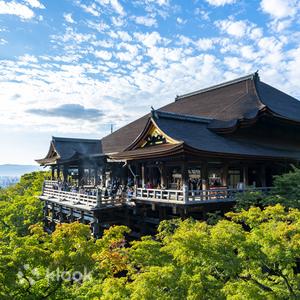:伏見稻荷大社嵐山清水寺-Klook.jpg)
Ume-no-Yu: The Hippest Century-Old Sento Near Kyoto Station
The “YUU Public Bath” on the third basement floor of Kyoto Tower closed in June 2021, and there is currently no public bath in the tower, so to soak you need to go to a nearby sento. Ume-no-Yu, about a 15 to 20-minute walk from Kyoto Station, is a century-old sento taken over by young owners.
The interior keeps its retro Showa atmosphere, with an attached high-temperature sauna, and it fully accepts guests with tattoos, which is very friendly to foreign visitors. Opening hours run late (mostly afternoon to late at night); please follow the official social media announcements.
Hakusan-yu Rokujo Branch: A Hardcore 115°C Sauna and Natural Groundwater
Hakusan-yu Rokujo Branch is known for its own natural groundwater and a 115°C “hardcore sauna.” The open-air bath is small but the water quality and temperature are carefully managed, a pocket-list pick for Kyoto sauna fans.
Bathing fees follow the official public bathhouse rates of Kyoto Prefecture, which are affordable, and tattooed guests are welcome; the actual amount follows on-site notices. It is about a ten-odd-minute drive from Kyoto Station, and opening hours follow the official announcement.
The sento offers only basic facilities, so we recommend bringing your own towel and toiletries or renting them on site. Wash thoroughly in the washing area before entering the bath, and do not bring towels into the bath.
Hinode-yu: A Living Heritage Prewar Wooden Bathhouse
Hinode-yu is on the south side of Kyoto Station (near the Aeon mall) and is one of the very few prewar wooden bathhouse buildings surviving in Kyoto, with the ceiling and layout preserving the look of an old sento.
The shop is known for its friendly proprietress and traditional “electric bath,” a good place to experience local everyday life. As a neighborhood sento, please pay particular attention to bathing etiquette, and follow on-site or official announcements for opening hours.
Be sure to rinse your body in the washing area before entering the bath, tie up long hair and keep quiet; if you are unsure of the process, ask at the counter.
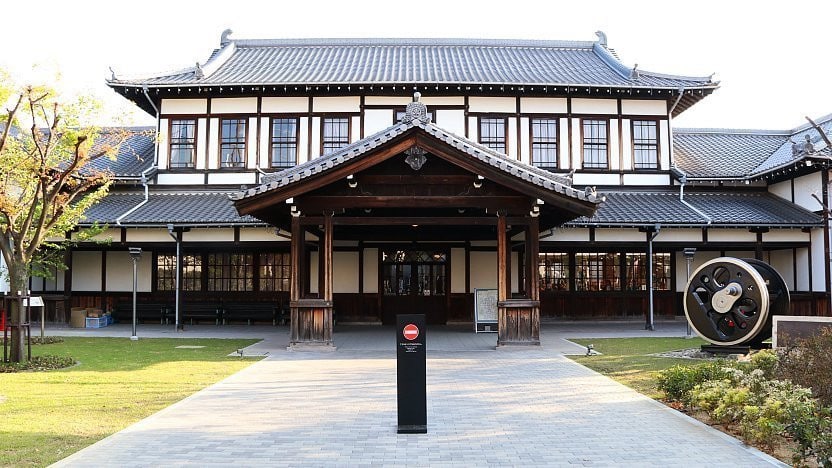
How Much Does It Cost to Visit Kyoto Tower? Tickets, Passes and Experiences at a Glance
The Kyoto Tower observation deck adult admission is ¥1,000 (from October 1, 2026), and you can also pre-purchase e-tickets on platforms such as KKday and Klook.
| Ticket type | On-site price | Notes |
|---|---|---|
| Adult | ¥900 | Online platforms often have discounts |
| High school student | ¥700 | Student ID required |
| Elementary/junior high student | ¥600 | — |
| Child (ages 3-5) | ¥200 | — |
| Infant (age 2 and under) | Free | — |
Nidec Kyoto Tower Observation Deck Ticket: Buy Online and Skip the Line
Observation deck ticket prices (from October 1, 2026): adults ¥1,000, high school students ¥800, elementary/junior high students ¥700, children (age 3 and over) ¥300. E-tickets can be pre-purchased on online platforms such as KKday and Klook and you enter with the QR code on your phone; actual prices follow the official website announcement.
In peak season and in the early evening the ticket line is longer, so we suggest buying an e-ticket first to save time. The ticket covers only the observation deck; KUU food and drink cost extra.
Kyoto Tower + Wagashi-Making Experience: A 60-Minute Mini Trip Before or After Going Up the Tower
The experience workshops on the 2nd floor of KYOTO TOWER SANDO can be booked on their own and are often sold together with a tower visit. The wagashi-making class takes about 60 minutes, with a craftsman guiding you to shape seasonal namagashi, which you can enjoy on site with matcha or take away.
Other options include Japanese dough-sculpting figures and fox mask painting, good for families. Places are limited, so we suggest booking online in advance, and please follow the official website for actual class times and fees.
Finished wagashi usually come in a paper box and can be taken away as souvenirs; if you are continuing your itinerary that day, avoid leaving them in a hot environment for long.
Kyoto Subway and Bus One-Day Pass: A City Travel Essential Centered on Kyoto Tower
If your day includes several stops such as To-ji, Nishi Hongan-ji, Sanjusangen-do or the aquarium, a combined Kyoto Municipal Subway and Bus one-day pass is usually better value. It can be bought at the counter in front of Kyoto Station or at some ticket machines; check whether your bus routes are covered before use.
Fares are adjusted from time to time, so please follow the Kyoto City Transportation Bureau website. Buses are often stuck in traffic in peak season, and when your plans cluster along subway lines it is faster to take the subway; planning your day’s route before buying makes it easier to judge whether the pass is worthwhile.
Kansai Area Rail Pass: A Good-Value Choice Linking Kansai Airport and Kyoto Tower
Travelers who fly in and out of Kansai Airport and move between Kyoto, Osaka and Kobe can consider the Kansai Area Pass offered by JR West. With the pass you ride JR to Kyoto Station, and Kyoto Tower is right outside the exit, making luggage transfer smooth.
Most passes must be booked online in advance and exchanged in Japan, and validity and coverage come in several versions, so compare them against your itinerary; actual specifications follow the official website announcement.
Most JR passes cannot be used on the Shinkansen and are not valid on the Kyoto Municipal Subway and buses, so short trips within the city require separate tickets or an IC card.
Kyoto Night View Walking Tour: A Guide-Led Stroll Around the Tower
There are several half-day or night walking tours around Kyoto Station, mostly meeting at Kyoto Tower and taking visitors to Higashi Hongan-ji and Shosei-en, with explanations of architecture and history, lasting about 2 to 3 hours.
They suit first-time visitors who want to quickly get a sense of the city, and Chinese or English guides are available. Itinerary, meeting time and fees vary by organizer, so please confirm on the booking page.
For outdoor tours, dress warmly for the weather and wear comfortable walking shoes, and check the cancellation policy before booking.
Where to Stay Near Kyoto Tower? Hotel Suggestions for Your Trip

To minimize travel time, the area around Kyoto Station is Kyoto’s most practical place to stay.
Where to Stay Near Kyoto Tower? Hotel Area Suggestions Around Kyoto Station
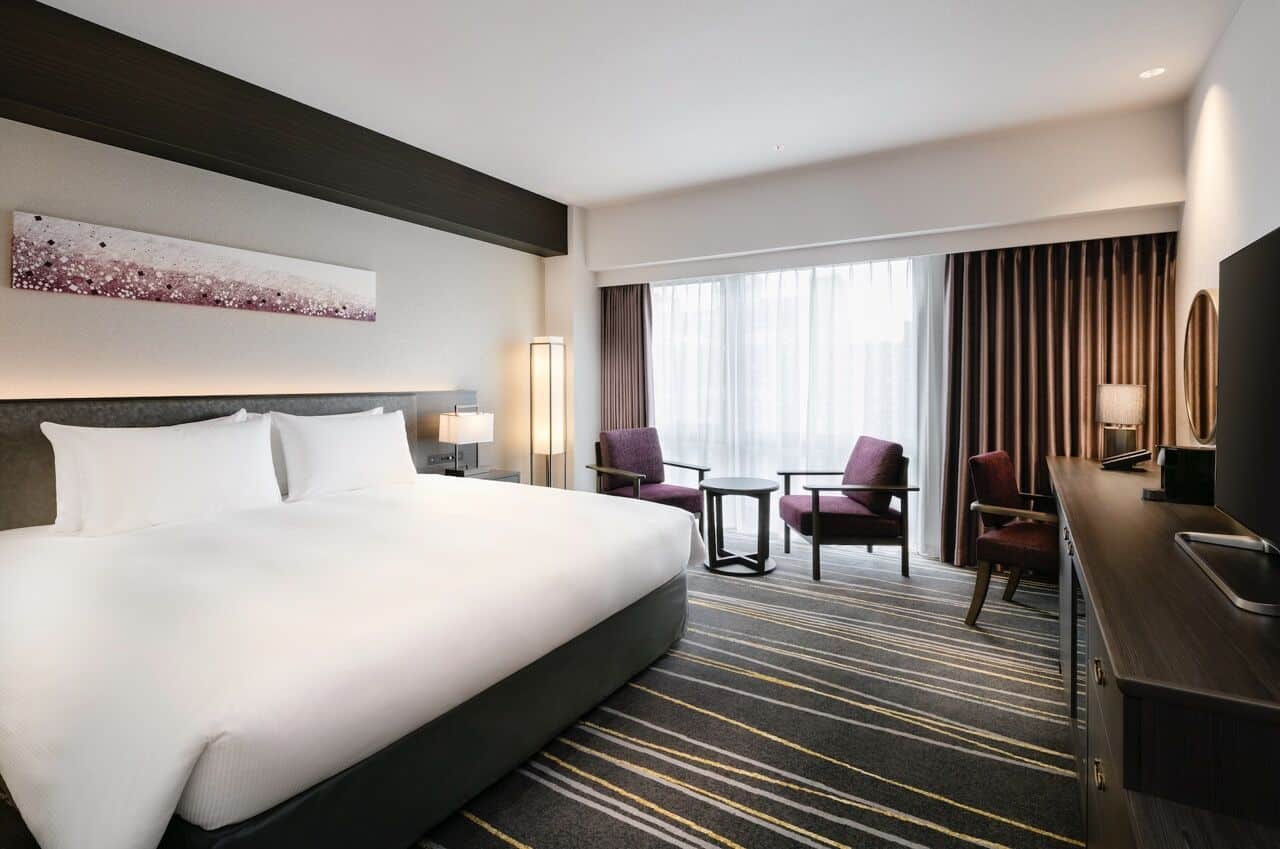
The area around Kyoto Station, with Kyoto Tower at its center, is Kyoto’s best-equipped place to stay: it is the easiest with luggage, the most reassuring for returning to your hotel late at night, and has the most frequent services to Arashiyama, Fushimi Inari and Uji. Floors 5 to 9 of the Kyoto Tower building are themselves the Kyoto Tower Hotel, with an unbeatable location and an underground passage direct to the station; the downsides are smaller rooms and somewhat dated decor.
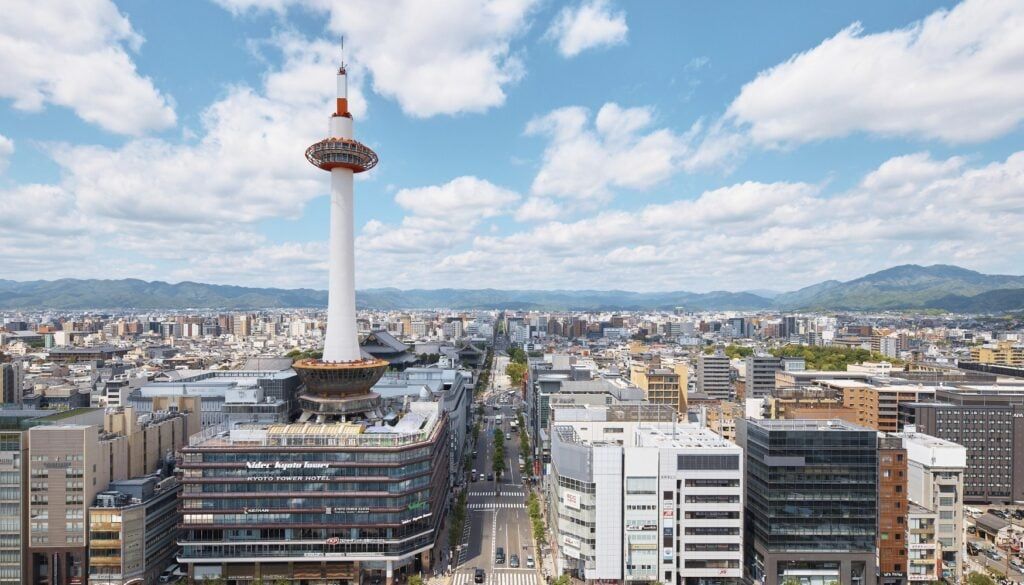
For more spacious rooms, look at business hotels from north of the Karasuma exit to the Shichijo-dori area; with a bigger budget there are several upscale hotels on the east side of the station. If the night view is your priority, remember to request a high-floor, north-facing room when booking.
Kyoto Tower FAQ
Here are the Kyoto Tower questions travelers search for most.
Q: How much is a Kyoto Tower ticket?
Adults ¥1,000, high school students ¥800, elementary/junior high students ¥700, children age 3 and over ¥300 (from October 1, 2026). You can also pre-purchase e-tickets on online platforms and show the QR code at entry.
Q: What time does the Kyoto Tower observation deck open?
The observation deck is open 10:00 to 21:00, last entry 20:30. It is open every day of the year (temporary closures possible); on August 16 each year, the day of the Gozan Okuribi bonfires, hours are shortened to 10:00 to 18:30 (last entry 18:00), and for other special changes please follow the official website announcement.
Q: Is the Kyoto Tower public bath still there?
No. The “YUU Public Bath” on the third basement floor closed in June 2021, and there is now no public bath in the Kyoto Tower building. To soak, go instead to traditional sento reachable on foot or a short ride, such as Ume-no-Yu, Hakusan-yu Rokujo Branch and Hinode-yu.
Q: What is the best time to go up Kyoto Tower?
We suggest going up 30 minutes before sunset, so you can capture the sunset, the blue hour and the night view, three kinds of light, in one visit. If you just want to avoid crowds, weekday mornings when it opens at 10 a.m. are the emptiest.
Q: Can I bring a tripod to Kyoto Tower?
Space on the observation deck is limited, so please follow on-site notices for rules on tripods and selfie sticks. For night shots, we suggest pressing the lens against the glass and bracing with your elbows, or using the window railing for support to reduce glare and shake.
Q: Is it worth going up Kyoto Tower on a rainy or cloudy day?
Still worth it. The observation deck has indoor panoramic windows unaffected by wind and rain, and visibility is still roughly 70 percent. After rain the air is clear and the ground reflects light, so the colors of the night view are even more saturated.
Q: Can I store luggage at Kyoto Tower?
Yes. The Kyoto Tower building has coin lockers (fees vary by size), and large luggage can also use the Kyoto Station storage service, so you can leave it and go up the tower with ease.