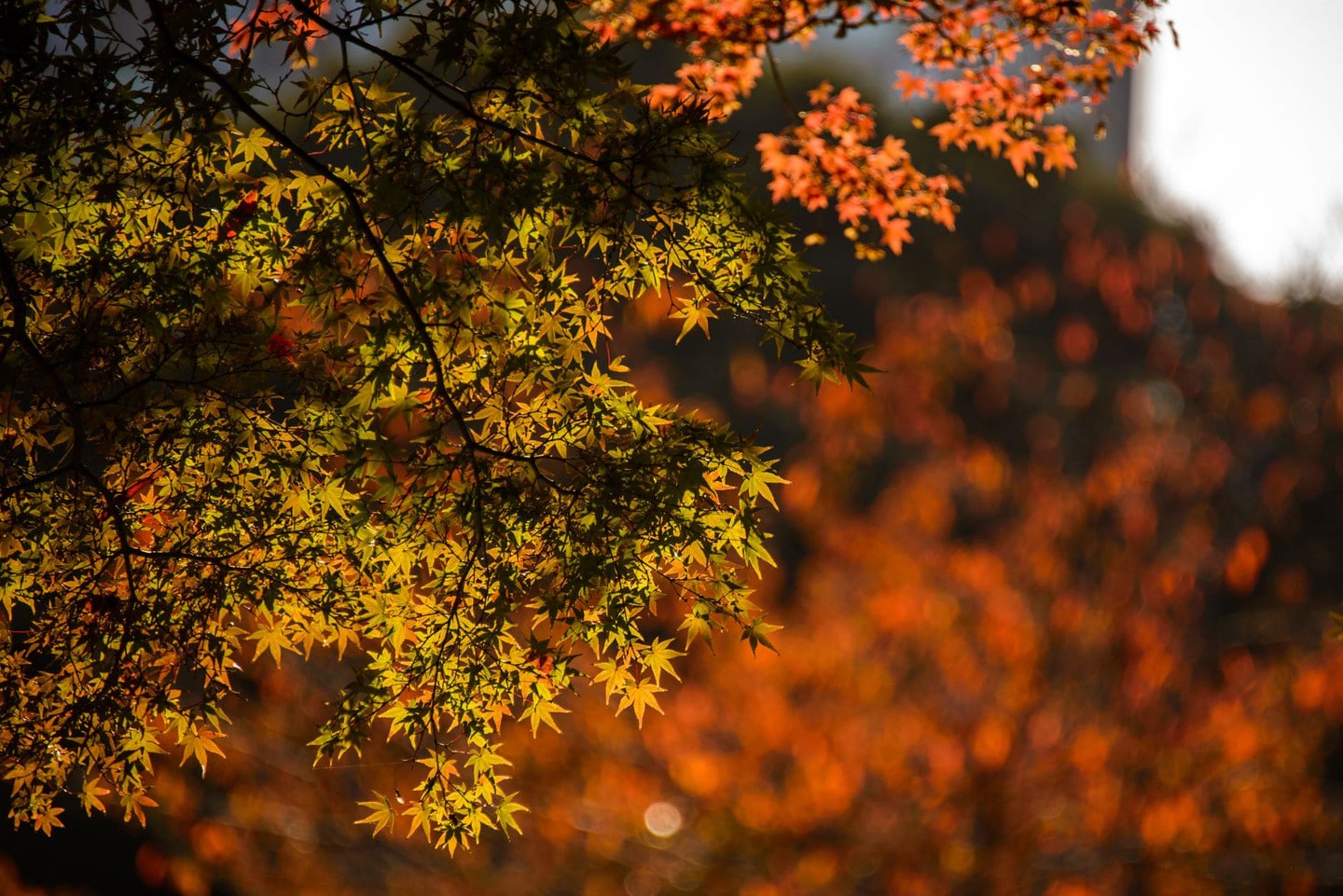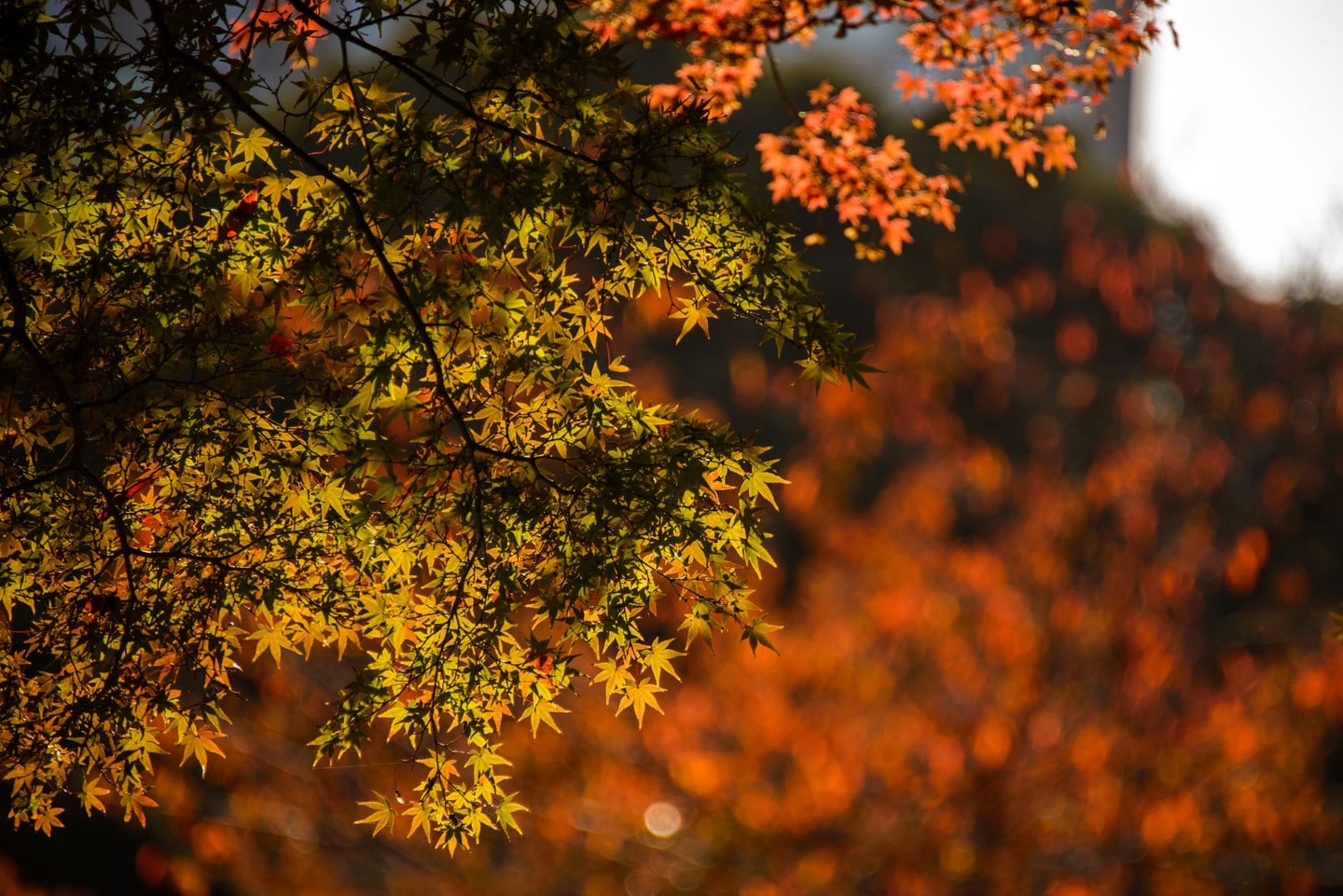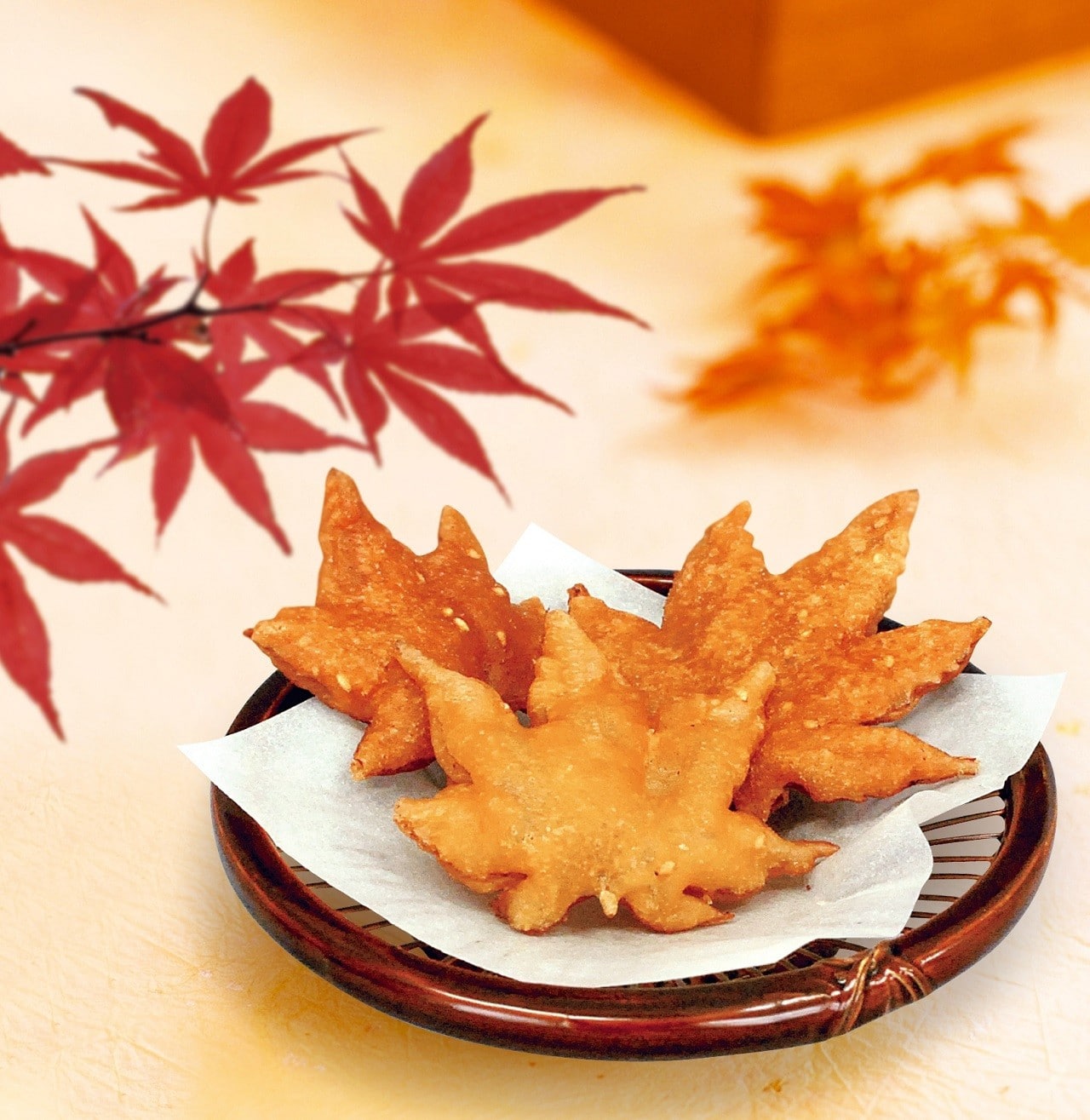

Osaka Midosuji Ginkgo Avenue Guide 2026: Golden Tunnel and Illumination Event Explained
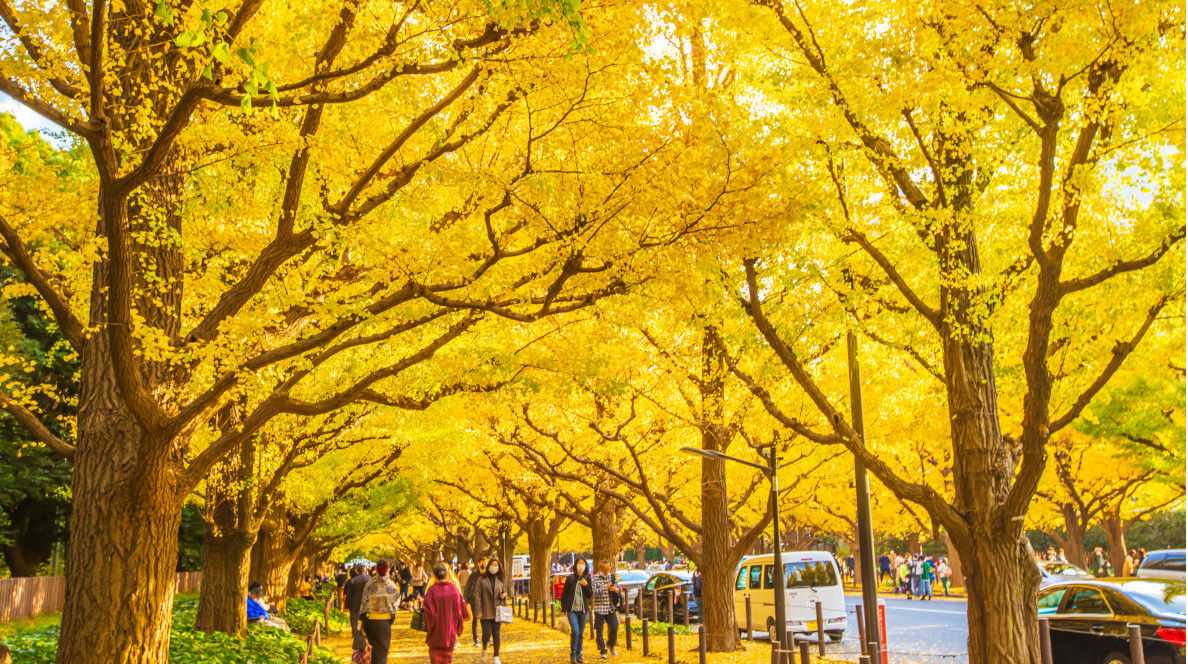
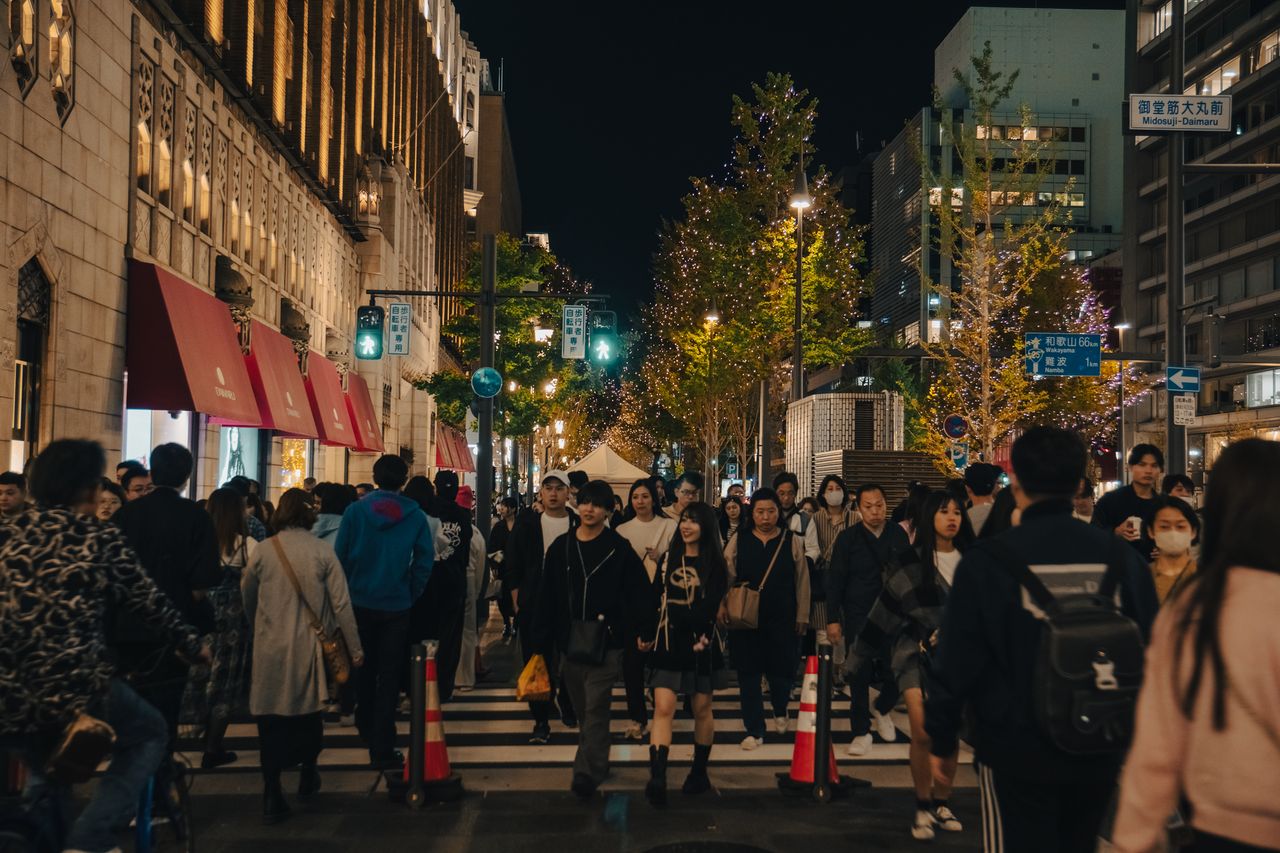
Midosuji’s ginkgo-lined avenue runs through central Osaka from Umeda to Namba, about 4 km long with nearly a thousand ginkgo trees. In 2026 the illumination is themed around the 90th anniversary of the road’s opening. A golden tunnel by day and the “Osaka Hikari-no-Kyoen 2026” illumination by night make it one of the best city foliage routes of the year, worth a special trip.
This route offers four experiences in one: ginkgo, illuminations, shopping and a historic castle. The best stretch, from Yodoyabashi to Shinsaibashi, has the densest ginkgo; nearby Osaka Castle Park extends the foliage viewing, while Shinsaibashi-suji Shopping Street and Dotonbori cover shopping and food. It suits first-time independent travelers in Osaka, ginkgo chasers, and anyone planning a multi-day foliage trip with Kyoto and Nara. This article covers the 2026 Midosuji ginkgo peak forecast, illumination dates and hours, the best stretch and 10 nearby spots, transport, passes and private charters, plus practical tips on what to wear and when crowds are smallest, so one read gives you a complete plan from daytime stroll and photos to the evening lights. Overall, Midosuji’s ginkgo is best planned as a half-day to one-day visit; if you also want to add ginkgo spots such as Nishi Hongwanji in Kyoto and Nara Park, we suggest a 2-to-3-day trip with a Kansai pass.
How to Get to Midosuji Ginkgo Avenue: Transport and Subway Stations Guide
The subway is the most convenient way to reach Midosuji, and a pass can link the nearby attractions.
The most convenient option along Midosuji is the Osaka Metro Midosuji Line; Yodoyabashi Station and Shinsaibashi Station put you right on the ginkgo avenue as soon as you exit. To add Osaka Castle Park, take the Tanimachi Line to Tanimachi 4-chome Station (Exit 1-B) or Temmabashi Station (Exit 3), or the Chuo Line to Tanimachi 4-chome Station (Exit 9), Morinomiya Station (Exit 1) or Exit 3-B.
For transport passes, the Osaka Amazing Pass costs about ¥3,500 for 1 day and about ¥5,000 for 2 days (prices vary by yearly edition, so check before buying). It covers all Metro lines and about 40 free attractions. For travel between cities, consider the “KANSAI RAILWAY PASS” (formerly the Kansai Thru Pass) or JR-West’s Kansai area passes, which offer better value for linking Kyoto and Nara.


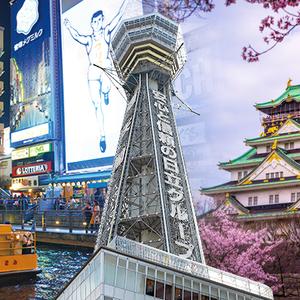


Must-See Spots Around Osaka Midosuji Ginkgo Avenue: The Best Stretch and Nearby Sights Explained
Here are 10 must-visit ginkgo spots, covering the Midosuji main road and places in and around Osaka, from the city center to the suburbs.
Midosuji Ginkgo Avenue: A 4 km Golden Tunnel from Umeda to Namba
Midosuji is the main north-south artery through central Osaka, running from the Hankyu Umeda intersection in the north to the Namba Nishiguchi intersection in the south, about 4 km in all. The road is 44 meters wide, with ginkgo planted in 4 rows in the center and along both sides, nearly a thousand trees in total. Planting dates back to 1933 (Showa 8) and the road was completed and opened in 1937 (Showa 12), making it one of the oldest tree-lined avenues in the Kansai region.
Midosuji will soon mark the 90th anniversary of its opening (in 2027), so the 2026 illumination redesigns the decorations along the road around themes from the 1940s to the present day, which gives it special significance. From late November to mid-December the ginkgo turn golden, and sunlight filtering through the leaves onto the sidewalks creates Osaka’s most iconic “golden tunnel,” a popular spot for photographers and couples out for a stroll.
The route divides into north, middle and south sections, each with its own character. We suggest at least 2 hours on foot; if time is short, focus on the middle section from Yodoyabashi to Shinsaibashi, which has the best density and visual impact.

Midosuji Hikari-no-Kyoen Illumination: 90th Anniversary Themed Lights and the Golden Tunnel at Night
“Osaka Hikari-no-Kyoen 2026” is an annual light event jointly held by the City of Osaka and Osaka Prefecture. For 2026 the whole event runs from November 3 (Tuesday, national holiday) to January 31, 2027 (Sunday), 90 days in all, across venues including Midosuji and Nakanoshima. The “Midosuji Illumination” stretch runs from the Hanshin-mae intersection to the Namba Nishiguchi intersection, from November 3 to December 31, 2026, 59 days in all, lit daily from about 5:00 p.m. to 25:00 (1:00 a.m.). After dark, golden ginkgo and warm white lights combine into a very different, romantic atmosphere.
Because Midosuji is about to mark its 90th anniversary, the organizers have planned zone-by-zone lighting themed on periods from the 1940s to the present. The 4 km route is divided into 5 zones, so visitors can stroll through the themes in order and feel the changes in the city over nearly a century (source: official announcements by the City of Osaka and Osaka Prefecture). The golden window when ginkgo color and the illumination period overlap is only about two weeks, from late November to early December, so plan your evening visit for that time.
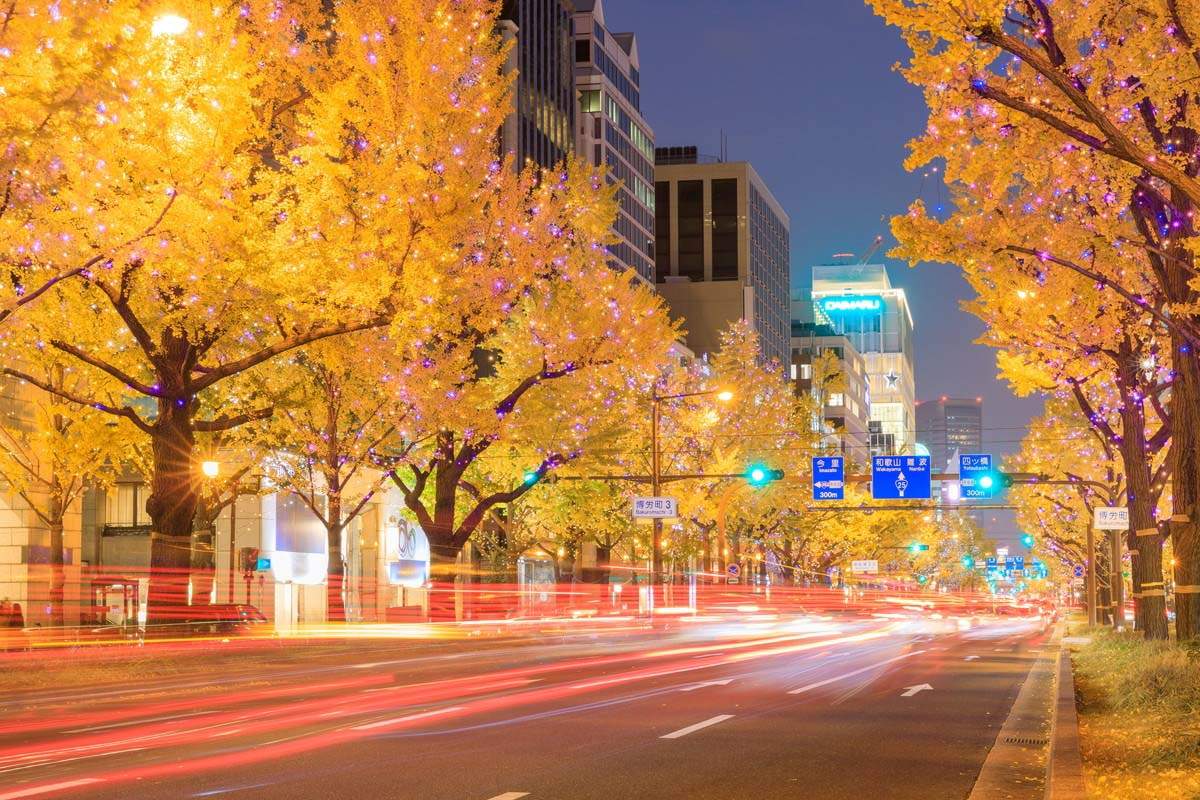
Yodoyabashi to Hommachi to Shinsaibashi: The Best Stretch, 2 km with the Densest Ginkgo and Best Photos
If time is short, the stretch most worth a special trip is the roughly 2 km between Yodoyabashi, Hommachi and Shinsaibashi, where the ginkgo is densest. By day you can photograph skyscrapers interwoven with golden canopies, and by night this is the busiest and most beautiful part of the “Hikari-no-Kyoen” lights. The start, the Hankyu Umeda intersection, is at roughly 34.7025 N, 135.4959 E, and the end, the Namba Nishiguchi intersection, at roughly 34.6641 N, 135.5000 E. You can search Google Maps for “Midosuji Yodoyabashi” or “Midosuji Shinsaibashi” to set your walking start and end points.
In recent years, some lanes between Namba and Shinsaibashi have been converted into a spacious pedestrian zone, with general traffic banned during set hours on holidays, so visitors can safely take photos in the middle of the road. It is the best stretch on the whole route for “clean, car-free” shots. To avoid crowds, arrive on a weekday early morning before it gets light, when visitors and commuter traffic are at their lowest and you can photograph the ginkgo with a full carpet of fallen leaves; on holiday afternoons and evenings the Shinsaibashi section often draws large crowds of light-viewers and walking slows noticeably.
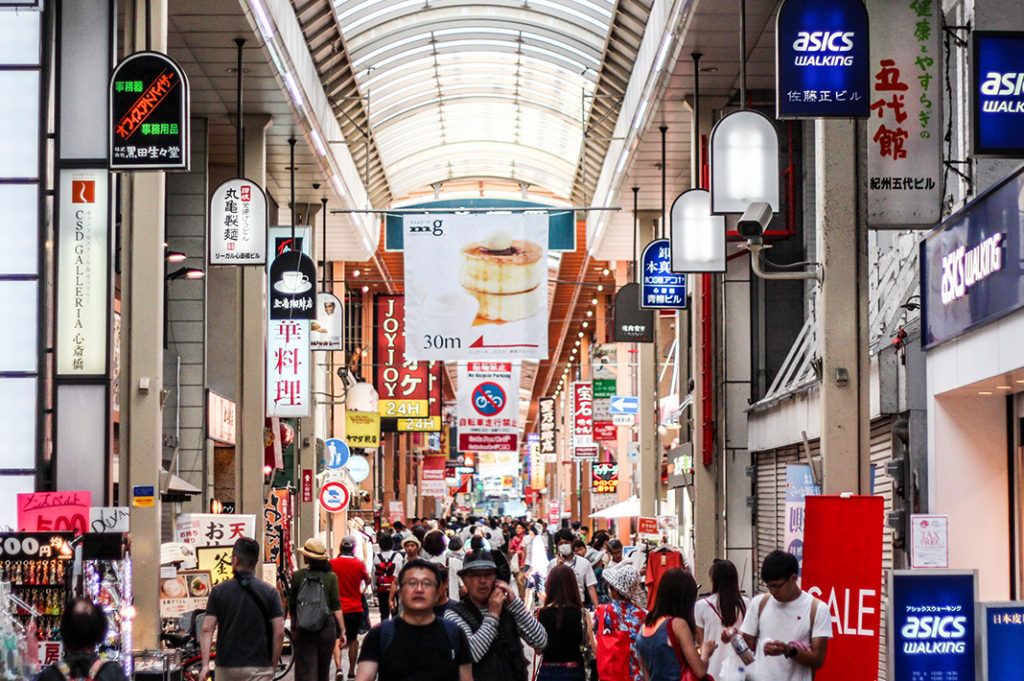
Shinsaibashi-suji Shopping Street: Shopping and Food Next to the Best Stretch of Midosuji
Shinsaibashi-suji Shopping Street sits right next to the best section of Midosuji and is one of Osaka’s signature shopping districts, stretching about 580 meters north to south. Drugstores, international flagship boutiques and long-established Osaka shops line both sides, about a 1-minute walk from Shinsaibashi Station on the Midosuji Line. The area has been Osaka’s commercial center since the Edo period and developed after the war into a district blending trends and tradition, with century-old confectioners and wagashi shops where you can pick up seasonal autumn sweets such as chestnut Mont Blanc and chestnut daifuku. It connects seamlessly to the Midosuji ginkgo section, so shop by day and walk back to Midosuji at dusk for night photos, a smooth route that is not tiring.
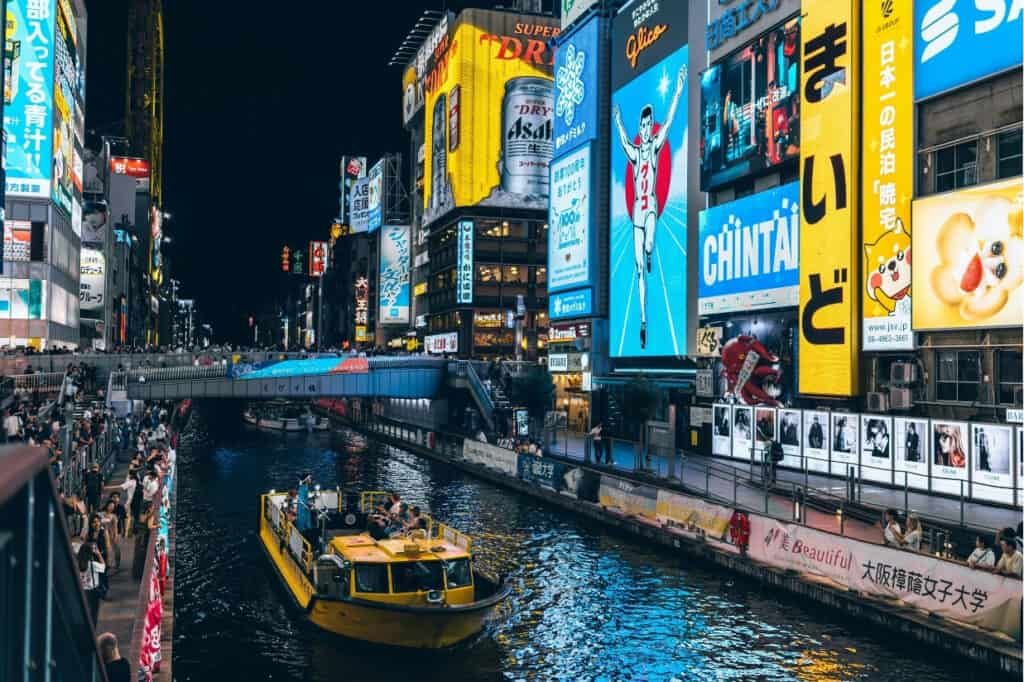
Dotonbori: A Waterfront Food District and Osaka’s Signature Landmark
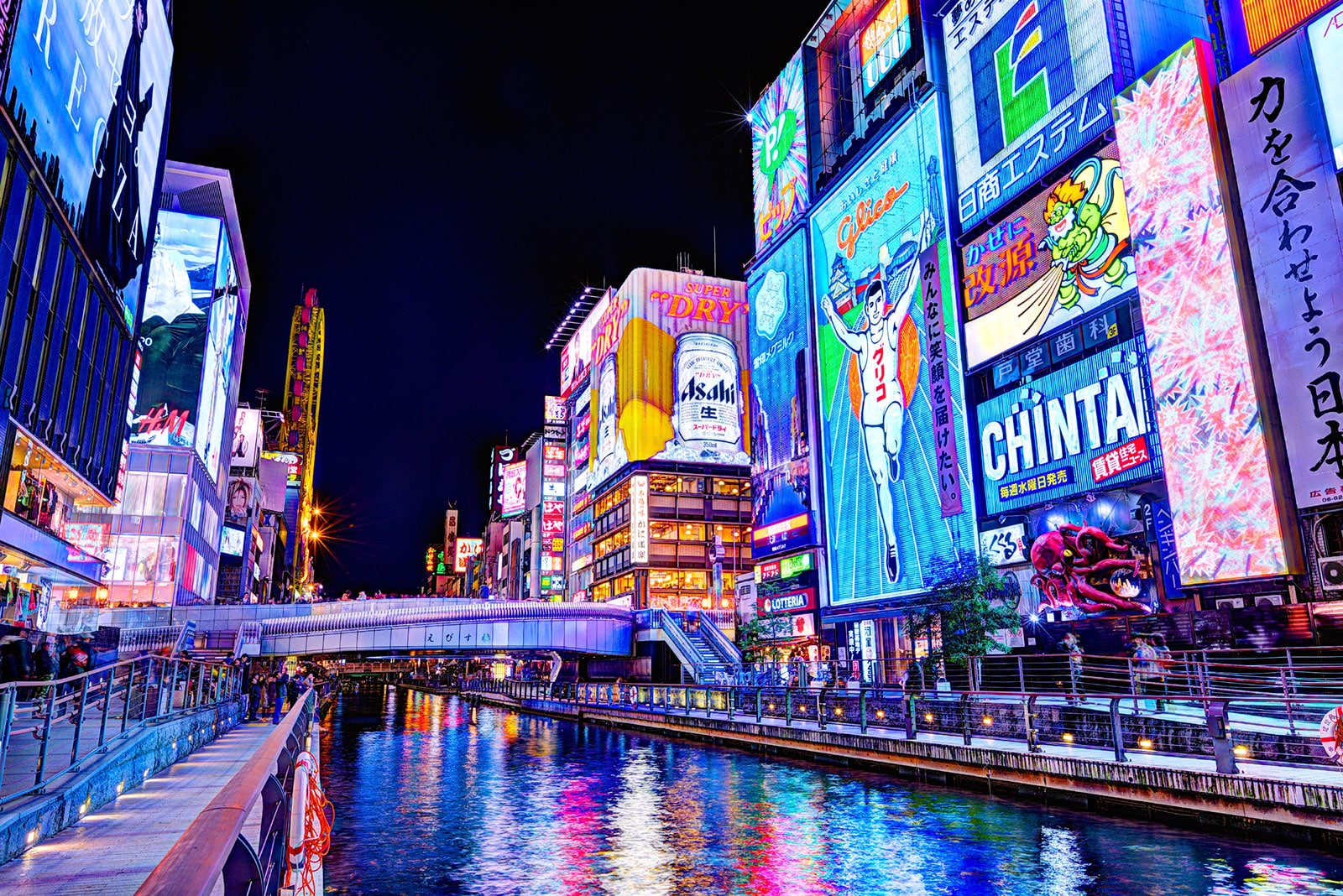
Dotonbori lies at the south end of Shinsaibashi-suji Shopping Street, with takoyaki, okonomiyaki and crab restaurants along both banks of the Dotonbori River. The Glico Running Man sign is a must-photograph landmark, 5 to 8 minutes on foot from Namba or Shinsaibashi Station. It was Osaka’s theater and entertainment center in the Edo period and is now a round-the-clock sightseeing and dining area, a contrast to the Midosuji ginkgo and a good last stop after ginkgo viewing. In autumn and winter, nearby Japanese restaurants also offer seasonal sets such as matsutake dobinmushi and matsutake rice for a fitting dinner. We suggest visiting after the lights come on, when crowds and lighting are at their peak, which also links neatly to a stroll along the southern part of Midosuji.
-Klook.jpg)
Osaka Castle Park: Autumn Colors of the Old Castle with Ginkgo in Front of the Keep and the Nishinomaru Garden
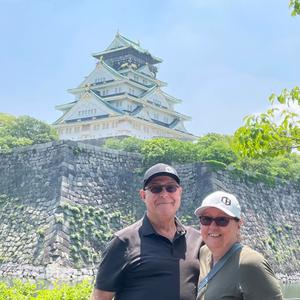
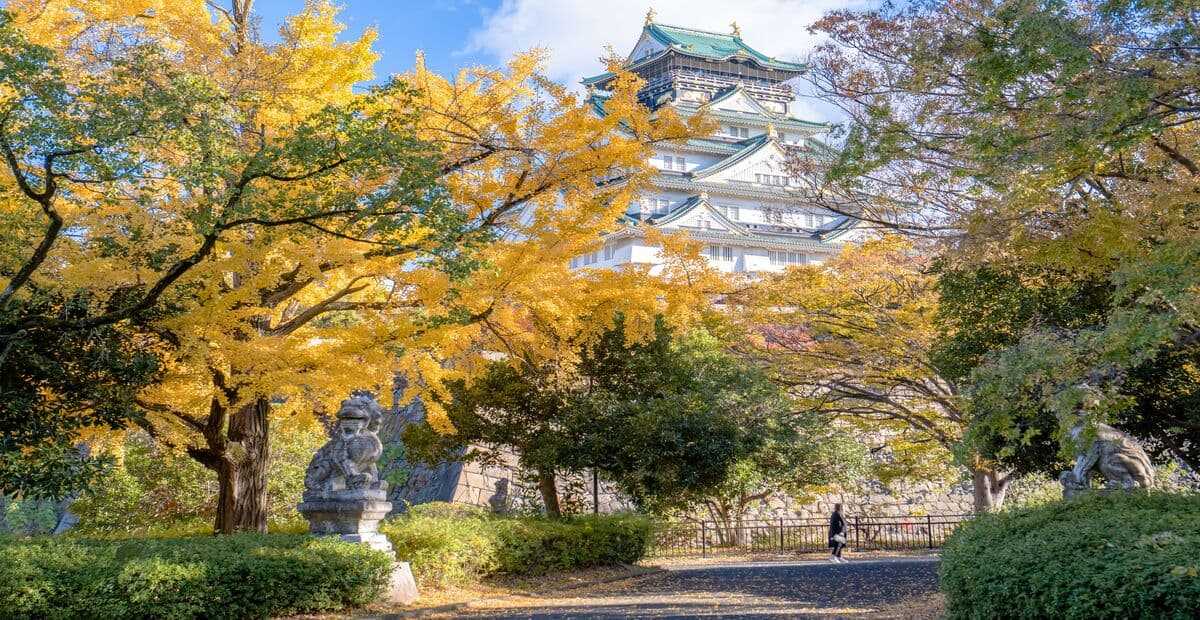
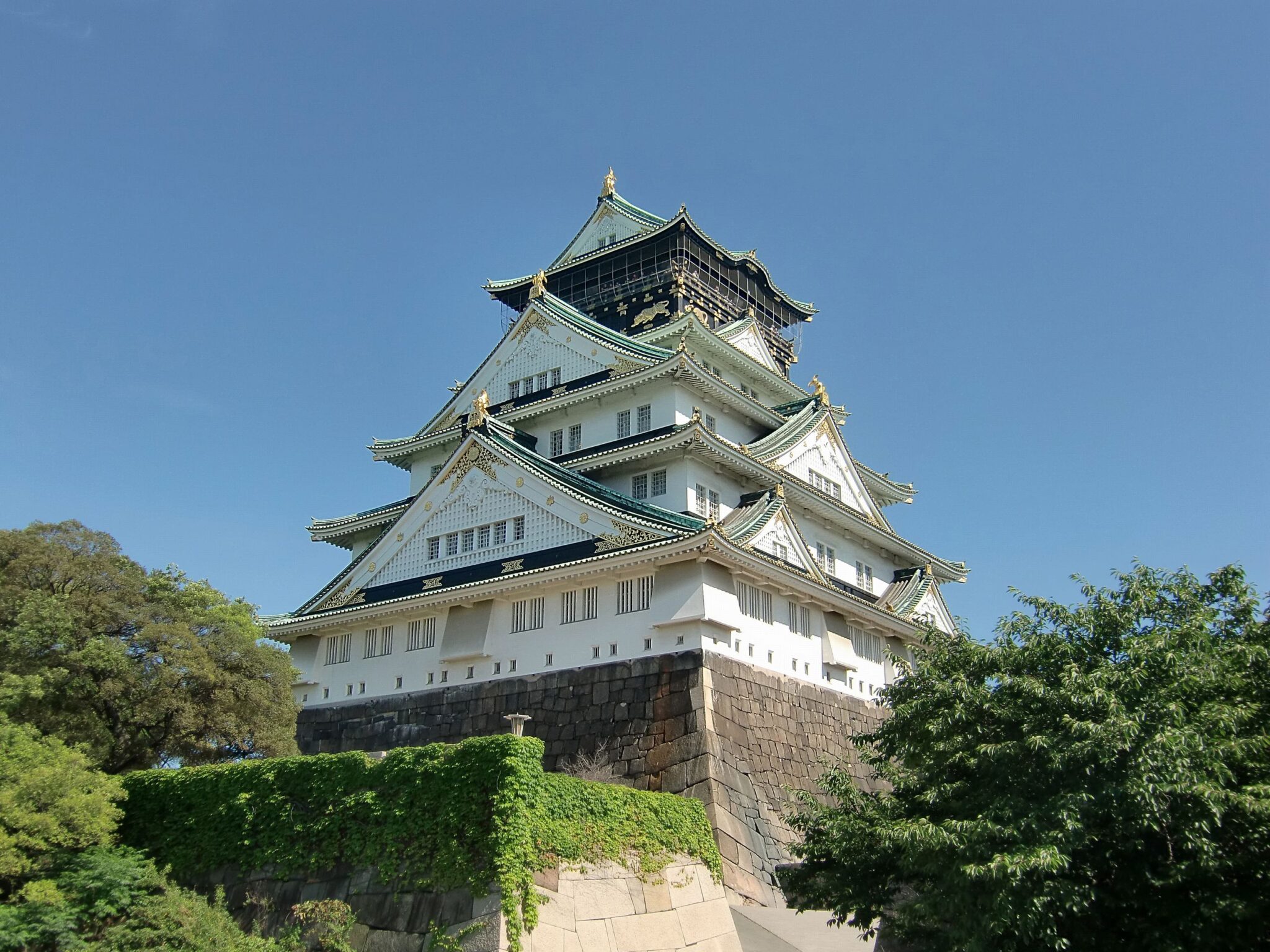
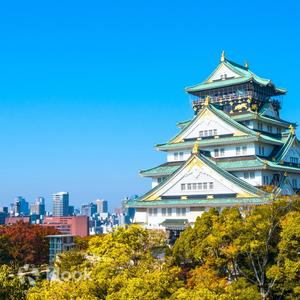
Osaka Castle Park is about 2 to 3 km east of Midosuji. You can reach it on foot from Tanimachi 4-chome Station (Exit 1-B) on the Tanimachi Line or Morinomiya Station (Exit 1) on the Chuo Line, and it is the best half-day extension to pair with the Midosuji ginkgo. The park itself is free to enter, and rows of ginkgo line the plaza in front of the keep and the walkways on the east side. On the ginkgo avenue in front of the keep you can frame the black-lacquered, gold-leaf castle tower together with golden canopies. The peak is close to Midosuji’s, around late November to early December.
According to the official Osaka Castle Tower website (osakacastle.net), admission to the tower is ¥1,200 for adults (doubled from ¥600 on April 1, 2025), open 9:00 a.m. to 5:00 p.m. (last entry 4:30 p.m.). The Nishinomaru Garden requires a separate ticket; follow the official Osaka Castle Park announcements for tickets. The garden offers the fullest view of the tower and moat, and is an excellent spot for photographing ginkgo reflections.
We suggest a half-day or one-day plan pairing the Midosuji ginkgo with Osaka Castle Park: walk the best stretch of Midosuji in the morning, then head to Osaka Castle in the afternoon to see the ginkgo and climb the tower.
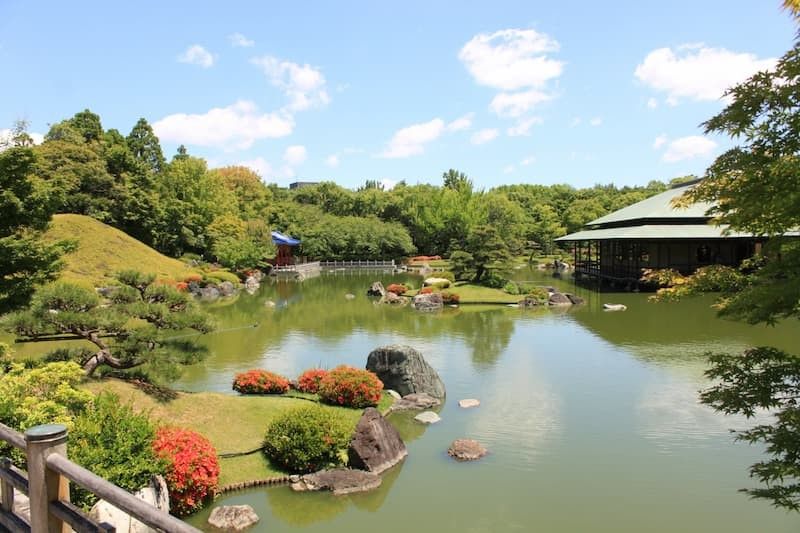
Daisen Park: A Quiet Ginkgo Garden in Sakai, One of Japan’s 100 Historic Parks
Daisen Park is in Sakai, covering about 380,000 square meters beside the Emperor Nintoku tomb, one of the largest burial mounds in the world. It is one of the largest Japanese-style gardens among Kansai’s ginkgo spots and is listed among “Japan’s 100 Historic Parks.” The ginkgo along the north entrance avenue and around the Peace Tower are old and full-crowned, and when the leaves fall they spread a golden carpet on the ground. It is a local photographers’ secret spot, with far fewer people than Midosuji or Osaka Castle in central Osaka.
Peak color at Daisen Park comes slightly later than in the city, around late November. Plan Midosuji and Osaka Castle first, then depending on conditions extend to Daisen Park as a suburban option for the second day. The north entrance is about a 10-minute walk from JR Mozu Station, the paths in the park are flat and easy, suiting families and older travelers, and you can also rent a bicycle to ride around the whole garden.
Compared with Midosuji’s lively urban mood, Daisen Park suits travelers who prefer quiet walks and unhurried sightseeing. In an itinerary, think of it as a “peaceful backup after the city ginkgo.”
Oizumi Ryokuchi: A Large Urban Green Space and the Kanaokaguchi Ginkgo Avenue
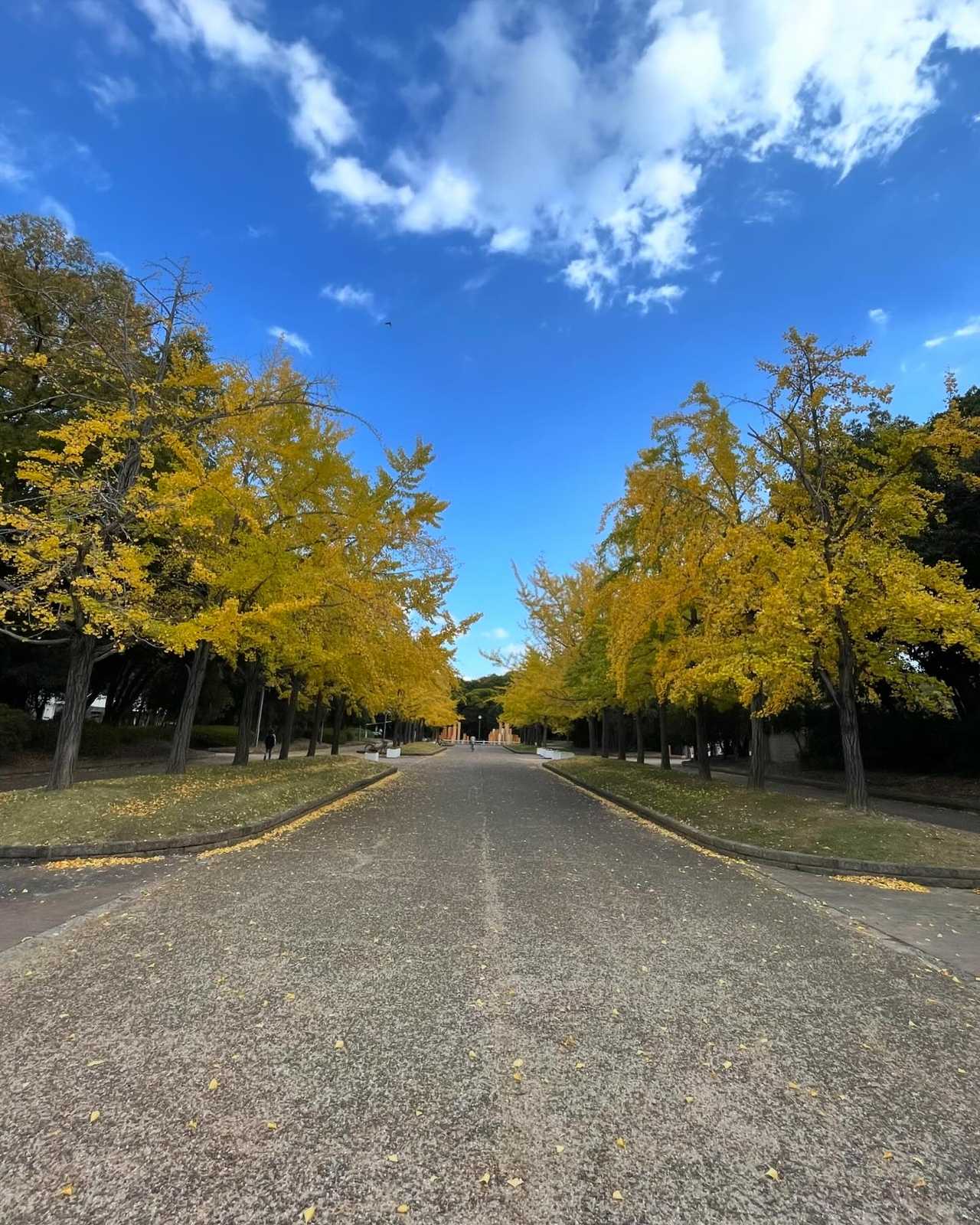
Oizumi Ryokuchi lies in the northern suburbs of Osaka, covering about 101.5 hectares with around 200 species and 320,000 trees, one of the largest urban green space parks in Osaka Prefecture. The Kanaokaguchi Ginkgo Avenue is its signature ginkgo route. Peak color is around mid-November to early December; the leaves start turning slightly earlier than at Midosuji but can be enjoyed into early December, making it one of the spots with a longer viewing window.
Besides the Kanaokaguchi Ginkgo Avenue, the park’s iris garden, Izumi Pond, Oizumi Pond and water areas are also worth a visit, and golden tree reflections on the water are a favorite scene of photographers. From central Osaka, take the Midosuji Line and transfer to a bus, about 30 to 40 minutes, a good half-day trip.
We do not recommend squeezing it into the same day as the Midosuji ginkgo. It works better as an extension the day after you have seen the city ginkgo, letting you feel a very different ginkgo atmosphere, from city streets to a large forest park.
Expo Commemoration Park: The Tower of the Sun and the Momijidani Japanese Garden Together
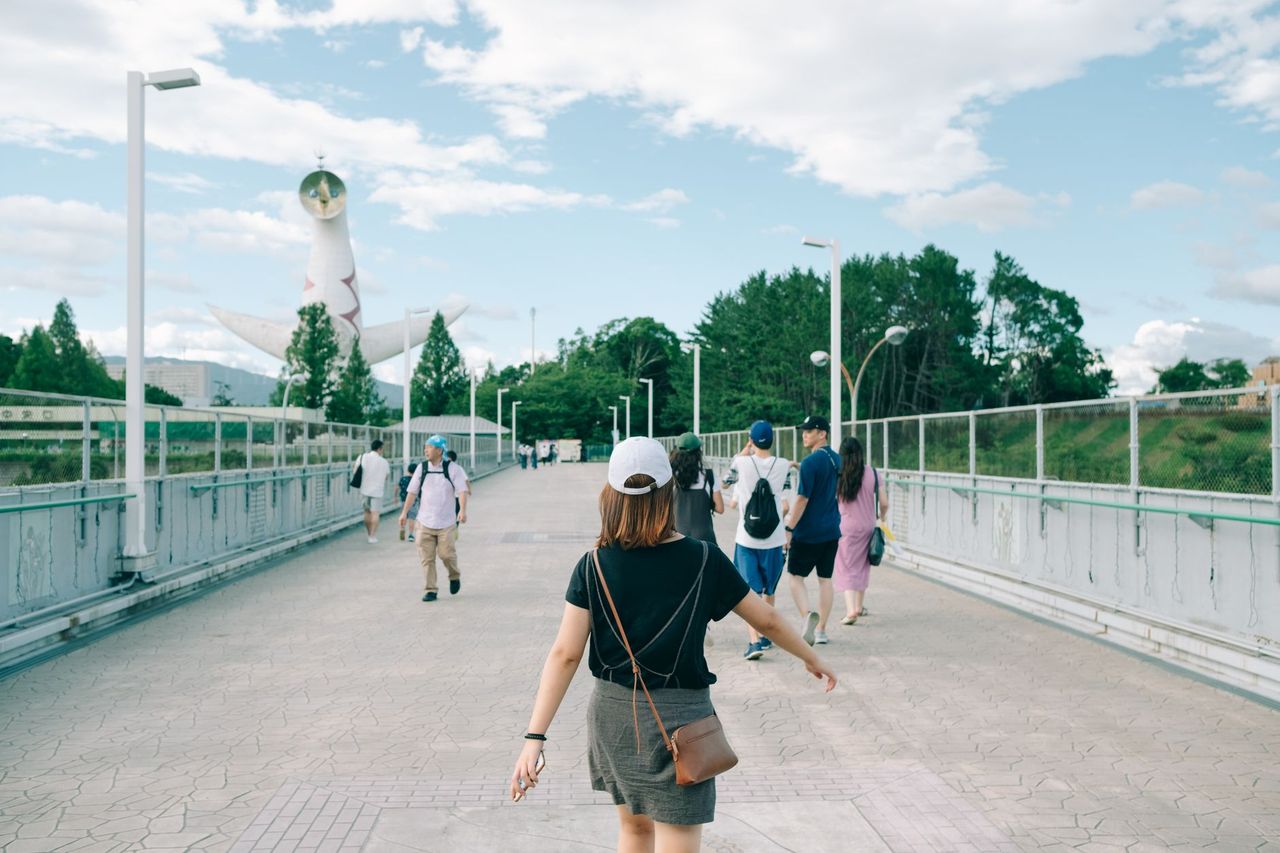
Expo Commemoration Park is the site of the 1970 Osaka World Expo. The landmark Tower of the Sun, designed by Taro Okamoto, stands in the park, and it is one of the few places in Kansai where you can see a modern art landmark together with red maples and ginkgo in a Japanese garden. Around the Japanese garden’s “Momijidani” (maple valley), red maples and ginkgo intermingle, with peak color around early to late November, slightly earlier than Midosuji in the city, so it is a good choice for the start of the foliage season.
It is right at the exit of Expo Commemoration Park Station on the Osaka Monorail, so access is very convenient. The park is large, so plan at least half a day to leisurely cover its two main viewing areas, the plaza around the Tower of the Sun and the Japanese garden.
Unlike Midosuji’s city streets, Expo Commemoration Park suits travelers who like combining historic landmarks, art installations and natural scenery. If time allows, visit it the day before your Midosuji ginkgo trip; the two peak at slightly different times, which extends your overall ginkgo-viewing days.
Minoh Park / Minoh Falls: Waterfall, Valley and Night Illumination in One
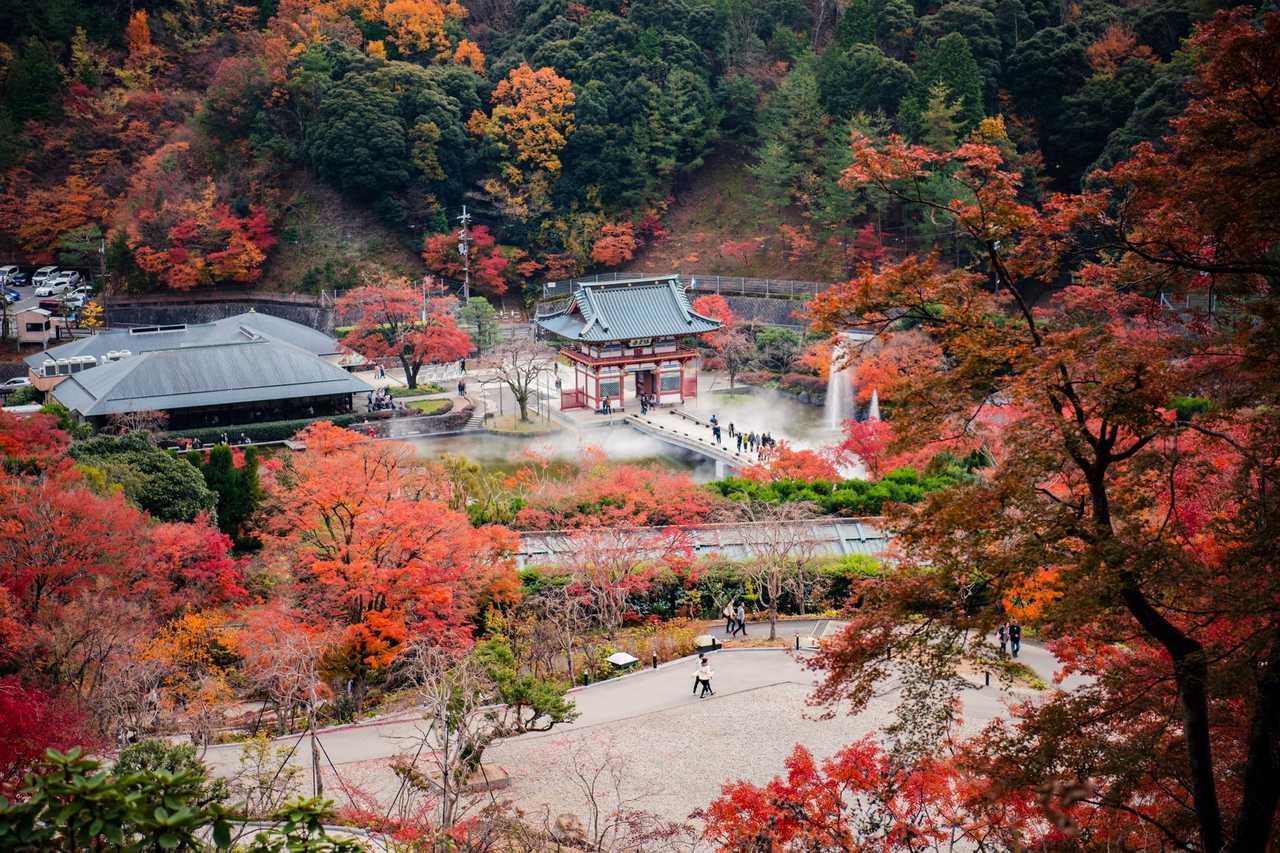
Minoh Park is known for Minoh Falls, with a 33-meter drop, and is the most representative foliage spot near Osaka. From Minoh Station on the Hankyu line, it takes about 40 to 50 minutes on foot along the Takimichi path to reach the falls, with red maples and scattered ginkgo along the way. The trail from the entrance to the waterfall is about 2.7 km long and gently graded the whole way. Foliage in the park peaks around mid-November to early December, overlapping heavily with Midosuji’s ginkgo peak, and its night illumination is also well known, making it one of the few Kansai spots with a waterfall, valley and night-foliage lights together.
Entry to Minoh Park is free all year. Along the Takimichi path are several teahouses and shops specializing in momiji tempura (maple leaf tempura), a popular local snack.
Minoh Park is far from the city, about a 30-minute ride, so plan a separate half-day to full-day trip rather than combining it with Midosuji on the same day. It works best as a dedicated “mountain day” in a multi-day ginkgo itinerary, in contrast to the city-style ginkgo spots.
Osaka Midosuji Ginkgo Avenue Tickets and Tours: Passes, Private Charters and Guided Options
To take in the Midosuji ginkgo avenue, the Hikari-no-Kyoen illumination and the autumn colors of Osaka Castle Park in 2026, making good use of a transport pass or a private charter with a guide saves a lot of time otherwise spent queuing, transferring and studying timetables, compared with piecing it together by subway. Below are options from the most economical public transport passes to private charters and fixed-point tours suited to older travelers, luggage or in-depth guiding, so you can choose the best combination for your number of days and budget.
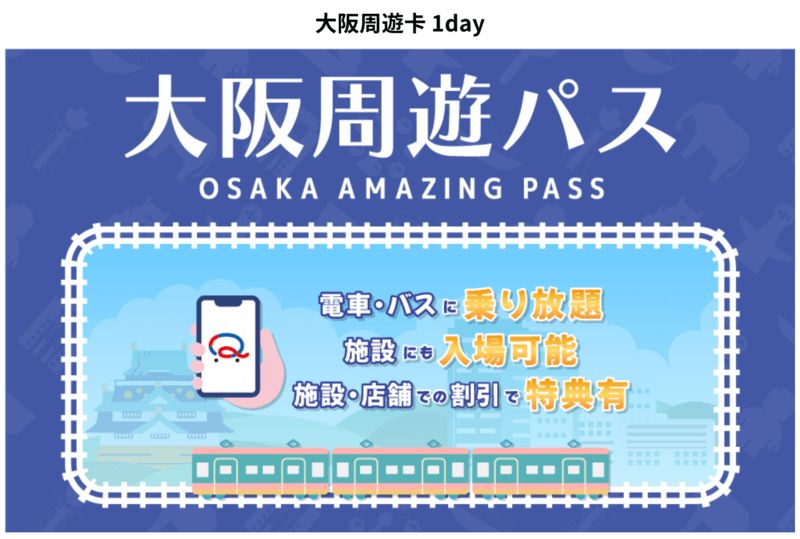
Osaka Amazing Pass: Best Value for City Ginkgo Viewing Plus Attractions
The Osaka Amazing Pass is the most recommended transport ticket for a Midosuji ginkgo trip: about ¥3,500 for 1 day and about ¥5,000 for 2 days (varies by yearly edition). It covers all Osaka Metro lines and some city buses, with unlimited rides on the Midosuji Line between ginkgo stations such as Shinsaibashi, Hommachi and Yodoyabashi, with no need to buy separate tickets.
Besides transport, the pass’s biggest advantage is free entry to about 40 popular Osaka attractions, including Osaka Castle Tower, Tsutenkaku, the HEP FIVE Ferris wheel and the Dotonbori cruise. That links the Midosuji ginkgo, Osaka Castle Park foliage and the Shinsaibashi shopping district in one go, and saves the cost of buying tickets separately.
Choose the 1-day pass for a one-day itinerary; if you plan to add the evening illumination and extend to Expo Commemoration Park or Oizumi Ryokuchi the next day, the 2-day pass is better value. The 2026 edition is a smartphone QR-code digital ticket (adults only), on sale from March 25, 2026 to March 31, 2027, so we suggest buying online before you leave.
KANSAI RAILWAY PASS: A Flexible Choice for Linking Kyoto and Nara Foliage Across Cities
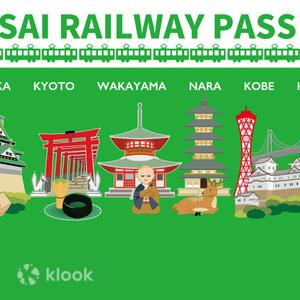
If your trip goes beyond Osaka and also takes in Kansai ginkgo spots such as Nishi Hongwanji in Kyoto and Nara Park, the “KANSAI RAILWAY PASS” (formerly the Kansai Thru Pass) suits you better than the Osaka Amazing Pass. It covers private railways in the Kansai region and the Osaka and Kobe subways (JR and buses excluded), and the 2-day and 3-day passes can be used on days of your choice, not necessarily consecutive.
This pass is especially good for a multi-day foliage plan of “Osaka Midosuji, Kyoto Horikawa-dori ginkgo and Nara Park,” greatly reducing the hassle of buying single tickets. Private railway fares between Nara, Kyoto and Osaka add up, so the pass pays for itself in just a few trips.
This is a QR-code digital ticket that can be bought in advance through online platforms. Because it does not include JR lines, you need to buy separate tickets if your itinerary involves JR.
-Klook.jpg)
JR-West Kansai Area Passes: For Travelers Making Day Trips Among Osaka, Kyoto and Nara
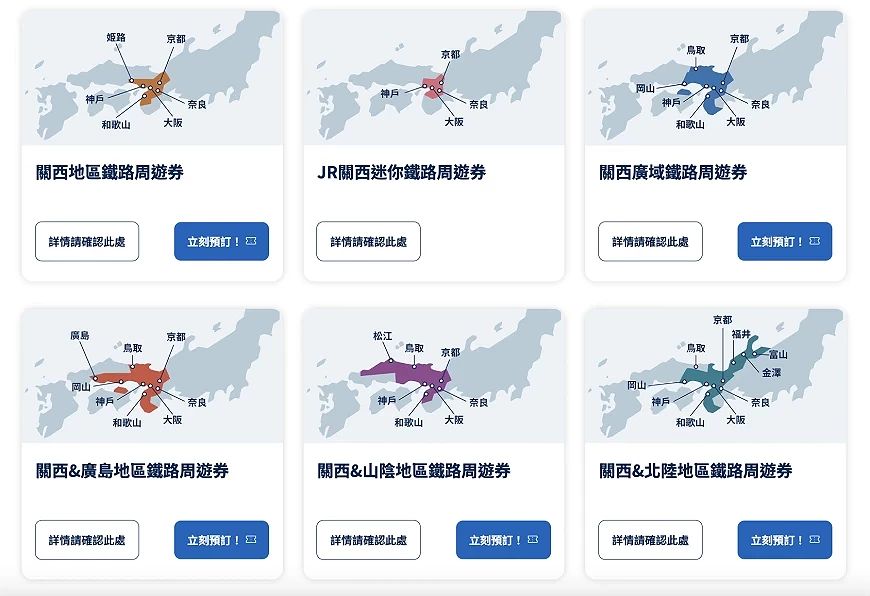
The former “JR Kansai Area Pass” ceased sales on September 30, 2026. The area passes JR-West currently sells include the “Kansai Mini Pass,” covering Kobe, Osaka, Nara and Kyoto, and the wider “Kansai WIDE Area Pass.” They suit travelers based in Osaka who take JR to Kyoto or Nara each day for foliage. Check JR-West’s official website for fares and number of days.
Although JR passes do not include the Osaka Metro Midosuji Line and cannot be used directly for the subway to the Midosuji ginkgo avenue, they pair well with single subway tickets or the Osaka Amazing Pass. Use JR for quick round trips to Nara Park and Todaiji to see ginkgo, then take the subway to Shinsaibashi to see the Midosuji lights; using the two together is the best value.
Before you leave, check how to buy and exchange the pass on JR-West’s official website, and note that limited express trains and the Shinkansen require separate tickets or a surcharge.
Midosuji Ginkgo and Osaka Castle Park Half-Day Private Charter Tour: The Easiest Choice for Older Travelers and Families
For travelers with older relatives, young children or lots of luggage, a licensed (green-plate) private charter is the easiest way to see the ginkgo. A half-day trip usually runs 4 to 5 hours, covering photo stops along the Midosuji ginkgo avenue between Yodoyabashi and Shinsaibashi, the ginkgo avenue in front of Osaka Castle Park’s keep, and foliage viewing at the Nishinomaru Garden, with a Chinese-speaking driver-guide throughout, so there is no need to worry about transfers or queuing for tickets.
The highlight is arriving at Midosuji before 10:00 a.m. when the light is best, avoiding traffic and crowds for clean photos, then driving straight to Osaka Castle Park. This saves the time of transferring on the Tanimachi or Chuo Line and makes the most of a limited vacation.
Half-day charter prices vary by vehicle type and hours (and can be split among several people). It suits families or small groups of 3 to 6. Book at least a week ahead through KKday, Klook or a local licensed charter operator; in peak season (late November to early December) popular slots sell out easily.
Midosuji Hikari-no-Kyoen Night Illumination Guided Walk: A Guide Leads You Through the Best Stretch
In 2026 the Midosuji Hikari-no-Kyoen illumination runs from November 3 to December 31, every night from about 5:00 p.m. to 1:00 a.m., from the Hanshin-mae intersection to the Namba Nishiguchi intersection, 4 km divided into 5 themed light zones. Without planning a route in advance, it is easy to miss the highlights in the crowds, so joining an evening walking tour with a local Chinese-speaking guide is more efficient.
Guided tours usually meet at Yodoyabashi Station and walk via Hommachi to Shinsaibashi. Along the way the guide explains the design themes of the 90th anniversary lighting and the imagery of each era, and stops at the best angles where ginkgo and lights combine for photos, ending in the Namba and Shinsaibashi pedestrian zone, so you can continue to Dotonbori.
Tours of this kind are mostly 2 to 3 hours, with prices varying by organizer (transport not included). They suit travelers who like hearing stories and want to understand Midosuji’s history without researching it themselves. We suggest booking in advance by searching KKday for “Osaka illumination tour” or “Midosuji night walk.” Numbers are limited, and popular sessions often sell out a week before departure.
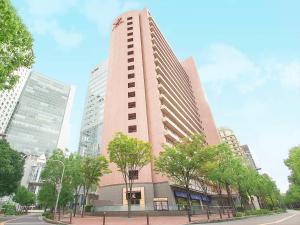
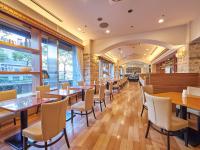
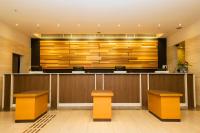
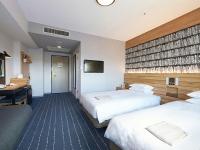
Where to Stay Near Osaka Midosuji Ginkgo Avenue? Shinsaibashi, Namba and Umeda Area Tips
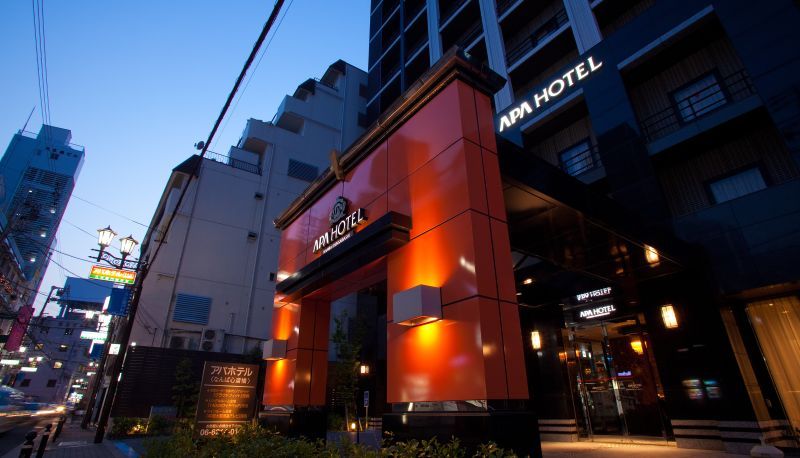
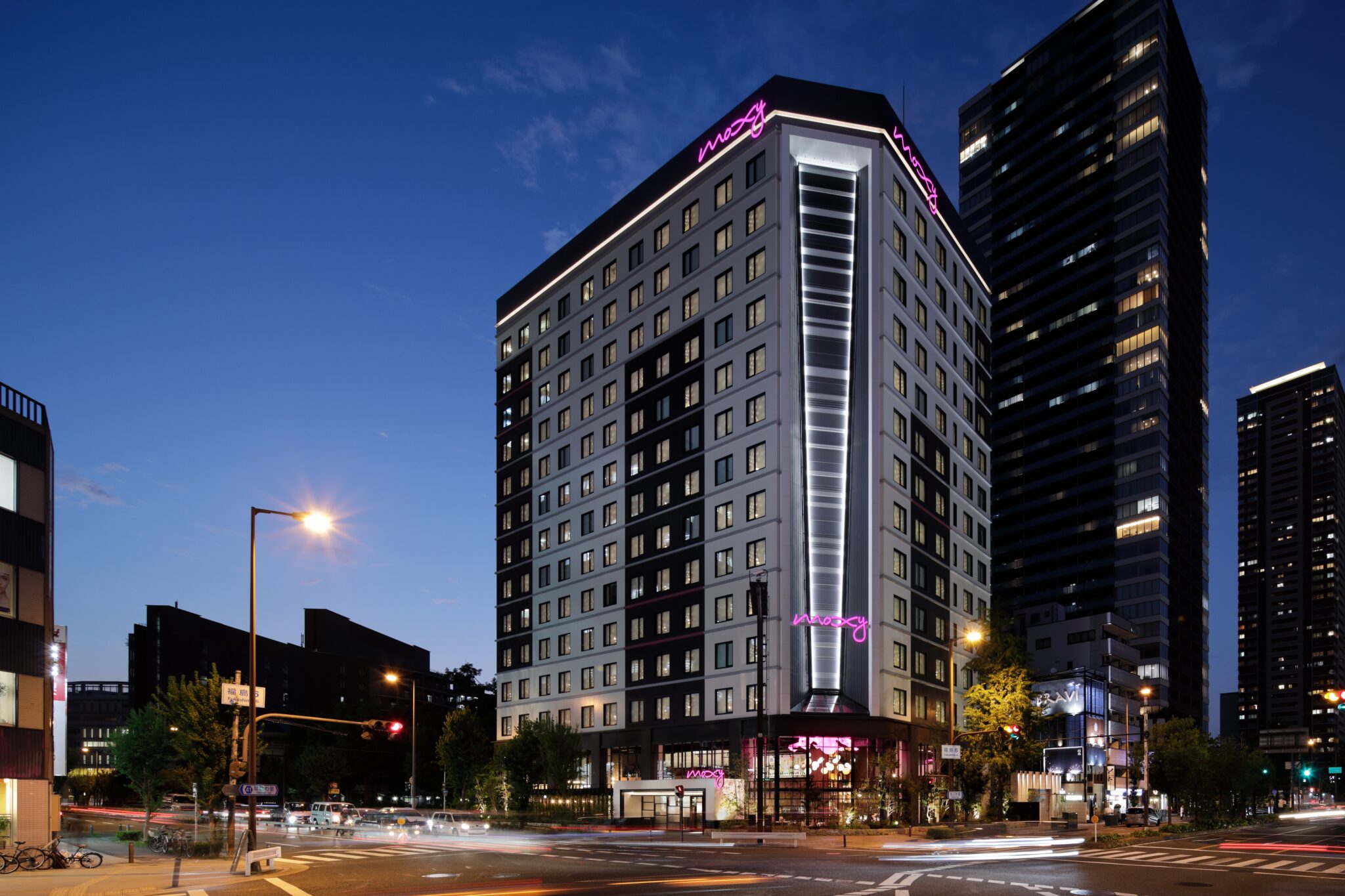
Here are three areas to stay, organized by travel route.
Around Shinsaibashi / Namba Station: Walk to the Best of Midosuji and Dotonbori
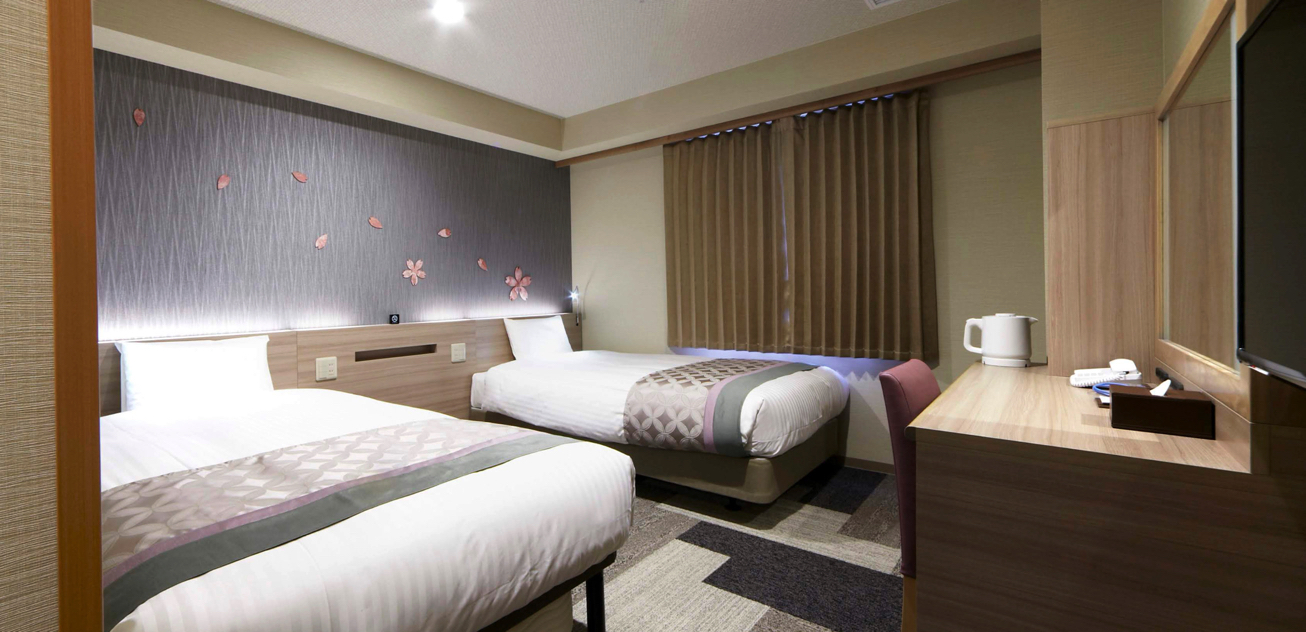
The areas around Shinsaibashi and Namba stations are the closest places to stay to the best stretch of Midosuji. From most hotels it is within about 10 minutes on foot to the densest ginkgo and illumination section between Yodoyabashi and Shinsaibashi, and after the lights you can walk straight to Dotonbori for dinner. Hotels here are mostly clustered in the side streets around Shinsaibashi-suji Shopping Street, suiting travelers who want shopping by day, ginkgo at dusk and Dotonbori food at night all in one day.

Around Umeda Station: The North End of Midosuji, Good for an Early Morning Ginkgo Walk
Umeda Station is close to the Hankyu Umeda intersection at the north end of Midosuji, and suits a route of “finish the northern ginkgo section early, then walk south to Shinsaibashi.” It is also Osaka’s main hub where the Shinkansen and private railways meet, making it a good base for multi-day trips linking Kyoto and Nara, with fewer days of dragging luggage around.
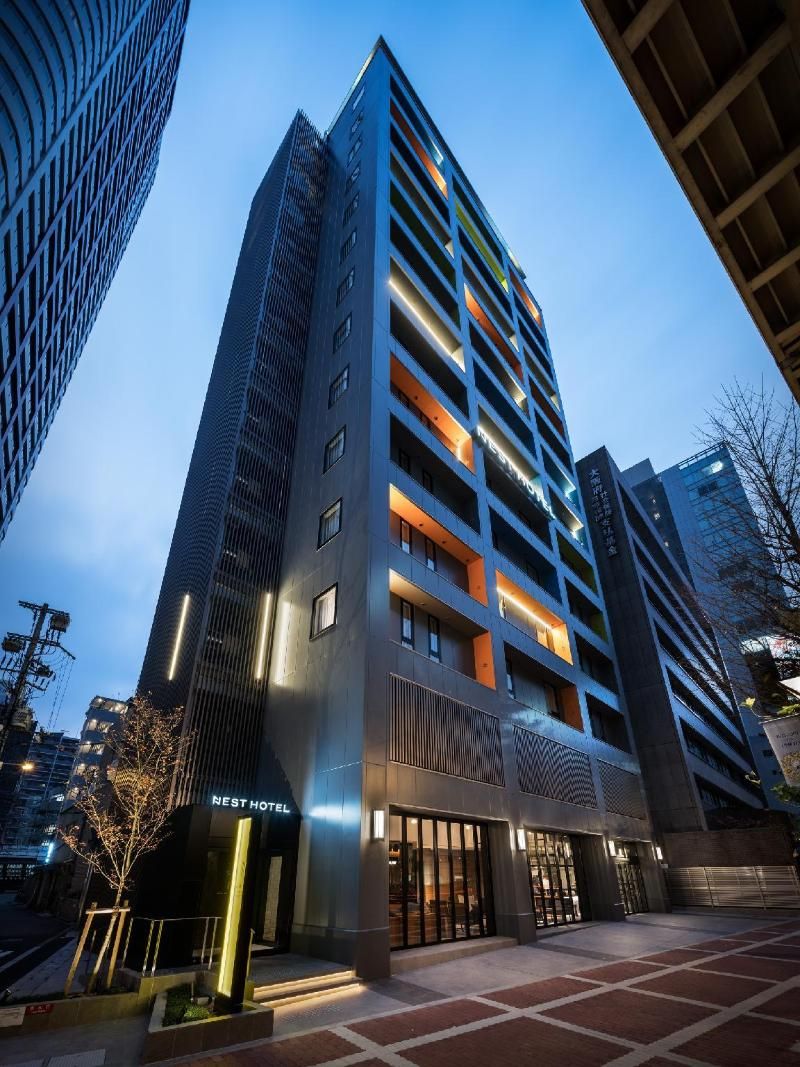
Around Osaka Castle Park (Morinomiya, Tanimachi 4-chome): Good for a Two-Day Midosuji and Osaka Castle Plan
If you plan a half-day at Osaka Castle Park on the same day as the Midosuji ginkgo, staying near Morinomiya or Tanimachi 4-chome Station saves commuting time to and from the city center. Hotels here are smaller and less densely clustered than at Shinsaibashi, but it is only about a 10-minute walk to the ginkgo views at Osaka Castle Park’s keep and Nishinomaru Garden, suiting travelers who want to avoid downtown crowds and focus on the scenery.
FAQ
Q: When will the 2026 Midosuji ginkgo peak forecast be released?
Peak forecasts are released in stages from September. Autumn 2026 temperatures are running high, so peaks are expected to fall around normal or later than usual. Check the latest forecast before you go.
Q: When is the best time to see the Midosuji ginkgo?
The overall 2026 peak range is about late November to early December, and the golden window when golden leaves overlap with the illumination is only about two weeks.
Q: Is the Midosuji illumination worth a special trip?
Yes. The Midosuji section of “Osaka Hikari-no-Kyoen 2026” is lit from November 3 to December 31, every night from 5:00 p.m. to 25:00 (1:00 a.m.), with a 90th anniversary theme this year. Ginkgo by day and lights by night are two very different experiences.
Q: How do I get to the Midosuji ginkgo? Which subway line is most convenient?
Take the Osaka Metro Midosuji Line to Yodoyabashi Station or Shinsaibashi Station and you are there as soon as you exit. To add Osaka Castle, transfer to the Tanimachi Line or Chuo Line to Tanimachi 4-chome Station.
Q: How long should I stay at the Midosuji ginkgo and how do I plan the trip?
Walking the best stretch takes about 2 hours. Pair it with Osaka Castle Park for a half-day or one-day trip, or use a Kansai pass to link Kyoto and Nara ginkgo spots in a multi-day plan.
Q: What should I wear and bring for ginkgo viewing?
In November, Osaka has a big temperature gap between morning and evening, so we suggest onion-style layering and non-slip shoes for long walks. If you plan a picnic on the Osaka Castle lawn, bring a moisture-proof picnic mat.
Q: How much are tickets for Osaka Castle Tower and the Nishinomaru Garden?
The tower costs ¥1,200 for adults (raised in April 2025), the Nishinomaru Garden requires a separate ticket (follow official announcements), and the park itself is free to enter.