
Shuzenji Autumn Foliage Guide 2026
Shuzenji Onsen, known as the “Little Kyoto of Izu,” is the oldest and most famous autumn foliage destination on Shizuoka Prefecture’s Izu Peninsula. The leaves usually peak from mid-November to early December, and because the town sits in a hot spring valley, color in some areas lingers into mid-December. That makes it one of the later deep-autumn spots near Kanto, ideal to visit after other peak-foliage areas have finished.
Shuzenji is known for Shuzenji Temple, an ancient temple with more than 1,200 years of history, Tokko no Yu, the oldest hot spring in Izu, and the Koi no Hashi (bridges of love) walk along the Katsura River. It is a late-autumn destination where you can enjoy both history and hot spring atmosphere. Around the onsen town you will also find a bamboo grove path, the maple forest at Shuzenji Nature Park, and the large theme garden Shuzenji Niji no Sato, making it a good fit for a two-day, one-night onsen and foliage getaway.
Getting There: How to Reach Shuzenji
Shuzenji is in the middle of the Izu Peninsula, about 2 hours from Tokyo. Here are the main ways to get there.
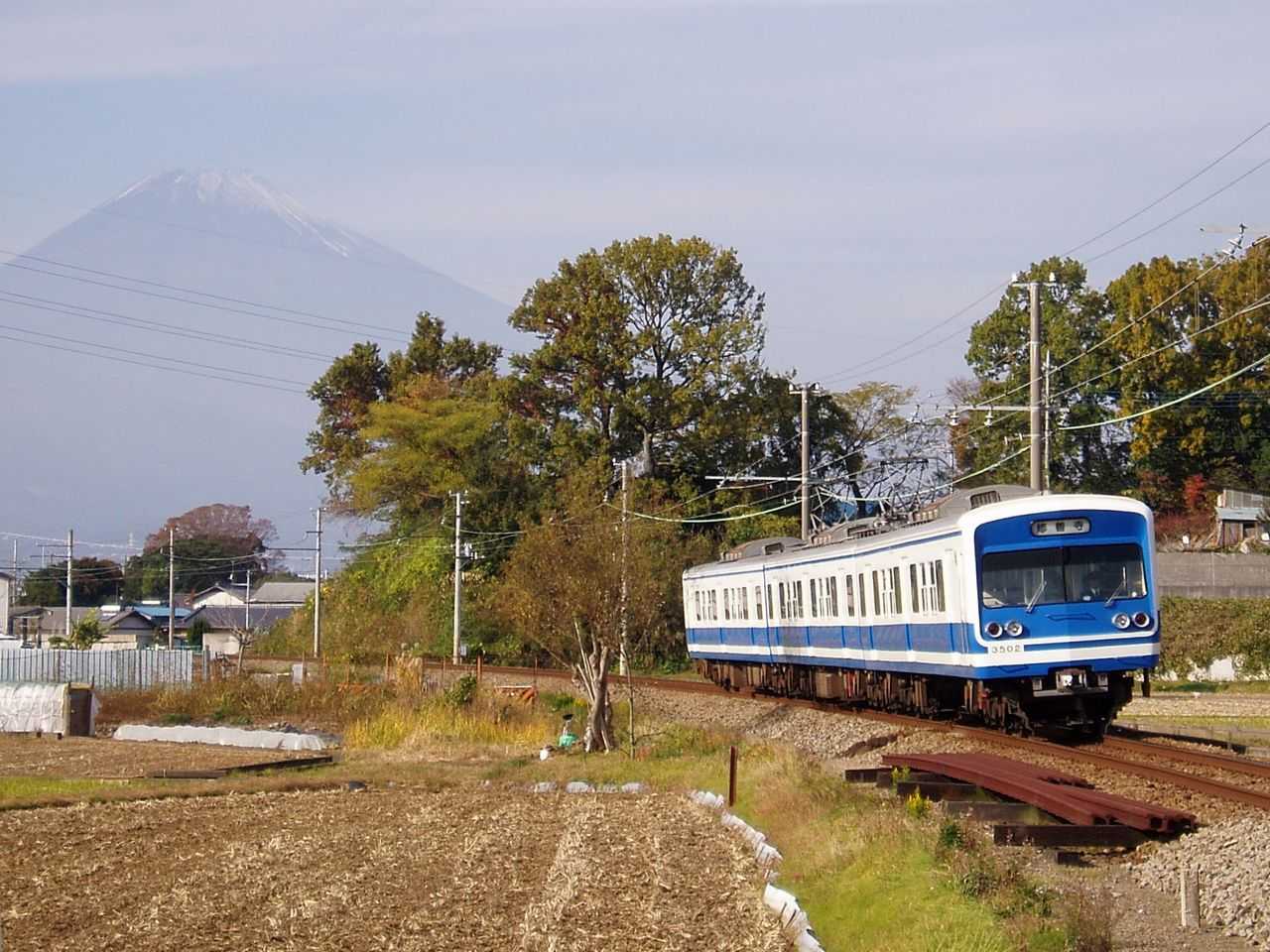
By Train: Shinkansen plus the Izuhakone Railway Is the Most Direct
The main public transport route is to take the JR Tokaido Shinkansen to Mishima Station, then change to the Izuhakone Railway Sunzu Line to the terminus, Shuzenji Station. You can also take the Limited Express Odoriko from Tokyo directly to Shuzenji Station in about 2 hours. From the station, take a Tokai Bus bound for “Shuzenji Onsen”; the ride takes about 10 to 15 minutes to reach the heart of the old town.
The onsen town is some distance from the station, so check the bus timetable in advance. Weekend crowds waiting for buses are heavier in foliage season, so leave plenty of time for transfers to avoid missing a bus and disrupting your plans.
Day Bus Tour from Tokyo: A Hassle-Free Option Without Transfers
If you would rather not plan your own transport, bus tours leave Tokyo for same-day round trips to see the foliage, for example packages combining Shuzenji, the Mishima Skywalk and Hakone Shrine. They link several foliage spots near Kanto in one trip without repeated transfers, which suits travelers with limited time.
These day tours usually include round-trip transport and some admission tickets. Book early on platforms such as KKday or Klook, because popular dates in foliage season can sell out quickly, and booking late may leave you with only inconvenient departure times.

Shizuoka – Tokyo Shuzenji Onsen Autumn Foliage Day Tour
Tokyo Shuzenji Onsen Autumn Foliage Day Tour
By Car: Izu Jukan Expressway, Shuzenji IC
If you are driving, exit the Izu Jukan Expressway at Shuzenji IC to reach the area around Shuzenji Onsen town. Driving is relatively flexible, and especially suits travelers who want to visit scattered spots such as Niji no Sato and the Nature Park maple forest in a single trip.
Roads around the onsen town are fairly narrow, and parking is highly competitive at the peak of foliage season. Arrive early or visit on a weekday, and use the paid car parks near the onsen town first so that hunting for a space does not eat into your foliage time.

Walking Around the Onsen Town: Core Sights Are All Connected on Foot
Once you arrive in Shuzenji Onsen town, Shuzenji Temple, Tokko no Yu, the bamboo grove path and the bridges along the Katsura River are all within walking distance, so no extra transport is needed. It is a good place for a relaxed stroll through the old streets, taking in each foliage highlight at your own pace.
To reach Shuzenji Niji no Sato or the Shuzenji Nature Park maple forest, you will need to take a bus or drive separately. Plan the order of your walking and transfers in advance so the day runs smoothly and you avoid doubling back and wasting time.

Top Spots in Shuzenji
Shuzenji combines an ancient temple, hot spring legends and modern theme gardens. Here are the best places to linger in foliage season, plus a few local wasabi food picks.
Shuzenji Temple: Izu’s Ancient Temple with 1,200 Years of History
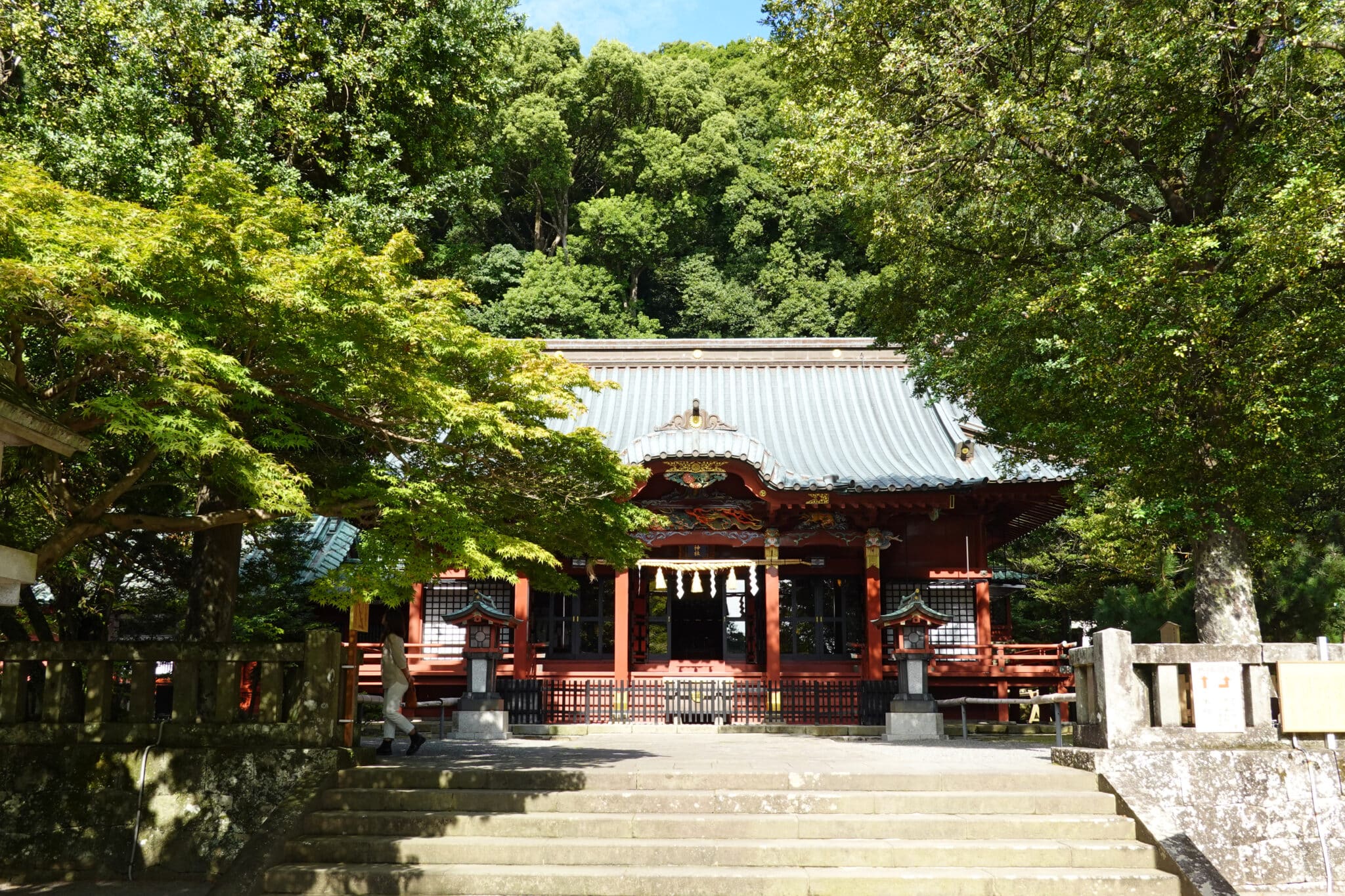
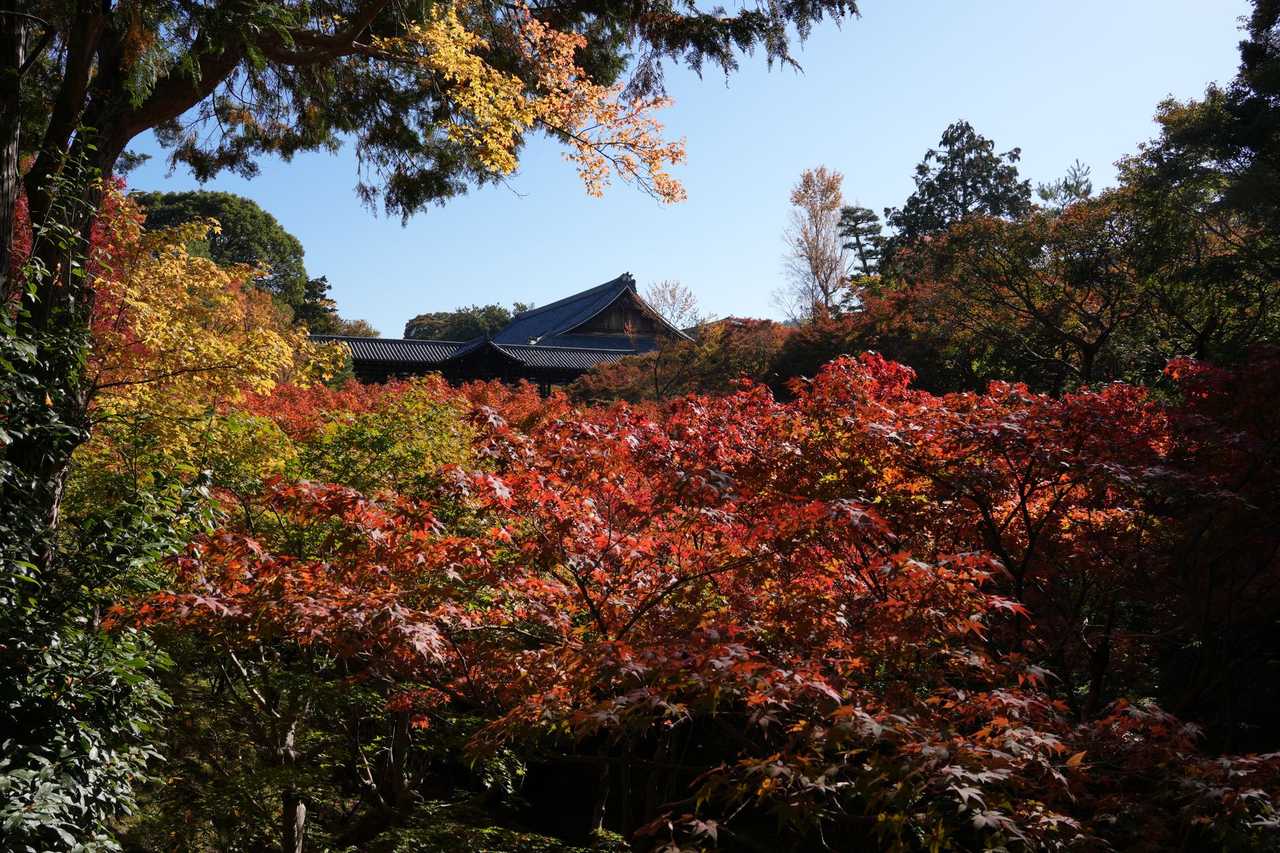
Shuzenji Temple is said to have been founded in 807 (the 2nd year of Daido) by Kukai (Kobo Daishi) as a Soto Zen temple. With more than 1,200 years of history, it is one of the oldest Buddhist temples in Izu, and the spiritual center of Shuzenji onsen town and the origin of its name. In autumn, red leaves fill the area around the main hall, setting off the classical Japanese temple architecture.
During the Autumn Leaves Festival, the “Hojo Garden,” which is normally closed to the public, is specially opened to visitors for foliage viewing. Admission is about ¥200, a rare chance to experience the deep-autumn atmosphere of this ancient temple. Allow enough time to look around carefully and enjoy the quiet Zen mood created by the temple and the red leaves.

Tokko no Yu: The Legend Behind Izu’s Oldest Hot Spring
Legend has it that in the 2nd year of Daido, Kukai passed by the Katsura River and was deeply moved to see a boy washing his sick father out of filial devotion. He struck a rock in the river with his ritual implement, a “tokkosho,” and hot water gushed out. The father recovered after bathing, and the spring became known as “Tokko no Yu,” the origin of the Shuzenji hot spring name and one of the Seven Wonders of Izu.
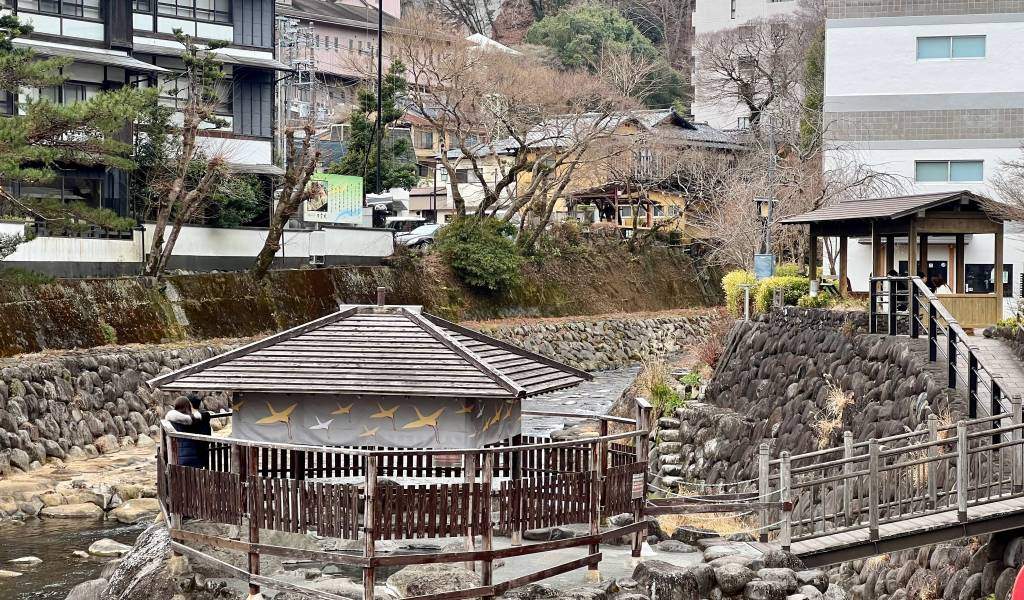
Today the site is for viewing only, and bathing is not allowed. As the landmark where Izu’s oldest hot spring began, and with red leaves along both banks of the Katsura River, it is an important stop for understanding Shuzenji’s culture of filial piety and its hot spring history. We suggest learning this origin story here before strolling the bamboo grove path.
Bamboo Grove Path: A Michelin-Recommended Walk of Green Bamboo and Red Maples
The Bamboo Grove Path is about 400 meters long, with around 60 maple trees planted along the Katsura River promenade and green bamboo on both sides. It passes the vermilion Katsura Bridge and Kaede Bridge, and has been recommended in the Michelin Green Guide. In the middle of the path are round bamboo benches where you can sit and gaze up at the sea of bamboo. In late autumn the maples turn orange-red, contrasting sharply with the green bamboo.
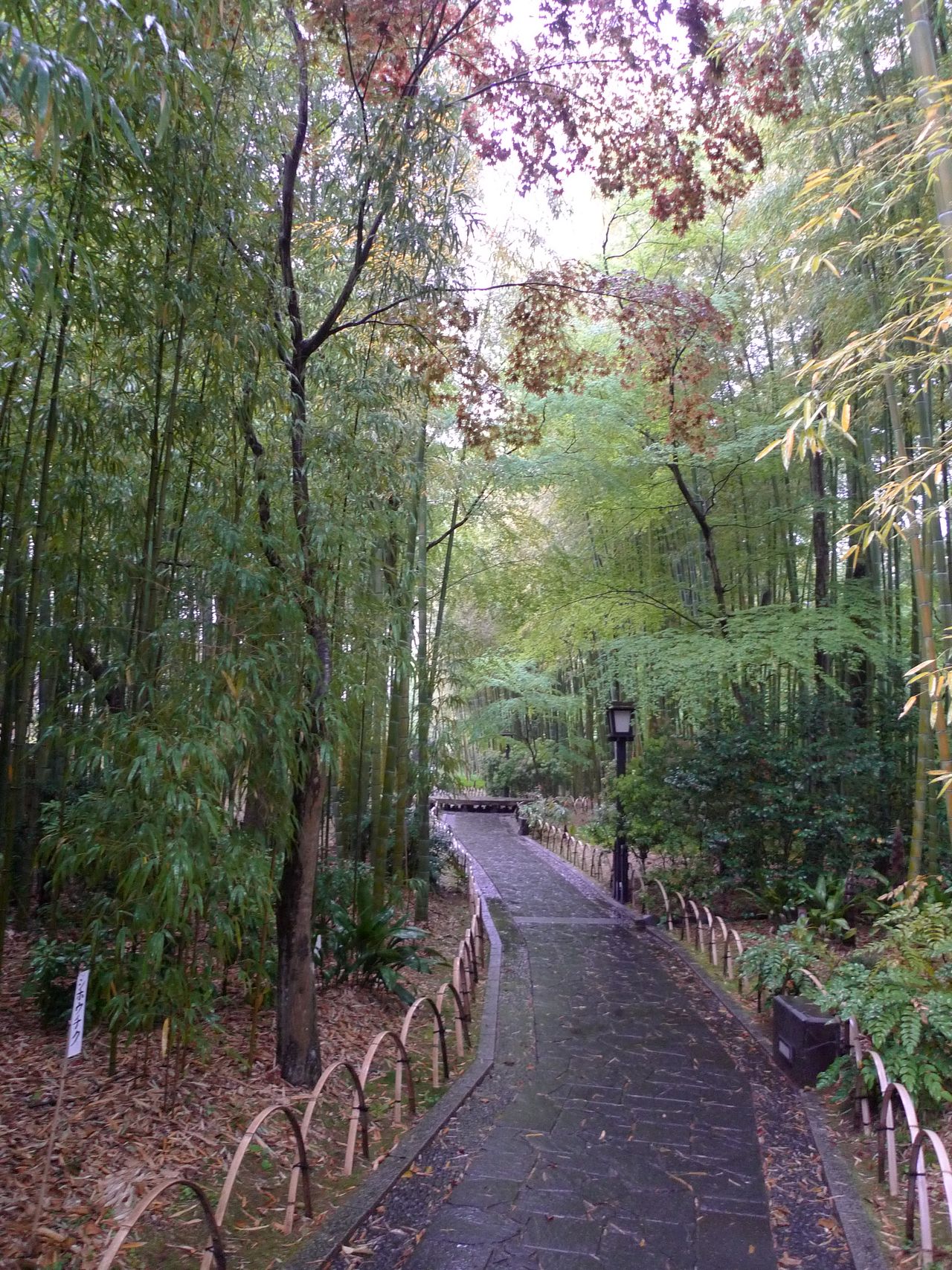
The path is lit up in the evenings year-round (not just in foliage season). After dark, the lights over the bamboo and red leaves create a dreamy night-foliage scene quite unlike the daytime view. It is a must-visit evening spot for photographers and the walk that best captures Shuzenji’s “Little Kyoto” character.
Five Romantic Bridges in the Onsen Town: A Bridge-of-Love Walk Along the Katsura River
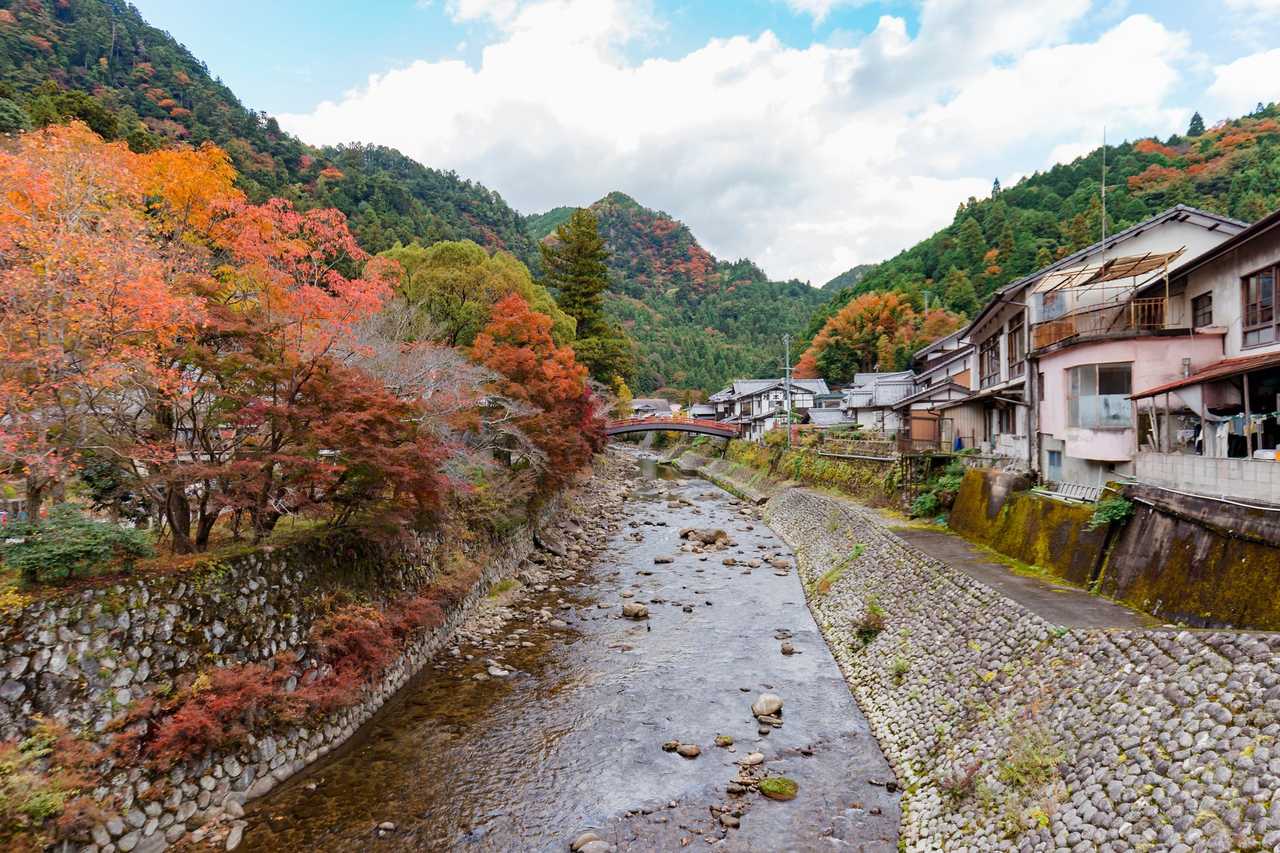
The Katsura River runs through the center of the onsen town, and five red bridges, including Togetsu Bridge, Katsura Bridge and Kaede Bridge, span it, with maple forests stretching along both banks. It is a popular route for enjoying the foliage while wandering the onsen town. Legend says that making a wish while crossing these “lovers’ bridges” will bring a happy romance,
The vermilion bridges against flowing water and red leaves have a distinctly Japanese charm. Walk across them one by one along the Katsura River to feel the romantic atmosphere unique to Shuzenji’s “Koi no Hashi walk,” a good addition to an itinerary for couples.
Shuzenji Nature Park Maple Forest: Izu’s Foremost Grove of Red Maples
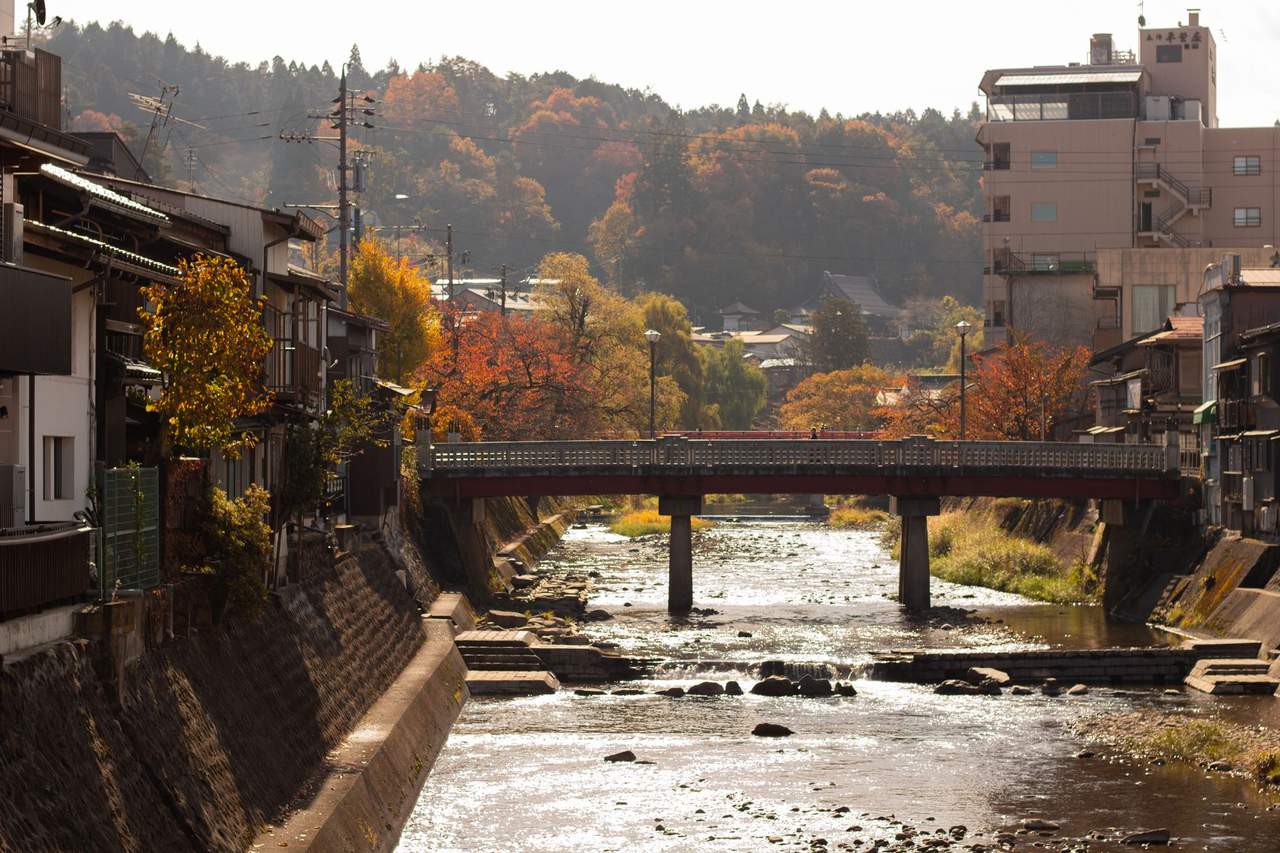
The “Maple Forest” at Shuzenji Nature Park, near the onsen town, is Izu’s foremost grove of red maples, covering a broad area of 1 hectare. About 1,000 maple trees (such as Japanese maple and trident maple) are planted in the park, and a huge century-old ginkgo tree stands at the entrance. The mix of gold and fiery red is truly striking.
Entry is free (nearby parking is charged during the Autumn Leaves Festival). On a clear day you may even catch the red leaves and Mt. Fuji in the same frame. It is a must-see for travelers who like free, expansive natural scenery, and the largest natural foliage area in Shuzenji’s autumn season.
Shuzenji Niji no Sato: One of Izu’s Largest Foliage Theme Parks
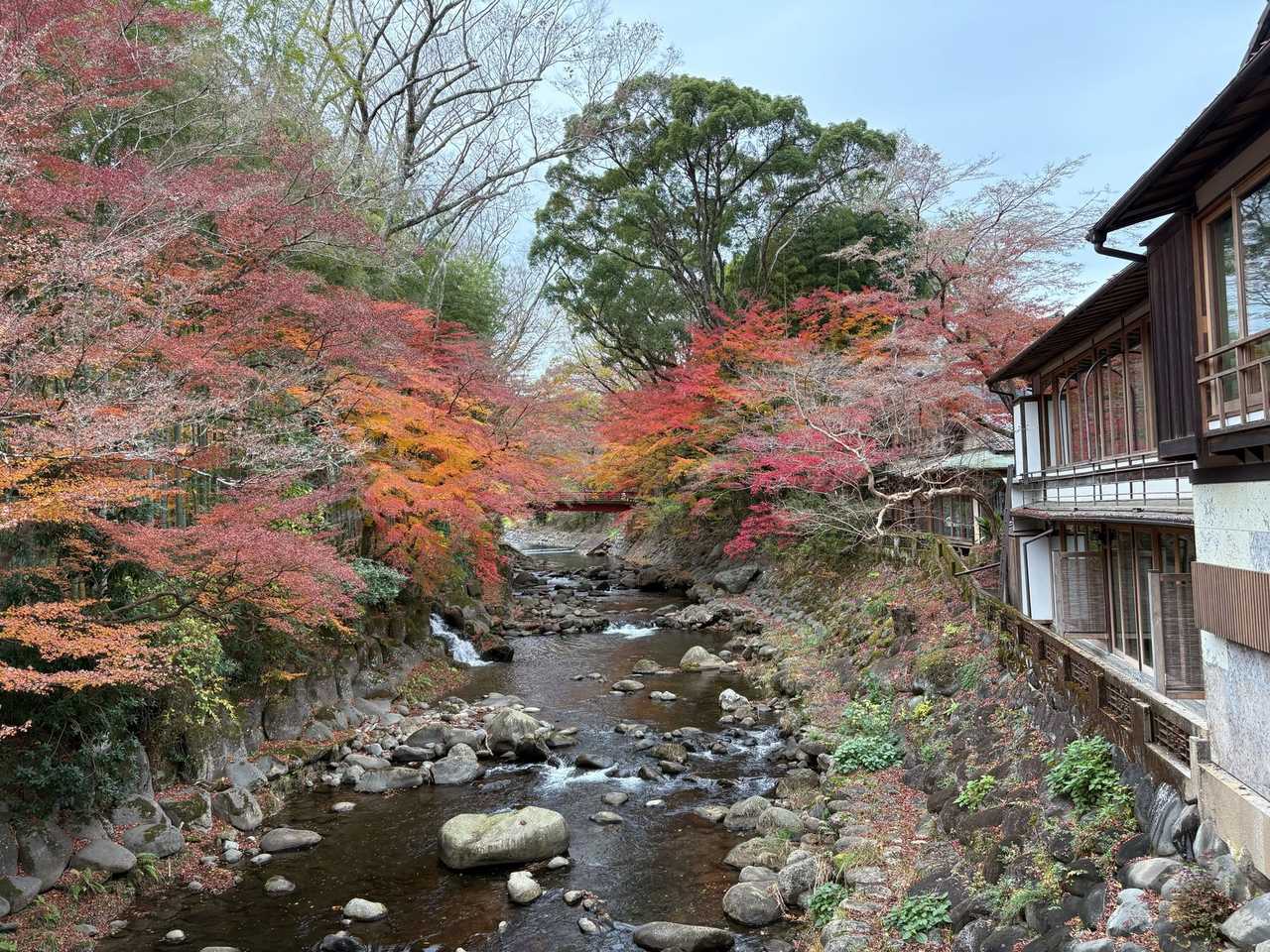
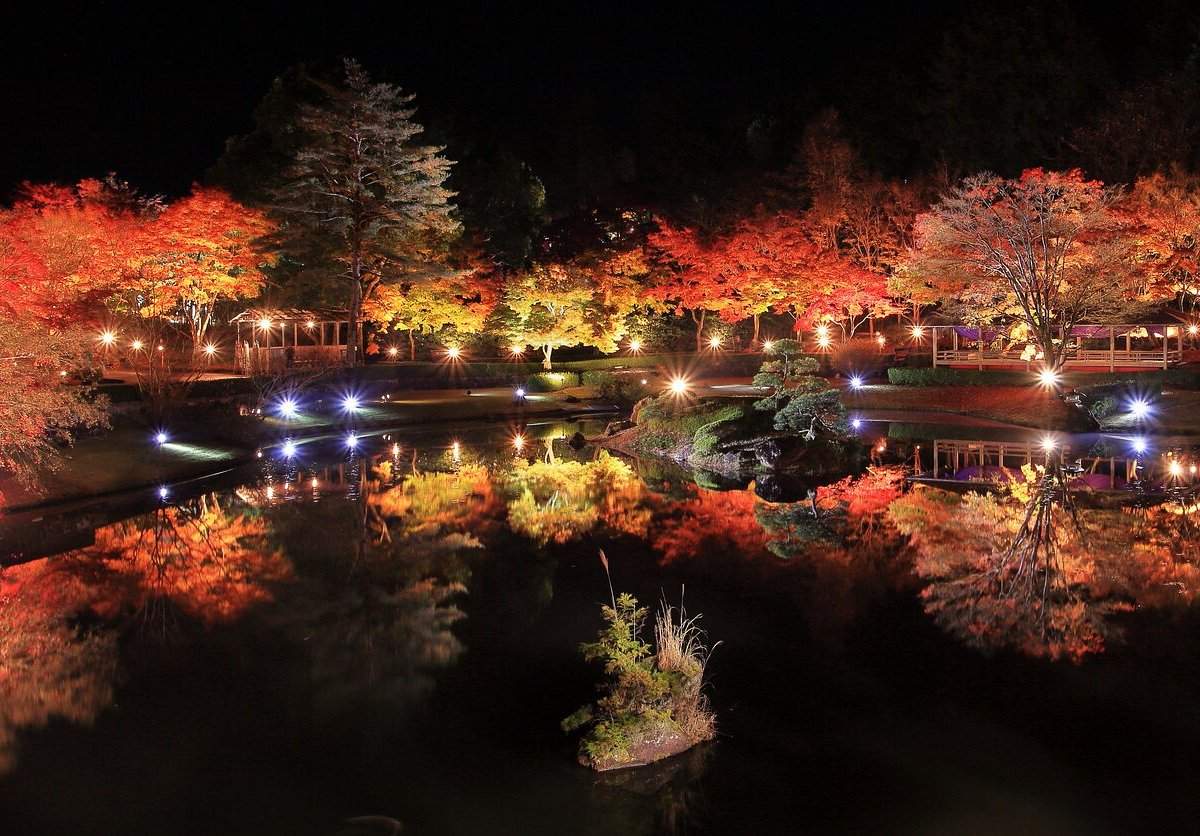
Shuzenji Niji no Sato is one of the largest foliage theme parks in Izu, with about 2,000 maple trees in the grounds, including roughly 1,000 in the “Maple Grove” area. Red leaves in both Japanese-style and Western-style gardens intermingle, and on clear days you can see Mt. Fuji in the distance.
In 2026, the “Momiji Light-up” (autumn leaves illumination) runs from November 7 to December 13, 5:00 p.m. to 9:00 p.m., together with the “Illumi the Night” event. Daytime admission is ¥1,220 for adults and ¥610 for children; the illuminated evening session is a set ticket at ¥2,600 for adults and ¥1,500 for children.
Zenpūtei Nanaban (禅風亭なゝ番): A Popular Soba Shop Serving a Whole Freshly Grated Wasabi Root
Shuzenji is one of the wasabi-growing areas of Izu. The popular soba restaurant Zenpūtei Nanaban is known for serving its soba with a whole wasabi root, so diners can grate it themselves and enjoy the freshest, sharpest wasabi flavor. It is one of the local must-eat spots with very high ratings.
You often have to queue at mealtimes, so avoid the midday peak, or go after your stroll along the bamboo grove path and enjoy authentic Izu wasabi soba as a delicious finish to your foliage trip. The kick of the wasabi gives the whole bowl of soba a more layered flavor.
Soba Joren (そば定連): A Famous Freshly Grated Wasabi Rice Bowl Shop by the Station
The soba shop “Joren,” in front of Shuzenji Station, is known for its signature cold wasabi-don set meal served with freshly grated wasabi, letting visitors taste the most authentic Izu wasabi flavor right after arriving in Shuzenji. For many travelers it is the first food stop in Shuzenji.
Besides the wasabi-don, it also serves local specialties such as shiitake soba (shiitake mushroom soba noodles). It is a good meal choice before taking the bus to the onsen town, or at the end of the day before heading back, keeping your whole Shuzenji trip full of local wasabi flavor from start to finish.
Recommended Tickets and Tours
When planning your Shuzenji foliage trip, these tickets and tours can make the experience more complete.
Shuzenji Niji no Sato Tickets: A Foliage Garden for Day and Night
Shuzenji Niji no Sato daytime admission is ¥1,220 for adults and ¥610 for children. From November 7 to December 13, 2026, the 5:00 p.m. to 9:00 p.m. illuminated evening session is a set ticket (including “Illumi the Night”) at ¥2,600 for adults and ¥1,500 for children. On fireworks days (November 14, 22 and 28, from 7:30 p.m.), admission is ¥3,300 for adults and ¥2,200 for children.

Shuzenji Onsen Stays: A Hot Spring Inn Experience in Izu’s Little Kyoto
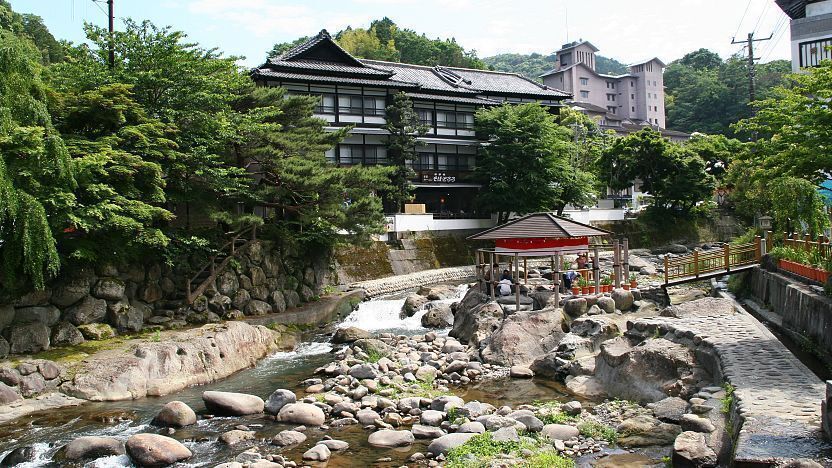
The Shuzenji onsen town has a number of traditional hot spring inns, ideal for a two-day, one-night onsen and foliage trip. Stroll the illuminated bamboo grove path in the evening, then head to Niji no Sato or the Nature Park maple forest the next day, for a more relaxed taste of late-autumn charm in this “Little Kyoto of Izu.”
The illuminated evening session at Shuzenji Niji no Sato runs until 9:00 p.m. (last entry 8:30 p.m.). If you stay in the onsen town, you can see the Niji no Sato lights first and then return to stroll the onsen town, for a more leisurely schedule.
Izu Day Tour from Tokyo: Combining Shuzenji and Nearby Foliage Spots
If you would rather not arrange your own transfers, consider a day tour from Tokyo combining Shuzenji, the Mishima Skywalk, Hakone Shrine and other sights. These usually include round-trip transport and some admission tickets, and suit travelers with limited time who just want to focus on foliage and photos.
Shuzenji Niji no Sato’s daytime hours from October to February are 10:00 a.m. to 4:00 p.m., with last entry 1 hour before closing; the illuminated evening session runs from 5:00 p.m. to 9:00 p.m. Before signing up for a day tour, check whether the package includes evening entry to Niji no Sato.

Sightseeing Tips
Sightseeing and Transport Tips
Foliage in the Shuzenji area peaks late, usually from mid-November to early December, and in some areas lingers into mid-December. Check the latest official announcements for peak conditions before you go. The grounds are large with many hillside paths (especially at Shuzenji Niji no Sato), so wear light, comfortable sneakers. Light-colored clothing makes photos look brighter against fiery maple leaves and the evening illumination. Roads around the onsen town are narrow and parking is highly competitive at the peak of foliage season, so arrive early or use public transport first.
Nearby Accommodation Tips
Shuzenji onsen town’s Shuzenji Temple, Tokko no Yu, bamboo grove path and the bridges along the Katsura River are all within walking distance. Staying in the onsen town lets you stroll the illuminated bamboo grove path in the evening and see the foliage again early the next morning. Shuzenji Niji no Sato’s 2026 illumination runs from November 7 to December 13, 5:00 p.m. to 9:00 p.m., which suits a two-day, one-night trip.

Frequently Asked Questions (FAQ)
Q: When is the best time to see autumn leaves in Shuzenji in 2026?
The best time to see foliage in Shuzenji is usually from mid-November to early December, with some areas lasting into mid-December. It suits a visit after other peak-foliage areas have finished.
Q: How much is admission to Shuzenji Temple’s Hojo Garden?
The Hojo Garden at Shuzenji Temple is normally closed to the public, but it is specially opened to visitors during the Autumn Leaves Festival, with admission of about ¥200. It is a rare chance to experience the deep-autumn atmosphere of this ancient temple, so try to visit during this limited foliage-season window.
Q: Can you still bathe at Tokko no Yu?
Tokko no Yu is currently for viewing only and bathing is not allowed. Still, as the landmark of Izu’s oldest hot spring and the site of its origin legend, it remains the most story-rich stop on the onsen town walk and well worth pausing for photos.
Q: Do the evening illuminations at Shuzenji Niji no Sato cost extra?
Yes. The illuminated evening session (5:00 p.m. to 9:00 p.m.) is a separate set ticket at ¥2,600 for adults and ¥1,500 for children, priced separately from daytime admission (¥1,220 for adults, ¥610 for children).
Q: Is it hard to get around without a car?
Not too hard. Take the Limited Express Odoriko from Tokyo directly to Shuzenji Station in about 2 hours, or take the Shinkansen to Mishima Station and change to the Izuhakone Railway, then take a Tokai Bus for about 10 to 15 minutes to the onsen town.
Q: What are the must-eat foods in Shuzenji?
We recommend the soba with a whole freshly grated wasabi root at Zenpūtei Nanaban, and the cold wasabi-don set meal at Joren in front of the station. Both let you taste authentic Izu wasabi.