
Osaka Autumn 2026: Fall Foliage Spots, Transport Passes and What to Wear
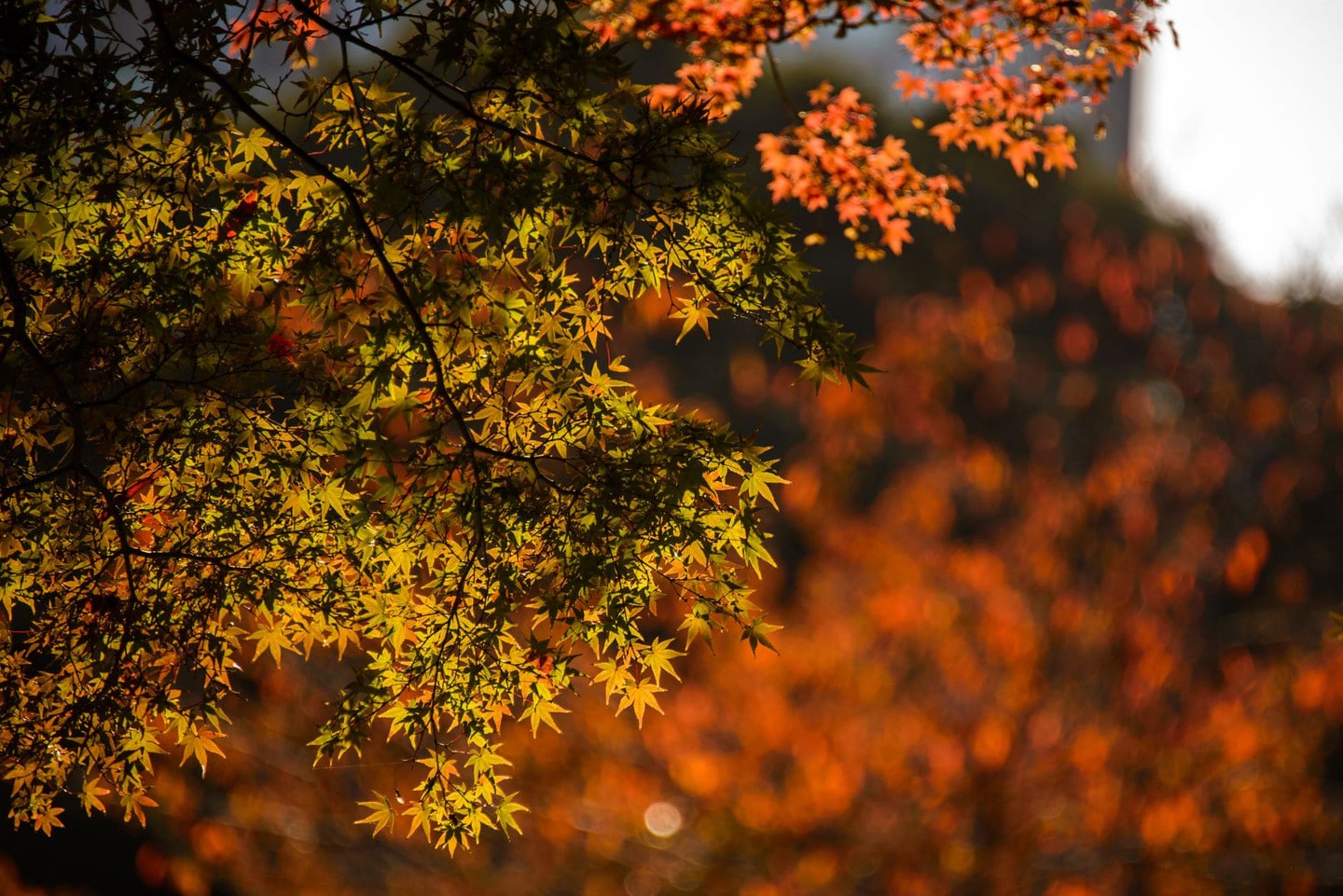
Fall colors in Osaka peak from mid-November to early December, with the mountains and the city center turning at slightly different times. The dry, comfortable autumn weather makes it the best season for leaf-viewing and hiking.
Minoo Park: Waterfall and Red Leaves Together
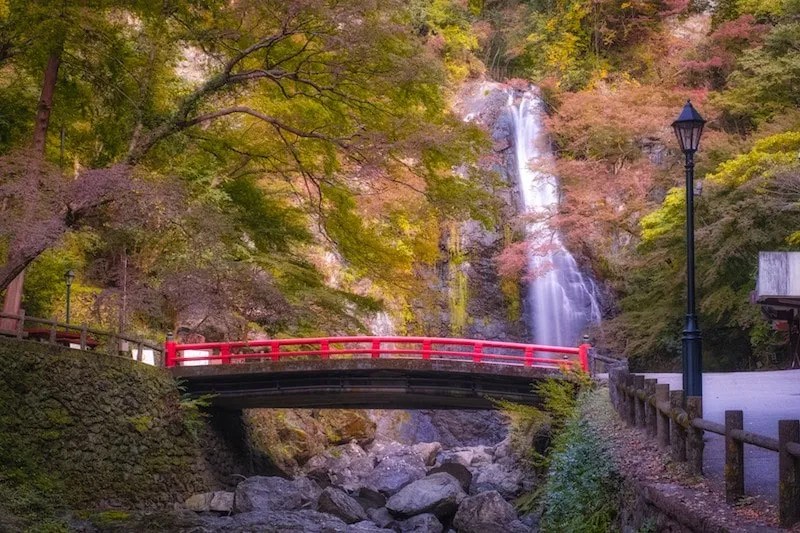
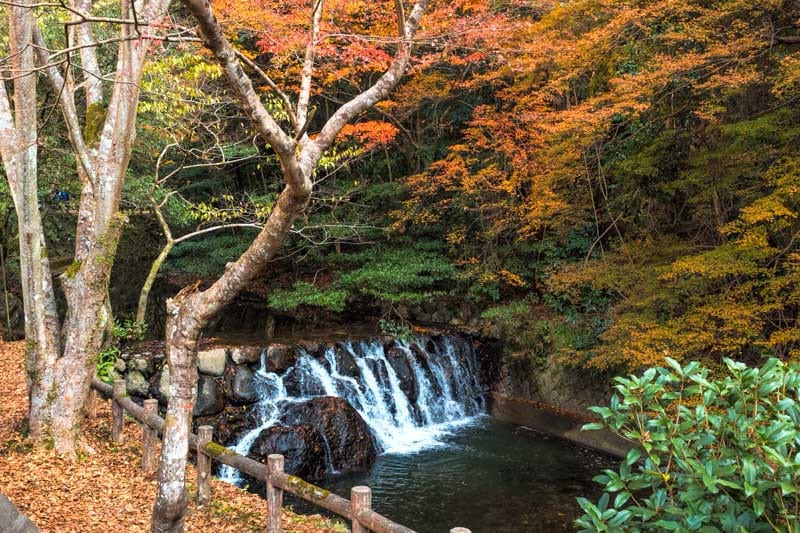
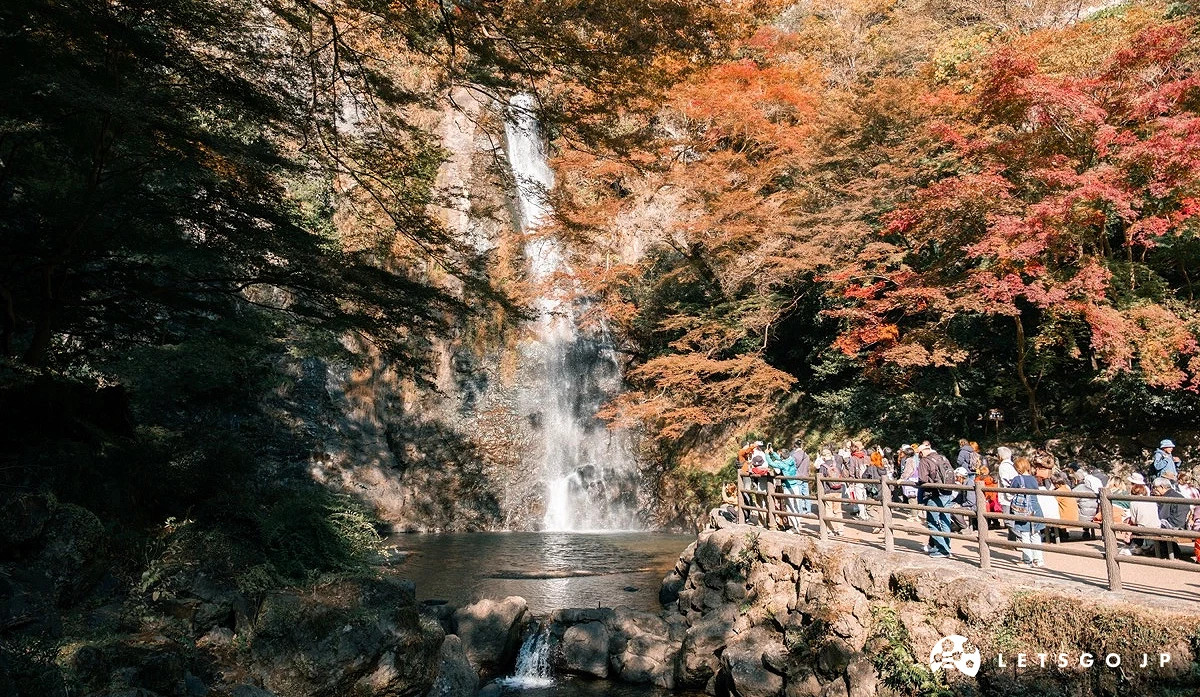
Minoo Park is Osaka’s classic autumn-foliage destination. Its Minoo Falls drop 33 meters, and in autumn the hillsides blaze red around the cascade. A gentle valley trail of about 2.7 km runs through the park, passing maple leaves, streams and wild monkeys, which makes it a great hike for families. It is rated 4.4 (11,000 reviews), and the best viewing period is mid to late November.
The Minoo Insect Museum is also worth a stop; adult admission is ¥280, and it is a good rainy-day backup. With easy access and free park entry, Minoo is the first stop not to miss on an Osaka foliage itinerary.



Osaka Castle Park: Castle Keep and Red Leaves in One Frame
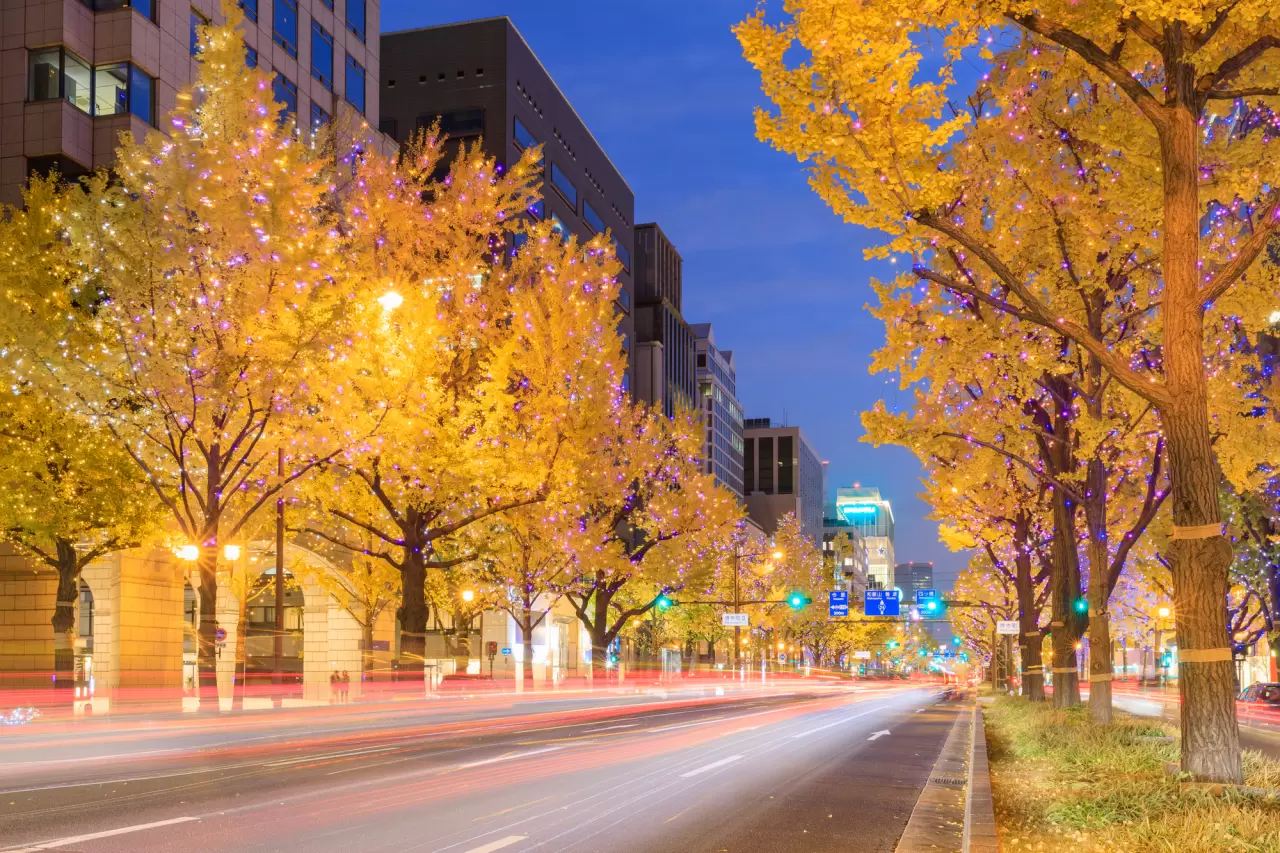
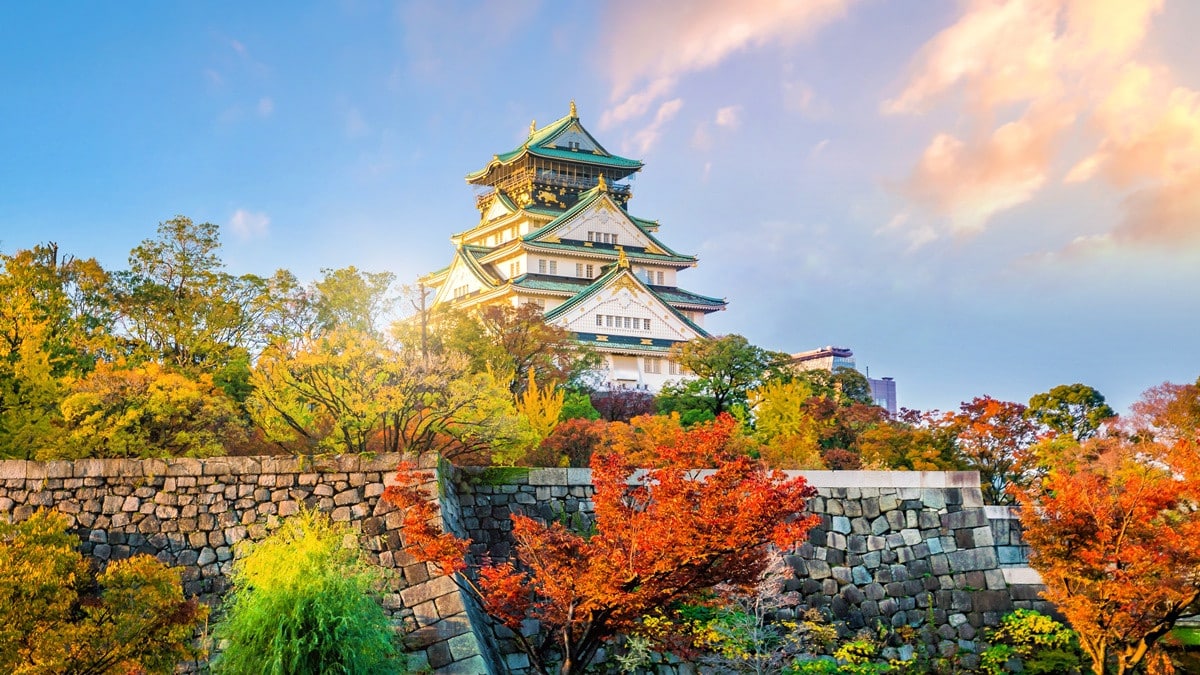
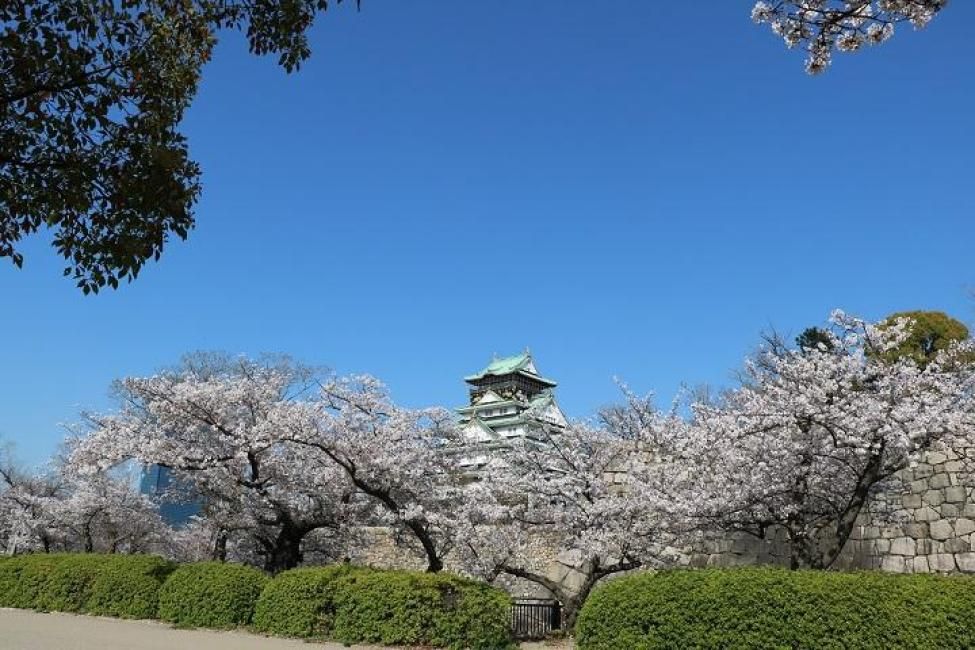
Osaka Castle Park covers more than 100 hectares and has 13 Important Cultural Properties. The castle keep framed by autumn leaves is Osaka’s most classic fall scene. The Nishinomaru Garden is ablaze with red maples, and a one-kilometer avenue of golden ginkgo trees stretches in front of the keep, where ginkgo yellow and maple red blend into a striking view. Adult admission is ¥1,200, and the best viewing period is late November to early December.
An old castle paired with golden ginkgo and red maples makes this one of the best foliage spots inside the city, and it suits a relaxed half-day stroll. For evening opening details, check the official announcements before you go.

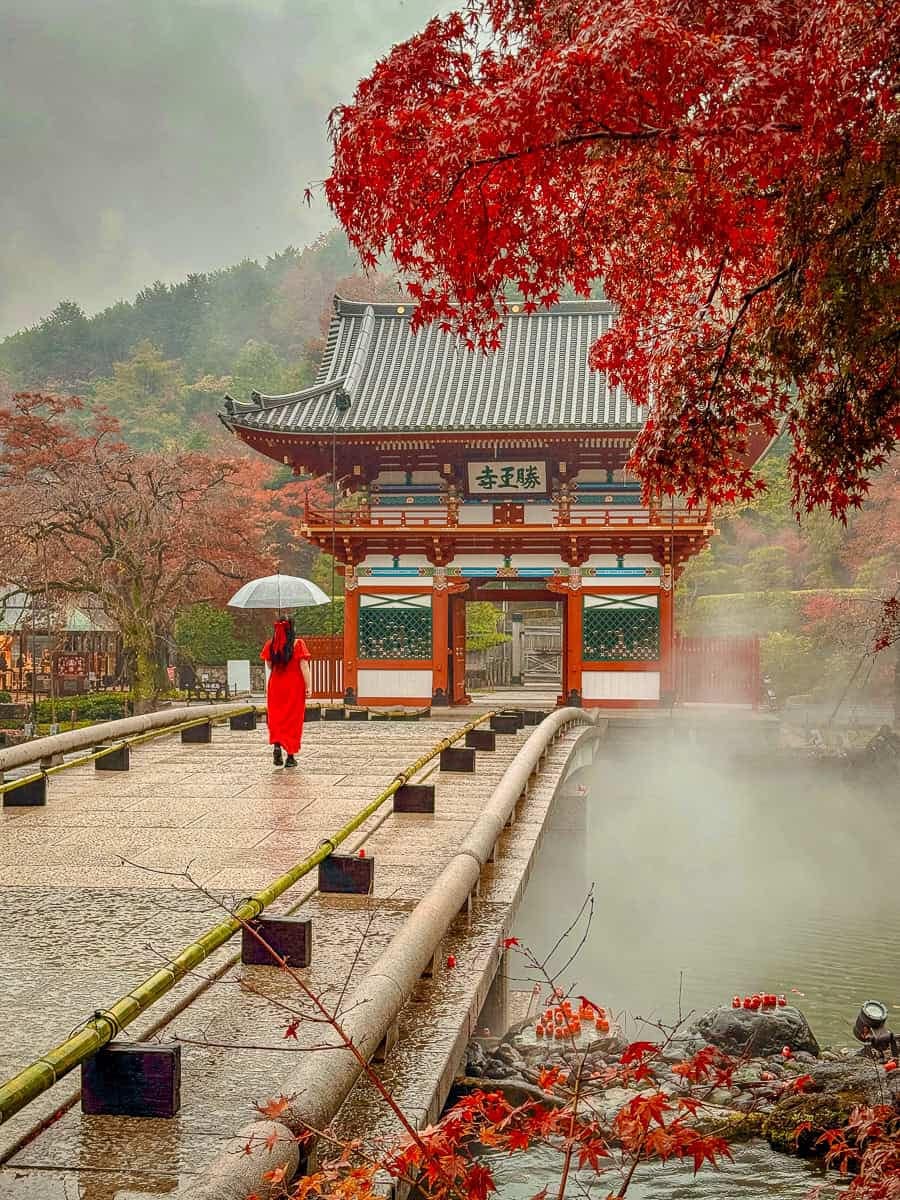
Katsuoji Temple: Daruma Dolls and Night Maples in a Hidden Temple
Katsuoji is famous for prayers for victory, and its grounds are filled with “Katsu-daruma” dolls that symbolize the “never-give-up spirit.” In autumn, the temple grounds of about 80,000 tsubo (roughly 26 hectares) turn red and orange, and the old temple set against the maples earns a high 4.6 rating (12,800 reviews). The best viewing period is mid-November.
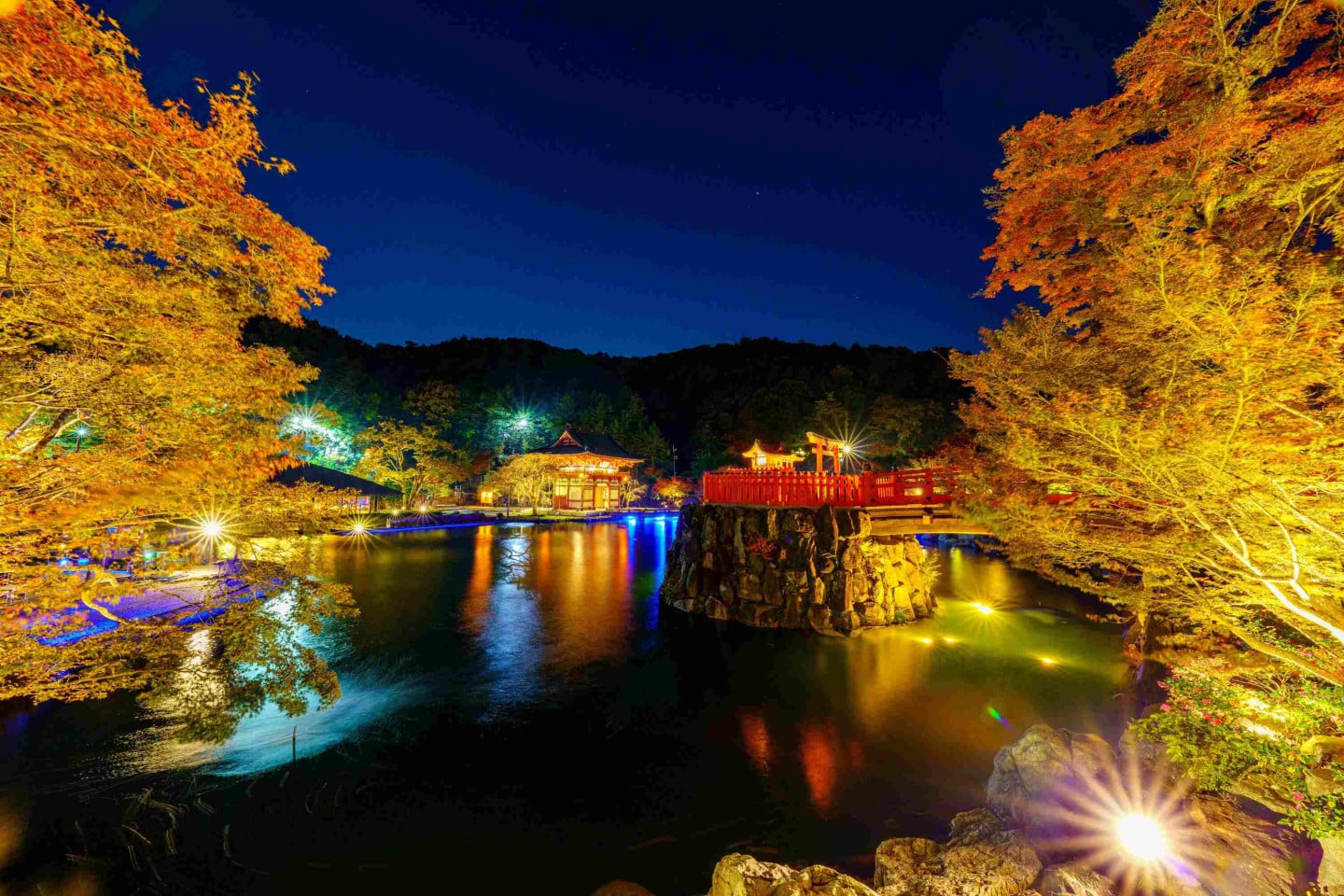
Special evening illuminations are held, when the maples glow in a dreamlike light. It is a must-visit night-foliage hideaway in the Osaka fall season. Going toward evening lets you see both the daytime and nighttime views, which look completely different.
![[Osaka & Kyoto Sightseeing Day Tour] Katsuoji Prayers & Kinkaku-ji Visit & Arashiyama Togetsukyo Bridge & Kimono Forest & Bamboo Grove Path & Nonomiya Shrine (departing Osaka or Kyoto)](https://res.klook.com/images/w_300,h_300,c_fill,q_75/w_80,x_15,y_15,g_south_west,l_Klook_water_br_trans_yhcmh3/activities/mop79jaiwtwxhwjheqdb/【大阪京都名勝景點一日遊】勝尾寺祈願金閣寺巡禮嵐山渡月橋和服森林竹林小徑野宮神社(大阪或京都出發)-Klook.jpg)
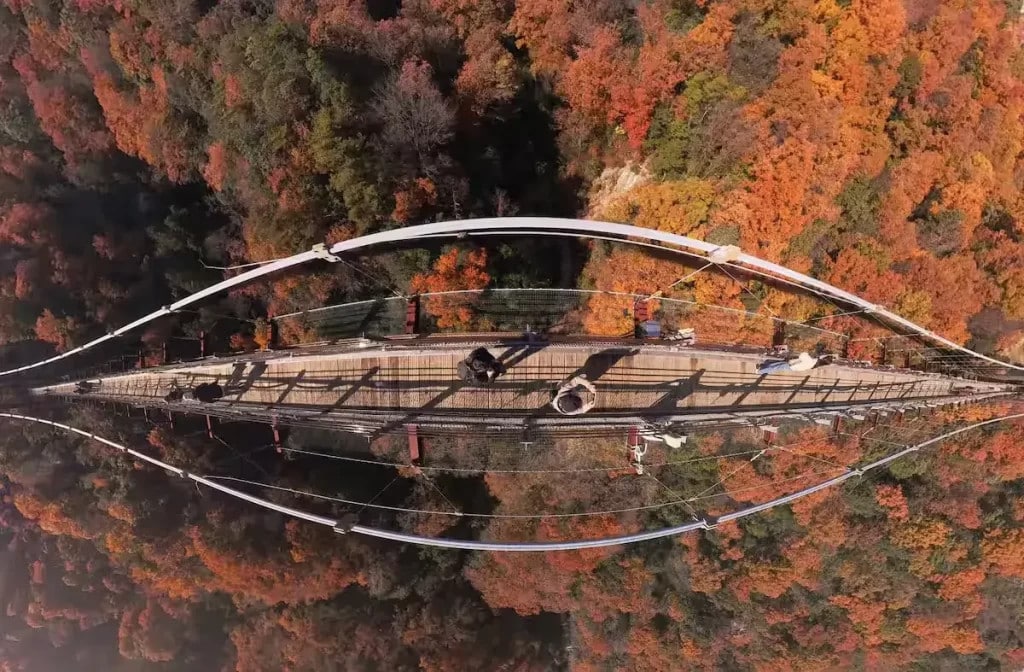
Hoshida Park (Star Swing): Walk in the Sky Above a Sea of Maples
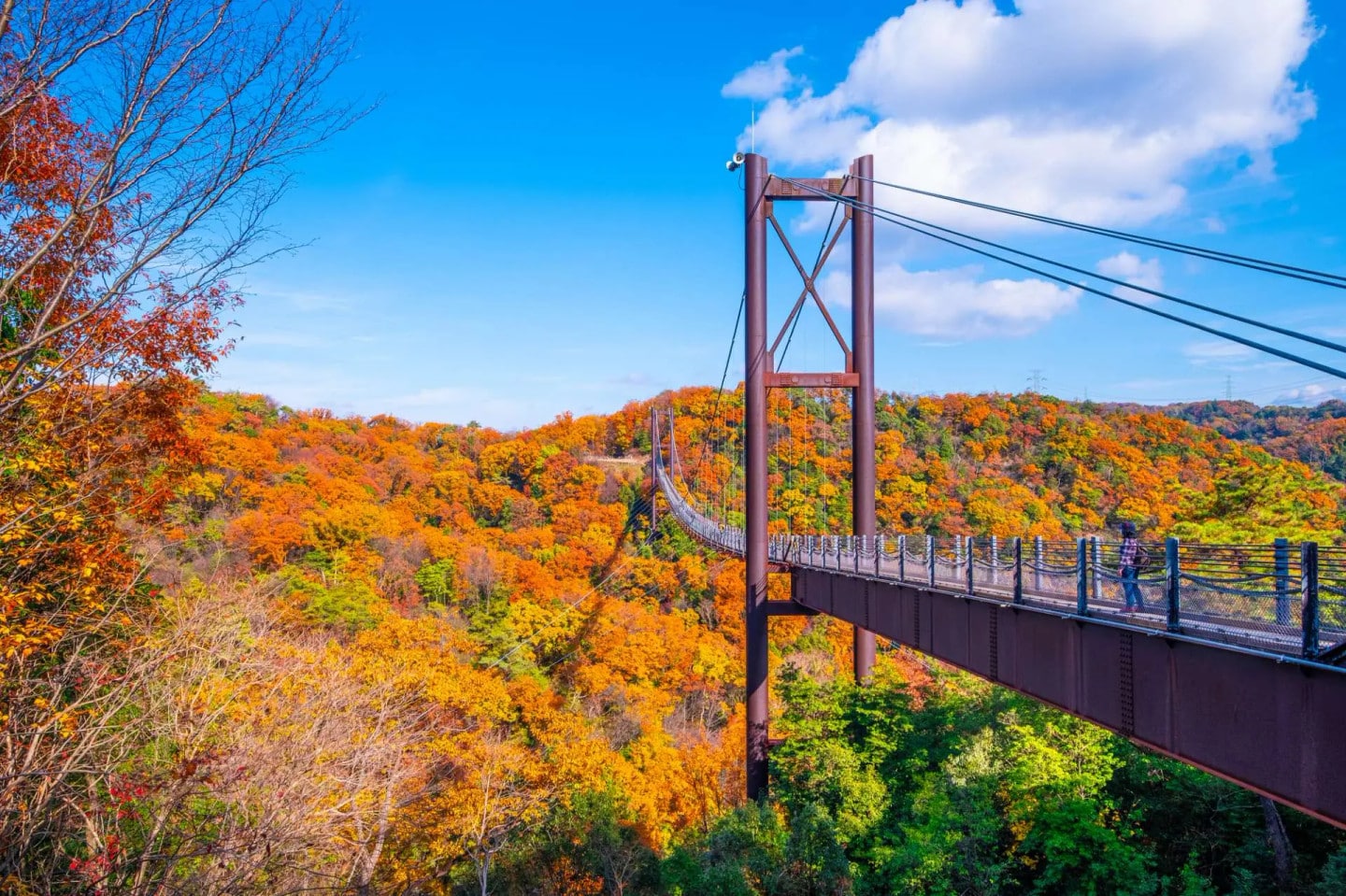
Hoshida Park has the Hoshi no Buranko suspension bridge, 280 meters long and 50 meters above the ground, one of the longest pedestrian suspension bridges in the Kansai region. From the bridge you look down over the whole sea of maples and across the Osaka Plain, a wide and thrilling view, and it has become a popular new spot for viewing foliage from the air.
The best viewing period is mid to late November. The park also has several mountain trails for extending your hike, so plan at least half a day to take it slowly and enjoy an aerial view very different from traditional foliage spots.
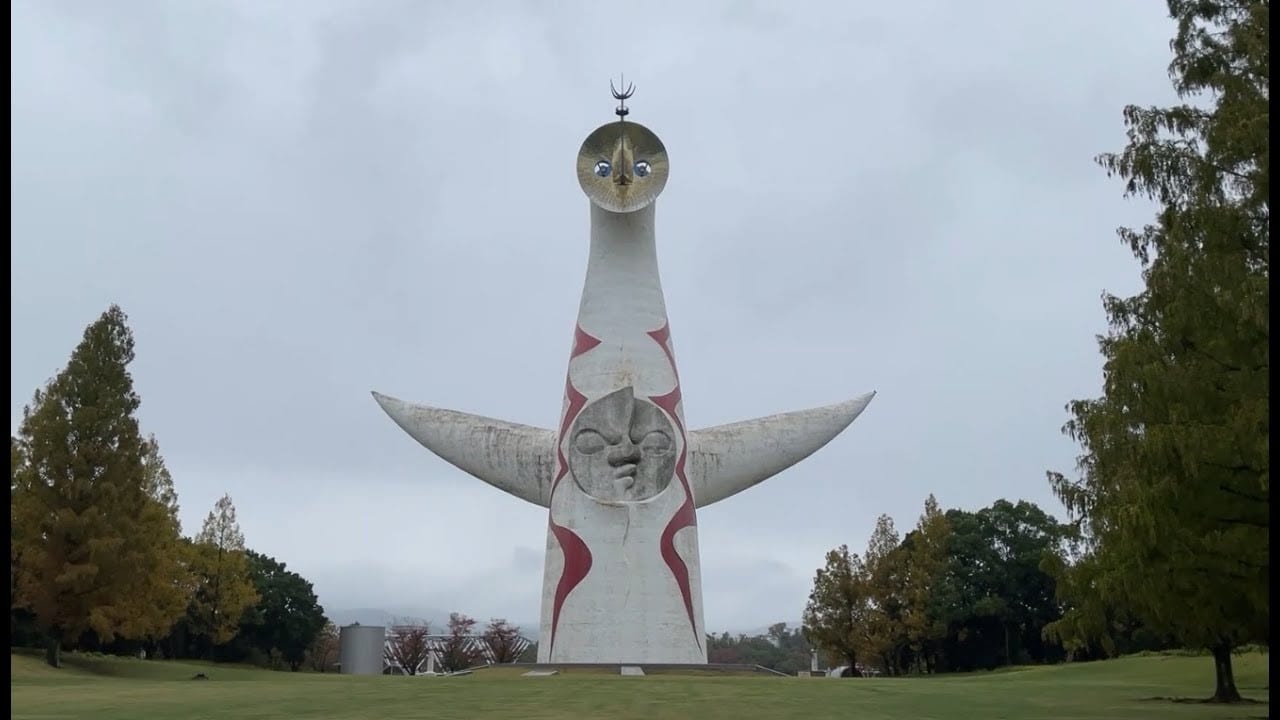
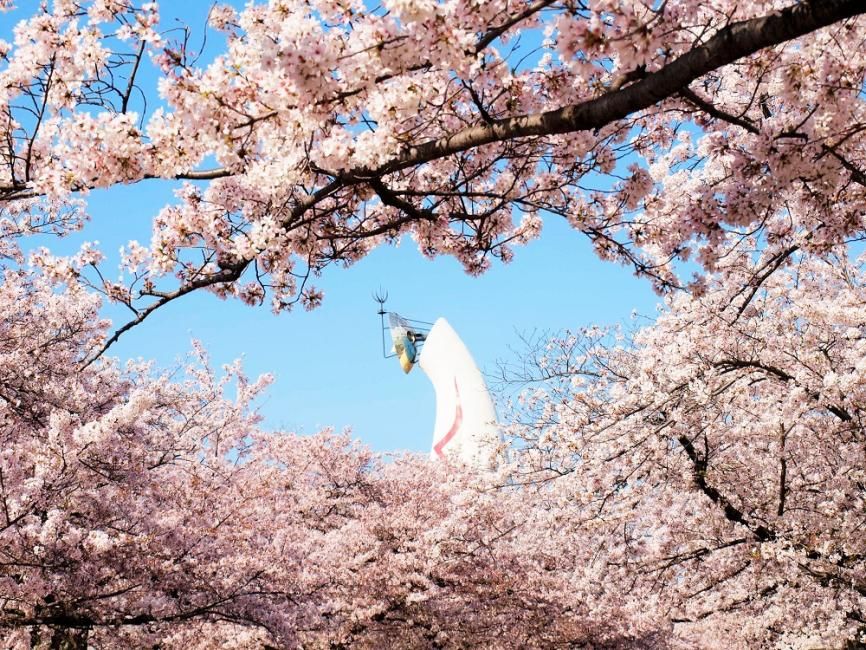
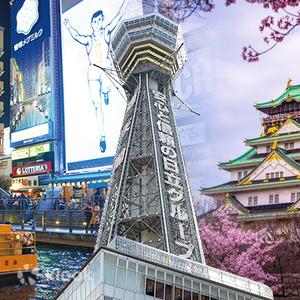
Expo Commemoration Park: Autumn Art Beneath the Tower of the Sun
Expo Commemoration Park is known for the Tower of the Sun, a landmark designed by Taro Okamoto. Large stands of ginkgo and maple trees surround the monument, and in autumn their gold and fiery red create a distinctive blend of art and nature. It is a popular family-friendly foliage spot near Osaka.
Adult admission is about ¥450, and the best viewing period is early November to early December. The park is vast, so allow at least half a day, and you can also stop by the Japanese Garden area to enjoy a different style of autumn scenery.
Daisen Park Japanese Garden: Autumn Poetry in an Elegant Garden
The Japanese Garden in Daisen Park is known for its dry-landscape (karesansui) and pond-strolling garden design. In autumn the red maples reflect in the water, creating an elegant, tranquil scene, and it is an excellent choice for viewing foliage at leisure away from the crowds. Adult admission is ¥200, and the best viewing period is late November.
The park is close to the Mozu Kofun Group World Heritage site, so you can combine the two in one trip. Limited-time evening illuminations are also held, and the red maples in the lit Japanese garden have a special charm for travelers who like a quiet atmosphere.
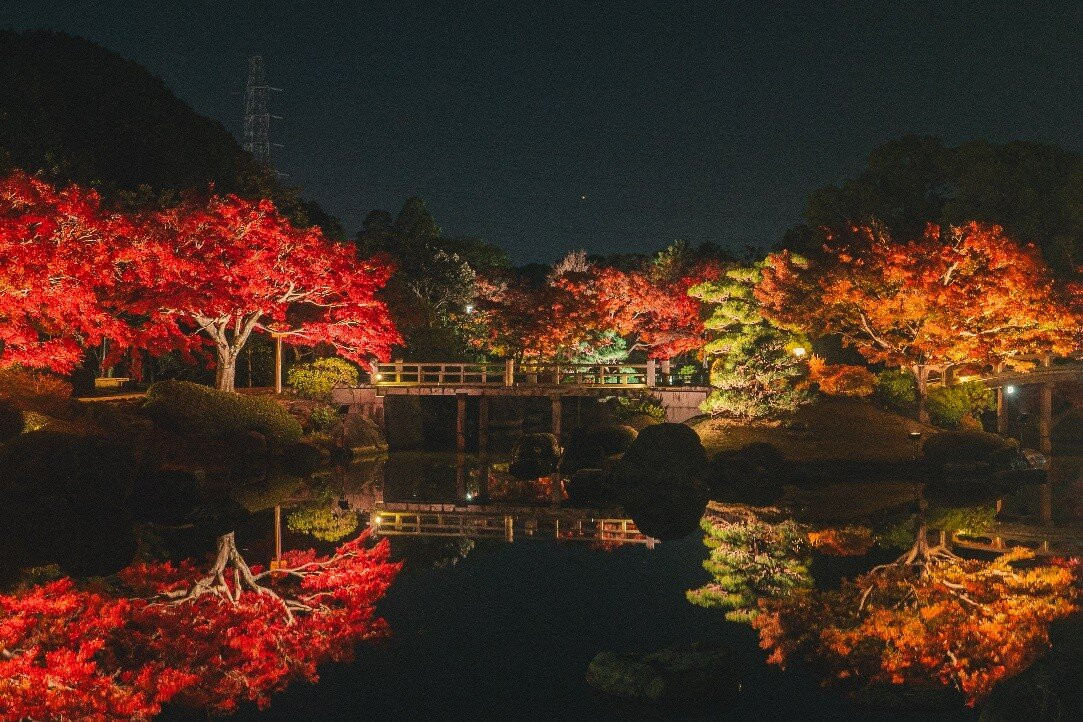
Mt. Ushitaki, Daiitoku-ji Temple: Maples at a Hidden Mountain Temple
Daiitoku-ji is a thousand-year-old temple hidden in the Ushitaki mountains. Access is rather inconvenient, so there are few visitors, and the original atmosphere of leaf-viewing has been preserved. Layers of maples surround the temple, and the red leaves set off the old stone steps and the multi-treasure pagoda, a nationally designated Important Cultural Property, creating a rustic, Zen-like mood.
The best viewing period is late November. From Kishiwada Station on the Nankai Main Line, take the Nankai Wing Bus Ushitaki Line for about 50 minutes to the terminus. It suits in-depth travelers who love hidden spots and do not mind a long trip, and it is one of the wildest and most natural foliage spots in Osaka.
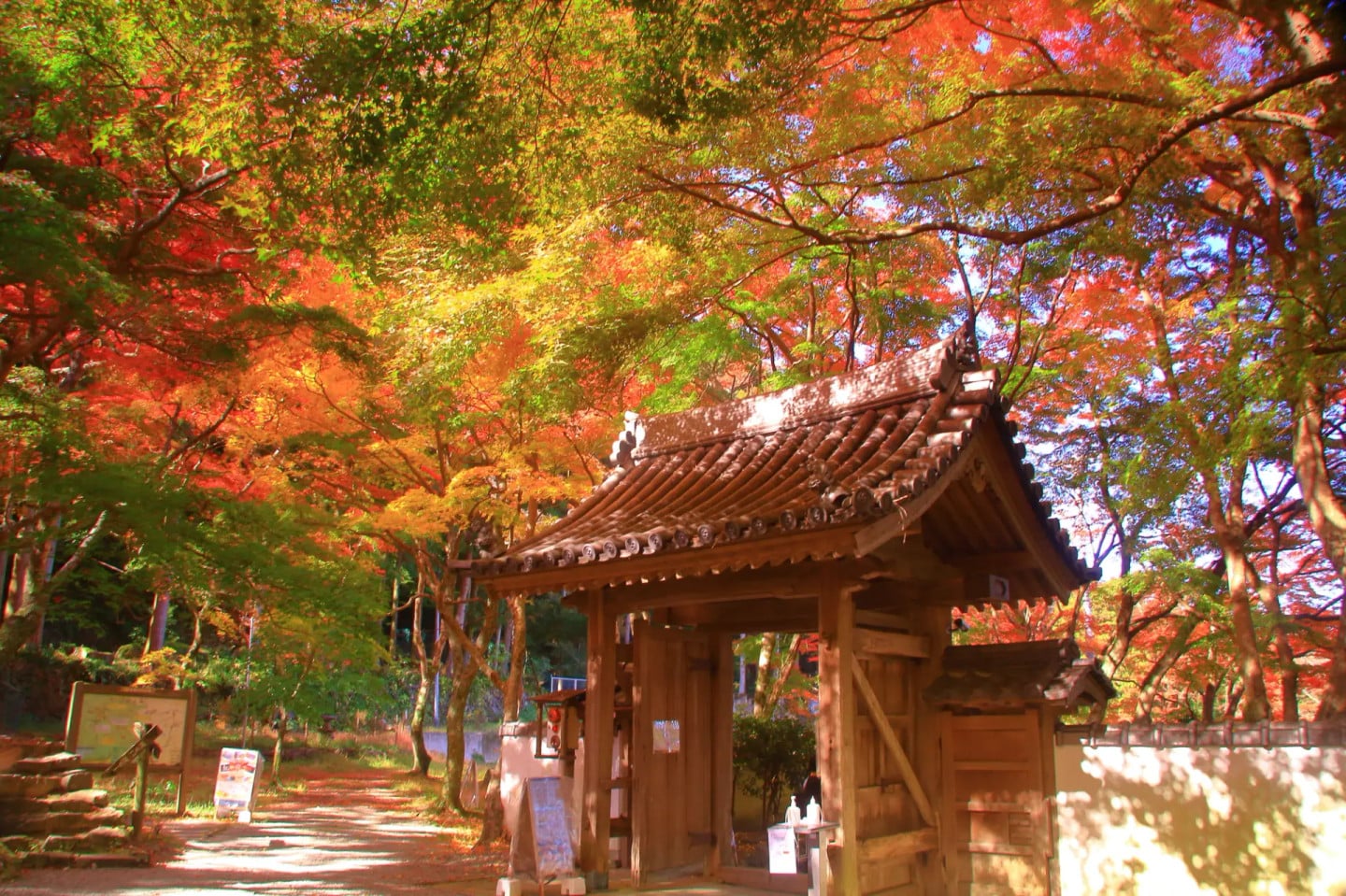
Settsukyo Park: Wild Autumn Leaves Along a Hiking Gorge
Settsukyo Park follows the Akutagawa gorge, where unusual rock formations and clear streams combine with red maples to form a natural gorge hiking route. The scenery around Gyoja-iwa rock is especially spectacular. The best viewing period is mid-November to early December.
The hiking trail is a moderate length and suits the whole family. You can have a picnic while viewing the leaves along the way, making it an ideal choice for outdoor lovers and a popular spot for photographers capturing maples by the stream.
How to Get to Osaka’s Autumn Foliage Spots in 2026: Transport and Ticket Costs
You can reach Osaka’s foliage spots by combining airport transport, city subways and sightseeing passes. Here are the most useful transport options and tickets.
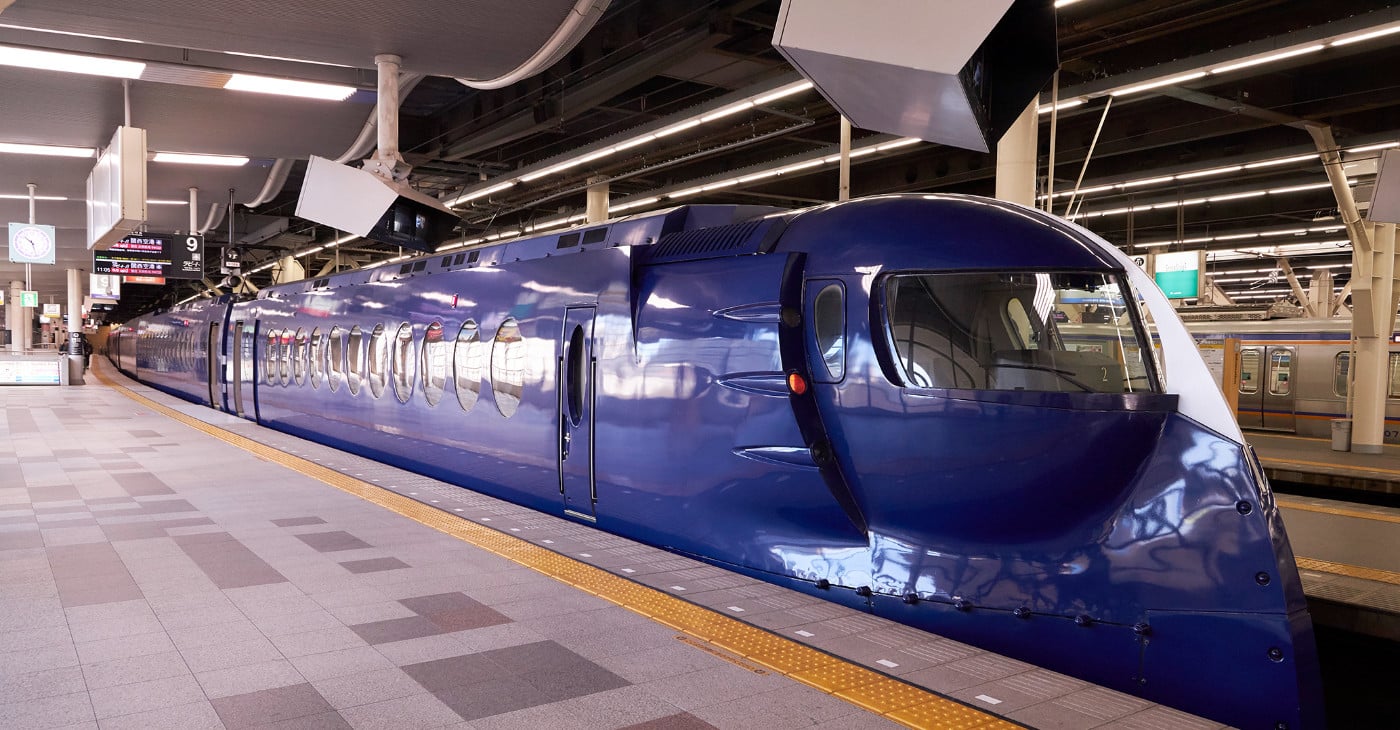
How to Get to Osaka’s Foliage Spots at a Glance
🚄 Nankai Rapi:t: about 38 minutes direct to Namba.
🚆 JR HARUKA: from ¥1,820 to Tennoji, from ¥2,540 to Shin-Osaka.
🚌 Airport limousine bus: ¥1,300-1,800.
🚇 Osaka Metro: ¥190-390, one-day pass about ¥820.
🎫 Osaka Amazing Pass: ¥3,500 for 1 day, includes admission to 40+ attractions.
🎟️ KANSAI RAILWAY PASS: ¥5,600 for 2 days, with free use of private railways across Kyoto, Osaka, Kobe, Nara and Wakayama.
🚄 JR Kansai Area Pass: ¥2,800 for 1 day, includes HARUKA unreserved seats.
🚋 Hankyu One-Day Pass: ¥1,300, the most direct way to Minoo Park.



Osaka Autumn 2026 Highlights: Weather, What to Wear and Fall Season Features
Osaka’s autumn is dry with a big temperature swing between day and night, so dress in layers. Below are outfit tips for each month and the special features of the foliage season.
| Month | Daytime temp | Nighttime temp |
|---|---|---|
| September | 25–30°C | about 22°C |
| October | 18–23°C | 12–17°C |
| November | 14–18°C | 7–12°C |
What to Wear in September: A Transition Period with Lingering Heat
Daytime temperatures in Osaka in September are about 25 to 30°C, still carrying the heat of late summer, though mornings and evenings are cooling and humidity begins to drop. No fall colors have appeared yet, so choose light, breathable short sleeves or a thin long-sleeved top, and bring a light jacket for air-conditioned rooms or rain.
Note that September is still the tail end of typhoon season. Check the weather forecast and flight updates closely before departure, pack light rain gear, and dress in layers so you can add or remove clothing easily as the weather swings between sun and rain.
What to Wear in October: Cooler and Comfortable, a Prelude to Foliage
Daytime temperatures in Osaka in October are about 18 to 23°C, falling to 12 to 17°C at night. The weather gets steadily drier and more stable, making it one of the most comfortable months of the year, but the city’s leaves have not yet turned and only a few mountain spots are starting to show scattered color.
Wear a long-sleeved shirt or thin knit with a light jacket. Mornings and evenings differ noticeably, so carry a packable windbreaker or hooded jacket and layer up in the same way, adding or removing pieces as the temperature changes to stay both comfortable and warm.
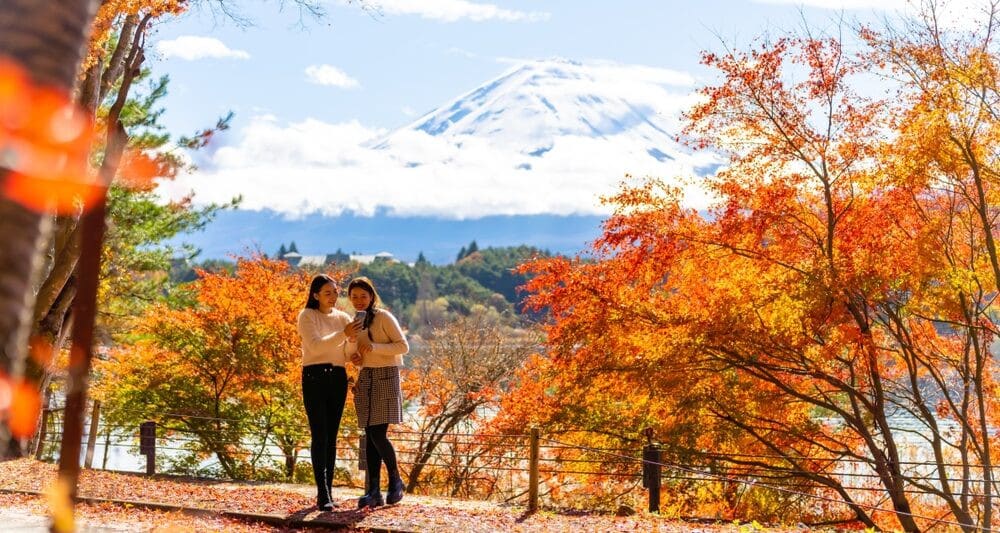
What to Do in Osaka in October: Cosmos and Kochia at Expo Commemoration Park
In October, Osaka’s city leaves have not yet turned, but the Flower Hill at Expo Commemoration Park’s Nature and Cultural Garden holds the “Cosmos & Kochia Festa 2026” from October 3 to October 30, daily from 9:30 to 17:00 (last entry 16:30). About 150,000 cosmos bloom in the garden, and about 3,600 kochia (summer cypress) turn red. The combined admission for the Nature and Cultural Garden and the Japanese Garden is ¥450 for adults, and free for junior high school students and under.
What to Wear in November: Keeping Warm for Late-Autumn Foliage
November is the golden month for Osaka’s fall colors, with daytime temperatures of about 14 to 18°C and nighttime lows of 7 to 12°C. Mornings and evenings are noticeably chilly, and mountain spots such as Minoo and Katsuoji are colder still, so pay special attention to staying warm.
Wear thermal underwear as a base layer with a sweater or thick knit on top, long pants (with tights if you like), and bring a medium-weight jacket, coat or light down jacket, plus a scarf to block the wind. Continuing to dress in layers to match the day-night swing is the key principle for November travel.
Night Foliage: Dreamlike Red Leaves Under the Lights
Many of Osaka’s foliage spots hold limited-time evening illuminations in autumn. The most popular is Katsuoji’s “Kinshu no Yoimairi” (held on weekends and holidays in November in 2025), where the maples in the light look utterly different from the daytime and offer an experience photographers should not miss.
Night foliage events are concentrated in November and open after sunset. Arrive early to secure the best photo angles, and since temperatures drop sharply at night in the mountains, be sure to add a warm coat and scarf. Also check the last evening buses and shuttles so you do not miss your ride back.
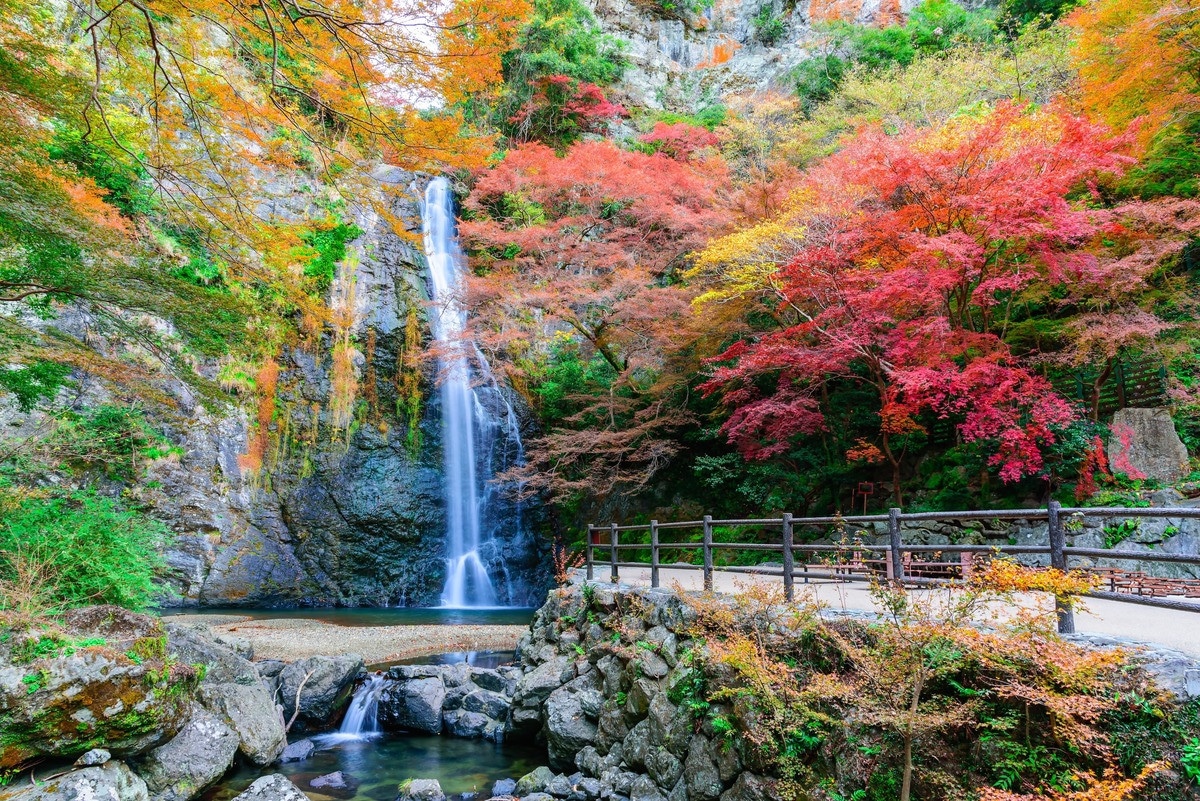
Waterfalls and Red Leaves: The Natural Symphony of the Minoo Mountains
The most representative natural sight of Osaka’s foliage season is the pairing of waterfall and red leaves. The flow of Minoo Falls against layers of maples around it forms the most classic combination in Osaka foliage, drawing crowds of photographers.
Go in the morning, when the angle of the light brings out the colors of the maples best, there are relatively few visitors, and the trail is drier and easier to walk. This is the best time to enjoy the waterfall-and-foliage view.
Autumn Specialties: Seasonal Flavors
Osaka’s autumn brings a wealth of seasonal ingredients, including Pacific saury, persimmons, pears, grapes, chestnuts, matsutake mushrooms and ginkgo nuts. New rice (shinmai) is the prize of the autumn table, with plump, fragrant grains, and many izakaya and set-meal restaurants offer limited autumn-flavor meals.
Add seasonal chestnut desserts, grilled saury set meals or matsutake dobin-mushi to your foliage itinerary for a taste of what makes Osaka’s autumn unique. It is also a great way to learn about local food culture and makes your foliage trip richer and more complete.


Attraction Admission: Prices at the Main Foliage Spots
Most of Osaka’s foliage spots have affordable admission: Osaka Castle keep is ¥1,200 for adults, the Minoo Insect Museum ¥280 and the Daisen Park Japanese Garden ¥200, with Hirokawa-dera at ¥500 for adults and the Katsuragi-san ropeway ¥950 one way (¥1,500 round trip).
Most suburban parks and trails are free to enter, and only certain facilities or temples require tickets. Check the latest prices and opening hours for each spot in advance, and combine them with the Osaka Amazing Pass for free admission to some attractions to save on your overall travel budget.
Tax-Free Shopping and Luggage Delivery: Practical Info
Under Japan’s tax-free system, you can claim a tax exemption when you spend ¥5,000 or more (before tax) at the same store on the same day. Bring your passport for the refund procedure. Large department stores such as Shinsaibashi Daimaru have dedicated tax-free counters with a quick, convenient process.
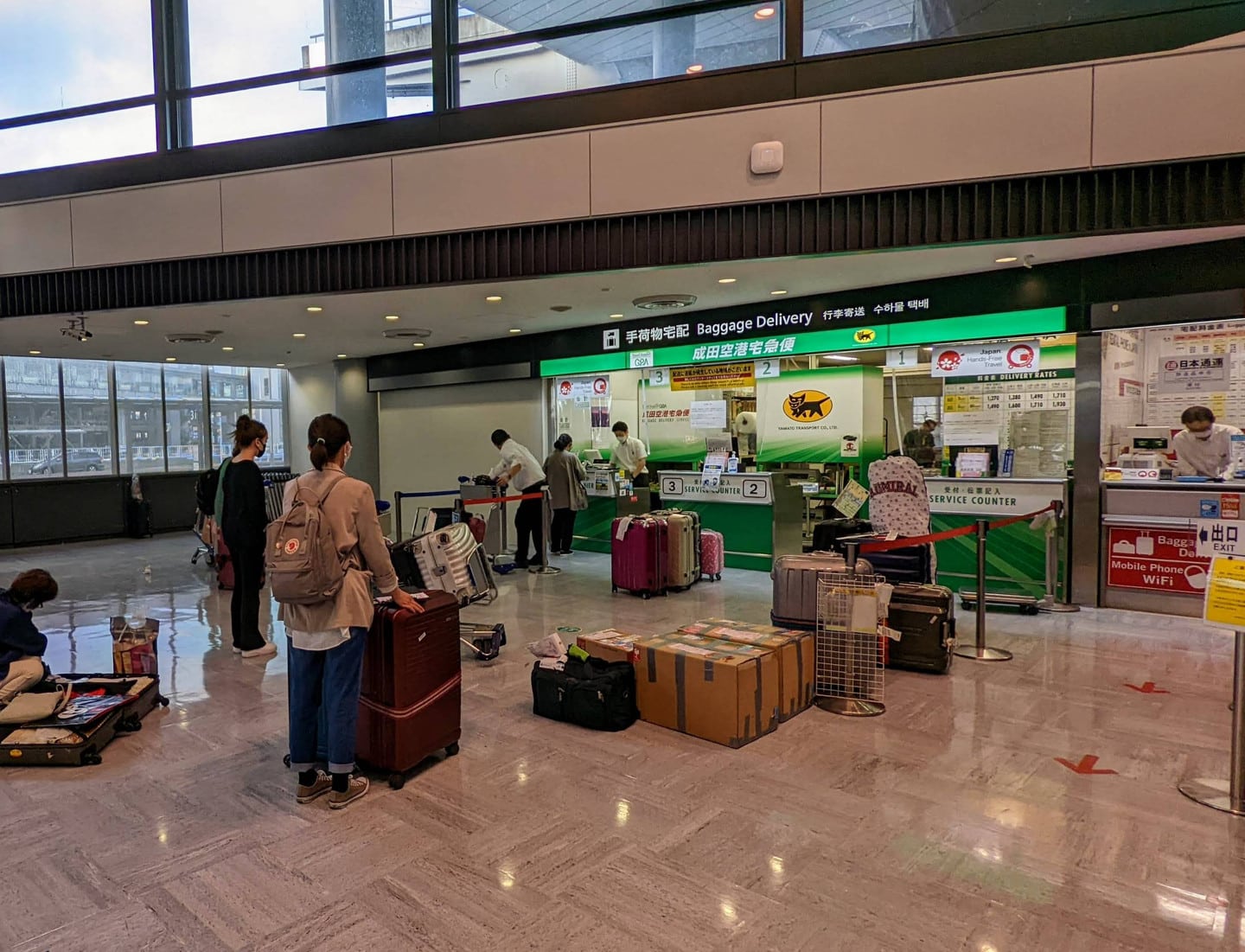
If you have a lot of luggage, you can use Japan’s well-developed takkyubin luggage delivery service to send bags directly from your hotel to the airport or your next hotel. The cost is about ¥2,000 to 3,000 per piece, which greatly lightens the load on foliage hikes and makes the trip easier.
How Much Does Osaka Autumn Foliage 2026 Cost? Tickets and Guided Tour Picks
In 2026, the peak of Osaka’s foliage is around mid-November to early December. Whether you travel independently or join a local guided tour, tickets and transport cost less than you might expect. Below are four of the most representative foliage spots and tours, from city heritage sites to suburban gorges, so you can plan your own foliage route to fit your budget and time.
Osaka Castle Park Nishinomaru Garden: The Classic Castle-and-Red-Leaves View
Osaka Castle’s Nishinomaru Garden (1-1 Osakajo, Chuo Ward, Osaka) costs ¥200 to enter and is open 9:00-17:00 from March to October and 9:00-16:30 from November to February. The maples turn red in mid-November each year; for evening opening dates, please go by the official announcement.
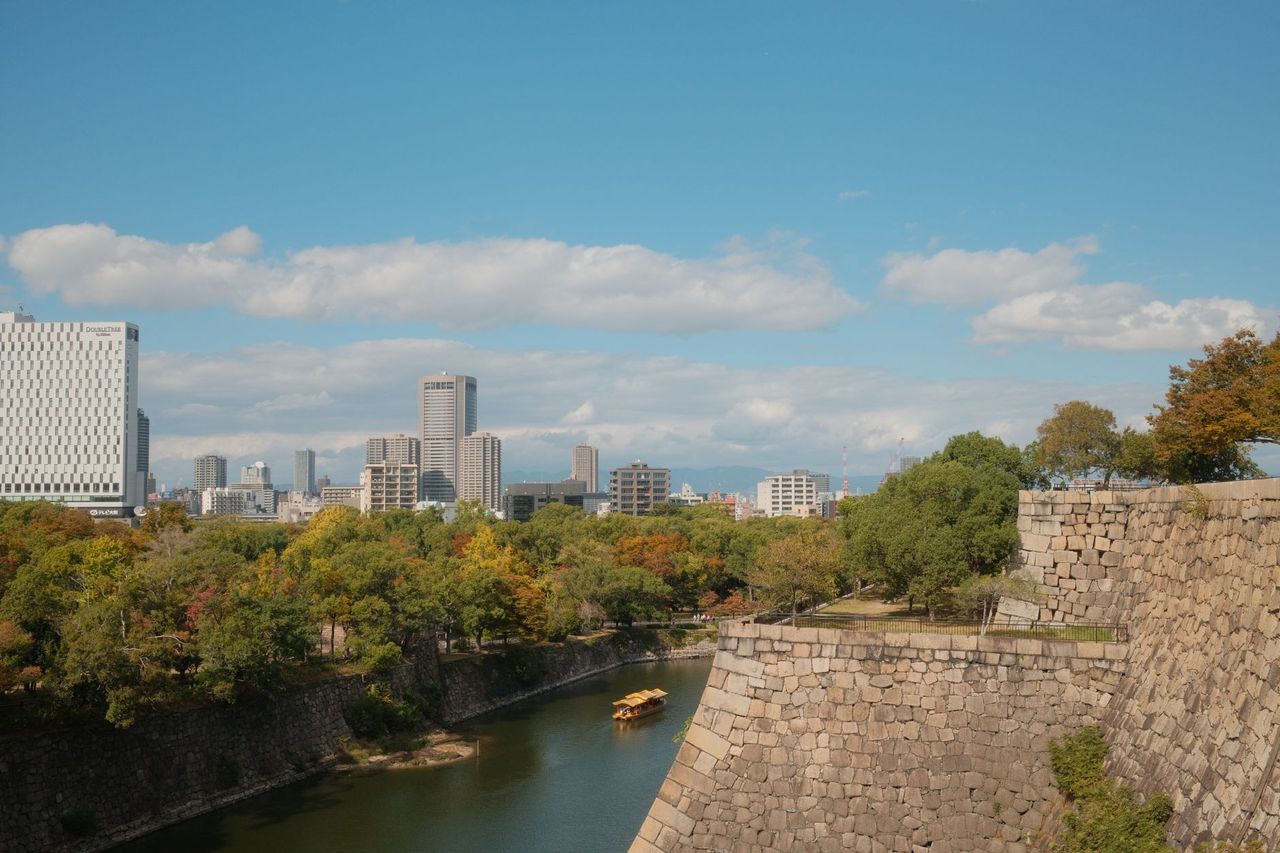
The garden sits right next to the castle keep, which is worth visiting too (¥1,200); allow about 2-3 hours in total. KKday and Klook sell e-tickets for the Osaka Castle Nishinomaru Garden, so compare prices before you leave.
Autumn weekends are crowded, so a weekday morning visit is recommended.
Minoo Park Momiji Valley: A Day Hike to a Hidden Waterfall Near the City
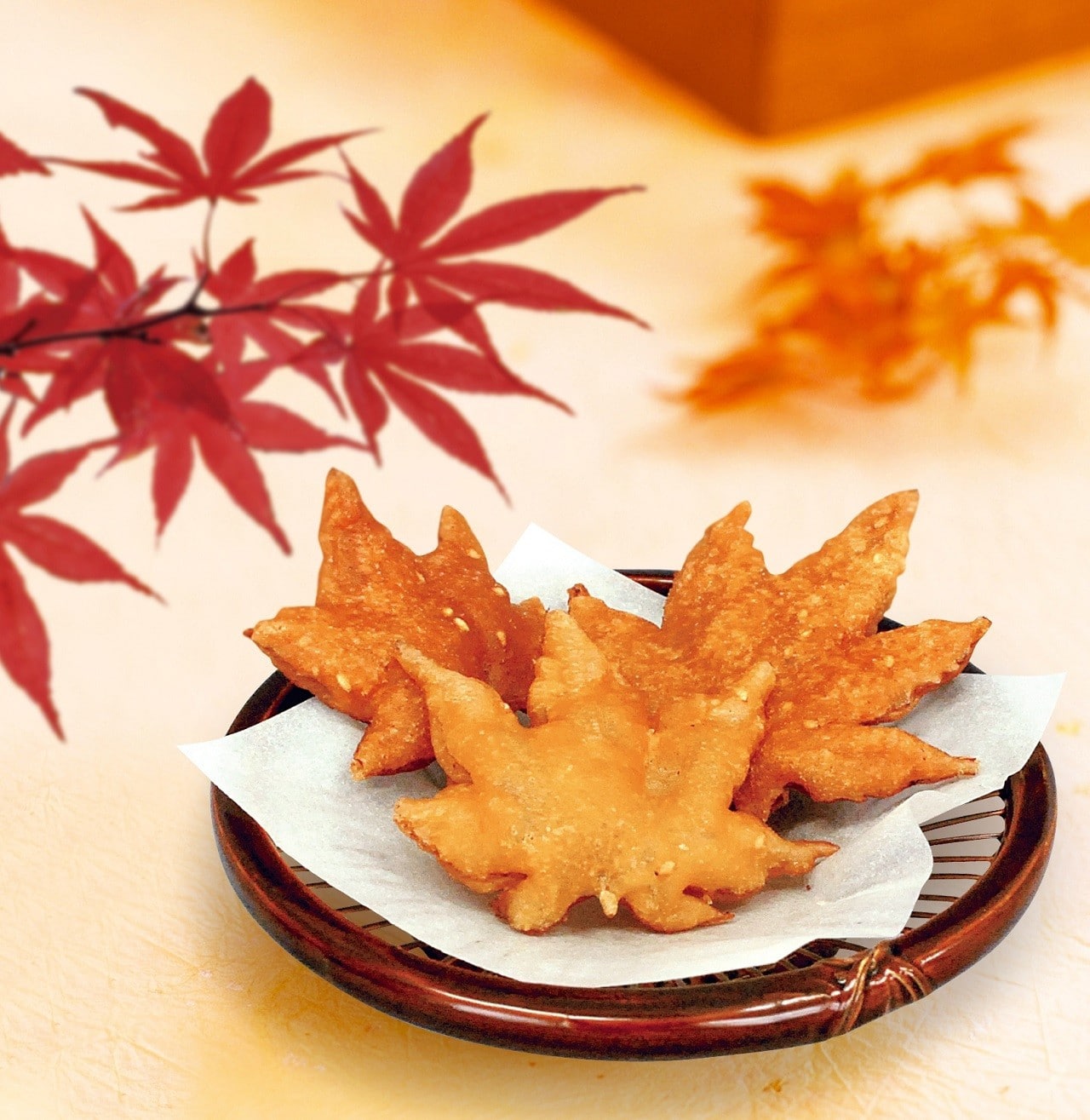
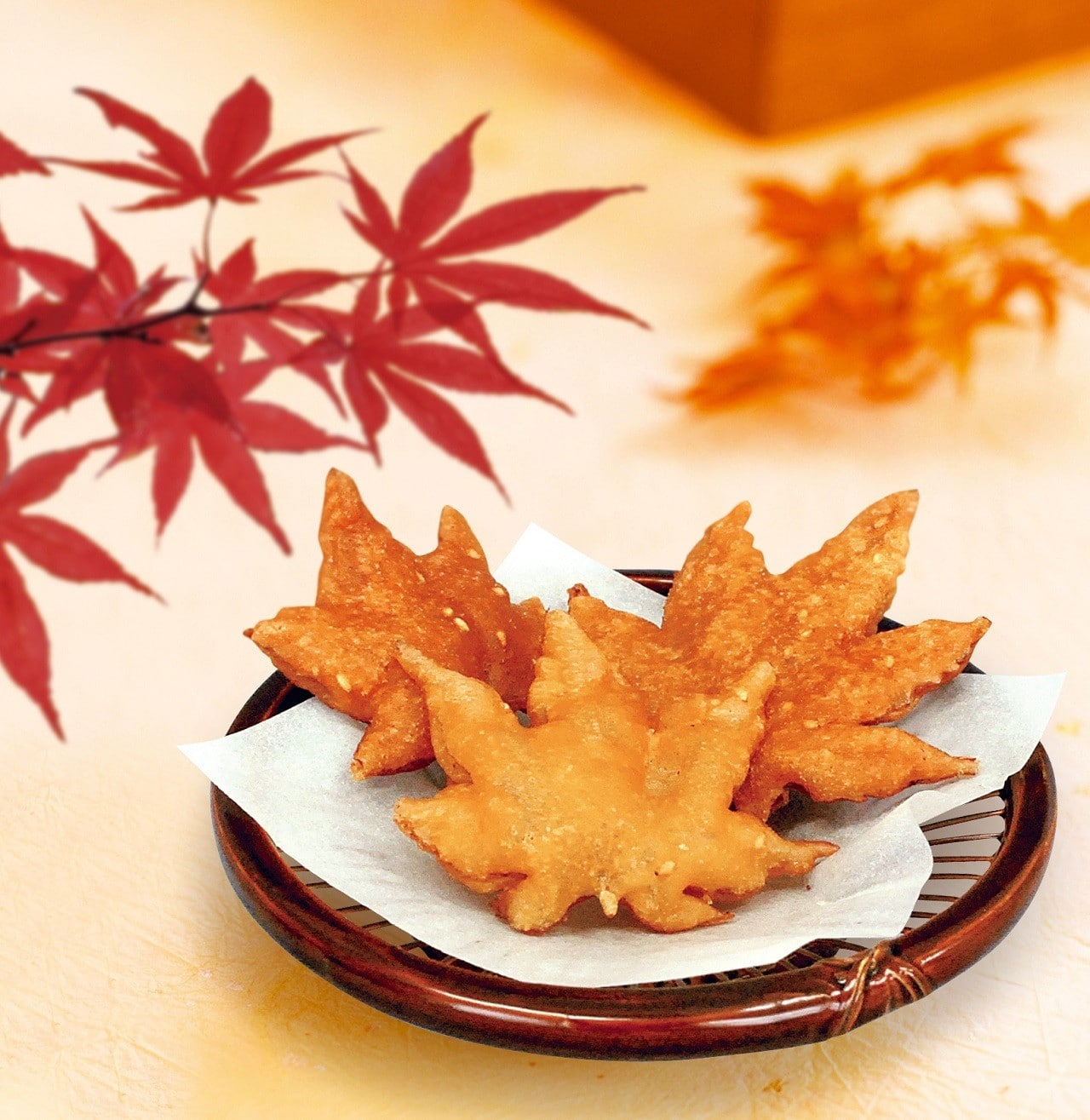
Minoo Park (1-18 Minoo Koen, Minoo City, Osaka) is known for Minoo Falls and its maple trail, a popular foliage spot near Osaka, with free entry. It is about a 40-minute walk from Hankyu Minoo Station to the waterfall, and the red leaves are best in late November. Along the trail are souvenir shops and stalls selling fried maple leaves (momiji tempura) for about ¥300-400 per serving.
Klook offers the “Osaka Katsuoji Temple & Minoo Park Romantic Hiking Day Tour,” a small-group tour that links Minoo Falls and Katsuoji in one trip, suitable for travelers who do not want to handle transfers themselves.
Katsuoji Temple: A Kansai Foliage Landmark with Prayers and Red Leaves
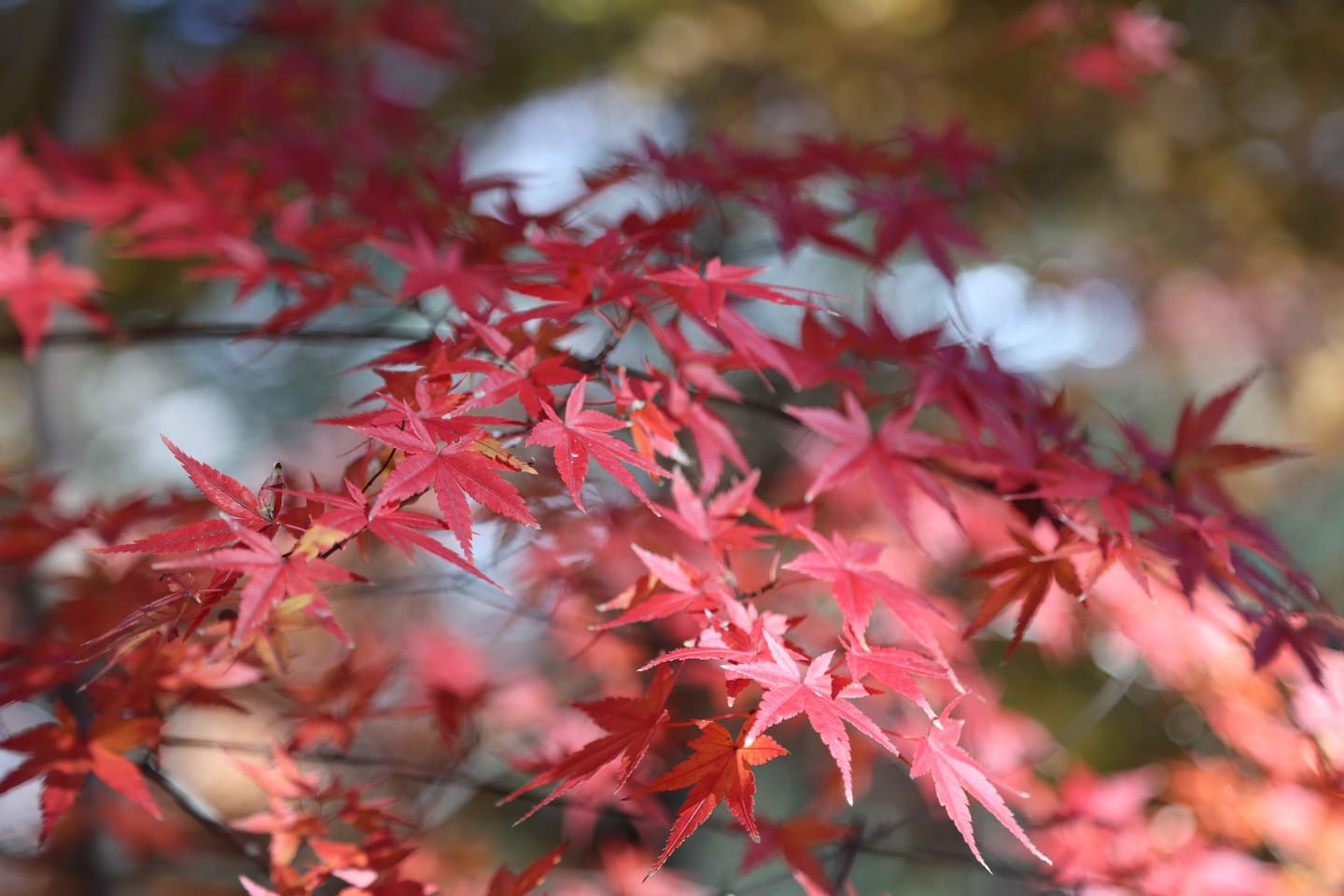
Katsuoji is located at 1 Katsuoji, Minoo City, Osaka. Mountain entry costs ¥500 for adults, and it is open 8:00 to 17:00 (until 18:00 on Saturdays). The temple is known for its daruma-doll prayer culture, and in autumn the maples, the corridors and the darumas set each other off. Mid-November to early December is the best foliage period.
By public transport, take the Kita-Osaka Kyuko Line to “Minoh-Kayano Station,” then a bus for about 20 minutes to the “Katsuoji” stop. You can also book Klook’s “Osaka Katsuoji Temple & Minoo Park Romantic Hiking Day Tour” to cover both major foliage spots in one day.
Kyoto Arashiyama Day Tour: A Golden Foliage Route Linking Kyoto from Osaka
Arashiyama is in Kyoto, about an hour by car from Osaka, and many travelers join the “Osaka Departure Arashiyama Togetsukyo Bridge & Tenryu-ji Autumn Leaves Day Tour.” Tenryu-ji admission for the garden alone is ¥500, with an extra ¥300 to also enter the halls. The riverside maples at Togetsukyo Bridge and the bamboo grove path are classic autumn scenes.
Both KKday and Klook have day tours with round-trip bus transfers and Chinese-speaking guides. They usually spend the morning at the Arashiyama bamboo grove and Togetsukyo Bridge and give free time in the afternoon at Tenryu-ji and the nearby shopping street, suiting travelers with limited days.
Autumn is peak foliage season, so book and compare prices on KKday or Klook one to two weeks ahead.
Where to Stay
Most of Osaka’s foliage spots are in the suburbs, and it is easy to reach Minoo, Expo Park and others from Umeda by Hankyu or the Midosuji Line. Staying around Umeda, Namba or Shin-Osaka saves the most travel time: head out for leaves in the morning and return to the city for dinner.


FAQ
Q: When is the best time to see fall colors in Osaka in 2026?
Osaka’s mountain spots reach their best viewing period around mid to late November, while city spots such as Osaka Castle Park come slightly later, peaking around late November to early December. In Weathernews’ first foliage forecast of September 2, 2026, Osaka (based on the weather station’s reference trees) was expected to see maple leaves around December 4 and ginkgo yellowing around November 24, both rated “normal.” Mountain spots like Minoo and Katsuoji usually turn red earlier than the city reference trees, and the forecast will be updated in the coming weeks.
Q: What transport passes should I get for Osaka foliage trips?
Match the pass to your itinerary: the Osaka Amazing Pass (city), KANSAI RAILWAY PASS (private railways across cities) or JR Kansai Area Pass (JR lines), choosing flexibly based on where your spots are.
Q: How much is admission to Minoo Park?
Minoo Park is free to enter. The Minoo Insect Museum inside costs ¥280 for adults and is a good rainy-day backup.
Q: What should I wear in Osaka in November?
Days are about 14-18°C and nights 7-12°C. Wear thermal underwear plus a sweater with a medium-weight jacket or coat, and bring a scarf, layering to handle the temperature swing.
Q: What is the easiest way to get to Osaka Castle Park?
Take the JR Osaka Loop Line to Osakajokoen Station and it is a short walk from the exit, making it one of the easiest foliage spots in the city to reach.
Q: Do I need a separate ticket for Katsuoji’s night illumination?
In 2025, Katsuoji’s evening illumination was held on Saturdays, Sundays and holidays in November, with the regular ¥500 mountain entry fee. For the 2026 schedule, please check the official announcement.
Q: Can I still see fall colors in Osaka in September or October?
You will not see any fall colors in September, and in October only a few mountain spots show scattered color. The city and most suburban spots still need to wait until after mid-November.