
What Is Shinjuku Gyoen? 2026 Guide and Essential Info
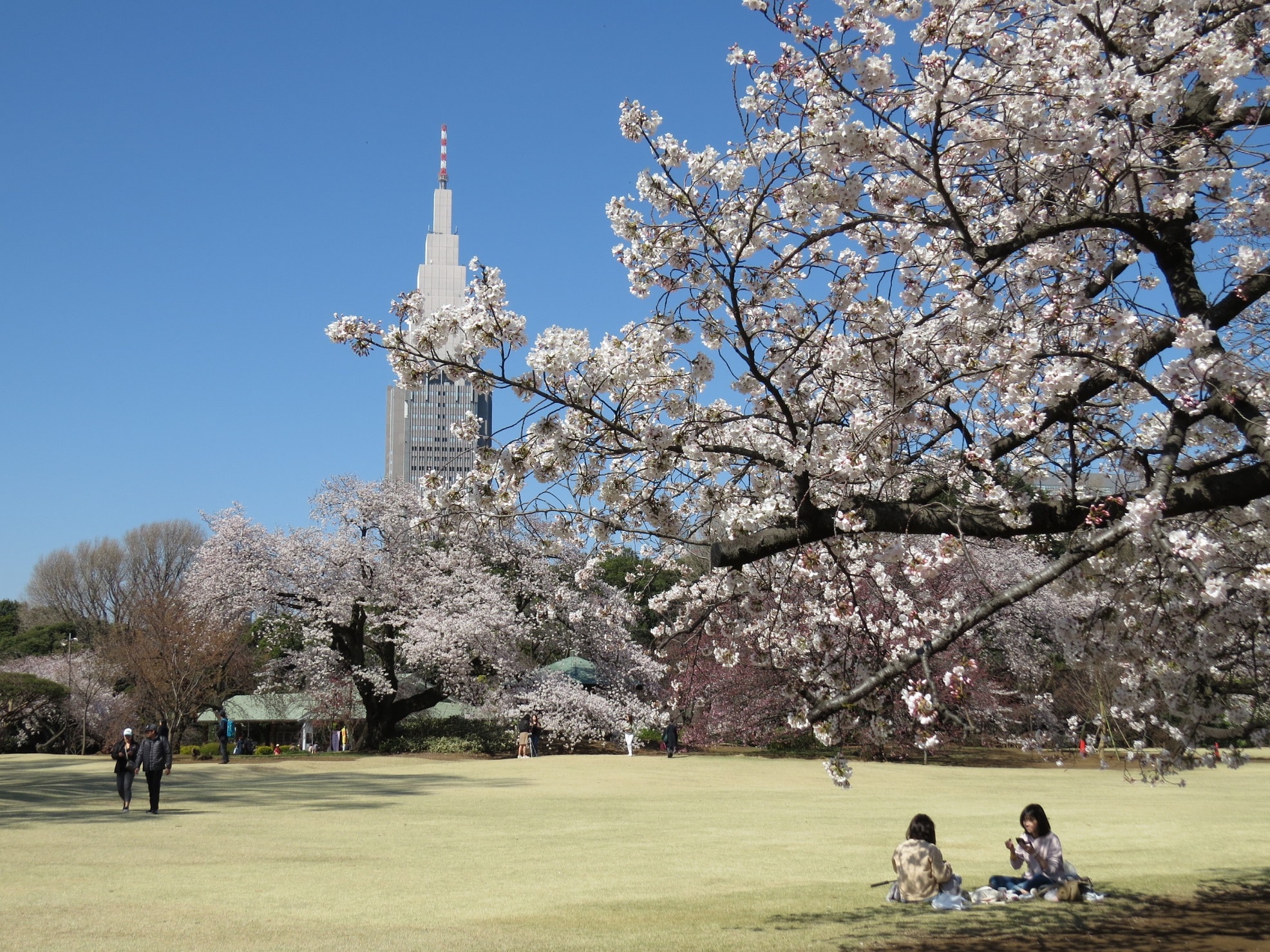
Shinjuku Gyoen is one of Tokyo’s largest parks, covering about 58.3 hectares and blending Japanese, French and English garden styles. It is a top spot for cherry blossoms and autumn leaves, and a favorite place for Tokyoites to relax. This guide covers the latest 2026 information, including transport, admission, must-see spots and nearby food.
History and Highlights of Shinjuku Gyoen
Shinjuku Gyoen began as the Edo-period residence of the Naito family, became an imperial garden in 1906, and opened to the public as a national garden in 1949.
The park has about 900 cherry trees of roughly 70 varieties, with around 300 Somei Yoshino trees the most numerous. In autumn you can enjoy maples, ginkgos and plane-tree-lined avenues. The grounds cover about 58.3 hectares.
What Are the Must-See Spots in Shinjuku Gyoen? Highlights of Each Area
Shinjuku Gyoen is one of the largest parks in central Tokyo, covering about 58.3 hectares. It is popular for flowers and autumn leaves, and also a great place to stroll and unwind. The scenery changes with each season, and every one has its own beauty. This section introduces the must-see spots so you can plan your visit better.
Greenhouse

The Greenhouse reopened in 2012 after a full rebuild. It covers about 2,750 square meters and displays more than 1,000 tropical and subtropical plants, along with orchids bred in the garden before the war.
The Greenhouse opens at 9:30. It closes at 16:00 from October 1 to March 14 (last entry 15:30), 17:30 from March 15 to June 10 and from August 1 to September 30, and 18:30 from June 11 to July 31. Entry is free once you are inside the park.
Guided tours of the Greenhouse are also held from time to time; check the official website for the latest events.
Japanese Garden
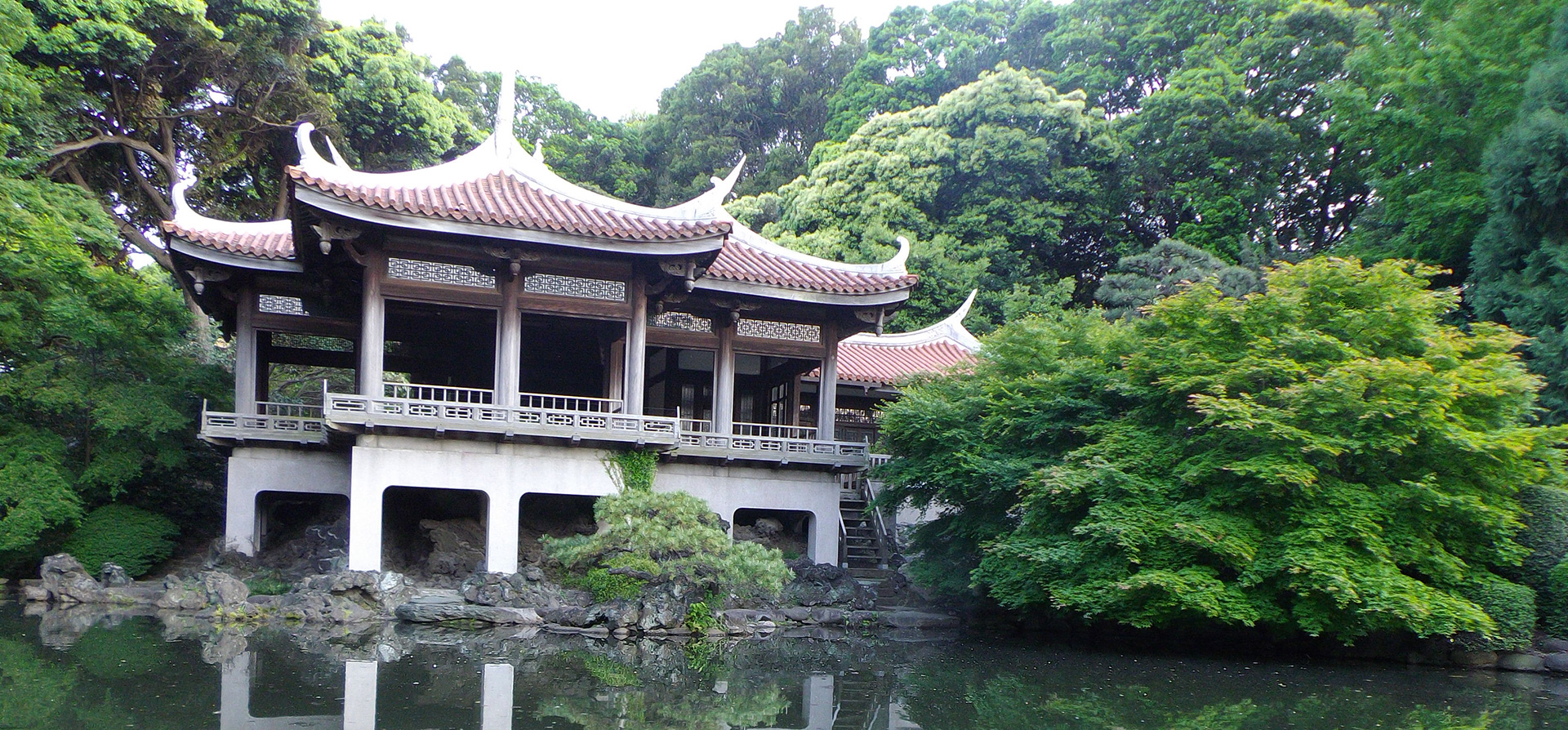
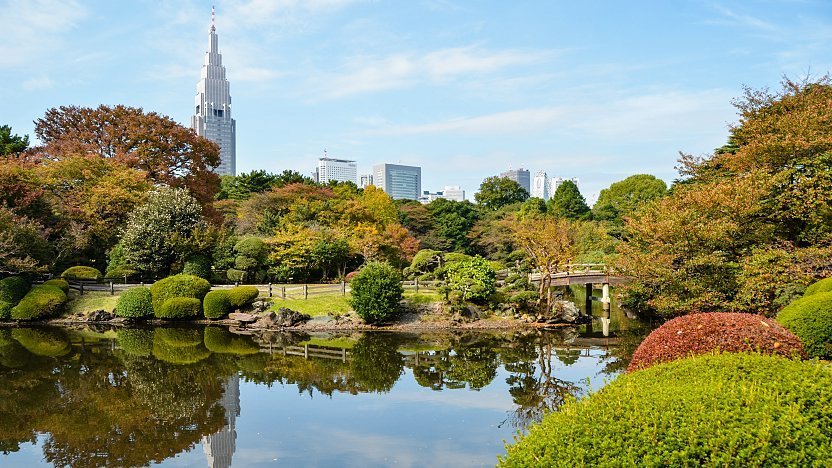
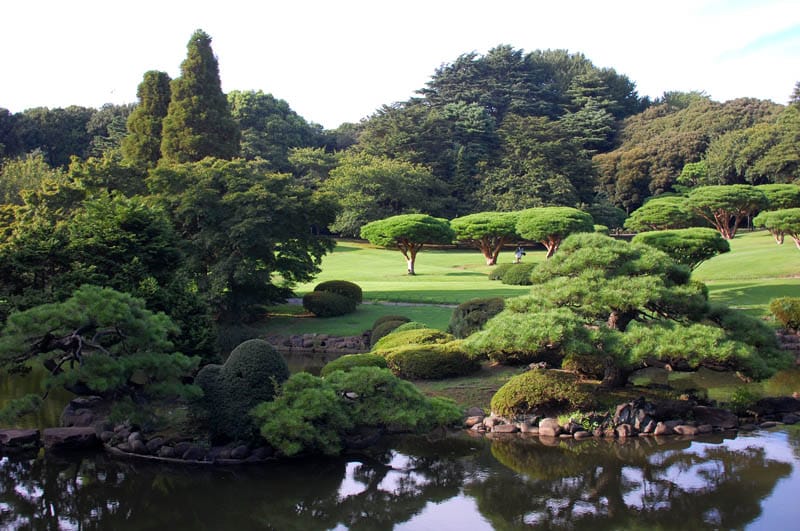
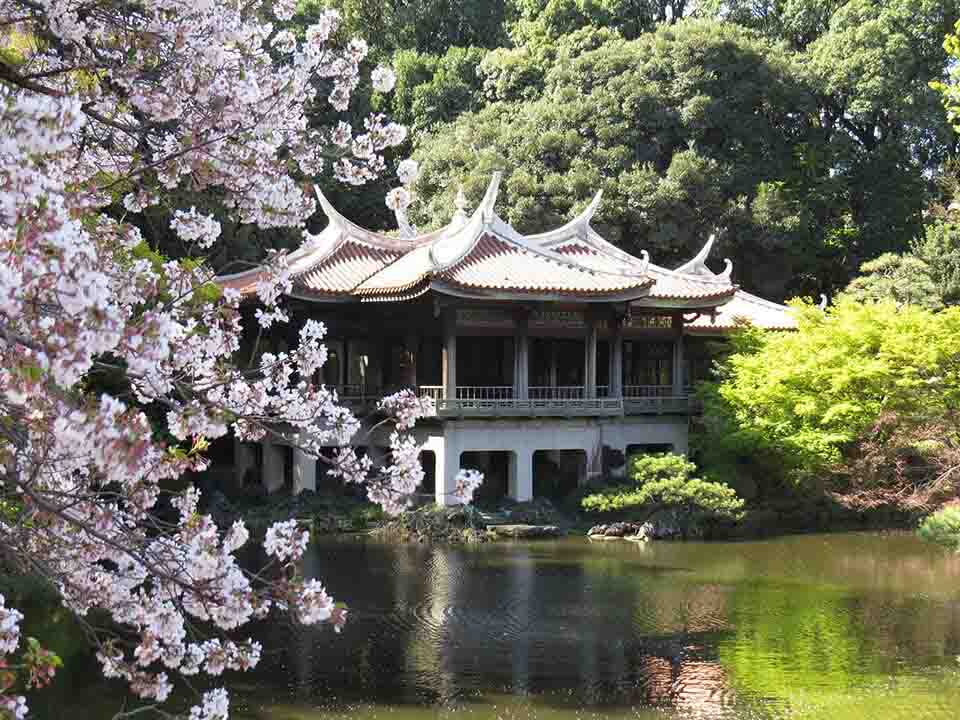
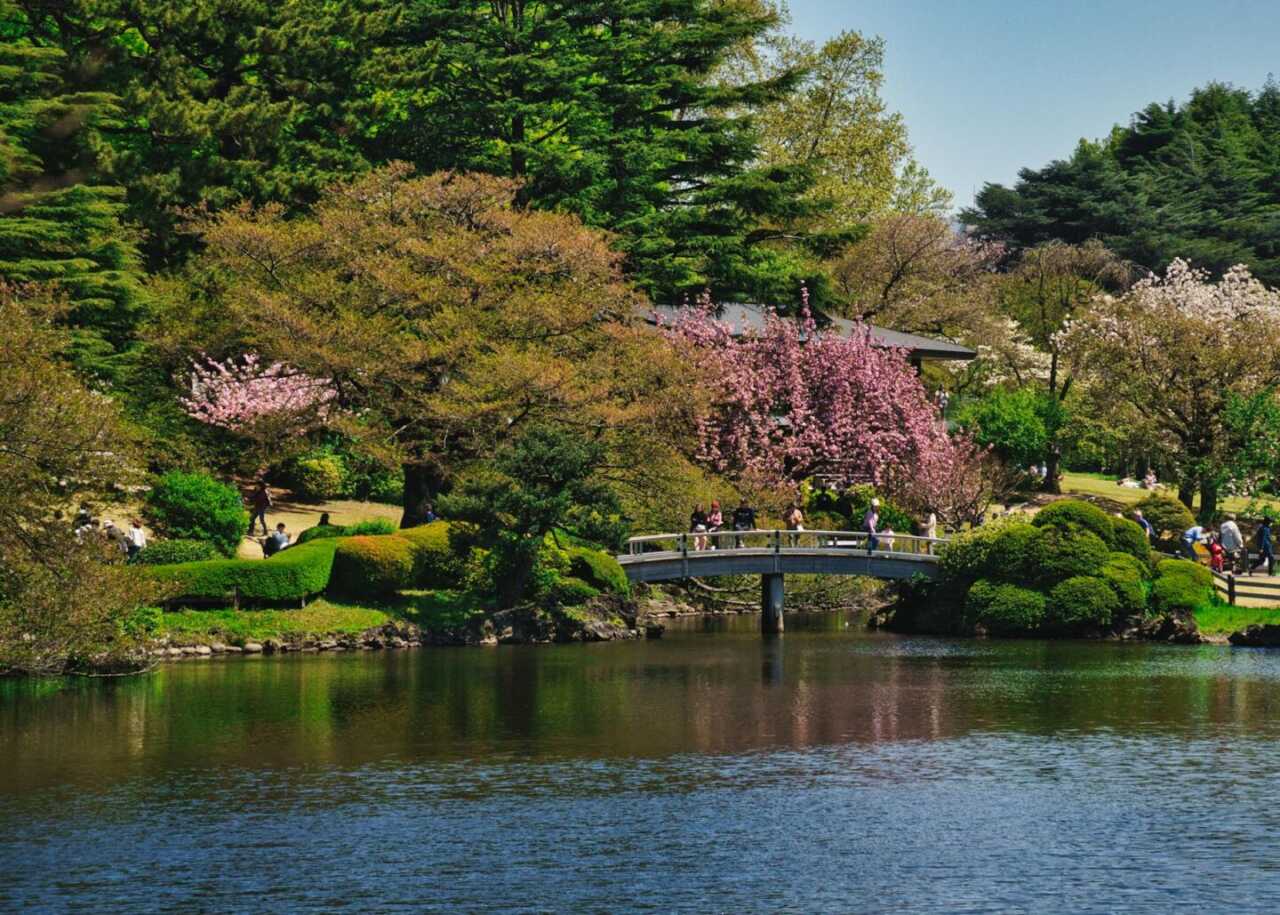
The Japanese Garden is centered on Tamamo Pond, with its ponds, stone bridges and stone lanterns. The Kyu-Goryotei pavilion by the pond is a historic building designated by the Tokyo Metropolitan Government.
Every year from November 1 to 15, the Chrysanthemum Exhibition is held in the Japanese Garden, displaying classical varieties such as Edo, Saga, Ise and Higo chrysanthemums.
The Japanese Garden is included in the park admission fee; no separate ticket is needed.
Chrysanthemum Exhibition: November 1 to 15 in the Japanese Garden
Every year from November 1 to 15, Shinjuku Gyoen holds a Chrysanthemum Exhibition in the Japanese Garden. It features Edo chrysanthemums developed in Edo, Saga chrysanthemums from the Saga area of Kyoto, Ise chrysanthemums from Mie, Higo chrysanthemums from Kumamoto, and large round blooms shaped like temari balls. The park stays open on Mondays during the exhibition. Please check the official website’s latest reports for the display details and flower conditions.
Western-Style Pavilion
The Kyu-Yokan Goyusho (Former Western-Style Imperial Resting Pavilion) was built in 1896 (Meiji 29) as a resting place for the imperial family. It was designated an Important Cultural Property in 2001 and is one of the few buildings in the park that survived the wartime air raids.
Whether the interior is open depends on the official announcements, so please check before you go.
The park also has restaurants, cafes and shops where you can rest and refuel during your visit.
Autumn Leaves
In autumn, the maples and ginkgos turn red and yellow and the plane-tree avenue turns golden, making this the park’s highlight of the season.
Autumn color varies from year to year, so check the latest park report on the official website before planning your trip.
The park is open on Mondays during the November 1 to 15 Chrysanthemum Exhibition, so you can see both chrysanthemums and autumn leaves on the same day.
Mother and Child Forest: Nature Classes and Night Exploration
The Mother and Child Forest (Haha to Ko no Mori) is a wooded area in Shinjuku Gyoen. The park uses it as a base for nature classes and a bird nest box project, and also holds evening nature walks on summer nights. Programs and sign-up methods change every year, so please check the events page on the official website. Families who want their children to learn about the park’s ecology can look up the schedule first, then choose a date and time slot for their visit.
Shinjuku Gate
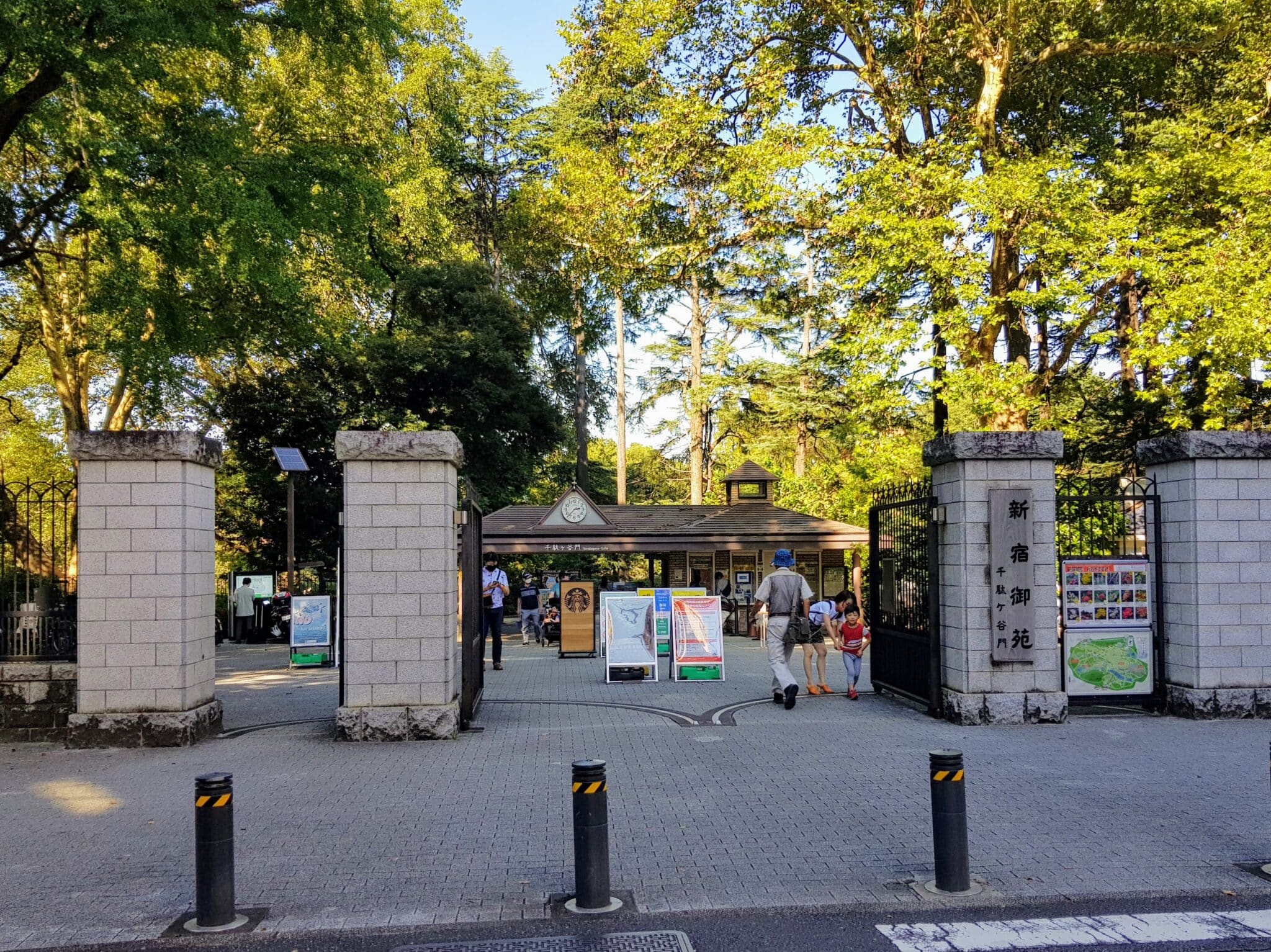
Shinjuku Gyoen has three entrances: Shinjuku Gate, Okido Gate and Sendagaya Gate. The park’s address is 11 Naito-cho, Shinjuku-ku. Shinjuku Gate is about a 5-minute walk from Exit 1 of Tokyo Metro Shinjuku-gyoenmae Station and Shinjuku-sanchome Station, and about 10 minutes from the south exit of JR Shinjuku Station.
Okido Gate is about 5 minutes from Exit 2 of Shinjuku-gyoenmae Station; Sendagaya Gate is about 5 minutes each from JR Sendagaya Station and Exit A5 of Kokuritsu-Kyogijo Station on the Oedo Line.
Admission can be paid by cash, credit card, transit IC card, e-wallet and mobile payment.
French Formal Garden and Rose Beds
The formal garden is known for its symmetrical design, lined on both sides with plane trees. The West Bed (54 varieties) and East Bed (52 varieties) in the center hold about 500 rose bushes of roughly 100 varieties.
The roses bloom in spring from about early May to late June, and again in autumn from about mid-October to mid-November.
The formal garden is included in the park admission fee. Please check the official website’s latest reports for flower conditions.

Shinjuku Gyoen Tickets and Tours: How to Buy and Book
Shinjuku Gyoen is one of Tokyo’s best-known parks and draws large numbers of visitors every year. To give visitors a better experience, it offers a range of tickets and guided tours. Below is how to buy tickets and book tours for Shinjuku Gyoen.
Shinjuku Gyoen Regular Admission
Adults ¥500; seniors 65 and over and students high school age and up ¥250; junior high school students and younger free. Pay by cash, credit card or transit IC card.
The park opens at 9:00. Closing time is 16:30 (October 1 to March 14), 18:00 (March 15 to June 10, and August to September) or 19:00 (June 11 to July 31). Last entry is 30 minutes before closing.
Closed on Mondays (the next day if Monday is a holiday) and from December 29 to January 3. Open daily during the cherry blossom season (March 25 to April 24) and the Chrysanthemum Exhibition (November 1 to 15).

Somei Yoshino Cherry Blossom Season: Bloom Dates and Opening Days
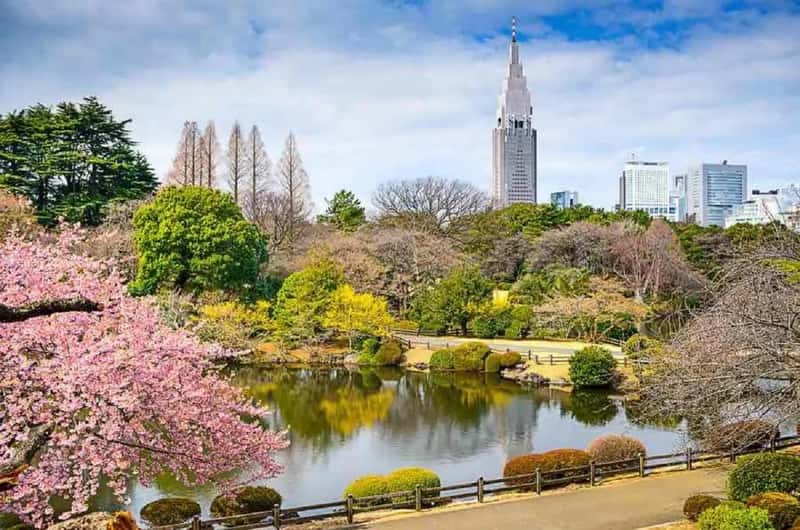
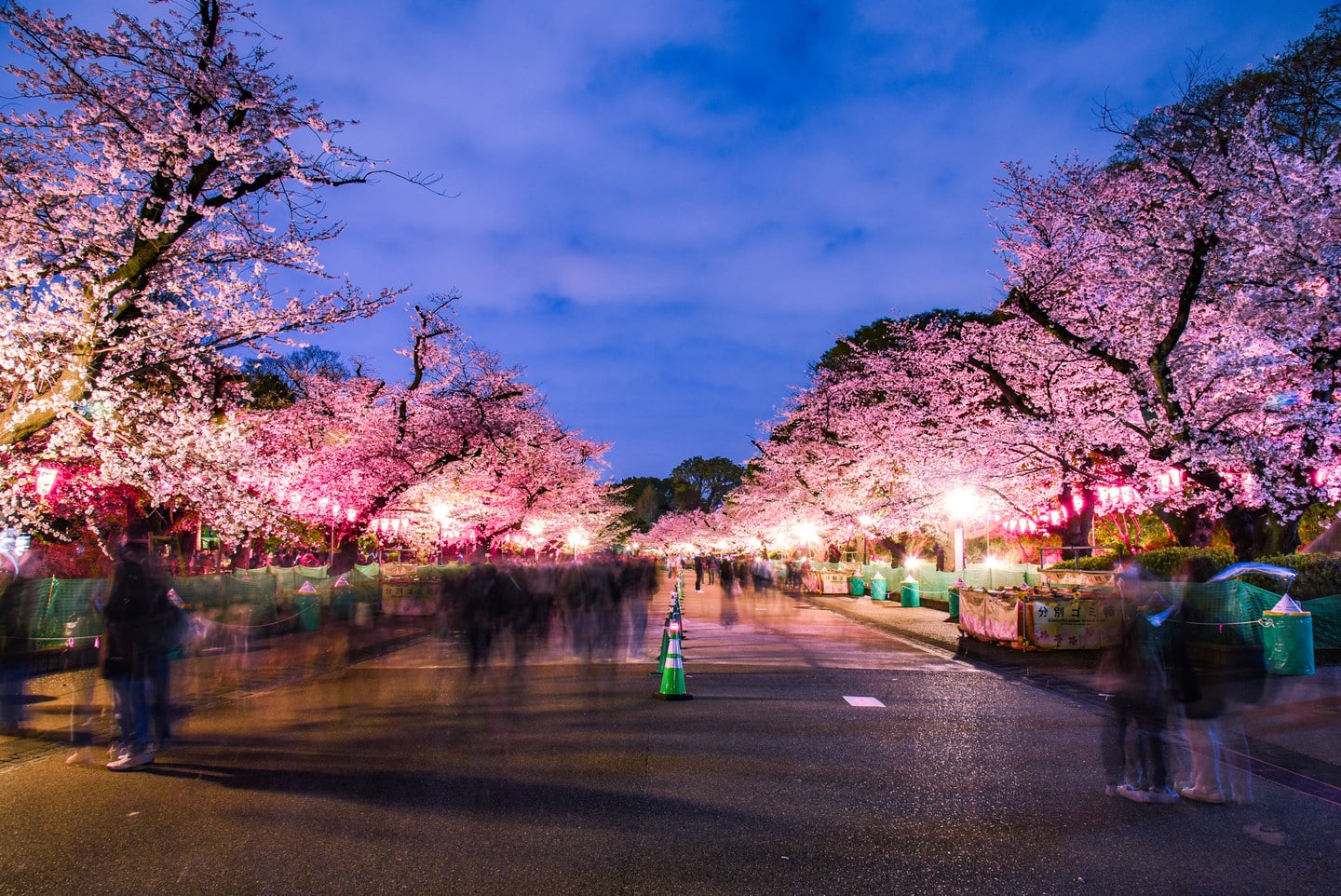
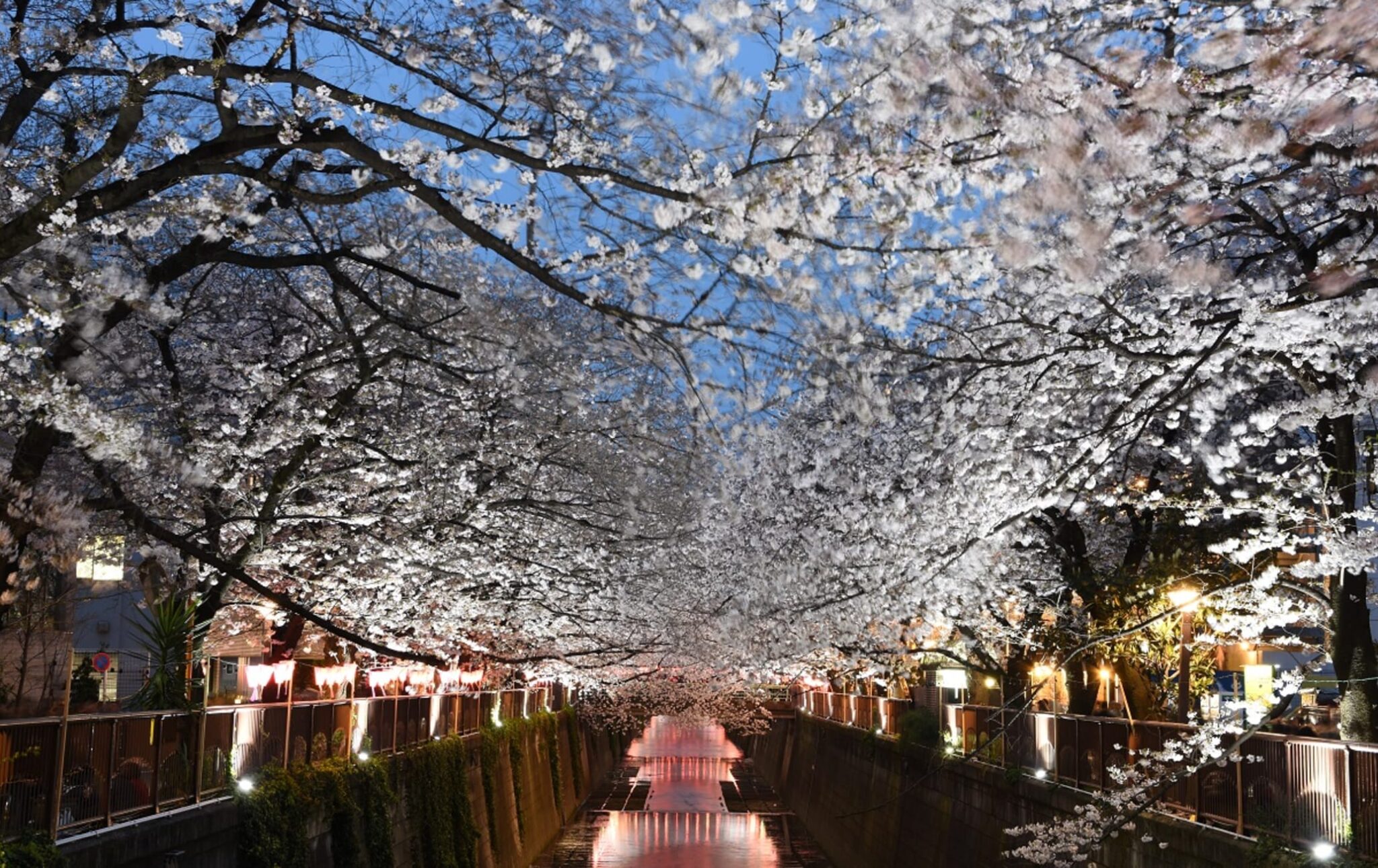
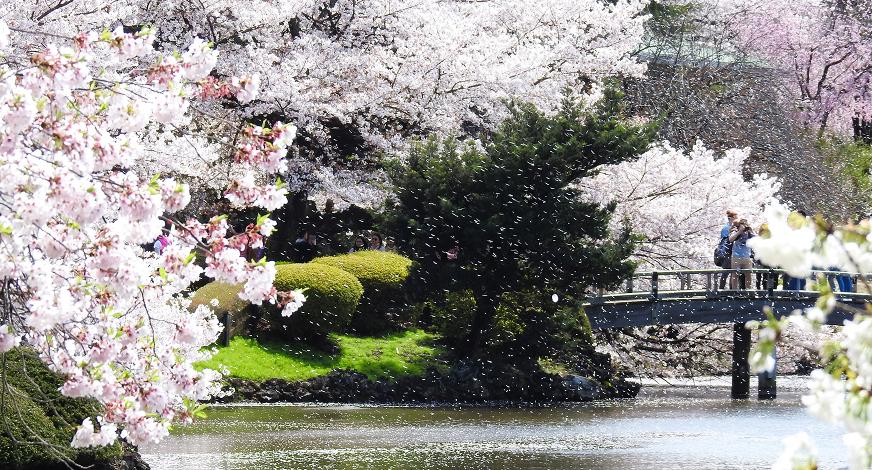
Shinjuku Gyoen has about 900 cherry trees of roughly 70 varieties. Early varieties bloom from February to early March, Somei Yoshino peaks from late March to early April, and double-flowered cherries bloom around mid-April.
During the cherry blossom season (March 25 to April 24) the park is open on Mondays as well. Please check the official website’s reports for bloom conditions.
Fuyuzakura (winter cherry) blooms twice, in autumn and spring, so you may see cherry blossoms on an autumn visit too.

Where to Stay Nearby
Shinjuku Gyoen’s Shinjuku Gate is about a 10-minute walk from the south exit of JR Shinjuku Station, or about a 5-minute walk from Exit 1 of Shinjuku-gyoenmae Station on the Tokyo Metro Marunouchi Line. Staying around Shinjuku Station lets you enter calmly at opening time, and makes it easy to take the train to other areas after an evening stroll.