
Tokyo’s Urban Oasis: An In-Depth Guide to Shinjuku Gyoen
In the busy, noisy heart of Tokyo, Shinjuku Gyoen is like a quiet oasis that gives city dwellers room to breathe. This sprawling national garden is not only one of Japan’s most representative gardens but also blends three very different styles, Japanese, French and English, with its own character in every season. From a samurai residence in the Edo period, to an imperial garden, to today’s national garden open to everyone, Shinjuku Gyoen carries a rich history and cultural heritage. This in-depth guide covers the must-see highlights, seasonal flowers, access, entry rules, and the nearby sights and food you should not miss, so your 2026 Tokyo trip can fully take in the charm of the city’s green lung.
Shinjuku Gyoen is not only a flower-viewing destination but also a great place to appreciate the art of the Japanese garden and the changes of history. Whether it is cherry blossoms in spring, greenery in summer, red leaves in autumn or the stillness of winter, it always has a different surprise for visitors. We explain what makes each season special and give practical tips so you can avoid the crowds and find the best viewing spots. We also look at the cultural meaning of Shinjuku Gyoen and how it has become an indispensable part of everyday life for Tokyoites. Ready to explore Tokyo’s most beautiful backyard with us?
Shinjuku Gyoen Overview: History and Its Three Garden Styles
The history of Shinjuku Gyoen goes back to the Edo period, when it was the residence of Naito Kiyonari, a retainer of Tokugawa Ieyasu. After the Meiji Restoration it served as an agricultural experiment station, introducing Western farming techniques and plants. In 1906 it officially became an imperial garden, and in 1949, after World War II, it opened to the public as a national garden. This rich history gives Shinjuku Gyoen a distinctive cultural depth, making it not just a park but a living piece of modern Japanese history. The grounds cover about 58.3 hectares and hold more than ten thousand trees, making it one of the largest green spaces in central Tokyo. Its unique background also means its garden design blends Eastern and Western elements, a small picture of a multicultural exchange.
The most fascinating thing about Shinjuku Gyoen is its skillful blend of three garden styles, each showing a different aesthetic and design philosophy. The three styles are each charming in their own right yet coexist harmoniously within the same grounds, giving visitors a rich visual experience. Understanding the character of each garden will help you appreciate the design ingenuity and cultural meaning of Shinjuku Gyoen more deeply. From refined traditional Japanese aesthetics, to the grand geometric layout of the French garden, to the natural, free-flowing English landscape, every part rewards a slow look. Below we introduce the appeal of each of the three gardens in turn.
A note: the “three gardens” here means the three garden styles inside Shinjuku Gyoen, not a ranking such as “Tokyo’s three great gardens.” Tokyo has no officially recognized list of three great gardens. If you want to extend your trip to other classic Japanese gardens with an Edo atmosphere, the ones often mentioned together are Rikugien, Koishikawa Korakuen and Hama-rikyu Gardens, all of which are Tokyo Metropolitan gardens.
Japanese Garden: The Pinnacle of Traditional Japanese Aesthetics
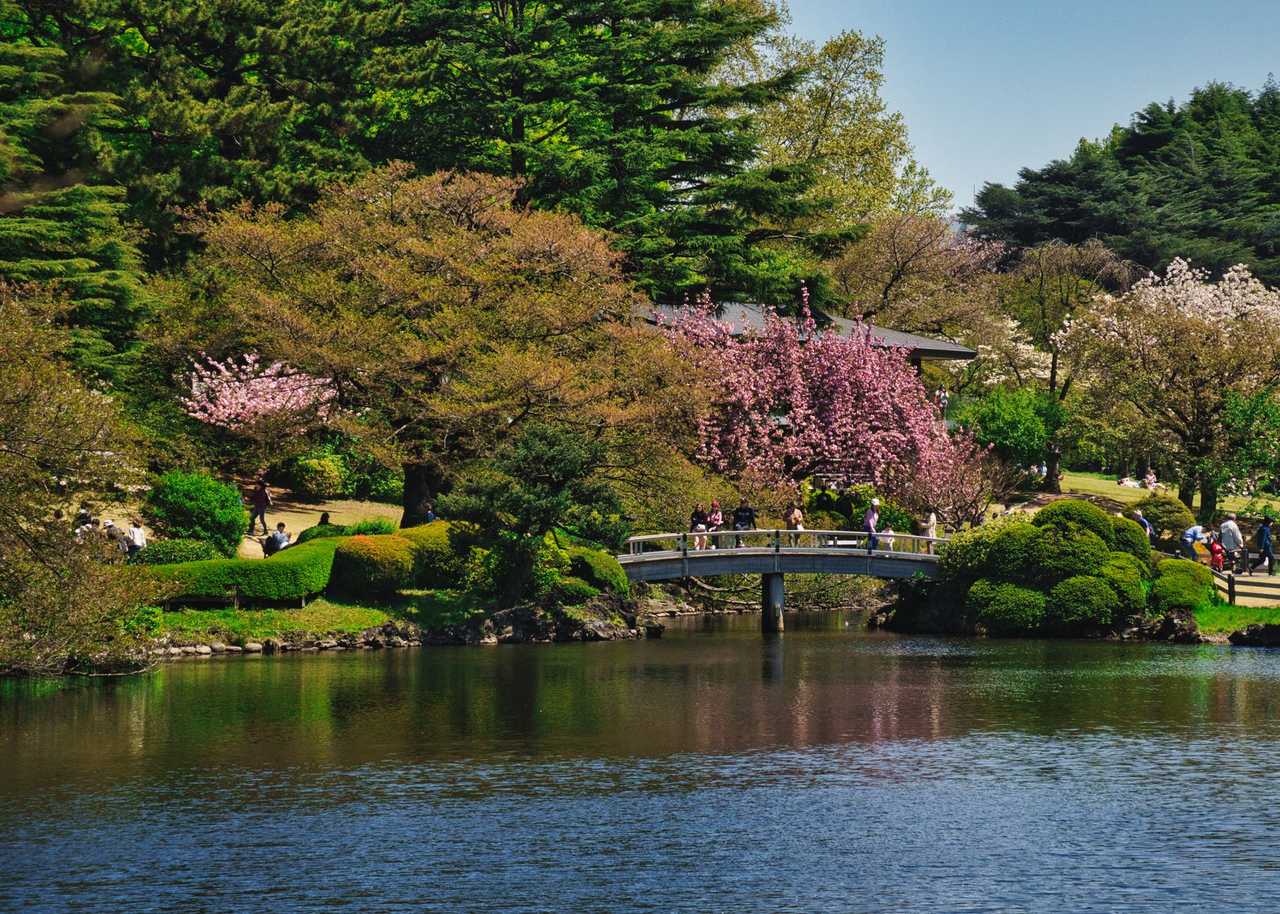
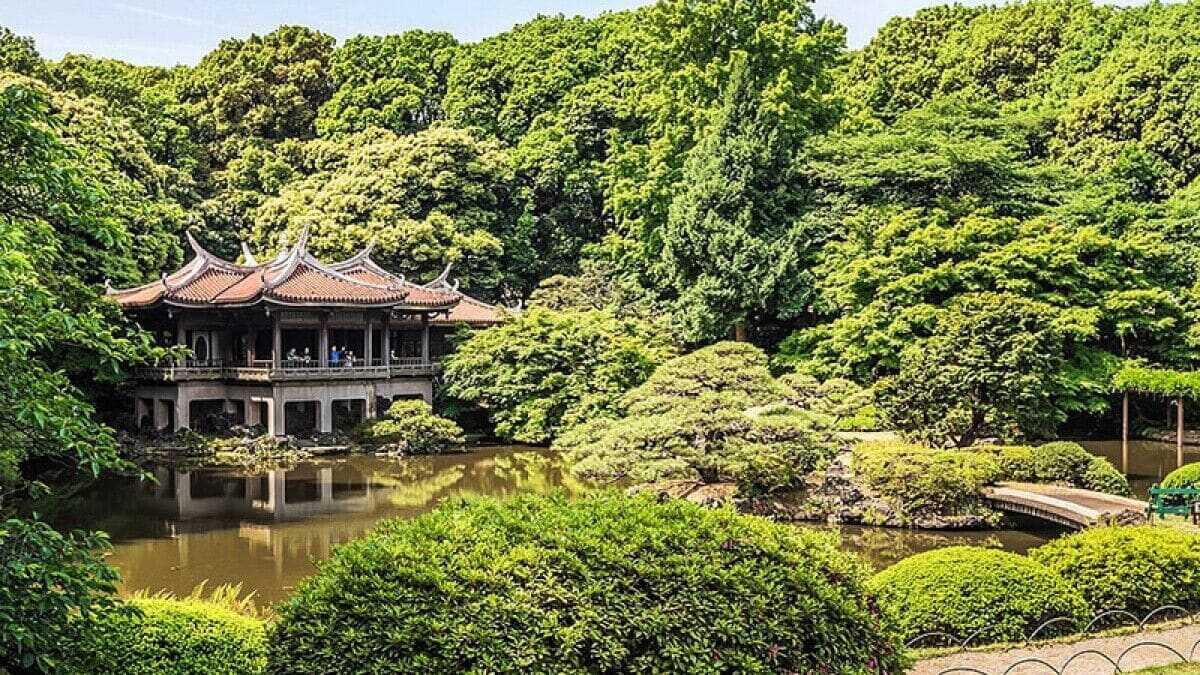
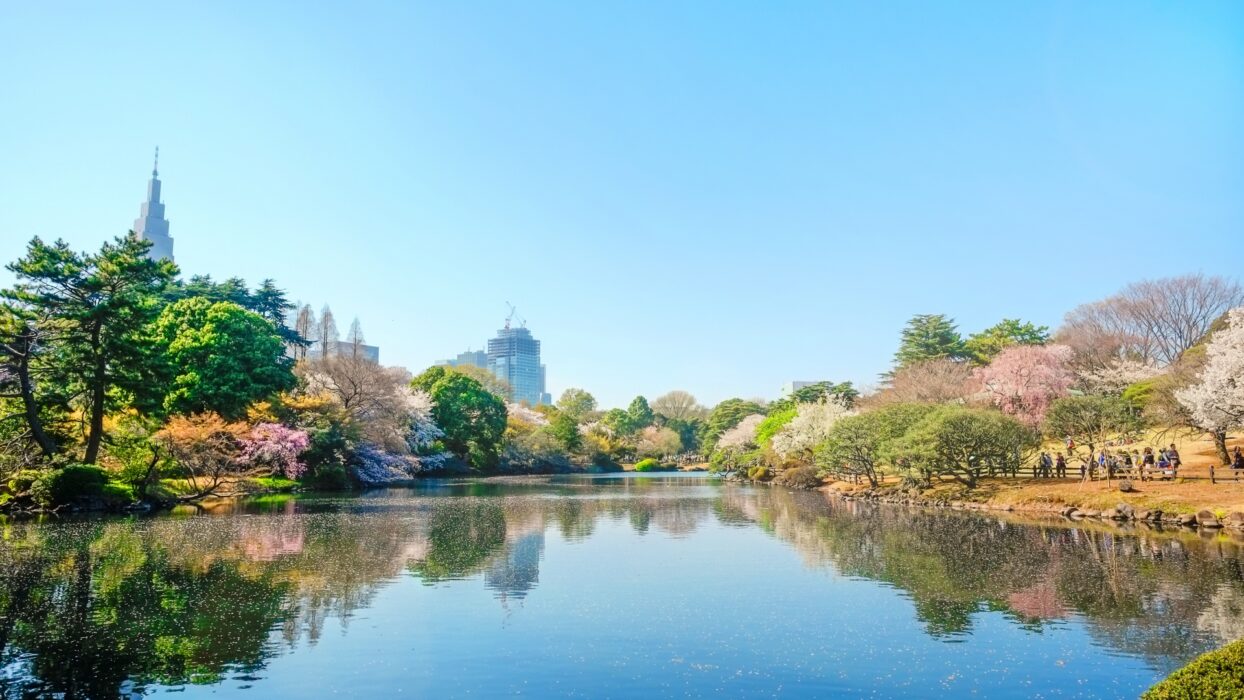
The Japanese Garden is the heart of Shinjuku Gyoen. Based on a traditional pond-strolling garden, it also blends elements of the dry landscape garden and the tea garden. The design aims to capture nature in miniature, using artificial hills, ponds, small bridges, a waterfall and carefully pruned trees to create a calm, far-reaching atmosphere.
The Kyu-Goryotei (Old Imperial Pavilion, also known as the Taiwan Pavilion) in the garden was donated in 1927 by Japanese residents in Taiwan to commemorate the wedding of the Showa Emperor. Its distinctive southern Fujian style architecture makes an interesting contrast with the surrounding Japanese landscape, and it is also an important filming location for the anime The Garden of Words, drawing many fans on pilgrimage.
English Landscape Garden: Wide Lawns and Freely Growing Trees
The English Landscape Garden is characterized by its wide lawns and freely growing trees, in sharp contrast to the refinement of the Japanese garden.
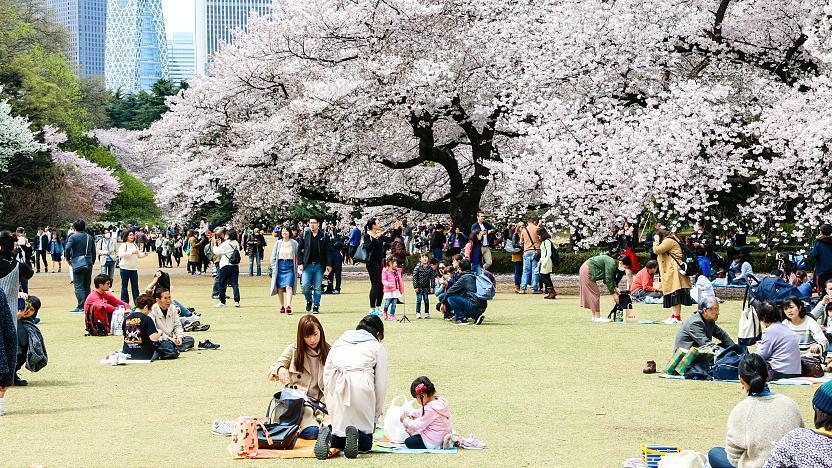
The design idea here is to imitate natural scenery and pursue an open, relaxed pastoral poetry. The large green lawns are ideal for picnics and relaxing, and many families and friends enjoy the sun here, far from the noise of the city.
French Formal Garden: The Art of Symmetry and Geometry
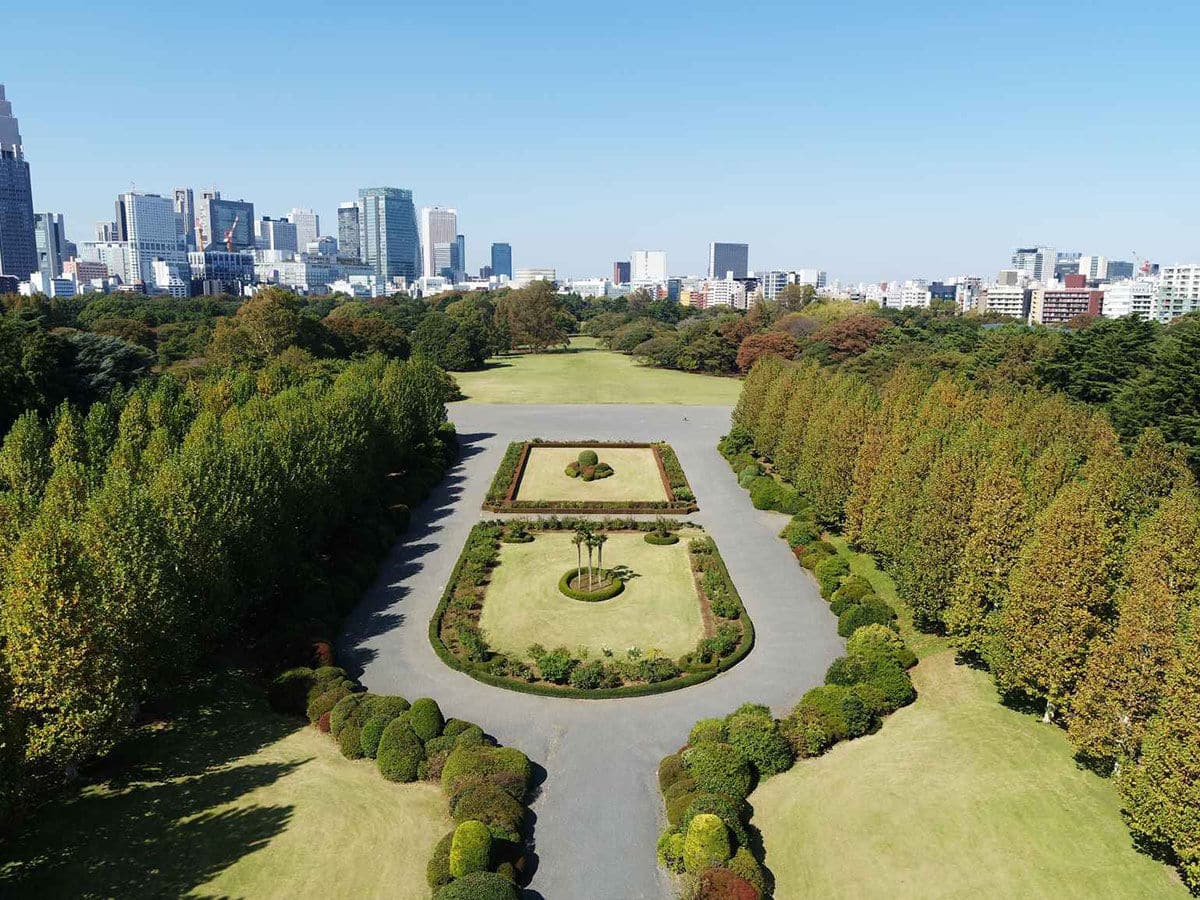
The design of the French Formal Garden comes from classical French gardens and emphasizes symmetry, geometric shapes and a sense of order. Its most famous sights are the straight avenue of plane trees and the central rose beds.
Every May and October the rose beds bloom with about 100 varieties and 500 bushes, colorful and richly fragrant, a popular spot for couples on dates and for wedding photos. The plane tree avenue turns golden in autumn, forming a dreamlike tunnel that draws countless visitors to stop and take photos.
Seasonal Flowers and Flower-Viewing Tips: The Best Times at Shinjuku Gyoen in 2026
Shinjuku Gyoen is known for its wide variety of plants and the beauty of the changing seasons, and is one of Tokyo’s most popular flower-viewing spots. Whatever the season you visit, it offers a distinctive feast for the eyes. To make your trip even better, we describe the must-see flowers for each season, the best viewing periods and recommended viewing spots. With this information, you can see Shinjuku Gyoen’s most moving scenery at the right time. From plum blossoms in early spring to chrysanthemums in late autumn, every flower has its own charm waiting to be discovered.
Besides the familiar cherry blossoms and maple leaves, Shinjuku Gyoen has many lesser-known flowers and plants that bloom in particular seasons and add more color to the park. We provide a detailed flower calendar to help you plan your trip. We also share some photography techniques and flower-viewing tips so you can capture the most beautiful moments, avoid the crowds and enjoy a peaceful viewing experience. Ready for a visual feast?
Spring Cherry Blossom Feast: Wave After Wave of Cherry Trees in Bloom
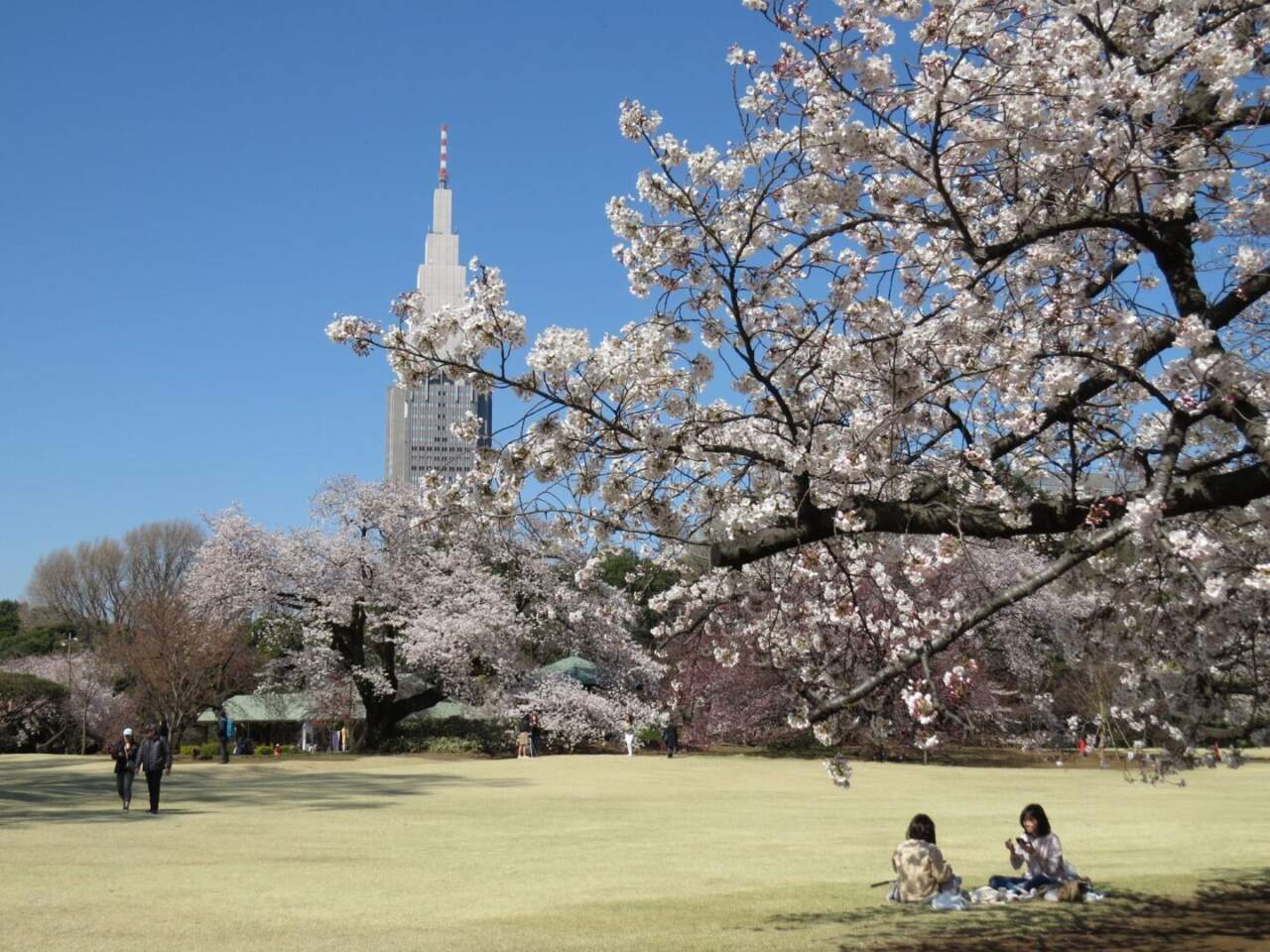
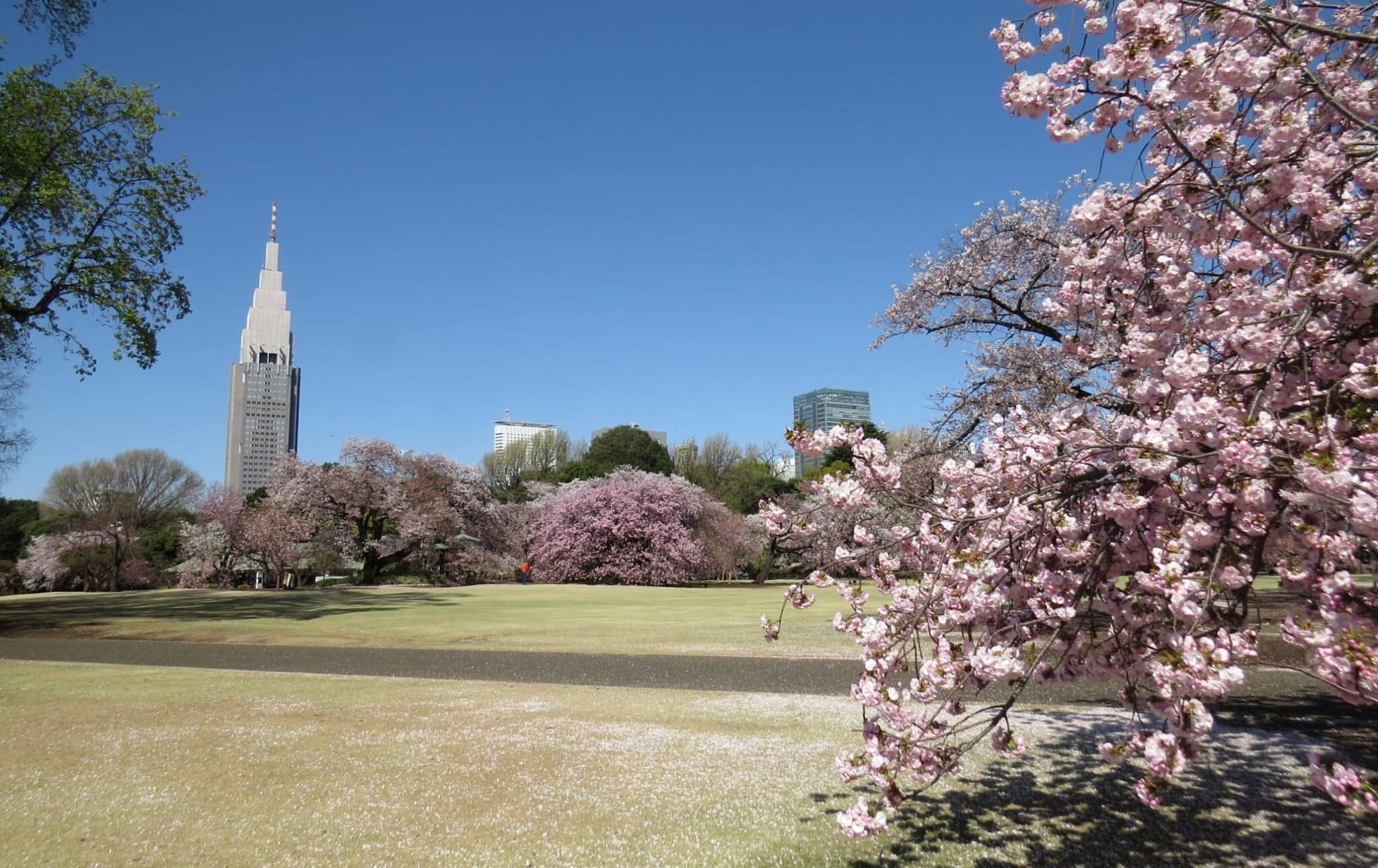
Shinjuku Gyoen has about 1,000 cherry trees of about 65 varieties, which bloom in succession from February to late April, so the cherry blossom season lasts longer than in most parks. This means that even if you miss the mainstream Somei Yoshino, you still have a chance to see other beautiful cherry blossoms.
From the Kawazu and Higan cherries of early spring, to the Somei Yoshino at full bloom, to the double-flowered Yaezakura and yellow-green Ukon cherries of late spring, each has its own form and color. The Cherry Blossom Garden area is the main viewing spot, and its wide lawns make an excellent backdrop for picnics and photos.
Lush Midsummer Greenery: The Cool of Hydrangeas and Water Lilies
When the spring cherry blossoms are over, Shinjuku Gyoen welcomes a vibrant midsummer. The main sights in the park now are the lushness of the greenery and the blooming of summer flowers. The wide lawns of the English Landscape Garden become a sea of green, an ideal place to escape the heat and enjoy nature.
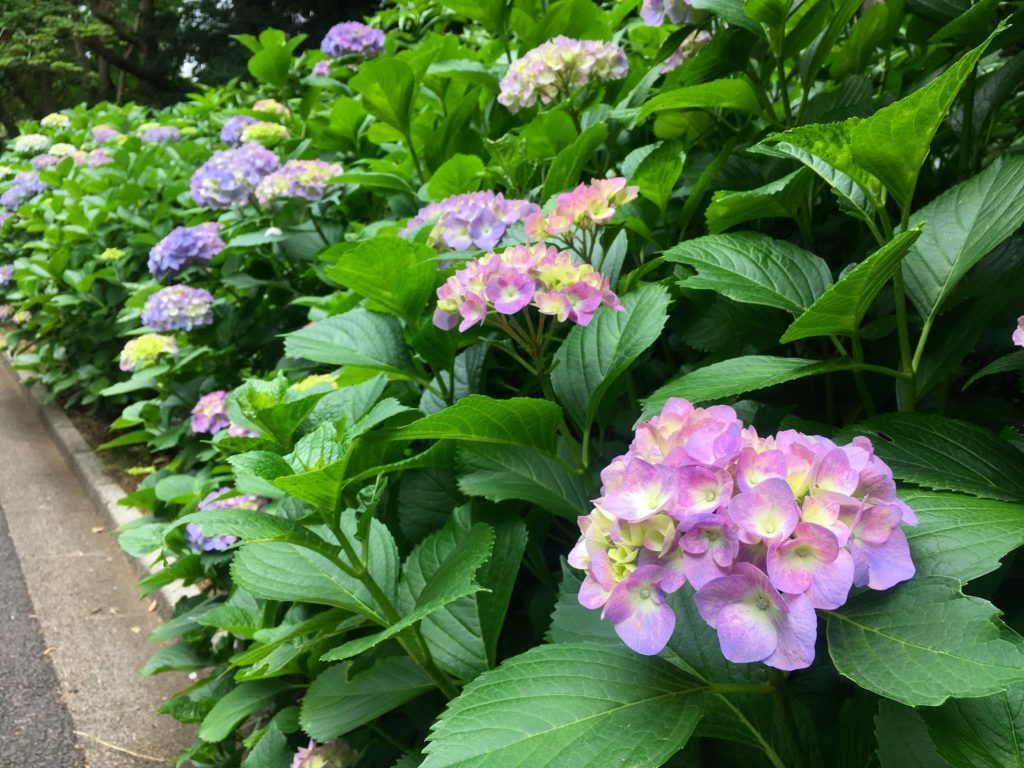
In the ponds of the Japanese Garden, water lilies float quietly on the surface in an elegant pose. Many hydrangeas in the park also bloom around June, adding blues, purples and whites to the green world.
Golden Autumn Maples and Ginkgos: A Feast for the Eyes as the Woods Change Color
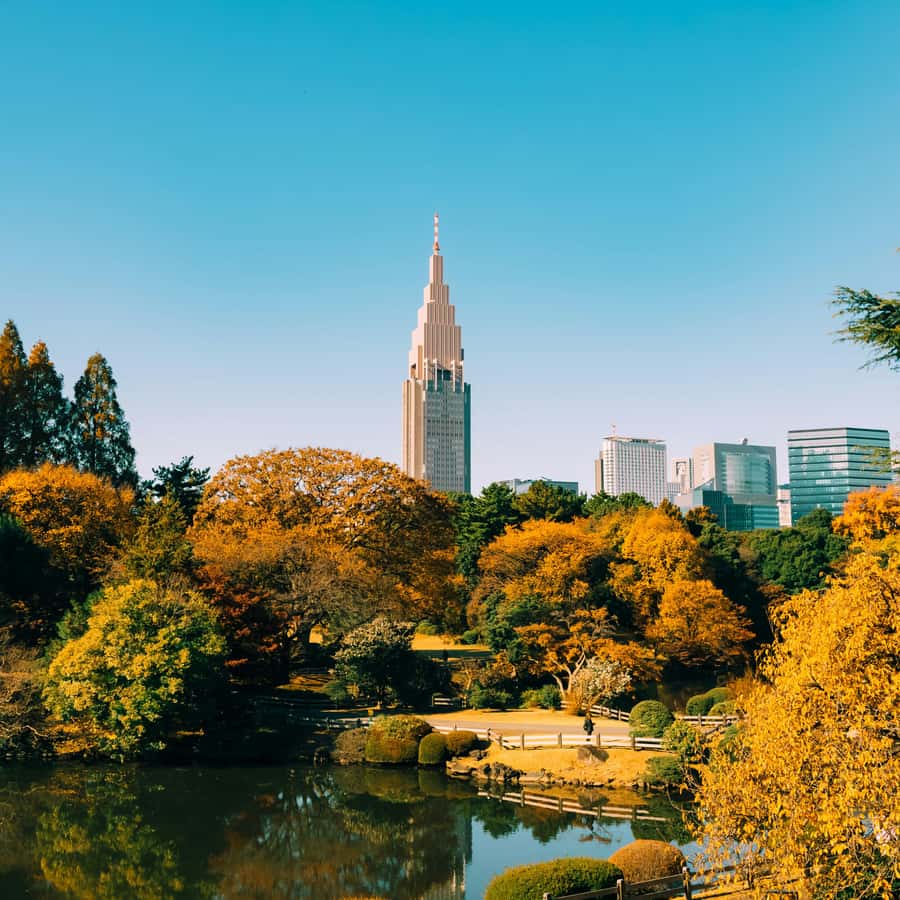
Autumn is one of Shinjuku Gyoen’s most popular seasons, when the grounds are dyed gold and fiery red by maples and ginkgos, breathtakingly beautiful. From late October to early December is the best time to see the maples and ginkgos.
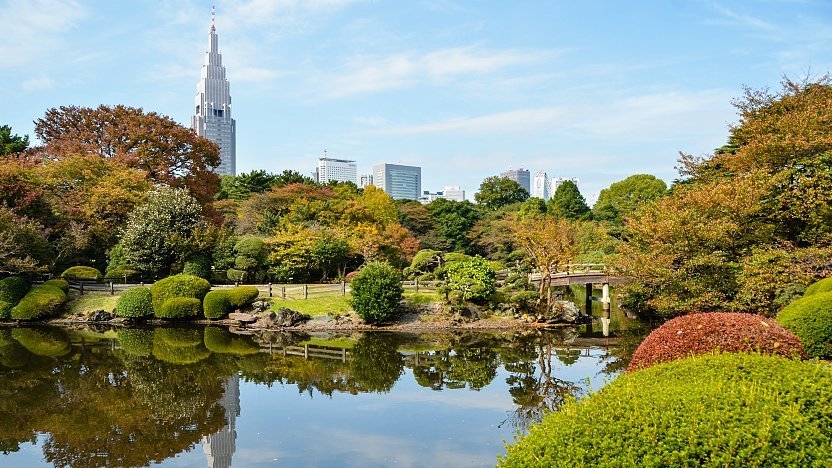
The plane tree avenue in the French Formal Garden becomes a golden tunnel, while the maples of the Japanese Garden show reds of every depth, reflected in the pond like a painting. The garden also has a dedicated “Momiji Yama” (Maple Hill), an excellent place to view the maples.
If you visit in September, you can still catch the higan-bana: the “Seasonal Flowers” page of the Ministry of the Environment’s Shinjuku Gyoen website lists higan-bana (red spider lily, ヒガンバナ) as a September flower, and bush clover (ハギ) and Chinese squill (ツルボ) can also be seen that month. The park does not announce a fixed higan-bana viewing area, and the flowering time shifts with each year’s temperatures, so check the official website or official social media for the latest bloom status before you go. Until the end of September the opening hours are 9:00-18:00 (last entry 17:30).
Winter Snow Scenes and the Greenhouse: Life Within the Stillness
Although winter at Shinjuku Gyoen lacks the bustle of abundant blossoms, it has a distinctive stillness and purity. If you are lucky enough to catch snowfall, the whole park is covered in white, a dreamlike scene quite unlike the other seasons.
At this time the dry landscape garden in the Japanese Garden looks even more Zen against the snow, and the wide lawns of the English garden turn into a pure white canvas. Although the winter trees have lost their leaves, the beauty of their branch lines stands out even more. Even without snow, Shinjuku Gyoen in winter is still worth a visit.
Practical Information: Access, Tickets, Opening Hours and Entry Rules
When planning a trip to Shinjuku Gyoen, knowing the practical details of access, tickets and opening hours is an essential step. Shinjuku Gyoen is well located and easy to reach, with several subway stations and JR stations nearby. Knowing the character of each gate also helps you plan a more efficient route. In recent years Shinjuku Gyoen has also used a reservation system in certain seasons, and learning these rules in advance can help you avoid unnecessary queuing and waiting for a smoother trip. We provide the most detailed information so you can enjoy Shinjuku Gyoen with ease.
Besides the basic entry information, we also share some visiting tips, such as facilities in the park, dining options and the rules to follow. As a national garden, Shinjuku Gyoen has strict requirements for environmental protection and visitor behavior, such as no alcoholic drinks and no play equipment. Following these rules not only protects the park’s natural environment but also lets all visitors enjoy a pleasant and harmonious visit. Now let us look at these practical details.
Access: Getting to Shinjuku Gyoen Easily
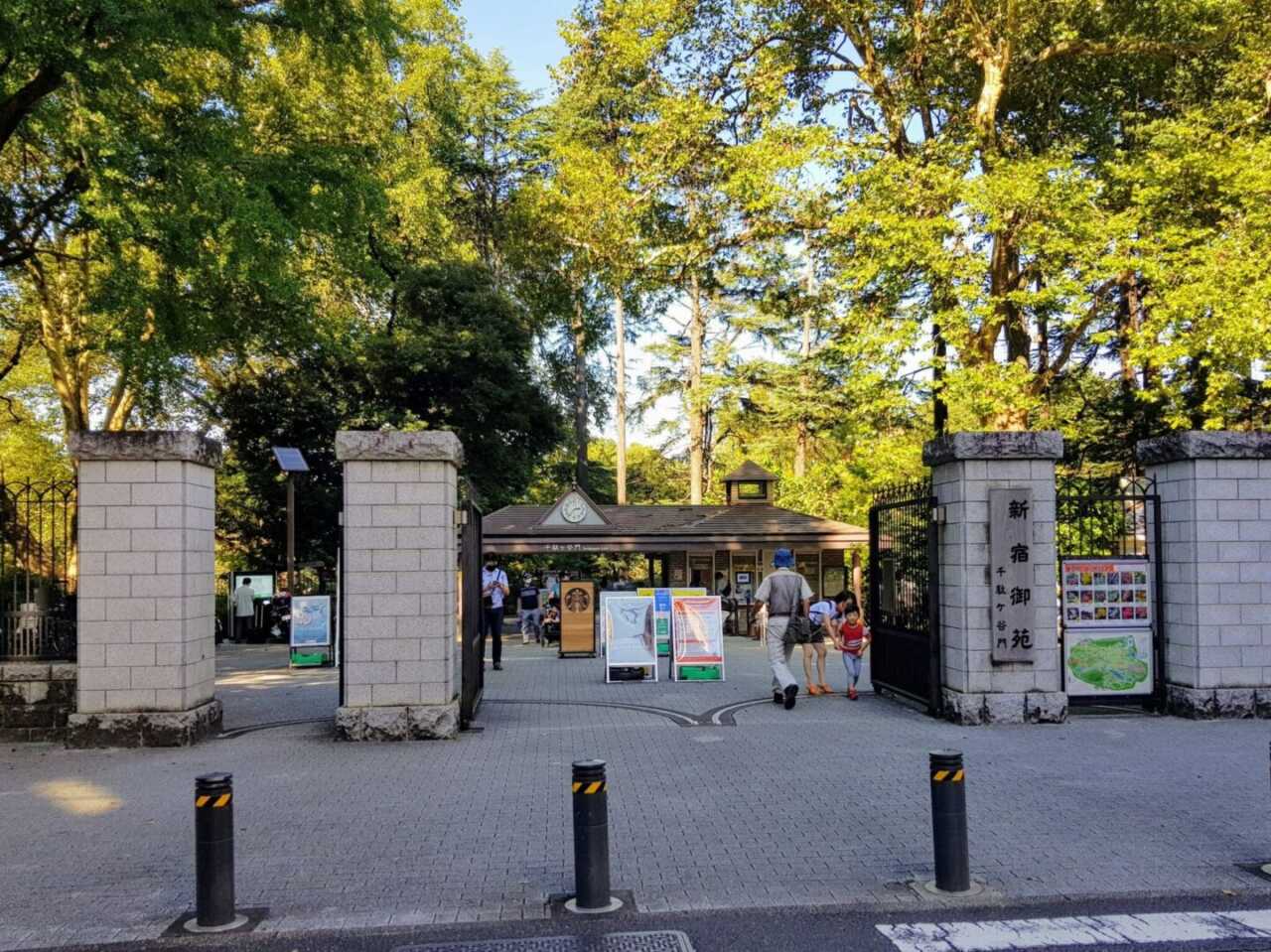
Shinjuku Gyoen has three main gates: Shinjuku Gate, Okido Gate and Sendagaya Gate, each with its own transport connection so visitors can enter from different directions. The most common entrance is Shinjuku Gate, about a 10-minute walk from the South Exit of JR Shinjuku Station, or about 5 minutes on foot from Exit 1 of Shinjuku-gyoenmae Station on the Tokyo Metro Marunouchi Line.
Shinjuku Gate is on the west side of Shinjuku Gyoen, close to Shinjuku’s busy district, with plenty of dining and shopping options nearby, and is the first choice for many visitors.
Tickets and Opening Hours: Latest Information for 2026
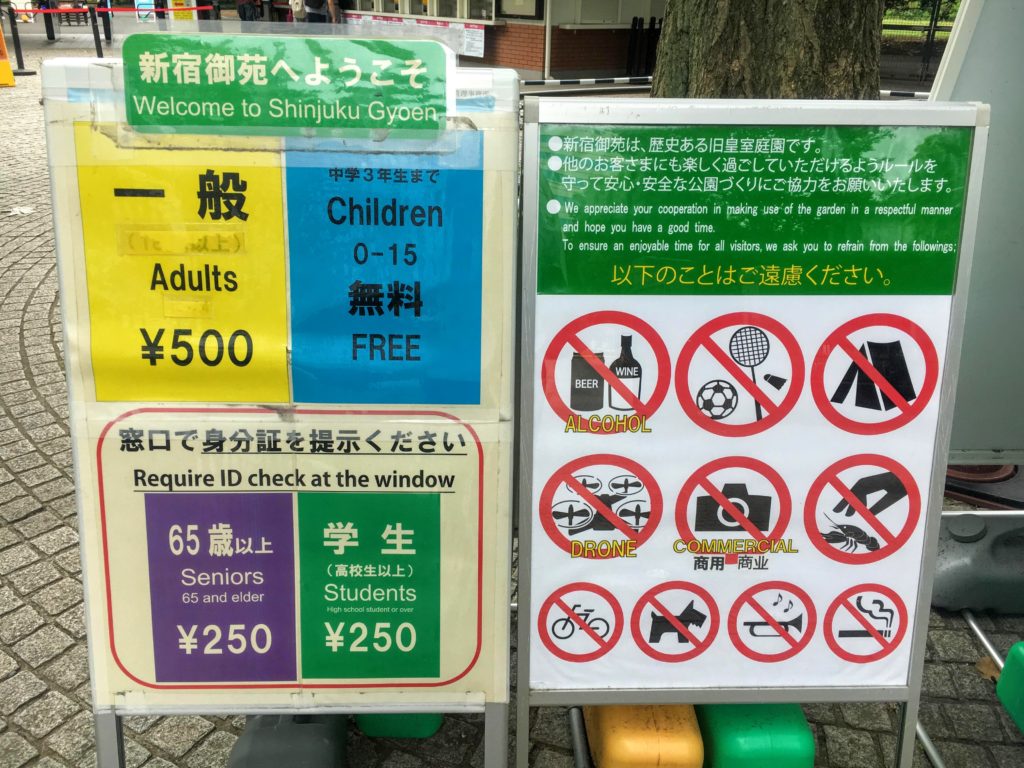
Admission to Shinjuku Gyoen is 500 yen for adults, 250 yen for seniors aged 65 and over and students (high school age and above), and free for junior high school students and younger. An annual pass costs 2,000 yen for adults and 1,000 yen for high school students. There are several ways to enter: besides buying a ticket with cash, you can also tap a transit IC card (such as Suica or Pasmo) at the entrance gate; see the Ministry of the Environment’s Shinjuku Gyoen website for details. In addition, Shinjuku Gyoen offers free admission days every year on April 29 (Showa Day), May 4 (Greenery Day) and May 5 (Children’s Day), so keep an eye on them when planning your trip.
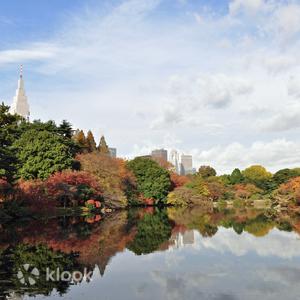

Opening Hours and Closed Days
Shinjuku Gyoen’s opening hours vary by season: 9:00-18:00 from March 15 to September 30 (last entry 17:30); extended to 19:00 from June 11 to July 31 (last entry 18:30); and closing earlier at 16:30 from October 1 to March 14 of the following year (last entry 16:00).
Regular closed days are every Monday (the next day if it is a holiday) and the year-end and New Year period (December 29 to January 3). During the cherry blossom season (March 25 to April 24) and the chrysanthemum exhibition (November 1 to 15) it is open every day, even on Mondays.
2026 Cherry Blossom Season Reservation Entry System
To handle the crowds of cherry blossom viewers, Shinjuku Gyoen used a reservation entry system in the 2026 cherry blossom season from 10:00 to 16:00 on March 28 and 29 and April 4 and 5. Reservations were open from March 2 to April 5 and accepted online only. Annual pass holders, junior high school students and younger, holders of various types of disability handbooks, parents accompanying children and pregnant women did not need reservations. The dates differ each year, so check the latest announcements on the Ministry of the Environment’s Shinjuku Gyoen website before the cherry blossom season.

Entry Rules and Notes: A Guide to Visiting Considerately
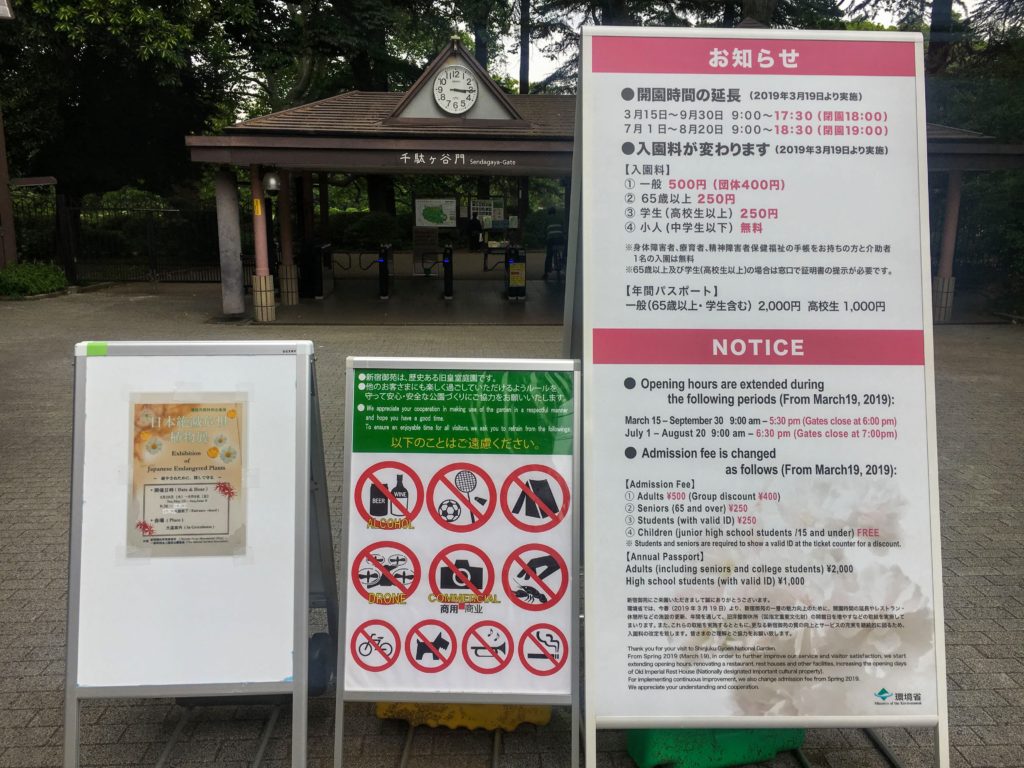
To protect Shinjuku Gyoen’s natural environment and the quality of visitors’ experience, the park has some important entry rules and notes. First, alcoholic drinks may not be brought into the park, to keep it clean and safe.
When having a picnic, please do not use tents, open-flame equipment or any play equipment that may affect others. Please take your trash with you or put it in the designated bins to help keep the park clean. In addition, smoking (including e-cigarettes) is allowed only in designated smoking areas in the park.
Food Near Shinjuku Gyoen: From Park Cafes to Michelin-Starred Ramen
Besides enjoying the scenery, a visit to Shinjuku Gyoen of course includes good food. Whether you want a light bite in the park or authentic Japanese cuisine nearby, the area around Shinjuku Gyoen can satisfy your taste buds. From relaxed cafes to Michelin-recommended ramen shops to traditional Japanese kappo restaurants, the choices are varied and plentiful. We have picked a few places not to miss to make your Shinjuku Gyoen trip even more complete.
The dining options around Shinjuku Gyoen are very rich, with simple meals for a quick lunch as well as refined dishes for special occasions. Many shops incorporate local character or are particular about their ingredients. We provide detailed shop information, including signature dishes, estimated price ranges and opening hours, so you can plan your food itinerary easily. Whether you are a backpacker on a tight budget or a gourmet seeking a high-quality dining experience, you can find a suitable choice here.
In-Park Cafe: Starbucks Shinjuku Gyoen
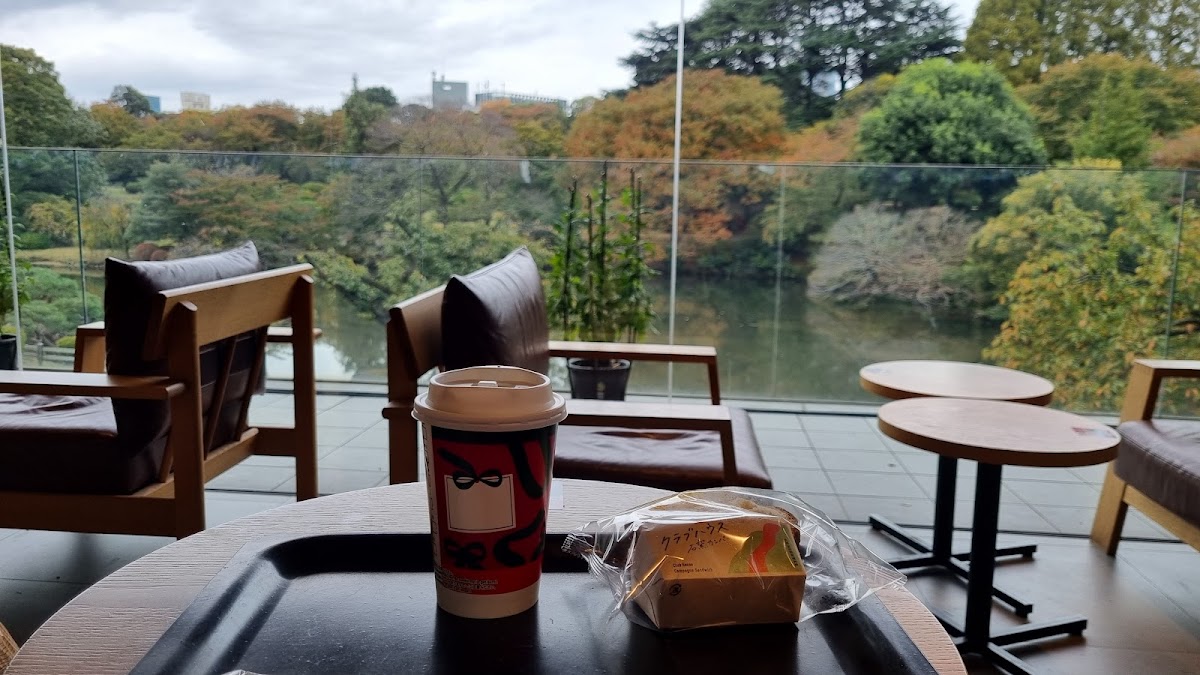

Inside Shinjuku Gyoen there is a special Starbucks branch, Starbucks Shinjuku Gyoen. Located within the grounds and blended into the surrounding greenery, it lets customers enjoy the park’s natural scenery along with their coffee.
During the cherry blossom season in particular it is a popular spot for viewing blossoms, where you can hold a cup of coffee and enjoy the romance of falling petals. The interior is spacious and comfortable, serving classic coffees, teas and light bites, an excellent place to rest during your visit.
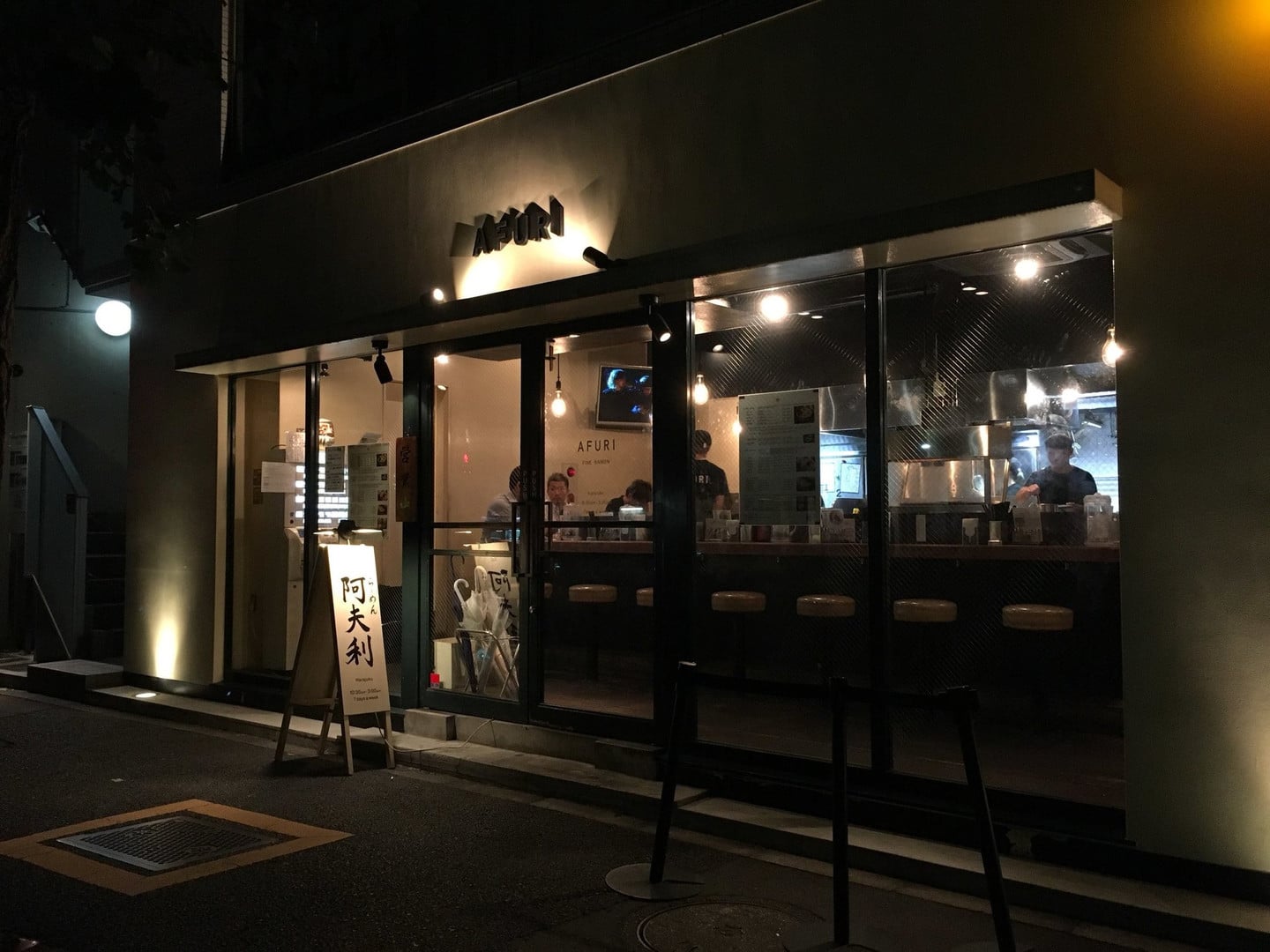
Michelin One-Star Ramen: SOBAHOUSE Konjiki Hototogisu
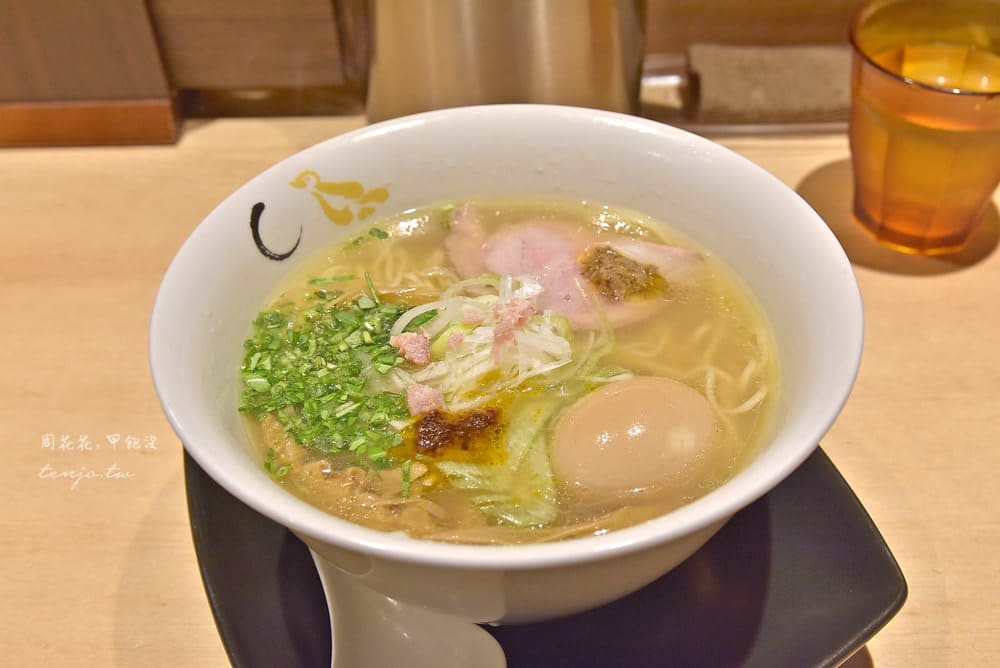
Not far from Shinjuku Gyoen is a ramen shop that has earned a Michelin one-star rating for several years running: SOBAHOUSE Konjiki Hototogisu. It is known for its signature sea bream and clam shio soba, with a broth that combines the sweetness of sea bream and the freshness of clams, topped with truffle sauce and porcini oil for layered flavor and a rich aroma.
The noodles are springy and the chashu tender, with a surprise in every bite. The shop insists on using no chemical seasonings and simmers its broth from more than 60 natural ingredients, and it is highly regarded by ramen lovers.
Your Name Filming Location: Café La Bohème Shinjuku Gyoen
For fans of the anime Your Name., Café La Bohème Shinjuku Gyoen is a definite must-visit. This Italian restaurant is the model for the restaurant where the male lead works part-time in the film, with a European classical interior, high ceilings, ornate chandeliers and a warm atmosphere that makes you feel as if you are inside a scene from the movie.
It serves a variety of pasta, pizza, salads and desserts, with tasty food at reasonable prices, very suitable for lunch or dinner.
Great-Value Japanese Kappo: Shinjuku Kappo Nakajima
If you want great-value Japanese kappo cuisine near Shinjuku Gyoen, Shinjuku Kappo Nakajima is a good choice. It is known for its lunch-only sardine set meal, which costs only about 1,000 yen or less for fresh, tasty sardine dishes prepared in several ways, including sashimi, fried and simmered dishes.
In central Tokyo, especially among Michelin-recommended restaurants, this is a rare bargain.
Sights Near Shinjuku Gyoen: Recommended One-Day Itineraries
Shinjuku Gyoen is worth exploring in depth on its own, and the surrounding area is also full of attractions, making it ideal for a one-day itinerary. From modern skyscrapers to traditional performing arts to child-friendly museums, the Shinjuku area suits travelers of different interests. Combining Shinjuku Gyoen with these nearby sights makes your Tokyo trip richer and more varied, letting you experience the city’s history, culture and modern energy. We recommend a few nearby attractions not to miss and offer practical visiting advice.
These nearby sights are not far from Shinjuku Gyoen and can be reached easily on foot or by a short subway ride. We describe the character of each sight, its opening hours and how it connects to Shinjuku Gyoen to help you arrange your itinerary more efficiently. Whether you want to feel the pulse of Tokyo, seek out culture and the arts, or bring children for fun and learning, the area around Shinjuku Gyoen offers plenty of choices. Let us take a look at these wonderful nearby sights.
Tokyo Metropolitan Government Building: Free High-Altitude Views and the Pulse of the City
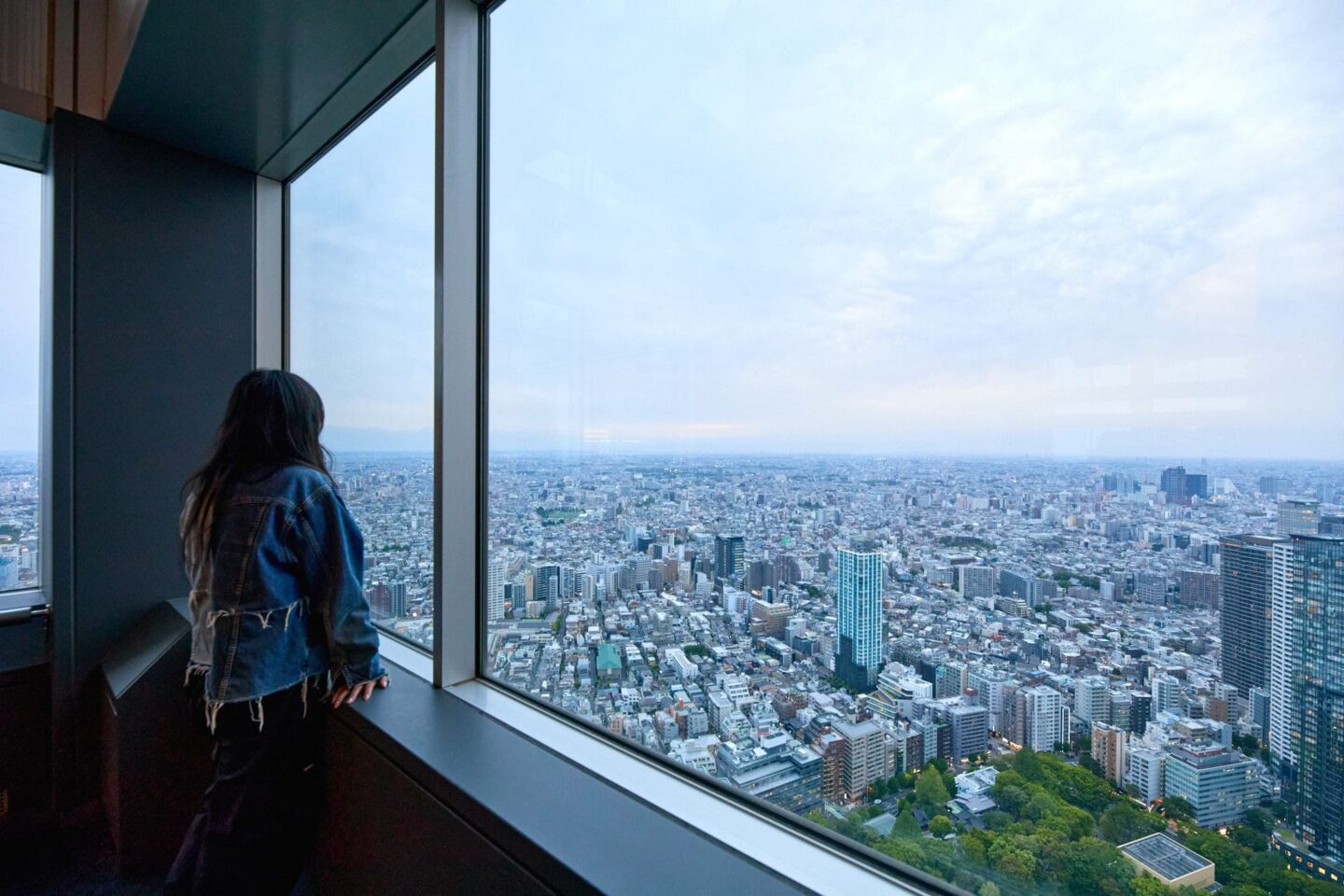
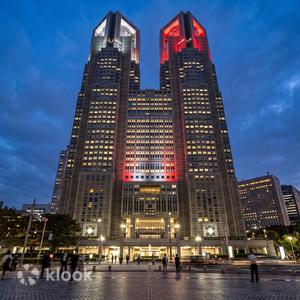
The Tokyo Metropolitan Government Building, not far from Shinjuku Gyoen, is one of the landmark buildings of the Shinjuku area, and its biggest highlight is the free observation room. From 202 meters up, you can look down over the whole of Tokyo, and on clear days you can even see Mt. Fuji in the distance.
The observation room has a cafe and a souvenir shop, so you can relax for a moment while enjoying the view. It is not only a popular spot for tourists but also the best place to feel the pulse of the city of Tokyo.
Shinjuku Suehirotei: Experience Traditional Japanese Rakugo
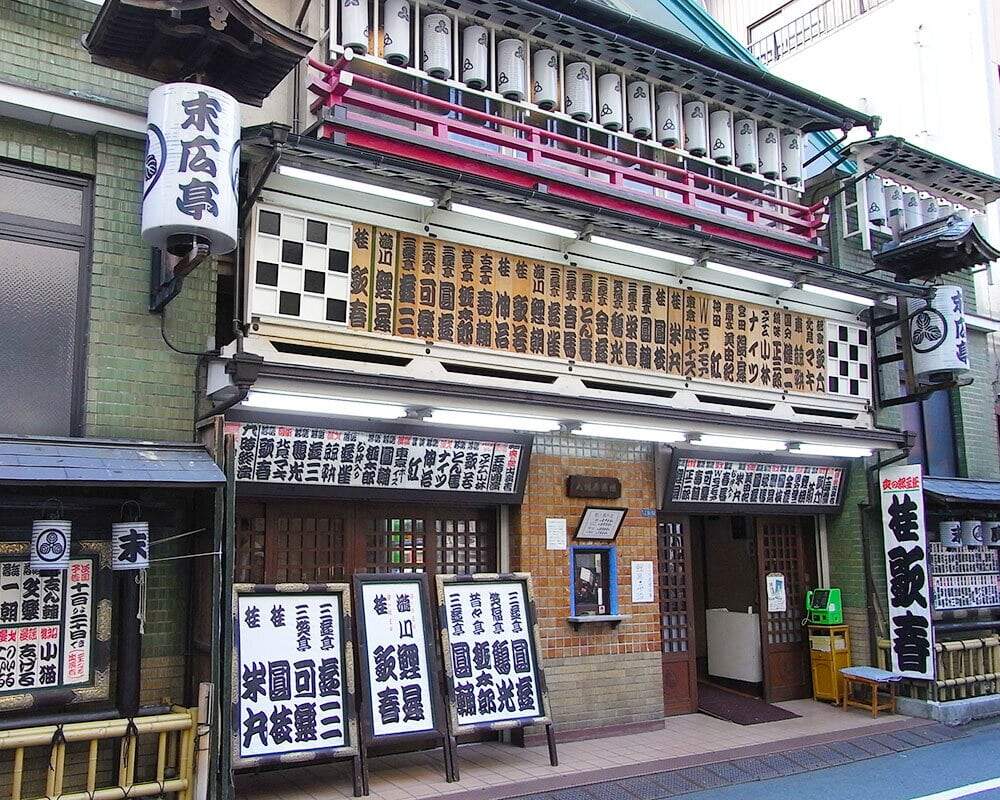
If you want to experience authentic traditional Japanese performing arts, Shinjuku Suehirotei is a place not to be missed. It is a long-established yose (traditional variety theater) that stages rakugo, manzai, magic, acrobatics and other performances every day.
Here you can sit on tatami, enjoy tea and snacks, and feel Japan’s unique humor and culture. Compared with modern theaters, Suehirotei has a friendlier, more authentic atmosphere, a great chance to understand traditional Japanese culture more deeply.
Tokyo Toy Museum: A Playful Paradise for Families
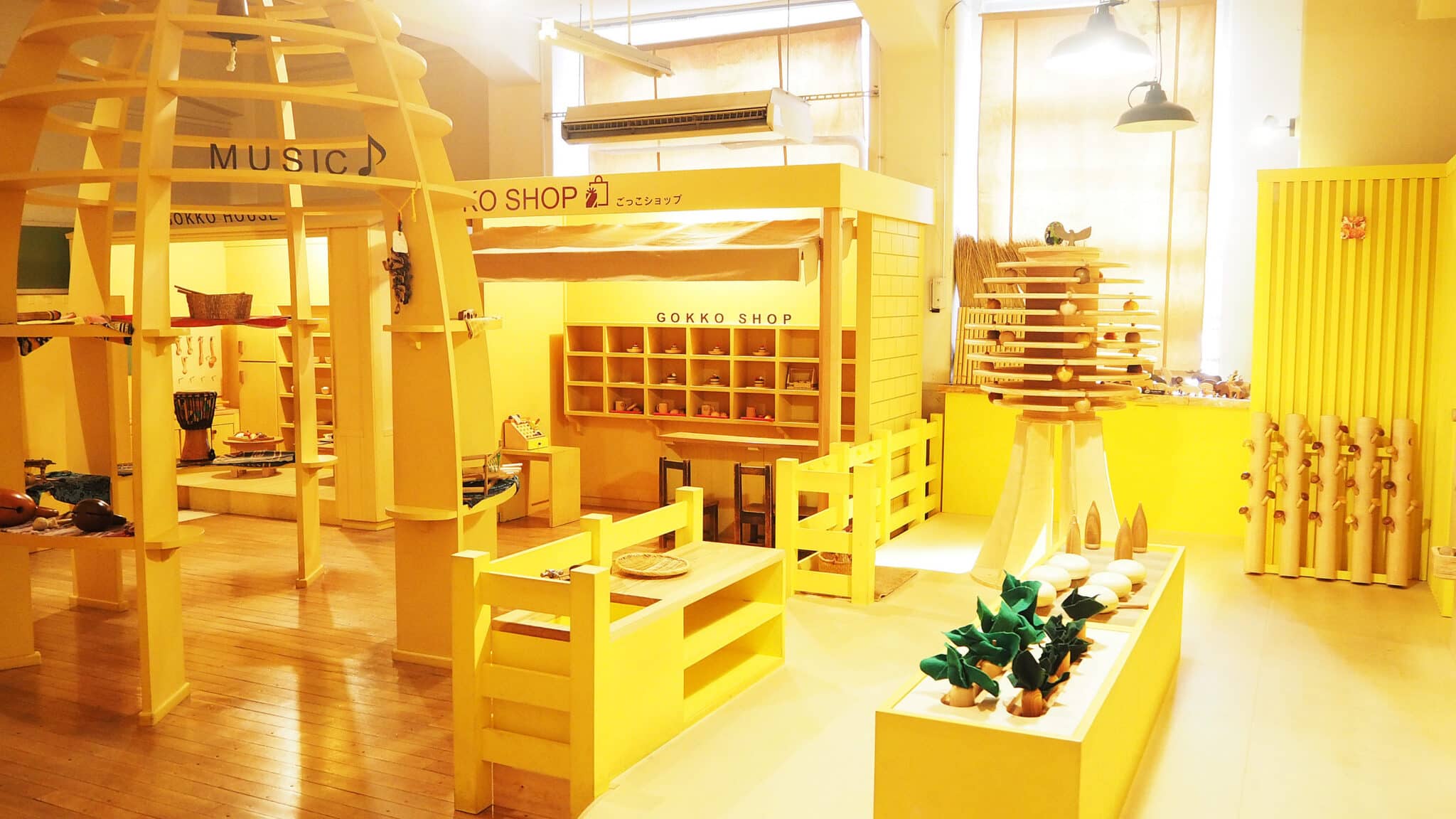
For families traveling with children, the Tokyo Toy Museum is a fun and educational place to visit. Converted from a disused elementary school, the museum holds more than ten thousand toys from around the world, most of them wooden toys that children can touch and play with.
It encourages children to learn and explore through play and sparks their creativity. Many volunteers in the museum guide children through games and introduce the history and culture of the toys. The museum is closed on Thursdays; see the official website art-play.or.jp for details.
Meiji Jingu Gaien: Ginkgo Avenue and the Meiji Memorial Picture Gallery
![Tokyo's 5 Best Autumn Leaf Spots: Meiji Jingu Gaien, Mizumoto Park, Asukayama Park, Ueno Park, Kitanomaru Park | Beef Bento Included [Departing from Tokyo, Shibuya, Shinjuku and Ueno]](https://travel.williamlion.tw/wp-content/uploads/sites/7/2026/02/image-52.jpg)

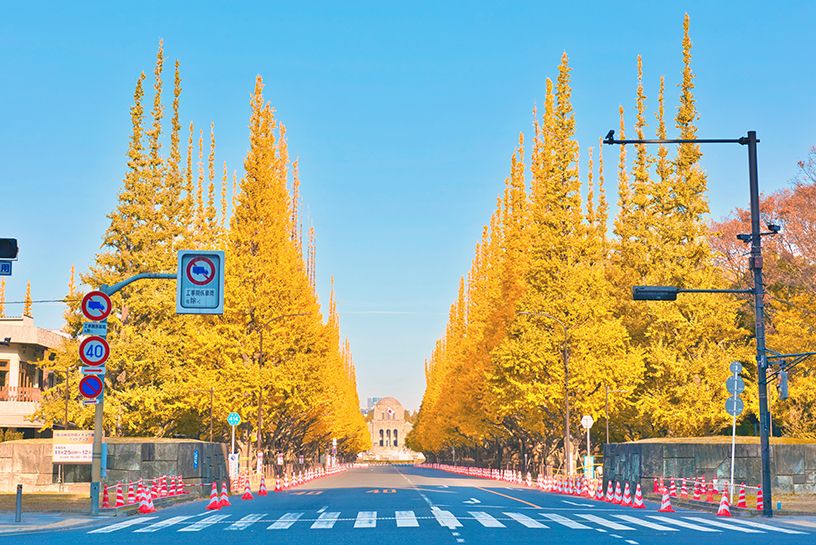
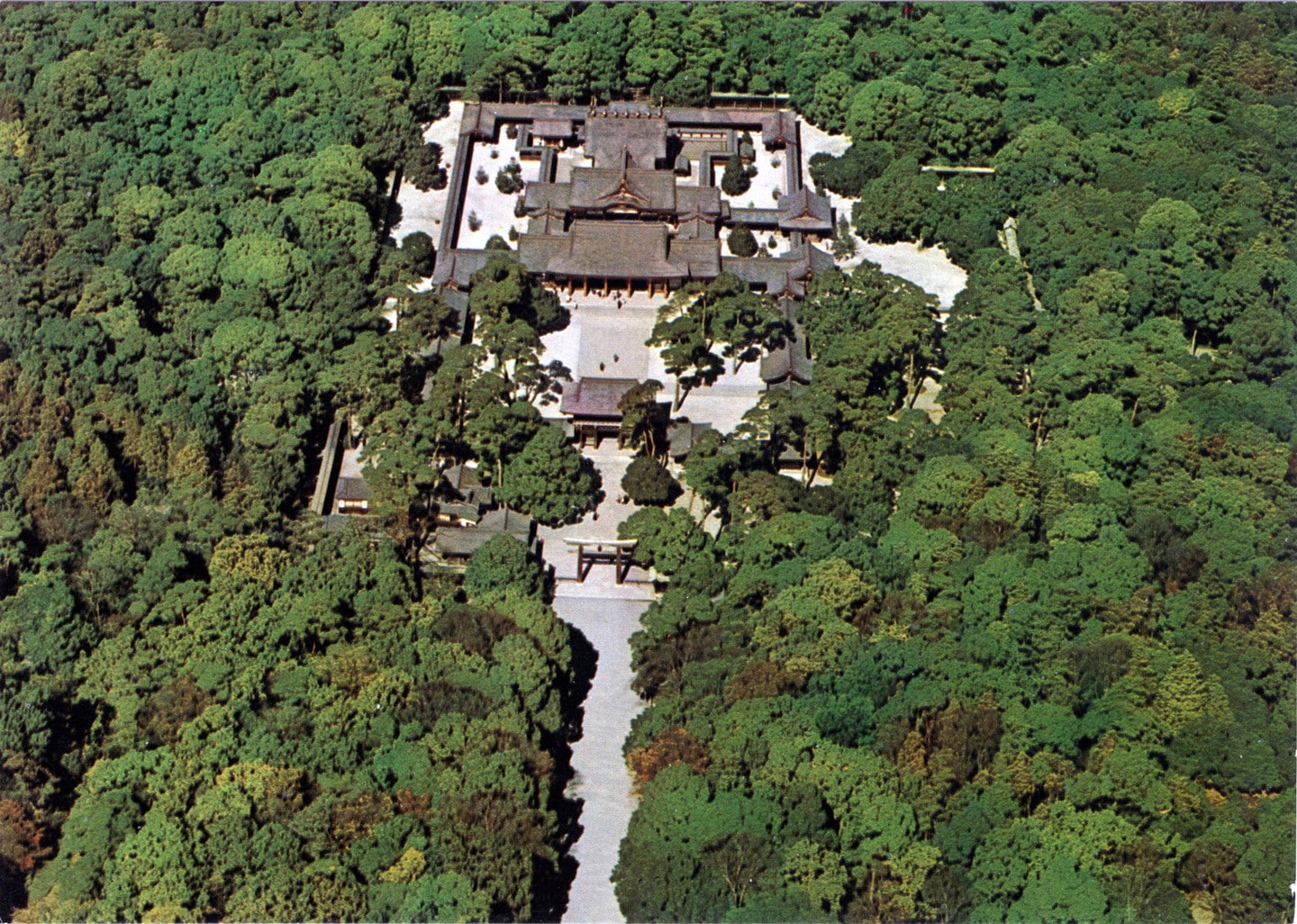
Meiji Jingu Gaien, not far from Shinjuku Gyoen, is another famous green space in Tokyo, known for its spectacular ginkgo avenue and the Meiji Memorial Picture Gallery. Every autumn the 300-meter-long ginkgo avenue turns golden, breathtakingly beautiful, drawing large numbers of visitors to see it and take photos.
The Meiji Memorial Picture Gallery is a grand building that displays paintings of the life of Emperor Meiji, with important historical and artistic value.
In-Depth Visiting Tips: Avoiding Crowds and Unique Experiences
To experience the beauty of Shinjuku Gyoen in depth, besides knowing the basic information, some unique visiting strategies and insider tips can make your trip even more memorable. Avoiding the crowds, finding the best viewing spots and even discovering some little-known corners are the keys to improving your visit. We share some practical advice to help you plan a different kind of Shinjuku Gyoen trip and feel the unique charm of this green lung of the city.
These in-depth tips not only help you avoid peak crowds but also guide you to discover more layers of beauty in Shinjuku Gyoen. From the best photo timing to how to use the park’s facilities to some little-known historical details, we offer all-round advice. Whether it is your first visit or you are a regular, these tips can add new fun and depth to your trip. Ready to begin a richer exploration?
Best Time to Visit: The Quiet of Early Morning and Weekdays
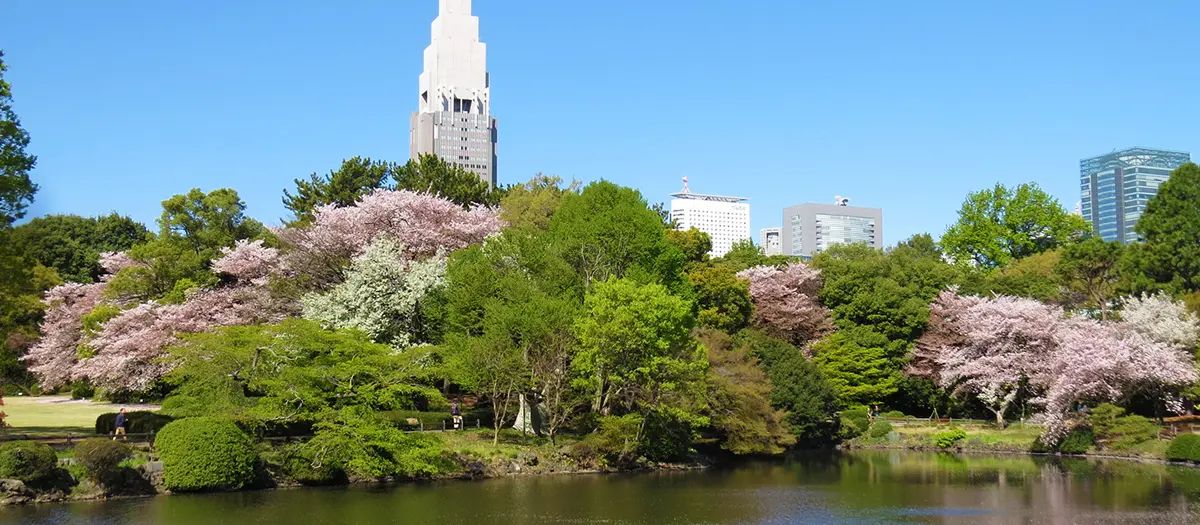
As a popular Tokyo sight, Shinjuku Gyoen is often crowded on weekends and holidays. If you want quiet and a relaxed pace, the best time to visit is early morning on a weekday. The park usually opens at 9 a.m., and we suggest arriving shortly after opening.
At that time there are fewer visitors, and you can enjoy the park’s serenity to yourself and feel the morning light falling on the trees and flowers. The morning air is also especially fresh, ideal for strolling and photography. In addition, weekday afternoons, especially between 14:00 and 16:00, are also relatively quiet.
Anime Filming Location Pilgrimage: The Garden of Words and Your Name
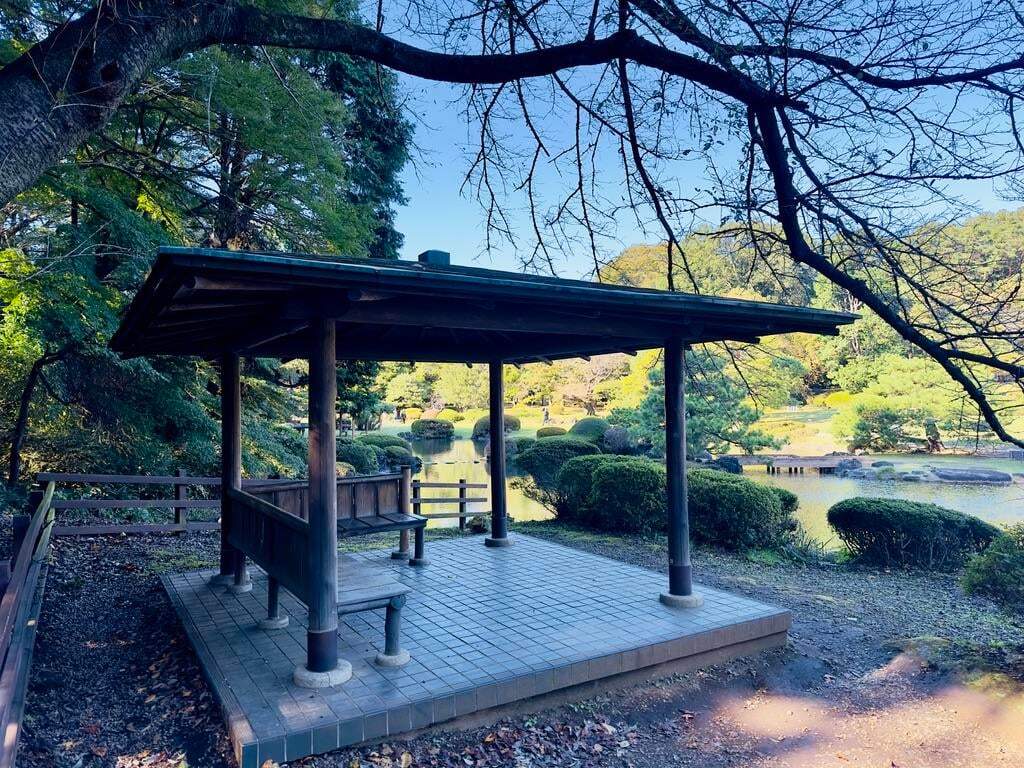
Thanks to its beautiful scenery, Shinjuku Gyoen has been used as a filming location for several well-known anime, drawing many anime fans on pilgrimage. Among them, director Makoto Shinkai’s The Garden of Words is set almost entirely in Shinjuku Gyoen, and the Kyu-Goryotei (Taiwan Pavilion) that appears many times in the film and the rainy Japanese garden can both be found as real scenes.
Strolling through the park, you can almost relive the moving scenes of the film and feel the characters’ state of mind. In addition, the filming locations of Your Name. are mainly around Shinjuku and Yotsuya, and the Suga Shrine steps outside the park and the area around Shinjuku Station can be visited along the way.
Using the Park’s Facilities: Tea House, Greenhouse and Starbucks
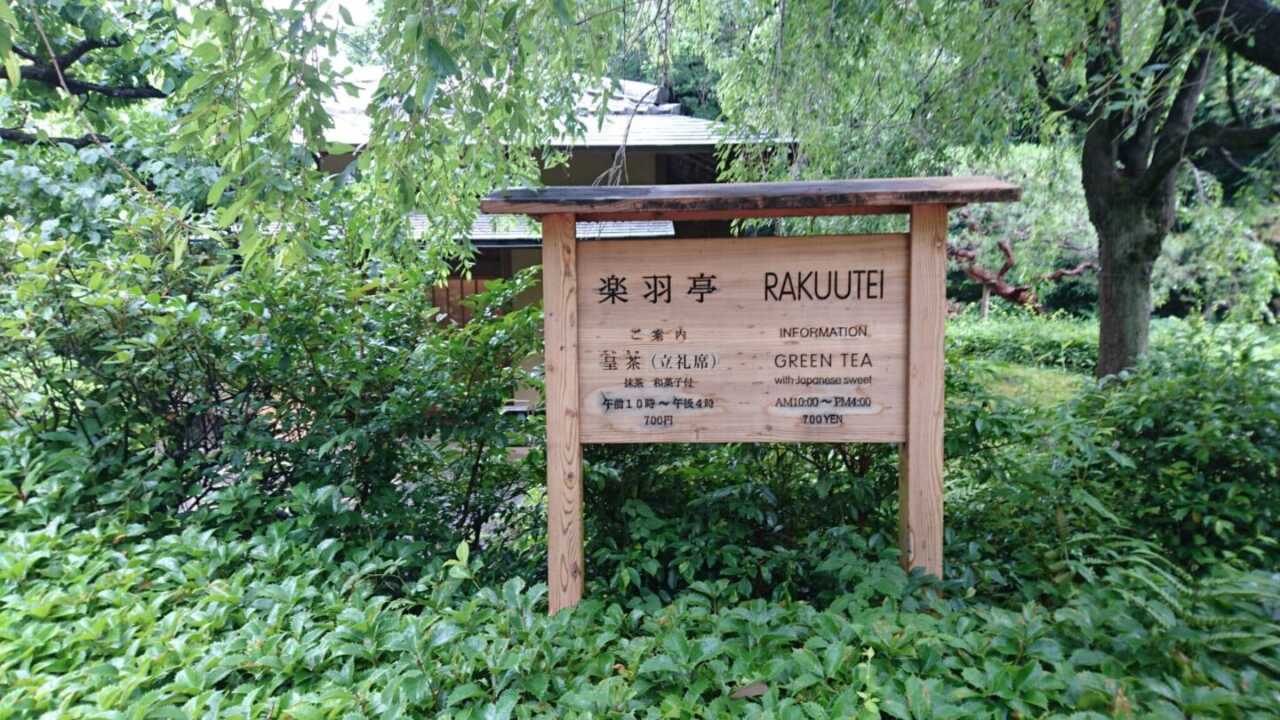
Shinjuku Gyoen has several convenient facilities that make your visit richer and more comfortable. In the Japanese Garden you can find the Rakuutei tea house, which offers a traditional matcha experience, letting you taste Japanese tea ceremony culture in an old-fashioned setting and enjoy a moment of calm.
The greenhouse is open all year round, so even in the cold of winter you can enjoy tropical plants from around the world and feel their vitality, a good place to escape the cold or the heat.
Accessibility and Family-Friendly Features: Thoughtful Service
Shinjuku Gyoen strives to provide an accessible and family-friendly environment so that all visitors can enjoy it with ease. The park has several accessible ramps, automatic doors and handrails, convenient for wheelchair users and families with strollers.
Accessible restrooms and diaper-changing tables are found throughout, and some restrooms also have baby chairs. In addition, the park offers wheelchair rental so that visitors with limited mobility can also enjoy the grounds. For families, the park’s Forest of Mother and Child is a special area designed to give city children a chance to be close to nature.
Conclusion: Shinjuku Gyoen, Tokyo’s Green Heart and Cultural Treasure
Shinjuku Gyoen is not only a green heart in the middle of Tokyo but also a comprehensive park that blends history, culture and natural beauty. Whether it is its rich history, its ingeniously designed three garden styles or its stunning flowers through the changing seasons, all make it an indispensable stop on a Tokyo trip. Through this in-depth guide, we hope to give you the most complete and practical information so you can fully experience the charm of Shinjuku Gyoen, combine it with nearby sights and food, and plan a memorable in-depth trip to Tokyo.
In Tokyo in 2026, Shinjuku Gyoen still welcomes visitors from around the world in its own distinctive way. Whether you are a city traveler seeking a moment of calm, an artist who loves nature and photography, or a family exploring the world with children, you can find your own fun here. We hope this detailed guide helps you plan your trip better, avoid the crowds and enjoy every good moment Shinjuku Gyoen offers. Remember, on each visit Shinjuku Gyoen greets you in a different guise, waiting for you to discover more of its wonders.
Where to Stay Nearby
Shinjuku Gyoen’s Shinjuku Gate is about a 10-minute walk from the South Exit of JR Shinjuku Station, or about 5 minutes on foot from Exit 1 of Shinjuku-gyoenmae Station on the Tokyo Metro Marunouchi Line. If you want a quiet stroll right after opening, or to queue early for entry in cherry blossom season, staying around Shinjuku Station or Shinjuku-gyoenmae Station is the most convenient.