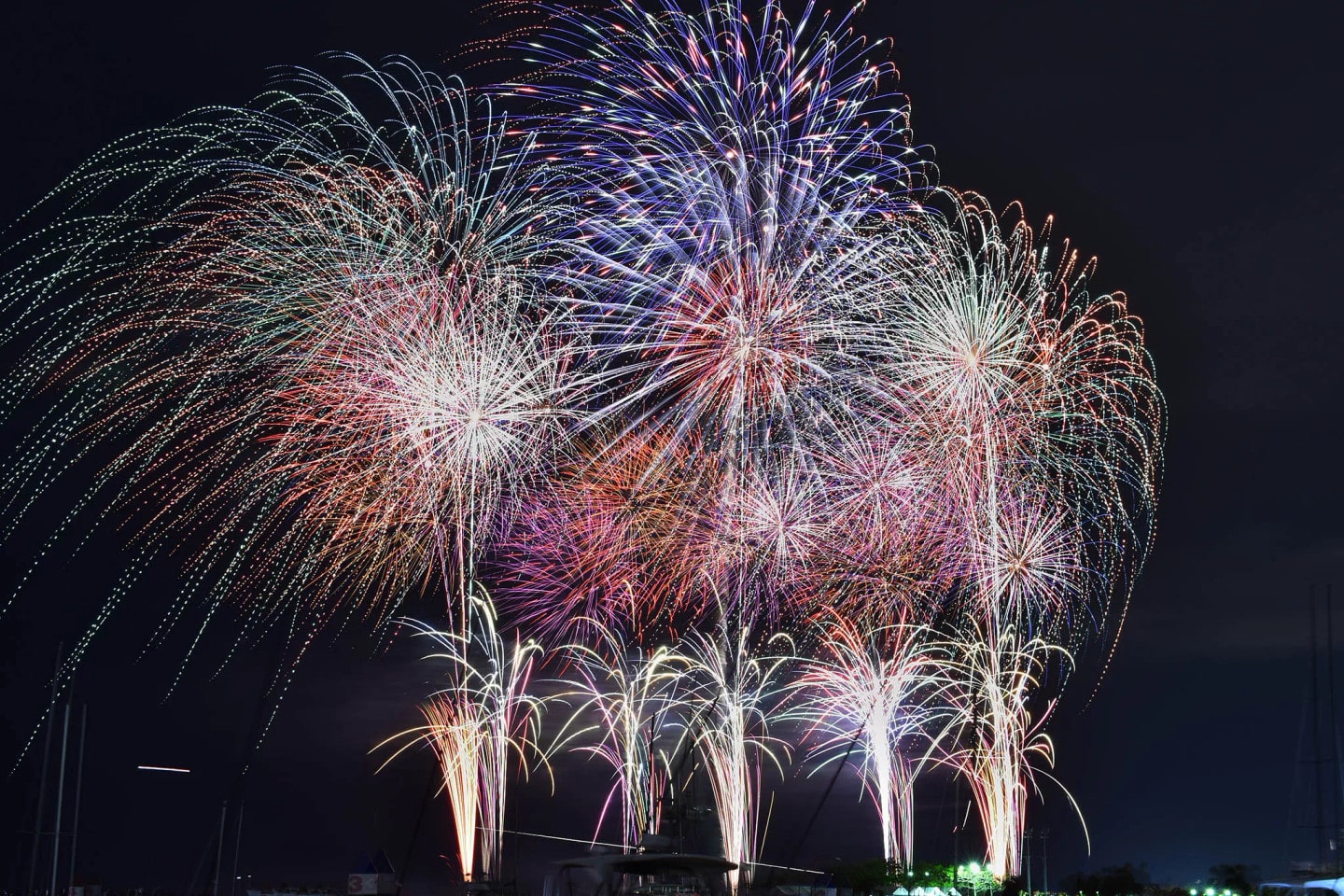

2026 Katsushika Noryo Fireworks Festival Guide: The 60th Anniversary Edition Explained
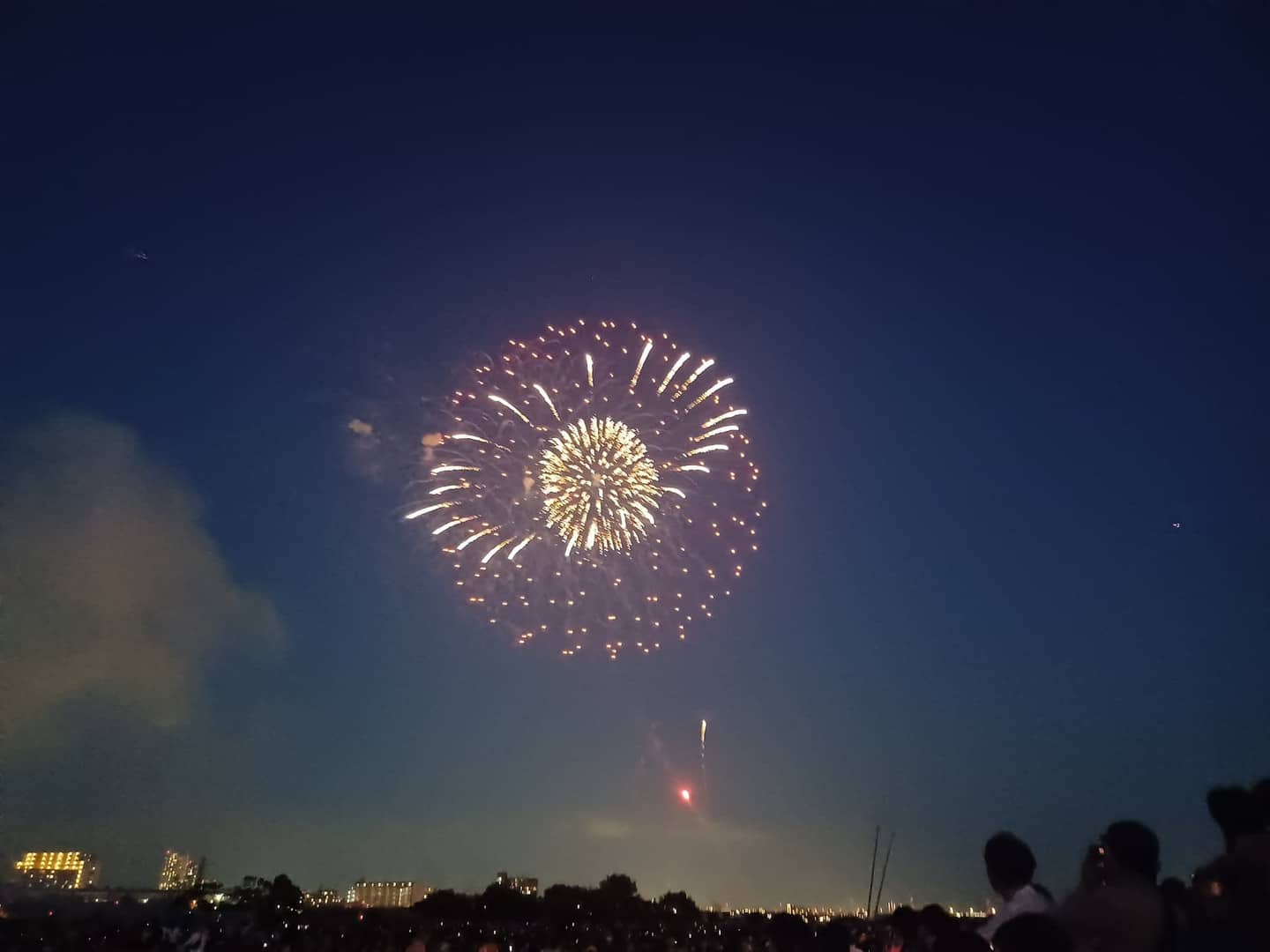
On Tuesday, July 28, 2026, Tokyo’s Katsushika Ward held the 60th Katsushika Noryo Fireworks Festival, famous for launching about 20,000 shells at very close range. In 2026 it added a drone light show for the first time, making it one of the most spectacular summer events in Tokyo’s Shitamachi area. For information on the 61st edition in 2027, please follow Katsushika Ward’s official announcements.
The 60th Anniversary Edition: What a Milestone Year Means
2026 marked the 60th Katsushika Noryo Fireworks Festival, with the total number of shells raised to about 20,000, the largest scale in its history, and an important summer memory for Katsushika residents and Tokyoites alike.
The drone light show, added for the first time, was planned as part of Oronamin C’s “Genki Hatsuratsu! Ozora Daigassho 2026” project, with about 1,300 drones performing around 19:50.
- 🎆 Date and time: Tuesday, July 28, 2026, 19:20-20:30, about 20,000 shells
- 📍 Venue: Shibamata Baseball Field in Katsushika Ward (Edogawa riverbed); paid reserved seating opens at 16:00
- ⚠️ Note: Canceled in severe weather, with no postponement
- 🔗 Katsushika Ward official website (Katsushika Noryo Fireworks Festival)
- 🏷️ Japanese name: “第60回葛飾納涼花火大会” (Dai 60-kai Katsushika Noryo Hanabi Taikai); in Japanese searches it is also often shortened to “葛飾花火” (Katsushika Hanabi). The 2026 date (July 28) has passed, so please watch Katsushika Ward’s official announcements for the date of the 61st edition in 2027
2025 Audience Size: Nearly 770,000 Visitors at a Hugely Popular Event
According to official statistics, the 2025 Katsushika Noryo Fireworks Festival drew about 770,000 visitors, making it one of the most popular fireworks festivals in Tokyo. Such huge crowds also mean severe congestion at stations and roads around the venue before and after the event, so plan your transport and viewing spot early to avoid delays. For the attendance of the 60th edition in 2026, please refer to the figures Katsushika Ward publishes later.
Bad Weather Plan: Light Rain Is Fine, Strong Wind and Thunderstorms May Cancel It
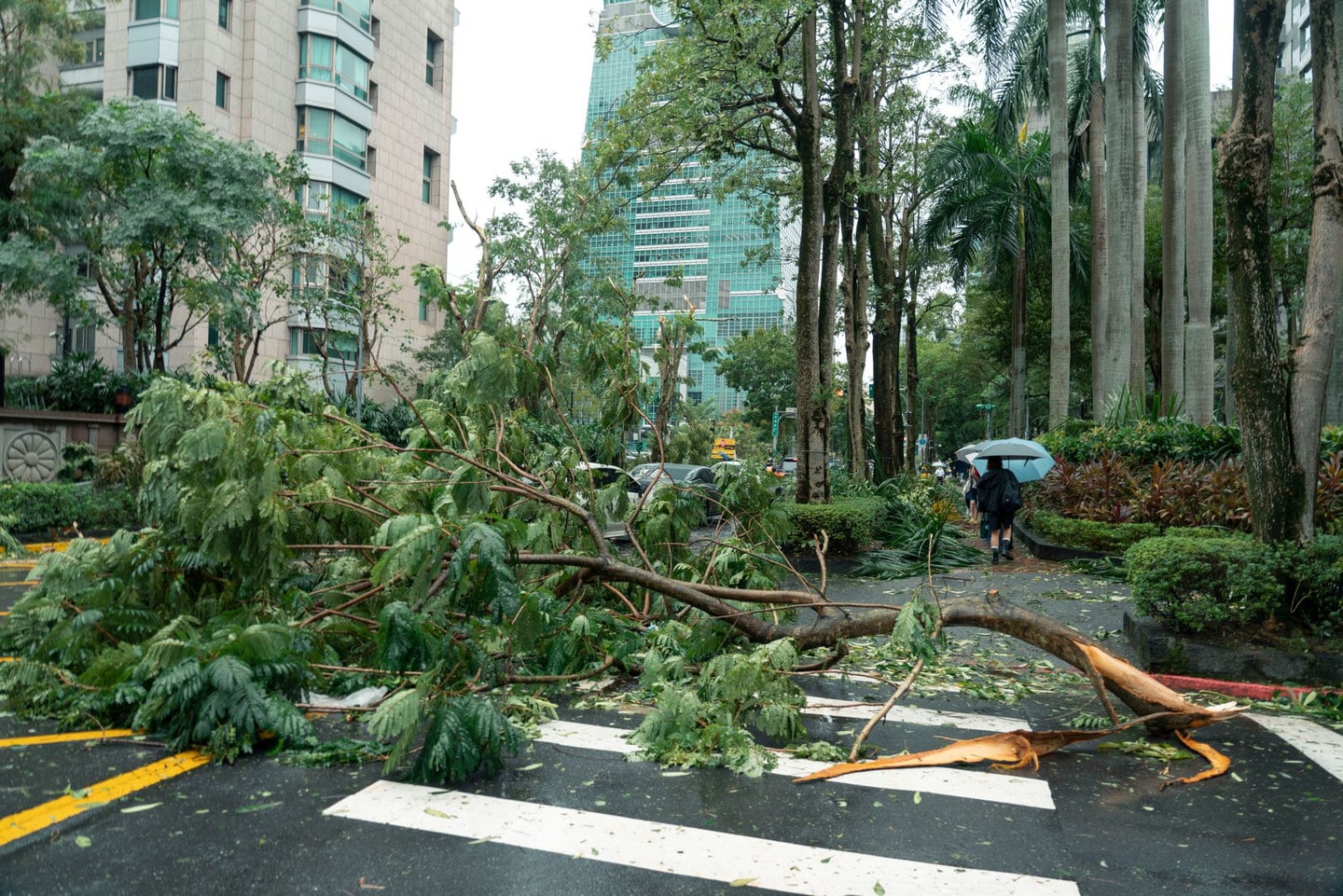
The festival follows a “rain or shine unless the weather is severe” principle. Drizzle or a passing shower will not stop it, but according to Katsushika Ward’s official announcement, in severe weather the festival is canceled outright with no postponement. Start watching the official website and X (Twitter) account a week before, and bring a light raincoat rather than an umbrella, since umbrellas on a crowded riverbank block other people’s views and can be a safety concern.
How to Get to the 2026 Katsushika Noryo Fireworks Festival: Transport, Station Choices and Leaving the Venue
The venue is Shibamata Baseball Field (Edogawa riverbed). The nearest station is Shibamata Station on the Keisei Kanamachi Line, about a 10-minute walk.
How to Get to the 2026 Katsushika Noryo Fireworks Festival at a Glance
🚉 Shibamata Station: closest to the venue (10-minute walk), but the crowds peak here when the show ends, so use it on the way in and take a different route out.
🚉 Shin-Shibamata Station: the first choice for leaving, recommended by officials and locals, a 15-minute walk, with greater capacity and much shorter queues.
🚉 Kanamachi Station: a 20-minute walk, with frequent trains and large capacity, a good backup for leaving.
💳 Preload your Suica/PASMO: add ¥1,000 or more before you set out to avoid long lines at ticket machines after the show.
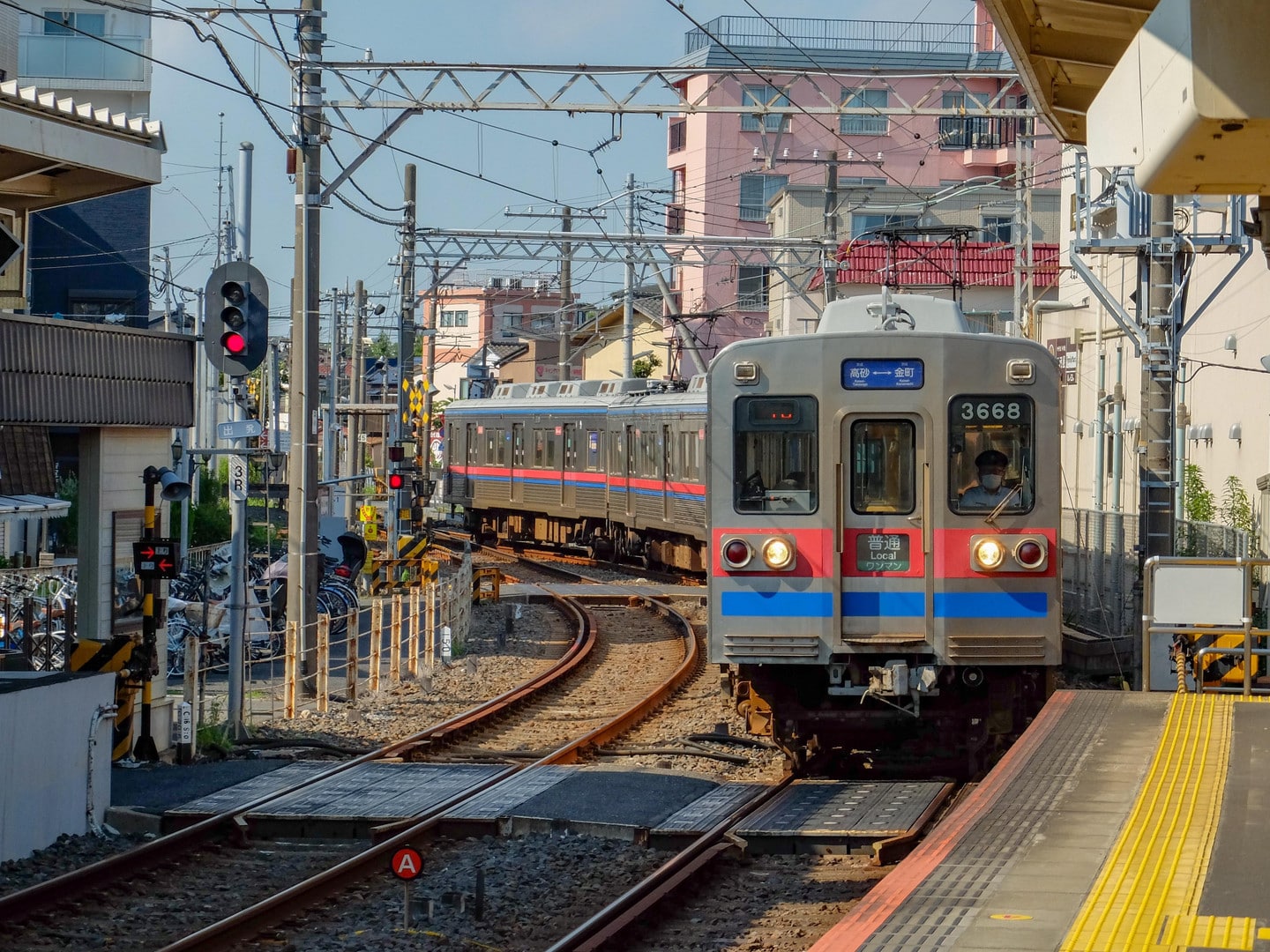
How Do You Say Katsushika Noryo Fireworks Festival? Nearest Stations and Walking Times
The festival’s name, 葛飾納涼花火大会, is read “Katsushika Noryo Hanabi Taikai” (かつしかのうりょうはなびたいかい) and is often shortened in Japanese to “Katsushika Hanabi.” The nearest station to the venue, Shibamata Baseball Field, is Shibamata Station on the Keisei Kanamachi Line, about a 10-minute walk. Shin-Shibamata Station on the Hokuso Line is about a 15-minute walk and marked on the official site as relatively uncrowded, and Kanamachi Station on the JR Joban Line is about a 20-minute walk.
2026 Katsushika Noryo Fireworks Festival Highlights and Nearby Sights
This edition’s three highlights were ultra-close viewing, music-synchronized fireworks and the finale “Ozora Niagara Falls,” paired with Shitamachi sights such as Shibamata Taishakuten.
Ultra-Close Launches: A Heart-Pounding Live Experience
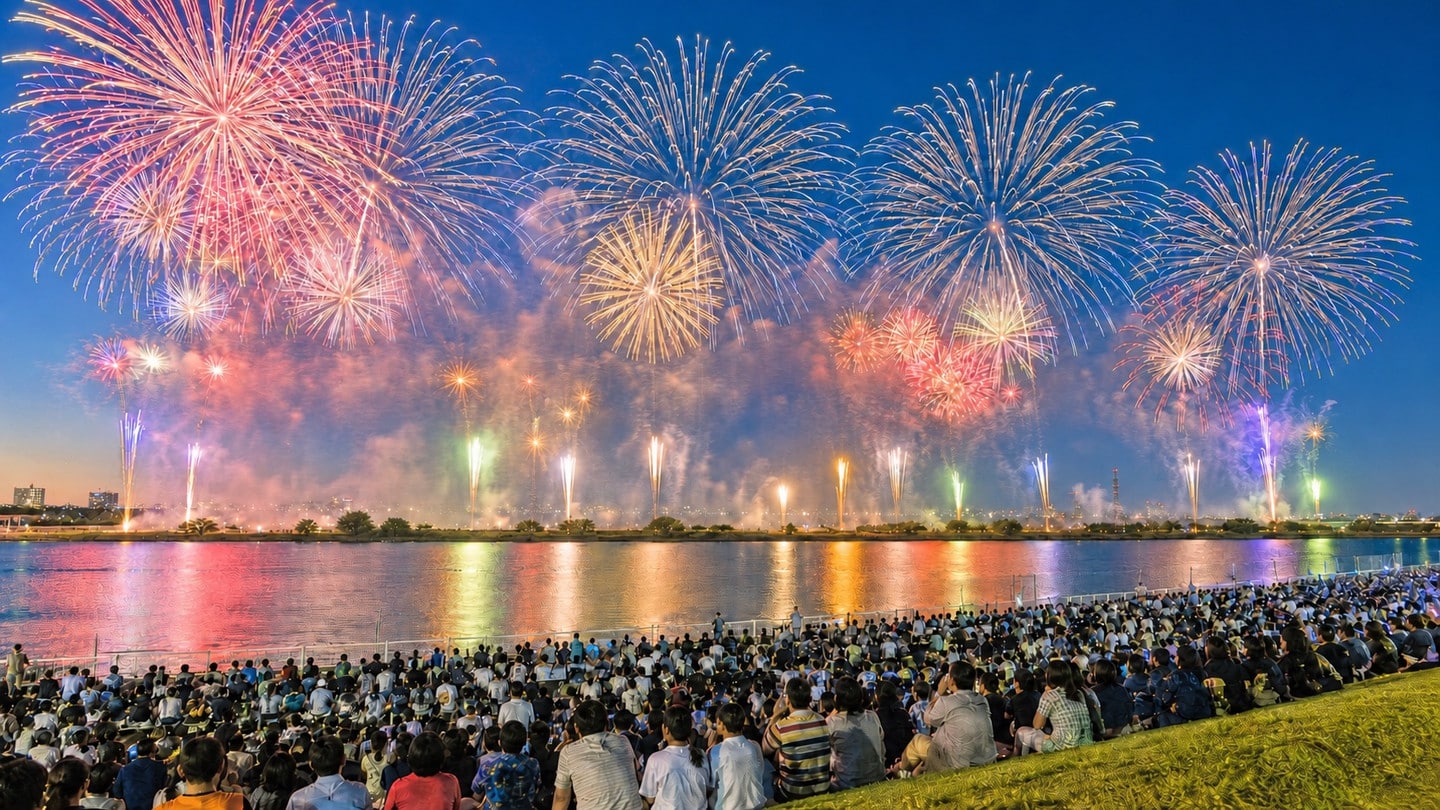
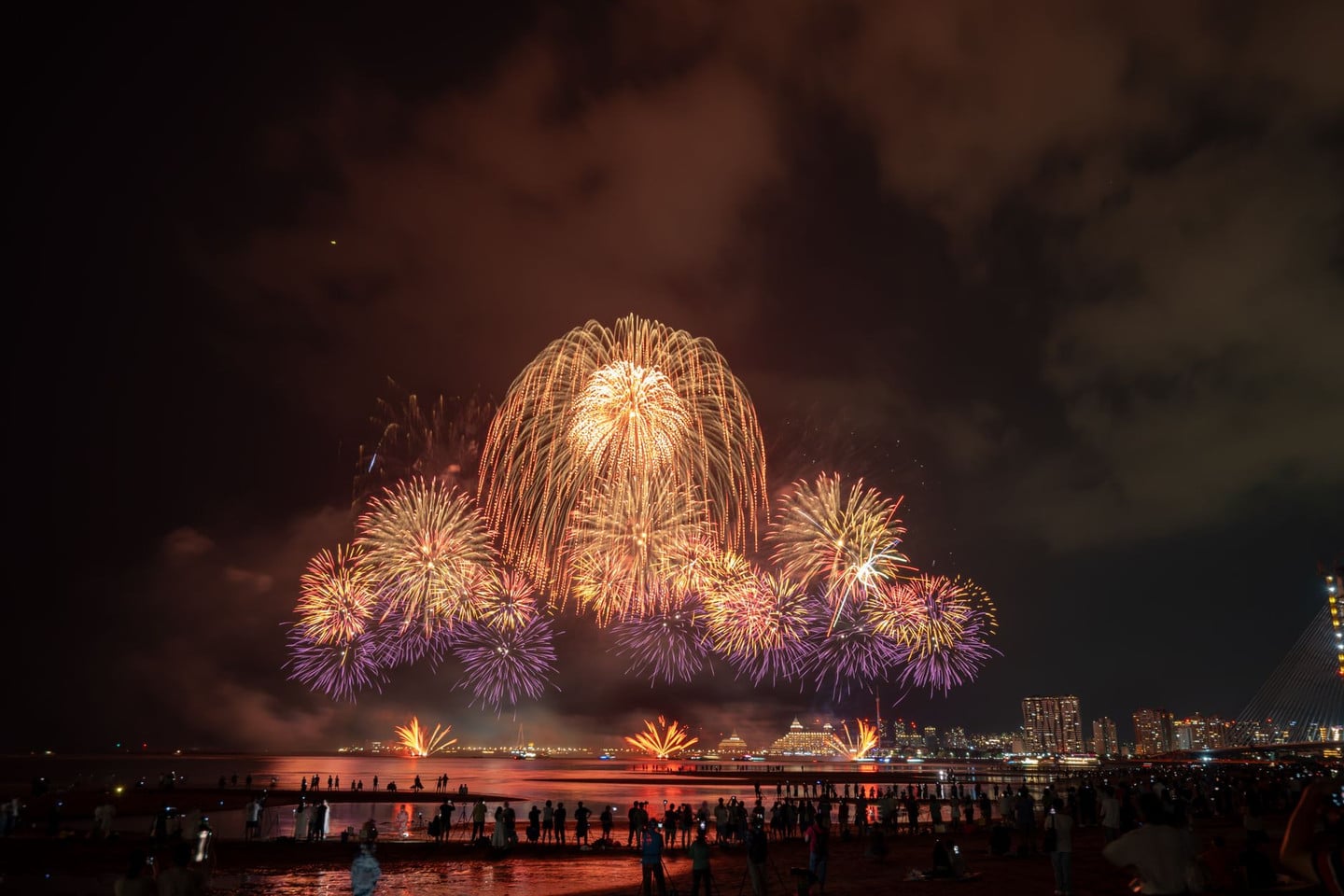
The festival’s biggest feature is that the launch site is very close to the audience seats. Fireworks burst right overhead, and the blasts and deep bass hit you in the chest, giving an unmatched sense of presence. Up close you can clearly see the details and color layers of the fireworks, but we recommend bringing earplugs or being ready for the loud noise.
For safety, please follow the official notices: tripods and high-legged chairs may not be brought in, and ground stakes, stones or bricks may not be used to hold down groundsheets.
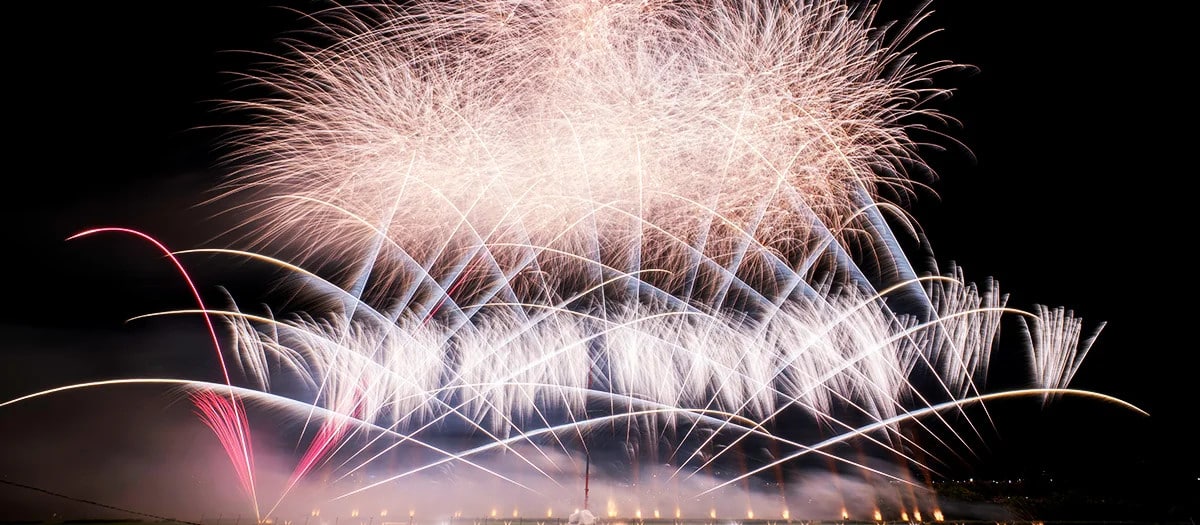
Music-Synchronized Fireworks: A Feast for the Eyes and Ears
The “music fireworks” are the main event, with launches synchronized to the rhythm of the music so that bursts and melodic climaxes coincide, creating a rich sensory experience. The roughly 70-minute show is full of tension, with segments including traditional Japanese-style fireworks, Niagara Falls and song-linked sequences.
In 2026, a drone light show was added for the first time and intertwined with the music fireworks. Drones form patterns and text in the sky, echoing the fireworks on the ground, a brand-new highlight of the 60th anniversary edition.
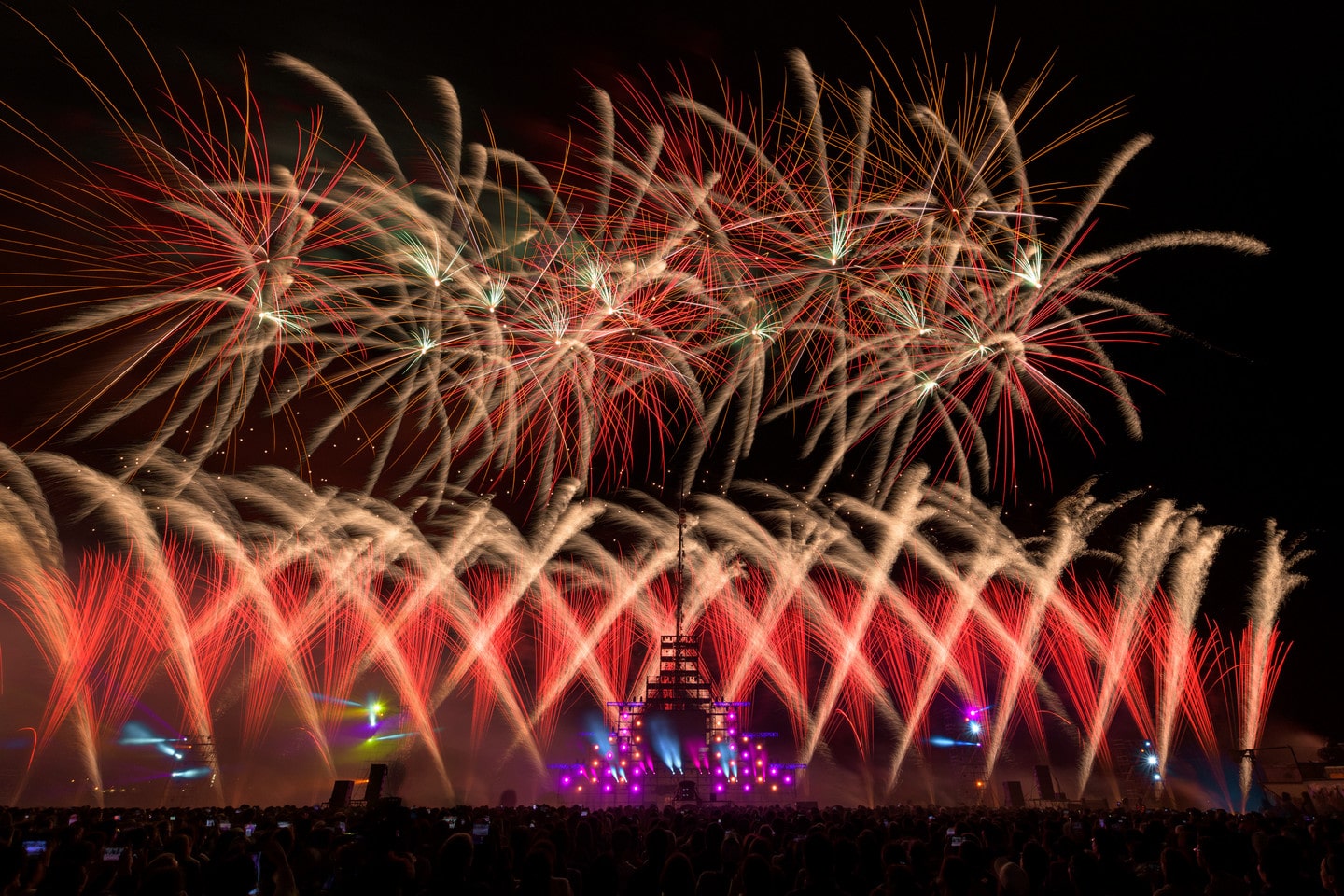
“Ozora Niagara Falls” Finale: The Climax Before the End
The finale “Ozora Niagara Falls” was the closing act of the 60th edition, with a huge Niagara-style firework pouring down from the sky to end the whole festival. The 60th program was divided into 7 segments, including a 60-shot Star Mine, a switch from Japanese-style to Western-style fireworks, song-linked sequences and fireworks designed for children.
The finale comes at the very end of the show, so if you want to see it all, stay until the end and plan in advance to spread out across different stations.
Shibamata Taishakuten: The Faith Center of Edo’s Shitamachi
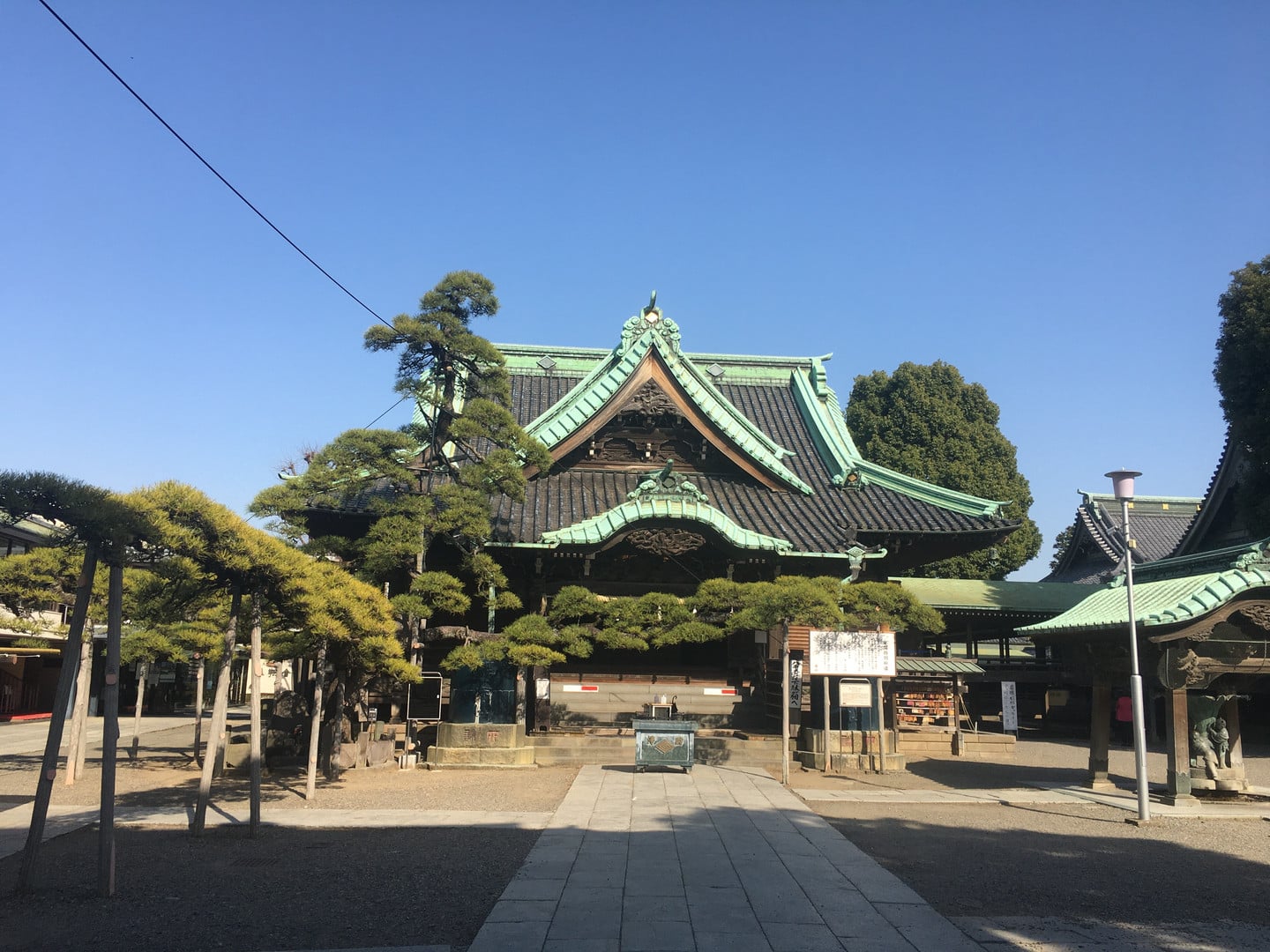
Shibamata Taishakuten (Daikyo-ji) is the setting of the film Otoko wa Tsurai yo (It’s Tough Being a Man) and a representative center of faith in Katsushika Ward, enshrining a Taishakuten board principal image. The wood carvings on the outer walls of Taishakudo, the “Carving Gallery,” are exquisite. You can get omamori charms and goshuin stamps, making it a place to feel the Shitamachi spirit before the fireworks.
We suggest visiting early on the afternoon of the festival and strolling the grounds for about 30-45 minutes. The grounds open 5:00 to 20:00, while the Carving Gallery and the “Suikeien” garden are open 9:00 to 16:00, with a shared admission of ¥400 for both.

Shibamata Taishakuten Sando Shopping Street: A Nostalgic Showa-Era Old Street
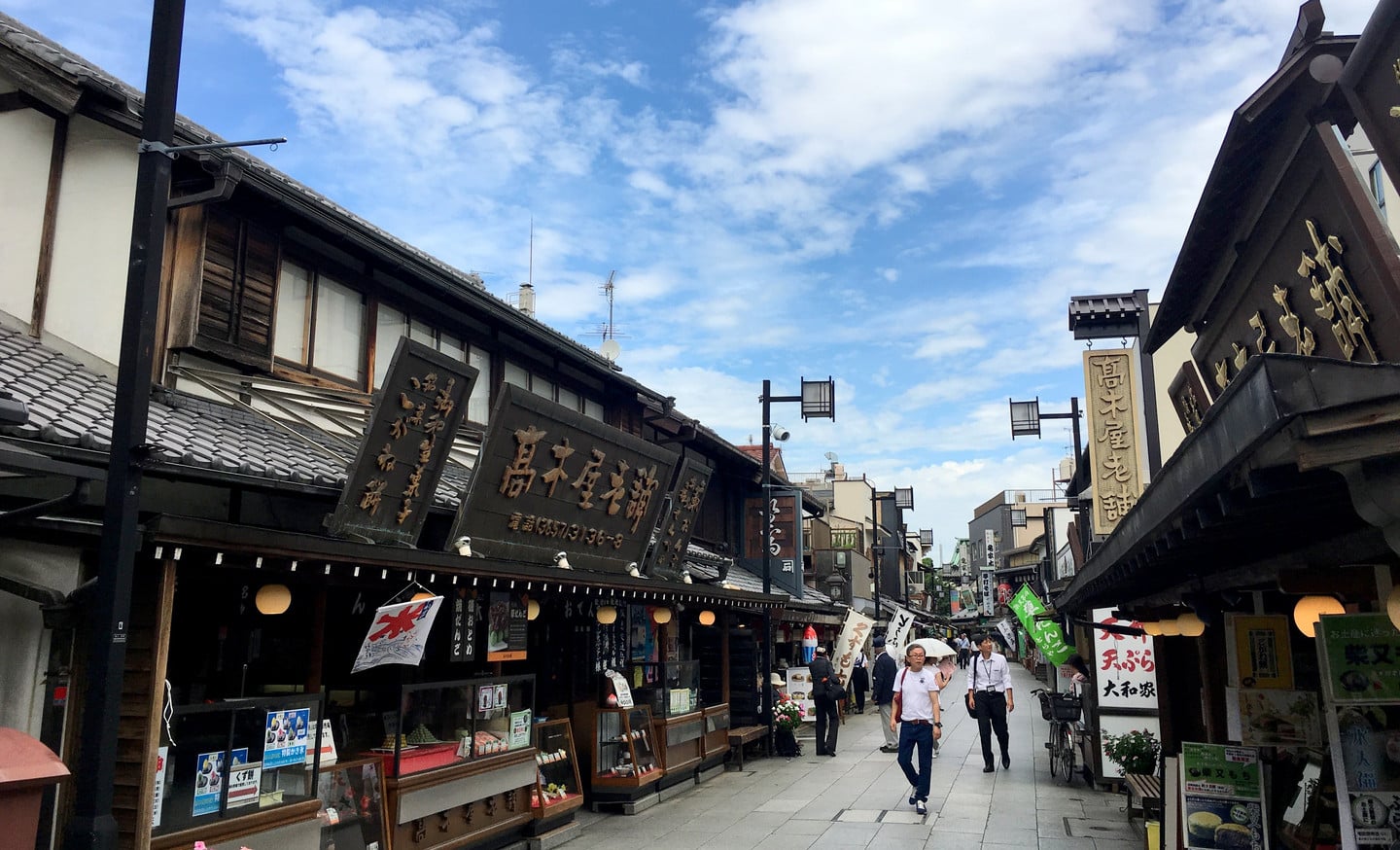
The sando shopping street running from Shibamata Station to Shibamata Taishakuten is lined on both sides with old shops selling kusa-dango, tsukudani, rice crackers and other traditional snacks, preserving a strong Showa-era atmosphere and making it a great place to feel a Japanese summer festival mood. Many shops have been passed down through three or four generations, and their signs and noren curtains give off a nostalgic charm, perfect for browsing and snacking before the fireworks.
We suggest going in the afternoon, both to avoid the midday heat and to pick up snacks and drinks before dinner, recharging for the evening fireworks. About an hour of browsing is enough to enjoy it fully.

Yamamoto-tei: A Taisho-Era Japanese Garden Residence
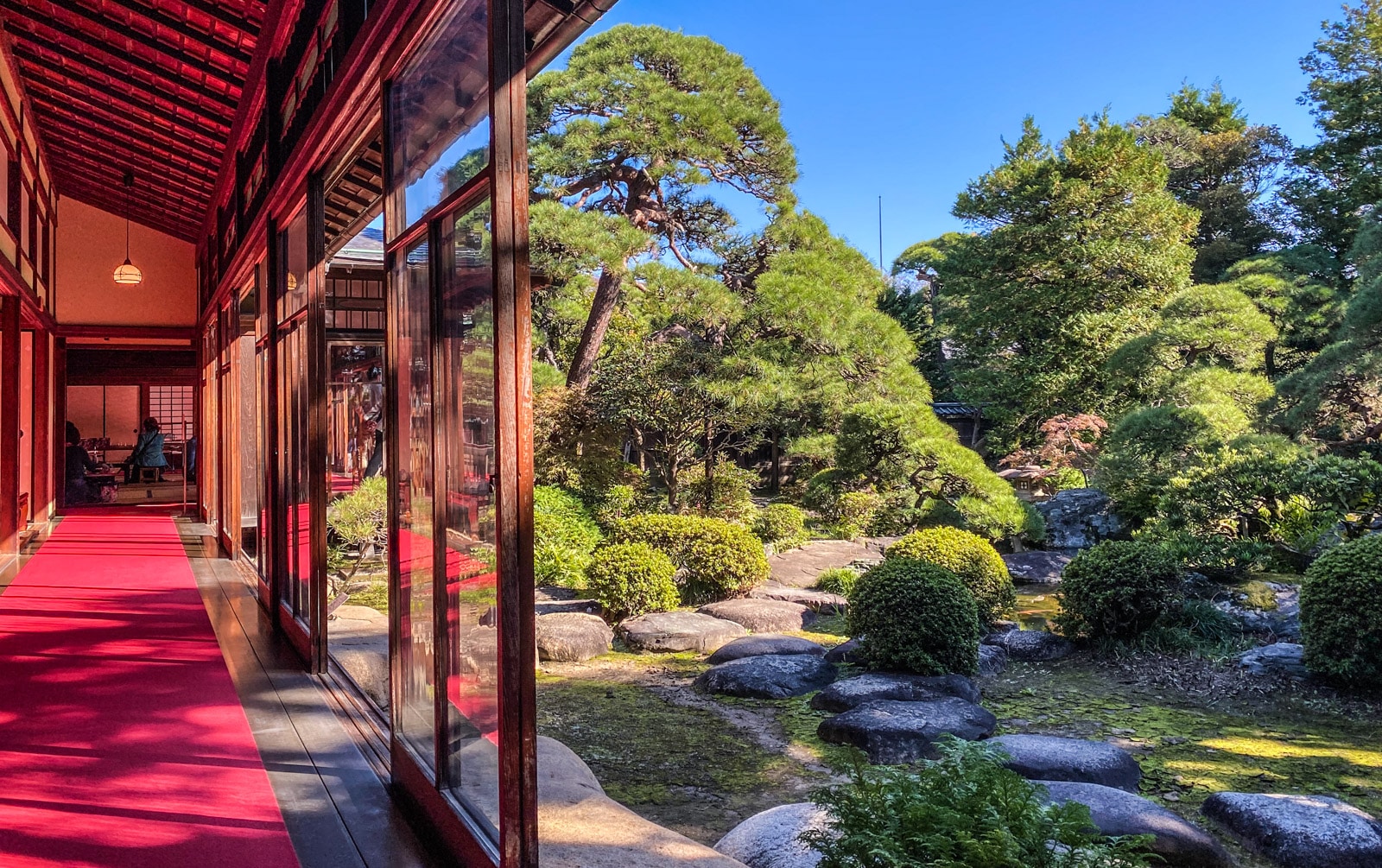
Yamamoto-tei is a well-preserved Taisho-period businessman’s residence blending Japanese and Western architecture. Its grounds include a refined pond-strolling garden, open to visitors, with a tea experience of matcha and wagashi that captures an elegant, quiet old-time mood. It is open from 9 a.m. to 5 p.m., admission is ¥100 for adults, and it is closed on the 3rd Tuesday of each month (the next day if that is a holiday).
Yamamoto-tei is within walking distance of Shibamata Taishakuten, so it fits well after an afternoon visit to the temple as a relaxed stop before the fireworks, especially recommended for travelers who love Japanese gardens and photography.
Tora-san Museum: Step into the Nostalgic Scenes of a Beloved Film
The Tora-san Museum is themed on the hero of the film Otoko wa Tsurai yo, recreating the old Shibamata streets from the films, the interior and props of Tora-san’s family home “Kuruma-ya,” and behind-the-scenes shooting stories. Fans and nostalgia lovers should not miss it. Open 9:00-17:00 (last entry 16:30), general admission ¥500, closed on the 3rd Tuesday of each month.
It is close to Shibamata Taishakuten and Yamamoto-tei, about a 10-minute walk or so. We suggest 30-45 minutes, a good half-day outing before the fireworks.
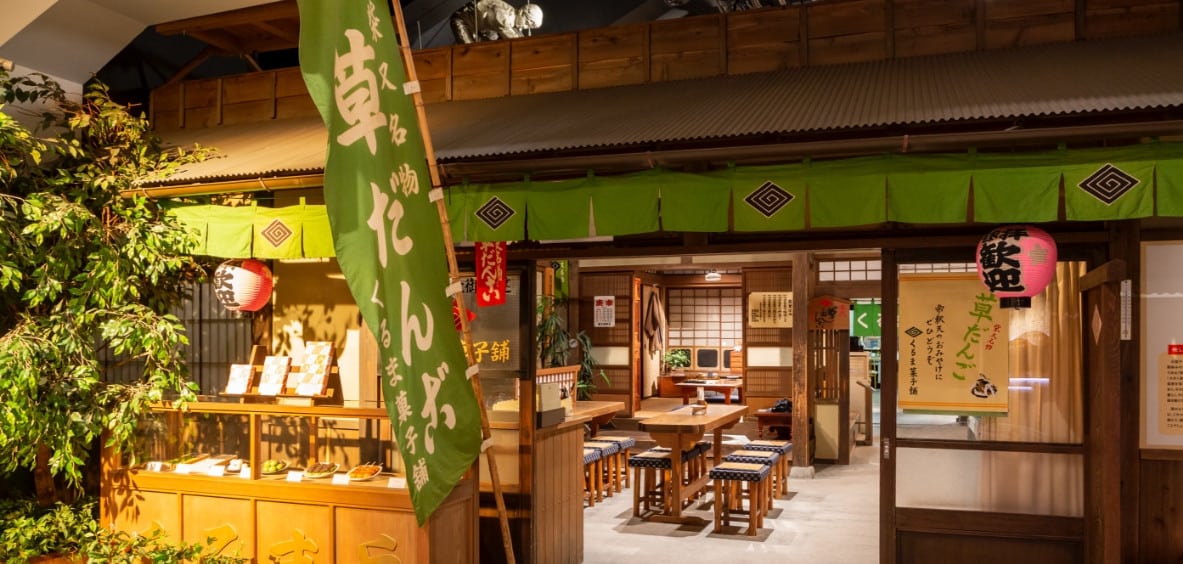
Mizumoto Park: Tokyo’s Largest Waterside Greenspace
Mizumoto Park is the largest waterside park within Tokyo’s 23 wards, with beautiful irises and metasequoia groves, lush green in summer, a popular spot for locals to stroll and picnic, and also good for a relaxing nature outing before the fireworks. The park is open all year and free to enter, and it is large, so allow at least 1 to 2 hours.
Because Mizumoto Park is a bit far from the Shibamata Baseball Field venue, it suits the morning or midday of festival day, followed by the Shibamata-area sights in the afternoon and then the evening fireworks, making a fuller day in Katsushika.
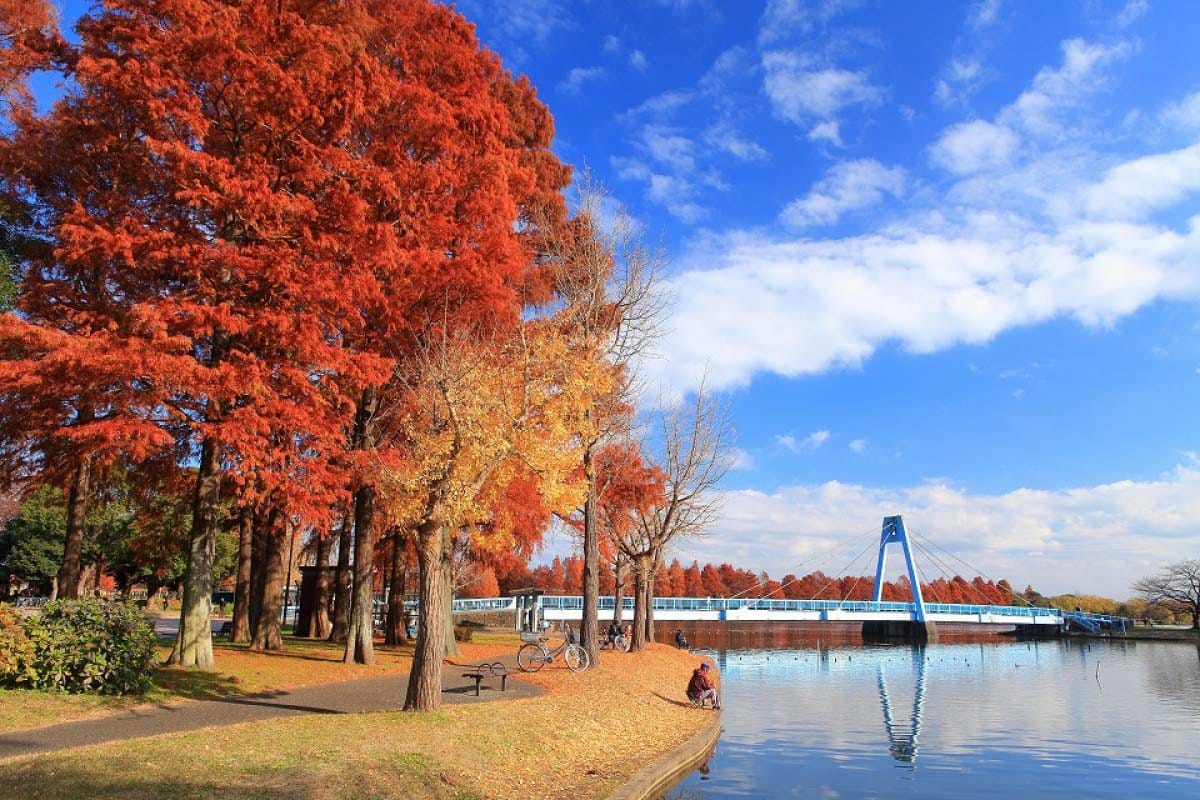
Edogawa Riverbed: The Festival’s Main Stage
The fireworks are launched from the Edogawa riverbed. Outside the paid seats, the viewing areas are free. The official site marks the downstream area (toward the Hokuso Line bridge) and the upstream area (toward the Joban Line bridge) as relatively uncrowded, and Shibamata Baseball Field and the soccer field also offer views. Temporary toilets get crowded, so use the restroom before you arrive and bring your own food and water.
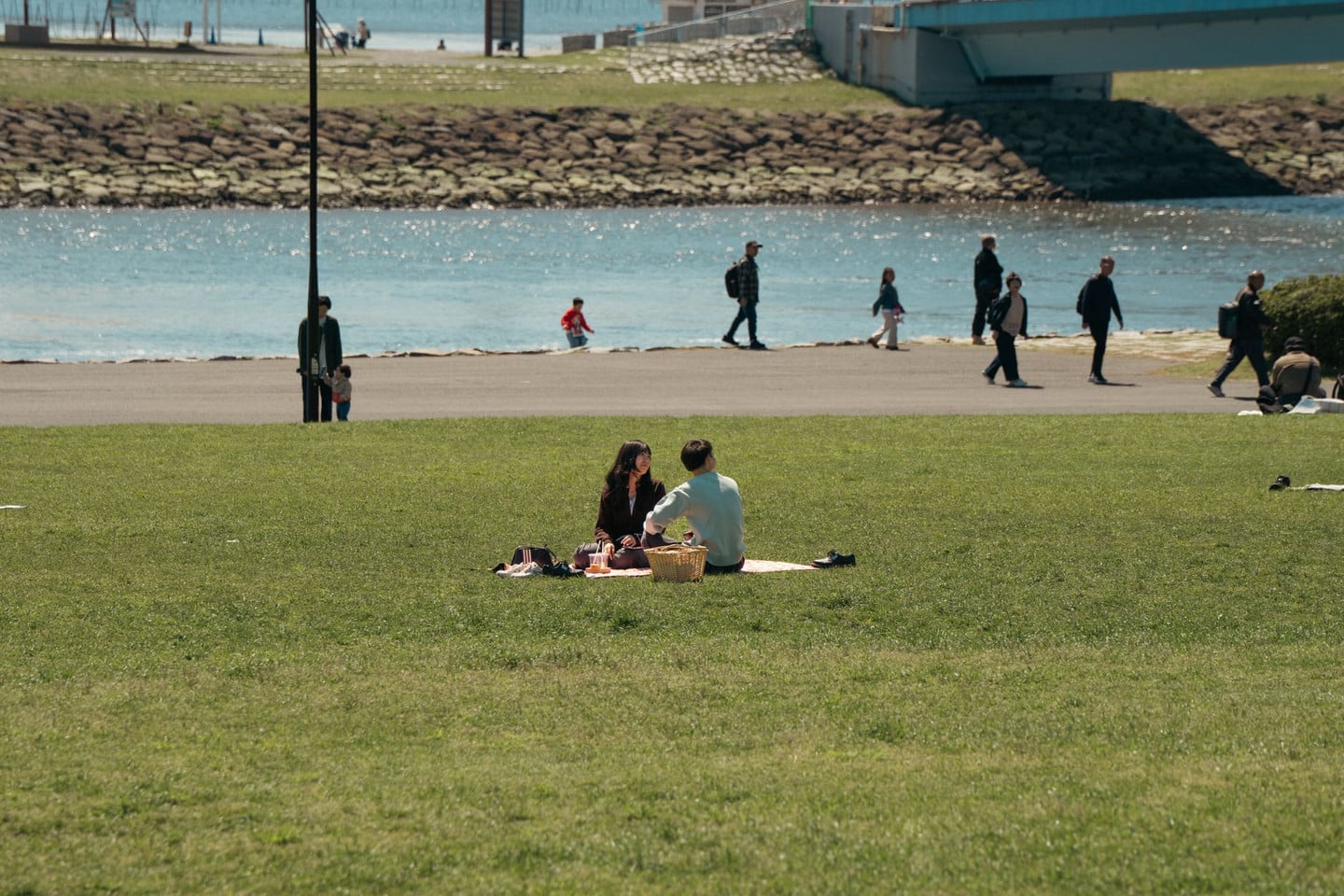
How Much Does the 2026 Katsushika Noryo Fireworks Festival Cost? Ticket Types and How to Buy
One of the festival’s biggest draws is that viewing areas outside the paid seats are free, attracting about 700,000 people to the Edogawa embankment area in Katsushika each year. The organizers also offer paid “reserved seating.” Below are the prices and features of the two ways to watch, free viewing areas and paid reserved seats, so you can plan your budget and spot before you set out.
Free Open Viewing Areas: The Classic Budget Pick on the Riverbed and Embankment
In the areas of the Edogawa riverbed outside the paid seats, people may sit and watch on their own without a ticket, the first choice for budget-conscious travelers. Officials ask that you share space with other spectators and avoid taking too much room.
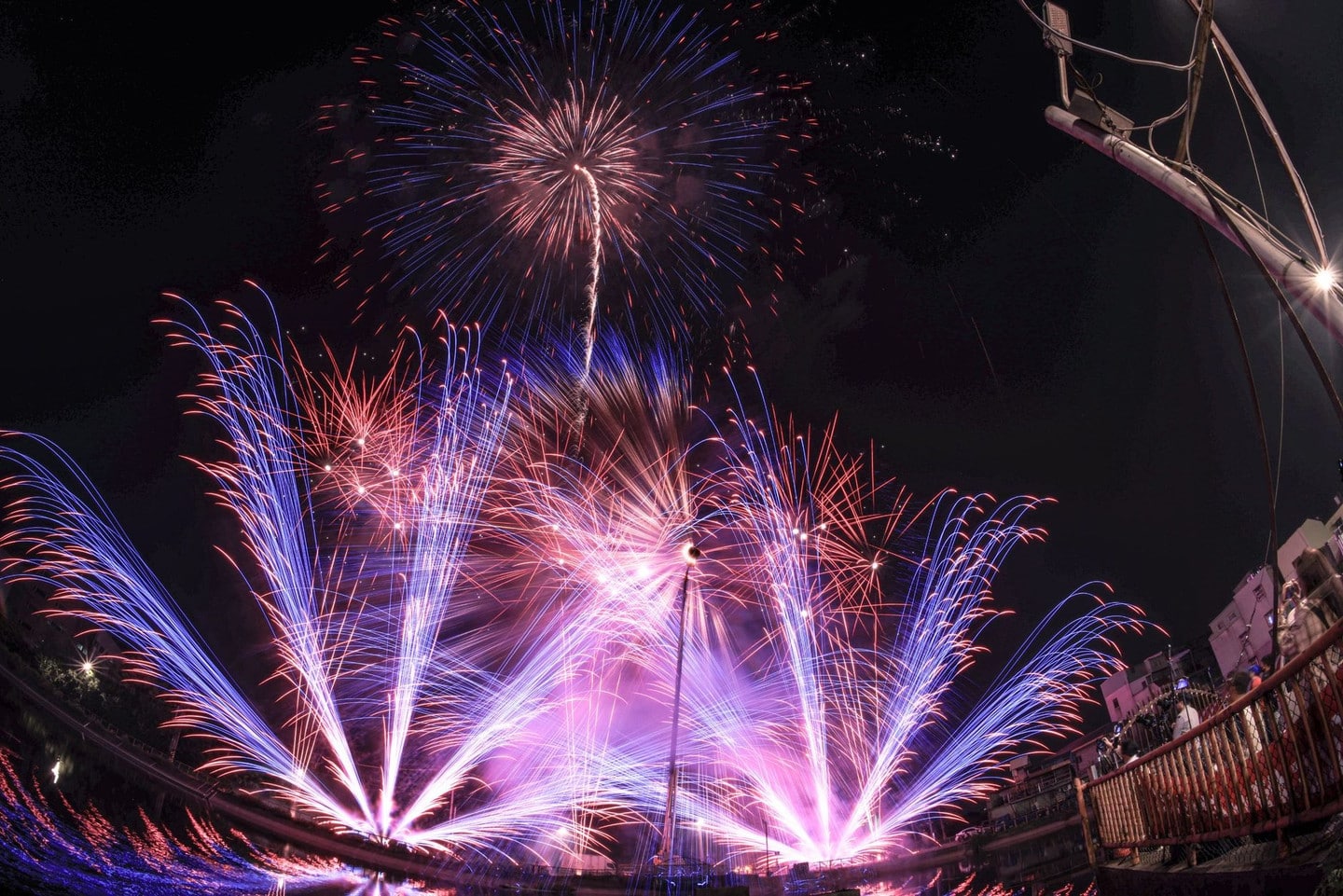
Bring your own picnic mat, mosquito repellent, power bank and light snacks. The embankment has no shelter, so rain or strong wind makes it harder, and claiming a spot also takes energy and time.
Paid Reserved Seats: A Worry-Free Option Without the Spot Scramble
The 2026 paid “reserved seating” was priced by seat type: flat-ground seats from ¥5,000 for 1 person and ¥27,000 for a 6-person mat; A seats from ¥12,000 for a 2-person mat and ¥22,000 for a 4-person mat; SS seats from ¥12,000 for 1 person and ¥30,000 for a 4-person mat, sold first-come through Ticket Pia.
Paid seats open for entry from 16:00 on the day, with no need to reserve a spot in advance, suitable for those with elders, small children or limited mobility. For 2027 sale dates and prices, please follow Katsushika Ward’s official announcements.
Where to Stay Along the Way
The festival venue is in Shibamata, and the post-show crowds concentrate at Shibamata, Shin-Shibamata and Kanamachi stations. Consider staying around Ueno and taking the Keisei Line to Shibamata, leaving a generous margin for the return trip.


FAQ
Q: What are the date and time of the 2026 Katsushika Noryo Fireworks Festival?
The 60th edition was held on Tuesday, July 28, 2026, from 19:20 to 20:30, about 70 minutes in total. For the date of the 61st edition in 2027, please follow Katsushika Ward’s official announcements.
Q: How much are tickets to the Katsushika Noryo Fireworks Festival?
In 2026 the paid seats were SS, A and flat-ground seats, from ¥5,000 for a 1-person seat and ¥22,000 to ¥30,000 for a 4-person mat, sold through Ticket Pia.
Q: Will the fireworks be canceled in the rain?
Light rain or showers do not stop it, but according to Katsushika Ward’s official announcement, in severe weather the festival is canceled with no postponement, so please watch the official announcements closely.
Q: Which station is best for getting to the venue?
On the way in you can use the nearest station, Shibamata (10-minute walk). To leave, switch to Shin-Shibamata or Kanamachi to avoid the crush.
Q: How early should I claim a spot in the free viewing area?
We suggest at least 2 to 3 hours ahead, that is, arriving at the riverbed before 2 to 3 p.m., to get an ideal viewing spot.
Q: Can I bring a tripod to take photos?
Tripods, high-legged chairs and other tall items may not be brought into the venue, to protect other spectators’ viewing space and safety, so please shoot handheld.
Q: Are there food stalls at the venue?
There are no stalls on the riverbed where the fireworks are launched; stalls are concentrated in front of Shibamata Station and along the Taishakuten sando. Shibamata Junior Baseball Field has a non-alcoholic drink sales point, but we recommend bringing your own food and drink.