

Rikugien Autumn Leaves and Night Illumination: The Complete 2026 Guide
Rikugien: Tokyo’s Most Famous Edo-Period Daimyo Garden for Autumn Foliage
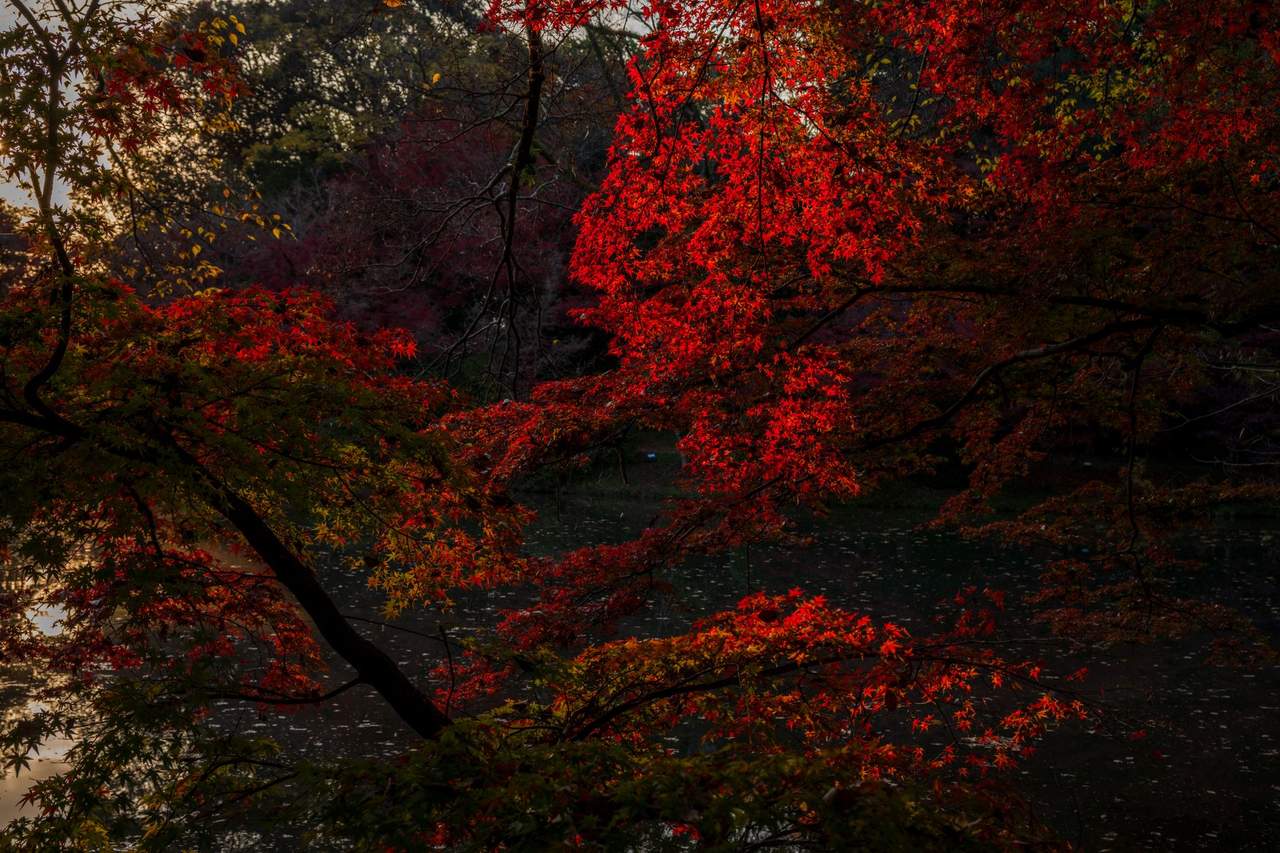
Rikugien is a strolling-style daimyo garden begun in 1695 by Yanagisawa Yoshiyasu, a lord of the early Edo period, on the orders of the fifth shogun, Tokugawa Tsunayoshi, and completed after seven years. Its name comes from “rikugi,” the six poetic styles of waka described in the preface to Ki no Tsurayuki’s Kokin Wakashu. Yanagisawa modeled the garden on scenery described in waka poems, creating an artificial landscape of hills and ponds that blends the coastal views of Wakanoura in Kishu with classical Chinese landscapes. In the early Meiji era it was bought and restored by Iwasaki Yataro, founder of the Mitsubishi conglomerate, and in 1938 it was donated to the City of Tokyo and opened to the public as a park with an admission fee. The garden originally had 88 scenic spots named after waka poems; 32 remain today, each marked with a stone marker.
- 🕘 Opening hours: 9:00-17:00 (last entry 16:30)
- 🎫 Admission: General ¥300 / ages 65+ ¥150 / elementary school students and younger free
- 🔗 Tokyo Metropolitan Park Association official website
Best Time to See the 2026 Autumn Leaves
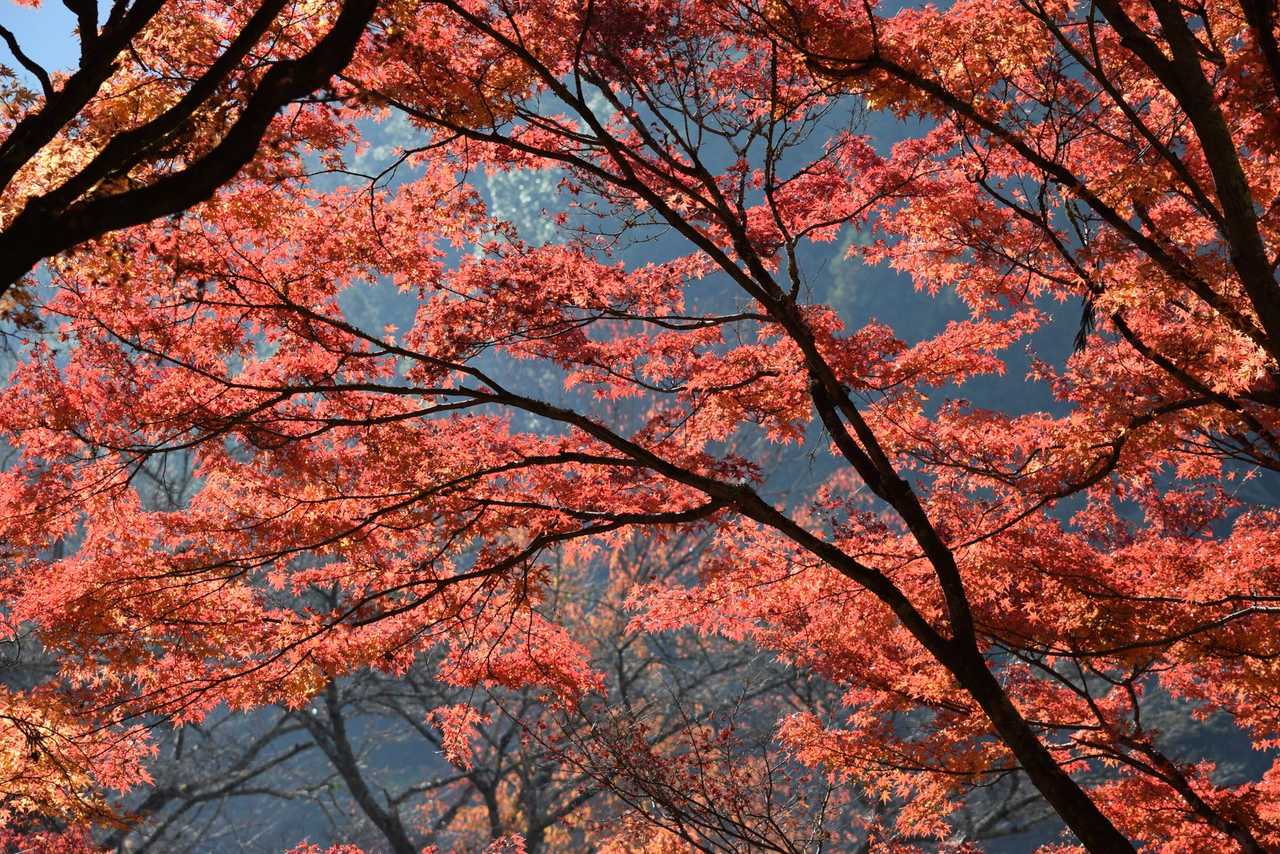
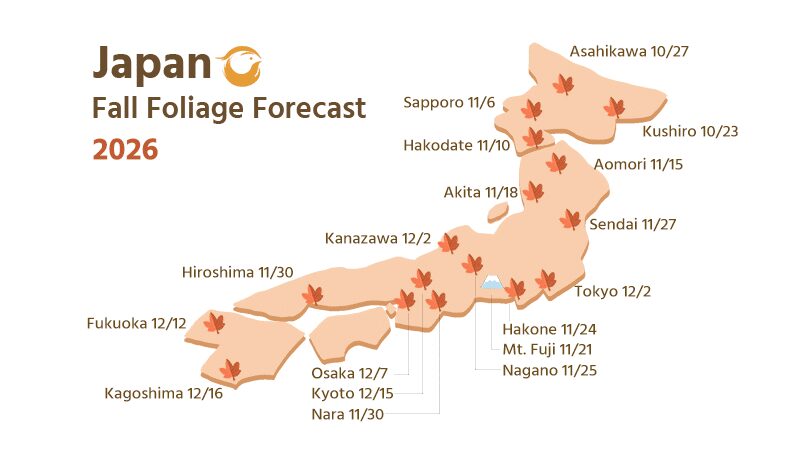
Peak color (migoro) at Rikugien generally falls between late November and early December, and the best window is November 25 to December 5, when you are most likely to catch fiery red maples and golden ginkgo together. About 560 trees change color in the garden, including iroha maples, ginkgo and dodan-tsutsuji (enkianthus), and each area turns at a different pace, giving layers of red, yellow and orange. Because of warm temperatures, the actual peak shifts slightly from year to year, so we recommend following the autumn foliage forecasts from weather agencies starting about a month before your trip.
Special Night Viewing: One of Central Tokyo’s Few Night Maple Spots
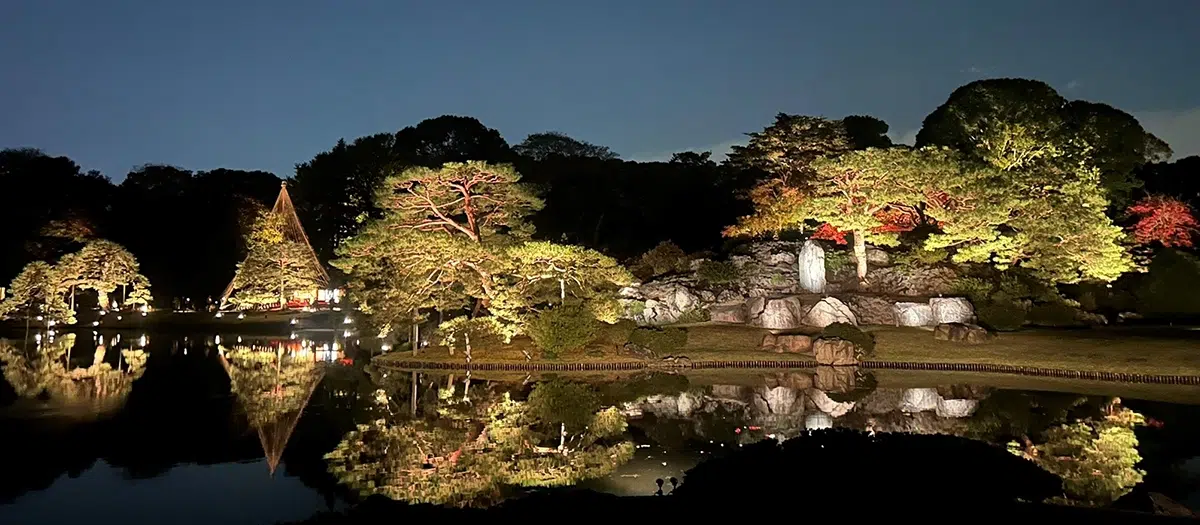
The 2026 night illumination at Rikugien (the special evening viewing of the garden’s autumn colors) runs from Wednesday, November 25 to Sunday, December 6, from 18:00 to 20:30, with last entry at 19:30. The garden is cleared at 17:00, and daytime tickets cannot be carried over to the evening session; you must buy a separate night-viewing ticket and have it checked again for entry after 18:00. The on-sale date for tickets has not yet been announced, and will be posted on the official website once decided.
- 🕕 Entry hours: November 25 to December 6, 2026, 18:00-20:30 (last entry 19:30)
- 🎫 Admission: Advance ¥1,000 / same-day ¥1,200 / elementary school students and younger free
- 🔗 Official announcement (September 3, 2026)
Getting There: How to Reach Rikugien
Rikugien is close to Komagome Station and easy to reach by train. During the autumn foliage season you can also consider a sightseeing bus tour such as Hato Bus, where a tour operator arranges all the transportation.
JR Yamanote Line and Tokyo Metro Namboku Line: The Fastest Route to the Main Gate
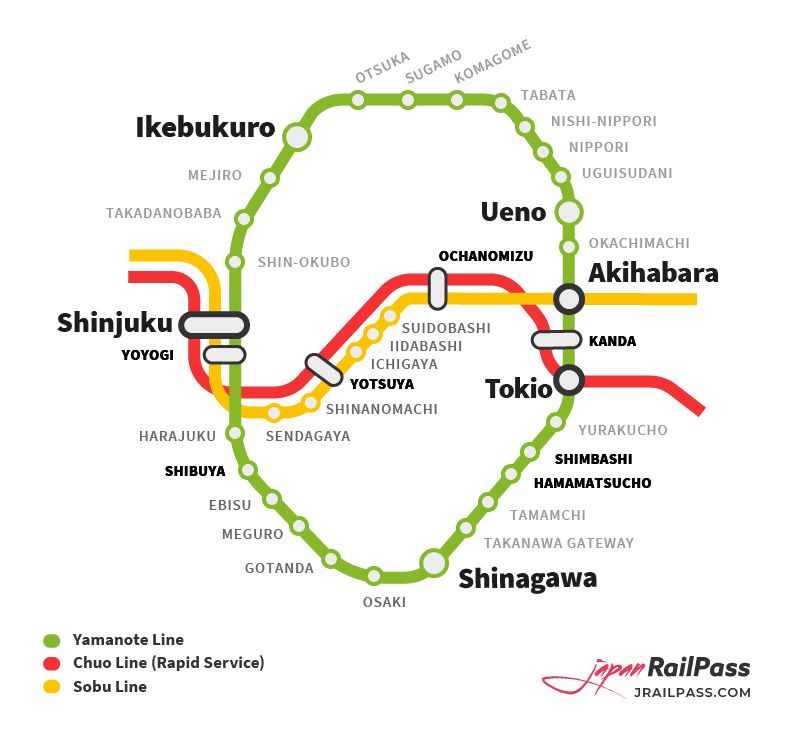
Take the JR Yamanote Line or the Tokyo Metro Namboku Line to Komagome Station, exit via the South Exit or Exit 2, and walk about 7 minutes to Rikugien’s main gate. This is the main and most direct way to get to the garden.
During peak hours in the foliage season, the station and surrounding streets get crowded, so leave plenty of time for transfers and walking so you do not miss your entry slot for the night illumination. The crowds are heaviest during the first hour after the lights go on.


Somei Gate: The Secondary Entrance Closest to the Station
Somei Gate is only about a 2-minute walk from Komagome Station, making it the garden entrance closest to the station. It is normally closed to the public and opens only during certain periods at the garden’s discretion.
For the 2025 night viewing, visitors entered through Somei Gate and left through the main gate. For 2026, follow the official announcement for entry and exit routes.
It usually opens as an entrance or exit-only gate only during peak events such as the autumn foliage season, depending on the official flow plan for the day. Check the signs on site before you set off; if it happens to be open, it can greatly cut your walking time and effort.
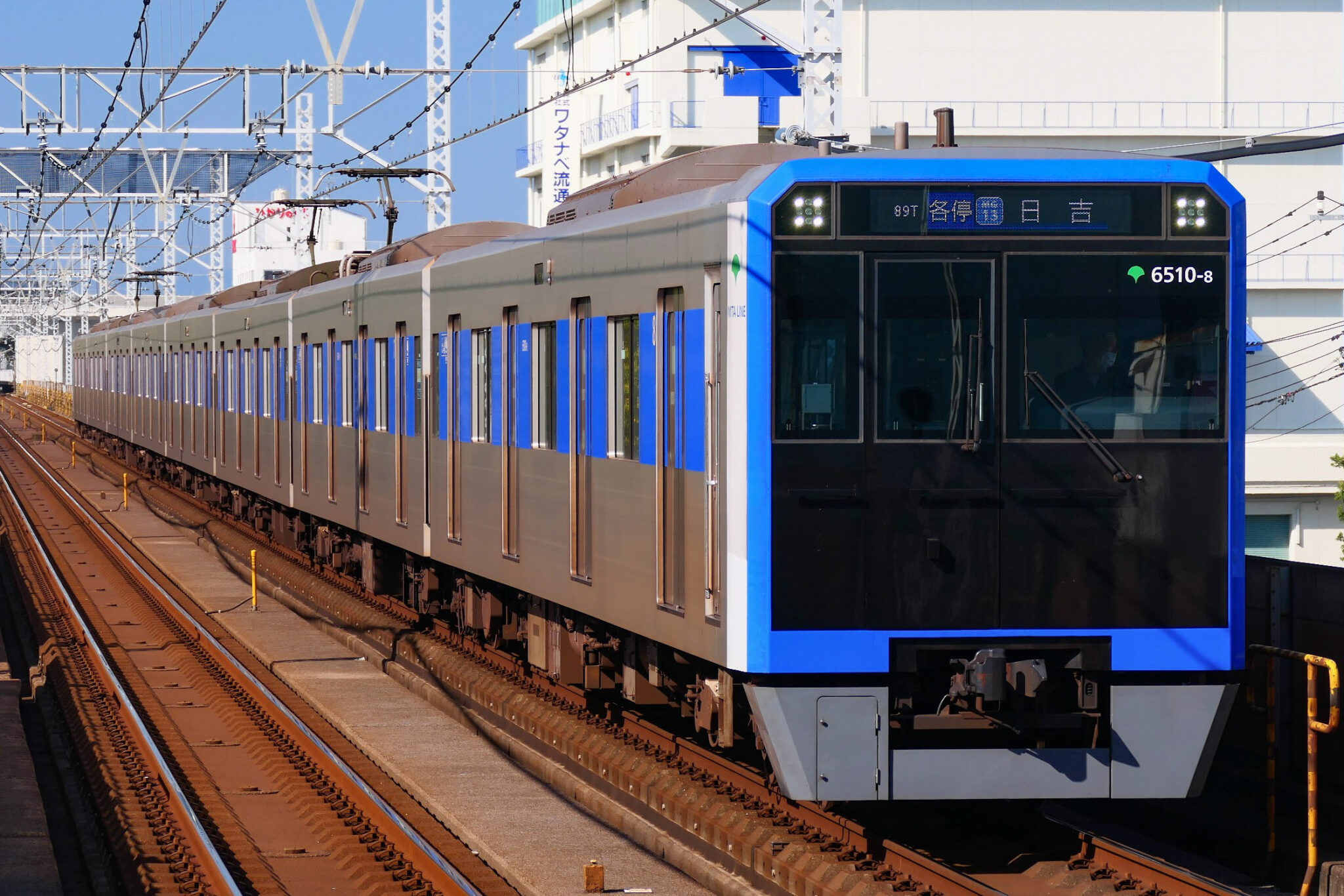
Toei Mita Line: Route via Sengoku Station
If you are coming from the Toei Mita Line, get off at Sengoku Station and take Exit A3, then walk about 10 minutes to Rikugien’s main gate. It is a good alternative route for visitors staying along that line.
Rikugien has no parking lot, and the official advice is for all visitors to use public transportation, to avoid parking problems and traffic congestion in the surrounding residential streets caused by private cars or chartered vehicles.
Hato Bus Sightseeing Tour: A Hassle-Free Dinner and Night Maples Package
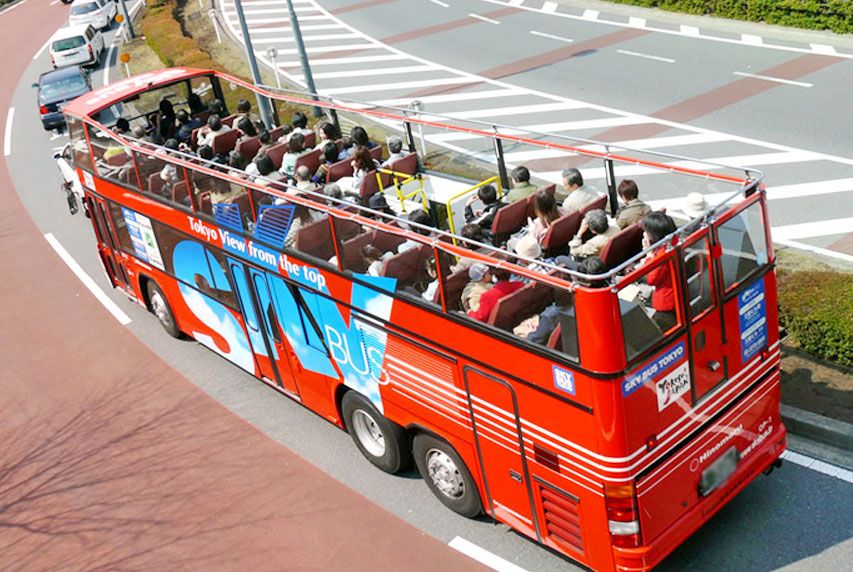
If you would rather not work out the transportation or queue for tickets yourself, consider joining Hato Bus’s Rikugien night maple tour, where the tour operator arranges both transportation and admission, so you do not have to research ticket purchases.
The 2025 tour departed in the early evening for the special night viewing and included dinner, which suits travelers with limited time who want to skip the transport planning.


Rikugien Highlights
Rikugien originally had 88 scenic spots named after waka poems, and 32 remain today, each marked with a stone marker. Below are the key spots most worth lingering at during the foliage season, plus a nearby garden you can easily add to your route.
Togetsukyo Bridge and Daisensui Pond: The Heart of the Garden
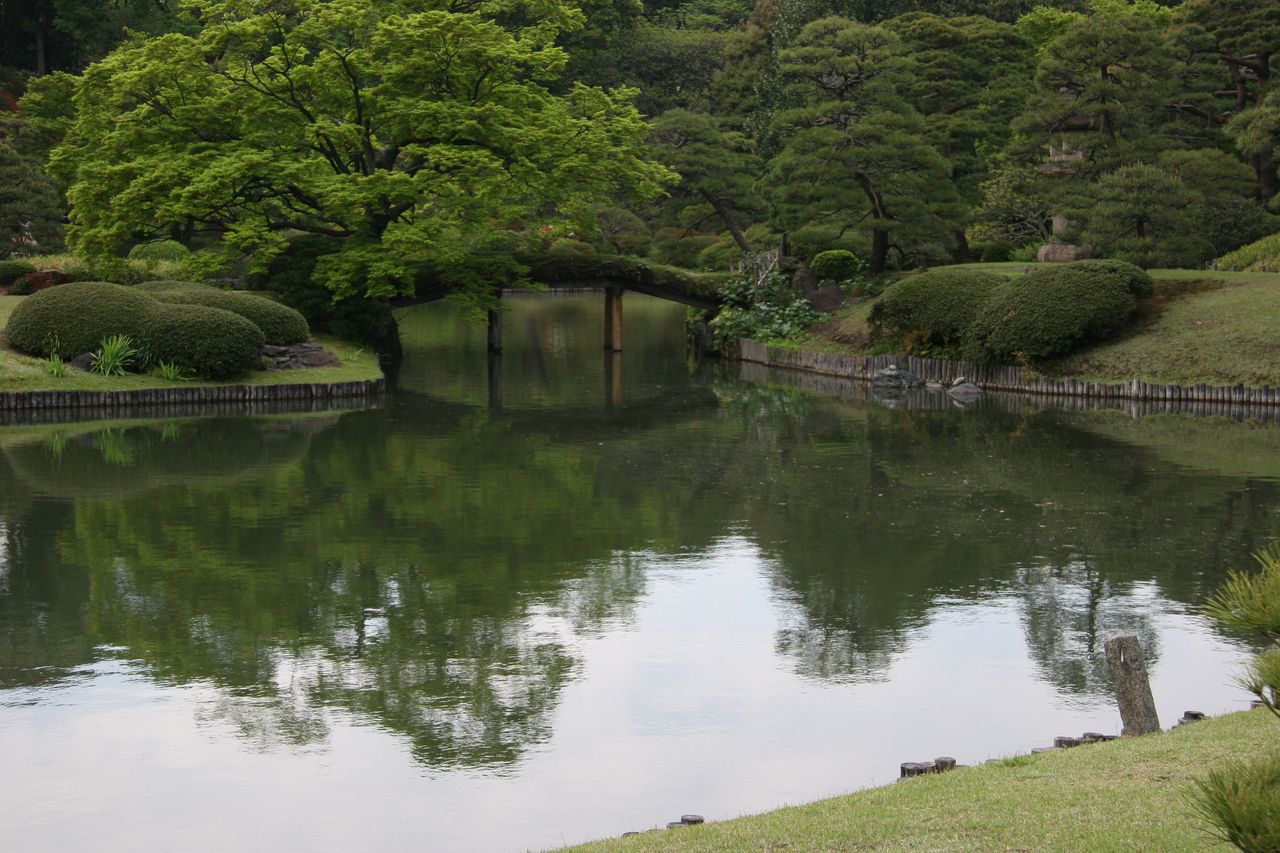
Togetsukyo Bridge and Daisensui Pond form the heart of Rikugien and are also its busiest area. From the pond’s edge you can photograph the traditional stone bridge, with the water reflecting red maples and the night lights like a mirror for a dreamlike scene.
During the night illumination, the reflections combined with the projected lights create an atmosphere completely different from daytime, and it is a classic shot that photography fans consider a must. Set aside at least 15 to 20 minutes here to compose your shots slowly, enjoy the changing light, and hear the gasps of admiration from the visitors around you.
Imoyama and Seyama: The Mysterious Islets You Cannot Step On
Imoyama and Seyama are among Rikugien’s 88 scenic spots, two small islets in Daisensui Pond. Visitors cannot go onto the islands and can only photograph them from across the water, which makes this one of the few corners of the garden that keeps its original sense of mystery.
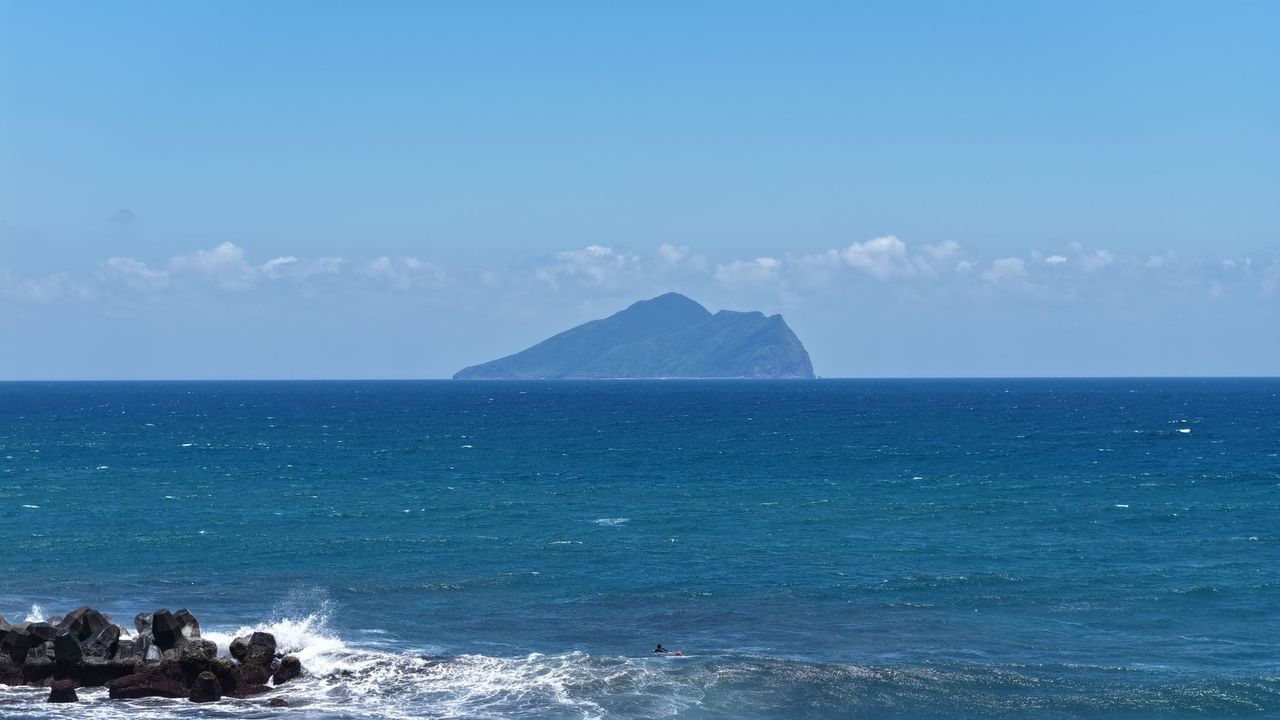
The two islets are named after mountains, echoing the paired mountain imagery found in waka poetry. They are a representative example of the garden’s design idea of landscaping after Kokin Wakashu poems, so as you pass by, slow down and take a close look at the layered depth on the far side of the water.
Fujishiro-toge: The Garden’s Highest Viewpoint
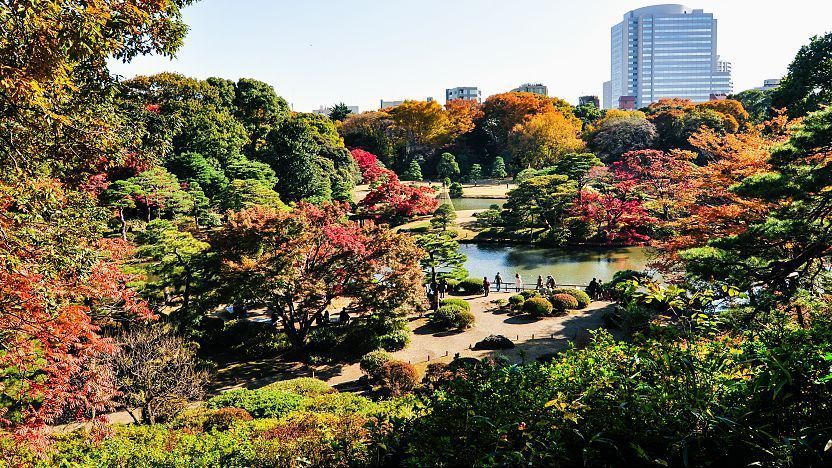
Fujishiro-toge is the highest artificial hill in Rikugien. From the top you can take in the whole garden at once, with Daisensui Pond, Togetsukyo Bridge and layer upon layer of red maples spread out below in a wide view.
Thanks to the open view, this is also the best spot for seeing how the autumn colors are distributed across the whole garden. It works well in the middle or later part of your visit: climb up to look back over the route you have walked, catch your breath, and gaze out toward the distant Tokyo skyline.
Suikoe: Illuminated Maples Over the Water
Suikoe is one of the garden’s most popular maple areas. During the special night viewing, the waterside here is lit up, and the red leaves and lights reflected on the water create a visual experience different from daytime.
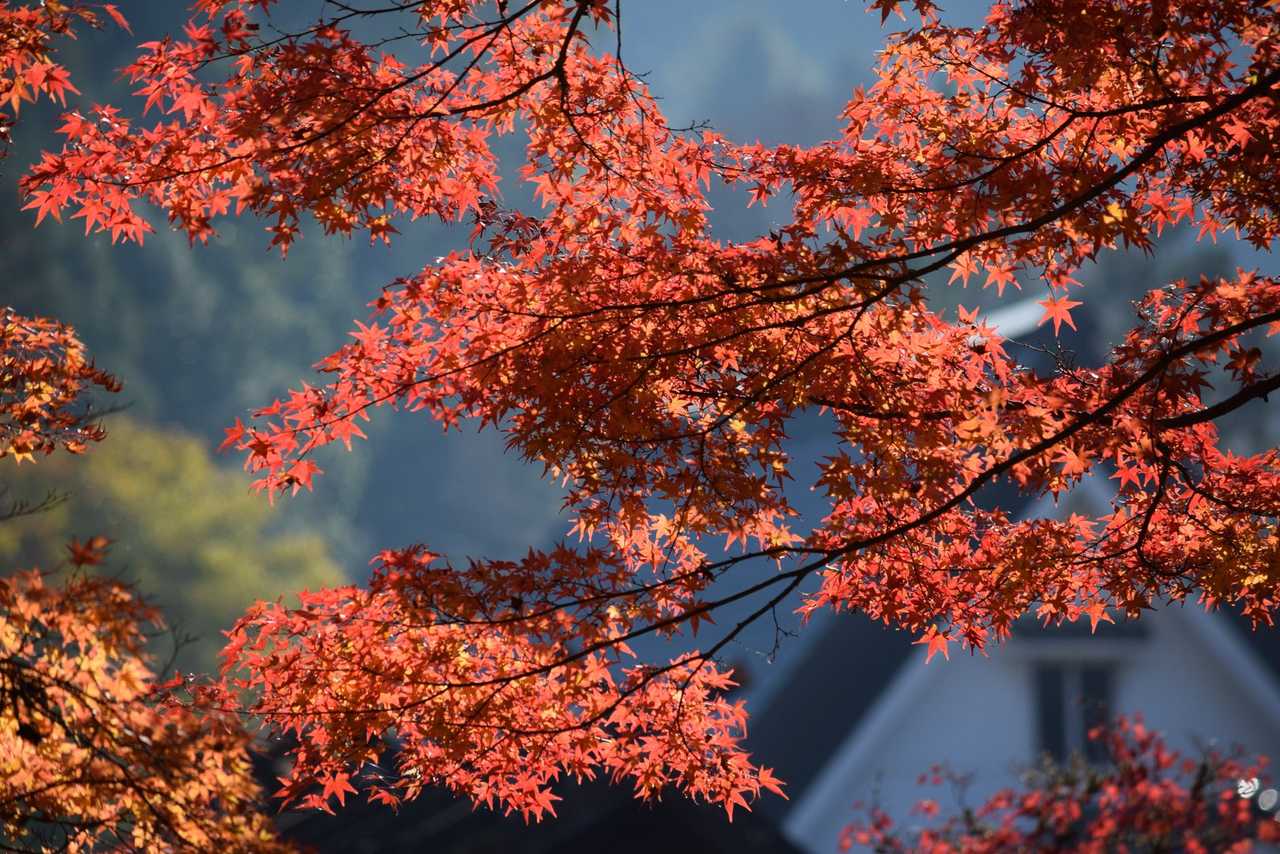
With the night lighting and real red leaves together, the scene here looks completely different from daytime. It is a special spot you can only enjoy during the night maple season, so take your time. It is also a popular corner for photos, and visiting in the evening gives the fullest experience.
Tsutsuji-chaya Teahouse and Yamakage Bridge: A Deep-Mountain Temple Atmosphere
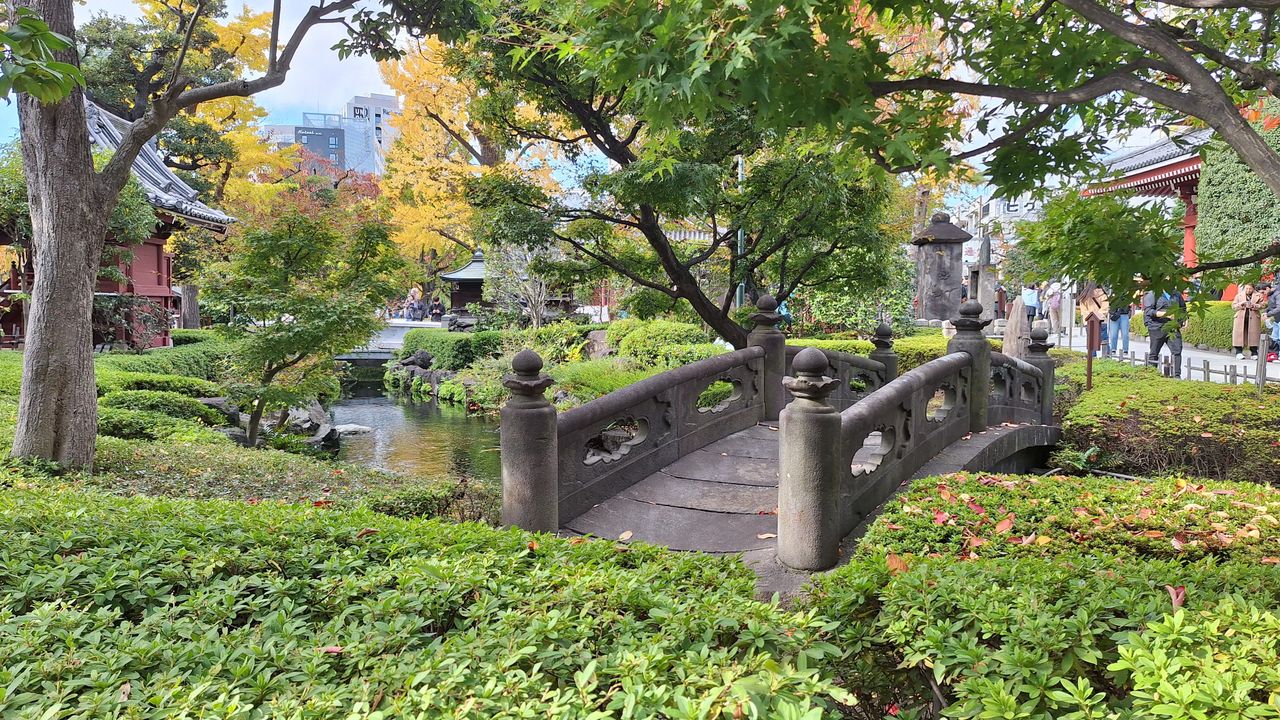
Tsutsuji-chaya Teahouse and Yamakage Bridge are surrounded by dense maple trees. The wooden teahouse, the rustic arched bridge and layers of red leaves come together to create a quiet maple-viewing atmosphere reminiscent of a temple deep in the mountains.
When visitors are crowded around the other popular spots, this area is relatively relaxed. It suits travelers who like photos with few people or who want to slow down and soak in the garden’s mood, and it is a hidden, tranquil corner that is also lovely for sitting quietly and listening to the birds.
Fukiage Chaya Teahouse: Matcha with a View of the Pond Garden
Fukiage Chaya Teahouse sits midway along the walking route. When you get tired, sit down and rest while looking out over the autumn colors of the pond garden and enjoying a seasonal matcha and Japanese sweets set (extra charge).
It is an excellent midpoint for refueling and slowing the pace to take in the garden, and it is also a good place to rest after climbing Fujishiro-toge, giving a packed foliage itinerary some breathing room so you can recharge before continuing your walk.
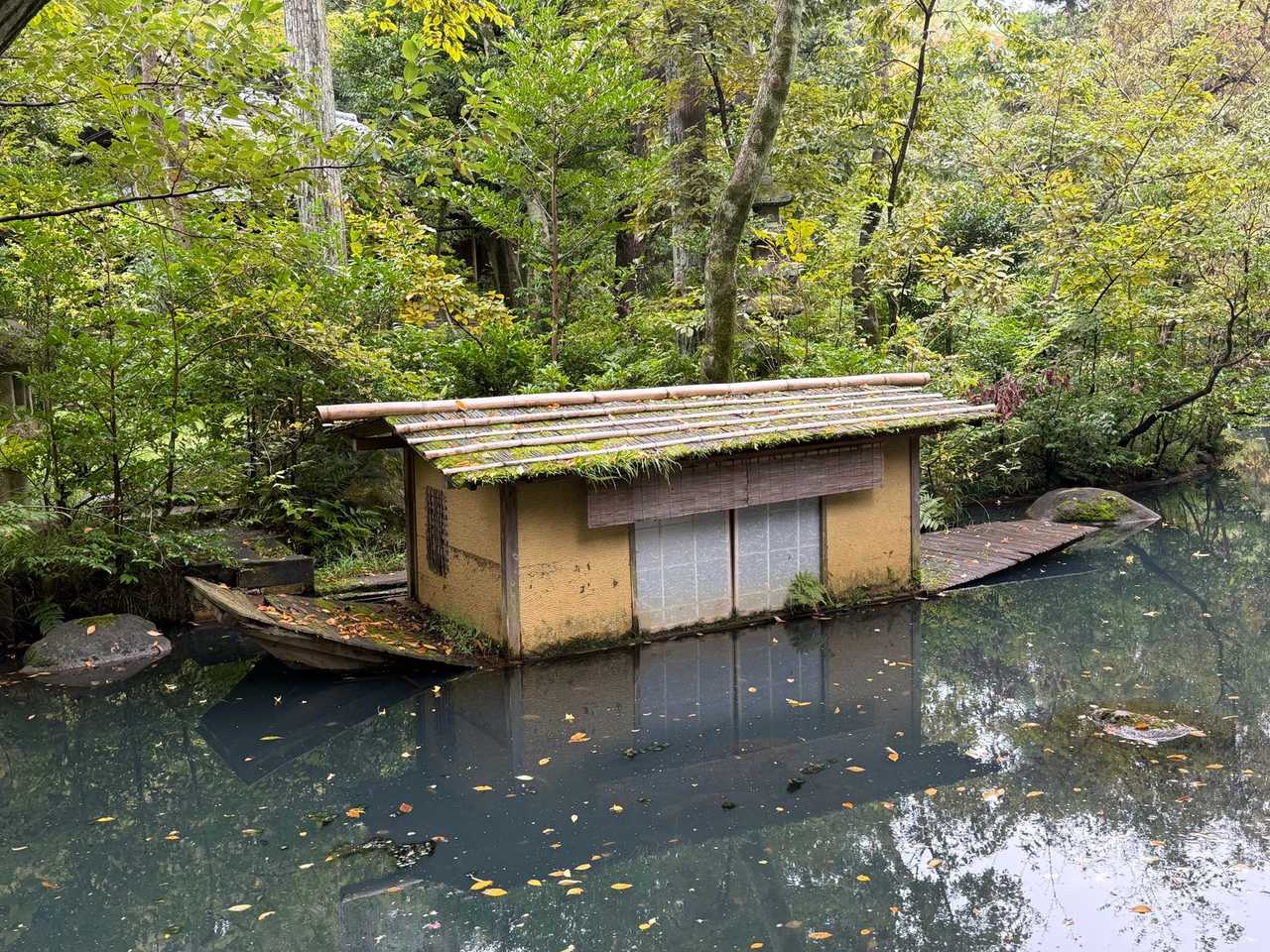
Yukitsuri: Winter-Only Decoration on the Pine Trees
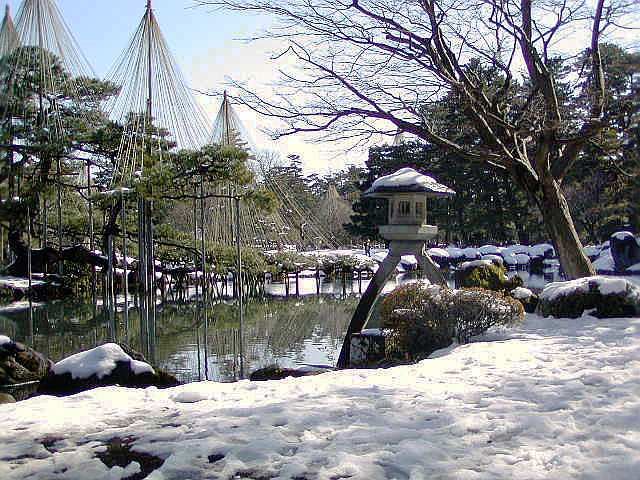
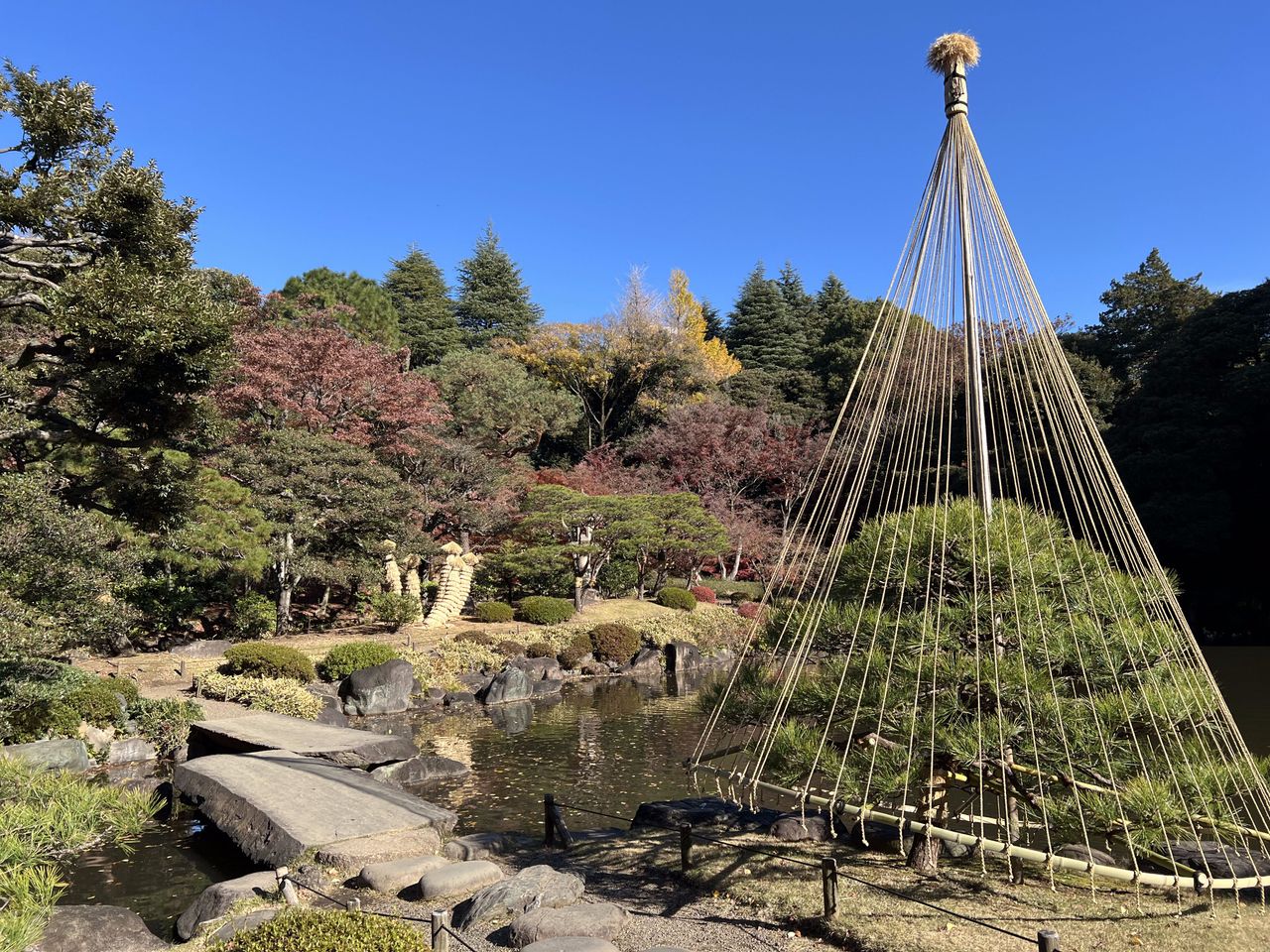
As the foliage season winds down and the garden prepares for snow, the pine trees are fitted with “yukitsuri,” a system of ropes hung radially from the top of the tree to support the branches and keep heavy snow from breaking them. With a shape like a charming Christmas tree, it is a distinctive sight.
This is a signature feature of Japanese gardens just before winter. If you visit toward the end of the foliage season, you may get to see red maples and yukitsuri together, a photo spot that pleasantly surprises many travelers, so keep an eye out for this seasonal detail.
Kyu-Furukawa Gardens: Western Roses and a Japanese Garden in One
Kyu-Furukawa Gardens is about a 20-minute walk from Rikugien. It is a rare park that combines a Western-style mansion with a rose garden and a Japanese pond garden, and it also has autumn leaves to enjoy, complementing Rikugien’s style.
The two gardens offer a joint discount ticket, and it makes a good follow-up after your daytime visit to Rikugien, letting you experience the striking contrast between Western and Japanese garden design and adding a different kind of scenery to your foliage trip.
- 🕘 Opening hours: 9:00-17:00 (last entry 16:30)
- 🎫 Admission: General ¥150 / ages 65+ ¥70 / combined ticket with Rikugien ¥400
- 🔗 Tokyo Metropolitan Park Association official website
Recommended Tickets and Tours
Rikugien admission: daytime general ¥300, ages 65+ ¥150. The night maples require a separate night-viewing ticket, ¥1,000 in advance or ¥1,200 on the day, and day and night tickets are not interchangeable. If you would rather not sort out tickets and transportation yourself, these tickets and tours save time and effort.
Rikugien Night Viewing Ticket: Best Value When Booked Online
2026 night tickets: advance ¥1,000 (online only) or same-day ¥1,200 (online or at the ticket window). Online ticket holders can use a priority entry lane, and there is a daily cap on visitors.
Because of the daily visitor limit, we strongly recommend buying tickets online early, especially for weekends and popular time slots during the illumination period, when the risk of selling out at the gate is higher.
JR East Tokyo Wide Pass: Money-Saving Ticket for Nearby Sights
If your day also includes Yamanote Line sights such as Ueno Park or Ikebukuro, consider JR East’s “Tokyo Metropolitan District Pass” (¥870 from March 14, 2026). It allows unlimited rides on JR lines within Tokyo’s 23 wards for a day, including the Yamanote Line, for a more flexible itinerary.
It pairs well with Rikugien for a full day of central Tokyo foliage, shopping or dining, with no need to add up single-trip fares.
Hato Bus Rikugien Night Maples Tour: A Hassle-Free Group Option
Travelers who prefer not to plan transportation and tickets themselves can consider Hato Bus’s Rikugien night maples sightseeing tour. The 2025 tour was “Special Night Viewing of Rikugien’s Autumn Garden with a Seafood Buffet Dinner,” and ran on only four days: November 28 and 30, and December 5 and 6. For 2026 departures and prices, refer to the announcement on the Hato Bus official website.
It is especially suitable for travelers with older family members, or those on a tight schedule who want to focus on the foliage and photos without spending time on transport and queues.
Tips for Visiting the Garden
Avoiding the Crowds and Photography Restrictions
During the night maple period, crowds are usually heaviest right after opening (around 18:00). If you do not need to walk the whole circuit, entering later in the session (for example after 19:00) or visiting in the early daytime will be much more relaxed. To protect cultural property, tripods and selfie sticks are generally prohibited in crowded areas and on certain narrow paths. At night the light is dim and the paths have plenty of gravel and steps, so wear comfortable, easy-to-walk-in casual shoes.
Frequently Asked Questions (FAQ)
Q: Do I need to buy a separate ticket for the Rikugien night maples?
Yes. Daytime admission and the special night-viewing ticket are completely separate. The garden is cleared at 17:00, so anyone who wants to see the night maples must buy a new night-viewing ticket and have it checked again for entry after 18:00.
Q: Have the exact dates for the 2026 night illumination been announced?
Yes. The Tokyo Metropolitan Park Association officially announced on September 3, 2026 that the special night viewing will run from Wednesday, November 25 to Sunday, December 6, 2026, 18:00 to 20:30 (last entry 19:30), with advance tickets at ¥1,000 and same-day tickets at ¥1,200. The on-sale date and sales method will be announced separately, so please check the official announcement page again before buying.
Q: Does Rikugien have a parking lot?
No. Rikugien has no parking lot, and the official advice is for all visitors to use public transportation such as the JR Yamanote Line, Tokyo Metro Namboku Line or Toei Mita Line.
Q: Are there any restrictions on night photography?
To protect cultural property, tripods and selfie sticks are generally prohibited in crowded areas and on certain narrow paths. The light is also dim at night and the paths have plenty of gravel and steps, so comfortable, easy-to-walk-in shoes are recommended.
Q: Should I plan half a day or a full day at Rikugien?
If you only want to focus on the foliage and photos, 2 to 3 hours is enough. If you want to fully experience both the daytime and the night illumination, or combine it with nearby sights such as Kyu-Furukawa Gardens and Sugamo Jizo-dori Shopping Street, we recommend planning a full day.
Q: Are there free guided tours?
Yes. Japanese-language tours are held at 11:00 and 14:00 on Saturdays, Sundays and national holidays, each lasting about 60 minutes and free of charge, meeting in front of the Visitor Center; they may be canceled in bad weather. For English-language tours, please contact the Visitor Center (03-3941-2222).
