
Meiji Jingu Gaien Ginkgo Avenue Guide 2026: Tokyo’s Most Iconic Golden Tunnel in Autumn
The Appeal of Meiji Jingu Gaien Ginkgo Avenue
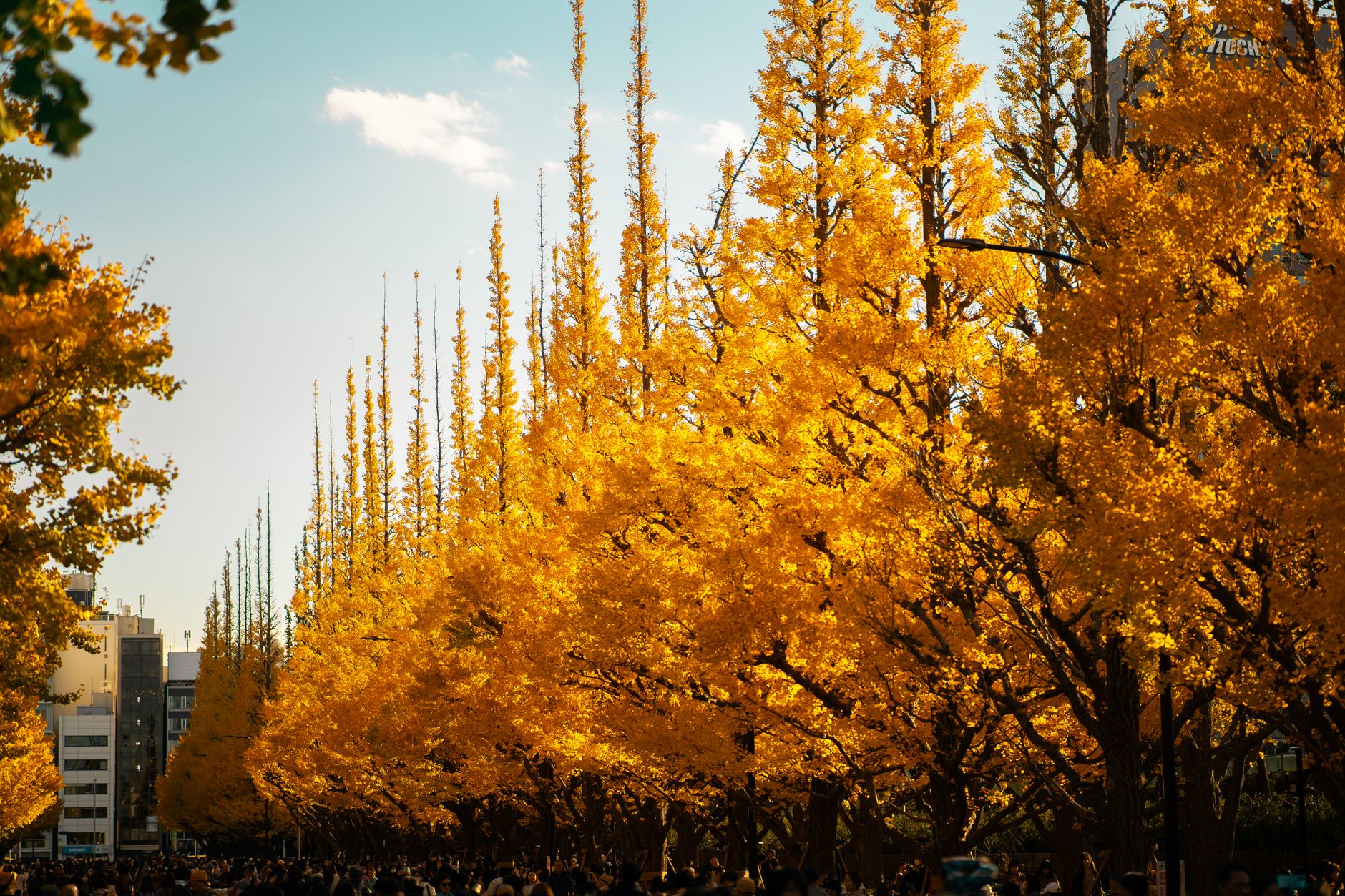
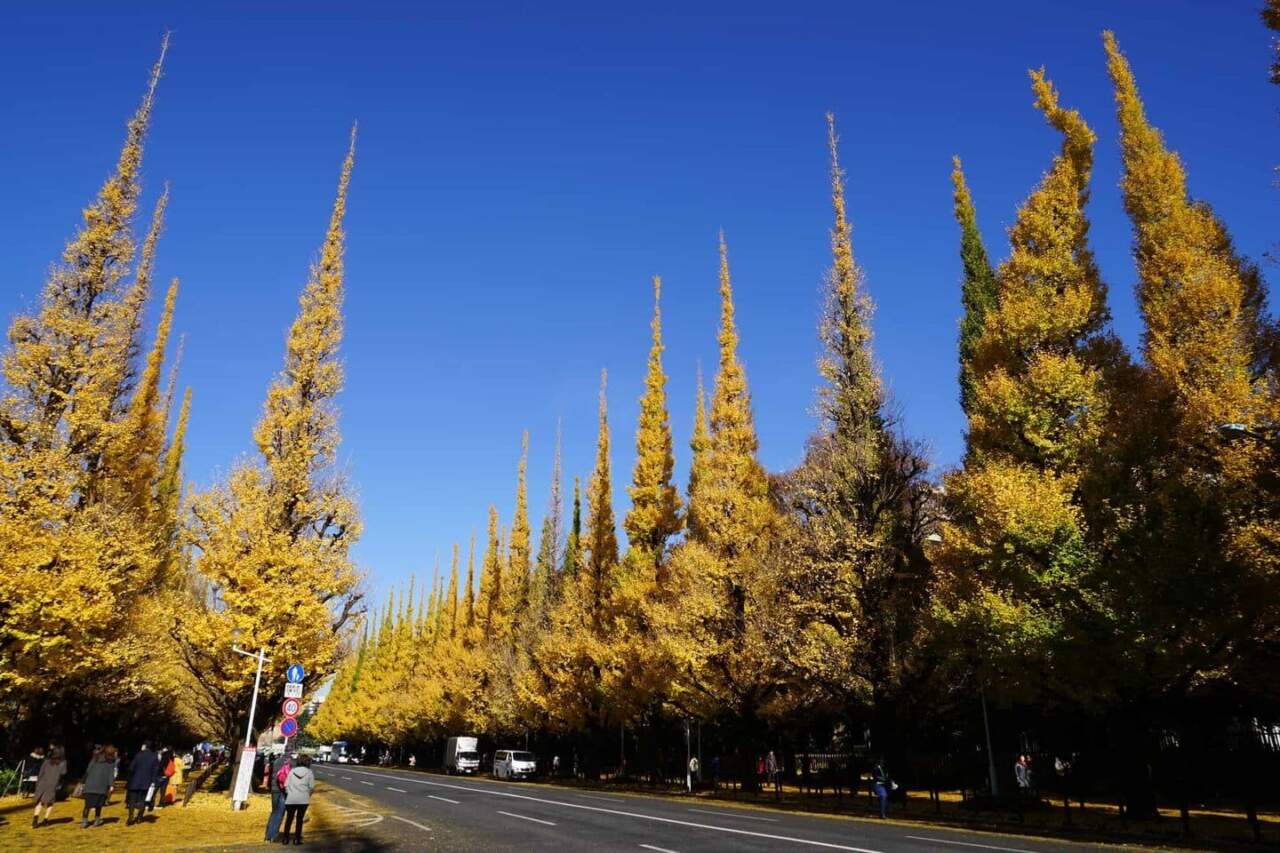
Meiji Jingu Gaien Ginkgo Avenue is the most representative golden scene of autumn in Tokyo. Along both sides of a boulevard about 300 meters long, roughly 146 cone-shaped ginkgo trees stand in neat rows, and once their leaves turn yellow they form a tunnel of gold.
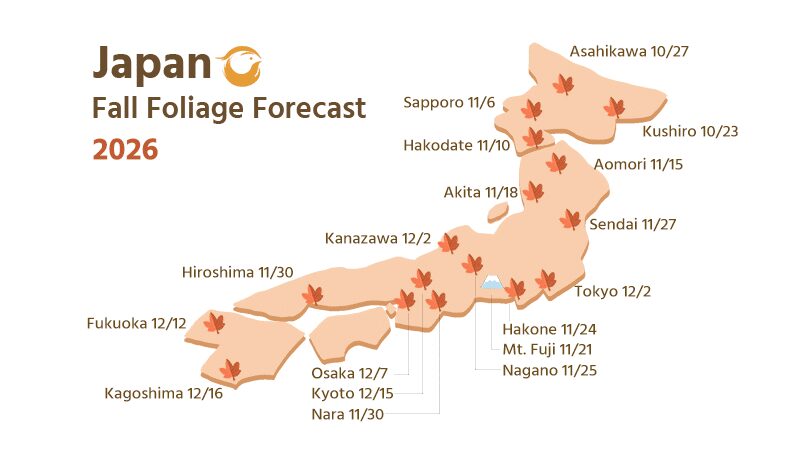
The 2026 Tokyo ginkgo peak is forecast for around November 26 (forecast by Weathernews Inc.; the average year is November 23). The leaves start turning in mid-November, and the best viewing window runs from late November to early December. The carpet of golden fallen leaves is just as beautiful, so even if you miss the peak on the branches, the avenue still has its own charm, and it remains one of the most conveniently located autumn spots in central Tokyo.
2026 Tokyo Ginkgo Peak Forecast: Around November 26
The forecast peak date for Tokyo’s ginkgo in 2026 is November 26, three days later than the average year (November 23), which counts as “near average” (Weathernews Inc., first forecast, September 2, 2026).
The company also expects temperatures across Japan to run higher than usual this autumn, with peak dates in most regions near average or slightly late. Ginkgo trees on the Tokyo plains are expected to turn yellow gradually from mid-November to early December. The second forecast, released on October 1, still gives November 26 for Tokyo. For your actual trip, we recommend checking the latest forecast and the on-site color reports again about a week before departure.
What to Know Before Visiting in 2026: The Jingu Gaien Redevelopment
Jingu Gaien is currently undergoing a phased redevelopment led by Mitsui Fudosan, ITOCHU, Meiji Jingu and the Japan Sport Council. The total construction cost is ¥349 billion and completion is expected in 2036, so the surrounding walkways and scenery may look slightly different from past years.
The question readers care about most, whether the ginkgo trees are still there, now has a clear answer. The revised official plan confirms that the four rows of ginkgo trees will be kept, and the setback between the new baseball stadium’s underground structure and the sidewalk curb has been widened from about 8 meters to about 18 meters, giving the ginkgo roots much more room to grow. You can plan your ginkgo trip with confidence.
The redevelopment is still controversial, though. On May 12, 2026, the Tokyo District Court dismissed a residents’ lawsuit seeking to revoke the tree-felling permit, so the construction permit remains valid.
The 2026 Ginkgo Festival: What to Expect
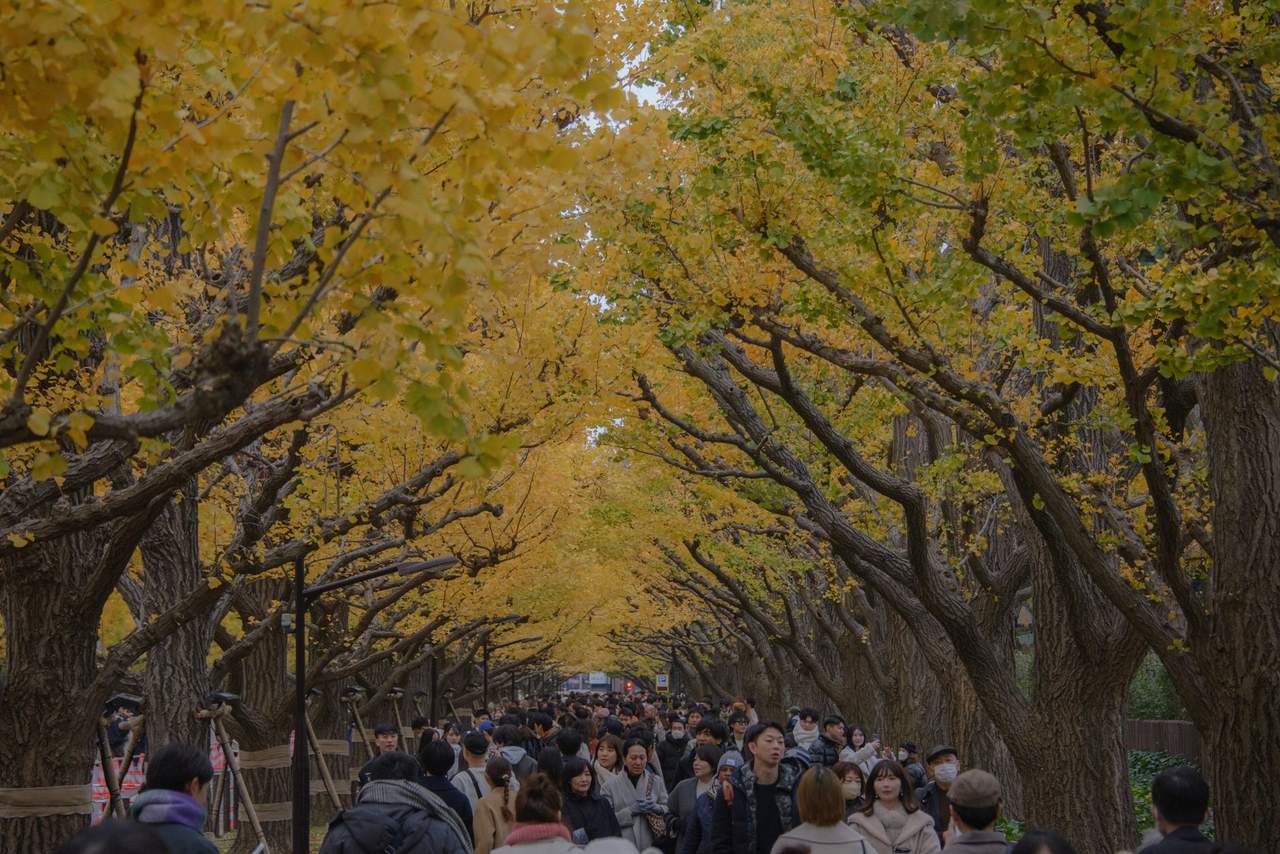
The once-famous Jingu Gaien Ginkgo Festival (神宮外苑いちょう祭り) has in recent years turned into the “Mori no Shokunin-ten” (森の職人展, Forest Craftsmen Fair), centered on artisan crafts and food stalls. The traditional ginkgo festival is no longer what it used to be, and the stalls cover Japanese street-food classics such as okonomiyaki, yakisoba and takoyaki.
The dates of the 2026 Jingu Gaien Ginkgo Festival (Icho Matsuri) have not yet been announced by the organizers; please refer to the announcements on the official Meiji Jingu Gaien website (meijijingugaien.jp). Don’t expect the traditional scale, and if you want good food, head to the restaurants nearby instead.
The Forest Craftsmen Fair is clearly much smaller, so we suggest keeping your focus on the ginkgo viewing itself.
How to Get to Meiji Jingu Gaien Ginkgo Avenue
Tokyo Metro: Aoyama-itchome Station and Gaienmae Station
From Aoyama-itchome Station (Ginza Line, Hanzomon Line, Oedo Line), it is about a 5-minute walk from Exit 1, leading straight to the Aoyama entrance of the avenue. From Gaienmae Station (Ginza Line), it is about a 3-5 minute walk from Exit 4a, which is widely regarded as the fastest way to reach the start of the avenue and the stop most visitors choose.
Kokuritsu-Kyogijo Station (Oedo Line) is also reachable on foot in about 10 minutes. All three subway stations are within a 10-minute walk, making the subway the most recommended way to get there, and even visitors unfamiliar with the Tokyo subway system can arrive easily.
The three stations are also not far from one another, so if you have time, you could try entering from different exits to see the avenue from a different angle.

JR Chuo-Sobu Line: Shinanomachi Station and Sendagaya Station
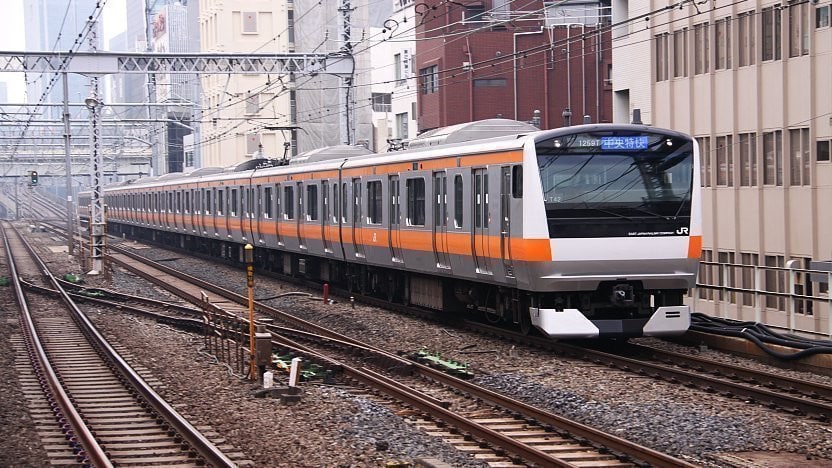
Take the JR Chuo-Sobu Line to Shinanomachi Station or Sendagaya Station, and the ginkgo avenue is about a 9 to 15 minute walk away. This suits visitors coming from the Shinjuku or Ochanomizu direction, since there is no need to transfer to the subway, which saves you the time and hassle of changing trains.
Shinanomachi Station is also a stepping stone toward Shinjuku Gyoen, which makes it easy to build a one-day itinerary linking the ginkgo with other autumn foliage spots, a handy reference for anyone planning a one-day autumn route through central Tokyo.
For visitors setting out from Shinjuku, taking JR is easier than transferring to the subway, especially if you are pulling luggage or traveling with older relatives, because it means fewer transfers.
Driving and Parking
If you choose to drive, the Meiji Memorial Picture Gallery parking lot is a paid lot: ¥2,000 per entry for a standard car for the day (new rate from January 1, 2026). During the peak ginkgo season, traffic controls around the area are frequent and some sections are open to pedestrians only, so we recommend putting public transportation first, to avoid failing to find a space or getting stuck in a controlled section and wasting precious travel time.
The peak-season crowds are heavy, and simply following the crowd will usually lead you to the entrance, but the flexibility of driving drops sharply because of traffic controls. If time allows, plan a backup parking location in advance so you aren’t left without a space at the last minute.
Drivers are advised to check the day’s traffic-control notices early, as some surrounding roads are temporarily closed on weekends during the foliage season, and to avoid last-minute detours that delay your plans.
Extended Routes: Linking Shinjuku Gyoen and Rikugien
If you want to see several autumn spots in Tokyo in one day, you can take the subway from Meiji Jingu Gaien to Shinjuku Gyoen for the foliage, or head on to Rikugien to enjoy its Japanese garden with night-time maple illumination. All three are in central Tokyo and well connected by subway, so you won’t spend much time in transit.
At popular gardens such as Rikugien, daytime and nighttime tickets are not interchangeable. The garden is usually cleared at 17:00 and only reopens for night admission at 18:00, so check the session times before deciding the order of your itinerary, and buy e-tickets on the official website in advance to avoid queuing on site.
The subway routes between the three spots don’t conflict with one another, making them well suited to a one-day plan of ginkgo in the morning, Shinjuku Gyoen in the afternoon and Rikugien’s night maples in the evening.
Meiji Jingu Gaien Ginkgo Avenue Highlights, More Ginkgo Spots and Nearby Food: The Full Guide
Meiji Jingu Gaien Ginkgo Avenue
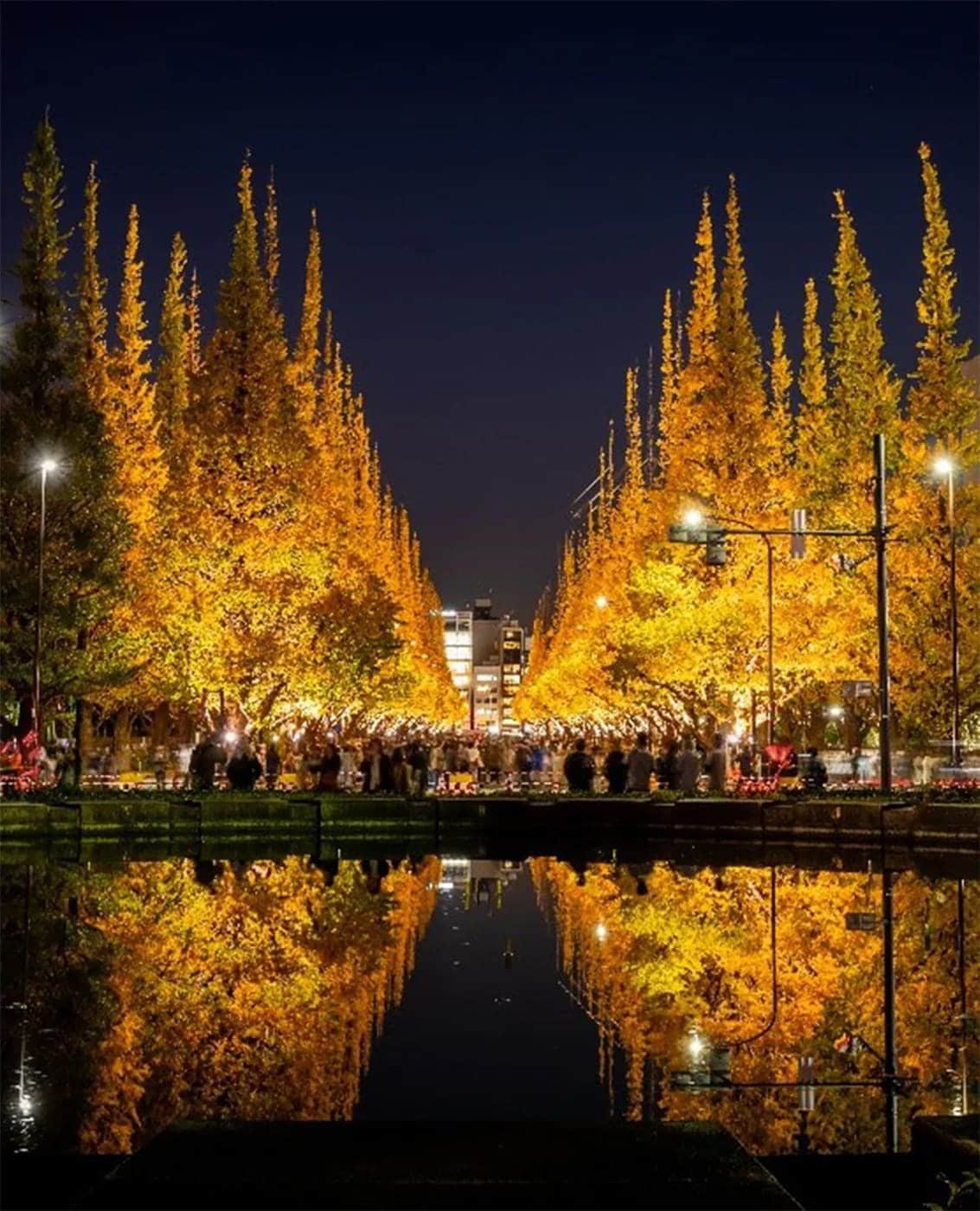
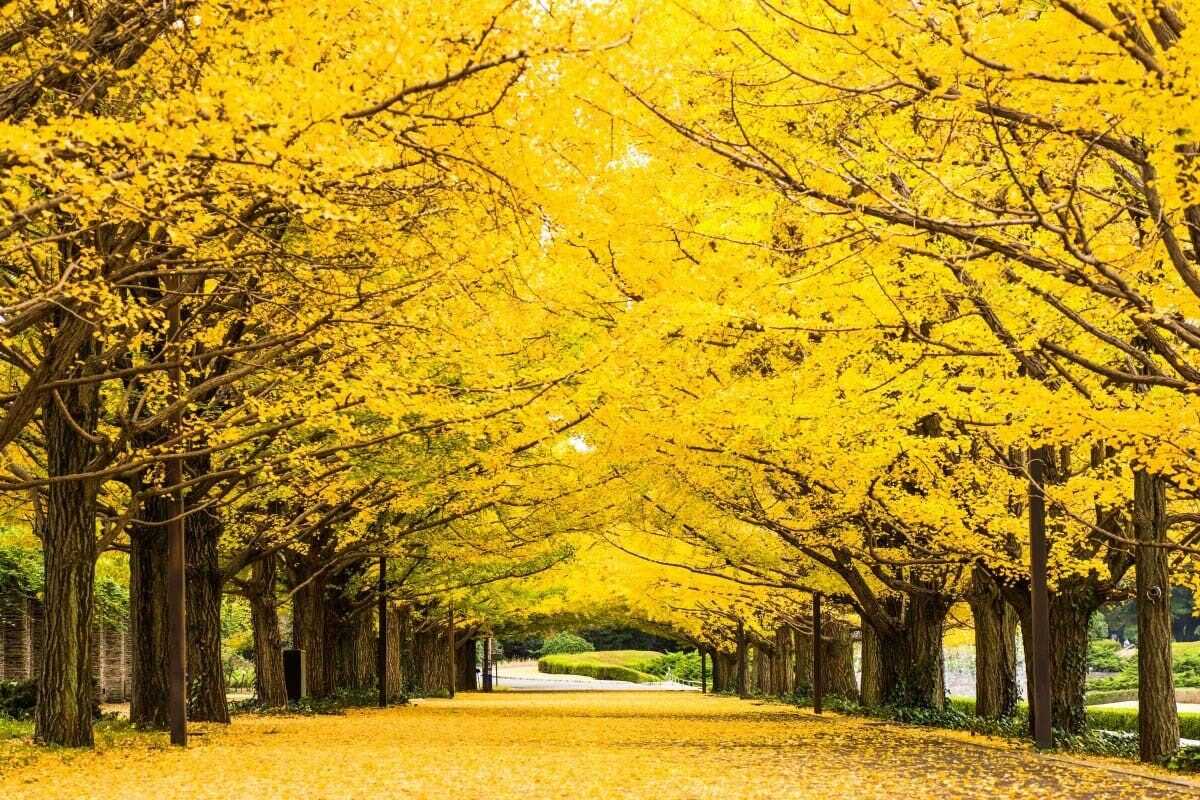
The ginkgo avenue is made up of about 146 to 148 distinctively cone-shaped ginkgo trees lined up neatly along a 300-meter boulevard. When the leaves turn pure gold they form an exquisitely romantic golden tunnel, the most representative golden scene of autumn in Tokyo and the Tokyo autumn image most often shared on social media.
Traffic controls are often in place on site: in the first half of the avenue cars are allowed in at certain times, while the second half is pedestrian-only. It gets crowded with visitors from all over the world, and quite a few people pick up fallen leaves as keepsakes. We recommend going early in the morning, when there are fewer people and you can get cleaner shots.
Benches are placed along some stretches of the avenue for visitors to rest, so it’s a lovely spot to sit with a hot drink and take in the golden scenery slowly, enjoying a rare, relaxed autumn afternoon in central Tokyo.

Classic Photo Spot at the Aoyama Entrance
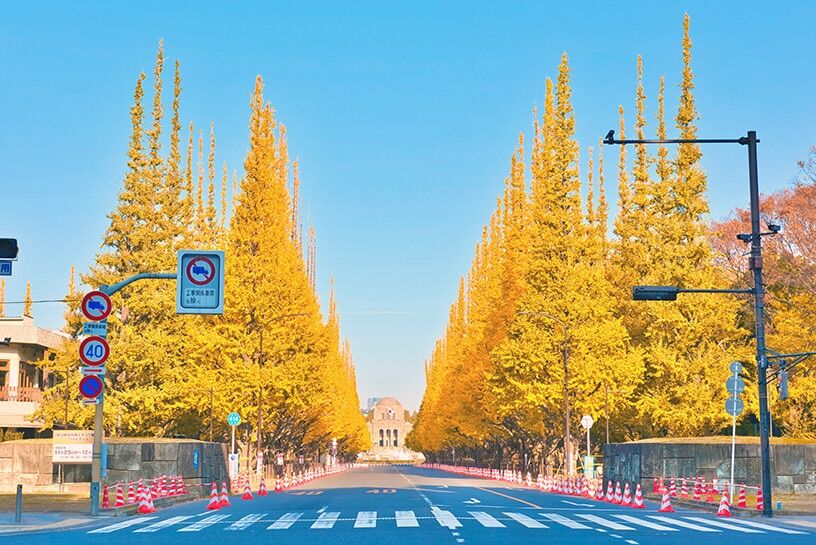
Looking from the Aoyama-dori entrance toward the Meiji Memorial Picture Gallery, the ginkgo trees descend in height and, through the perspective, frame the gallery perfectly in the center of the shot. It is a postcard-quality angle you shouldn’t miss.
The sidewalk in the middle of the avenue is good for low-angle shots looking up, which capture a dense canopy of gold. The “golden carpet” covering the ground in the fallen-leaf season is another popular subject, and a wide-angle lens works even better.
The Meiji Memorial Picture Gallery is currently undergoing seismic reinforcement and preservation repairs, scheduled until the end of May 2027. Scaffolding surrounds the building, so the view differs slightly from past years, and we recommend going early on a weekday morning.
The Crosswalk Shot (Take It Safely)
When the pedestrian light at the Aoyama entrance turns green, standing on the crosswalk lets you shoot the middle of the avenue with no vehicles blocking the view. It is a trick photography enthusiasts often use to capture an empty scene, avoiding passersby and cars and getting the cleanest composition.
Please put safety first: when the green light starts flashing, step back onto the sidewalk immediately, and never stand or linger beyond the lane dividers. During the peak season the site is crowded and the flow of people is complicated, so don’t let the photo make you forget about oncoming traffic.
During the peak season, traffic police or staff are often on site keeping order. Please follow their instructions when taking photos, and don’t occupy the crosswalk for long and get in other people’s way.

Ginkgo Avenue Night Illumination
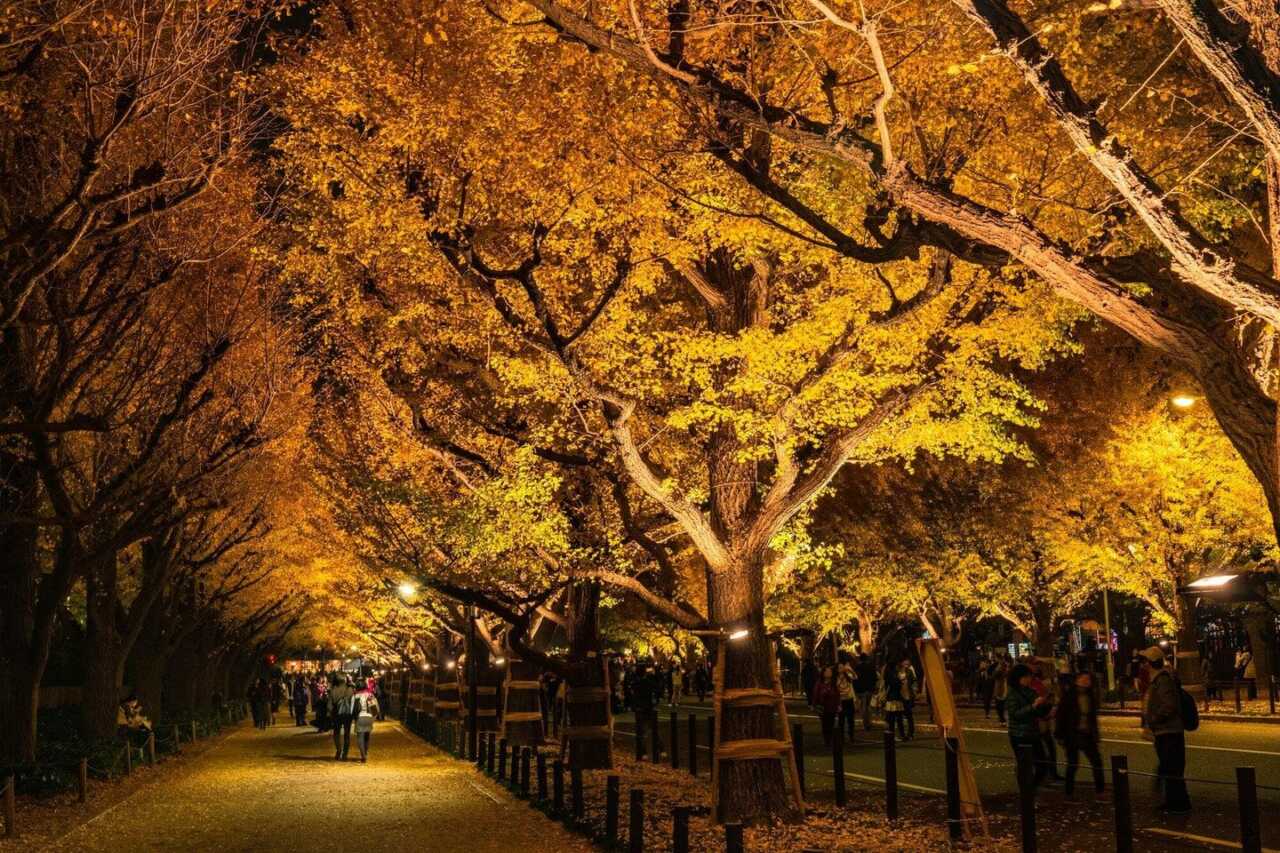
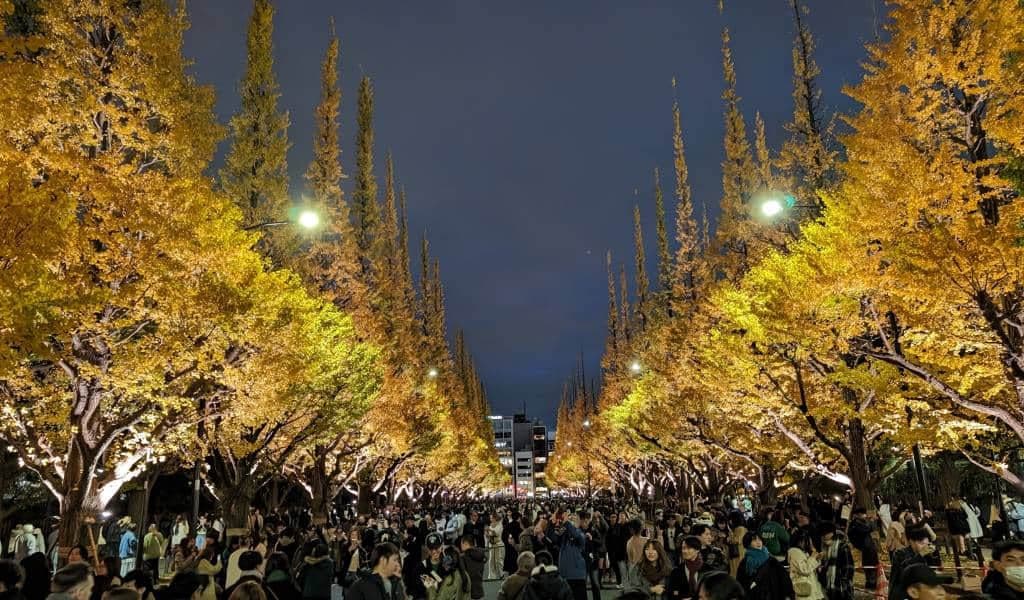
The 2026 illumination dates have not been announced yet. In 2025 it ran from November 22 to 30, from about 16:30 to 19:30 (organized by the Tokyo Metropolitan Bureau of Construction); for this year, follow the official announcement. Lit up, the ginkgo take on a softer, dreamier golden tone with a charm all its own.
In the past the illumination has also ended early in early December, so be sure to confirm the actual dates for the current year before you go so you don’t make the trip for nothing. It is cold in the evening, so dress warmly, and a windproof jacket is a good choice.
During the illumination the crowds are usually even bigger than during the day, so we recommend arriving early to claim a spot and get the angle you want for your night-foliage shots.
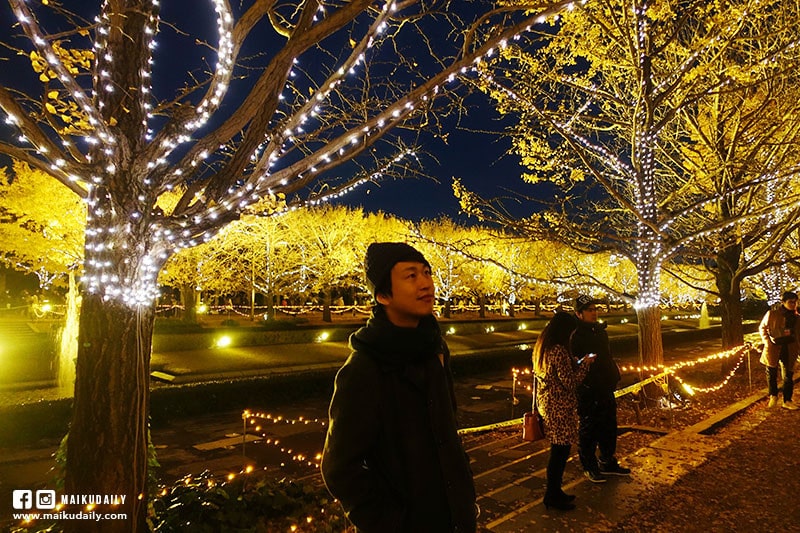
Showa Kinen Park: Ginkgo Walkway and Canal Ginkgo Avenue
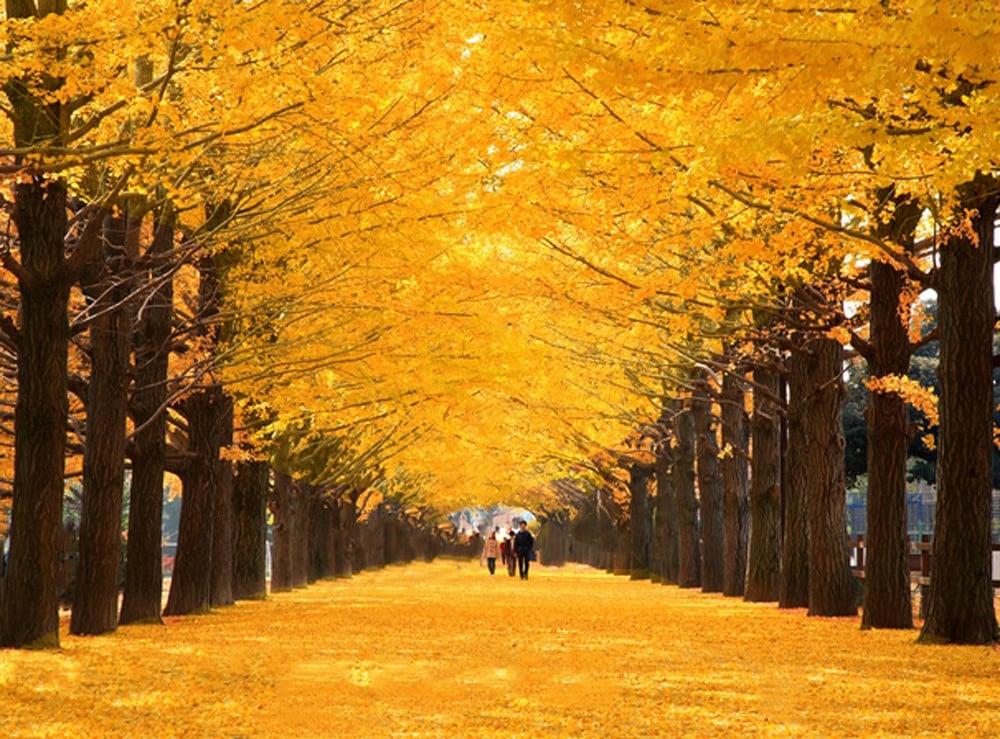
Showa Kinen National Government Park in Akishima is another popular ginkgo spot on the outskirts of Tokyo. The park has two ginkgo viewing areas, the ginkgo walkway and the canal ginkgo avenue. The grounds are vast and the crowds relatively spread out, making it ideal for a leisurely picnic that fills the whole day, with an openness that feels completely different from the city center.
The big lawns are often damp with morning dew in autumn, so bring a lightweight, moisture-proof picnic mat. The park also makes a good extension beyond Meiji Jingu Gaien for travelers who like a slower pace and don’t want to be surrounded by crowds, and it is well suited to a half day or more.
From Shinjuku, take the JR Chuo Line to Tachikawa Station, then transfer to the Ome Line to Nishi-Tachikawa Station; the Nishi-Tachikawa gate is about a 2-minute walk from the park. Admission is ¥450 for adults. Getting there is easier than you might think, and it works well as a half-day or full-day trip out of the city.
Yoyogi Park: Relaxed Ginkgo Scenery in the City Center
Yoyogi Park is not far from Meiji Jingu Gaien. It also has ginkgo trees dotted around, along with broad lawns and a fountain plaza, making it one of the few large parks in central Tokyo where you can picnic leisurely among the autumn colors, a good stop for travelers who like to slow down.
It fits nicely as a stroll after your Meiji Jingu Gaien visit, letting you feel the change in atmosphere from the lively avenue to a quiet park. It is also a favorite spot for locals walking their dogs, so you get a view of Tokyo’s autumn that feels closer to everyday life.
The park sits right next to Harajuku and Meiji Jingu, so you can combine shopping and ginkgo viewing in the same day and cover several kinds of sightseeing at once.
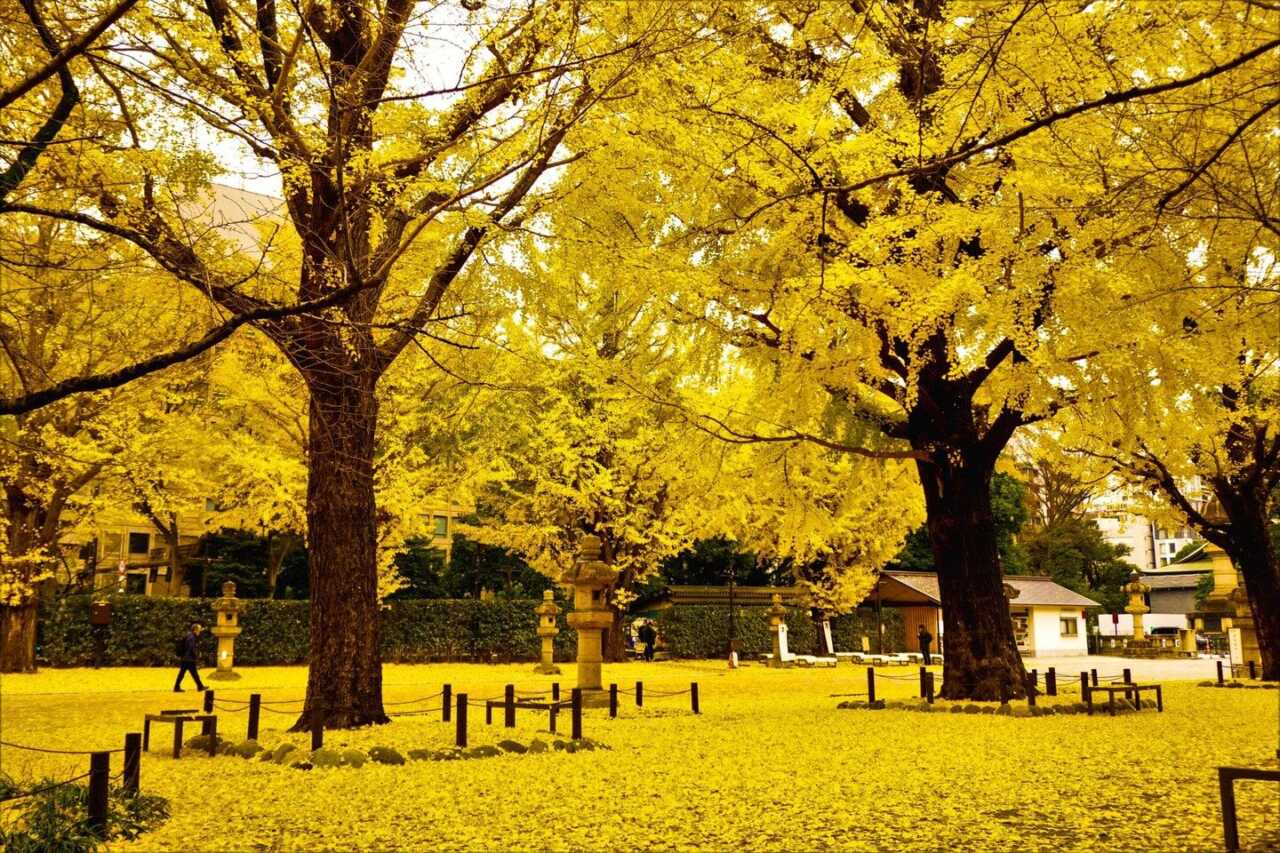
Koishikawa Botanical Garden: A Scholarly Hidden Spot for Ginkgo Viewing
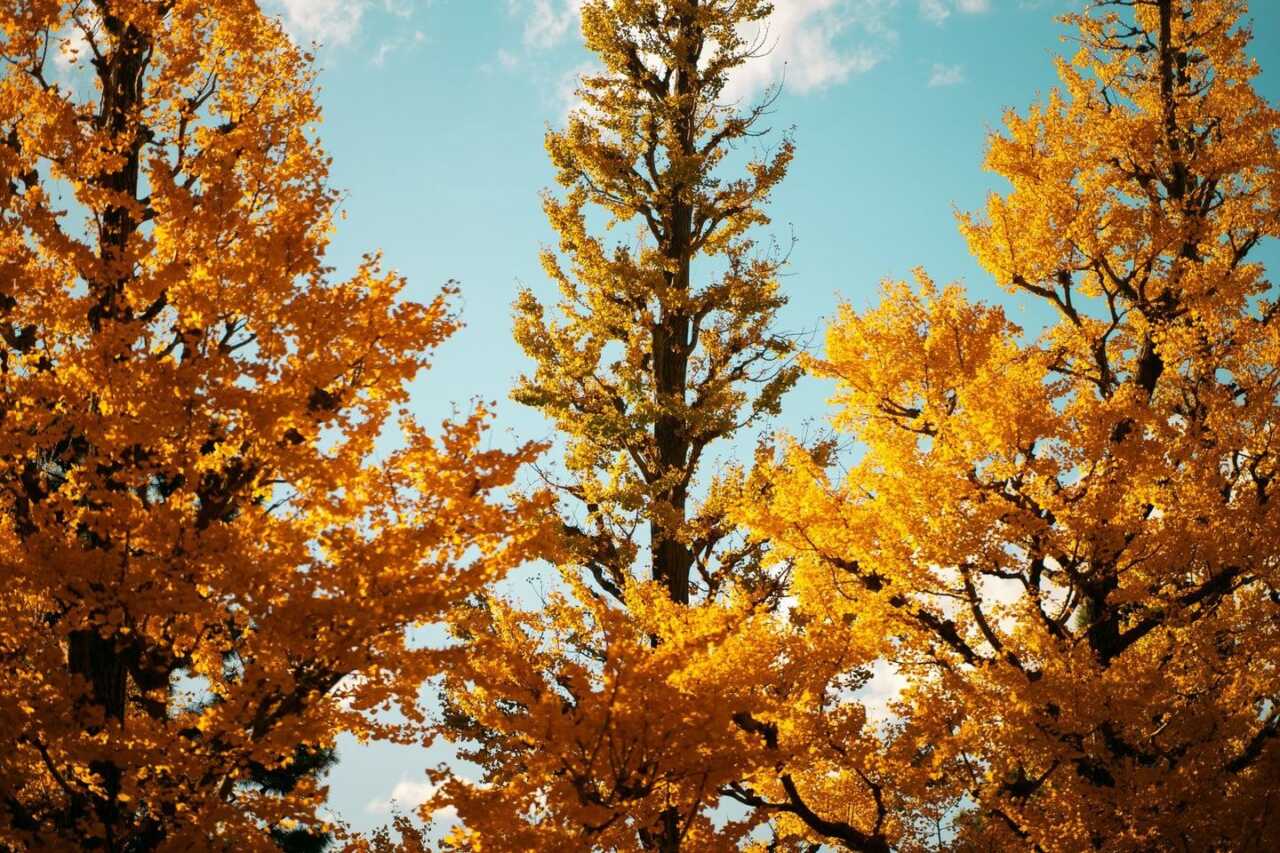
Koishikawa Botanical Garden belongs to the University of Tokyo and is one of the oldest botanical gardens in Japan. Its ginkgo trees are old and majestic, and combined with the scholarly atmosphere it is an insider’s pick for travelers who like quiet viewing away from the crowds.
Completely different from the bustle of Meiji Jingu Gaien, it works well as a tranquil stop in the middle of your itinerary, where you can savor another side of Tokyo’s autumn.
General admission is ¥500, and the garden is open 9:00 to 16:30 (last entry 16:00). It is closed on Mondays (if Monday is a holiday, it closes the next day instead). Please double-check the hours on the day before you go.
Gotokuji Temple: A Setagaya Hidden Gem Where Cats and Ginkgo Meet
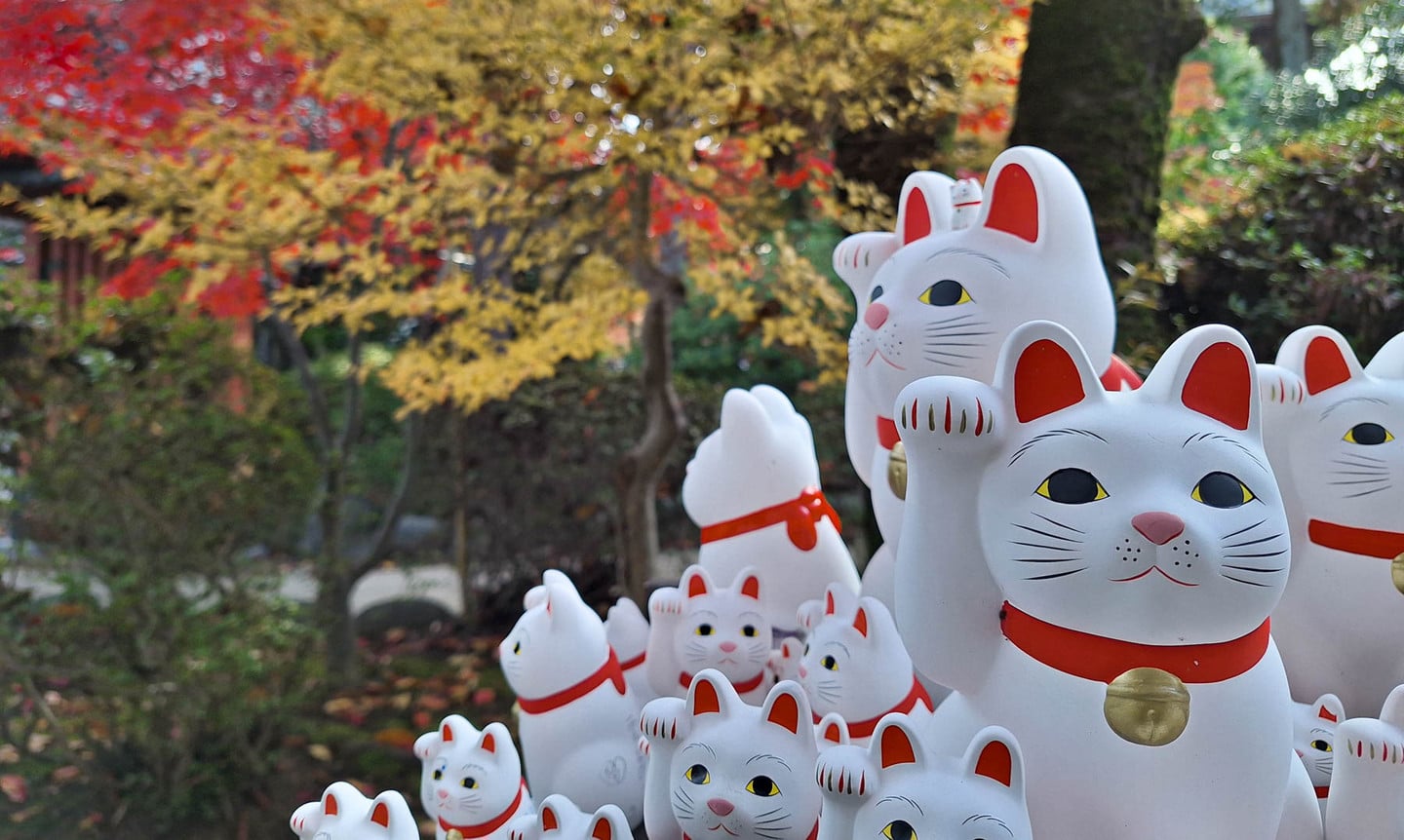
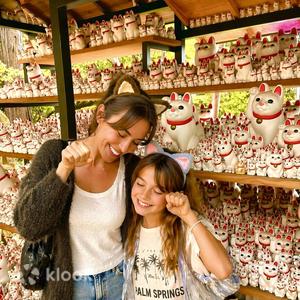
Gotokuji Temple in Setagaya Ward is famous as the “birthplace of the maneki-neko (lucky cat)”, and its grounds are filled with white lucky-cat figurines of every size. In autumn, once the temple’s ginkgo trees turn yellow, the golden tones and the cute cat figurines complement each other beautifully, making it an Instagram hotspot and a pilgrimage destination for cat lovers.
It is a bit farther from Meiji Jingu Gaien, but it suits travelers who love cat culture and temple architecture as a separate half-day outing, showing a unique side of Tokyo beyond its ginkgo spots, with a charming contrast between temple buildings and adorable figurines.
From Shinjuku, take the Odakyu Line to Gotokuji Station and walk about 15 minutes, or transfer to the Tokyu Setagaya Line to Miyanosaka Station and walk about 5 minutes. Visiting the temple is free, and it works well as a half-day stroll around Setagaya.

Shake Shack Gaien
Right beside the entrance to the ginkgo avenue, this is the most popular American burger joint on site, with a spacious open-air seating area where you can bite into a juicy beef burger and crispy fries while admiring the falling golden ginkgo leaves up close. It is the top restaurant choice of the foliage season, though at peak mealtimes you often have to queue a little.
Lines are common at peak mealtimes, so we suggest avoiding the noon rush, or taking your food to go and eating it on a bench beside the ginkgo avenue while enjoying the view.
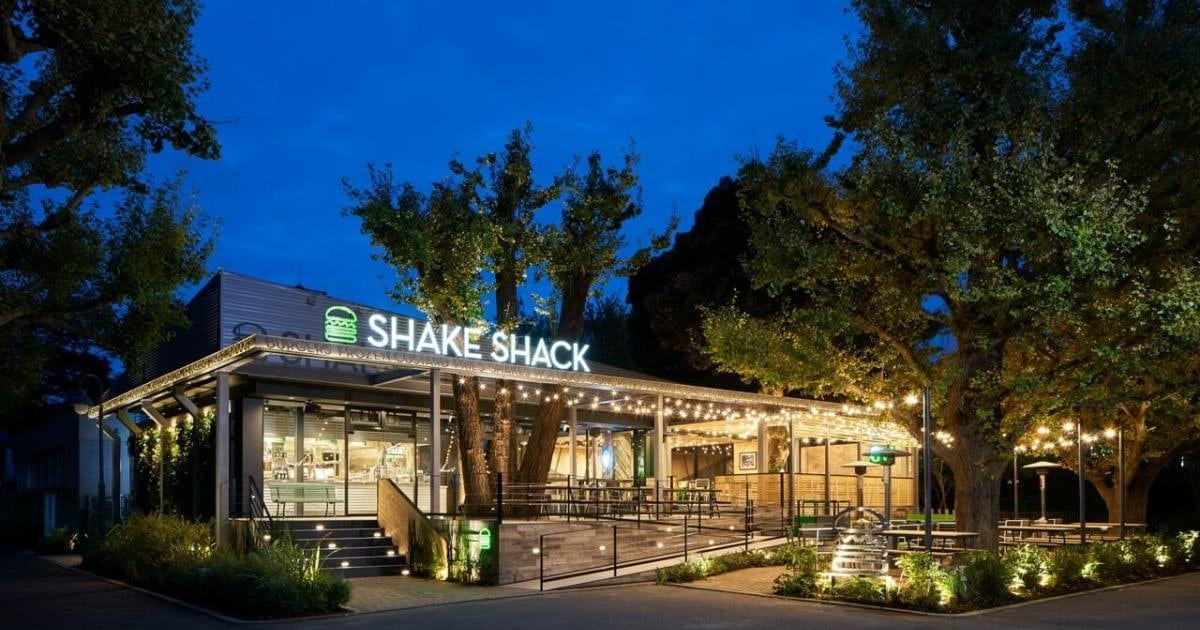

- 🍔 Must-order: ShackBurger, crispy fries
- 💰 Price: about ¥1,200-2,000
- 🚉 Access: right beside the entrance to the ginkgo avenue, a short walk
KIHACHI Aoyama
A well-known Italian-French restaurant right next to the ginkgo avenue, with an open-air terrace in the front row for the view. Enjoy refined Japanese-style Western dishes or the signature fruit mille crepe cake on an autumn afternoon. The spots are in high demand, so we strongly recommend booking early to secure a terrace seat for dining with a view.
Besides the terrace, the indoor dining area also offers views of the ginkgo through floor-to-ceiling windows, so there’s no need to be too disappointed if you can’t get a terrace seat.
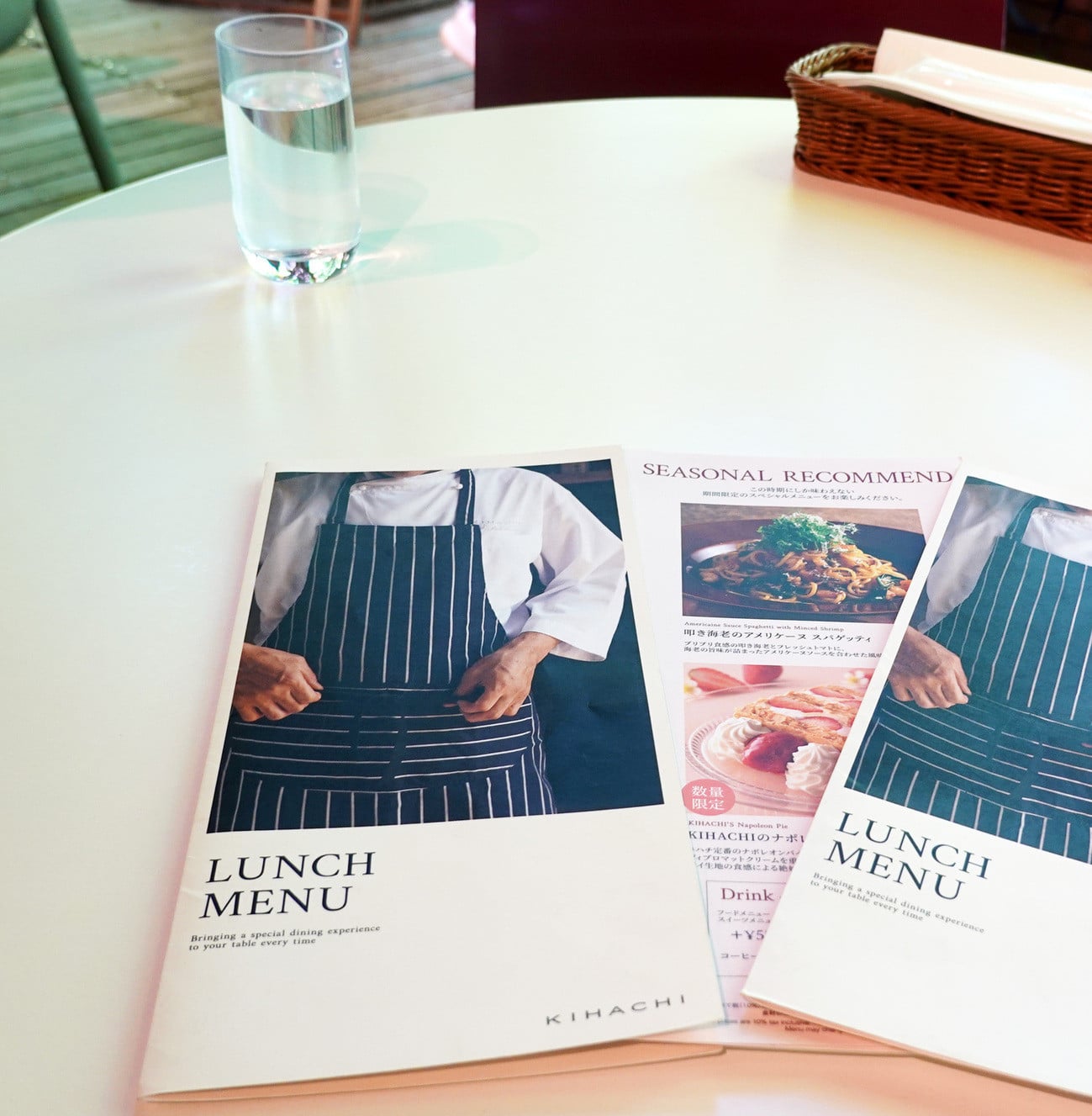
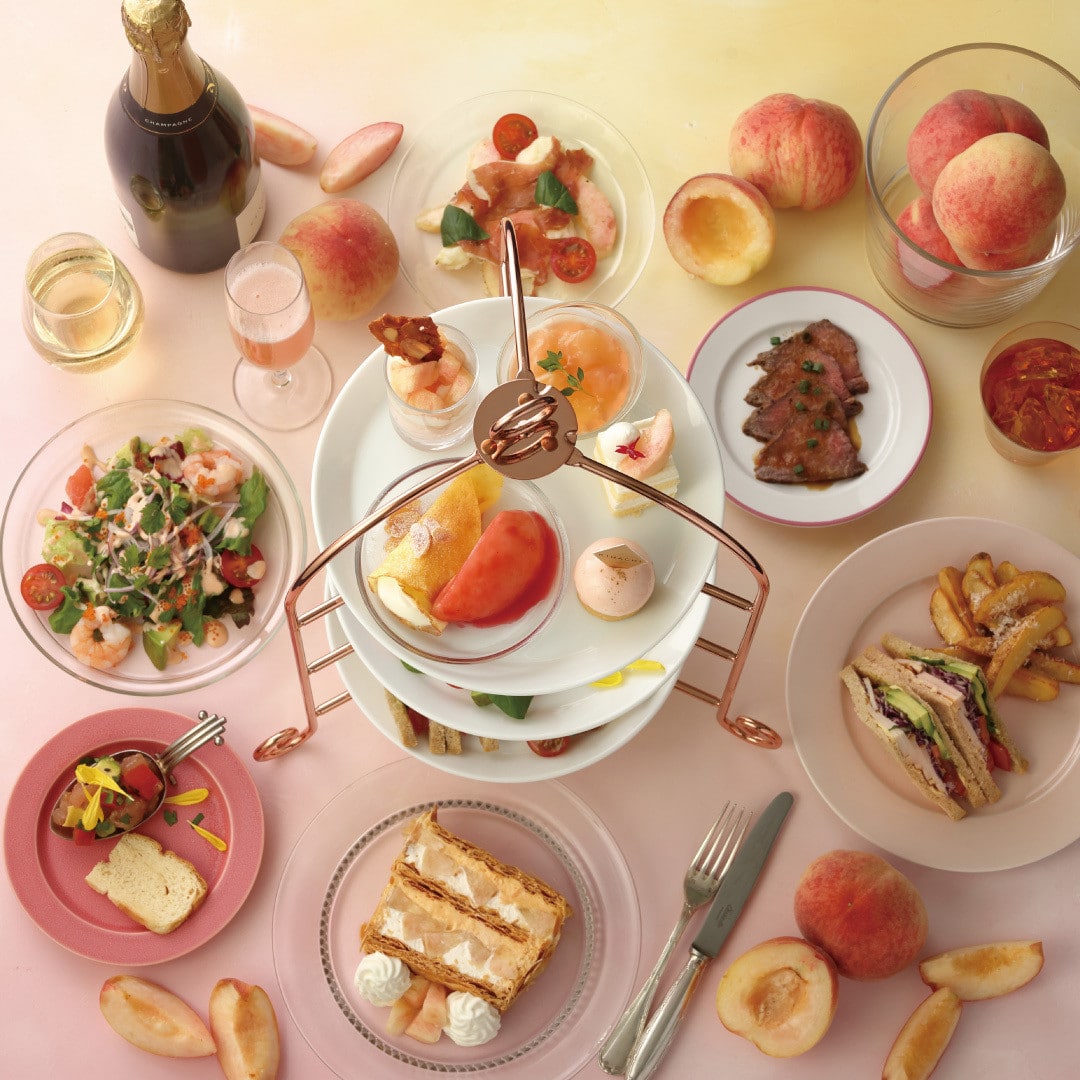
- 🍽️ Must-order: fruit mille crepe cake, Japanese-style Western set meal
- 💰 Price: about ¥2,500-5,000
- 🚉 Access: right next to the ginkgo avenue; reservations recommended
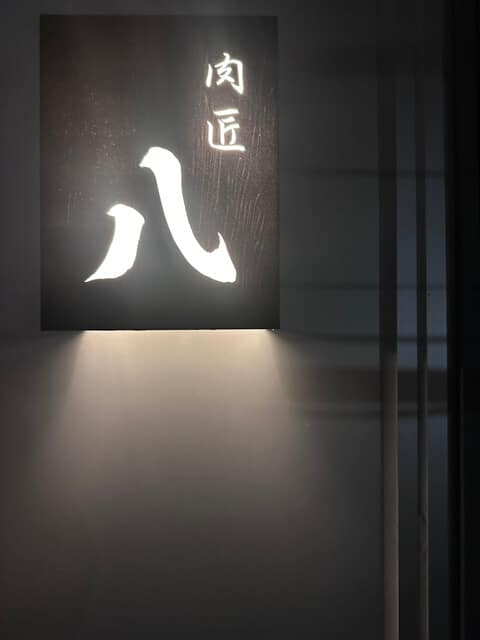
Nikusho Hachi (肉匠八)
A high-end wagyu yakiniku restaurant in the area with refined, private dining spaces where you can enjoy top-grade Japanese Black wagyu. It makes a perfect ending to a day of ginkgo viewing, a reward for yourself after completing the whole route, and it suits an evening visit after the night illumination.
The number of private rooms is limited, especially on weekend evenings, so we recommend booking by phone or online at least a week ahead to make sure you can get a seat.
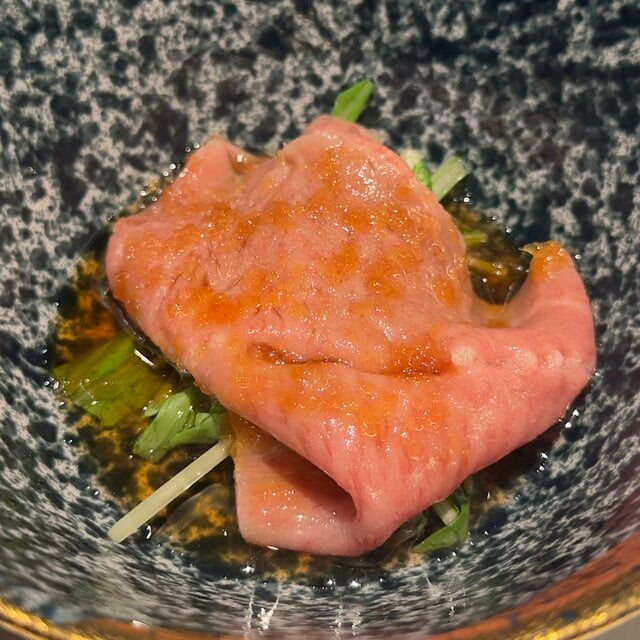
- 🥩 Must-order: Japanese Black wagyu set
- 💰 Price: from about ¥8,000
- 🚉 Access: around Meiji Jingu Gaien; reservations recommended
THE BELCOMO
An all-day restaurant on the 4th floor of The Aoyama Grand Hotel, serving a wide variety of dishes in a comfortable, spacious setting. It suits travelers who want to sit down for a proper meal after viewing the ginkgo without being jostled by crowds, and it also works for family gatherings or business meals.
The dining room inside the hotel is quiet and comfortable, ideal for travelers who want to escape the outdoor crowds and sit down to rest and eat, and it also offers a varied menu.
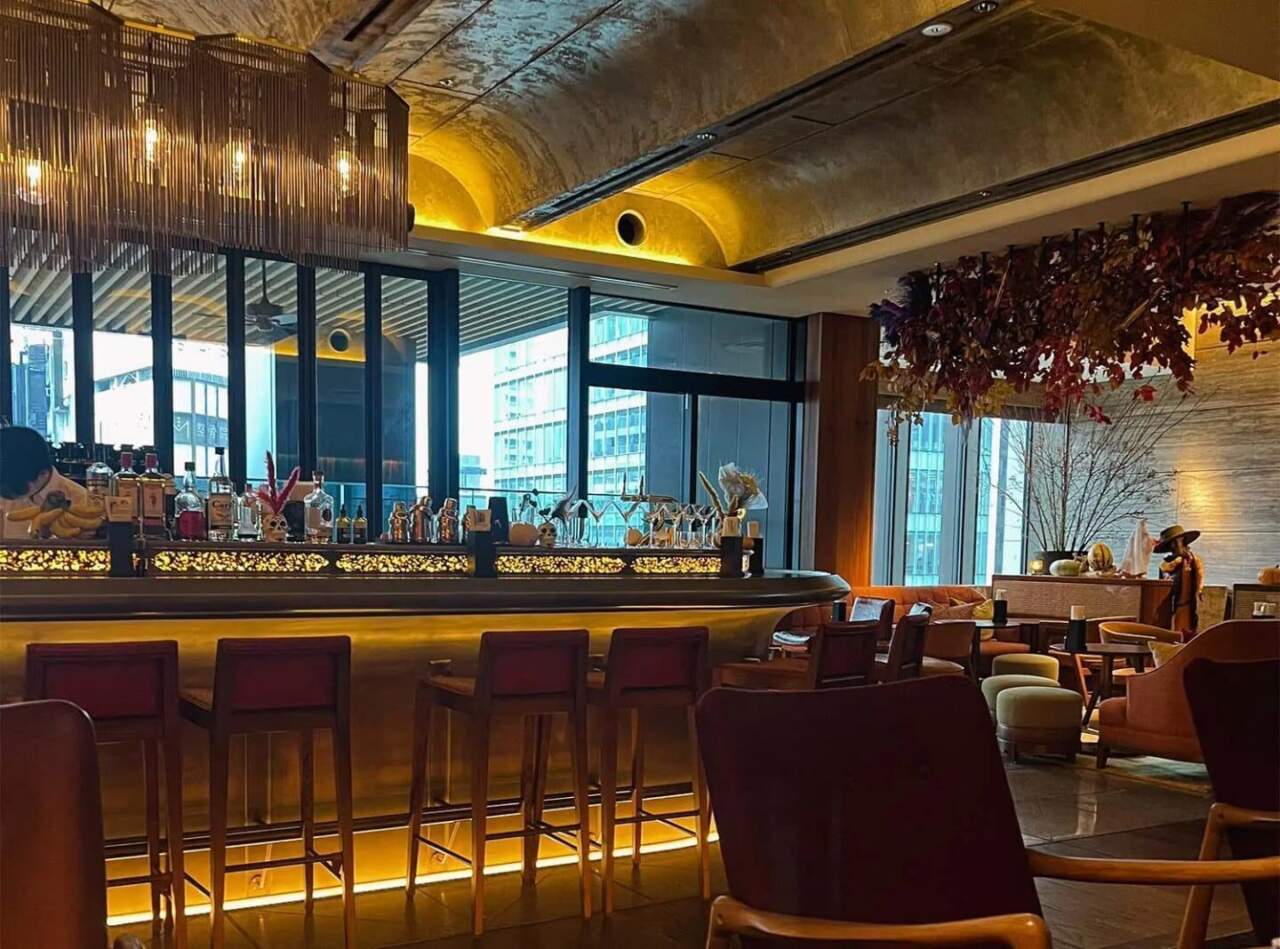
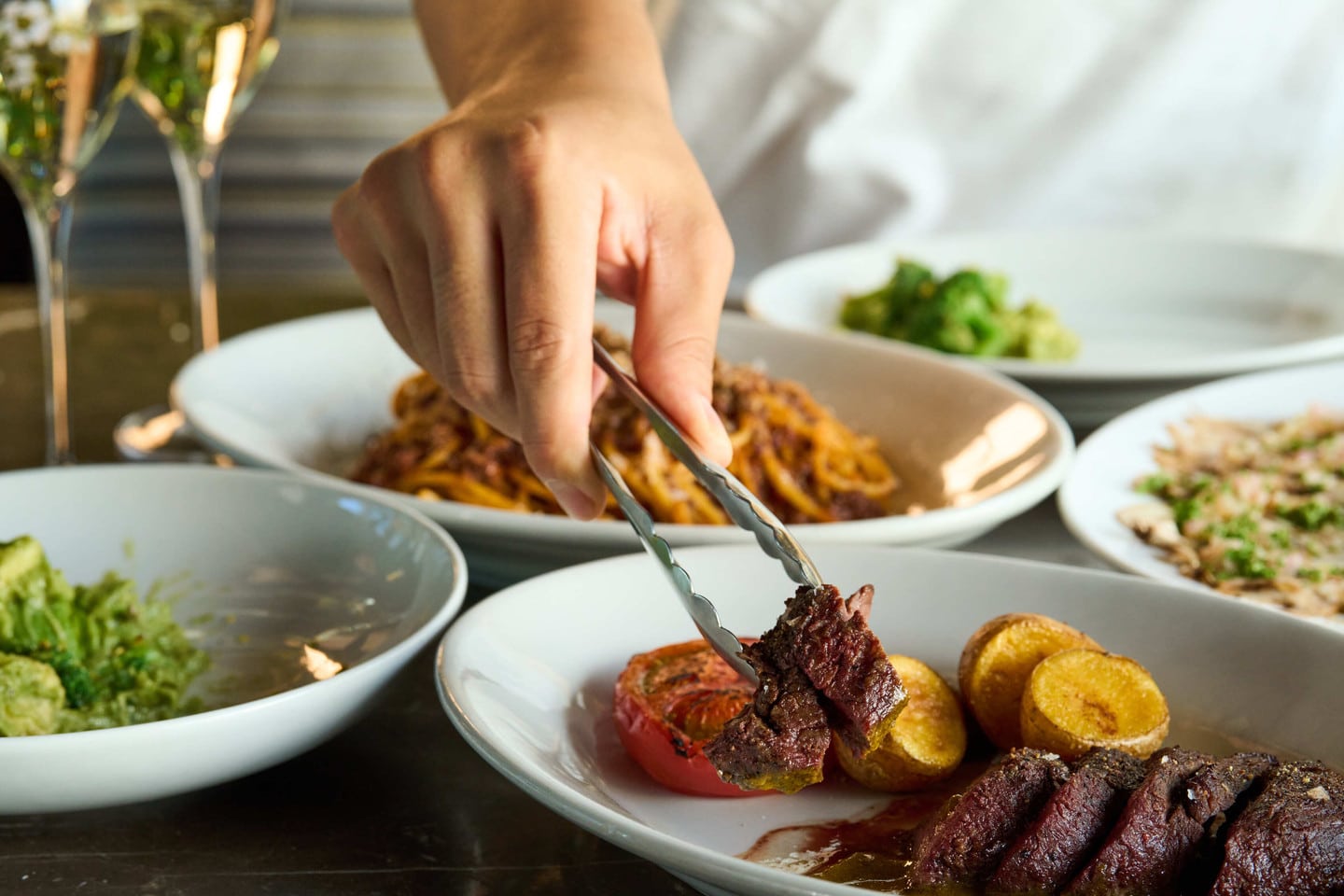
- 🍽️ Must-order: all-day set meals
- 💰 Price: about ¥2,000-4,000
- 🚉 Access: 4th floor of The Aoyama Grand Hotel
West Aoyama Garden (ウエスト青山ガーデン)
The flagship cafe of Ginza West, about a 2-minute walk from Nogizaka Station. Its signature “Leaf Pie” (リーフパイ) is the star product of this long-established Tokyo confectioner, and it makes a great souvenir to buy after viewing the ginkgo and bring home to share a taste of autumn with family and friends.
The shop also sells a range of classic Western-style confections. Besides the signature Leaf Pie, it’s a good place to pick up a few more as Tokyo souvenirs for family and friends.
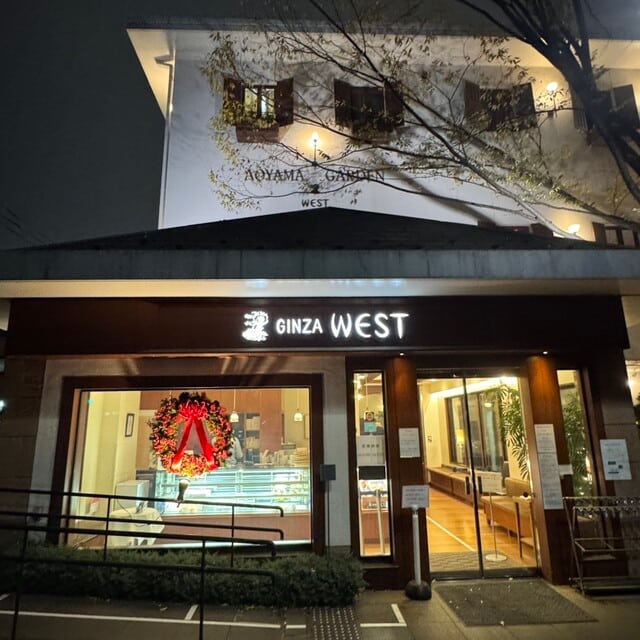
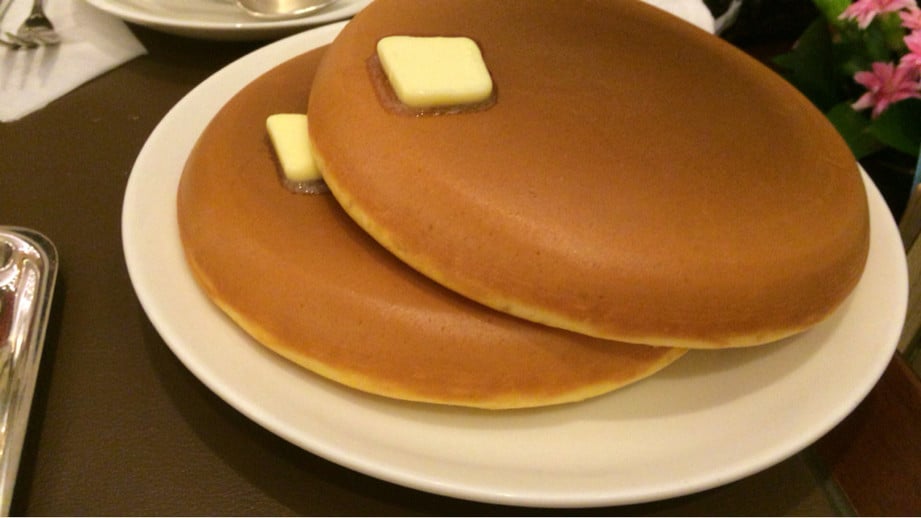
- 🍰 Must-order: signature Leaf Pie (リーフパイ)
- 💰 Price: about ¥800-1,500
- 🚉 Access: about a 2-minute walk from Nogizaka Station
Tickets and Tours
Meiji Jingu Gaien Ginkgo Avenue itself is free to enter. Below are practical tickets that link nearby attractions and make your ginkgo trip more efficient.
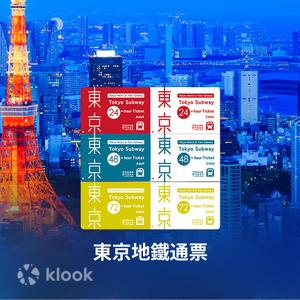
Tokyo Subway Ticket: Linking the Ginkgo with Nearby Sights
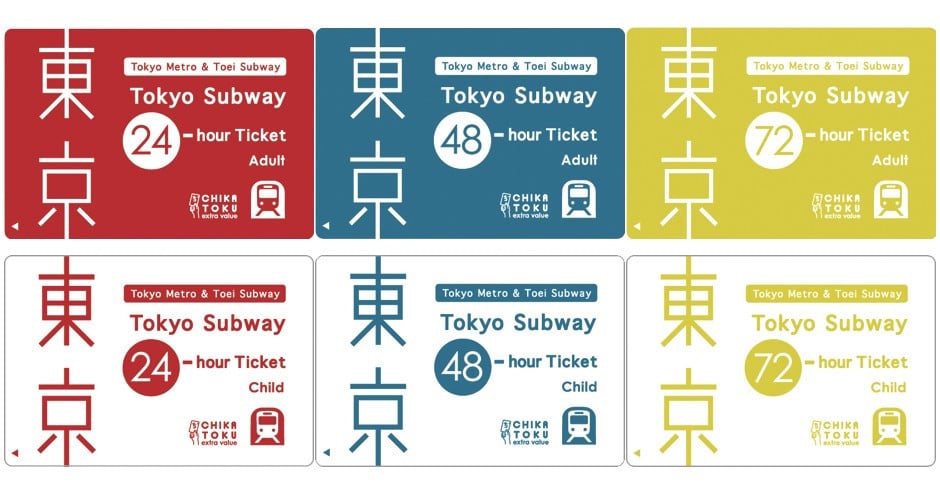
The Tokyo Subway Ticket gives unlimited rides on all Tokyo Metro lines, making it easy to plan a one-day itinerary covering several central Tokyo autumn spots such as Meiji Jingu Gaien, Shinjuku Gyoen and Rikugien, with no need to buy a ticket at every station.
We recommend it for travelers who plan to visit several spots in one day during the peak ginkgo season, as it can save a fair amount in fares and ticket-buying time.
The ticket can be bought at ticket machines or ticket counters at Tokyo Metro stations. It is simple to use and well suited to first-time independent travelers who aren’t familiar with Tokyo’s transit system.
Shinjuku Gyoen Tickets: Extending Your Central Tokyo Foliage Route
Shinjuku Gyoen is another popular foliage spot in central Tokyo. Like Meiji Jingu Gaien it is in the city center and reachable by subway, with general admission of ¥500. We recommend setting aside half a day to visit after the ginkgo and enjoy a different style of garden autumn color.
The garden is open 9:00 to 16:00 (closing at 16:30) and closed on Mondays (if Monday is a holiday, it closes the next day instead). On weekends in peak foliage season, arrive early.
The grounds are spacious, with French and English garden areas as well as the Japanese garden, making it ideal for travelers who like a variety of garden styles and want to see different scenery in a single day.
Rikugien Night Maple Illumination Tickets
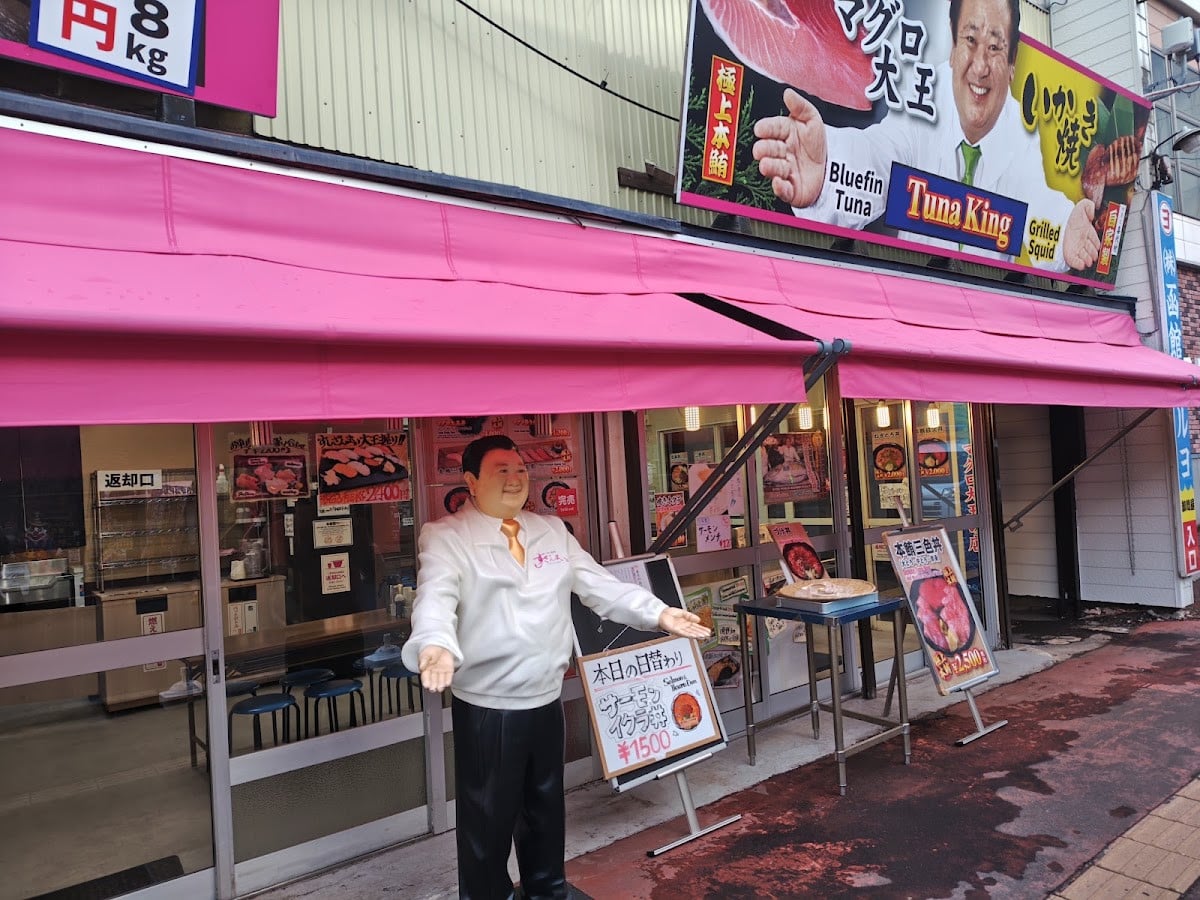
Rikugien is a famous Japanese garden in Tokyo. Tickets for its autumn night illumination are separate from daytime tickets, and night admission usually opens only after the garden is cleared in the evening. In 2026 it runs from November 25 to December 6, 18:00 to 20:30, with advance tickets at ¥1,000 (online only) and same-day tickets at ¥1,200. We recommend buying e-tickets in advance on the Tokyo Metropolitan Park Association website.
It pairs well with a visit to Meiji Jingu Gaien’s ginkgo, followed by a trip to Rikugien in the evening to enjoy the night maples.
Arrive early to line up for entry, which helps you avoid the most crowded period and enjoy the illumination at your own pace.
Tokyo Private Car Charter: Linking Several Autumn Spots with Ease
Travelers who don’t want to plan their own subway transfers can consider a Chinese-speaking private car charter in Tokyo, linking Meiji Jingu Gaien, Shinjuku Gyoen, Rikugien and other autumn spots in one go and saving the time spent transferring and checking timetables.
It is especially suitable for families traveling with older relatives or large luggage, and gives you more flexibility in the order of stops and how long you stay.
Where to Stay Nearby
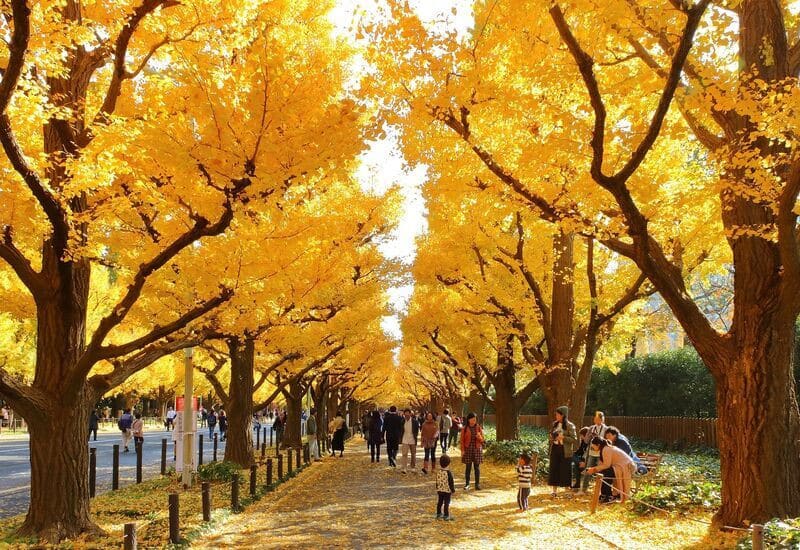
Meiji Jingu Gaien is close to Aoyama, Omotesando and Shinjuku, the best of central Tokyo, with a wide range of places to stay, making it a good base for experiencing city-center Tokyo life during ginkgo season.
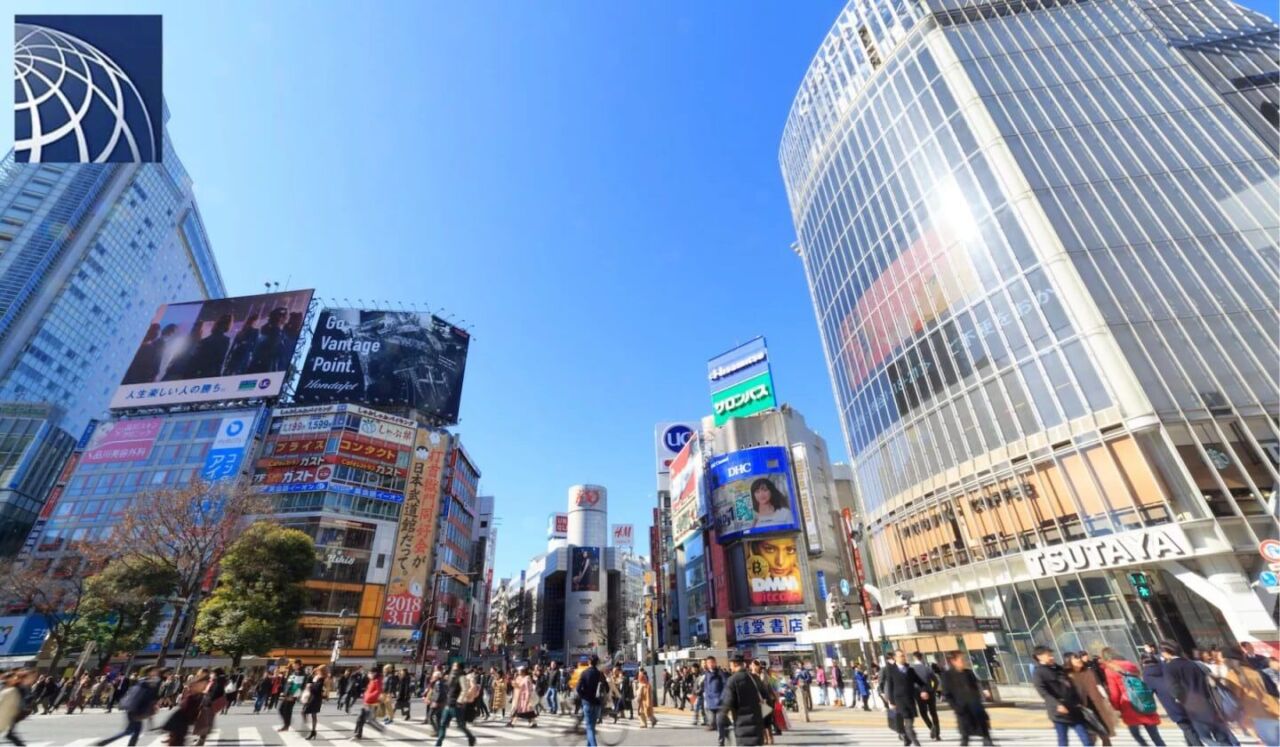
Aoyama, Omotesando and Shinjuku: Three Hotel Districts for a Side Trip
Around Aoyama-itchome and Gaienmae there are fewer hotels but great convenience, and the ginkgo avenue is a short walk away. It suits travelers who want to save transit time and focus their trip around Meiji Jingu Gaien. The Omotesando and Harajuku direction offers a wider choice of hotels and design boutique hotels, suiting travelers who like to shop along the way and soak up the fashionable neighborhood.
If your itinerary also includes Shinjuku Gyoen, Kabukicho and other Shinjuku-area spots, staying near Shinjuku Station is the most convenient for transport, with the widest choice of hotels, from business hotels to budget inns, making it a good home base for a multi-day trip around central Tokyo.
For detailed hotel comparisons, price ranges and booking tips, see our separate Tokyo accommodation guide for the pros and cons of each area at a glance.
Meiji Jingu Gaien Ginkgo FAQ
When Is the 2026 Tokyo Ginkgo Peak? The Best Time to See Meiji Jingu Gaien’s Ginkgo
2026 Tokyo ginkgo timing: the peak is forecast for November 26, with leaves starting to turn yellow in mid-November and the best viewing window running from late November to early December. The carpet of golden fallen leaves appears around early December, and even if you miss the peak on the branches, the fallen-leaf scenery is just as beautiful. Both Weathernews Inc. forecasts, on September 2 and October 1 (average year: November 23), give November 26 for Tokyo.
Can I Still See the Whole Ginkgo Avenue in 2026?
Yes. The organizers have confirmed that the iconic ginkgo avenue itself will not be felled. Although redevelopment is under way in the surrounding area and the walking routes may differ slightly, the ginkgo avenue itself will remain fully open for viewing.
Is There a Jingu Gaien Ginkgo Festival in 2026?
The traditional “Icho Matsuri” (いちょう祭り) has in recent years turned into the “Mori no Shokunin-ten” (森の職人展). The 2026 dates have not been announced yet, so please follow the official source; the scale differs from past years, so don’t expect a large festival.
Do I Need a Ticket to See the Meiji Jingu Gaien Ginkgo?
The ginkgo avenue itself is free to enter and requires no ticket. Only the on-site paid parking lot (¥2,000 per entry for a standard car) is worth noting; if you go by public transportation, there is no extra cost at all.
What Is the Easiest Way to Get to Meiji Jingu Gaien Ginkgo Avenue?
We recommend the Tokyo subway. Exit 4a at Gaienmae Station (Ginza Line) is the fastest entrance, about a 3-5 minute walk, and Aoyama-itchome Station and Kokuritsu-Kyogijo Station are also both within a 10-minute walk.
Besides Meiji Jingu Gaien, Where Else Can You See Ginkgo in Tokyo?
We recommend Showa Kinen Park (ginkgo walkway and canal ginkgo avenue), Yoyogi Park, Koishikawa Botanical Garden and Gotokuji Temple. Each is a distinctive Tokyo ginkgo spot, and the crowds are relatively spread out.