
2026 Roppongi Shopping Guide: Elegant Tokyo Shopping and Art Landmarks
Shopping in Roppongi centers on three places: Roppongi Hills (the widest range of brands), Tokyo Midtown (quality souvenirs) and Azabudai Hills (the newest landmark). They are all connected on foot, and you can cover them in half a day to a full day.
Is Roppongi good for shopping? Yes. Beyond the malls, there is the Mori Art Museum and the Tokyo City View observation deck, and the winter illuminations are a highlight too. Shopping, exhibitions and night views are all within walking distance.
- 🛍️ Shopping picks: the Roppongi Hills shopping arcade and Tokyo Midtown
- 🎨 Attractions: Mori Art Museum, Tokyo City View observation deck, 21_21 DESIGN SIGHT, Suntory Museum of Art
- 🎁 Must-buys: Roppongi Hills limited-edition souvenirs and stationery from Tsutaya Books (see the must-buy section below)
Roppongi Hills: A Multi-Purpose Shopping Landmark in the City Center
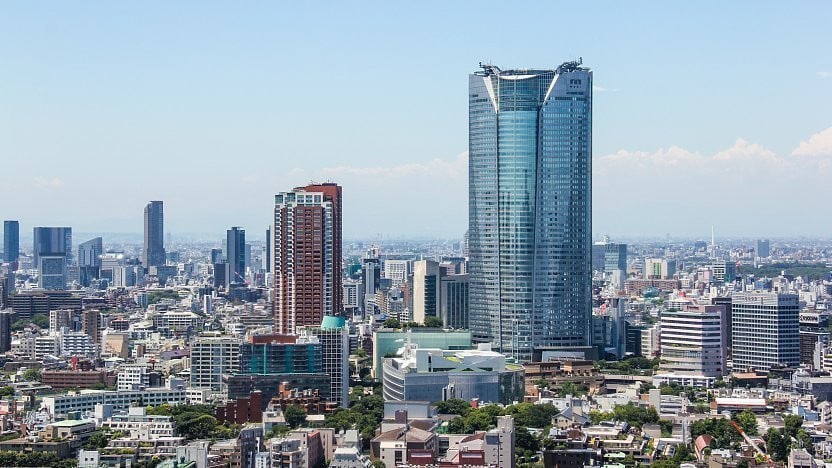
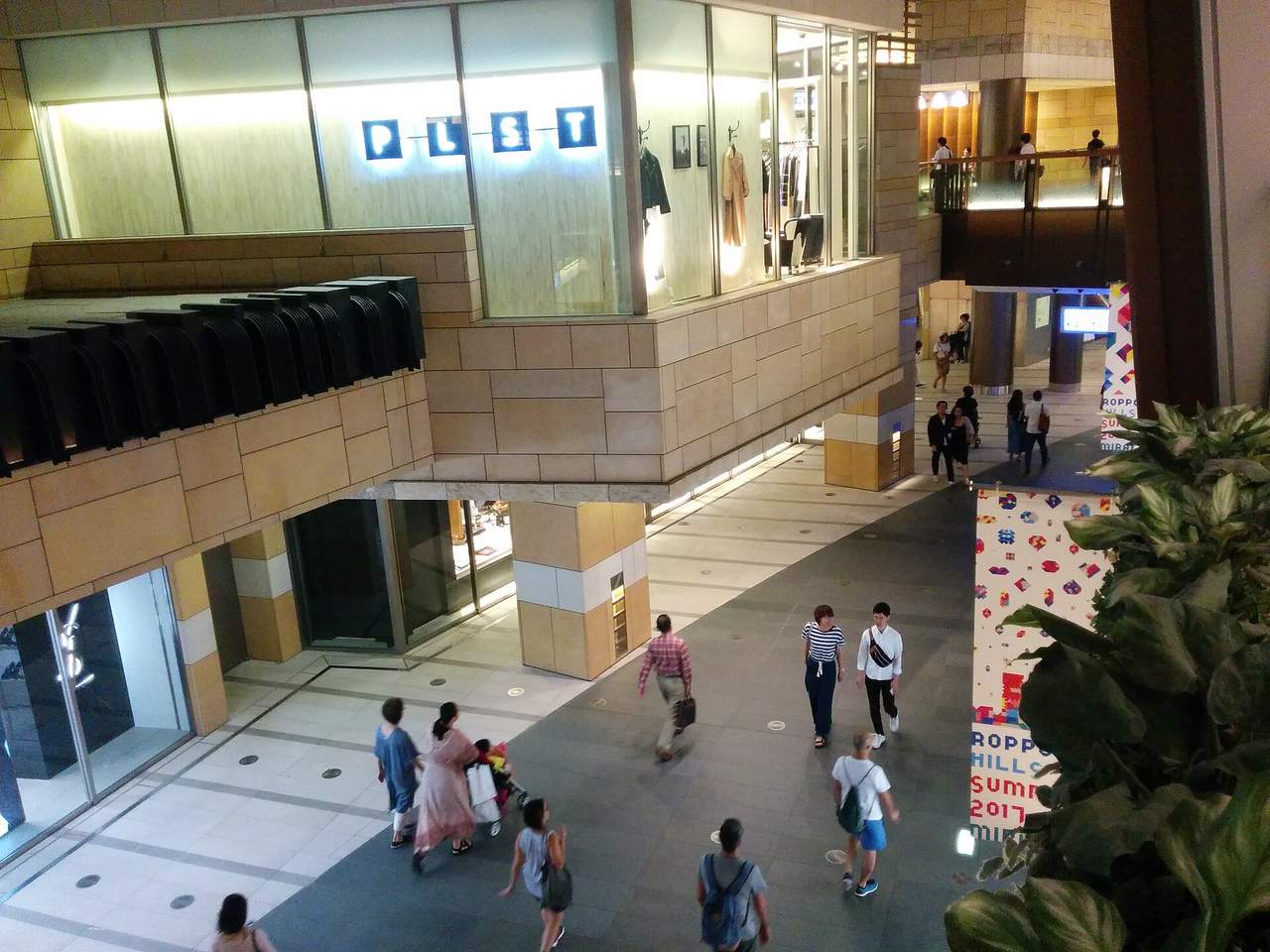
Shopping at Roppongi Hills revolves around Mori Tower, which holds more than 200 shops and restaurants and is the top choice for shopping in Roppongi.
- 🛍️ Covers international luxury and Japanese designer brands
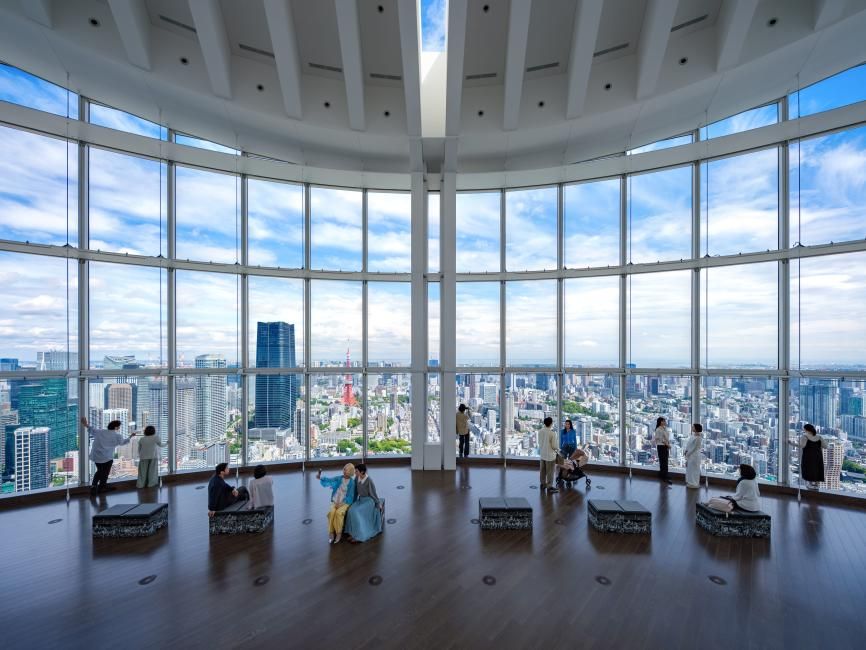
- 🎨 The complex includes the Mori Art Museum and the Tokyo City View observation deck, so plan on at least half a day
- 🚉 Shop during the day, catch the night view at dusk, and stroll Keyakizaka Street for the lights at night
According to the Roppongi Hills official website, shops are open 11:00-20:00 and restaurants 11:00-23:00, with slight differences from store to store, so check the official site before you go.

Tokyo Midtown: A Quality Mall Blending Greenery and Design
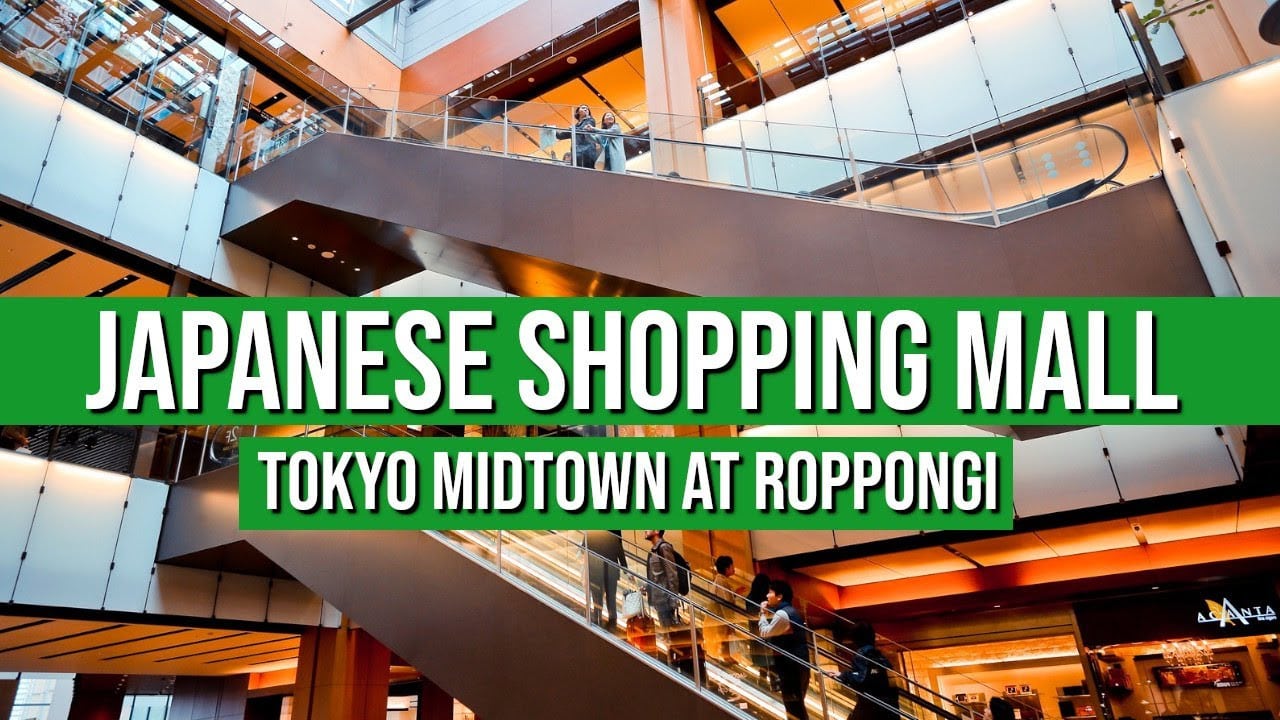
Tokyo Midtown is designed around the idea of “living with greenery,” combining large lawns with commercial facilities, and it is the most refined place to shop in Roppongi. Inside you will find fashion, lifestyle goods, a design bookstore and Michelin-starred restaurants, and the B1 floor has a supermarket and famous dessert shops that are ideal for picking up souvenirs.
You can see cherry blossoms in spring and the Midtown Christmas lights in winter, so the area looks different in every season.
Opening hours vary by store, so check the official website before you go. For access, it connects directly to Exit 8 of Roppongi Station on the Toei Oedo Line.
Azabudai Hills: The New Landmark with Japan’s Tallest Building
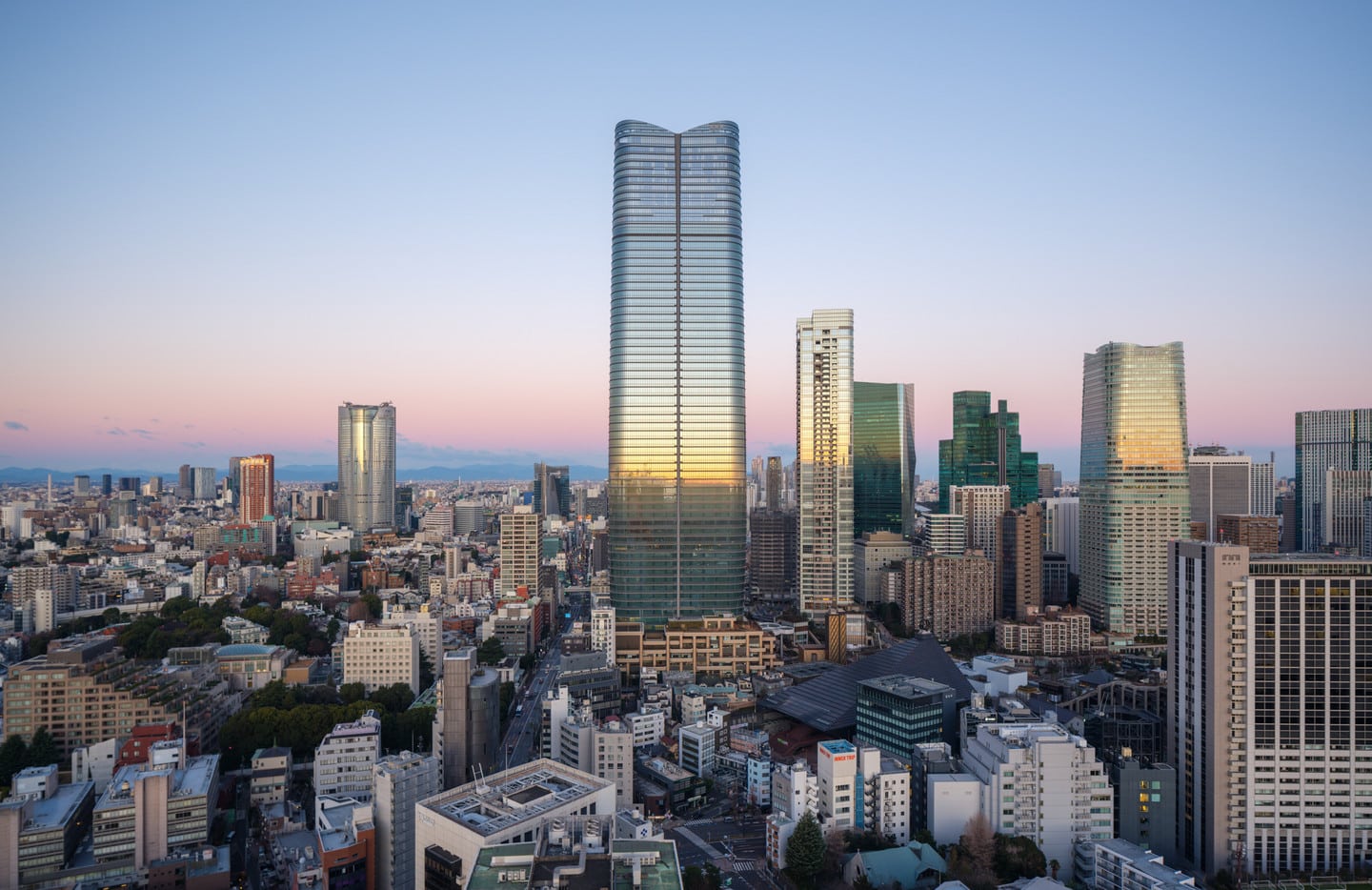
Opened at the end of 2023, Azabudai Hills is Roppongi’s newest landmark. Led by Mori JP Tower, the tallest building in Japan, it integrates shopping, offices, residences and green gardens, and is one of Tokyo’s most closely watched mixed-use developments. The shops emphasize health, sustainability and international appeal, and the complex is also the new home of the teamLab Borderless digital art museum. We suggest visiting in the evening and strolling the green gardens; for business information, see the Azabudai Hills official website (azabudai-hills.com). The grounds are open year-round and most shops stay open until 8 p.m. Museum tickets are sold separately.
How to Shop Roppongi: The Three Malls Compared, Signature Brands and a Shopping Map
The most common worry for first-time visitors is “all three malls look upscale, so what is the difference?” In fact, the stores at Roppongi Hills, Tokyo Midtown and Azabudai Hills are quite different. Once you understand how each is positioned, you can decide the order of your visit based on budget and taste. The store lists below were compiled from each mall’s official website in September 2026; brands come and go, so check the official store directories before you go.
| Mall | Shopping focus | Signature brands / stores (from official store lists) | Hours (official site) | Station access |
|---|---|---|---|---|
| Roppongi Hills | International luxury plus Japanese trend-driven select shops; the most stores | LOUIS VUITTON, GUCCI, BOTTEGA VENETA, Cartier, Tiffany & Co., BEAMS, UNITED ARROWS, Onitsuka Tiger, LEGO Store, Roppongi Tsutaya Books | Shops 11:00-20:00 / Restaurants 11:00-23:00 | Direct from Exit 1C of Roppongi Station (Hibiya Line); about 4 minutes on foot from Exit 3 of Roppongi Station (Oedo Line) |
| Tokyo Midtown | Japanese design, lifestyle goods and premium food souvenirs | ISSEY MIYAKE, HARRY WINSTON, Itoya, Nakagawa Masashichi Shoten, Nihonbashi Kiya, Toraya, Kayanoya, pâtisserie Sadaharu AOKI paris, UNIQLO, MUJI | Shops 11:00-20:00 / Restaurants 11:00-23:00 / Food and cafes 11:00-21:00 | Direct from Exit 8 of Roppongi Station (Oedo Line); direct via underground passage from Roppongi Station (Hibiya Line) |
| Azabudai Hills | A new mall opened in 2023, themed around health, sustainability and art | Mori Building Digital Art Museum (teamLab Borderless), among others | Varies by store; check the official website | Exit 5 of Kamiyacho Station (Hibiya Line); direct from Exit 4 of Roppongi-itchome Station (Namboku Line) |
Roppongi Hills leans toward fashion: the official store list has more than 40 men’s and women’s stores each, and besides luxury labels there are more accessible brands such as ZARA, lululemon and HOKA. For beauty and fragrance there are JO MALONE LONDON, SABON and LE LABO, and families can visit the LEGO Store. Tokyo Midtown, meanwhile, is the must-visit base for “Japanese design souvenirs” in Roppongi: Galleria 3F gathers lifestyle shops such as Itoya, Nihonbashi Kiya and Hashicho, and B1 has famous food shops such as Toraya, Kayanoya and Sadaharu AOKI. If you want souvenirs that feel refined without costing too much, this is the most efficient place to go.
Suggested shopping route: if you only have half a day, enter Roppongi Hills from Roppongi Station (Hibiya Line), work your way along Keyakizaka Street, then walk to Tokyo Midtown, also near Roppongi Station, to finish. Both have official floor maps you can download from their websites in advance. Azabudai Hills is farther from Roppongi Hills; its official site lists about 10 minutes on foot from Roppongi Station, so add it if you have time. You do not need a separate Roppongi shopping map: the floor maps on each mall’s website plus Google Maps are enough for planning.
National Art Center, Tokyo: Architecture and Art in a Column-Free Space
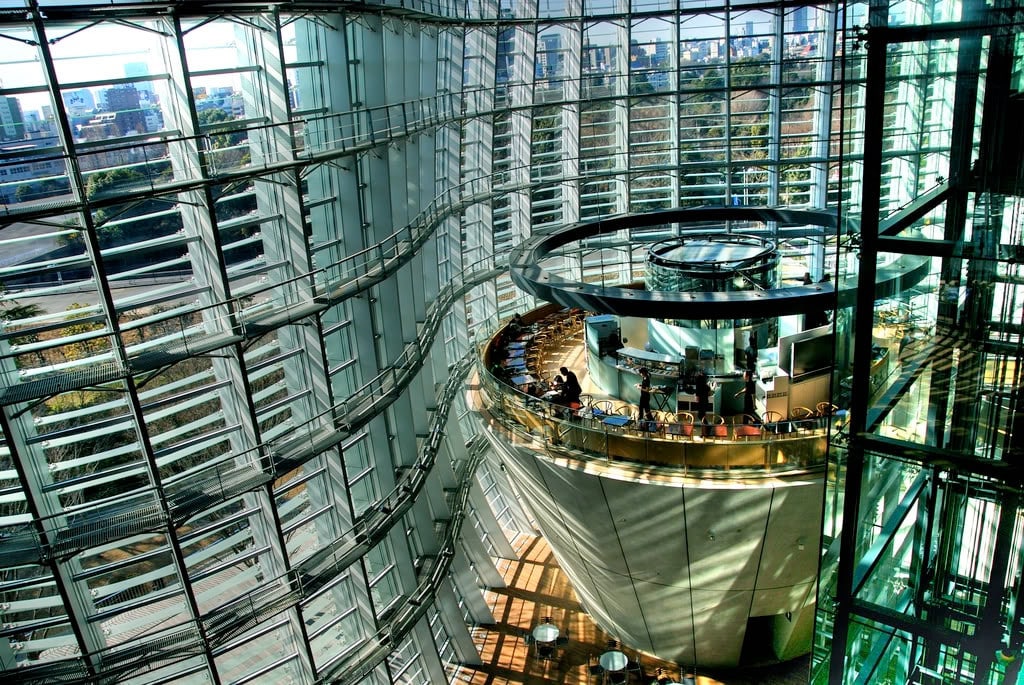
The National Art Center, Tokyo is known for its wavy glass curtain-wall facade and is one of the largest exhibition facilities in Japan. It has no permanent collection and holds multiple special and open-call exhibitions throughout the year. The building was designed by the renowned architect Kisho Kurokawa, and its high-ceilinged, column-free interior is an attraction in itself.
It is open 10:00-18:00 (until 20:00 on Fridays and Saturdays) and closed on Tuesdays. Tickets vary by exhibition, at about ¥1,000-2,000. The museum has a cafe and a shop, and a visit of 1-2 hours is a good fit.
- 🕘 Opening hours: 10:00-18:00 (admission until 30 minutes before closing)
- 🎫 Admission: No permanent exhibition; each special exhibition charges separately (prices vary by exhibition; please refer to the official announcement)
- 📅 Closed: Every Tuesday (open if Tuesday is a public holiday or substitute holiday, and closed the next weekday instead)
- 🔗 National Art Center, Tokyo official website
Mohri Garden: A Japanese Garden Oasis in the City
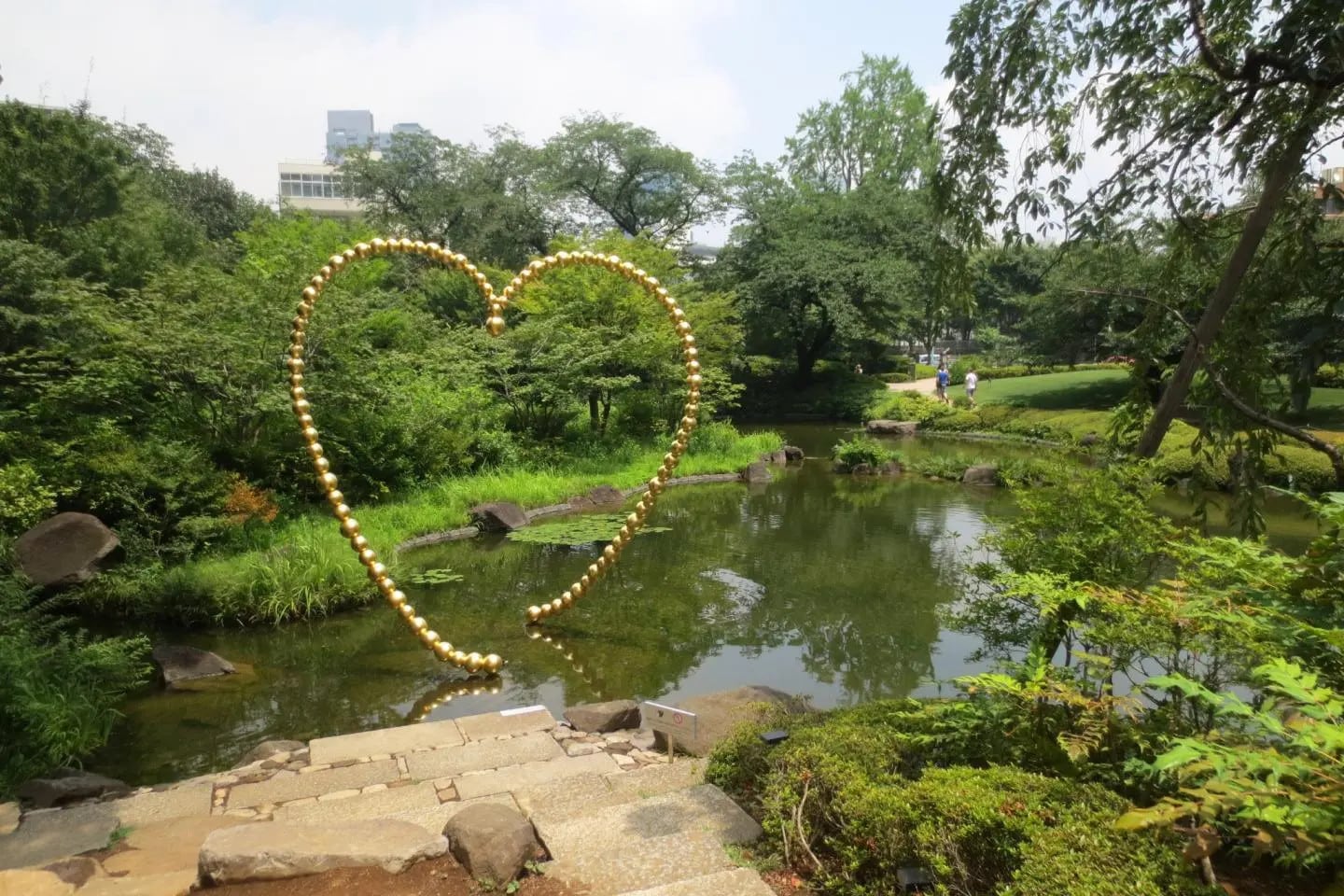
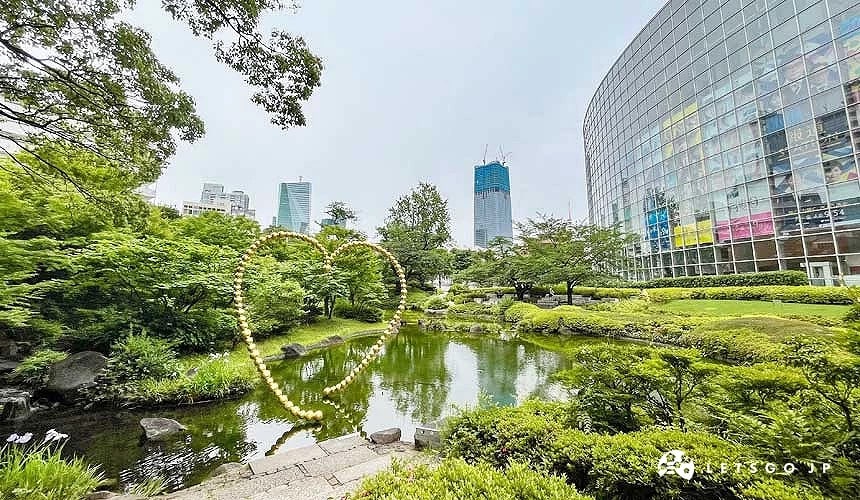
Located in the middle of Roppongi Hills, Mohri Garden preserves the pond-and-stroll design of an Edo-period daimyo garden. Surrounded by high-rises yet tranquil in its own world, it is a wonderful place to unwind between shopping stops. The garden has a waterfall, a koi pond and walking paths, and it is beautiful with cherry blossoms in spring and autumn leaves in fall.
Admission is free and it is open year-round. We suggest visiting around dusk, when the lights of Mori Tower and the garden’s night scene combine into a unique view, making it a hidden gem for photography lovers.
Hie Shrine: The Guardian Shrine of Akasaka and Nagatacho
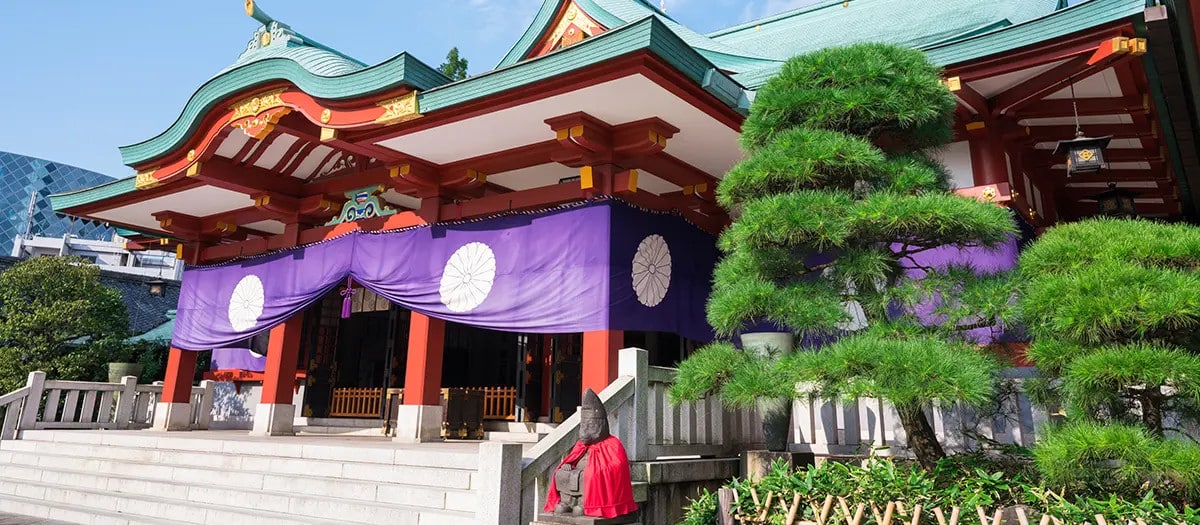
Hie Shrine enshrines Oyamakui no Kami and was one of the guardian shrines of the Tokugawa family in the Edo period. The shrine buildings keep the traditional Shinmei-zukuri architectural style, and the grounds’ rows of torii gates, though smaller than Fushimi Inari’s, have a charm of their own. After paying your respects you can pick up an omamori charm, and the shrine office also offers goshuin stamps.
According to the Hie Shrine official website (hiejinja.net), the gates are open 6:00-17:00, and the amulet and goshuin offices are open 8:00-16:00. The shrine is in Nagatacho, Chiyoda City, and the nearest station is Akasaka Station, about 3 minutes on foot. It is best planned separately from your Roppongi shopping itinerary.
Roppongi Museum: An Experiential Venue with Varied Themes
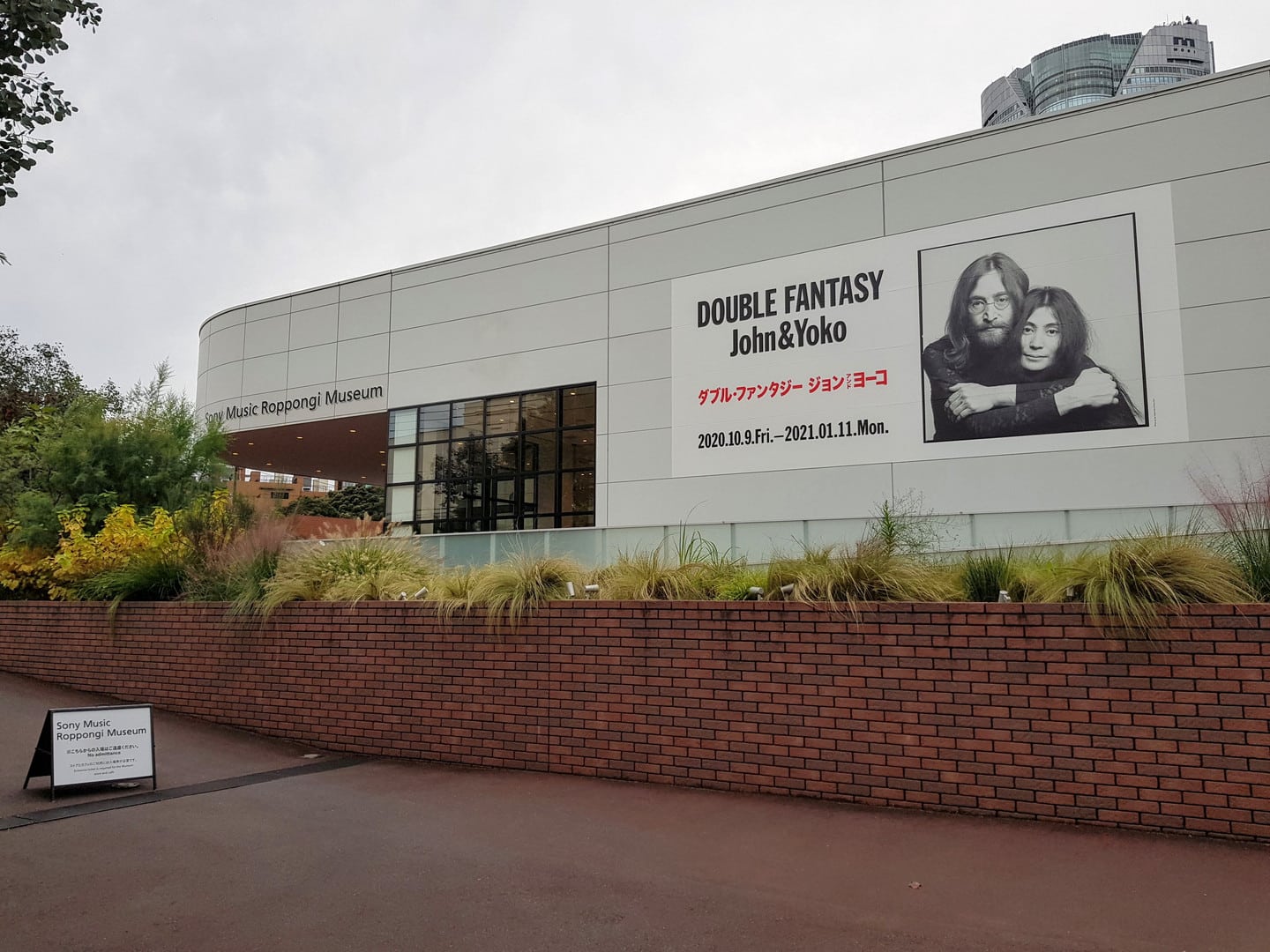
Roppongi Museum began as the Sony Music ROPPONGI MUSEUM, which opened in 2019. It was renamed in April 2021 and broadened its range of exhibition themes. An immersive facility combining music, video and the latest technology installations, it suits visitors who love Japanese pop culture and the idol industry.
It is open 10:00-20:00 (last admission 19:30). Tickets depend on the exhibition; advance tickets for recent exhibitions have been about ¥2,000-2,200. For how to enter, see the official website (roppongimuseum.jp). We suggest allowing about 1 hour for a visit.
Sakurazaka Park: A Local Favorite for a Quiet Break
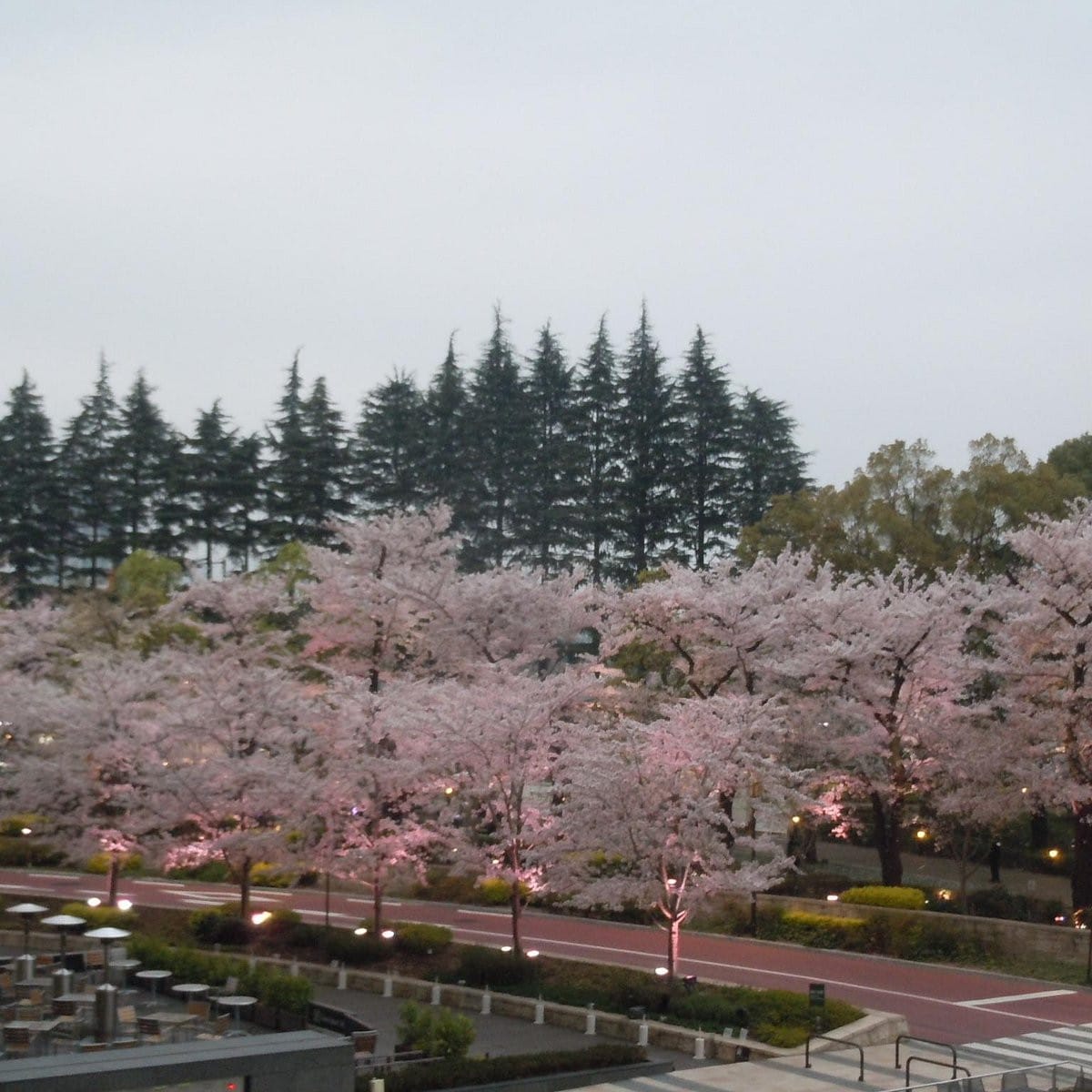
Sakurazaka Park is near the Roppongi intersection and is a small park where residents and office workers take lunchtime walks; it is especially lively when the cherry blossoms bloom in spring. It is not large, but its convenient location makes it a good place to rest in the middle of a shopping outing.
It is open year-round with free admission, and there are several cafes and light-meal shops around the park, making it a good place to recharge during a one-day Roppongi itinerary.
Getting to Roppongi for Shopping: Oedo Line and Hibiya Line Access and Fares
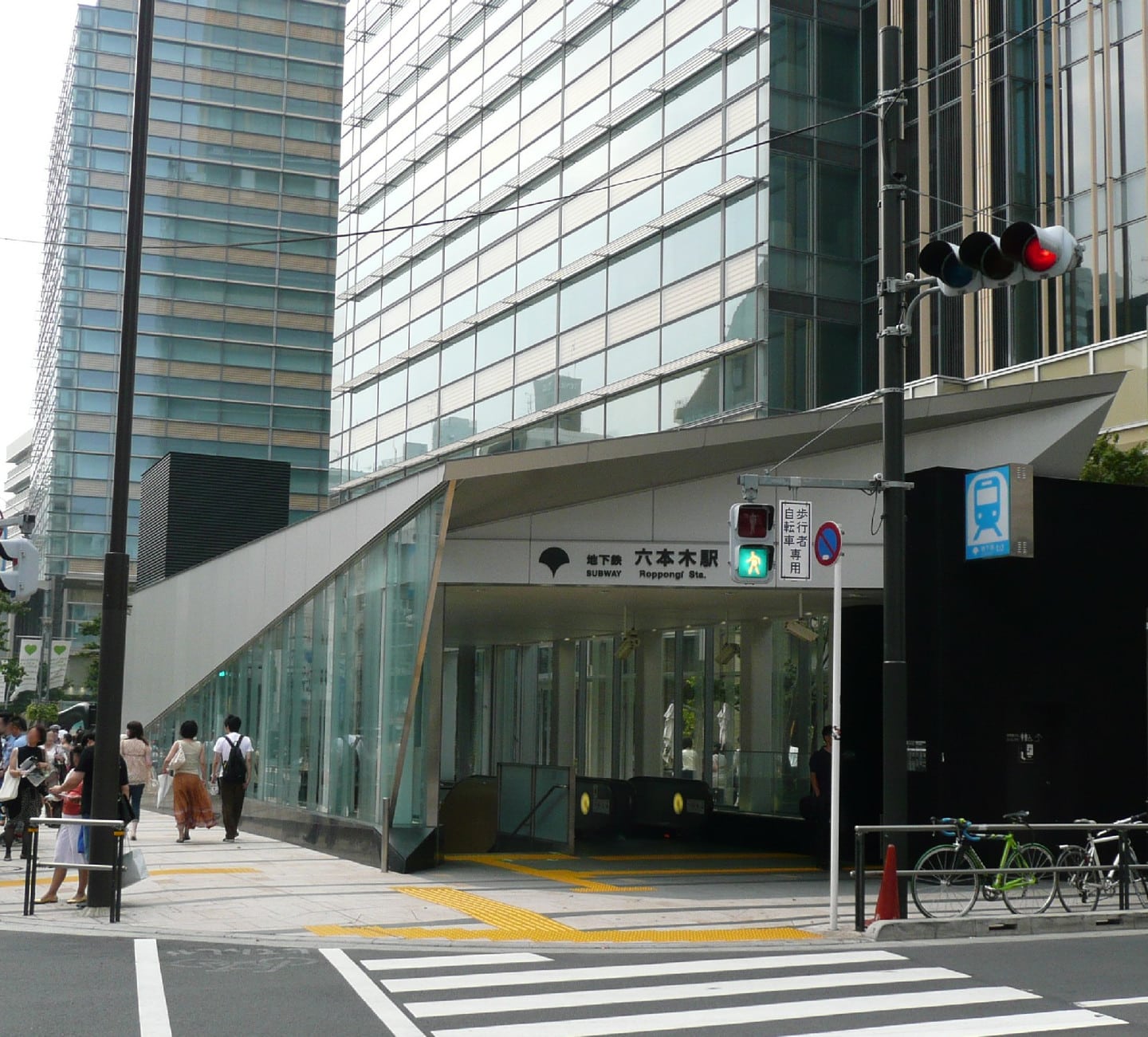
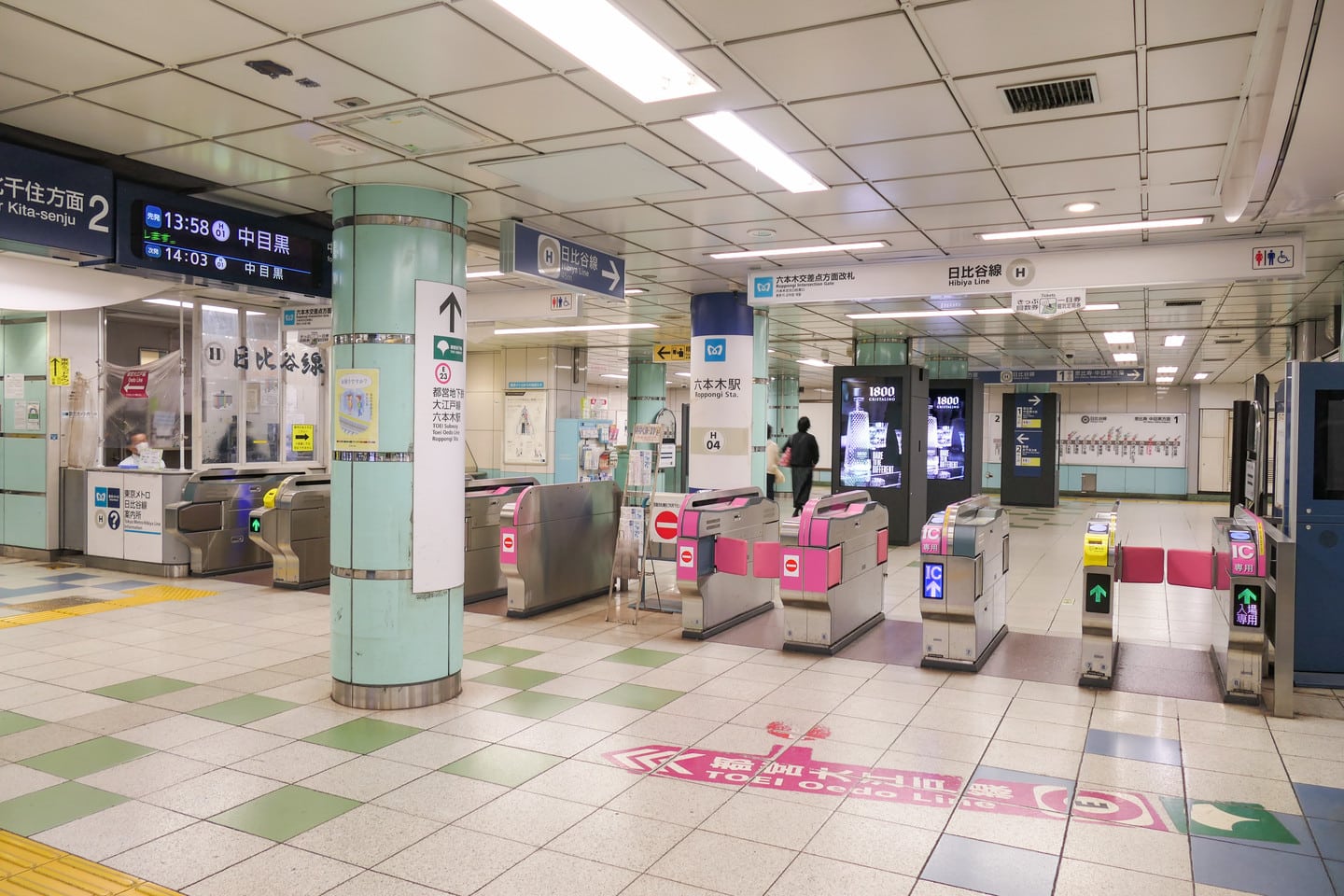
The most convenient way to reach Roppongi is by subway. Both the Oedo Line and the Hibiya Line have a Roppongi Station, and you arrive right at the main shopping areas when you exit.
How to Get to Roppongi: Transport Options at a Glance
🚇 Toei Oedo Line, Roppongi Station (about 12 minutes from Shinjuku, from ¥220): Exit 3 is about 6 minutes on foot to Roppongi Hills, and Exit 8 leads to Tokyo Midtown. The platform is 42 meters underground, so allow 5 minutes for the escalators.
🚇 Tokyo Metro Hibiya Line, Roppongi Station (about 10 minutes from Ginza, from ¥180): Exit 1C connects directly to Roppongi Hills, about 3 minutes on foot, and transfers are easy for airport travelers.
🚌 Toei Bus Toku 01 route (Shibuya ⇌ Roppongi): flat fare of ¥210, about 25-35 minutes, and no deep-station escalators to deal with.
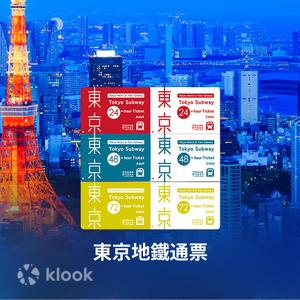
🎫 Tokyo Subway Ticket: 24h ¥800, 48h ¥1,200, 72h ¥1,500, with unlimited rides on all Tokyo Metro and Toei lines, ideal for multi-day trips.
🚇 Azabujuban Station to Roppongi Hills: from Exit 7 of Azabujuban Station on the Toei Oedo Line it is about 9 minutes on foot, or from Exit 4 of Azabujuban Station on the Tokyo Metro Namboku Line about 12 minutes on foot (per the Roppongi Hills official access guide). Azabujuban sits lower, so the walk toward Roppongi Hills is uphill; travelers with strollers or luggage may prefer to use Roppongi Station instead.
🚶 Roppongi Hills, Tokyo Midtown and Azabudai Hills are all reachable on foot, and seeing all three shopping districts takes about half a day to a full day.


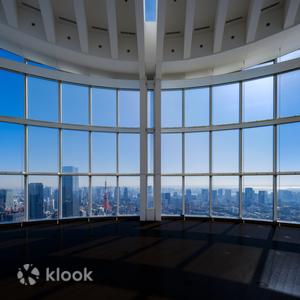
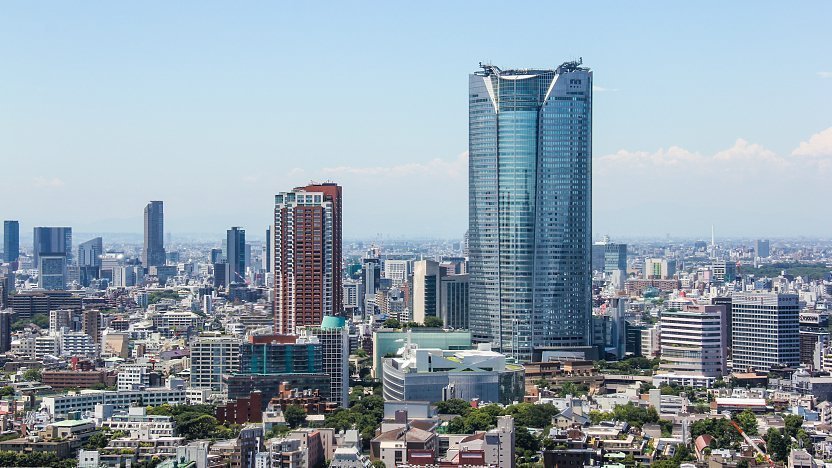
- 🕘 Opening hours (Tokyo City View observation deck): daily 10:00-22:00 (last admission 21:30)
- 🎫 Admission (Tokyo City View observation deck, same-day counter): Adult ¥2,400 / High school and university students ¥1,700 / Ages 4 to junior high school ¥1,100 / Ages 65 and over ¥2,100
- 🔗 Roppongi Hills Tokyo City View and Mori Art Museum official guide
Mori Art Museum: Asia’s Landmark Contemporary Art Museum
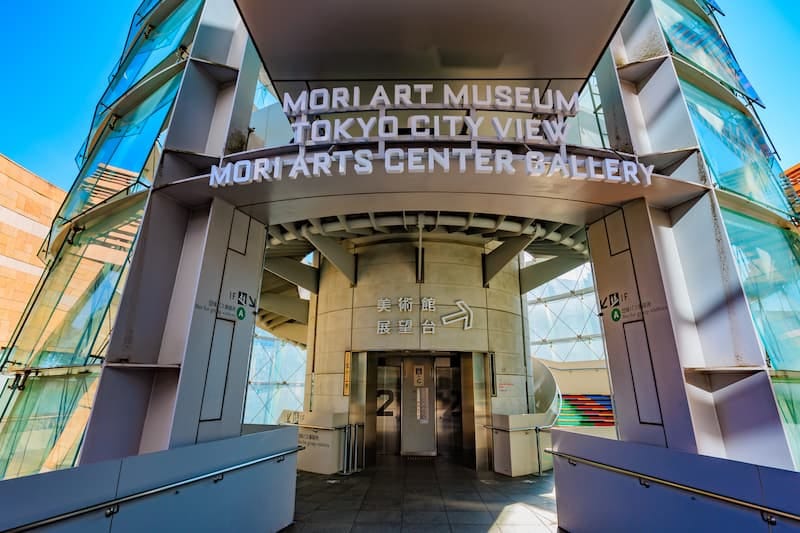
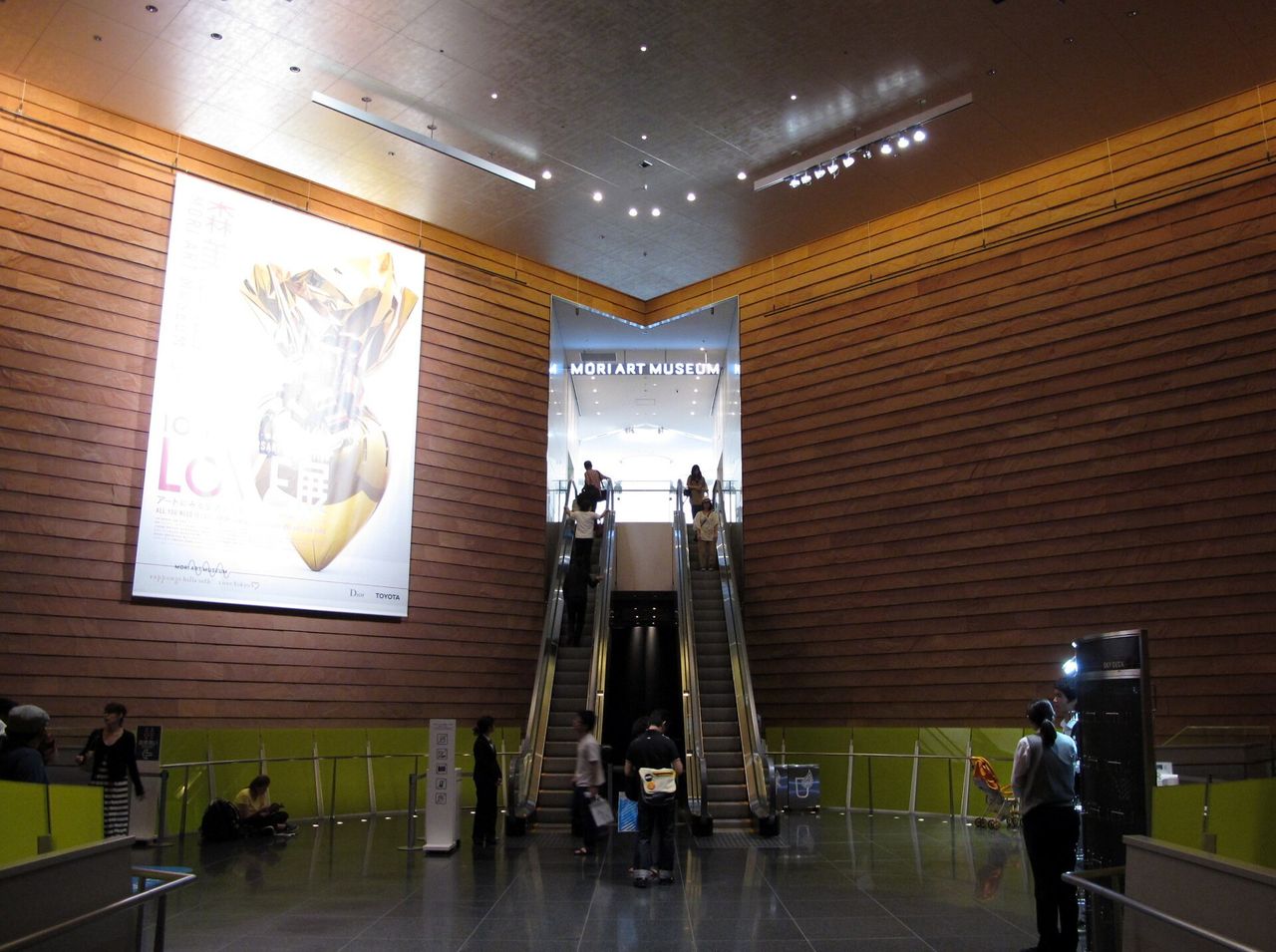
The Mori Art Museum sits on the 53rd floor of Mori Tower and is one of Asia’s leading contemporary art museums. It has long hosted international-caliber contemporary art exhibitions, and it is a stop art lovers should not miss in Roppongi.
It is open 10:00-22:00 (until 17:00 on Tuesdays). The museum is closed between September 24 and October 30, 2026 for an exhibition changeover, and from October 31 it presents “Mariko Mori: All That Shines.” Adult tickets are ¥2,600-3,000. Allow 1.5-2 hours for a visit; there is also a gift shop where you can buy limited-edition exhibition merchandise.
Keyakizaka Street: A Romantic Illuminated Shopping Promenade
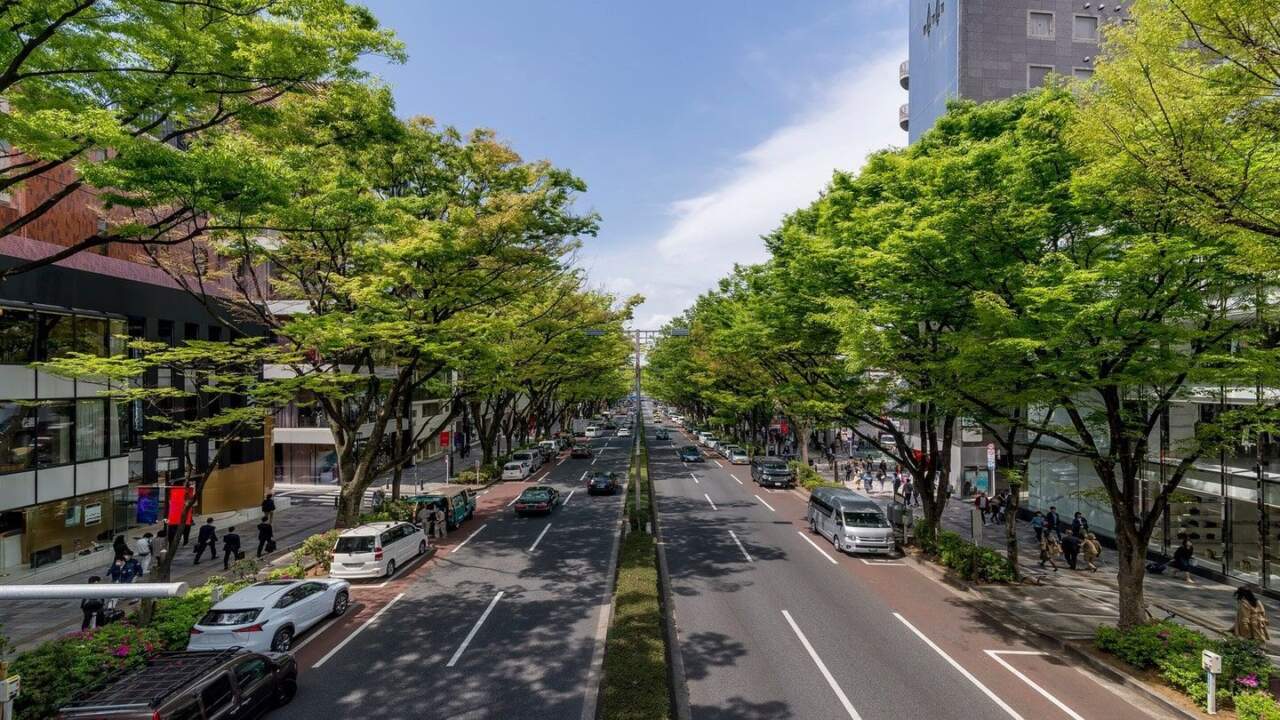
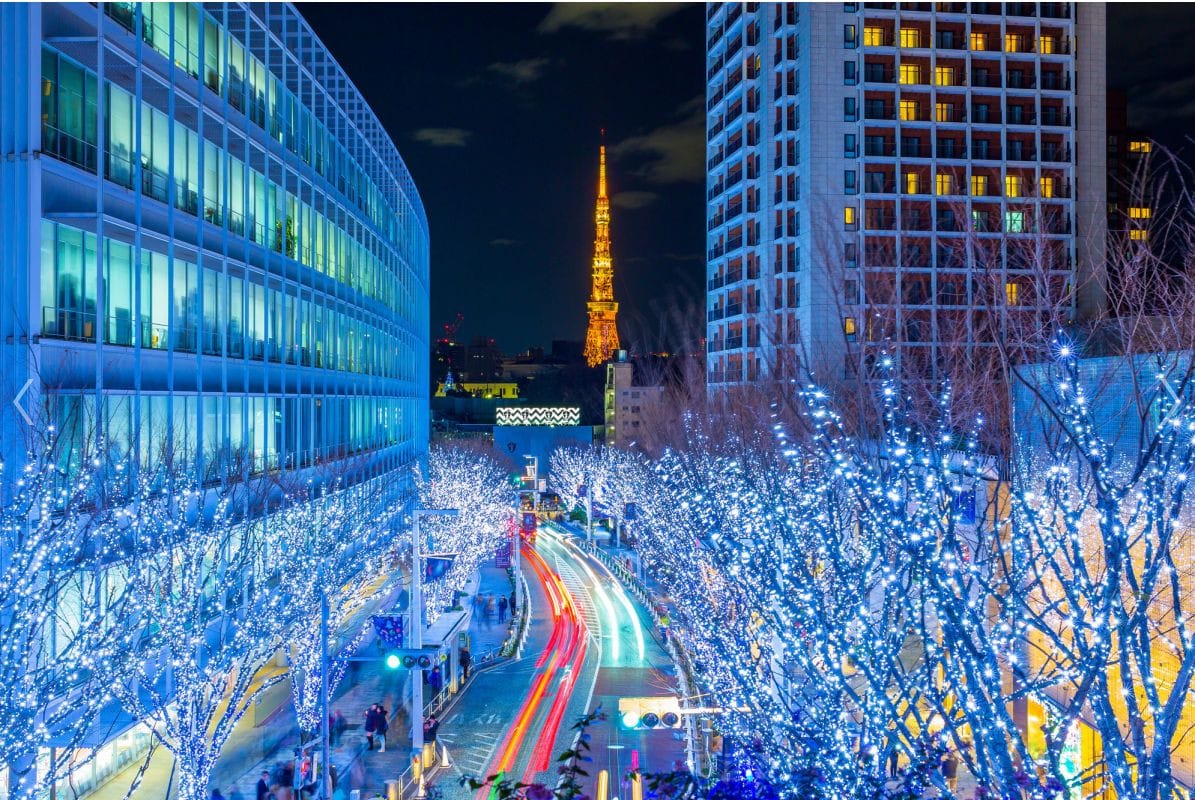
Keyakizaka Street is a tree-lined boulevard connecting Roppongi Hills and the Roppongi intersection, planted with tall zelkova trees on both sides. From mid-November until Christmas, hundreds of thousands of LED lights are lit, making it one of Tokyo’s most iconic winter illumination spots, and it draws big crowds for photos every year.
Along the way there are many boutiques and cafes. By day it suits a leisurely stroll, and after dark it turns into a romantic sea of lights. We suggest visiting around dusk to enjoy both shopping and the illuminations. It is open year-round and free to visit.
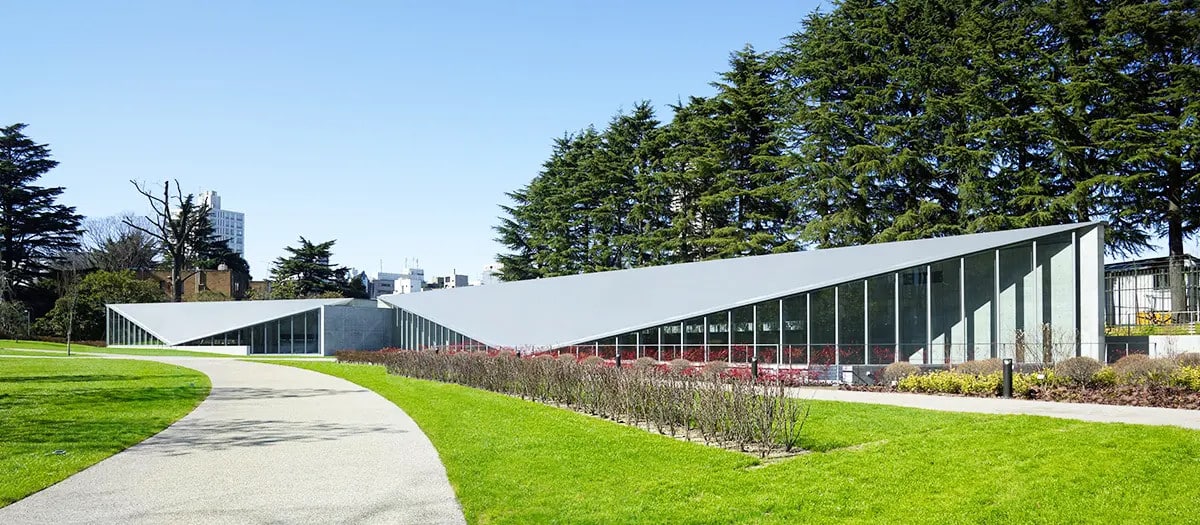
21_21 DESIGN SIGHT: A Design Museum by Tadao Ando
Located within the Tokyo Midtown grounds, 21_21 DESIGN SIGHT was jointly planned by the master architect Tadao Ando and the designer Issey Miyake. The exposed-concrete building is a highlight in itself, and the museum, themed around “design,” regularly holds cross-disciplinary exhibitions that show the design aesthetics of everyday life.
It is open 10:00-19:00 and closed on Tuesdays, with tickets at about ¥1,400. The exhibition space is small but the displays are refined, and we suggest allowing about 1 hour. Afterward you can stroll next door in Tokyo Midtown Garden for a rest and a taste of architecture blended with nature.
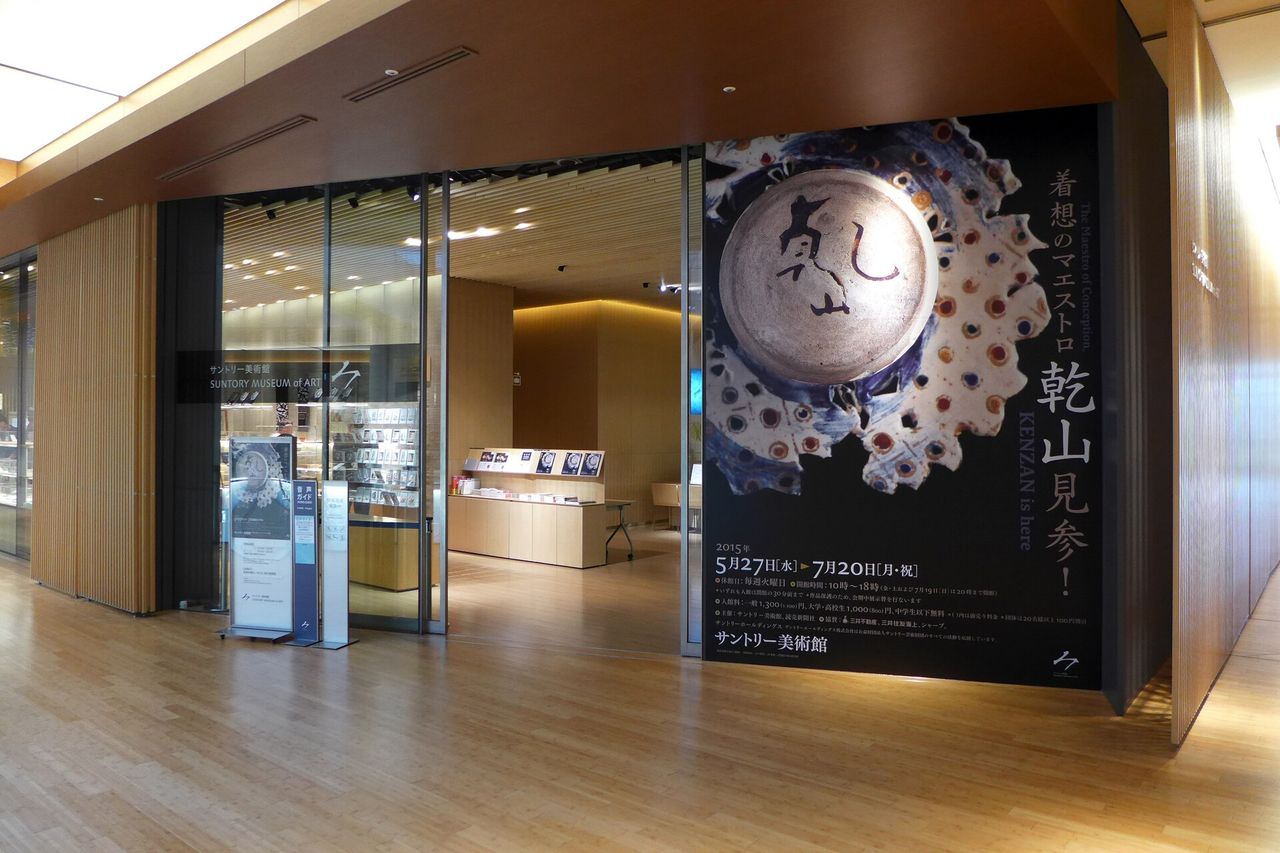
Suntory Museum of Art: Traditional Craft Meets Modern Architecture
The Suntory Museum of Art is in Tokyo Midtown and was designed by the architect Kengo Kuma. Its exterior follows the concept of a “museum of everyday life in the city,” and its collection focuses on traditional Japanese crafts, ceramics and paintings, showing the “beauty in daily life.” The interior uses plenty of wooden lattices and natural light to create a warm, Japanese-style atmosphere.
It is open 10:00-18:00 (until 20:00 on Fridays and Saturdays) and closed on Tuesdays, with tickets at about ¥1,300-1,600 depending on the exhibition. The museum has a tea room and a shop, and visitors who love traditional Japanese aesthetics should plan around 1 hour.
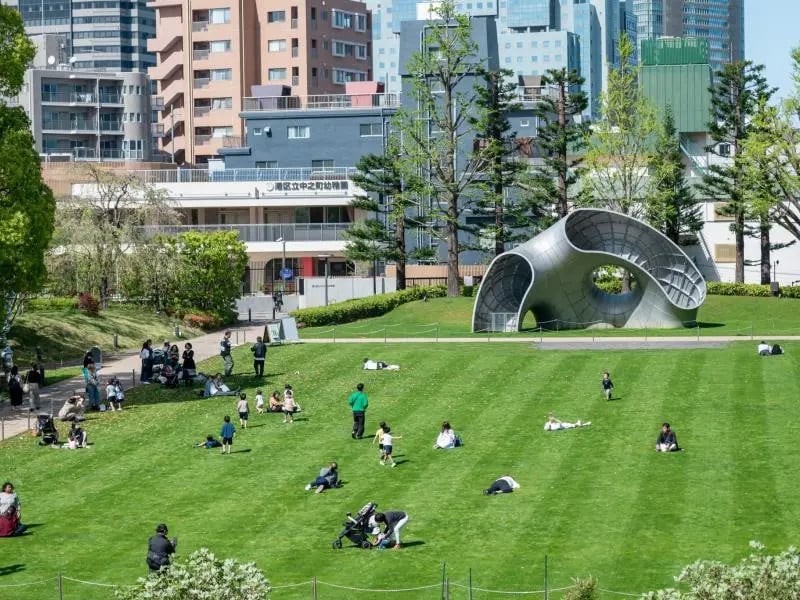
Tokyo Midtown Garden: A Healing Green Space in the City Center
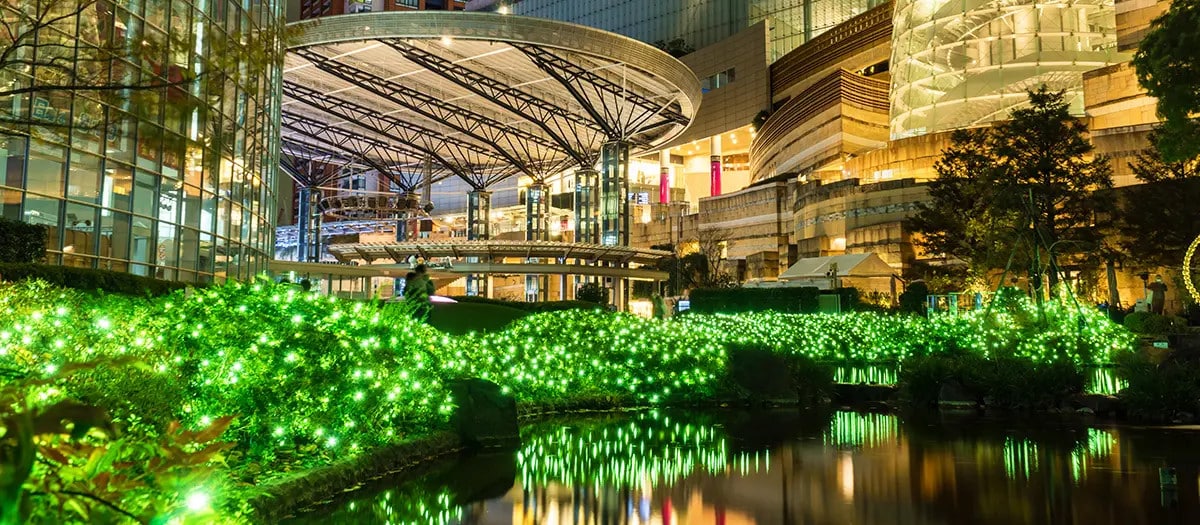
Tokyo Midtown Garden is a spacious public green space within the complex, surrounded by lawns, ponds and tree-lined paths, with a different look in every season: cherry blossoms in spring, lush greenery in summer, red maples in autumn, and the Midtown Christmas lights in winter. It is a great place to relax between shopping stops.
It is free and open year-round. There are plenty of seats and picnic areas, and on sunny days office workers and families often picnic here. It is also an excellent photo spot for capturing the reflections of the Tokyo Midtown buildings.
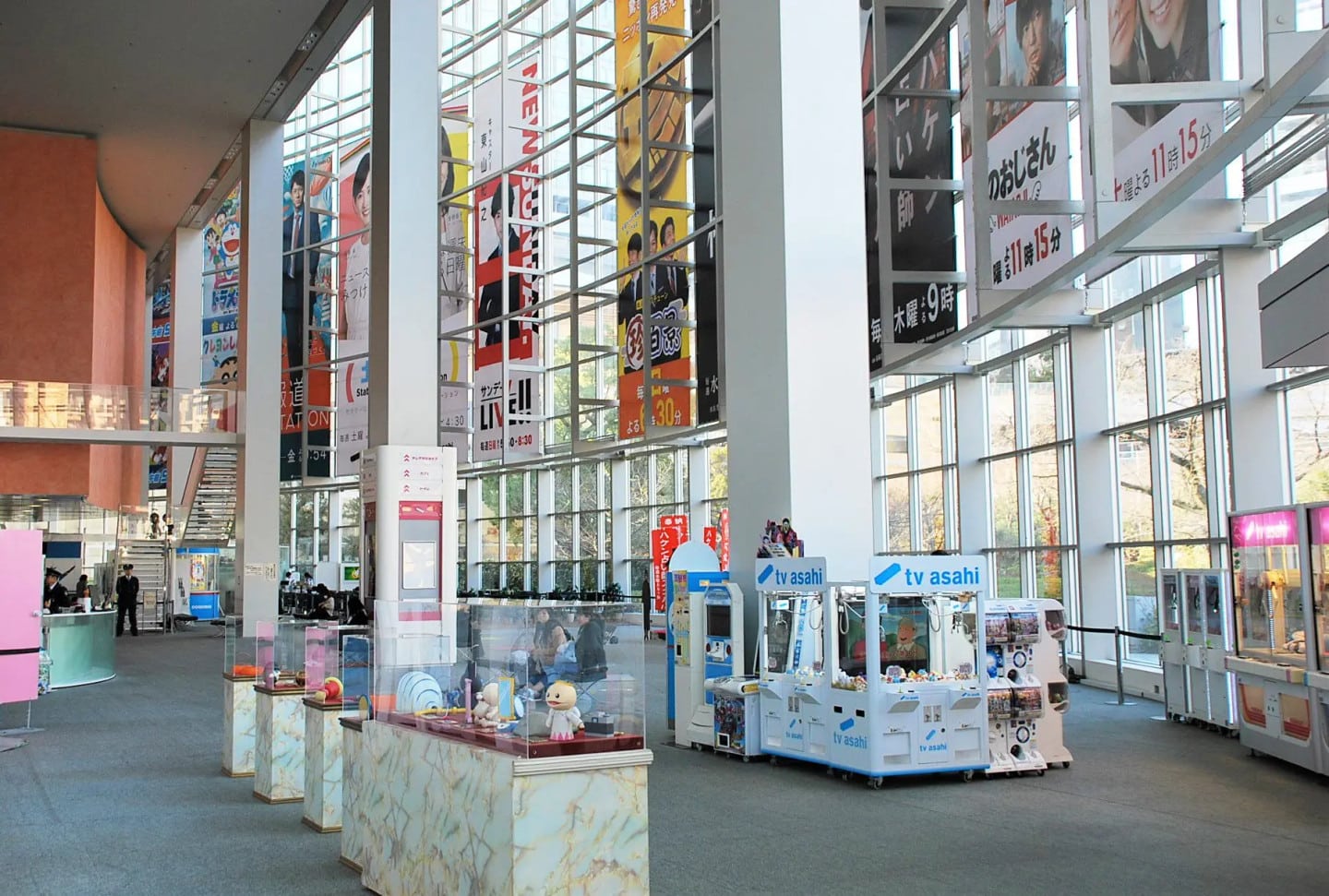
TV Asahi: A Courtyard Pilgrimage Spot for Japanese Drama Fans
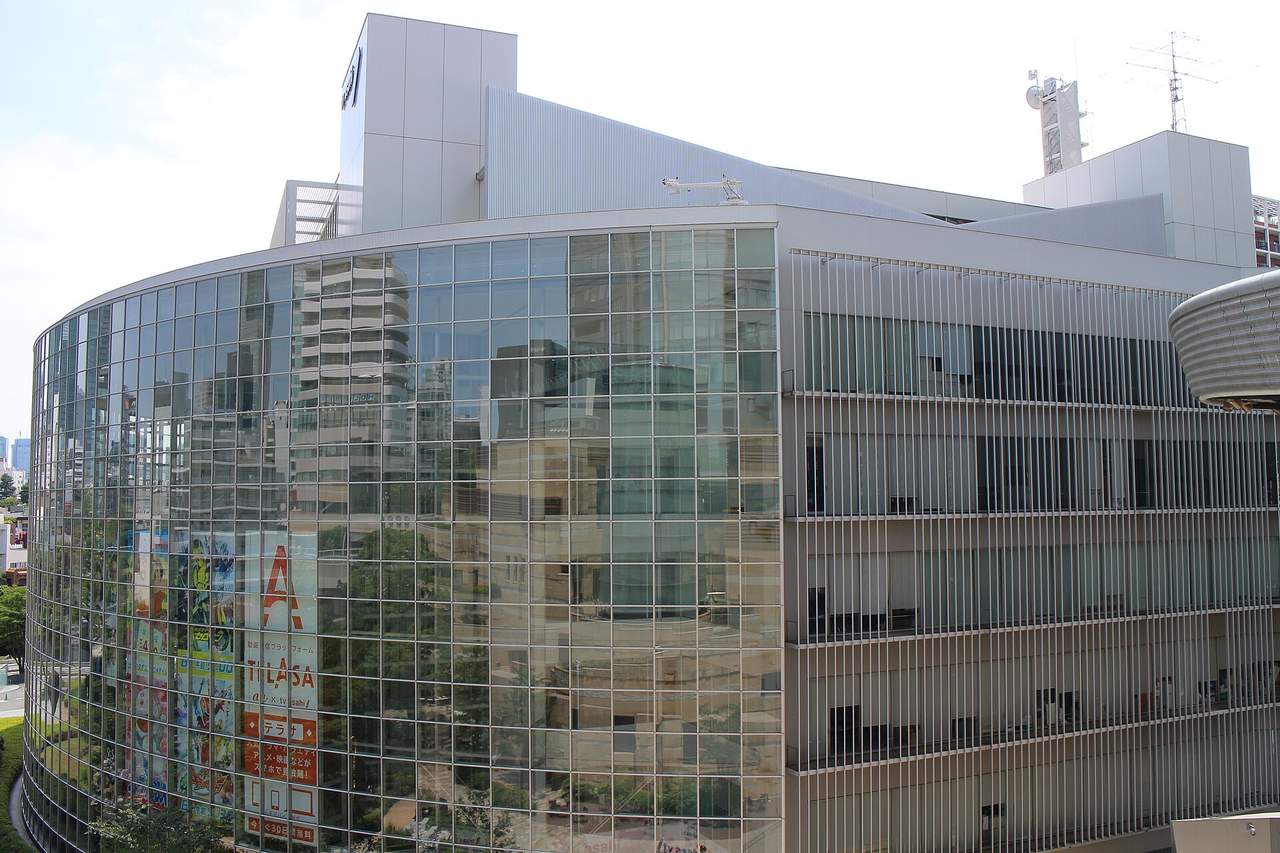
The TV Asahi headquarters building stands right next to Roppongi Hills. Its public courtyard is free to visit and has Doraemon displays and a merchandise shop, making it a pilgrimage spot for fans of Japanese dramas and TV culture. The high-ceilinged courtyard with its large glass curtain walls gets excellent light and is a popular photo spot.
The public courtyard is free to enter, and its opening hours follow the broadcaster’s announcements. The nearby shop “TeleAsa Shop” is open 10:00-19:00, where you can pick up limited-edition goods, and the whole visit takes only about 30 minutes.
Tsutaya Books: A Hip Multi-Purpose Bookstore
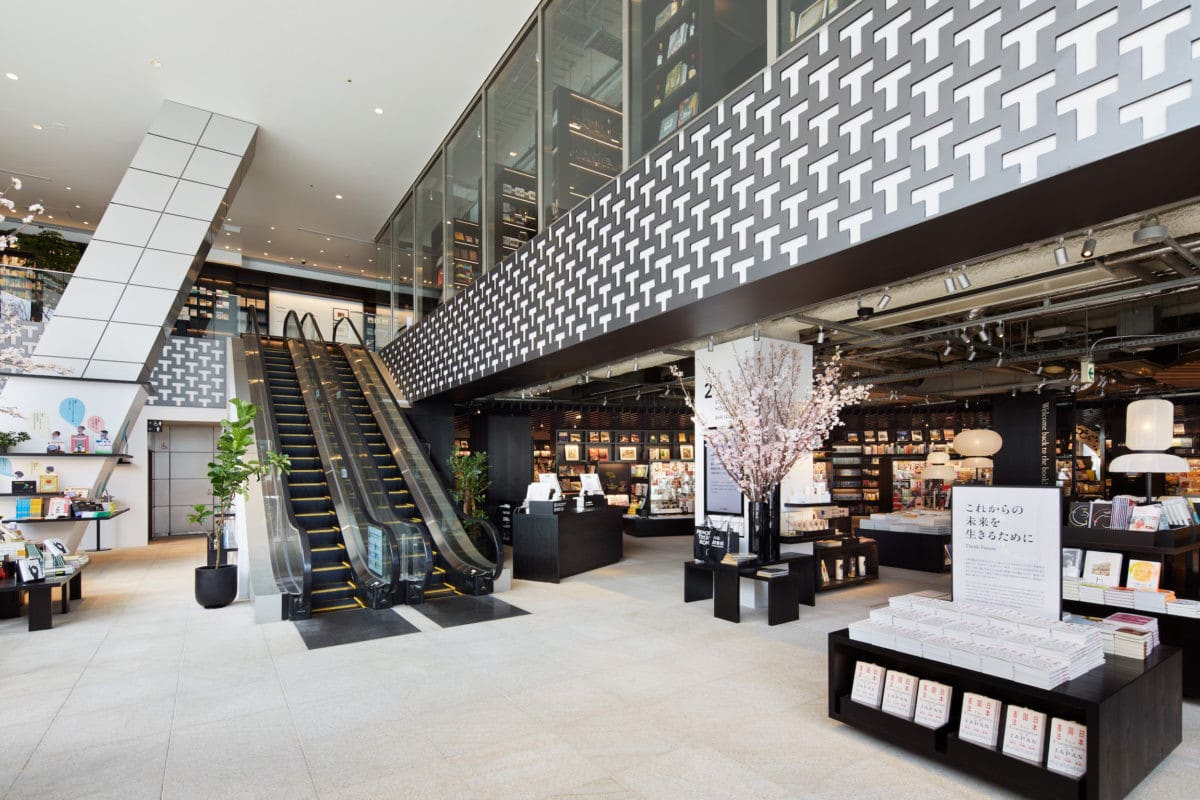
Roppongi Tsutaya Books is next to Keyakizaka Street in Roppongi Hills and is known for its Western books, magazines and lifestyle select goods. A Starbucks inside offers a comfortable reading and coffee experience, and the store stays open late, so you can come here to recharge with a book after an evening of shopping.
The bookstore is open 9:00-23:00 (the Share Lounge on the 2nd floor is open 8:00-23:00) and entry is free. It suits visitors who love design and art books, and it is also a good place to look for distinctive souvenirs and stationery.
Izumi Garden Tower: A Hidden District with Fewer Weekend Crowds
Izumi Garden Tower is near Roppongi-itchome Station, just one stop from Roppongi Hills. A mixed-use building combining offices and commercial facilities, its restaurants and cafes are mostly used by office workers on weekdays and are relatively quiet on weekends, which suits travelers who want to avoid tourist crowds.
The building connects to Roppongi-itchome subway station through an underground passage, which makes access very convenient. It also has a Japanese garden, “Izumi Garden,” a peaceful corner amid the bustle. It is worth a short detour during your shopping to get a feel for everyday Roppongi as local office workers know it.
Roppongi Must-Buys and Budget: Tickets, Experiences and Souvenir Picks
Besides free street photography and window shopping, Roppongi is also a good place to add a few attractions and experiences that need tickets or reservations, which gives your itinerary more depth. Below are the four most recommended items, from exhibition tickets and free attractions to souvenir shopping, with rough prices and timing to help you set a budget.
Mori Art Museum: An Art Vantage Point Overlooking Tokyo Tower
The Mori Art Museum is on the 53rd floor of Mori Tower in Roppongi Hills and is Roppongi’s most representative contemporary art venue. Exhibitions change each season and often include special shows by internationally renowned artists.
- 💰 Adult ticket prices vary by exhibition and by weekday or holiday; the official site currently lists about ¥2,600-3,000 (online price / counter price), with discounts for students and seniors
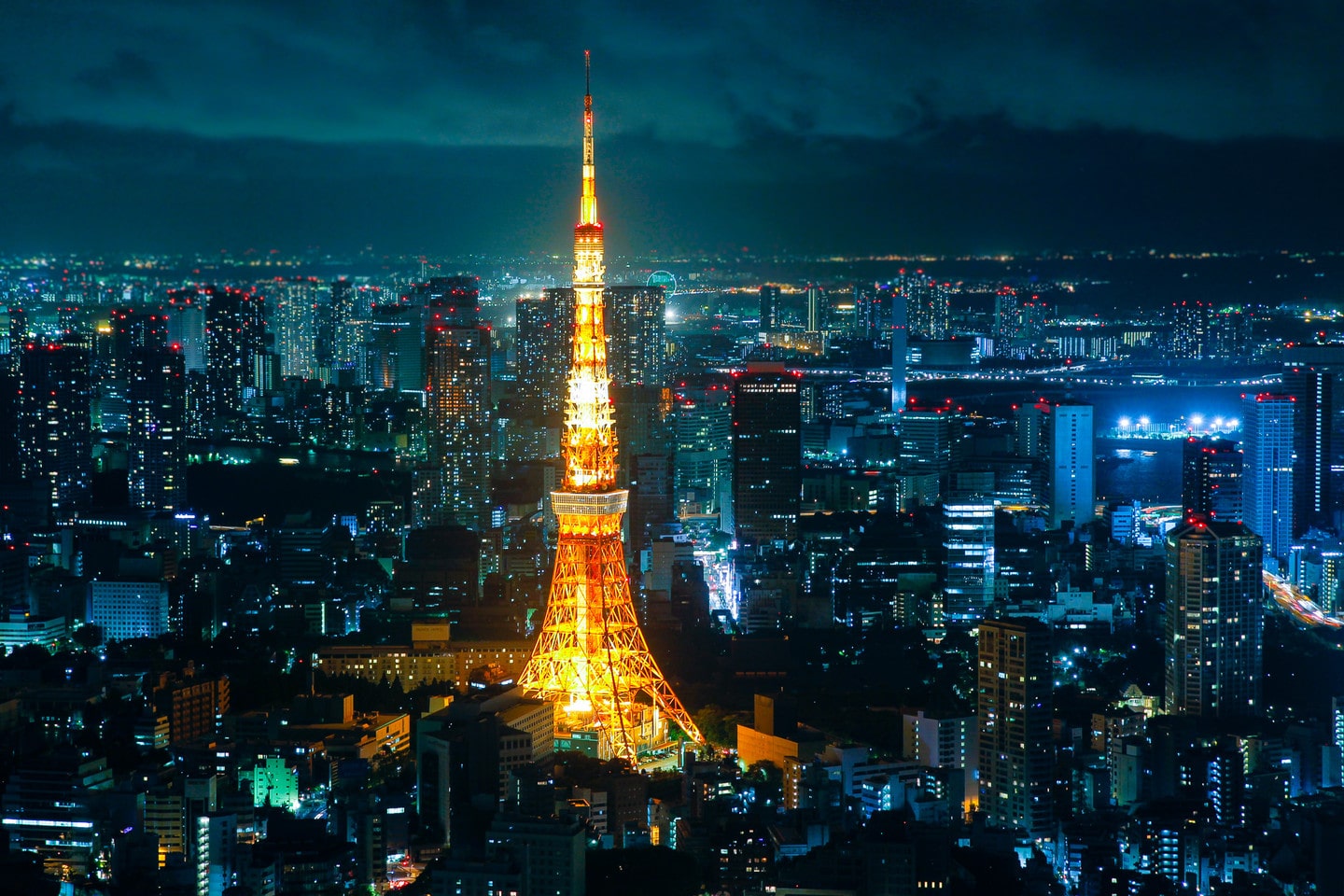
- 🎫 You can also buy tickets for the Tokyo City View observation deck on the 52nd floor: adults ¥2,200 (online) / ¥2,400 (counter), with a bird’s-eye view of Tokyo Tower and the night scene
Allow 1.5-2 hours for a visit. It is open 10:00-22:00 (until 17:00 on Tuesdays), and evenings are less crowded, so it suits a trip before sunset for the sunset and night view.
Note: the Mori Art Museum is closed between September 24 and October 30, 2026 for an exhibition changeover, and from October 31 it presents “Mariko Mori: All That Shines.” Tokyo City View is closed on October 27 and November 10-12; from October 28 to 30 and November 4 to 9, some viewing areas are inaccessible and ticket prices are reduced to ¥2,000 (counter) / ¥1,800 (online) for adults. Please confirm on the official website before you go. If your schedule is tight, you can book e-tickets in advance through KKDay or Klook to skip the queue.
TV Asahi Headquarters: Free Anime Merchandise and a Popular Shop
The TV Asahi headquarters building stands next to Roppongi Hills, and entry is free. The lobby has a Doraemon-themed display area and statue, a popular photo spot for anime fans. The TeleAsa Shop inside sells exclusive merchandise at about ¥1,000-3,000, which suits souvenir shopping.
The shop is open 10:00-19:00. It is a 5-minute walk from Mori Tower, so you can fit it into the same day. The shop often changes its displays around popular anime and dramas, so allow half an hour to pick out limited-edition goods.
Mohri Garden at Roppongi Hills: A Free but High-Quality Japanese Garden Experience
Mohri Garden is a stroll-style Japanese garden within the office district, with free admission. It has a pond, a waterfall and seasonal plantings, with cherry blossoms in spring and maples in autumn contrasting with the surrounding high-rises, and it is a favorite spot for photographers. The garden is open all day with no closing days, which makes it a good rest stop in the middle of shopping.
Next to the garden there are often markets or light shows, such as the winter Roppongi Hills Christmas Illumination, with art installations and photo walls. Special events may require tickets, at about ¥500-1,500. Check what is on that month before you go.
Roppongi Must-Buy Souvenirs: One-Stop Shopping at Roppongi Hills
The shopping arcade in Roppongi Hills gathers many Japanese domestic brands and overseas luxury labels, including lifestyle stores such as Roppongi Tsutaya Books, the LEGO Store, JO MALONE LONDON and SABON (the long-established stationery shop Itoya is in Tokyo Midtown), and it is a great place to buy gift souvenirs. The classic Roppongi Hills limited-edition cookies and chocolate gift boxes are mostly priced at ¥1,500-3,000, and their elegant packaging suits gifts for elders or coworkers.
Shops in Roppongi Hills are open about 11:00-20:00, and restaurants stay open until 23:00. Allow 1-2 hours to browse at a relaxed pace.
On tax refunds: starting November 1, 2026, Japan’s tax-free system changes so that you pay the tax-inclusive price at purchase and get the tax refunded after customs confirmation when you leave the country, and goods must be taken out of the country within 90 days of the purchase date. Until November 1, in-store tax exemption remains the main method. Please ask the staff about the actual procedure before you buy, and bring your passport and keep your receipts.
FAQ
Q: What are the three main shopping districts in Roppongi?
Roppongi Hills, Tokyo Midtown and Azabudai Hills are the three main districts. They are all within walking distance of each other and cover luxury shopping, art museums and observation decks, making them a good fit for a one-day itinerary.
Q: How much are tickets for the Roppongi observation deck?
A general adult ticket for the Tokyo City View observation deck is ¥2,400 (counter) / ¥2,200 (online booking); Mori Art Museum admission is separate, at about ¥2,600-3,000 depending on the exhibition. Booking online on the official site is ¥200 cheaper than the same-day counter and uses timed entry, so booking ahead is recommended.
Q: How do I get from Tokyo Station to Roppongi Hills (Mori Tower)?
Take the Tokyo Metro Marunouchi Line to Kasumigaseki Station, then transfer to the Hibiya Line for Roppongi Station. You only need to transfer once. Exit 1C of Roppongi Station on the Hibiya Line connects directly to Roppongi Hills, about 3 minutes on foot.
Q: Which subway line should I take to Roppongi?
You can take the Toei Oedo Line or the Tokyo Metro Hibiya Line. Both have a Roppongi Station, and Roppongi Hills and Tokyo Midtown are a few minutes’ walk from the exits.
Q: How late do Roppongi shops stay open?
Roppongi Hills shops are open 11:00-20:00 and restaurants 11:00-23:00; Tokyo Midtown varies by store; Tsutaya Books is open until 23:00; the Mori Art Museum is open 10:00-22:00 (until 17:00 on Tuesdays).
Q: When is the best time to visit Roppongi?
We recommend winter, from mid-November through December, when you can see the Christmas illuminations on Keyakizaka Street and at Tokyo Midtown, along with the German Christmas market, for the most romantic atmosphere.
Q: Is Roppongi’s subway station really that deep?
Yes. The platform at Roppongi Station on the Toei Oedo Line is 42 meters underground, said to be one of the deepest subway stations in Tokyo, so allow more than 5 minutes.
Q: Do I need a reservation for teamLab Borderless at Azabudai Hills?
teamLab Borderless is on B1 of Garden Plaza B at Azabudai Hills, and tickets are timed-entry. We recommend reserving a time slot on the official website in advance, especially on holidays.