
Meiji Jingu Area Shopping Guide 2026: Omotesando, Takeshita Street and Cat Street Districts
The Meiji Jingu area covers four shopping districts, Omotesando, Takeshita Street, Cat Street and Aoyama, a shopping destination where Tokyo’s luxury boutiques and street fashion coexist.
Omotesando: The Luxury of Tokyo’s Champs-Élysées
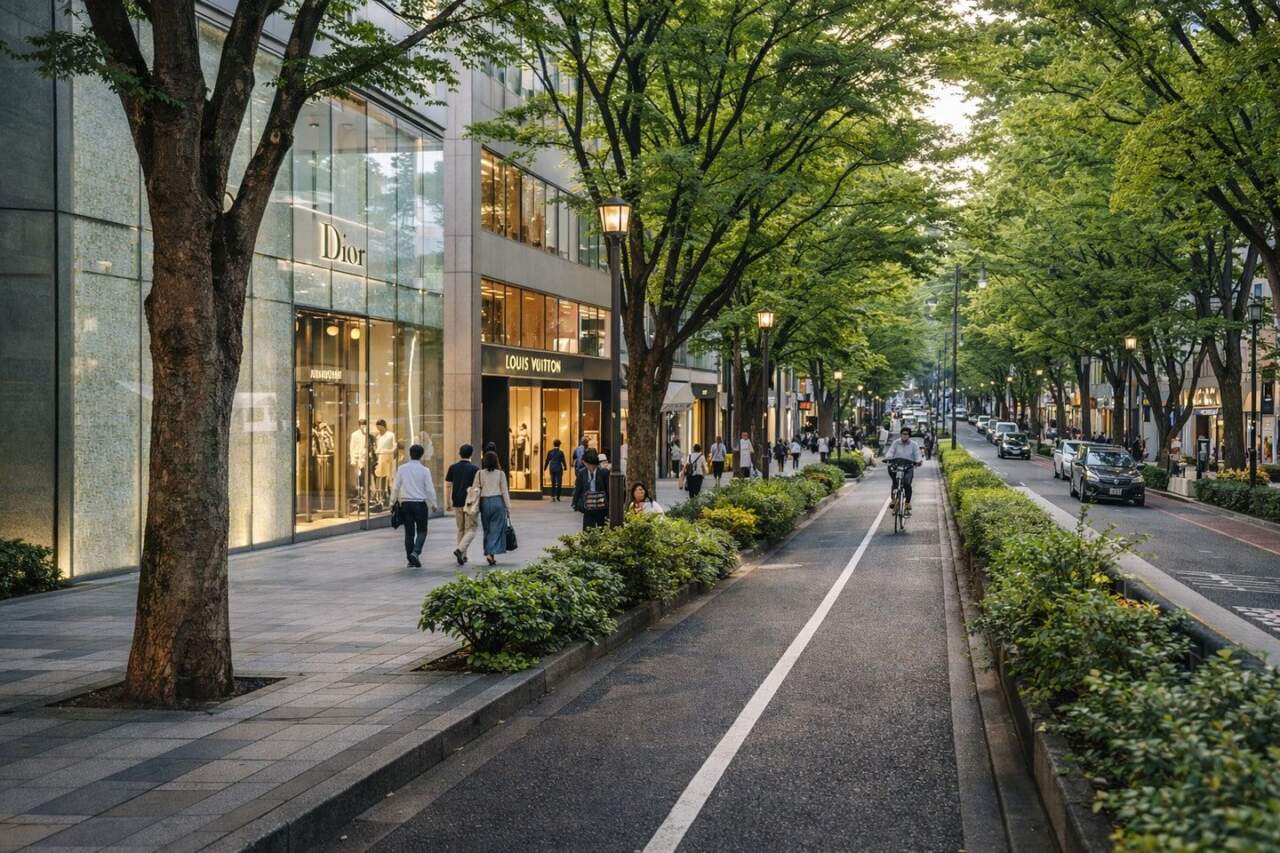
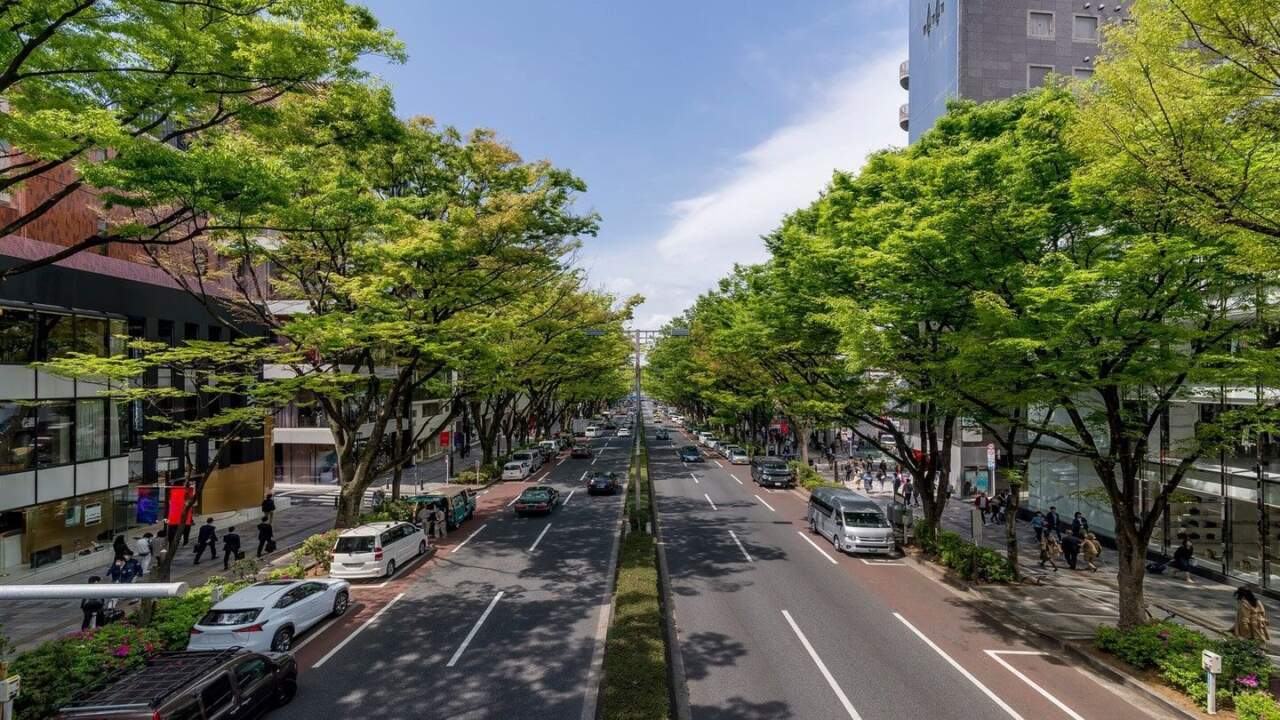
Omotesando is a zelkova-lined avenue about 1 km long, known as the “Champs-Élysées of Tokyo.” It is home to flagship stores of international brands such as Louis Vuitton, HERMÈS, CHANEL, Dior, Chloé and Jo Malone London. The TOD’S Omotesando building was designed by architect Toyo Ito, and Omotesando Hills, designed by Tadao Ando, is a must-see landmark that combines shopping with architectural beauty.
We recommend visiting on a weekday morning, when it is less crowded and easier to enjoy the shop windows and architecture. Most shops are open from 11:00 to 20:00. From November 1, 2026, tax-free shopping changes to a system where tax is refunded after you leave the country.


Takeshita Street: The Spirit of Harajuku Youth Packed into 350 Meters
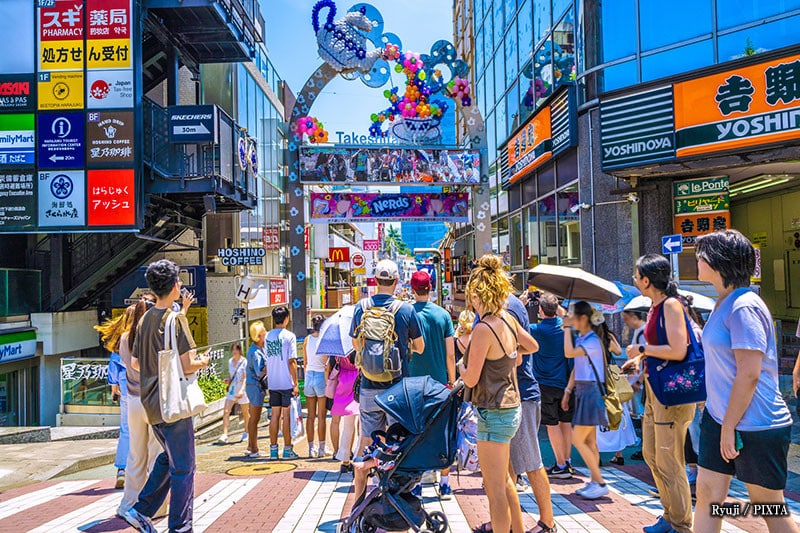
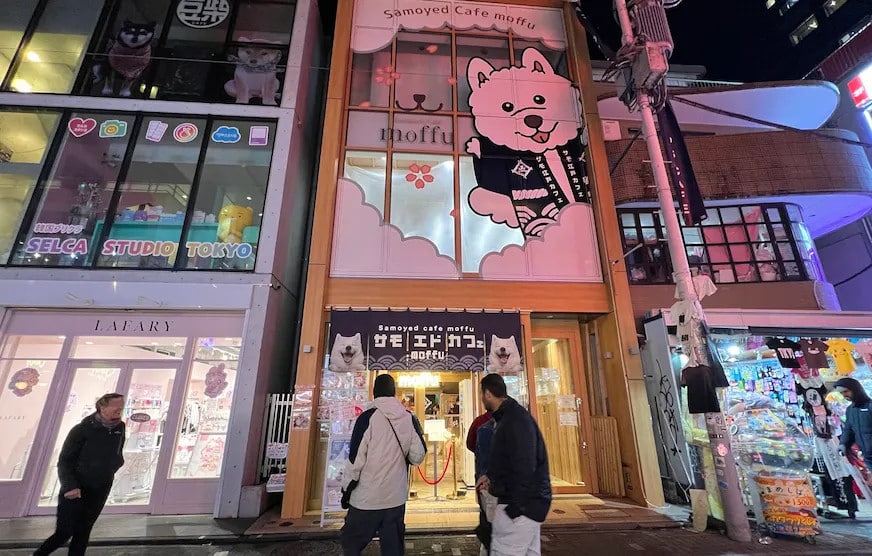
Takeshita Street is only about 350 meters long, yet it is Tokyo’s most iconic youth subculture street, packed with dessert shops, trendy clothing and small variety stores. On weekends the crowds often form queues and you move at a crawl. It is one of the birthplaces of the crepe and also the birthplace of Harajuku-style fashion and secondhand vintage culture.
Arriving on a weekday or before 10:00 a.m. helps you avoid the peak crowds, and there are drugstores along the street for quick shopping. The street is open year-round, but some small shops close irregularly, so check opening hours before you go.
Cat Street (Ura-Harajuku): Select Shops and Vintage Treasure Hunting in the Backstreets
Cat Street, officially the Former Shibuya River Promenade, connects Harajuku and Shibuya. It got its name because its narrow, winding lanes are like the path of a cat. The atmosphere is more relaxed than Omotesando and more grown-up than Takeshita Street, with select shops, secondhand vintage stores and concept stores of street brands.
Along the way there are select shops and secondhand clothing stores such as 2nd STREET, which suit travelers who like niche designs and street snaps. Opening hours vary by shop.
Aoyama: Nezu Museum and Aoyama Cemetery for Cherry Blossoms
The Aoyama area lies right south of Omotesando and has a more relaxed pace. It is home to the Nezu Museum, Aoyama Cemetery and several quality select shops, an ideal place to slow down after the luxury avenue.
SOU・SOU Aoyama sells Japanese-style goods that blend traditional craftsmanship with modern design. Aoyama Cemetery is one of Tokyo’s well-known cherry blossom spots and is beautiful in the blossom season; please stay quiet and respect the grounds. We recommend setting aside half a day to stroll here and see a side of Tokyo completely different from the commercial districts.
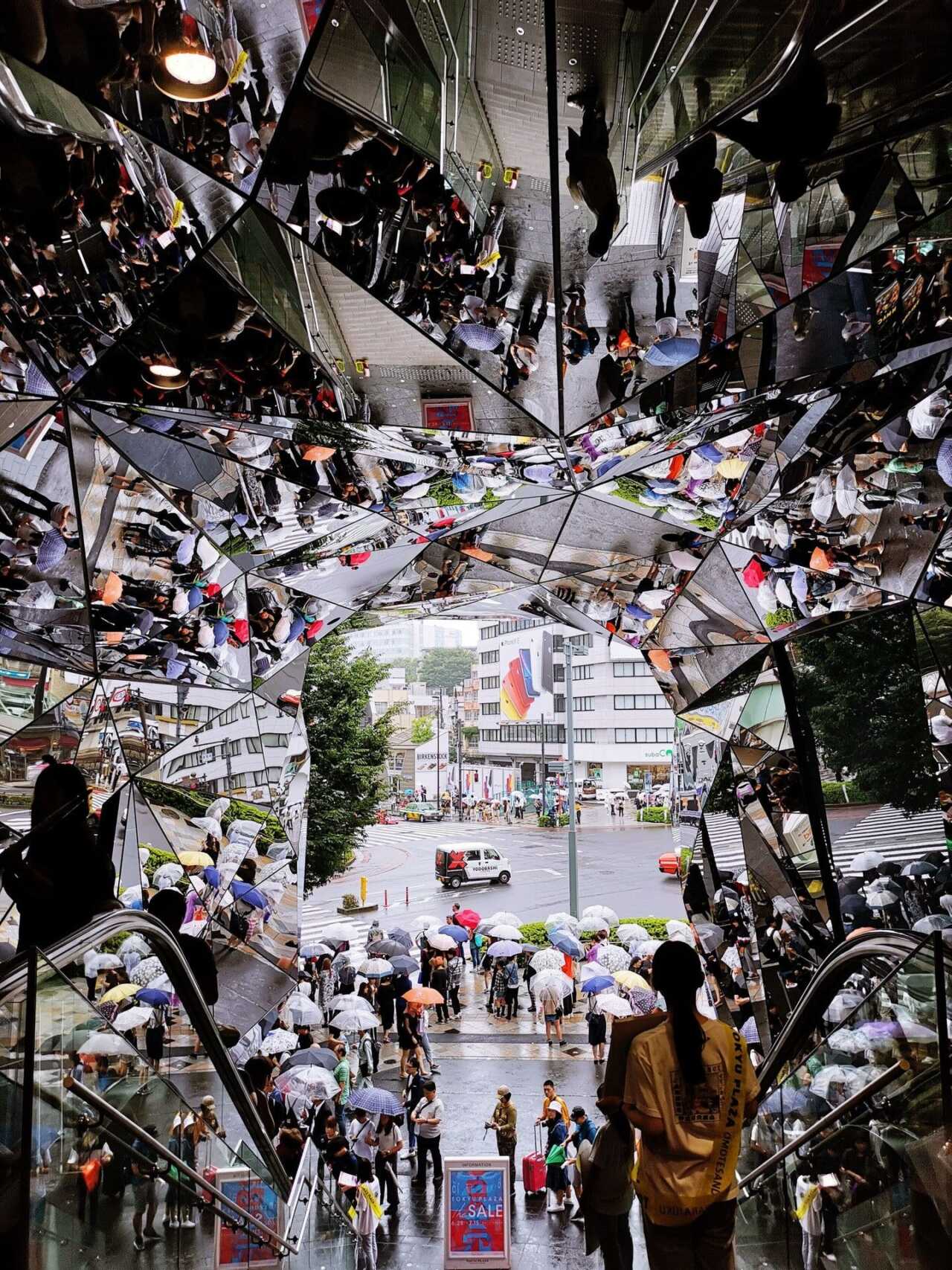
Tokyu Plaza Omotesando Harajuku (OMOKADO): The Mirrored Entrance Instagram Hotspot
Tokyu Plaza Omotesando Harajuku, nicknamed OMOKADO, is best known for the large mirrored installation at its entrance, which reflects the sky and passersby and makes it one of Harajuku’s top Instagram spots. The building has fashion, variety goods and cafes, and a free rooftop forest terrace garden, Omohara no Mori (おもはらの森), on the top floor.
The rooftop garden overlooks the green streetscape of Omotesando and has excellent views on clear days, a free secret spot for stylish photos. Opening hours vary by floor: retail floors open from about 11:00 and dining floors stay open later. Please check the official website.
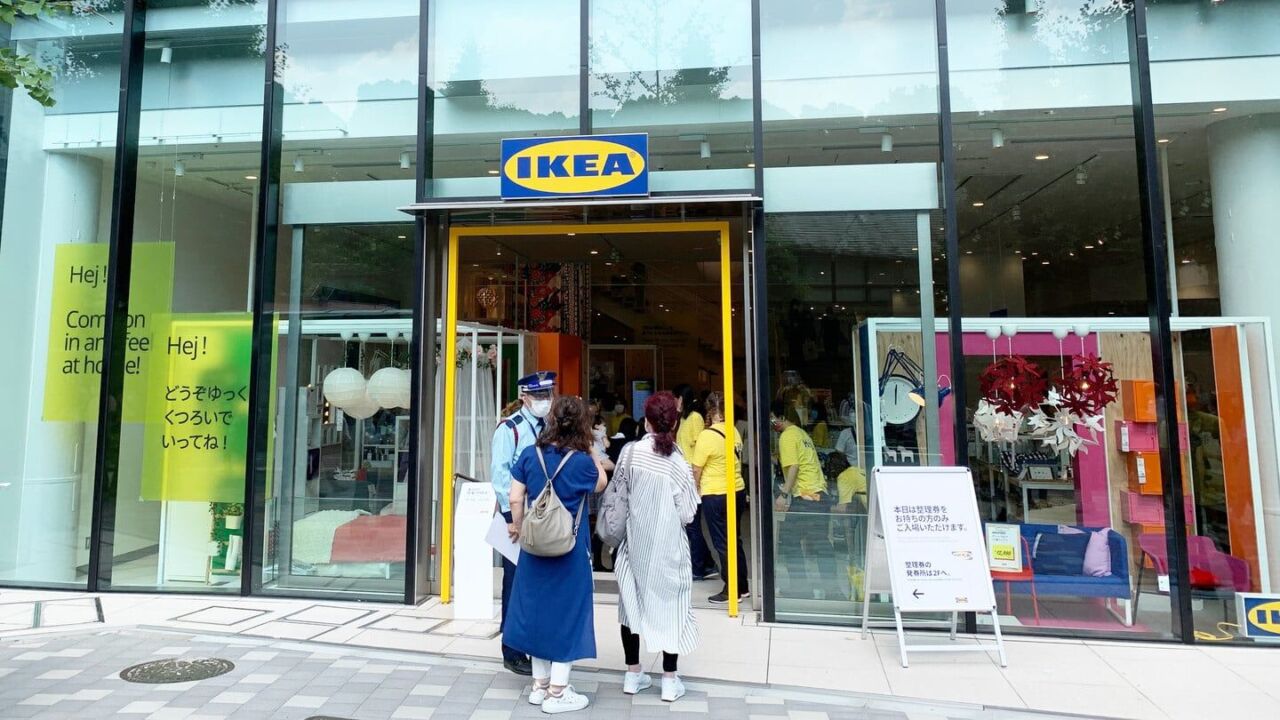
WITH HARAJUKU: Harajuku’s New Landmark with IKEA and UNIQLO
WITH HARAJUKU is a mixed-use complex about a 1-minute walk from the east exit of JR Harajuku Station. It houses IKEA Harajuku, UNIQLO Harajuku and the Snoopy-themed restaurant PEANUTS Cafe SUNNY SIDE kitchen. Opening hours vary by shop; PEANUTS Cafe is open from 9:00 to 21:30 (last order 20:30) every day of the year.
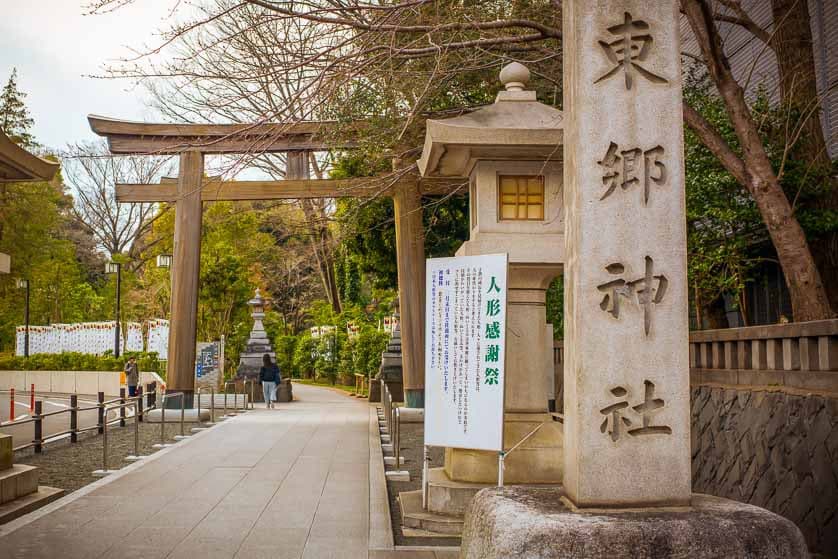
Togo Shrine: A Hidden Shrine for a Famed Admiral
Togo Shrine honors Togo Heihachiro, who led the Combined Fleet to victory in the Russo-Japanese War. The grounds are small but green, a quiet spot amid the bustle and a rare traditional place of worship in the Harajuku shopping district. Hello Kitty-shaped omamori charms and ema plaques are available, combining Harajuku’s cute culture with traditional faith.
The shrine is open year-round and admission is free. Omamori charms and goshuin stamps can be bought and requested at the shrine office, with the offering depending on the item. We suggest visiting after Takeshita Street, as it is only about a 5-minute walk away.
How to Get to the Meiji Jingu Shopping Area: Complete Guide to Transport and Fares
The main bases for shopping around Meiji Jingu are Harajuku, Omotesando and Yoyogi, where several subway and JR lines meet and transport is very convenient.
Getting to the Meiji Jingu Shopping Area at a Glance
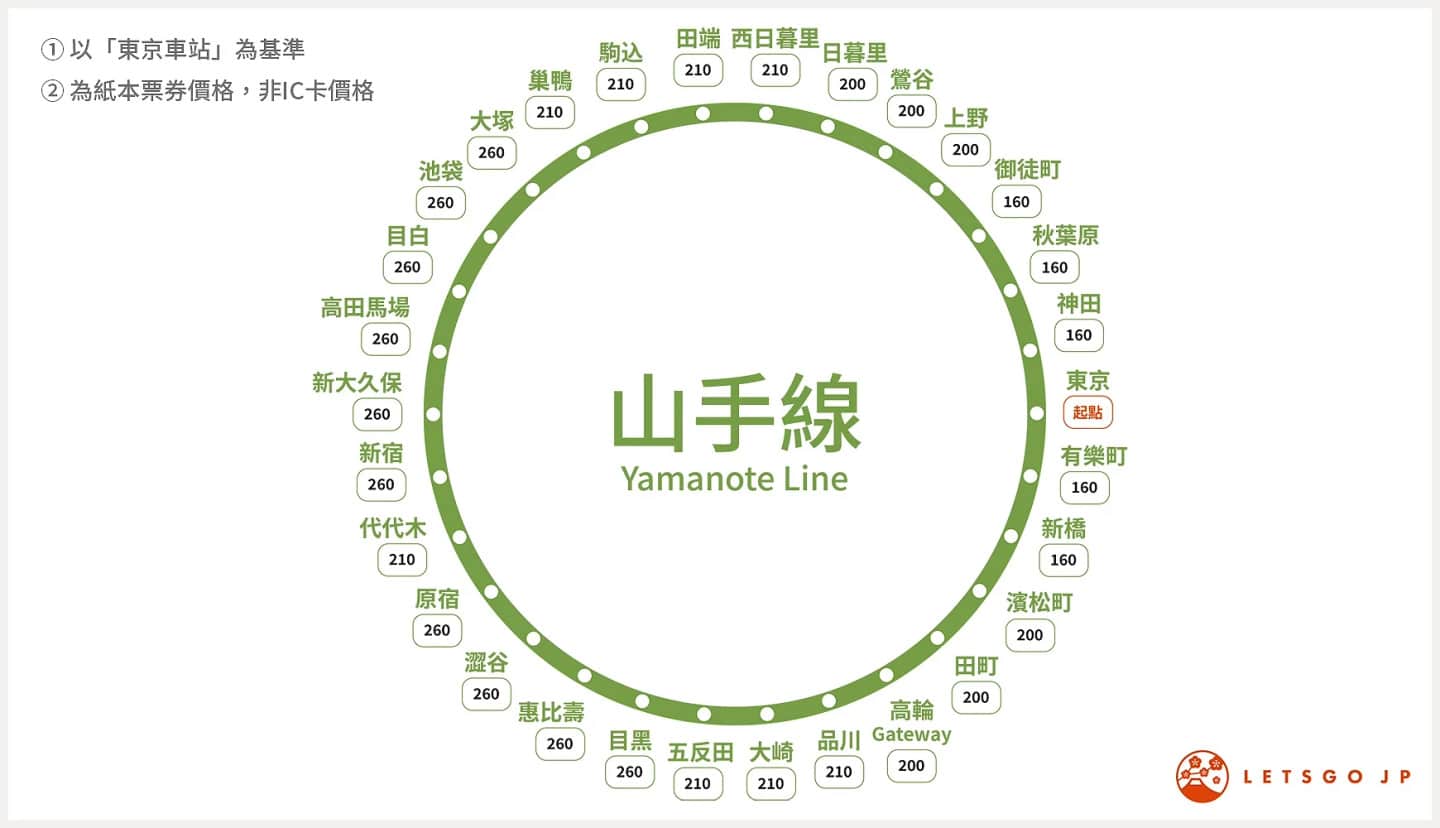
🚆 JR Yamanote Line: Harajuku Station gives access to Meiji Jingu and Takeshita Street. Shinjuku is 5 minutes for ¥150, and Tokyo is 25 minutes for ¥210.
🚇 Tokyo Metro Chiyoda Line: Meiji-jingumae (Harajuku) Station, about a 1-minute walk from Exit 2, fare ¥170-200.
🚇 Tokyo Metro Fukutoshin Line: Shibuya is 1 stop and 2 minutes away for ¥170, and it connects to the Toyoko Line, so Yokohama needs no transfer.
🎫 Tokyo Subway Ticket: 24 hr ¥1,000 / 48 hr ¥1,500 / 72 hr ¥2,000, available only to foreign visitors.
Must-See Attractions Around Meiji Jingu: Highlights by Area
Here are the best shopping landmarks and cultural sights around Meiji Jingu.
Meiji Jingu: Tokyo’s Most-Visited Shrine
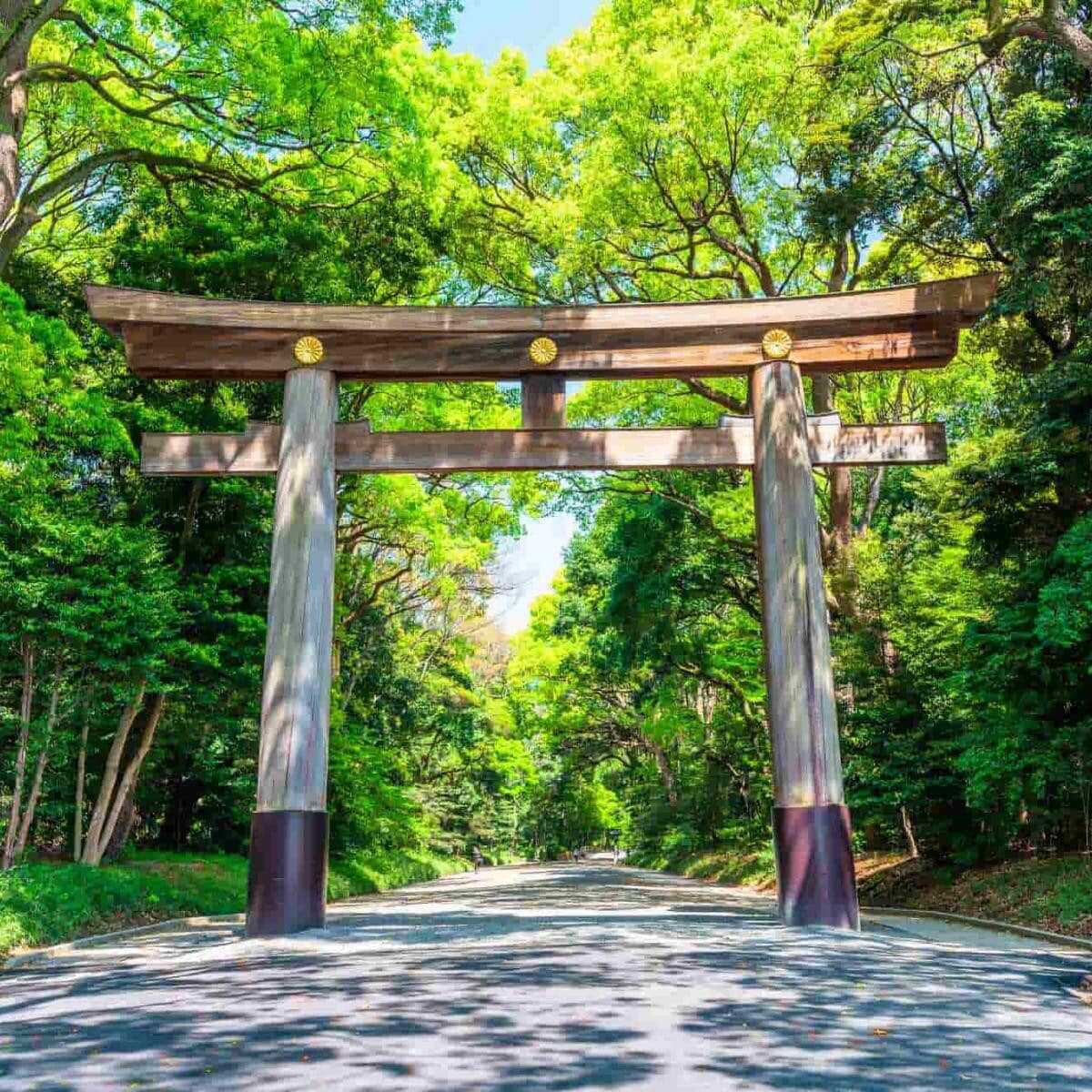
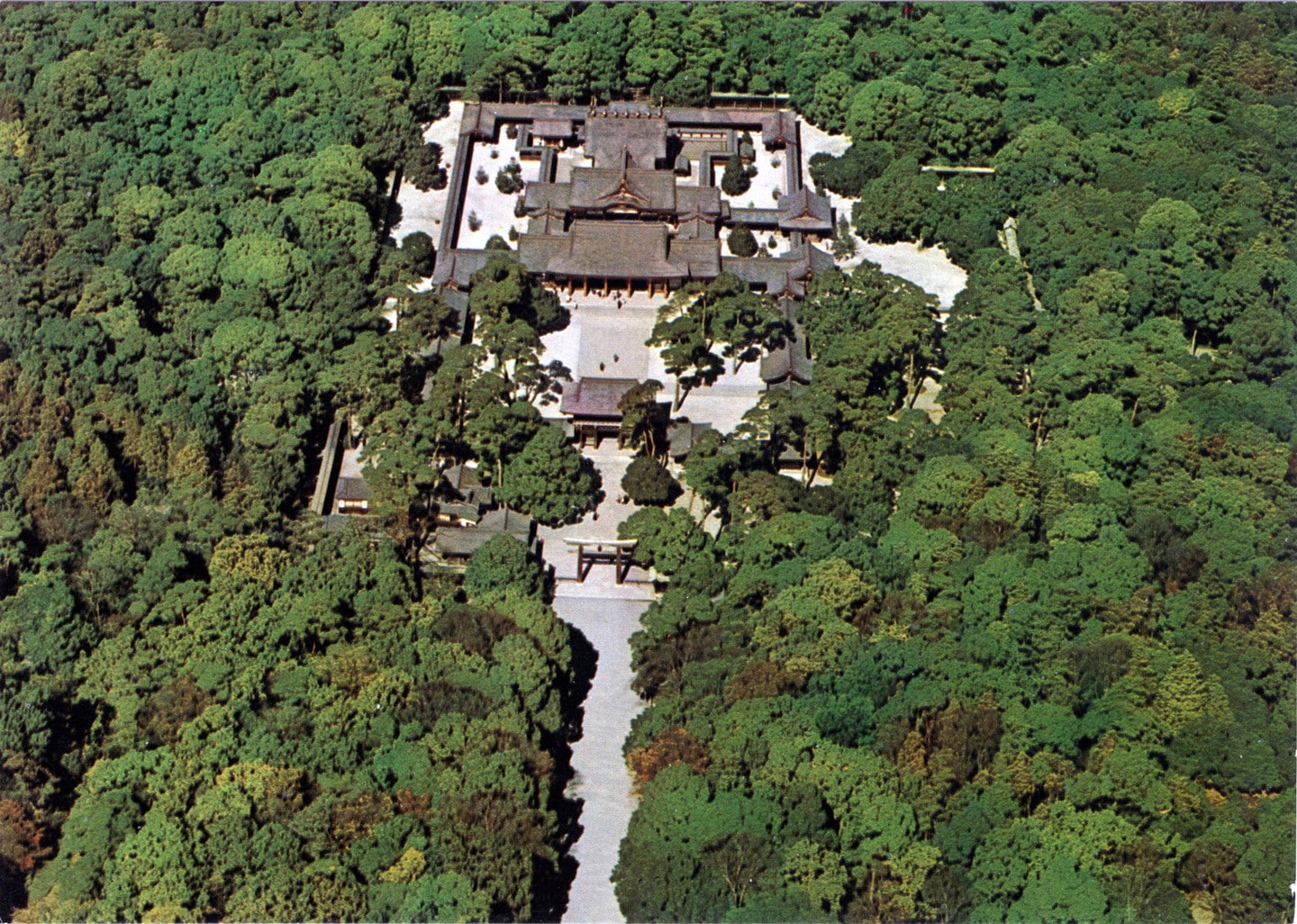
Meiji Jingu enshrines Emperor Meiji and Empress Shoken. Its 70 hectares of grounds hold more than 100,000 Japanese trees, forming a primeval forest in the heart of the city. The current great torii gate was rebuilt in 1975 using Taiwanese hinoki cypress from Mt. Danda, a witness to Taiwan-Japan exchange.
The shrine is open every day from sunrise to sunset, and visiting is free. Omamori charms, ema plaques and goshuin stamps (about ¥500) are sold at the shrine office. The fortune slips are waka poems by Emperor Meiji and the Empress, focused on life guidance. We recommend visiting in the morning, when the atmosphere is quiet and solemn. A visit takes about 60-90 minutes.
Yoyogi Park: A Downtown Oasis and Former Tokyo Olympic Athletes’ Village
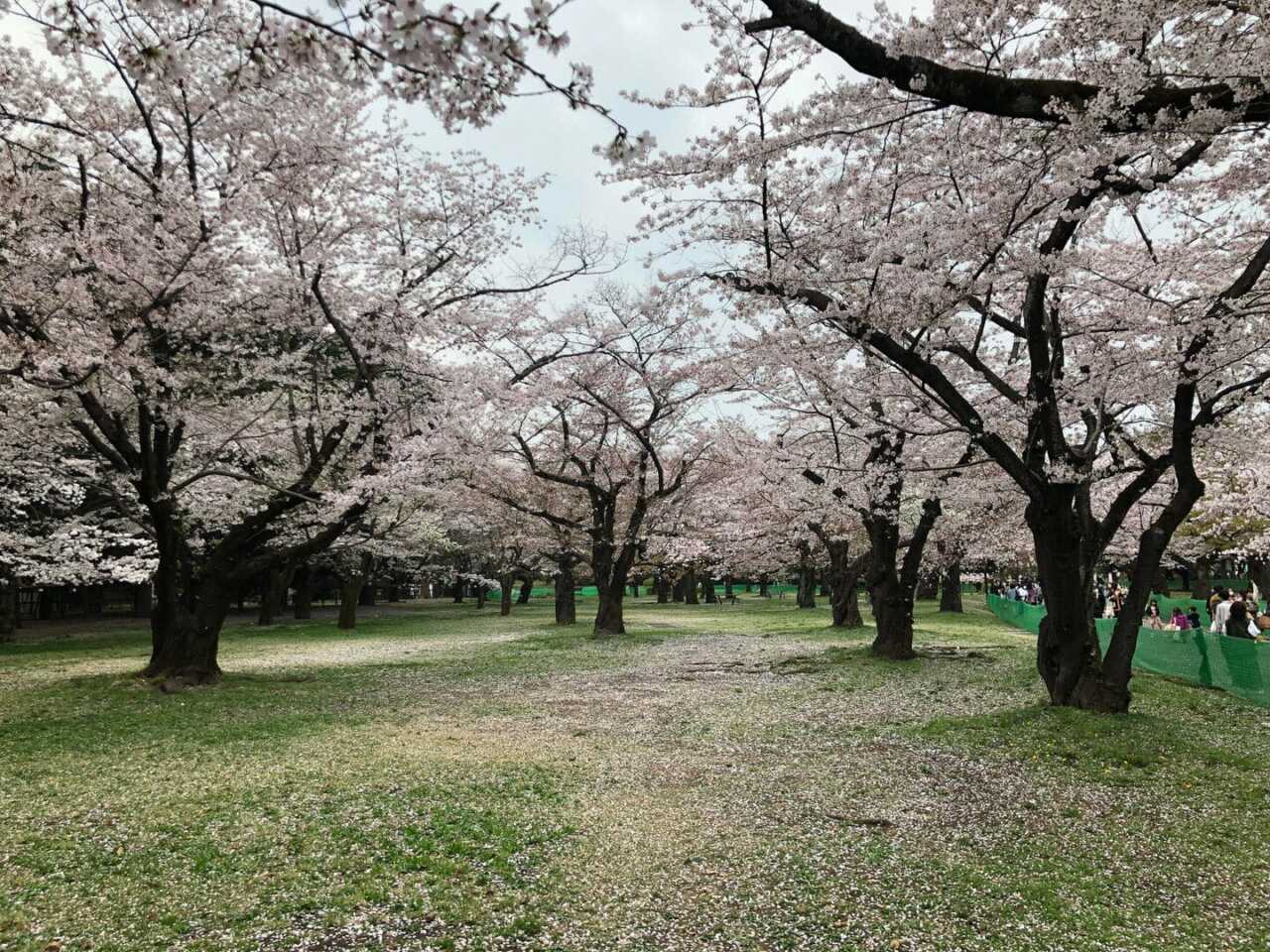
Yoyogi Park was formerly an Imperial Japanese Army training ground and then the athletes’ village for the 1964 Tokyo Olympics. Today it is one of the largest city parks in Tokyo, with wide lawns and a popular spot for picnics, cherry blossom viewing and street performances.
The park is open year-round with free admission. The best times to visit are the cherry blossom season (late March to early April) and the autumn ginkgo season, and on weekends there are often international food festivals and music events. We suggest a 1-2 hour stroll. Bicycle rental is available in the park, which suits families or couples spending a relaxed afternoon.
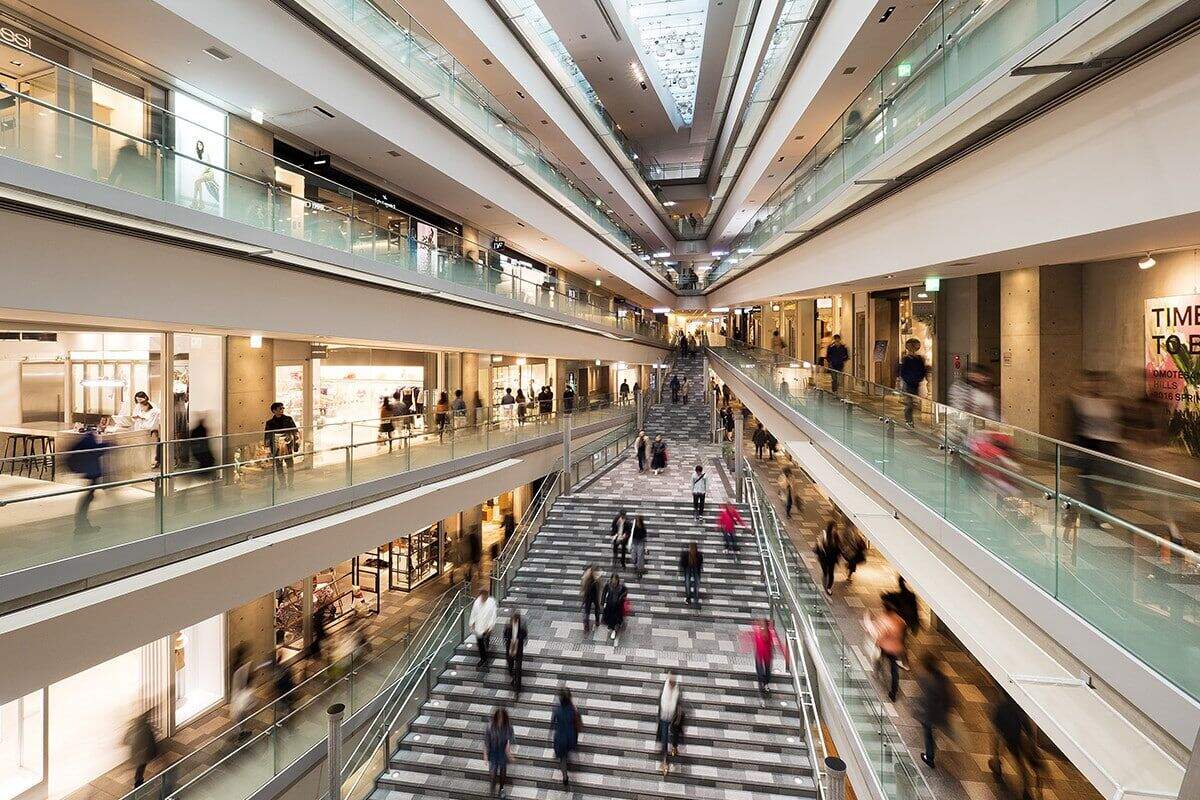
Omotesando Hills: Spiral Architecture Designed by Tadao Ando
Omotesando Hills was designed by renowned architect Tadao Ando. Its signature feature is a spiral ramp that runs through several floors so that shoppers seem to stroll along a gentle slope, while keeping part of the facade of the former Dojunkai Aoyama Apartments that stood on Omotesando.
The building houses many luxury and lifestyle brands, and the basement floors have several afternoon-tea cafes. It is open from 11:00 to 21:00 (until 20:00 on Sundays). The building itself is a must-see example of contemporary architecture, worth a visit for the spatial design even if you don’t shop.
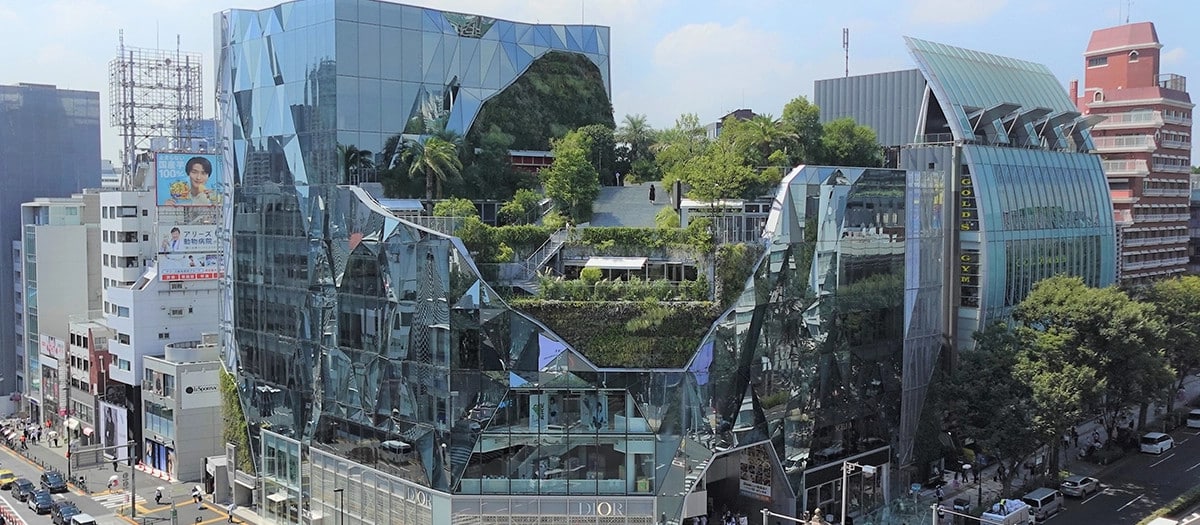
Tokyu Plaza Harajuku HARAKADO: A Complex with the Traditional Sento Kosugi-yu
HARAKADO opened in recent years and is Harajuku’s newest landmark complex, combining trendy fashion, dining and a traditional public bathhouse, showing a blend of old and new Tokyo.
Kosugi-yu Harajuku inside is an innovative attempt to bring a traditional bathhouse into a shopping complex. It is on the 1st basement floor and is open from 7:00 to 23:00 (last entry 22:15), with a bathing fee of a little over ¥500, giving travelers a unique Japanese bathing experience. Opening hours on other floors vary by shop, and we suggest allowing 1.5 hours to enjoy the facilities fully.
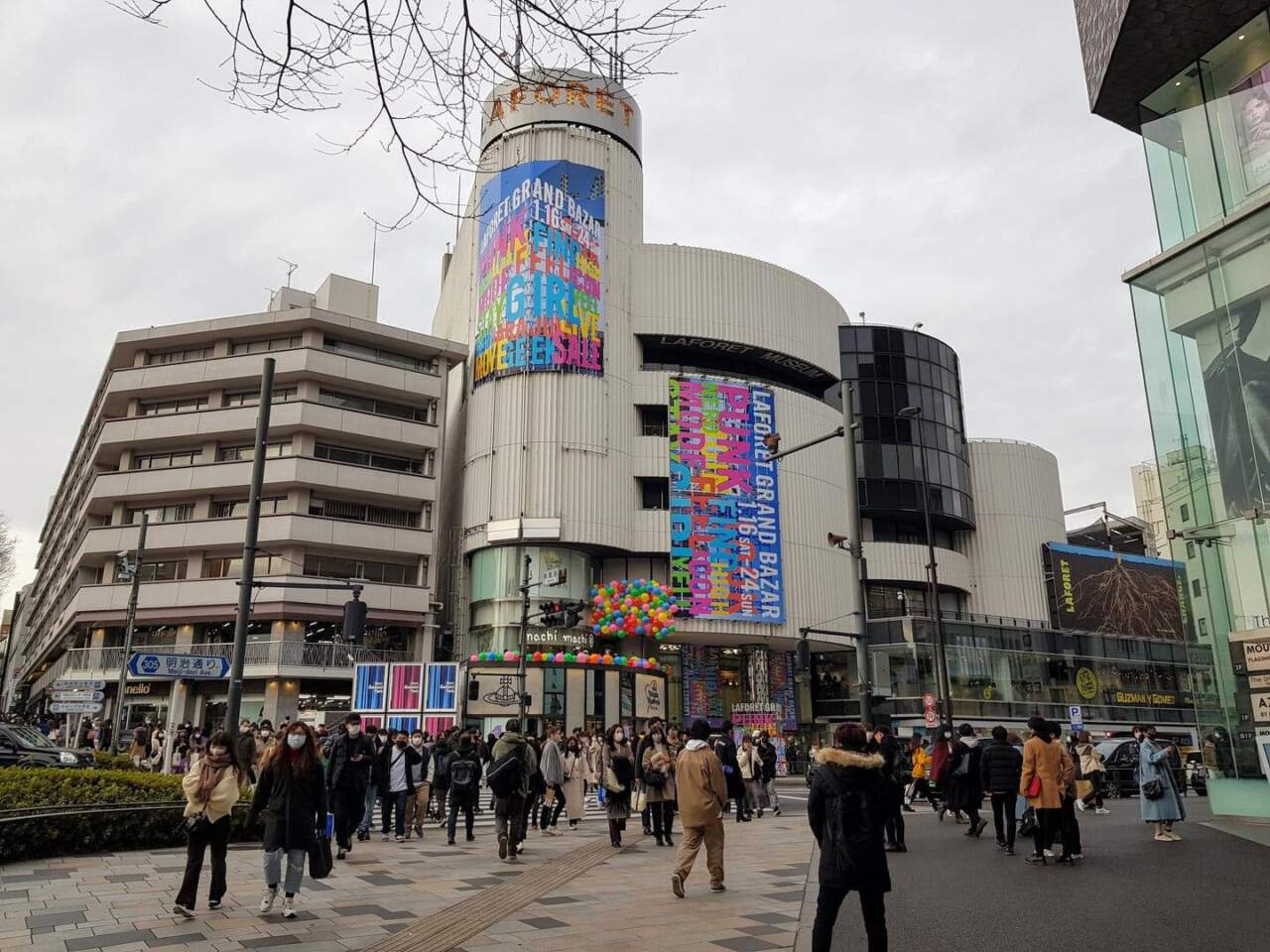
Laforet Harajuku Department Store: The Trendy Landmark with a 0.5 Floor Design
Laforet Harajuku has been a Harajuku trend landmark since it opened in 1978. The building uses a distinctive “0.5 floor” design with staggered levels, making the shopping route feel like an adventure, and about 130 shops are housed here.
The seasonal sale LAFORET GRAND BAZAR, held every January and July, is the most-watched event. Please check the official website for actual dates and discounts. Regular opening hours are 11:00 to 20:00, and hours may change during the sale.
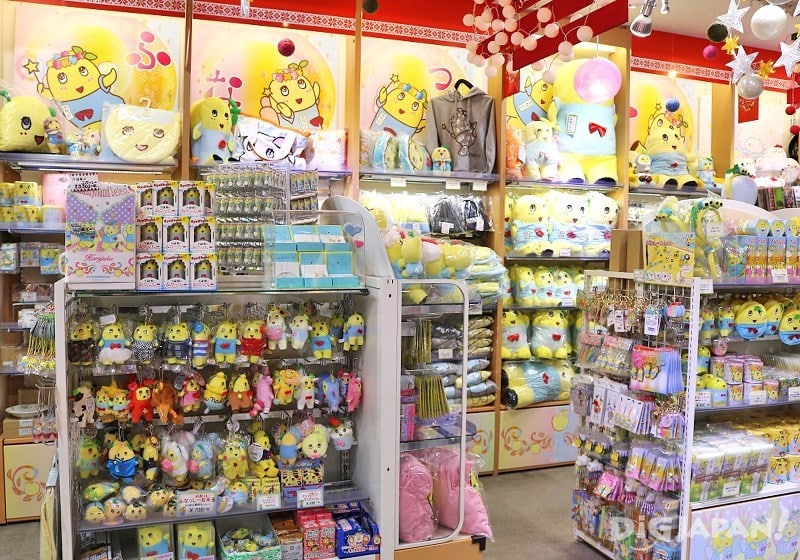
Kiddy Land: Six Floors of Snoopy, Disney, Sanrio and Pokémon Goods
Kiddy Land Harajuku is one of Japan’s oldest character goods specialty stores. Across six floors it has zones for popular IPs such as Snoopy, Disney, Sanrio and Pokémon, with one of the widest product selections in Tokyo.
It is open from 11:00 to 20:00. Some floors have limited-edition items and pop-up shops, and the displays change themes often, so even regulars can find something new. We suggest allowing more than an hour to browse; it is the top choice for souvenirs in Harajuku.
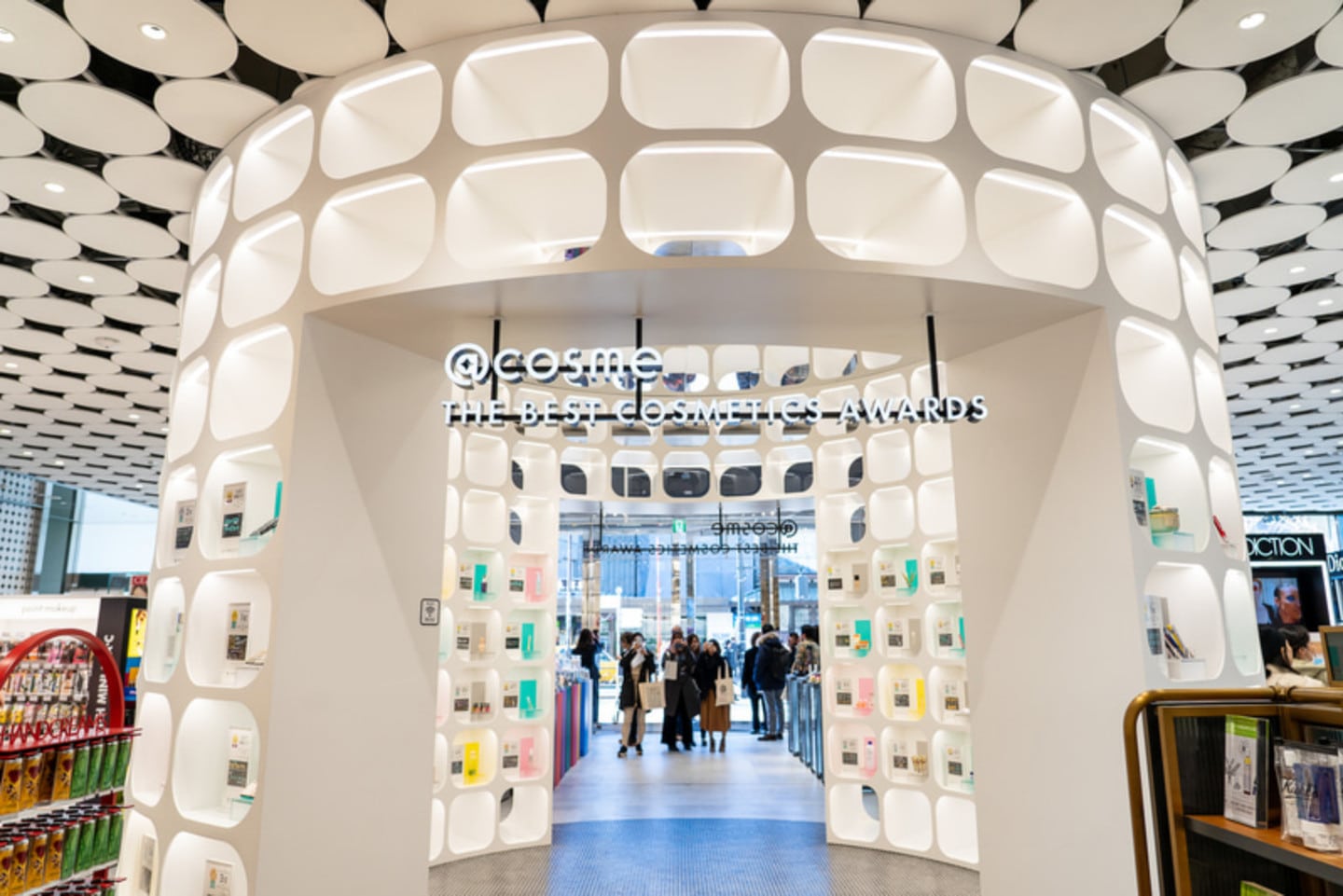
@cosme TOKYO: Japan’s Largest Beauty Concept Store
@cosme TOKYO is the physical flagship store of the Japanese beauty review site @cosme. It gathers more than 200 beauty brands and over 20,000 products, arranged by the site’s review rankings so shoppers can quickly find popular items.
Tax-free service is available in the store. It is open from 11:00 to 21:00 and is a one-stop shopping paradise for travelers who love Japanese beauty and skincare. We suggest allowing at least 45 minutes to try and choose products.
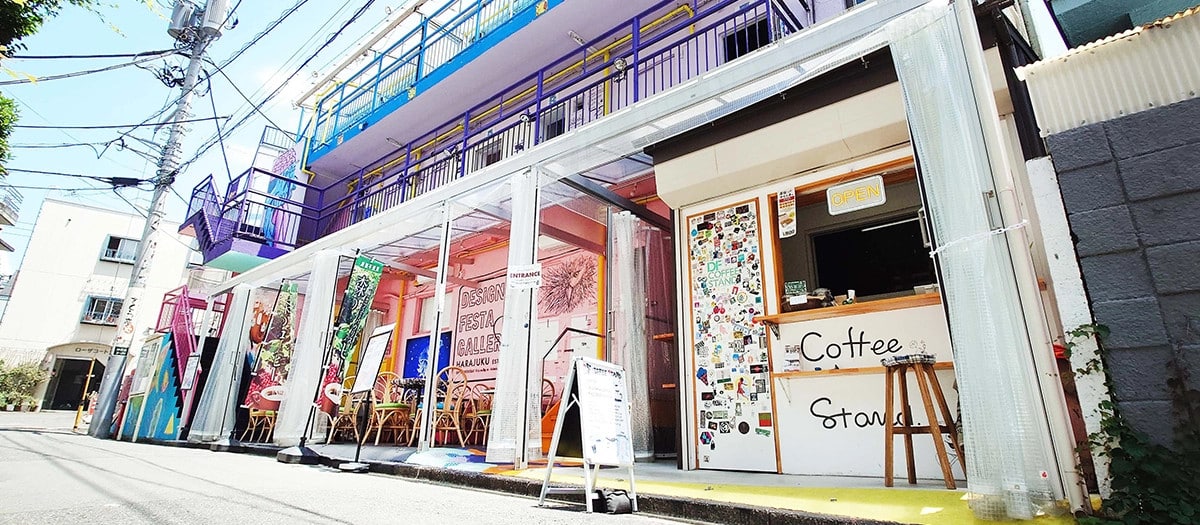
Design Festa Gallery: Graffiti Walls and a Free Space for Independent Artists
Design Festa Gallery is a well-known alternative gallery in Harajuku. Its exterior walls are covered with graffiti and art installations, and inside it shows works by independent artists and emerging creators. The exhibition spaces can be rented freely, presenting highly experimental and diverse exhibitions.
Admission is mostly free, and it is open from 11:00 a.m. to 8:00 p.m. Exhibitions change weekly, suiting travelers who love street art and alternative culture and want to explore Harajuku’s more avant-garde side. We suggest allowing 30-45 minutes.
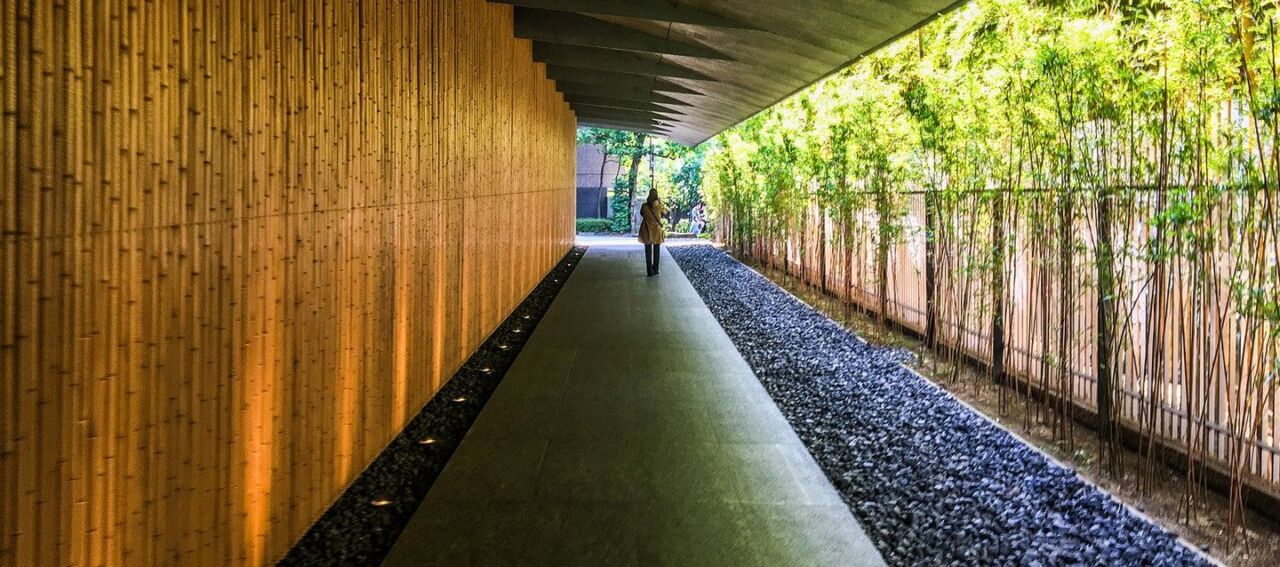
Nezu Museum: A Quiet Treasury of Japanese Classical Art in Aoyama
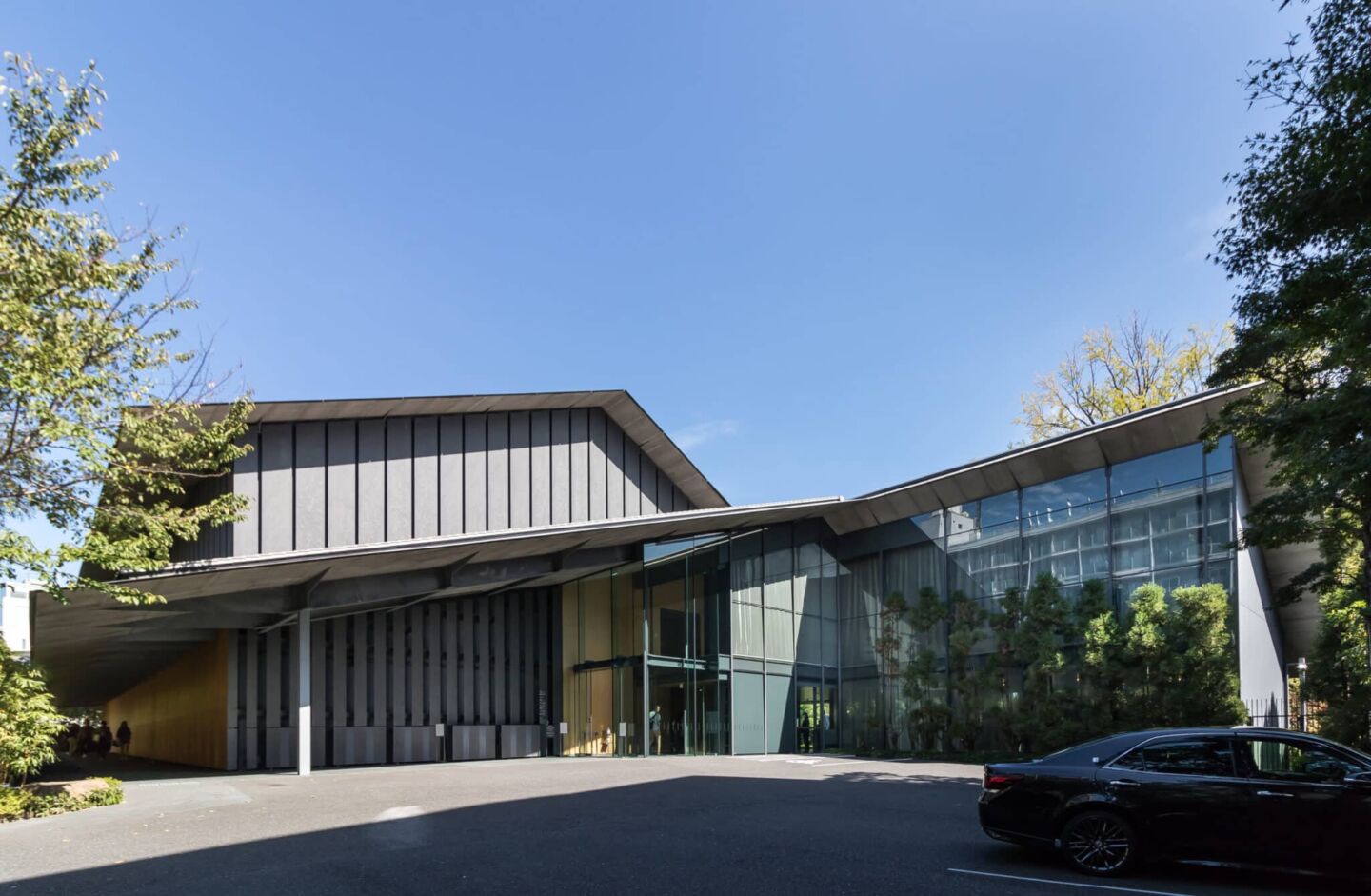
The Nezu Museum holds more than 7,000 pieces of classical East Asian art, including national-treasure-level paintings, calligraphy and bronzes. The building was designed by renowned architect Kengo Kuma, and the spacious garden has different scenery in every season, making it the most culturally rich spot in Aoyama.
Admission varies by exhibition (special exhibitions from ¥1,500, featured exhibitions generally from ¥1,300). Opening hours are 10:00 to 17:00 (last entry 16:30, closed Mondays), and the garden and museum share one admission fee. We suggest allowing 90 minutes and especially recommend visiting in the autumn leaves or fresh green season, when the garden is most charming.

Aoyama Cemetery: A Cherry Blossom Spot in Central Tokyo
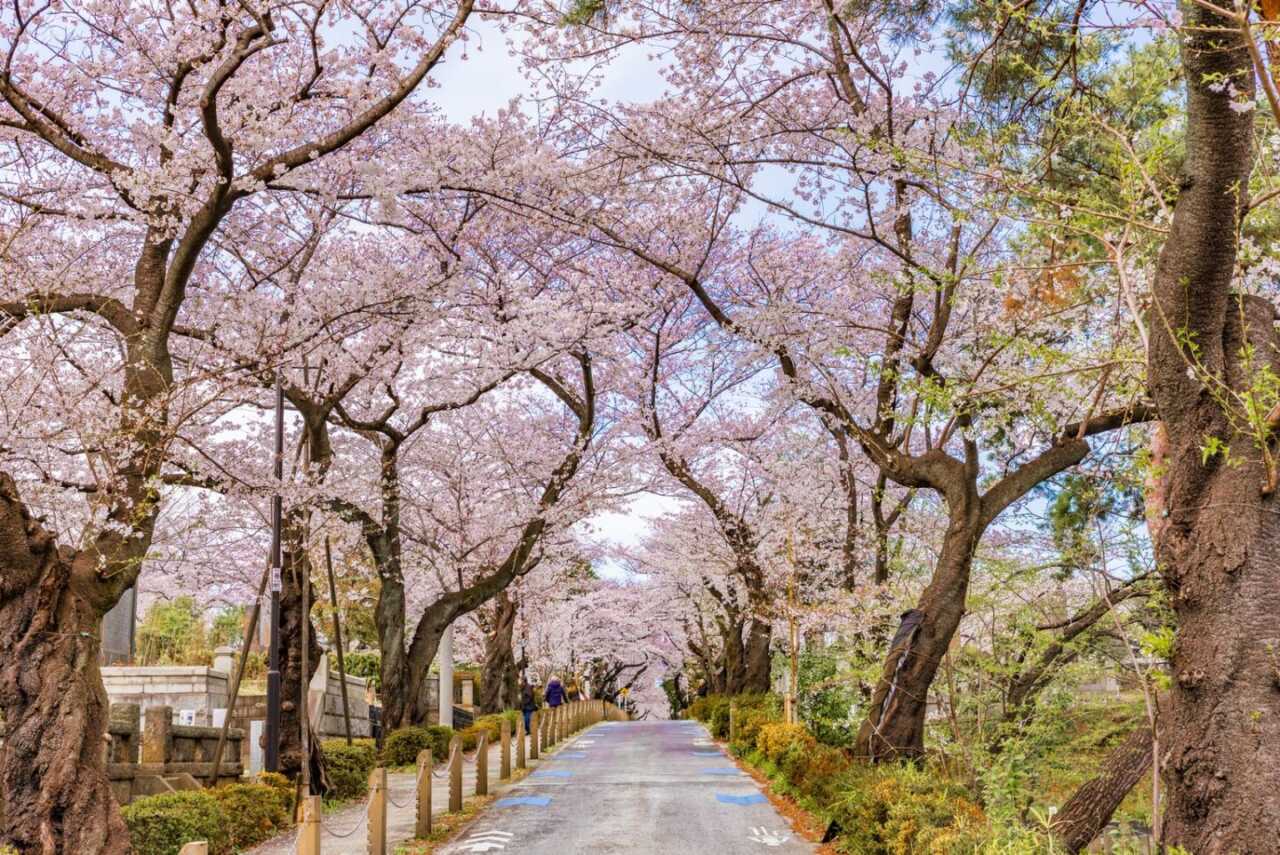
Aoyama Cemetery is a rare large cemetery in central Tokyo that is also a well-known cherry blossom spot, planted with many Somei Yoshino cherry trees.
It is open year-round with free admission, and the best time for cherry blossoms is late March to early April. We recommend visiting in the early evening, when the setting sun through the blossoms is especially romantic. The grounds are large, so allow 1 hour for a relaxed stroll, and please stay quiet and respect the nature of the place.
How Much Does Shopping Around Meiji Jingu Cost? Popular Shops and Experience Recommendations
The Meiji Jingu area covers Harajuku, Omotesando and Yoyogi Park and is one of the densest shopping areas in Tokyo, from the affordable trend brands of Takeshita Street to the luxury flagship stores of Omotesando. Here are four must-do experiences and districts, with rough spending ranges, opening hours and reasons to go, so even first-time visitors can plan a smooth and good-value itinerary.
Takeshita Street: The Birthplace of Harajuku Subculture and Student Trends
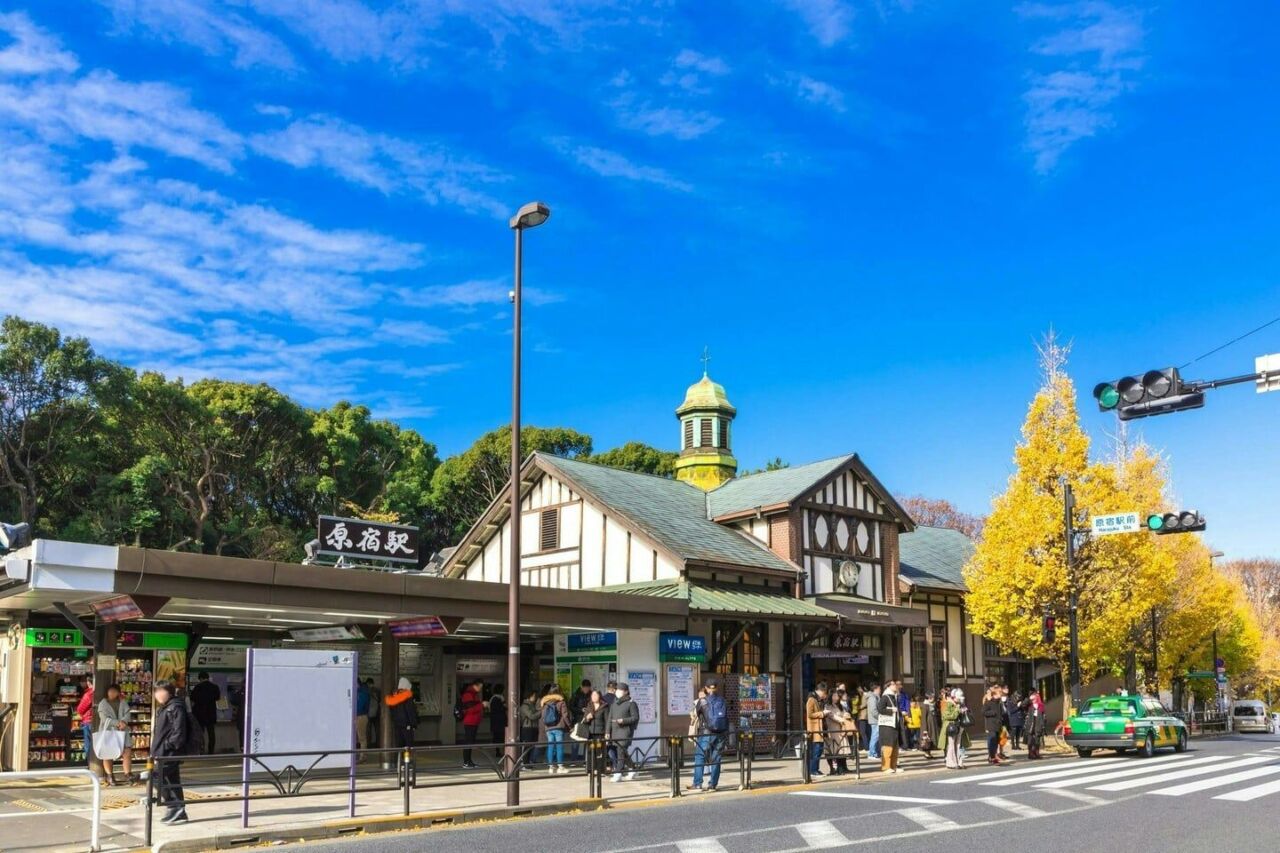
Takeshita Street lies between Harajuku Station and Meiji-dori and is about 350 meters long. It is a birthplace of subculture, with many affordable clothing stores, crepe stands and vintage shops. T-shirts cost about ¥1,000-3,000 and crepes about ¥500-800.
The flagship Angel’s Heart crepe shop and Daiso Takeshita Street are photo hotspots. It gets crowded on weekends, so go on a weekday before 10:00 a.m. Opening hours are about 10:00-20:00.
Takeshita Street is about a 5-minute walk from Meiji Jingu’s Harajuku entrance, so it is a good stop after your visit to the shrine.
Omotesando: A Temple of Flagship Stores and Architectural Beauty
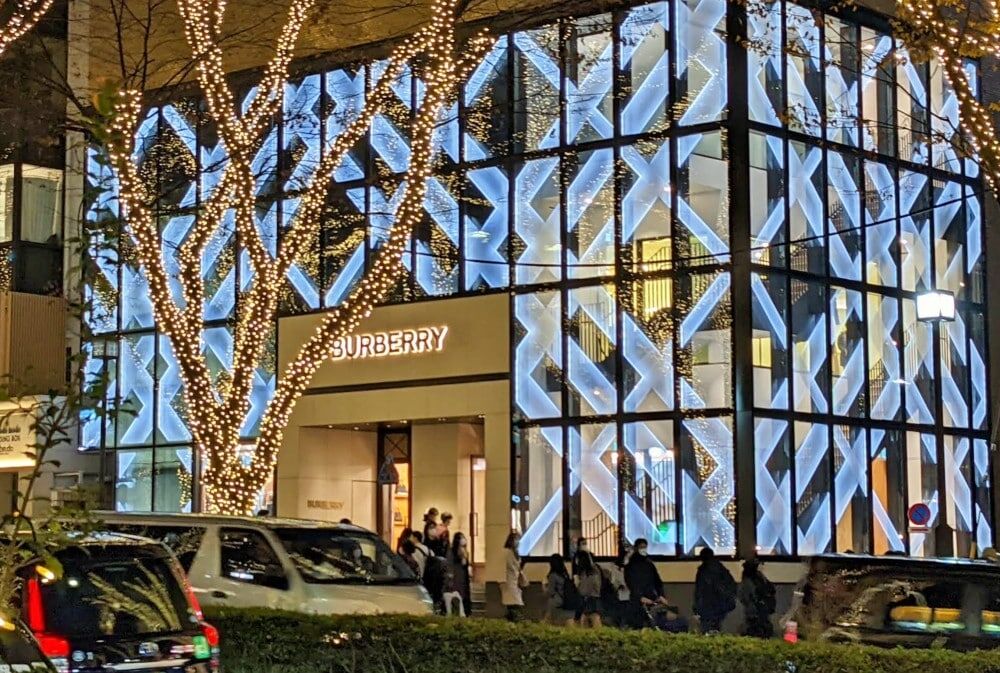
Omotesando is known as the “Champs-Élysées of Tokyo,” lined with luxury stores such as Louis Vuitton, Prada and Dior. TOD’S by Toyo Ito and Omotesando Hills by Tadao Ando are architectural highlights. Hills has about 100 shops and is open 11:00-21:00 (until 20:00 on Sundays).
The backstreets of Omotesando have several cafes and bakeries, good for a break while shopping.
It is even more charming in the early evening, and you can link Harajuku and Aoyama into a one-day trip.
Tokyu Plaza Omotesando Harajuku: Rooftop Garden and Trendy Select Shops
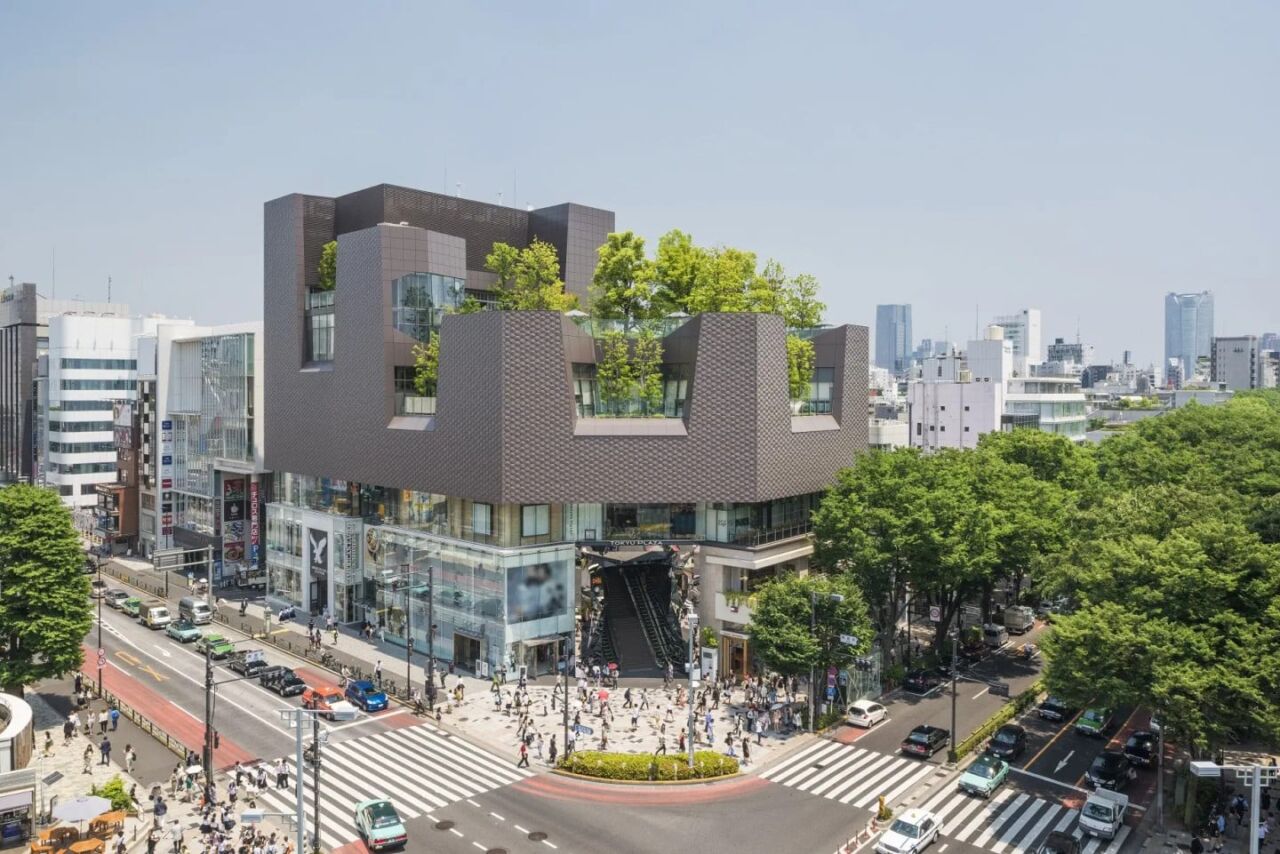
Tokyu Plaza Omotesando Harajuku, at the Jingumae intersection, has a kaleidoscope-style mirrored entrance that is an Instagram hotspot. It focuses on lifestyle goods, trendy clothing and eyewear, with prices of about ¥1,000-5,000. The rooftop garden Omohara no Mori (おもはらの森) is free to enter, a good place to rest when you get tired. Opening hours vary by floor, and it is right next to Harajuku and Meiji-jingumae stations for easy transfers. Spending ranges from affordable goods to mid-priced clothing, suiting one-stop souvenir shopping, and the building has a tax-free counter.
Ura-Harajuku Strolls: Niche Select Shops and Artisan Coffee in the Backstreets
Ura-Harajuku is the area of backstreets between Takeshita Street and Meiji-dori, gathering independent designer brands and secondhand vintage stores. Chicago Harajuku, for example, is known for American vintage, with items at about ¥2,000-8,000, suiting travelers who like digging up niche brands.
The backstreets also have distinctive cafes, such as Sarutahiko Coffee THE BRIDGE on the 2nd floor of the new JR Harajuku Station building, a good place for a break. The area is spread out, so use a map or a local guide to find hidden gems.
Most shops are open about 11:00-19:00, and some have irregular closing days, so check before you go.
Where to Stay Nearby
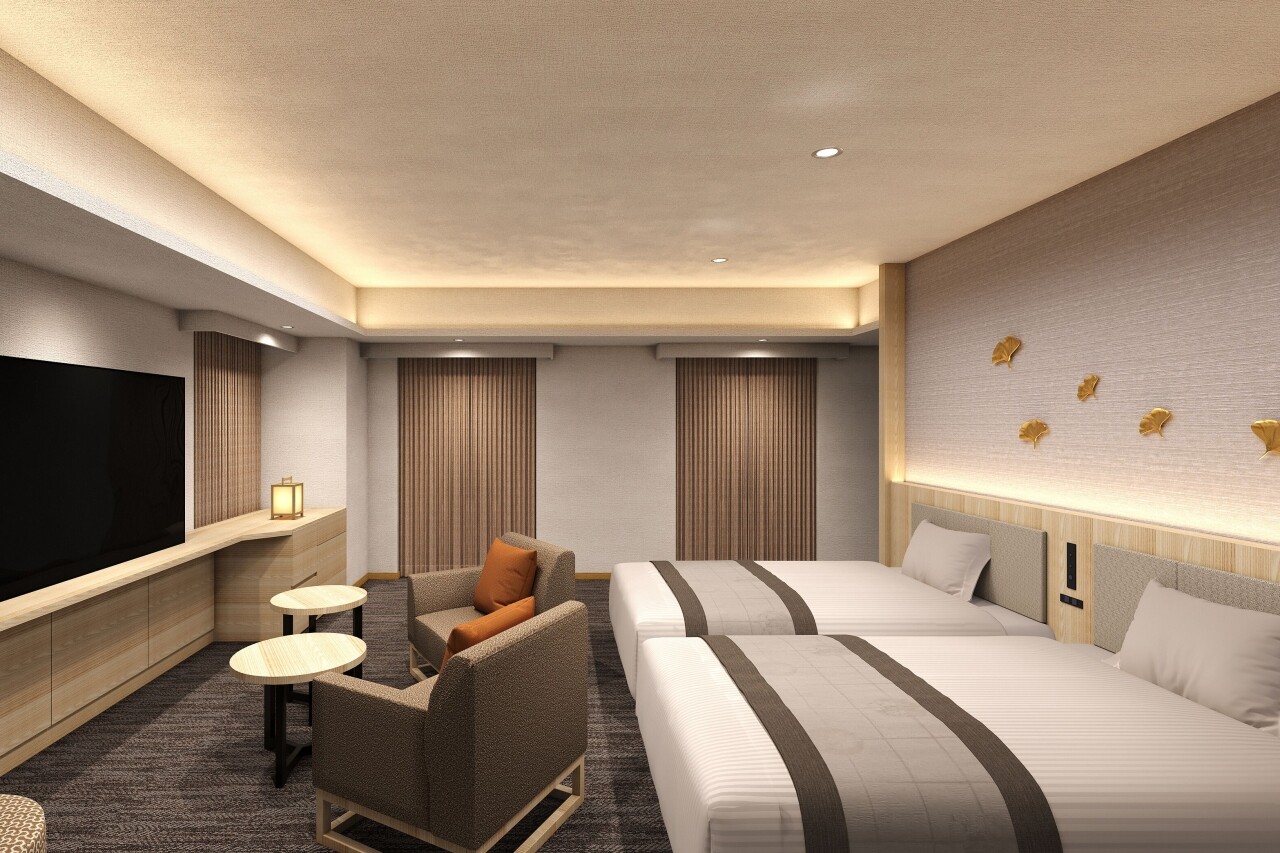
There are few hotels in Harajuku and Omotesando, so for a shopping trip you can stay in nearby Shibuya. From Shibuya, the Tokyo Metro Fukutoshin Line takes you to Meiji-jingumae (Harajuku) Station in one stop, and it is easy to return in the evening after shopping, with a wide choice of hotels and restaurants.

FAQ
Q: Which is better for first-time visitors, Omotesando or Takeshita Street?
Takeshita Street suits travelers who like a lively atmosphere and affordable trends, while Omotesando suits those who love luxury brands and architecture. We recommend including both in your itinerary.
Q: What is the best time to visit the Meiji Jingu shopping area?
We recommend arriving at Meiji Jingu before 10:00 a.m., then heading to Takeshita Street and Omotesando before noon to avoid the afternoon peak crowds.
Q: How much are transport fares around Harajuku and Omotesando?
A single subway ride starts at about ¥180. If your itinerary stays along the subway lines, compare whether a day pass such as the Tokyo Subway Ticket (24 hours, ¥1,000) is worth it.
Q: When is the Laforet Harajuku sale?
The seasonal sale LAFORET GRAND BAZAR is held every January and July. Please check the official website for actual dates and discounts.
Q: About how much tax can I get back at Omotesando luxury stores?
Eligible visitors can get a refund of the 10% consumption tax. From November 1, 2026, you pay the tax-inclusive price first and receive the refund after customs confirmation when leaving the country. Please follow each store’s on-site notices for its rules.
Q: What should I keep in mind when shopping on Takeshita Street?
It is crowded on weekends, so arrive on a weekday or before 10:00 a.m. Some small shops close irregularly, so check opening hours before you go.
Q: Where should I stay near Harajuku and Omotesando?
Harajuku itself has few hotels, so we recommend staying in nearby Shibuya or Shinjuku, which have convenient transport and a wider choice of hotels and price ranges.