
Meiji Jingu Area Food Guide 2026: Local Favorites in Harajuku and Omotesando
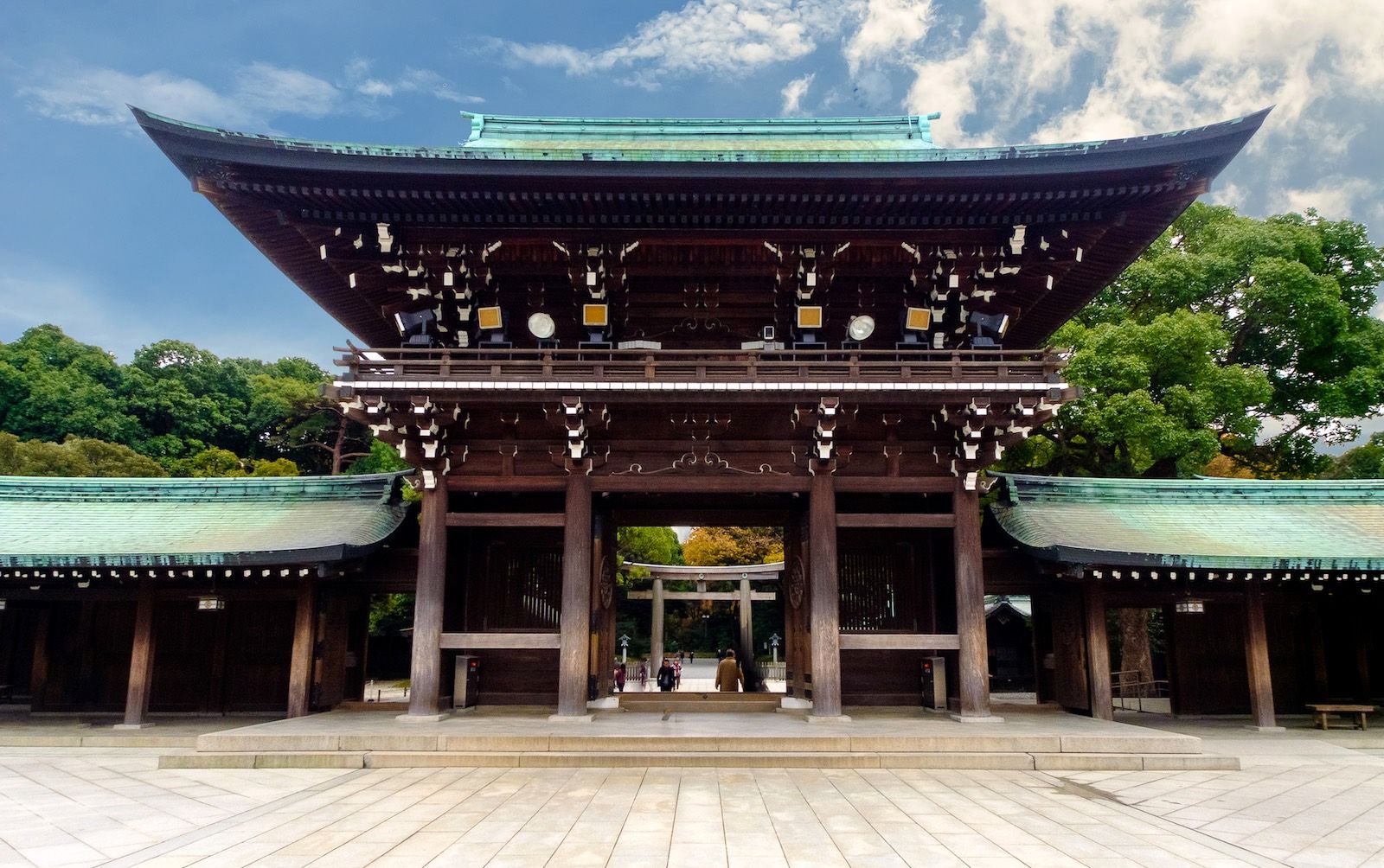
Food around Meiji Jingu falls into two zones. Inside the shrine grounds, FOREST TERRACE Meiji Jingu has a restaurant and cafes that are handy for a meal during your visit. Outside the shrine are Harajuku, Omotesando and Takeshita Street, packed with famous ramen, sushi, yakiniku and dessert spots.
If you want the must-eat list and restaurants right away, jump to “What to Eat Around Meiji Jingu.” For how to get there, see the transport section.
Admission to the Meiji Jingu grounds is free all year, open from sunrise to sunset (varies by season). Entry to the Meiji Jingu Inner Garden is ¥500. For the latest information, see the Meiji Jingu official website (meijijingu.or.jp).
Harajuku Food: Home of Youth Subculture and Street Snacks
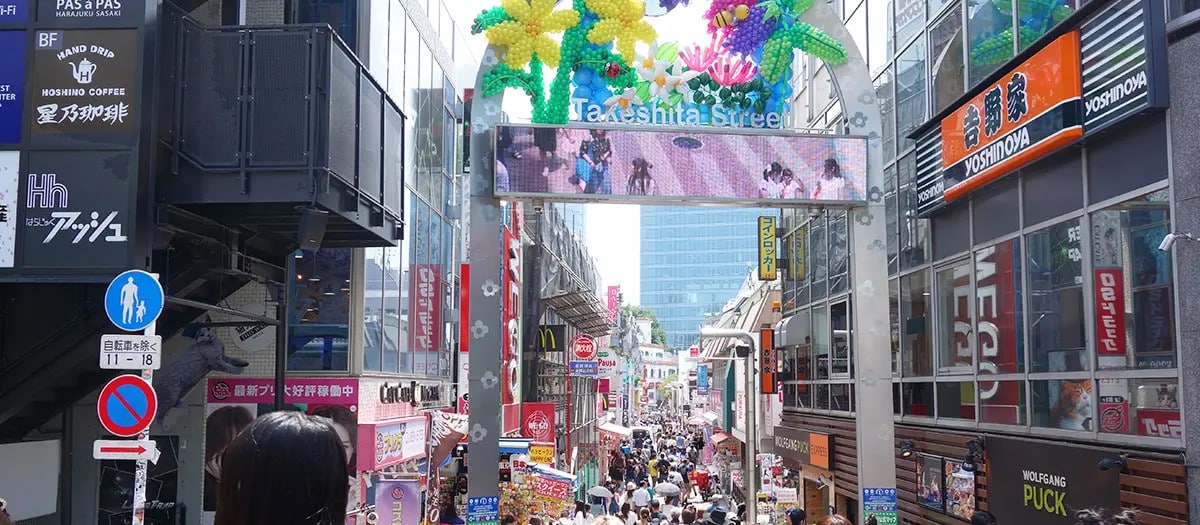
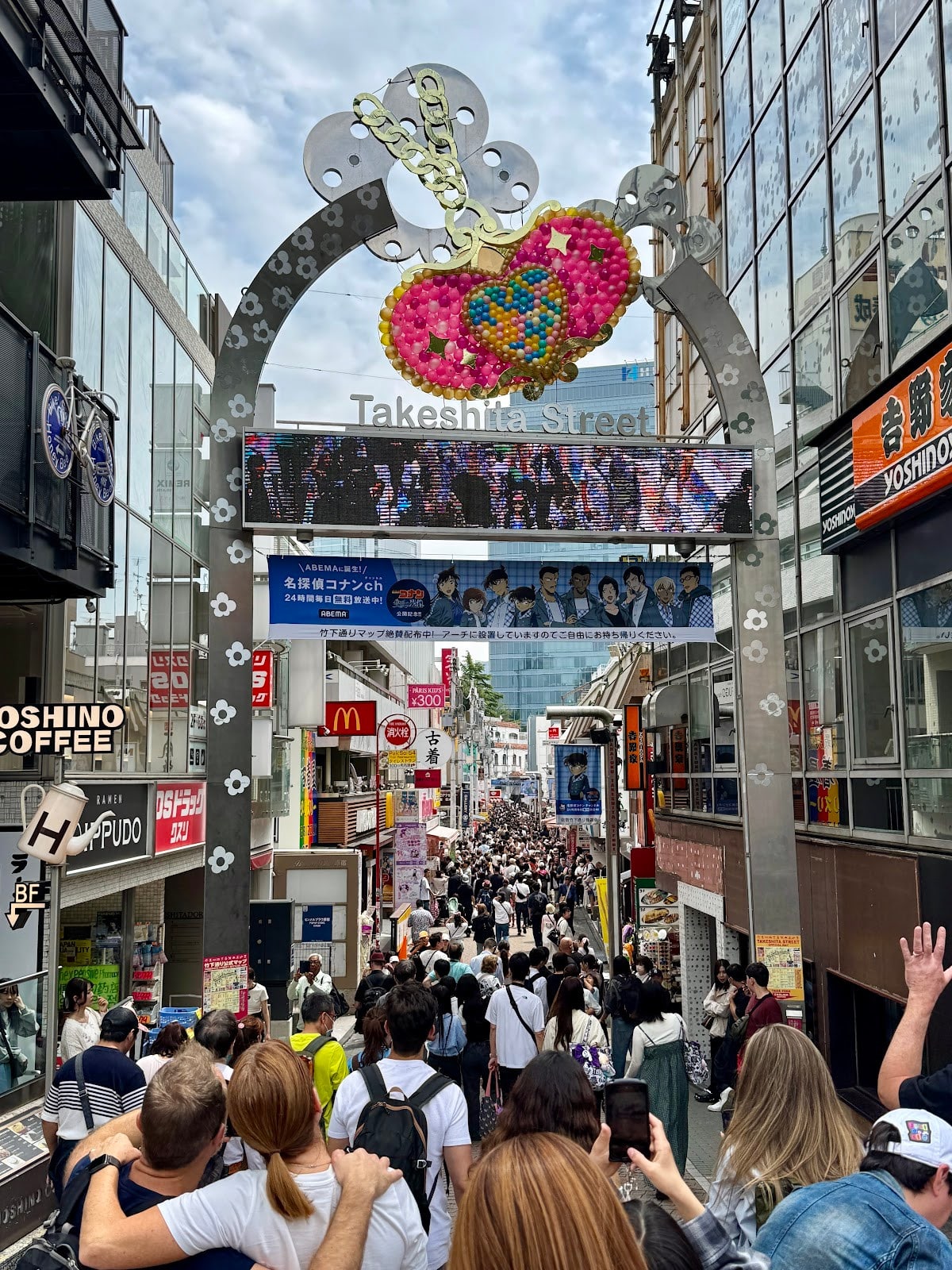
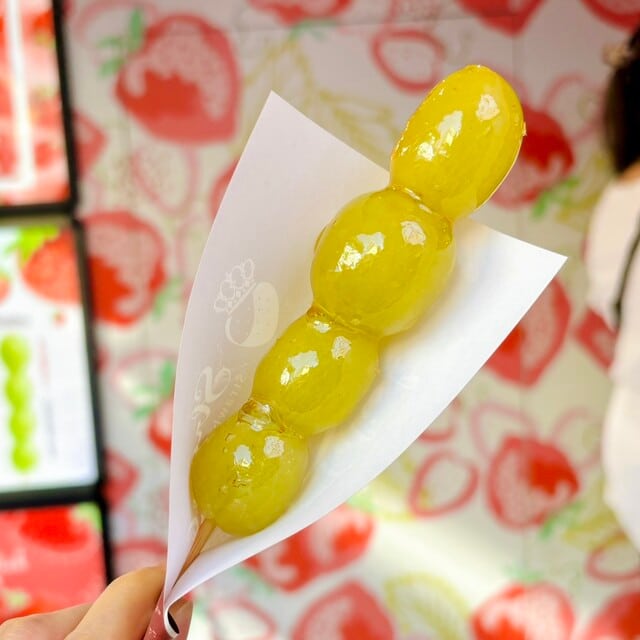
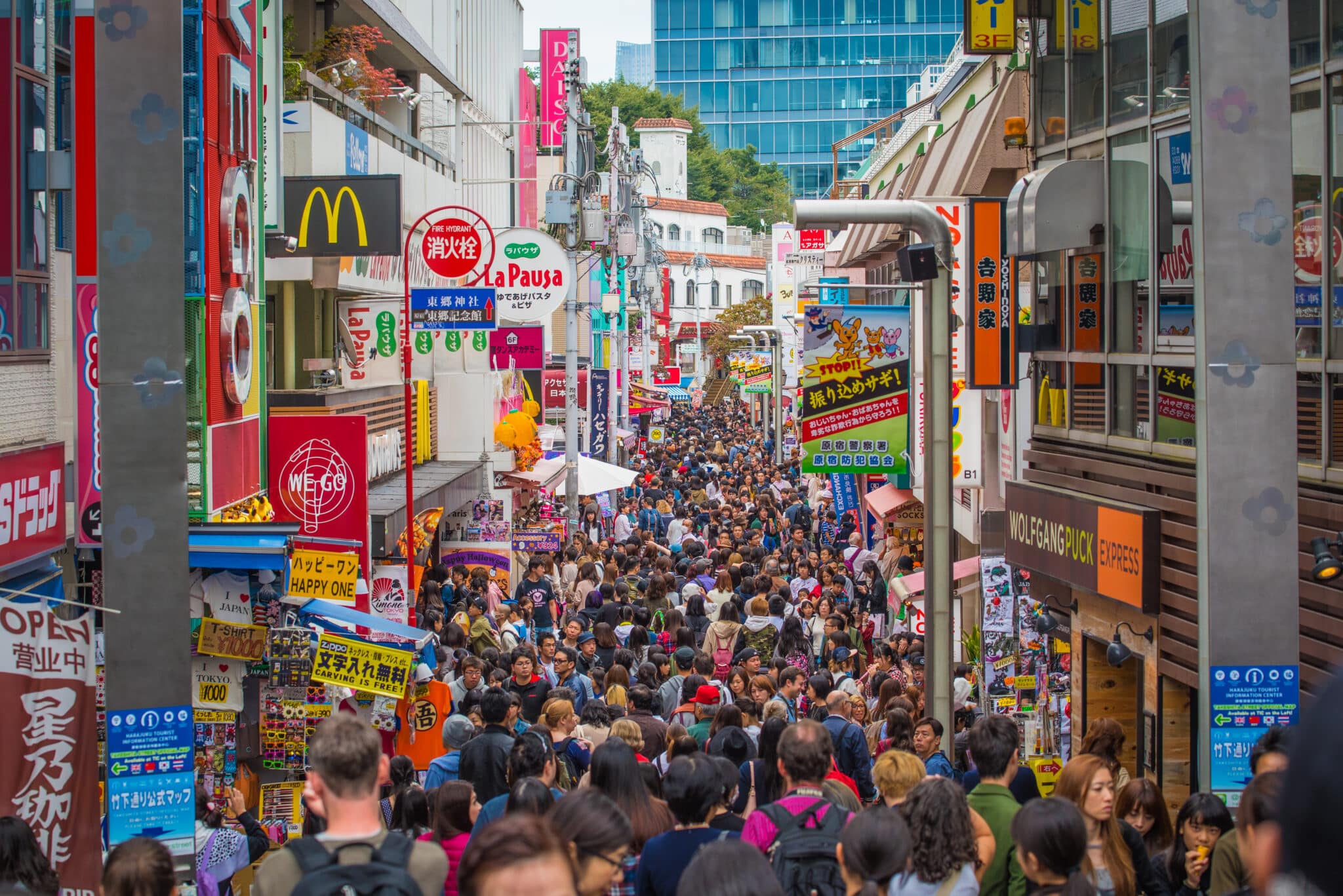
Harajuku is famous for Takeshita Street, the birthplace of Tokyo’s youth subculture, with crepe shops, croissant doughnut stands and dessert specialists lining both sides.
Besides snacks, the Harajuku back streets also hold several well-known ramen and yakiniku restaurants, making it a good half-day of strolling and eating.
We suggest going on a weekday morning to avoid weekend crowds, and shops that have just opened have shorter waits. Takeshita Street is about 350 meters long, and the main street takes about 10 minutes to walk, but the side lanes are worth more time to explore.

Omotesando: A Tree-Lined Avenue of Luxury Brands and Food
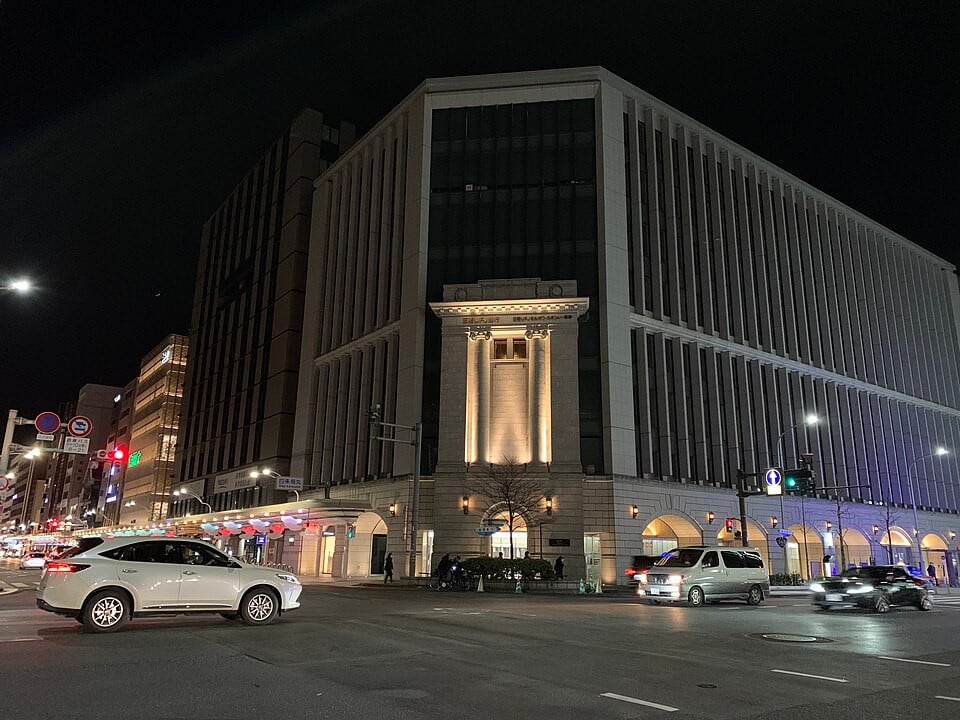
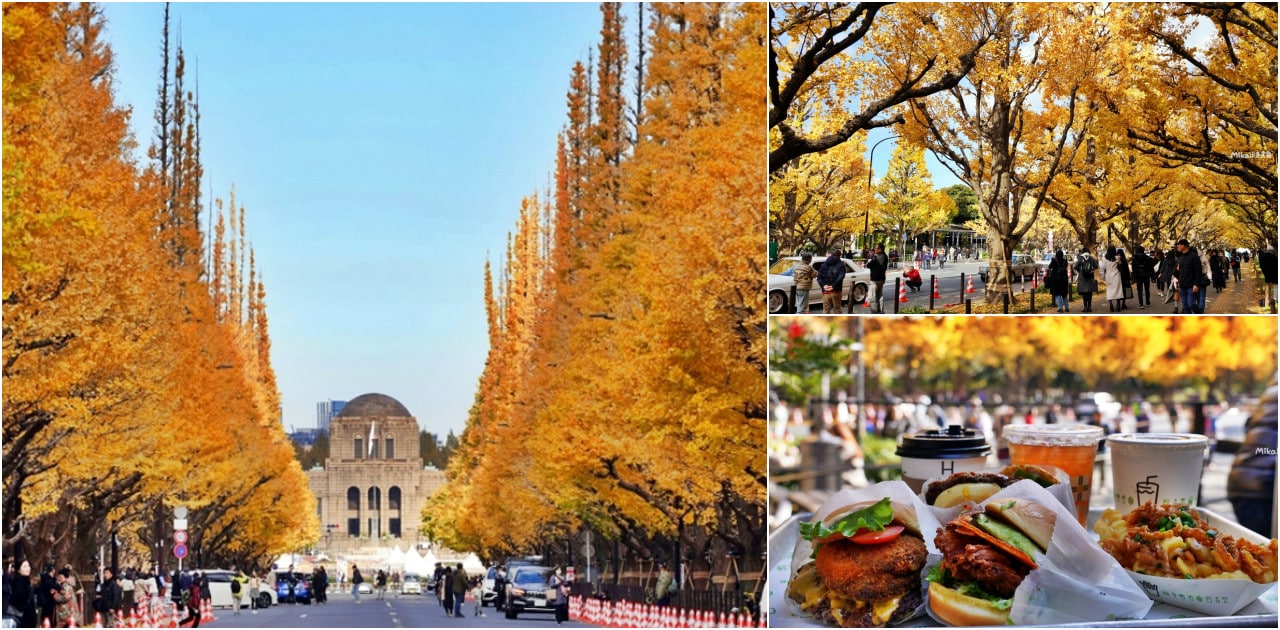
Omotesando is known for its tree-lined avenue of zelkova trees, with international luxury flagship stores and high-end restaurants on both sides, including Michelin-level sushi and talked-about afternoon tea spots. Dining prices here are somewhat higher than on Harajuku’s main street, so it suits a proper lunch or afternoon tea.
Omotesando Hills, designed by architect Tadao Ando, has several restaurants and select shops inside and is an excellent rainy-day backup. The whole of Omotesando from Jingubashi to Aoyama-dori is about 1 km, so allow 1.5 to 2 hours for a leisurely walk.
Takeshita Street: A Paradise of Crepes and Trendy Snacks
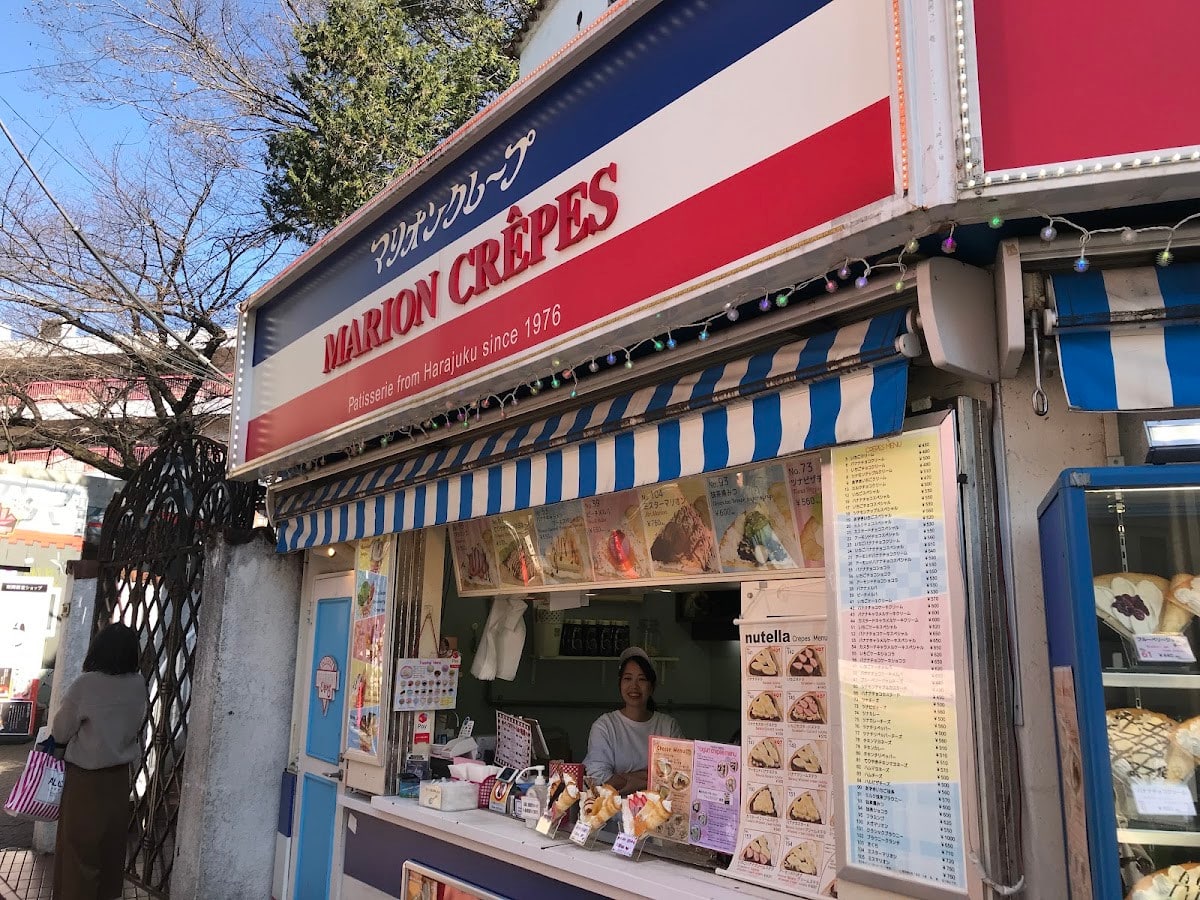
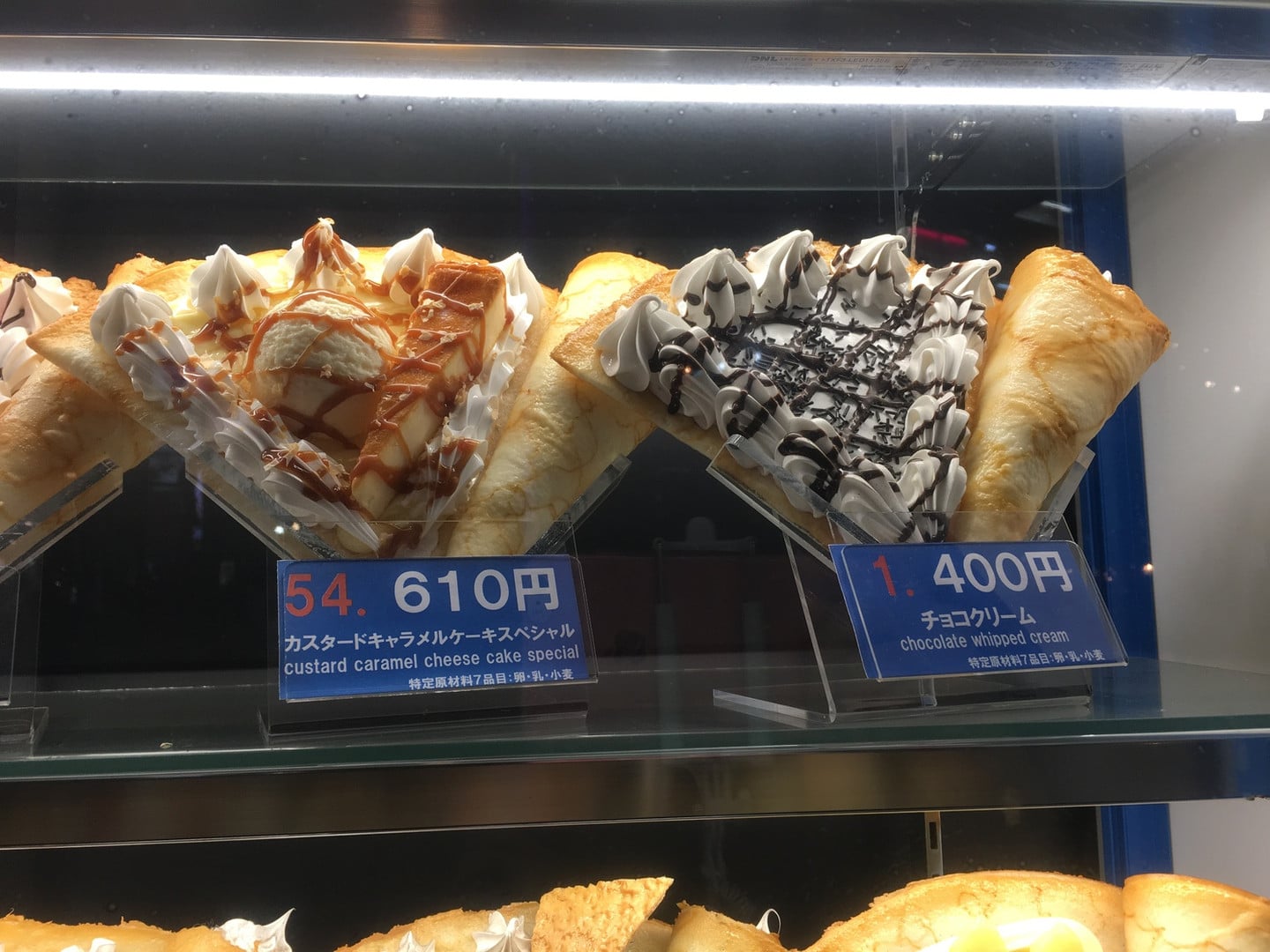
Takeshita Street is Harajuku’s most representative shopping street and the birthplace of crepe culture. Long-established shops such as MARION CREPES and Angel’s Heart Crepes are gathered here, and a crepe in hand is standard equipment for shopping.
Besides sweets, Takeshita Street also has several budget clothing stores and capsule toy machine specialists, suitable for families or students. Weekends are crowded, so we suggest going before evening to experience the street under neon lights.
Cat Street: A Hidden Food Lane with an Artsy Vibe
Cat Street connects Harajuku and Omotesando. It is a promenade built over the covered Shibuya River, with a more relaxed atmosphere than the main street, and it gathers many designer select shops and distinctive cafes.
The Luke’s Lobster Cat Street shop is a popular queue-worthy spot hidden here, and the sweet taste of its lobster rolls draws a crowd of food lovers. A walk along Cat Street takes about 20 minutes, a good stroll between a main meal and afternoon tea, with a relaxed pace quite different from the main street.
How to Get to the Meiji Jingu Food Area: Complete Transport and Fare Guide
The area around Meiji Jingu covers Harajuku, Omotesando and Yoyogi, one of the densest railway areas in Tokyo, where the JR Yamanote Line, Tokyo Metro and Toei Subway meet. It is very convenient whether you start from Shinjuku, Shibuya or Tokyo Station.
How to Get Around Meiji Jingu: Transport at a Glance
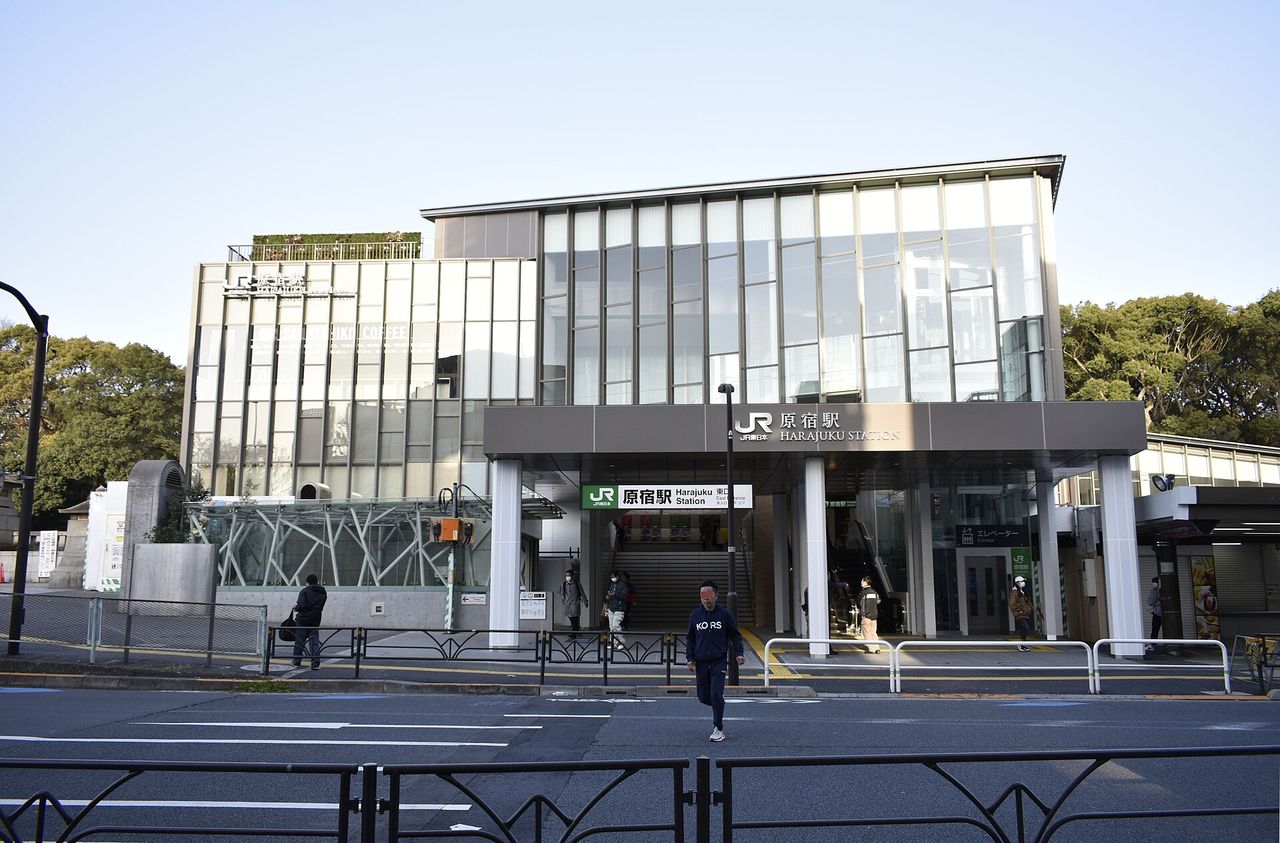
🚆 JR Yamanote Line: about 4 minutes from Shinjuku Station, fare about ¥160 (after the fare revision on March 14, 2026; current fares apply). It is a 1-minute walk from the Omotesando exit of Harajuku Station.
🚇 Tokyo Metro Chiyoda Line: Meiji-jingumae (Harajuku) Station Exit 2, fare ¥170-200, trains about every 5 minutes.
🚇 Tokyo Metro Fukutoshin Line: 1 stop, 3 minutes from Shibuya, fare ¥170. This line runs through to the Tokyu Toyoko Line.
🚉 Toei Oedo Line / Yoyogi Station: fare ¥140-220. It is a 10-12 minute walk to Nishi-Sando, which avoids the crowds at Harajuku Station.
What to Eat Around Meiji Jingu: Local Favorites Explained
From signature ramen to Michelin sushi, the following 15 shops are must-visit spots around Meiji Jingu that are both popular and talked about.
AFURI: Synonymous with Light Yuzu Shio Ramen
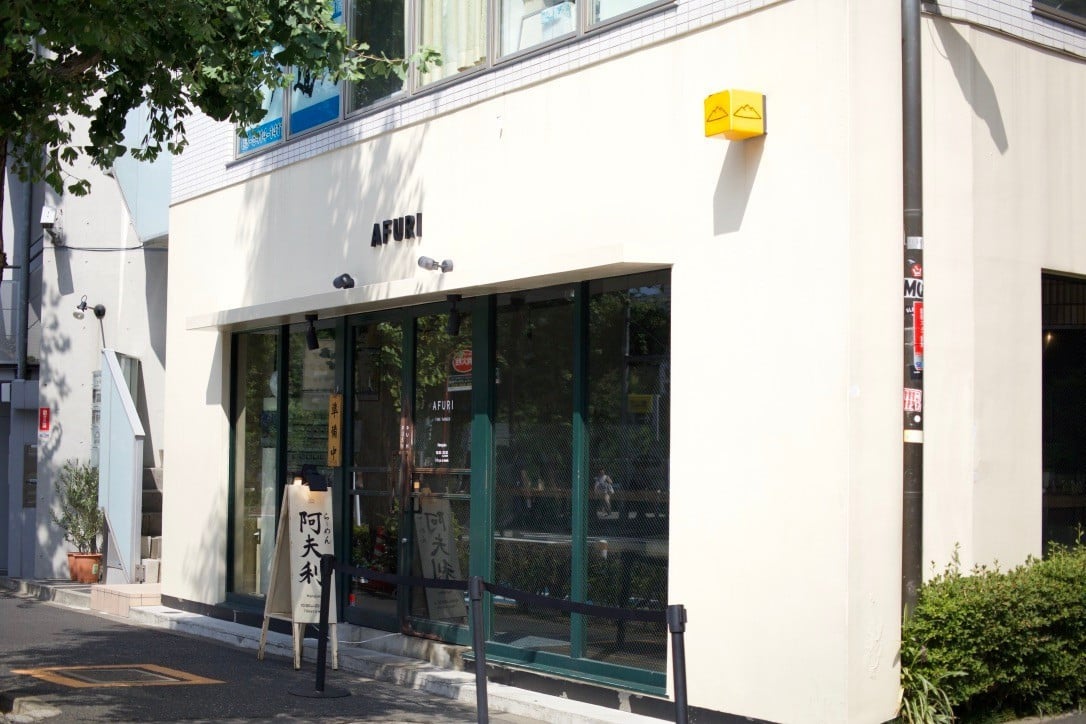
AFURI’s Harajuku shop is known for its signature yuzu shio ramen. The broth is made with spring water from the Tanzawa mountains and fresh yuzu, light and not greasy, the best way to cut the richness after shopping in Harajuku. It also offers yuzu spicy ramen for those who want something bolder, and a “light” broth option for travelers who dislike salty food.
Ordering is by ticket vending machine and tables turn over quickly. At peak lunchtime you still wait about 15 to 20 minutes, with no reservation needed, making it one of the easiest well-known shops in Harajuku to fit into an itinerary.
- 🍜 Must-order: Yuzu shio ramen
- 💰 Price: from about ¥1,000
- 🚉 Access: about 5 minutes on foot from JR Harajuku Station
Bills Omotesando: Pancakes from the “World’s Best Breakfast”
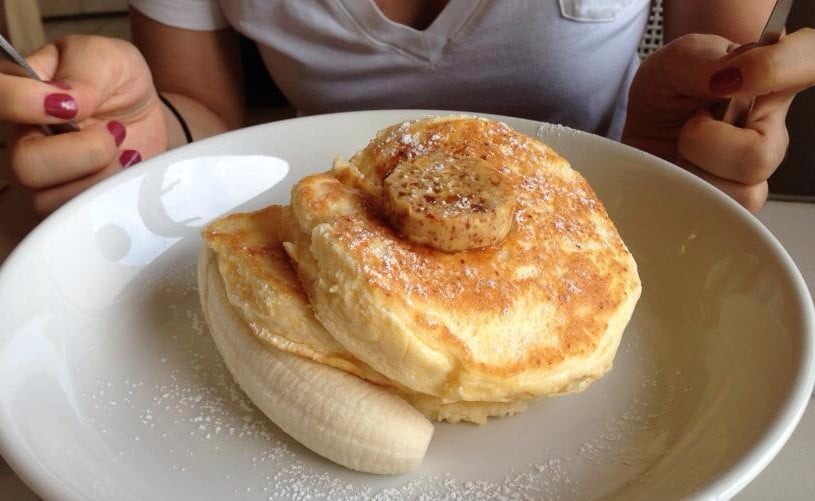
Bills is known for the “world’s best breakfast,” and its signature ricotta hotcakes are fluffy, served with maple syrup and banana. It also serves classics such as French toast and eggs Benedict. The Omotesando shop is on an upper floor of Tokyu Plaza with a view over the street and a relaxed atmosphere.
Weekend queues often exceed 1 hour, so we suggest weekday mornings or using online waitlisting to avoid the crowds.
- 🥞 Must-order: Ricotta hotcakes
- 💰 Price: from about ¥2,000
- 🚉 Access: upper floor of Tokyu Plaza Omotesando Harajuku, about 3 minutes on foot from Omotesando Station
Kaiten Sushi Ginza Onodera Honten (銀座おのでら本店): High-Quality Sushi Pressed by Chefs
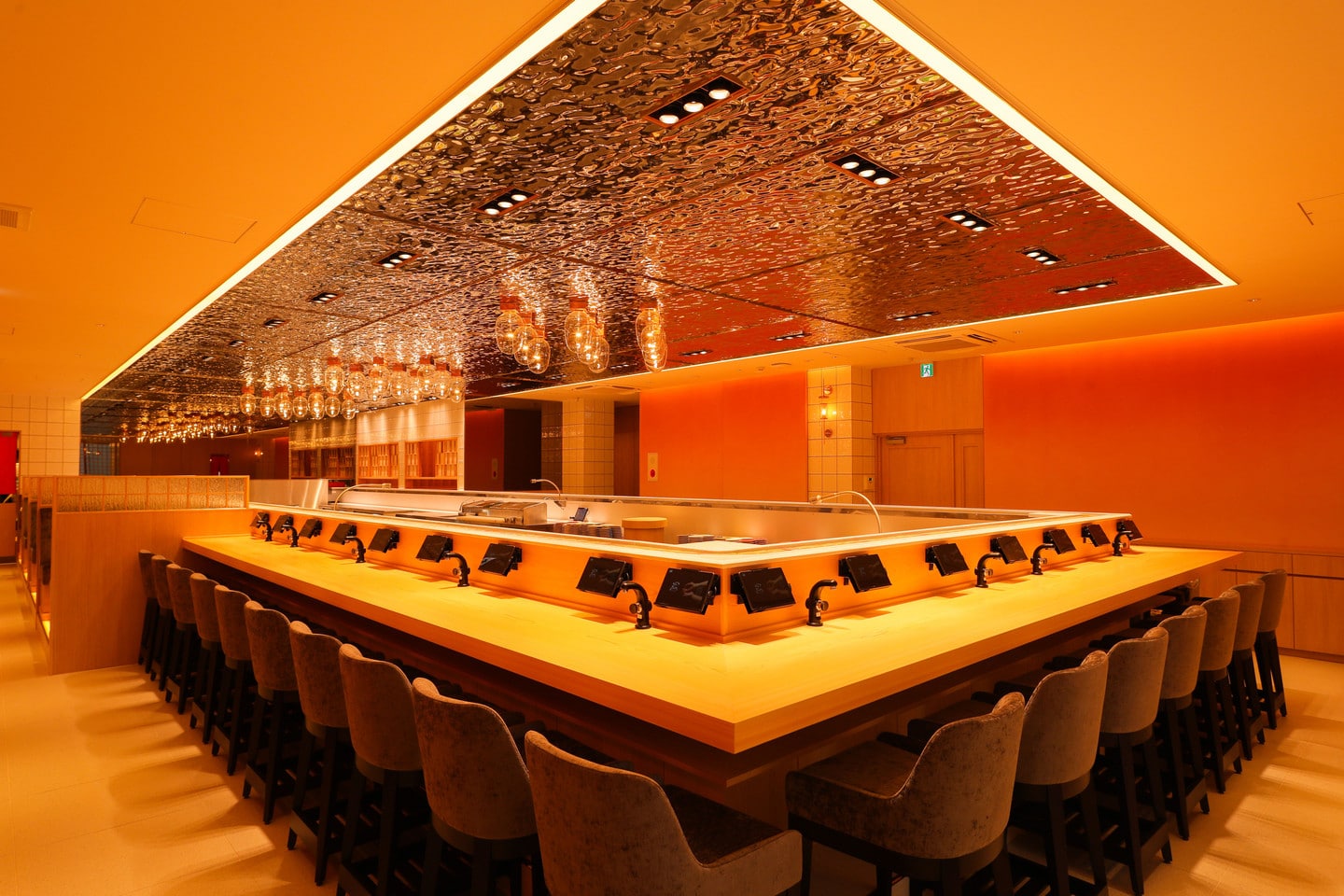
Ginza Onodera Honten combines the convenience of conveyor-belt sushi with the quality of sushi pressed by hand to order. Its tuna comes from the tuna wholesaler “Yamakou,” making it a good choice for trying high-end sushi without spending a lot.
You can occasionally see fish being broken down live in the shop.
At popular times, take a number on site early, or reserve through TableCheck to secure a seat.
- 🍣 Must-order: Hand-pressed nigiri
- 💰 Price: from about ¥300 per piece
- 🚉 Access: about 5 minutes on foot from Omotesando Station
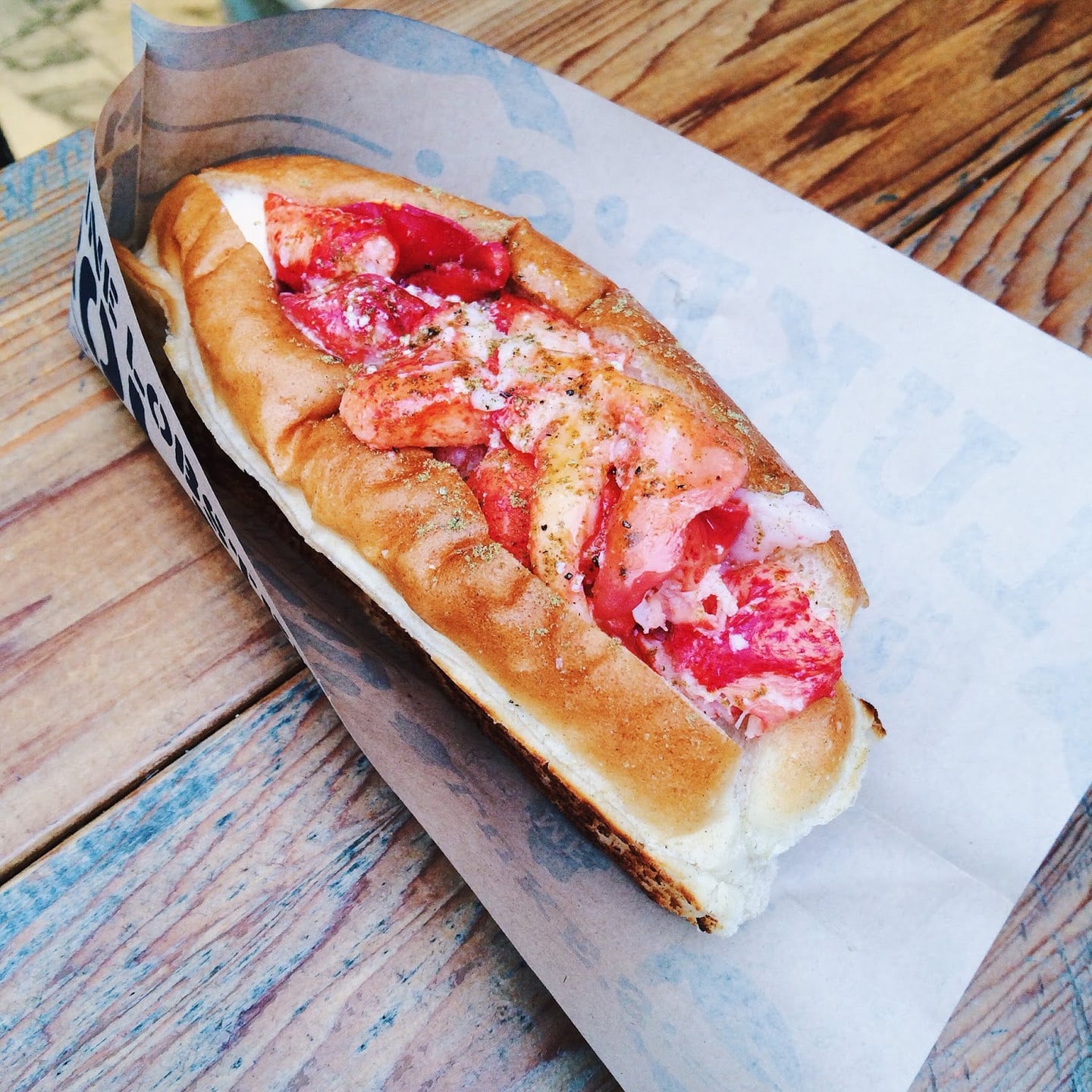
Luke’s Lobster Omotesando Cat Street: New York’s Popular Lobster Roll Comes to Tokyo
Luke’s Lobster originated in New York and is known for lobster rolls of fresh lobster meat on a buttered bun, springy and sweet, a lightweight American spot that keeps drawing long queues on Cat Street.
The small shop has only a few seats, and most customers take food to go and eat while walking. Weekend queues are longer, so going on a weekday afternoon shortens the wait.
- 🦞 Must-order: Lobster roll
- 💰 Price: from about ¥1,580
- 🚉 Access: Cat Street (the promenade between Omotesando and Shibuya), about 8 minutes on foot from Omotesando Station
Number Sugar: Handmade Caramel Specialist
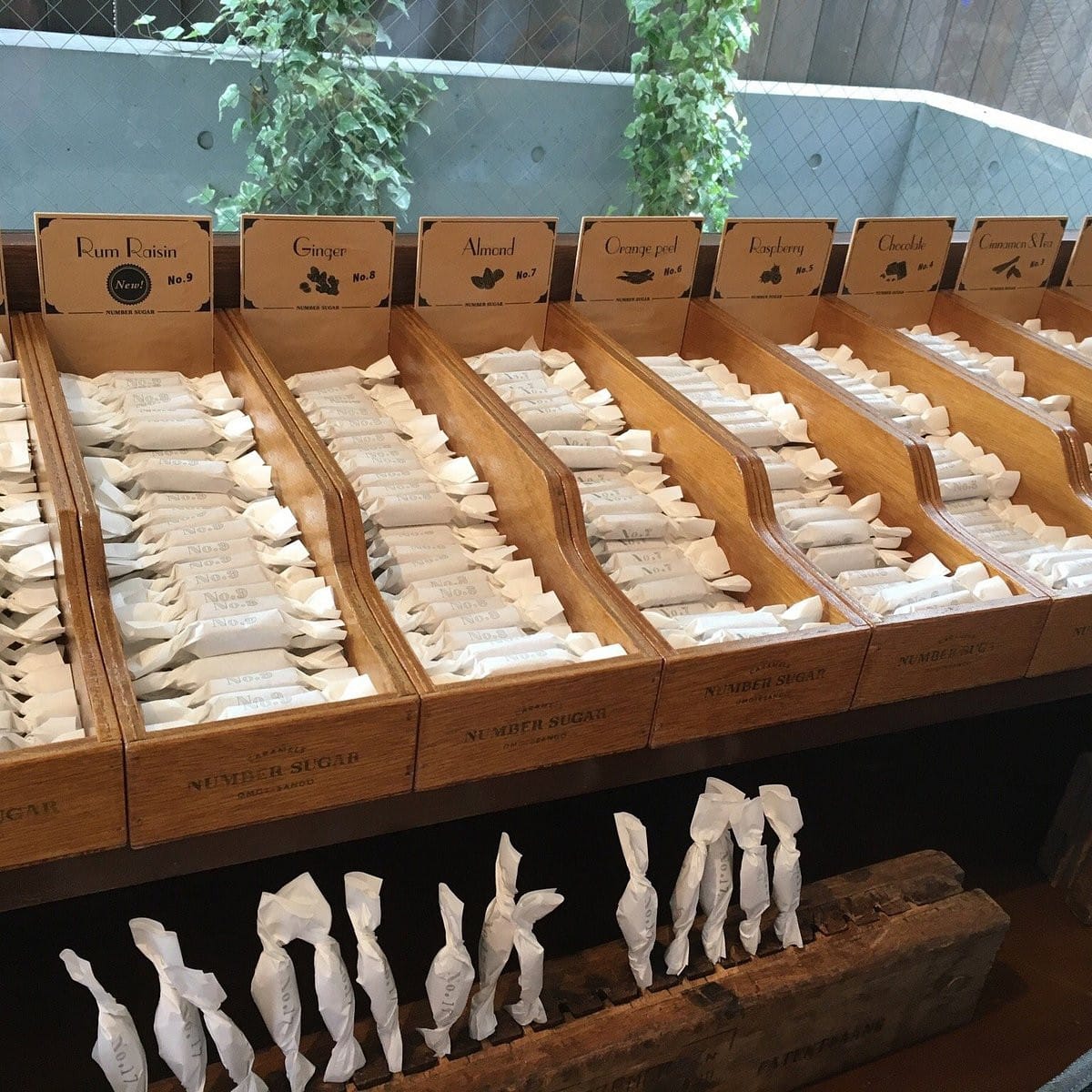
Number Sugar is known for handmade caramels numbered 1 to 12. Each piece is cut and wrapped by hand by artisans, and the 12 flavors are distinguished by number, for example No. 1 vanilla, No. 2 sea salt and No. 4 chocolate. Gift boxes come in several piece-count combinations, making them a good Omotesando souvenir for gifts or yourself.
The shop is simple and stylish and also sells seasonal limited flavors. Check flavor stock for the day in advance, as popular flavors often sell out in the afternoon.
- 🍬 Must-buy: Handmade caramels (No. 1 vanilla / No. 2 sea salt / No. 4 chocolate)
- 💰 Price: from about ¥650
- 🚉 Access: about 7 minutes on foot from Harajuku Station
MARION CREPES: The Takeshita Street Crepe Icon
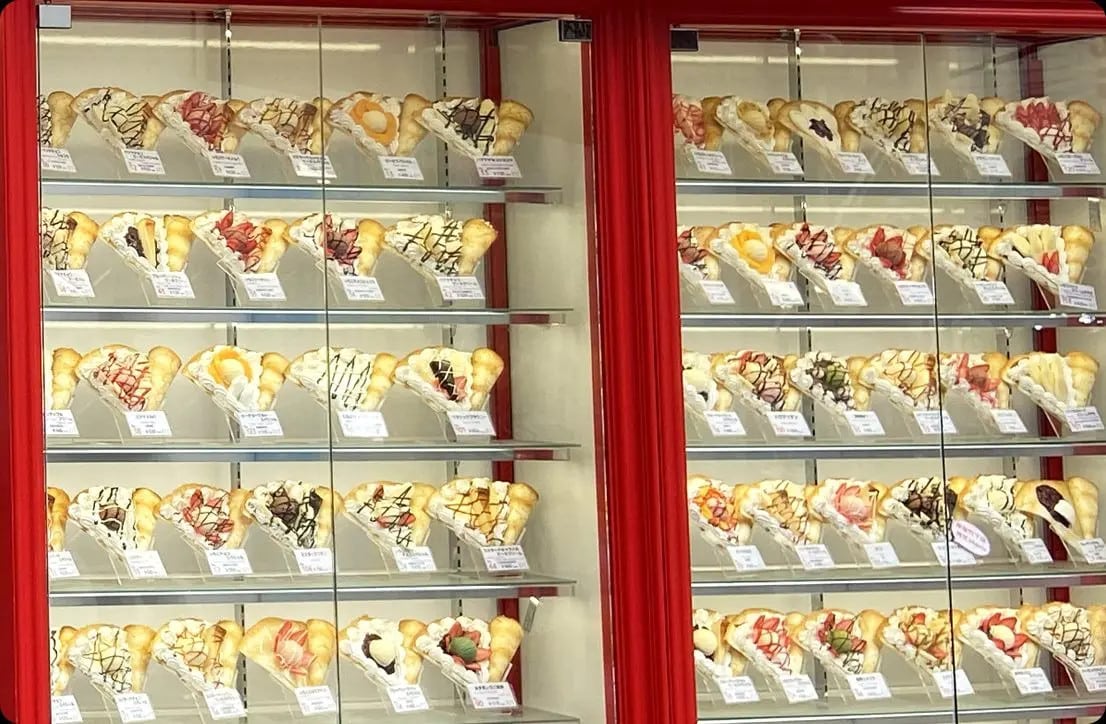
MARION CREPES is Takeshita Street’s most representative long-established crepe shop and is seen as one of the symbols of Harajuku culture. Classic flavors such as strawberry custard and chocolate banana have thin, crisp wrappers and generous fillings, the essential handheld treat for shopping.
The shop offers dozens of flavors and releases limited seasonal items. At peak times the queue is about 10 minutes, and it is a popular photo landmark on Takeshita Street.
- 🍮 Must-order: Strawberry custard crepe
- 💰 Price: from about ¥470
- 🚉 Access: on Takeshita Street, about 2 minutes on foot from the Takeshita exit of Harajuku Station
Eggs ‘n Things Harajuku: The Visual Impact of the Whipped Cream Mountain Pancakes
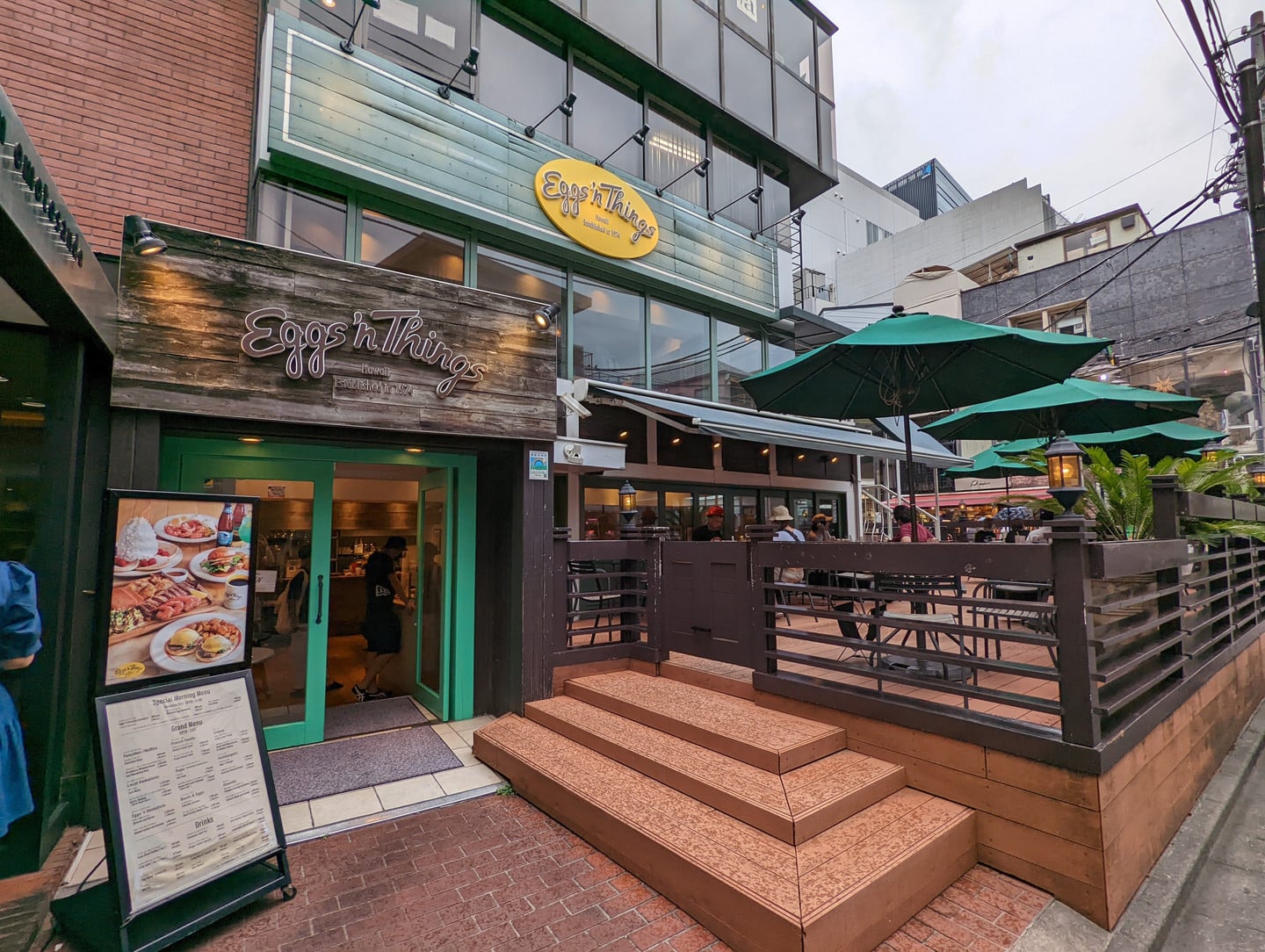
Eggs ‘n Things originated in Hawaii. Its signature “whipped cream mountain pancakes” stack cream like a snowy peak, visually striking and a hit on social media, with a hearty portion suited for two people to share.
The shop also offers savory options such as eggs Benedict and omelets. Breakfast and brunch hours are the most popular, so arrive early to queue and avoid the crowds.
- 🥞 Must-order: Whipped cream mountain pancakes
- 💰 Price: from about ¥1,500
- 🚉 Access: about 5 minutes on foot from Harajuku Station
Chacha no Ma: A Tabelog 100 Famous Shops Japanese Tea Experience
Chacha no Ma was once selected as a Tabelog 100 Famous Shops cafe, specializing in single-origin Japanese tea and Japanese-style sweets.
Its signature is the “kasane” layered brewing method, in which the same tea leaves are brewed four times to bring out different flavors.
The cafe is currently open only Thursday to Sunday afternoons with limited seats, so reserve on the official website and confirm the open days first.
- 🍵 Must-order: Layered-brew Japanese tea set
- 💰 Price: from about ¥1,200
- 🚉 Access: about 6 minutes on foot from Omotesando Station
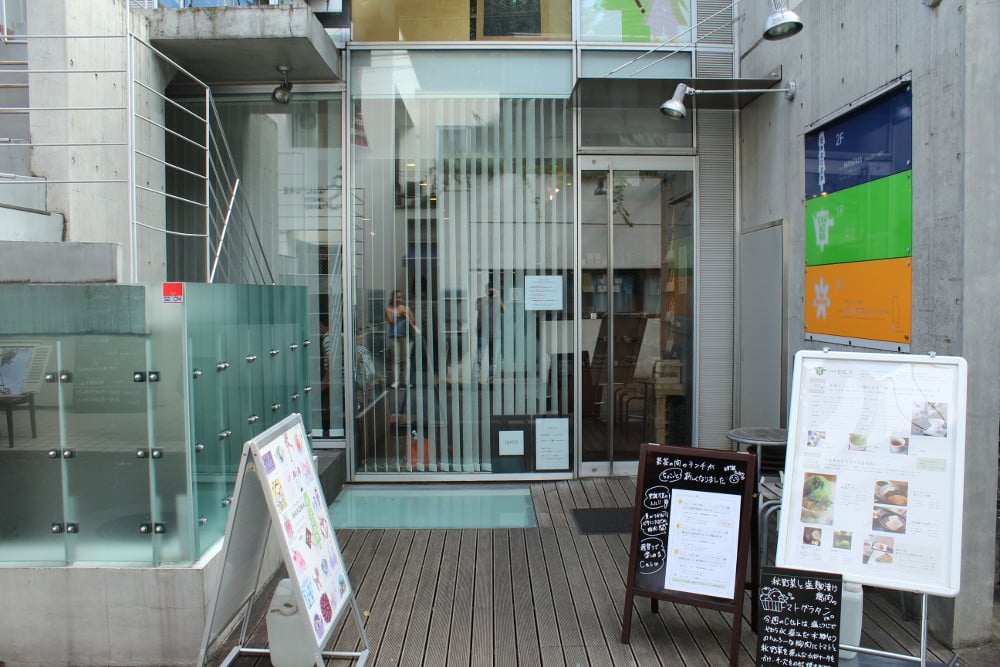
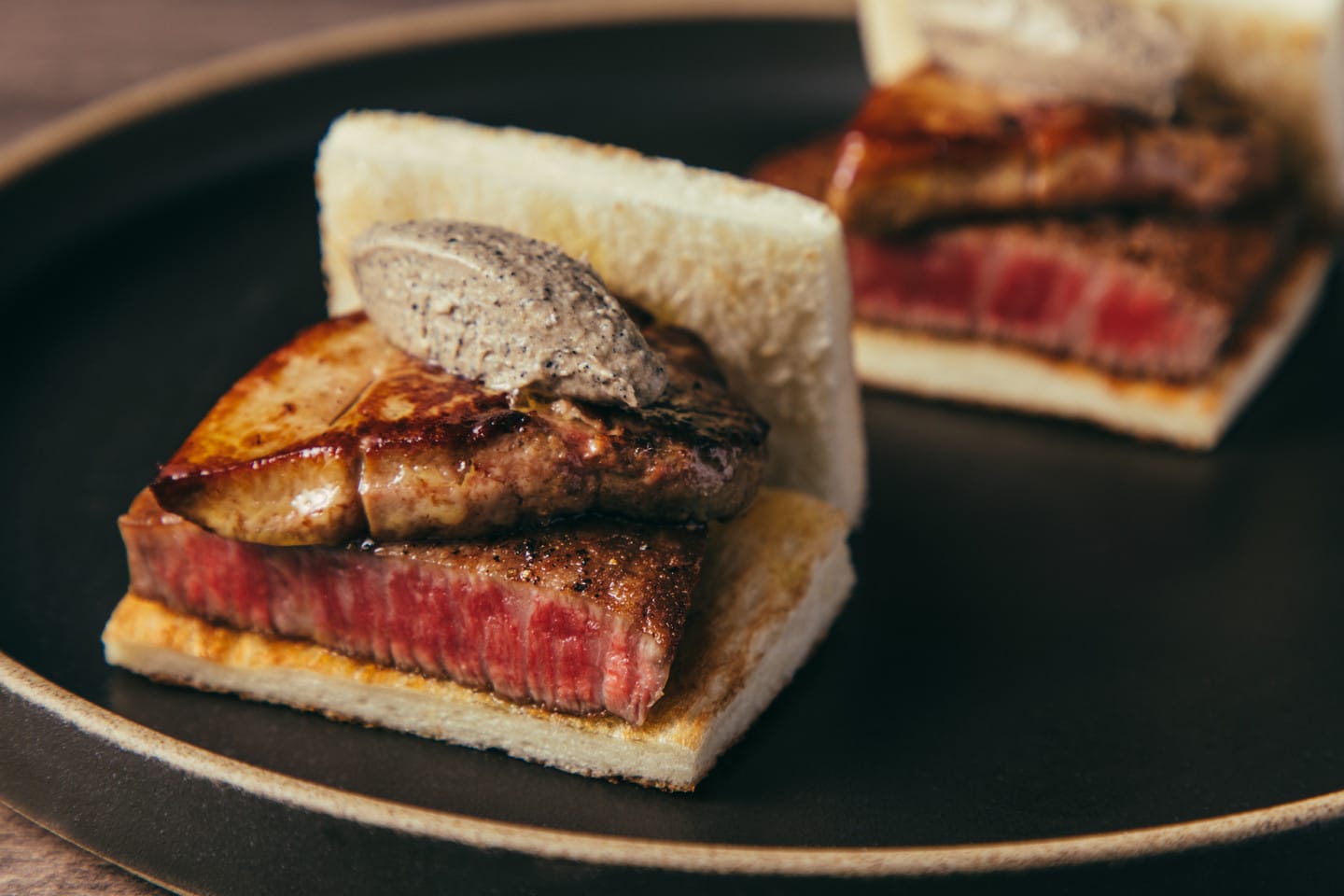
Yakiniku Ushigoro Omotesando (うしごろ): A Feast of Raw A5 Wagyu
Yakiniku Ushigoro holds a license to sell raw meat and offers rare raw A5 Japanese black wagyu dishes and top-quality beef tongue. It is the first choice for premium wagyu yakiniku.
The shop has creative dishes such as truffle beef fillet stone-pot rice.
On weekdays only dinner is served (from 17:00), and lunch from 11:30 is available only on Saturdays, Sundays and holidays. For dinner, reserve one to two weeks ahead, and on weekends a table is hard to get.
- 🥩 Must-order: Raw A5 wagyu dishes
- 💰 Price: weekend and holiday lunch from about ¥4,000 / dinner from about ¥15,000
- 🚉 Access: about 2 minutes on foot from Omotesando Station Exit B2
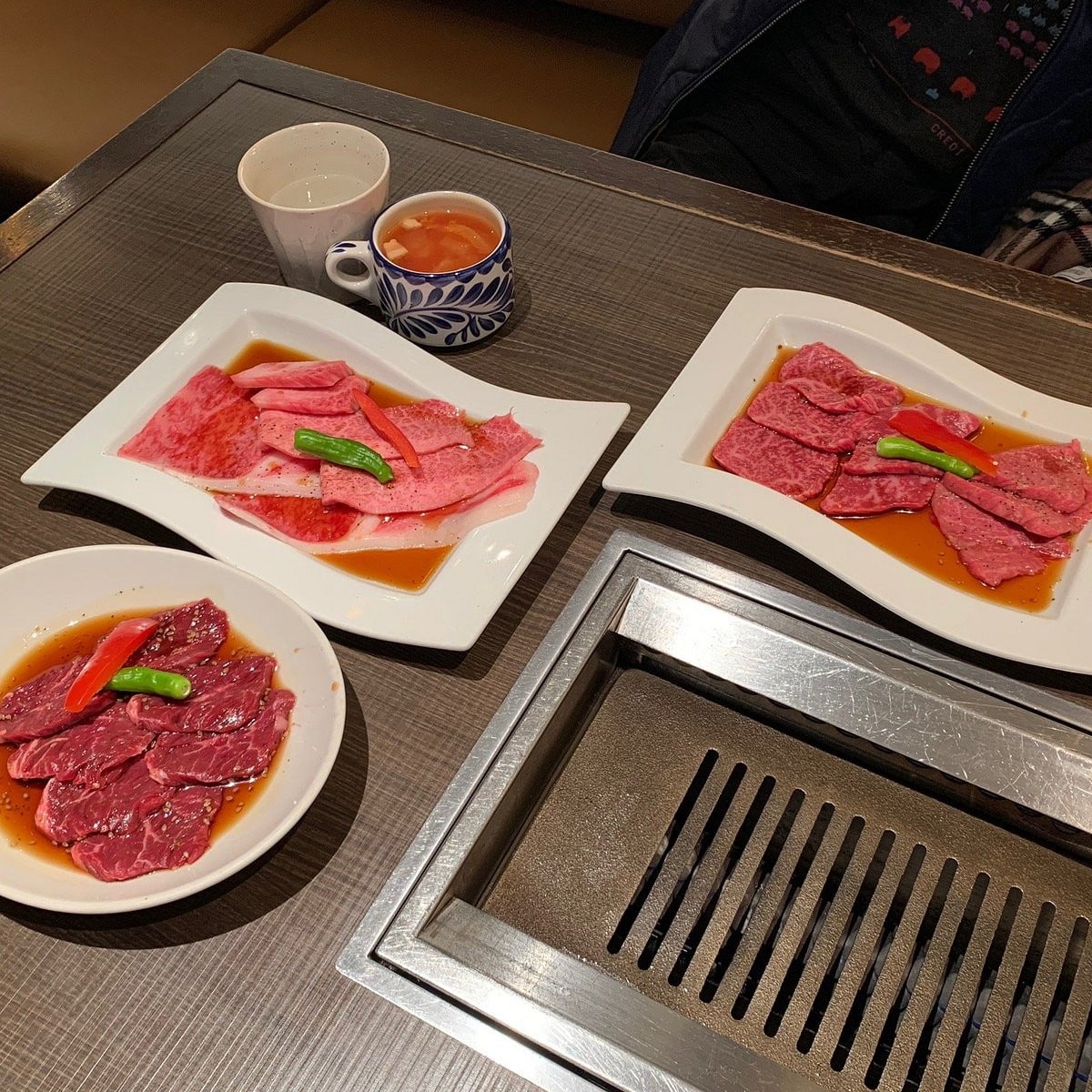
Harajuku Yakiniku KINTAN: A Generous, Good-Value Yakiniku Lunch
Harajuku Yakiniku KINTAN’s signature is 30-day aged beef tongue, tender and juicy, and its great value makes it a popular lunchtime choice for office workers and travelers.
The interior is stylish with private room seating suitable for gatherings. Lunch sets are limited, so arrive and wait before 11:30.
- 🥩 Must-order: 30-day aged beef tongue
- 💰 Price: lunch from about ¥1,500 / dinner from about ¥8,000
- 🚉 Access: about 1 minute on foot from Harajuku Station and Meiji-jingumae Station
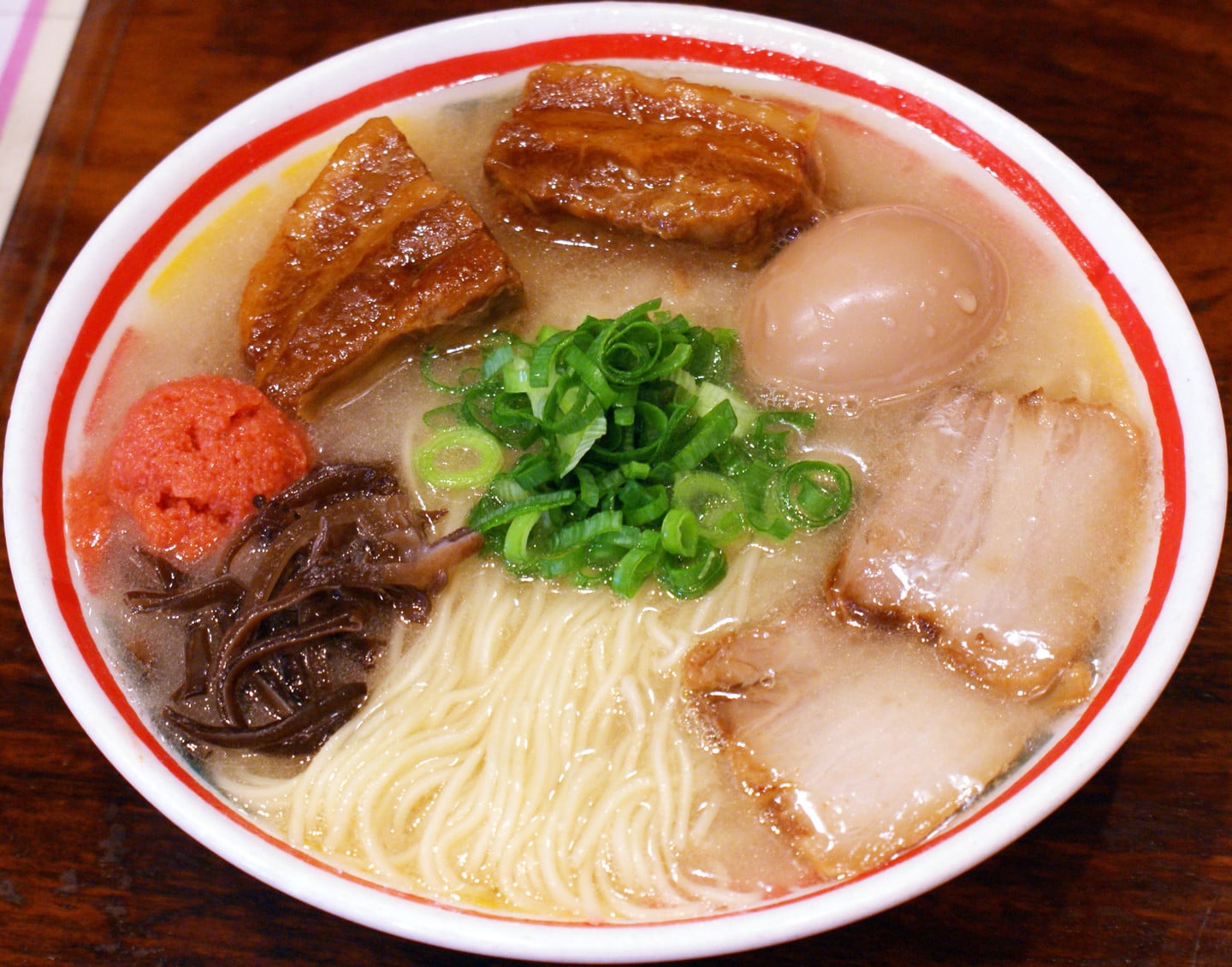
Kyushu Jangara Ramen Harajuku (九州じゃんがら): A Classic Tonkotsu Broth Shop
Kyushu Jangara Ramen is a long-established tonkotsu ramen shop in Harajuku. The broth is rich and mellow, and its signature chashu ramen is flavored with red pickled ginger and takana, a favorite of local office workers.
The shop offers a deluxe “all toppings” ramen, which gets every topping in one bowl. At peak times the wait is about 10 minutes, and tables turn over quickly.
- 🍜 Must-order: Chashu ramen (all toppings)
- 💰 Price: from about ¥900
- 🚉 Access: about 4 minutes on foot from Harajuku Station
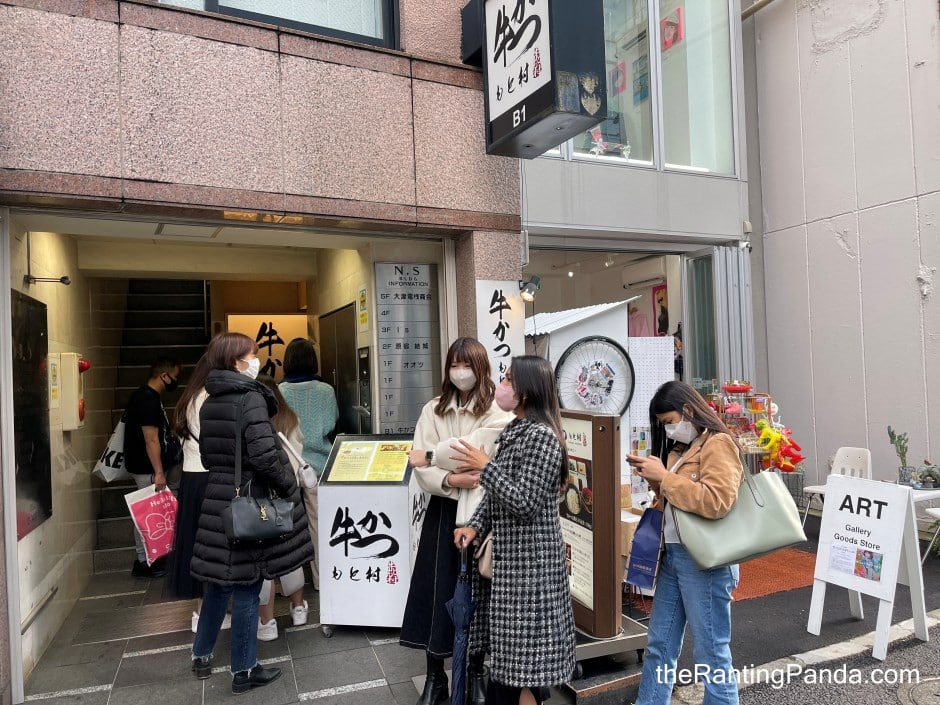
Gyukatsu Motomura Harajuku (牛かつもと村): Pink, Juicy Beef Cutlet
Gyukatsu Motomura is known for medium-rare beef cutlets, crisp outside and pink and juicy inside. Customers can adjust the doneness themselves on the small grill at the table, and rice and miso soup come with free refills, popular with families and tourists.
Seats turn over fast, but on weekends you still queue about 20 minutes. It is a rare affordable yet hearty main meal in Harajuku.
- 🥩 Must-order: Medium-rare beef cutlet set
- 💰 Price: from about ¥1,500
- 🚉 Access: about 5 minutes on foot from Harajuku Station
Santa Monica Crepe: A Local Queue-Worthy Crepe Shop on Takeshita Street
Santa Monica Crepe stands at the Takeshita exit intersection of Takeshita Street and makes its wrappers by hand fresh every day. Classic flavors such as strawberry custard and banana chocolate make it one of the shops shoppers on Takeshita Street queue for.
It is about a 2-minute walk from the Takeshita exit of Harajuku Station, and among the many crepe shops on Takeshita Street it is a consistently well-rated long-seller.
- 🍮 Must-order: Strawberry custard crepe
- 💰 Price: from about ¥500
- 🚉 Access: about 2 minutes on foot from the Takeshita exit of Harajuku Station
Dining Inside Meiji Jingu: “Yoyogi” (よよぎ) at FOREST TERRACE Meiji Jingu
Many people searching for food near Meiji Jingu don’t notice that there are actually places to have lunch inside the shrine grounds. Not far after entering the Minami-Sando (south approach) of Meiji Jingu from the west exit of JR Harajuku Station, you reach the shrine’s rest facility “FOREST TERRACE Meiji Jingu,” which has the restaurant “Yoyogi” and two cafes, so you can eat and rest during your visit without leaving the forest.
Restaurant “Yoyogi” is open from 11:00 until Meiji Jingu closes (last order 30 minutes before closing; closing time varies by month). The menu covers Japanese set meals, Western dishes, pasta and desserts, with seasonal items. There are no private rooms; regular dining can be booked online through TableCheck, while celebration meals such as shichi-go-san and hatsumiyamairi must be reserved 3 days before the meal date.
- 🍽️ Must-order: Seasonal set meal (menu changes with the season), butter-pan-fried salmon
- 💰 Price: French toast ¥1,100, butter-pan-fried salmon ¥1,900, seasonal set meal about ¥3,300
- 🚉 Access: right by the west exit of JR Harajuku Station, inside FOREST TERRACE Meiji Jingu beside the Minami-Sando of Meiji Jingu
CAFÉ “Mori no Terrace” (杜のテラス): A Forest Cafe During Your Meiji Jingu Visit
CAFÉ “Mori no Terrace” and “Mori no Terrace 2nd,” also in FOREST TERRACE Meiji Jingu, are open from 9:00 until closing (last order 30 minutes before closing) and do not take reservations. The warm wood-toned space is a good place for a coffee after worship before you go shopping and eating in Harajuku and Omotesando.
“Mori no Terrace” focuses on coffee, cake, sandwiches and gelato, while “Mori no Terrace 2nd” adds freshly baked bread and pizza. For a simple light lunch inside Meiji Jingu, choose this one.
- 🍽️ Must-order: Matcha latte, cake, and pizza at Mori no Terrace 2nd
- 💰 Price: coffee ¥500, matcha latte ¥650, sandwiches from ¥340, pizza ¥800
- 🚉 Access: right by the west exit of JR Harajuku Station, inside FOREST TERRACE Meiji Jingu beside the Minami-Sando of Meiji Jingu
Recommended Experiences in Harajuku and Omotesando: Must-Book Tours and Tickets
After eating, if you want a deeper experience of the culture and trends around Meiji Jingu and Harajuku-Omotesando, pair your trip with a few select tours or tickets to make the whole itinerary richer. Here are two popular options covering cultural visits and nearby transport, both bookable in advance on platforms such as KKday and Klook, saving time and money.
Meiji Jingu and Harajuku-Omotesando Classic Guided Half-Day Tour: A Local Guide Takes You Deep into the Shrine’s History
This half-day guided tour starts from JR Harajuku Station and is led by a Chinese-speaking guide through Meiji Jingu, introducing spots such as Kiyomasa’s Well and the Treasure Museum.
It then visits Takeshita Street and Cat Street, contrasting historic sites with the trendy shopping district.
The tour takes about 3-4 hours at ¥3,500-5,000 per person (guide included, shopping not included), suited to those who want to understand the shrine’s culture in depth. We suggest booking through KKday or Klook, as spots are in demand in peak season (March-April and November). The meeting point is in front of the Starbucks at the Omotesando exit of Harajuku Station, with details sent by text message.
Tokyo Subway Ticket: One-Day Pass from Harajuku to Shibuya and Shinjuku for Transport and Shopping
After visiting Meiji Jingu and Harajuku-Omotesando, you can use the Tokyo Subway Ticket to explore Shibuya and Shinjuku. The ticket covers all Tokyo Metro and Toei Subway lines. From March 14, 2026 prices rose: 24-hour ¥1,000, 48-hour ¥1,500, 72-hour ¥2,000, with unlimited rides.
You can buy it in advance online through KKday, Klook or the Tokyo Metro official website, and after arrival pick it up with the QR code at counters or ticket machines at major subway stations, avoiding the queue on site.
The ticket is valid only on the subway and does not include the JR Yamanote Line, so work out how many rides you will take each day before deciding to buy.
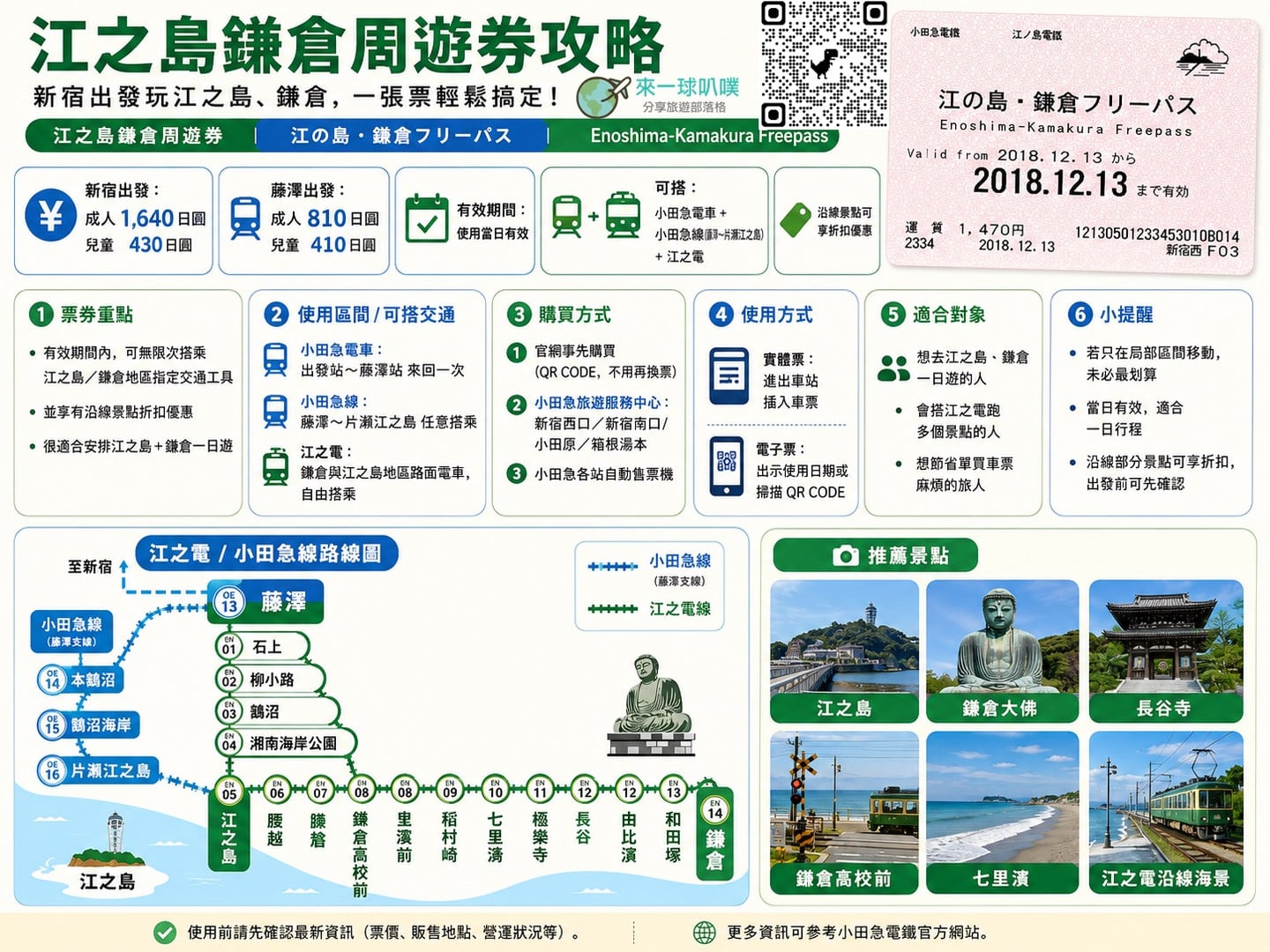
We suggest making Meiji Jingu your first stop, since both JR Harajuku Station and Meiji-jingumae subway station are within walking distance, then using the subway ticket to extend to nearby districts, which gives more flexibility and less hassle.

FAQ
Q: How much does food around Meiji Jingu cost?
Ramen and crepes run about ¥500 to ¥1,000, yakiniku lunch about ¥1,500 to ¥4,000, and yakiniku or sushi dinner from about ¥8,000 to ¥15,000.
Q: How do I get to the Harajuku-Omotesando food area?
Take the JR Yamanote Line to Harajuku Station, or Tokyo Metro to Meiji-jingumae Station or Omotesando Station. All three stations are within walking distance of the whole food area.
Q: Do popular restaurants need reservations?
For popular shops such as Yakiniku Ushigoro, Bills and Chacha no Ma, reserve 3 to 7 days ahead, and 2 weeks or more ahead on weekends. Ramen shops such as AFURI do not need reservations.
Q: When is the best time to visit Harajuku-Omotesando?
Visit on a weekday morning or before 2 p.m. to avoid crowds. On weekends and holidays, arrive early at opening time to queue.
Q: What are the must-try takeaway foods on Takeshita Street?
MARION CREPES, Angel’s Heart Crepes and Number Sugar handmade caramels are the most popular takeaway choices, easy to eat while walking.
Q: Can I eat at all the famous shops in Harajuku-Omotesando in one day?
We suggest choosing 3 to 4 key shops for a one-day itinerary. If you want to visit them all, split it over two days, with Harajuku in the morning and Omotesando in the afternoon for a more relaxed pace.
Q: Are there vegetarian or special-diet options around Meiji Jingu?
Bills and Eggs ‘n Things offer vegetarian-friendly options, and AFURI can adjust the saltiness of its broth. Confirm your needs with the shop in advance.