

Hakone Autumn Leaves Guide 2026: The Classic Autumn Trip Near Tokyo
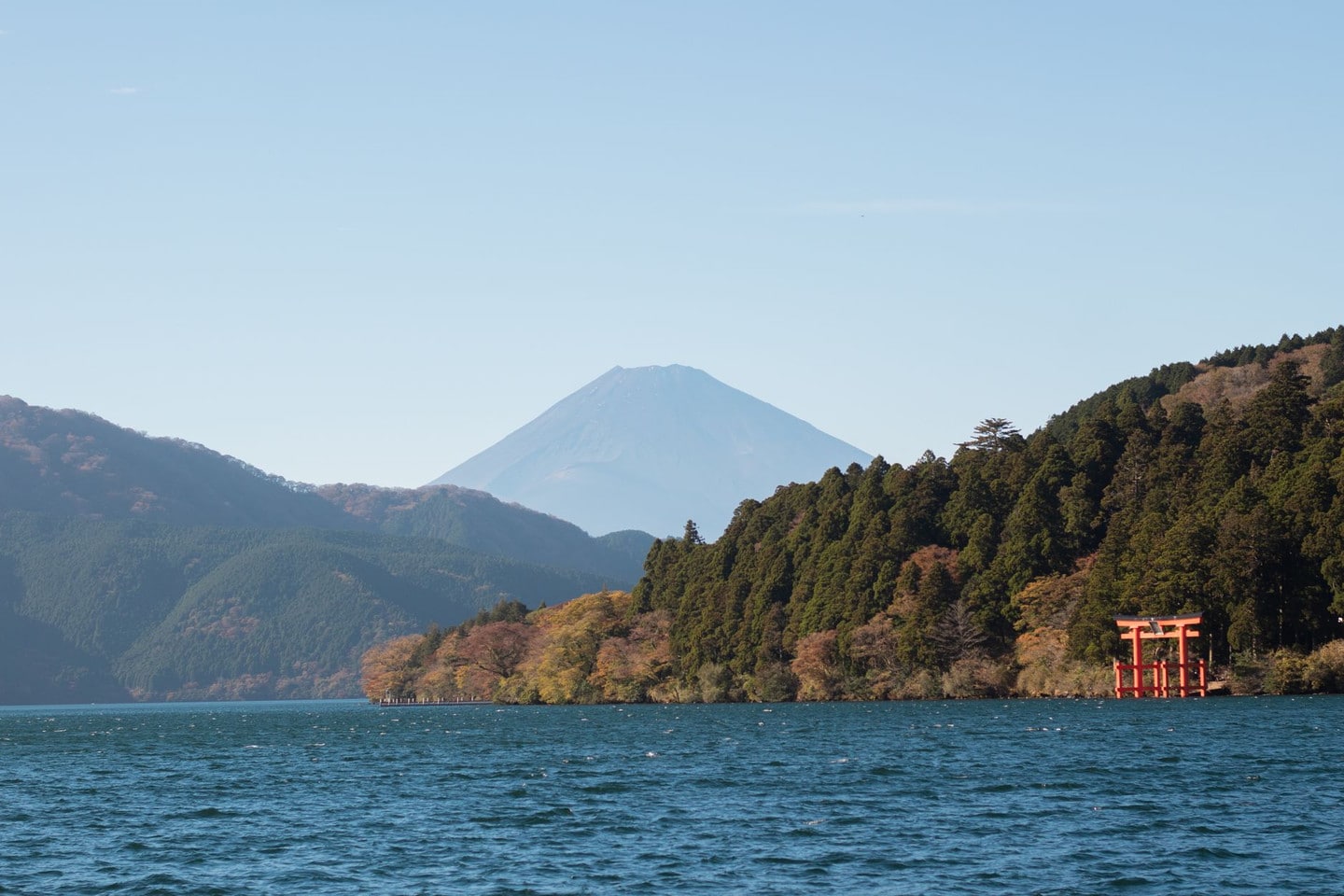
The Appeal of Hakone’s Autumn Leaves and the Best Time to Go
Hakone is one of the Kanto region’s most representative leaf-viewing destinations, where mountains and lakeshores weave layered autumn colors, and with hot springs, art museums and a mountain railway on top, a leaf-viewing trip here is never dull.
Peak autumn color (koyo) in Hakone generally runs from early to late November. Because Hakone’s terrain rises and falls so much, the peak timing differs slightly between areas at different elevations, such as Gora, Owakudani and Lake Ashi, which is worth keeping in mind when planning.
The official Hakone tourism site “Hakone Navi” (hakonenavi.jp) updates autumn leaf conditions for spots such as Gora Park and the Hakone Museum of Art in autumn; checking again a week before you go is the most accurate.
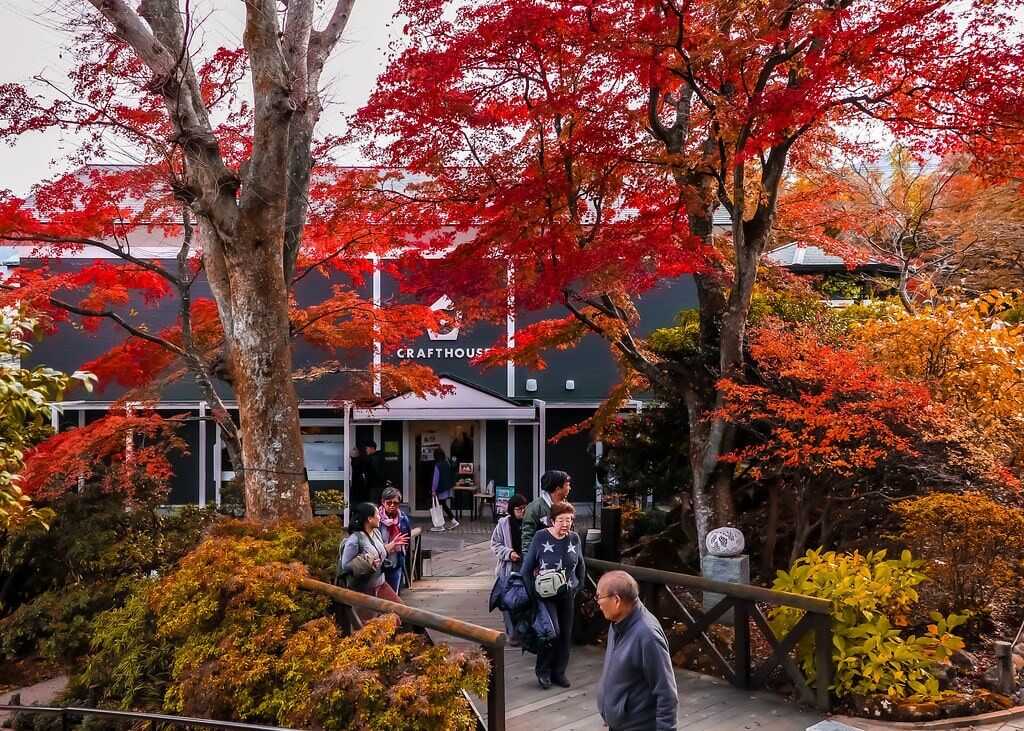
Overview of Hakone’s Four Leaf-Viewing Areas
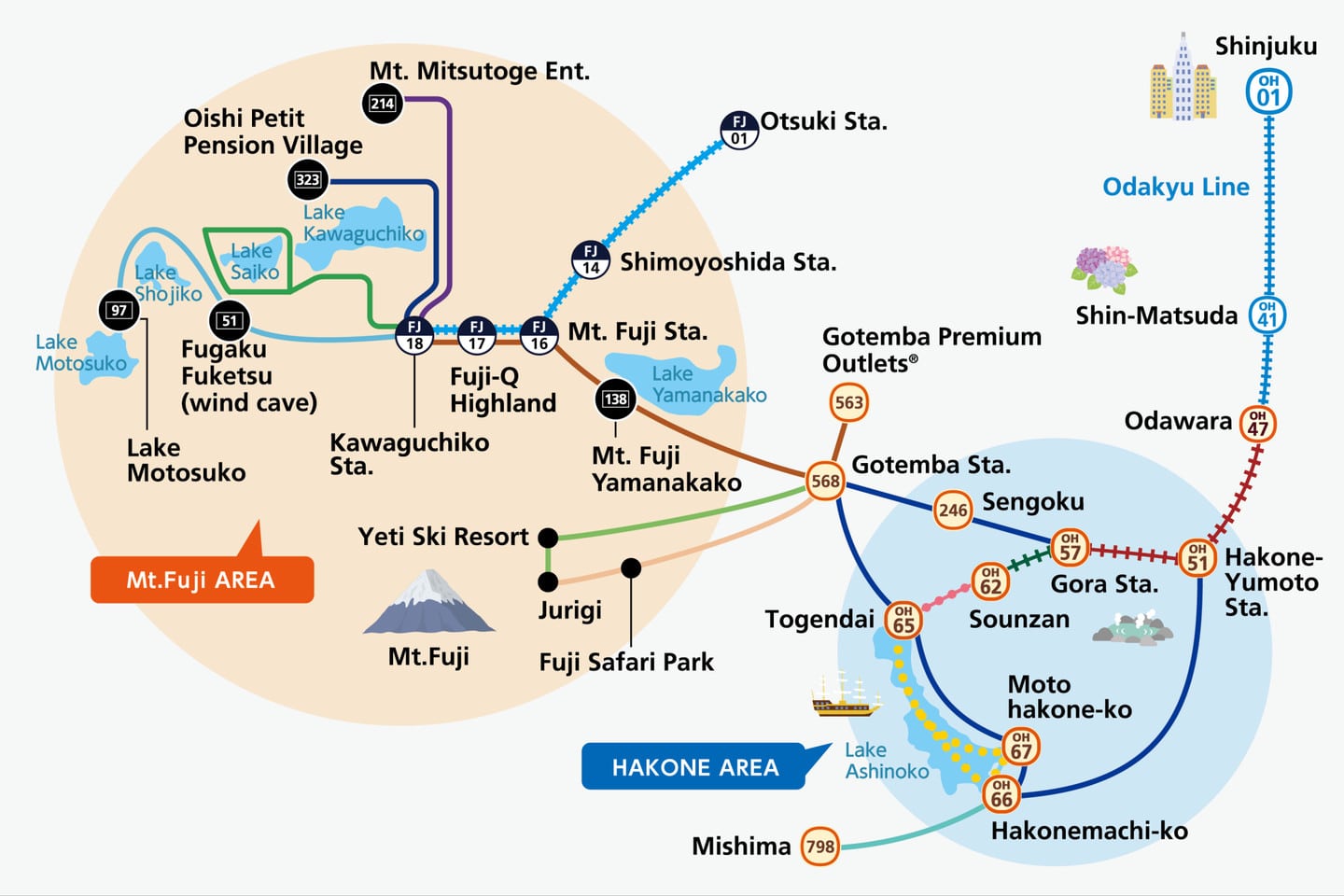
Hakone’s leaf-viewing spots are mainly spread across four areas: Hakone-Yumoto; Gora, Kowakudani, Miyanoshita and Ohiradai; Owakudani, Togendai and Sengokuhara; and the old highway, Moto-Hakone and Hakone-machi areas. Each has a slightly different character and access.
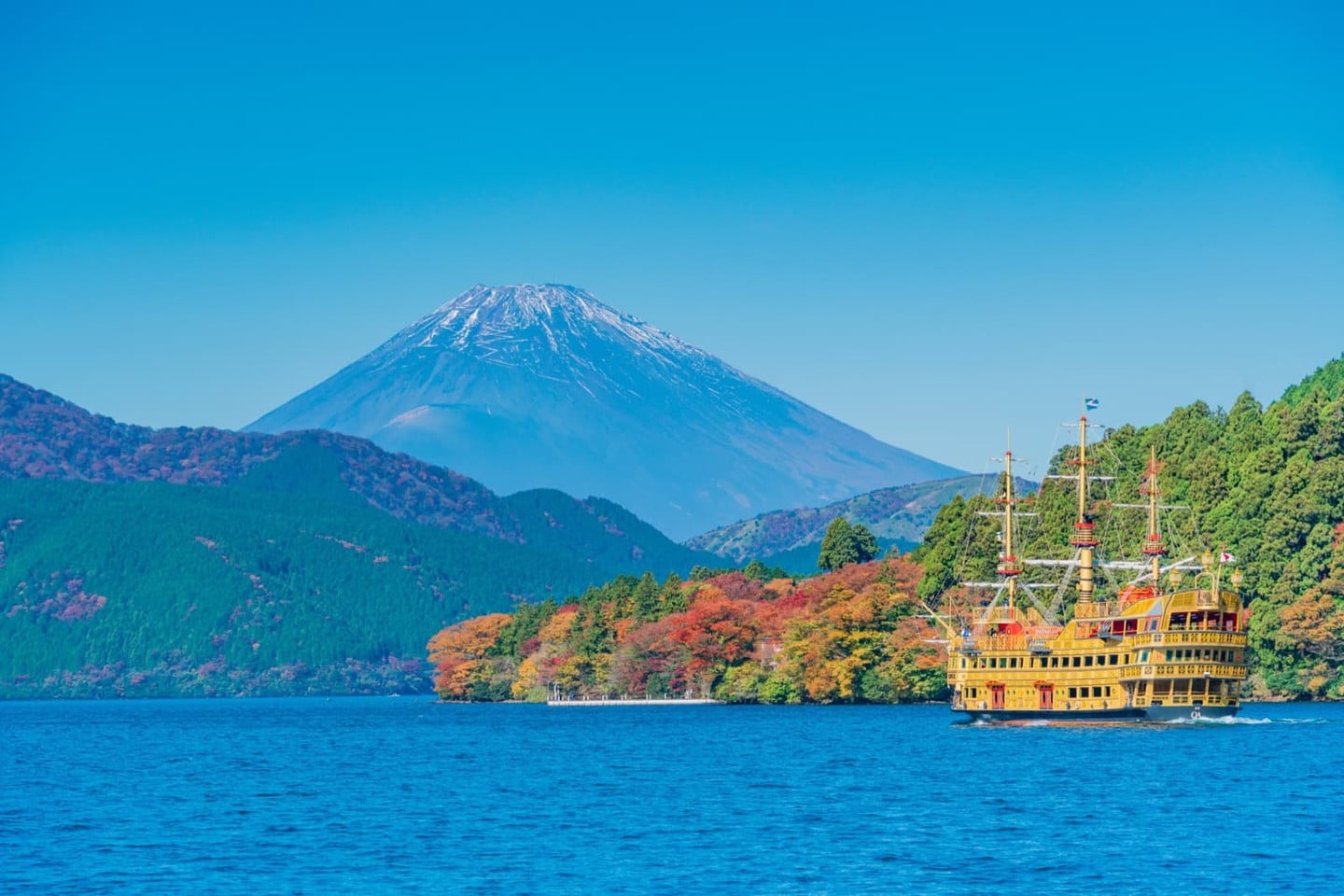
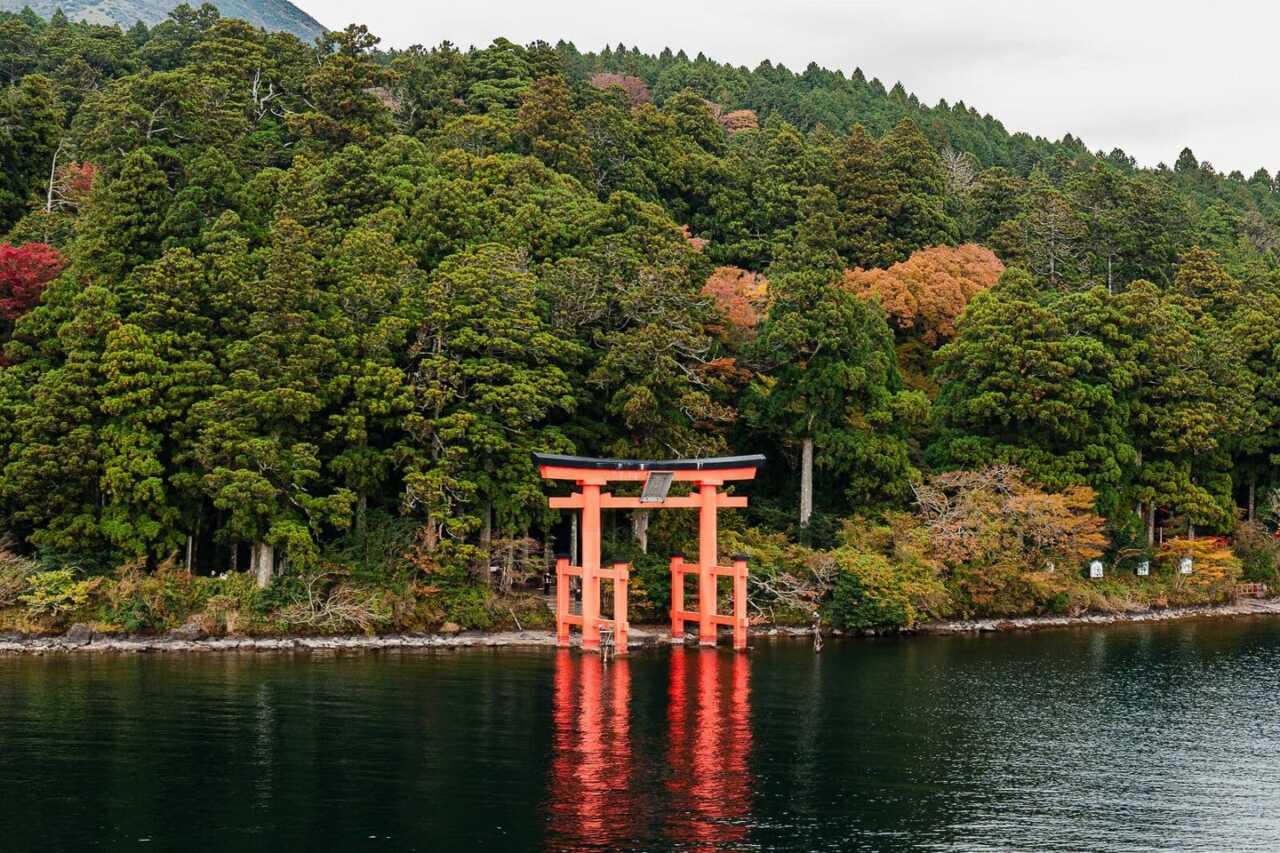
The Gora area is known for the autumn leaves in the gardens of Gora Park and the Hakone Museum of Art; the Owakudani area offers a unique view of volcanic steam mingling with autumn color; along Lake Ashi you can take a pirate sightseeing ship to view the leaves reflected in the water from the lake, and the Hakone Shrine water torii is also a popular photo spot.
Transport Pass Recommendations for Hakone Leaf-Viewing
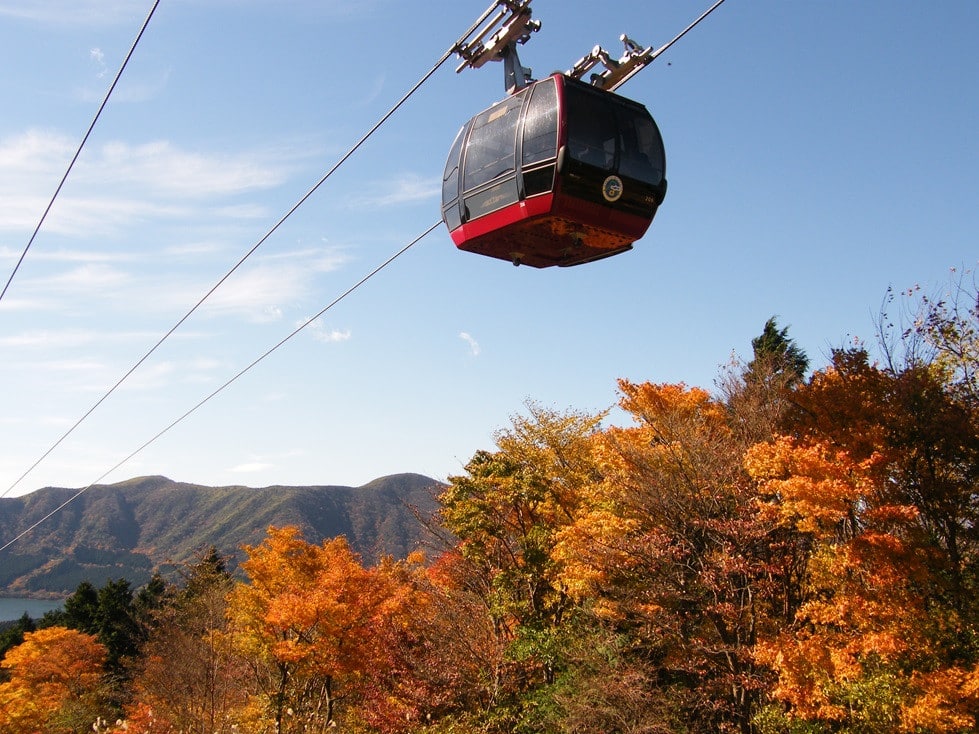
Before planning a Hakone leaf-viewing trip, we recommend learning about the “Hakone Freepass.” This pass allows unlimited rides within the Hakone area on the mountain tram, the cable car, the ropeway and the pirate sightseeing ships, covering all the major leaf-viewing spots with one ticket, which is better value and less hassle than buying tickets separately.
From Shinjuku, the Odakyu Romancecar takes about 85 minutes straight to Hakone-Yumoto Station, which is the starting point of most travelers’ Hakone leaf-viewing trips.
Hakone Leaf-Viewing Transport Guide
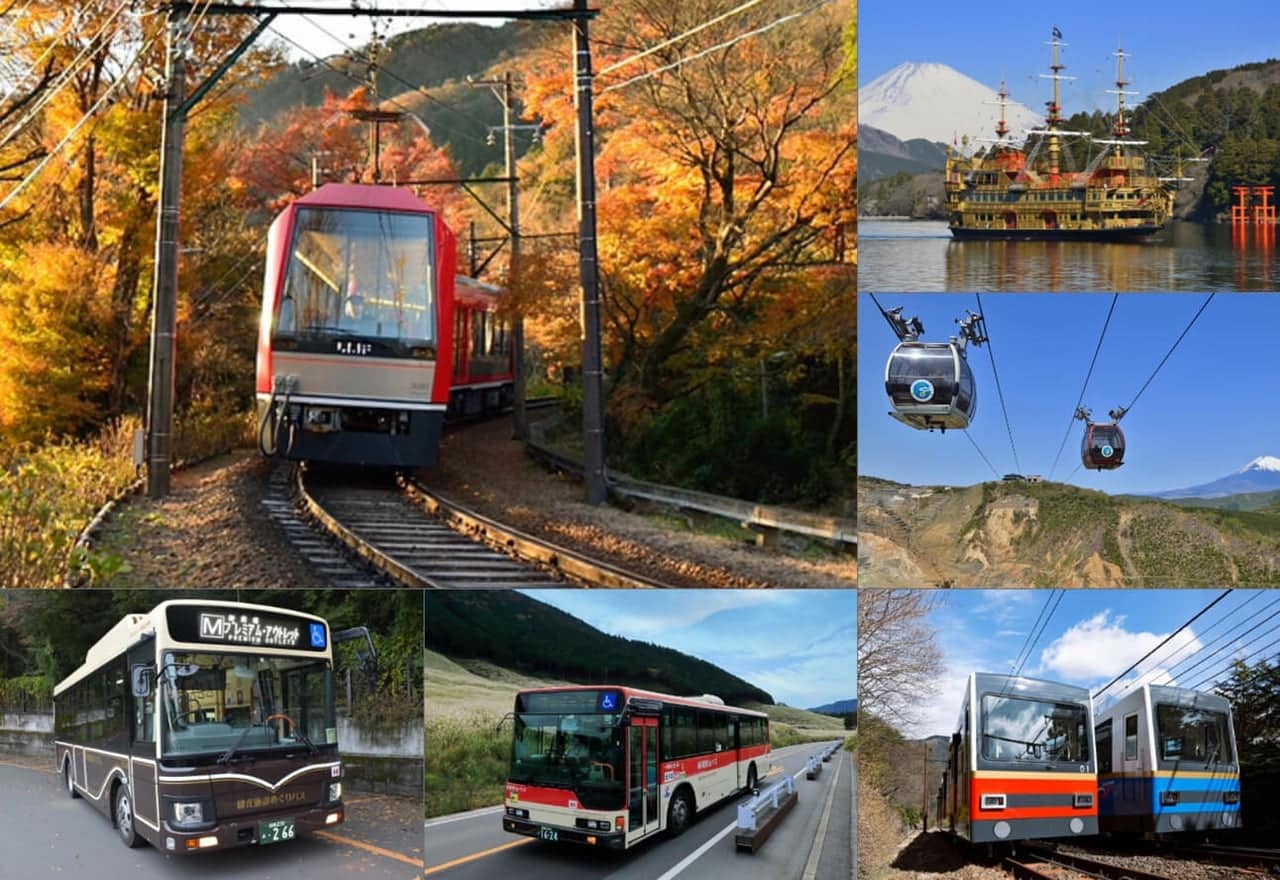
Getting Around Hakone for Leaf-Viewing
The most convenient way from Tokyo to Hakone is to take the Odakyu Romancecar from Shinjuku Station straight to Hakone-Yumoto Station, about 85 minutes with no transfers, and you can enjoy the scenery along the way.
If you use the Hakone Freepass, the 2-day pass from Shinjuku is ¥7,100 for adults (from October 1, 2025), including one round trip between Odakyu Shinjuku and Hakone-Yumoto plus the mountain tram, cable car, ropeway and pirate sightseeing ships within the Hakone area; the Odakyu Romancecar requires a separate limited express ticket. After arriving at Hakone-Yumoto, you can transfer to the mountain tram to Gora, and then to the cable car and ropeway in turn.

Transport Options at a Glance
- Odakyu Romancecar: Shinjuku direct to Hakone-Yumoto, about 85 minutes, reserved-seat ticket purchased separately
- Hakone Freepass: unlimited rides on the mountain tram, cable car, ropeway and pirate ships, the first choice for a leaf-viewing trip
- Mountain tram: about 40 minutes from Hakone-Yumoto Station to Gora Station on the mountain railway, then a 5-minute walk to Gora Park
Complete Guide to Hakone Autumn Leaf Spots
Here are nine selected leaf-viewing spots in Hakone, covering parks, museums, volcanic terrain, lake views and shrines; combine them flexibly according to your interests and time.
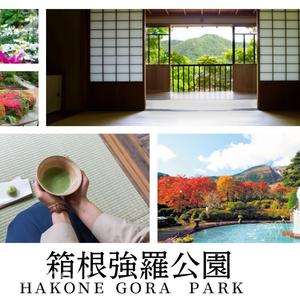
Hakone Gora Park: Japan’s First French Garden for Leaf-Viewing
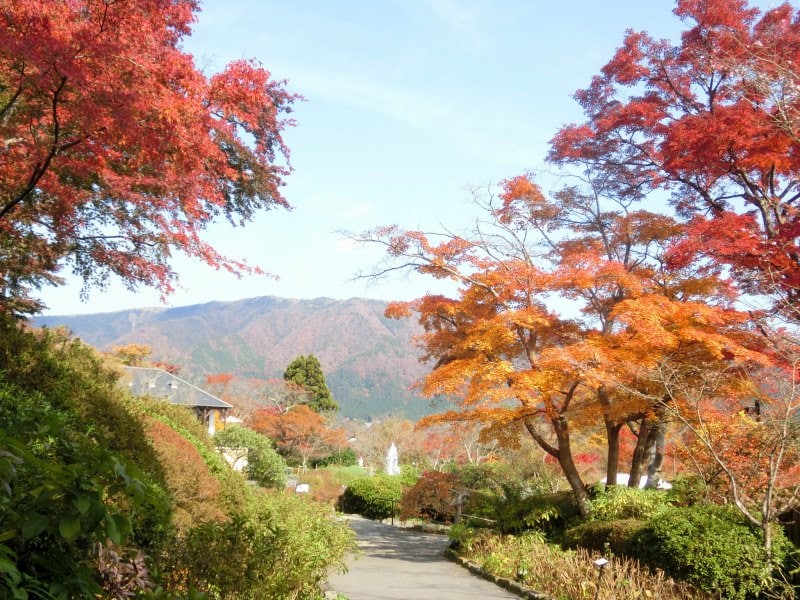
Gora Park opened in 1914 and is Japan’s first French-style formal garden. The central fountain plaza, together with autumn maples and autumn roses, makes an elegant scene (the usual peak for autumn color in the Gora area is mid- to late November).
We suggest 1–2 hours; per the official website admission is ¥650 for adults and free for elementary school students and younger, and showing a Hakone Freepass gets you in free. Hours are 9:00–17:00 from March to November (last entry 16:30) and 9:30–16:30 from December to February (last entry 16:00), open all year apart from 3 maintenance closing days a year.


Hakone Museum of Art: Quiet Autumn Color of Moss Garden and Maples
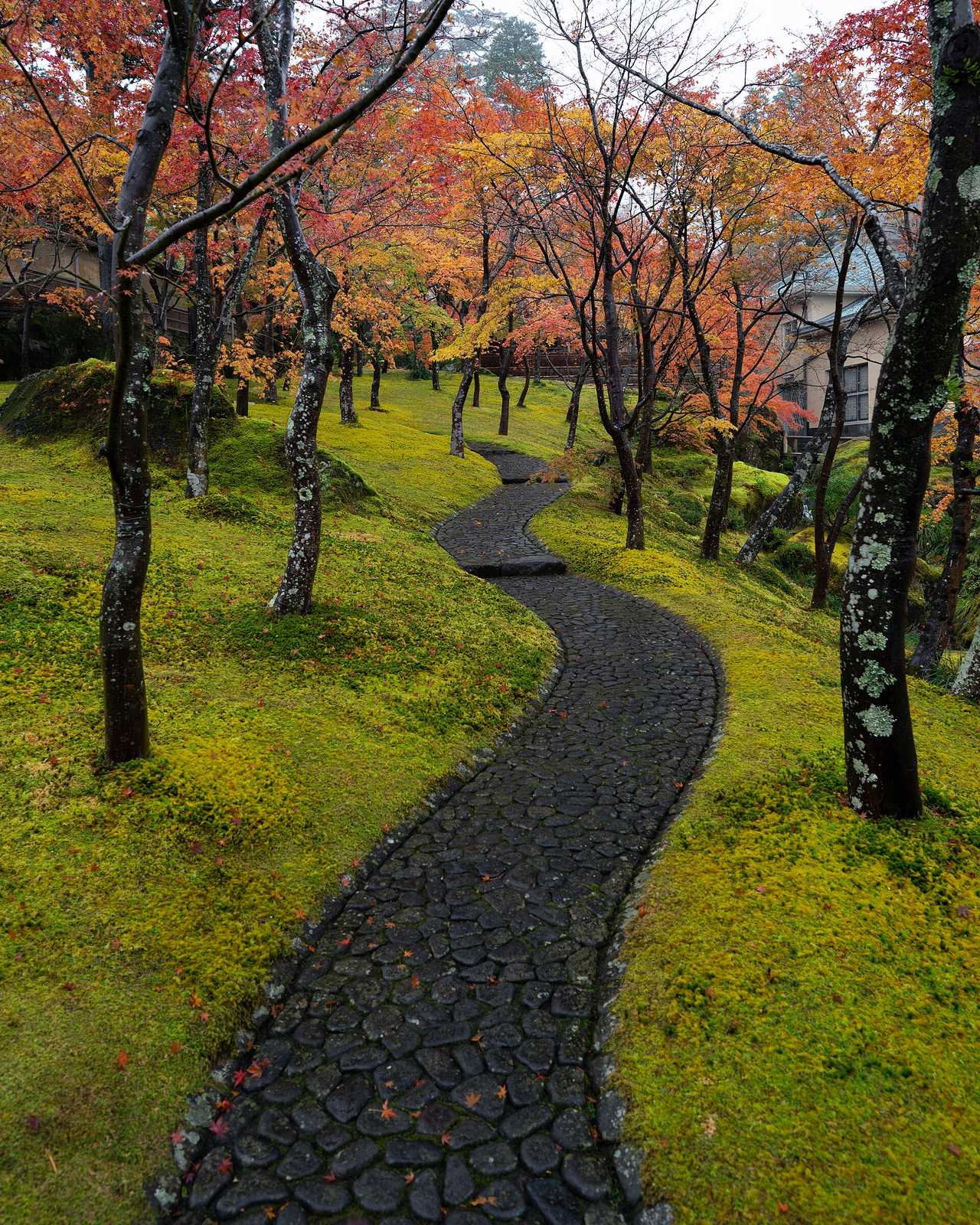
The garden of the Hakone Museum of Art is known for its moss garden woven with maple leaves and is an insider’s leaf-viewing spot for travelers who like a calm mood. ⚠️ The museum is fully closed for renovation from May 7 to October 29, 2026; for the areas open and hours after reopening, follow the official website’s announcement.
We suggest 1 hour; be sure to check the official website for the latest opening status before you go to avoid a wasted trip; after reopening, follow the latest official announcement for admission and hours.
The museum’s garden is meticulously maintained all year, and in autumn the red maples contrast sharply with the evergreen pines and cypresses, making it one of the few Hakone museums that emphasizes contemplative viewing rather than photo opportunities.
Owakudani: A Unique Scene of Volcanic Steam and Autumn Leaves
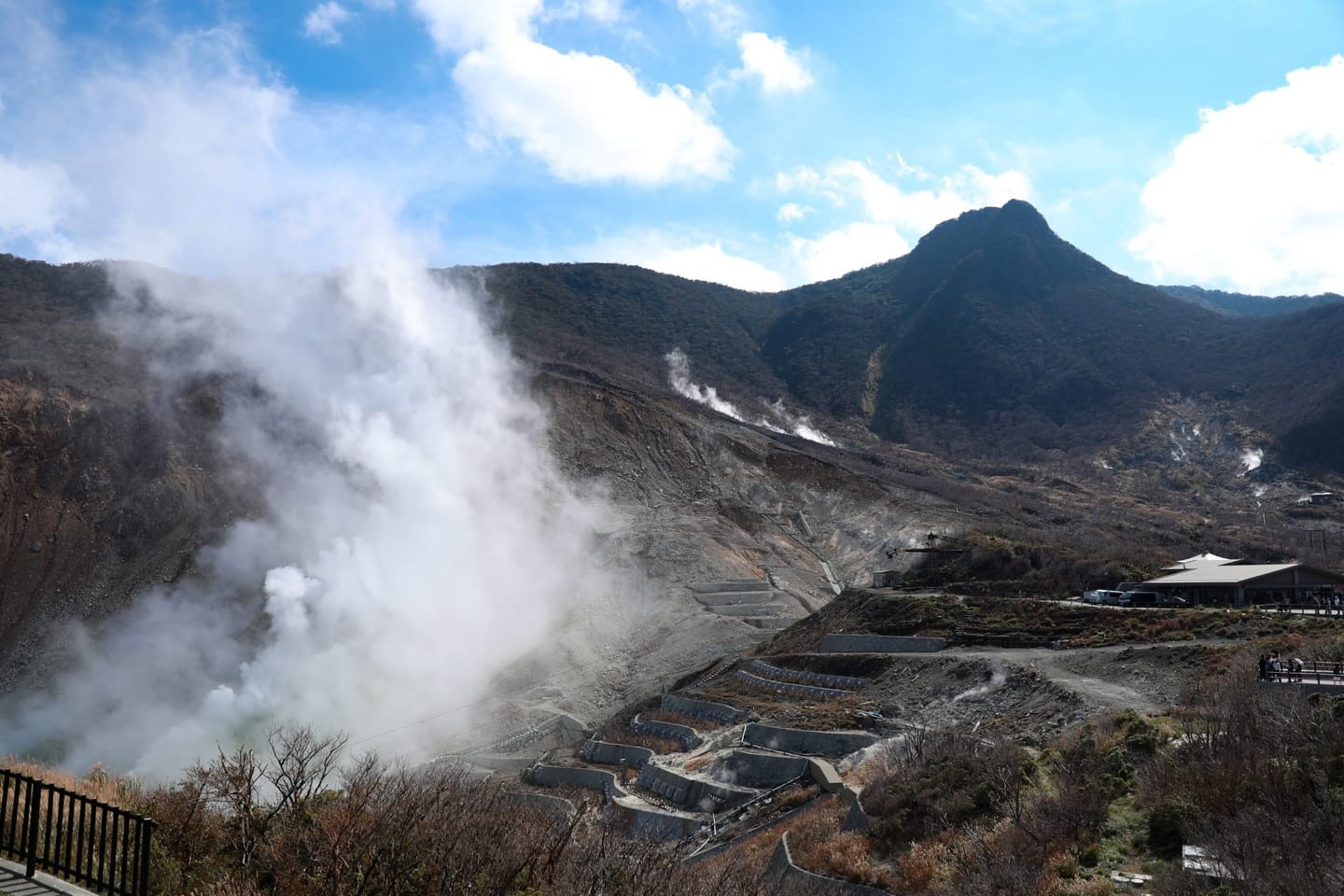
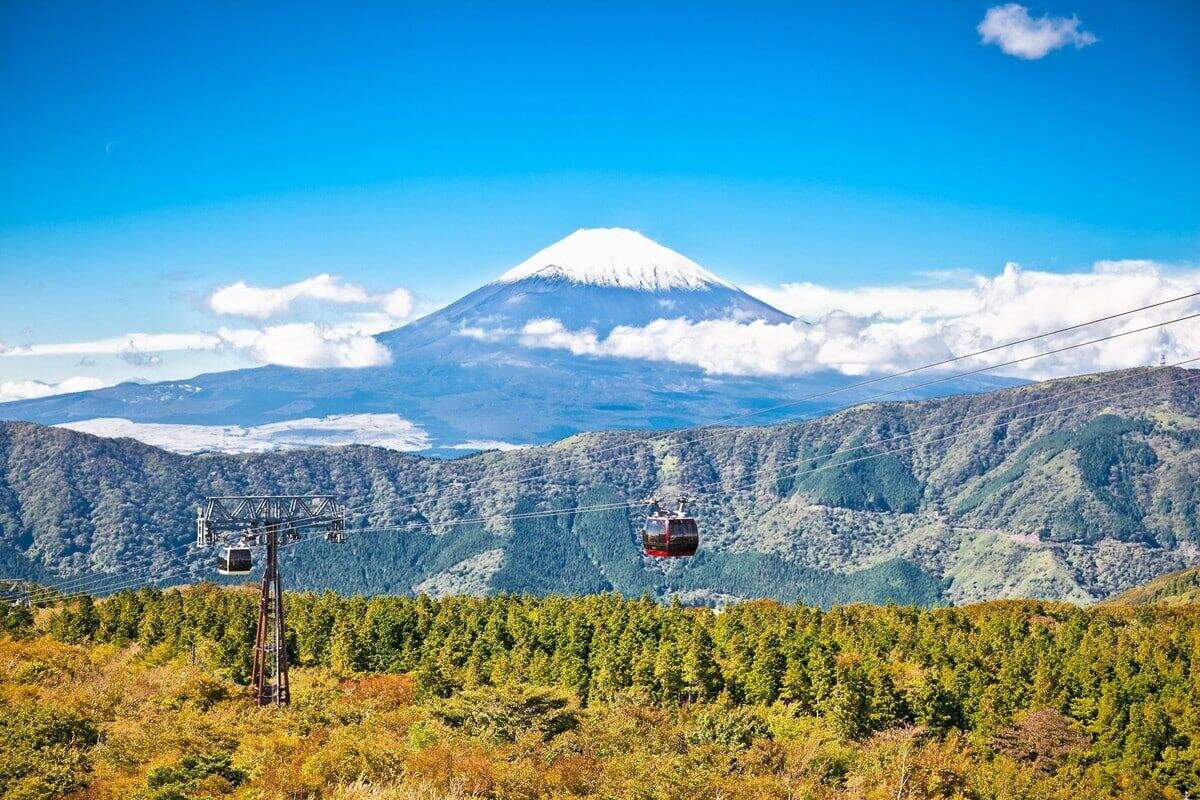
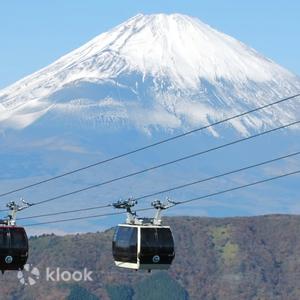
Riding the Hakone Ropeway past Owakudani, you can see volcanic steam and mountains of autumn leaves at the same time, and on clear days Mount Fuji as well. The local kuro-tamago (black eggs) are said to add 7 years to your life with each egg you eat, a must-try snack.
We suggest 1 hour; the ropeway ticket is included in the Hakone Freepass. In the leaf season this stretch is the biggest traffic bottleneck of the whole route, so plan it early in the morning to avoid afternoon clouds spoiling the view.
Around Owakudani there are several viewing platforms and trails where you can look at the volcanic terrain from different angles, and the smell of sulfur and the drifting white steam are a sensory experience found only here, completely different from ordinary leaf-viewing spots.
Lake Ashi Hakone Pirate Sightseeing Ship: Autumn Leaves Reflected on the Lake
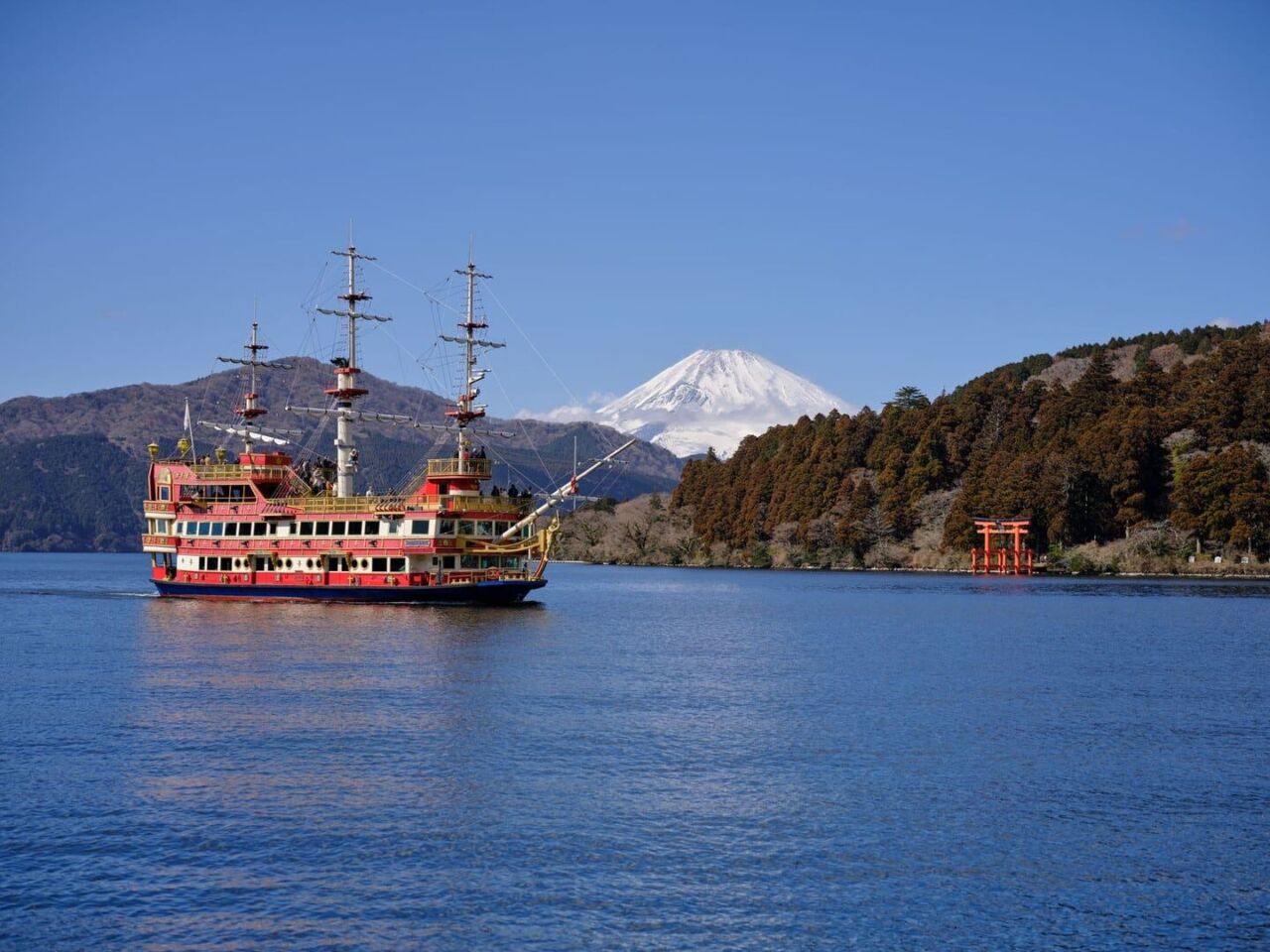
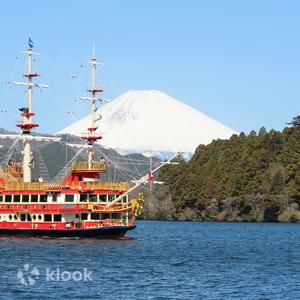
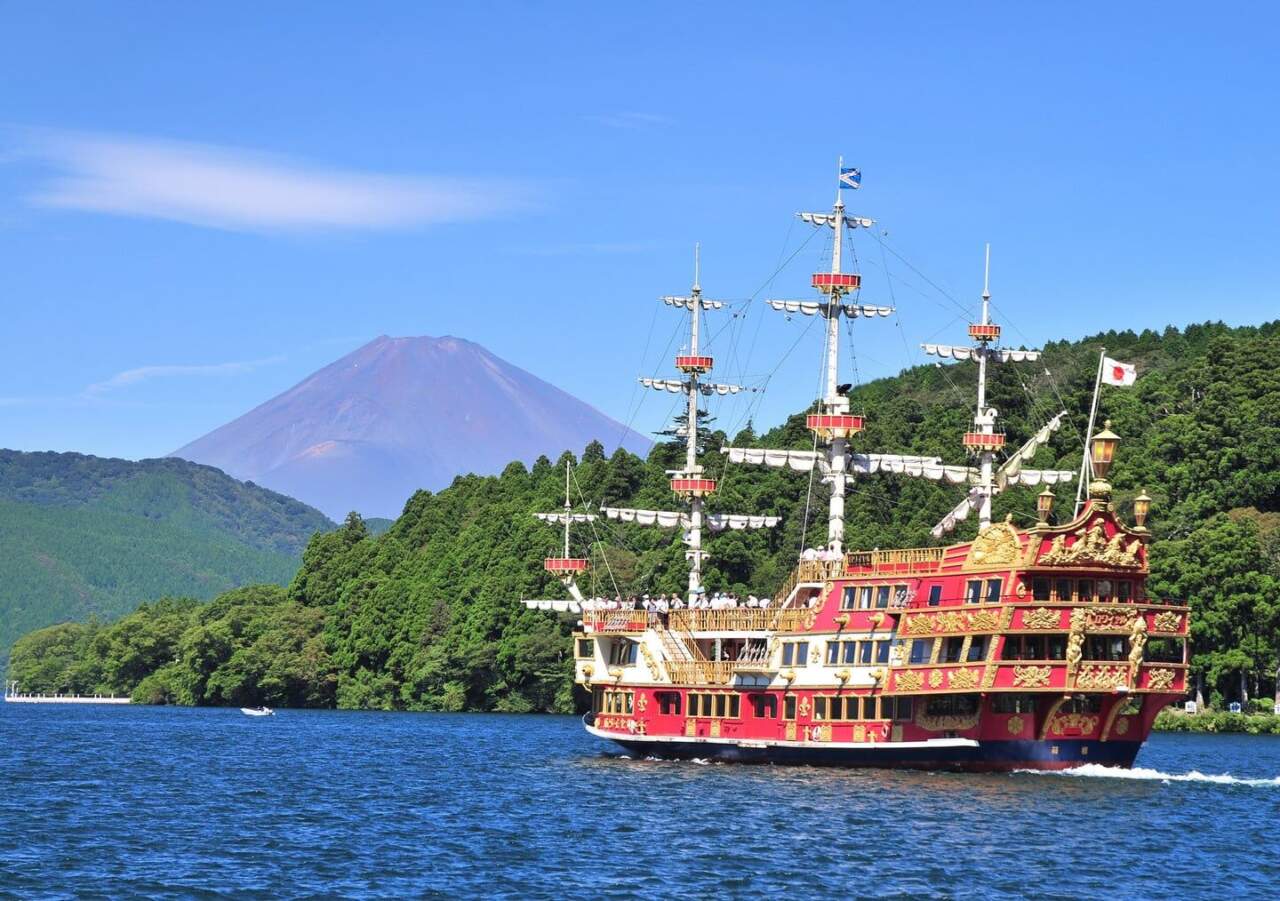
Riding the distinctively styled pirate sightseeing ship around Lake Ashi lets you view the leaves reflected in the water from the lake, with Mount Fuji visible in the distance on clear days, the most romantic part of a Hakone leaf-viewing trip; the route passes the Hakone Shrine water torii along the way.
We suggest 1 hour; the ship ticket is included in the Hakone Freepass. Waiting crowds are larger on peak-season weekends, so allow plenty of time.
The ship has viewing decks, so you can walk around freely and take photos without needing to find a particular seat, and the route calls at several piers such as Moto-Hakone and Hakone-machi, so you can choose where to board and get off to suit your plans.
Hakone Shrine: The Water Torii and Goshuin Pilgrimage
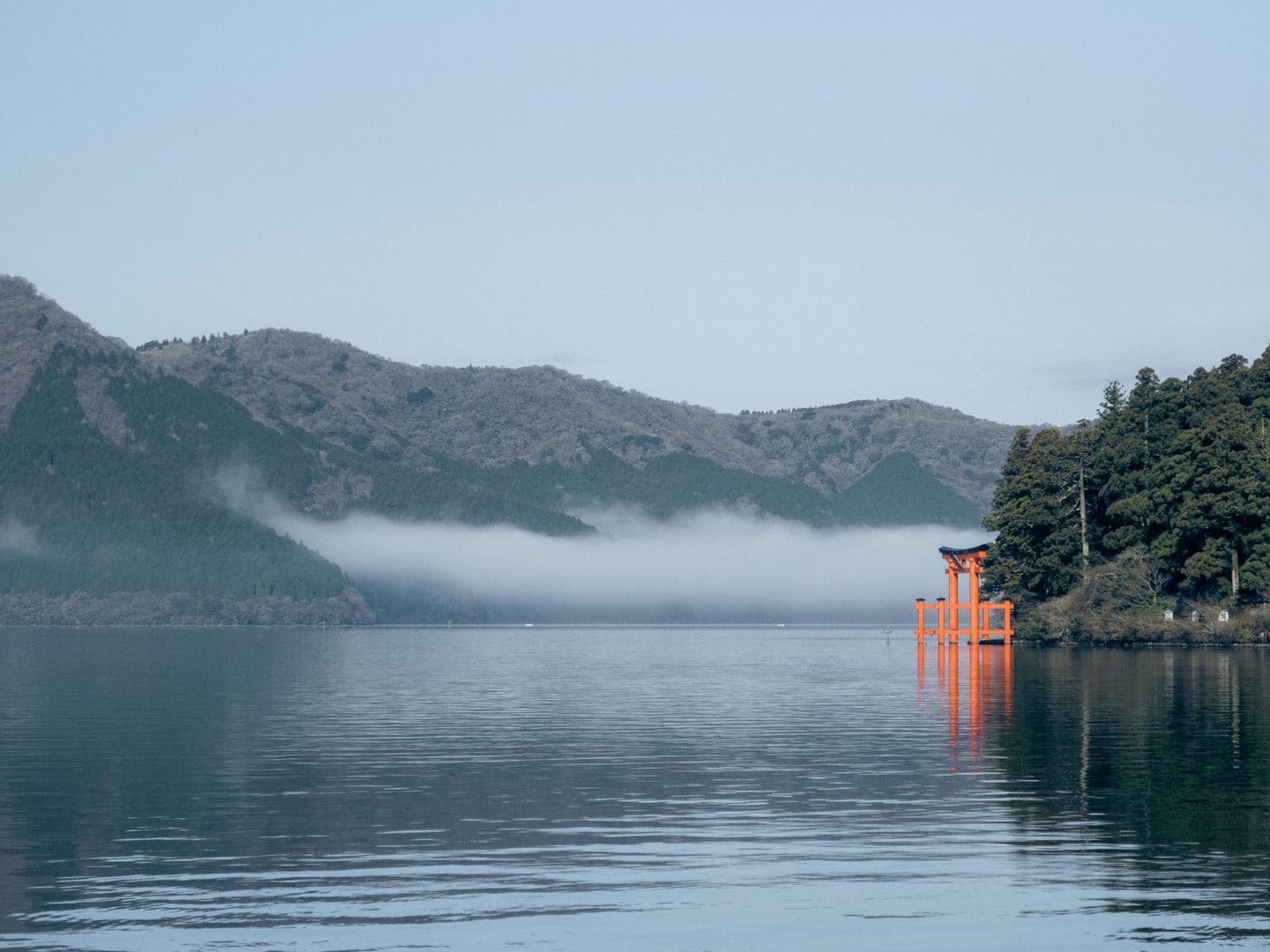
Hakone Shrine was founded in the Nara period, and its bright red water torii stands on the shore of Lake Ashi, matching the surrounding autumn color, making it Hakone’s most representative photo spot and a well-known place to pray for safety and good relationships.
We suggest 1 hour; the shrine’s office on the grounds offers omamori charms and goshuin stamps, with a goshuin fee of about ¥500; the Kuzuryu Shrine Shingu beside the approach is also worth a visit, and worship on its grounds is free.
Onshi-Hakone Park: Leaf-Viewing Stroll at a Former Imperial Villa
Onshi-Hakone Park was formerly an imperial villa, with wide grounds and open views, a two-season spot for both autumn leaves and cherry blossoms; a lakeside path combines red maples with views of distant Mount Fuji, making for a pleasant walk.
We suggest 1 hour; entry is free, open 09:00–16:30, and it is about a 10-minute walk from Moto-Hakone Port, a good fit to combine with Hakone Shrine.
The park preserves some building remains of the former villa and a memorial hall, so you can also learn about Hakone’s history as an imperial summer retreat, a walking route that combines culture and nature.
Hakone Glass Forest Museum: Venetian Glass and Autumn Maples
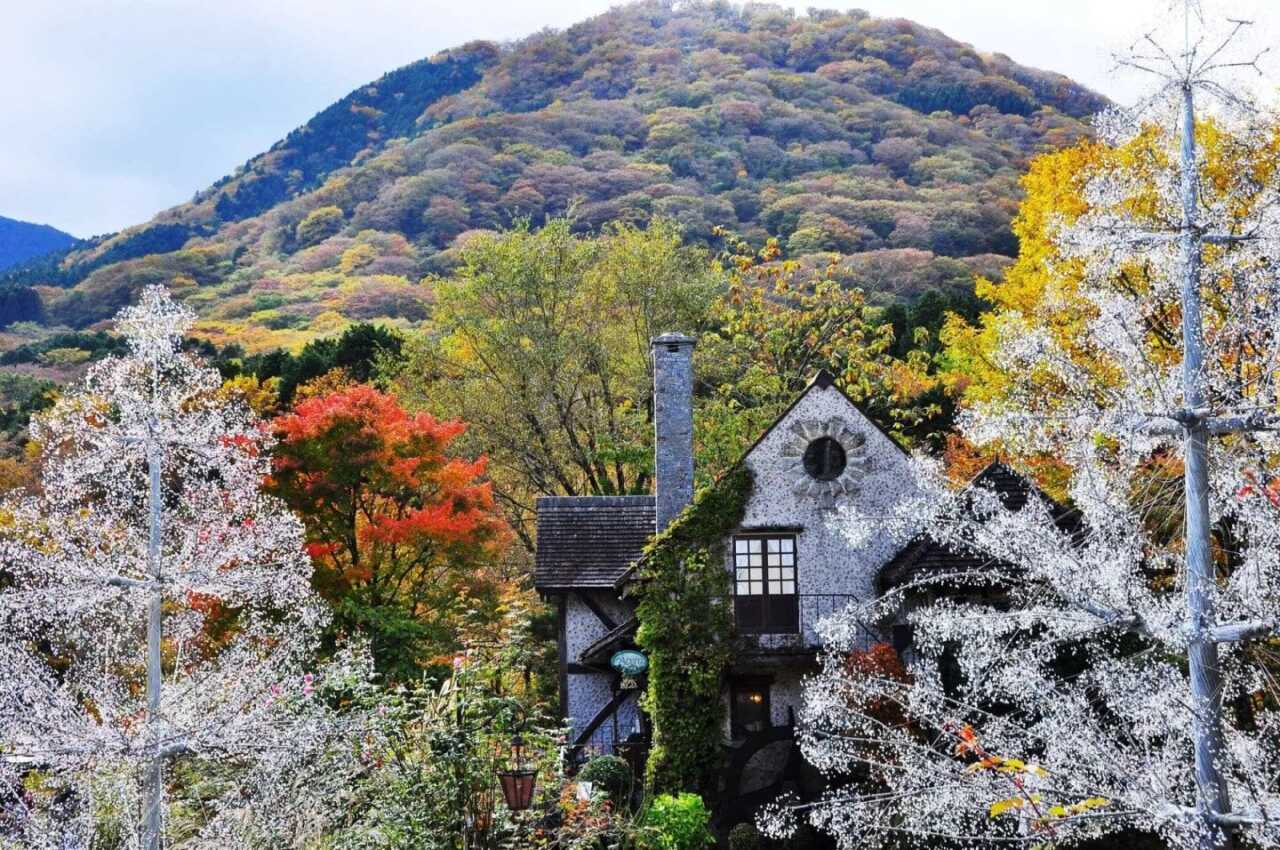
The Hakone Glass Forest Museum is known for its collection of Venetian glass craftsmanship; its outdoor garden is dressed in autumn color, where glass installations and red maples set each other off in a dreamlike visual effect, and the glass chandelier avenue inside is also a photo hotspot.
We suggest 1.5 hours; admission is about ¥1,800, and in some years an evening illumination is added in autumn and winter; worth a special visit for travelers who like art photography.
The museum has a glass craft shop selling a variety of glass accessories and ornaments, a good place to pick up a crystal-clear souvenir and photograph it against the garden’s red maples.
-Klook.jpg)
Hakone Open-Air Museum: Outdoor Sculpture Dancing with Autumn Leaves
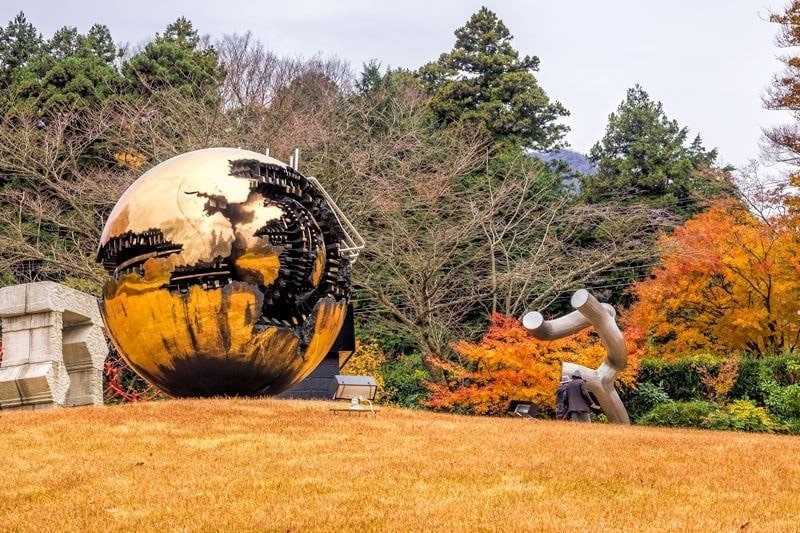
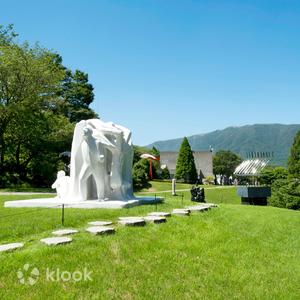
The Hakone Open-Air Museum (Chokoku no Mori) is Japan’s first outdoor sculpture museum, with modern sculptures scattered across open lawns; in autumn the red maples set off the sculptures, and the museum also has a Picasso Pavilion and a foot bath.
We suggest 1.5–2 hours; admission is ¥2,000 for adults (¥1,800 for the official website’s online ticket); it is near Chokoku-no-Mori Station on the Hakone Tozan Railway, easy to reach, and a good fit to visit before or after Gora Park.
The grounds are large, so we suggest wearing comfortable walking shoes and taking your time; some sculptures can be touched up close and interacted with, a good way to bring children to enjoy the mix of art and nature.
Routing Tips to Avoid the Hakone Leaf-Viewing Crowds
In the leaf season the ropeway section at Owakudani is the biggest traffic bottleneck of the whole route, so we suggest a clockwise route of Yumoto, Gora, Owakudani, Lake Ashi: tackle the most congestion-prone section first thing in the morning, then move to the shore of Lake Ashi after noon for relaxed viewing.
If time allows, avoid peak-color weekends where possible; weekdays are noticeably less crowded. Including photos and meals, the whole loop is more comfortable at 6 to 8 hours, so don’t pack it too tightly.
Tickets and Tours
Here are the most useful tickets and experience tours for Hakone leaf-viewing; booking in advance saves you queuing on the spot and the trouble of last-minute waitlists.
Hakone Freepass: One Ticket for Leaf-Viewing Transport
The Hakone Freepass covers the mountain tram, cable car, ropeway, pirate sightseeing ships and some bus sections, in 2-day and 3-day versions, with prices varying slightly by departure station.
One ticket covers the main leaf-viewing spots such as Gora Park, Owakudani and Lake Ashi with no need to buy section by section, making it the best-value transport plan for a Hakone leaf-viewing trip; we recommend checking the latest prices on the official website before you go.
Hakone Gora Park Ticket and Pottery Experience
Gora Park admission is ¥650 for adults (free with a Hakone Freepass), and you can add a pottery painting or glass bead making experience to take home a one-of-a-kind handmade souvenir; it takes about 1 hour and suits families or couples.
In the peak leaf season we recommend booking your experience time slot in advance, to avoid a long on-site waitlist that leaves you without a place and disrupts the rest of your plans.
Hakone Pirate Sightseeing Ship Tickets
With a Hakone Freepass you ride the pirate sightseeing ship free; bought separately, the adult one-way fare from Togendai Port to Moto-Hakone Port or Hakone-machi Port is ¥1,700 (from October 1, 2025), and the trip takes about 30–40 minutes, with views of leaves reflected in the water and the Hakone Shrine water torii along the way, and Mount Fuji in the distance on clear days.
Waiting crowds are larger on peak-season weekends, so allow plenty of time to avoid cutting into your time at other spots.
Where to Stay Nearby
Hakone is Kanto’s leading hot spring destination, and staying at a ryokan with one night and two meals during leaf season is the most authentic way to experience Hakone’s autumn.

Gora, Hakone-Yumoto and the Lake Ashi Shore: Three Main Areas to Stay
The Gora area is close to Gora Park and the Hakone Museum of Art, within walking distance for daytime leaf-viewing, with an evening soak back at the inn, ideal for a relaxed two-day, one-night trip; the Hakone-Yumoto area is the transport hub with hot spring inns and shopping streets close together, suited to travelers who like shopping and food.
Inns along Lake Ashi mostly feature views of Mount Fuji and the lake and open-air baths, and in some inns the guest rooms themselves look out on autumn leaves, suiting travelers who want a resort atmosphere and spectacular views.
Before booking, we suggest checking the transport routes between your accommodation area and the leaf-viewing spots; rooms are harder to book on autumn weekends, so book early once your plans are set.
Hakone Leaf-Viewing FAQ
When Is the Best Time for Hakone Autumn Leaves?
Peak autumn color in Hakone generally runs from early to late November; in the Gora area where Gora Park is located, mid- to late November is usually the most beautiful, and the timing differs slightly between elevations, so we suggest checking the latest peak forecast for the year before you go.
How Do I Plan a One-Day Hakone Leaf-Viewing Trip?
We suggest the classic loop: start from Hakone-Yumoto, take the mountain tram and then the cable car to Gora Park for the leaves, then ride the ropeway past Owakudani, and finally take the pirate sightseeing ship on Lake Ashi to see the leaves reflected in the water.
Can I Still Visit the Hakone Museum of Art in 2026?
The Hakone Museum of Art is fully closed for renovation from May 7 to October 29, 2026; for the areas open and hours after reopening, follow the official website’s latest announcement, and be sure to check before you go to avoid a wasted trip.
How Do I Avoid the Hakone Leaf-Viewing Crowds?
We suggest a clockwise route, scheduling the most congestion-prone Owakudani ropeway section first thing in the morning and moving to the Lake Ashi shore after noon; if possible, avoid peak-color weekends, since weekdays are noticeably less crowded.
What Transport Tickets Should I Prepare for Hakone Leaf-Viewing?
We recommend buying the Hakone Freepass, which allows unlimited rides on the mountain tram, cable car, ropeway and pirate sightseeing ships and covers all the major leaf-viewing spots with one ticket, which is better value and less hassle than buying tickets separately.
What Souvenirs Should I Buy in Hakone?
We recommend Hakone Koyama Buta manju (Shiino Foods), GRANDE RIVIERE Hakone bread rusks (main shop in Sengokuhara) and honey sponge cake-style Hakone manju (Kikugawa Shoten in front of Hakone-Yumoto Station), all popular souvenir choices.
