
Arima Onsen Guide 2026: Kinsen and Ginsen Baths and a Stroll Through the Hot Spring Town
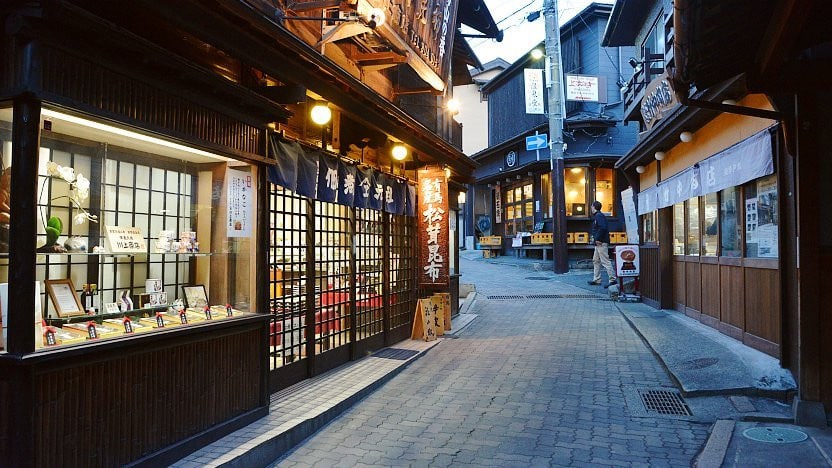
Arima Onsen sits at the foot of Mt. Rokko in Kita Ward, Kobe, and is one of Japan’s Three Ancient Hot Springs. Known for its two spring types, the golden Kinsen and the clear Ginsen, and its old-fashioned hot spring town, it is worth anything from a half day to an overnight stay.
Arima Onsen: The Historic Roots of One of Japan’s Three Ancient Hot Springs
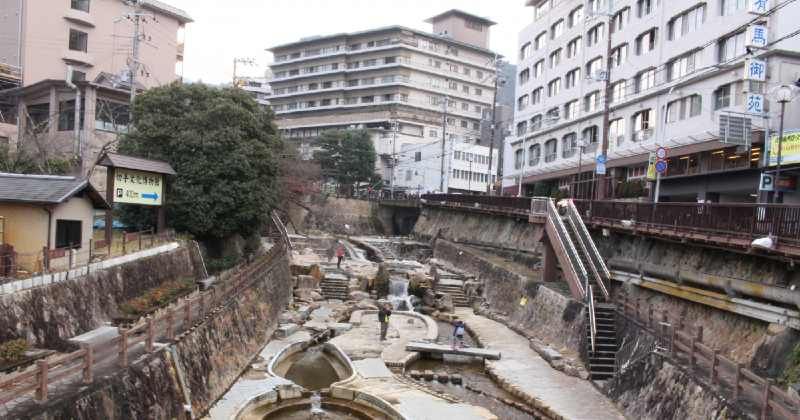
Arima Onsen ranks alongside Dogo and Shirahama as one of Japan’s Three Ancient Hot Springs, with records of emperors visiting as far back as the Asuka period, making it one of the oldest hot spring areas in the country. In the Sengoku period, Toyotomi Hideyoshi loved the place, came to recover with his retainers many times, and improved the bathhouse facilities, laying the groundwork for today’s hot spring town, so many sites tied to Hideyoshi remain. The town is built into the hillside, with stone-paved slopes and old wooden houses side by side, and walking along Yumotozaka and the Taiko-dori shopping street feels like stepping back into the Edo period.
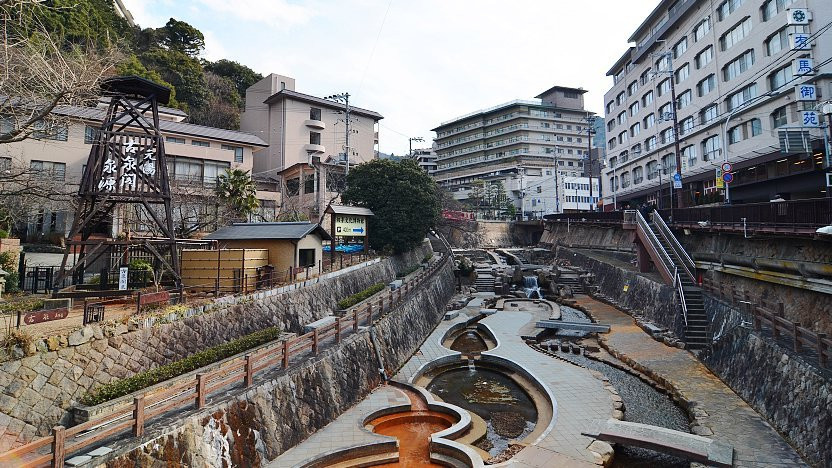
Kinsen: The Signature Iron-Rich Salt Spring
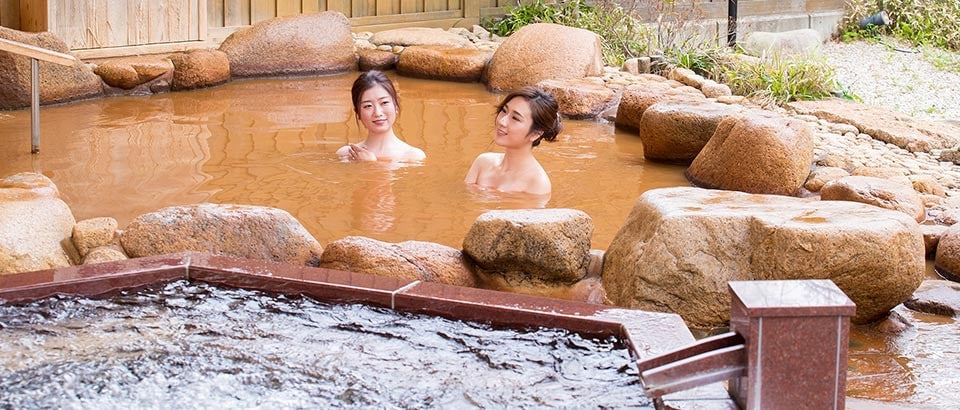
Arima’s signature spring, Kinsen (“golden water”), is a hot, strongly saline sodium chloride spring rich in iron. It is clear when it emerges, then turns reddish-brown as the iron oxidizes in the air, which is why it is also called “Akayu” (red water). Its high salt concentration gives a distinct, enveloping warmth, and it is said to help with neuralgia, muscle aches, joint pain and chronic gynecological complaints. It also locks in moisture well, which makes it popular with those who care about their skin.
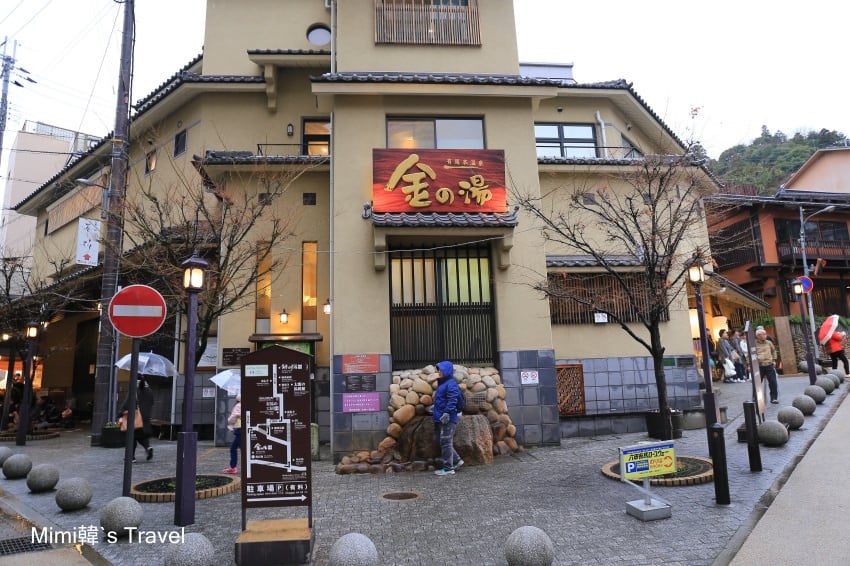
The most convenient public bath for trying Kinsen is Kin-no-Yu, at the plaza at the entrance to the Taiko-dori shopping street, easy to spot by its reddish-brown exterior. Some inns also pipe Kinsen into their in-room baths, so guests can enjoy the warmth of “Akayu” with ease.
Ginsen: A Refreshing Carbonated and Radioactive Spring Experience
Ginsen (“silver water”) is a clear spring, divided into carbonated springs that contain carbon dioxide and radium-type springs that contain trace amounts of radioactive elements. Both feel refreshing, and your skin feels especially smooth afterward. In a carbonated spring, tiny bubbles cling to your skin, which helps dilate capillaries and improve circulation, making it an ideal finish after a soak in Kinsen for a hot-and-cool contrast that leaves you relaxed.
Gin-no-Yu is within about a ten-minute walk of Kin-no-Yu, and its water is milder in temperature than Kinsen, so it suits visitors who dislike heat or want to cool down and relax quickly. Ginsen and Kinsen complement each other, which is why most travelers recommend trying both baths.
The Seven Springs: Arima Onsen’s Underground Treasure
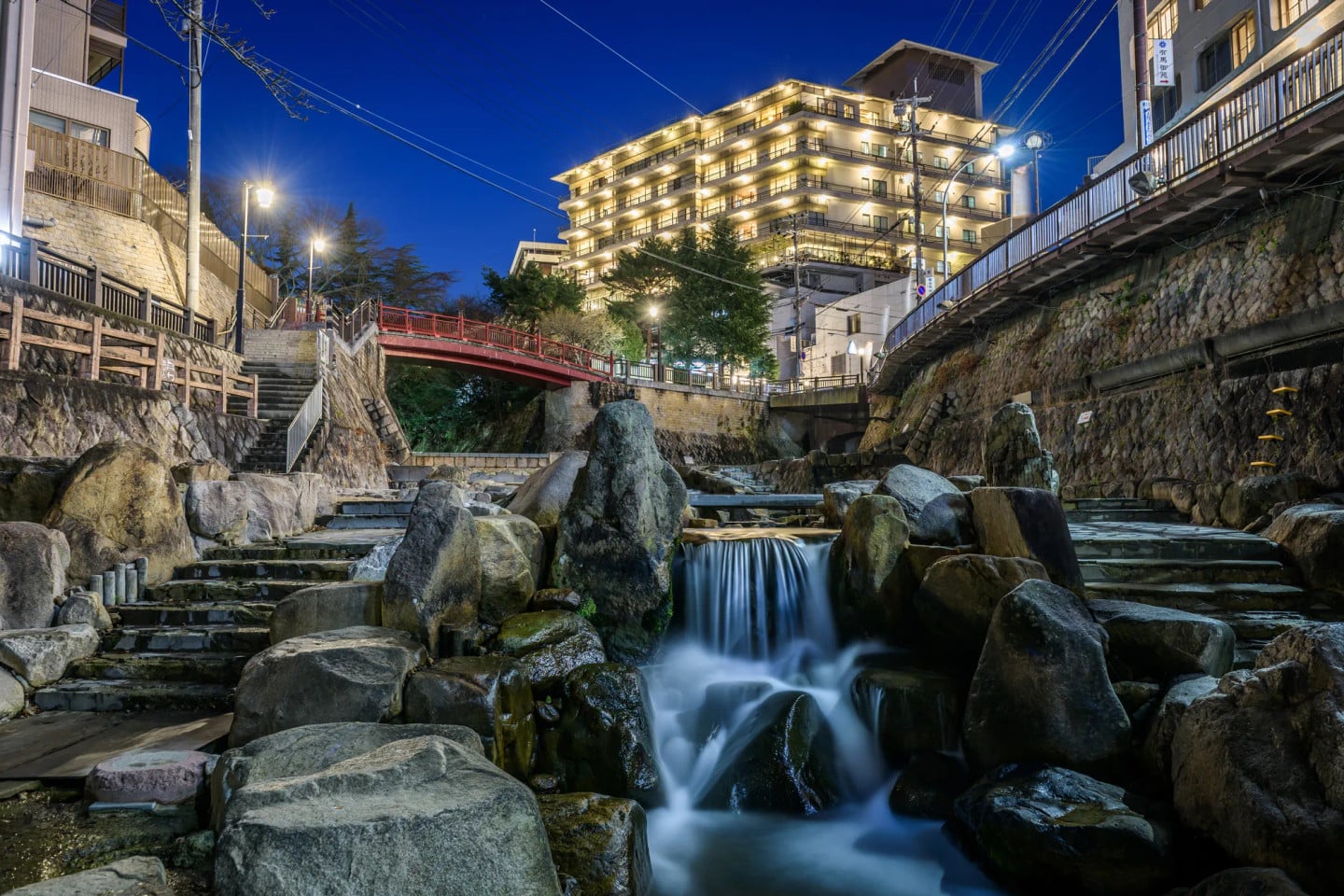
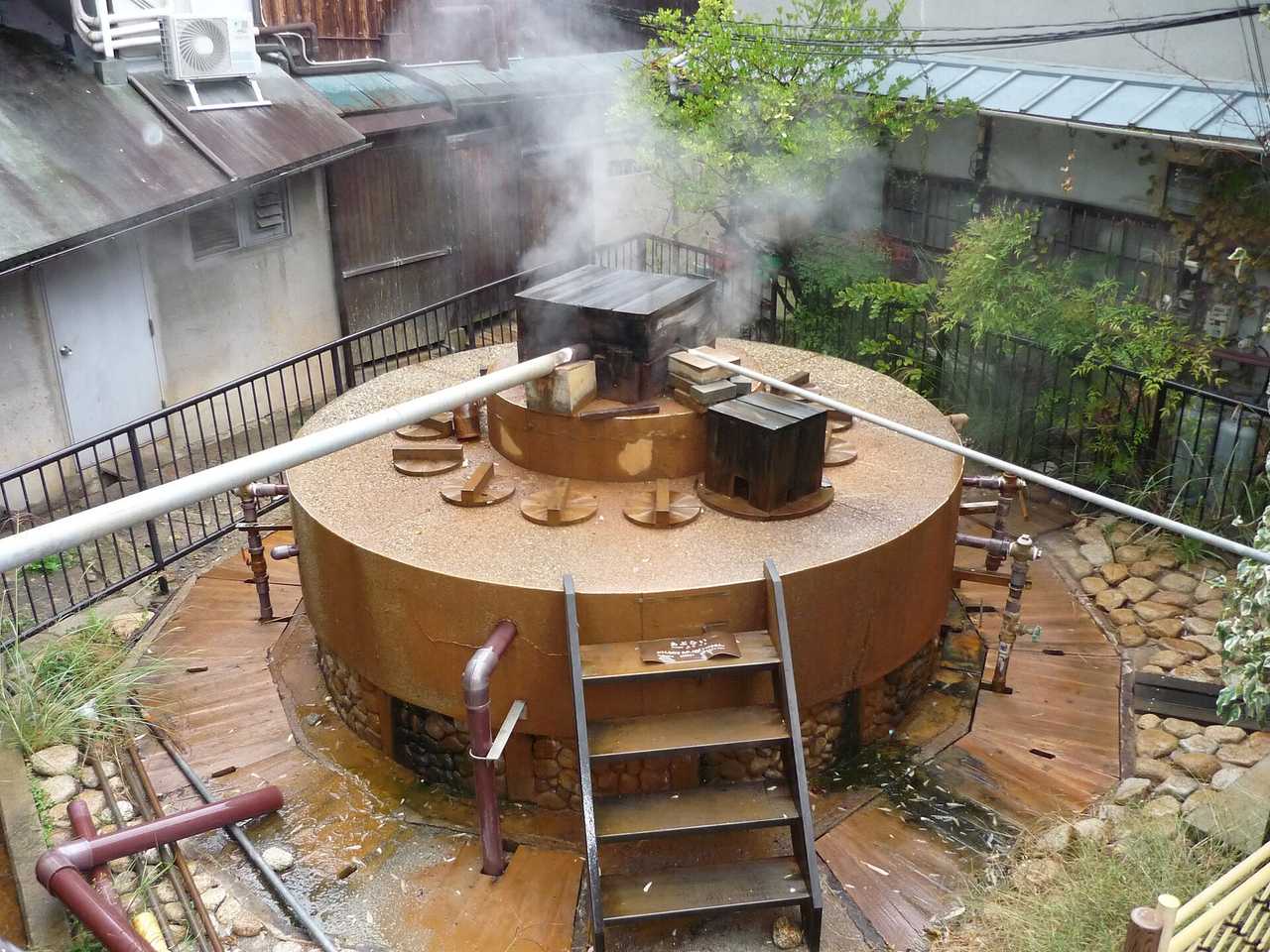
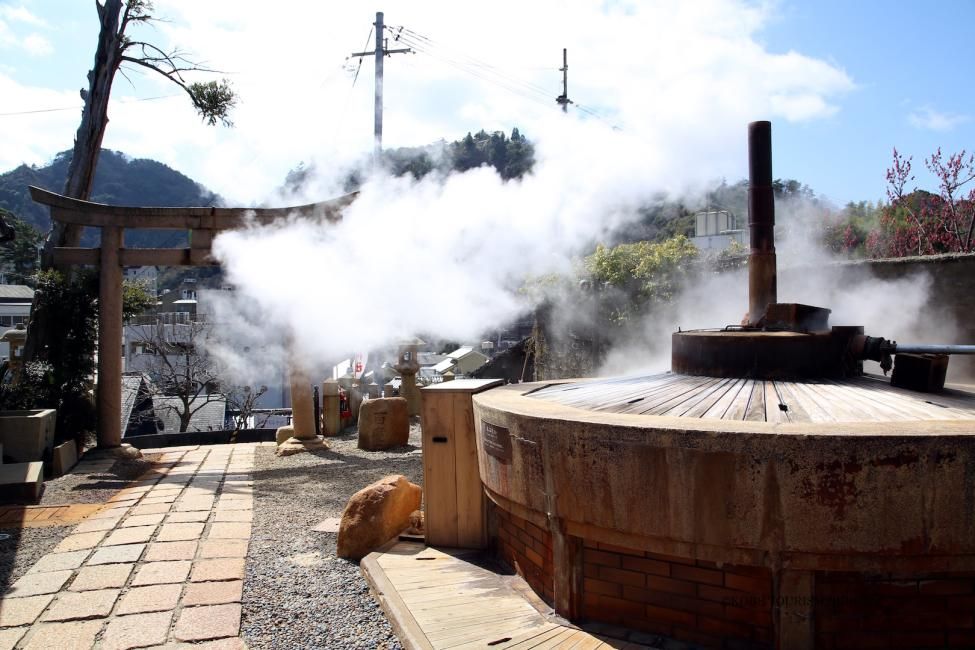
Arima Onsen has seven spring sources: Tansan, Taiko, Gosho, Tenjin, Netami, Ariake and Gokuraku. Their locations and water types differ, and together they account for the variety of Kinsen and Ginsen. You can follow the hot spring town map to visit these spring landmarks scattered around the district and get a feel for the area’s rich geological “underground treasure.”
The easiest to reach is Tansan Spring Park, which has a free tap of carbonated spring water to drink. The natural fizz has a distinctive taste, makes a popular photo stop, and gives you a hands-on sense of where Ginsen’s carbonated water comes from.
Opening Hours and Closing Days of Arima Onsen’s Main Facilities
- ♨️ Kin-no-Yu: 8:00-22:00 (last entry 21:30), closed the 2nd and 4th Tuesday of each month
- ♨️ Gin-no-Yu: 9:00-21:00 (last entry 20:30), closed the 1st and 3rd Tuesday of each month (both baths stay open when a closing day falls on a national holiday; closed January 1)
- 🦶 Taiko no Ashiyu foot bath (free): same hours and closing days as Kin-no-Yu
- 🏛️ Taiko no Yudono-kan: 9:00-17:00 (last entry 16:30), closed the 2nd Wednesday of each month
- 🎨 Arima no Kobo: 9:00-18:00, closed the 4th Tuesday and January 1
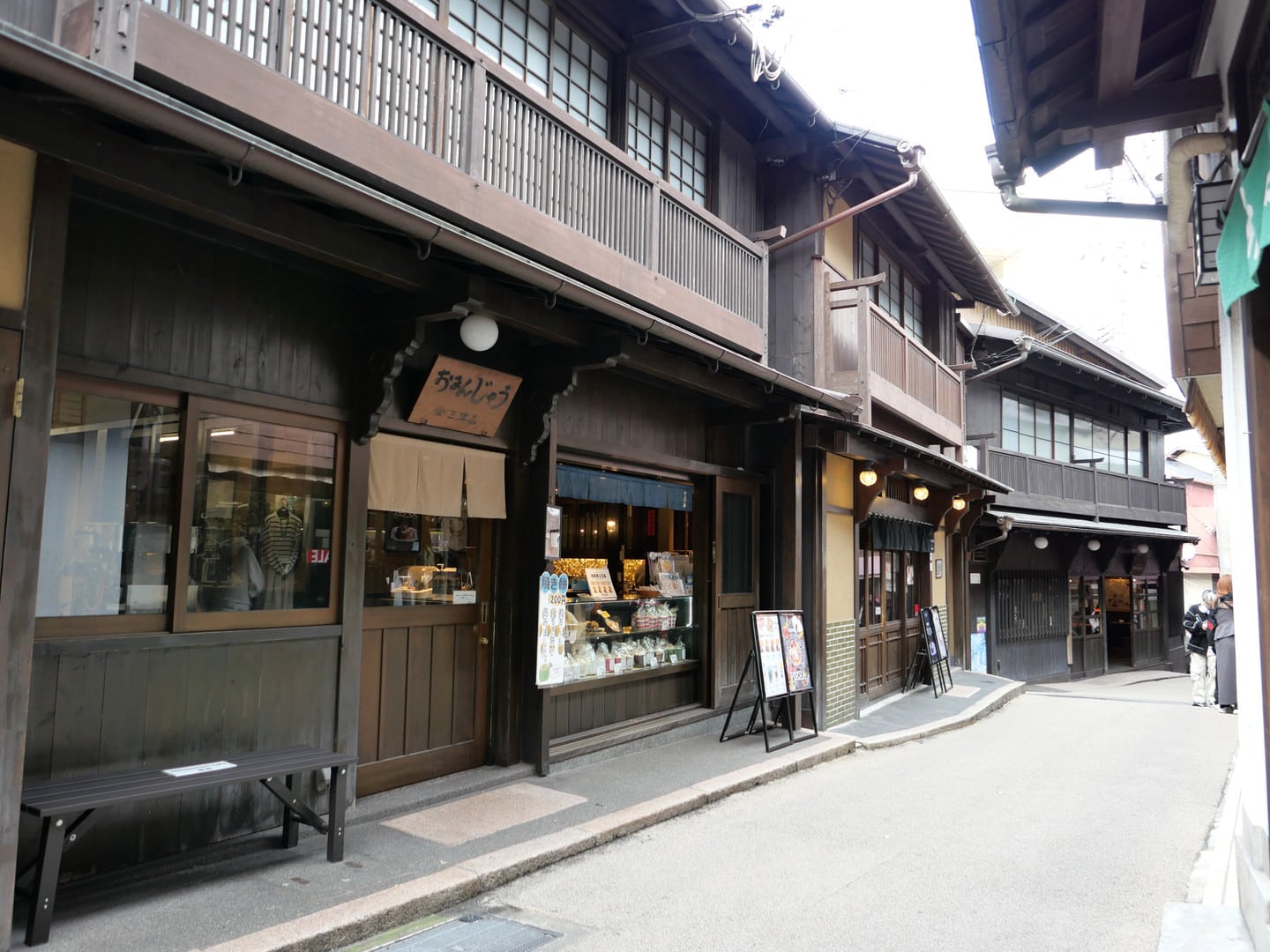
Yumotozaka: Strolling the Slope of Arima’s Shopping Street and Local Specialties
Yumotozaka is the heart of Arima Onsen’s shopping street and the most nostalgic slope in the hot spring town. Old shops with traditional lattice doors line both sides of the narrow, winding lane, making it a popular photo spot. Along the way, shops sell local specialties such as Arima brushes, bamboo crafts and tansan senbei (carbonated-water crackers), so you can sample things as you walk and add a leisurely browse to your bathing itinerary.
Best Time to Visit: A Different Charm in Every Season
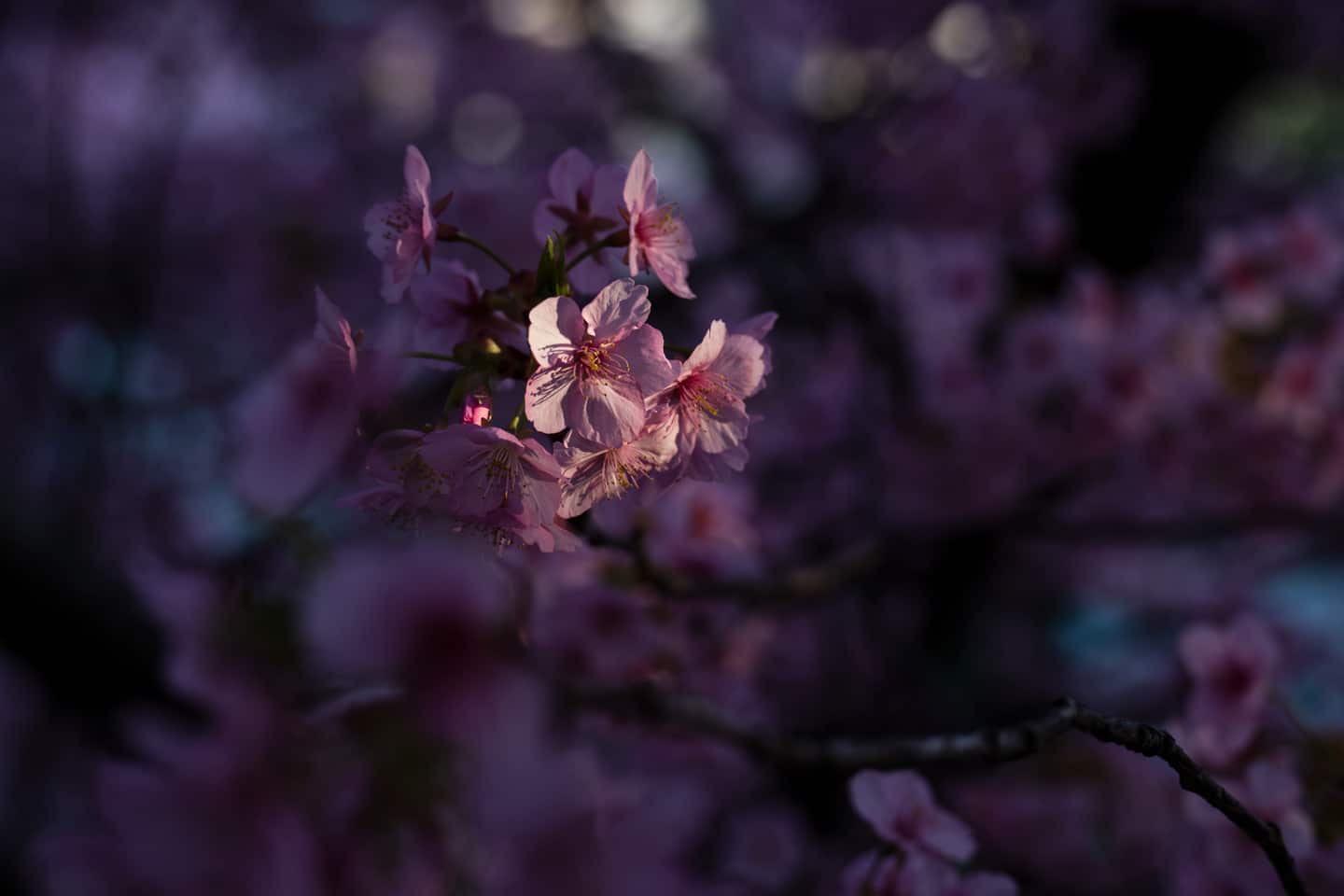
In spring (March-April), cherry blossoms bloom along the hot spring town and the slopes of Mt. Rokko. In summer, the higher elevation keeps temperatures well below those of Osaka and Kobe, making it a good choice for a cool soak.
In autumn (mid to late November), the maples on Mt. Rokko turn layer upon layer of red, and you can ride the ropeway up for the foliage. In winter, as temperatures drop, Kinsen’s heat-retaining effect is at its best, and soaking in the reddish-brown water while watching snow fall is, for many travelers, their fondest memory of Arima Onsen.
How to Get to Arima Onsen: Transport Options and Costs
The most convenient ways to reach Arima Onsen are the Kobe Electric Railway and the direct express bus, with easy options from Osaka, Kyoto and Kobe Sannomiya.
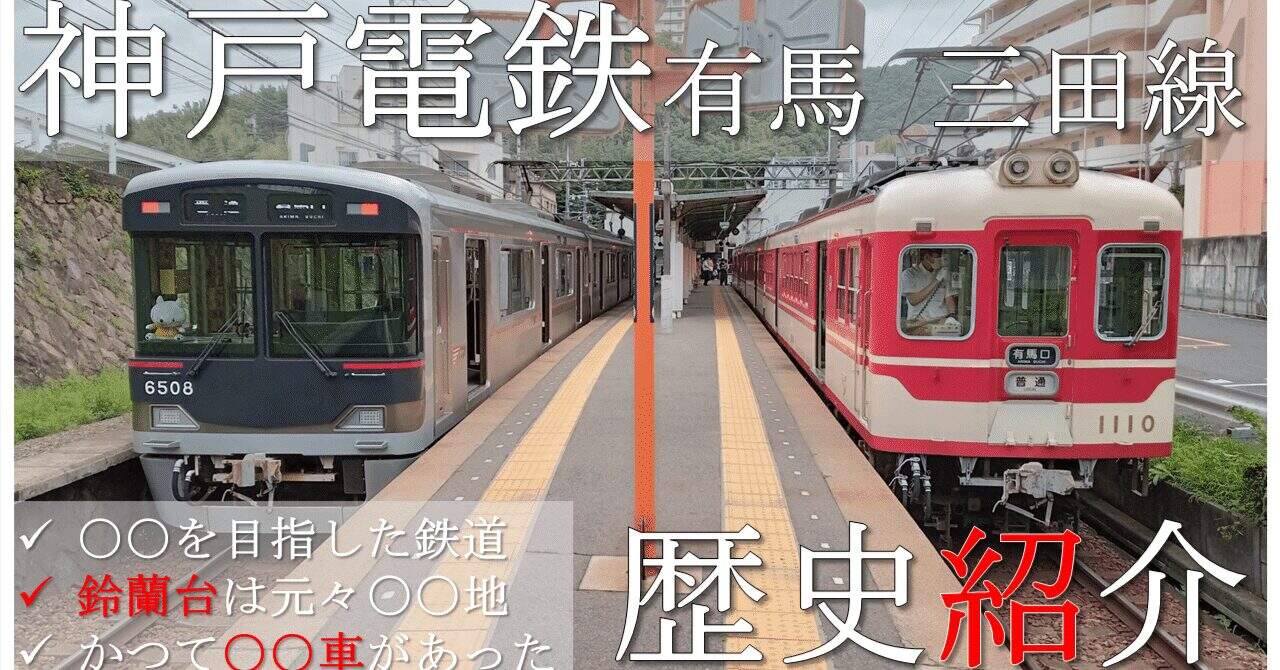
How to Get to Arima Onsen: Transport at a Glance
🚞 Train: From Sannomiya, change at Tanigami to the Kobe Electric Railway; about 30 minutes, about ¥720.
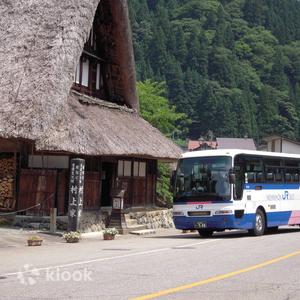
🚌 Hankyu Express Bus: Osaka ¥1,400, Kyoto ¥2,000 (about 75 minutes), direct to the hot spring town with no transfers.
🚍 Arima Express: Osaka Station ¥1,400, Shin-Osaka Station ¥1,250, no transfers.
🚌 Arima Express: from Sannomiya Bus Terminal ¥780, about 30 minutes.
✈️ From Kansai Airport: transfer via the HARUKA train or the Limousine Bus; about 2 to 2.5 hours in total.
🎫 Arima-Rokko Pass: contents and prices change from year to year, so please check the official announcement.

-來回車票|神戶出發-Klook.jpg)


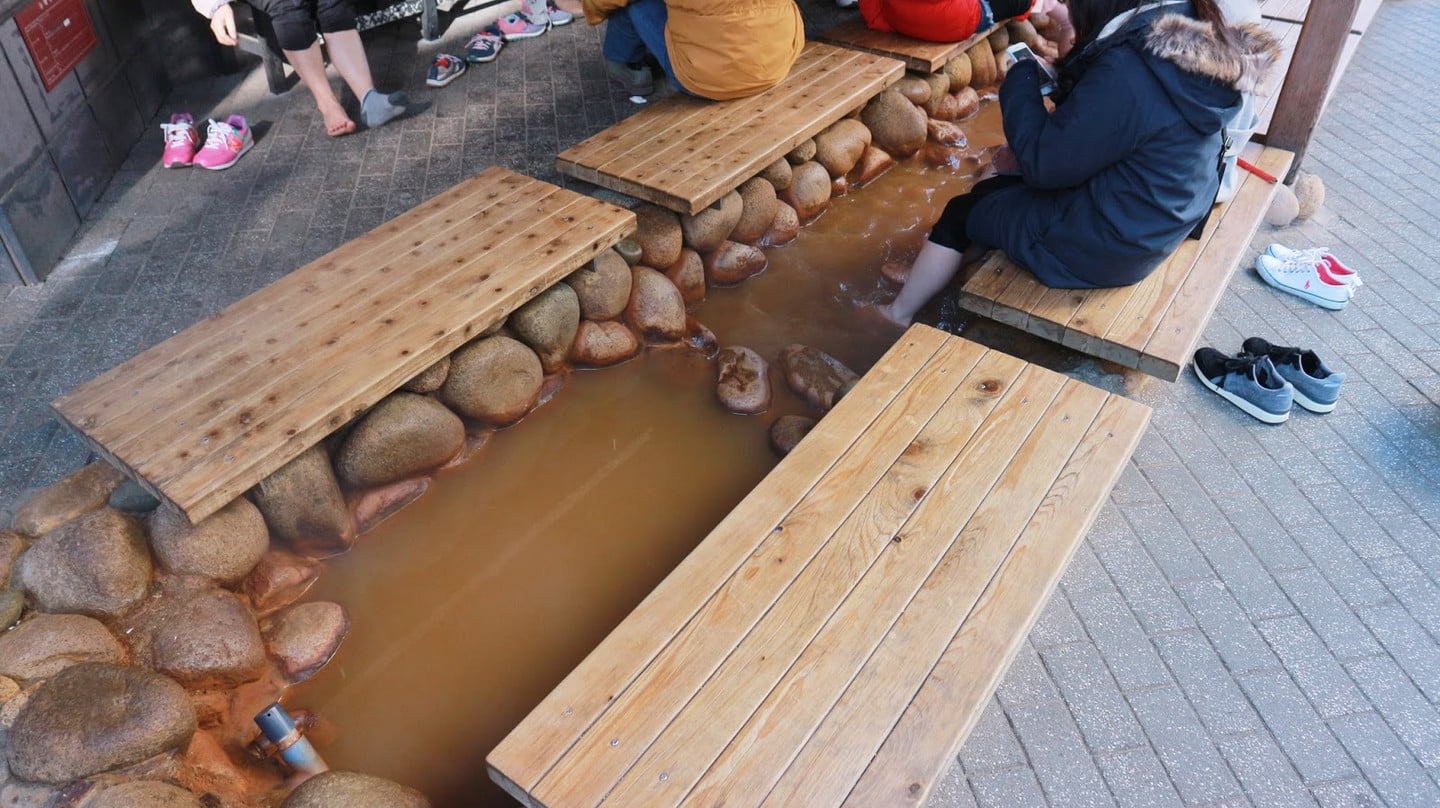
Taiko no Ashiyu Foot Bath: A Free First Taste of Arima Onsen
Taiko no Ashiyu is a completely free foot bath in the hot spring town. No ticket or reservation is needed: during Kin-no-Yu’s opening hours (closed on the 2nd and 4th Tuesdays), you can take off your shoes, sit down and soak your feet in warm Kinsen water to ease the fatigue of walking. It is a favorite resting stop for many travelers mid-stroll.
The foot bath has seating and an awning, so it stays comfortable even at midday in summer. For anyone unsure whether to pay to enter a bathhouse, it is an excellent introduction to Arima’s spring water, and it is also a good place for families with small children to pause.
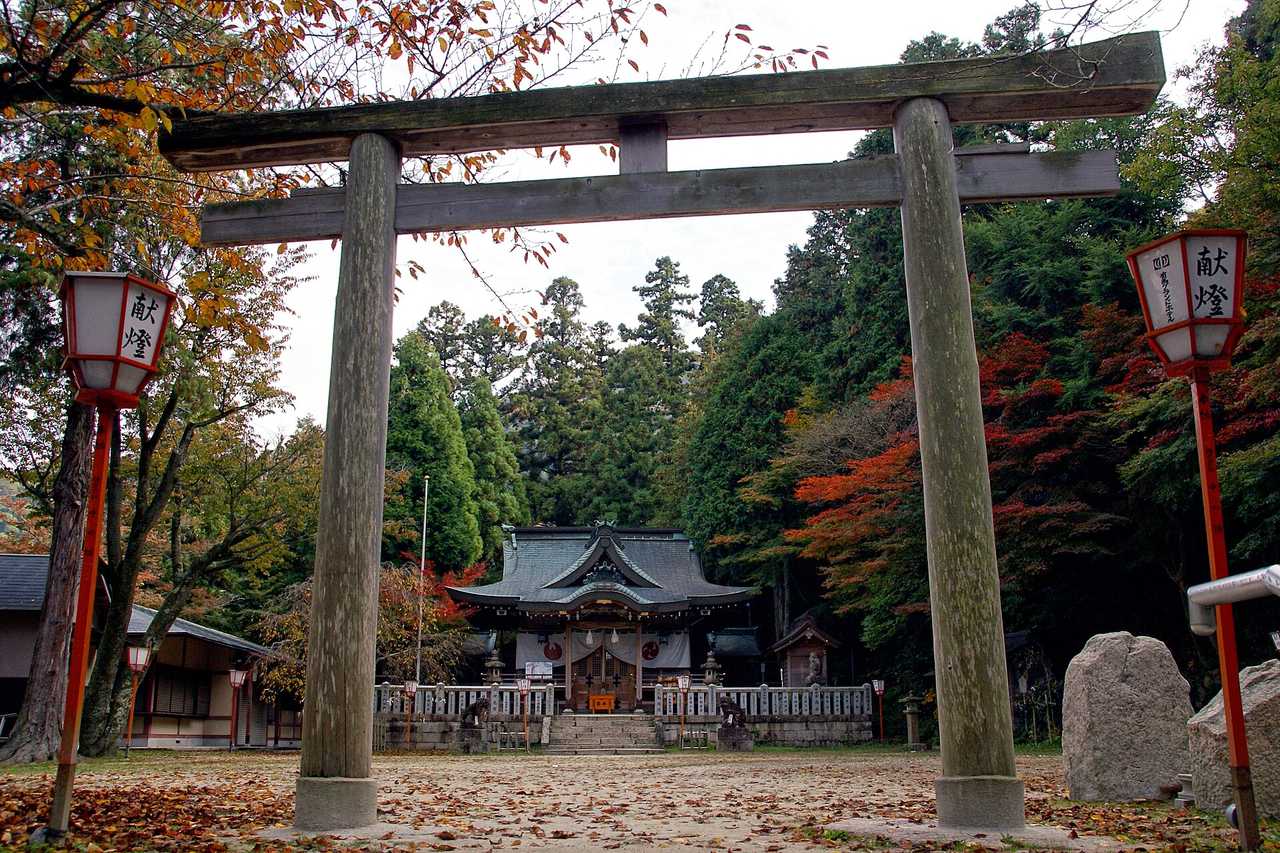
Yusen Shrine: An Ancient Shrine Dedicated to the Spring Deities
Yusen Shrine enshrines three guardian deities of hot springs: Okuninushi-no-Mikoto, Sukunabikona-no-Mikoto and Kumano-kusumi-no-Mikoto, and is already recorded in the Engishiki Jinmyocho (927). The shrine stands above a flight of steps in the hot spring town, and its quiet approach contrasts with the bustling shopping street.
After paying your respects, you can buy an omamori charm at the shrine office, and some travelers come specifically to collect a goshuin stamp as a souvenir of the trip. The shrine is open to visitors free of charge year-round, so it is worth adding to your stroll through the town to get a sense of Arima Onsen’s spiritual heritage.
Taiko no Yudono-kan: Hideyoshi’s Bathhouse Ruins Buried Underground
Taiko no Yudono-kan is a Kobe city-run archaeological exhibition hall that preserves the foundations of the bathhouse Toyotomi Hideyoshi built at Arima Onsen. Through glass floor panels and explanatory displays, you can see the structure of a bathhouse more than four hundred years old, making it an important stop for understanding Arima Onsen’s history.
The hall also displays hot spring-related artifacts from Hideyoshi’s era and reconstructed models. Admission is about ¥200 and the visit takes only about 20 to 30 minutes, so it is an easy add-on for travelers interested in Sengoku-period history or hot spring culture.
Zuihoji Park: Autumn Foliage and Hideyoshi’s “Garden of Sunset”
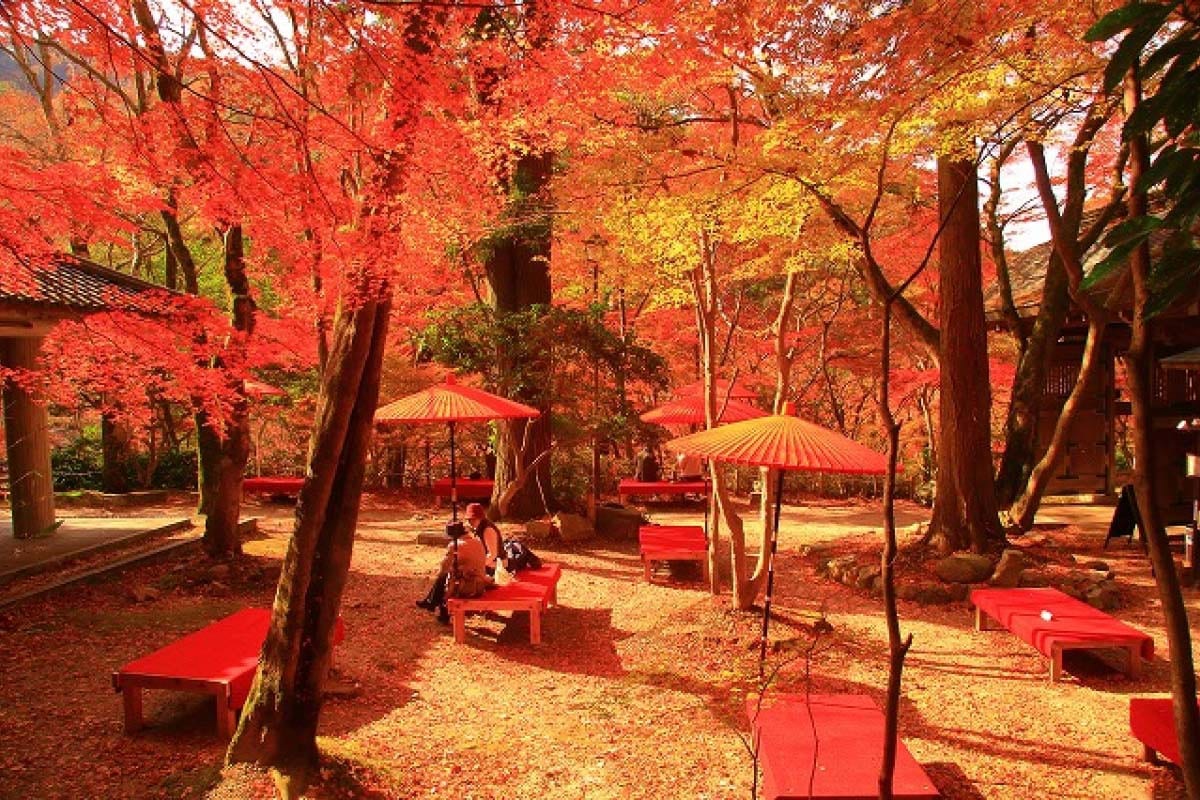
Zuihoji Park lies on the hillside behind the hot spring town. It stands on the site of the former Zuihoji temple, of which only the temple gate remains, and maples planted throughout the park turn the whole hillside red in mid to late November. Legend has it that Toyotomi Hideyoshi never tired of the view, hence the names “Higurashi no Niwa” (Garden of Sunset) and “Kinshu-dani” (Brocade Valley).
The park is free and open all year, and is an excellent place to look out over the Mt. Rokko valley and take in the changing seasons. On autumn weekends in peak foliage season it gets crowded, so a weekday morning lets you walk the red-leaf paths at a more relaxed pace.
Arima Toy Museum and Stamp Museum: Rainy-Day Options for Families
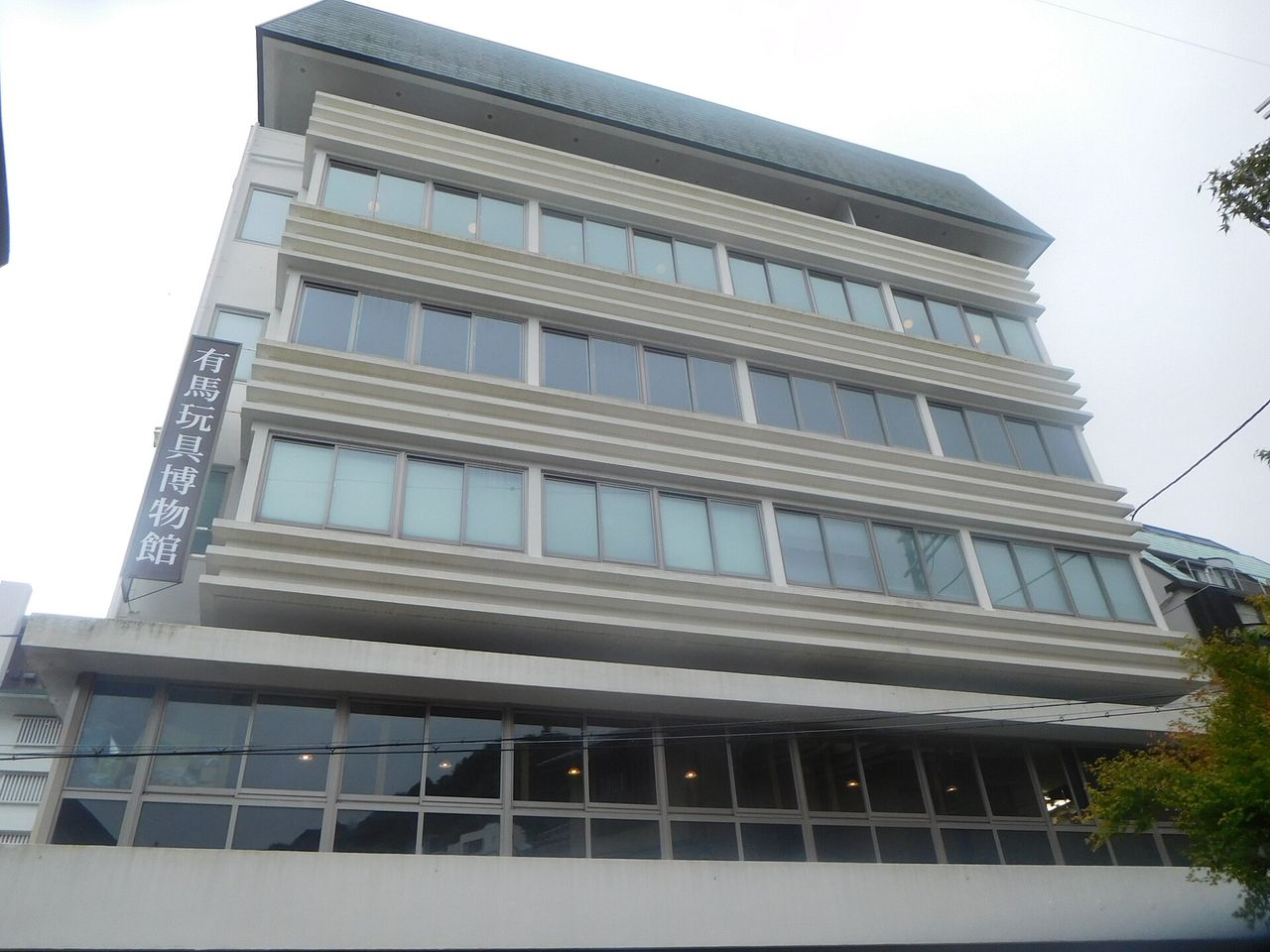
The Arima Toy Museum collects wooden toys and mechanical models from around the world, with a multi-story interactive area where adults and children can actually handle the exhibits. Admission is ¥1,000 for adults and ¥500 for children, making it a good place for families with kids to pass a rainy day or a hot afternoon.
The nearby Arima Stamp Culture Museum displays rare stamps and postcard collections. The collection is more niche, but it holds particular appeal for stamp collectors and travelers who enjoy nostalgic culture. Both museums are close to the shopping street, so you can fit them into an afternoon stroll as an intellectual change of pace from the hot spring itinerary.
Rokko Arima Ropeway: An Aerial Ride Over Mt. Rokko and Osaka Bay
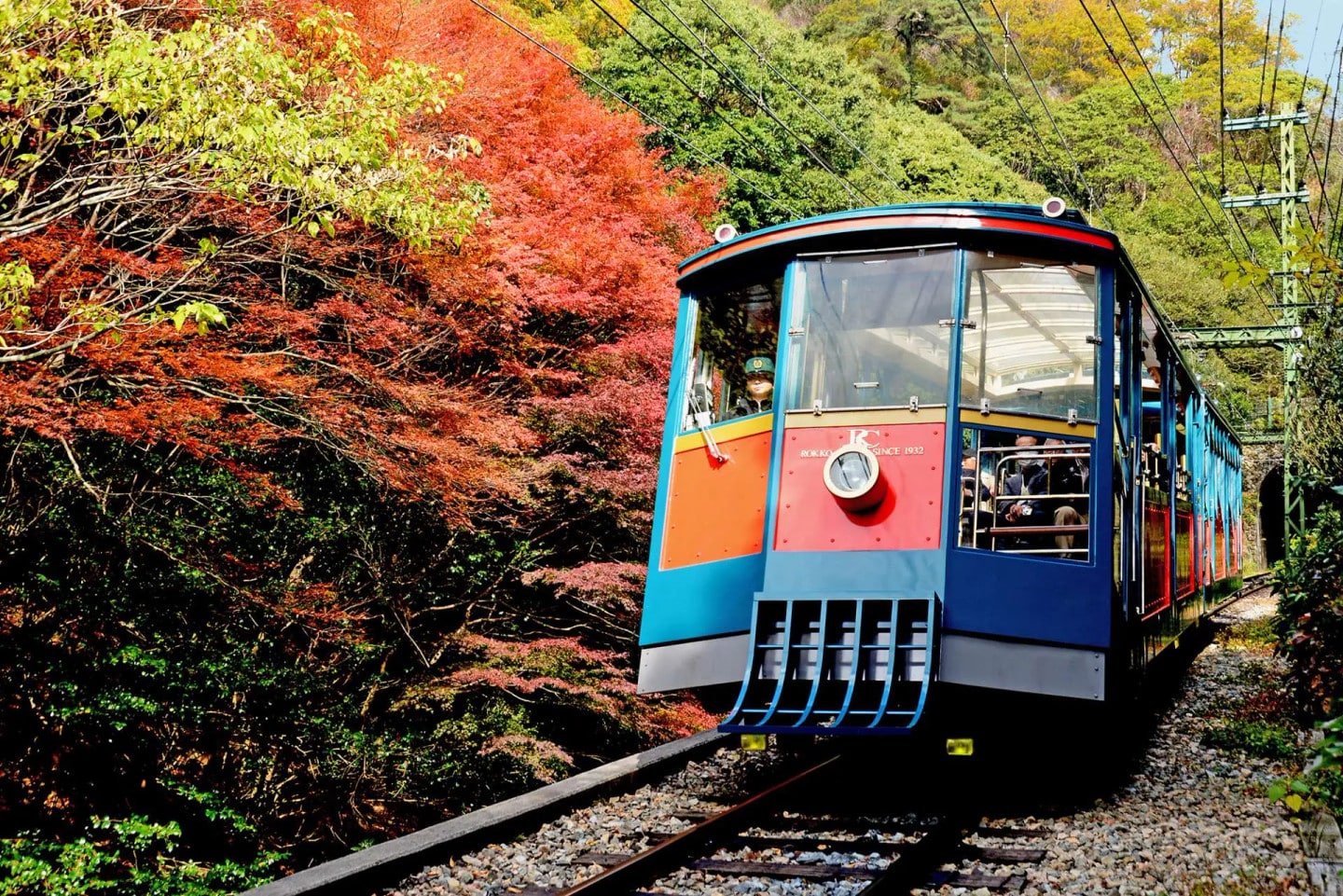
The Rokko Arima Ropeway links Arima Onsen Station with the summit of Mt. Rokko in about 12 minutes. As the gondola climbs slowly, you look out over the whole Rokko range and the Osaka Bay coastline in the distance, and the view is especially spectacular in autumn foliage and winter snow. A one-way adult ticket is ¥1,400 and a round trip is ¥2,520 (fares as revised in March 2026).
Once at the summit, you can transfer to mountain transport to Rokko Garden Terrace and enjoy Kobe’s night view, which works well as a plan for the day after your overnight stay.
How Much Does Arima Onsen Cost? Tickets, Experiences and Day-Trip Options
Costs for an Arima Onsen trip in 2026 vary noticeably with how you choose to experience it: from a simple, affordable bathhouse visit, to an upscale ryokan stay with dinner, to a day trip combined with Osaka and Kobe city sightseeing, budgets range from roughly about US$16 to about US$251. Below are the most common and most useful tickets, experiences and day-trip options, to help you pin down the real cost of this hot spring getaway.
Kin-no-Yu and Gin-no-Yu Bathhouse Tickets: The Budget Way to Try Both Springs
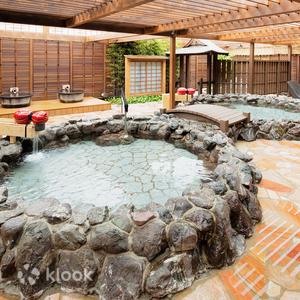
The signature public baths are Kin-no-Yu (Arima-cho 833; iron-rich Kinsen at 42-45°C; 8:00-22:00; closed 2nd and 4th Tuesdays) and Gin-no-Yu (Arima-cho 1039-1; carbonated and radium spring; 9:00-21:00; closed 1st and 3rd Tuesdays). Admission: Kin-no-Yu adults ¥800 (weekdays ¥650), children ¥350; Gin-no-Yu adults ¥700 (weekdays ¥550), children ¥300; a combined ticket for both baths is ¥1,200 and is valid for one month. Both baths provide body soap and shampoo; bring your own towel.
![[Japan] Arima Onsen Value Package | Osaka/Kobe Round-Trip Express Bus + Bath Ticket | Kin-no-Yu and Gin-no-Yu](https://travel.williamlion.tw/wp-content/uploads/sites/7/2026/07/image-1822.jpg)
Arima Onsen Taiko no Yu: A Resort-Style Spa with Bedrock Baths and Many Pools
Taiko no Yu is at Arima-cho Ikenoshiri 292-2 and offers Kinsen, Ginsen, open-air baths, a bedrock sauna and more, with yukata rental available. The all-day adult plan is ¥2,750 on weekdays and ¥2,970 on weekends and national holidays, and ¥3,300 on peak days such as the New Year period, Golden Week and Obon.
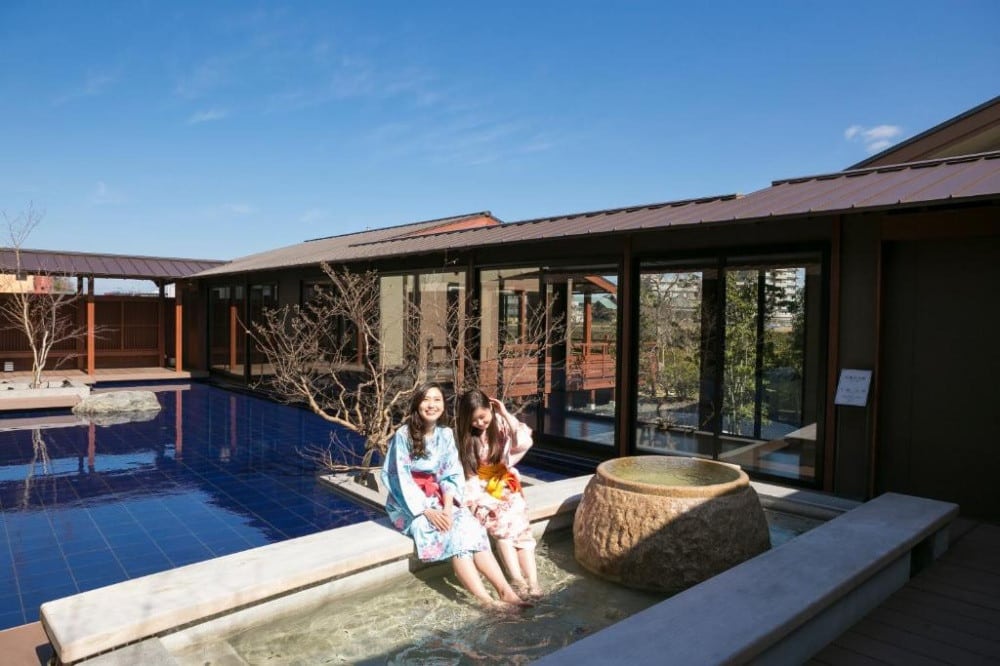
It is open 10:00 to 22:00 (last entry 21:00), and opens earlier at 9:00 from October 10 to 12, 2026. For temporary closing days, see the announcement on the official site, taikounoyu.com.
Arima Onsen Ryokan Stays: A Traditional Kaiseki Experience with Dinner and Breakfast
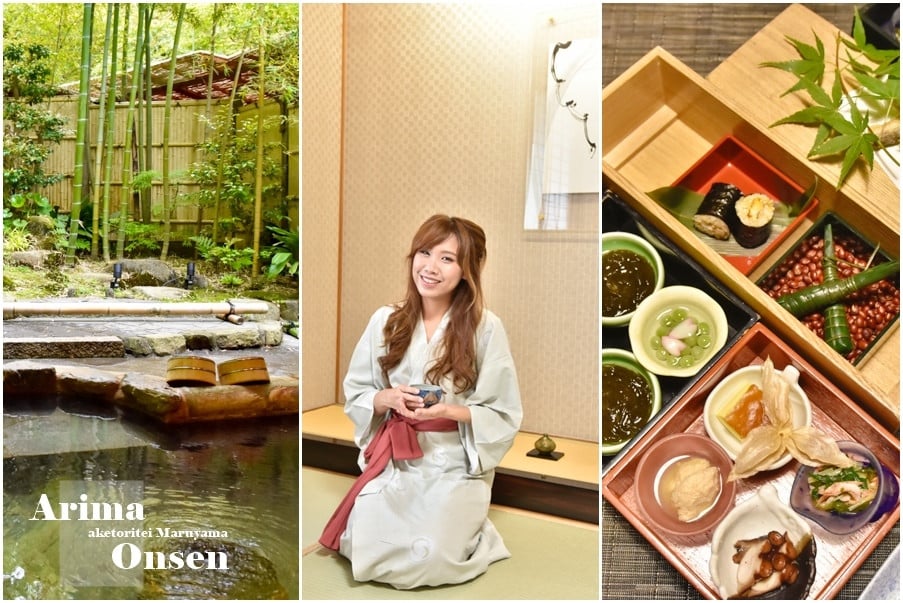
Stay at long-established hot spring inns such as Arima Goen, Hyoe Koyokaku, and experience Arima Onsen. Prices vary by inn and season; rates include dinner and breakfast, with kaiseki featuring Tajima beef and Seto Inland Sea seafood.
The inns offer unlimited use of their Kinsen or Ginsen baths, and most have private open-air baths or reservable private bathhouses.Togen Goshoboand others preserve Edo-period architecture of historical value.
Book 1 to 2 months ahead through the official site or a booking platform. In peak seasons (November foliage, April cherry blossoms), popular inns tend to fill up, and room prices rise accordingly.
Arima Onsen Day Trip from Osaka or Kobe: Combined Transfer and Bathhouse Ticket Tours
If you are staying in Osaka or Kobe and short on time, a day-trip tour is a convenient choice. Tours include round-trip transfers to Arima Onsen and an entry ticket for Kin-no-Yu or Gin-no-Yu, and some add a Mt. Rokko ropeway or Kobe Nunobiki Herb Garden ticket. Prices vary by tour, and you can book on platforms such as KKday and Klook with Chinese-language support.
Meeting point, time and free time vary by tour. After arriving you can soak, stroll the hot spring town and try “tansan senbei” and “Kinsen manju,” with a transfer-free ride back as well.
Where to Stay
Many Arima Onsen inns have Kinsen or Ginsen baths, and long-established inns such as Togen Goshobo, Arima Goen and Hyoe Koyokaku offer bathing and kaiseki meals. Popular inns tend to fill up during November foliage and April cherry blossom season, so book early. If you want a same-day round trip, you can also take an express bus from Osaka or Kyoto.

Arima Onsen FAQ
Q: How much are tickets for Arima Onsen’s Kin-no-Yu and Gin-no-Yu?
Kin-no-Yu is ¥650 on weekdays and ¥800 on weekends and holidays; Gin-no-Yu is ¥550 on weekdays and ¥700 on weekends and holidays. The combined two-bath ticket, valid at both, is ¥1,200 for adults and is the best value.
Q: What is the easiest way to get to Arima Onsen from Osaka or Kyoto?
Take the Hankyu express bus direct. The fare is ¥1,400 from Osaka and ¥2,000 from Kyoto (about 75 minutes), with no transfers.
Q: What are Arima Onsen’s opening hours and closing days?
Kin-no-Yu is open 8:00-22:00 (last entry 21:30) and closed the 2nd and 4th Tuesday of each month; Gin-no-Yu is open 9:00-21:00 (last entry 20:30) and closed the 1st and 3rd Tuesday of each month. Both stay open when a closing day falls on a holiday.
Q: When is the best time to visit Arima Onsen?
Spring cherry blossoms, summer cool-off and autumn foliage in mid to late November are the most popular, while winter suits Kinsen’s heat-retaining effect, so each season has its own character.
Q: What bathing etiquette should I know?
Rinse your body thoroughly in the shower area before entering the bath. Towels must not go into the bath; leave them at the edge or on your head. Visitors with tattoos should check the facility’s rules in advance.
Q: How can I avoid the crowds at Arima Onsen?
Go on a weekday, or aim for the time after opening and before 10 a.m., or after 8 p.m. On weekends and in foliage season, expect to queue early.
Q: Is Arima Onsen better as a day trip or an overnight stay?
A day trip is enough if you only want to bathe and browse the shopping street. If you want to explore the seven springs, the museums and the Mt. Rokko ropeway, an overnight stay is more relaxed.