
Sumiyoshi Shopping Guide 2026: A Century-Old Shrine-Approach Shopping District Only Osaka Locals Know
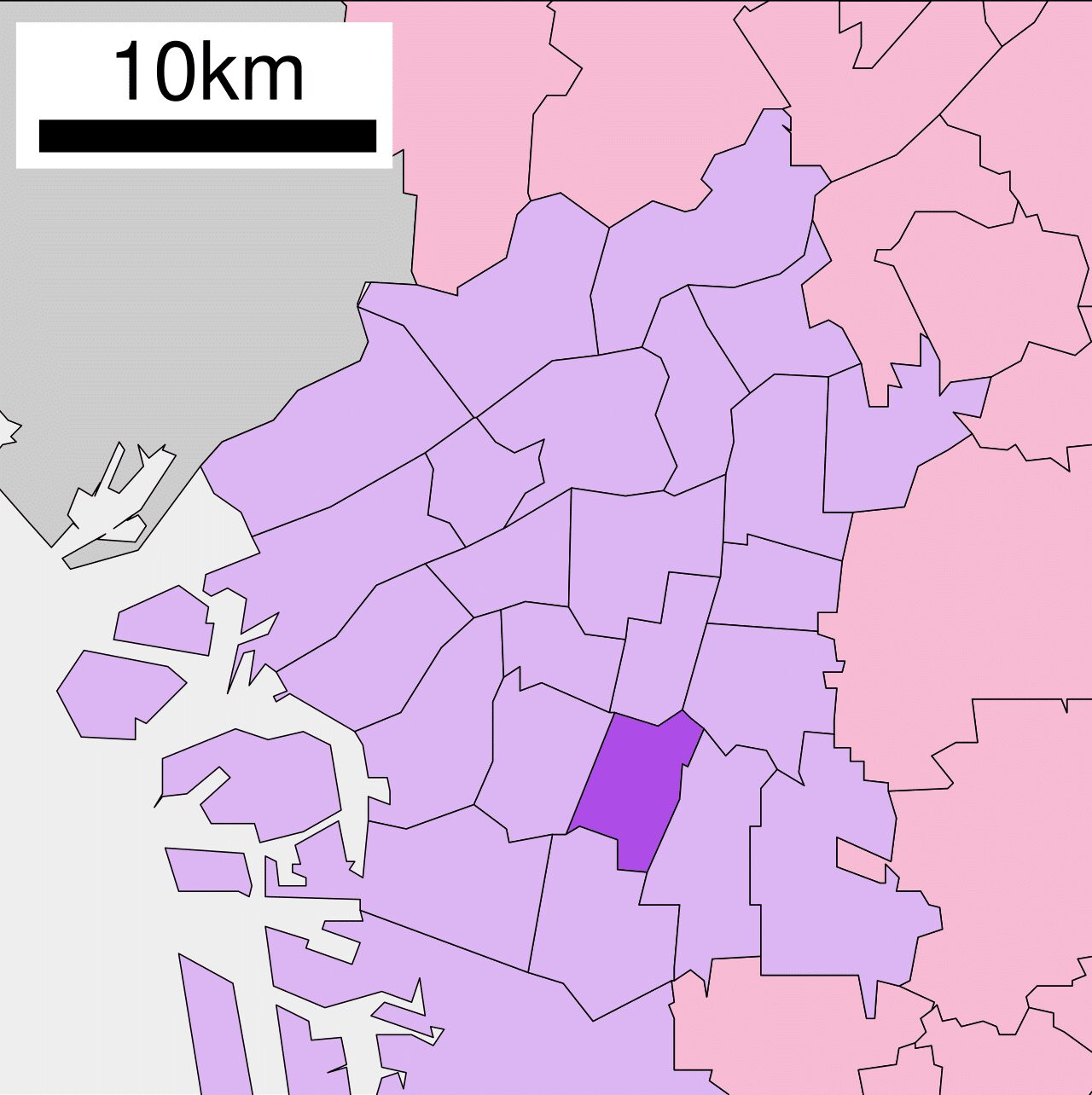
Sumiyoshi is in southern Osaka, a distinctive area centered on Sumiyoshi Taisha that blends old shrine-approach shopping streets with the upscale residential district of Tezukayama. It suits travelers who like to browse slowly and look for a local, lived-in feel.
Sumiyoshi Taisha Sando Shopping Street: Showa-Era Old Shops and Trendy Select Stores in Front of an Edo-Period Shrine
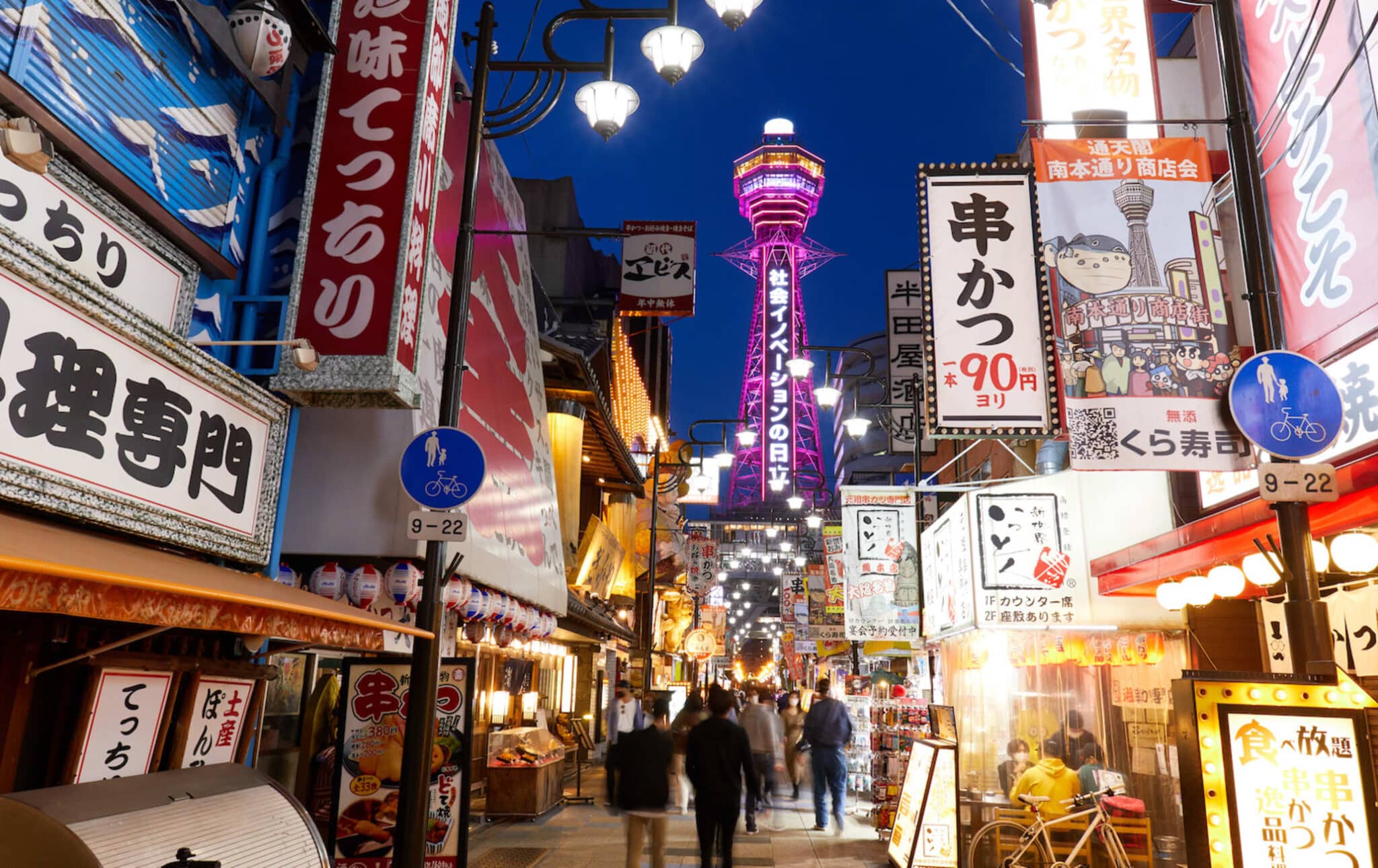
The Sumiyoshi Taisha approach shopping street is next to the head shrine of all the Sumiyoshi shrines in Japan, one of the three great Sumiyoshi shrines, and has thrived on pilgrims since the Edo period. It still keeps Showa-style signboards and brick-tiled townhouses. The street brings together traditional small shops such as old wagashi confectioners, tsukudani (simmered preserves) shops and incense specialists, along with trendy cafes and general stores, and the mix of old and new is its signature.
The shopping street is about 300 meters long, and its entrance is a one-minute walk from Sumiyoshitaisha Station on the Nankai Main Line. After browsing you can go straight on to pay respects at Sumiyoshi Taisha, a smooth route. We suggest going on a weekday morning to avoid the crowds and take your time chatting with shop owners and choosing souvenirs.
Tezukayama Hondori Shopping Street: A Quality Lifestyle Street in an Upscale Residential Area
Tezukayama Hondori Shopping Street is in Tezukayama, a well-known upscale residential area of Osaka. It is a refined, lifestyle-oriented shopping street with bakeries, organic vegetable shops, import goods stores and quality cafes. Its customers are mainly local residents and travelers with an eye for good living, and the atmosphere is completely different from an ordinary tourist shopping street.
It is a short walk from Tezukayama Station on the Hankai Tramway, and the street is lined with neatly planted trees, making for a pleasant stroll. It is also a good place to find small items from Japanese designer brands, handmade pottery and seasonal sweets, and works well as a leisurely afternoon walk with tea.
Kitabatake Koen Hondori Shopping Street: A Relaxed Lifestyle Street Beside Abenodori
Kitabatake Koen Hondori Shopping Street is in the Kitabatake area of Abeno Ward, near Tezukayama and Sumiyoshi, and runs south along Abenodori. It is an open-air, lifestyle-oriented shopping street without an arcade roof, with bakeries, cafes and all kinds of small shops at a relaxed pace, and it is a good place to explore as part of a Tezukayama stroll.
It is a walk from Kitabatake Station on the Hankai Tramway and is near Kitabatake Park, where you can rest when you get tired. Because the shops are small and change quickly, we recommend checking the latest shop information on a map service before you go to experience the most authentic local atmosphere.
Sumiyoshi Park: A Cherry Blossom Picnic Green Space Among Japan’s 100 Historic Parks
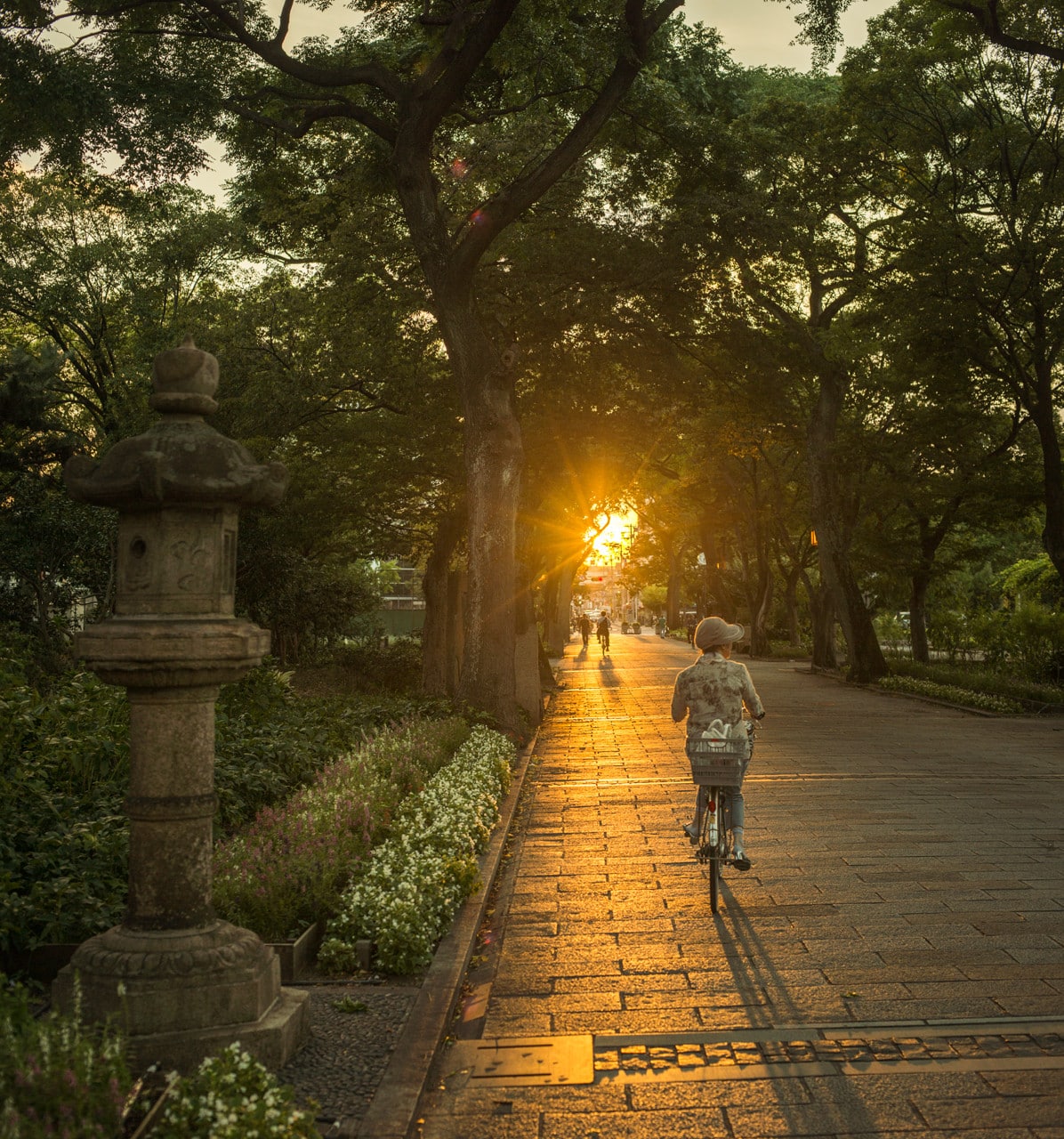
Sumiyoshi Park opened in 1873 (Meiji 6) and was originally part of the grounds of Sumiyoshi Taisha. The park keeps the stone lanterns along the main approach, a tall lantern restoring a Kamakura-period lighthouse and a haiku monument to Matsuo Basho, and is listed among “Japan’s 100 Historic Parks.” It is also a good place to rest after shopping.
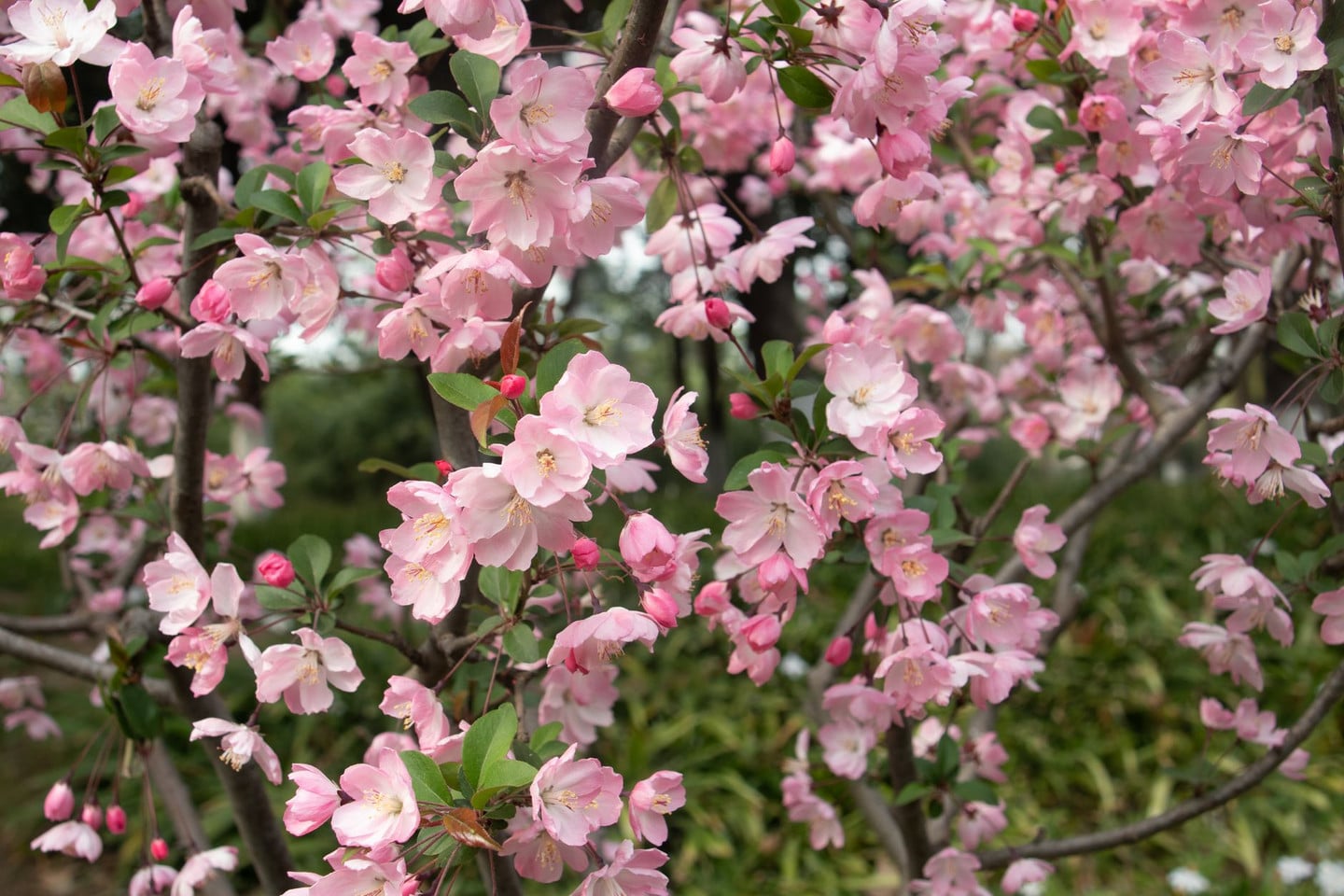
The park is open year-round with free admission, with cherry blossoms in spring and a different look in every season. It has benches, making it a nice spot for a picnic and a break after buying snacks on the shopping street, and for taking in the everyday pace of Sumiyoshi locals.
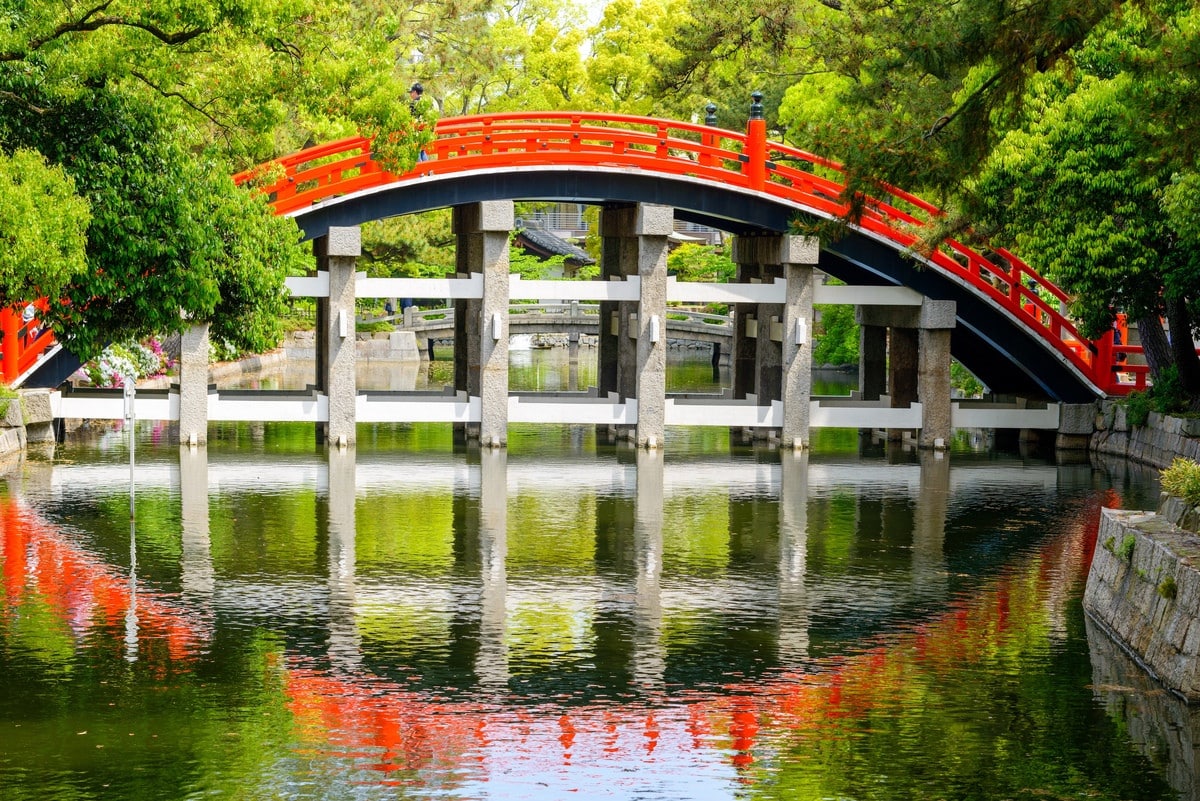
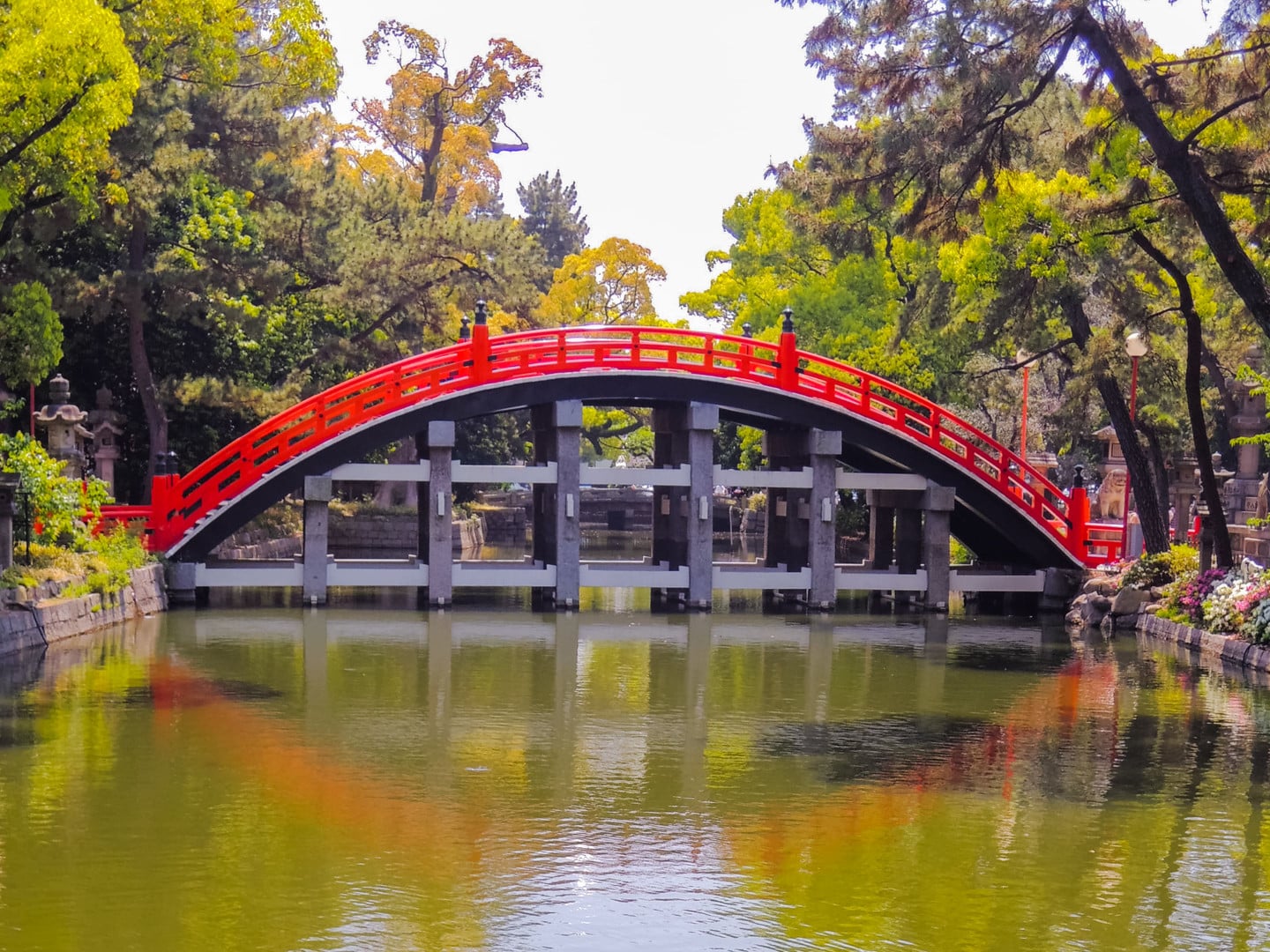
Sorihashi (Taiko Bridge): A Steep Vermilion Drum Bridge and a Landmark of Faith for Washing Away Bad Luck
Sorihashi, also known as the Taiko Bridge, is one of the most iconic landmarks within Sumiyoshi Taisha. Its vermilion drum-shaped arch spans the pond and is famous for being so steep that you almost need your hands to climb to the top, a classic photo for every visitor.
Legend says that crossing Sorihashi washes away impurities and wards off misfortune, so many worshippers come especially to try it. Because the bridge has a steep angle, we recommend wearing non-slip shoes, and take extra care on the stone steps when they are wet after rain. The best time to take photos is before 10 a.m., when the backlight is weaker and the picture is clearer.
Morimori-sha: An Organic Cafe with a Pottery Studio in Tezukayama
Morimori-sha is a cafe in Tezukayama known for meals and desserts made with organic ingredients and house-roasted specialty coffee. Next door is a pottery studio that holds regular pottery classes and workshops, making it a space that combines a coffee break with handmade ceramics.
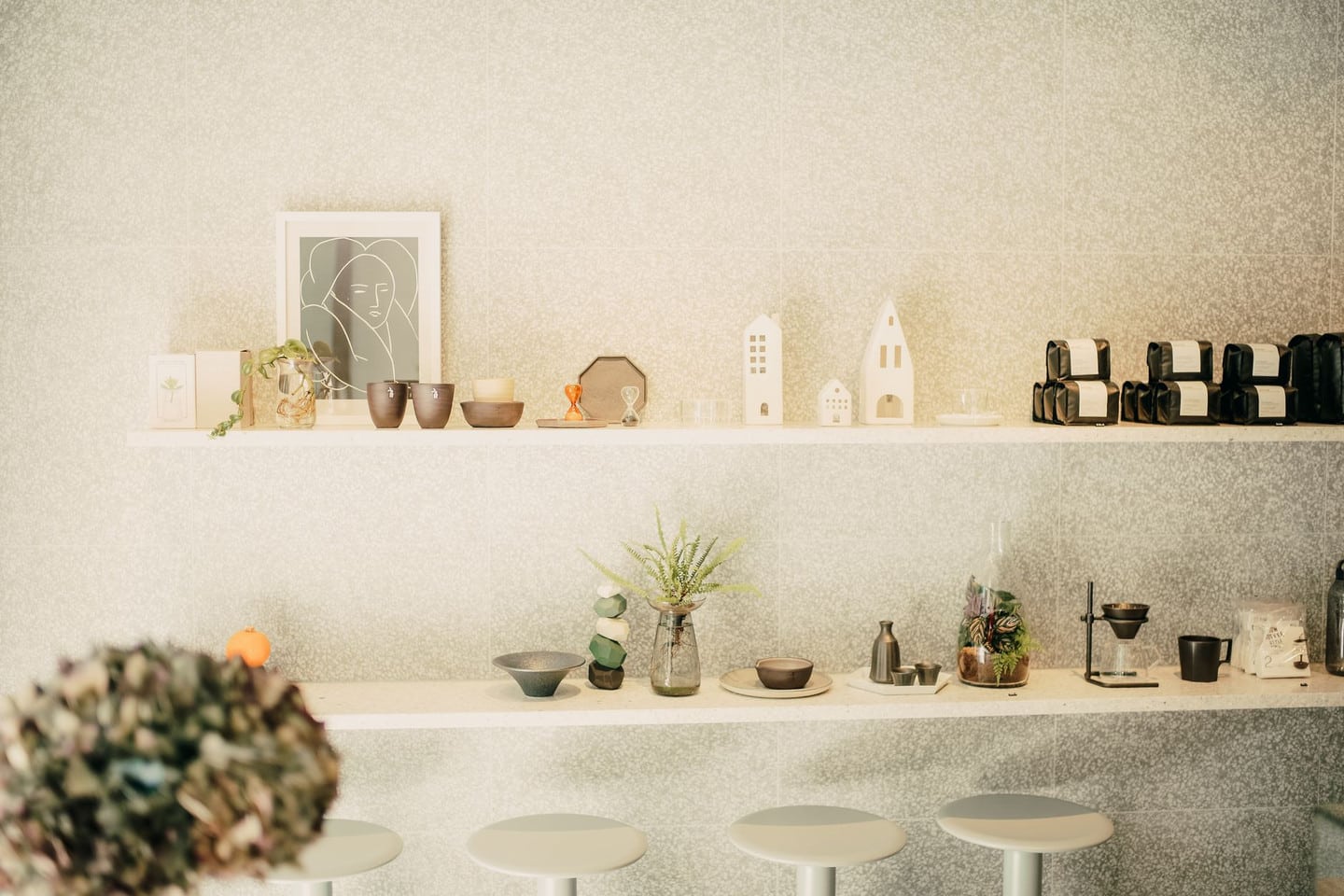
The shop is on a quiet lane in the Tezukayama residential area, a good stop after Tezukayama Hondori Shopping Street, where you can sit down for a coffee and feel the artisan lifestyle unique to Tezukayama.
Tengachaya Shopping Street: Showa-Era Downtown Nightlife Lined with Izakaya and Old Fried-Food Shops
Tengachaya Shopping Street is another traditional shopping street around Sumiyoshi that keeps a Showa atmosphere, known for affordable izakaya, standing bars and old fried-food shops. When the lanterns light up in the evening it is full of downtown charm, an excellent place to experience Osaka’s everyday nightlife.
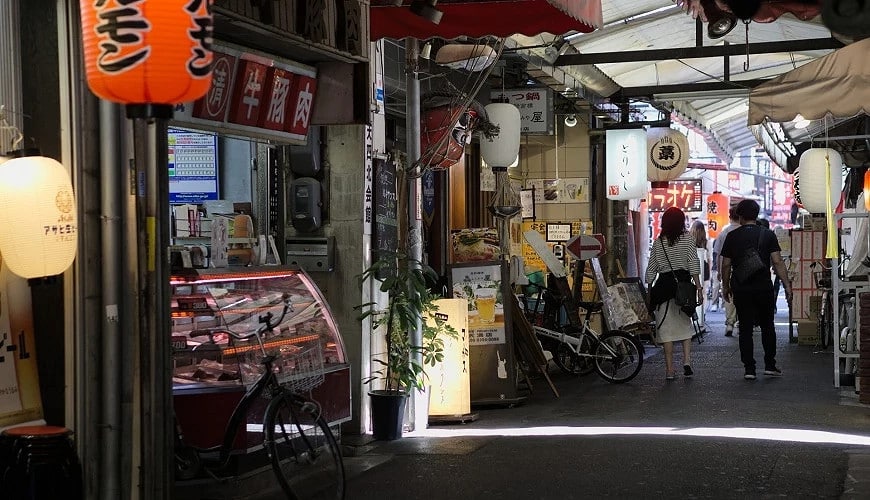
The shopping street is right next to Tengachaya Station on the Nankai Electric Railway and the Sakaisuji Subway Line, so transfers are very convenient. We suggest going after 5 p.m., when you can see office workers gathering at izakaya doorways for a drink after work. If you do not mind crowded spaces full of human warmth, this is definitely worth a stroll.
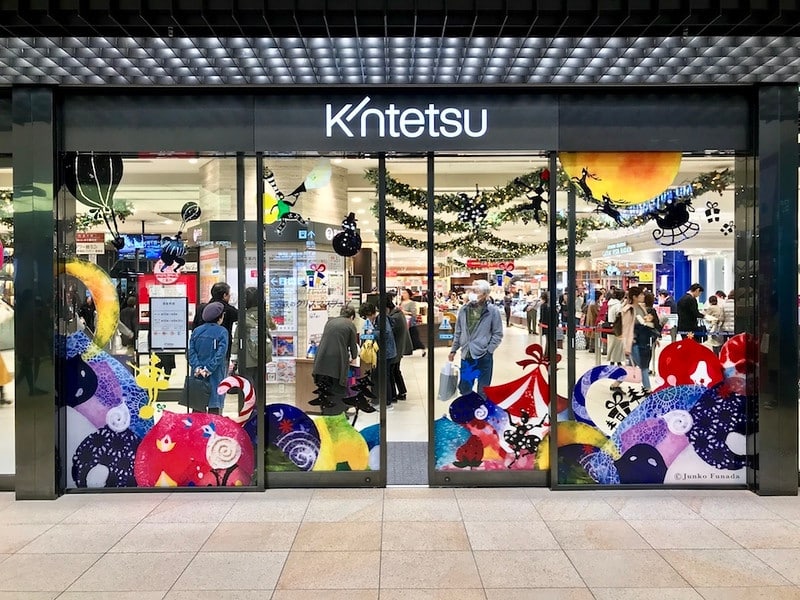
Abeno Harukas Kintetsu Department Store: International Luxury and a Tax-Free Hub in a 300-Meter Tower
Abeno Harukas Kintetsu Department Store is inside the 300-meter-tall Abeno Harukas and is the largest all-in-one department store around Sumiyoshi and Tennoji, with everything from international luxury and Japanese fashion to cosmetics and drugstore goods. It is also one of the best-equipped tax-free shopping services for international travelers.
The department store is open from 10 a.m. to 8 p.m., while the restaurant floors mostly stay open until 11 p.m. It is connected to Kintetsu Osaka Abenobashi Station and is also within walking distance of Tennoji Station on the JR and subway lines. Besides shopping, you can go up to the 58th-floor observation deck for views of Osaka, meeting both shopping and sightseeing needs in one trip.

Abeno Q’s Mall: A Family Shopping Center with UNIQLO and GU
Abeno Q’s Mall is a large suburban-style shopping center aimed mainly at families with children. It has budget fashion brands such as UNIQLO and GU, plus a Disney Store and children’s play areas, making it an excellent rainy-day backup or family stop.
It is about a 2-minute walk from Tennoji Station. The wide aisles are easy to browse, and there are several nursing rooms and kids’ play areas, which is very friendly to families traveling with children. It is open from 10 a.m. to 9 p.m., and you can easily have a meal while you shop.
How to Get to Sumiyoshi? A Complete Guide to Transport and Costs
Trains are the most convenient way to reach the Sumiyoshi area, with three main routes to choose from: the Nankai Main Line, the Hankai Tramway and the Midosuji Subway Line.
How to Get to Sumiyoshi: Transport Options at a Glance
🚃 Nankai Main Line, Sumiyoshitaisha Station: about 10 minutes from Namba, ¥240, and you arrive as soon as you exit. Trains are frequent.
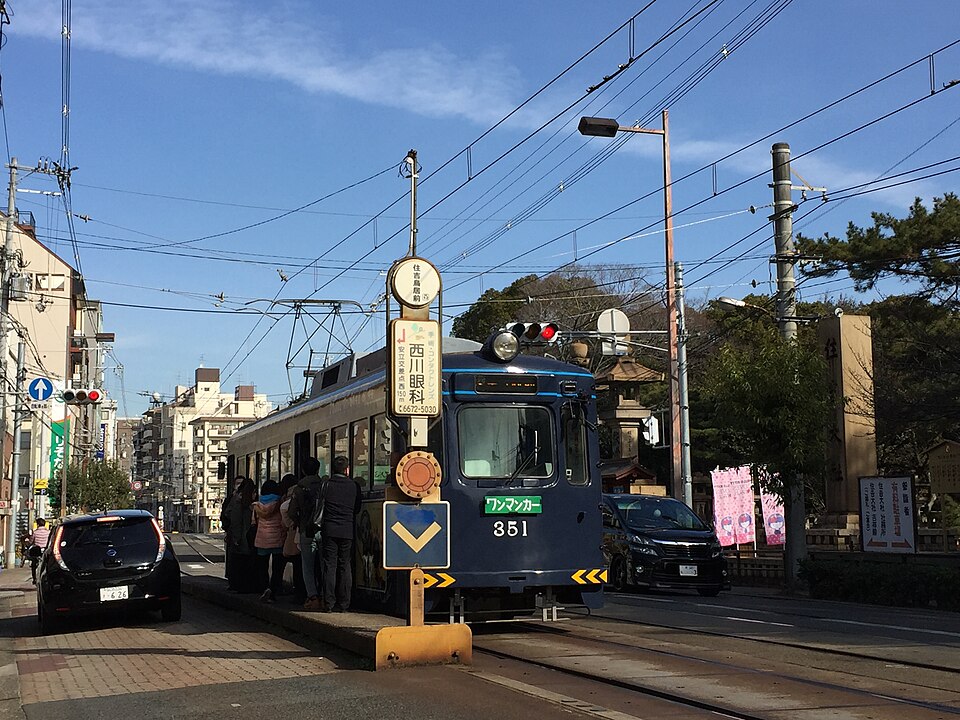
🚋 Hankai Tramway, Sumiyoshi Toriimae Station: a retro streetcar that stops right in front of the Taiko Bridge. Flat fare ¥240, and you can stop by Tezukayama along the way.
🚇 Midosuji Subway Line, Abiko Station: transfer to the Hankai Tramway to link Tezukayama and Kitabatake.
🎫 Osaka Amazing Pass: the 2026 one-day pass is ¥3,500 for adults (digital ticket), covering Osaka Metro and the Nankai Namba to Sakai section, with free admission to about 40 attractions.

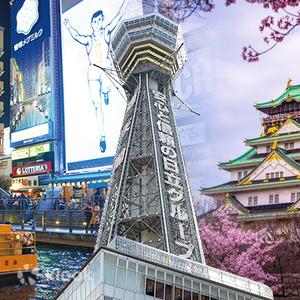
What Are the Must-See Attractions in Sumiyoshi? Highlights of Each Area
Osaka’s Sumiyoshi Ward is centered on the thousand-year-old Sumiyoshi Taisha, with local shopping streets and a mix of old and new shopping spots around it. Unlike the tourist bustle of Shinsaibashi and Dotonbori, Sumiyoshi’s shopping appeal is that you can pay respects at an ancient shrine and then wander through Showa-style shopping streets, feeling the most authentic Osaka everyday culture. Below are eight must-visit spots in Sumiyoshi Ward and the neighboring areas, from shrine visits and shopping-street strolls to old-name sweets and multi-purpose shopping centers, to help you plan a full 2026 Sumiyoshi walking route.
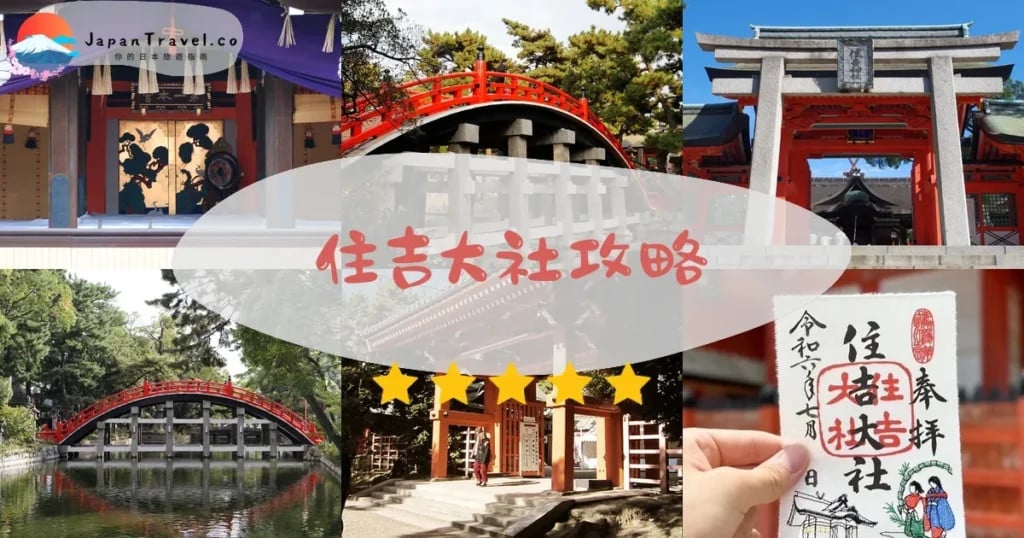
Sumiyoshi Taisha: One of the Three Great Old Shrines of the Kansai Region, a Center of Faith for Safe Seafaring and Prosperous Business
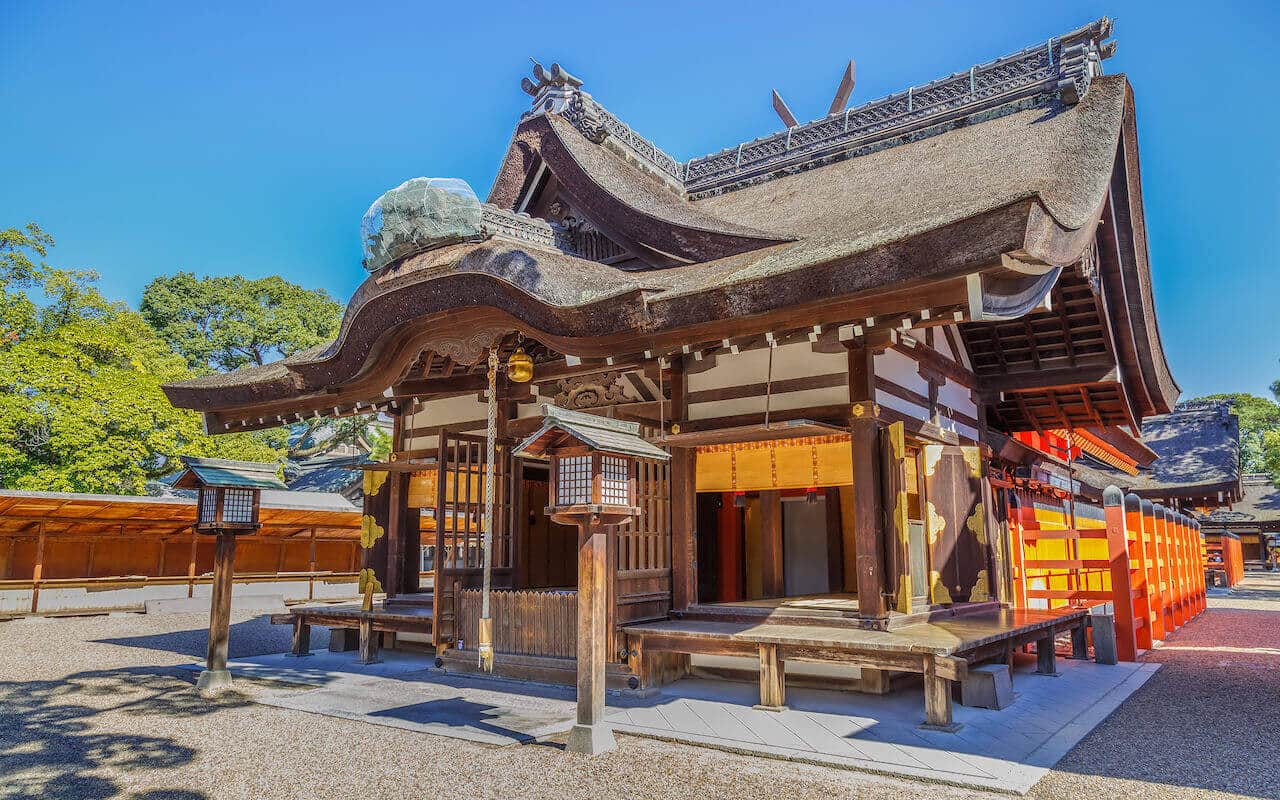
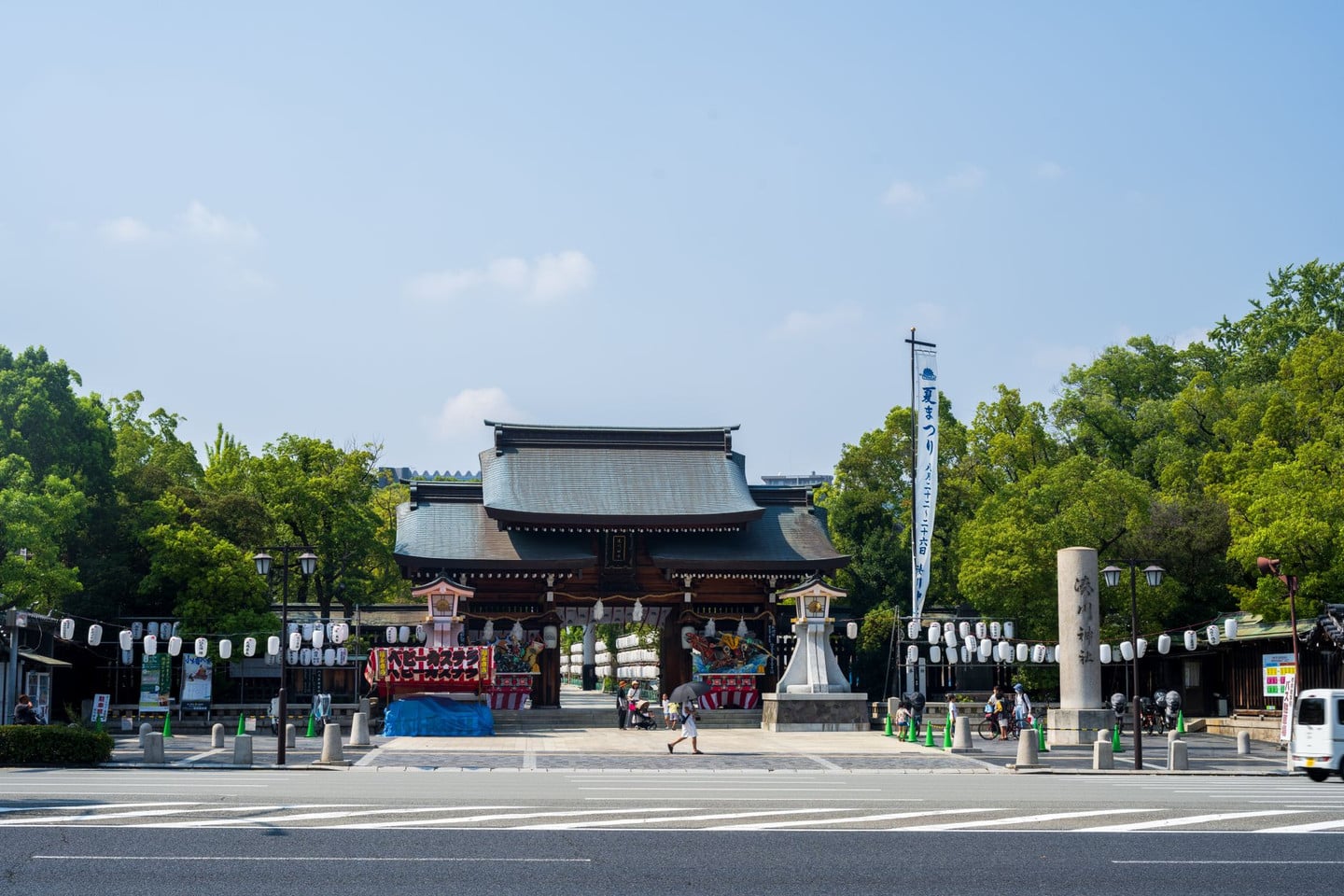
Sumiyoshi Taisha is said to have been founded in 211 and is the head shrine of all Sumiyoshi shrines across the country. Its four main halls in the “Sumiyoshi-zukuri” style are all National Treasures; see the official Sumiyoshi Taisha website for details.
Don’t miss the vermilion “Taiko Bridge” reflected in the water. At the amulet office, the “Gogoriki” charm prays for physical strength, intelligence, wealth, spirit and effort, and a goshuin stamp costs about ¥500.
We suggest 1.5 to 2 hours for the visit. Worship hours are 6:00 to 17:00 from April to September and 6:30 to 17:00 from October to March. A Hatsutatsu pilgrimage takes place on the first day of the Dragon each month, and nearby Sumiyoshi Park is good for a picnic and a rest.
Tezukayama Pan Shiro: A Specialty Shop for Raw-Style Toast Made with Japanese Flour
Tezukayama Pan Shiro’s main shop is in Tezukayama-higashi, Sumiyoshi Ward, and is a bakery specializing in “raw-style” shokupan. It uses natural ingredients such as Japanese-grown wheat, rice koji, beet sugar and Okinawan salt, and features its square and mountain-shaped “Honshoku-pan” loaves. The shop focuses on takeout, and reservations are possible.
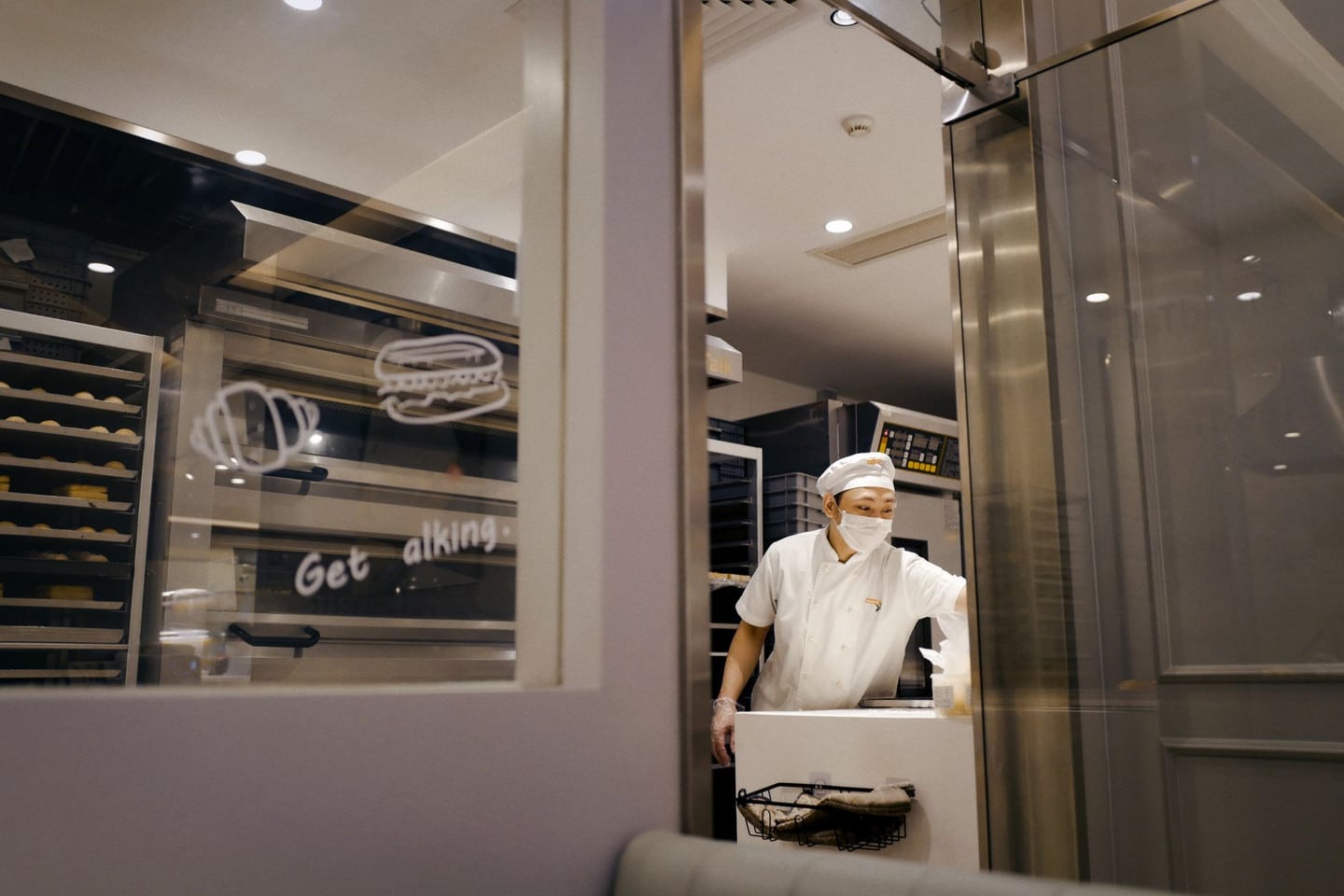
Check the shop’s days open and reservation method before you go. It also has branches in Toyonaka and Hiroo, Tokyo; the Tezukayama main shop is about a 2-minute walk south of Himematsu Station on the Hankai Tramway.
We suggest staying 20 to 30 minutes; after exploring the Tezukayama lanes, pick up a loaf as a snack for your trip.
Cozy Coffee Spot: An Artisan Specialty Coffee Shop in the Tezukayama Lanes
Cozy Coffee Spot is about an 8-minute walk from Tezukayama Station on the Nankai Koya Line. This small artisan shop specializes in specialty coffee, with carefully selected rare beans from around the world, about 15 single-origin beans always on hand to buy or have brewed on the spot, and a view of the Hankai Tramway. It is a relaxing highlight of a Tezukayama stroll. The space is small, with mostly takeout and a few seats, a good place to rest after browsing the select shops. You can also buy coffee beans to brew at home. We suggest staying 20 to 30 minutes. Please check the shop’s social media or Google Business page for opening hours before you go.
Kohama Shopping Street: A Century-Old Neighborhood Shopping Street at the Gate of Sumiyoshi Taisha
Kohama Shopping Street is the shopping street in front of Sumiyoshi Taisha, with a history going back to the Meiji era. It runs from Kohama Station on the Nankai Main Line one stop to Sumiyoshitaisha, with about 120 shops covering produce, fishmongers, dried goods and snack shops.
The shopping street is right next to Sumiyoshi Taisha and can be reached on foot from either Kohama Station or Sumiyoshitaisha Station. On the first Dragon day of each month, the “Hatsutatsu Mairi,” a “Hattatsu-ichi” market is held, and in the evening you can see housewives shopping, full of everyday local life.
We suggest staying 45 minutes to 1 hour. Shops are open about 9:00-18:00, with some closed on Sundays, so we recommend going on a weekday or Saturday.
Mandaiike Park: A Citizens’ Green Space with a Prince Shotoku Legend and a Cherry Blossom Spot
Mandaiike Park is centered on Mandaiike Pond, about 700 meters around, with a loop path along the pond and cafes and select shops nearby. The park’s name comes from the legend that Prince Shotoku subdued a demon by reciting the “Mandala Sutra.” In cherry blossom season, both sides of the path become a pink cherry blossom tunnel, a famous spot for viewing blossoms; in winter it attracts migratory birds, making it a bird-watching spot. In the evening the pond surface glitters and is a popular sunset photo spot. We suggest staying 30 to 40 minutes. It is open year-round and free. It is about a 3-minute walk from Tezukayama-sanchome Station on the Hankai Tramway, and the best cherry blossom period is late March to early April.
Shops Along the Hankai Tramway: A Nostalgic Streetcar Route for Exploring the Shopping Area
The Hankai Tramway, the only streetcar left in Osaka, is a local feature loved by railway fans for its retro look. Around stations along the line, such as “Sumiyoshi Toriimae,” are independent cafes, vintage shops and general stores, forming a hidden shopping walk. We suggest getting off at “Sumiyoshi Toriimae” and exploring the select shops in the lanes, with goods ranging from handmade jewelry to sundries. The one-way fare is ¥240, and the one-day ticket “Tekuteku Kippu” is ¥700 for adults, so you can explore freely.
We suggest allowing 2 hours or more. Trams are frequent, making it easy to connect Sumiyoshi Taisha and the shopping streets.
Organic Pan Kobo Soleil: A Popular Tezukayama Bakery Devoted to Natural Ingredients
“Soleil” is a popular organic bakery in Tezukayama, named to Tabelog’s “Bread WEST 100 Best 2026” and located near Himematsu Station on the Hankai Tramway. The shop carefully selects natural ingredients with few additives, and its European breads and pastries are loved by locals, making it a popular shop with a queue during a Tezukayama stroll. The shop focuses on takeout; we suggest going between morning and noon, as popular items tend to sell out by the afternoon. After browsing the select shops and cafes in the lanes, take some bread along as a snack to enjoy the local feel. We suggest staying 15 to 20 minutes. Please check opening hours and closing days in advance.
Sumiyoshi Taisha Hatsutatsu Mairi: Nankunsha’s Lucky Cats and the Four-Shrine Pilgrimage
“Hatsutatsu” is the first Dragon day of each month, when Sumiyoshi Taisha holds a pilgrimage to four shrines: Taneshisha, Nankunsha, Asazawasha and Otoshisha. Completing 48 consecutive visits (about 4 years) fulfills the vow, meaning “prosperity from start to finish.” Nankunsha gives out a lucky cat each month: in odd months a kitten raising its left paw, in even months one raising its right paw, and after collecting 48 you can exchange them for a larger medium-sized cat.
Each shrine accepts visitors about 6:00 to 16:00. Please check the official Sumiyoshi Taisha website for offering fees and the next Hatsutatsu day.
Where to Stay Nearby
From Namba, the Nankai Main Line takes about 10 minutes to Sumiyoshitaisha. To combine Sumiyoshi Taisha and Abeno Harukas in one day, you can choose a hotel around Tennoji and Abeno, with Kintetsu Osaka Abenobashi Station and JR and subway Tennoji Station all within walking distance. To compare accommodation, see our Sumiyoshi accommodation guide on this site.

FAQ
Q: What are the opening hours of Sumiyoshi Taisha?
The grounds of Sumiyoshi Taisha are open for worship year-round, 6:00 to 17:00 from April to September and 6:30 to 17:00 from October to March. The amulet office handles charms and goshuin stamps from about 9:00 to 17:00.
Q: What payment methods are accepted on the Sumiyoshi shopping streets?
Most old shops on the approach street accept cash only, with only a few newly opened shops and chains supporting IC cards or mobile payments, so we recommend carrying enough yen in cash.
Q: How much is admission to Sumiyoshi Taisha?
Worship within the grounds of Sumiyoshi Taisha is completely free. Only charms, goshuin stamps and some special prayer ceremonies cost extra; a regular goshuin is about ¥500.
Q: How long does it take to get from Namba to Sumiyoshi Taisha?
Taking the Nankai Main Line from Namba Station to Sumiyoshitaisha Station takes about ten minutes, with a one-way fare of ¥240, the fastest and most convenient option.
Q: When is the best season to visit the Sumiyoshi area?
Cherry blossoms are in full bloom from late March to early April, the best time to visit Sumiyoshi Park and the Sumiyoshi Taisha area, and we suggest going on a weekday for a more relaxed visit.
Q: Are there any taboos to be aware of when worshipping at Sumiyoshi Taisha?
Before entering the torii gate, we suggest a slight bow. When worshipping, follow the etiquette of “two bows, two claps, one bow,” and when taking photos, avoid pointing your camera at worshippers who are praying.
Q: How much time should I allow for shopping in the Sumiyoshi area?
If you include worship at Sumiyoshi Taisha and browsing the approach shopping street, allow at least two to three hours; if you want to add Tezukayama and Abeno Harukas, a full day is more comfortable.