
2026 Ginkakuji Guide: Jishoji’s Wabi-Sabi Beauty and Higashiyama Culture, a Complete Look at the Must-See Sights
Ginkakuji (Jishoji Temple) stands in Kyoto’s Higashiyama district and is famous for its wabi-sabi aesthetics and dry landscape garden. Admission is ¥1,000, and it is the birthplace of Higashiyama culture.
What Is Ginkakuji (Jishoji)?
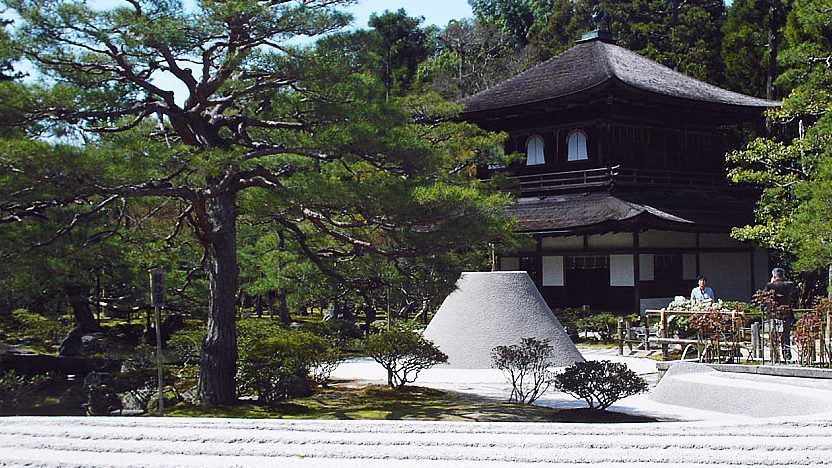
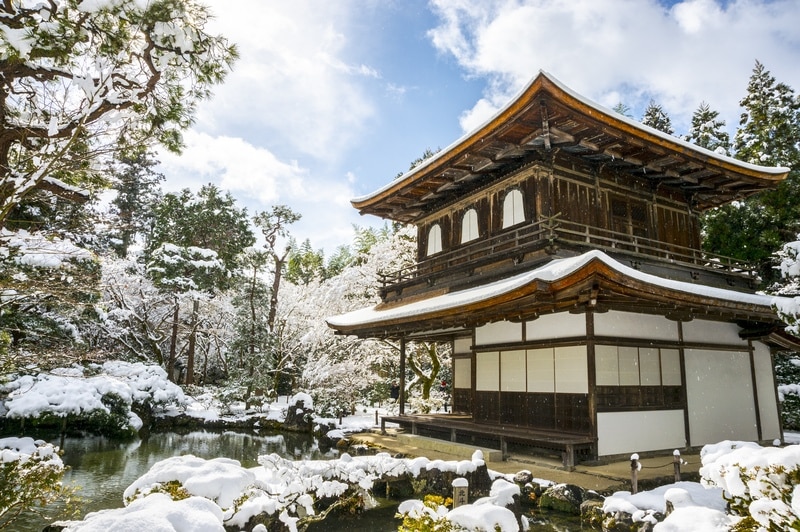
Ginkakuji’s official name is Jishoji. It was built in 1482 by Ashikaga Yoshimasa, the eighth shogun of the Muromachi shogunate, as a retreat for his later years. Although it is called the “Silver Pavilion,” the building itself was never covered in silver leaf, and its understated wooden exterior is the ultimate expression of wabi-sabi.
In 1994 Ginkakuji was designated part of the UNESCO World Heritage Site “Historic Monuments of Ancient Kyoto,” and it is one of the most representative Zen temples in Kyoto’s Higashiyama area.
Ashikaga Yoshimasa and the Birth of Higashiyama Culture
After abdicating in his later years, Ashikaga Yoshimasa devoted his energy to building Ginkakuji and designing its gardens, hiring the best craftsmen and artists of his day. Although his political career was full of setbacks, he left a deep influence on aesthetics and culture.
Higashiyama culture, which developed around Ginkakuji, blended Zen thought, ink painting, the tea ceremony and flower arrangement. It laid the foundation of traditional Japanese aesthetics, and its influence can still be seen everywhere today.

The Core Spirit of Wabi-Sabi
“Wabi-sabi” emphasizes the beauty of simplicity, imperfection and the passage of time. Ginkakuji embodies this restrained, understated philosophy of beauty through its wooden building without silver leaf, its moss garden and its dry landscape garden.
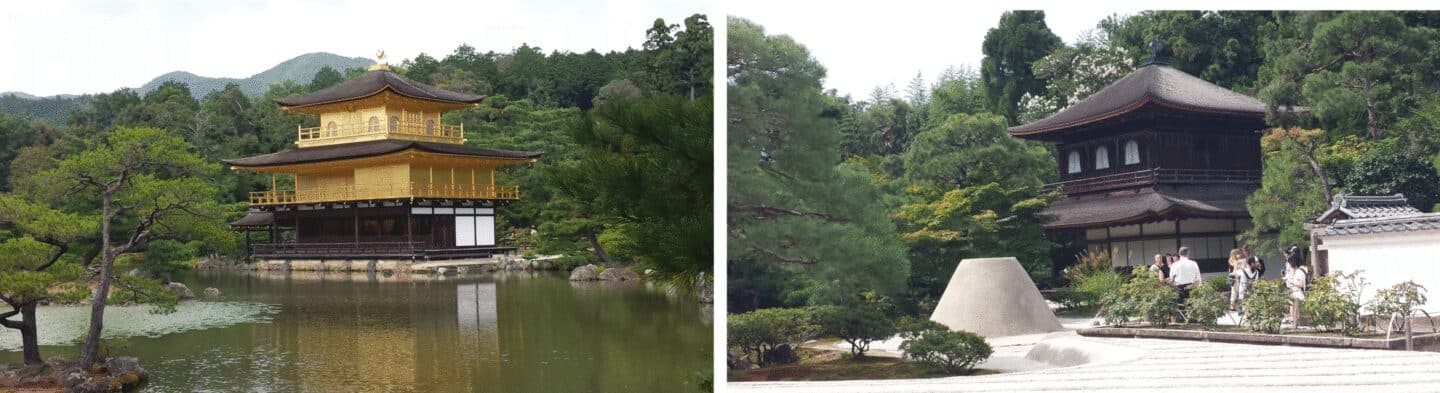
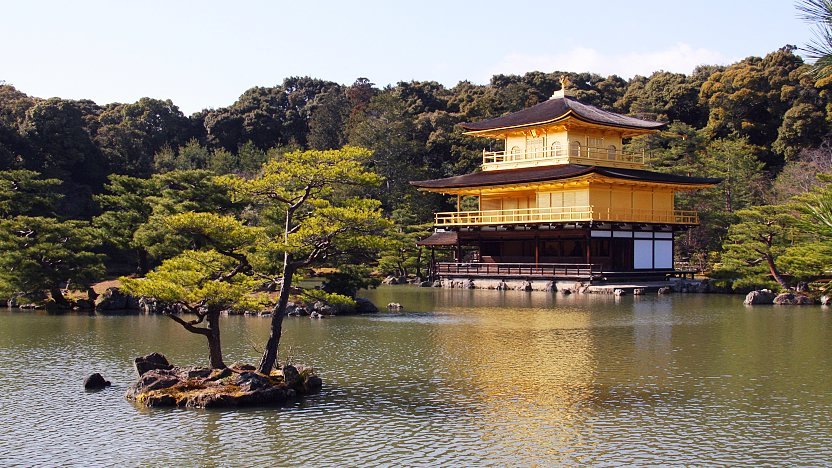
In contrast to gilded splendor, Ginkakuji moves people through natural materials and the marks of time, which is why it forms such a strong contrast with Kinkakuji.
Ginkakuji vs. Kinkakuji: How They Differ
Kinkakuji shows the power and splendor of the Muromachi shogunate with its gold-leaf walls, while Ginkakuji expresses Zen spirit and restraint with simple wood and a dry landscape garden. They represent two very different aesthetic directions: Kitayama culture and Higashiyama culture.
When visiting Kyoto, many travelers put both temples on the same day, and the sharp contrast helps them appreciate the many layers of Japanese aesthetics.

Latest Admission and Opening Hours for 2026
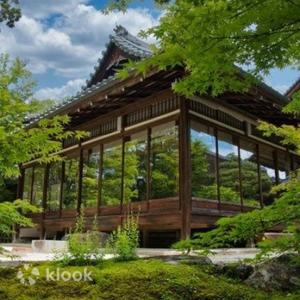
From April 1, 2026, Ginkakuji admission is ¥1,000 for high school students and older, ¥500 for elementary and junior high school students, and free for children below elementary school age. It is open daily from 8:30 to 17:00 (9:00 to 16:30 in winter, from December to February).
We suggest allowing about 90 minutes to see everything on the grounds, including the Silver Pavilion, Togudo, the garden and the lookout trail. For the latest visiting information, see the Ginkakuji page on the Shokokuji official website.
Best Time to Visit Ginkakuji
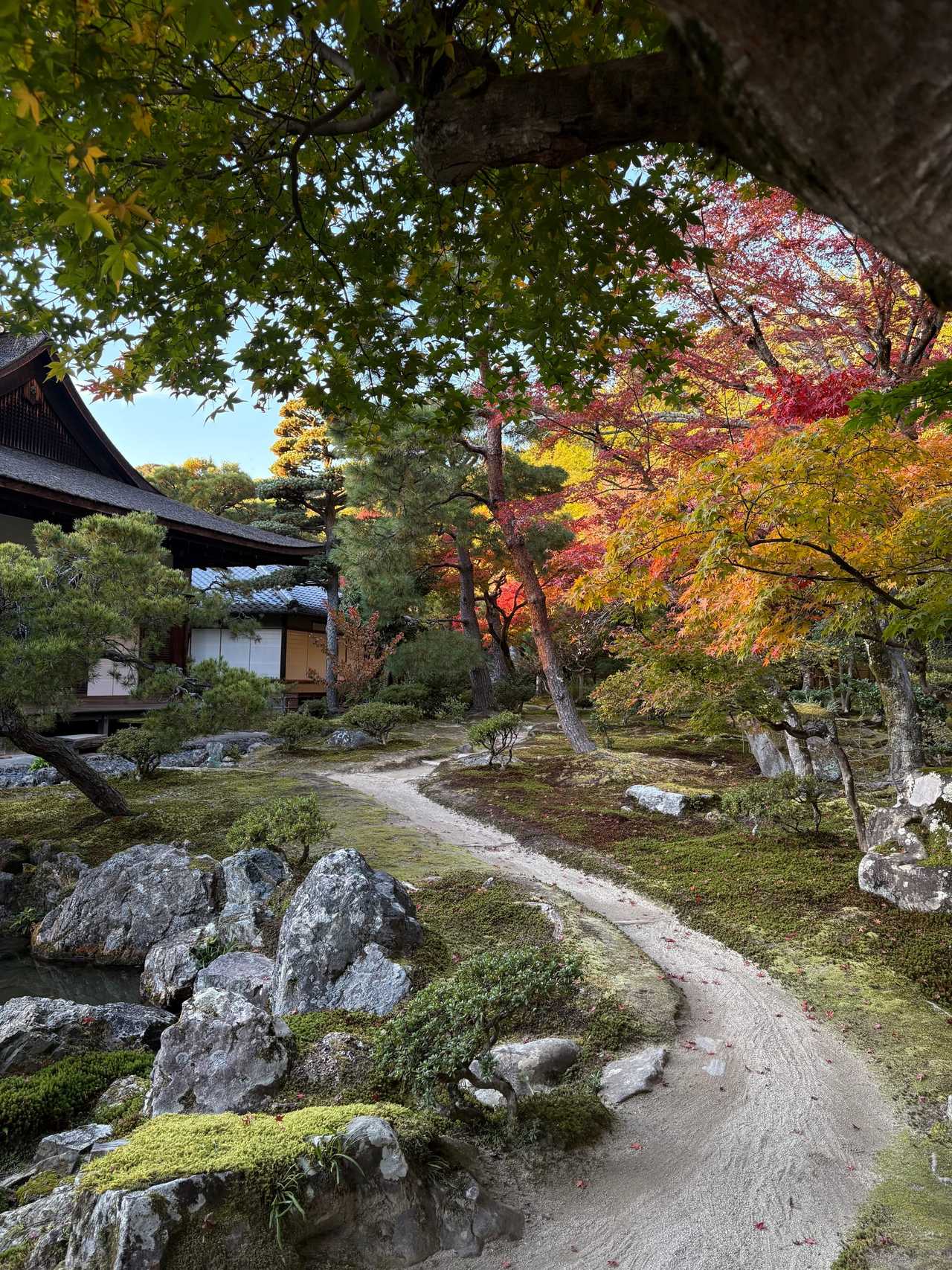
Cherry blossoms in spring and autumn leaves in fall are Ginkakuji’s most popular seasons, and in mid-November, when the maples turn red, the view from the lookout is especially moving. We suggest going on a weekday morning just as it opens to avoid tour groups; from December to February the closing time moves up to 16:30, so a morning visit is better.
Summer has fewer visitors, but the moss garden turns especially green after rain, making it a favorite season for photography lovers.
Where the Official Name Comes From
The name “Jishoji” comes from Ashikaga Yoshimasa’s Buddhist name, “Jishoin.” The temple was originally a mountain villa, “Higashiyama-dono,” that Yoshimasa began building in 1482 (the 14th year of Bunmei). After Yoshimasa died in 1490 (the 2nd year of Entoku), it was converted into a Zen temple in keeping with his wishes, and it has kept the name Jisho ever since.
“Ginkaku” (Silver Pavilion) is a common name given by later generations in contrast to Kinkakuji; official documents and the temple itself still call it “Jishoji.”
Ginkakuji’s Religious and Zen Background
Jishoji belongs to the Shokokuji school of the Rinzai sect and, like Kinkakuji, is one of the sub-temples of Shokokuji. Monks on the grounds still keep a daily Zen practice, so visitors should stay quiet and respectful.
The temple’s mountain name is Higashiyama, and its full official name is “Higashiyama Jishoji.” The buildings and gardens have been maintained by the temple for many years, so please follow the visiting rules posted by the temple.
How to Get to Ginkakuji: A Complete Guide to Transport and Costs
From the bus terminal in front of Kyoto Station, take city bus line 5 or 17 and get off at the “Ginkakuji-michi” stop. The ride takes about 35 to 40 minutes, followed by about 10 minutes on foot to the approach to the temple. Along the way you pass Heian Jingu, Nanzenji and other sights, which makes it easy to plan a day route. A single fare is ¥230, and if your day is mostly within the city you can buy the “Subway and Bus One-Day Pass” (¥1,100 for adults, ¥550 for children).
What Are the Must-See Sights at Ginkakuji? A Complete Guide to Highlights and Nearby Routes
Inside Ginkakuji and in the surrounding Higashiyama area, there are the following must-see sights and walking routes.
Kannon-den (the Silver Pavilion Itself)
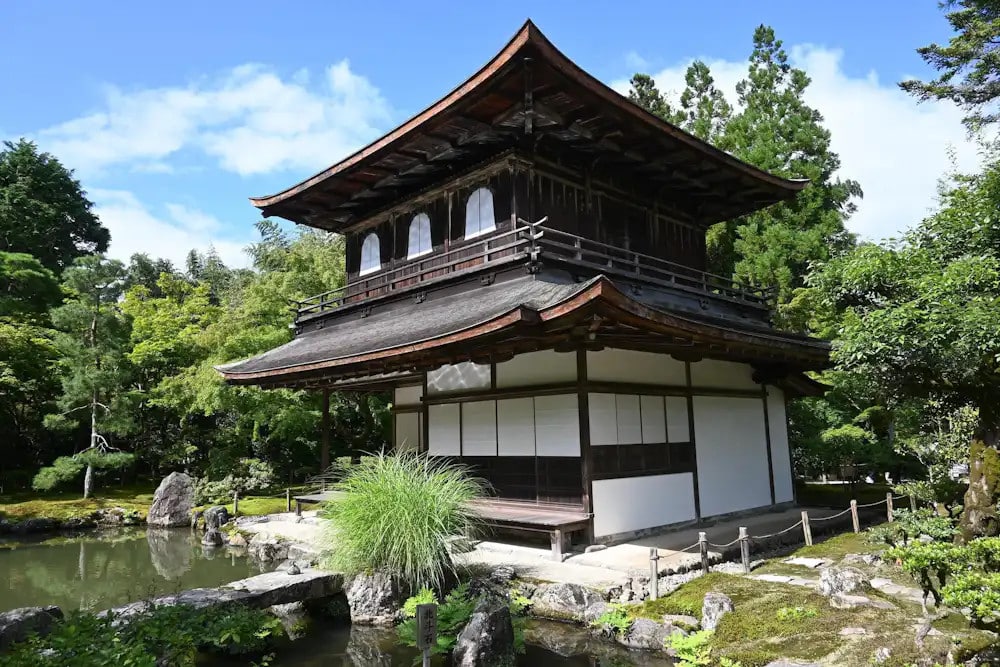
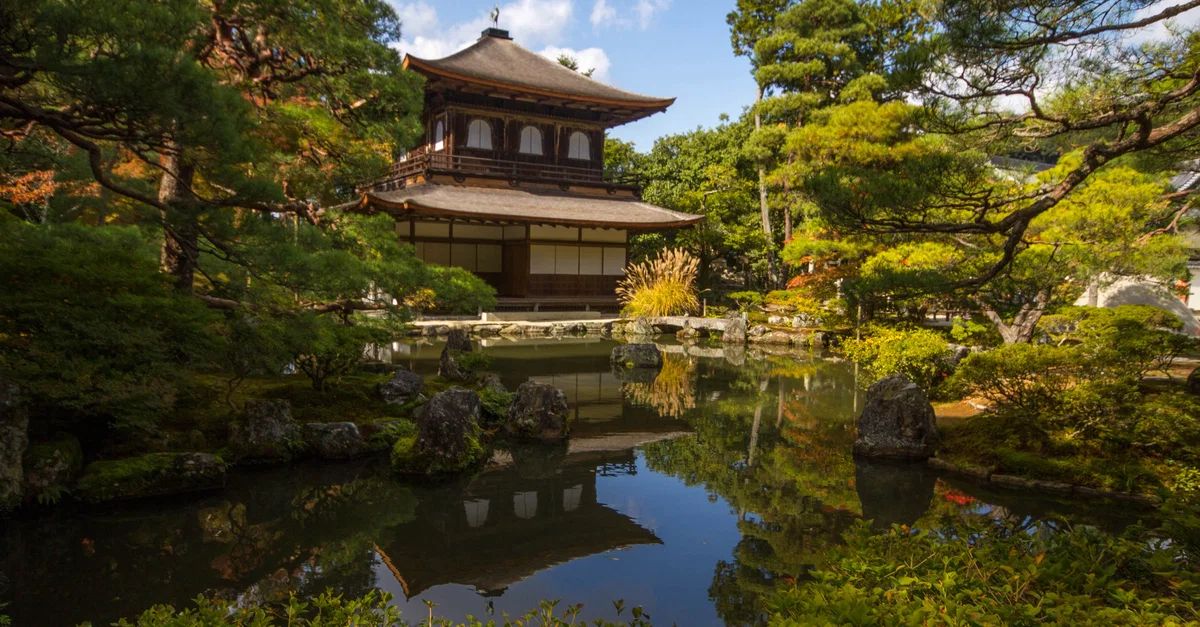
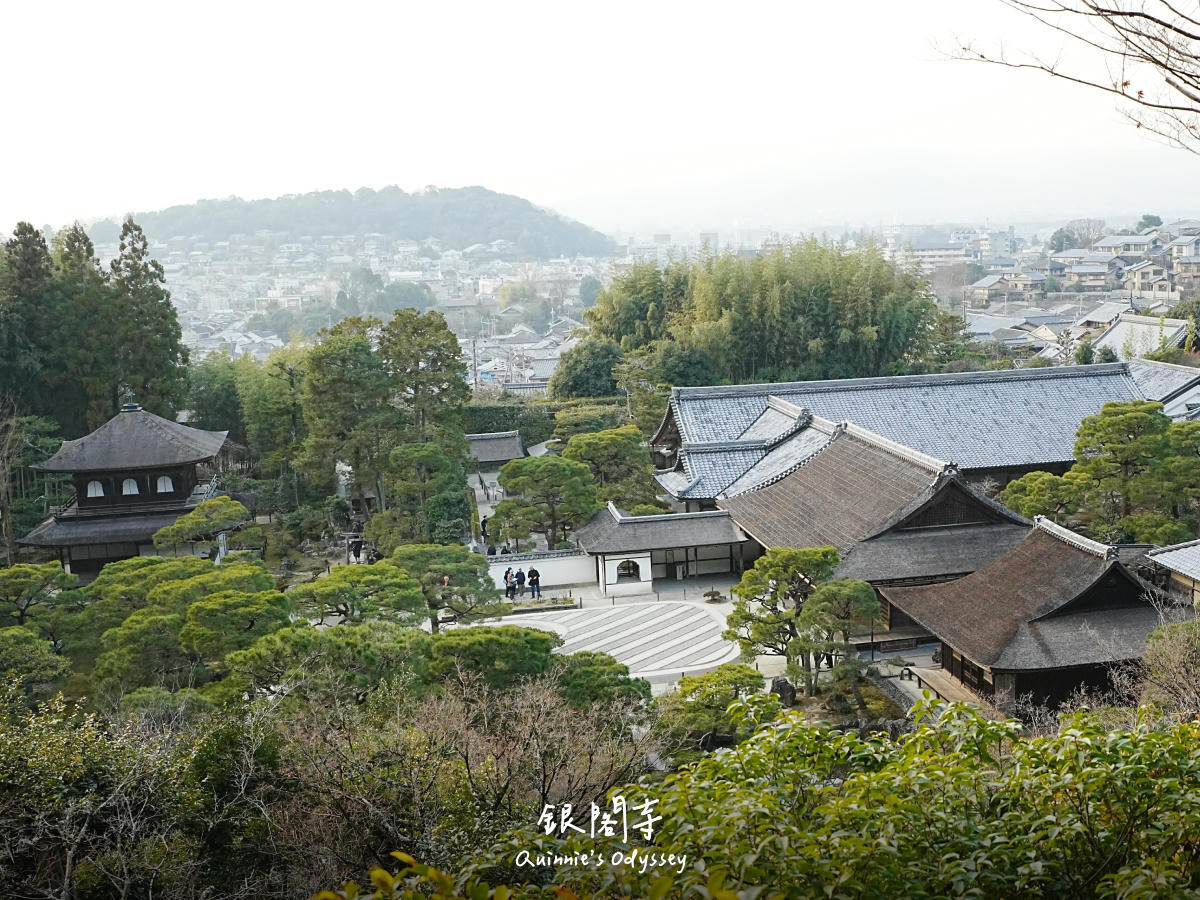
The Kannon-den is Ginkakuji’s central building, a two-story structure. The first floor, “Shinku-den,” is a residential-style shoin-zukuri hall, while the second floor, “Choon-kaku,” is in the style of a Zen Buddhist hall and enshrines a Kannon statue. The whole building was never covered in silver leaf, and its original wood has turned deep brown with age, a concrete symbol of wabi-sabi.
We recommend photographing the reflection of the Kannon-den from the far side of Kinkyo Pond, the classic Ginkakuji viewpoint, and it works best on a windless early morning when the water is calm. Allow about 15 minutes to appreciate the architectural details.

Togudo
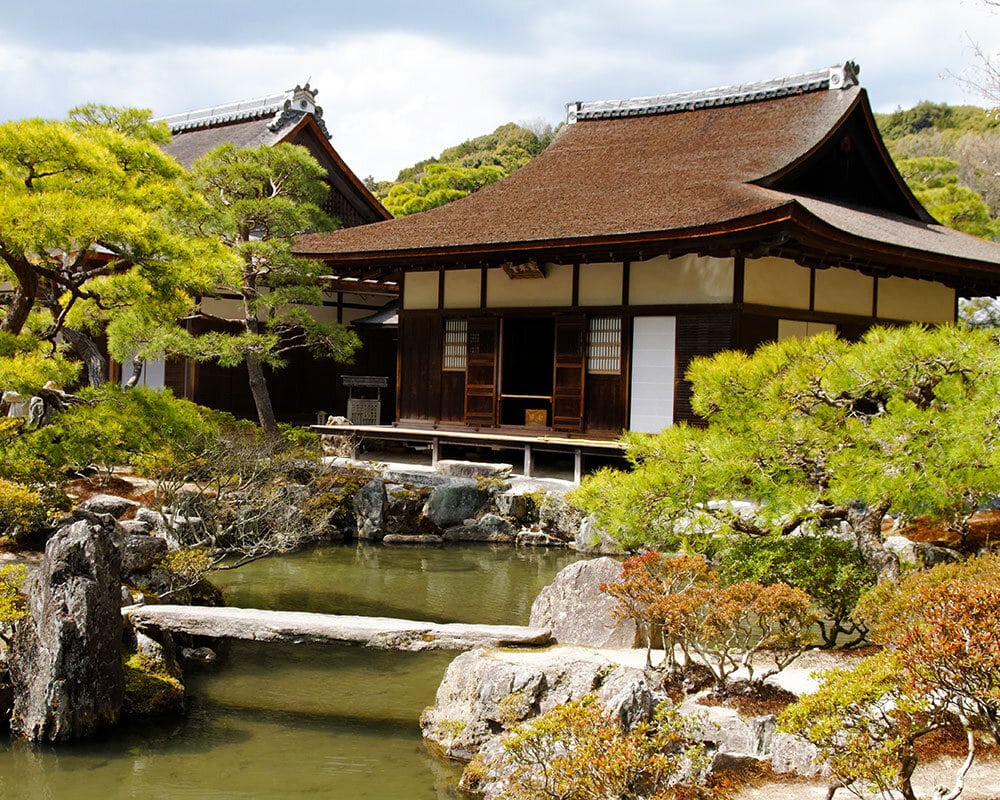
Togudo was built in 1486 and is one of the oldest surviving National Treasure buildings. Its interior room “Dojinsai” is regarded as the forerunner of Japanese shoin-zukuri and tea room architecture, setting the basic layout of later tatami rooms. Ashikaga Yoshimasa read, admired flowers and drank tea here.
The interior of Togudo is normally closed to visitors and the building can only be admired from outside; it opens inside only during special exhibition periods each year, so interested travelers can watch for special opening announcements on the temple’s official website.
Ginshadan (Sea of Silver Sand)
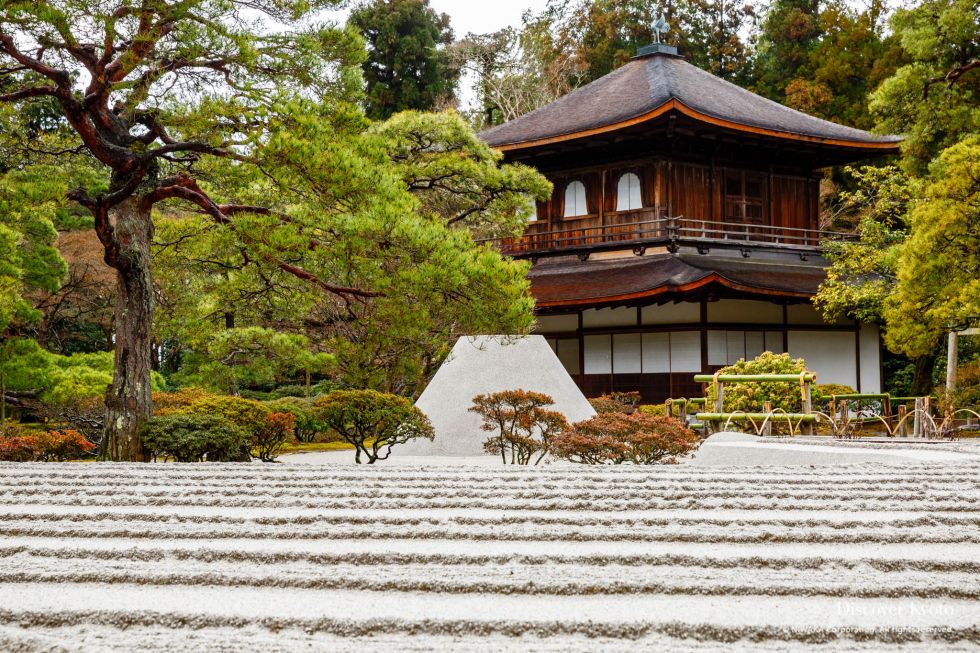
Ginshadan is a huge mound of white Shirakawa sand, its surface carefully raked into parallel ripples. In moonlight or slanting sunlight it creates distinctive reflected light and shadow, and it is said to help bounce light into the Silver Pavilion.
This dry landscape garden needs a dedicated keeper to rake the patterns regularly, and it is one of Ginkakuji’s most representative visual focal points. We suggest visiting in the morning when the sun is low, when the ripples look most three-dimensional.
Kogetsudai
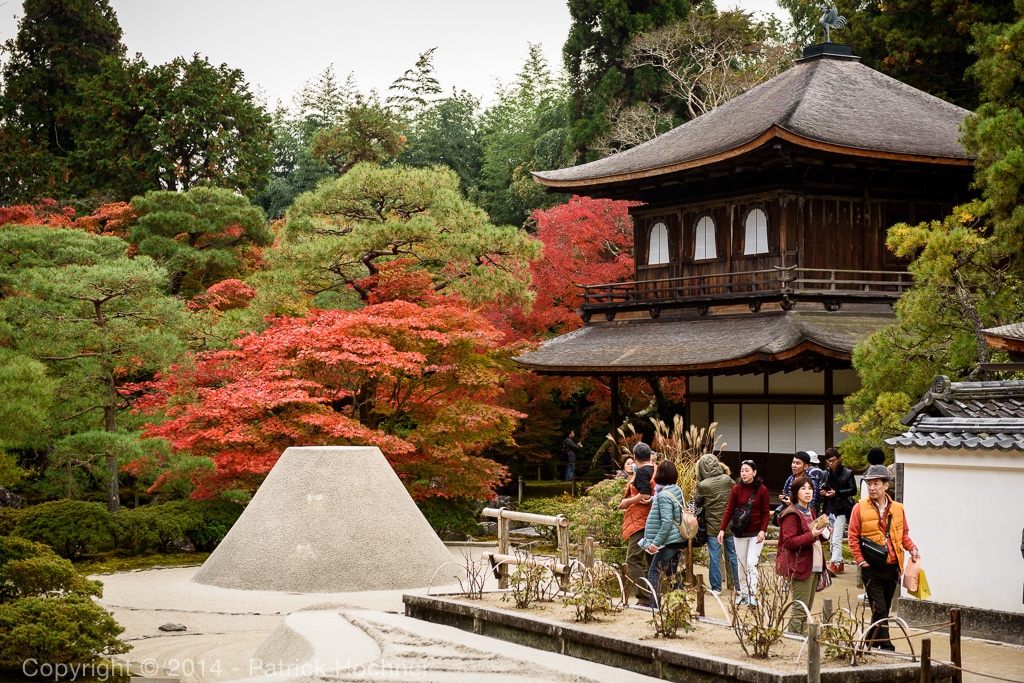
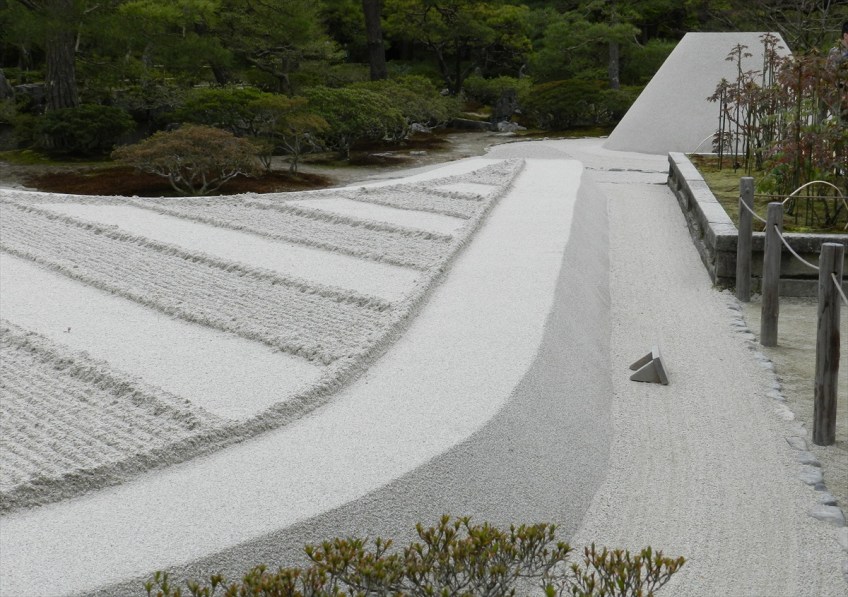
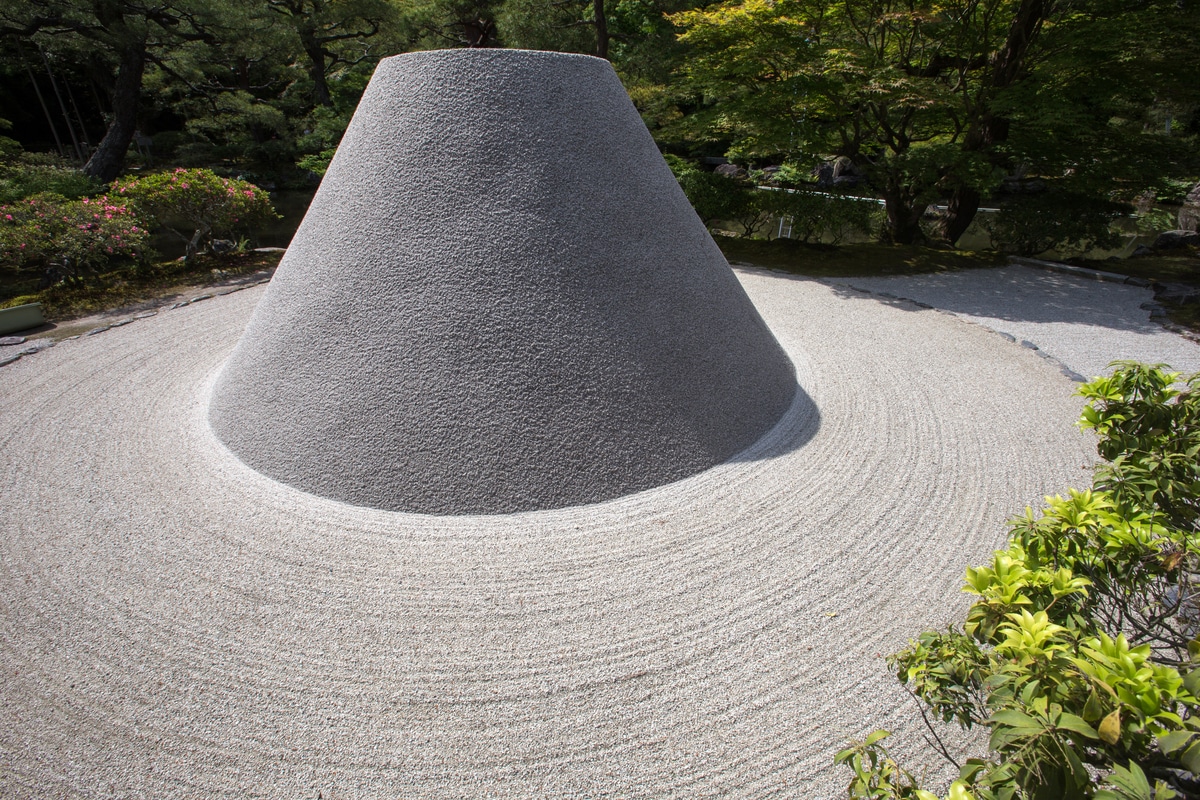
Kogetsudai is a conical sand cone about 180 cm tall, also called the “White Sand Mt. Fuji,” standing next to Ginshadan. Tradition says its shape was meant to reflect moonlight and light up the temple grounds, showing the ingenuity of Edo-period garden makers.
Scholars still debate the exact date and meaning of Kogetsudai, but its simple geometric shape echoes the ripples of Ginshadan, and together they form the visual core of Ginkakuji’s dry landscape garden.
Kinkyo Pond and the Pond-Stroll Garden
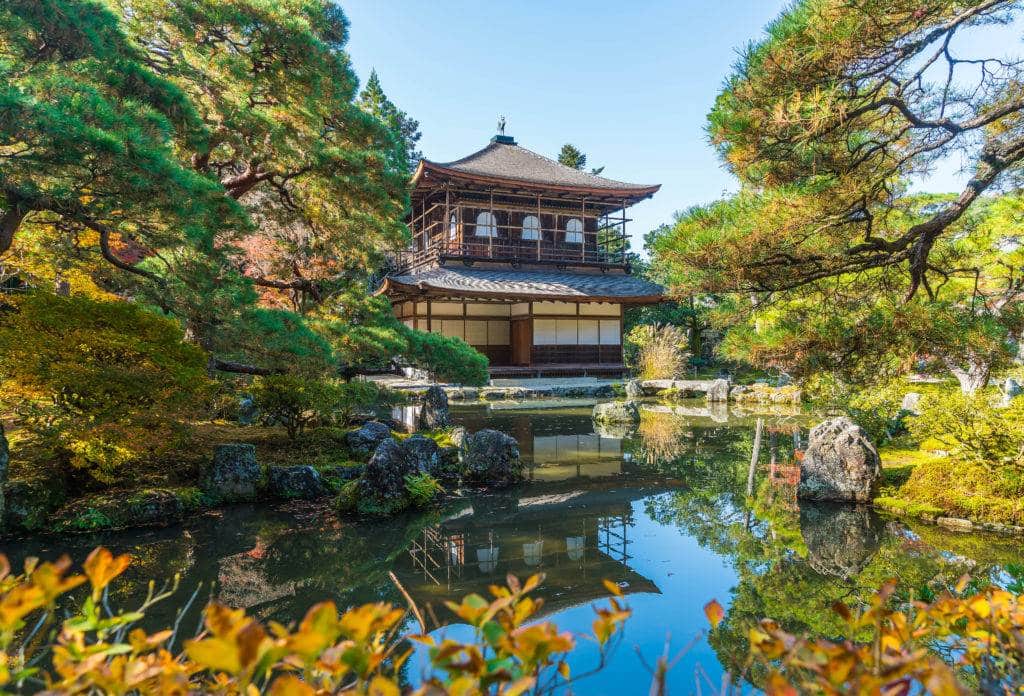
Kinkyo Pond is the central water feature of the grounds, with unusual rocks and pine trees arranged along its banks. Visitors can walk the path around the pond and view the reflection of the Kannon-den from different angles. This “pond-stroll” garden design lets visitors see a different composition with each step.
The garden also has plenty of moss covering the ground and stone steps, especially vivid green after rain. The contrast between the moist moss and the dry sand ripples of the dry landscape garden creates a striking beauty, and it is a spot photography lovers should not miss.
Lookout Trail
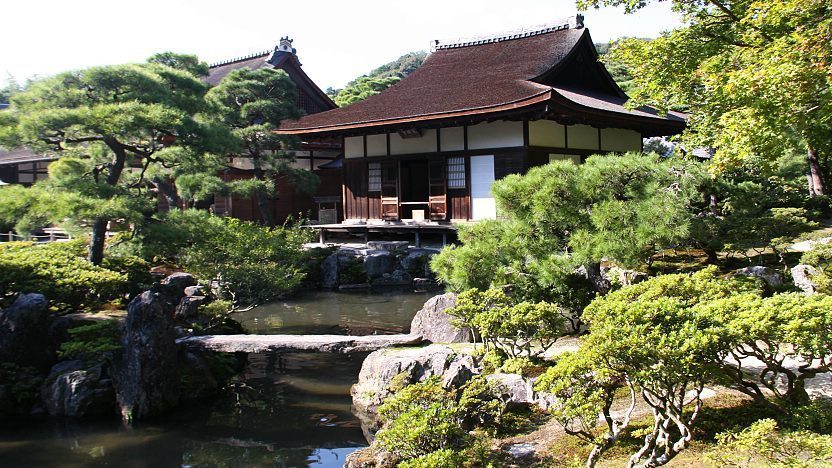
Climb the moss-covered stone steps behind the garden to reach the lookout, with a high view over the whole Ginkakuji complex and Kyoto’s cityscape in the distance. The view is excellent on clear days, and it is the best spot to photograph Ginkakuji as a whole.
The stone steps are fairly steep and the moss makes the surface slippery in places, so we recommend non-slip shoes. The trail takes about 10 minutes one way, and it is the only vantage point on the grounds with a full panorama; the view is especially magnificent when the maples turn red in autumn.
The Philosopher’s Path
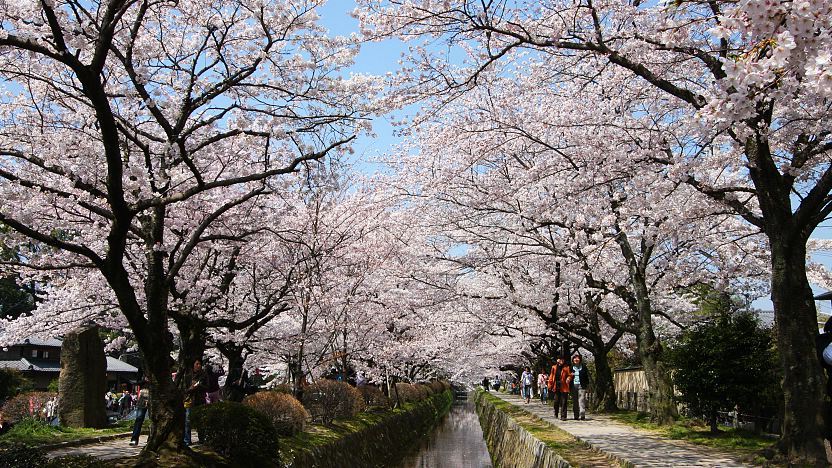
The Philosopher’s Path is a stone-paved path about 2 km long that follows the Lake Biwa Canal. It is named for the philosopher Nishida Kitaro, who often walked and meditated here, and it links several temples and shrines between Ginkakuji and Nanzenji, making it the most poetic walking route in Kyoto’s Higashiyama.
Hundreds of Somei-Yoshino cherry trees line the way, forming a pink-and-white tunnel of blossoms in spring and turning red in autumn. There are several cafes and small shops along the route for a rest, and the whole walk takes about 40 minutes, making it the best path for linking the Higashiyama culture sights.

Cafes Along the Philosopher’s Path
When you get tired from walking, stop for a rest at a cafe along the Philosopher’s Path. “Gospel” is a cafe in a converted European-style house, known for its roll cake and scones with tea, and its quiet atmosphere is ideal for a short break. There is also the long-established Japanese confectioner “Kanou Shojuan Kyoto Chashitsu-to,” where freshly made warabi mochi is the signature sweet, a popular way to refuel with sugar during your walk. Shops along the route like these mostly have few seats, so allow some waiting time during peak meal hours.
Nanzenji
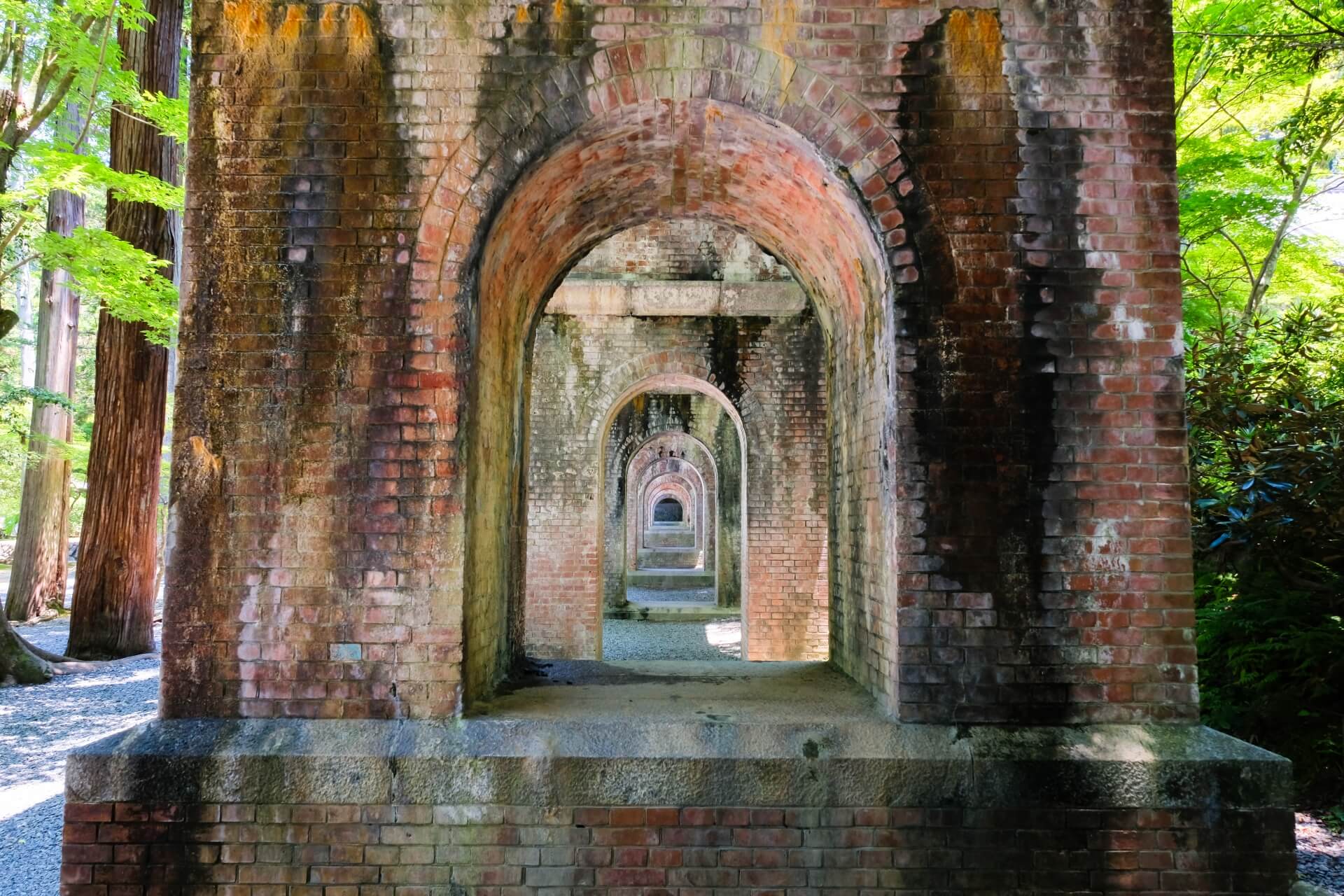
Nanzenji is the head temple of the Nanzenji school of the Rinzai sect, famous for its grand Sanmon gate and its exotic brick aqueduct, Suirokaku. The dry landscape “Tiger Cubs Crossing the River” in the hojo garden is also one of Kyoto’s representative gardens.
It is about a 10-minute walk from the southern end of the Philosopher’s Path. The hojo garden and the Sanmon gate are ¥600 each, while the Suirokaku aqueduct can be visited freely. We suggest 30 to 45 minutes for the aqueduct and the hojo garden, an important stop on a Higashiyama day trip.
Eikando (Zenrinji)
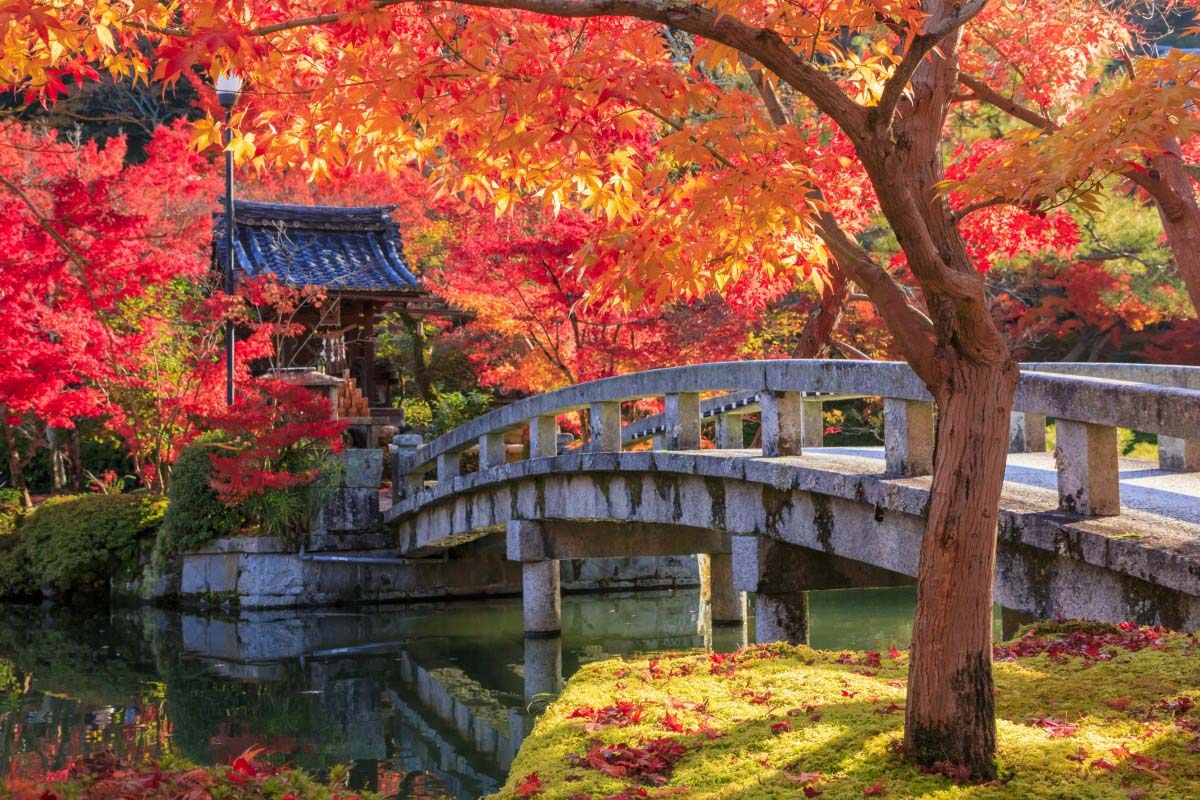
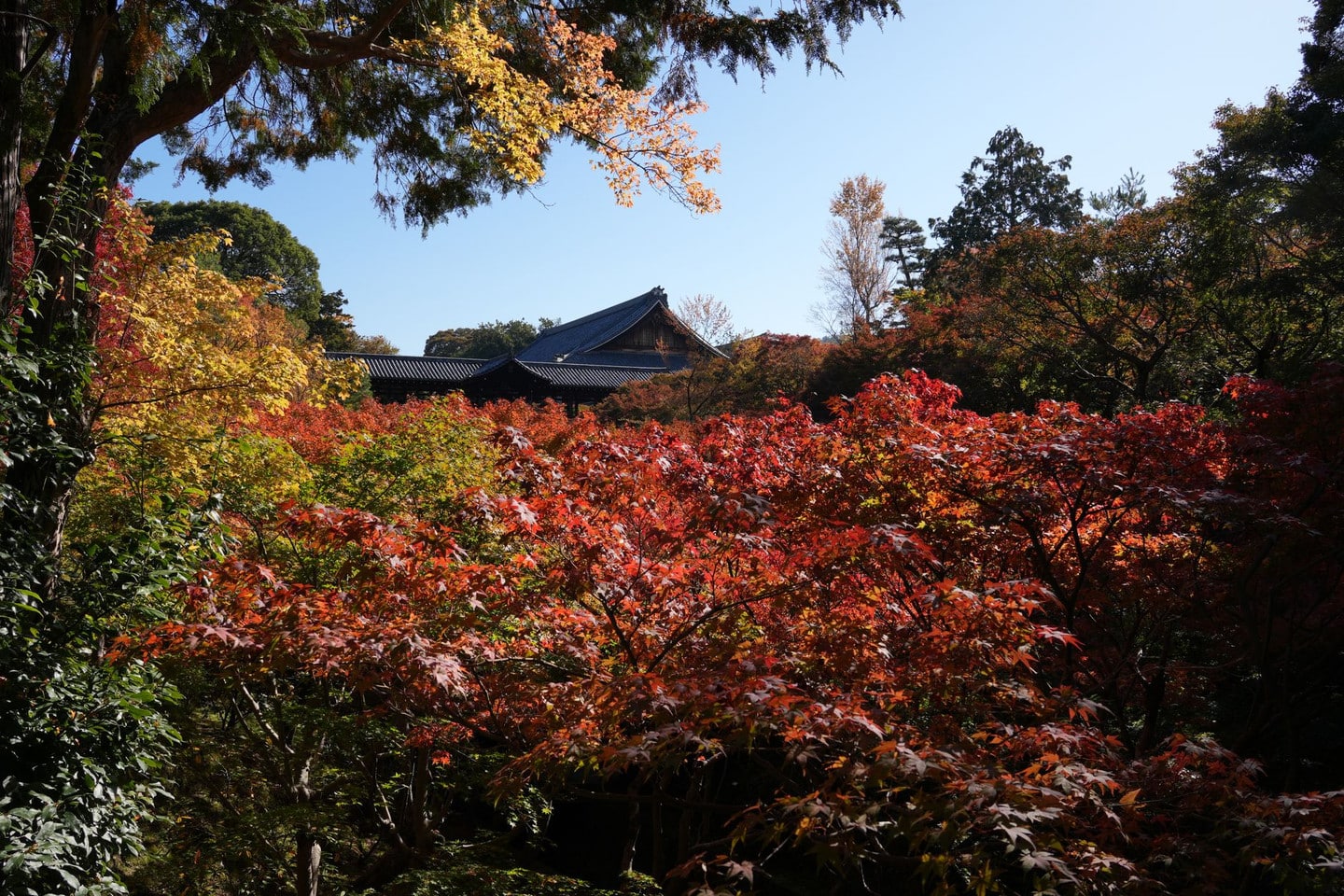
Eikando’s official name is Zenrinji, a temple of the Seizan Zenrinji school of the Jodo sect. It is famous for its “Looking-Back Amida Buddha” statue and its autumn leaves, and is known as “the byword for Kyoto’s autumn colors,” drawing large crowds of leaf-viewers every November.
The grounds have a Tahoto pagoda lookout with a view over the whole maple forest and the Kyoto cityscape. Regular admission is ¥600 (¥1,000 during the autumn temple-treasure exhibition), and during the leaf season there are special evening illuminated visits. We suggest 40 minutes to 1 hour to look around properly.
![Kyoto Autumn Leaves One-Day Tour | Stroll Through the Ancient Capital in Brilliant Autumn Colors, Visiting Daigoji, Eikando and Toji (Early Entry Included) | A Bus With Restrooms the Whole Way for a More Comfortable Long Ride [Departing From Umeda, Shin-Osaka, Namba OCAT and Kyoto]](https://travel.williamlion.tw/wp-content/uploads/sites/7/2026/07/image-1787.jpg)
Honen-in
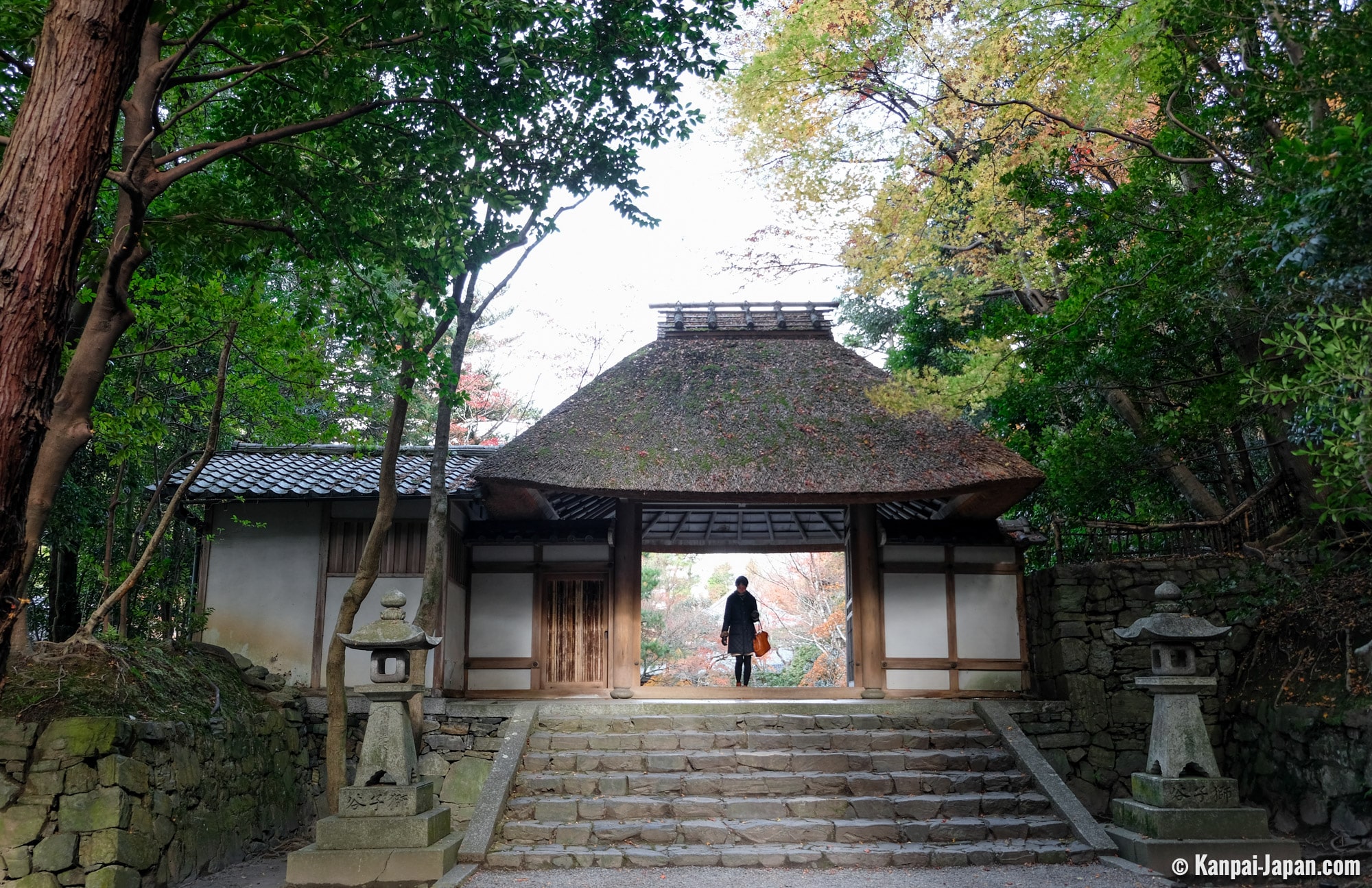
Honen-in is where Honen Shonin, founder of the Jodo sect, once trained and built a hermitage. Its gate, with white sand mounds at the entrance, is full of Zen character, and the wooded grounds are lush and quiet. With few visitors, it is a hidden spot for experiencing a wabi-sabi atmosphere.
The inside of the main hall opens only during special spring and autumn viewing periods; at other times you can only see the outer garden, which is free to enter. It is about a 5-minute walk from the Philosopher’s Path, a great add-on stop for travelers who love a quiet atmosphere.
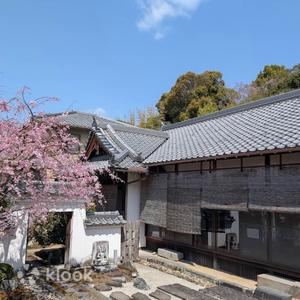
Kumano Nyakuoji Shrine
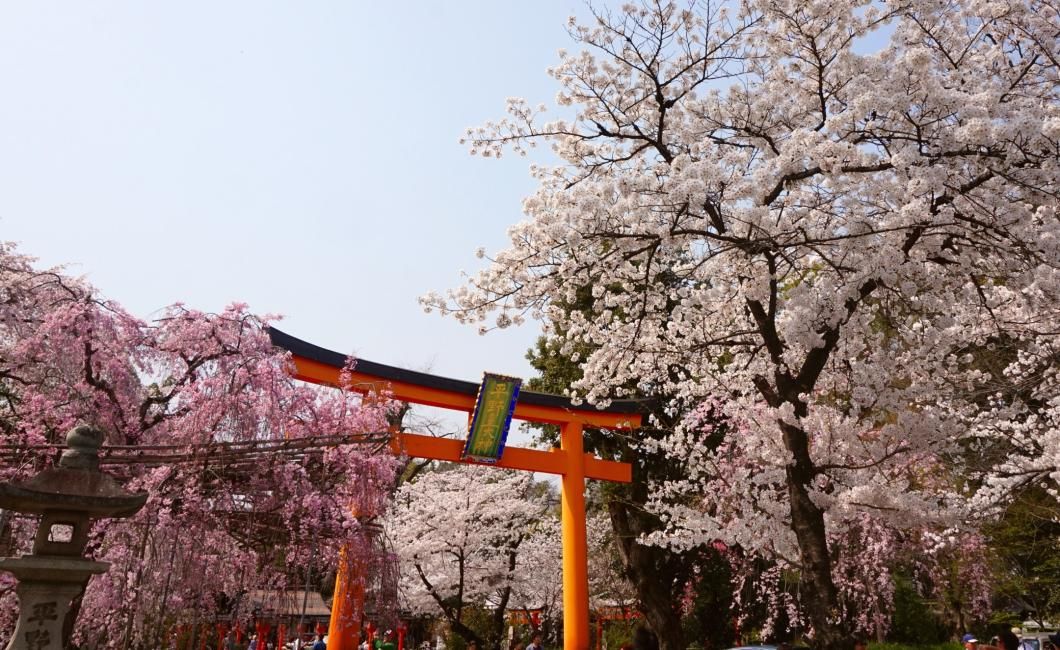
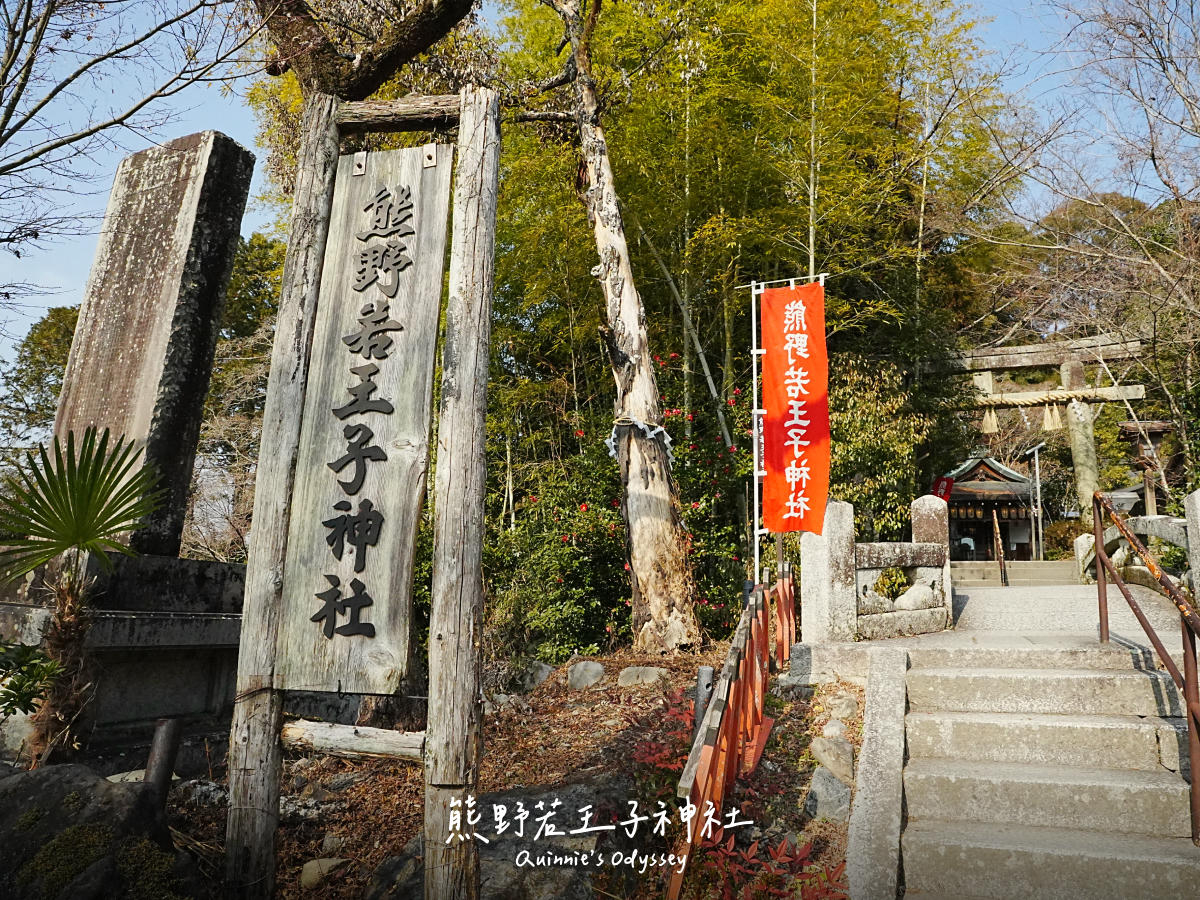
Kumano Nyakuoji Shrine is near the start of the Philosopher’s Path and enshrines Kumano Gongen. It is one of the branch shrines of the Kumano Sanzan faith in Kyoto, with towering old trees and a quiet atmosphere, and its autumn leaves are also outstanding.
The shrine is small and takes only about 10 minutes to visit. The shrine office gives out amulets and goshuin stamps, and it is a small spot to stop at while linking Ginkakuji with the Philosopher’s Path, one few visitors know about.
Otoyo Shrine
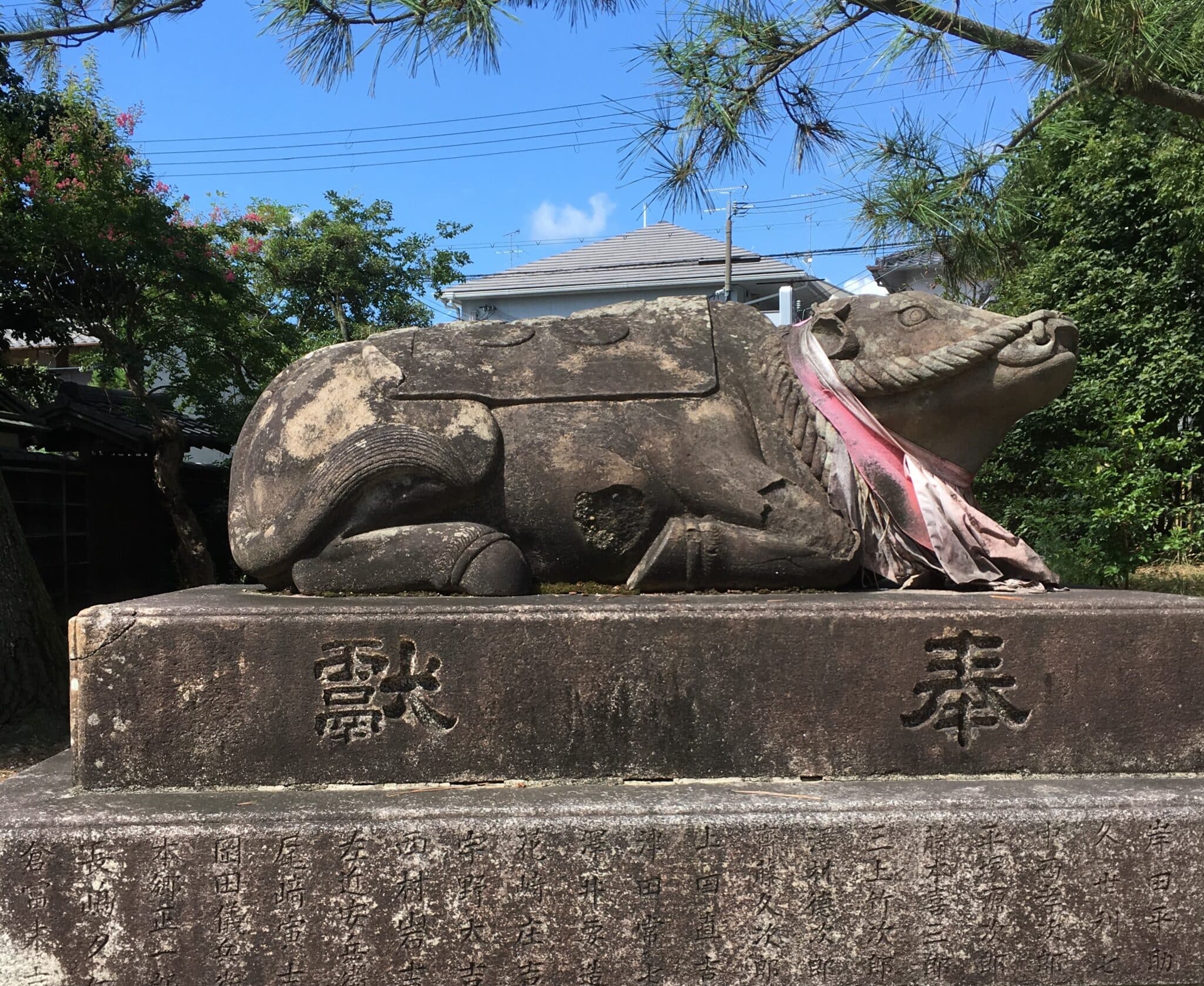
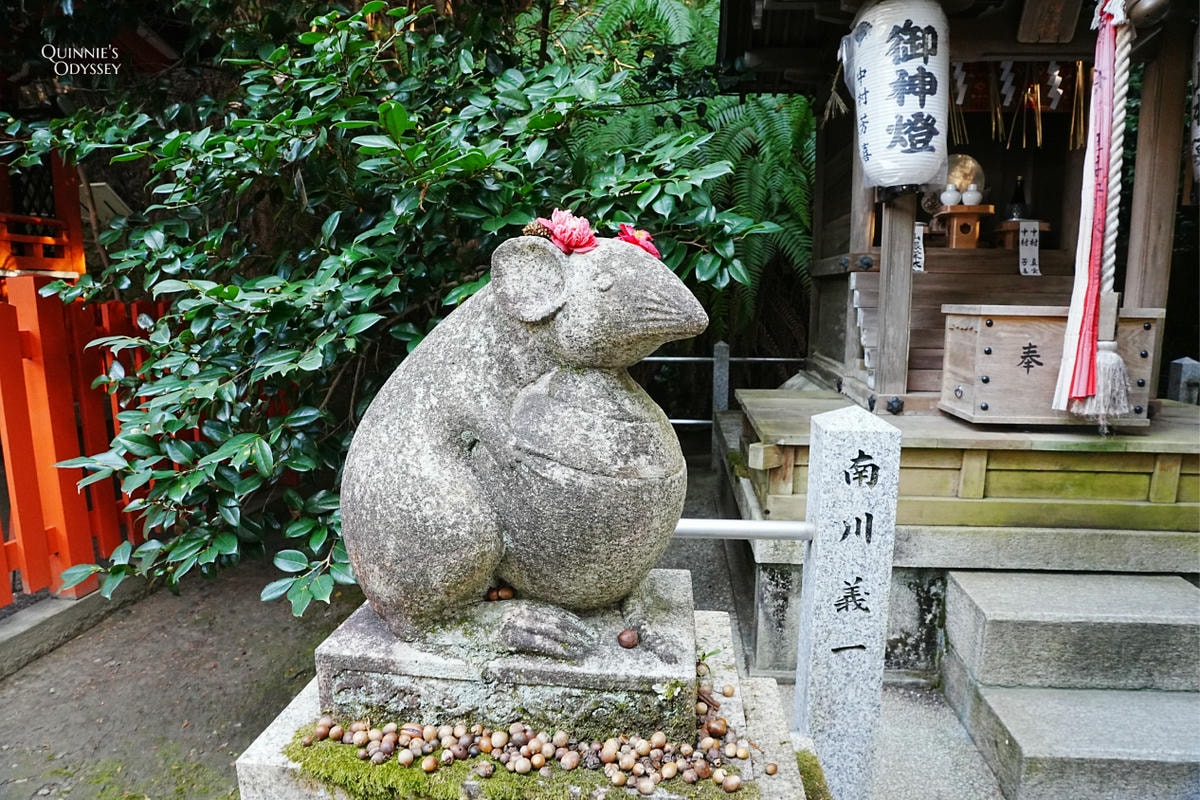
Otoyo Shrine is known for its “komanezumi” guardian mice, one of the few shrines in Japan with stone mouse statues, which come from the legend that the enshrined deity Okuninushi was once helped by a mouse. The grounds also have a rare set of stone figures, including guardian monkeys and snakes, which is great fun.
The shrine is tucked into a lane midway along the Philosopher’s Path. Its grounds are small but distinctive, and a visit takes about 10 to 15 minutes, making it an insider recommendation for travelers who love shrine-hopping or collecting special goshuin.
Kinkakuji
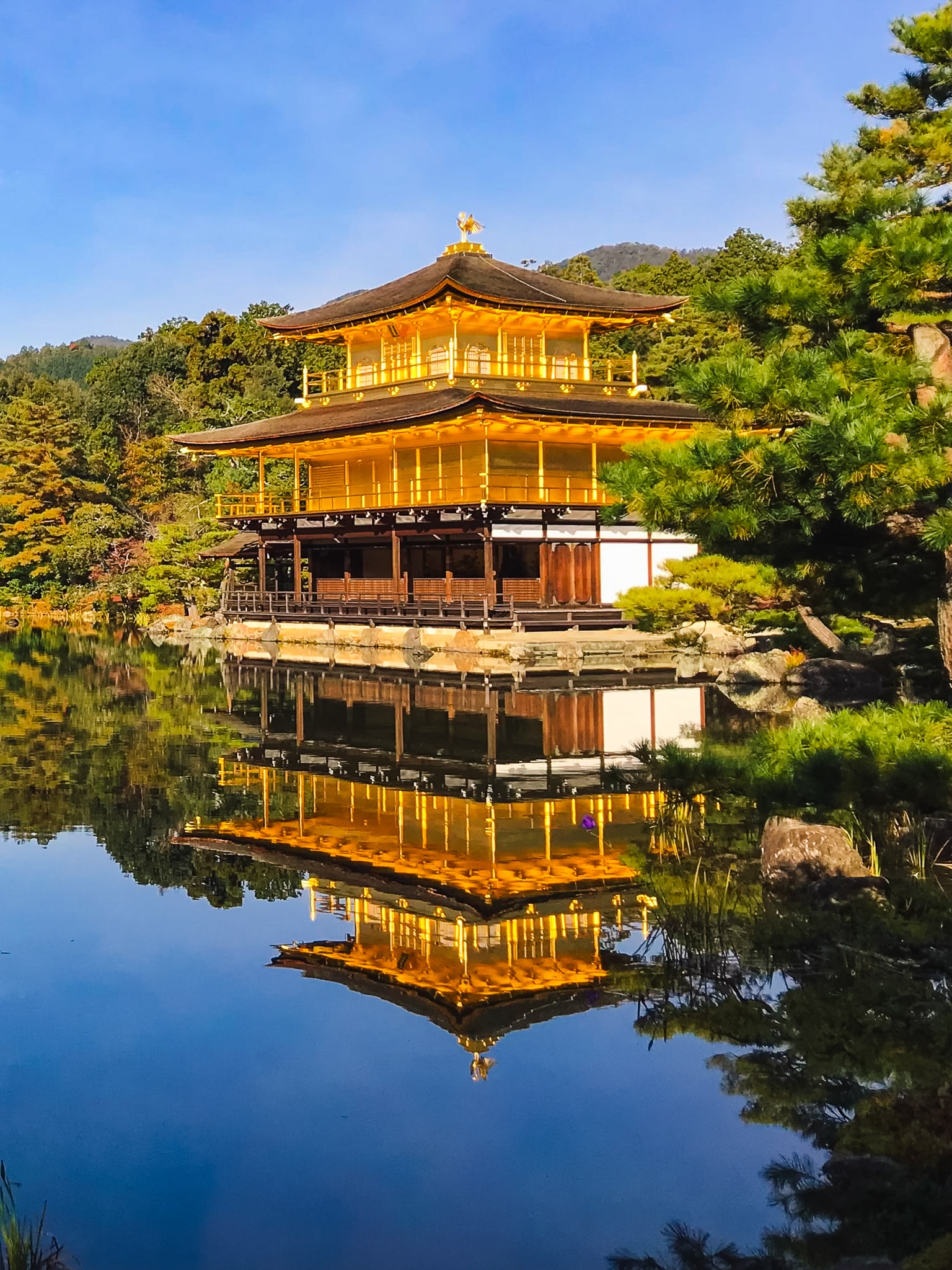
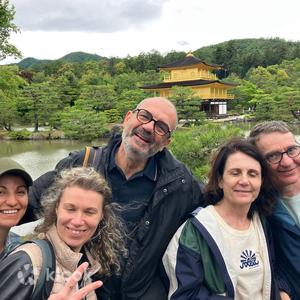
Kinkakuji’s official name is Rokuonji. It belongs to the same Shokokuji school as Ginkakuji and is famous for its Shariden hall covered in gold leaf. Its golden figure reflected in Kyoko Pond is one of Kyoto’s most iconic scenes and is often visited as a contrast to Ginkakuji’s simplicity.
Kinkakuji admission is ¥500, and it is open from 9:00 to 17:00. It is far from Ginkakuji, so we suggest setting aside another half-day to visit. The ride takes about 30 to 40 minutes, and it is best to visit on different days or in separate morning and afternoon outings.
How Much Does a Ginkakuji Trip Cost? Admission and Guided Tour Recommendations
When planning a 2026 trip to Ginkakuji (Jishoji), budget is what many travelers care about most. Ginkakuji’s own admission is not expensive, but if you want to experience the wabi-sabi of the Higashiyama culture area more deeply, including the Philosopher’s Path, Nanzenji, Eikando and other nearby sights, we suggest pairing a guided tour or a one-day pass so that you can see more without losing efficiency. Below are the latest 2026 admission details and a few popular guided tour options to help you pin down costs and itineraries.
Jishoji (Ginkakuji) Self-Guided Admission Ticket
From April 1, 2026, Ginkakuji admission (a donation for visiting) is ¥1,000 for high school students and older and ¥500 for elementary and junior high school students, free for children below elementary school age. Opening hours: 8:30-17:00 from March to November, and 9:00-16:30 from December to February, open all year. We suggest 60-90 minutes for your visit, including the Kannon-den, Kogetsudai, Kinkyo Pond and the lookout. In maple season or the fresh-green season, it is best to enter right when it opens. Tickets are sold on site only, and in peak season (the mid-to-late November maple season) the queue takes about 20-30 minutes.
Higashiyama Culture One-Day Walking Tour (Including Ginkakuji, the Philosopher’s Path and Nanzenji)
KKday and Klook offer Chinese-language guided tours of about 4-5 hours, from Ginkakuji along the Philosopher’s Path to Nyakuoji Shrine, Eikando and Nanzenji.
The guide explains Ashikaga Yoshimasa and Higashiyama culture (tea ceremony, flower arrangement and ink painting) and, at Ginkakuji, how the architecture and garden embody the “wabi-sabi” aesthetic, suiting history and aesthetics lovers.
Some tours let you add matcha sweets or a simple tea ceremony experience, suiting first-time visitors to Kyoto’s Higashiyama area.
Kyoto Subway and Bus One-Day Pass for a Self-Guided Trip Around Ginkakuji
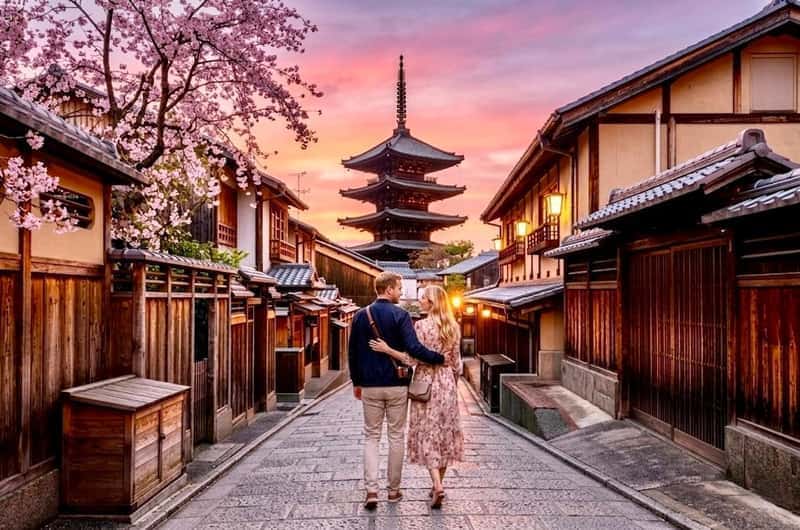
For an independent trip, you can buy Kyoto City’s “Subway and Bus One-Day Pass” (¥1,100 for adults, ¥550 for children), with unlimited rides on the city subway and city buses linking Ginkakuji, Kiyomizu-dera and Heian Jingu. It can be bought at the City Bus and Subway Information Center and at ticket windows in subway stations. Suggested route: Ginkakuji and the Philosopher’s Path to Nanzenji in the morning; in the afternoon, take a bus to the Sannenzaka and Ninenzaka area around Kiyomizu-dera.
This option is very flexible: Ginkakuji admission of ¥1,000 plus the one-day pass at ¥1,100 comes to about ¥2,100 at minimum, suiting independent travelers who like their own pace.
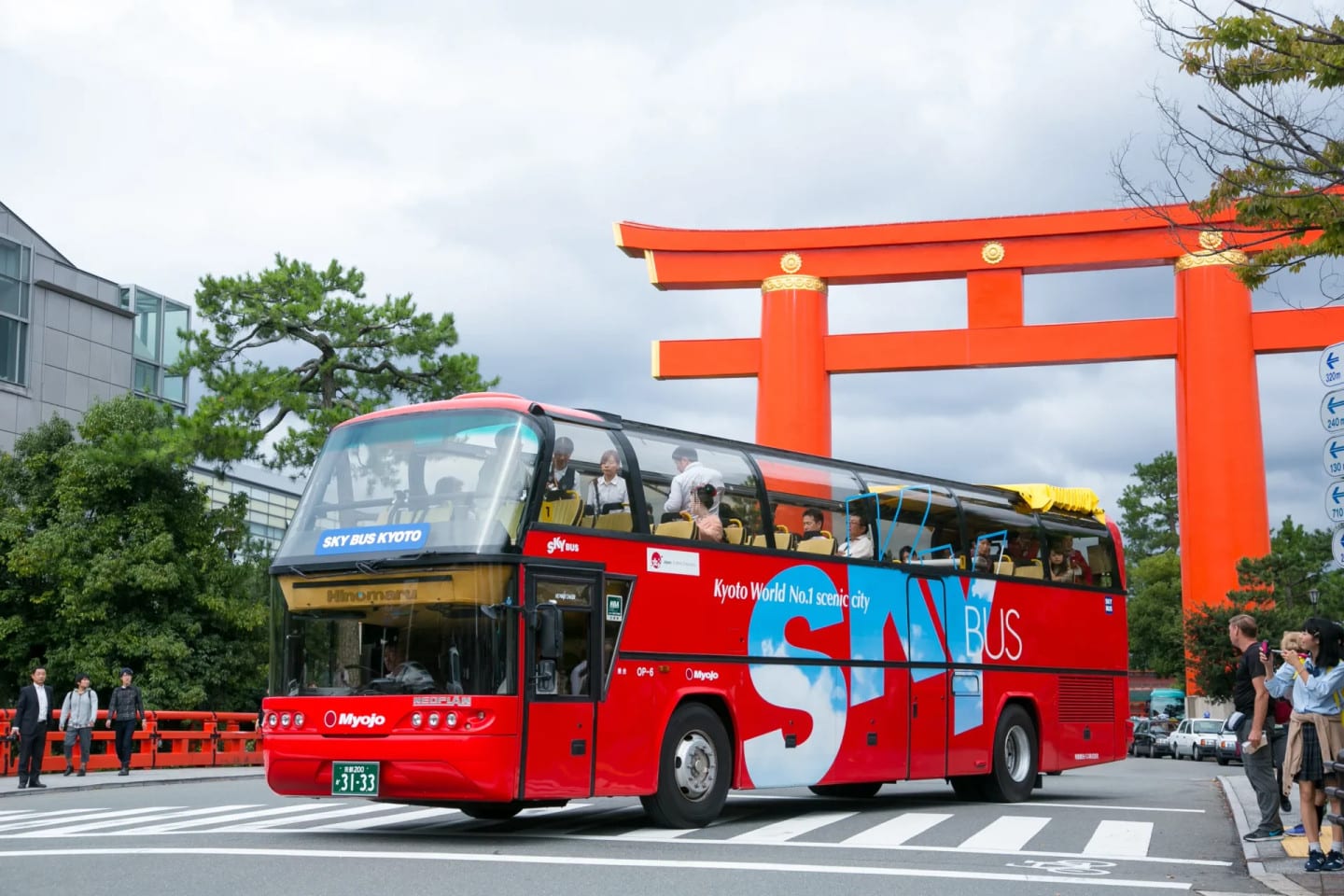
Kyoto World Heritage Pass (Including Ginkakuji, Kinkakuji and Nijo Castle)
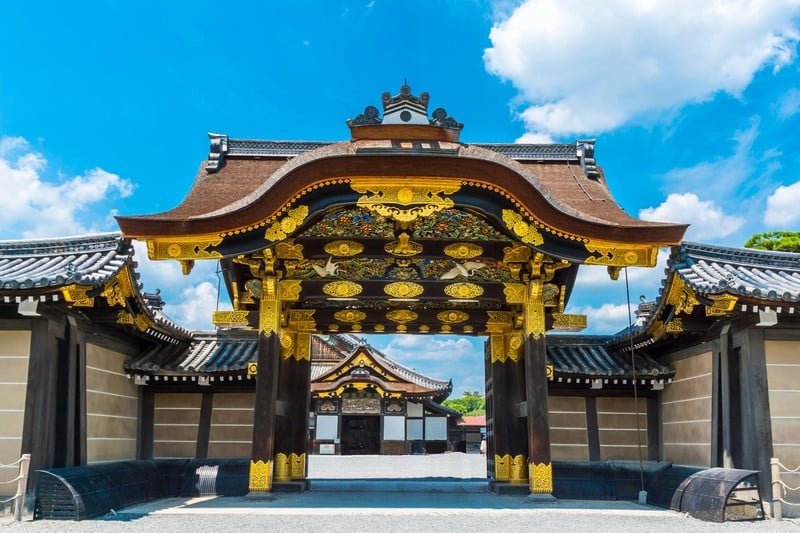
Kyoto travel agencies and online platforms offer World Heritage passes combining Kinkakuji, Ginkakuji and Nijo Castle. Prices and contents vary by operator, and many include a private-car transfer and Chinese-language guide, with a half-day to full-day itinerary. The pass lets you experience both Kinkakuji’s brilliance and Ginkakuji’s wabi-sabi beauty and sense the philosophical shift in Japanese aesthetics from “gold” to “silver,” suiting photography and history-and-culture lovers. Because these sights are popular, we suggest booking a morning slot on KKday or Klook in advance, so afternoon crowds do not affect your visit and photo quality.
Where to Stay Along the Way
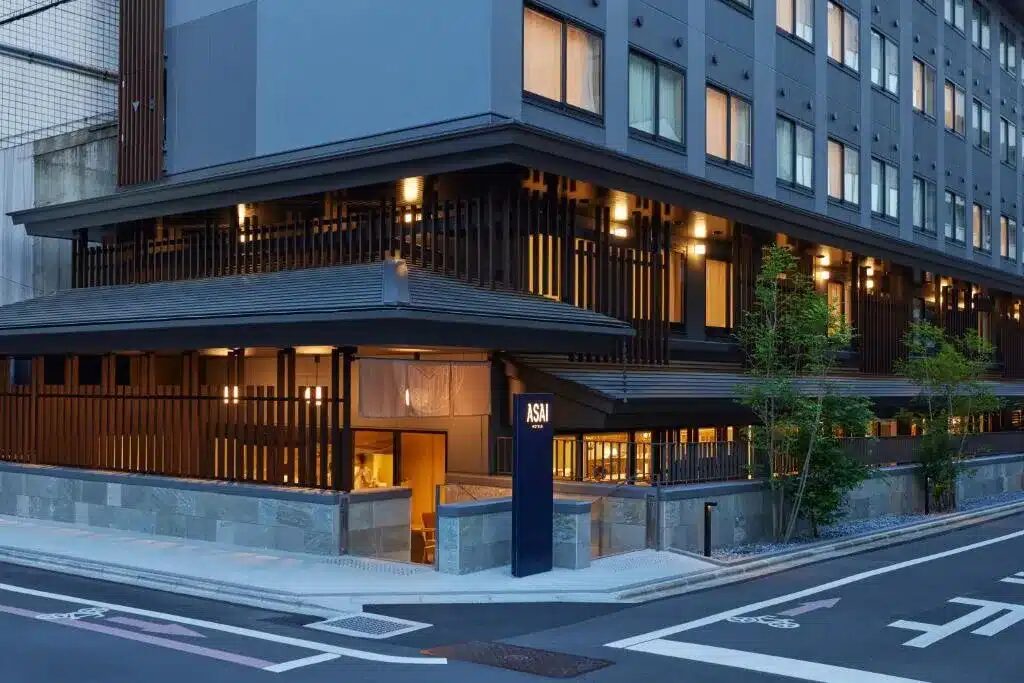
Ginkakuji is at the northern end of Higashiyama in Kyoto’s Sakyo Ward, and city bus line 5 from Kyoto Station takes about 33 to 43 minutes to reach the “Ginkakuji-michi” stop. If you stay around Kawaramachi and Gion, take city bus line 5 (via Shijo Kawaramachi and Sanjo Keihan), and if you stay around Kyoto Station it is easy to take JR and Kintetsu trains to other cities.

FAQ
Here are the Ginkakuji visiting questions readers search for most.
Q: How much is admission to Ginkakuji?
From April 2026, admission is ¥1,000 for high school students and older, ¥500 for elementary and junior high school students, and free for children below elementary school age. Tickets are sold on site and you can go straight in.
Q: What is the easiest way to get to Ginkakuji?
We suggest taking the Karasuma Line subway to Imadegawa Station, then transferring to a city bus to the “Ginkakuji-michi” stop, which avoids the city-center traffic jams that direct buses often hit.
Q: What are Ginkakuji’s opening hours?
It is open daily from 8:30 to 17:00, shortened to 9:00 to 16:30 in winter (December to February). We suggest allowing 90 minutes for your visit.
Q: How long should I stay?
The grounds are not large, and most visitors can see the Silver Pavilion, Togudo, the garden and the lookout in about 90 minutes. If you want to savor the scenery or take photos, add another 20 to 30 minutes.
Q: What season is Ginkakuji most beautiful?
Cherry blossoms from late March to early April and autumn leaves from mid-to-late November are the most popular, while the moss garden is at its lushest after the rainy season.
Q: Can I visit Ginkakuji and Kinkakuji on the same day?
Yes, but the two temples are far apart, about 30 to 40 minutes by car, so we suggest visiting one in the morning and the other in the afternoon to avoid an overly tight schedule.
Q: Does Ginkakuji have accessibility facilities?
Some stone steps and slopes on the grounds are steep, and the lookout trail in particular is slippery, so wheelchair users and travelers with limited mobility will find it hard to complete the whole route. We suggest assessing your stamina and the conditions before you go.
Q: The bus is crowded. Is there another way to get there?
In peak season city bus lines 5 and 17 are often delayed by traffic. You can take the Karasuma Line subway to Imadegawa Station instead, then transfer to a bus or taxi.
Q: Are there recommended rest stops along the Philosopher’s Path?
There are several cafes and sweet shops along the Philosopher’s Path for a rest, such as the Western-style cafe “Gospel” and the long-established Japanese confectioner “Kanou Shojuan Kyoto Chashitsu-to,” both popular halfway stops on a walk.