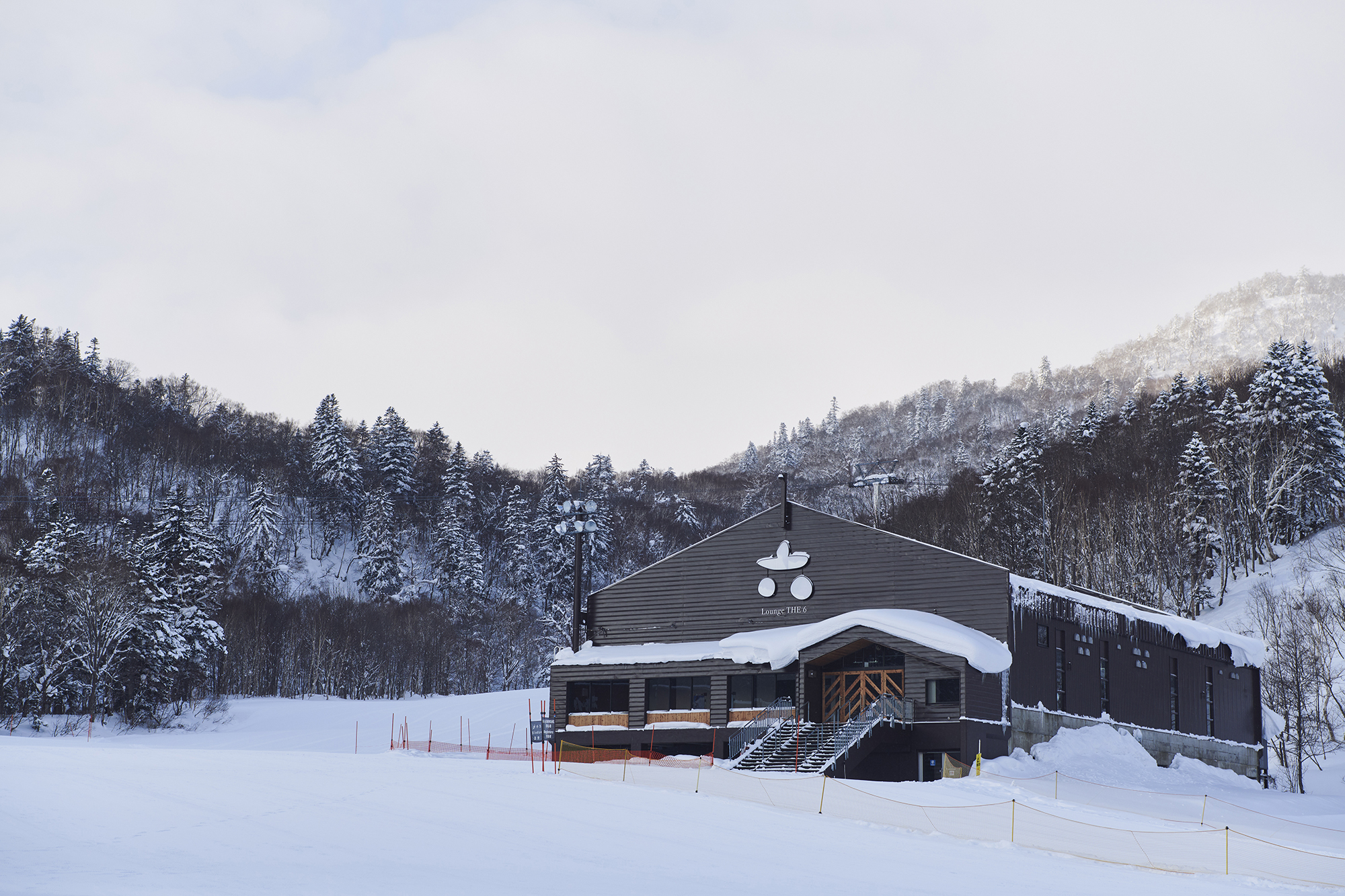

Mount Hakodate Night View Ropeway Guide 2026: A Romantic Feast of One of the World’s Great Night Views and Three Michelin Stars
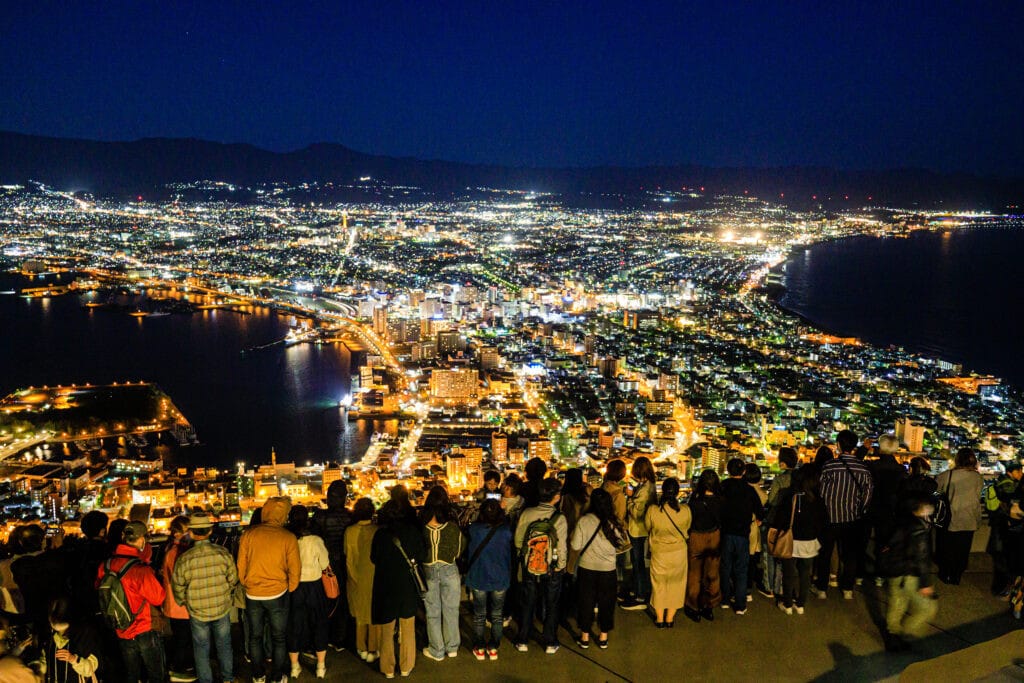
Mount Hakodate is a landmark of Hakodate, Hokkaido. Ranked alongside Mount Maya in Kobe and Mount Inasa in Nagasaki as one of Japan’s three great night views, it has also been awarded three stars by the Michelin Guide, making it a must-see for independent travelers.
Mount Hakodate: The First Among Japan’s Three Great Night Views
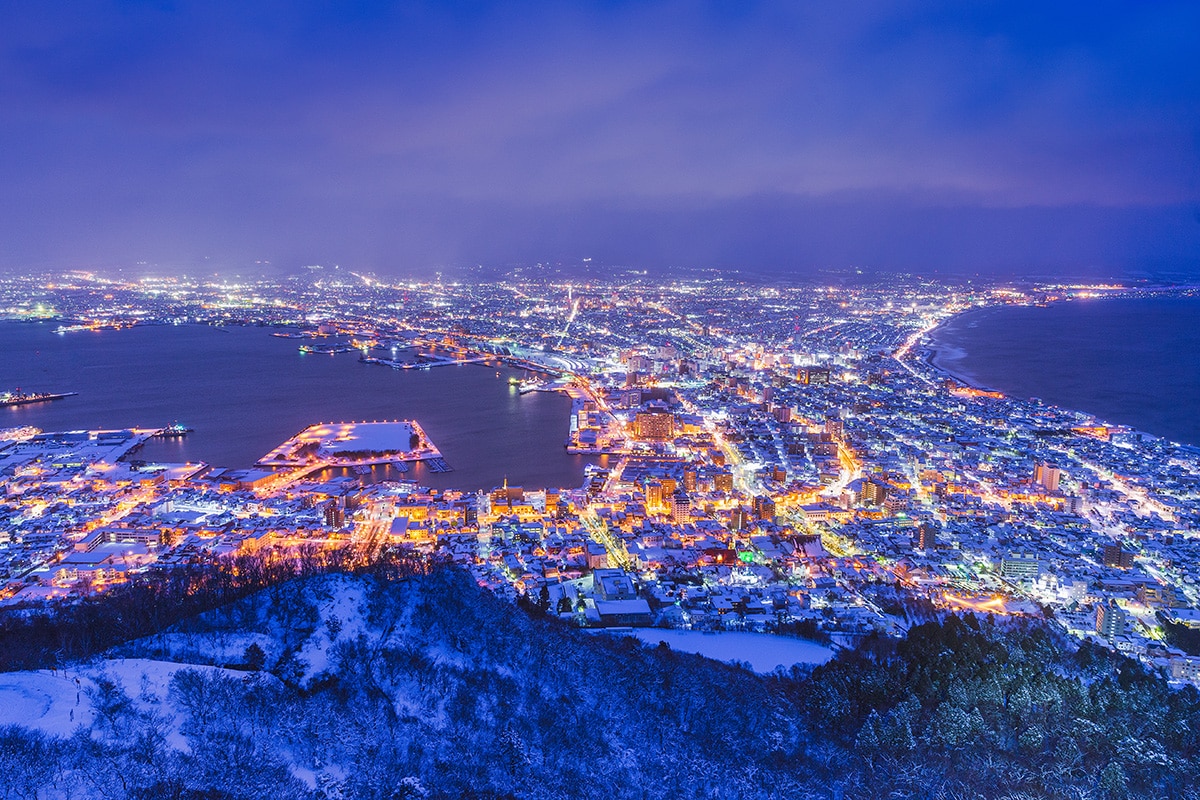
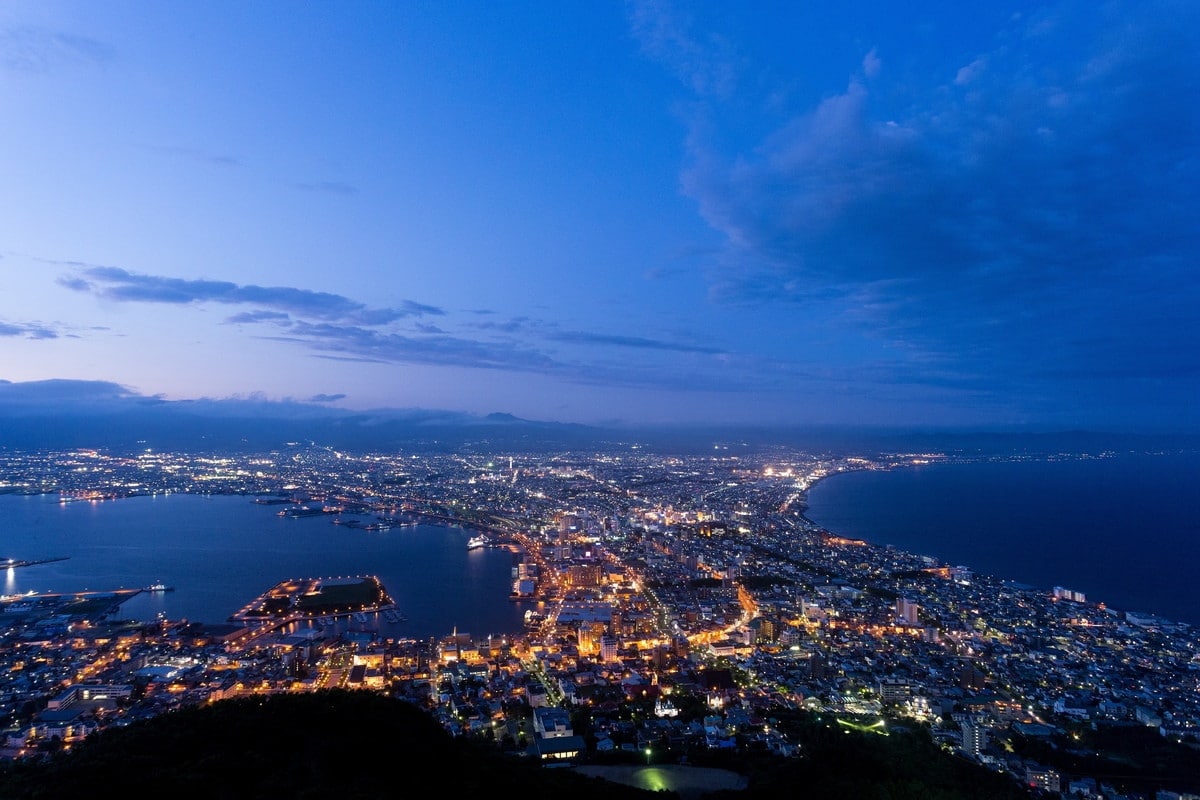
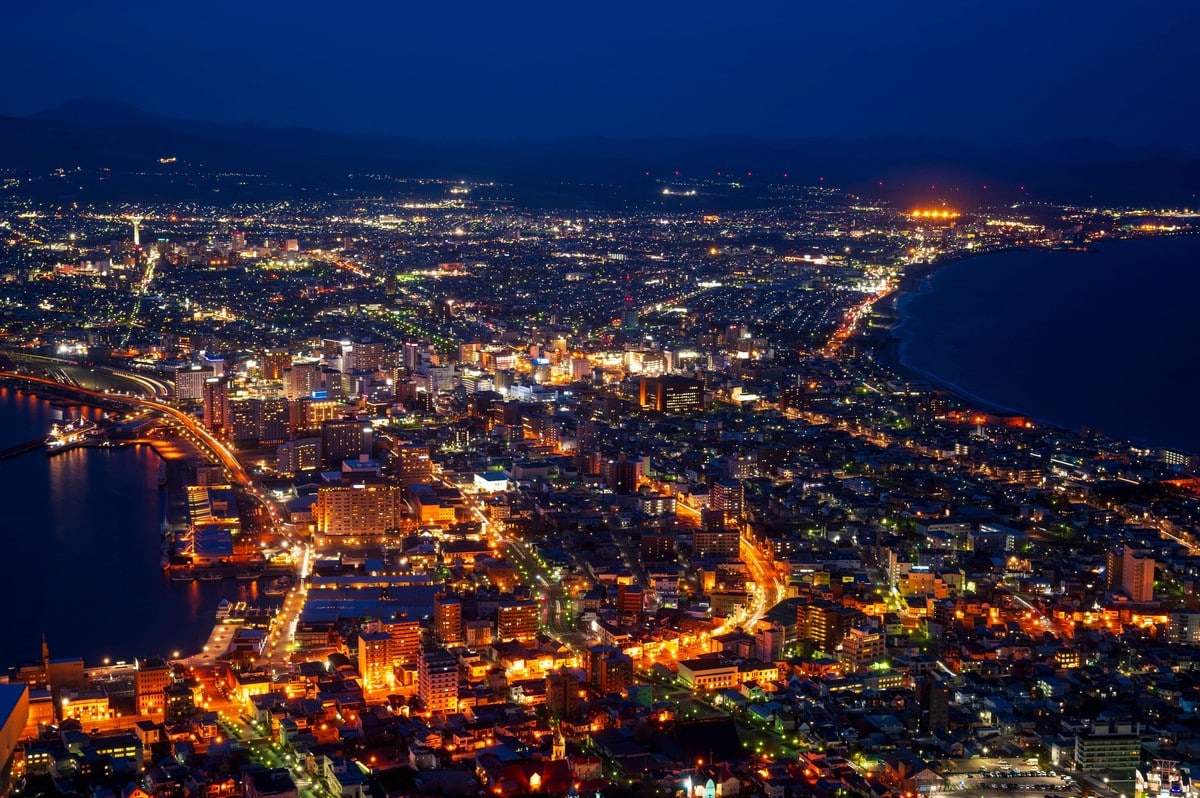
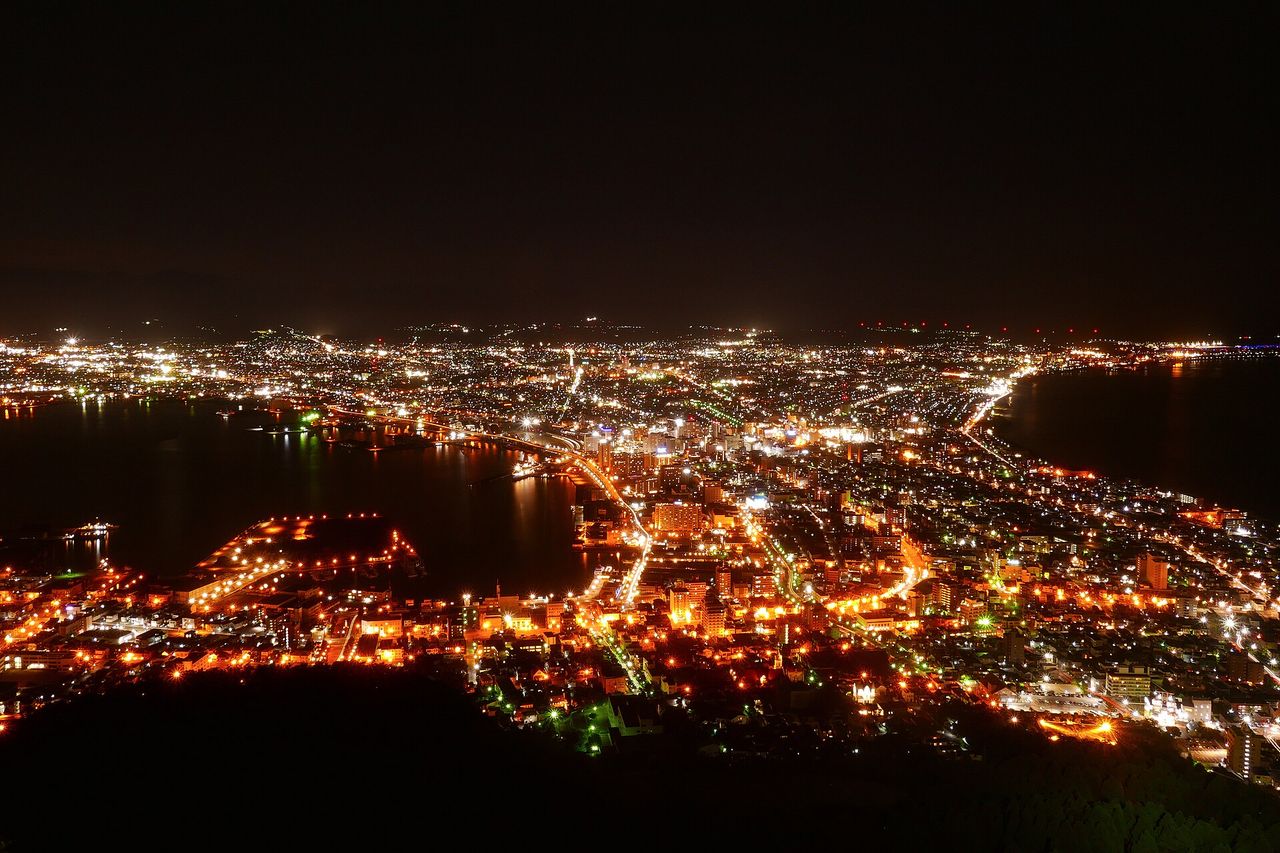
Mount Hakodate stands 334 meters high, and its cape-shaped terrain gives Hakodate’s urban area a slender “whale tail” shape. From the summit, the bays on both sides and the city lights interweave into a fan-shaped night view. This unique terrain is the key reason the Mount Hakodate night view is world famous and hard for the other two great night views to replace.
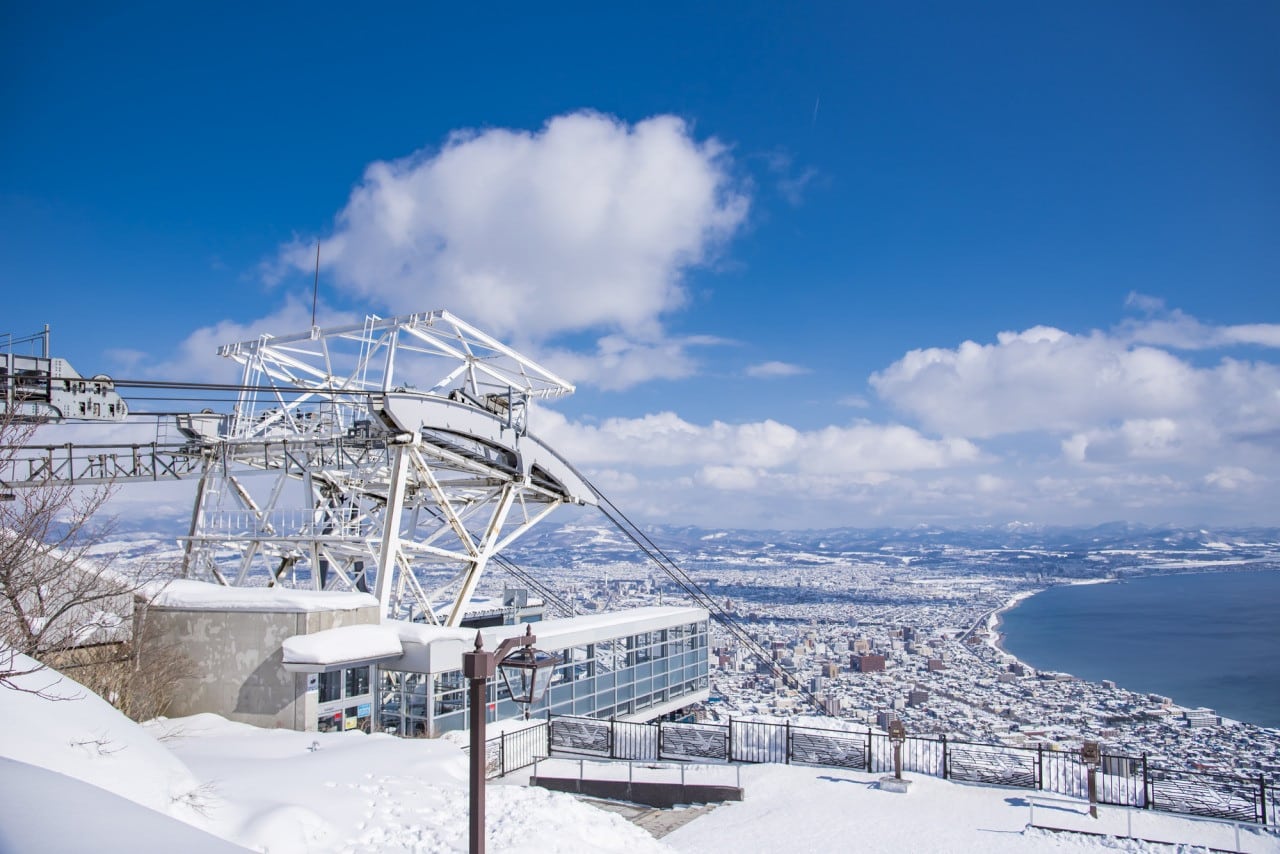
The summit observatory is open all year and each season has its own charm: in spring, cherry blossoms in Hakodate Park decorate the foot of the mountain; in summer, sea fog drapes a thin veil over the city; in autumn, drier air makes distant views better; and in winter, the lights glow with a cool beauty under white snow. It is worth setting aside half a day for a visit.
Both a World Top-Three Night View and Three Michelin Stars
In Japanese travel circles, the Mount Hakodate night view has long been listed as one of “Japan’s three great night views,” and in recent years it has also often been included in discussions of the “world’s three great night views.” Although there are many versions of such rankings, Mount Hakodate always makes the list, showing how highly its scenery is regarded.
More importantly, the Mount Hakodate night view earned a three-star rating in the Michelin Guide Hokkaido, the highest level of recommendation meaning “worth a special journey,” and this is one of the main reasons many international travelers make Hakodate a key stop on their Hokkaido itineraries.
Mount Hakodate Ropeway: The Romantic Shortcut to the Summit
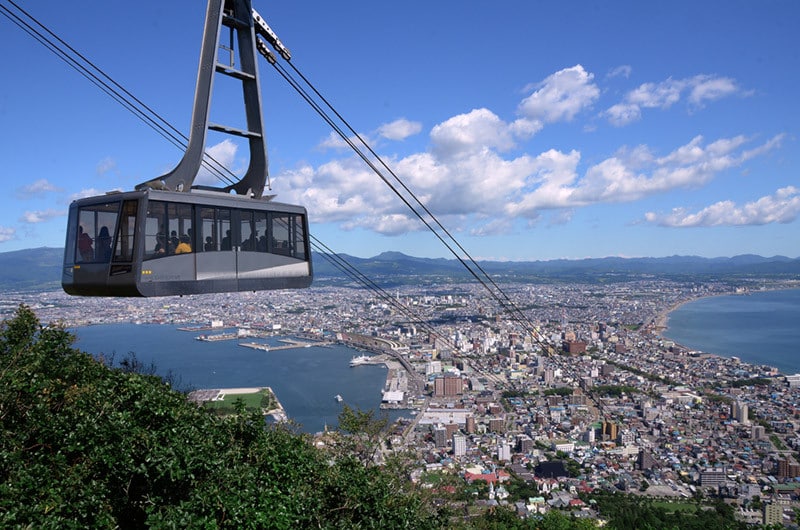
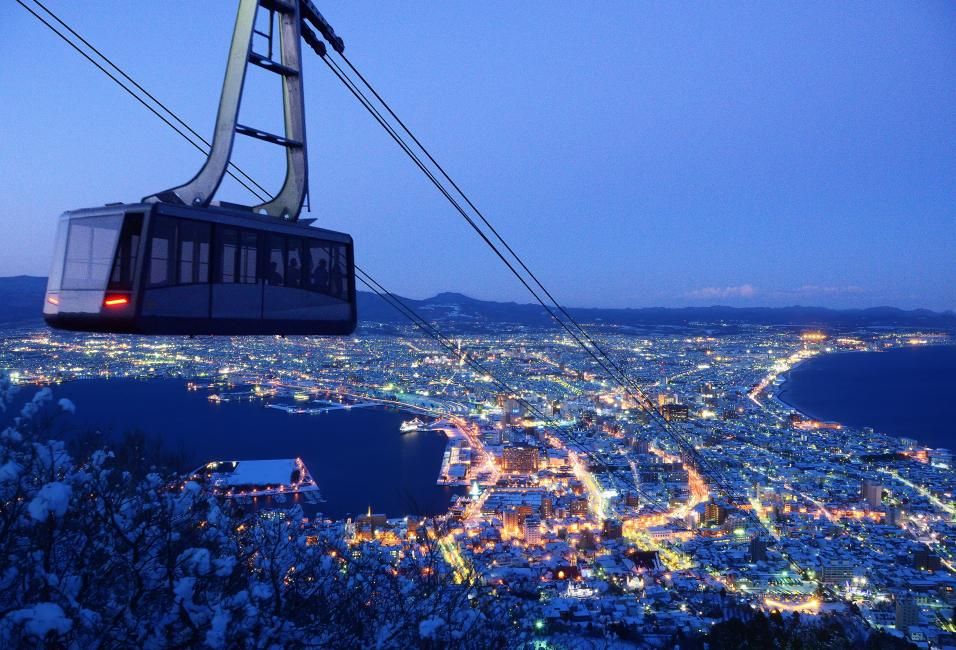
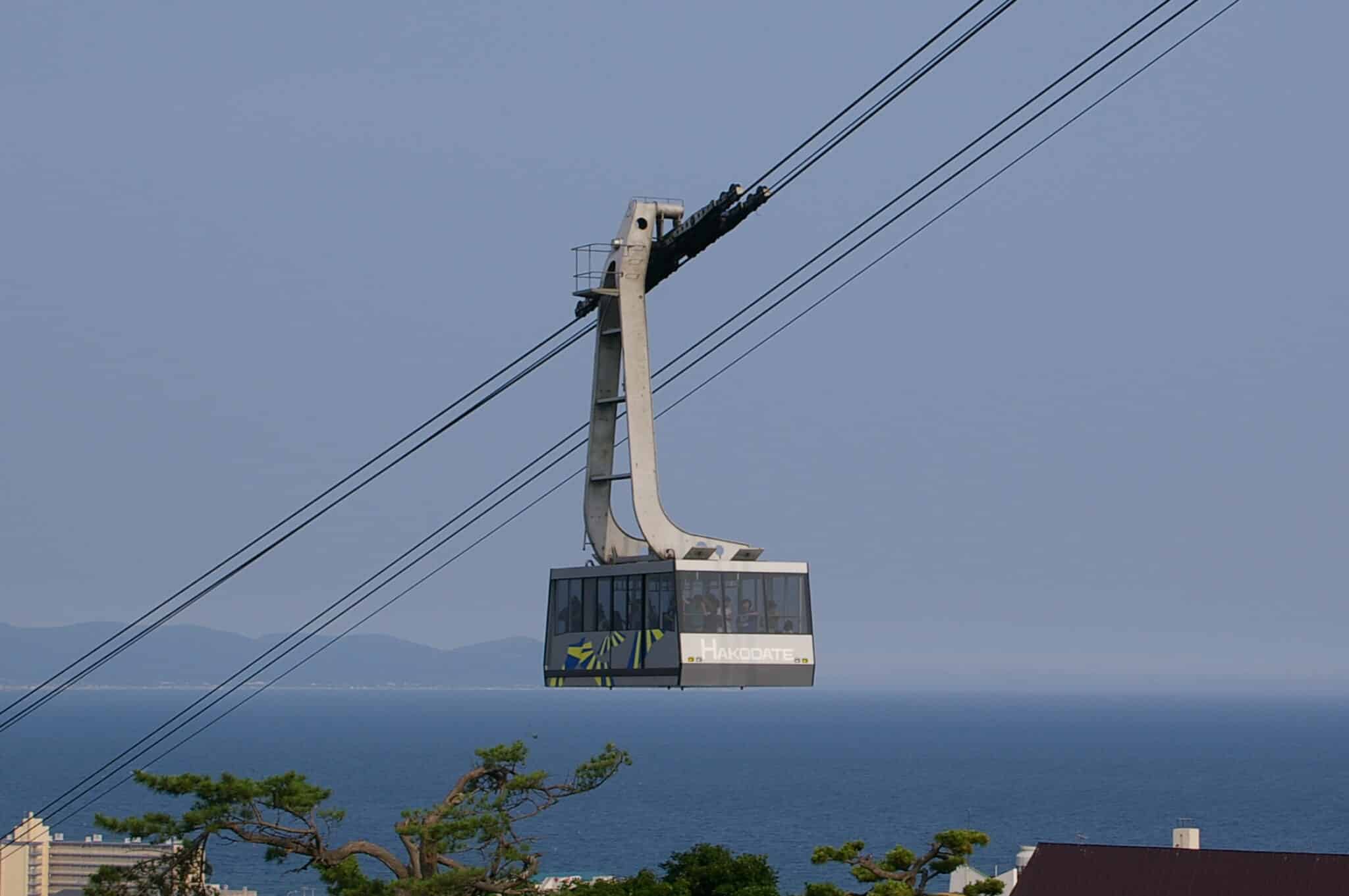
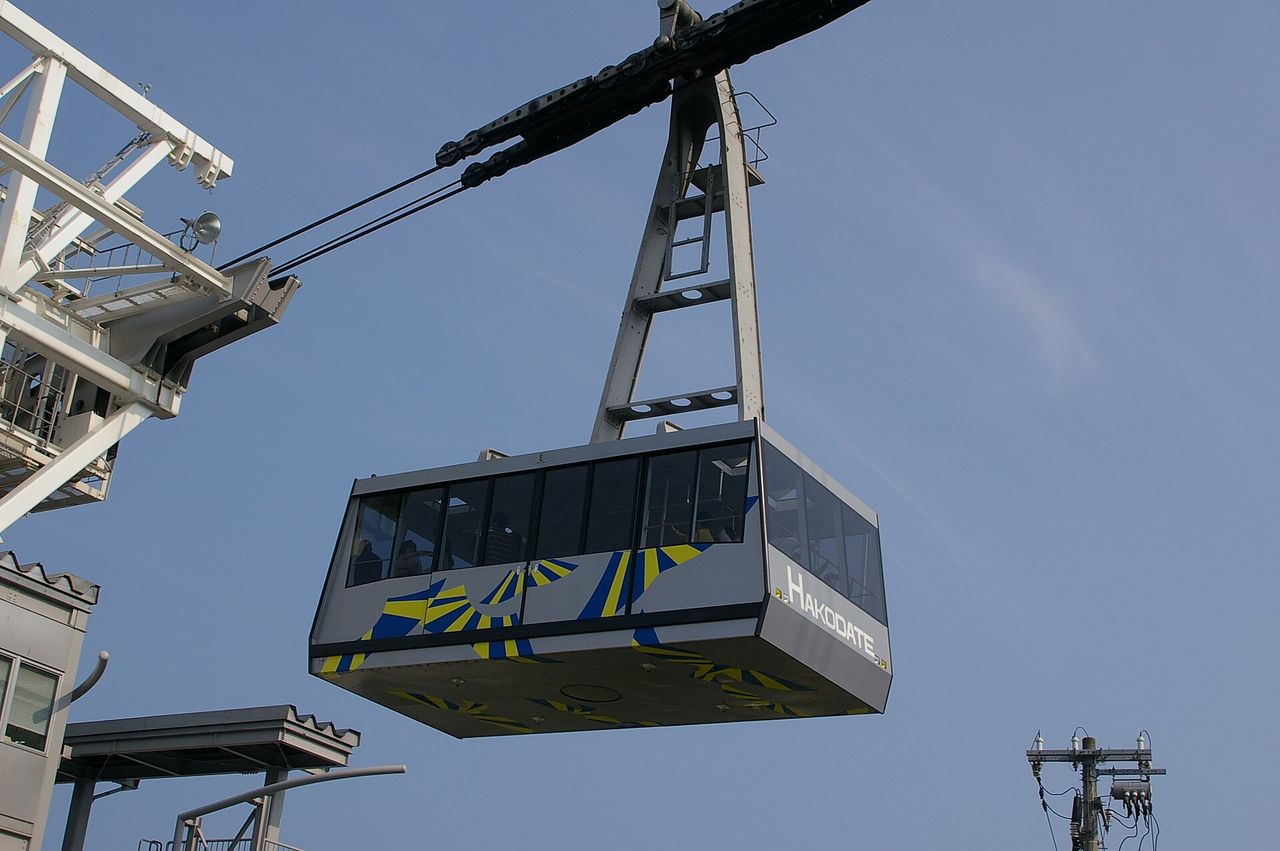
To enjoy the Mount Hakodate night view, we most recommend taking the Mount Hakodate Ropeway. From the base station it takes about 3 minutes to reach the summit observatory, and the glass cabin lets you watch the gradual changes of the city and bay along the way, which is said to be “worth the ticket price before you even reach the summit.”
The ropeway runs frequently and is convenient, and the summit facilities are well equipped, combining night views, dining and souvenirs, which suits couples, families and business travelers planning a half-day trip. The sections below cover transport, fares, photography tips and nearby attractions.
How to Get to Mount Hakodate for the Night View? A Complete Guide to Transport and Costs
There are 5 ways to get to Mount Hakodate; choose the most suitable one flexibly according to your group size and time.
How to Get to Mount Hakodate? Transport Options at a Glance
Mount Hakodate Ropeway:Reaches the summit in 3 minutes, adults ¥1,800 round trip, children ¥900, the most recommended.
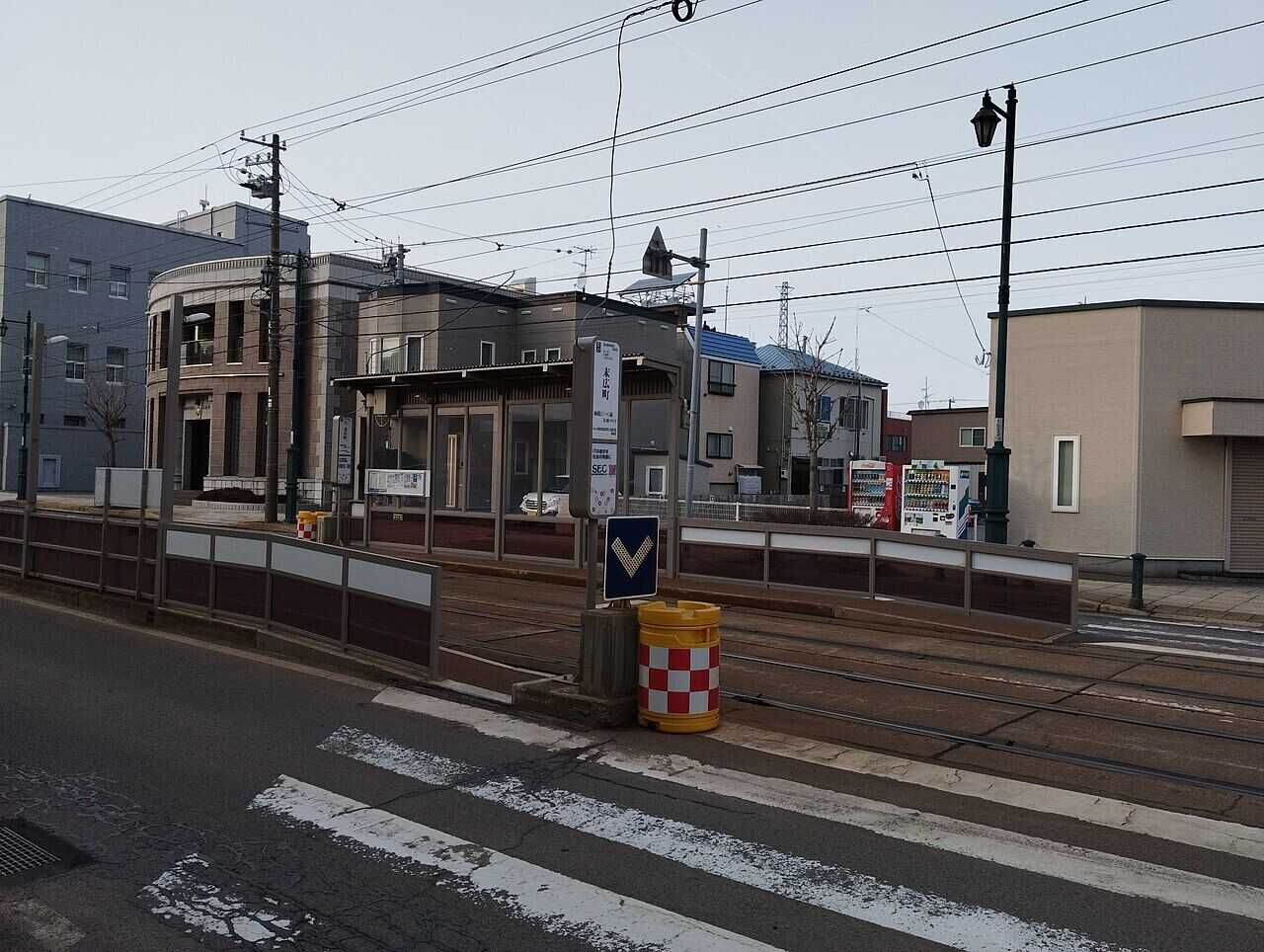
Streetcar plus walking:Get off at Jujigai Station and walk 10 minutes to the base station.
Mountain climbing bus:From stop No. 4 in front of Hakodate Station, ¥700 one way, 30 minutes straight to the summit.
Taxi:You can take one up from the base station or Hakodate Station, with the fare depending on distance.
Driving:From April to early November, private cars are restricted from going up during the evening hours, and the road is closed in winter.
The one-day pass shared by the streetcar and Hakodate Bus is ¥1,600 for adults.


2026 Mount Hakodate Night View Ropeway Guide: What Are the Must-See Spots? Highlights of Every Area
From ropeway boarding details to the summit observatory and photography tips, and on to the attractions to visit at the foot of the mountain, each is explained in detail below.
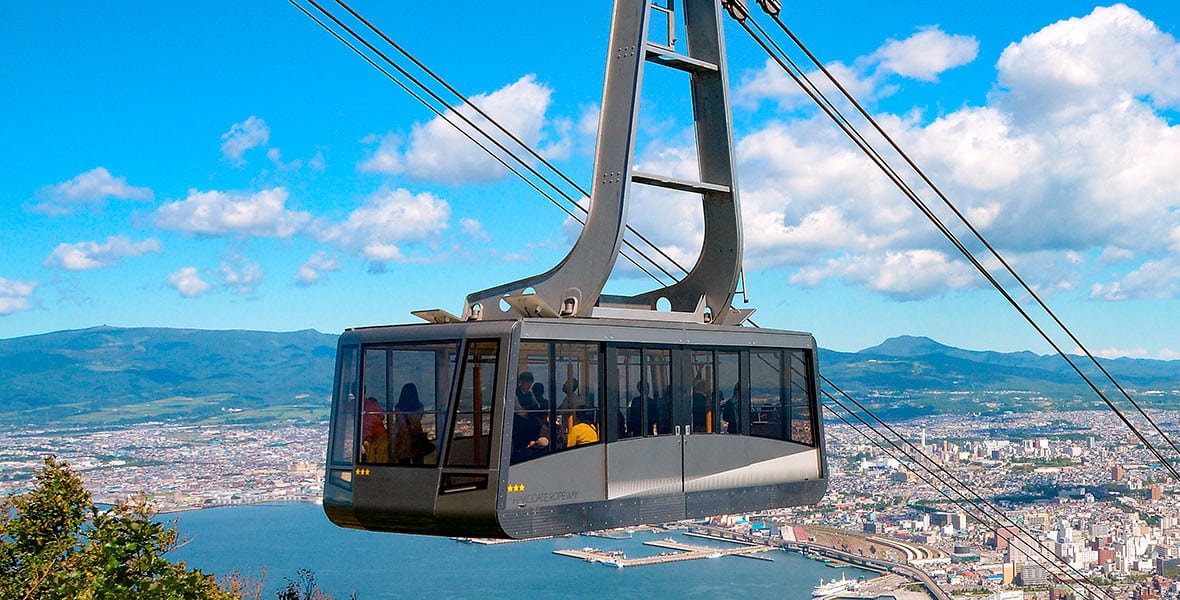
Mount Hakodate Ropeway: A Sky-High Feast Reaching the Summit in 3 Minutes
The Mount Hakodate Ropeway takes about 3 minutes to reach the summit, and the glass cabin offers a 360-degree view. Operating hours are 10:00-22:00 from April 20 to September 30 (last ascent 21:30) and 10:00-21:00 from October 1 to April 19 of the following year (last ascent 20:30), with a departure every 15 minutes normally, shortened to every 5-10 minutes when crowded. Fares: adults ¥1,800 round trip (¥1,200 one way), children ¥900 round trip (¥600 one way). We suggest checking the official website or the on-site operating status in advance; bad weather (strong wind, thick fog) may suspend service, in which case take the climbing bus or a taxi instead.

Mount Hakodate Observatory: A 360-Degree Night View on Two Levels
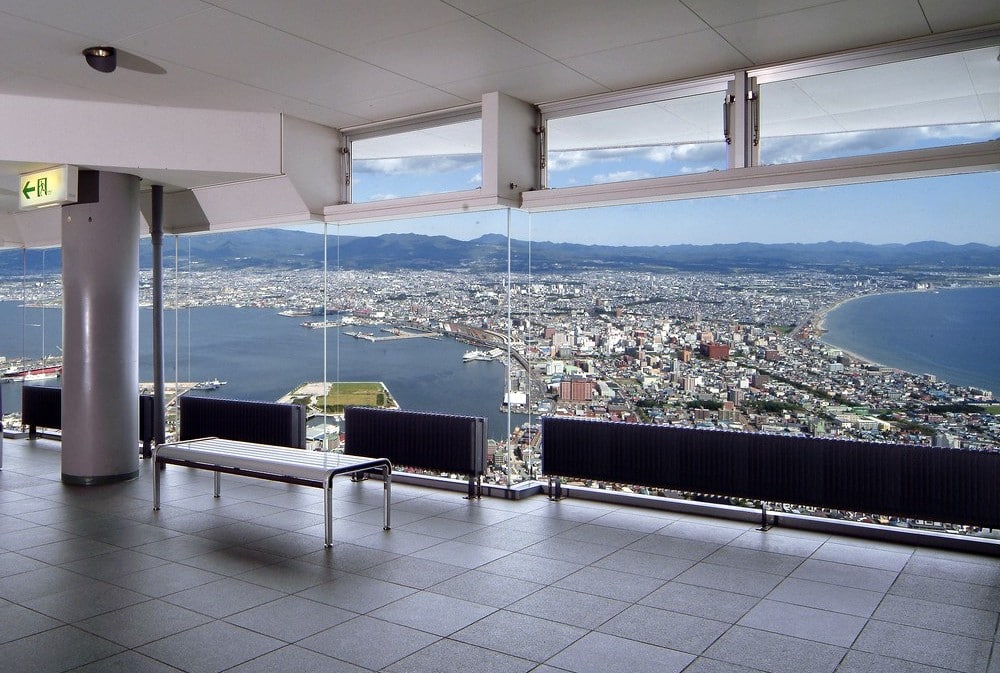
The Mount Hakodate observatory has two levels: the lower level is an indoor space with glass curtain walls and seating that shelters from wind and rain, so winter cold is no problem, though the glass reflects noticeably at night; the upper level is an open outdoor deck with an unobstructed view and the best photo results, but it is windy with no seating, so you need to dress warmly in cold seasons.
The observatory has telescopes, photo spots and sightseeing information boards, with 360-degree views of the Tsugaru Strait, Hakodate Harbor and the city lights. We suggest walking both levels, warming up indoors first and then shooting outdoors, balancing comfort and image quality.
Best Time to See the Mount Hakodate Night View and Photography Tips: A Full Magic Hour Guide
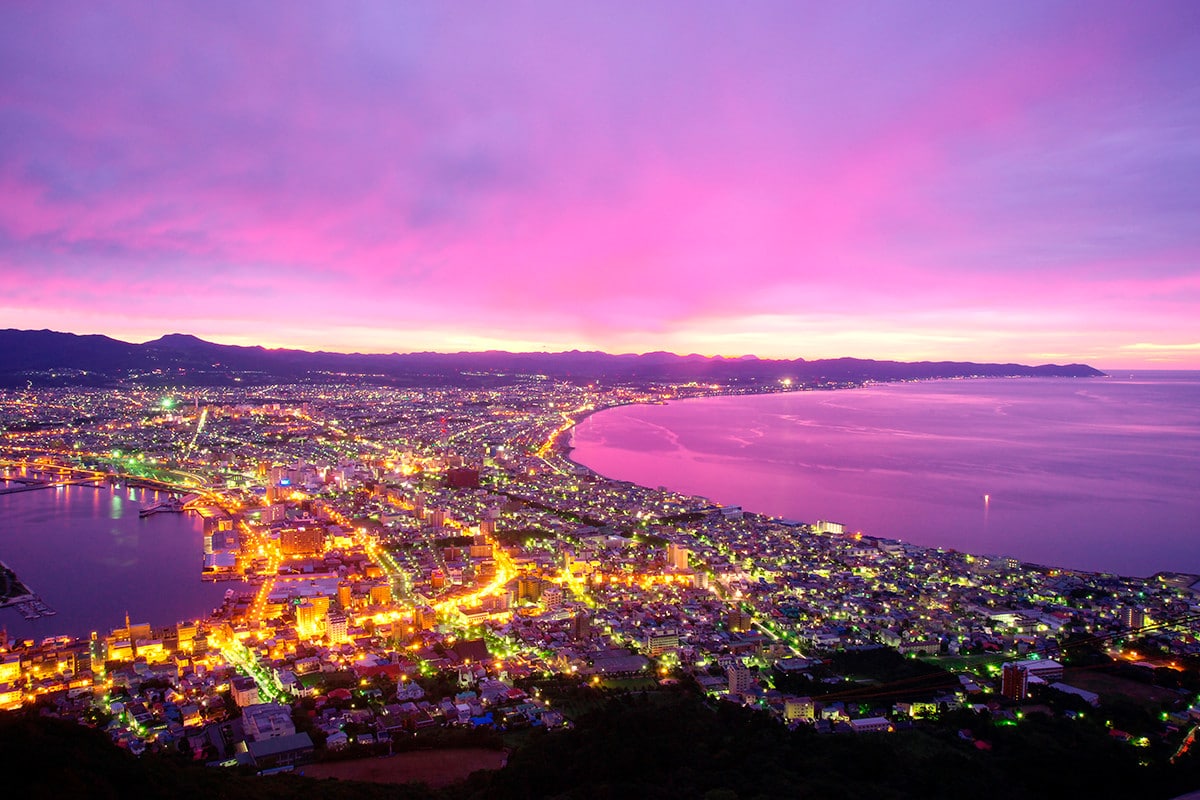
The best viewing time is the “Magic Hour,” 30 minutes after sunset, when the remaining blue-purple light in the sky contrasts strongly with the lights on the ground, the golden hour for photography. In high season (July-September) we suggest arriving 60-120 minutes early to claim a spot, so you can capture three kinds of scenes: sunset, magic hour and the full night view.
For shooting, we suggest bringing a light tripod or a gimbal to guard against hand shake from wind on the outdoor observatory; use a wide-angle lens to take in the fan-shaped cityscape, and turn on high ISO or your phone’s night mode to increase light intake. From October to February the air is dry and visibility is high, the best photography season.
Mount Hakodate Ropeway Maintenance and Operating Information: The Autumn Service Period You Must Know About
The Mount Hakodate Ropeway undergoes its legally required inspection every autumn, and in 2026 the suspension runs from October 20 (Tuesday) to November 8 (Sunday); during this time the ropeway is fully suspended, while the summit observatory, restaurant and shop remain open as usual. From October 1 the ropeway’s hours are 10:00-21:00 (last ascent 20:30), and “16:00 to 21:00” is the period when private cars are restricted on the mountain road; do not confuse the two.
The ropeway also schedules one-day maintenance from time to time, and operating hours may be delayed, so we suggest checking the “News” section of the Mount Hakodate Ropeway website before you set out.
Peak times around sunset often involve queues of 20 minutes or more, and the official website provides crowding forecasts (levels A to E) that you can check before you go.
How to Get Up the Mountain While the Mount Hakodate Ropeway Is Suspended (October 20 to November 8, 2026)
October 20 (Tuesday) to November 8 (Sunday), 2026 is the Mount Hakodate Ropeway’s legally required inspection suspension. During this time you can take the Hakodate Bus climbing bus to Mount Hakodate (stop No. 4 in front of Hakodate Station, adults ¥700 one way, about 30 minutes) or a taxi up the mountain. The ropeway shuttle bus (Route 2) from Hakodate Station to the ropeway base station is also suspended during the same period. The summit observatory, restaurant and shop remain open as usual; please check opening hours on the Mount Hakodate Ropeway website.
Notes for Viewing the Mount Hakodate Night View: Crowds, Weather and Winter Restrictions
On high-season weekends and holiday stretches the observation space is crowded, with people concentrated at the best photo spots on the upper outdoor deck, so we suggest claiming a spot 30-60 minutes early; clouds and fog occasionally cover the summit and affect the view, so check the official live camera for visibility before you set out. In winter (early November to mid-April) the mountain road is closed and you can only go up by ropeway or taxi, with driving and the climbing bus suspended; on the way down, especially for the last ropeway before closing, there is often a long queue (some travelers report waiting more than 20 minutes outdoors), so allow buffer time to avoid being stuck descending at the last moment.
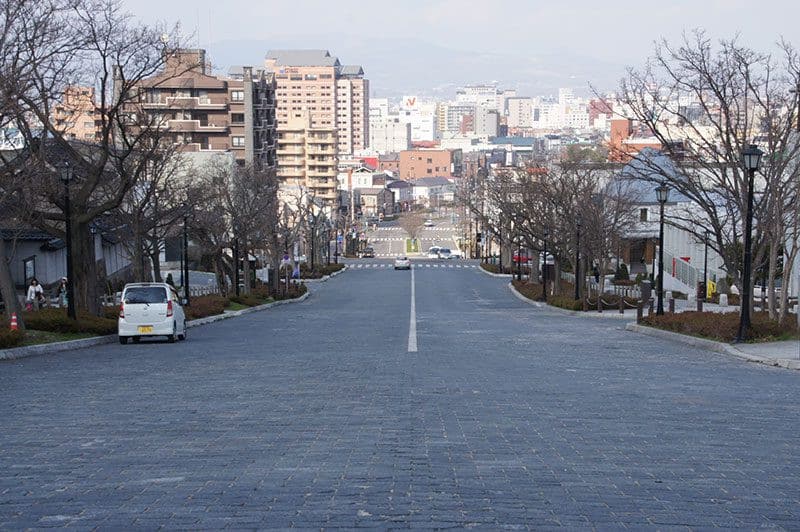
Hachimanzaka: Hakodate’s Most Photogenic Seaview Slope
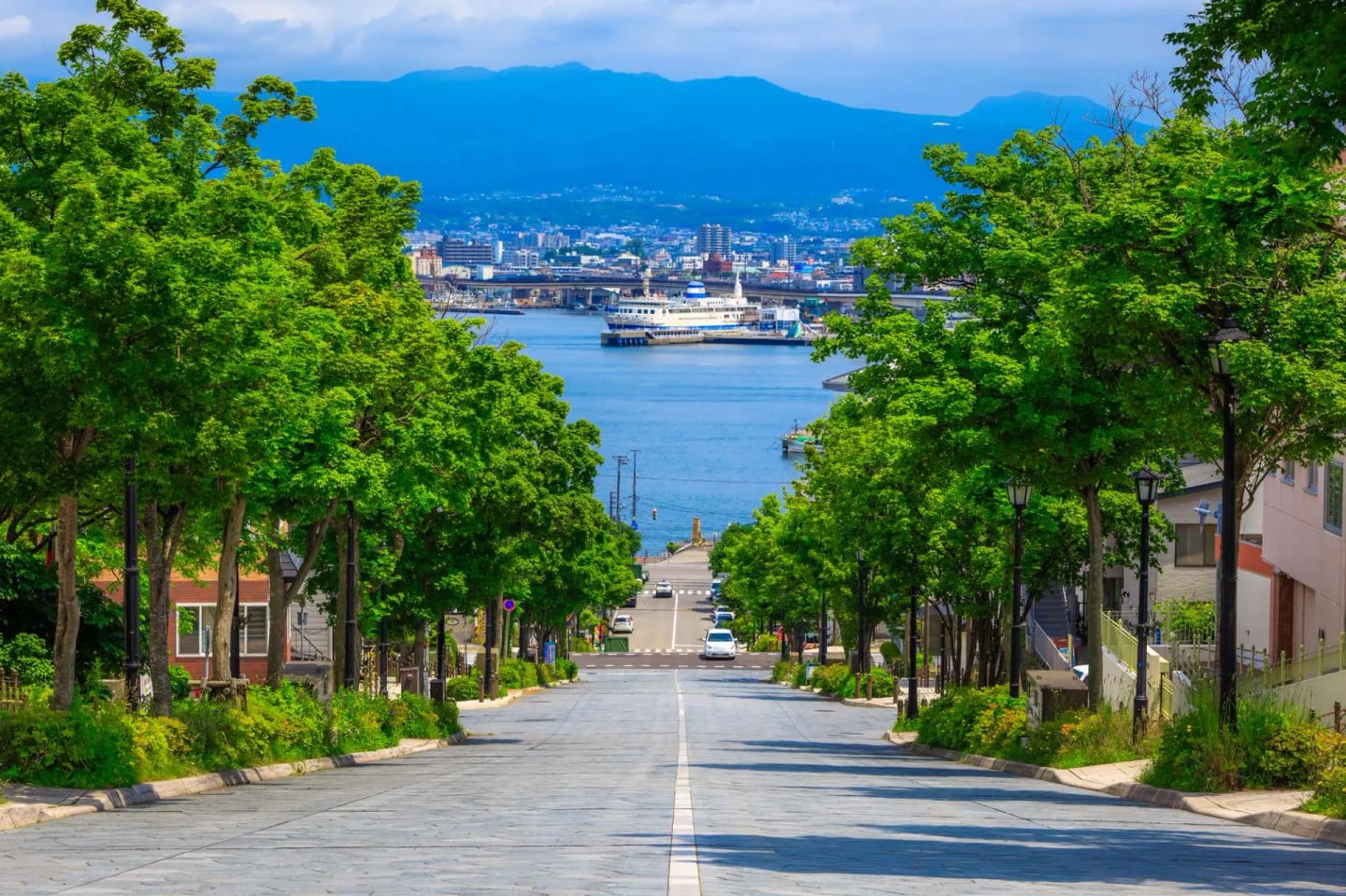
Hachimanzaka is one of Hakodate’s most representative slopes. From the top you can see directly to Hakodate Harbor and the moored Mashu Maru ferry, and the straight slope with the sea view at its end is a classic angle for postcards and tourism posters, with a different charm by day and by night, and an even more romantic mood when snow falls in winter.
We suggest walking there after descending on the Mount Hakodate Ropeway. It is open all day with no admission fee, and photos are especially good when the lamps come on after sunset. Many European-style buildings remain on both sides of the slope, so it suits a stroll of about 20-30 minutes to enjoy the streetscape.
Nijikken-zaka: Exotic Flavor on Stone-Paved Streets
Nijikken-zaka is next to Hachimanzaka and is named because the slope is about twenty ken wide (a traditional Japanese unit of length). Both sides are lined with wooden Western-style houses and church buildings in Taisho- and Showa-era styles, giving off a strong exotic mood, a section of the Motomachi walking route not to be missed.
There are relatively few visitors here and the atmosphere is tranquil, suited to travelers who like to take photos at a slow pace. We suggest linking it with Hachimanzaka and the Motomachi churches into a half-day walking tour, and you will find many distinctive cafes and select shops along the way.
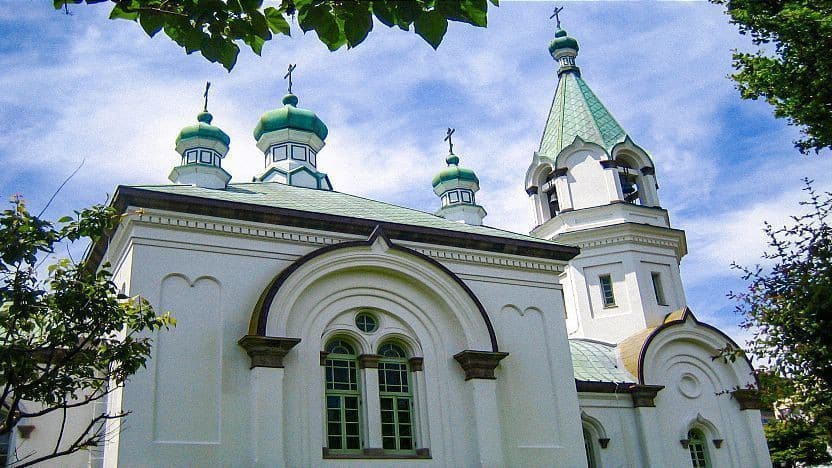
The Motomachi Churches: Witnesses to Hakodate’s Port-Opening History
Motomachi was the core of the foreign settlement after Hakodate’s port opened, and the district gathers several religious buildings of very different styles, including the Hakodate Orthodox Church, the Catholic Motomachi Church and St. John’s Church, with red brick, spires and wooden Western-style houses interspersed, the best window into the history of Hakodate as an international trading port.
We suggest allowing 1-2 hours to stroll among them. The exteriors of most churches can be photographed for free, while the interiors of some are open for visits with voluntary donations or a small cleaning fee, and at dusk the churches are especially charming in the setting sun, which suits linking before or after the Mount Hakodate night view itinerary.
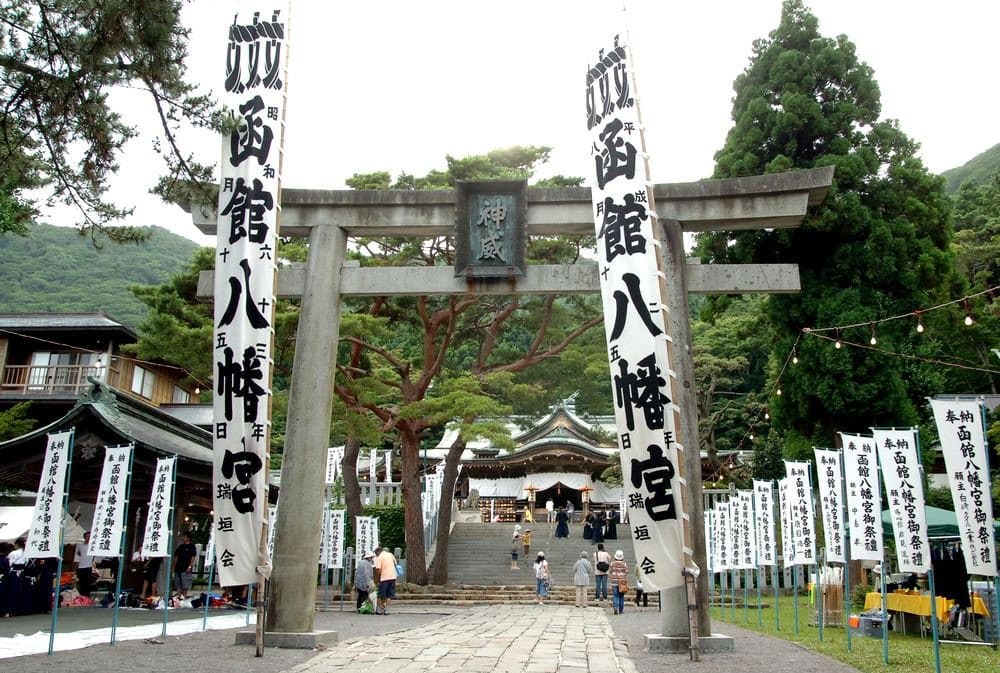
Hakodate Hachimangu: A Century-Old Shrine, Hakodate’s Chief Guardian
Hakodate Hachimangu is the chief guardian shrine of Hakodate, with Emperor Ojin as its main deity, founded in Bunan 2 (1445). It is the center of faith where locals pray for safety, business prosperity and traffic safety, with solemn shrine buildings, spacious grounds and abundant greenery that contrast quietly with the busy surrounding streets.
The shrine offers various omamori charms and goshuin stamps, and travelers who love collecting goshuin can get a stamp here as a keepsake. We suggest allowing about 30 minutes for worship, and it can be linked with the Motomachi churches and the Mount Hakodate Ropeway itinerary to feel Hakodate’s distinctive atmosphere of diverse religious cultures coexisting.
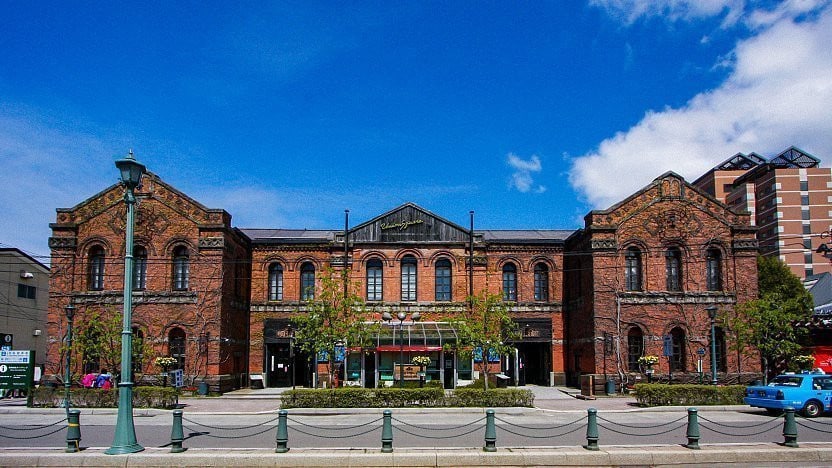
Kanemori Red Brick Warehouse: The Glamorous Transformation of Meiji-Era Warehouses
The Kanemori Red Brick Warehouse was built in the Meiji period as a shipping warehouse and has been converted into a complex combining shopping, dining and exhibitions. Its red brick facade reflects on the canal water, making it the most representative tourist landmark along Hakodate Harbor, with an especially romantic mood when lit up at night.
The complex sells Hokkaido specialties, glassware and Hakodate-limited souvenirs, and also has several seafood restaurants and dessert shops. Hours vary by shop and season, so check the official website before you go. We suggest allowing about 1 hour for shopping and dining, and it makes a good warm-up stop before the Mount Hakodate night view itinerary.
Hakodate Morning Market: A Feast of Fresh Hokkaido Catch
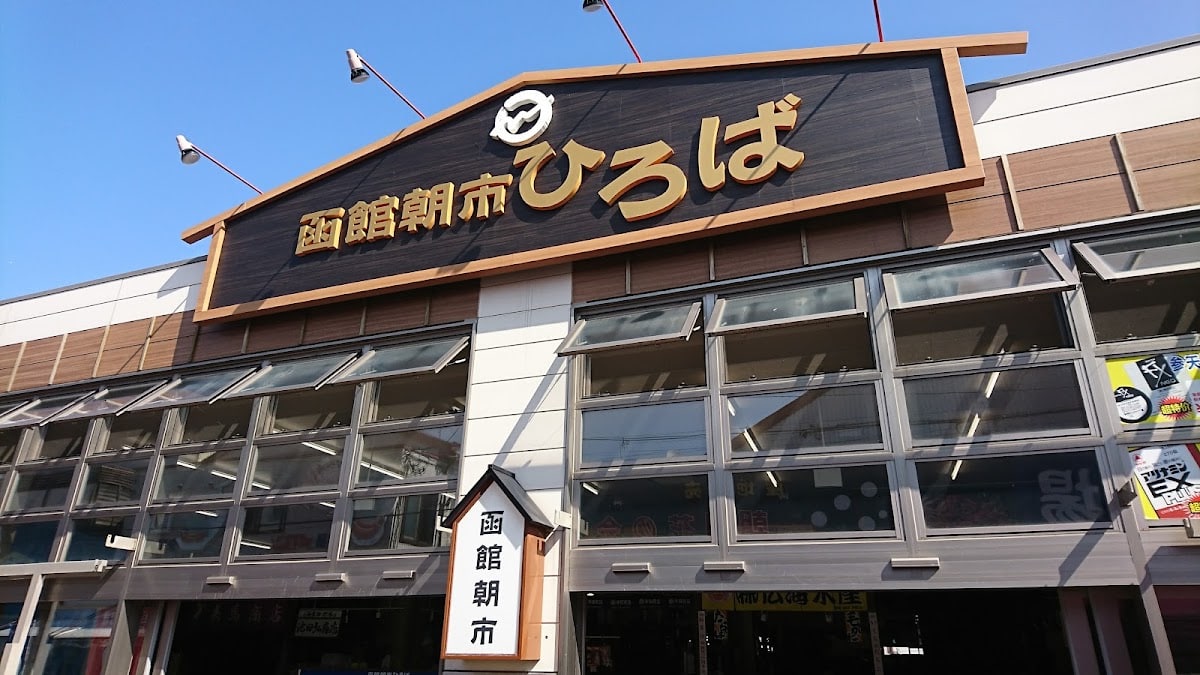
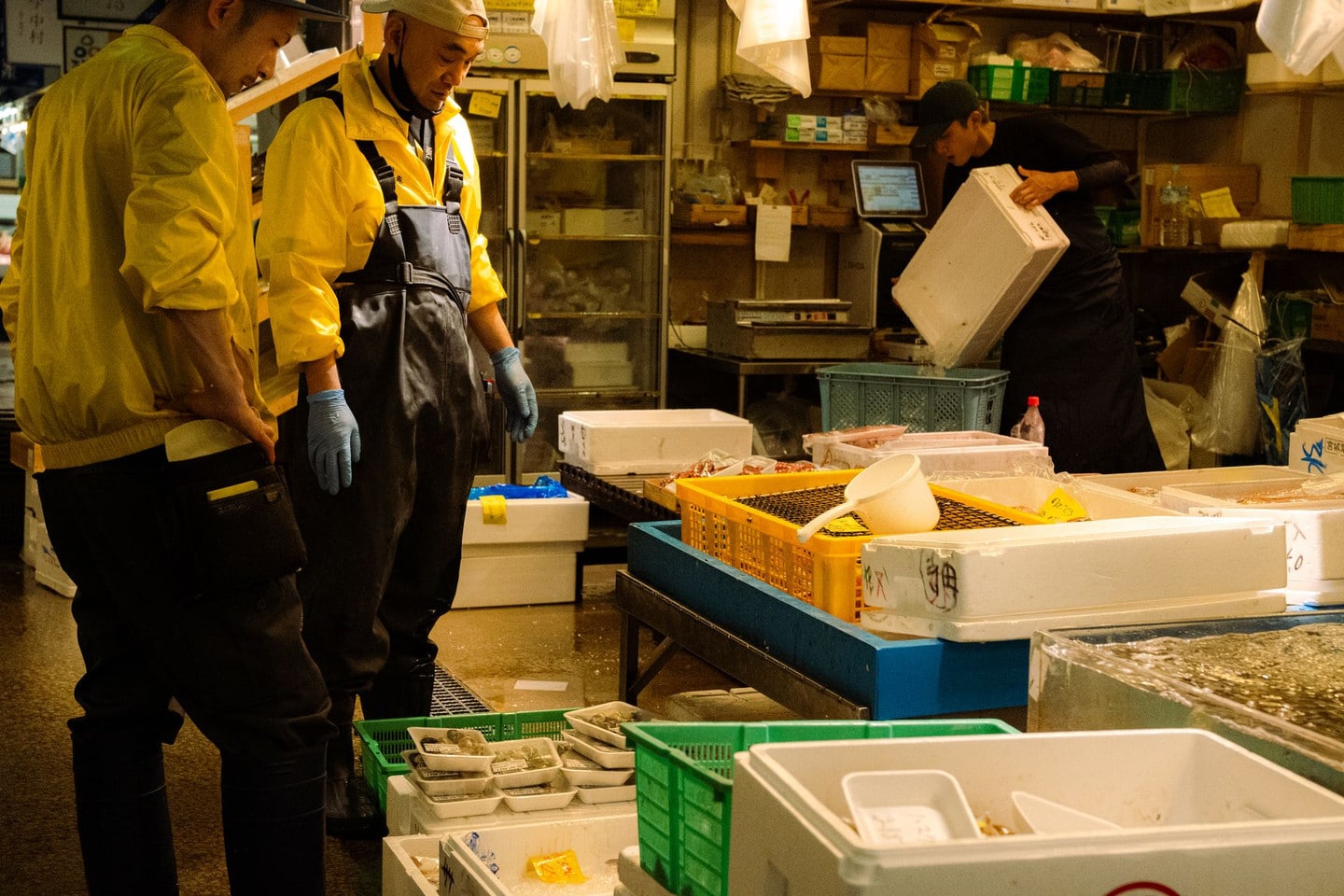
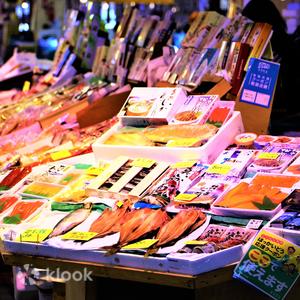
The Hakodate Morning Market is right next to JR Hakodate Station and is one of Hokkaido’s famous seafood markets. It opens around 5 a.m. every day and sells fresh catch such as king crab, sea urchin and salmon roe, and most shops offer made-to-order seafood rice bowls, of which “hanasaki crab” and “live squid” are the signature must-tries.
We suggest going in the morning to avoid the peak crowds and also eat the freshest ingredients. The market also has stalls where you can catch your own squid, which suits families wanting to experience fish market culture, and it can be scheduled on the same day as the Mount Hakodate night view, one in the early morning and one in the evening.
Goryokaku: Japan’s First Western-Style Star Fort
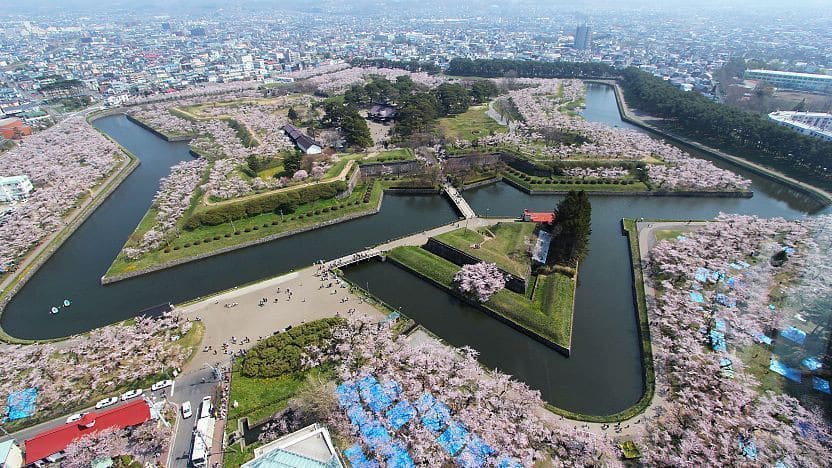
Goryokaku was built in the late Edo period and is Japan’s first Western-style star fort, designed after European bastion forts. Go up the Goryokaku Tower observatory next to it and you can see the whole star-shaped outline of the fort from above, another must-see landmark in Hakodate, especially in cherry blossom season in spring, when about 1,600 Somei-Yoshino cherry trees bloom inside and outside the fort.
A Goryokaku Tower ticket is ¥1,200 for adults, with hours of about 9:00-18:00. We suggest allowing 1-1.5 hours to visit the fort park and observatory, and it suits a complete one-day tour of Hakodate’s city area together with Mount Hakodate and the Motomachi churches.

How Much Does the Mount Hakodate Night View Ropeway Cost? Tickets and Combo Passes
The Mount Hakodate Ropeway is the main way to reach the summit of Mount Hakodate and enjoy its million-dollar night view. The base station is at 19-7 Motomachi, Hakodate, near the Motomachi churches and Hachimanzaka, and the summit station is a superb place to look out over the Tsugaru Strait and Hakodate Harbor at night. The ropeway takes about 3 minutes to reach the summit and runs every 15 minutes normally, shortened to every 5-10 minutes when crowded. Because on-site ticket queues are often very long in the evening, knowing the fare structure and the various combo passes in advance helps you decide whether to buy on-site tickets, official-website tickets or e-tickets through platforms such as KKday and Klook, saving precious viewing time. Below are four common ways to buy tickets and what the combo passes include, so you can choose flexibly by budget and itinerary.
Mount Hakodate Ropeway Round-Trip Ticket: The Classic and Best-Value Basic Option
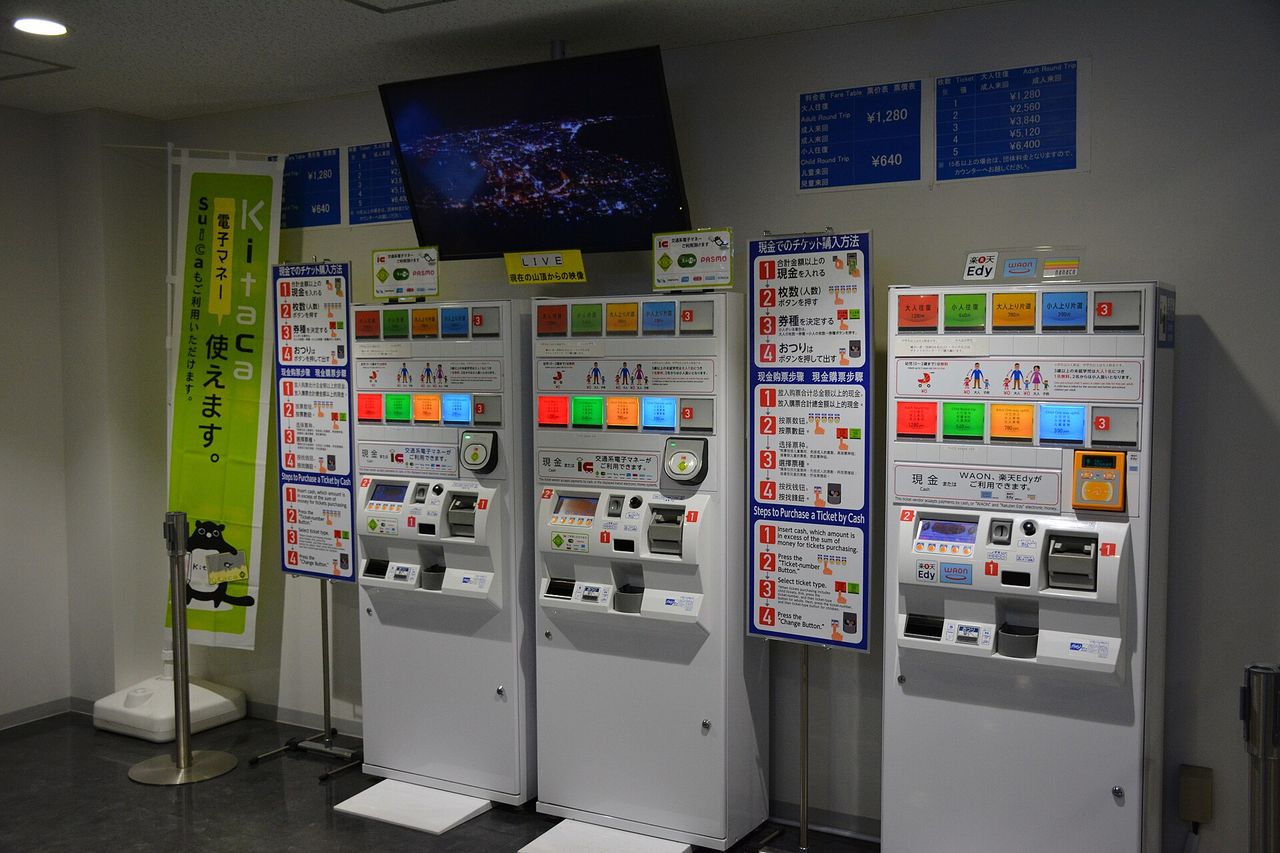
Fares: adults ¥1,800 round trip, ¥1,200 one way; children ¥900 round trip, ¥600 one way; free for children 6 and under (in yen). Hours are 10:00-22:00 from 4/20 to 9/30 and 10:00-21:00 from 10/1 to 4/19, with the last ascent about 30 minutes before closing.
A round-trip ticket lets you choose your descent time flexibly and leave after enjoying the night view. The ticket counter is on the first floor of the base station; in high season, arrive 30-40 minutes early to queue.
The official website offers online advance tickets at the same price, with a designated time slot for priority entry and no queuing.
KKday/Klook Mount Hakodate Night View Ropeway E-Ticket: A Time-Saving Choice Cleared by Showing Your Phone
Buying Mount Hakodate Ropeway e-tickets through KKday or Klook gives you a Chinese-language page and instant confirmation, and you enter by scanning a voucher on your phone with no ticket exchange or queue, suited to travelers on a tight schedule. E-tickets are mostly valid for any time slot on the day and can be used anytime within the validity period, not tied to a particular sailing, making it easy to adjust your itinerary to the weather. We suggest booking 1-2 days before you go, especially since quotas for Friday and Saturday evenings and Japanese national holidays may sell out early, so ordering early is safer.
Mount Hakodate Night View + Dinner Set: A Double Experience for Both Sight and Taste
Some travel agencies and KKday and Klook offer sets combining the Mount Hakodate night view ropeway with the summit restaurant “Genova.” The set includes round-trip ropeway tickets and a set meal, with prices varying by plan, suited to celebrating anniversaries or proposing. The Genova restaurant’s seats face large viewing windows, so you can enjoy the sunset and night view throughout and avoid the crowds on the outdoor deck, and it also suits those bringing elders or people with limited mobility. Because seats are limited, we suggest reserving at least 3-5 days ahead and choosing an entry time before sunset, to fully enjoy the change from dusk to the lighting of the night view.
Hakodate Pass / One-Day Ticket Plus Ropeway Discount: For Travelers Planning a Multi-Attraction Itinerary
To tour Hakodate’s Motomachi, Goryokaku, Kanemori Red Brick Warehouse and other sights, we suggest buying the Hakodate streetcar one-day pass, ¥800 for adults and ¥400 for children. Some sightseeing combo passes also include a Mount Hakodate Ropeway discount, with contents adjusted by plan and season, suited to travelers planning two days or more that include Goryokaku, Motomachi and the Mount Hakodate night view, saving on transport costs.
Passes can be bought at the streetcar information office in front of Hakodate Station, at some hotels or at the JR Hakodate Station tourist information center. We suggest asking the counter on arrival about the current season’s ropeway discount, since promotions may change by season.
Where to Stay Near the Mount Hakodate Night View Ropeway? Accommodation Tips

Accommodation Tips Near the Mount Hakodate Night View
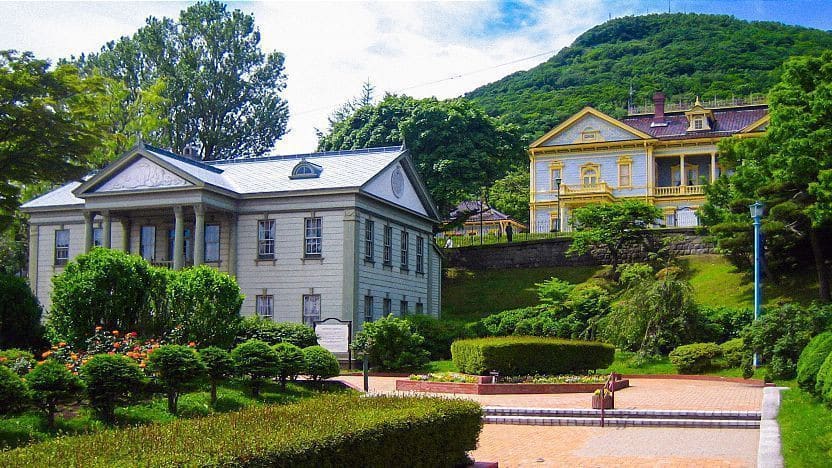
If you want to plan a full Mount Hakodate night view and nearby attractions itinerary, we suggest first considering staying in the “Motomachi / Jujigai” area or the “Hakodate Station” commercial district. The former is close to the ropeway base station, Hachimanzaka and the churches, so you can walk back to your hotel to rest after the night view; the latter has convenient transport and is close to the Hakodate Morning Market and streetcar stops, suited to going to and from Mount Hakodate by climbing bus or taxi.
If your itinerary also includes visiting Goryokaku, you can consider staying around Goryokaku Park, from where the streetcar quickly takes you to and from Hakodate Station and the Motomachi area, balancing transport efficiency with linking nearby attractions, an accommodation direction worth considering when planning a 2-day, 1-night Hakodate trip.
FAQ
Q: How much is a Mount Hakodate Ropeway ticket?
According to the Mount Hakodate Ropeway website’s current fares, adults (junior high school students and over) pay ¥1,800 round trip and ¥1,200 one way, and children ¥900 round trip and ¥600 one way, with group rates for 15 or more people.
Q: What time does the Mount Hakodate Ropeway open?
From April 20 to September 30 it runs 10:00-22:00 and from October 1 to April 19 of the following year 10:00-21:00, every 15 minutes and every 5-10 minutes when crowded; on a one-day maintenance day, departures are delayed until the afternoon, so please follow the official announcement.
Q: When is the best time to see the Mount Hakodate night view?
The Magic Hour, 30 minutes after sunset, is best; in high season we suggest arriving 60-120 minutes early to claim a spot and avoid the crowds.
Q: When is the Mount Hakodate Ropeway’s 2026 maintenance suspension?
The official announcement says the 2026 legally required inspection suspension runs from October 20 (Tuesday) to November 8 (Sunday), 20 days in all, during which you must take the Mount Hakodate climbing bus or a taxi up the mountain; the summit observatory remains open until 21:00, and the ropeway shuttle bus to the base station is suspended at the same time.
Q: Can I drive up Mount Hakodate?
Private cars and rental cars are prohibited from going up from 17:00 to 22:00 from April 17 to September 30, 2026 and from 16:00 to 21:00 from October 1 to November 8; the mountain road is closed in winter, and you can only take the ropeway or a taxi.
Q: Is there a long queue to descend on the Mount Hakodate night view ropeway?
On weekdays the wait is usually 0 minutes, but at peak times after sunset you often queue 20 minutes or more, so we suggest avoiding the last departure down.
Q: Which month is the most beautiful for the Mount Hakodate night view?
From October to February the air is dry and visibility is highest, the best season for night view photos, and winter snow adds atmosphere.