
Tokyo Autumn Leaves Guide: Discover Autumn Foliage in Tokyo
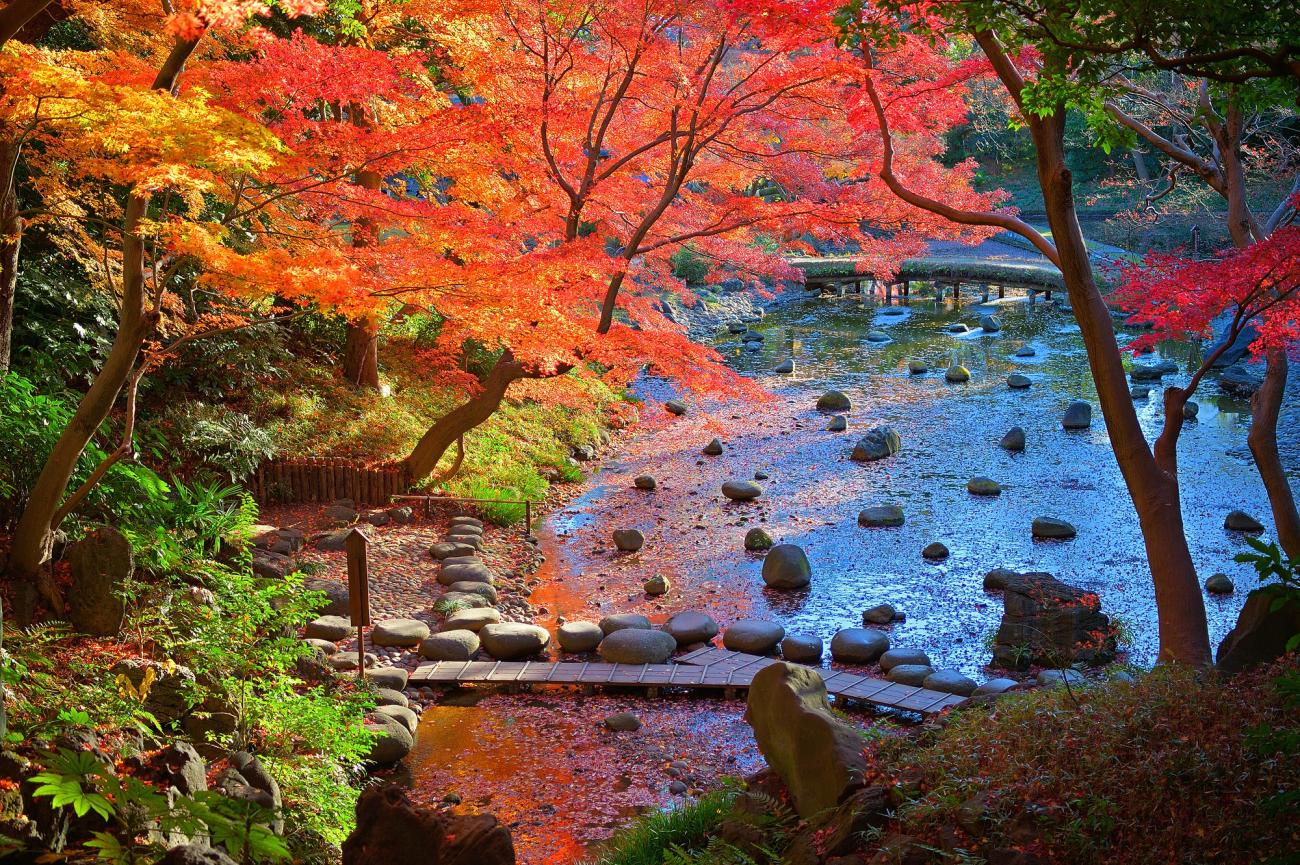
Autumn is a captivating season in Tokyo, when parks, shrines and temples covered in red leaves add countless colors to the city. This article introduces the must-see autumn leaf spots in Tokyo for 2026, a transport guide and nearby food recommendations to help you plan an unforgettable Tokyo autumn foliage trip.
The Best Time to See Autumn Leaves in Tokyo
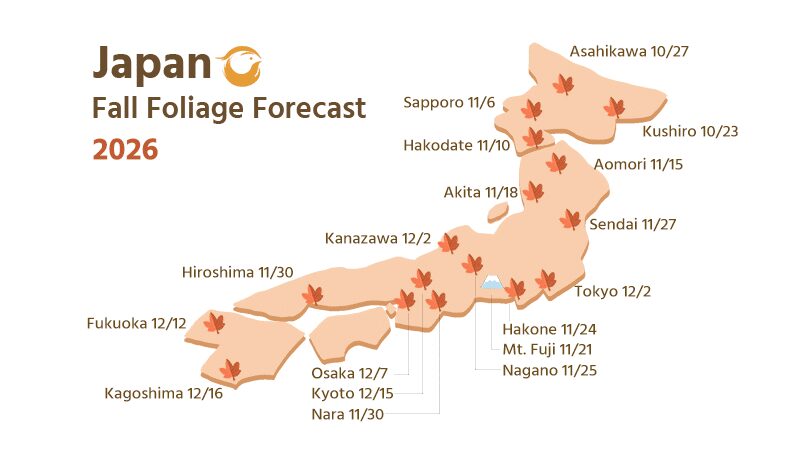
Tokyo’s autumn leaves usually peak from late November to early December. In its “first autumn leaf peak forecast” released on September 3, 2026, Weathernews noted that temperatures this autumn are expected to run high, and that peak color in central Tokyo is expected around November 29, which counts as “about average for a normal year.” In other words, the main weekends for leaf viewing in Tokyo’s urban areas in 2026 fall around late November to early December. This is the first forecast, issued in early September, and it will be revised with actual temperatures, so check the latest forecast again before you leave.
What Makes Tokyo Autumn Leaf Viewing Special
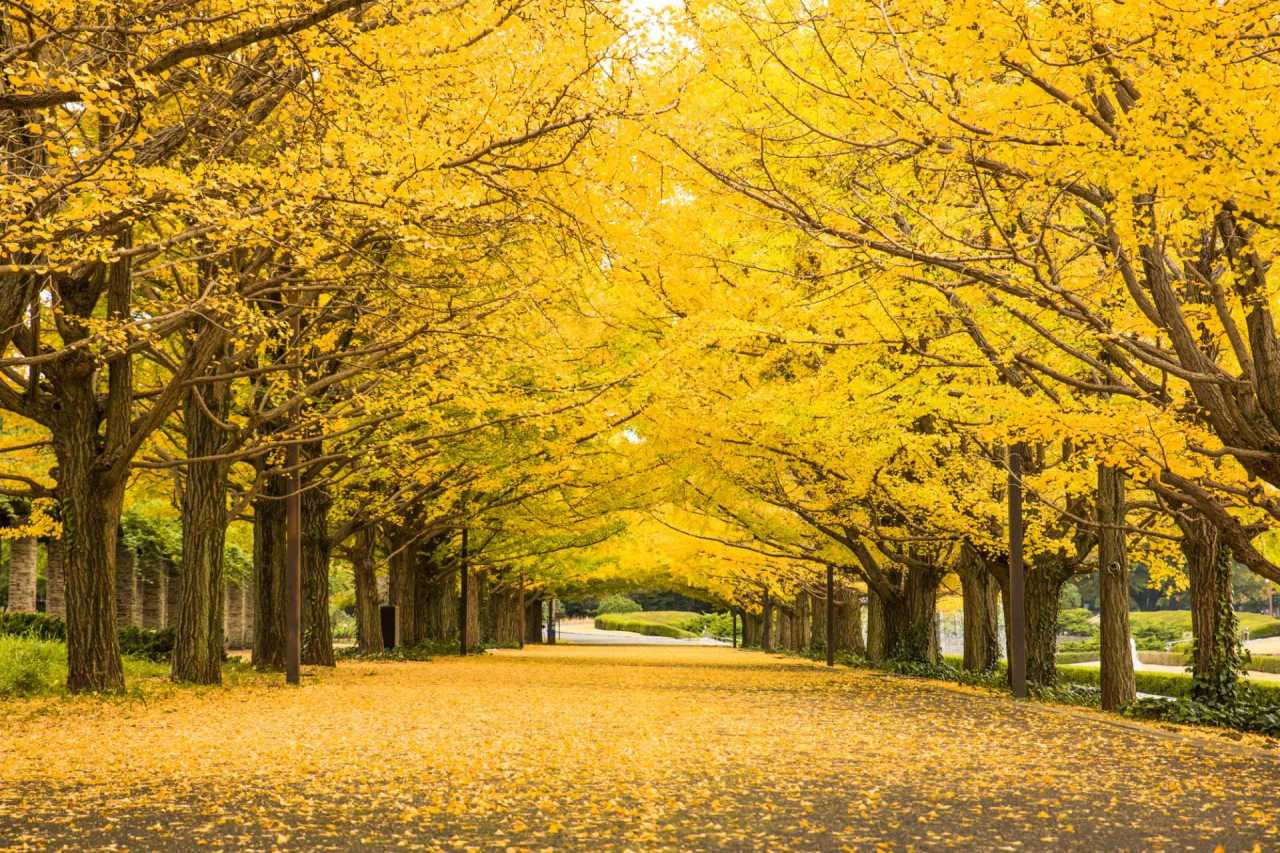
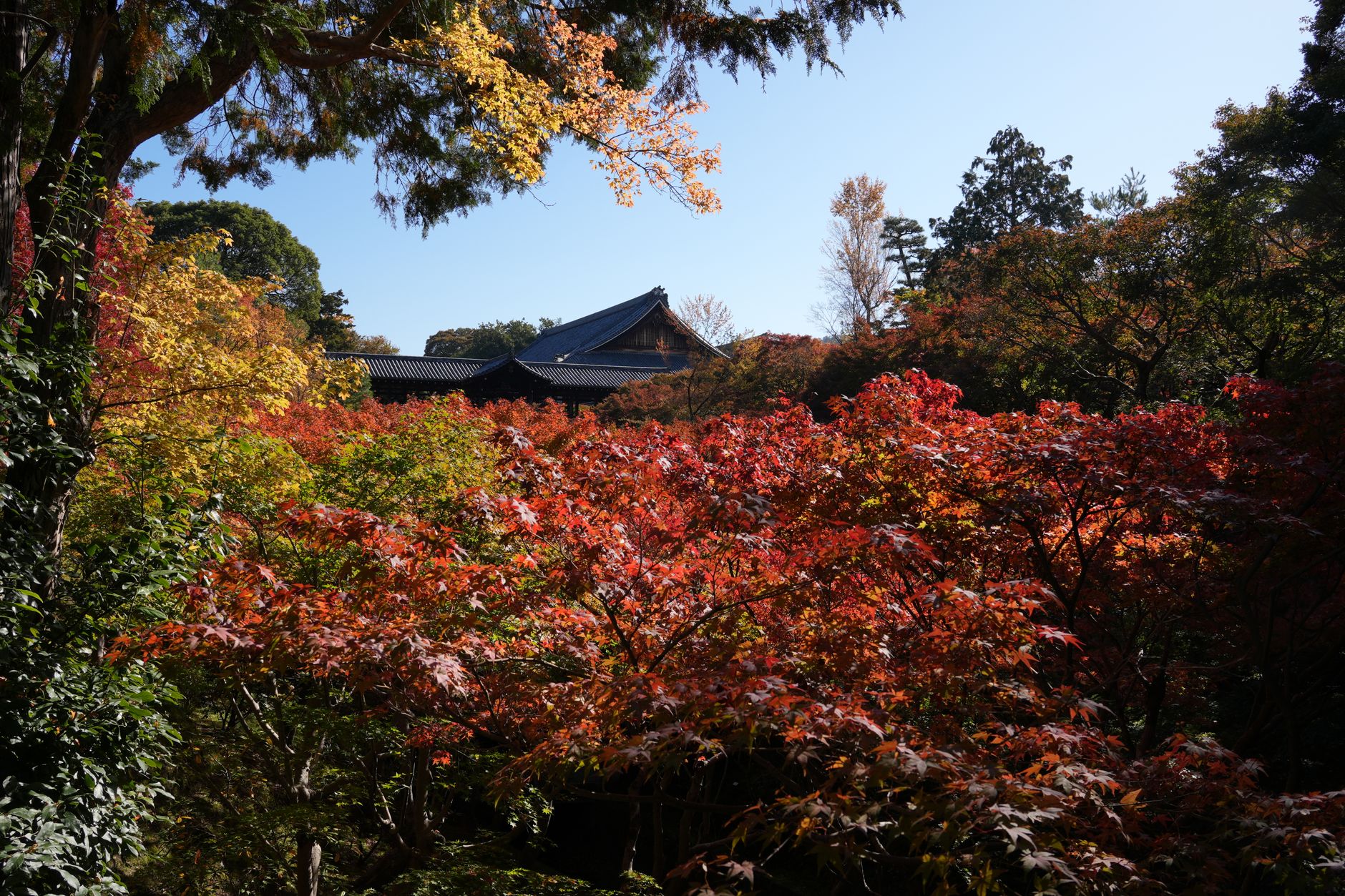
Tokyo’s autumn leaf spots are rich and varied, from urban parks to gardens and historic sites, each with its own charm. Whether you stroll garden paths or wander among historic buildings admiring the red leaves, you can experience Tokyo’s distinctive autumn character.
2026 Tokyo Autumn Leaves Guide: How to Get There? Transport Guide
Tokyo has an excellent transport network. Below are the four most practical tickets and ways to get around on a leaf-viewing trip, to help you compare and choose quickly.
How to Reach Tokyo’s Autumn Leaf Spots? Transport Options at a Glance
💳 Suica card: works across transport, ¥500 deposit, balance refundable, deposit refundable when you leave the country.
🎫 Tokyo Subway 24-hour ticket: ¥600, unlimited rides on all Tokyo Metro lines, suited to a dense one-day itinerary; does not include JR or Toei Subway.
🚄 JR Tokyo Wide Pass (for foreign visitors only): ¥15,000 for 3 consecutive days, valid on JR East trains in the Kanto region including the Shinkansen, good value for long-distance trips.
🚌 Bus: fares ¥200-400, payable with Suica, suited to short trips; note that traffic may cause delays.


![Tokyo - [Essential for Tokyo Travel] Suica Card | The Most Convenient Transport Card](https://res.klook.com/images/w_300,h_300,c_fill,q_75/w_80,x_15,y_15,g_south_west,l_Klook_water_br_trans_yhcmh3/activities/umbkzsnq3ftwmq5zcdrx/【東京旅遊必備】Suica西瓜卡|最便利的交通卡-Klook.jpg)



2026 Tokyo Autumn Leaves Guide: Recommended Must-See Spots
Tokyo’s autumn is a world of rich color, with all kinds of maple leaves dressing the city like a poem or a painting. From the bustling city center to quiet gardens, Tokyo has many stunning leaf-viewing spots. Whether you are a young couple or a family, you can find your own autumn story here. This article recommends Tokyo’s must-visit autumn leaf spots so you can experience Tokyo’s unique charm in autumn 2026.
Inokashira Park
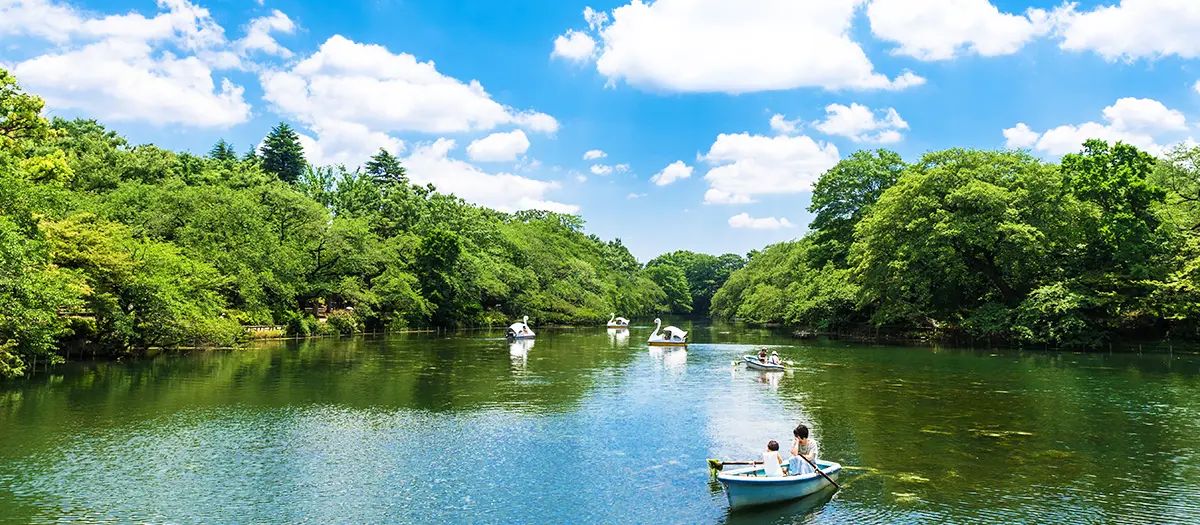

Inokashira Park is just south of Kichijoji Station and is a famous leaf-viewing spot. The park has a large lake and dense woods, and every autumn maples of every color compete in brilliance for stunning scenery. Visitors can stroll by the lake and admire the leaves reflected in the water, or rent a small boat and row leisurely across the lake to feel the quiet beauty of autumn.
The history of Inokashira Park goes back to 1917, when it opened as an imperial gift park. In addition to beautiful natural scenery, the park has many cultural facilities such as the the Inokashira Park Nature and Culture Garden, which has rich plant and animal resources and educational facilities and is an ideal spot for family trips.
The best time to visit Inokashira Park is mid to late November, when the leaves reach their peak color. We suggest staying 2-3 hours to fully enjoy the park’s scenery. Admission is free, and rowboats, pedal boats and swan boats can be rented on the lake, with fees varying by boat type. Address: 1-1-1 Gotenyama, Musashino City, Tokyo. Hours: open 24 hours.
Meiji Jingu
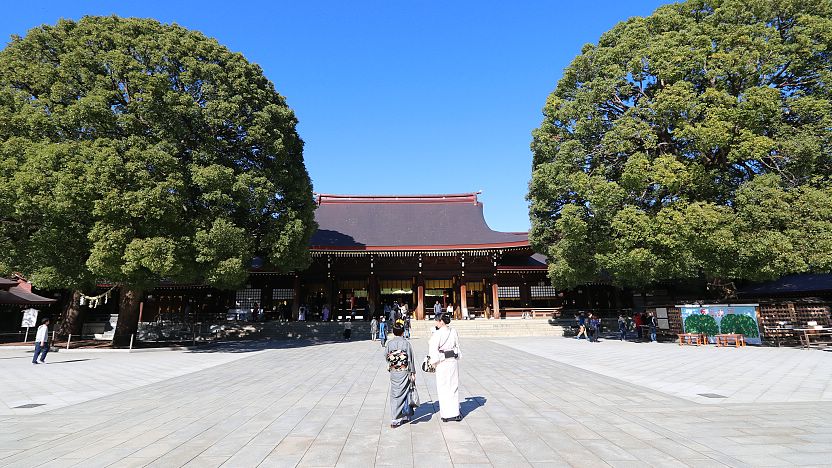
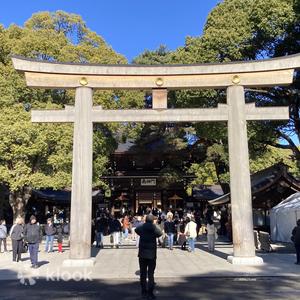
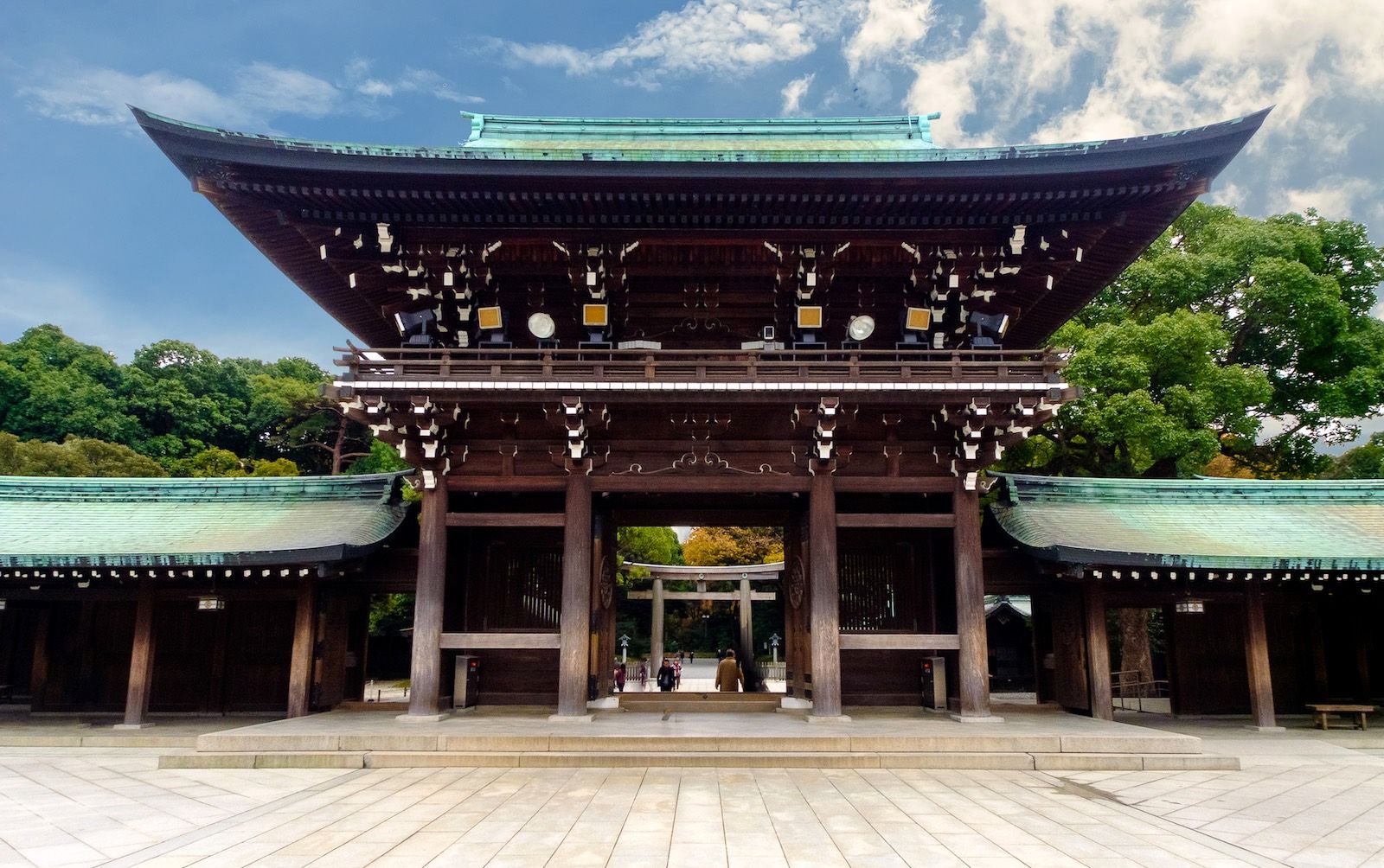
Meiji Jingu enshrines Emperor Meiji and Empress Shoken, and its grounds have broad woodland, where in autumn you can stroll the forest approach and admire the red leaves.
The shrine office on the grounds offers various omamori charms and goshuin stamps, which you can request as a keepsake after worshipping.
The best time to visit Meiji Jingu is early morning or evening, when there are fewer people and you can feel the shrine’s atmosphere more peacefully. We suggest staying 1-2 hours. Admission to the grounds is free. Address: 1-1 Yoyogikamizonocho, Shibuya City, Tokyo. Hours: sunrise to sunset, with opening and closing times varying each month, so check the official website before you go.
Shinjuku Gyoen
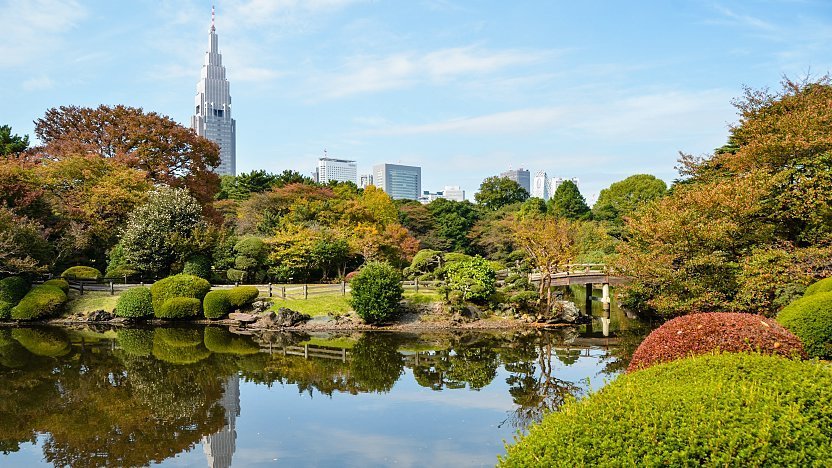
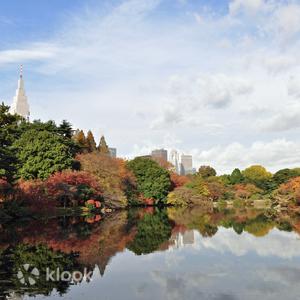
Shinjuku Gyoen is one of Tokyo’s largest parks, with rich plant resources and beautiful garden scenery. Every autumn the maples in Shinjuku Gyoen compete in brilliance and draw large crowds of leaf-viewers. Visitors can stroll leisurely through the garden admiring the beautiful leaves, or sit on a bench and quietly enjoy the stillness of autumn.
The history of Shinjuku Gyoen goes back to the Edo period, when it was first built as a feudal lord’s garden. After many renovations and expansions it became the park it is today. In addition to beautiful natural scenery, the garden has many historic buildings and cultural facilities, an ideal place to learn about Japanese history and culture.
The best time to visit Shinjuku Gyoen is late November to early December, when the leaves reach their peak color. We suggest staying 2-3 hours to fully enjoy the garden’s scenery. Admission is ¥500; from October to mid-March, hours are 9:00-16:30 (last entry 16:00), closed Mondays (open daily from November 1 to 15). Address: 11 Naito-cho, Shinjuku City, Tokyo.
University of Tokyo Hongo Campus
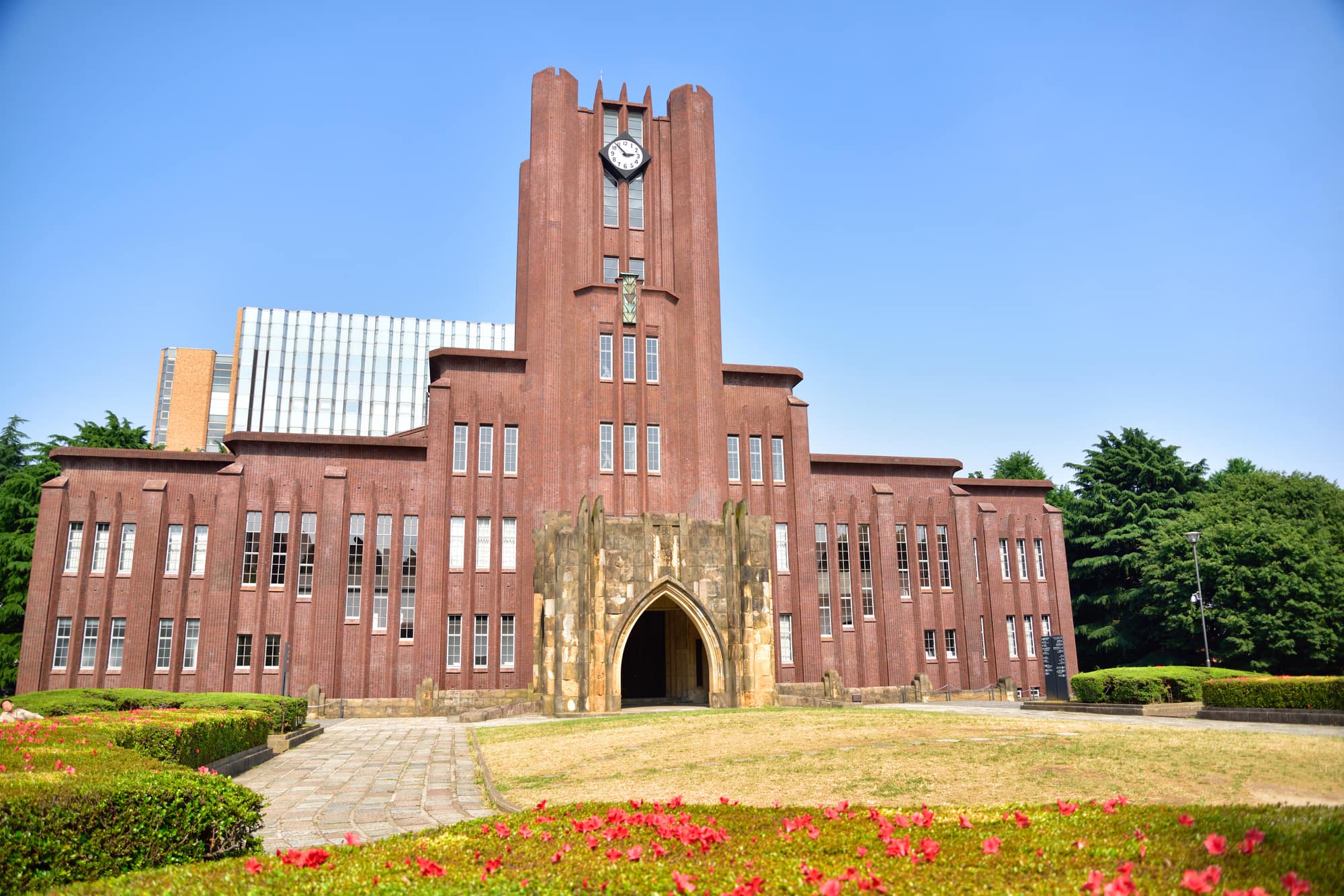
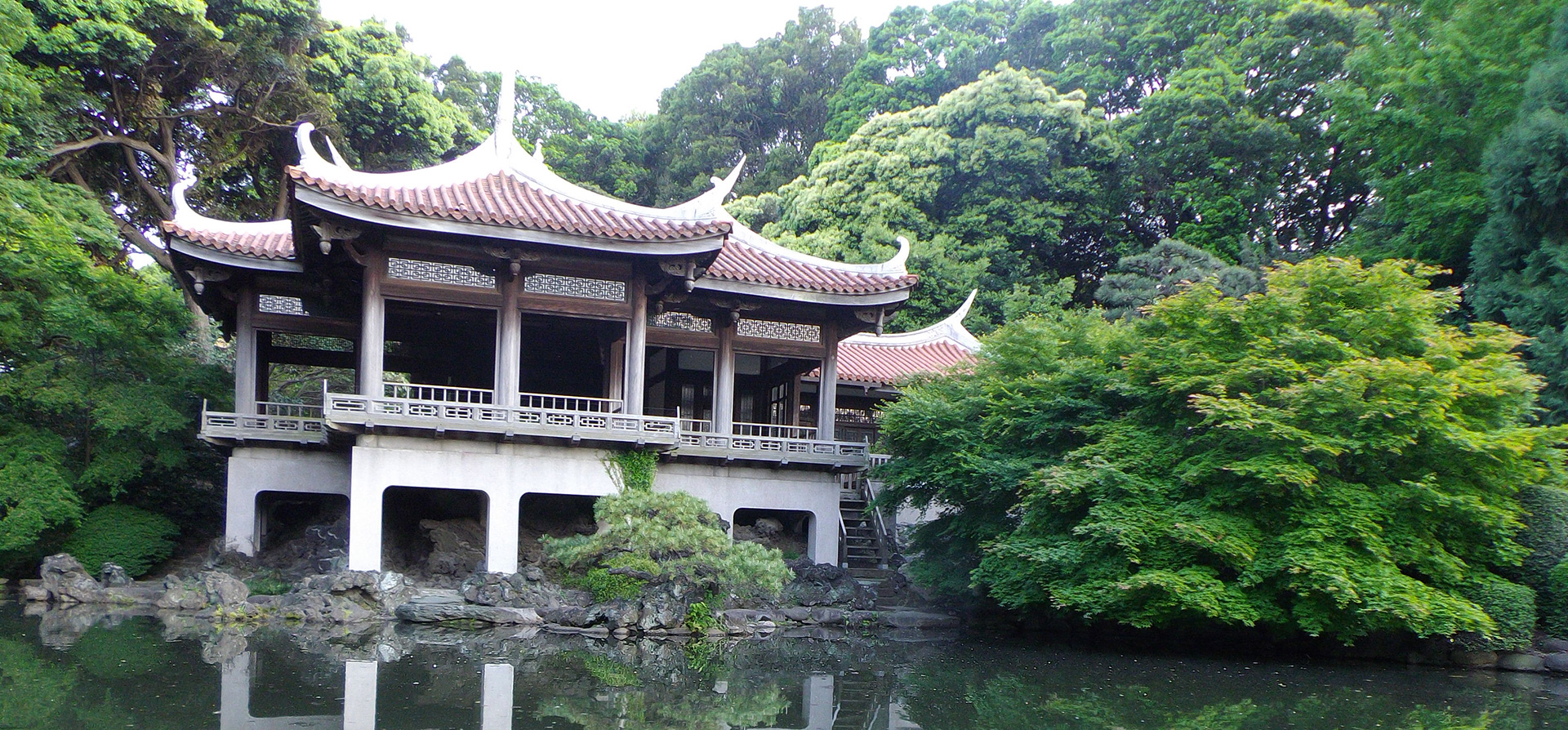
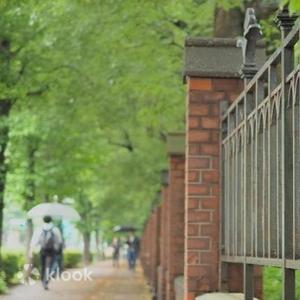
The University of Tokyo’s Hongo Campus is the university’s main campus, with beautiful campus scenery. Every autumn the maples dress the campus in particular beauty, drawing many visitors for leaf viewing. Visitors can stroll leisurely around the campus admiring the beautiful leaves, or visit the historic buildings on campus to learn about the university’s history and culture.
The history of the University of Tokyo’s Hongo Campus goes back to 1877, making it one of Japan’s oldest universities. The campus has many historic buildings and cultural facilities, such as the University of Tokyo Museum and Yasuda Auditorium, which are must-visit spots for visitors.
The best time to visit the University of Tokyo’s Hongo Campus is late November to early December, when the leaves reach their peak color. We suggest staying 1-2 hours. Admission is free, but some facilities may charge a fee. Address: 7-3-1 Hongo, Bunkyo City, Tokyo. Hours: generally 9:00-17:00, but some facilities may have different opening hours.
Ueno Park
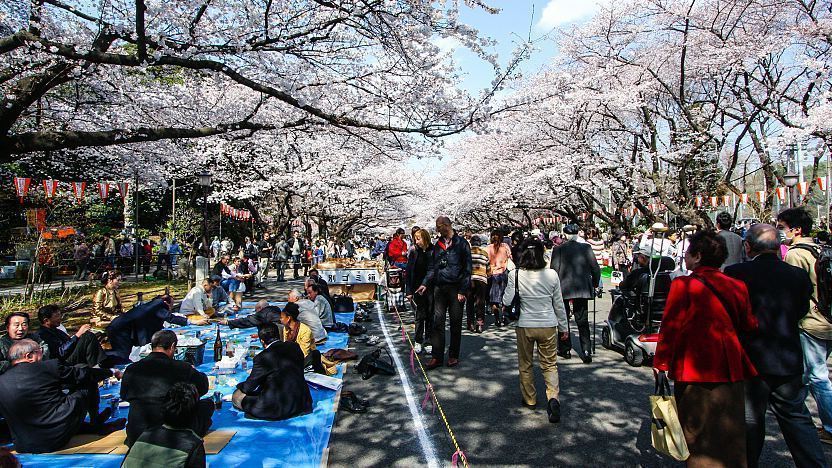
Ueno Park is one of Tokyo’s famous parks, with rich natural resources and cultural facilities. Every autumn the park’s maples make it particularly beautiful and draw large crowds of leaf-viewers. Visitors can stroll leisurely through the park admiring the beautiful leaves, or visit the museums and galleries in the park to learn about Japanese history and culture.
The history of Ueno Park goes back to the Edo period, when it was first established as the temple grounds of Kan’ei-ji. The park has many cultural facilities, such as the Tokyo National Museum and Ueno Zoo, which are must-visit spots for visitors.
The best time to visit Ueno Park is late November to early December, when the leaves reach their peak color. We suggest staying 2-3 hours to fully enjoy the park’s scenery. Admission is free, but some facilities may charge a fee. Address: Ueno Park, Taito City, Tokyo. Hours: open 24 hours, but some facilities may have different opening hours.
Hama-rikyu Gardens
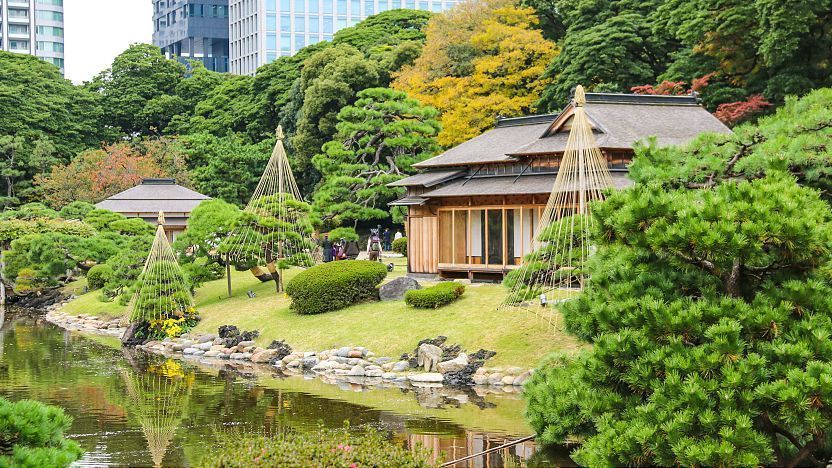
Hama-rikyu Gardens is one of Tokyo’s famous gardens, with beautiful Japanese garden scenery. Every autumn the garden’s maples dress it in particular beauty, drawing many visitors for leaf viewing. Visitors can stroll leisurely through the garden admiring the beautiful leaves, or visit the historic buildings in the garden to learn about traditional Japanese culture.
The history of Hama-rikyu Gardens goes back to the 17th century, when it was first built as a villa of the shogun’s family. After many renovations and expansions it became the garden it is today. The garden has many historic buildings and cultural facilities, such as the Shioiri-no-Gosho and Matsu-no-Midai, which are must-visit spots for visitors.
The best time to visit Hama-rikyu Gardens is late November to early December, when the leaves reach their peak color. We suggest staying 1-2 hours. Admission is ¥300; hours: 9:00-17:00 (last entry 16:30). Address: 1-1 Hamarikyu-teien, Chuo City, Tokyo.
Koishikawa Korakuen
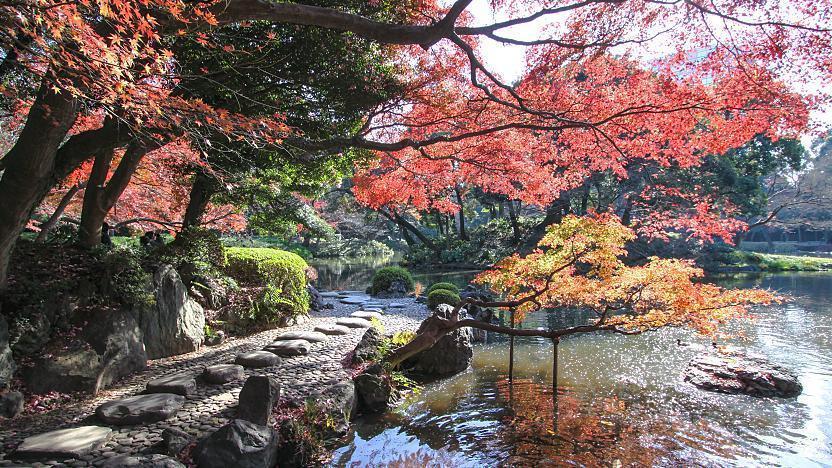
Koishikawa Korakuen is one of Tokyo’s famous gardens, with beautiful Japanese garden scenery.
The history of Koishikawa Korakuen goes back to the 17th century, when it was first built as the secondary residence of the Mito Tokugawa family. The garden has many historic buildings and cultural facilities, such as the Engetsukyo bridge and Kantoku-tei, which are must-visit spots for visitors.
The best time to visit Koishikawa Korakuen is late November to early December, when the leaves reach their peak color. We suggest staying 1-2 hours. Admission is ¥300; hours: 9:00-17:00 (last entry 16:30). Address: 1-6-6 Koraku, Bunkyo City, Tokyo.
Koishikawa Korakuen Special Night Opening: November 13 to 24, 2026
Koishikawa Korakuen holds a special night opening, “Enjoying the Deep-Mountain Glowing Leaves,” from November 13 to November 24, 2026, from 18:00 to 21:00 (last entry 20:00). Highlights are the autumn-leaf-themed lighting on Engetsukyo bridge, a projection show on the Tsuijibei wall, and night lighting of Hitotsu-matsu pine, Horai-jima island and the Kara-mon gate, while the “Vidro Tea House” at Kantoku-tei by the West Gate offers a night-only matcha and Japanese sweets set. For admission fees and reservation methods, please follow the Tokyo Metropolitan Park Association’s announcements.
Rikugien
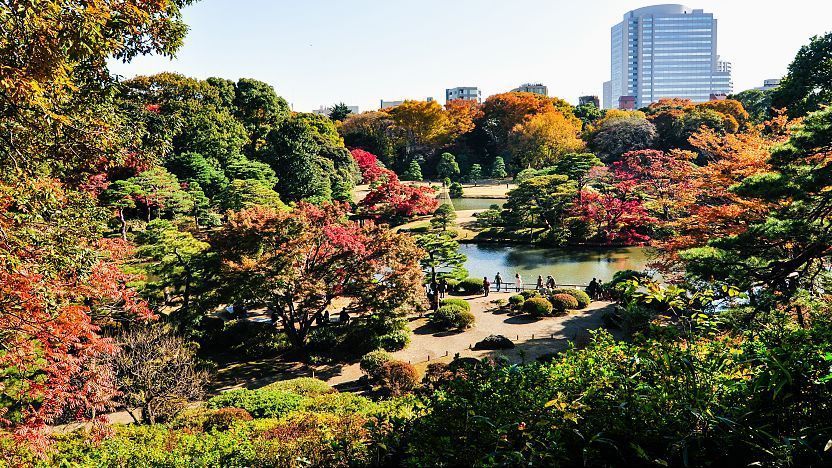
Rikugien is one of Tokyo’s famous parks, with rich natural resources and beautiful garden scenery. Every autumn the park’s maples make it particularly beautiful and draw large crowds of leaf-viewers. Visitors can stroll leisurely through the park admiring the beautiful leaves, or visit the historic buildings in the park to learn about traditional Japanese culture.
The history of Rikugien goes back to the 18th century, when it was first built as a feudal lord’s garden. The park has many cultural facilities, such as the Fukiage Tea House and Togetsukyo bridge, which are must-visit spots for visitors.
The best time to visit Rikugien is late November to early December, when the leaves reach their peak color. We suggest staying 1-2 hours. Admission is ¥300; hours: 9:00-17:00 (last entry 16:30). Address: 2-11-3 Honkomagome, Bunkyo City, Tokyo.
Yoyogi Park
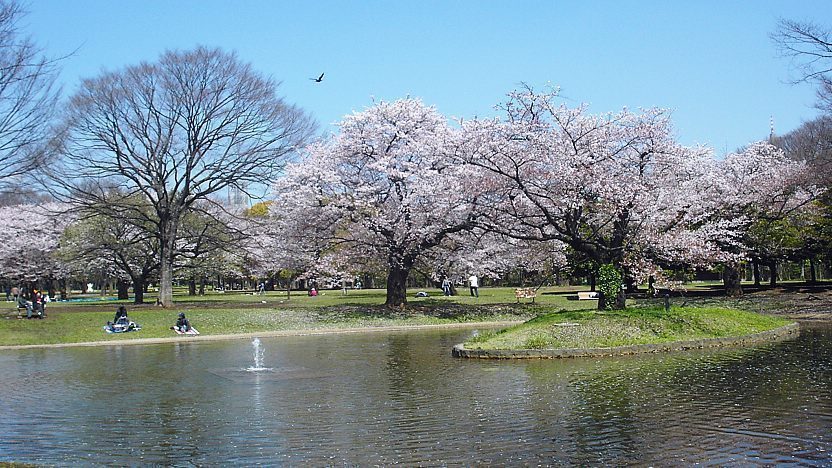
Yoyogi Park is one of Tokyo’s famous parks, with rich natural resources and beautiful scenery. Visitors can stroll leisurely through the park admiring the beautiful leaves, or join the park’s various activities, such as picnics and sports.
The site of Yoyogi Park was the athletes’ village for the 1964 Tokyo Olympics, and it opened as a metropolitan park in 1967. Next to the park, the National Yoyogi Stadium is a venue built for the Olympics.
The best time to visit Yoyogi Park is late November to early December, when the leaves reach their peak color. We suggest staying 1-2 hours. Admission is free; hours: open 24 hours. Address: 2-1 Yoyogikamizonocho, Shibuya City, Tokyo.
Meiji Jingu Gaien Ginkgo Avenue
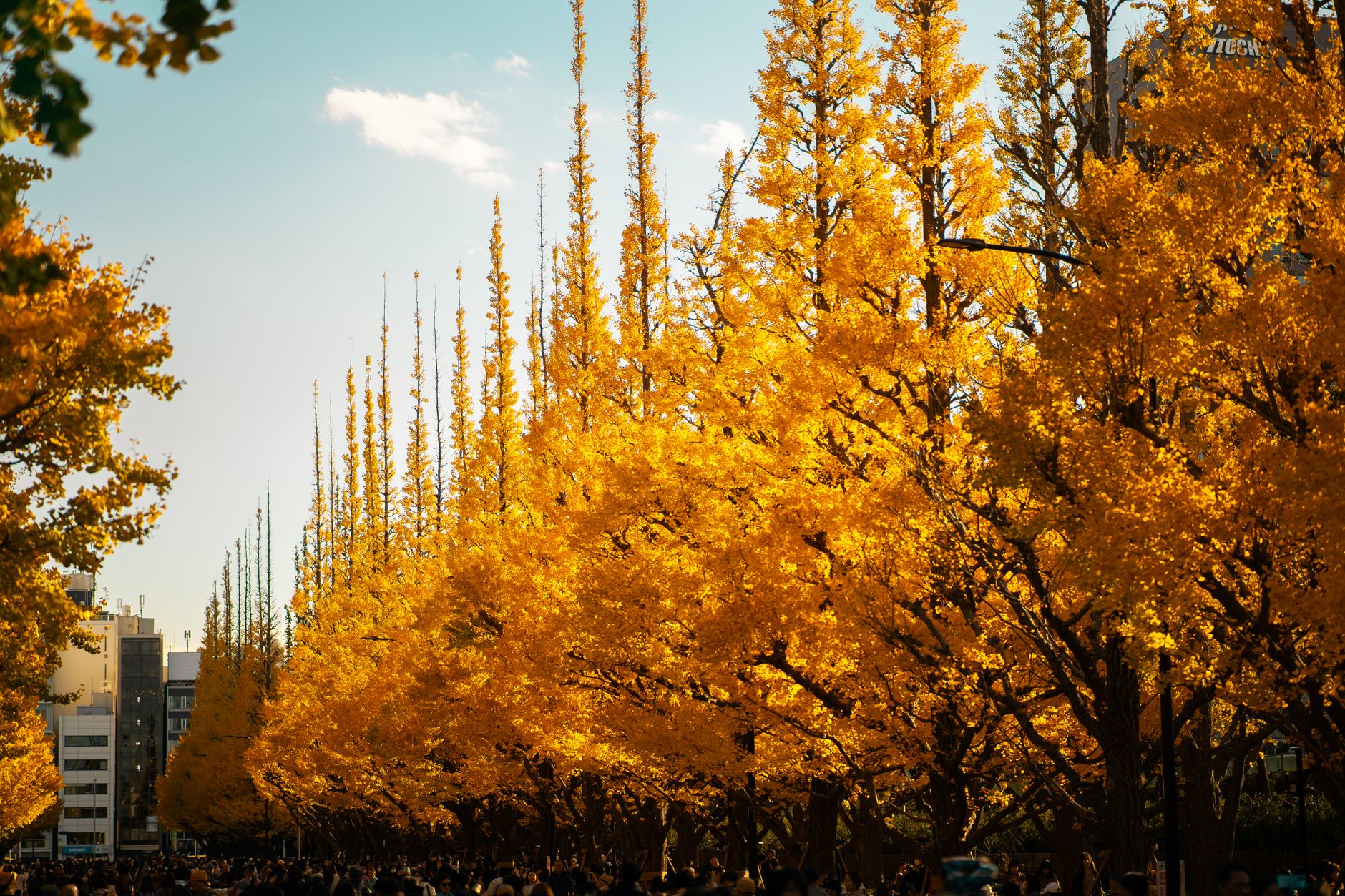
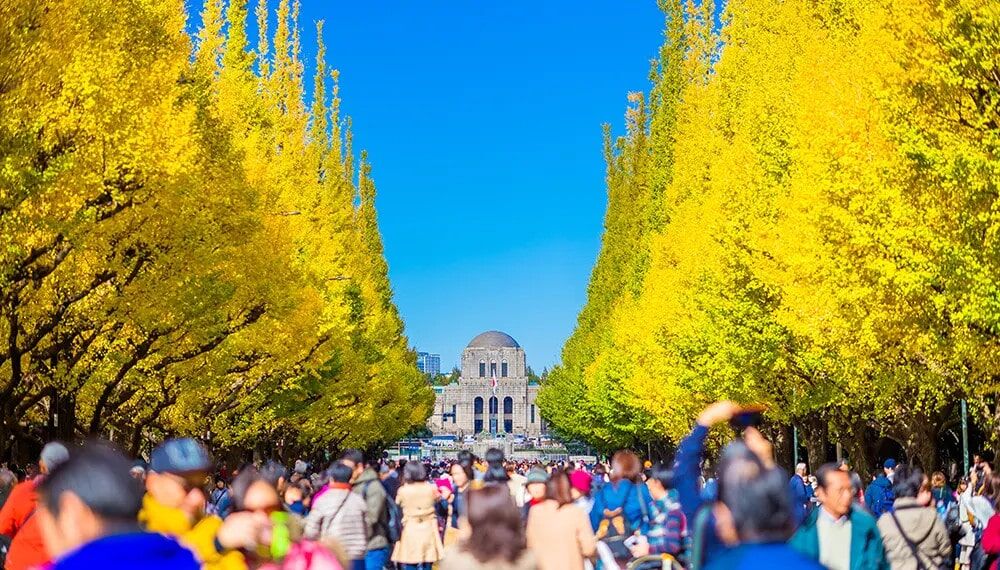
The ginkgo avenue is inside Jingu Gaien, a different location from the main Meiji Jingu shrine. About 146 ginkgo trees line a promenade roughly 300 meters long and turn golden in autumn, making it Tokyo’s most representative ginkgo-viewing landmark.
The nearest stations to the ginkgo avenue are Gaienmae Station on the Tokyo Metro Ginza Line and Shinanomachi Station on the JR Chuo Line, about a 5-10 minute walk. Weekends are crowded, so we suggest going early on a weekday morning.
The best time to see the ginkgo avenue usually falls from mid-November to early December. The promenade is open all year and free, and at its end is the Meiji Memorial Picture Gallery, a classic photo backdrop.
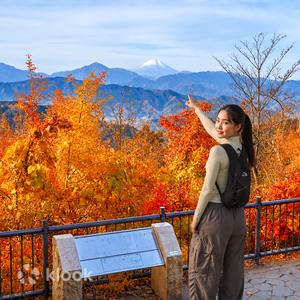
Mount Takao
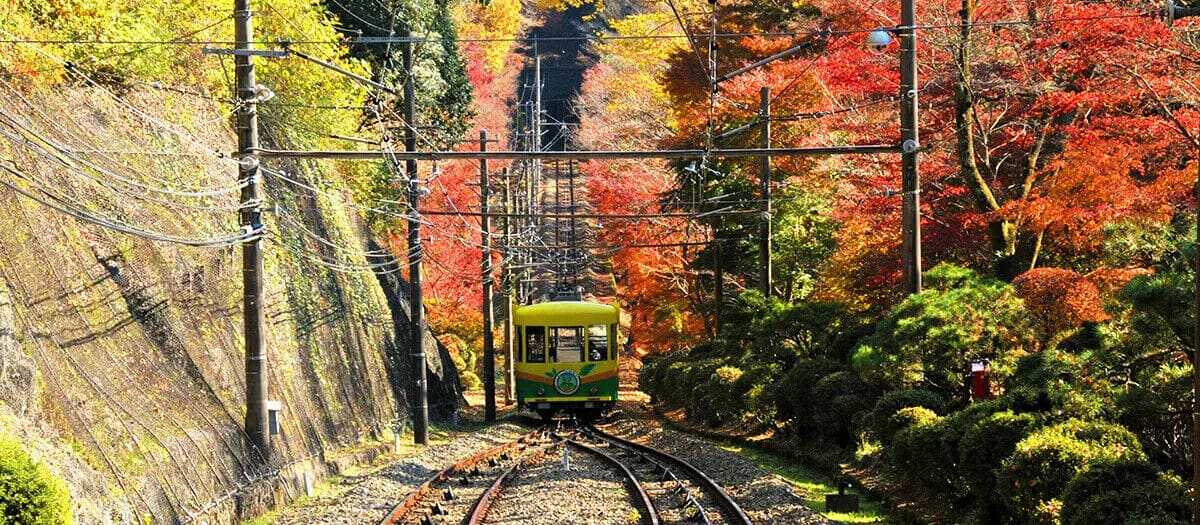
Mount Takao is in Hachioji, about 599 meters above sea level, and has been awarded three stars by the Michelin Guide. From Shinjuku it takes about 50 minutes on the Keio Line to reach Takaosanguchi Station, and the mountain is cooler than the city, so the leaves usually come 1-2 weeks earlier than in central Tokyo.
There are 7 hiking trails, and you can also go up by the cable car or chairlift of the Takao Tozan Railway. The most recommended Trail 1 passes the Monkey Park and the Octopus Cedar and finally reaches Yakuo-in on the mountainside.
The best time for autumn leaves on Mount Takao is roughly mid to late November. A round-trip cable car ticket (Kiyotaki Station to Takaosan Station) costs about ¥980 for adults (actual fares follow the Takao Tozan Railway’s announcements), and the mountain trails are open all year and free to enter. Address: Takaomachi, Hachioji City, Tokyo. We suggest planning a half day to a full day and wearing shoes suitable for hiking.
Showa Kinen Park (National Government Park)
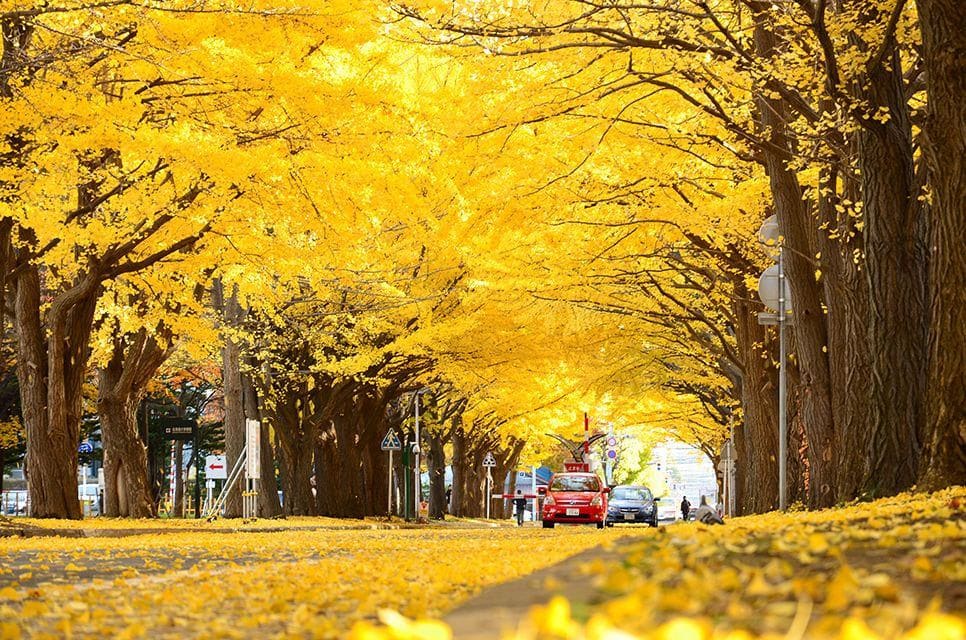
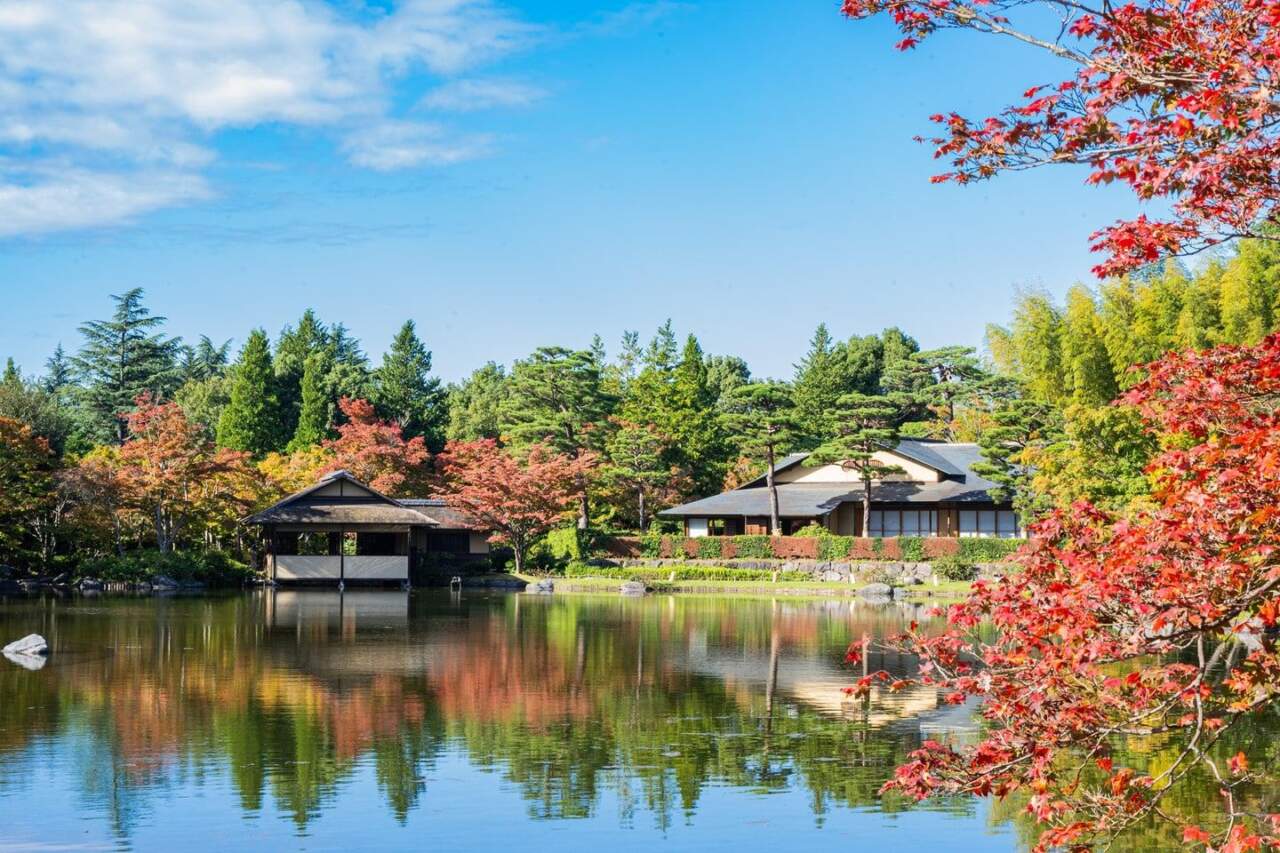
Showa Kinen Park (National Government Park) is in Tachikawa in western Tokyo, covering about 180 hectares, one of the largest parks in the city, with large lawns, a Japanese garden and a large ginkgo avenue, and its autumn scenery is spectacular and layered. The best-known viewing spot is a straight boulevard called “Canal (Unga-dori),” lined with neatly planted ginkgo trees on both sides, which form a golden tunnel stretching hundreds of meters at full bloom.
The park can be reached on foot from Tachikawa Station on the JR Chuo Line or Nishi-Tachikawa Station on the JR Ome Line. The grounds are vast, so we suggest allowing more than half a day to take it slowly. Besides the ginkgo avenue, the park’s “Japanese Garden” area also has fine maple landscaping, suited to visitors who like a quiet atmosphere.
The best time for the ginkgo is roughly mid to late November. Admission is ¥450 for adults (high school students and over) and ¥210 for those 65 and over, free for junior high school students and under; hours from November to February are 9:30-16:30. Address: 3173 Midoricho, Tachikawa City, Tokyo.
-Klook.jpg)
2026 Tokyo Autumn Leaves Guide: Selected Leaf-Viewing Tours and Tickets
Autumn in Tokyo is a season full of surprises. From late November, Tokyo’s major parks and attractions put on gorgeous maple colors, presenting a visual feast for visitors. Whether you want an in-depth trip experiencing traditional Japanese culture or a lively leaf-viewing hotspot, Tokyo has something for you. Below are a few selected Tokyo leaf-viewing tours and tickets to help you plan your trip easily and enjoy the best of autumn.
Tokyo Imperial Palace East Gardens Half-Day Tour
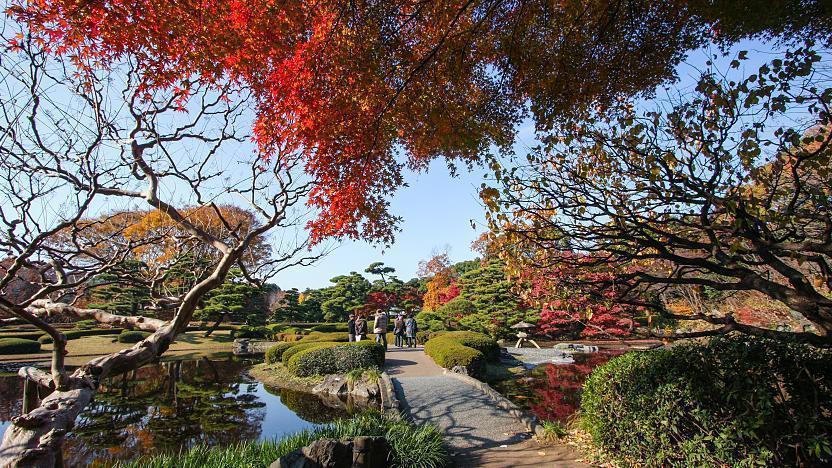
The Imperial Palace East Gardens are among Tokyo’s most popular leaf-viewing spots, with rich natural scenery and historic buildings. Visitors can stroll among beautiful maple groves and enjoy colorful leaves. Red leaves can be seen around the Ninomaru Garden in the park.
The Imperial Palace East Gardens are themselves free to enter (no ticket needed) and are one of the few free leaf-viewing spots in central Tokyo; a half-day tour with a guide through a travel agency is charged separately. Why do we recommend it? Because the leaf scenery here is very beautiful and entry is free, making it suited to a relaxed half-day visit.
From November to February, hours are 9:00-16:00 (last entry 15:30), closed Mondays and Fridays. We suggest visiting from late November to early December, when the leaves are at their most brilliant. The address is 1-1 Chiyoda, Chiyoda City, Tokyo, and it can be reached on foot from Otemachi Station or Nijubashimae Station.
Kawagoe Little Edo Day Trip (Including Hikawa Shrine)

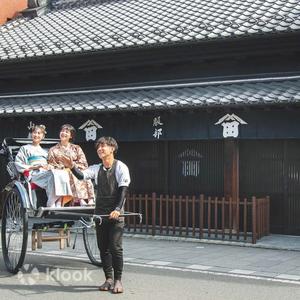
Kawagoe is known as “Little Edo,” a city full of traditional Japanese atmosphere. Visitors can experience its old-fashioned streetscapes, visit long-established shrines and taste local specialties. Hikawa Shrine and Kita-in are both signature attractions of Kawagoe.
It can be done as a day round trip from Tokyo, with costs varying by chartered car or group plan. Highlights include visiting Hikawa Shrine, experiencing the Little Edo atmosphere and tasting local food. Why do we recommend it? Because Kawagoe is a city well suited to an in-depth trip, letting visitors experience real traditional Japanese culture.
We suggest visiting in late November. The address is Kawagoe City, Saitama Prefecture, and the Little Edo area can be reached from JR Kawagoe Station or Hon-Kawagoe Station.
2026 Tokyo Autumn Leaves Guide: Nearby Food Recommendations
Tokyo’s leaf-viewing season is a paradise for food lovers, with all kinds of dishes to make your mouth water. On Tokyo’s streets and alleys you can find many foods tied to leaf viewing, from traditional Japanese cuisine to modern creative desserts, with everything on offer. Below are some recommended foods so you can enjoy Tokyo’s food culture while viewing the leaves.
Matcha Desserts: Saryo Tsujiri, Daimaru Tokyo Store
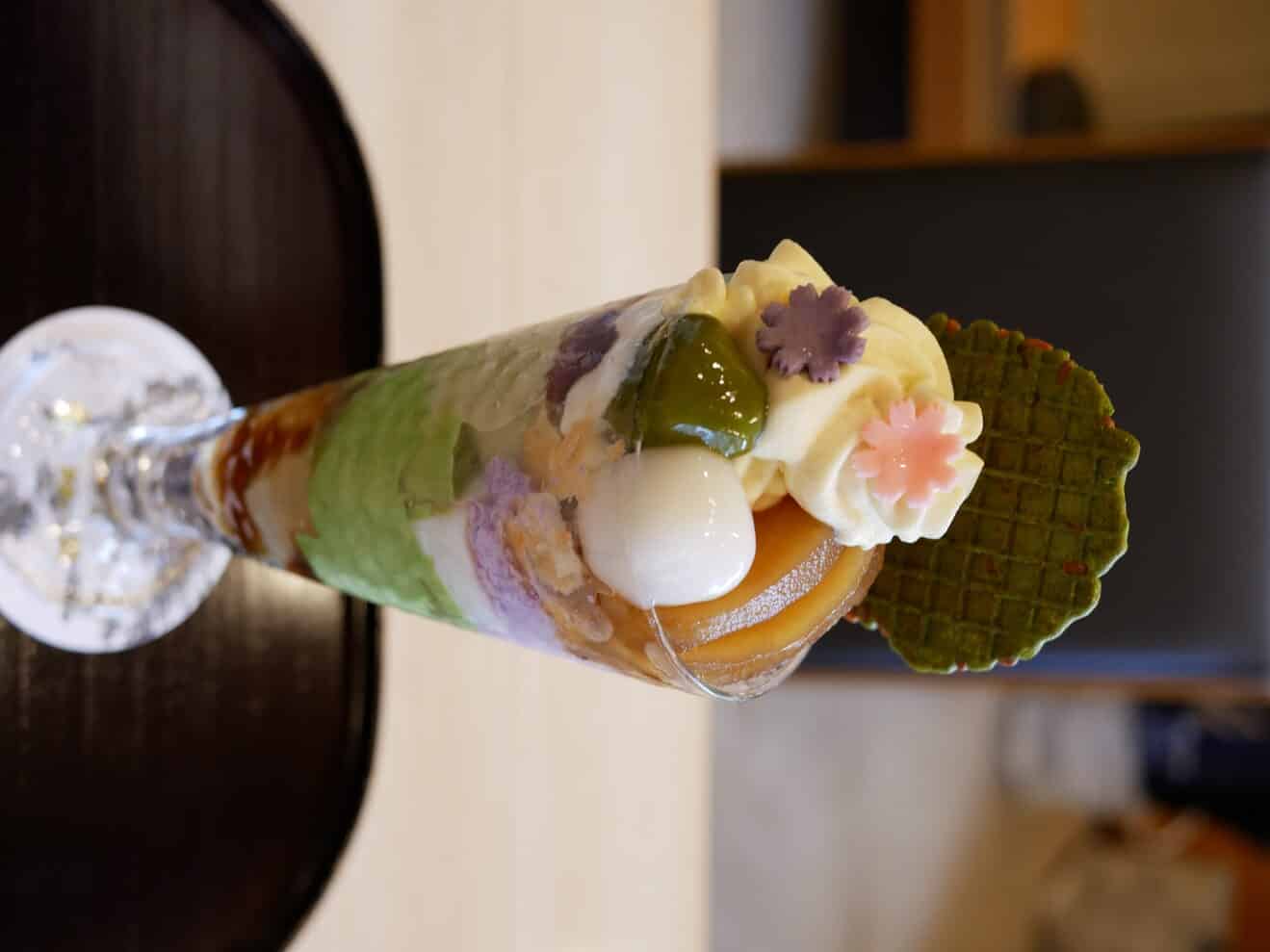

Saryo Tsujiri’s flagship store is in Kyoto’s Gion and is a byword for matcha desserts. The branch is on the 10th floor of Daimaru Tokyo, right next to the Yaesu North Exit of JR Tokyo Station, and its signature is the special matcha parfait. The address is 10F Daimaru Tokyo, 1-9-1 Marunouchi, Chiyoda City, Tokyo, and hours are 10:00-20:00 (until 21:00 on Thursdays and Fridays; last order 30 minutes before closing). A good place to rest during leaf viewing.
Tea is served as a set with dessert, so you can enjoy them together.
Please check the day’s menu before ordering.
- 🍵 Must-order: matcha parfait
- 💰 Price: parfait about ¥1,500-1,900
- 🚉 Access: JR Tokyo Station Yaesu North Exit, about a 3-minute walk
Japanese Set Meals: Ootoya Gohan-dokoro, Nakameguro Store
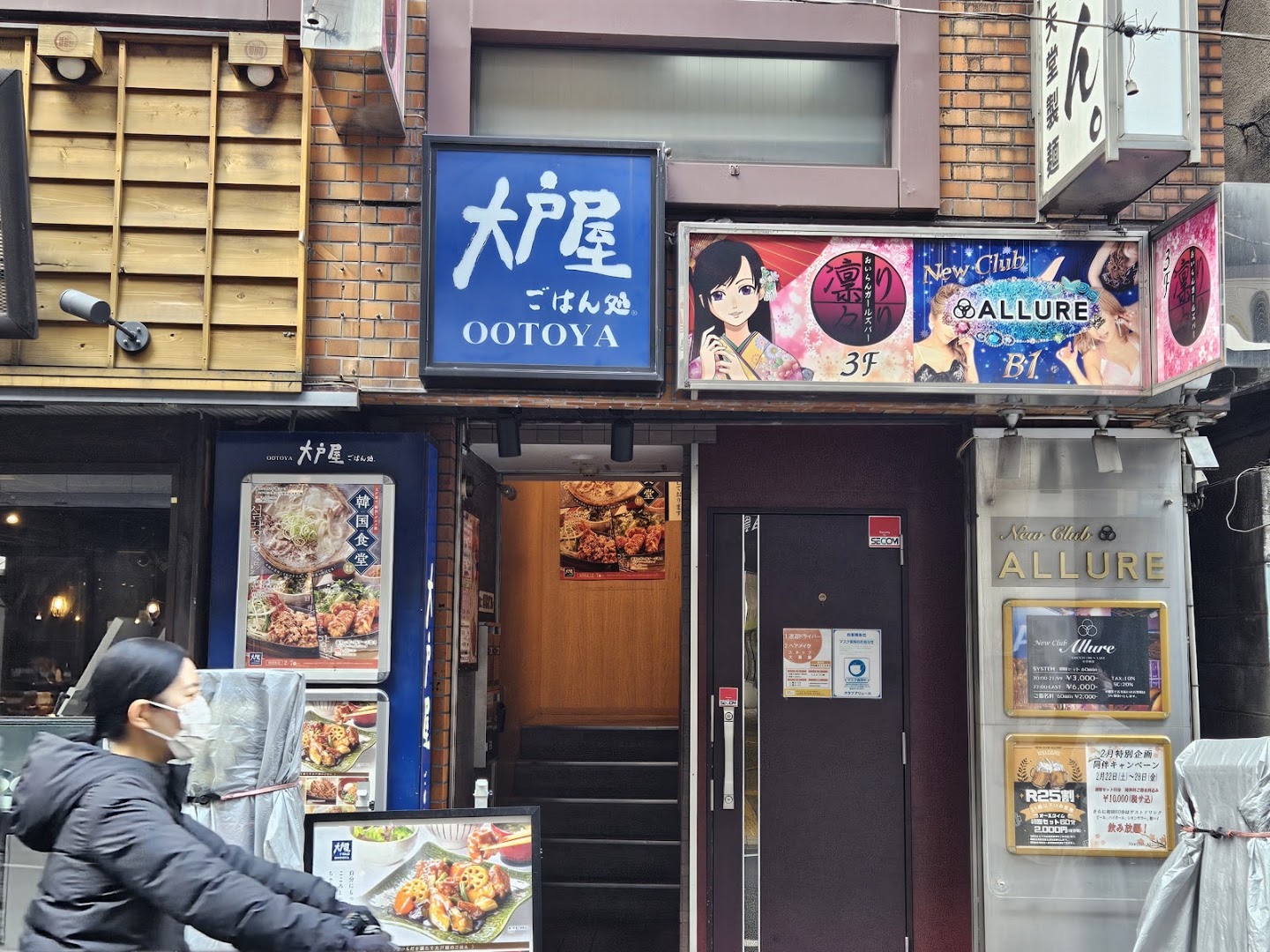
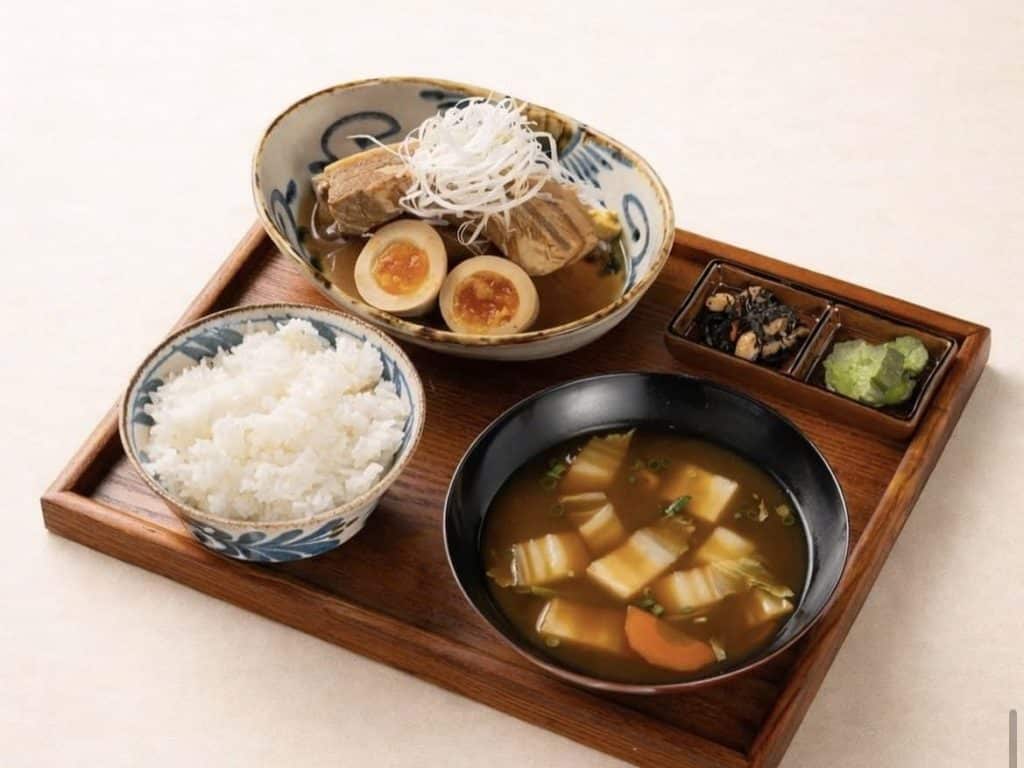
Ootoya is a nationwide Japanese family set-meal chain known for made-to-order, healthy and balanced Japanese set meals. The Nakameguro store is near Nakameguro Station and suits a meal nearby after leaf viewing. The address is 3-3-9 Kamimeguro, Meguro City, Tokyo, and hours are 10:00-22:00 on weekdays and 10:00-21:00 on weekends and holidays (irregular closing days).
- 🍚 Must-order: chicken nanban set meal, grilled mackerel set meal
- 💰 Price: about ¥1,000-1,710
- 🚉 Access: Tokyu Toyoko Line Nakameguro Station, about a 5-minute walk
French Desserts: Pierre Hermé Paris Aoyama
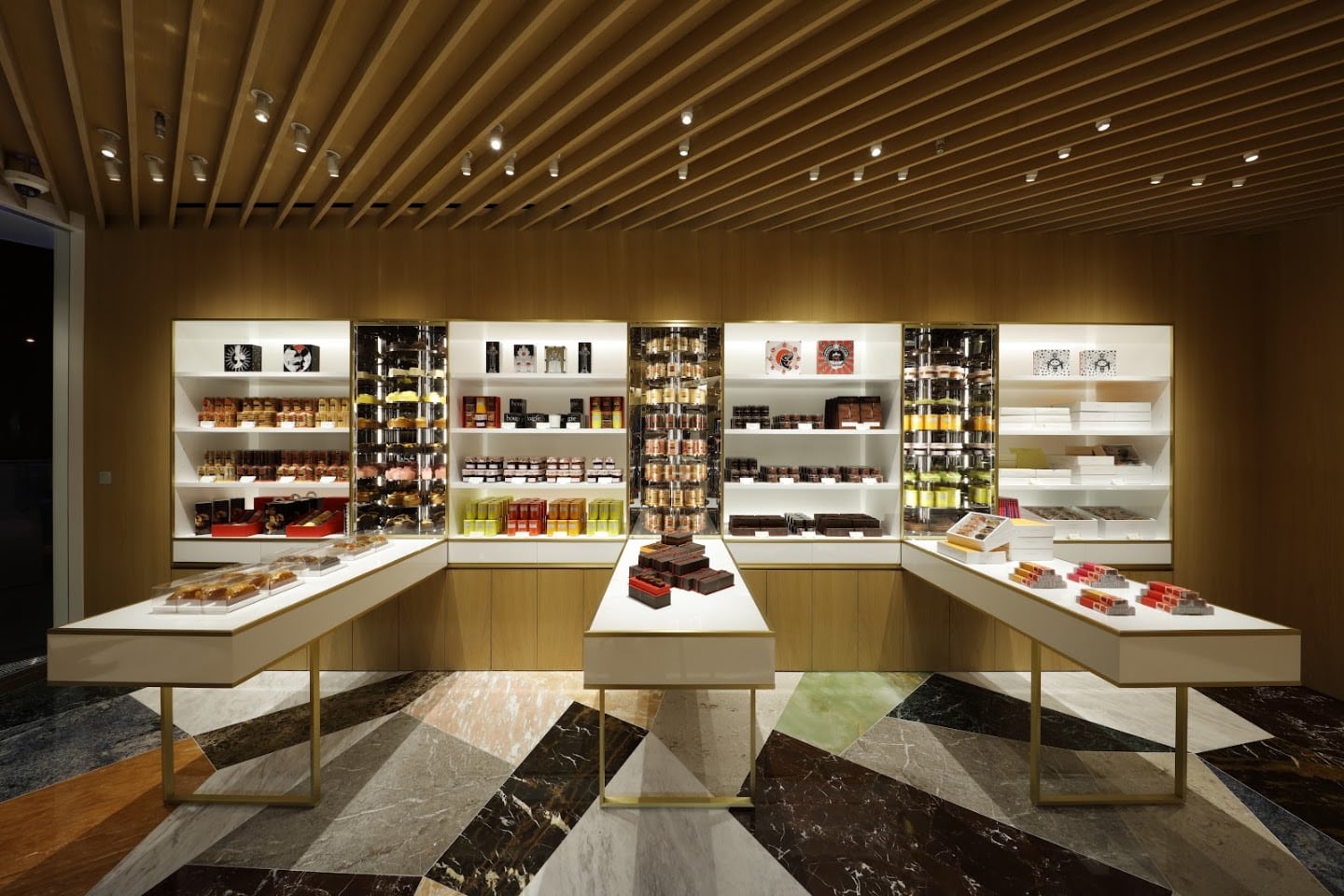
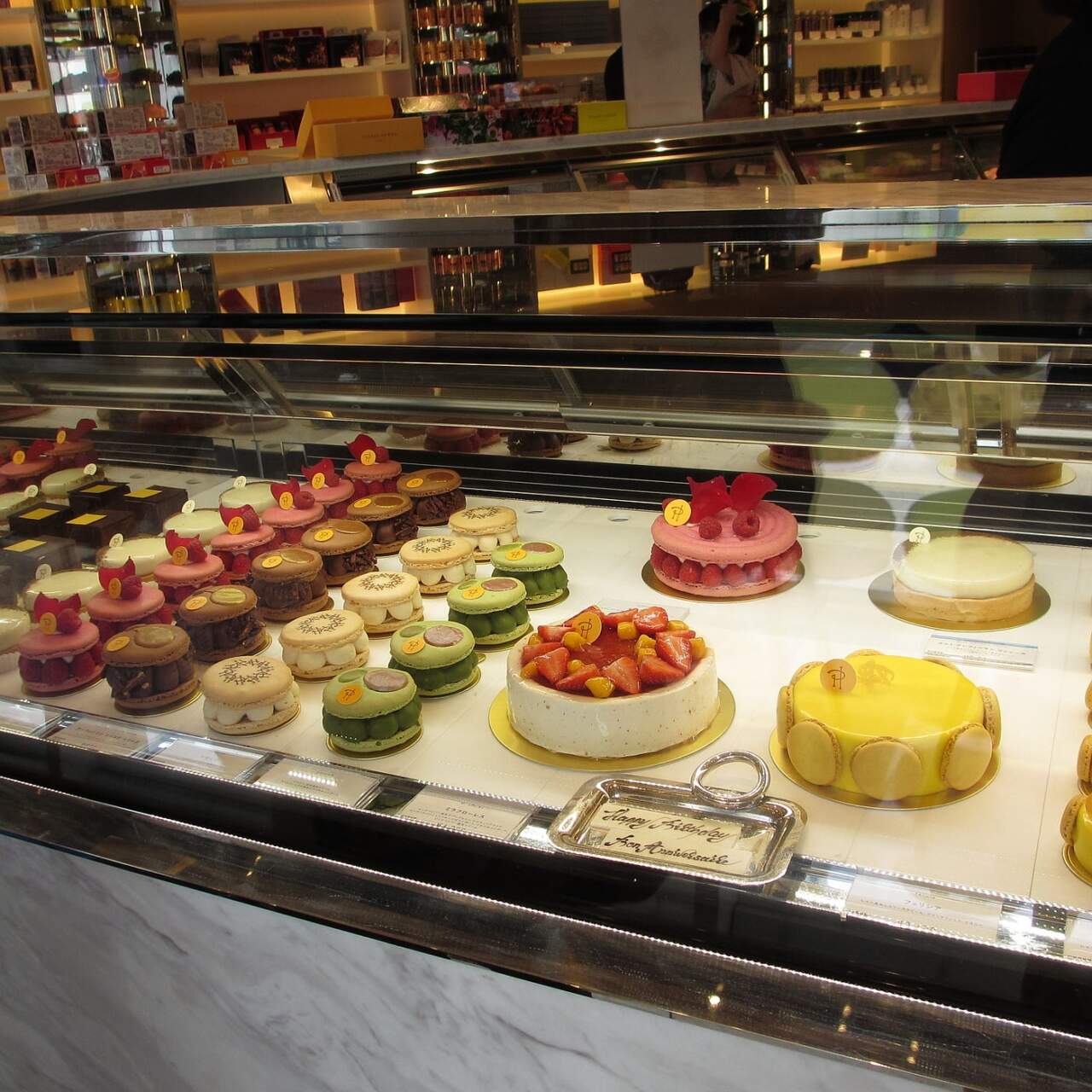
Pierre Hermé Paris is a legendary French dessert brand called the “Picasso of pastry,” and the Aoyama store is on the 1st and 2nd floors of the La Porte Aoyama building next to Omotesando, where the 2nd-floor “Heaven” space also offers a made-to-order plated dessert experience, one of Tokyo’s top French dessert shops. The address is 1F-2F La Porte Aoyama, 5-51-8 Jingumae, Shibuya City, Tokyo, and hours follow official announcements (recently 12:00-19:00, with last order at the 2nd-floor salon at 18:30).
- 🍰 Must-order: Ispahan rose-lychee macaron, signature macaron assortment
- 💰 Price: per the official menu
- 🚉 Access: Tokyo Metro Omotesando Station Exit B2, about a 3-5 minute walk
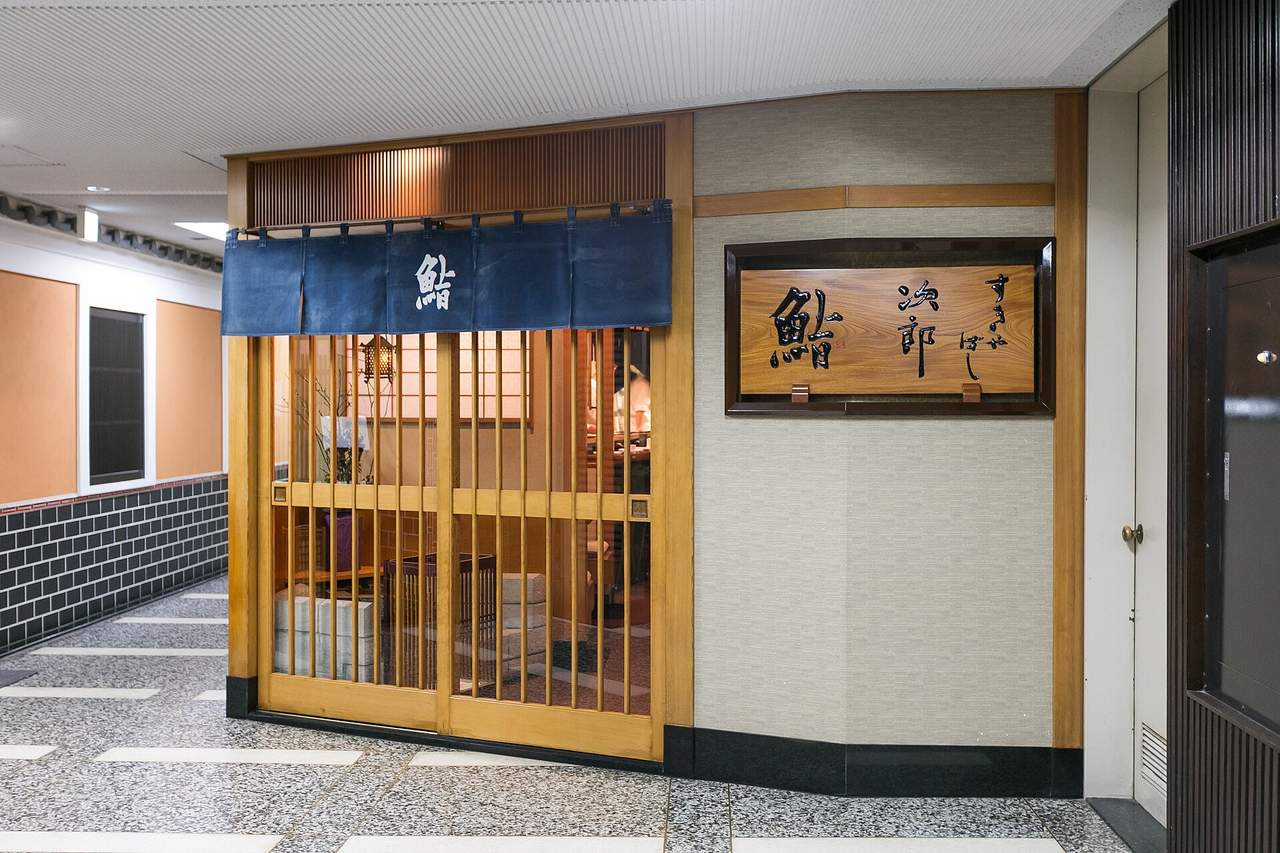
Sushi: Sukiyabashi Jiro, Ginza Main Store
Sukiyabashi Jiro Ginza Main Store (Sukiyabashi Jiro) is a world-famous sushi restaurant run by Jiro Ono, offering only a no-menu nigiri sushi course (omakase), by reservation, and a photo ID must be shown on entry. The address is 4-2-15 Ginza, Chuo City, Tokyo, with lunch 11:30-14:00 and dinner 17:30-20:30, closed Sundays, holidays and Saturday evenings.
Seating is limited, so we suggest reserving with the restaurant in advance.
Confirm the price with the restaurant when you book.
- 🍣 Must-order: the full no-menu nigiri course (omakase)
- 💰 Price: per the course price confirmed at booking
- 🚉 Access: Tokyo Metro Ginza Station Exit B10 or C6, about a 1-minute walk
Where to Stay Along the Way
Leaf-viewing spots are spread across central Tokyo and the western suburbs. Staying around Shinjuku puts Takaosanguchi about 50 minutes away on the Keio Line, and you can also transfer to the subway nearby to Shinjuku Gyoen, then link up Ueno, Rikugien and Gaienmae, making round trips for leaf viewing easier.


2026 Tokyo Autumn Leaves FAQ
When is the best time to see autumn leaves in Tokyo in 2026?
In central Tokyo (Shinjuku Gyoen, Meiji Jingu, Rikugien and others), maples and ginkgo peak from late November to early December; in the western mountain areas (Mount Takao, Okutama), where it is cooler, peak color comes 1-2 weeks earlier, from early to late November. It varies slightly each year, so we suggest checking the latest autumn leaf front forecasts on tenki.jp or Weathernews.jp 1-2 months before you leave. Weathernews’ first forecast on September 3, 2026 put Tokyo’s leaves at about November 29.
Do most Tokyo leaf-viewing spots require tickets?
Not all of them do. Inokashira Park, Meiji Jingu, Yoyogi Park, the Meiji Jingu Gaien Ginkgo Avenue, Ueno Park and the Mount Takao trails are all free to enter, while Shinjuku Gyoen (¥500), Hama-rikyu Gardens (¥300), Koishikawa Korakuen (¥300), Rikugien (¥300) and Showa Kinen Park (¥450) charge an entry fee, mostly between ¥300 and ¥500, which is fairly affordable.
What other good leaf-viewing spots are there near Tokyo?
Besides the park gardens of central Tokyo, Mount Takao and Okutama in the western suburbs, and farther afield Nikko, Hakone and Kawaguchiko, are all popular leaf-viewing destinations near Tokyo. Their mountain scenery is quite different from the urban parks and suits a day trip or a two-day, one-night in-depth itinerary. If time is limited, we suggest choosing the most convenient, Mount Takao, which takes only about 50 minutes from the city center.
What is the weather like in Tokyo during leaf-viewing season, and how should I prepare?
From November to early December, Tokyo has a large temperature gap between morning/evening and daytime, with daytime highs around 12-18 degrees C and mornings and evenings possibly dropping to 5-10 degrees C, so we suggest dressing in layers and bringing a warm jacket and scarf. If you plan to hike in mountain areas such as Mount Takao, be sure to wear non-slip walking shoes, and note that the sun sets earlier and it is colder in the mountains.