
Keihan Railway One-Day Pass Guide 2026: The Complete Guide to Sights Along the Kyoto-Osaka Sightseeing Pass
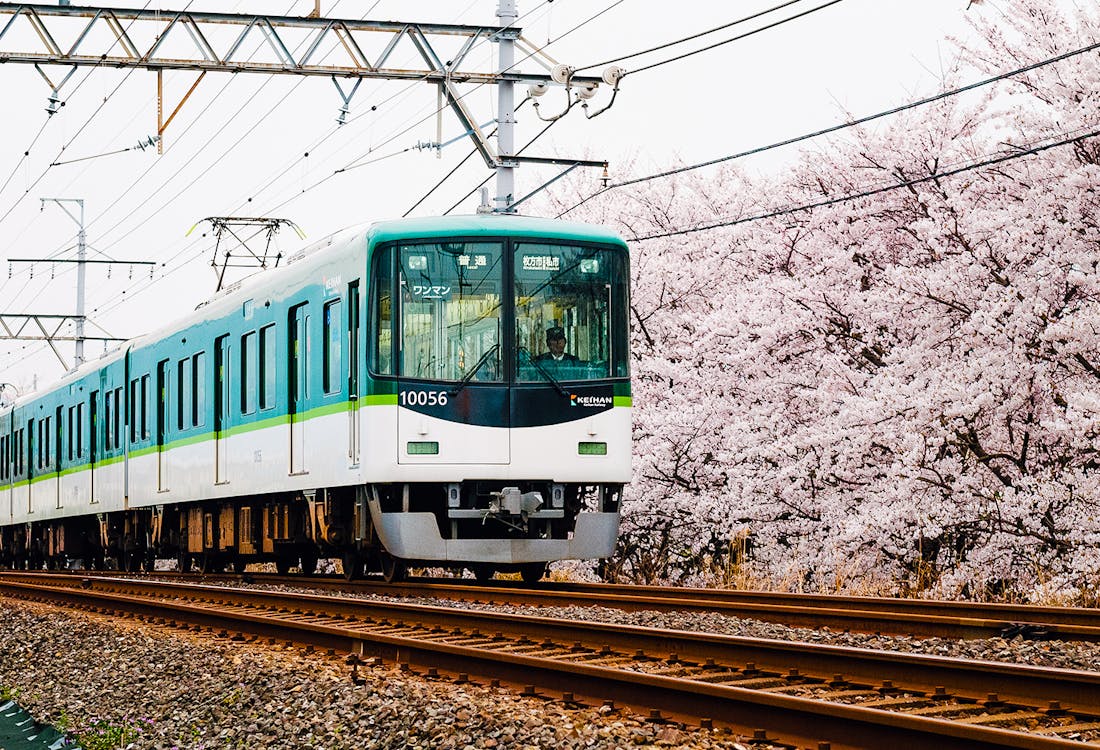
The Kyoto-Osaka Sightseeing Pass is the best-value transport pass for exploring Kansai, ideal for travelers staying in Osaka who make a day trip to Kyoto, linking many popular sights along the line.
Kyoto-Osaka Sightseeing Pass Basics
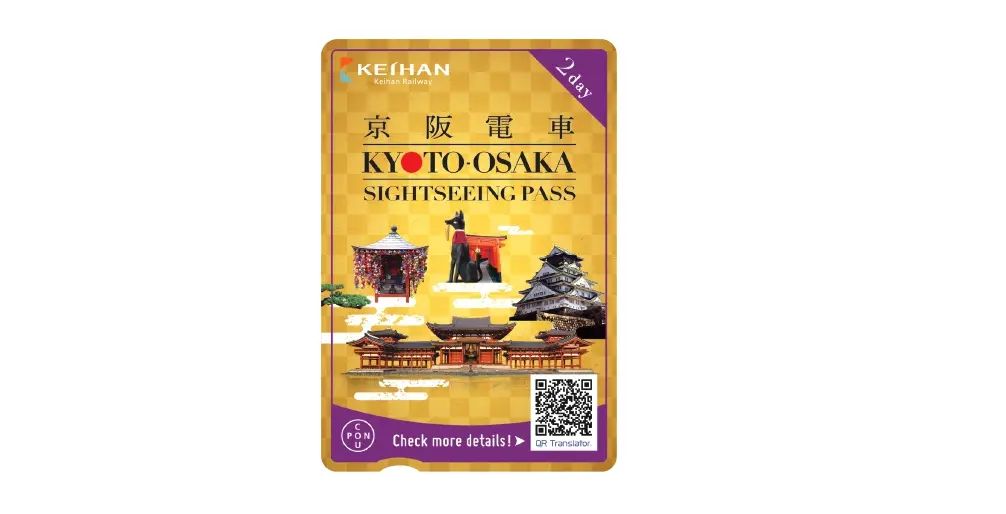
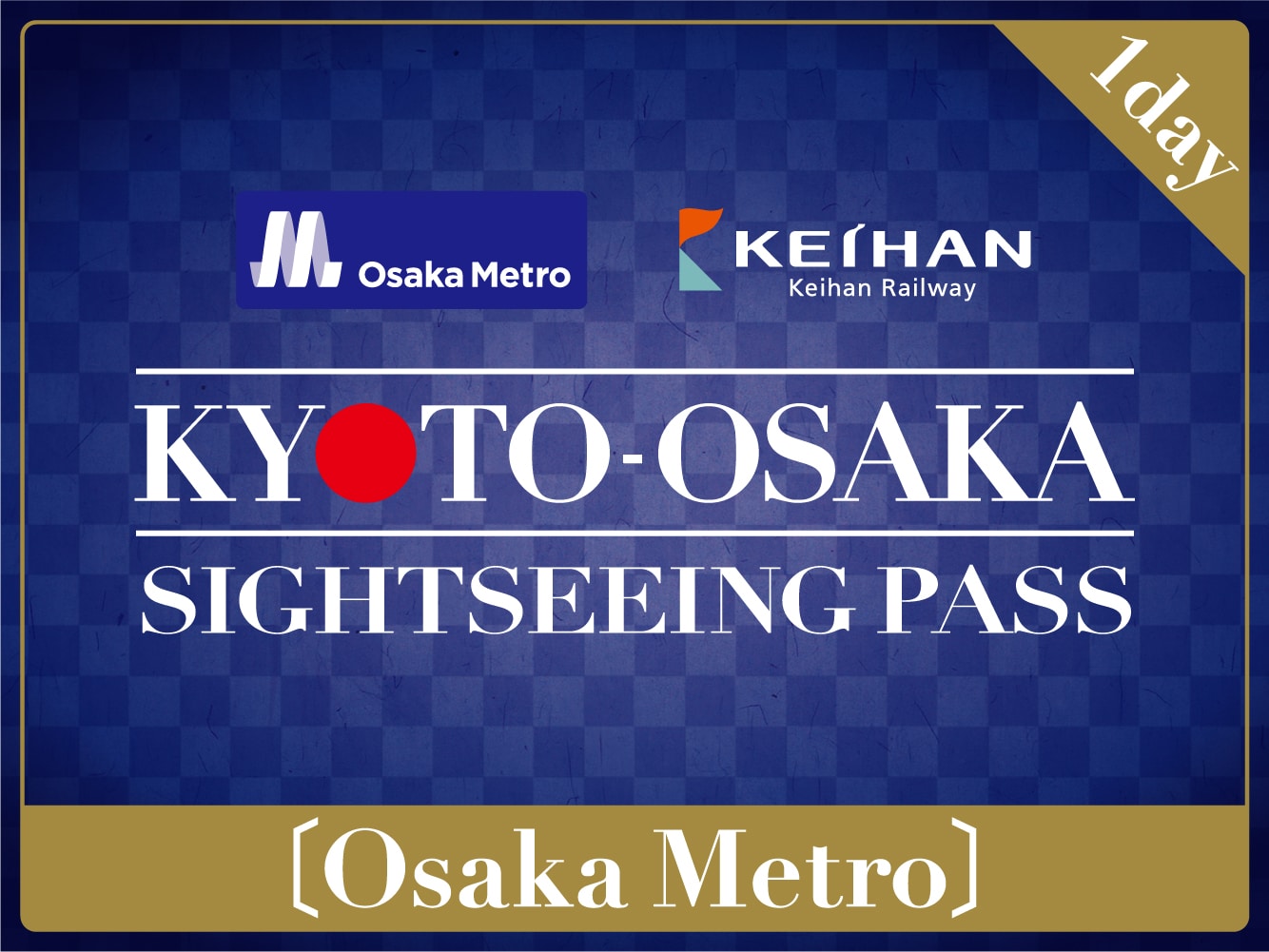
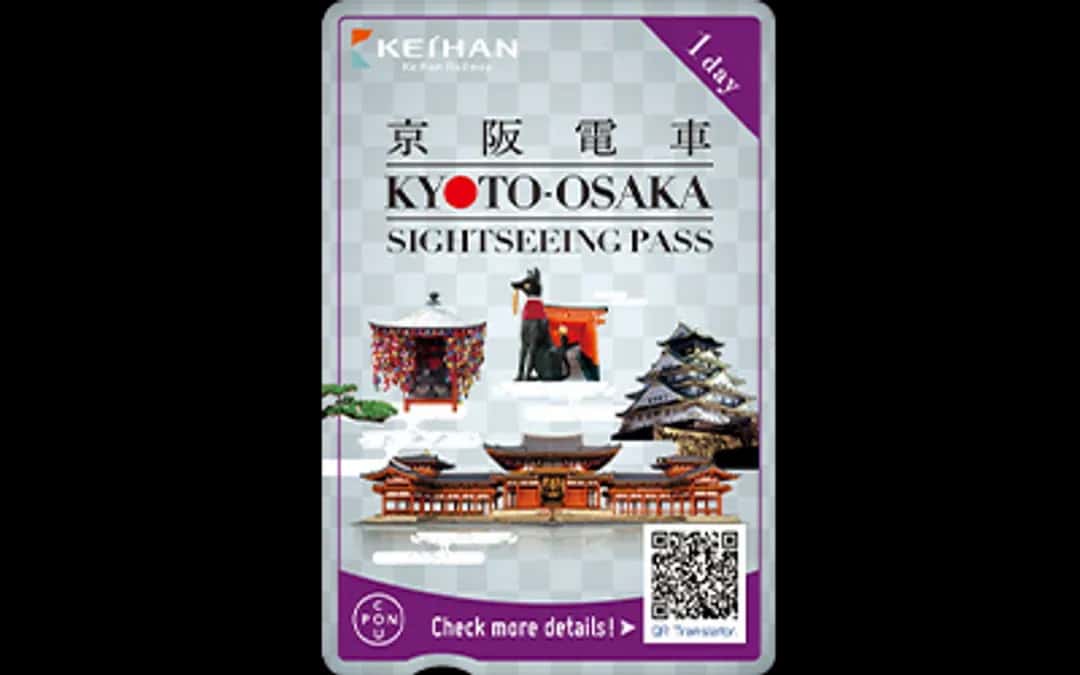
The official name of this pass is the “Osaka-Kyoto 1-Day Pass” (English name KYOTO-OSAKA SIGHTSEEING PASS 1day). Since October 1, 2025 the price is ¥1,650 for adults and ¥830 for children; actual prices follow the Keihan Railway website.
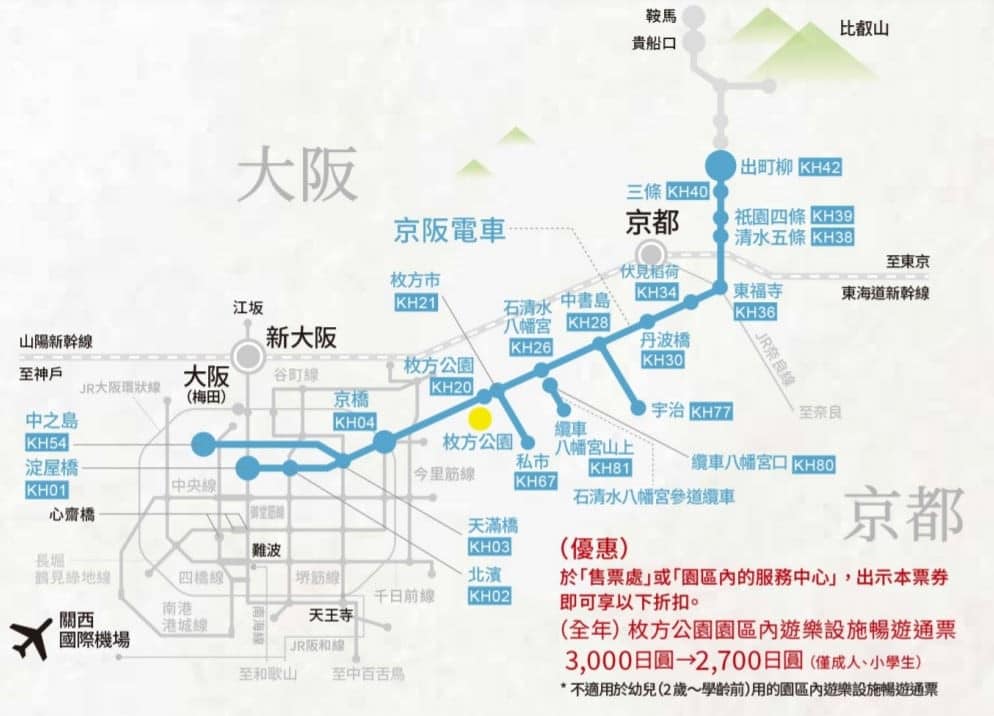
It is an e-ticket (QR code): buy it on the designated Keihan official website and enter through gates that can scan QR codes. It covers the whole Keihan Main Line and the Iwashimizu Hachimangu approach cable car; the Otsu Line is not included, and Premium Car and Liner services cost extra.
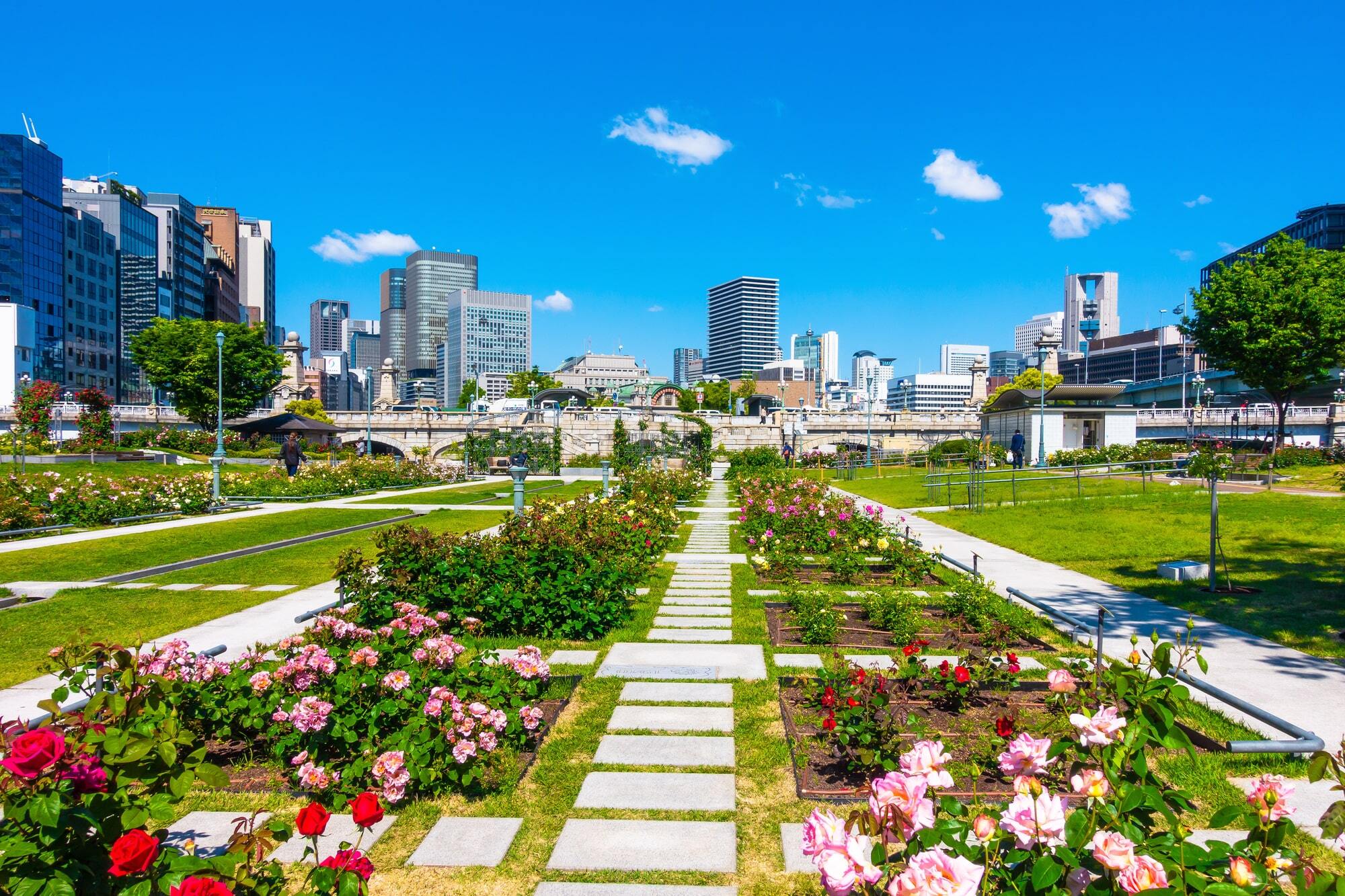
Nakanoshima Park
Reachable straight from Yodoyabashi or Kitahama Station. In the park you can see the retro Osaka City Central Public Hall, and in spring and autumn the rose garden is in full bloom, a rare place for a relaxed stroll in downtown Osaka.
The park stretches along the Dojima and Tosabori Rivers and suits the start of your itinerary as a warm-up spot; the main area can be walked in about ten minutes.

Kitahama
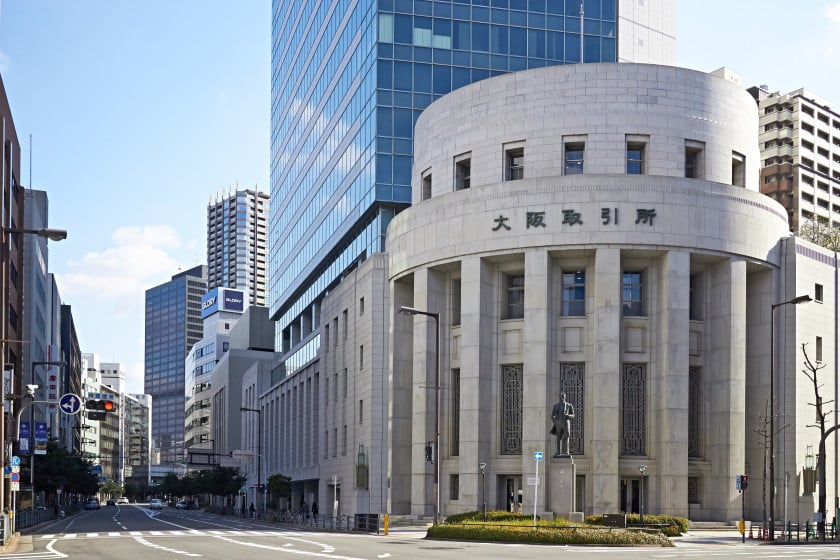
The area around Kitahama Station is Osaka’s historic financial district, preserving many retro buildings from the Meiji to early Showa periods and lined with cafés. Kitahama Retro Building was built in 1912 (Meiji 45) and is a nationally registered tangible cultural property, and the Osaka Exchange Building opposite was completed in 1935; both are symbols of Kitahama and suit travelers who like architectural photography.
It is within walking distance of Nakanoshima Park and is a stop often added when planning a half-day light trip.
Hirakata T-SITE
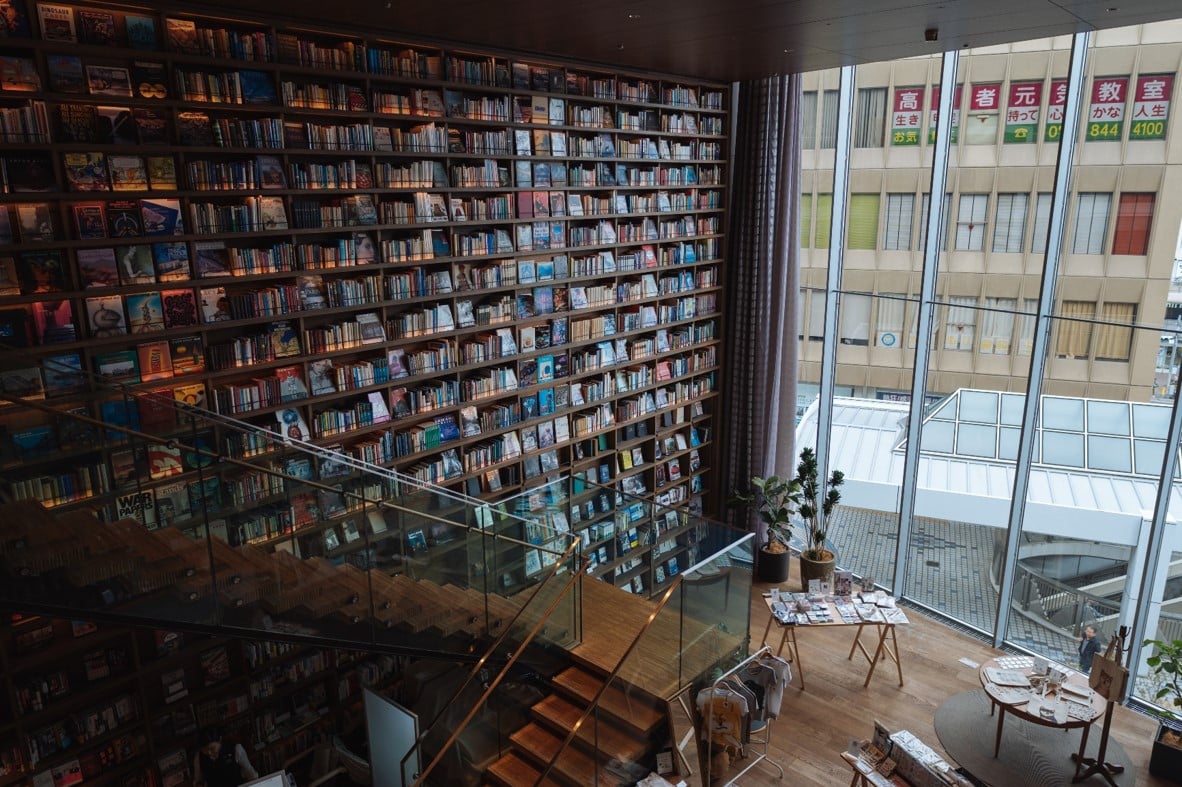
A shopping complex with a bookstore directly connected to Hirakata-shi Station, created by Tsutaya Books, combining reading, dining and lifestyle selections, a rare modern shopping spot along the Keihan line.
The architecture is bright and open, with Tsutaya Books on the 3rd floor and hours of about 7:00 to 22:00, making it a good base for a rest and meal in the middle of your itinerary.
Iwashimizu Hachimangu
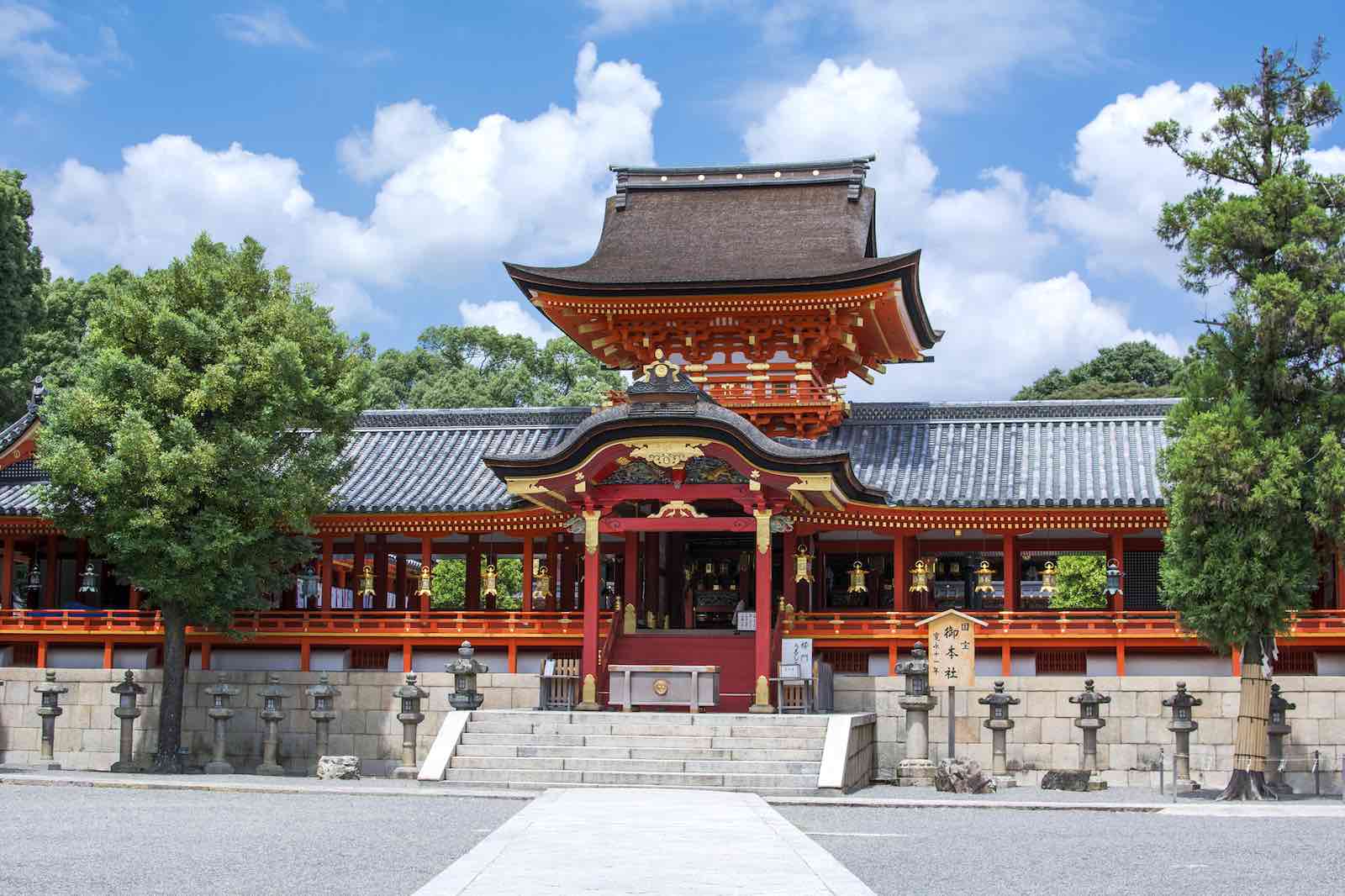
Located at Yawata-shi Station, where you transfer to a cable car to climb the mountain; Keihan’s Osaka-Kyoto 1-Day Pass includes the Iwashimizu Hachimangu approach cable car. It is one of Japan’s three great Hachimangu shrines, enshrining Emperor Ojin, and the main hall at the summit is a National Treasure, a hidden historic site that avoids the crowds.
From the summit you can look down on the Kyoto Basin and the confluence of rivers into the Yodo River, especially recommended in autumn leaf season.
Osaka Castle Main Tower
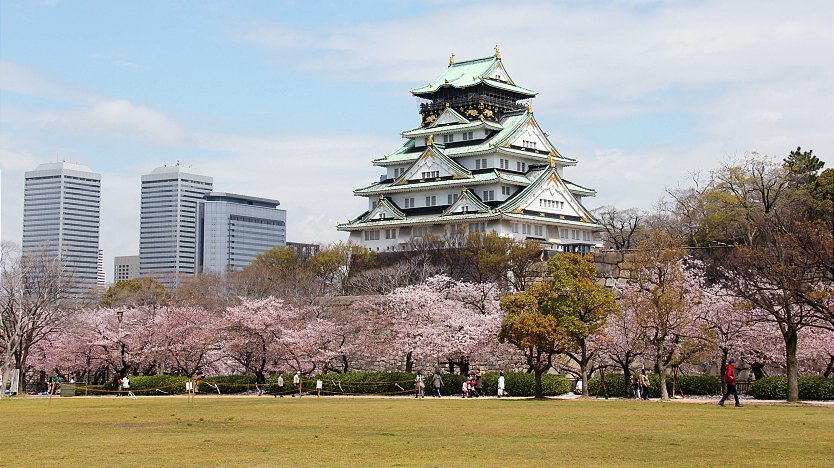
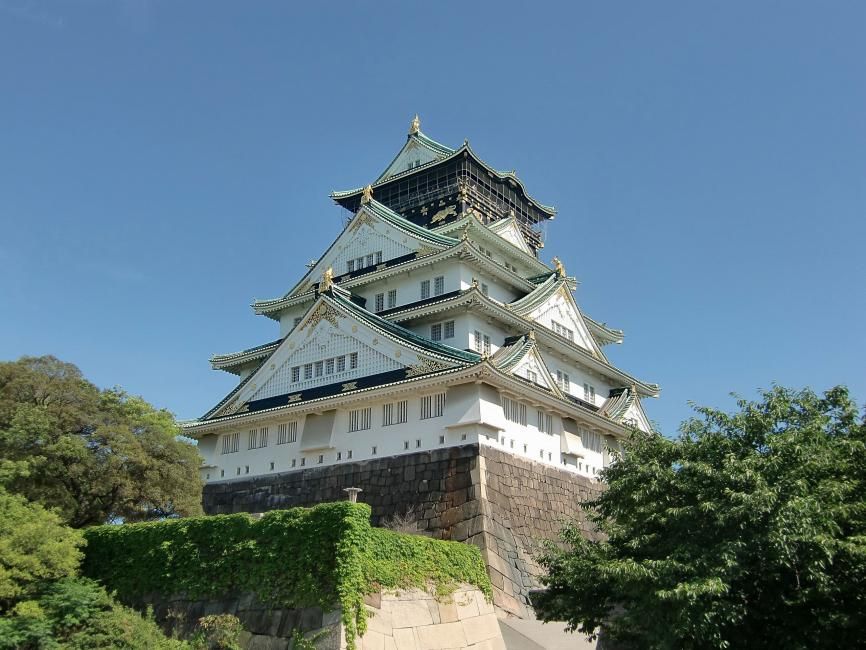
An Osaka landmark reached on foot from Temmabashi Station. Inside the main tower are exhibits of historical artifacts related to Toyotomi Hideyoshi; the main tower admission is ¥1,200 for adults (including the Toyotomi Ishigaki Hall), open 9:00 to 18:00 (last entry 17:30), and the park itself is free to enter.
Cherry blossoms bloom along the moat in spring, making it one of the most representative historic sights along the Keihan line.

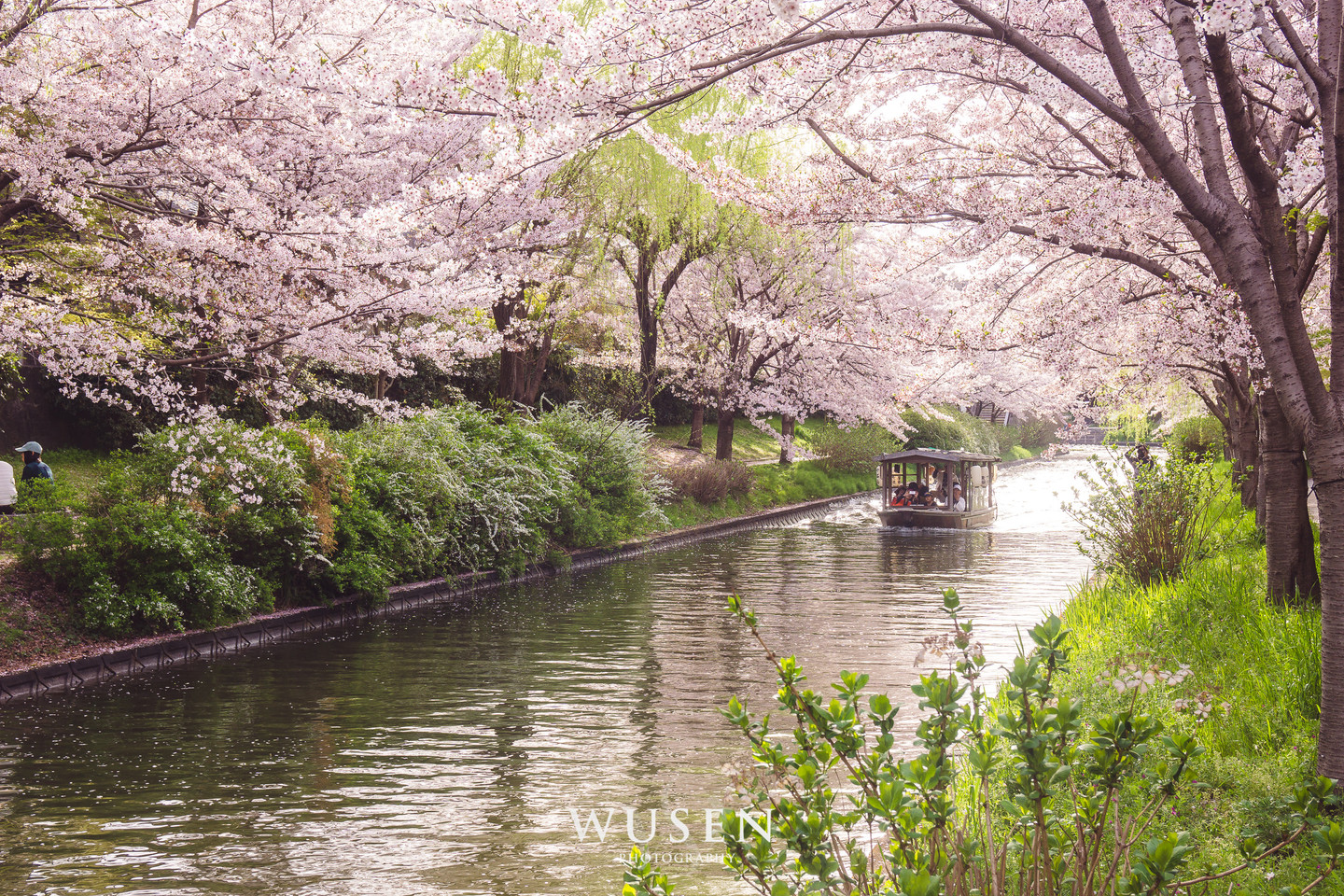
Fushimi Jukkoku-bune Boat
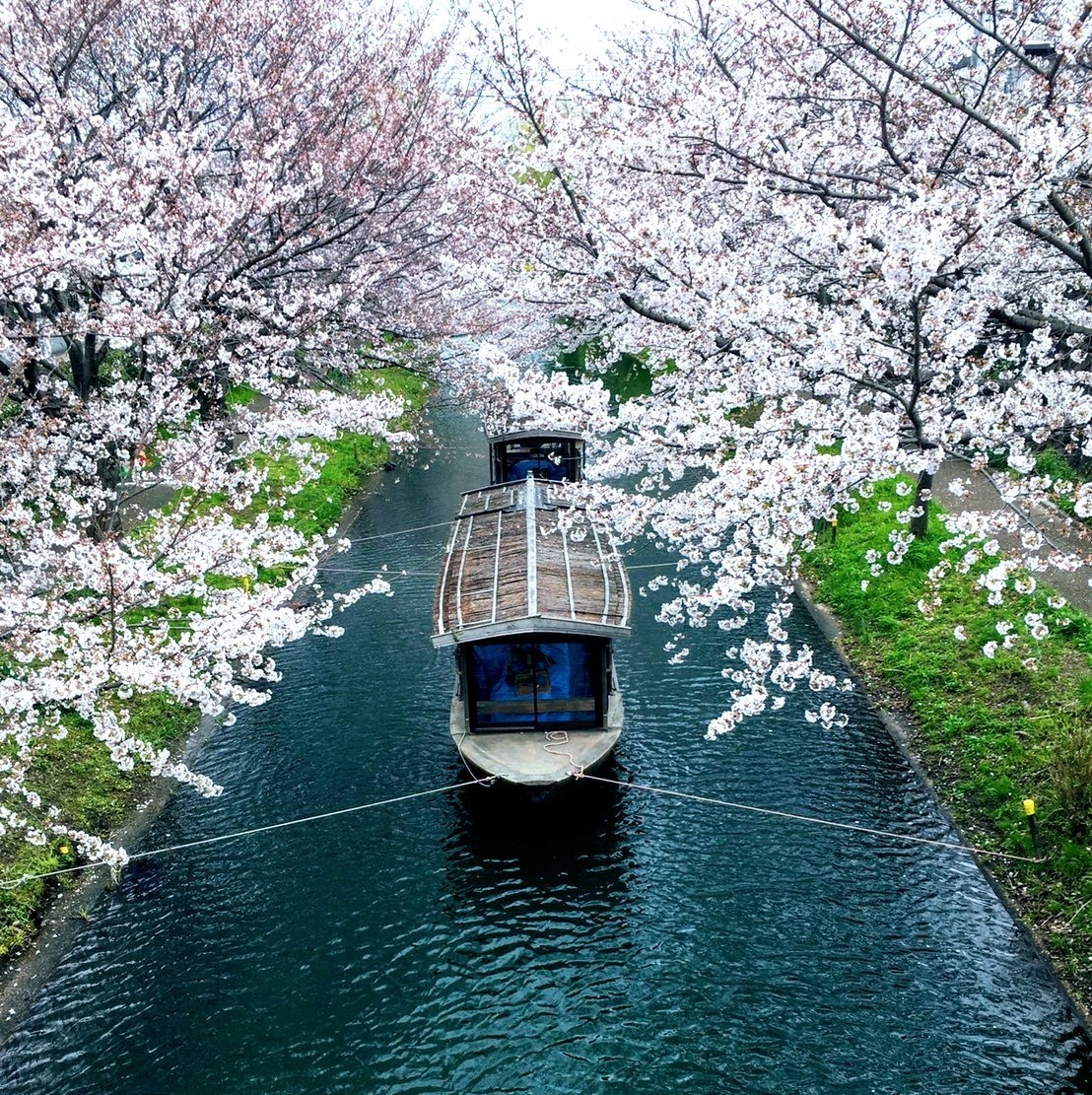
Reachable on foot from Chushojima Station, you ride a small wooden boat full of Edo-period charm among willow trees and sake breweries, a hidden spot for cherry blossoms and autumn leaves in the Fushimi area and the best way to get around on a sake brewery walk.
The ride takes about 50 to 55 minutes, and the 2026 operating period is March 20 to December 6 (closed Mondays, with exceptions in some months and holidays; in August it runs only on the 1st to 11th), ¥1,900 for adults and ¥900 for elementary school children and under; confirm the schedule before you set out.
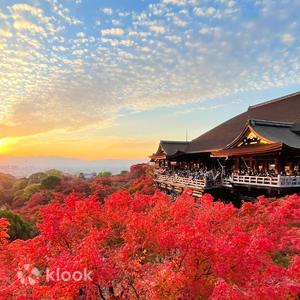
Kiyomizu-dera, Yasaka Shrine and Hanamikoji
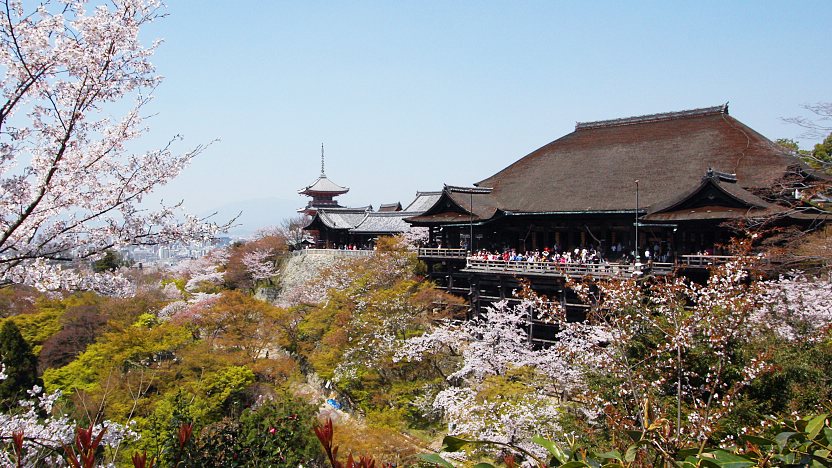
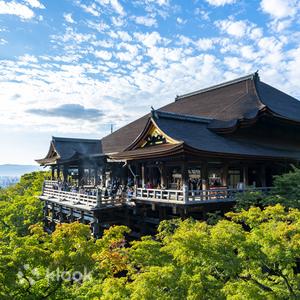
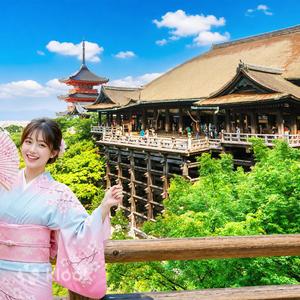
After getting off at Kiyomizu-Gojo or Gion-Shijo Station, walk to link Kiyomizu-dera, Yasaka Shrine and Hanamikoji, a classic ancient-capital walking route. Kiyomizu-dera admission is ¥500 for adults and ¥200 for elementary and junior high students, with opening hours of about 6:00 to 18:00 (varying by season).
Along the way you can wear a kimono for photos, and on both sides of the flagstone road of Hanamikoji are traditional Kyoto teahouse buildings, even more enchanting once lit at night.
![[Classic Kyoto In-Depth Tour] Kinkaku-ji & Kiyomizu-dera & Ninenzaka & Gion - Hanamikoji & Yasaka Shrine & Fushimi Inari Taisha Slow-Travel Day Tour (From Osaka/Kyoto)](https://res.klook.com/images/w_300,h_300,c_fill,q_75/w_80,x_15,y_15,g_south_west,l_Klook_water_br_trans_yhcmh3/activities/spqfe6yhv087ha5pj8vr/【京都經典深度遊】金閣寺清水寺二年坂祗園·花見小路八坂神社伏見稻荷大社深度慢旅行一日遊(大阪京都出發)-Klook.jpg)

Shimogamo Shrine
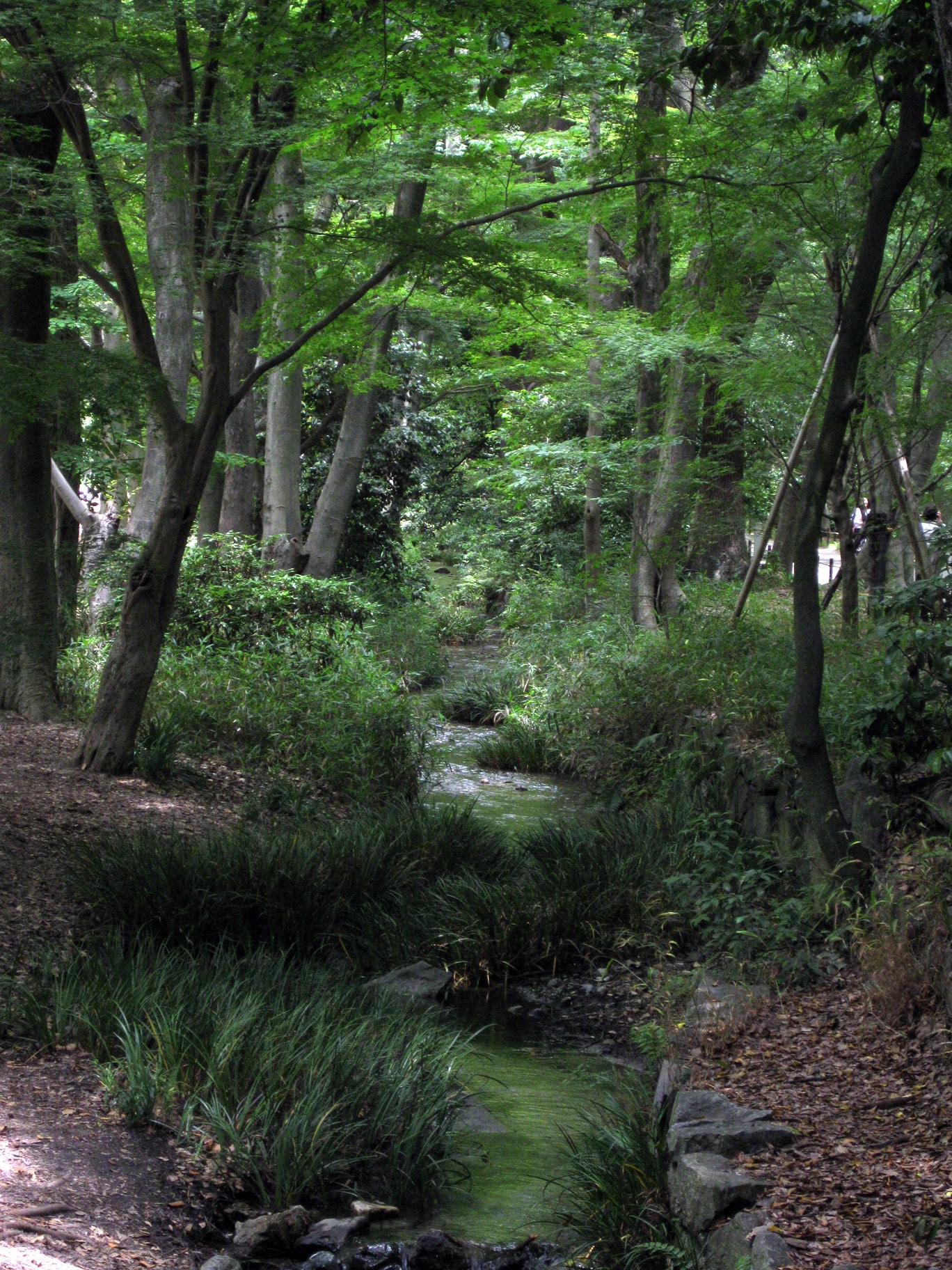
Reached right on getting off at Demachiyanagi Station, it is one of Kyoto’s oldest shrines, hidden in the phytoncide-rich primeval forest “Tadasu no Mori,” enshrining Kamo Taketsunumi no Mikoto and Tamayori-hime, and is a World Heritage Site.
Matchmaking omamori charms are available at the shrine, and the Mitarashi Pond in the grounds is opened for people to dip their feet and cool off on the Doyo Day of the Ox.
How to Get There? The Complete 2026 Guide to Keihan Railway Pass Transport and Costs
Keihan Railway has several pass types and combinations, and choosing the right one can save a lot on transport costs.
How to Choose a Keihan Railway Pass? All the Options at a Glance
🎫 Kyoto-Osaka Sightseeing Pass: ¥1,650 for adults and ¥830 for children, covering the whole Keihan Main Line and the Iwashimizu Hachimangu approach cable car (except the Otsu Line), with discounts along the line; it is an e-ticket.
🚃 Kyoto Sightseeing 1-Day Pass: ¥1,100 for adults, Kyoto section only, covering stations such as Fushimi-Inari and Gion-Shijo, not including the Osaka direction.
⏰ 24-Hour Pass: Kyoto-Osaka version ¥1,850, Kyoto version ¥1,300; you choose when to start using it and it is valid for 24 consecutive hours, with the same coverage as the 1-day pass.
🚄 Kansai Railway Pass: covers private railway lines including Kintetsu, Nankai, Hankyu and Hanshin, suiting longer stays with trips among Osaka, Kyoto, Nara, Himeji and other cities; it can be alternated with the Keihan 1-day pass depending on the number of days in your itinerary.
-Klook.jpg)
Keihan Railway One-Day Pass Itinerary Planning 2026: A Five-Day, Four-Night Plan and a Break-Even One-Day Route
Keihan Railway runs between Kyoto, Uji and Osaka, linking sights such as Fushimi Inari, Uji’s Byodo-in, Chushojima and Hirakata Park along the way, and you can also transfer to the Keihan Otsu Line for Ishiyama-dera and Lake Biwa (the Otsu Line is not included in the one-day pass). It is the route most easily overlooked but with excellent value when planning a five-day, four-night Kansai trip. Following the geography from south to north, from Kyoto to Otsu, below are eight must-visit spots with a break-even calculation for the one-day pass and visiting highlights, so independent travelers can grasp the best of the Keihan line at once.
Fushimi Inari Taisha
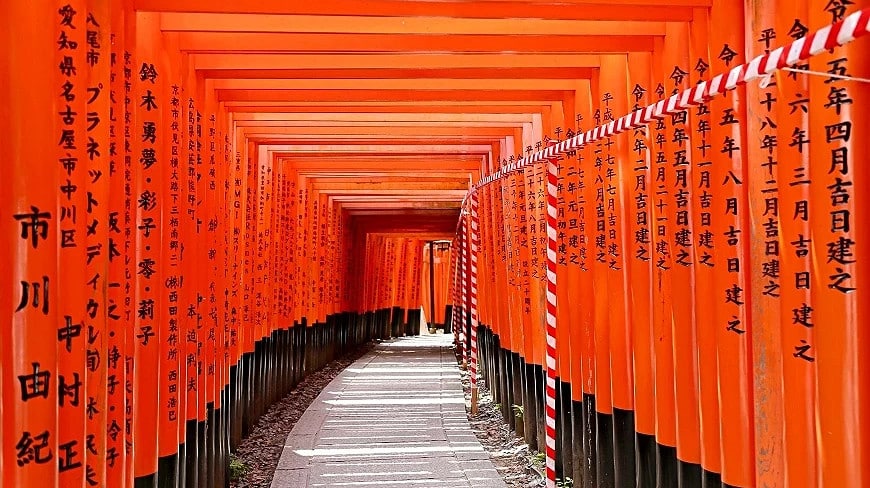
Fushimi Inari Taisha is at 68 Fukakusa Yabunouchicho, Fushimi Ward, Kyoto, about a 5-minute walk from Fushimi-Inari Station on the Keihan Main Line. As the head shrine of all Inari shrines in Japan, it enshrines Uka-no-Mitama-no-Okami, who presides over bountiful harvests and business prosperity, and is famous for its endless Senbon Torii.
Highlights of the visit are the Romon gate, outer worship hall, main hall and the Senbon Torii path. Visiting only the “Okusha Hohaisho” takes about 1 hour; climbing to the summit of Mt. Inari takes 2.5 to 3 hours. It is open 24 hours all year with free worship; we suggest arriving before 7 a.m. to avoid crowds and catch the best photo moment.
The shrine office sells many omamori, especially the “Kaiun Shofuku Mamori” and fox ema. The goshuin costs ¥300 and is received at the office on the right side of the main hall. The “Yotsutsuji” teahouse partway up the mountain overlooks the Kyoto cityscape and Osaka, a good spot for resting and photos.
:伏見稻荷大社嵐山清水寺-Klook.jpg)
Uji Byodo-in
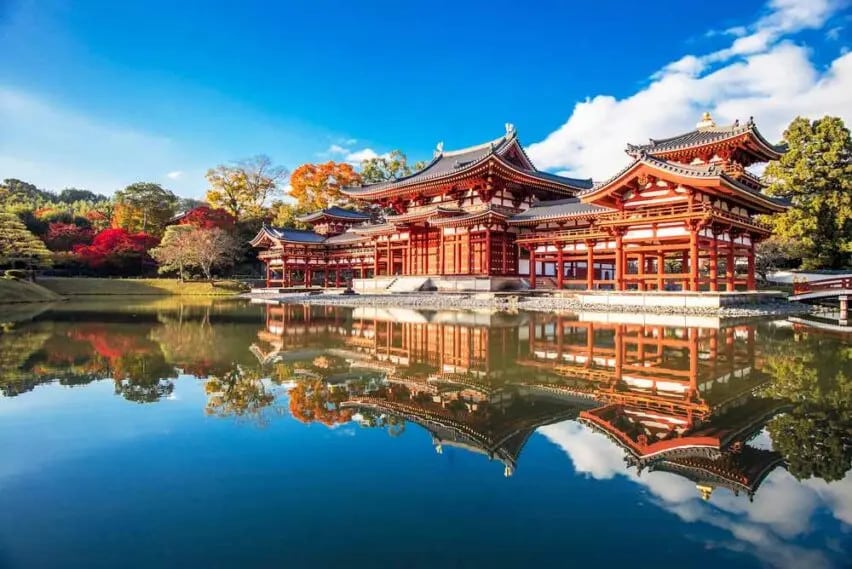
Byodo-in is in Uji, Kyoto Prefecture, a 10-minute walk from Uji Station on the Keihan Uji Line. It was built in 1052 and was designated a World Heritage Site in 1994.
It houses the National Treasure Bodhisattvas Riding on Clouds and the seated Amida Nyorai. The garden is open 8:45 to 17:30 (admission until 17:15), with admission of ¥700 for adults (including the Hoshokan Museum), and entry inside the Phoenix Hall costs an extra ¥300 donation, accepted on-site in the grounds.
Goshuin for the Phoenix Hall and Amida Nyorai are ¥300 each, the omamori is a good-luck charm, and Nakamura Tokichi Honten sells tea soba and matcha parfaits.
-Klook.jpg)
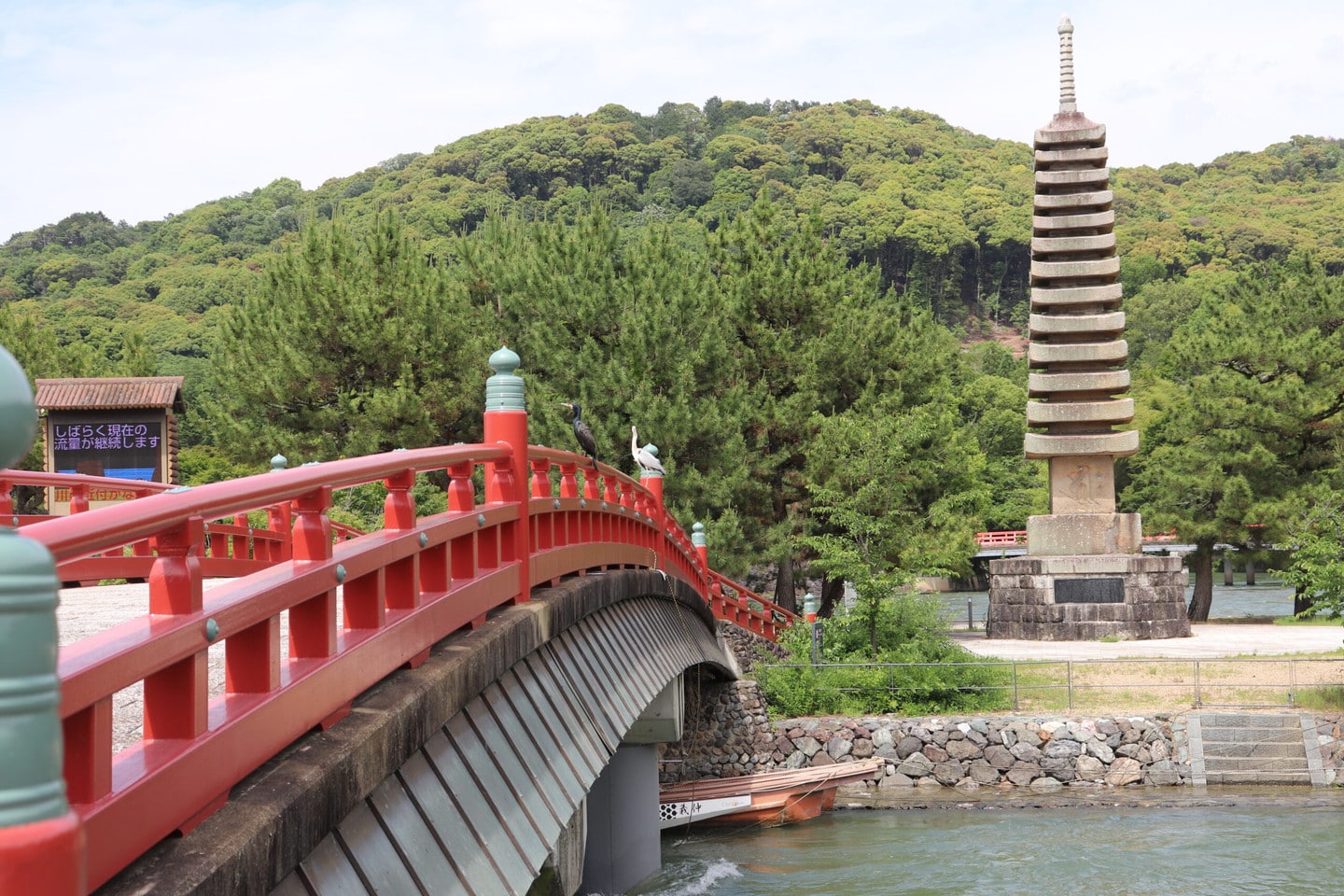
Uji River and Asagiri Bridge
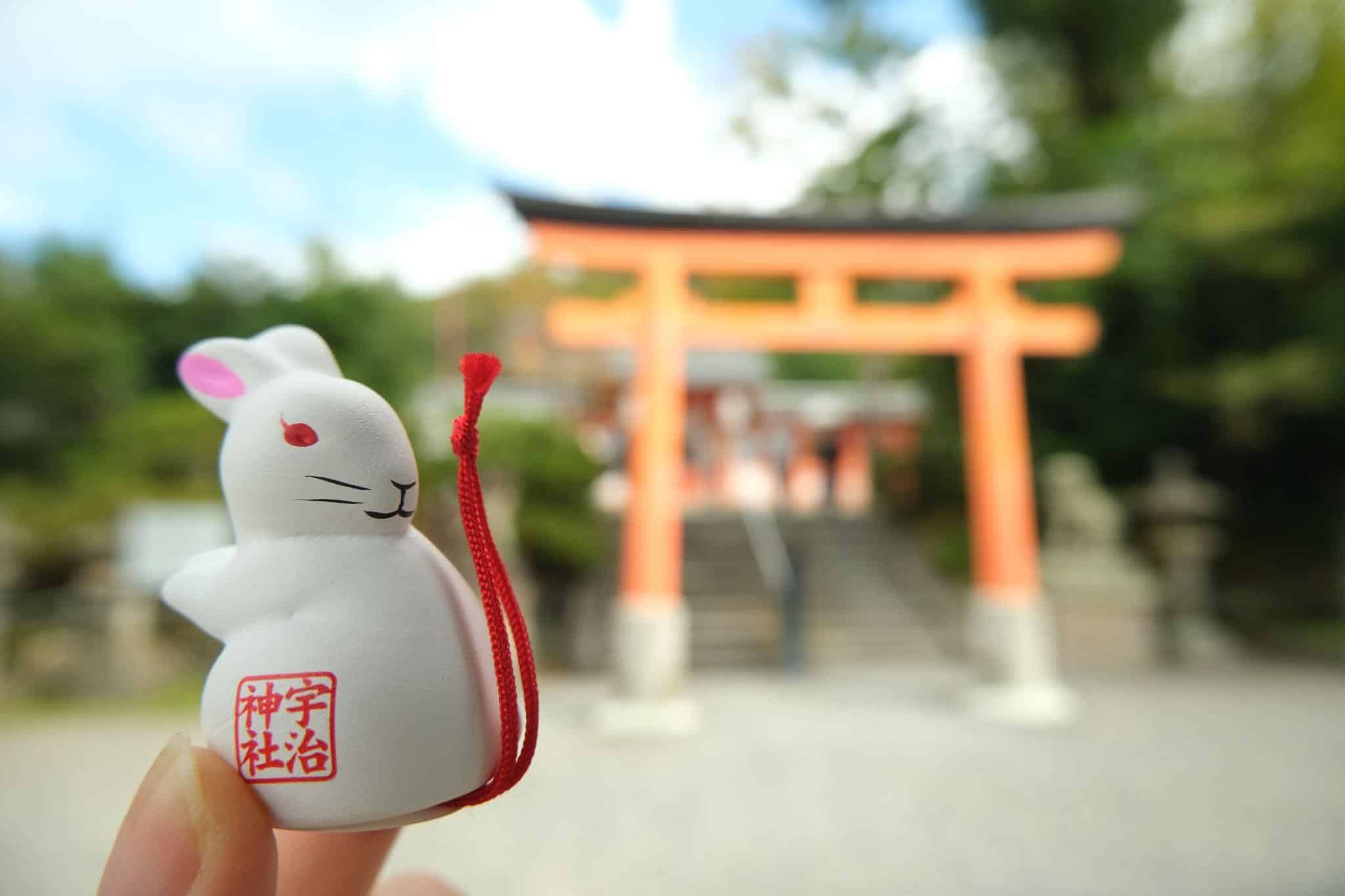
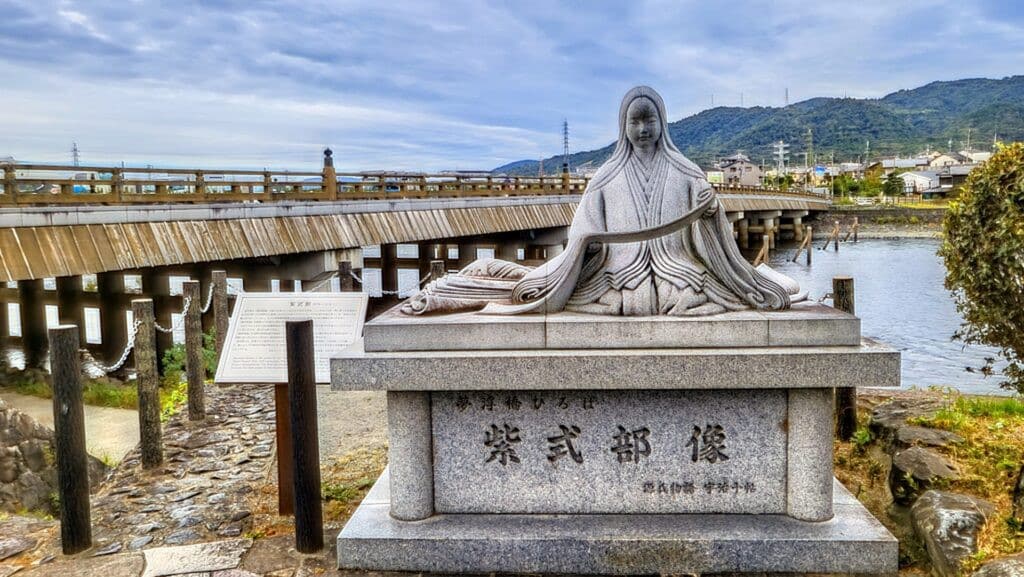
Asagiri Bridge spans the Uji River, linking Byodo-in and Uji Shrine, and is a setting from the Uji chapters of The Tale of Genji, with a statue of Murasaki Shikibu beside the bridge. The riverside park is open and scenic, a fine place for a walk in Uji; we suggest 30 minutes to 1 hour, open all year and free. The Uji River at sunset is especially enchanting. Both ends of the bridge lead to Uji Shrine and Ujigami Shrine, the oldest surviving shrine building in Japan. Ujigami Shrine’s omamori is distinguished by “Kirihara water,” and its goshuin is ¥300. The compact Ujigami Shrine suits a side trip after Byodo-in, and with the one-day pass you save on transport.
-Klook.jpg)
Chushojima and the Fushimi Sake Brewery District
Chushojima Station is the interchange of the Keihan Main Line and Uji Line, and a 10-minute walk takes you into the Fushimi sake brewery district. Since the Edo period, thanks to Uji River water transport and quality groundwater, it grew into one of Japan’s three great sake-producing regions, and both the Gekkeikan Okura Sake Museum and the Kizakura memorial museum stand here.
The Gekkeikan Okura Sake Museum is at 247 Minamihamacho, Fushimi Ward, Kyoto, open 9:30 to 16:30 (last entry 16:00), with an admission of ¥600 that includes a tasting of three sakes and a souvenir sake cup; we suggest staying 1 to 1.5 hours.
Strolling along the Horikawa canal, you can enjoy the Edo atmosphere of white-walled sake breweries reflected in the water; if time allows, take the Jukkoku-bune boat (¥1,900 for adults, operating until December 6 in 2026).
Hirakata Park
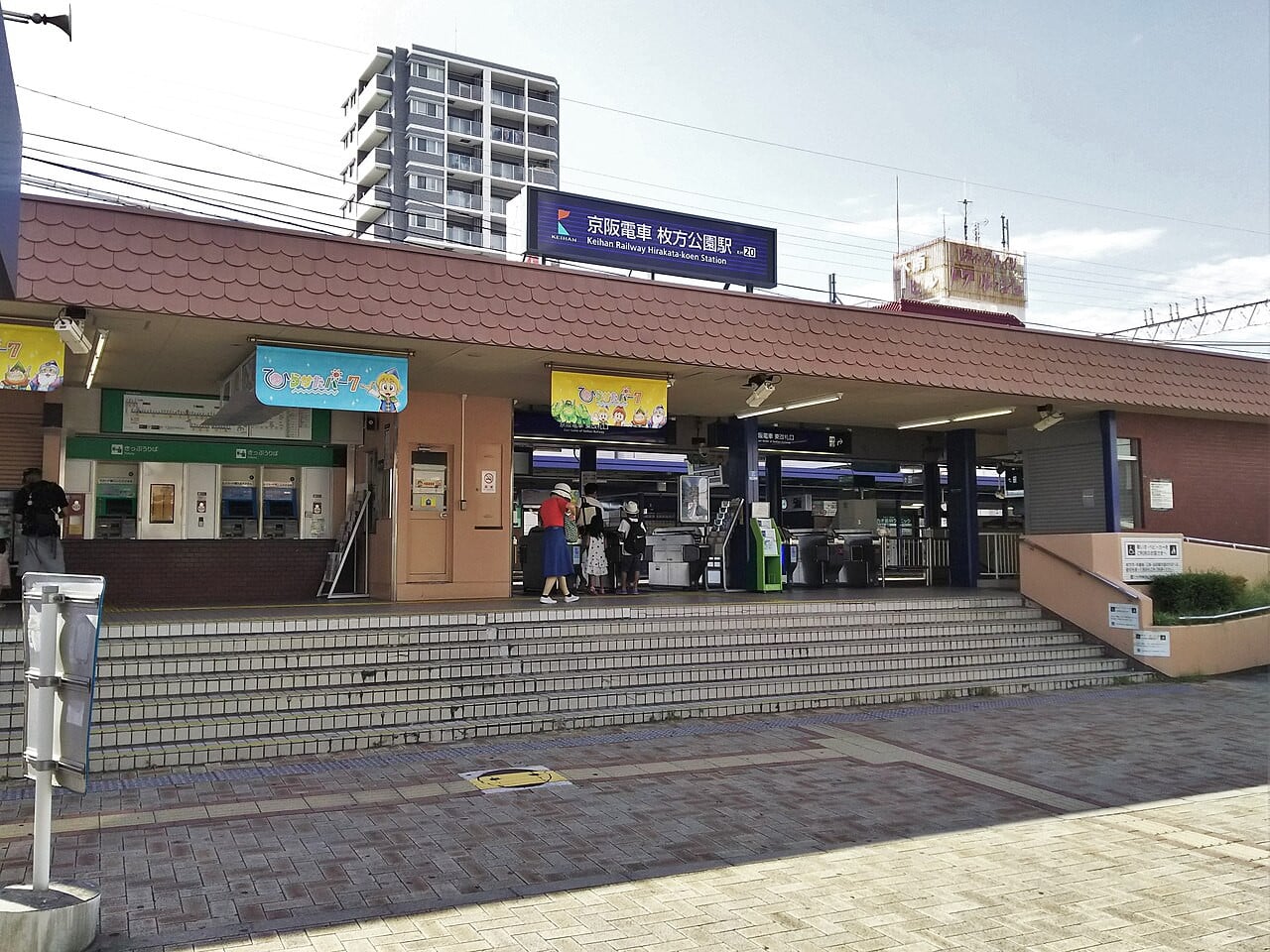
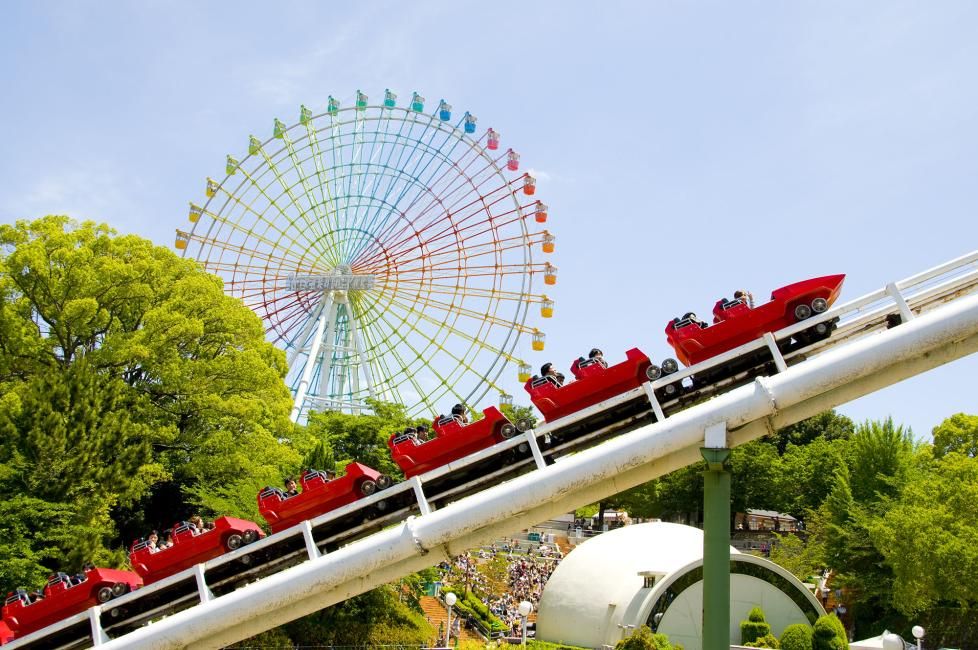
Hirakata Park is in Gotenyamacho, Hirakata, Osaka, beside Hirakata-koen Station on the Keihan Main Line, a Kansai amusement park with a century of history. The park mixes retro and new attractions, with hours of about 10:00 to 17:00 (closed on some days). Keihan also offers an official ticket including admission, the “KYOTO-OSAKA SIGHTSEEING PASS (for Hirakata Park),” ¥2,200 for adults and ¥1,250 for children (on sale from April 2026), not usable on park closed days. A must-ride is the wooden roller coaster “ELF.”
Ishiyama-dera
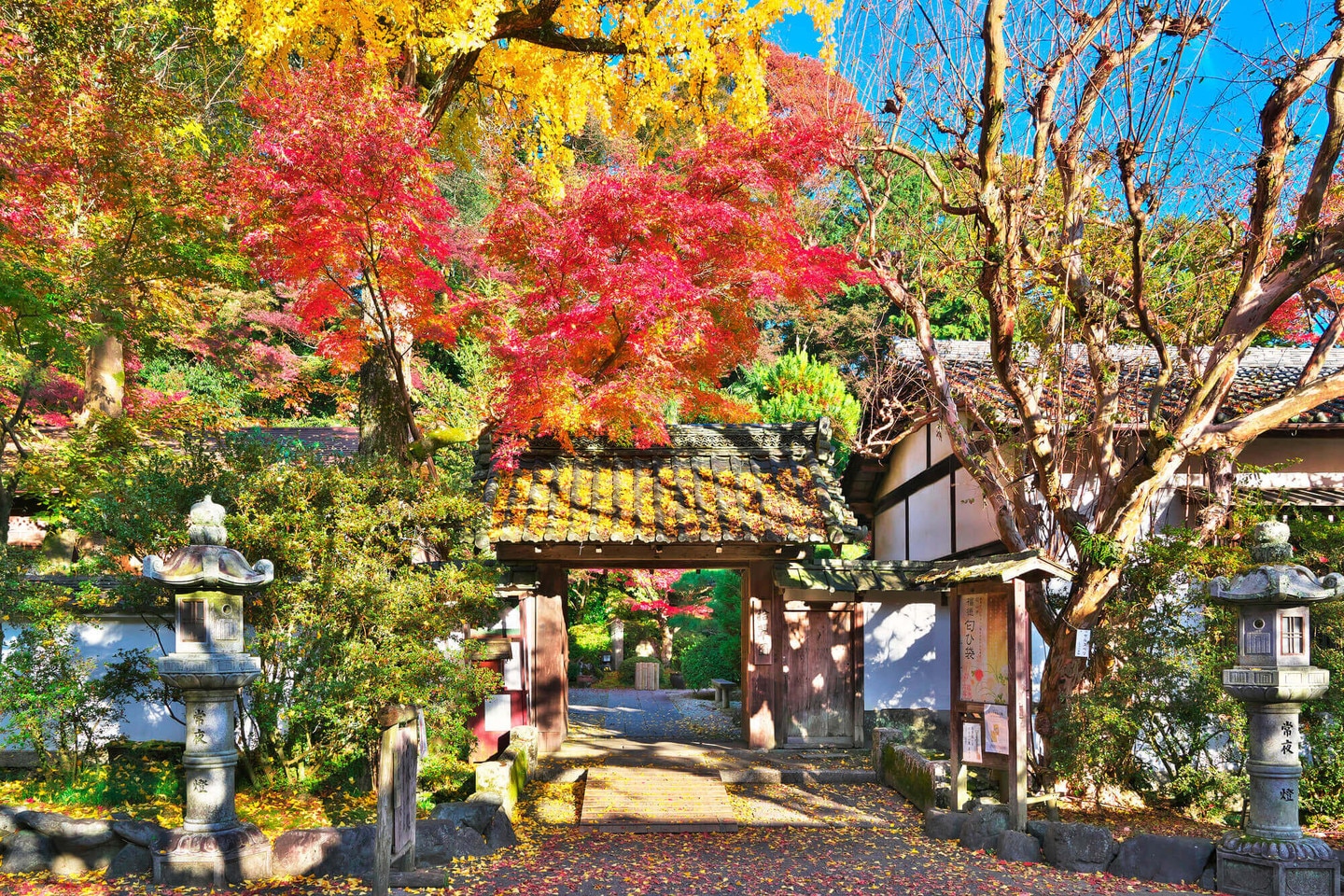
Ishiyama-dera is at 1-1-1 Ishiyamadera, Otsu, Shiga Prefecture; take the Keihan Ishiyama-Sakamoto Line (Otsu Line, not included in the one-day pass) to Ishiyamadera Station and walk 10 minutes. It is Temple No. 13 of the Saigoku 33 Kannon Pilgrimage.
The main hall was built in the Heian period and stands on natural bedrock, giving the name “Ishiyama” (stone mountain); the Tahoto pagoda in the grounds is Japan’s oldest National Treasure pagoda. It is open 8:00 to 16:30 (entry to the mountain until 16:00), with an entrance fee of ¥600.
The temple sells Tale of Genji-themed goshuin (about ¥300-500) and omamori, and the autumn leaves are spectacular; we suggest scheduling it for the third or fourth day of a five-day, four-night itinerary.
Lake Biwa Otsu Port and Hamaotsu
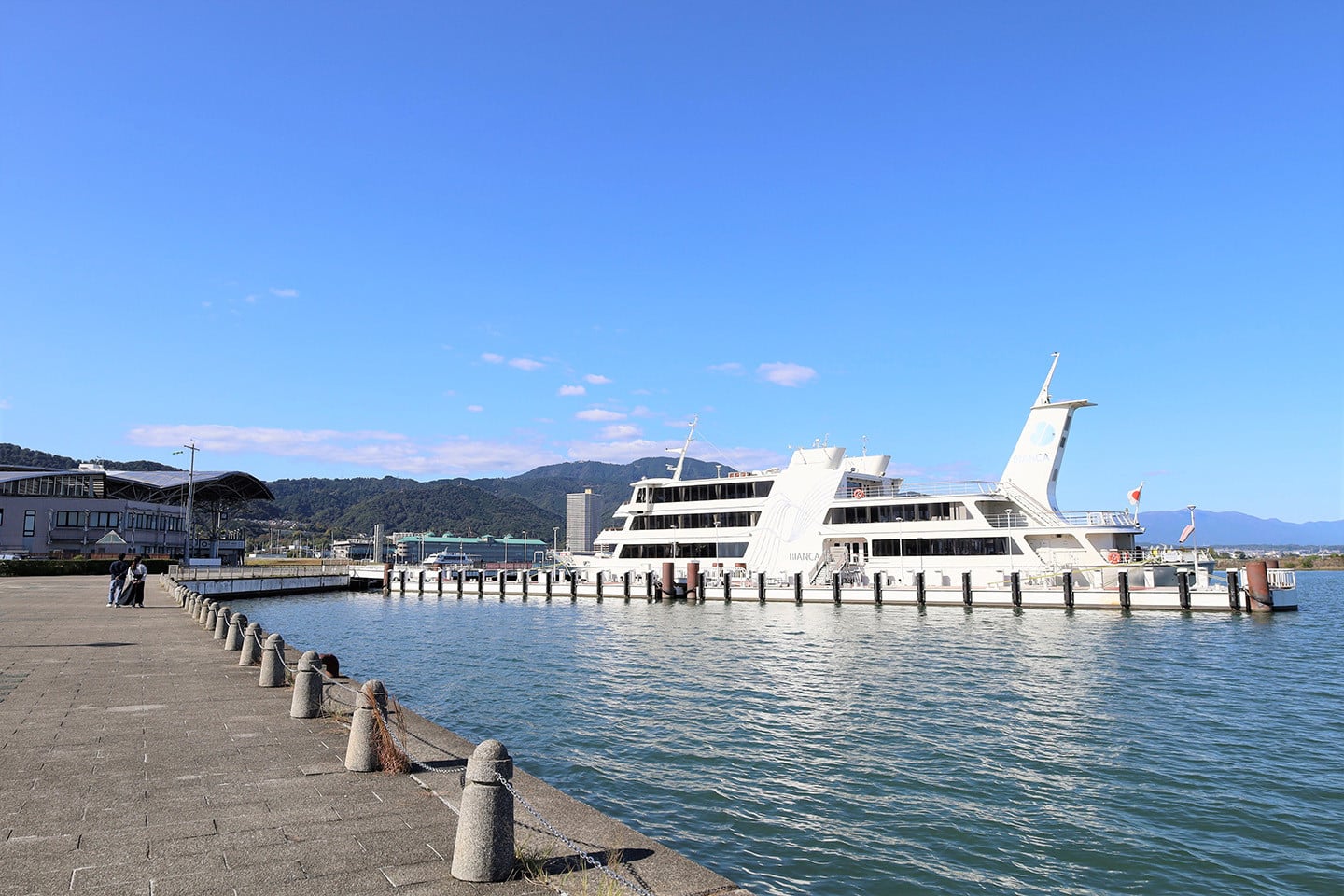
Hamaotsu Station is the transfer station of the Keihan Otsu Line (not included in the one-day pass) and is near Lake Biwa’s Otsu Port, an excellent spot for viewing Lake Biwa. At the port is the “Michigan” cruise ship, with a 60-minute cruise at ¥2,800 for adults and a 90-minute cruise at ¥3,400 (2026). We suggest allowing 2 hours for a lake cruise and a walk, and on clear days you can see Mt. Hiei in the distance.
Mii-dera (Onjo-ji) is a 15-minute walk from Hamaotsu, the head temple of the Tendai Jimon sect, and its Kondo hall is a National Treasure. You can arrange your plan flexibly, extending the area around Lake Biwa into a half-day or longer in-depth trip.
Keihan Railway One-Day Pass Break-Even Calculation and Five-Day, Four-Night Route Suggestions
The Keihan Kyoto-Osaka Sightseeing Pass costs ¥1,650 for adults (¥830 for children) and covers the whole Keihan line (except the Otsu Line). Yodoyabashi to Fushimi-Inari is ¥480 one way (after the October 2025 revision), about ¥960 round trip, so you need several rides or good use of discounts along the line to break even.
Suggested five days, four nights: Day 1 downtown Osaka and Yodoyabashi; Day 2 Fushimi Inari and Uji Byodo-in with the one-day pass; Day 3 Chushojima sake district and Hirakata Park; Day 4 Ishiyama-dera and Lake Biwa Hamaotsu (Otsu Line tickets bought separately); the last day for Kyoto sights, covering shrines, districts, an amusement park and lake views.
How Much Does the 2026 Keihan Railway One-Day Pass Cost? Tickets and Guided Tours
Keihan Railway connects Kyoto and Osaka, two of Kansai’s most popular cities, linking Fushimi Inari Taisha, Uji Byodo-in, Osaka’s Nakanoshima and Dotonbori along the line, very convenient for independent travelers. Keihan offers several special tickets, from a few hundred yen to over a thousand yen, suiting travelers with different trip lengths and plans. Below are the common 2026 Keihan one-day pass types, fares, coverage and nearby attraction tickets that pair well, so you can pin down your budget before you go.
Keihan Railway Kyoto-Osaka One-Day Pass (Keihan One-Day Ticket)
The Keihan Kyoto-Osaka Sightseeing Pass is priced at ¥1,650 for adults and ¥830 for children (after the adjustment on October 1, 2025) and gives unlimited rides on the whole Keihan line (except the Otsu Line) during its validity, suiting a day trip between Kyoto’s Fushimi and Osaka’s Nakanoshima. Pass holders get discounts at participating shops and attractions.
How to buy: it is an e-ticket, available on the designated Keihan official website or booked through platforms such as KKday and Klook, with QR-code entry. Recommended route: “Fushimi Inari Taisha → Chushojima → Uji Byodo-in → Osaka Kyobashi,” linking the best of Kyoto and Osaka in one day and saving transit time.
This pass covers well-known sights such as Fushimi Inari Taisha, Uji Byodo-in, Osaka’s Temmabashi and the Kyobashi district, suiting first-time Kansai travelers who want to plan a rich itinerary easily.
Fushimi Inari Taisha Senbon Torii Guided Tour
Fushimi Inari Taisha is at 68 Fukakusa Yabunouchicho, Fushimi Ward, Kyoto, the head shrine of all Inari shrines in Japan, famous for its Senbon Torii and a filming location for dramas and films. It is about a 5-minute walk from Keihan’s Fushimi-Inari Station, with free worship all year. Guided tours take about 2 to 3 hours, with fees varying by organizer, including explanations of Inari belief and the torii’s origins and a climb up Mt. Inari for views of Kyoto; joining at dawn or dusk avoids crowds. The grounds are large and the trails complicated, and a guide can lead the way and share the legend of the fox messengers and nearby food.
Uji Byodo-in Phoenix Hall and Matcha Experience
Byodo-in is at 116 Uji Renge, Uji, Kyoto Prefecture, a World Heritage-class Heian-period building whose Phoenix Hall appears on the ten-yen coin. It is about a 10-minute walk from Keihan’s Uji Station. The garden is open 8:45 to 17:30 (Hoshokan 9:00 to 17:00), with admission of ¥700 for adults and an extra ¥300 to enter the Phoenix Hall.
A 3-hour itinerary combining a Uji matcha experience, with fees varying by organizer, including a Byodo-in tour, matcha grinding and tea-making at a century-old tea house, and tasting matcha sweets and buying souvenirs, suiting travelers who love tea ceremony culture.
Uji is famous for high-quality matcha, and this itinerary combines a World Heritage site with a matcha experience.
Osaka Dotonbori and Shinsaibashi Food Walking Tour
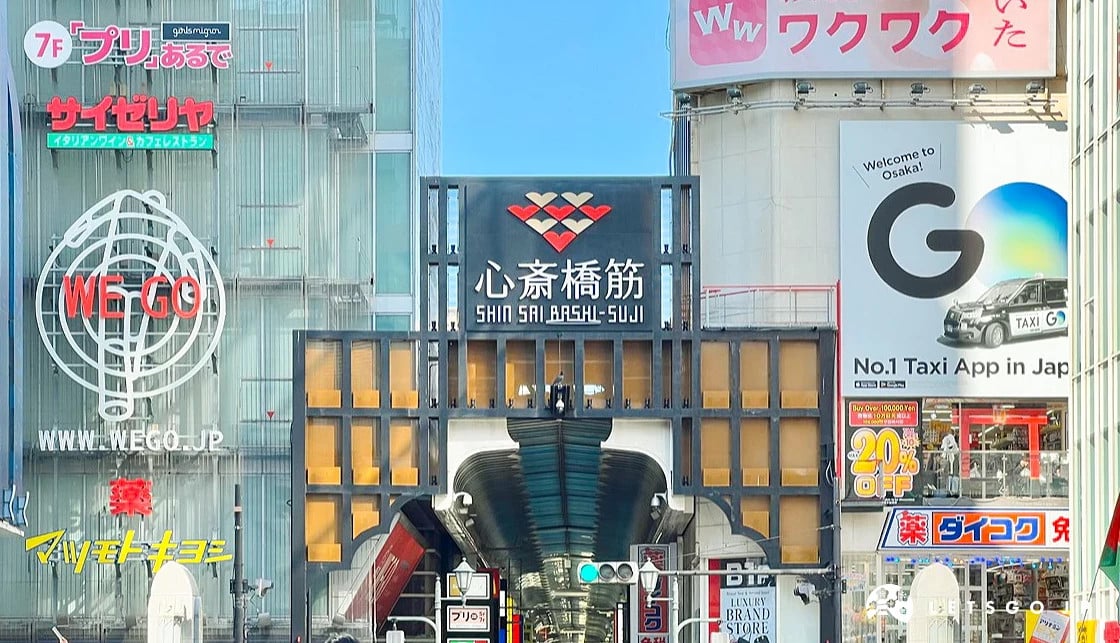
Dotonbori is Osaka’s signature food and entertainment district, lined with the Glico sign, takoyaki and Kani Doraku crab restaurants; take the Keihan to Yodoyabashi, then transfer to the Osaka Metro Midosuji Line to Namba or Shinsaibashi (Metro tickets bought separately), best visited in the early evening.
The time and cost of food walking tours vary by organizer and usually include several snacks (takoyaki, okonomiyaki, kushikatsu and so on), with a guide introducing Osaka’s food culture and local recommendations.
It suits first-time visitors, skipping the queues and sampling many classic foods at once, and with the night view of the Dotonbori canal you feel the charm of Osaka, the city that never sleeps.
Where to Stay
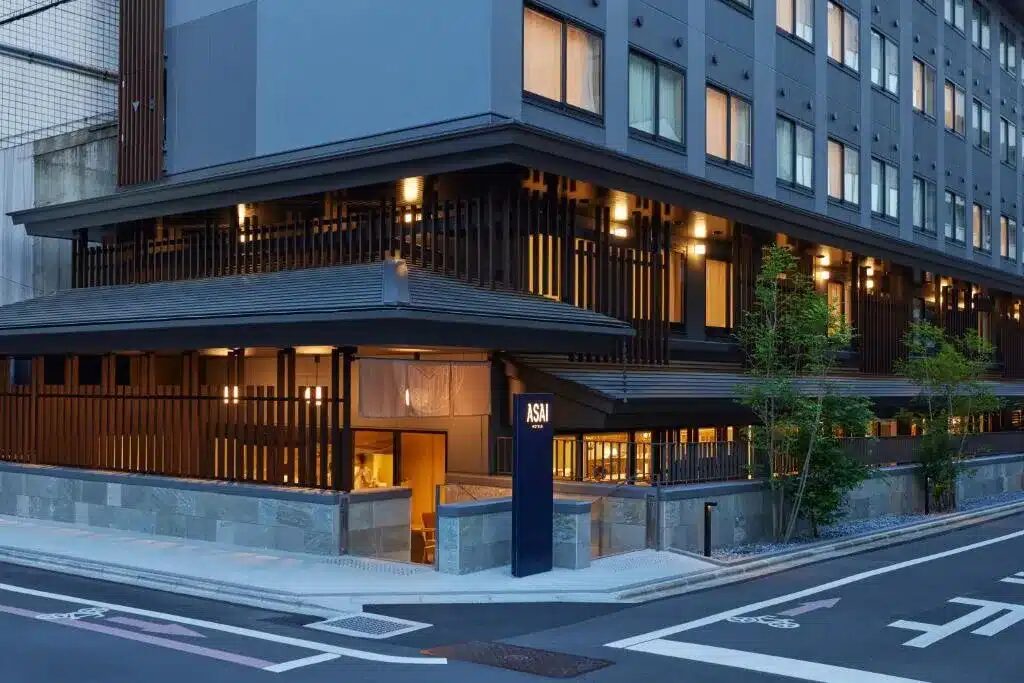
Keihan Railway has Osaka’s Yodoyabashi and Kitahama at one end and Kyoto’s Gion-Shijo and Demachiyanagi at the other. Staying around Gion-Shijo Station lets you catch a train to Fushimi Inari Taisha first thing in the morning; staying around Yodoyabashi, Kitahama or Temmabashi lets you take the Keihan to Kyoto directly from the station. To compare hotels around Kyoto’s Kawaramachi and Gion, see our Kawaramachi and Gion accommodation guide.

FAQ
Q: How much is the Kyoto-Osaka Sightseeing Pass?
The “Kyoto-Osaka Sightseeing Pass” covering the whole Keihan line is ¥1,650 for adults and ¥830 for children (from October 1, 2025); the “Kyoto Sightseeing 1-Day Pass” for travel within Kyoto only is ¥1,100 for adults. The two are different tickets.
Q: How much is admission to Kiyomizu-dera?
Kiyomizu-dera admission is ¥500 for adults and ¥200 for elementary and junior high students; for night special openings, prices and hours follow official announcements.
Q: Can I use the Keihan one-day pass on the Osaka subway?
No. This pass covers the whole Keihan line (except the Otsu Line) and the Iwashimizu Hachimangu approach cable car, and does not include the Osaka Metro or Kyoto city buses, which require separate tickets.
Q: What season suits using the pass along the Keihan line?
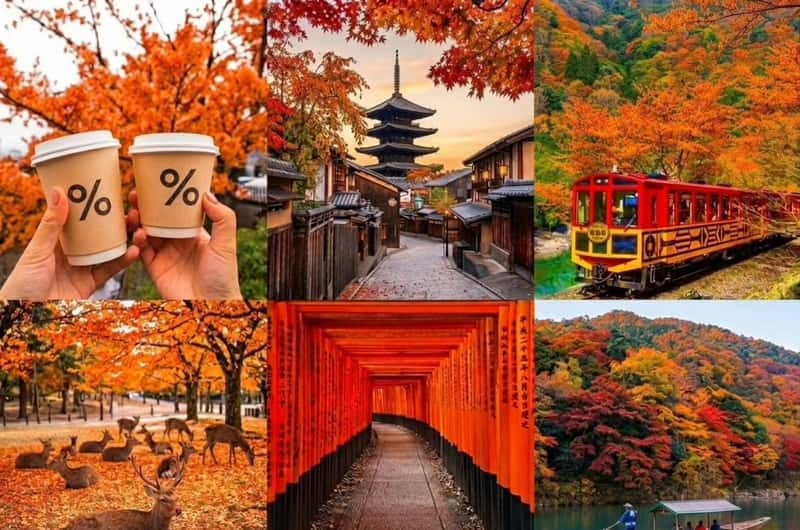
Cherry blossoms in March to April and autumn leaves in November are the best seasons; the cherry blossoms at Fushimi Inari Taisha and Osaka Castle and the maples around Byodo-in are well worth seeing, but these are also the most crowded times.
Q: Do limited express trains go directly to Uji or Fushimi-Inari Station?
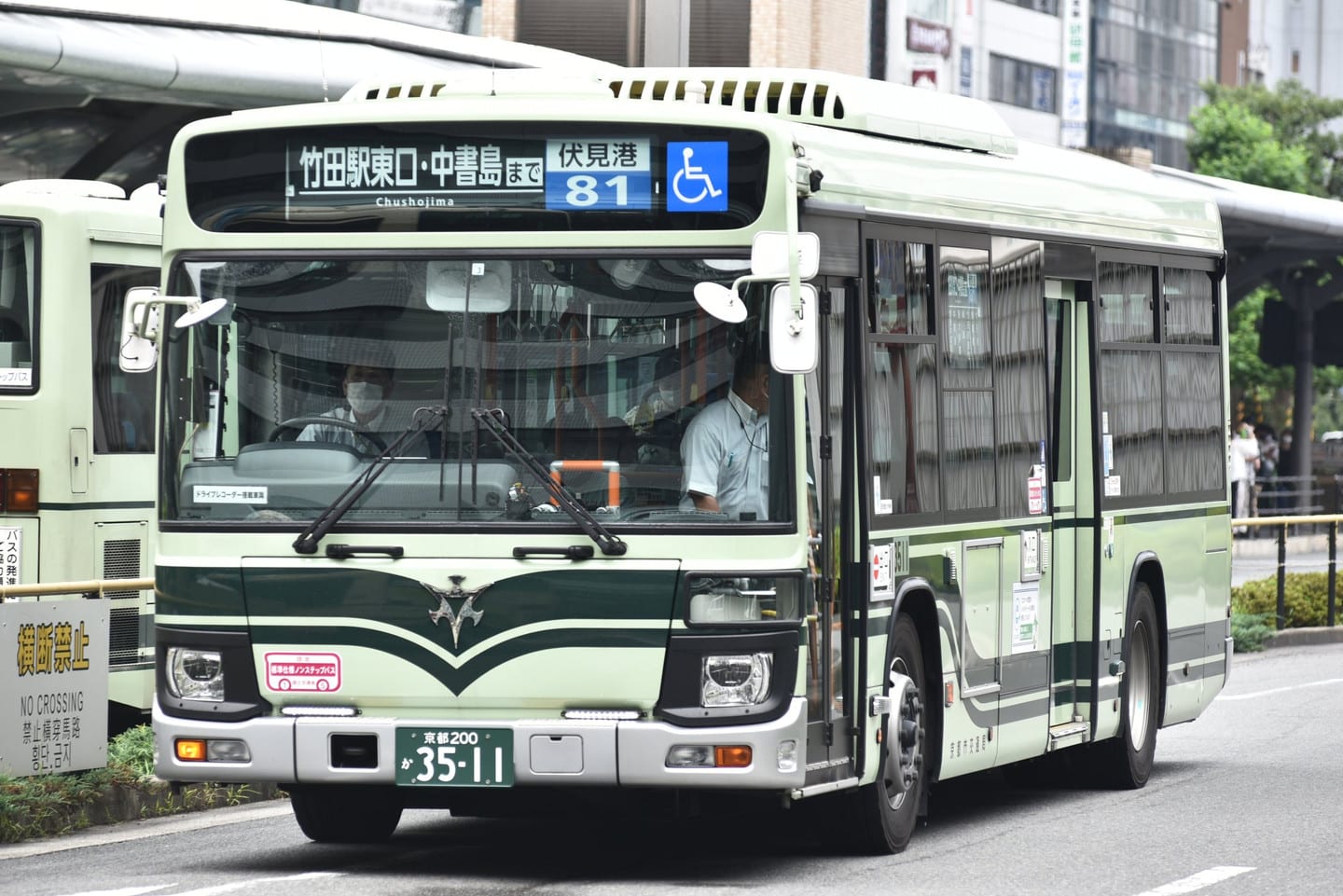
No. Limited express trains do not stop at Uji or Fushimi-Inari Stations; first take the limited express to Chushojima or Tambabashi Station, then transfer to a local train, and watch the platform signs when transferring.
Q: How do I choose between the 1-day pass and the 24-hour pass?
The 1-day pass is valid for use on that day, while the 24-hour pass is valid for 24 consecutive hours from first use; if your trip spans two days or you want to start in the afternoon, the 24-hour pass is more flexible.
Q: Where do I buy or exchange the pass?
It is an e-ticket, available on the designated Keihan official website or booked through platforms such as Klook and KKday, and you enter through dedicated gates with the QR code.