
2026 Kyoto Autumn Travel Guide: Fall Foliage Timing, Climate and What to Wear, and the Best of the Red Leaves
Kyoto’s 2026 autumn leaves are forecast to peak from mid-November to early December, with temples in the city and the forested hills on display together, worth planning a deep three-to-five-day visit.
2026 Kyoto Foliage Forecast: A Three-Stage Viewing Timeline
The overall peak falls in late November. In early November the suburbs and higher elevations turn red first. From mid to late November the core city sights such as Tofuku-ji, Eikando, Nanzen-ji and Arashiyama’s Togetsukyo Bridge hit their peak. From late November to early December comes the late-color and night-illumination period, when Kiyomizu-dera and Kitano Tenmangu still offer red leaves and evening light-ups.
For specific dates, see the forecasts from weather companies. Weathernews issued its first foliage forecast on September 3, 2026, noting that this autumn is warmer than usual nationwide and that peak color in most regions will be later than or slightly later than average. The forecast peak dates for Kyoto’s main sights are: Jingo-ji and Sanzen-in in Ohara around November 17, Tenryu-ji around November 20, Arashiyama and Tofuku-ji around November 24, Nanzen-ji and Eikando around November 25, and Kiyomizu-dera and Kitano Tenmangu around November 26. Late November is the safest bet for the city sights. Forecasts are updated as the weather develops: Weathernews plans a second forecast in early October, and the Japan Weather Association’s tenki.jp also publishes peak-color information. Check the latest version again a week before you leave.
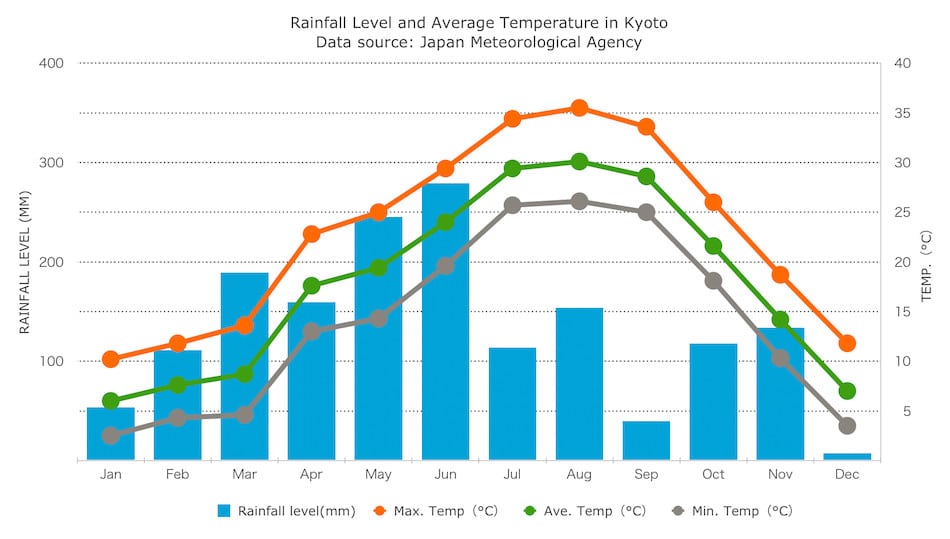
Kyoto’s Autumn Climate: A Basin With Big Day-Night Swings
Kyoto sits in a basin, so its autumn climate is marked by large day-night temperature swings and dry air. September averages about 24°C and can reach 30-35°C, with a lingering late-summer mugginess. October averages about 14-23°C, crisp and comfortable and one of the best months for sightseeing, though the gap between morning and evening starts to widen. By November autumn deepens, with averages dropping to 8-17°C and mornings and evenings often below 10°C or even under 5°C. It feels cold, a true deep-autumn cold snap.
What Makes Kyoto Foliage Special: Art Where Red Leaves Meet Traditional Architecture
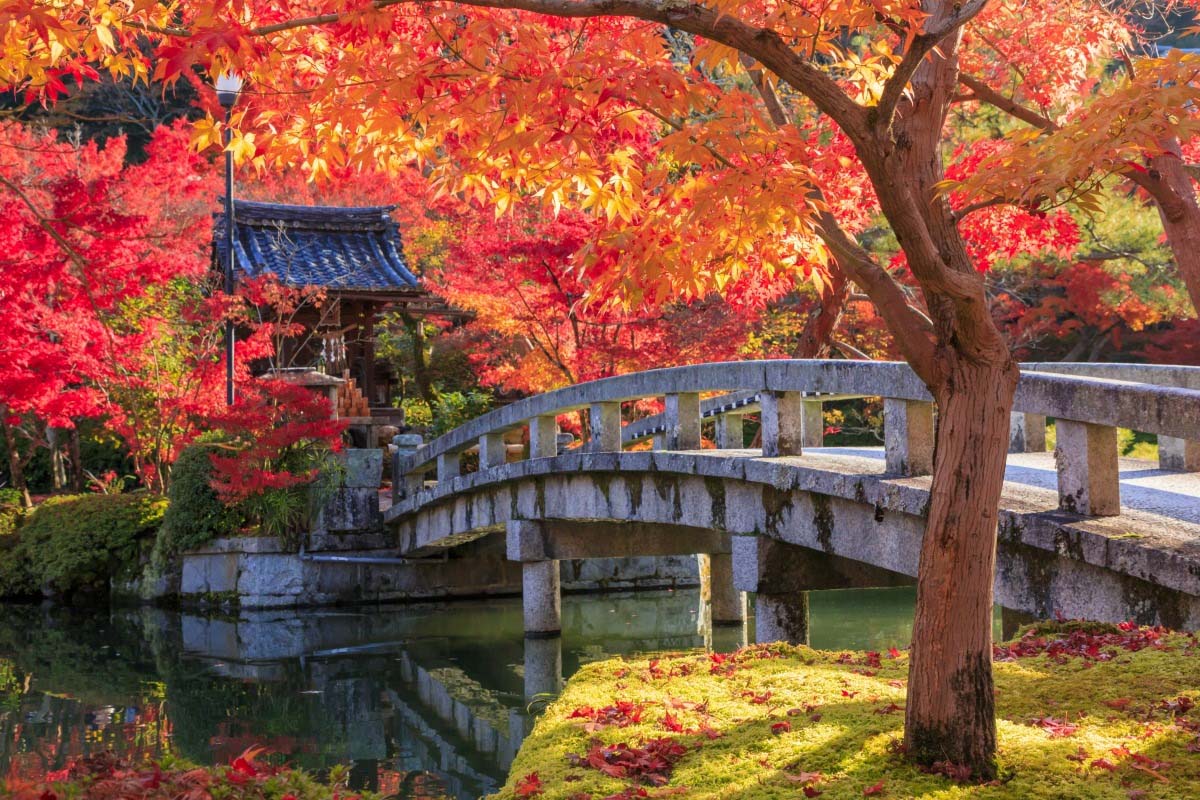
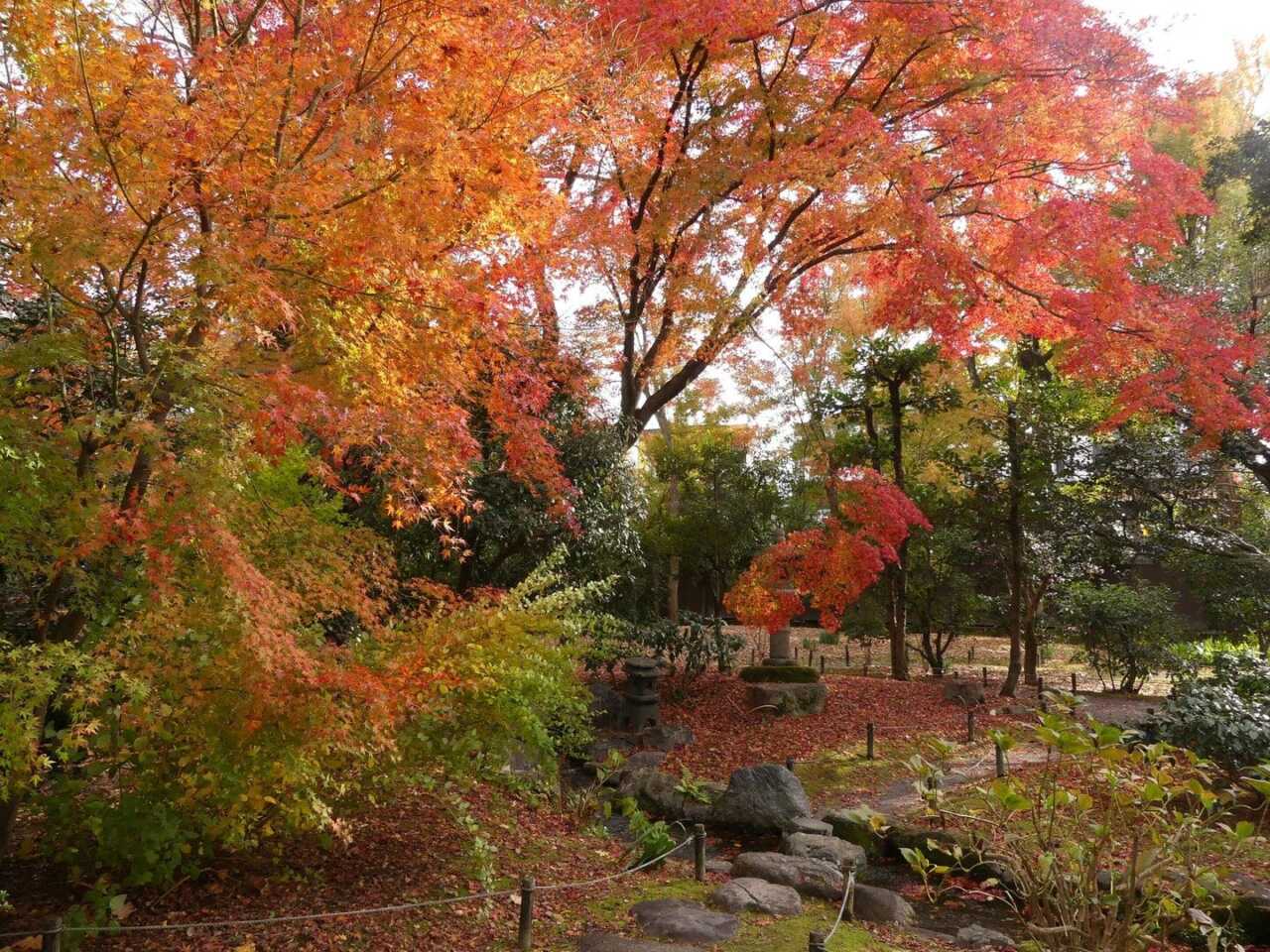
Unlike the grand natural scenery of the Tohoku region, Kyoto’s maples are mostly woven together with shrines, temples and other traditional architecture, creating refined scenes like works of art. The stage of Kiyomizu-dera, the corridors of Eikando and the aqueduct of Nanzen-ji all gain poetry from the red leaves. This unique aesthetic of architecture plus foliage is the core appeal that draws travelers from around the world to Kyoto, and it is why this guide repeatedly stresses the architectural history of each sight.
2026 Kyoto Night Foliage Illuminations: Kodai-ji and Kitano Tenmangu Dates
For 2026 night foliage in Kyoto, start with two sights whose dates have been announced. Kodai-ji is illuminated from October 23 to December 13, every evening from 17:00 to 22:00 (last entry 21:30). Kitano Tenmangu’s Odoi Momiji-en garden is open from October 31 to December 6, with evening hours until 20:00 from mid-November. Check the official websites of Kiyomizu-dera, Eikando and others for their night-viewing dates before you go.
How to Get to Kyoto’s Foliage Spots in Autumn 2026: A Complete Guide to Transport and Ticket Costs
During the foliage peak the city’s roads jam easily, so make good use of trains and rail passes to save the most time and money.
How to Reach Kyoto’s Foliage Spots: Transport at a Glance
🚆 JR Sagano Line: ¥240, 16 minutes direct to the Arashiyama foliage area. Arrive before 8:00 to avoid the crowds.
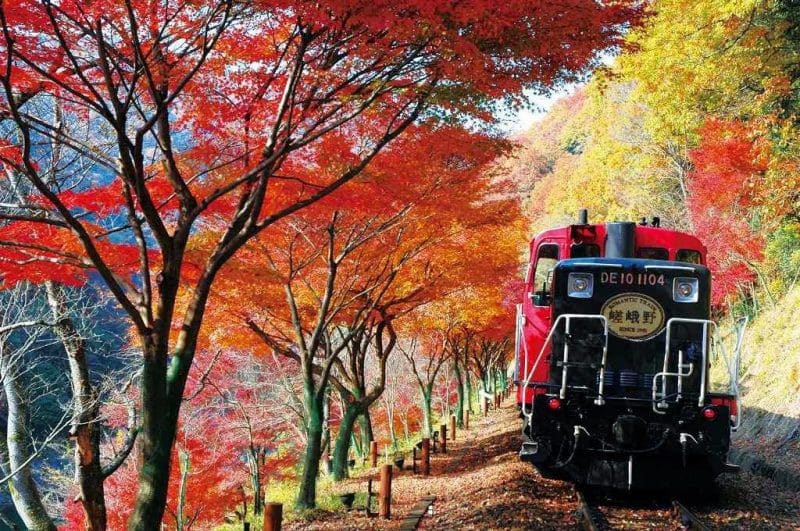
🚂 Sagano Scenic Railway: all seats reserved at ¥880, with foliage views along the Hozukyo Gorge. Reserve a month ahead.
🚌 Bus and subway one-day pass: ¥1,100. In foliage season, prefer the subway to avoid traffic jams.
🚇 Karasuma and Tozai subway lines: from ¥220, running through popular foliage areas such as Higashiyama, Keage and Daigo.
🚞 Eizan Electric Railway: the Keihan-Eiden one-day pass is ¥2,100, with unlimited rides on the whole Eiden network, reaching Kibuneguchi and Yase-Hieizanguchi (for Rurikoin).
🚕 Taxi: flag fall ¥500-600, the safest way to get back after the night illuminations end.


2026 Kyoto Autumn Travel Guide: Foliage Timing, Climate and Outfits. Which Foliage Spots Should You Visit?
Kyoto has countless foliage sights; here are the 14 most representative.
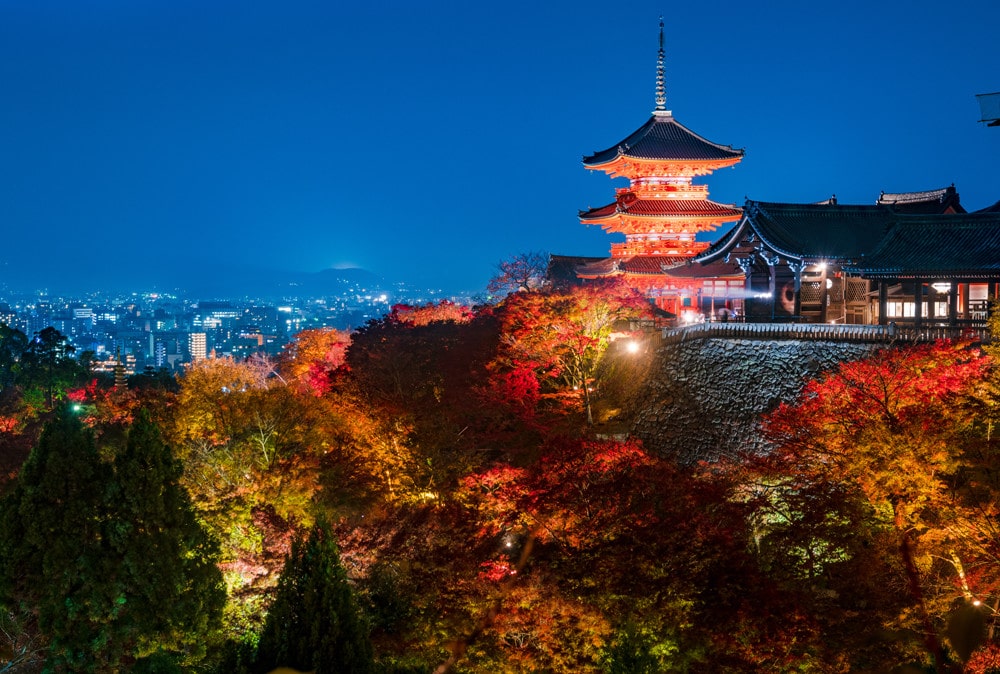
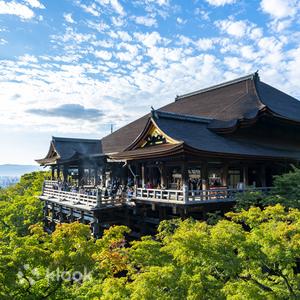
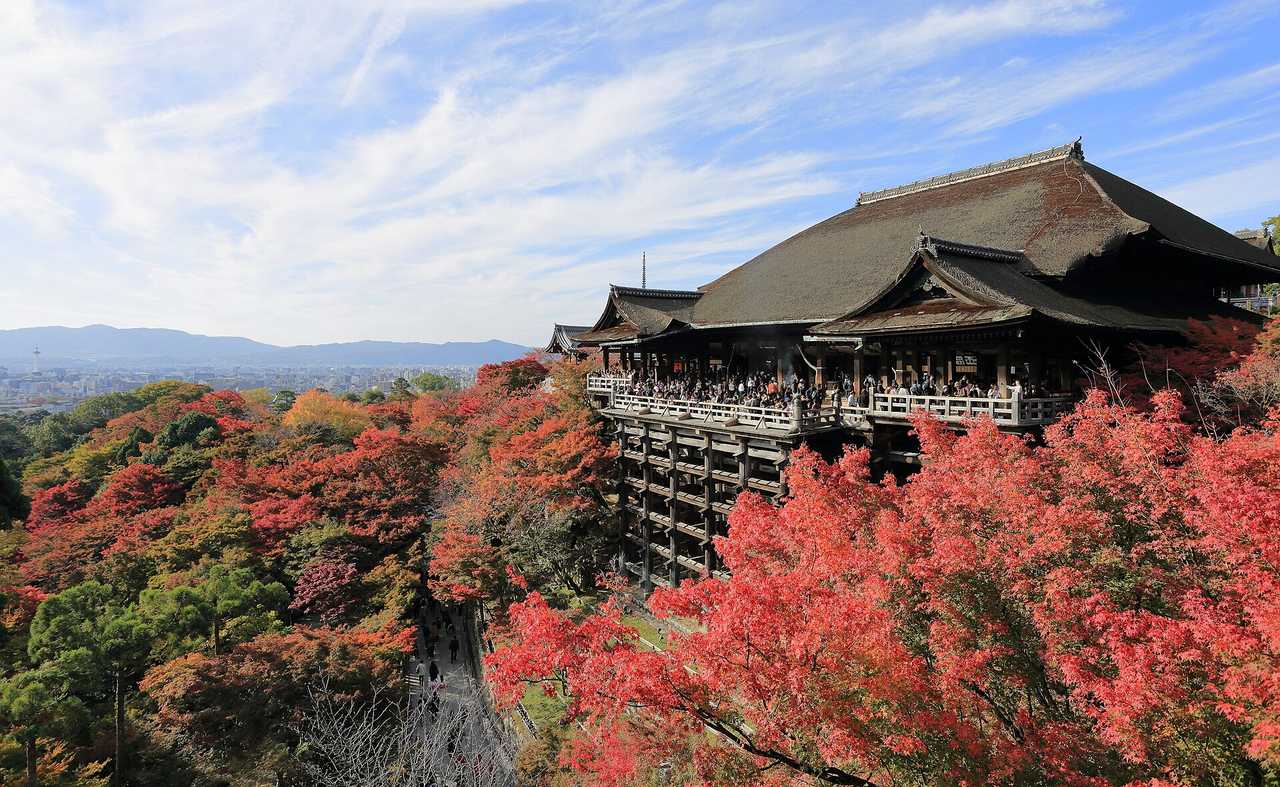
Kiyomizu-dera: Kyoto’s Oldest Wooden Stage and a Night Foliage Hotspot
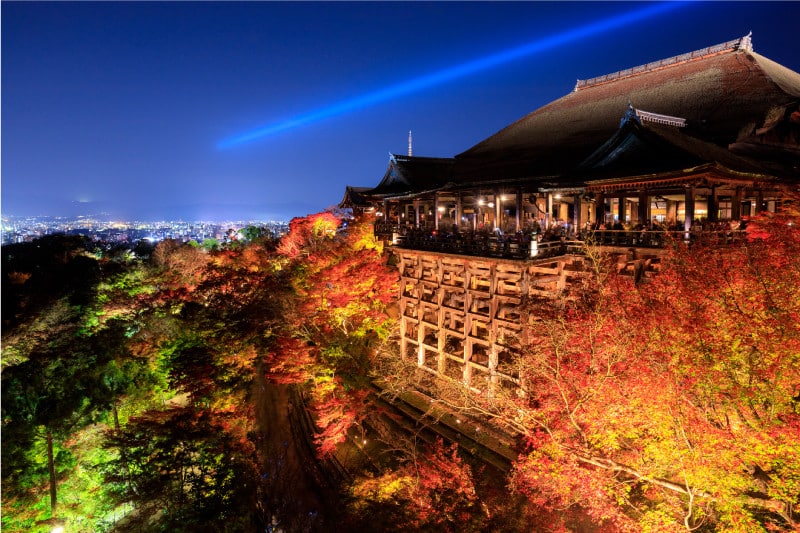
Founded in 778, Kiyomizu-dera is the head temple of the Kita-Hosso sect and enshrines the Eleven-Faced Thousand-Armed Kannon. Its famous Kiyomizu Stage is a cantilevered structure built over a cliff without a single nail. In autumn it is ringed by red maples and specially lit at night, one of Kyoto’s signature foliage night views.
Visit from late November to early December. It is open 6:00-18:00, with adult admission at ¥500. Night viewing dates and prices follow the announcements on Kiyomizu-dera’s official site. The grounds have shops for amulets and goshuin (temple stamps), and Otowa Waterfall is a must-visit for making wishes. Allow 1.5-2 hours.

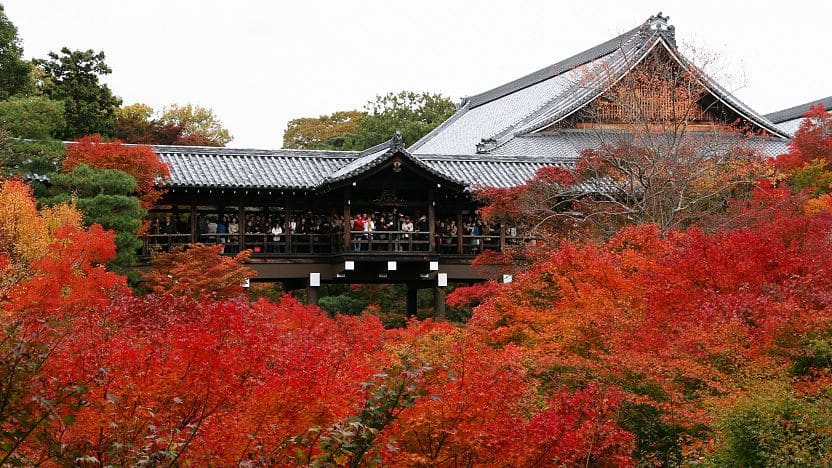
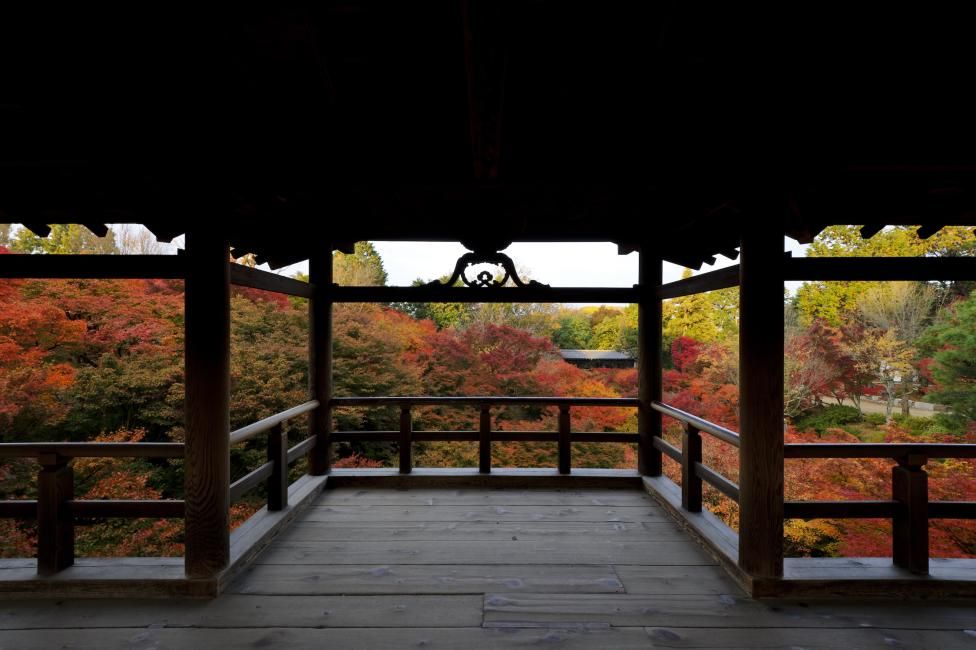
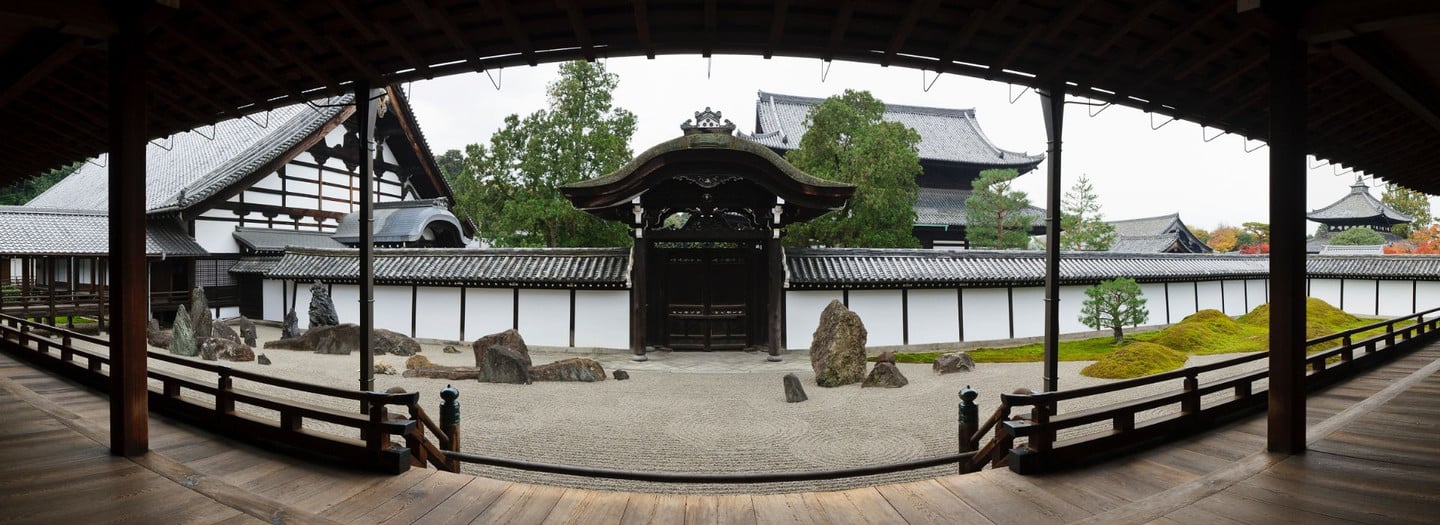
Tofuku-ji: A Sea of Red Leaves Seen From Tsutenkyo Bridge
Tofuku-ji is the head temple of the Tofuku-ji branch of the Rinzai sect, founded in 1236. Tsutenkyo Bridge spans the Sengyokukan valley, and from the bridge you look down on a sea of red formed by more than 2,000 maples, widely regarded as one of Kyoto’s most spectacular foliage views.
The best foliage period is roughly mid to late November, with hours of 8:30-16:00 (adjusted slightly by season). During the special foliage viewing period, the combined ticket for Tsutenkyo Bridge, Kaisando Hall and the Honbo garden is ¥1,000 (follow the official announcement). Go in the morning and allow 1.5 hours to avoid the afternoon crowds.
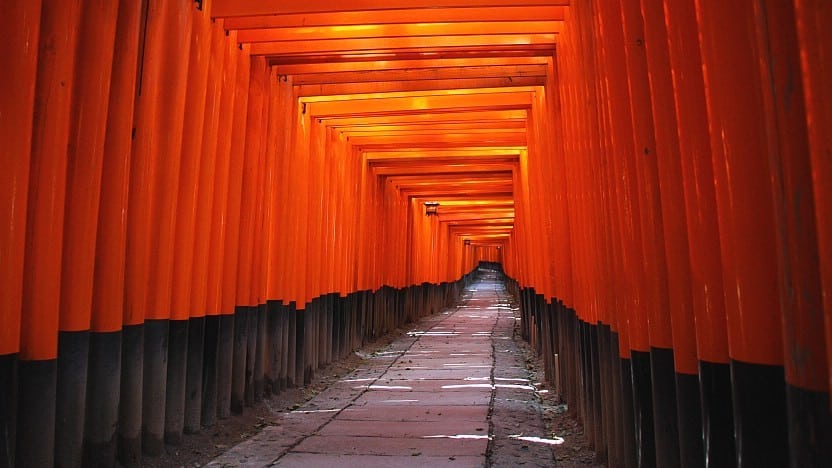
Fushimi Inari Taisha: A Path of Faith Where a Thousand Torii Meet Red Leaves
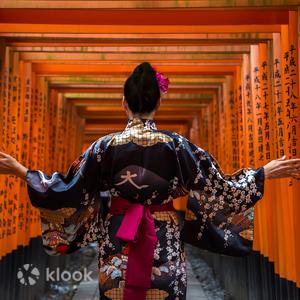
Fushimi Inari Taisha is the head shrine of all Inari shrines in Japan, enshrining the deity Ukanomitama no Okami, and is famous around the world for its thousand vermilion torii gates. From mid-November to early December, bright red maple leaves line both sides of the torii path alongside the guardian fox statues, like walking through a tunnel of red leaves. It is a hugely popular photo spot on social media.
The shrine is open 24 hours and free to visit. Arrive before 6:00 to avoid the crowds and get unobstructed photos; climbing all the way up Mt. Inari and back takes about 2-3 hours. The grounds sell several limited-edition amulets and goshuin, and fox-shaped ema (wooden prayer plaques) are a popular souvenir.
:伏見稻荷大社嵐山清水寺-Klook.jpg)
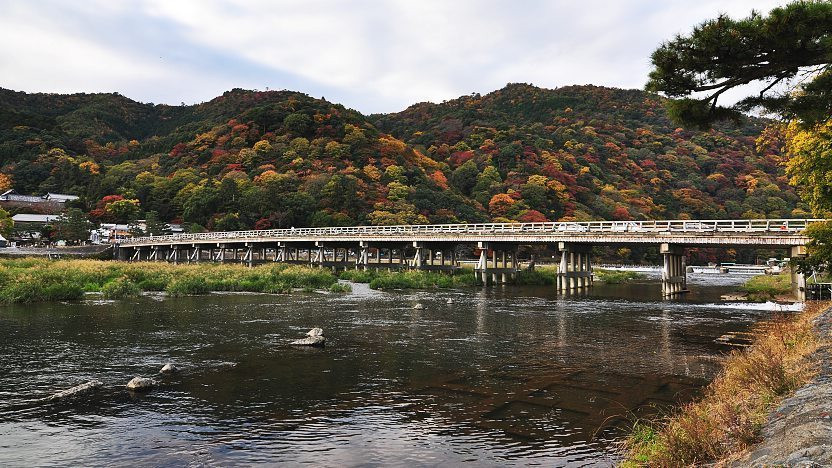
Arashiyama Togetsukyo Bridge and Sagano Bamboo Grove: An Autumn Scroll of Light and Shadow
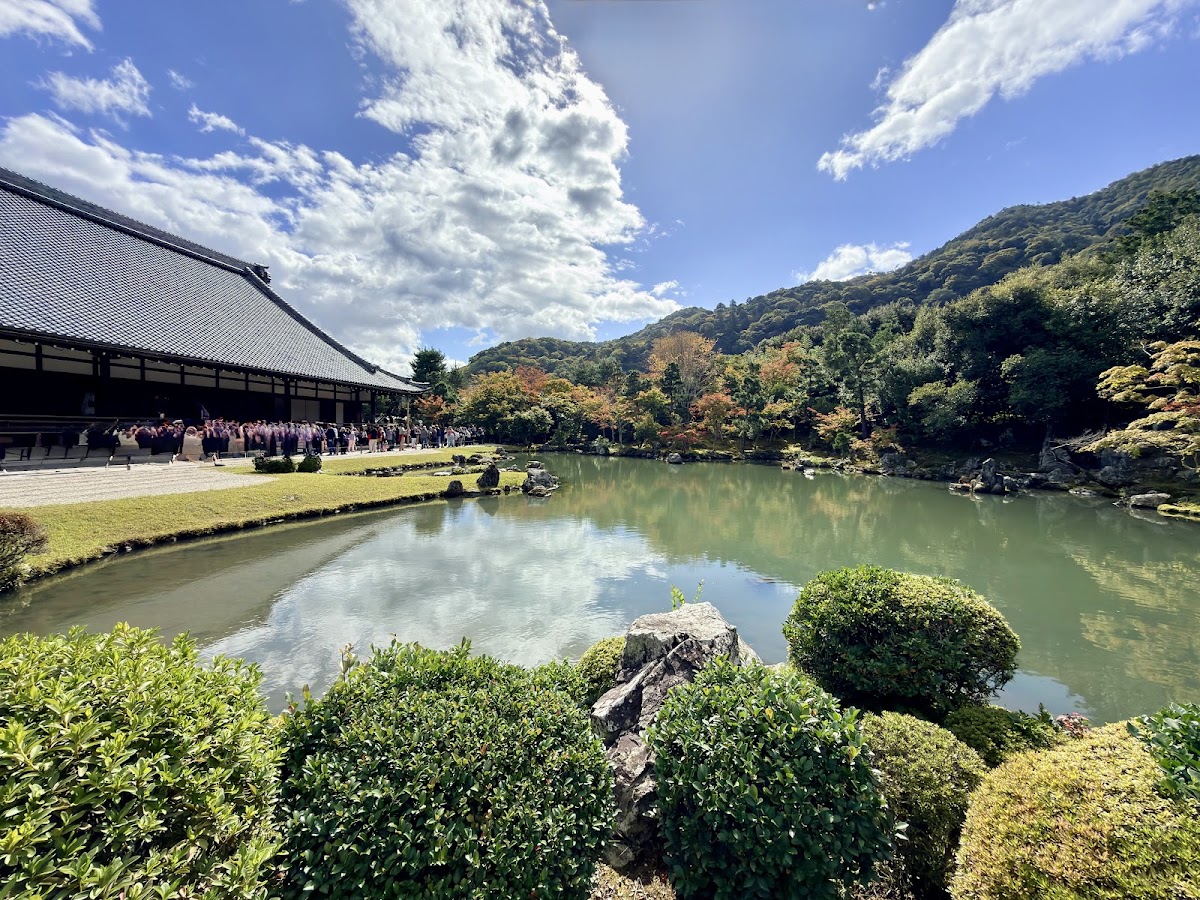
Togetsukyo Bridge spans the Katsura River and is the landmark of Arashiyama. In autumn the hills on both banks take on layered red and yellow, forming a classic postcard scene with the flowing water below. A few minutes’ walk away is the Sagano Bamboo Grove path, where green bamboo shadows contrast sharply with the surrounding red maples, a spot photographers consider ideal for light and shadow.
The best foliage period is roughly mid to late November. The whole area is outdoors and free to visit. Arrive before 6:30 to avoid the tour buses that flood in after 9:00. Nearby Jojakko-ji and Tenryu-ji are also worth adding, so plan half a day to a full day to explore the whole Arashiyama area.
![[Kyoto World Heritage and Popular Sights Day Trip] Nijo Castle & Kinkaku-ji & Fushimi Inari Taisha Thousand Torii & Arashiyama Togetsukyo Bridge & Kimono Forest & Bamboo Path (From Osaka or Kyoto)](https://res.klook.com/images/w_300,h_300,c_fill,q_75/w_80,x_15,y_15,g_south_west,l_Klook_water_br_trans_yhcmh3/activities/oxdc25t2yjctqe1ciedq/【京都世界遺產與人氣景點一日遊】二條城金閣寺伏見稻荷大社千本鳥居嵐山渡月橋和服森林竹林小徑(大阪或京都出發)-Klook.jpg)
Nanzen-ji: Zen Autumn Colors at the Suirokaku Aqueduct and the Hojo Garden
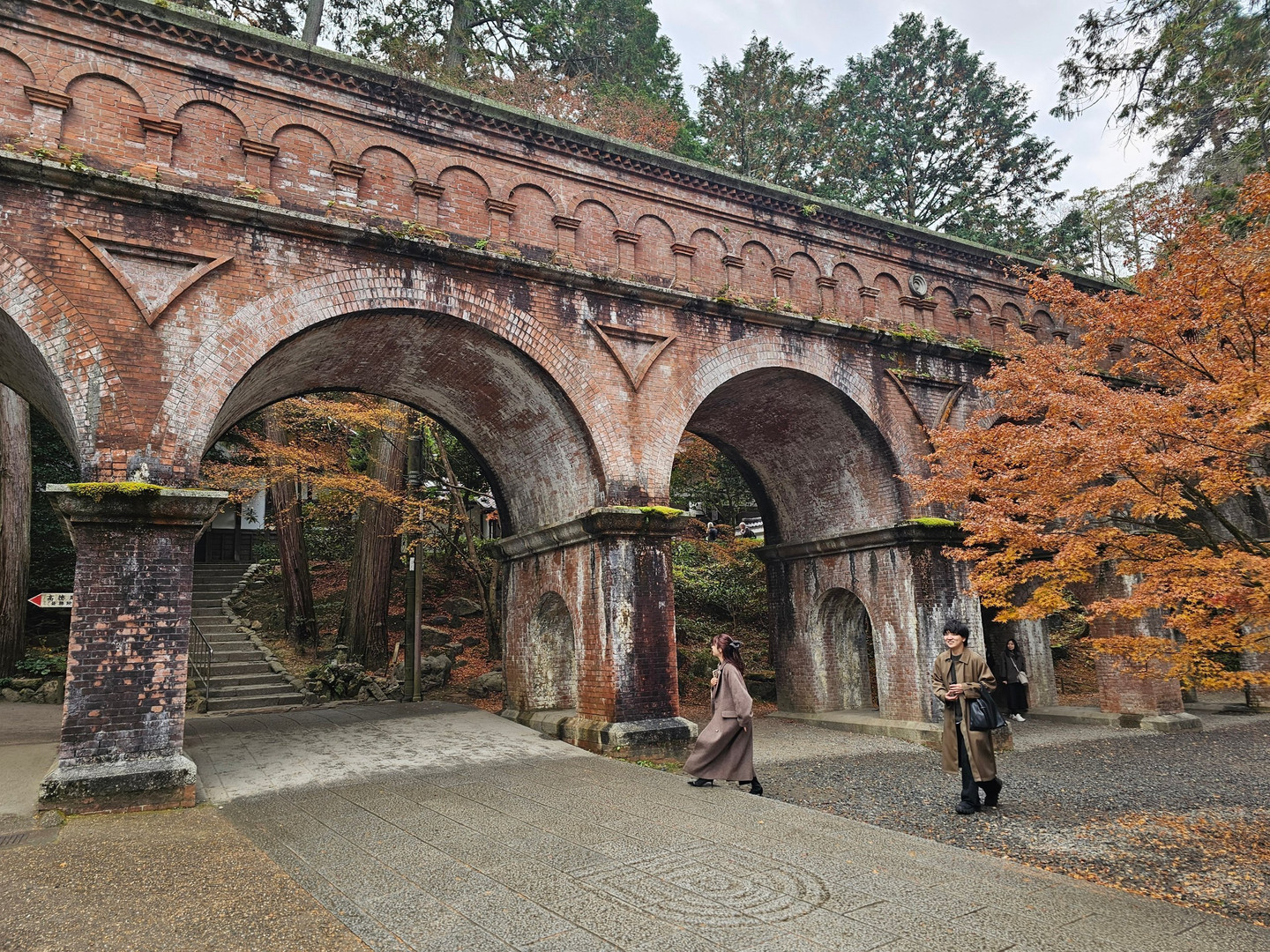
Nanzen-ji is the head temple of the Nanzen-ji branch of the Rinzai sect. Its Meiji-era red-brick Suirokaku aqueduct, set against the red leaves, creates a distinctive blend of Japanese and Western scenery, a rare example in Kyoto of historic industrial heritage coexisting with nature. The Hojo garden pairs a dry landscape with maples to convey the quiet atmosphere of Zen aesthetics.
The best foliage period is mid to late November. It is open 8:40-17:00, and tickets for the Sanmon gate and the Hojo garden are about ¥600 each. Pair it with nearby Eikando on the same day to see the best of the Okazaki area’s foliage; a full visit takes about 1.5 hours.
-Klook.jpg)
Eikando: The Classic Pairing of the Mikaeri Amida and Hillsides of Red Leaves
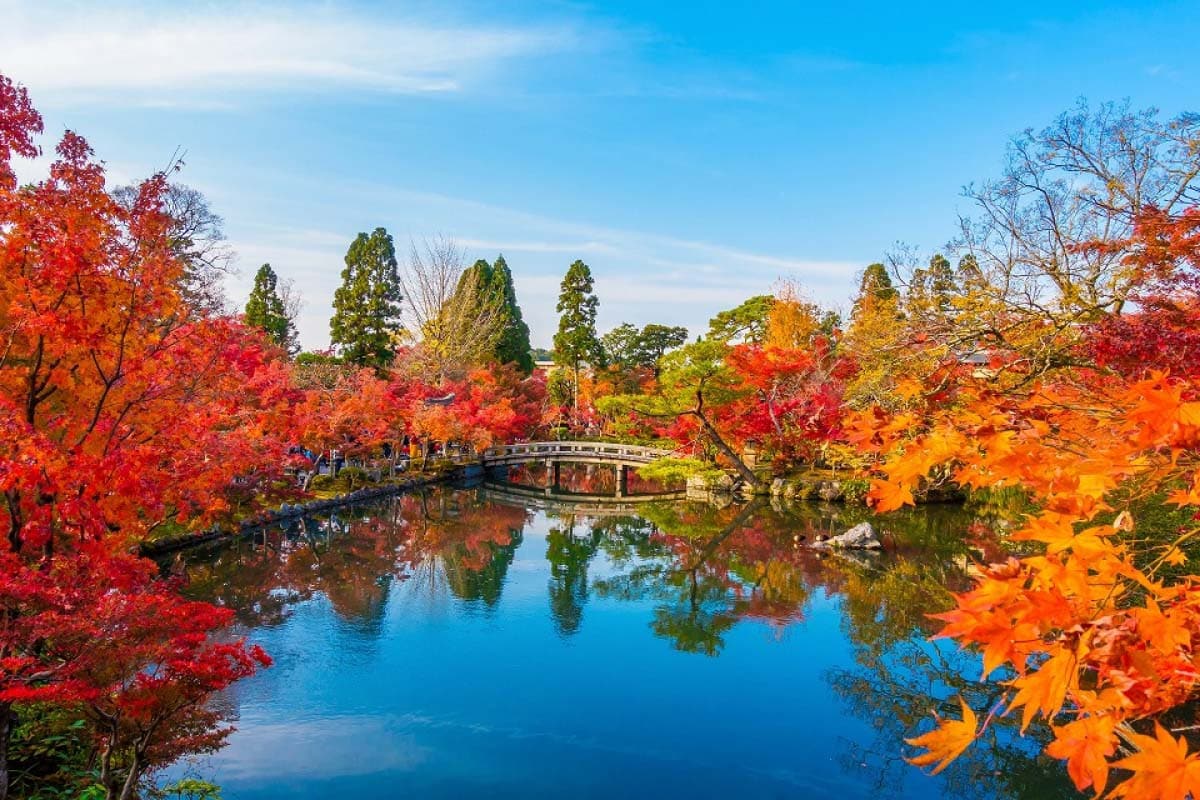
Eikando (Zenrin-ji) is the head temple of the Jodo Seizan Zenrin-ji school, and its main hall enshrines the Mikaeri Amida Nyorai statue (Amida looking back). About 3,000 maples surround the Hojo-ike pond and the Tahoto pagoda, earning it the name synonymous with Kyoto autumn leaves, and its autumn night illuminations are especially popular.
The best foliage period is mid-November to early December. Daytime hours are 9:00-17:00 with admission at ¥1,000. Check the official site for night foliage dates, times and prices; the day and night scenes differ, and both are worth experiencing.
Kitano Tenmangu: The God of Learning and a Late-Autumn Foliage Garden
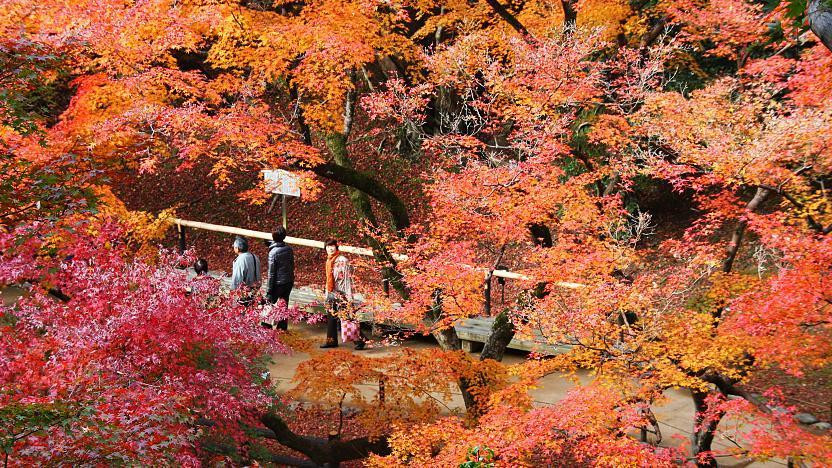
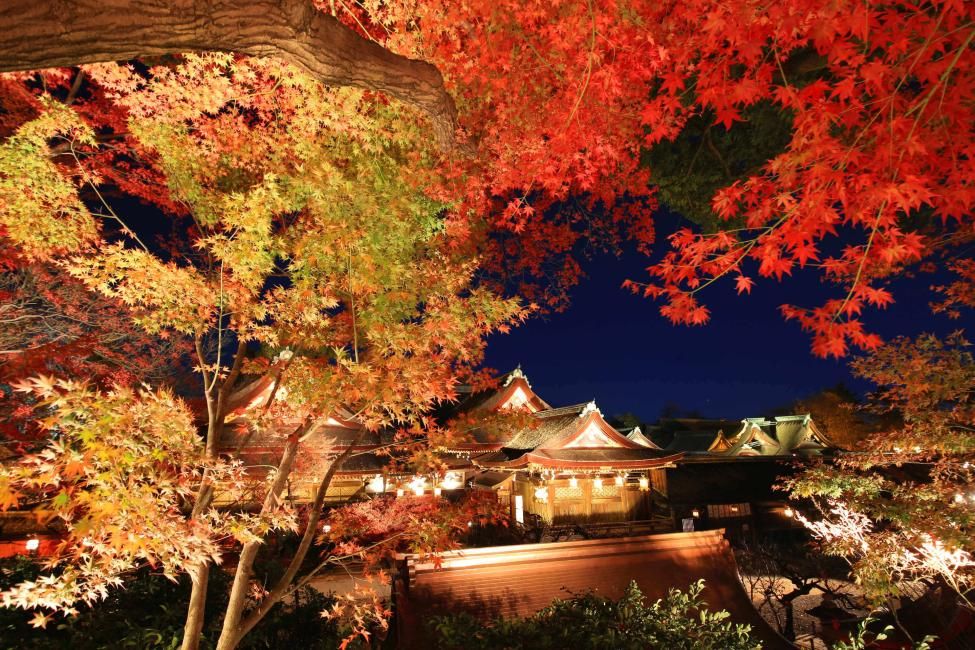
Kitano Tenmangu enshrines Sugawara no Michizane, the god of learning, and is the head shrine of all Tenmangu shrines in Japan. Its Odoi Momiji-en garden opens specially in autumn, with about 350 maples planted along both banks of the Kamiya River, one of Kyoto’s signature late-color spots. The foliage season usually lasts into early December.
The shrine itself is free to visit all year. The Odoi Momiji-en garden is open from October 31 to December 6 in 2026, with garden admission of ¥1,500 for adults, open 9:00-16:00 and lit until 20:00 from mid-November. It fits well at the end of a foliage itinerary.
Bishamon-do Monzeki: A Hidden Gem With a Tunnel of Maples on the Approach
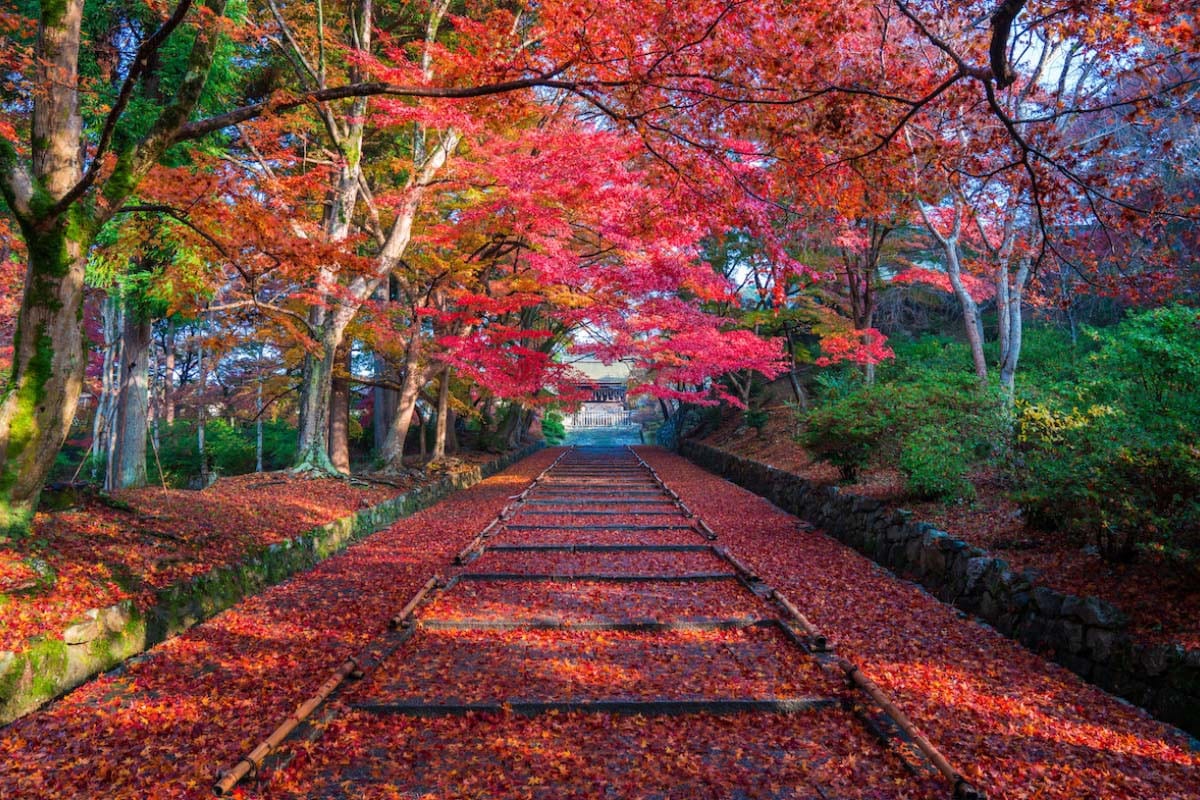
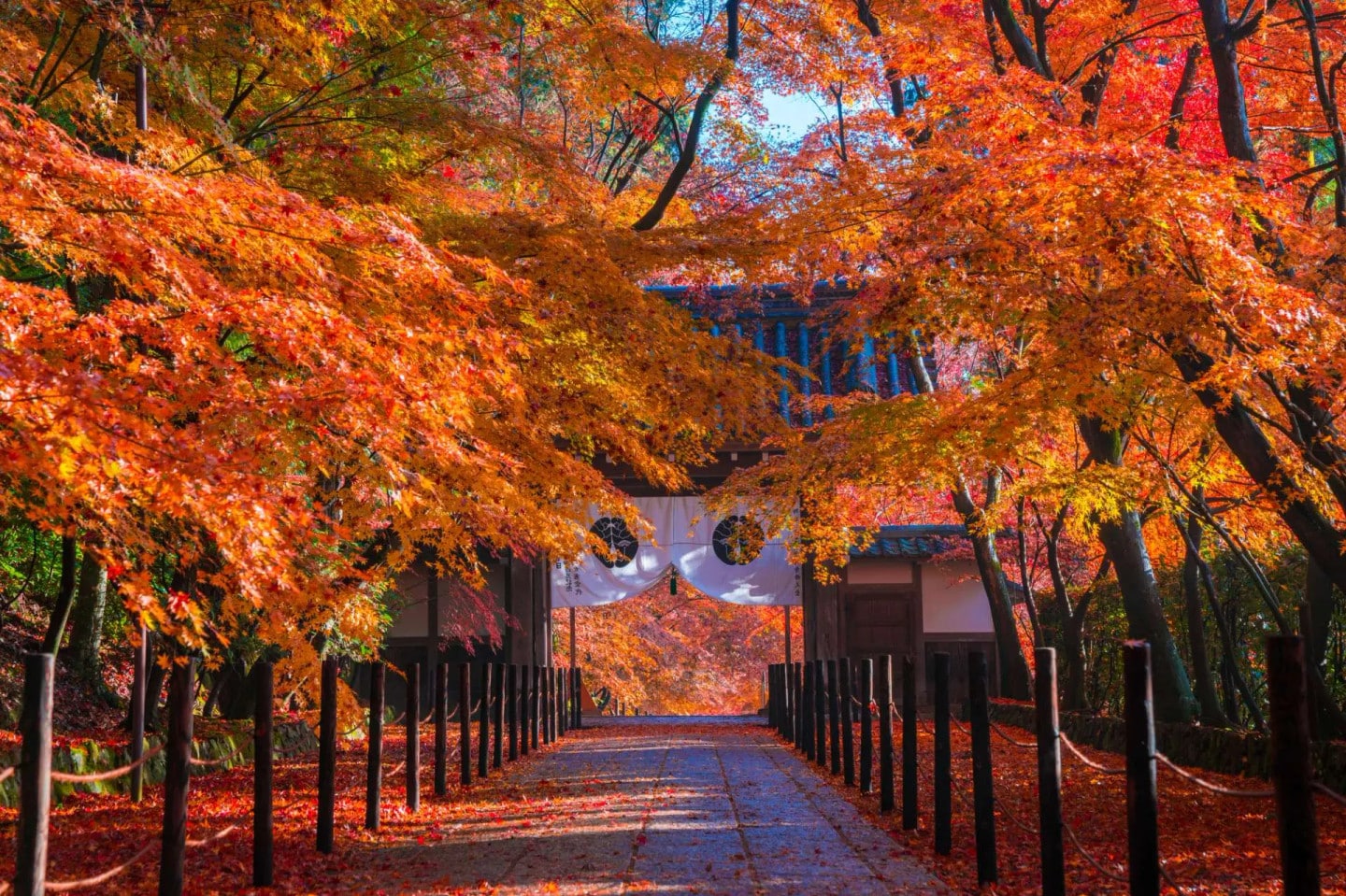
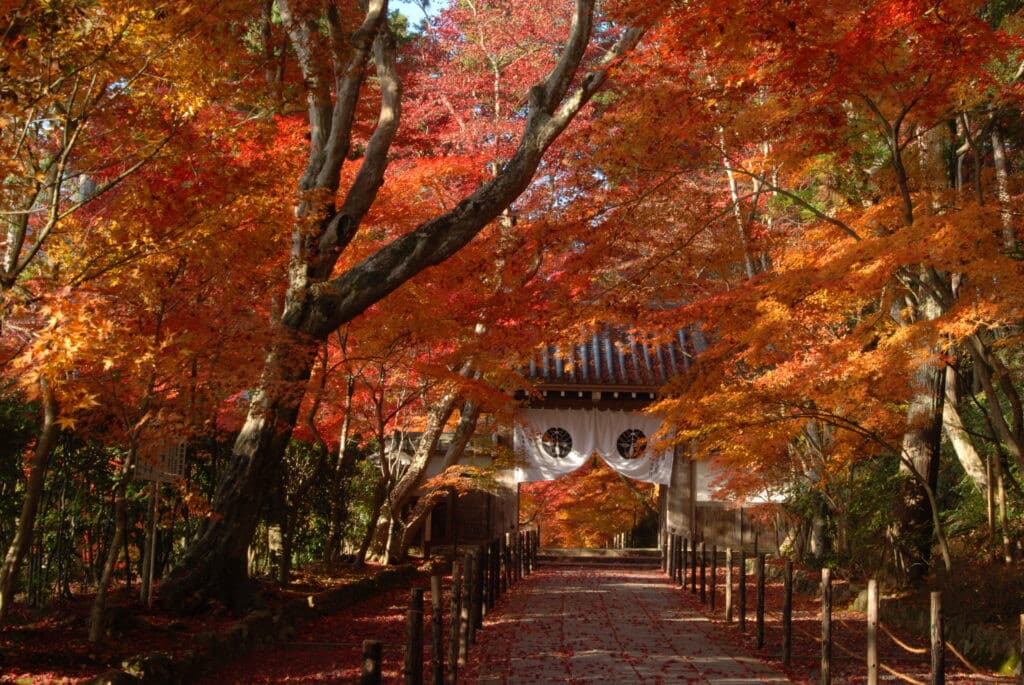
Bishamon-do Monzeki is in Yamashina Ward, a Tendai-sect monzeki temple. It is best known for the stone-stepped approach to the main hall, where maples on both sides form a dense tunnel of red leaves with rich layers of color and relatively few visitors, an excellent insider spot for avoiding the crowds.
The best foliage period is roughly mid to late November. It is open 9:00-17:00 with adult admission at ¥500. Go in the morning, when light falling on the approach’s maple leaves looks most dreamlike. A visit takes about 1 hour, and it pairs well with a stroll through the surrounding Yamashina area.
Daigo-ji: Red Leaves Before the World Heritage Five-Story Pagoda
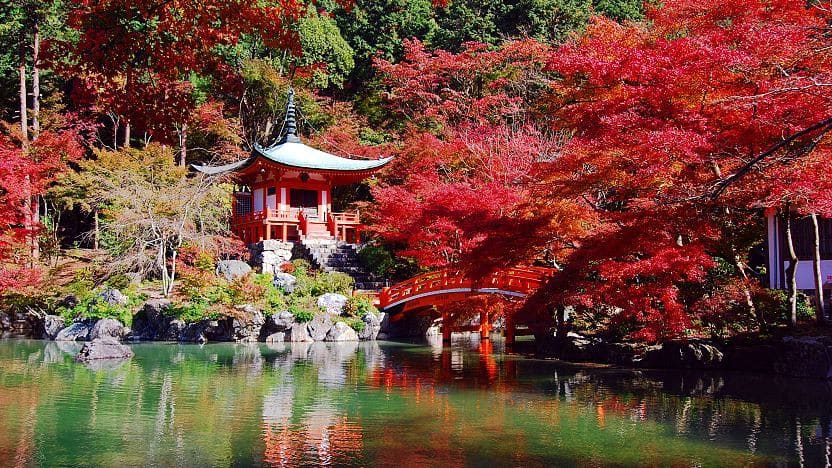
Daigo-ji is the head temple of the Daigo school of Shingon Buddhism and was listed as a World Heritage Site in 1994. Its five-story pagoda is one of the oldest wooden buildings in Kyoto. In autumn the maples around the pagoda and the pond near Benten-do produce outstanding reflections; visit early in the morning when the light is softest.
The best foliage period is mid to late November. It is open 9:00-17:00, and the combined ticket for Sanpoin, Reihokan and the Garan is about ¥1,500, with extra ticket types added during the night foliage viewing period. Because the grounds are vast, allow more than 2 hours to explore at leisure.
Rurikoin: A Spring and Autumn Only Spot for Reflected Red Leaves
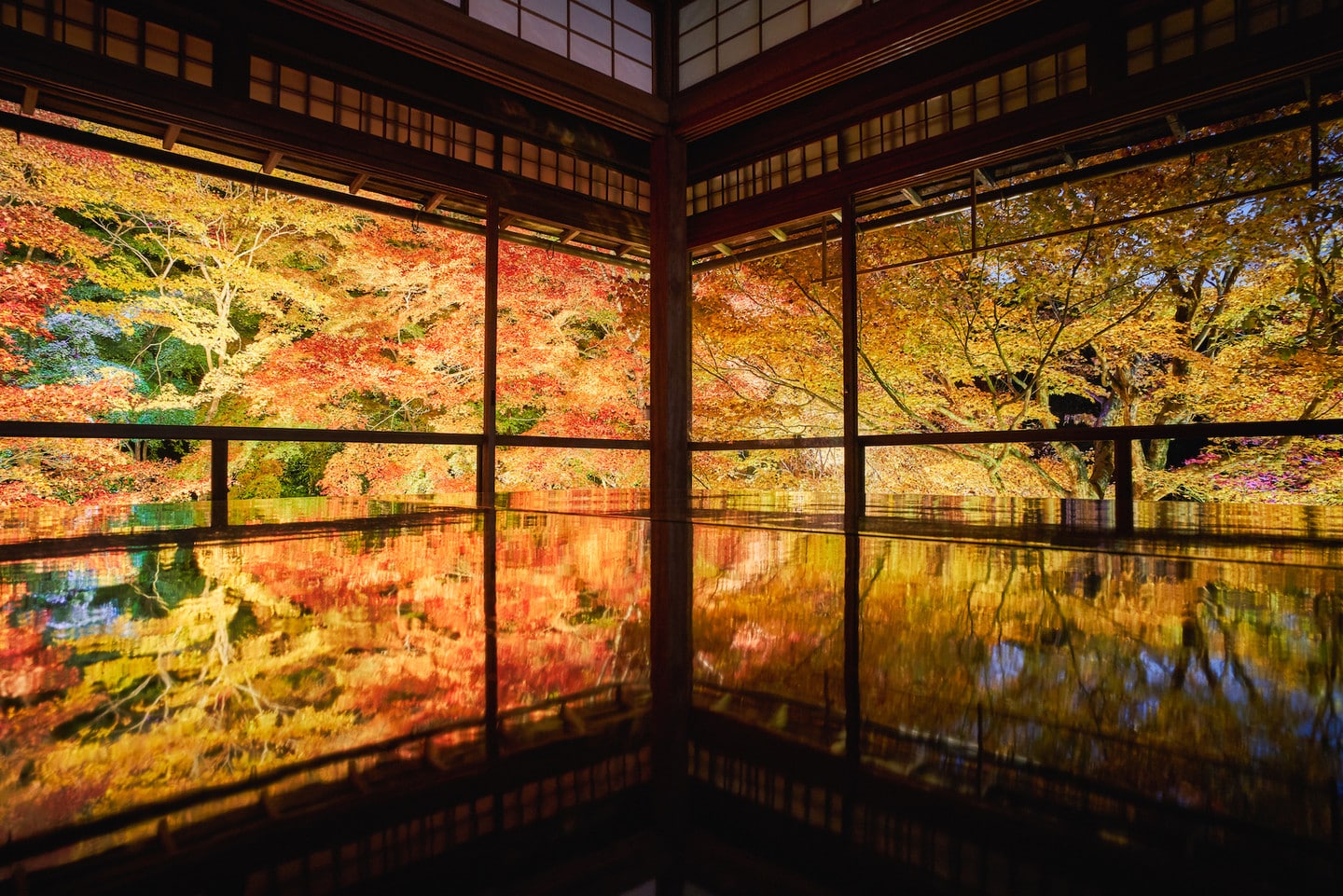
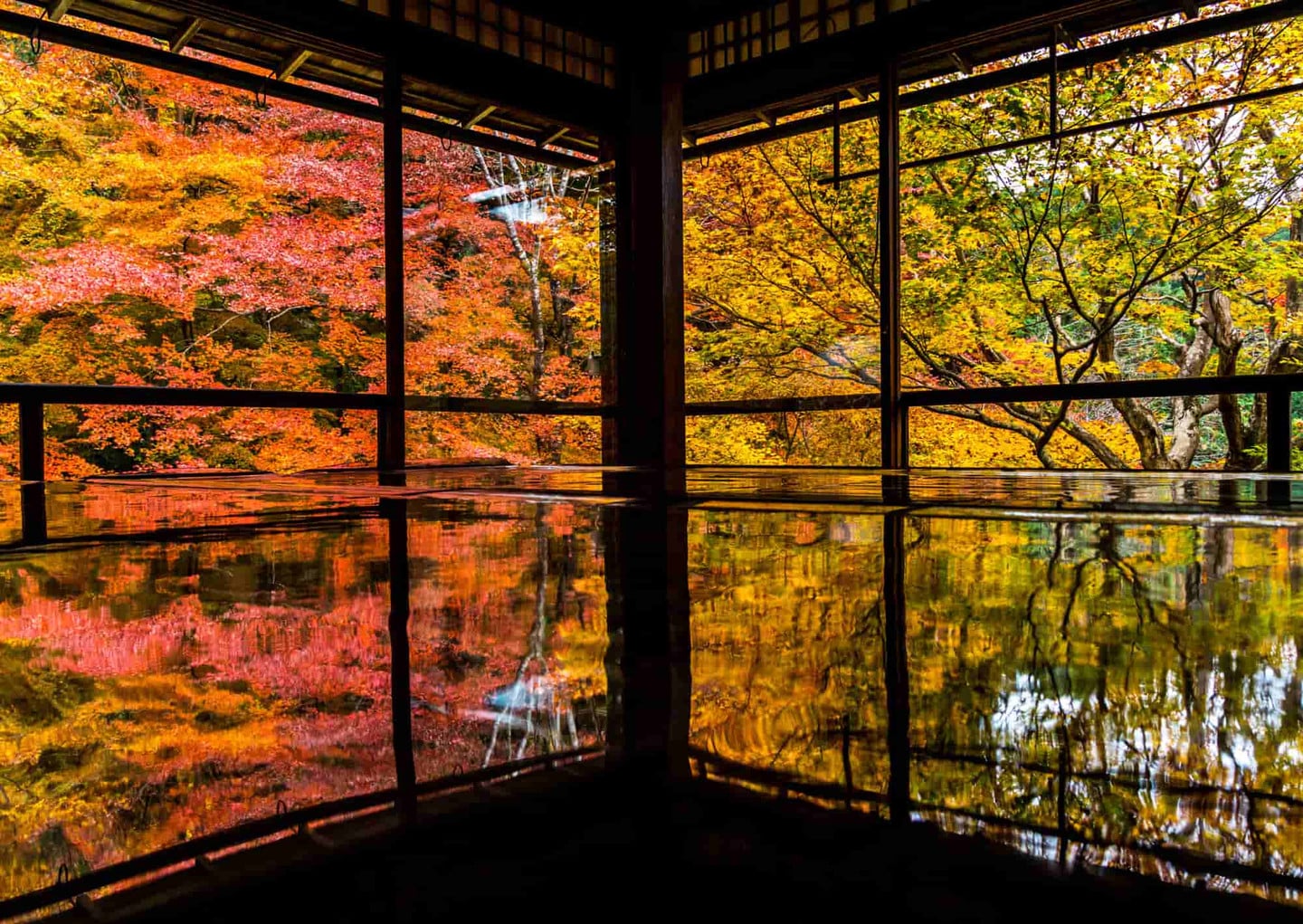
Rurikoin is in the Yase area and is normally closed to the public, opening only during the spring fresh-green and autumn red-leaf seasons. The black lacquer table on the second floor of its shoin (study hall) mirrors the red leaves outside the window, arguably the most dreamlike floor-reflected foliage scene in Kyoto.
The autumn 2026 opening runs from October 1 to December 13, 10:00-17:00 (last entry 16:30), with admission at ¥2,000. Reservations are required in peak season, so check the official site for how to book. Go on a weekday morning to avoid the weekend queues,
Kifune Shrine: Where Water Fortune-Telling and the Earliest Red Leaves Meet in the Mountains
Kifune Shrine enshrines the water deity Takaokami and is a well-known Kyoto shrine for water-related luck and good matches. Because it sits in the mountains where temperatures drop faster, the maples along the stone-stepped approach usually turn red in early November, making it one of the earliest foliage spots in all of Kyoto.
The shrine is open all year and free to visit. The shrine office offers water fortune slips and amulets, and the riverbed dining (kawadoko) turns into a foliage-only dining experience after summer ends. Go with the Eizan Railway one-day pass and set aside half a day to also visit nearby Kurama-dera.
Philosopher’s Path: A Foliage Walk Along the Canal
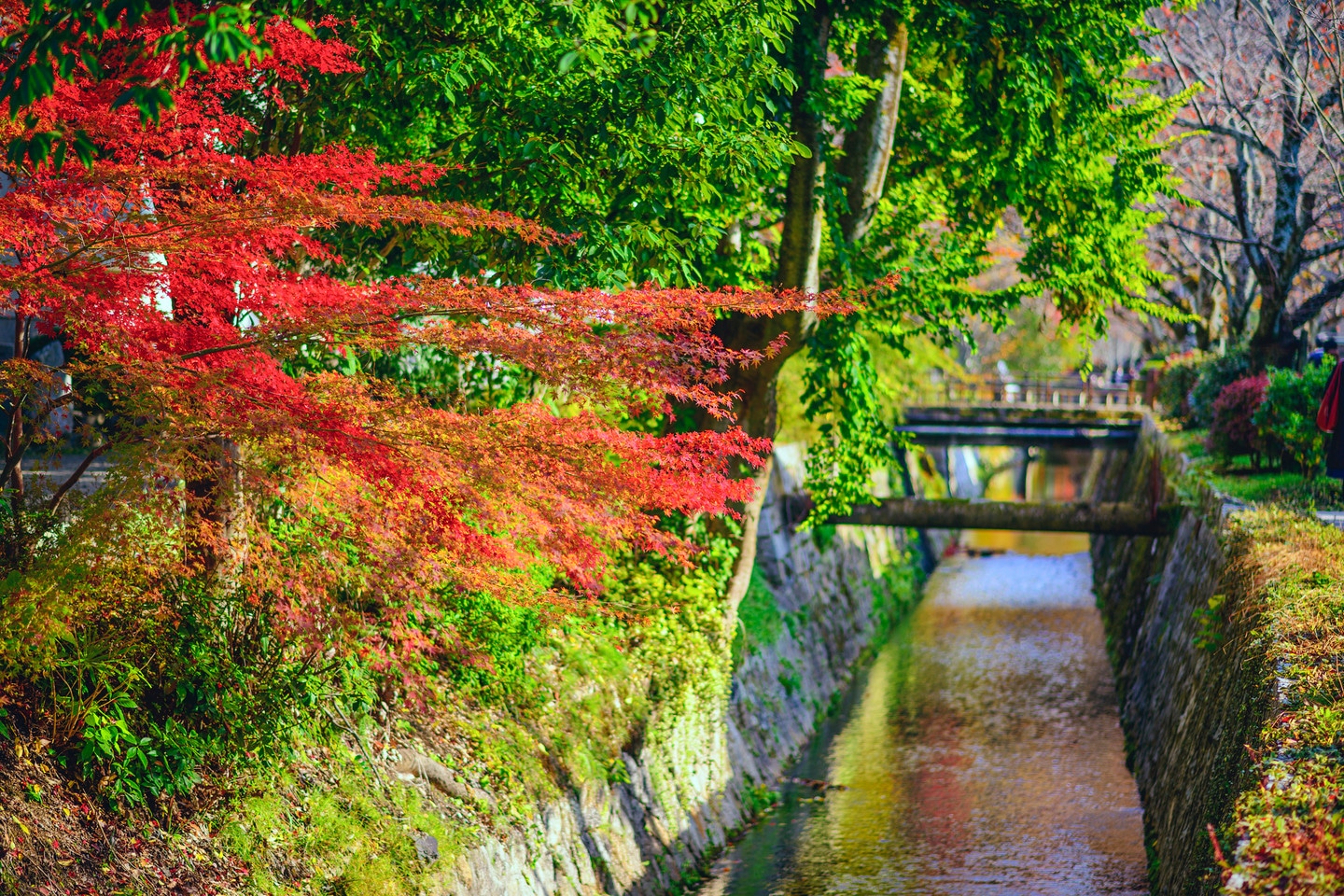
The Philosopher’s Path is a walking trail built along the Lake Biwa Canal, about 2 km long, named for the philosopher Nishida Kitaro, who often strolled here deep in thought. In autumn the maples on both sides reflect in the canal, making it a classic route for a leisurely foliage walk, with several cafes and small shops along the way.
The best foliage period is mid to late November. It is free and open without time limits. Walk from the Ginkaku-ji end toward Nanzen-ji, about 1 hour in all, and stop at small sights such as Nyakuoji Shrine along the way. It is an excellent walking route linking several Higashiyama foliage spots.
Kodai-ji: Night Light Projections and Bamboo in a Higashiyama Landmark
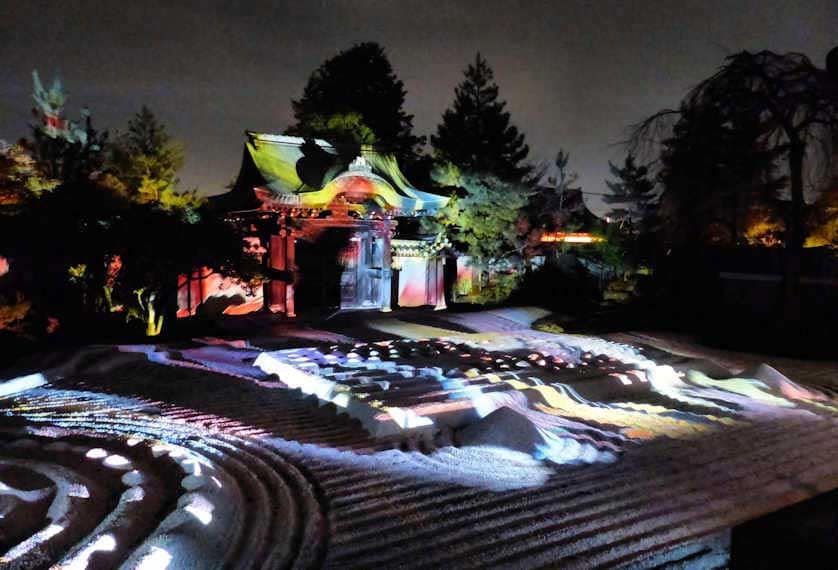
Kodai-ji is a temple of the Kennin-ji branch of the Rinzai sect, built by Nene (Kita-no-mandokoro) in memory of Toyotomi Hideyoshi. In autumn its Hojo garden and Garyu-ike pond host an evening light-projection show, with red leaves and bamboo in interplay with light and shadow, one of the most talked-about night foliage events in the Higashiyama area.
The best foliage period is mid-November to early December. Daytime opening is from 9:00 with admission at ¥800; the autumn 2026 evening illumination runs from October 23 to December 13, 17:00 to 22:00 (last entry 21:30). Arrive around dusk to see the double scene as day turns to night.
Nijo Castle: Garden Foliage Inside a World Heritage Castle
Nijo Castle was the Tokugawa shogun’s residence in Kyoto and was listed as a World Heritage Site in 1994. In autumn the Seiryu-en garden and the Honmaru garden are full of maples, and with the night illuminations the castle’s stone walls and red leaves complement each other, showing a samurai-garden aesthetic different from temples and shrines.
The best foliage period is mid to late November. It is open 8:45-16:00 (last entry 16:00), and general admission including the Ninomaru Palace is ¥1,300, with a separate ticket needed during the night foliage opening. Allow 2 hours for the large castle grounds.
Komyo-ji: A Hidden Foliage Spot in Nagaokakyo
Komyo-ji is on the outskirts of Nagaokakyo and is the head temple of the Nishiyama Jodo sect. Maples on both sides of its Momiji Sando (Maple Approach) form a long tunnel, and it has quickly become a much-discussed foliage spot in recent years.
The best foliage period is roughly mid to late November. During the special opening it is open 9:00-16:00 with admission about ¥500. Take a Hankyu bus or JR to Nagaokakyo Station and transfer to the shuttle bus. It suits a half-day suburban trip for quiet red-leaf scenery away from the city bustle.
Shoren-in: Night Illumination at a Monzeki Temple
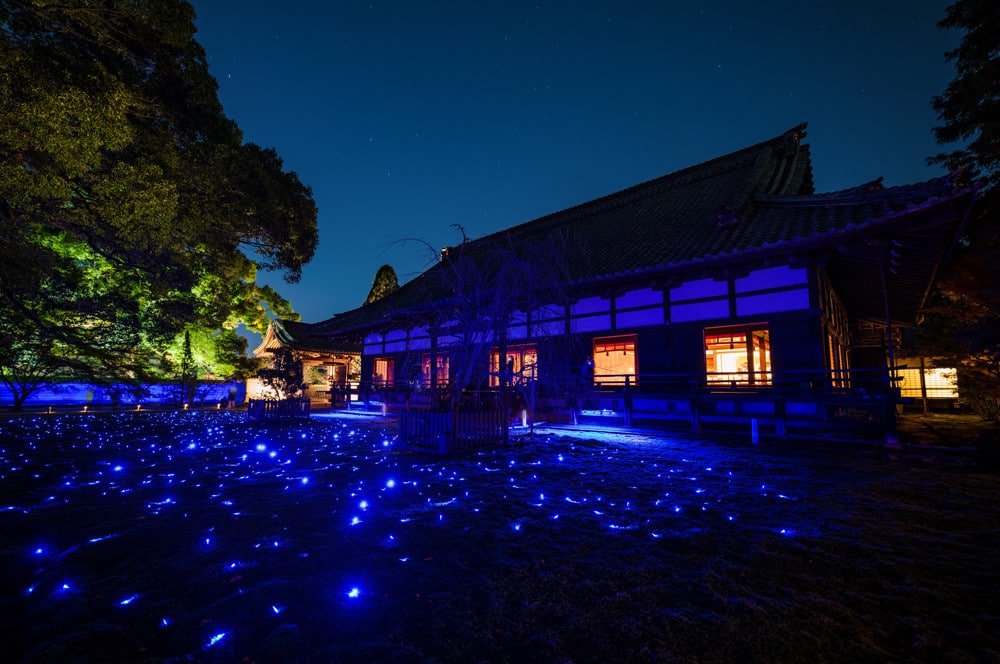
Shoren-in is one of the Tendai-sect monzeki temples, with a long-historied great camphor tree and the Soami garden. Its night illumination, after restoration work, resumed in autumn 2025 for the first time in five years; check the official announcement for the autumn 2026 dates.
The best foliage period is mid to late November. Daytime hours are 9:00-17:00 with admission at ¥600, and the night illumination period has separate admission. Keep an eye on the official announcement to confirm dates and prices.
Jingo-ji (Takao): The Mountain-Valley Foliage Spot That Turns Red First in Kyoto
Jingo-ji, Kyoto’s earliest foliage sight, has an approach that follows the Kiyotaki River, with maples interwoven with stone steps and the vermilion Kondo hall, giving the valley’s red leaves distinct layers. It is a benchmark sight of Kyoto’s foliage season. Located in the northwestern mountains, it draws fewer crowds and suits travelers who love quiet foliage viewing.
In 2026 Weathernews forecasts peak color around November 17, one to two weeks earlier than the city. It is open 9:00-16:00 with admission at ¥1,000 for adults and ¥500 for children. Take the JR Bus to the Takao stop and walk about 20 minutes. It can be linked with Saimyo-ji and Kozan-ji for a half-day foliage route.
Kyoto Gyoen: A Free Park of Giant Ginkgo and Red Maples
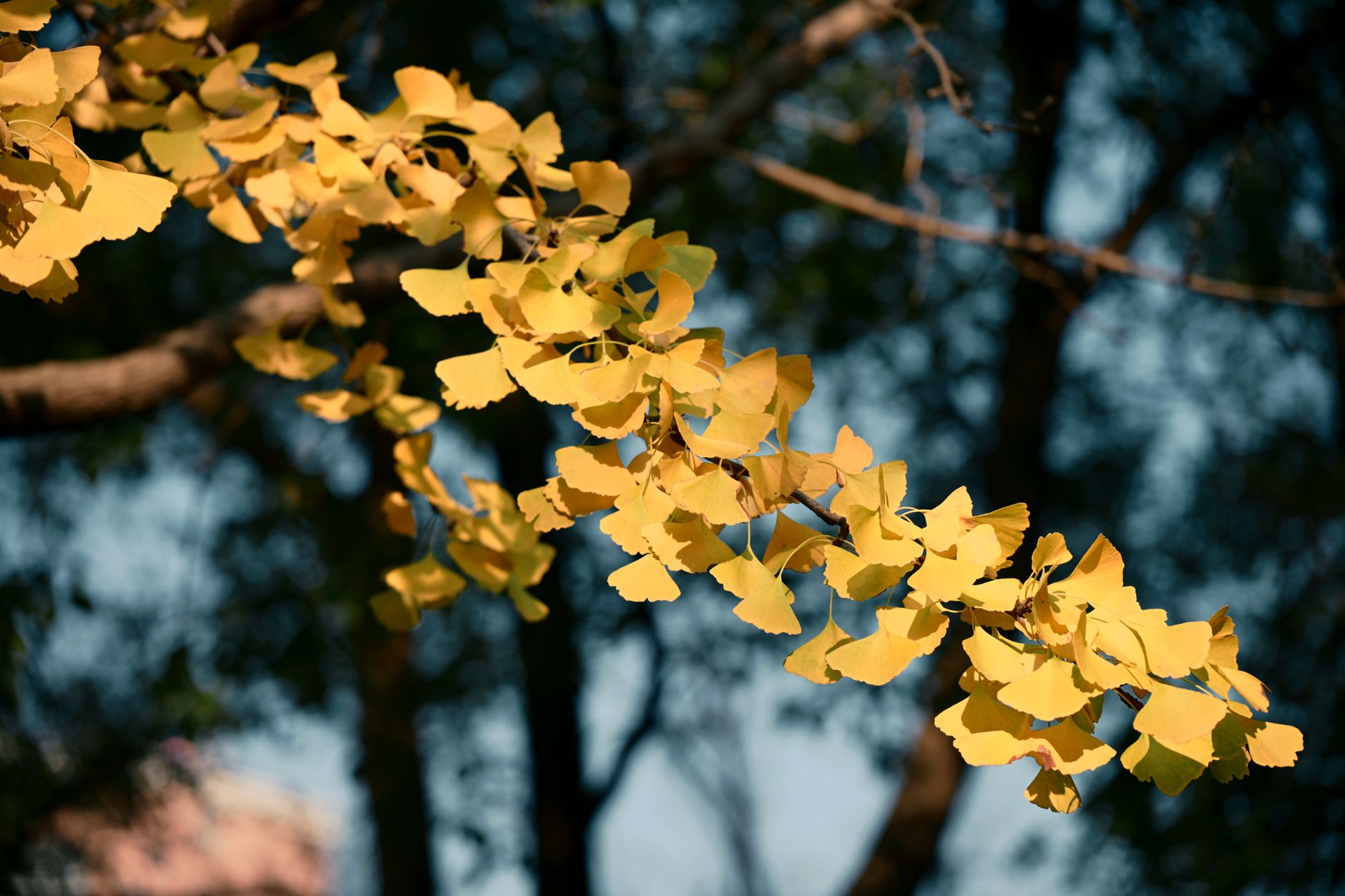
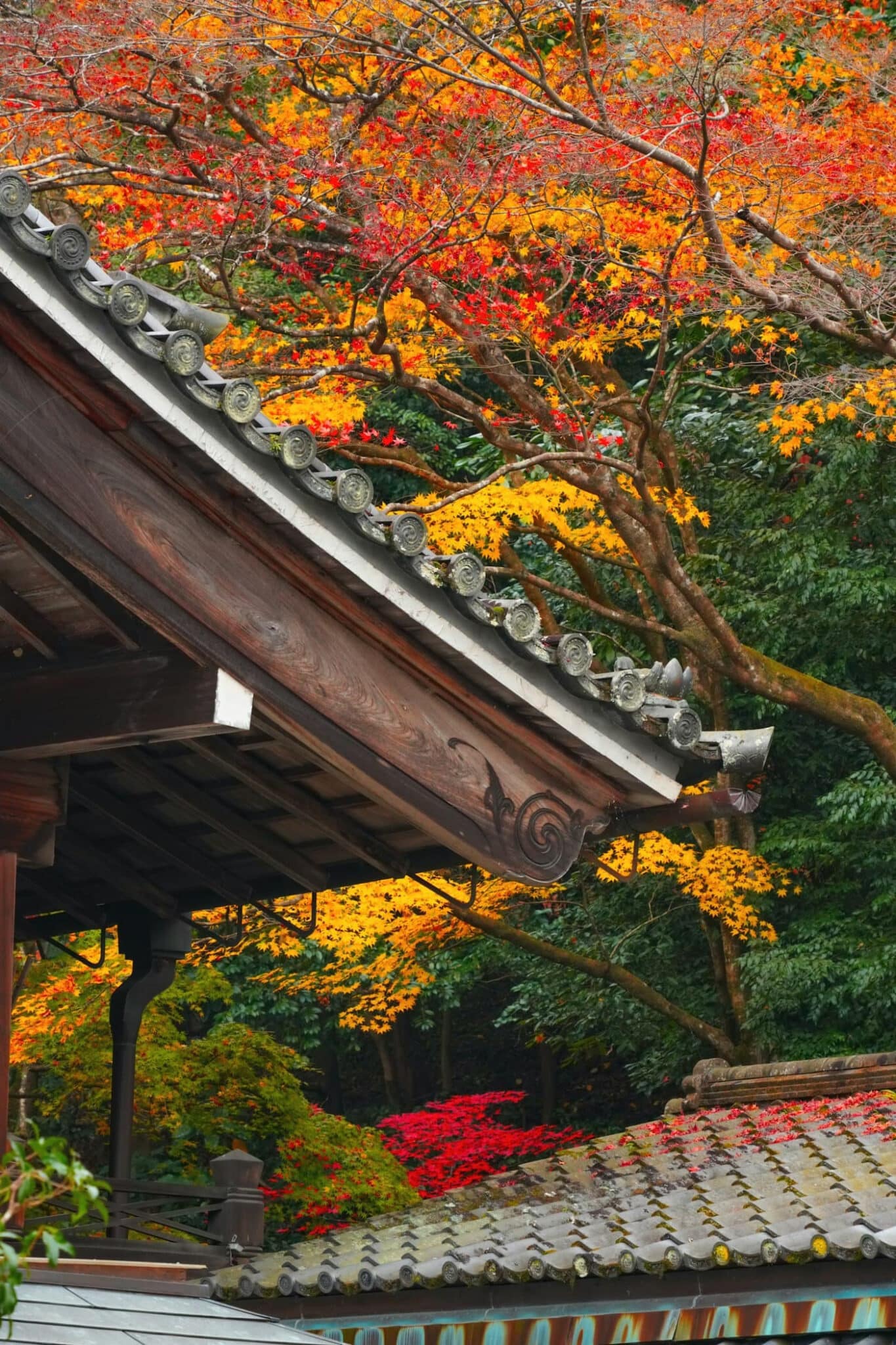
Kyoto Gyoen is a vast national garden surrounding the Kyoto Imperial Palace and the Sento Imperial Palace, covering about 65 hectares with around 100,000 trees. In autumn the golden giant ginkgo and fiery maples interweave into an open natural scene, quite different from the refined foliage of temple gardens, a rare large-scale foliage space. From mid-November to early December, the giant ginkgo near the Gyoshuto ruins is a popular photo spot on social media.
Kyoto Gyoen is open 24 hours all year and free to enter, with no viewing hours or ticket limits, making it a good strolling rest stop in the middle of a foliage itinerary. Because the grounds are vast, entering and leaving via Imadegawa or Marutamachi Station on the Karasuma subway line is the most convenient. Allow 30 minutes to 1 hour for an easy walk.
2026 Kyoto Autumn Travel Guide: Foliage Timing, Climate and Outfits. What Experiences and Tours Do We Recommend?
Kyoto’s autumn foliage draws huge numbers of travelers every year. To avoid the crowds and catch the best viewing angles, plan special experiences and transport passes ahead of time. Here are four well-reviewed autumn tours, covering old-temple foliage, night illuminations, kimono dress-up and a suburban day trip, to make your Kyoto autumn trip more varied and easier.
Eikando Night Foliage Special Visit: Kyoto’s Signature Night Foliage, Red Leaves Reflected in the Hojo-ike Pond
Eikando (Zenrin-ji) is famous as the temple of red leaves. Its autumn night illumination (November 11 to December 10 in 2025, from 17:30) lights about 3,000 fiery maples, interweaving with reflections in the Hojo-ike pond for a dreamlike symmetrical scene. During the night foliage period you can see the foliage around the Tahoto pagoda and the Garyu corridor. Check Eikando’s official site for the 2026 dates and prices, and enter on a weekday evening to avoid the crowds.
Arashiyama Sagano Scenic Railway Plus Togetsukyo Bridge Foliage Day Trip: Rail Foliage Viewing Combined With a Bamboo Grove Stroll
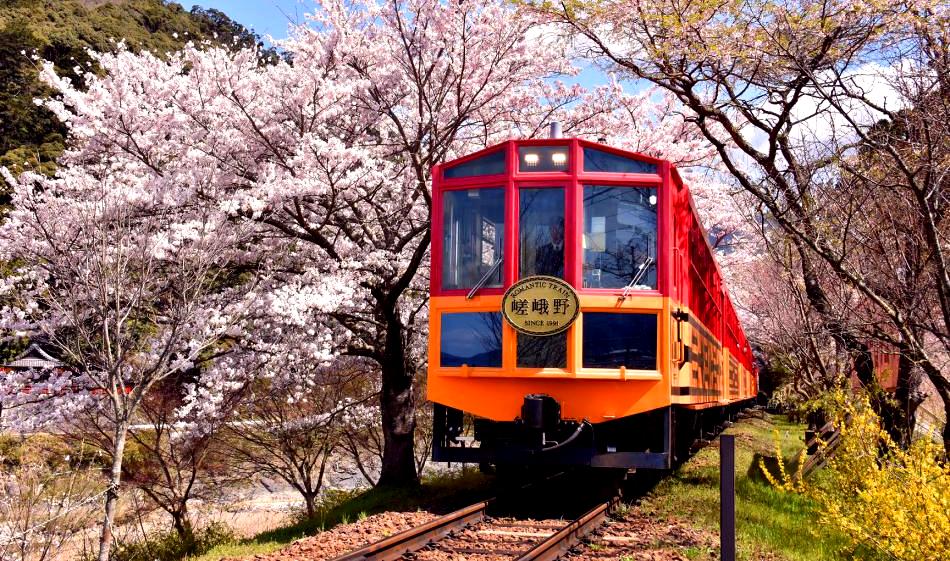
The Sagano Scenic Railway runs through the Hozukyo Gorge with superb autumn foliage views. Book tickets through a travel platform, especially at peak foliage (mid to late November) when tickets are hard to get. The itinerary can include the Arashiyama bamboo path and Togetsukyo Bridge and takes half a day to a full day. One-way tickets start at about 880 yen. Combined with the bamboo grove, Tenryu-ji foliage and street snacks on the shopping street, it makes a complete Arashiyama day. Togetsukyo Bridge spans the Katsura River with classic red leaves and distant mountain scenery by the bridge. This tour suits families and older travelers: the ride is gentle and needs no long walking, ideal for travelers with limited stamina.
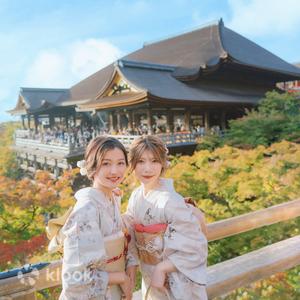
Kyoto Kimono Experience Plus a Foliage Stroll Around Kiyomizu-dera: Walk the Old Capital’s Streets in a Kimono
Walking Kyoto’s stone-paved lanes in a kimono, enjoying red leaves and machiya townhouses, is a popular autumn experience. Platforms such as Klook and KKday offer kimono rentals including the kimono, obi, hair accessories and dressing, and some include a simple hairstyle. Most locations are around Kiyomizu-dera, Gion and Ninenzaka, convenient for photos.
Prices vary by plan, and most rentals run all day, so you can wear it from morning to night while visiting Kiyomizu-dera, Ninenzaka, Sannenzaka and Yasaka Shrine. The maples around the Kiyomizu Stage turn red around mid-November.
Book your pickup time online the night before. In peak season the on-site queue can exceed an hour, and a reservation saves foliage-viewing time.
Kyoto Bus Day Trip: Sagano, Kifune and Kurama Hidden Foliage Spots With Transport Included
A Kyoto bus day tour is an efficient way to visit the suburban hidden foliage spots, suited to travelers unfamiliar with the routes or wanting to save transit time. Kifune Shrine and Kurama-dera are in the mountains north of Kyoto, where temperatures are lower and the leaves turn red earlier, in early November, for magnificent mountain foliage.
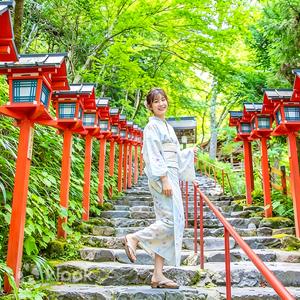
Tours usually include a Chinese- or Japanese-speaking guide, private coach transfers and some lunches, take about 8-10 hours, and prices vary by itinerary and departure point. At Kifune Shrine the red lanterns along the approach complement the red leaves.
This tour is recommended for travelers who do not want the hassle of transfers and queues and want to explore the suburban hidden spots in depth within limited days, especially first-time autumn visitors to Kyoto who want to collect several foliage spots in one go.
Where to Stay Nearby
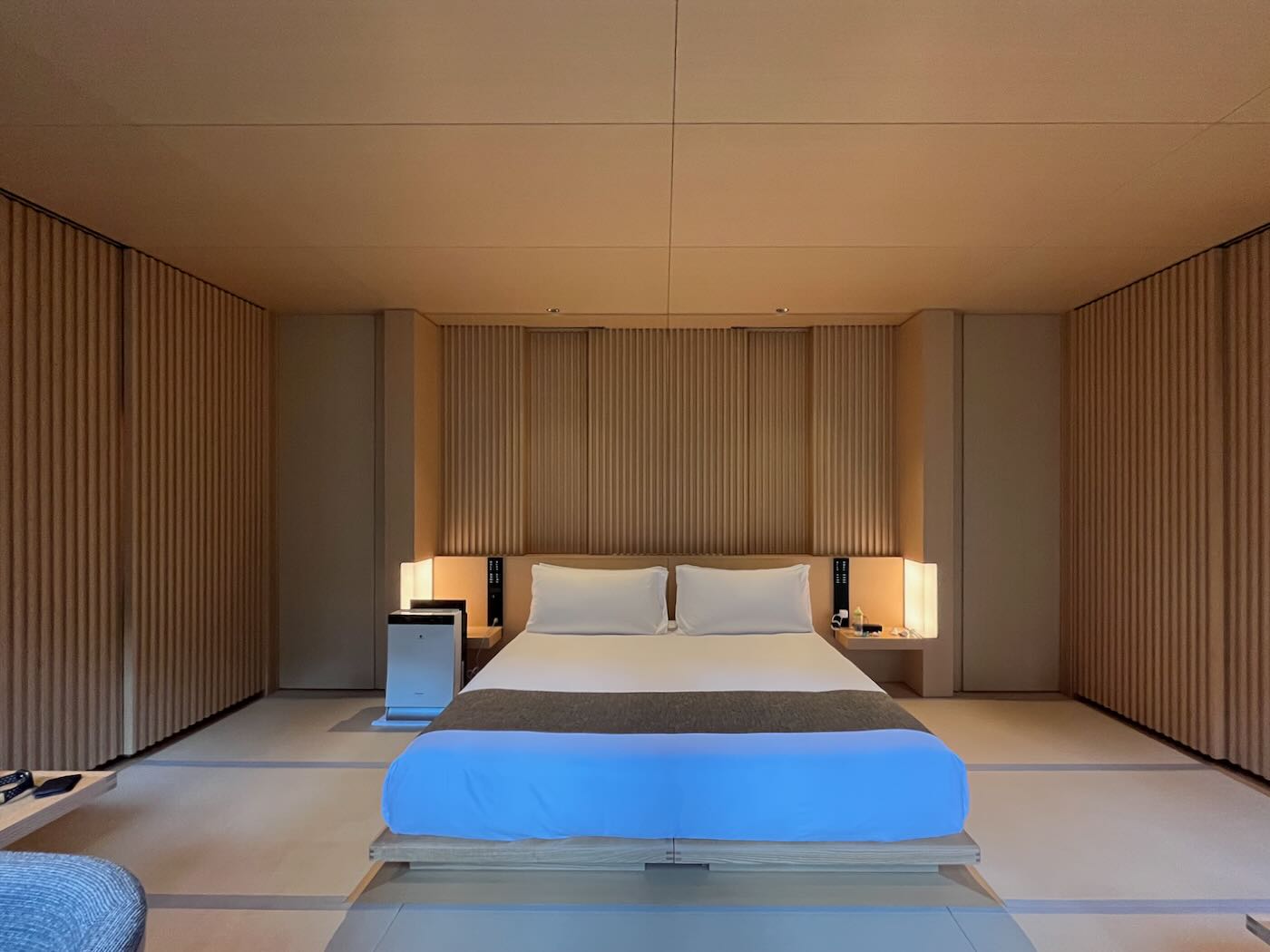
Kyoto lodging fills up quickly in peak foliage season, so book early. Staying near Kyoto Station lets you take the JR to Tofuku-ji, Fushimi Inari and Arashiyama, while the Kawaramachi and Gion area is within walking or bus distance of Kiyomizu-dera, Kodai-ji and Nanzen-ji. If your itinerary is concentrated in Higashiyama, prioritize a location with convenient transport links.

FAQ
The questions readers search most often about Kyoto’s autumn foliage.
Q: When is the best time to see Kyoto’s red leaves in 2026?
The overall peak is roughly mid-November to early December. Core city sights such as Tofuku-ji and Eikando peak in mid to late November, and Kiyomizu-dera and Kitano Tenmangu around late November (about the 26th), lasting into early December.
Q: How much do Kyoto foliage spot tickets cost?
Most temple tickets are about ¥400-1,000, night foliage viewing adds ¥500-1,200, and limited-opening sights such as Rurikoin cost more, about ¥2,000.
Q: Should I take the bus or the subway in Kyoto city?
In foliage season, prefer the Karasuma and Tozai subway lines, then connect with Hankyu, Keihan or a few buses, which effectively avoids the city’s severe traffic jams.
Q: What should I wear in Kyoto in autumn to stay warm?
Dress in three onion-style layers: long sleeves in September, long sleeves plus a light jacket in October, and a down jacket or thick coat with a scarf and gloves in November.
Q: How far ahead should I book lodging for Kyoto’s foliage season?
Book 4-6 months ahead. In popular areas such as Karasuma-Oike, Shijo, Kyoto Station and Osaka Umeda, room rates rise noticeably in peak season and rooms are hard to find.
Q: How can I check real-time foliage peak information for Kyoto?
For foliage forecasts, mainly check the Japan Weather Association’s tenki.jp and Weathernews, both of which update each sight’s forecast and actual color progress in stages through autumn; cross-check them. The Japan Meteorological Agency itself does not publish foliage peak forecasts, only the maple color observation dates recorded by local weather stations, which are useful for looking back at when the leaves actually turned in past years.
Q: What souvenirs should I buy while viewing foliage in Kyoto?
Recommended are matcha chocolate, Ajari mochi, yatsuhashi, Gion Tsujiri matcha sweets, Sasaya Iori steamed yokan, Izutsu Yatsuhashi Honpo and Nenrinya Baumkuchen, all classic Kyoto souvenirs.