
How to Get to Nakanoshima: A Complete Guide to Transportation and Station Exits
Nakanoshima is a long, narrow river island between the Dojima and Tosabori rivers. Walking its whole length east to west takes about 40 minutes, so decide which end to start from, then pick your station.
The most commonly used station is “Yodoyabashi” on the Osaka Metro Midosuji Line and the Keihan Main Line. Cross the bridge from the exit and you are at the middle of the island, within walking distance of the Nakanoshima Library of Osaka Prefecture and the Osaka City Central Public Hall. The Museum of Oriental Ceramics, Osaka is about 400 meters from Exit 1 of Yodoyabashi Station. The Keihan Nakanoshima Line runs underground along the island, with five stations from east to west: Temmabashi, Naniwabashi, Oebashi, Watanabebashi and Nakanoshima. If you want to visit the Museum of Oriental Ceramics shop and the Nakanoshima Park rose garden first, get off at “Naniwabashi” Station, and the museum is right outside Exit 1, with the Public Hall next to it. For the Nakanoshima Museum of Art, Osaka (dot to dot today, HAY OSAKA), the official site recommends about a 5-minute walk from Exit 2 of “Watanabebashi” Station, or about 10 minutes from Exit 4 of “Higobashi” Station on the Osaka Metro Yotsubashi Line. The westernmost “Nakanoshima” Station is near the Osaka International Convention Center area.
If you plan to start from the retro Western-style buildings of Kitahama, take the Osaka Metro Sakaisuji Line or Keihan Main Line to “Kitahama” Station, then cross the bridge north from the exit to reach the east end of Nakanoshima Park and walk west to the museum area, the smoothest one-way walking route.


Must-Visit Districts and Popular Shops in Nakanoshima
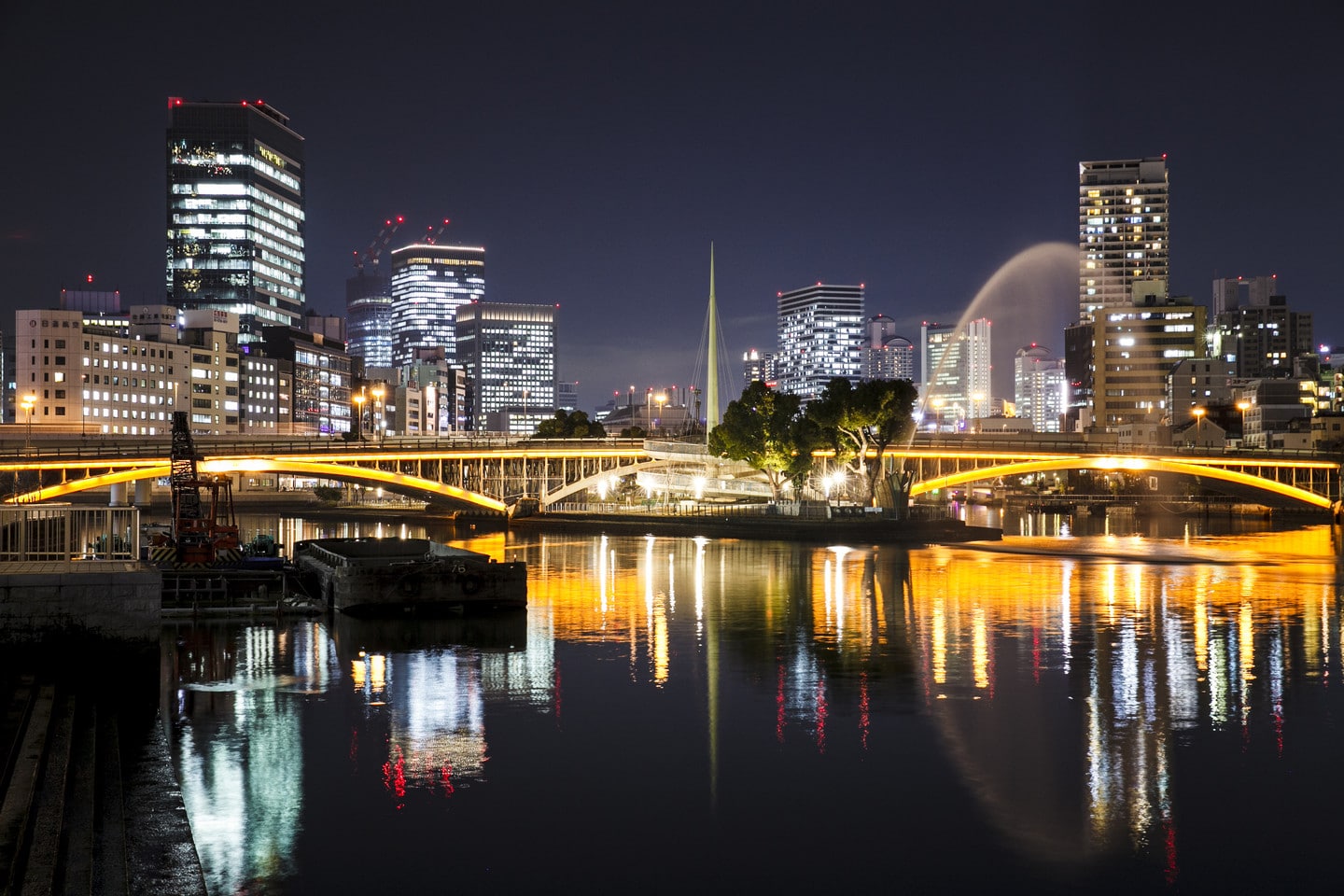
Nakanoshima is a cultural district where museums and modern architecture cluster. “Shopping” here is not a department-store spree but moving between museum shops, design select shops and old riverside house cafes, a relaxed pace that is still good for buying things.

Museum of Oriental Ceramics, Osaka Museum Shop: Souvenirs Inspired by National Treasure Ceramics
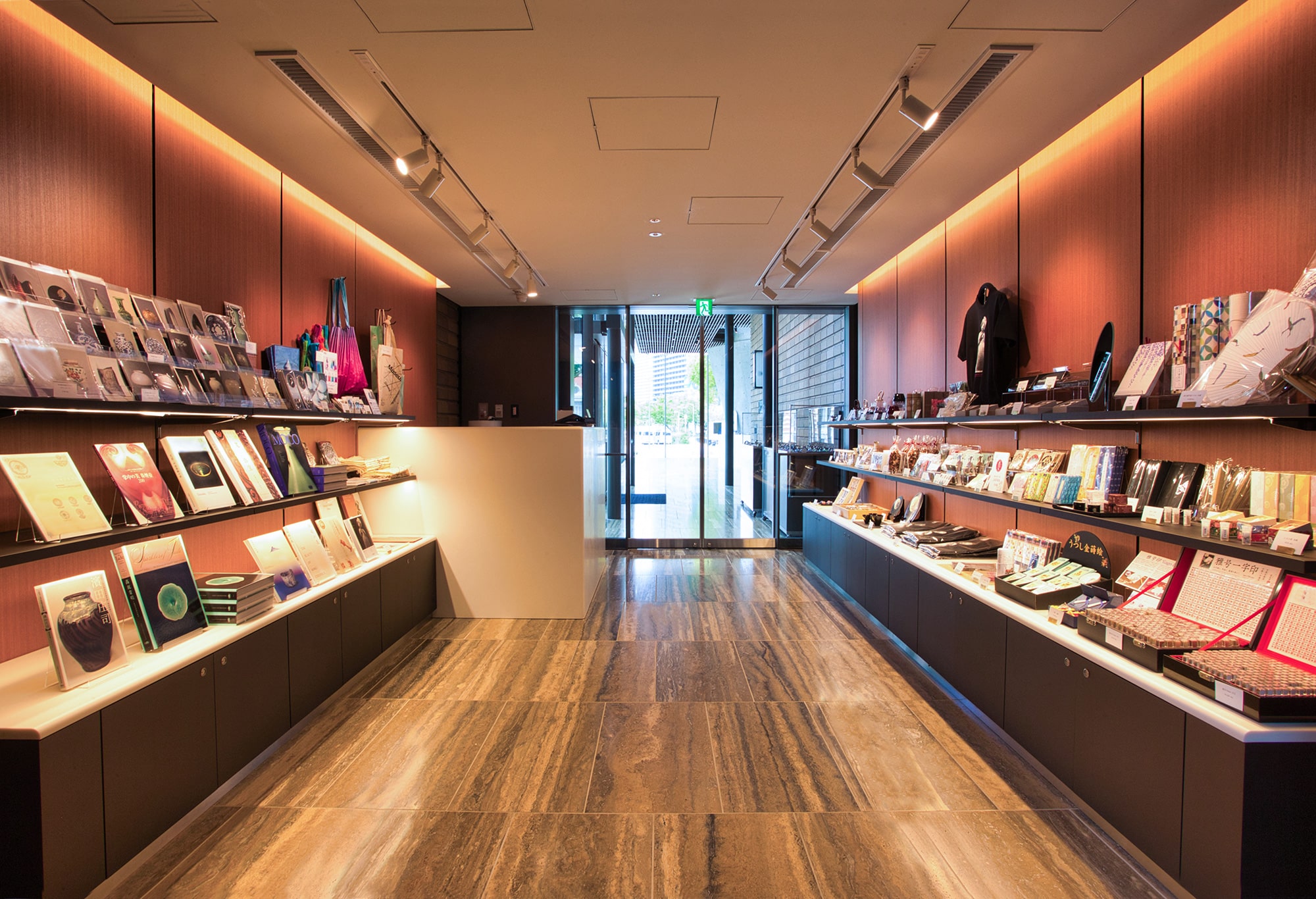

Reopened after its 2024 renovation, the museum shop has developed original goods inspired by the National Treasure-level Oriental ceramics in the collection, such as acrylic magnets, pins, Arita-ware glass pens and thermos bottles, along with exhibition catalogs and postcards. It is a must-visit for travelers who love small Japanese-aesthetic items. The shop is at 1-1-26 Nakanoshima, Kita Ward, open from 9:30 a.m. to 5 p.m. (closed Mondays), and you can go in and shop on its own even without a museum ticket.
Nakanoshima Museum of Art, Osaka Museum Shop “dot to dot today”: Design Select Goods in a Black Cube
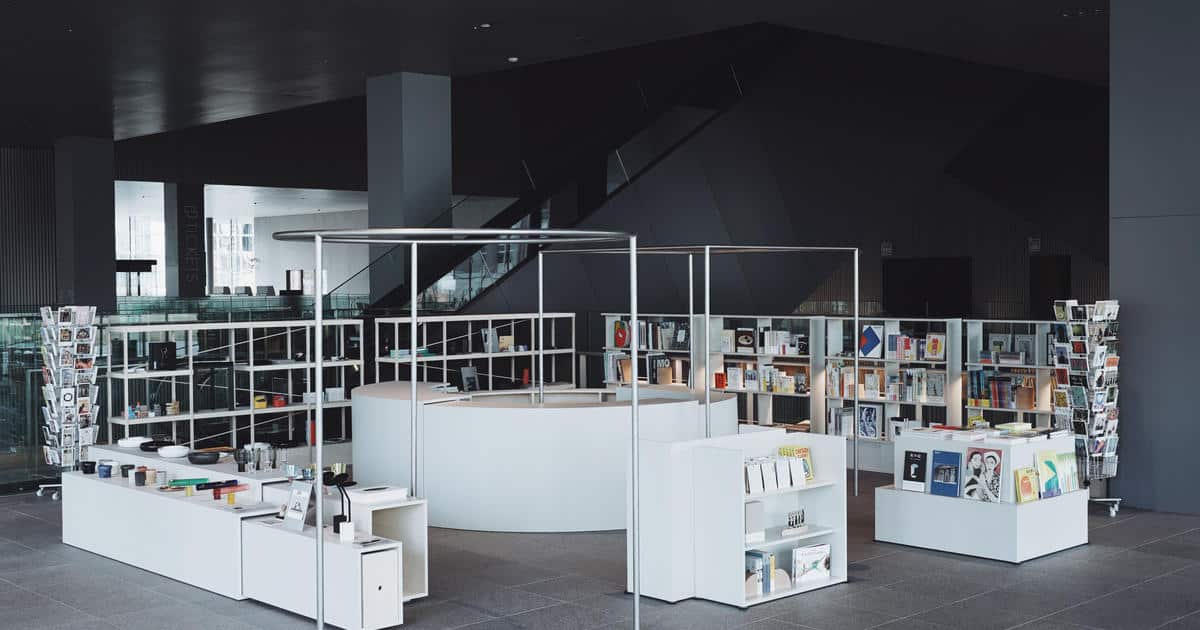
The museum shop on the second floor of the black-volume building (open 10:00 to 18:00, closed Mondays) carries exhibition-related catalogs and goods, plus a curated selection of stationery, lifestyle goods and art books from Japanese and international designers. The display itself feels like a gallery, and you can go in and shop on its own without seeing an exhibition, a good place to pick up a distinctive art-themed souvenir.
HAY OSAKA: The Danish Design Brand’s Only Physical Store in Kansai
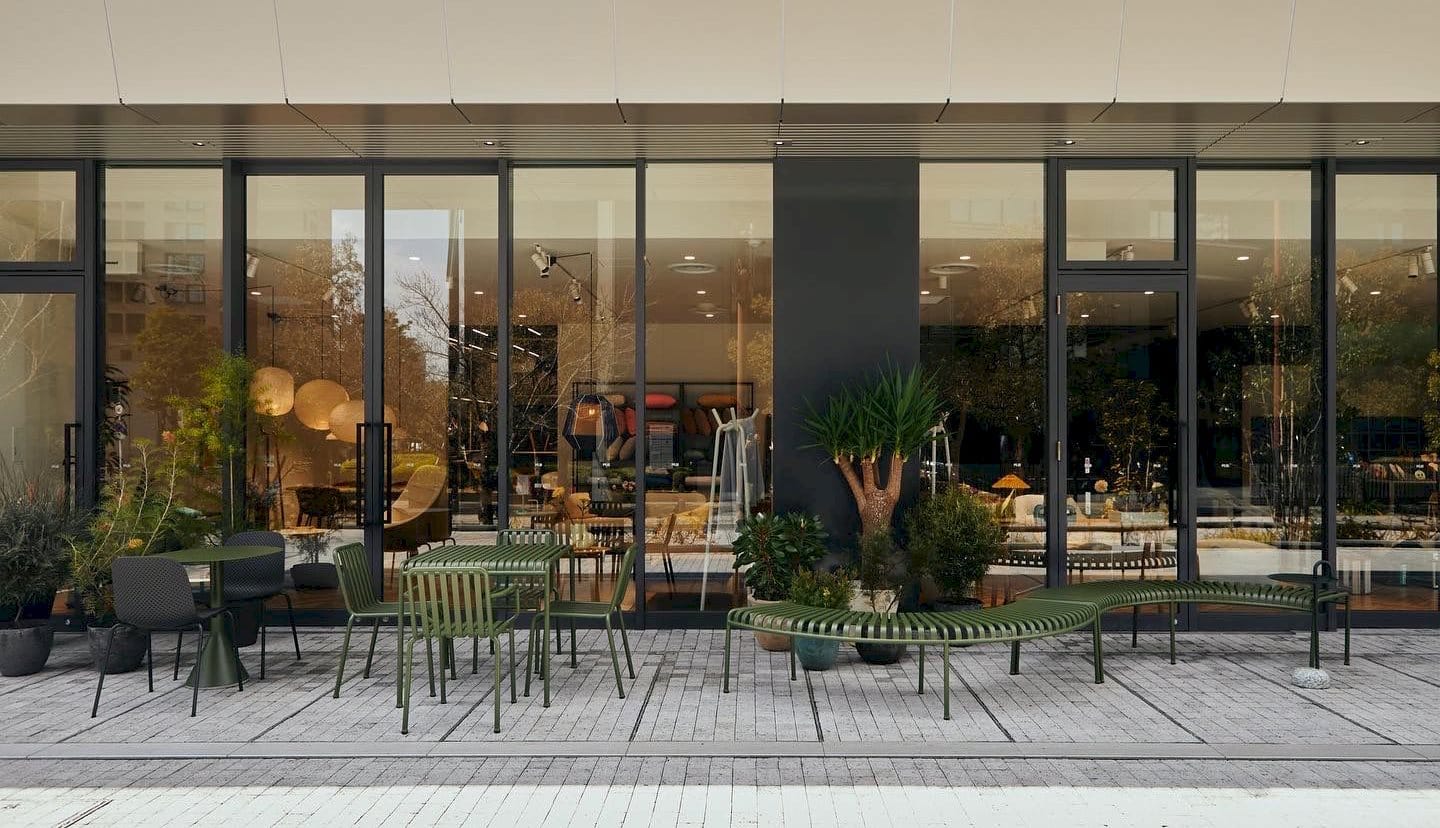
Located inside the Nakanoshima Museum of Art, Osaka (open 11:00 to 18:00), it is the only physical store in the Kansai region of the Danish lifestyle brand HAY, with colorful furniture, tableware and home goods lined up, and a simple Nordic style that echoes the museum’s modern architecture. It is a good place to pick design gifts and a stop Nordic-style fans should not miss when planning a trip.
graf shop&kitchen: Furniture and Lifestyle Select Goods from a Local Nakanoshima Brand
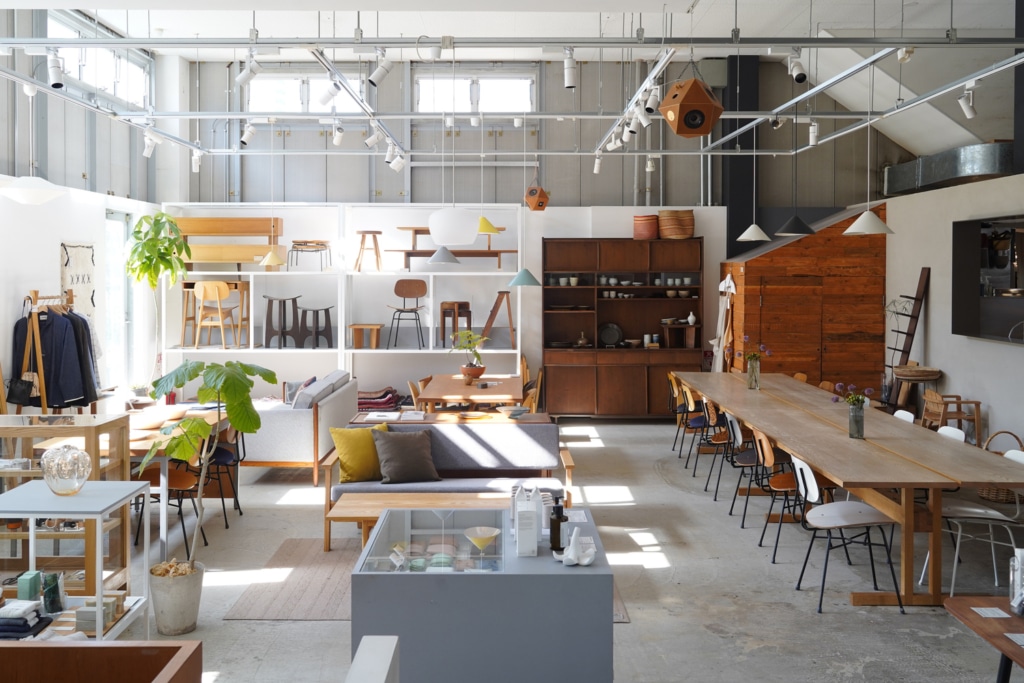
graf is a creative team long rooted in Nakanoshima, at 4-1-9 Nakanoshima, Kita Ward. The first-floor shop&kitchen displays furniture and original household goods of its own design and making, plus some handmade one-of-a-kind pieces by artisans. When you get tired you can eat in the same building and feel Nakanoshima’s relaxed riverside pace, the best way in to local creative energy.
Kitahama Retro: A Goods Corner at a British Antique Tea House
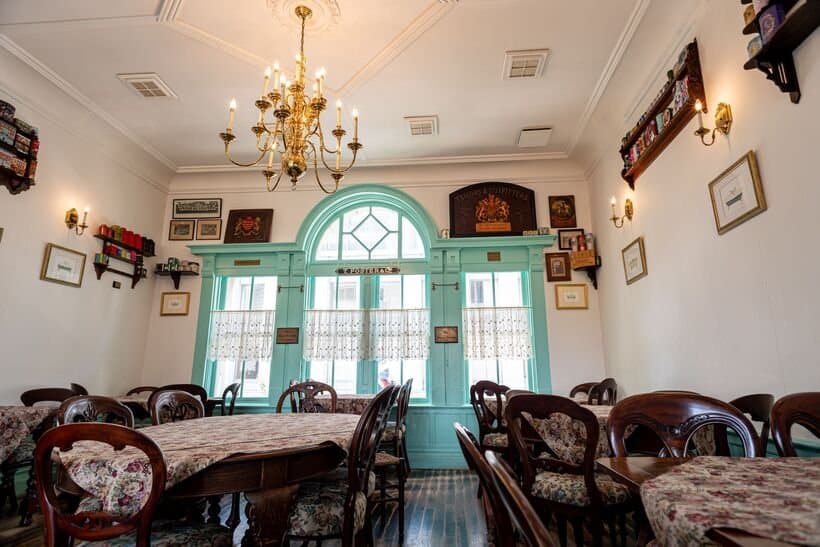
Housed in the Kitahama Retro Building, completed in 1912 and designated a nationally registered tangible cultural property (hours 11:00 to 19:00 on weekdays and 10:30 to 19:00 on weekends and holidays), the first floor is a shop selling British tea ware, cookie gift sets and tea goods, and the second floor is a richly atmospheric British afternoon tea room, with door handles and light switches made from antique parts imported from Britain. It is the most representative retro spot stretching from Nakanoshima into Kitahama, and an excellent place to experience elegant British afternoon tea culture.
Nakanoshima Banks: A Riverside Terrace Restaurant and Takeout

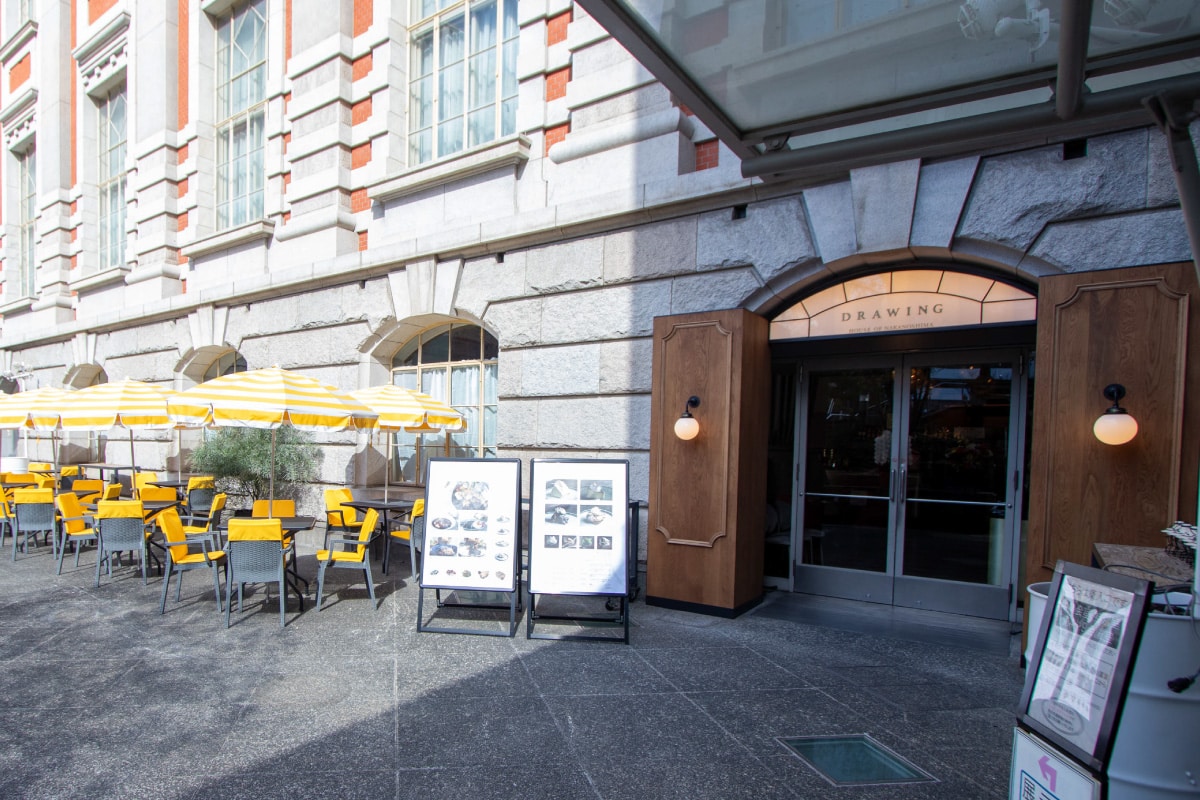
Nakanoshima Banks is a commercial facility on the Nakanoshima riverfront with terrace seating facing the river and the Central Public Hall. It serves desserts, vegetable dishes and takeout, a good place to rest after the museums.
Around Nakanoshima Rose Garden: Riverside Walks and Flower Viewing
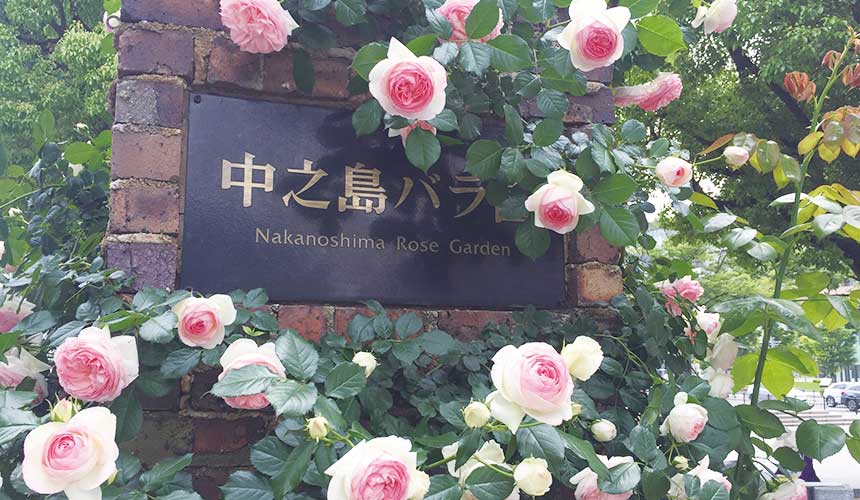
The rose garden in Nakanoshima Park is a free riverside garden. In the spring and autumn flower seasons you can stroll slowly along the river to see the flowers, and events are occasionally held nearby, making it a convenient stop on a walking itinerary.
Kitahama Flea Market: An Antique Market Held Only in Nakanoshima Park
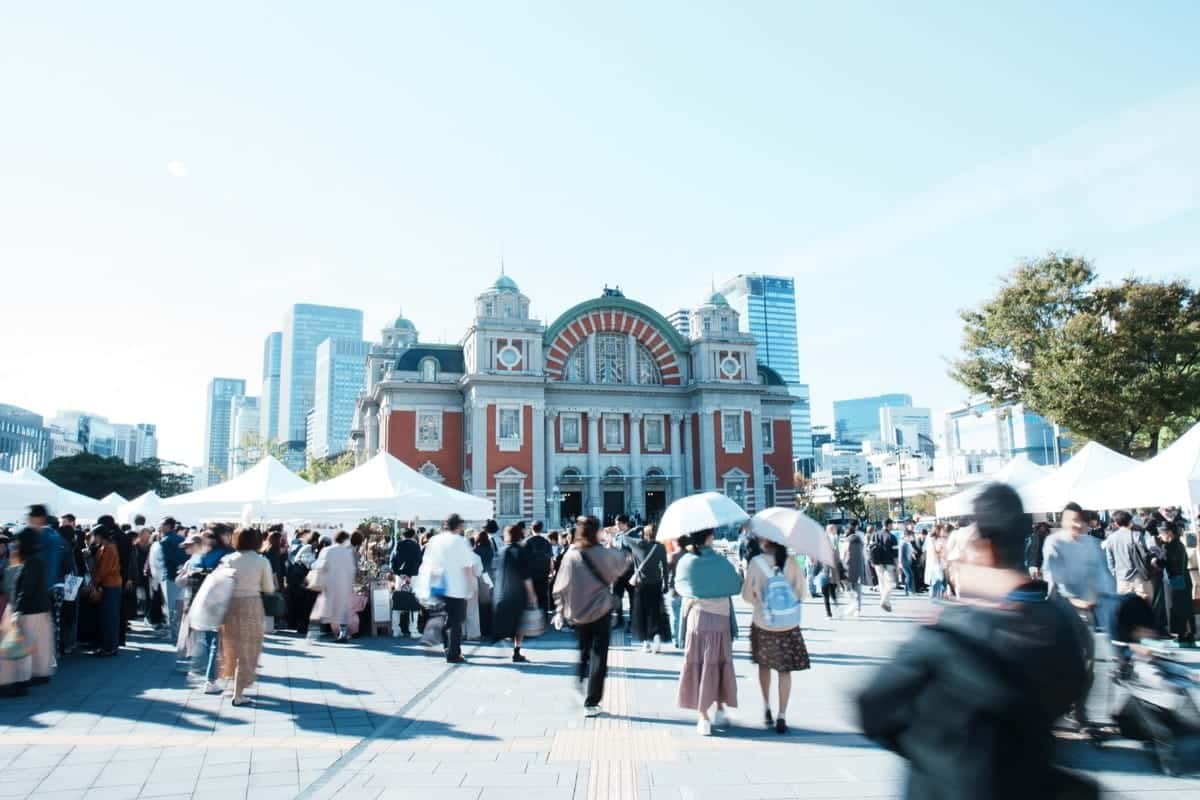
An outdoor antique market held irregularly in Nakanoshima Park, with stalls for tableware, retro goods and vintage clothing. Travelers who like treasure hunting should check the dates before they go, and if the timing works it is well worth planning a half day just to browse.
Osaka Nakanoshima Shopping Route: A One-Day Sequence from Kitahama to the Museums
To shop in Osaka’s Nakanoshima, start from Kitahama Station: first pick up tea ware and goods at Kitahama Retro, completed in 1912, then cross the bridge and walk west through Nakanoshima Park. Watch the opening hours when planning the order: the Museum of Oriental Ceramics shop is open 9:30 to 17:00, and dot to dot today at the Nakanoshima Museum of Art, Osaka is open 10:00 to 18:00; both are closed Mondays. Visit the museum shops in the morning, then return to the riverside for a walk and a meal in the afternoon, for a more relaxed route.
Where to Stay Nearby
Nakanoshima sits between the Keihan Nakanoshima Line and the subway Midosuji and Yotsubashi lines, within walking distance of Kitahama and the Museum of Oriental Ceramics, Osaka. Travelers who want to take their time along the river and at the museums can stay around Nakanoshima, Kitahama or Yodoyabashi.

FAQ
How long should I plan for Nakanoshima?
Half a day is enough if you only want the museum shops and riverside cafes. If you also want to stroll through Kitahama’s retro buildings and little antique shops, allow a full day for a more relaxed pace.
Are Nakanoshima’s shops as lively as Shinsaibashi and Dotonbori?
No. Nakanoshima centers on museums, modern architecture and design select shops, with a quiet, elegant atmosphere that suits travelers who like arts and slow-paced shopping. If you want lively department stores and food streets, plan a separate Shinsaibashi or Dotonbori outing.
Where in Nakanoshima can I buy unique souvenirs?
The shops at the Museum of Oriental Ceramics, Osaka and the Nakanoshima Museum of Art, Osaka both carry original goods tied to their collections, and HAY OSAKA and graf shop&kitchen suit those looking for design-minded lifestyle goods, all Nakanoshima-only choices you cannot buy elsewhere.
How often is the Kitahama Flea Market held?
The Kitahama Flea Market is an outdoor market held roughly once each in spring and autumn in recent years (for example, the 15th edition was held April 19-20, 2025 at Nakanoshima Park), with no fixed dates, so check the organizer’s announcement before you go.
How do I link Nakanoshima with other sights?
From Nakanoshima you can walk across the bridges to Kitahama’s cluster of retro Western-style buildings. If you have more time, you can also take the Midosuji Line south to lively districts such as Shinsaibashi and Dotonbori for a cross-district day itinerary.