
2026 Tsuchiura National Fireworks Competition Guide: Creative Fireworks and Daytime Fireworks Explained
The 95th Tsuchiura National Fireworks Competition (also called the Tsuchiura Hanabi Festival) takes place on Saturday, November 7, 2026, along the Sakuragawa River in Tsuchiura, Ibaraki Prefecture. It is one of Japan’s three great fireworks festivals and draws hundreds of thousands of visitors every year. Tickets are sold by advance lottery at ¥4,000 to ¥80,000; see the ticket schedule below.
Tsuchiura National Fireworks Competition: Japan’s Signature Autumn Fireworks Spectacle
The Tsuchiura festival is held in autumn and, together with Omagari in Akita and Nagaoka in Niigata, is counted among the “Three Great Fireworks Festivals of Japan.” It is a national competition in which pyrotechnicians from around the country compete on skill.
The festival began in 1925 (Taisho 14), started by Akimoto Baiho, the head priest of Shinryu-ji Temple. It was meant to honor the aviators who died in service and to revive Tsuchiura’s economy after the Great Kanto Earthquake.
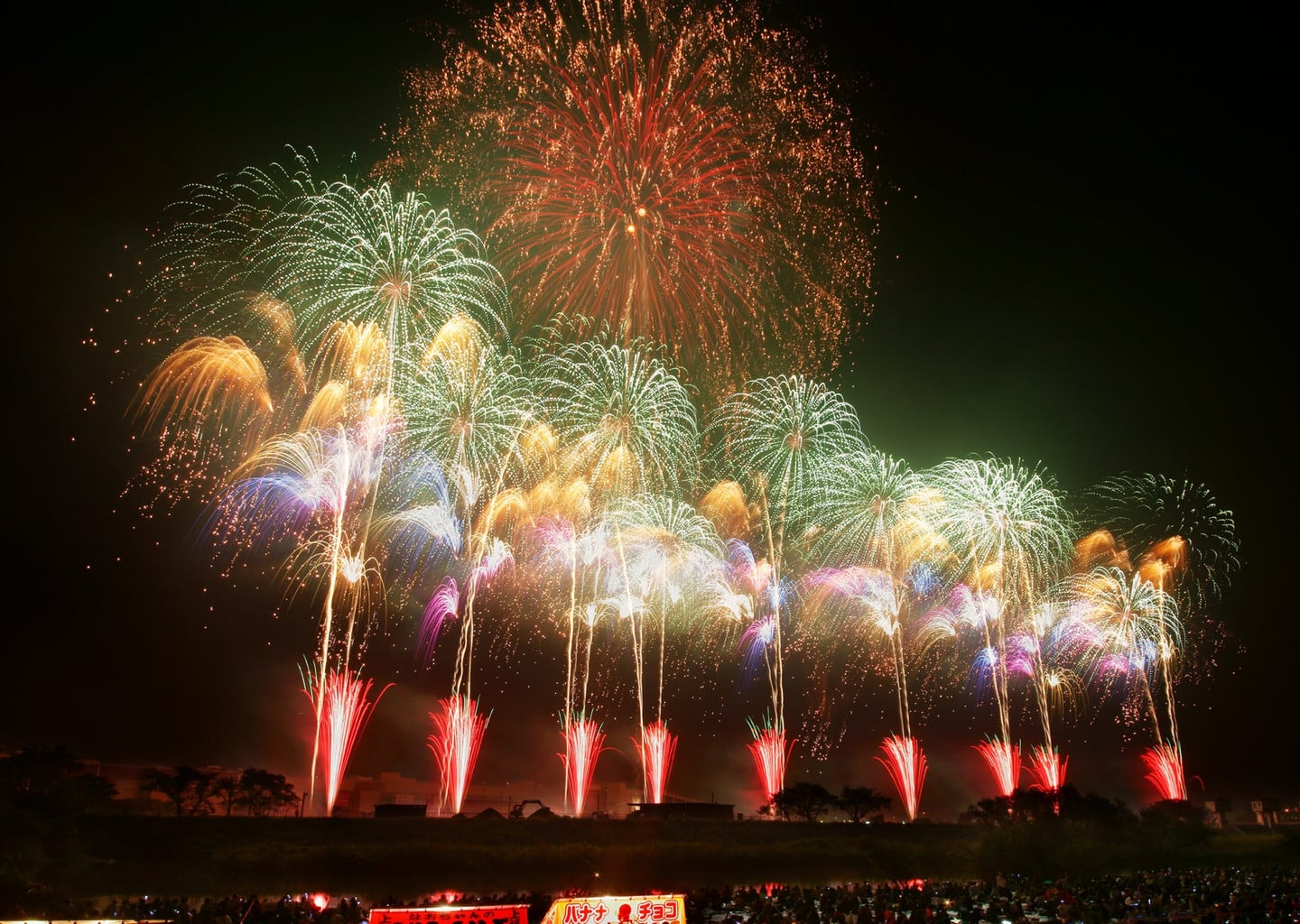
- 🎆 Date and time: Saturday, November 7, 2026, 17:30 competition start to 20:00 scheduled finish (in case of bad weather, postponed to November 14; canceled if neither day is possible)
- 🎫 Ticket prices: Sajiki seat, full box ¥26,000 / half box ¥13,000 / Sajiki chair seat ¥12,000 / Sajiki table seat ¥80,000 / chair seats A ¥6,000, B ¥5,000, C ¥4,000 (all tax included)
- 📝 How to buy: Advance application by lottery, online only (in 2026, August 12 to September 10, 23:59); no tickets are sold at an on-site window
- 🔗 Official website of the Tsuchiura National Fireworks Competition Executive Committee
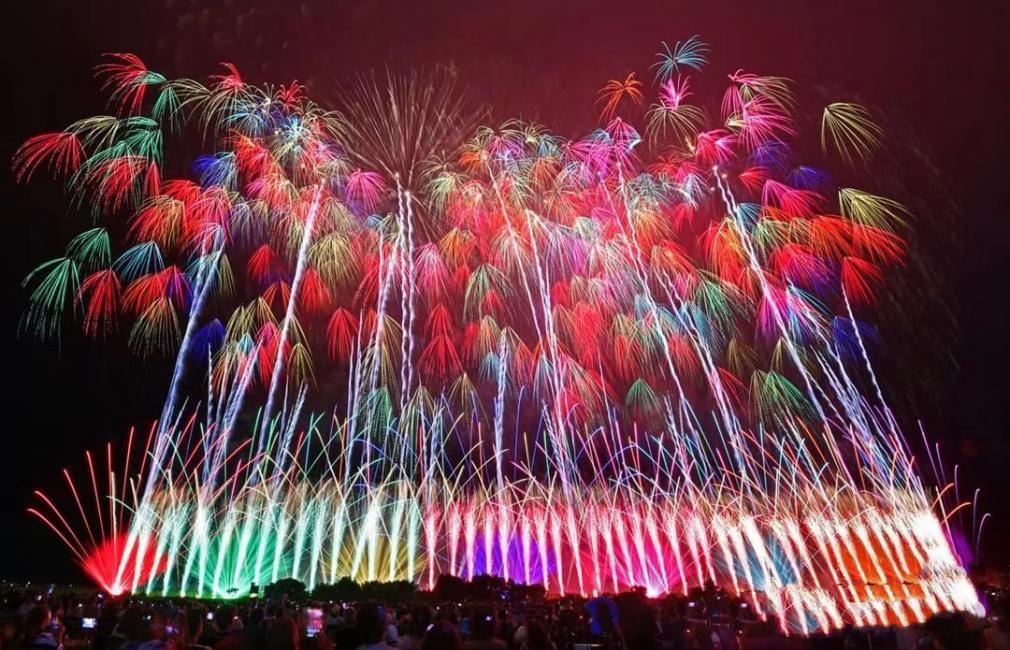

Creative Fireworks and the Three Competition Categories: What to Watch For
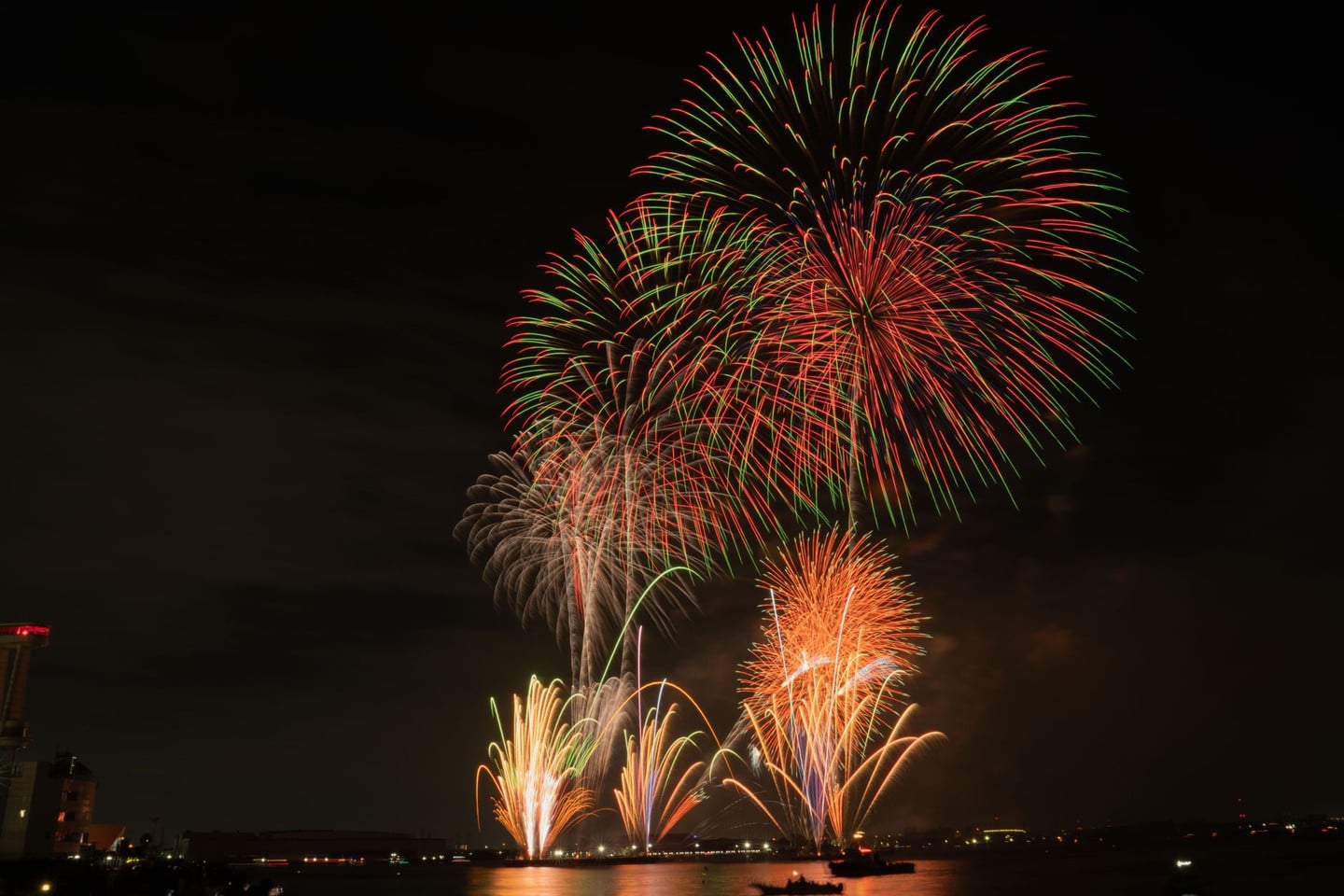
The official competition has three categories: Starmine, 10-shaku shells, and Creative Fireworks (Sozo Hanabi, referred to here as creative fireworks). About 20,000 shells are fired over the evening.
- 🎆 Starmine: Many shells are fired in rapid succession in a short time; this is the contest that decides the “Starmine champion of Japan.”
- 🎆 10-shaku shells: A shell 30 cm in diameter climbs to about 330 meters and blooms into a huge flower about 300 meters across.
- 🎆 Creative fireworks: Seven consecutive 5-shaku shells form patterns such as numbers, letters and characters; the works are not spherical, so they can be hard to recognize from some angles.
The daytime fireworks (hiru-hanabi) are just a signal fired at a set time to announce that the festival is about to begin; they are not a competition category.
The Launch Zones Along the Sakuragawa River: Fireworks and Riverscape in One Frame
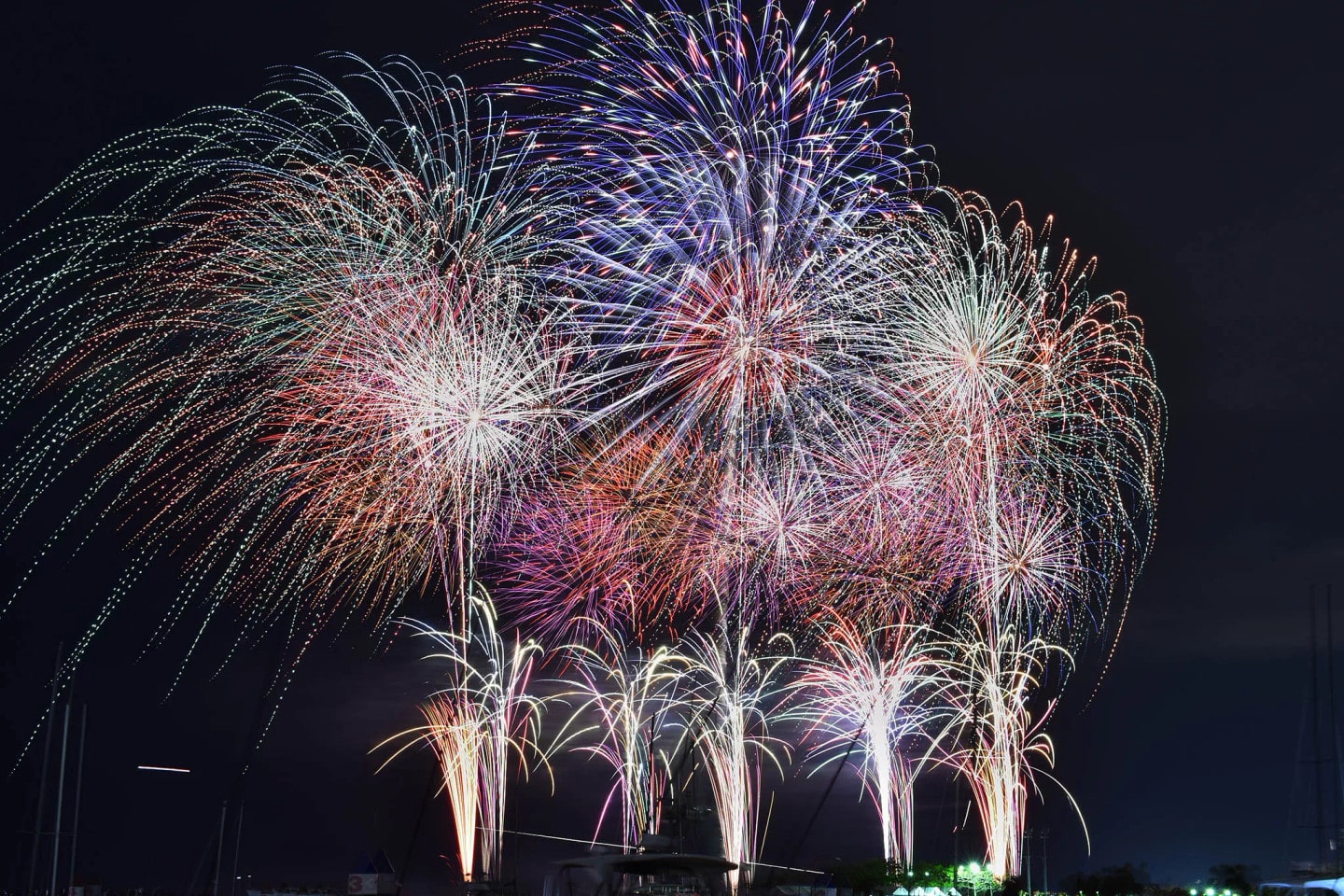
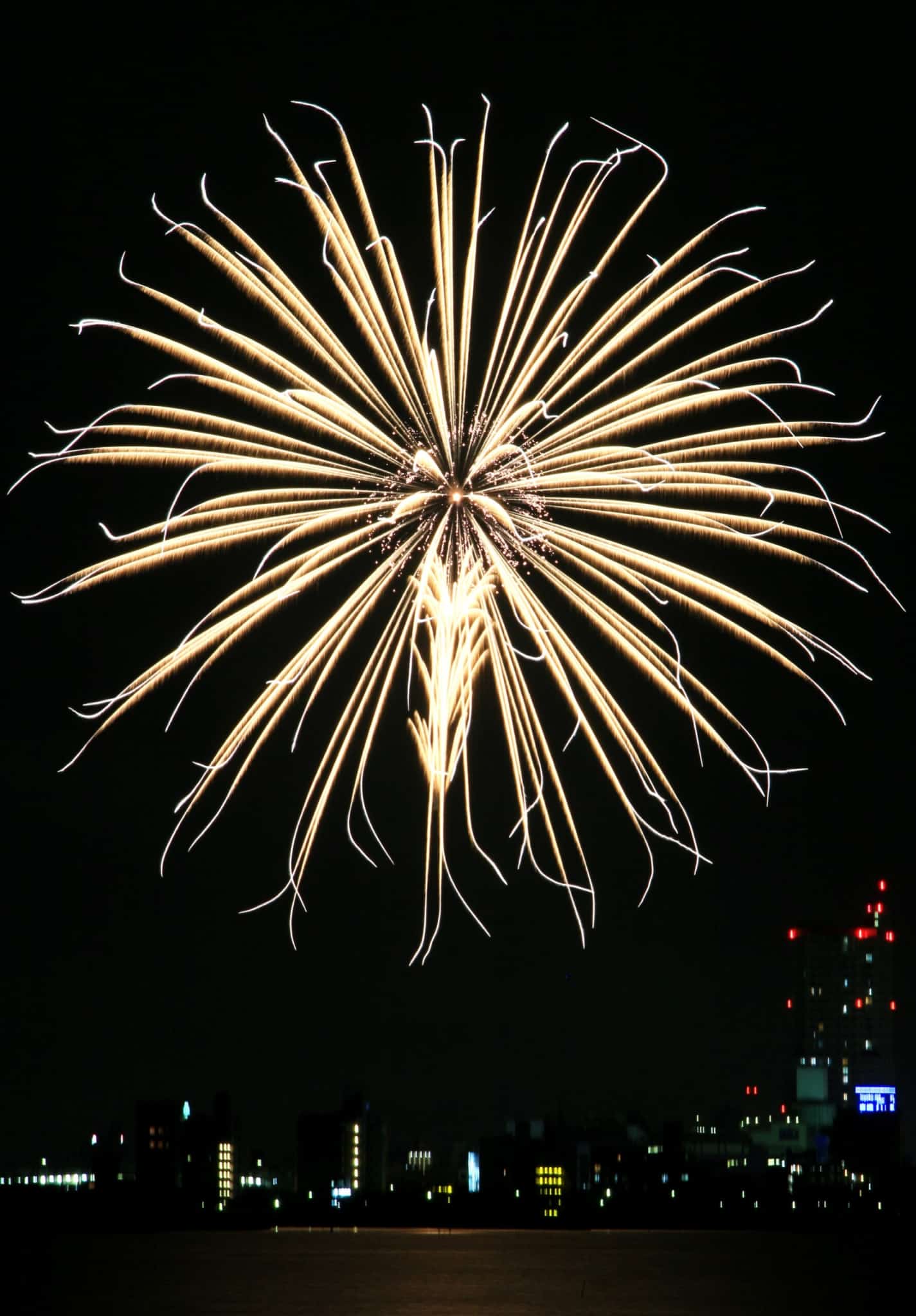
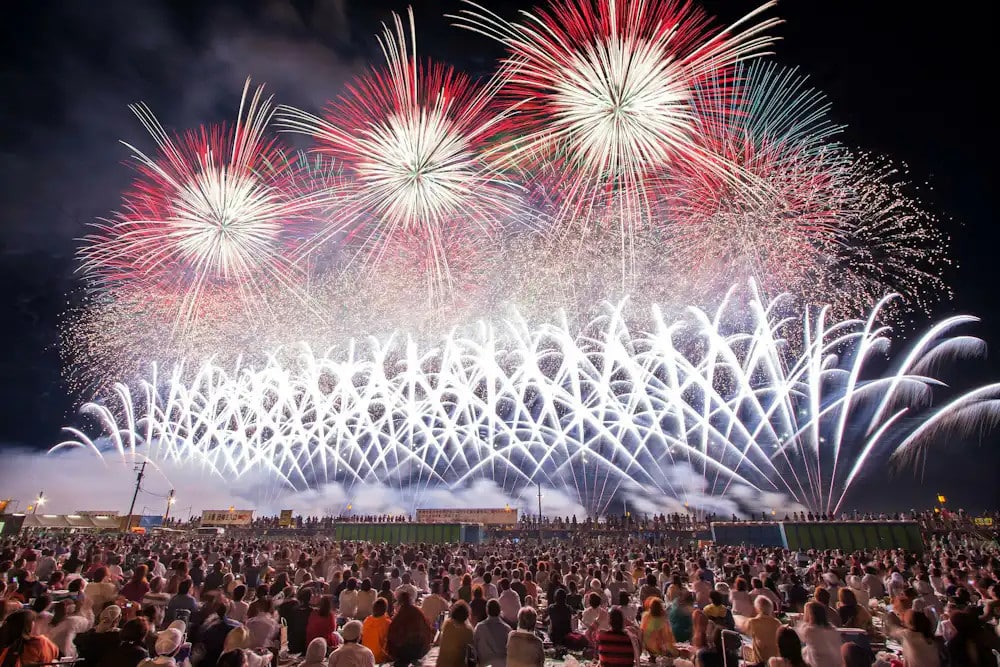
The venue runs along the Sakuragawa River, and each competition category is fired from a different launch zone. Fireworks reflected on the water are a favorite angle for photographers.
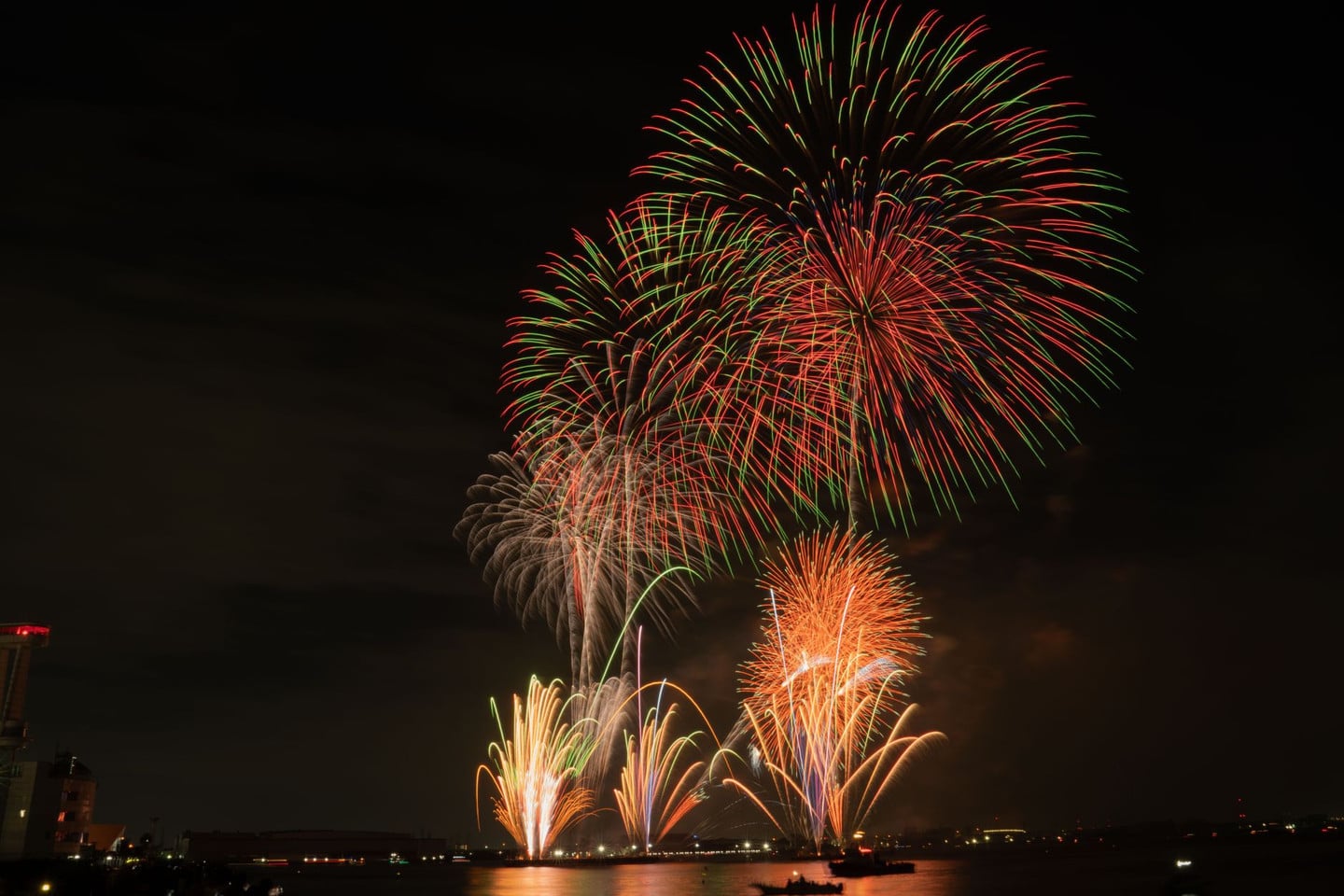
The grounds are wide open, and Mt. Tsukuba can even be seen behind the venue, which is one reason the Tsuchiura festival ranks among Japan’s three great fireworks festivals.
How to Get to the Tsuchiura National Fireworks Competition: Transport Options and Costs
The nearest station to the venue is Tsuchiura Station on the JR Joban Line, about 45 to 70 minutes from Ueno in Tokyo. Hundreds of thousands of people pour in that evening, so traffic controls and crowding are unavoidable. Here are the four most practical ways to get there.
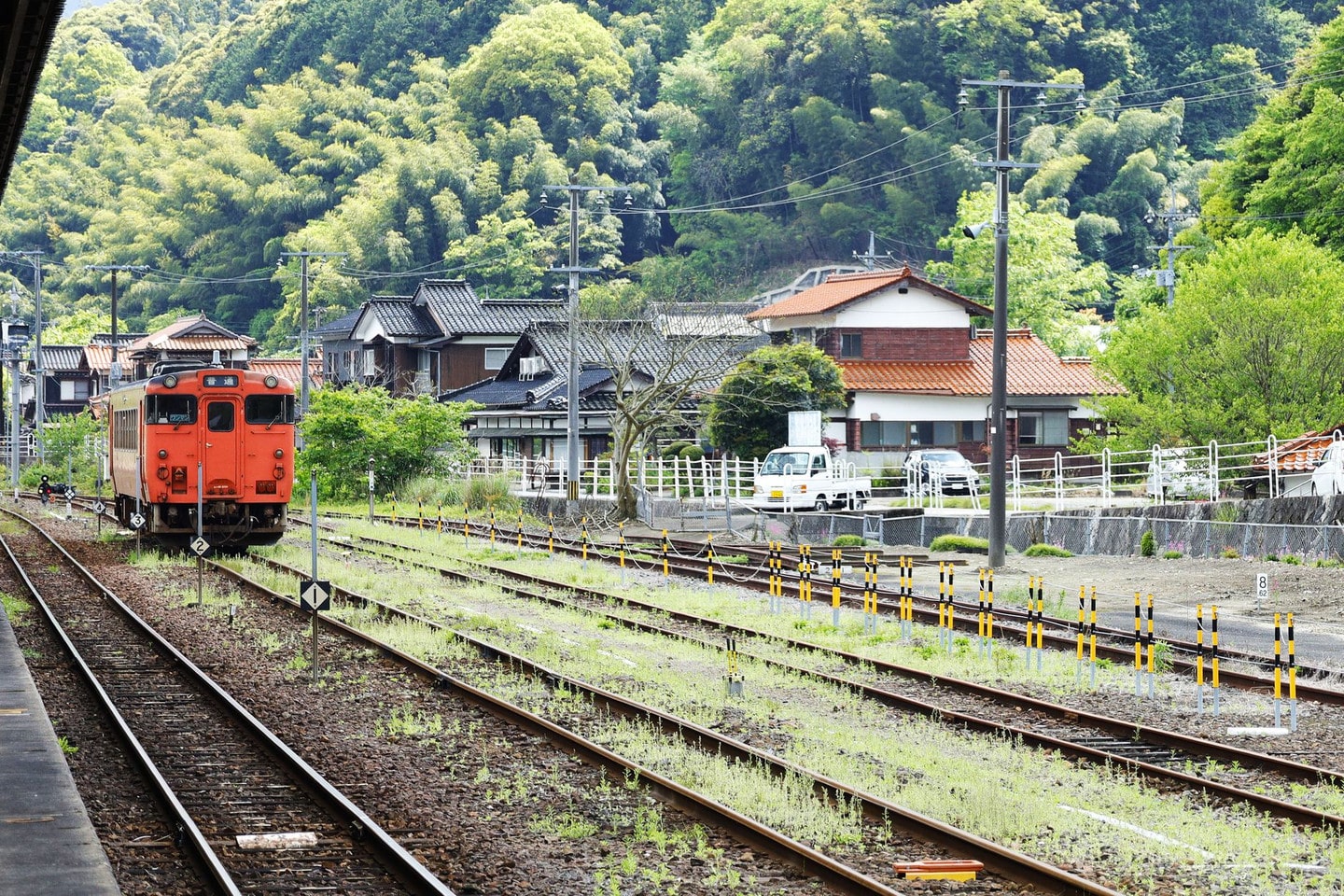
How to Get to the Tsuchiura Fireworks Festival: Transport at a Glance
🚆 JR Joban Line limited express: All seats reserved; about 45 minutes from Ueno to Tsuchiura (about 70 minutes by local train). After the show, the station may restrict entry, so expect a long wait in line.
🚌 Official shuttle bus: Tsuchiura Station East Exit to the venue, ¥400 one way for adults, about 10 minutes; return buses run 18:30 to 21:30.
🚐 Chartered coach or day-tour package from Tokyo: Prices vary by itinerary; meeting times are fixed, and you avoid the hassle of transferring on your own.
🚗 Driving: The official paid parking lot is sold by advance lottery at ¥3,000 per car (plus a ¥300 handling fee), valid for parking from 13:00 to 22:00 on November 7. The first lottery closed on September 25 at 23:59 and sold out, and the organizers have announced there will be no second lottery. Roads around the venue tend to clog after the show, so leave plenty of time to get out.

2026 Tsuchiura Fireworks Timetable: What Time Do You Need to Leave to Make It?
The 2026 Tsuchiura fireworks are the 95th edition. According to the Tsuchiura National Fireworks Competition Executive Committee, the competition starts at 17:30 on Saturday, November 7, 2026, and is scheduled to end at 20:00. The venue is on the Sakuragawa River in Tsuchiura (near Gakuen Ohashi Bridge). If the weather is bad, it moves to Saturday, November 14, and it is canceled if neither day is possible. The firing order of each entry (the program) follows what is published on the official website, so check it once more before you set out.
- 🚆 Train: The nearest station is Tsuchiura Station on the JR Joban Line. The official site lists about 70 minutes by local train or about 45 minutes by limited express from Ueno. After the show, Tsuchiura Station may restrict entry, and even a limited express ticket will not get you priority boarding.
- 🚌 Official shuttle bus (Kanto Railway): Tsuchiura Station East Exit to the venue (Gakuen Ohashi); outbound 15:00 to 17:30, return 18:30 to 21:30; ¥400 one way for adults and ¥200 for children, about 10 minutes, and you can pay with IC cards such as Suica and PASMO. The last bus from Tsuchiura Station leaves at 17:30, and the last bus from the venue is scheduled for 21:30, possibly later depending on the crowd.
- 🚶 On foot: From Tsuchiura Station to the area around the venue is about 2.5 km, about a 30-minute walk (depending on the crowd).
Taking all this into account, anyone planning to ride the shuttle bus should reach Tsuchiura Station by 16:30 at the latest. For paid-seat ticket holders, the organizers also warn that the entrances get very crowded before the start, so it is best to take your seat early.
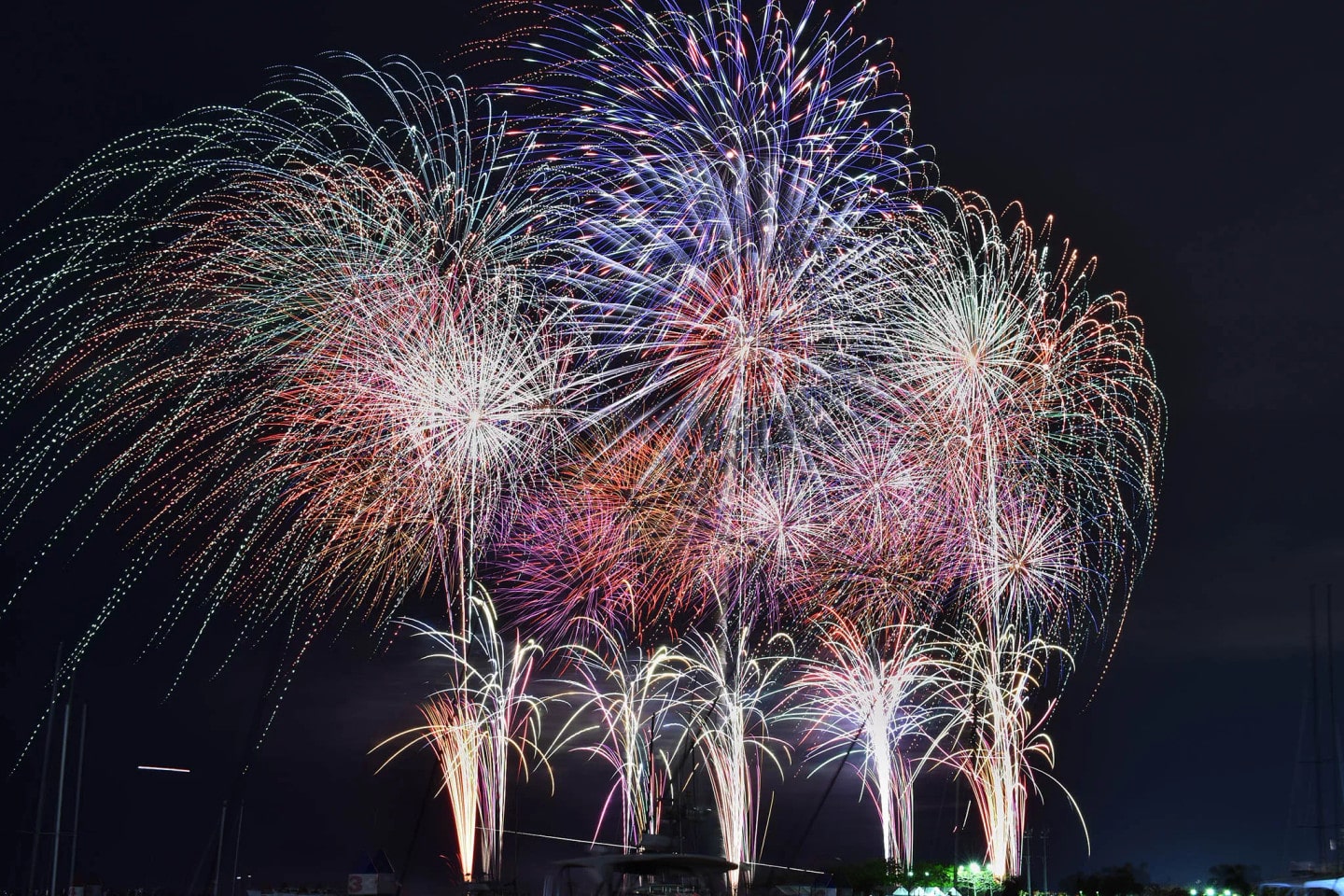

What Are the Must-See Highlights of the 2026 Tsuchiura National Fireworks Competition? A Zone-by-Zone Guide
Besides the two main fireworks shows, there are several other viewing angles and alternative spots worth noting around the venue.
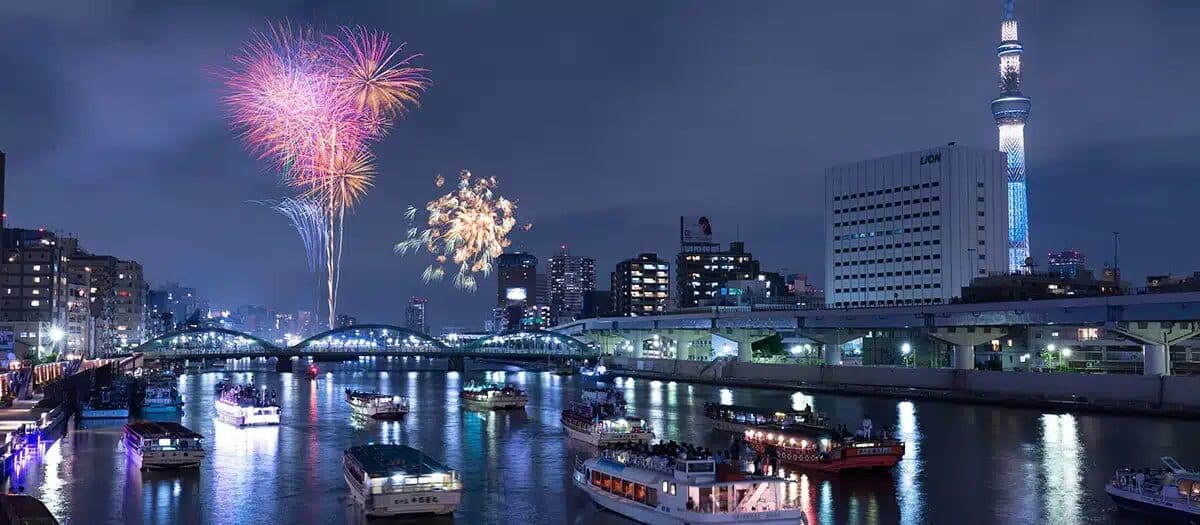
Starmine Launch Site: The Visual Climax of Many Shells Fired at Once
Starmine is the signature format of the Tsuchiura festival: many shells fired continuously and densely in a short time, creating a waterfall-like visual impact. This launch site sits right next to the main venue on the Sakuragawa River and is the most closely watched area of the whole event.
Paid seats are fixed seats; for those without tickets, the view depends on the crowd, so arrive early. The officially announced bonus fireworks also include the Wide Starmine “Tsuchiura Hanabi Zukushi” (more than 2,000 shells in total from nine locations) and the finale fireworks.
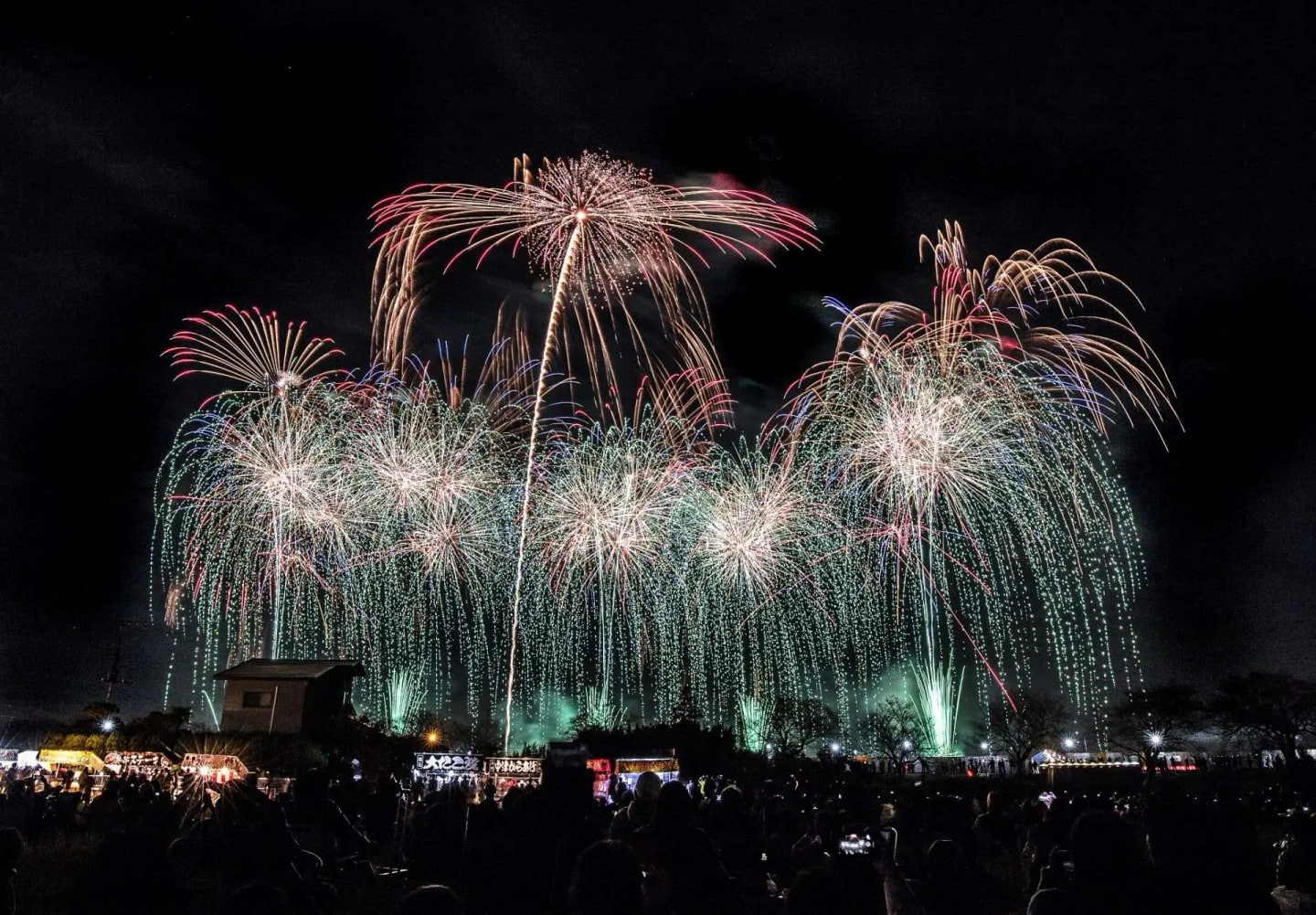

10-Shaku Shell and Creative Fireworks Launch Site: The Stage for Artistic Composition
The 10-shaku shells and Creative Fireworks (creative fireworks) compete here.
- 🎆 10-shaku shells: Judged on the arrangement of stars and the color changes in round fireworks.
- 🎆 Creative fireworks: Judged on fresh designs and inventiveness; unusual shapes are common.
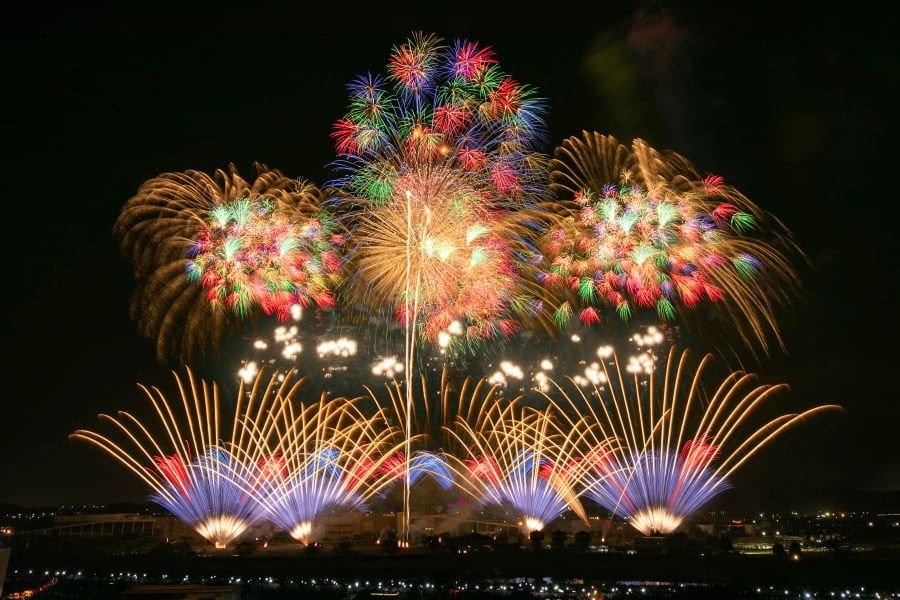
Kasumigaura Sogo Park: A Large Park for a Daytime Stop
Kasumigaura Sogo Park is in Tsuchiura and is a large park with sports facilities, a nature observation area and a hot spring facility, making it a good daytime stop before the fireworks.
On the day of the festival the venue and the area around Tsuchiura Station are crowded, so plan to finish daytime sightseeing before evening and leave time to catch the shuttle bus (the last one from Tsuchiura Station leaves at 17:30) or a train.
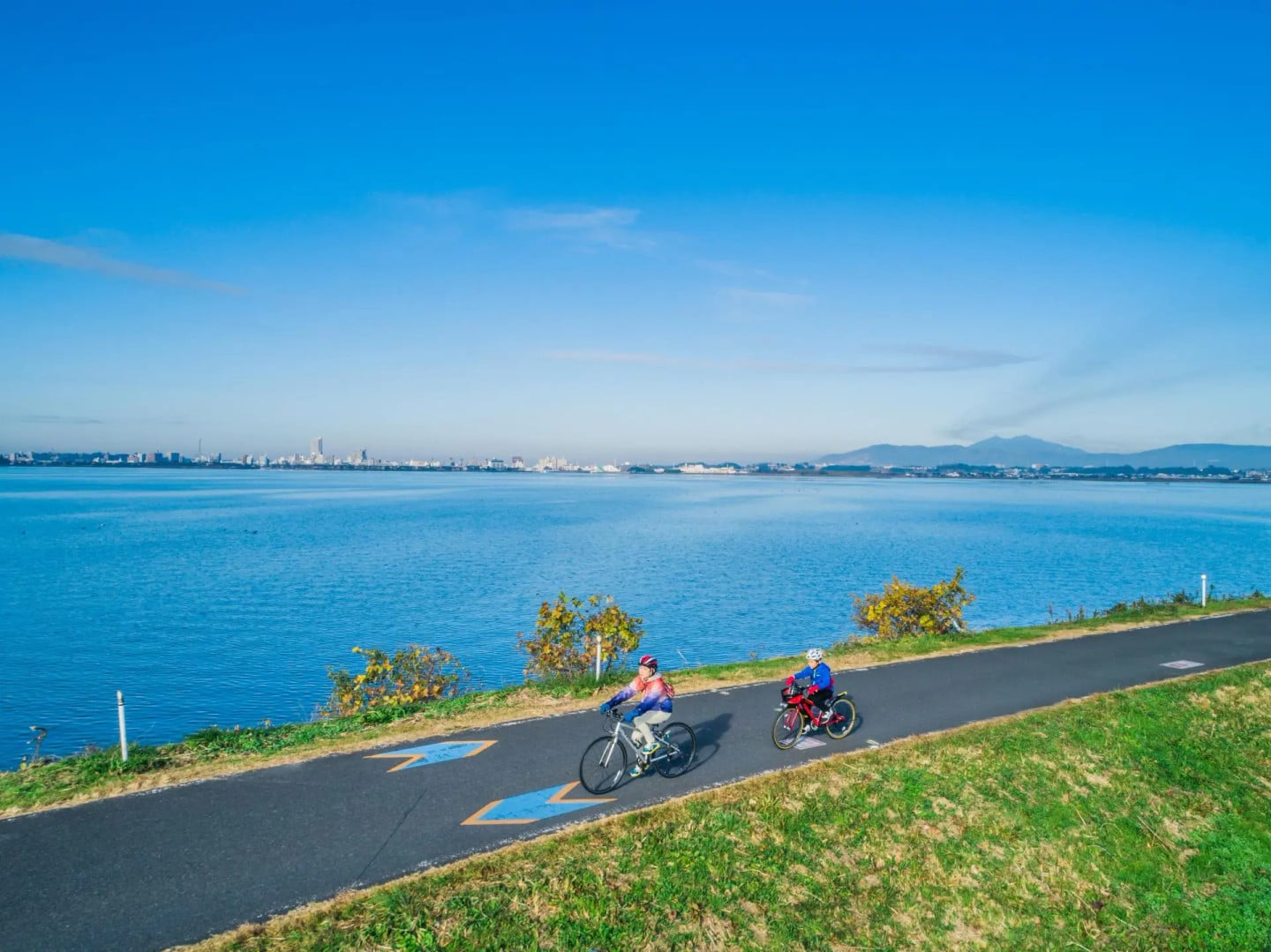
Paid Viewing Seats: A Front-Row View Along the Sakuragawa River
The paid seats are along the Sakuragawa River with assigned seating, so there is no need to stake out a spot early, and the sense of presence is the strongest. Tickets are divided into Sajiki seats (full box, half box, chair seat, table seat) and riverbank chair seats A, B and C, at ¥4,000 to ¥80,000. They must be bought through the official lottery, or you can book a travel agency package instead.
Because popular seats are fiercely contested, we recommend booking a travel agency package (with transport and a seat) in one go, which removes the risk of losing the lottery. It is especially suitable for first-time visitors and overseas travelers with limited time.
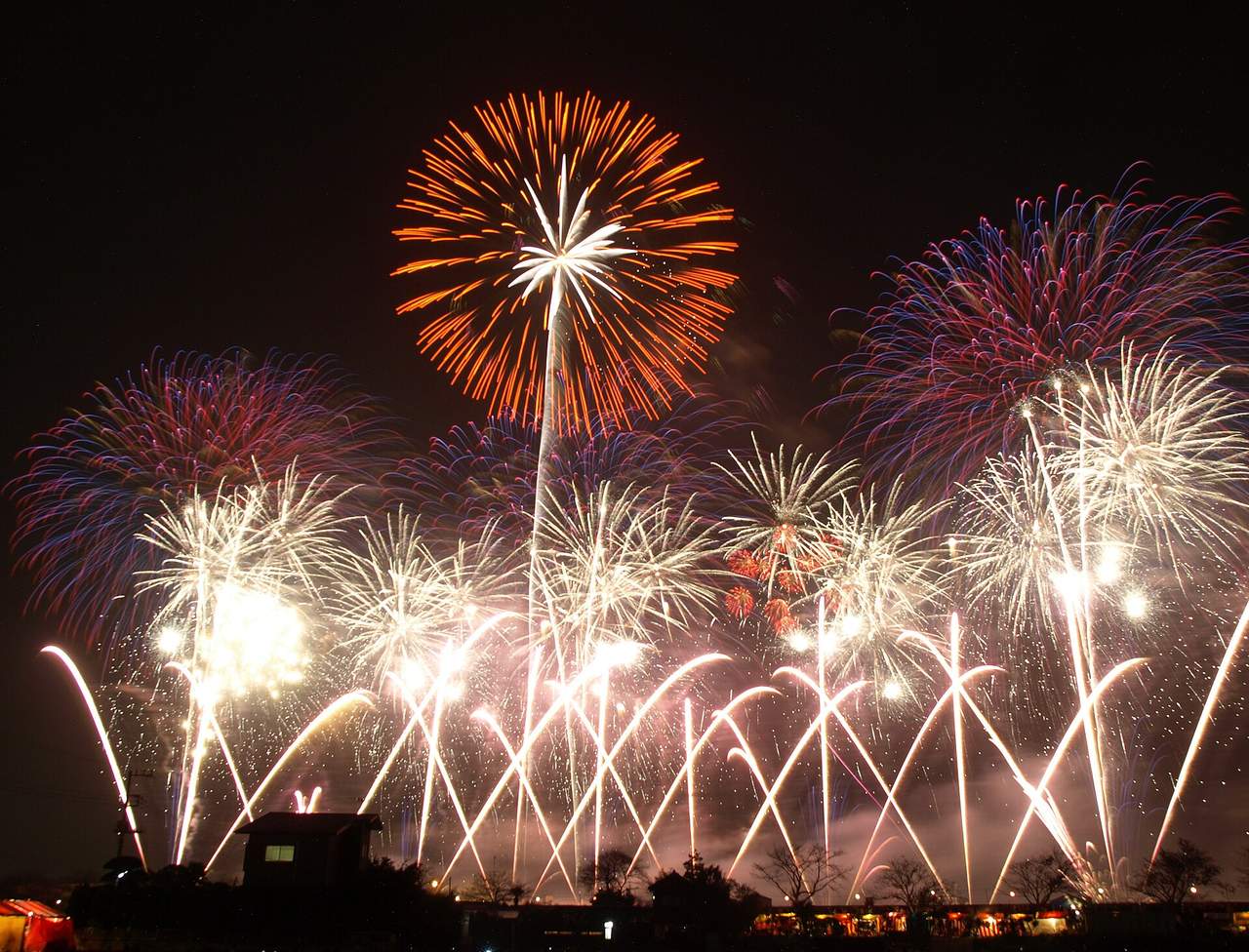
Hiru-Hanabi (Daytime Fireworks): The Signal Shells Before the Competition
Hiru-hanabi are signal fireworks fired at a set time to announce that the festival is about to begin. They are not a competition category and have no dedicated viewing area.
To see the competition entries, focus on the evening show that starts at 17:30.
Food Stall Streets Around Tsuchiura Station: Festival Atmosphere Outside the Venue
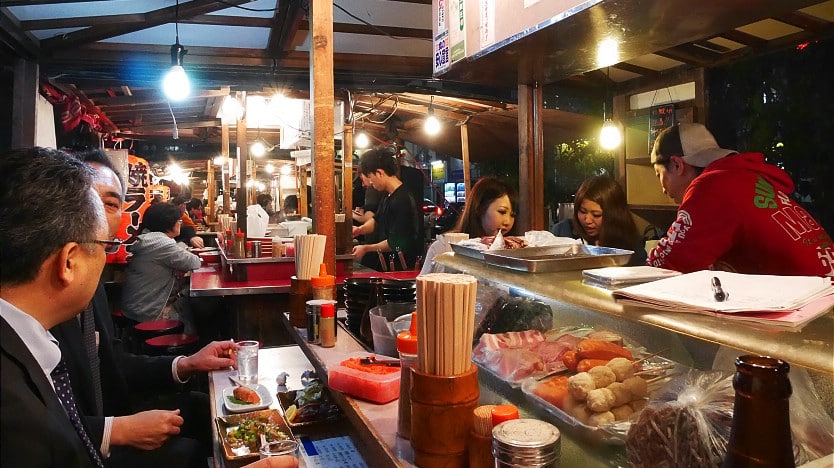
Between Tsuchiura Station and the venue there are plenty of yatai (Japanese food stalls), and the festive mood starts the moment you leave the station.
- 🍽️ Common fare: Festival foods such as takoyaki, yakisoba and grilled corn.
- 💰 Stalls generally accept cash only, so bring small change.
- 🚉 We suggest buying food 1 to 2 hours before the start to avoid the long lines.
How Much Does the Tsuchiura National Fireworks Competition Cost? Tickets and Package Tours Compared
The Tsuchiura National Fireworks Competition is held every autumn (November 7 in 2026) along the Sakuragawa River in Tsuchiura, Ibaraki Prefecture. It is one of Japan’s three great fireworks festivals and draws hundreds of thousands of people each year, so tickets, transport and accommodation all need to be planned ahead. Below are four common ways to buy tickets or book a package, from free seating and paid reserved seats to travel agency packages that include transfers and lodging, so first-time visitors can choose what fits their budget and needs.
No Ticket? The Organizers Provide No Free Viewing Area
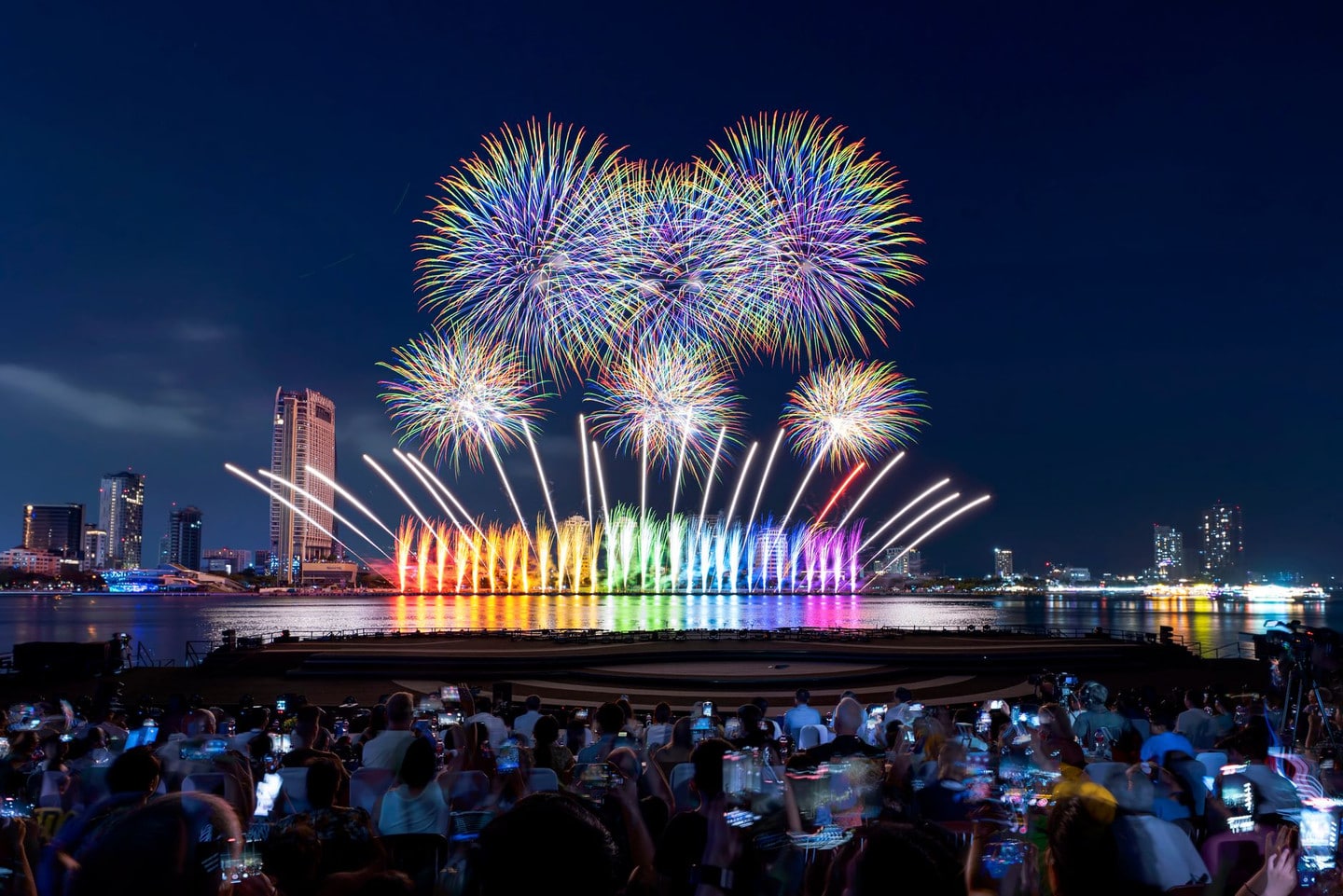
Since 2022 the organizers have no longer offered free general viewing seats; the riverbank areas close to the launch sites are all paid seating.
- 🚶 The organizers have not announced any free viewing locations; whether you can watch from a distance outside the paid zones is best confirmed on the official “Information for those without tickets” (チケットをお持ちでない方) page.
- ⚠️ Private land such as the fields around the venue must not be entered without permission; on the day, follow staff instructions when moving around.
- 📄 The official website has an “Information for those without tickets” page, so check its latest content before you go.
Outside the paid zones there are no reserved seats, so follow the on-site staff’s instructions and bring your own water and light snacks.
Paid Reserved Seats: The Official Seating on Sale
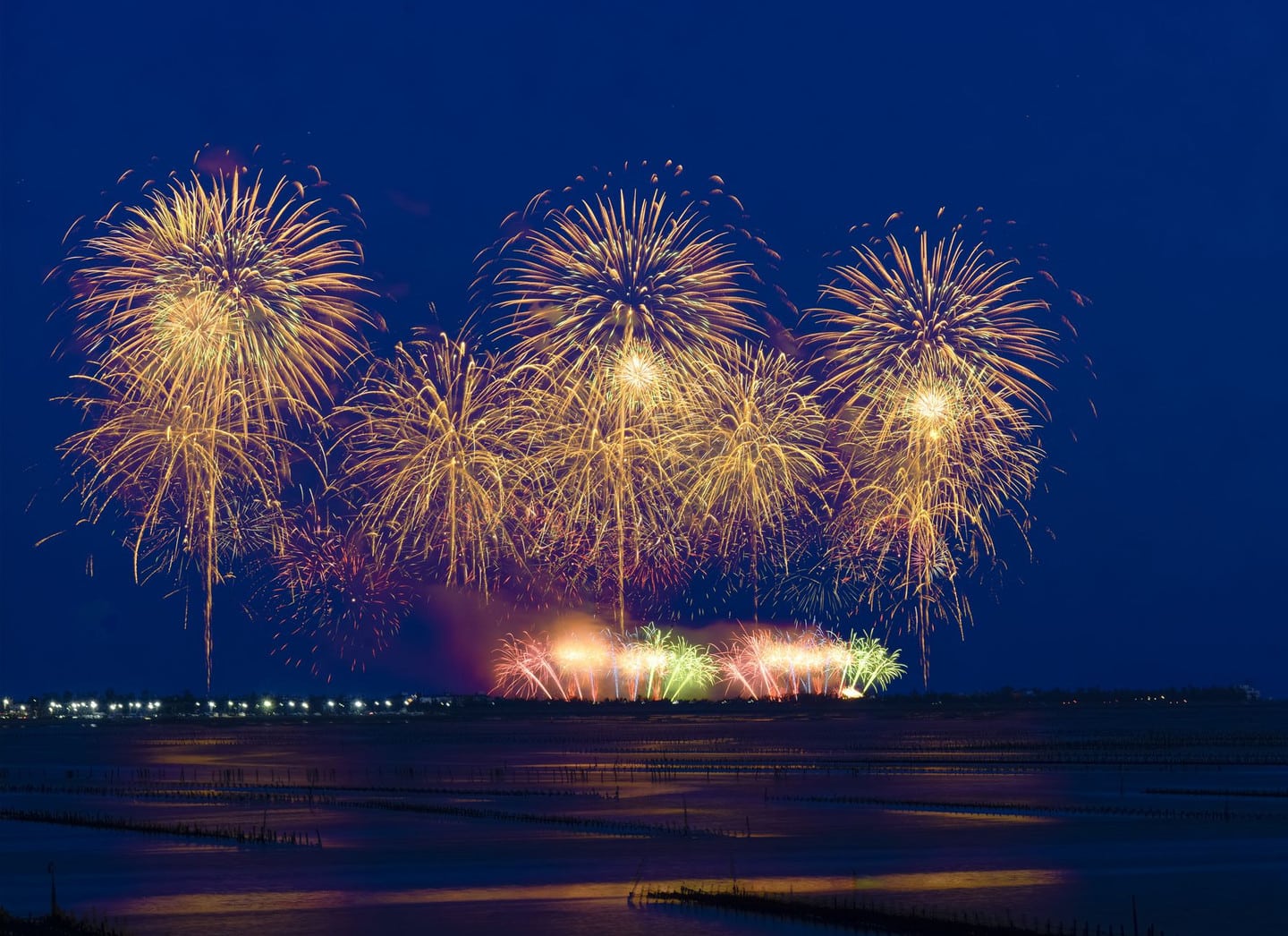
Paid viewing seats are sold centrally by the Tsuchiura National Fireworks Competition Executive Committee (its office is in the Commerce and Tourism Division of Tsuchiura City’s Industry and Economy Department), by advance lottery and online only, with no on-site window sales. The seat types and tax-included prices announced for the 95th edition (2026) are: Sajiki full box ¥26,000 (capacity 5), half box ¥13,000 (capacity 2), Sajiki chair seat ¥12,000, Sajiki table seat ¥80,000 (capacity 4), plus riverbank chair seats at ¥6,000 for A, ¥5,000 for B and ¥4,000 for C.
A reserved seat guarantees a fixed place, so you do not need to stake out a spot hours early. The organizers also note, however, that depending on the venue’s facilities, some seats may not be able to see some of the fireworks.
The ticketing site is mainly in Japanese and works by lottery rather than first come, first served. In 2026 the first application round closed on September 10, and the individual resale (リセール) lottery closed on October 2, with results scheduled for 18:00 on October 5.
Because buying tickets yourself is cumbersome and the physical tickets must be mailed to an address in Japan, many travelers in recent years have instead used a booking agent or local friends to buy tickets, reducing the risk of mistakes.
How to Buy 2026 Tsuchiura Fireworks Tickets: National Fireworks Competition Lottery and Individual Resale Schedule
There is no on-site ticket window for the paid viewing seats; everything goes through an advance lottery application on the “Ticket Pia” (チケットぴあ) site, paid by credit card. The main schedule for the 95th edition in 2026 is below. Applications for both the first lottery round and the individual resale lottery have closed, and results are scheduled for October 5. The following is the official schedule:
- 📝 First lottery application: Wednesday, August 12, 10:00 to Thursday, September 10, 23:59 (closed)
- 📢 Lottery results: notified in sequence from 18:00 on Monday, September 14
- 🔁 Individual resale listing (only for lottery winners who cannot attend): Tuesday, September 15, 18:00 to Thursday, September 24, 23:59
- 🎟️ Individual resale ticket lottery sales: Sunday, September 27, 10:00 to Friday, October 2, 23:59, also handled on Ticket Pia, with results announced at 18:00 on Monday, October 5
- 📦 Ticket delivery: From mid-October, all tickets are sent as physical tickets by mail, with a separate special charge (delivery fee) of ¥990, which is not refunded if the festival is canceled
Purchase limits: up to 5 seats per person, of which only 1 may be a Sajiki masu seat; each person entering the paid area needs 1 ticket, and preschool children who sit on a companion’s lap or in a designated space enter free. If the festival is postponed, the original ticket remains valid, and refunds are given only if it is not held at all. Tickets are mailed only to the address entered at application, so overseas travelers usually find it hard to buy on their own.
Booking Through KKday / Klook: The Easiest Choice for Foreign Travelers
For foreign travelers unfamiliar with Japanese ticketing systems, KKday and Klook have in recent years offered “Tsuchiura Fireworks viewing seat + transfer” packages. Prices and contents vary by seat grade and departure date, so please follow the product page. The packages usually include round-trip coach transfers between central Tokyo and Tsuchiura and a guaranteed seat ticket.
The biggest advantage of these packages is customer service support throughout in Chinese or English, so you need not worry about language barriers or losing out in the ticket scramble. The coach transfer also spares you the crush of squeezing onto trains with hundreds of thousands of people after the fireworks; the return trip is usually arranged so you board directly at a designated spot once the show ends, greatly shortening your wait. Places are limited, so keep an eye on when the product page goes live and when it sells out.
Taking the Joban Line Yourself + Independent Travel: Flexible and Budget-Friendly
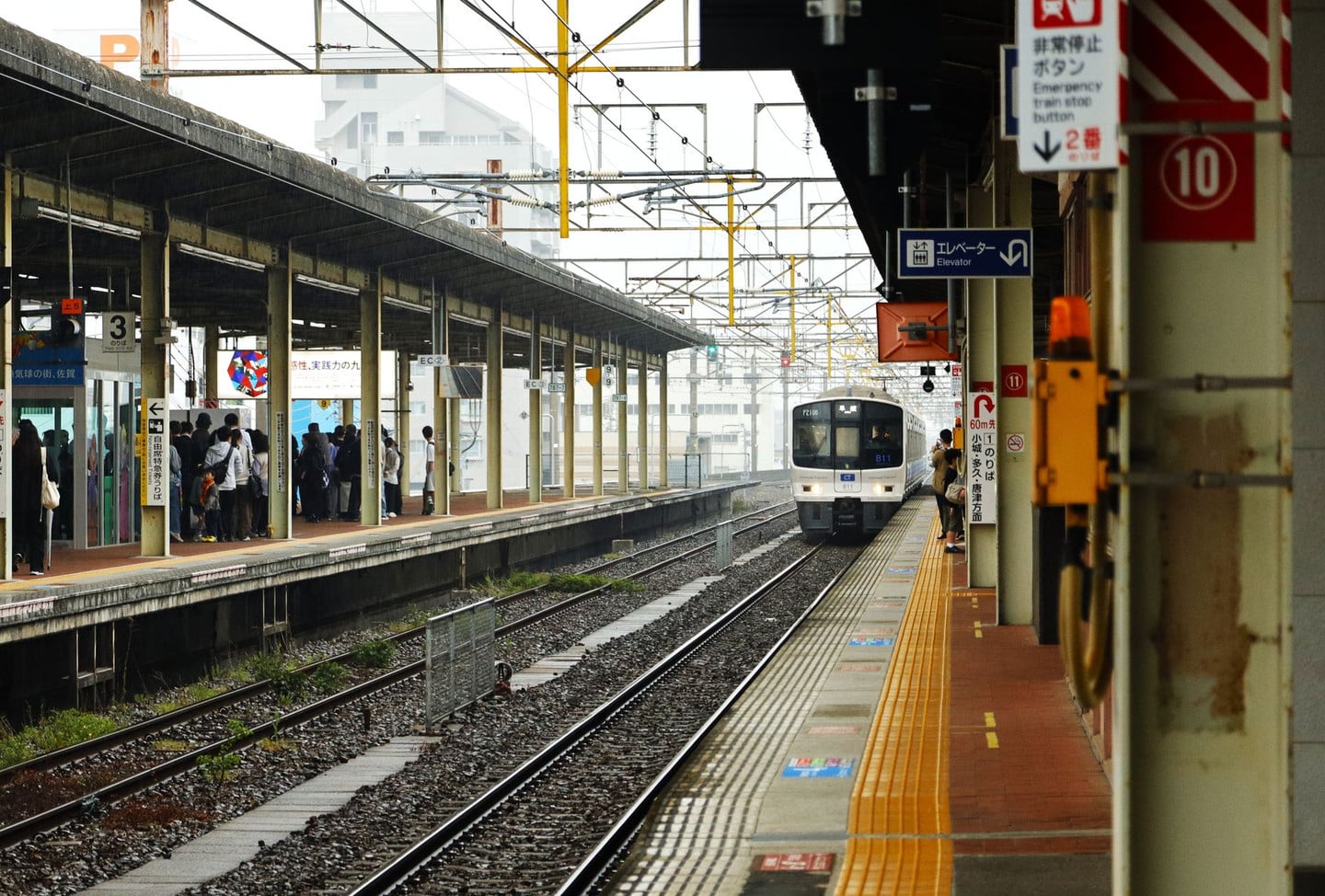
If you want more freedom in your itinerary, consider buying a round-trip JR Joban Line ticket from Ueno Station in Tokyo; the local train takes about 70 minutes (limited express about 45 minutes) to reach Tsuchiura Station, with an ordinary fare of ¥1,230 one way and ¥2,460 round trip. From there, follow the official instructions to the venue, or add an official reserved seat (the cheapest is riverbank chair seat C at ¥4,000).
This combination suits travelers who already have independent-travel experience in Japan and can handle a Japanese ticketing site or are comfortable with on-site queuing culture. Before you go, check for extra Joban Line trains and traffic controls on the day of the festival, because after the event Tsuchiura Station controls the flow of people and lets them in to the platforms in batches. You will need to queue for a long time to get back to central Tokyo, so allow plenty of time.
FAQ
Q: When is the 2026 Tsuchiura National Fireworks Competition?
The 95th Tsuchiura National Fireworks Competition in 2026 is held on Saturday, November 7, from 17:30 competition start to a scheduled 20:00 finish. In case of bad weather it is postponed to Saturday, November 14, and it is canceled if neither day is possible. Please check the latest official announcement before you go.
Q: How much are tickets to the Tsuchiura fireworks?
According to the official announcement, riverbank chair seats are ¥4,000 for C, ¥5,000 for B and ¥6,000 for A; Sajiki chair seats are ¥12,000; Sajiki half box is ¥13,000, full box ¥26,000 and table seats ¥80,000 (all tax included). Since 2022 the organizers have no longer offered free general viewing seats.
Q: What if I could not get a ticket? Is there a free viewing area?
The organizers have no free viewing seats and have not announced any free viewing locations. If you have no ticket, follow the latest information on the official “Information for those without tickets” (チケットをお持ちでない方) page and the staff’s instructions.
The individual resale lottery applications closed on October 2, with results scheduled for 18:00 on October 5; you can also book a package tour that includes a seat.
Q: What is the easiest way to get to the Tsuchiura fireworks from Tokyo?
We recommend taking the JR Joban Line limited express to Tsuchiura Station, about 45 minutes (about 70 minutes by local train), or booking a round-trip Tokyo coach package that includes a seat ticket, which saves you the trouble of transferring.
Q: What are creative fireworks and daytime fireworks?
Creative fireworks are one of the competition categories, in which seven consecutive 5-shaku shells form a pattern. The daytime fireworks are signal shells fired at a set time to announce that the festival is about to begin, and are not a competition category.
Q: What etiquette or rules should I know at the Tsuchiura fireworks?
Stay within the seating boundaries marked at the venue, do not occupy another ticket holder’s area in advance, take your trash with you or put it in the designated trash bags, and leave in an orderly way following staff instructions when the show ends. The venue is entirely non-smoking, and photography from your seat must not exceed the height of your seat.
Q: What should I bring to the Tsuchiura fireworks?
We suggest bringing a picnic mat, mosquito repellent, light rain gear, a trash bag, tissues (the temporary toilets do not provide any), a power bank and enough cash. Many stalls around the venue take only cash, and a power bank covers the battery drain from long photo sessions.