
Shimbashi Shopping Guide 2026: The New Retro Charm of the Salaryman Town
Shimbashi is one of the few areas in central Tokyo that keeps its Showa-era atmosphere while sitting right next to the high-end Ginza shopping district, ideal for travelers who like shopping mixed with street scenes.
Key shopping and dining points in Shimbashi, Japan:
- 🛍️ Shopping: about a 10-15 minute walk to Ginza, plus Bic Camera Yurakucho, GinzaNovo, and Caretta Shiodome.
- 🍽️ Food: the basement food court of New Shimbashi Building and the izakaya alleys around the Karasumori exit, affordable and authentic.
- 🚉 Transport: the Hibiya, Karasumori, Ginza, and Shiodome exits of JR Shimbashi Station each lead to a different area.
Shimbashi: The Glamorous Makeover of the Salaryman Town
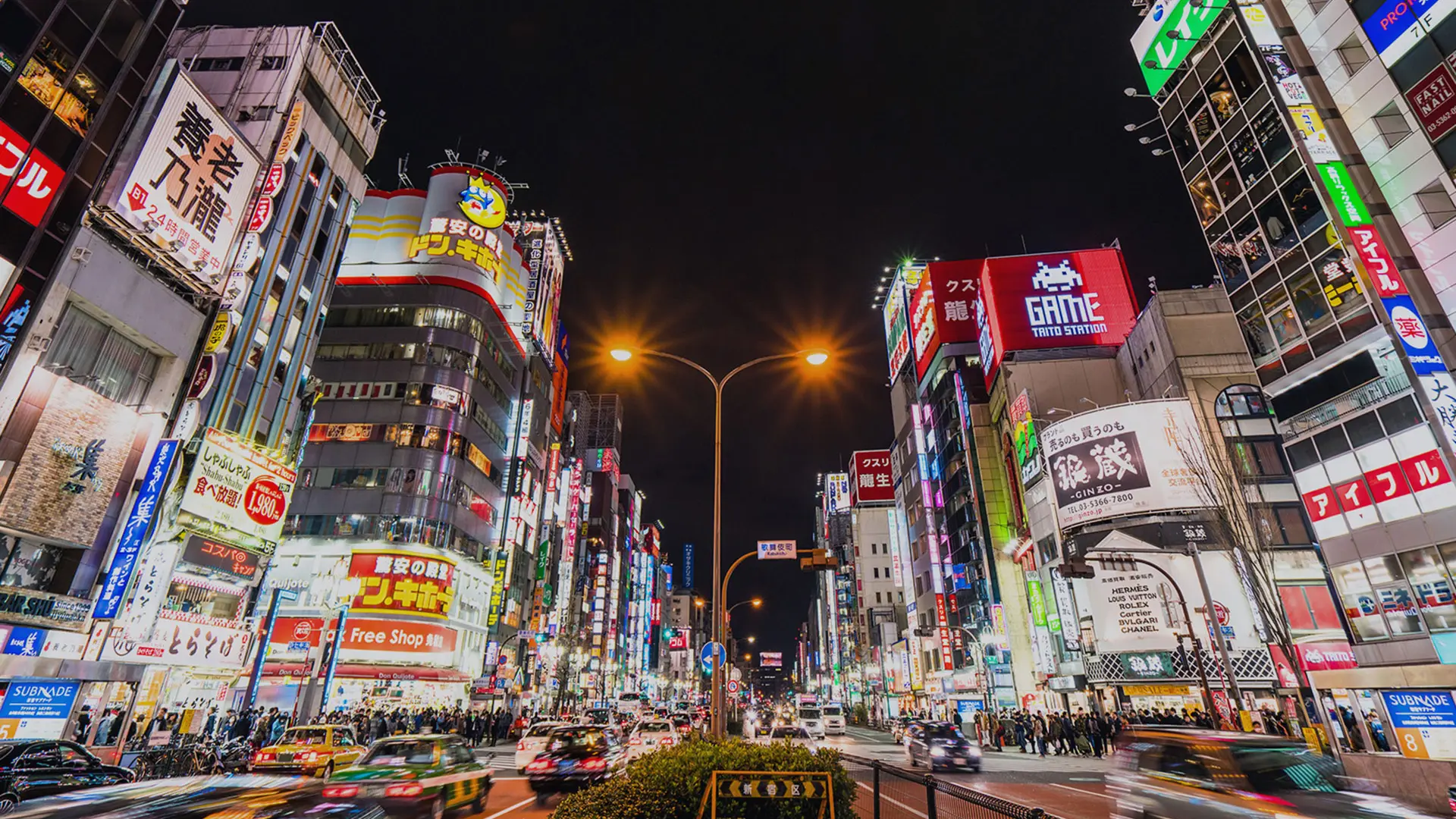
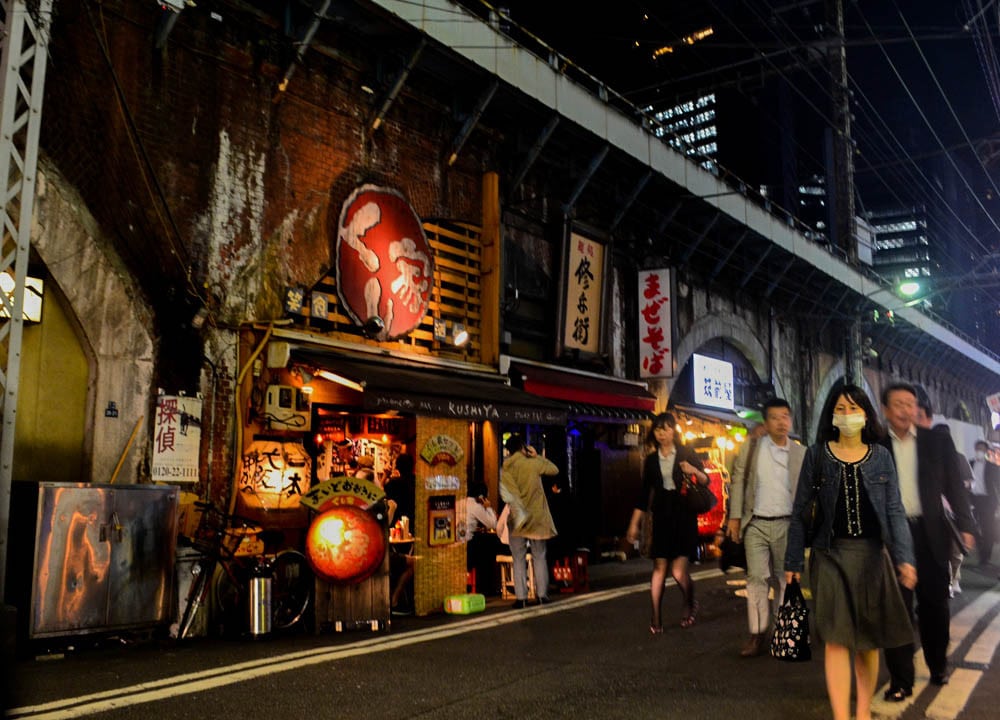
Shimbashi was once known as the “town of salarymen,” with standing bars and izakaya lining the area around the station, and in the evening the front of SL Square is always crowded with office workers enjoying a drink, showing a distinctive down-to-earth side of the city. In recent years, large complexes such as Toranomon Hills and Caretta Shiodome have opened, and Shimbashi is changing into a varied district combining business, sightseeing, and shopping. By day you can stroll through the nostalgic Shimbashi Ekimae Building, and by evening enjoy the lively izakaya streets. This contrast of old and new is exactly Shimbashi’s charm, and it makes a great base for experiencing local Tokyo life.
Close to Ginza and Hibiya: Shopping and Greenery Together
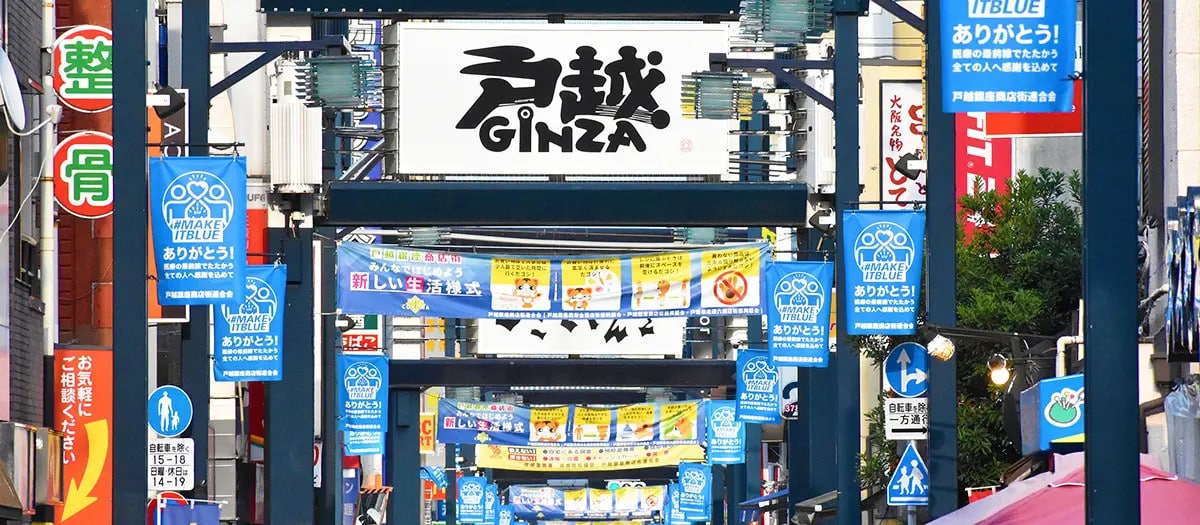
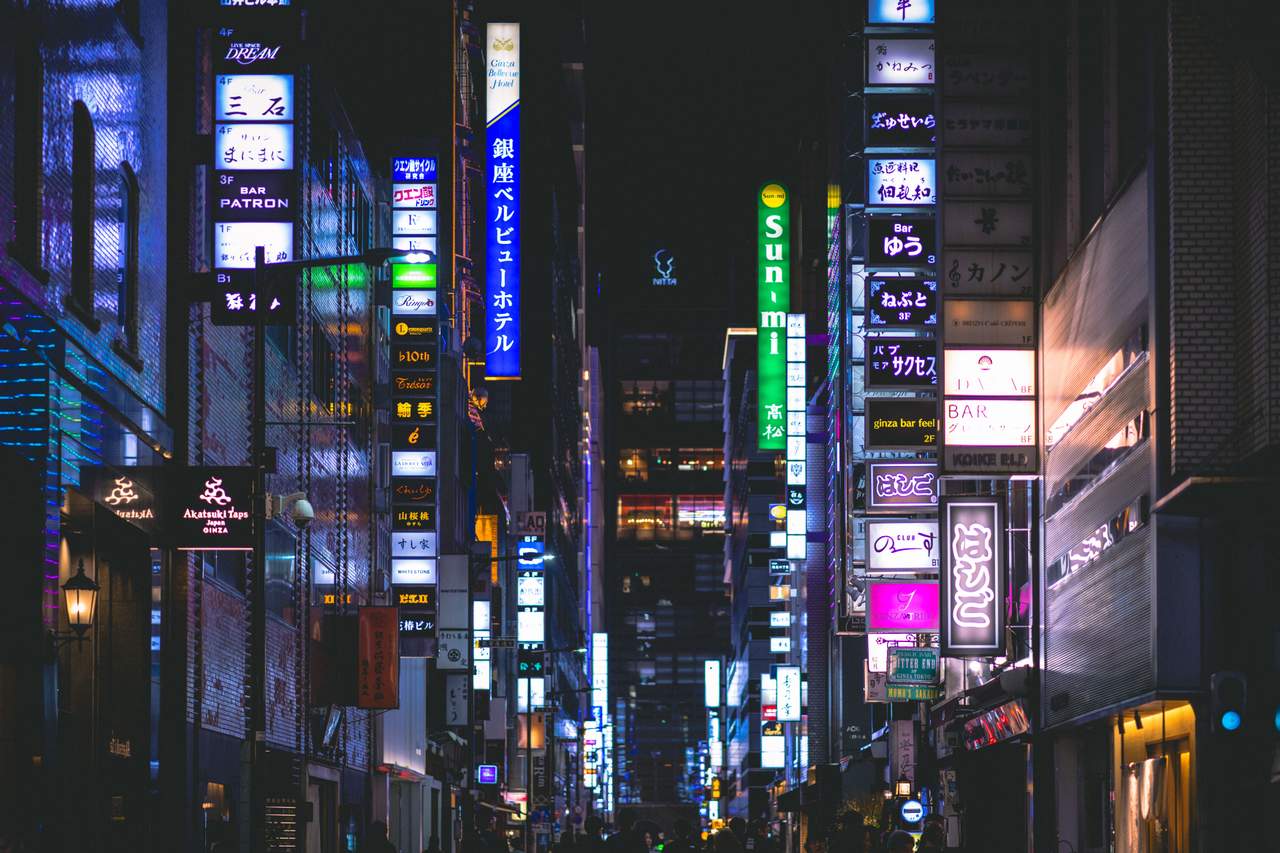
Shimbashi’s location is a prime spot in central Tokyo: about a 10-15 minute walk takes you to the Ginza high-end shopping district, with luxury shopping at department stores such as GINZA SIX and Matsuya Ginza, while in the opposite direction lies Hibiya Park, known as an urban oasis, perfect for a rest between shopping.
This “many districts from one station” advantage makes Shimbashi an excellent place to stay and transfer when planning a Tokyo shopping trip, linking several popular shopping areas without frequent changes of station.
Drinking Culture and Showa Atmosphere: More Than a Secret Hideout for Office Workers
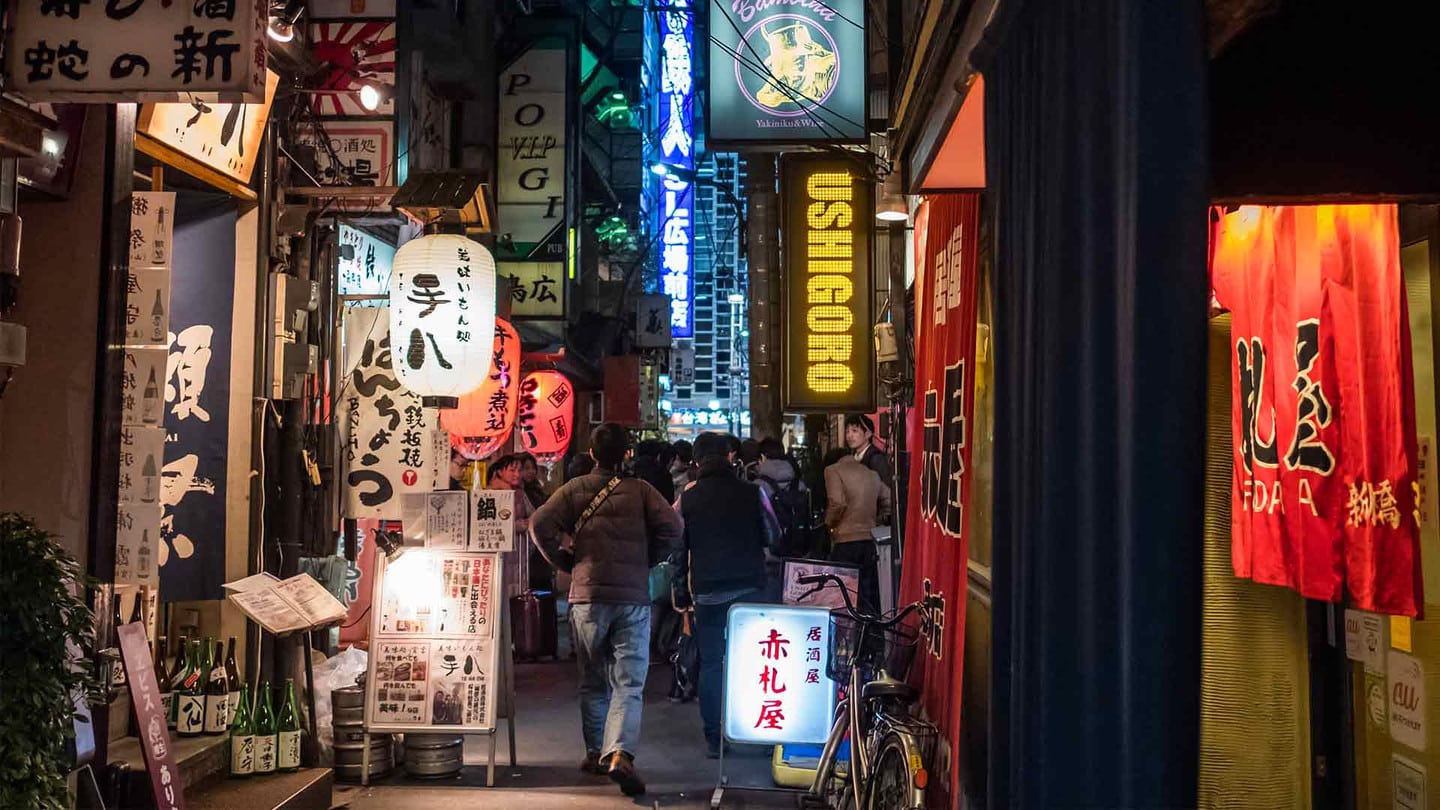
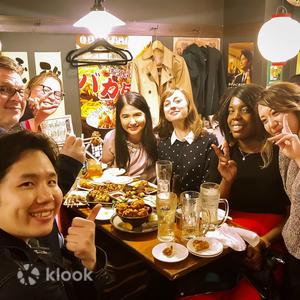
Shimbashi’s standing-bar culture is known across Japan: standing in a tiny shop with a draft beer and skewers is the most authentic way to experience everyday life. In recent years more and more tourists come specially to experience this distinctive culture.
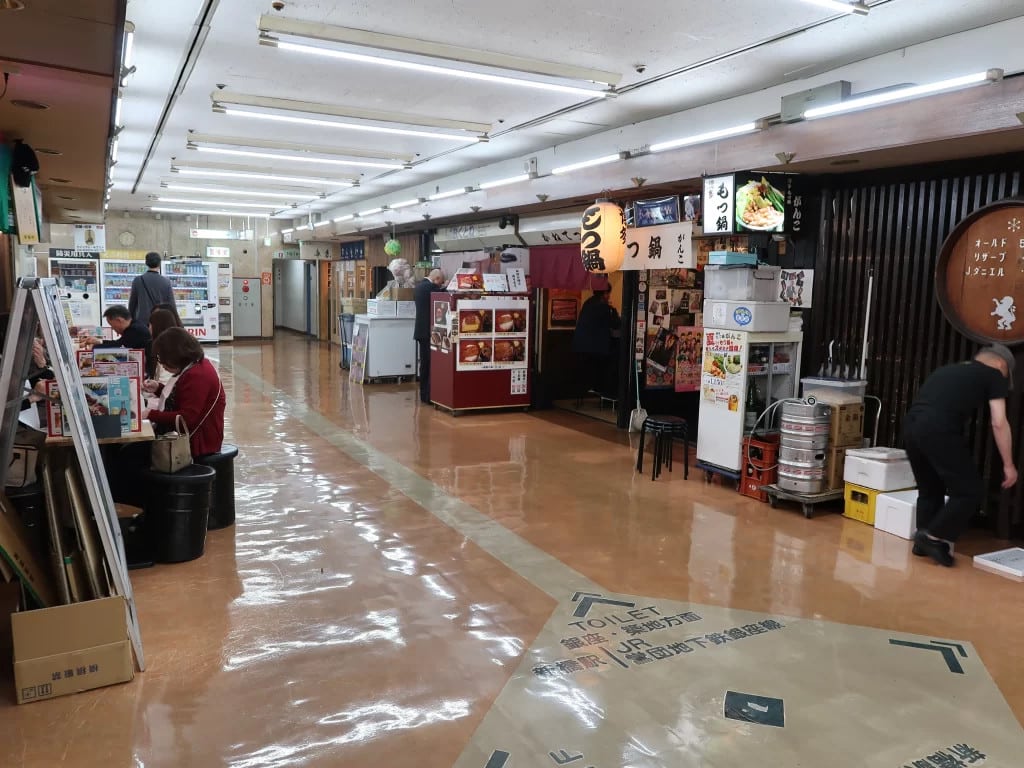
The New Shimbashi Building and the Shimbashi Ekimae Building hold many old shops that keep their Showa-era interiors, from barber shops to nostalgic cafes. While shopping, step into these time-capsule buildings and feel a nostalgic atmosphere rarely found in Tokyo.

How to Get to Shimbashi: A Complete Guide to Transport Options and Costs
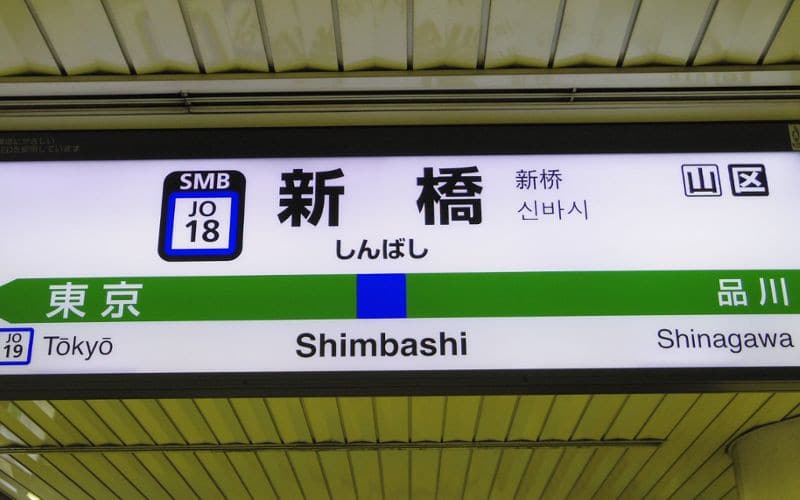
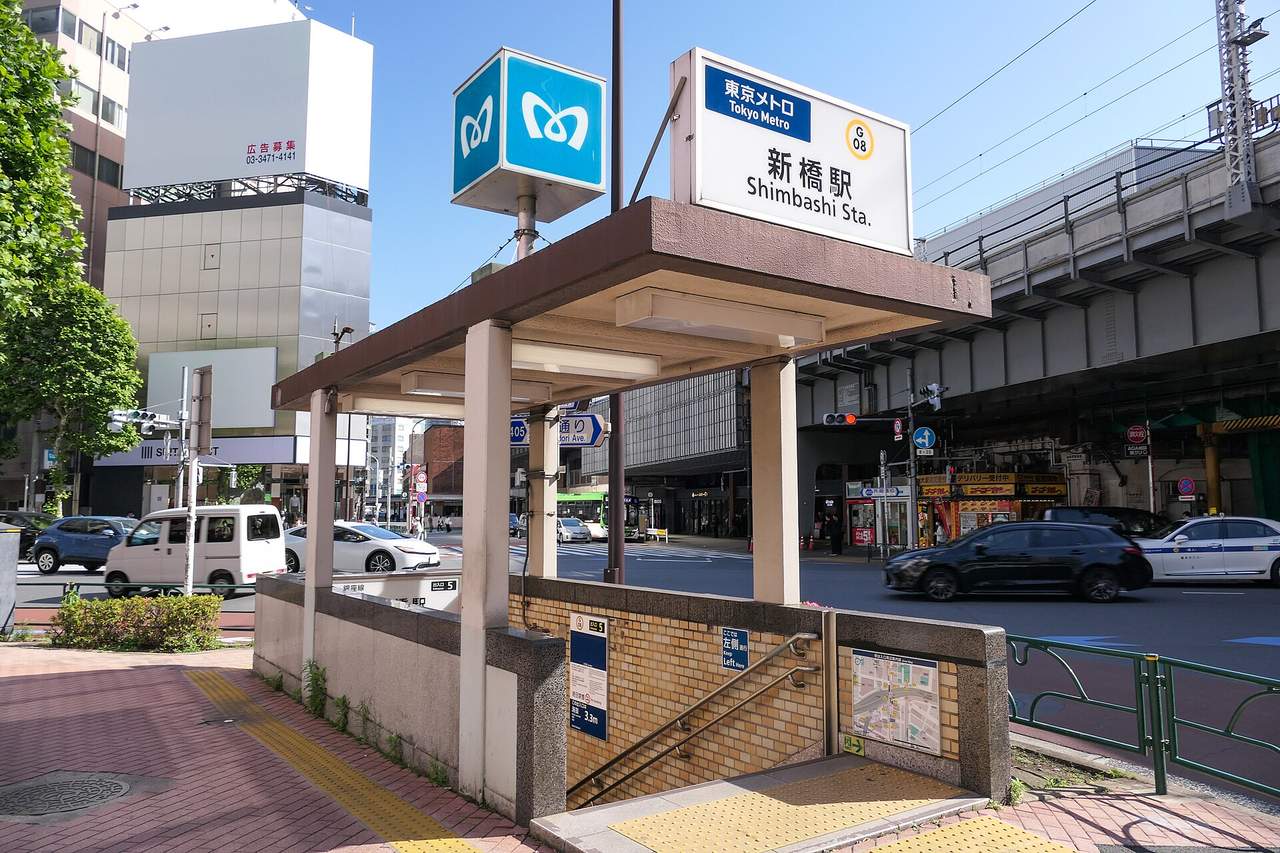
Shimbashi Station is one of the few hubs in Tokyo where seven lines meet, making it very convenient for getting to Ginza, Tokyo Station, and Odaiba.
How to Get to Shimbashi: Transport Options at a Glance
🚃 JR Shimbashi Station: the Yamanote Line, Keihin-Tohoku Line, and Tokaido Line meet here; from Tokyo Station it takes about 2 minutes and fares start at ¥150. Rush hours (7-9 a.m. and 5-7 p.m.) are crowded, so avoid them if you can.
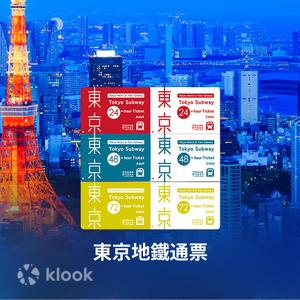
🚇 Tokyo Metro Ginza Line: runs directly to Shibuya and Asakusa, about ¥180-330 one way, and can be combined with the Tokyo Metro 24-hour ticket (¥700) or the Tokyo Subway Ticket 24-hour pass (¥1,000).
🚈 Toei Asakusa Line: connects Haneda Airport and Asakusa, about 30 minutes from the airport, suitable for going straight to your accommodation on arrival day.
🚡 Yurikamome: to the Odaiba shopping centers, from ¥190 one way, with a one-day pass for ¥820, offering views of Rainbow Bridge along the way.
✈️ Narita / Haneda Airport: the Narita Express (N’EX) runs directly to Tokyo Station, fares from ¥3,140 (standard season); from Haneda, take the monorail and transfer to the Yamanote Line, about 25 minutes.

-Klook.jpg)

What to See and Shop in Shimbashi? Highlights of Each Area
Shimbashi’s surroundings blend historic sights with Ginza boutiques; here are 12 top places most worth adding to your itinerary.
Shopping Routes from Shimbashi Station: Plan by Exit for the Smoothest Path
The shopping areas around Shimbashi Station are spread along different exits, so deciding which exit to use first saves wasted walking. For JR Shimbashi Station:
- Hibiya Exit (SL Square): right outside the exit are SL Square and the New Shimbashi Building, where affordable food, massage shops, and old Showa-era stores are concentrated from the first basement floor to the fourth floor; Karasumori Shrine’s official guidance says it is about a 2-minute walk from the Hibiya Exit.
- Karasumori Exit: leads to the Shimbashi Ekimae Building and the izakaya alleys around Karasumori Shrine, liveliest after evening; Karasumori Shrine is about a 3-minute walk from the Karasumori Exit.
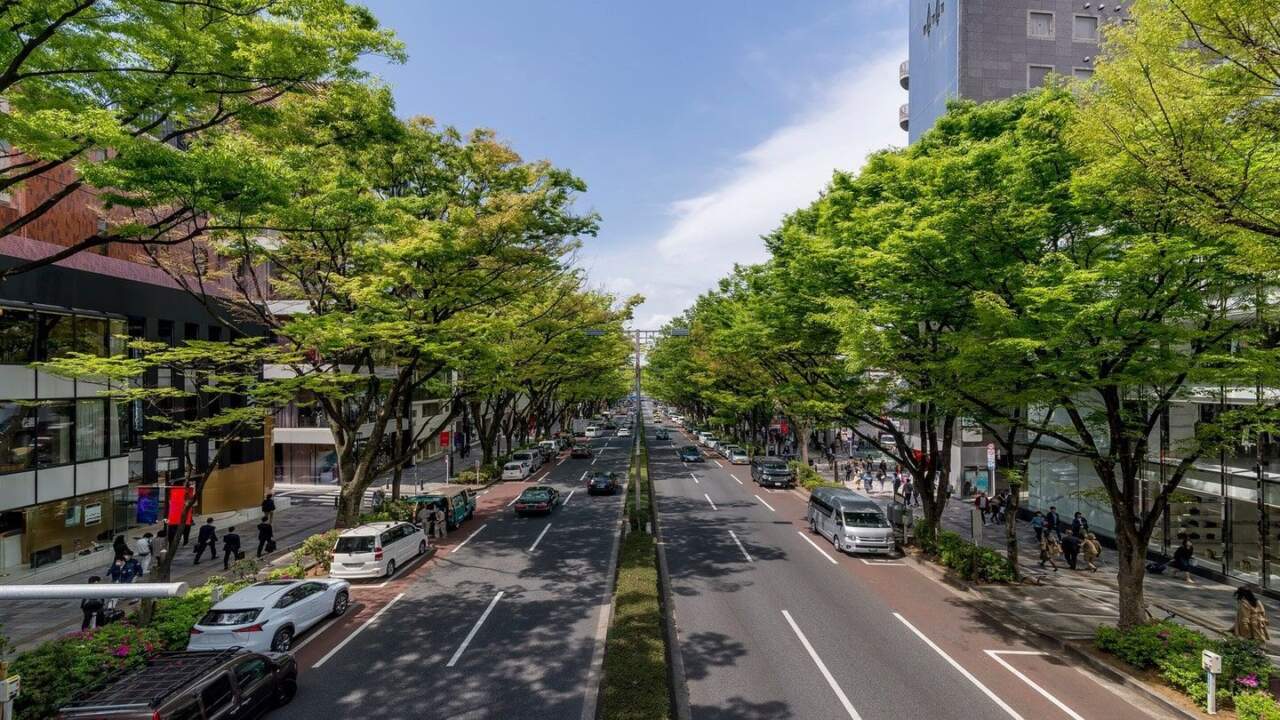
- Ginza Exit: head north along Chuo-dori and you enter Ginza 8-chome, then browse all the way to Ginza landmarks such as GinzaNovo and Wako, good for daytime shopping.
- Shiodome Exit: head east toward Shiodome SIO-SITE and Caretta Shiodome, where the skyscrapers are linked by underground passages and elevated walkways, so you can shop even in the rain.
If you only have half a day, we suggest starting from the Ginza Exit in the daytime to browse Ginza, returning to Shimbashi in the evening to experience izakaya and standing-bar culture around the Hibiya and Karasumori exits, and finally going to the Shiodome area for the night view. One route ties together the best of Shimbashi shopping.
SL Square: Shimbashi’s Landmark Steam Locomotive
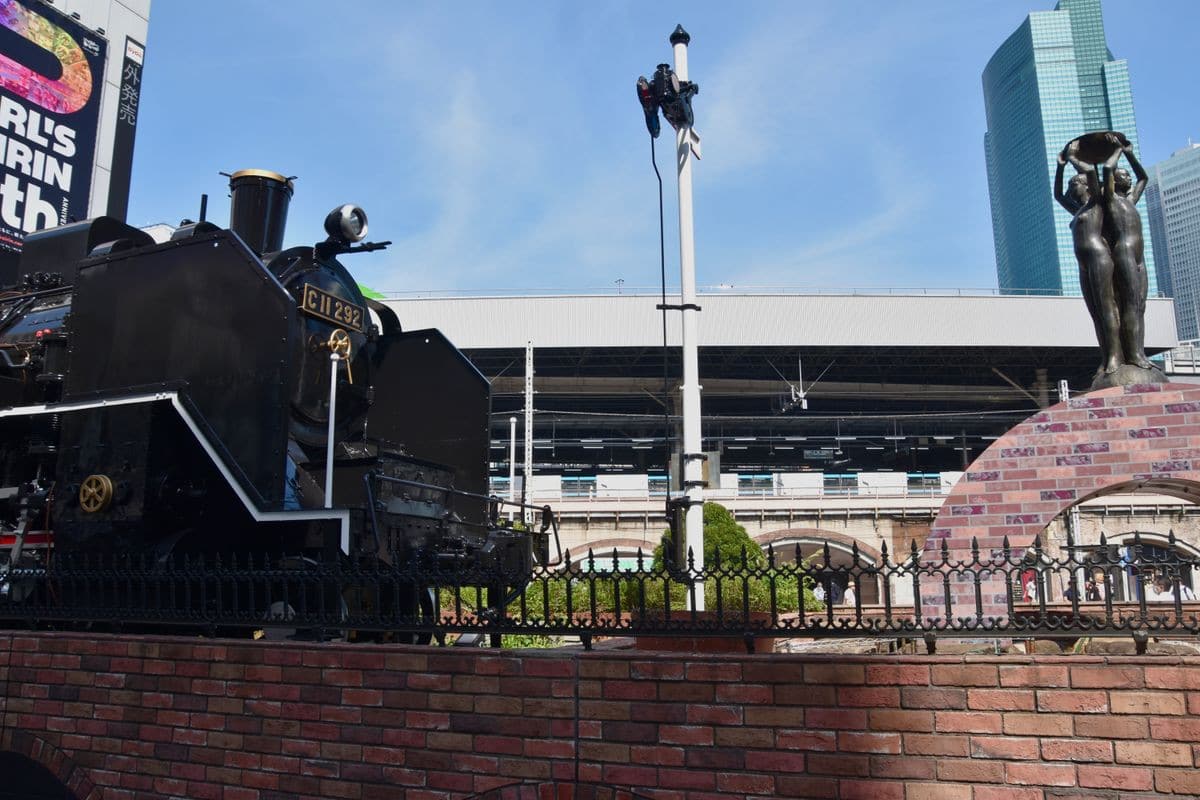
SL Square is at the west exit of Shimbashi Station, with a real C11-class steam locomotive standing in the middle of the square. It is Shimbashi’s most representative landmark and a popular spot for street interviews. It is also a meeting point for local office workers, and in the evening people who have finished work often gather around for a drink, making it the best place to feel everyday life in Shimbashi.
The square is open all day and free to visit. We recommend going between 6 and 8 p.m. to best feel the local atmosphere. An information board next to the locomotive explains its history, and it takes only 5-10 minutes to see, making it a good starting point for a Shimbashi itinerary.

Shimbashi Ekimae Building and New Shimbashi Building: A Time Capsule of Showa Barber Shops and Nostalgic Coffee Houses
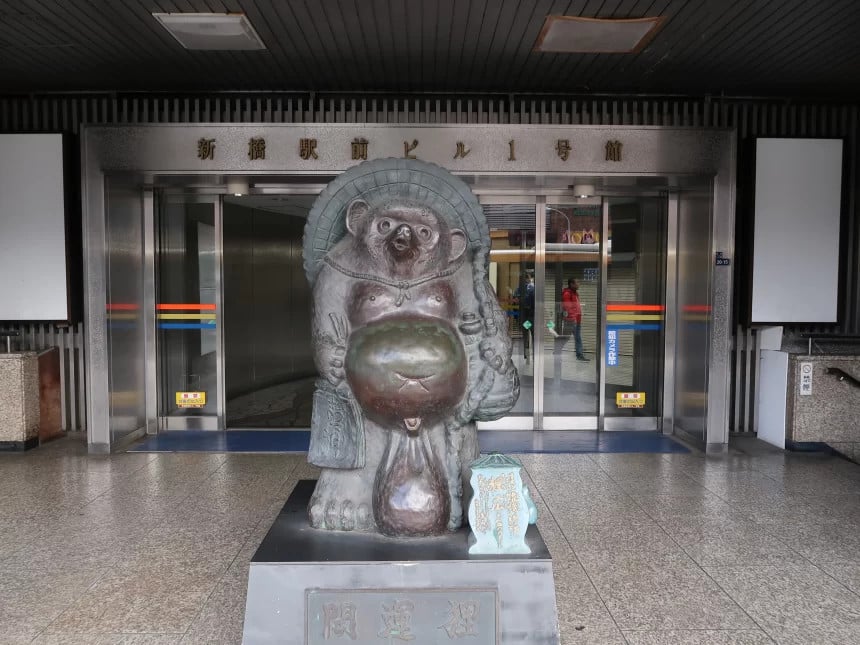
The Shimbashi Ekimae Building and the New Shimbashi Building are Shimbashi’s most representative Showa retro buildings, holding many izakaya, barber shops, and old-style cafes that keep their Showa-era interiors, so walking in feels like traveling back to a Showa-era Tokyo street. The buildings also have several affordable set-meal and rice-ball shops, good for an authentic Japanese lunch.
The two buildings are right next to Shimbashi Station, and hours vary by shop; most izakaya open after 5 p.m., while in the daytime you can see the exterior and some open nostalgic cafes. We suggest spending 30-60 minutes to savor these time-capsule buildings.
Karasumori Shrine: A Central-Tokyo Old Shrine Known for Its Four-Color Tomoe Goshuin
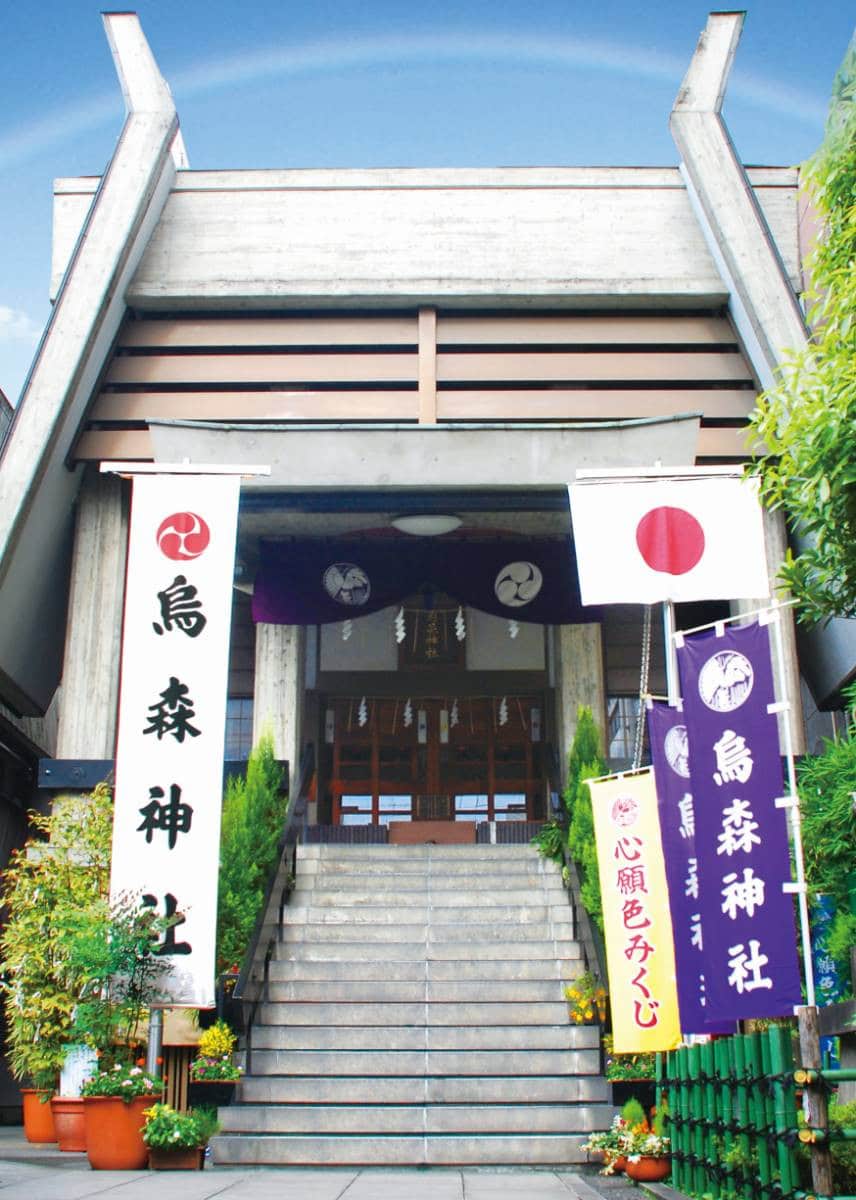
Karasumori Shrine enshrines Ukanomitama, Ame-no-Uzume, and Ninigi-no-Mikoto, and is the spiritual center where Shimbashi office workers pray for business prosperity. The shrine is known for its goshuin (temple stamp) with a four-color tomoe design, drawing many stamp collectors. Though the grounds are small, it sits in a busy district ringed by skyscrapers, creating a distinctive scene of quiet within the bustle.
The shrine is open all year; omamori (charms) and goshuin are available from about 9 a.m. to 4 p.m. (follow the shrine’s announcements), and the charm for business prosperity is also a popular souvenir. According to the shrine’s official information, it is about a 2-minute walk from the Hibiya Exit of JR Shimbashi Station and about 3 minutes from the Karasumori Exit.
Hama-rikyu Gardens: An Edo-Period Tidal Garden
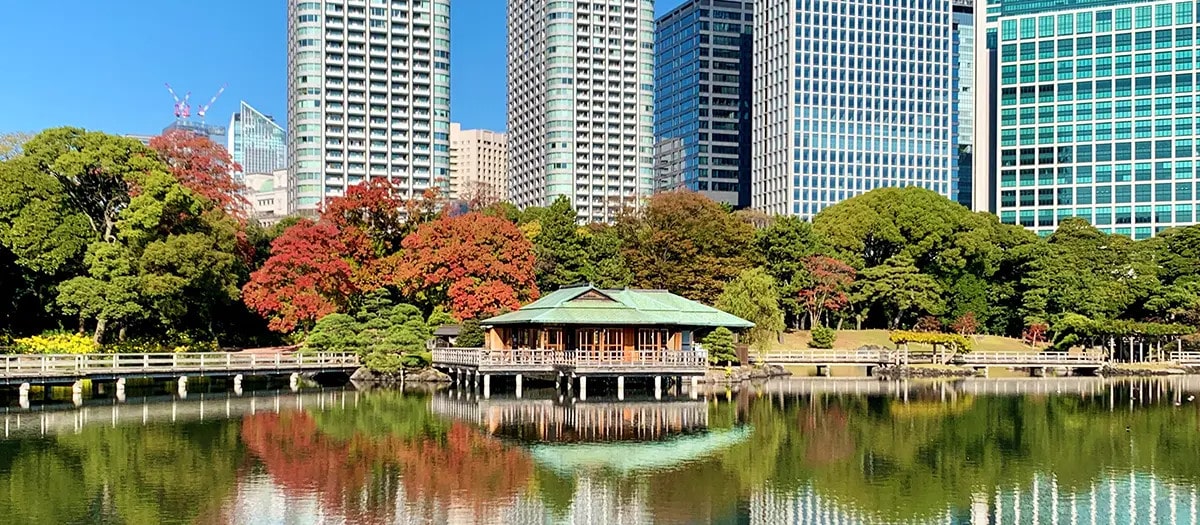
Hama-rikyu Gardens were once a falconry ground and garden of the Edo shogunate and the shogun’s family. It is a rare Japanese “tidal” garden that draws in seawater and changes with the tides, with scenery in every season; the fields of rapeseed blossoms and cosmos in early spring are especially popular.
Open 9:00-17:00 (last entry 16:30), closed December 29 to January 1 and open the rest of the year (per the Tokyo Metropolitan Park Association website). Admission is ¥300 for adults and ¥150 for ages 65 and over. We suggest spending 1-1.5 hours, and you can have matcha and Japanese sweets at the teahouse “Nakajima no Ochaya,” enjoying the unique view of the pond coexisting with skyscrapers.
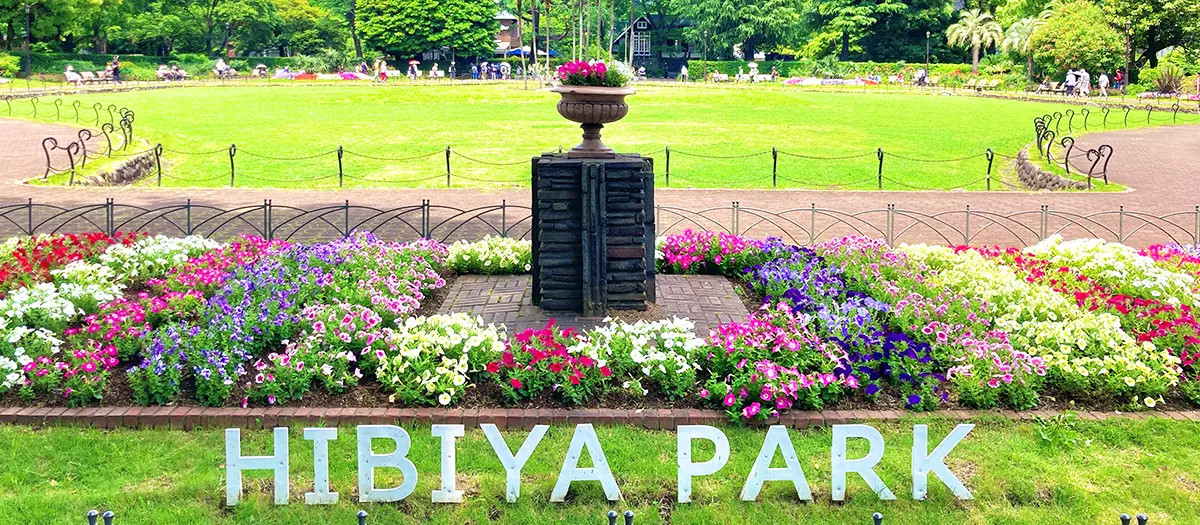
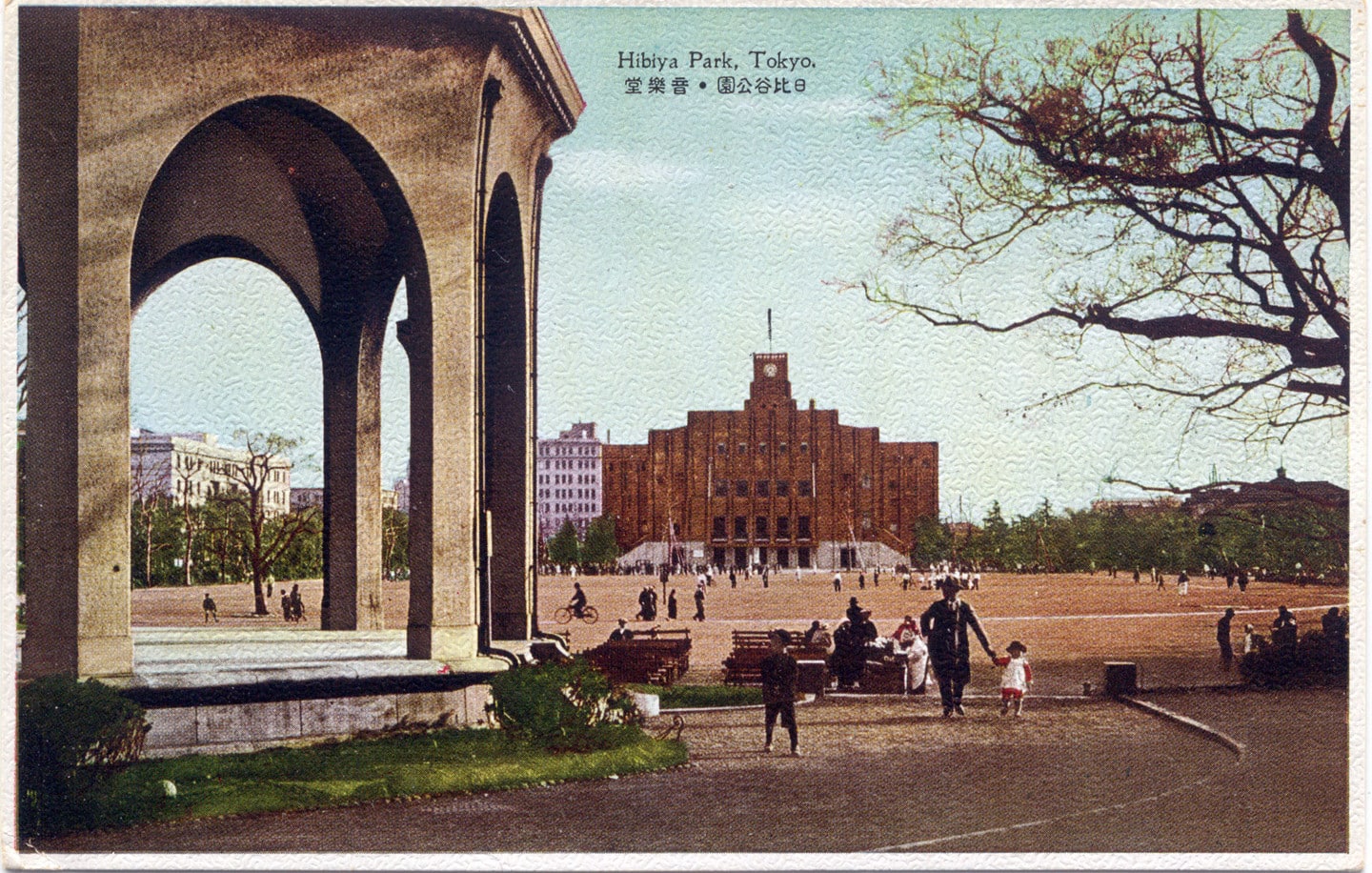
Hibiya Park: Japan’s First Western-Style Modern Park and a Shopping Rest Stop
Hibiya Park is Japan’s first Western-style modern park, opened in 1903. Its lawns, fountain, and rose garden are great places to relax between shopping, and there are several cafes nearby for a break. The park sits next to Ginza and Shimbashi, making it a rest stop when linking the two districts.
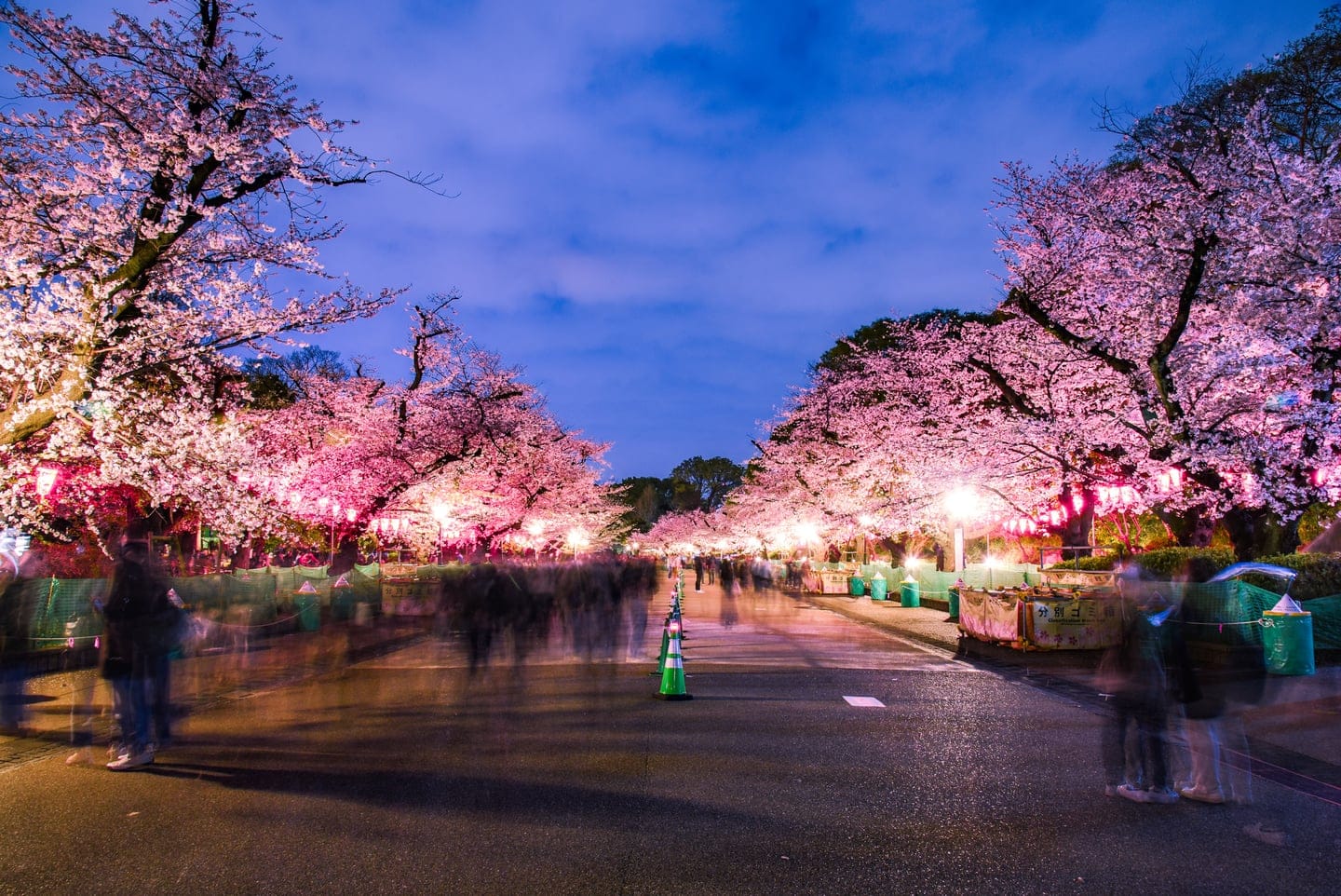
The park is open all day and free to enter. The Hibiya Open-Air Concert Hall in the park occasionally holds free outdoor concerts. We suggest 30 minutes to 1 hour for a stroll; cherry blossoms in spring and ginkgo in autumn are popular viewing seasons, and it is also a popular spot for picnics and photos.
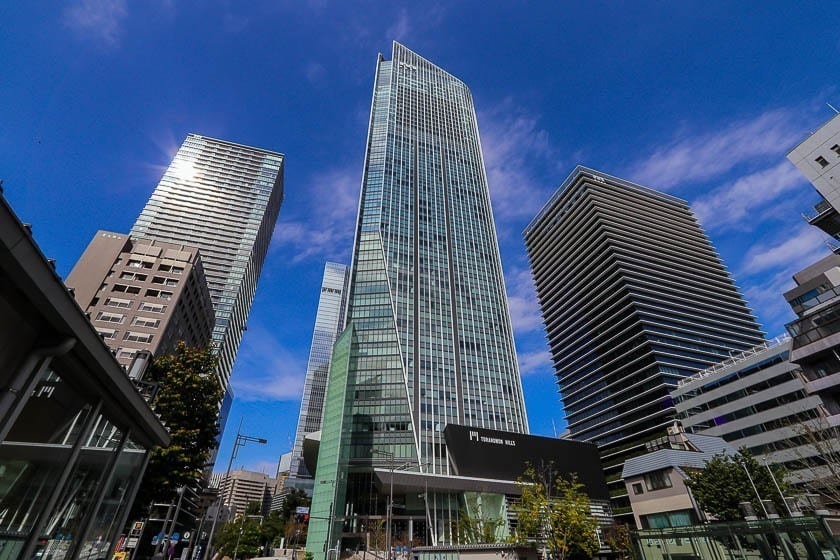
Toranomon Hills: The Newest Landmark Gathering Restaurants and Fashion Select Shops
Toranomon Hills is a large mixed-use landmark developed in stages from 2023, with an office tower, a luxury hotel, restaurants, and boutiques, and it is the trendiest place for shopping and relaxing around Shimbashi and Toranomon.
Hours vary by shop in each building; commercial facilities are mostly open from 11 a.m. to 9 p.m. It is about a 12-minute walk from Shimbashi Station, or more convenient by subway to Toranomon Station. The complex gathers many restaurants and fashion select shops, suitable for half a day exploring this newest Tokyo landmark.
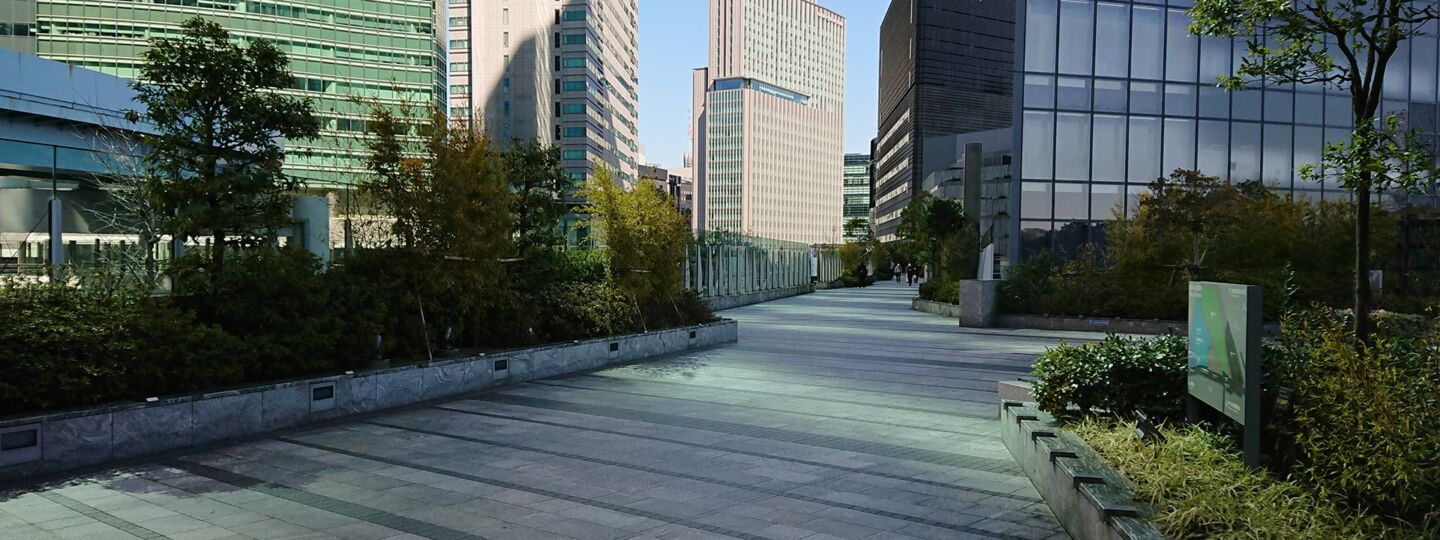
Shiodome SIO-SITE: A Skyscraper Shopping District Linked by Underground Passages and Elevated Walkways
Shiodome SIO-SITE is a large mixed-use development built on the former JR Freight site, including skyscrapers such as Nippon Television, Shiodome City Center, and Tokyo Shiodome Building. Underground passages and elevated walkways link the area, so you can see restaurants, cafes, and lifestyle select shops all at once, and it is the largest commercial district around Shimbashi and Shiodome.
It is about a 5-8 minute walk from Shimbashi Station, and shop hours in each building vary; most restaurants are open from 11 a.m. to 10-11 p.m. The area holds outdoor events and markets almost every month, making it the best place to feel the charm of urban renewal around Shimbashi.
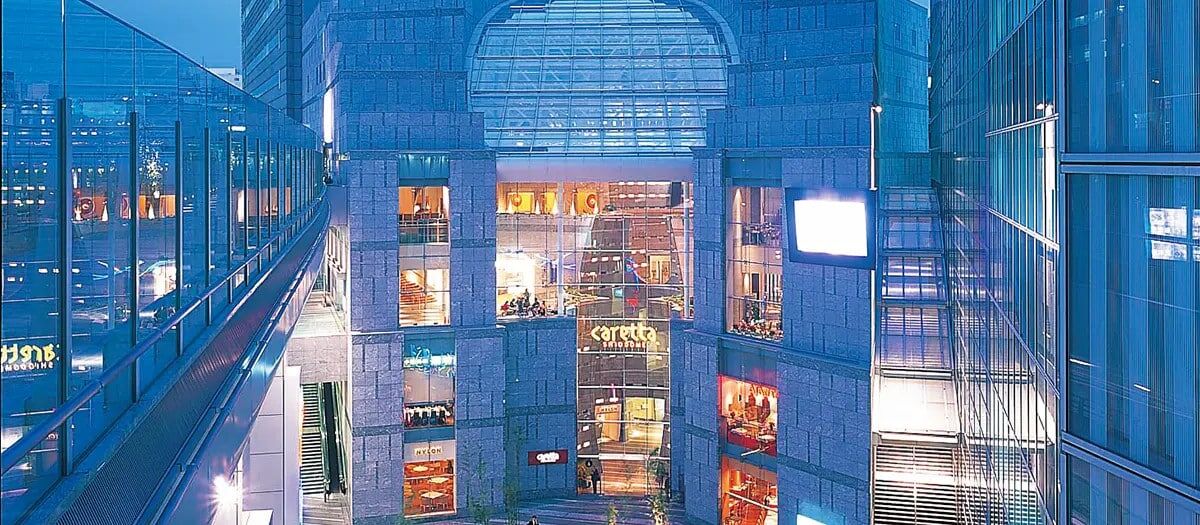
Caretta Shiodome: A Shopping and Dining Tower with Views of Tokyo Bay
Caretta Shiodome is a landmark within Shiodome SIO-SITE, with about 60 restaurants and shops from B2 to the 2nd floor, covering udon, sushi, Asian cuisine, and bars. The free “Sky View” observation space on the 46th floor (11:00-23:00) overlooks Tokyo Bay and the Rainbow Bridge night view, a hot photo spot.
Shops are open about 10:00-20:00 and restaurants mostly until 23:00. It is about a 6-minute walk from Shimbashi Station. The building holds the Dentsu Shiki Theatre Umi and the Advertising Museum Tokyo, so you can add cultural exhibitions to enrich your Shimbashi itinerary.
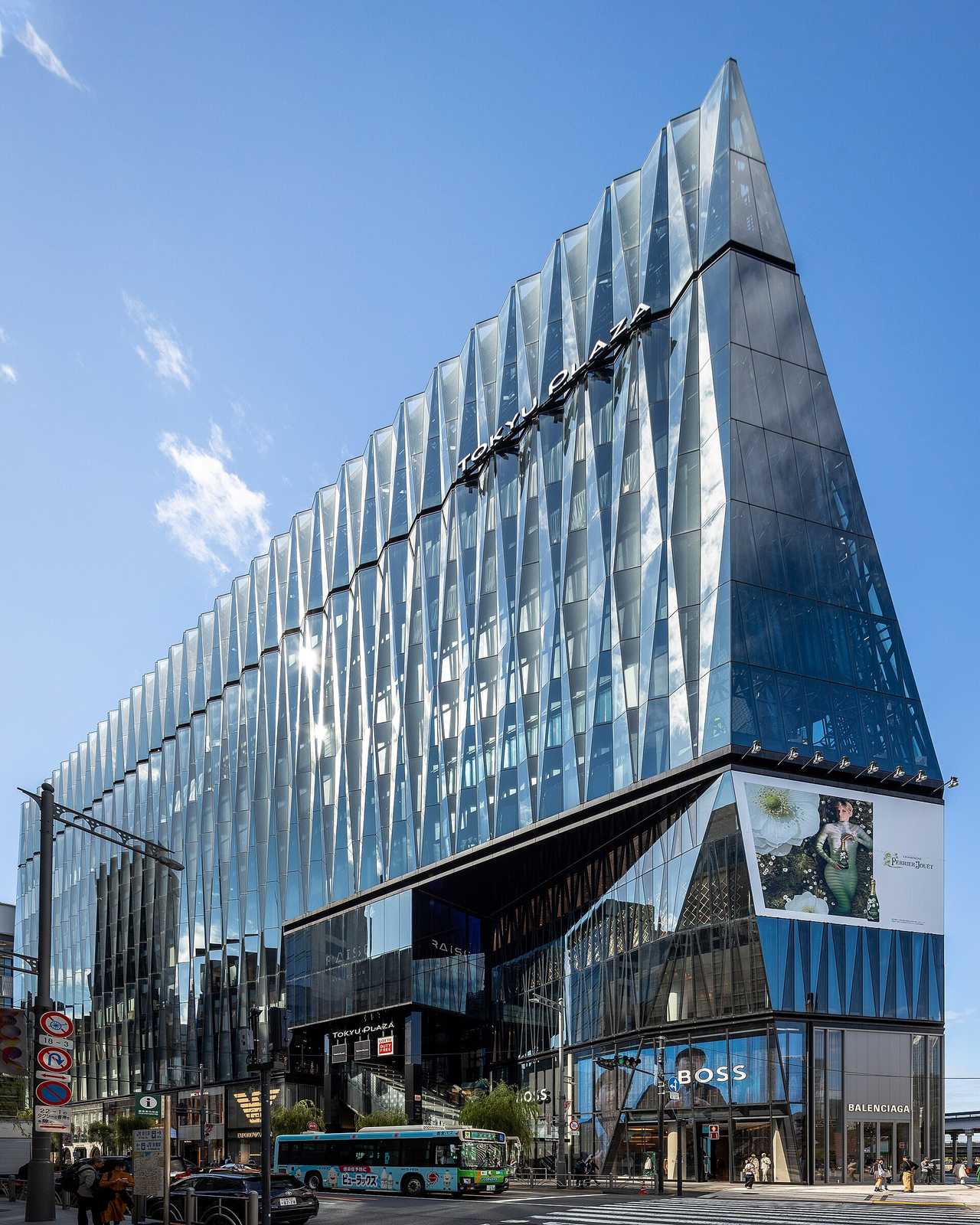
GinzaNovo (Formerly Tokyu Plaza Ginza): A Talked-About Building with a Glass Kiriko Facade
First, a name update: the former “Tokyu Plaza Ginza” was renamed “GinzaNovo” on December 1, 2025; “Novo” means “new” in Latin. The building still has the much-talked-about facade imitating Edo kiriko glass craft, and it gathers flagship stores and tax-free specialty shops, suitable for one-stop shopping.
According to the official website, shopping and services on floors 1 to 9 are currently open 11:00-21:00, while the Ginchika Marche on B2 and the dining floors on floors 10-11 are open 11:00-23:00, closed only on January 1 and one irregular closure per year. It is about a 9-minute walk from Shimbashi Station. Note that the operator has announced its first large-scale renovation since opening; the new space, with the concept of a “vessel of light,” is expected to be completed between late 2027 and early 2028, and during the renovation only some stores such as flagships remain open, so be sure to check the official website for open floors and stores before you go.
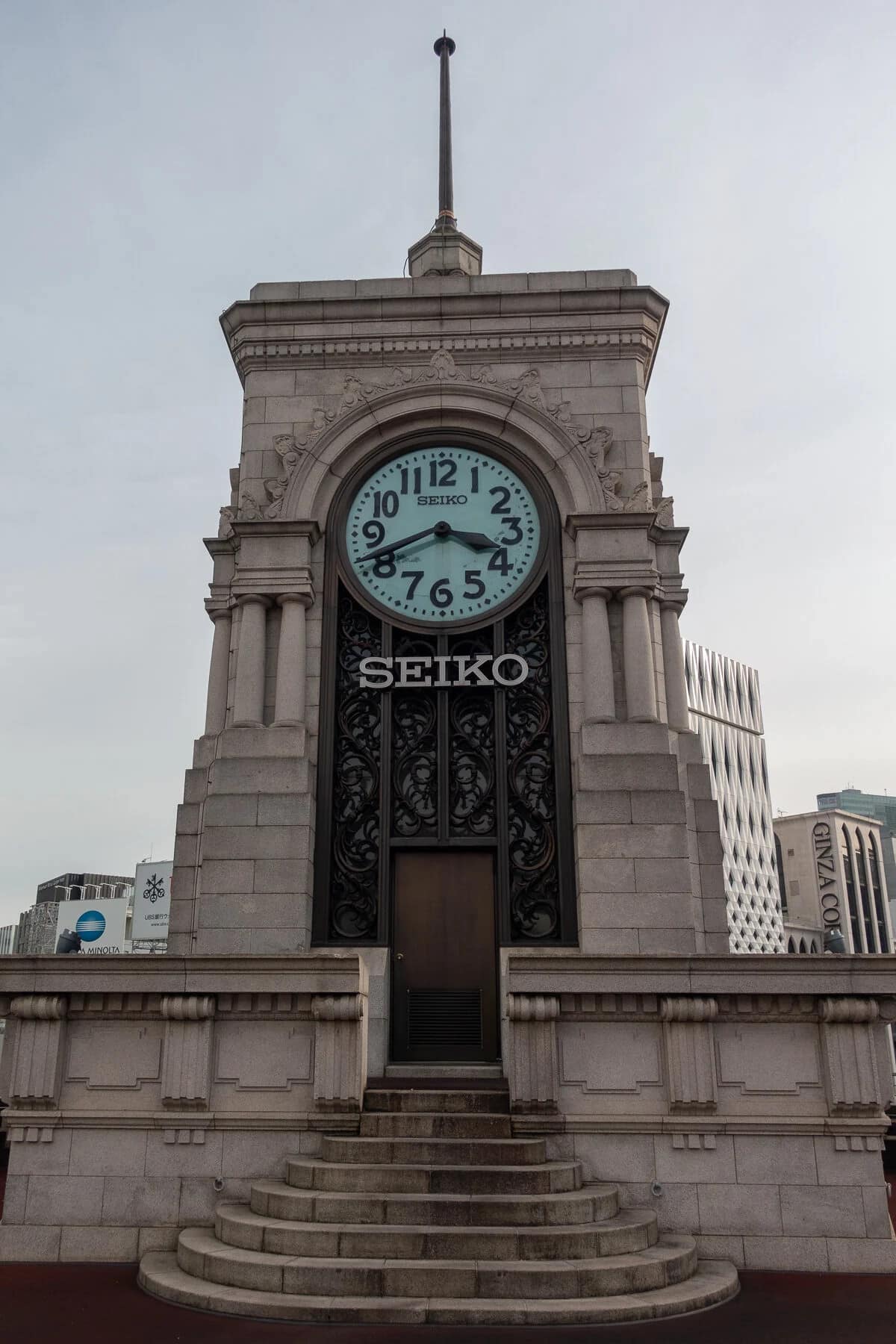
Wako: Ginza’s Century-Old Classic Landmark and Clock Tower
The Wako clock tower is one of Ginza’s most representative landmark buildings and has appeared in several film scenes, including the Wako building clock tower scenes in “Godzilla Minus One.” Inside, it is known for fine watches, jewelry, and refined stationery, following a low-volume boutique approach.
Hours are 10:30 to 19:00 (except the New Year holidays). The clock tower chimes every hour on the hour, making it a classic photo backdrop at the Ginza 4-chome crossing. It is about a 12-minute walk from Shimbashi Station, suitable for travelers who love traditional Japanese craftsmanship in luxury goods.
Shimbashi Food: The Basement Food Court of New Shimbashi Building, Home to Famous Shops Such as Musashiya Omelet Rice and Tonkatsu Akashi
The New Shimbashi Building has nearly 300 shops from the first basement floor to the fourth floor, representing Showa-era salaryman food culture. Completed in 1971, the building’s shopping arcade runs from B1 to the 4th floor and includes, besides restaurants, barber shops, massage shops, and discount ticket shops.
- 🍽️ Musashiya (1st floor): famous for butter omelet rice.
- 🍽️ Tonkatsu Akashi (4th floor): its pork cutlet set meal is one of the Tabelog Top 100 restaurants.
- 🚉 Right outside the Hibiya Exit of Shimbashi Station.
Most shops are open until 9-10 p.m., and some izakaya stay open late into the night. Popular shops often have queues.
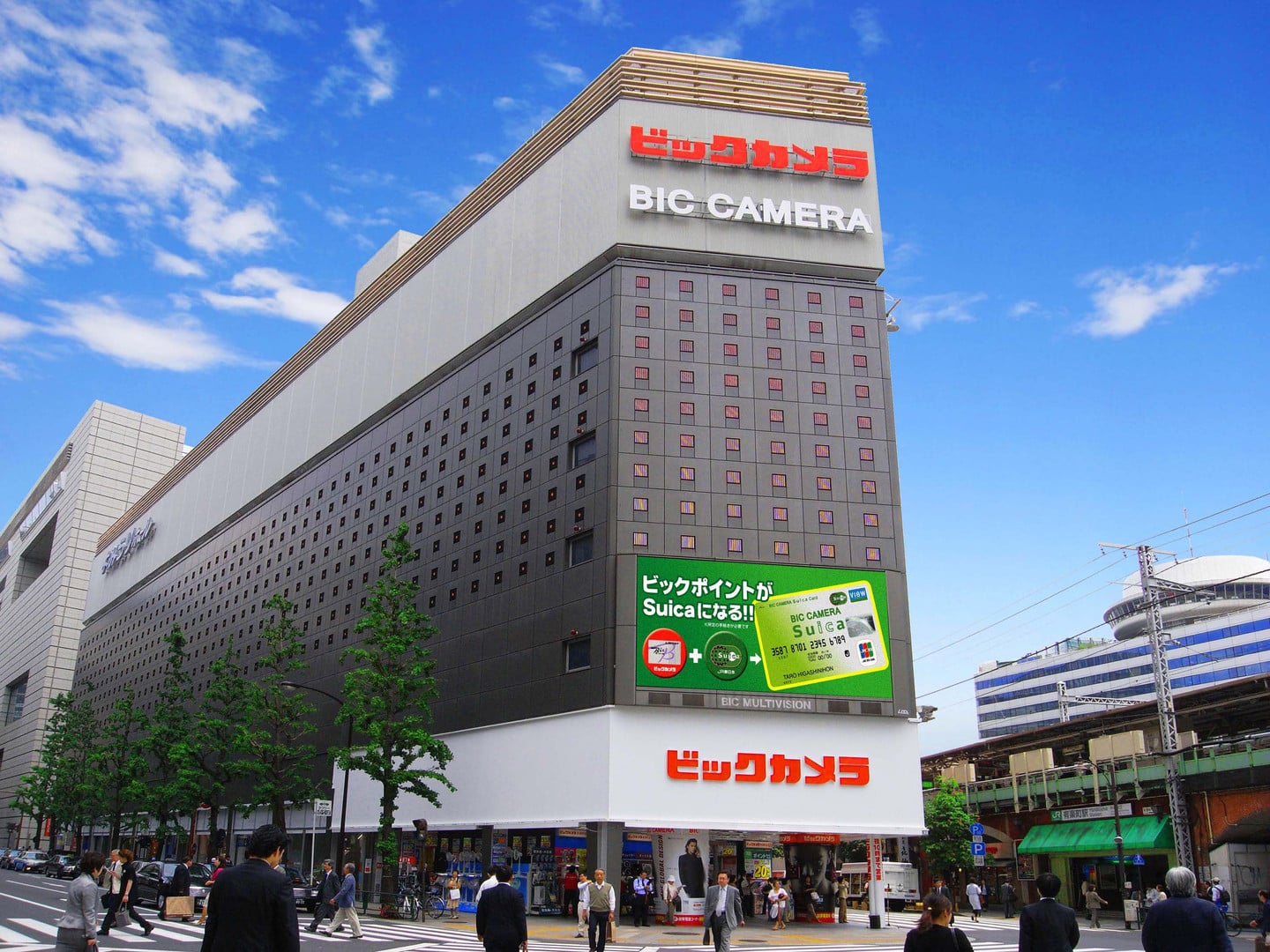
Bic Camera Yurakucho: Electronics and Drugstore Goods in One Stop
Bic Camera Yurakucho is the largest combined electronics and drugstore store around Shimbashi and Ginza, with everything from cameras and appliances to drugstore and beauty goods. The store has a multilingual service counter and is the first choice for foreign travelers buying electronics as souvenirs.
Hours are 10:00 to 22:00. It is about a 15-minute walk from Shimbashi Station, and about 1 minute on foot from the nearest JR Yurakucho Station. Foreign travelers can get tax-free shopping with a passport; from November 1, 2026, the system changes to paying the tax-inclusive price first and getting a refund after customs confirms the goods upon leaving the country. The store often has limited-time discounts, so check offers on its website or app first.
FAQ
Q: How do I get from Shimbashi to Ginza? How long does it take?
From the Ginza Exit of Shimbashi Station, it is about a 10-15 minute walk to the Ginza shopping district with no need to take a train, making it one of the most convenient neighboring districts to link from Shimbashi. Along the way you can also enjoy a streetscape of mixed old and new buildings.
Q: How much budget should I prepare for shopping in Shimbashi?
For half a day of shopping including a meal, the budget starts at about ¥5,000-15,000, depending on whether you buy luxury goods or electronics. Spending on Ginza luxury goods varies widely by item, so set your budget flexibly according to your own shopping list.
Q: What food do you recommend in Shimbashi?
We recommend Musashiya omelet rice and Tonkatsu Akashi pork cutlet in the basement food court of the New Shimbashi Building, and in the evening a drink in the izakaya alleys around the Karasumori Exit. Both shops are in the New Shimbashi Building, so check their hours before you go.
Q: What time do shops around Shimbashi open?
Most department stores and shops are open from 10-11 a.m. to 8-9 p.m., while izakaya and standing bars mostly open after 5 p.m. When planning, we suggest visiting department stores in the daytime and experiencing izakaya culture in the evening.
Q: What season is best for shopping in Shimbashi and Ginza?
It is suitable all year round, but avoid midsummer in July-August and the New Year period (Dec. 29-Jan. 3), when most shops are closed or have shortened hours. Spring and autumn have pleasant weather and are also good for a side trip to Hama-rikyu Gardens and Hibiya Park.
Q: How do foreign travelers get a tax refund when shopping in Shimbashi and Ginza?
Show your passport at tax-free shops. Until October 31, 2026, eligible goods can be bought directly at the tax-free price in the store; from November 1, 2026, the system changes to paying the tax-inclusive price first and having the consumption tax refunded after customs confirms the goods have left Japan. Actual thresholds and refund methods follow each store and the announcements of the National Tax Agency of Japan, so keep your passport and receipts.
Q: Is Shimbashi better for half a day or a full day?
If you only visit Shimbashi sights and izakaya culture, half a day (about 3-4 hours) covers it fully; if you add Ginza department stores and Toranomon Hills shopping, plan a full day to cover the major districts and shops in depth.
Q: When is the best time to shop in Shimbashi?
We suggest going when department stores open at 10-11 a.m., when crowds are smaller and you can shop at leisure, and avoiding weekend afternoons and the evening commuter rush for a more comfortable shopping and tax-refund experience.