
2026 Yasaka Shrine Guide: Worship Tips and Must-See Highlights of Gion’s Head Shrine
Yasaka Shrine stands in Gion, Higashiyama, Kyoto, and is the head shrine of about 2,300 Yasaka and Gion-faith shrines across Japan. The grounds are open and free 24 hours a day, and it is a spiritual center for praying for love, beauty and protection from evil.
| Item | Details | Notes |
|---|---|---|
| Address | 625 Gionmachi Kitagawa, Higashiyama-ku, Kyoto | 5-minute walk from Gion-Shijo Station |
| Opening hours | Open 24 hours (lit up at night) | Free to enter the grounds |
| Amulet office hours | 09:00-17:00 | Omamori charms, goshuin stamps, fortune slips |
| Admission | Free all year | No reservation needed |
| Phone | 075-561-6155 | Official inquiry line |
West Gate (Nishi-romon)
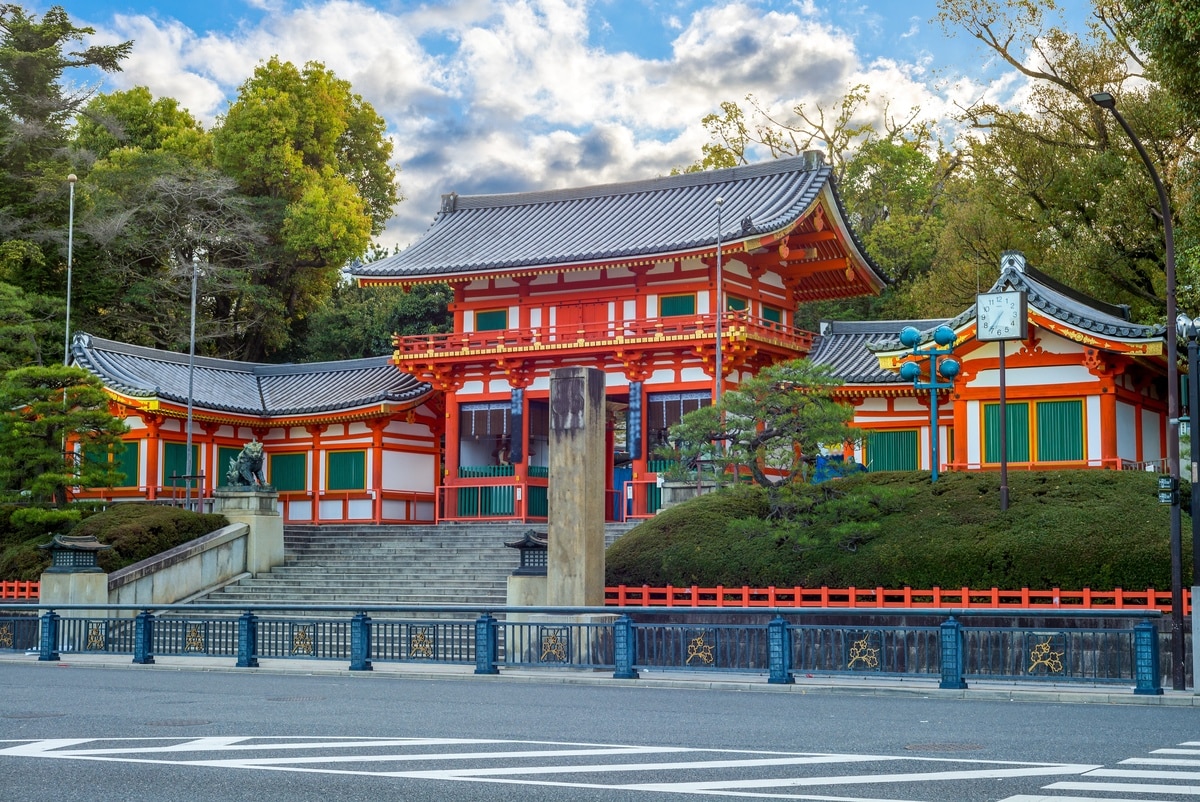
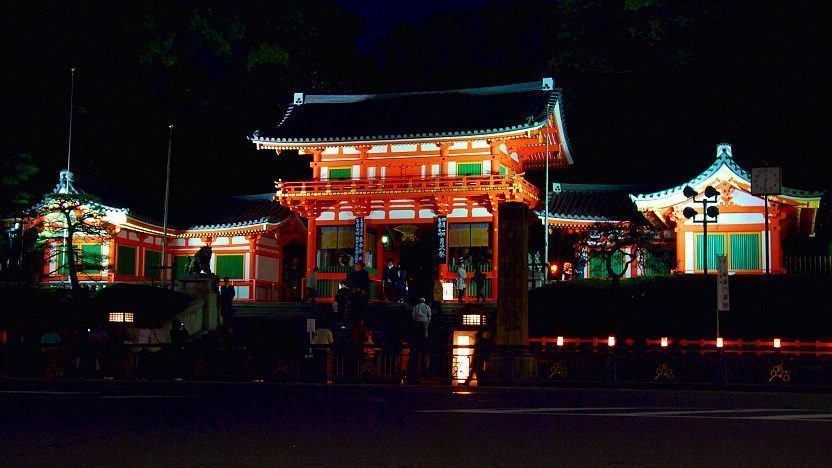
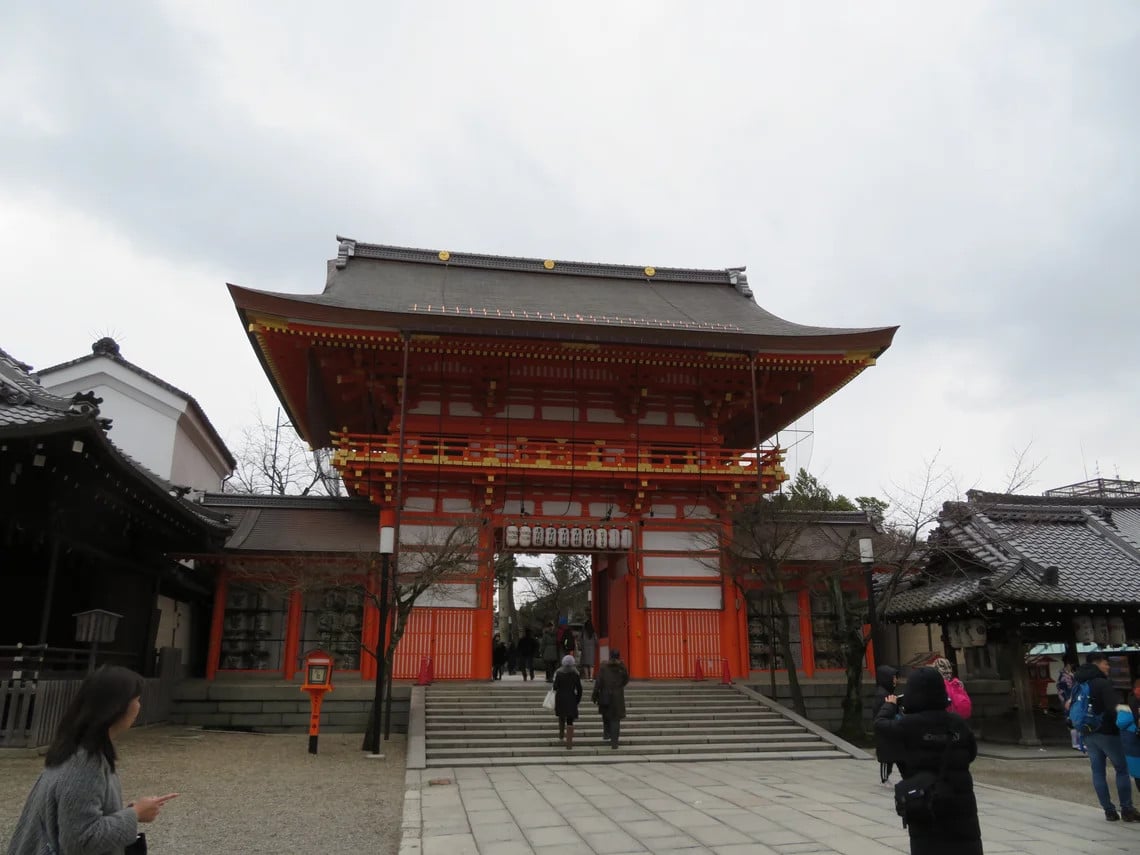
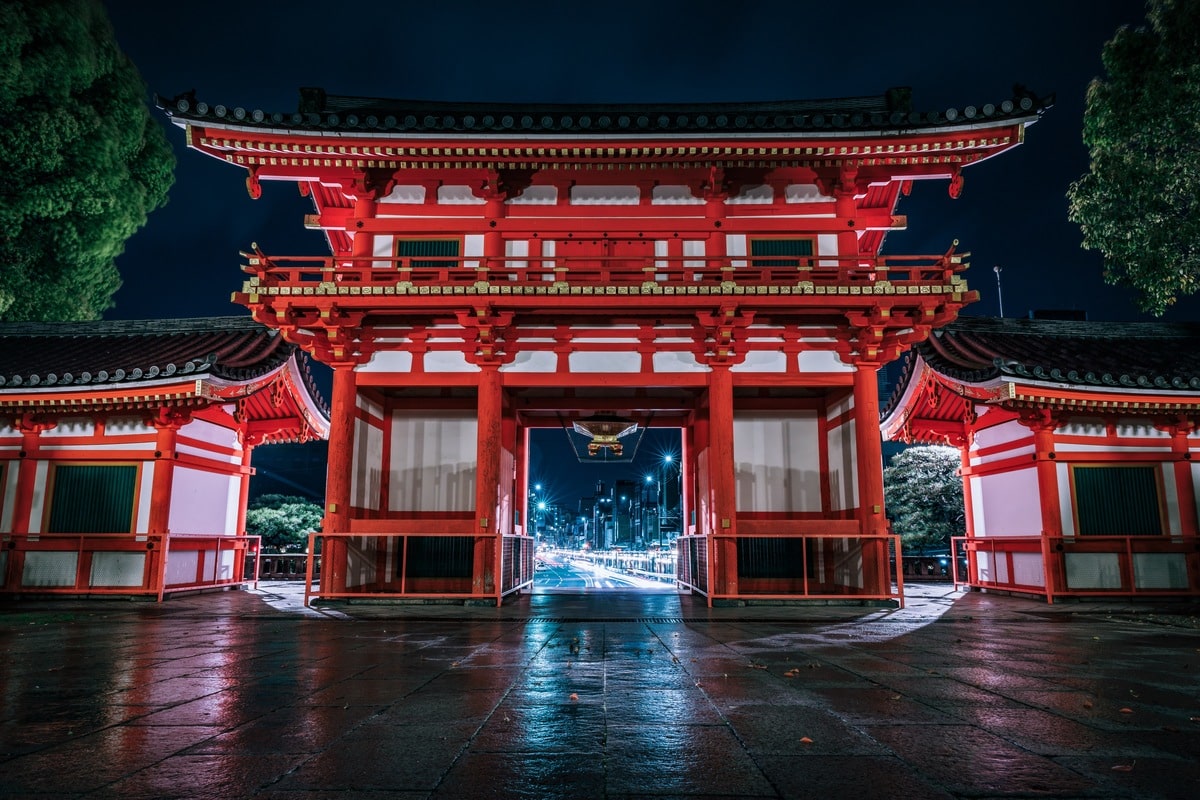
The vermilion gate facing Shijo-dori is Gion’s most iconic landmark and one of Kyoto’s most popular photo spots. According to the Yasaka Shrine website, the West Gate is the oldest building on the grounds, rebuilt in 1497 (Meio 6) and now an Important Cultural Property.
We suggest coming early in the morning or at dusk to avoid tour groups and get clean shots. The West Gate is only a 5-minute walk from Gion-Shijo Station, so access is very convenient.

Main Hall (Honden)
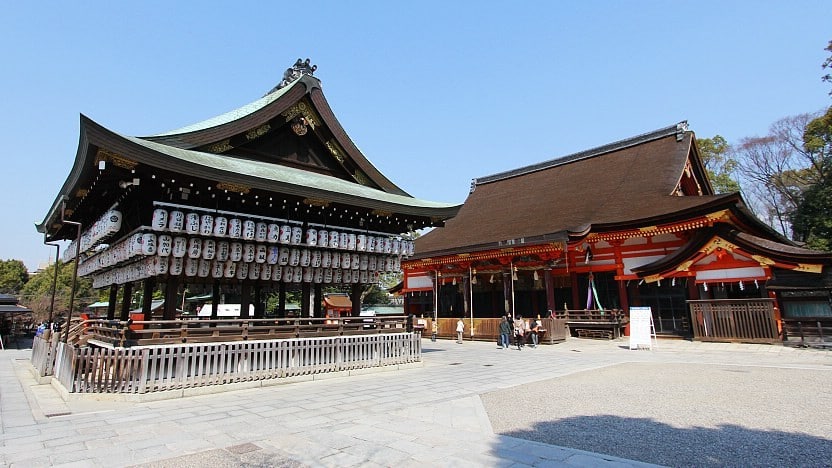
The Main Hall was designated a National Treasure in December 2020. Built in 1654 (Joo 3), it uses the unique “Gion-zukuri” architectural style and is the largest main shrine hall of any shrine. Its chief deity is Susanoo no Mikoto, known for warding off plague and evil.
According to the official website, the Main Hall is built over a pool of water, and legend says a blue dragon dwells there, making it a dragon’s den that gathers the “qi” of Yamato and is believed to bring good fortune. When worshipping you can follow ordinary shrine etiquette: two bows, two claps, one bow.
Dance Hall (Maidono)
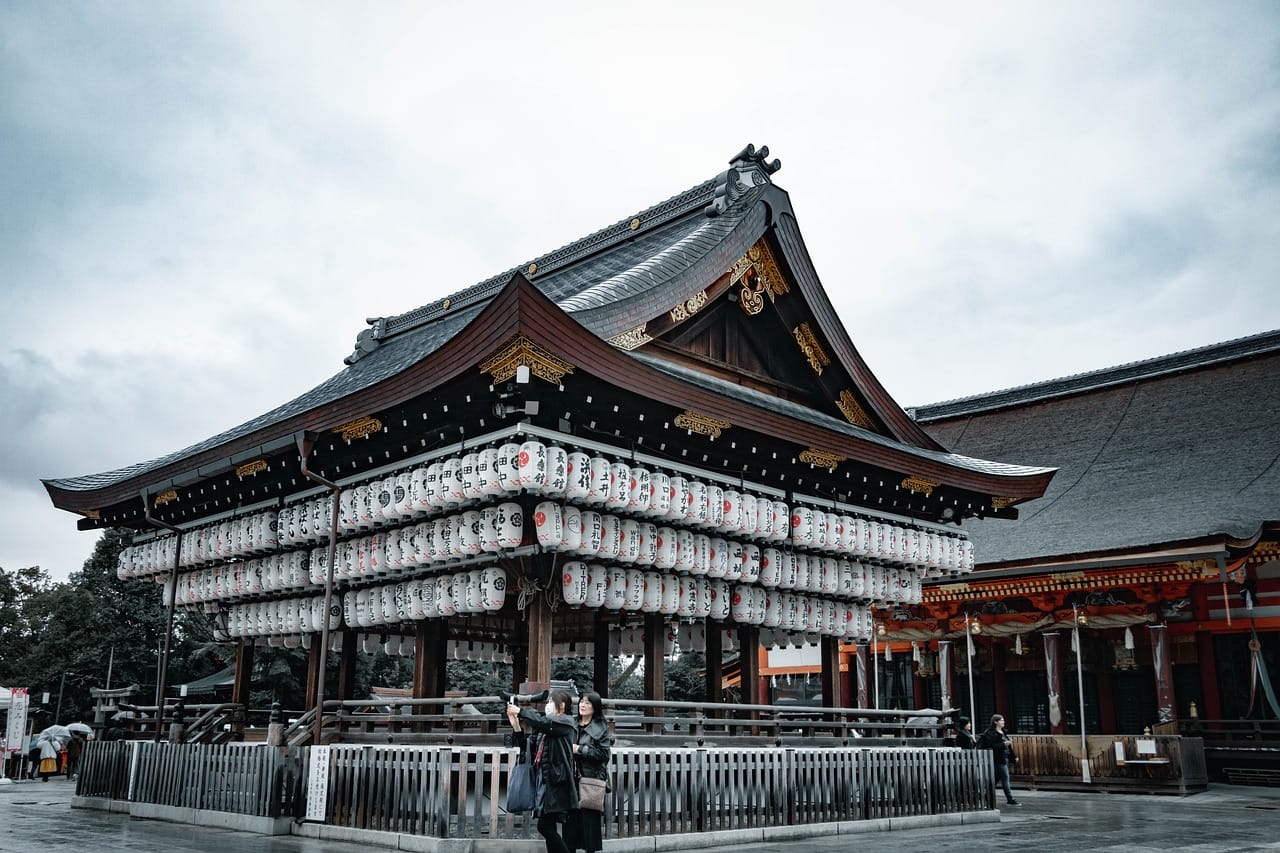
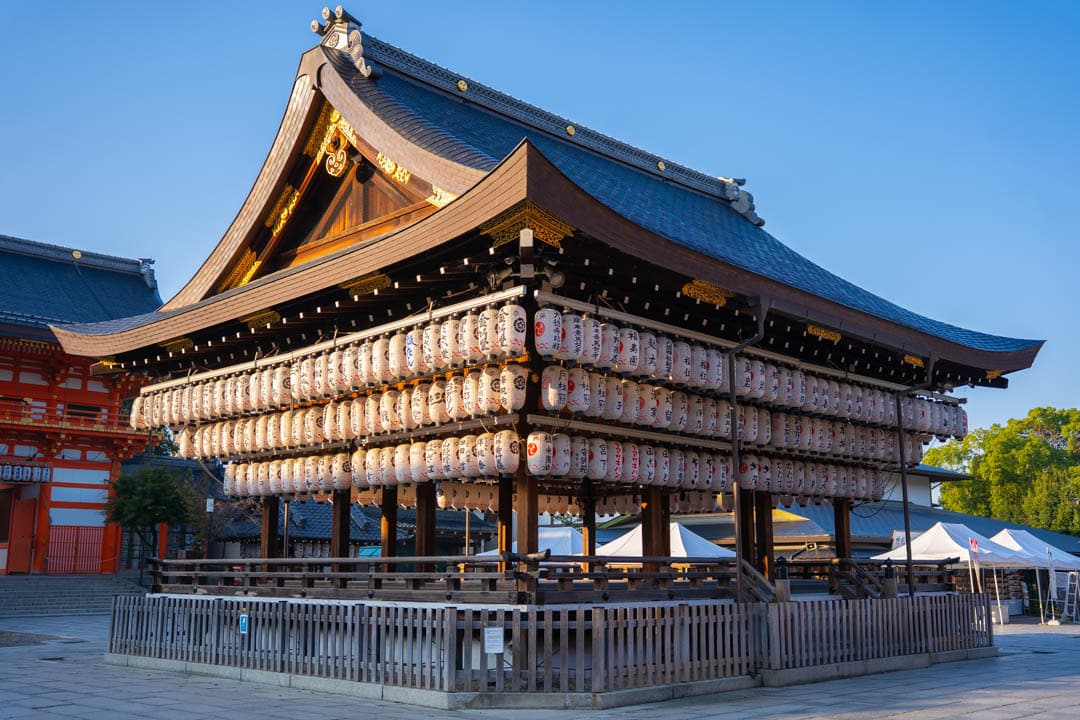
The Maidono, also called the lantern stage, stands in the center of the shrine and is used for rites and dedication ceremonies. It is Yasaka Shrine’s most dramatic building.
The Maidono was built in 1903 (Meiji 36) and is an Important Cultural Property. During the Gion Matsuri, three mikoshi are placed here, and at other times weddings and maiko dance offerings are also held.
At night, many lanterns dedicated by the geisha districts’ okiya houses and nearby ryotei restaurants are lit each evening, creating a dreamy old-capital atmosphere and the classic image of a night visit to Yasaka Shrine.
Okuninushi Shrine
An auxiliary shrine on the grounds for praying for good matches, it enshrines Okuninushi, the same deity as at Izumo Taisha in Shimane, affectionately called “Okuni-san,” a god of matchmaking, and draws many single travelers and couples to pray. The shrine building dates from around 1877 and is an Important Cultural Property.
Okuninushi is famous from the myth of the “White Hare of Inaba,” in which he is said to have helped an injured white hare.
Utsukushi-gozen Shrine
An auxiliary shrine women should not miss, dedicated to the three Munakata goddesses who watch over beauty. The sacred spring water in front of the shrine, “Beauty Water,” is said to make both body and mind beautiful if a few drops are dabbed on the skin.
The shrine building dates from 1591 (Tensho 19) and is an Important Cultural Property. Its annual festival is held on November 15, and it is Gion’s most representative place to pray for beauty.
Ebisu Shrine
Also called Kitamuki Ebisu-sha, it enshrines Kotoshironushi, commonly known as “Ebessan,” whose main virtue is business prosperity. The shrine building dates from 1646 (Shoho 3) and is an Important Cultural Property, named for facing north.
Every year on January 9 and 10 the “Gion Ebessan” (Toka Ebisu) is held, with fuku-zasa lucky bamboo branches given out on both days. From 15:00 on the 9th, an Ebisu boat carrying the Seven Lucky Gods parades along Shijo-dori.
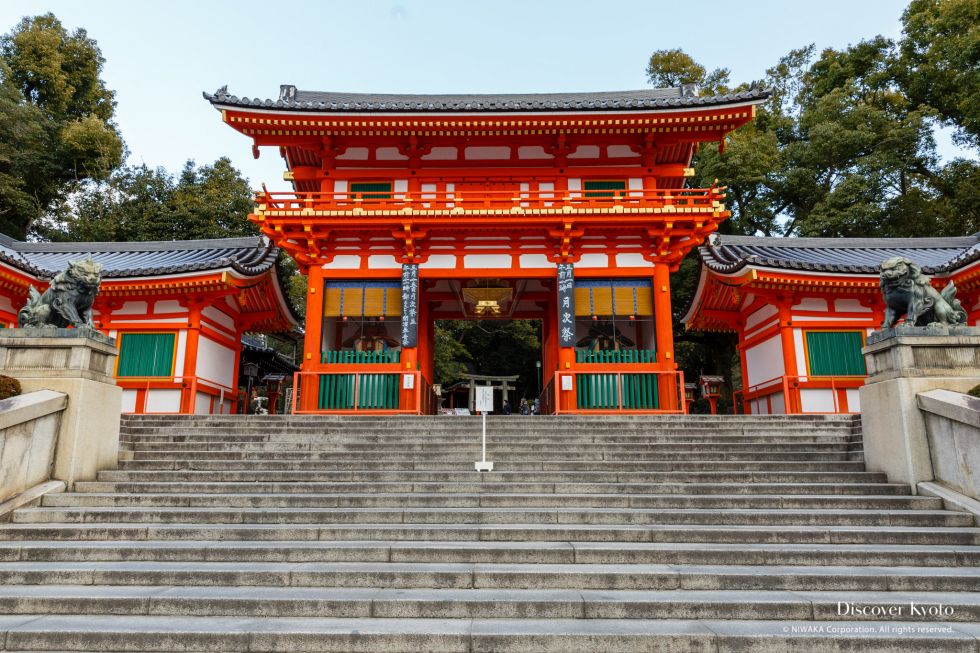
South Gate (Minami-romon)
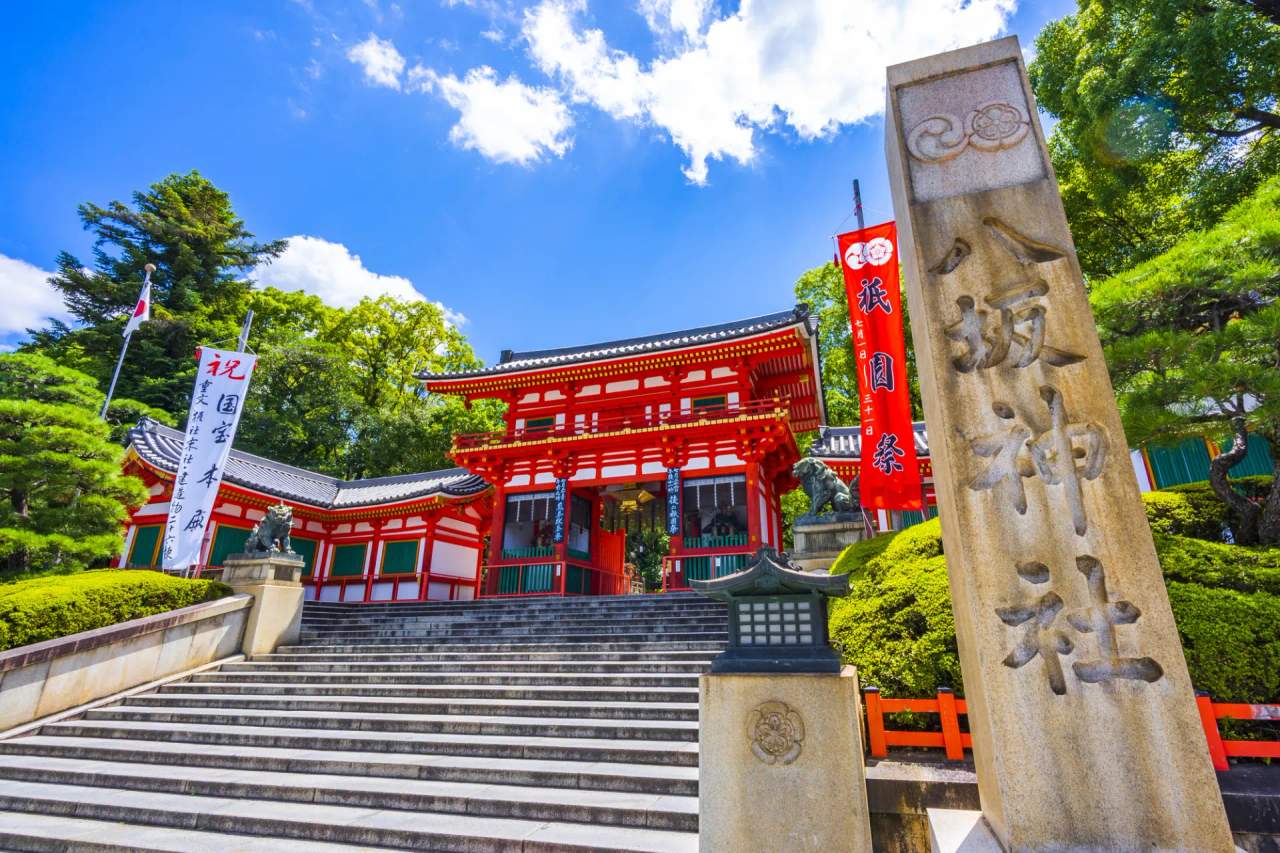
The formal main gate of Yasaka Shrine’s approach faces Higashioji-dori with a solemn, elegant look, and most worshippers enter the shrine through it.
The South Gate was built in 1879 (Meiji 12) in the irimoya-zukuri style and is an Important Cultural Property. The Gion Matsuri mikoshi and Shinto weddings both set out from this main gate.
Entering through the South Gate takes you straight to Maruyama Park, making it the best starting point for a half-day trip combining Yasaka Shrine and Maruyama Park.
Amulet Office: Omamori and Goshuin
The amulet office (shamusho) is open daily 09:00 to 17:00 and offers omamori for warding off plague, love, beauty and more. According to the Yasaka Shrine website, the main shrine’s handwritten goshuin costs a ¥500 offering, written directly in your goshuin book from 9:00 to 16:00, and after 16:00 only a paper copy is available. There are also the Seiryu goshuin and the Gosen goshuin (¥500 each), and goshuin books start from ¥2,500.
We suggest arriving before 4 p.m. so a long queue for the goshuin does not disrupt the rest of your plans.
Gion Matsuri and Yasaka Shrine: The July Mikoshi Procession and Yamahoko Parade
The Gion Matsuri is the festival of Yasaka Shrine and runs every year from July 1 to 31. The Yamahoko parade is split into the Saki Matsuri (July 17) and the Ato Matsuri (July 24), and the Yoiyama evenings take place on the three nights before the Saki Matsuri (July 14 to 16) and before the Ato Matsuri (July 21 to 23). Yasaka Shrine’s own mikoshi procession is held on the nights of July 17 and 24, when the three mikoshi go from the shrine to the otabisho resting place at Shijo and return to the shrine a week later.
How to Get to Yasaka Shrine? A Complete Guide to Transport and Costs, 5 Minutes from Gion-Shijo Station
Yasaka Shrine sits right next to the Gion district. The fastest way is the Keihan Railway to Gion-Shijo Station, then about a 5-minute walk from Exit 6 to the West Gate. You can also take city bus No. 100 or 206 from Kyoto Station to the Gion stop, about a 20-minute ride.
What Are the Must-Visit Attractions and Food Near Yasaka Shrine in 2026? A Complete Gion Stroll
From Yasaka Shrine you can link Gion and Higashiyama’s classic sights, long-established restaurants and traditional shopping areas on foot.
Kiyomizu-dera Temple
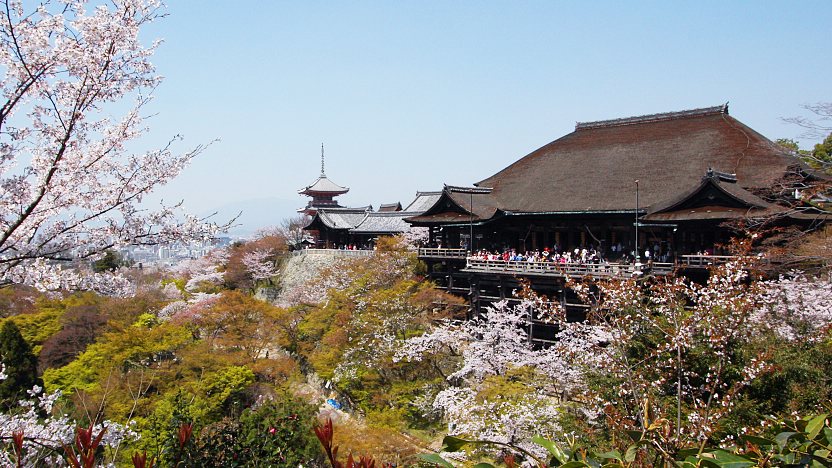
Kiyomizu-dera is a World Heritage Site famous for its “Kiyomizu Stage” built out over the hillside. It is about a 20-minute walk from Yasaka Shrine via Ninenzaka and Sannenzaka, and is the end point of a Higashiyama stroll.
Open 06:00-18:00, adult admission ¥500. Plan 1 to 1.5 hours; it is especially spectacular with autumn leaves and during the spring night illuminations.


Hanamikoji Street
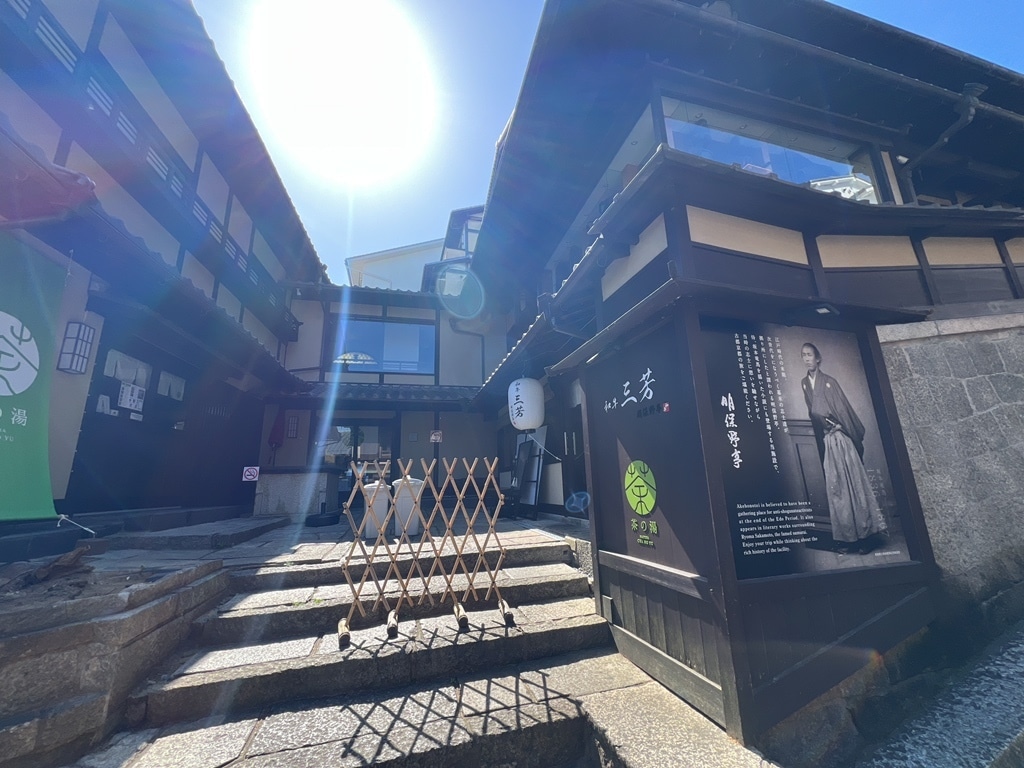
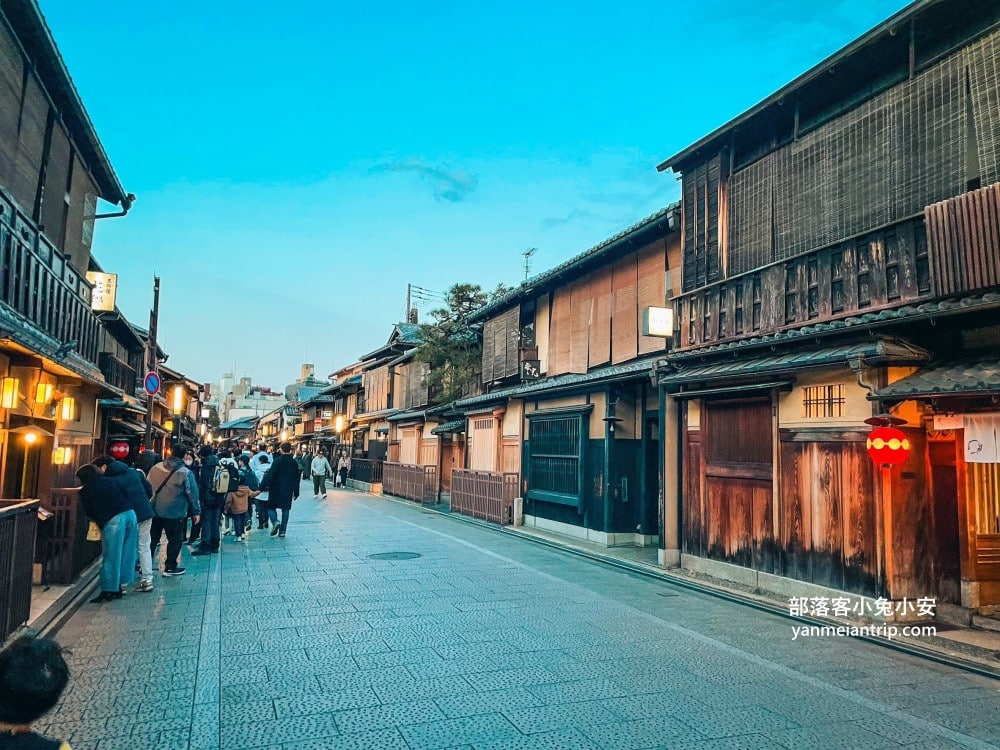
Gion’s most representative stone-paved lane, lined with traditional machiya townhouses and high-end ryotei restaurants. It is a favorite photo spot for overseas visitors and a place where you may be lucky enough to spot geisha and maiko. To eat on Hanamikoji, try the main store of the long-established confectioner Kagizen Yoshifusa, founded in the Kyoho era, whose tea room serves its signature kuzukiri (kudzu noodles), or the chicken specialist Wabiya Koyomido, whose lunch-only stone-grilled oyakodon costs about ¥1,500.
Because many of the lanes are private, please do not enter homes or force photos of geisha. Violators may be fined, and respecting local residents and geisha culture is basic etiquette.
-Klook.jpg)
Maruyama Park
Kyoto’s oldest public park, right next to Yasaka Shrine’s South Gate. Its weeping cherry tree is one of Kyoto’s best cherry blossom spots, and the spring night illuminations are beautiful.
During cherry blossom season, temporary food stalls are set up in the park, and you can picnic under the weeping cherry. Outside the season it is mainly a place to rest, a popular spot for strolls and picnics, open all year with free entry.
Kodaiji Temple
A temple built by Kita no Mandokoro, the principal wife of Toyotomi Hideyoshi, in memory of her late husband. It is known for its quiet bamboo grove and refined dry landscape garden, and is especially romantic and dreamy during the night illuminations.
Open 09:00-17:30 (last entry 17:00). From April 1, 2026 adult admission is ¥800 (up from ¥600). Plan 40 minutes to 1 hour, and it is close to Nene no Michi, which makes a good add-on.
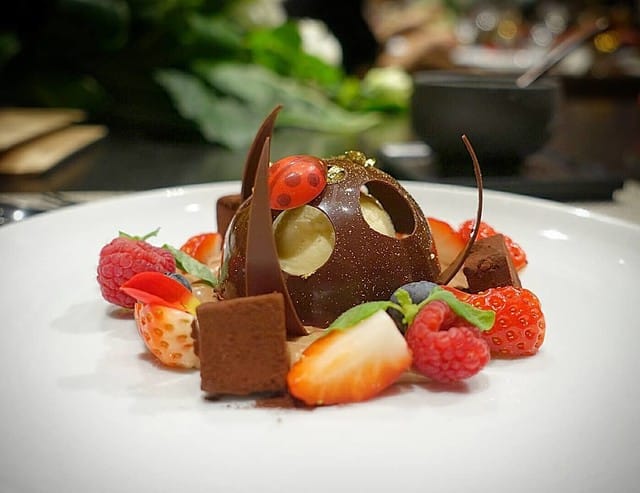
-Klook.jpg)
Gion Shirakawa
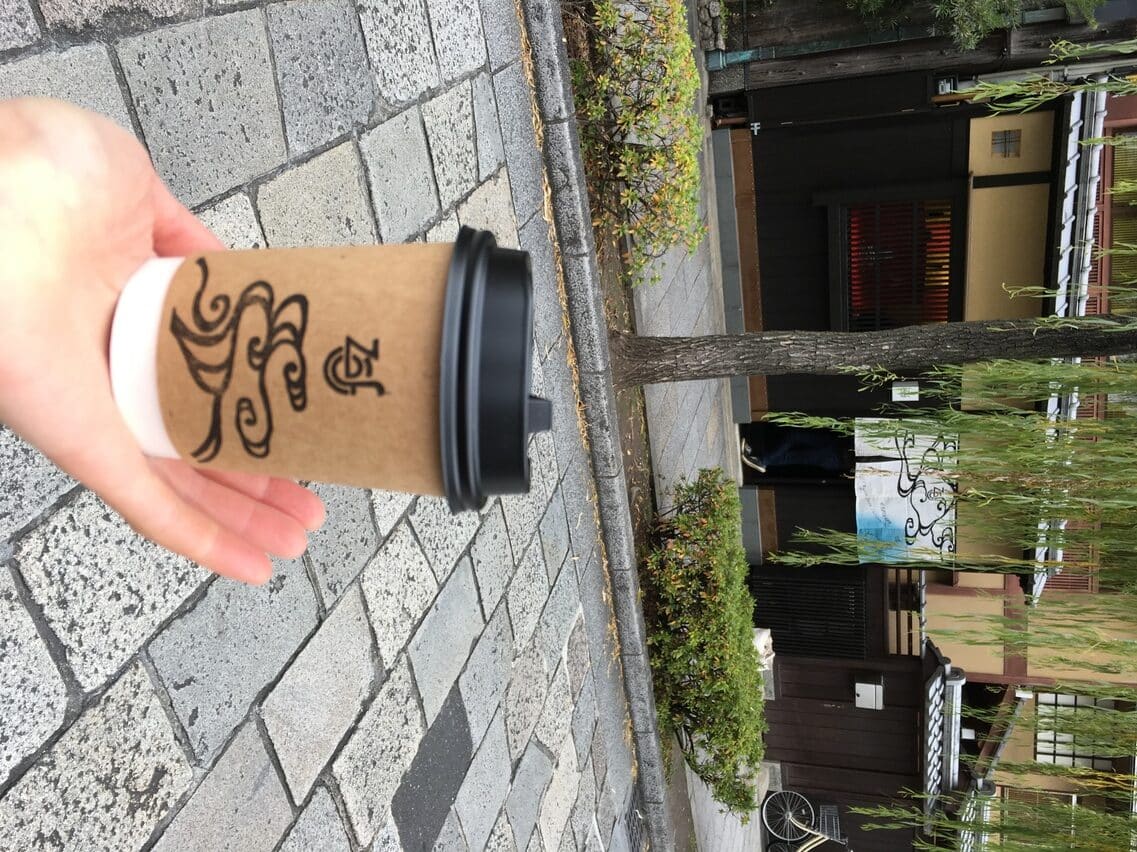
The stone-paved lane and weeping willows along the Shirakawa stream are among Kyoto’s most poetic streetscapes, and when the lanterns are lit at night it is a must-visit photo spot for photographers.
Many long-established ryotei and tea houses cluster nearby, and most accept only regulars on introduction, so ordinary travelers find it hard to book. Within walking distance of the Tatsumi Bridge area is the wagashi shop Gion Manju, founded in 1819 next to the Minamiza theater, where you can buy a piece of wagashi to eat as you stroll. The Shirakawa Tatsumi Bridge area is also a popular place to spot geisha, and it is prettiest around dusk.
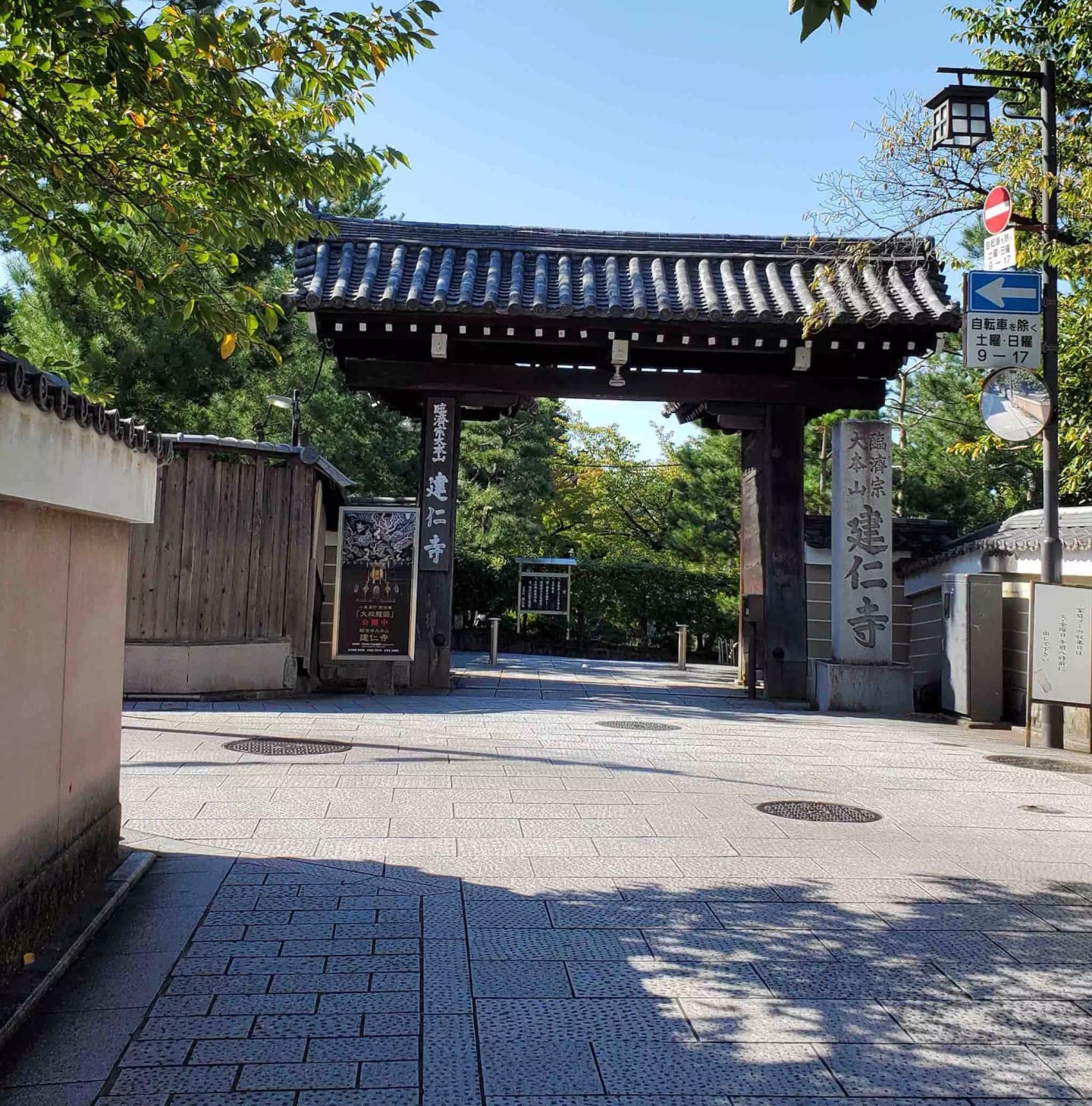
Kennin-ji Temple
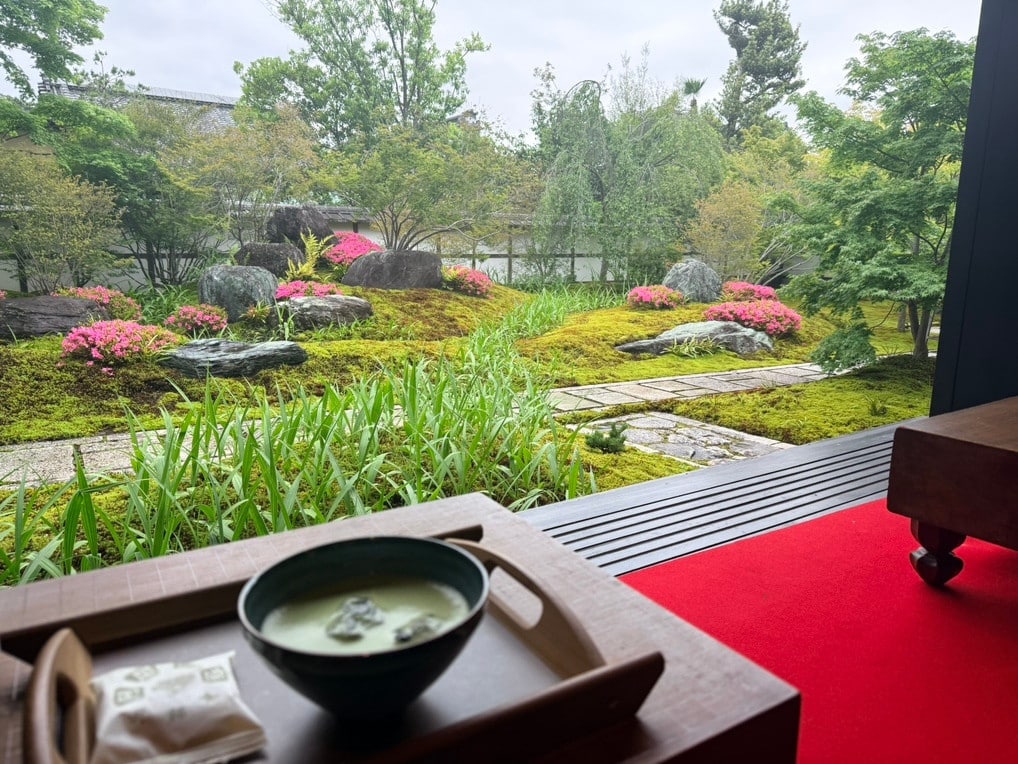
Kyoto’s oldest Zen temple, founded by the monk Eisai, famous for the “Twin Dragons” painting on the Dharma Hall ceiling. The main study hall displays a high-definition reproduction of Tawaraya Sotatsu’s “Wind God and Thunder God” screens (the original is kept at the Kyoto National Museum). It is one of the Kyoto Gozan, the five great Zen temples.
Open 10:00-17:00 (last entry 16:30), adult admission ¥800. The quiet gardens suit travelers who love Zen aesthetics and want to take their time.
Chion-in Temple
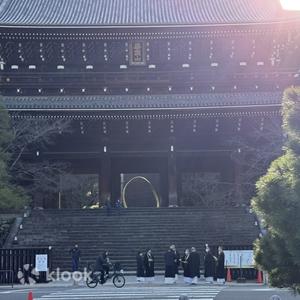
The head temple of the Jodo school, with Japan’s largest wooden temple gate, the “Sanmon,” and a great bell about 3.3 meters tall and weighing about 70 tons, counted with the bells of Hokoji and Todaiji as Japan’s three great bells.
Open 09:00-16:30 (last entry 16:00). Entry to the grounds is free (some special areas require a ticket), and the majestic scale of the Sanmon is striking.
Yasaka Koshindo
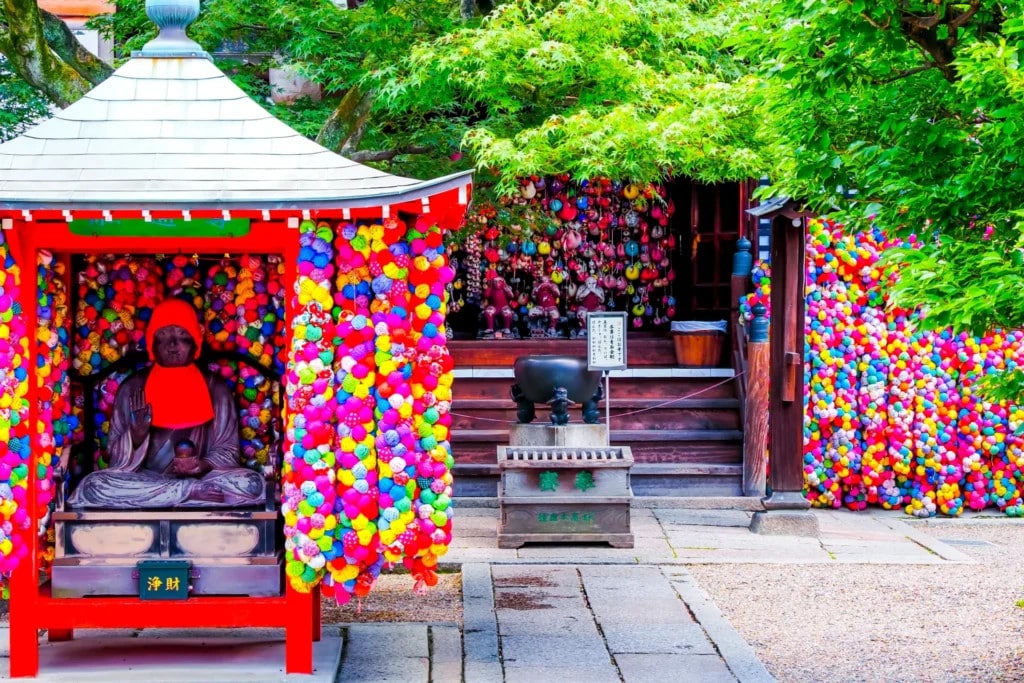
Officially named Kongoji Koshindo, it is one of Japan’s three great Koshin shrines and is known for its colorful “kukuri-zaru” (bound monkeys), whose tied hands and feet symbolize restraining desire.
Free to enter the grounds, open 09:00-17:00 (extended to 21:00 on Koshin days). The kukuri-zaru charms are all handmade and limited in number each day.
Shogunzuka
The Shorenin Shogunzuka Seiryuden on the summit of Higashiyama has a large stage overlooking the whole of Kyoto, with especially lovely night views and autumn leaf scenery.
Open 09:00-17:00 (last entry 16:30), adult admission ¥600. Plan 1 hour. It suits a stop on a night-view hiking route from Yasaka Shrine to Shogunzuka.
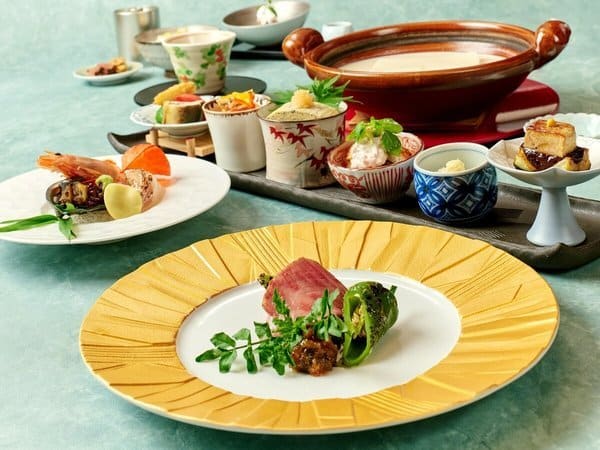
Gion Yorozuya
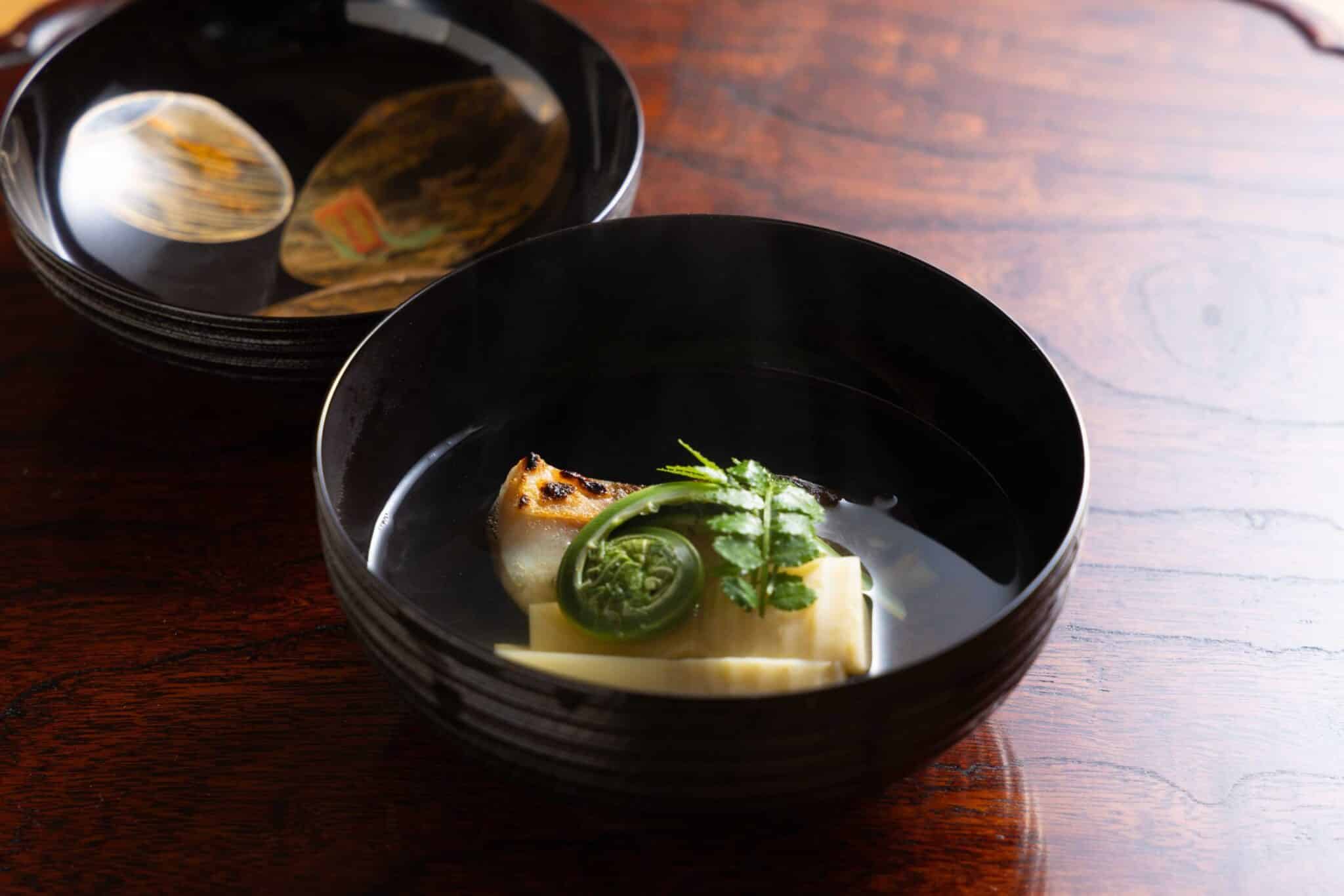
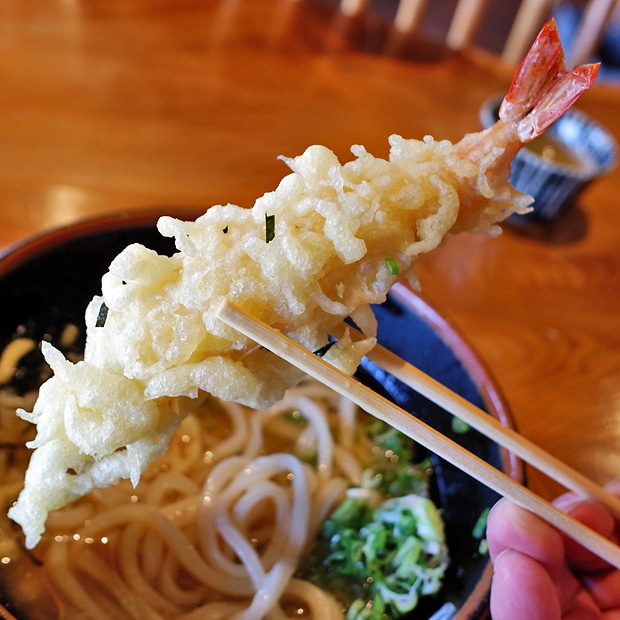
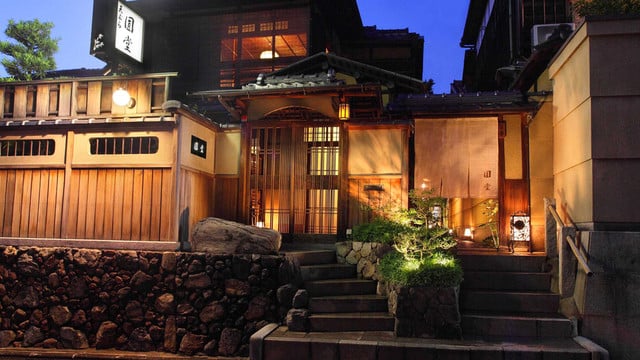
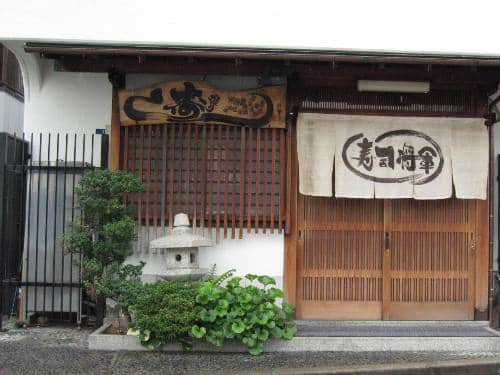
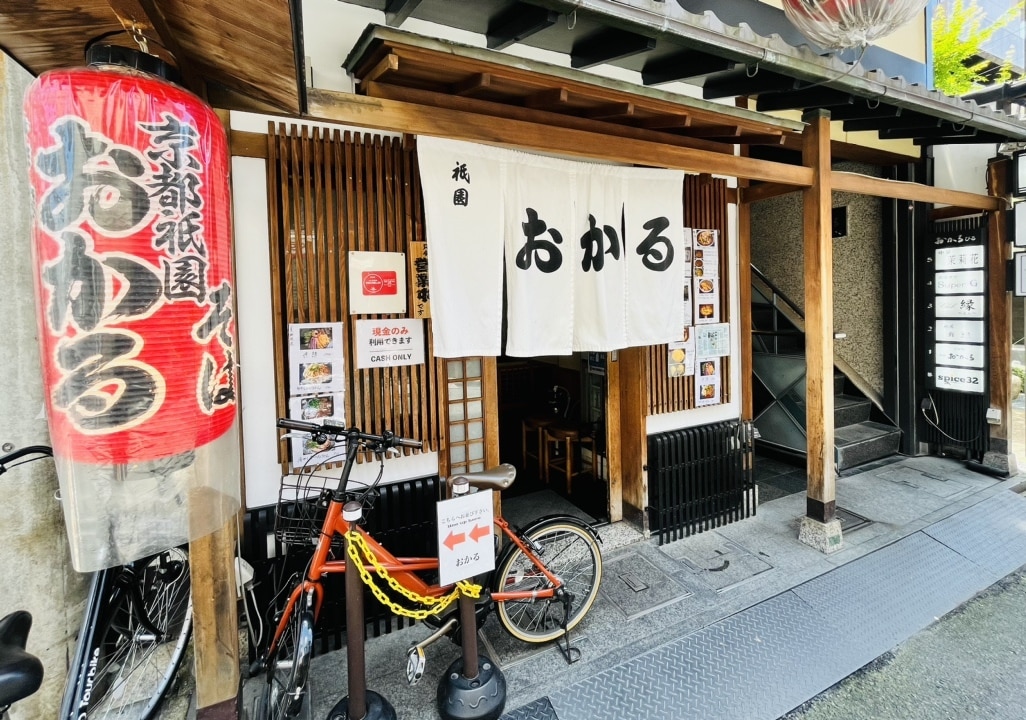
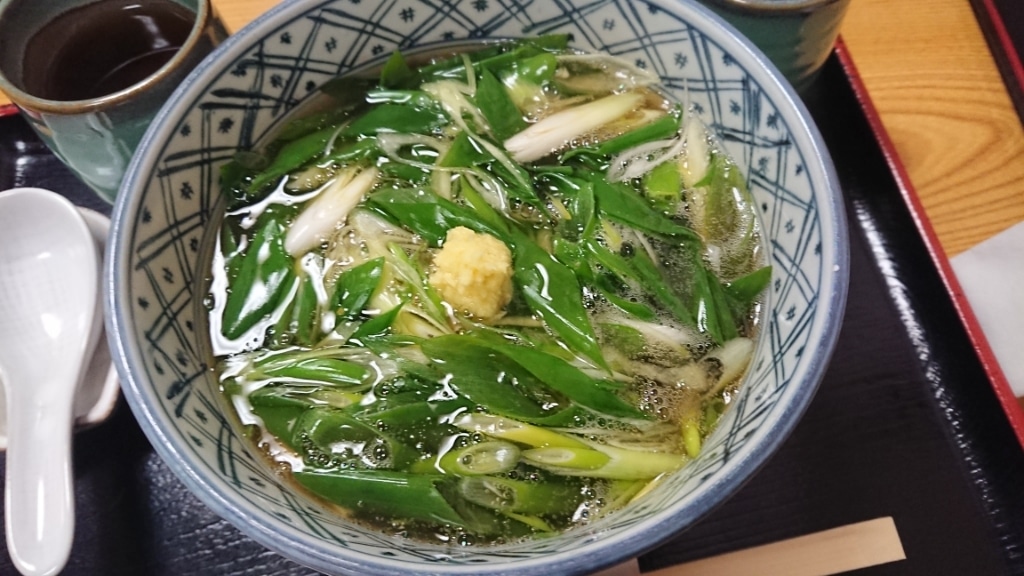
A long-established Kyoto-style udon shop in a Gion alley, recommended in the Michelin Guide Bib Gourmand. Its signature “negi udon” uses plenty of Kyoto Kujo green onion and ginger for aroma, with a light, sweet broth. Average prices at lunch and dinner are about ¥1,000-1,999, and geisha, maiko and locals love this alley favorite. Lunch 12:30 to 15:00, dinner 17:30 to 19:00, irregular days off.
The interior is quiet and elegant, suiting travelers who want everyday Kyoto-style noodles in a Gion alley. We suggest going early.
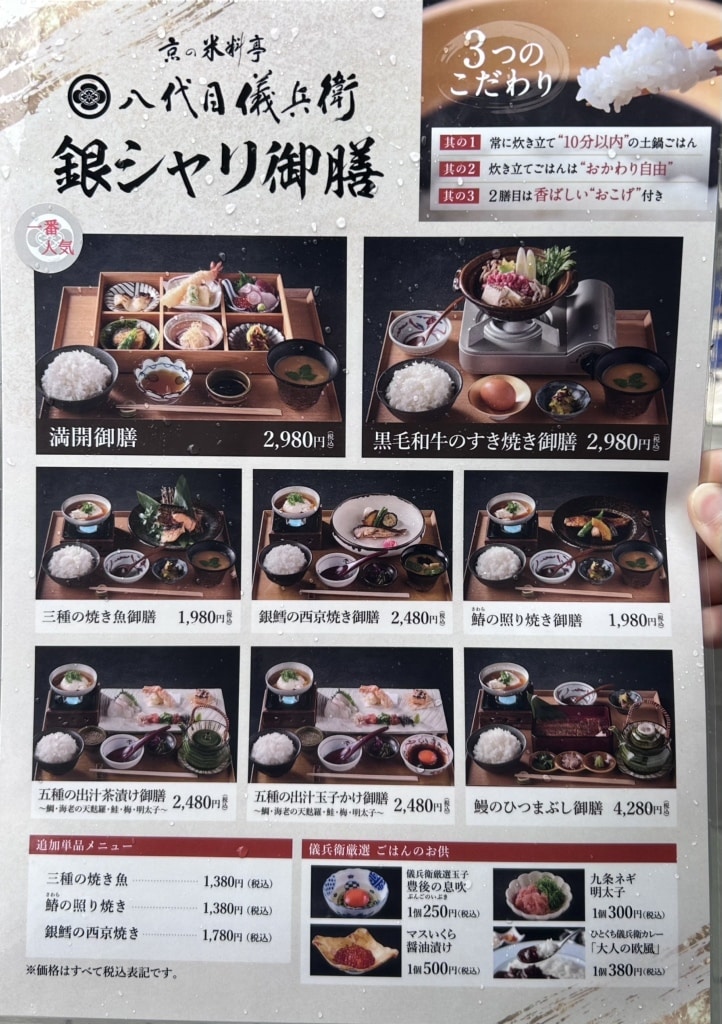
Kome Ryotei Hachidaime Gihei
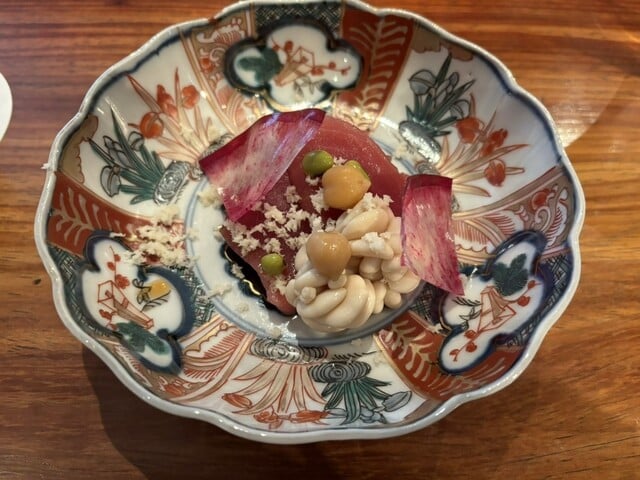
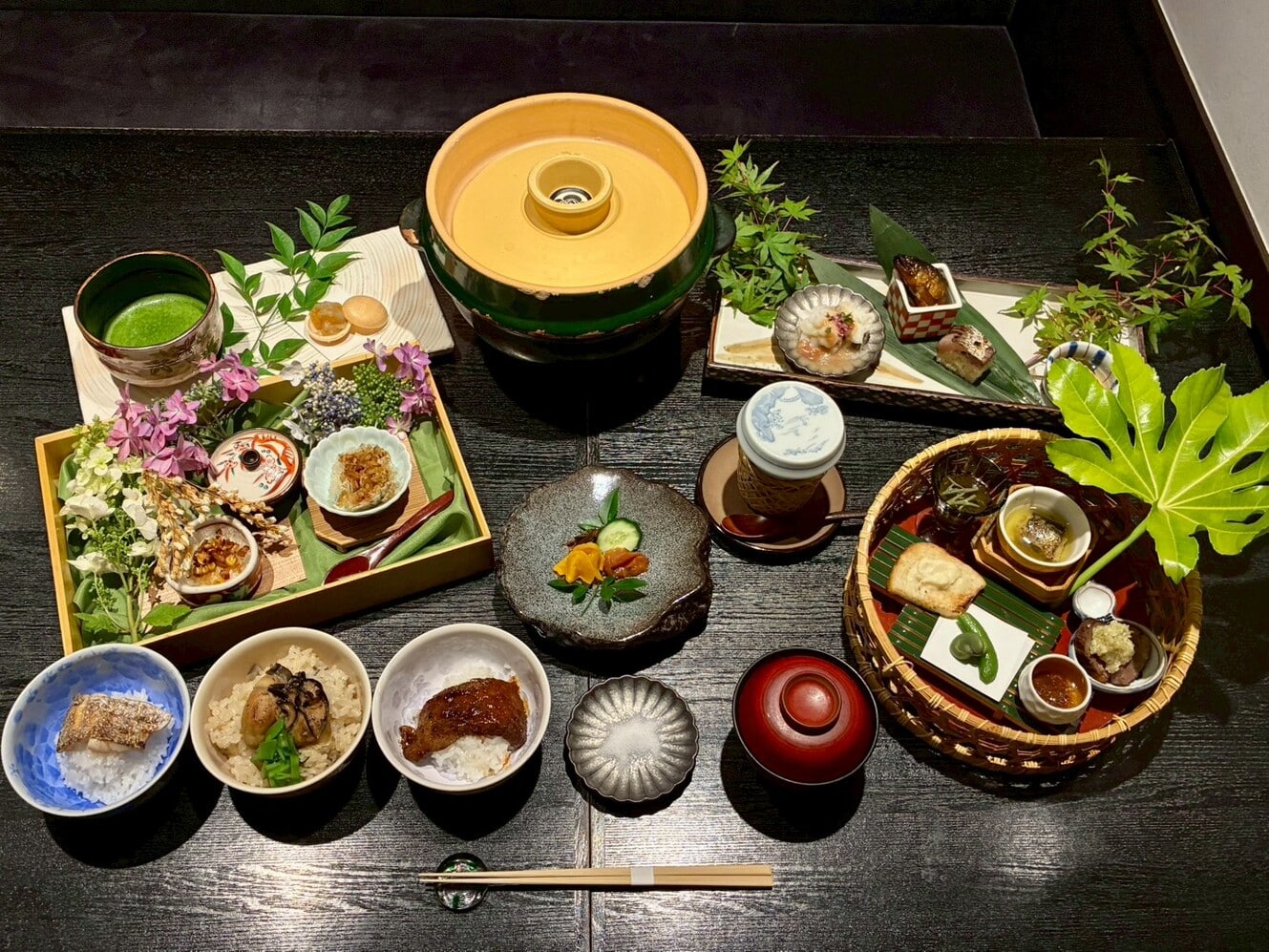
A distinctive restaurant built around carefully chosen Japanese rice with seasonal side dishes. Its signature is “ginshari” white rice cooked in a dedicated clay pot and served with seasonal sides, widely praised for its rich rice aroma.
The restaurant is on the north side of Gionmachi, about a 5-minute walk from Exit 7 of Keihan Gion-Shijo Station. Hours are lunch 11:00-14:30 and dinner 18:00-21:00, and the signature ginshari rice requires a reservation.
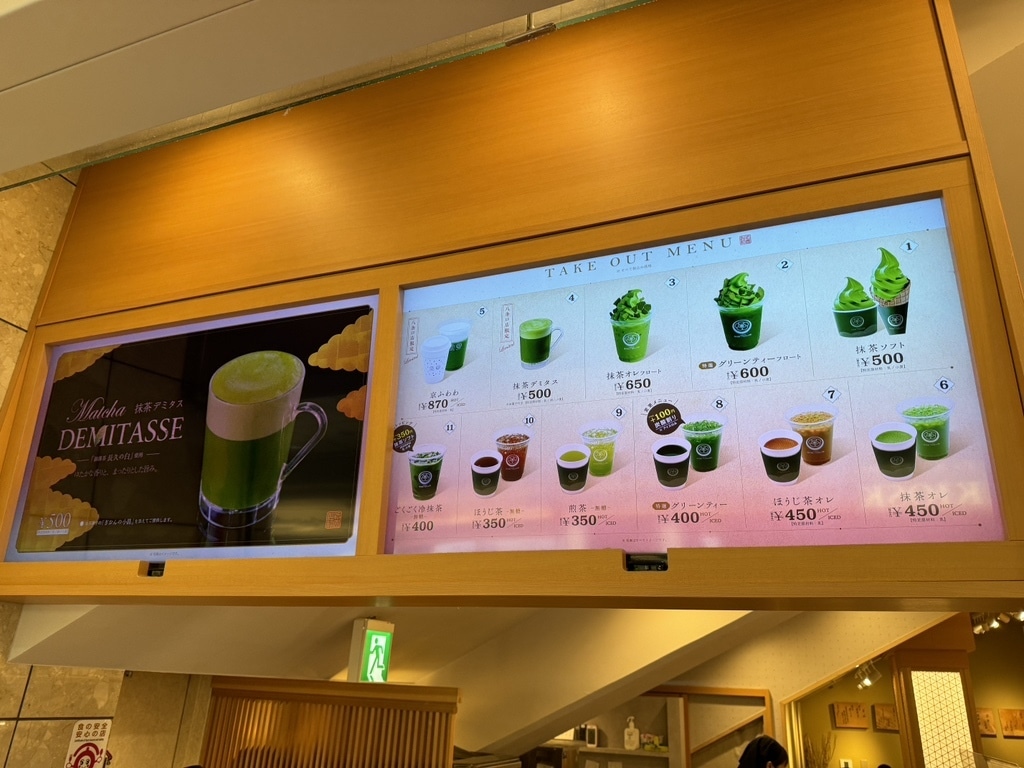
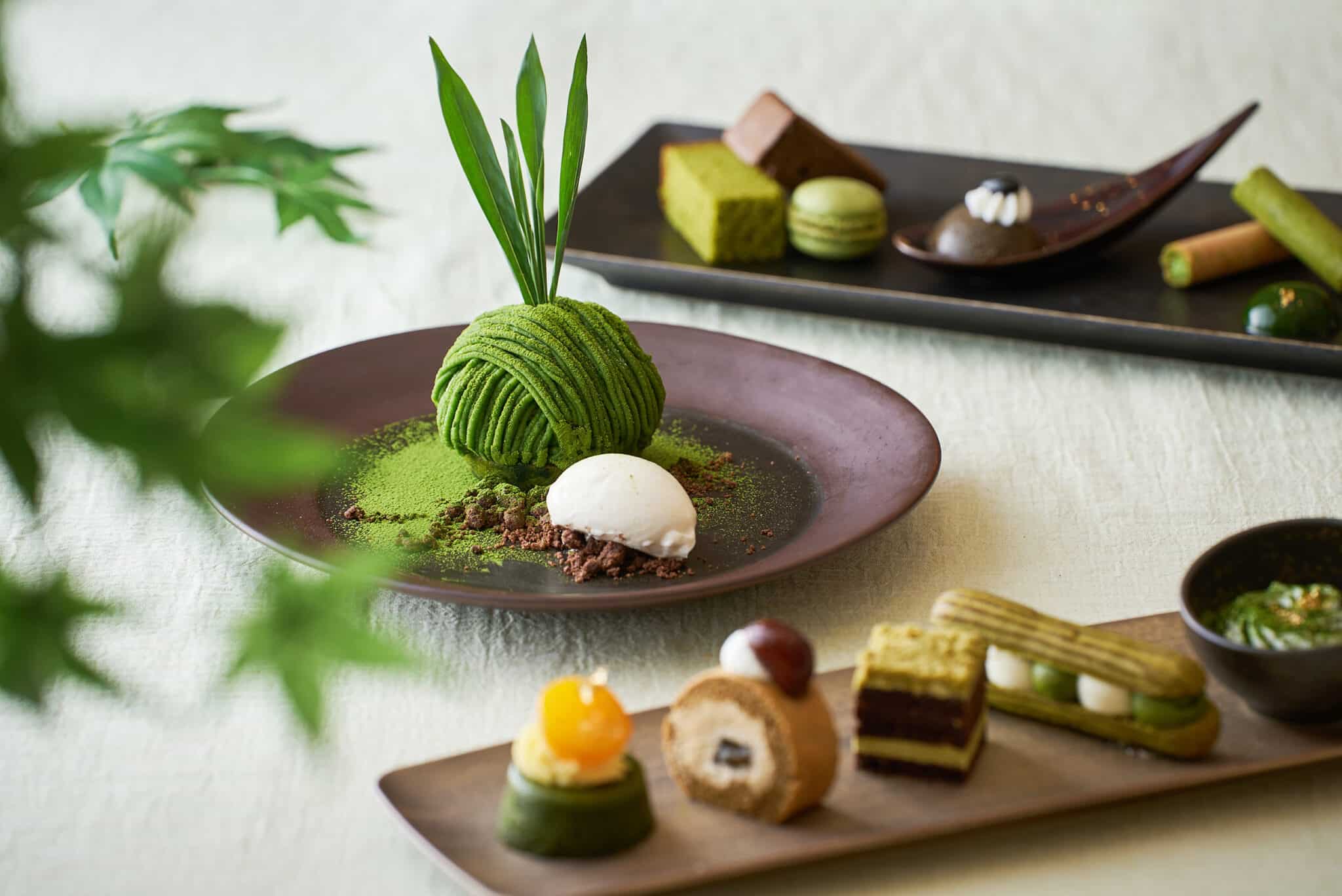
Gion Tsujiri
A century-old Kyoto matcha specialist whose signature matcha parfait and warabi-mochi are loved by travelers. The Gion main store is open 10:30-21:00, and the tea room Tsujiri on the 2nd and 3rd floors also serves matcha parfaits, making it the top pick for matcha sweets after exploring Gion.
The shop also sells matcha powder and matcha sweets as souvenirs, good for gifts or for yourself.
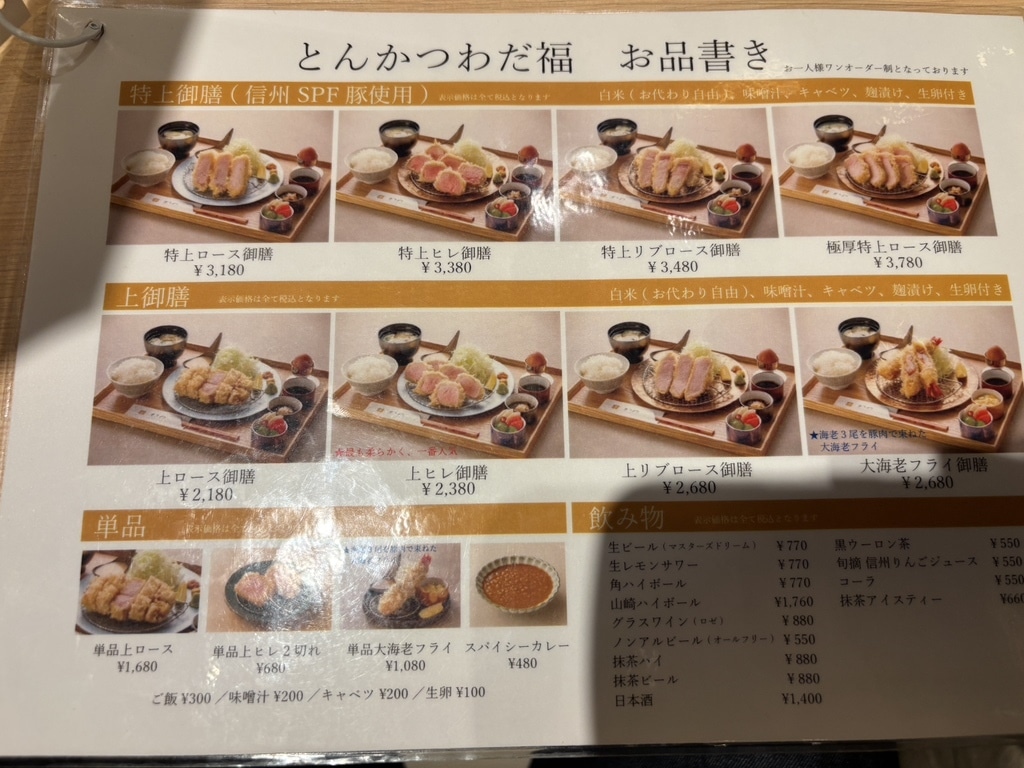
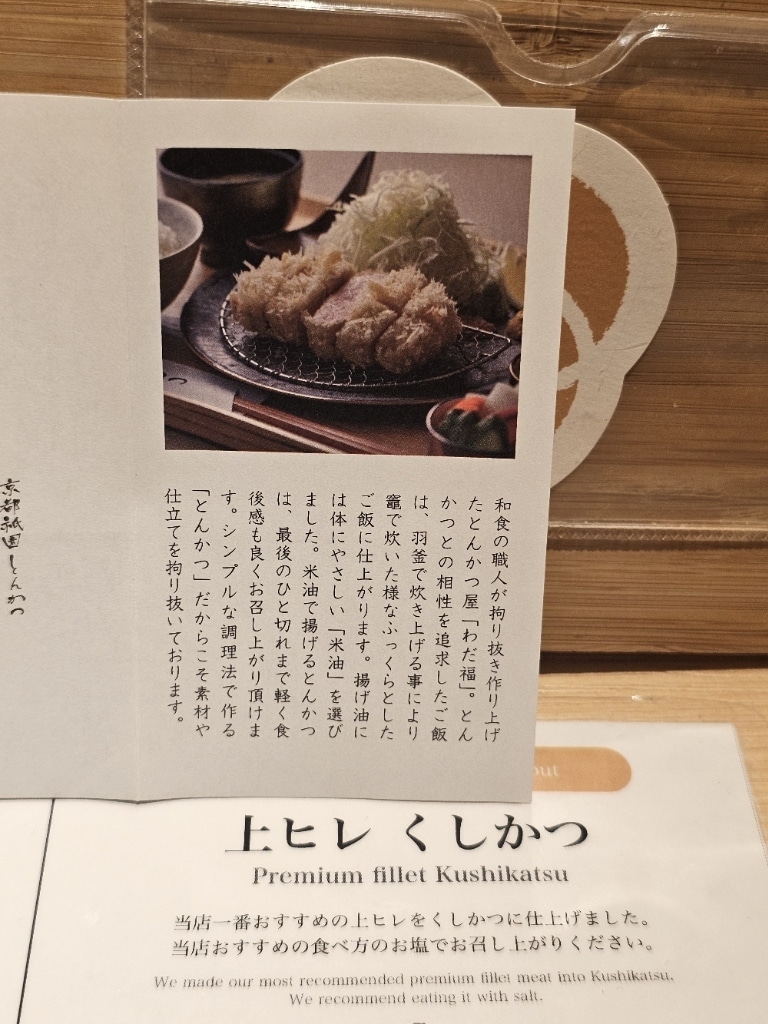
Kyoto Gion Tonkatsu Wadafuku
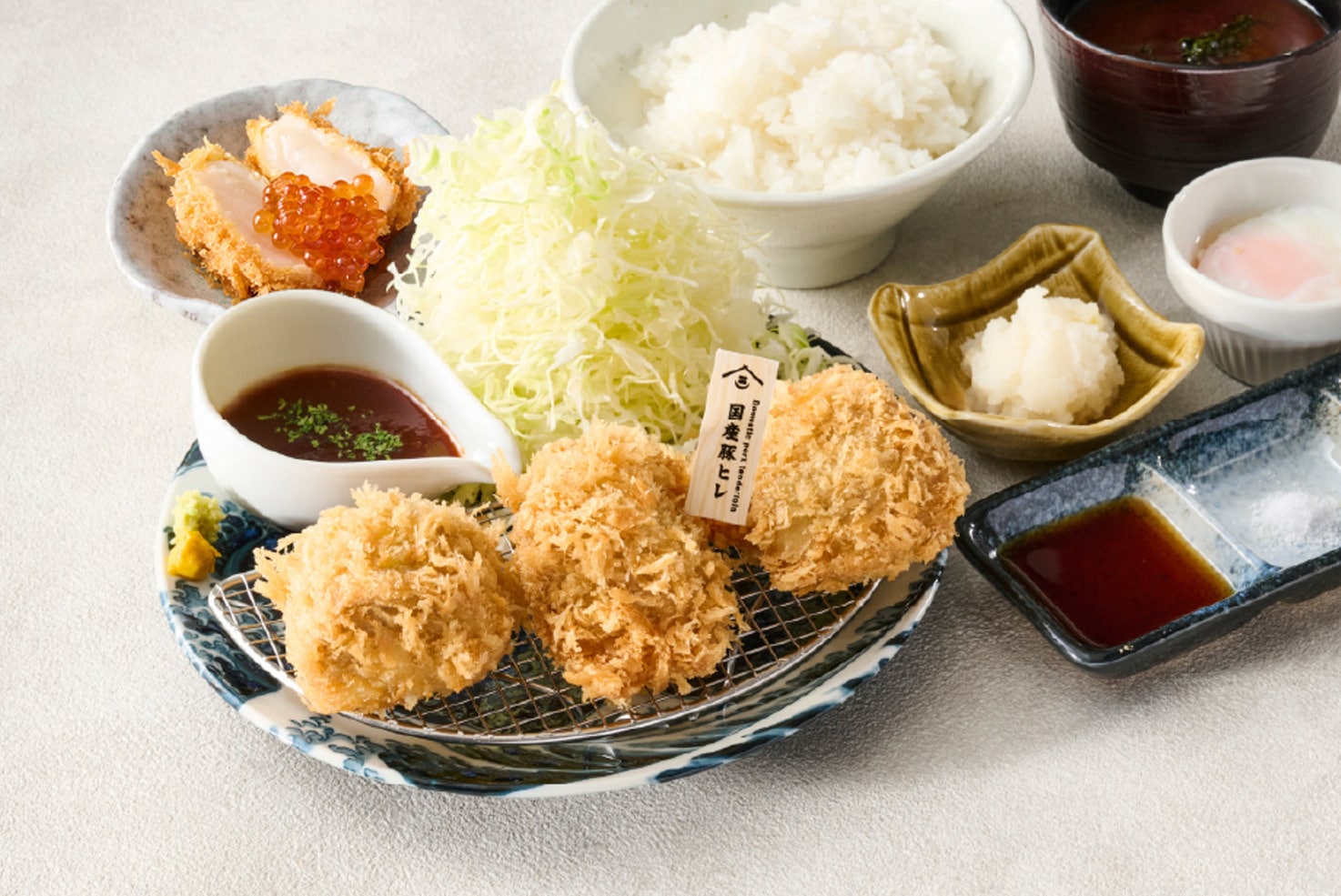
A popular tonkatsu specialist that began in Nagoya. It opened its Kyoto shop in front of Yasaka Shrine in April 2024 (its first in western Japan), serving tonkatsu with careful attention to ingredients and cooking.
On the north side of Gionmachi, about a 5-minute walk from Exit 7 of Keihan Gion-Shijo Station. The official site lists hours of 11:00 to last order 20:00, and we suggest avoiding the peak around noon.
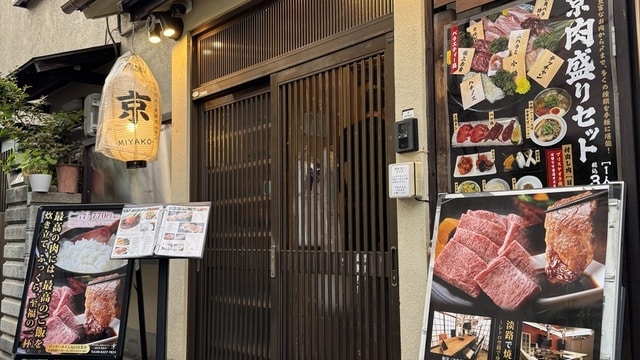
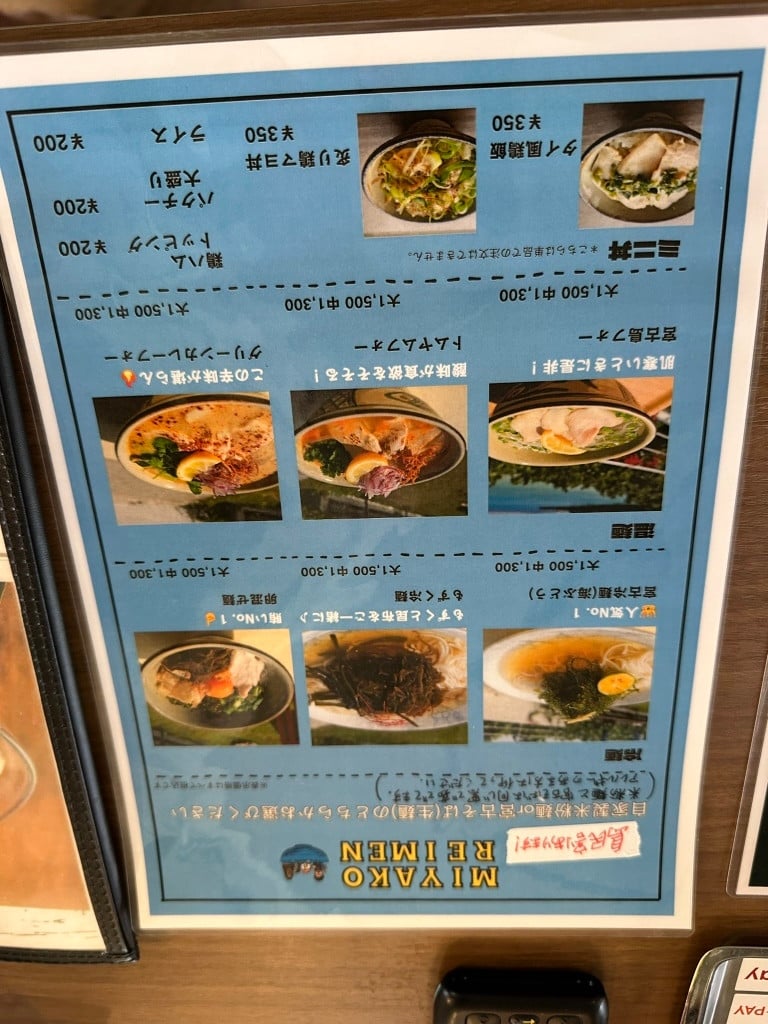
Ramen Miyako
Ramen Miyako Gion Main Store, on the north side of Gionmachi, serves ramen with a broth of chicken bones, pork bones and soy sauce and thin Kyoto-aged noodles. It is open 11:00 to 22:00, every day of the year.
At peak meal times we suggest arriving early or avoiding the rush, and you can also check the official site first for the latest shop information.
Gion Kitagawa Hanbei
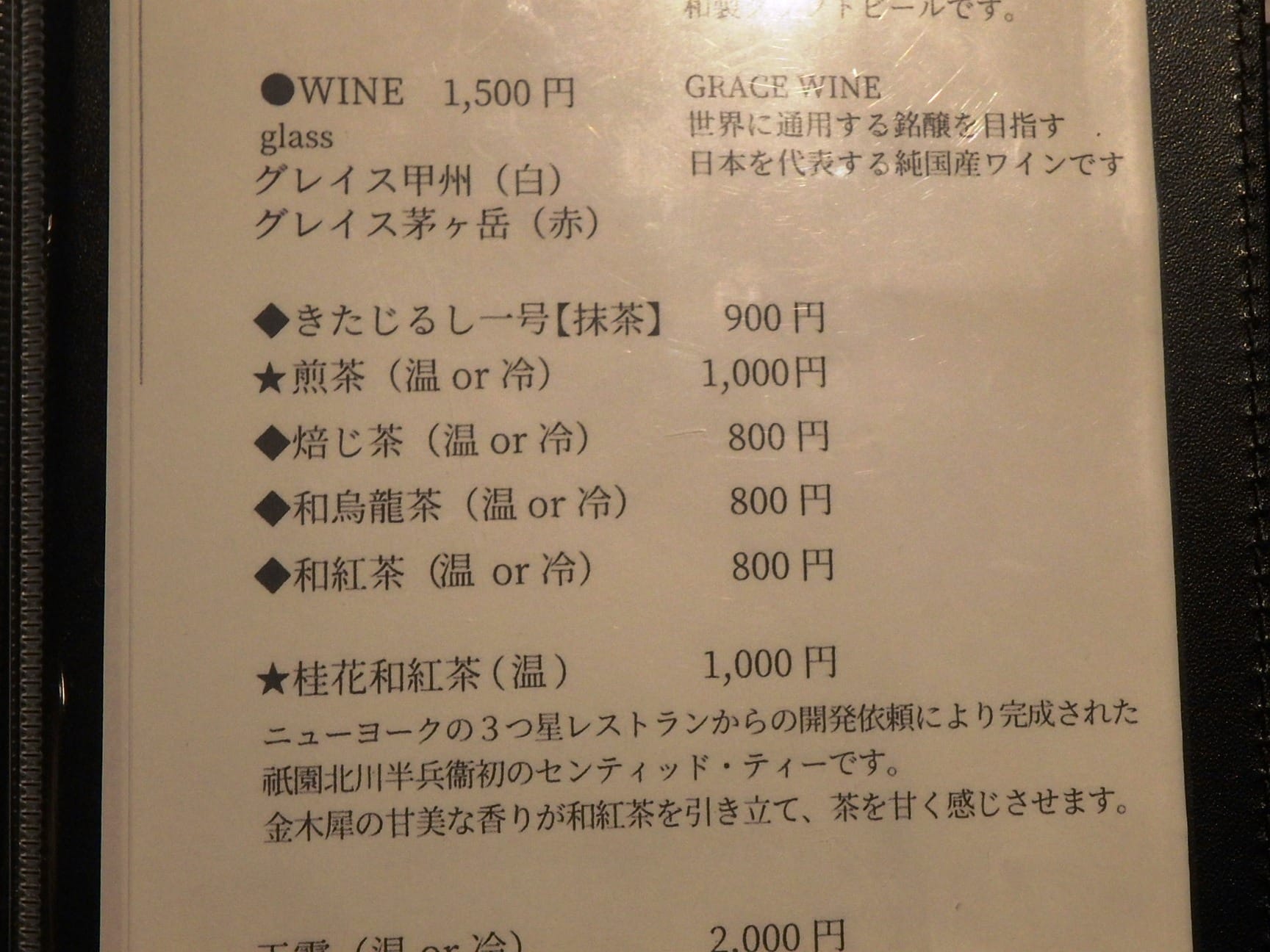
A Japanese tea cafe opened in Gion in 2018 by the Uji tea wholesaler Kitagawa Hanbei Shoten, founded in 1861, known for its matcha sweets and Japanese teas. Hours are 11:00-18:00 (last order 17:30) on weekdays and 11:00-20:00 (last order 19:30) on weekends.
The interior is elegant and quiet, and several tea leaf souvenirs are sold, making it a fine choice for gifts or for yourself.
What Experiences and Nearby Routes Go with Yasaka Shrine? Kimono, Routes and Hotel Picks

Beyond simply worshipping, the Gion area around Yasaka Shrine has many experiences that can enrich your trip: kimono dress-up, night strolls, routes linking nearby sights, and nearby places to stay. Whether you want photos with Kyoto charm or a deeper understanding of Higashiyama’s history and culture, planned tours and services can make the Yasaka Shrine trip more complete and memorable. Below are the four most popular experiences and ways to plan, with practical price and time information.
Gion Kimono Dress-Up Experience
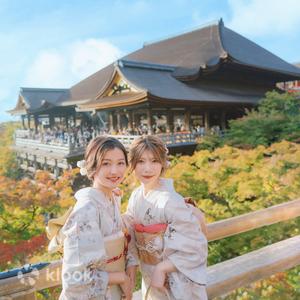
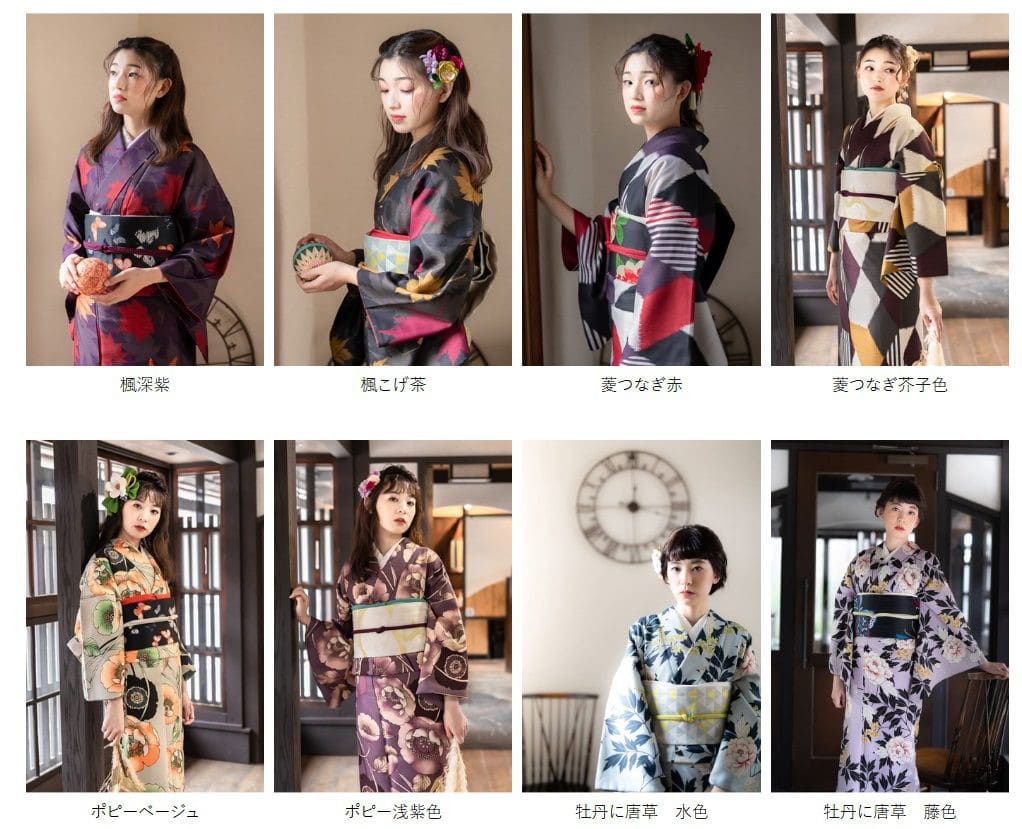
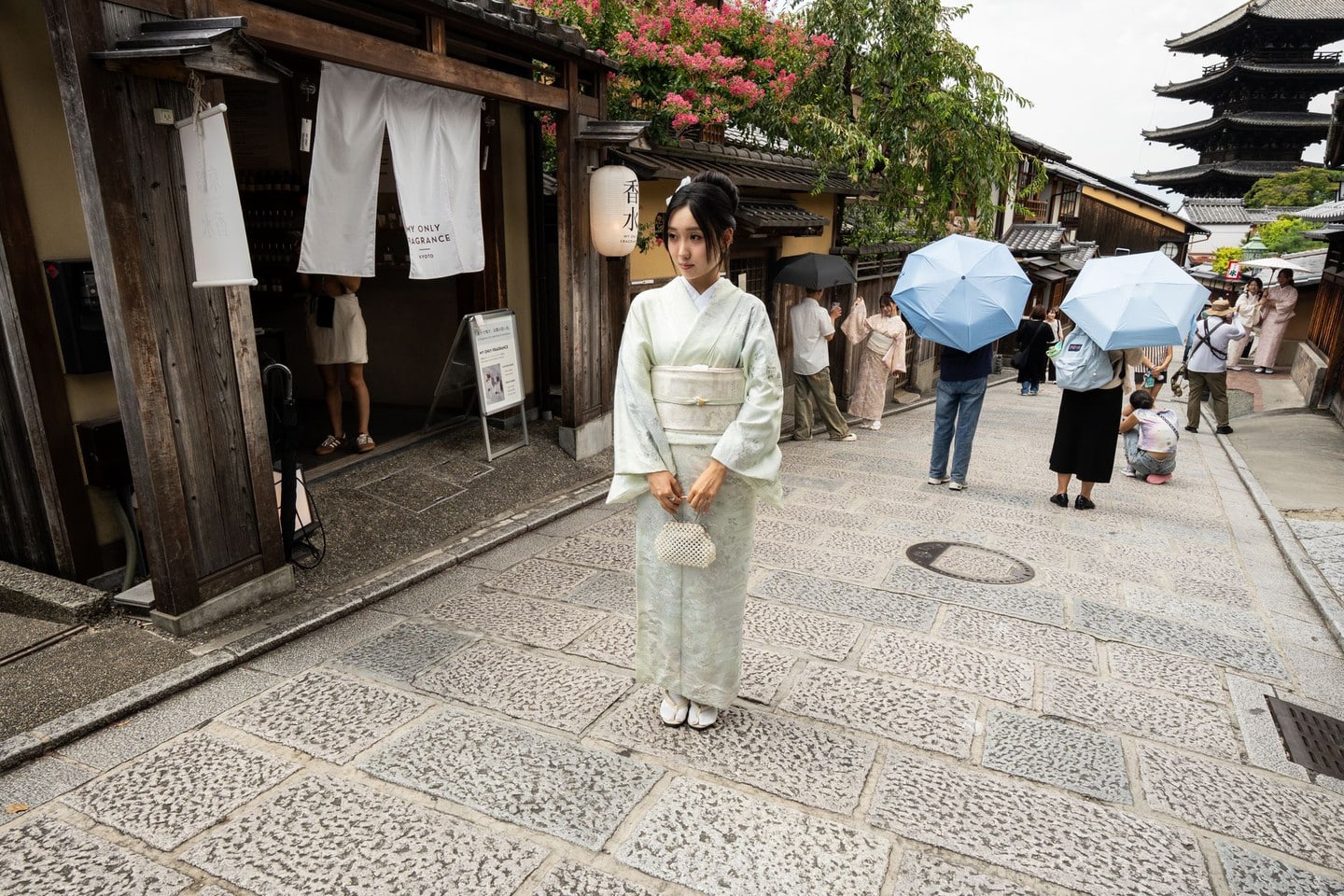
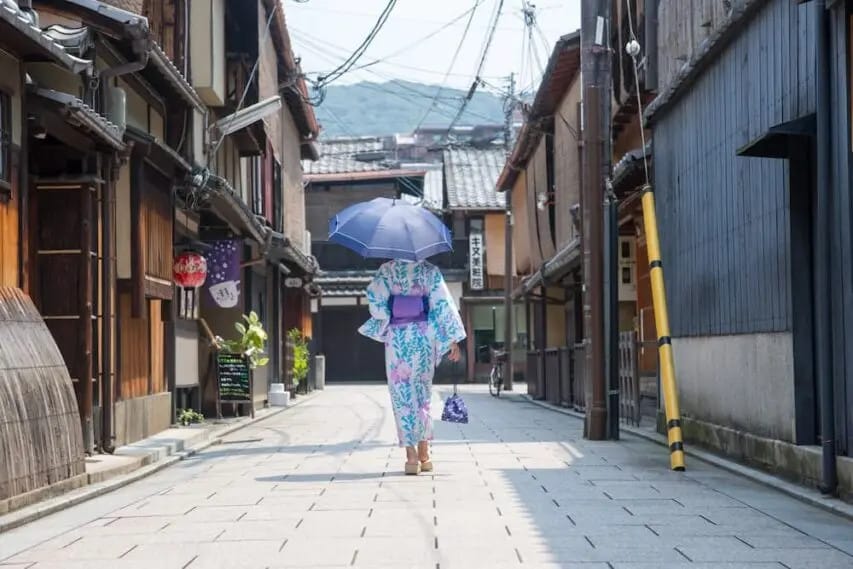
Rental Kimono Okamoto, founded 190 years ago, is on Hanamikoji next to Yasaka Shrine, only a 3-minute walk away. Actual prices are as shown on the booking platform on the day and vary by style. We suggest booking through KKday or Klook to avoid queues on site. The rental process includes choosing fabric, dressing, hairstyling and accessories, taking about 40-60 minutes. Most shops want the kimono back before 6 p.m. and can store luggage, so you can visit Yasaka Shrine, Hanamikoji, Ninenzaka and Sannenzaka. We recommend 9-11 a.m., when it is less crowded and the light is good, especially for photos in front of the vermilion West Gate, which is even more poetic in cherry blossom and autumn leaf seasons.
(Ookini和服租賃八坂神社袛園店)-Klook.jpg)
Gion and Higashiyama Historic Half-Day Walking Tour
This 3-4 hour half-day tour starts at Yasaka Shrine and passes Hanamikoji, Kennin-ji, Ninenzaka and Sannenzaka, ending at Kiyomizu-dera. It suits travelers who like casual photography and a deep experience of Kyoto’s traditional districts. Some tours have Chinese-language guides, and actual prices are as shown on the booking platform on the day. Highlights include strolling past Edo- and Meiji-era buildings and visiting converted tea houses, souvenir shops and ceramic workshops. The guide explains the Gion Matsuri at Yasaka Shrine and introduces the dry landscape garden at Kennin-ji. The route has many stone-paved slopes and steps, so wear comfortable shoes. Going on your own also works, but Kiyomizu-dera is crowded on weekends and in autumn leaf season, so we suggest weekdays or early morning.
Gion Night Illumination and Food Tour
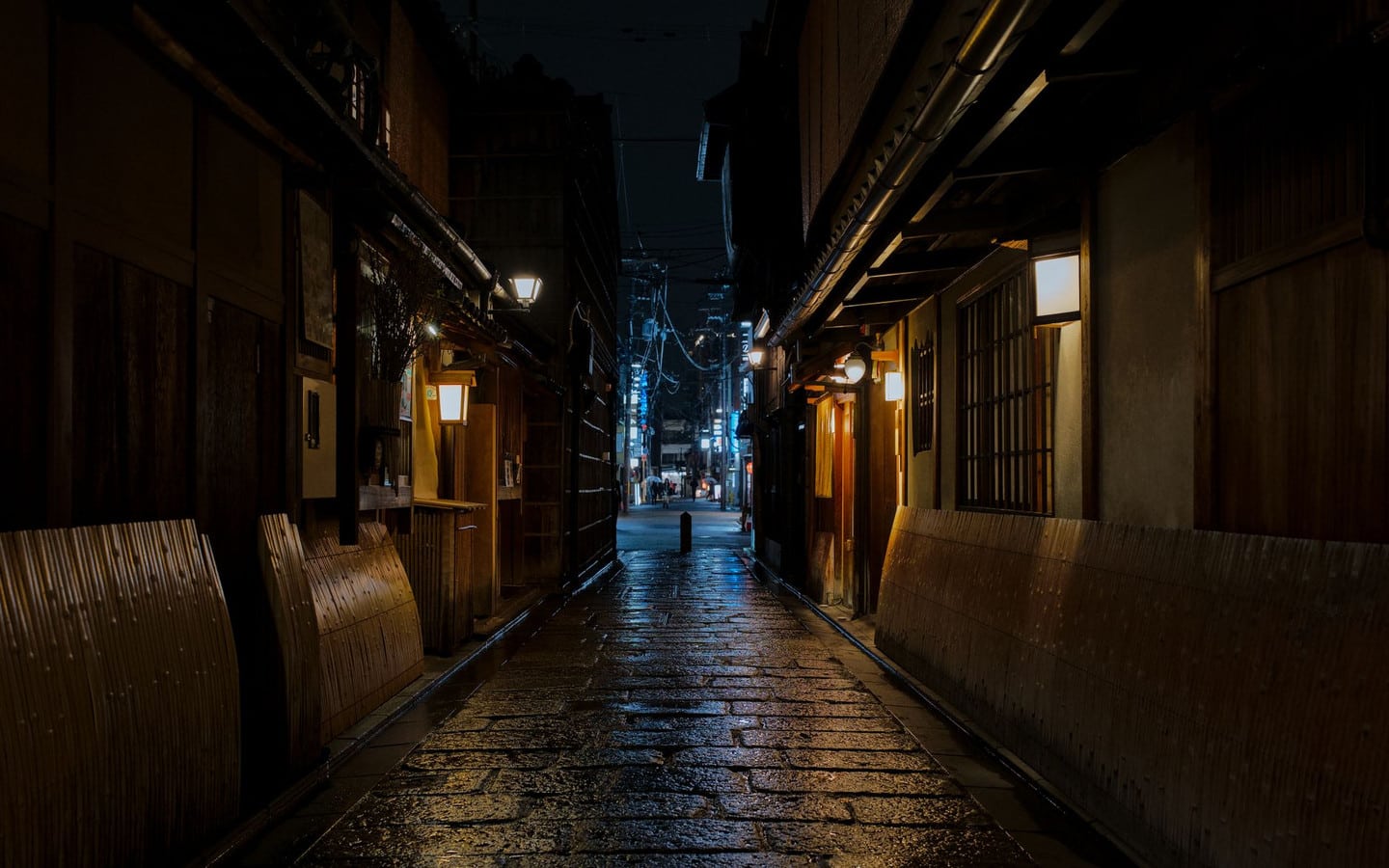
Visit Yasaka Shrine at night, when warm light illuminates the main hall and stone lanterns. Join a “Gion night walk plus food” tour (about 2.5 hours; actual prices are as shown on the booking platform on the day) to experience an evening shrine visit, a Hanamikoji stroll and an izakaya dinner, with local food included.
Tour content, meeting points and meals vary by travel agency, so please go by the information published on the booking page.
The Yasaka Shrine main hall and approach are free and open, and no ticket is needed for a night visit. We suggest going between 7 and 9 p.m., when the lights are on and crowds are thinner, for a better experience.
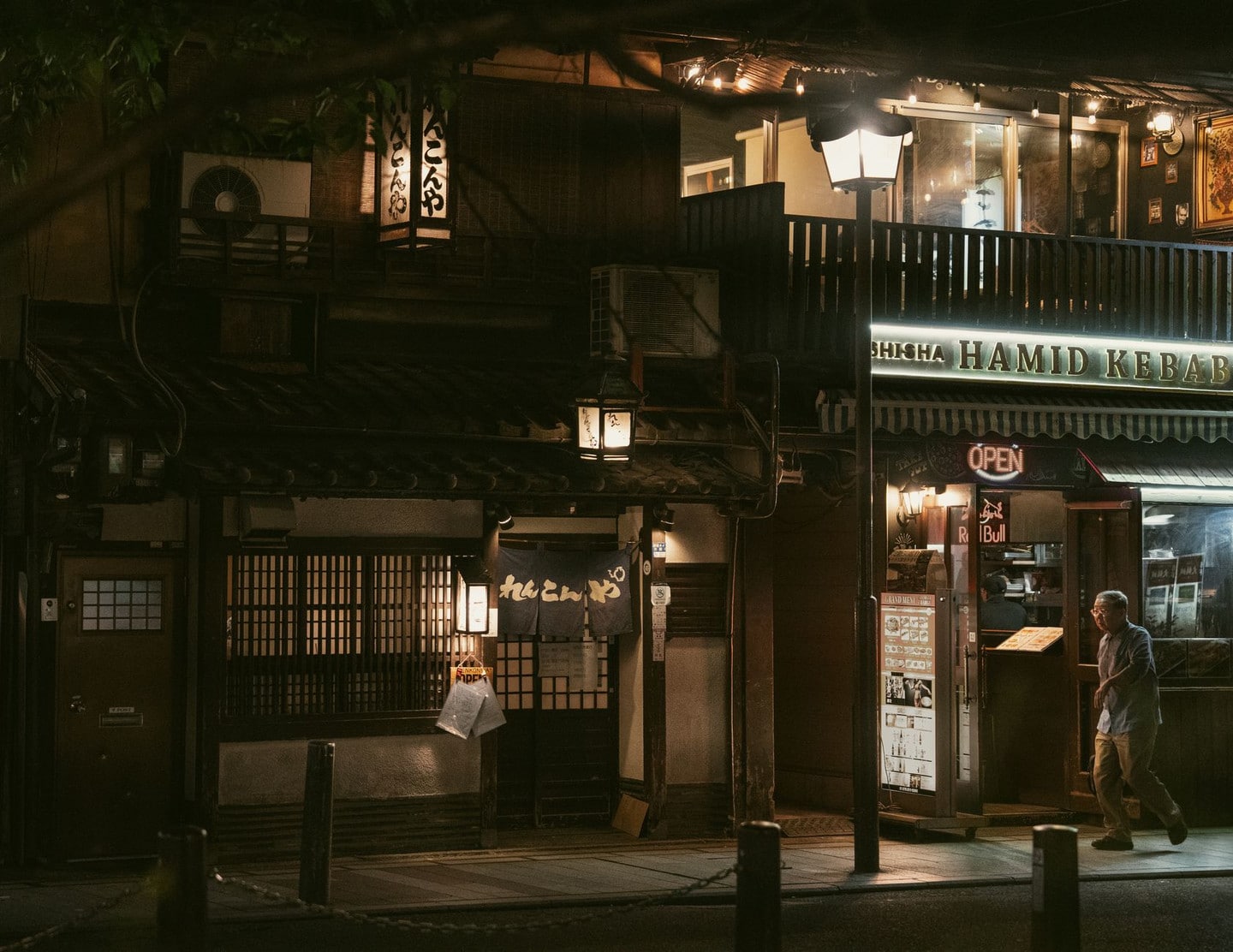
Where to Stay Near Gion: Kyo-machiya and Traditional Inns
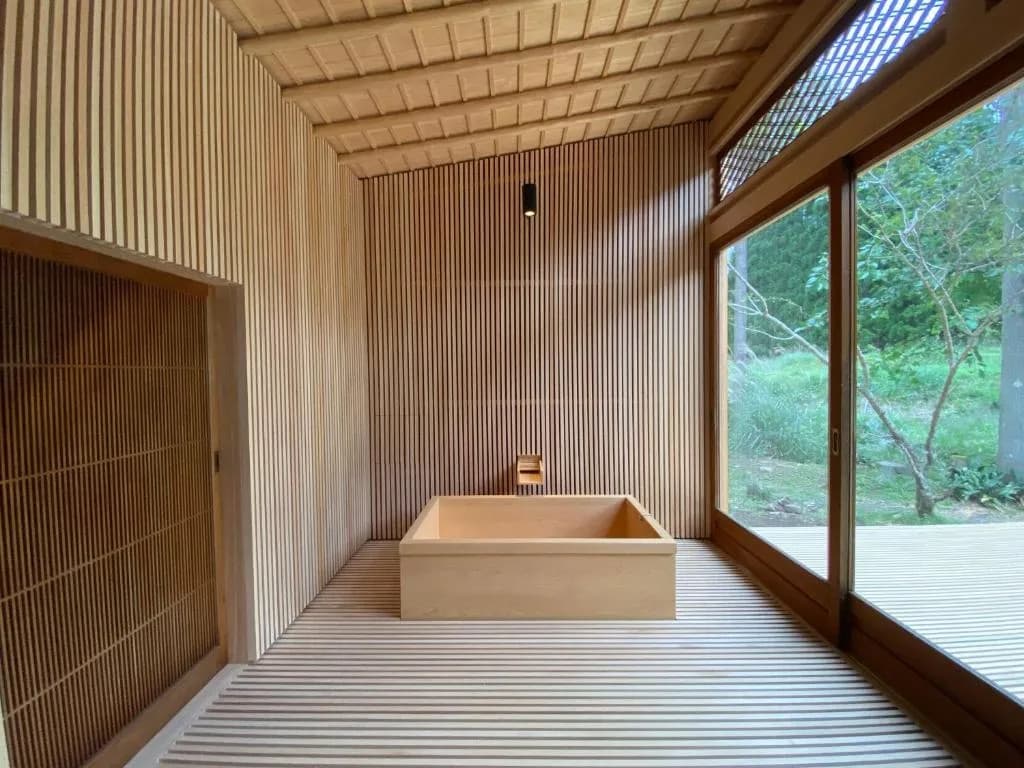
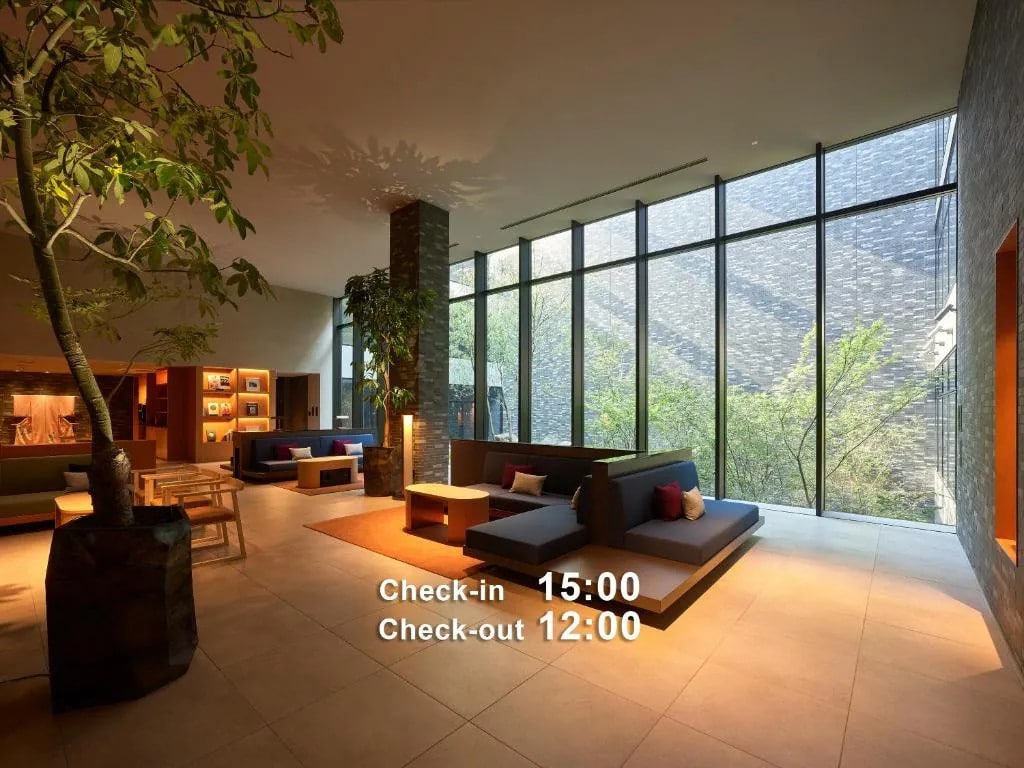
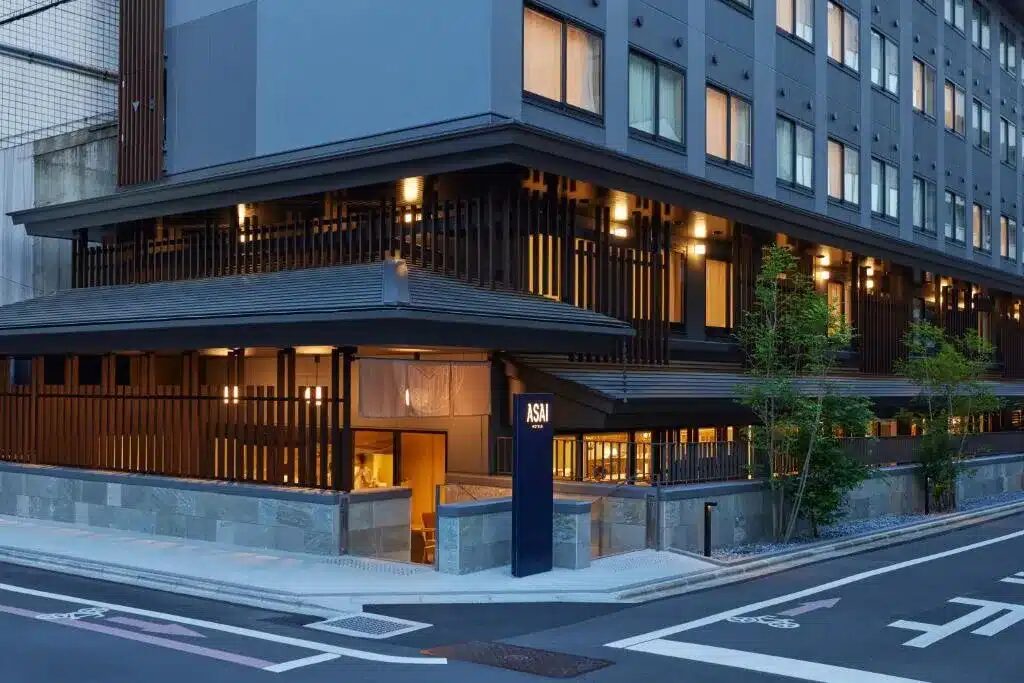
To experience Gion in depth, stay along Shijo-dori, Hanamikoji or Miyagawacho, near Yasaka Shrine. Boutique inns converted from century-old machiya do not publish rack rates on their official websites, so please check booking platforms, and we suggest booking early through a booking site. Staying here lets you avoid crowds, experience the quiet of the shrine in early morning and late at night, and enjoy a Kyoto-cuisine breakfast and tatami rooms.
For those on a tight budget, the Shijo-Kawaramachi and Gion-Shijo Station areas have mid-range business hotels and capsule hotels; official websites do not publish rack rates, so please check booking platforms. Transport is convenient, close to the Keihan Main Line and Hankyu Kyoto Line, making it easy to reach Kiyomizu-dera, Arashiyama and other sights.
FAQ
Q: How much is admission to Yasaka Shrine?
Entry to Yasaka Shrine’s grounds is free all year and no ticket is needed. Only the omamori and goshuin at the amulet office cost extra. The grounds are open 24 hours, and the amulet office is open 09:00 to 17:00.
Q: What is the most convenient way to get to Yasaka Shrine?
Take the Keihan Railway to Gion-Shijo Station and use Exit 6, about a 5-minute walk. From Hankyu Kyoto-Kawaramachi Station it is about 8 minutes on foot, and from JR Kyoto Station you can take city bus No. 100 or 206 to the Gion stop.
Q: Until what time is Yasaka Shrine open?
The grounds are open 24 hours and the amulet office is open 09:00 to 17:00. Handwritten goshuin are accepted only until 16:00, and after that only paper copies are available, so we suggest arriving before 16:00.
Q: When is the best time to visit Yasaka Shrine and avoid the crowds?
We suggest early morning or after the night illuminations come on, which avoids the tour-group peak and lets you enjoy the quiet atmosphere and the lantern-lit night views. It is more crowded during the Gion Matsuri in July.
Q: In which month is the Gion Matsuri held?
The Gion Matsuri is held every July, with the Yoiyama evenings and the Yamahoko parade as the highlights. The mikoshi procession takes place on the nights of July 17 and 24, when Yasaka Shrine’s three mikoshi go to the Shijo otabisho and return a week later.
Q: What etiquette should I follow when visiting Gion?
Please do not enter Hanamikoji’s private lanes or force photos of geisha, keep the streets clean and respect local residents’ daily life. When worshipping at a shrine, follow the order of two bows, two claps, one bow.
Q: Is Yasaka Shrine suitable for a day trip?
Very much so. You can plan a Yasaka Shrine to Kiyomizu-dera route or a Yasaka Shrine to Shogunzuka route, linking nearby sights and food in one trip.