
Aomori Nebuta Festival Guide: The Only One of Tohoku’s Three Great Festivals You Can Join and Dance In
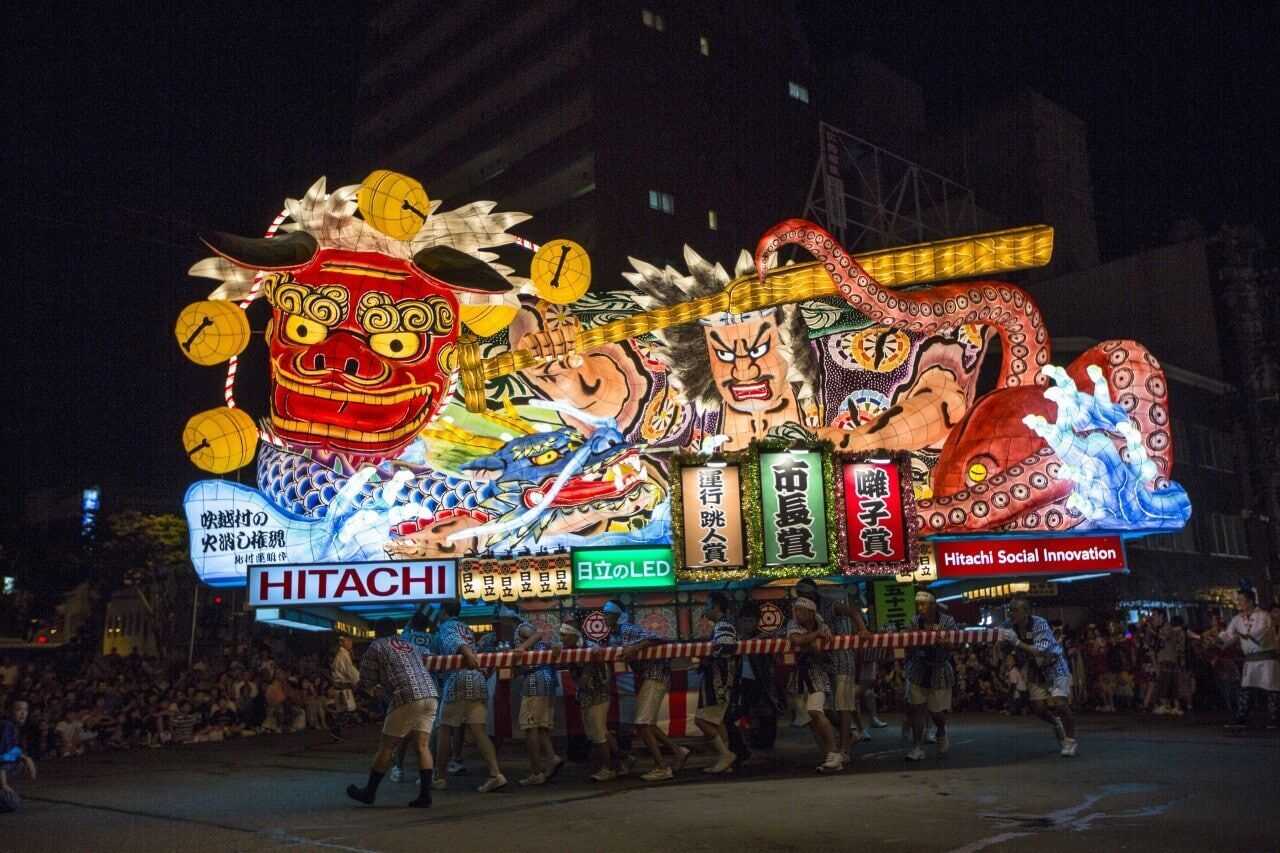
The Aomori Nebuta Festival (青森ねぶた祭) is held every year from August 2 to August 7 in downtown Aomori City and is one of Tohoku’s three great festivals. The stars are the giant lantern floats made of bamboo frames and washi paper and lit from inside, with themes mostly drawn from kabuki, warrior legends and mythology. A single float often stands several meters tall, and the overwhelming presence of one rolling out of the darkness at night is something photos cannot capture.
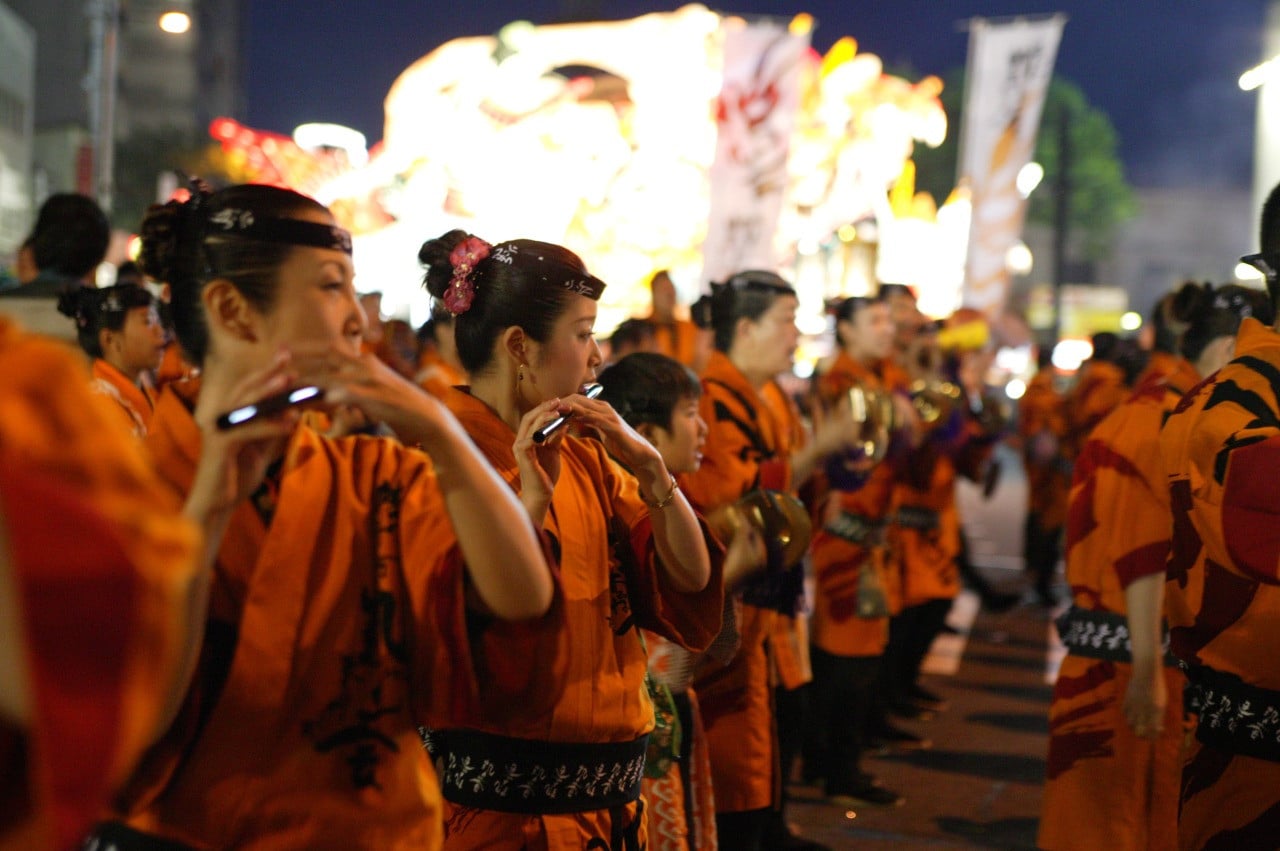
What sets it apart from most festivals is the role of the audience. The Nebuta procession includes large numbers of participants in a specific costume, dancing and shouting “Rassera!”, known as haneto (ハネト). This role needs no registration and no local status: anyone who rents or buys an authentic haneto costume in Aomori City and wears it correctly can walk straight into the procession before the parade starts. This is a rare design in all of Japan.
There are three keys to planning: the dates are fixed, so you can book transport and lodging half a year ahead; the parade format and start time differ every day, and August 7 combines a daytime parade with an evening sea parade and fireworks; and paid viewing seats are all reserved seats with no unreserved seating, so if you want to sit you have to grab tickets early. This article lays all of that out at once. Ticket prices and schedules in the text are those announced for 2026. The 2026 festival ended on August 7, so for the next edition’s prices, sales dates and parade times, please follow the announcements on the official Aomori Nebuta Festival website (nebuta.jp).
Aomori Nebuta Festival Transport Guide: How to Get There and What to Expect During the Festival
Transport during the festival is completely different from usual, so let us cover that first.
How to Get to Aomori: Tohoku Shinkansen to Shin-Aomori, Then One Stop
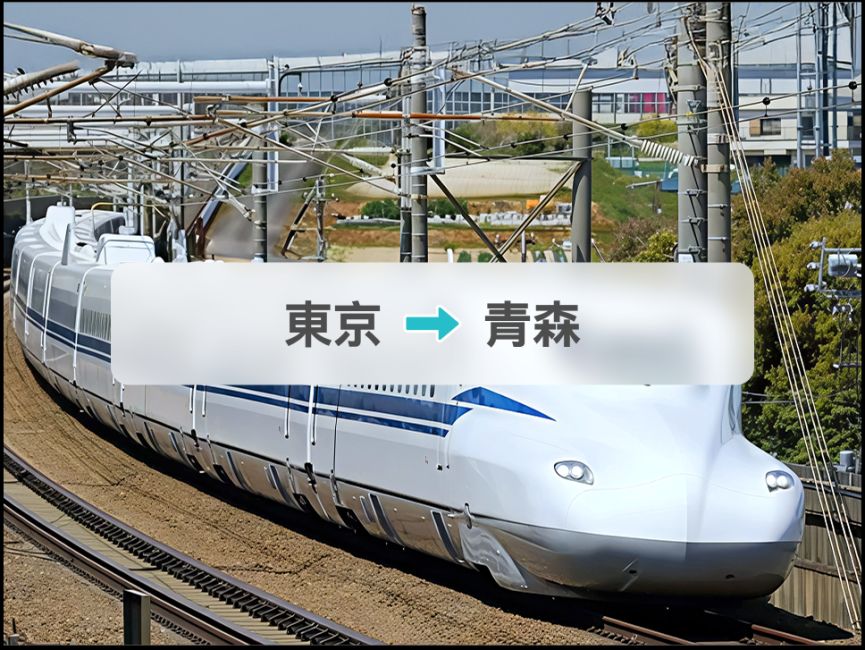
From Tokyo, take the Tohoku Shinkansen to Shin-Aomori Station, then transfer to the JR Ou Line for one stop to Aomori Station. The main parade routes are on the downtown streets around Aomori Station and are reachable on foot. From Sendai you can also take the Tohoku Shinkansen directly.
You can also fly to Aomori Airport and take the airport bus into the city. Reserved seats on the Shinkansen are in demand during the festival, especially from August 4 to 7, so we suggest reserving as soon as bookings open. Train times and fares follow JR East announcements. Return trains late at night after the festival and the next morning are equally hard to book. Also, Shin-Aomori Station and Aomori Station are different stations, one stop apart, so check carefully when booking a hotel.
The City During the Festival: Wide Traffic Controls, Everything on Foot
During the parade, traffic controls are in force on the main downtown streets (including Shinmachi-dori and the nearby national highway sections). Vehicles cannot pass and buses are rerouted or suspended, so downtown can only be covered on foot during the festival.
We suggest choosing lodging within walking distance. Driving in and out of downtown is almost impossible and needs extra travel time. Coin lockers at Aomori Station fill up quickly during the festival, so it is best to leave your luggage at your hotel first. The actual control area and times follow the organizers’ announcements for that year.
Rooms Are Hard to Find: This Is the Biggest Difficulty of the Whole Trip
During the festival, hotels in Aomori City are almost completely full, and prices are clearly higher than usual. Because the dates are fixed every year at August 2 to 7, in practice many people book a year ahead.
If you cannot get a room, there are several alternatives: stay in Hirosaki, Hachinohe or around Shin-Aomori Station and take JR into the city; or base yourself outside Aomori Prefecture, for example in Sendai, and make a same-day round trip, though you need to watch the last train, since the parade ends at around 21:00 and return trains are quite limited. Another option is to join a package tour that includes a viewing seat and lodging, solving both problems at once. Also note that lodging during the festival mostly does not allow changes or cancellations, or the cancellation fees are very high, so check the terms before booking.
Must-Sees at the Aomori Nebuta Festival: 12 Highlights from the Six-Day Schedule to the Haneto Experience
The first six items are what actually happens each day, and the last six are ways to enjoy it, nearby facilities and extension trips.
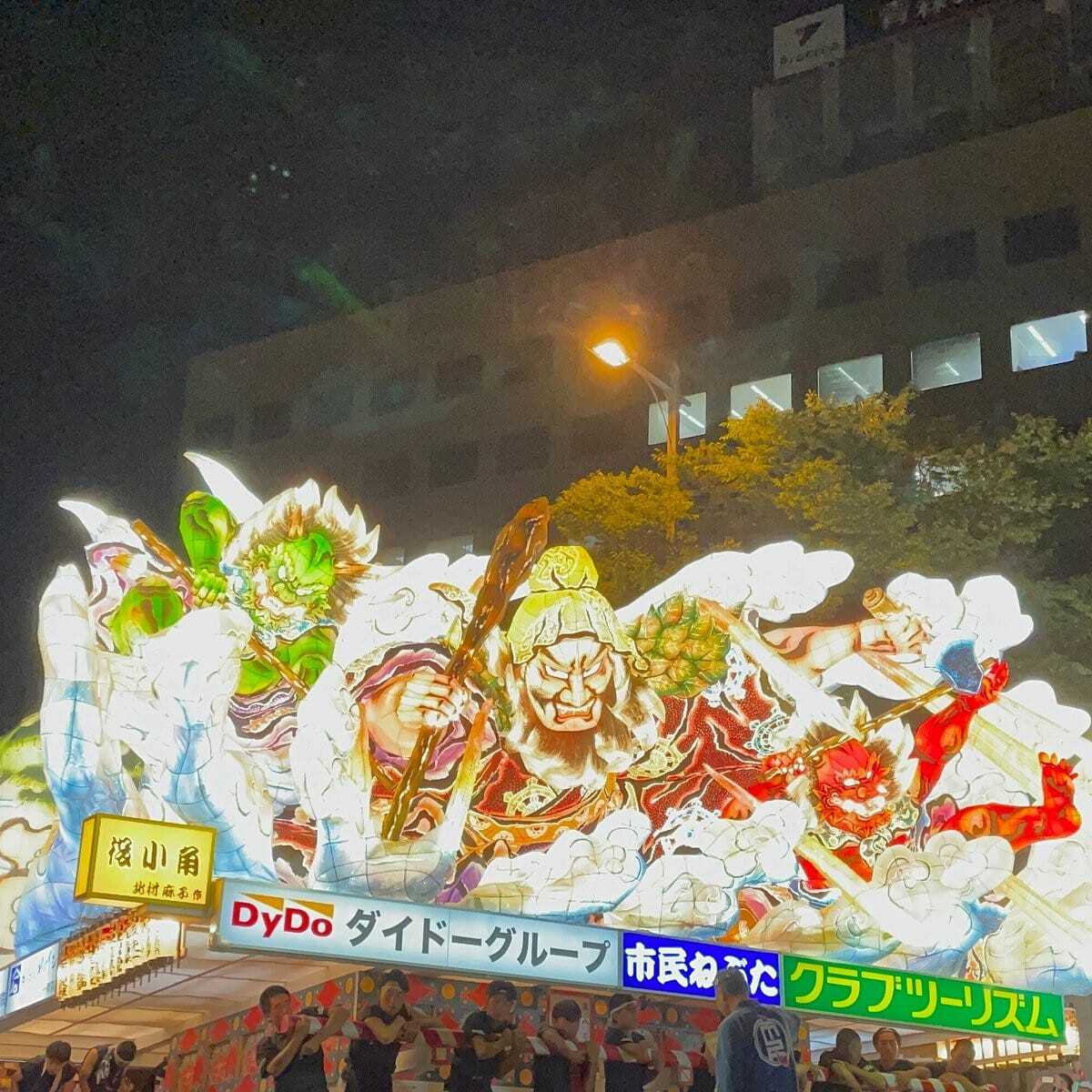
August 2 to 3: Children’s Nebuta and Large Nebuta Take to the Streets Together
On the first two days of the festival, the parade starts at 19:00, with the children’s nebuta parade and the large nebuta parade running together. Compared with the later days, fewer floats take part and the crowds are not as dense, a good starting point for first-timers: you can walk the route before the crowds peak, check the location of your viewing seat and the exit route, and then take on the highlight days the next day. The children’s nebuta are smaller but just as finely made, and are loved by local families, and viewing seats are easier to get than in the peak period. Actual times and content follow the organizers’ announcements for that year.
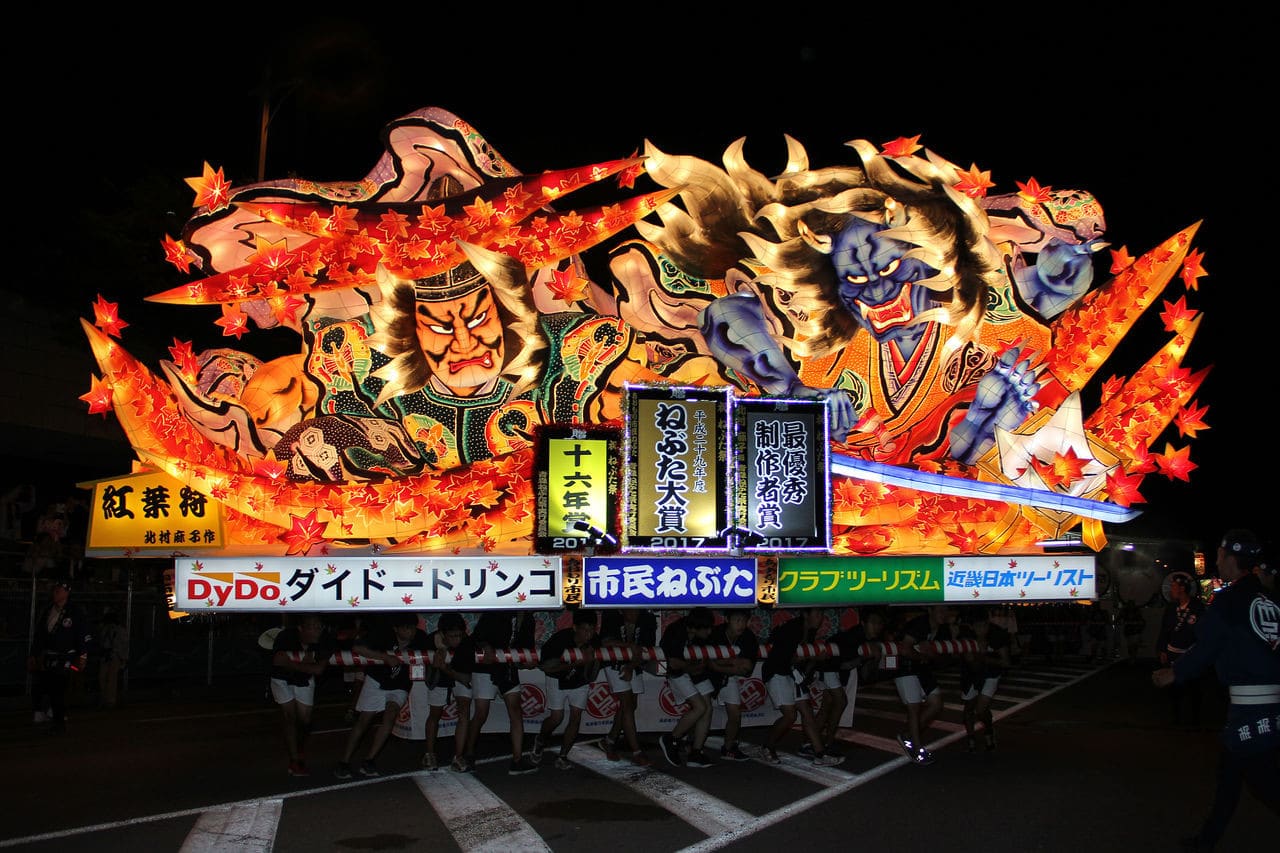
August 4 to 6: The Peak Days with Every Float in the Parade
These three days are the climax of the festival. The parade starts at 18:40 and all the large nebuta lanterns take part, with the most haneto, the most complete and overwhelming scene. If you can only pick one day, we suggest one of these.
But the crowds are biggest, viewing seats are hardest to get and hotels are most expensive. The parade is long and there is almost no seating along the route, so a folding cushion of your own works best, and we suggest taking your spot an hour early; actual times follow that year’s announcement. If you want to dance as a haneto, this period has the best atmosphere too.
Daytime on August 7: The Only Time You Can Really See the Craftsmanship of the Nebuta
The final day’s daytime parade starts at 13:00 and is the only one of the six held in daylight. In daylight you can clearly see the texture of the paper, the brush strokes and the three-dimensional structure, completely different from the effect of lighting from inside at night, and it is the best chance to understand how nebuta are made. August daylight in Aomori is strong, so prepare a hat, sun protection and water. Paid viewing seats are reserved seats; actual times follow that year’s announcement. This session is also the best time for close-up photos of the nebuta, avoiding the night lighting and the crowds.
Evening of August 7: Sea Parade of the Prize-Winning Nebuta Plus the Aomori Fireworks Festival
This is the finale of the festival and the most special event: the prize-winning nebuta are loaded onto boats and parade across the water of Aomori Port while the Aomori Fireworks Festival fireworks go off overhead, from about 19:15 to 21:00.
Lights reflected on the water along with fireworks bursting at the same time make it the most visually dense of the six days, and it is the reason many people come specifically on the last day. The viewing area is around Aomori Port, different from the city parade route, so check carefully when buying tickets. Actual times and content follow the organizers’ announcements for that year, and may be adjusted in bad weather. There are also free areas by the harbor for those without tickets, but you still need to claim a spot early.
Be a Haneto Once: Walk into the Parade Without Registering
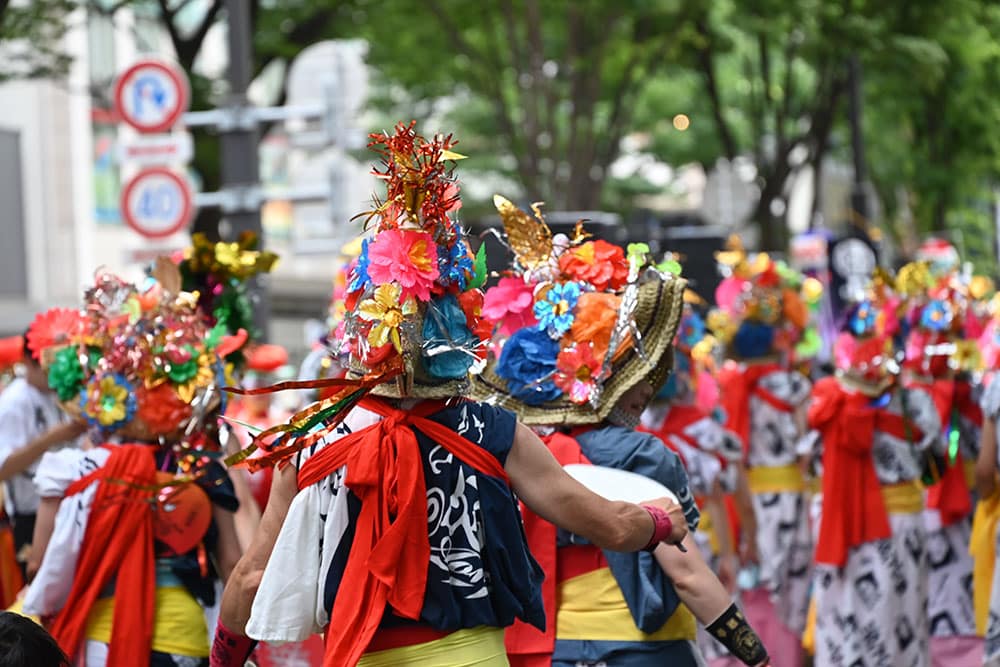
The most unique thing about the Aomori Nebuta Festival is that ordinary travelers can join the parade directly with no prior registration or screening. The only condition is wearing the authentic haneto costume correctly; wearing it wrongly or incompletely will get you asked to leave the procession. Costumes can be rented or bought at costume shops in Aomori City. Rentals run about ¥4,000 and usually do not include tabi socks, zori sandals or the flower hat (hanagasa), which you must prepare separately. Once dressed, you walk into the procession before the parade starts and jump while shouting “Rassera!”, an unforgettable experience. The rules for taking part are to wear the authentic haneto costume, not to carry noisemakers and to follow staff instructions. Rental fees follow each shop’s announcements.
Paid Viewing Seats: All Reserved, No Unreserved Seating
Official paid viewing seats are reserved seats and come with a booklet. Night parade seats on August 2-6 and daytime parade seats on August 7 are each about ¥4,000, and the August 7 daytime plus evening combo ticket is about ¥9,500.
Children aged 3 and under who do not take a seat are free. For 2026, the August 2-6 seats were sold through Ticket PIA, with a lottery on June 1-7 and sales on June 27 and July 18. The August 7 seats were handled by the Aomori Convention and Visitors Association (June 26 and 29, at 9 a.m.). The schedule differs each year, so for the next edition please follow the organizers’ announcement.
How to Claim a Free Spot? Arrive Before 4 p.m.
Even without tickets you can watch for free from the sidewalks on both sides of the parade route, but the wide sections of Shinmachi-dori and the national highway near Aomori Station are popular, so we suggest bringing a ground mat and claiming a spot before 4 p.m.
You may not occupy the space in front of shops before the controls begin, and the organizers will ask you to leave. Sitting on a ground mat makes it easy for your view to be blocked, so choose a corner or a wide stretch of road. Waiting is tiring, so bring water, a fan and mosquito repellent; actual rules follow on-site notices. Restrooms are in demand during the festival, so arrange for someone to hold your spot before you leave it.
Nebuta House WA RASSE: See Real Nebuta Outside Festival Season
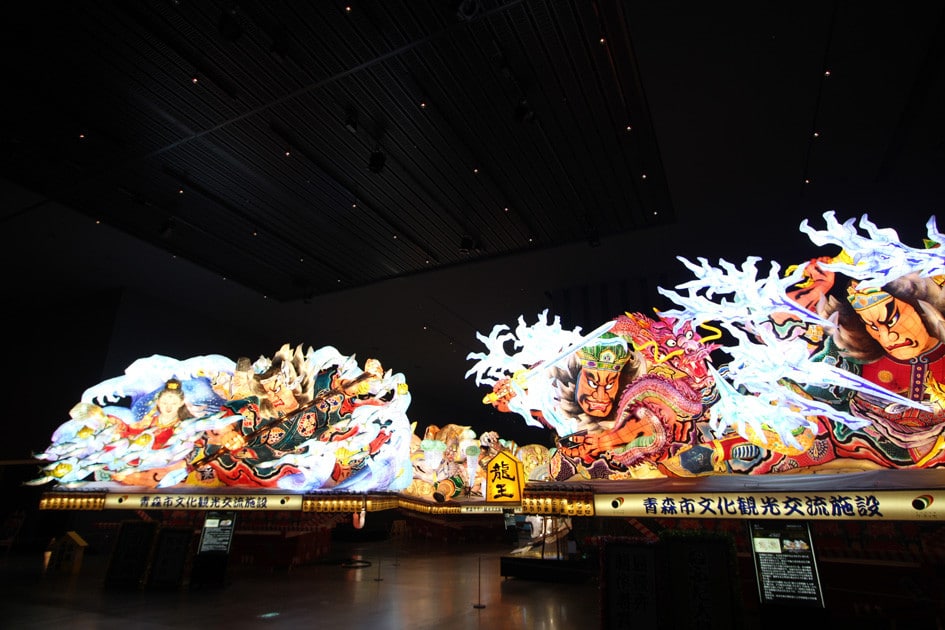
This nebuta exhibition facility next to Aomori Station has a permanent display of the large nebuta that actually took part in that year’s parade. You can admire the frames, paper joins and painting up close, and there is a hayashi music experience area, a good place to see nebuta up close outside the festival period.
Admission: adults ¥620, high school students ¥460, elementary and junior high school students ¥260. Open 9:00 to 19:00 (May to August; 9:00 to 18:00 from September to April). After the festival, it is regularly closed on August 9 to 10 to change the displayed floats, so avoid those dates when planning. Actual fees and opening hours follow the facility’s announcements, and the facility also sells nebuta-related souvenirs.

What About Rain? It Goes Ahead, but No Umbrellas
The Nebuta Festival goes ahead in the rain (the organizers clearly state it proceeds in rain), and the floats are waterproofed as needed, so there is no need to cancel your plans because of the forecast.
Paid viewing seats are outdoors with no cover. Umbrellas are prohibited on site so they do not block the view of those behind, so we suggest bringing a clear or highly translucent raincoat. August often brings brief heavy downpours, and a raincoat is light and takes no room, so be sure to bring one. In the rain the ground is slippery and the crowd moves more slowly, so exit with the flow rather than against it. If you sit in the outdoor seats, a towel and a plastic bag for wet clothes are also handy.
What to Do by Day? How to Fill Your Time in Aomori City
The parades are concentrated in the evening and at night, so by day you can first walk around the area near Aomori Station, including the triangular tourist souvenir hall, the seaside promenade and the market.
Aomori is rich in scallops and tuna, and at the market you can pick your own toppings for a bowl of seafood donburi, a popular lunch. During the festival it is crowded, so popular shops have lines at noon; allow time, and be sure to return to your viewing spot early in the evening. If you want to go further, Hirosaki is about 40 minutes to 1 hour from Aomori Station by JR, and a same-day round trip is possible, but on festival days we suggest leaving plenty of time for the return.
Linking Tohoku’s Three Great Festivals: The Dates Nearly Overlap
Tohoku’s three great summer festivals fall close together: the Aomori Nebuta Festival on August 2 to 7, the Sendai Tanabata Festival on August 6 to 8 and the Akita Kanto Festival in early August as well, so in theory you can link two or three in one trip.
But moving between the cities requires the Shinkansen, lodging is fully booked and tickets are hard to get during the festival period, so linking them is difficult and daily travel is tiring. We suggest planning at least half a year ahead and booking transport and lodging first, or joining a package tour; actual dates follow the organizers’ announcements. If you want to link them, secure the Nebuta viewing seats and lodging first and adjust the rest as needed.
By the Way: Hirosaki’s “Neputa” Is Different from Aomori’s
Aomori City’s “Nebuta” are three-dimensional figure lanterns that emphasize power and the dynamic haneto dancing, while Hirosaki City’s “Neputa” are fan-shaped flat lanterns painted with warriors on the front and beautiful women on the back, with a calmer rhythm. Both are held in early August with some overlap, and Hirosaki is about 40 minutes to 1 hour from Aomori by JR, so in theory they can be done in the same trip. If you want to see two different forms of nebuta culture, this is the smoothest combination. Actual dates, routes and times follow the announcements of Hirosaki City’s organizers for that year, and lodging in both cities is just as tight during the festival, so book rooms early together if you want to see both.
Tickets and Experiences: What to Book First for the Nebuta Festival
The Nebuta Festival is the one in this set of trips where you are most likely not to get in unless you book first.
Night Parade Viewing Seats: The Most Popular and the Fastest to Sell Out
Individual seats for the August 2 to 6 night parades are about ¥4,000, all reserved with a booklet, and August 4 to 6 are the most popular.
In 2026 a priority lottery ran from June 1 to 7, and general sales were on June 27 and July 18 at 10 a.m., through Ticket PIA, Lawson Ticket, Pomitto! (ポみっと!) and overseas-only seats. For good seats you must be on time to grab tickets, and the schedule differs each year, so for the next edition please follow the organizers’ announcement. Viewing angles and times vary by section, so check the seating chart before buying. Bench-style seats have limited space, so do not bring oversized luggage.
 KKdayAomori Nebuta Festival night parade viewing seats
 KLOOKAomori Nebuta Festival night parade viewing seats
August 7 Daytime Plus Fireworks Combo: Two Shows in One Day
The final-day combo ticket is about ¥9,500 and includes the daytime parade seat starting at 13:00 and the evening seat for the sea parade and fireworks at Aomori Port, so you see two completely different forms of nebuta in one day.
The price is higher but covers the two most special sessions of the whole festival, and for those who can stay only one day it is actually the best value. Note that the daytime and evening viewing locations are not in the same place and you need to move between them, so confirm the entry times and routes for both. Actual contents and fees follow the organizers’ announcements for that year. Also, on this day the daytime sun is strong and the seaside wind is strong at night, so prepare clothing for both situations. If you can only get one of the two, the evening sea parade plus fireworks is usually the one rated higher.
KKdayNebuta Festival daytime parade and fireworks combo ticket
KLOOKNebuta Festival daytime parade and fireworks combo ticket
Haneto Costume Rental: Dress It Right to Join the Procession
Several shops in Aomori City offer haneto costume rental and sales, with rentals about ¥4,000, usually not including tabi socks, zori sandals and the flower hat, which must be bought or rented separately. Some shops offer early-bird prices for the days before the festival.
The point is not the price but “dressing it right”: the organizers have clear requirements for how complete the costume is, and wearing it incorrectly will get you asked to leave the procession, so be sure to ask the shop to help you dress and check every accessory when you rent. Shops are very busy during the festival, so we suggest reserving early and allowing time to dress. Actual fees and rules follow each shop and the organizers’ announcements. Also, the costume is very hot, and your clothes will be soaked after dancing, so bring a change of clothes and a towel. Belongings are hard to keep track of while dancing, so leave valuables elsewhere first.
Package Tours with Viewing Seats and Lodging: Solving Both Problems at Once
The two hardest things to arrange during the festival are viewing seats and lodging, and package tours sell the two bundled together, the most worry-free solution for those who do not want to compete for tickets and rooms themselves. Some tours also add a haneto costume or other Tohoku summer festivals.
The downside is low flexibility, a price that is usually higher than putting it together yourself, and popular departures also fill up early. Before signing up, confirm the actual location of the viewing seat and the lodging location and distance, since in some plans the lodging is in a neighboring city rather than in Aomori City. Actual contents, fees and conditions for the tour to run follow each operator’s announcements for that year. Also, package tours mostly have fixed meeting and dismissal times, so those who want to move freely should assess that first. If the tour includes the haneto experience, check whether you can register your costume size in advance.
Nebuta House Admission Ticket: An Alternative Outside Festival Season
Admission is ¥620 for adults, ¥460 for high school students and ¥260 for elementary and junior high school students, purchased on site with no reservation needed. The facility exhibits the large nebuta that actually took part in that year’s parade.
Its greatest value is solving the timing problem: not everyone can visit Aomori between August 2 and 7, and here real nebuta can be seen all year. The thing to avoid is the regular closed days of August 9 to 10. The facility also has an area where you can actually beat the hayashi taiko drums, popular with children. About an hour is plenty for a visit, and it fits well while waiting for a train.
Where to Stay Nearby: Aomori City, Shin-Aomori Station or Hirosaki?
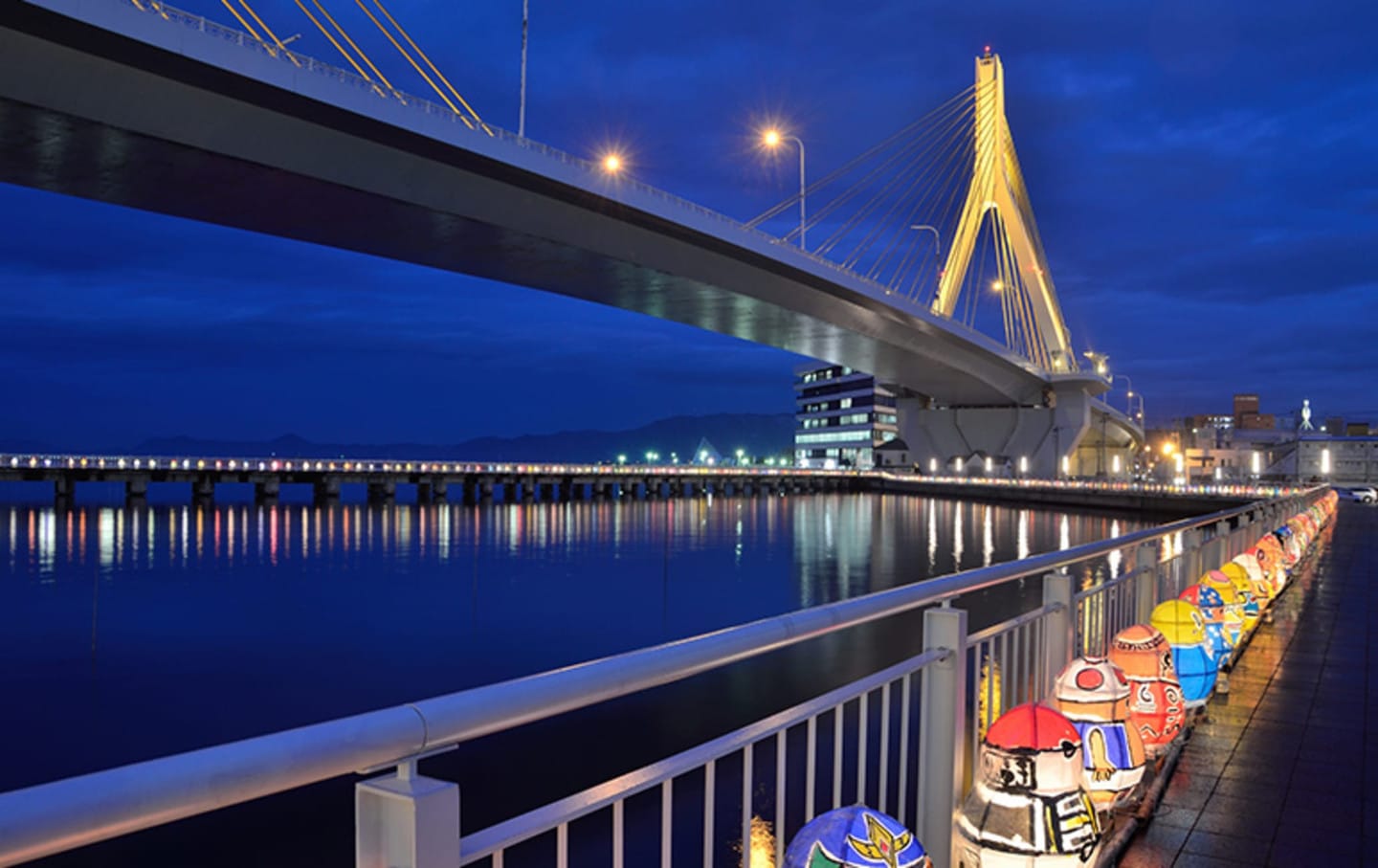
Lodging during the festival is the part of the trip that most needs early attention.

Which Area to Stay In? Walking Distance Decides How Late You Can Stay
The ideal is within walking distance of Aomori Station. During the parade, downtown traffic is controlled and walking is the only option, and staying within that zone lets you get back to your room within minutes after the parade ends without calculating the last train, but this area fills up first.
If you cannot get a room, consider around Shin-Aomori Station, Hirosaki or Hachinohe, taking JR into the city in a few tens of minutes, but watch the last return train, since the parade ends at around 21:00 and evening services are limited. The dates are fixed every year at August 2 to 7, so we suggest booking a year ahead; for a detailed area comparison, see the separate lodging article.
Aomori Nebuta Festival FAQ
Q: Are the Aomori Nebuta Festival dates the same every year?
Yes, the Aomori Nebuta Festival is held every year from August 2 to August 7 and does not move with the day of the week, which is quite rare among Japan’s major festivals. Because the dates are fixed, transport and lodging can be planned very far ahead, and we recommend doing so. However, the parade format and start time for each day, and the sales schedule for viewing seats, are announced year by year by the organizers, so you still need to check that year’s information before you go.
Q: If I can only go for one day, which day should I choose?
It depends on what you want. For the most complete, most powerful night parade, choose the peak period of August 4 to 6, when all the floats take part and there are the most haneto. To see two forms in one day, choose August 7: the daytime parade starting at 13:00 lets you see the craft details clearly, and in the evening there is the sea parade plus fireworks. To avoid the crowds and take it easy, choose August 2 or 3.
Q: How do I buy viewing seats? How much are they?
Official paid viewing seats are all reserved seats with no unreserved seating. Individual seat prices are roughly: night parade seats on August 2 to 6 about ¥4,000, daytime parade seats on August 7 about ¥4,000, and the August 7 daytime plus evening fireworks combo about ¥9,500. Seats for August 2 to 6 are sold through Ticket PIA, Lawson Ticket and Pomitto! (ポみっと!), with a priority lottery from June 1 to 7 and general sales at 10 a.m. on June 27 in 2026 (second round July 18). The two types of August 7 seats are not sold on these platforms and must be applied for by phone (017-723-7211) or over the counter at the Aomori Convention and Visitors Association, with the combo going on sale on June 26 and the daytime-only seats on June 29 at 9 a.m. Children aged 3 and under who do not take a seat are free; if they take a seat, the full price applies. Actual prices and schedules follow that year’s announcement.
Q: Can foreign travelers also be haneto?
Yes. Becoming a haneto needs no registration and has no nationality restriction. The only condition is wearing the authentic haneto costume and wearing it correctly. Costumes can be rented in Aomori City for about ¥4,000, usually not including tabi socks, zori sandals and the flower hat. The organizers are strict about the completeness of the costume, and wearing it wrongly will get you asked to leave the procession, so ask the shop to help you check every accessory when you rent. Once dressed, you simply walk into the procession before the parade starts.
Q: Is it canceled if it rains?
No, it goes ahead in the rain (the organizers clearly state it proceeds in rain), and the floats are waterproofed as needed. But the audience seating is all outdoors with no cover, and umbrellas are strictly prohibited on site so they do not block the view of those behind, so be sure to bring a clear or highly translucent raincoat. August in Aomori is mostly brief heavy downpours, and a raincoat takes no room in a bag, so it is one of the essentials.
Q: If I am not coming in August, can I still see nebuta?
Yes. “Nebuta House WA RASSE” (睡魔之家 WA RASSE) next to Aomori Station exhibits the large nebuta that actually took part in that year’s parade all year round, and you can see the frame and painted details up close, plus there is a hayashi music experience area. Admission is ¥620 for adults, ¥460 for high school students and ¥260 for elementary and junior high school students. The only dates to avoid are August 9 to 10 after the festival, when it is regularly closed to replace the displayed floats.