
Kamikochi Autumn Foliage Guide 2026: A Hidden Foliage Paradise in the Embrace of the Northern Japan Alps
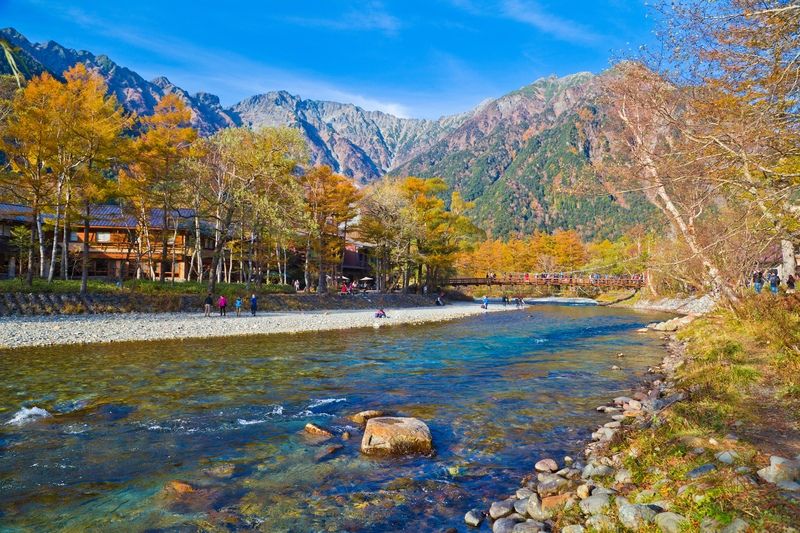
Kamikochi is an alpine hideaway at about 1,500 meters above sea level in Matsumoto, Nagano Prefecture. In the 2026 foliage season, Kappabashi Bridge and Taisho Pond are breathtakingly beautiful, making it the top choice for foliage hiking.
Kamikochi’s Location and Altitude
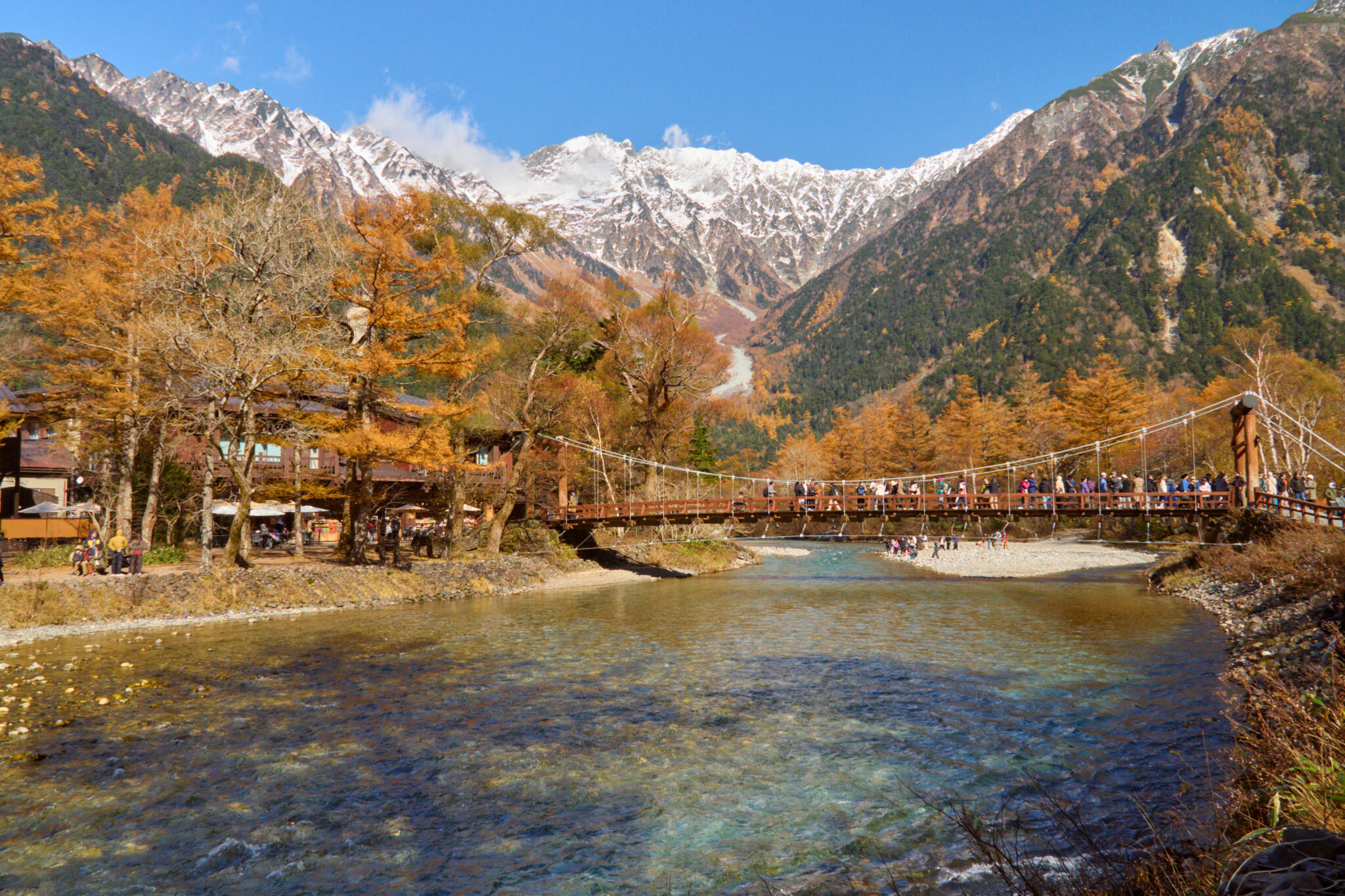
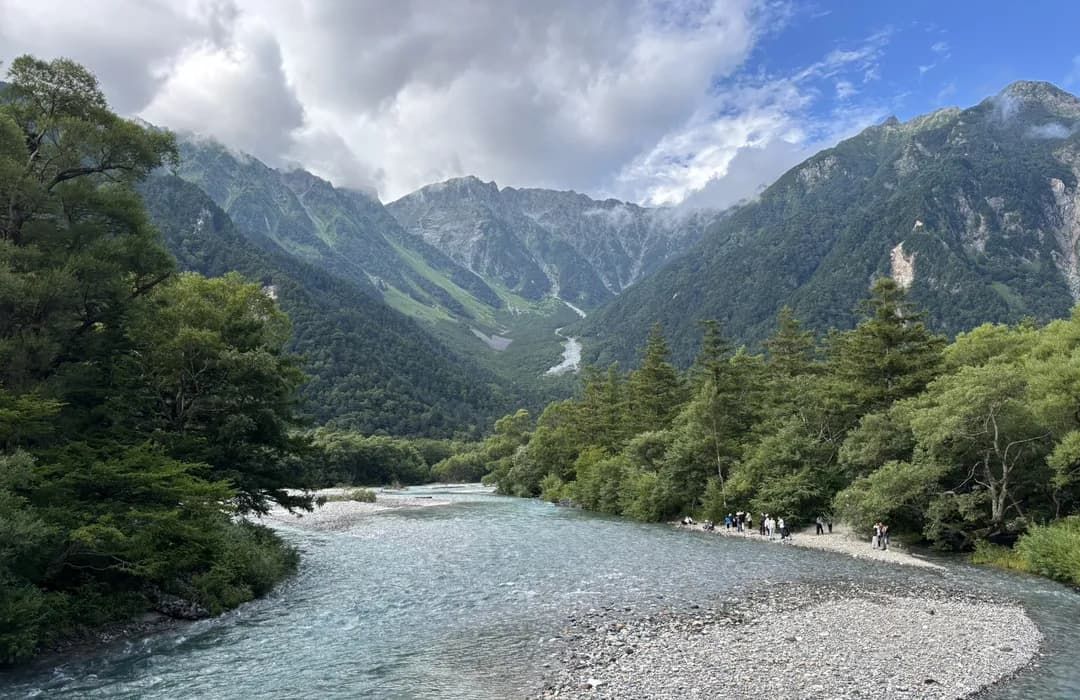
Kamikochi lies in the Azumi area of Matsumoto, Nagano Prefecture, at the heart of Chubu-Sangaku National Park, surrounded by the Hotaka range, Mount Yake and Mount Kasumizawa. The area averages about 1,500 meters above sea level and is a gateway to climbing in the Northern Japan Alps. The clear Azusa River runs through the whole valley, and the larch and white birch forests on its banks turn golden and brilliant red in autumn, contrasting sharply with the snow-white peaks, one of Japan’s most representative alpine valley landscapes.
2026 Opening and Closing Dates
Kamikochi is not open all year. In 2026 the open season runs from April 17 to November 15, with the opening ceremony held beside Kappabashi Bridge on April 27 every year; after closing, the area is not open to general sightseeing until mid-April of the following year. In other words, you can see the real Kamikochi for only about 7 months a year, and the foliage season is the busiest single month of them.
For bus operations and parking lot operating days during the open season, please follow the announcements for the current year from Alpico Kotsu and the official Kamikochi website.
Best Foliage Viewing Period and Temperature Changes
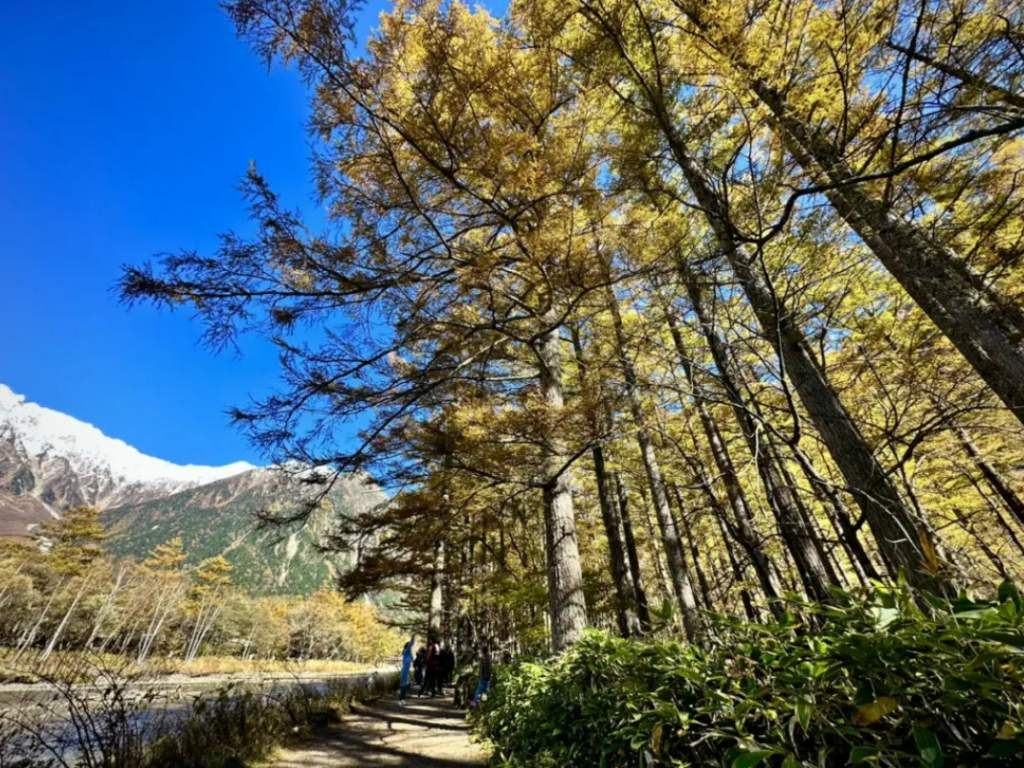
Foliage in Kamikochi begins around the end of September, with broadleaf trees on the mountainsides turning yellow first; in mid-October the broadleaf trees reach their red peak, with maples and rowans around Kappabashi Bridge changing first; from late October to early November it is the turn of the large stands of larch to turn golden, creating the unique “Golden Kamikochi” scenery, and in early November the early-morning grass is often covered in white frost. As for temperature, nighttime lows in September have already fallen to single digits with a high chance of typhoons, October has the most stable weather but nights fall below freezing, and in November daytime highs are only around 10°C and heavy snow is possible, so we suggest visiting in mid to late October.
2026 Kamikochi Foliage Forecast: Peak Around October 21
A forecast published by Weathernews Inc. on September 2, 2026 says the 2026 Kamikochi foliage will peak around October 21. The company says this autumn’s temperatures are higher than usual, so foliage nationwide is roughly normal or slightly late, and Kamikochi, being at a higher altitude, is still among the areas that change color earlier. The open season runs until November 15; please check the latest foliage conditions from the weather company or the official Kamikochi site before you go for actual colors and crowds.
How to Get to Kamikochi: A Complete Guide to Transport and Costs
Private cars and rental cars are banned from entering Kamikochi all year round, so all visitors must switch to a shuttle bus or taxi to enter the area.
How to Get to Kamikochi: Transport Options and Traffic Restrictions at a Glance
| Transport | Cost | Time required |
|---|---|---|
| Matsumoto Station → Shimashima → Kamikochi (Alpico Bus) | One way from ¥2,850 | About 65 minutes |
| Sawando parking lot, then shuttle bus / taxi | Parking about ¥800 per day + shuttle bus about ¥1,250 one way (as of September 2025) | About 20-30 minutes |
| Gifu-side Akandana parking lot, then bus | Parking ¥600 per day, shuttle bus ¥1,400 one way (as of September 2025) | About 20-30 minutes |
Vehicles from the Nagano side must park at Sawando and those from the Gifu side at Akandana. The Kamikochi Line route bus uses a reservation-priority system: those without reservations can board first come, first served if seats are free, and return buses are hard to get in peak season.
From central Matsumoto you can take the Alpico Kotsu Kamikochi Line train to the terminus at Shimashima and then a route bus for about 65 minutes into the area; the Akandana parking lot costs ¥600 for 24 hours for a standard car, and for the current year’s bus schedule please follow the Alpico Kotsu official site.
-Klook.jpg)


What Are the Must-See Foliage Spots in Kamikochi? Highlights of Each Area
Following the route from Taisho Pond to Kappabashi Bridge and Myojin Pond, here are the eight best spots to visit in Kamikochi’s foliage season.
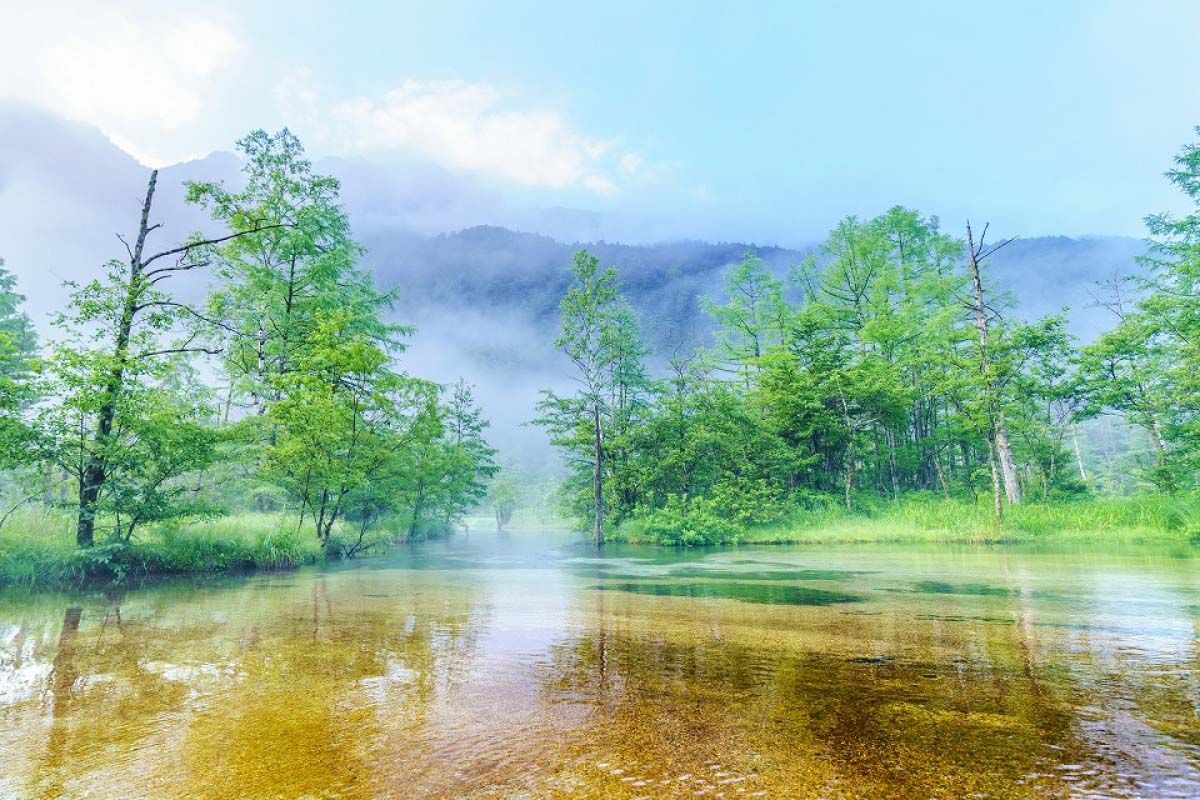
Taisho Pond: Mount Yake’s Reflection and a Misty Morning Realm of Dead Trees
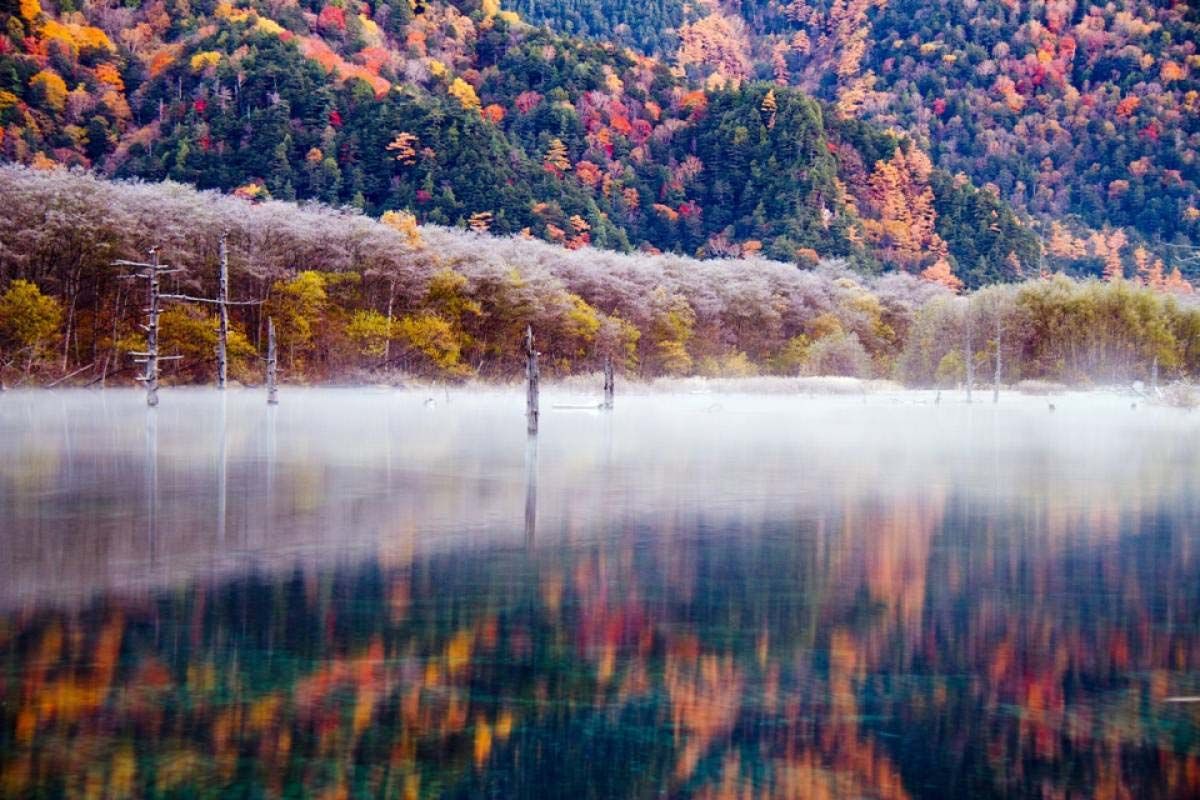
Taisho Pond is a dammed lake formed in 1915 when the eruption of Mount Yake sent lava and debris flows blocking the Azusa River, and on its shore you can see the dead trunks of conifers killed by flooding standing in the water. The white sand is alluvium weathered from granite; on a windless early morning, Mount Yake and the Hotaka range are fully reflected in the water, and in autumn the forests on both banks turn red and yellow, forming Kamikochi’s classic “reflected foliage” scene that draws photography enthusiasts who wait before dawn. We suggest taking the first bus and getting off at Taisho Pond stop to capture the calm water mirror before the crowds arrive after sunrise, then walking along the boardwalk toward Tashiro Pond and Kappabashi Bridge.

![[Nagoya Kamikochi Hiking Tour] Kamikochi & Taisho Pond & Tashiro Pond & Kappabashi Bridge & Myojin Pond & Hotaka Range & Hotaka Shrine Okumiya Nature Forest Walking Day Tour (Departing from Nagoya)](https://res.klook.com/images/w_300,h_300,c_fill,q_75/w_80,x_15,y_15,g_south_west,l_Klook_water_br_trans_yhcmh3/activities/ehp9fabl4bklx2gis92g/【名古屋上高地徒步之旅】上高地大正池田代池河童橋明神池穂高連峰穗高神社奧宮自然森林徒步一日遊(名古屋出發)-Klook.jpg)
Tashiro Pond and Tashiro Marsh: Summer Water Plants and an Autumn Quiet Wetland
Tashiro Pond is also a shallow wetland formed by mud and sand that built up after Mount Yake’s eruption, and in autumn it mirrors the surrounding foliage in subdued tones. In summer the pond fills with aquatic plants such as Ranunculus nipponicus; on the tree trunks along the path hang beard-like epiphytes known as sarunogase (old man’s beard lichen), a fun marker of the area’s primeval forest. Tashiro Pond and Tashiro Marsh sit in the middle of the boardwalk from Taisho Pond to Kappabashi Bridge and are the best stretch of the whole hiking route for slowing down and looking closely at the vegetation.
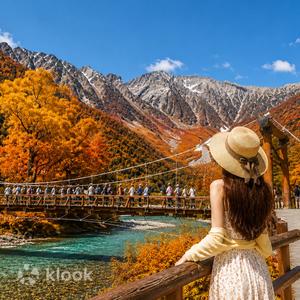
Kappabashi Bridge: Kamikochi’s Landmark Suspension Bridge and Its “Ginza” District
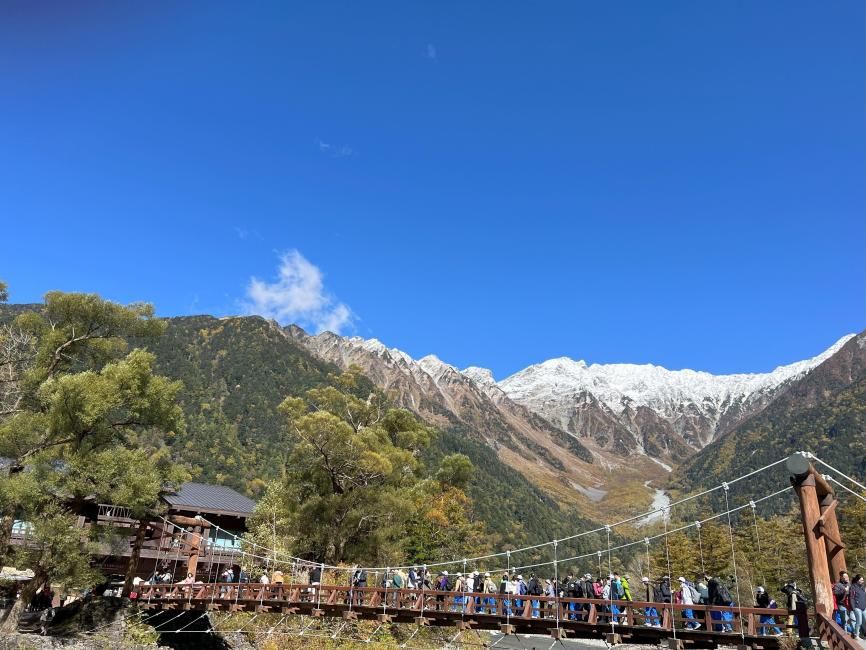
Kappabashi Bridge is Kamikochi’s undisputed landmark, and the wooden suspension bridge spanning the Azusa River today is the fifth-generation version rebuilt in 1997. Looking upstream from the bridge deck, the rugged ridgeline of the Hotaka range sets off the clear Azusa River, and in late October the larches on both banks turn golden, the most widely shared Kamikochi scene on social media; the short story “Kappa” by the writer Ryunosuke Akutagawa also uses this area as one of its settings. The area by the bridge is nicknamed “Kamikochi’s Ginza” because of its peak-season crowds, and around it are Kamikochi’s largest souvenir shop and several restaurants where you can eat and rest, the most convenient supply and rest stop before or after a hike.
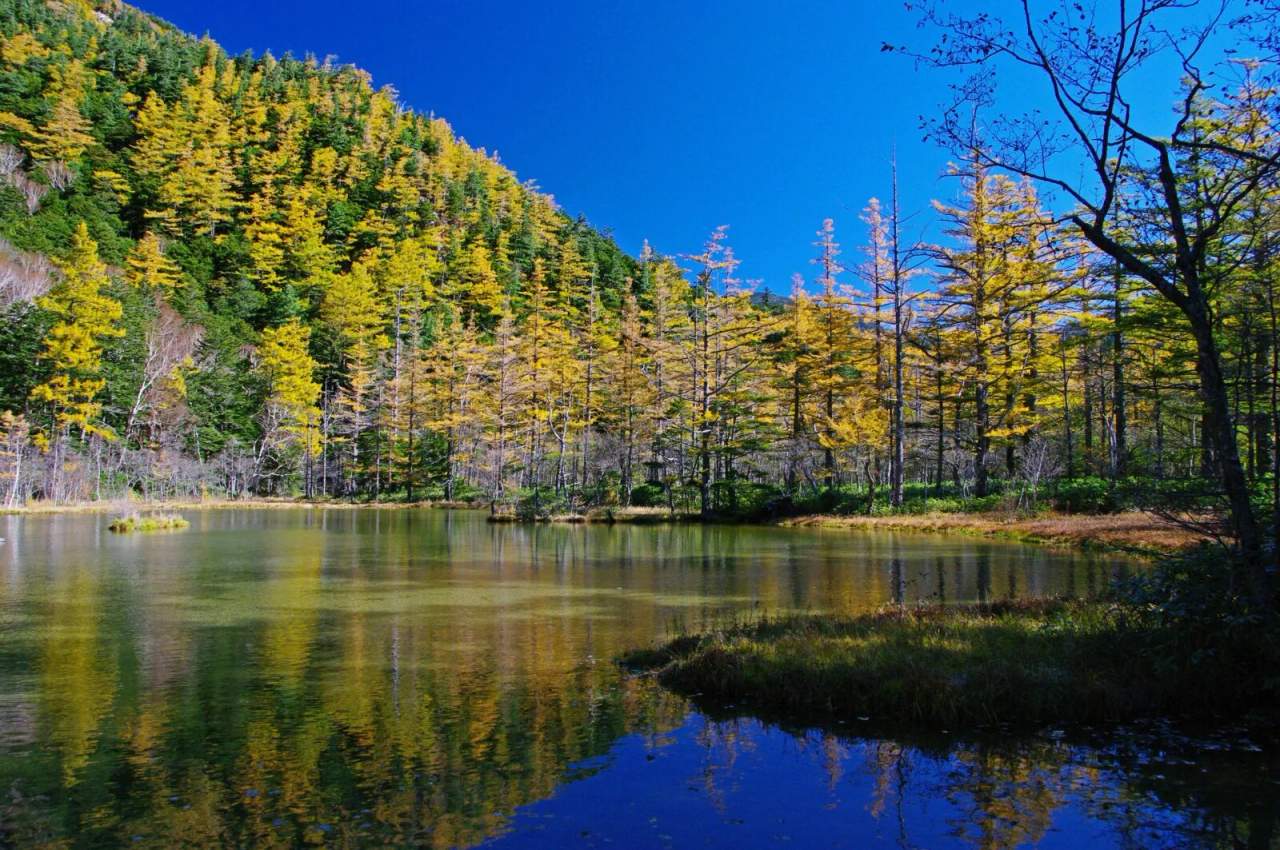
Myojin Pond and Hotaka Shrine Okumiya: The Ichinoike Torii and a Sacred Hidden Realm
Myojin Pond lies within the grounds of Hotaka Shrine Okumiya, which enshrines Hotakami no Mikoto, with admission of ¥500 for adults and ¥200 for children. The water divides into Ichinoike (with an open view and a torii standing in the lake) and the smaller Ninoike, and thin mist often rises in the morning. Every year on October 8 the “Mifune Shinji” boat ritual is held, in which priests in Heian-period dress circle the pond on two boats with dragon-head and heron-head prows, the most culturally colorful festival of the foliage season. A round trip from Kappabashi Bridge is about 6 to 7 kilometers and takes 2.5 to 3 hours, a challenge suited to those with plenty of stamina.
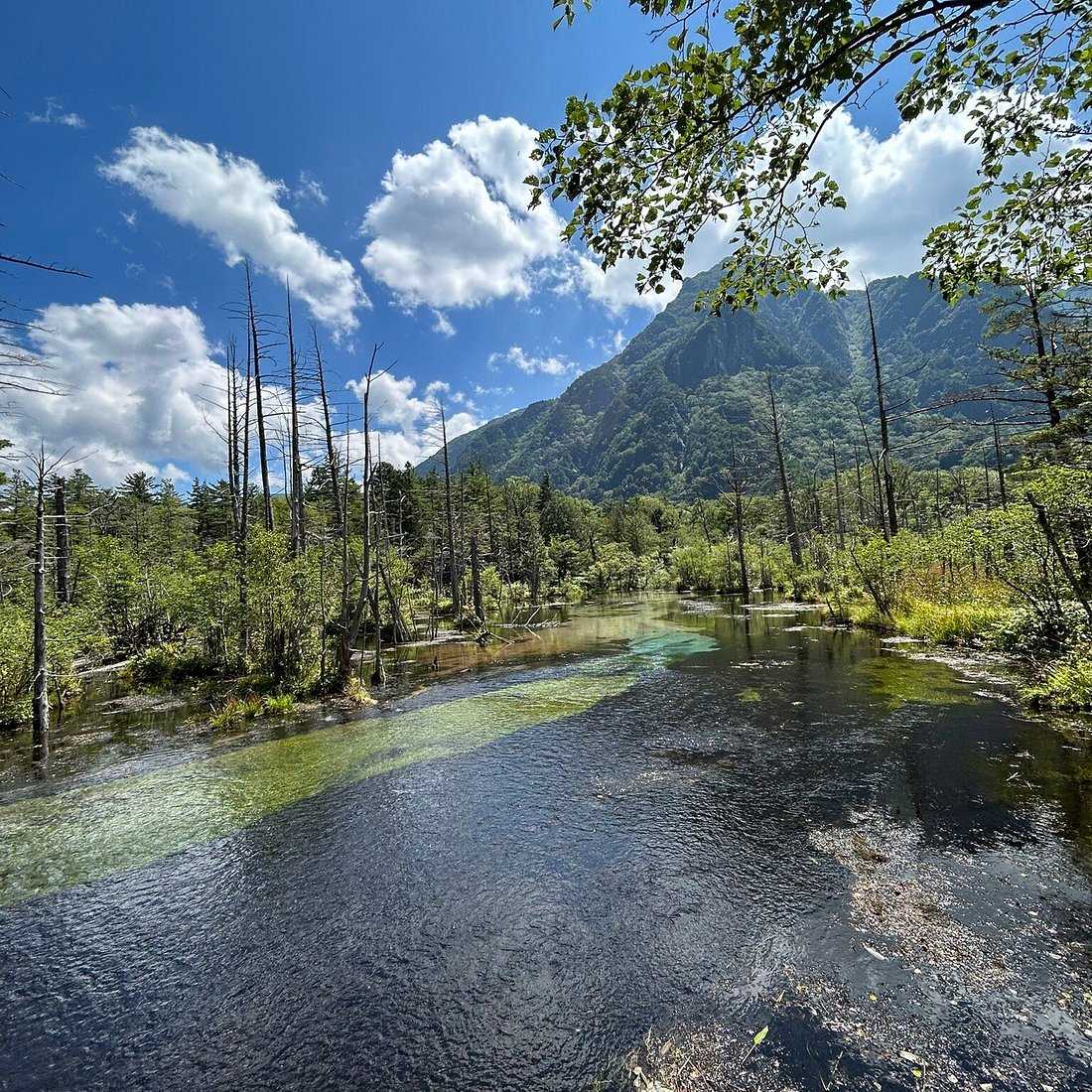
Takezawa Marsh: A Hidden, Tranquil Wetland Near Kappabashi Bridge
Takezawa Marsh is near Kappabashi Bridge and reachable on foot, with flat terrain and usually fewer visitors than around the bridge, an insider pick for travelers who love a peaceful atmosphere. The forest around the marsh is mainly Mizunara oak and larch, with gold and dark red interwoven in autumn, and the open view lets you take in the ridgeline of the Hotaka range, making it a favorite mid-distance vantage point for many local photographers. Kamikochi is within the range of wild black bears, so go in a group and carry a bell or charm that makes noise. If time is short, you can plan just an easy walk around Kappabashi Bridge, a good warm-up before a deeper trip to Myojin Pond.
Tokusawa: A Former Ranch and Rest Stop for Hikers
Tokusawa lies upstream of Myojin Pond and was once an alpine ranch, preserving a large meadow that fills with white wildflowers every May and turns a clear orange-yellow in autumn, forming a layered gradient with the conifer forest. Mountain huts such as Tokusawa-en offer light meals and allow overnight stays or camping, an important supply stop on the Kappabashi Bridge to Tokusawa round trip (4 to 5 hours return). Those with plenty of stamina can also hike from Taisho Pond to Tokusawa and return to the bus terminal; set out early in the morning and bring enough drinking water and trail food, and since there are few trash bins in the area, take your trash down the mountain with you.
Kasumizawa Viewpoint and the Weston Monument: A Foliage Lookout in Front of the Hot Spring Hotels
The path in front of Kamikochi Onsen Hotel and Hotel Lumiesta Kamikochi is an excellent viewpoint over the larch foliage of Mount Kasumizawa and the winding Azusa River; in late October the whole slope shifts from deep green to bright orange-yellow, an angle many local photographers keep to themselves. Along the path you pass a monument to Walter Weston, the British missionary and mountaineer who visited Kamikochi many times and promoted its beauty to the world, honored as the “father of modern mountaineering in Japan”; every June the Weston Festival is still held at Kamikochi to commemorate his contributions.
The Hotaka Range: The King of Peaks Watching Over Kamikochi All Year
The Hotaka range is Kamikochi’s signature backdrop, led by Mount Okuhotaka (3,190 meters, Japan’s third-highest peak), a pilgrimage site for climbers. You can see its different faces from Taisho Pond, Kappabashi Bridge and Myojin Pond, and especially in mid to late October, with first snow on the peaks and foliage on the slopes in the same frame, creating a gradient of “snow-capped foliage.”
How Much Does It Cost to Visit Kamikochi? Transport and Ticket Costs
Kamikochi itself has no entrance fee, and the real spending is concentrated in two items, the “transport tickets for getting in and out of Kamikochi” and the “Myojin Pond admission fee,” and in peak autumn you should also budget separately for the reservation-based shuttle bus and taxis. Below are the latest and specific fare options for 2026, so you can pin down the total cost of your foliage trip before you leave.
Alpico Kotsu Kamikochi Line Ticket + Route Bus Combo: The Main Transport In and Out of Kamikochi
From central Matsumoto to Kamikochi, we suggest taking the Alpico Kotsu Kamikochi Line train to the terminus at Shimashima Station and then a route bus into the area. The bus from Shimashima to Kamikochi takes about 65 minutes one way, and for the adult one-way fare please follow the Alpico Kotsu official site.
In addition, this route is reservation-priority; reservations open at 0:00 one month before the travel date, and in the autumn peak (weekends from mid-October to early November) seats often sell out early, so we suggest completing your reservation on the official site as soon as reservations open.
Sawando and Akandana Parking Lots, Then Shuttle Bus and Taxi: The Essential Relay Point for Drivers
Private vehicles are banned in Kamikochi all year; on the Nagano side park at Sawando (about ¥800 per day) and on the Gifu side at Akandana (about ¥600 per day), both with shuttle buses, and for fares please follow the current year’s announcements from Alpico Kotsu and the shuttle operators.
You can also take a taxi from Sawando to Taisho Pond or the Kamikochi bus terminal; please confirm the fare with the taxi company, and check the last bus times before you go so you are not left without a ride back. On autumn weekends the Sawando parking lot is hard to get into, so arrive early or reserve a space.
Myojin Pond and Hotaka Shrine Okumiya Admission: A Quiet Hidden Spot You Must Visit in Foliage Season
Myojin Pond lies within the grounds of Hotaka Shrine Okumiya and requires a visit ticket (¥500 for adults, ¥200 for children), bought at the Myojin Bridge ticket office with no reservation needed and covering both Ichinoike and Ninoike; the torii in the lake with foliage reflections is the most culturally atmospheric spot on a Kamikochi foliage trip.
On October 8 each year, the day of the “Mifune Shinji” (the Hotaka Shrine Okumiya annual grand festival), priests in Heian-period dress circle the lake on two boats with dragon-head and heron-head prows, a sight available only that day; the ticket price is the same but crowds are larger, and it suits those who want a deeper experience of Kamikochi’s cultural festivals.
Kamikochi Foliage Day Tours with Private Car / Guide (KKday / Klook): A Lazy Option That Saves You the Transfer Hassle
For first-time visitors who worry about bus reservations and complicated transfers, consider booking a “Kamikochi day tour” or a “Kamikochi and Shin-Hotaka Ropeway foliage private car tour” on KKday or Klook. Departure points are mostly Nagoya, Nagano, Matsumoto or Takayama, with set stops for photos at Taisho Pond, Tashiro Pond, Kappabashi Bridge, Myojin Pond and so on in order, and prices vary with group size and departure point.
The biggest advantage of these tours is not having to worry about the Sawando parking lot being full, bus reservations selling out or missing the last bus.
-Klook.jpg)
-Klook.jpg)

Where to Stay Near Kamikochi: Selected Accommodation Directions
Rooms are hard to find in foliage season, so here are two directions for where to stay, organized by area.
Kamikochi Imperial Hotel: The Only Western-Style Resort Lodging in the Area
Kamikochi Imperial Hotel opened in 1933 and is the only Western-style resort hotel in the area; the red-roofed wooden building is itself one of Kamikochi’s landmarks, near the Taisho Pond and Tashiro Pond trails, and its striking exterior can be seen along the hike. Few visitors are around the hotel in the early morning, making it an excellent base for the misty dawn at Taisho Pond and the sunrise reflection of the Hotaka range, suiting travelers who want to stay overnight in the area and catch both the early-morning and dusk golden hours for photography.
Sawando Onsen and Nakanoyu Onsen: Budget Overnight Options Outside the Area
Because lodging inside Kamikochi is limited and pricey, most budget-minded travelers stay at hot spring inns in the Sawando transfer gateway area, such as those around Sawando Onsen, or at Nakanoyu Onsen on the way toward Matsumoto, then take the first shuttle bus into Kamikochi the next day, which likewise avoids the daytime foliage crowds.





FAQ
Q: When is the best time to see Kamikochi’s 2026 foliage?
Broadleaf trees turn red around mid-October and larch turns golden from late October to early November, so aim for mid to late October; Weathernews forecasts the 2026 peak around October 21.
Q: How much is admission to Myojin Pond in Kamikochi?
Myojin Pond lies within the grounds of Hotaka Shrine Okumiya, with a visit fee of ¥500 for adults and ¥200 for children, and you can buy a ticket on site to enter; the Mifune Shinji is held on October 8 every year.
Q: Can you drive to Kamikochi?
No. Private cars are banned from Kamikochi all year; park at Sawando or Akandana (Akandana costs ¥600 for 24 hours for a standard car) and switch to a shuttle bus or taxi to enter.
Q: How long does it take and how much does it cost from Matsumoto to Kamikochi?
The route bus from Shimashima takes about 65 minutes; for the fare please follow the Alpico Kotsu official site, and the route is reservation-priority.
Q: When does Kamikochi open and close for the season?
In 2026 the open season runs from April 17 to November 15, with the opening ceremony on April 27; it is closed until mid-April of the following year, so be sure to enter the mountains before November 15 in foliage season.
Q: Do you need to reserve the return bus from Kamikochi in foliage season?
We recommend reserving. The Kamikochi Line route bus is reservation-priority and seats are hard to get in peak season, so please reserve early through the Alpico Kotsu official site.
Q: Are the trails in Kamikochi easy? Are they suitable for children or older relatives?
The classic boardwalk from Taisho Pond to Kappabashi Bridge is gentle and easy, about 1.5 to 2 hours one way, suitable for ordinary visitors and older relatives, but the sections beyond Myojin Pond are longer, so assess your stamina before taking them on.