
Meiji Jingu Guide: One of Tokyo’s Most Popular Shrines
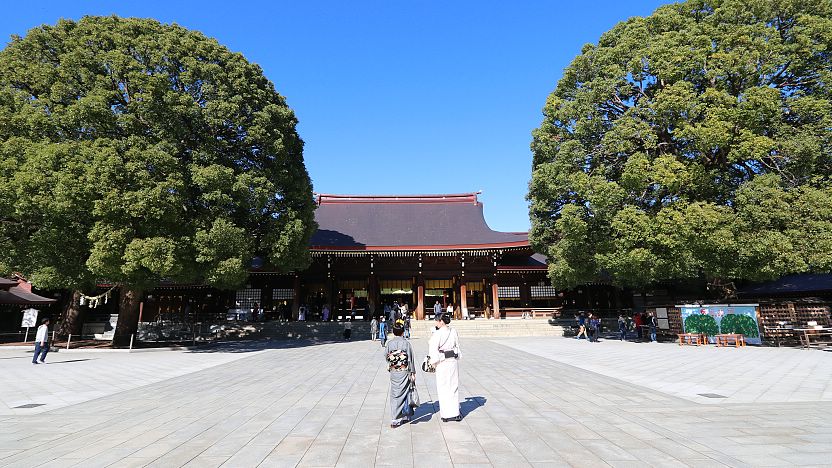
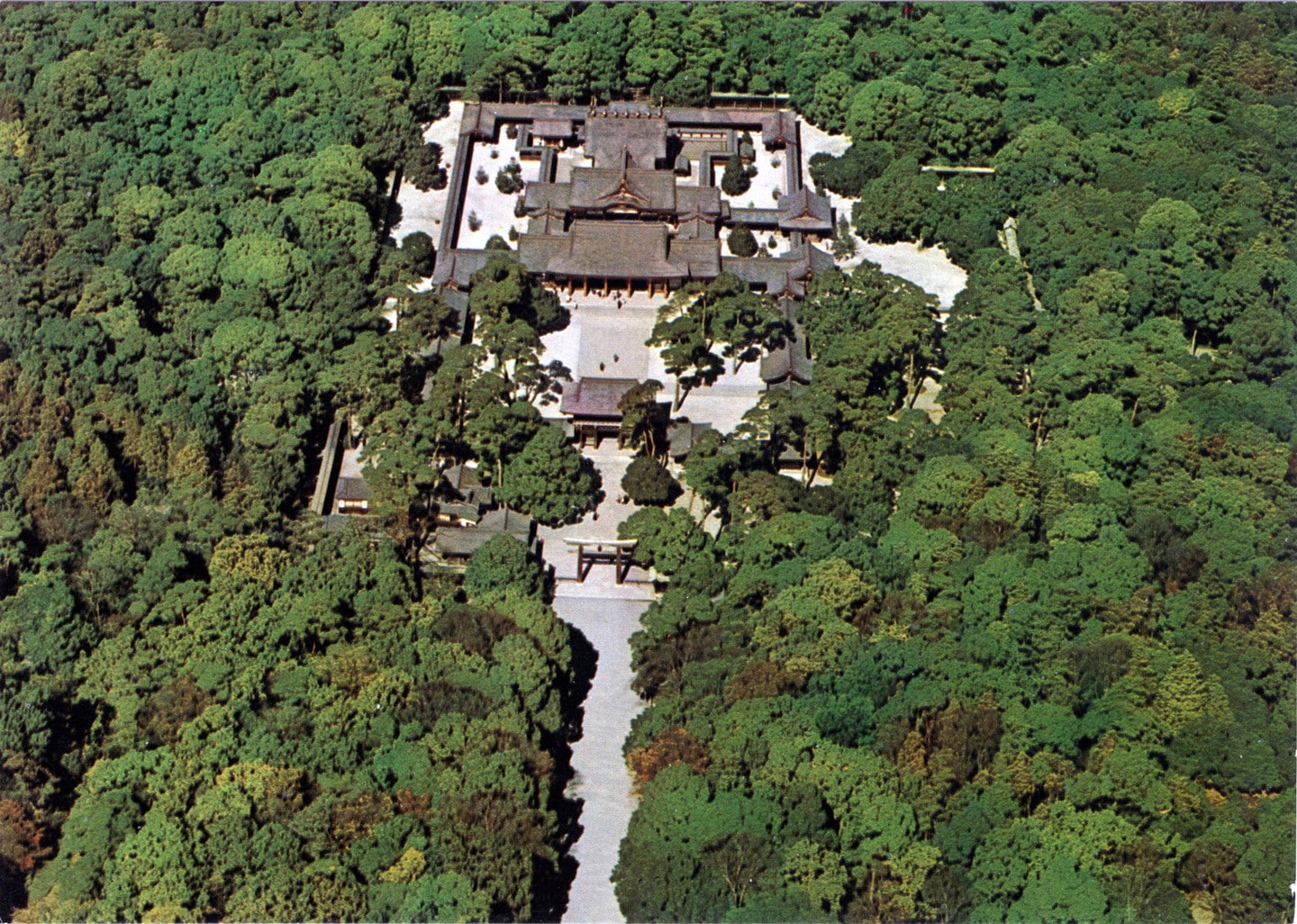
Meiji Jingu (明治神宮) is a Shinto shrine in Tokyo, Japan, dedicated to Emperor Meiji and Empress Shoken. It is not only one of the most popular sights in Tokyo but also an important piece of Japan’s cultural and historical heritage. Covering about 700,000 square meters of woodland, it is a quiet green oasis in the middle of the city.
Meiji Jingu Opening Hours (Adjusted Monthly with Sunrise and Sunset)
The main hall and worship area of Meiji Jingu are free and open all year. Hours vary by season: January 6:40-16:20, February 6:20-16:50, March 5:40-17:20, April 5:10-17:50, May 5:00-18:10, June 5:00-18:30, July 5:00-18:20, August 5:00-18:00, September 5:20-17:20, October 5:40-16:40, November 6:10-16:10, December 6:40-16:00. Please check separately for the opening hours of paid facilities such as the Inner Garden and the museum.
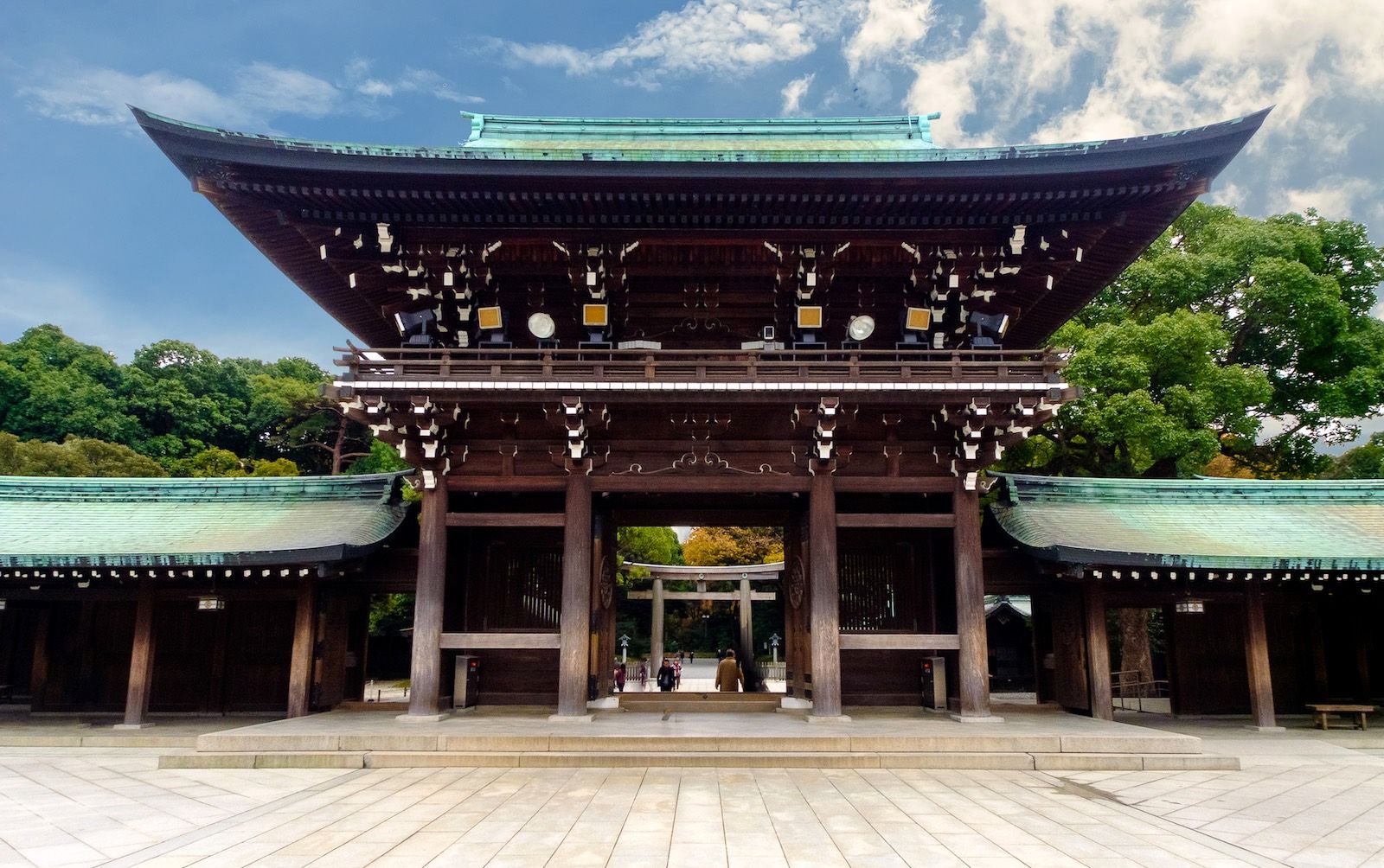

Meiji Jingu was built in 1920 to honor Emperor Meiji. After the emperor died in 1912, the Japanese people decided to build this shrine to express their reverence for him. The whole project took several years and was finally completed in 1920.
According to the official Meiji Jingu materials, after Emperor Meiji died in 1912 (Meiji 45) and Empress Shoken in 1914 (Taisho 3), calls arose among the public to enshrine the two deities, and the shrine was founded at Yoyogi, a place with deep ties to them, and consecrated on November 1, 1920 (Taisho 9). The roughly 700,000-square-meter “forest of the shrine” is in fact a man-made forest: about 100,000 trees were donated from all over Japan, and a cumulative total of about 110,000 young volunteers took part in labor service, planting the trees and laying the approach paths by hand. Air raids in April 1945 (Showa 20) burned down most of the main shrine buildings, but the forest became a refuge for the public and was not badly damaged; after the war, donations from all walks of life funded the restoration, and the main hall was rebuilt in 1958 (Showa 33), which is the hall visitors see today.
Meiji Jingu is not only a place of worship but also carries rich historical and cultural meaning. The shrine holds many precious artifacts and historic buildings, such as the main hall and the Kagura-den, all worth a closer look.
What Are the Must-See Sights at Meiji Jingu in 2026? A Guide to Each Area
Meiji Jingu is a famous shrine in Tokyo, Japan, located in the Harajuku and Yoyogi area and dedicated to Emperor Meiji and Empress Shoken. Covering about 70 hectares, it is one of the largest shrines in Tokyo. Millions of worshippers visit every year, making it one of the must-visit spots on a Tokyo trip.
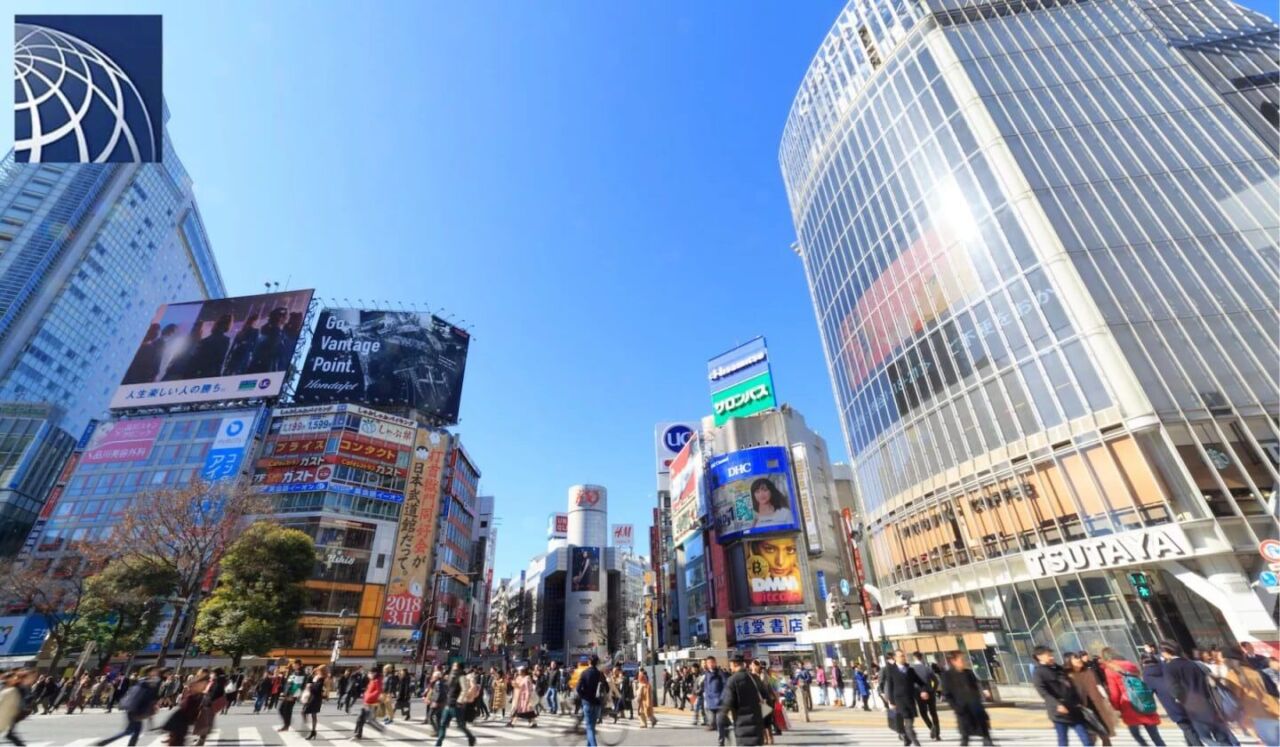
Meiji Jingu Museum
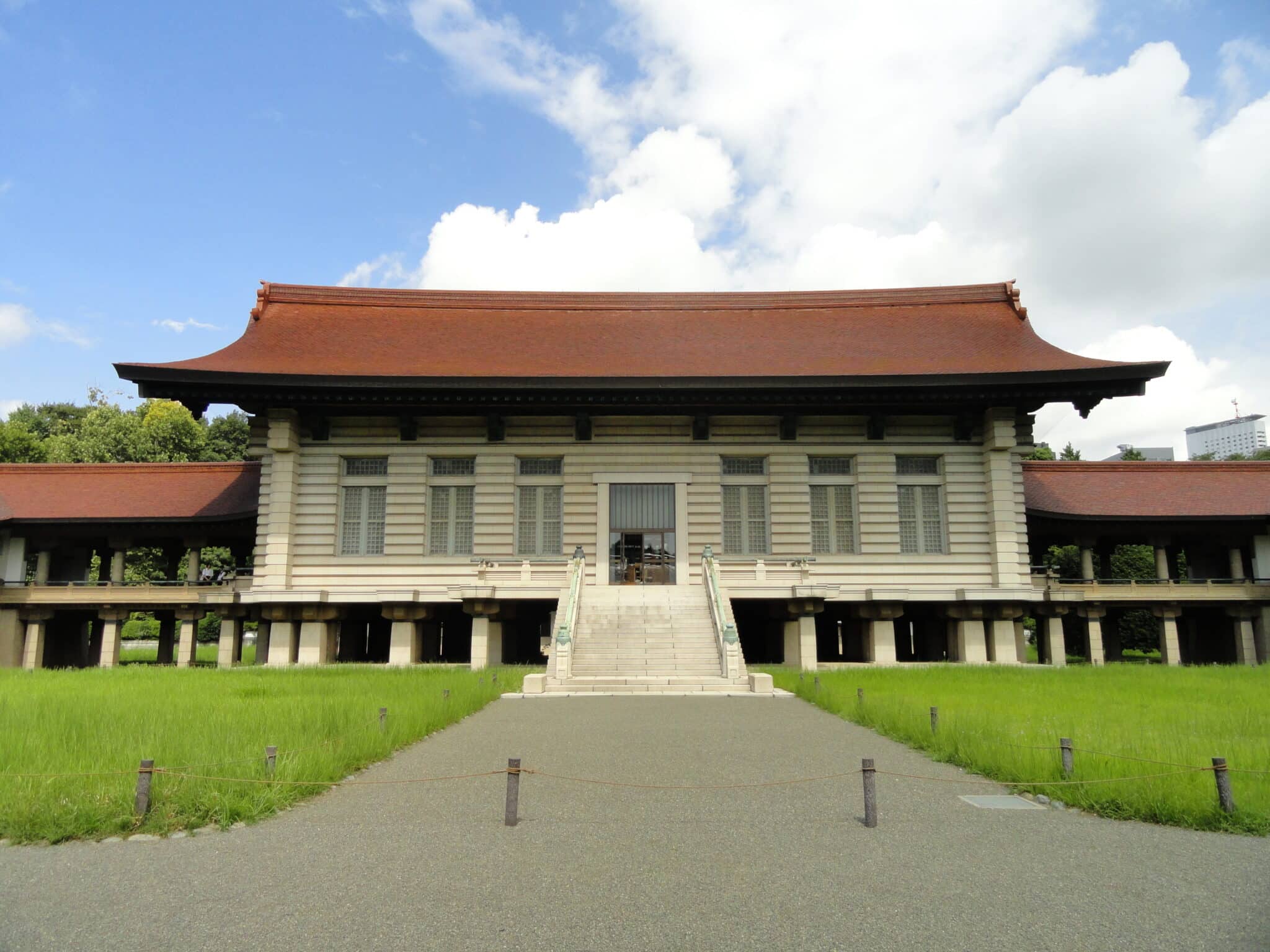
The Meiji Jingu Museum (明治神宮ミュージアム) is located within Meiji Jingu and replaces the former treasure hall, housing personal belongings and artifacts related to Emperor Meiji and Empress Shoken. Permanent and special exhibitions take turns inside, displaying a wealth of historical materials.
It is open from 10:00 to 16:30 (last entry 16:00) and closed on Thursdays (open if it falls on a holiday). Admission is generally ¥1,000. Exhibits change, so we recommend checking the official website announcements first and then adding a visit on your way, to better understand the history and culture of the Meiji era.
Meiji Jingu Inner Garden
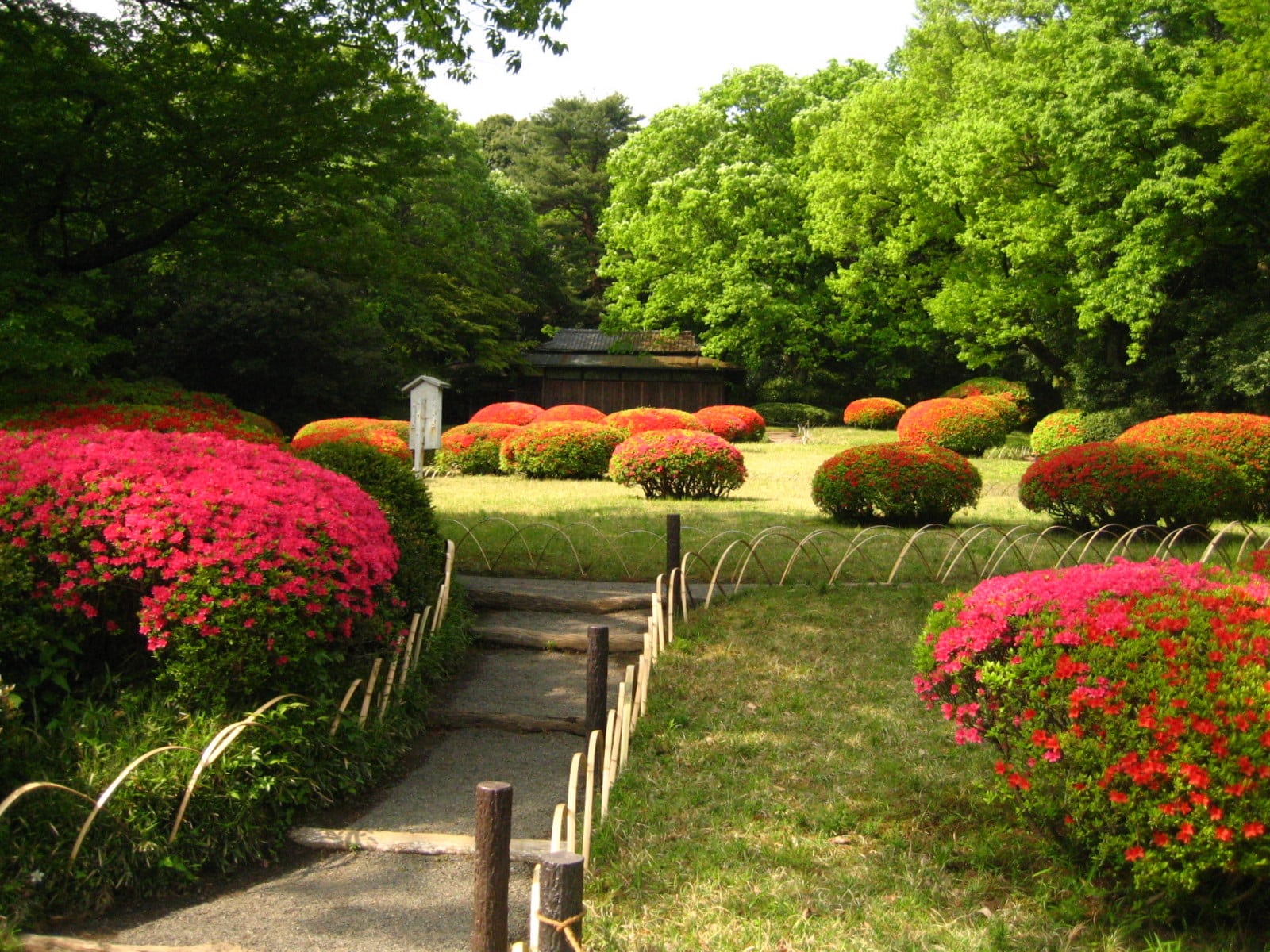
The Inner Garden is the core area of the shrine grounds, where Emperor Meiji and Empress Shoken are enshrined. The setting is tranquil, with many centuries-old trees and beautiful gardens. Visitors can worship quietly here and feel the solemnity and stillness of Meiji Jingu.
The Inner Garden (Gyoen) is a separately ticketed area, distinct from the main worship approach of Meiji Jingu: it is open 9:00-16:30 from March to October and 9:00-16:00 from November to February (during the June iris season it opens at 8:00 and stays open until 17:00 on weekdays and 18:00 on Saturdays and Sundays), and a ¥500 “maintenance contribution” is required to enter. We recommend visiting in the morning or toward evening, when the atmosphere is at its most peaceful and solemn.
Meiji Jingu Gyoen: Iris Fields and Kiyomasa’s Well
Meiji Jingu Gyoen is the only place on the grounds that existed before the shrine was founded. The garden has iris fields, a tea house, a pond and a pavilion, and Kiyomasa’s Well at the very back of the garden is a popular spot. There are about 1,500 irises of roughly 150 varieties, which bloom every June. Entry requires a ¥500 maintenance contribution, and the last entry is about 30 minutes before sunset.
Meiji Jingu Outer Garden
![Tokyo's Top 5 Autumn Leaf Spots: Meiji Jingu Outer Garden, Mizumoto Park, Asukayama Park, Ueno Park, Kitanomaru Park | Beef Bento Box Included [Departing from Tokyo, Shibuya, Shinjuku, Ueno]](https://travel.williamlion.tw/wp-content/uploads/sites/7/2026/07/image-1776.jpg)

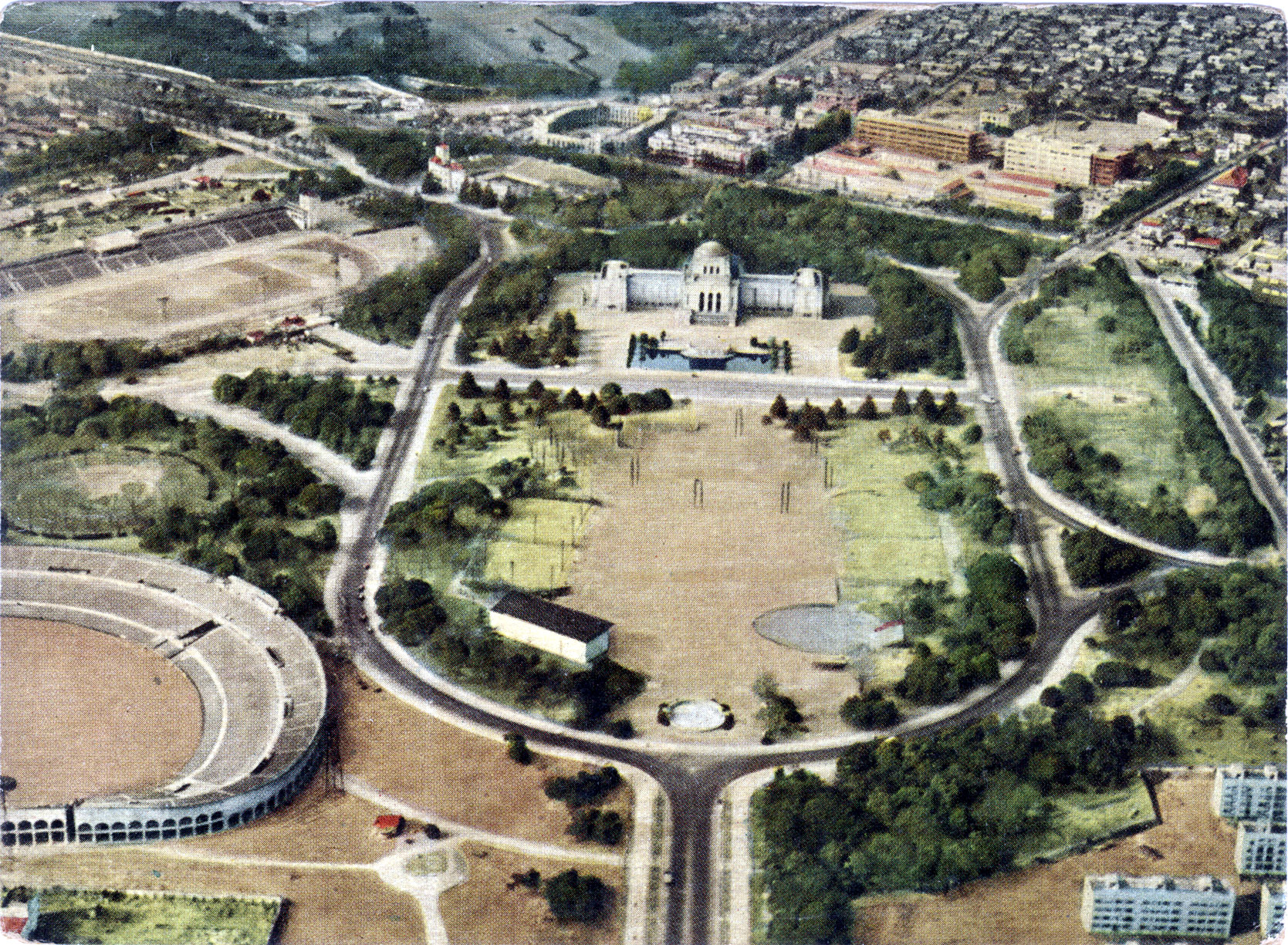
The Outer Garden is another important area of Meiji Jingu. It has many famous sights, such as the Meiji Memorial Hall and the Meiji Memorial Picture Gallery. Visitors can enjoy beautiful scenery and historic buildings here.
The Outer Garden is open from sunrise to sunset and is free to visit. We recommend going during the day, when you can enjoy the scenery and historic buildings. The Outer Garden also has many shops and restaurants where visitors can eat and shop.
Visiting the Outer Garden takes about 1-2 hours, during which you can enjoy the scenery and historic buildings and learn about the history and culture of the Meiji era.
Meiji Kinenkan
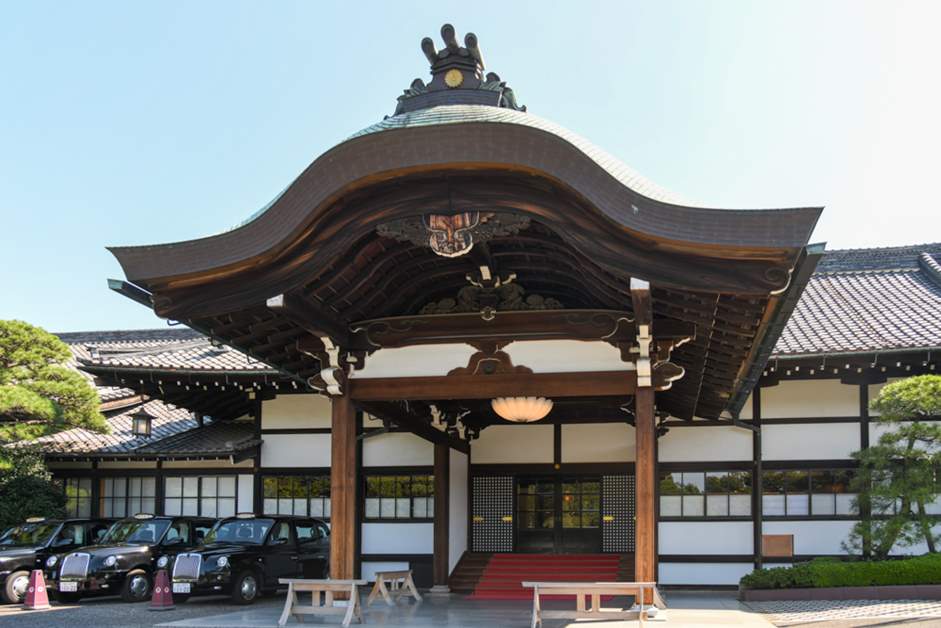
Meiji Kinenkan is located in the Meiji Jingu Outer Garden and is a building with a long history. Its predecessor was the “Akasaka Temporary Palace Banquet Hall,” completed in 1881 (Meiji 14), where the draft of the Constitution of the Empire of Japan was deliberated in 1888 (Meiji 21); the emperor later gave the building to Ito Hirobumi and it was relocated, and after it was presented to the Meiji Jingu Hosankai in 1918 (Taisho 7) it was renamed “Kenpo Kinenkan” (Constitution Memorial Hall). Since 1947 (Showa 22) it has served as Meiji Jingu’s wedding hall, “Meiji Kinenkan.”
One important note: Meiji Kinenkan is currently used mainly as a venue for weddings and banquets, and is not a historical museum open to the general public with paid admission, so there is no service for visitors to pay and go inside to see artifacts. We suggest enjoying the exterior of its Meiji-era Western-style architecture; if you want to learn more about historical materials related to Emperor Meiji, visit the nearby museum or the Meiji Memorial Picture Gallery, which do sell tickets to the public.
Because the interior is not open as an exhibition, you do not need to set aside much time if you are just admiring the architecture from outside on your way.

Meiji Memorial Picture Gallery
The Meiji Memorial Picture Gallery is located in the Meiji Jingu Outer Garden and is a museum displaying paintings of the Meiji era. It holds many paintings depicting the deeds of Emperor Meiji and Empress Shoken, created by famous Japanese painters of the time.
The Meiji Memorial Picture Gallery is open from 10:00 to 16:30 (last entry 16:00) and closed on Wednesdays (the next day if it falls on a holiday). Adult admission is ¥500. When visiting the Outer Garden, we recommend dropping in at the gallery to enjoy its fine paintings.
Yoyogi Area
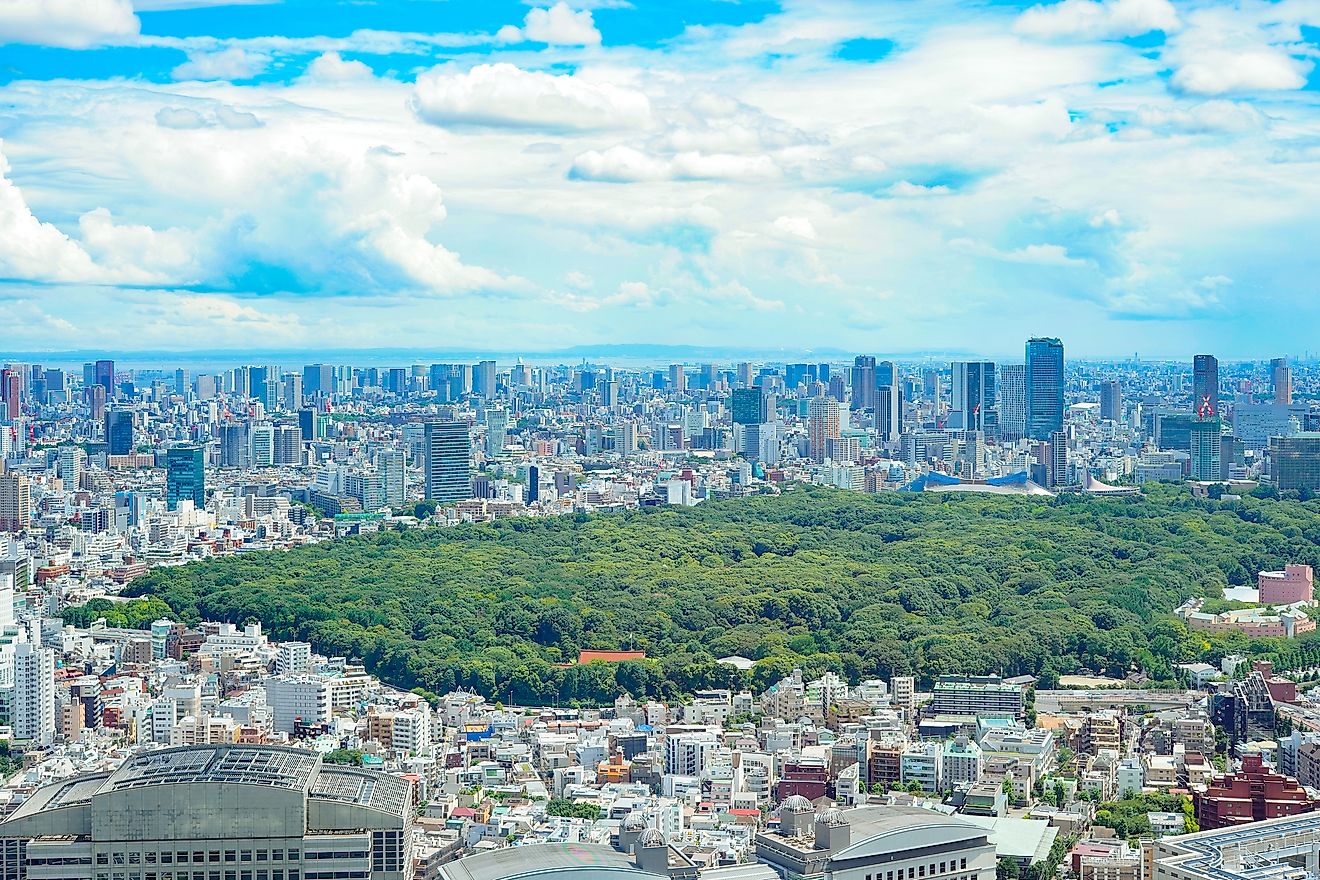
The Yoyogi area is a bustling district around Meiji Jingu with many shops, restaurants and cafes. Visitors can eat, shop and rest here. Yoyogi also has many fashionable boutiques and unique small shops where you can pick up distinctive souvenirs.
Opening hours vary by shop; please rely on each shop’s own notices. After visiting Meiji Jingu, we recommend stopping by Yoyogi to enjoy some shopping and good food.
Exploring the Yoyogi area takes about 1-2 hours, during which you can eat, shop and rest, and feel the energy and bustle of Tokyo.
Harajuku Area
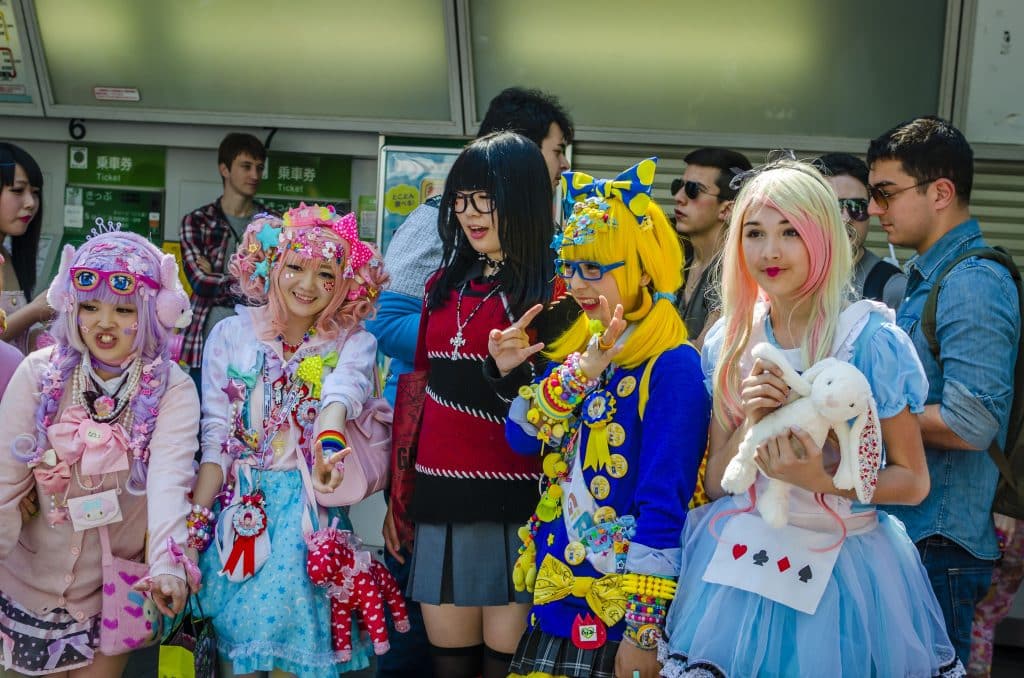
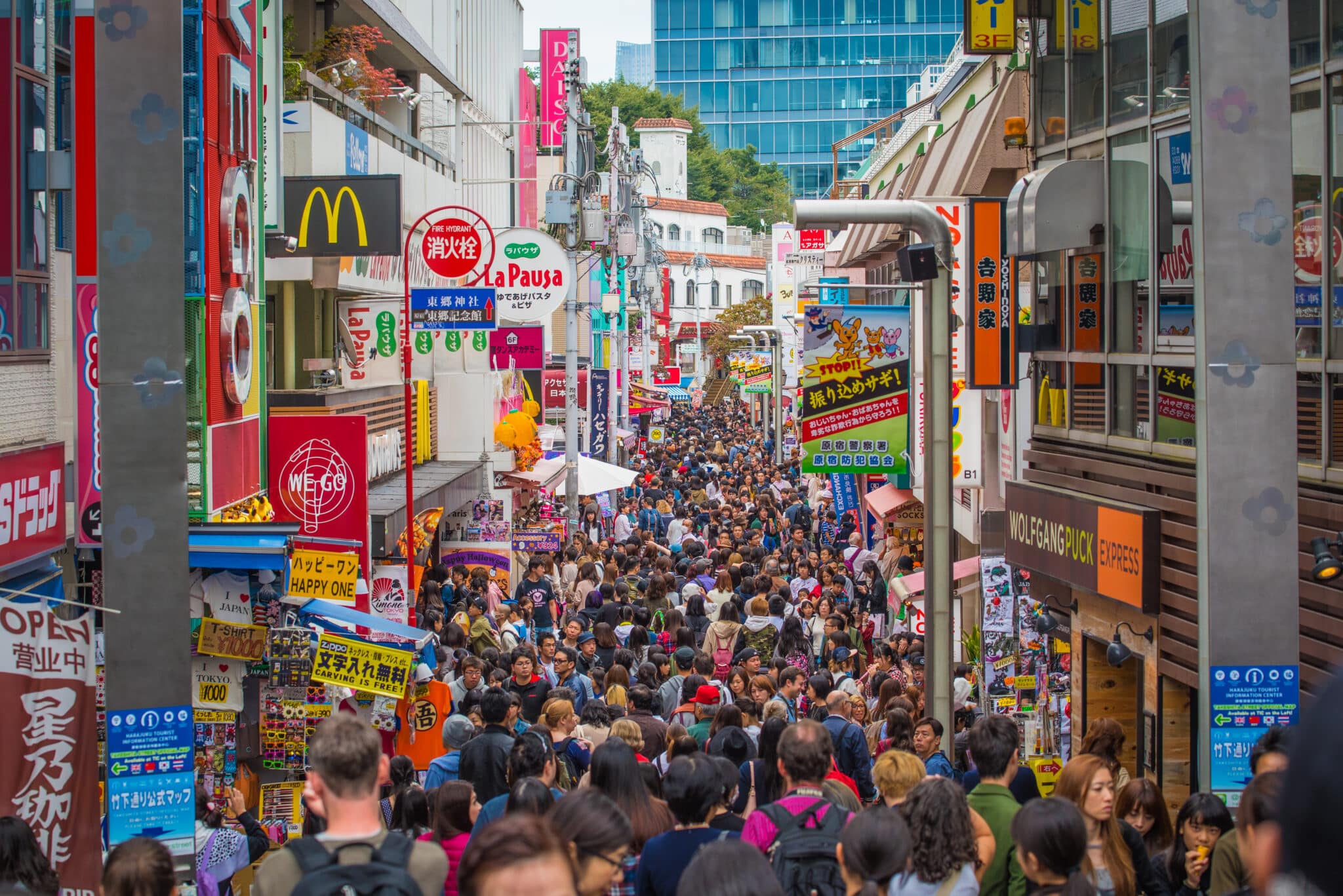
The Harajuku area is another bustling district around Meiji Jingu, popular mainly with young people and fashion-conscious visitors. Harajuku has many stylish boutiques, restaurants and cafes, along with the famous Takeshita Street pedestrian shopping street. Visitors can buy the latest fashion items and enjoy food and drinks here.
Opening hours vary by shop; please rely on each shop’s own notices. After visiting Meiji Jingu, we recommend stopping by Harajuku to experience Tokyo’s fashion and energy.
Meiji Jingu Omamori and Goshuin
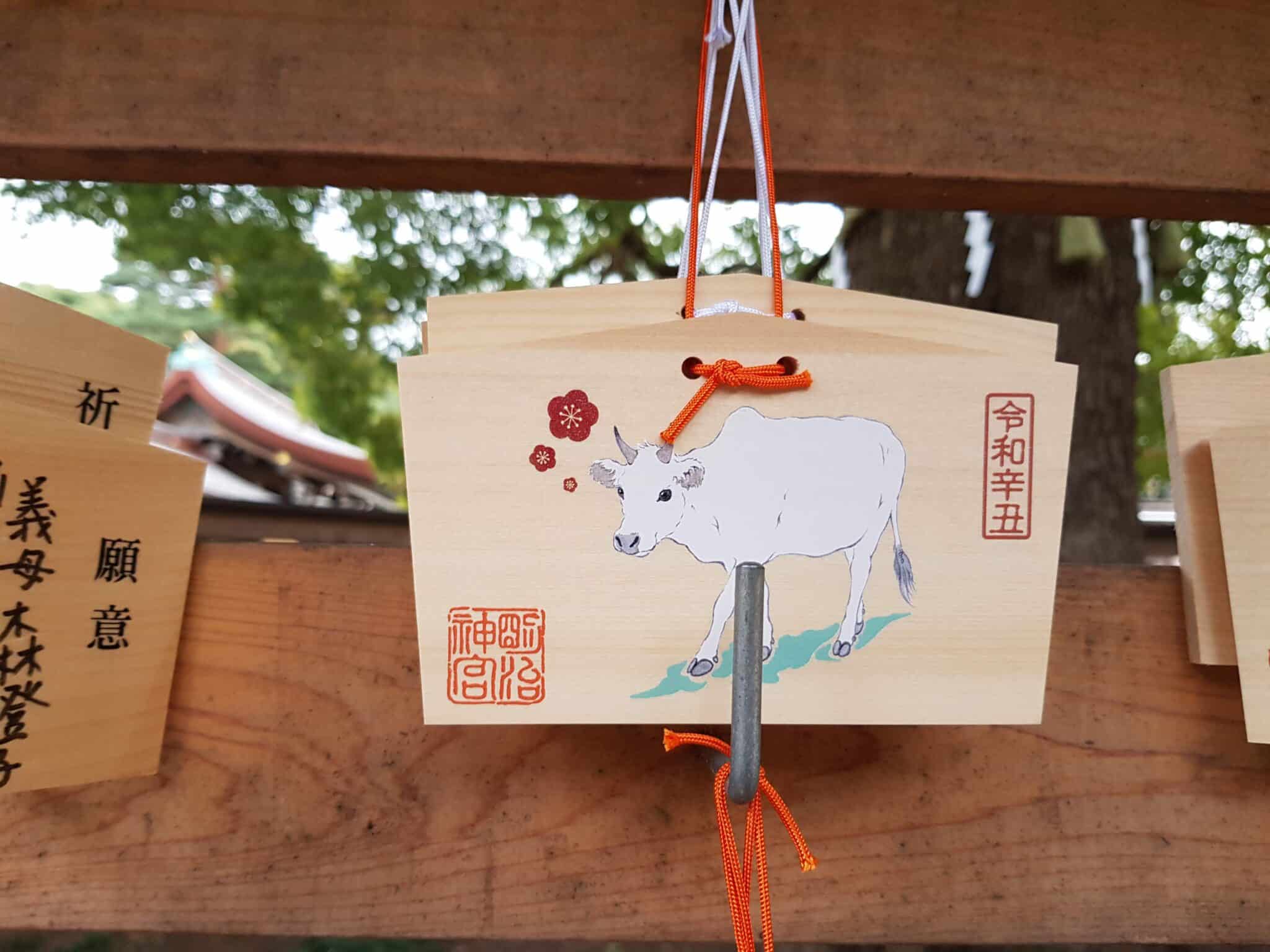
Meiji Jingu offers a variety of omamori (charms) and goshuin (shrine stamps) for visitors to buy and collect. Omamori are protective amulets common at Japanese shrines, said to bring good luck and protection. A goshuin is proof of a shrine visit, stamped with the shrine’s seal and the date.
Meiji Jingu’s omamori and goshuin can be bought at the shrine’s amulet office (Juyosho), generally priced at ¥500 to ¥1,000. We recommend buying them when you visit; they make a good souvenir and also let you feel the solemnity and stillness of the shrine.
Buying omamori and goshuin takes about 10-30 minutes, during which you can learn about Meiji Jingu’s culture and customs and pick up a distinctive souvenir.
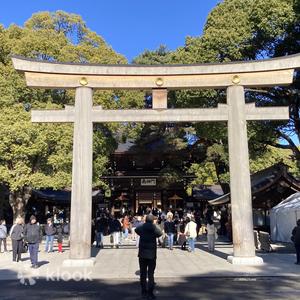
What Guided Tours and Experiences Are Recommended at Meiji Jingu in 2026?
Meiji Jingu is one of Tokyo’s most famous shrines and attracts millions of visitors every year. To help visitors experience this historic shrine better, here are some recommended guided tours and activities.
Jingu Gaien Ginkgo Avenue Illumination Walk
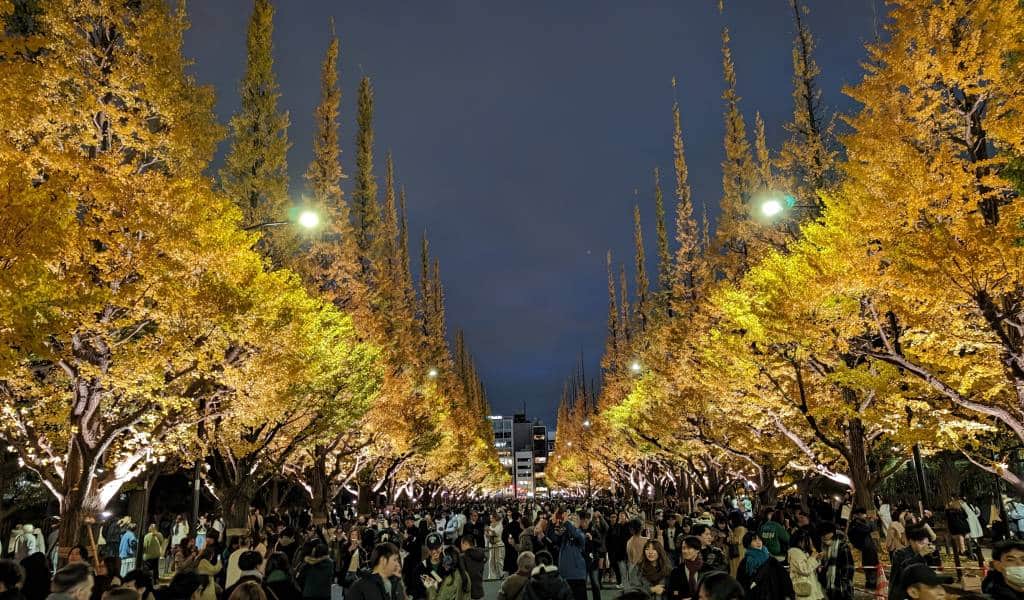
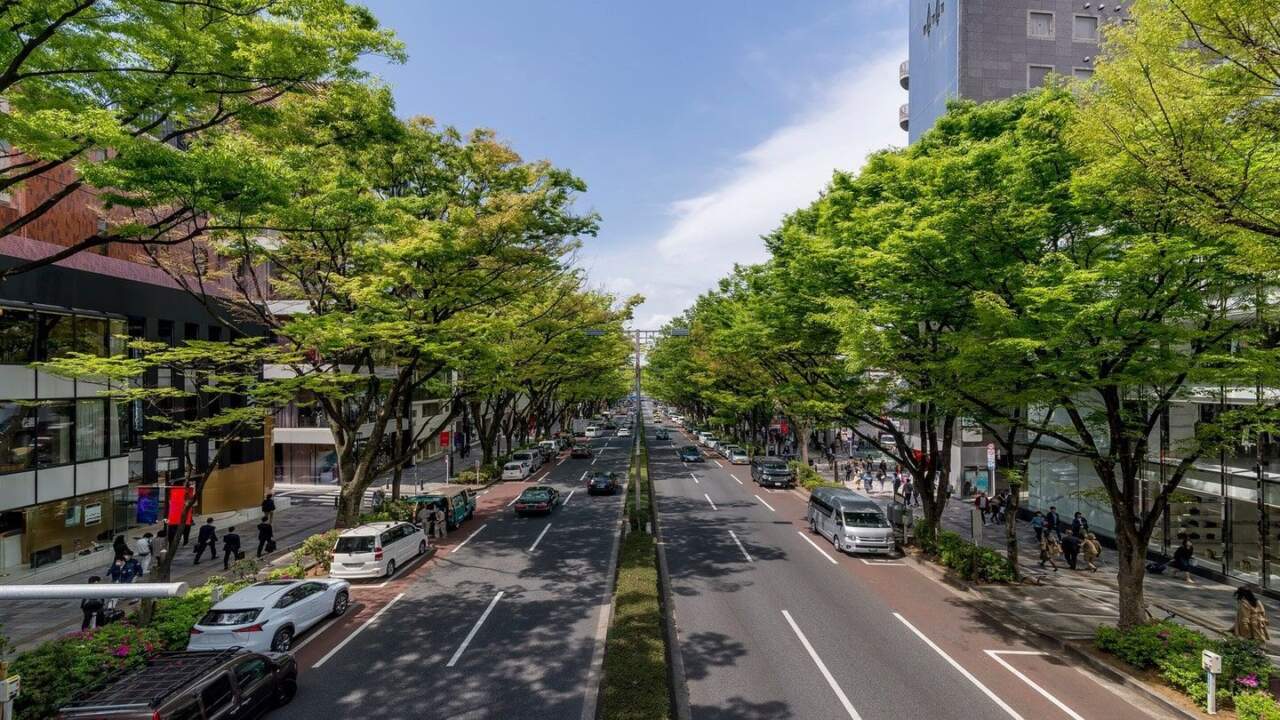
One important note: the Meiji Jingu grounds proper (the main hall and Inner Garden) close every day after sunset, and there is no night opening or illumination event. The place where you can actually enjoy night lights is the ginkgo avenue at “Jingu Gaien,” which belongs to the same Meiji Jingu system but sits in a different location. Every year in mid-to-late November, when the ginkgo leaves turn yellow, this roughly 300-meter-long tree-lined avenue draws large crowds who come to view and photograph it; it is a free, open public road and not a paid guided tour.
The ginkgo avenue is open all year and free to visit. The best ginkgo viewing period is roughly mid-November to early December. We recommend going around dusk, so you can capture both the afterglow of the sunset and the golden leaves lit by the street lamps. There are several stalls on site selling light snacks and hot drinks, making it a pleasant place for a leisurely stroll.
Since Meiji Jingu itself has no night tours or illumination events, if you want to plan an evening outing, we suggest replacing a paid night tour with a free stroll along the Jingu Gaien ginkgo avenue, so you do not make a wasted trip.
Cultural Walking Tour Around Meiji Jingu
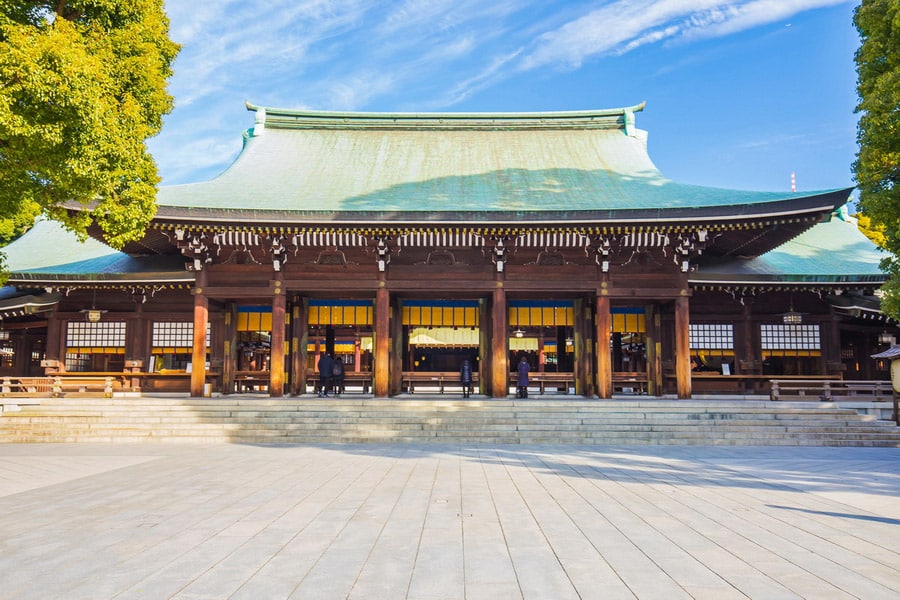
If you want to learn more about the history and culture of Meiji Jingu and its surroundings, you can choose a guided walking tour, listening to commentary as you walk, which makes it easier to understand the origins of the approach path and the forest than exploring on your own.
Itinerary, price, meeting point and language vary according to each travel agency’s announcement; please confirm the cancellation policy and departure time before booking.
Suitable for first-time visitors to Tokyo who would like someone to lead the way.
Where to Stay Nearby
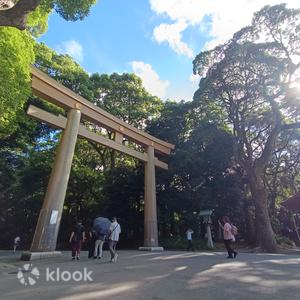
Meiji Jingu is right next to JR Harajuku Station and Tokyo Metro Meiji-jingumae Station, and it opens for worship around 5 a.m. If you stay in Harajuku, Yoyogi or Shinjuku, you can walk there or take a train for a stop or two the next morning. To compare nearby hotels, see our Shinjuku accommodation guide.