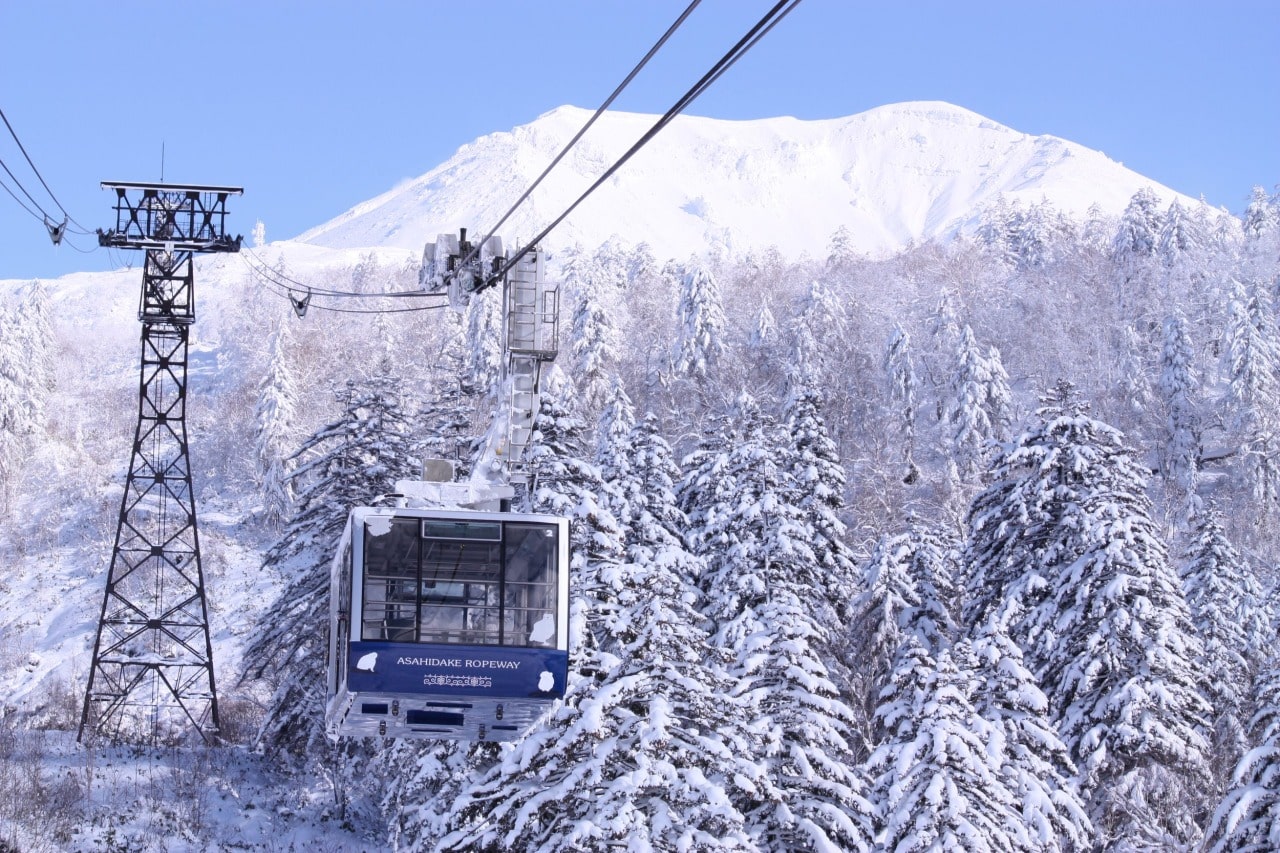

Niseko Summer Outdoor Activities Guide: Hokkaido’s Cool Escape and Adventure Playground
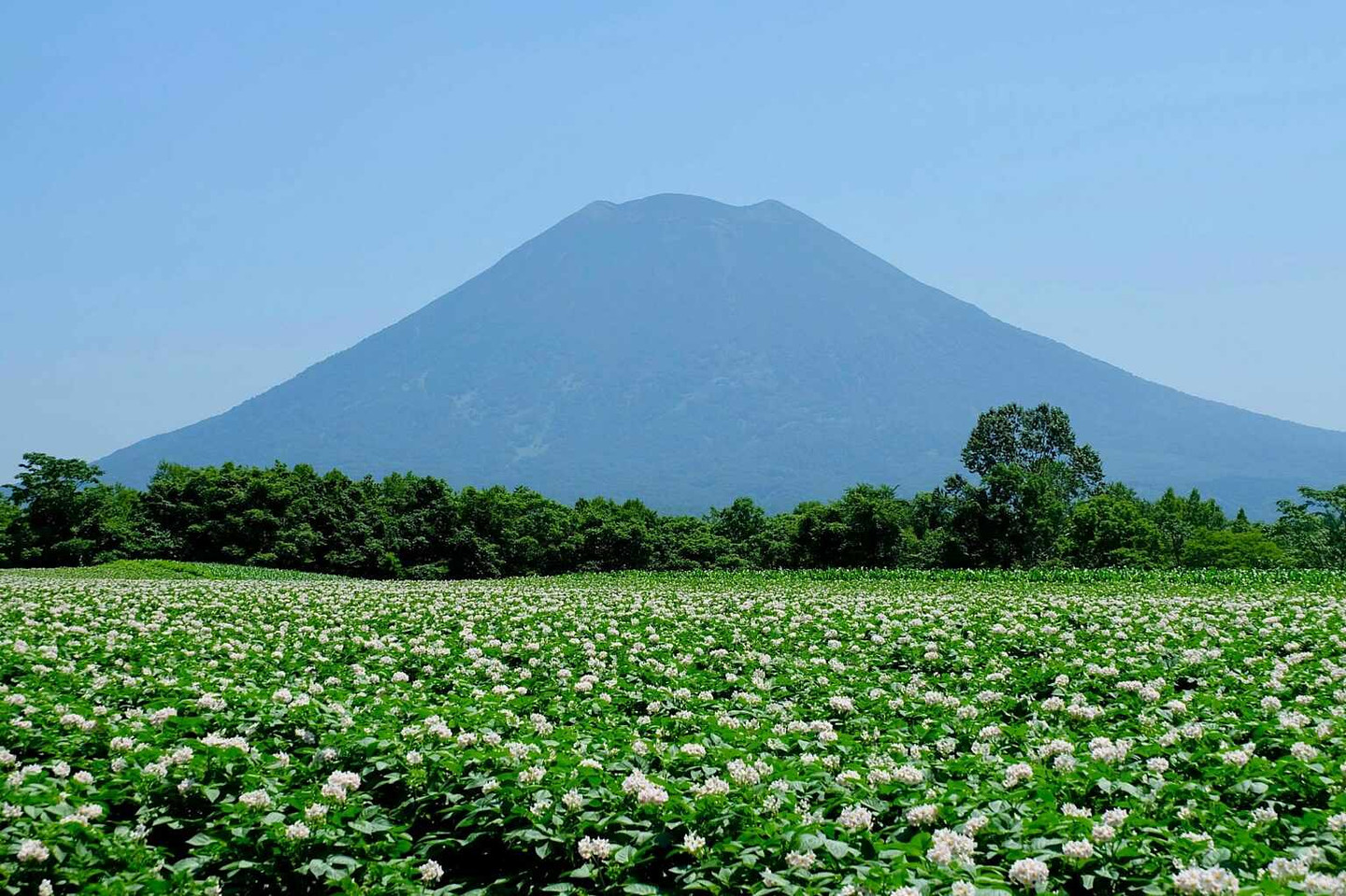
Niseko in summer (June to August) averages about 18°C with daytime highs of around 25°C, low humidity and cool mornings and evenings, making it one of Hokkaido’s top spots for beating the heat and for outdoor adventure. It is not only a winter ski mecca: in summer it becomes a hub for whitewater rafting, mountain biking, hiking, hot-air ballooning and golf, suited to families, couples, thrill-seekers and anyone who simply wants to escape the heat.
Even better, rates at top-end resorts are noticeably lower than in the winter peak, so the value is excellent. Whether you want to ride a gondola to see the sea of clouds around Mt. Yotei, take on the rapids of the Shiribetsu River, or just cycle an e-bike through the fields at leisure, Niseko can deliver it all in a 3-day, 2-night trip. This guide covers transport, sights, activities and practical tips to help you plan a perfect Niseko summer trip.
Niseko Summer at a Glance
Niseko in summer averages about 18°C (daytime highs of about 25°C) with low humidity, making it an ideal escape from the heat, and accommodation prices are also noticeably lower than in the winter peak. Operating dates for balloons, rafting and gondolas shift slightly each year, so check each operator’s official website before you go. Mountain weather changes quickly, so keep a backup plan.
Who It Suits and Suggested Itineraries
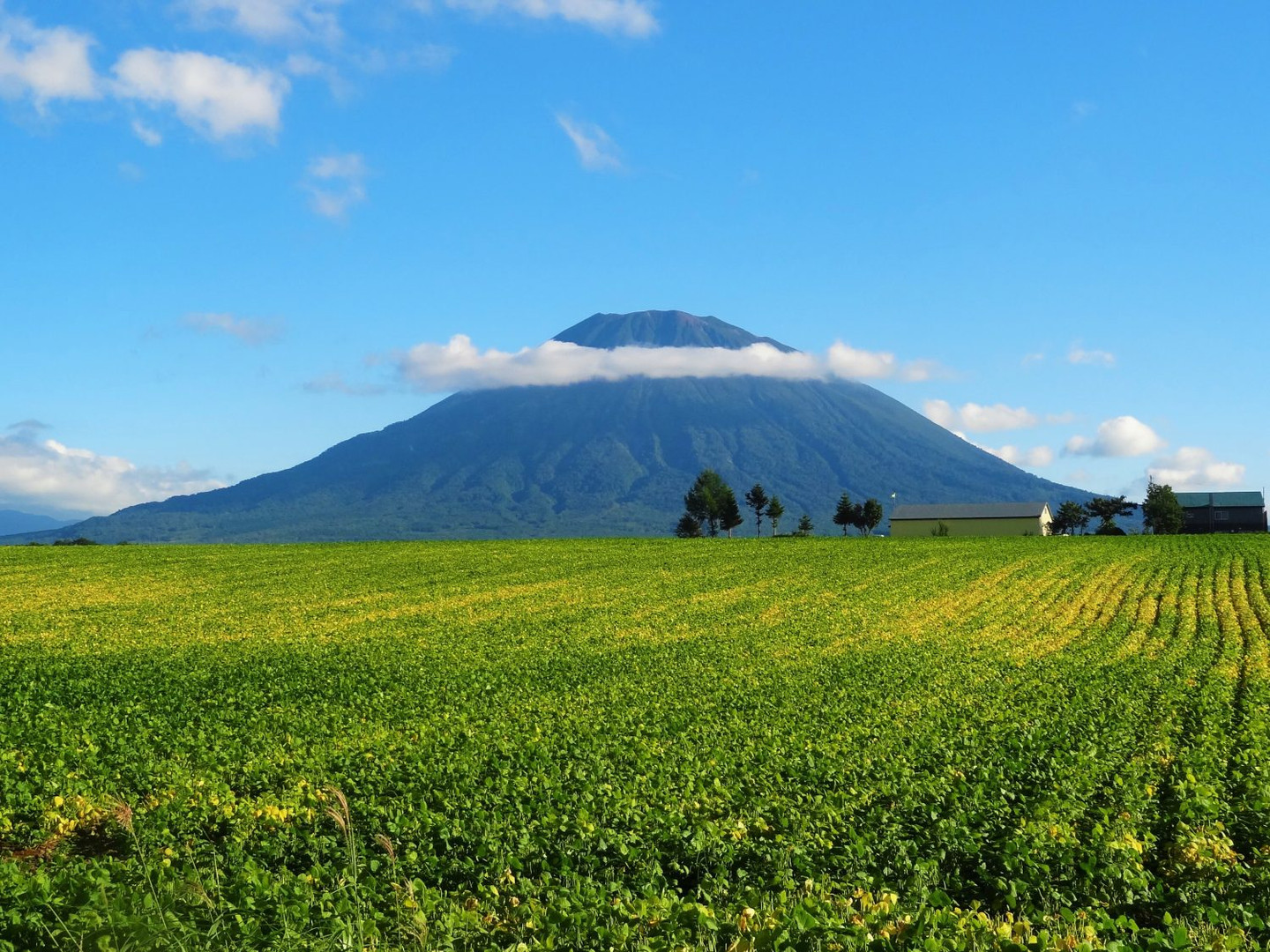
We suggest a themed 3-day, 2-night plan covering hiking, water sports, and food and hot springs, suited to families, couples and thrill-seekers. Schedule one main activity a day, such as Mt. Yotei, Shiribetsu River rafting or a gondola ride with views, and leave the rest of the time for hot springs and local food; the pace is more relaxed and a sudden weather change will not throw the whole trip off.
Niseko Summer Activities at a Glance: Rafting, Gondolas, Balloons and Hiking
Niseko’s summer activities fall into four types by interest: for scenery, take the summer gondola at Grand Hirafu or Annupuri; for thrills, book Shiribetsu River rafting; for a view from the sky, try the tethered balloon experience at Annupuri; and for hiking, tackle Mt. Yotei or walk the boardwalk at Shinsennuma. Most activities need advance booking and operating dates change each year, so check the official websites before you go.
Why Mt. Yotei Is the Landmark
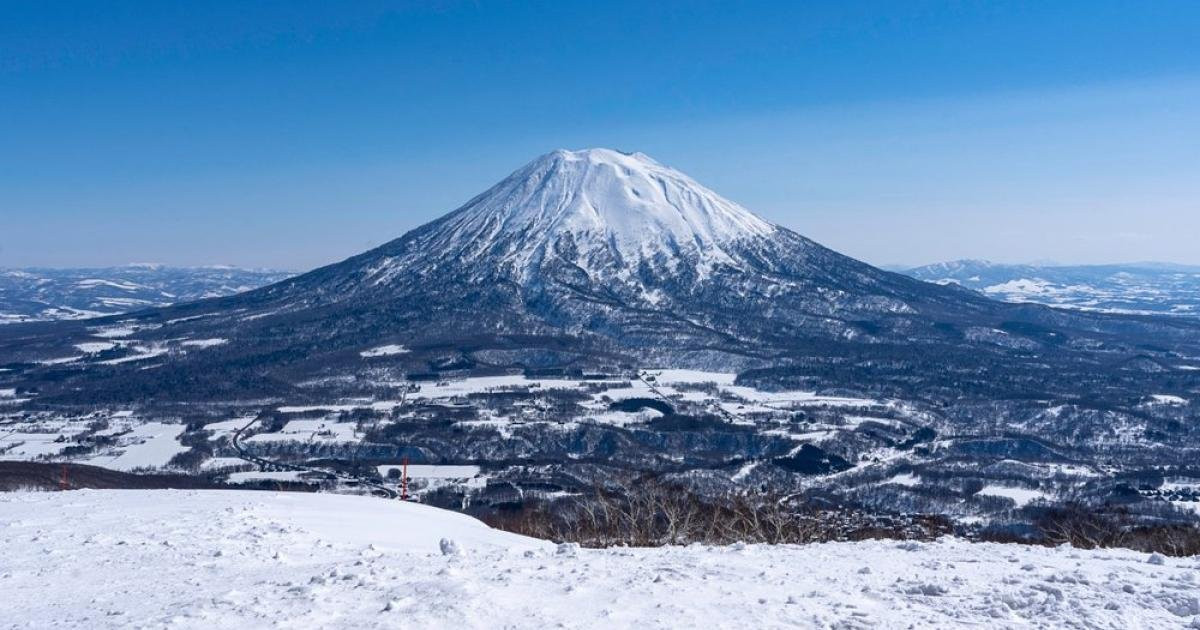
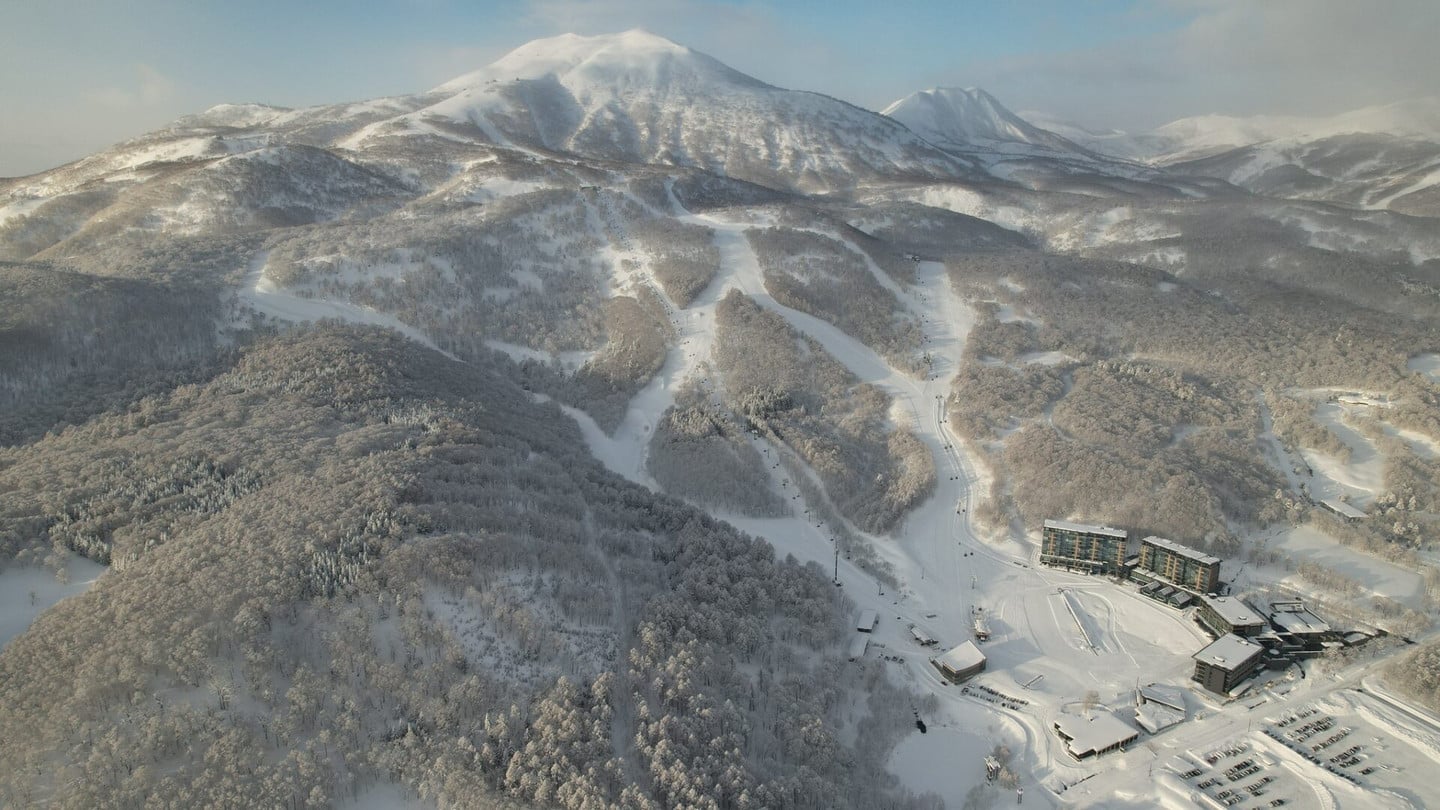
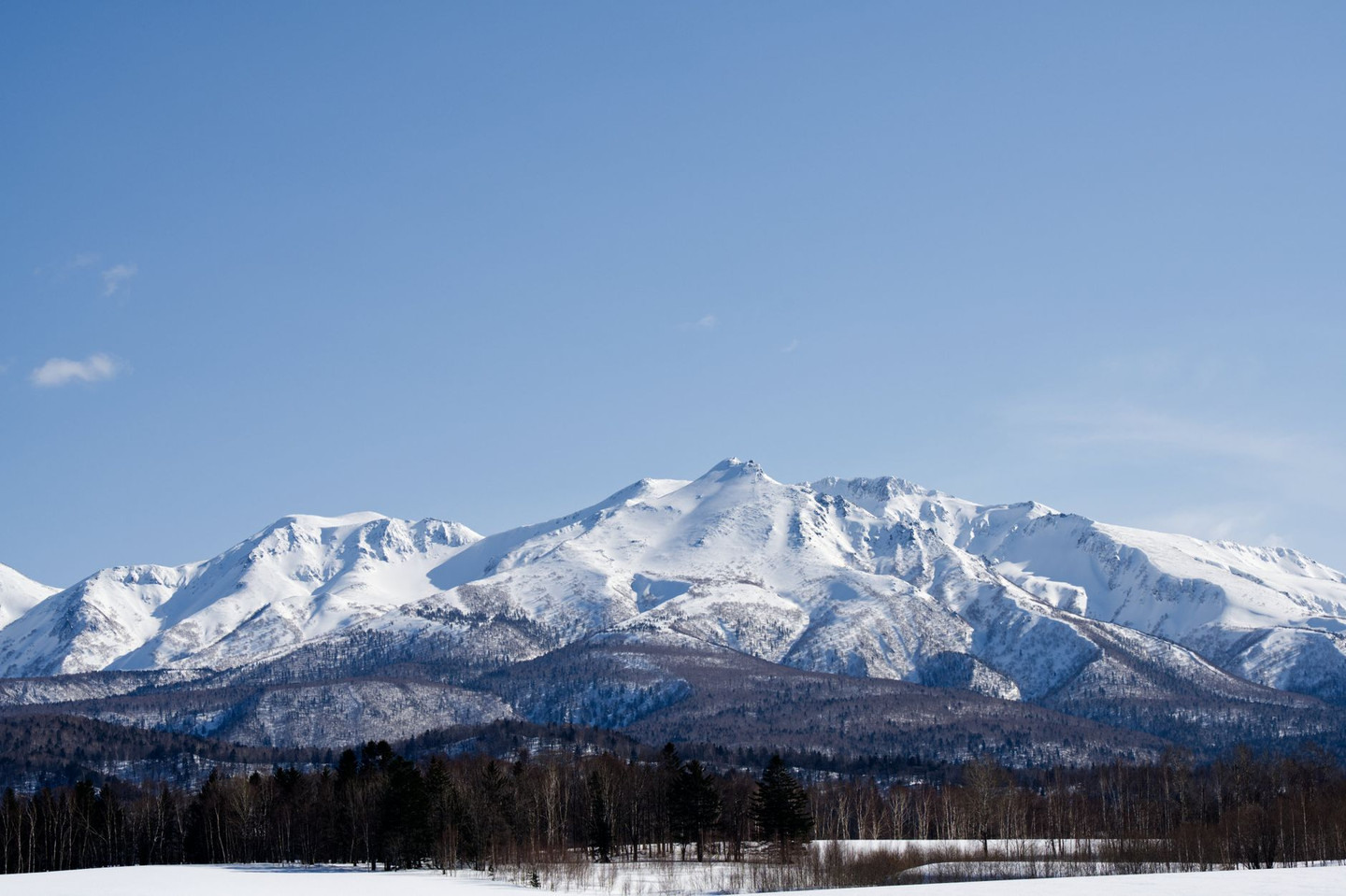
Known as “Ezo Fuji,” Mt. Yotei is the spiritual landmark of the Niseko area and anchors the whole summer itinerary. Standing 1,898 m tall in a near-perfect cone, it can be seen from surrounding towns such as Kutchan, Kyogoku and Makkari, and you can use it as a compass bearing when planning routes. The climbing season runs from late June to early October.
How to Get to Niseko: Complete Guide to Transport and Costs
There are three main ways to reach Niseko: the airport shuttle bus, JR rail and a rental car. Each has pros and cons, and after arriving you still need local transport to reach the individual resorts.
Airport Shuttle Bus: The Top Choice If You Don’t Want to Drive
Direct buses from New Chitose Airport to Niseko run by season. In winter they are operated by companies such as Hokkaido Chuo Bus (roughly mid-December to late March, with slight yearly changes, so follow the operator’s announcements), taking about 3 hours and costing about ¥6,000 one way for adults. In summer there are seasonal shuttle routes from Hokkaido Access Network at about ¥3,500 to ¥4,000 one way, but the service period is short and does not necessarily run every year. Another option that works year-round is to take the Rapid Airport train to Sapporo and transfer to the “Kosoku Niseko-go” express bus to Kutchan or Annupuri, at about ¥2,300 to ¥2,800. All options are reservation-based, so book early in peak season.
JR Rail: Scenic but Infrequent
From New Chitose Airport, take the Rapid Airport train and change at Otaru to a local train on the Hakodate Main Line (the “Yama-sen” mountain line) to Kutchan or Niseko Station. The whole trip takes about 3.5 to 4 hours and costs about ¥3,100. Note that the transfer point is Otaru, not Sapporo, and local trains on the mountain line run only a few times a day, so missing one often means a wait of an hour or two; check the timetable before you set out. The fields and forests at the foot of Mt. Yotei along the way are beautiful, which suits travelers with time who want the journey itself to be part of the trip.
Rental Car: Maximum Mobility, Ideal for Nearby Sights
Driving from New Chitose Airport via expressways takes about 2 to 2.5 hours, with fuel and tolls of about ¥6,000 to ¥8,000. Summer road conditions are good and the mountain roads are wide and easy to drive, making this the best choice if you carry bulky gear or want to add scattered sights such as Lake Toya, Kyogoku Fukidashi Park and Shinsennuma, which are hard to link by public transport. Note that some summer mountain roads, such as Hokkaido Route 66 (Niseko Panorama Line) to Shinsennuma, are open only from late April to late October, so check road status before you go.
Local Transport After Arrival
After arriving at Kutchan or Niseko Station, you still need to transfer to resorts such as Grand Hirafu, Hanazono, Niseko Village or Annupuri, at about ¥300 to ¥2,000 and 10 to 30 minutes. In summer there are local loop buses linking the areas, but service is much less frequent than in winter; most large resort hotels offer guest shuttles, which you can confirm when booking. For larger groups, sharing a taxi is often quicker. The tourist information centers at the stations and the roadside station can supply the latest timetables and maps.
| Transport | Cost (one way) | Travel time |
|---|---|---|
| Airport shuttle bus (winter direct) | About ¥6,000 | About 3 hours |
| Airport shuttle bus (summer seasonal) | About ¥3,500 to ¥4,000 | About 3 hours |
| JR rail (transfer at Otaru to Kutchan / Niseko Station) | About ¥3,100 | About 3.5 to 4 hours |
| Rental car (from New Chitose Airport) | About ¥6,000 to ¥8,000 | About 2 to 2.5 hours |
| Local loop bus / taxi | About ¥300 to ¥2,000 | 10 to 30 minutes |

&札幌接駁巴士-Klook.jpg)



Niseko Summer Outdoor Guide: Must-See Sights and Activities, Area by Area
Below are the best sights and outdoor activities in Niseko in summer, covering hiking, water sports and local culture.
Mt. Yotei (Ezo Fuji): A Perfectly Symmetrical Cone for Climbers
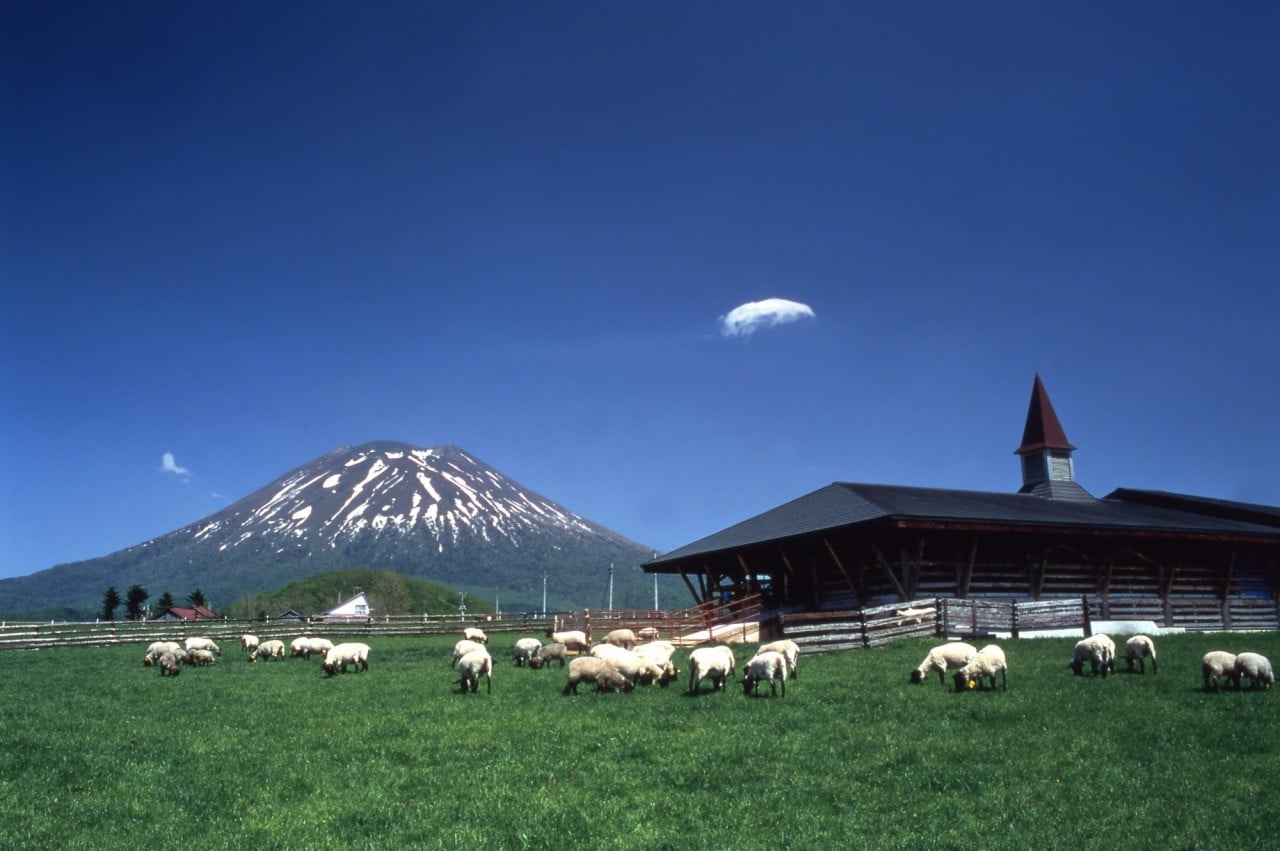
At 1,898 m, Mt. Yotei is called “Ezo Fuji” for its perfectly symmetrical shape and is the most representative natural landmark of the Niseko area. Summer is the best season to climb: from the Makkari trailhead the one-way climb to the summit takes about 4 to 5 hours, alpine flowers bloom along the way, and the summit overlooks Lake Toya and the whole Niseko basin. It is demanding and suited to experienced climbers.
Travelers who don’t want to hike can go to Yotei Sugatami Pond at the foot of the mountain (Fujimi, Kutchan; right beside Route 478, with parking) to see Mt. Yotei’s reflection, and a clear, windless early morning is the best time to photograph the “Ezo Fuji reflection.” The climbing season runs from late June to early October; bring plenty of water and a windproof jacket, as temperatures swing widely between morning and evening in the mountains.

Niseko Annupuri International Ski Resort: Summer Gondola Sea of Clouds and a Hiking Paradise
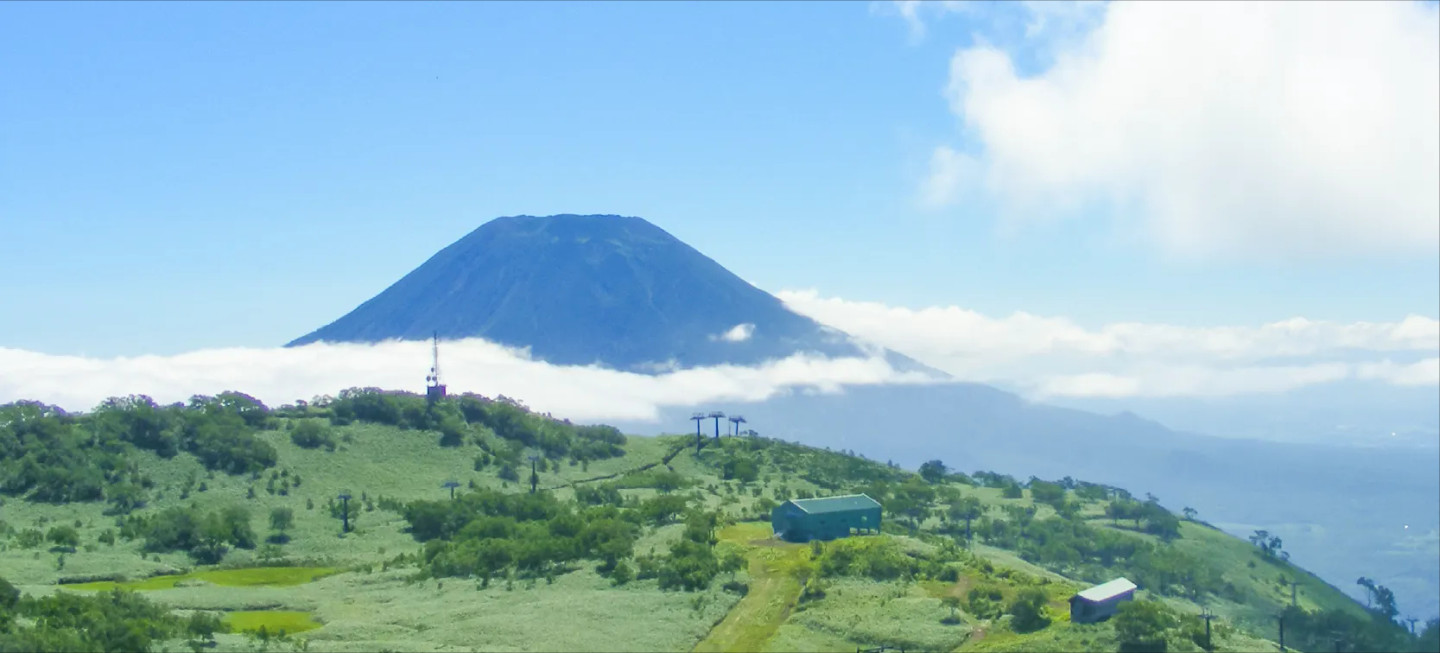
The summer-only Summer Gondola runs from the base straight up to an observation deck at 1,000 m, taking about 10 minutes one way. On clear days you can see the full panorama of Mt. Yotei and the Niseko range, and early in the morning you may even catch a sea of clouds, making it a popular photo spot on social media.
The summit has several hiking trails and rest benches, good for picnics and photos. In summer 2026 the gondola operates from July 18; fares and hours follow the announcements on the Annupuri official website (annupuri.info), and we suggest avoiding midday to catch the best light.
Niseko Tokyu Grand Hirafu: Mountain Bike Trails and Chairlift Views
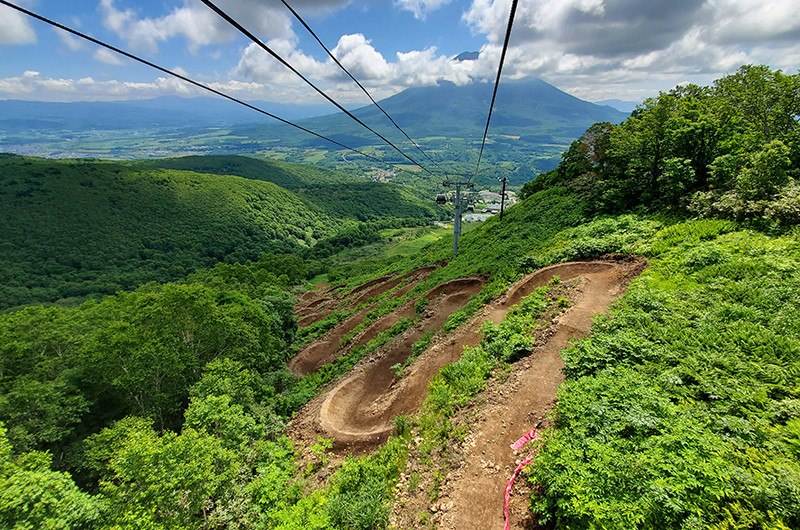
Grand Hirafu is one of Niseko’s largest resorts and opens a dedicated mountain bike (MTB) trail network in summer. From summer 2026 you can ride all the way down from the ski runs, with gondolas carrying bikes and riders uphill to spare your legs; check the Grand Hirafu official website for routes and fees.
Non-riders can also simply take the chairlift up for views of Mt. Yotei and the surrounding hills, with a cafe at the top for a break. The resort also rents e-bikes, good for travelers who want an easy ride along country lanes through the fields, and summer-only activities and new facilities roll out from early July each year.
Niseko Hanazono: Mountain Lights Night Gondola
Hanazono is a Niseko resort known for its varied, thrilling outdoor activities. In summer it also runs a night gondola, but only during the “Mountain Lights” light-art event (July 1 to October 12, 2026; adults ¥3,500 including the gondola; 2026 is the final year), not as a regular stargazing tour.
Annupuri: Tethered Balloon Experience
Held by Niseko OAC at the second parking lot of Annupuri ski resort (June to September, daily 6:30 to 7:00 a.m. and 4:30 to 5:00 p.m., adults ¥3,150), the tethered balloon experience gives a bird’s-eye view of the Niseko range and the town, and is a popular Instagram spot; book by the day before. It is heavily weather-dependent and peak slots are often full or canceled at short notice, so we suggest booking 1 to 2 weeks ahead.
Shinsennuma: A Quiet Hidden Spot for Boardwalk Wetland Walks
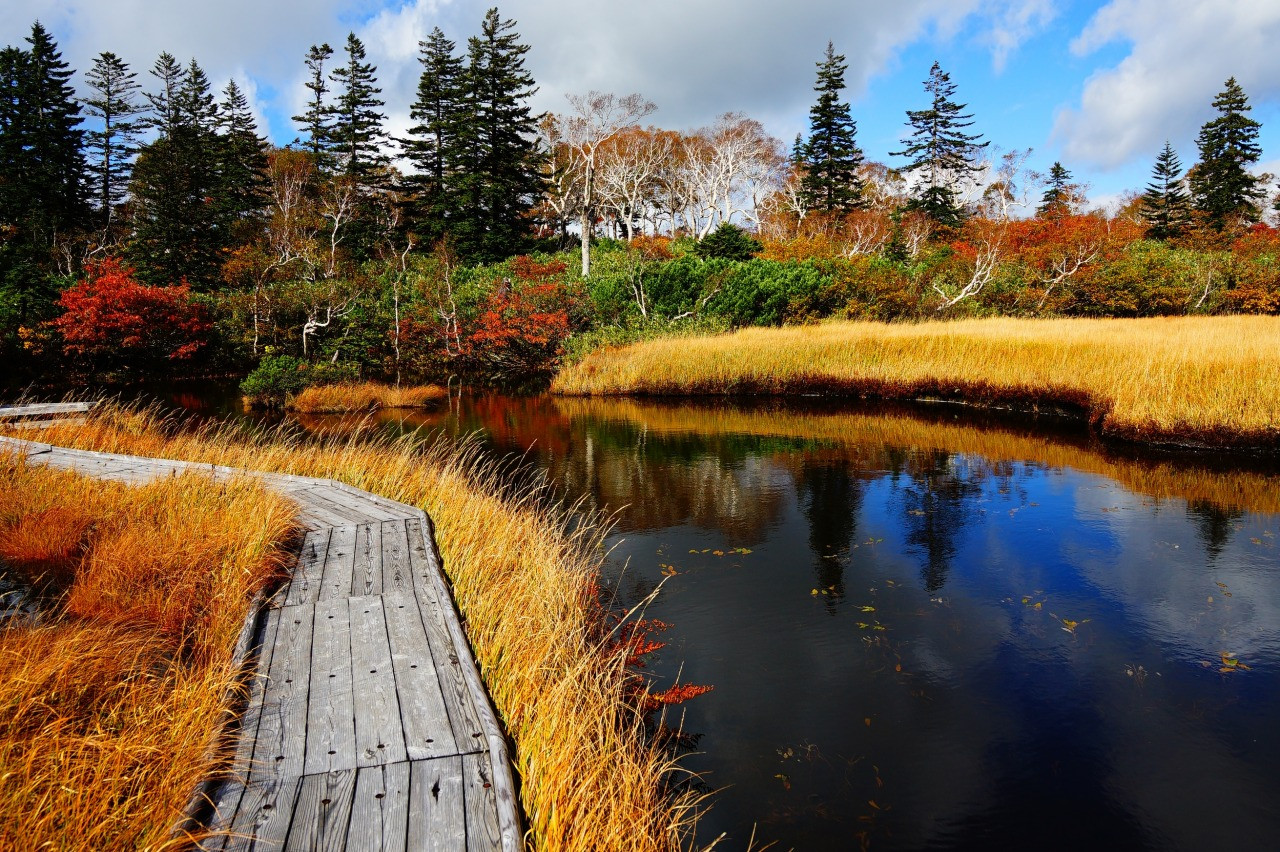
Shinsennuma is called the most beautiful and mysterious wetland in the Niseko range. A very gentle boardwalk runs through it, surrounded by alpine plants and Japanese red pine; it takes about 20 to 30 minutes one way and about 1 hour round trip, ideal for beginners and families looking for an easy mountain stroll.
The water is calm as a mirror and on clear days reflects the blue sky and surrounding mountains, a favorite with photographers. The access road, Hokkaido Route 66 (Niseko Panorama Line), is open from about late April to late October, and the Shinsennuma rest house from early June to late October. There is free parking at the entrance; wear non-slip hiking shoes, and mornings are less crowded with the softest light.
Fukidashi Park: A Cool Oasis Fed by Mt. Yotei Springs
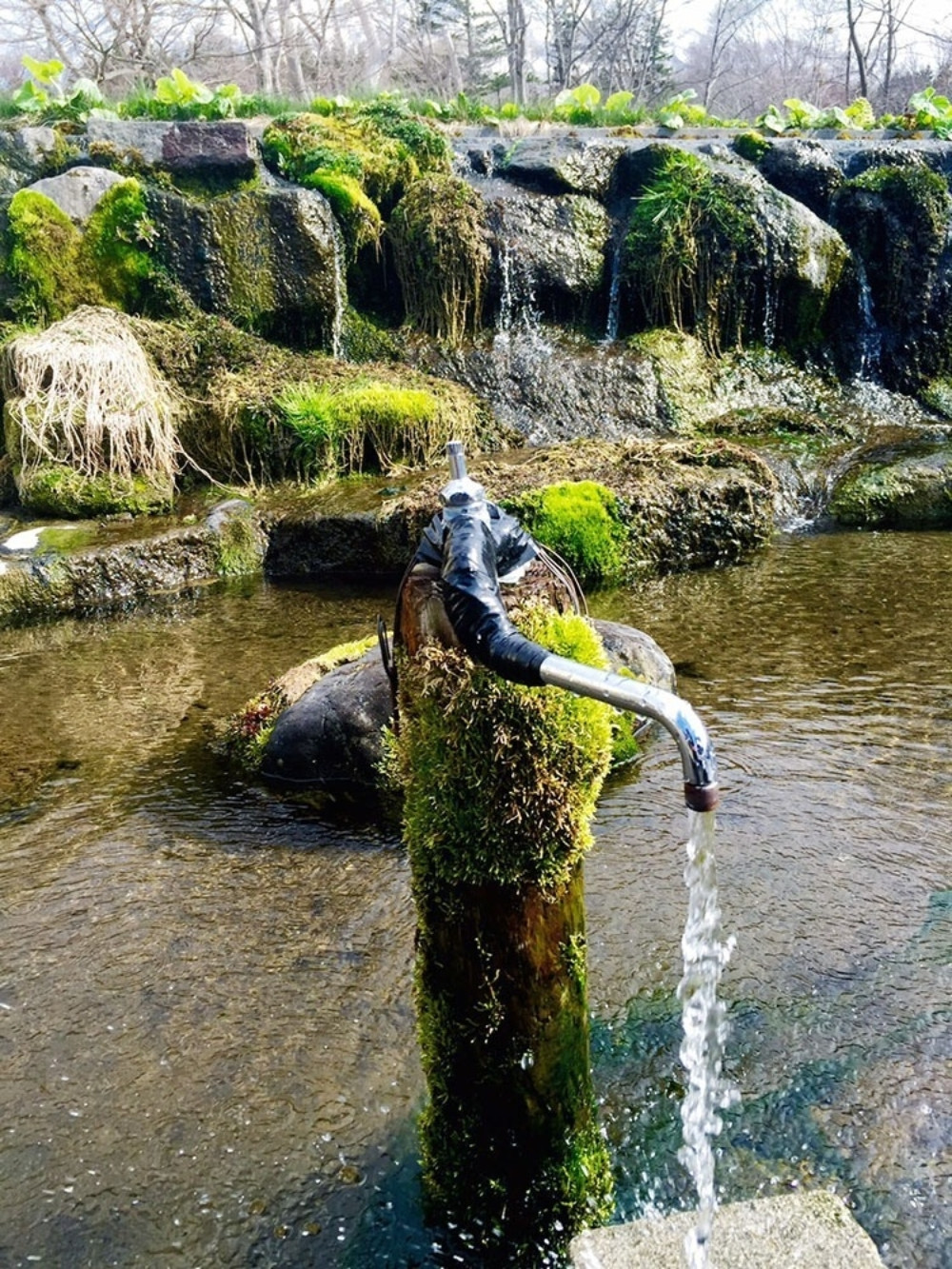
Fukidashi Park (Kyogoku Fukidashi Park) is in Kyogoku, where the spring water comes from groundwater beneath Mt. Yotei. It was selected as one of Japan’s 100 Famous Waters and a Hokkaido Heritage site, with a free water-collection point where the water stays at about 6.5°C all year, clear and sweet. The park has a wading pool and picnic area, drawing many families to cool off in summer.
The surroundings are lush and green and offer an excellent angle on Mt. Yotei, and many photographers come especially to capture the peak reflected in the spring pool. Admission is free and it is open all year; bring your own bottle to fill with the sweet natural spring water, and on busy summer weekends go early.
Shiribetsu River: One of Japan’s Clearest Whitewater Rafting Meccas
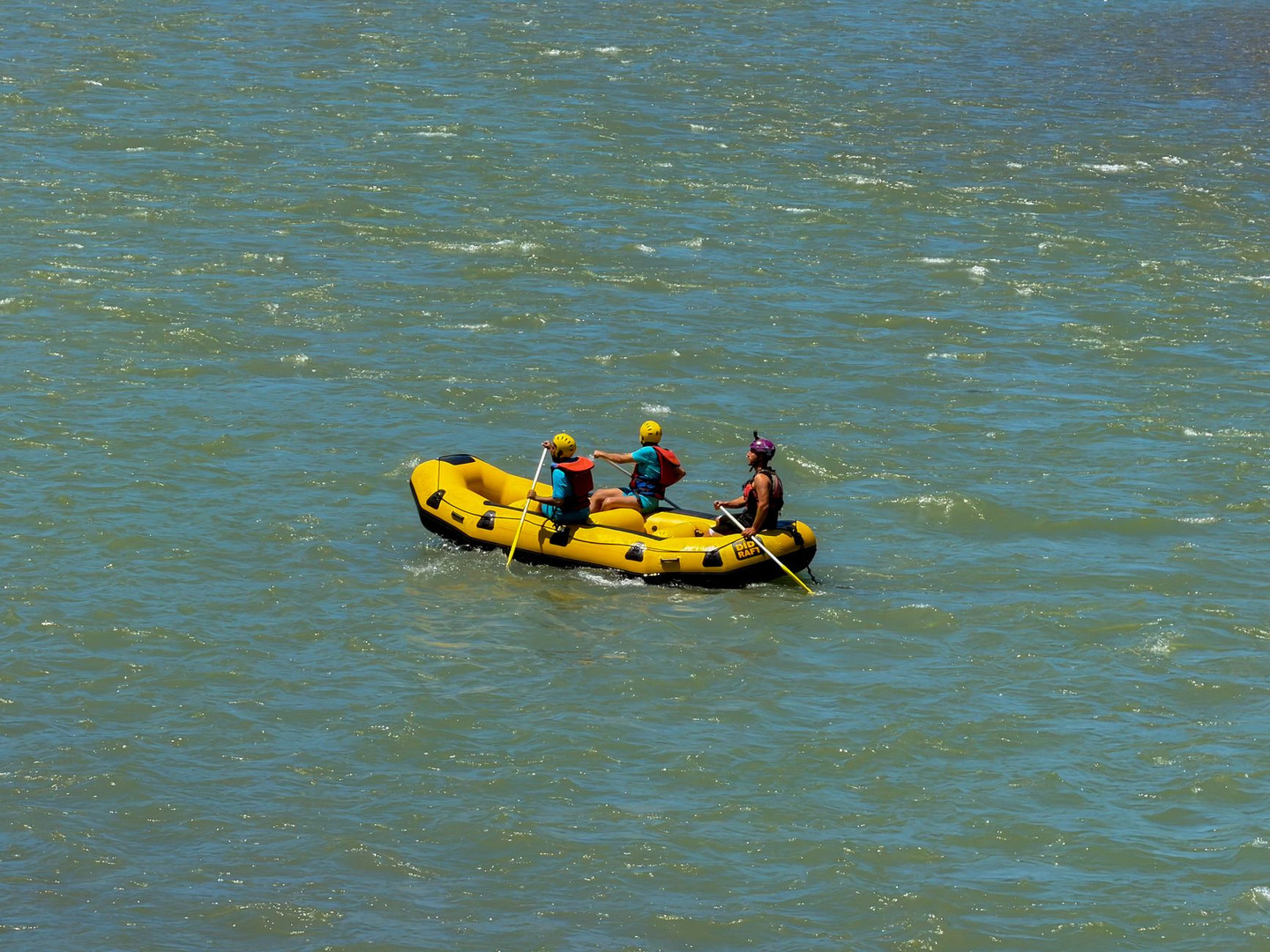
The Shiribetsu River is known for water clarity among the best in Japan, called one of “Japan’s clearest rivers.” After the snowmelt the summer flow is steady yet exciting, ideal for whole families or thrill-seekers to ride the rapids in a rubber raft. You can book guided tours with local professionals such as NAC (Niseko Adventure Centre) or Niseko OAC, and the water level and thrill vary with the season (about Class 3 in spring, dropping to a milder Class 2 in summer).
Those who like to control their own craft can choose a river kayak or a two-person inflatable canoe (Ducky) through the rapids; on calmer stretches you can try stand-up paddleboarding (SUP) and quietly enjoy the green banks and distant Mt. Yotei from a different perspective. Professional instructors and safety gear are provided throughout; in summer (June to November) participants must be 6 or older, the high-water spring trips (April to May) are limited to age 13 and up, and there is also a Family Rafting option from age 3.
Kinoko Kingdom: Indoor Mushroom Picking and Freshly Cooked Mushroom Soup
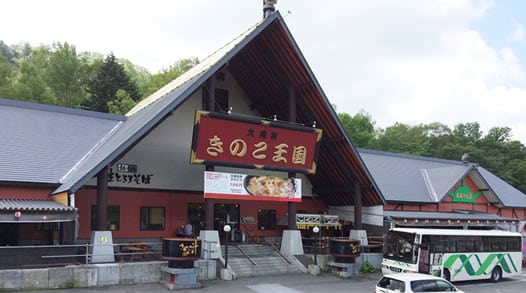
Kinoko Kingdom (Kinoko Okoku) is a popular family spot near Niseko with indoor mushroom picking open all year, where visitors pick shiitake, nameko, shimeji and bunapi mushrooms by hand and taste fresh Hokkaido produce; the fee is based on the weight picked.
The park is known for various mushroom products and freshly cooked mushroom soup, and is a very popular rest stop on road trips. It also sells mushroom dishes and souvenirs; opening hours and closing days follow the official announcements, and we suggest setting aside half a day to look around.
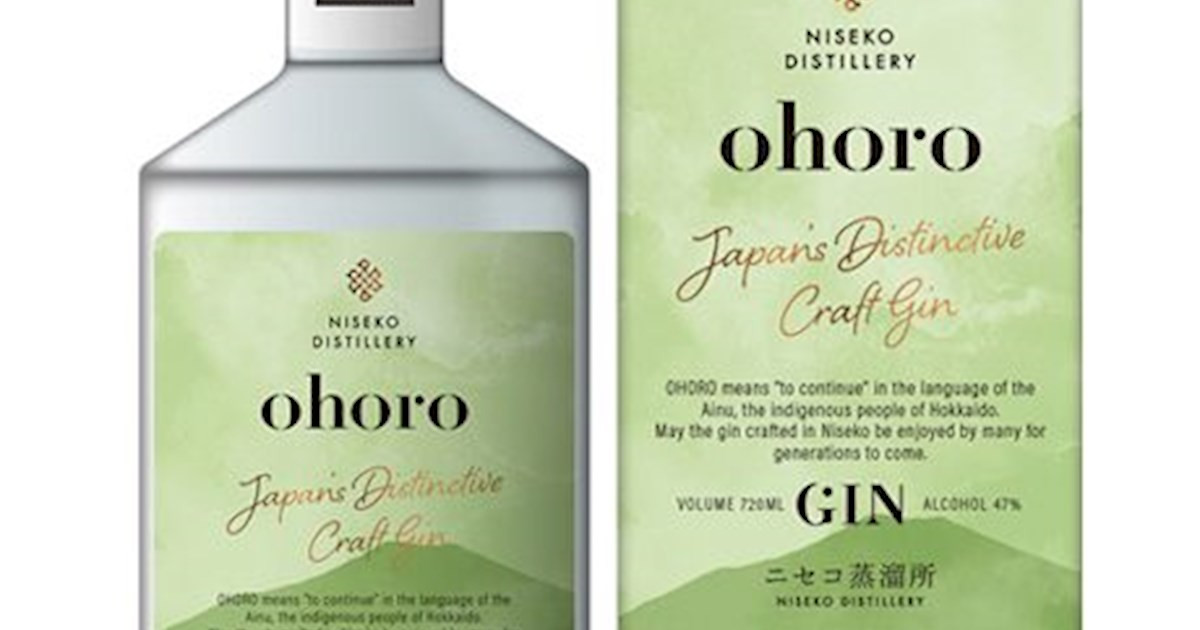
Niseko Distillery: ohoro GIN Distilled with Annupuri Spring Water
Niseko Distillery is a craft distillery that has risen in recent years, using groundwater from Annupuri in Niseko to distill the delicately flavored “ohoro GIN Standard,” infused with local botanicals for a crisp taste with a forest note.
The distillery offers tours of the brewing process and has a shop selling limited-edition gins and merchandise, a great indoor rainy-day option. Tours are by reservation (about 60 minutes), with fees and sessions per the official website; the shop and bar are open to walk-ins, and minors or drivers can buy bottles to take home.
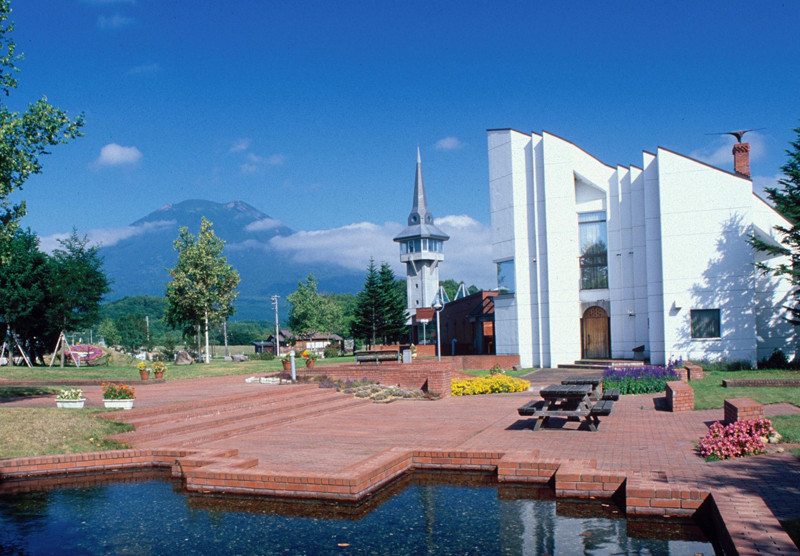
Arishima Memorial Museum: The Literary Footsteps of Novelist Arishima Takeo
The Arishima Memorial Museum stands in Niseko and commemorates Arishima Takeo, a leading writer of Japan’s Shirakaba school. It displays his manuscripts, letters and life photographs and tells the moving story of how he gave his family’s farmland free to tenant farmers, showing a strong humanitarian spirit.
The building blends Japanese and Western styles, with a green garden around it, suited to literature and history lovers for a visit of half an hour to an hour. The permanent exhibition is ¥500 for adults and free for high school students and under; open 10:00 to 16:30 (last entry 16:00), closed Mondays (and also on the 1st, 3rd and 5th Tuesday of each month).
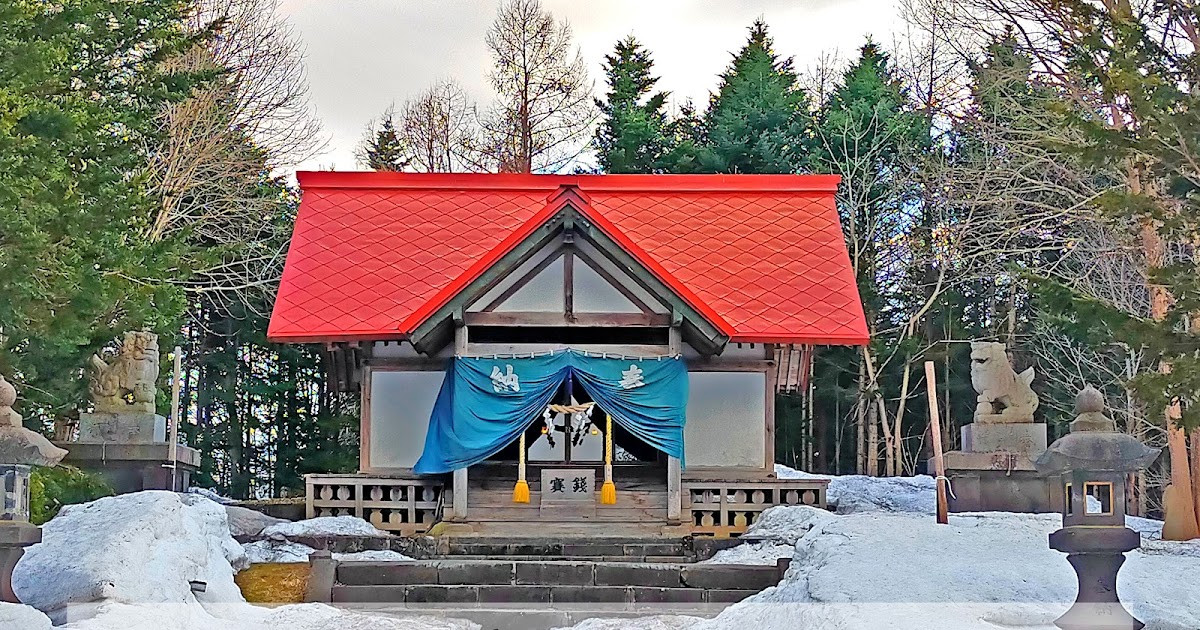
Kaributa Shrine: A Mountain Shrine for Safe Journeys
Kaributa Shrine (Niseko Kaributa Shrine) sits on a quiet slope near Niseko Station and is where locals pray for good harvests and safe travels. The grounds are small, but ancient trees surround it and the atmosphere is solemn, a compact spot to feel Japan’s traditional faith culture.
Visitors can buy omamori amulets here to pray for safe hiking, and goshuin stamps are available in some seasons, so check the shrine office hours beforehand. It is open all year with free entry, and fits on the way to Grand Hirafu or town, taking only 15 to 20 minutes.
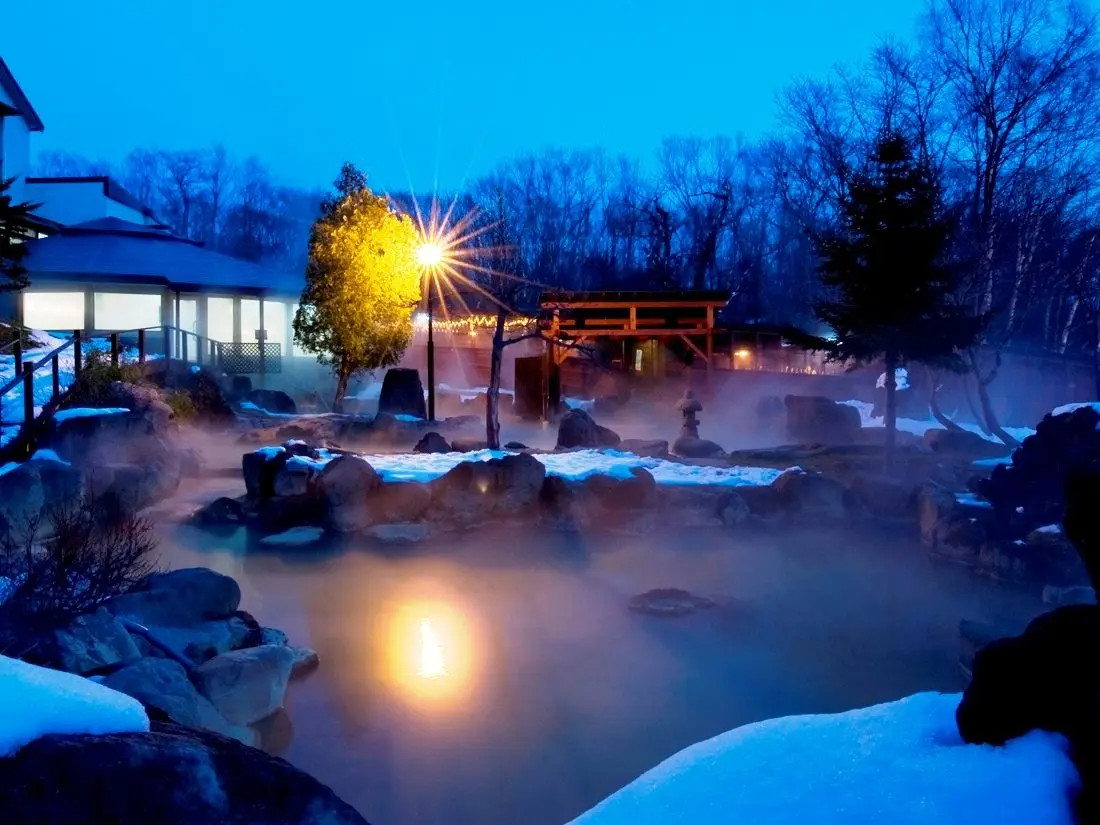
Niseko Hot Spring Tour: A Healing Finish After Hiking and Outdoor Sports
After a full day of rafting, hiking and other strenuous outdoor sports, the best way to recover is a soak. The open-air baths in the Goshiki Onsen and Yumoto Onsen areas are known for sulfur-rich water that eases muscle fatigue, while Goshiki Onsen’s minerals give the water a distinctive milky color and a smooth, comfortable feel.
In addition, Kirano-yu, the hot spring in front of Niseko Station, is an affordable bathhouse recommended by locals, at ¥600 for adults and open 10:00 to 21:30, with mild water suited to all ages. Most hot-spring inns offer day-use bathing for about ¥600 to ¥1,500, usually 10:00 to 21:00, the best way to cap a summer outdoor trip.
Lake Toya: A Caldera Lake and SUP Experience
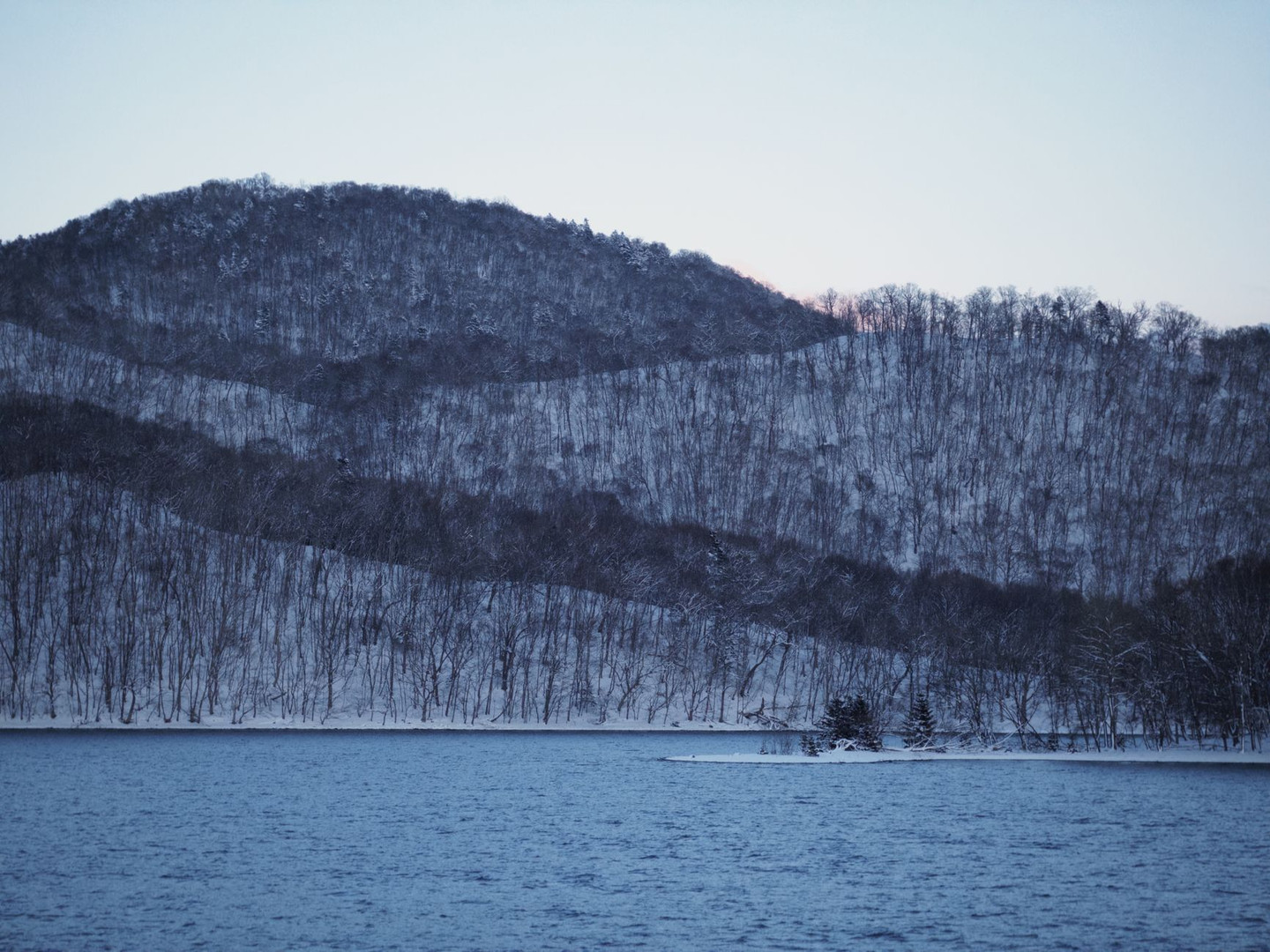
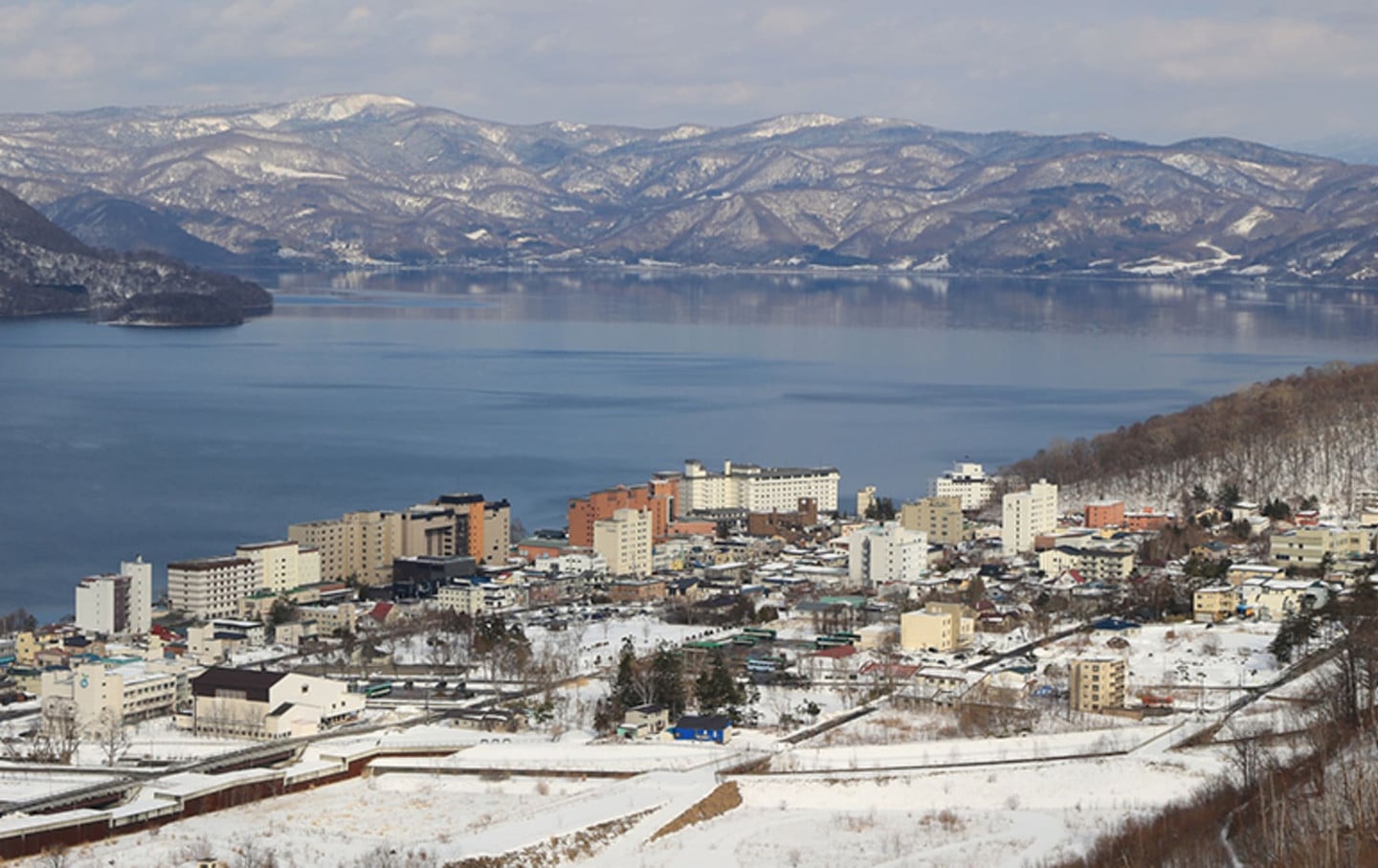
Lake Toya is a caldera lake in Shikotsu-Toya National Park that never freezes over, with magnificent lakeside scenery, and in summer you can try stand-up paddleboarding on the lake while the surrounding mountains reflect in the water.
The lakeside hot spring area is also a well-known resort with several hot-spring inns and lookouts, suited to a half-day to full-day side trip from Niseko, about an hour’s drive away, a good place to enjoy quiet lake and mountain views away from the crowds.
Rusutsu Resort: A Combined Resort with a Summer Amusement Park and Outdoor Activities
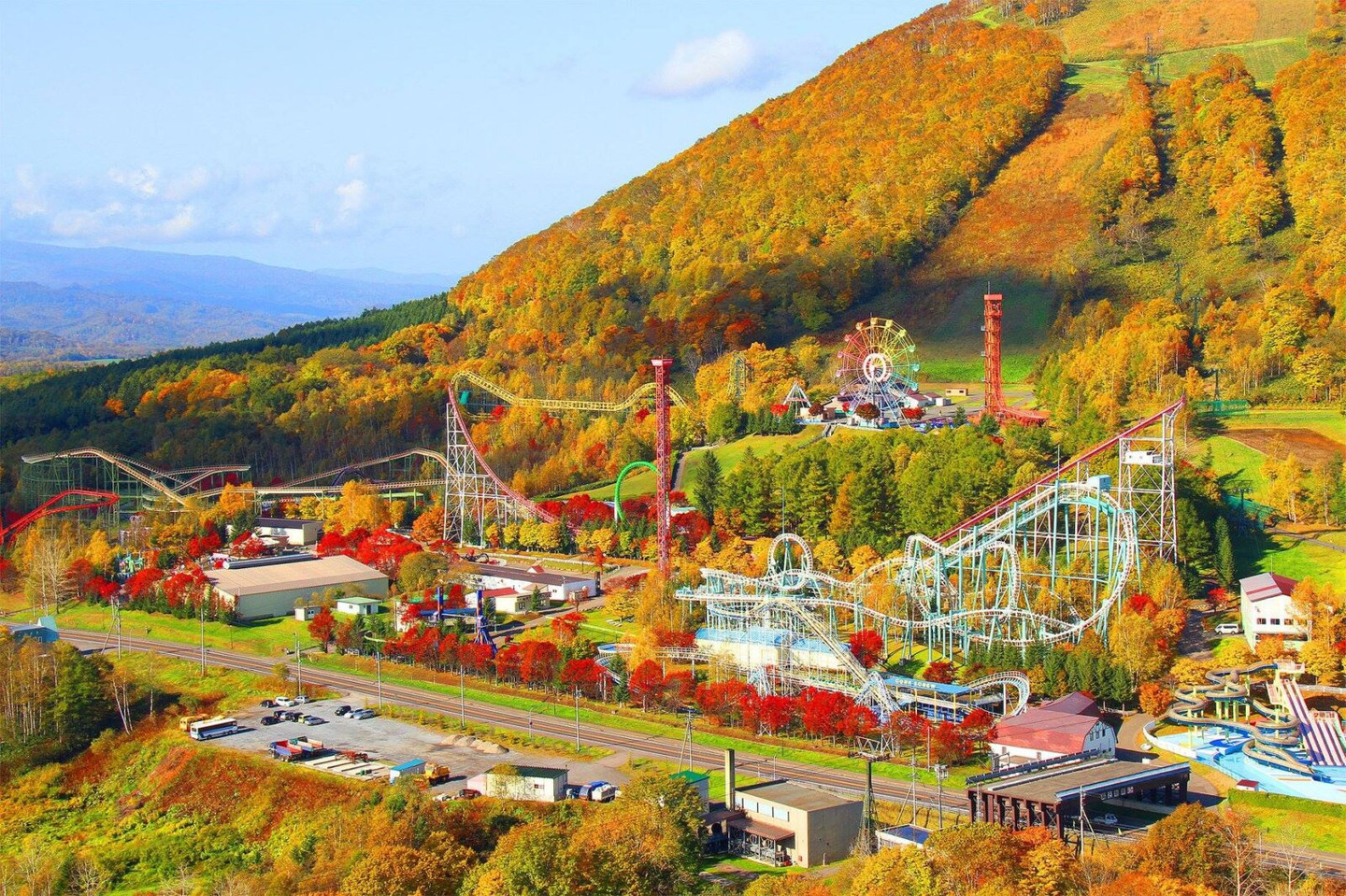
Rusutsu Resort is open as usual in summer, with an amusement park and golf course on site; facility operating dates follow the announcements on the Rusutsu Resort official website.
The resort is also a sign-up base for a variety of outdoor activities, a good relay stop after a day of touring, with plenty of restaurants and shops, ideal for families planning a half-day side trip.
How Much Do Niseko Summer Outdoor Activities Cost? Tickets and Guided Tours
In summer Niseko sheds its white winter coat for green forests and clear streams, becoming a popular destination for Hokkaido outdoor lovers. From gondola views and whitewater rafting to canyoning and climbing, pricing differs quite a bit: some activities can be enjoyed freely with just a ticket, while others require a half-day or full-day tour with a professional instructor. Below are several of the most representative summer outdoor activities, with actual price ranges, tour lengths and who each suits, to help with budgets and scheduling.
Niseko Grand Hirafu Gondola in Summer: See Mt. Yotei Without Climbing
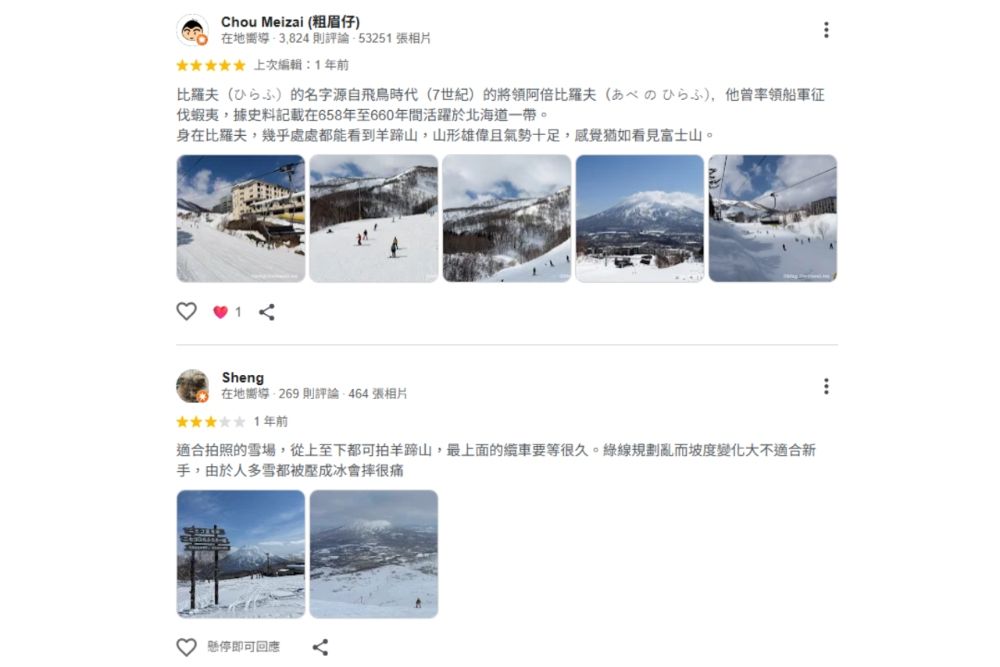
The gondola inside Niseko Hirafu ski resort switches to sightseeing operation in summer, taking about 5 to 10 minutes one way to reach an observation platform partway up the mountain, where on clear days you can take in the full sweep of Mt. Yotei. It runs daily from July 4 to August 30 and on weekends and holidays in September, 8:30 to 16:00 (last ascent 15:30); actual dates shift slightly each year, so check the official website before you go.
Hirafu Summer Gondola Fares and Summit Hiking Trails
Round-trip tickets are ¥2,000 for adults and ¥1,200 for elementary students; the “Gondola Pack” (¥2,500) includes a round-trip gondola ride and a ¥2,000 voucher for park facilities. The summit has several hiking trails of varying difficulty, the shortest loop taking about 30 minutes, suited to families with elders and children; those who like a challenge can extend to the nearby ridge, about 2 hours round trip.
NAC Shiribetsu River Rafting (Niseko Adventure Centre Rafting): A Must-Do Whitewater Experience in Summer
The Shiribetsu River rises from Mt. Fure (1,046 m), with clear, fast-flowing water, and is one of the few rivers in Hokkaido where you can go whitewater rafting. NAC (Niseko Adventure Centre) is one of the longest-established outdoor companies in the area and offers half-day rafting trips of about 3.5 hours (9:30 to 13:00 or 13:30 to 17:00) over about 7 to 8 km, passing several small and mid-sized rapids. Summer trips accept ages 6 and up, while the high-water spring trips are limited to age 13 and up.
NAC Shiribetsu River Rafting Fees and Booking
The fee is ¥6,980 for adults and ¥4,890 for children (ages 6 to 12), including wetsuit, life jacket, helmet and instructor guidance. To upgrade, NAC also offers the boat-charter Platinum Private Rafting (¥120,000 per boat), suited to private group bookings. Meeting points are mostly at NAC headquarters (Kutchan) or hotels in the Hirafu area, and you can reserve a shuttle in advance.
Popular peak-season slots often fill up early, so book on the official website as soon as your plans are set.
Niseko Canyoning Tour: Jumping, Water Slides and Waterfall Rappelling for a Wild Time
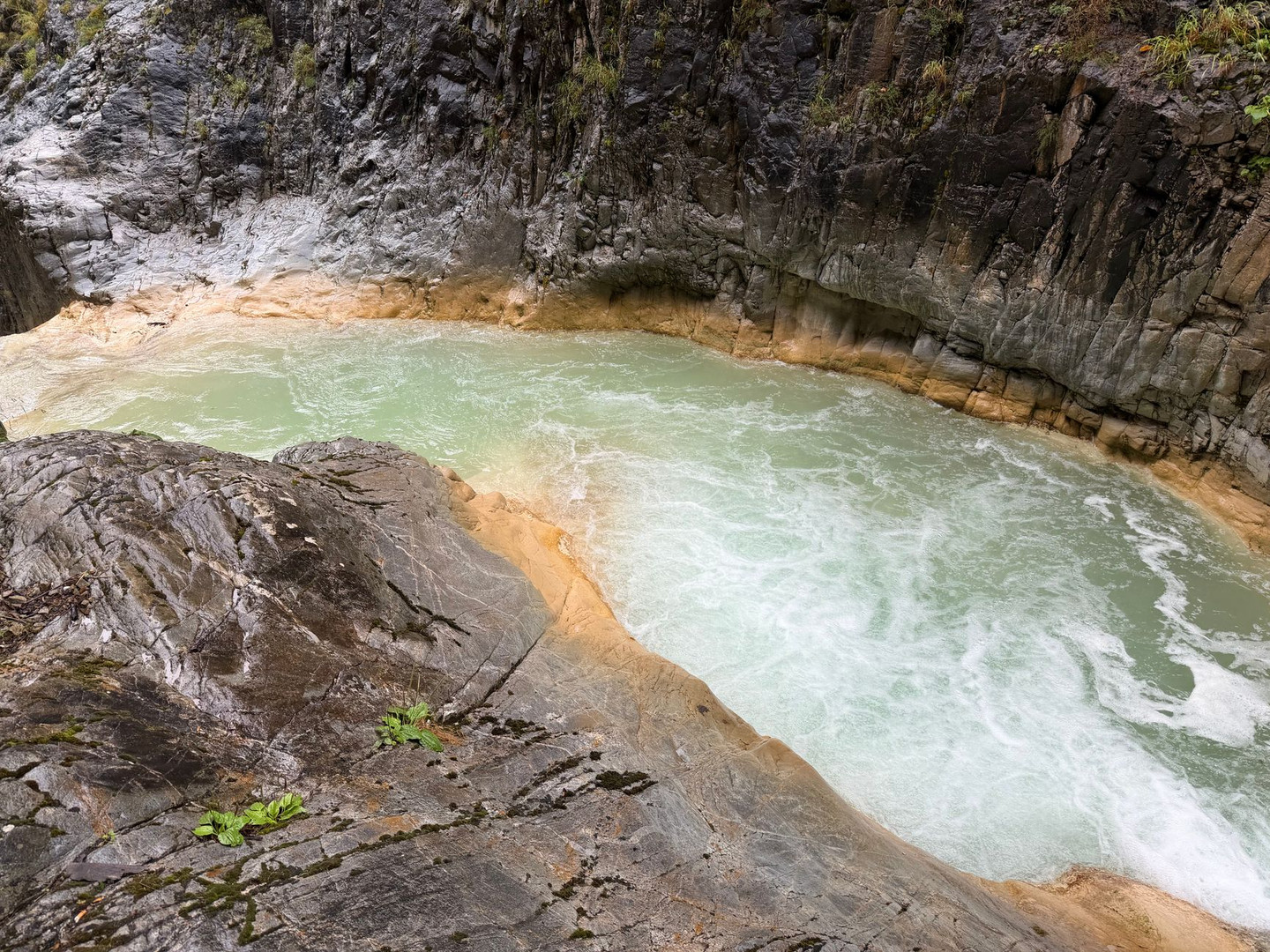
If rafting isn’t thrilling enough, the valleys around Niseko offer a more nature-immersed canyoning tour, with sliding down natural rock water slides, jumping into deep pools and simple rappelling beside waterfalls. The whole trip takes about 3 to 4 hours, of which about 2 hours are actually in the water.
Niseko Canyoning Operators and Fees
These tours are mostly run by NAC or other local outdoor companies, but in 2026 neither NAC nor Niseko OAC offers canyoning, so contact local operators such as Good Sports; fees and sessions follow the operator’s website and usually include a full wetsuit, footwear, safety helmet and insurance. Participants should have basic swimming ability, and the instructor gives a safety briefing and equipment test of about 20 minutes beforehand.
Places are limited and the tours mostly run in July and August, so we suggest booking at least 2 weeks ahead on platforms such as KKday or Klook to avoid a sold-out peak season.
Mt. Yotei Guided Hike: The Challenging Route up Hokkaido’s “Ezo Fuji”
Mt. Yotei looks like Mt. Fuji and is called “Ezo Fuji”; it is one of Japan’s 100 Famous Mountains (anciently known as Shiribeshi-yama), and summer to early autumn (about late June to early October) is the best season to summit. The round trip takes about 9 to 10 hours with about 1,500 m of vertical climb, a moderate-to-strenuous hike we recommend for those with basic climbing experience, who should start conditioning a week ahead.
Mt. Yotei Guided Tour Fees and Climbing on Your Own
Tours led by local guides cost about ¥15,000 to ¥20,000 per person, including a professional mountain guide, radios, a basic medical kit and a pre-climb equipment check, and some also provide lunch and trekking pole rental. If you climb on your own, parking at the trailhead is free; ask the Kutchan town tourism section about using the ninth-station refuge hut, and you must plan your own route and be prepared for bear encounters.
Niseko Summer Outdoor Guide: Where to Stay Nearby, Selected Areas

Which Niseko Area to Stay In? Resort Styles Compared
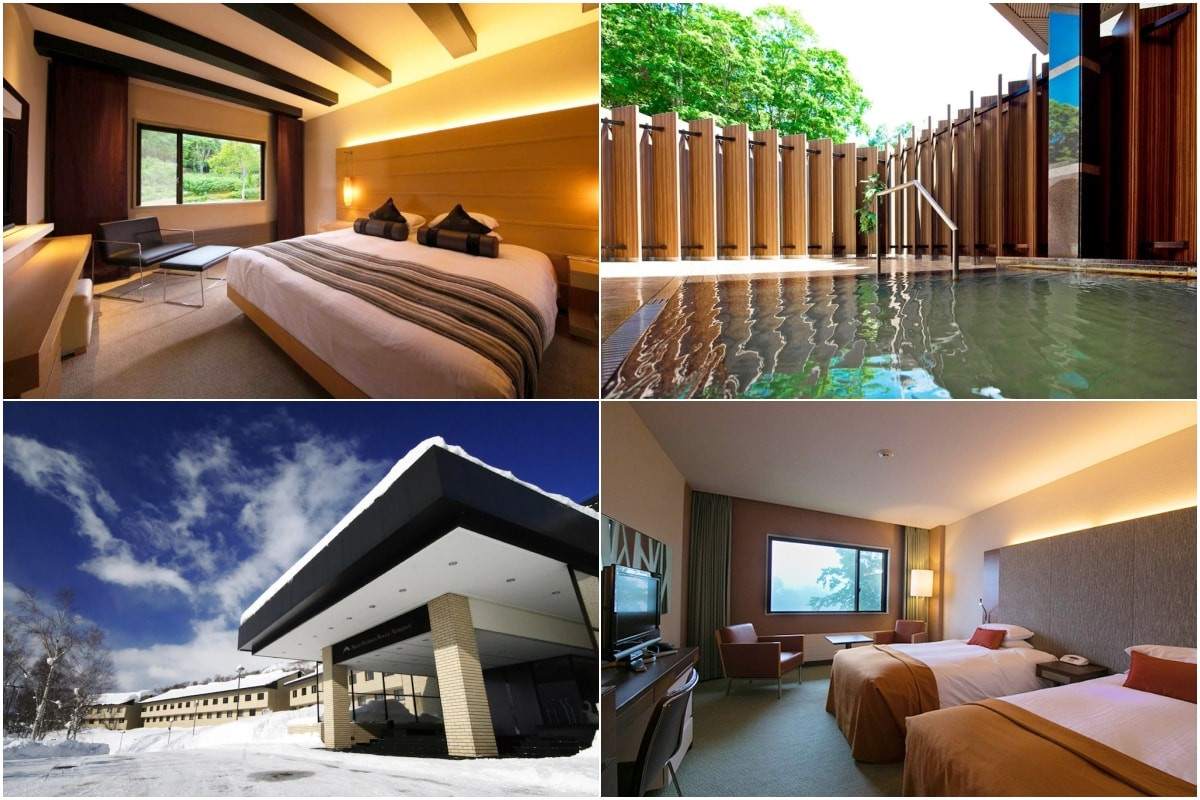
Niseko accommodation is concentrated in three main areas, Hirafu, Hanazono and Niseko Village, each with a different character. Travelers who like a luxury resort atmosphere can consider AYA NISEKO, Park Hyatt Niseko Hanazono, Setsu Niseko or Ki Niseko.
Niseko Options for Families and Budgets
Those who value family facilities and brand reputation can choose Hilton Niseko Village or The Green Leaf Niseko Village; travelers on a tighter budget who still want to stay in the heart of the ski area can consider Niseko Prince Hotel Hirafutei or MUWA NISEKO.
Niseko Summer Accommodation Prices and Suggestions
Because summer is off-season for skiing, rates at these resorts drop sharply, with typical deals clearly below winter prices, an excellent time to enjoy top-tier facilities without the high cost. We suggest choosing a nearby resort based on the focus of your trip (mountain biking, rafting or hot springs) to cut daily travel time.
Niseko Summer Outdoor Activities FAQ
Q: What is the best outdoor activity in Niseko in summer?
Shiribetsu River whitewater rafting, the tethered balloon experience and Grand Hirafu mountain biking are the three most popular, combining thrills with stunning views.
Q: What is Niseko’s average summer temperature?
In summer (June to August) the monthly average is about 15 to 21°C (about 18°C for the season), with August daytime highs of about 25°C; humidity is low and mornings and evenings are cool, making it better than the city for escaping the heat.
Q: Is summer accommodation in Niseko really cheaper than winter?
Yes. Summer is the off-season, and most top resorts cost noticeably less than in the winter peak. Actual rates vary by date and room type, so compare options before booking.
Q: How far ahead should I book the balloon experience?
We suggest booking 1 to 2 weeks ahead, since it is heavily weather-dependent and peak slots are often full or canceled at short notice; the latest booking is the day before.
Q: Is Shiribetsu River rafting suitable for children?
Summer half-day rafting accepts ages 6 and up, and the summer-only Family Rafting accepts ages 3 and up; summer water levels are calmer than spring, with professional instructors accompanying throughout.
Q: How long does it take to get to Niseko from New Chitose Airport?
The express bus takes about 2.5 to 3 hours and driving about 2 to 2.5 hours, the two most common options; summer bus service periods are short, so confirm it is running before you leave.
Q: Any special things to watch for on a Niseko summer trip?
Temperatures swing widely between morning and evening in the mountains, so dress in layers and bring a windproof jacket, and confirm trail status before hiking; the mountain road to Shinsennuma is open from about late April to late October.