
2026 Nijo Castle Guide: Ninomaru Palace, Honmaru Palace and the Must-See World Heritage Sights Explained
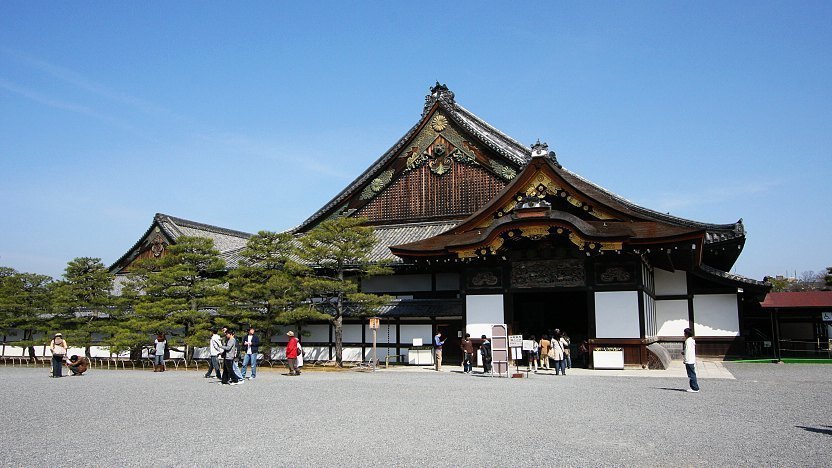
Nijo-jo Castle is the only castle in Kyoto designated a UNESCO World Heritage Site. It was built by Tokugawa Ieyasu in 1603, and its biggest highlights are the National Treasure Ninomaru Palace and the Honmaru Palace, which reopened in 2024.
Nijo-jo Castle
Nijo-jo Castle was a symbol of Tokugawa shogunate power and the historic stage where the 15th shogun, Tokugawa Yoshinobu, announced the “Taisei Hokan” (return of governing power to the emperor); it was inscribed as a World Heritage Site in 1994. The buildings in the castle preserve the early Edo-period samurai shoin-zukuri style and are the best place to understand the rise and fall of the shogunate.
The whole castle grounds are spacious; besides the core palace buildings, there are several gardens, remnants of the castle walls and seasonal flowering trees, so half a day to a full day is a good amount of time to explore.

Ninomaru Palace
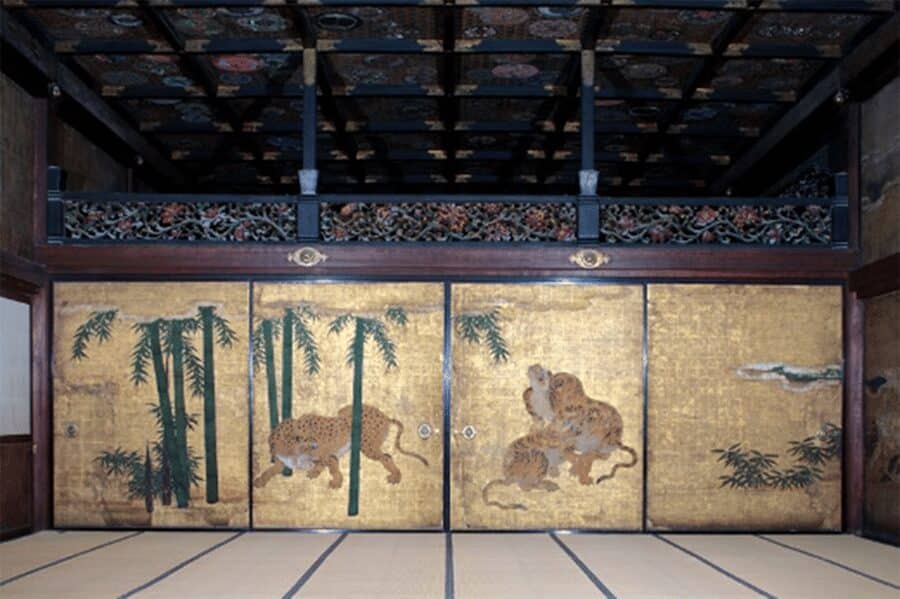
Ninomaru Palace is the core National Treasure building of Nijo Castle, preserving gold-leaf wall paintings by the Kano school inside, and its corridors make a sound like a bush warbler’s song when stepped on, called the “nightingale floors,” a clever Edo-period device against assassins.
The Ohiroma (Great Hall) is the historic spot where Tokugawa Yoshinobu summoned the daimyo of the domains to announce the “Taisei Hokan.” Photography is entirely prohibited inside and shoes must be removed; the official site gives a viewing time of about 30 minutes, so allow a bit more if you want to look closely.
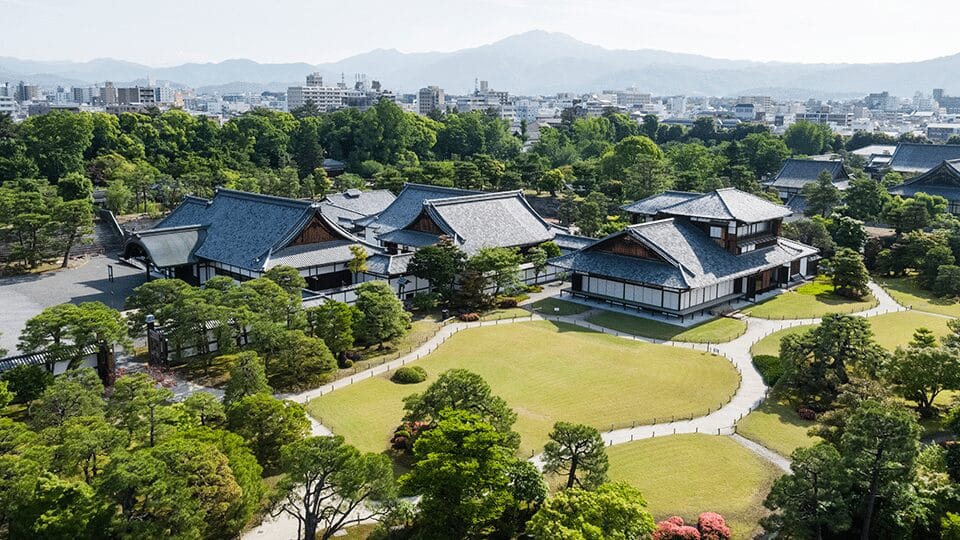
Honmaru Palace
Honmaru Palace was originally the palace of the imperial Katsura-no-miya family and was later moved to the Honmaru of Nijo Castle; with its elegant court-noble architectural aesthetic, it forms a strong contrast with the samurai-style Ninomaru Palace and is a precious example of Japanese imperial architecture.
After years of large-scale restoration, it reopened to the public on September 1, 2024; it uses an advance online reservation system and requires an extra ticket, and the days closed to viewing are the 3rd Monday of each month and the following day (open as usual if that day is a holiday).
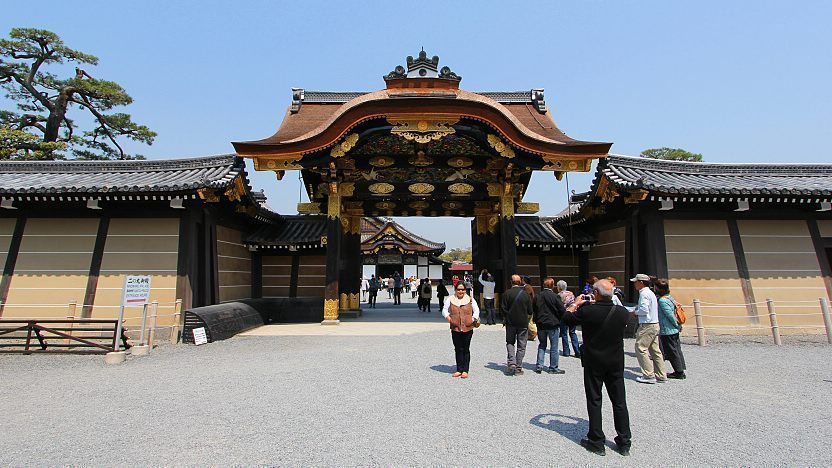
Karamon Gate
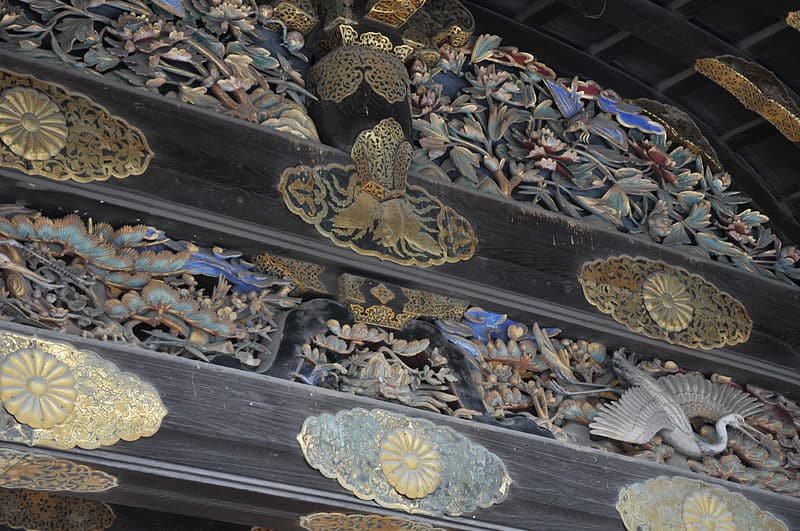
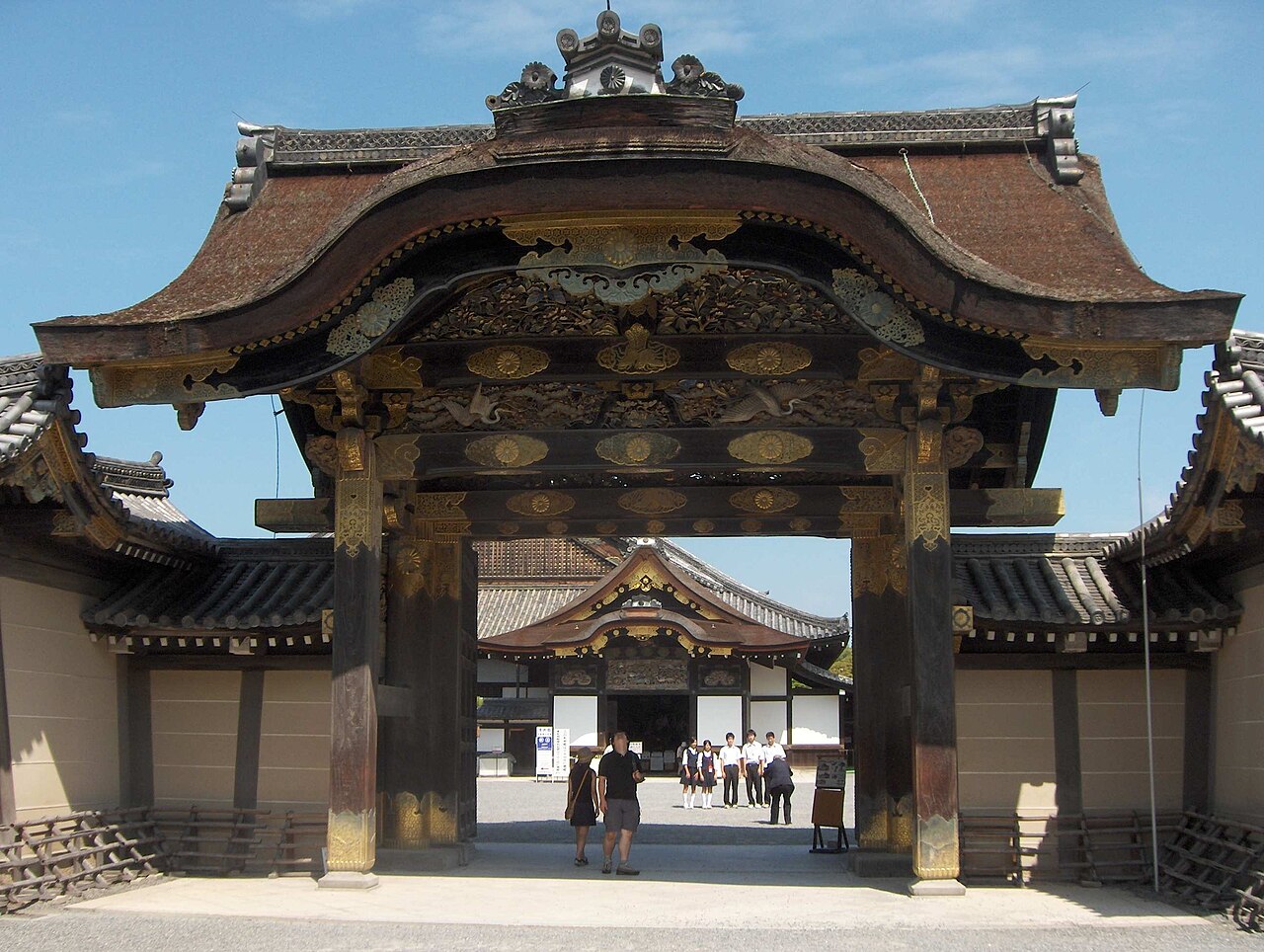
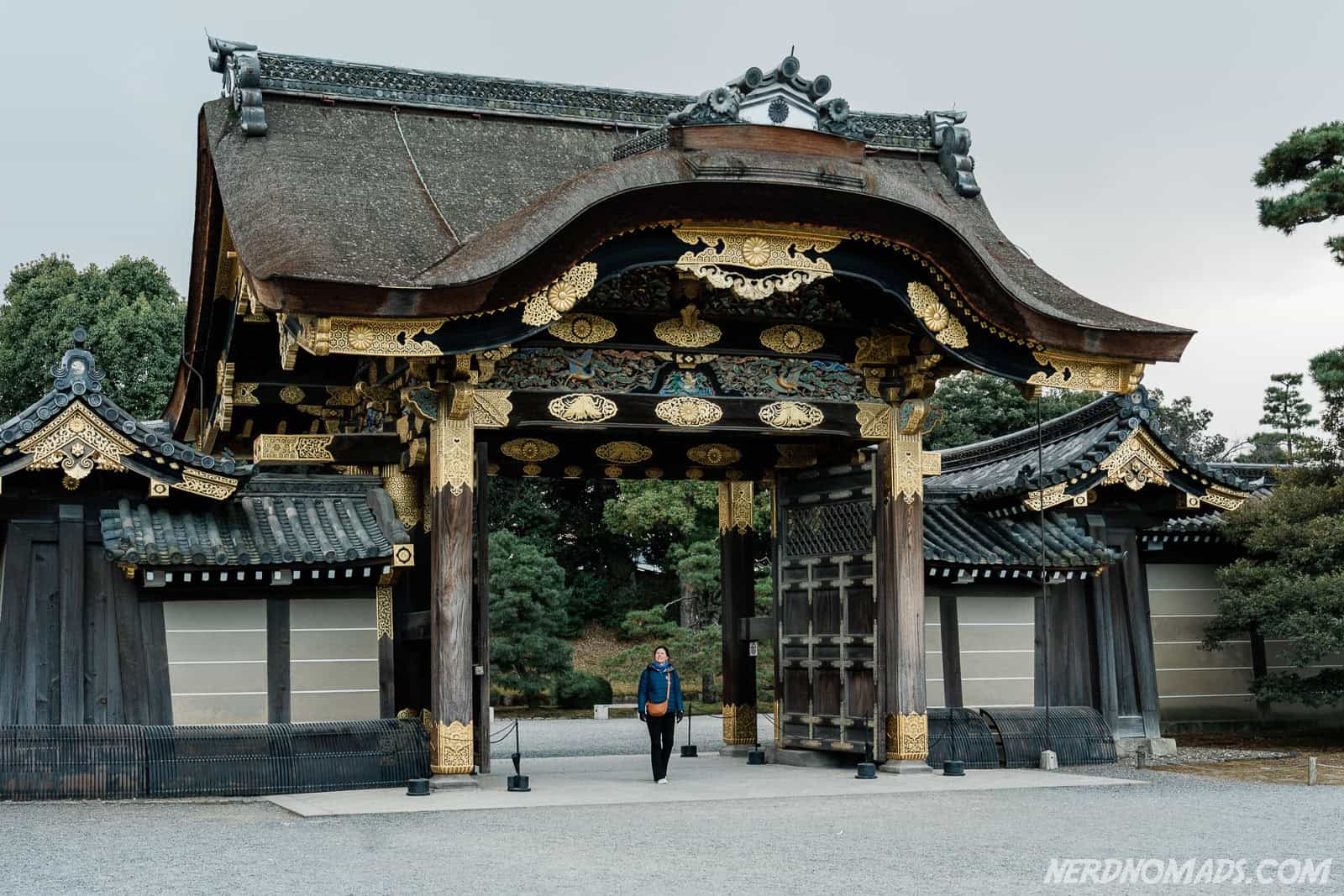
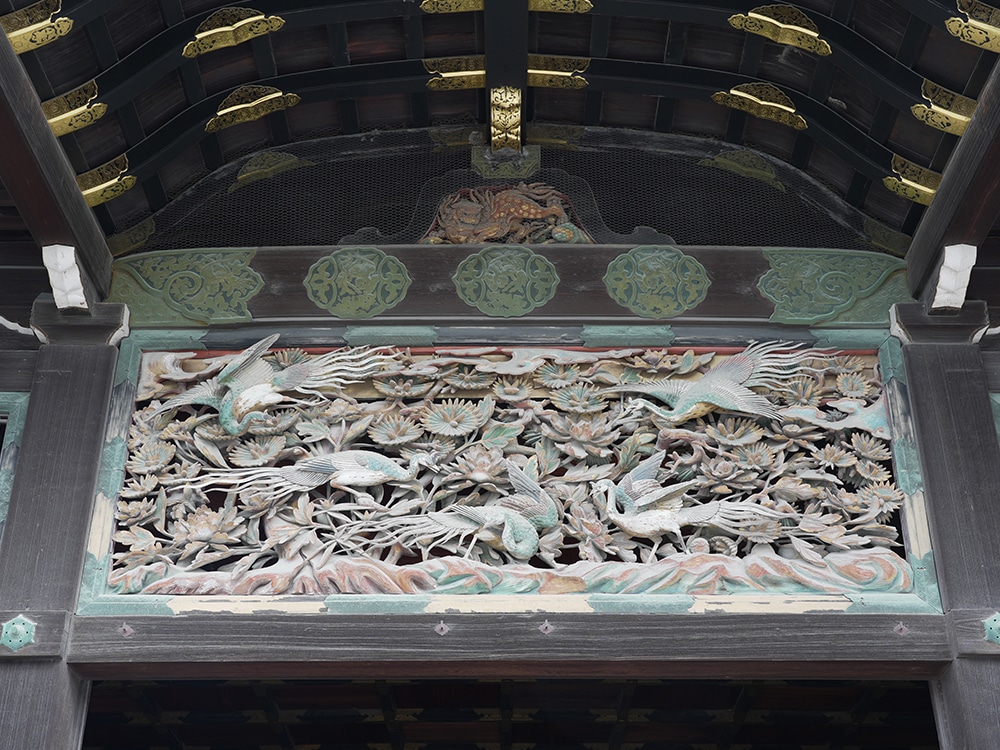
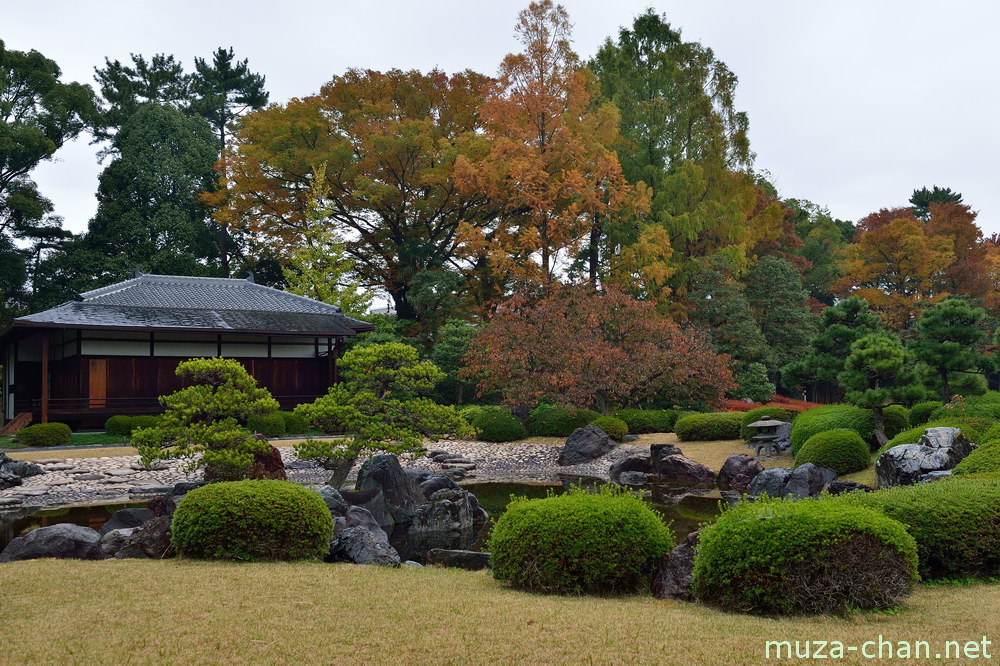
Karamon is the main gate of Ninomaru Palace and a popular photo spot; its doors are carved with auspicious motifs such as Chinese lions, pine-bamboo-plum and cranes in interwoven gold leaf and lacquer colors, with luxurious craftsmanship that shows the highest level of early Edo decorative art.
We suggest visiting before noon, when the front-lit angle is best for photographing the carving details; the plaza in front of the gate is spacious and is a common meeting point for tour groups.
Ninomaru Garden, a Special Place of Scenic Beauty
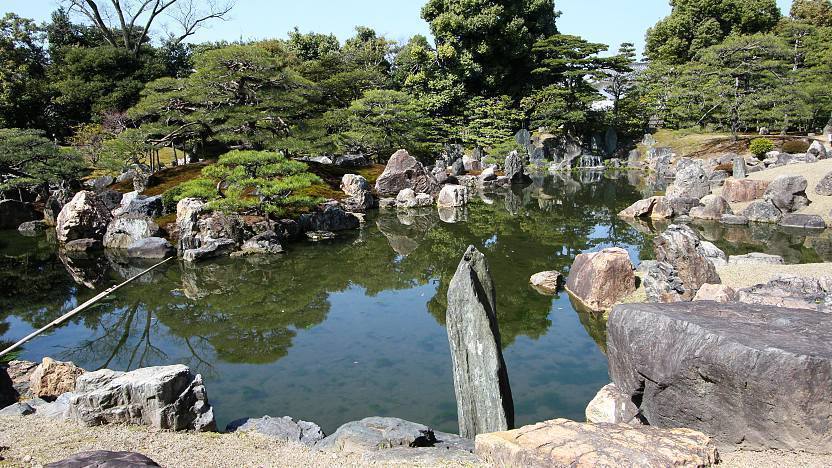
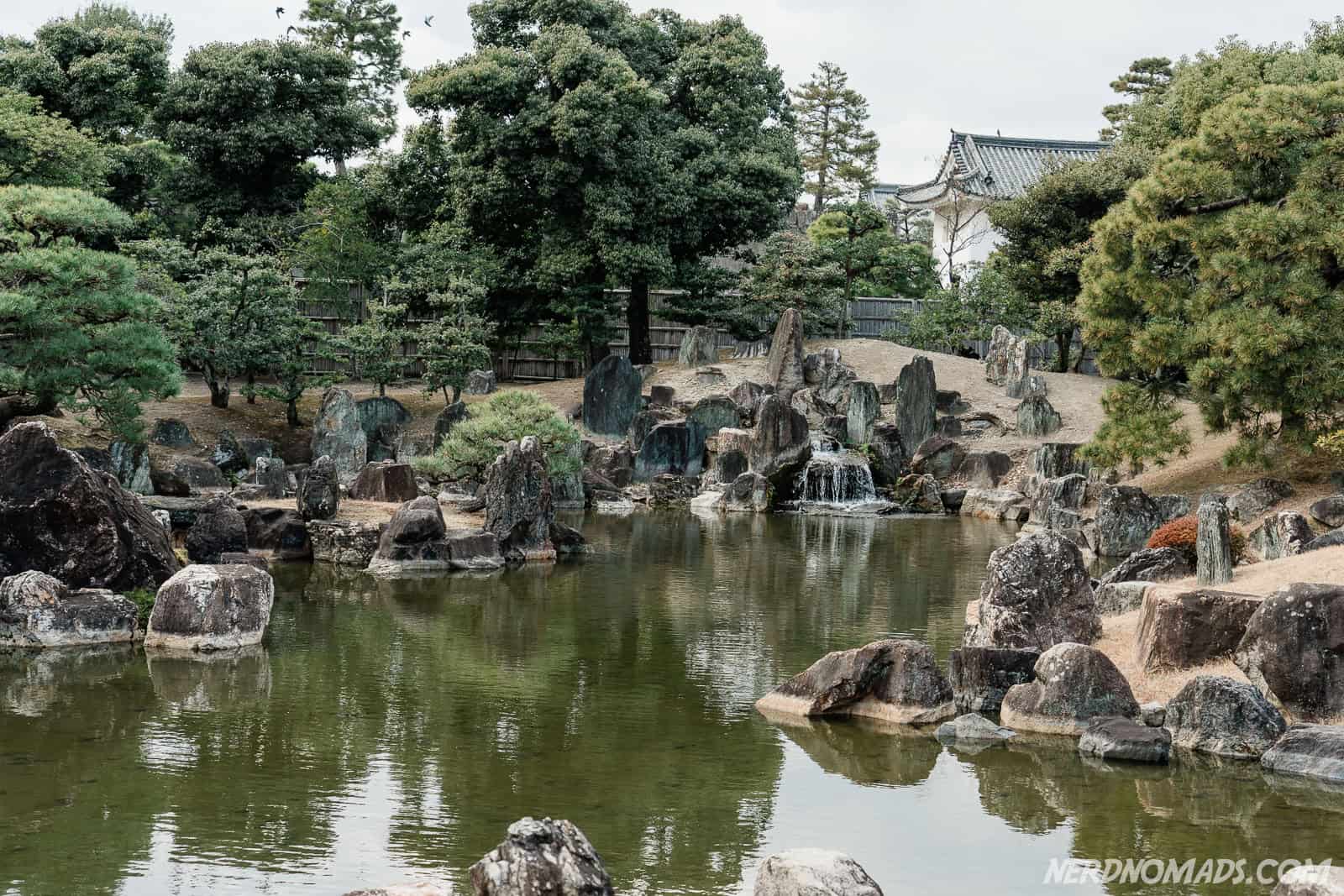
The Ninomaru Garden, a Special Place of Scenic Beauty, was designed by the Edo-period garden master Kobori Enshu and is a “pond-and-stroll garden,” with unusual rocks arranged around a central pond and three islands symbolizing the Horai immortal isles, representative of early Edo pond-and-stroll gardens.
The garden looks different in every season, with cherry blossoms in spring and red maples reflected in the water in autumn, the best area in the castle for a leisurely walk and photos.
Honmaru Garden and the Tenshu Site
The Honmaru Garden surrounds Honmaru Palace and was changed to a Western-style garden in the Meiji period, with wide lawns forming an interesting contrast with the traditional Japanese gardens, suited to a picnic-style leisurely walk.
The Tenshu (keep) site is where the former five-story keep stood; it was destroyed by lightning in 1750 and never rebuilt. Climbing the ruins gives a view over the whole Honmaru Palace, the moat and the Kyoto cityscape, an excellent spot for watching the sunset.
Higashi-Otemon Gate and Southeast Corner Turret
Higashi-Otemon is the main entrance gate of Nijo Castle, a rare double-gate form among castle gates, imposing in appearance, and the moat in front of it set against white walls and black tiles makes for a pleasing scene, the first photo spot before entering the castle.
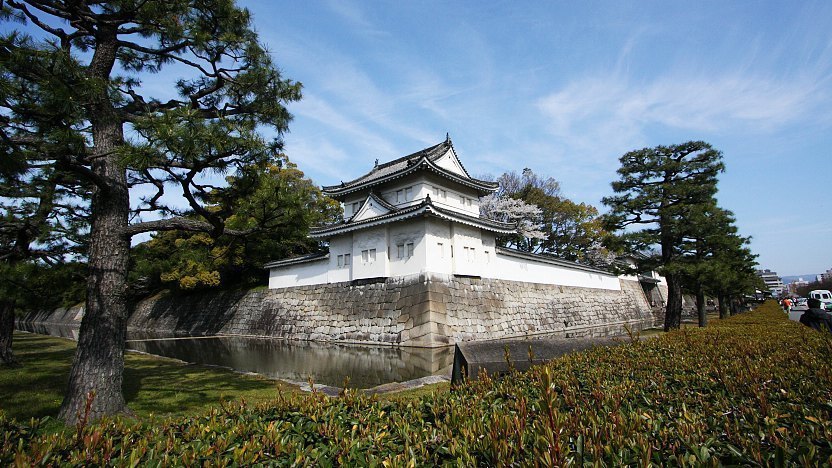
The Southeast Corner Turret is one of the few surviving corner turrets in the castle, showing the look of early Edo castle defensive architecture, and together with the moat forms a classic old Japanese castle scene.
How to Get to Nijo Castle: A Full Guide to Transport and Costs
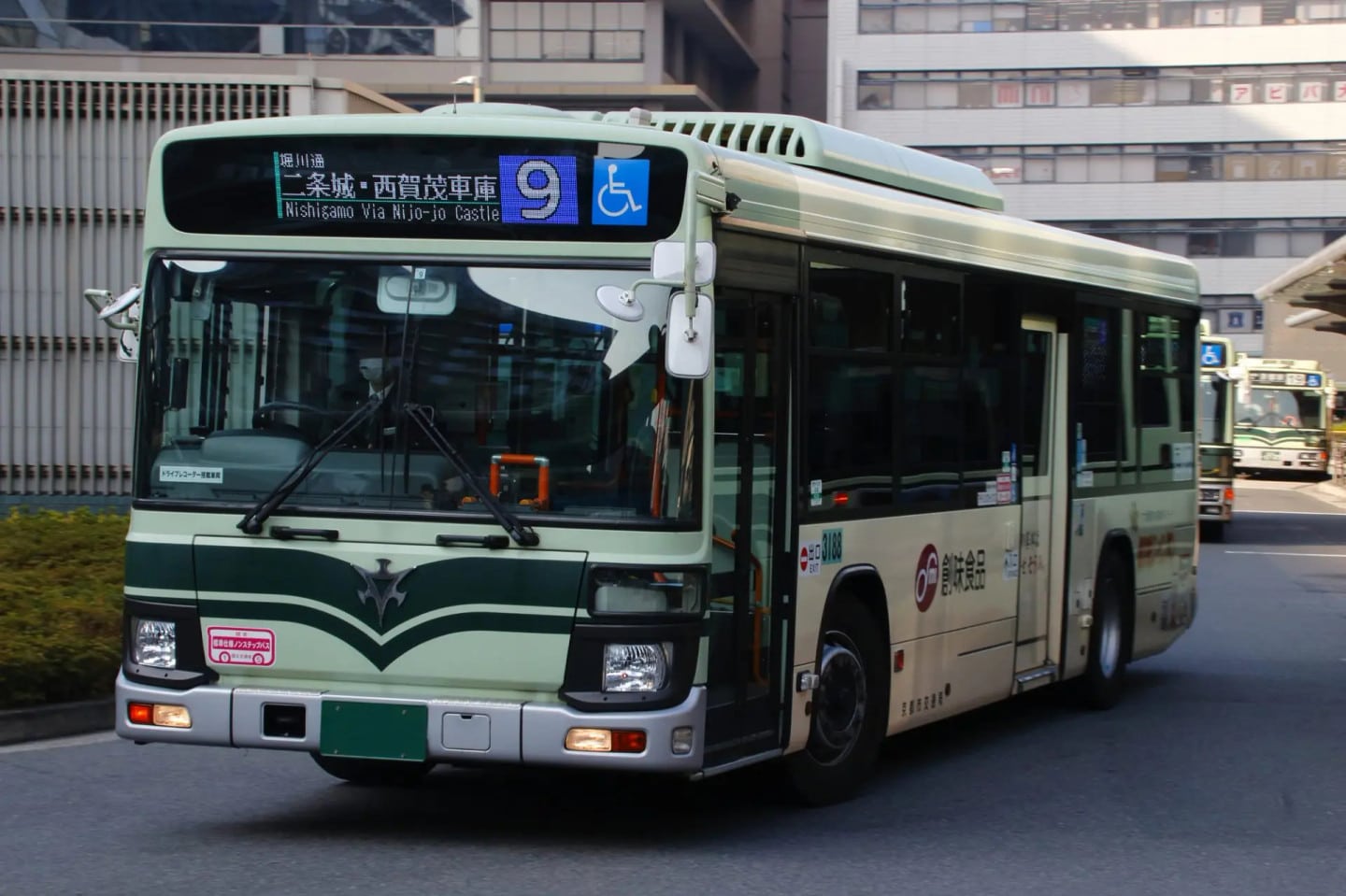
Take the Kyoto Municipal Subway Tozai Line to “Nijojo-mae” Station and, after leaving by Exit 2, walk about 1 minute to Higashi-Otemon, the fastest and most accurate way to get there; you can also take city bus Nos. 9 or 50 and get off at “Nijojo-mae” to arrive right at the castle gate. The subway fare is ¥260 one way and the bus ¥230, both with frequent service, making transport very convenient.
What Are the Must-See Sights at Nijo Castle? A Guide to Each Area’s Highlights
There are more than ten must-see highlights in Nijo Castle; the following introduces each area’s highlights in order of importance.
Ninomaru Palace: Kano School Wall Paintings and the Nightingale Floors
Ninomaru Palace holds gold-leaf wall paintings by Kano school painters, with subjects including pine trees, eagles and leopards, showing the highest painting craftsmanship of the early Edo period; it is a National Treasure-level cultural property and the place of highest artistic value in the whole castle. Its “nightingale floors” are deliberately designed to chirp when stepped on, a defensive device for the ancients to detect assassins sneaking in, very ingenious. In the Ohiroma you can see figure models recreating Tokugawa Yoshinobu’s “Taisei Hokan” scene, vividly presenting the historic moment in 1867 when the shogunate returned power to the emperor. Photography is entirely prohibited inside, and the official site gives a viewing time of about 30 minutes.


The Carving Art of Karamon Gate
Karamon is the main gate of Ninomaru Palace, carved with auspicious motifs such as Chinese lions, pine-bamboo-plum and cranes in interwoven gold leaf and vermilion lacquer, symbolizing longevity and protection; the delicacy of the craftsmanship makes it a masterpiece of early Edo decorative art.
The gate’s form uses the “kara-hafu” gable and four-legged gate style, with elegant eave curves, one of the most popular photo landmarks in the castle; we suggest going in the morning when the light is from the front, as the angle best brings out the depth and color details of the carving.
Since this spot is crowded, if you want a photo without people, we suggest heading straight here as soon as the castle opens, or visiting on a weekday outside holidays.
Ninomaru Garden, a Special Place of Scenic Beauty: Pond-and-Stroll Viewing
The Ninomaru Garden, a Special Place of Scenic Beauty, was designed by the Edo-period garden master Kobori Enshu and is a typical “pond-and-stroll garden,” with unusual rocks arranged around the large central pond and three small islands symbolizing the Horai immortal isles, an elegant setting.
Walking along the path around the pond lets you appreciate layered views of pine trees, stone lanterns and water reflections from different angles; in spring with Somei-Yoshino cherry blossoms and in autumn with red maples, the garden is especially dazzling, a must-visit spot for photography lovers.
The garden is open year-round, and we suggest allowing 20-30 minutes for a leisurely walk to feel the beauty of Japanese landscaping through the changing seasons.
Honmaru Palace: Imperial-Style Architecture
Honmaru Palace was originally a building of the imperial Katsura-no-miya family and was moved to Nijo Castle in the Meiji period, showing elegant and delicate court-noble aesthetics that contrast with the samurai style of Ninomaru Palace and reflect the differences in architectural culture between classes.
After a major renovation, it reopened on September 1, 2024, a cultural property opened to the public again after 18 years, preserving exquisite wooden decoration and traditional paintings inside.
Viewing is by advance online reservation and requires an extra ticket. It is closed to viewing on the 3rd Monday of each month and the following day, December 26-28 and January 1-3; web tickets go on sale 30 days before the visit date, spots are popular in peak season, so we suggest booking on the official site as soon as sales open.
Is Nijo Castle’s Honmaru Palace Worth Visiting? Decide After Reading the Official Information
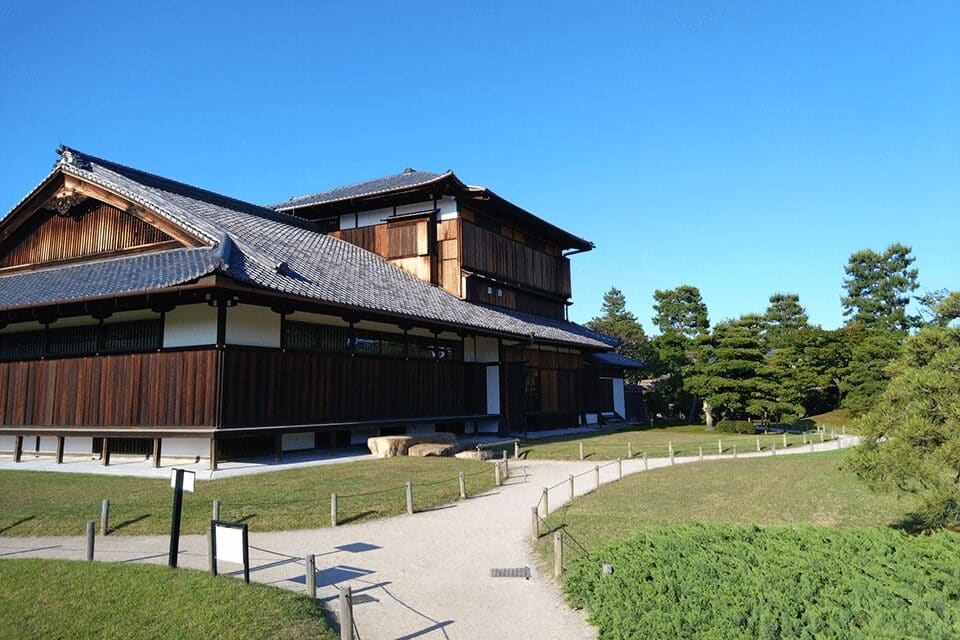
“Is Nijo Castle’s Honmaru Palace worth visiting?” is the most common question when planning a Nijo Castle trip. Below are Honmaru Palace’s highlights and limits compiled from the official Nijo-jo Castle website, to help you decide whether to spend an extra ¥1,000 to reserve:
- 🏯 Rarity: Honmaru Palace was originally part of the Katsura-no-miya family palace north of the Kyoto Imperial Palace, and was moved to the Honmaru of Nijo Castle in 1893-1894. The official site says it is the only large-scale imperial-family palace surviving from the Edo period and it is designated a national Important Cultural Property; major repairs finished at the end of March 2024, and it reopened on September 1 of that year after 18 years.
Honmaru Palace Highlights: Pine and Crane Paintings, Four Seasons Flower Paintings and Rotating Displays
- 🎨 Highlights: The entrance hall, Goshoin and the two-story Gotsunenogoten can all be viewed; in the Pine and Crane Room of the Gotsunenogoten is “Pine and Crane” by Kano Eigaku, the 9th head of the Kyo-Kano school, and the Four Seasons Flowers Room has “Flowers and Plants of the Four Seasons” by the Maruyama-school painter Nakajima Raisho, with the whole room surrounded by seasonal flowers and plants.
- 🔄 Note the rotating display: to protect the original wall paintings, the rooms of the Gotsunenogoten are opened in rotation by period, and of the 14 sets of sugido-e (cedar door paintings) only 1 set is shown every six months, so check the official site’s display schedule before reserving.
Honmaru Palace Time Needed, Cost and How to Reserve
- ⏱️ Time needed: viewing inside the palace takes about 40 minutes (including an introductory video of about 8 minutes); walking from Higashi-Otemon to Honmaru Palace takes at least about 15-20 minutes (about 850 meters), and the official site recommends entering the castle 20 minutes before your reserved time.
- 🎫 Cost and reservation: the Honmaru Palace viewing ticket is ¥1,000 for general admission, ¥300 for junior high and high school students and ¥200 for elementary school students, with castle admission charged separately; web tickets go on sale 30 days before the visit date, cannot be canceled or changed to another time slot after purchase, and are not refunded if you are late and miss entry.
How to Choose Between Nijo Castle’s Honmaru Palace and Ninomaru Palace?
In short: if you only have half a day and it is your first time at Nijo Castle, the National Treasure Ninomaru Palace is still the first must-see; if you are interested in Japanese architecture, imperial-family culture or wall paintings, or have plenty of time and want to see all of Nijo Castle, Honmaru Palace has controlled numbers and a quiet viewing environment and is well worth an extra hour or more (including walking and viewing). Photography is prohibited inside both palaces, and note that Ninomaru Palace accepts visitors until 16:10 and Honmaru Palace until 16:00, so if you only enter the castle in the afternoon, time will be tight.
Tenshudai Site Viewpoint
The Tenshudai site is where the former five-story keep stood; it was destroyed by lightning in 1750 and never rebuilt, leaving only the tall stone-wall base for visitors to climb and look out from.
From the top of the ruins you get a 360-degree view over the whole Honmaru Palace, the surrounding inner moat and the Kyoto skyline in the distance, with excellent views on a clear day, the acknowledged best viewpoint and photo landmark in the castle.
The steps are fairly steep with no elevator, so we suggest wearing comfortable walking shoes; visiting around dusk also lets you see the afterglow of the sunset reflected in the moat.
Seiryu-en Garden and Waraku-an Cha-bo Maeda
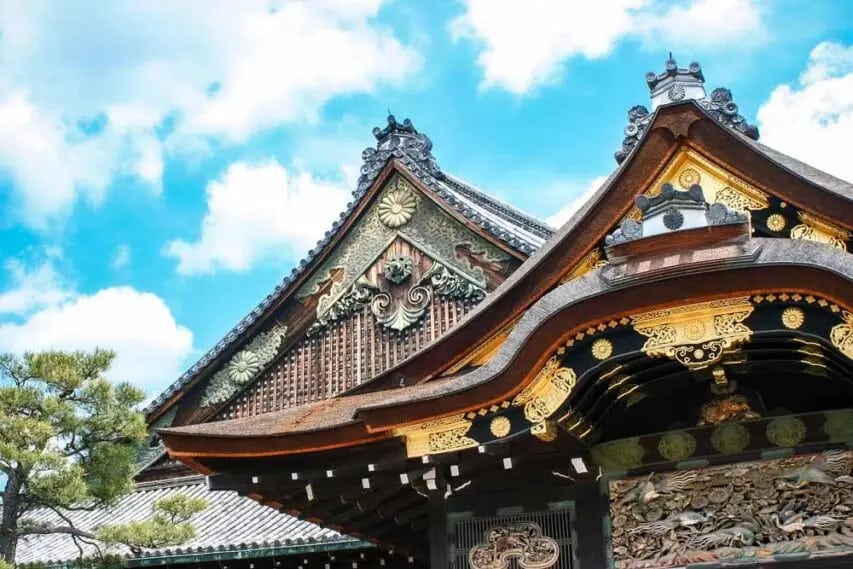
Seiryu-en is an area of Nijo Castle that blends Japanese and Western garden elements, with Japanese-style and Western-style buildings, wide lawns and lush seasonal trees, a venue for tea ceremonies and cultural events that also gives visitors room for a leisurely walk.
The nearby Waraku-an Cha-bo Maeda serves matcha, Japanese sweets and light meals, costing about ¥500-1,200, an excellent place to rest and recharge during your visit, with a rustic, elegant interior that conveys a strong Kyoto feel.
We suggest going after a garden walk, enjoying matcha sweets while recalling the palaces and garden views you just saw.
Must-Buy Nijo Castle Souvenirs: “Nijo Castle Traditional Treasures” at the Grand Rest House
If you want to buy souvenirs at Nijo Castle, head to the “Nijo Castle Traditional Treasures” corner in the castle’s Grand Rest House. According to the Nijo Castle website, it sells original Nijo Castle traditional crafts inspired by the Important Cultural Property Karamon and other buildings and by the Kano school wall paintings of Ninomaru Palace, all made by Kyoto artisans with traditional techniques, items you can only buy at Nijo Castle.
- 💎 Kyo-shippo (Kyoto cloisonne): brooch ¥11,130, pen tray ¥11,870
- 🍶 Kyo-yaki and Kiyomizu-yaki: round plate (tiger design) ¥8,090, round plate (pine design) ¥13,600, square plate (cherry blossom design) ¥16,750
- 🔪 Kyo-hamono (Kyoto blades): small multipurpose petty knife set ¥37,120
The above are tax-included prices listed on the official website, mostly high-priced crafts, suited to travelers who want a substantial traditional Kyoto craft souvenir; actual items and prices are as found on site.
Night Illumination Light Show: NAKED meets Nijo Castle
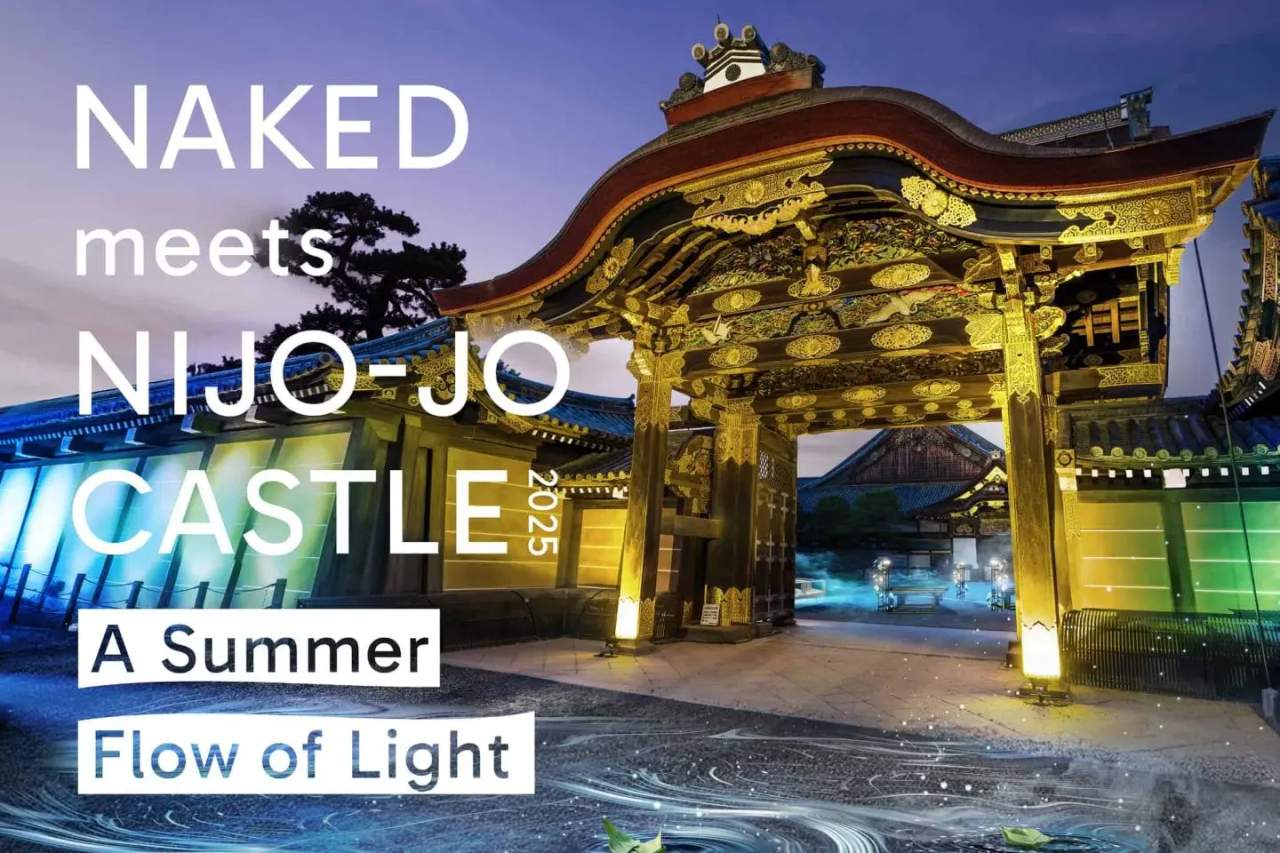
In autumn 2026 (October 23 to December 5), Nijo Castle holds the “NAKED meets Nijo Castle” night projection-mapping show, using the latest imaging technology to light up Karamon, the Ninomaru Garden and the moat in a dreamlike, dazzling visual feast, with tickets at ¥2,000 to ¥2,400 and early-bird tickets from ¥1,600.
The night illumination creates an atmosphere completely different from the daytime, a limited-time Kyoto autumn experience.
We suggest checking the dates and showtimes on the official site in advance and buying tickets ahead of time, to avoid losing time queuing on site.
Seasonal Flower Viewing: Plum, Cherry and Maple
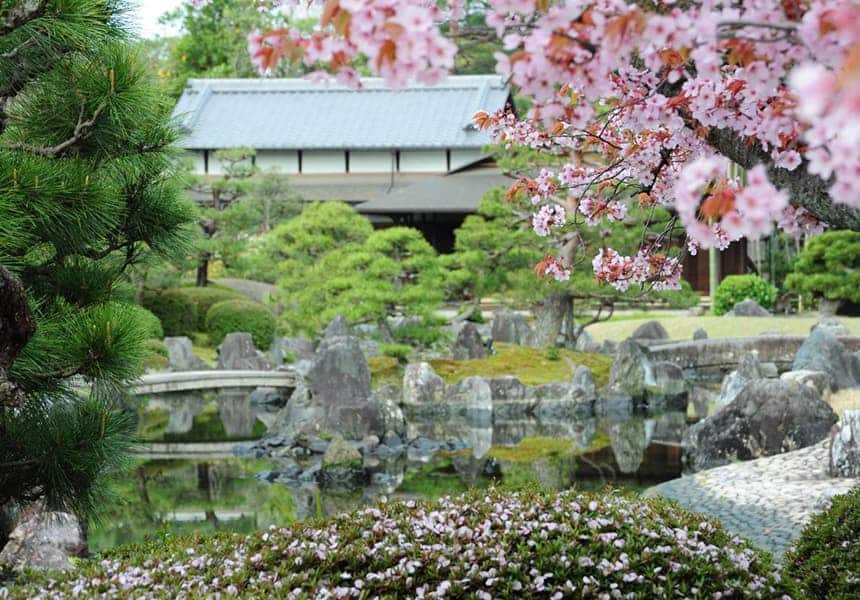
Nijo Castle has a rich flower-viewing calendar: plum blossoms bloom from about mid-February to late March, followed by the Somei-Yoshino cherry season from late March to early April, when pink-white petals decorate Karamon and the moat, forming a classic photo scene.
The maple season runs from late October to late November, with the red maples in the Ninomaru Garden and Seiryu-en layered in tone and set against white walls and black tiles, and combined with the night illumination event, adds more autumn poetry.
We suggest booking tickets on the official site 1-2 weeks ahead in peak flower season, to avoid long lines on site and to make sure you can arrange a full day’s itinerary.
Nearby Sights: Kyoto Imperial Palace and Kinkaku-ji
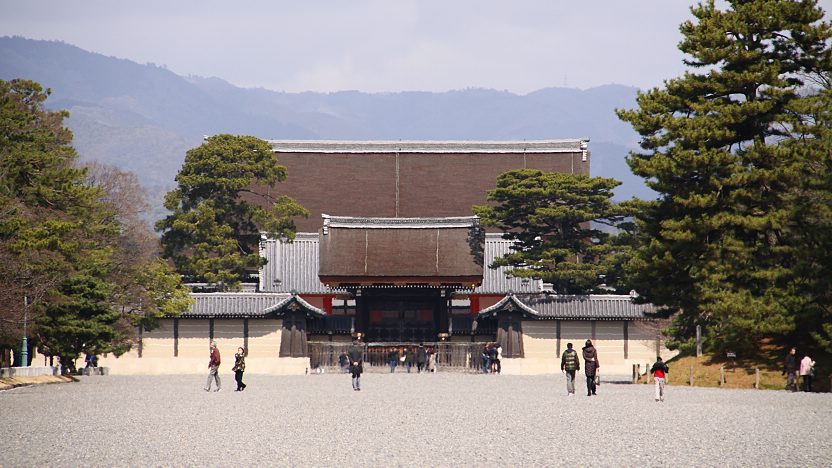
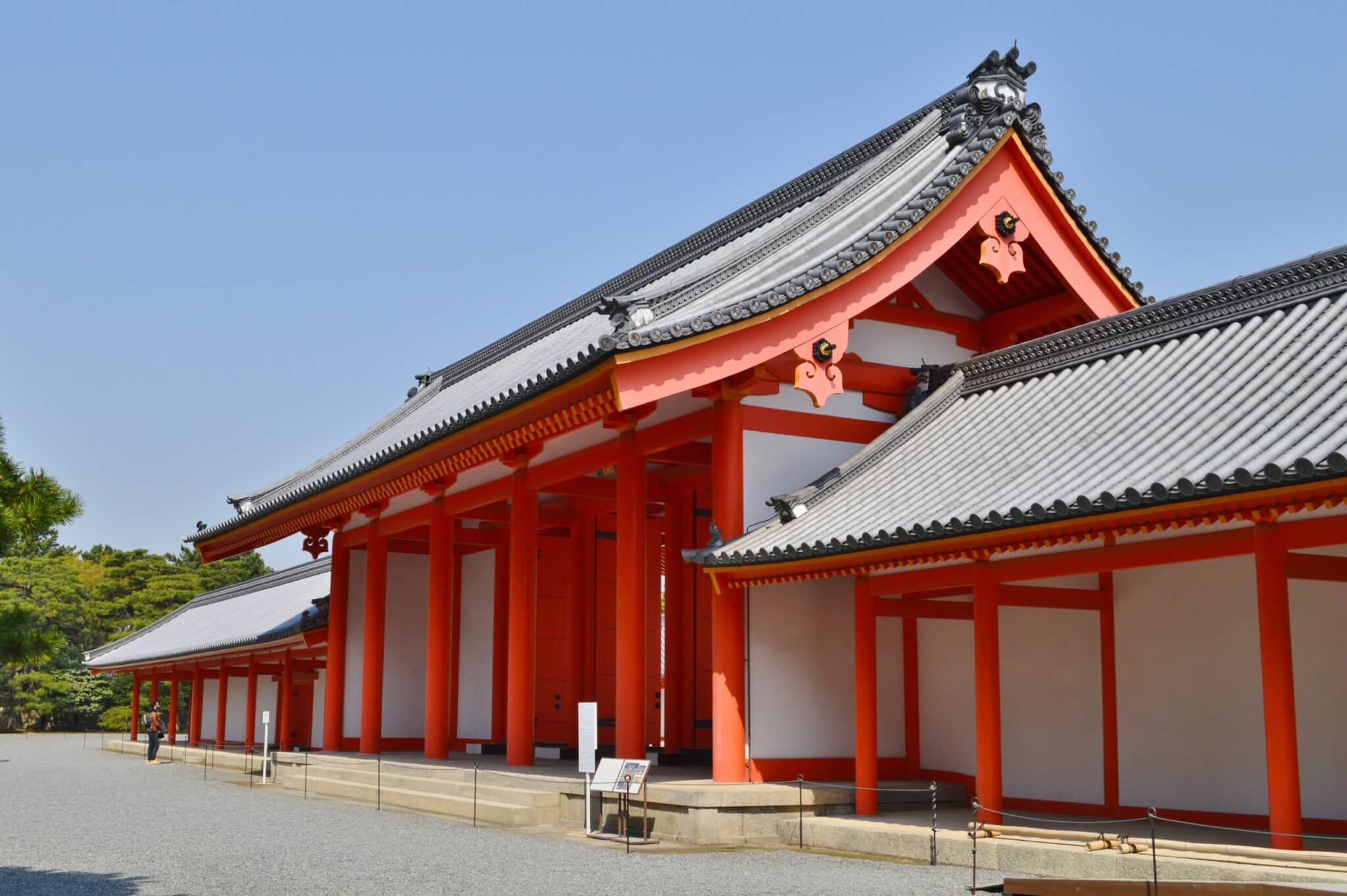
If you plan a whole day at Nijo Castle, in the afternoon you can head to the nearby Kyoto Imperial Palace for a complete tour of history and culture; the palace is free to visit (some areas require reservation), where you can learn about the layout and garden views of the emperor’s residence.
Kinkaku-ji is northwest of Nijo Castle, about a 20-30 minute drive, and its golden pavilion reflected in Kyoko-chi pond is one of Kyoto’s most representative landmarks; both can be fitted into the same day, forming a complete Kyoto World Heritage route.
We suggest arranging Nijo Castle and the Imperial Palace first according to the transport flow, then Kinkaku-ji depending on time, to make the itinerary tighter and smoother.
How Much Does Nijo Castle Cost? A Full Guide to Tickets and How to Buy Them
Nijo Castle is at 541 Nijojo-cho, Nijo-dori Horikawa Nishi-iru, Nakagyo Ward, Kyoto, a World Heritage Site inscribed in 1994 and a must-visit for many Kyoto itineraries. However, Nijo Castle’s ticket system is more complicated than at a typical attraction: besides the “general castle admission ticket,” it is divided into the Ninomaru Palace viewing fee, the Honmaru Palace viewing fee, and add-on tickets for special-opening periods, and without sorting this out beforehand it is easy to find on site that you missed a ticket or paid extra for nothing. Below is a complete roundup of the latest 2026 ticket plans, how to buy and money-saving tips, so you can flexibly choose the best-value combination for your itinerary.
Nijo Castle General Admission Ticket (Basic Ticket)
The Nijo Castle admission ticket (general ¥800, junior high and high school students ¥400, elementary school students ¥300, preschool children free) covers outdoor viewing only. Castle opening hours are 08:45-16:00 (last entry), closing at 17:00, closed December 29-31. Viewing inside Ninomaru Palace is suspended every Tuesday in January, July, August and December, and the palace is closed December 26-28 and January 1-3. Buying on site (at the Higashi-Otemon ticket window, cash or some electronic payments) takes about 10-20 minutes in peak hours. If you have time, we suggest buying on site; adding a palace viewing ticket does not affect your itinerary.
Ninomaru Palace Viewing Add-On Ticket (Highly Recommended)
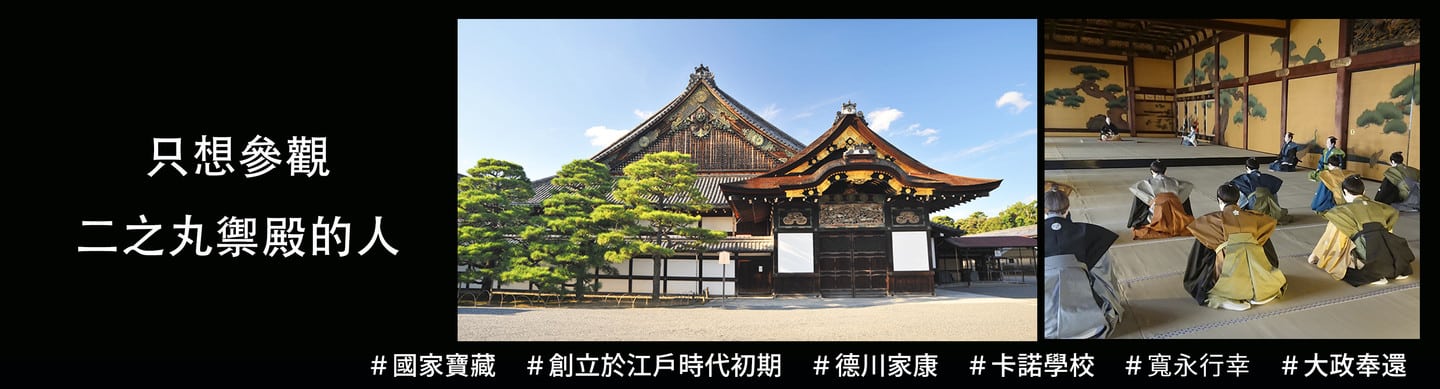
Nijo Castle’s must-visit Ninomaru Palace has Kano school wall paintings, the “nightingale floors” and a “Taisei Hokan” figure display, the key to understanding the Tokugawa shogunate. Viewing requires an add-on ticket, ¥500 for adults, about ¥1,300 together with the admission ticket.
Photography is prohibited inside the palace, shoes must be removed, and the route is one-way, taking about 30-40 minutes. In peak season (late March to mid-April, mid to late November) visitor numbers are controlled, so we suggest buying the add-on ticket early in the morning to avoid missing out.
If you can only add one, Ninomaru Palace is often recommended as the first choice because it is so well preserved and so historically significant, and it is key to the World Heritage inscription.
Honmaru Palace Viewing Ticket (Open Year-Round, Reservation Required)
Honmaru Palace ended its long restoration on September 1, 2024, and after reopening it became “regularly open year-round,” not the limited spring-and-autumn special openings of the past, closed only on the 3rd Monday of each month and the following day (open as usual if that day is a holiday) and December 26-28 and January 1-3. The viewing fee is ¥1,000, in addition to the general castle admission ticket of ¥800 and the Ninomaru Palace add-on ticket of ¥500.
Viewing is by advance online reservation (web ticket), with tickets sold from 30 days before the visit date; the information office also has a small number of same-day tickets (the ticket window beside Higashi-Otemon does not sell Honmaru Palace tickets), but the number is limited and spots often sell out early in peak season, so we suggest booking on the official site in advance to avoid missing out.
Photography is prohibited inside the palace, and visitors enter in batches according to numbers on site (about 15 per batch), first watching an introductory video of about 8 minutes; the official site gives a viewing time inside of about 40 minutes.
How to Reserve Nijo Castle’s Honmaru Palace: Web Ticket Sale Timing and Entry Rules
Honmaru Palace uses advance reservations, and you must first buy a web ticket. The official site says web tickets are sold from 30 days before the visit date and can also be bought on the day if spots remain; the ticket window beside Higashi-Otemon does not sell Honmaru Palace tickets, only the information office has a small number of same-day tickets. Please enter the castle 20 minutes before your reserved time; walking from Higashi-Otemon to Honmaru takes about 15-20 minutes.
After buying or reserving, changes, cancellations and refunds are not possible. Shoes must be removed and socks worn inside, photography, filming and eating or drinking are prohibited, and you must not touch the pillars, walls or shoji screens.
Online Reservation Packages and E-Tickets (Time-Saving Recommendation)
The Nijo Castle official site offers a web ticket (castle admission plus Ninomaru Palace viewing ticket, general ¥1,300), and platforms such as KKday and Klook also have e-tickets for Nijo Castle, with contents and prices as on each platform’s page.
If your itinerary is tight, you can compare the KKday and Klook “Nijo Castle ticket” plans; some packages combine a Kyoto bus one-day pass or attraction combo tickets and may be better value.
Online packages usually do not include the Honmaru Palace viewing ticket; Honmaru Palace must be reserved separately with a web ticket in order to see all three core buildings of Nijo Castle.
Where to Stay Nearby
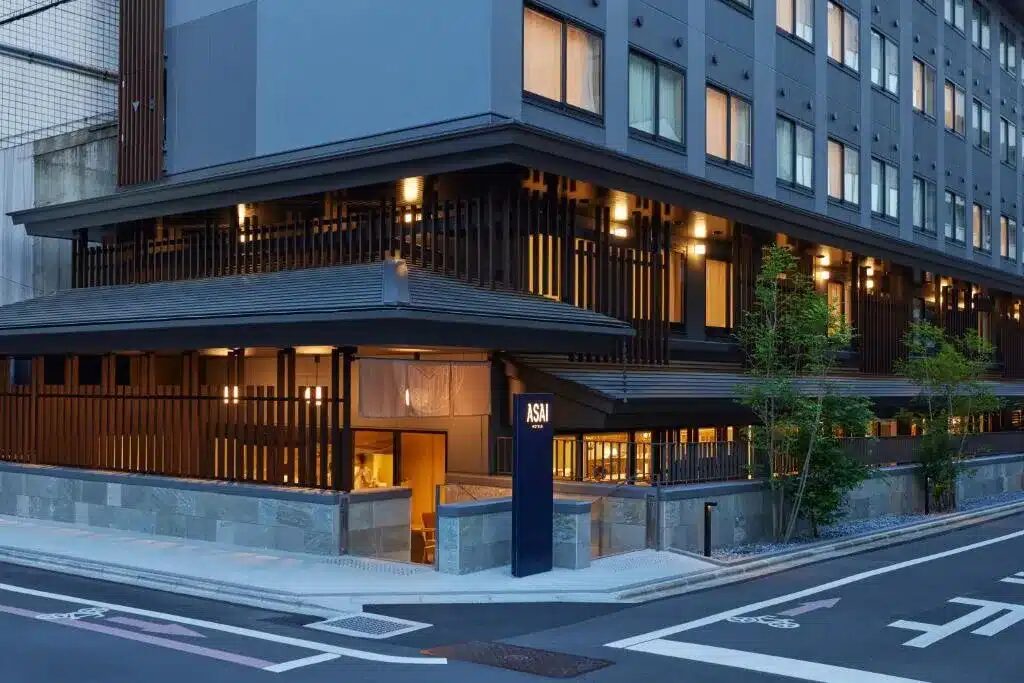
Nijo Castle is in the west of central Kyoto; taking the subway Tozai Line to Nijojo-mae Station gets you right there, and staying around Nijo Castle, Karasuma-Oike or Shijo-Kawaramachi lets you enter at opening time in the morning and return to the city for shopping in the afternoon.

FAQ
Here are the Nijo Castle questions readers search for most often.
Q: How much is a Nijo Castle ticket?
Castle admission is ¥800, the combo including Ninomaru Palace viewing is ¥1,300, Honmaru Palace costs an extra ¥1,000, and the audio guide is about ¥500-700.
Q: What is the most convenient way to get to Nijo Castle?
Take the Kyoto Municipal Subway Tozai Line to “Nijojo-mae” Station and you are right there, or take city bus Nos. 9, 50, 101 or 111; rides all take about 15-25 minutes.
Q: What are Nijo Castle’s opening hours and closing days?
The castle is open 8:45-16:00 (last entry 16:00, closing at 17:00) and closed only December 29-31 each year; viewing inside Ninomaru Palace is suspended every Tuesday in January, July, August and December, and on December 26-28 and January 1-3.
Q: Can you take photos inside Ninomaru Palace?
No. Photography is entirely prohibited inside both Ninomaru Palace and Honmaru Palace, and shoes must be removed; photos can only be taken in outdoor areas such as the gardens and Karamon.
Q: Does Honmaru Palace need a reservation?
Yes. Since Honmaru Palace reopened on September 1, 2024, it uses advance online reservations and requires an extra ticket of ¥1,000, and we suggest booking on the official site 1-2 weeks ahead.
Q: Is Honmaru Palace worth adding?
Honmaru Palace is the Katsura-no-miya family palace moved from north of the Kyoto Imperial Palace, the only large-scale imperial-family palace surviving from the Edo period. Viewing takes about 40 minutes, requires a reservation and cannot be canceled; if time is limited, see Ninomaru Palace first, and add it if you are interested in imperial-family architecture.
Q: When is the best time for cherry blossoms and autumn leaves at Nijo Castle?
Cherry blossoms bloom from about late March to early April and maple leaves from late October to late November, with night illumination events during the autumn leaf season; we suggest going on a weekday to avoid the crowds.
Q: Is Nijo Castle worth visiting?
Yes. Nijo Castle was built by Tokugawa Ieyasu in 1603 and inscribed as a World Heritage Site in 1994; the National Treasure Ninomaru Palace preserves Kano school wall paintings and the nightingale floors and is the historic site of the Taisei Hokan; there is also the Important Cultural Property Honmaru Palace, reopened in 2024, the Ninomaru Garden, a Special Place of Scenic Beauty, and the Tenshudai, where the keep once stood and which you can climb for a view. Castle admission is generally ¥800, and adding Ninomaru Palace comes to ¥1,300 in total; the official site’s model routes come in three types, quick 1 hour, recommended 2 hours (including Honmaru Palace and the Tenshu site) and full 2 hours 30 minutes, which you can choose by available time.
Q: Is Nijo Castle worth a whole day?
Yes. We suggest exploring Ninomaru Palace, the gardens and Honmaru Palace in depth, then heading to the nearby Kyoto Imperial Palace in the afternoon, for a complete World Heritage history tour itinerary.