

A Guide to Sendai Food Culture: Three Signature Dishes, All Within One Station
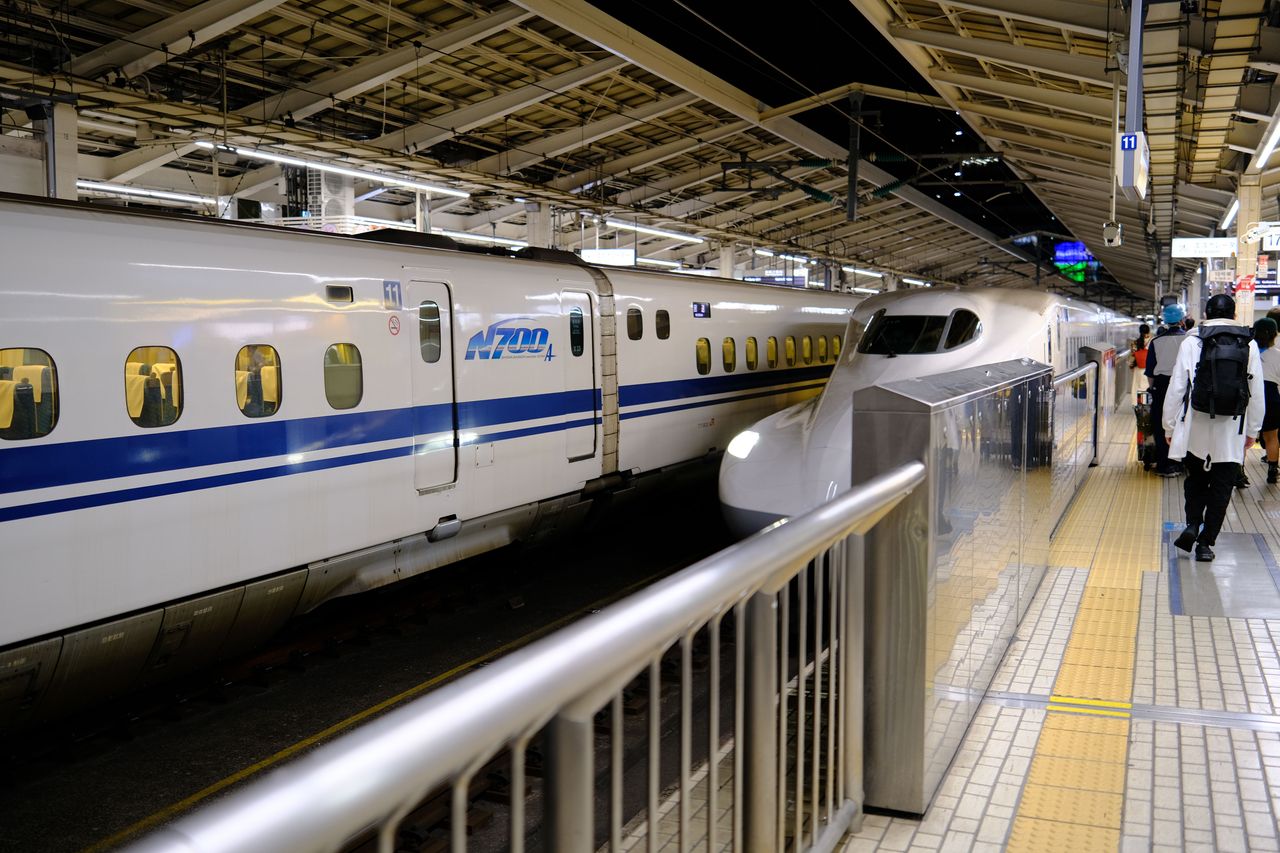
Sendai’s food scene has a rare feature: its signature dishes are highly concentrated, and concentrated in one place. Beef tongue, sasa kamaboko and zunda (edamame paste) are collectively called the “Three Great Sendai Specialties,” and representative shops for all three have outlets in and around JR Sendai Station and the connected S-PAL department store, so even a two-hour layover is enough to try all three.
But eating only at the station means missing half of it. Sendai’s real strength comes from the produce of Miyagi Prefecture: the waters off Sanriku are a world-class source of oysters and sea squirts, the inland area raises Sendai beef as a wagyu brand, and in winter there is seri nabe, a hot pot where the roots go in along with the greens. These are not available year-round, nor do they all appear in the station’s food floors, so you have to head into the shopping arcades and the Sendai Asaichi morning market to eat them.
This article breaks Sendai food into three layers: first, 8 specialties you should know, then 6 actual famous shops and their signature dishes, and finally a walk through the snack map of the morning market and the covered arcades. Prices in the text are reference ranges at the time of writing, and actual amounts follow each shop’s current price list.
Must-Try Local Foods in Sendai: 8 Specialties from Beef Tongue to Seri Nabe
Get to know the dishes first, then pick the shops. The eight below are ordered by fame and seasonal limits: the first four are available year-round, and the last four have clear seasons or price barriers.
Charcoal-Grilled Beef Tongue Set Meal: The Birthplace of Sendai Beef Tongue and How to Eat It
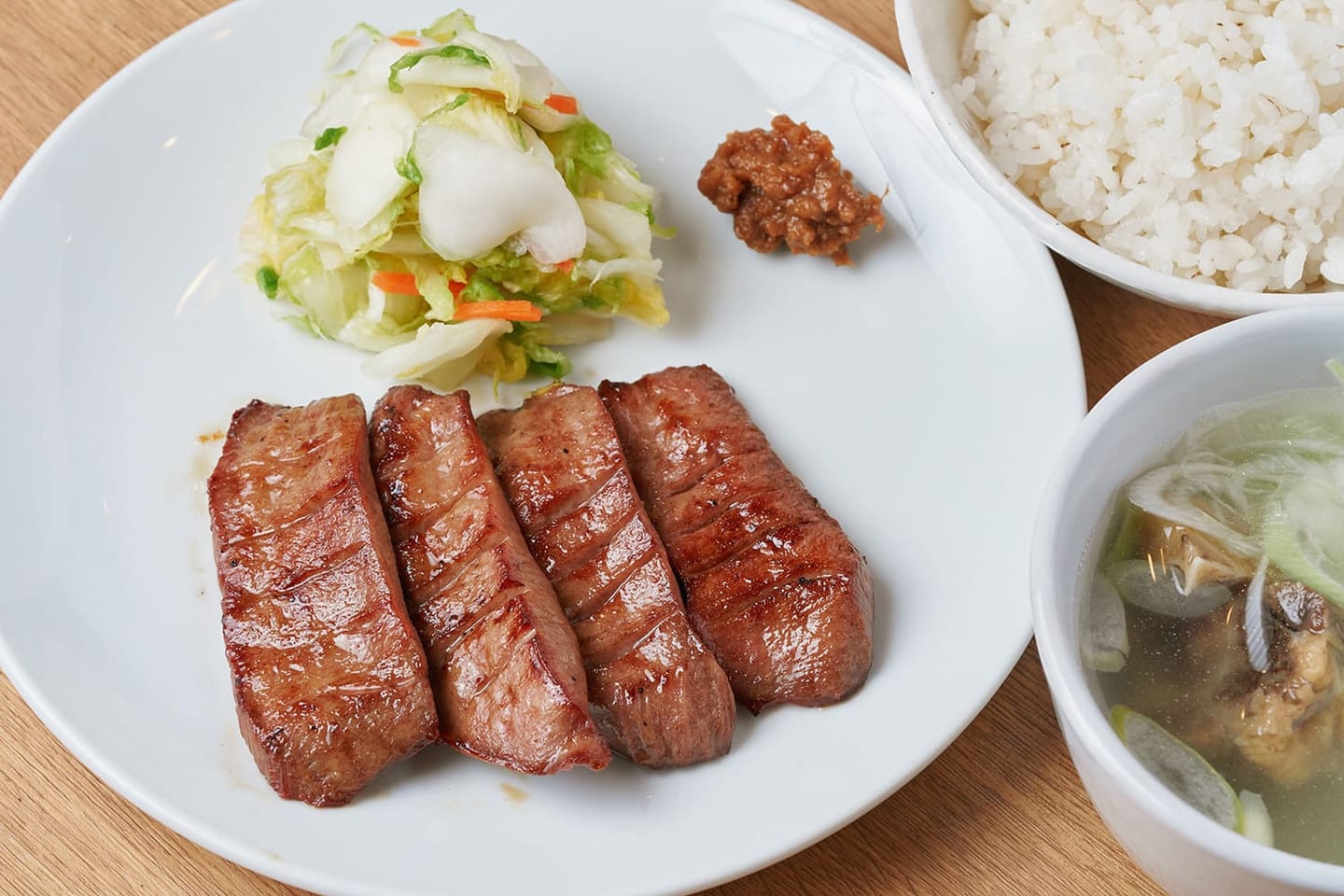
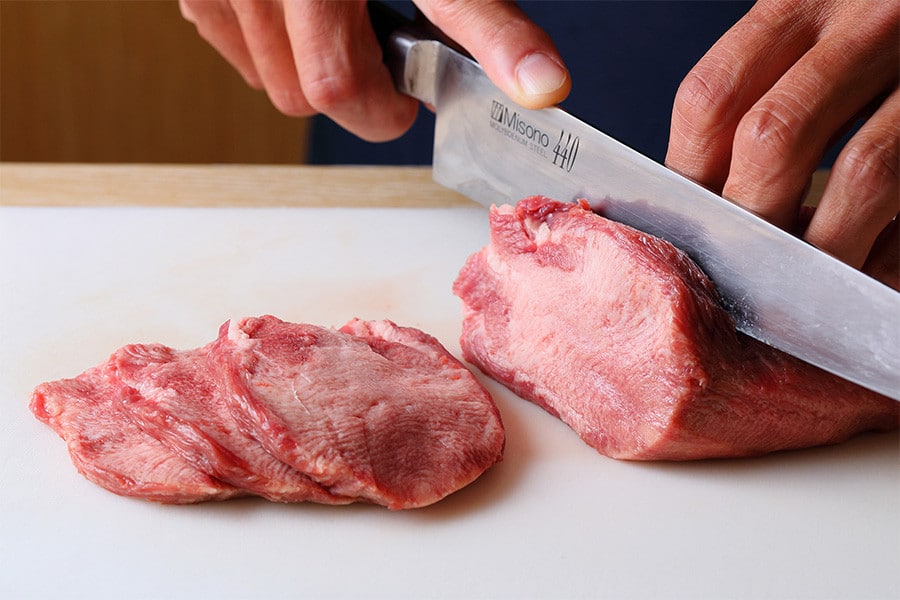
Sendai is the birthplace of beef tongue cuisine in Japan, developed after the war by the craftsman Sano Keishiro. The Sendai style is thick-cut, salt-cured and aged, then grilled over charcoal to order, slightly charred at the edges with a springy center, completely different from the thin-sliced tongue at yakiniku restaurants.
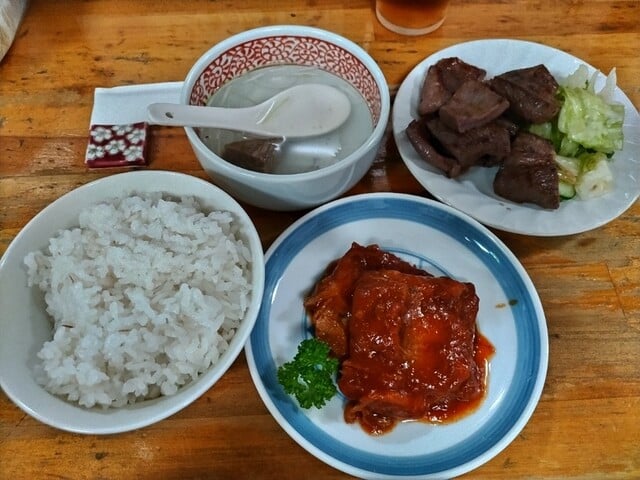
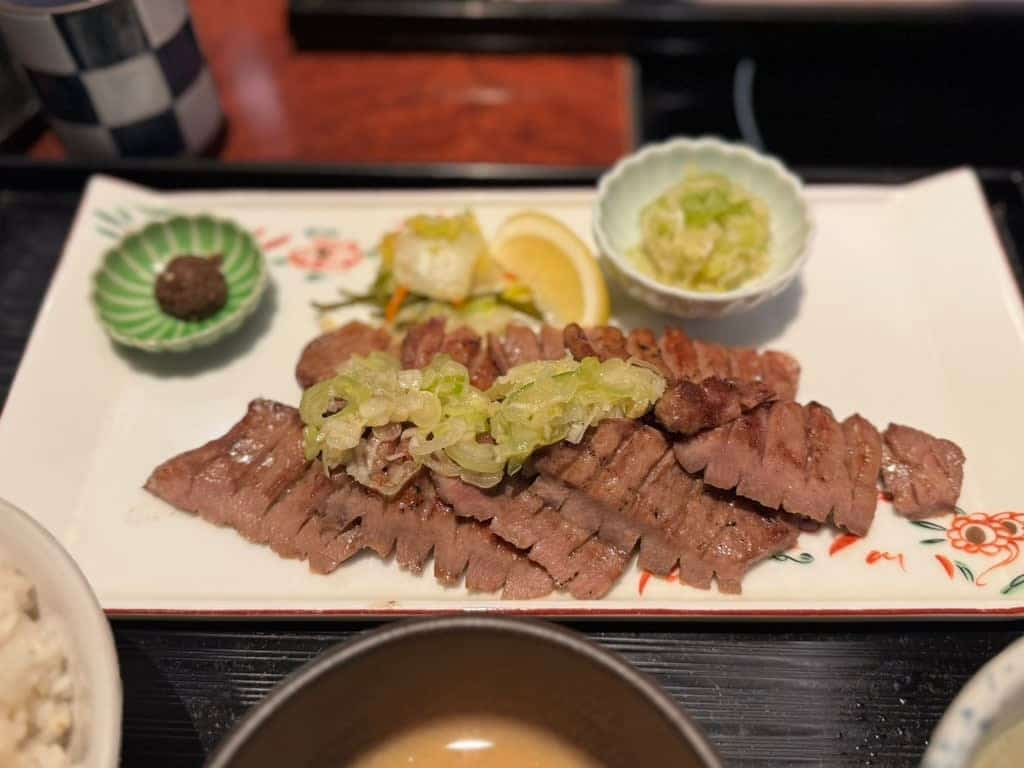
The orthodox way to eat it is the “gyutan teishoku” (beef tongue set meal): charcoal-grilled tongue with barley rice, clear oxtail soup, grated yam and nanban miso-pickled chili peppers, with barley rice and oxtail soup usually free to refill. Orders are priced by number of slices, and the more slices, the bigger the price gap, so for a first visit we recommend ordering the basic number of slices. Some long-established downtown shops are open only for lunch and dinner with a break in between (the shops on the third floor of the station are mostly open continuously all day), so keep this in mind when planning.
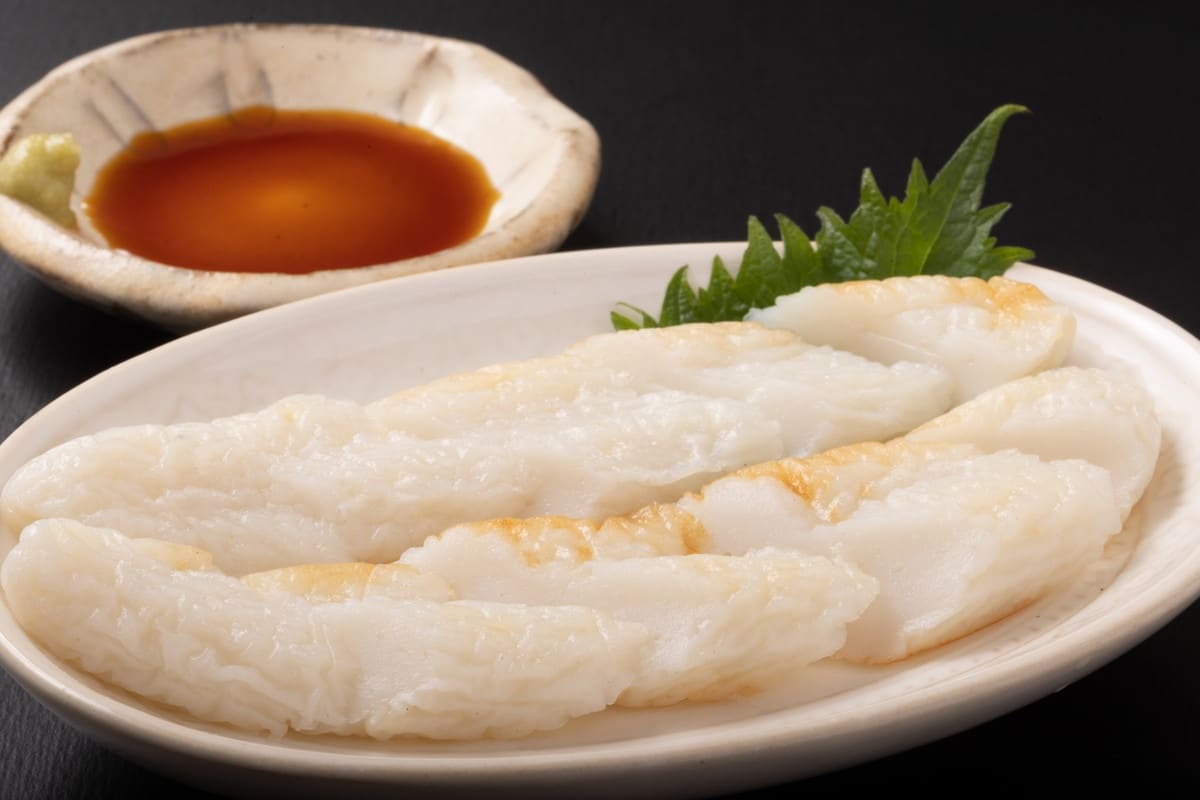
Sasa Kamaboko: Bamboo-Leaf-Shaped White Fish Cake, a Drinking Snack Since the Meiji Era
The name comes from the bamboo leaf in the Date family crest “Take ni Suzume” and was given by the founder of Abe Kamaboko in Sendai in the early Showa period; fish cake originated in Sendai in the Meiji era as a way to preserve an excess catch of flounder. White fish meat is ground, shaped and grilled, with a springy bite, clear fish flavor and low saltiness.
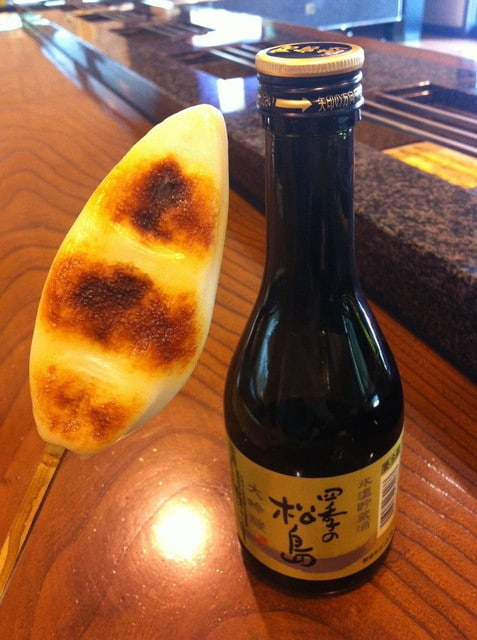
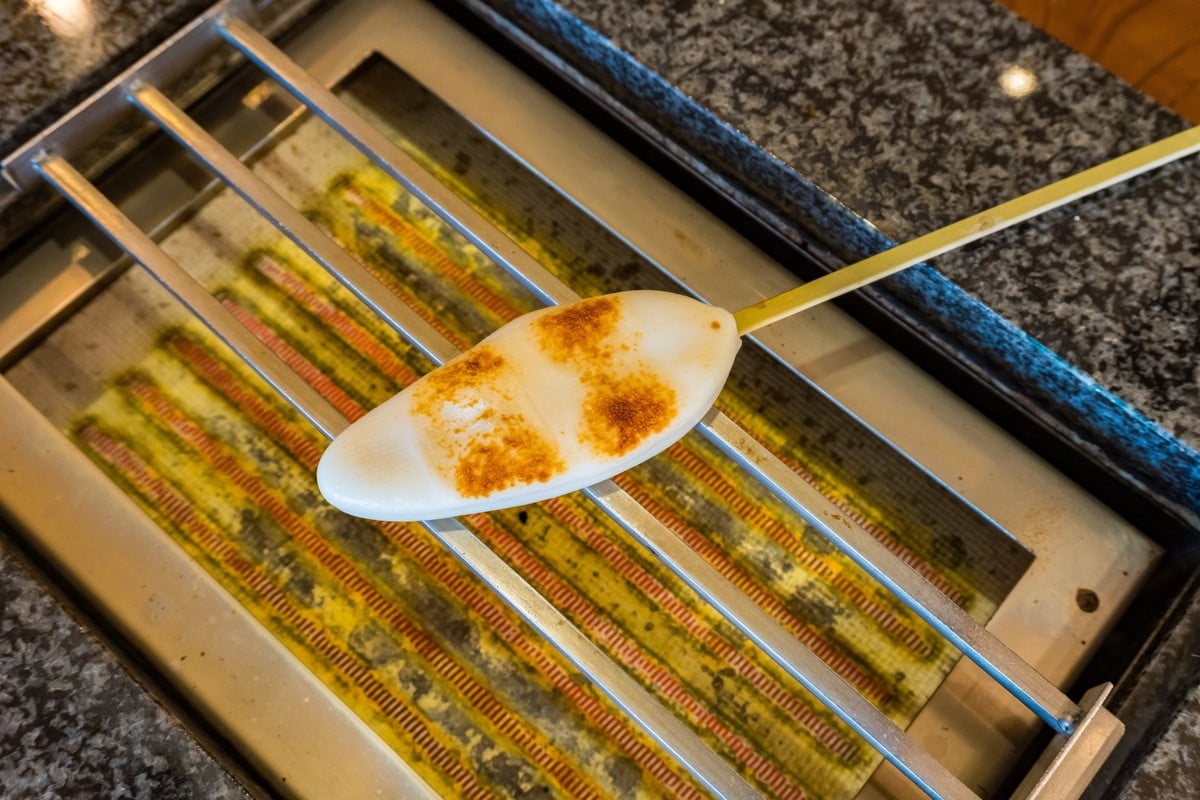
Vacuum-packed room-temperature versions are a classic souvenir, but the flavor differs greatly from freshly grilled: fresh-grilled has a charred aroma on the surface and steams inside, so it is worth eating one slice at the shop before deciding whether to buy a box. Some shops offer a grill-it-yourself experience, and it tastes best when grilled until slightly puffed. A single freshly grilled piece costs a few hundred yen at most, and gift boxes are priced by count, making it one of the souvenirs that takes up the least luggage space.
Where to Buy Sasa Kamaboko in Sendai? How to Choose Between Abe Kamaboko and Kanesaki Sasakama-kan
There are two routes for buying sasa kamaboko in Sendai: Abe Kamaboko was founded in 1935 and says on its website that it is the namer of sasa kamaboko, and its main shop is in the covered arcades, where you can buy both freshly grilled pieces and gift boxes; Kanesaki Sasakama-kan is at 6-65 Tsurushiro-cho, Wakabayashi Ward, open 9:30 to 18:00, with a hands-on workshop on the 2nd floor for making sasa kamaboko and fried kamaboko, which requires a reservation in advance.
Zunda: The Bright Green Dessert Made from Mashed Edamame
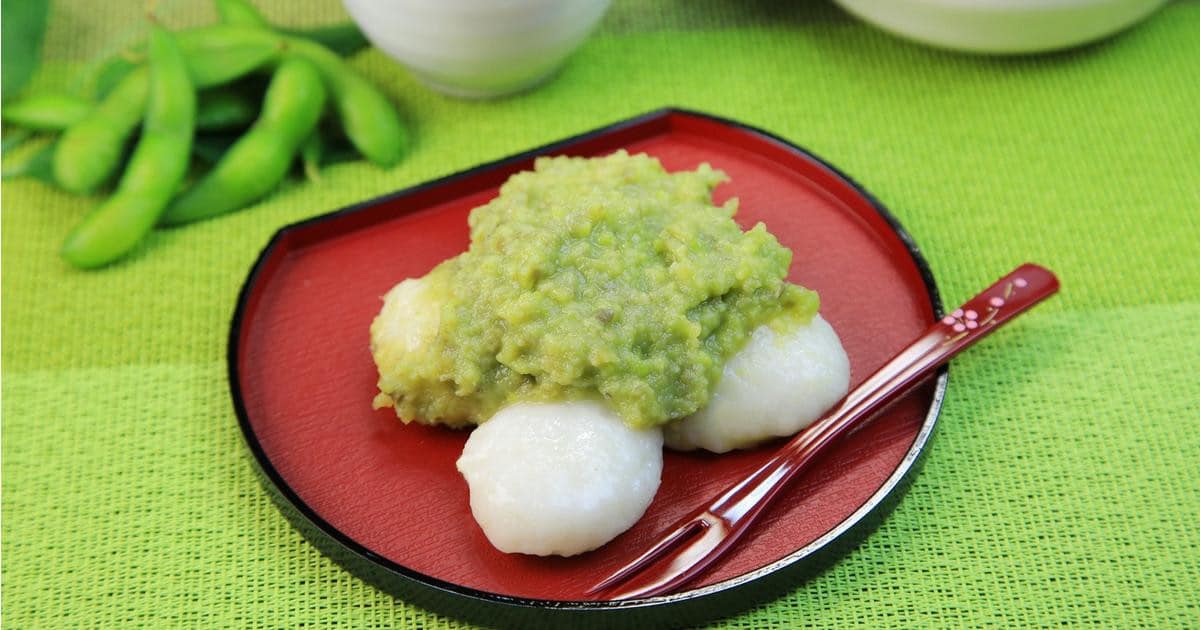
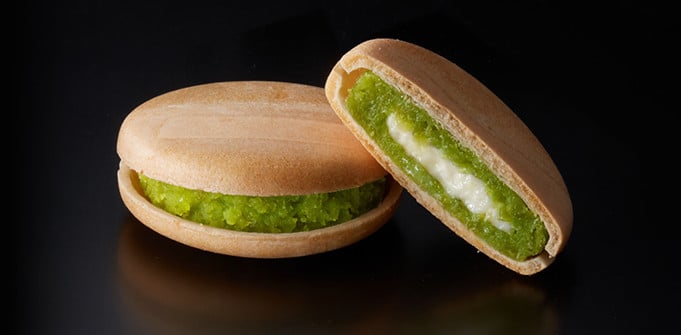
Zunda is a bright green filling made by peeling edamame, mashing them and adding sugar, originally a home snack for Miyagi’s Obon holiday and now Sendai’s most representative dessert. The most traditional form is zunda mochi, soft mochi coated in lightly sweetened bean paste, where you can taste the grassy fragrance and texture of the edamame; in recent years it has also spawned versions such as shakes, daifuku, cream puffs and fresh-cream rolls, and the shake is a popular summer choice. Chilled items have a short shelf life, so keep that in mind when carrying them abroad. To compare brands in one go, Zunda Komichi on the 3rd floor of Sendai Station gathers the main shops and is the most efficient option.
Hyotan-age (Fried Gourd): A Queue-Worthy B-Grade Treat on the Shopping Street
Fish cake coated in sweet batter and deep-fried, skewered on a bamboo stick and eaten on the go, crispy outside and chewy inside, often squeezed with mayonnaise and ketchup, with a name that comes from its gourd shape.
It is a well-known B-grade food of Sendai’s covered arcades, and the main shop often has a queue but it moves fast. Prices follow the shop’s current announcements. It is piping hot when fresh from the fryer, so we recommend letting it cool before eating. There is also a frozen home-delivery version, but the texture is worse. It is sold only at the main shop’s window in the covered arcades, not at every branch.
Sendai Beef: The Only Wagyu Brand in Japan That Accepts Only the Top Grade
A wagyu brand of Miyagi Prefecture with an especially high certification bar: only individual animals whose meat reaches the highest grade can carry the name “Sendai beef,” and those below that grade may not use it, which is quite rare among Japan’s regional wagyu brands.
It is mainly eaten as steak, sukiyaki and yakiniku, with specialty shops around Kokubuncho and Sendai Station. Prices are clearly higher than a beef tongue set meal, making it a meal you need to budget for seriously, and lunch sets are usually better value than dinner, with actual prices following each shop’s current announcements. Note also that the labels differ between “Sendai beef” and “Sendai Kuroge Wagyu,” which does not meet the grade standard, so check how the menu is worded before ordering.
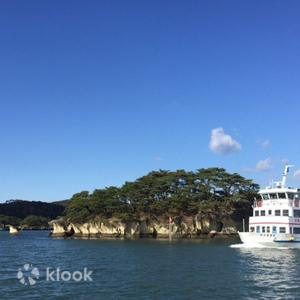
Sanriku Oysters: The Star of Winter, and Matsushima Is the Best Place to Eat Them
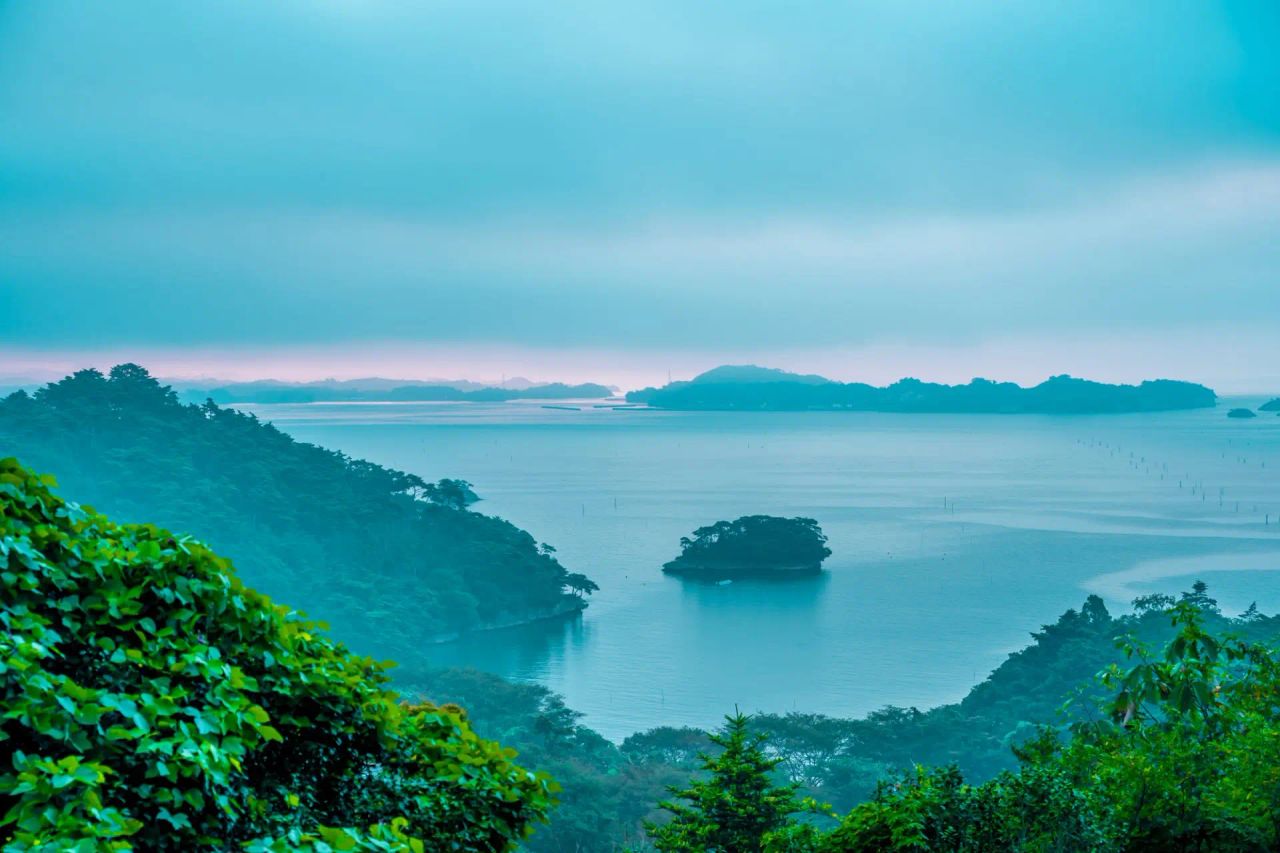
The Sanriku waters off Miyagi are one of Japan’s most important oyster-producing areas, and the nutrients carried where seawater meets rivers make the oysters here plump. The peak season is winter, which is also when the flavor is richest.
The classic way is to go to an oyster hut at Matsushima Kaigan for time-limited all-you-can-eat grilled oysters; the grilled-oyster shop at Matsushima Fish Market is open year-round and does not take reservations, and is in very high demand on winter weekends. Izakaya in downtown Sendai serve raw oysters, grilled oysters and fried oysters year-round. Note that eating raw oysters carries risk, and those with sensitive stomachs are safer choosing cooked dishes. Actual operating periods and prices follow each shop’s announcements. If your trip is not in winter, the Sendai Asaichi and downtown izakaya still serve farmed oysters year-round, though the flavor is not as rich as in season.
Seri Nabe: A Winter-Only Hot Pot with the Roots Included
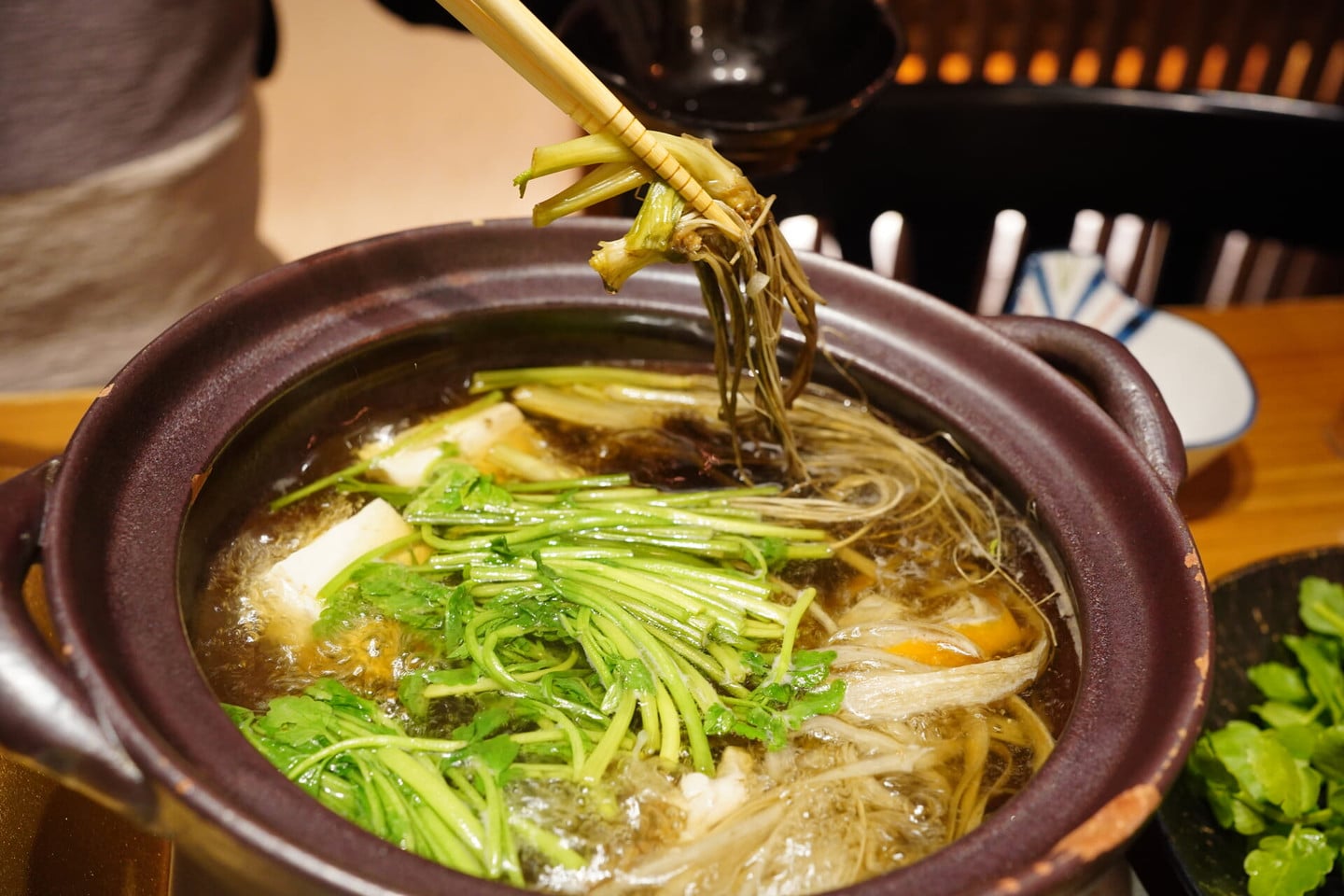
Miyagi’s winter specialty seri nabe goes into the pot root and all, and the white roots are the tastiest part, with a crisp, burdock-like texture and strong fragrance. The broth is mostly a light chicken or duck stock, and it is eaten after a quick swish, since long cooking loses the crispness. The season starts around November, peaks from December to February and ends in March. Izakaya and Japanese restaurants are the main places serving it, and in the winter peak season we recommend reserving first. After the hot pot, use the leftover broth to cook noodles or zosui rice porridge, where the fragrance concentrates in the last bowl.
Hara-ko Meshi (Salmon and Roe Rice): An Autumn-Only Miyagi Local Dish
A Miyagi coastal local dish that originated around Watari, south of Sendai. Salmon meat is first simmered in soy sauce and mirin, rice is then cooked in the cooking liquid, and finally it is topped with the salmon meat and salmon roe. Because the roe is in the same bowl, it is called an “oyako” (parent and child) bowl.
The rice grains soak up the fish flavor and soy aroma, and the salmon roe pops in your mouth, with a generous portion. The authentic season is autumn, when salmon migrate, and about September to November suits it best, though some shops in downtown Sendai and Matsushima serve it year-round. You can buy it at Matsushima set-meal restaurants and the Sendai Station bento shops, and the railway bento version is also very popular.
Sendai Restaurant Recommendations: 6 Famous Shops from the Original Beef Tongue Shop to Long-Established Fish Cake Makers
All six below are real, long-running shops: the first four are beef tongue and the last two are fish cake. Prices are reference ranges, and actual prices follow each shop’s current price list.
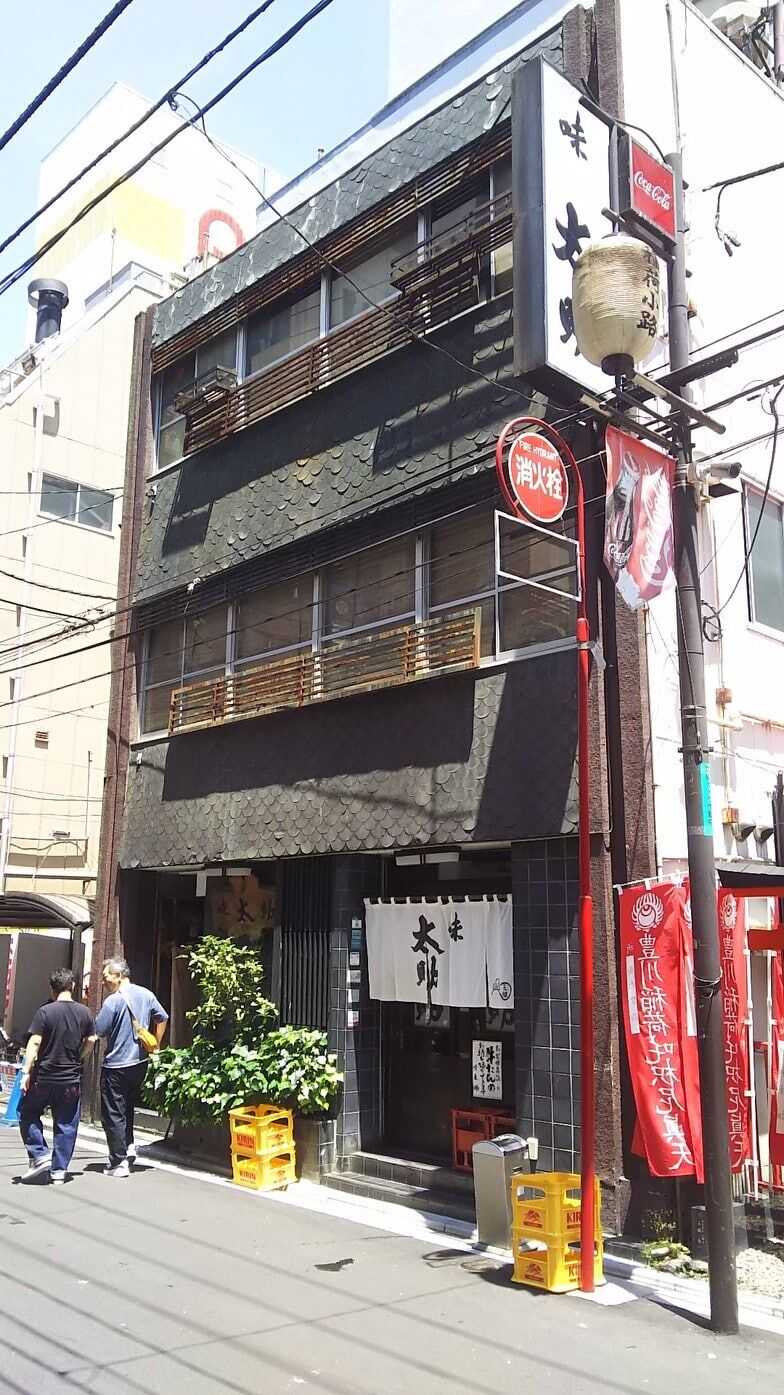
Sendai Food Recommendation: Aji Tasuke Honten (The Originator of Beef Tongue)
The shop where Sendai beef tongue began, founded by the first-generation Sano Keishiro and still keeping to the original salt-grilled approach: no sauce, just salt curing, aging and charcoal, so the meat flavor is very direct. The first floor has a counter and there is more seating upstairs, just what a long-established shop should look like.
The menu is minimal, basically a choice of grilled beef tongue or a set meal, and the accompanying oxtail soup is also the first generation’s recipe. Be prepared to queue at peak meal times, and the regular closing day is every Tuesday, so avoid it when planning your trip.
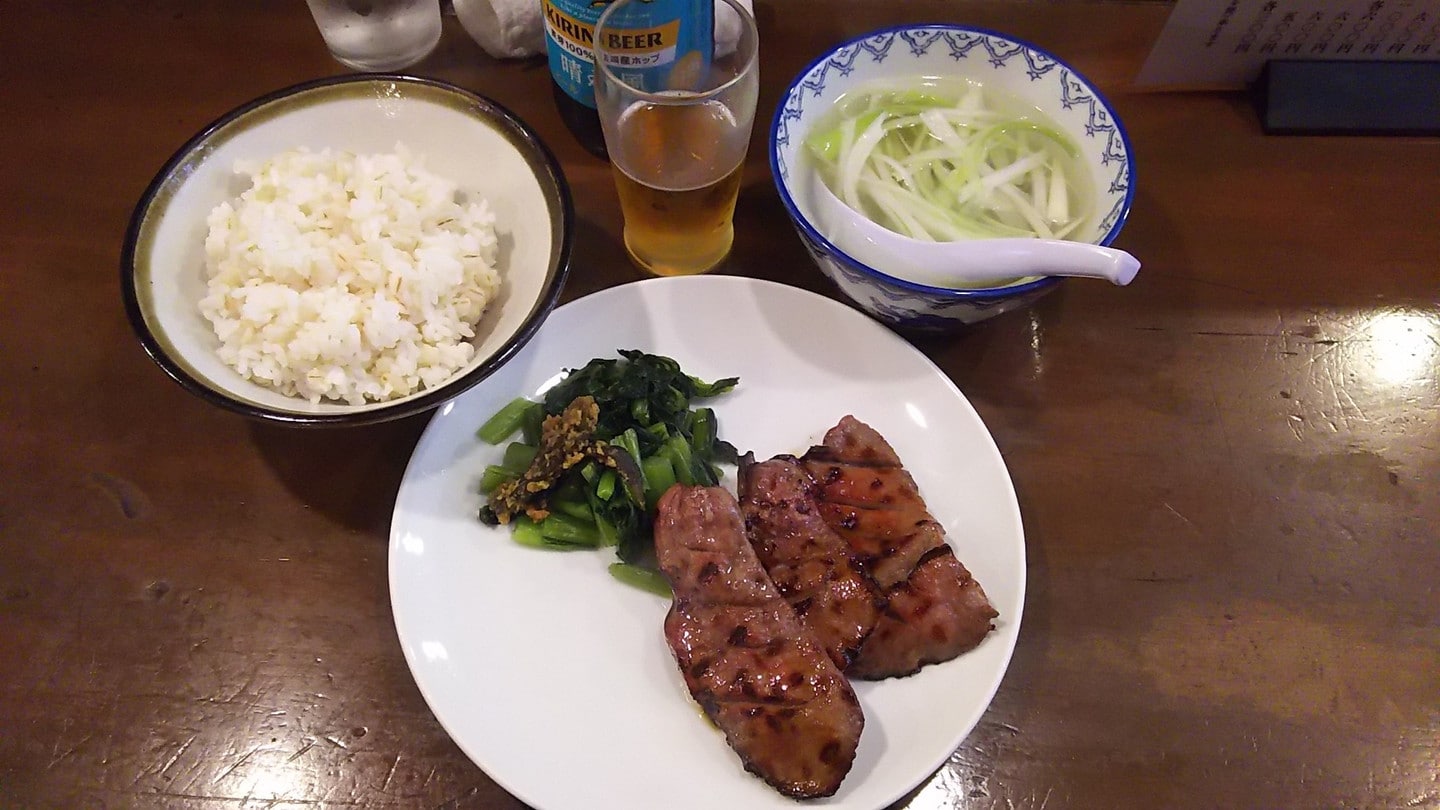
- 🥩 Must-order: Charcoal-grilled beef tongue set meal (with barley rice, oxtail soup and nanban miso pickles)
- 💰 Price: Beef tongue set meal (3 slices, with barley rice and oxtail soup) about ¥2,900; actual price follows the in-store notice
- 🚉 Access: About a 3-minute walk from Kotodai-koen Station on the Sendai subway, located in Ichibancho 4-chome

Sendai Food Recommendation: Gyutan Sumiyaki Rikyu (The Easiest-to-Find Famous Chain)
The most famous Sendai beef tongue chain in all of Japan, with so many branches it is almost impossible to miss, and there is one in the Gyutan Dori on the third floor of Sendai Station. Quality is consistent, making it the safest choice for a first taste of beef tongue.
Besides the classic charcoal-grilled set meal, its variations are also well done: beef tongue curry, stewed beef tongue and beef tongue sausage all reach a solid standard, good for a group where everyone orders something different and shares. It is also the brand where it is easiest to buy beef tongue souvenirs, with vacuum-packed ready-to-eat packs sold in the station shops.
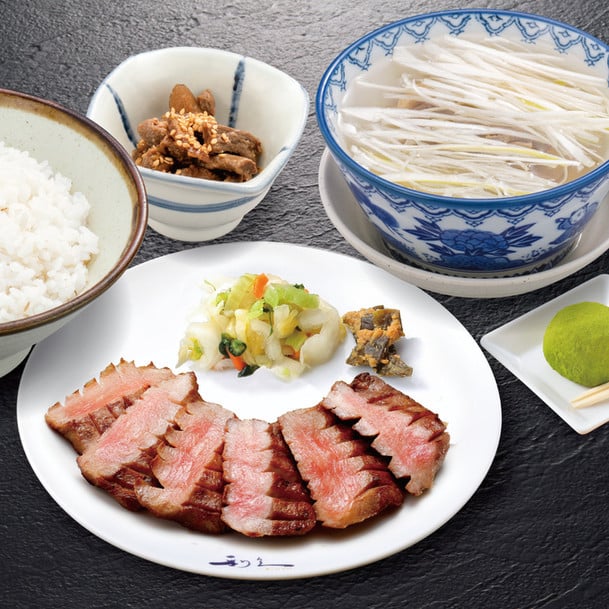
- 🥩 Must-order: Beef tongue set meal (choose 3 / 4 / 5 slices), stewed beef tongue
- 💰 Price: 3-slice set meal from about ¥2,900 (¥2,926 at the Sendai Station branch), with the price rising by slice count
- 🚉 Access: Inside “Gyutan Dori” on the 3rd floor of JR Sendai Station, right outside the ticket gates
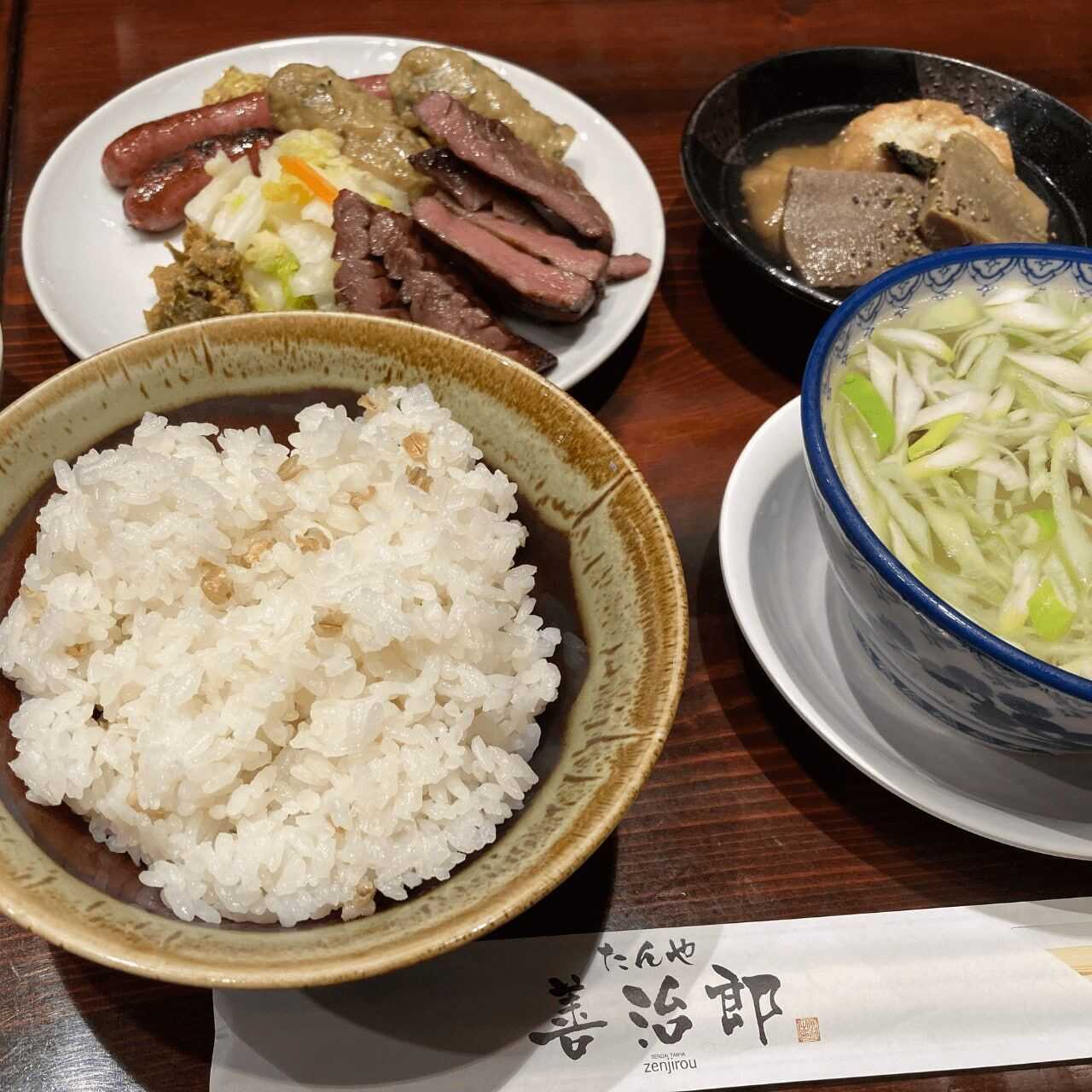
Sendai Food Recommendation: Tanya Zenjiro (Hand-Cut by Craftsmen and Grilled Over High-Heat Charcoal)
It specializes in craftsman hand-curing and high-heat grilling to order, with tongue cut thicker than at typical shops, keeping a clearly juicy center and slightly crisp edges, and it is a highly rated shop in Gyutan Dori.
Another feature is that it sells separately the rare “Manaka tan” cut, of which only one or two slices come from a single tongue, and if you want to try the softest part you can upgrade for an extra charge. It is also on the third floor of the station, suitable for eating a meal right before or after your train.
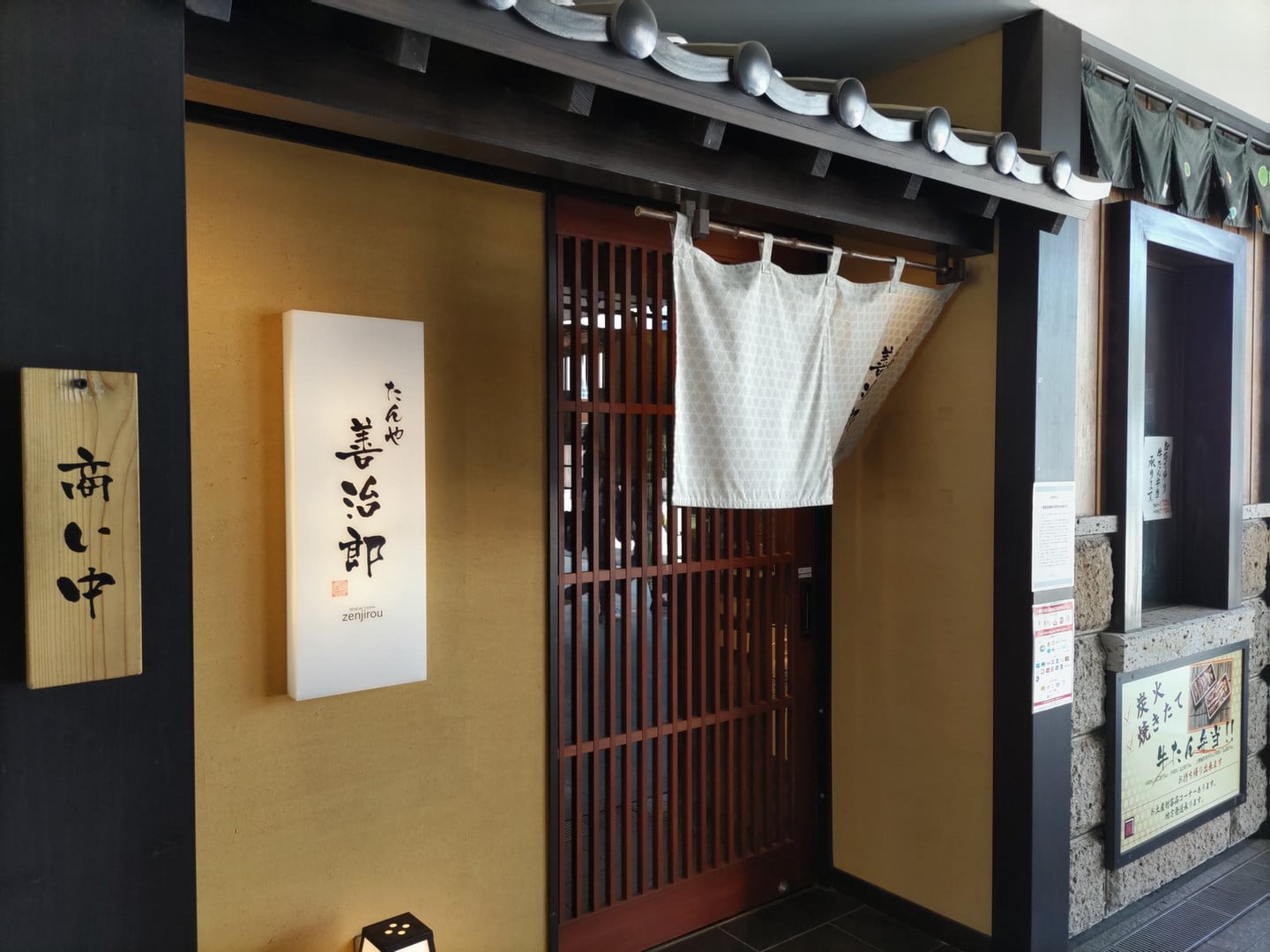
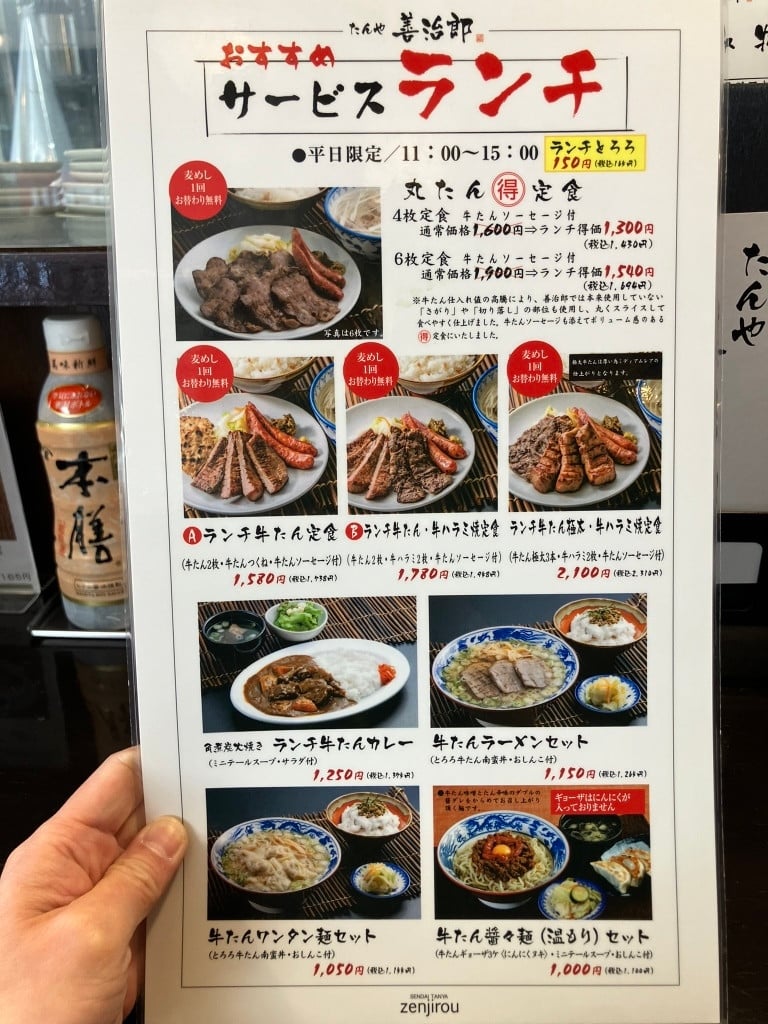
- 🥩 Must-order: Thick-cut charcoal-grilled beef tongue set meal, premium beef tongue
- 💰 Price: Set meals about ¥2,475-4,290; upgrade to the rare “Manaka tan” cut from about ¥4,125
- 🚉 Access: Inside “Gyutan Dori” on the 3rd floor of JR Sendai Station, near the ticket gates. Open 10:00-21:30 (last order 21:00), closed January 1, no reservations
Sendai Food Recommendation: Gyutan Kaku (The Dressed Beef Tongue Locals Love)
Besides the standard charcoal-grilled set meal, its specialty is less common dishes such as seared, dressed beef tongue.
“Gyutan tataki” sears the surface of the tongue and keeps the inside half-raw, sliced and eaten with scallions and ginger soy sauce. The official website lists this kind of raw-style dish as dinner only (raw beef tongue sashimi is offered only at weekday dinner and at some branches), so you cannot get it at lunch.
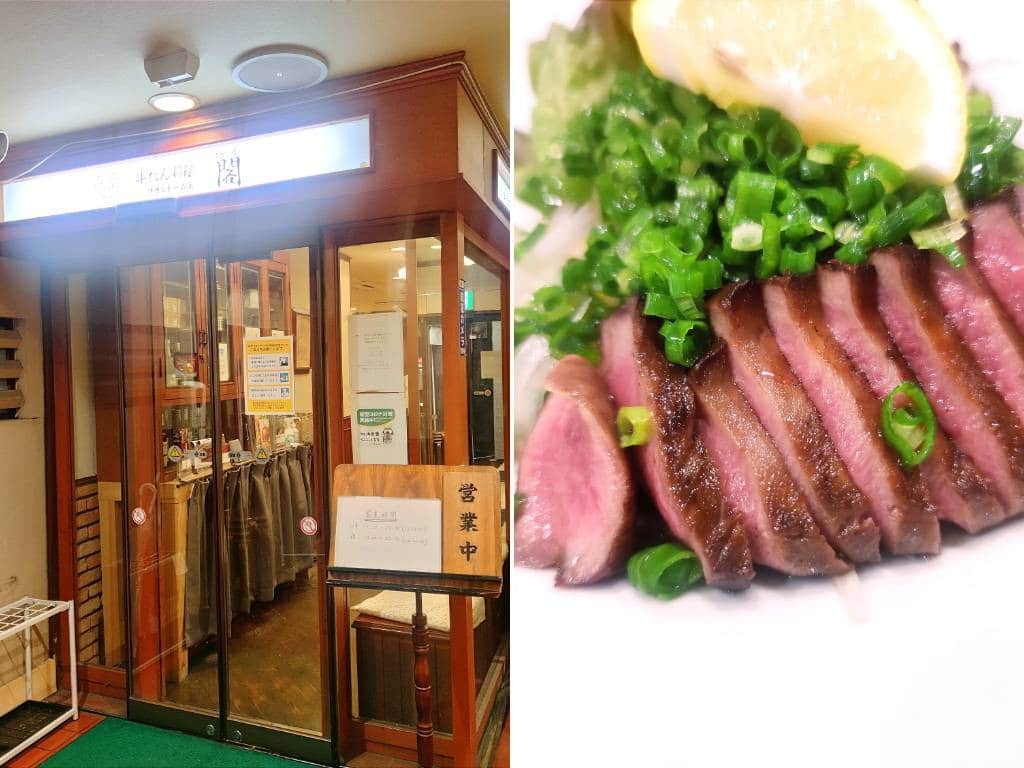
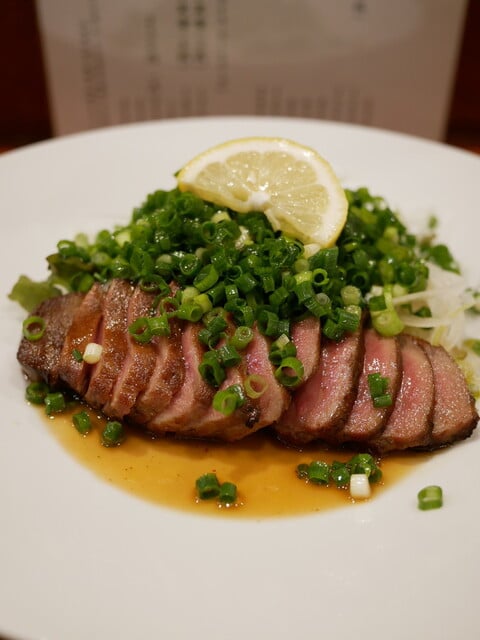
- 🥩 Must-order: Seared dressed beef tongue (gyutan tataki), charcoal-grilled beef tongue set meal
- 💰 Price: Charcoal-grilled beef tongue set meal about ¥2,860-3,960 (4 / 5 / 6 slices), gyutan tataki about ¥2,090-3,190
- 🚉 Access: The main shop is at 3-8-14 Ichibancho, Aoba Ward (Brandome Ichibancho Shopping Street B1F), within walking distance of Kotodai-koen Station or Hirose-dori Station on the subway
Sendai Food Recommendation: Abe Kamaboko Honten (The Birthplace of Fried Gourd)
Sendai’s most representative long-established fish cake maker, on the Clis Road covered arcade in the direction from Sendai Station toward Ichibancho. Half the storefront sells sasa kamaboko and various fish paste products, and the other half is that always-queued fried gourd window.
The sasa kamaboko itself is also worth buying, as the freshly grilled version tastes very different from the vacuum-packed one, so we recommend eating one slice at the shop before deciding. Gift packaging is complete, and home delivery is also accepted.
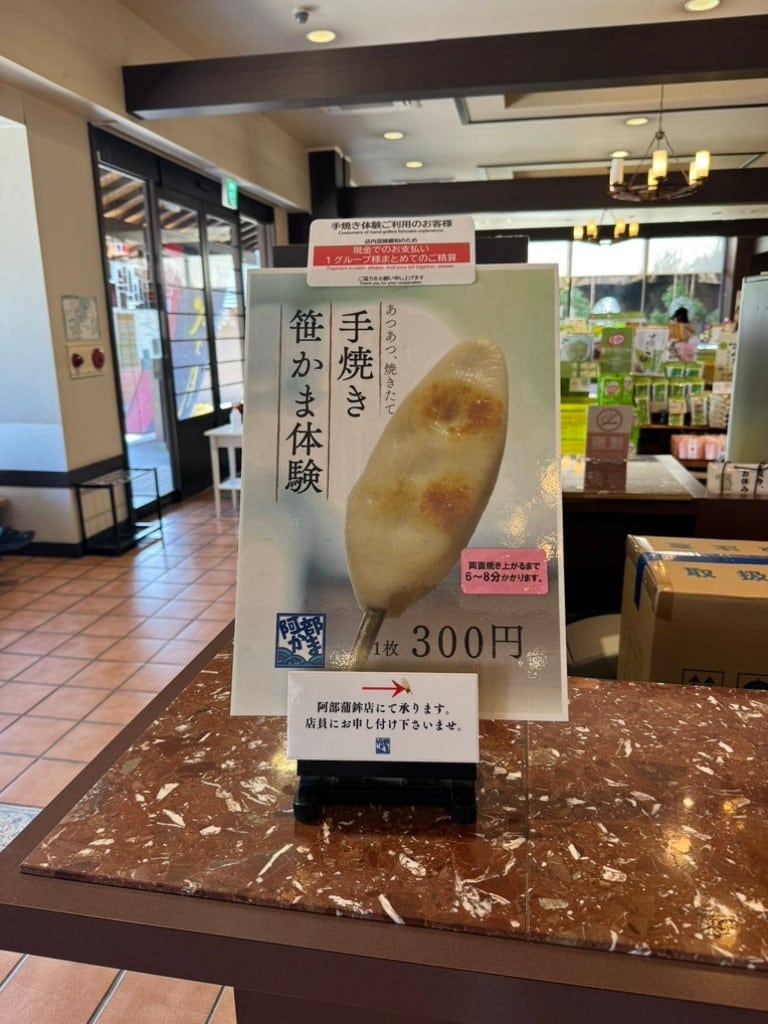
- 🍢 Must-order: Fried gourd (hyotan-age), freshly grilled sasa kamaboko
- 💰 Price: A single fried gourd skewer follows the in-store notice; sasa kamaboko gift boxes vary by count
- 🚉 Access: About a 10-minute walk from JR Sendai Station / about a 3-minute walk from Hirose-dori Station on the subway, located on the Clis Road covered arcade
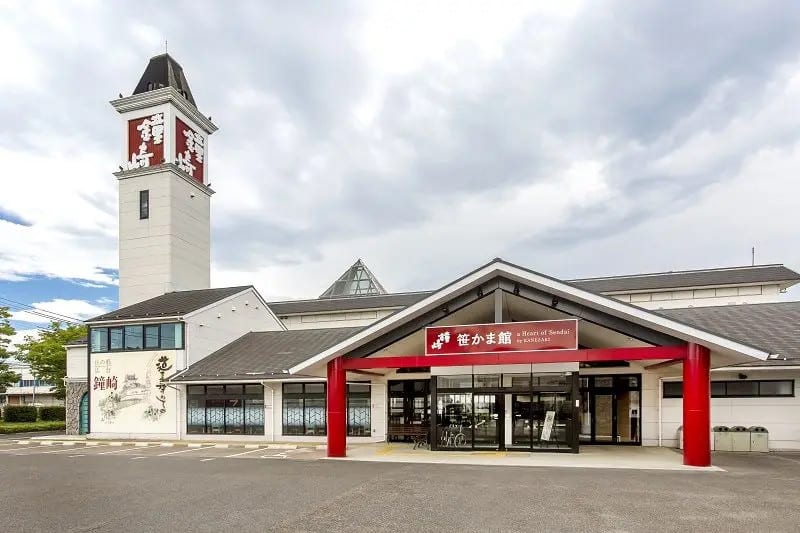
Sendai Food Recommendation: Kanesaki Sasakama-kan (A Hall Where You Can Grill Your Own Fish Cake)
A complex run by the fish cake brand Kanesaki, which emphasizes no chemical seasonings or preservatives and lets you taste the purest flavor of white fish, with a thicker texture than ordinary sasa kamaboko.
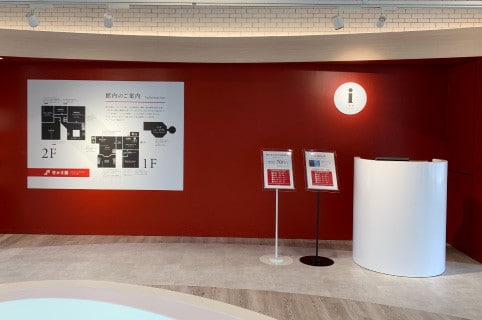
Its biggest difference from other shops is that you can play: the hall has a hand-grilling area where you hold a bamboo skewer and grill the fish cake over charcoal yourself until it puffs slightly, great for bringing children. There is also a factory viewing area and a large shop inside, a good place to buy souvenirs.
- 🍢 Must-order: Hand-grilled sasa kamaboko experience, Kanesaki signature sasa kamaboko
- 💰 Price: The hand-grilling experience costs a few hundred yen per piece at most; products vary by item
- 🚉 Access: At 6-65 Tsurushiro-cho, Wakabayashi Ward, Sendai, open 9:30-18:00; we recommend driving or checking bus times in advance
Sendai Street Snacks and Markets: How to Explore the Station Food Floors and the Morning Market
Sendai’s snack map divides into two parts: the food floors inside the station, and the markets and covered arcades within walking distance outside it. The five places below are all the highlights.
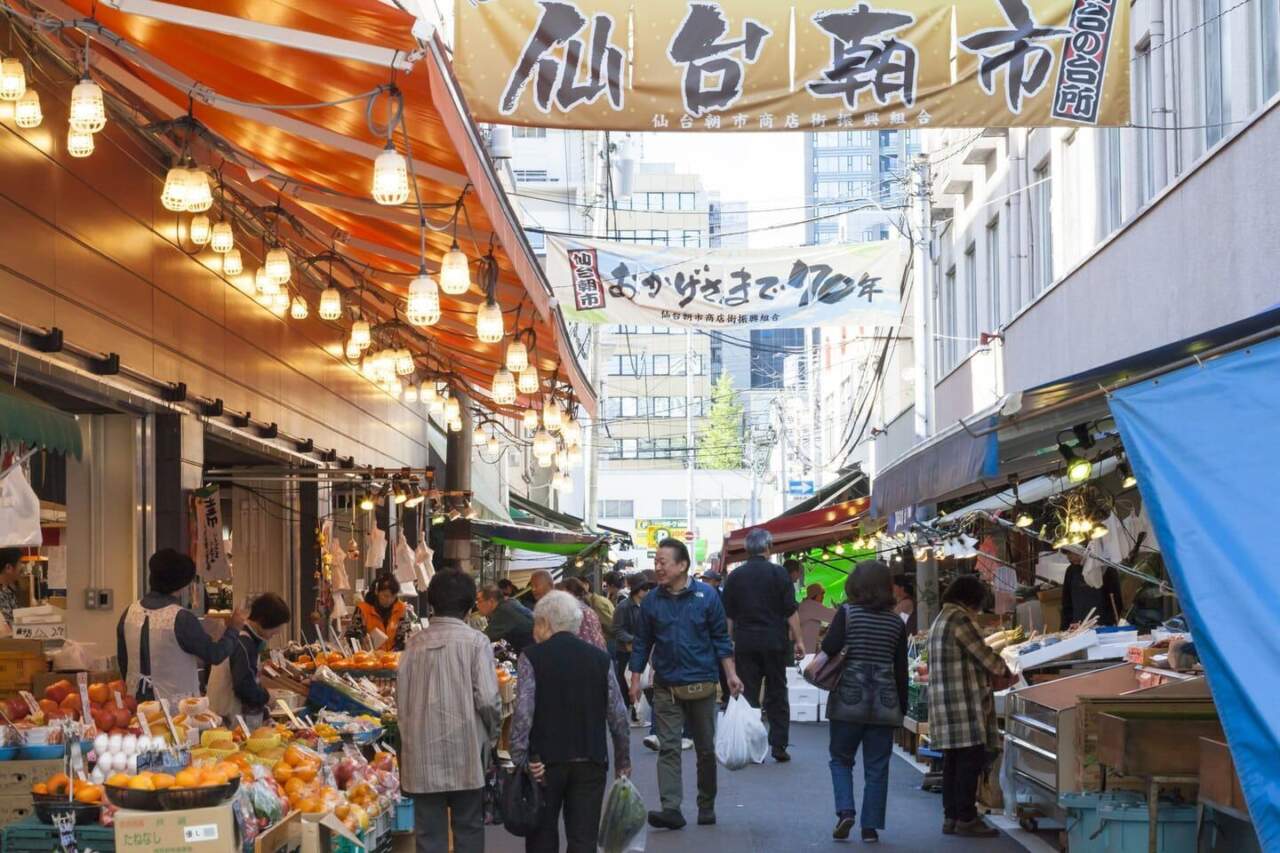
Sendai Asaichi: The “Sendai Kitchen” Five Minutes from the Station
A market street about a 5-minute walk from JR Sendai Station, with dozens of shops squeezed into a narrow lane selling fresh seafood, fruit and vegetables, dried goods and prepared foods, the closest thing to local daily life.
The most practical way for travelers is to treat it as the place for lunch: inside the market there are fishmonger-run eateries serving seafood bowls, and some shops sell Sanriku oysters by the piece, opened and eaten on the spot. It is busiest from morning to noon, stalls gradually close in the afternoon, and some shops are closed on Sundays.
- 🍣 Must-order: Seafood bowls at fishmonger eateries, Sanriku oysters priced by the piece, freshly fried prepared foods
- 💰 Price: Seafood bowls mostly range ¥1,000-2,000, and snacks cost a few hundred yen at most
- 🚉 Access: About a 5-minute walk from the west exit of JR Sendai Station
Gyutan Dori on the 3rd Floor of Sendai Station: The Shortest Path for a Layover
A food corridor on the third floor of JR Sendai Station that gathers Sendai’s main beef tongue shops in one row, with Rikyu, Zenjiro and others all having outlets here. For those with only transfer time, it is the most efficient choice.
The advantage is that you do not have to leave the station and can compare menus directly between shops; the disadvantage is that every shop has a queue at peak meal times. In practice, we recommend avoiding the hours around 12:00 and 18:00, or checking which shop has the shortest line before deciding.
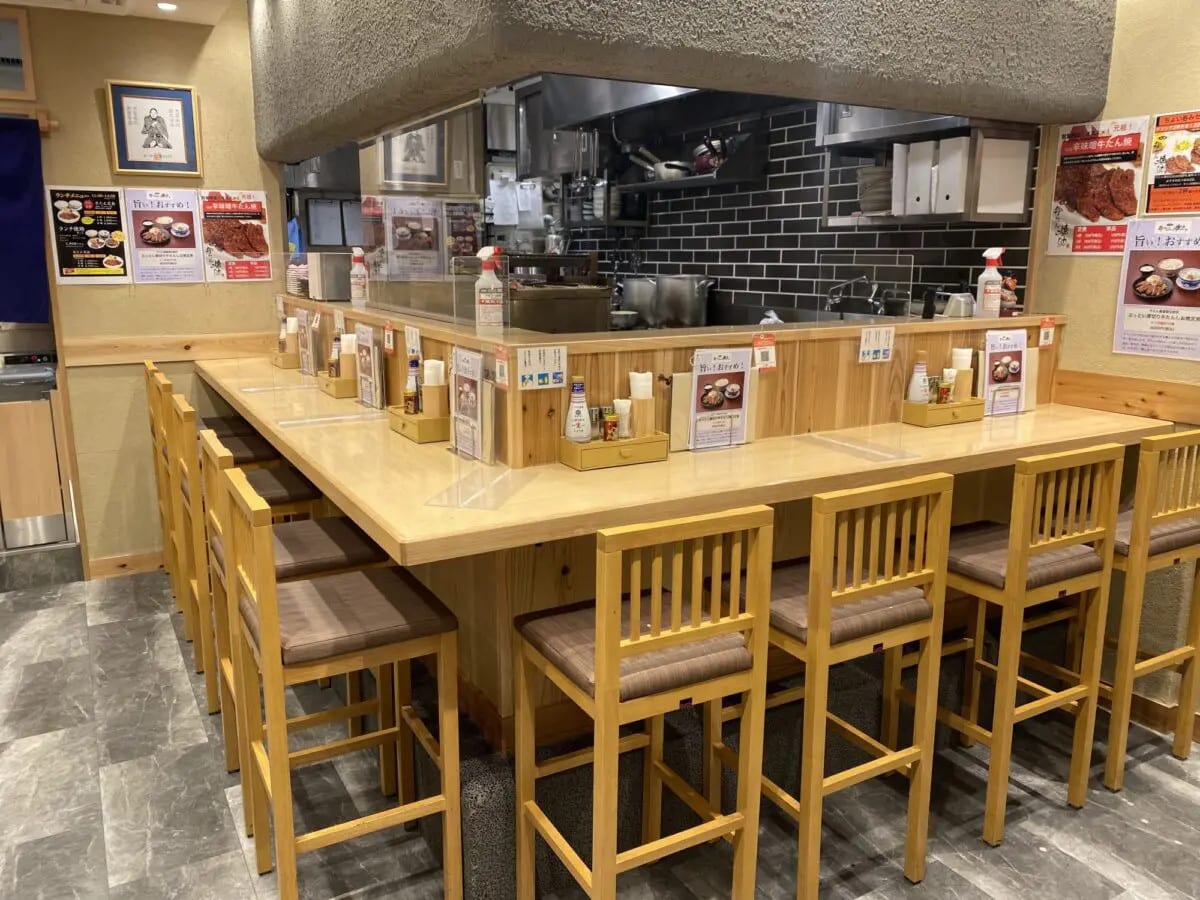
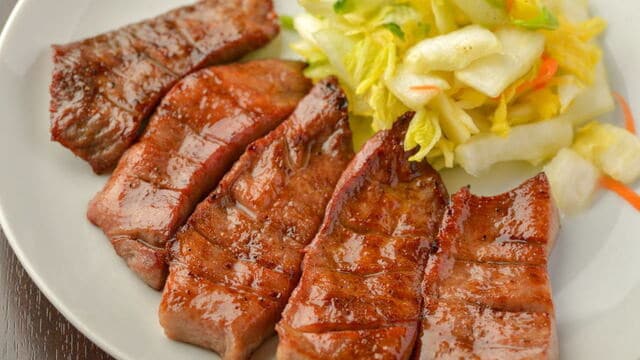
- 🥩 Must-order: Each shop’s signature beef tongue set meal; compare slice counts and prices before sitting down
- 💰 Price: Set meals generally range ¥2,500-4,400
- 🚉 Access: 3rd floor of JR Sendai Station, about a 2-minute walk following the signs after the Shinkansen ticket gates
Zunda Komichi and Zunda Saryo: Headquarters of Shakes and Mochi
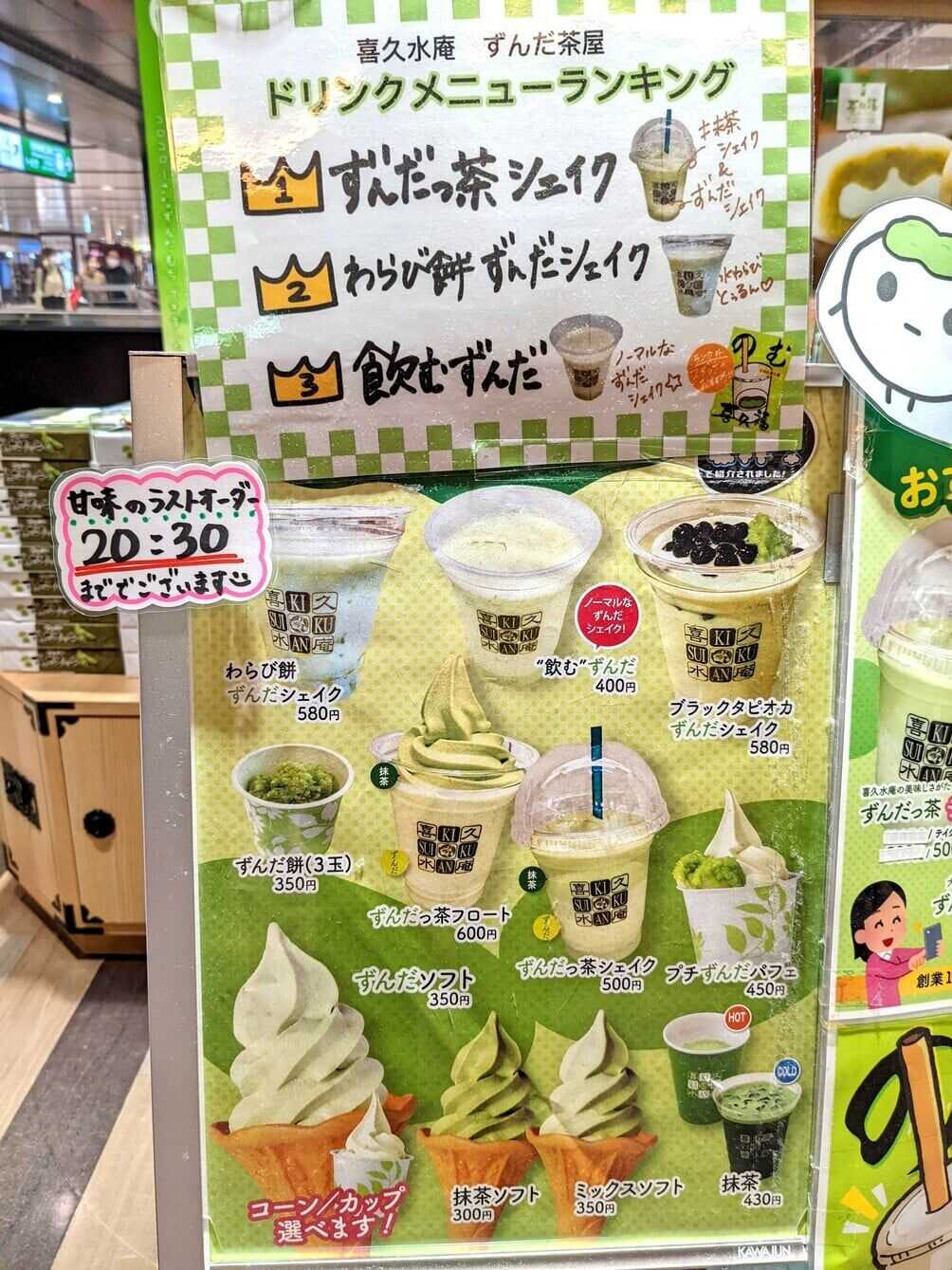
Another passage on the same floor as Gyutan Dori, with zunda as the whole theme. The core shop is Zunda Saryo, where the signature zunda mochi and zunda shake are both found.
The shake is the most popular item, and there is also an upgraded “Excella” version with whipped cream and edamame sauce that tastes like a textured, bean-flavored milkshake and is especially refreshing in summer; boxed zunda mochi come in sizes such as 5-piece packs, suited for souvenirs. Prices follow the in-store notice. Chilled items have a short shelf life, so it is safer to buy them on the day you head home.
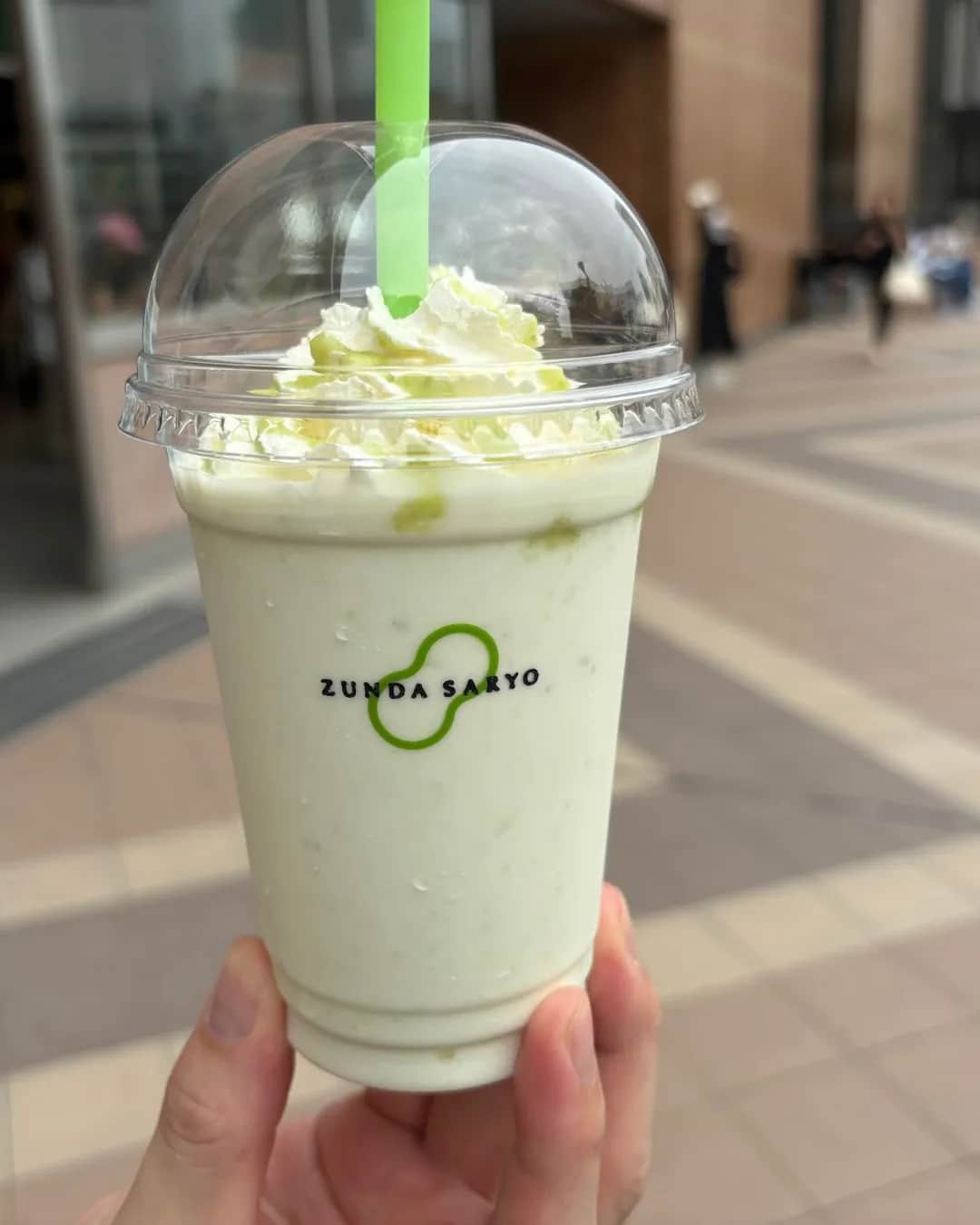
- 🍡 Must-order: Zunda shake, boxed zunda mochi
- 💰 Price: Shakes and boxed mochi vary by size; follow the in-store notice
- 🚉 Access: Inside “Zunda Komichi” on the 3rd floor of JR Sendai Station
Kikusuian: Kikufuku, the Fresh-Cream Daifuku Wrapped Around Zunda
A dessert brand run by the long-established tea shop “Ocha no Igeta,” whose signature product is “Kikufuku,” a daifuku whose skin wraps both zunda and fresh cream, two textures layered together, with sweetness more restrained than you might expect.
A single piece is about ¥163 (a box of 4 is ¥650, a box of 8 is ¥1,300), and boxes come in sizes of 4, 8, 12, 16, 20, 30 and more. The official recommendation is to eat it half-thawed, when the texture is closest to ice cream daifuku. Besides the zunda flavor, there are matcha, fresh cream and sencha versions, and the assorted pack is the best for souvenirs.
- 🍵 Must-order: Kikufuku zunda fresh-cream daifuku, assorted-flavor box
- 💰 Price: Box of 4 about ¥650, box of 8 about ¥1,300, which works out to about ¥163 per piece
- 🚉 Access: North side of the 2nd floor of JR Sendai Station, connected to the S-PAL shops
Clis Road and Ichibancho Shopping Street: The Stretch for Eating While Walking
A whole chain of covered arcades extending west from the west exit of Sendai Station, in order Clis Road, Marble Road Omachi and the Ichibancho sections, roofed all the way so rain and snow do not matter, which is important in Tohoku winters.
Abe Kamaboko Honten’s fried gourd window is on this stretch, and along the way there are also crepes, taiyaki and all kinds of takeout snacks, making it Sendai’s best route for eating while you walk. At the end it joins Jozenji-dori and the Kokubuncho dining district, so you can walk on there for dinner.
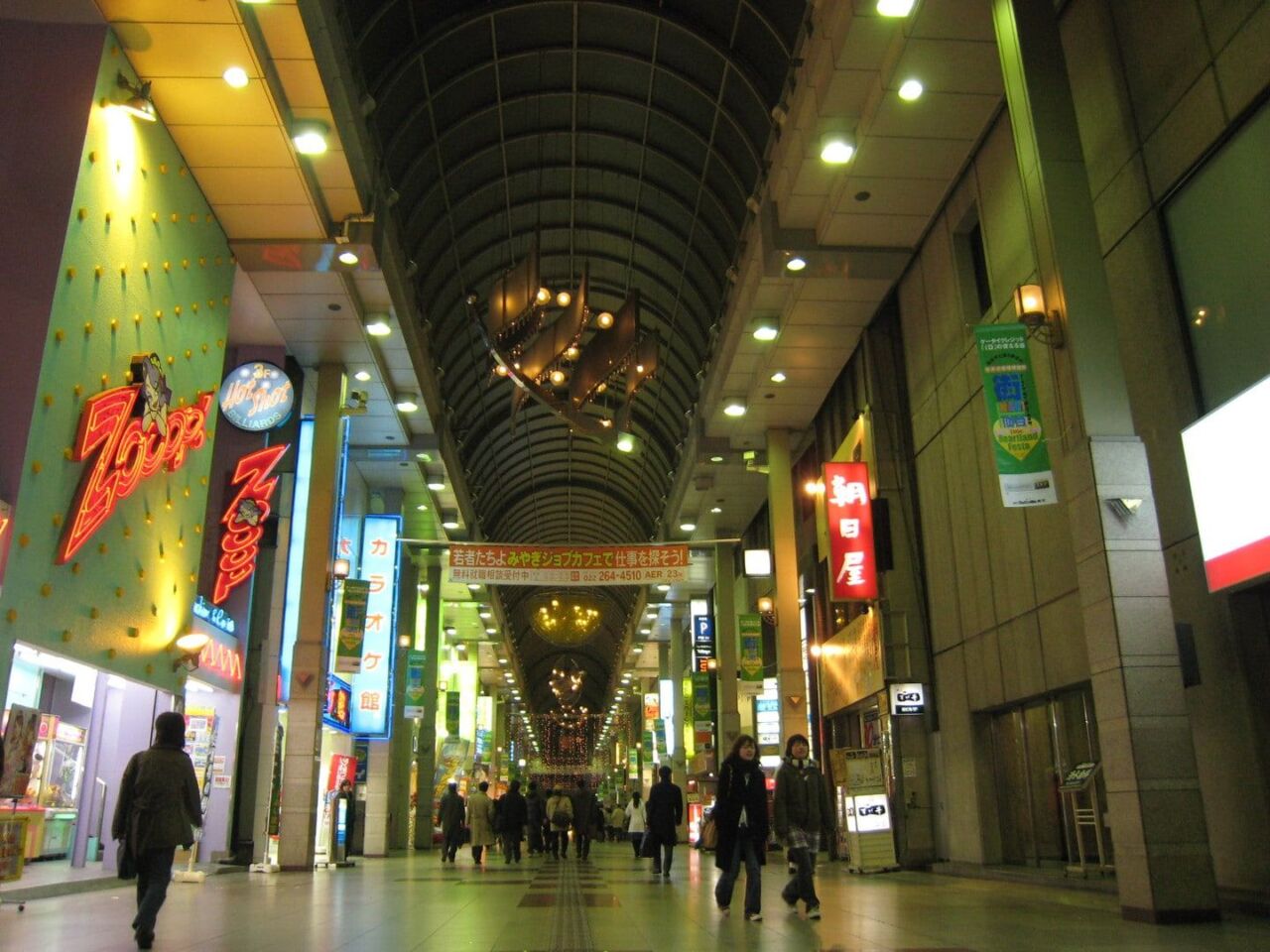
- 🍢 Must-order: Fried gourd, freshly grilled fish cake, takeout snacks along the street
- 💰 Price: Mostly takeout snacks costing a few hundred yen at most
- 🚉 Access: Go straight into the arcade after exiting the west exit of JR Sendai Station, all on foot
Sendai Food Tips: How to Order, When to Go and What You Can Take Home
Four practical questions that directly affect your experience.
How Do You Order Beef Tongue Set Meals Without Mistakes?
Beef tongue shop menus look complicated but really have only two variables: number of slices and cut. Slices usually start at 3, with one slice being about two pieces, and 3 slices is already quite enough for an average appetite, while 4 or more suits big eaters or those who want to pair it with drinks.
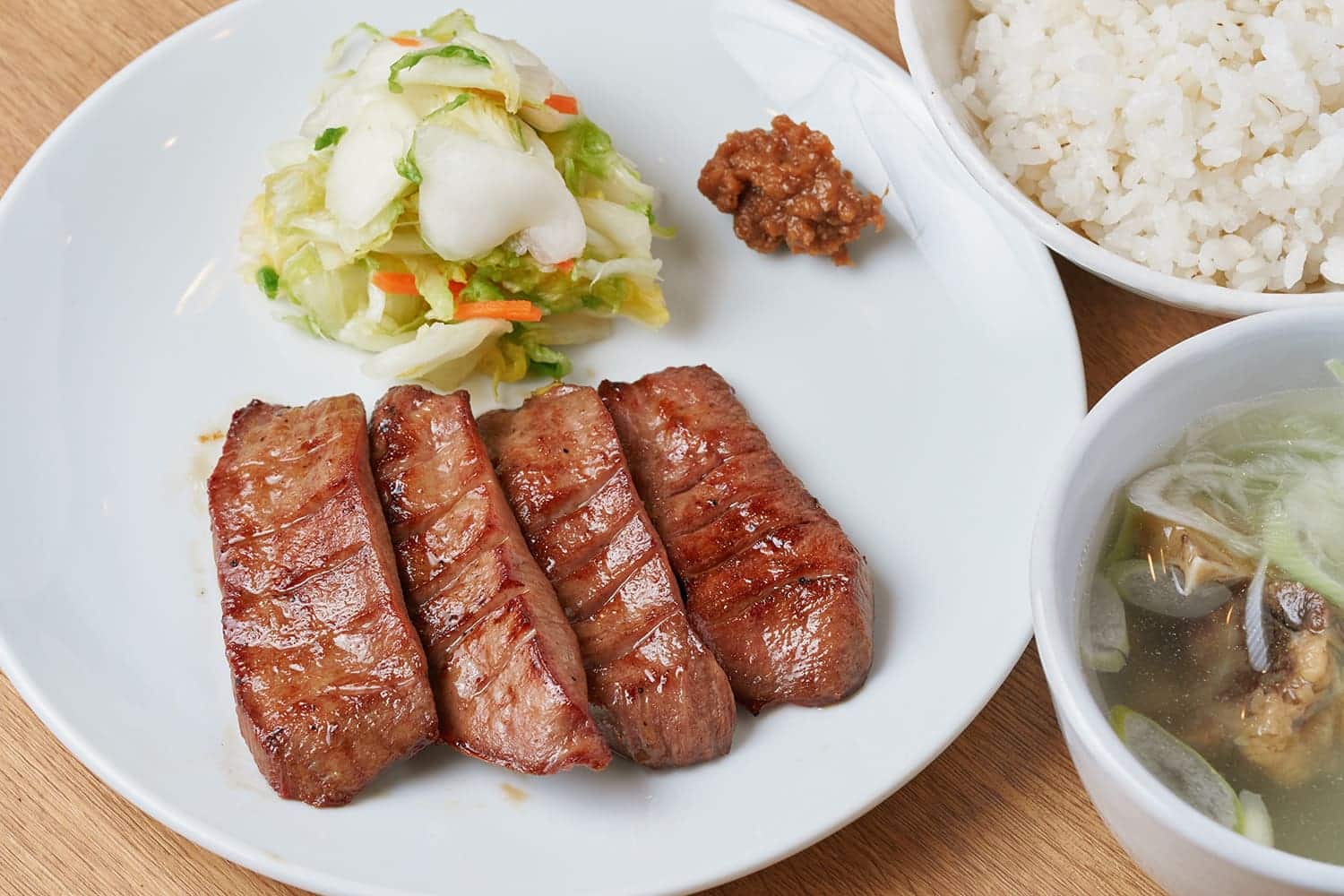
As for cuts, the part near the base of the tongue is the most tender, and many shops list it separately as “Gokujo” or “Jo” at a higher price; the tip is chewier and cheaper. For a first time, we recommend ordering the basic 3-slice set meal first, and deciding whether to upgrade after you have tried the original version. Barley rice and oxtail soup can usually be refilled, so do not be shy. Most shops also serve nanban miso-pickled chili peppers on the side, and they are quite spicy, so it is safer to bite off a small piece first.
What Time Is Best to Avoid Queues?
At Gyutan Dori on the 3rd floor of Sendai Station, the peaks are 12:00 to 13:30 at lunch and 18:00 to 20:00 at dinner, longer on holidays, and we recommend being seated off-peak before 11:30 or after 14:00, when there is usually no wait.
You can schedule beef tongue for the morning of the day you arrive in or leave Sendai to avoid the lunch peak; if you must eat at peak time, walk around first to compare the queues at each shop, since the quality gap is small. Waits grow longer for parties of four or more, so reserve first if you can.
Do Old Shops Take Cash Only? What to Watch for with Payment
Stations and department stores mostly accept cards or electronic payment, but old shops on shopping streets, market stalls and some counter-only small shops are still mostly cash, so we recommend carrying ¥10,000 to ¥20,000 in cash, especially when walking the Sendai Asaichi or the covered arcades and eating as you go. Prepared foods and oyster stalls in the market are mostly small-coin transactions, so having change ready is more convenient. ATMs at the station and convenience stores accept overseas cards for withdrawals. Some old shops do not accept separate checks, so we recommend agreeing on how to pay with your companions first; small shops mostly have no English menu, so prepare phone translation in advance.
What Can You Take Home? Trade-Offs for Chilled Items
Room-temperature items such as vacuum-packed sasa kamaboko, room-temperature zunda mochi gift boxes, beef tongue ready-to-eat packs and cookies can be taken home without worry, with shelf lives usually of several weeks, and they are fine in a suitcase.
Chilled and frozen items such as Kikufuku fresh-cream daifuku, freshly grilled fish cake and fresh seafood last only a few days, and a long flight plus customs easily lets them warm up, so we recommend buying them on the day you head home at Sendai Station or the airport and bringing your own cooler bag; meat and fresh seafood are subject to quarantine rules when entering many countries, including Taiwan, so please check the latest regulations before buying.
We recommend buying all your souvenirs at once on the last day at S-PAL in Sendai Station, where the brand selection is most complete, and this also saves you from carrying them around all day.
Sendai Food Experiences and Tour Recommendations
If you want to turn eating into an itinerary, the following four are the most common bookable options in Sendai.
Beef Tongue Shop Seat Reservations: Save Queuing Time in Peak Season
Some beef tongue shops and wagyu specialty restaurants accept advance reservations, suiting travelers with tight schedules or larger groups, saving peak-hour queuing time. But the most traditional small old shops usually do not take reservations and you can only queue on the spot. Reservation platform plans are sometimes tied to set-menu content, so please confirm the included items and the cancellation policy before ordering, and actual offerings and fees follow the operator’s current announcements. Reservations usually have a time limit and guests are asked to give up the table if they overstay, so keep an eye on your dining pace; if your party size changes, change it in advance and never simply fail to show up.
Hand-Grilled Sasa Kamaboko Experience: A Handy Option for Family Trips
At a fish cake brand’s experience hall, you take a bamboo skewer, grill the fish cake yourself over charcoal, watch it slowly puff up and then eat it, taking just a few minutes in all, and children get very involved.
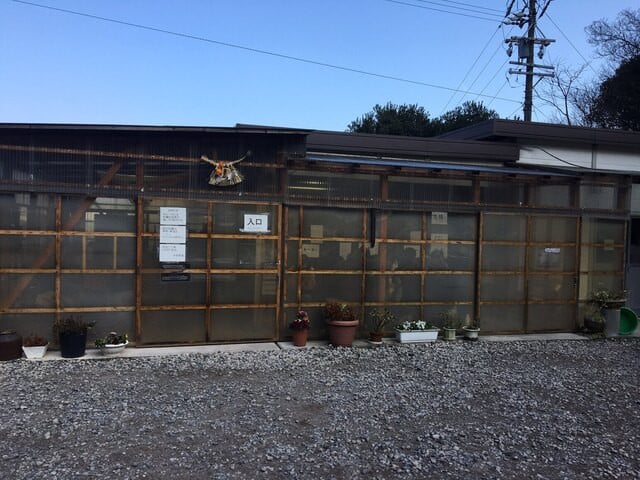
Kanesaki Sasakama-kan has a hands-on workshop on the 2nd floor for making sasa kamaboko and fried kamaboko, which requires a reservation in advance; the hall also has a large shop, so you can buy souvenirs while you are there. Actual experience content, sessions and fees follow the hall’s current announcements, and the facility is in the suburbs, so remember to count travel time when planning.
 KKdaySendai Sasa Kamaboko Hand-Grilling Experience
 KLOOKSendai Sasa Kamaboko Hand-Grilling Experience
Matsushima Oyster Hut Plan: Winter-Only All-You-Can-Eat
In winter, oyster huts around Matsushima mostly offer time-limited all-you-can-eat, with whole shovelfuls of grilled in-shell oysters on the table, served with miso soup and rice, a signature winter food of Miyagi. Reservation rules differ by operator (the grilled-oyster shop at Matsushima Fish Market takes no reservations and you must queue on site), weekends are in high demand, and operating periods are adjusted according to that year’s oyster harvest. The smoky smell on site is strong, so wear clothes you do not mind getting scented. Plans are mostly charged by time and serving stops once time is up, so ask how the timing works once seated; oyster shells are sharp, so use the gloves and tools provided by the shop.
Sendai Food Walking Tour: Let a Local Lead You Through the Shopping Streets
Led by a local guide, linking the Sendai Asaichi, the covered arcades and izakaya, two to three hours of eating as you walk, suited to first-time visitors who do not know where to start.
Tours mostly require advance reservation and a minimum number of participants, with some sessions including meal costs and others charging separately, so read carefully before signing up; actual content, language and fees follow the operator’s announcements. If you travel with older relatives or children, we recommend confirming the walking distance and rest points first; the ground is slippery in winter, so non-slip shoes are important; tours may also be adjusted for weather, so please confirm the meeting time and place again the day before you go.
Let’s Eat! Taste Sendai in Two Days
The good thing about Sendai is the low barrier: the three great specialties are concentrated in the station and one shopping street, so you will not miss the highlights even with just one day. First have a charcoal-grilled beef tongue set meal at Gyutan Dori, walk into the covered arcades for a fried gourd, and finally have a shake at Zunda Komichi, a route that can be done in one afternoon.
If you stay one more day, head to the Sendai Asaichi and Matsushima: eat a seafood bowl at the market in the morning, order Sanriku oysters by the piece, and in winter add an all-you-can-eat oyster session, which is what Miyagi is truly good at. Remember that seri nabe is winter-only and hara-ko meshi suits autumn best, so the season of your trip directly determines what you can eat.

Where to Stay
If you want to eat beef tongue, zunda and the morning market all in one go, staying around JR Sendai Station is the handiest: Gyutan Dori and Zunda Komichi are on the 3rd floor inside the station, the Sendai Asaichi is about a 5-minute walk from the west exit, the covered arcades are entered straight from the west exit, and the dining area toward Kokubuncho for dinner is also within walking distance.

Sendai Food FAQ
Q: With only a two-hour layover, can I eat the Three Great Sendai Specialties?
Yes, and without leaving the station. JR Sendai Station’s 3rd floor has Gyutan Dori and Zunda Komichi, and sasa kamaboko can be bought on the 2nd floor and at the S-PAL souvenir shops; avoid the lunch and early evening peaks, and two hours is enough.
Q: About how much does a Sendai beef tongue meal cost?
Beef tongue set meals run roughly ¥2,500 to ¥4,400, with the price gap coming from the number of slices and the cut; the basic 3-slice set is cheaper, and upgrading to a premium cut or adding slices pushes the price up. Actual amounts follow each shop’s current price list.
Q: Can I take zunda desserts home?
Room-temperature zunda mochi gift boxes have a shelf life of several weeks and can be taken home; frozen or chilled daifuku such as Kikufuku have short shelf lives, so we recommend buying them on the day you head home and bringing your own cooler bag.
Q: When can I eat seri nabe?
It is winter-only, starting to appear around November, peaking from December to February and mostly ending in March; it is served mainly at izakaya and Japanese restaurants, so when reserving please confirm whether it is available that day.
Q: What are the options in Sendai for people who do not eat beef or are vegetarian?
Zunda mochi, daifuku and shakes are made mainly of edamame, sugar and rice and contain no meat; sasa kamaboko is a fish paste product. Strict vegetarians should first confirm whether the broth uses bonito.
Q: What time is best to visit the Sendai Asaichi?
It is busiest from morning to noon, when the stalls are most complete and prepared foods are freshly made; shops gradually close in the afternoon, and some are closed on Sundays. If you want a seafood bowl, around noon is the safest.
