
Matsushima Kaigan Guide: The Easiest of Japan’s Three Great Views to Plan
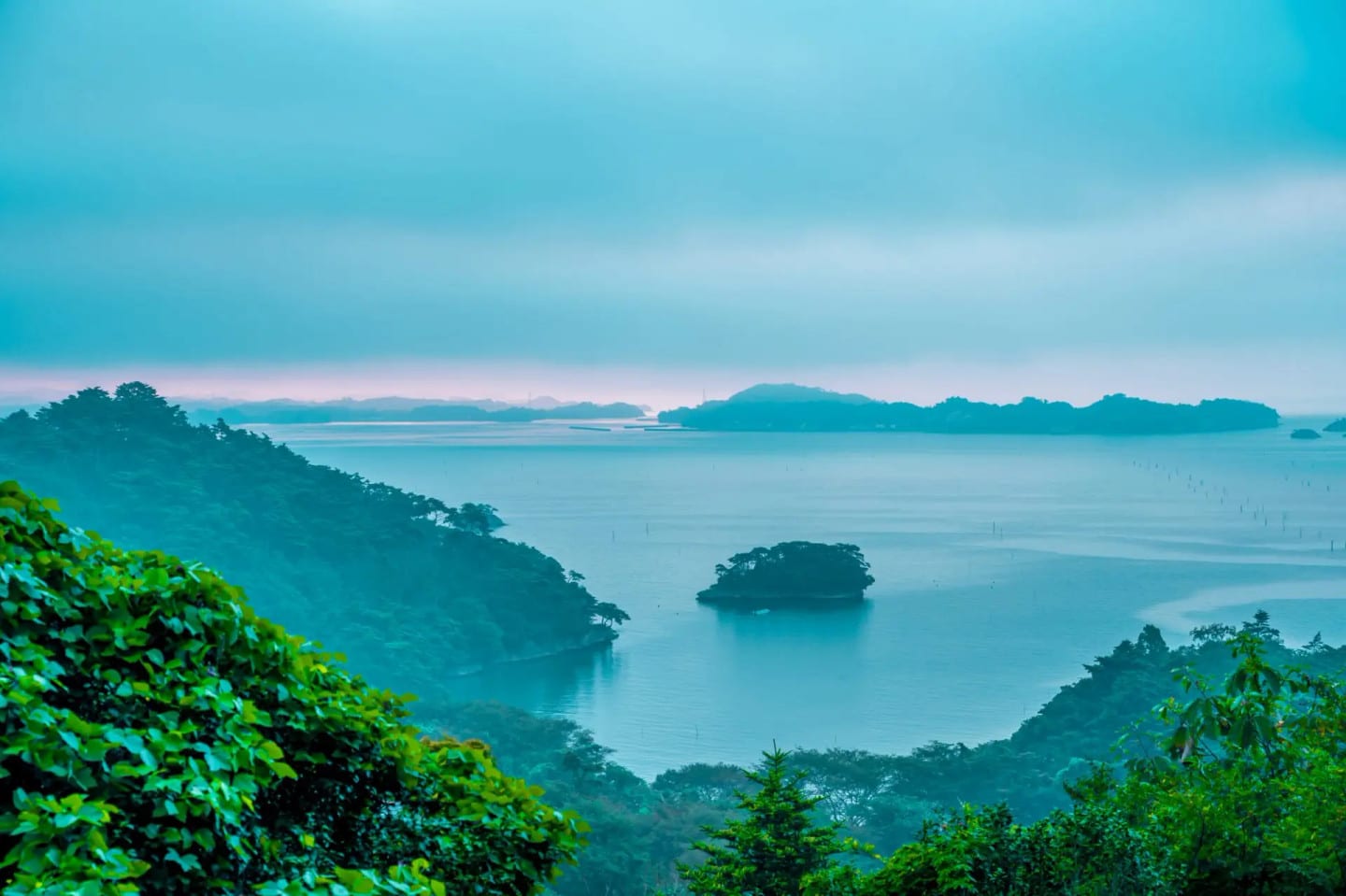
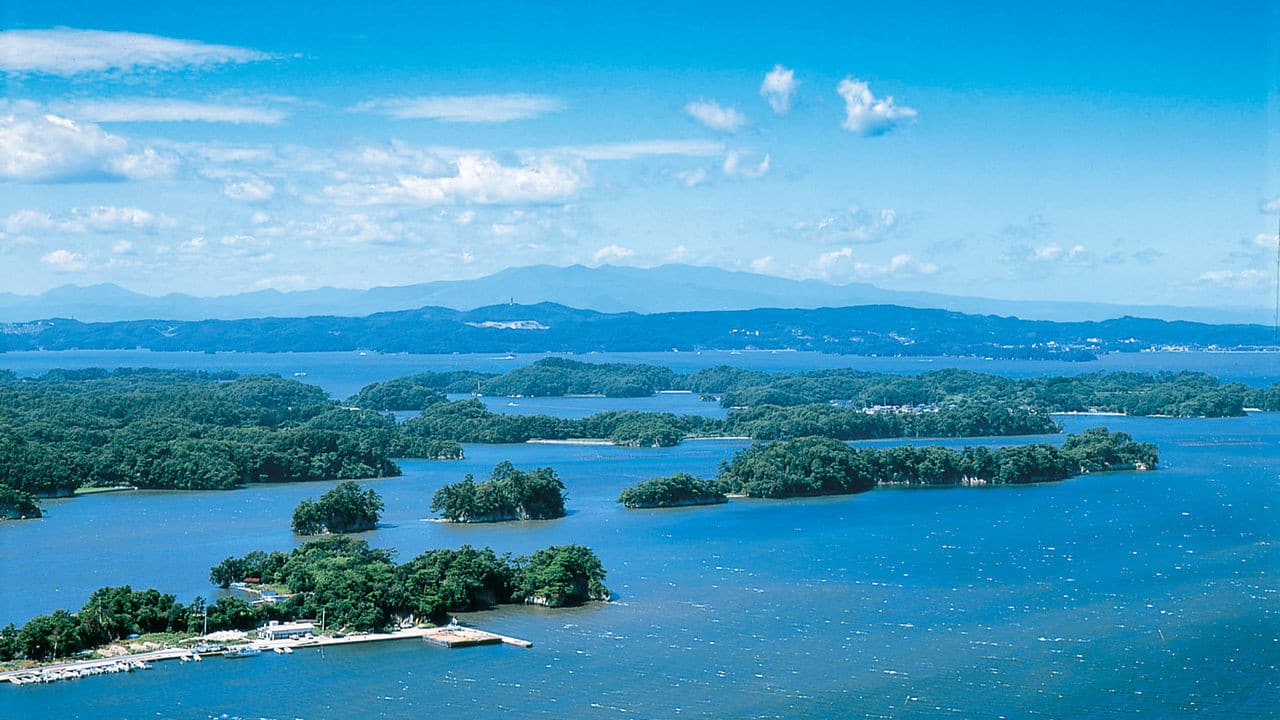
Matsushima is a bay in central Miyagi Prefecture, ranked with Amanohashidate in Kyoto and Miyajima in Hiroshima as one of the “Three Views of Japan.” The scene is easy to recognize: on a calm inland sea are scattered more than 260 small black-pine-covered islands, eroded by waves and wind into all kinds of odd shapes. Seen from land it is a painting, and seen from a boat it is another one entirely.
For travelers, Matsushima’s biggest advantage is that it is close and compact. From JR Sendai Station it takes about 40 minutes on the Senseki Line to reach Matsushima-Kaigan Station. After you get off, the cruise pier, Godaido, Zuiganji, Entsuin and the fish market are all within a ten-minute walk, with no other transport needed. Of the Three Views, this is the least hassle; Amanohashidate and Miyajima both take considerably more travel time.
Two things matter when planning. First, arrive early: many shops and facilities in Matsushima close before 5 p.m., so it is safest to fit your main sights between morning and 3 p.m. Second, weather: in winter, strong winds halt the cruise boats, so check the operating status on the morning you go. This guide covers 12 sights, actual ticket prices and a golden route from morning to evening.
Getting to Matsushima: How to Ride the Senseki Line, and the Most Common Wrong-Station Trap
There is only one thing to remember about getting to Matsushima: do not get off at the wrong station. The four sections below cover everything.
From Sendai on the JR Senseki Line: Be Sure to Get Off at Matsushima-Kaigan Station
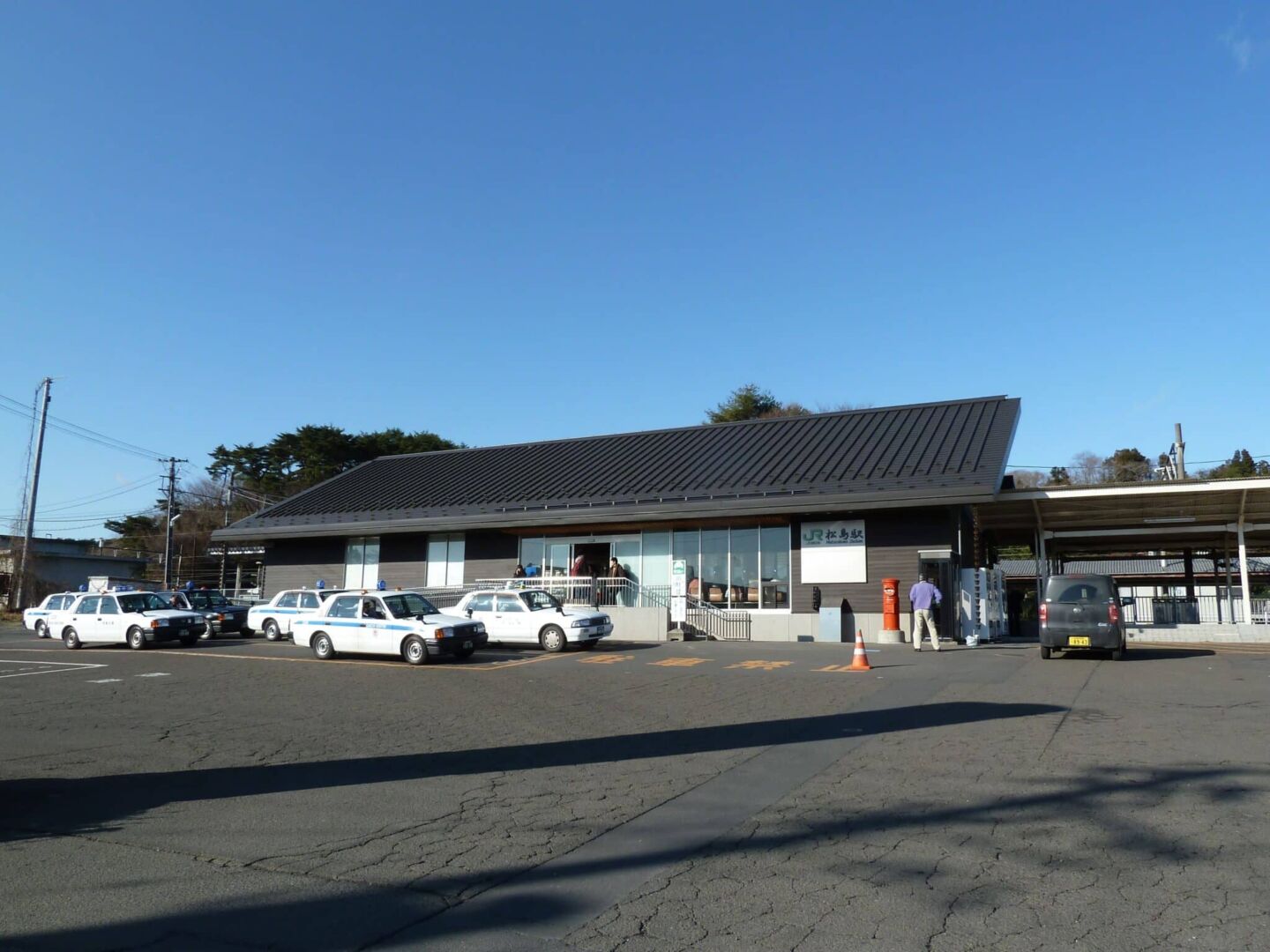
The best way is to take the Senseki Line from JR Sendai Station toward Takagimachi or Ishinomaki. The ride takes about 40 minutes and costs ¥440, and you get off at “Matsushima-Kaigan Station.” From the exit it is about a 5 to 10 minute walk to the cruise pier and the main cluster of sights.
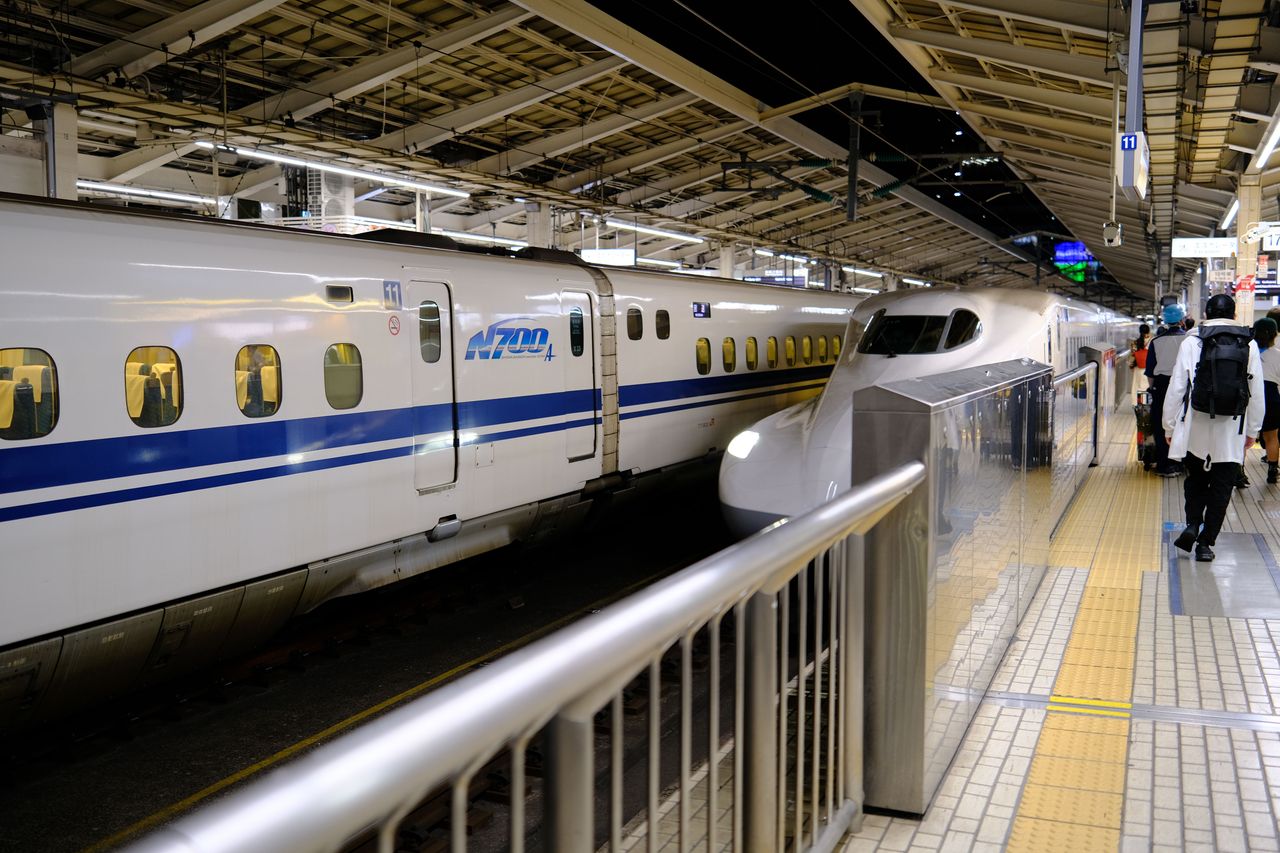
Note that the Senseki Line platforms at Sendai Station are underground, on a different level from the Shinkansen and Tohoku Main Line, and first-timers often look in the wrong place, so leave time to find the platform. There are several trains an hour, but the travel time of rapid and local trains differs quite a bit, so check the timetable if you are in a hurry. Actual schedules and fares follow JR East announcements.
The Wrong-Station Trap: “Matsushima Station” Is Not “Matsushima-Kaigan Station”
A common mistake on Matsushima trips: “Matsushima Station” on the JR Tohoku Main Line and “Matsushima-Kaigan Station” on the Senseki Line have similar names but different locations. The former is about a 15 to 20 minute walk from the sightseeing area and the cruise pier.
For sightseeing, look for “Matsushima-Kaigan Station.” If you bought the wrong ticket or took the wrong line, you can fix it by walking or taking a taxi. The “Senseki-Tohoku Line” rapid trains do not stop at Matsushima-Kaigan Station; you have to change to the Senseki Line at Takagimachi, and it is no faster than the direct Senseki Line, so it is not worth choosing deliberately. The safest way is to type “Matsushima-Kaigan” into the ticket machine.
Another Way In: By Boat from Shiogama Port to Matsushima
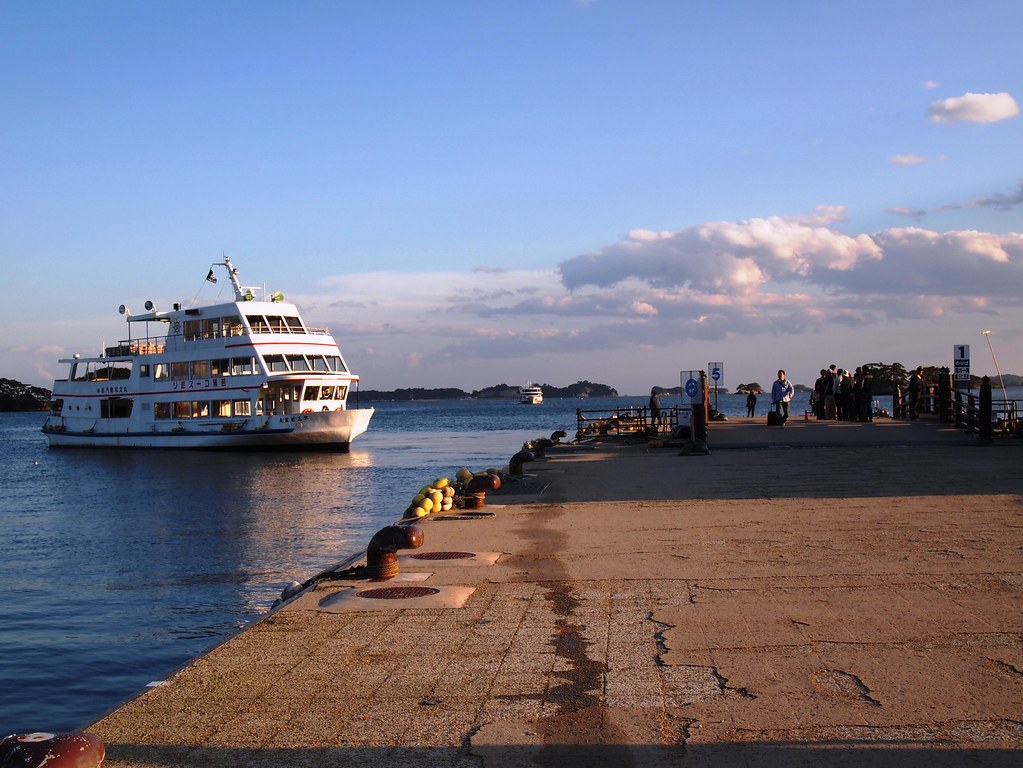
If you prefer the water route, you can take a one-way boat from Shiogama Port, next to JR Hon-Shiogama Station, to Matsushima. It passes through the island groups in the bay, combining transport and a cruise, and is the same route Matsuo Basho once traveled.
A common plan is to take JR to Matsushima on the way out and the boat from Matsushima to Shiogama on the way back, or the reverse. Shiogama is known for sushi and Shiogama Shrine and is worth a stop. This route has fewer sailings and is prone to cancellation in winter or bad weather, so check that day’s schedule first; fares and operating status follow the boat company’s announcements. The route is one-way rather than a loop, so also check the return train times.
Once You Arrive: Walk Everywhere, and If You Drive, Plan for Parking
From Matsushima-Kaigan Station to the cruise pier, Godaido, the Zuiganji approach, Entsuin and the fish market, every distance is within a ten-minute walk along the coast, so you need no transport at all. The ground is flat and fine with a stroller. Only the trip to the Four Great Views lookouts requires a car or taxi.
If you drive, there are several paid parking lots around the sightseeing area, but they are often full around midday in foliage season and on holiday weekends, so arrive before 10 a.m. In winter the sea wind is very strong and the felt temperature is quite a bit lower than in the city, so a windproof jacket is more useful than a thick coat.

What to See in Matsushima: 12 Highlights from the Cruise to a National Treasure Zen Temple
The 12 below are listed in route order. The first eight are within walking distance of Matsushima-Kaigan Station, and the last four need separate transport or time.
Matsushima Bay Cruise: The Classic Way to See 260 Islands from the Sea
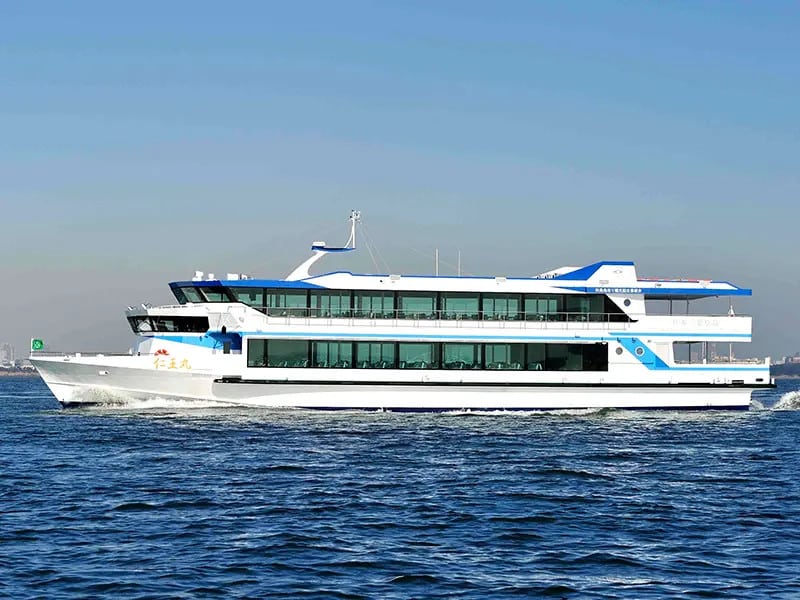
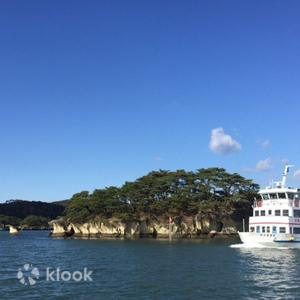
The one thing to do at Matsushima is take the “Matsushima Island Tour Sightseeing Boat” on the Nioumaru route. It circles the bay in about 50 minutes, passing sights such as the sea caves of Kane-jima and Niojima, shaped like a Nio guardian, which can only be seen from the water.
Buy tickets at Window 1 of the green building next to the pier, the “Matsushima-Kaigan Rest House.” The first-floor standard cabin is ¥1,500 for adults and ¥750 for children; the second-floor viewing deck costs an extra ¥600. Strong winter winds or dense fog halt sailings, so check the operating status before you go. Actual fares and schedules follow the operator’s announcements.

Zuiganji: The National Treasure Zen Temple Date Masamune Rebuilt Over Five Years
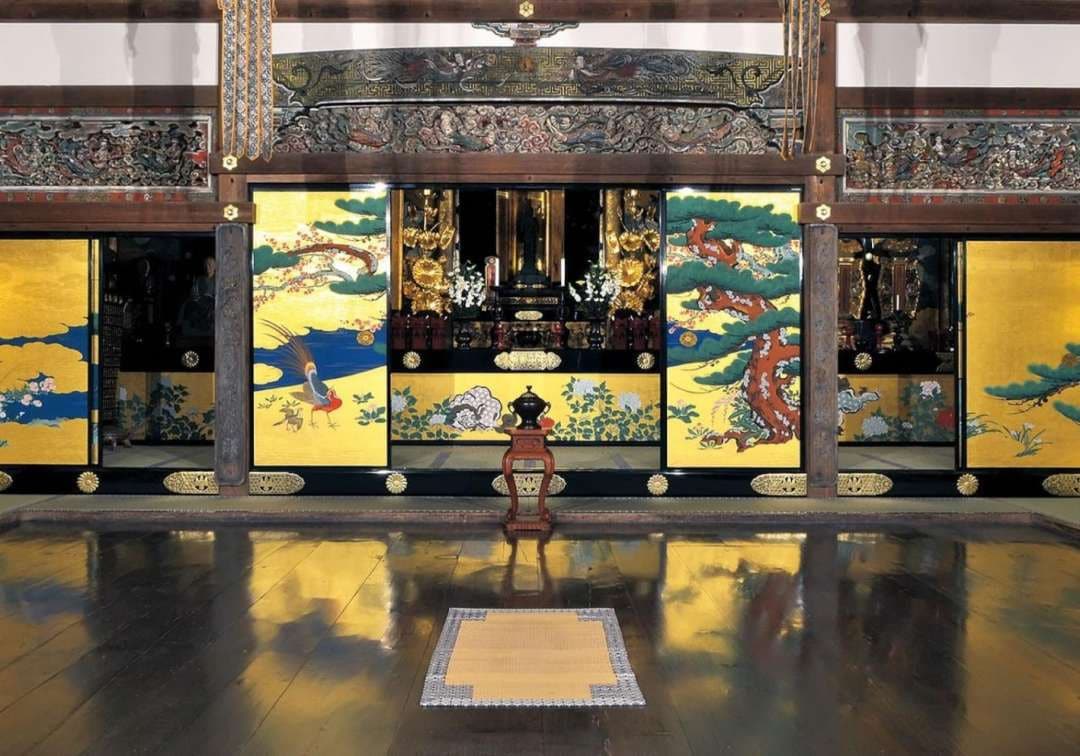
The cultural heart of Matsushima. The Zen temple’s history goes back to the Heian period, and the present buildings were rebuilt by Date Masamune over five years in 1609. Both the main hall and the kuri (kitchen quarters) are National Treasures.
Inside the main hall, the gold-ground sliding-door paintings are richly colored and heavy with gold leaf, in sharp contrast to the plain style of a Zen temple. Beside the approach remain clusters of hand-carved rock caves used by monks for training. According to the Zuiganji official website (zuiganji.or.jp), admission is ¥1,000 for adults and ¥500 for elementary and junior high students. It opens at 8:30, closes between 15:30 and 17:00 depending on the month, and photography inside the main hall is prohibited throughout.
Godaido: A Small Hall Standing on the Sea, Free and Open Until Sunset
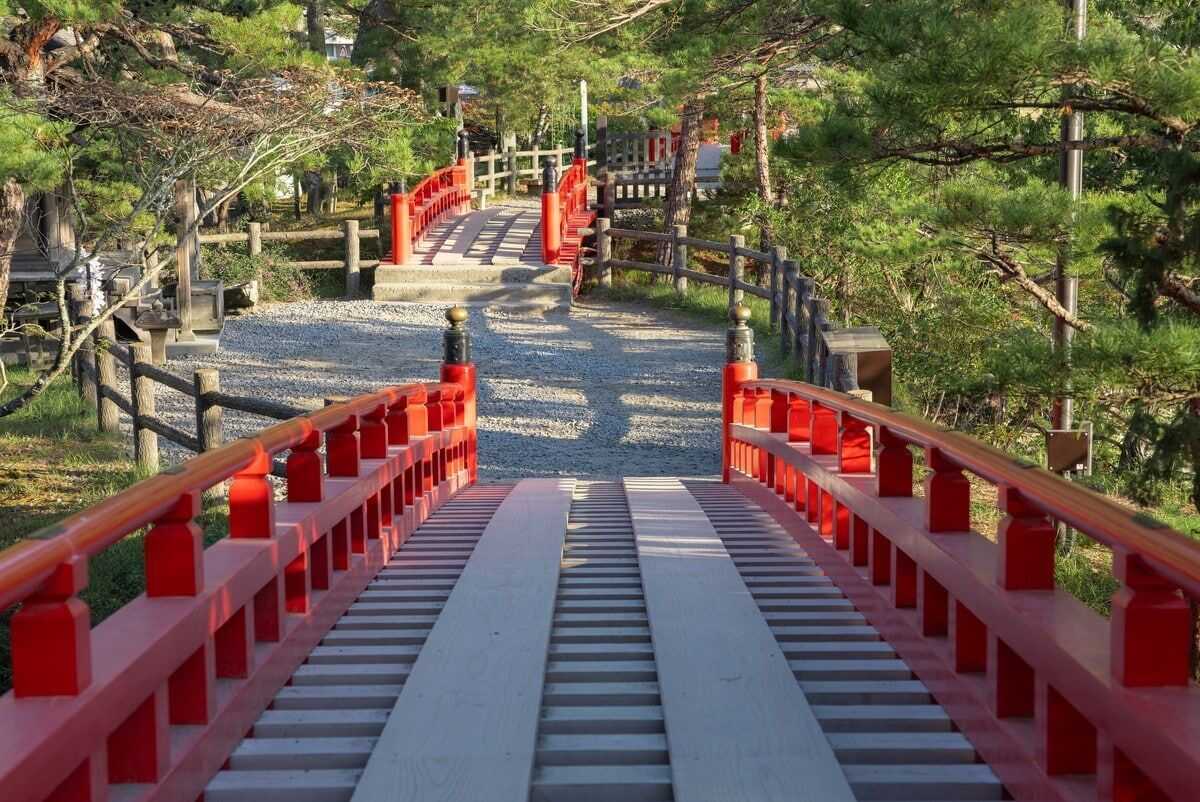
A hall on a small island by the sea and one of Matsushima’s signature sights. You walk across the red wooden bridge called “Sukashibashi,” whose gaps between the planks let you see the water below, said to help you collect your mind.
The twelve zodiac carvings on the outside are a highlight, and the five Myoo statues inside are shown only once every 33 years. Admission is free. The official notice only says the bridge is locked and the hall closes in the evening, without giving an exact time, so if you want sunset photos, move quickly. Next to Godaido you can photograph the cruise boats entering and leaving port. The gaps in the bridge planks are wide, so high heels are not recommended.
Entsuin: A Moss Garden and Night-Illuminated Autumn Foliage Spot
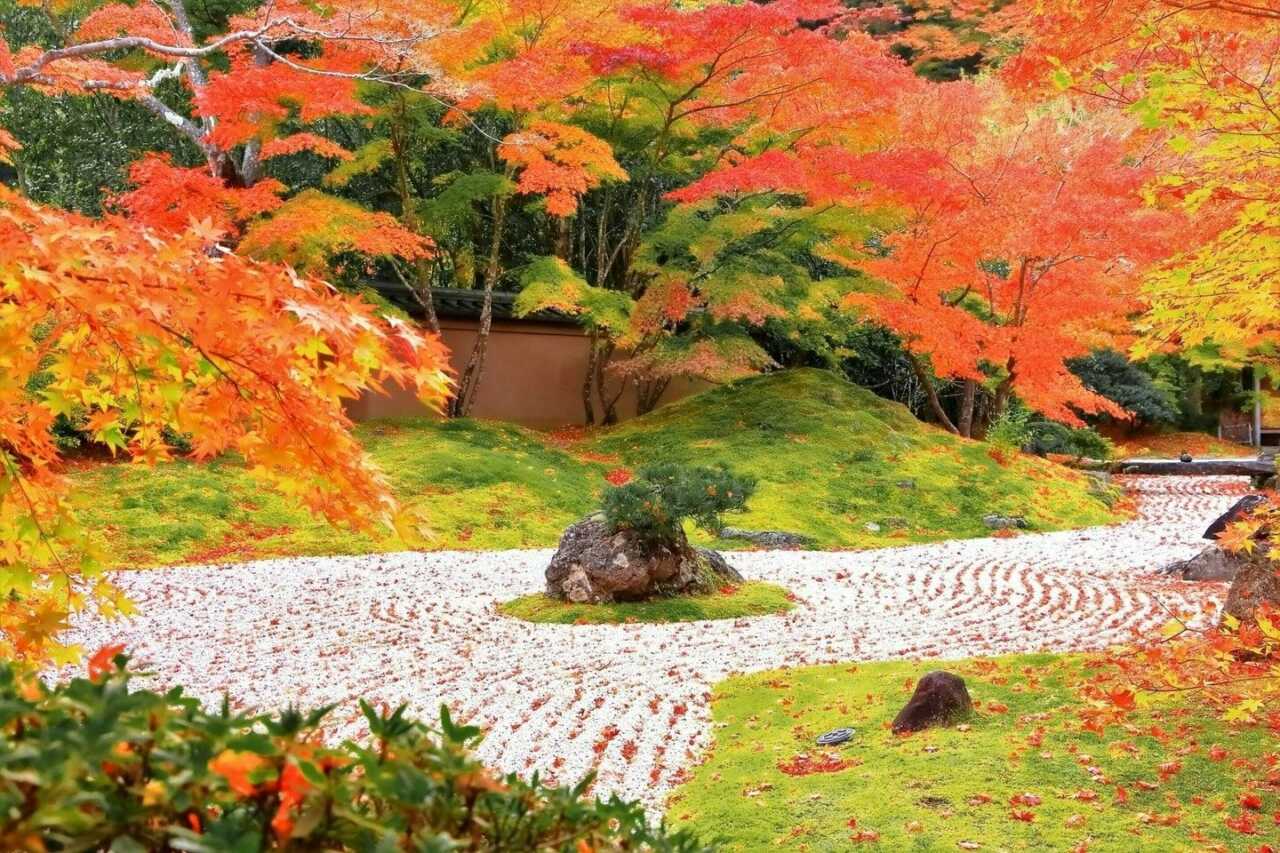
Right next to Zuiganji, this is the mausoleum of Date Masamune’s grandson. The Japanese garden is composed of moss, rocks and a heart-shaped (shinji) pond, with a strong Zen feel, and in autumn when the maples turn red it is the most beautiful place in Matsushima.
Admission is ¥500 for adults and ¥300 for elementary and junior high students, which is good value. The 2026 night illumination runs from October 24 to November 23, 17:30 to 21:00, and requires a separate ticket (adults ¥1,500); actual dates follow the temple’s announcement for that year. Night foliage reflected on the pond is Matsushima’s signature scene. The temple also offers a prayer-bead making experience for an extra fee, which can have lines when busy and suits families with children.
Fukuurajima and Fukuura Bridge: Crossing the 252-Meter Vermilion “Bridge of Encounters”
A long vermilion bridge extends out from the shore, 252 meters in total, with Fukuurajima on the other end. The bridge itself is a classic photo spot.
The island is a natural botanical garden with about 250 kinds of plants, including red pine, cedar and fir, and the loop walking path takes about thirty minutes to an hour. Buy the pass at the ticket booth at the bridgehead. It is sold about 8:30 to 17:00 (until 16:30 from November to February); amounts and times follow on-site notices. The bridge is popularly called the “Bridge of Encounters.”
Oshima and Togetsu Bridge: An Island Where Ascetics Once Retreated
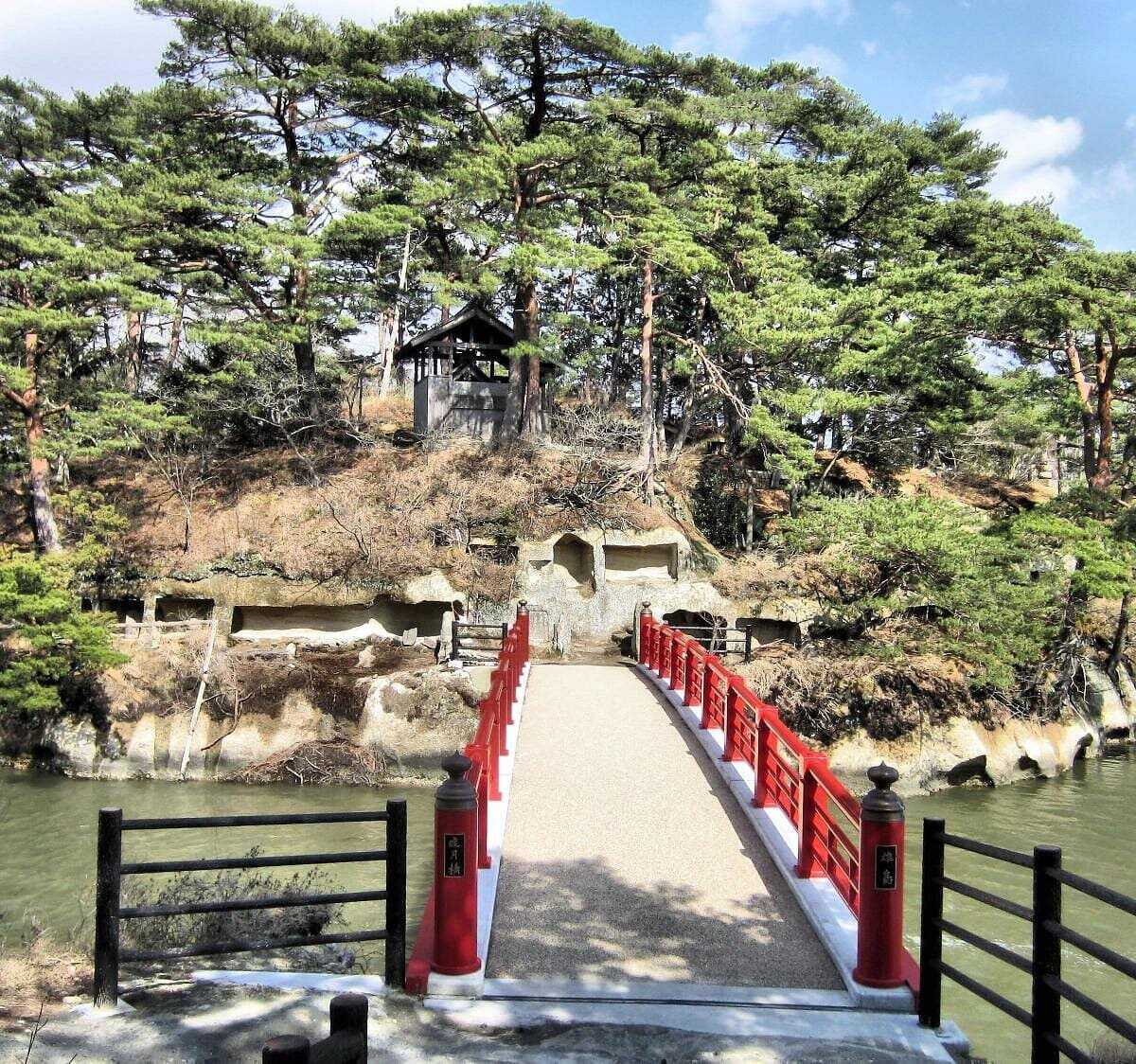
A small island on the south side of Matsushima-Kaigan that used to be a place of retreat and training for monks, with caves carved into the rock walls and stone monuments scattered across it, and an atmosphere far quieter than the busy sightseeing area. The vermilion Togetsu Bridge connecting it to land carries the opposite legend from Fukuura Bridge and is called the “bridge of severed ties.” Admission is free, circling the island takes about twenty minutes, and it works well as a buffer in your schedule. Parts of the paths on the island are rock, so wear comfortable shoes. The view back toward Matsushima-Kaigan from the island is excellent and rarely crowded, making it a hidden photo spot. In winter the sea wind is strong and the bridge surface is slippery, so take care.
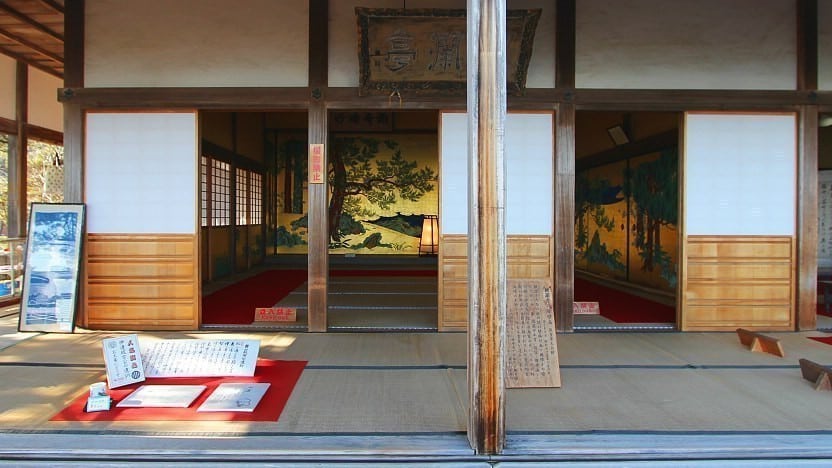
Kanrantei: Matcha on the Tatami with a View of the Bay
Originally a tea house at Toyotomi Hideyoshi’s Fushimi Castle, it was later moved by the Date family to the Matsushima shore for the domain lord to view the bay and entertain guests. Its name means “viewing the waves.”
The best way to enjoy it is to sit down. You can order matcha and Japanese sweets for an extra charge and savor them on the tatami facing the sea, with the whole of Matsushima Bay right in front of you. It is the most comfortable rest stop in Matsushima. Next door is the Matsushima Museum, which displays items of the Date family. Opening hours and fees follow the museum’s announcements, and we suggest putting it in the last part of your route. It is less crowded than Godaido and Zuiganji and usually has seats even in peak season, so it suits a break.
Matsushima Fish Market: All-You-Can-Eat Grilled Oysters and the Hub for Seafood Bowls
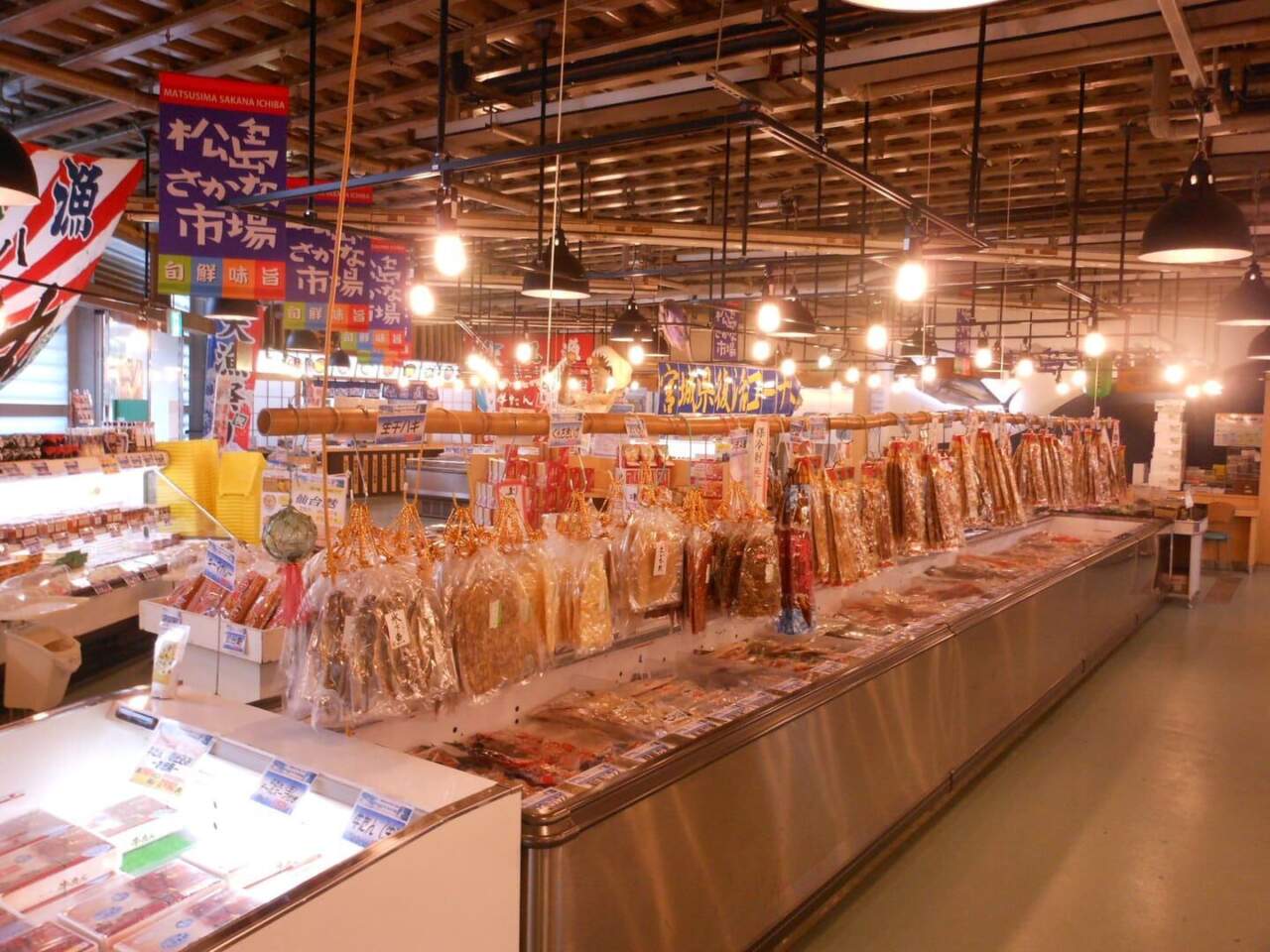
A large seafood market in the sightseeing district, with a fresh and prepared food floor on the first floor and a dining area on the second, offering seafood bowls, fried oysters and set meals. It is the most convenient lunch choice in Matsushima.
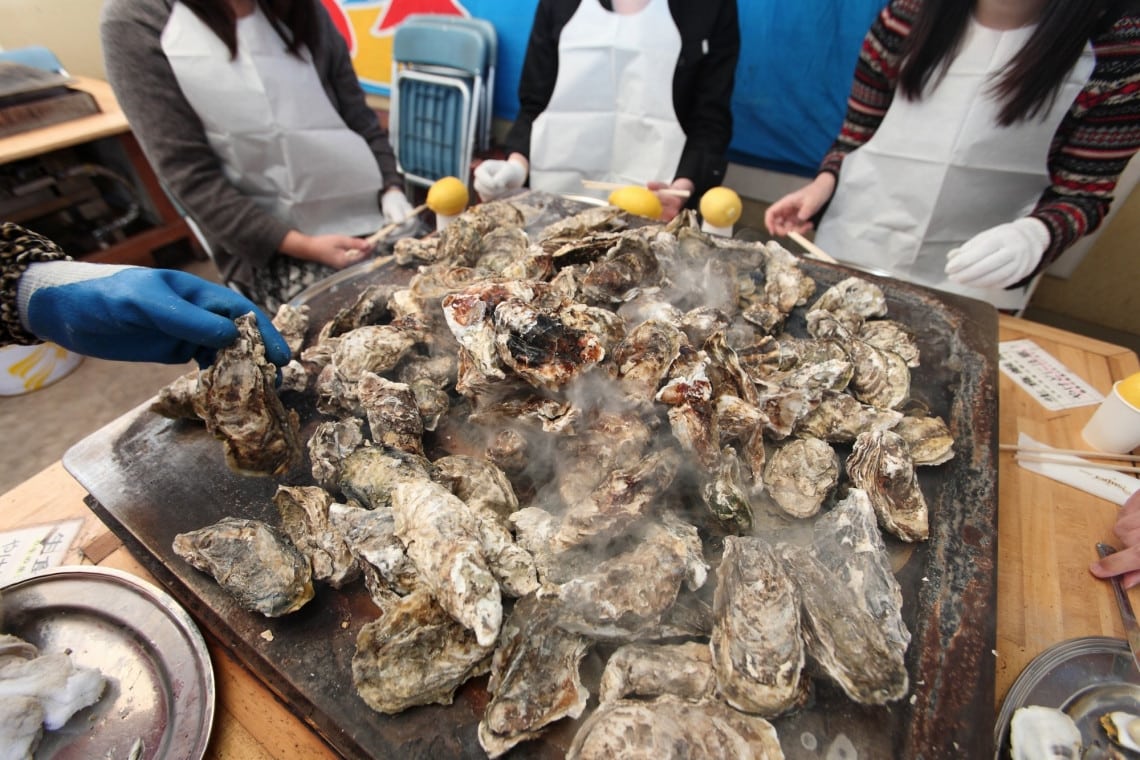
Most famous is the all-you-can-eat grilled oysters, available year-round (plumpest from November to March): a 45-minute session for ¥3,500 with freshly grilled shell-on Sanriku oysters. The fish market is open until 16:00, but the all-you-can-eat oysters end at 15:00, and many shops close in the afternoon, so plan it for lunchtime. Actual plans and fees follow the operator’s current announcements. The first floor also sells freshly fried fish-paste products and grilled seafood skewers, good for eating as you walk.
Matsushima Kamaboko Honpo: Grill Your Own Sasa Kamaboko
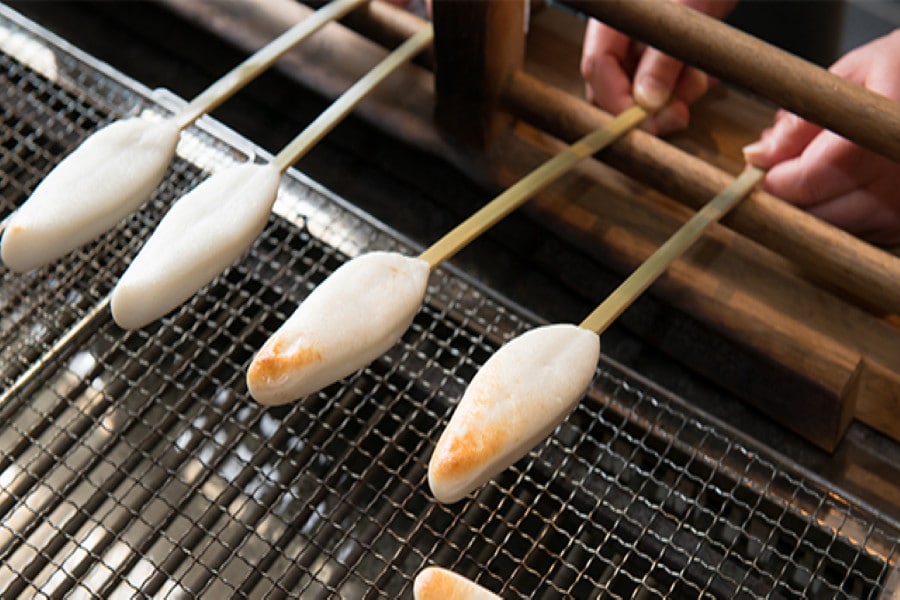
This fish-cake shop by the shore is known for sasa kamaboko and a range of fish-paste products, and its most popular offering is the grill-it-yourself experience: you hold a bamboo skewer and turn the fish cake over the flame until it puffs up, done in a few minutes. Freshly grilled, it is crisp outside and hot inside, and eating it with the sea breeze is distinctive; kids love joining in. The shop also sells “fried fish cake” with cheese wrapped in fish paste and deep-fried, which is also popular and has lines. The experience is priced per piece at a coin-level price; actual fees and availability follow the shop’s current announcements. The shop is on the way to Godaido, so it fits neatly into the gap after you leave the boat and before lunch, and vacuum-packed gift boxes can be bought to take home.
Saigyo Modori-no-Matsu Park: A Free Lookout over All of Matsushima Bay from Above
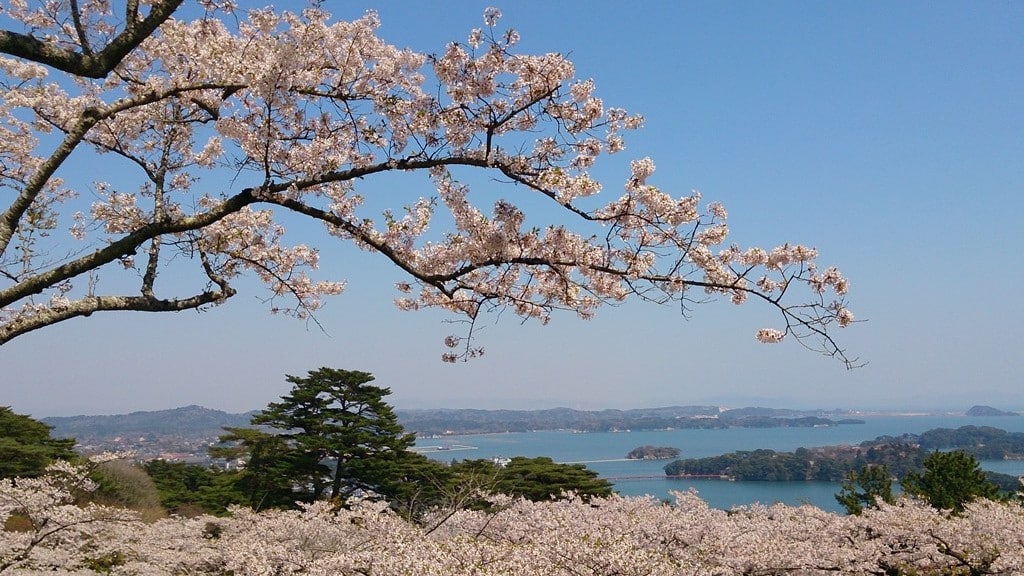
A park on the hillside west of Matsushima-Kaigan Station, one of the few places where you can look down on the whole of Matsushima Bay from above. The sea and islands unfold layer by layer, very different from the view at eye level.
The park’s name comes from the legend of the monk Saigyo, who lost a Zen debate to a child and turned back. The park has about 260 cherry trees, and in the April blooming season the blossoms and the bay share the frame, the classic spring scene in Matsushima. There is also a cafe where you can drink coffee with the view. It is free; it is about a 20-minute uphill walk from the station, or you can drive. If you are not in good shape or are with older relatives, we suggest taking a taxi up and walking down. It is also the best alternative when the cruise boats are not running.
Matsushima’s Four Great Views: Four Angles on the Same Bay
Edo-period Confucian scholars chose four superb places for looking down on Matsushima Bay and named them Sokan, Rekan, Ikan and Yukan, together the Four Great Views. They are on different hills around the bay, and the arrangement of islands differs from each.
The most famous is Sokan at Okumatsushima’s Otakamori, about a twenty-minute climb to the summit, with the widest 360-degree view. All four are free, but they are far from each other with no public transport, so you need to drive. If time is limited, pick just one. In winter the trails may be covered in snow or ice. The others, Rekan at Tomiyama, Ikan at Tamonzan and Yukan at Ogidani, each offer their own angle for photos.
Okumatsushima and Sagakei Gorge: Head East to Avoid the Crowds
The area around Miyato Island on the east side of Matsushima Bay is called “Okumatsushima.” It has fewer tourists, and its highlight is Sagakei Gorge: cliffs and strange rocks line the coast with more force than the gentle islands in the bay. It is ranked with Geibikei in Iwate and Yabakei in Oita as one of Japan’s three great gorges.
You can take a small local sightseeing boat to pass close between the rock walls, more thrilling than the large boats in the bay. It departs from a small port on Okumatsushima and sails regularly year-round, with operating status depending on sea conditions and the operator’s announcements. Access is mainly by car, about 30 minutes from Matsushima-Kaigan. Okumatsushima also has Jomon-period ruins and a beach, which you can visit on the same day as Sagakei.
Tickets and Tours: What to Buy Ahead in Matsushima and What You Can Just Buy On Site
Most things in Matsushima you can just buy on site; only two or three items really need advance handling.
Nioumaru Route Tickets: Available On Site, but Check Operations First
The first-floor standard cabin is ¥1,500 for adults and ¥750 for children. Buy tickets or redeem online reservations at Window 1 of the green Rest House next to the pier, and add ¥600 to upgrade to the second-floor viewing deck.
On weekdays there is usually no long wait for on-site tickets, and online reservations are sometimes cheaper, so compare prices. Weather matters more: strong winter winds, dense fog or high waves halt sailings, so it is safer to check the operating status before you go. Actual fares and schedules follow the operator’s announcements that day. Seagull feed used to be sold on board, but some operators have stopped for ecological reasons, so follow on-site notices. It is windy on deck and hats blow off easily.
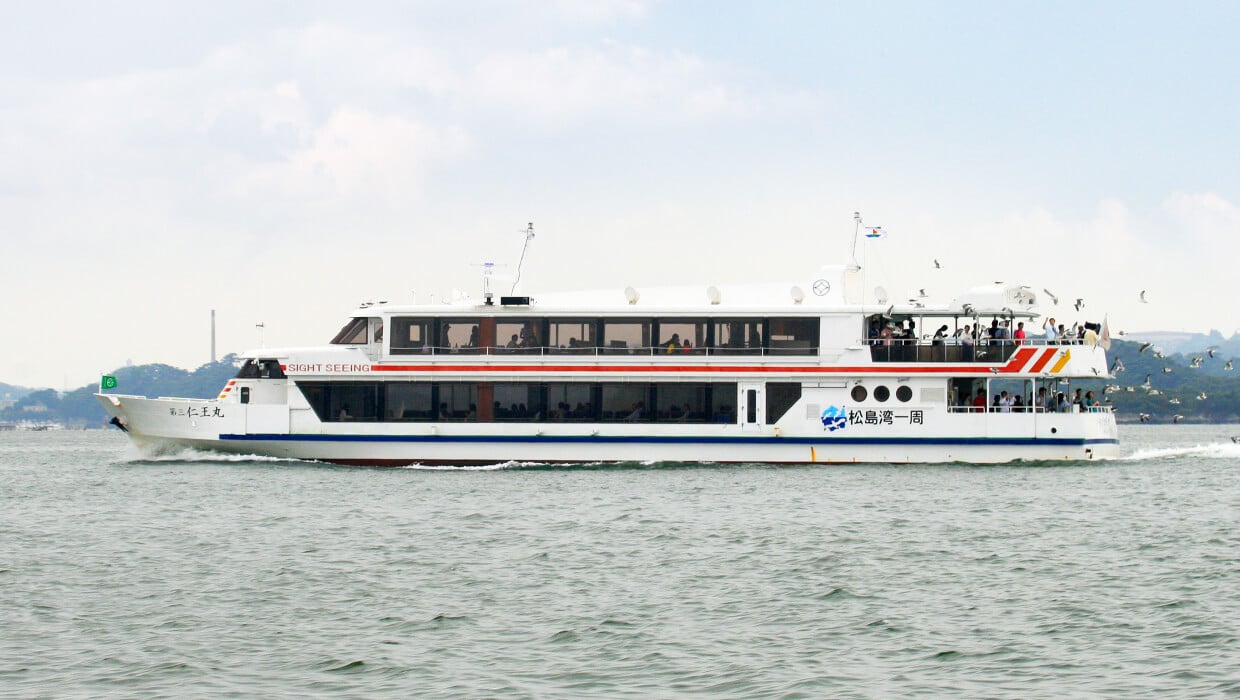
Matsushima Cruise Departure Times: Hourly from 9:00 to 16:00, Last Boat 15:00 from November to March
The Matsushima Island Tour Sightseeing Boat’s Nioumaru route circles the bay in about 50 minutes, boarding near Godaido, and runs roughly from 9:00 to 16:00 with one departure an hour; the last boat from November to March is 15:00. Adults are ¥1,500 and children ¥750, with the second-floor green cabin costing an extra ¥600 for adults and ¥300 for children. Times change by season and weather, so follow the operator’s announcements.
Entsuin Autumn Night Illumination: Limited Period, Separate Ticket Required
The night illumination held in the Entsuin garden each autumn is expected to run from October 24 to November 23 in 2026. Night foliage reflected in the shinji pond is Matsushima’s most famous seasonal scene.
This is billed separately from daytime admission and requires its own ticket; some accommodation plans bundle admission tickets. Weekends during the period draw considerable crowds, so avoid the busiest times. Actual dates, time slots and fees follow the temple’s announcement for that year, so be sure to confirm again before you go. The illumination starts in the evening, so watch the last train back to Sendai after you finish.
All-You-Can-Eat Grilled Oysters: Year-Round, No Reservations
A 45-minute all-you-can-eat session is ¥3,500 (¥4,000 with oyster rice and oyster soup), serving freshly grilled shell-on oysters year-round, plumpest from November to March.
Reservations are not accepted, so you have to queue on site. Hours are 10:00-15:00 on weekdays and 9:00-15:00 on weekends and holidays. It is smoky inside and the oyster shells are sharp, so wear old clothes and use the gloves and tools as the shop directs. Plans and fees follow the shop’s announcements for the year. People with sensitive stomachs should eat them fully cooked, and serving stops when time is up.
 KKdayMatsushima All-You-Can-Eat Grilled Oyster Plan
 KLOOKMatsushima All-You-Can-Eat Grilled Oyster Plan
Matsushima Day Trip from Sendai: Choose It If You Also Want to Cover the Four Great Views
Matsushima itself is easy to do independently, but the Four Great Views and Okumatsushima have no public transport, so a day tour or chartered car from Sendai Station is much more practical. Most tours combine the cruise, Zuiganji and one lookout.
These tours are by reservation and have a minimum number of participants, and may be canceled in winter because of weather. Before signing up, confirm the meeting point, which tickets are included and the cancellation policy. Actual content, fees and departure conditions follow each operator’s announcements for the year. Some tours combine Matsushima with Shiogama, or Matsushima with the Zao direction, in the same day, so check the time spent at each stop beforehand. Some tours stop at Matsushima for only two hours, not even enough to finish the cruise.
Where to Stay: A Matsushima Hot Spring, or Back Near Sendai Station?
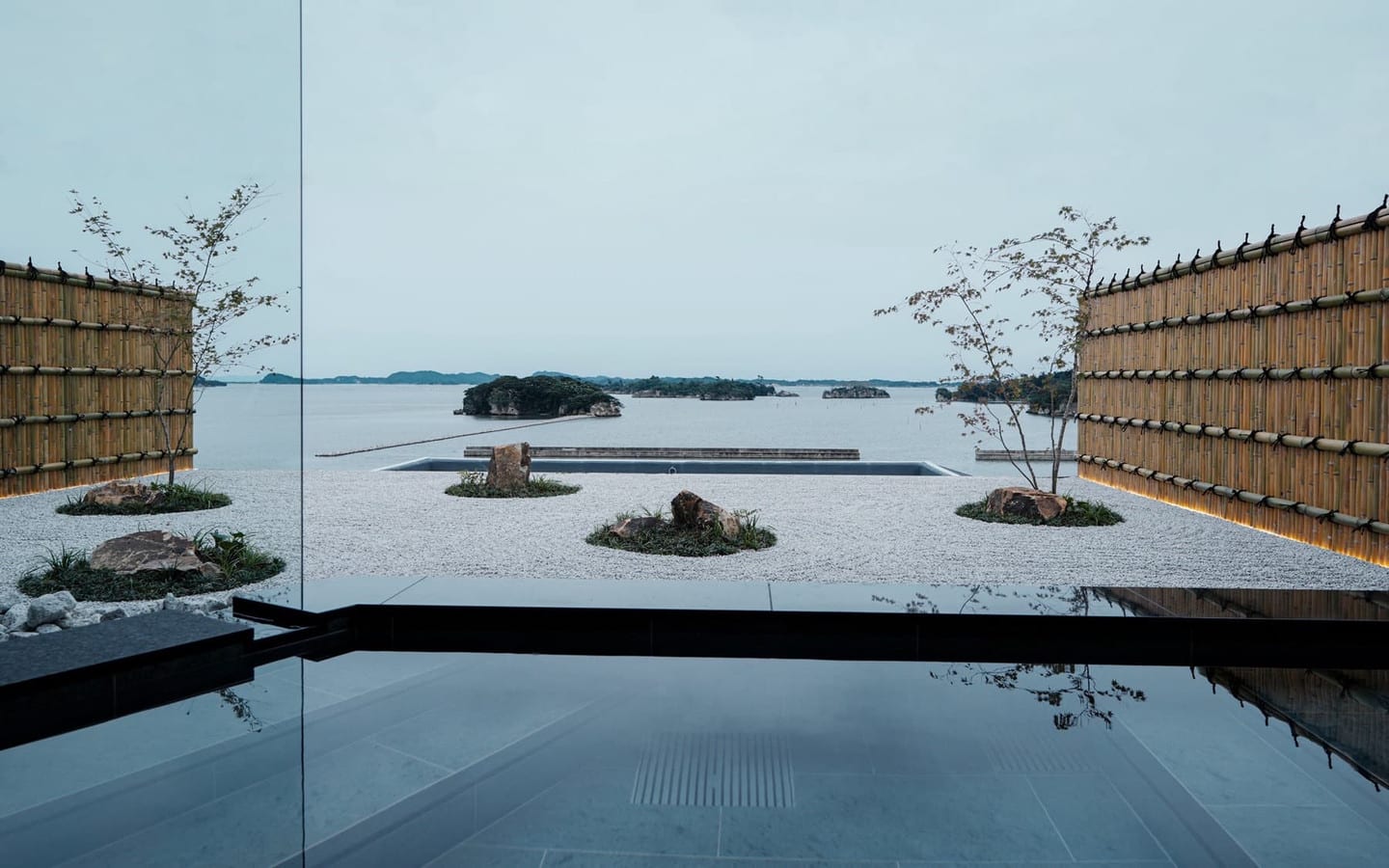
Matsushima can be done as a day trip, but staying a night has irreplaceable reasons.

Matsushima or Sendai? First Decide Which Hour of the Sea You Want to See
If you want to see all the sights, a day trip from near Sendai Station is the most efficient: 40 minutes by train, plenty of accommodation choices at lower prices, and you can still go back to the city for beef tongue at night, which is how most travelers plan it. But Matsushima Bay at dawn and dusk can only be seen if you stay a night; after the crowds leave, the sea glows at sunrise and mist floats around the island silhouettes, especially tranquil. Hot spring inns around Matsushima-Kaigan are mostly one night with two meals, with sea-facing rooms, so you can enjoy both a hot spring bath and sea views, but rooms are tight in peak season and the foliage period, so book early. A compromise is to stay in Shiogama, which is cheaper and close to Sendai, and take a boat into Matsushima the next morning.
Matsushima FAQ
Q: How long does it take to get from Sendai to Matsushima, and what is the fare?
From JR Sendai Station take the Senseki Line toward Takagimachi or Ishinomaki. It takes about 40 minutes and costs ¥440, and you get off at “Matsushima-Kaigan Station.” The Senseki Line platforms at Sendai Station are underground, on a different level from the Shinkansen, so first-timers should leave time to find the platform. Senseki-Tohoku Line rapid trains do not stop at Matsushima-Kaigan Station; you have to change to the Senseki Line at Takagimachi, which actually takes longer.
Q: What is the difference between “Matsushima Station” and “Matsushima-Kaigan Station”?
A big one, and it is the most common mistake. “Matsushima-Kaigan Station” is on the Senseki Line, and from the exit it is a five to ten minute walk to the cruise pier, Godaido and Zuiganji; it is the one tourists should go to. “Matsushima Station” is on the Tohoku Main Line and is a 15 to 20 minute walk from the sightseeing area. The names are similar but the stations are completely different, so when buying tickets and reading platform signs, make sure to look for the word “Kaigan.”
Q: How long should I stay in Matsushima? Is half a day enough?
Half a day is slightly rushed; a full day is comfortable. With half a day, focus on the cruise (about 50 minutes), Godaido and a seafood meal, which fits just right. With a full day you can add Zuiganji, Entsuin and matcha at Kanrantei, for a much more relaxed pace. Note that many Matsushima shops close before 5 p.m., so the usable part of a full day is really about 10 a.m. to 4 p.m., and arriving early matters more than leaving late.
Q: Do I have to take the cruise? Would I miss out without it?
Yes, you would. Matsushima is one of Japan’s Three Views because of those 260-plus islands on the sea, and the most representative rock formations such as Kane-jima and Niojima simply cannot be seen at the right angle from land. At 50 minutes and ¥1,500 for adults, it is the best-value expense of the whole trip. The only exception is a winter day when strong winds halt sailings; then switch to a land-based lookout route, such as Saigyo Modori-no-Matsu Park.
Q: What is the best season to visit Matsushima?
Autumn has the most to offer: Entsuin’s maples and night illumination (expected October 24 to November 23 in 2026) are Matsushima at its most beautiful all year. Winter is oyster season; all-you-can-eat grilled oysters are available year-round but are plumpest in this period, though the sea wind is very strong and cruises are canceled more often. In spring, Saigyo Modori-no-Matsu Park in April has about 260 cherry trees alongside the bay. Summer is the most stable, with the drawbacks of heat and crowds.
Q: Which places in Matsushima need no admission ticket?
Quite a few. Godaido is free (the bridge is locked in the evening), Oshima is free, Saigyo Modori-no-Matsu Park is free, all four of the Four Great Views are free, and of course the shoreline promenade is free. The main paid items are the cruise (adults ¥1,500), Zuiganji, Entsuin (adults ¥500) and the Fukuura Bridge pass. On a limited budget, the free spots alone give you a very complete Matsushima.